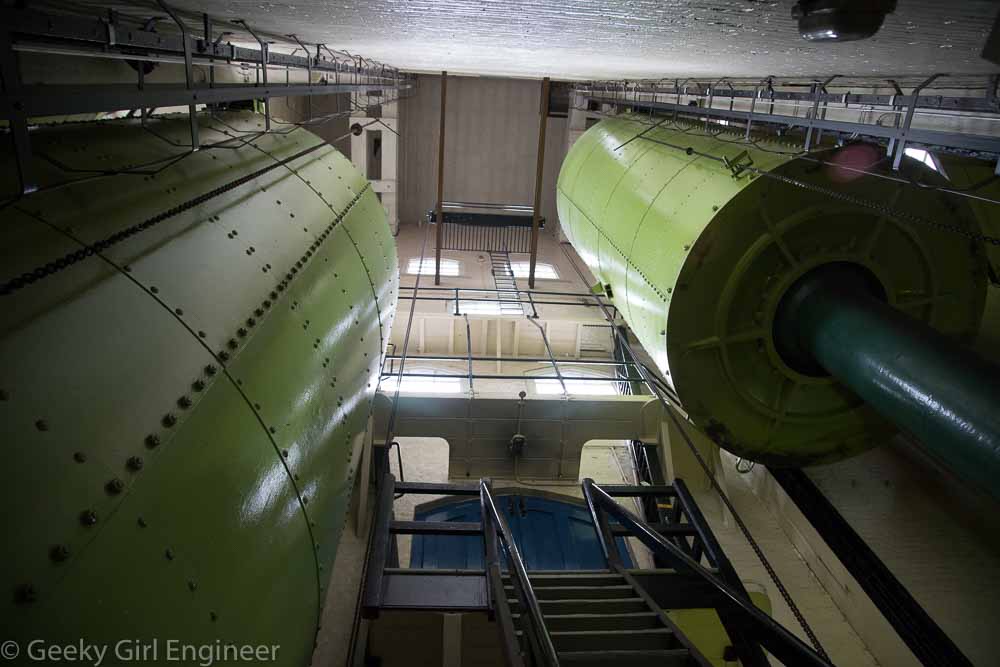
F.J. Horgan Water Treatment Plant

The F.J. Horgan Water Treatment Plant was one of my top two reasons for coming to Doors Open Toronto. Sadly, no wastewater treatment plants were open for the event, as I find them more interesting than water treatment plants. However, water treatment plants are still interesting. This plant was even more interesting than I initially thought it would be because I am fairly this is the first water treatment plant I have been to where they use ozone for the initial disinfectant. This is the second water treatment plant I have visited in Toronto. The first Doors Open Toronto I came to, I visited the absolutely magnificent R.C. Harris Water Treatment Plant. F.J. Horgan Water Treatment Plant is not as beautiful, but it is interesting none the less.

The plant’s water intake is from pipes in Lake Ontario over 2 km from shore. It is then pumped to the plant and then up from the pipes which are (I think) nine stories below the surface. The plant sits on cliffs high above the water surface. Ozone is added to the water. Ozone disinfects the water. The ozone is made at the treatment plant from liquid oxygen. Before the water leaves the tanks where is contacts ozone, sodium bisulfite is added to remove any left over ozone.

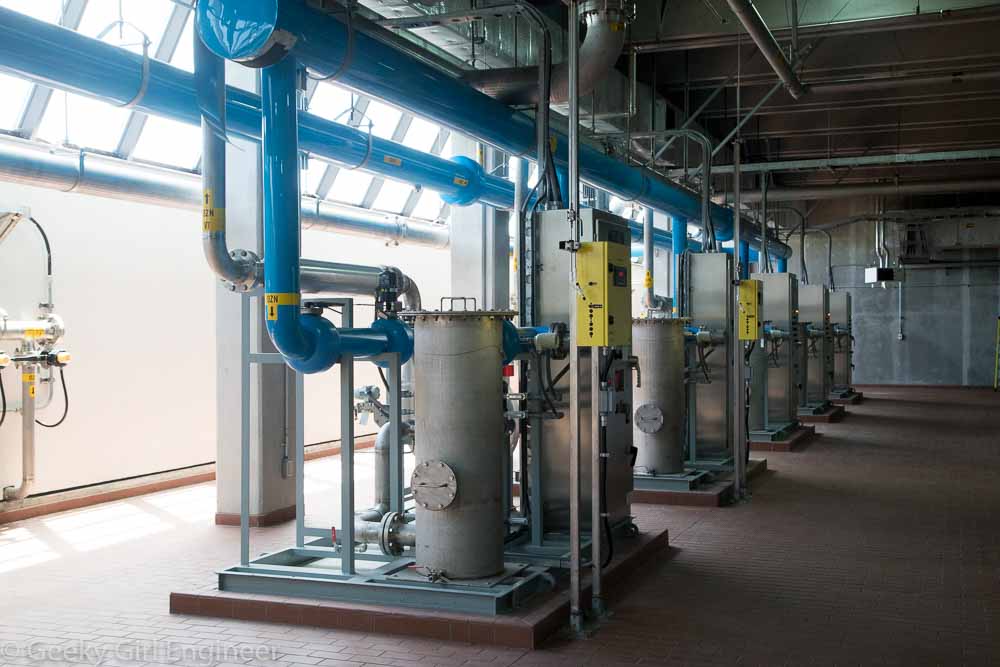
Ozone generation unit from liquid oxygen and electricity
Ozone is piped to water contact units

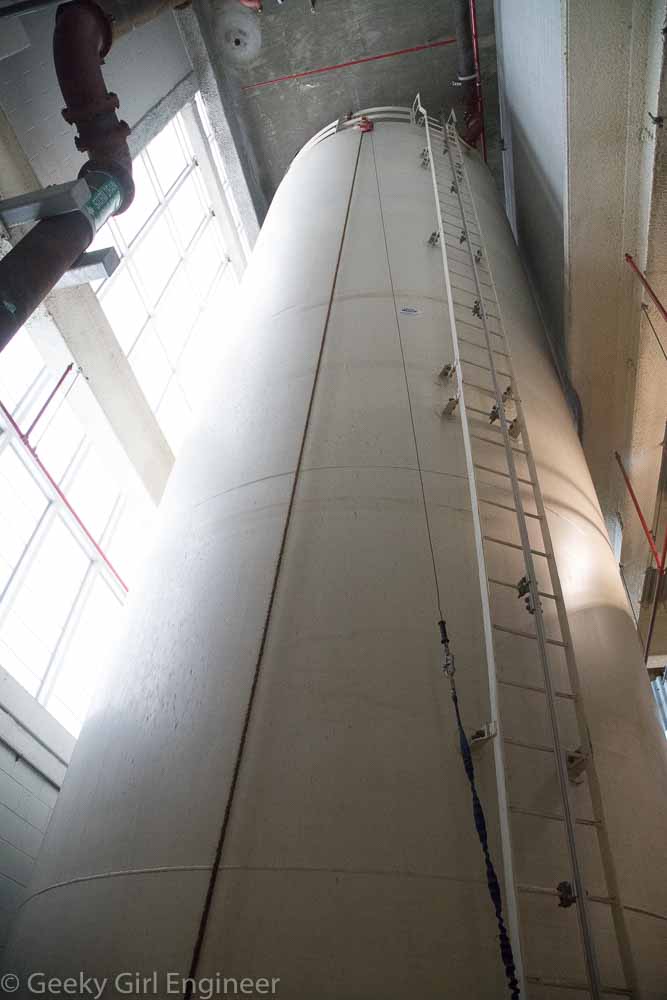
Coagulant is then added to the water. Coagulant causes certain ions and tiny particles to start to come together to make bigger particles, which are easier to filter out. The water is pumped to sediment filters. The filters have a lower sand layer topped with a carbon layer. The filter tanks are huge, but so are the pipes in the building.
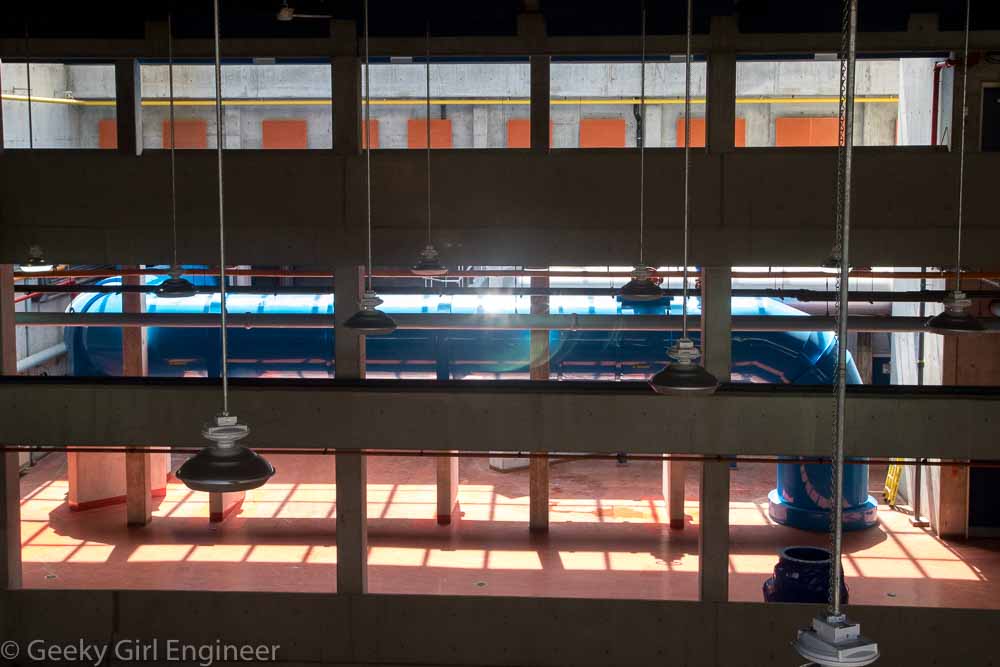
Gigantic water pipe conveying water (I think) to the filter tanks
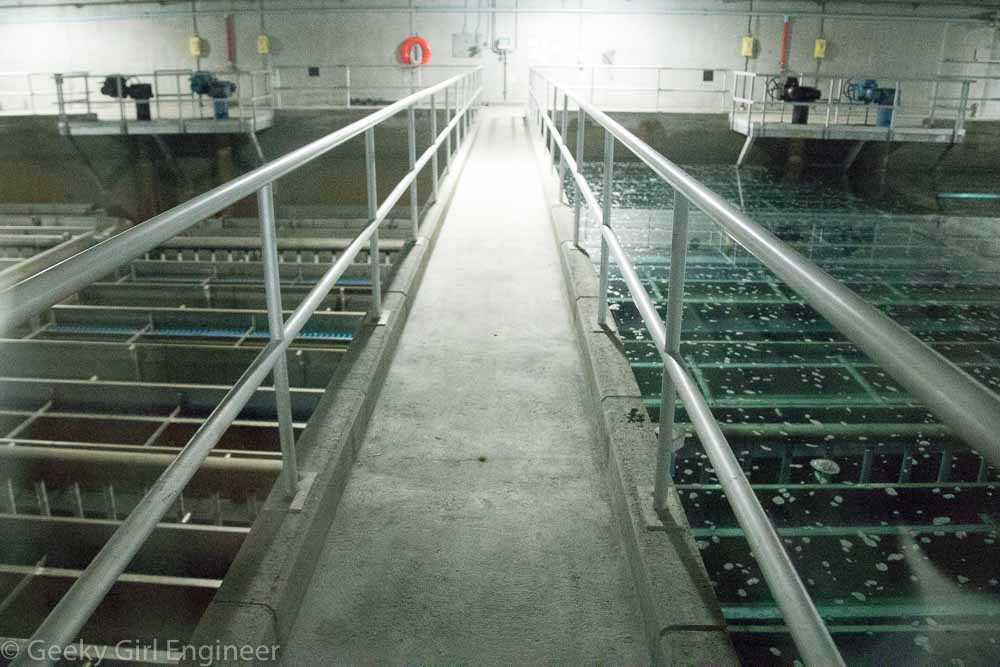
This is a horrible photo because is taken through glass with wire lining, but that is water in the filter tanks. The filters are at the bottom, and I think blue plastic thing is the trough where the backwash goes when the unit is backwashed.
Another horrible photo taken through glass, but on the left side is an empty filter tank, and on the right side is a filter tank with water.
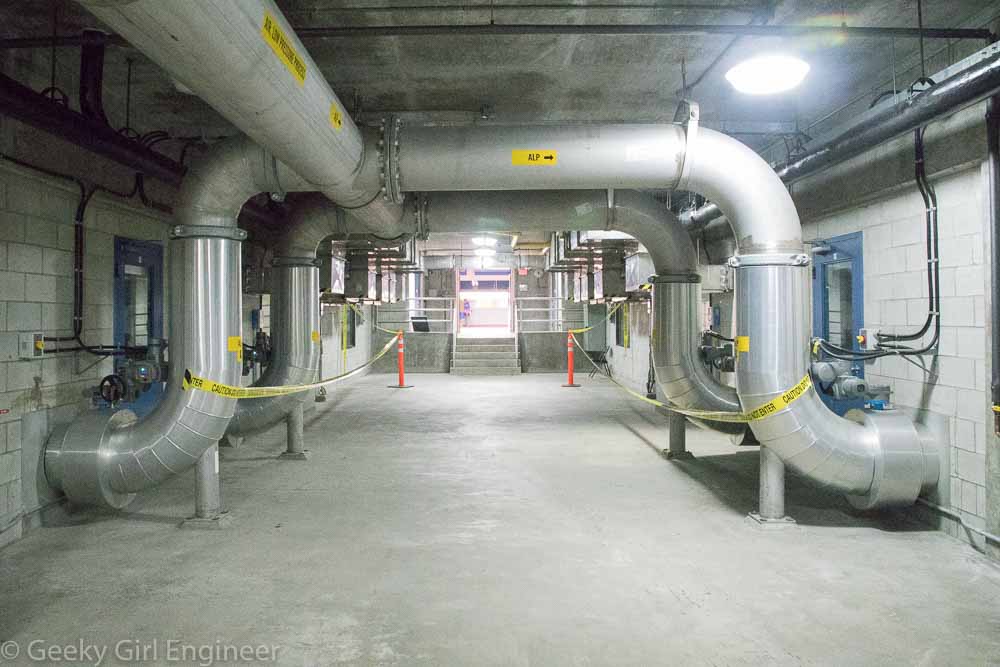
Low pressure air pipes in the filtration gallery
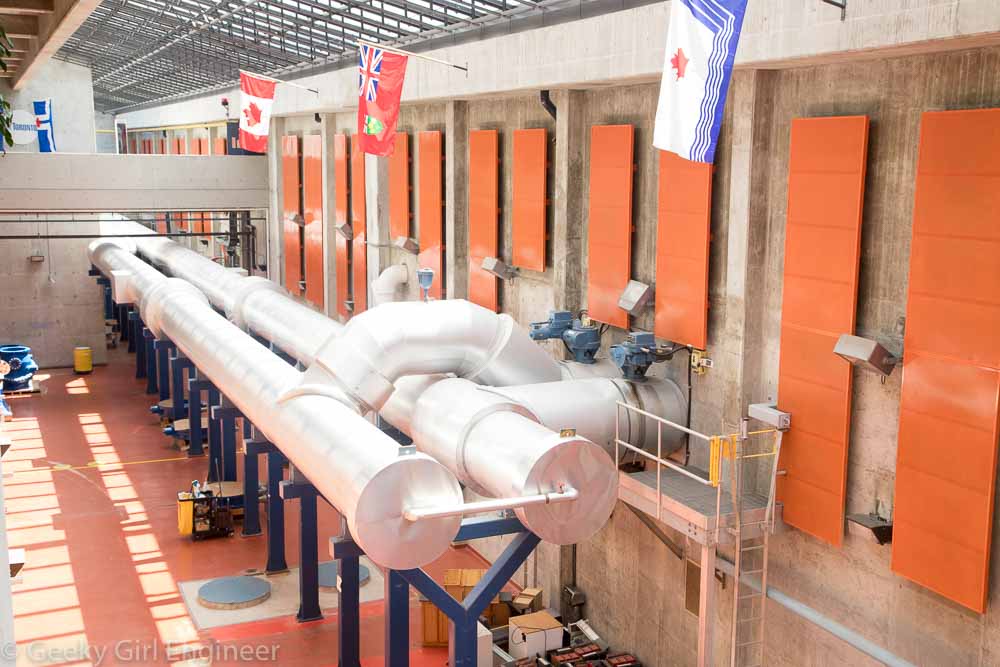
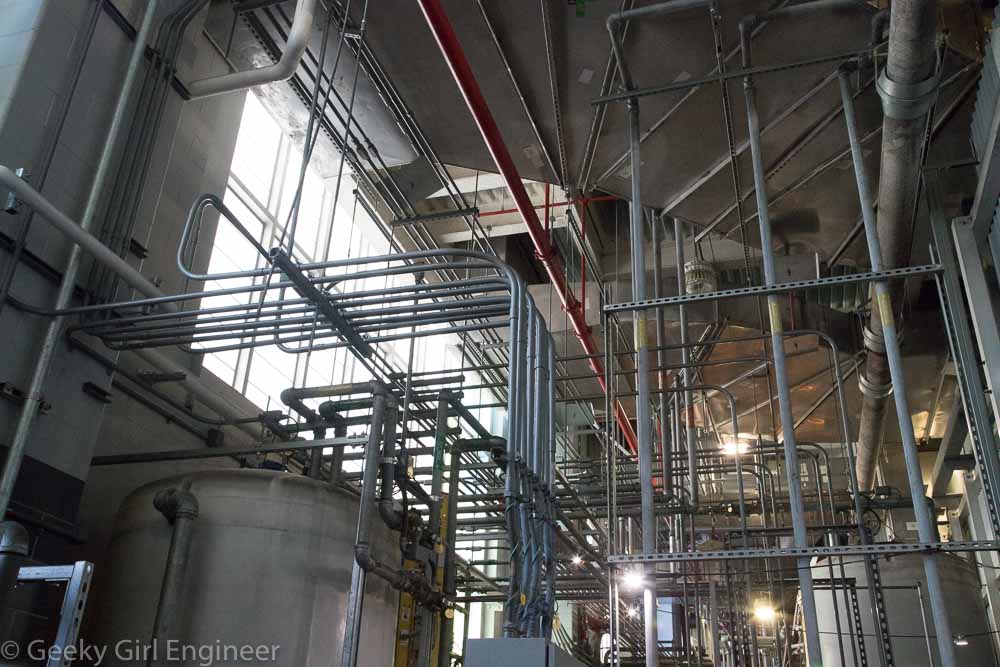
Gigantic air pipes running through the main part of the building

After the water has been cleaned, chlorine is added. The water has already been disinfected at this point, but a residual disinfectant is needed to kill any bacteria the water may encounter in the distribution system on its way to customers.
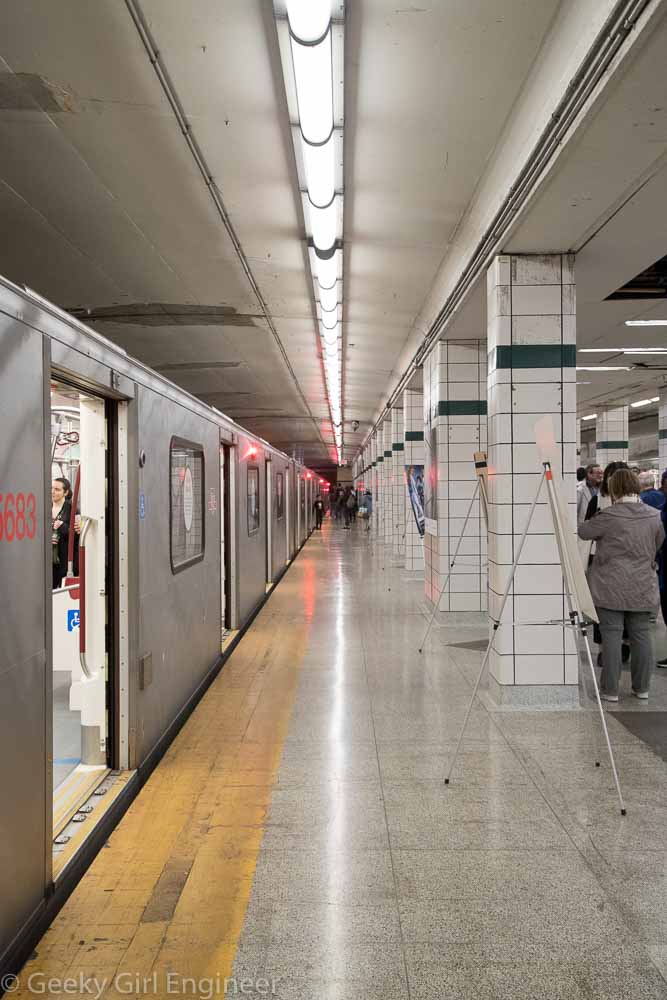
Bay Lower Subway Station

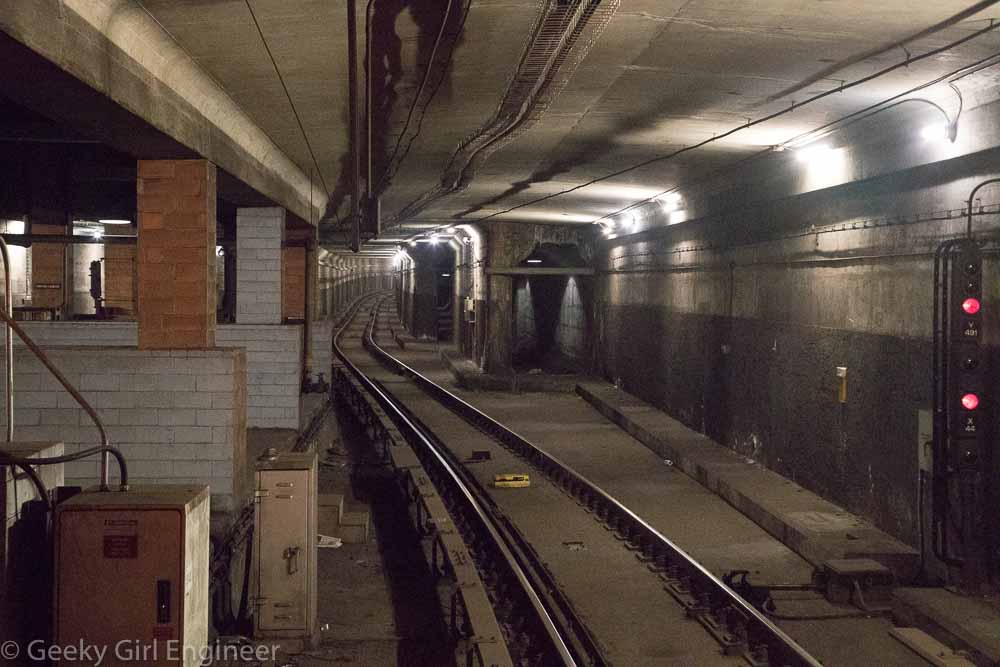
Another site I visited with Doors Open Toronto was an abandoned subway station. When the Bay Subway Station was built, there was an upper and lower level. According to the Doors Open Toronto website “When Line 2 officially opened in 1966, Bay Lower was in full use. Alternate trains used the Wye connection, which allowed customers to travel from Line 1 to Line 2 without changing trains. The TTC tested this system for six months and also tested the two separate subway lines for six months. Following testing, the TTC decided that two trains worked best and Bay Lower was closed.” If like me, you do not live in Toronto, that means very little or nothing. Having studied the Toronto subway map for a little bit of time, I think I now understands what it means, but to be perfectly honest, it sounds like it was a dumb idea from the start. Yes, yes, hindsight is 20/20, but it just seems overly complicated, and I know how long it took me just to understand New York City’s local versus express lines, so this seems like it might have made things easier for some but confused the heck out of others. It also sounds like something that carried not insignificant risks for train operation and train traffic control.
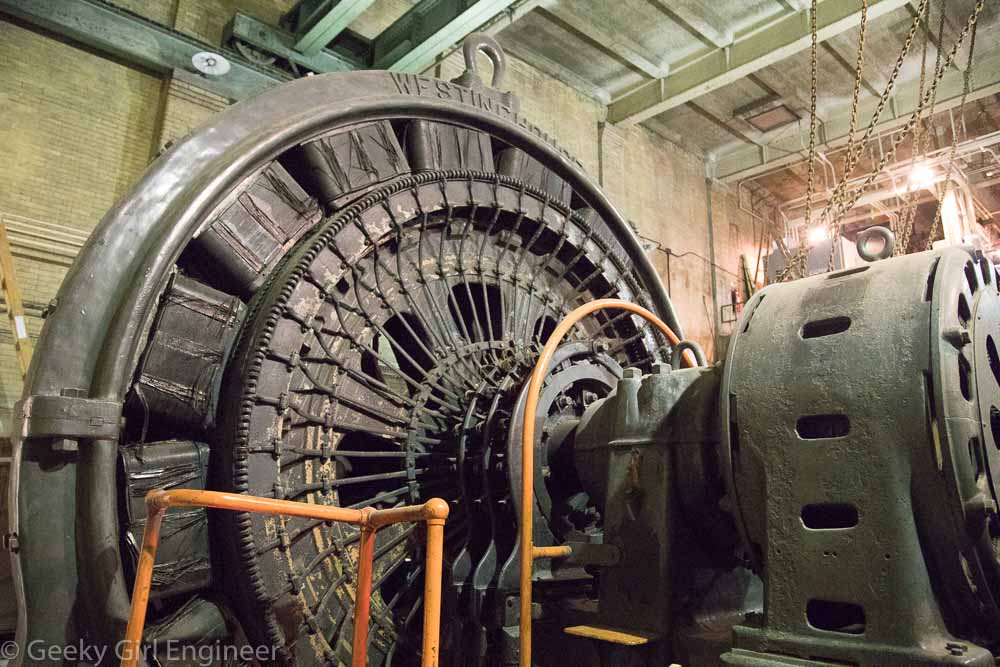
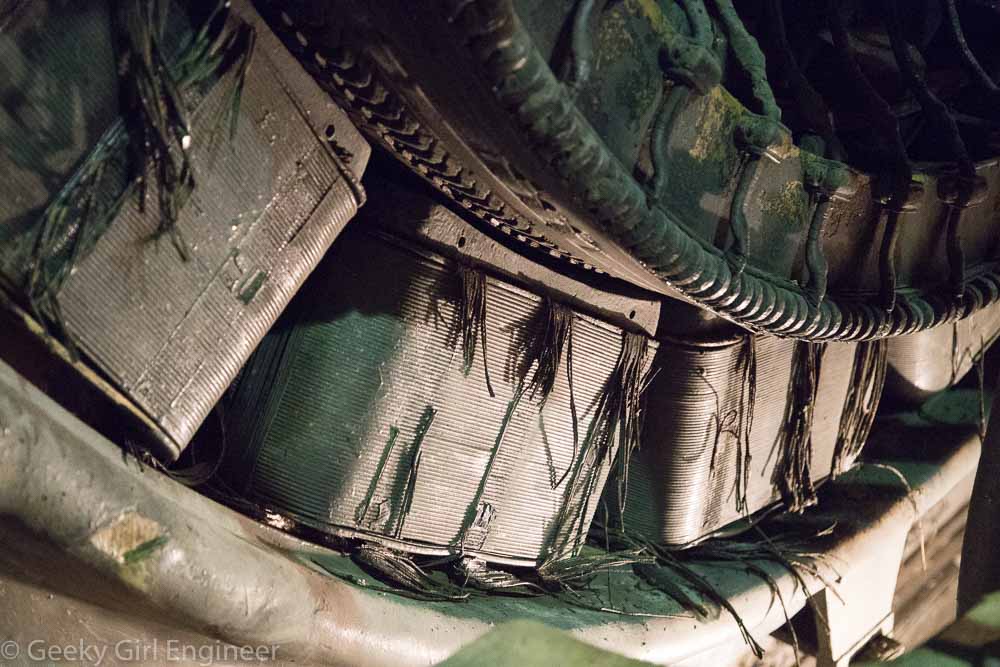
The lower level was not used for very long, but it has been used ever since by TTC for testing and training. It has also been used by the television and movie industry quite a bit for shooting scenes. The signs they had displayed seem to indicate that it has been a stand in for many U.S. city subway lines. Ever since I visited the lower level, I have been trying to think how many U.S. cities actually have a subway, as in trains that run underground. There are not that many, and furthermore, not many look like this station. Then again, the movie industry may not always care about things like that. But I digress.

In any event, it was kind of neat to walk around the platform. They had a train on either track with all doors open, so you could walk around the trains. They also let people visit the conductor’s seat/booth/area/I don’t what it is called. Today I learned, when given the opportunity to visit this area, people both young and old, really, really, really like to honk the horn. How the employees watching everything were not developing headaches from the horns constantly going off in the confined station where the noise really bounces around, I have no idea.

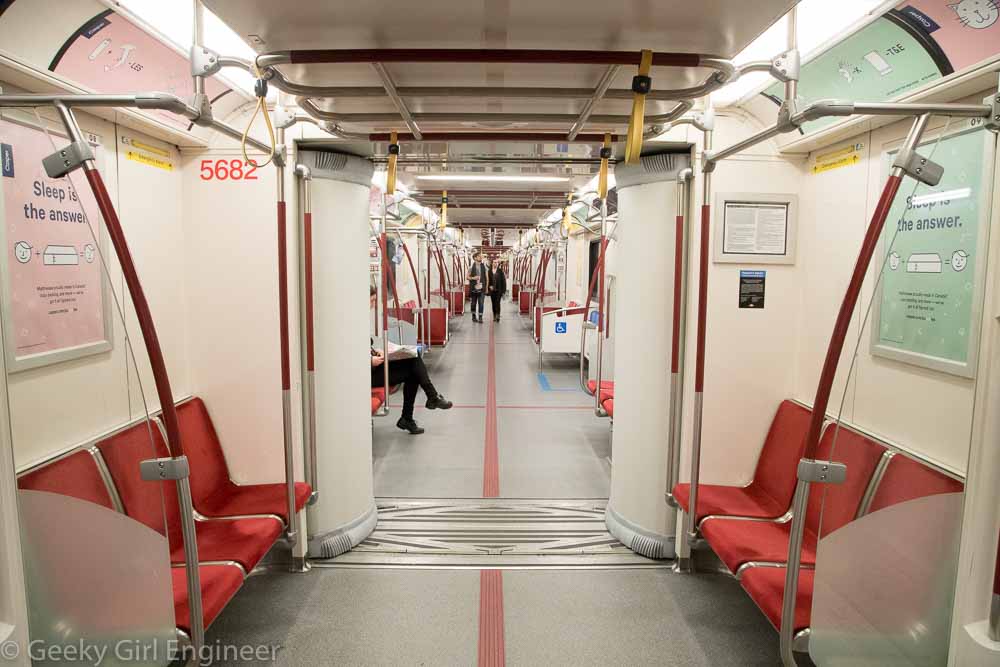
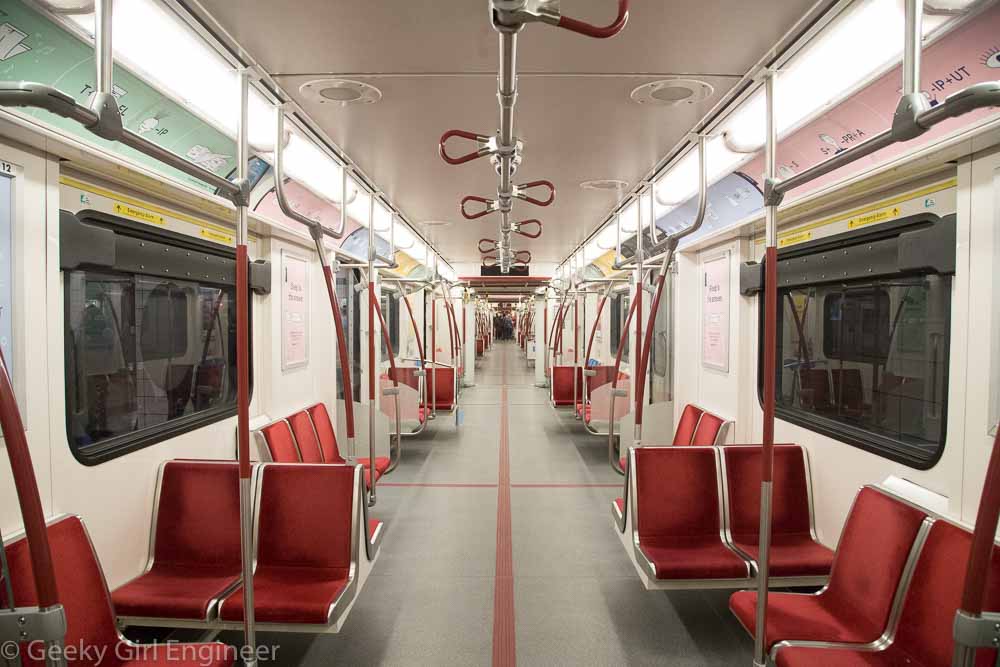
One final observation. I am rather fascinated by Toronto’s subway trains because the individual cars are all connected into one true train where you can walk very easily between all the cars. I don’t how many other systems have cars like this, but I was fascinated by it. I am most familiar with the Washington, D.C. and New York City subway systems where walking between cars requires going outside and is rather frowned upon or difficult. It would seem likely this would make it rather difficult for trains to be taken apart should only one or two cars need service, but I am not sure how often cars are taken apart and reconfigured on other systems where visually at least, it would appear to be easier.
Bay Lower Subway Station
One of the trains at the Bay Lower Subway Station. You can easily walk the entire length of the train.
One of the trains at the Bay Lower Subway Station. In the foreground is where two cars are joined, and you can walk in between.
View from the end of the Bay Lower Subway Station platform into the tunnel.

Eglinton Maintenance and Storage Facility

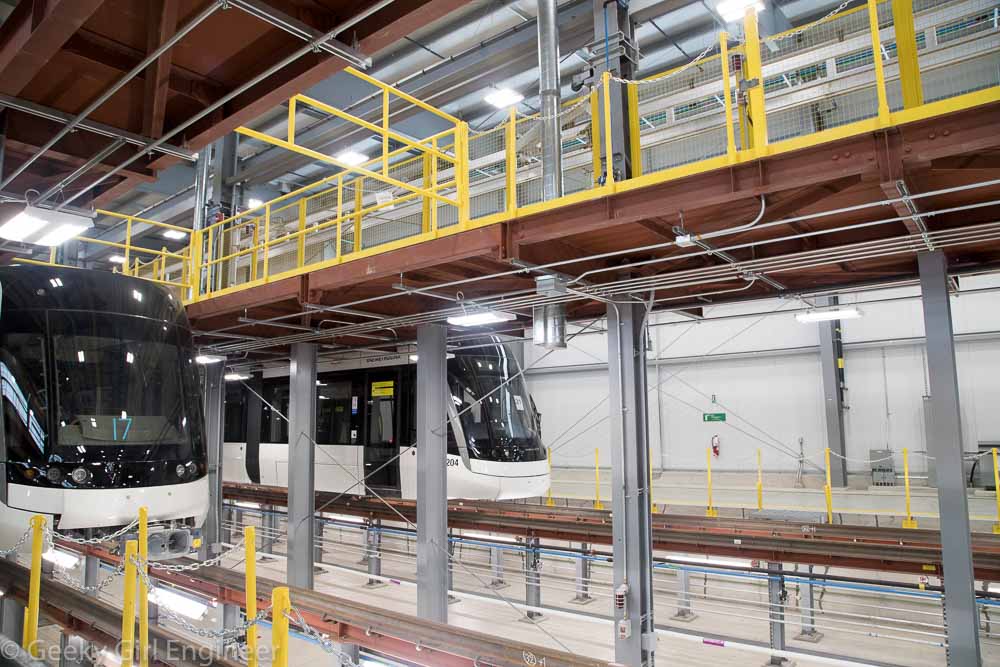
I am in Toronto for Doors Open Toronto. When any city allows people to visit a rail yard or water or wastewater treatment plant, I will be there. One of the places that was on the top of my list to visit is the Eglinton Maintenance and Storage Facility. It houses the Crosstown Light Rail Vehicles where they are inspected, cleaned and maintained. It only opened in January 2019, which was evident because it is still very clean and looks barely used. It is a well designed facility that appears to have been designed with the human worker in mind.

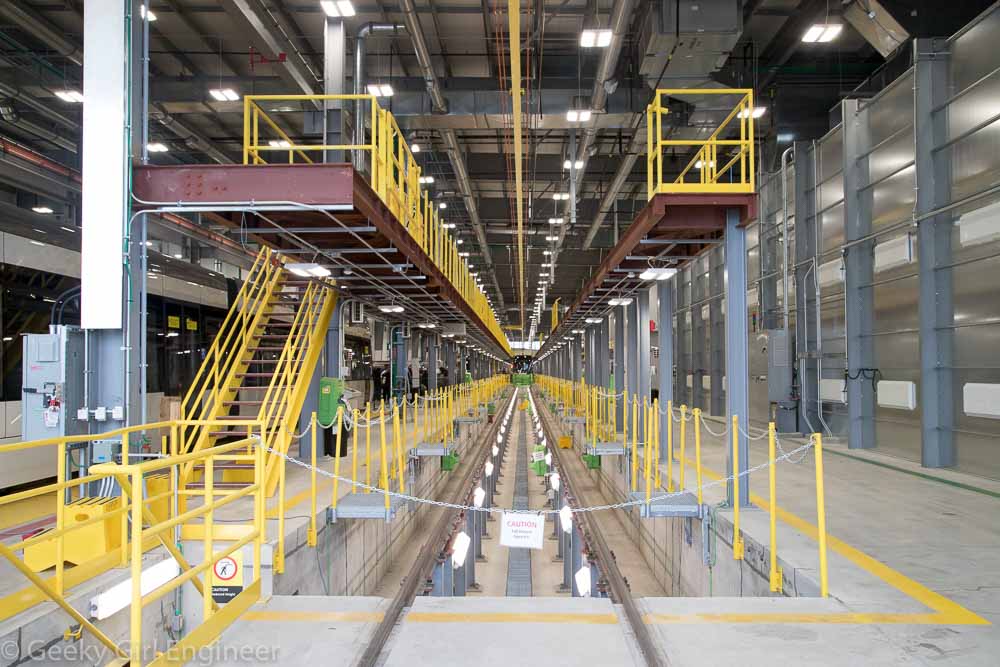
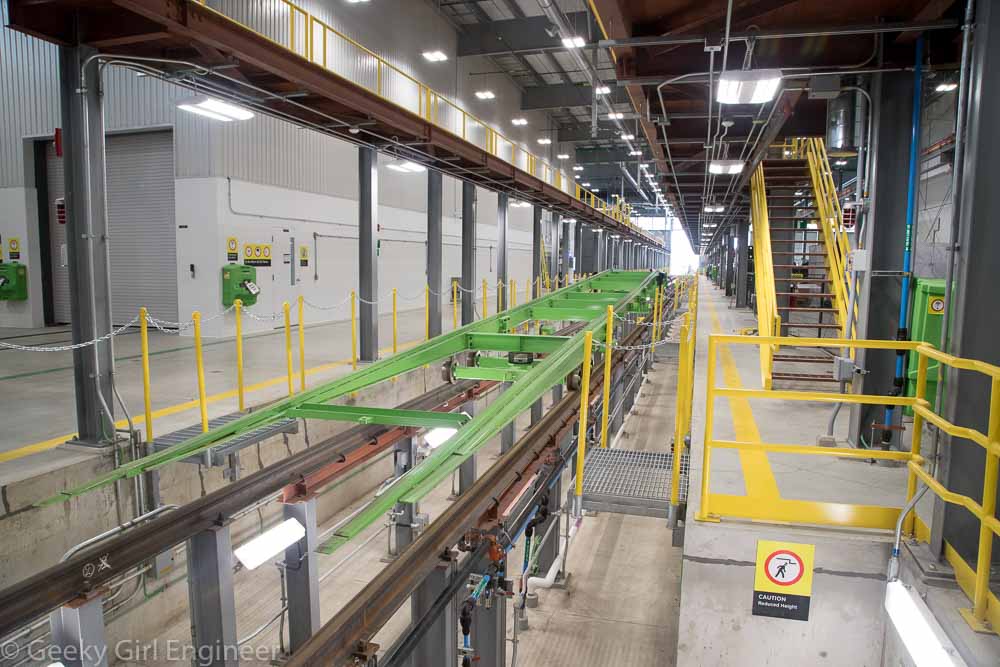
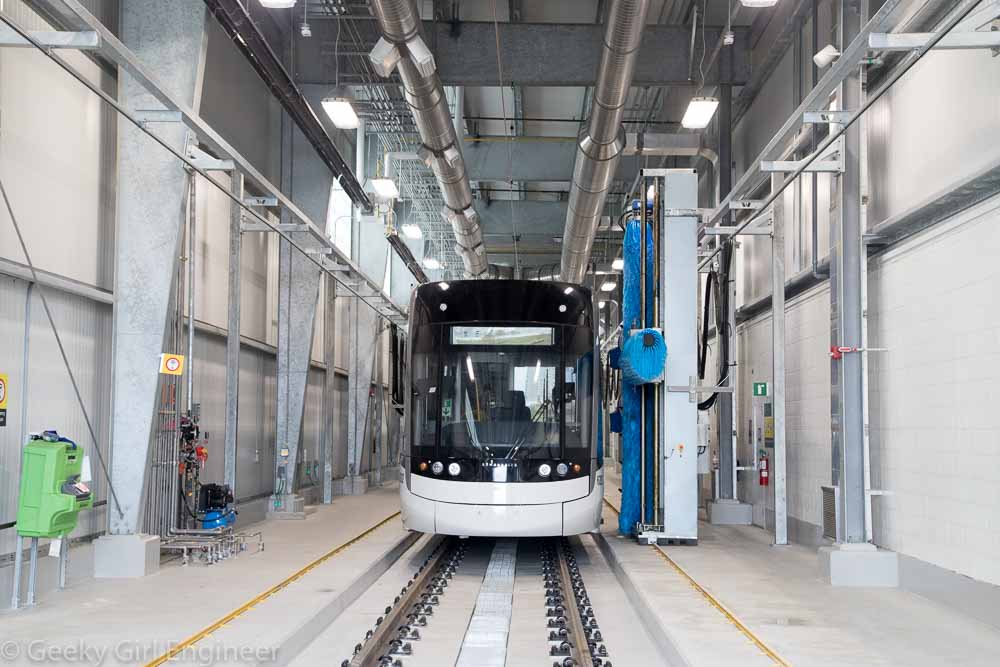
The facility has a train wash, paint booth, and numerous bay for maintenance. The maintenance areas have pit to work underneath the trains besides the platforms to work on the side or inside the trains, but it also has balconies so that the workers can get to the top of the trains.
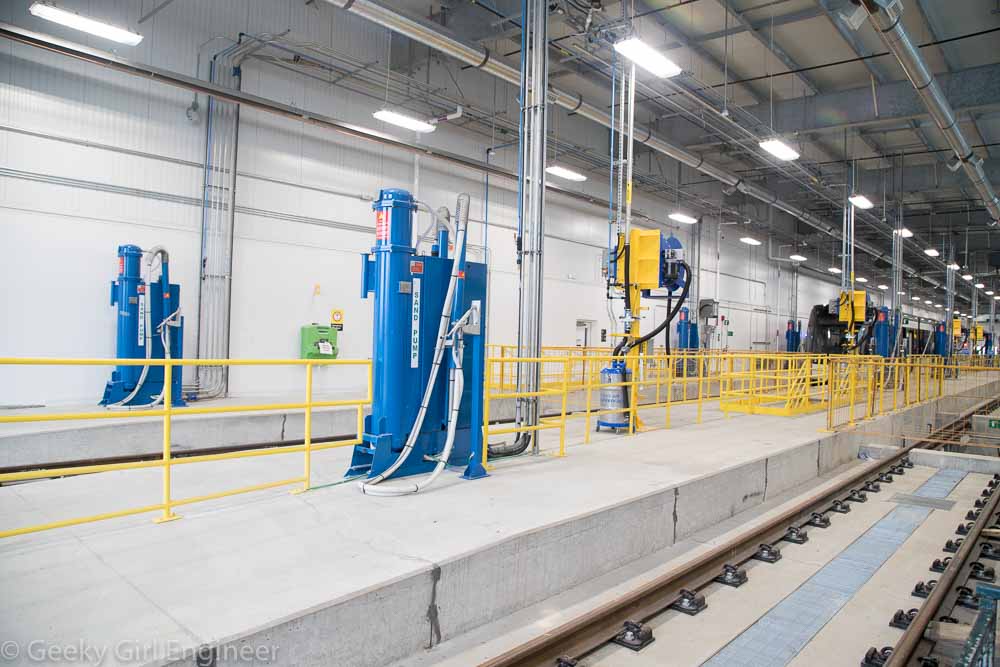
In one area, there are several sand pumps. The trains carry sand, and if the tracks are really wet or if there is snow or ice, then the driver sprays sand to increase traction on the tracks.
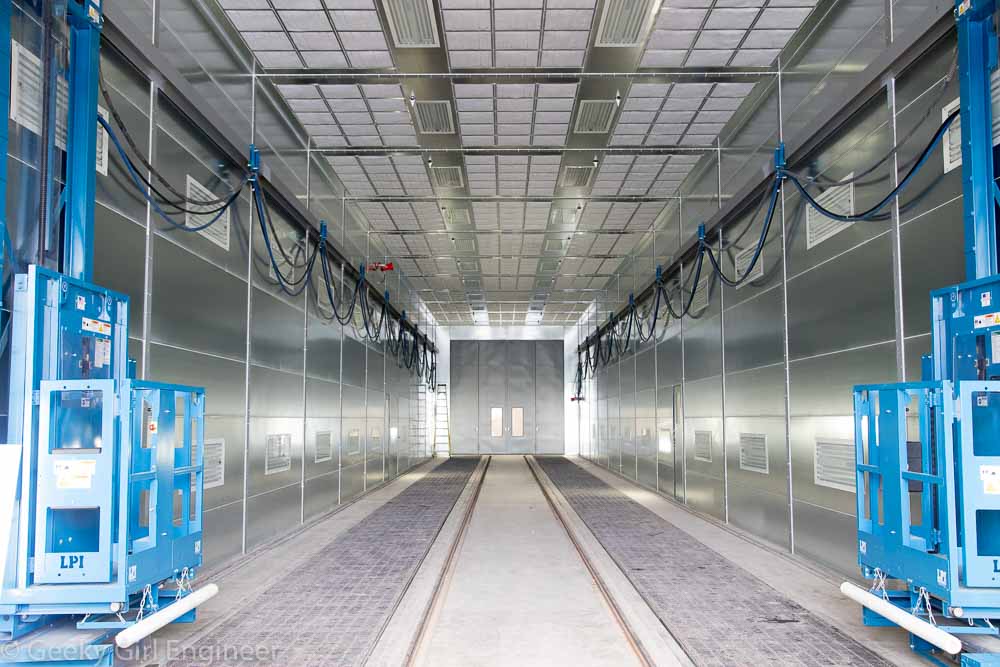
The paint booth where two workers can work, each on their own lift.
The large maintenance bay with balconies
One of the trains in the maintenance bay
Trains in the maintenance bay
More of the maintenance bay. I did not find out what the green carriage is for.
Train wash area
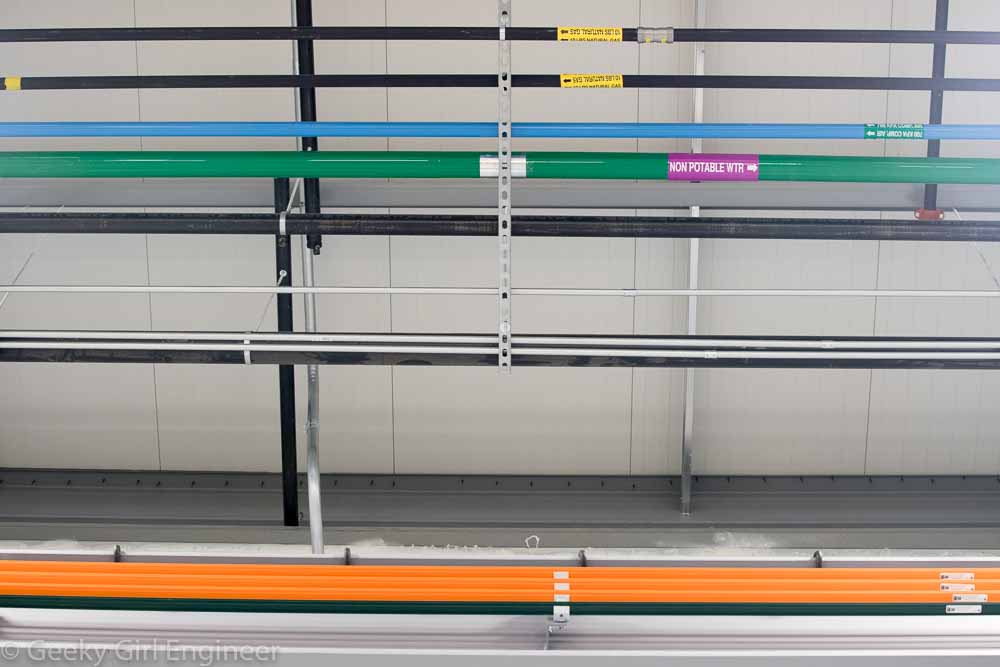
Nicely labeled and color coded pipes and conduits

Mother Clara Hale Bus Depot

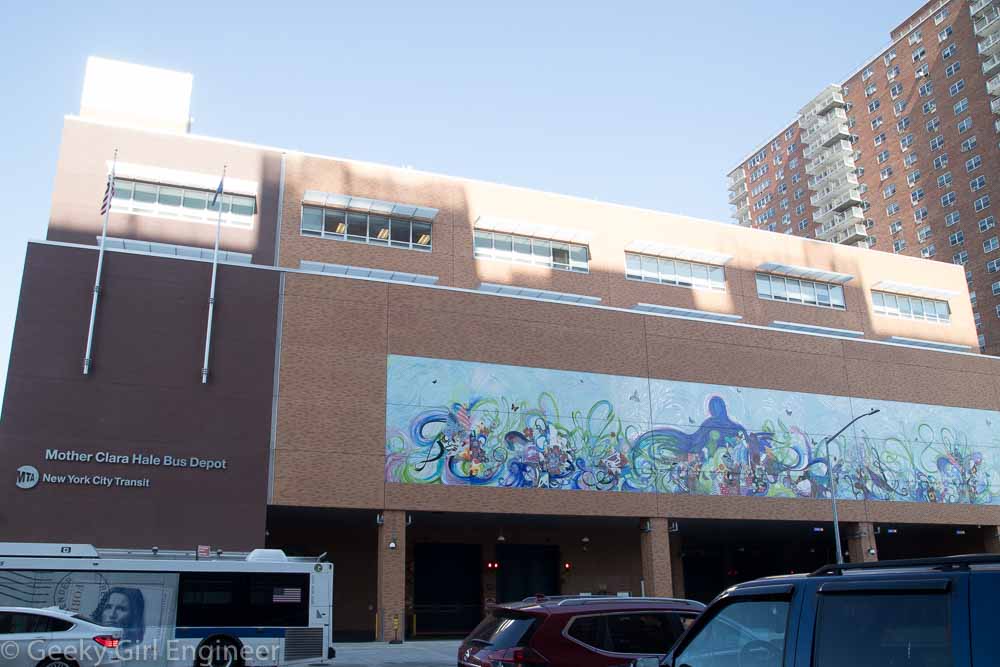
I recently got the opportunity to tour New York’s MTA’s Mother Clara Hale Bus Depot with the New York Transit Museum. It is the newest bus depot in New York, and it features many innovative and environmentally friendly design. It has a green roof. Stormwater from the roof in reused in the facility for bus wash. It has a thermal wall that absorbs heat in the winter. It is a really well designed facility, and it is huge. There are also many buses at the bus depot because of course the bus depot is for maintenance and repairs.


The front of the building featuring a gorgeous mosaic
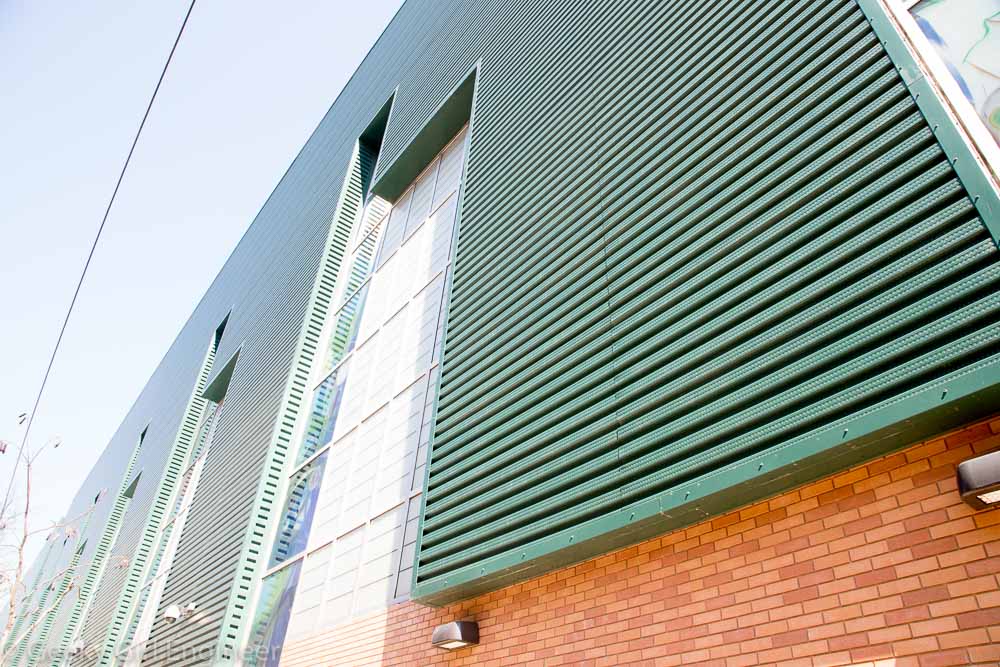
The green metal on the south absorbs solar energy to help heat the building.
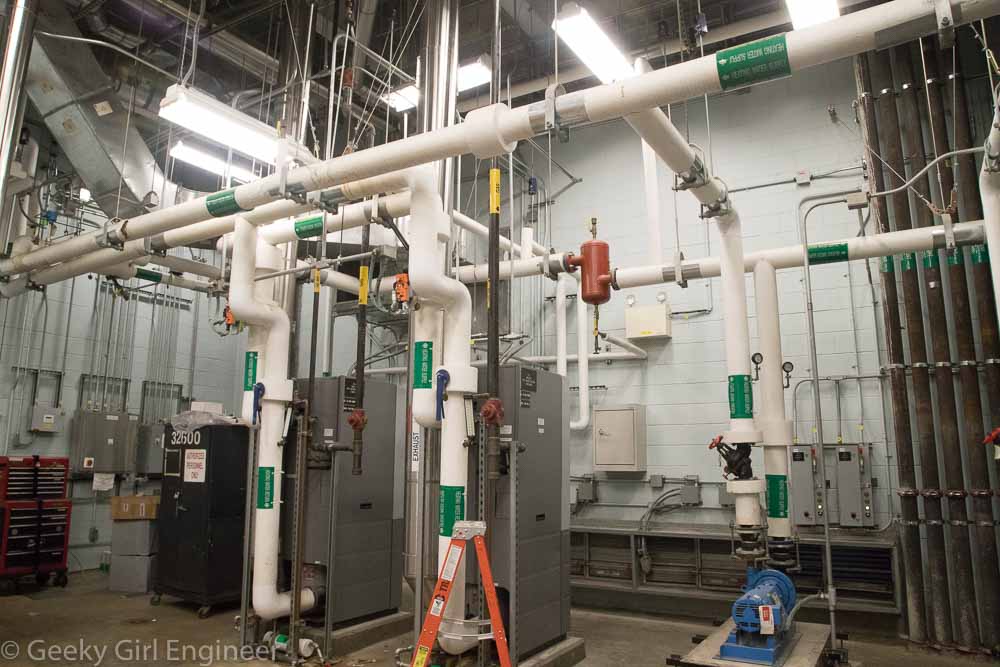
Heat exchangers for hot water
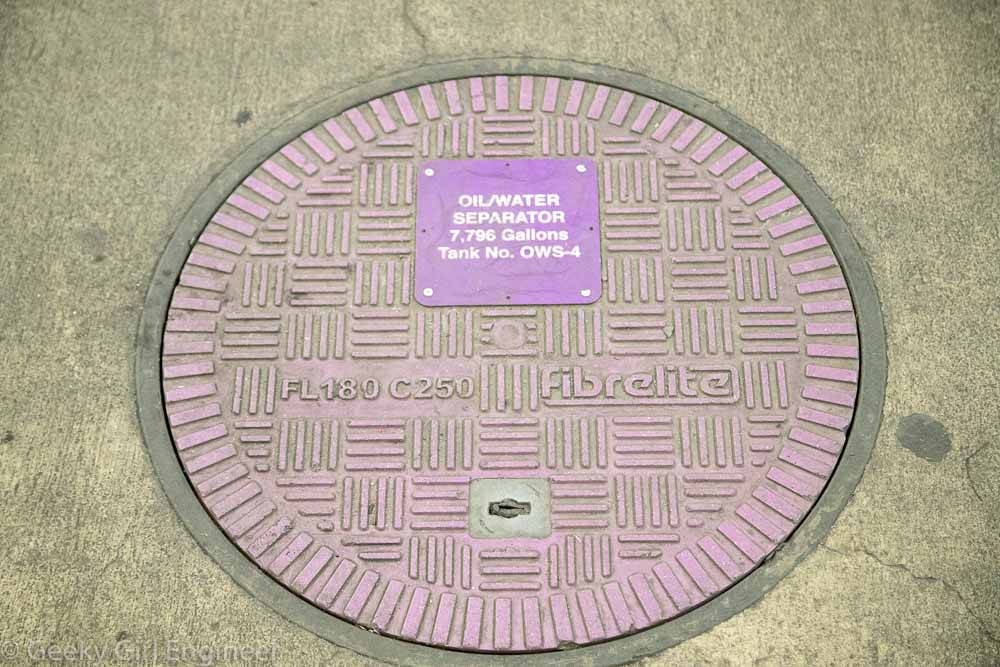
Access to oil/water separator
Bus wash using stormwater from the roof
HUGE storage tank stores stormwater from roof
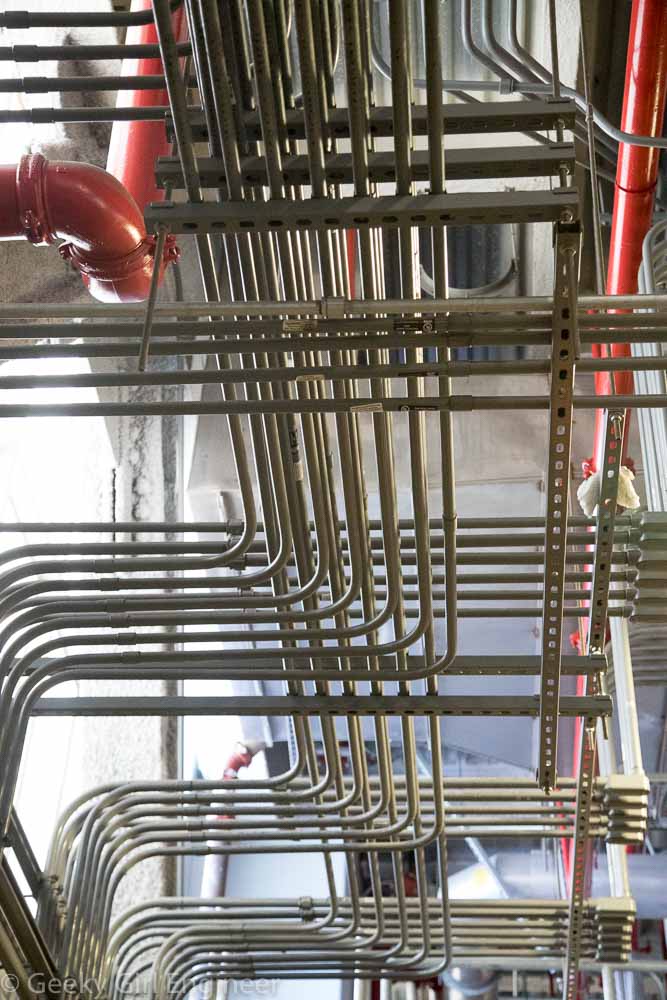
Lots and lots of piping and conduit in stormwater recycling area
Stormwater cleaning tanks
I have a thing for pipes and conduits. I just love the patterns.
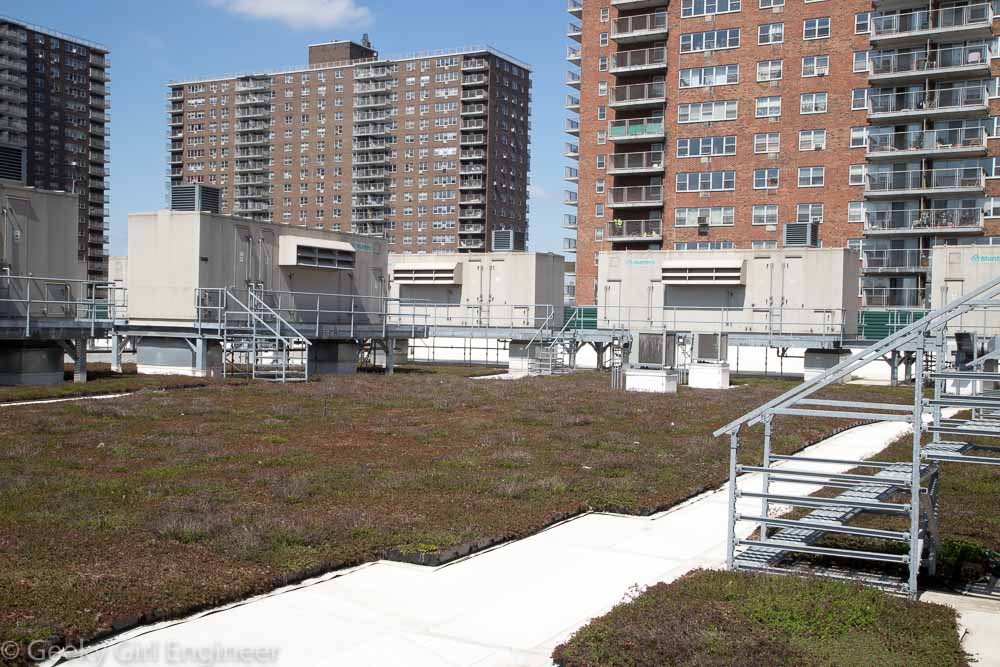
The green roof covered with plants
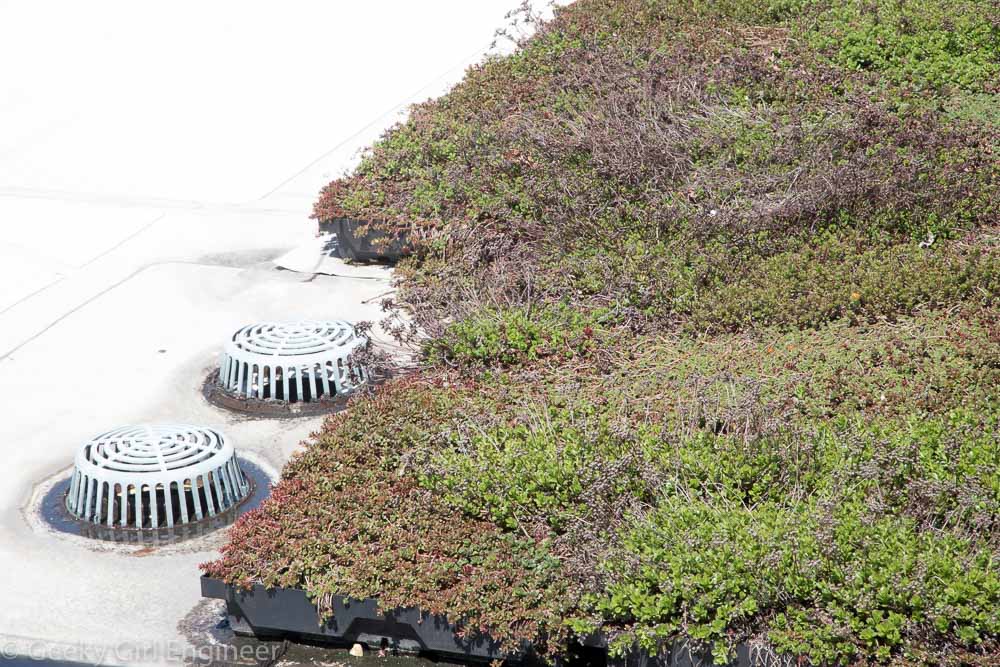
Plants on green roof absorb some of the stormwater, and stormwater runoff enters pipes to go to the storage tank.
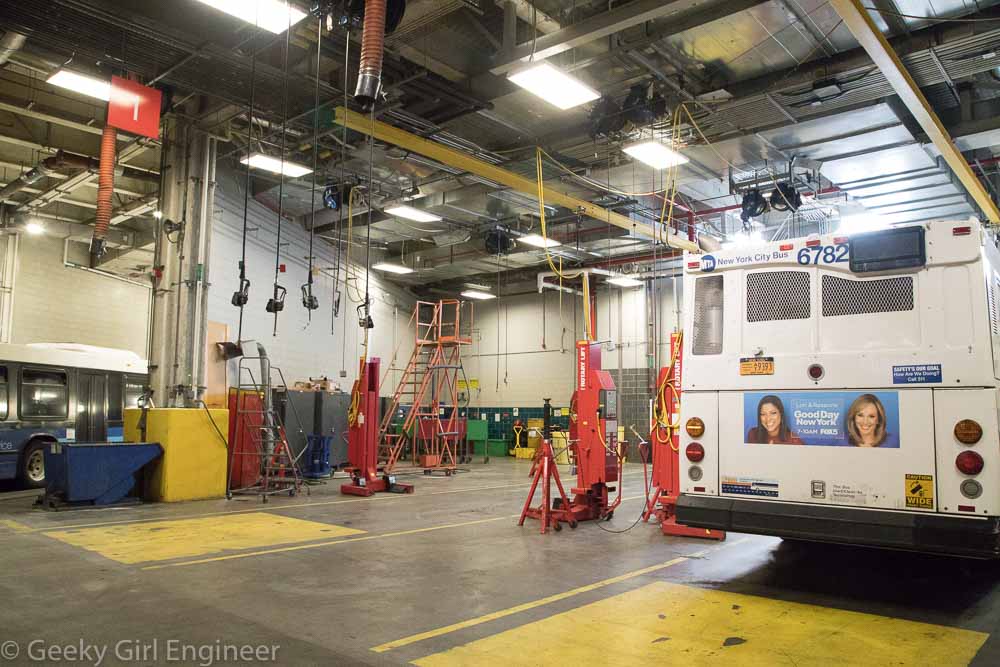
Oh yes, there are buses at the bus depot, and they get maintenance and repairs.

Kennedy Space Center

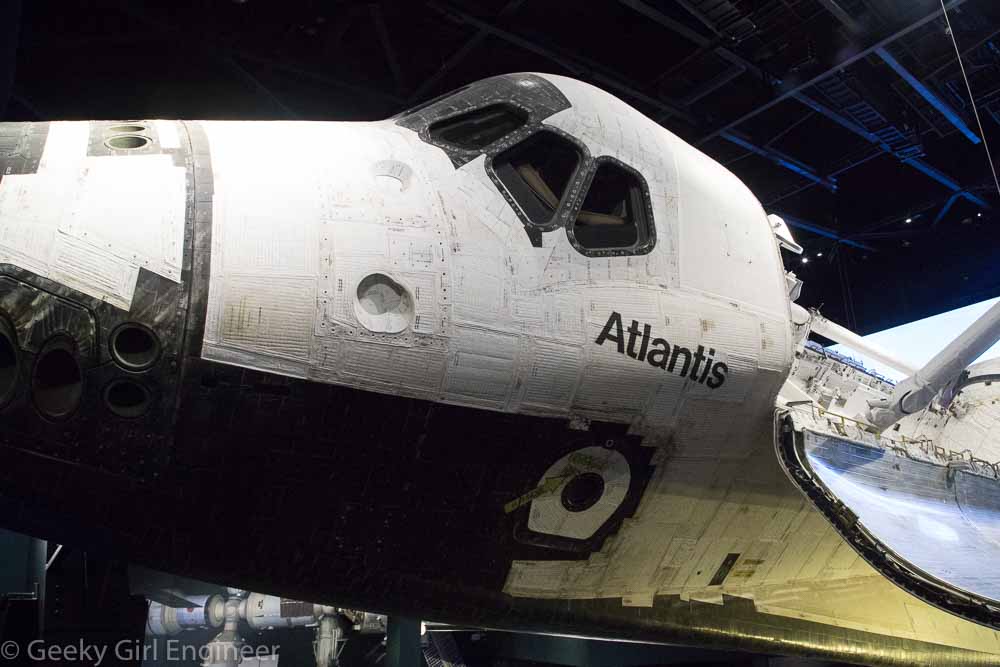
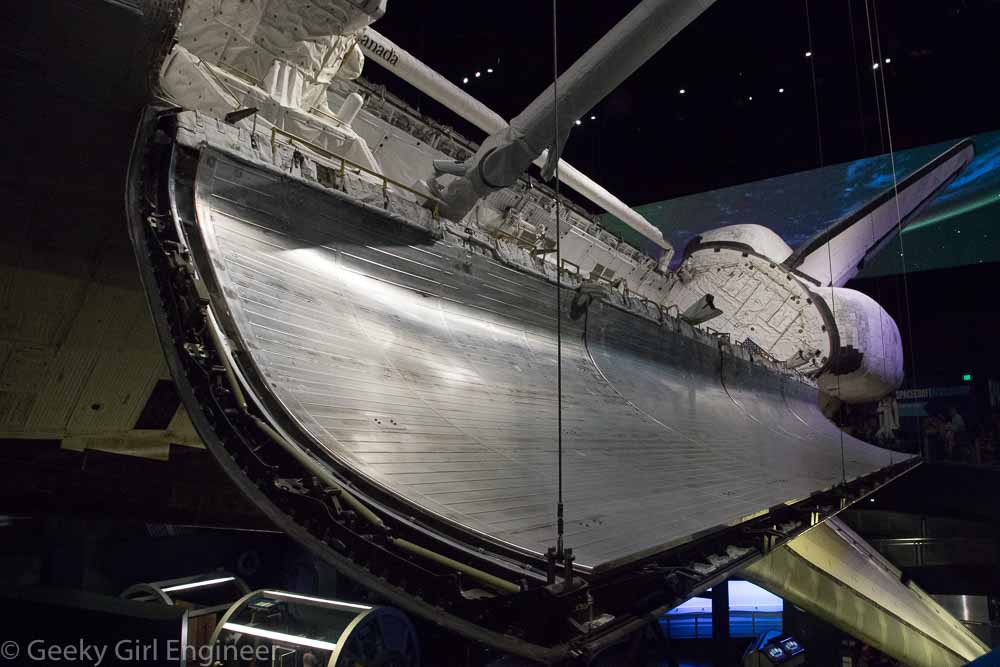
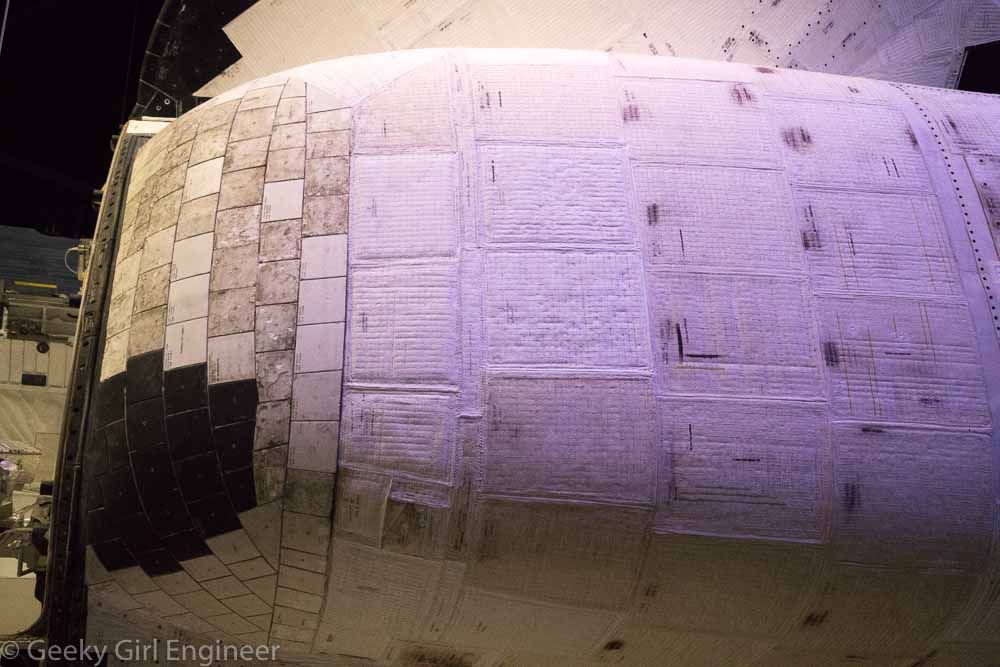
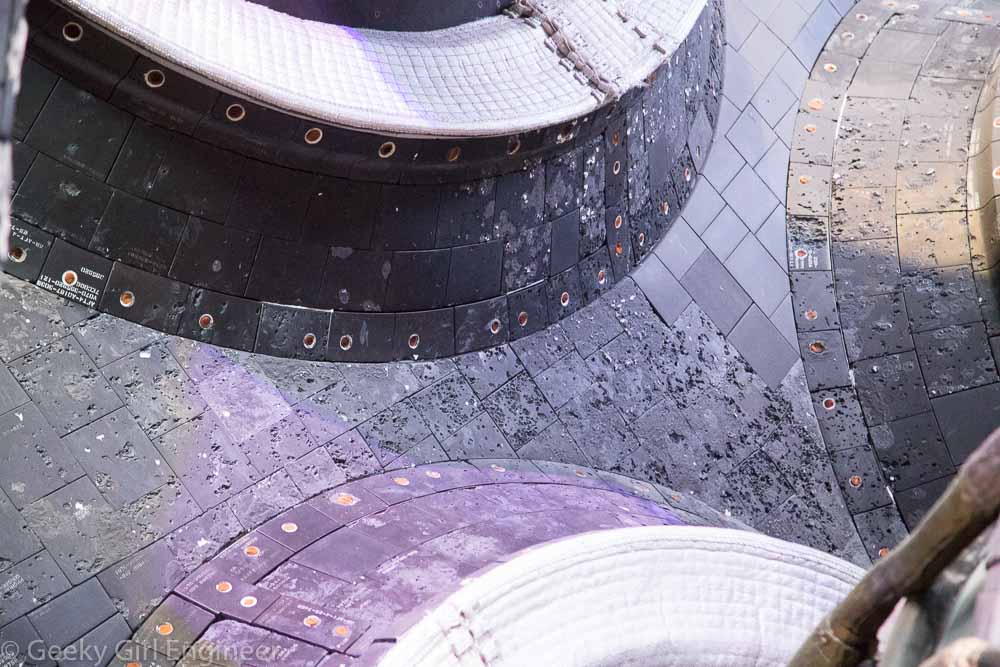
Today was my first visit to the Cape Canaveral area and to the Kennedy Space Center. The big exhibit here is the space shuttle Atlantis. They have it set up really nice, so you can see inside the payload and the damaged external heat shield tiles and blankets. There are plenty of other exhibits to see. Also, you can also take a bus ride to another site to see a Saturn V rocket. The rocket is impressive, and the bus ride is a very short tour of the center and worth the ride.

Space shuttle Atlantis front

Space shuttle Atlantis payload

Space shuttle Atlantis back

Space shuttle Atlantis engine area with damaged heat shield tiles

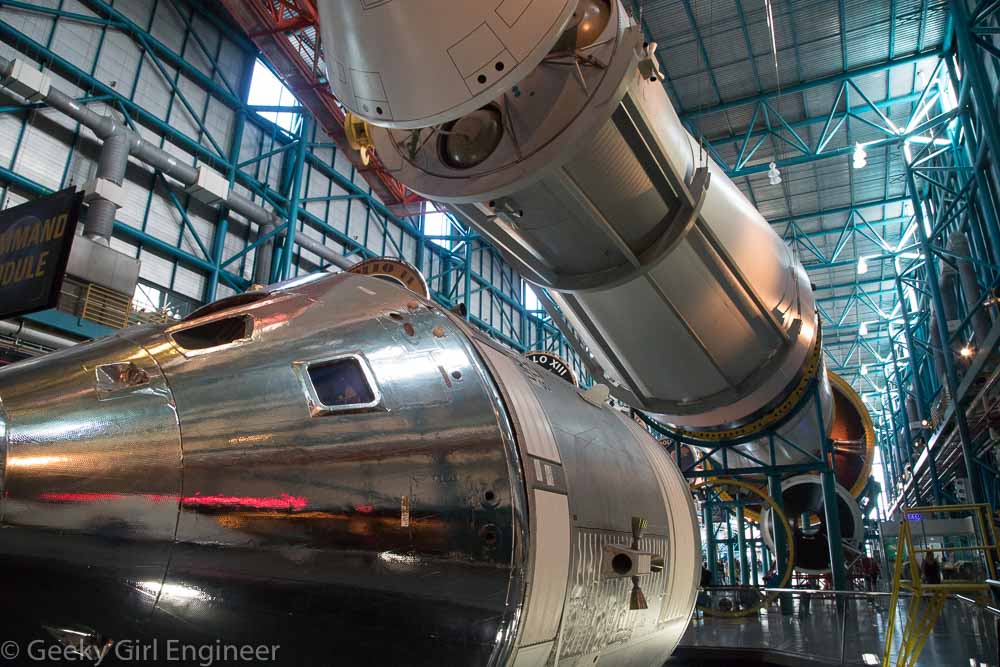
Saturn V rocket

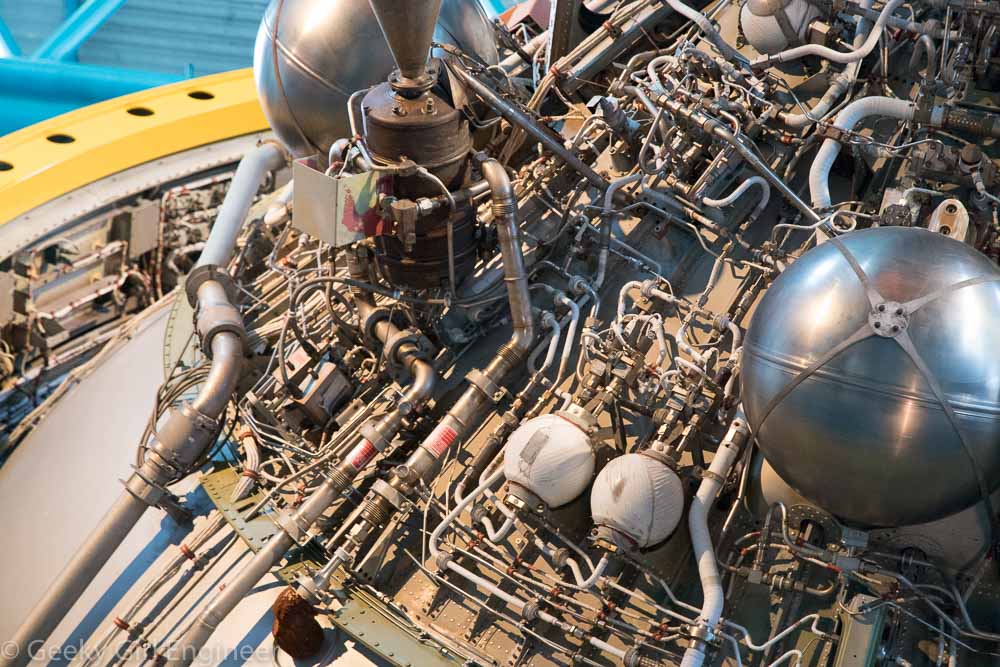
Saturn V rocket engine

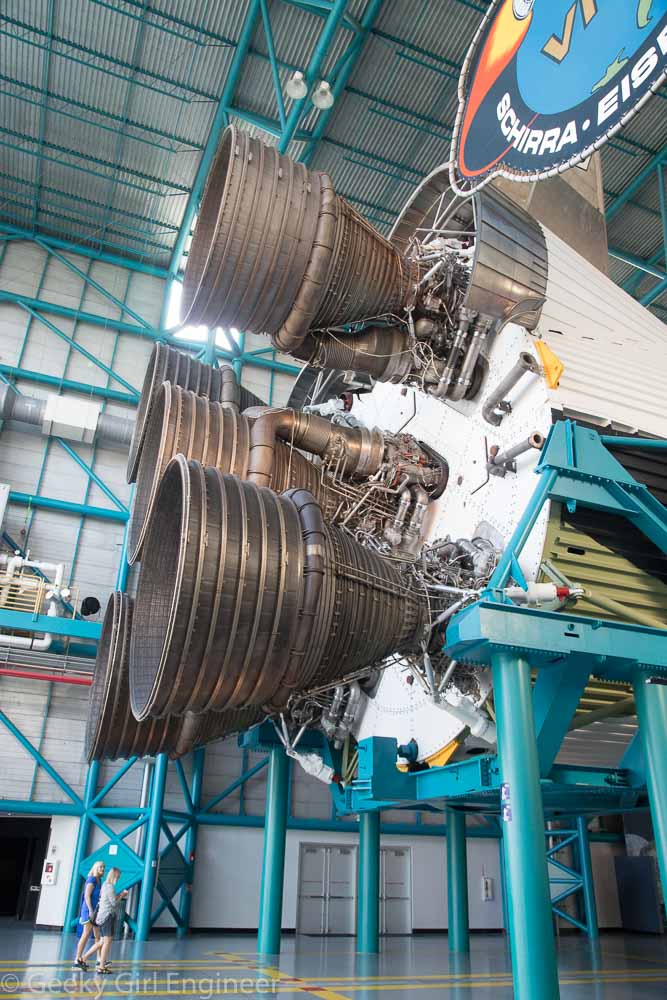
Saturn V rocket main engines

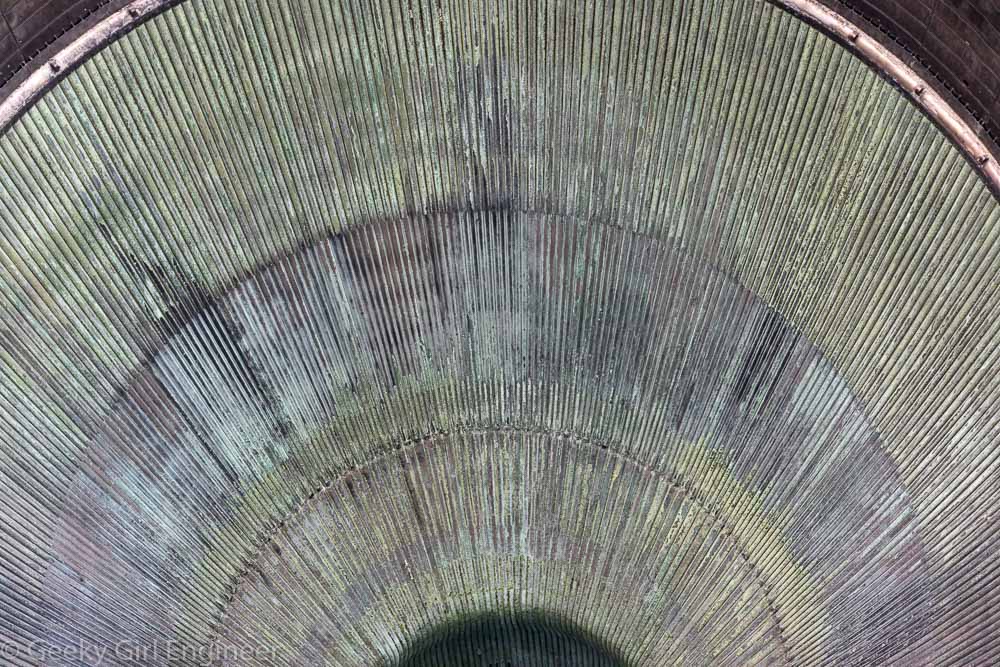
Saturn V rocket main engines, view of inside

Bus tour passes the rock path, with imprints of vehicle still visible, that the shuttle on its platform moved to the launch site

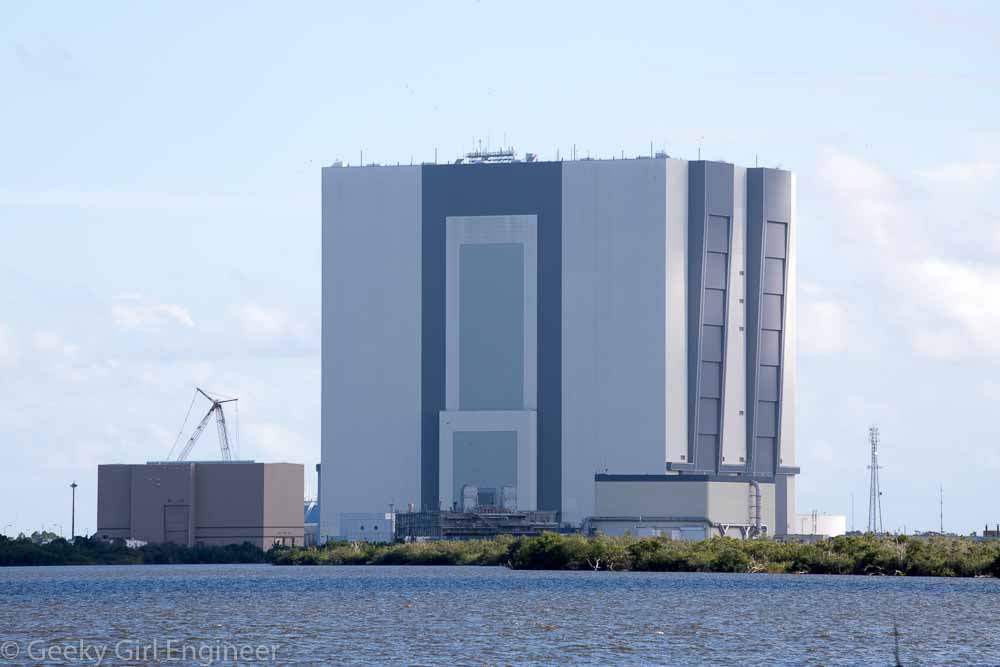
Vehicle Assembly Building

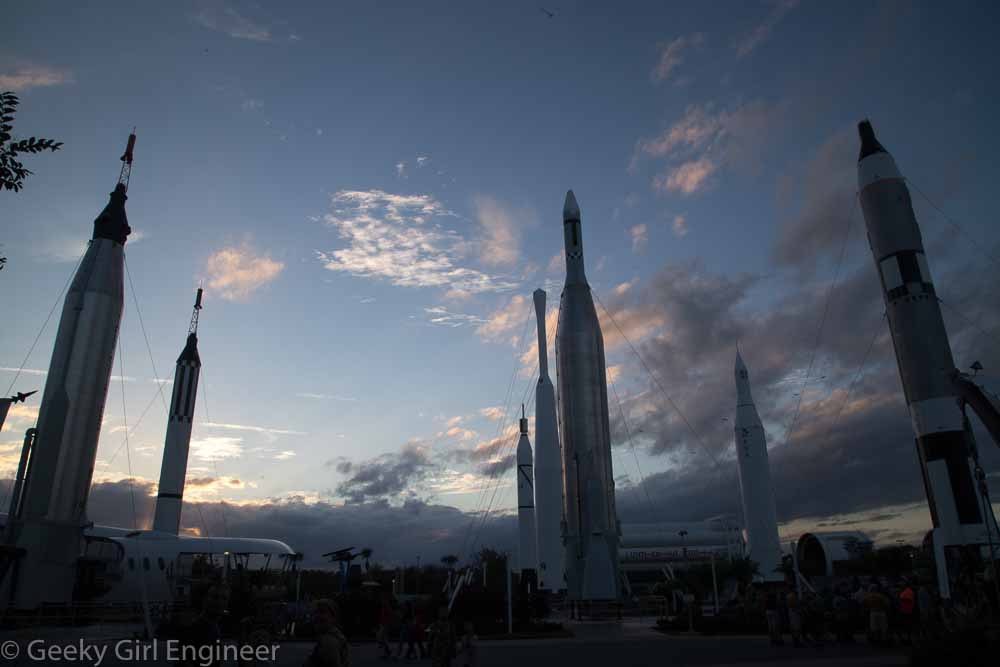
Rocket Garden at sunset

MTA’s Flatbush-Empire Substation

I took another tour with New York Transit Museum today. This one of the Flatbush-Empire Substation, formally known as Old Prospect Park Substation. It was constructed in the early 1900s to originally provide power for Brooklyn trolleys and then was used to provide power to the subways. Sadly, the substation sits right above where the Malbone Street disaster occurred, where approximately 100 people lost their lives in 1918 when an untrained conductor was operating a subway train during a labor dispute. The substation played a role in the disaster when the circuit breakers tripped at the station from the train accident, and the substation operator restored power to the rail thereby electrocuting any victims on the tracks because the system operators thought the breakers had tripped due to a prank by strikers.

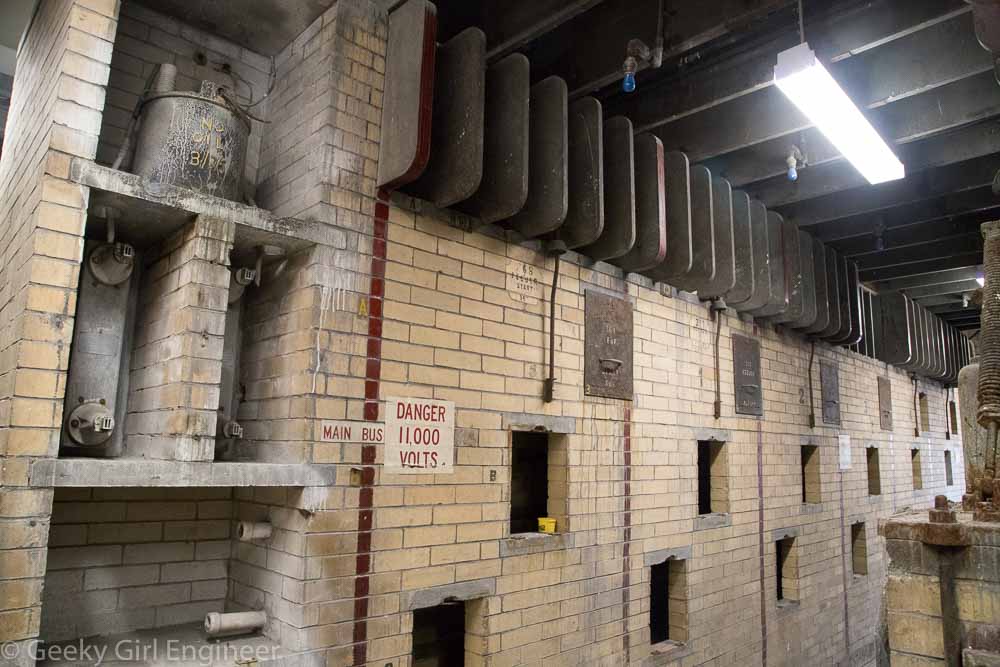
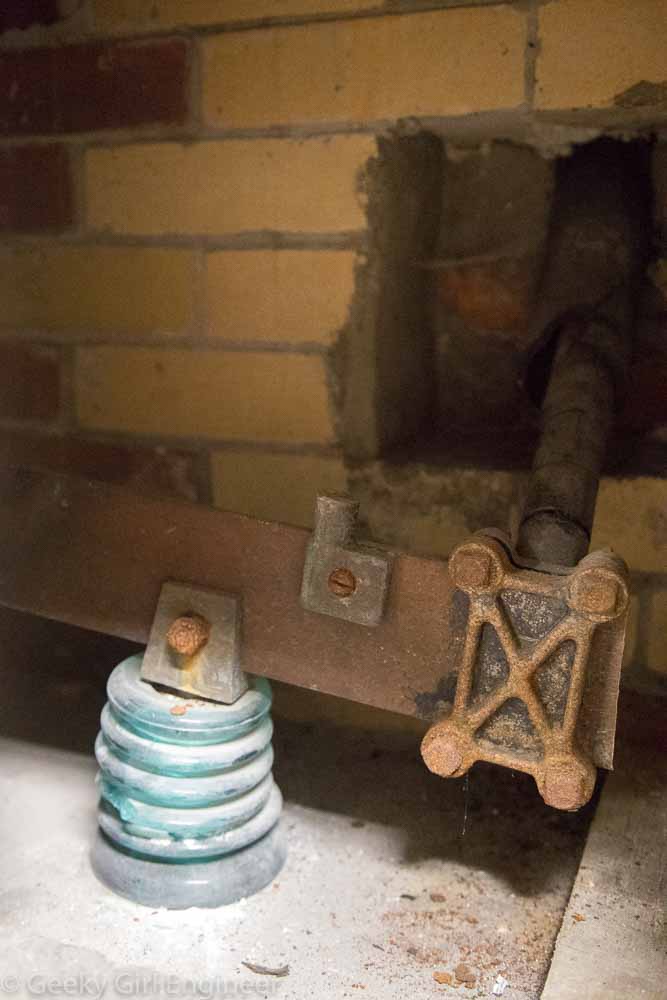
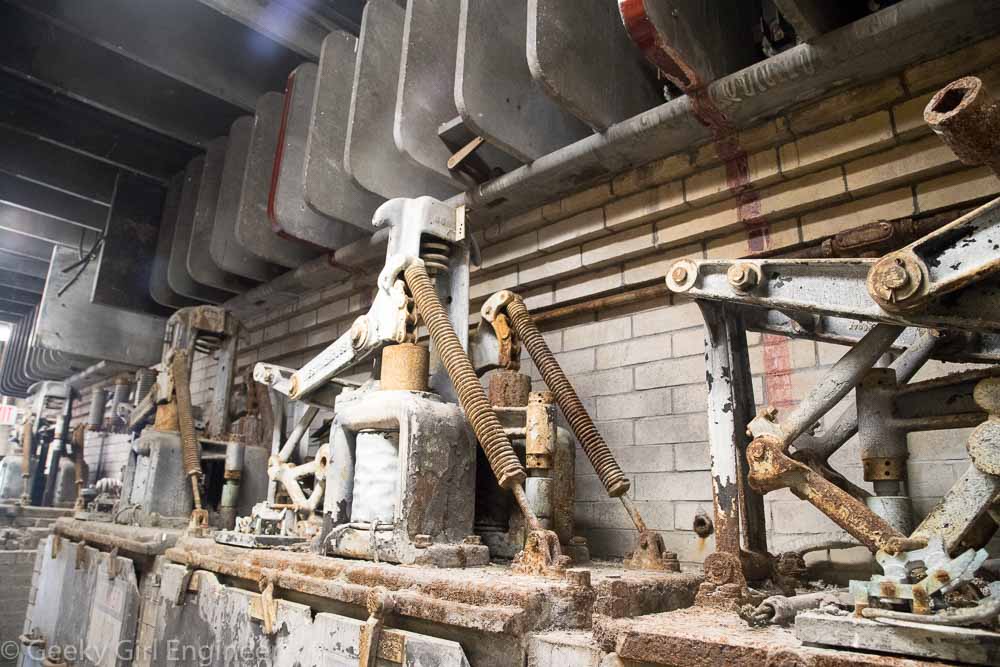
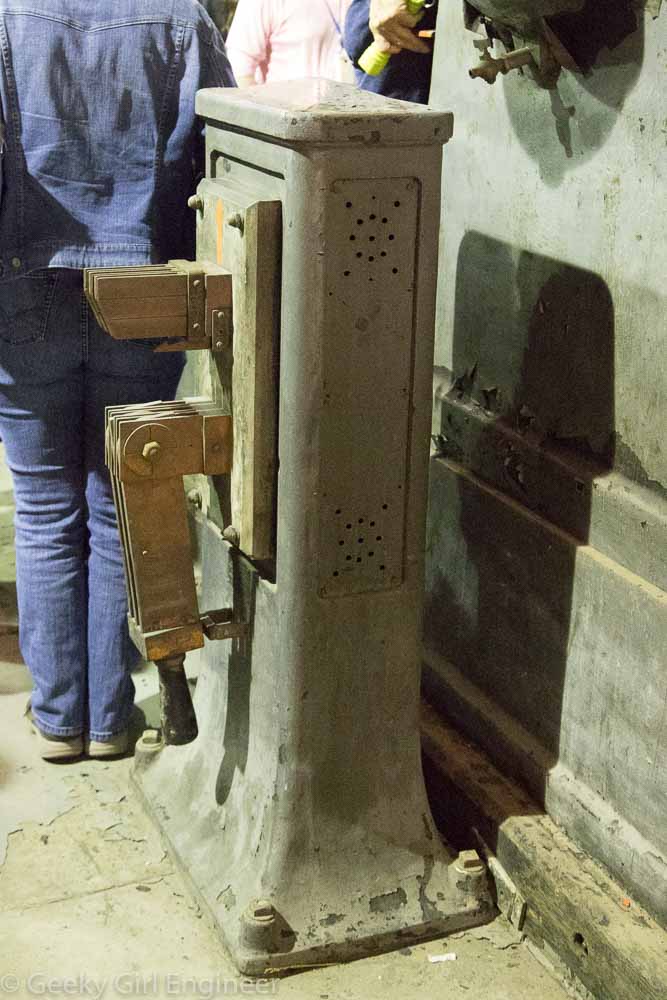
The substation originally converted AC power from the grid to DC using rotary convertors. Now they use modern thingamajigs that are not nearly so cool looking. The downstairs of the substation has all the old unused parts, not to mention all the hazardous chemicals that had to be removed. There are capacitors where PCBs had clearly been removed, and other places painted with a white sealant after asbestos had been removed. Upstairs is where the boring gray boxes filled with modern electronics that actually do the work now are. The substation does not have a working rotary convertor by the way. The only one left owned by MTA is at Substation #13 (see that post for photos and video).

Rotary convertor

Rotary convertor

Switch for rotary convertor

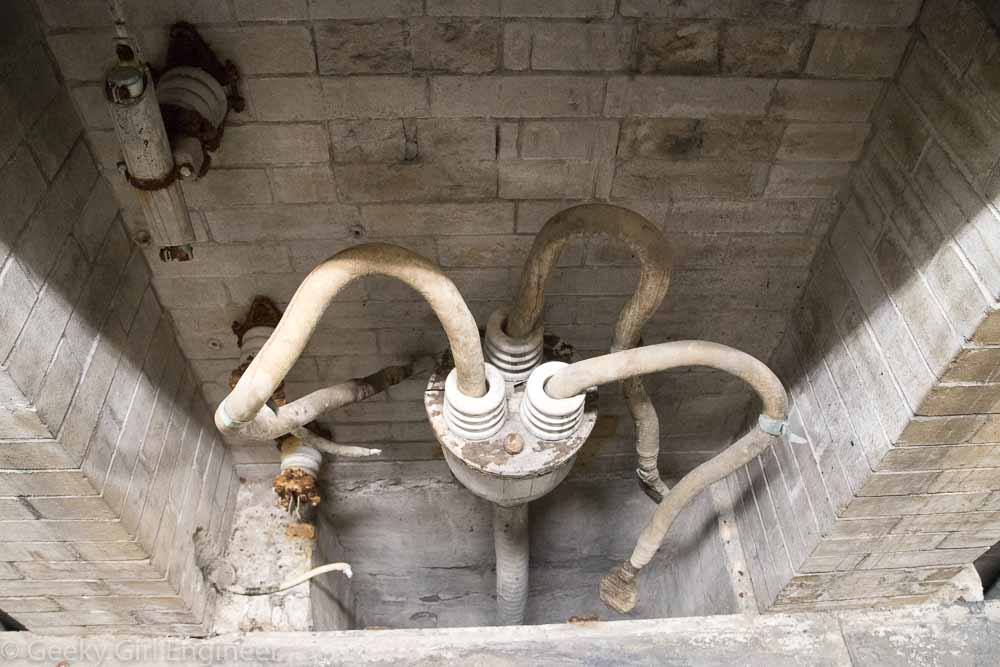
Cables coming up from grid underground

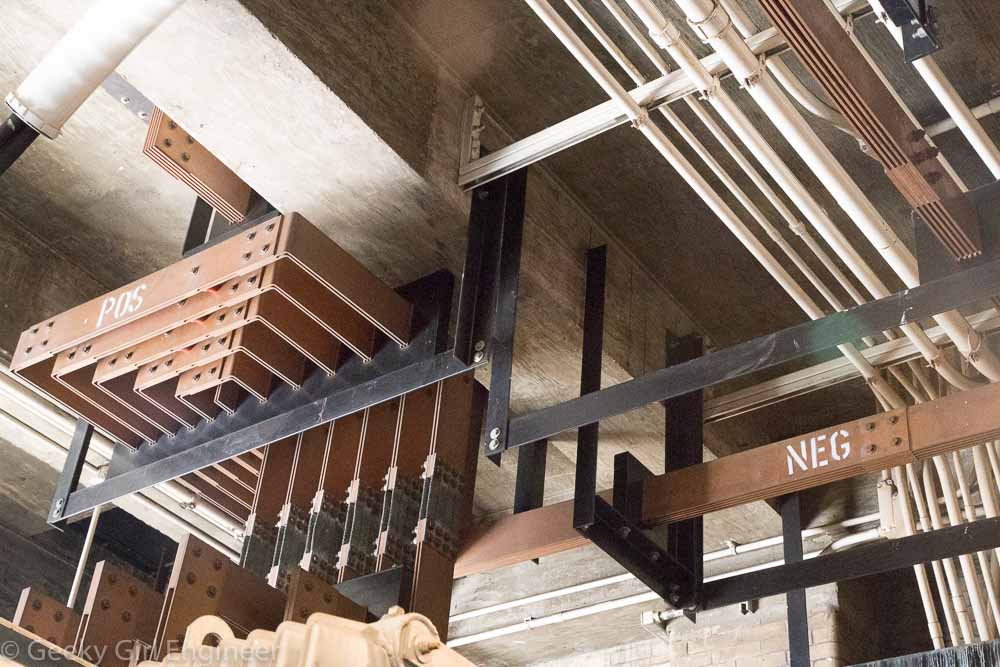
Electric busbar panel board

Electric bus

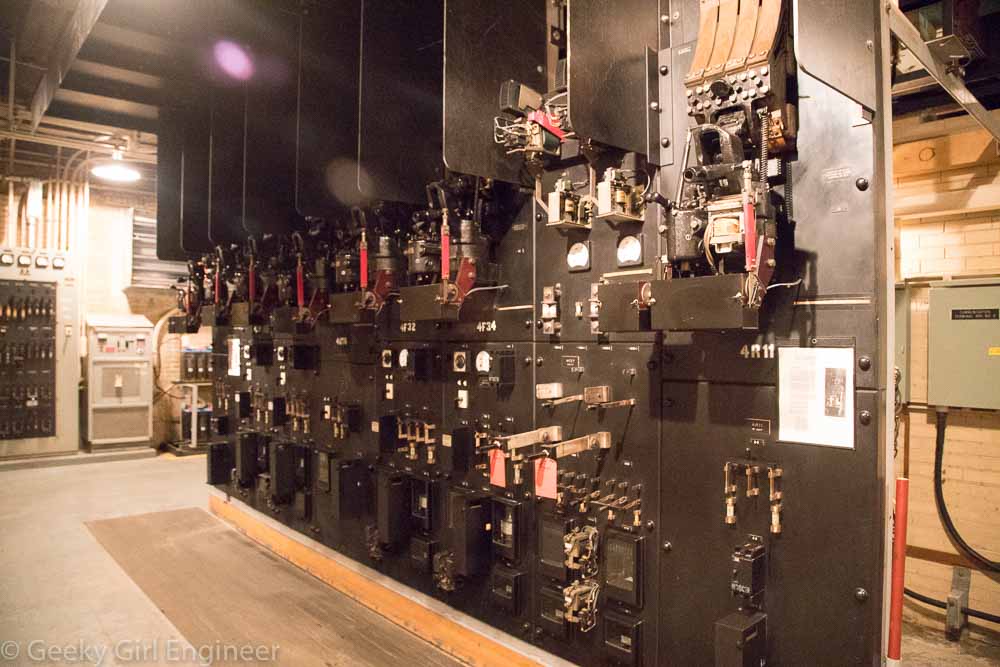
On top bus panel board

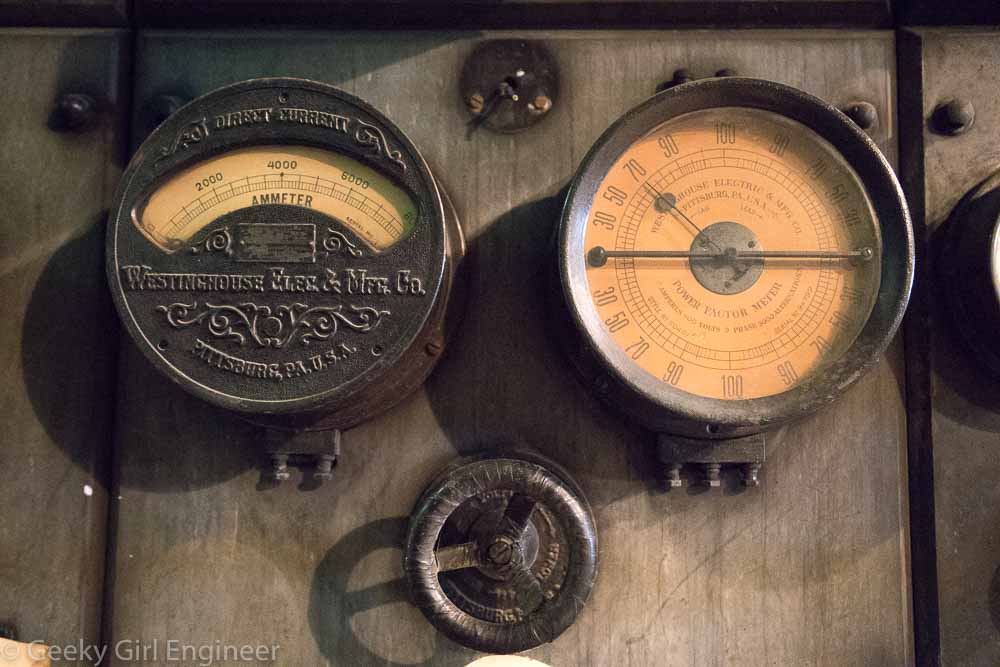
Ammeter

Ammeter

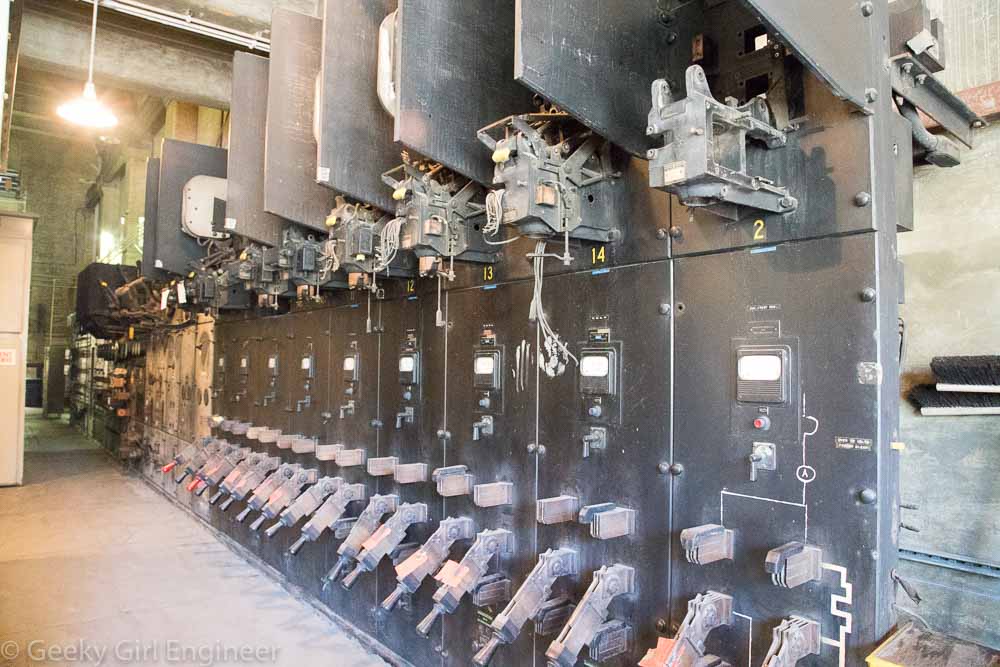
Electric switches

Third rail

Modern breakers

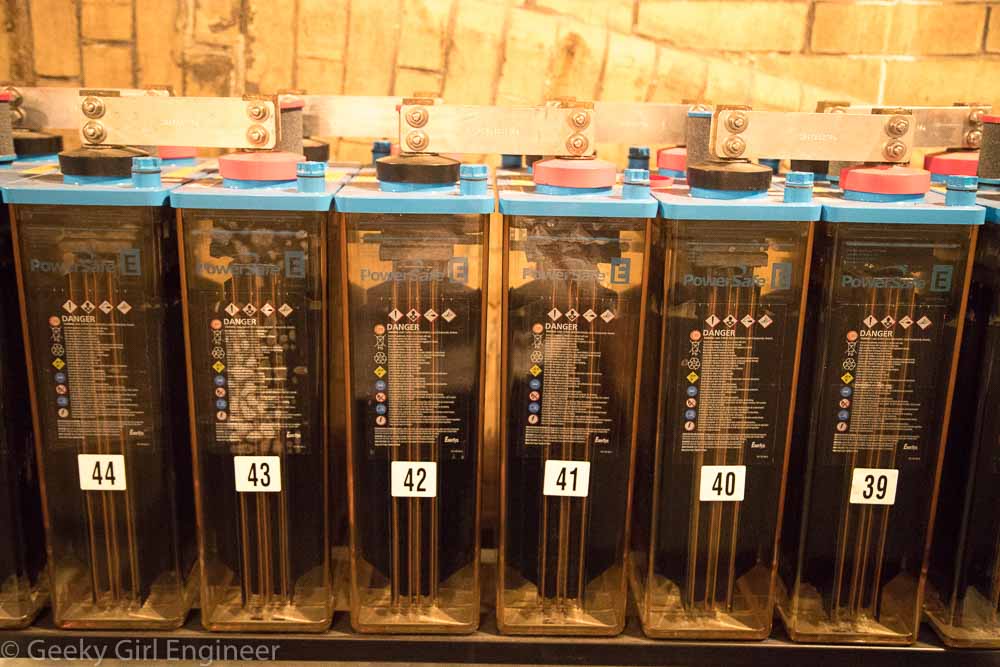
Batteries in case of loss of power to grid

Penobscot Narrows Bridge

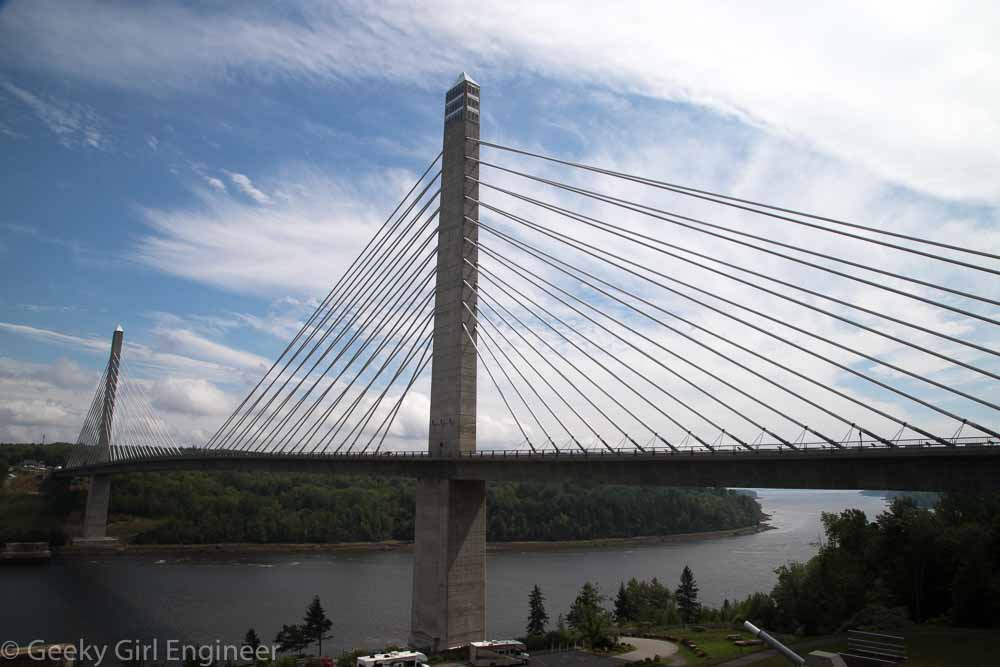
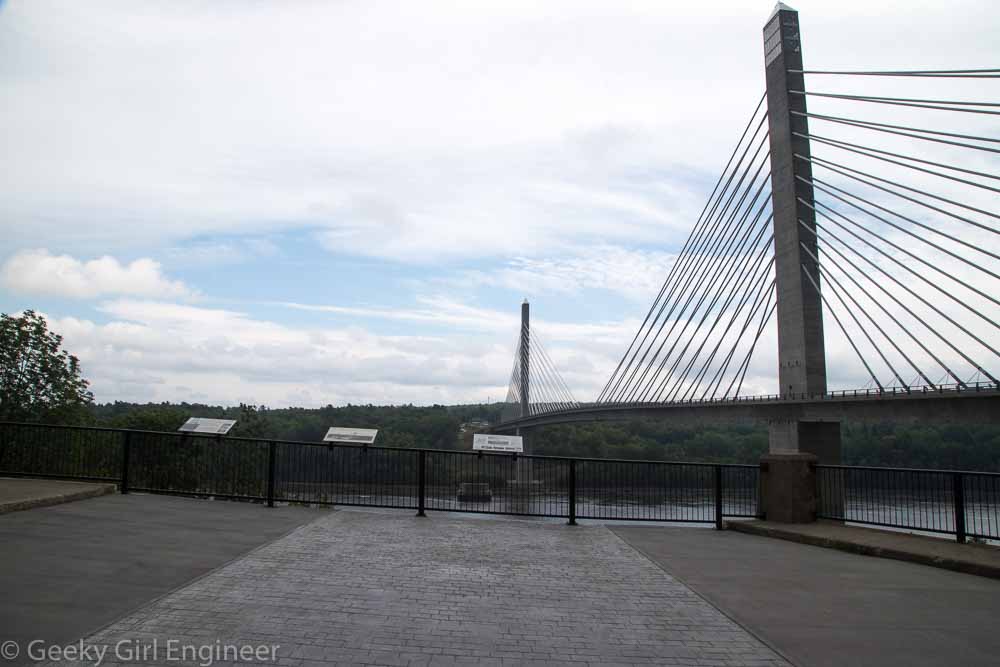
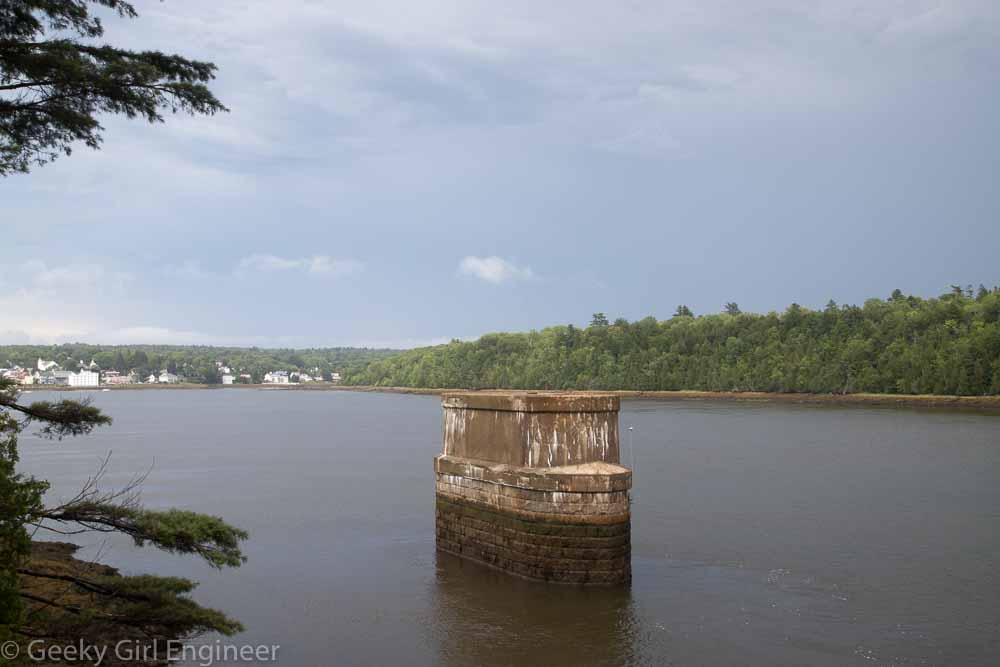
While traveling though Maine, we drove over the Penobscot Narrows Bridge, which is a lovely cable-stayed bridge. Cable-stayed bridges are my favorite kind of bridges. I love their simple elegance and functionality. The Penobscot Narrows Bridge is unique in that it has an observatory on top of one of the pylons. Who would have thought to put an observatory on top of a pylon? Next to the bridge, you can also walk onto a small portion of the old Waldo-Hancock Bridge. The Waldo-Hancock Bridge was suspension bridge built in 1931. It ultimately had to be taken down due to heavy corrosion of the main cables. The Waldo-Hancock Bridge was replaced with the Penobscot Narrows Bridge in 2006.

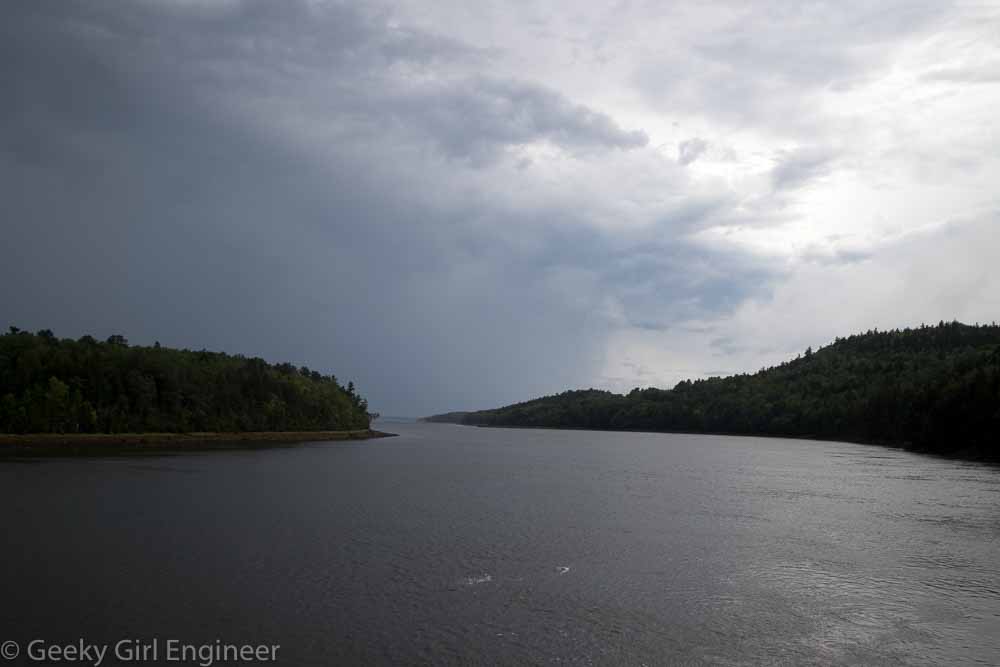
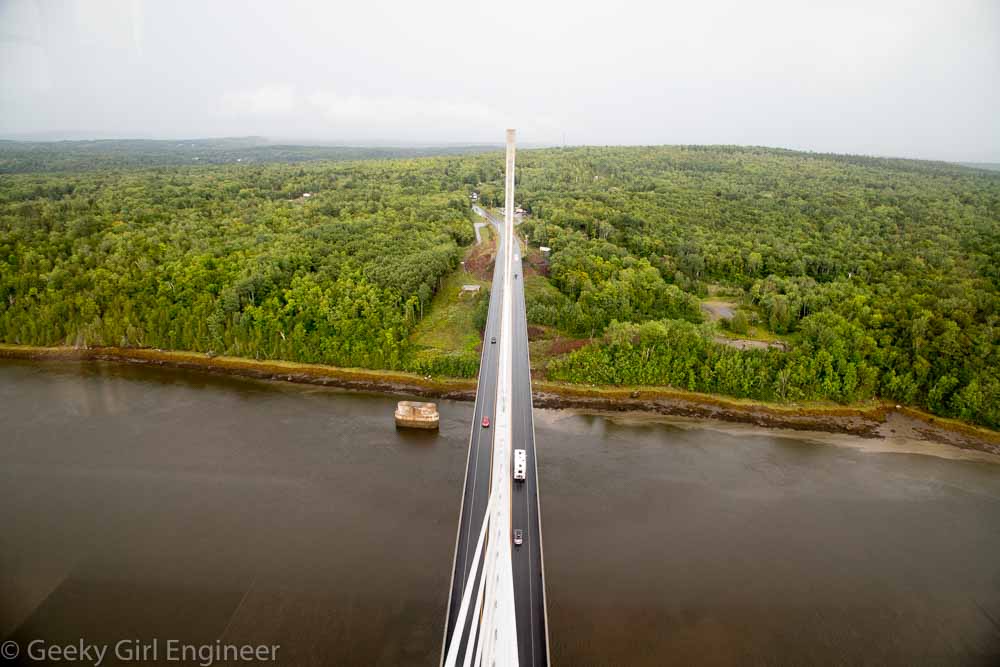
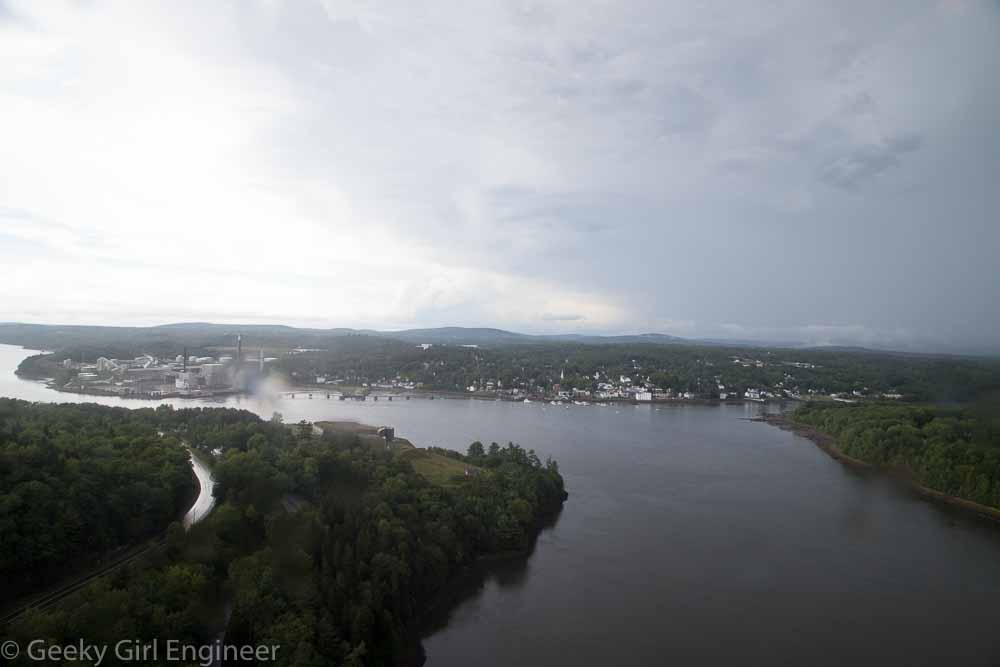
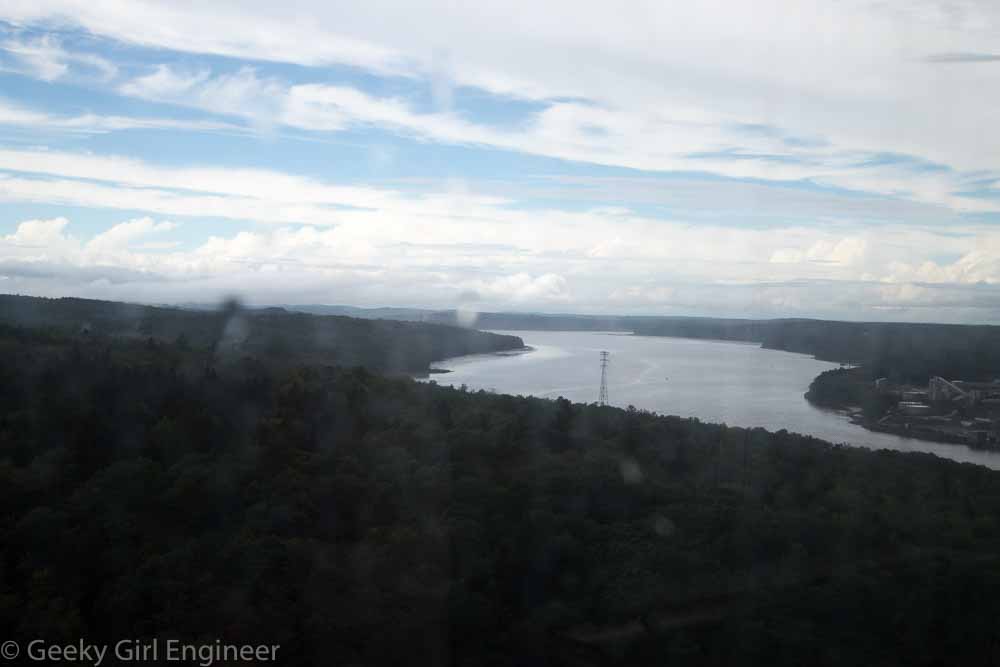
A thunderstorm passed by right before we entered the pylon, so in the below photos taken from the observatory, there are some of out of focus areas. I waited until the storm passed before taking the photos, but the windows still had raindrops on the glass, so the photos are not completely clear.

Penobscot Narrows Bridge

Small deck of the former Waldo-Hancock Bridge

Looking south from the base of the Penobscot Narrows Bridge pylon

Looking north from the base of the Penobscot Narrows Bridge pylon to an old pier of the Waldo-Hancock Bridge

Looking east from the Penobscot Narrows Bridge pylon observatory

Looking north from the Penobscot Narrows Bridge pylon observatory

Looking south from the Penobscot Narrows Bridge pylon observatory

Looking west from the Penobscot Narrows Bridge pylon observatory

MTA’s Jamaica Yards

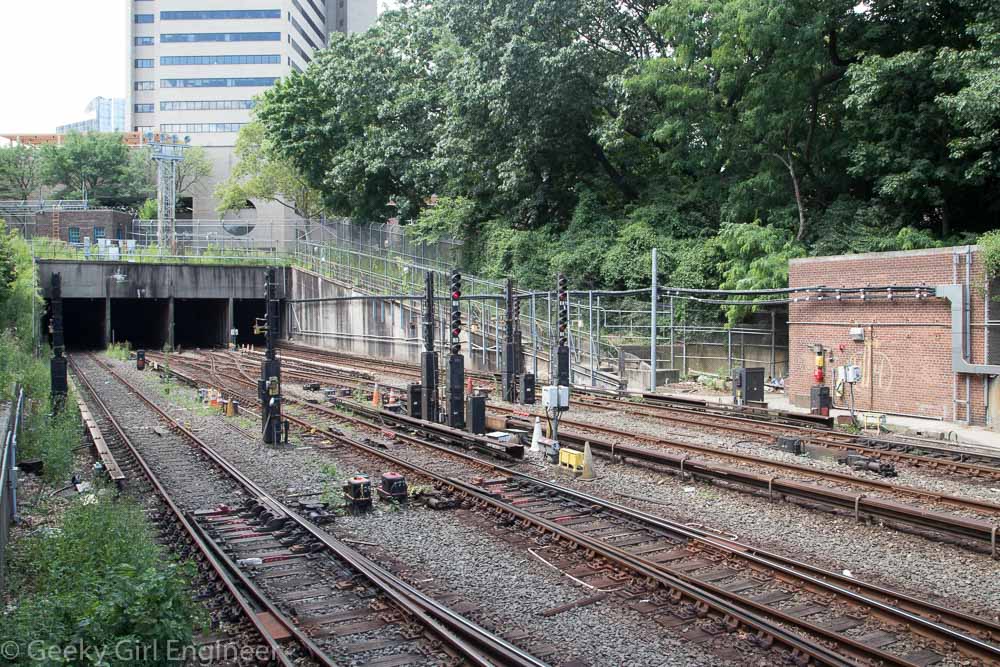
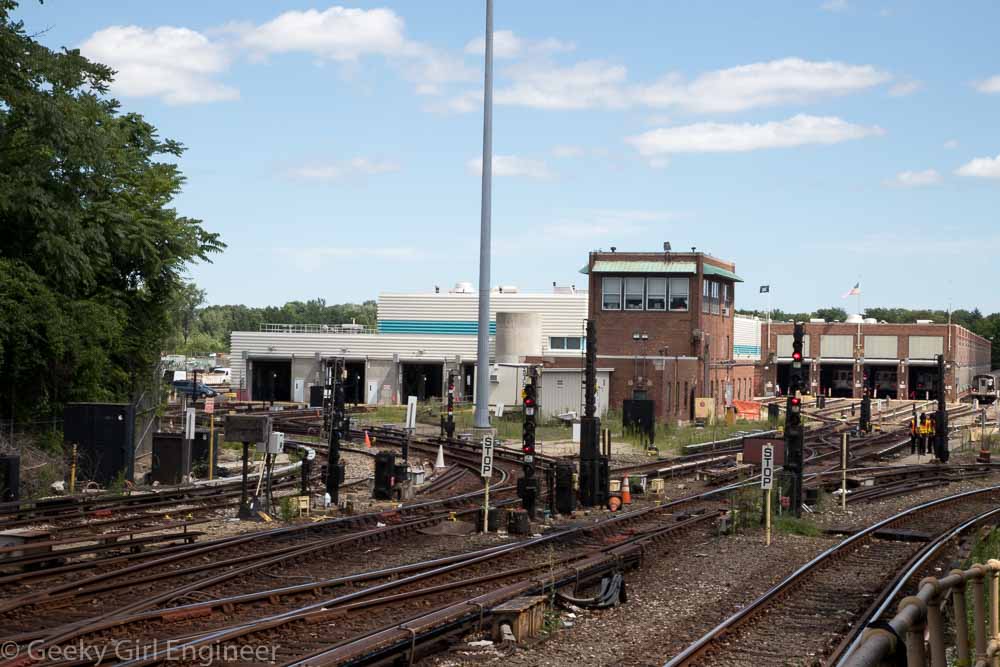
I took another tour with the New York Transit Museum today. This one was of Jamaica Yards in Queens, where maintenance is performed on subway cars. I love touring these yards. Jamaica Yards was different then some of the other ones I have toured in that it has a bit more space. Not a lot, but at least a little more. Every time I go on one of these tours I learn and retain just a little more.

Subway cars enter the yards from this tunnel

Jamaica Yards repair sheds

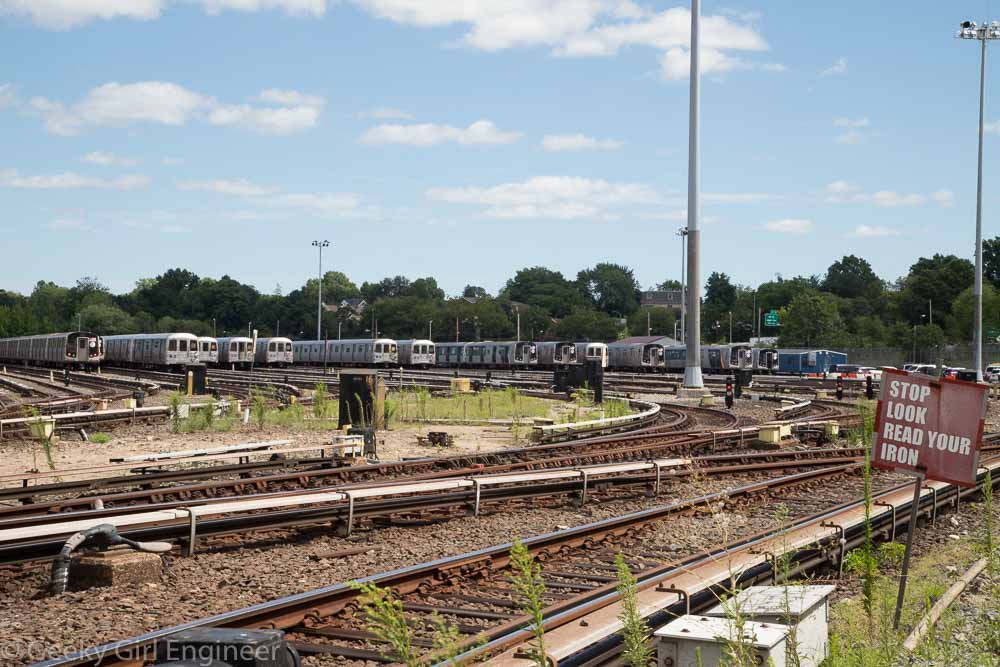
Jamaica Yards. “Stop look read your iron” is a warning to drivers to be alert where they are going. “Iron” refers to the rail.

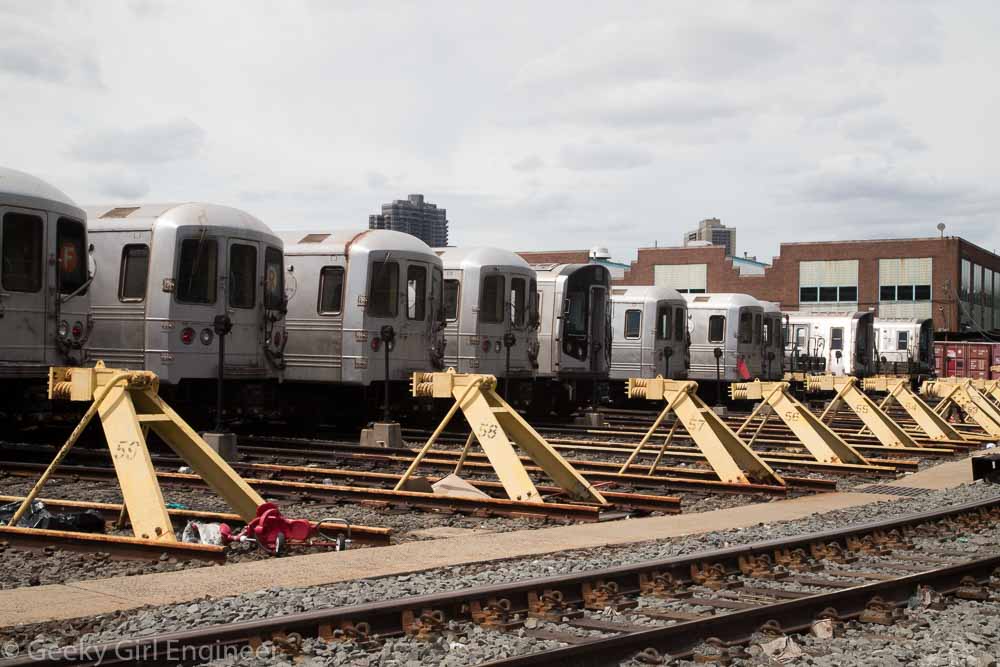
Trains lined up in the yards

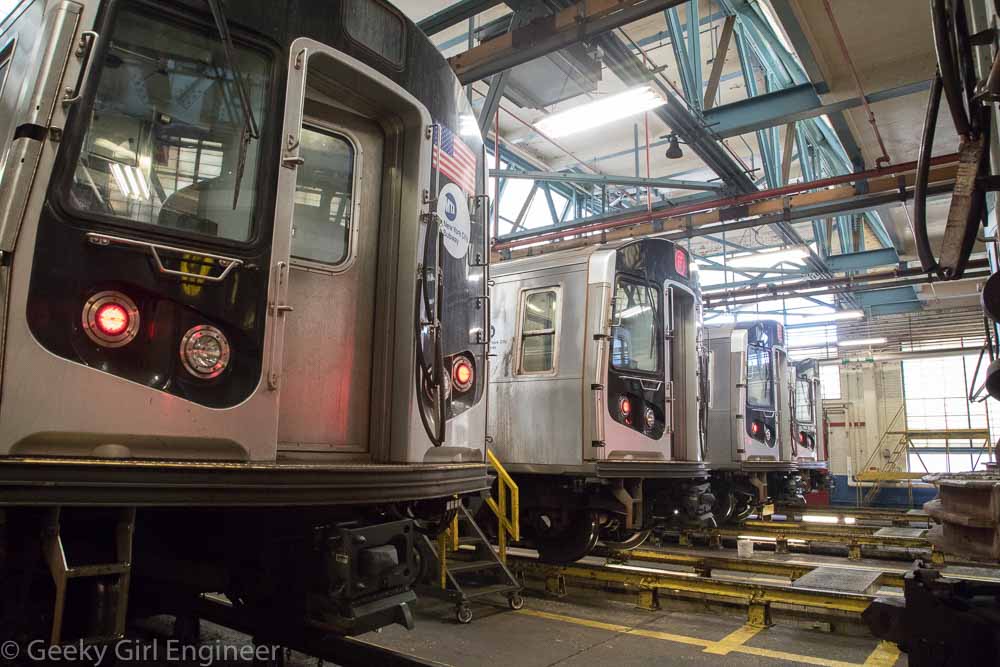
Trains in the maintenance shed

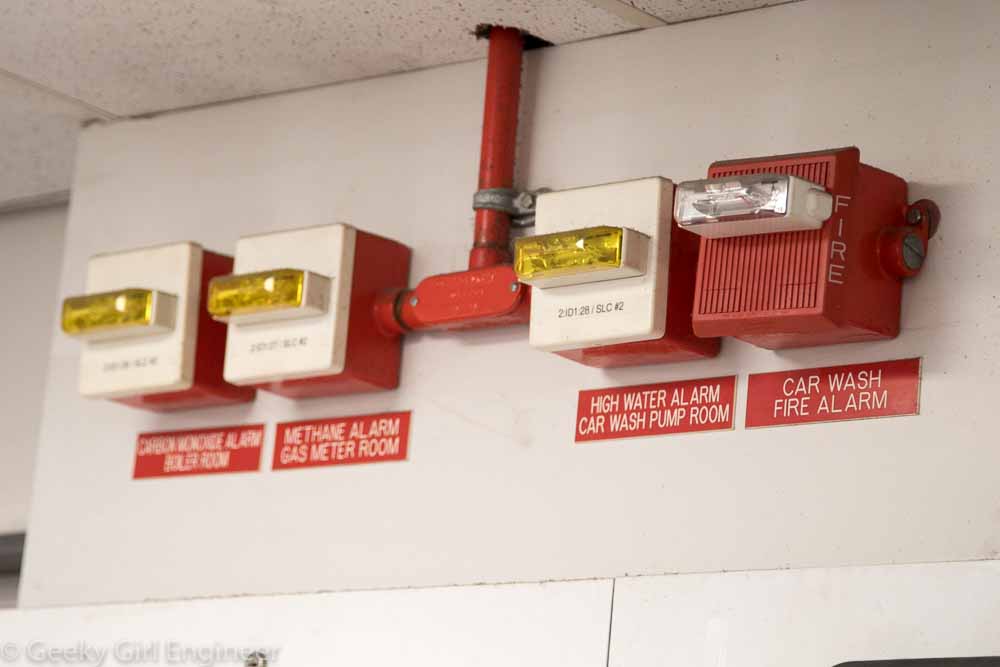
Of course I am going to be interested int the safety measures. These lights read: Carbon monoxide alarm boiler room, methane alarm gas meter room, high water alarm car wash pump room, and car wash fire alarm.

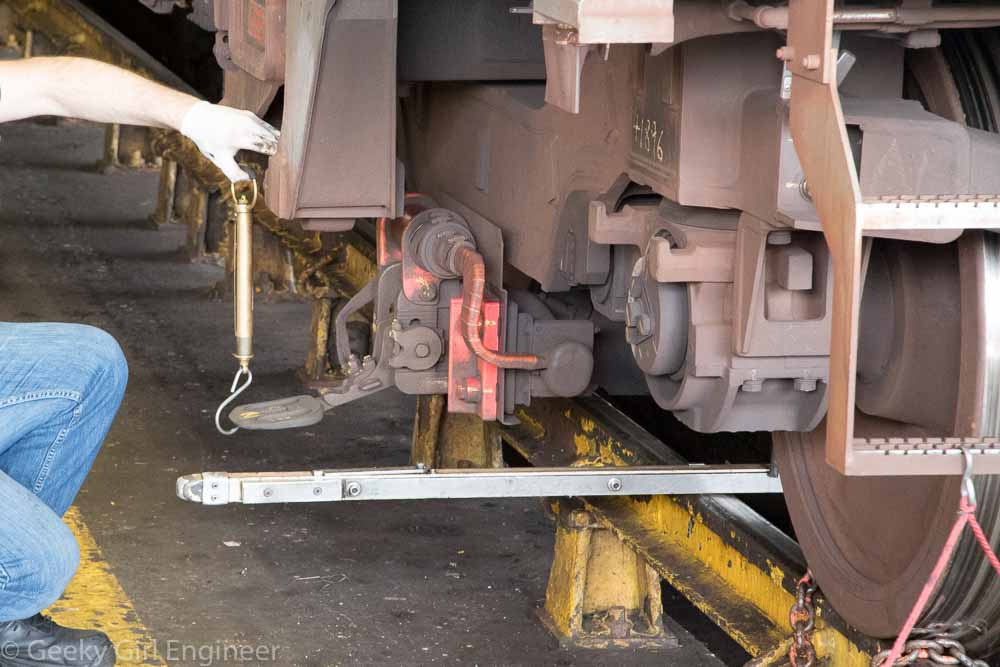
One of the workers shows us how they test that the shoe, which contacts the third rail, is at the right height

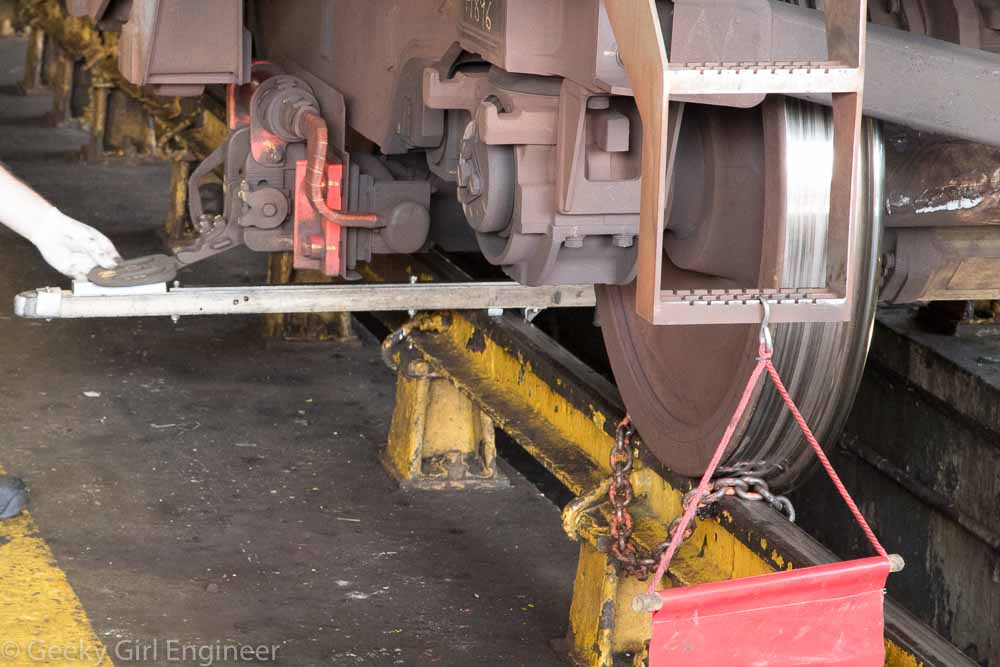
One of the workers shows us how they test that the shoe, which contacts the third rail, has the correct tension

Regents Canal

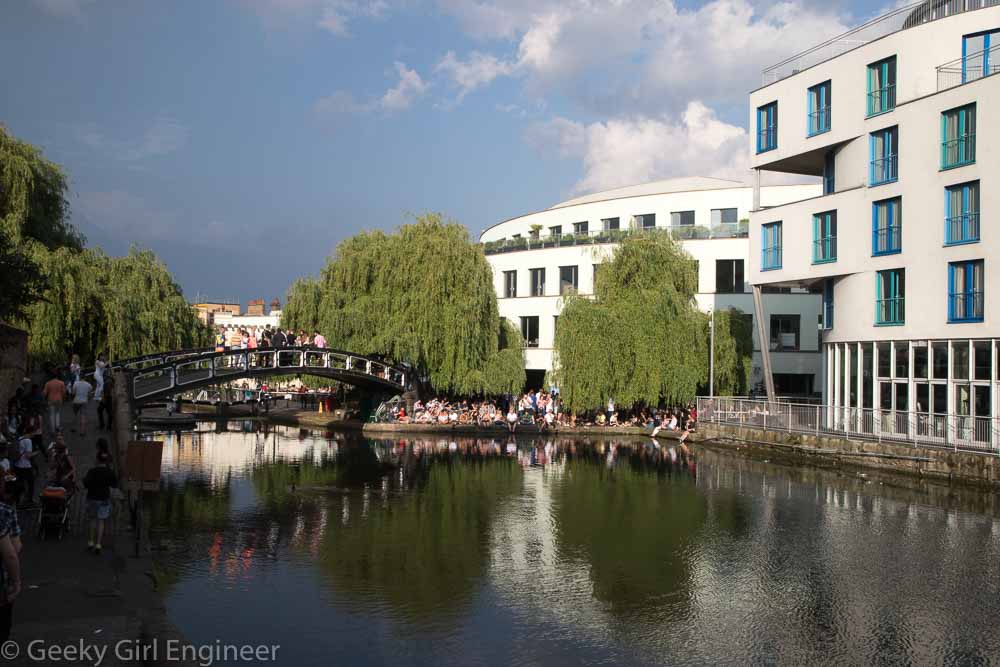
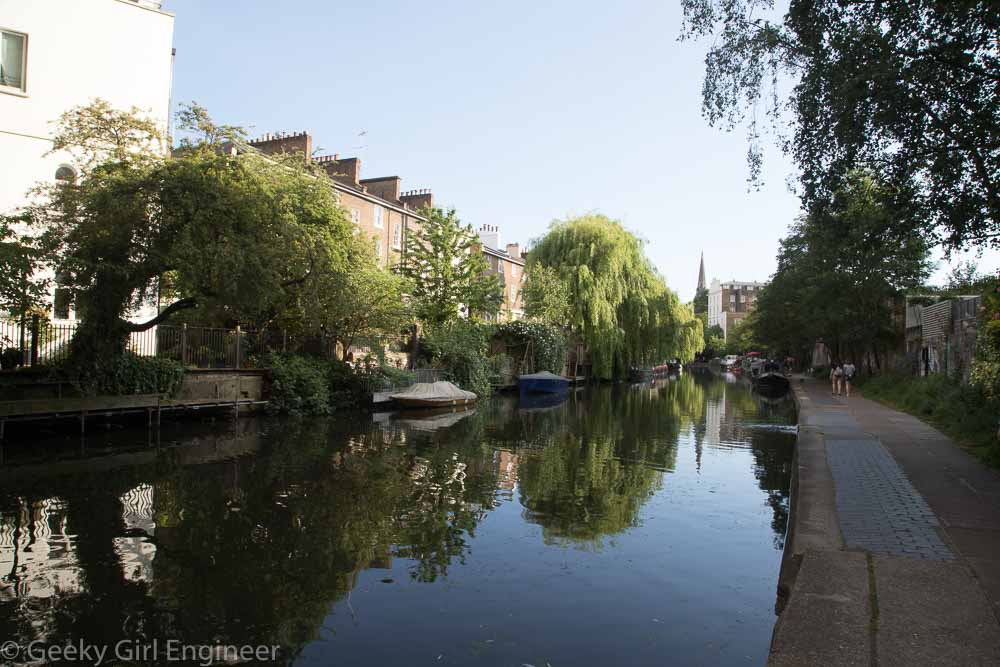
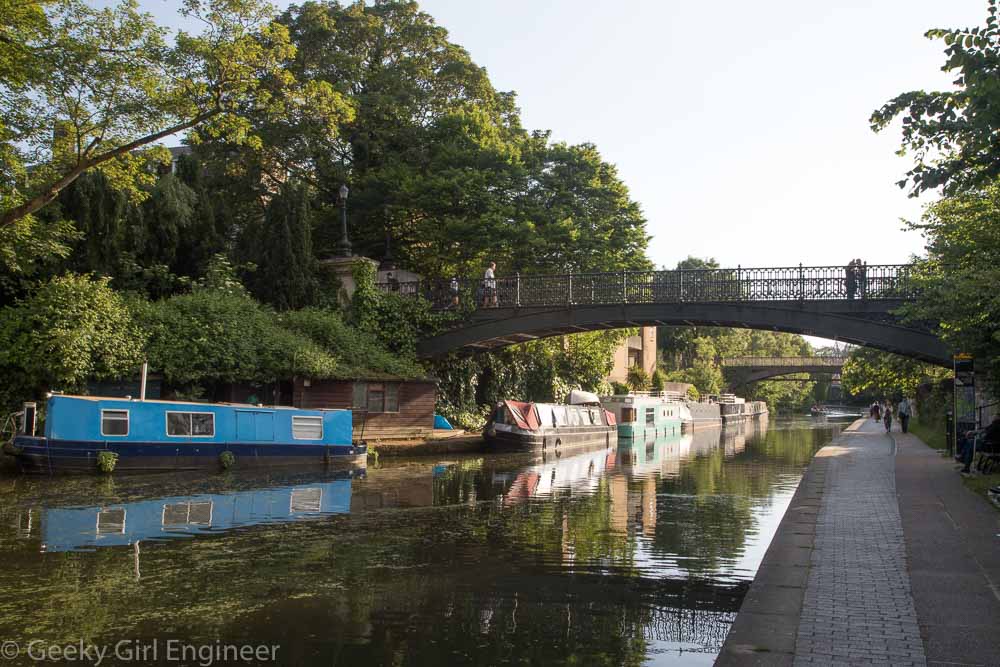
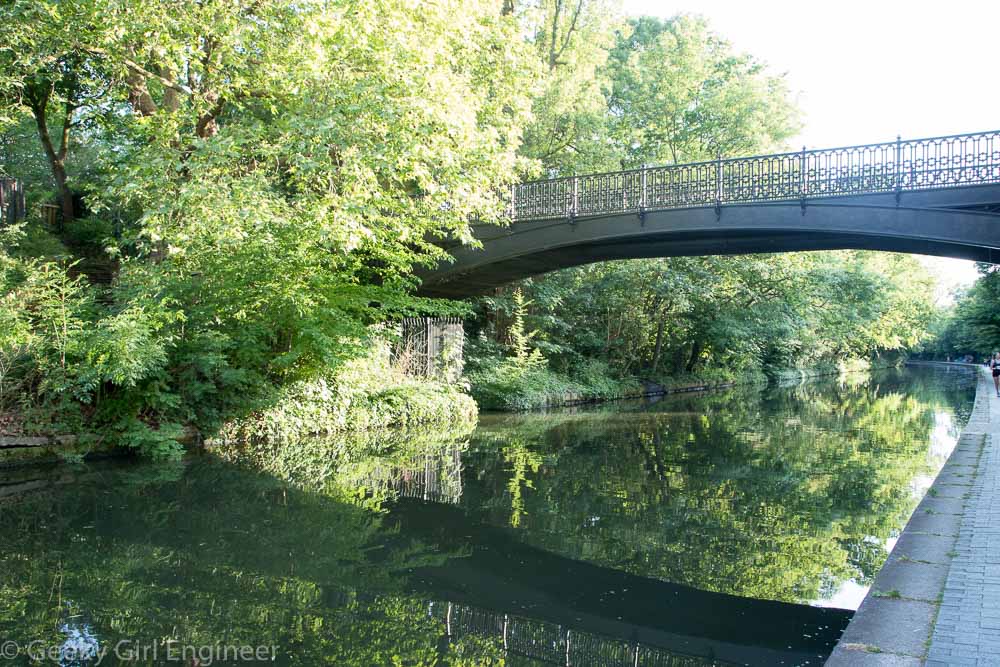
I posted yesterday about my boat ride on along the Regents Canal from Camden Locks to Little Venice. Today I went for a very short walk along the same canal in the Camden Locks area. It really is a pretty area. It is also a very popular area. There were many people walking along the towpath, and there were also many people just hanging around the area.

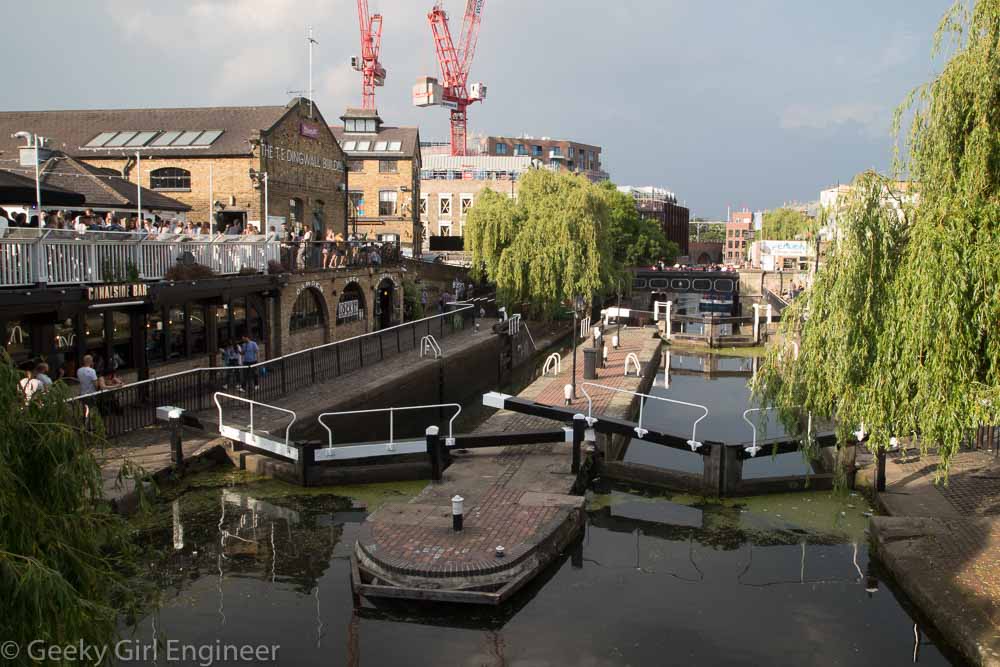
Camden Locks

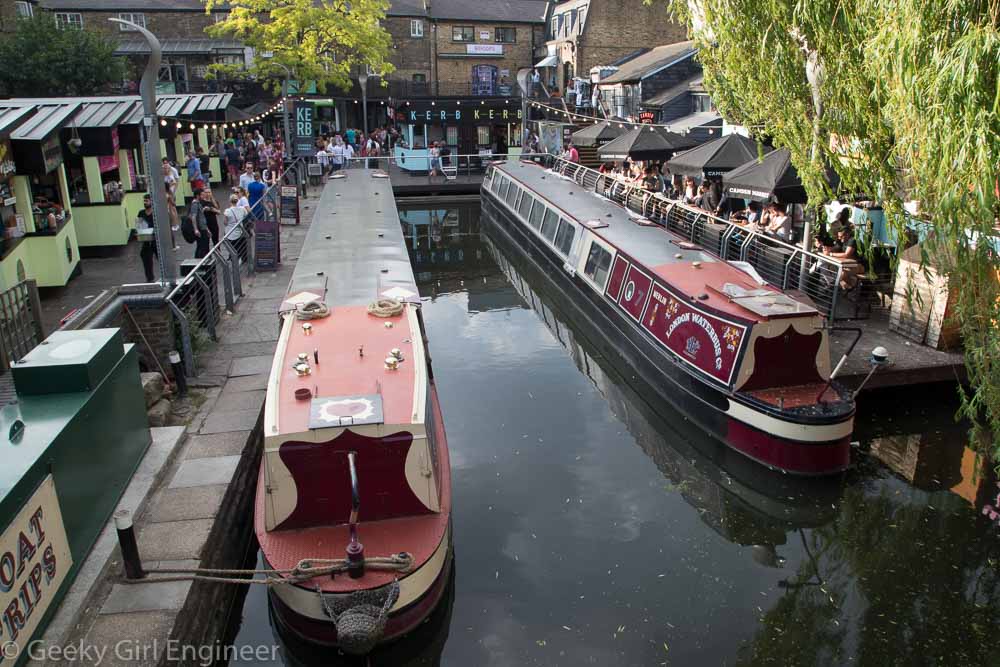
London Water Bus docked near Camden Market

Bridge next to Camden Locks

Homes along Regents Canal

Boats moored on canal

One of many bridges over the canal

Tower Bridge

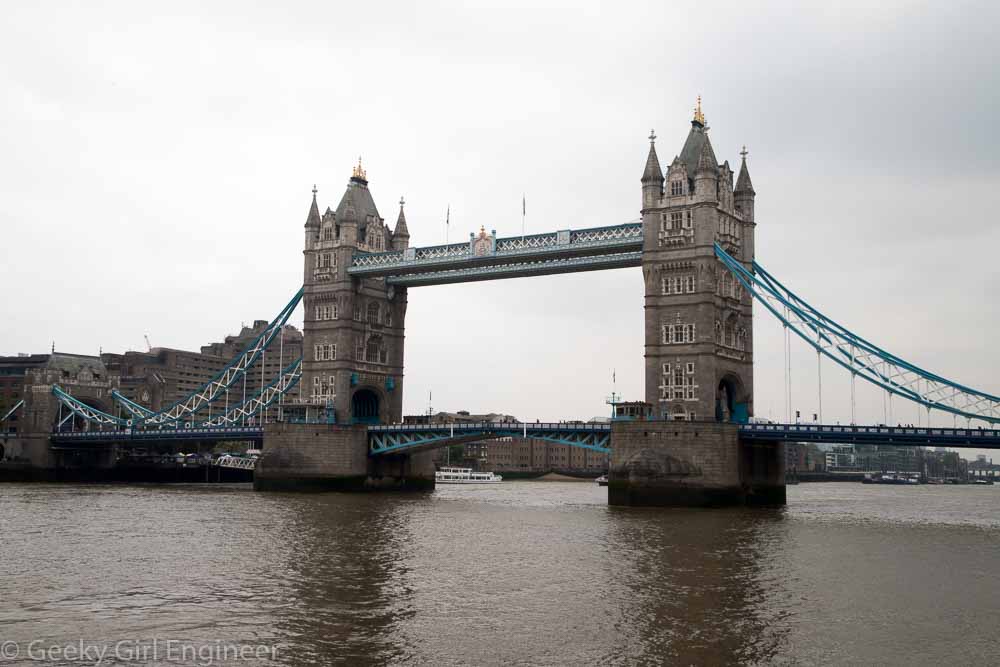
I love bridges, so while in London I am visiting as many bridges as possible (although there are quite a few). One bridge that was on my must see list was the iconic Tower Bridge. It is a beautiful bridge. Even better though, you can tour the historic engine room and also go to the top and walk across the upper level walkways that connect the two towers.

Tower Bridge

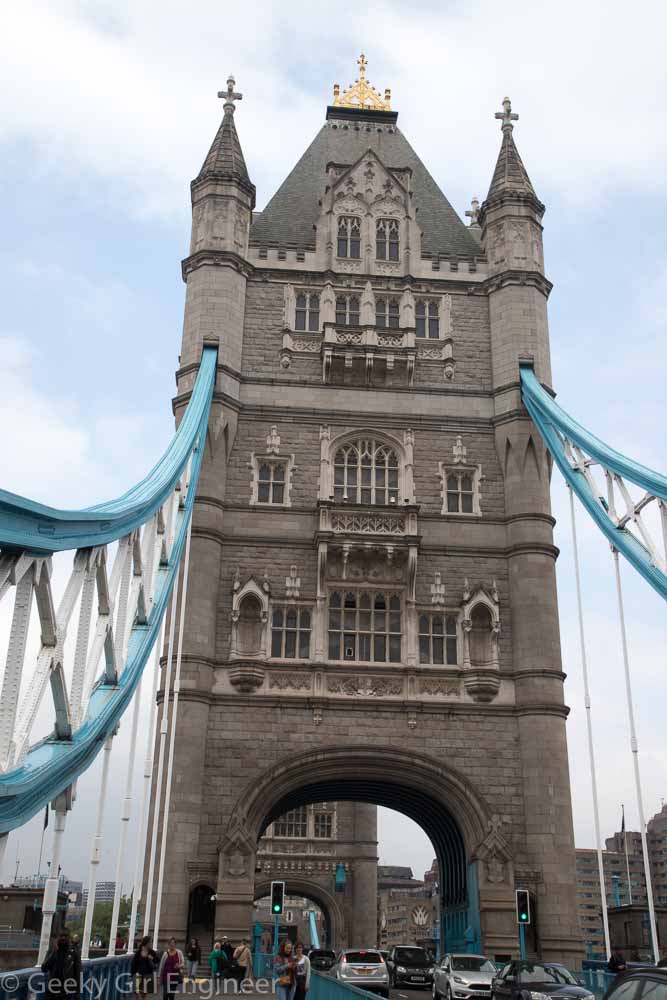
South tower

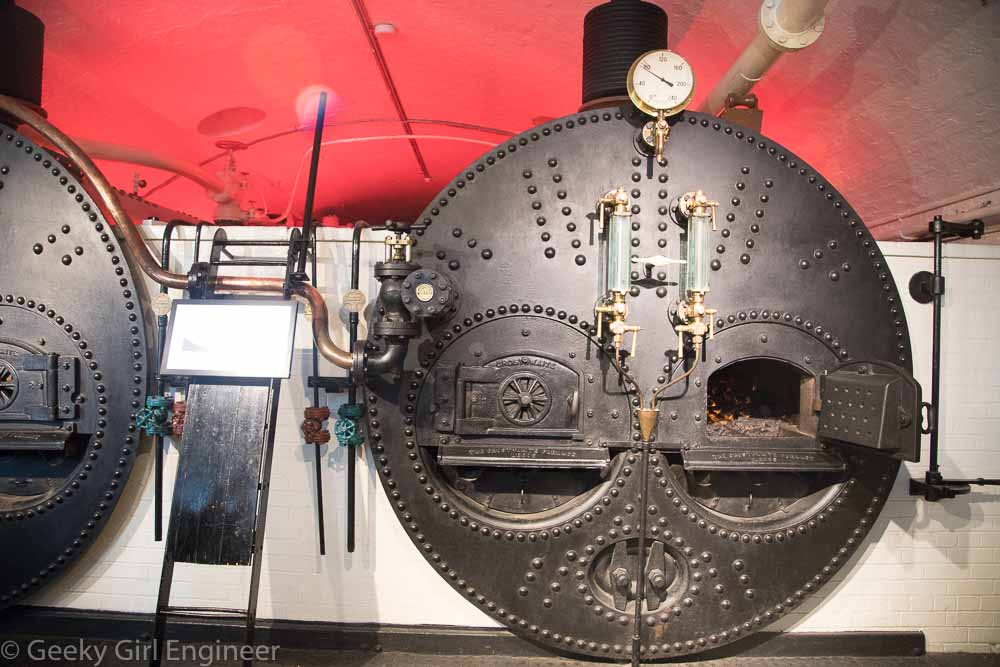
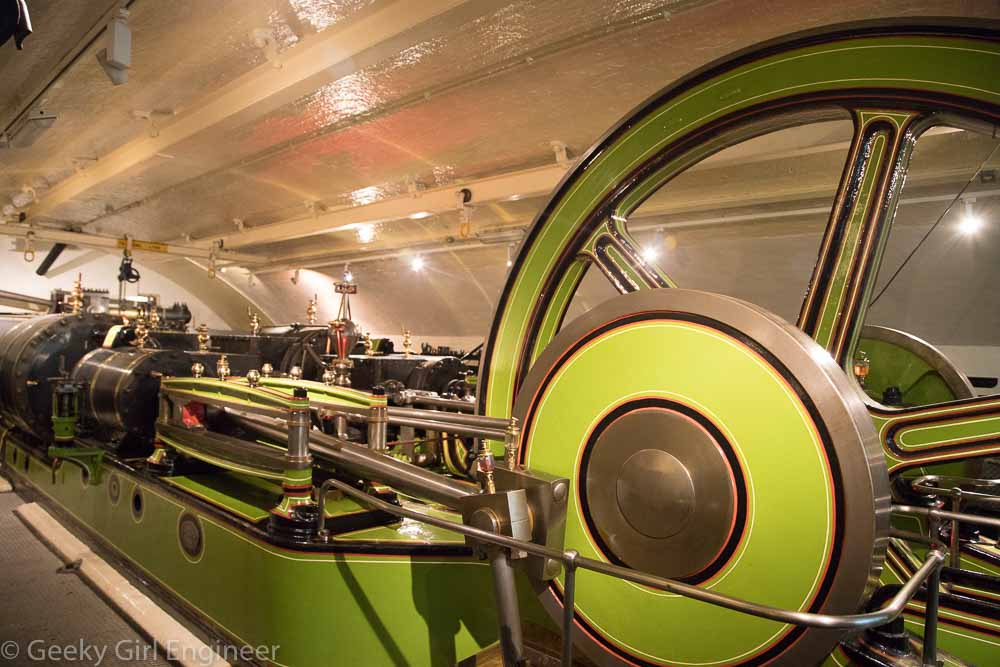
Inside the engine room areas, you can see the historic coal burners, steam engines, and the accumulators. The bridge now operates with electricity.

Coal burner

Steam engine

Accumulators

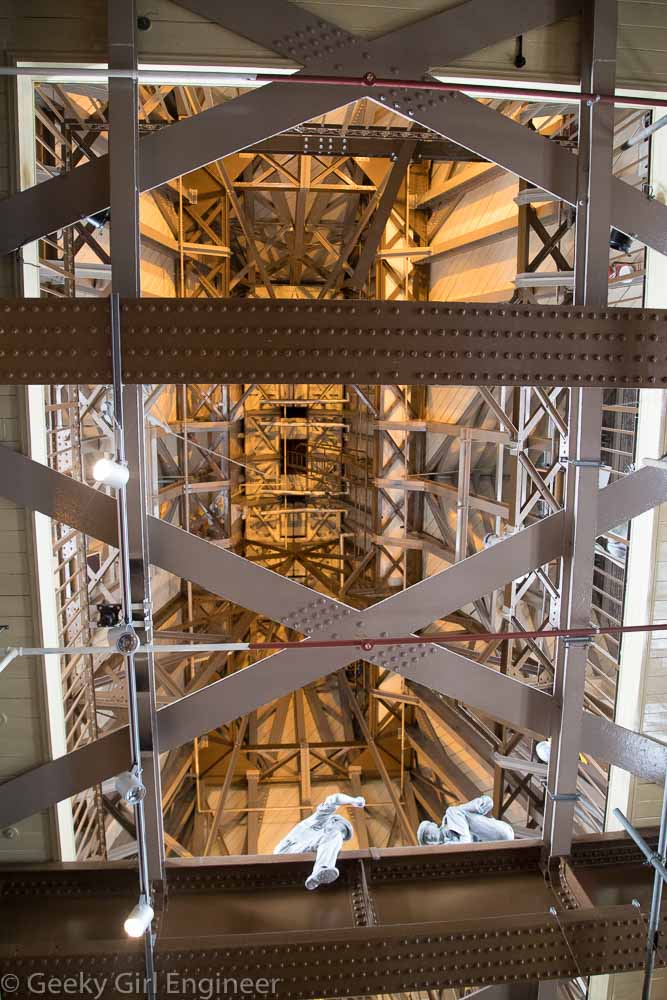
In the south tower, you can see the inside of the tower and all the structural components. They have human figures up in the structure to demonstrate how it was built.

View inside the south tower, looking up

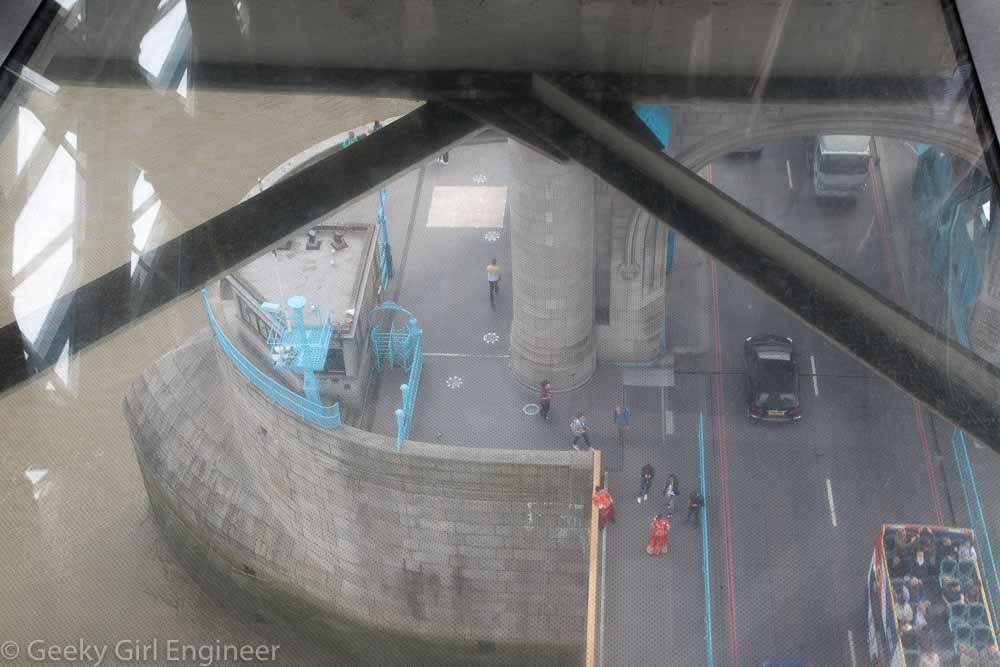
Both the east and west upper walkways have a segment of glass floor, so you can look down onto the river and roadway.

Looking to the road from glass floor of upper level walkway

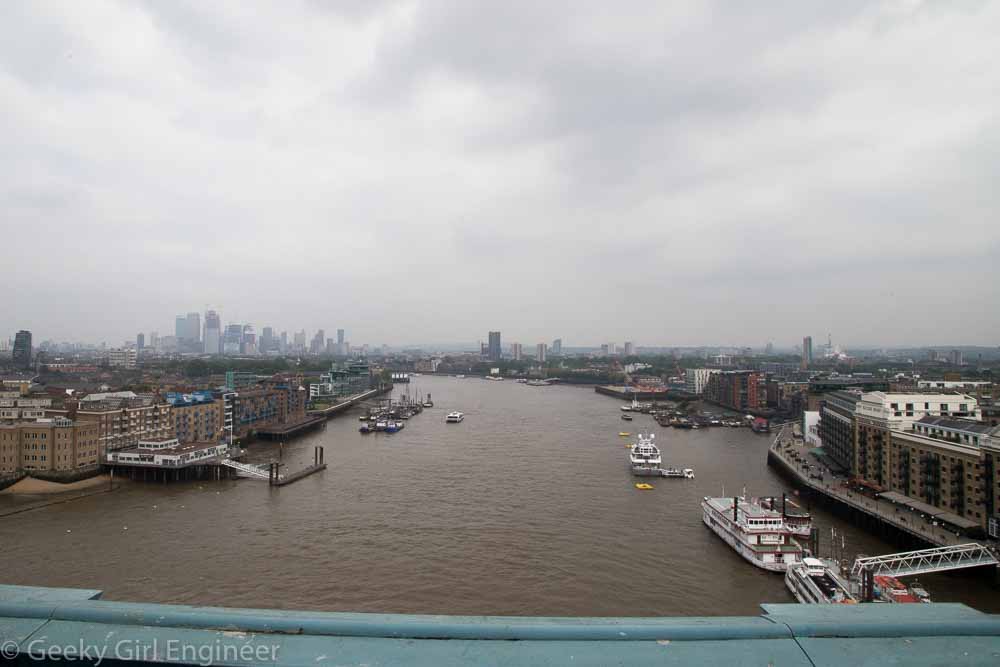
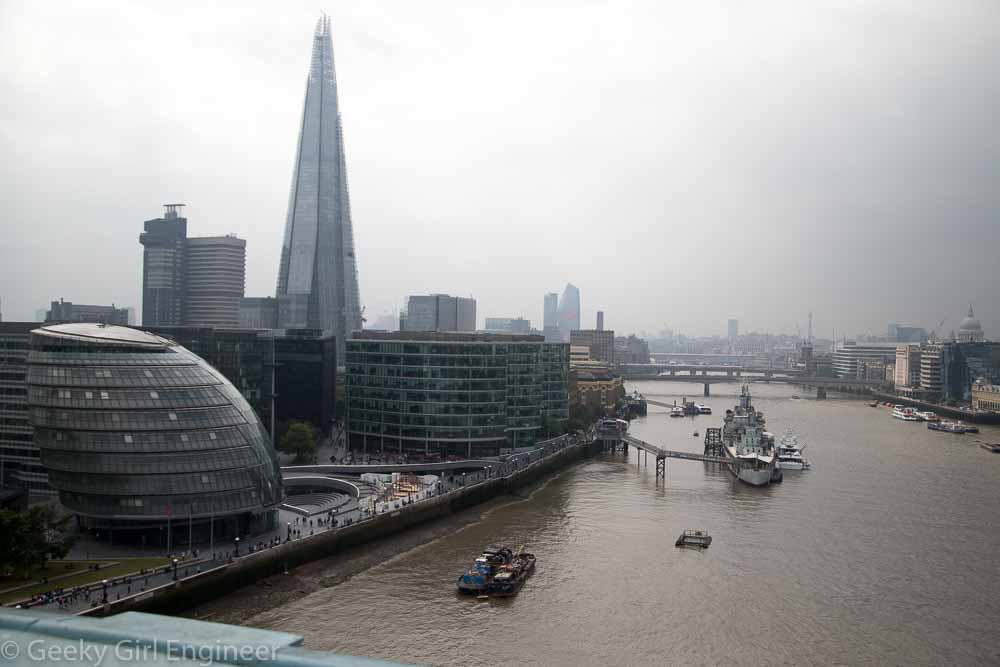
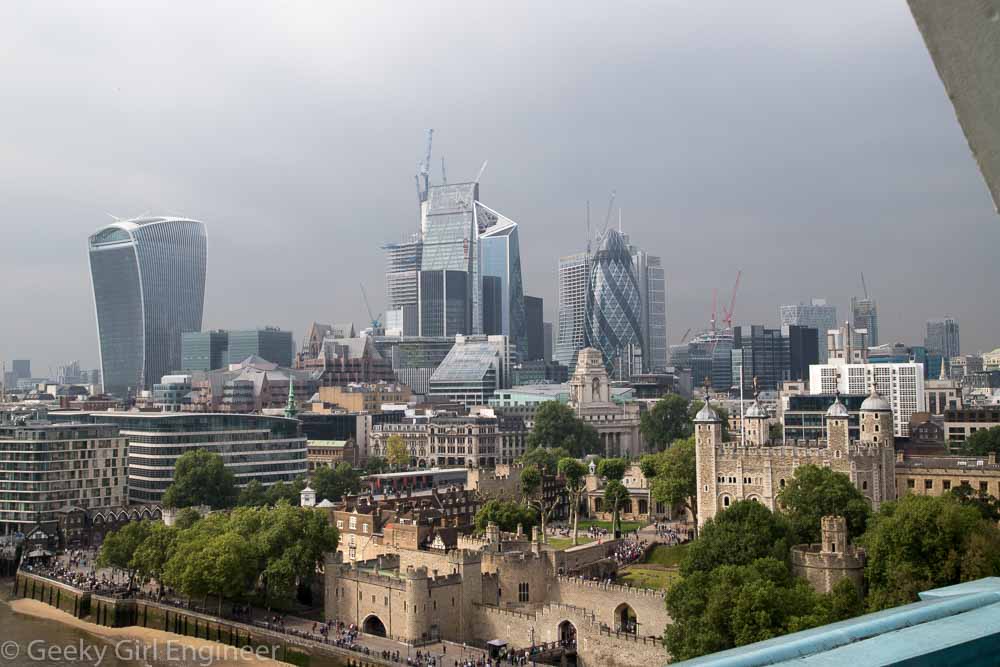
The views from the upper walkways are wonderful. You can see very far up and down the River Thames.

East view from upper walkway

West view from upper walkway

West view from upper walkway