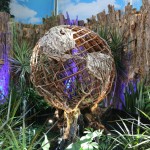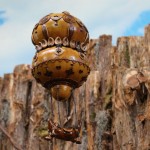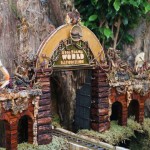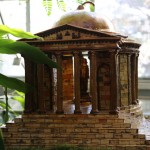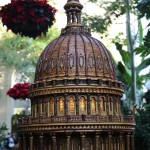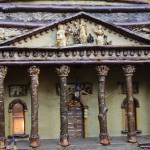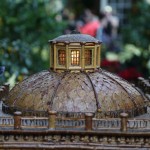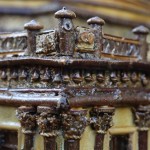
USBG Holiday Exhibit

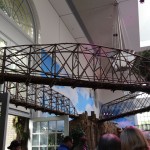
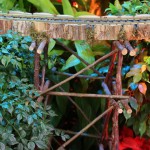
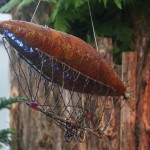
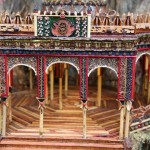
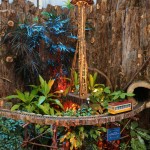
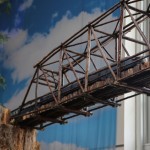
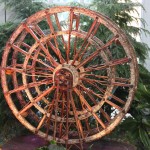
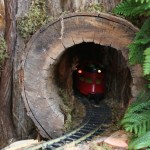
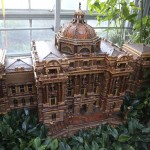
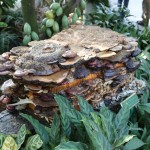
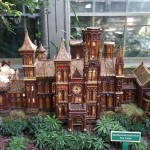
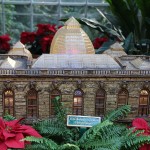
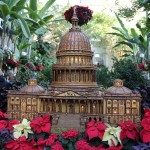
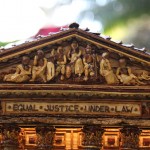
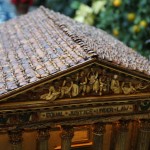
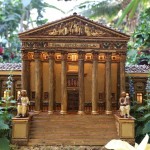
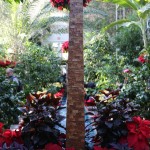
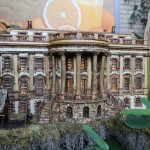
The United States Botanical Garden has an annual holiday exhibit that consists of fantasy model trains running through, by, and over various bridges, tunnels, and model structures. They also have models of numerous DC structures and buildings. All the models except the trains are made of natural materials and are built with amazing detail. They are simply gorgeous and the use of natural material is just genius. The model train exhibit also smells wonderful due to all the cedar in the room. Definitely worth the visit.

NY IKEA Ferry

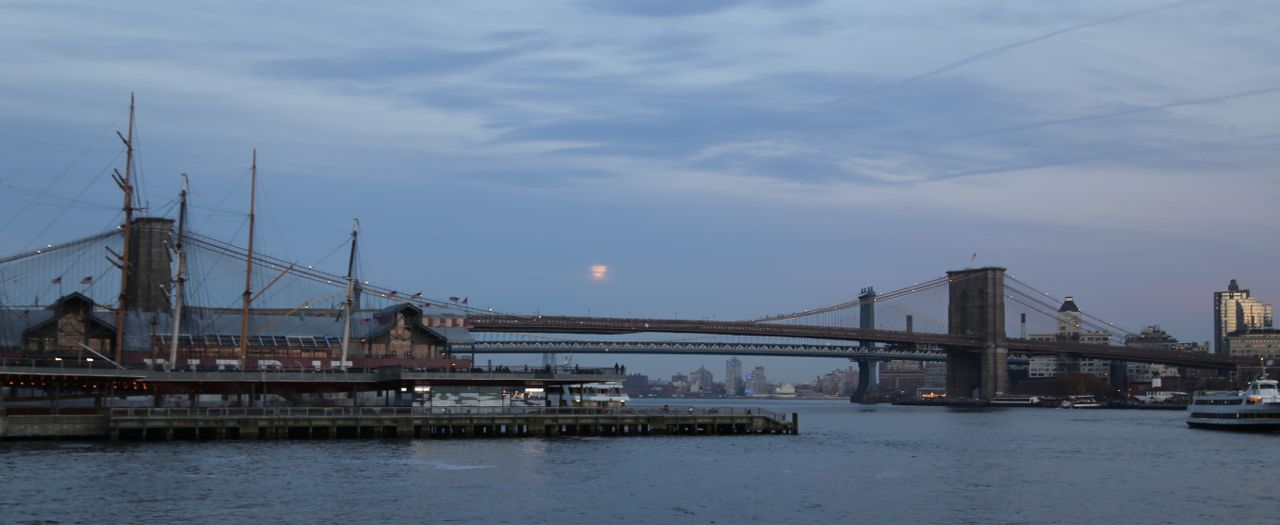
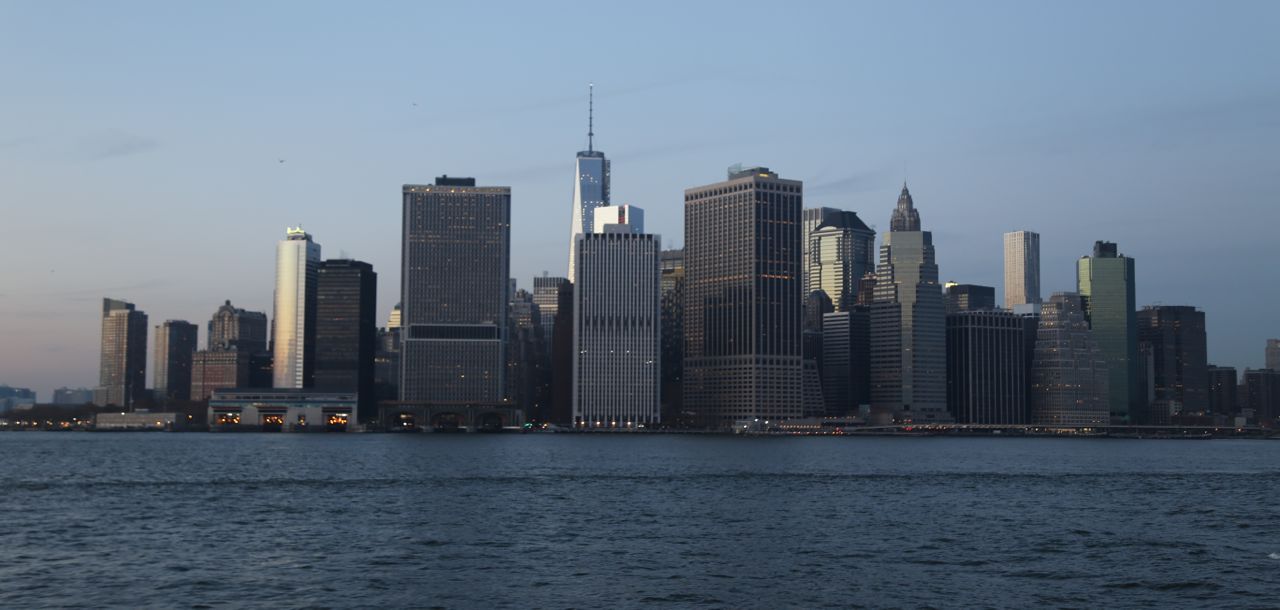
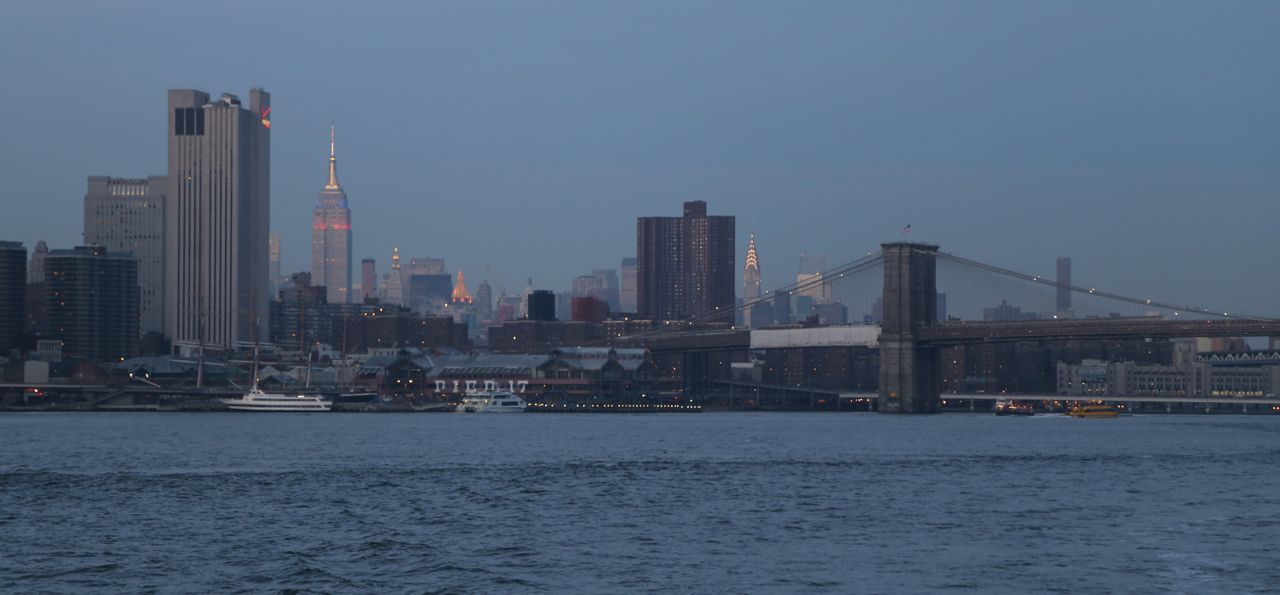
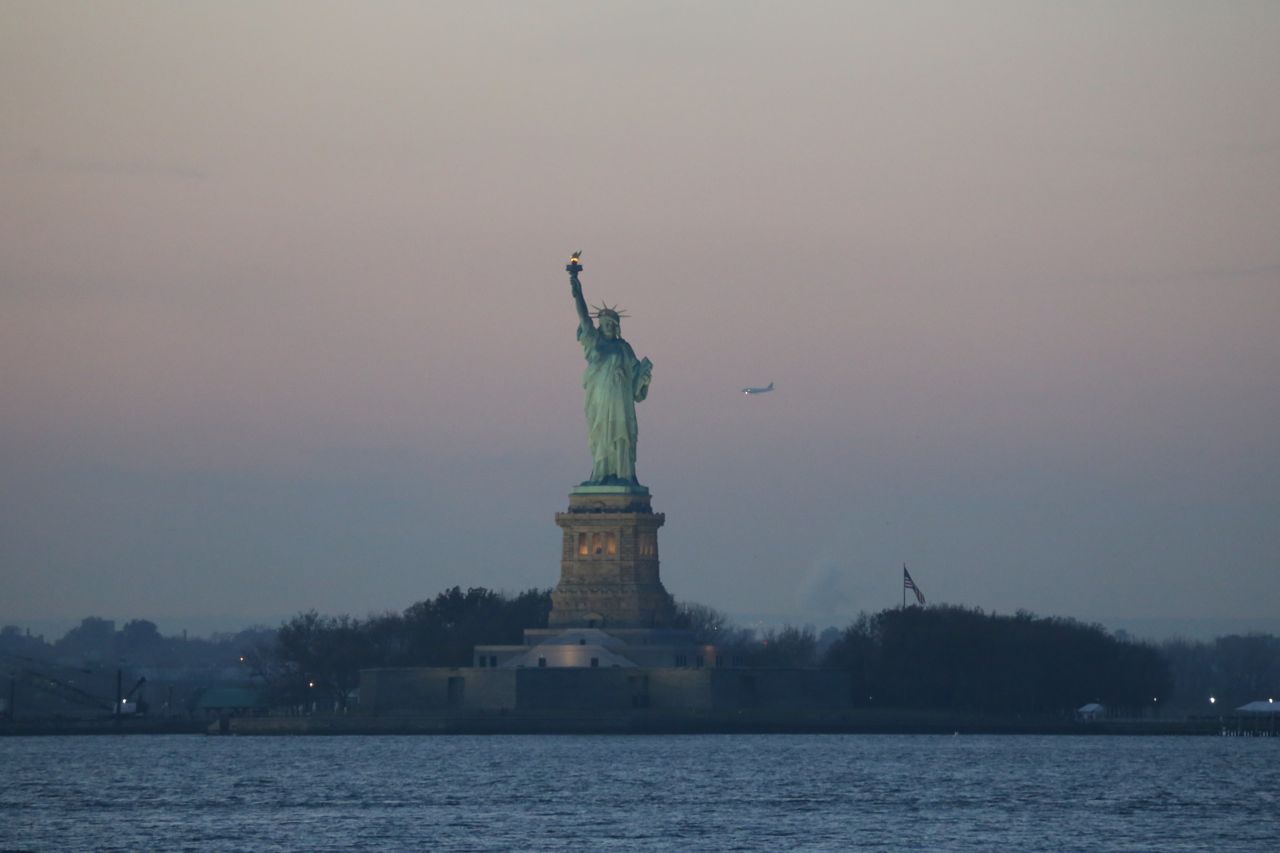
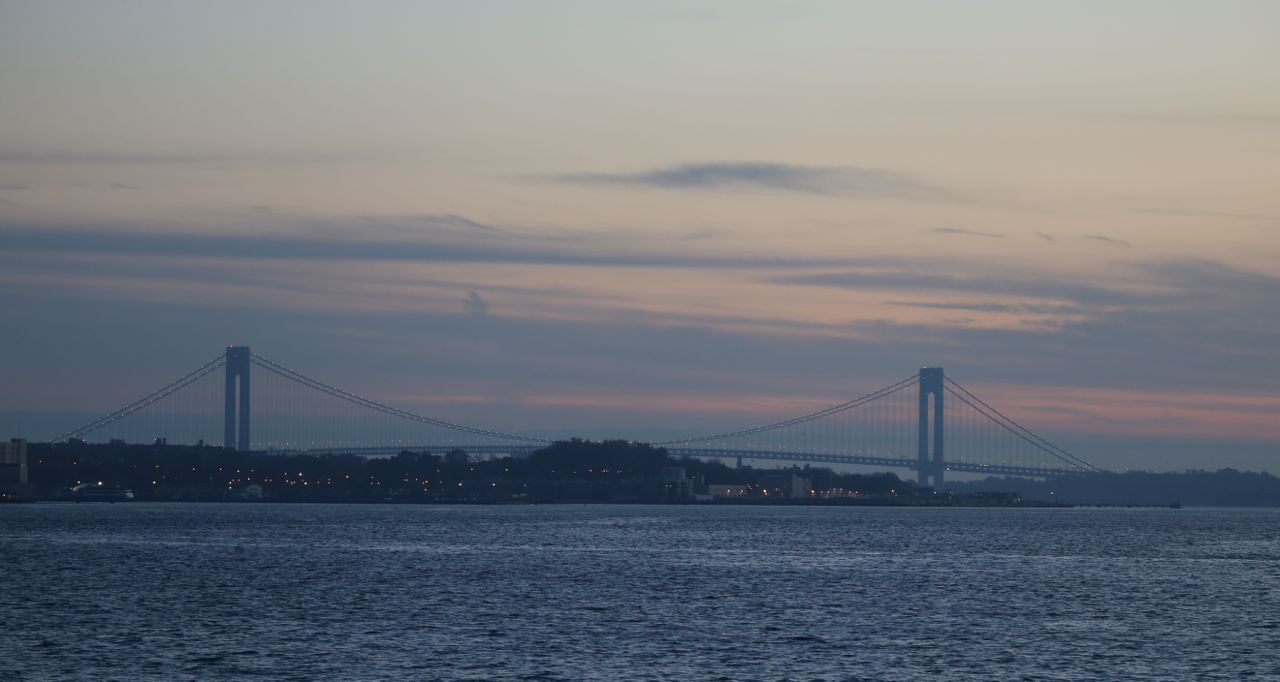
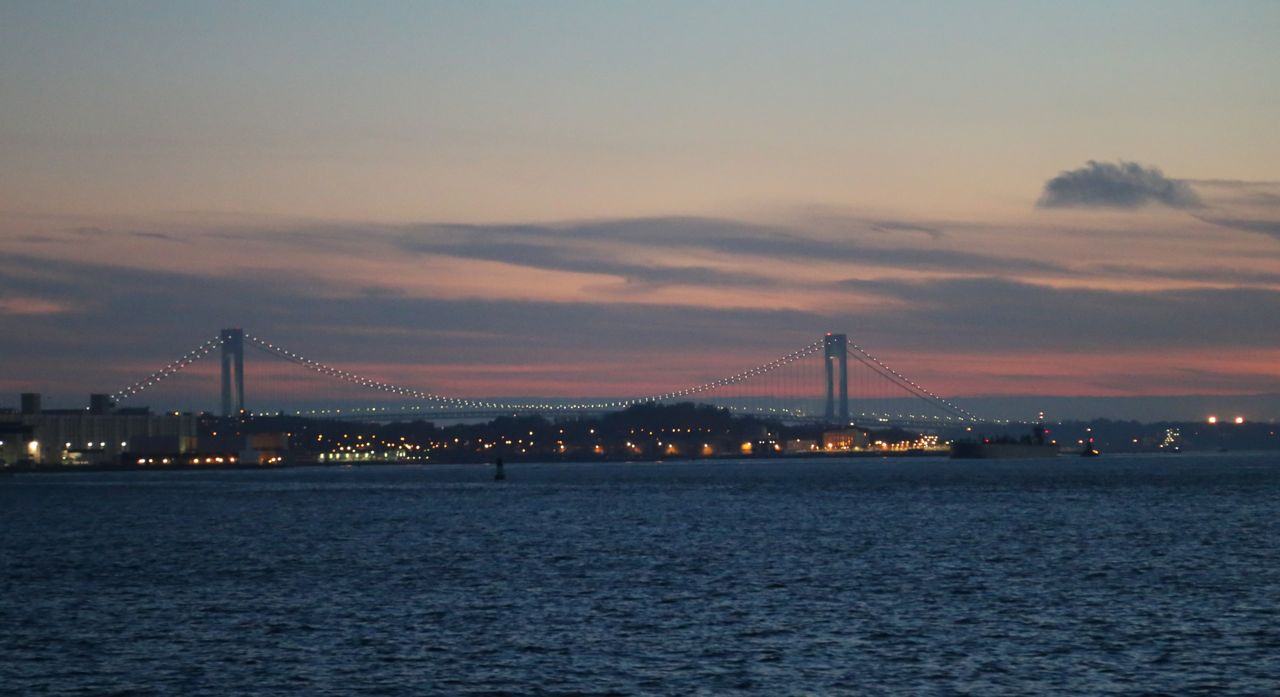
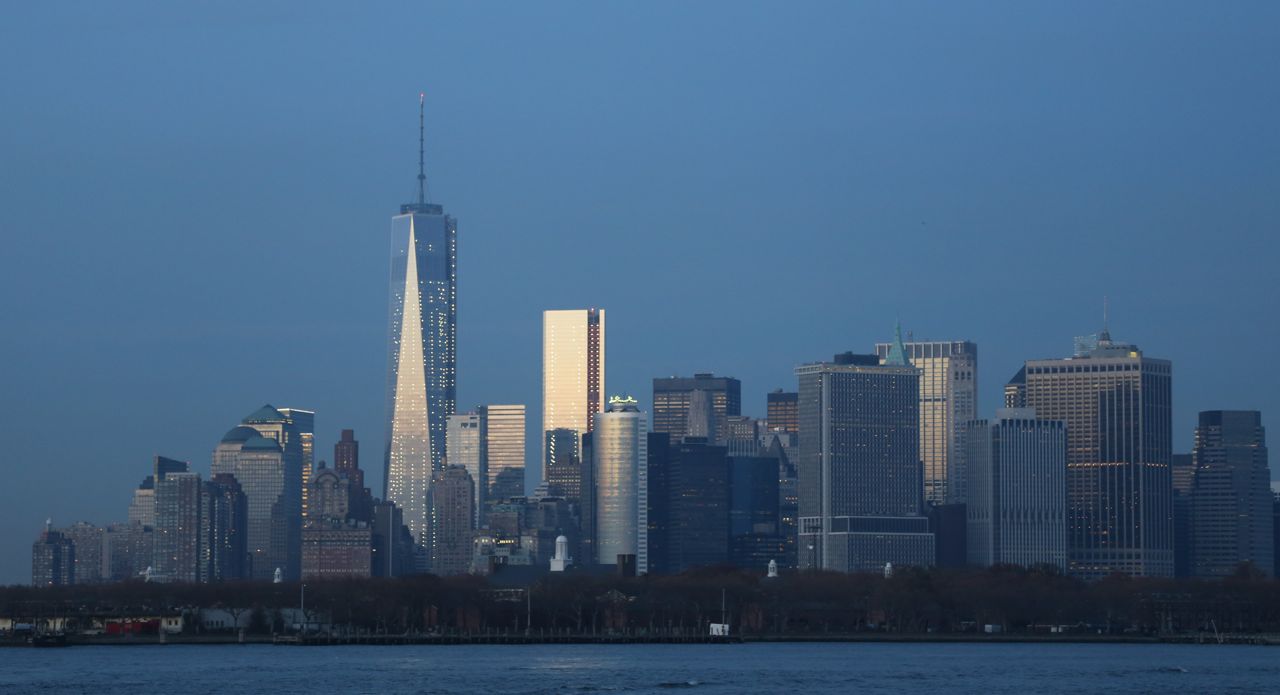
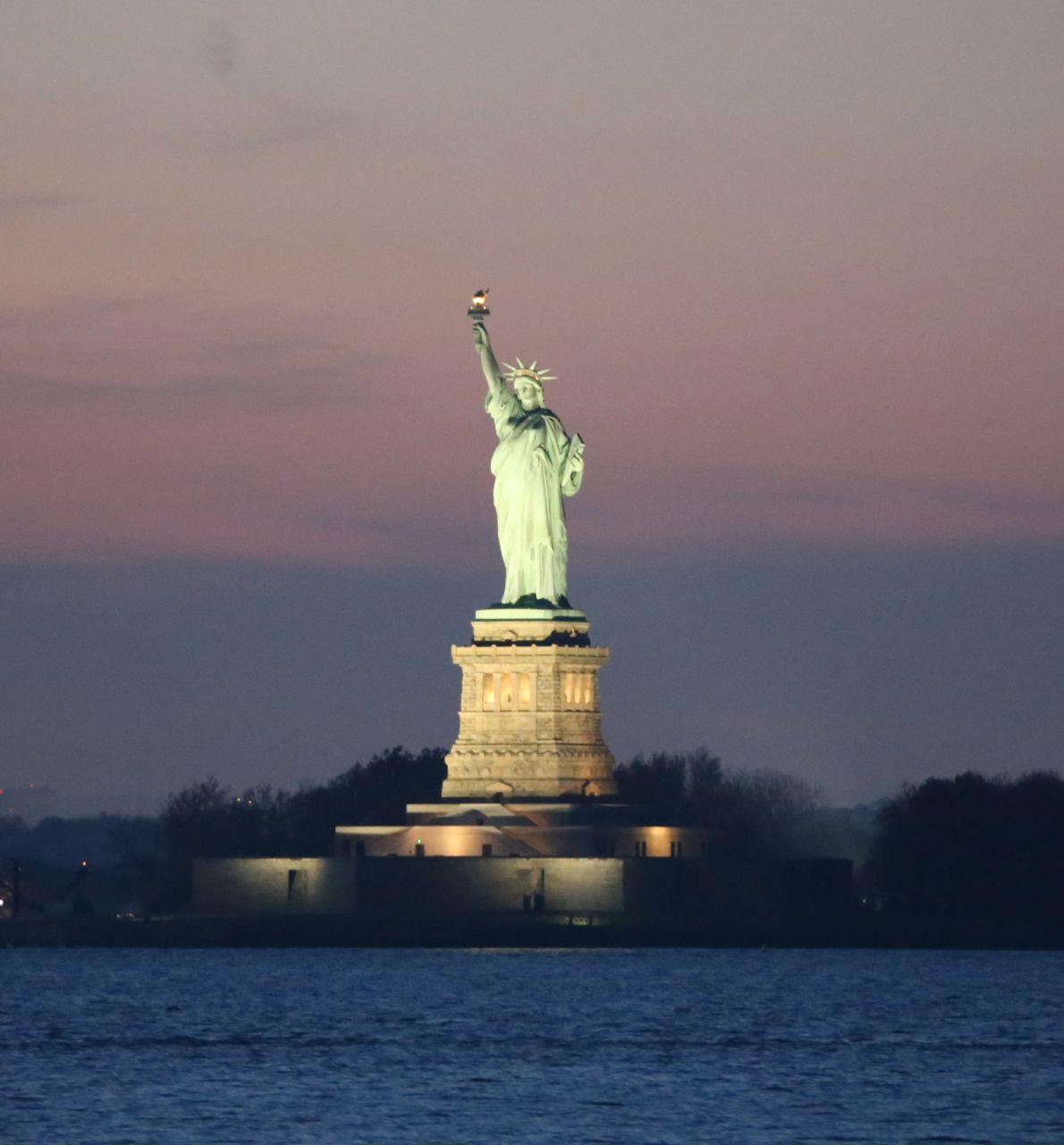
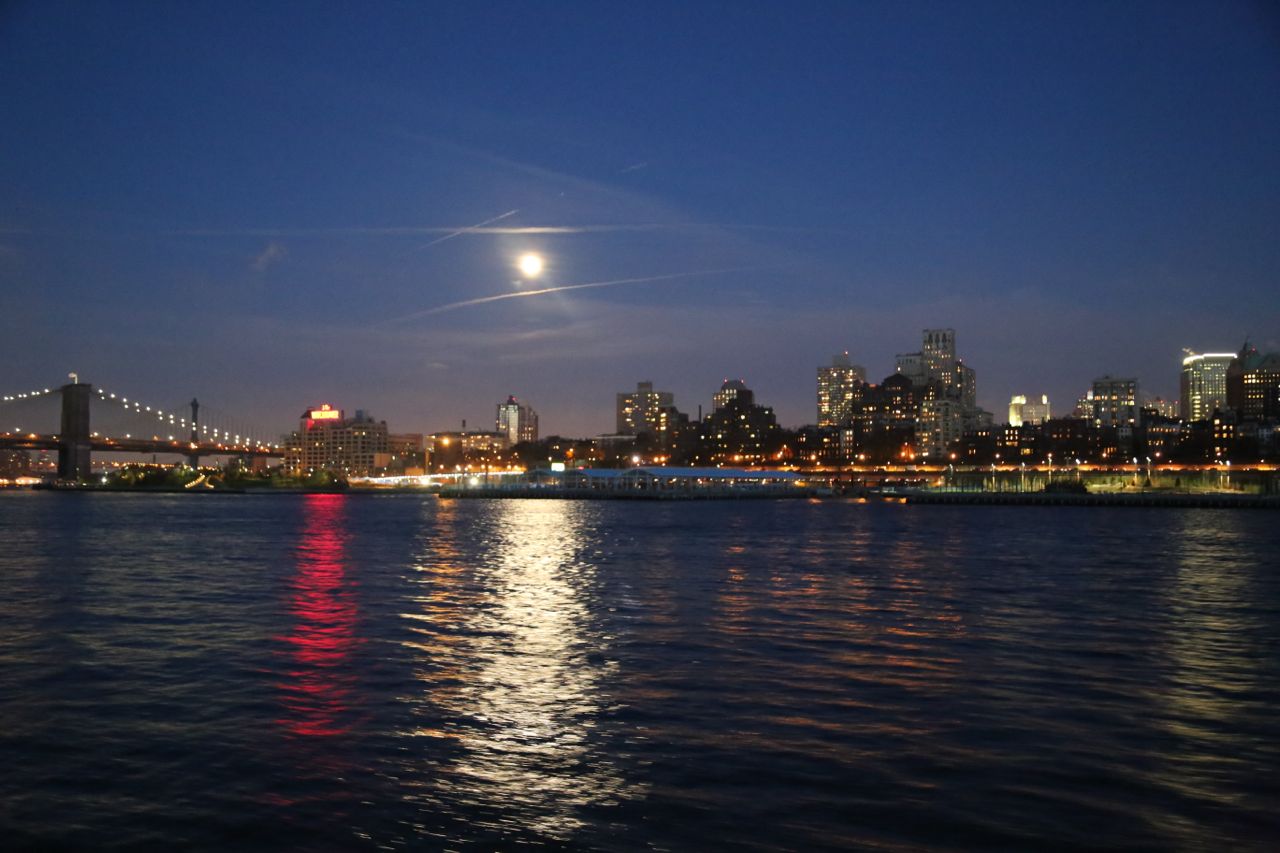
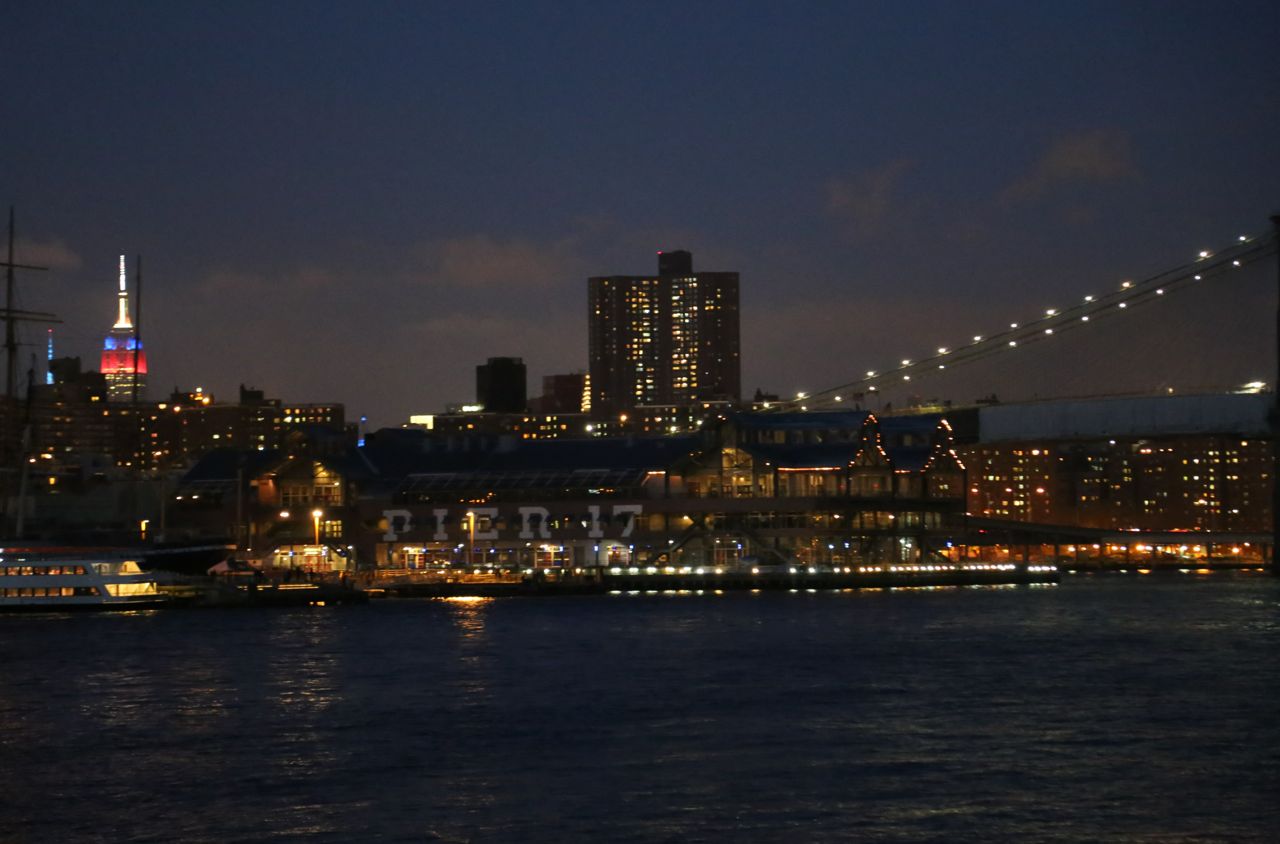
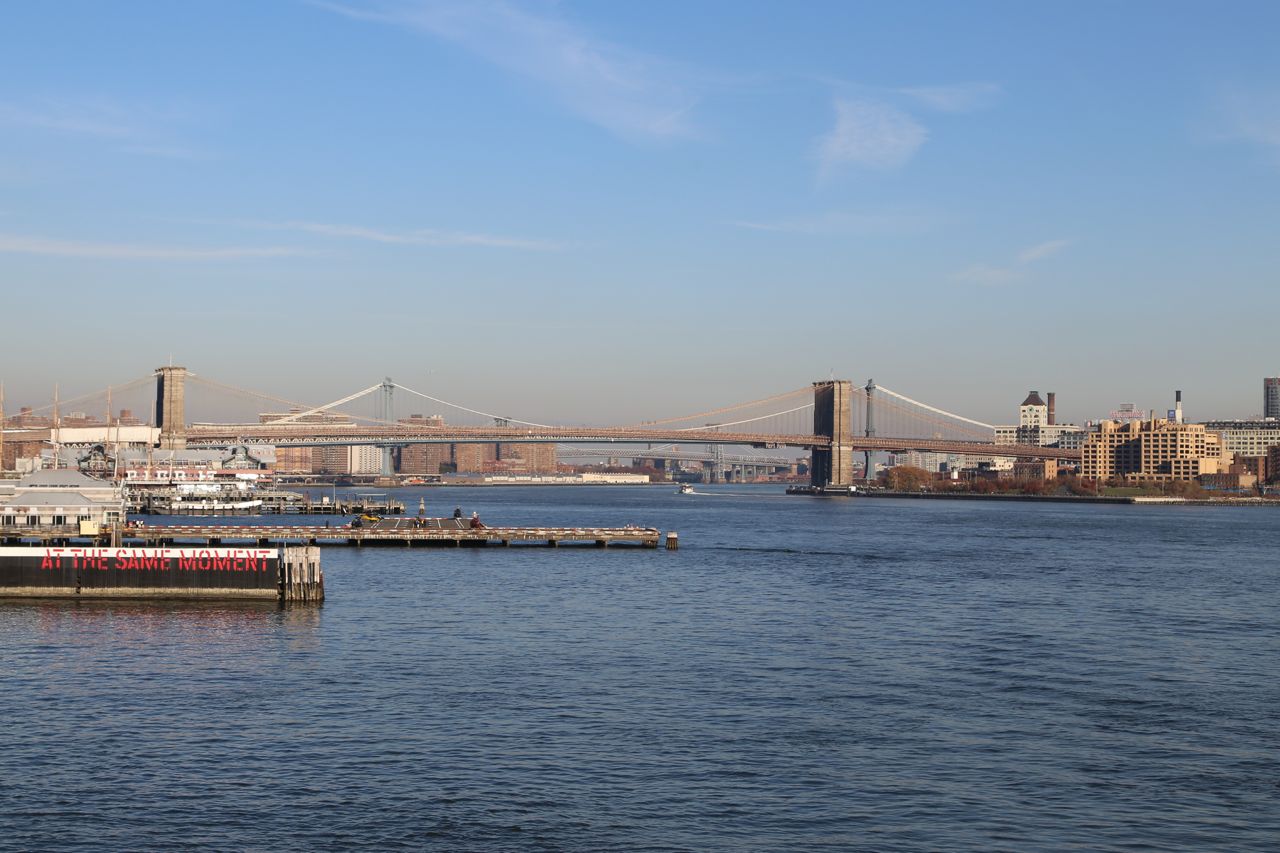
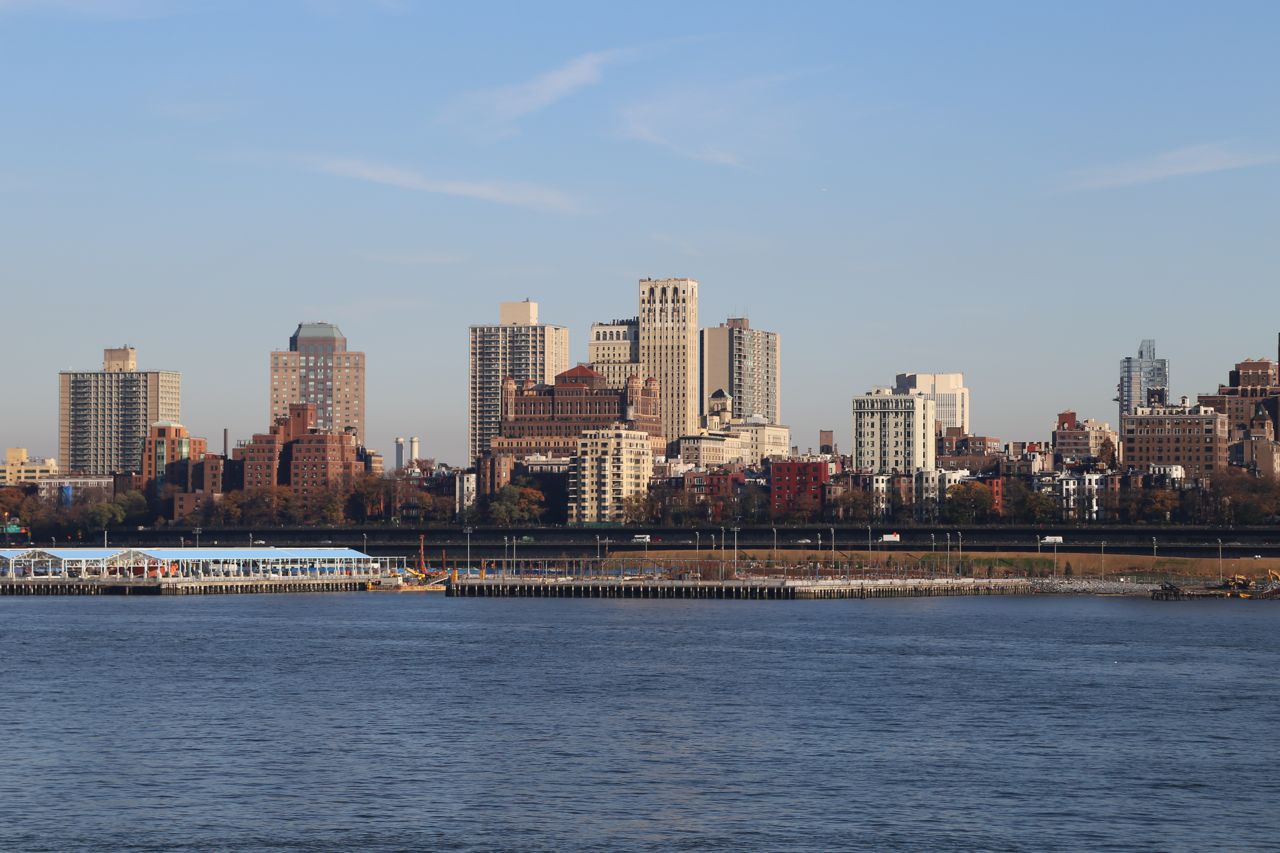
On my recent trip to New York, I learned that IKEA has a ferry from downtown Manhattan to its store in Red Hook, Brooklyn. On weekdays there is a small fee to take it because evidently some commuters used to use it when it was free everyday. On weekends though, it is still free. IKEA must know that some people take without ever going into the store, but I guess few enough people do it, that they don’t mind. On neither legs of the round trip I took, was the ferry full. It has wonderful views of downtown Brooklyn, the East River, Brooklyn, the Statue of Liberty, and the Verrazano-Narrows Bridge. I happened to take it at sunset, and on the return trip, there was a full moon out, and all the buildings and bridges were lit. It was spectacular.

View of East River from the IKEA ferry

View of East River from the IKEA ferry

View of downtown Manhattan from the IKEA ferry

View of downtown Manhattan from the IKEA ferry

View of midtown Manhattan from the IKEA ferry

View of midtown Manhattan from the IKEA ferry

View of the Statue of Liberty from the IKEA ferry

View of the Statue of Liberty from the IKEA ferry

View of the Verrazano-Narrows Bridge from the IKEA ferry

View of the Verrazano-Narrows Bridge from the IKEA ferry

View of the Verrazano-Narrows Bridge from the IKEA ferry

View of the Verrazano-Narrows Bridge from the IKEA ferry

View of downtown Manhattan from the IKEA ferry

View of downtown Manhattan from the IKEA ferry

View of the Statue of Liberty from the IKEA ferry

View of the Statue of Liberty from the IKEA ferry

View of downtown Brooklyn from the IKEA ferry

View of downtown Brooklyn from the IKEA ferry

View of Pier 17 from the IKEA ferry

View of Pier 17 from the IKEA ferry

View of East River from the IKEA ferry

View of East River from the IKEA ferry

Staten Island Ferry

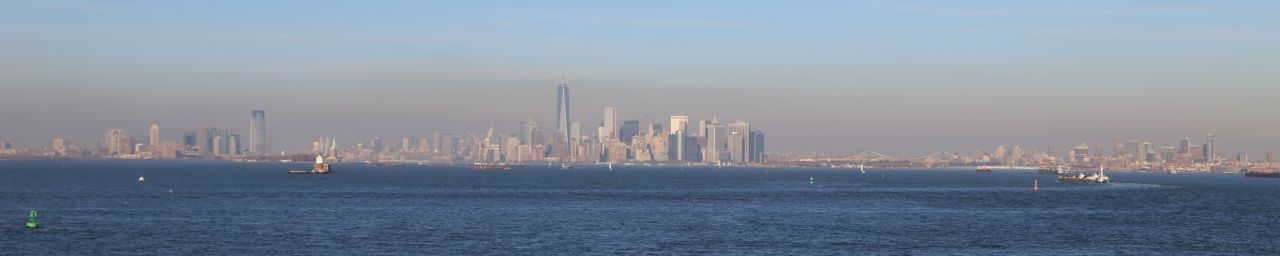
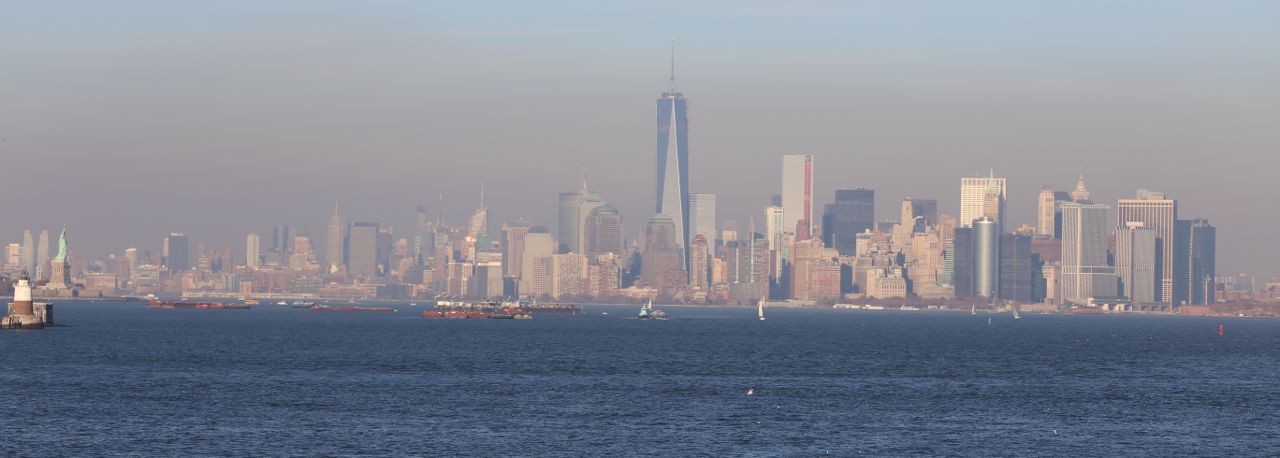
View of Manhattan from ferry

View of Manhattan from ferry

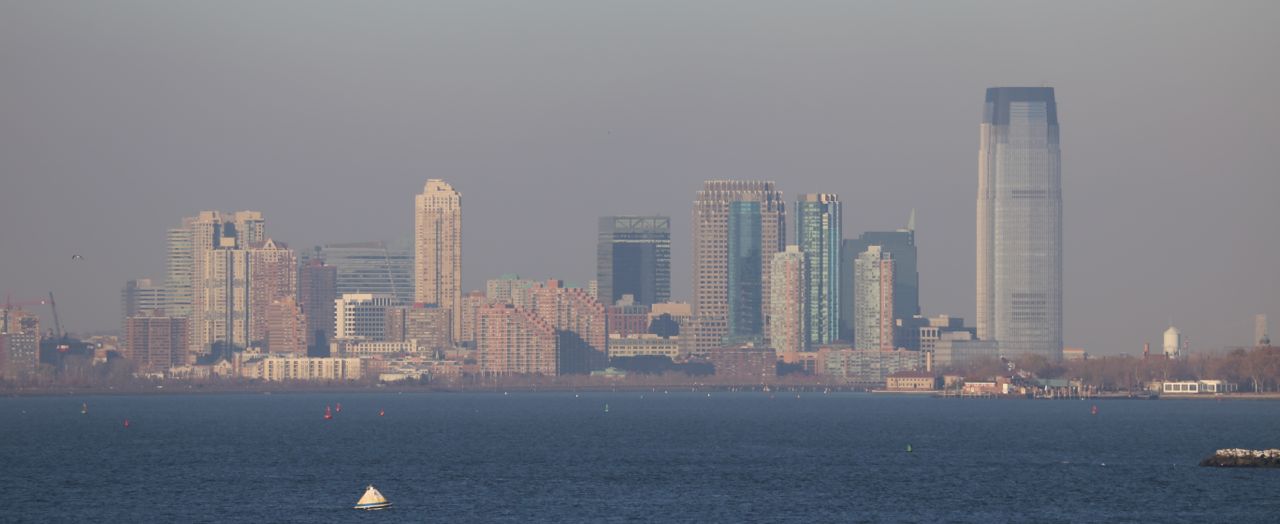
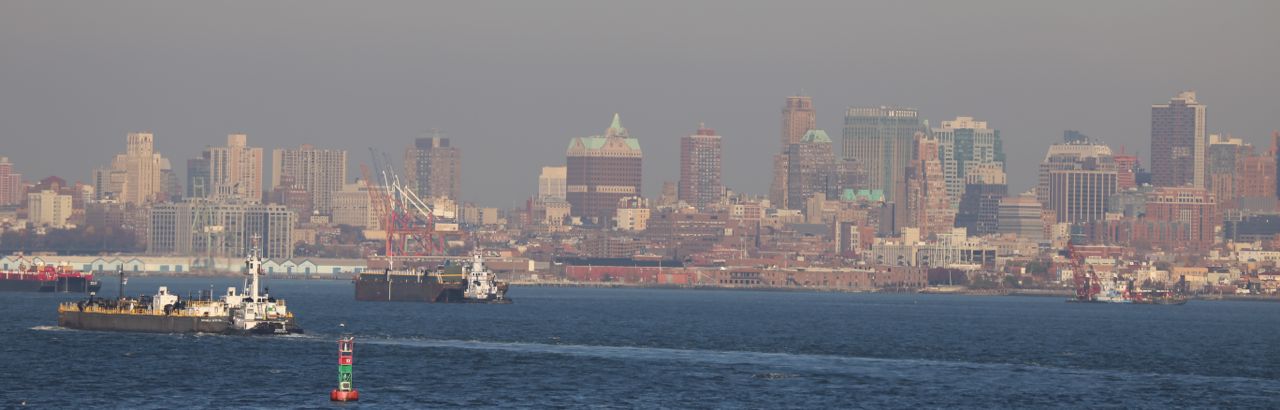
One of the best deals in New York is the Staten Island ferry. It runs from Battery Park in downtown Manhattan to St. George on Staten Island. It has wonderful views of downtown Manhattan, downtown Brooklyn, Jersey City, the Statue of Liberty, and all parts of the Upper Bay. The best part is that it is completely free. If you go, don’t just get off the ferry and get on the next one back to Manhattan. Exit the terminal building and go onto the attached deck. It has spectacular views across the Upper Bay.

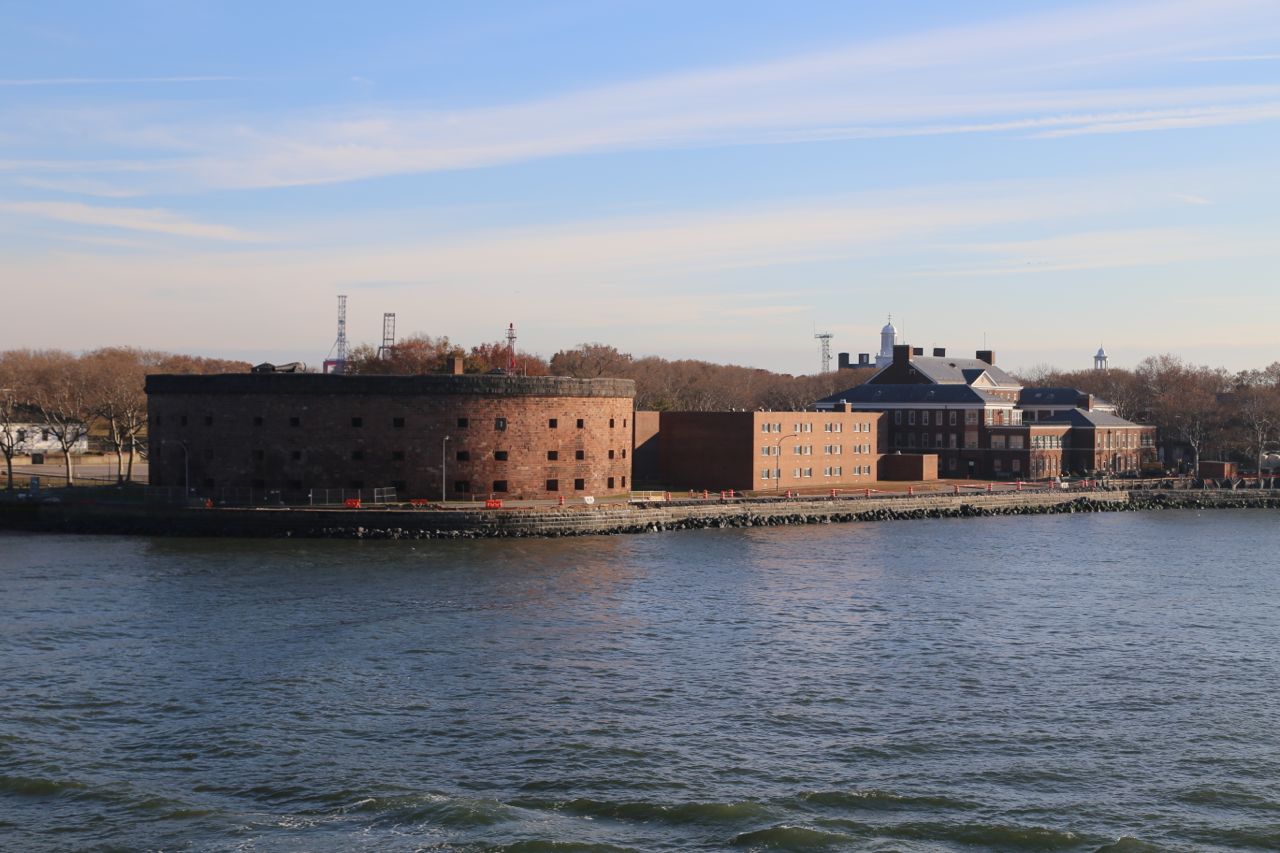
View of Governor's island from ferry

View of Governor’s island from ferry

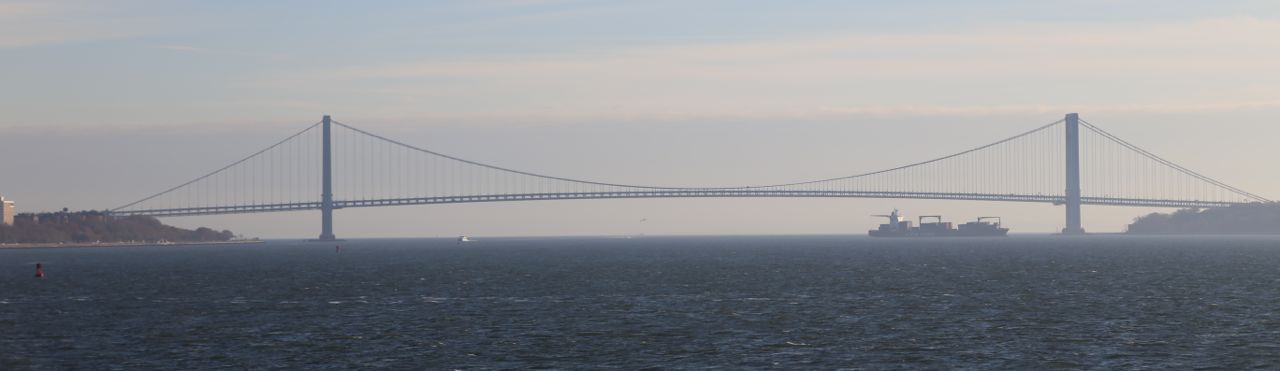
View of Verrazano-Narrows Bridge from ferry

View of Verrazano-Narrows Bridge from ferry

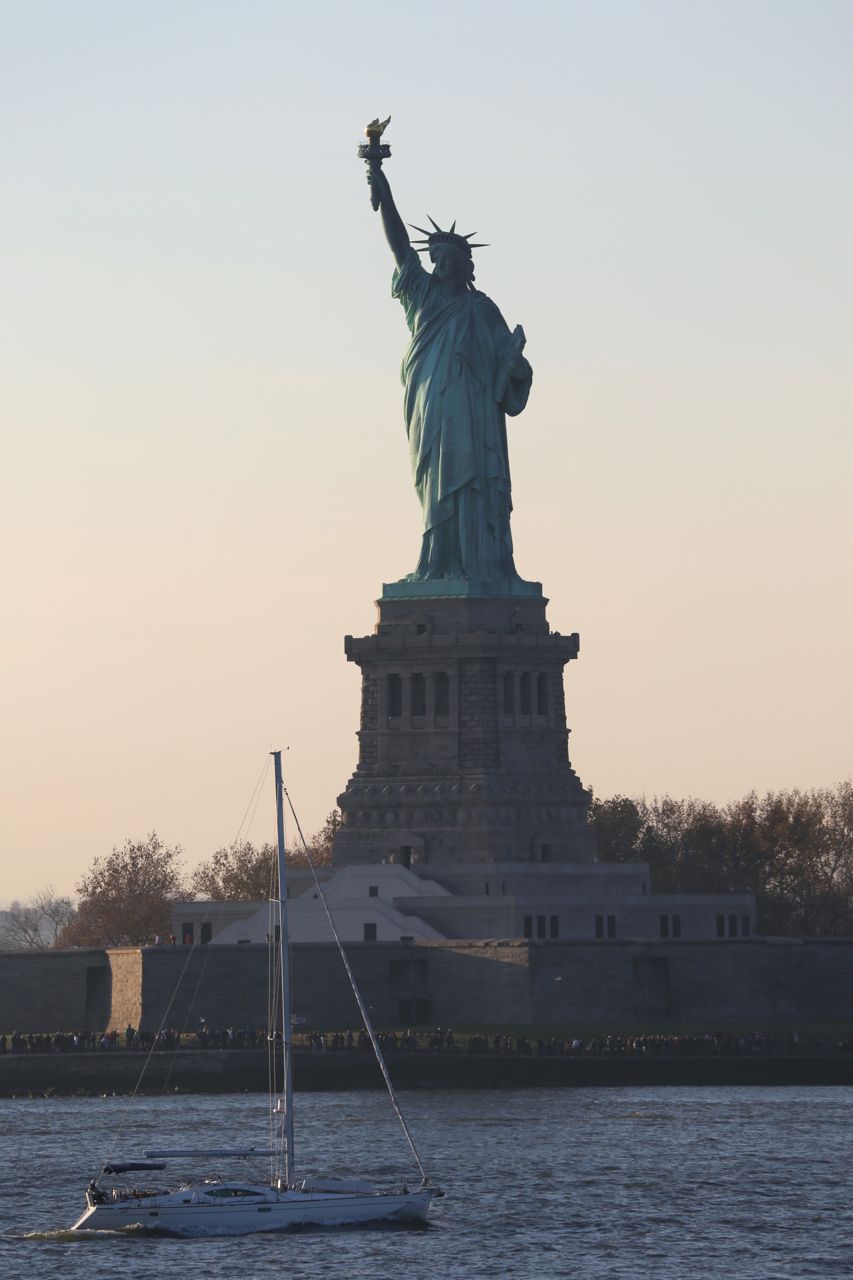
View of Statue of Liberty from ferry

View of Statue of Liberty from ferry

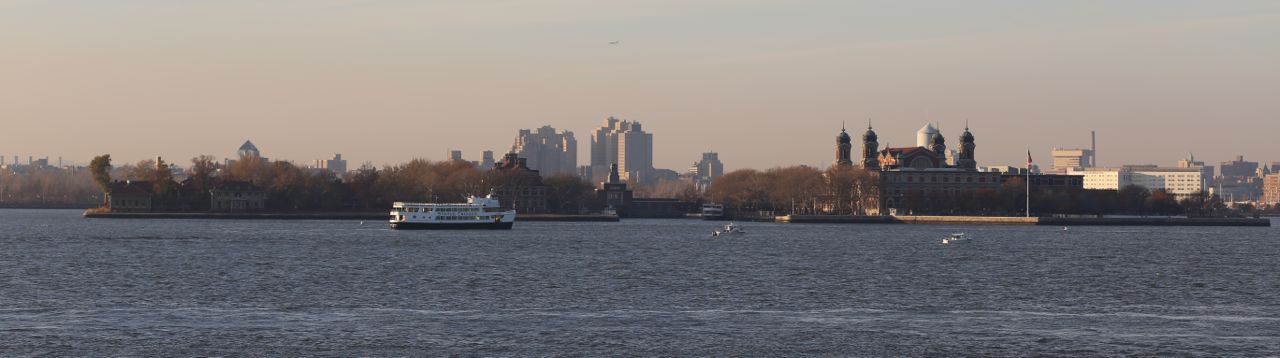
View of Ellis Island from ferry

View of Ellis Island from ferry

View of East River from ferry

View of East River from ferry

View of Brooklyn from ferry

View of Brooklyn from ferry

View across Upper Bay from St. George

View across Upper Bay from St. George

View of Jersey City from St. George

View of Jersey City from St. George

View of Manhattan from St. George

View of Manhattan and Statue of Liberty from St. George

View of Brooklyn from St. George

View of Brooklyn from St. George

Old NY City Hall Subway Station

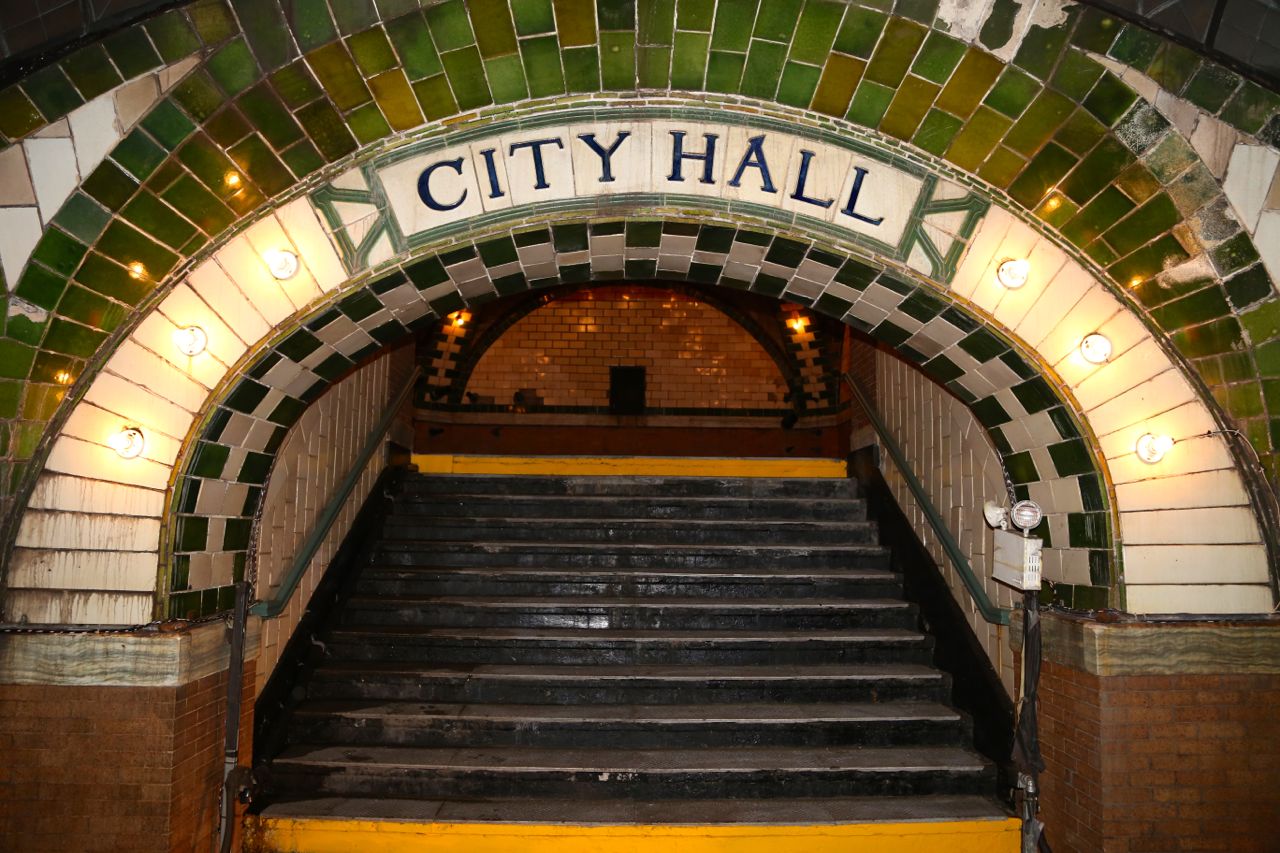
Entrance from platform to mezzanine level

Entrance from platform to mezzanine level

Saturday, I got to tour the abandoned New York City Hall subway station. The New York Transit Museum gives tours of it a few times a year, and this tour is completely worth the membership in the museum. The old City Hall subway station was originally the southern terminal of the original Interborough Rapid Transit (IRT) subway route. The station is located on a single 600-foot long track loop that is located south of the current City Hall/Brooklyn Bridge subway station. The track loop is still used by the #6 subway line. After a #6 train drops off passengers at the City Hall/Brooklyn Bridge station from a southbound route, it then uses the loop to return to that station as a northbound train. For our tour, we met at the southern end of the City Hall/Brooklyn Bridge subway station, and then once all passengers had been offloaded from a southbound #6 train, we got on for the short trip to the old City Hall station.

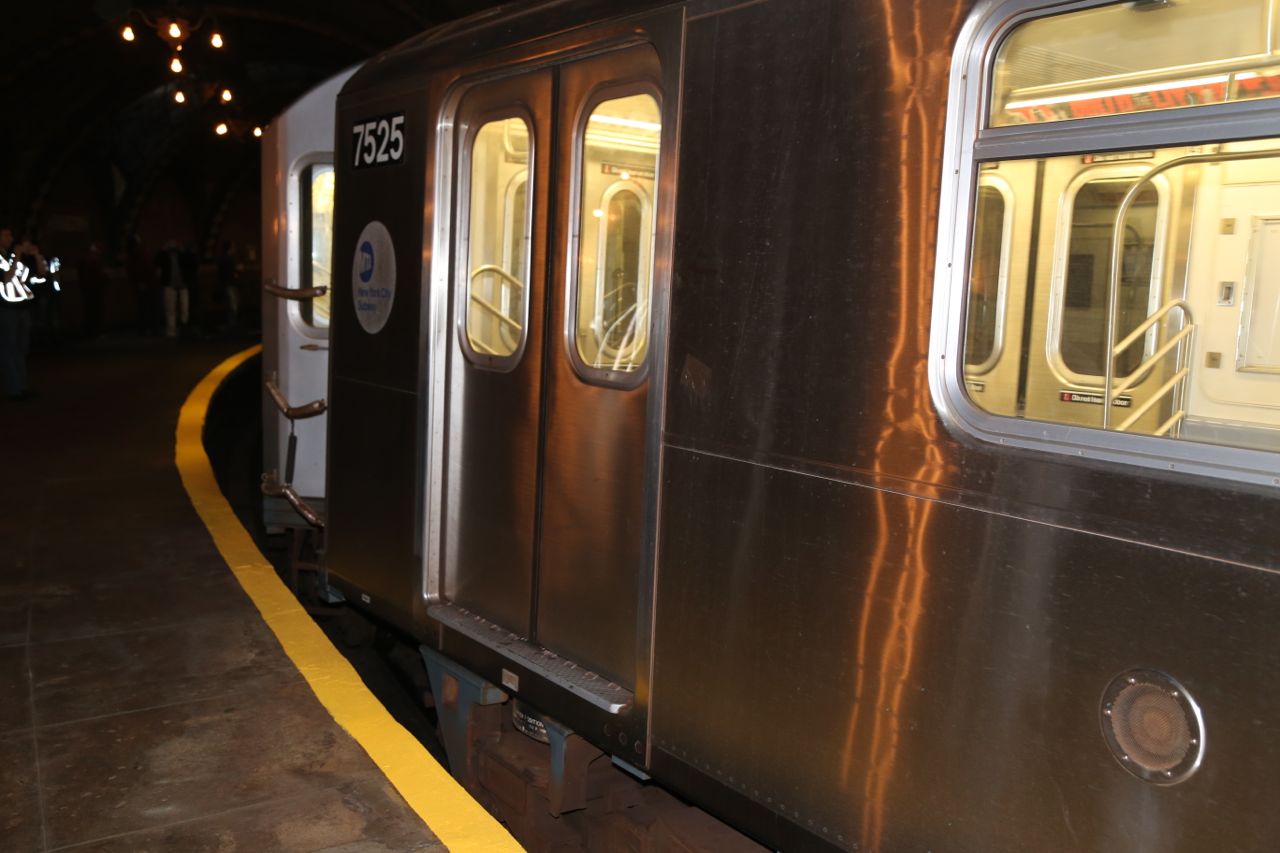
The old City Hall station has a platform that is 400-feet long and is completely curved. This short and completely curved platform is part of the reason why the station is no longer used. The ten-car trains now used don’t fit in the station, and it is a serious hazard stepping off the train to that platform. [Our MTA guides used a short wooden platform to allow us to easily and safely get off the train onto the platform.] The station was closed in 1945 because passengers preferred the Brooklyn Bridge station due to its longer and straight platform and also because both local and express trains stopped there.

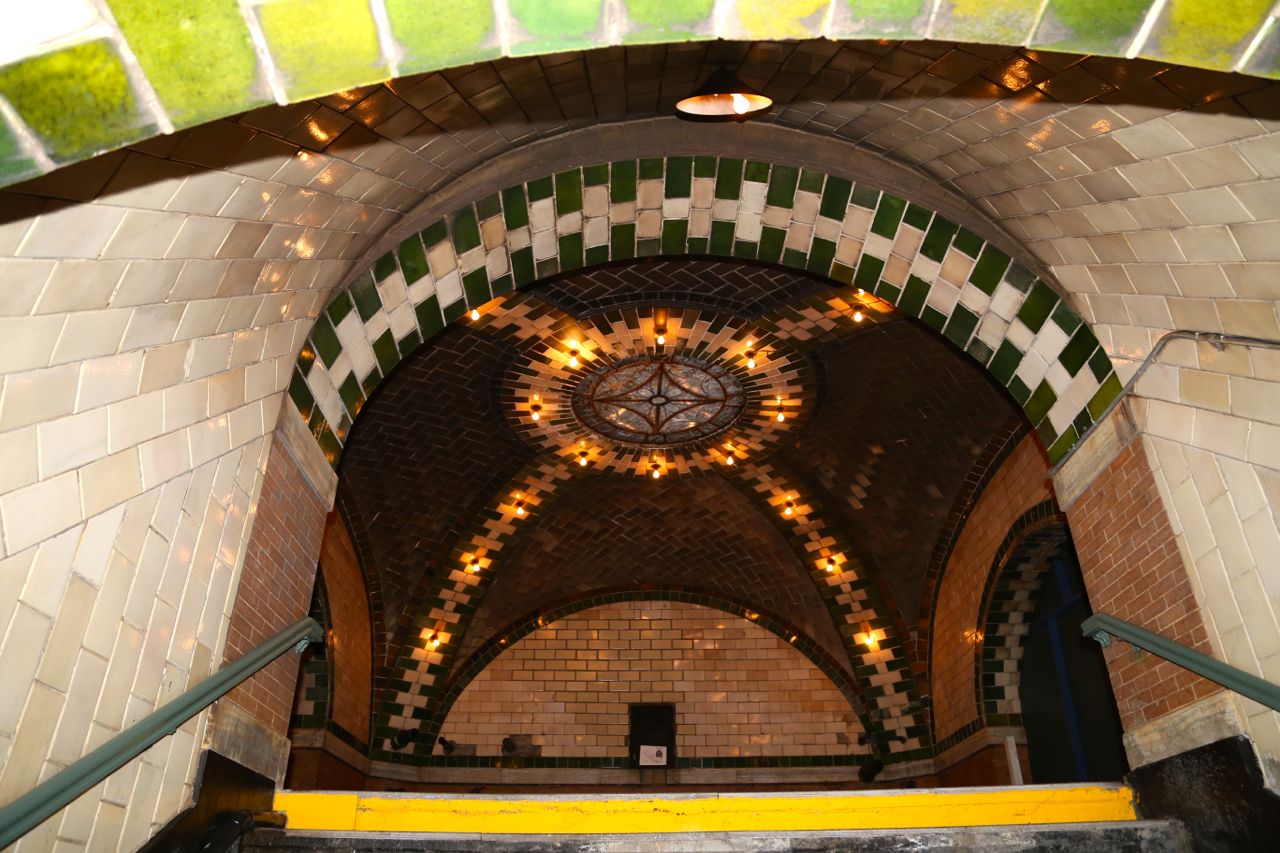
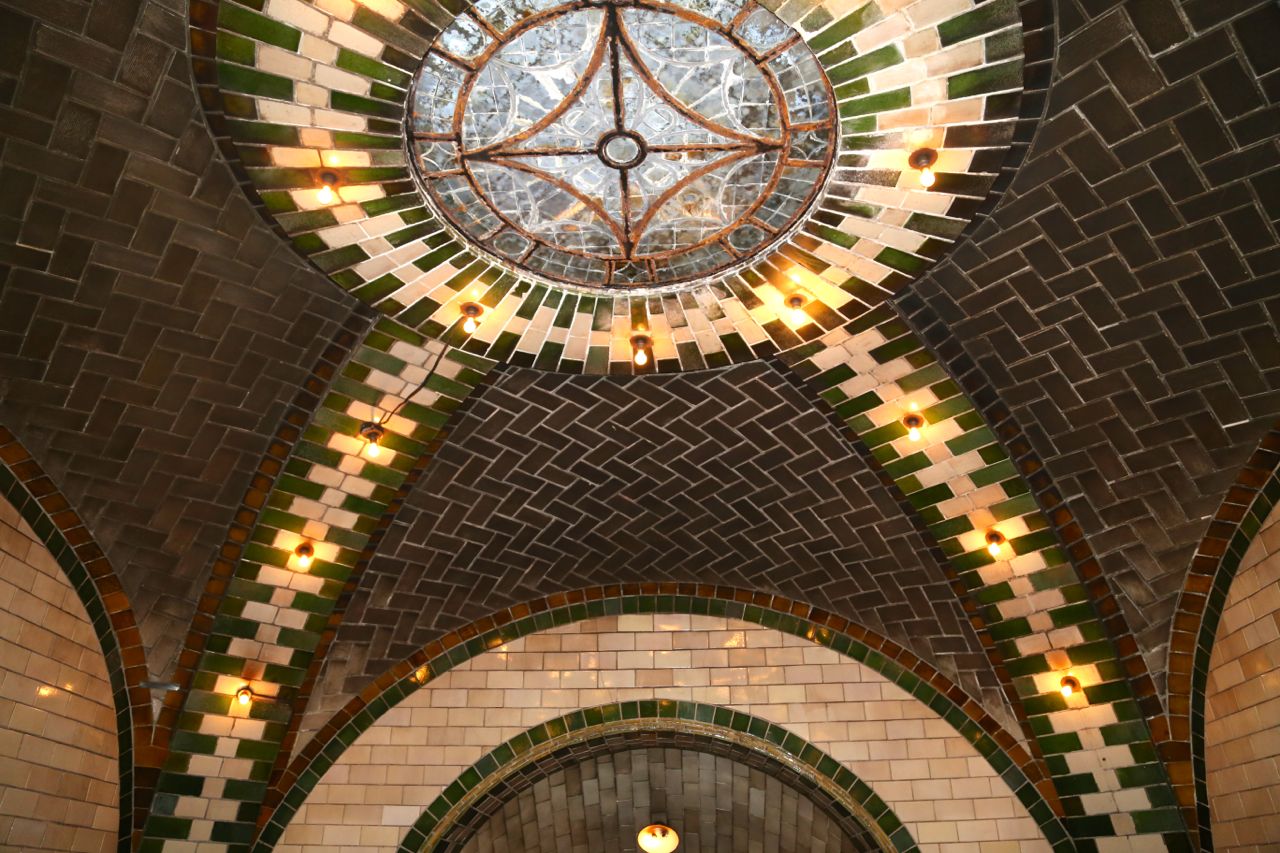
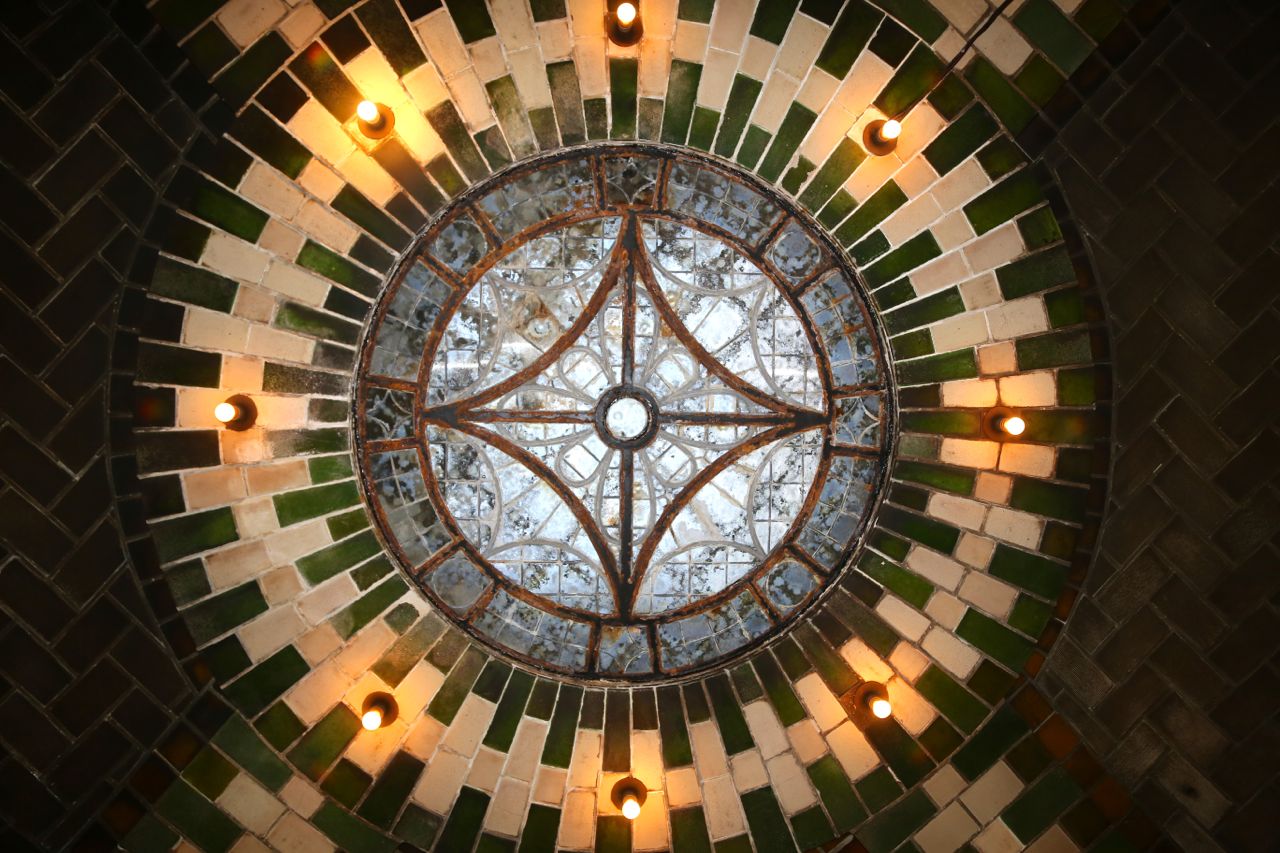
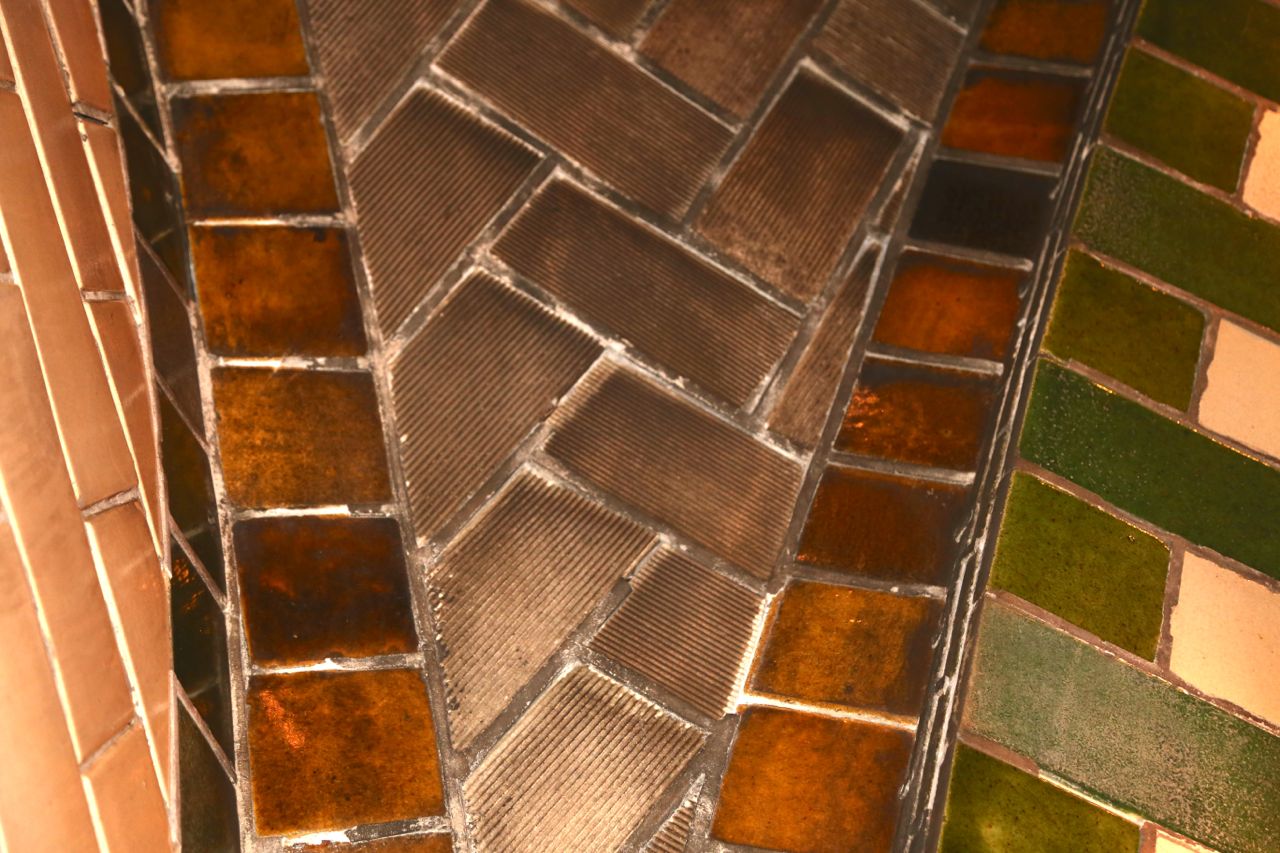
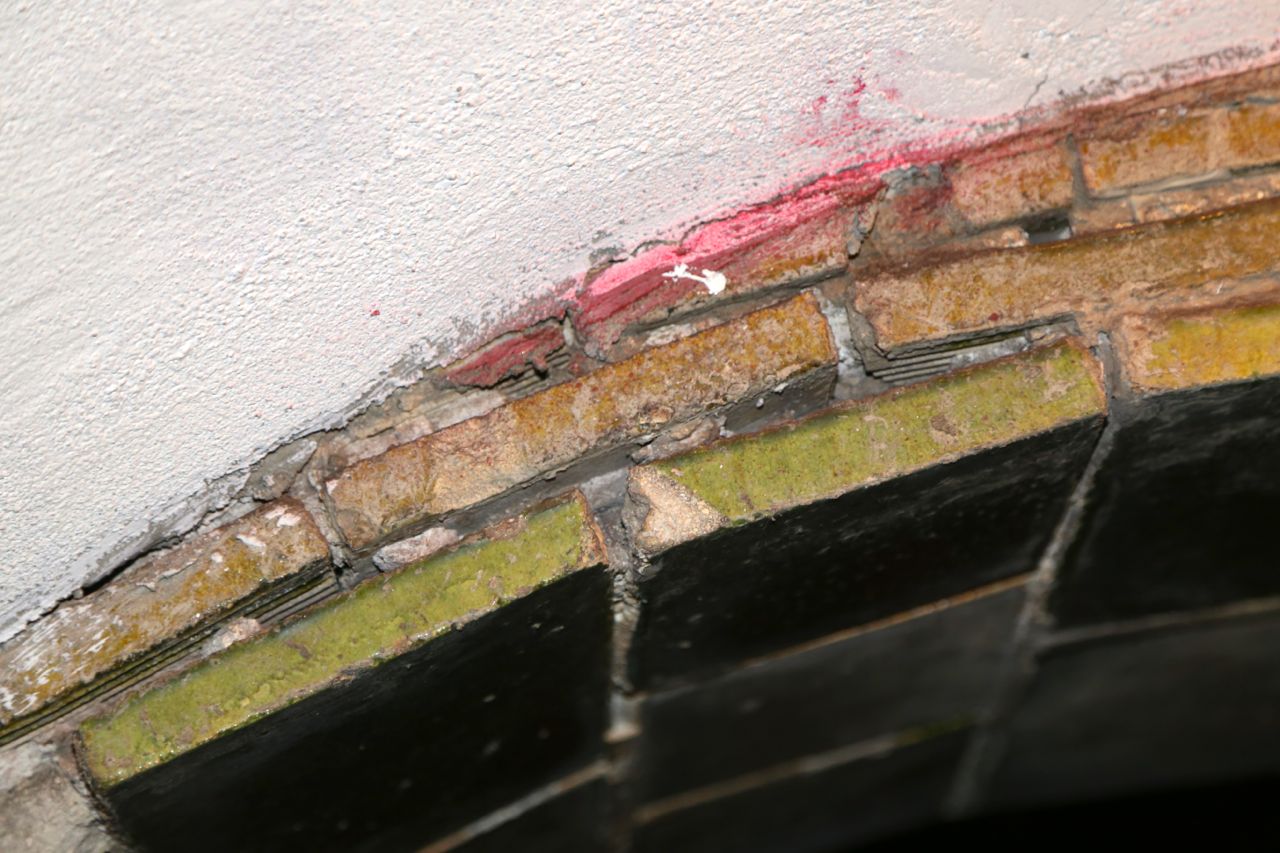
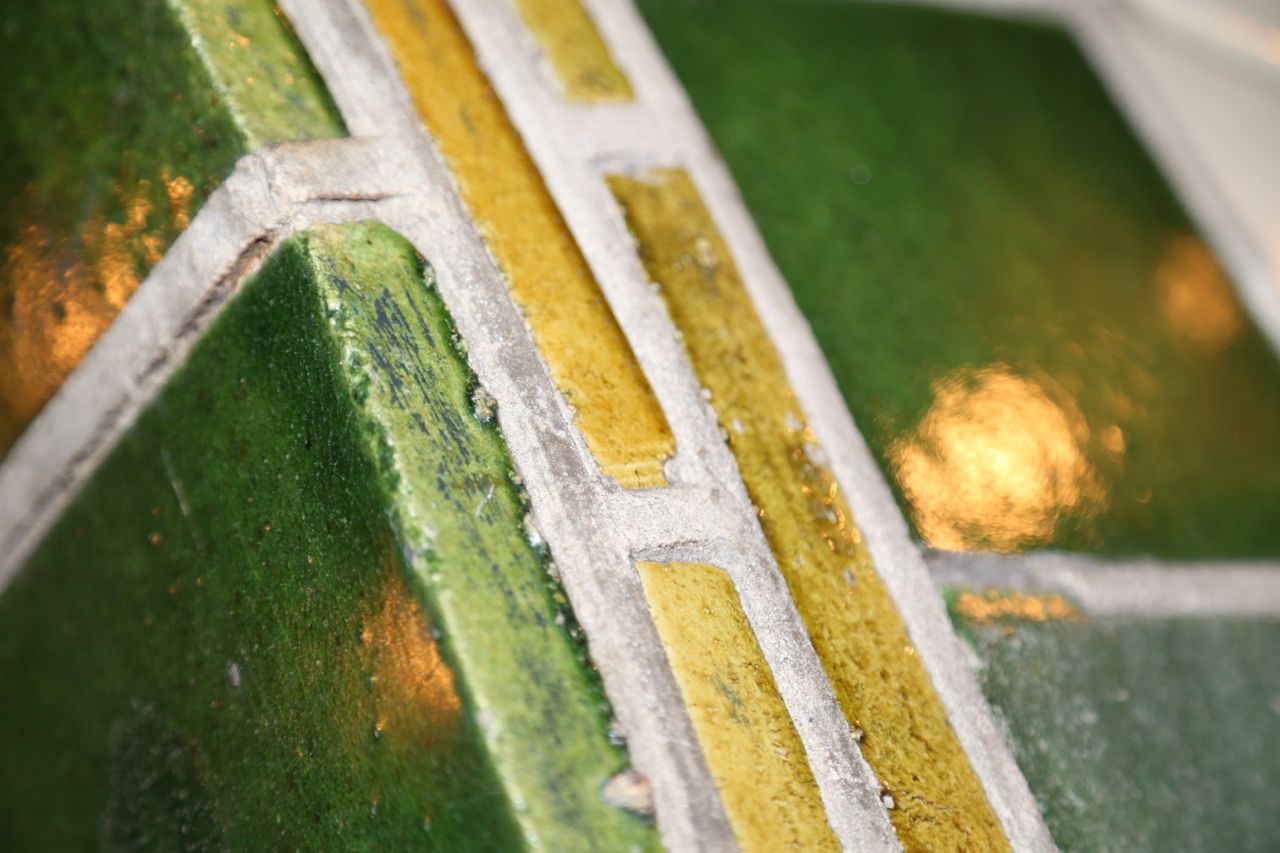
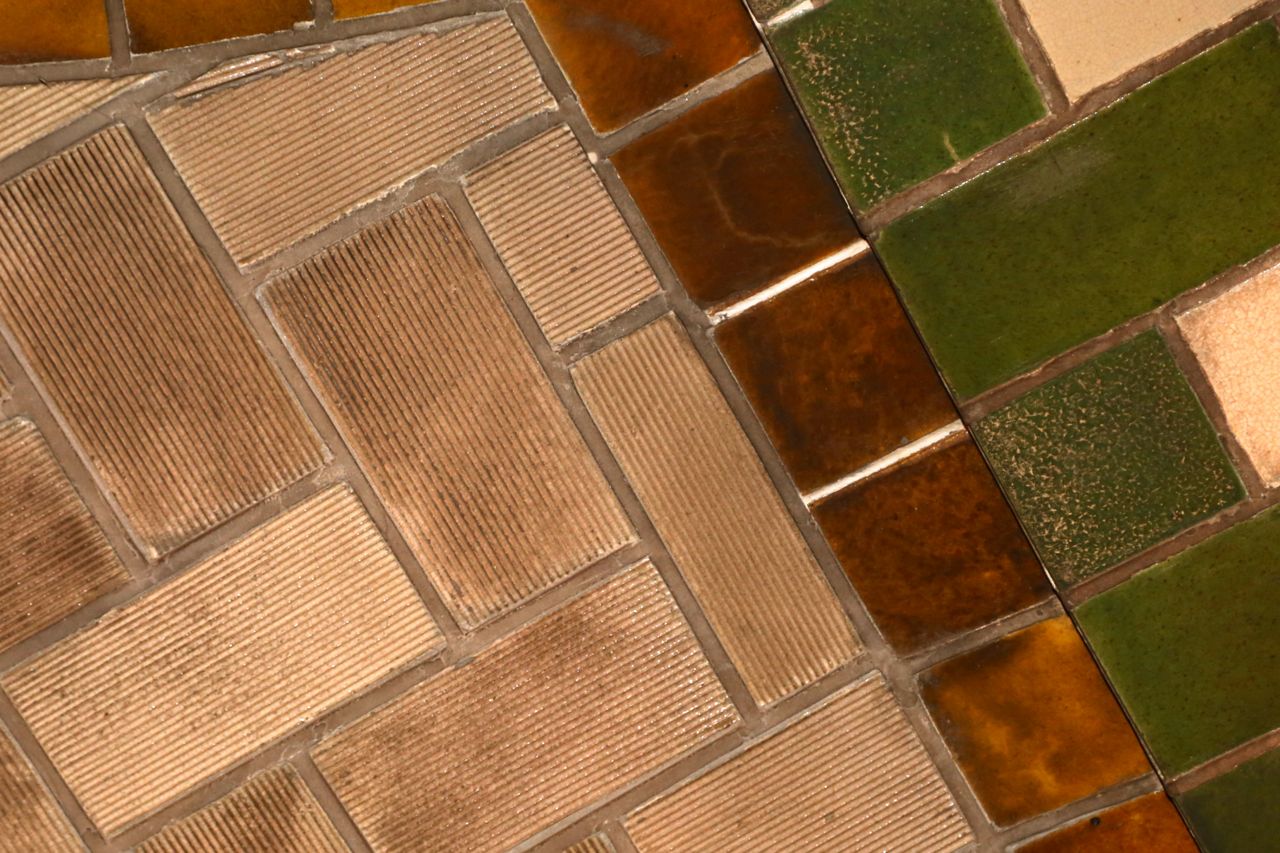
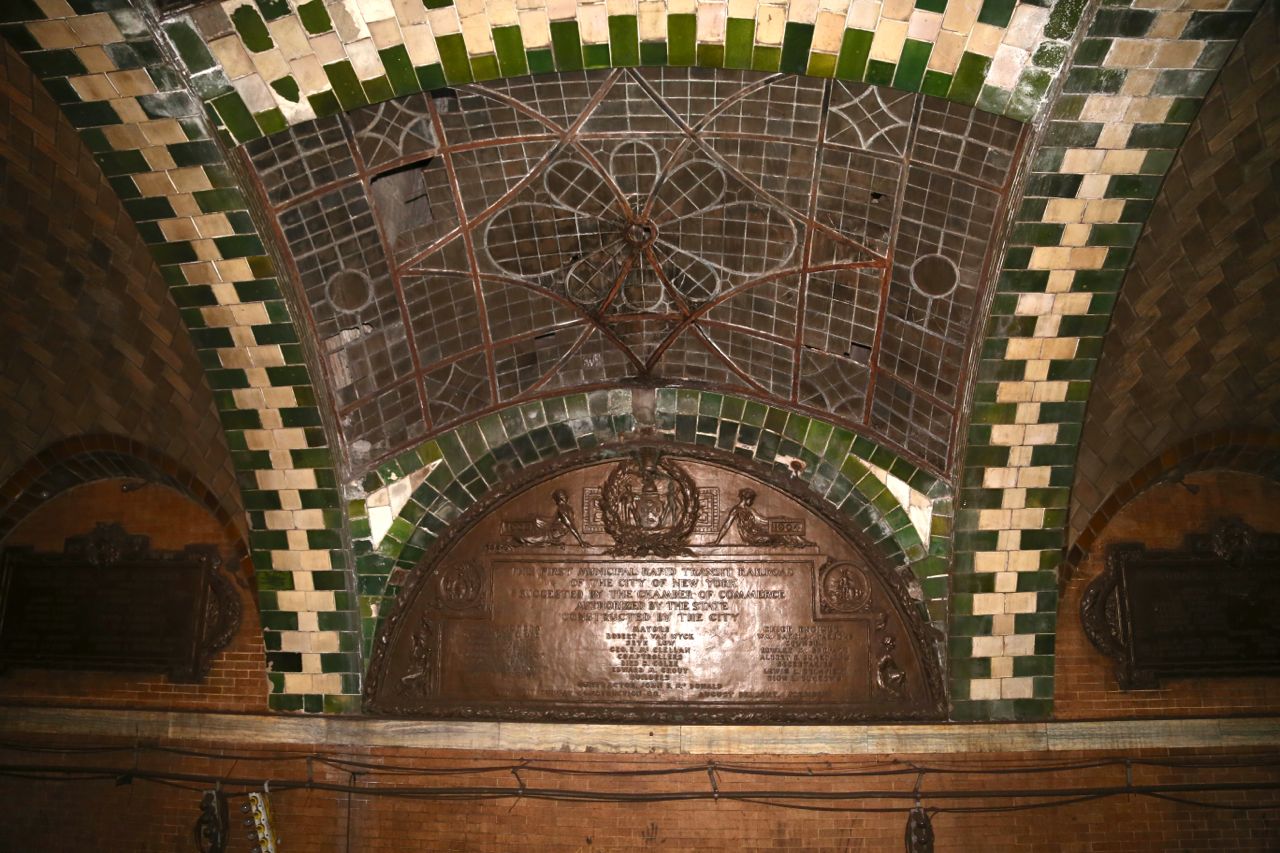
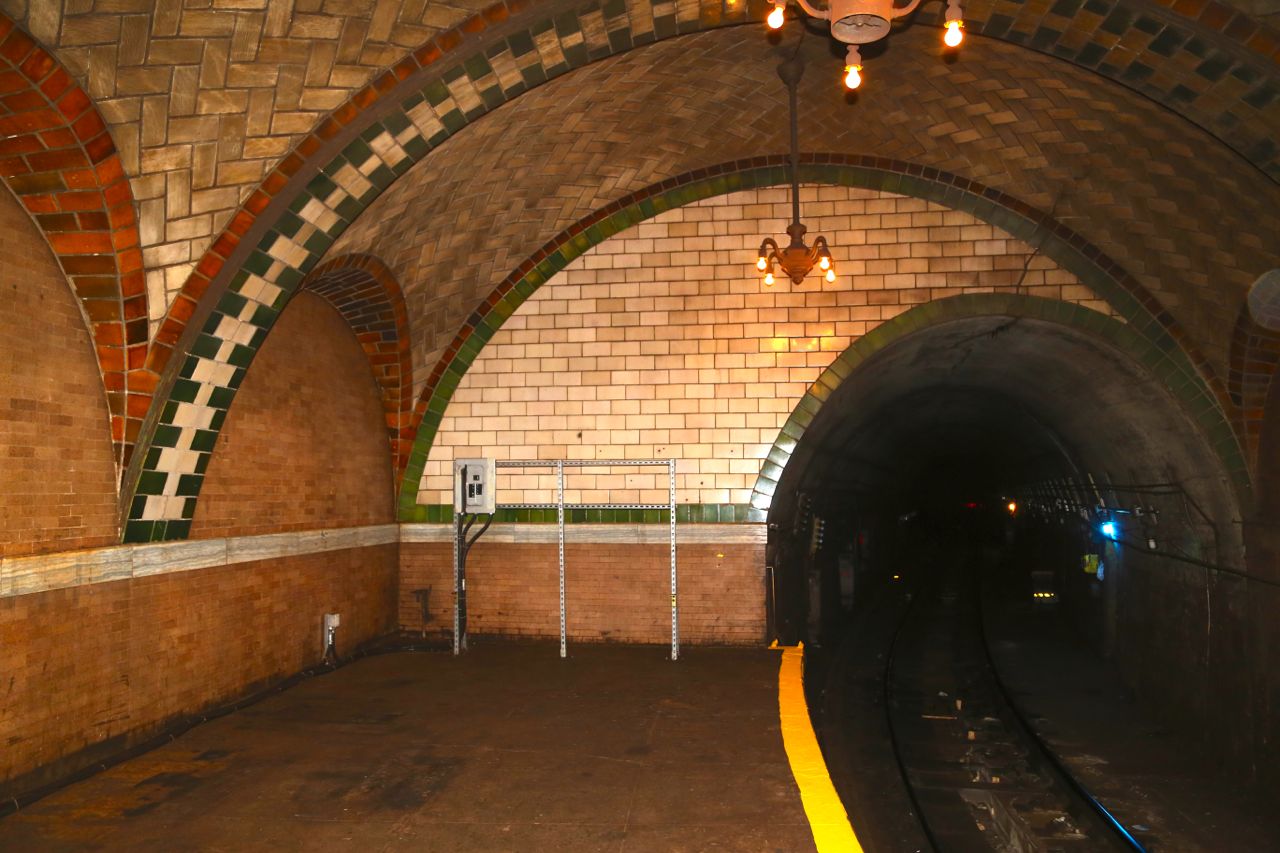
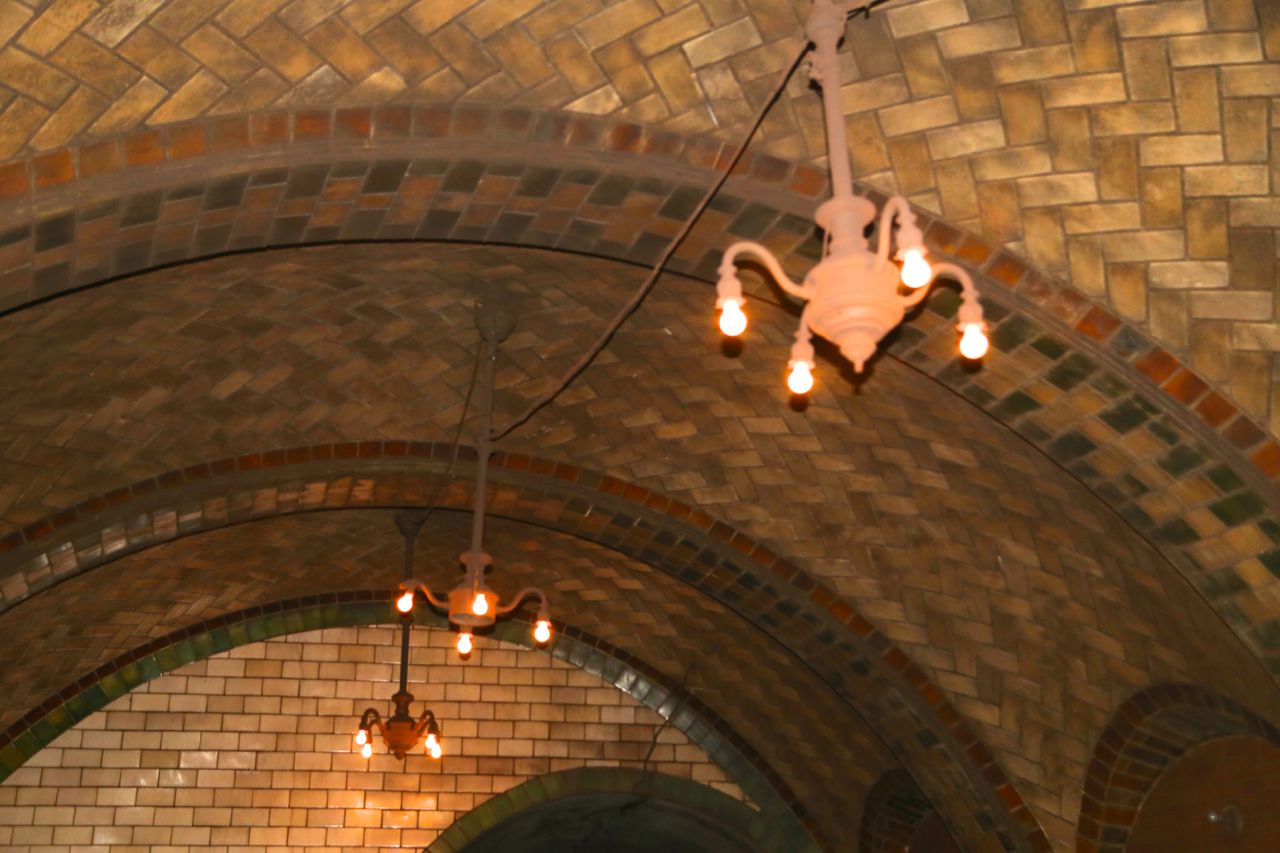
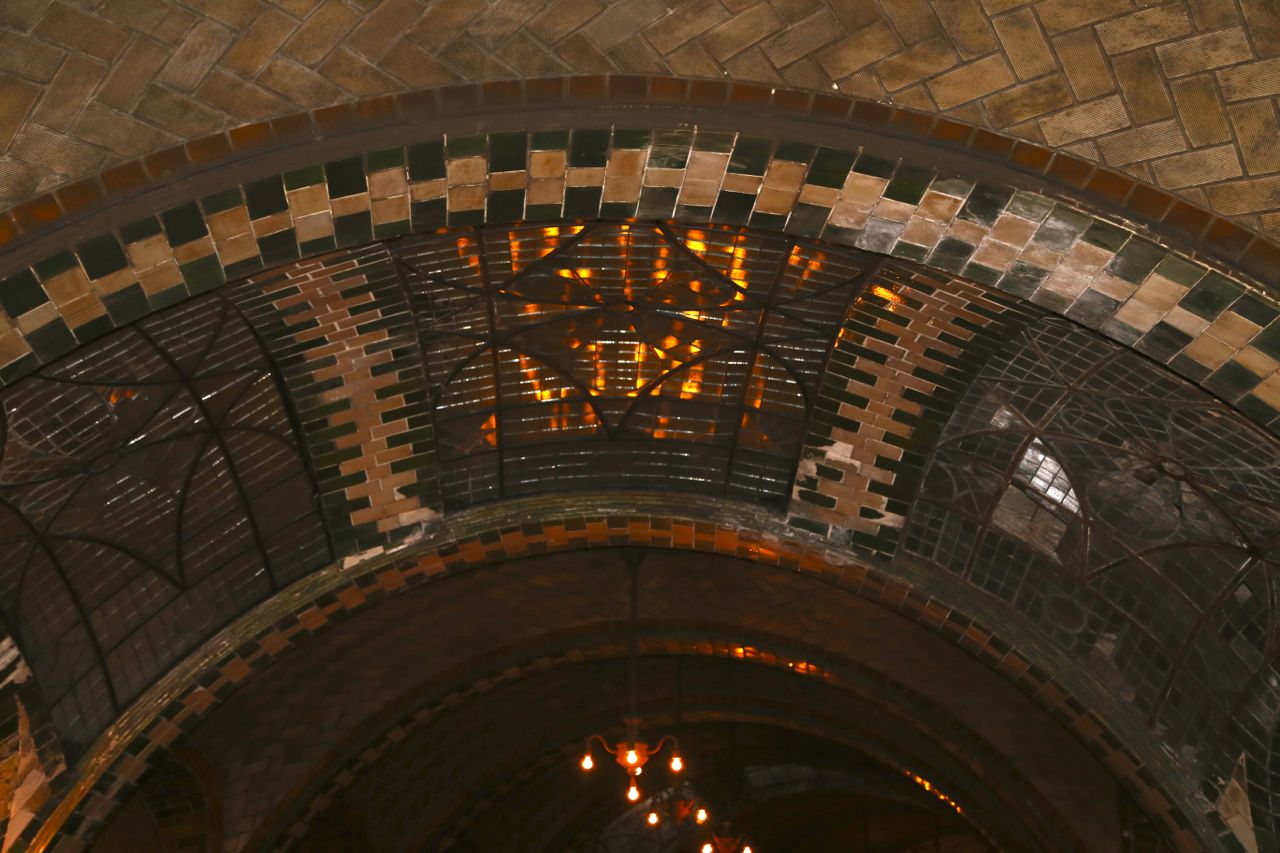
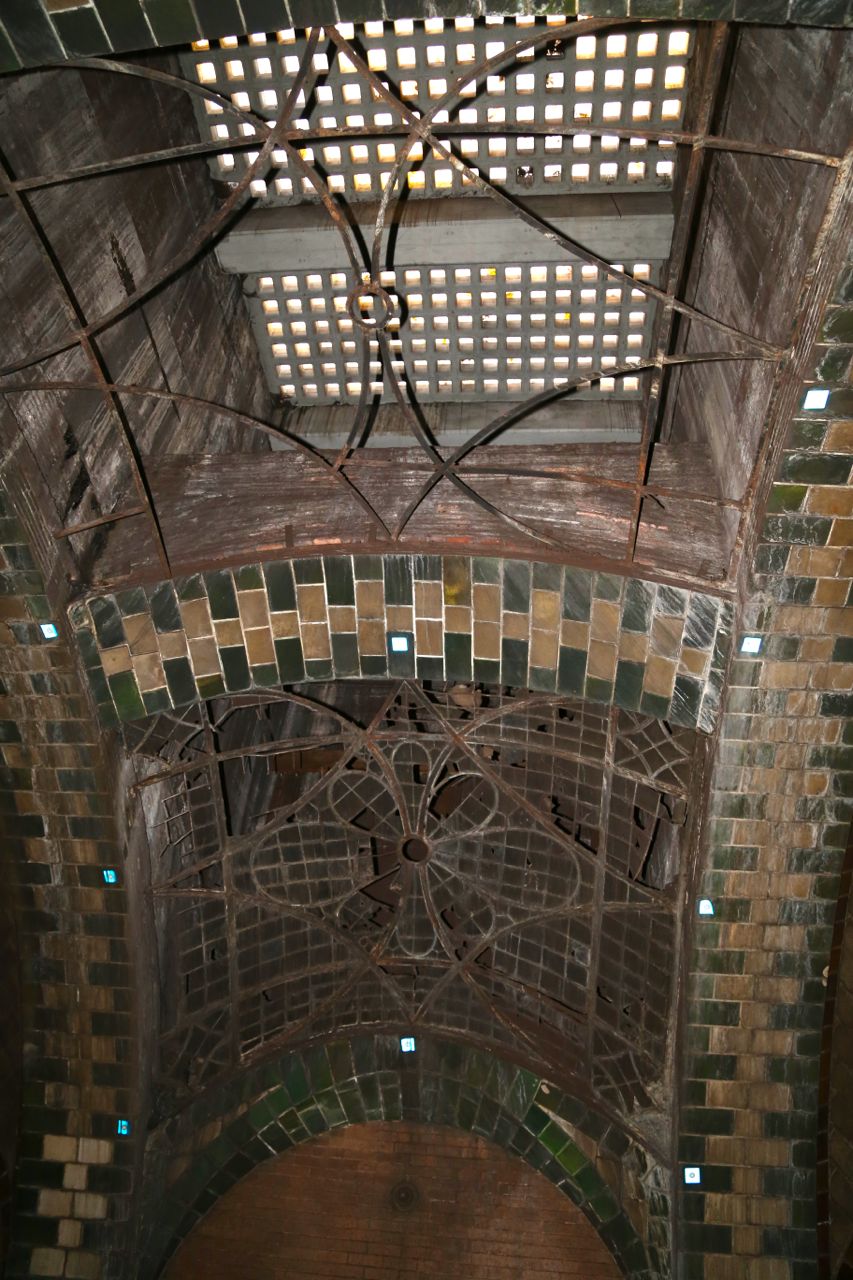
The station is completely gorgeous. There is a mezzanine level where passengers would buy tickets. The mezzanine is square with four arches that form each of the walls, and an arched ceiling joins the four arched walls. At the center of the mezzanine ceiling is a glass skylight. One of the arches of the mezzanine forms a passageway that leads down to the platform. The platform is then made of 15 more arches. Three of the arches have three glass skylights each. Electric chandeliers hang from each of the arches to provide light. All of the arches are created by Guastavino tile arches. The walls and ceilings are covered in green, brown, and cream tile. Interestingly, much of the cream tile is unglazed and rigged. Evidently this tile was never supposed to be exposed, it was rigged and unglazed because it was supposed to be covered with cement, and the ridges would provide more surface are for the cement to stick, in the same way as when tiling, the ridged side of a trowel is used to create ridges in the cement before placing the tile. However once the tile was placed, the station architects liked how the exposed ridged tile looked.

On stairs from platform looking up to mezzanine

On stairs from platform looking up to mezzanine

Mezzanine ceiling

Mezzanine ceiling

Mezzanine skylight

Mezzanine skylight

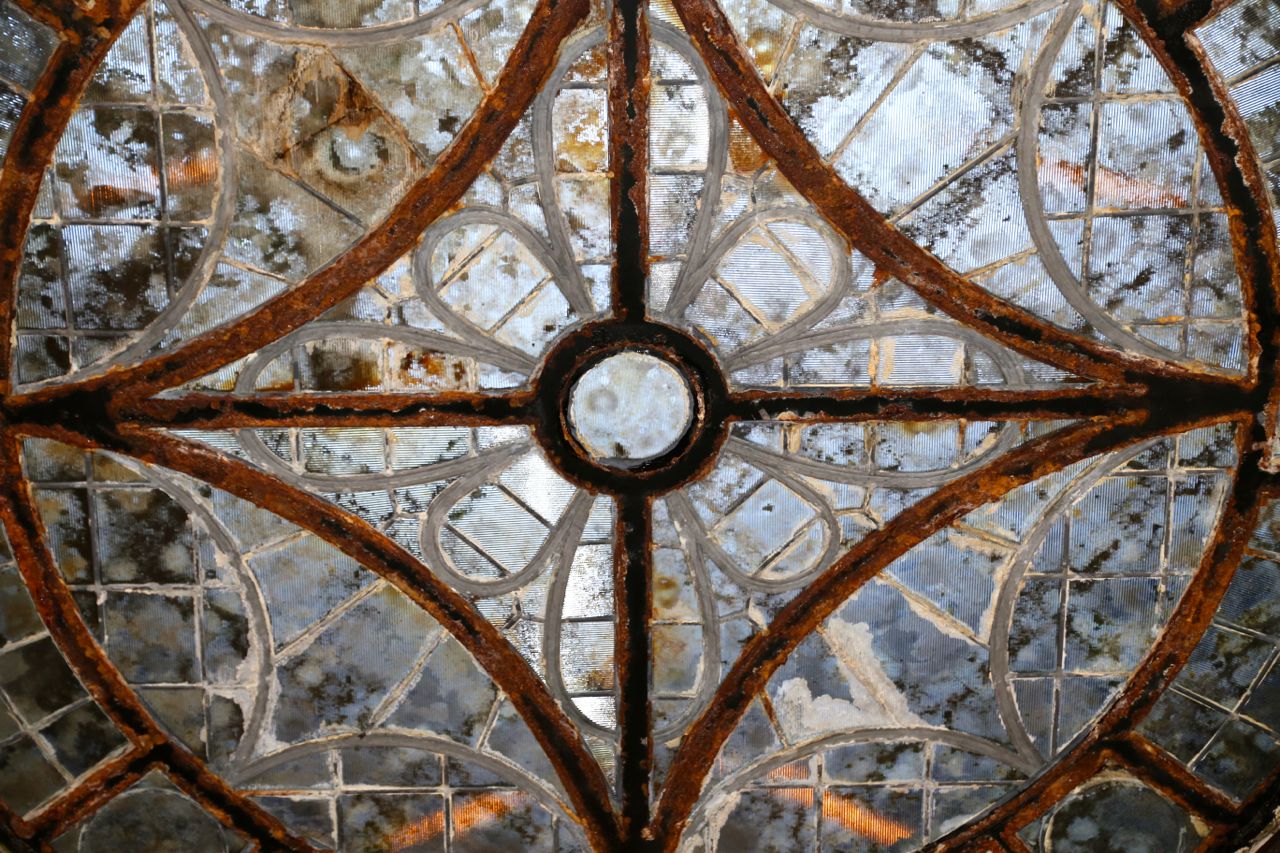
Mezzanine skylight glass

Mezzanine skylight glass

Stairs from mezzanine to surface. Doors now close off the exit.

Stairs from mezzanine to surface. Doors now close off the exit.

Tiles on the mezzanine walls

Tiles on the mezzanine walls

Arch of passageway to surface. The Guastavino tile arch system can be seen easily.

Arch of passageway to surface. The Guastavino tile arch system can be seen easily.

Close up of tile on arched passageway from mezzanine to platform

Close up of tile on arched passageway from mezzanine to platform

Tile on mezzanine wall. Ridges on unglazed white tile can be seen.

Tile on mezzanine wall. Ridges on unglazed white tile can be seen.

Skylight above the arch that leads from the platform to the mezzanine

Skylight above the arch that leads from the platform to the mezzanine

The middle arch on the platform where the passageway from the mezzanine ends. The arch has three skylights. Opposite the passageway are three plaques commemorating those who helped in the station's creation.

The middle arch on the platform where the passageway from the mezzanine ends. The arch has three skylights. Opposite the passageway are three plaques commemorating those who helped in the station’s creation.

The platform. It is completely curved.

The platform. It is completely curved.

The end of the platform.

The end of the platform.

Chandeliers hang from each platform arch

Chandeliers hang from each platform arch

The skylights in one of the platform's arches.

The skylights in one of the platform’s arches.

One of the platform's skylights. The glass has fallen out of one of them, and the glass in the street level concrete can be seen.

One of the platform’s skylights. The glass has fallen out of one of them, and the glass in the street level concrete can be seen.

A #6 train passing through the station. A huge gap exists between the train and platform edge.

A #6 train passing through the station. A huge gap exists between the train and platform edge.

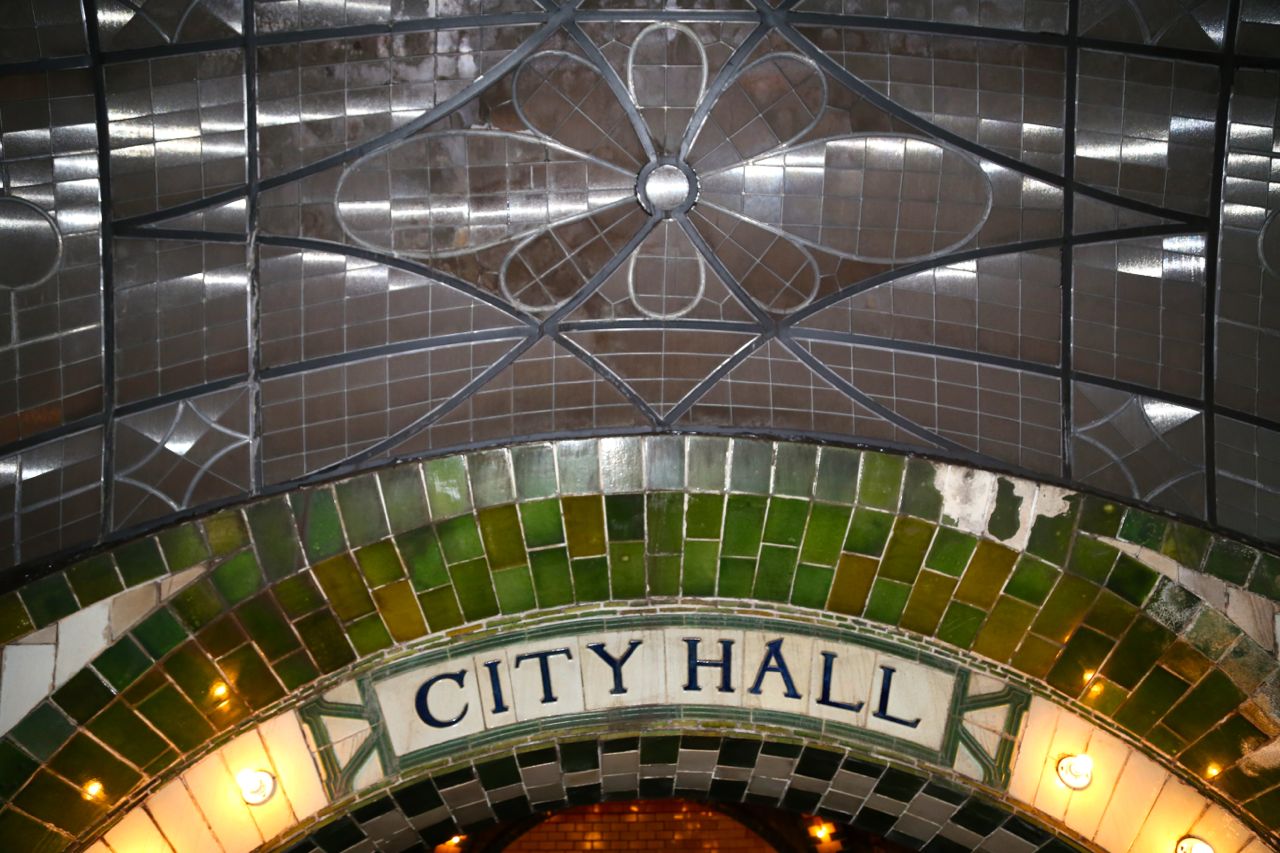
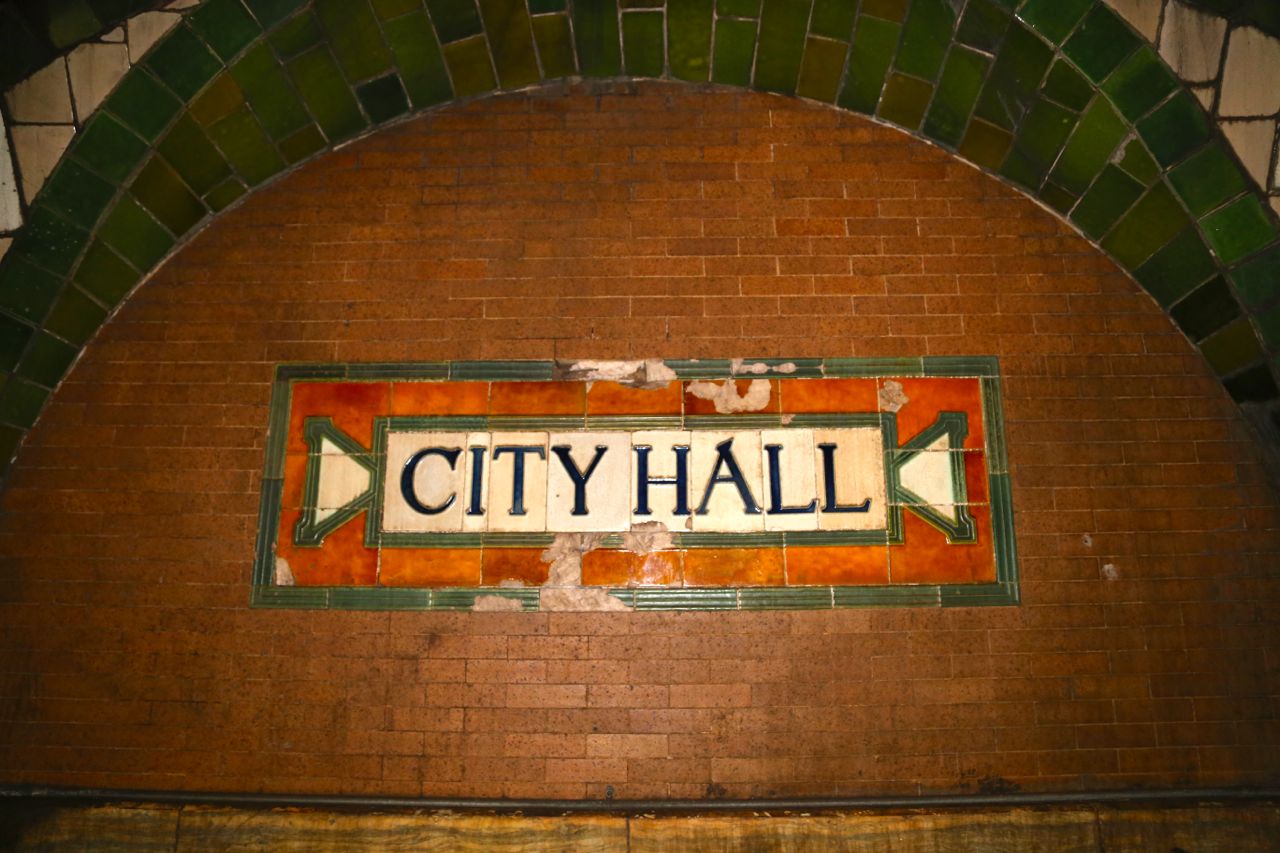
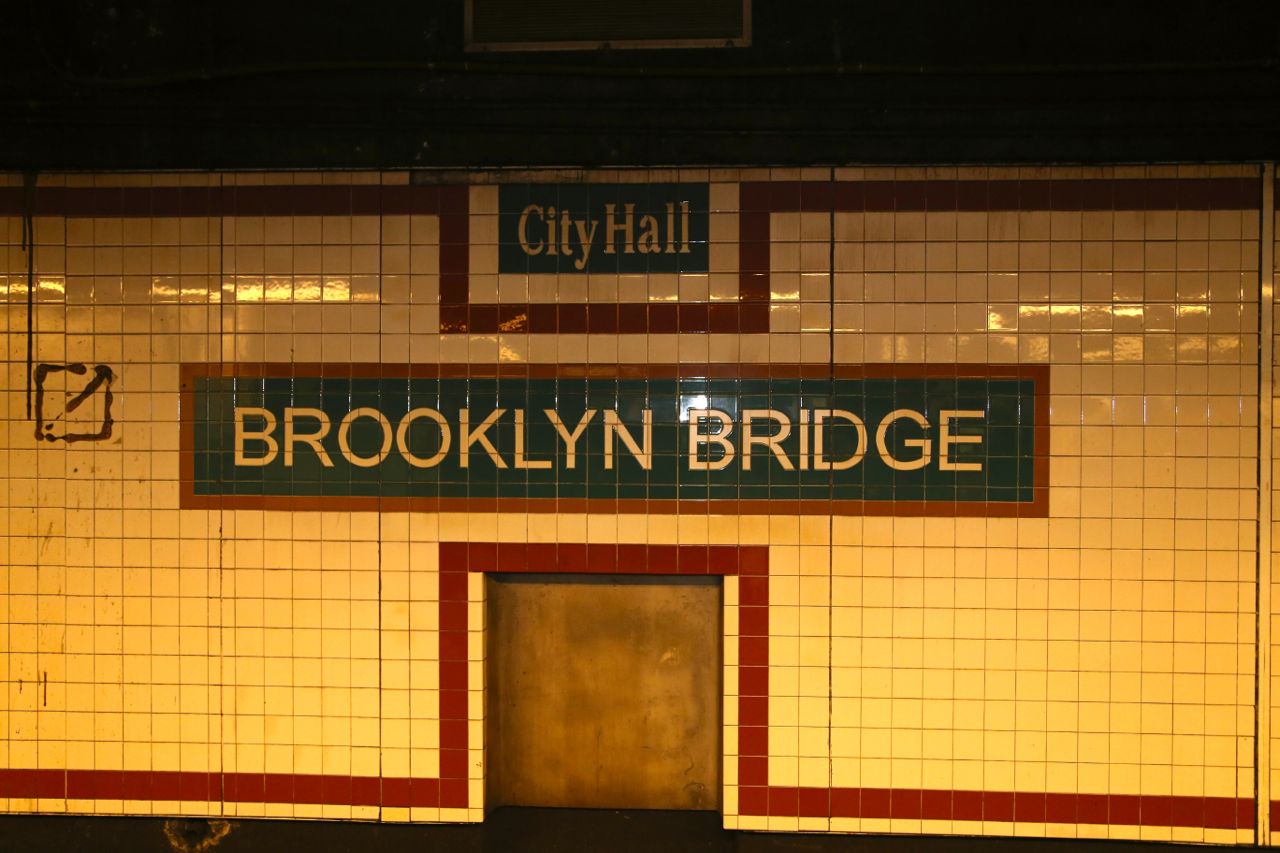
One thing I have always appreciated about the New York subway system is the tile work. All the stations have tile work, and generally each station has a somewhat unique tile work for at least the station signs. Some stations have really unique and beautiful tile work for example the Times Square and American Museum of Natural History stations. The tiles themselves in the old City Hall station are not gorgeous, but the way they are placed together in the arches are. Therefore for final comparison, below are the station signs at the old City Hall station and the new City Hall/Brooklyn Bridge station.

Old City Hall station sign

Old City Hall station sign

Modern City Hall/Brooklyn Bridge station sign

Modern City Hall/Brooklyn Bridge station sign

Delancey Williamsburg Bridge Rail Terminal

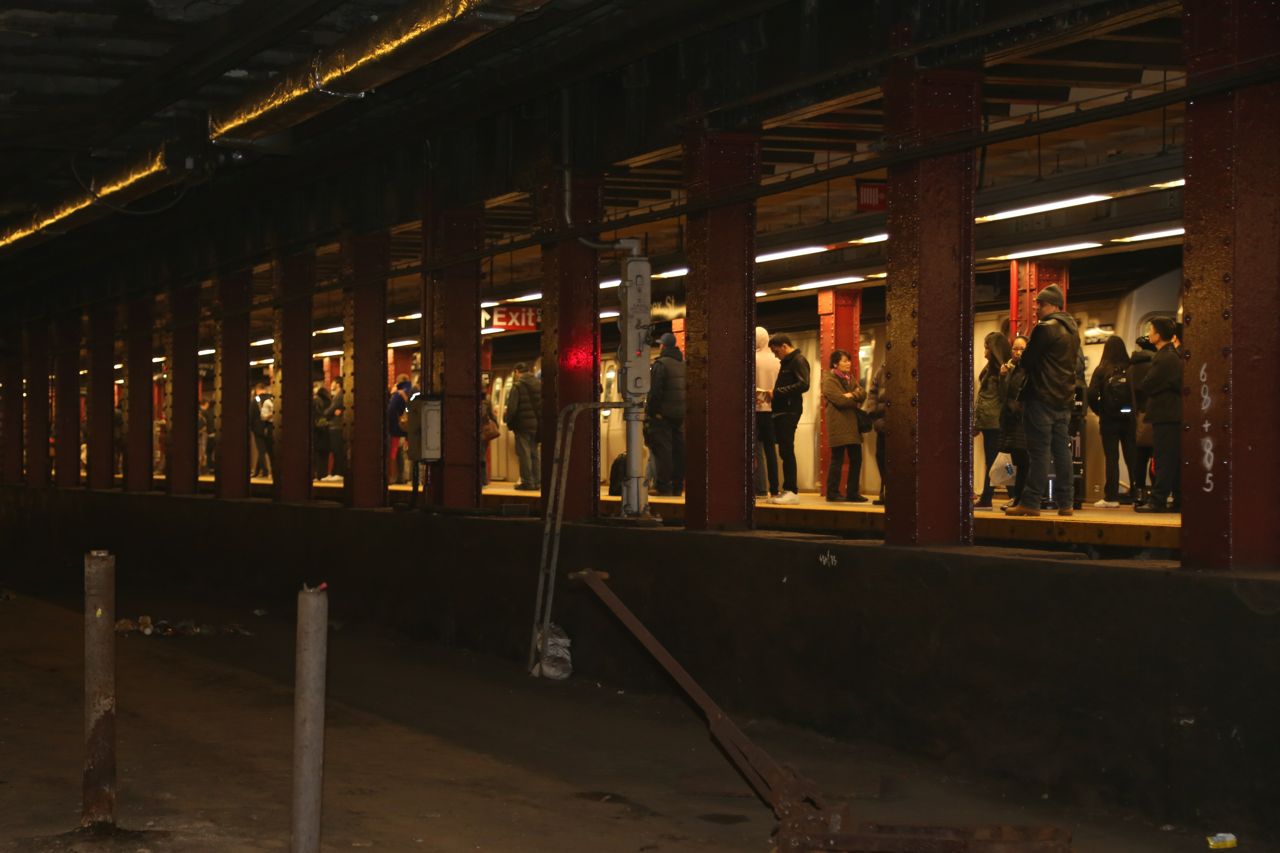
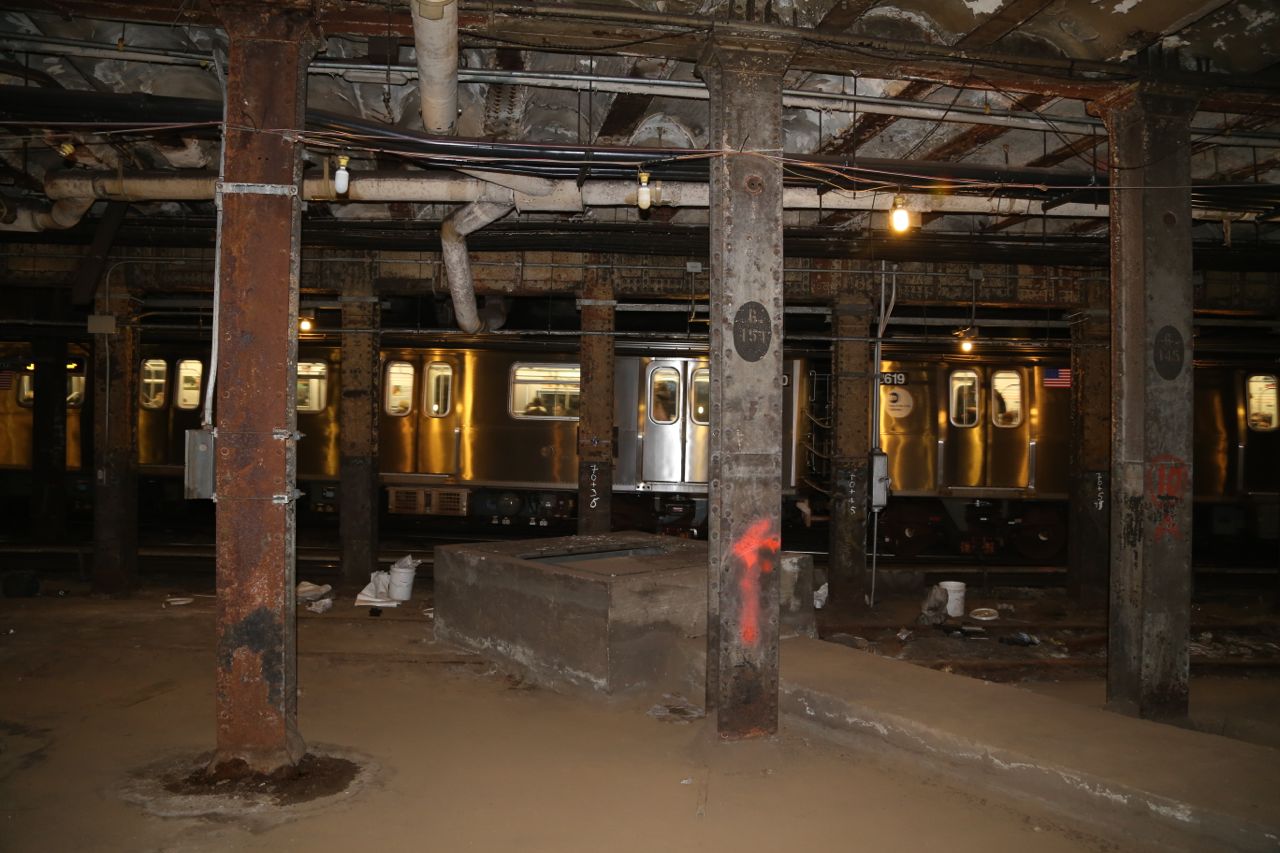
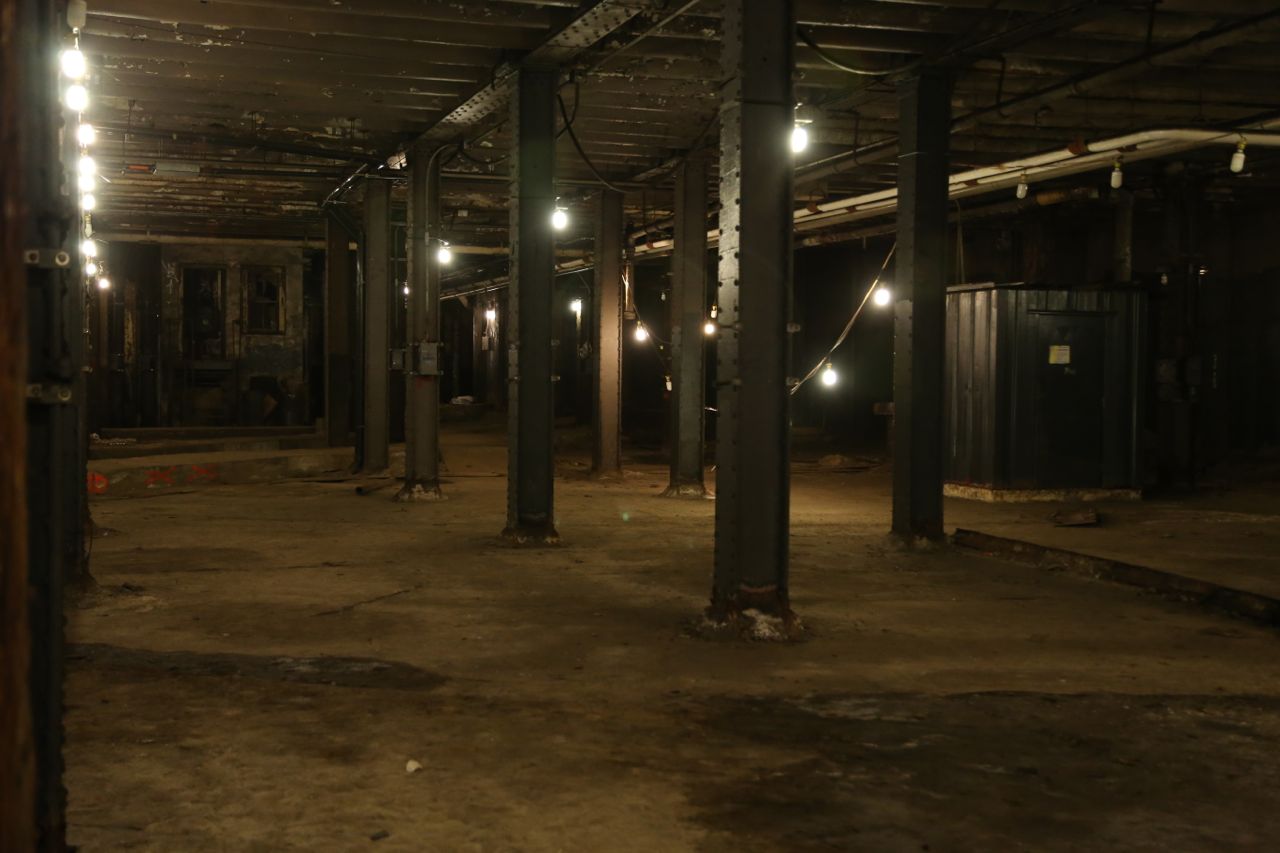
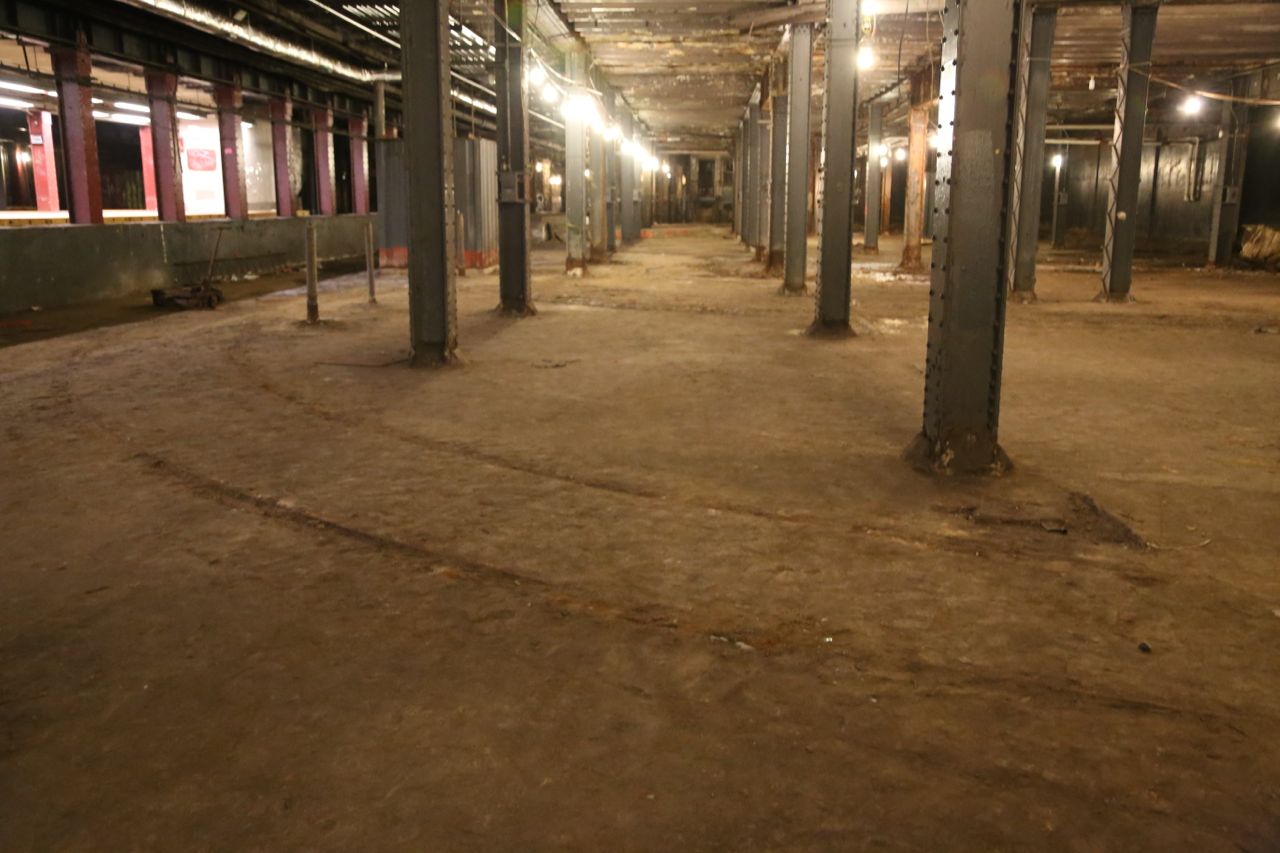
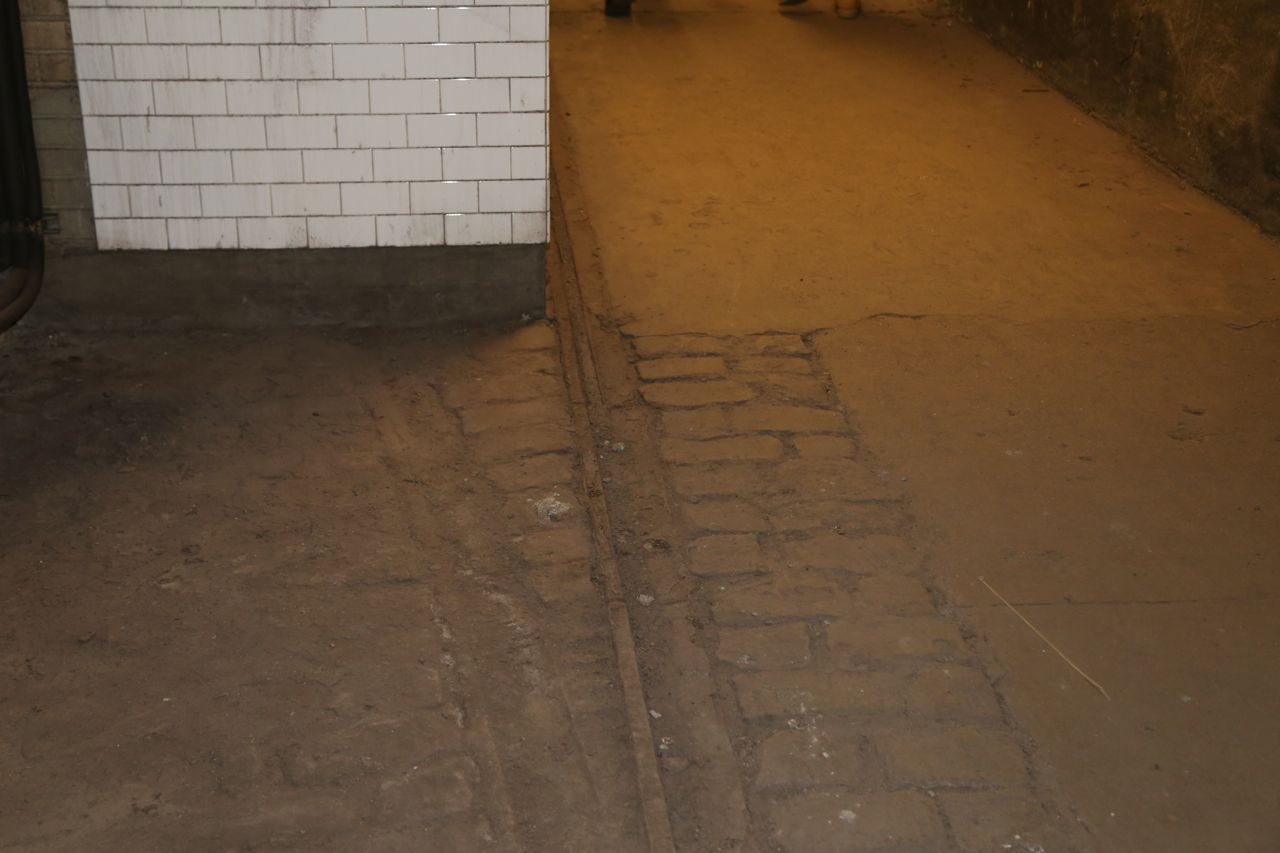
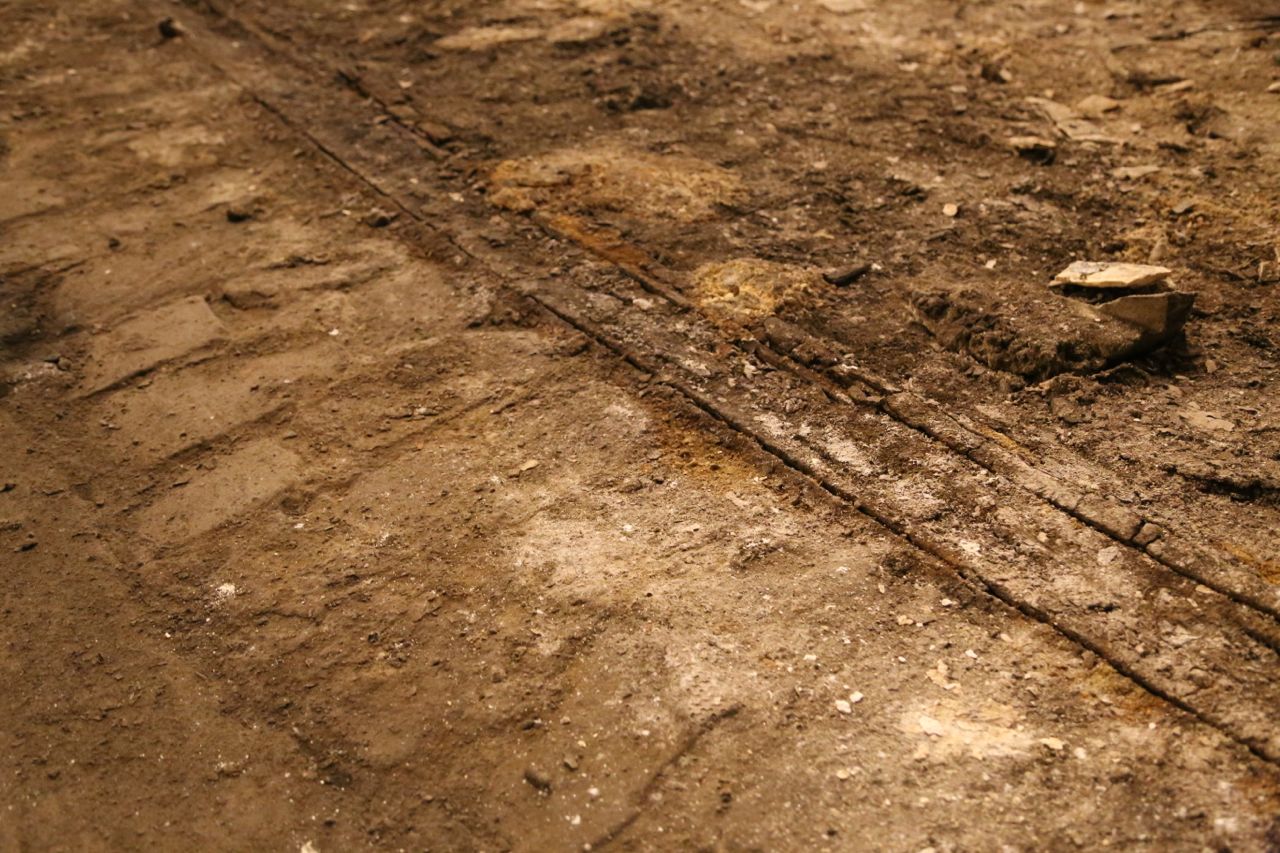
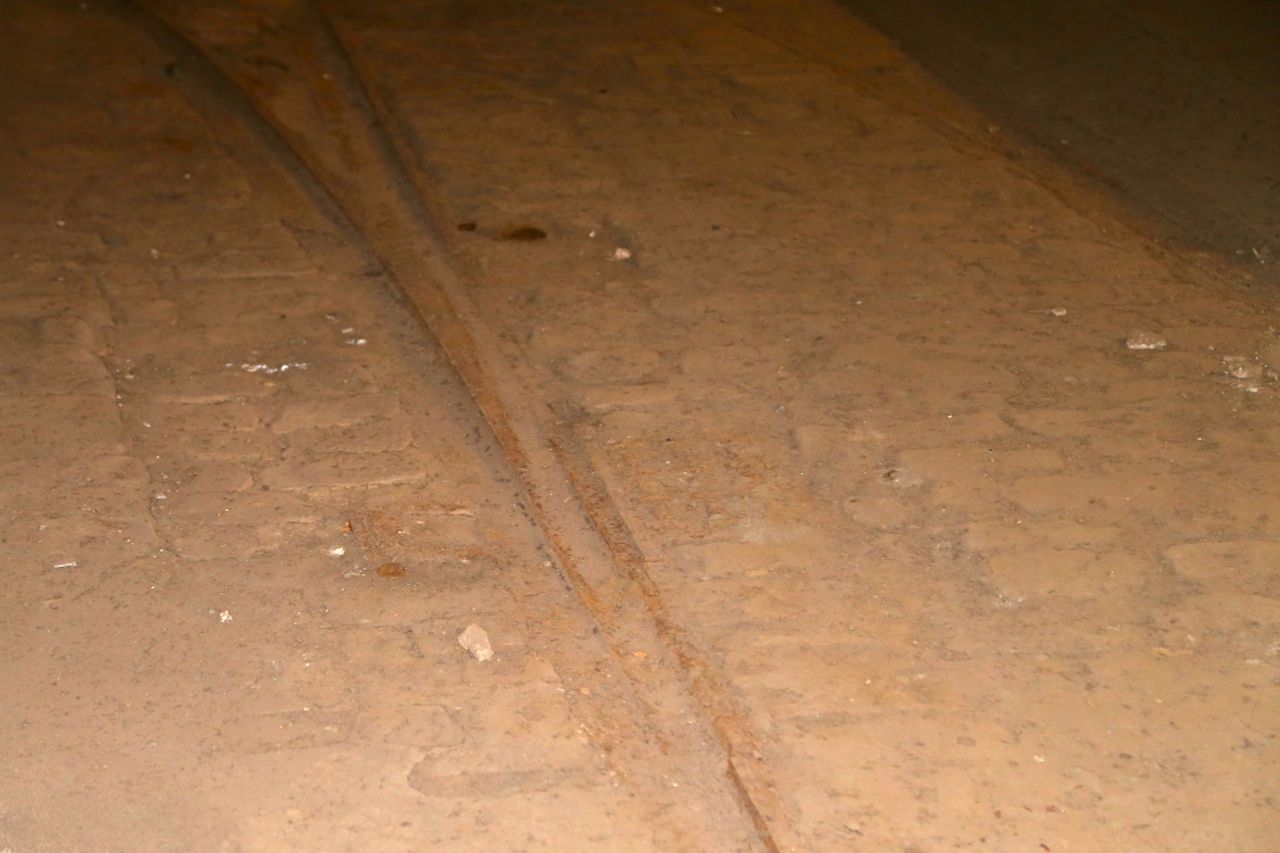
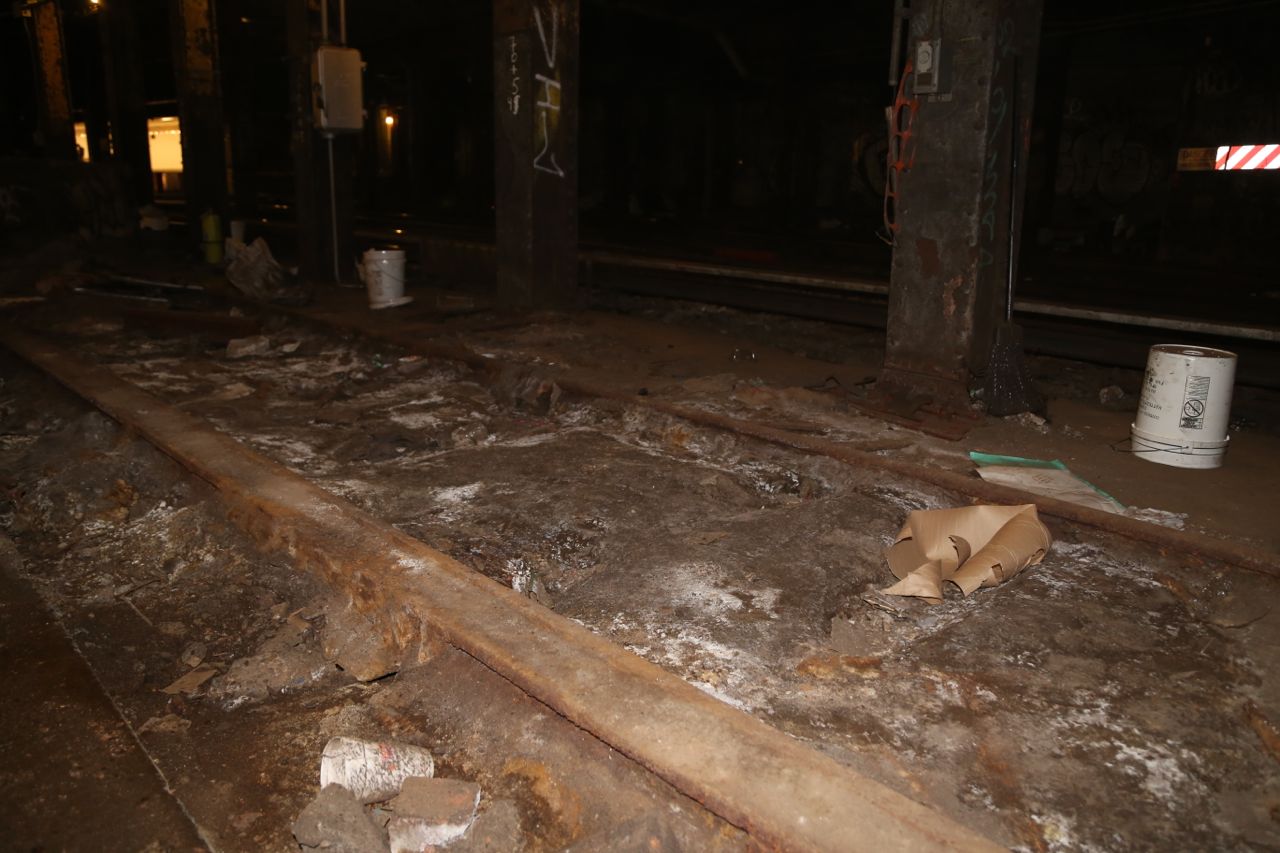
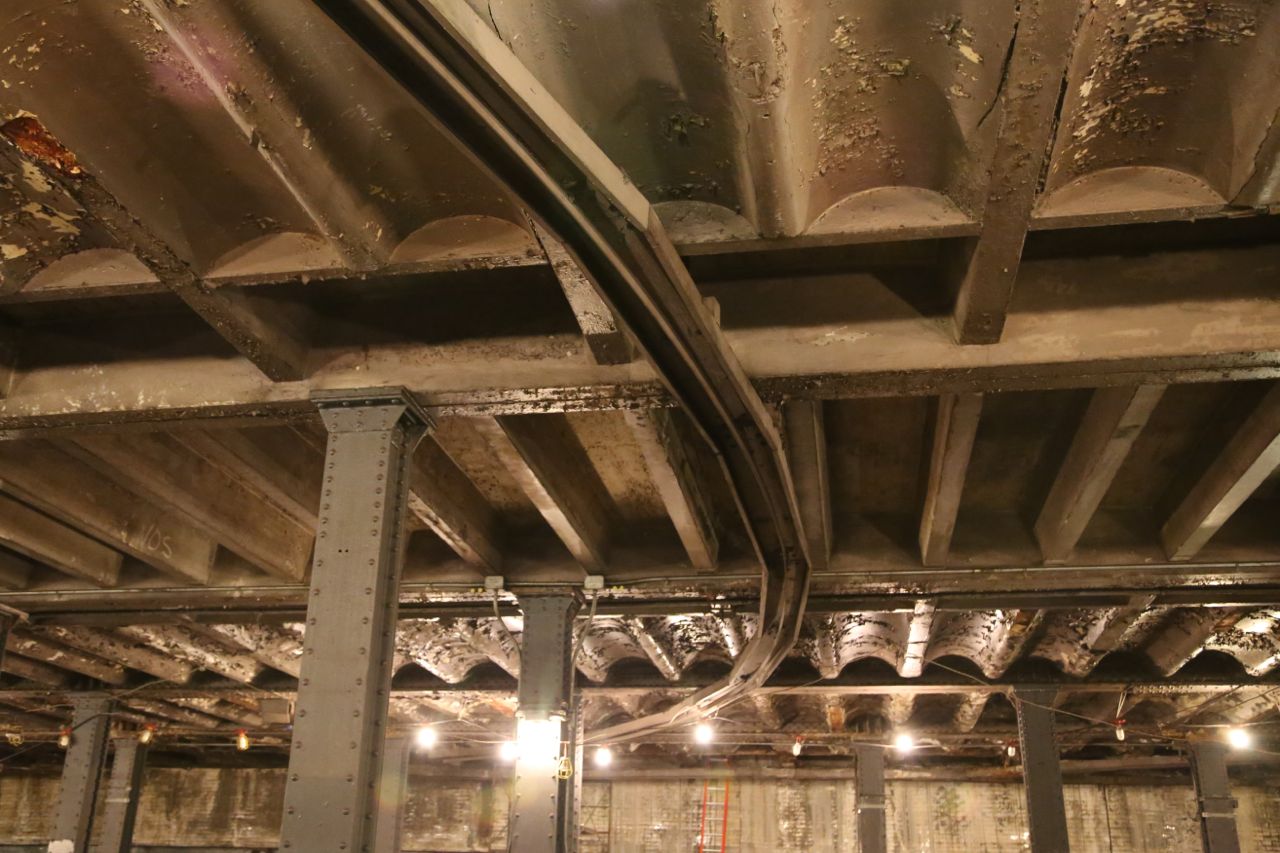
I joined the New York Transit Museum this year so that I could go on some of their members only tours of some real cool transit places. Today I toured one of those places, the old Essex/Delancey trolley terminal from the Williamsburg Bridge. Trolleys from Brooklyn came across the Williamsburg Bridge to Manhattan and then turned around in this terminal. Trolleys in Brooklyn were evidently on a different rail system type and thus couldn’t continue onto the Manhattan rails. I won’t try to give the history, as so many places can be found, which do it much better, such as this one. The terminal is right next to the Delancey and Essex subway stations and can be seen from part of the platform. Inside the terminal area, some of the old tracks, paver stones, and rails can be seen. While I found those interesting, I also just loved being able to walk in a behind-the-scenes area that the general public usually can’t access.

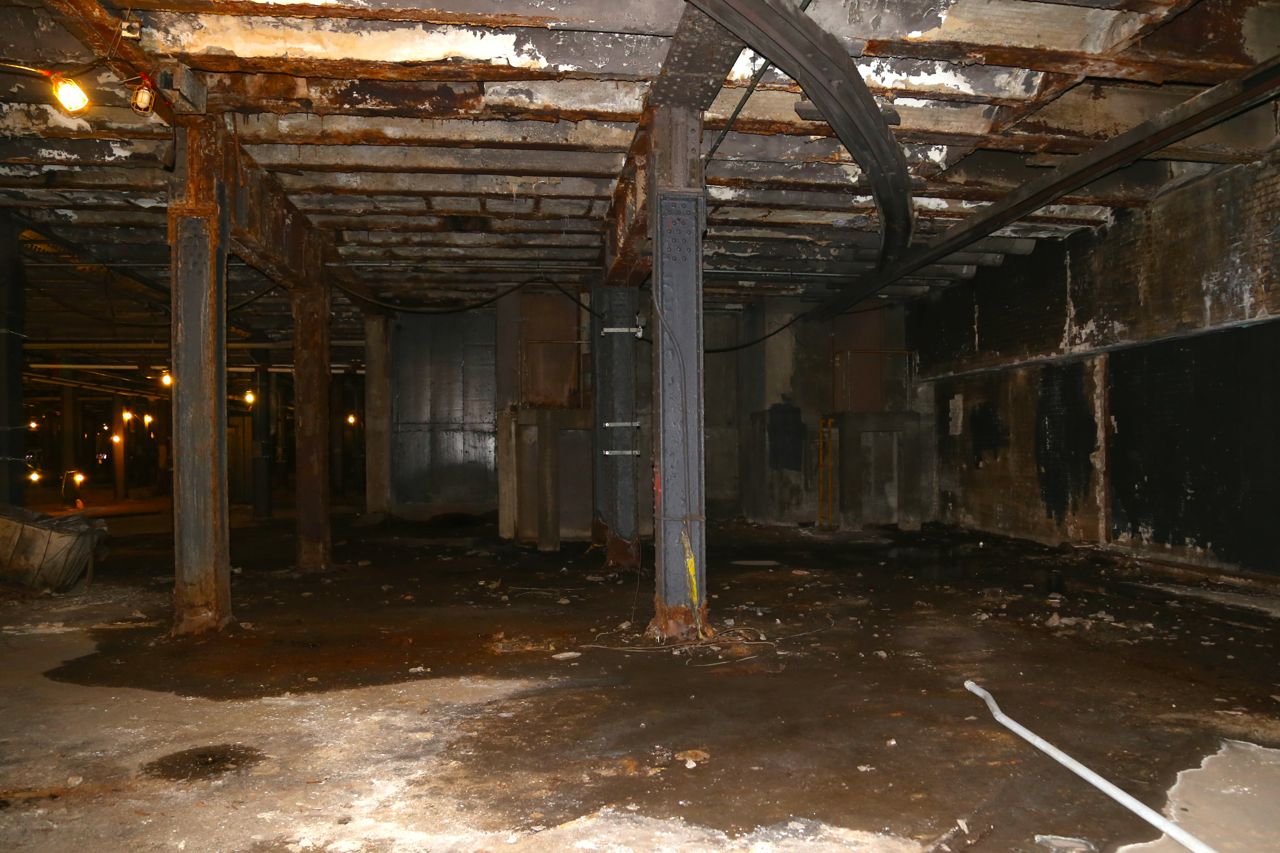
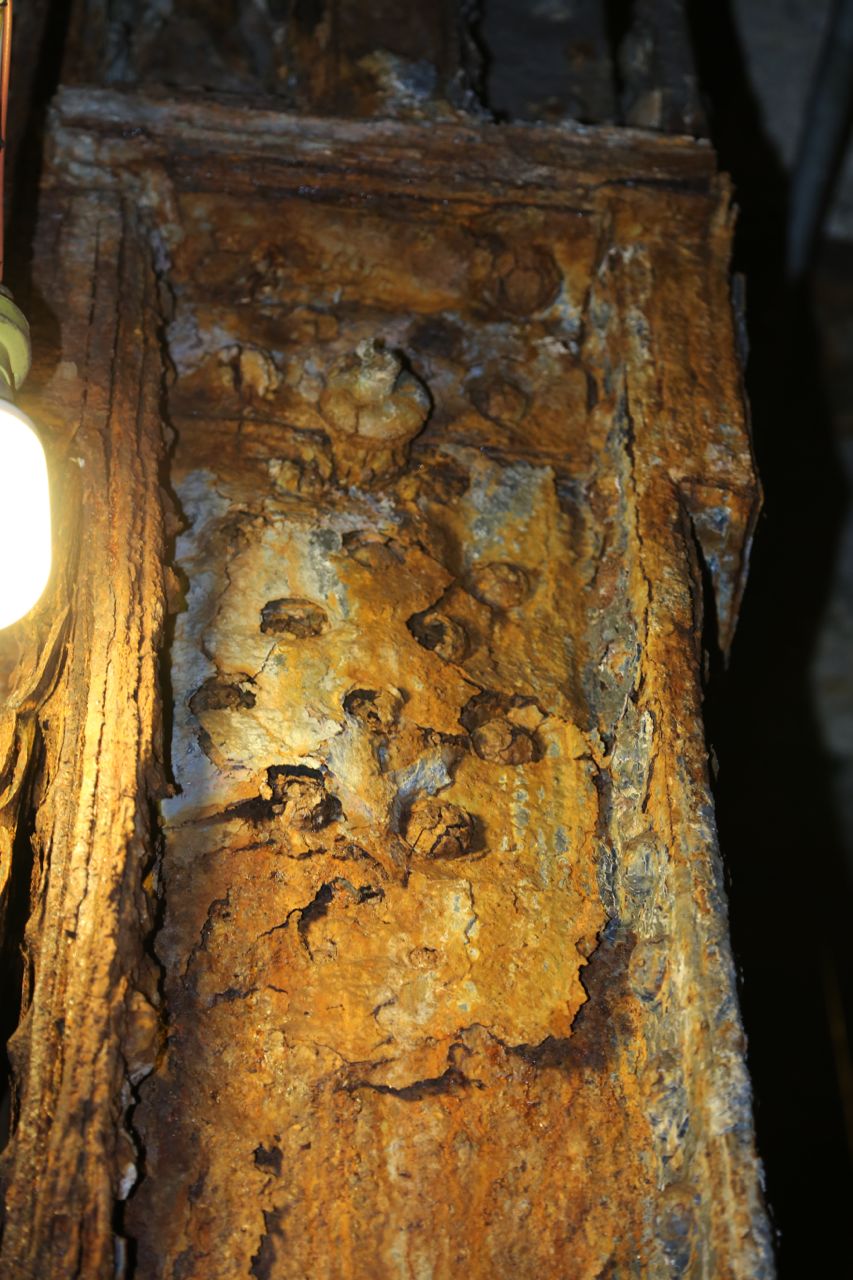
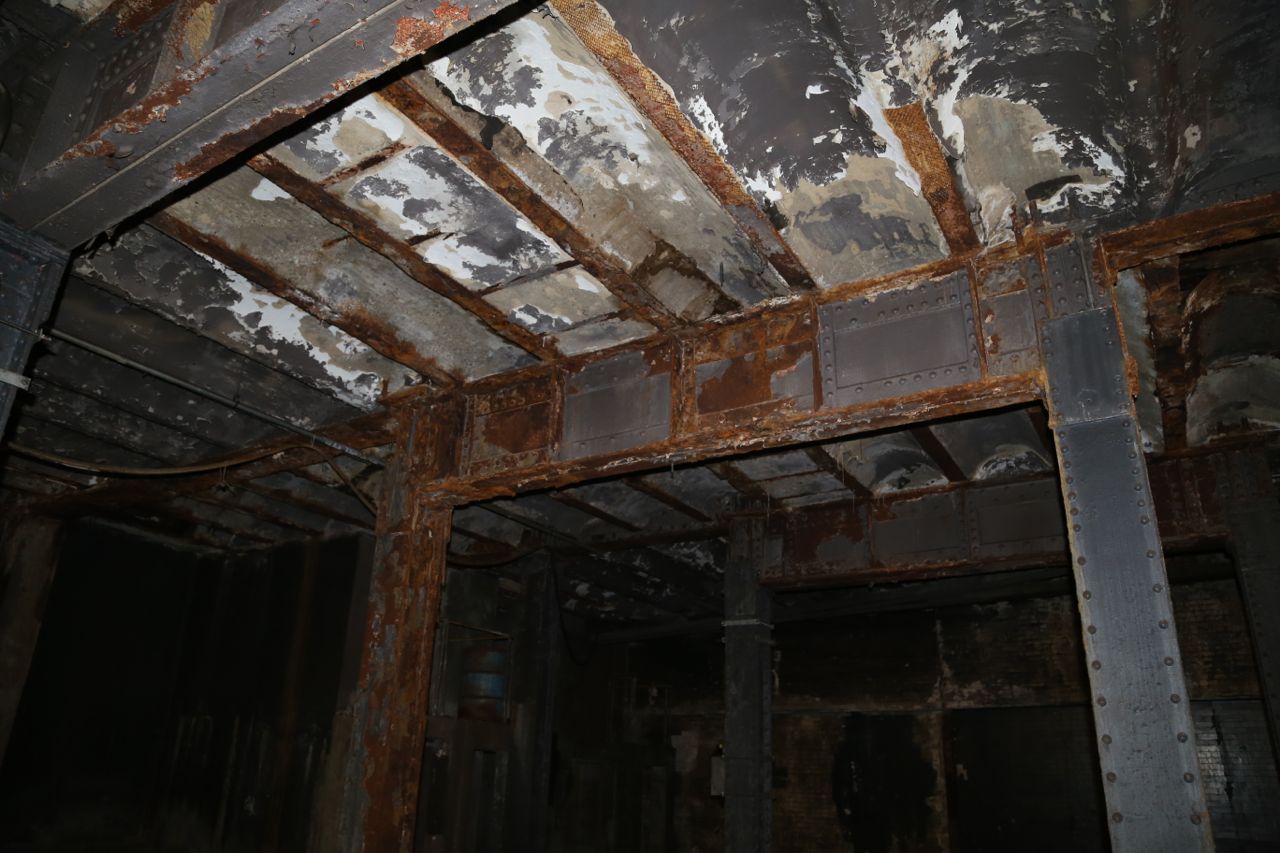
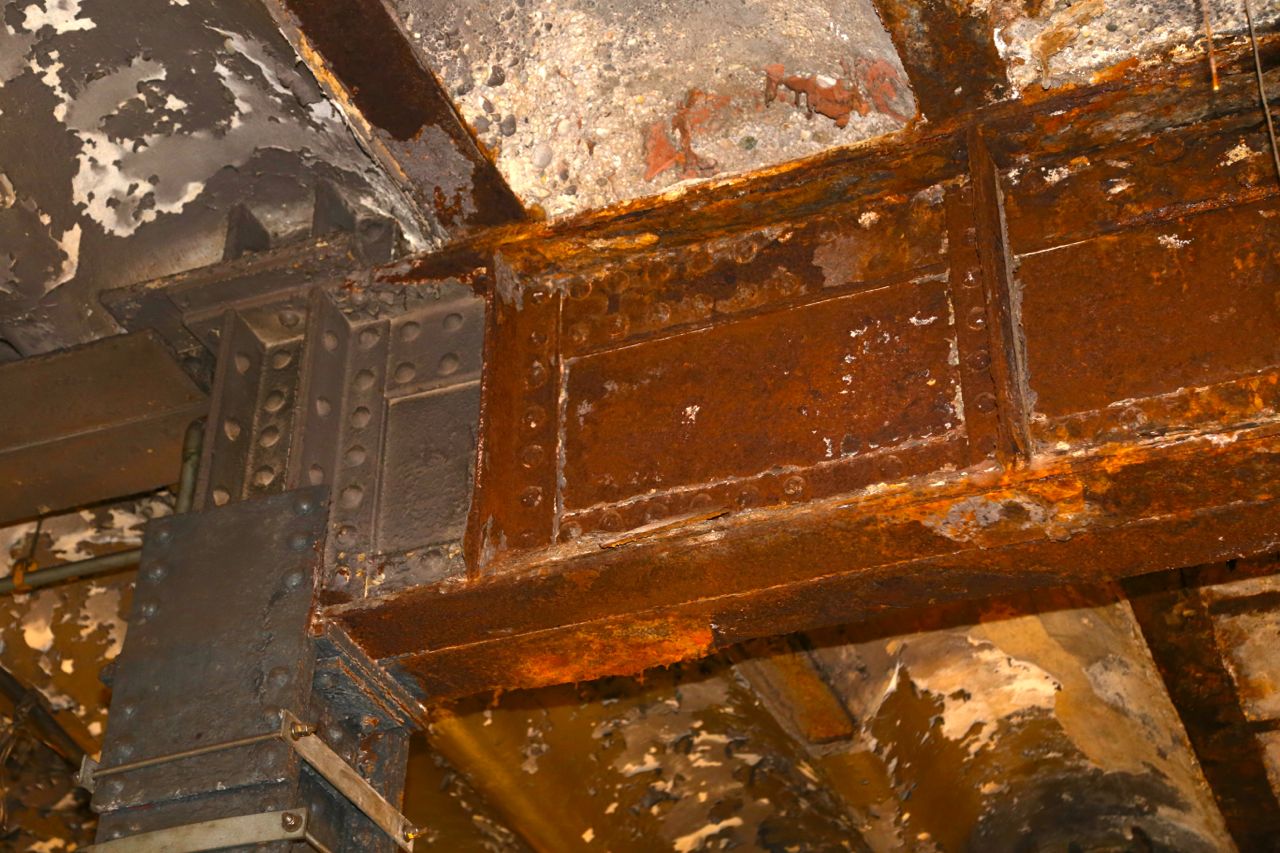
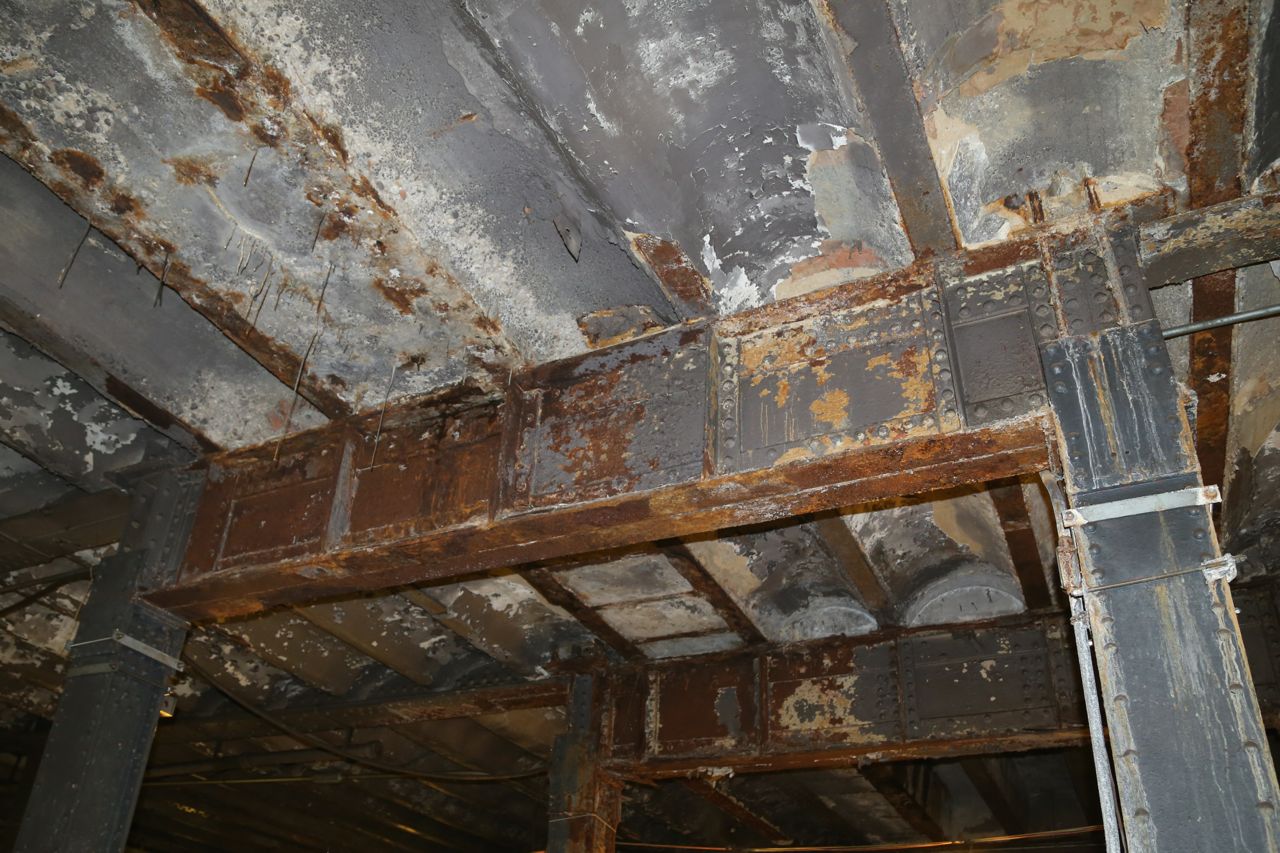
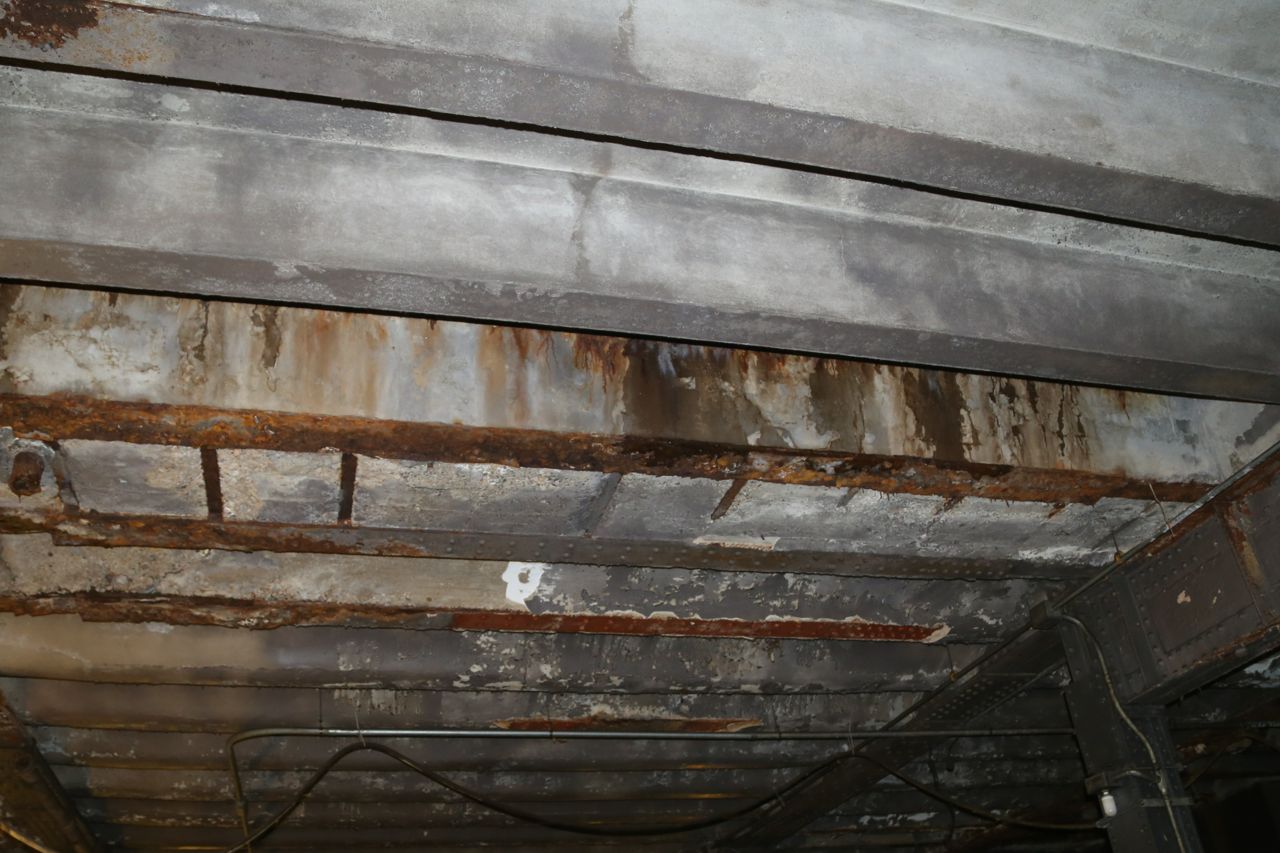
Another thing I found interesting was the condition of the columns and beams. Like almost all parts of the New York underground, the area is continual being eroded by water that seeps in from groundwater and storm water that flows through various cracks in the utility areas. Thus much of the metal support structures were badly rusted. Some parts of the area have been rehabbed but not all. It was a stark reminder of how continual maintenance is needed on essentially everything humans build. If you are not an engineer, you can be forgiven for not understanding that once something is built, it still needs maintenance. It can’t just simply be left to itself to continually function properly for all eternity. Unfortunately most politicians, who hold the purse strings to maintenance funding, don’t seem to understand this.

There is an idea or plan by some to turn the area into an underground park called the Lowline. It would be incredibly interesting to see that if it happens. In the meantime, I’m glad I got a look at this piece of New York’s transportation history.

View of Delancey Terminal from subway platform

View of Delancey Terminal from subway platform

View of subway platform from the Delancey Terminal

View of subway platform from the Delancey Terminal

Subway train passing by Delancey terminal

Subway train passing by Delancey terminal

Wide view of Delancey terminal with old track monitoring office in background

Wide view of Delancey terminal with old track monitoring office in background

Wide view of Delancey terminal

Wide view of Delancey terminal, old tracks can be seen in foreground

Wide view of Delancey terminal parts of which are wet from normal seepage

Wide view of Delancey terminal parts of which are wet from normal seepage

Old track in paver stones terminating at a more modern tiled wall

Old track in paver stones terminating at a more modern tiled wall

Old track in paver stones

Old track in paver stones

Old track in paver stones

Old track in paver stones

Old tracks

Old tracks

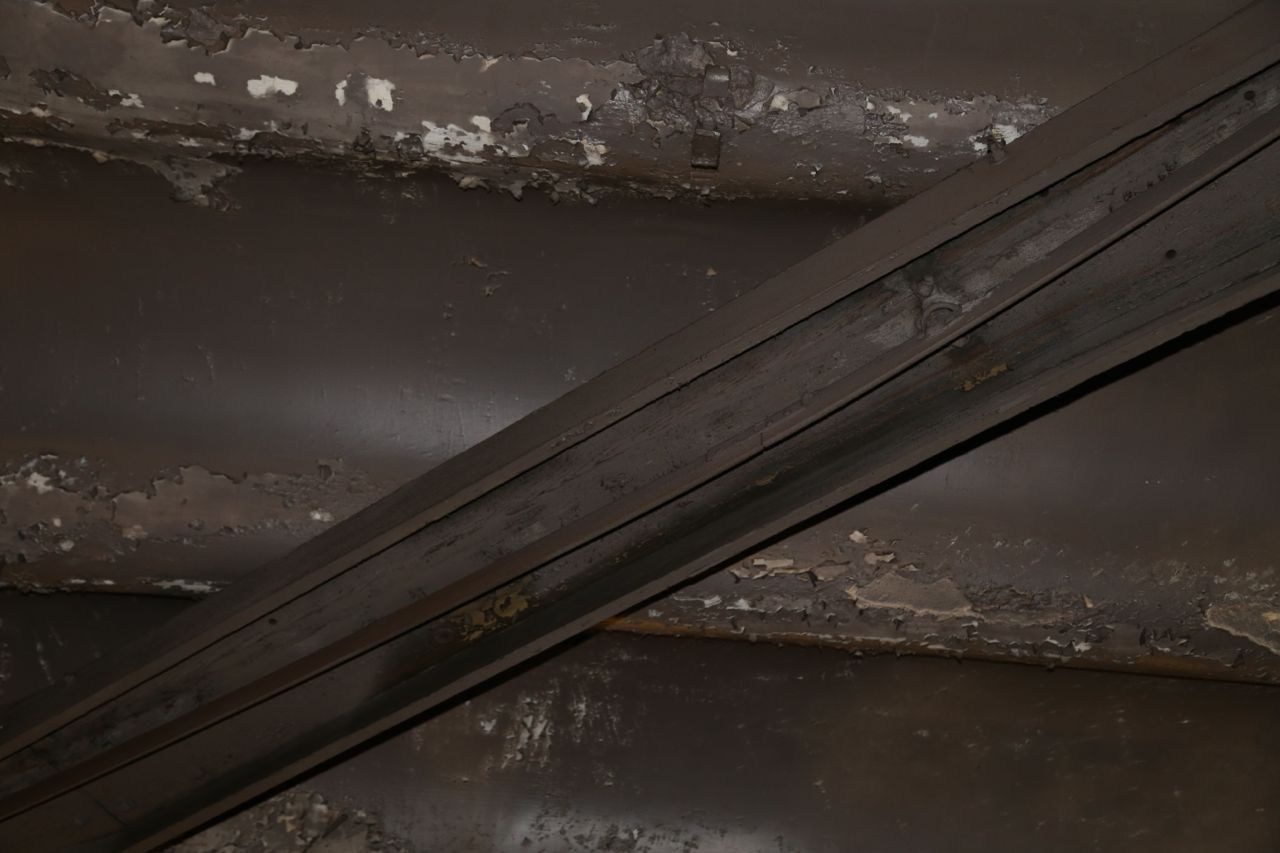
Old rail, which is held inside a wooden casing. Wood was used since it doesn't conduct electricity, and rail was electrified.

Old rail, which is held inside a wooden casing. Wood was used since it doesn’t conduct electricity, and rail was electrified.

Old rail, which is held inside a wooden casing. Wood was used since it doesn't conduct electricity, and rail was electrified.

Old rail, which is held inside a wooden casing. Wood was used since it doesn’t conduct electricity, and rail was electrified.

Rusted column

Rusted column

Rusted beams and columns

Rusted beams and columns

Rusted beam

Rusted beam

Stalactites from water seepage near rusted metal

Stalactites from water seepage near rusted metal

Rusted and rehabbed beams

Rusted and rehabbed beams

Deep Throat Parking Garage

Why do I love Google? Because I can search on “deep throat garage rosslyn,” and Google will immediately give me websites about the garage where Bob Woodward met Mark Felt, aka Deep Throat, in the Rosslyn area of Arlington, Virginia. The only way Google failed though is that it would not pull up the location in Google Maps. I had to get the address through one of the articles.

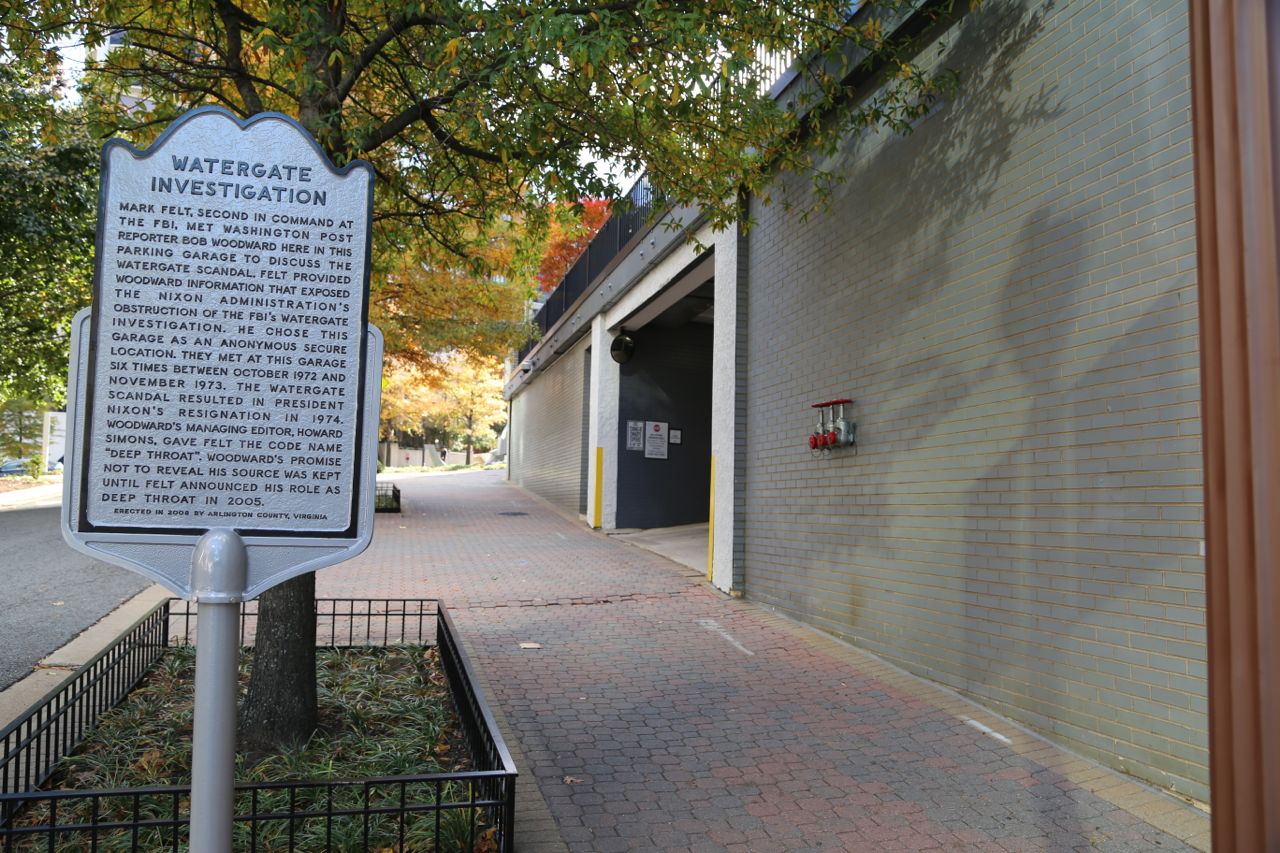
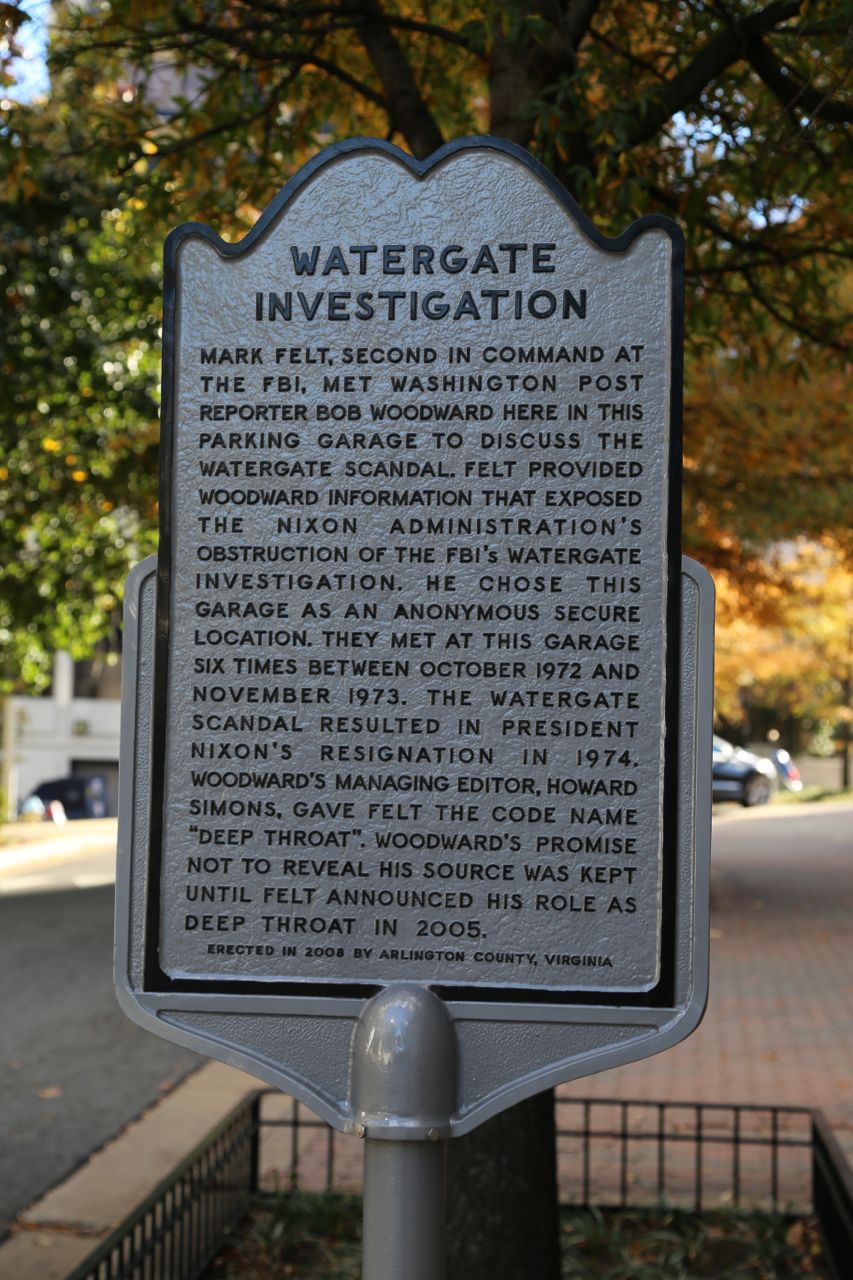
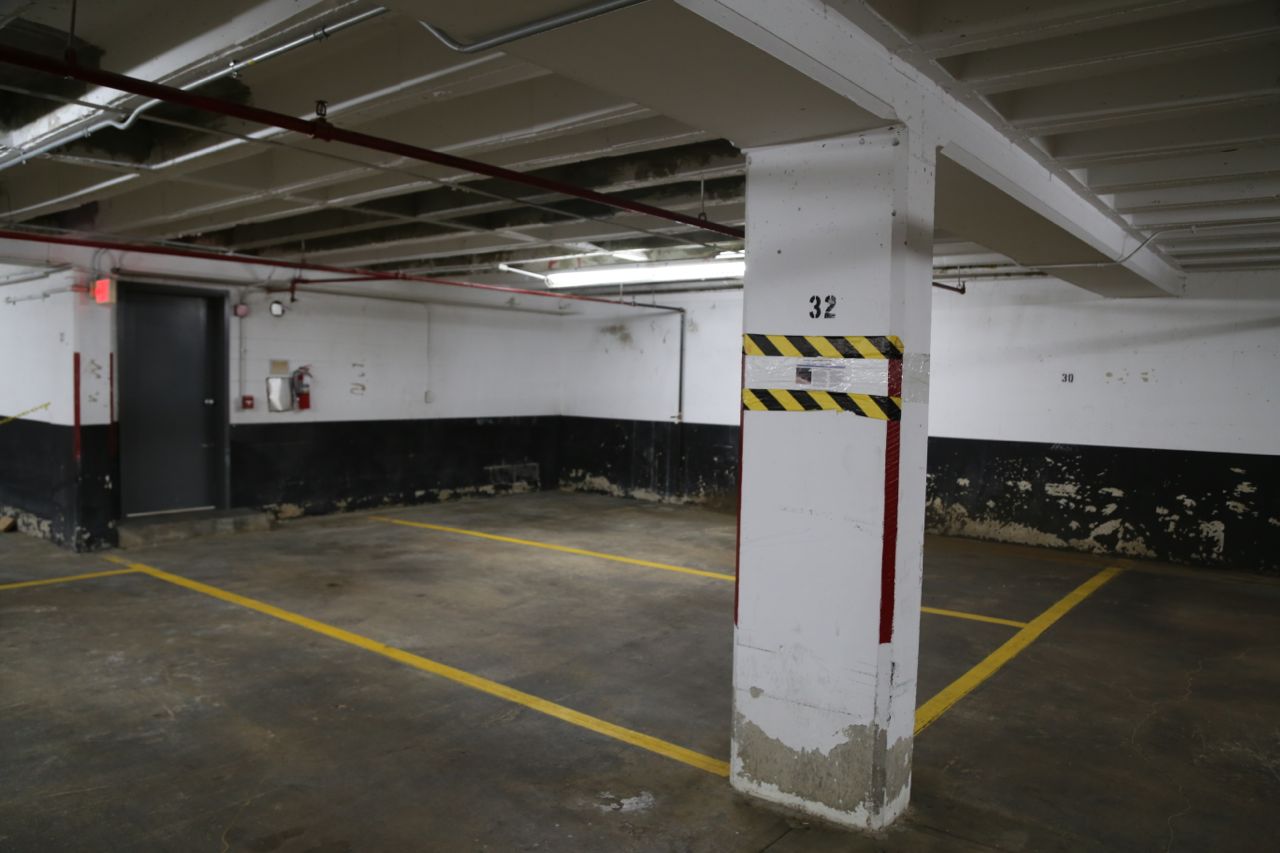
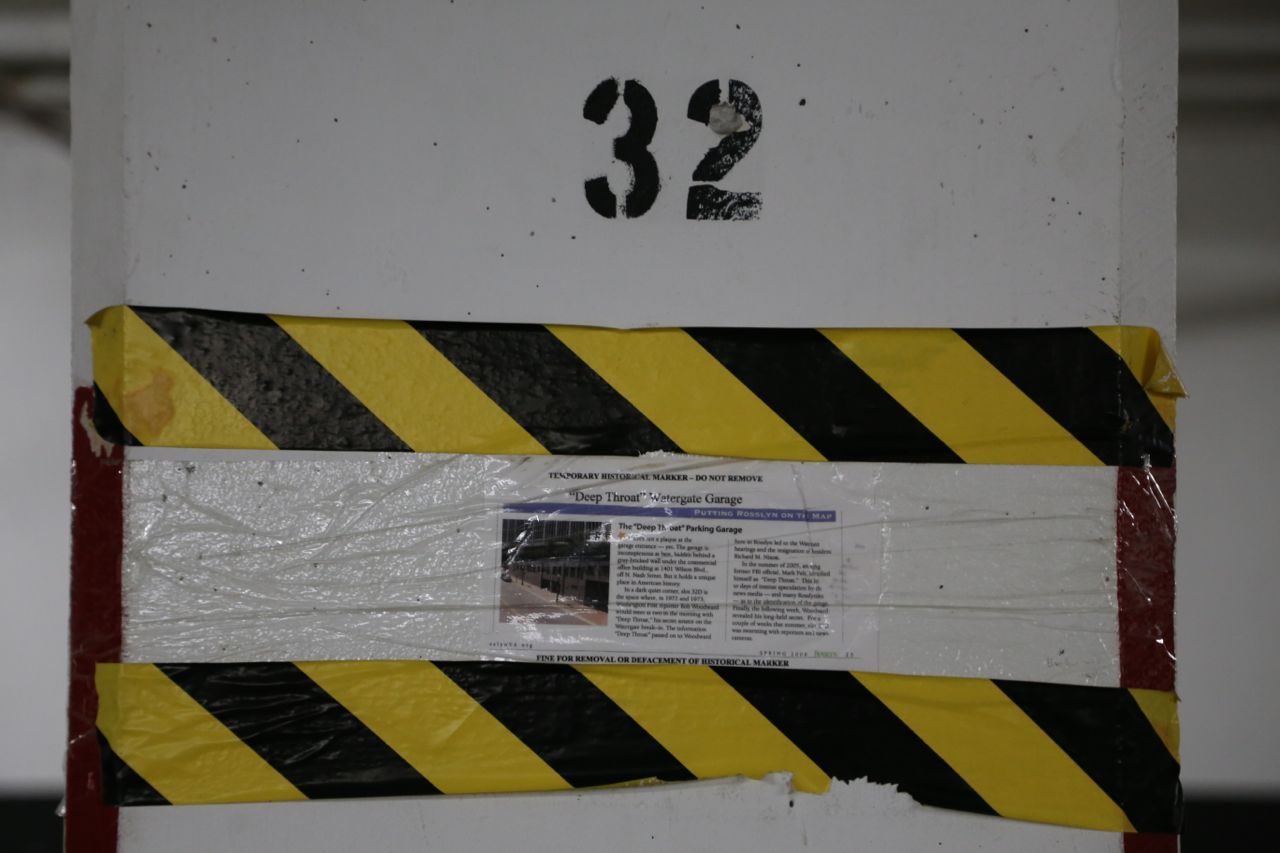
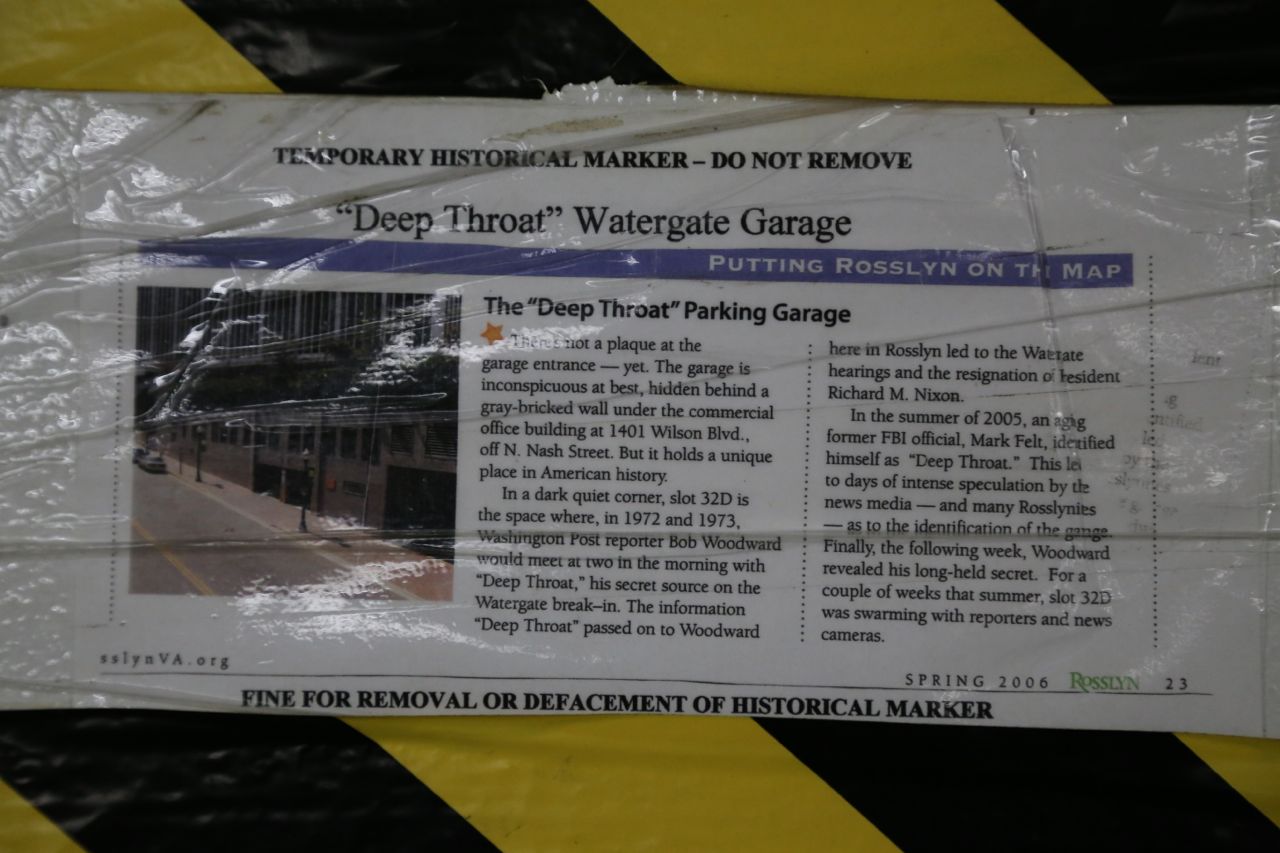
Why do I love Arlington? Because there is an actual historic marker outside the garage entrance describing this “historical” location. I mean really, who wants to visit the location of a Civil War battle or the Capitol of the United States when you can visit the exact parking spot on the lower level of a garage where a reporter met the second in command of the FBI about the Watergate Scandal? The column next to the parking spot even has a “temporary historical marker” for which there is evidently a “fine for removal or defacement.” I have never seen a historical marker that was paper covered rather badly by a lot of clear tape and bordered by lovely yellow and black tape. The “temporary historical marker” clearly gives this historical location the solemn respect it deserves. However, please be aware, if you want to visit this historical location, plan to do so in the next year or so. There are plans to tear the buildings there down. [Read the comments on that article. Some of them are truly hilarious.] There outside historical marker would evidently stay though.

You can read more about the site here. The garage is located at 1401 Wilson Blvd. in the Rosslyn area of Arlington. The parking spot is on the very bottom level in the southeast corner right next to stairwell, which was apparently one of the reasons why that spot was chosen. I don’t know how many visitors it gets. However, when I went there on a Sunday afternoon, the garage was under going repairs, such that I didn’t immediately realize there were multiple levels because I couldn’t see the car ramps. One of the contractors walked up to me and asked if I was trying to park. I said no, I was trying to find a particular parking spot, the Deep Throat parking spot. He knew what I meant and told me how to find it. So, it is a tourist attraction of sorts!

Garage Entrance

Garage Entrance

Permanent outside marker

Permanent outside marker

The parking spot

The parking spot

Parking spot number and temporary historic marker

Parking spot number and temporary historic marker

Temporary historic marker

Temporary historic marker

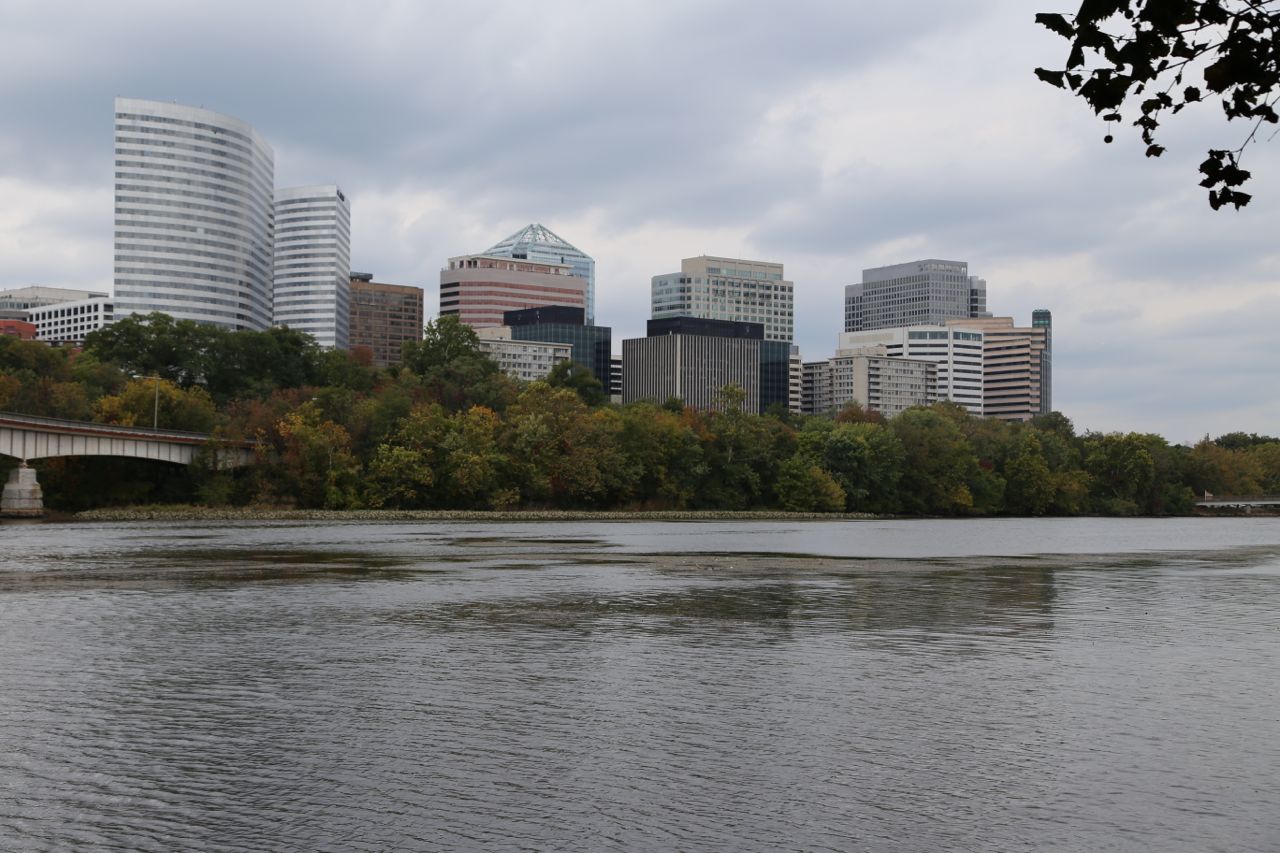
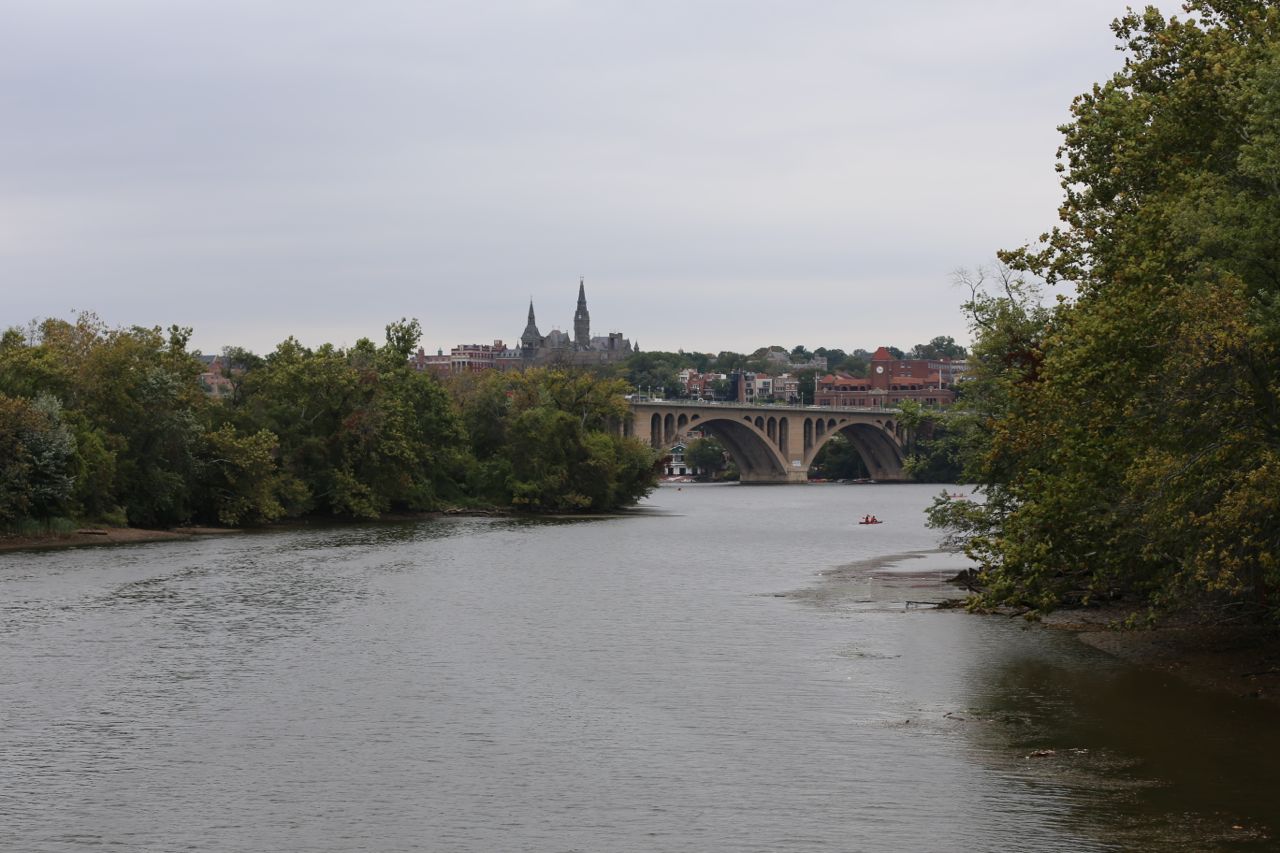
Theodore Roosevelt Island

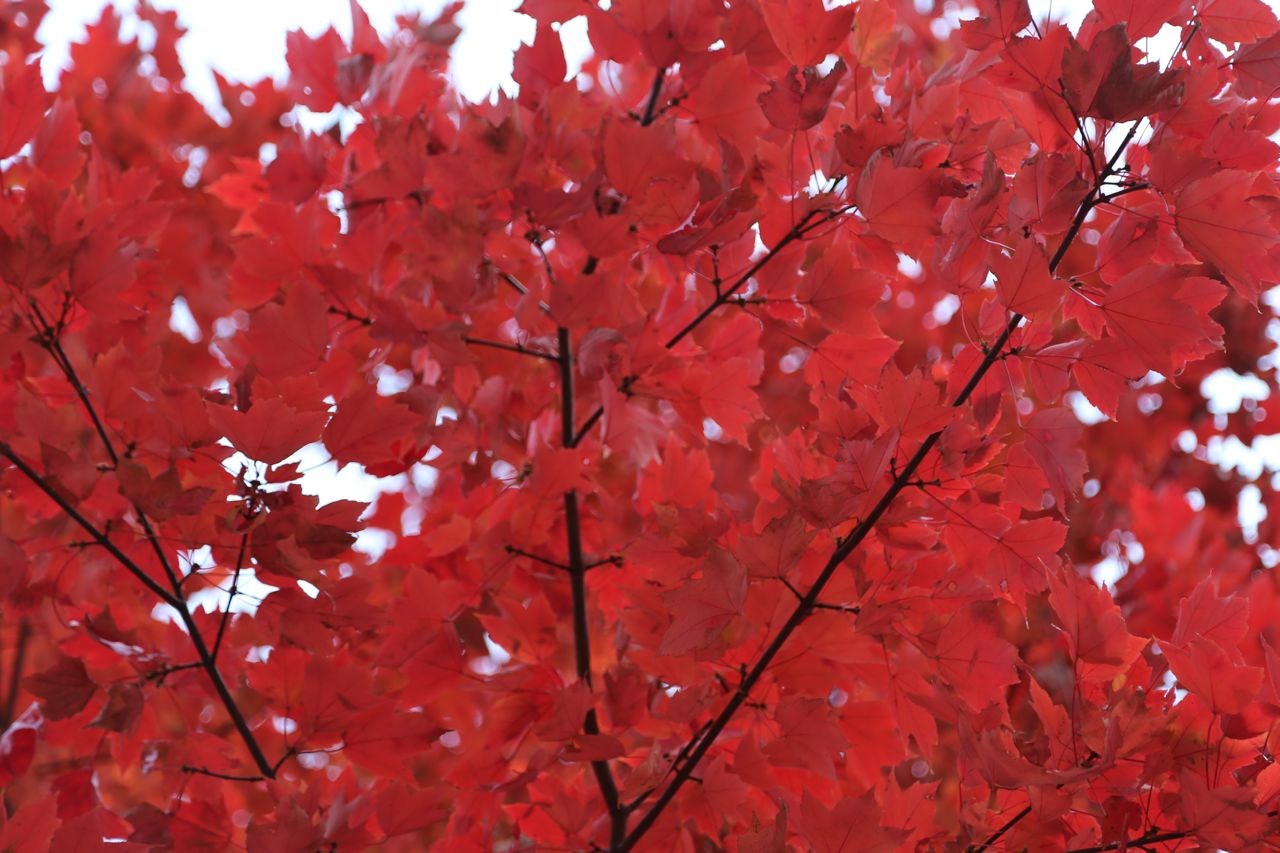
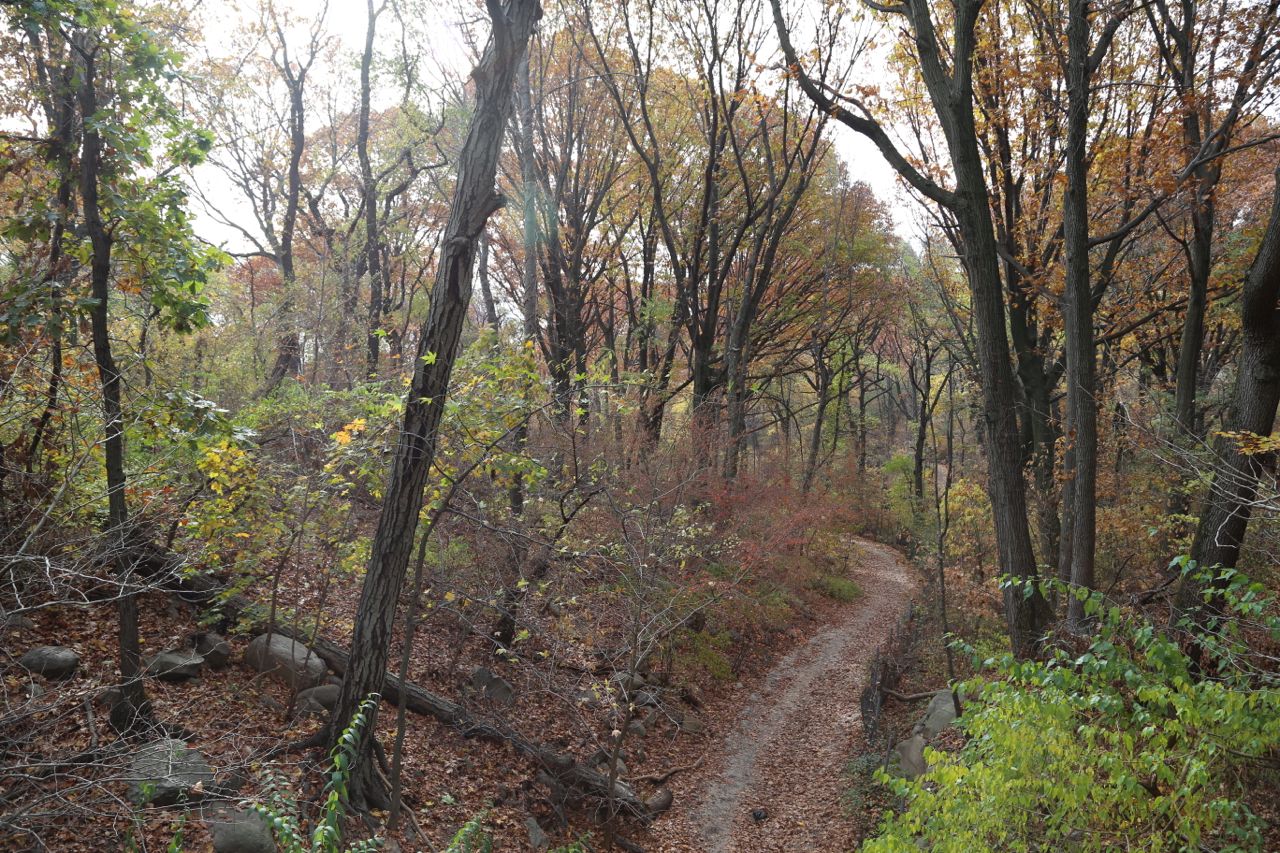
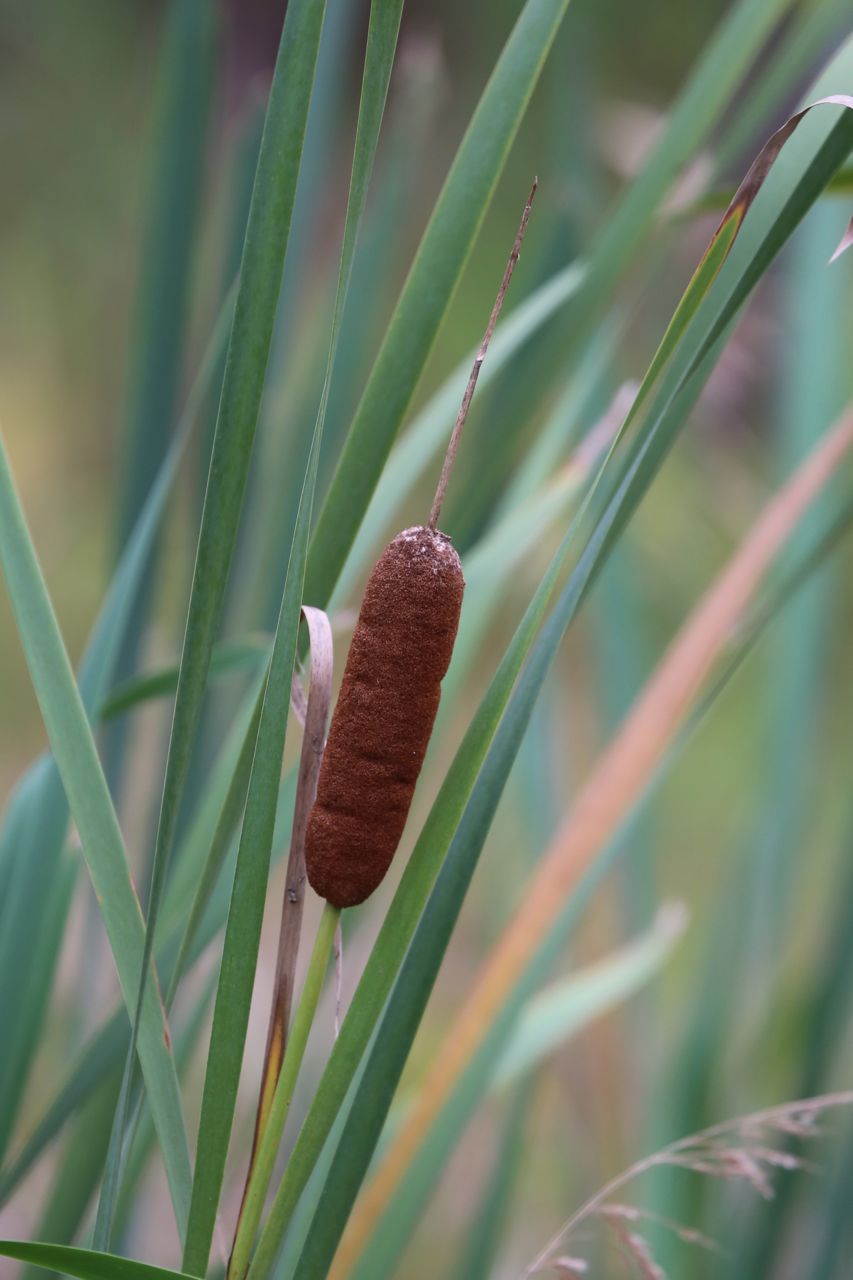
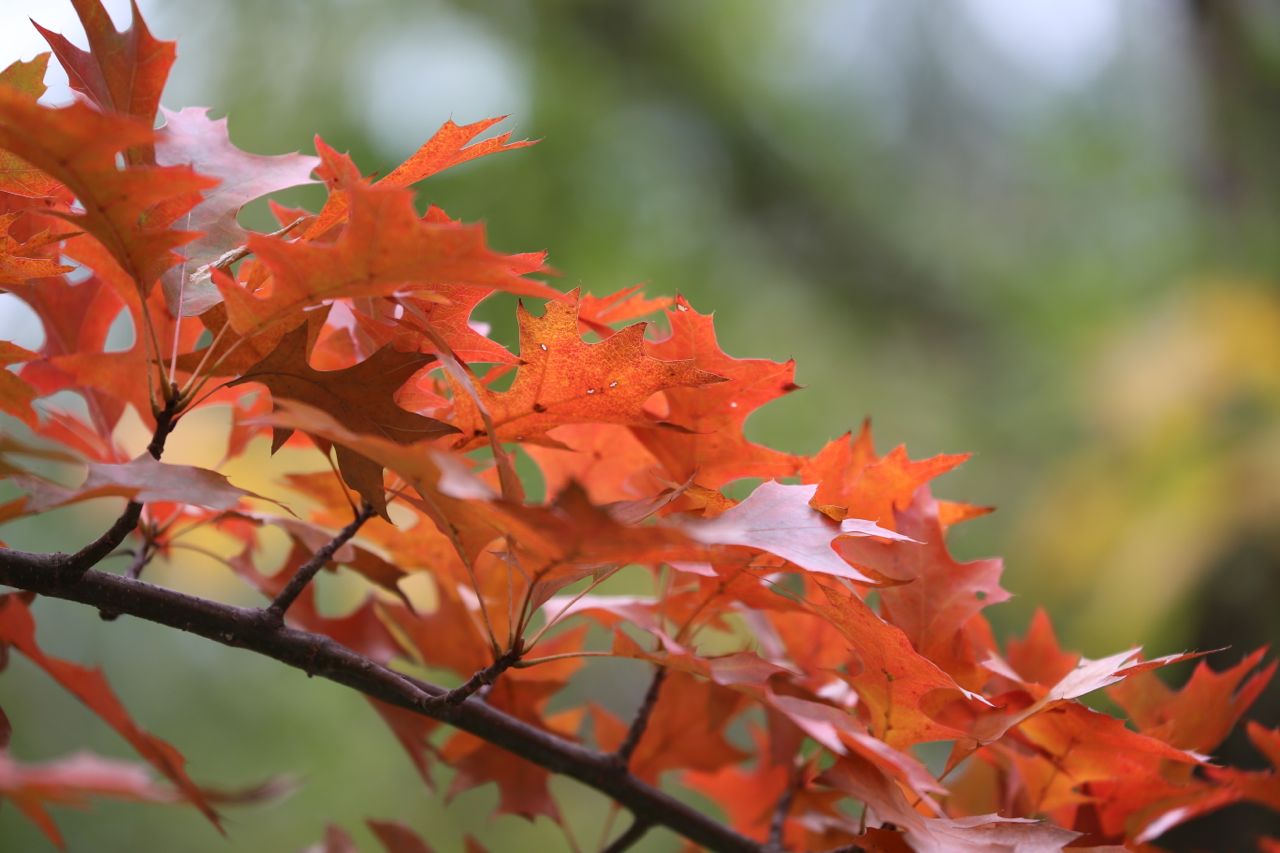
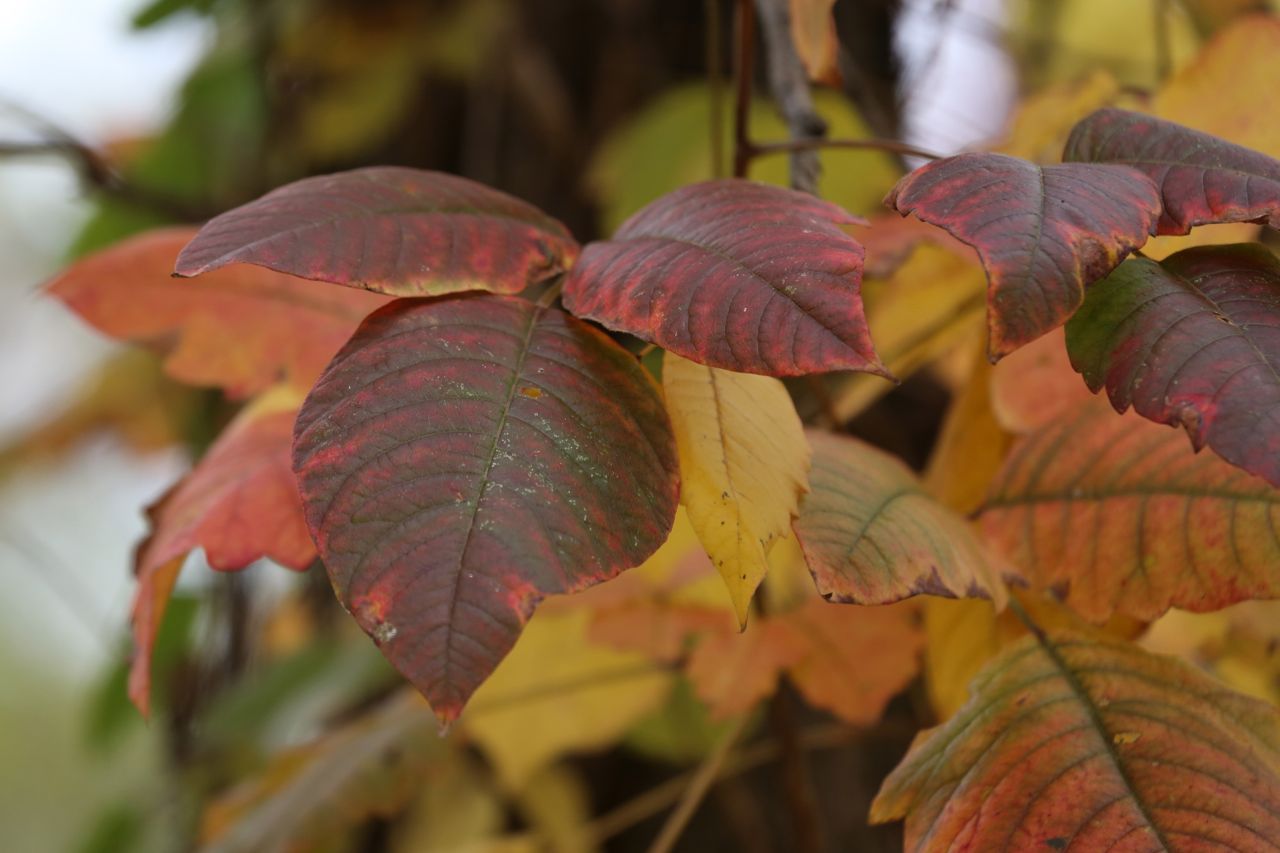
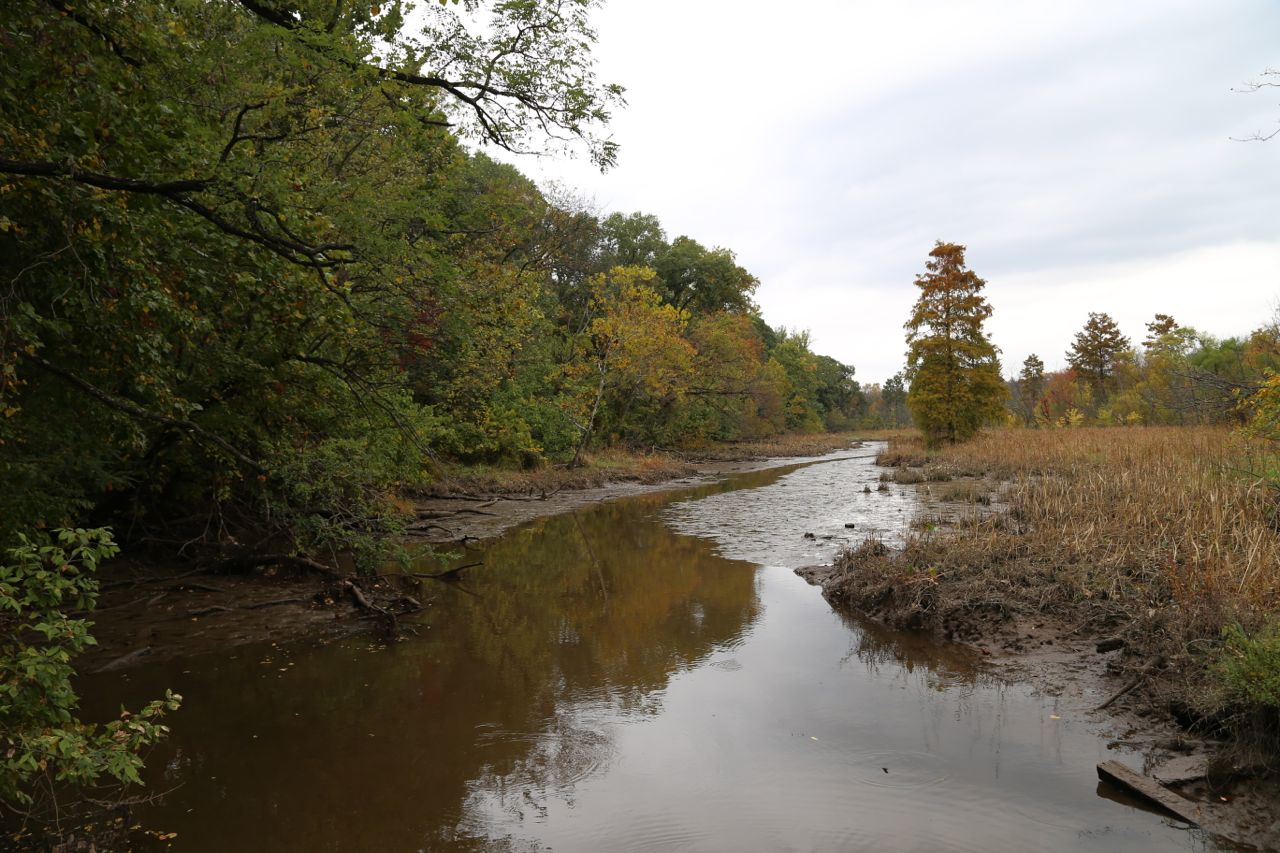
I spent a little time on Theodore Roosevelt Island National Park today. It is a nice little park in the Potomac River. Visually, it is hard to believe that this wilderness area is right in between the congested areas of Washington, DC and the Rosslyn area of Arlington, VA. However, as it is in the flight path of National Airport, and I-66 actually runs over the southern section of the island, you can hear how close you are to the urban areas. It is still a nice area, and as fall has come, many of the leaves were starting to show beautiful color. It also has lovely views of Arlington and the surrounding bridges over the Potomac. Also, I finally got some good photographs of double-crested cormorants.

Cattails

Cattails

Red oak

Red oak

Poison ivy

Poison ivy

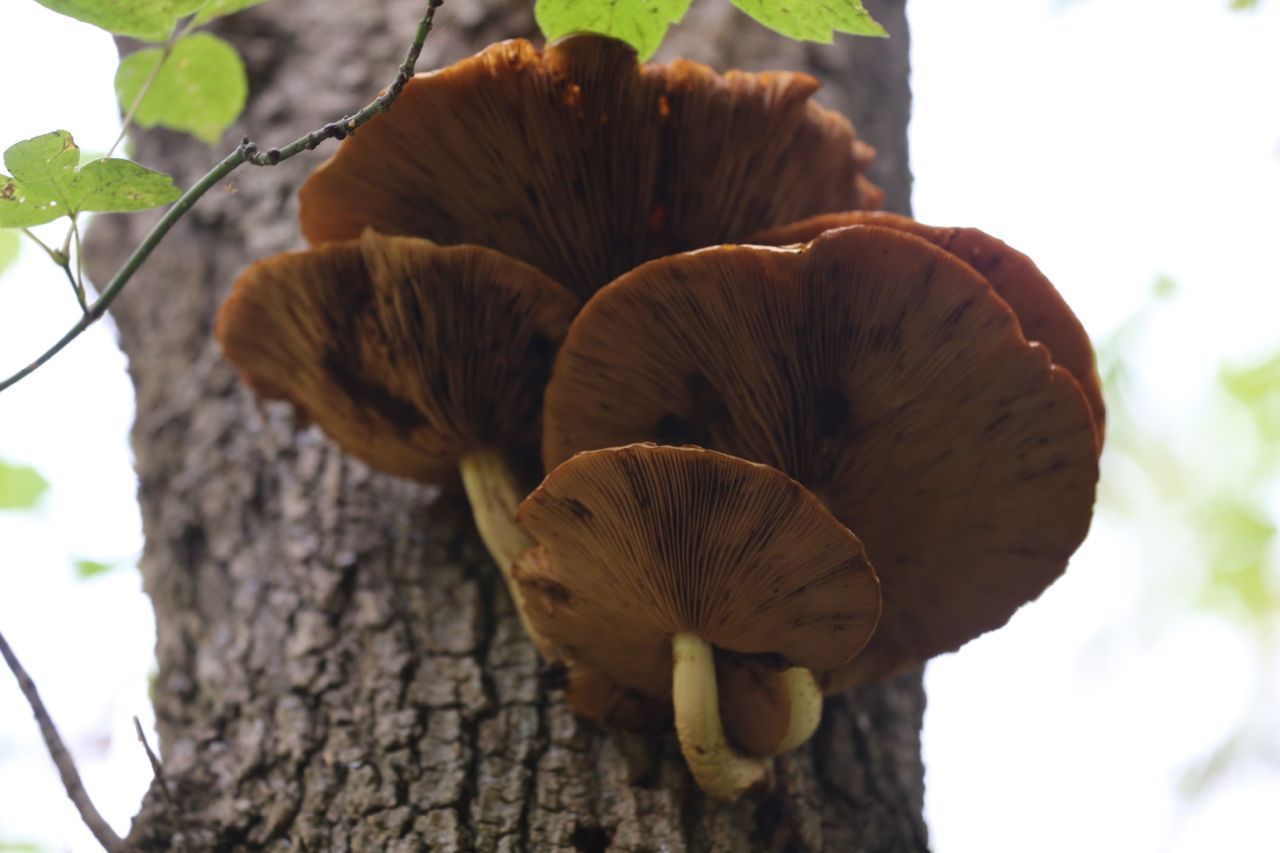
Mushrooms growing on a tree

Mushrooms growing on a tree

Marsh area

Marsh area

Rosslyn

Rosslyn

Key Bridge

Key Bridge

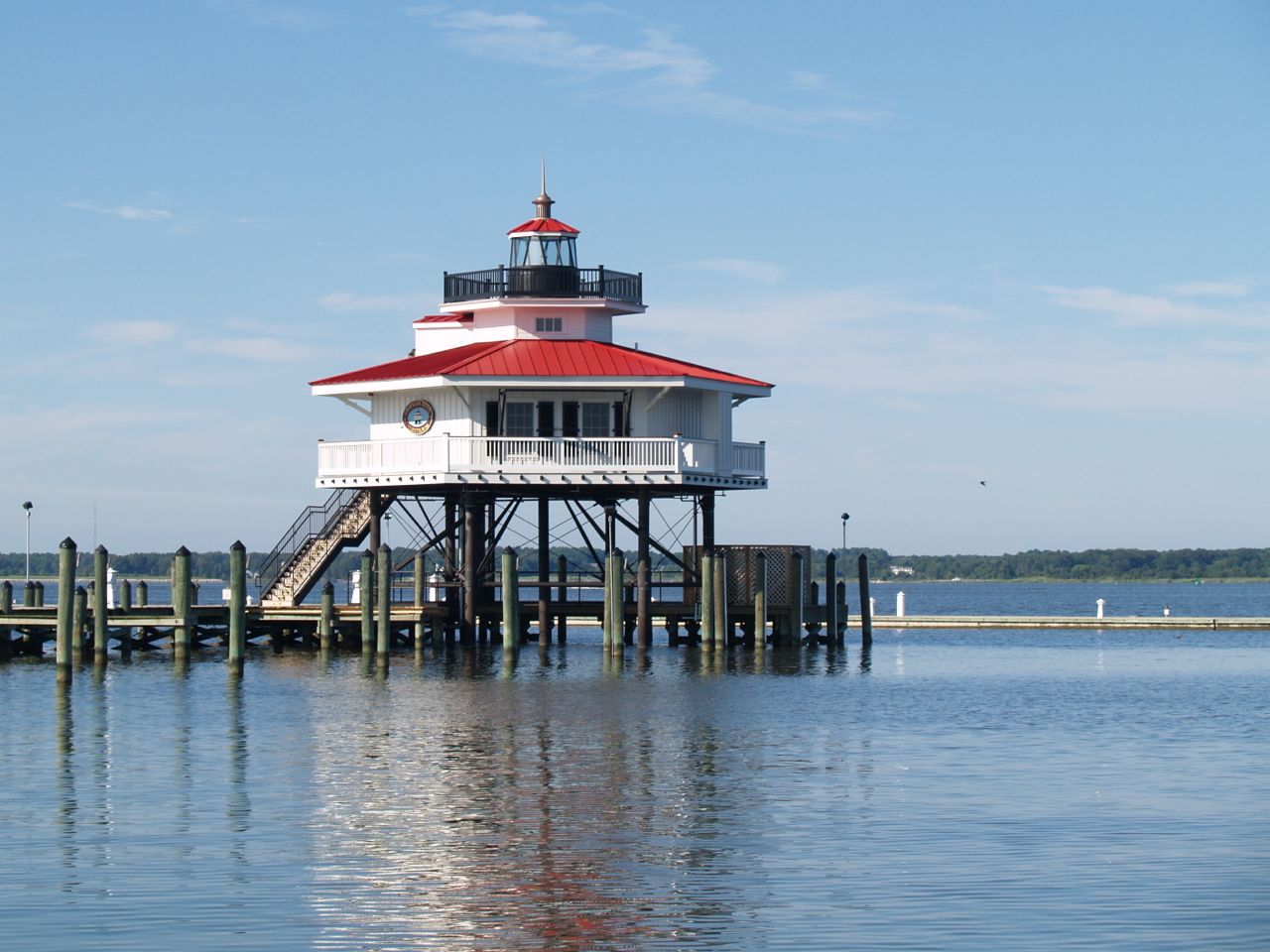
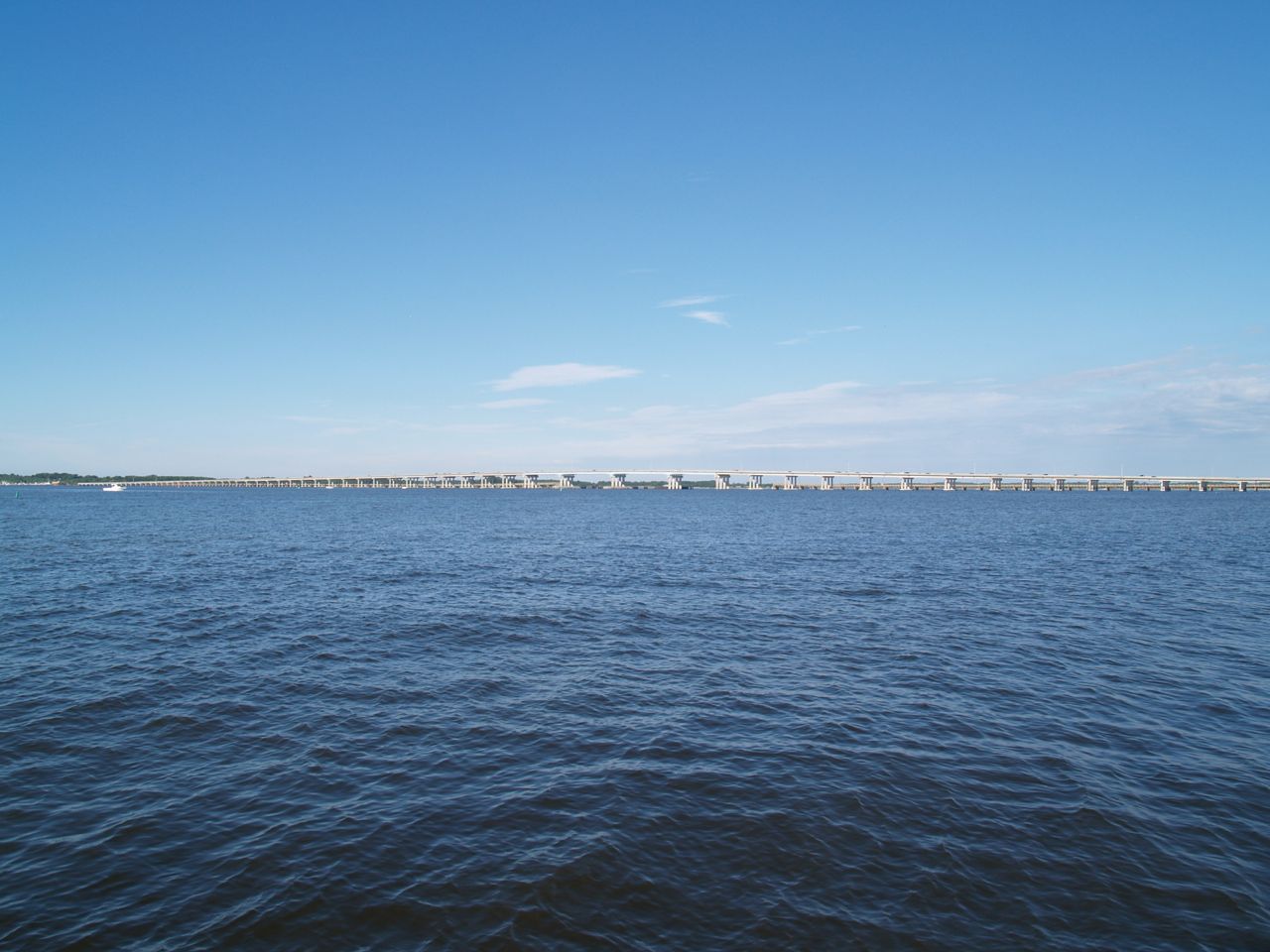
Cambridge, Maryland

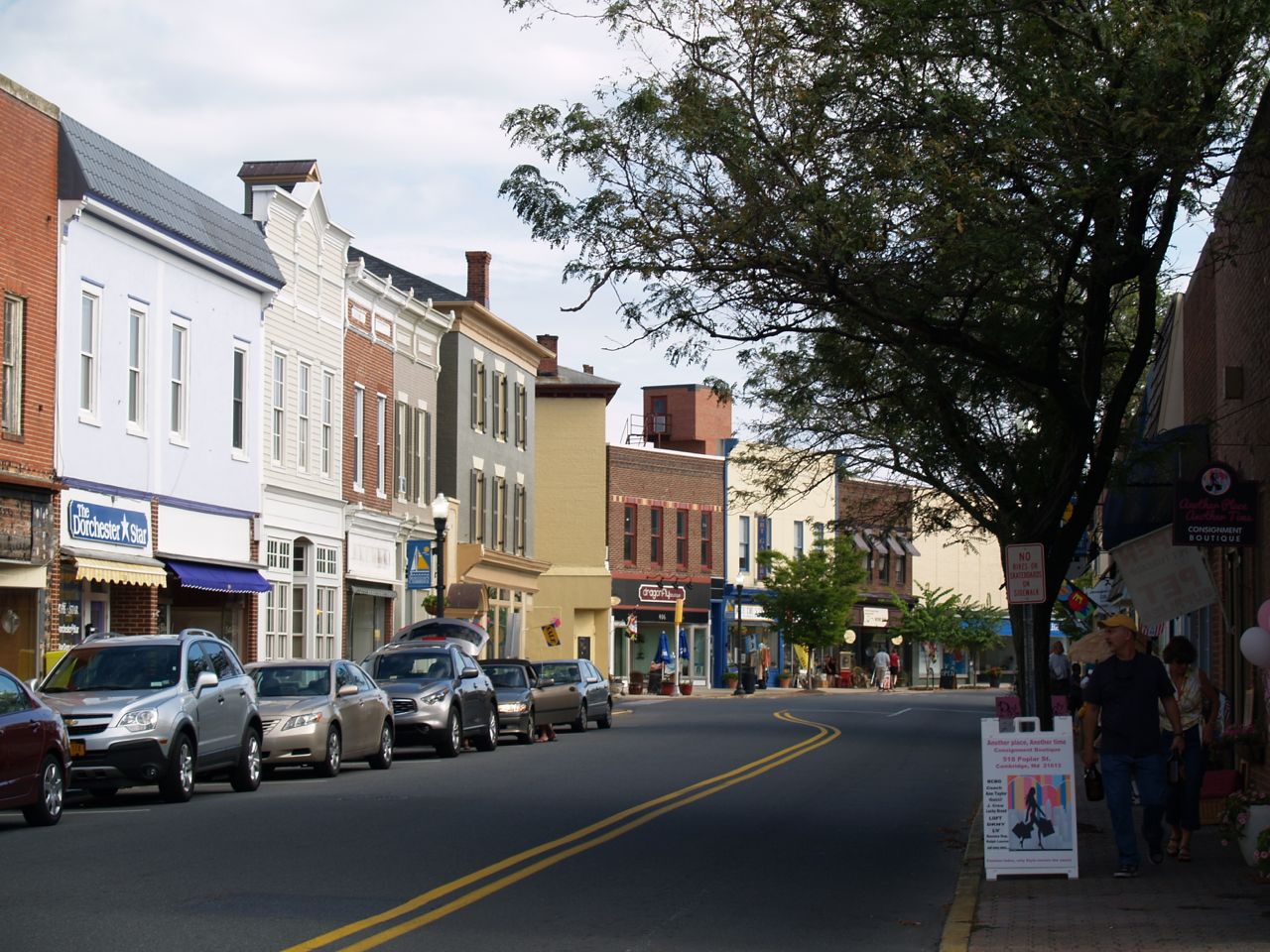
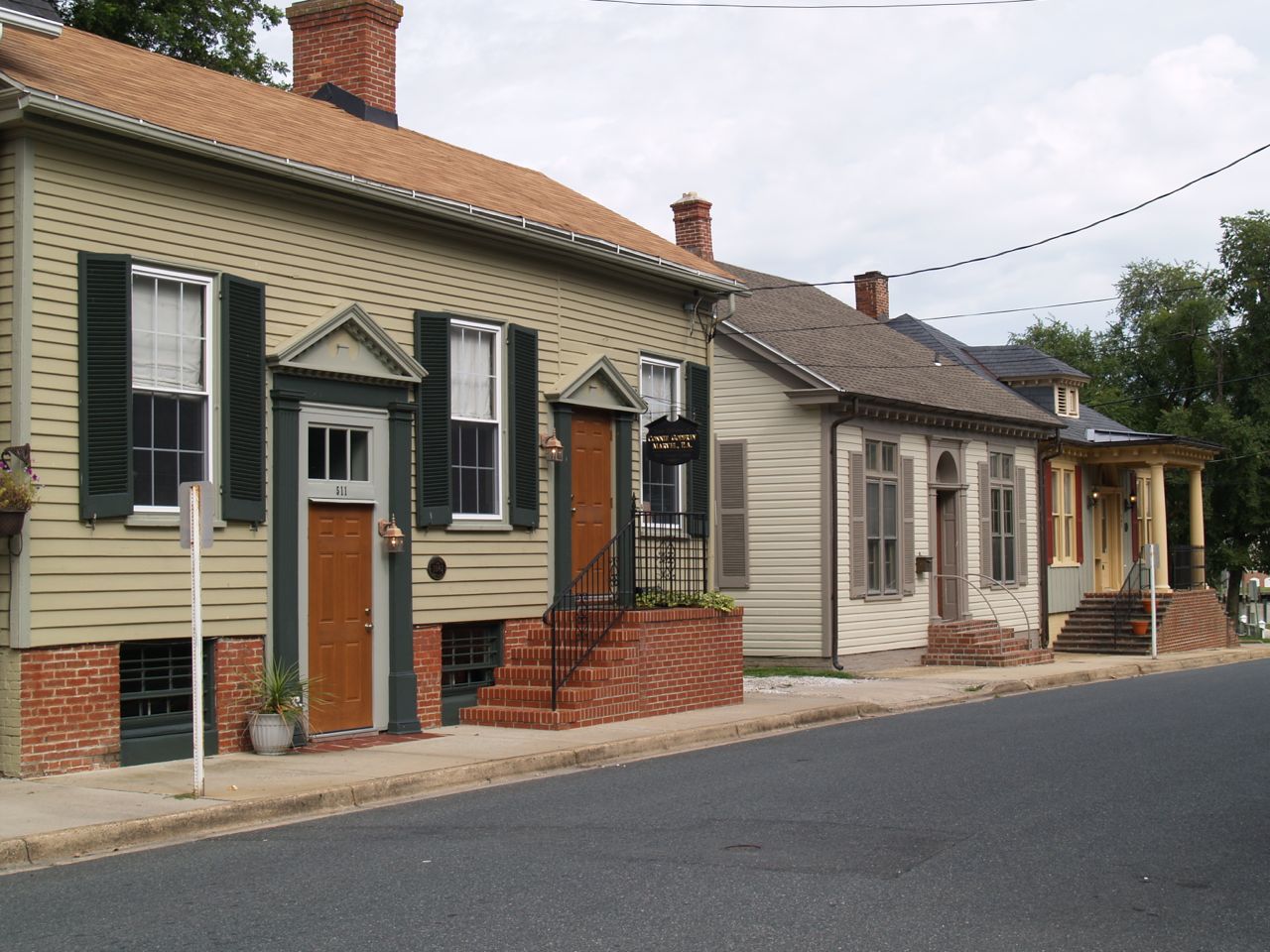
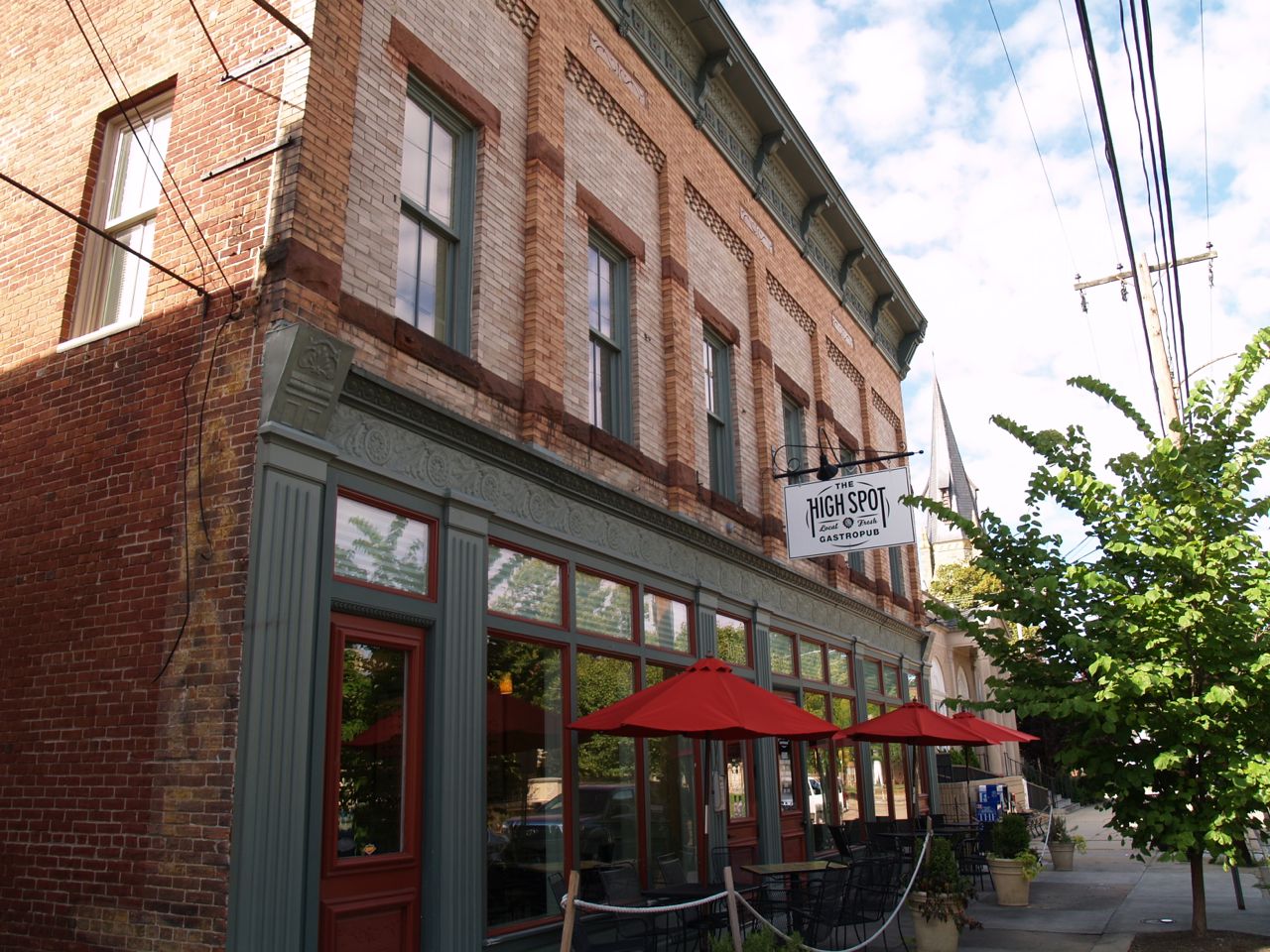
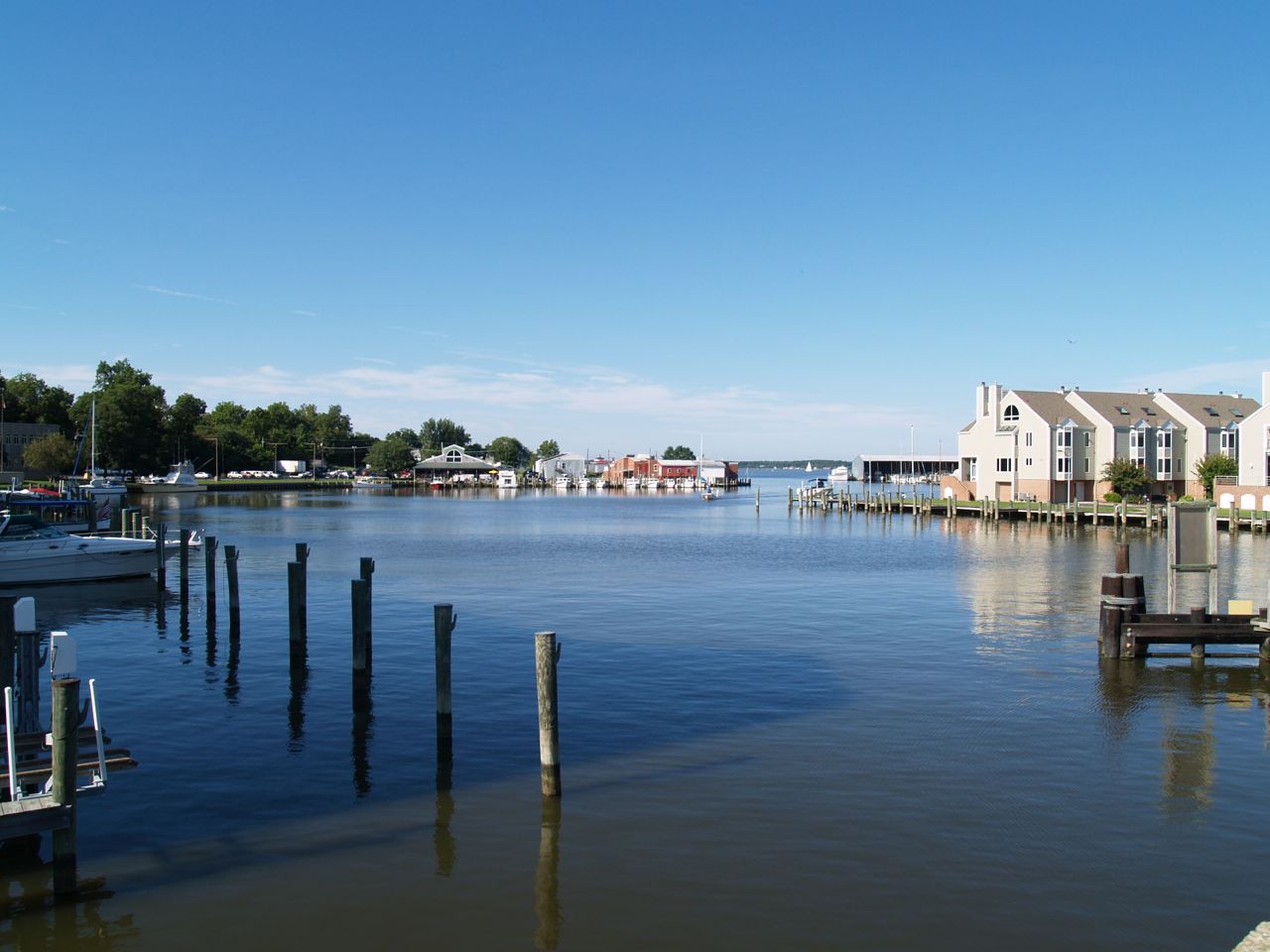
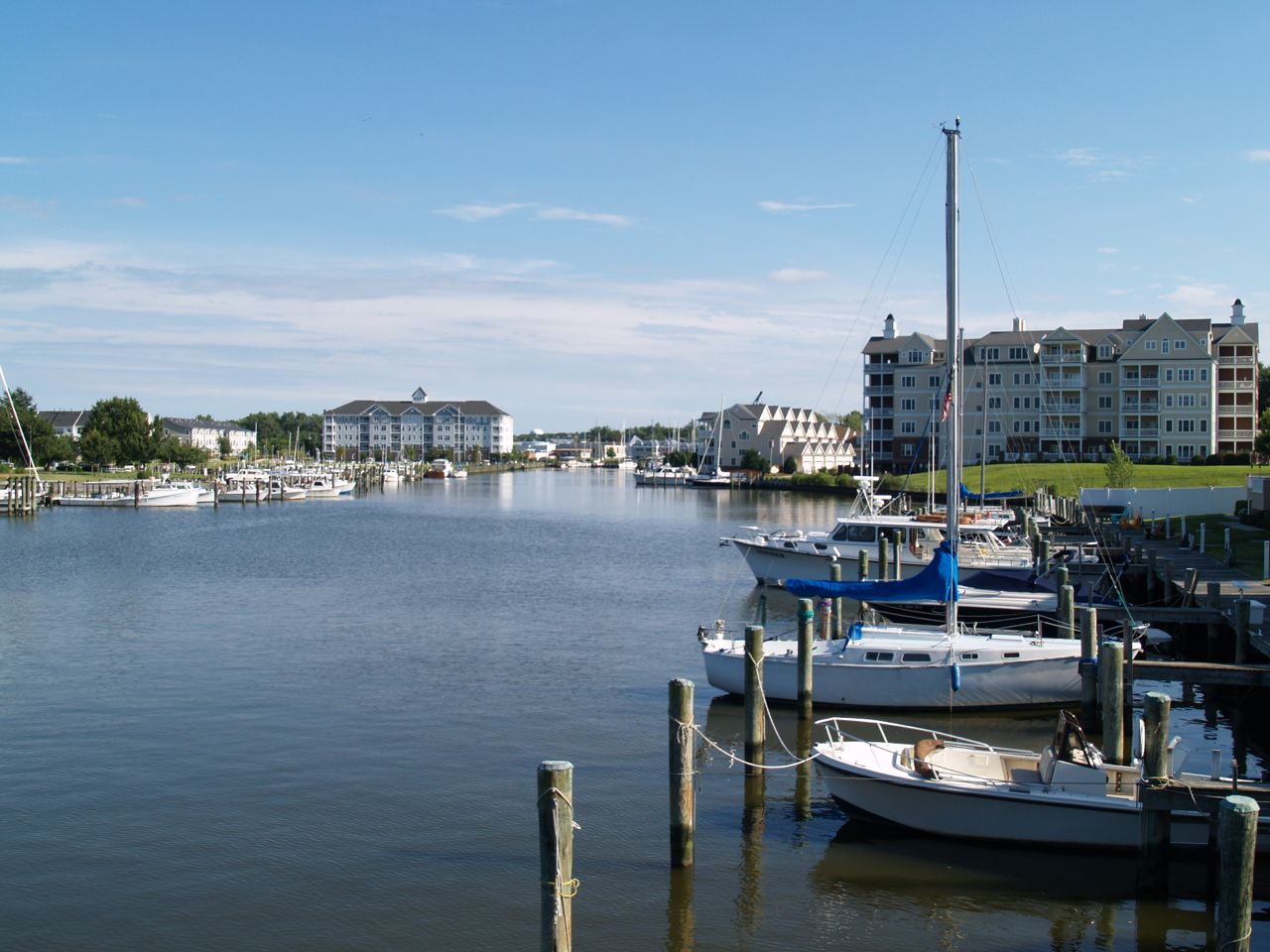
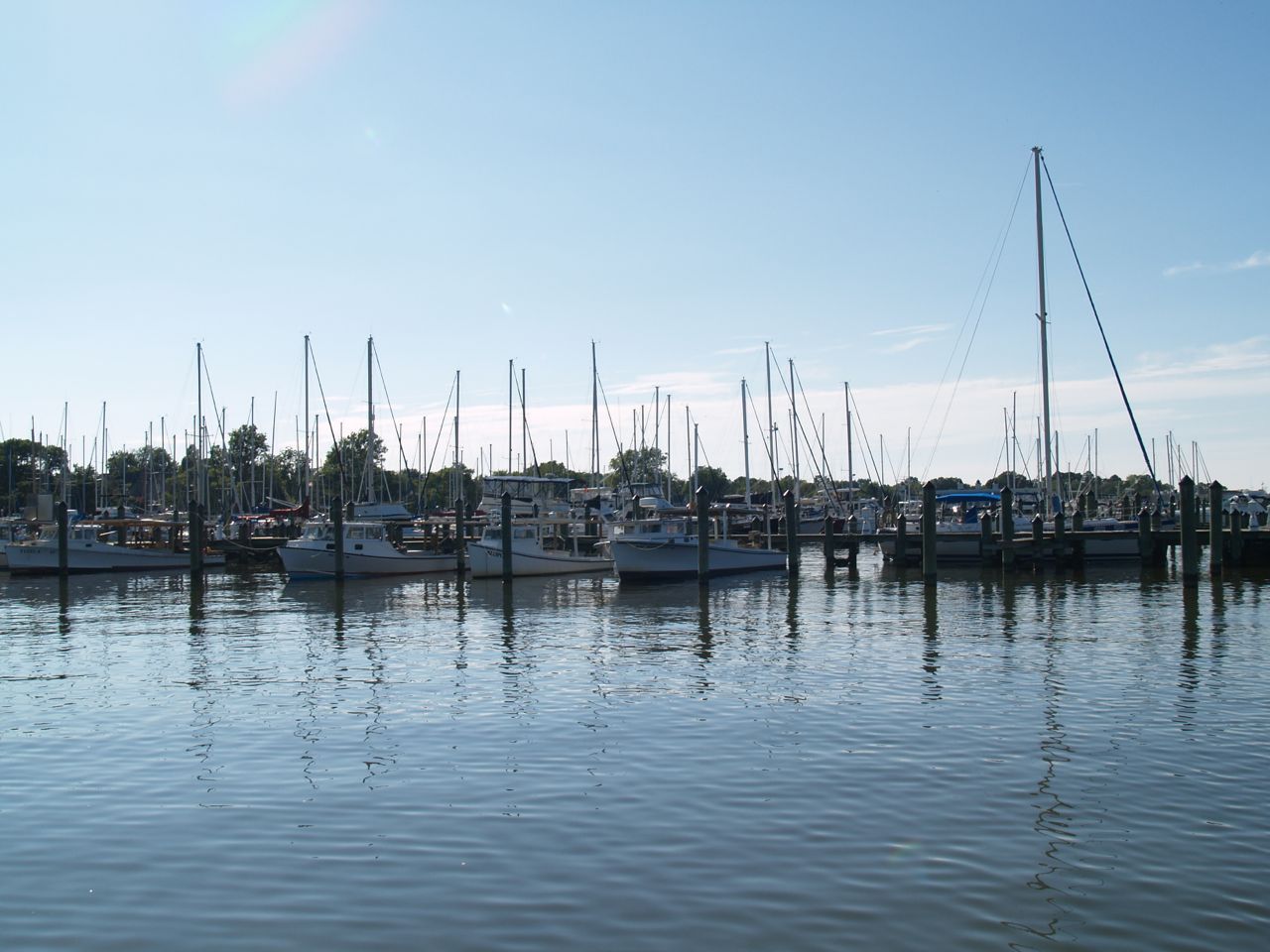
I visited Cambridge, Maryland this afternoon. It is a cute little town on the Choptank River on Maryland’s Eastern Shore. I have to admit the town makes me a little sad because it is a historic town and many of its buildings are in disrepair. They seem to be having a bit of a revitalization, which is great, and I hope it continues. Many of the downtown buildings have been renovated and have new businesses. Many of the gorgeous, historic homes have either been maintained all along or have been renovated. There are still many buildings and homes though that need some serious help.

Downtown Cambridge

Downtown Cambridge

Law Offices

Law Offices

High Spot

High Spot

Cambridge Creek towards Choptank River

Cambridge Creek towards Choptank River

Cambridge Creek towards inlet

Cambridge Creek towards inlet

Cambridge Municipal Yacht Basin

Cambridge Municipal Yacht Basin

Choptank River Lighthouse
Choptank River Lighthouse
Choptank River Bridge

Choptank River Bridge

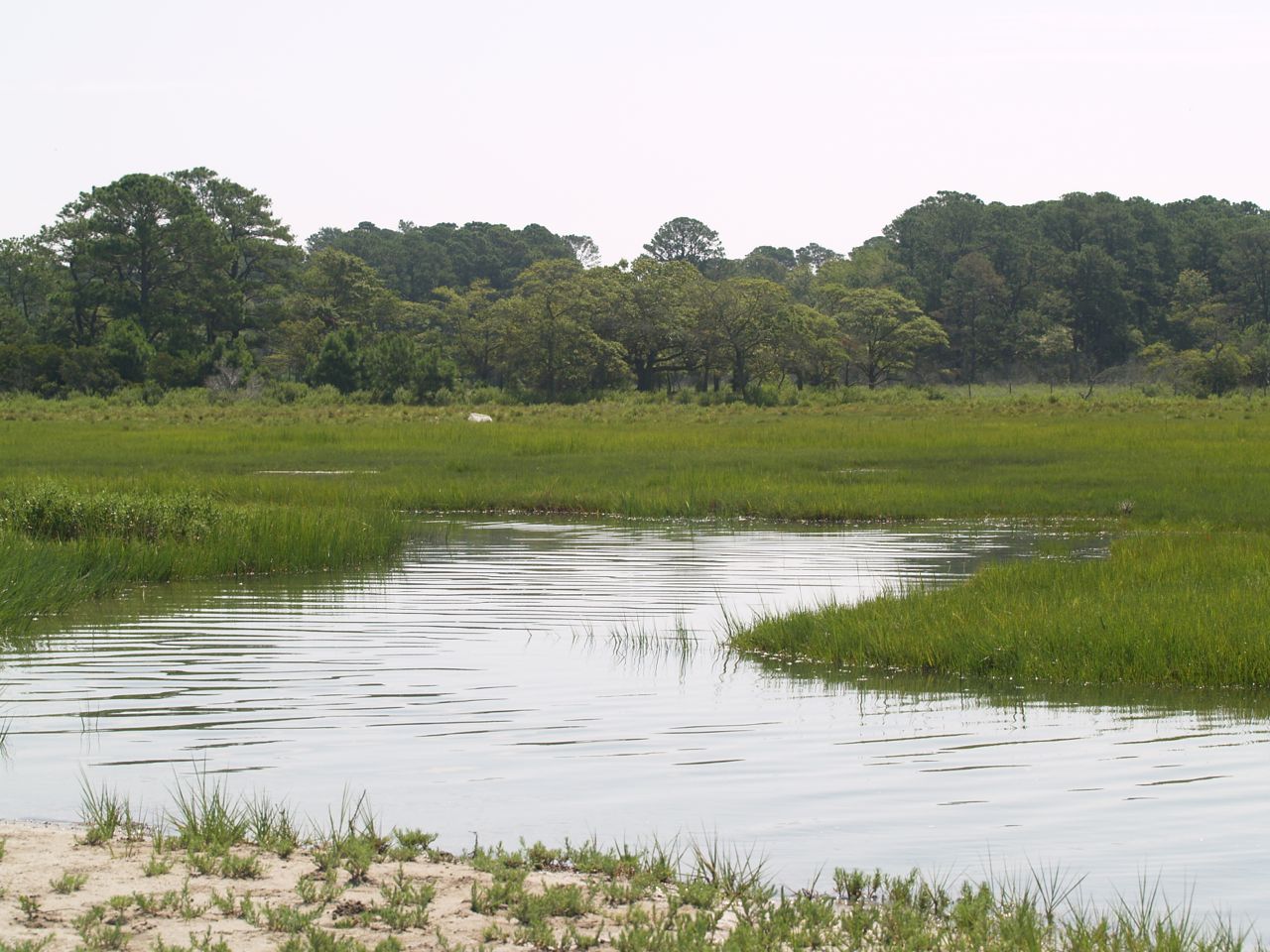
Boat Ride from Chincoteague Island

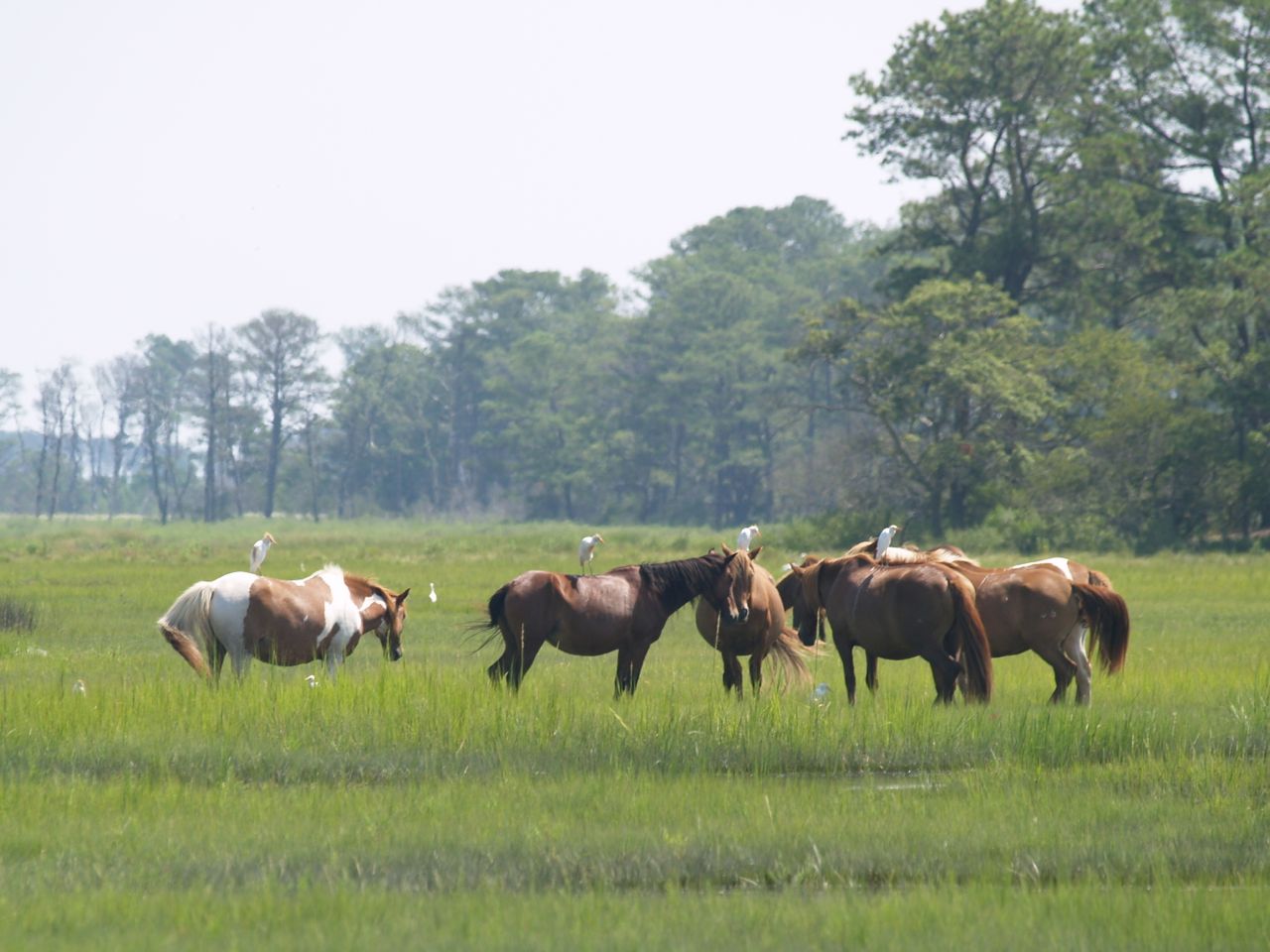
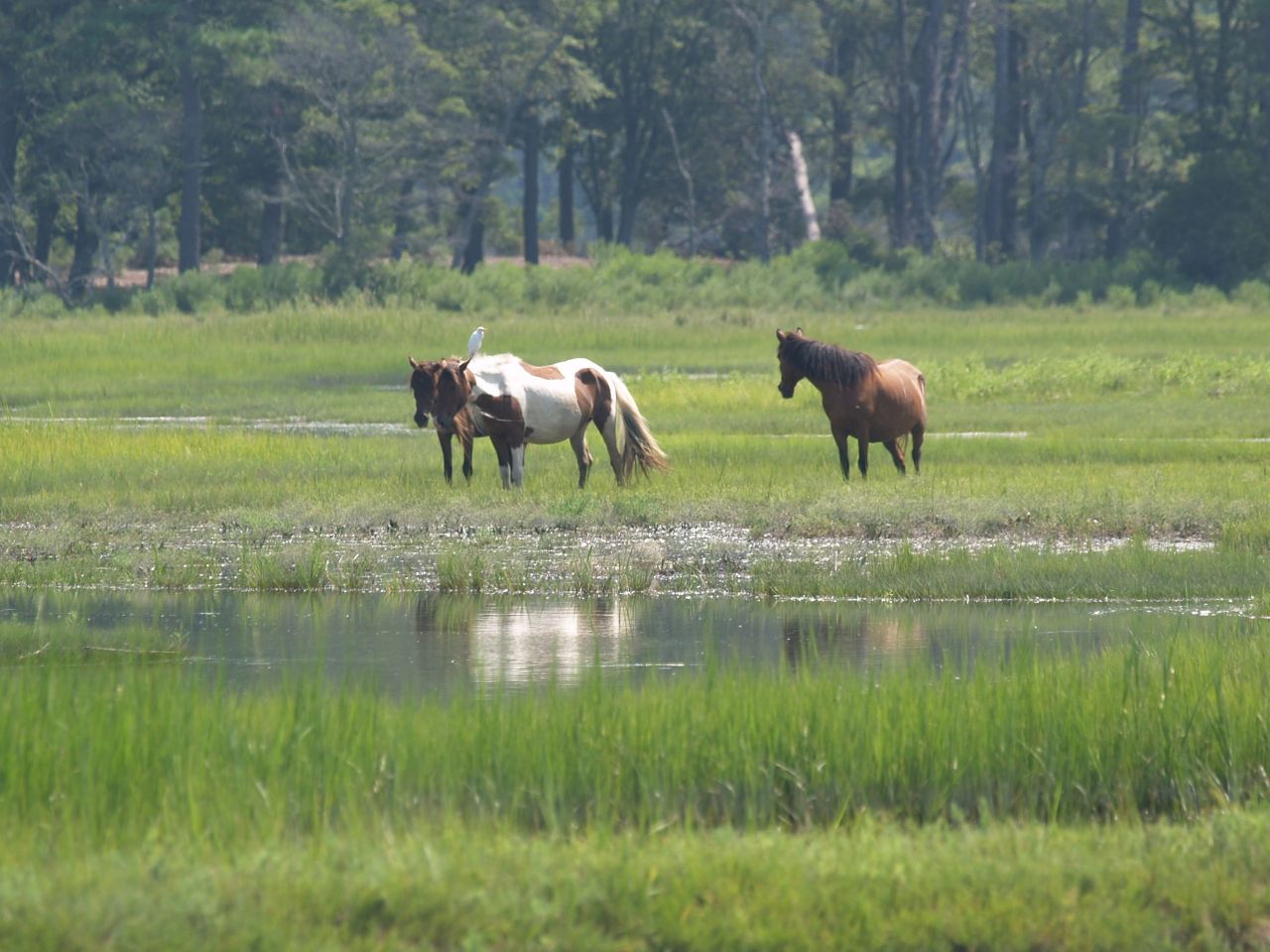
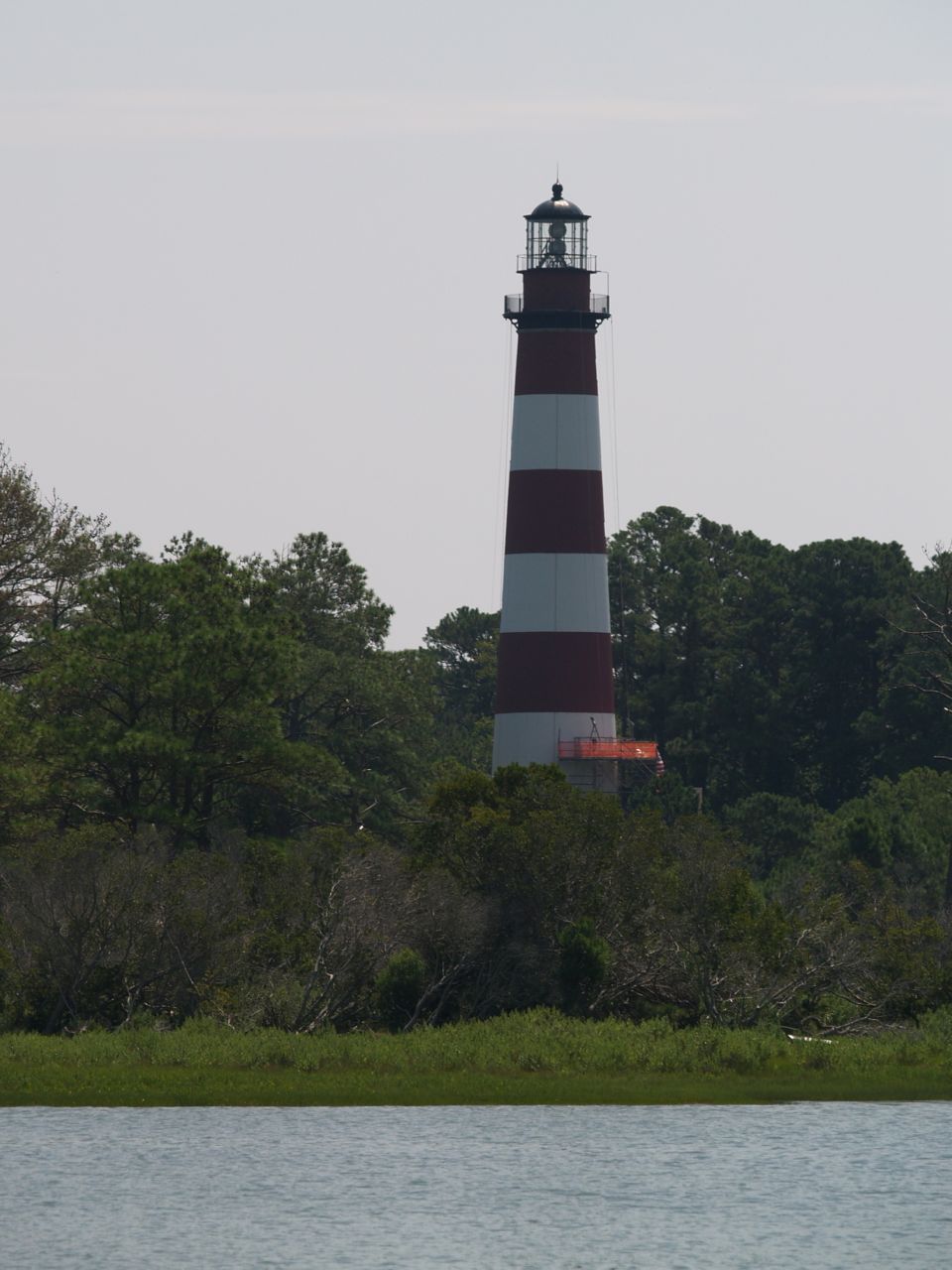
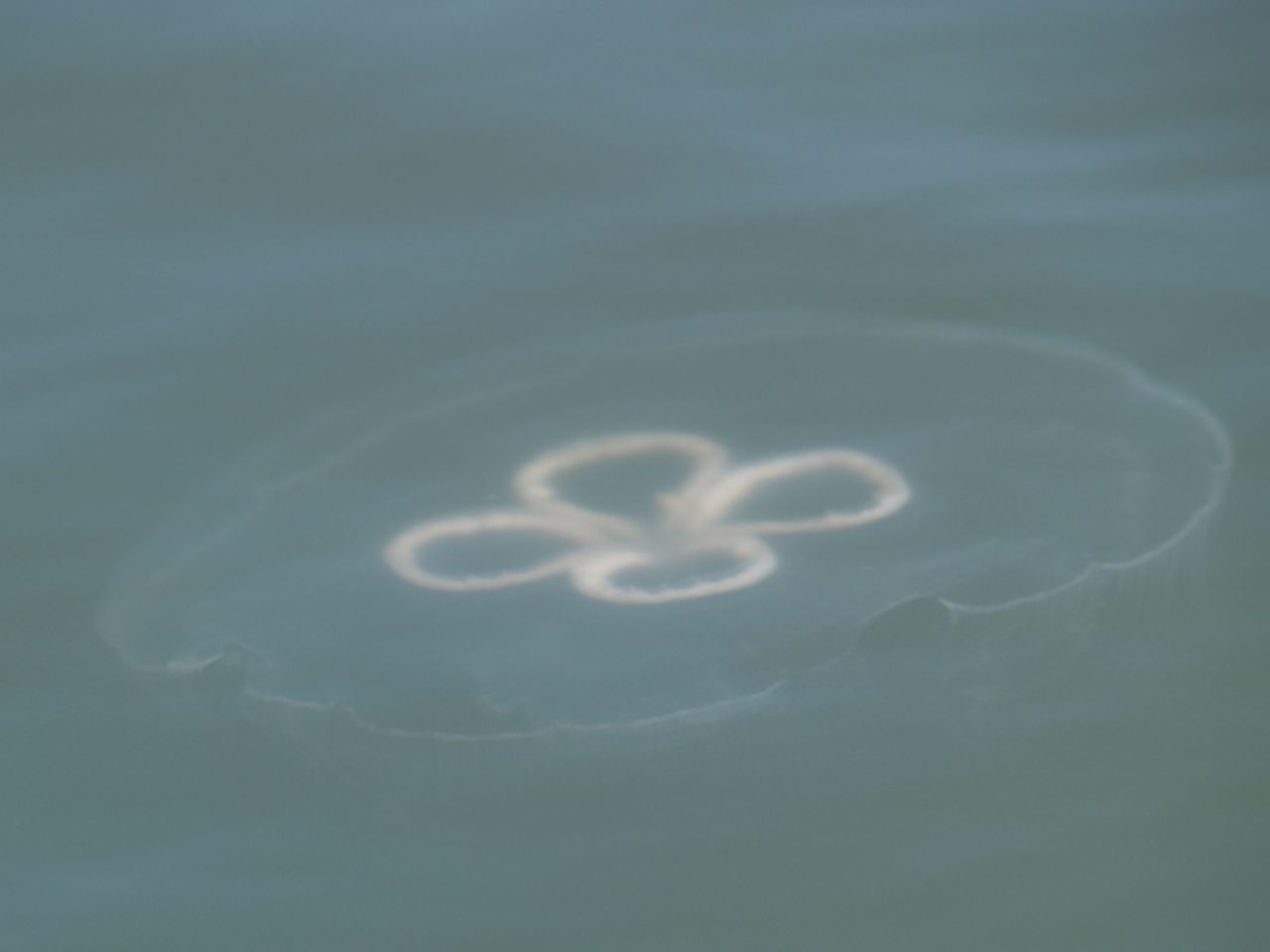
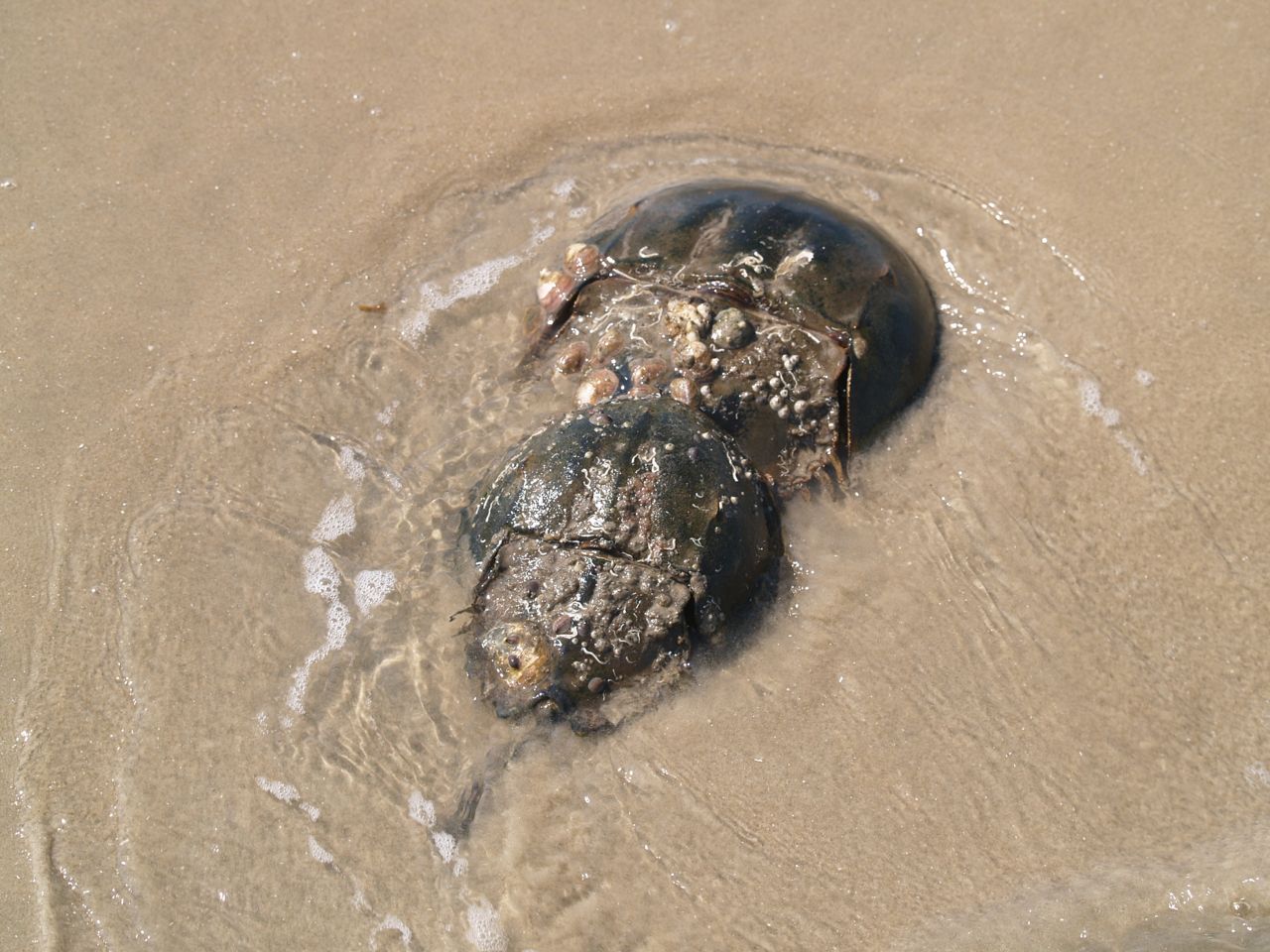
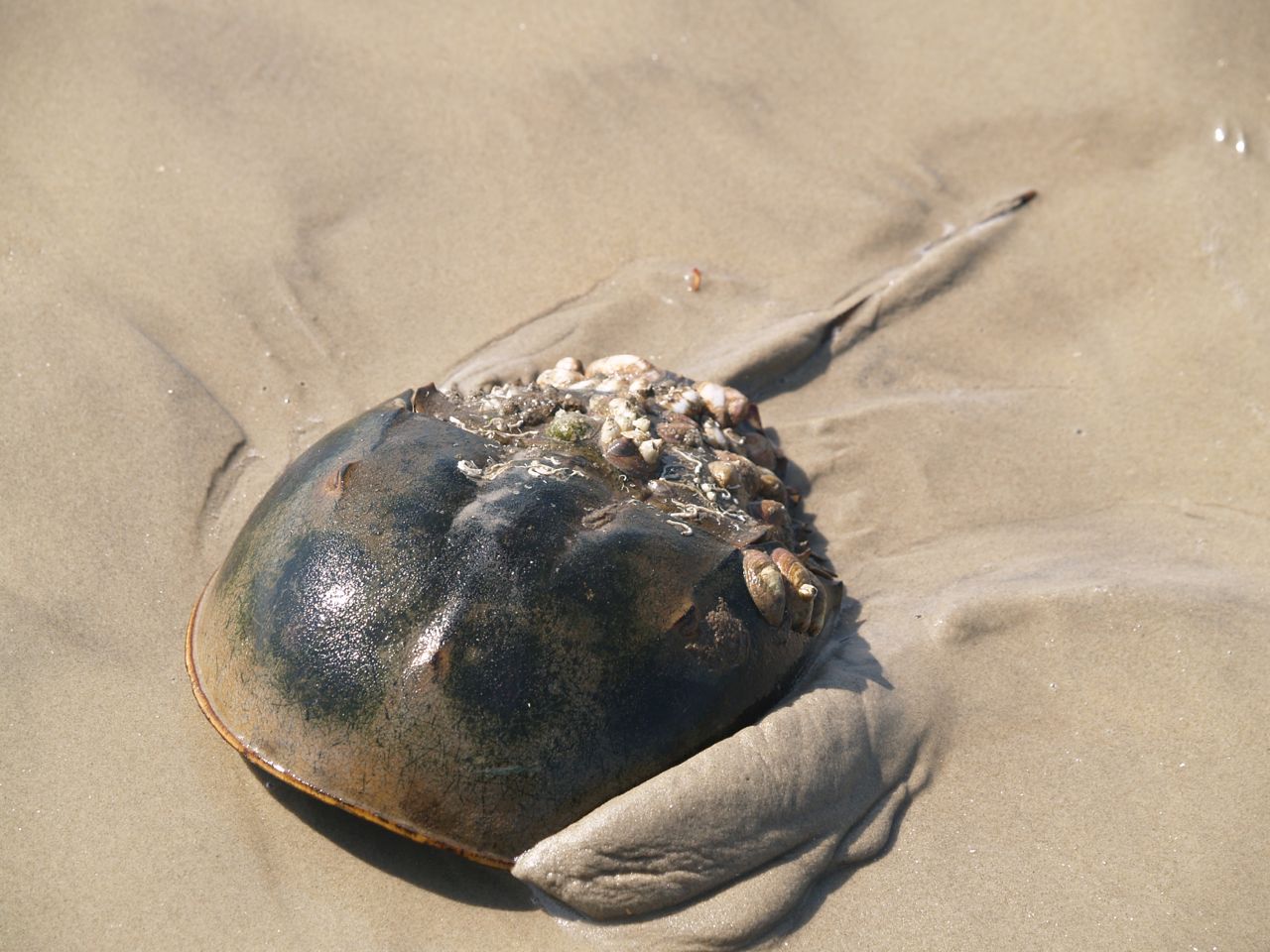
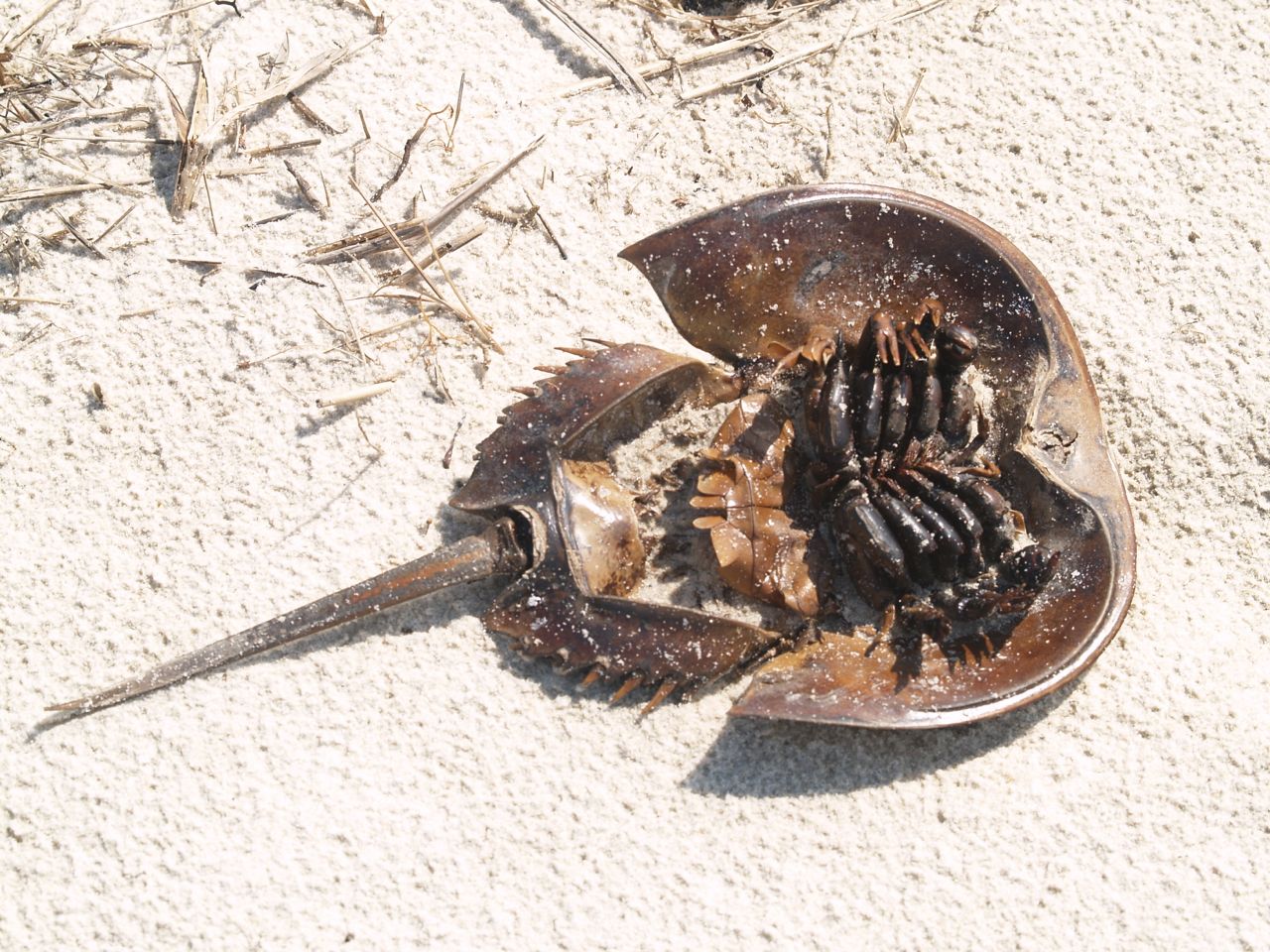
I took a two hour cruise around the waterways of Chincoteague Island and Assateague Island today with Chincoteague Cruises and Nature Tours. It was a lovely day for a cruise, and I thoroughly enjoyed myself. Unfortunately we didn’t find any dolphins, but we did see some birds, Chincoteague ponies, horseshoe crabs, and jellyfish. We saw lots and lots of jellyfish in fact, such that I would never swim in the area where we cruised. The area is just beautiful, and the beauty becomes more clear when you can get away from all the tourists.
Assateague Island

Assateague Island

Chincoteague Ponies with Cattle Egrets sitting on top of them

Chincoteague Ponies with Cattle Egrets sitting on top of them

Chincoteague Ponies

Chincoteague Ponies

Assateague Island Lighthouse
Assateague Island Lighthouse
Jellyfish

Jellyfish

Female and male horseshoe crabs

Female and male horseshoe crabs

Female horseshoe crab

Female horseshoe crab

Dead horseshoe crab

Dead horseshoe crab

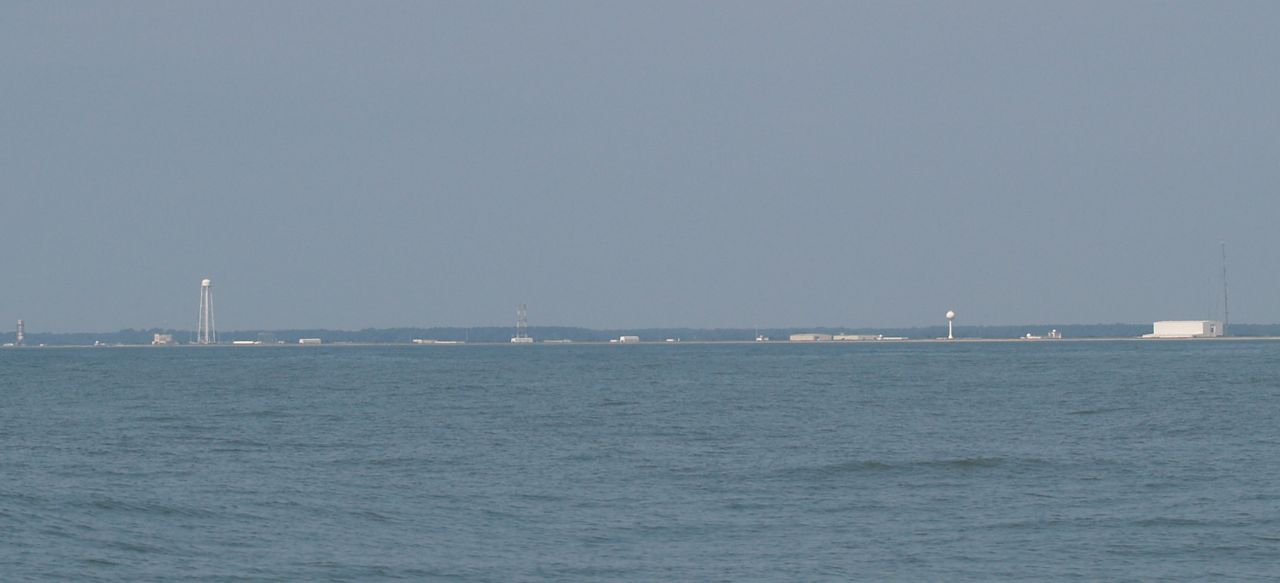
NASA Wallops launchpad

NASA Wallops launchpad