Solar Eclipse
Snorkeling in Alaska
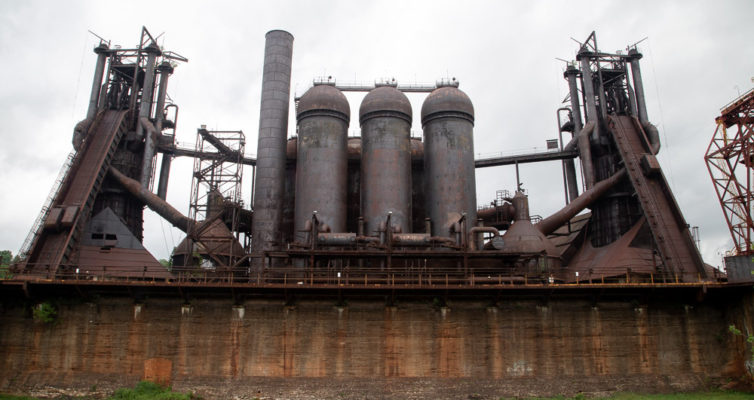
Carrie Blast Furnaces
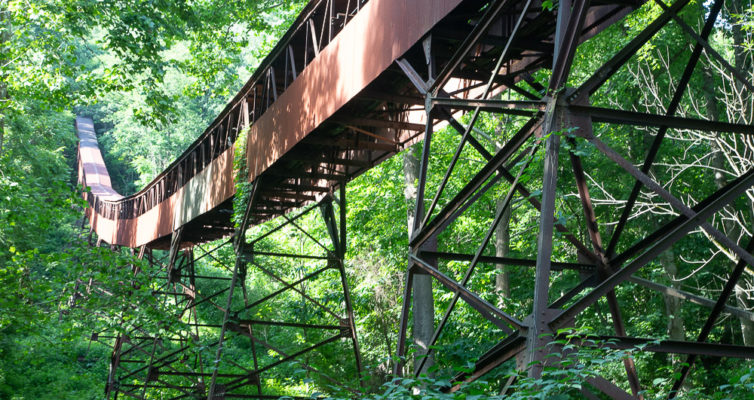
Nuttallburg
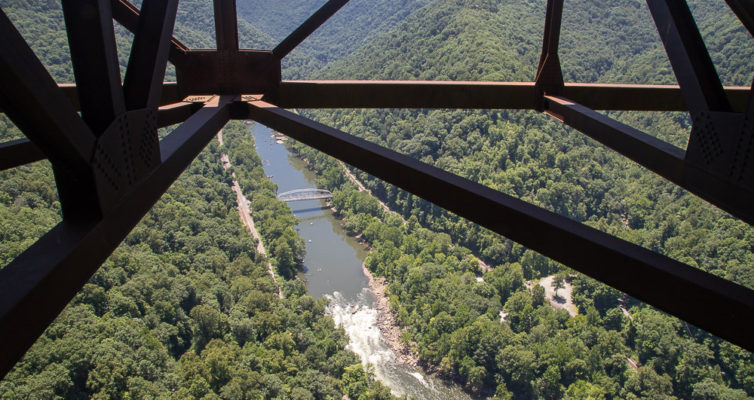
Bridge Walk

Alaska State Ferry: Ketchikan to Juneau

I had a lovely stay in Ketchikan, but it was time for the next leg of my trip, which was taking the Alaska state ferry to Juneau. This trip stopped at several cities before we arrived in Juneau. There was barely time to step off the ship if desired in the cities, except for Sitka, which allowed us about an hour and half in downtown Sitka. [More on that in next blog post.] The ferry route to Juneau was gorgeous, and it went through the amazingly gorgeous and awesome Wrangell Narrows. The ferry is about the biggest ship that can go through the narrows, so that is a bit of a bonus compared to the huge cruise ships.
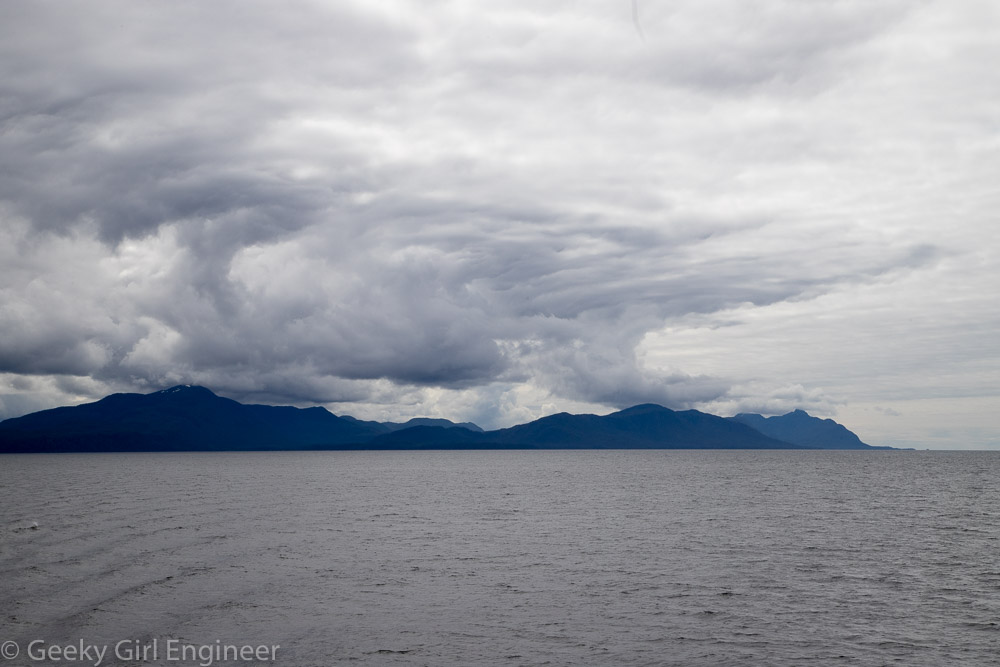
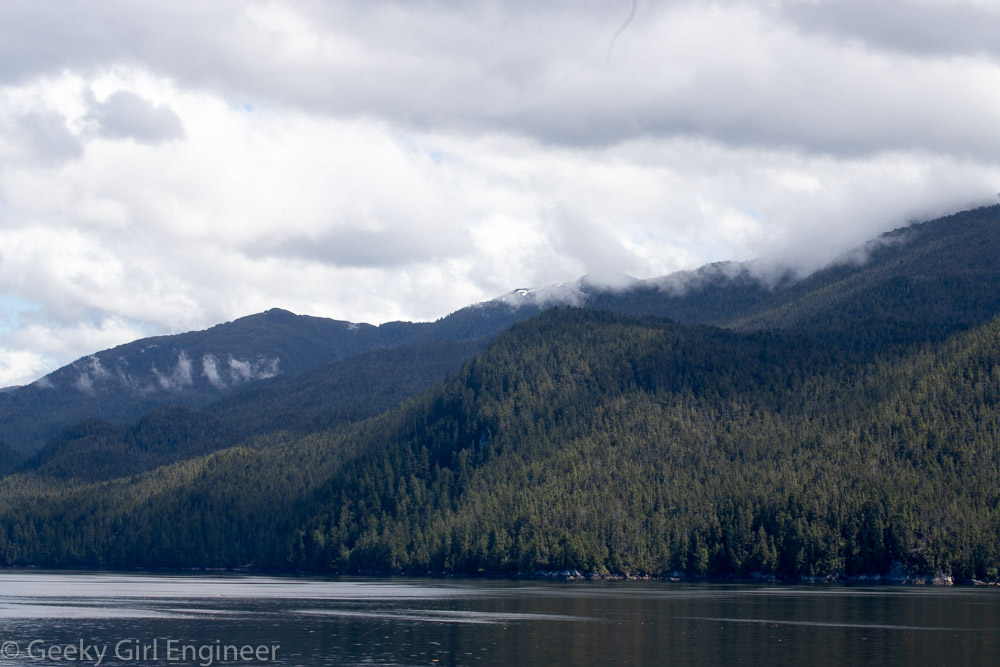
Inside passage near Ketchikan
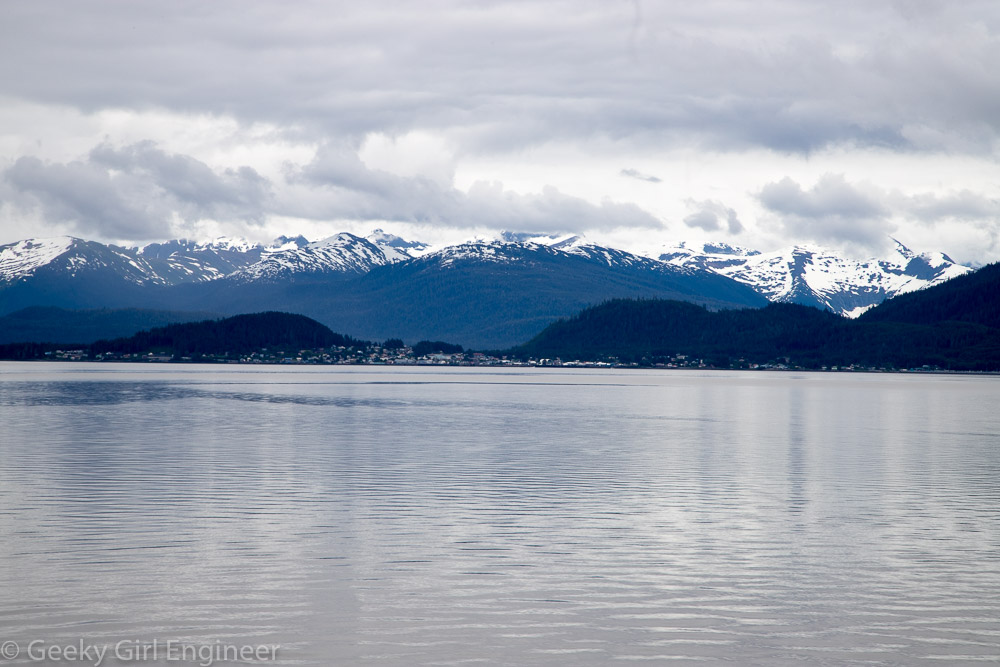
Wrangell
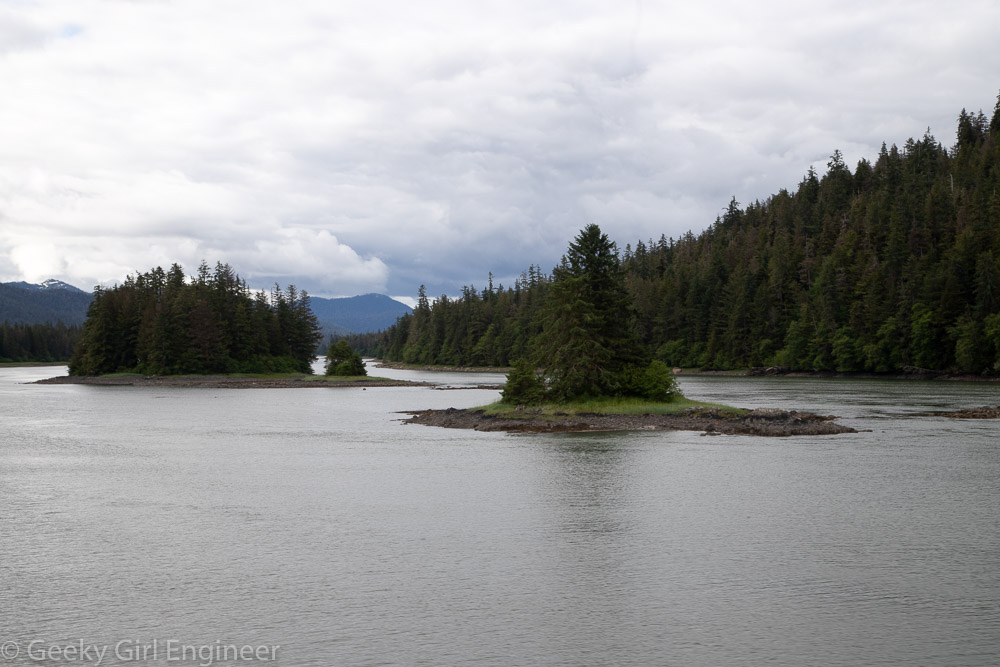
Wrangell Narrows
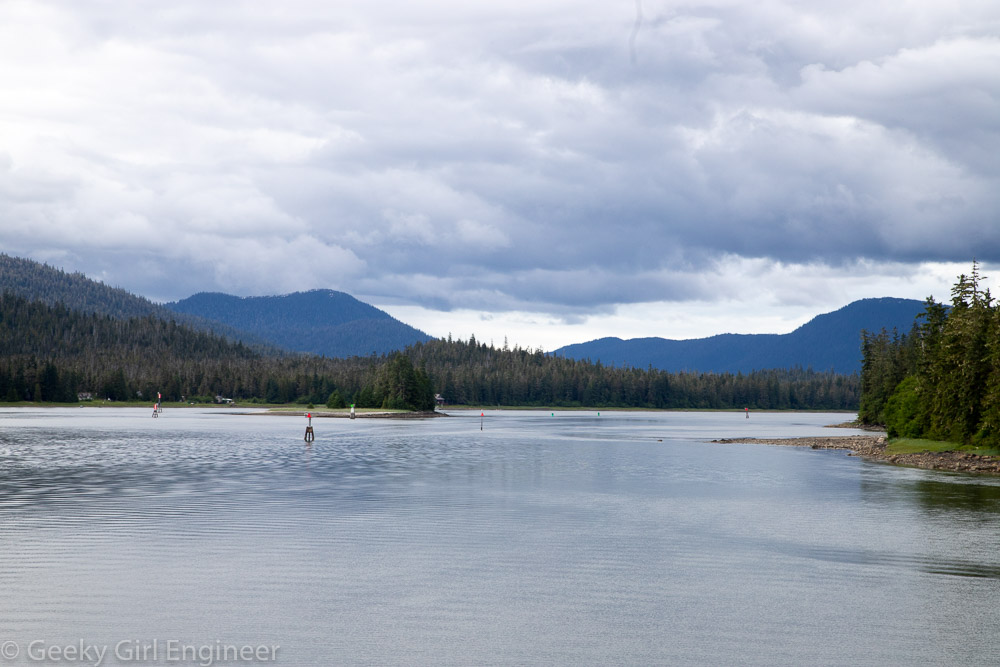
Wrangell Narrows
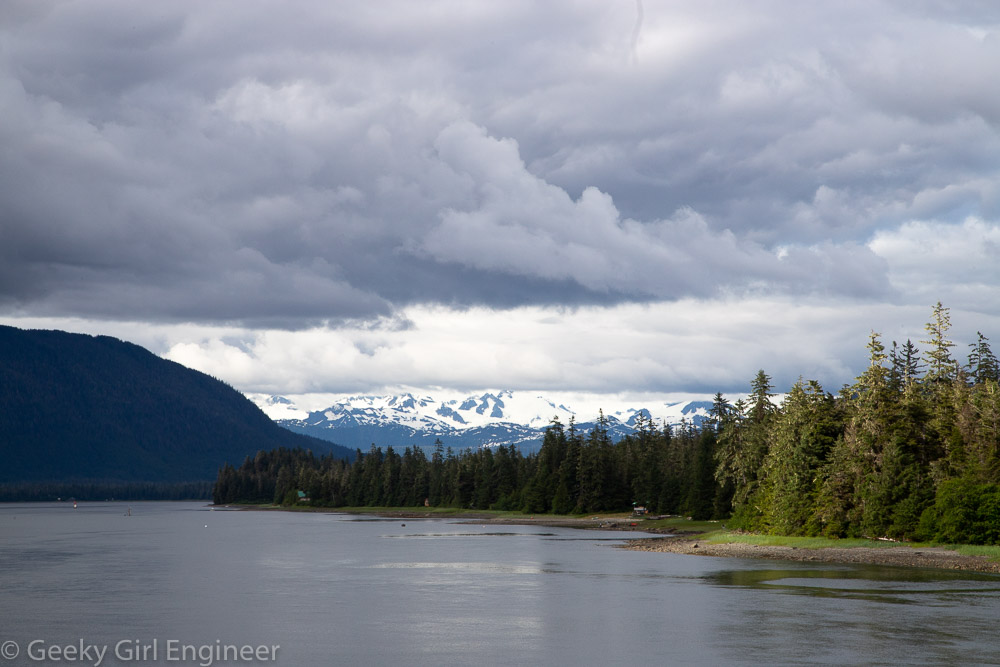
Wrangell Narrows
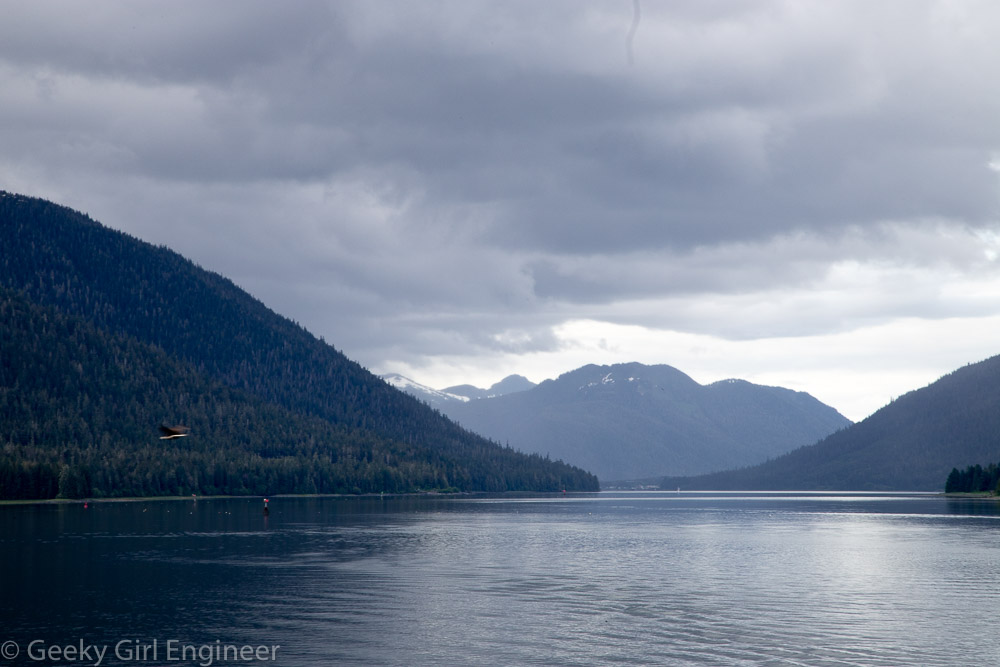
Wrangell Narrows (with an out of focus bald eagle flying across the shot on the left)
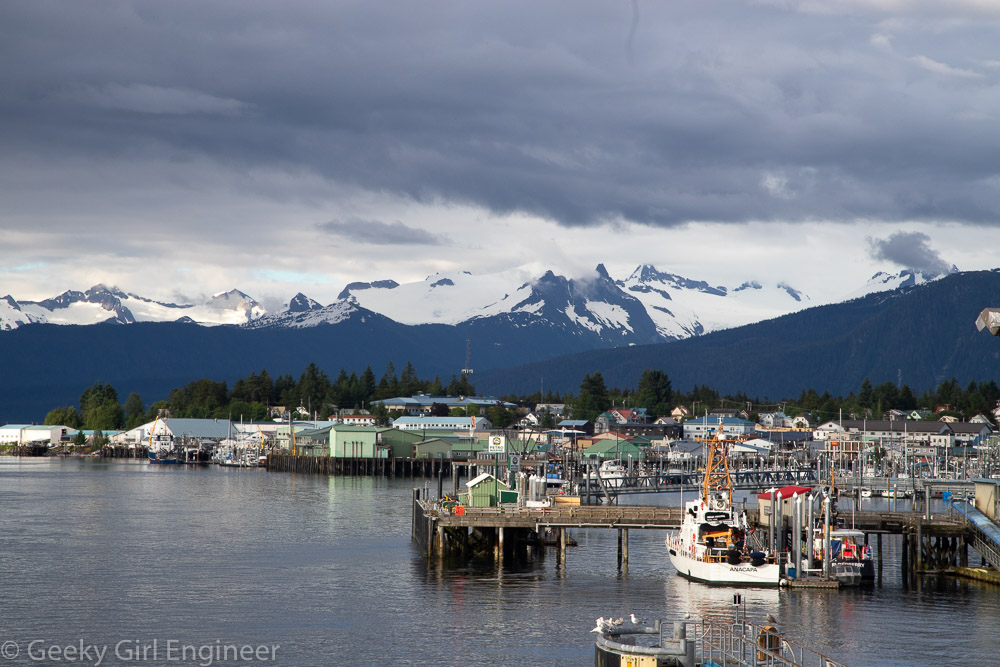
Petersburg
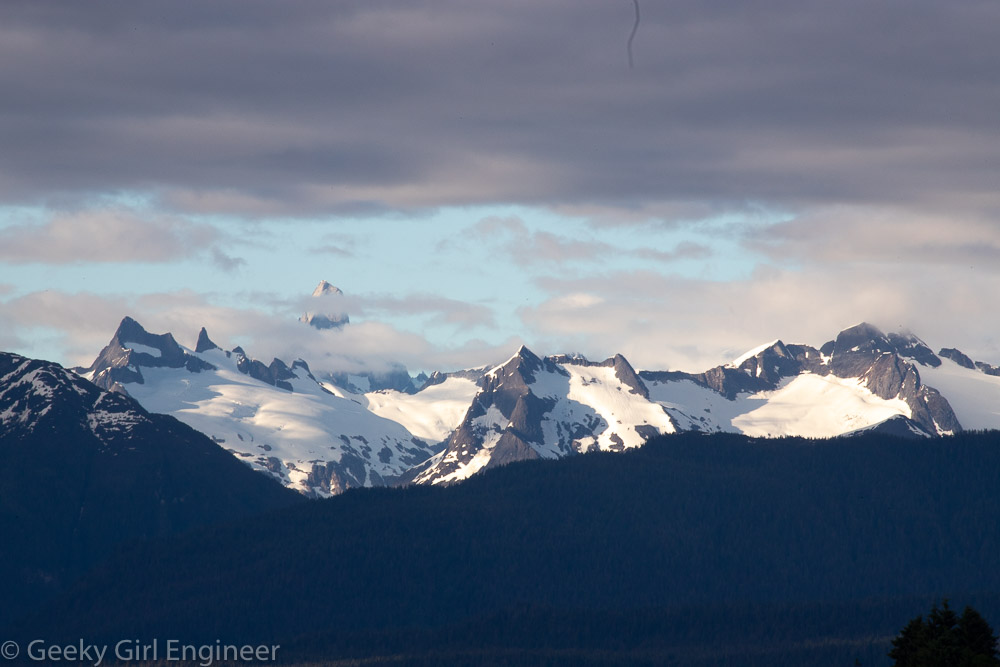
Near Petersburg
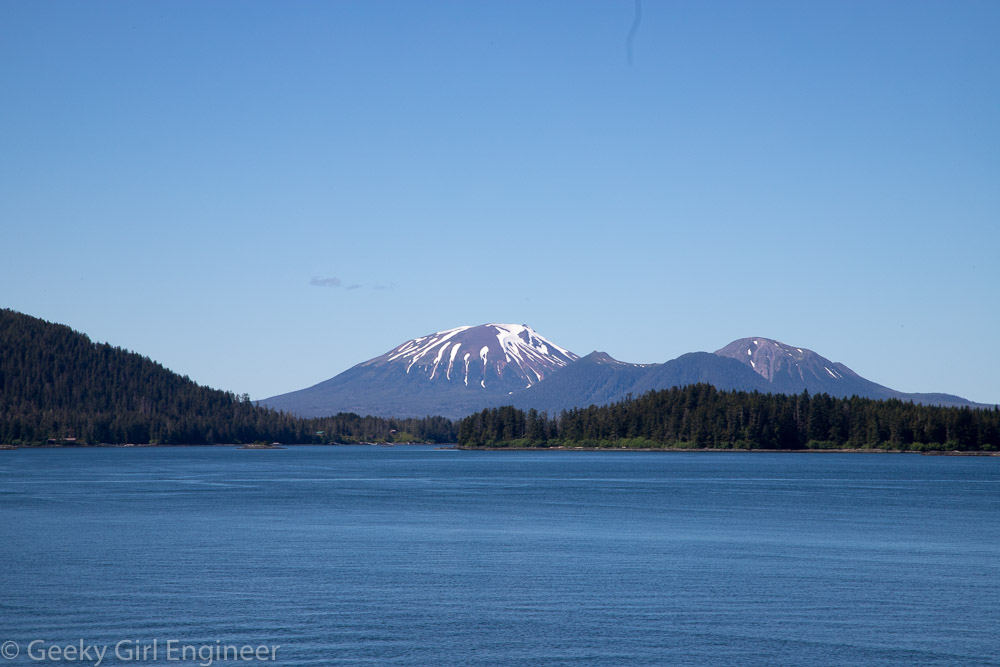
Mt Edgecumbe, near Sitka
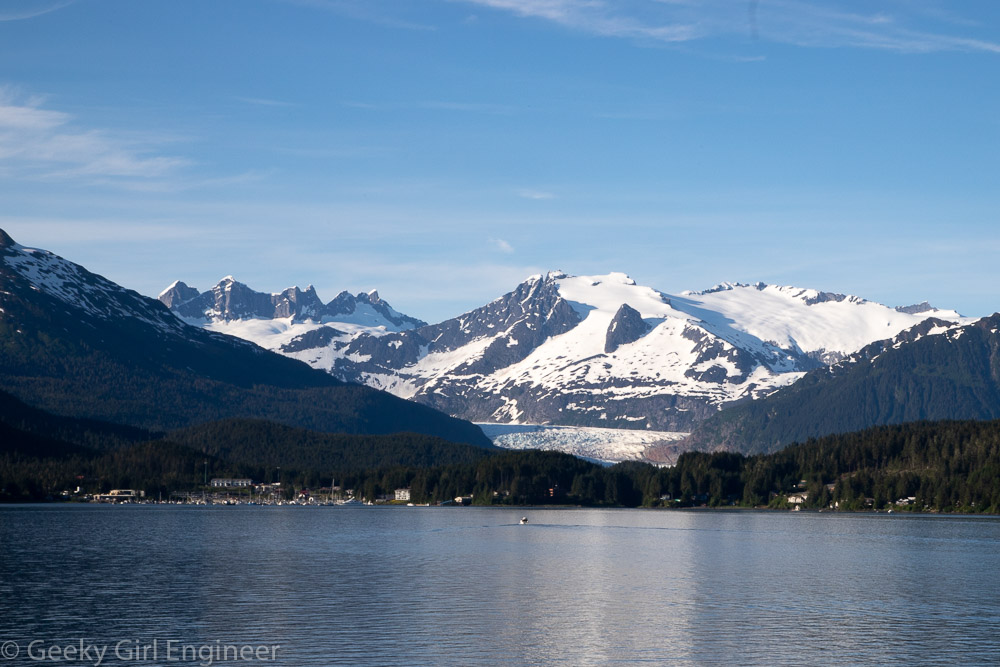
Juneau
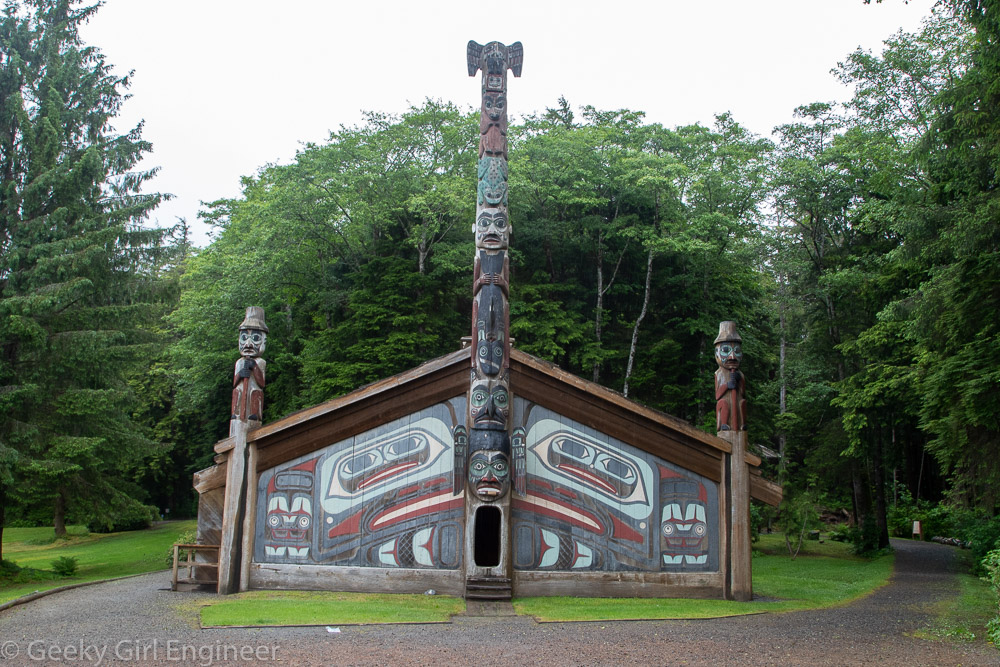
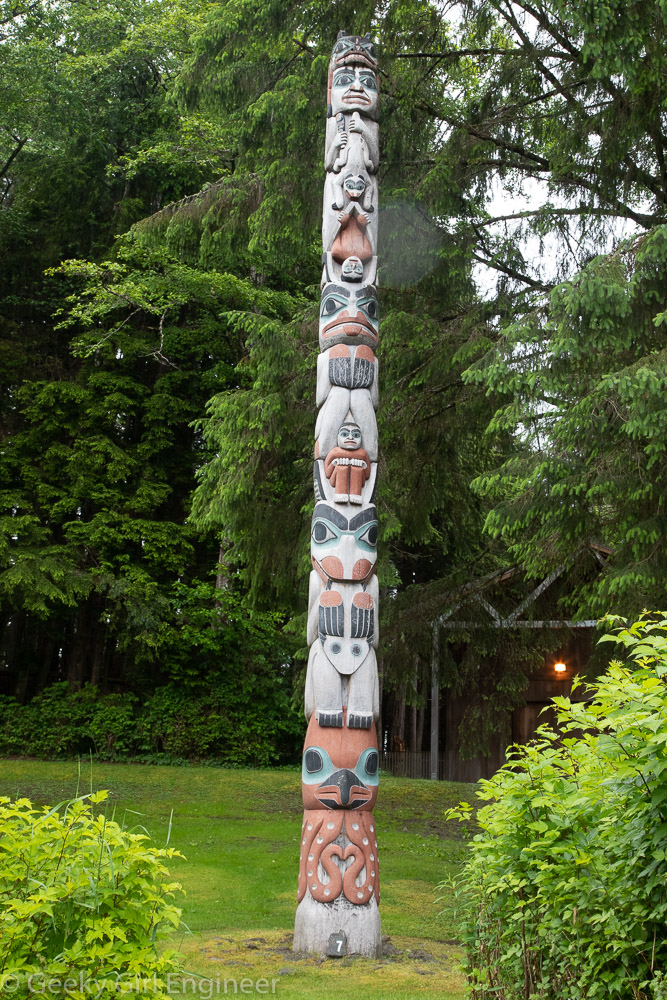
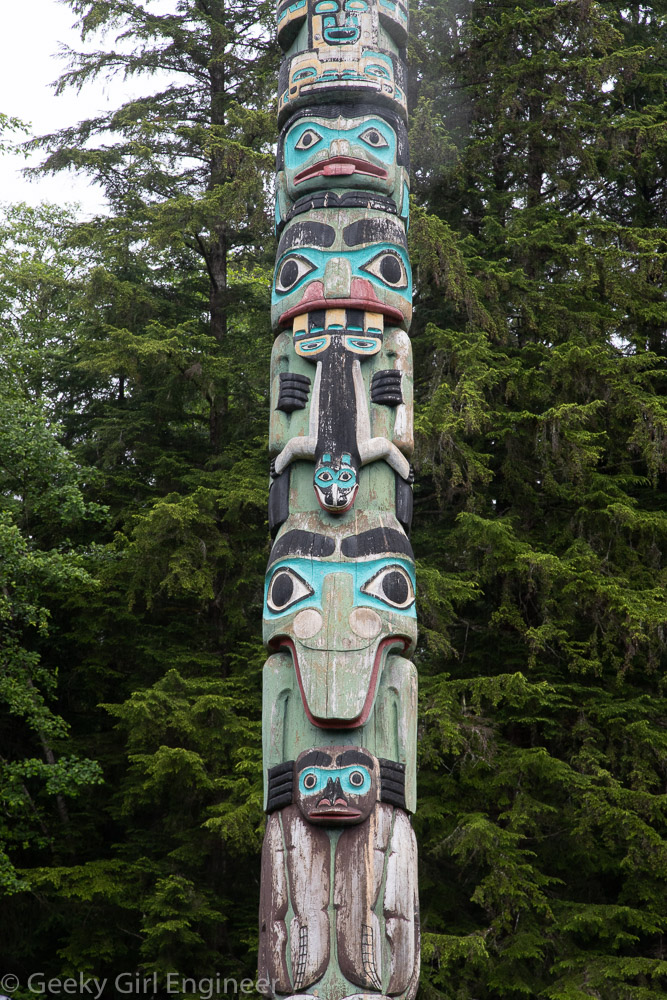
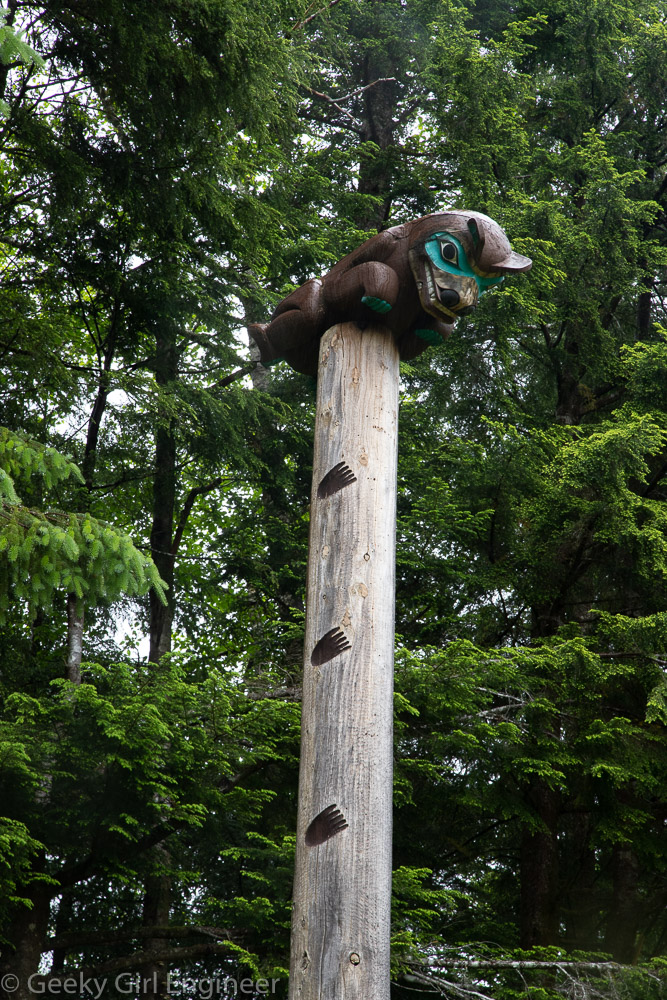
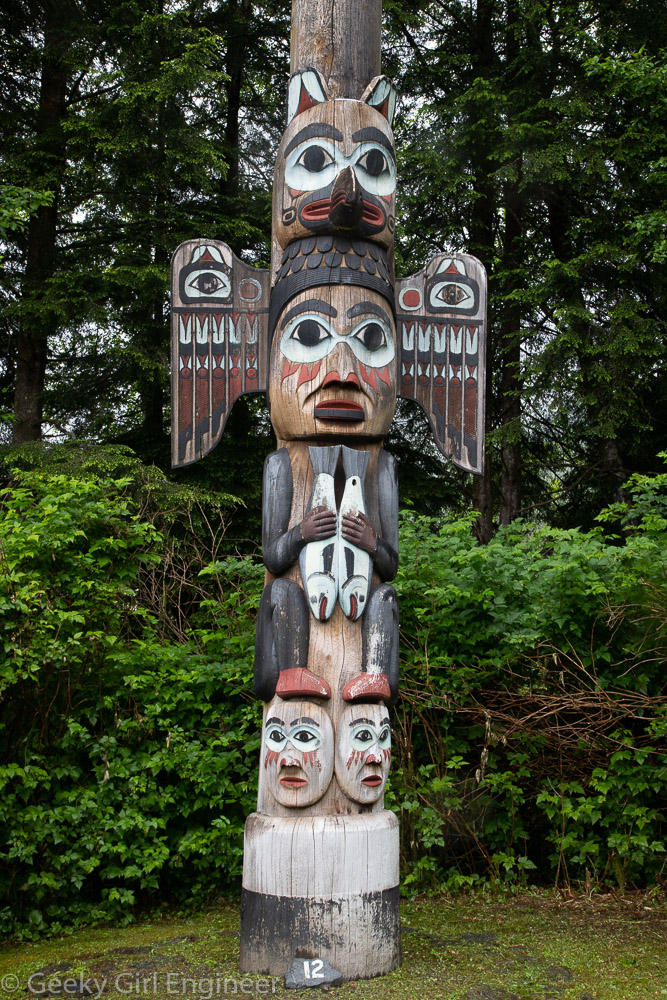
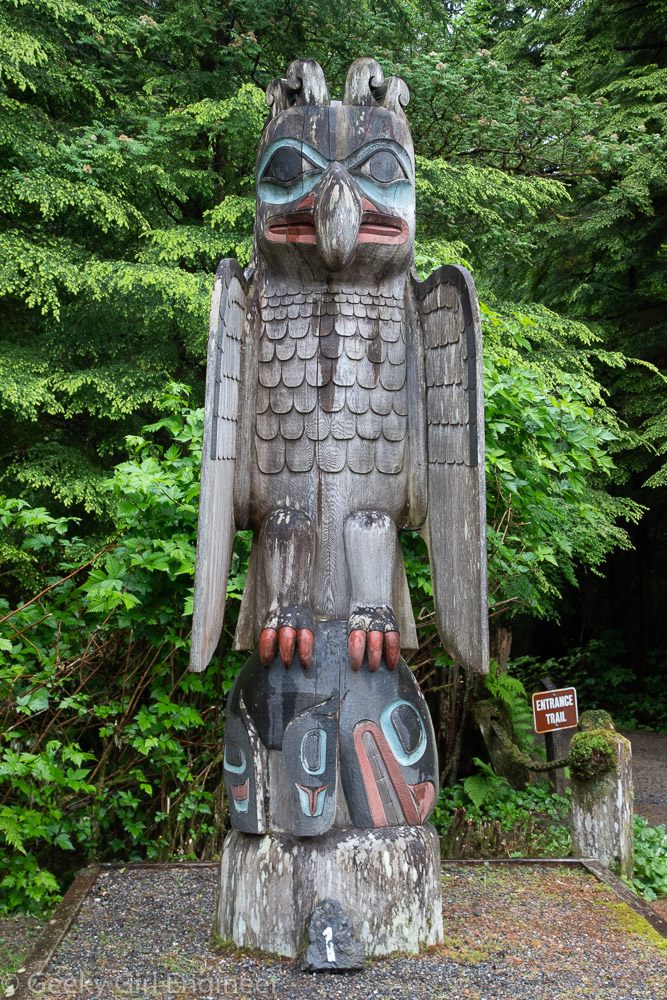
Totem Bight State Historical Park

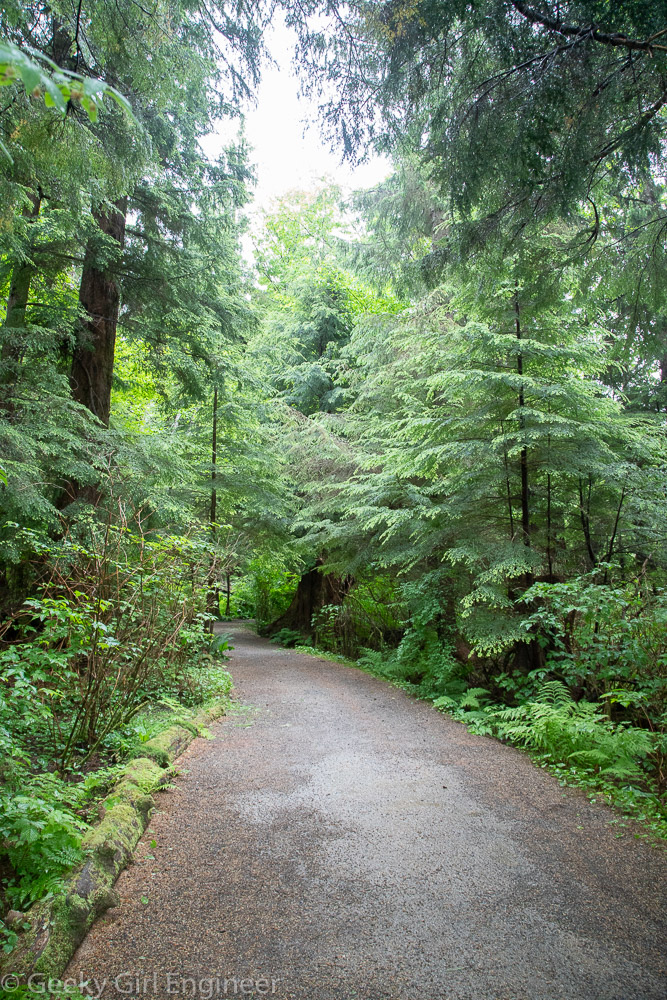
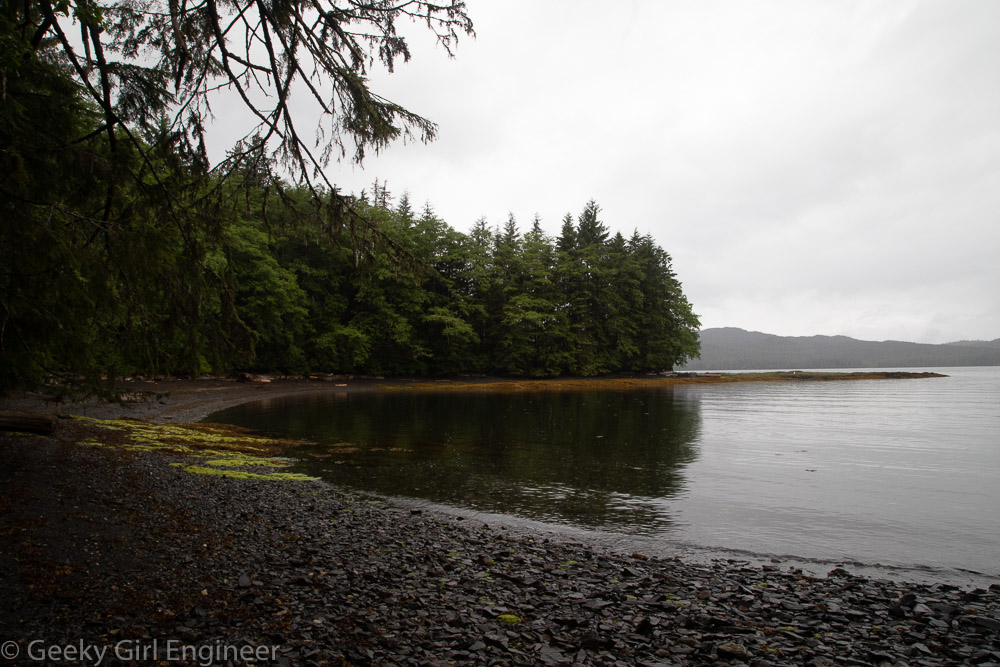
I visited Totem Bight State Historical Park in Ketchikan today. It contains numerous totem poles, some of which are reproductions and some of which are inspired by older totem poles. Because they are newer, they are still colorful, which helps in understand both their meaning and also what the original poles looked like. There is also a gorgeous clan house, which you can go in. The park also features a short but nice walk through the temperature rainforest and also a beach.
Clan House

Land Otter Pole

Sea Monster Pole

Kaats’ Bear Wife

Kadjuk Bird Pole

Thunderbird and Whale

Trail

Beach area

Ketchikan hiking

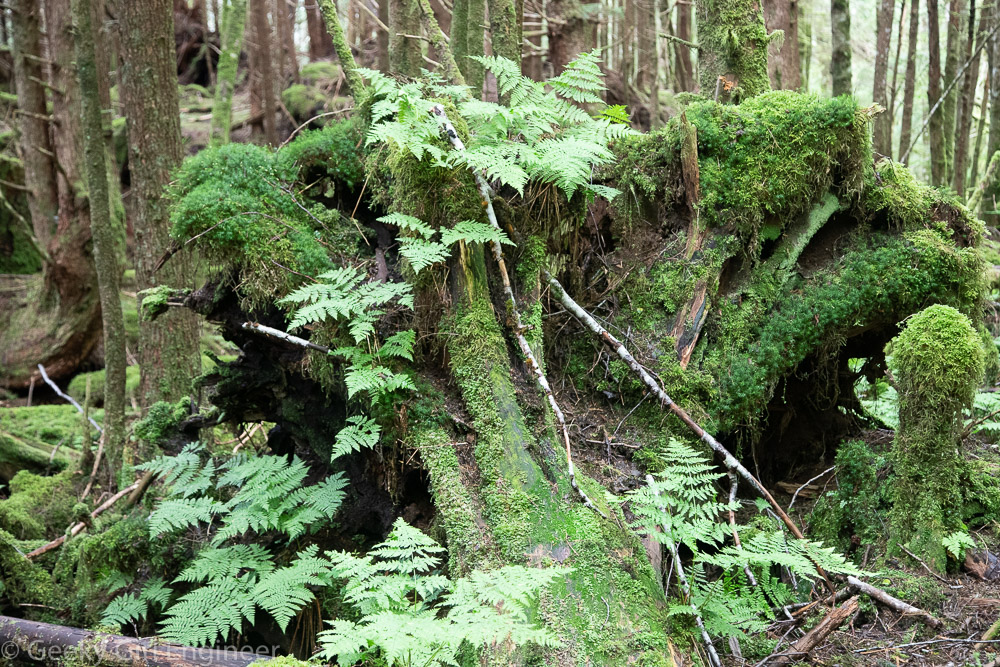
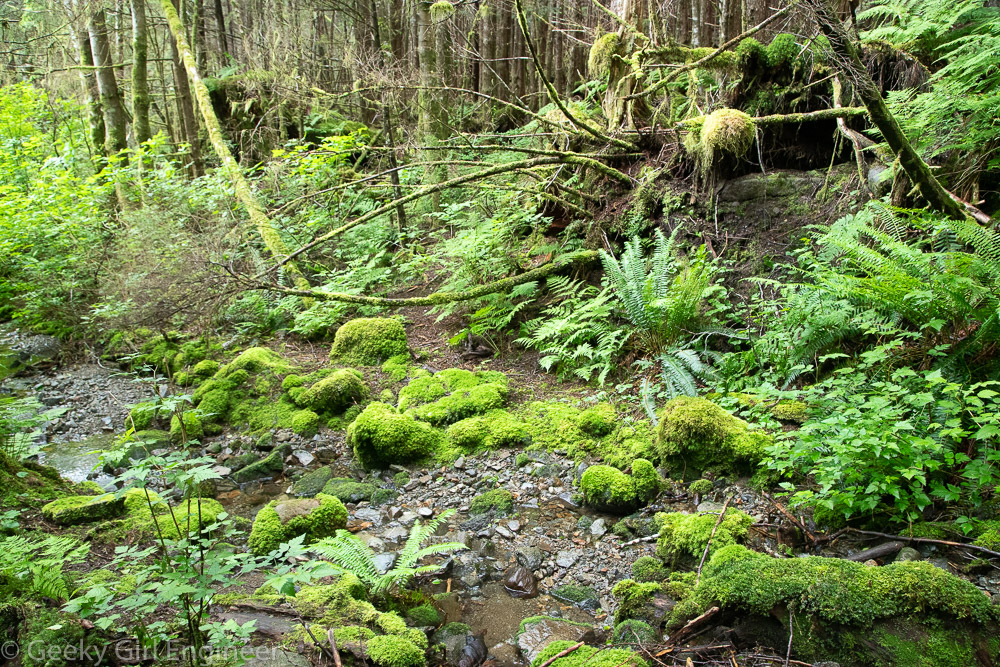
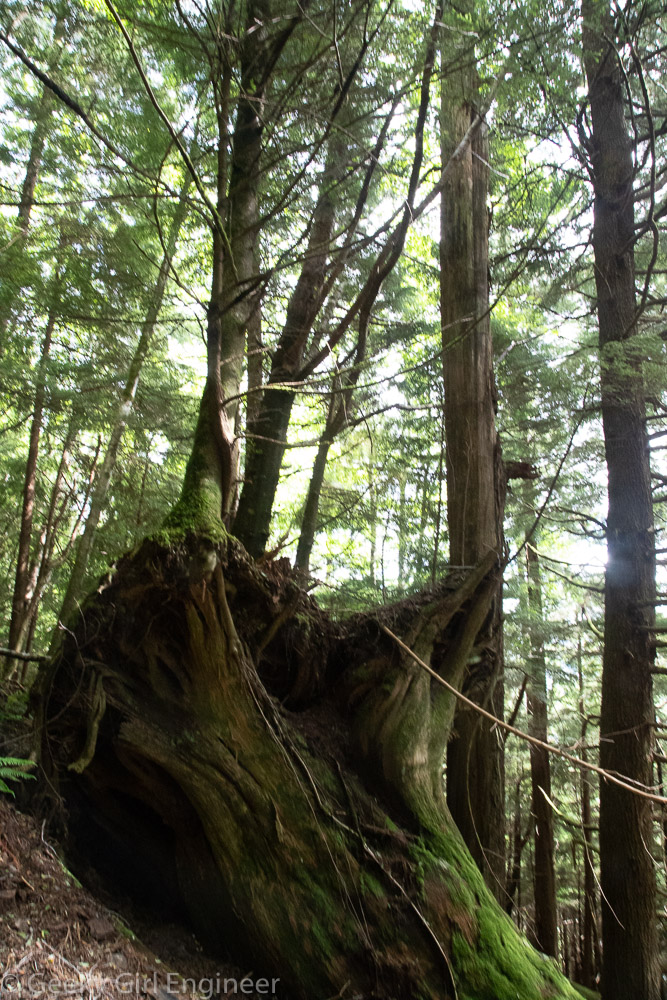
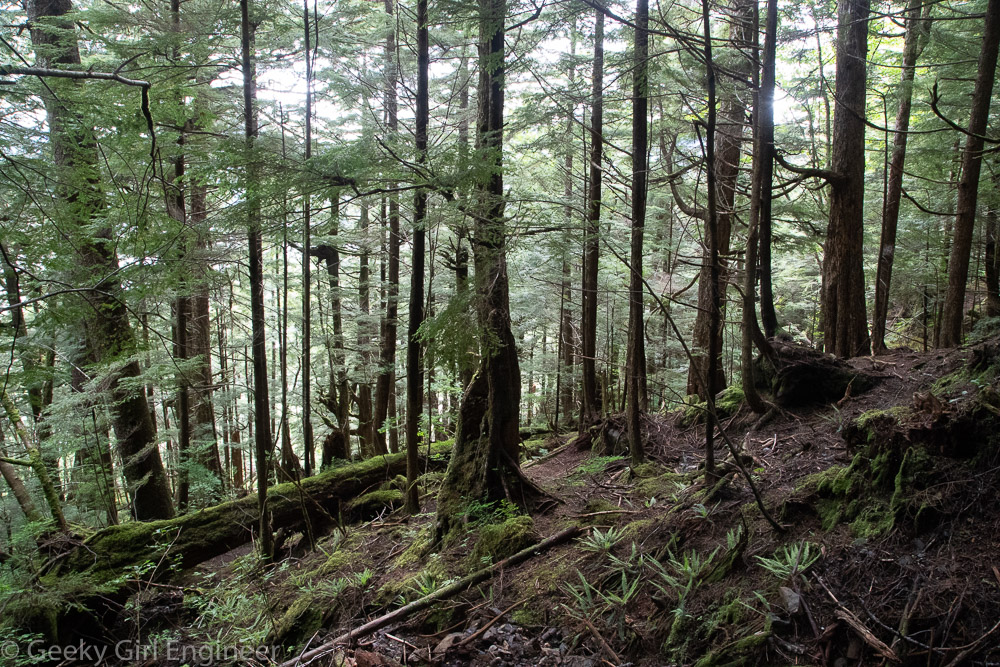
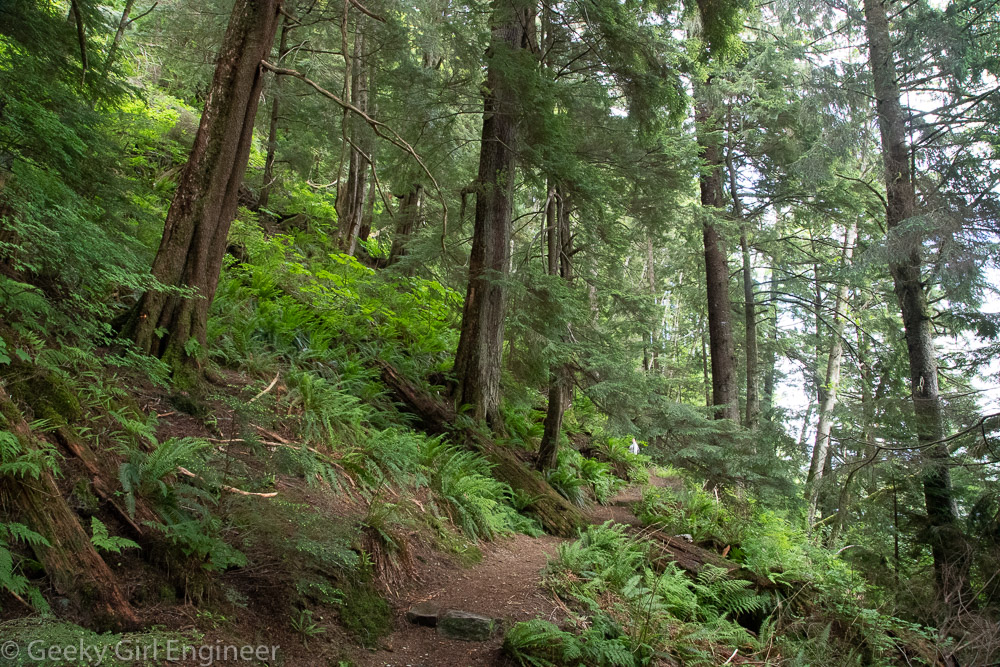
Ketchikan has lots of hiking trails, and many of them are close to the town. We went hiking on the Rainbird trail this afternoon. Ketchikan is located in a temperate rainforest, and the Rainbird trail goes through that temperate rainforest ecosystem right to the side of the town. The trail is located in an area that was last logged over 50 years ago, so it does not have the old growth trees, but it is pretty none the less. The northern trailhead warns that the trail is not maintained, and they are not kidding. We lost the trail a couple of times. The southern half of the trail is maintained and is much easier to hike.

Ferns and moss growing on a fallen tree stump

Moss and ferns growing near a stream

New tree growng on top of a fallen tree

Cedar trees and ferns everywhere

Trail through the forest

At the south end of the trail, there are spectacular lookouts

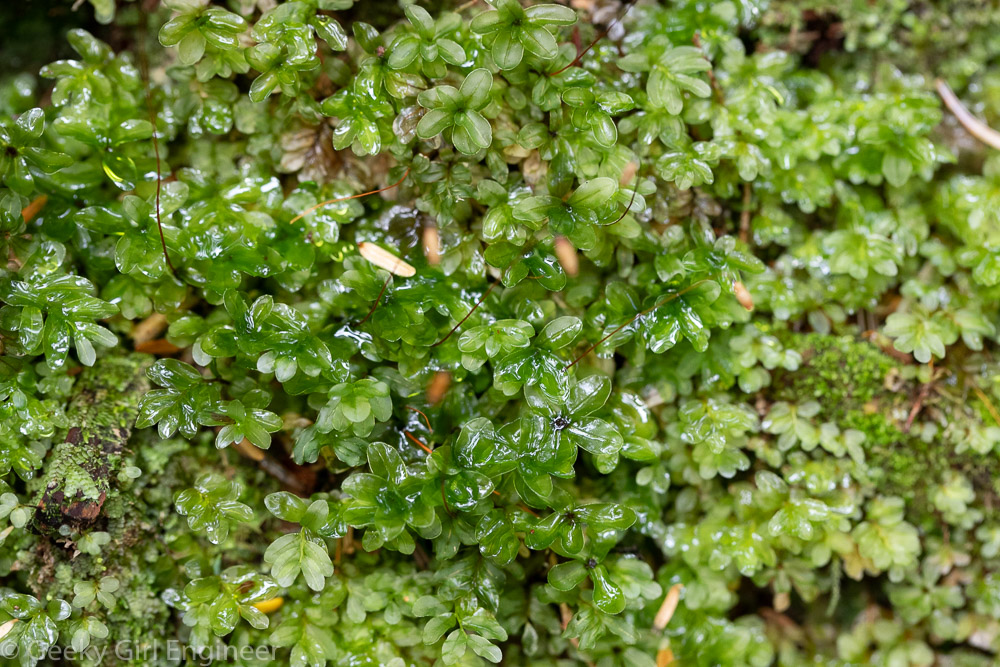
Moss growing on a fallen tree

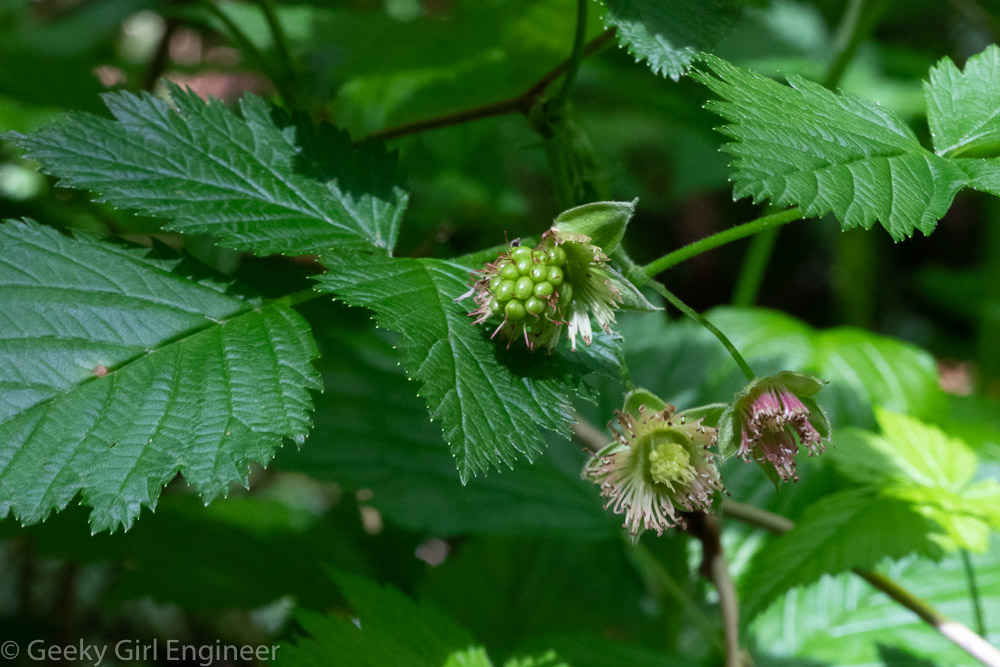
Berries

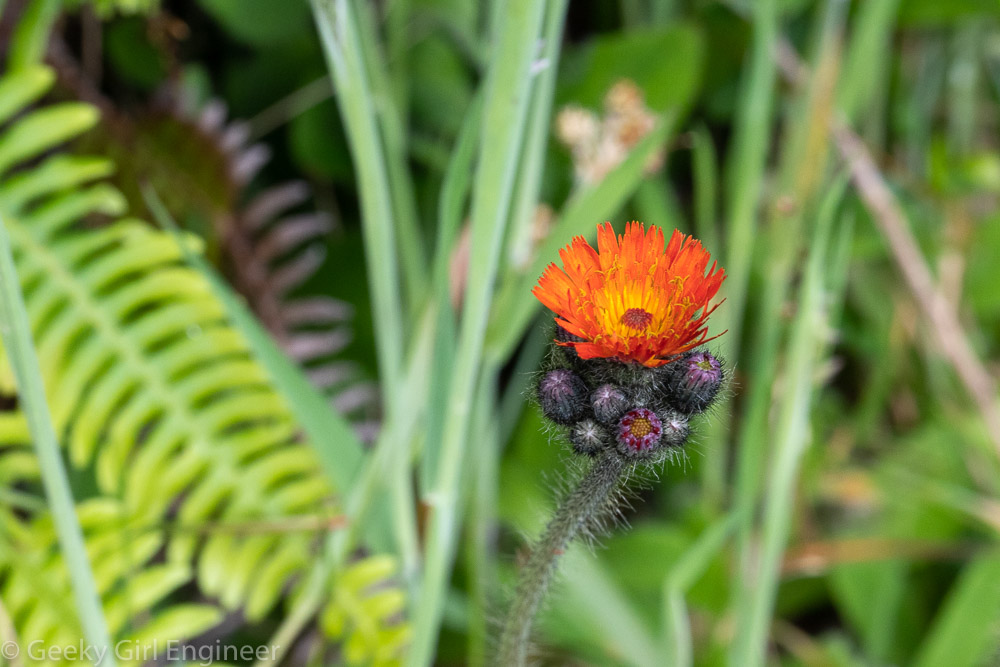
Wild flowers

Ketchikan, Alaska

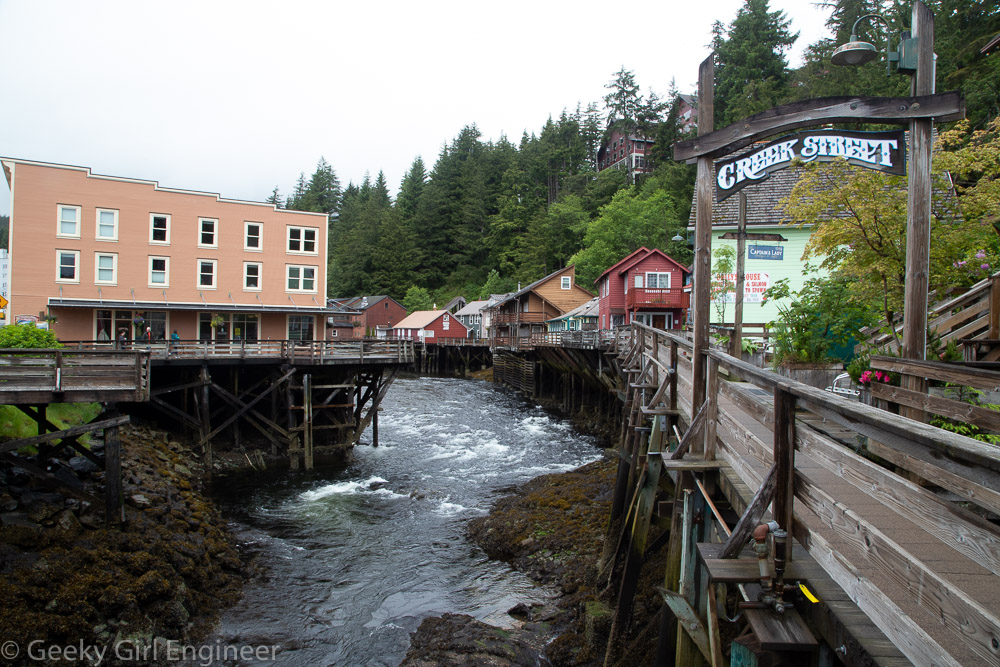
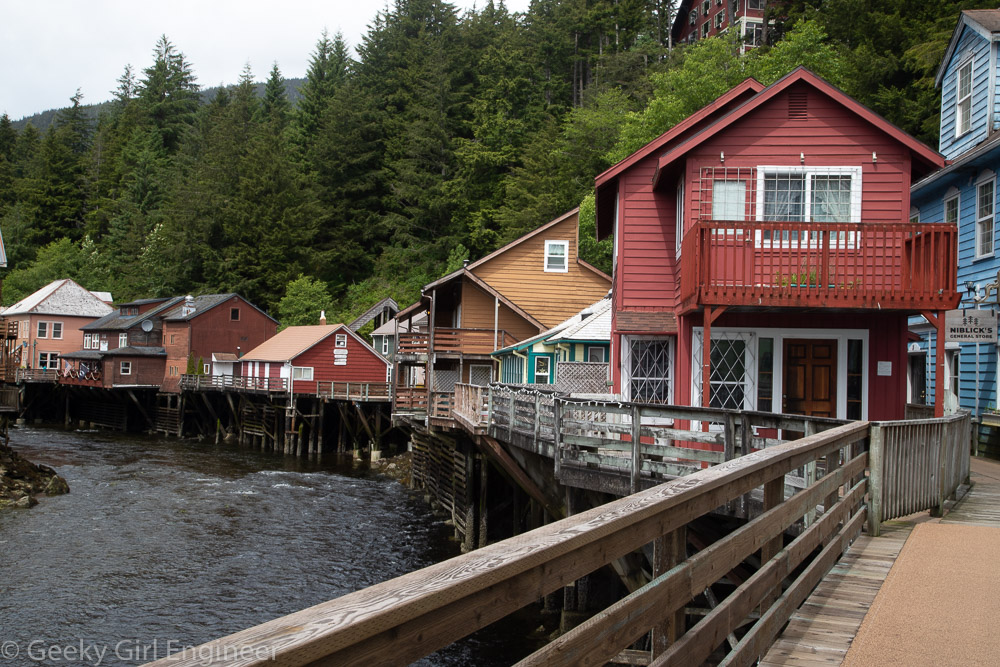
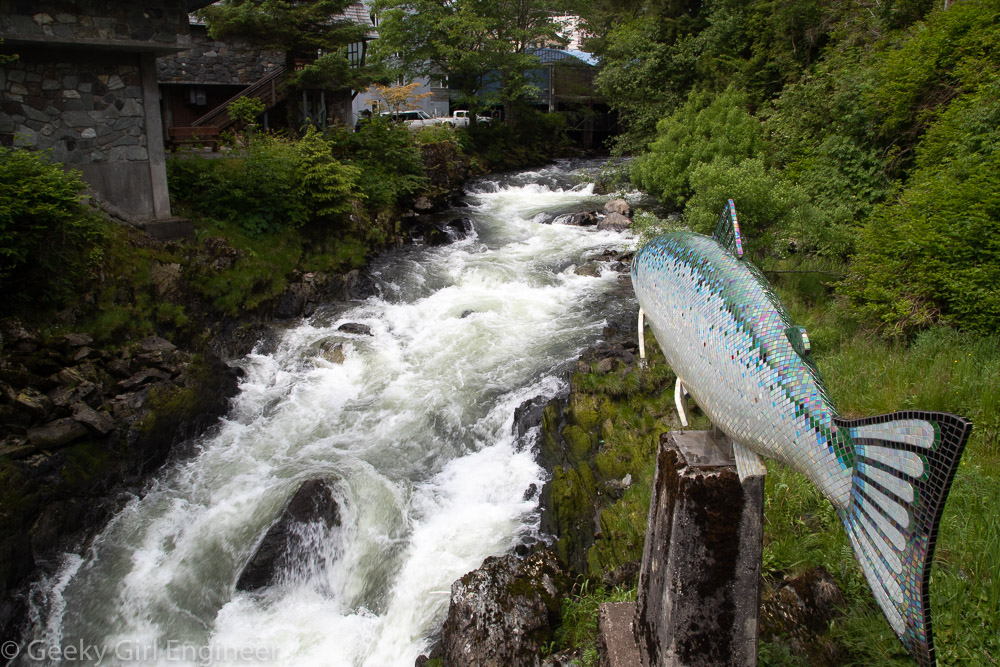
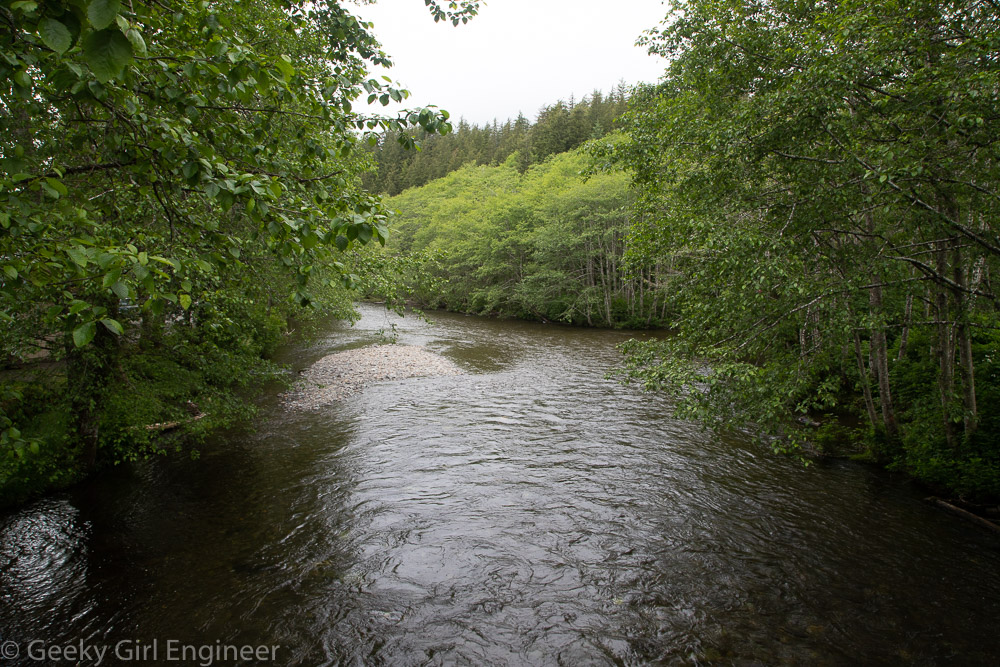
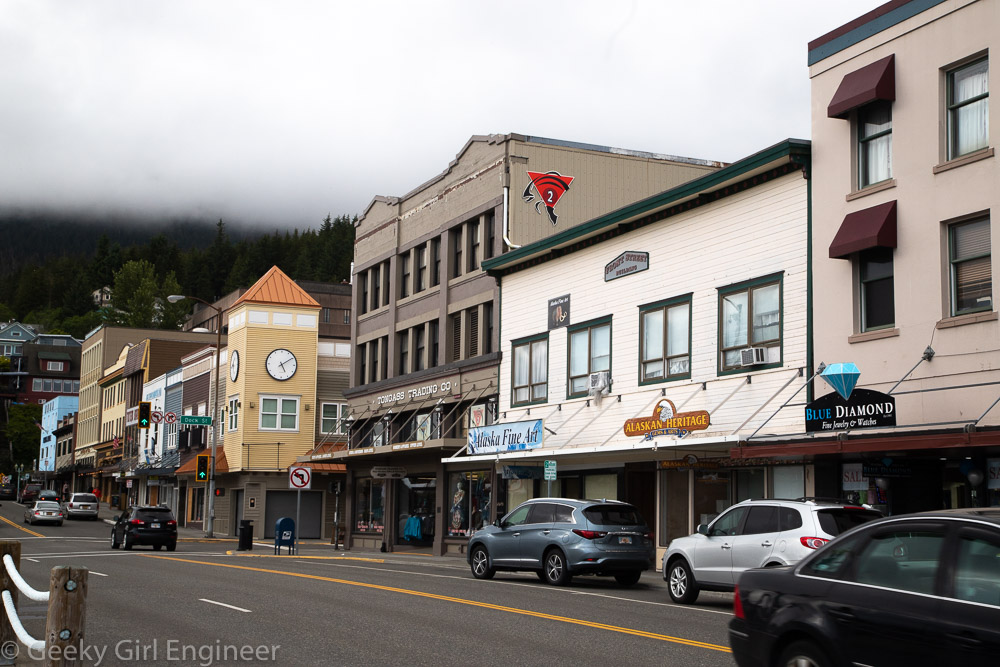
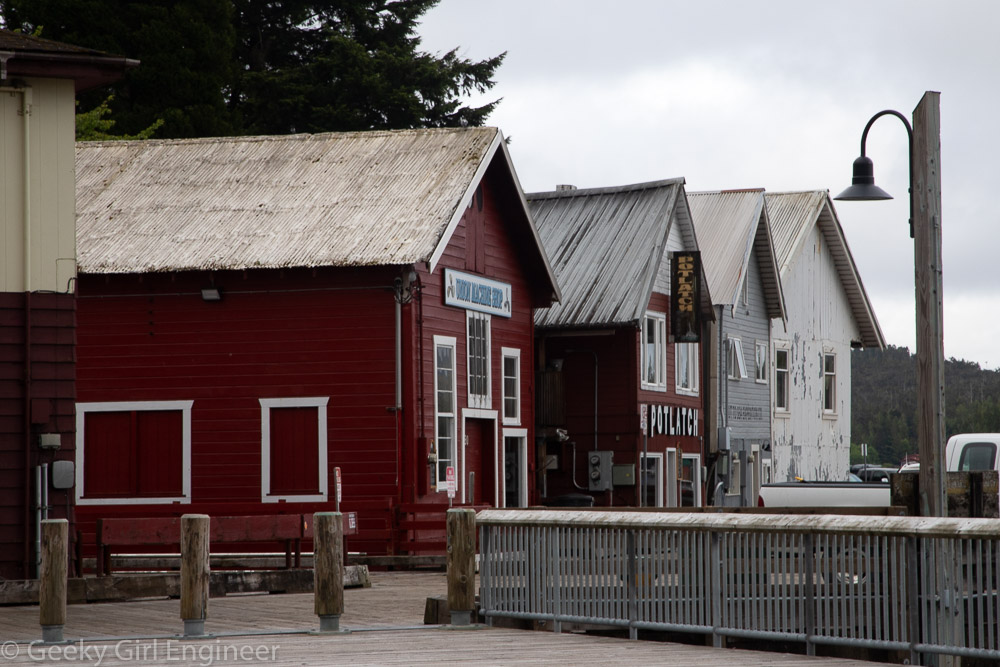
Ketchikan is a great town to wander around. A must see is of course Creek Street, which is built right on Ketchikan Creek, for what I am sure were sensible reasons when the town was first founded. Now while it is very photogenic, it also looks like an engineering challenge. Creek Street is right where Ketchikan Creek empties into the sea, so the tidal influence is visible. Right before Ketchikan Creek enters the Creek Street area, the creek is white water going over rocks, but then just a little further back, it is a calmer, mountain creek. Hence it is an interesting walk to follow the creek a bit. The rest of downtown is filled with what for the most part seem to be original buildings from when the town was expanding or buildings built to resemble old buildings. The dock area is huge, and there appear to be more boats than cars in the downtown area.

Creek Street, built along Ketchikan Creek; the mint green building on the far right is Dolly’s House, “where both men and salmon came upstream to spawn”

Creek Street

Ketchikan Creek right before it gets to Creek Street

Ketchikan Creek is more an alluvial stream just a short distance before Creek Street

Downtown sign: Welcome to Alaska’s 1st City, Ketchikan, The Salmon Capital of the World

Downtown Ketchikan where most of the buildings seem to be original

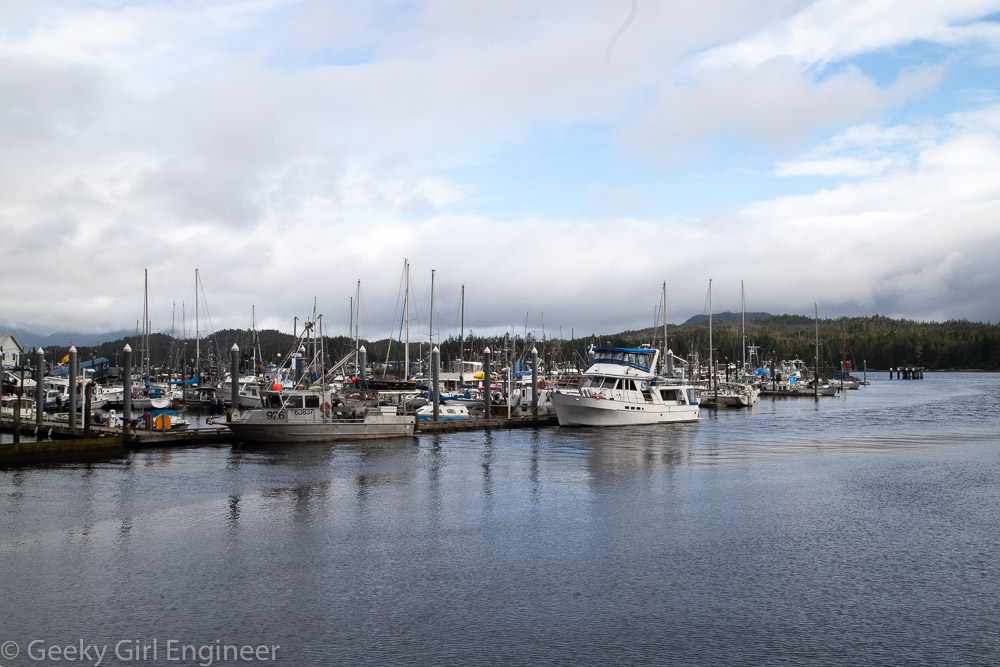
Ketchikan wharf, in the middle is the Potlatch, a famous and popular with the locals bar

Ketchikan’s very crowded docks

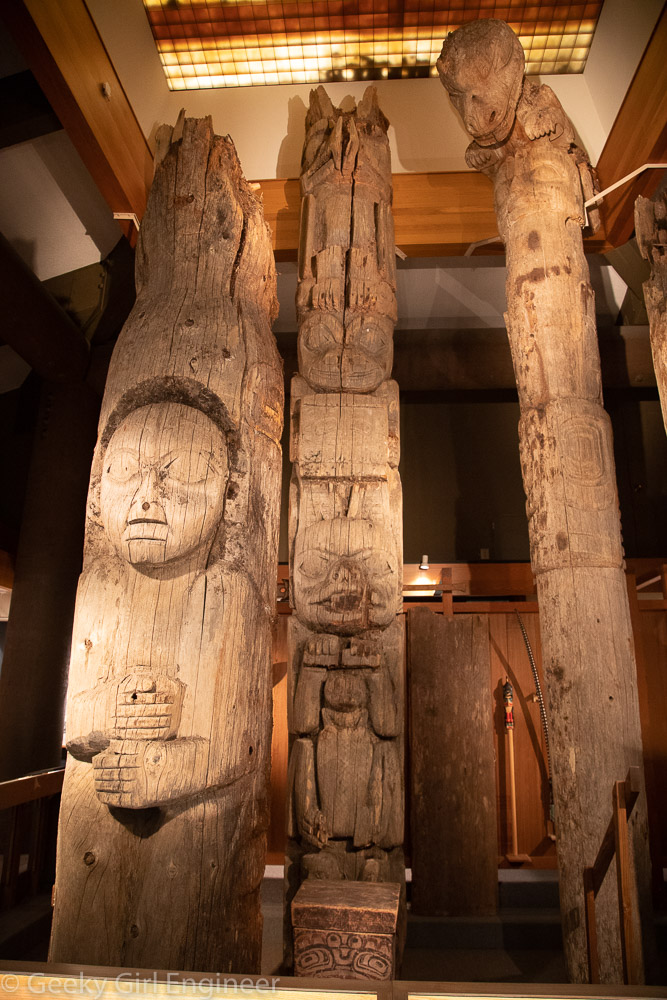
Totems at the Totem Heritage Center

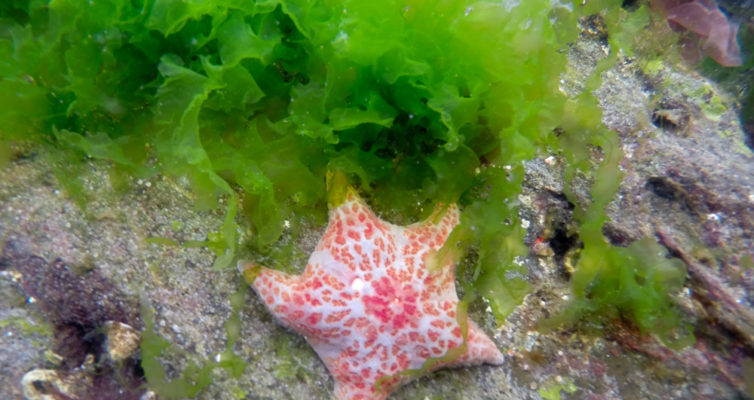
Snorkeling in Alaska

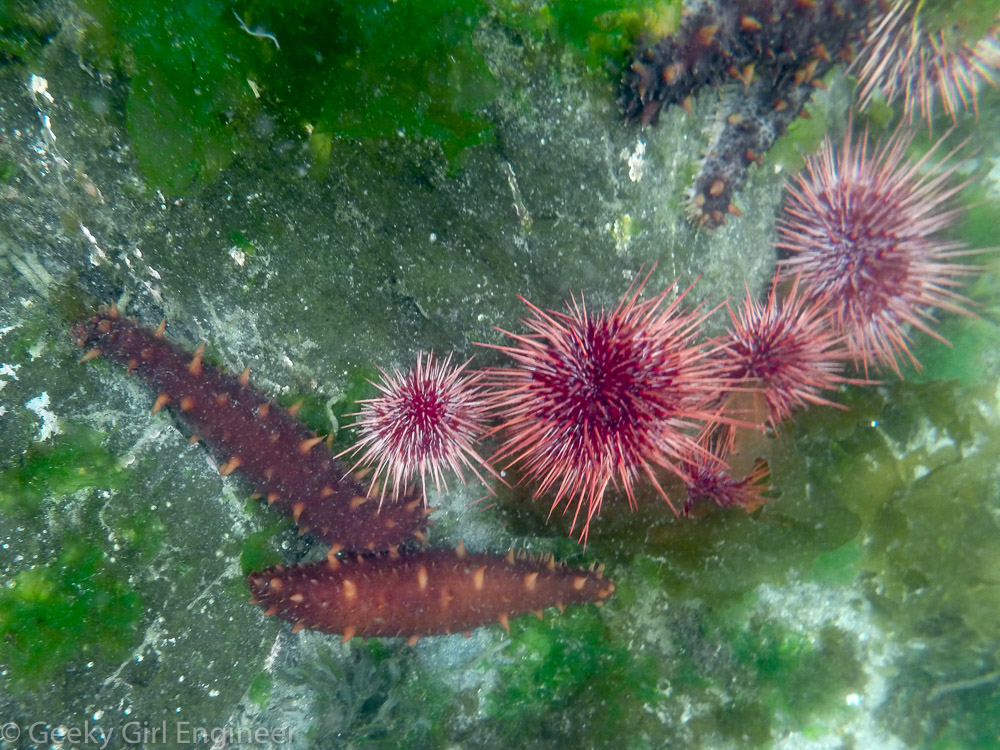
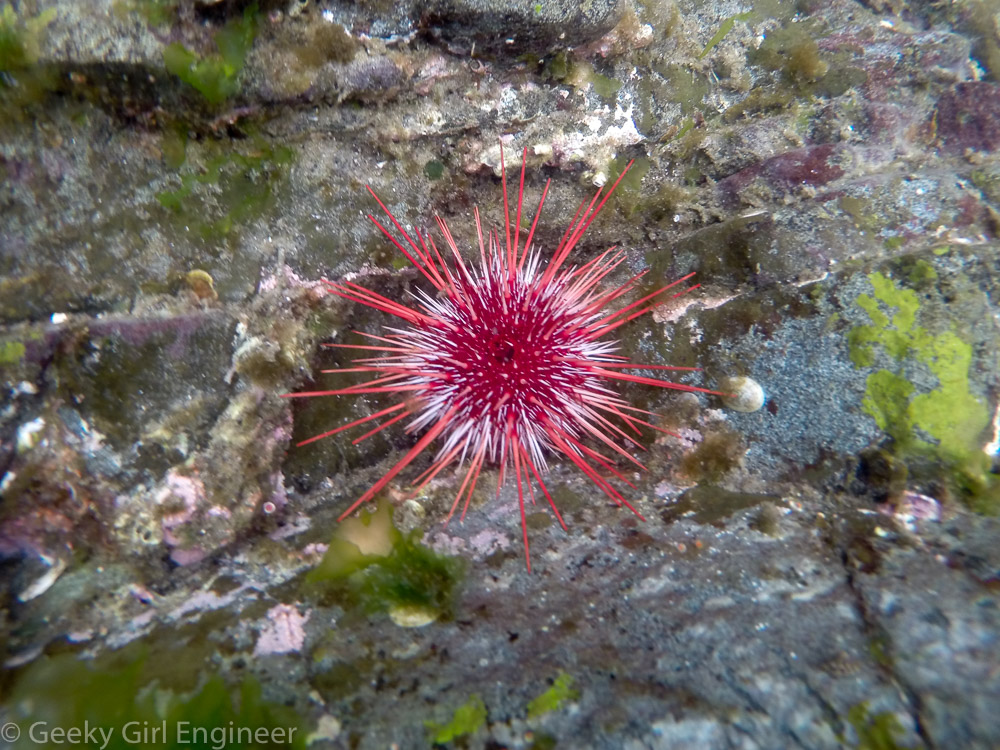
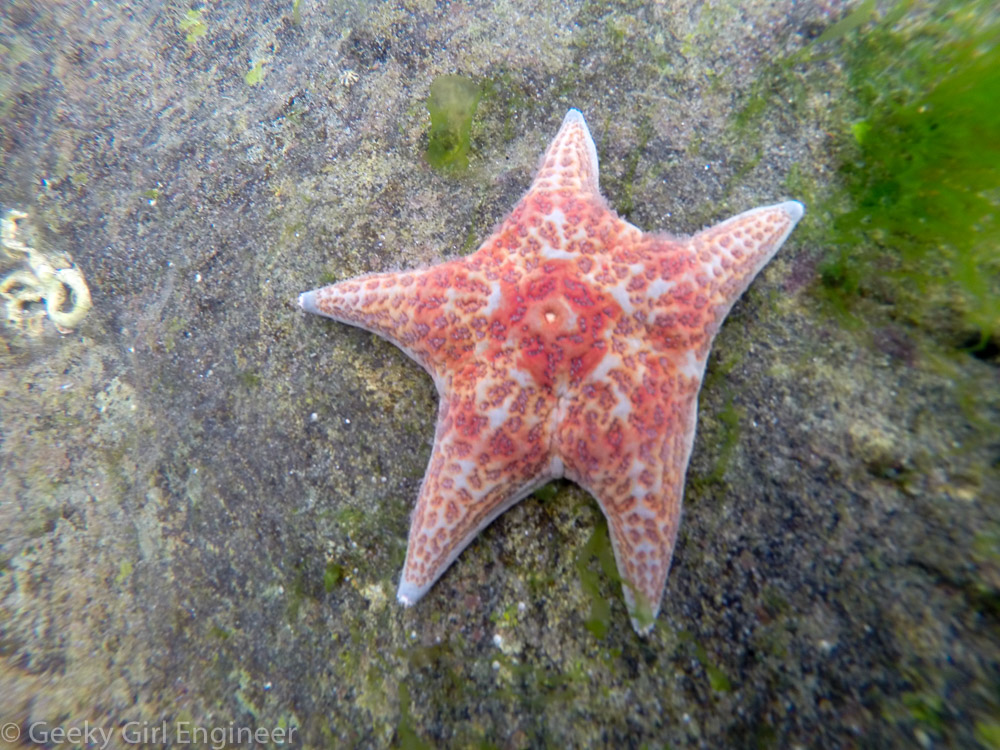
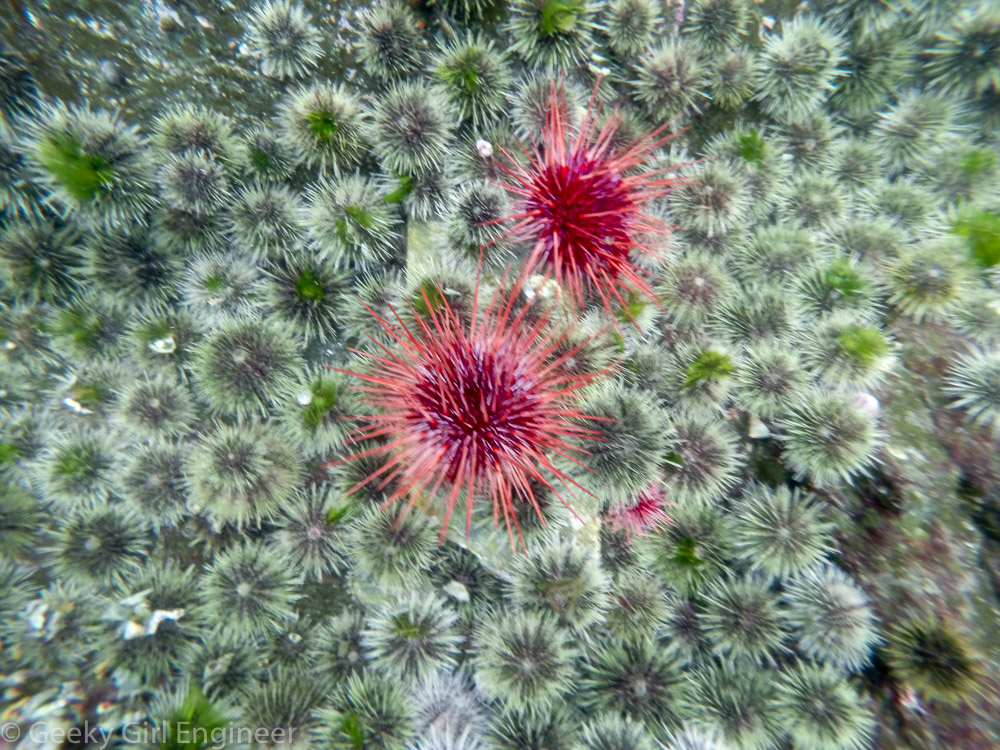
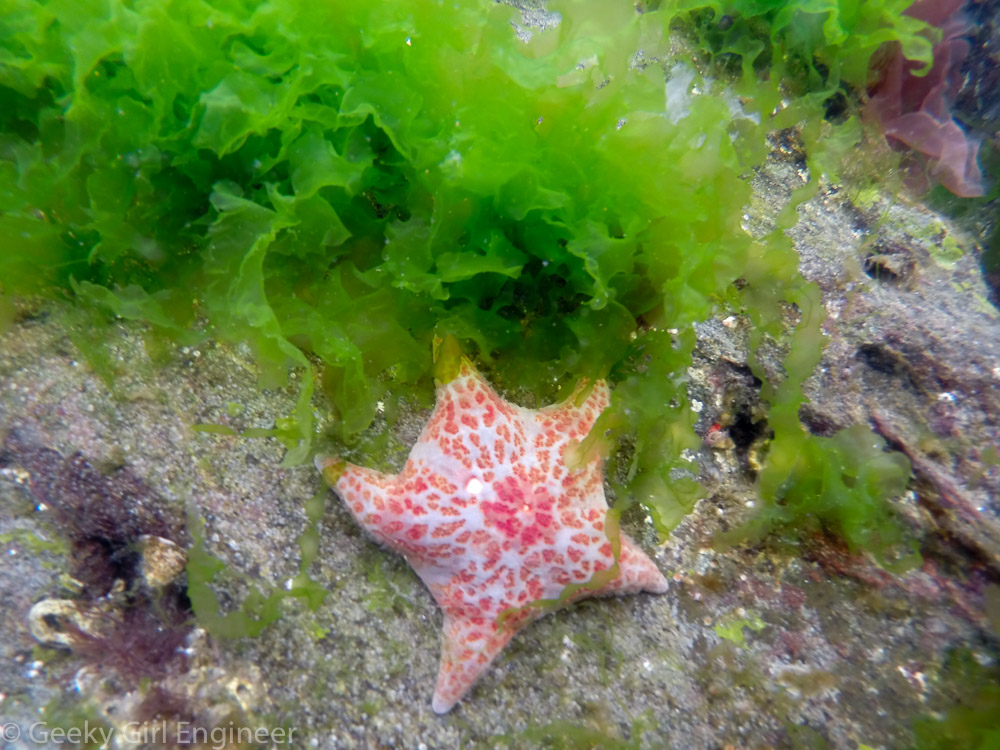
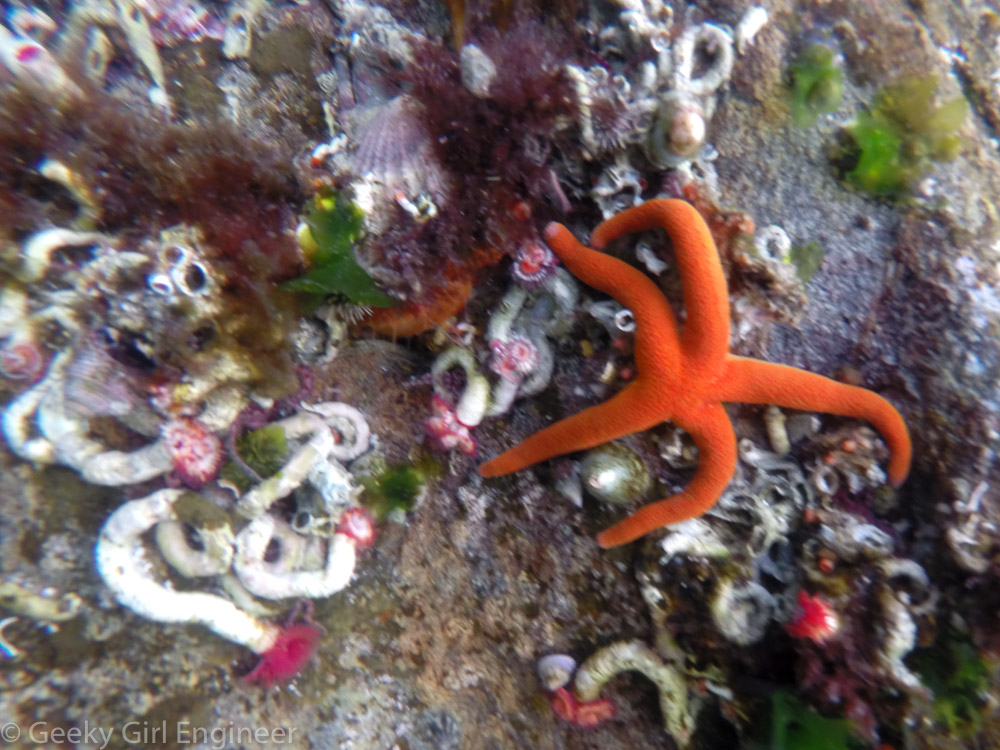
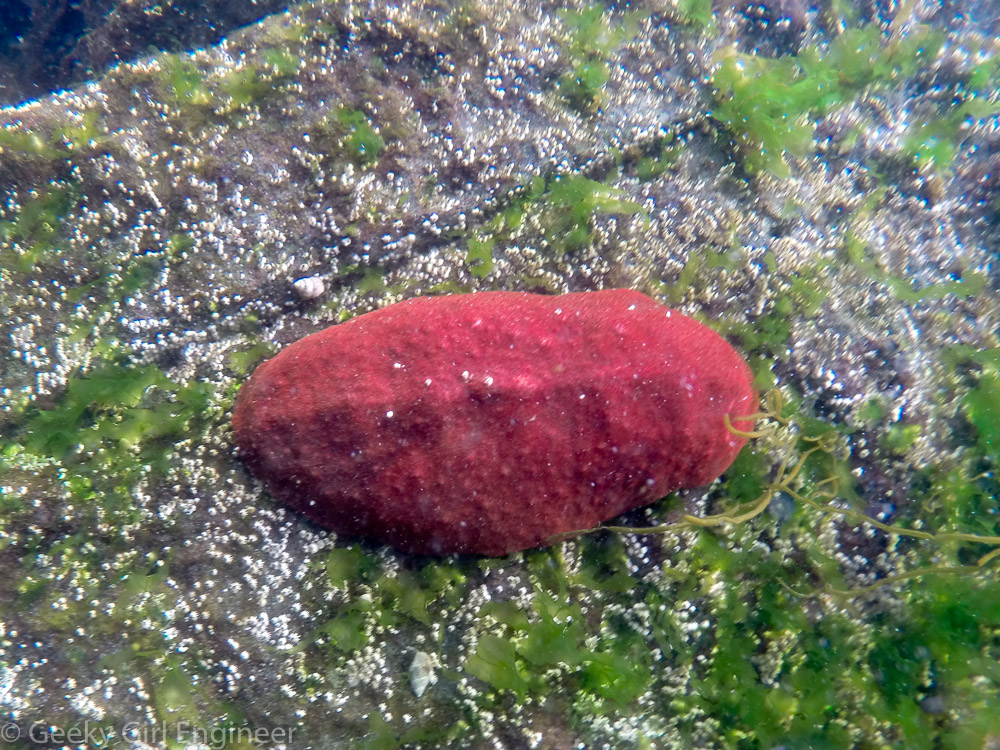
While planning for my vacation in Alaska, I learned that there is a company, appropriately named Snorkel Alaska, that leads snorkeling tours near Ketchikan. If there is a way for me to get into the water, especially if it means seeing some cool wildlife, I am there. This morning I went on my guided tour. They supplied all the equipment including a wetsuit, hood, gloves, etc. Perhaps maybe my toes got cold, but that was it. The wetsuit did its job. I got to snorkel around for over an hour seeing sea urchins, sea stars, fish, sea cucumbers, sea weed, and so much more. It was one of the best snorkeling tours I have taken. I love snorkeling in warm water and seeing coral, but this cold water provided so much to see.

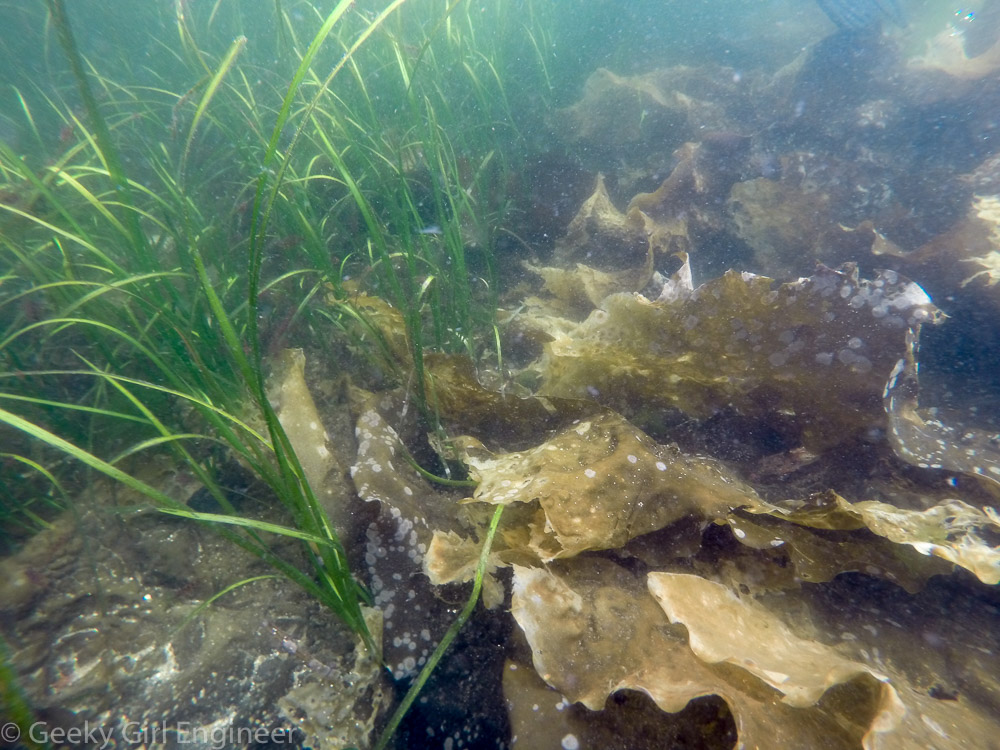
Lots of sea grass and kelp

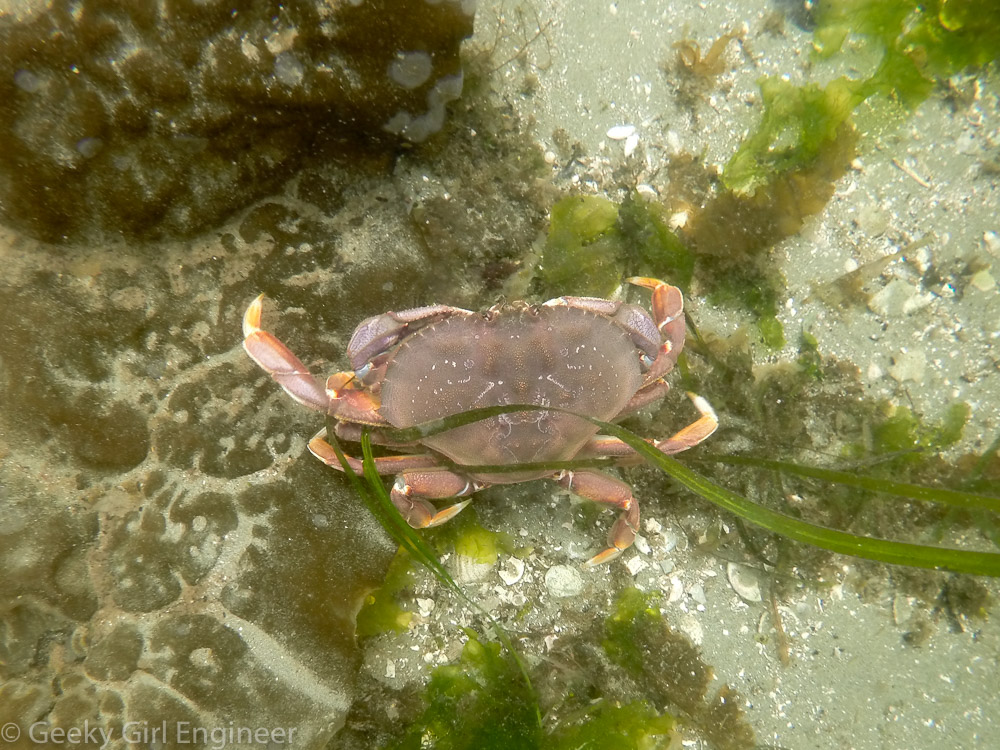
Crab

Sea urchins and sea cucumbers

Sea urchin

Completely out of focus photo of a nudibranch. I was so excited to see a nudibranch I am sharing the out of focus photo anyway.

Sea star

Sea urchins

Sea star

Sea star and tube worms

Sea stars

Chiton

Alaska State Ferry: Bellingham to Ketchikan

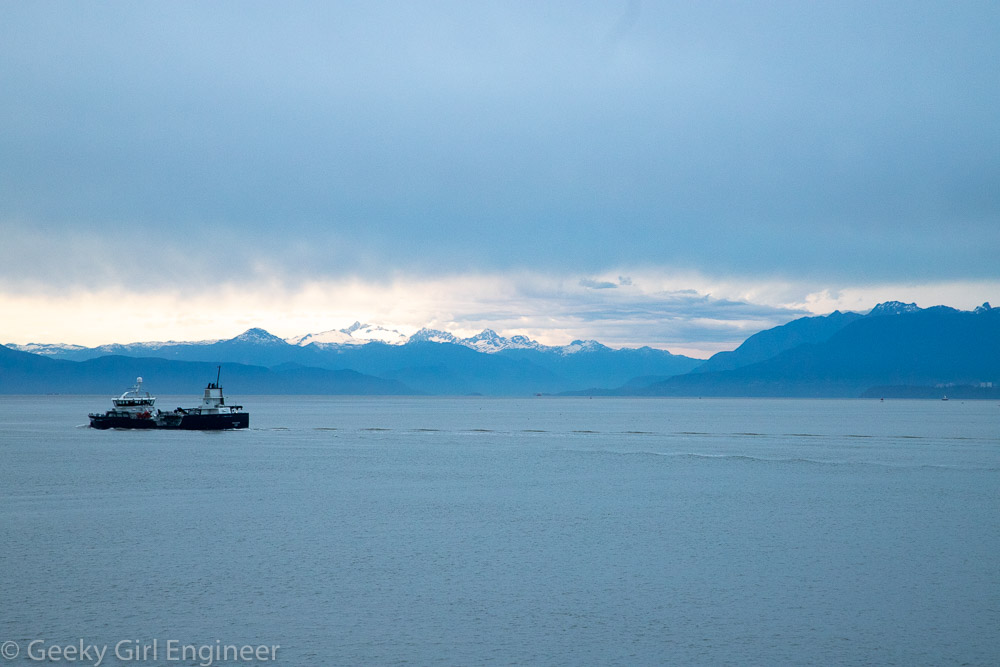
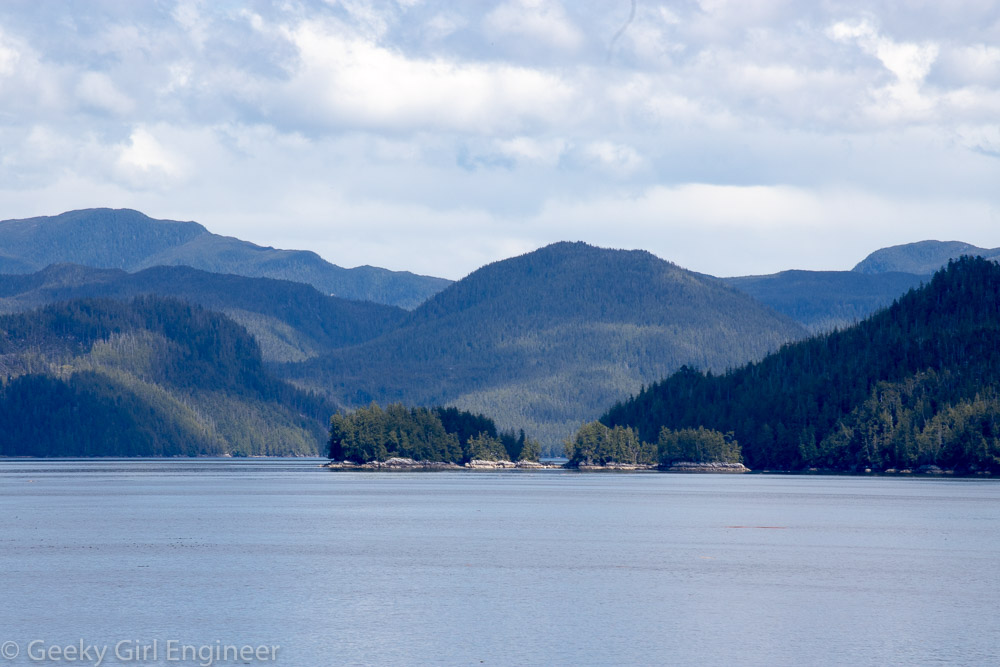
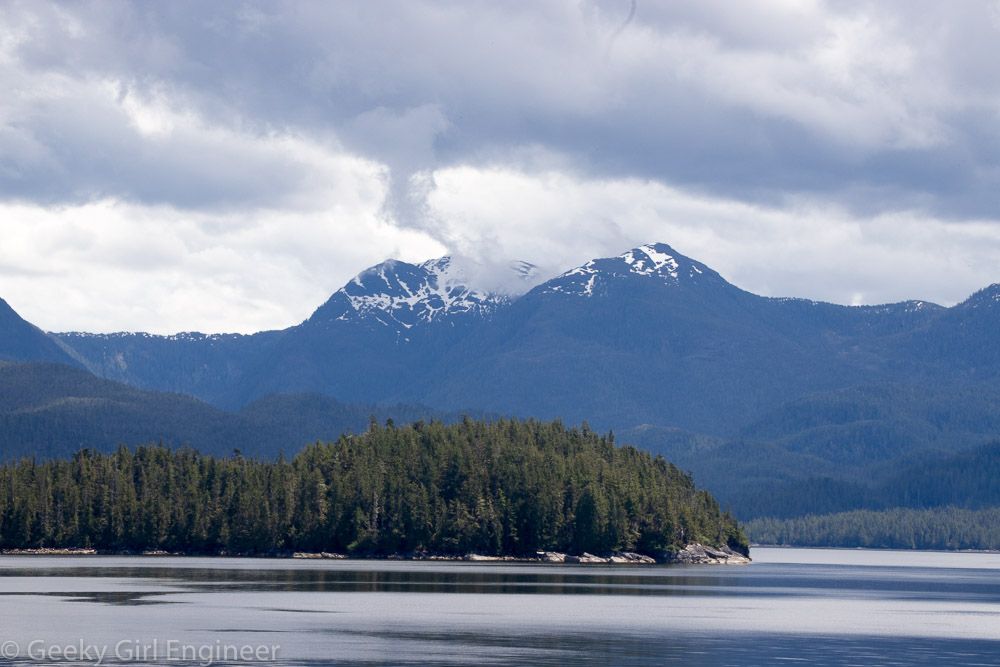
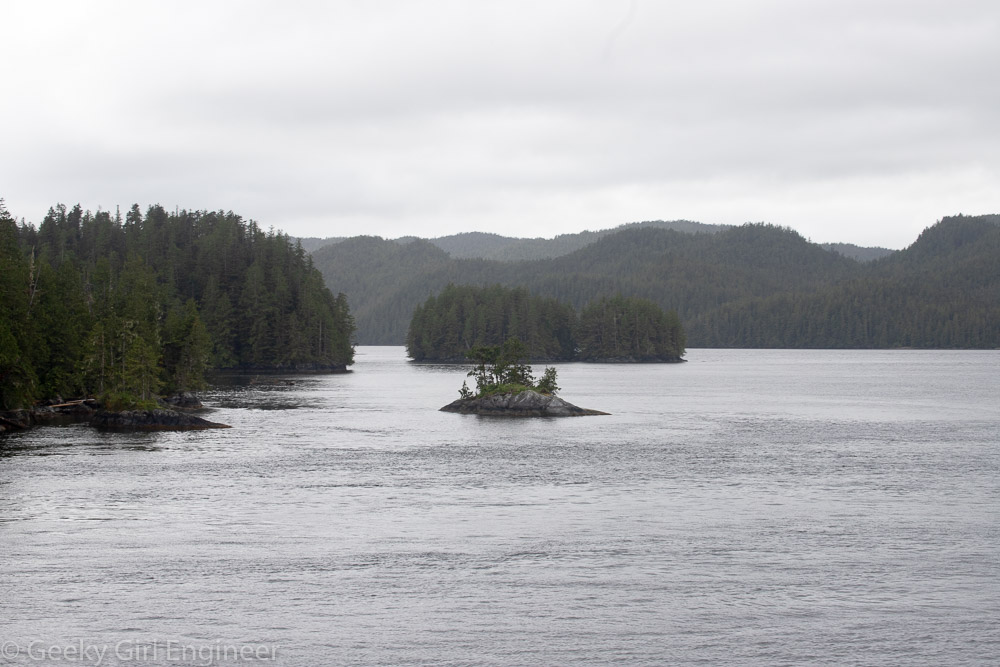
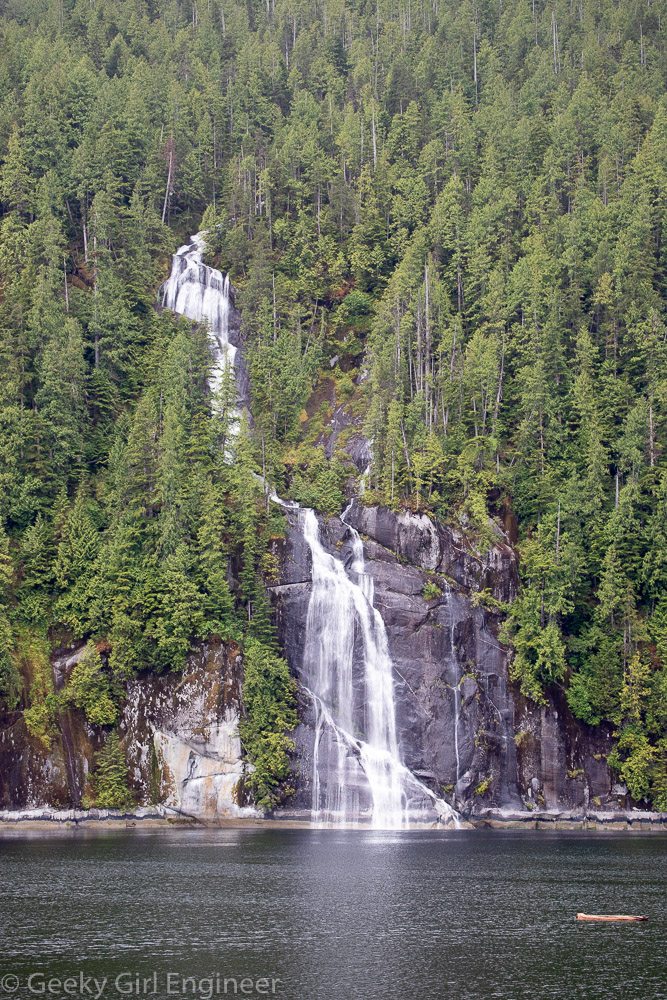
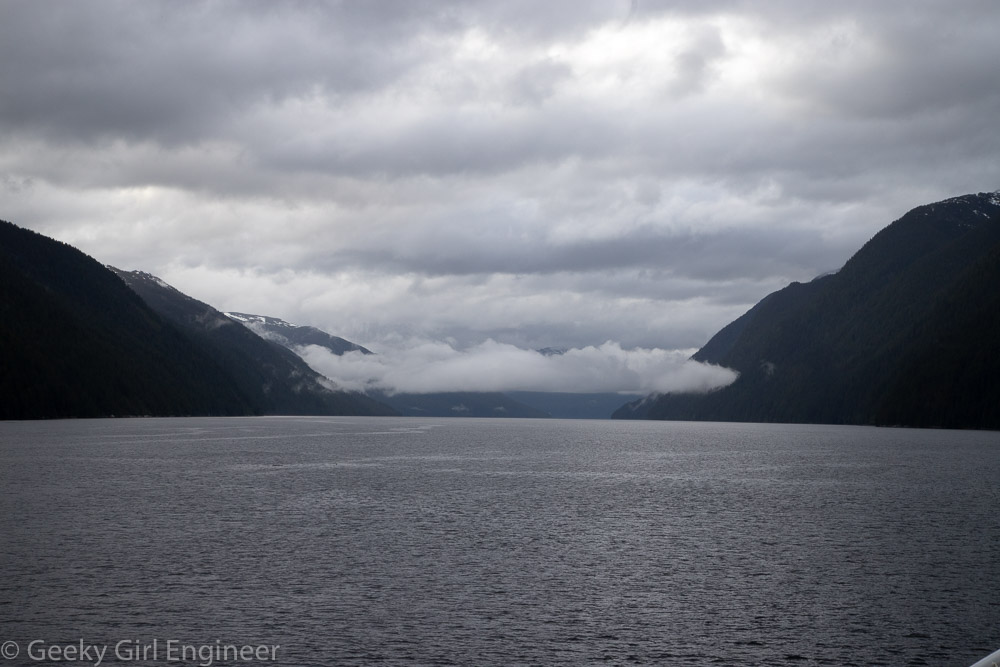
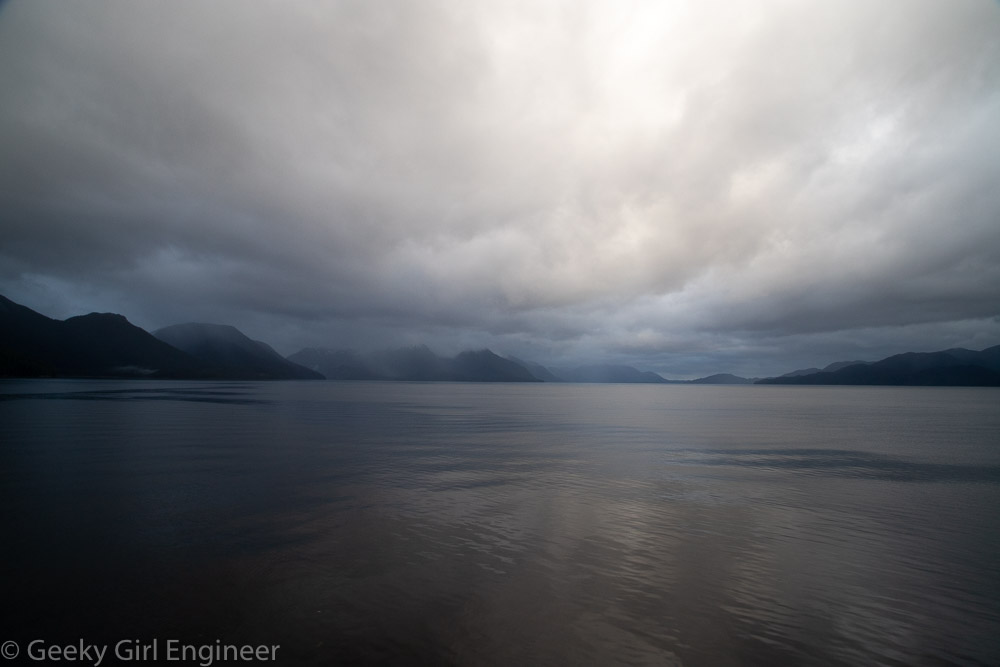
I have started a three week vacation in Alaska, which will involve planes, trains, ships, buses, cars, and perhaps a helicopter and raft. Thirty years ago or so, I cruised the inside passage with my family, but this time I wanted a little more time to see the southeast area and interior. Thus, the cruising will take place on the Alaska State Ferry. I took the ferry from Bellingham, Washington to Ketchikan, Alaska, which is about 38 hours or so of travel. The ferry cruises the inside passage. There was a map in the cafe that shows the route, and in two different places, the route can go either in the open ocean or the inside passage. It is not clear why one is chosen over the other, and the crew (that interacted with the passengers) didn’t even seem to know, but presumably the navigation crew knew. In any event, our route was entirely the inside passage, and a lovely route it was. It was a nice way to travel. I spent the entire time reading and taking photos along the way. Below are some photos I took along the route. Note that basically all of these photos are of British Columbia, Canada and those of the water we passed through.

View from a ship of sea and mountains View from a ship of sea and mountains View from a ship of sea and mountains View from a ship of sea and mountains View from a ship of sea and mountains A small waterfall View from a ship of sea and mountains View from a ship of sea and mountains

Alaska State Ferry: MV Kennicott

Thirty years or so ago, I took a cruise to Alaska starting in Vancouver and ending in Whittier through the inside passage. I wanted the cruise portion of that trip again, that is, the part where the boat takes you through the inside passage. However, I wanted more time in some of the cities to explore. The solution I came up with was to take the Alaska Marine Highway System, i.e. the Alaska State Ferry to a couple of cities then because the schedule is a bit infrequent for parts of the trip, to fly for a portion of the trip.

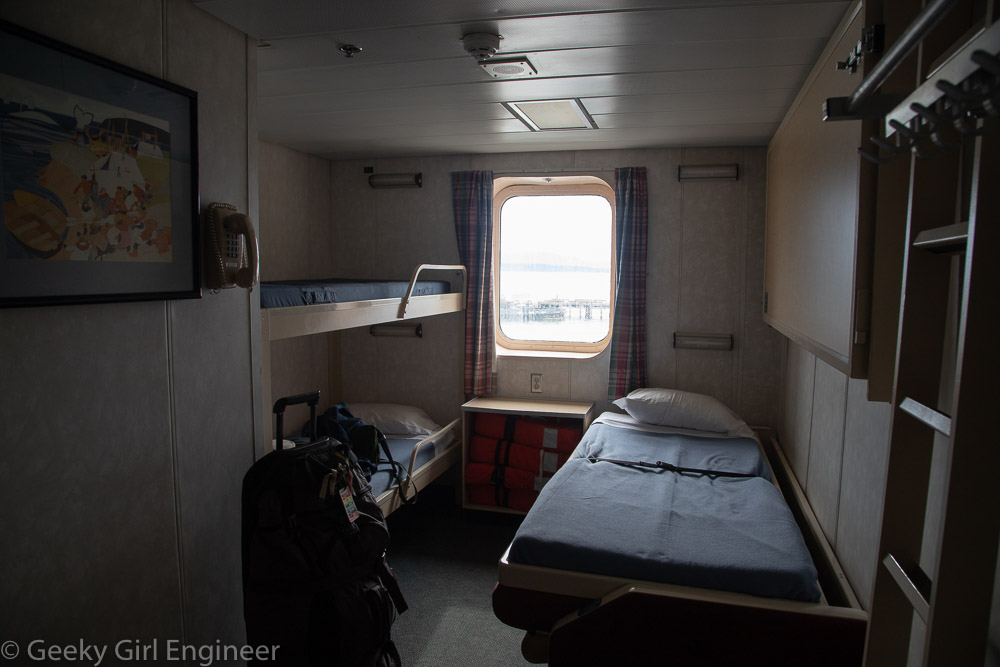
The ferry goes as far south as Bellingham, Washington. I flew to Seattle and then took a bus to Bellingham. There is an Amtrak train and also a bus that drops you off about a block or so from the ferry. Then after a lovely lunch in Bellingham, I boarded the ferry, in this case the MV Kennicott. We reserved a four berth cabin. There are only two of us traveling, but the two berth cabin does not have a private bathroom. We splurged for the four berth for the private bathroom and extra room. The room is rather small, unsurprisingly. It is rather spartan really. Cruise ship cabins are small, but generally they are well designed with lots of drawers, shelves, and other areas to unpack things. The ferry was not designed for that. The ferry cabin was designed for you to sleep but not really for you to place your luggage anywhere.

A ship's cabin with bunk beds

Our four berth cabin, made up for two people

We didn’t spend that much time during the day in the cabin though. They have a cafeteria for meals, but you can also bring your own food and use their microwave or their hot water. The food is ok, but if you have any dietary issues, you need to bring your own food. There is not that much choice with the food.

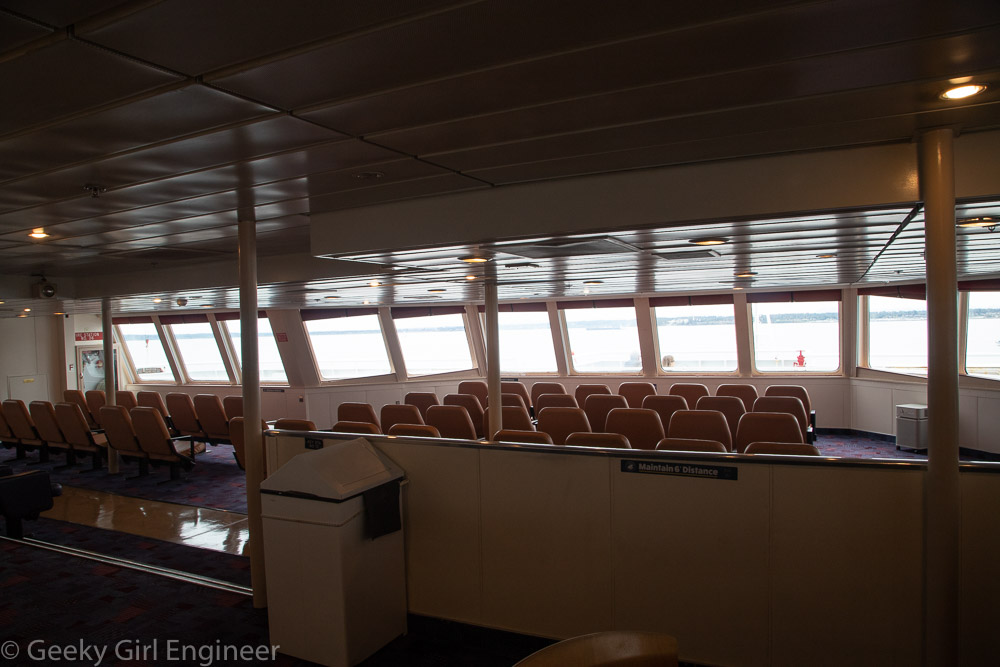
Also, there are a couple of sitting areas, including the popular forward observation seating area. The front observation seating area is set up like a theater, so you can relax and see where the ship is going.

Seats facing the front window of a ship

The front observation area where many passengers spend the day

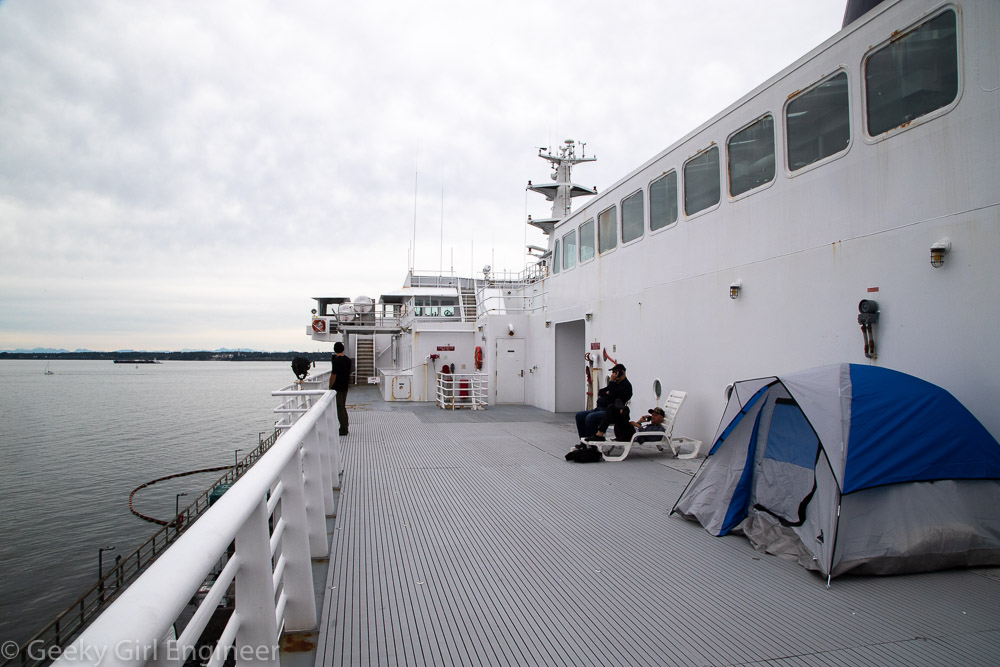
There are also several outside decks where passages can go. Many people choose not to pay extra for a cabin and camp on the ship. There were camping tents set up in on several of the wider outside decks. Some people had rather fancy set ups for their tents.

A tent set up on an outside deck of a ship

One of the upper, outside side decks where people camp

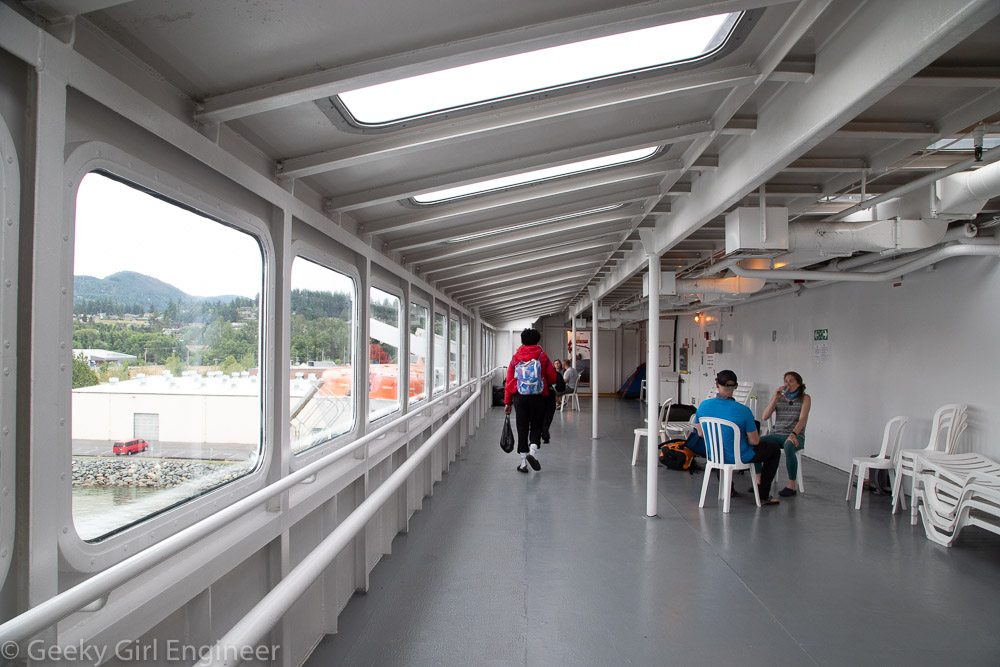
There was also a large enclosed solarium where people camped. The area was quite warm, so people might be able to camp there without an actual tent.

Person walking down an inside passageway on ship

The solarium where people camp

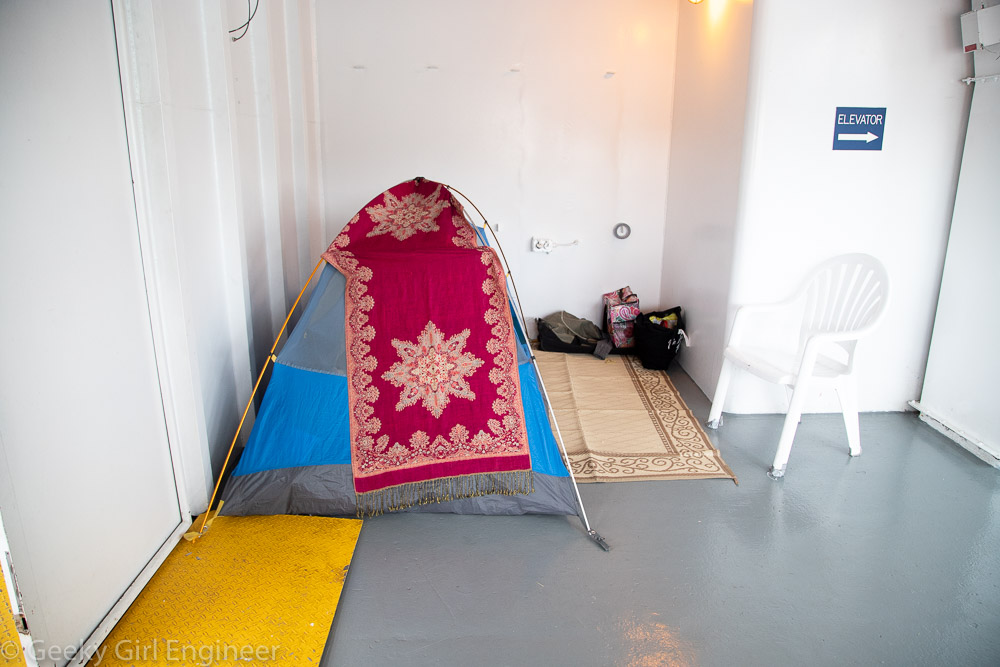
People’s camping areas in some cases were involved. One had an entry rug. One hung a hammock between poles. There were clearly experienced campers on the ferry.

A camping tent with rugs outside it

Someone’s tent set up in the solarium including rugs

The ferry is definitely not luxury travel. However the route is wonderful and allow you to cruise the inside passage without having to be tied to a cruise ship’s schedule of one day per port.

Easter/Spring Wreath

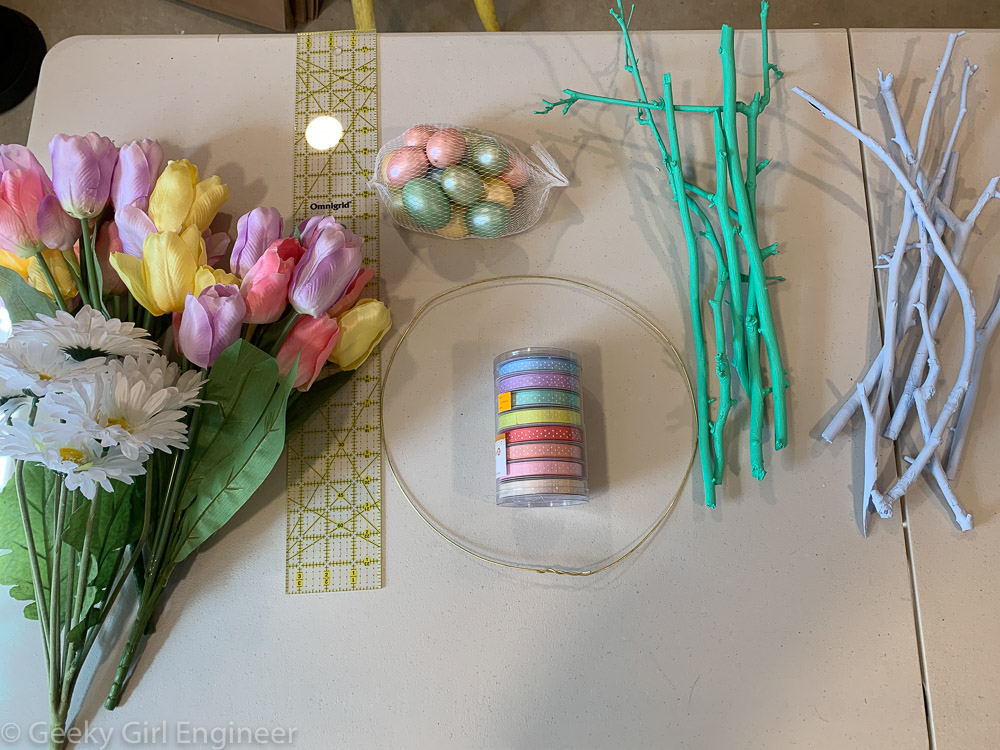
I was really happy with the way my Halloween wreath looked, so I decided to do something similar for Easter. As before, I selected twigs from my yard to form the base of the wreath. The starting supplies were twigs that I painted in pastel colors, lots of pastel colored ribbon, and metal wire formed into a ring. I splurged on some fake flowers and painted foam (or some such material) eggs. It should be noted, I completely overestimated the amount of flowers I would want to use.

Starting materials for my Easter wreath

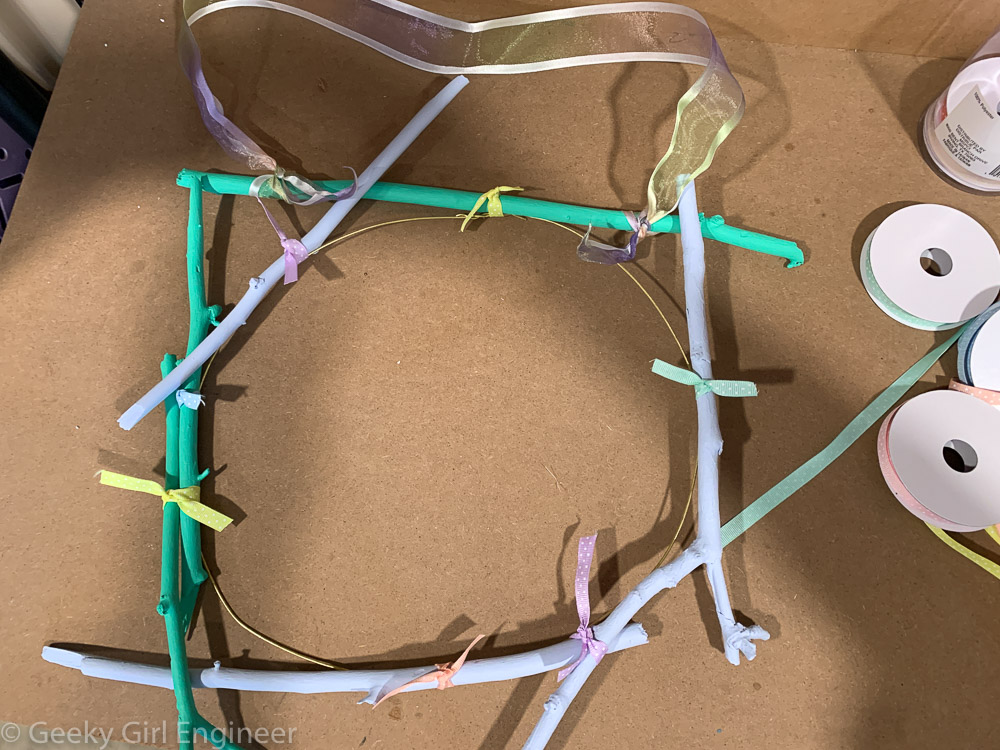
I used some of the thicker and straighter twigs to start the wreath by tying them with ribbon to the metal ring. I tied a long ribbon to a long straight twig that will serve as the top of the wreath.

Using straight twigs to start the wreath

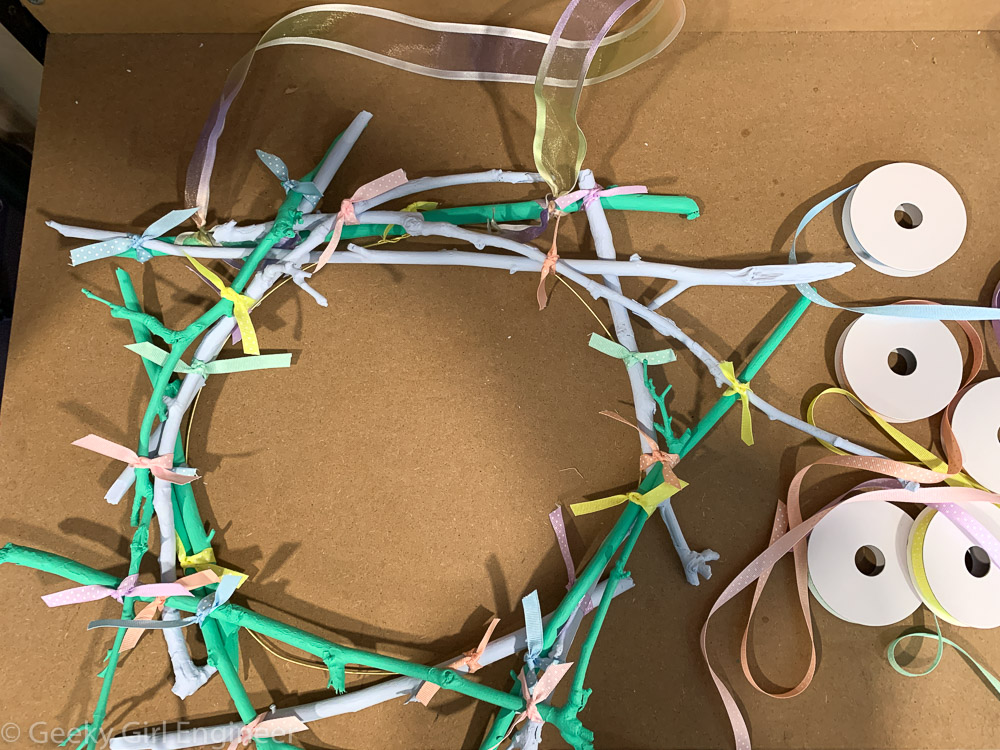
I kept adding the twigs until they were all on the wreath. All twigs were tied to the metal ring or each other in several places with ribbon.

All twigs secured to the ring and each other with ribbon

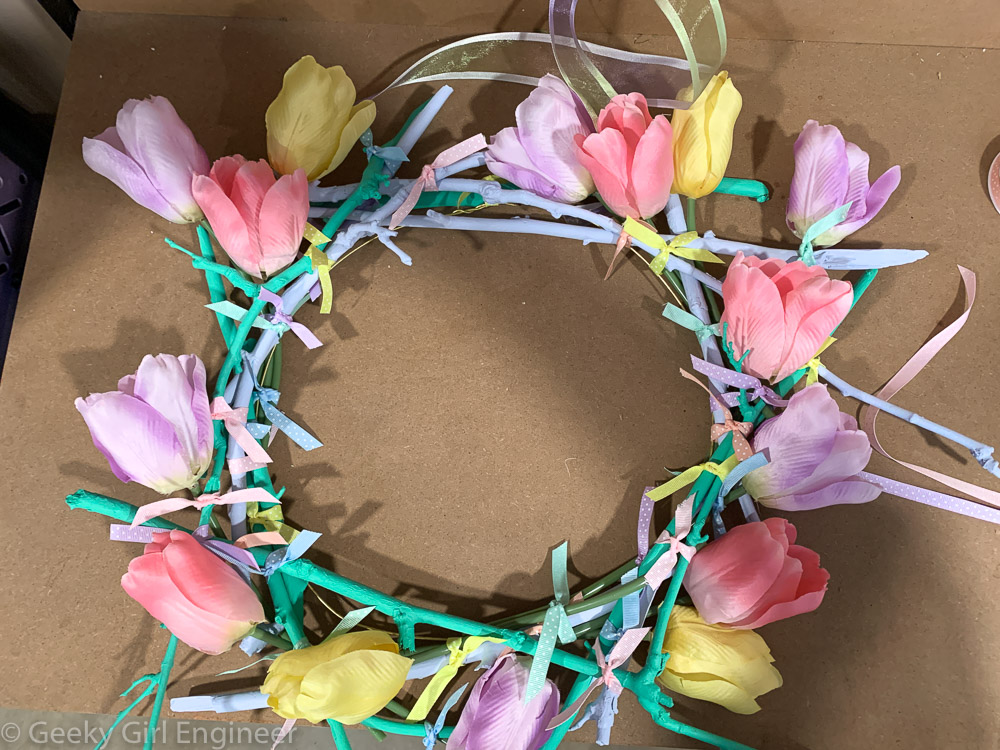
I then added the fabric tulips. I was initially going to use more flowers, but it looked too crowded.

Fabric tulips added to the wreath

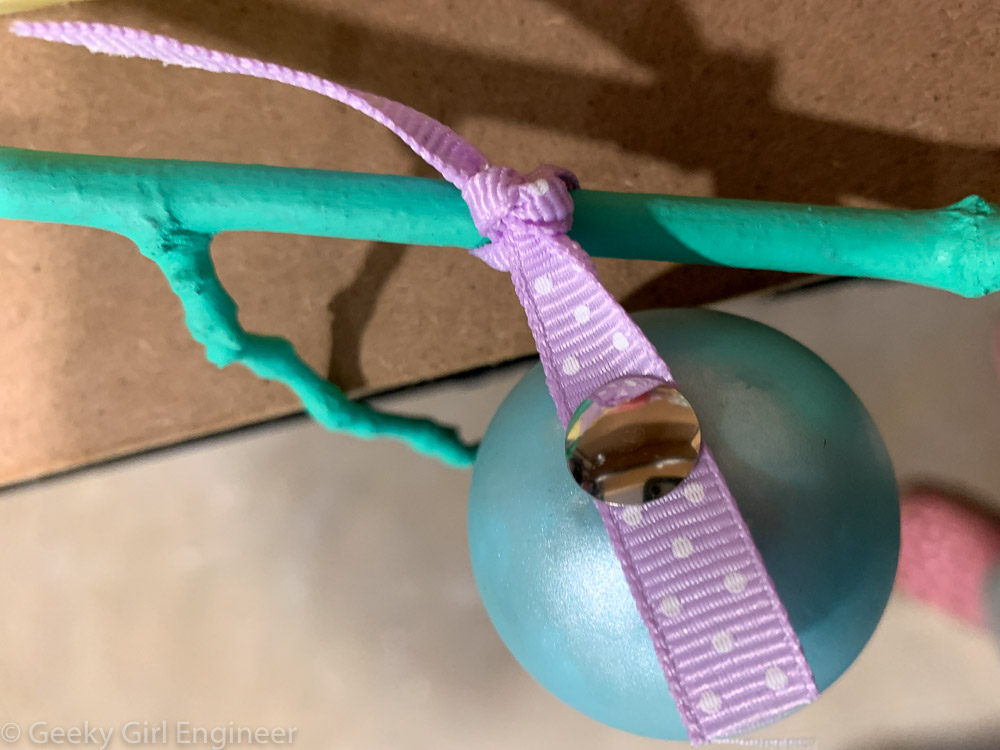
I then attached the eggs to the wreath via a thumbtack through ribbon. In some cases I attached them to ribbon already on the wreath, but in some cases, I added more ribbon.

Eggs attached to the ribbon with thumbtacks

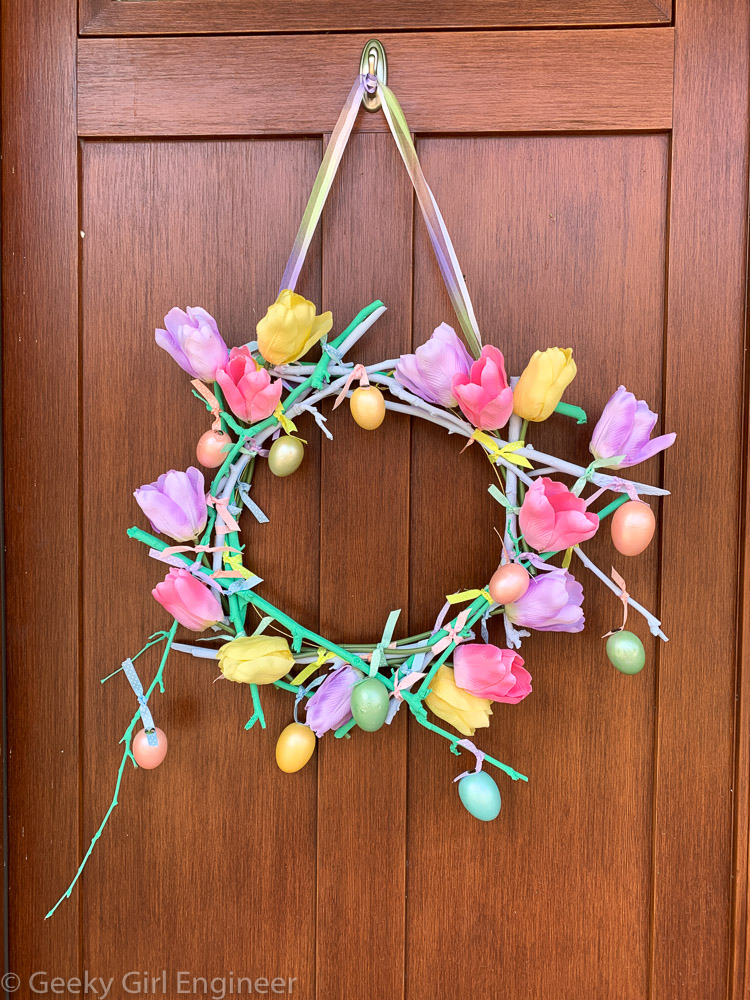
Then the last step, hang it on the door.

Finished wreath

How to live with cats: Garden windows

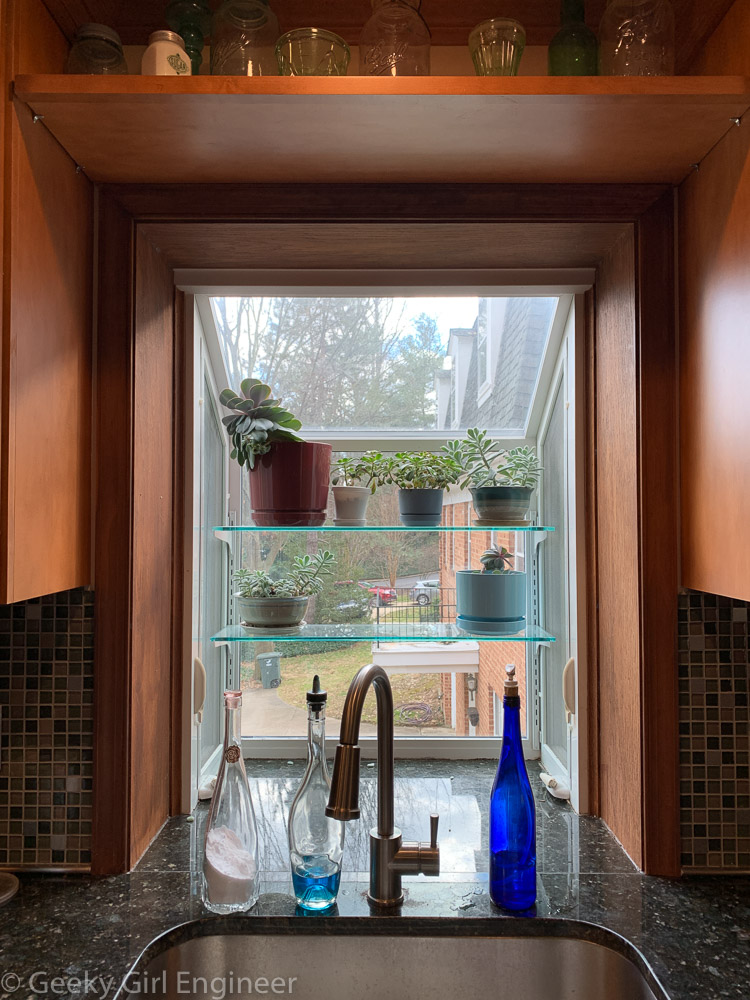
I have a garden window in my kitchen that I like very much. My plants that live in the garden window like it very much also. My cats also like it because they love to destroy my plants and can access the plants that live in the garden window. In general, the cats will not go after the plants when I am around, and in fact, normally they wait until it is nighttime, and I am asleep before really going after them. I want to keep at least some of the plants in the garden window, so I decided to make a window covering whose main purpose is simply to keep the cats out of the window at night or when I am away.

Garden window in my kitchen with my plants

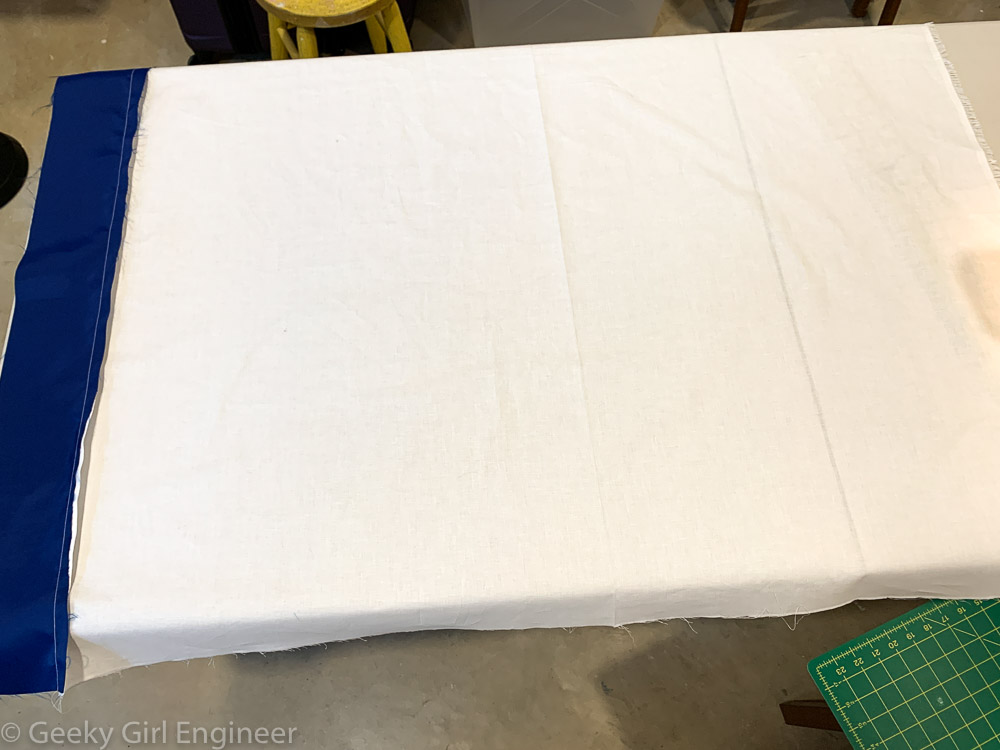
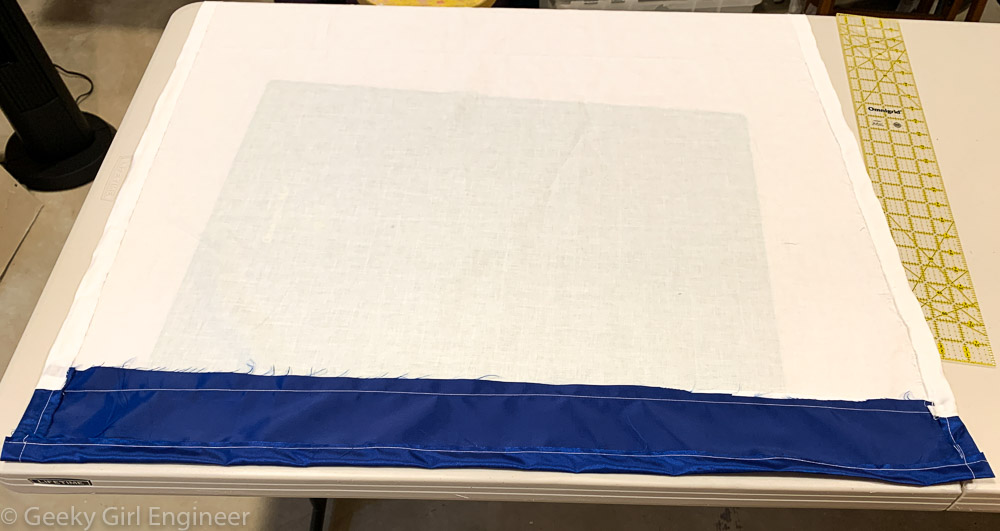
I started with plain, white, cheap muslin. I didn’t want to spend a lot of money. Also, I wanted a light, thin fabric that would let the light in through through the window. I am not concerned about privacy in my kitchen. I found some pretty blue fabric on sale as a remnant at the fabric store, so I decided to make the shade a tiny bit fancy. I sewed wide stripe of the blue fabric to the bottom of the muslin. The width and length was measured for the final product to just fit inside the window. Disclaimer: I am a terrible, unskilled seamstress.

Fabric cut and blue stripe sewed to bottom of white muslin

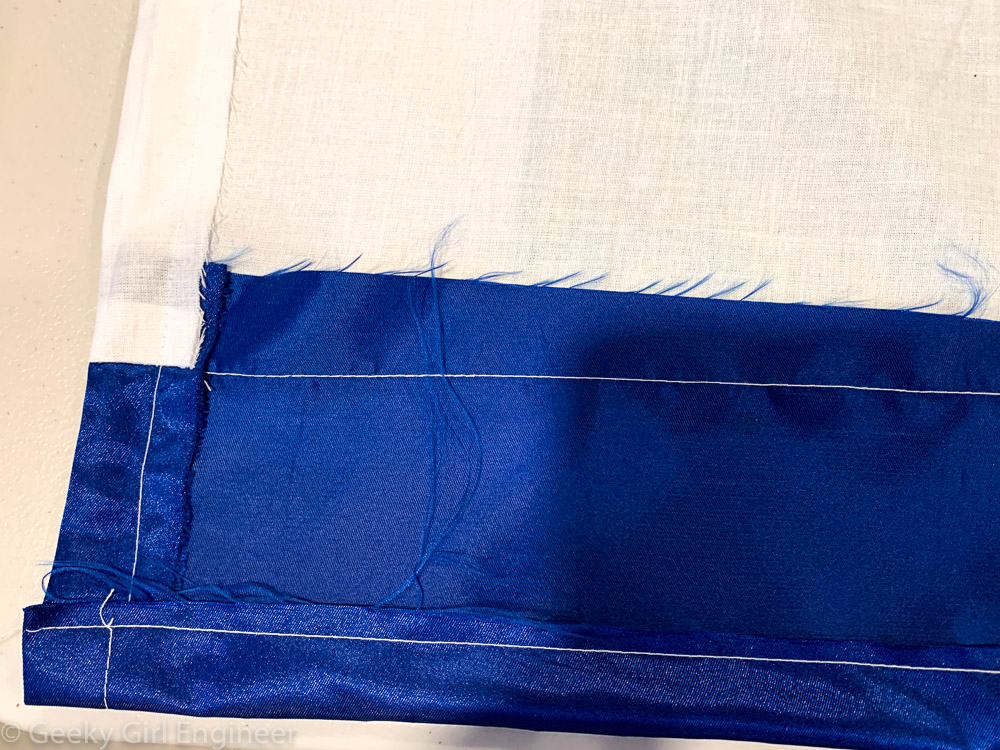
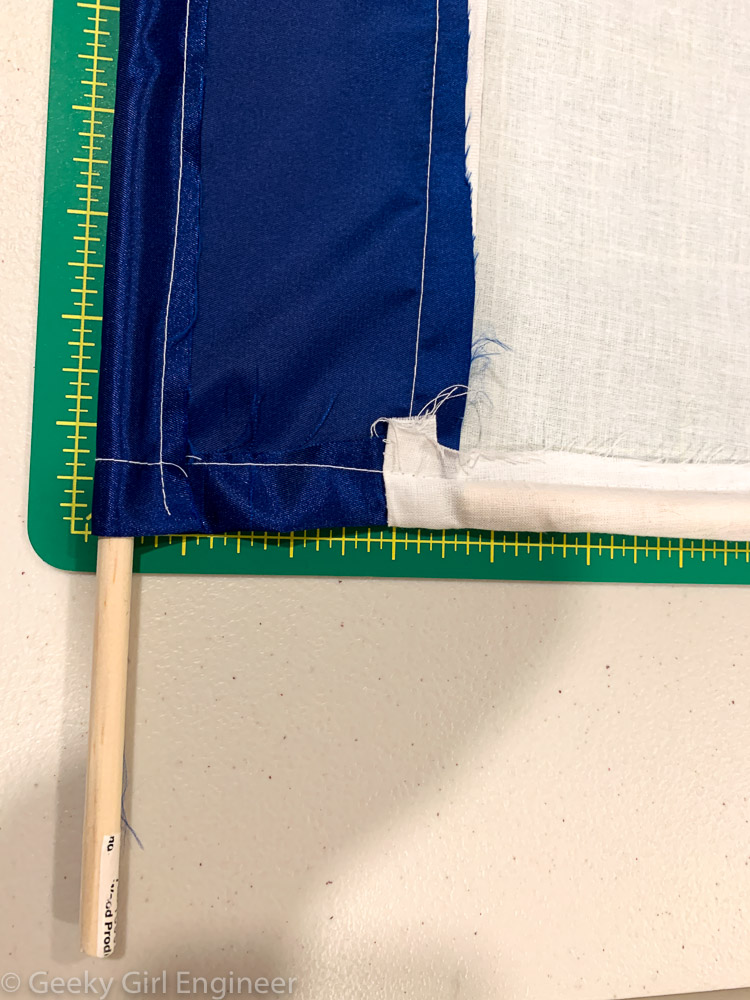
I then sewed wide hems on the edges. The top hem was large enough to insert the curtain rod. The side and bottom hems were large enough to form pockets into which a wooden dowel could be inserted. The bottom dowel would run the width of the shade. Both sides would have 15 inch long dowels at the bottom. The point of the dowels is so that the cats could not just walk past the shade like a hanging curtain. Something stiff was needed, so they could not push it aside. The dowels will ensure the shade hangs straight and stiff and stays just inside the window, so the cats cannot get in between the shade and window frame.

Side hem sewed with wide pocket for dowel

All hems sewed with wide pockets on side and bottom for dowels

Up close view hems and pockets for dowels

Inserting dowel into bottom pocket

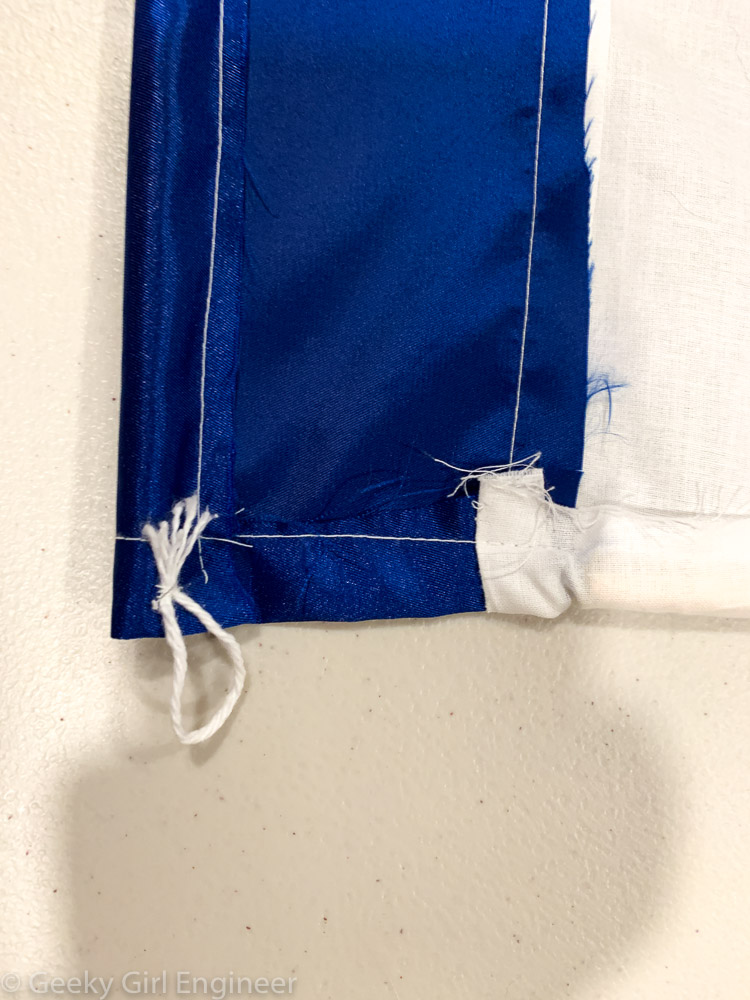
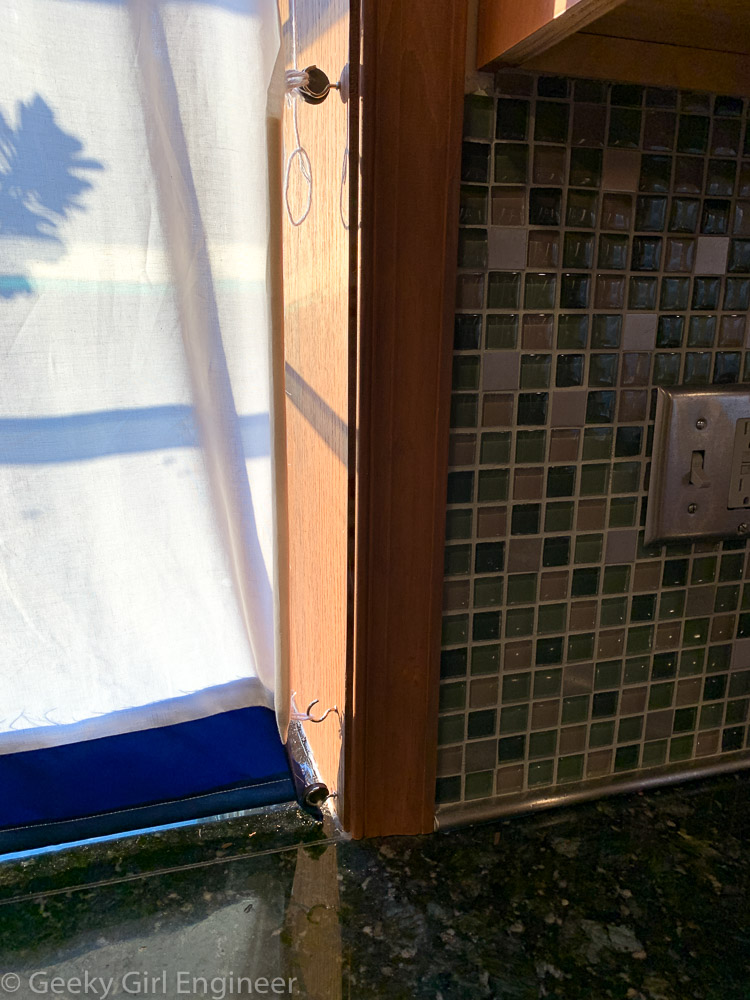
I then sewed loops of yarn on both sides of the shade, so that the shade could be held into place in the window with cup hooks. I had to adjust the size of the loops a few times, so that they were not too big and thus easily come off the hooks.

Yarn loop sewn onto bottom

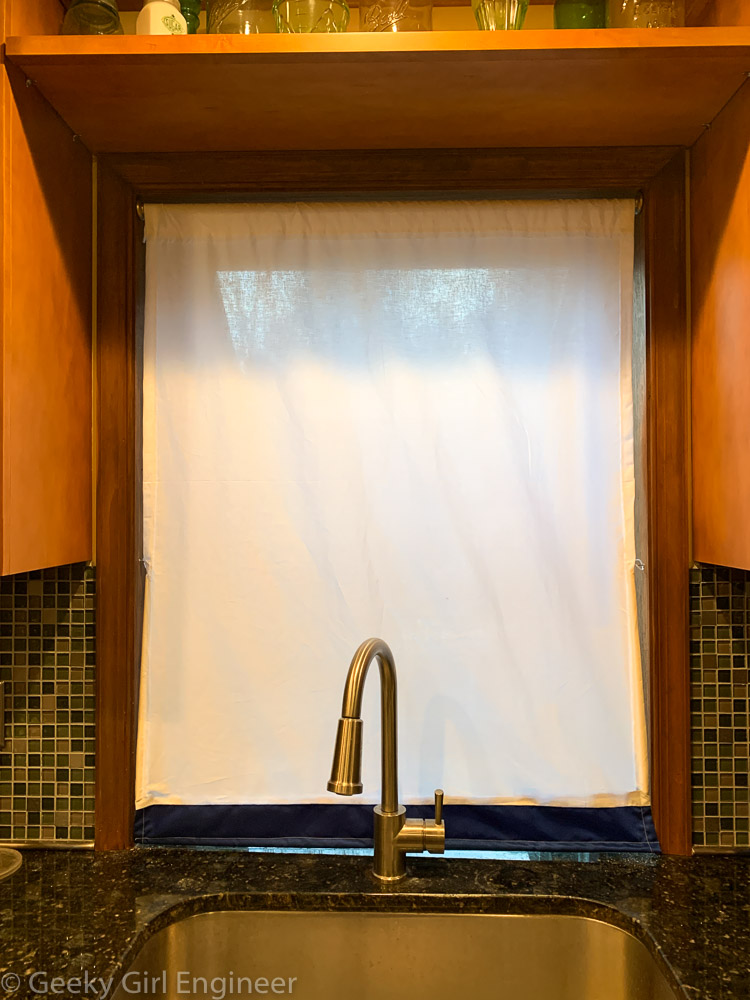
The hung shade with dowels lowered and loops attached to hooks just inside the window frame as designed.

Shade closed over garden window

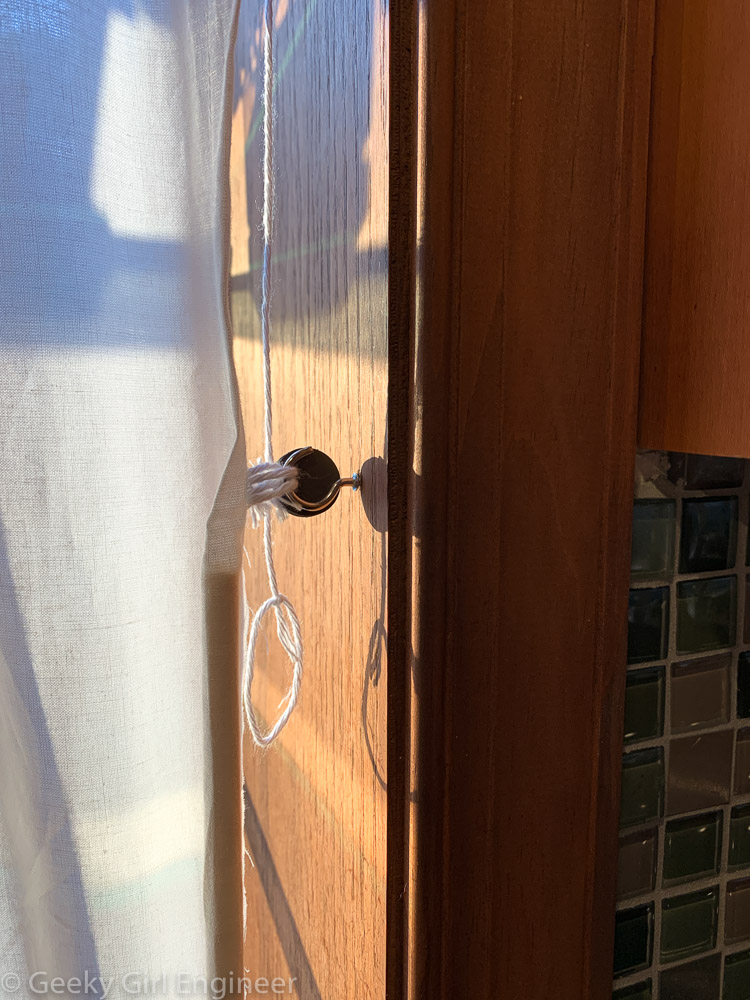
After hanging the shade, the cats quickly showed that they could remove the yarn loops from hooks. I tried having the hooks open in, out, and up, including some hooks opening in and some opening out, but the cats still could still remove the loop. Luckily, I found that the hooks are magnetic, and I had a bunch of magnetic disks. I am now able to keep the loops on the hooks with a magnet behind the hook. Thus far, this is defeating the cats.

Cup hooks inserted into window surround to hook loops with magnetic disks to keep loops on hooks

Loop on hook covered with magnetic disk. The large hanging loop attaches to a button to hold shade open.

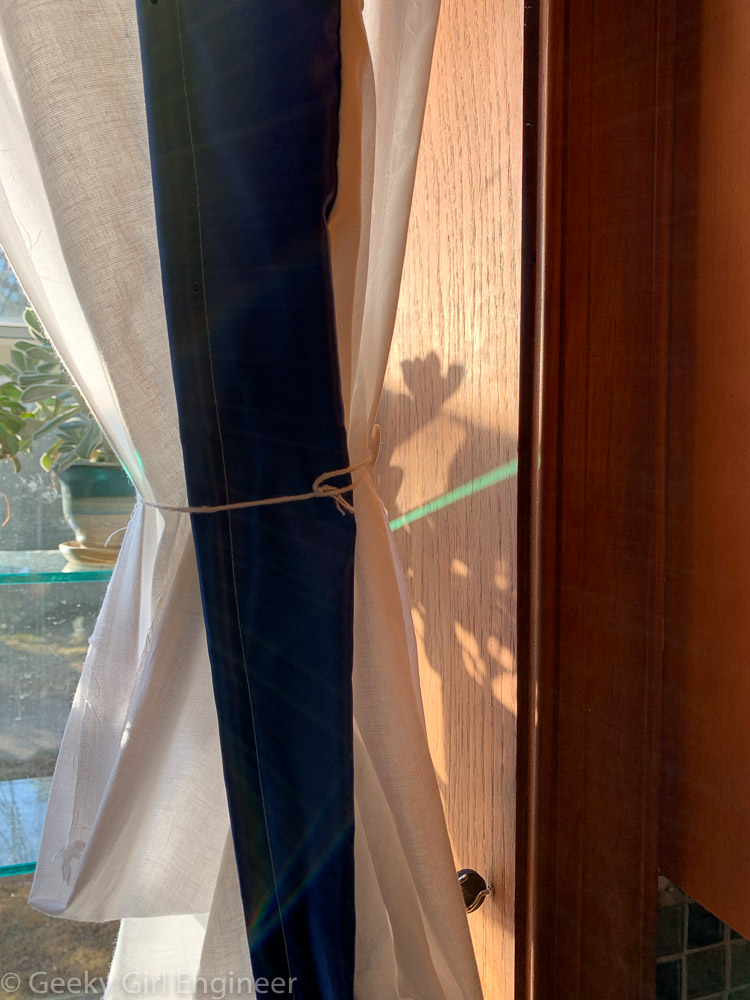
I sewed a long piece of yarn with a loop at the end halfway up the side. Right above the yarn piece, I sewed a large button. The shade can then be held open in the window by looping the yarn around the shade and putting its loop around the button.

Shade held open with large loop of yard around a button

Close up of yarn looped around button on shade

It took a couple of tweaks with the loops and hooks, but thus far this set up is working. It has worked for about two weeks now, so I am cautiously optimistic this will prevent the cats from killing my plants when the shade is down.

Mardi Gras wreath

Half my family are from New Orleans, which means I have been to Mardi Gras many times. It also means I have pounds and pounds of Mardi Gras beads. Aside from bringing them out while holding a Mardi Gras party, I am not really sure what to do with them. I decided to make a wreath with some of them.

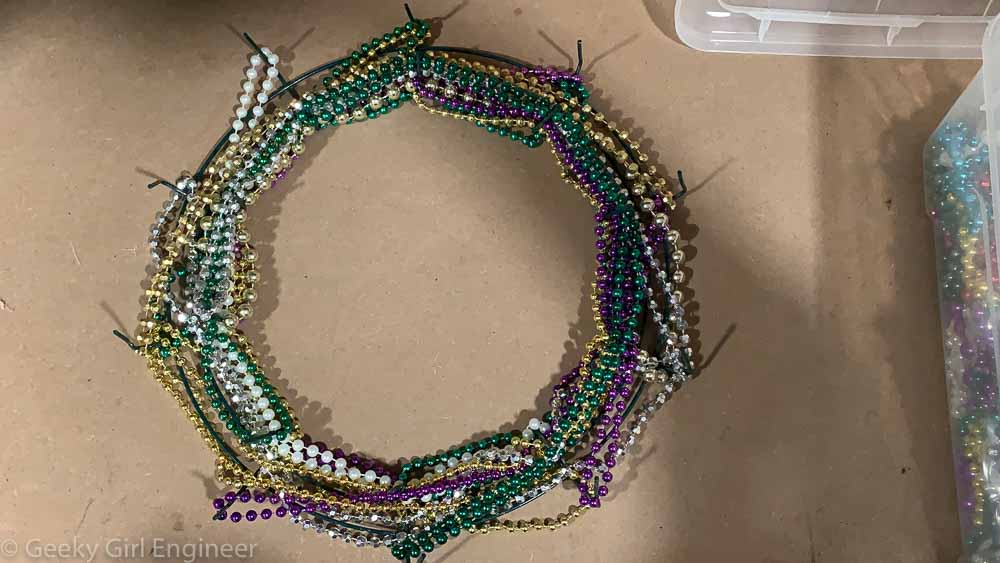
As a part of Christmas decorations, I had bought a greenery wreath. The greenery was attached to a metal ring that has prongs evenly spaced around the circumference. I opened up the prongs, so I could remove the greenery and compost them. Then I decided to repurpose the ring to serve as the base of the Mardi Gras wreath. The prongs worked perfectly to hangs the ends of the Mardi Gras beads. I then just kept the middle part of the bead necklaces between the prongs. I kept adding more and more beads to fill in the wreath.

Adding beads to metal wreath base

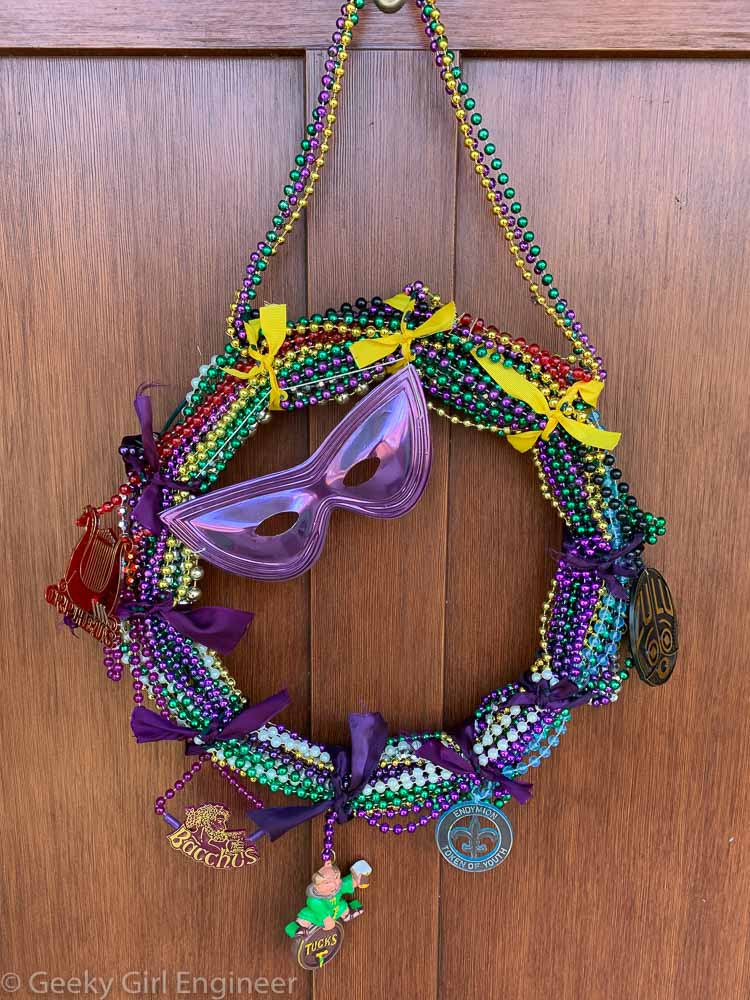
Once I had added plenty of beads and the wreath felt complete, I added a few necklaces that have the krewe’s medallion on them. I spaced those out so that they would hang evenly along the wreath. I also added three necklaces (gold, green, and purple because New Orleans Mardi Gras) to the top. Instead of wrapping them through the wreath, I placed them inside the top three prongs and pull the rest of the wreath, so they could be used as the wreath’s hanger. Finally I added a mask near the top. I used pliers to pull the metal prongs back together. I then used ribbon to wrap around the wreath at each prong location. I also wrapped the ribbon around the prongs as they did not close fully.

Then voilà, I have my finished Mardi Gras wreath. Laissez les bon temps rouler.

Mardi Gras wreath