

Solar Eclipse
Snorkeling in Alaska
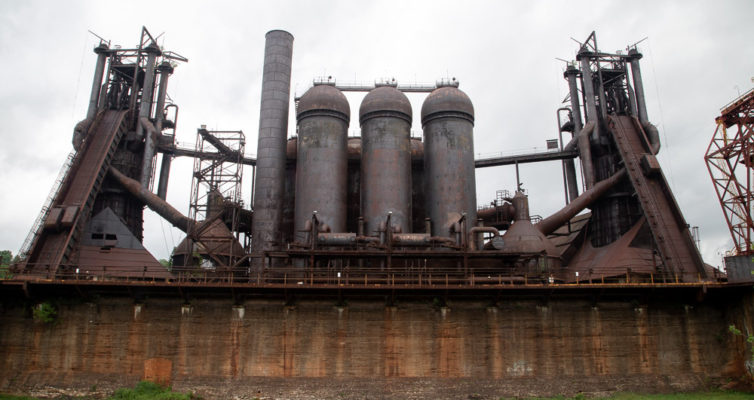
Carrie Blast Furnaces
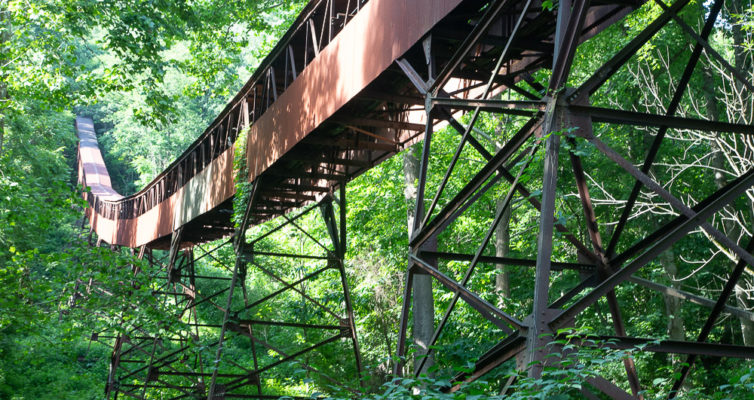
Nuttallburg
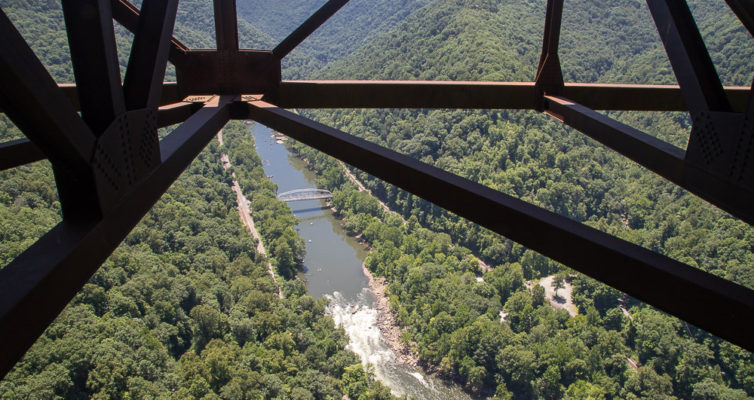
Bridge Walk

More on Kilograms Are Not Weight

I just finished reading Randall Munroe’s book “What If?” It is a fantastic book. The book is mainly (completely?) a collection of posts from his website xkcd.com, which is a great comic strip. The book is funny and rather educational as it contains scientific answers to absurd questions.

However I have bone to pick with Mr. Munroe, or perhaps I would simply like him to explain just what the heck he is talking about in the chapter and post “Expanding Earth.” The question regards weight gain people would notice if the Earth started to expand. He explains how gravity would increase, so your weight would increase. No arguments from me. I agree. However the part where he completely loses me is that not only does he not distinguish between mass and weight, but he refers to a person gaining mass, not gaining weight, and using units of kilograms. I don’t know what this means. To quote one part of the post, “After five years, gravity would be 25% stronger. If you weighed 70 kg when the expansion started, you’d weigh 88 kg now.” No, Mr. Munroe, I hate to contradict you, but you most certainly would not. You could certainly gain mass, in which case you would weigh more. The increased gravity would cause you to weigh more independent of if you had or had not gained mass. However the simple increase in gravity would not cause you to gain mass, but it would cause you to gain weight.

I blogged before about my annoyance with people who use kilograms and refer to it representing body weight. Kilograms is a unit of mass, not force. A weight is a specific type of force due to the acceleration of gravity being applied to a mass. If you are comparing or discussing some mass on Earth, then you can refer to them in kilograms and ignore the weight because gravity is constant. [Gravity is not in fact constant across the planet. It varies a little due a couple of factors, mainly latitude and altitude, but I am trying not to get too technical.] For example, you could say the average American has a body mass of 80 kg, but person X has a body mass of 65 kg. People will commonly say the average American has a body weight of 80 kg. They are wrong, but at least all of this is being said with a constant gravity.

In the “Expanding Earth” post, he continues to use the units of kilograms, even though he is clearly referring to weight increasing due to the acceleration of gravity increasing. If he had used Newtons for units of weight, the post would make sense. Quite frankly, in the post I don’t know why he didn’t discuss this to begin with. However, I can’t understand what 88 kg means in the situation he describes. Is he increasing the force of gravity to the weight but then removing the standard gravity to relate it back to a mass? Why would you do that? Is he using a ratio of acceleration due to gravity to apply to the mass instead of properly applying it to the weight? How is this less confusing? I am confident he knows the difference between mass and weight. Did he really not think people would understand his answer if he used proper units? Does he actually mean that your mass would increase? Would the mass increase because you can’t move around due to the increased gravity?

I know I sound really nit picky, but what hope do the scientific literate have of getting people who don’t understand the difference to understand the difference, if a physicist doesn’t use proper units?
Engineering Responsibility

A couple of weeks ago I took a day long class on urban stormwater design. It was a class designed for Professional Engineers and others who needed to earn some continuing education credit. It was taught by two Professional Engineers. Urban stormwater design is something I am in general familiar with but not anywhere close to an expert, so I thought this would be a worthwhile, intriguing class by which I could also earn needed continuing education credit.

The class subject was the important topic of urban stormwater, specifically in older cities like Boston, New York, Philadelphia, and Washington, where much of the city has combined sewer systems. Combined sewers are systems where both stormwater and sanitary wastewater (i.e. the discharge from household and business sinks, toilets, showers, etc.) go into the same set of pipes and eventually to a wastewater treatment plant. When it is not raining, this type of system works fairly well because it is mainly just the wastewater reaching the treatment plant. When there is precipitation, this type of system can cause problems because the amount of flow can overwhelm the treatment plant. If the plant is not big enough, or if there is not enough storage capacity to hold the wastewater until the treatment plant can treat it, then this results in raw, untreated wastewater (i.e. poop) being discharged to whatever body of water is downstream of the plant. The discharge of untreated wastewater is illegal under the Clean Water Act and is considered a permit violation under the National Pollutant Discharge Elimination System (NPDES) program.

The class covered ways that cities can try to prevent overwhelming the plant and thus permit violations. This can range from the more obvious, and often most expensive, ways of building more and bigger wastewater treatment plants and/or storage capacity to hold the wastewater until the plant can treat it, to the more innovative and sometimes lower cost of green infrastructure. Green roofs can absorb some of the stormwater, and thus reducing the amount of stormwater going into the sewers. Tiny little parks and green bump-outs into the street which trap perhaps an inch of rain can also help, especially when many of them are built around the city. In the area where I live, many redesigned streets have a green median which sinks below street level or have a depressed area with plants next to a wide sidewalk. The idea with these areas is to allow some of the stormwater to sink into the ground and also to simply hold some of the stormwater during the storm. This evens out the flow going into the sewers.

During this class, one of the instructors showed various models that he and his company had run for an older city to solve a problem where a particular neighborhood kept having the basements flood with sewage. The city had a combined sewer, and in that area, the pipes could not handle all the flow during the storm, and this would lead to sewage backing up into people’s basements. Quite obviously, the people living there did not like raw sewage flooding their basement every couple of years. Who would? So the instructor demonstrated how complex the issue was with maps that showed if you added extra capacity in this tiny area, it would solve the problem for this tiny part of the neighborhood. However, if you spent more money and built more capacity for a larger area, it would solve the issue for more of the neighborhood but ironically would make it worse for this other part of the neighborhood. His point was to show how the problem was complex, and it was not just a matter of adding more pipes.
However, in every single one of his models, the extra pipes to handle the extra flow had one or more outfalls to the river that flowed next to the neighborhood. The pipes were intended to connect to the combined sewer system, but to alleviate the extra flow that caused the flooding in people’s basements, they modeled adding extra outfalls where the raw sewage, instead of going into people’s basements, would instead go into the river next to the river. Now, I am sure most people would think, well, I would rather it go into the river than into my basement. However consider if you live in that area, you would still be dealing with raw sewage in the area, just maybe not in your basement. An improvement, but still a problem. The instructor said they were designing for a storm size that would happen about every five years. To be clear, dumping raw wastewater into a river ever five years is illegal. I was incredulous that they were actually designing the system to dump raw sewage into the river. I asked him why didn’t the design include a new interceptor (a giant pipe that generally conveys the flow for long distances to a plant), or some other large storage area until the system could handle the extra flow and convey it to the treatment plant. He cited cost. Cost is not a reason to violate the law. In fact cities that dump raw sewage can fined, so there’s a cost. [I don’t work in this area. I don’t know how often cities are fined for this, but I do know the idea is not to take money from them but to get them to spend the money so violations don’t occur. Use the money to build more wastewater treatment plant capacity, etc.]

I questioned the instructor about this. It is one thing to have an old system that dumped raw sewage into a river and then to keep building pipes and plants such that the city reduced or eliminated any discharge of raw sewage. It is an entirely other thing to actually design “improvements” to your system to do that. To be clear, sewage flooding into people’s basements is obviously a serious problem that the city needed to solve. But solving it to only create another problem is not a true solution. I kept asking him why didn’t the solution include a new interceptor or storage. A couple of the other people taking the class asked questions of a similar nature. Finally the instructor seemed to be tired of the questions and not being able to answer them to our satisfaction, and he said “I don’t know guys, I’m just the modeler.” He is a Professional Engineer. I accept that the reason he was teaching this part of the class is that he in an expert in modeling stormwater. I do not accept that because he was just doing the modeling, he had no responsibility for the solution that he was modeling. At some point, he should have asked what kind of solution was he modeling if by design it would lead to permit violations every five years or so. Part of the responsibility of being a Professional Engineer is knowing that is a not a solution. Part of being an engineer is planning for every contingency you possibly can. Part of being an engineer is knowing the law. That means you can’t shrink responsibility by simply saying that’s not my part. I just did this tiny area. Go talk to the other guy. Nope. You can’t do that. A Professional Engineer takes responsibility for the design. That’s your job. Find a solution that solves the problem you were asked to solve but does not create other problems.

Waterborne diseases

I am still irritated by the one sided New York Times article on people who think “raw water” is better than treated water. I wrote previously about the various microorganisms and chemicals that can be found naturally in groundwater, but I wanted to expand a bit on water borne diseases and why we treat water. Not all water borne diseases are a result of microorganisms.

High nitrates in water can lead to blue-baby syndrome, more properly known as infant methemoglobinemia. Nitrates is associated with human-related water contamination, especially agriculture.

Arsenic occurs naturally in many groundwater sources. The United States Geological Survey (USGS) has mapped arsenic in groundwater based on a great deal of sampling. Arsenic in groundwater is particularly problematic in southeast Asia. Arsenic can cause cancer, cardiovascular disease, and skin lesions, among other issues.

Other naturally occurring metals and radioactive elements can be found in groundwater that can cause long term health problems. Groundwater and surface can also become contaminated from human activities with volatile organic compounds, pesticides, and other chemicals that you don’t generally want to ingest.

Then there are all the illnesses caused by microorganisms in water. According to the Centers for Disease Control and Prevention (CDC), the most common waterborne disease outbreak for 2013-2014 was Legionella, which I admit surprised me. Legionella causes respiratory illness due to inhalation of it, which is why it is normally associated with people inhaling the mist of cooling towers and air conditioning systems. [This is how it was first discovered and named when members of the American Legion got sick at a convention in Philadelphia hotel with unsterilized water in a cooling system.]

Most waterborne microorganism caused illness cause gastrointestinal illness though. Most people have heard of Giardia lamblia, which can cause diarrhea. There is Shigella which causes diarrhea, fever, and stomach cramps. E. coli is another common microorganism that can cause gastrointestinal illness found in both food and water. Cryptosporidium is a nasty microorganism that can cause illness. The reason I call it nasty though is because the parasite is protected by a shell that makes it particularly difficult to kill with disinfectants.

While luckily not a problem in the U.S., cholera, another waterborne disease, has killed many people throughout history. Yemen is currently in the midst of a horrible outbreak that has killed thousands and infected a million people. The cholera outbreak in London in 1854 is considered by most to be when the field of epidemiology started when John Snow, a physician, removed the Broad Street pump handle to show that that pump was the cause of most of the cases.

Point of all this is, be thankful for modern water treatment. There are very few waterborne illnesses in the U.S. It is rather rare for a person to get sick from water that comes from a public water supply, and when they do, most often because something has gone wrong at the water treatment plant. There are other issues of course, such as old water systems with lead in the pipes or solder. The source water can also become contaminated with something that the water treatment plant was not designed to treat. On the whole though, you are much more likely to become ill from untreated water then from treated water.

Raw Water

The New York Times ran an article about people who like to drink “raw water.” Evidently there are people who do not like tap water and like to drink unfiltered, untreated, unsterilized water. According to the article, some people like the taste. Fair enough. Most of the time when people object to the taste of tap water, what they are objecting to is the taste of chlorine or chloramines that are added to kill bacteria that can make you sick. Using a filter at the tap or simply putting the water in a container and letting it sit in the refrigerator overnight will solve the taste issue. One of the parts of this almost completely one-sided article that I find the most telling and amusing is this paragraph.

“He said “real water” should expire after a few months. His does. “It stays most fresh within one lunar cycle of delivery,” he said. “If it sits around too long, it’ll turn green. People don’t even realize that because all their water’s dead, so they never see it turn green.””

Water does not turn green unless there is something growing in it. The person quoted understands that there are microorganisms (algae most likely because it turns green) growing in the water but thinks that is good thing. There is a reason why water purveyors are required to disinfect water. Bacteria and other microorganisms can cause illness. Not all microorganisms call illness, and some can have beneficial effects (i.e. probiotics). Groundwater does normally have less microorganisms than surface water, but it is not sterile. Further, hot springs does not mean sterile. Scientists have been studying the microorganisms in hot springs like the geysers at Yellowstone National Park for years. Those microorganisms are often called extremophiles because they are so different from the “normal” microorganisms we normally find in less extreme settings.

Some people are concerned about the fluoride that is added to water to help dental health, and a person quoted in this articles believes it is a mind-control drug. Fluoride does help dental health, and it is not a mind-control drug. I really don’t even know where to go with the claim that fluoride is a mind-control drug, so I have decided not to address it right now. Also fluoride can be naturally occurring in groundwater.

However, here, I would like to address the issues with not treating or filtering water and all the other contaminants that can be in water, including but not limited to the microorganisms. The Environmental Protection Agency (EPA) sets limits on microorganisms, disinfectants, disinfectant byproducts, inorganic, organics, and radionuclides. Bottled water is regulated by the Food and Drug Administration (FDA), not the EPA, and the regulations and testing requirements are different. Tap water is tested more frequently and has more monitoring requirements.

Just because water comes from the ground does not mean that it is pure or clean. Bacteria naturally grows in groundwater. Groundwater normally has ions including metals in it, and not all of those metals are good for people. The only way to know if it is free of contaminants is to test it. The United States Geological Survey (USGS) studies and samples groundwater and surface water across the United States. I randomly pulled several reports by searching on water quality and groundwater at USGS’s website. This report of sampling from 2014 found heavy metals in almost all groundwater samples, as well as pesticides and volatile organic compounds (VOCs). “Groundwater Quality in the Yuba River and Bear River Watersheds, Sierra Nevada, California” indicates that while the groundwater is mostly clean, a few samples had high concentrations of four elements (arsenic, barium, molybdenum, and strontium), a few samples had high radioactivity, and coliforms were detected in over 20% of wells. This report on groundwater quality in Lycoming County, Pennsylvania shows 52% of the samples exceed the EPA standard for total coliform, 12% of the wells exceeded the Maximum Contaminant Level (MCL) for arsenic, 67% exceeded the MCL for Radon-222, and a few exceeded the reporting limit for various VOCs.”Groundwater Quality in the Northern Atlantic Coastal Plain Aquifer System, Eastern United States” found fluoride, arsenic, and manganese in high concentrations in some of the samples. [Note this is naturally occurring fluoride.] Radioactive constituents were present at high levels in about 1% of the samples and at moderate levels in about 12%.

This is the reason why water treatment plants are not one size fits all. All water treatment plants have to disinfect the water. They can’t test for all microorganisms, but they test for indicator microorganisms like total coliform to determine how much disinfect is needed. They also have to test for VOCs, radionuclides, and numerous other indicators. They also test for smell and taste. Common processes at water treatment plants include flocculation and filtration to remove dissolved and suspended particles (this includes microorganisms). The source water will dictate what processes are used and the amount of treatment. The point of the treatment is to clean the water, make sure it meets the requirements set by the EPA and whatever respective state the plant is in, and prevent the people from drinking it from getting sick because of the water. The people of the United States can thank water treatment for better health. Drinking “raw water” means returning to the taking chances on acquiring an illness that people of the past were happy to do away with when water treatment plants became standard and laws like the Safe Drinking Water Act were passed. Edited to add: The EPA sets National Primary Drinking Water Regulations (NPDWR), which are legally enforceable primary standards and treatment techniques that apply to public water systems, and clicking on this embedded link will take to you a list of them along with the health problems that can occur if the water contains one of those chemicals or microorganisms above that limit.

Author’s Note: When I originally wrote this, I referred to microorganisms that live in extreme settings as xenophiles. I meant to say extremophiles. I have corrected it, and I apologize for any confusion. This is what happens when I edit my own writing. I think I had xenobiotics in my head. Xenobiotic is term generally used to describe chemicals that are foreign to body or ecosystem. In my field, I often use that term when speaking of a contaminant in the environment that needs to be cleaned up. You might find xenobiotics in raw water.

MTA’s Linden Yard

I took another fun, educational tour with the New York Transit Museum. This tour was of MTA’s Linden Yard where they rehabilitate and replace subway track and switch gear. I have been on several yard tours, and this one was very different. There were no cars being repaired. It was strictly rails. There are three types of rail areas: underground, aboveground on the surface, and aboveground on a structure (elevated). They repair and build rail differently depending on where it is.

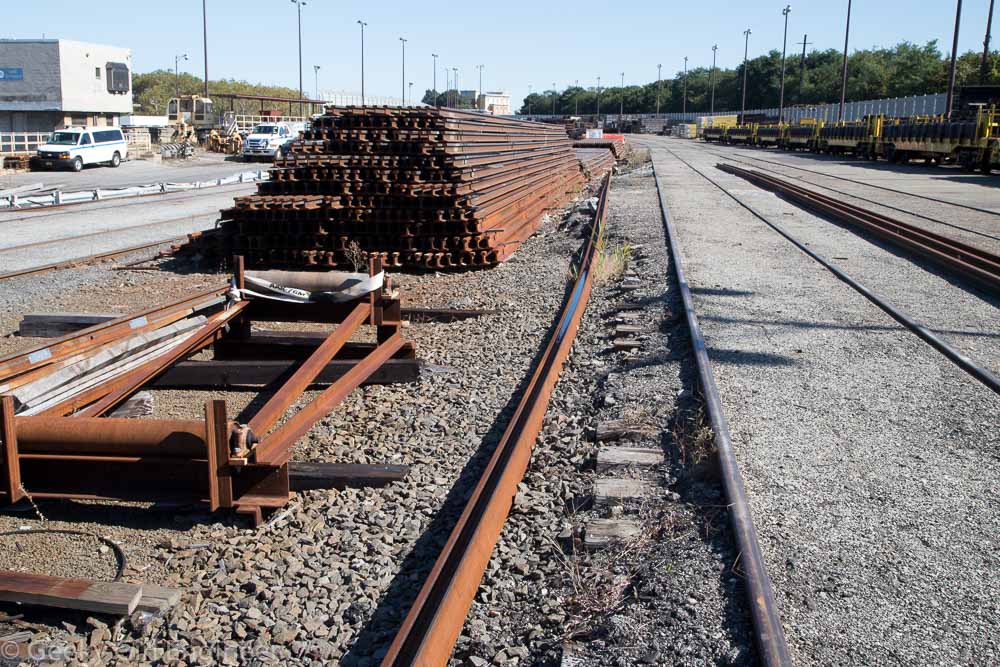
In some areas, they can lay continuous welded rail, which speeds up replacement. They weld long lengths of rail together in the yard and then transport them to the location to be laid.

A continuous welded rail is laying on the ground in the middle next to the stacked rails

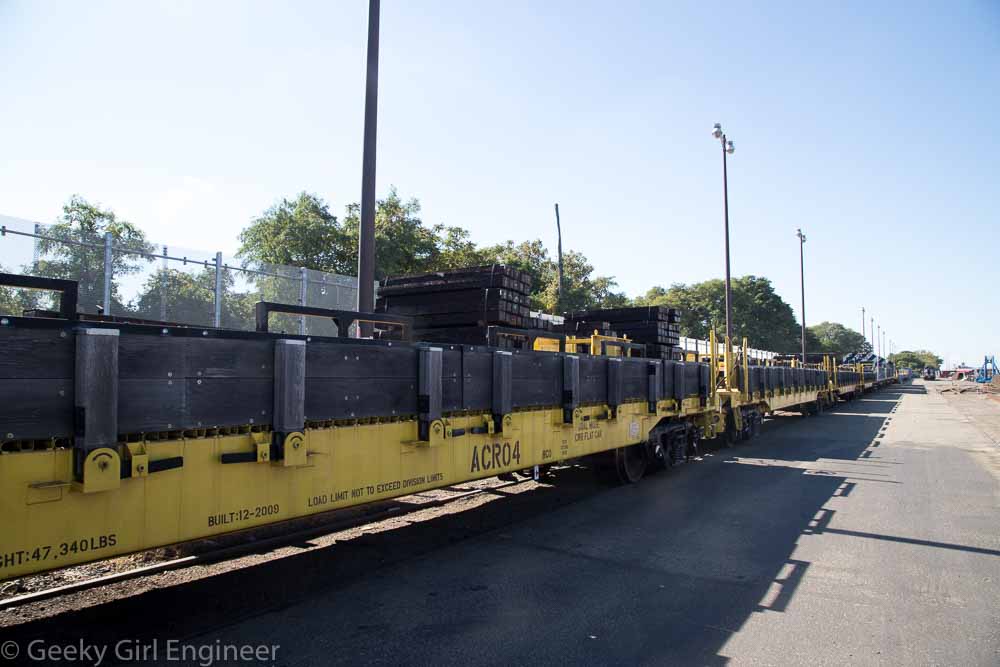
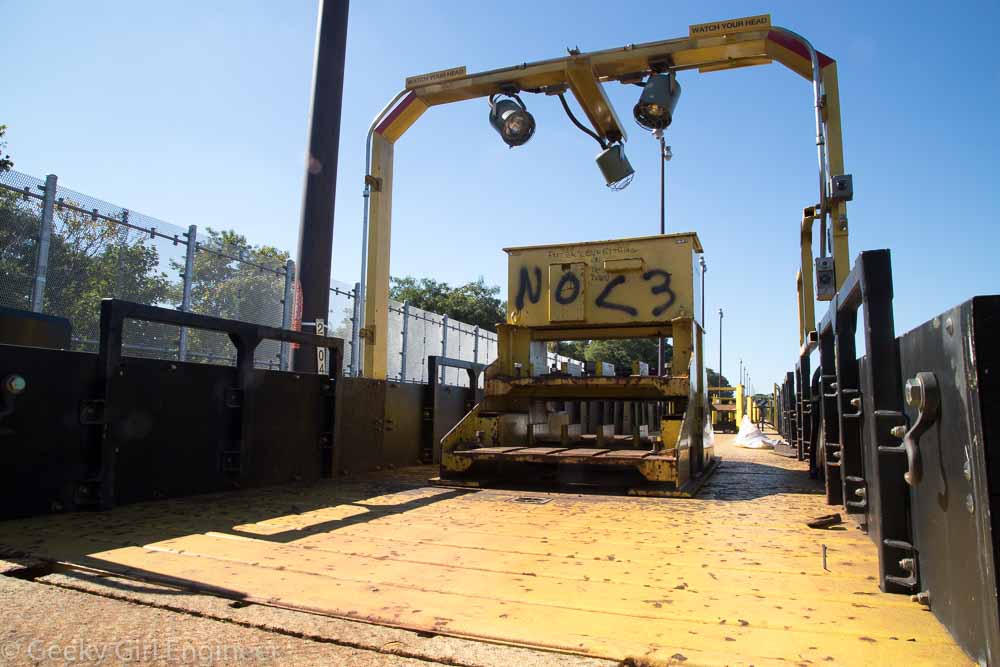
The continuous welded rail is transported in specialty rail cars that are joined together and can transport eight of these continuous welded rail.

Specialty rail car for laying continuous welded rail

Specialty rail car for laying continuous welded rail

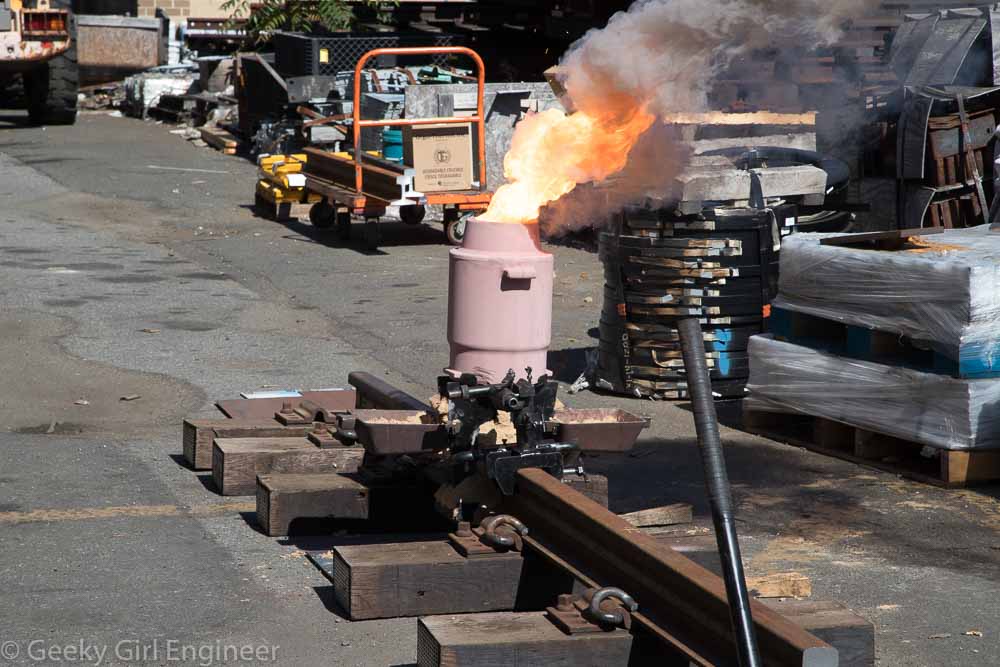
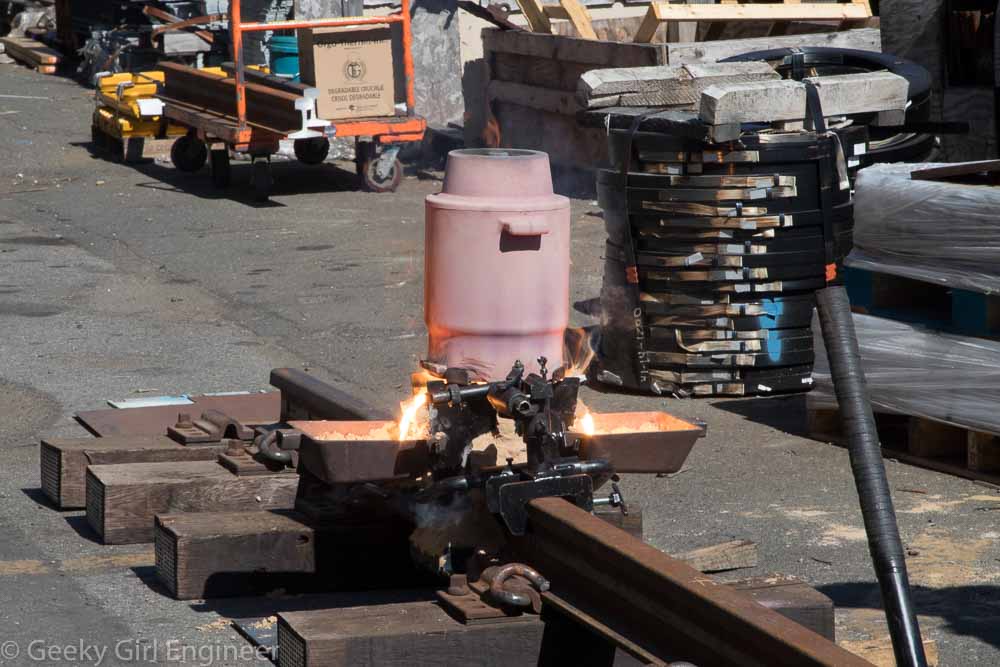
They use thermite to weld lengths of rail together. The process is awesome to watch.

Using thermite to weld two pieces of rail together

Using thermite to weld two pieces of rail together. Molten metal is pouring out the sides.

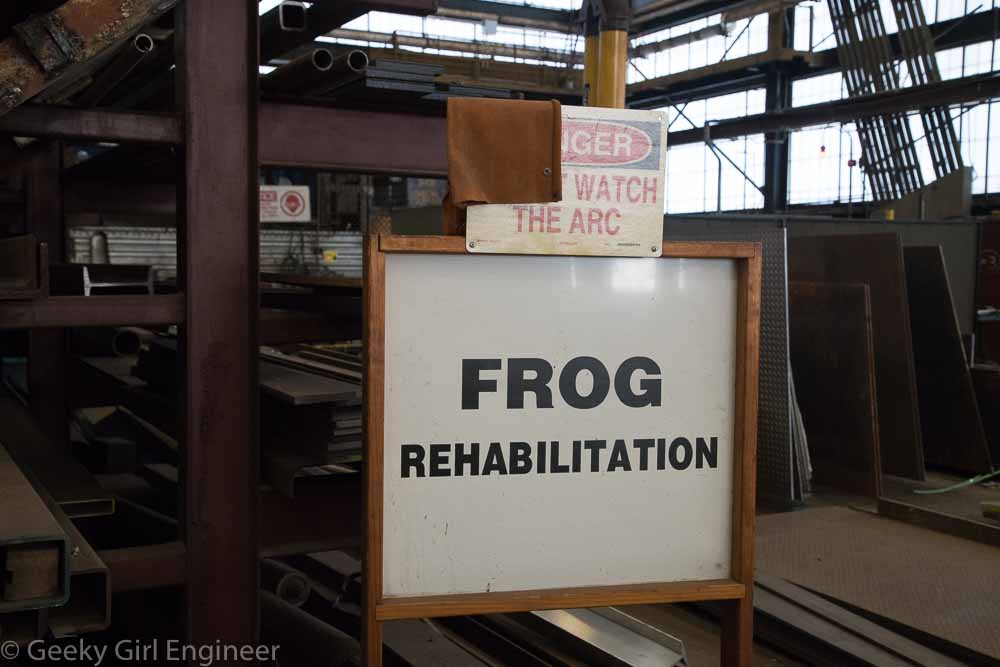
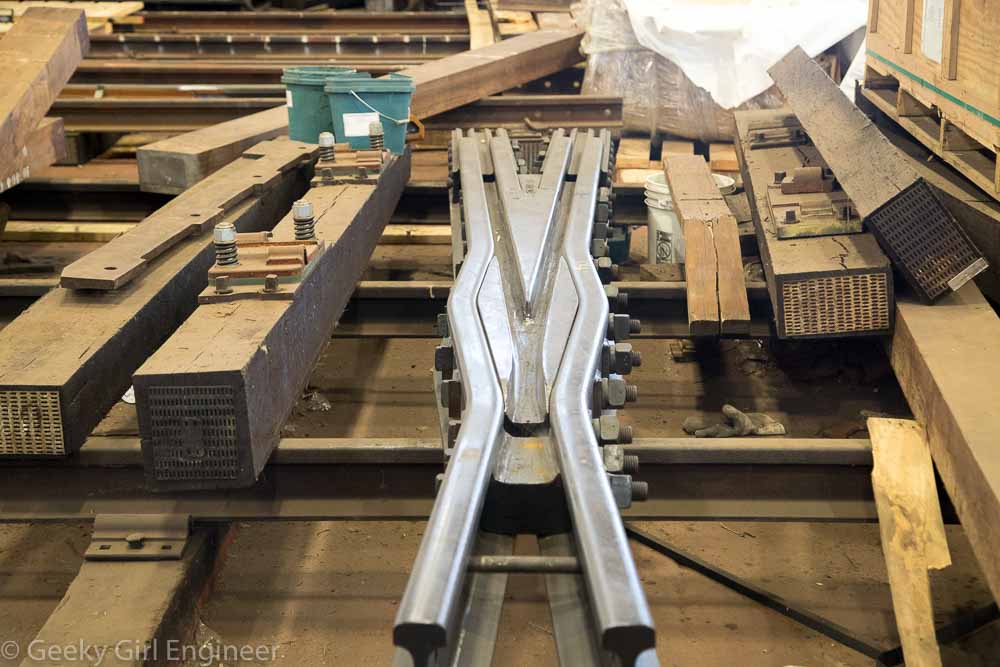
They also rehabilitate frogs, aka rail switches.

Frog rehabilitation area

A “frog”, switching track so named because it is said to look like a frog laying down with limbs spread out

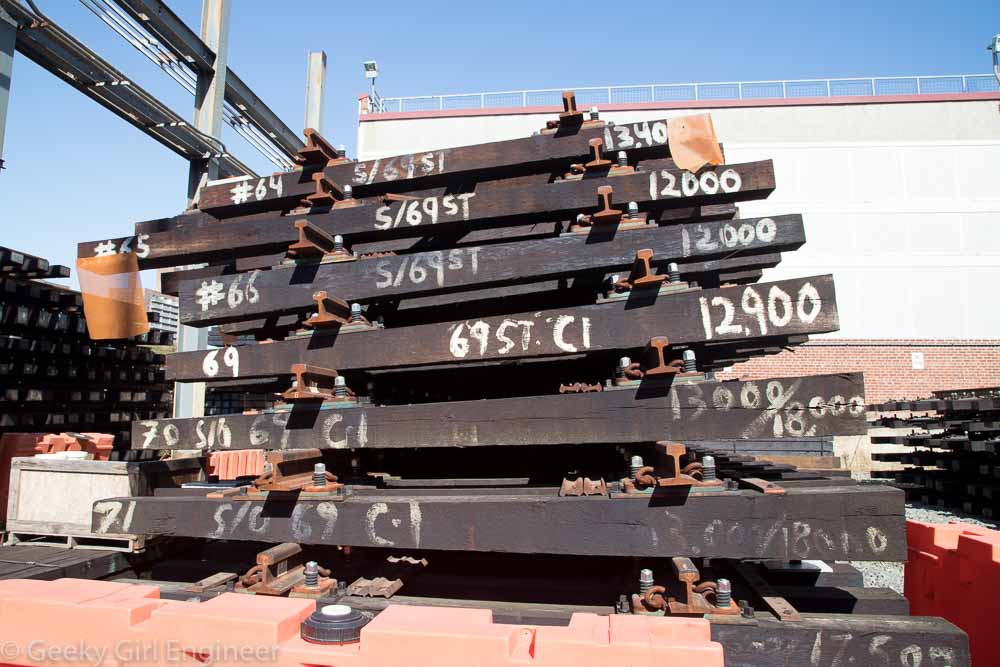
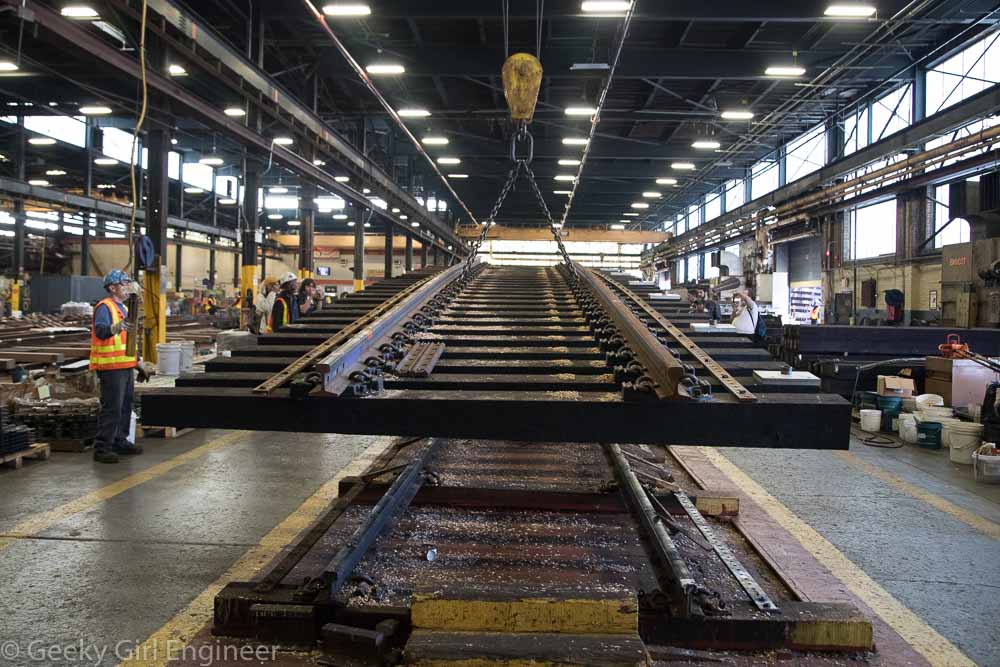
They build complete segments of rail attached to the ties. For curved sections of track, they have to rip the ties at precise angles to give the rail curve whatever angle it needs for the train to take the curve safely.

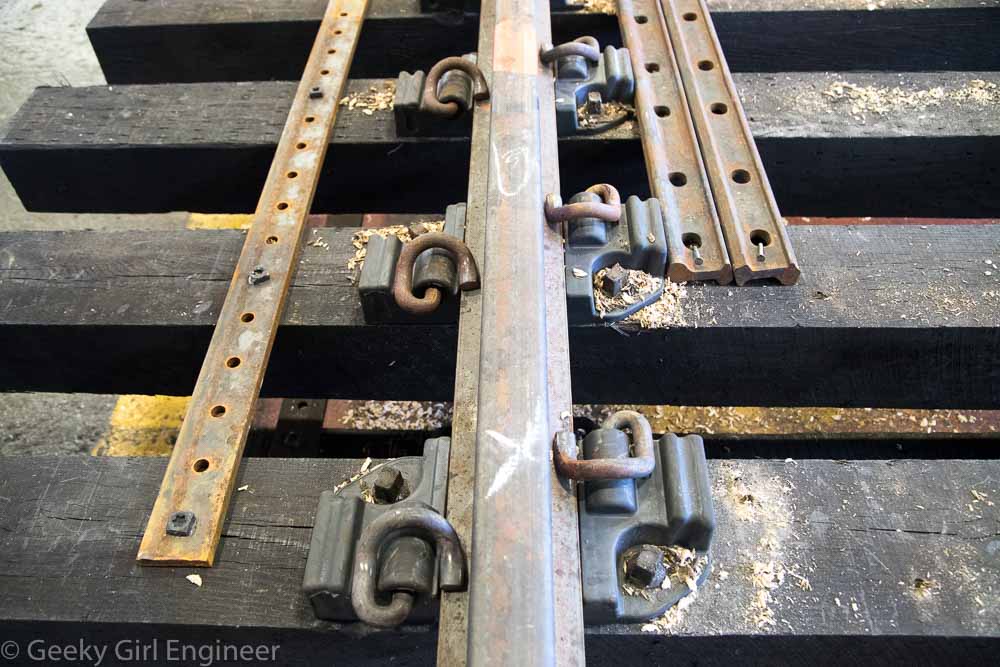
Stacked rails on ties. Note that some of the ties are cut at an angle to lay in track curves. The metal plates used to join the rail and ties have a rubber bottom to cushion the train and reduce noise.

They also build the more complicated rail junctions.

A rail switch or junction being built in the shop

Fully assembled track lifted by crane

Rubber plates used to hold rail to ties. Rubber reduces the noise of the train.

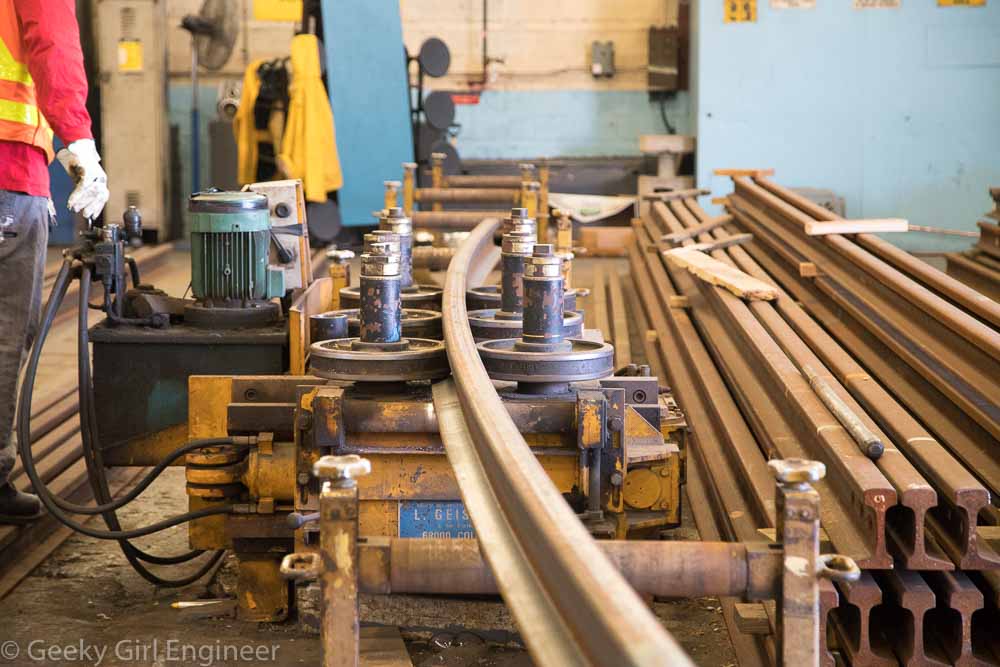
Rail being curved by mechanical force in this machine

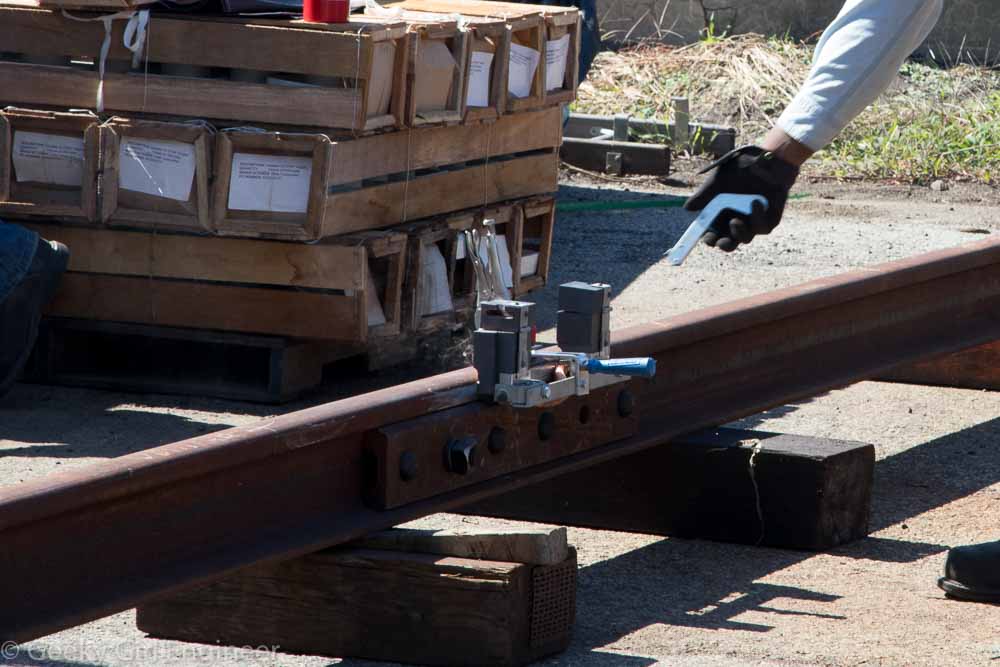
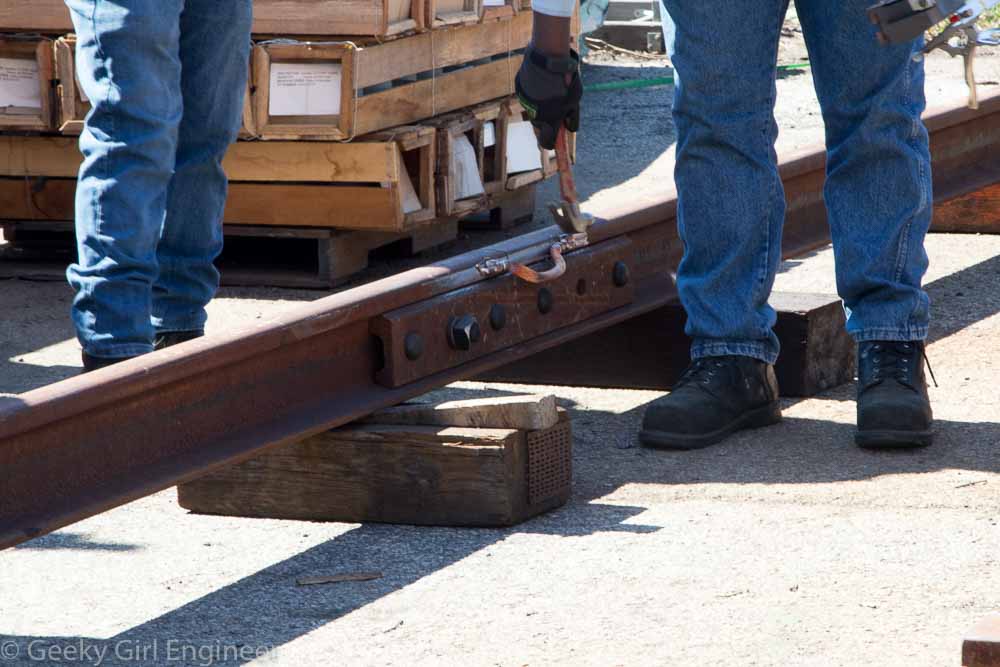
They also repair the third rail. Third rails are not welded together but are joined using a very thick copper wire that is welded to each segment.

Copper wire being attached to two third rails with thermite

Newly attached copper wire to serve as junction between two third rails

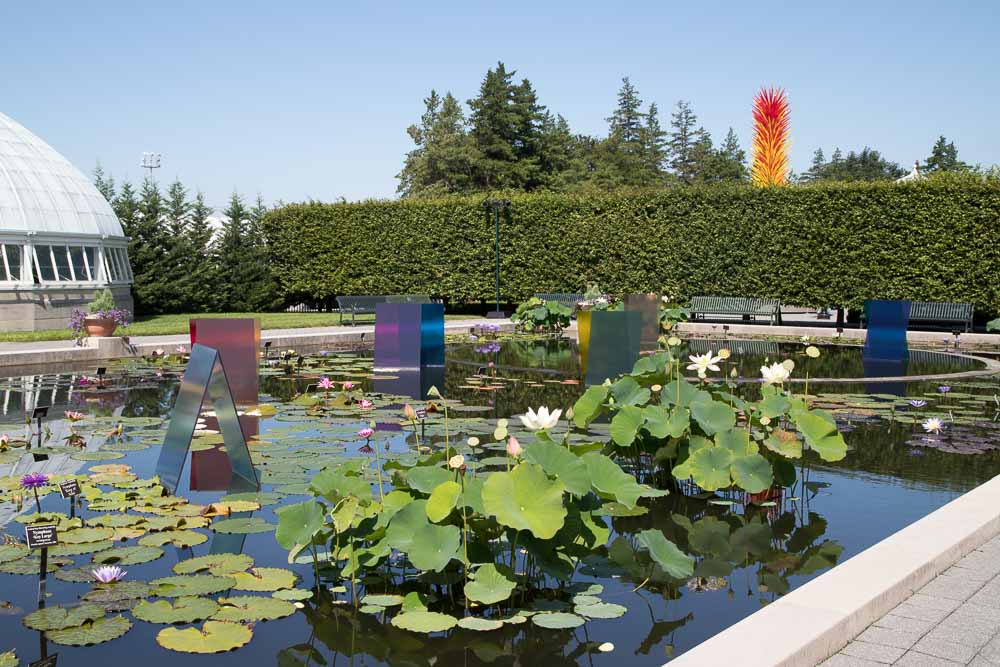
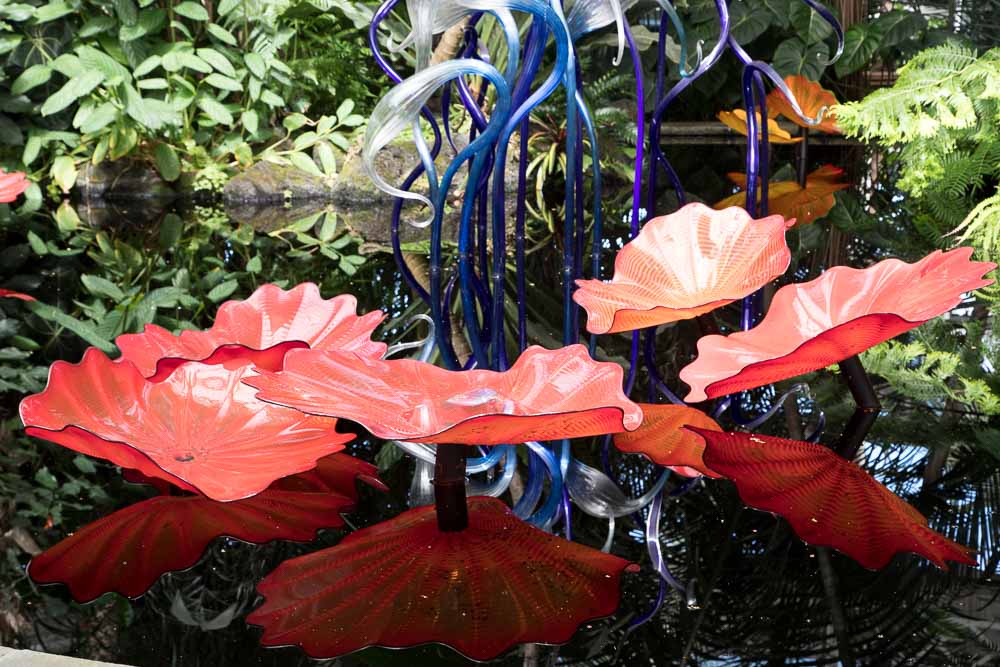
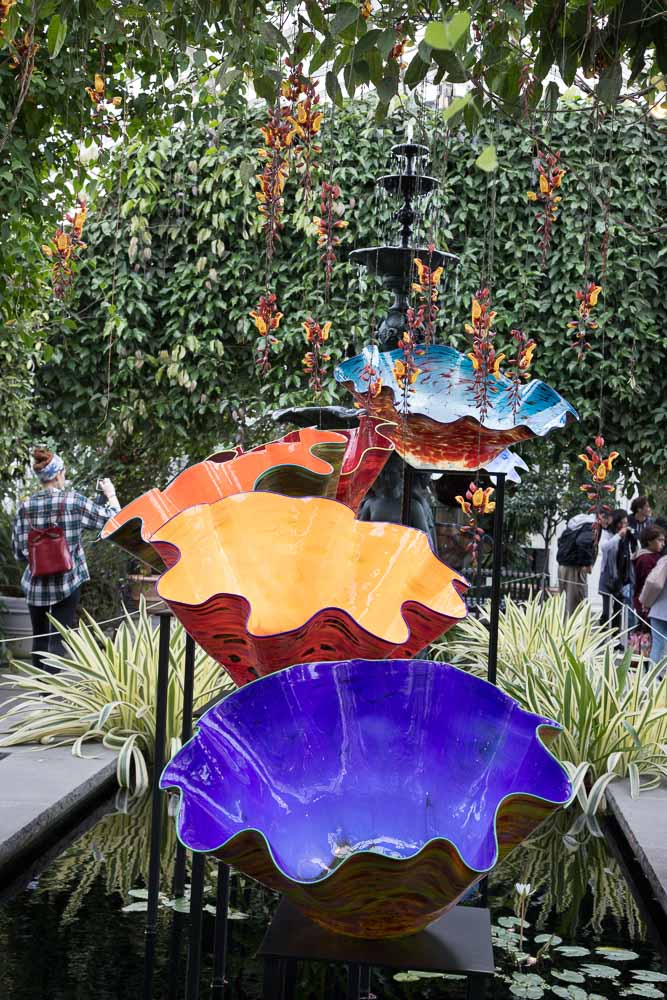
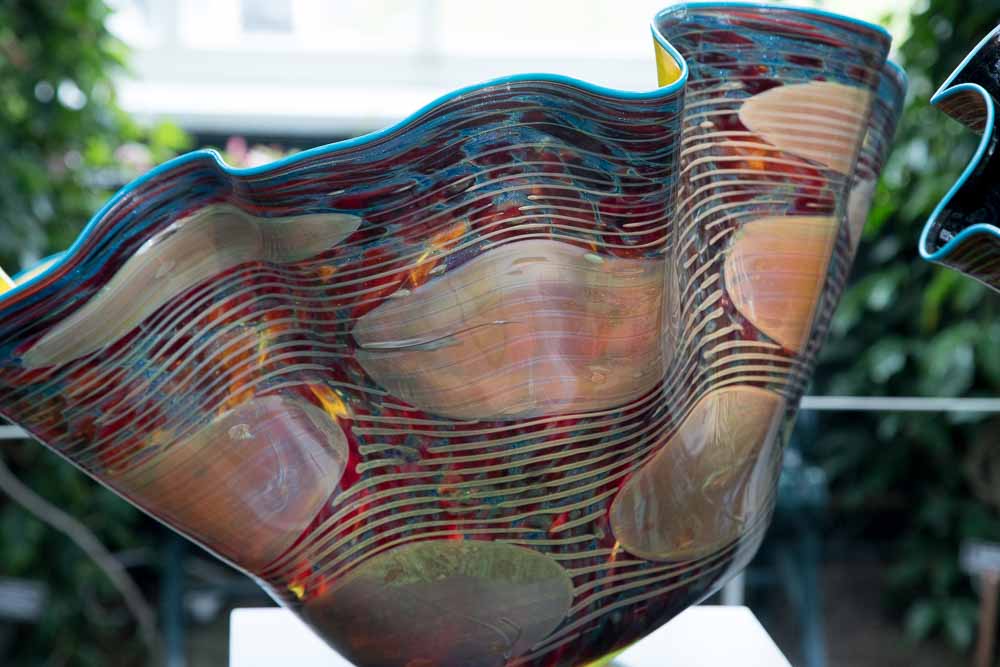
CHIHULY at New York Botanical Gardens

I love glass, and I love plants, so a Chihuly exhibit at a botanical garden is definitely something I want to see. There is an exhibit of numerous Dale Chihuly works currently at the New York Botanical Gardens, and it is lovely. Below are photos I took over the course of two visits there.

Palazzo Ducale Tower

Sapphire Star

Sol del Citrón

Red Reeds on Logs

Koda Study #3 with Scarlet and Yellow Icicle Tower in the distance

Scarlet and Yellow Icicle Tower

Persian Pond and Fiori

Persian Pond

Fiori

White Tower with Pink Trumpets and Cobalt-Pink Spears

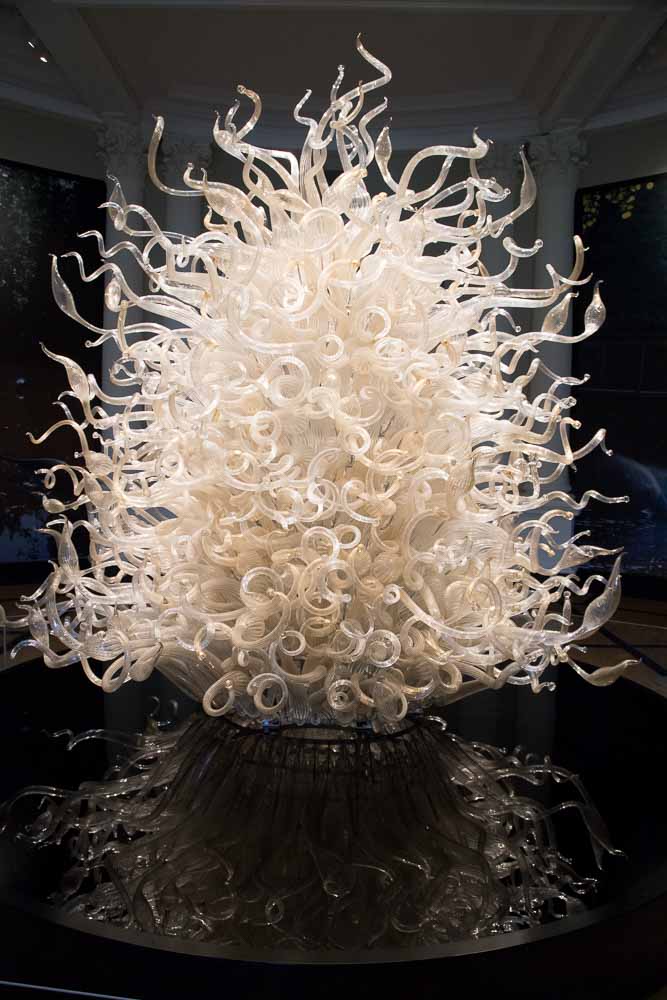
White Tower

Pink Trumpets and Cobalt-Pink Spears

Glasshouse Fiori

Glasshouse Fiori

Glasshouse Fiori

Glasshouse Fiori

Macchia Forest

Macchia Forest

Float Boat

Niijima Floats in Float Boat

Neon 206

Chicago

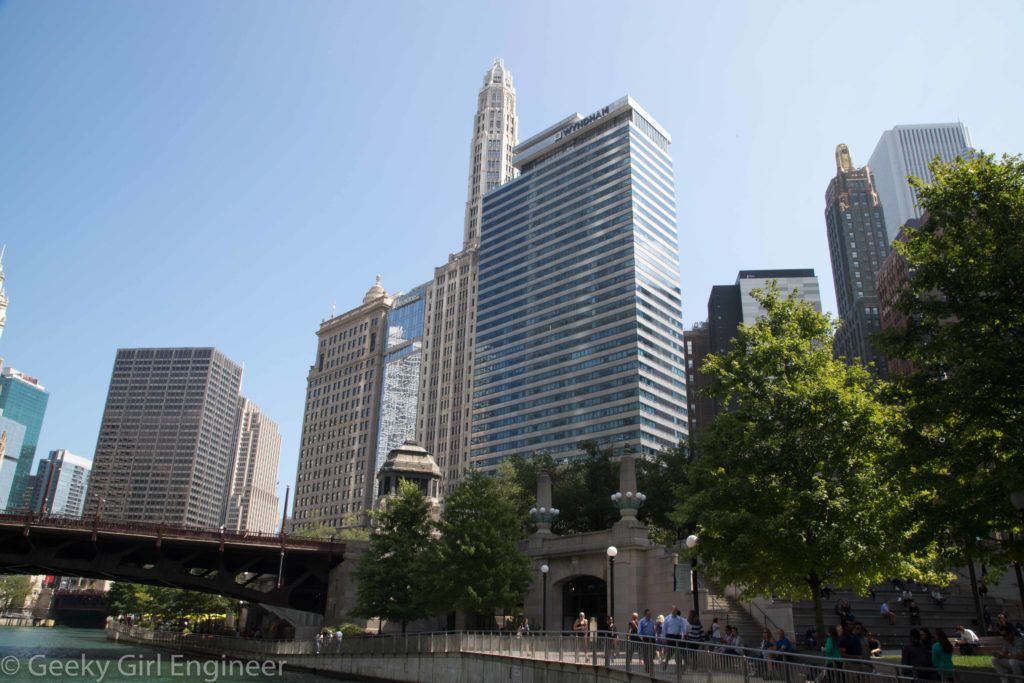
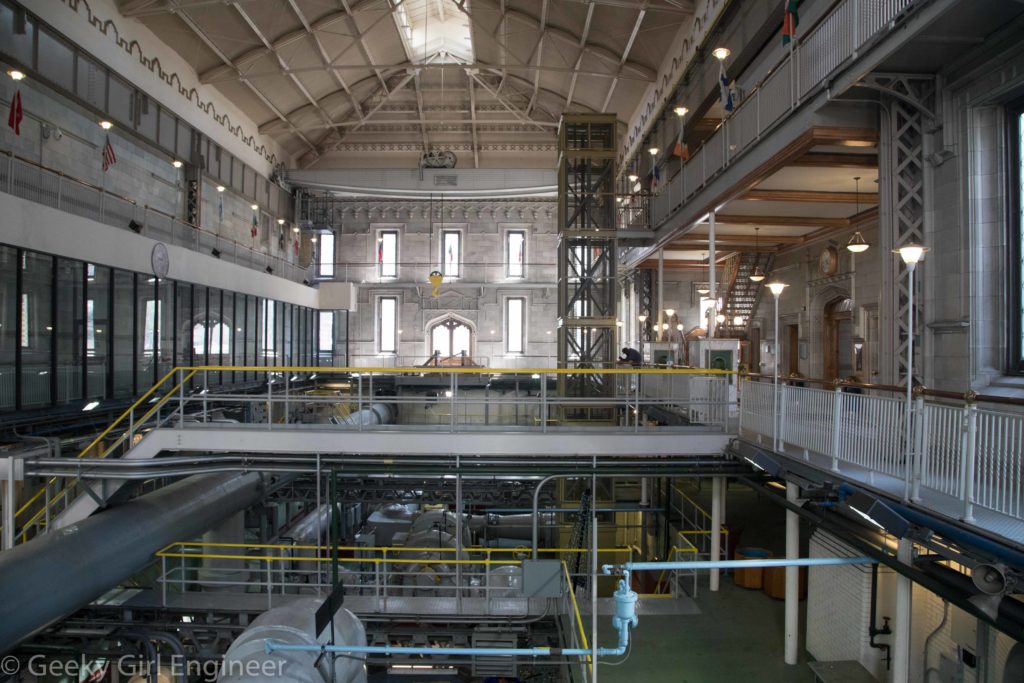
I’ve never been to Chicago before until I did extended layovers between train rides out west and back. Chicago is a pretty neat city. It has a nice mix of old and new buildings. At least one really neat park. [There are probably more, but I didn’t get to them.] It also has a really nice riverwalk along parts of the Chicago River. It is definitely a city that I need to get back to and explore more. Note to any engineers or geeks reading this: If you are in Chicago, go see the historic water tower. It is a gorgeous building that was built to house a standpipe. Across the street is a pumping station in an equally gorgeous building. You can actually go into the pumping station and walk along a small portion of a balcony to see the pipes and pumps.

Jay Pritzker Pavilion

The “L” goes by a downtown office building

Floating gardens on the river walk

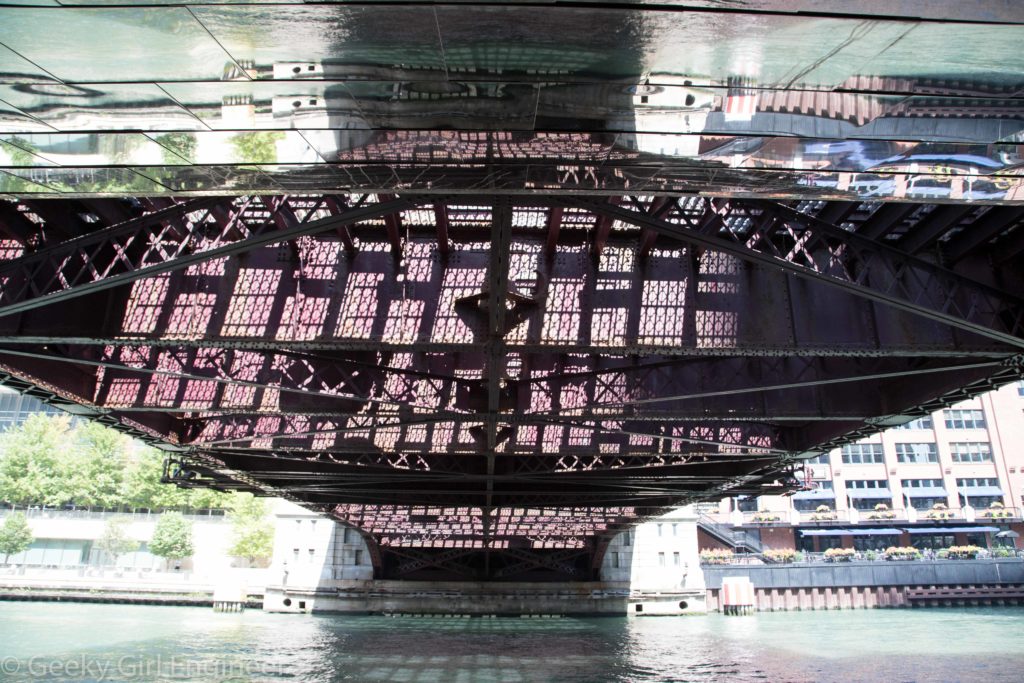
On the river walk underneath a bridge

River walk

Historic water tower near the John Hancock Building

Historic water tower

Pumping station building across from the water tower

Inside the pumping station building

Oak Street Beach

Buckingham Fountain

Cloud Gate

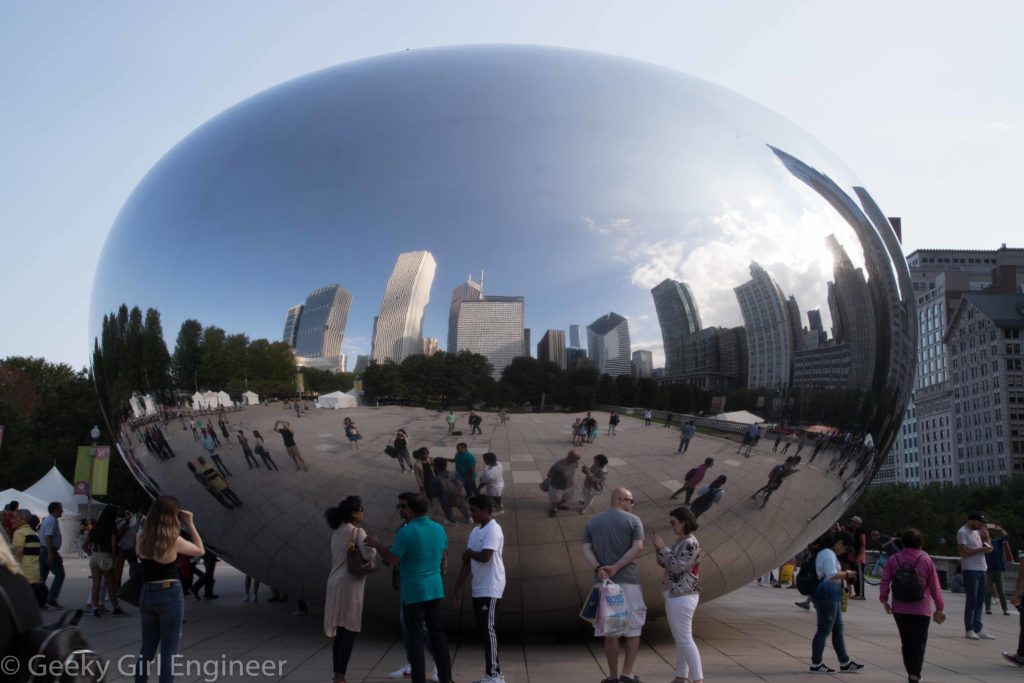
I’m in Chicago on an extended layover between trains coming back from my trip out west. I spent the day wandering around Chicago, and one the sites on my must see list was Cloud Gate, known more informally as The Bean. This piece of art is lovely to look at, but it is just plain fun to photograph. Everyone there takes selfies of themselves, but really the way it reflects with so many different angles, it is just as fun to photograph everything else.

Cloud Gate (aka The Bean)

Cloud Gate (aka The Bean)

Cloud Gate (aka The Bean)

Cloud Gate (aka The Bean)

Cloud Gate (aka The Bean)

Under Cloud Gate (aka The Bean)

Under Cloud Gate (aka The Bean)

Prairie Dogs

I have visited a lot of parks on my trip out west, and in a lot of those parks were prairie dogs. A lot of prairie dogs were in those parks. I have to admit that I couldn’t get enough of them. They are just so cute. Here is a collection of photos of prairie dogs from several different parks.

Prairie dog

Prairie dog

Prairie dog

Prairie dogs

Prairie dogs

Prairie dogs

Prairie dog

Prairie dogs

Prairie dogs

Prairie dog

Theodore Roosevelt National Park

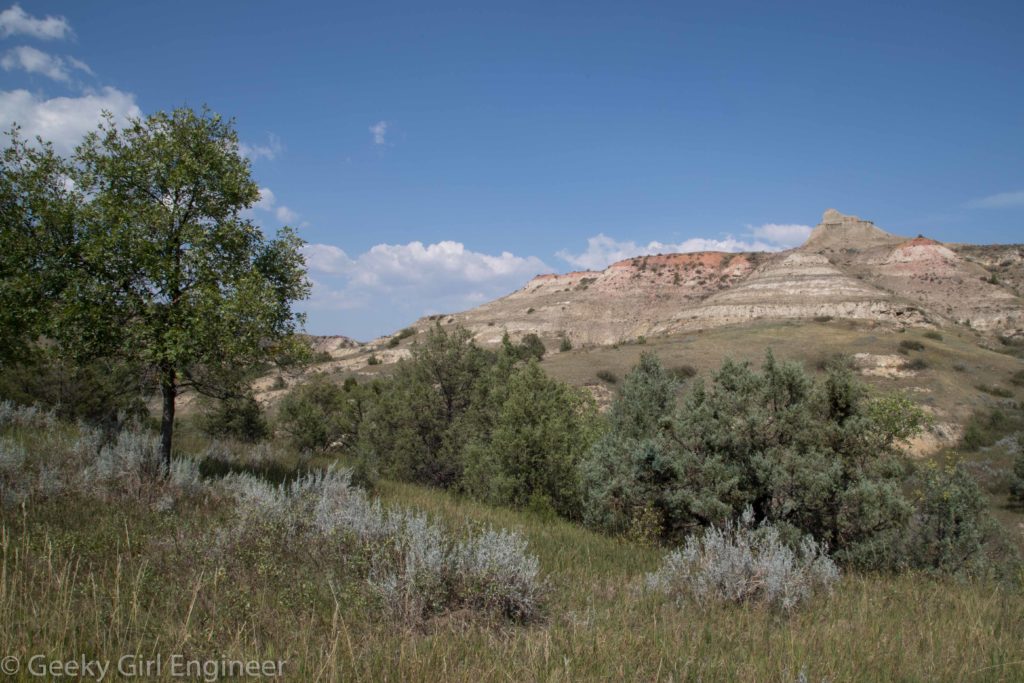
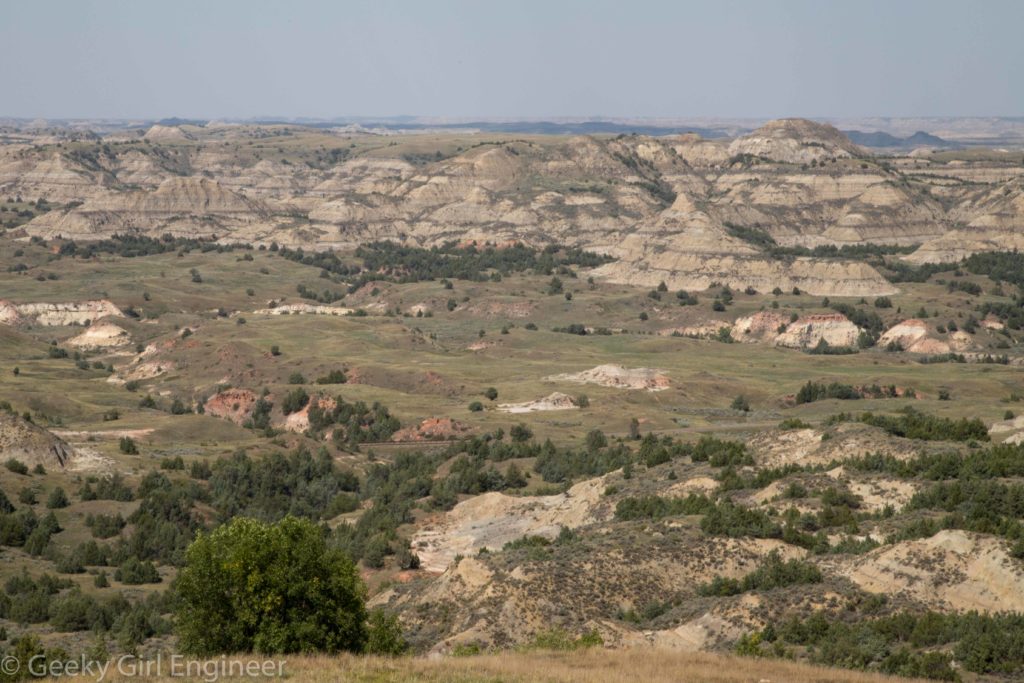
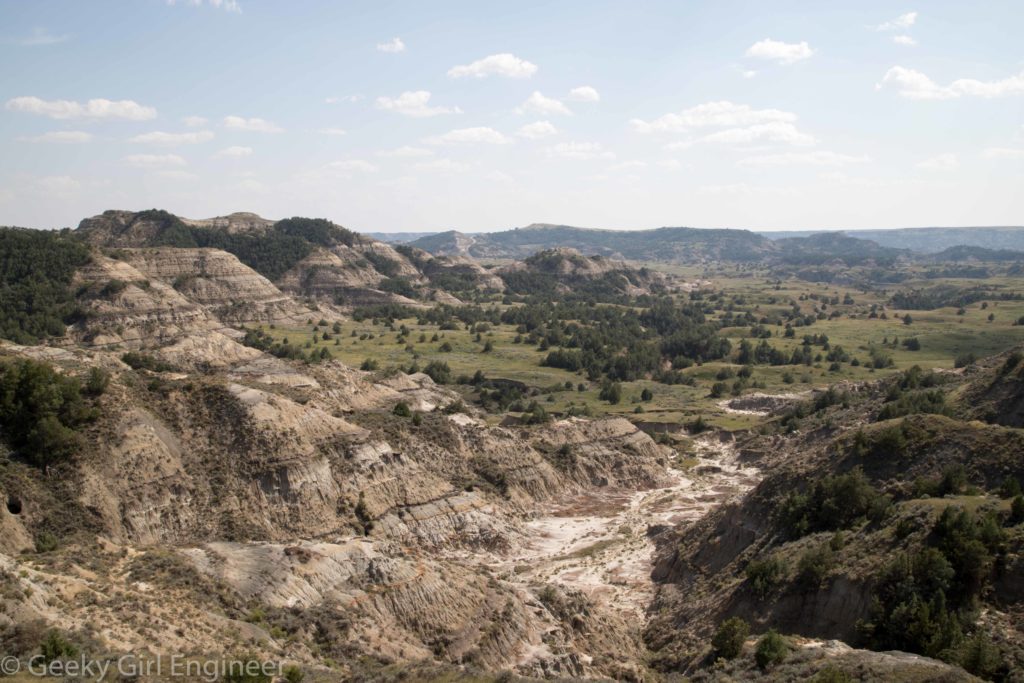
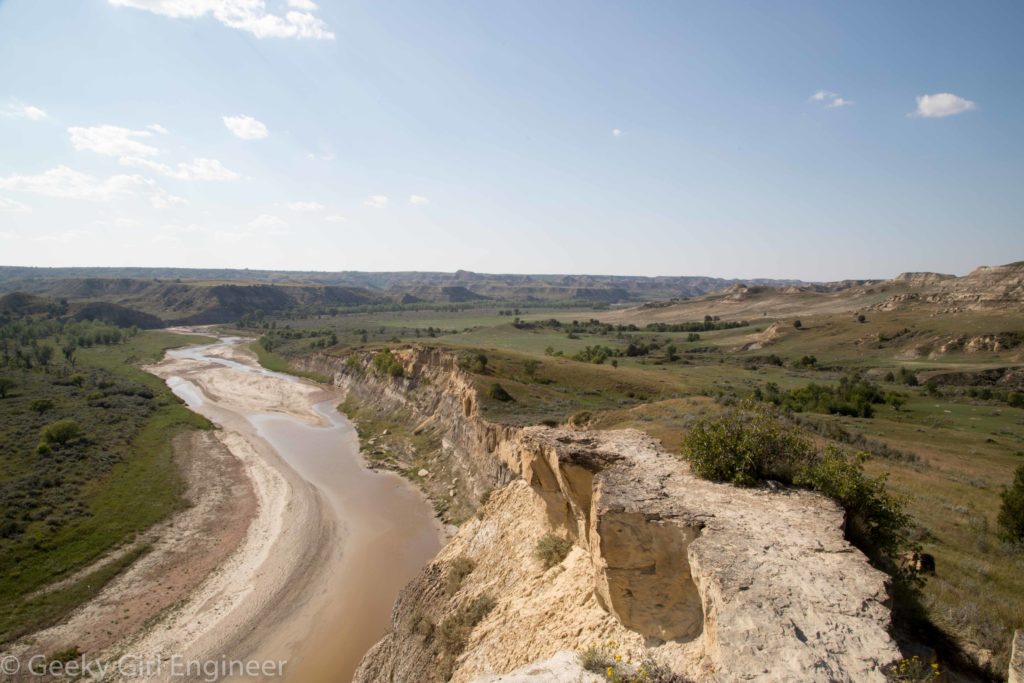
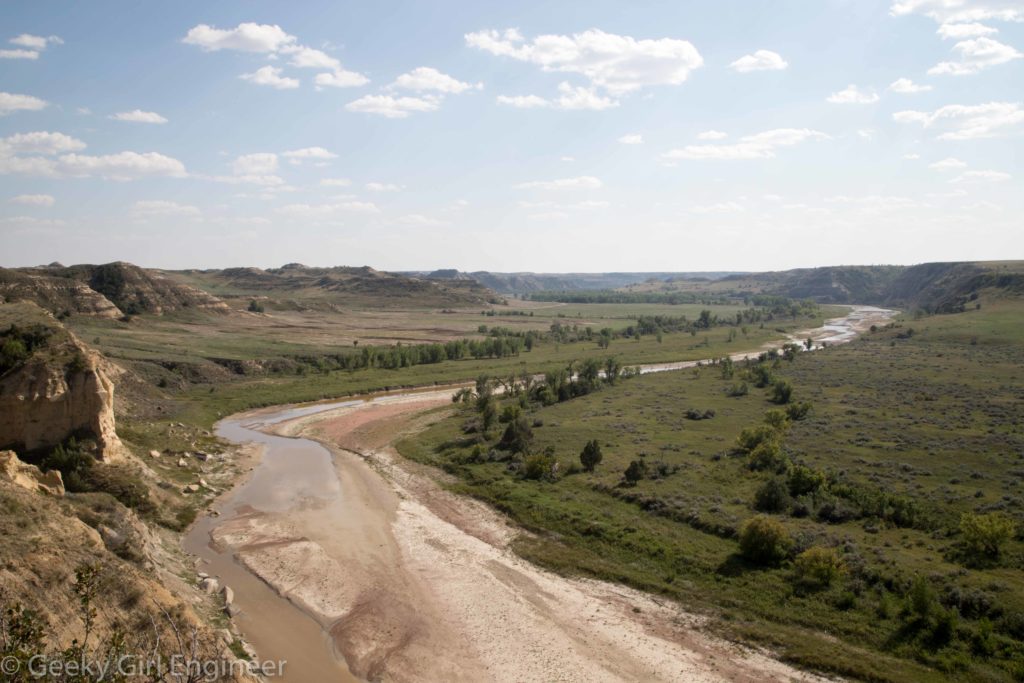
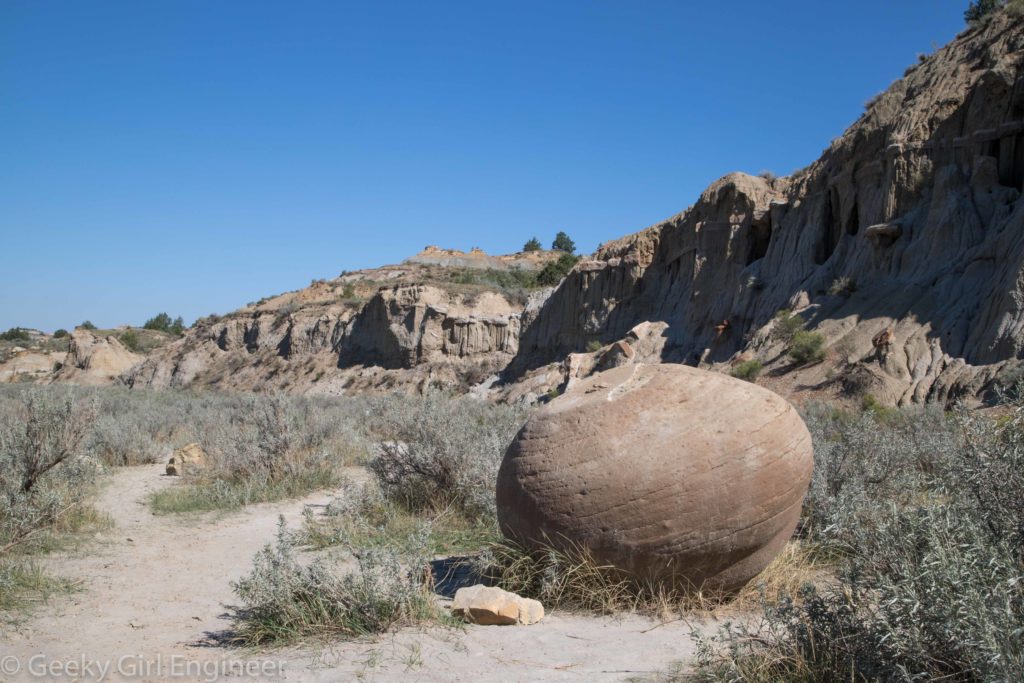
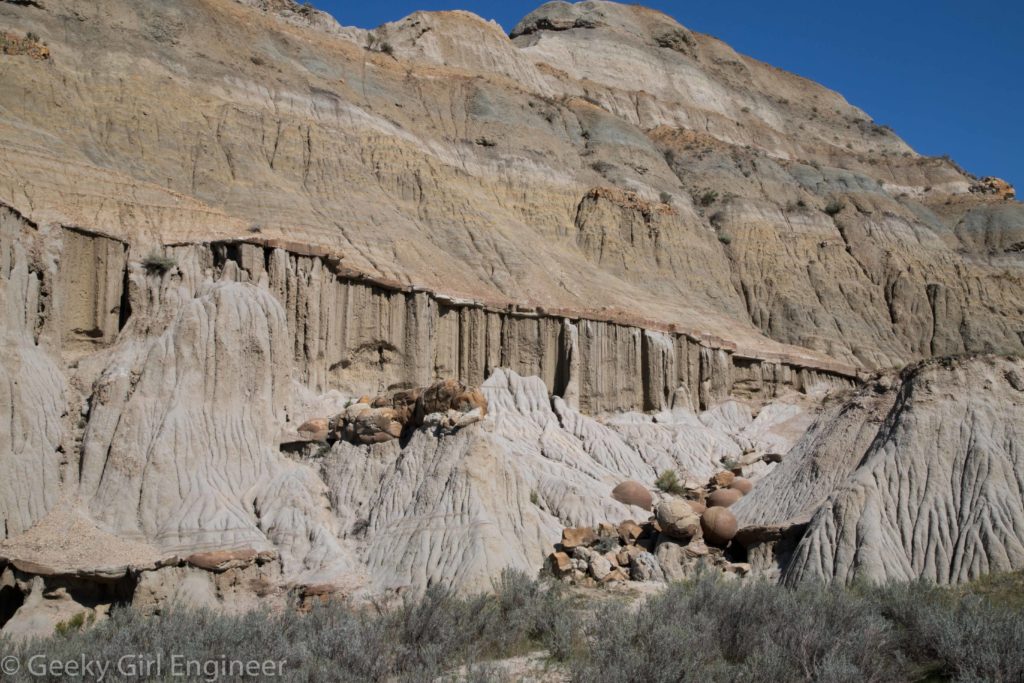
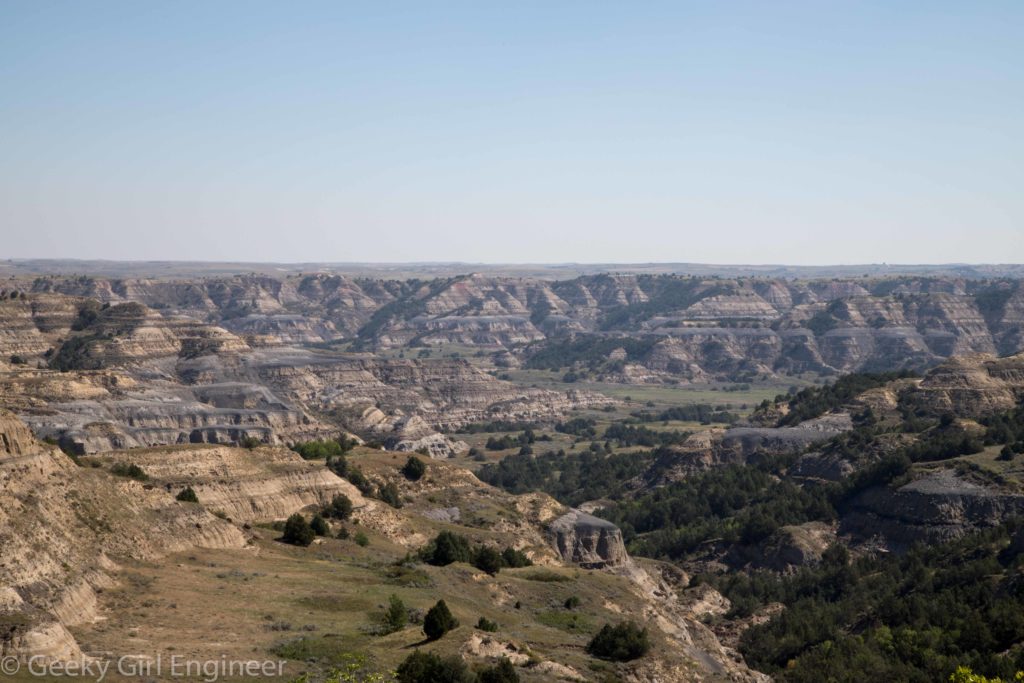
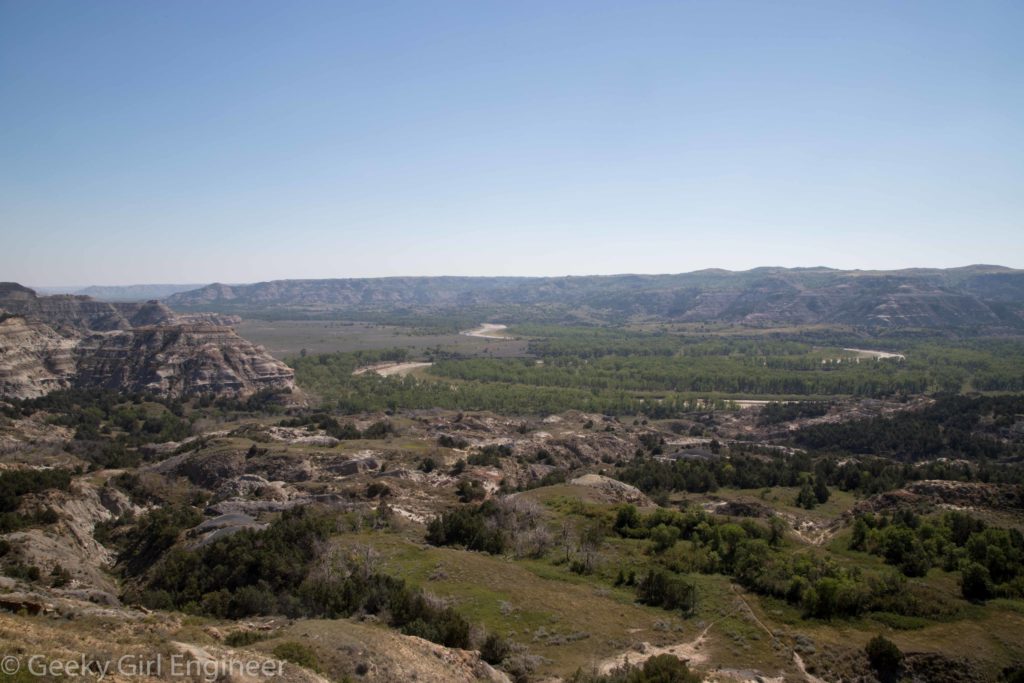
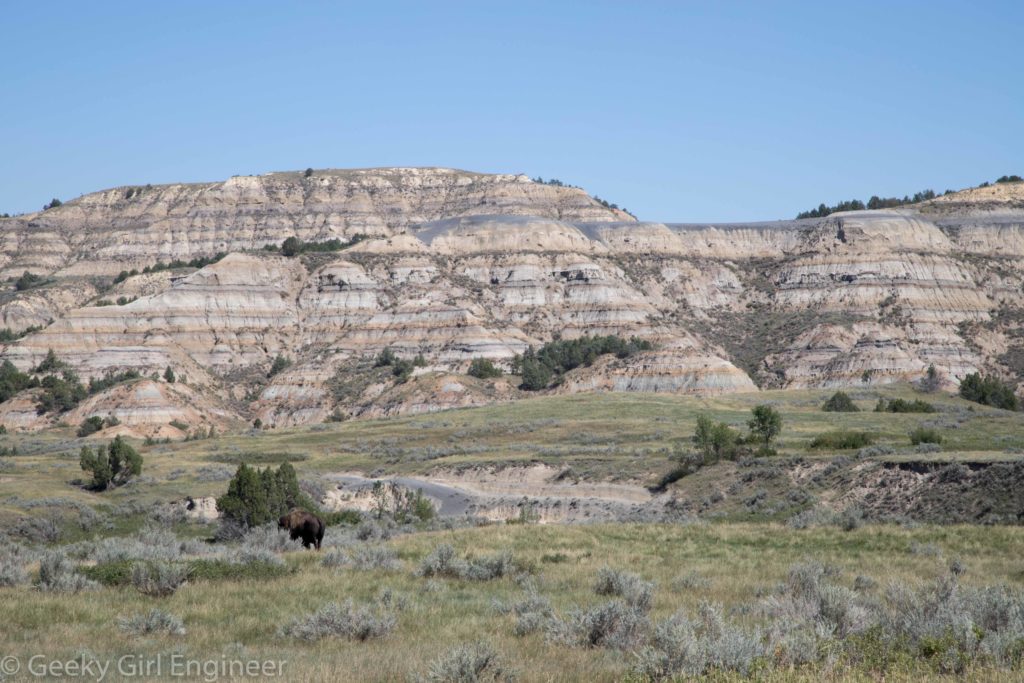
From the Black Hills area, I traveled north to North Dakota to go to Theodore Roosevelt National Park. Theodore Roosevelt National Park is classic badlands. The coloration of the sedimentary layers are less colorful than Badlands National Park, but Theodore Roosevelt National Park has some unexpected beautiful green areas in the middle of it. It also has some gorgeous views of the Little Missouri River.

Theodore Roosevelt NP south unit

Theodore Roosevelt NP south unit

Theodore Roosevelt NP south unit

Theodore Roosevelt NP south unit

Theodore Roosevelt NP south unit

Theodore Roosevelt NP north unit

Theodore Roosevelt NP north unit

Theodore Roosevelt NP north unit

Theodore Roosevelt NP north unit

Theodore Roosevelt NP north unit