
Solar Eclipse
Snorkeling in Alaska
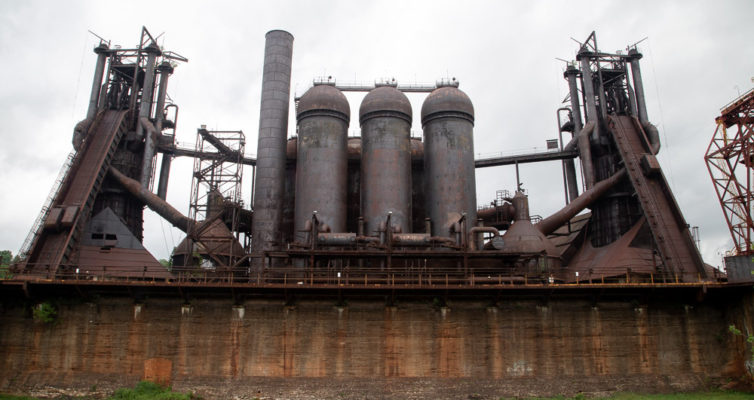
Carrie Blast Furnaces
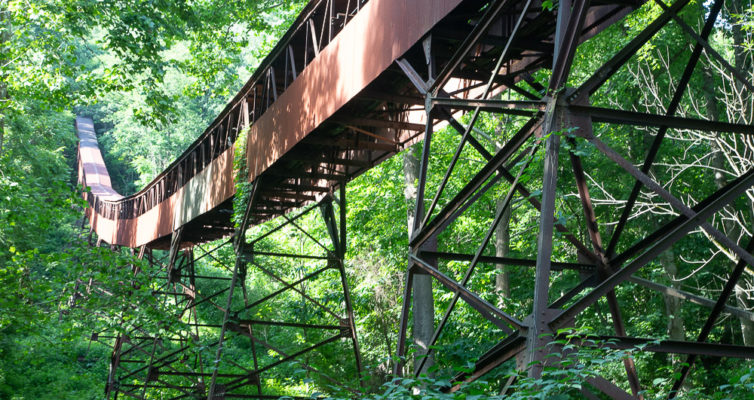
Nuttallburg
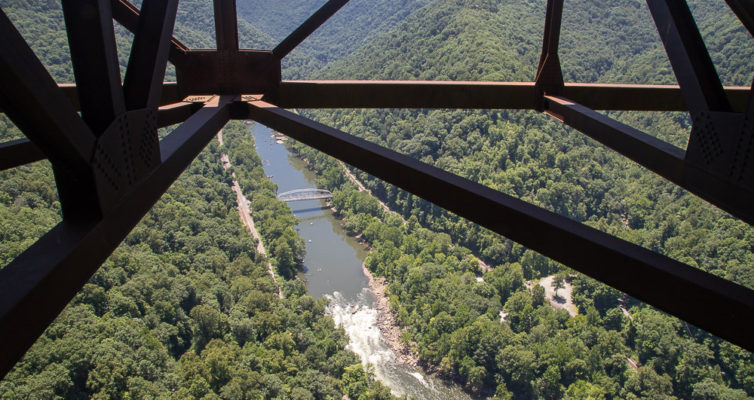
Bridge Walk

WMATA L’Enfant Plaza Fire

Today there was a fire in a WMATA subway tunnel near L’Enfant. The National Transportation Safety Board (NTSB) is now investigating, and I have confidence that they will do a thorough investigation. I have some questions about actions taken right after the smoke was reported that no one, or at least no one in the media I have seen, has asked. The station filled with smoke, and they evacuated it. WMATA stopped running green and yellow trains through L’Enfant. However they kept running blue, orange, and silver trains through, but these trains did not stop at the station, as they normally would. For those not familiar with L’Enfant Plaza Metro Station, orange, blue, and silver lines share the same track on the lower level, and yellow and green share the same track on the upper level. My question is, were they sure it was safe to keep sending the orange, blue, and silver trains through? I am not asking from the standpoint of the fire, because presumably, they traced the location of the smoke enough to know it was not in the lower tunnel. By safe, I mean because of the potential inhalation of smoke in the lower level tunnels. If the station filled with enough smoke that it needed to be evacuated, then how were they sure that smoke would not enter the trains running through it?

A couple of quick points:

  • Just because air smells bad doesn’t necessarily mean it is toxic or hazardous, but conversely, just because air smells fine doesn’t mean it is safe.
  • Particulate matter in air and/or smoke is in general not something you really want to breath, but there are different levels of toxicity associated with it. That is, some particulate matter is not more than just an irritant. However, the effect particulate matter has on a person is also affected by that person’s health. People with respiratory issues are more susceptible to any effects.
  • Exposure to hazardous or toxic materials can cause effects on different time scales. People who were trapped on the WMATA train in the tunnel, would have acute (short-term) effects from breathing the smoke, such as coughing and having trouble breathing. However, they were probably also exposed to chemicals whose effect is not immediate, such as carcinogens.

The questions I have, that I have not heard anyone ask include:

  • What is the air exchange rate between the subway trains and the surrounding air? Can the ventilation be turned off manually, so that there was no air exchange between the train and the surrounding air while the trains were near L’Enfant?
  • Were there any measurements taken of the air in L’Enfant, particularly on the lower level where the orange, blue, and silver trains were still running through? If so, what were the measurements of? Just measuring particulate matter will not indicate almost nothing about organic compounds or other chemicals in the air.
  • How far did the smoke spread?
  • Assuming air measurements were taken, did anyone calculate the amount of contaminants that people in the trains would be exposed to while running through the station based on time and air exchange rate?

My educated guess is that no air measurements were taken. There are probably some sensors in place to measure smoke, but depending on how that measurement is taken, it will tell you information about the particulate matter and that is it. I seriously doubt there was initially any sensors that measured organic compounds or any other type of compounds in the air. I have my doubts that any portable system was put in place during the response. The priority would have been evacuating people (as it should have been). It is possible that WMATA had some qualitative data that there was not much smoke on the lower level. That is, someone may have looked at a video screen and decided the air didn’t look bad. However, unless they had actual quantitative data of what was in the air, then visual assessment of air is a really bad way to make assessments on the quality of the air.

The early statements by WMATA and all other sources, like the fire departments involved, was that they did not know the source of the fire, location or cause. Thus they could not have possibly known what was burning and what would be in the air. For example, if wood is burning, you can expect certain chemicals in the air. If rubber is burning, you can expect different chemicals in the air. WMATA probably decided that the air on the lower level didn’t look that bad, and the trains would go through the station quickly enough that very little exposure would occur. They very well may be right, but with no data and no statements about any calculations, they have no way to prove that. Also, did they inform their passengers of this? If I was on a train, and I knew that the train was going to go through, but not stop, at a station that was filling with smoke, I would get off the train. I don’t feel the need to expose myself unnecessarily to hazardous substances, even if in small amounts. I do not like standing near people who are smoking. The second hand smoke may only minimally increase my risk of disease, but I still don’t see the need for that tiny increase. Thus, was WMATA considering passengers’ exposures at all? Furthermore, did they communicate the possibility of exposure to their passengers on the orange/blue/silver lines to allow their passengers to make their own educated decision about staying on the train? My guess is the answer to both those questions is no, and that is another thing to which WMATA should be made to respond.
Collapse

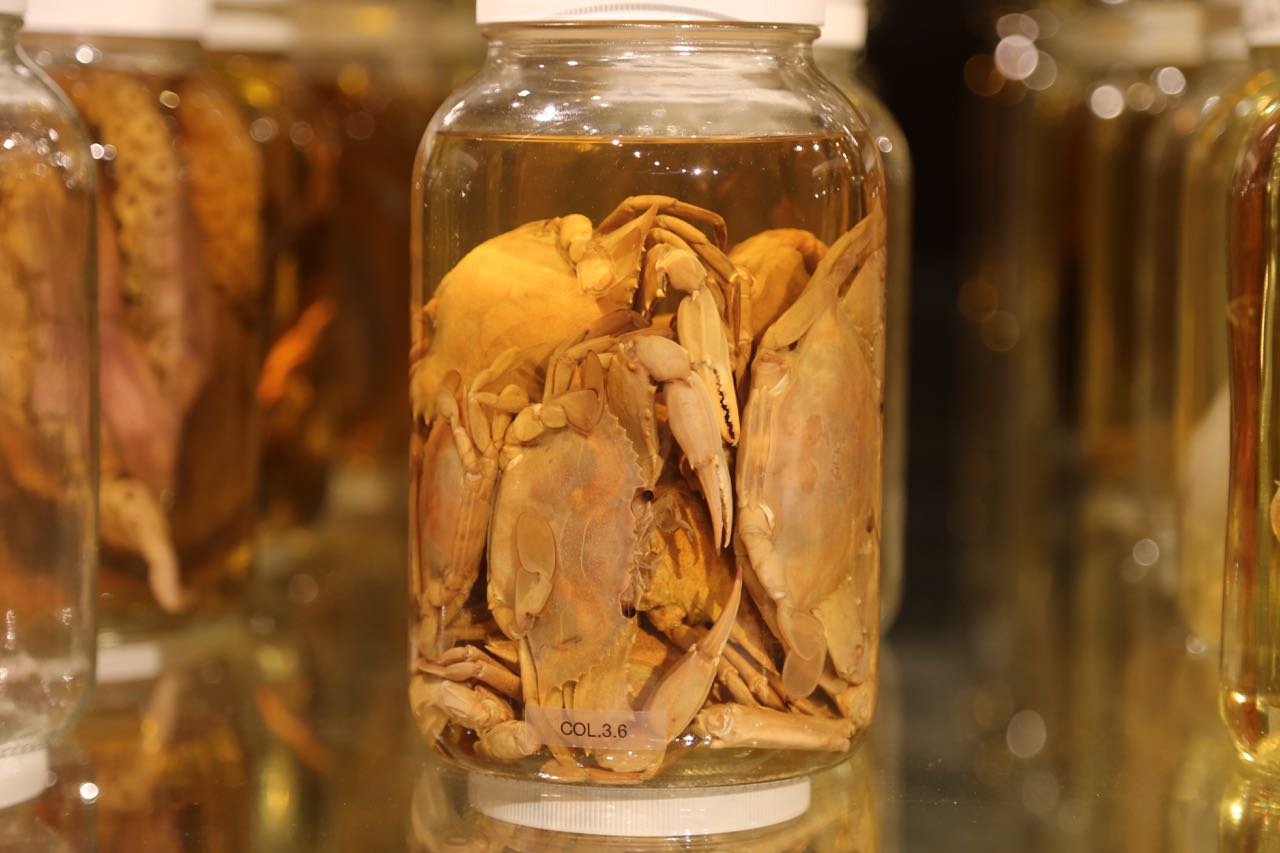
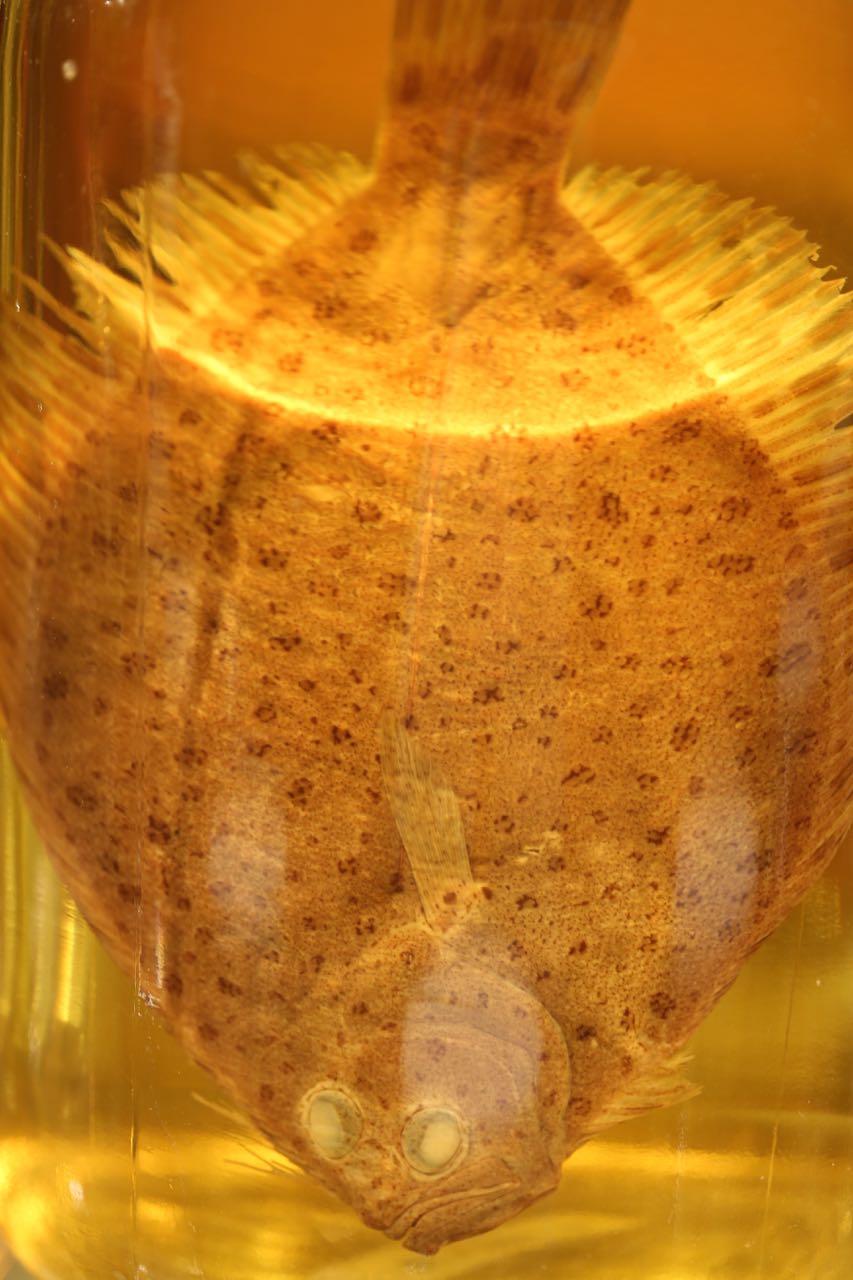
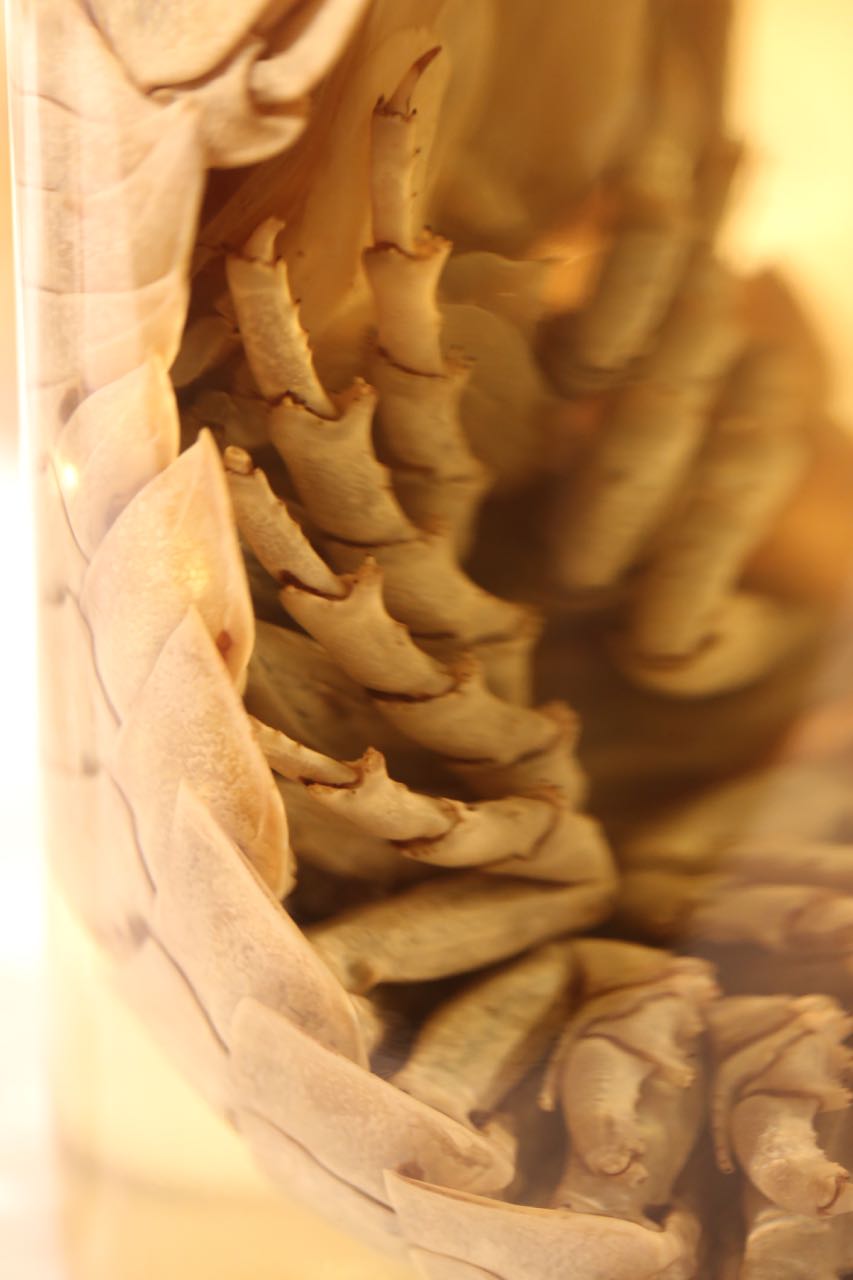
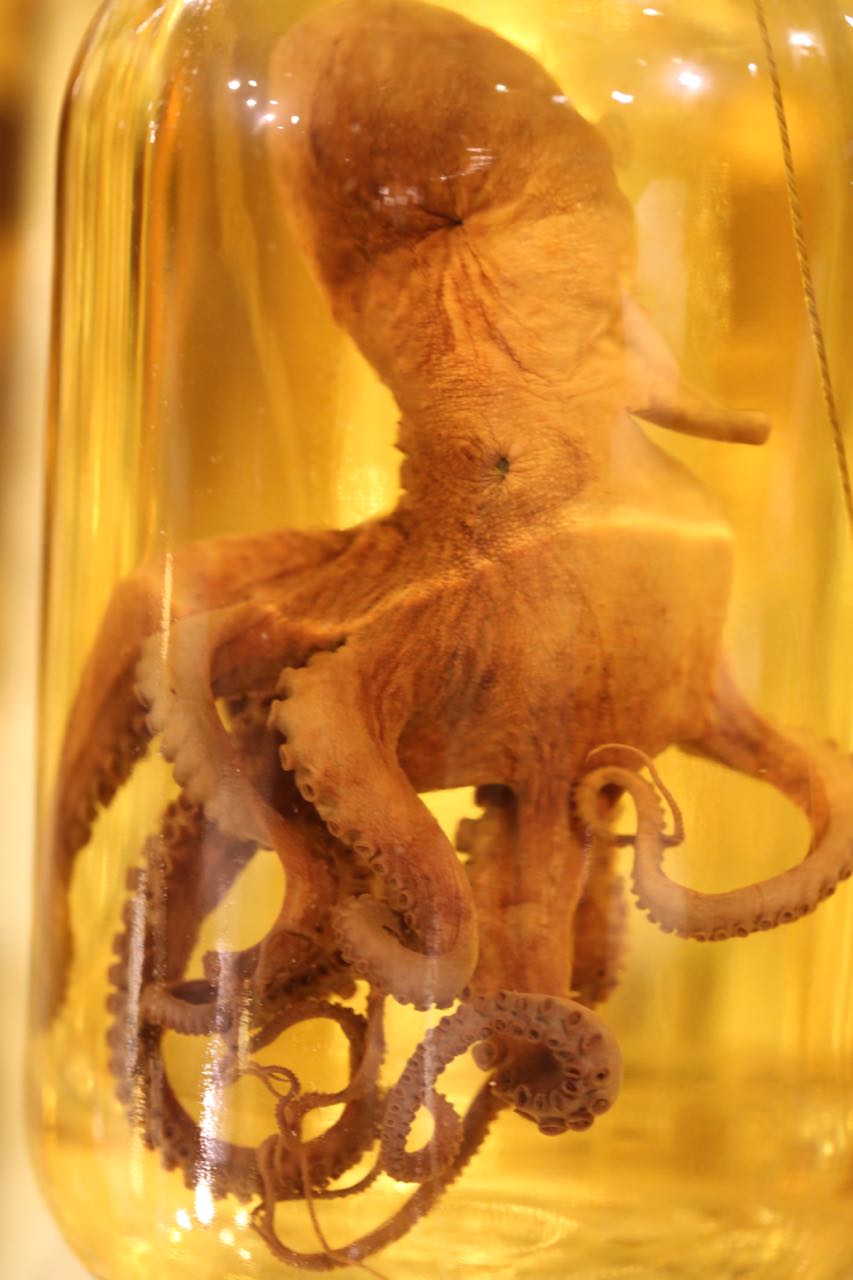
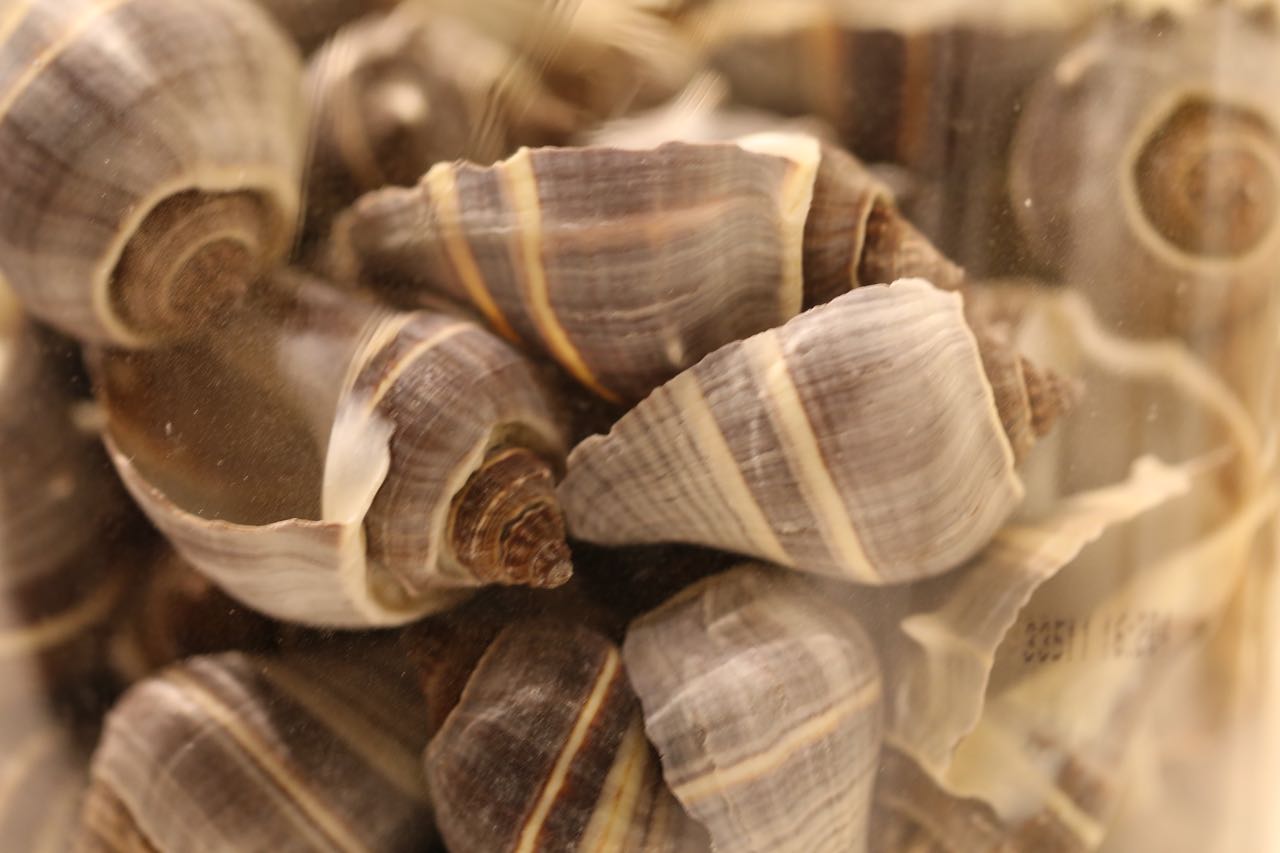
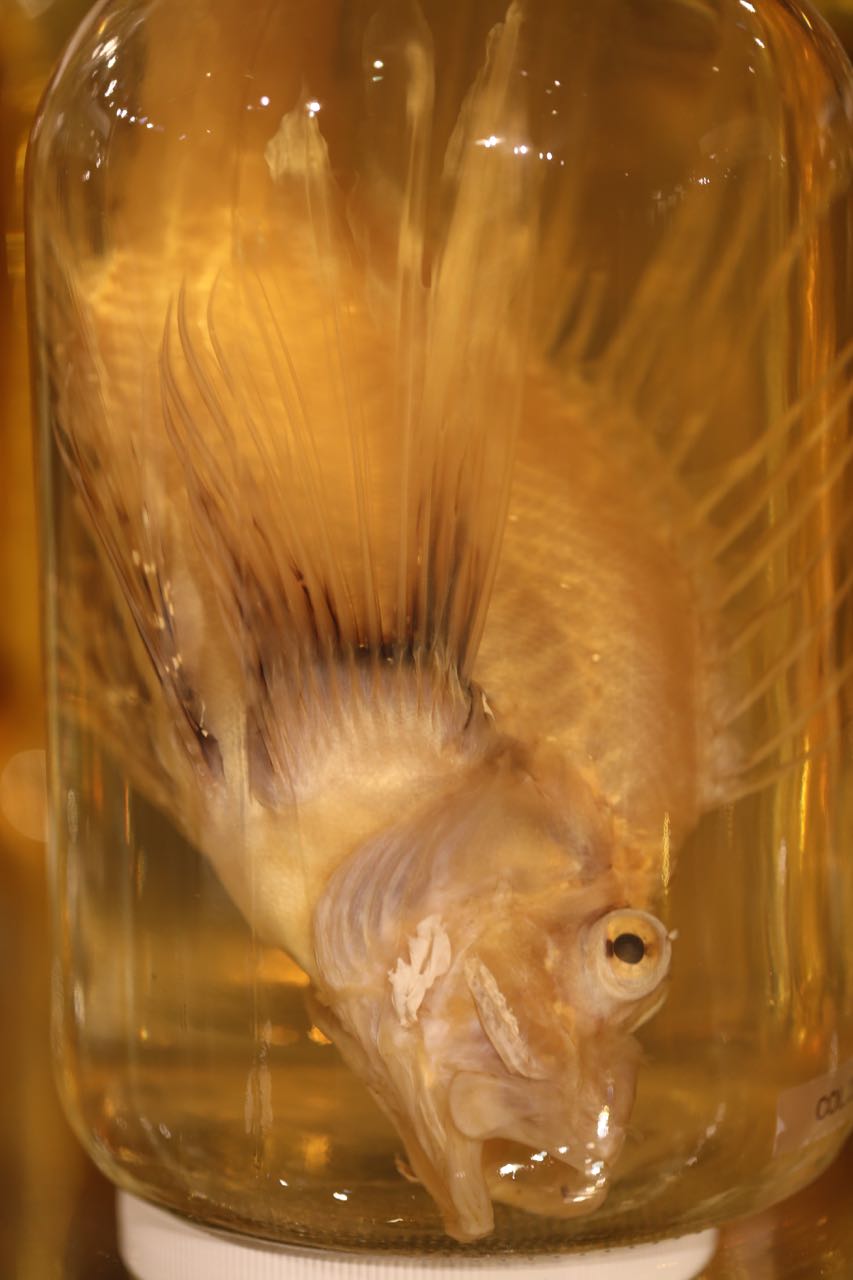
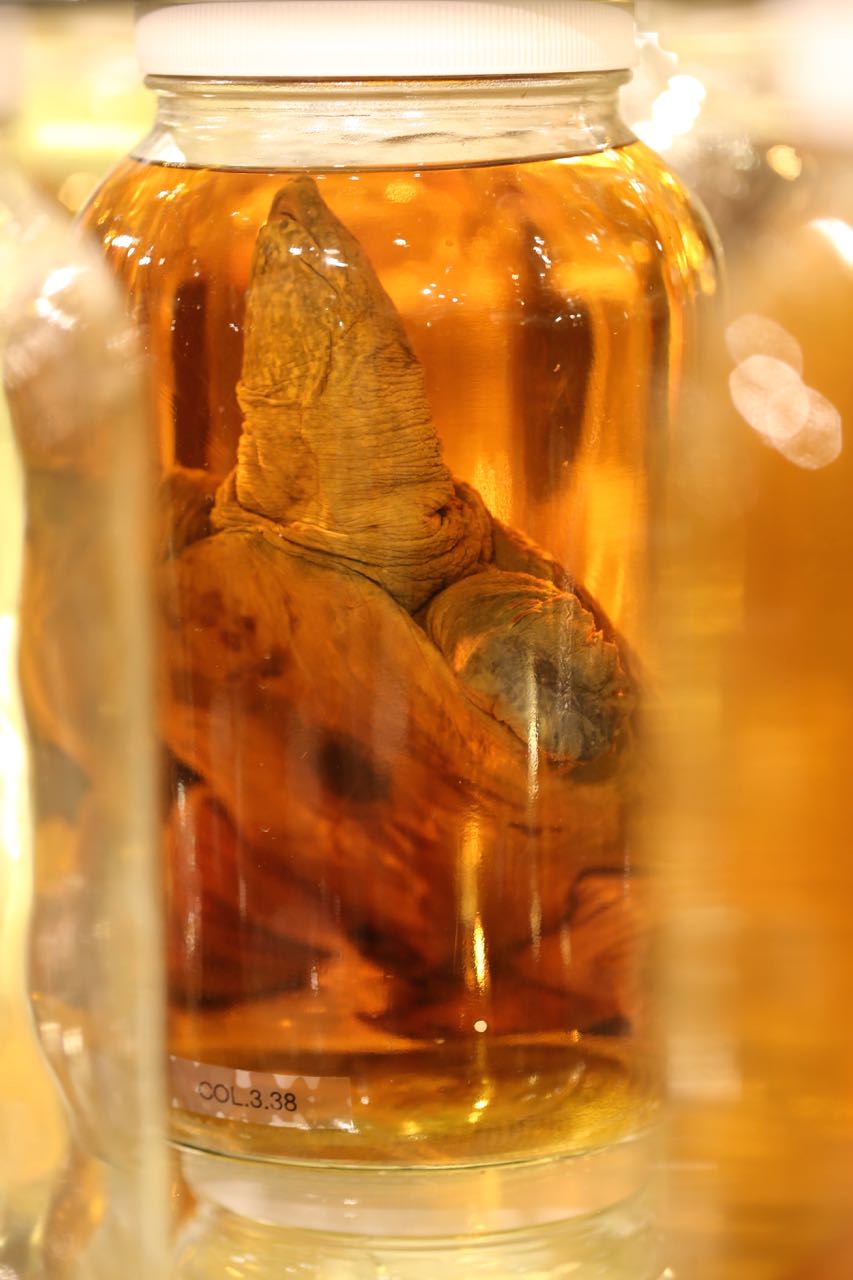
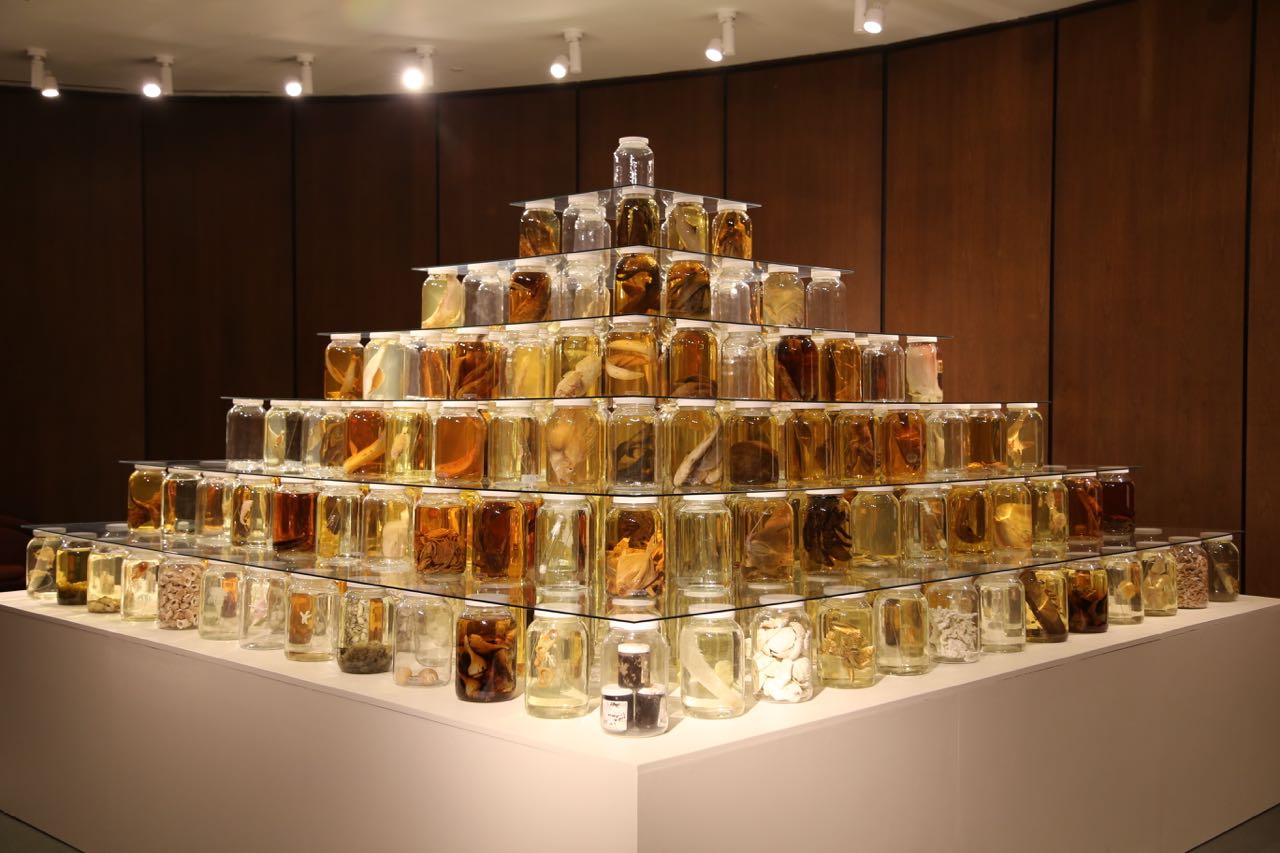
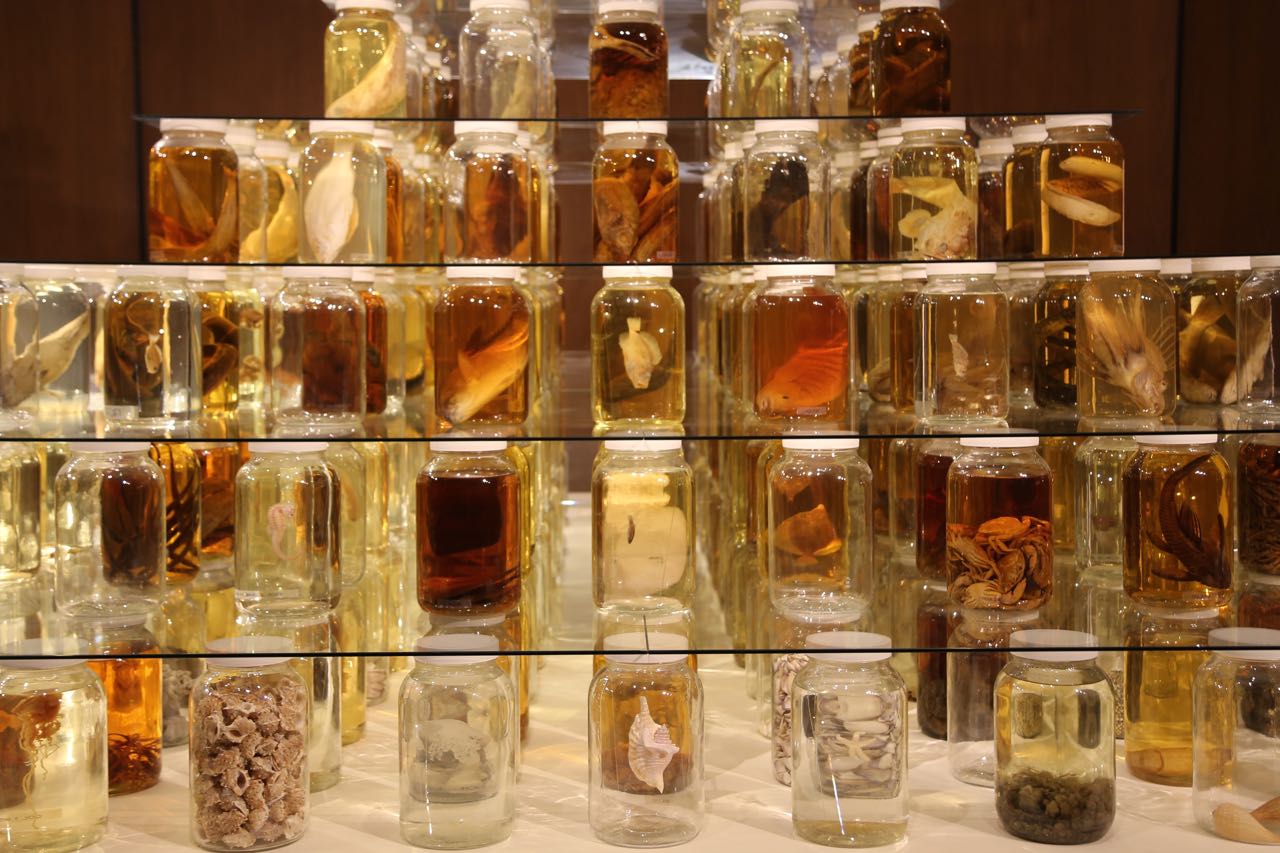
One of the exhibits, we visited during Cultural Programs of the Natural Academy of Sciences’s #NAS_sciart was Brandon Ballengée: Collapse. Collapse is a huge pyramid of specimen jars that contain species from the Gulf of Mexico that are in decline due to the 2010 BP Deepwater Horizon oil spill. It was interesting to be able to see numerous species up close, even if preserved, that I normally would never see. However, it was sad to think that all these species are in decline or at least affected by the Deepwater Horizon oil spill.

Collapse

Collapse

Collapse

Collapse

Crabs

Crabs

Flouder

Flouder

Giant sea roach

Giant sea roach

Octopus

Octopus

Shells

Shells

Fish

Fish

Turtle

Turtle

Void

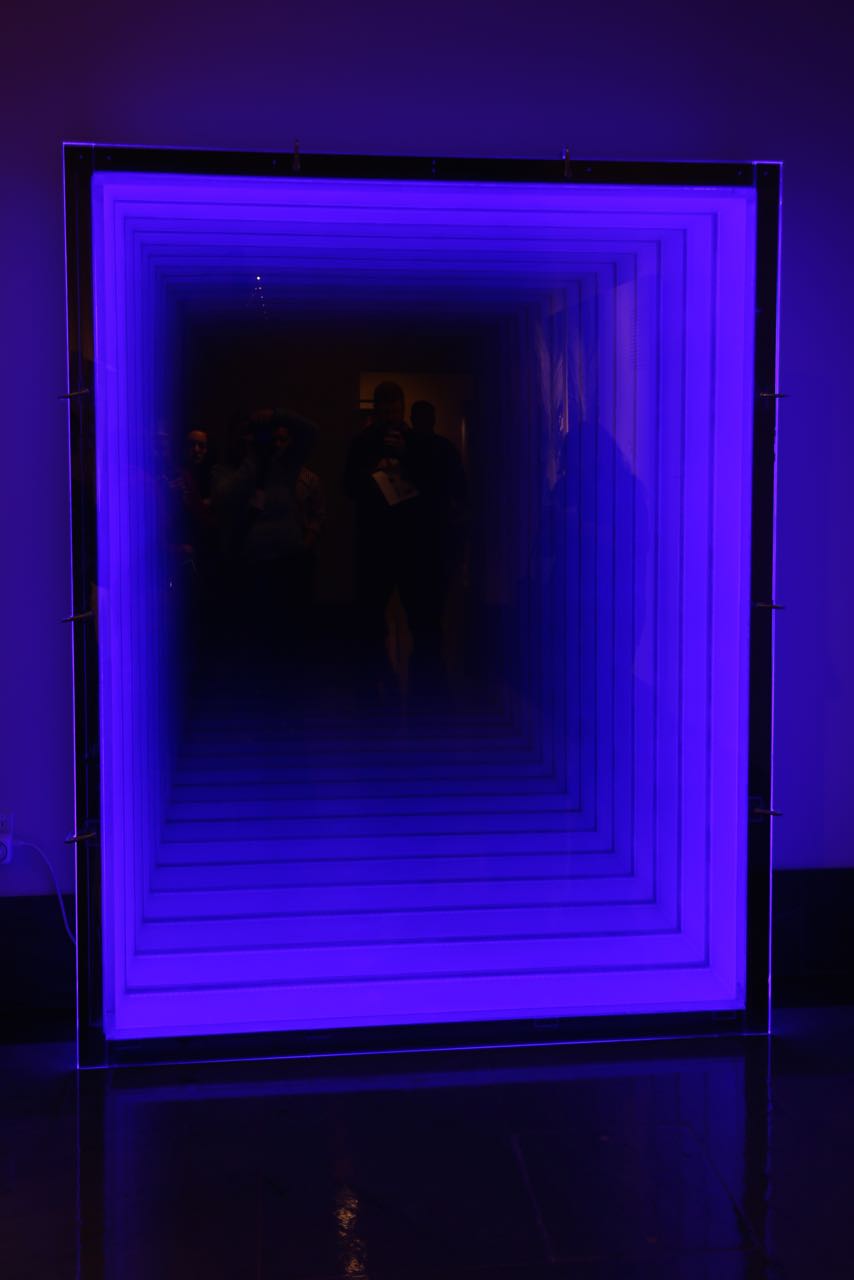
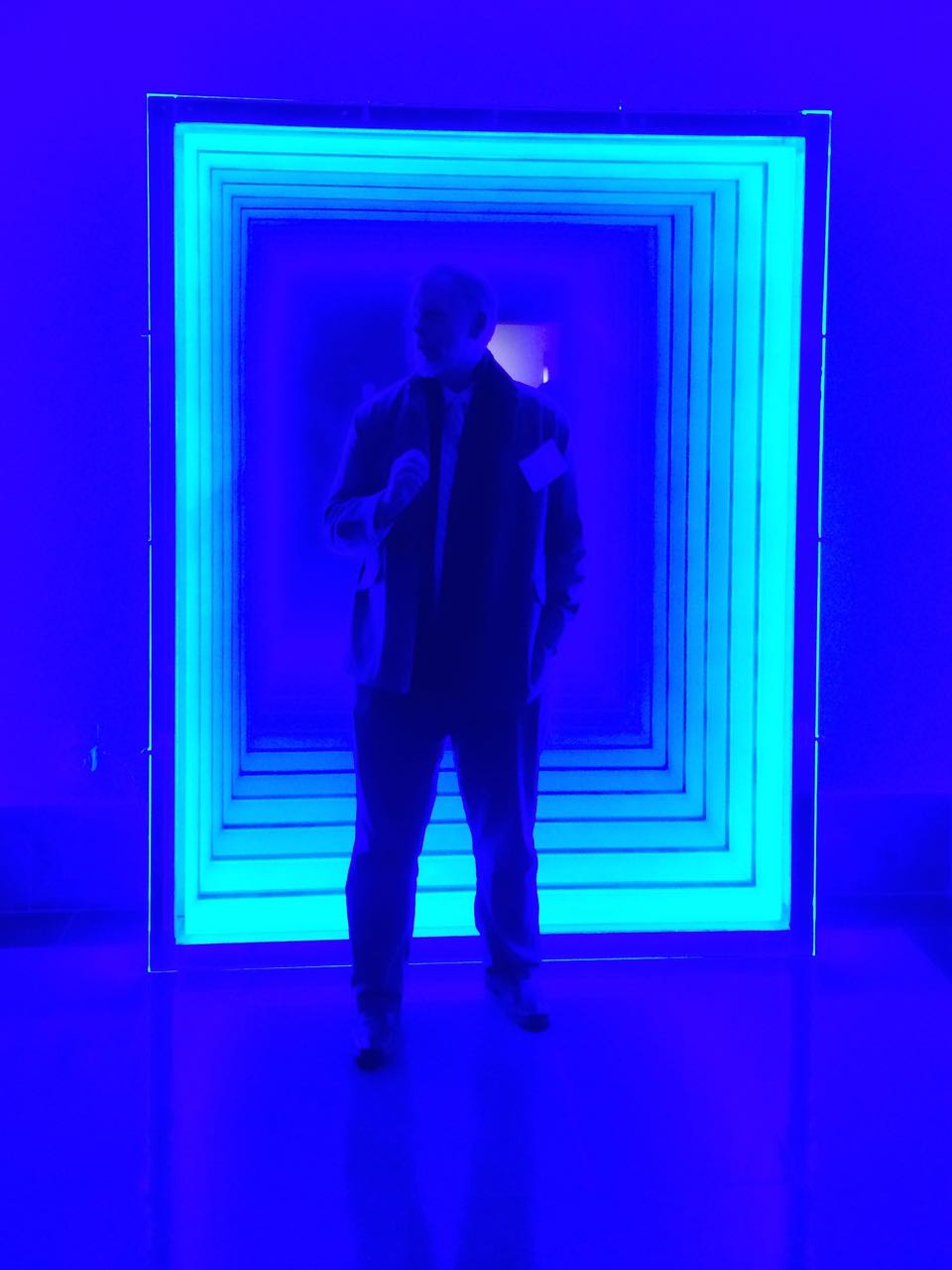
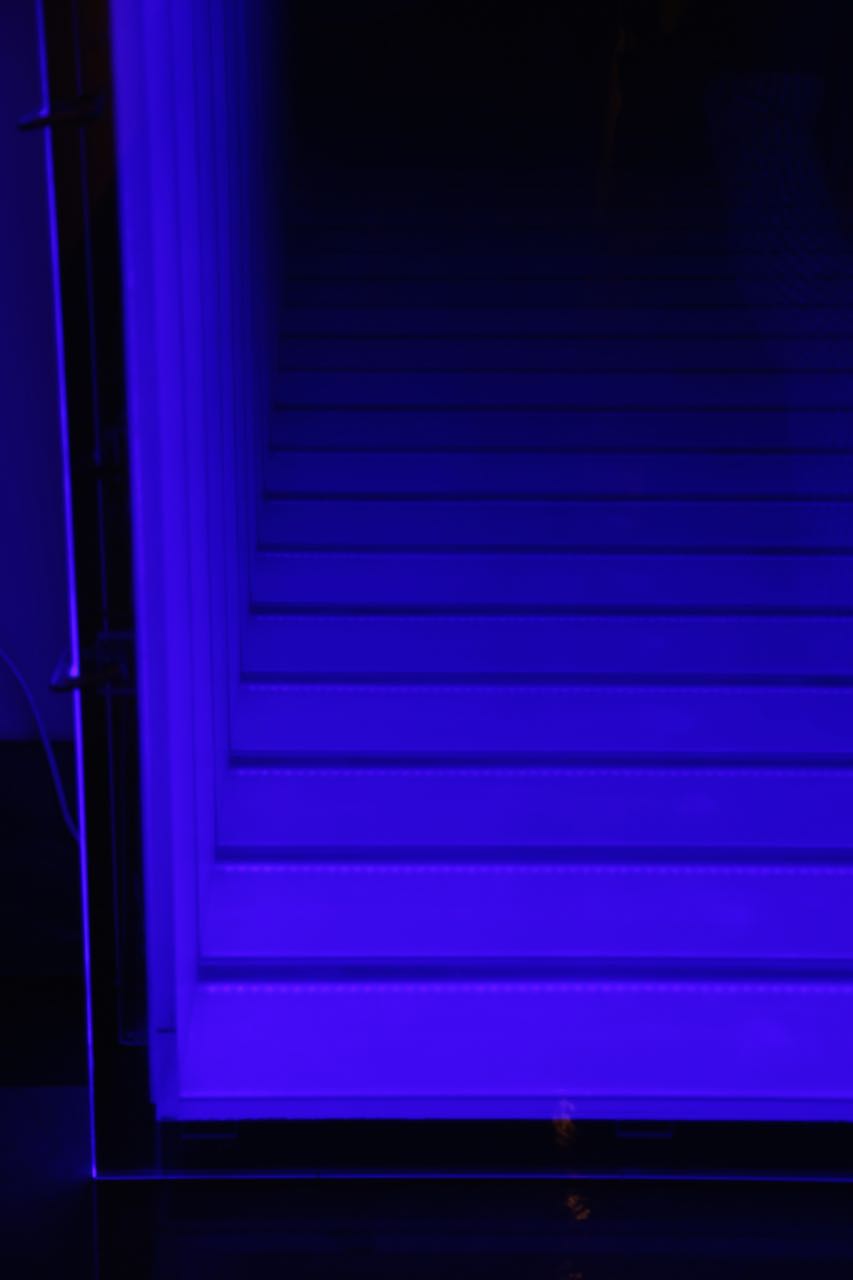
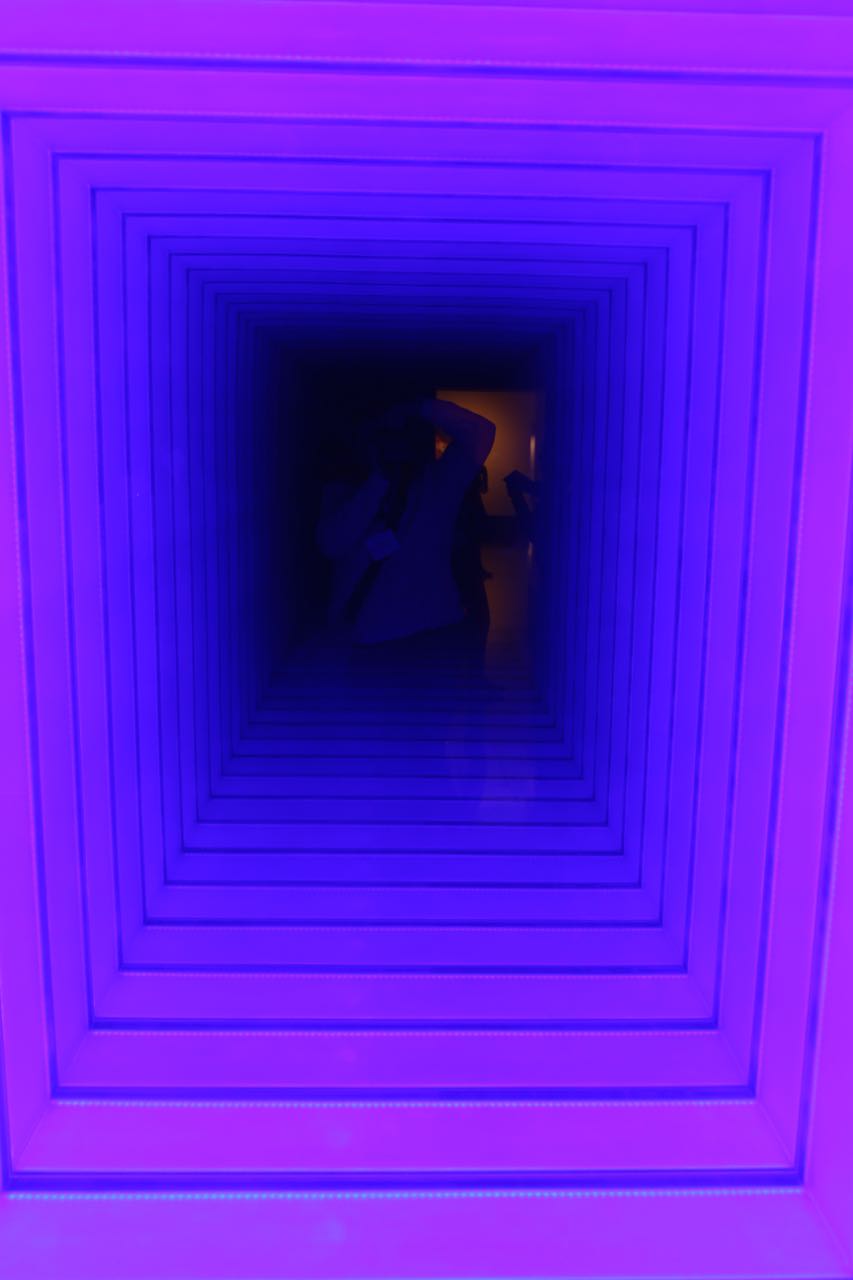
I went to an Instameet at the National Academy of Sciences today, where we toured two art exhibits and also the building. One of the exhibits we toured was Imagining Deep Time, and one of the pieces of art in that exhibit is Chul Hyun Ahn’s Void. I have seen this exhibit before, and no matter how many times I see Void, it still freaks me out. It just does. The piece is made of cast acrylic, LED lights, hardware, and mirrors, and while it physically has a size of 90 x 71 1⁄2 x 12 1⁄4 inches, it looks like a tunnel that goes on forever. The photos I have posted below simply do not do it justice. I am very impressed by how the artist was able to create the vision effect, but when I stand in front of it, I keep waiting for Dr. Who, Spock, or some other science fiction character to come walking through the tunnel. I guess it kind of scares me. Yes, I am a wimp. A piece of art that is just lights, mirrors, and acrylic scares me.
Side note: The photo of Void with JD Talasek, the curator of Imagining Deep Time, in front of it, is the only photo posted below that I took with my iPhone. The rest of the photos I took with my Canon 6D. I note this because I find it interesting how the two cameras captured the light differently. The only manipulation I performed on my photos was cropping and some straightening.

A view of the whole of Void

A view of the whole of Void

JD Talasek, the curator of Imagining Deep Time, stands in front of Void

JD Talasek, the curator of Imagining Deep Time, stands in front of Void

The "floor" formed by Void

The “floor” formed by Void

Edge of Void, where the visual effect hits reality

Edge of Void, where the visual effect hits reality

A selfie in Void

A selfie in Void

Half Bathroom Deconstruction

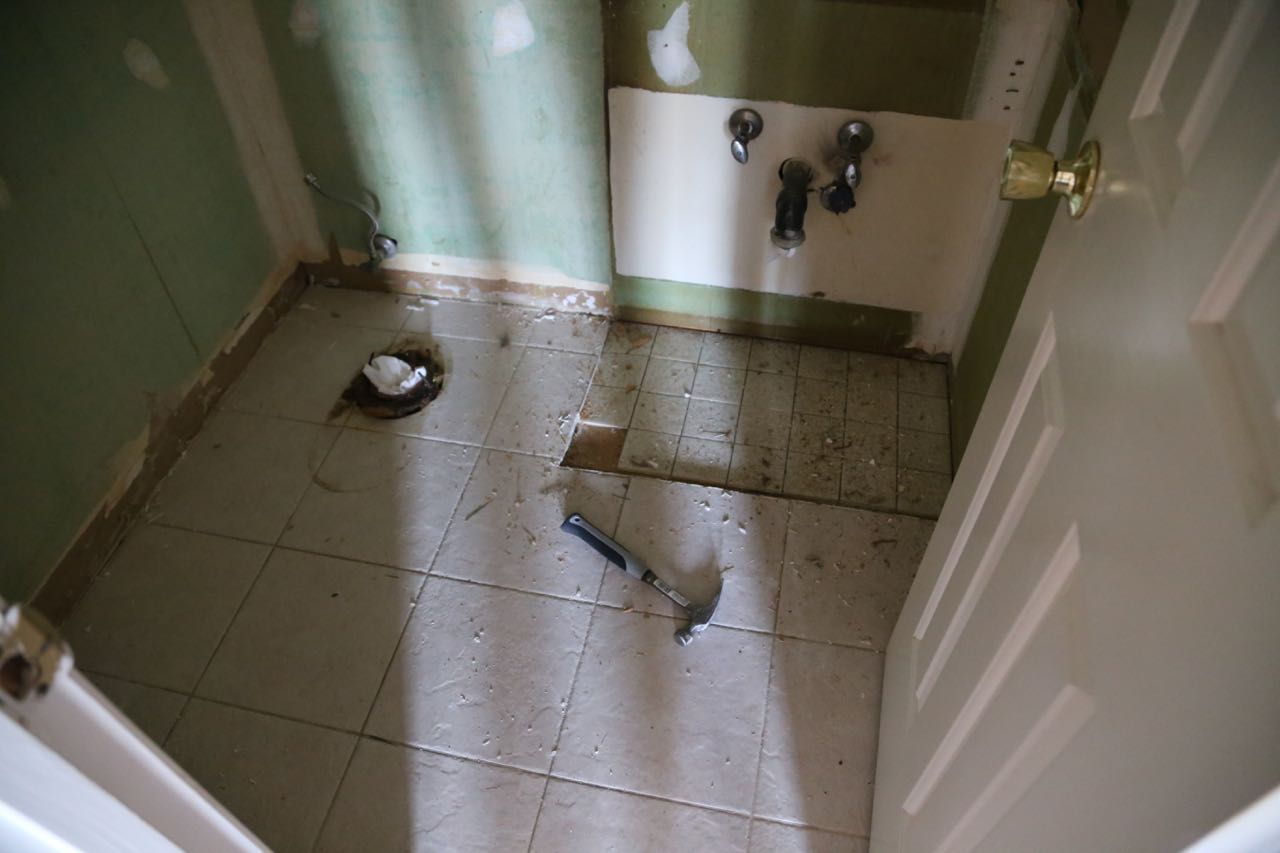
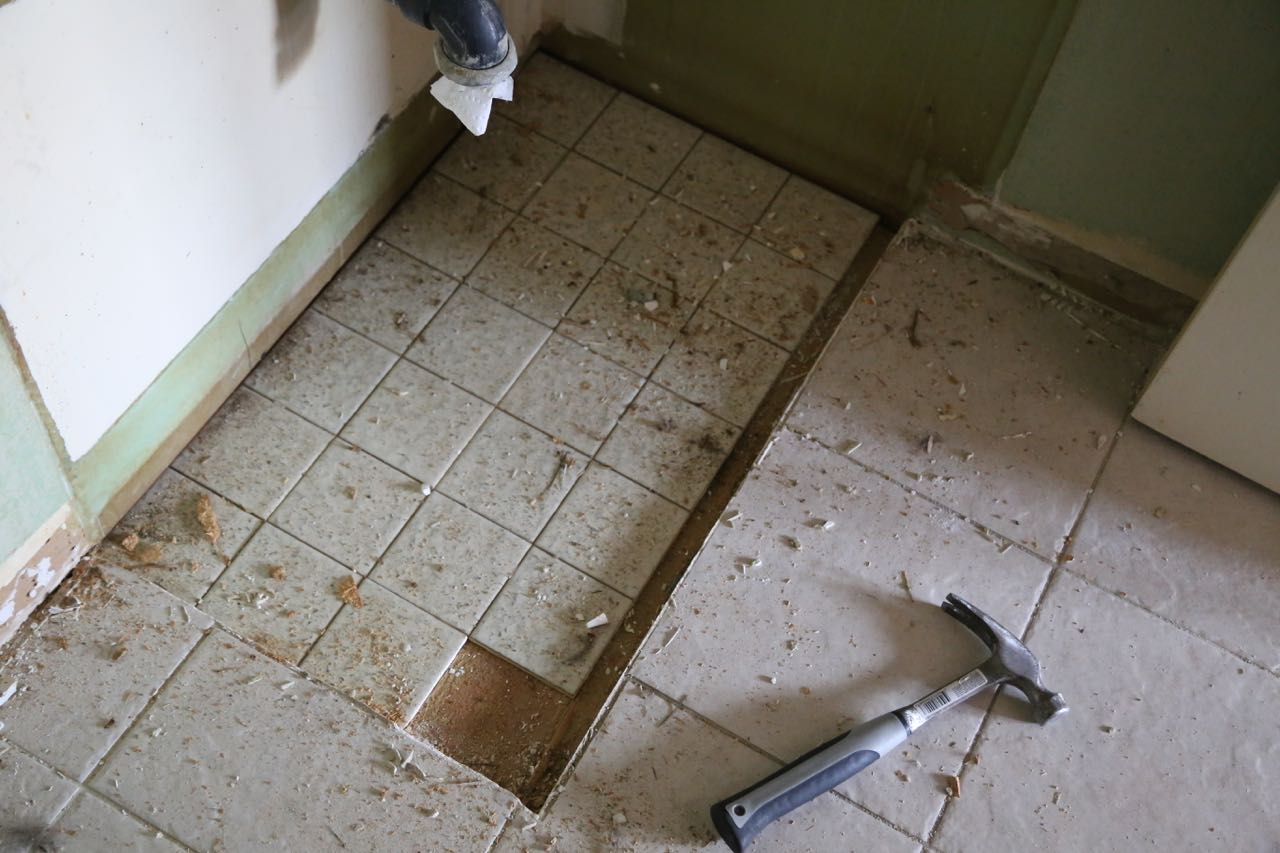
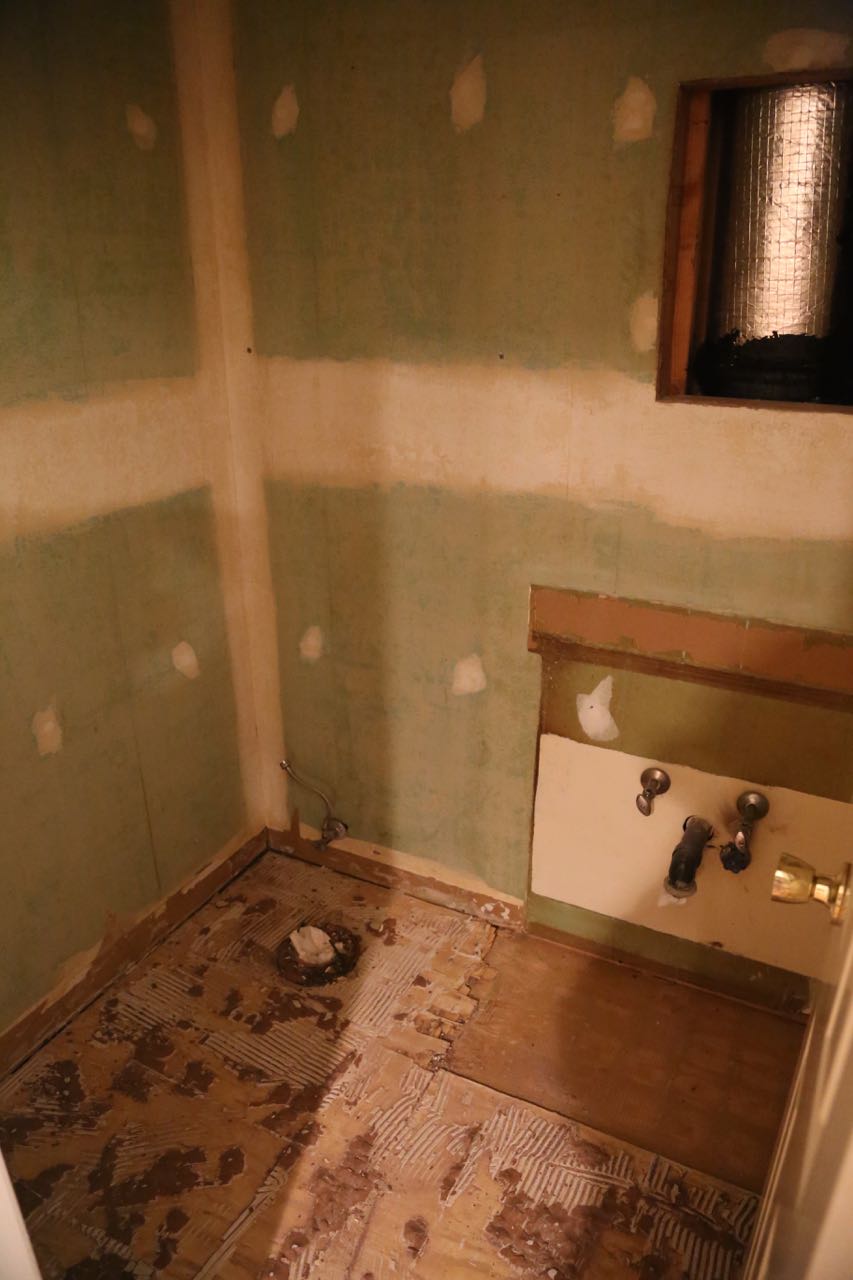
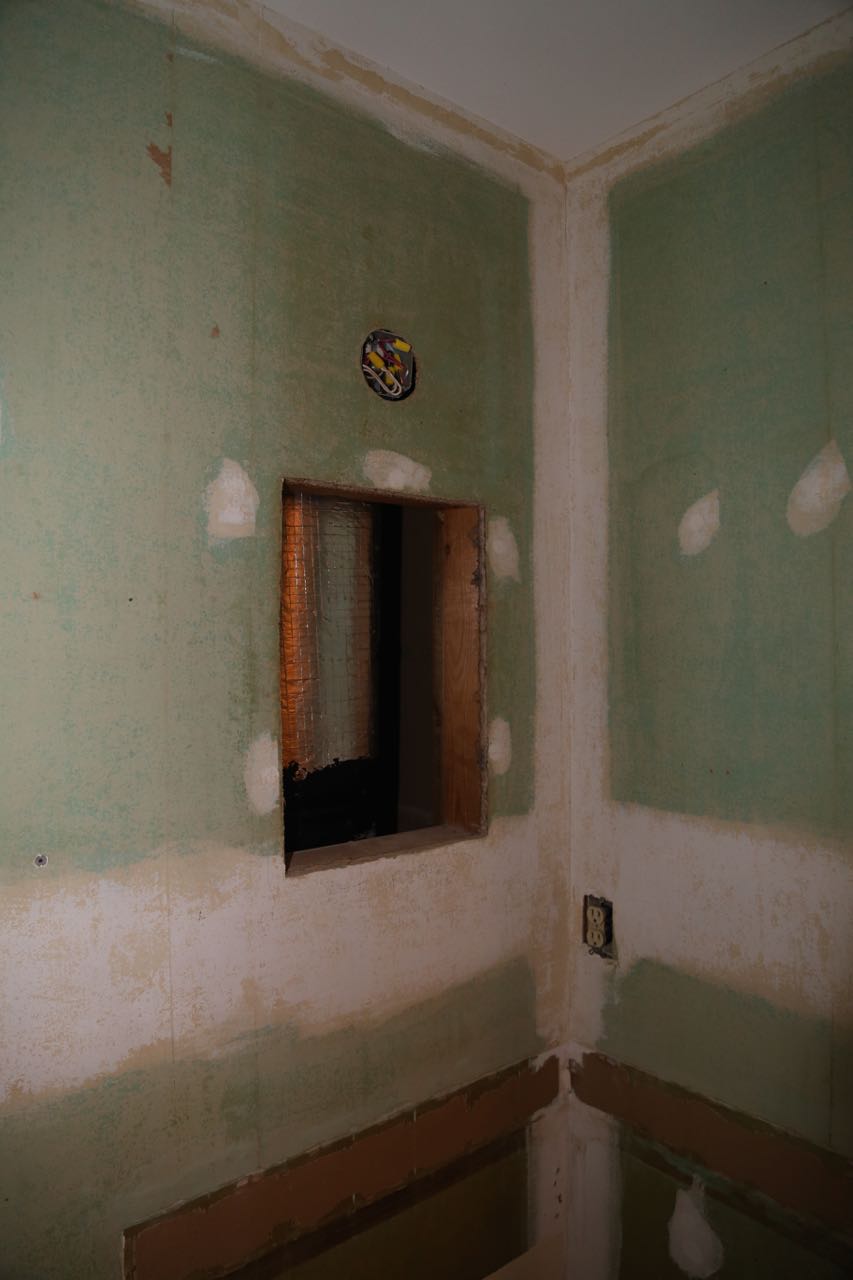
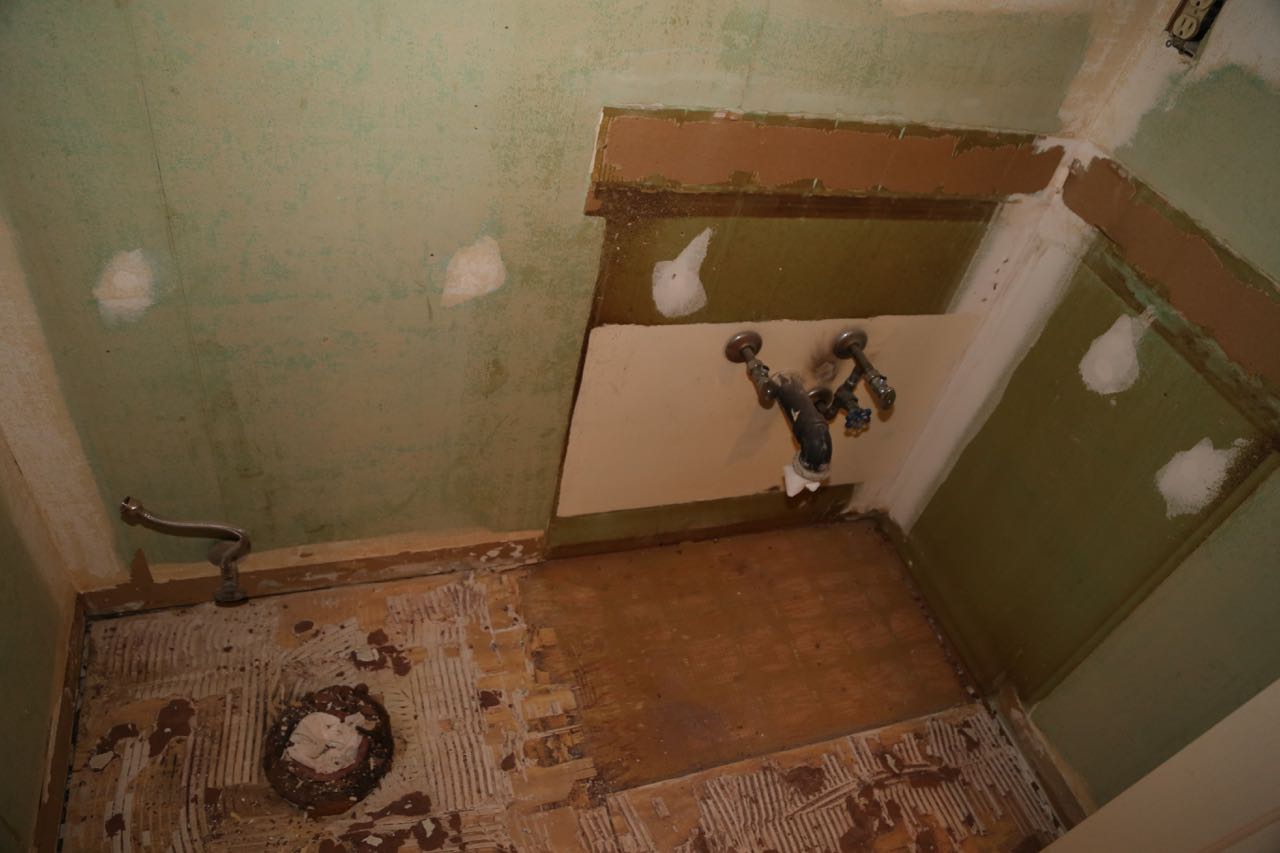
Sadly, with this phase of renovation, there was no drywall demolition. I say sadly because drywall demolition is one of my favorite activities. Deconstruction is now finished. The plumber came in first and removed the toilet and disconnected the sink. I removed the wallpaper, tile floors, the vanity, and all the fixtures. I then had a contractor come in and remove the second layer of plywood subfloor which only went around the old vanity. As with previous rooms I have renovated, at some point, “renovators” came and removed the old floor, but only around the old vanity, then put in another layer of plywood subfloor for no discernible reason, and then tiled. Thus everything had to come out to get to the original subfloor.

Old tile floor

Old tile floor

Old tile under the vanity still present

Old tile under the vanity still present

Demolition (almost) complete

Demolition (almost) complete

Hole left from medicine cabinet

Hole left from medicine cabinet

Vanity removed

Vanity removed and tile removed

Phase 4 Home Renovation Begins

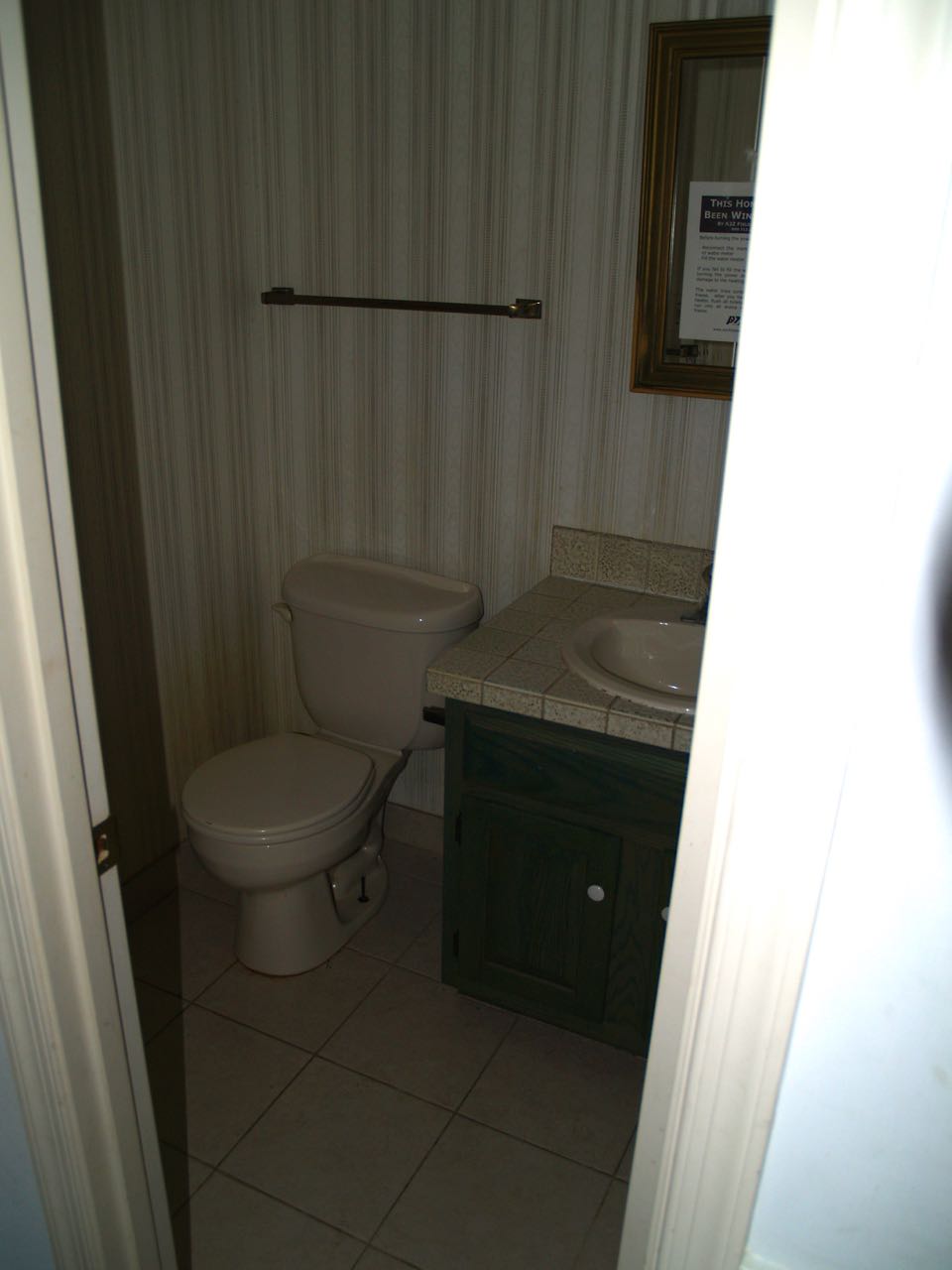
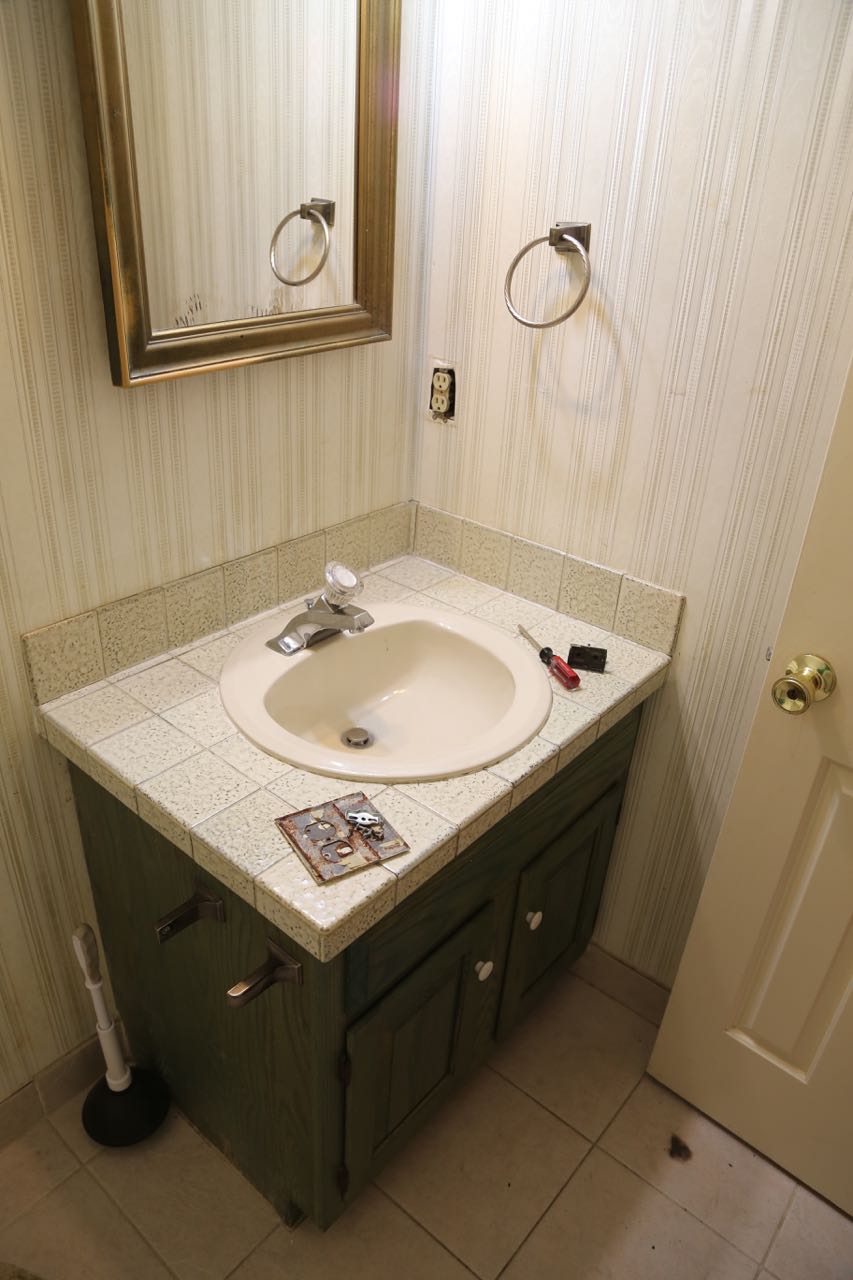
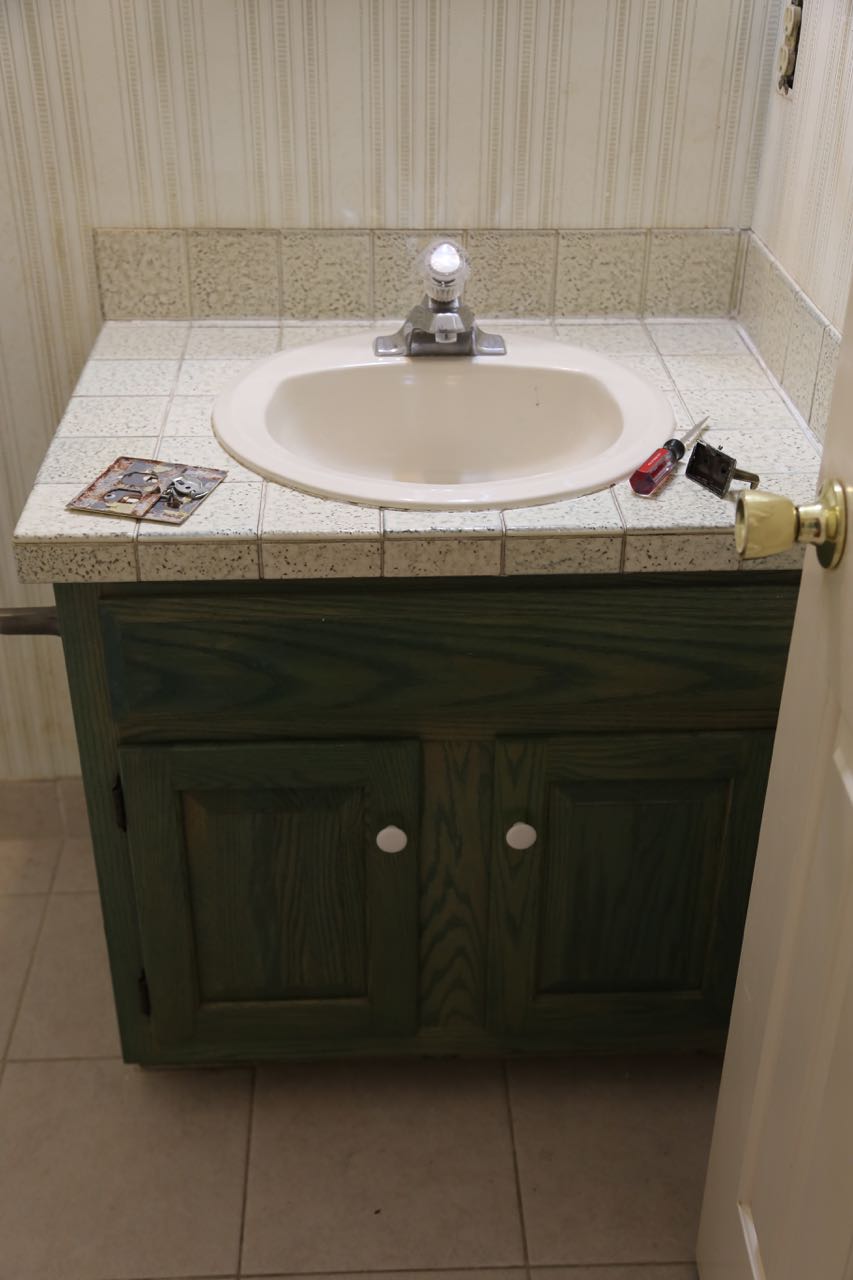
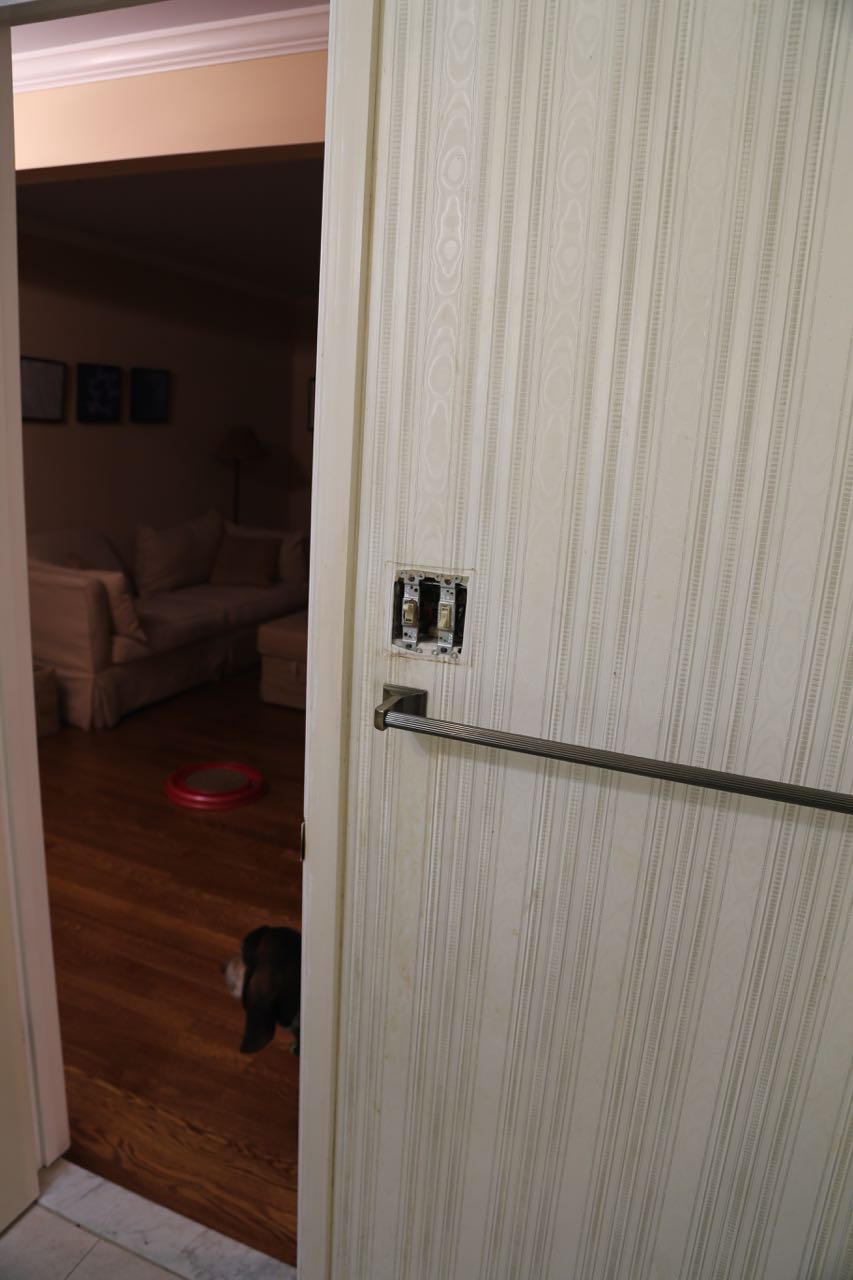
The (possibly) final home renovation phase has begun. This will be a rather small and hopefully short phase. The only room involved is the half bathroom off of the living room and kitchen. So first some photos of the bathroom before renovation. The vanity cabinet is the exact same style and color as the old kitchen cabinets were. I did not realize it until I took it out, but the mirror above the vanity was actually a medicine cabinet.

Looking into the bathroom from the living room

Looking into the bathroom from the living room

The old vanity and medicine cabinet

The old vanity and medicine cabinet

Old vanity

Old vanity

Looking out to the living room

Looking out to the living room

NY Subways

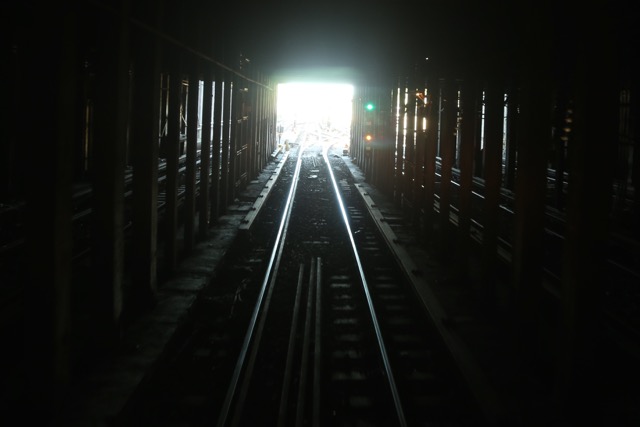
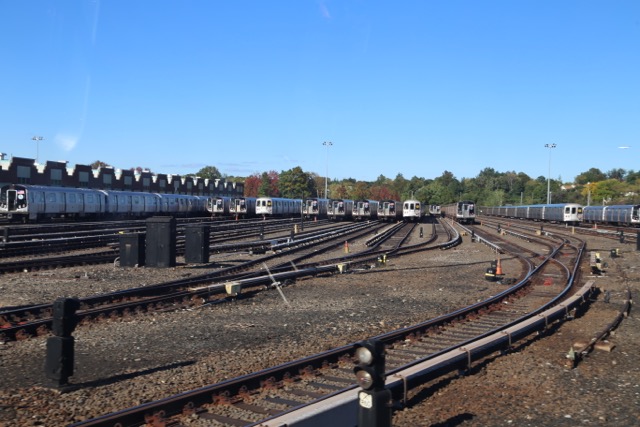
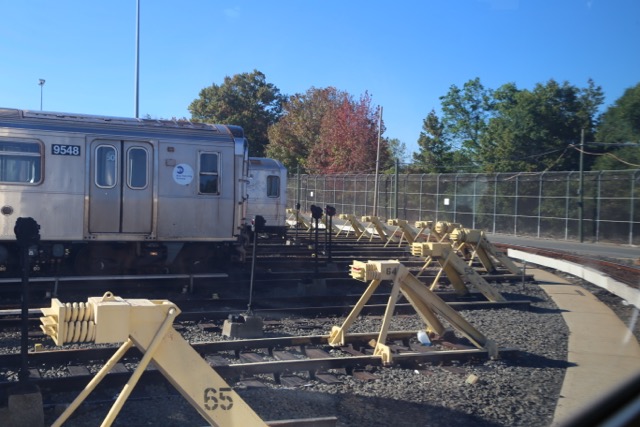
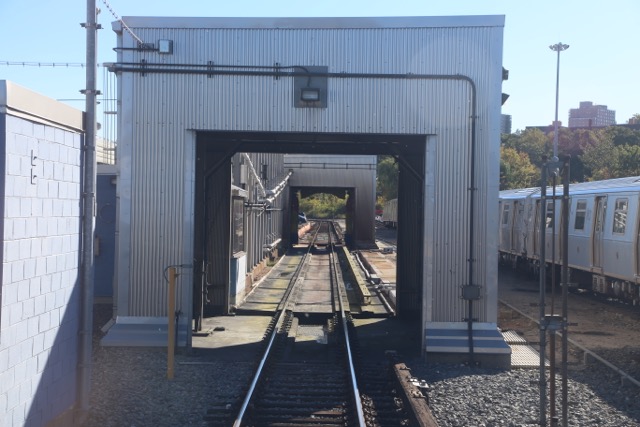
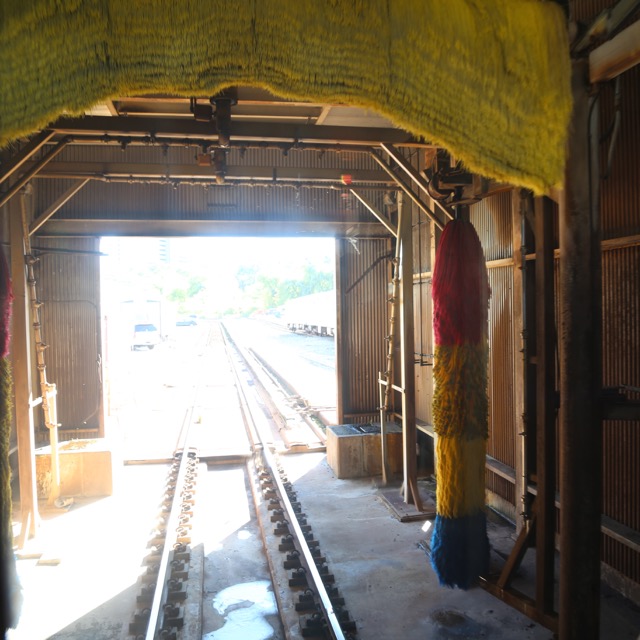
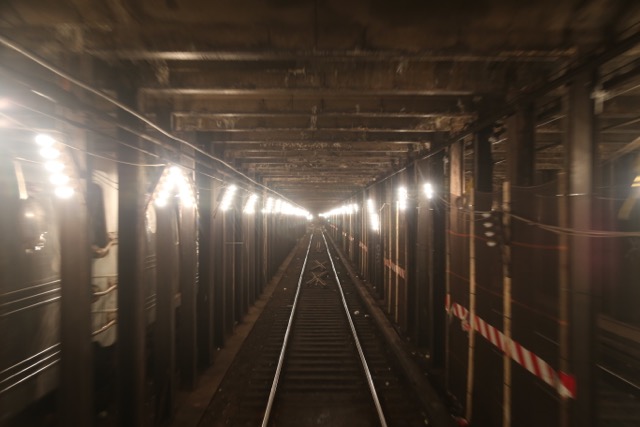
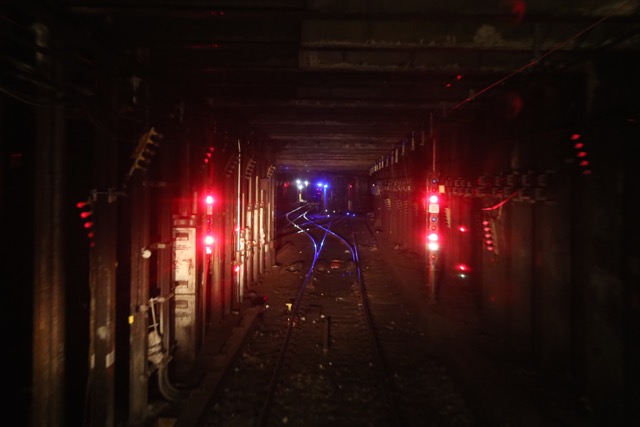
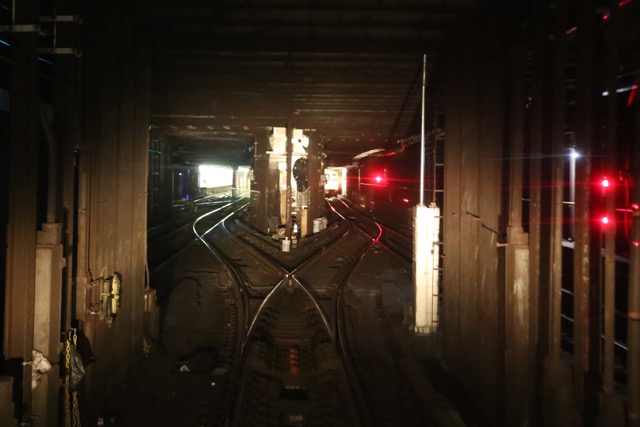
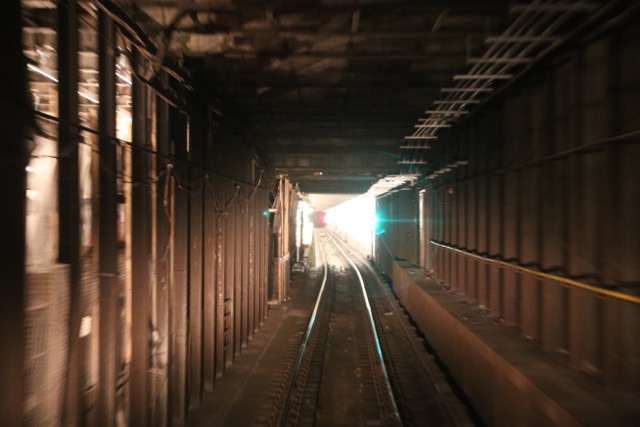
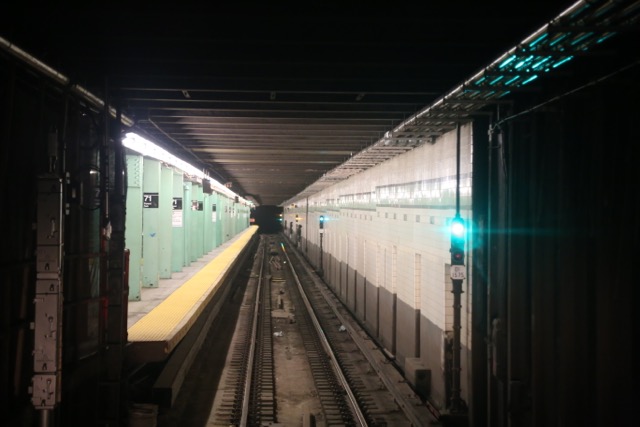
On my last trip to New York, I took a tour with the New York Transit Museum that included a subway ride through the Jamaica Maintenance Shop yard and the tunnels through it. Even cooler, the train conductor kept the door open to the train control room, so we could go in and take a few pictures out the front window of the train. Normally when on a subway train, you can only see stuff go flying by out a side window, so being able to see the tunnels through the front, allowed a much better view. In some places they were working in the tunnels, so there were a lot of lights lit, which allowed even better viewing.

Subway tunnel surfacing to ground level

Subway tunnel surfacing to ground level

Jamaica Maintenance Shop yard

Jamaica Maintenance Shop yard

Jamaica Maintenance Shop yard

Jamaica Maintenance Shop yard

Subway car wash

Subway car wash

Subway car wash

Subway car wash

Subway tunnel

Subway tunnel

Subway tunnel

Subway tunnel

Subway tunnel

Subway tunnel

Subway tunnel spliting

Subway tunnel spliting

Subway tunnel right before station

Subway tunnel right before station

Subway tunnel entering station

Subway tunnel entering station

Conversations I have with my Mom

Mom: Did that thing bloom again?

Me (looking confused): At my house?

Mom: No, the thing at the botanical garden. You know what I mean.

Me: The corpse flower?

Mom: Yes, but don’t call it that. I think it should be called by its botanical name.

Me: You prefer to call it giant misshapen penis?

Mom: No, call it by its Latin name.

Me: Its Latin botanical name, Amorphophallus titanum, means giant misshapen penis.

Mom: Oh, well yes, that is a better name to call it.

Me: Ok, well, no, it hasn’t bloomed that I know of. Last time it was in the news.

It’s Not Individualism or Bad Fashion, It’s Sexism

I once hypothesized that male heterosexual scientists and engineers single-handily keep the Hawaiian shirt industry in business. Don’t ask me why, but as a group, they love those shirts. I make jokes about their lack of fashion and just plain dressing ability. I tease because I love. I love their individualism, and I love how they don’t know or care about fashion. I may be a female heterosexual scientist and engineer, but I am one of them when it comes to dress. The last time I remember being fashionable was when I was in fifth grade. I don’t understand or like many fashions. I have my own style, and I like to look nice, but I consider my ability to wear jeans to work and not even own a suit, a serious perk of my career (and employer).

And then there is this.

This is Rosetta Project Scientist Matt Taylor of the European Space Agency (ESA) in a shirt covered in scantily clad women in in sexually suggestive poses. That is the shirt he chose to wear on a day when ESA did the amazing feat of landing a probe on a comet. This is the shirt he chose to wear on a day when he would be interviewed by the media and featured on live webcasts of the events. Not only did he not see a problem with this shirt, but evidently no one else at ESA did either. This. Is. Not. Acceptable. This is not appropriate. This is offensive. This shirt should not exist period, but it most certainly should not exist in the workplace. This is not about how ugly the shirt is. This is not about how unprofessional a shirt like that is. This is not about Dr. Taylor being an individual and expressing his style. This is about a shirt that objectifies women. This is about a shirt that is sexual harassment without Dr. Taylor even opening his mouth or making any type of gesture or doing absolutely anything other than wearing it. This is about a complete and utter lack of respect of women on the part of Dr. Taylor and evidently everybody at ESA who works with him and would have been in a position to say something. This about no one over there seeming to care about whether or not women feel comfortable working there when someone can wear a shirt like that. This about telling women it doesn’t matter your intelligence, skills, education, or ideas, you are but sex objects. The STEM fields continue to have a problem with sexism and gender inequality. My alma mater, a technical college, still only has about a 25% female student body. Wearing shirts like that to workplace will not help. It will not tell women that they are welcome. I quite frankly don’t care if Dr. Taylor is actually a really nice guy who is actually very supportive of women in STEM. His shirt says otherwise. He and ESA owe all of us an apology. That shirt overshadowed what should have been the main headline that ESA did the absolutely spectacular task of landing a probe on a comet. That shirt and the attitude it expressed ruined it for me in fact.

Finally, I would like to give mad props to Dr. Paul Coxon for his absolutely awesome idea, that if you want to wear a shirt with women on it, wear one with these women on it.


These would be some of the women of the Indian Space Research Organisation (ISRO) celebrating after ISRO’s Mars Orbiter Spacecraft successfully entered the Mars orbit. And they are awesome.

Gowanus Canal

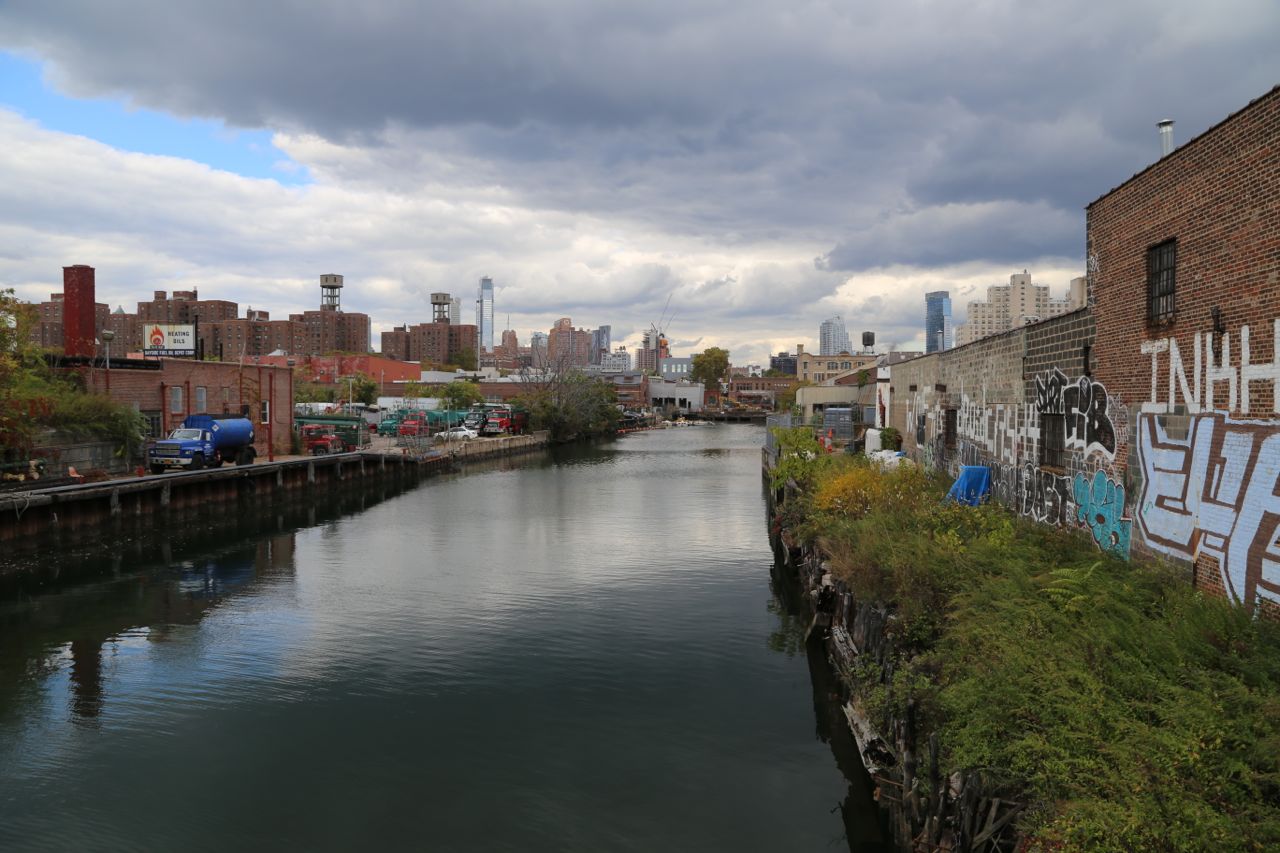
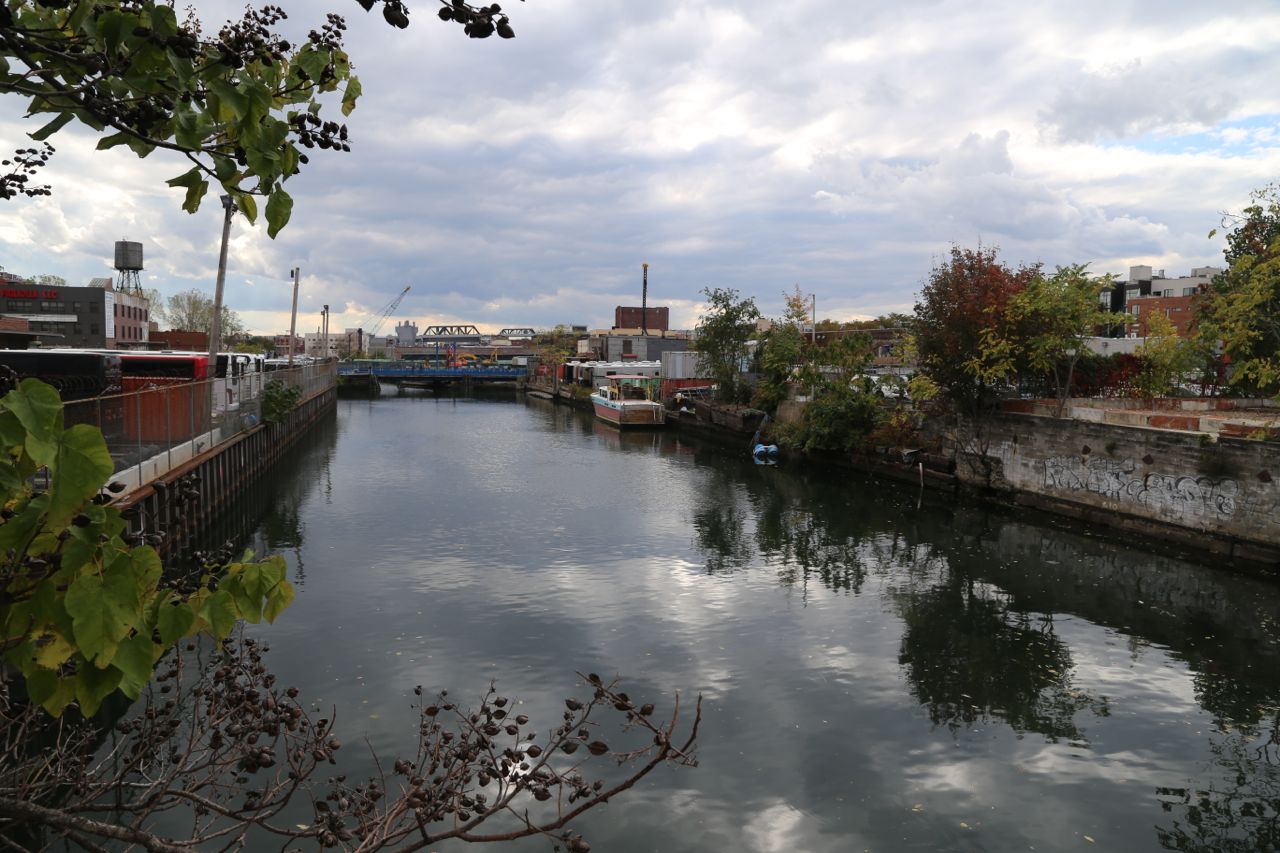
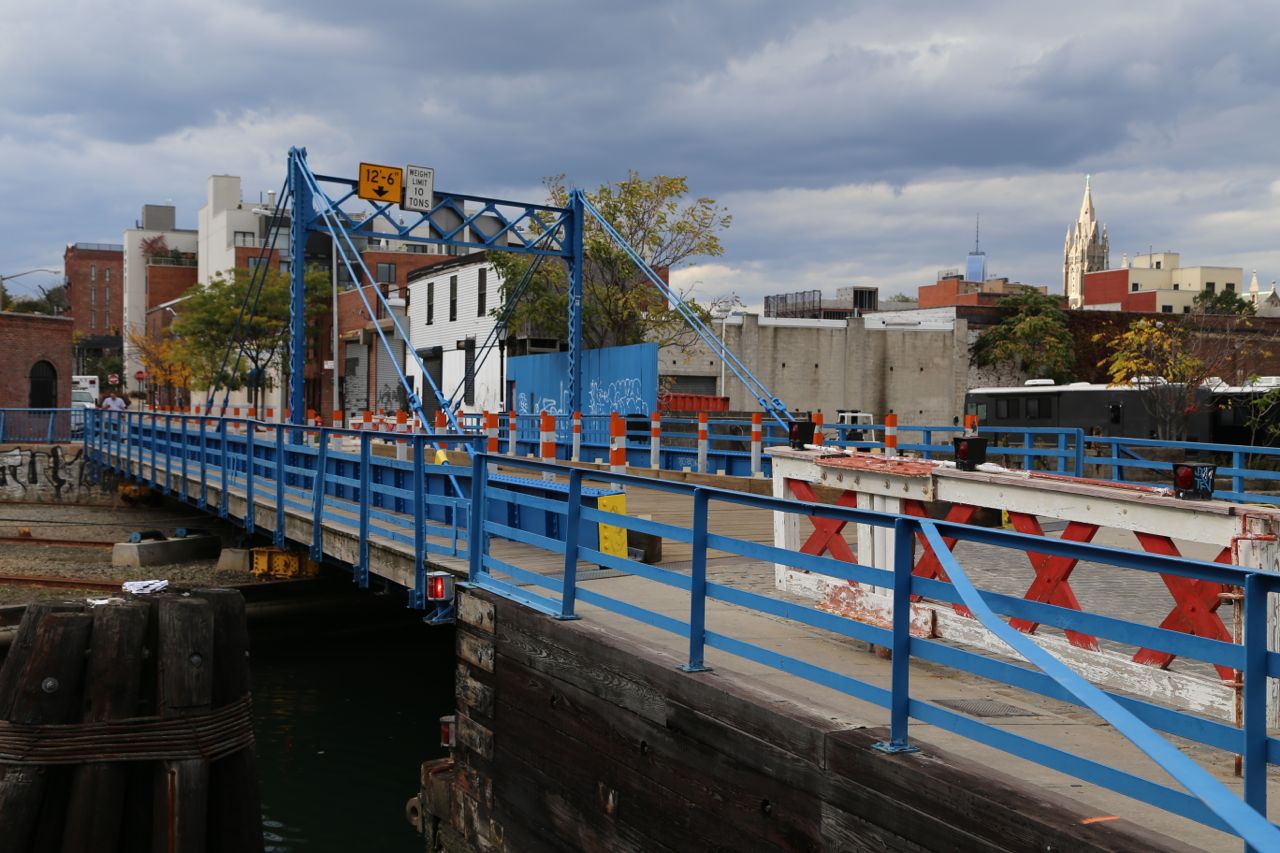
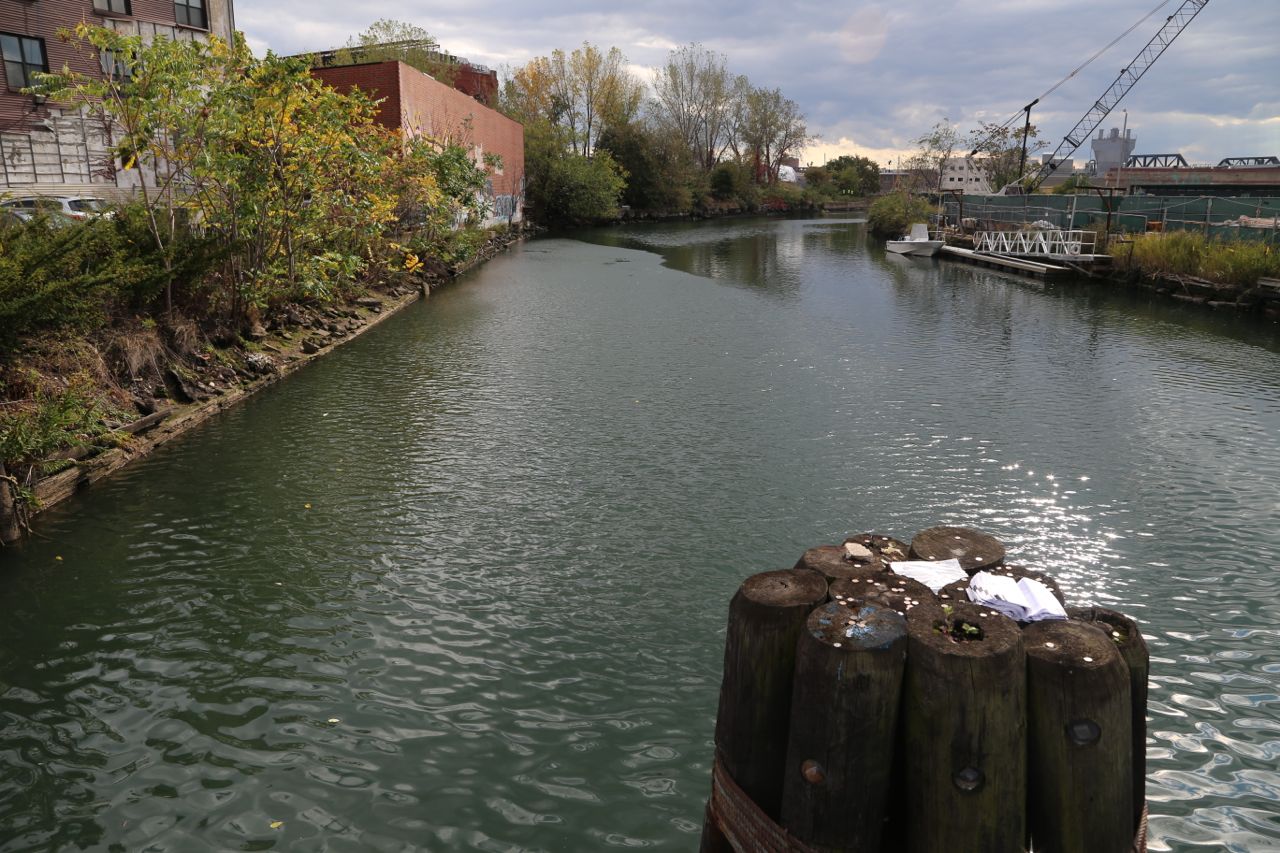
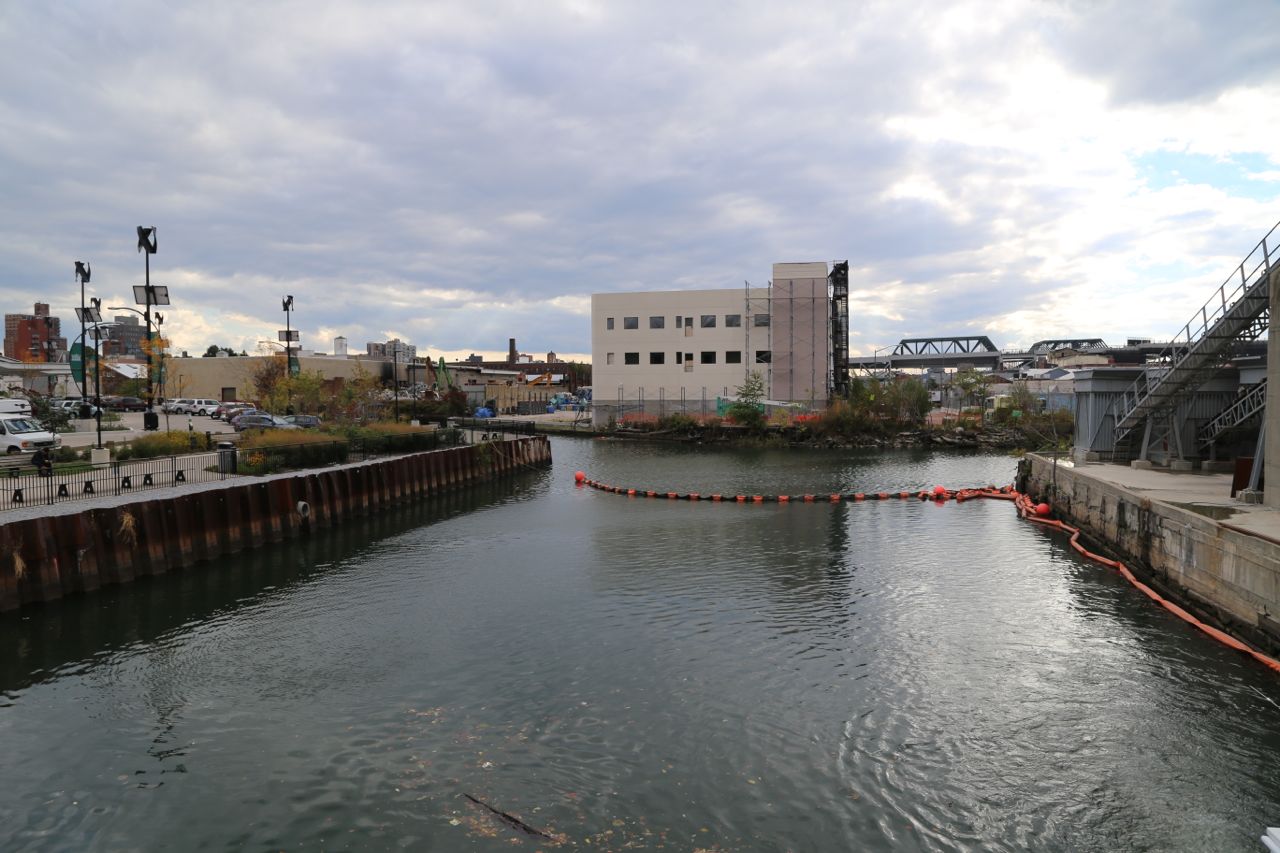
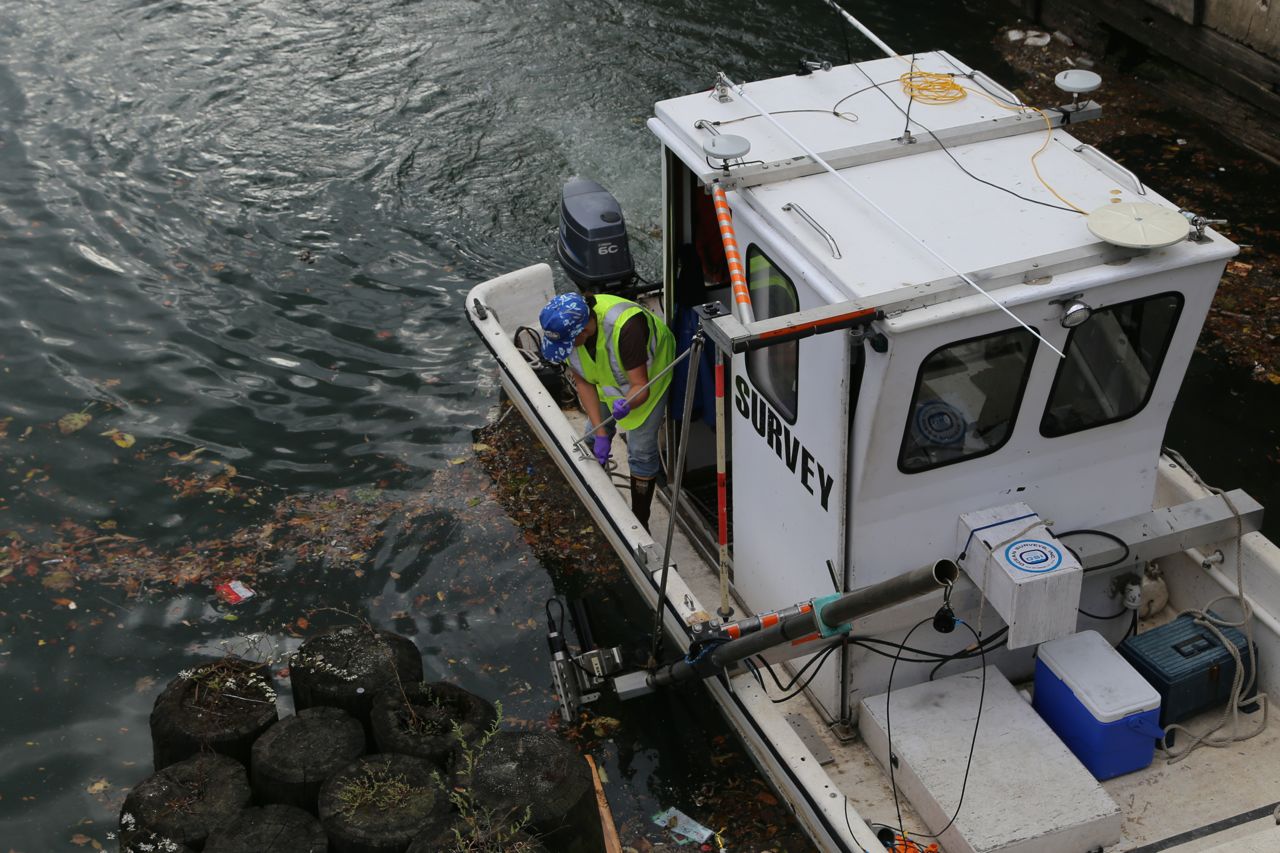
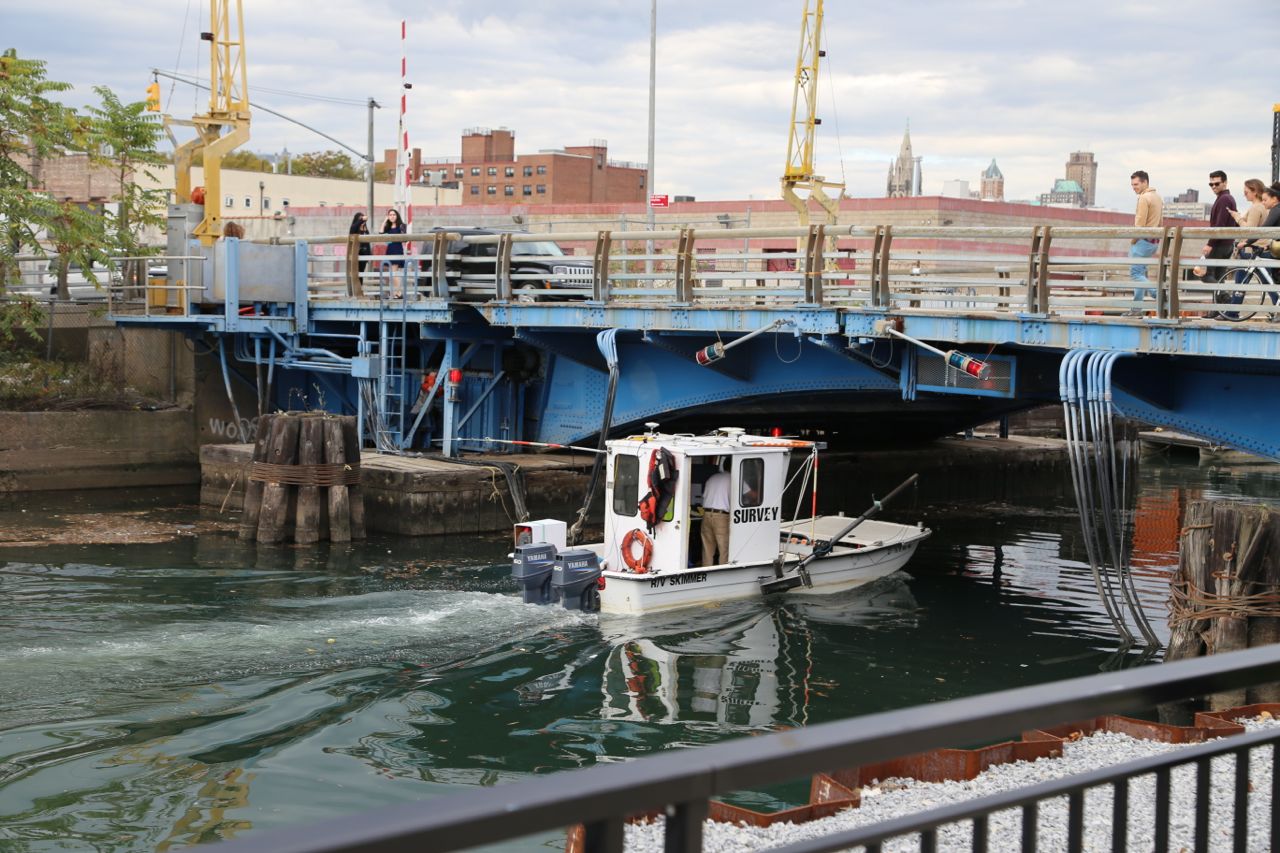
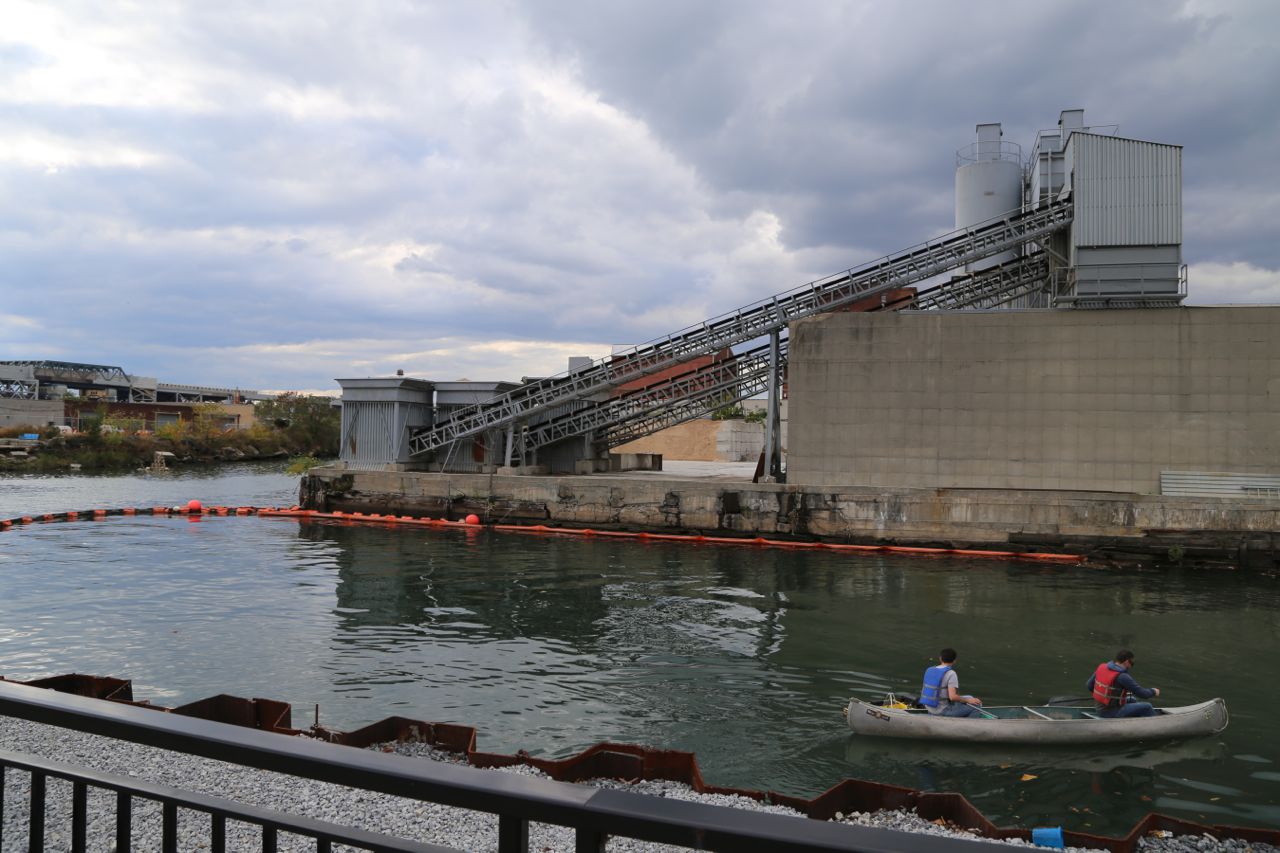
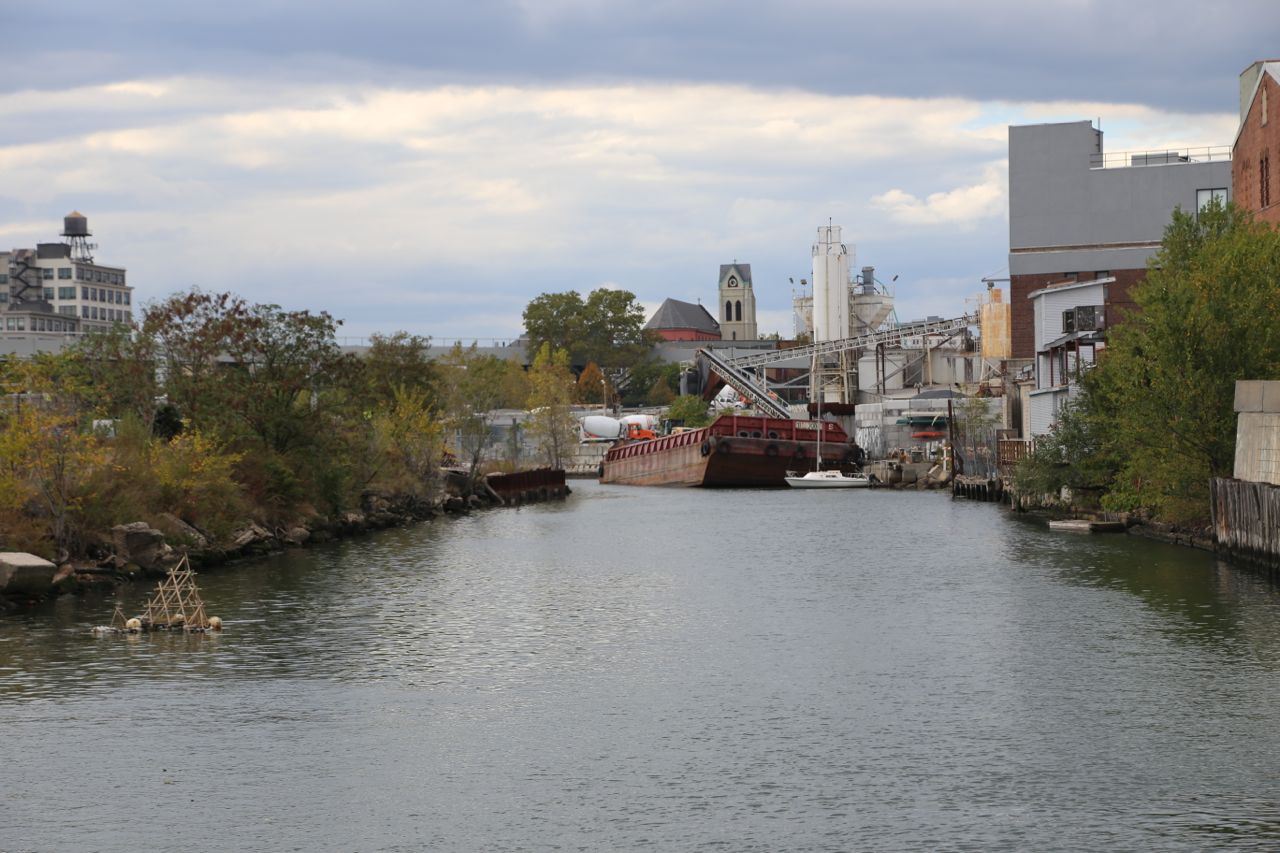
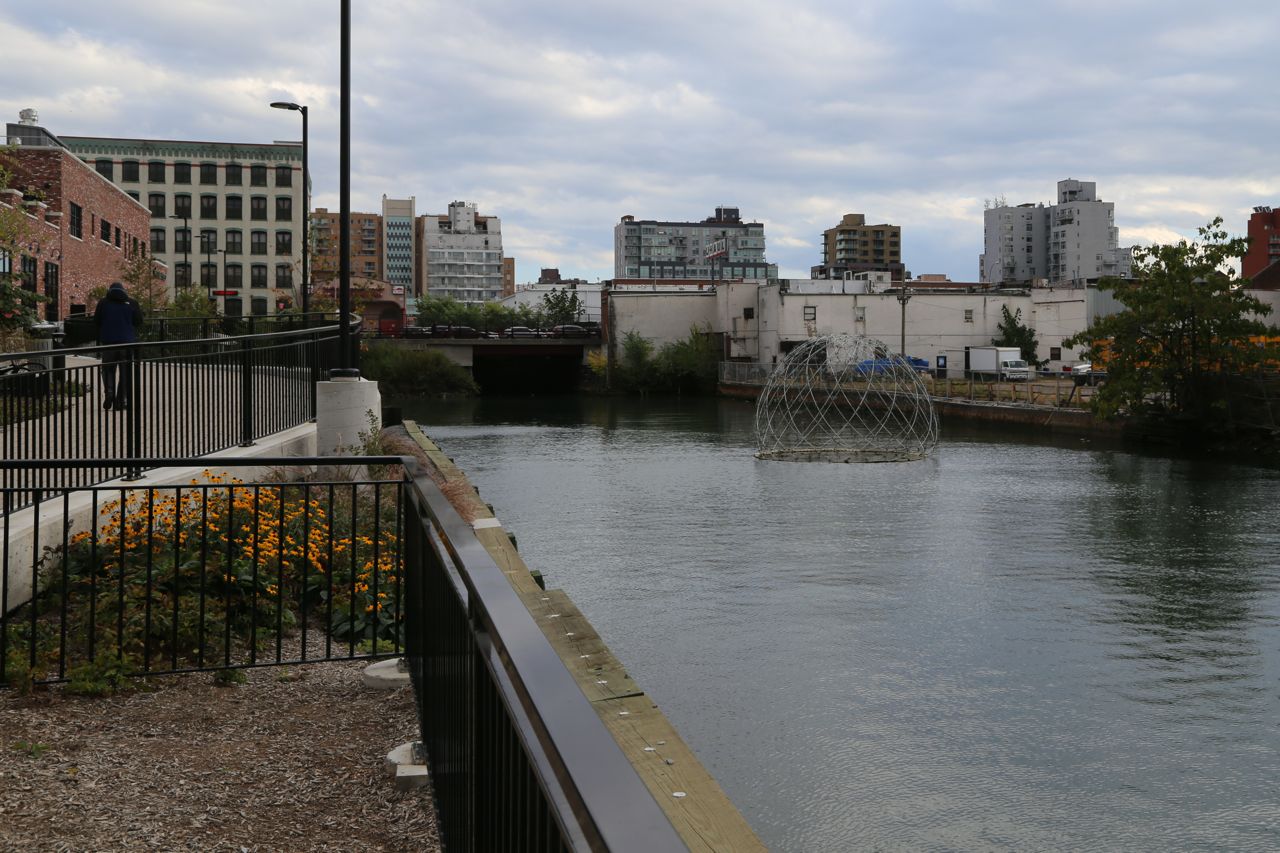
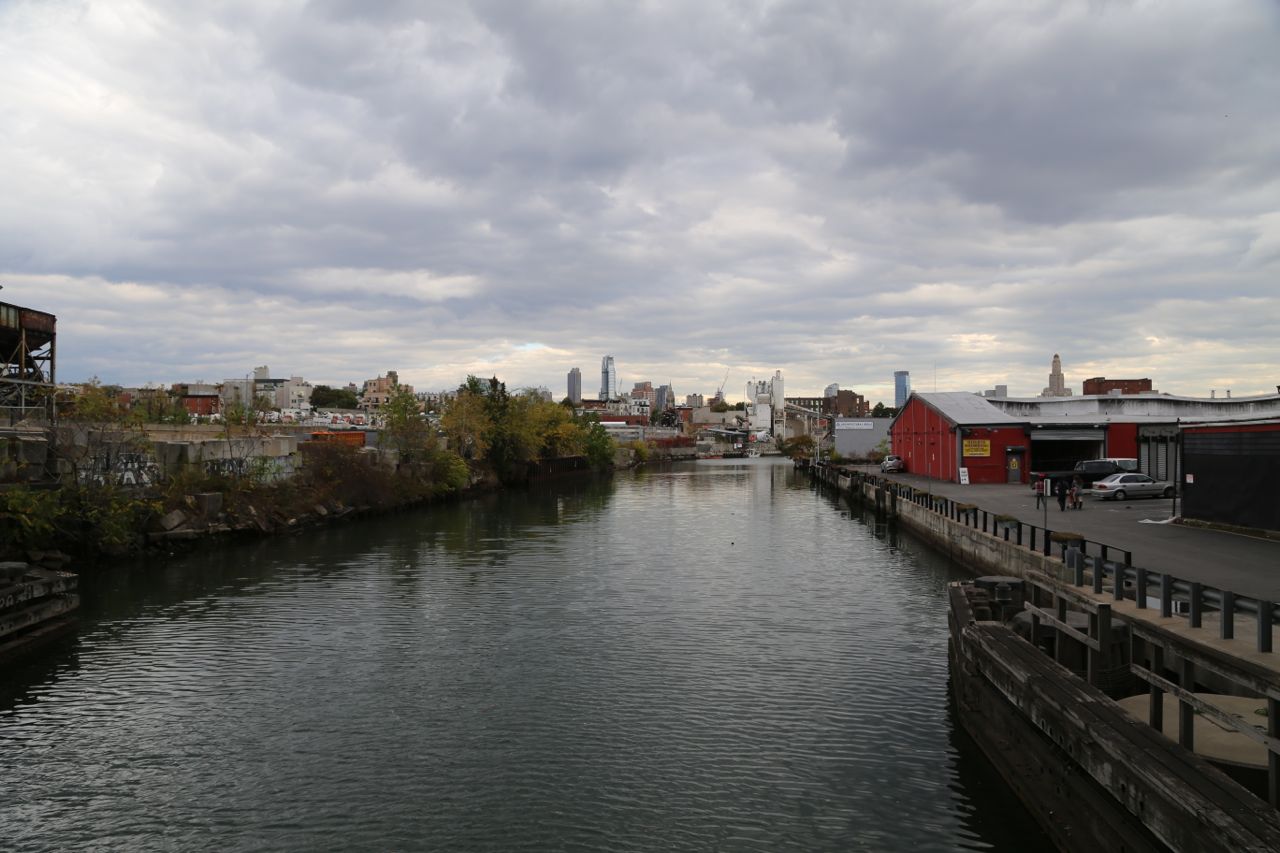
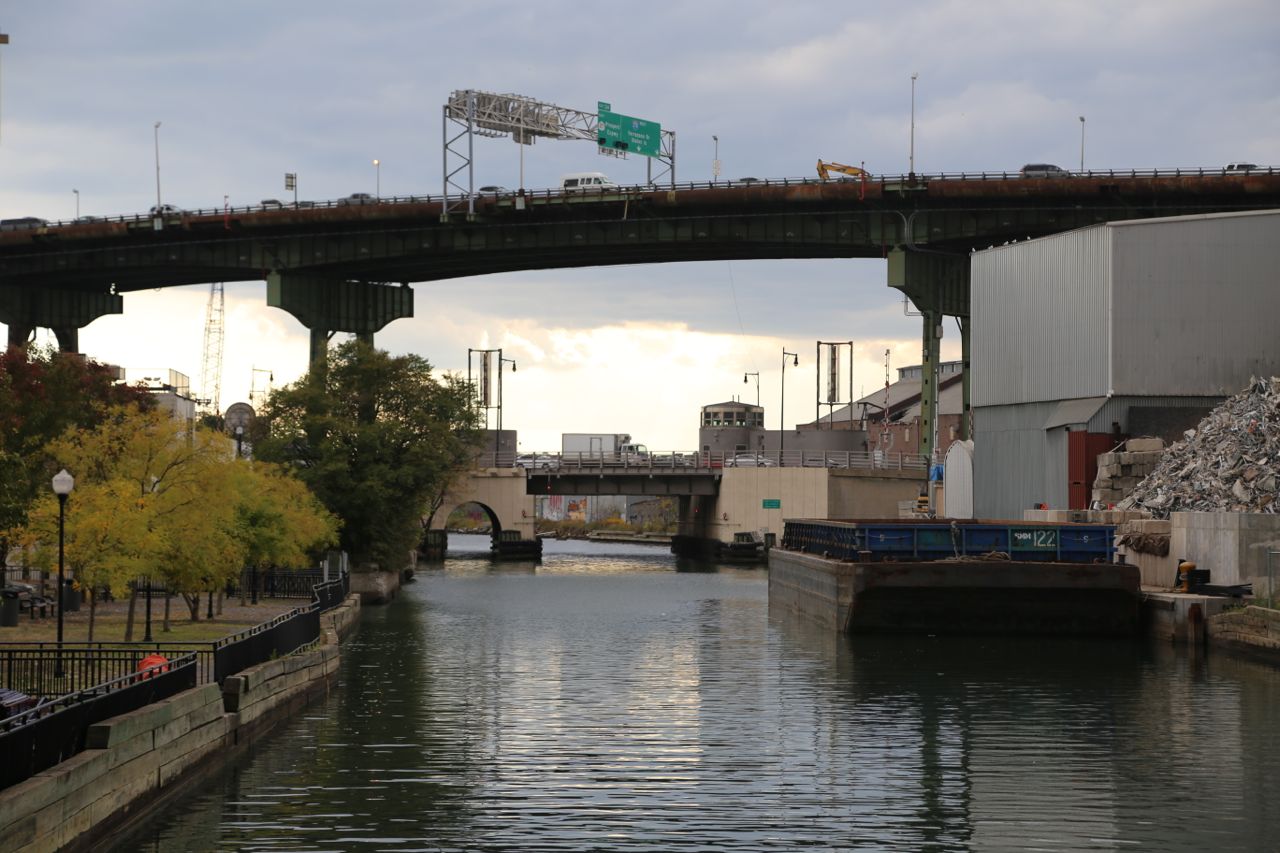
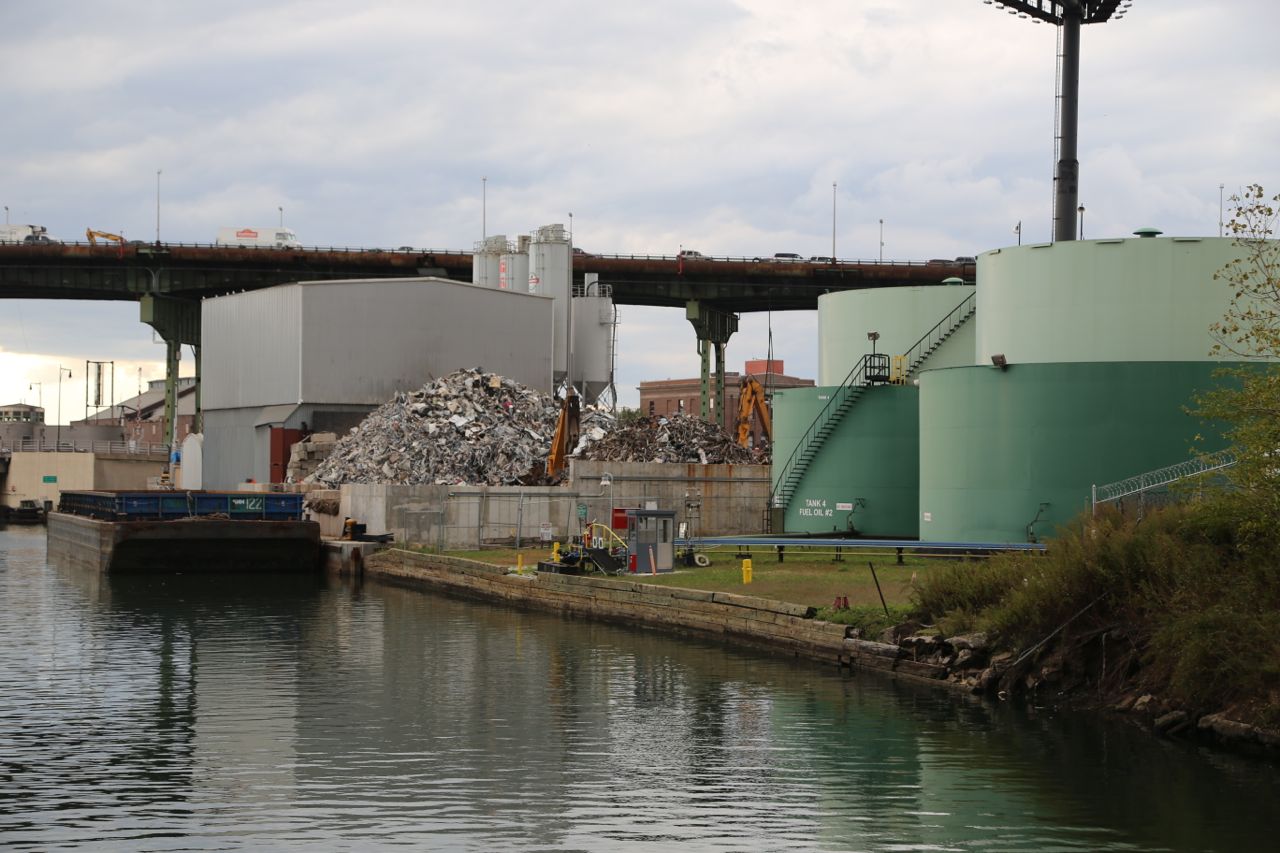
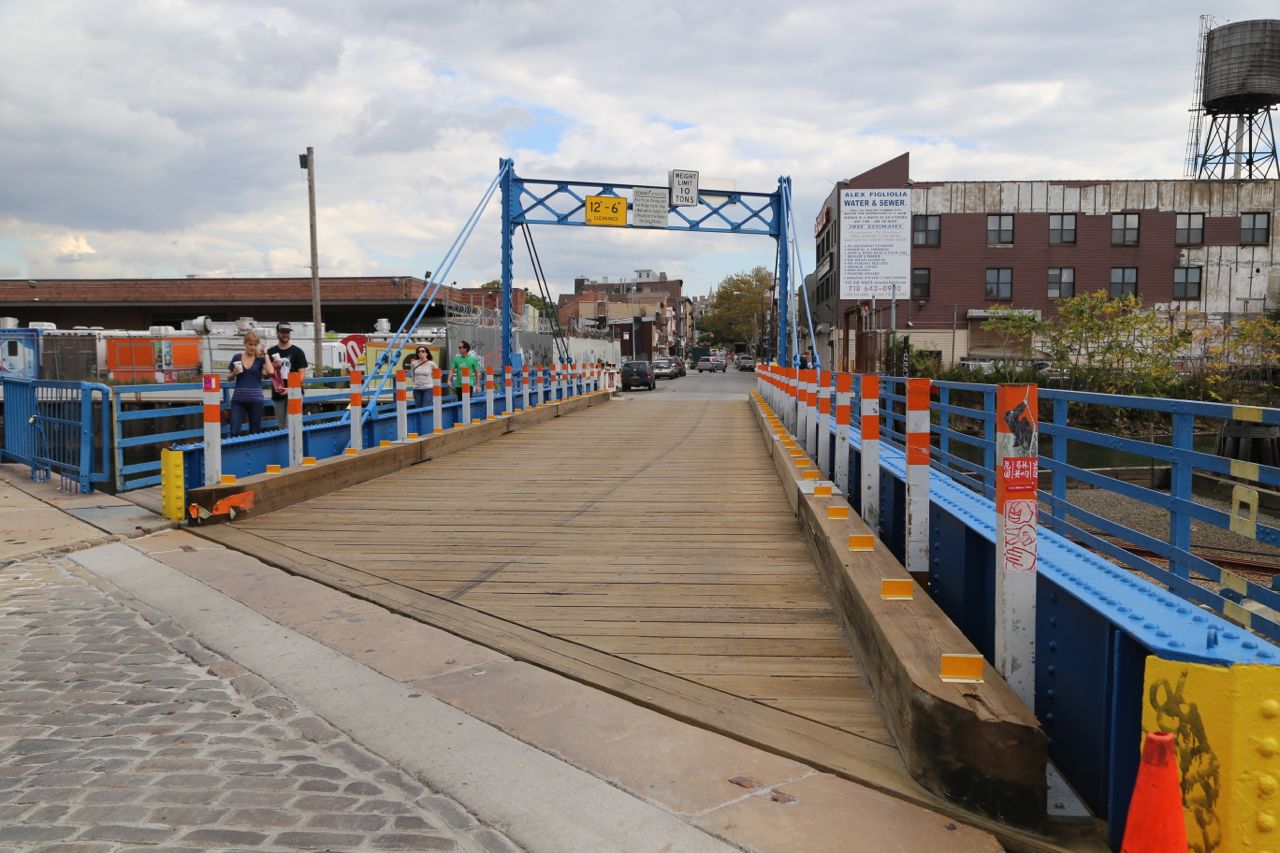
Last month while in New York, I spent some time walking around Gowanus Canal because I’m an environmental engineer, and I couldn’t resist an opportunity to visit a body of water, infamous for being incredibly polluted. The Gowanus Canal is a Superfund site due to contamination with polycyclic aromatic hydrocarbons (PAHs), volatile organic contaminants (VOCs), polychlorinated biphenyls (PCBs), pesticides, and metals. However, the Gowanus Canal is also polluted with more ordinary pollutants such as bacteria from untreated wastewater from combined sewer overflow outfalls and other urban pollutants from surface runoff (and possibly illegal outfalls). The area residents are understandably pushing to get the canal cleaned up quickly, and the cleanup is a joint effort between the city, state, and federal government. The area around the canal is an interesting mixture of industrial, art galleries, and up and coming residential. It is actually a nice area. There is a Whole Foods Market next to the canal that has a nice little canal walk on the property, which features signs that say “This is the greenest supermarket in New York State. No smoking, please.” I will take them at their word about being the greenest supermarket, as I did notice solar panels and wind turbines in the parking lot. However I still had to laugh at the irony of the sign. On the bright side, the Gowanus Canal is not so polluted that should someone smoke near it, it is not in danger of catching on fire, like the Cuyahoga River did in 1969. While I was walking along the canal, I spotted a small boat with two people who seemed to be monitoring the water and also two people in a canoe. I guess the canal is safe to canoe on, if you just make sure you don’t touch the water to your skin and most definitely don’t let any get into your mouth, nose, eyes, or any other orifices. The canal does not look that polluted. There are areas with floating trash, but there are very few places where I saw a sheen. When I was there it did not smell either, but evidently especially in summer, it can smell. However, it is a good example of how appearance is not a good way to tell if something is polluted. If you want to read more about the Gowanus Canal, this article in Popular Science is pretty interesting.

Northern end of the Gowanus Canal

Northern end of the Gowanus Canal

Bridge on northern end

Bridge on northern end

Carroll Street Bridge

Carroll Street Bridge

Carroll Street Bridge

Carroll Street Bridge

Stormwater discharge warning sign

Stormwater discharge warning sign

A wooden dolphin that had a book attached to the top as some sort of art or memorial

A wooden dolphin that had a book attached to the top as some sort of art or memorial

View from the Third Street Bridge

View from the Third Street Bridge

Survey boat

Survey boat

Third Street bridge

Third Street bridge

People actually canoe on the Gowanus Canal

People actually canoe on the Gowanus Canal

Barge sitting on the canal

Barge sitting on the canal

Fourth Street Basin, next to the Whole Foods Market

Fourth Street Basin, next to the Whole Foods Market, with some sort of art in the sculpture in the water

Gowanus Canal southern end

Gowanus Canal southern end

Gowanus Expressway

Gowanus Expressway

Liquid storage tanks

Liquid storage tanks

Run the Chesapeake Bay Bridge 10K

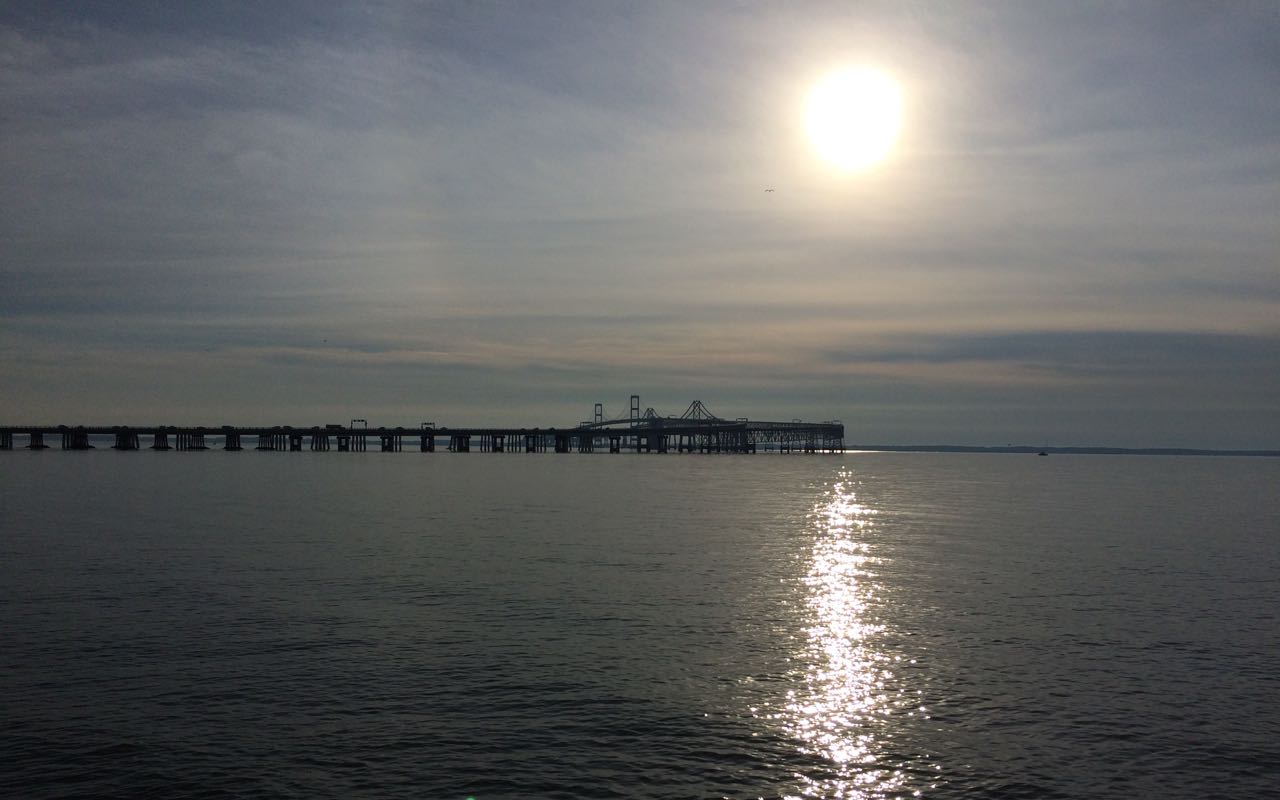
View of the Chesapeake Bay Bridge near the start of the race

View of the Chesapeake Bay Bridge near the start of the race

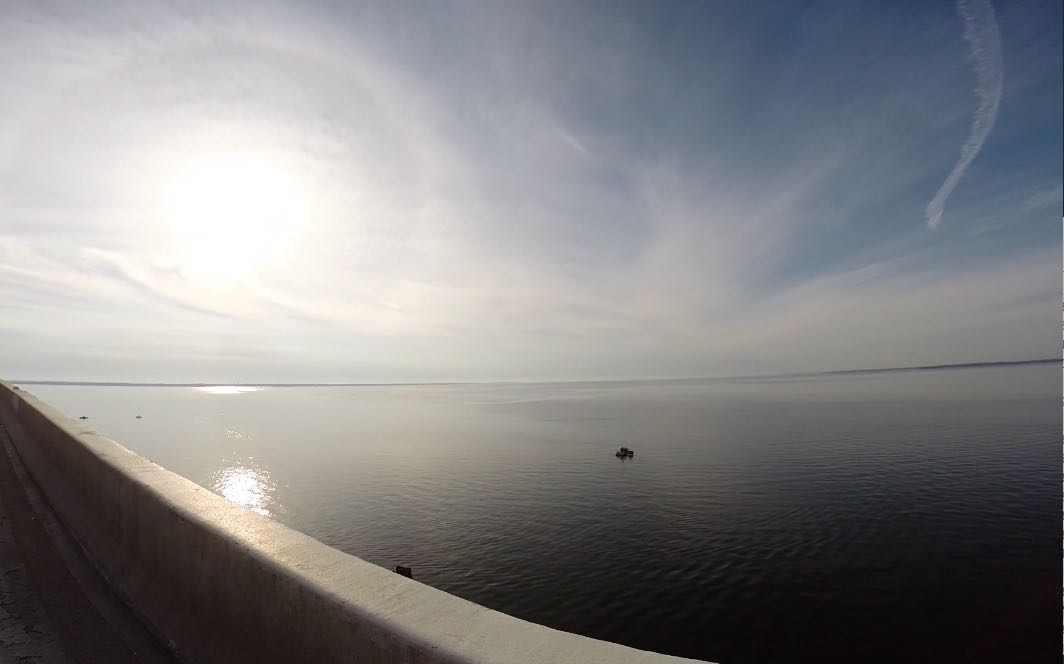
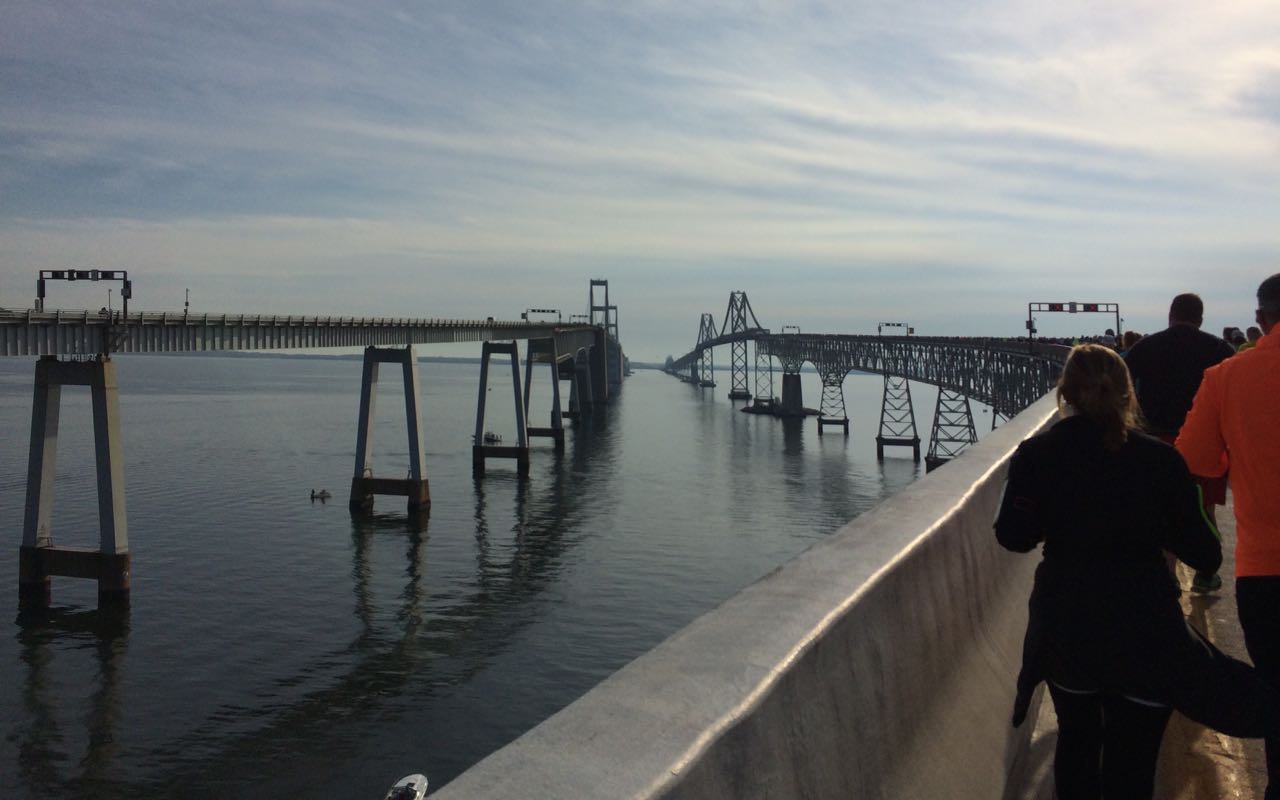
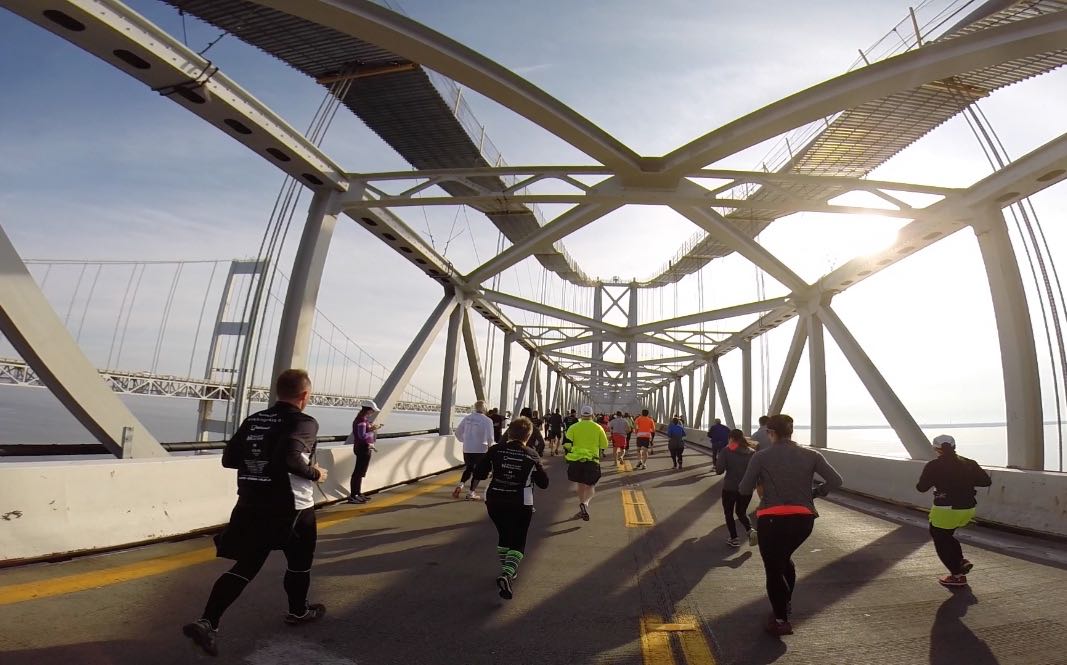
On November 9, 2014, I ran the inaugural Across the Bay 10k Chesapeake Bay Bridge Run. The point to point course includes 4.35 miles across the bridge, which reaches 186 feet at its peak. The run across the bridge provided amazing views of Chesapeake Bay. As an engineer, I really loved being able to examine the bridge up close at a slower pace than when driving across it. I wore a GoPro Hero 3+ on my head during the race to make a video of the run. I have edited the video to only include the start, bridge portion of the run, and the finish, and I have also sped up the video. My official run time was 1:16:24, and nobody wants to watch a video that long of me running across the bridge. I removed the sound due to a weird noise that was created when I sped up the video. Also, I took a few photos with my iPhone and made a few photos from freeze frames from the GoPro video.

View of the bay from the bridge

View of the bay from the bridge

View of both bridges

View of both bridges

In the truss section of the Chesapeake Bay Bridge

In the truss section of the Chesapeake Bay Bridge

They also gave us a pretty cool medal for completing the race.

Completion medal

Completion medal