
Solar Eclipse
Snorkeling in Alaska
Carrie Blast Furnaces
Nuttallburg
Bridge Walk

Burlington Houses

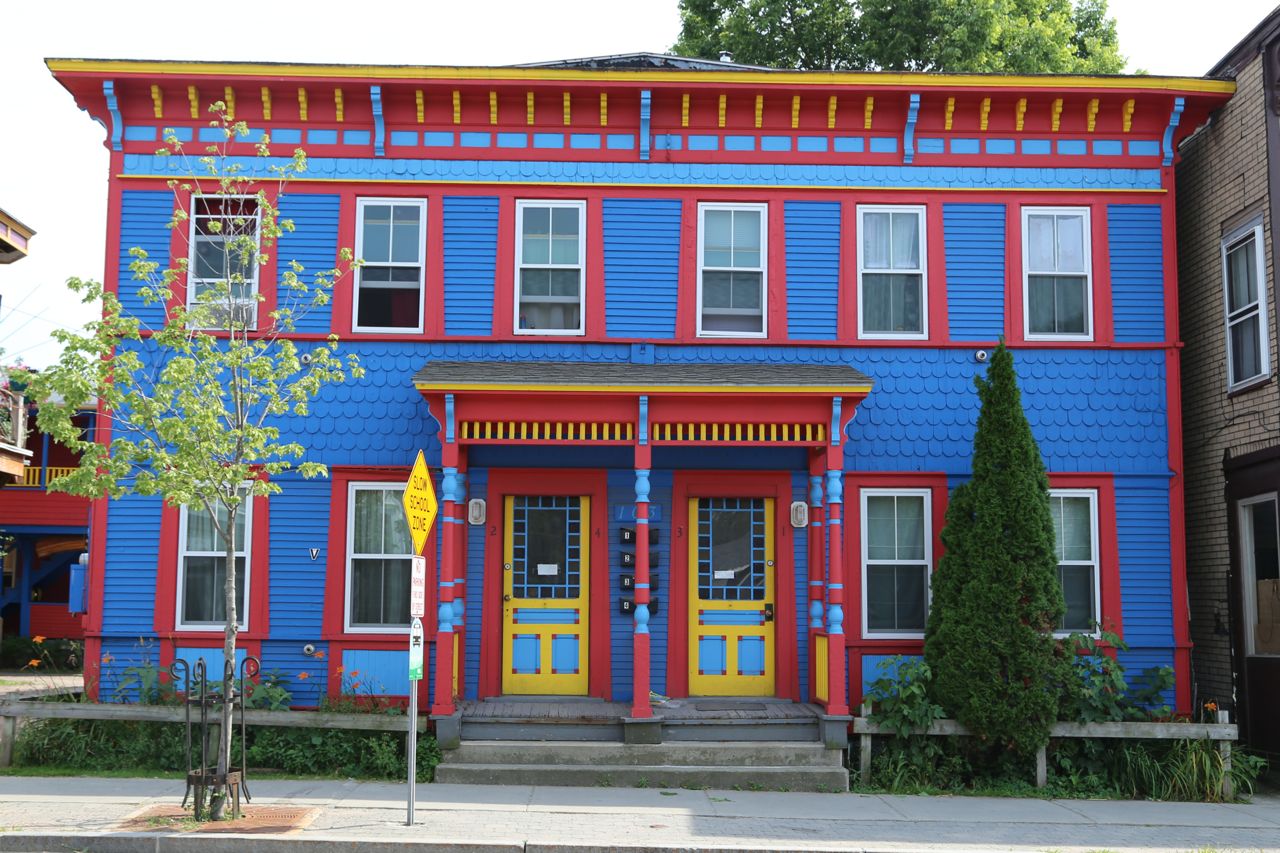
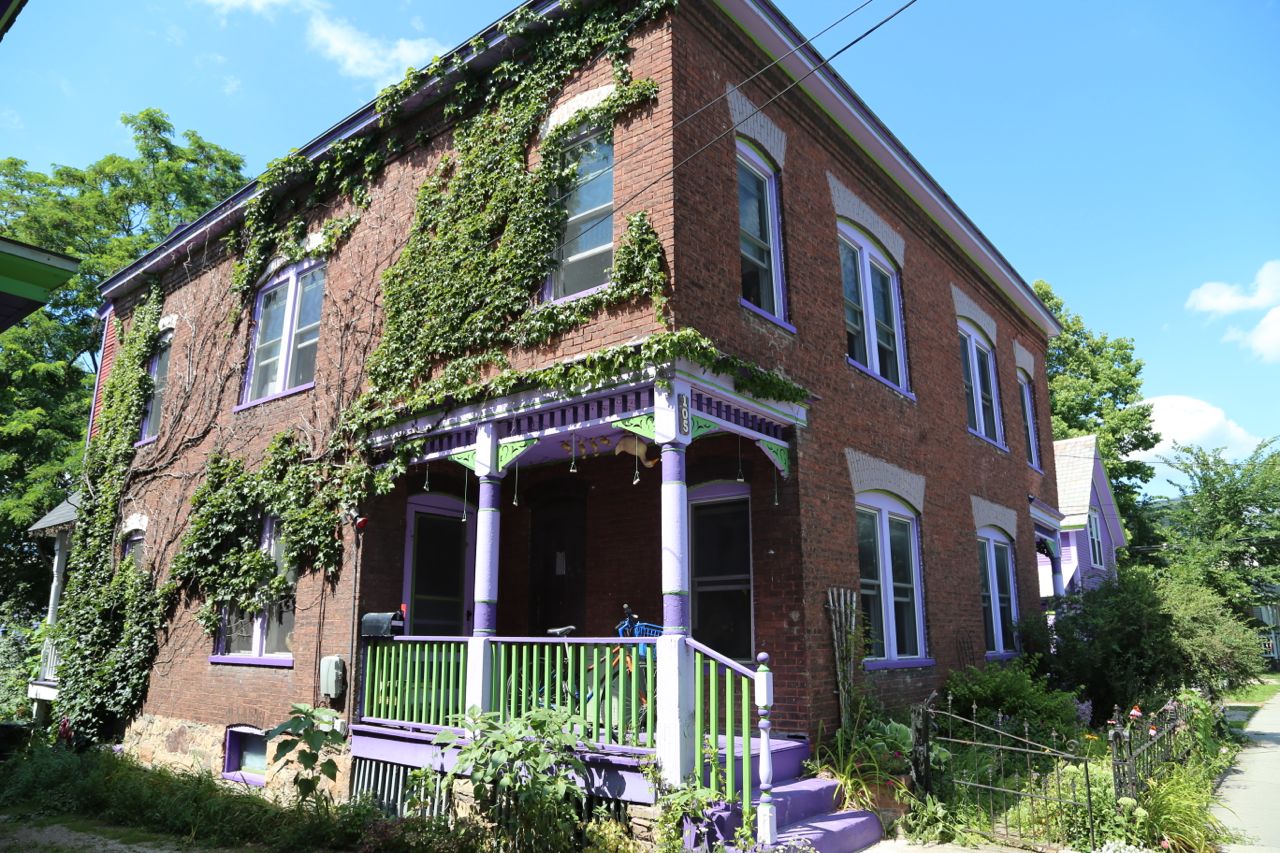
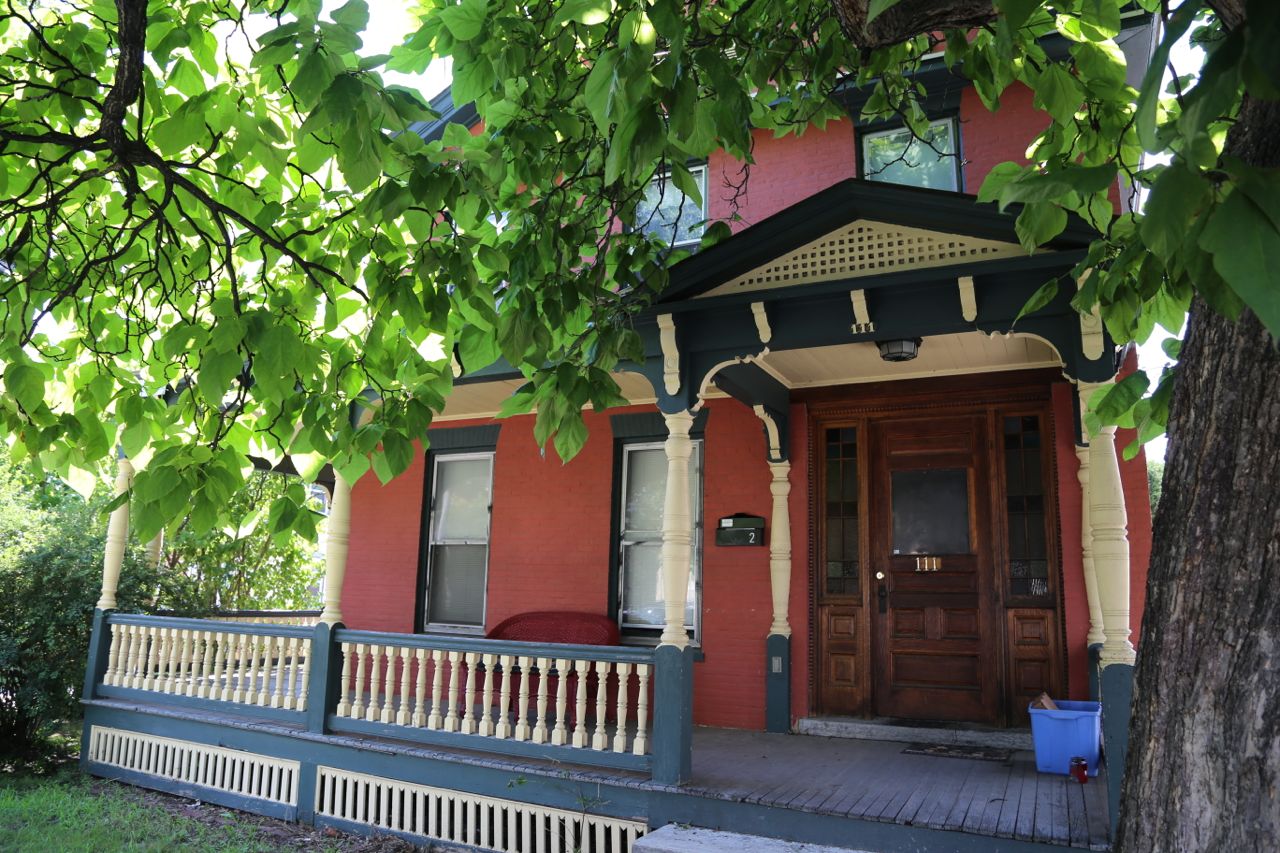
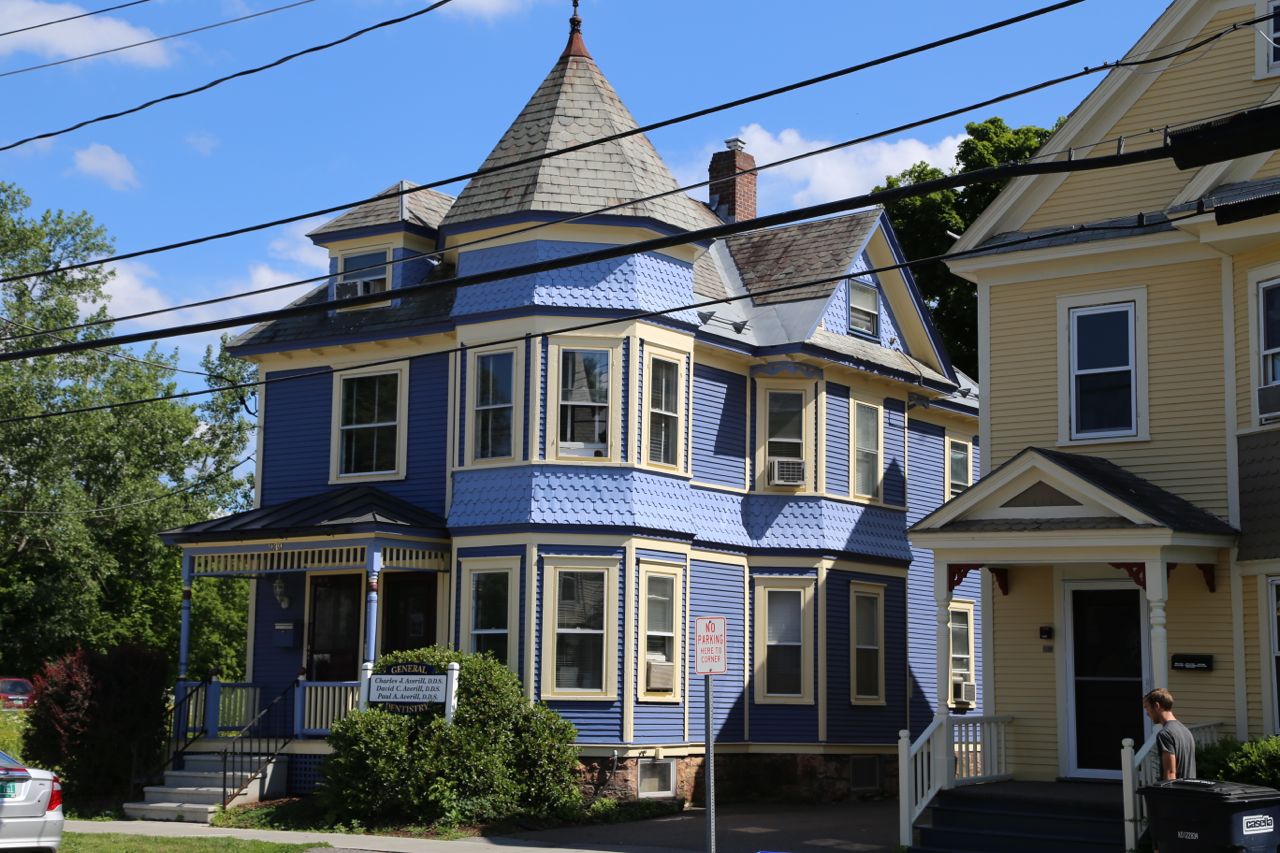
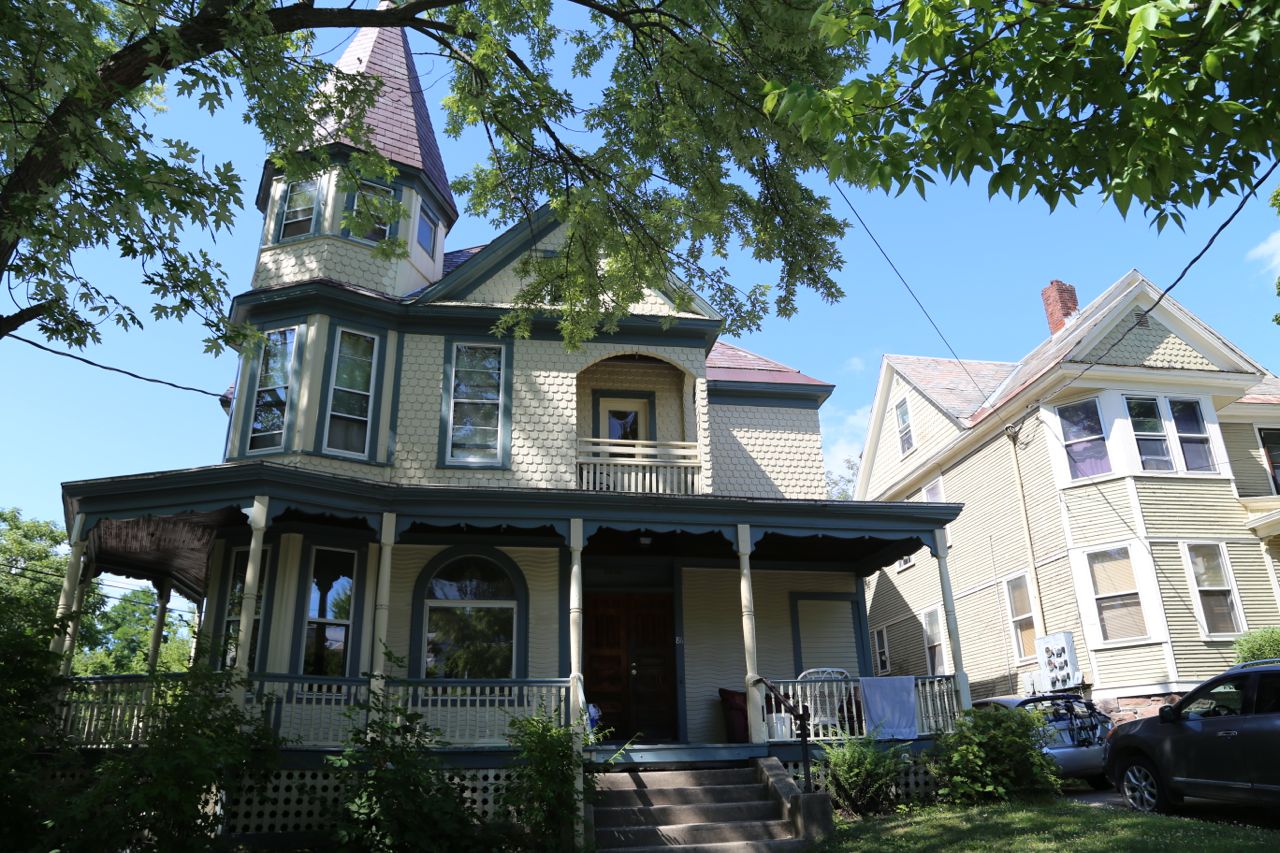
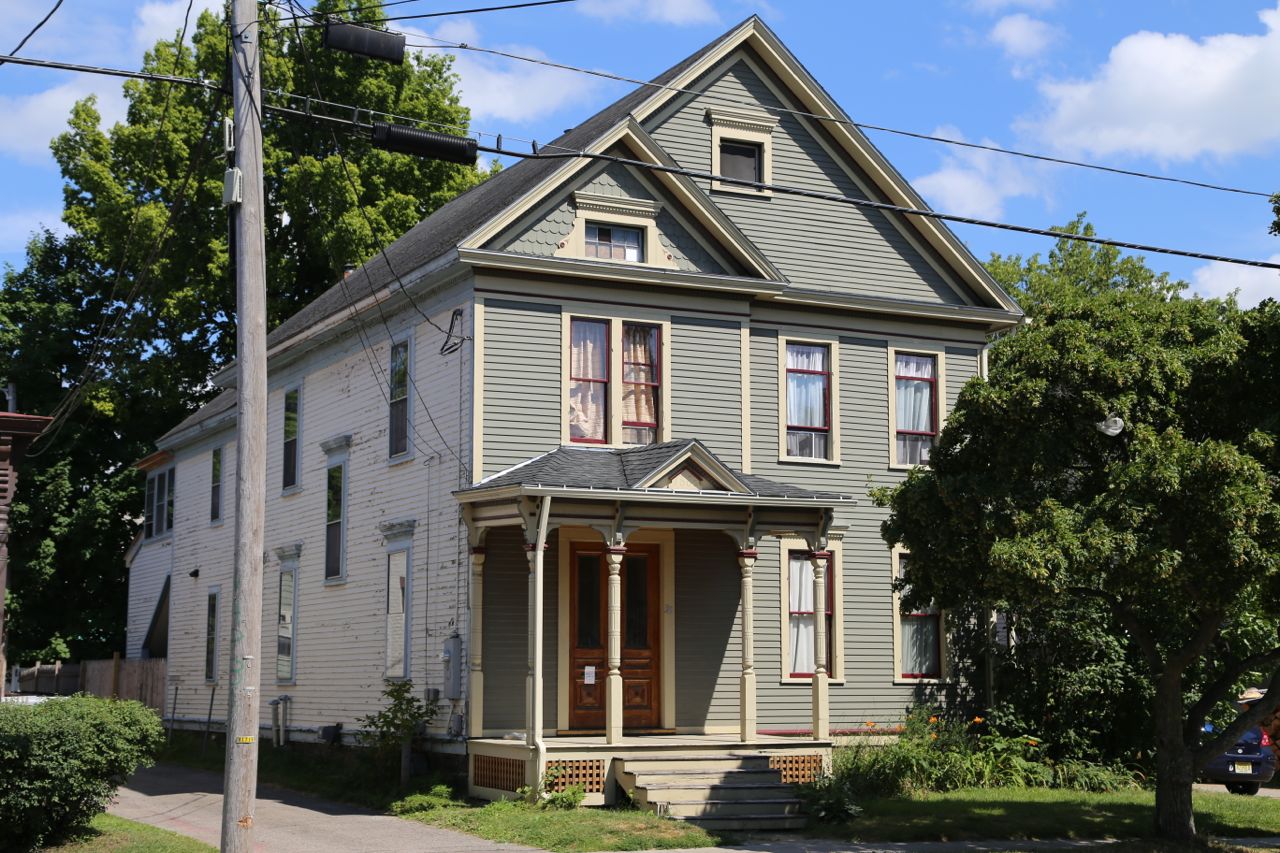
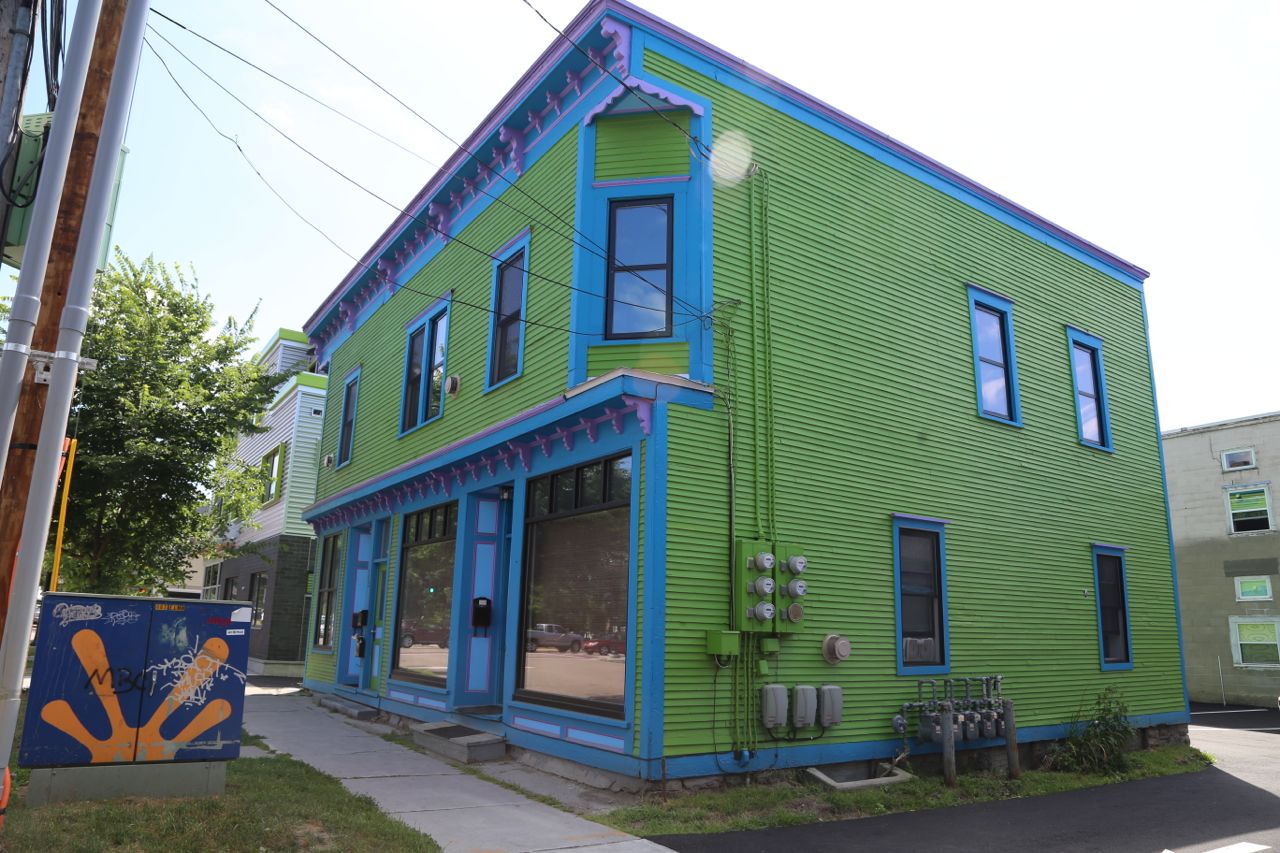
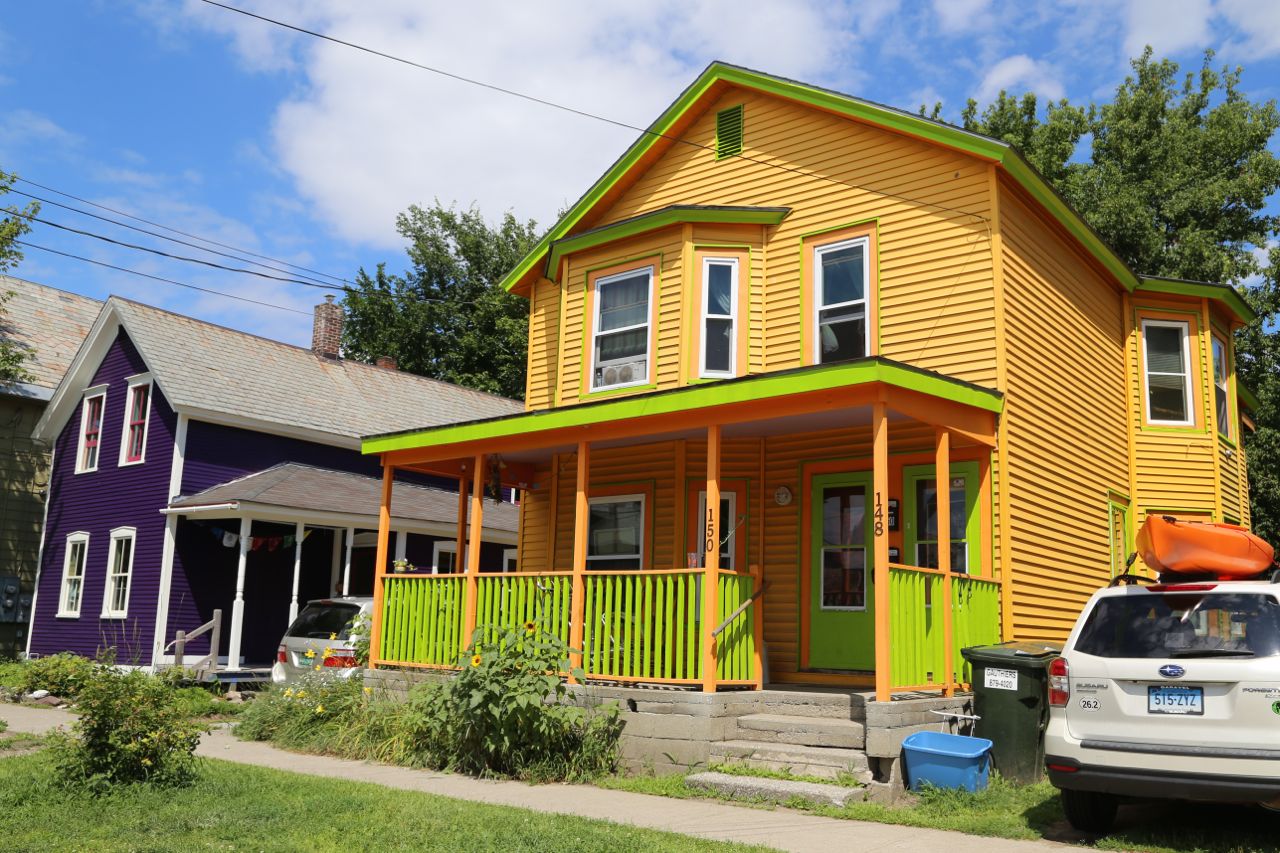
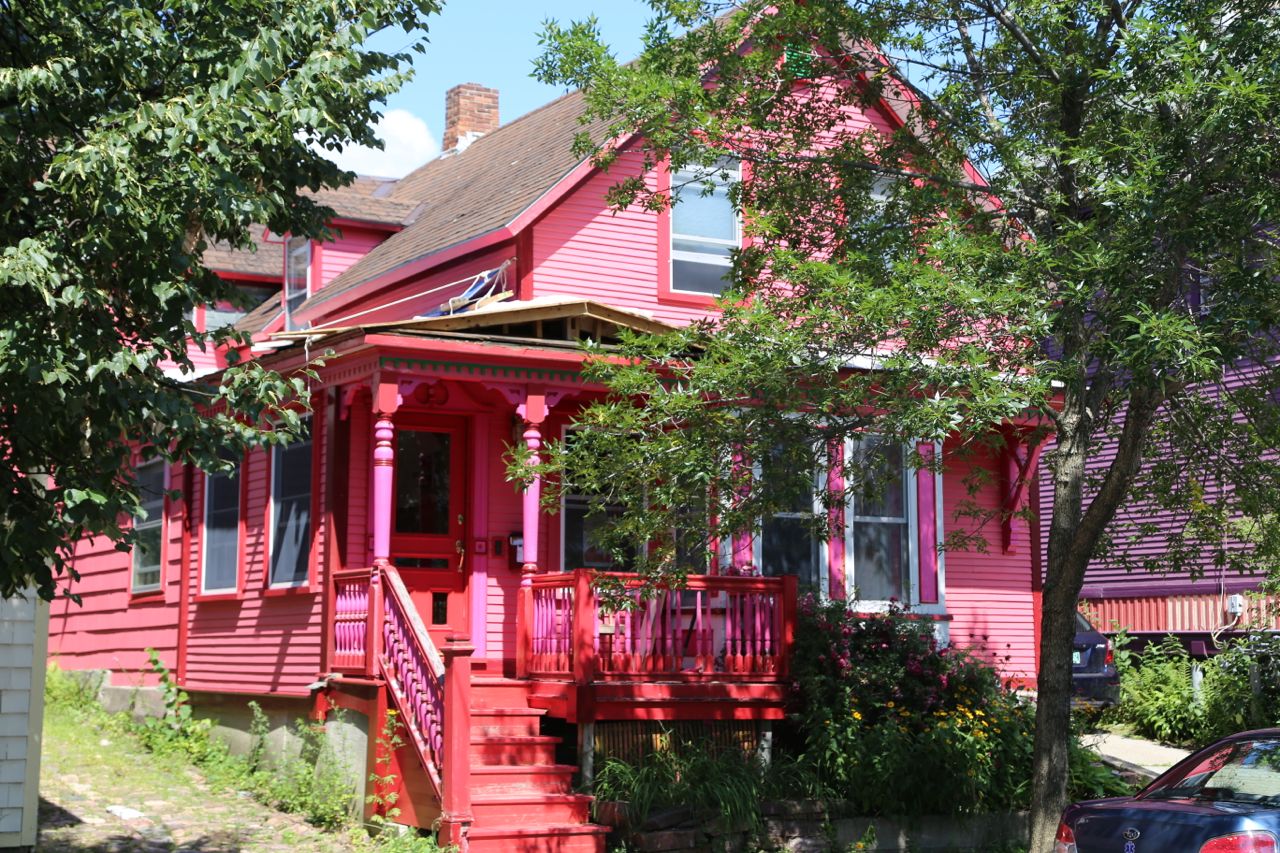
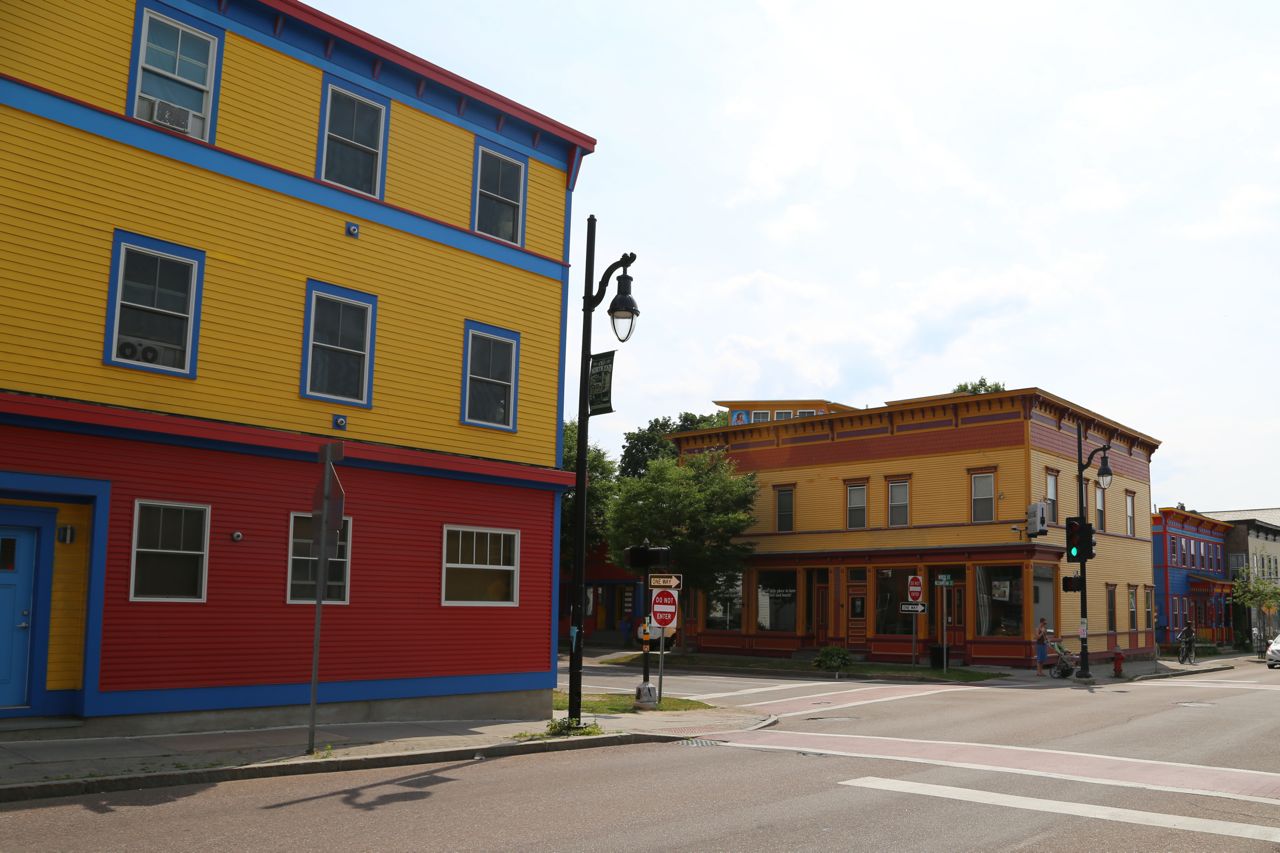
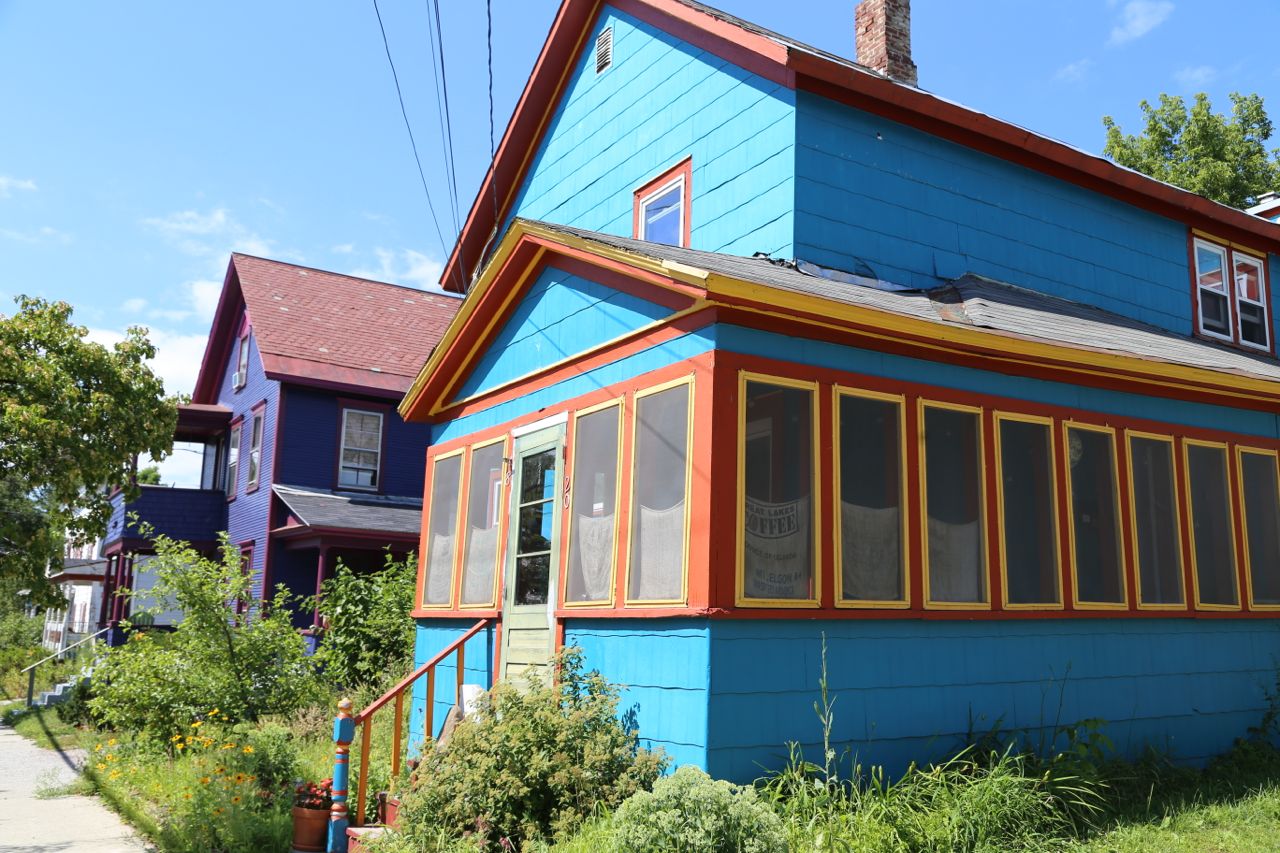
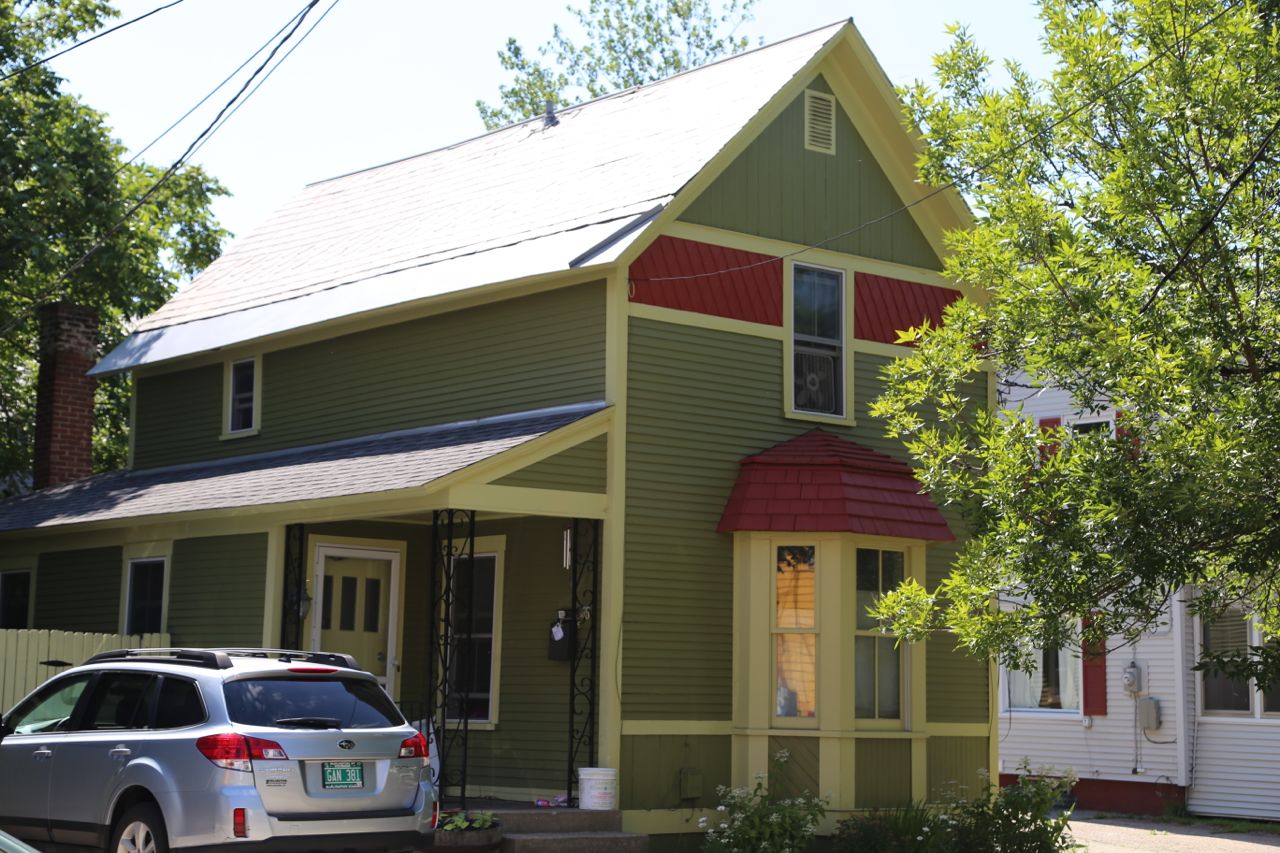
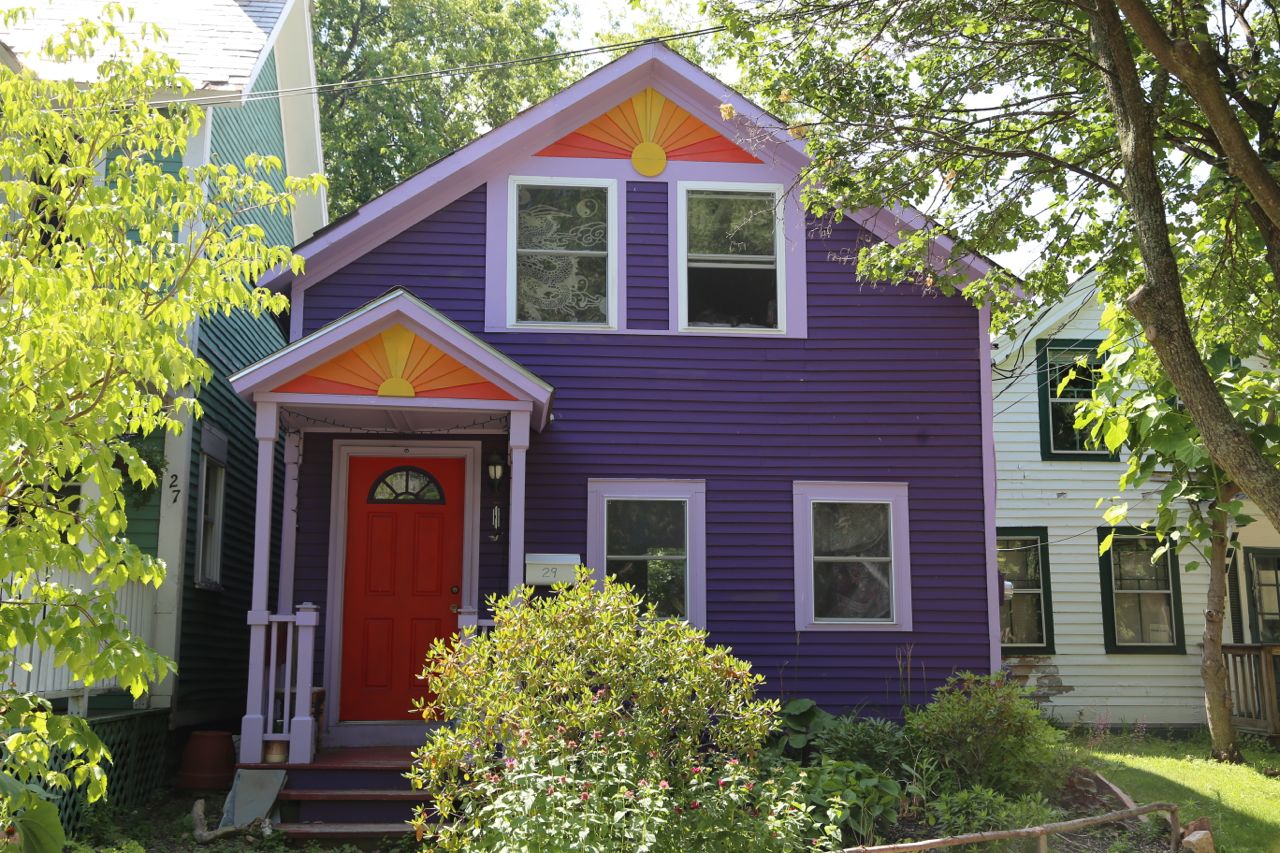
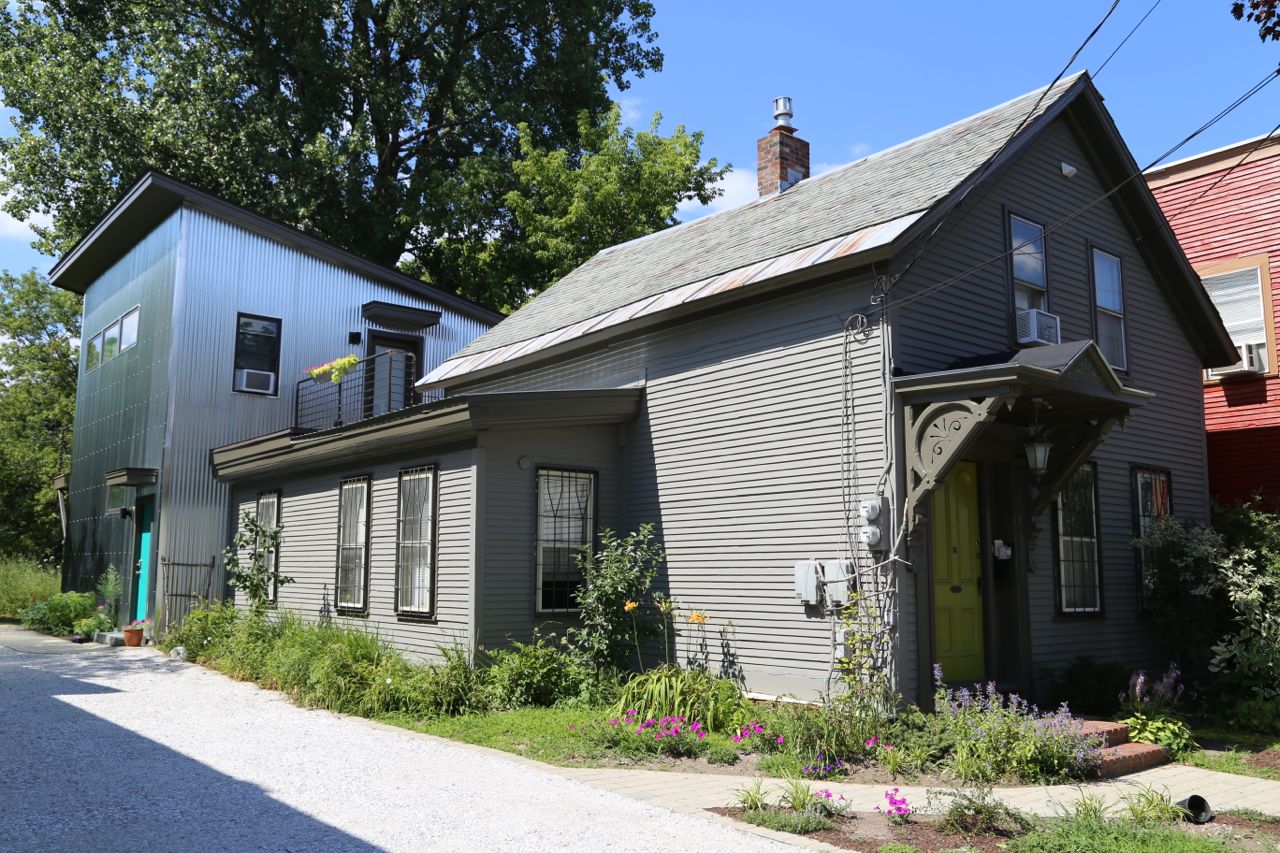
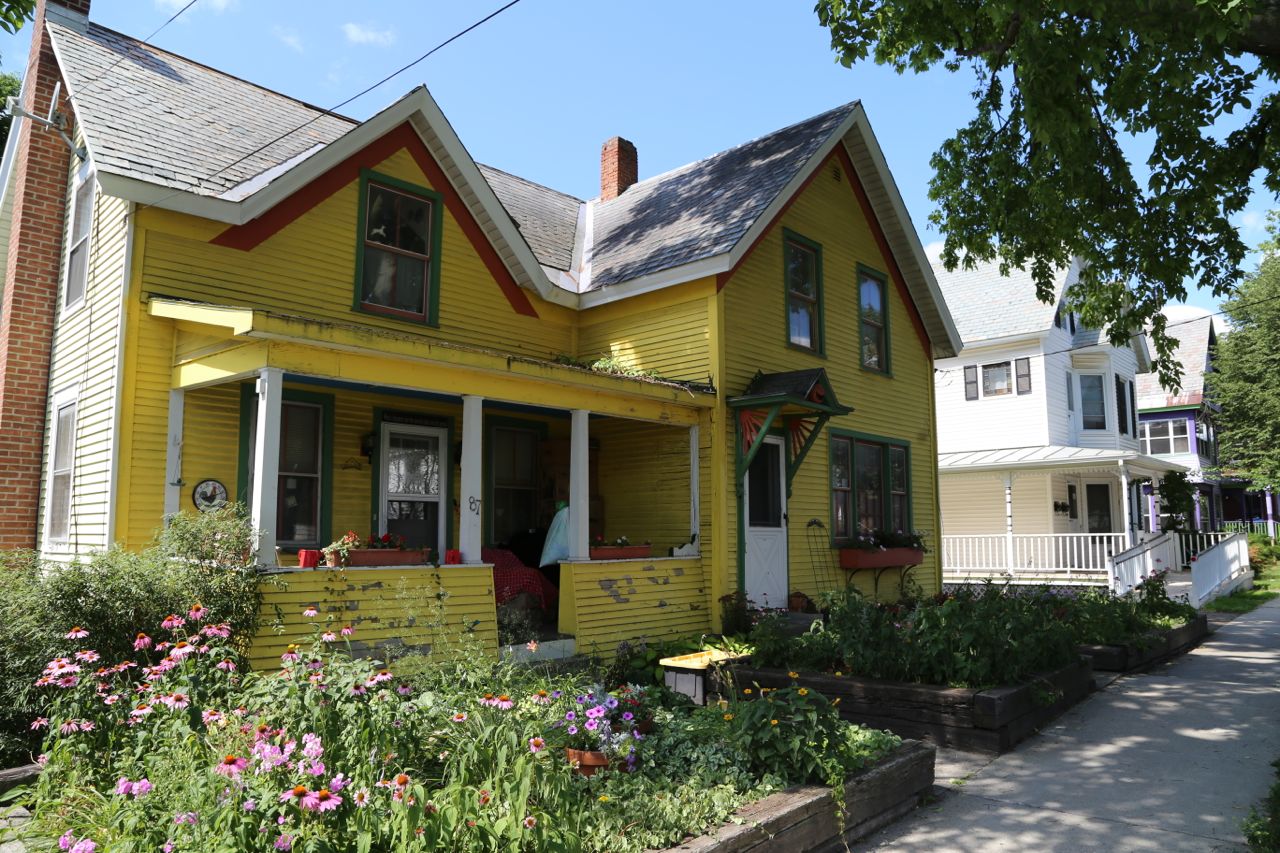
While I spent much of my time walking around Burlington, Vermont, in the downtown area, I also spent a good deal of time walking around some of the residential neighborhoods. Burlington has some historic, large, gorgeous houses, and many of them are painted in various, traditional colorful schemes. However, Burlington also has plenty of not quite as old, not quite as nice houses painted in not quite so traditional colors. Some of them are painted in almost blindingly bright color schemes, and I loved them. They are not traditional at all, but in my opinion, they are completely fun. I don’t even like some of the color schemes, but I love that someone cares enough about the house and what it looks like to paint it something other than all white.

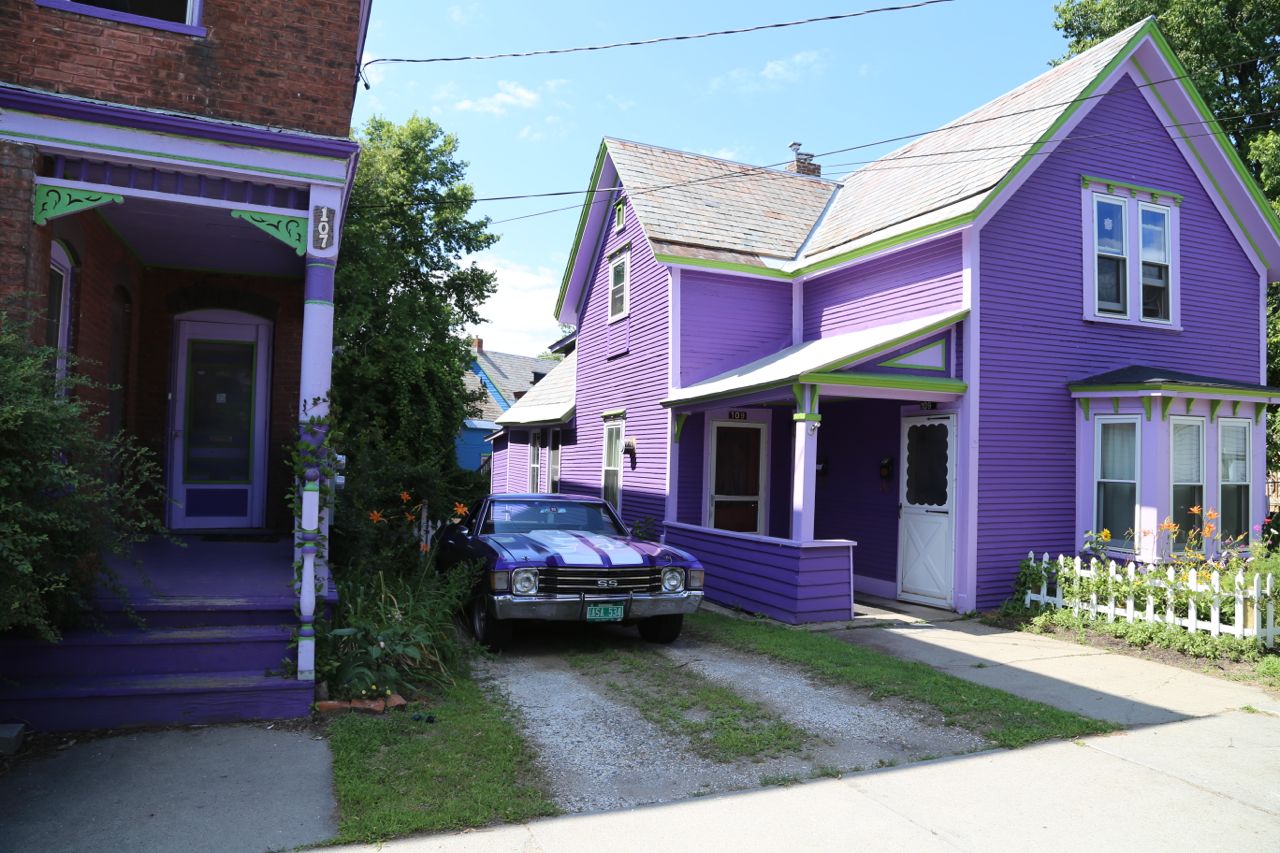
The day that I spent much of my time photographing these houses, I walked into the Fletcher Free Library. While I was admiring the architecture of the old section of the building, Lorrie, one of the library workers asked me if I was enjoying the architecture. We had a lovely conversation about the library, Burlington, and Burlington’s houses. It turns out she knows the owner of many of the colorful houses that I was admiring. You have to love small towns, because of course I would run into someone who knows the owner of many of the houses. According to her, Stu lives in the brick house with purple trim that is situated between the two purple-painted wooden houses, and he has the purple Camino. These were some of the houses that I was admiring the most, especially since they featured the color coordinated purple car in-between them. Also, his brick house has a duck family walking on the ceiling of the entry porch because of course it does. He and his wife own and rent many of the bright houses, and he paints them that way just because he likes it and doesn’t care what others think. Stu, I am an admirer of your work. I don’t like all the color schemes, but I love that you painted them that way.

Post has been edited to correct the spelling of Lorrie’s name. Thank you Stu for the correction, and thank you for your comment!
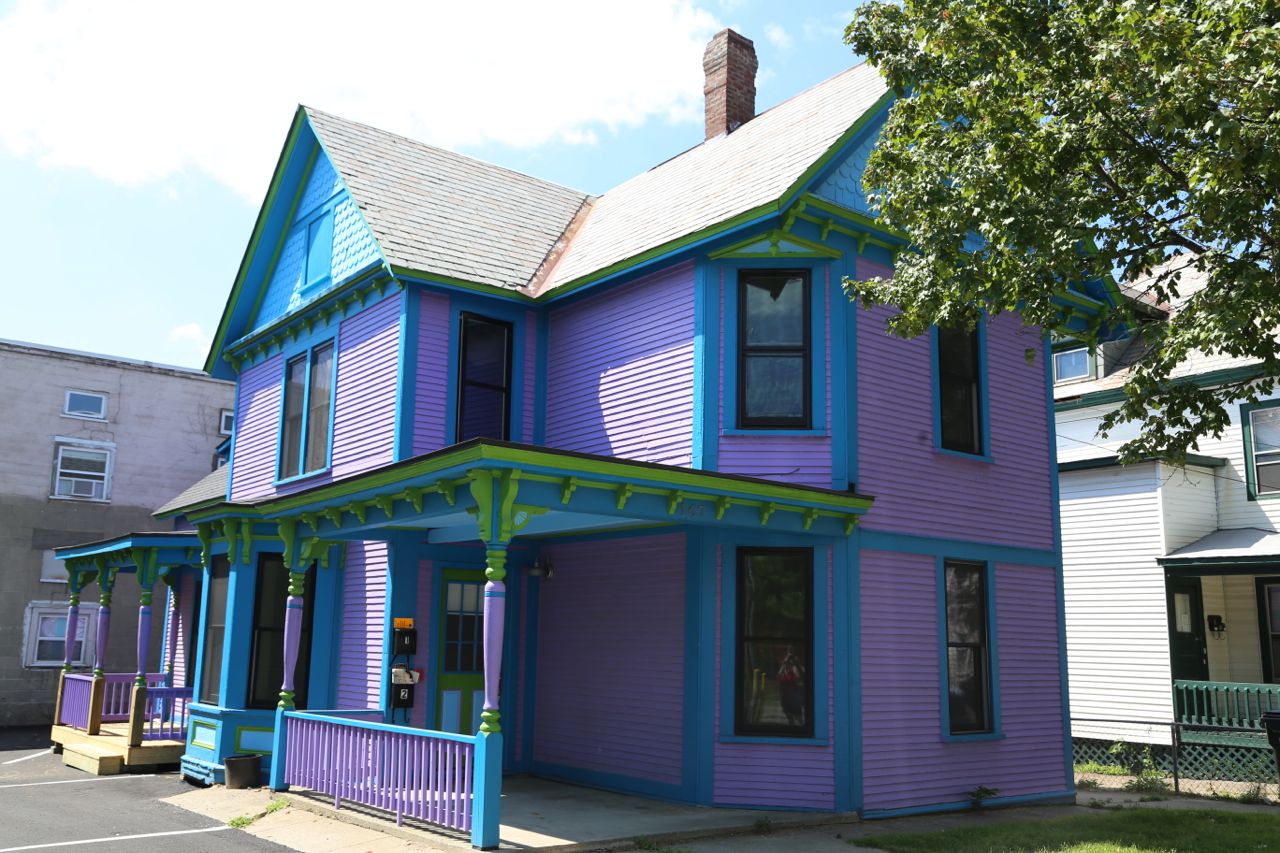
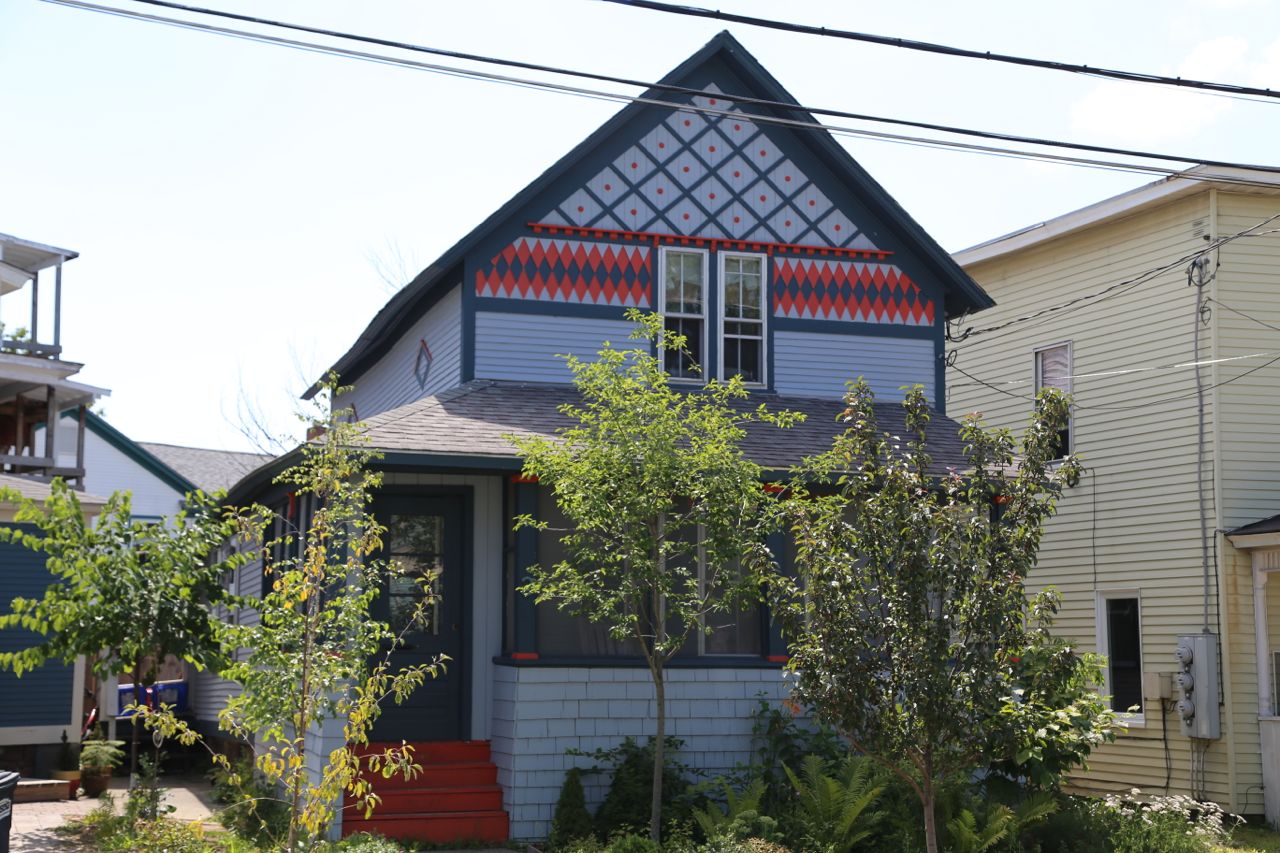
lavender houseblue and orange house blue duplex brick and purple trim

purple house and camino

clay color house fancy blue house fancy cream hosue green and creme hosue lime green store orange and purple houses pink and red house primary color apartments purple and blue houses sage green house sunset trim wood and metal house yellow houseWell played Benjamin Moore, well played.
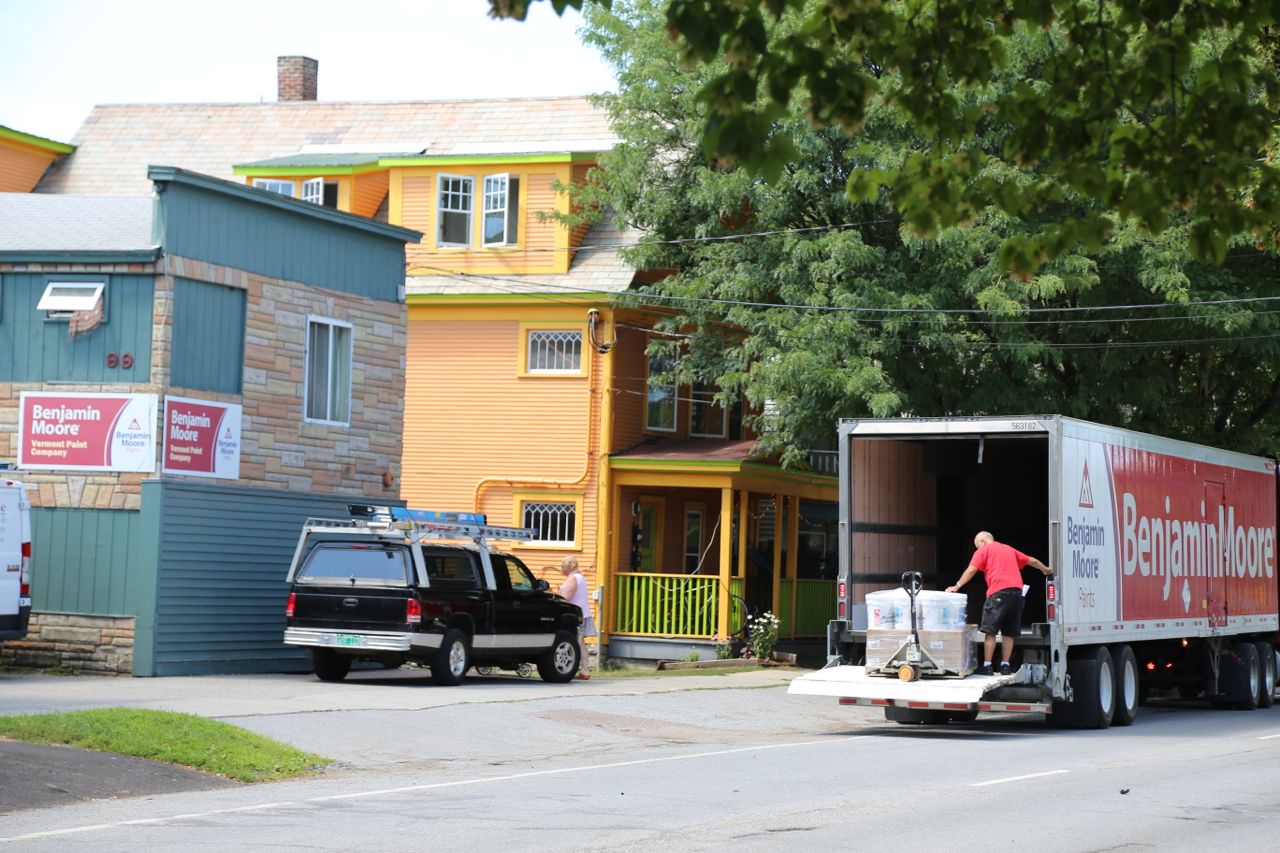
Benjamin Moore

Burlington

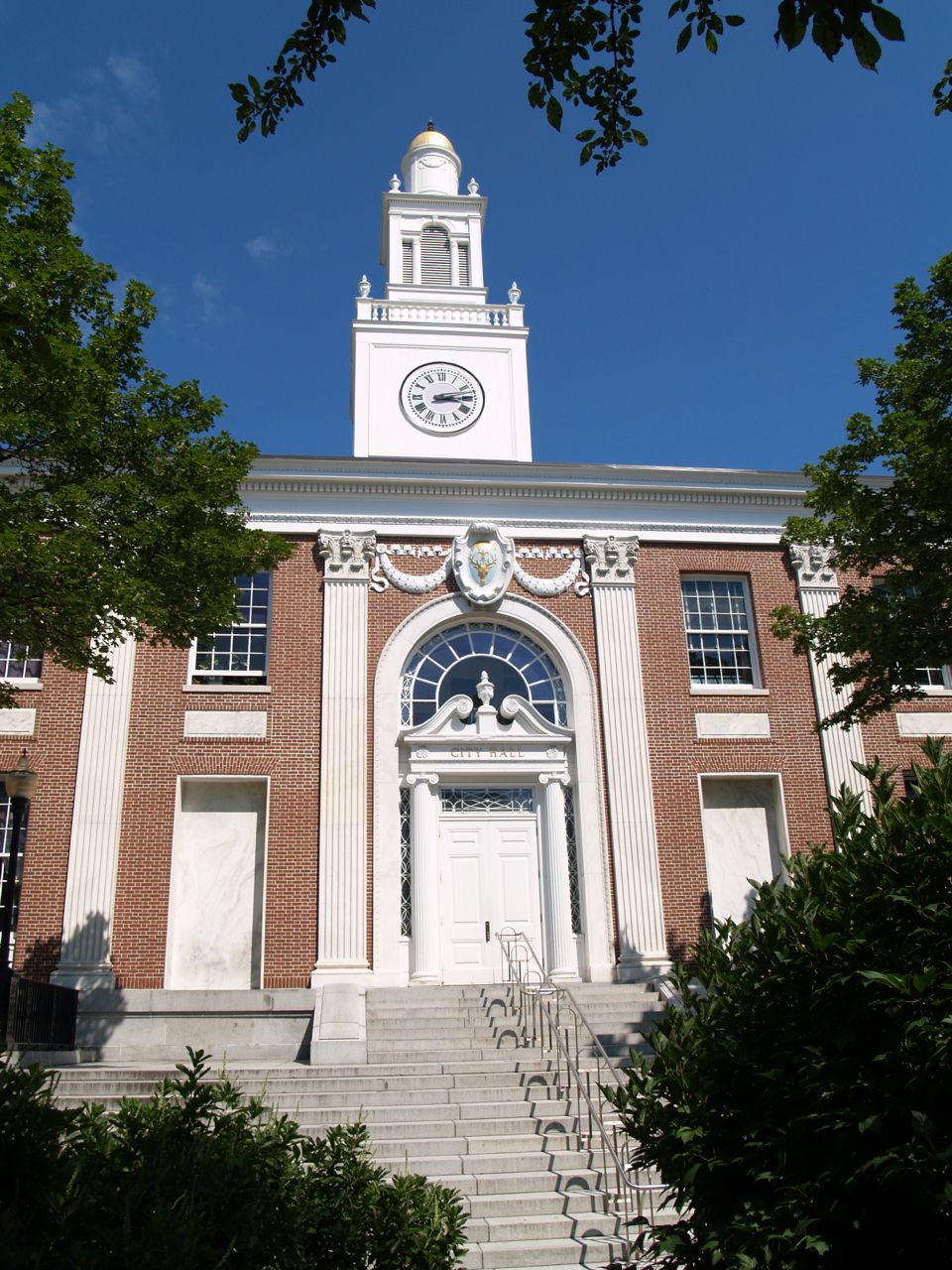
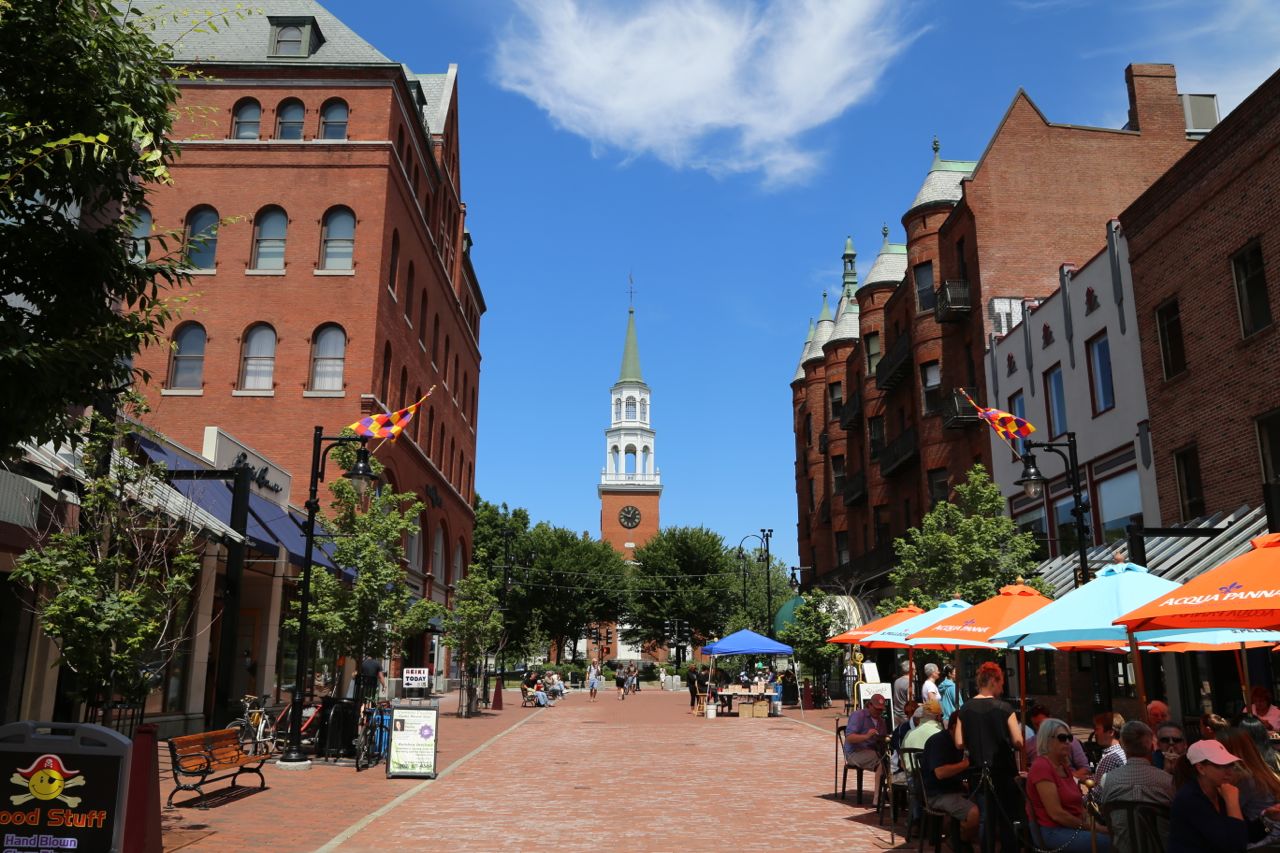
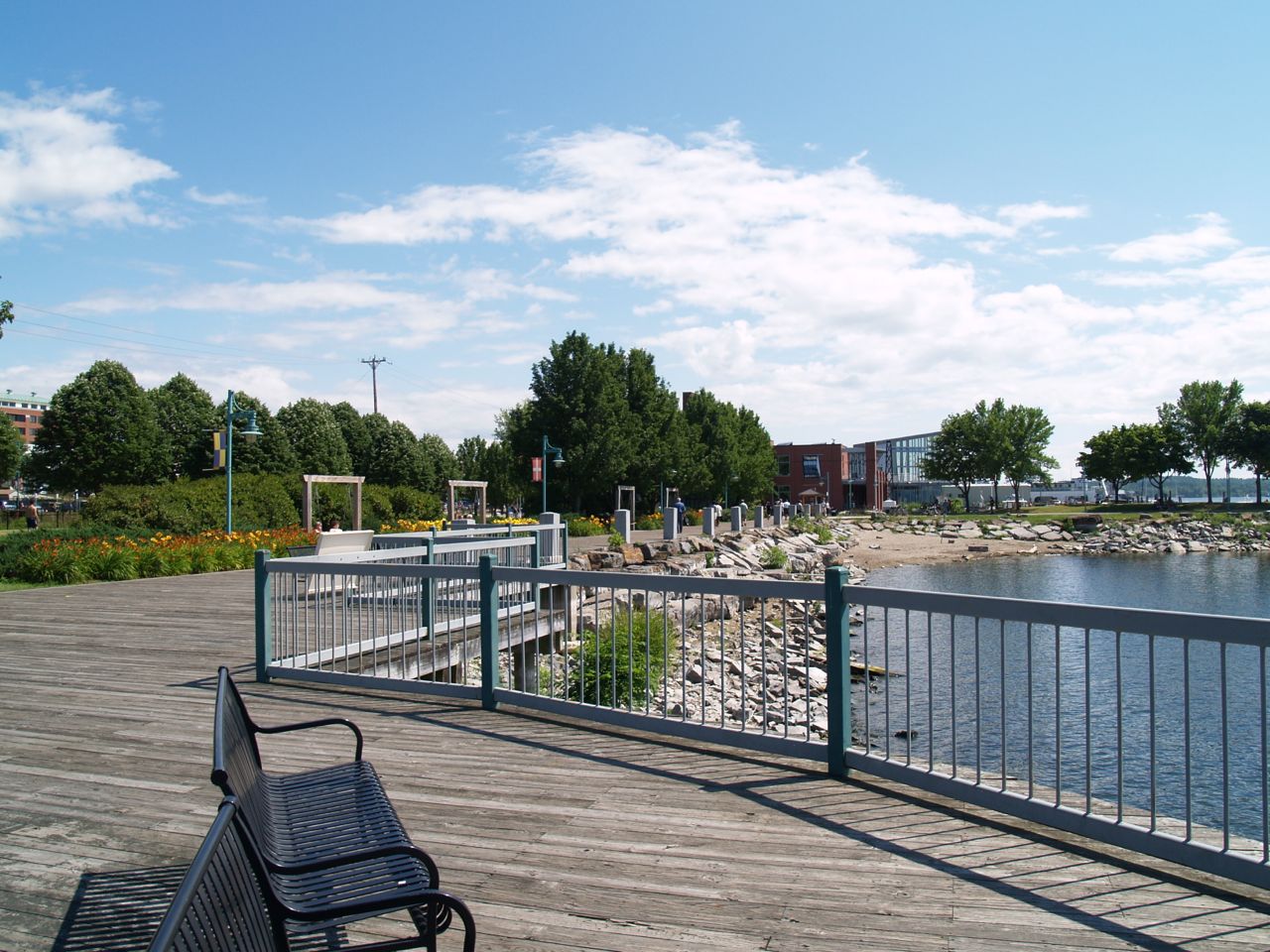
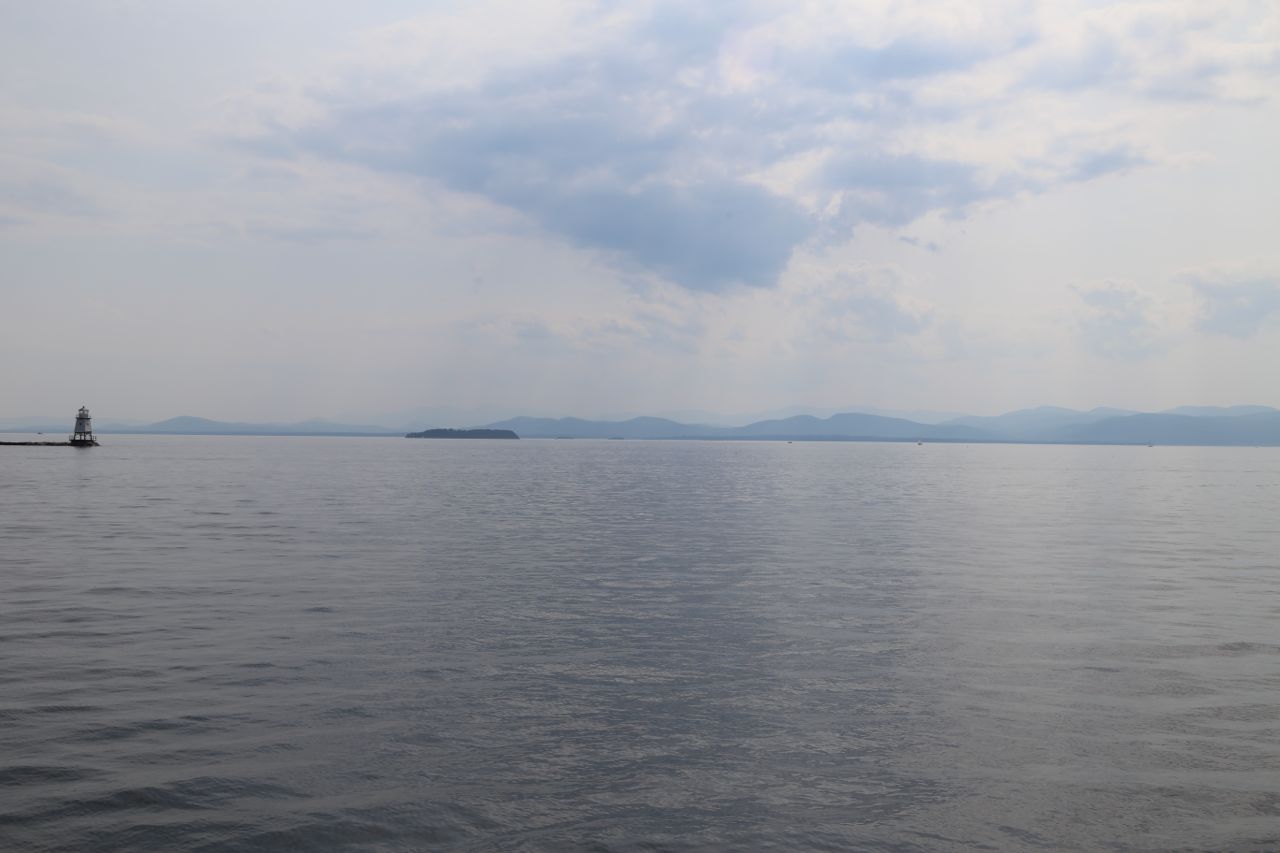
I was in Burlington, Vermont for a week for a conference. Luckily, I had a few hours off here and there, so I was able to spend some time walking around the town. Burlington is a wonderful city in which to walk around. It has some wonderful old buildings, which I love, and as it sits right on Lake Champlain, it has some really nice views of the lake. If you visit, you have to spend time just walking on the Church Street pedestrian mall and perhaps eat at the many restaurants on it or go in some of the shops. Of course, there are plenty of other great restaurants and shops downtown besides the ones on Church Street. Also, stroll along Waterfront Park and admire Lake Champlain.

City Hall

City Hall

Church Street

Church Street

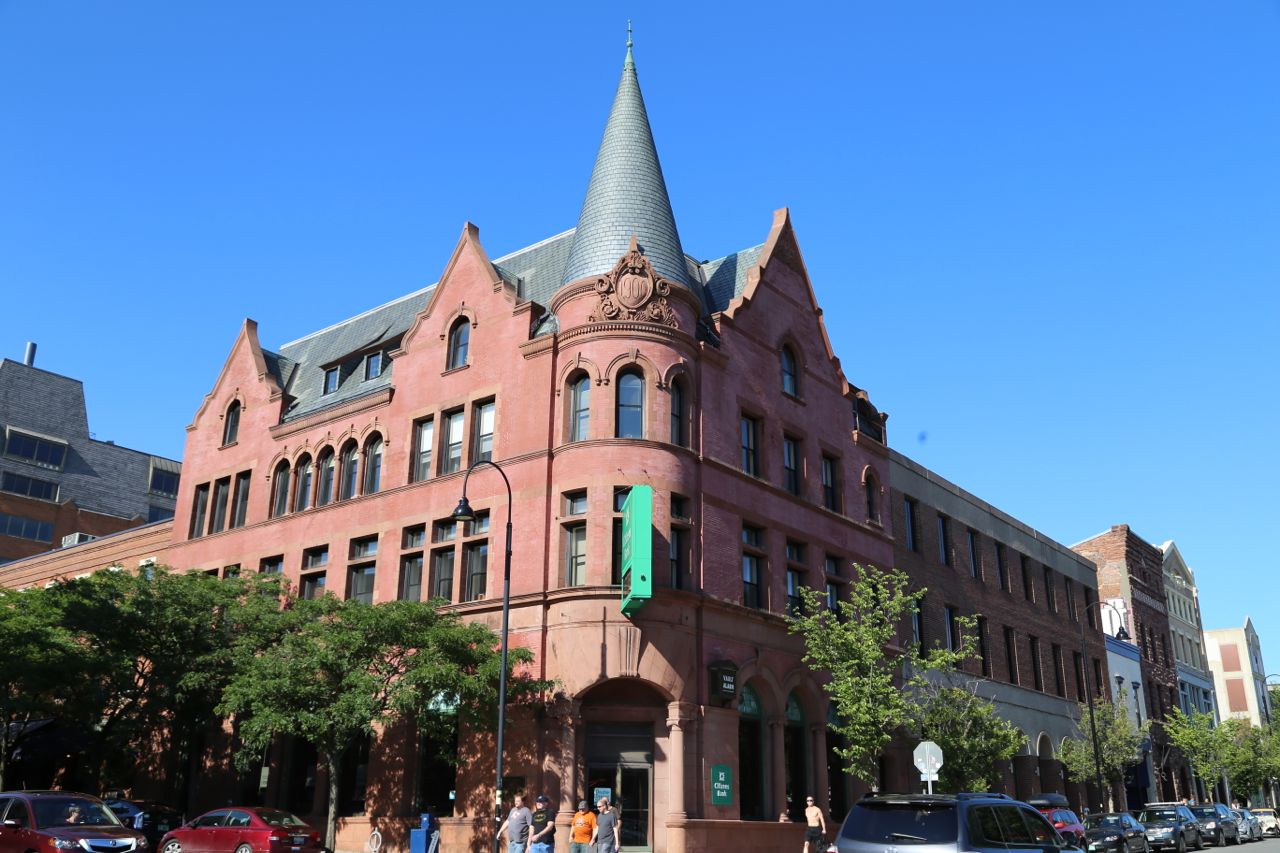
Citizen Bank

Citizen Bank

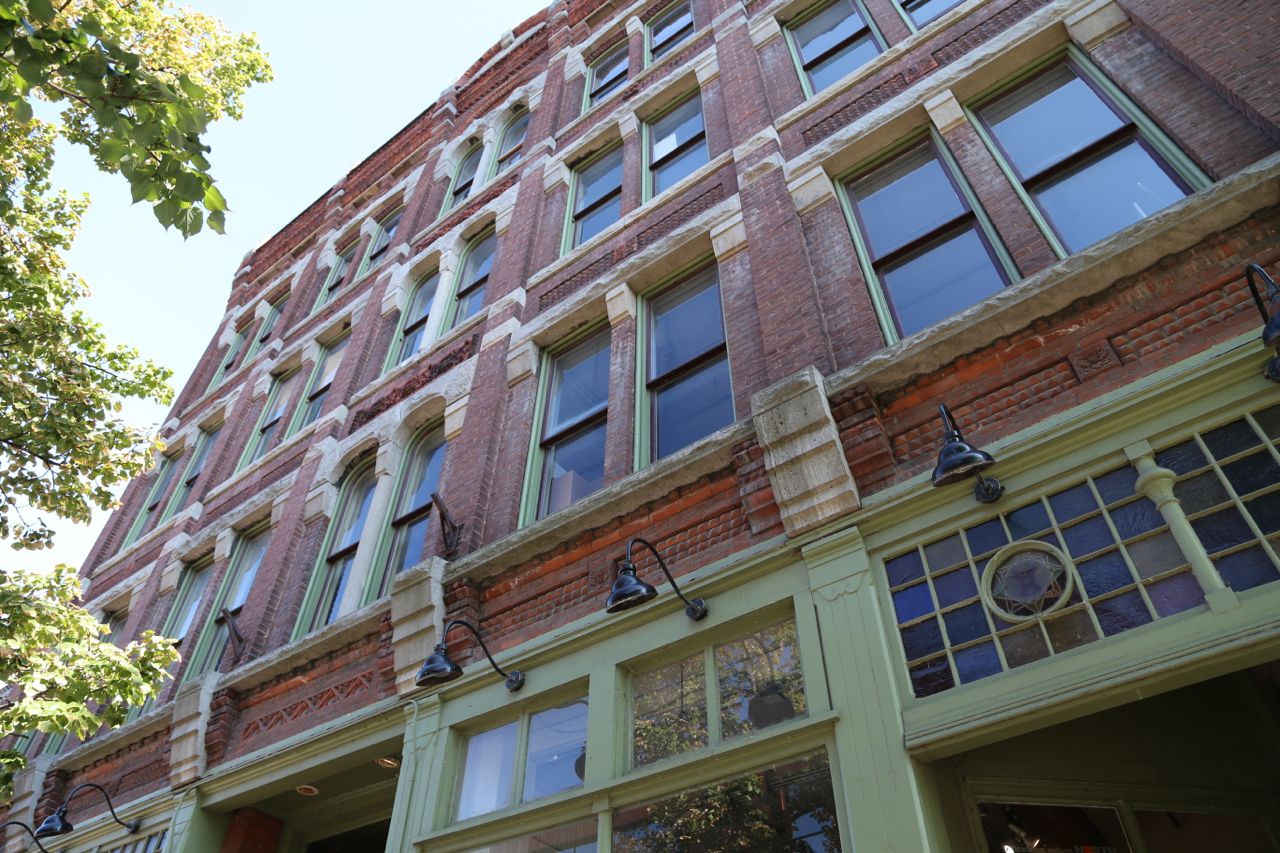
Old brick buildings

Old brick buildings

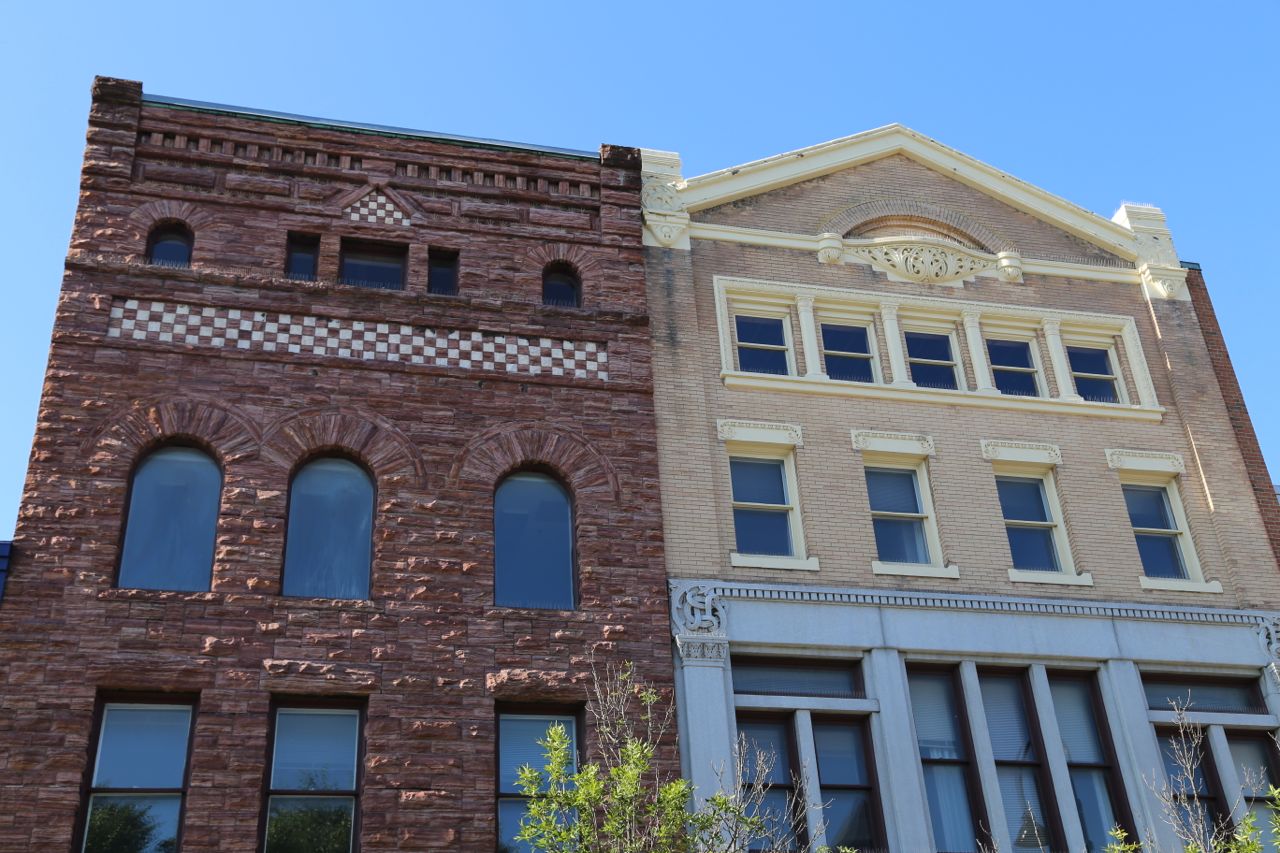
Old buildings

Old buildings

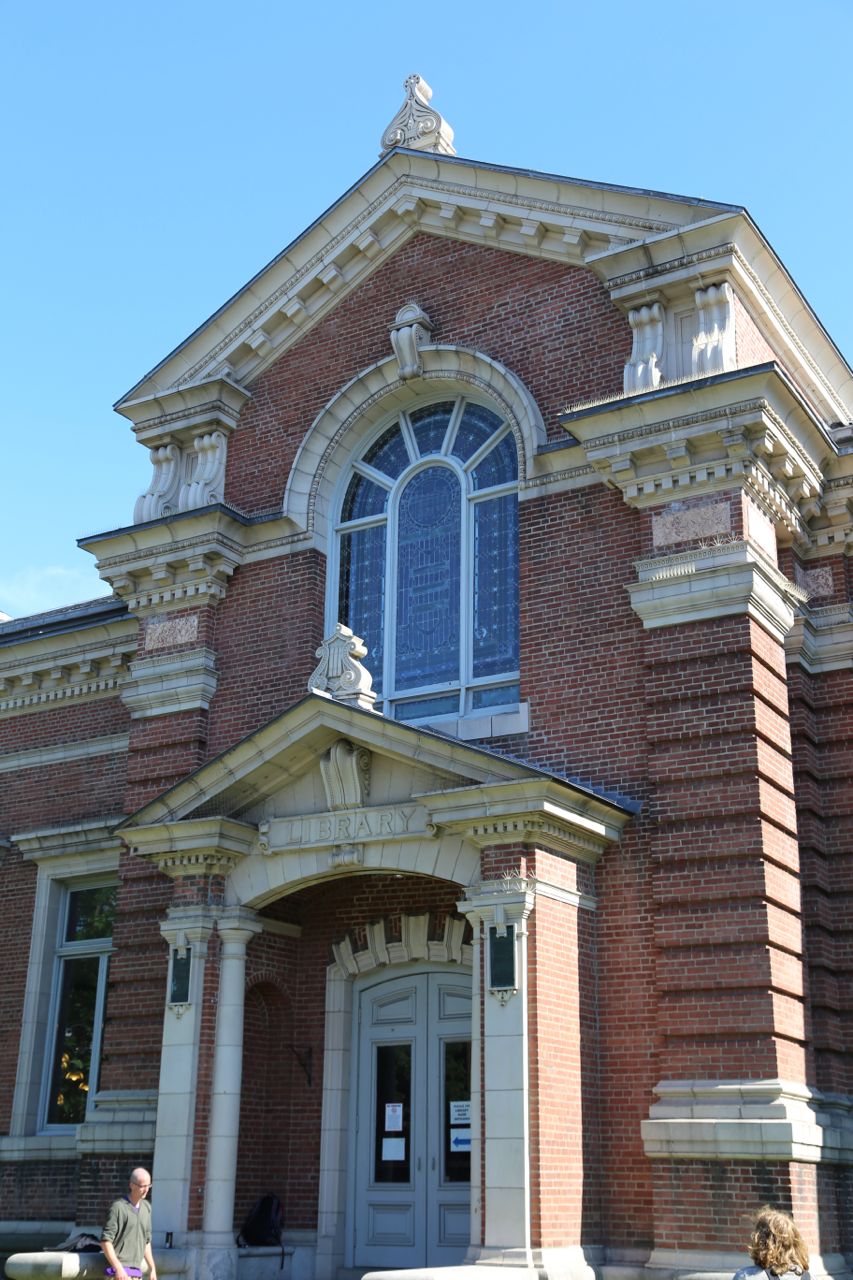
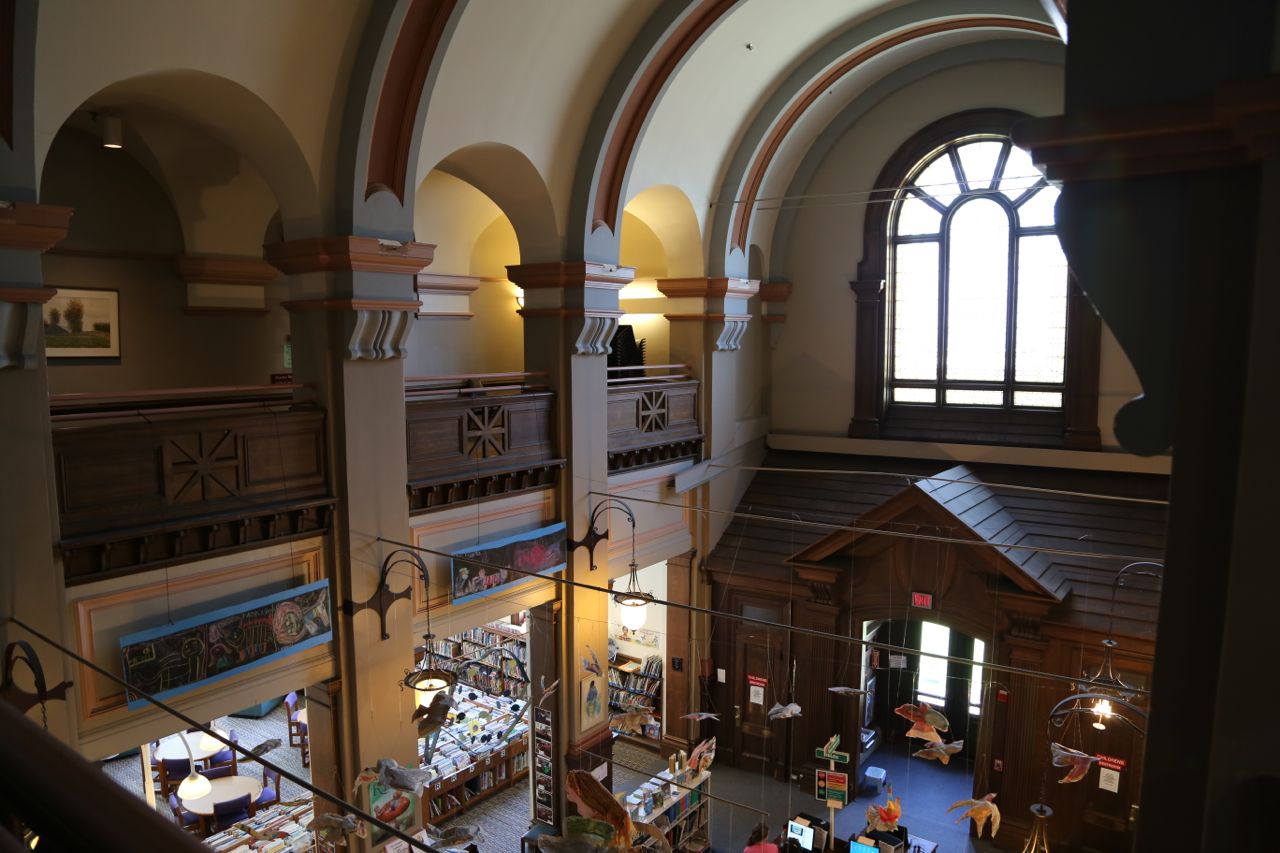
Fletcher Free Library

Fletcher Free Library

Fletcher Free Library

Fletcher Free Library

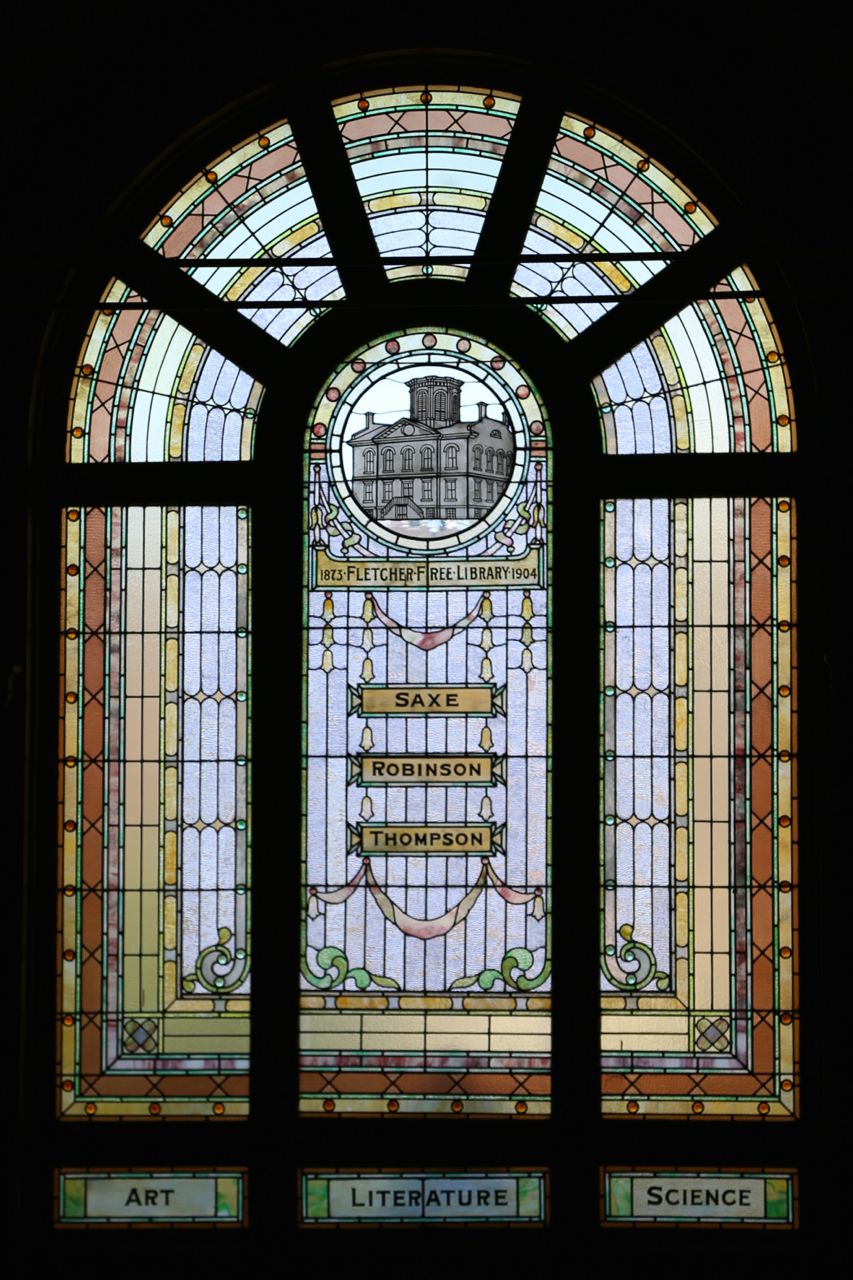
Fletcher Free Library window

Fletcher Free Library window

Waterfront Park

Waterfront Park

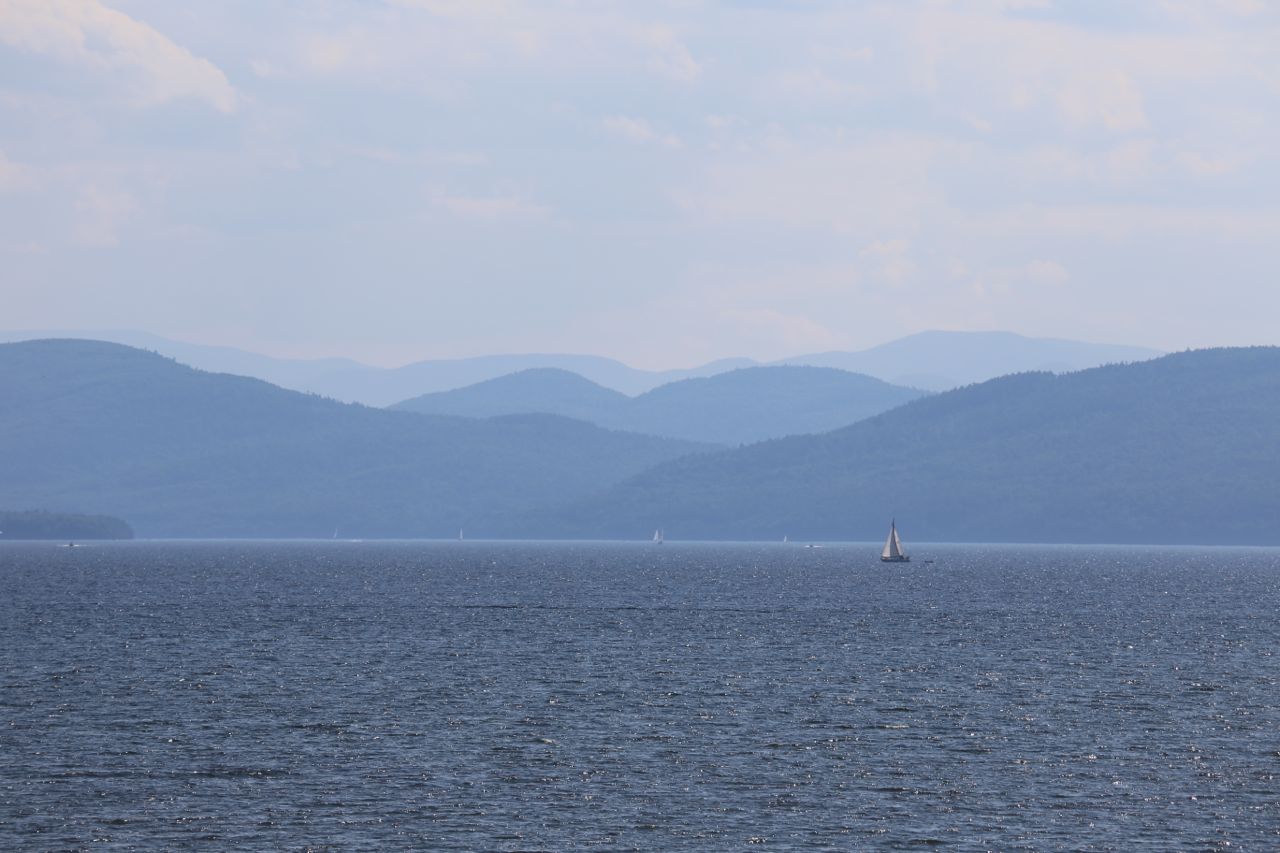
Lake Champlain

Lake Champlain

Sunset on Lake Champlain

Sunset on Lake Champlain

Winooski

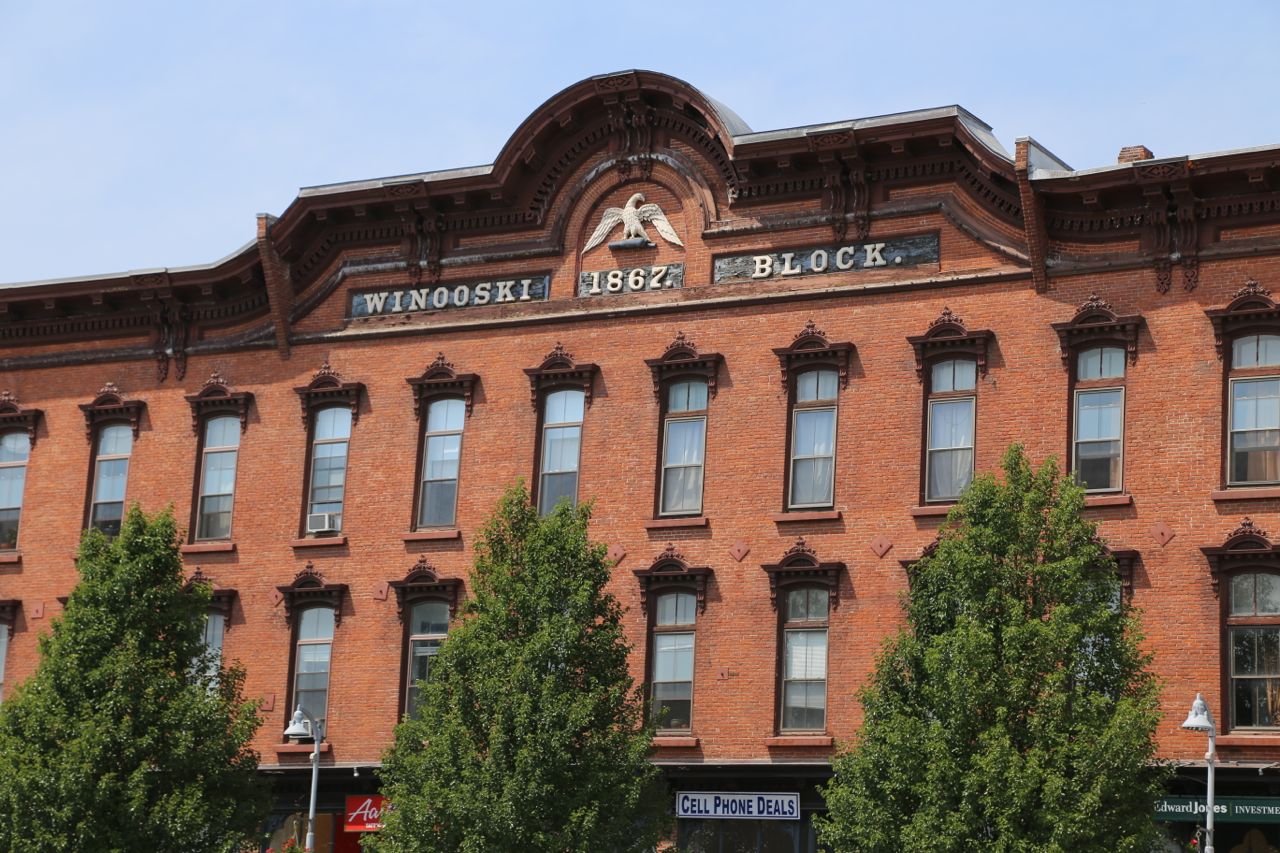
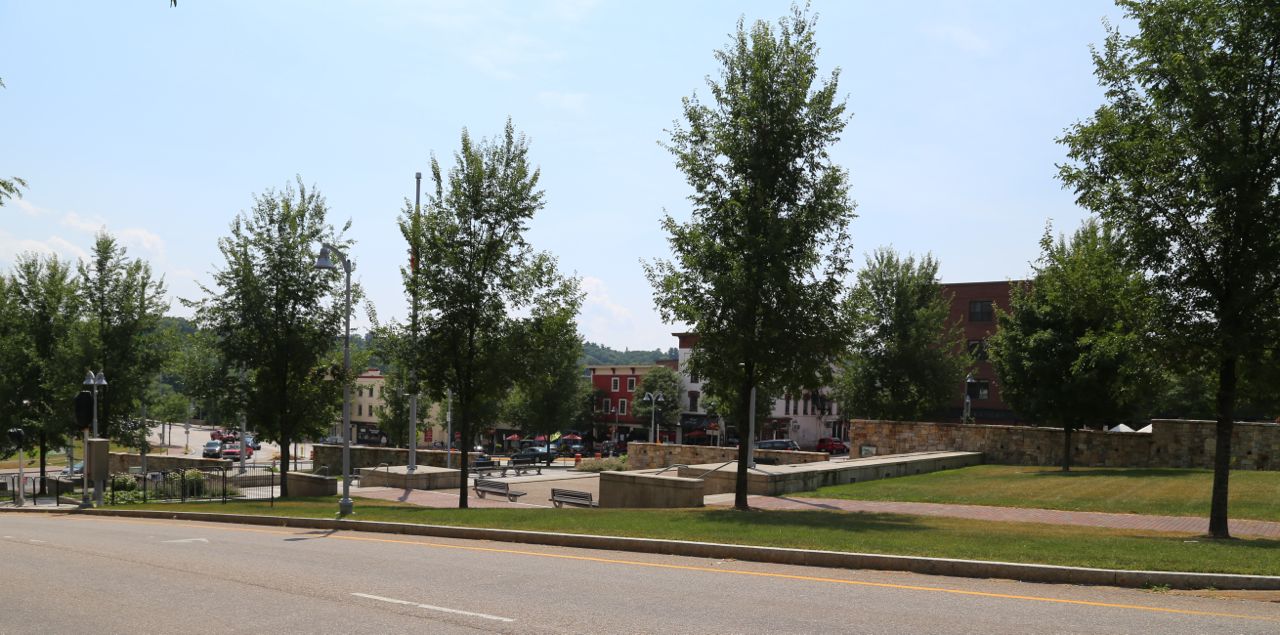
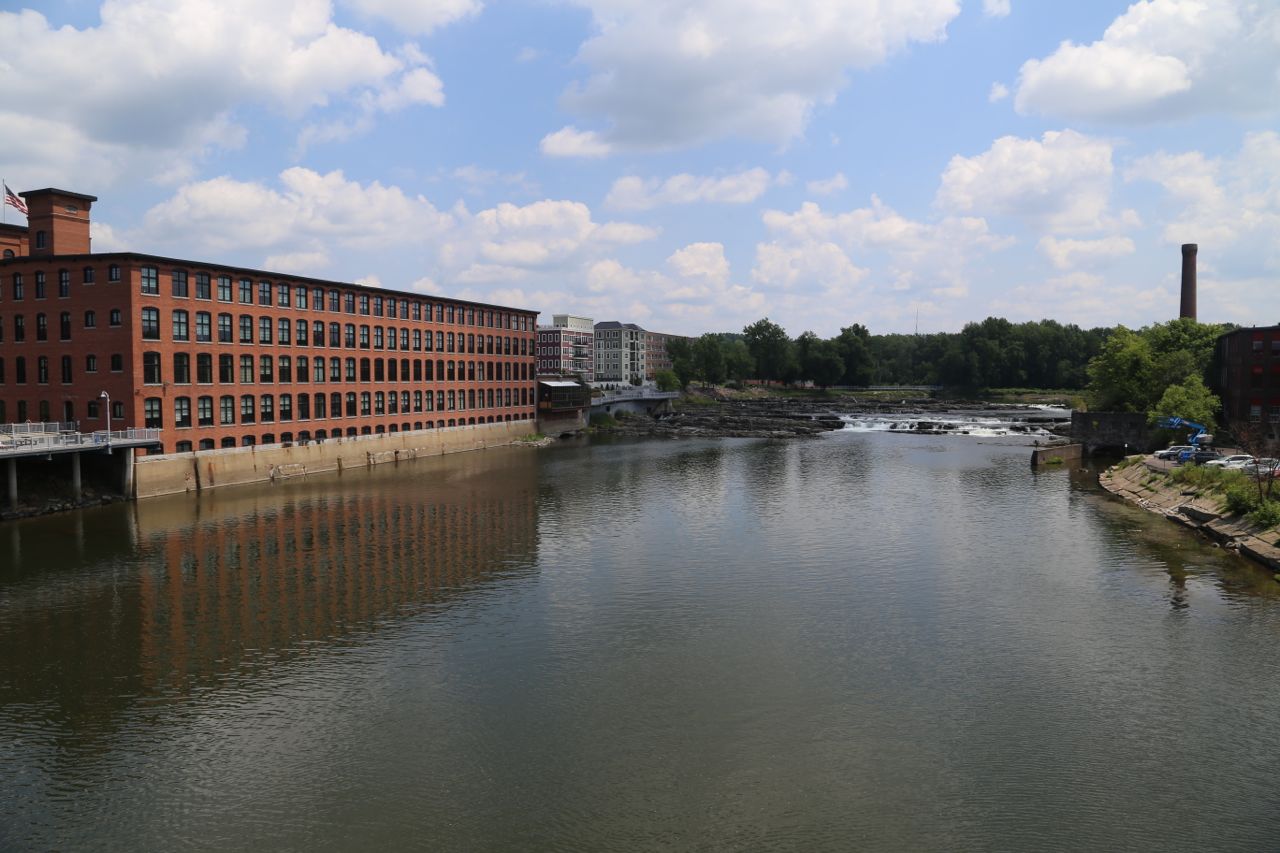
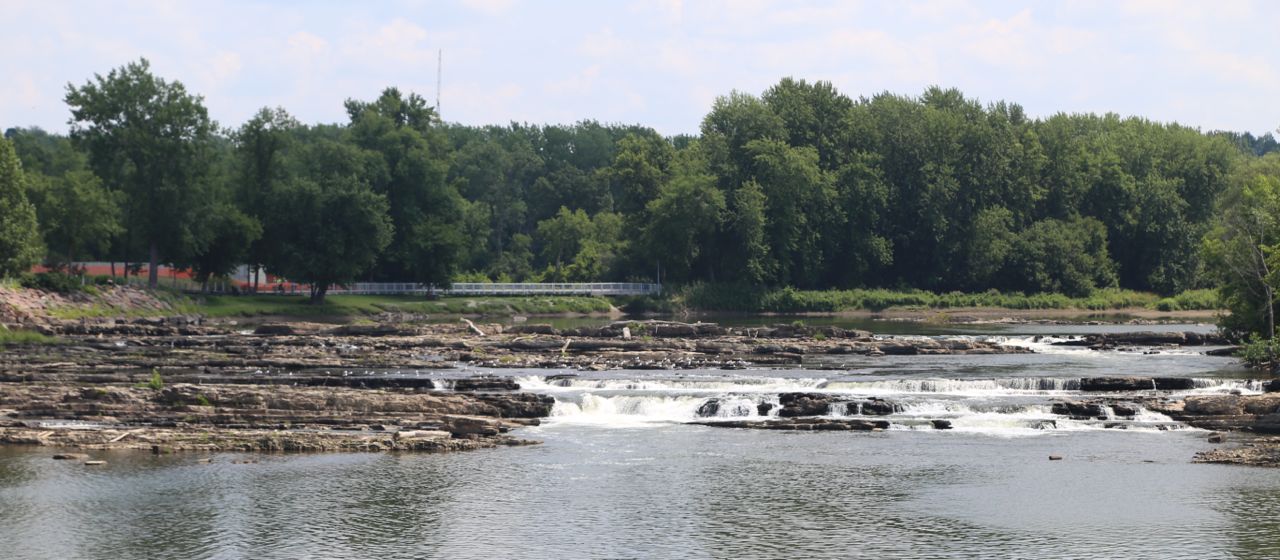
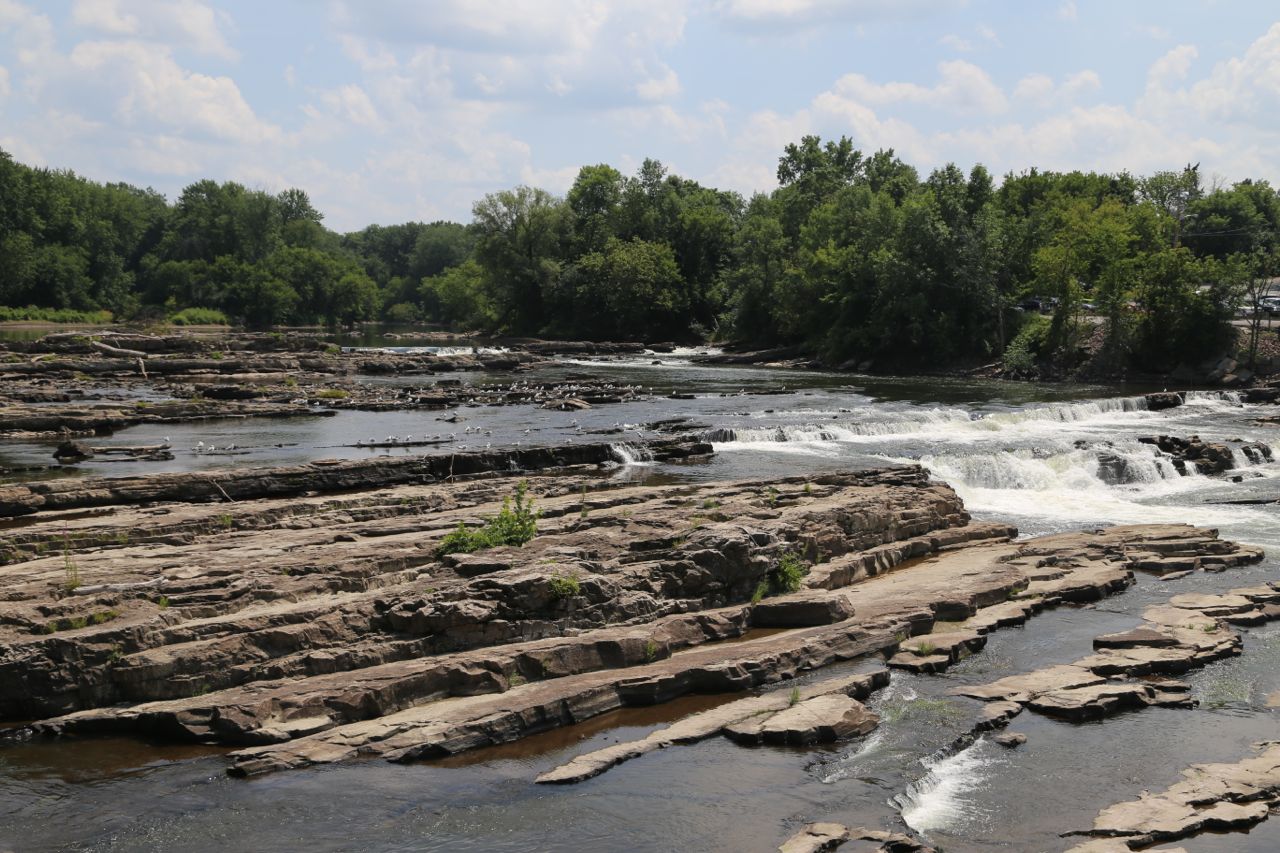
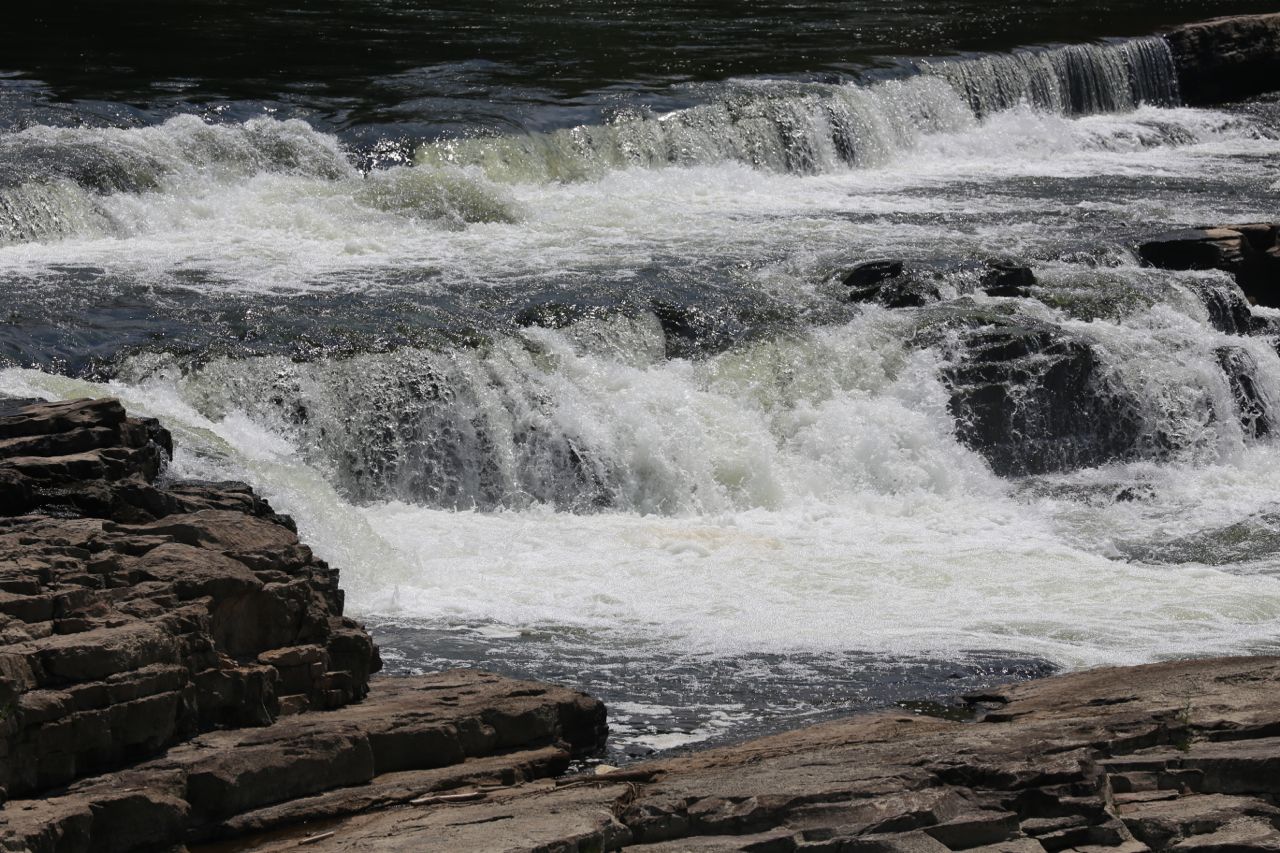
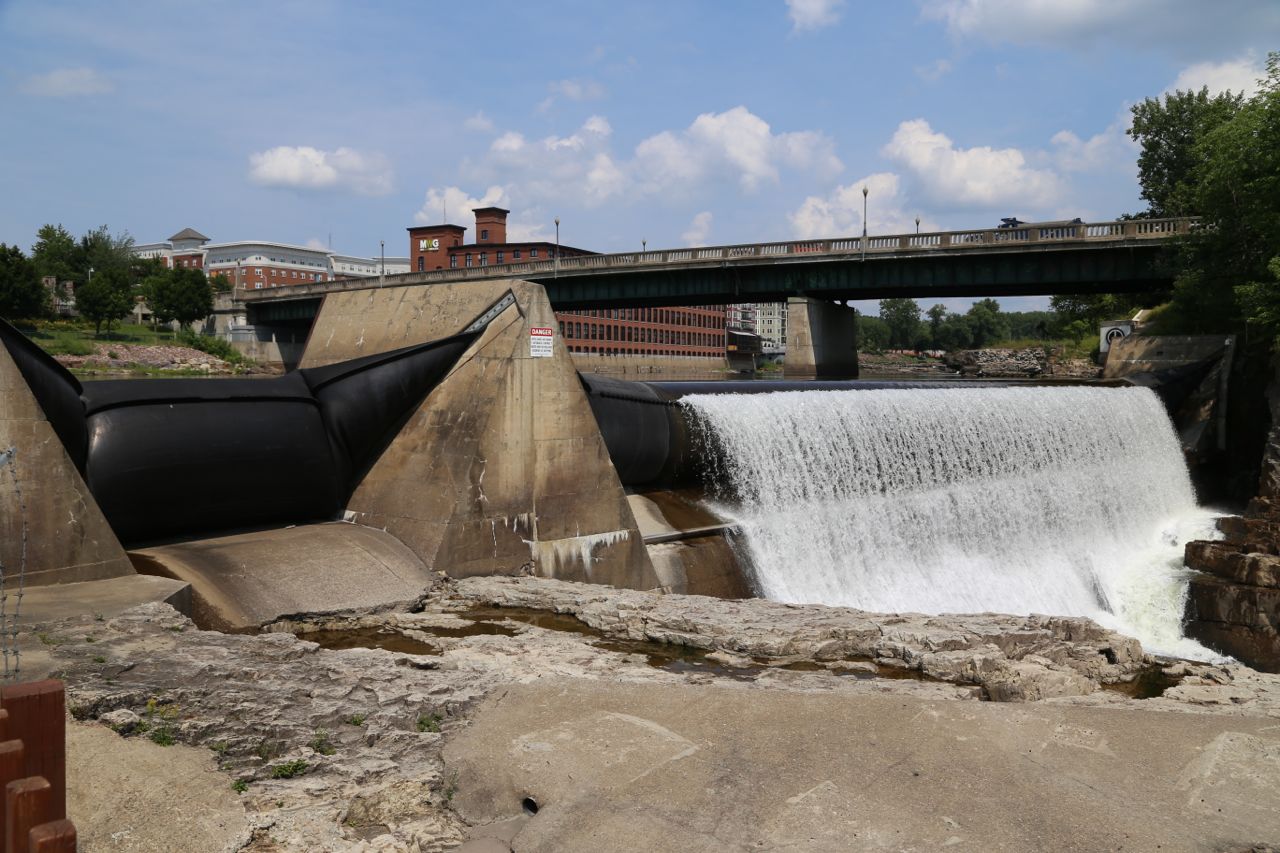
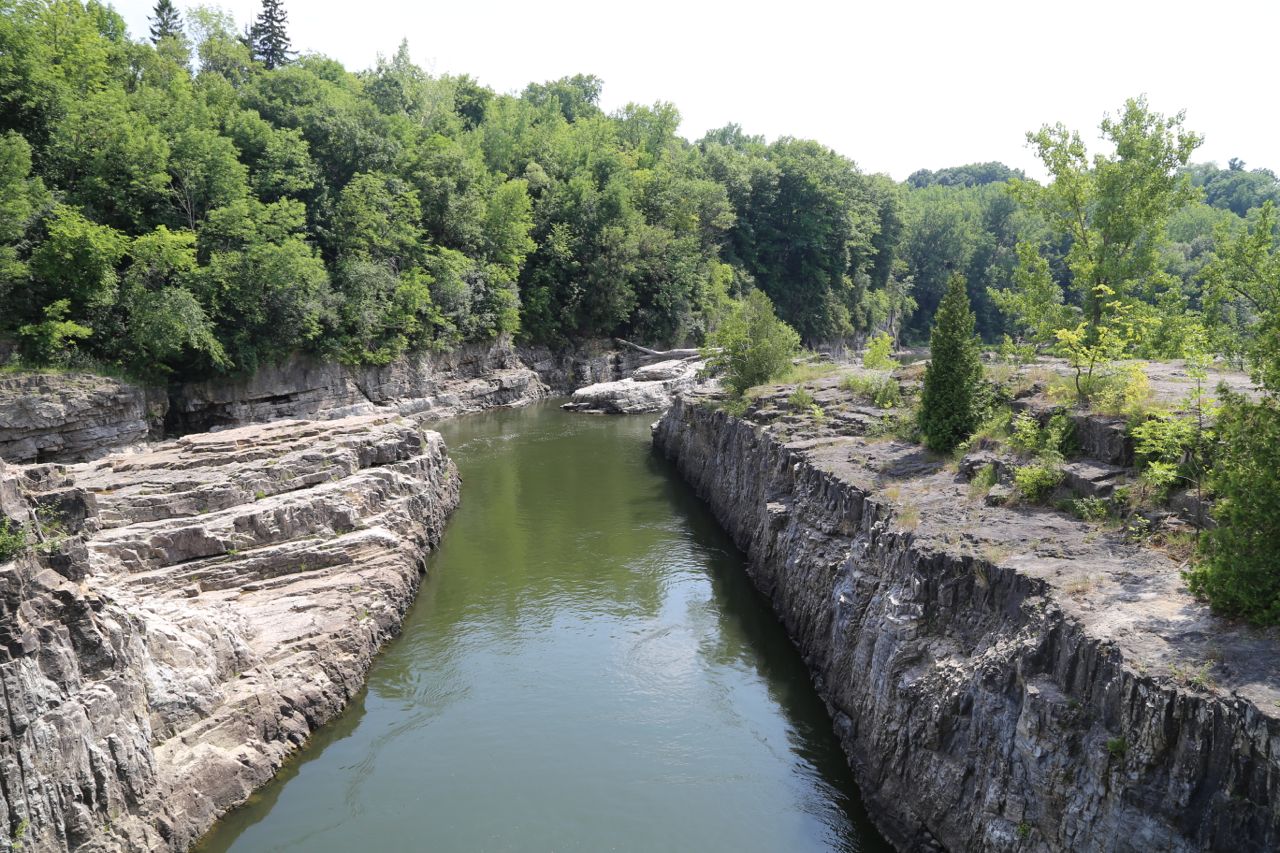
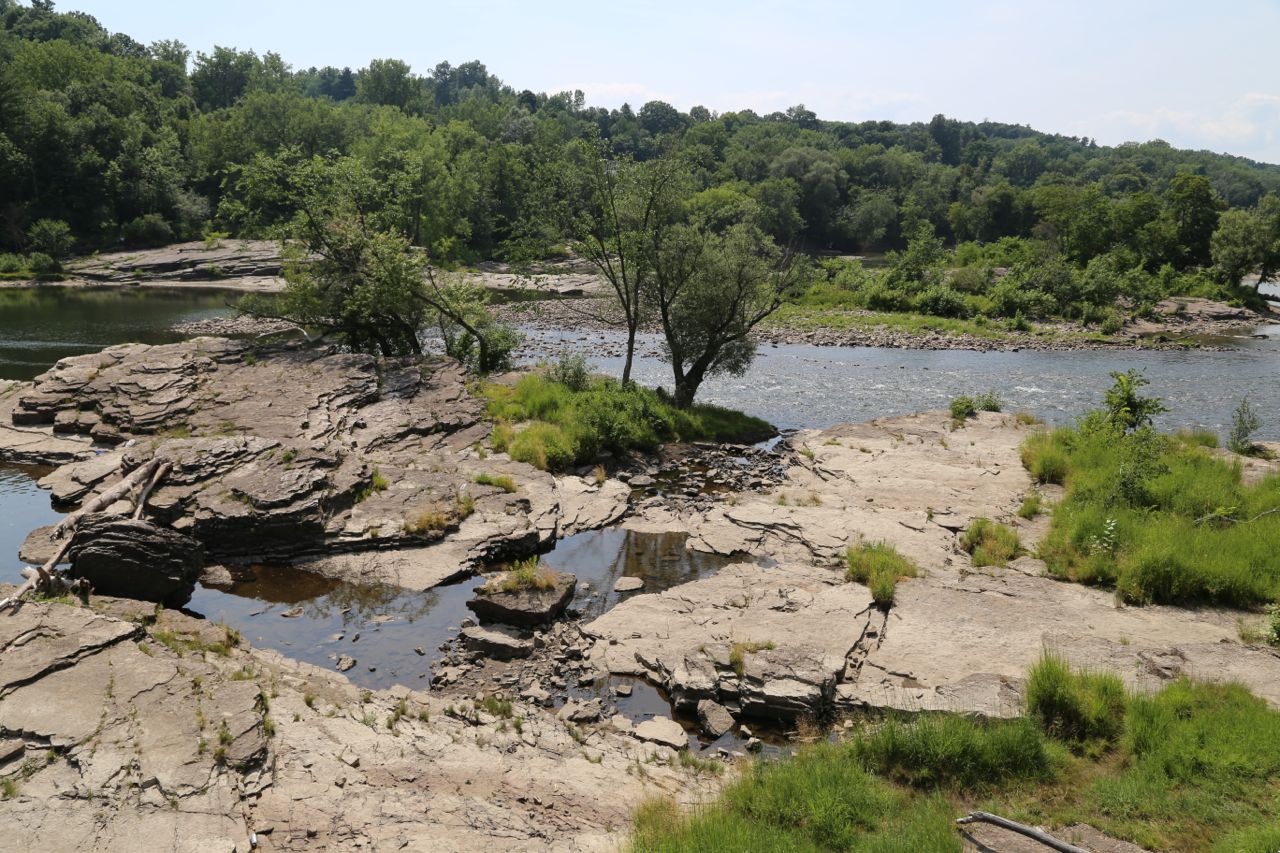
While visiting Burlington, I walked to Winooski, which is just to its north, and wandered around. Winooski is a cute little town that is situated next to Winooski Falls, a rocky area of the Winooski River. They have built a really nice river walk area on one side of the river, so you can walk past the falls and also down to the dam. The town square is also walkable and has a bunch of really good restaurants. [Normally I don’t recommend specific commercial places, but I had dinner at Our House, and I highly recommend it. They have all these really good variations of mac and cheese, and it is just so delicious.] The only bad thing about the town is how fast the traffic goes around the town center, which can make crossing the street difficult.

Winooski Block

Winooski Block

Winooski town center

Winooski town center

Winooski Mill

Winooski Mill

Winooski River (upstream of falls)

Winooski River (upstream of falls)

Winooski Falls

Winooski Falls

Winooski Falls

Winooski Falls

Winooski Falls

Winooski Falls

Winooski Dam

Winooski Dam

Winooski River (just downstream of dam)

Winooski River (just downstream of dam)

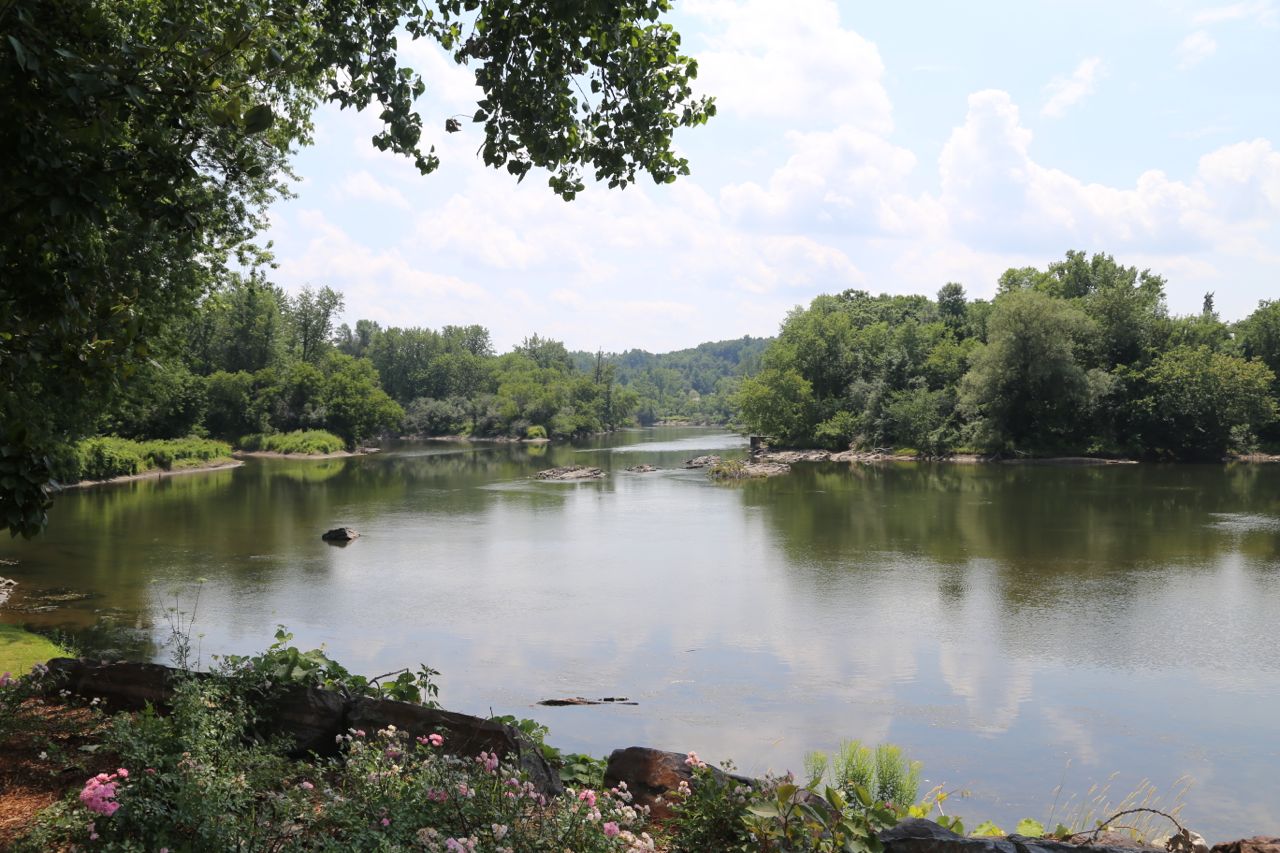
Winooski River (downstream of dam)

Winooski River (downstream of dam)

Vermont Nature

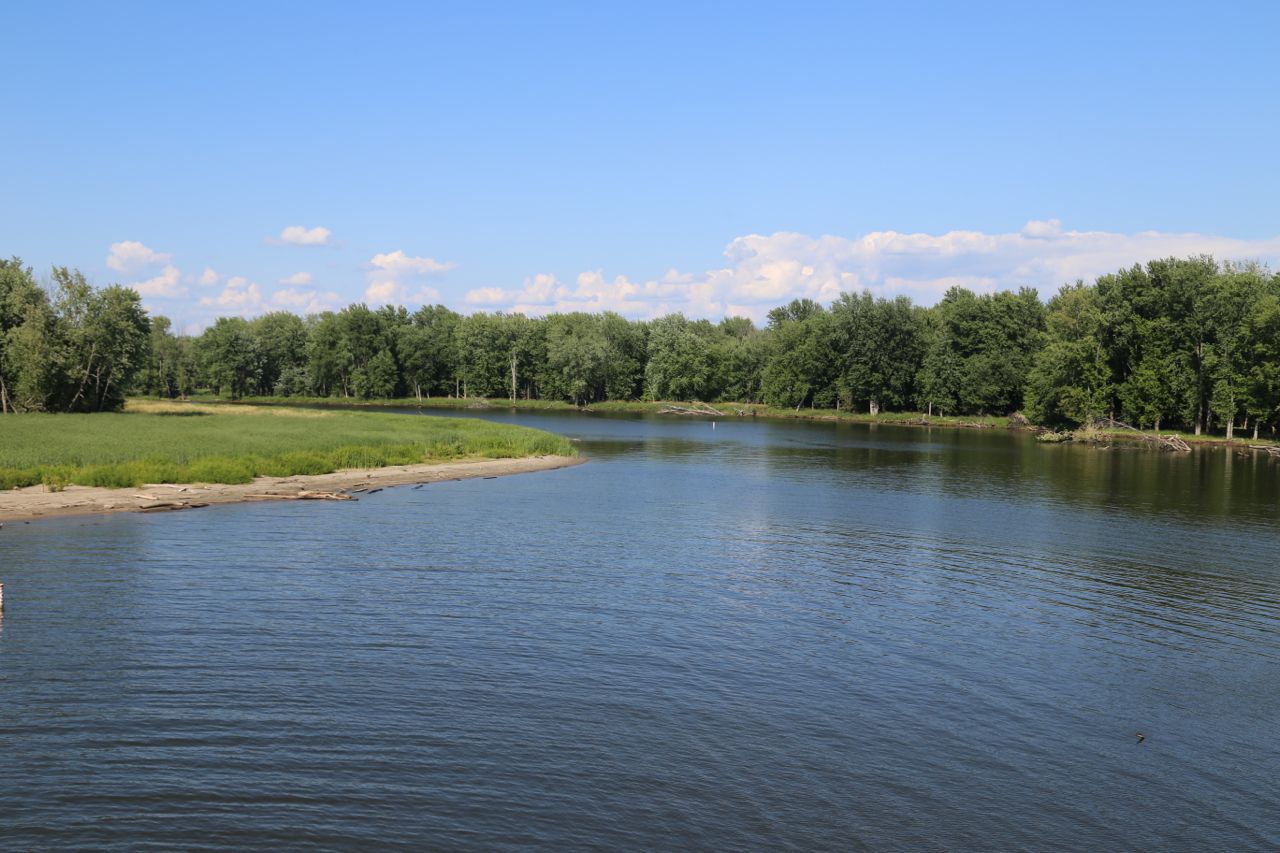
After visiting the Green Mountain Audubon Center, we visited the Richmond area and also went north of Burlington to the area where the Winooski River flows into Lake Champlain. The area is really pretty, and of course Lake Champlain is gorgeous.

Sunflower

Sunflower

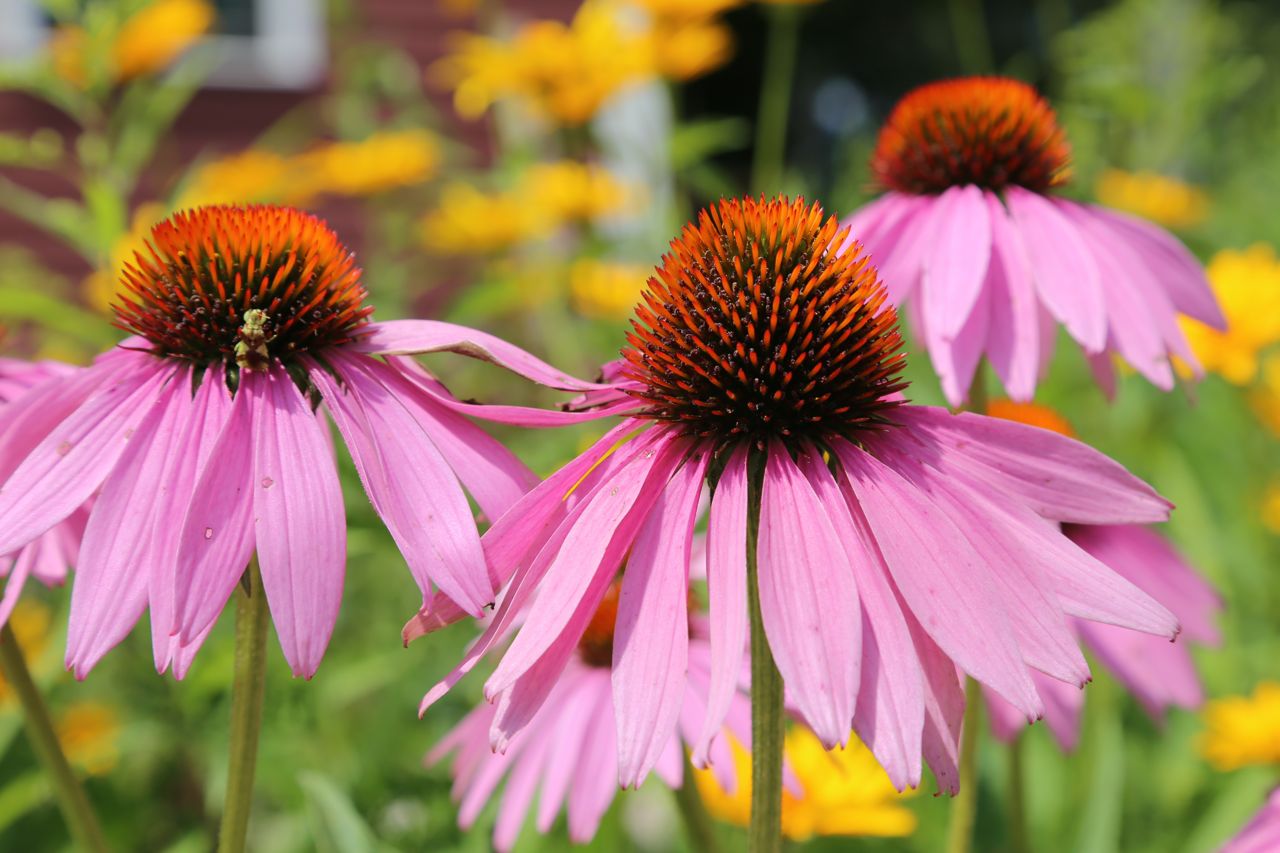
Coneflowers

Coneflowers

Unknown flower

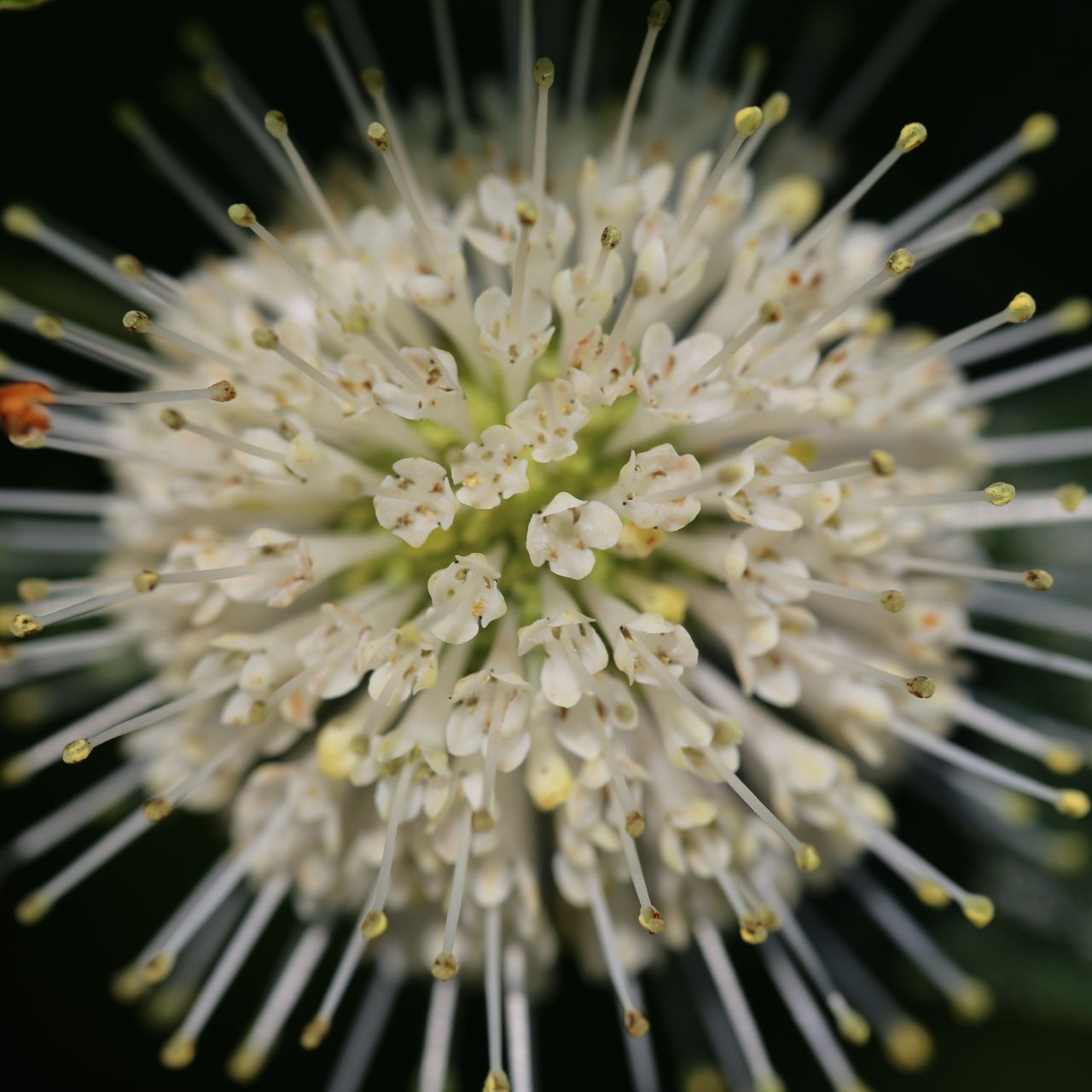
Buttonbush

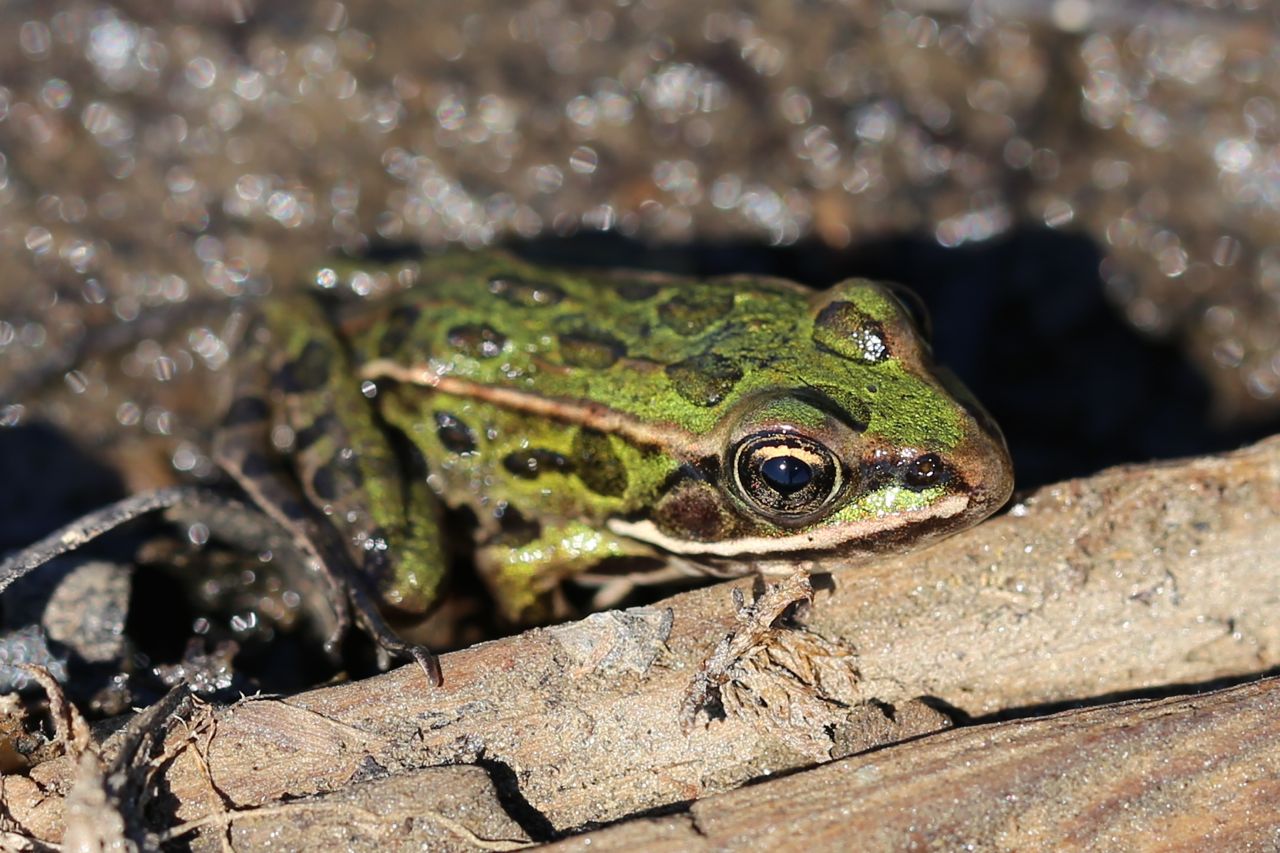
Cute little frog (I think my silhouette is actually reflected in his eye)

Cute little frog (I think my silhouette is actually reflected in his eye)

Winooski River delta

Winooski River delta

Lake Champlain marshy area

Lake Champlain marshy area

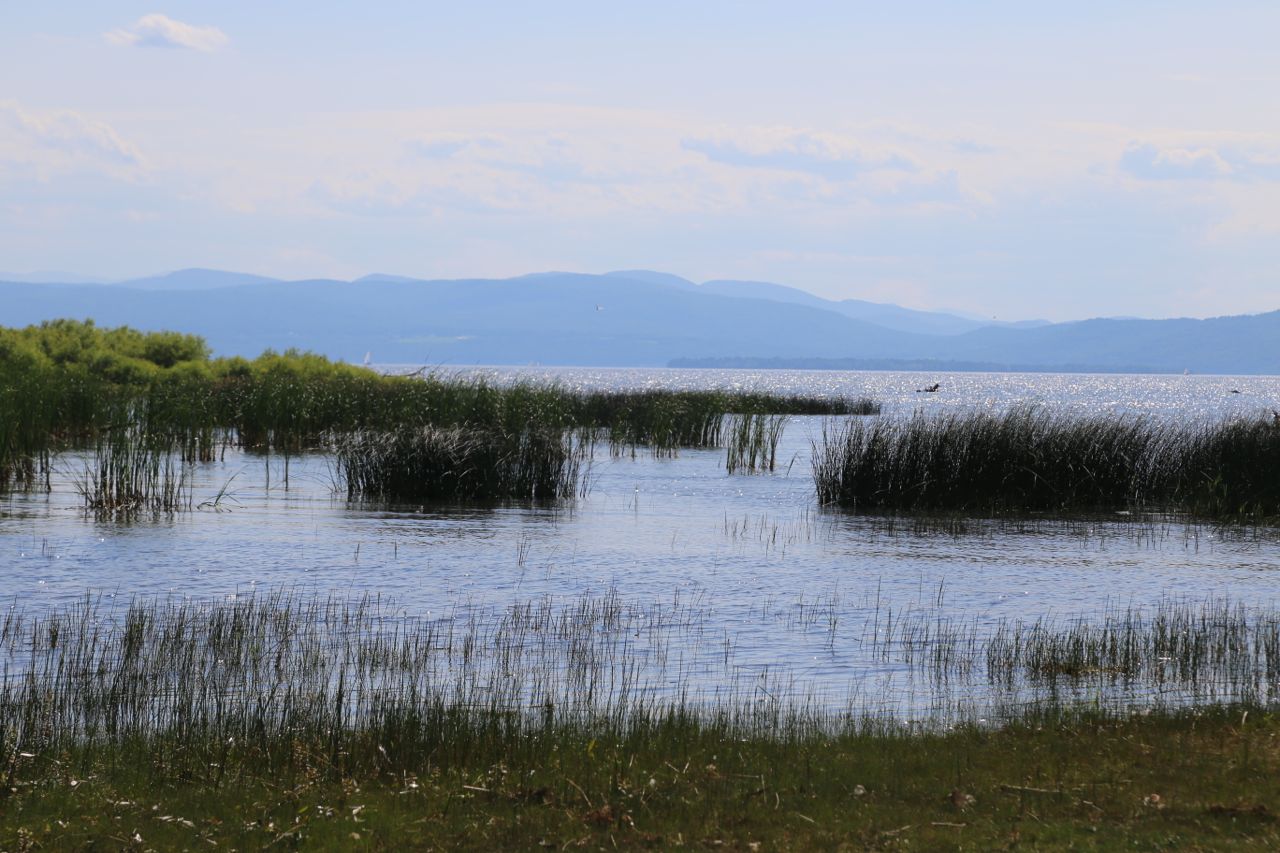
Lake Champlain

Lake Champlain

Green Mountain Audubon Center

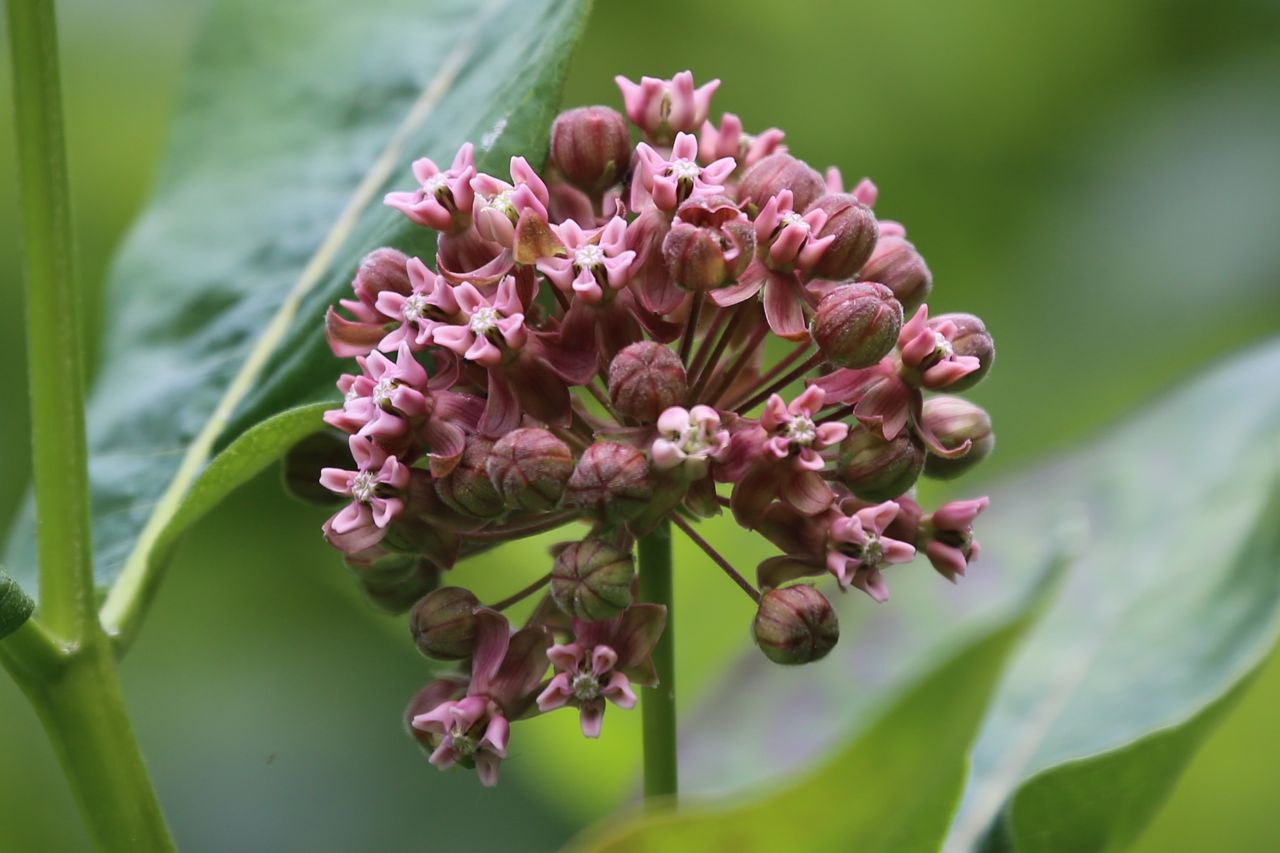
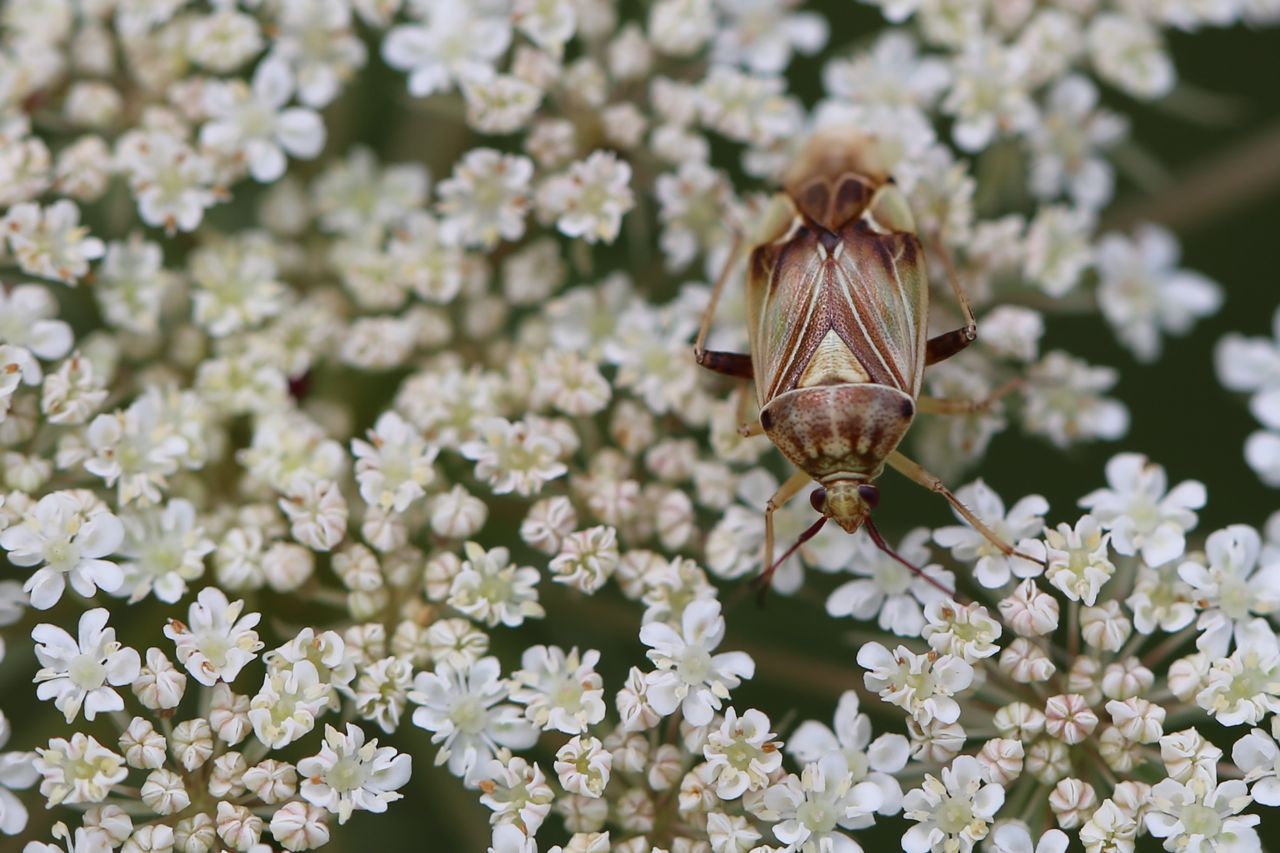
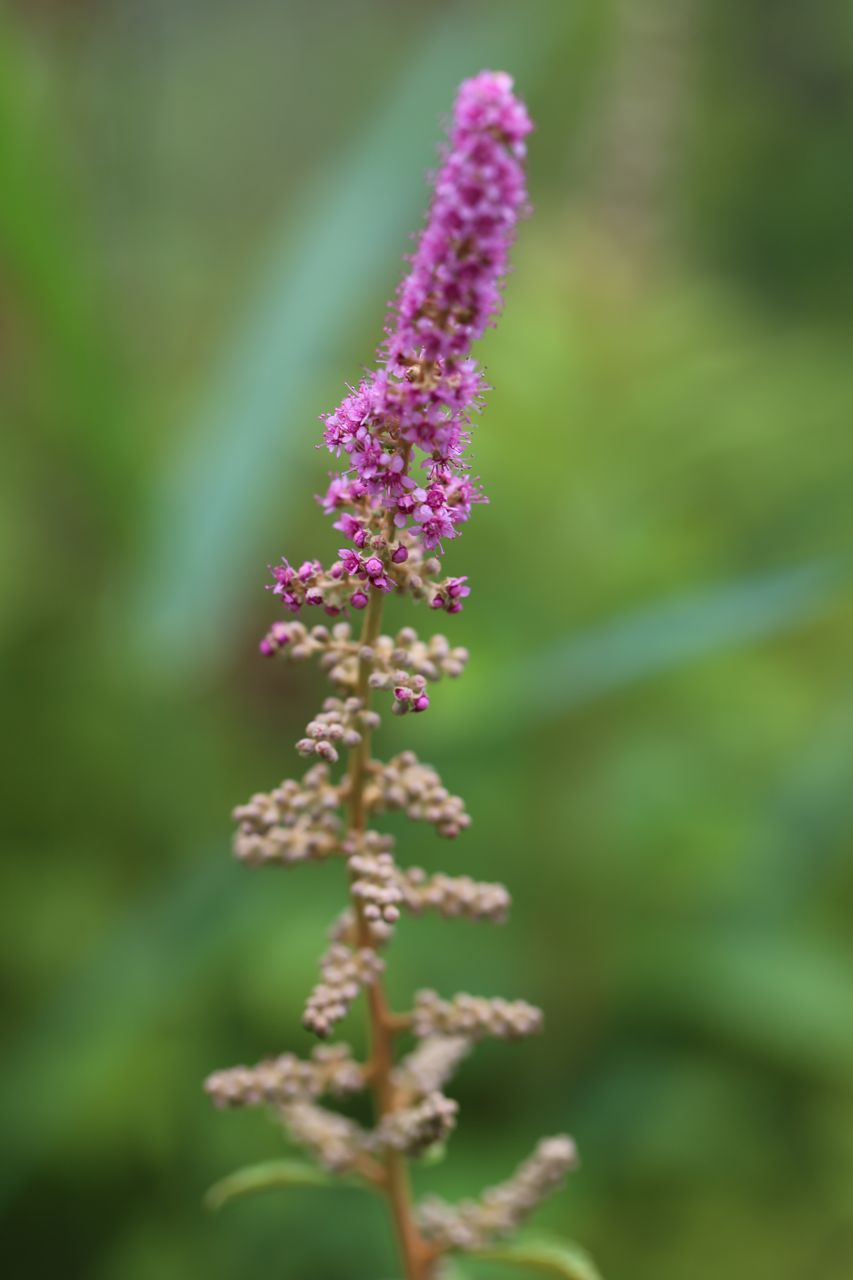
I came to Vermont for a conference, but I arrived a day early to do a little sightseeing. One place we visited was the Green Mountain Audubon Center outside Huntington. It is a really lovely place to wander around for several hours. It has a hemlock swamp, a gorgeous river running through it, forests full of ferns, and lots of pretty flowers. We also saw a few nice birds, and I saw some really cool looking insects, which I cannot identify.

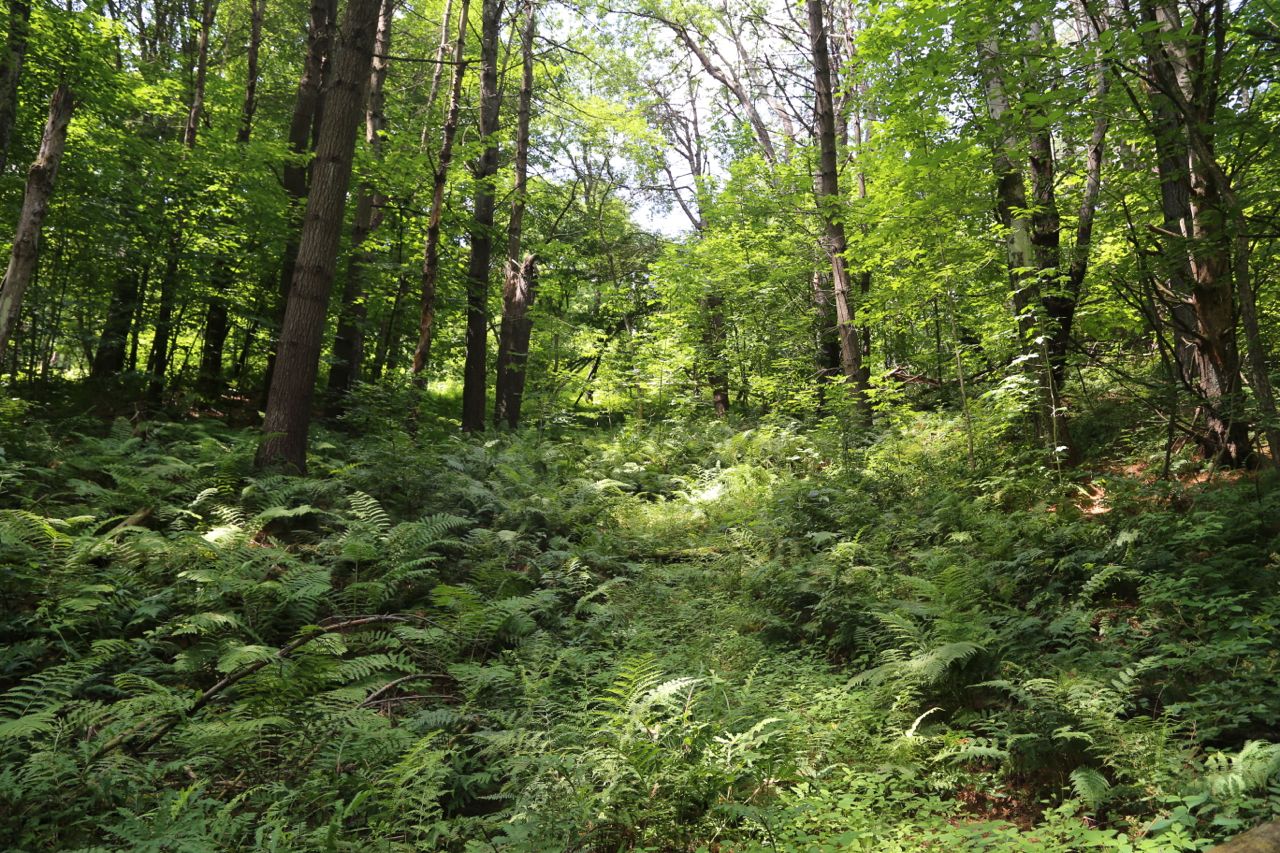
Fern forest

Fern forest

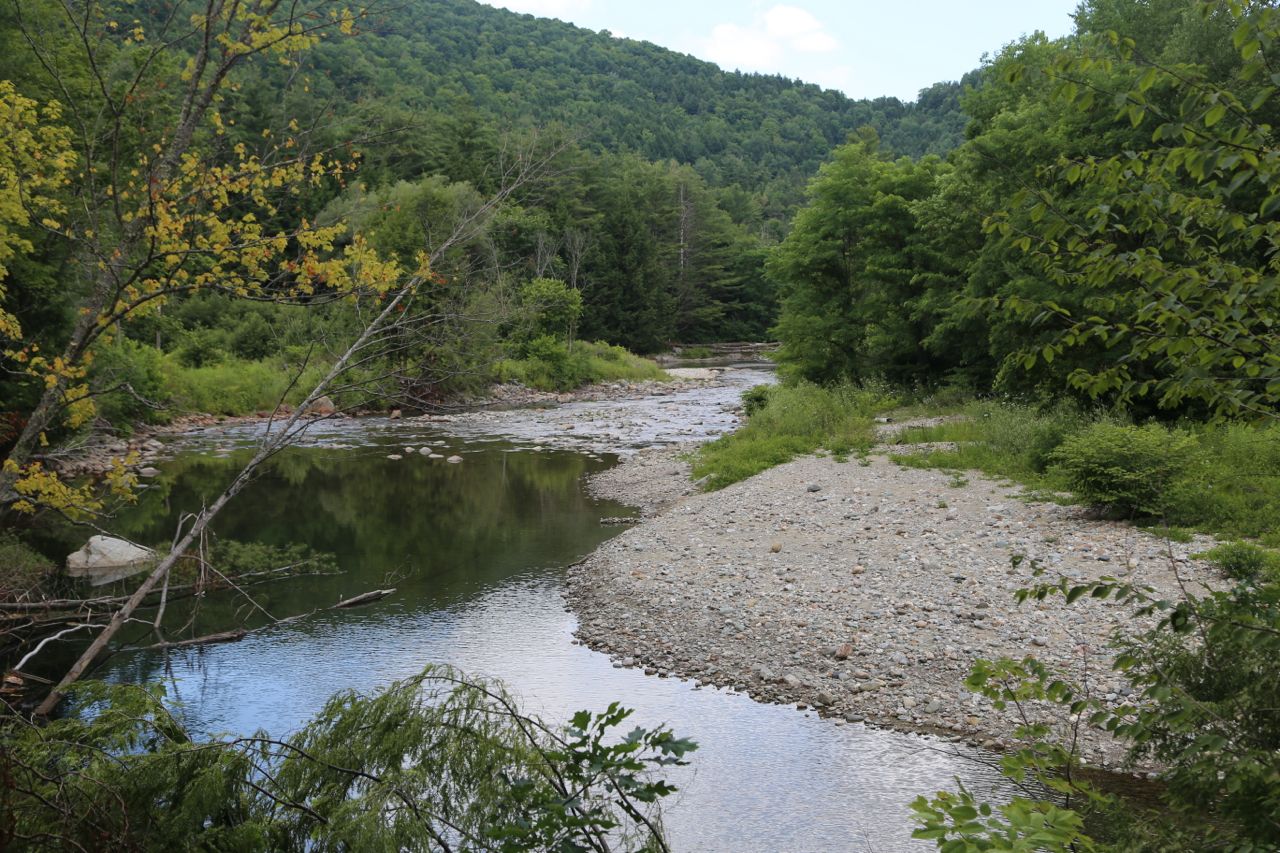
Huntington River

Huntington River

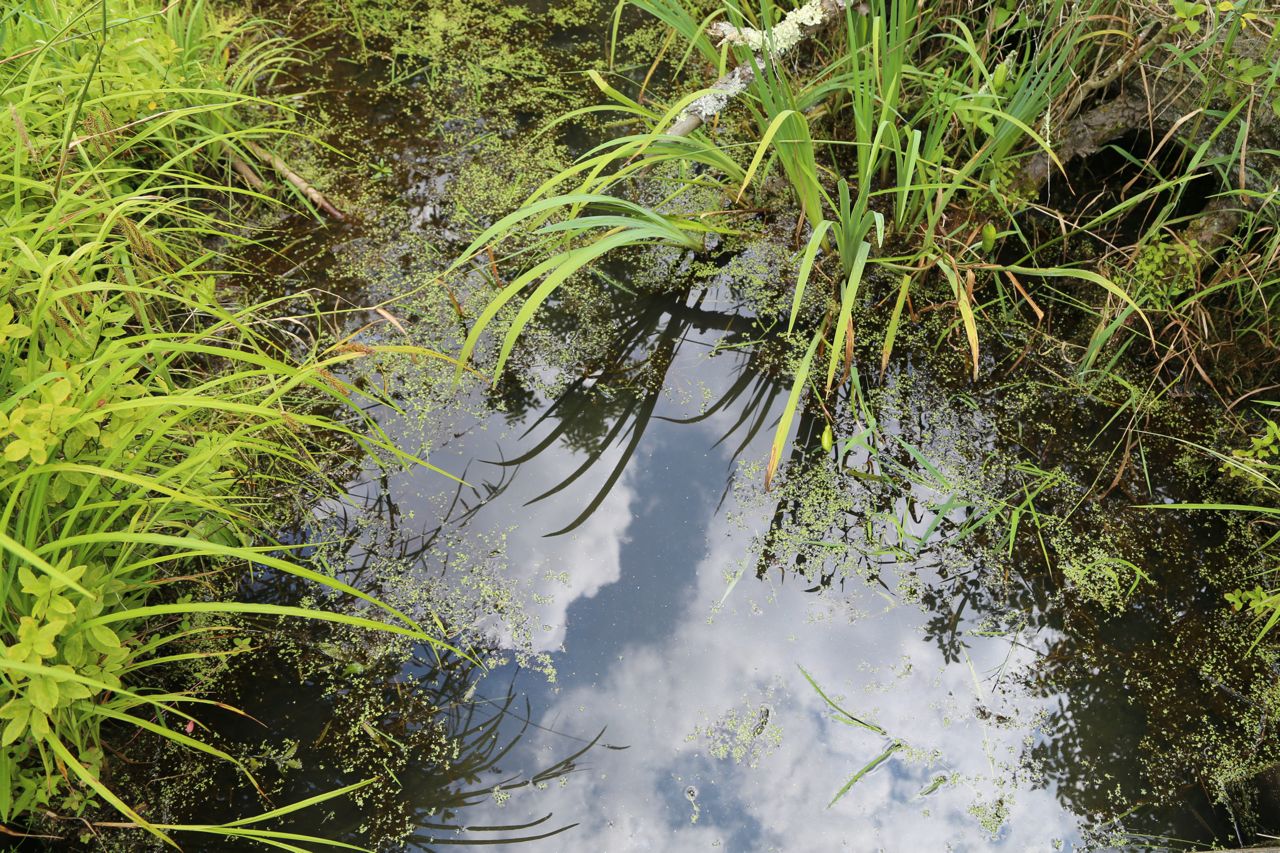
Swamp

Swamp

American red squirrel

American red squirrel

Beetle?

Beetle?

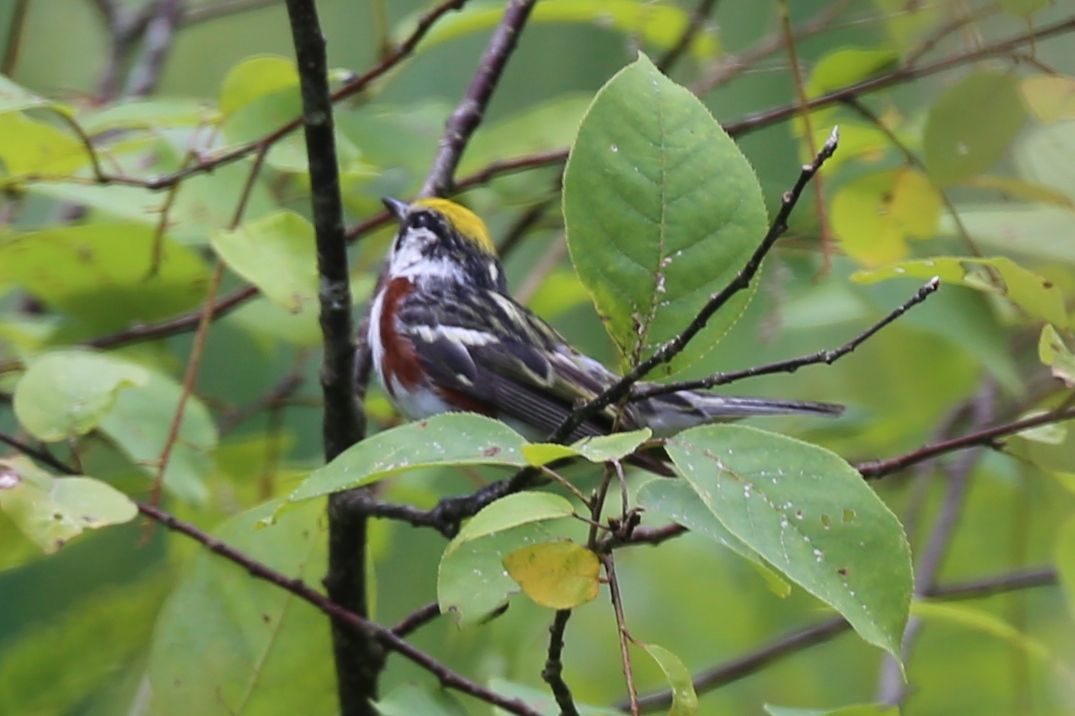
Chestnut-sided Warbler

Chestnut-sided Warbler

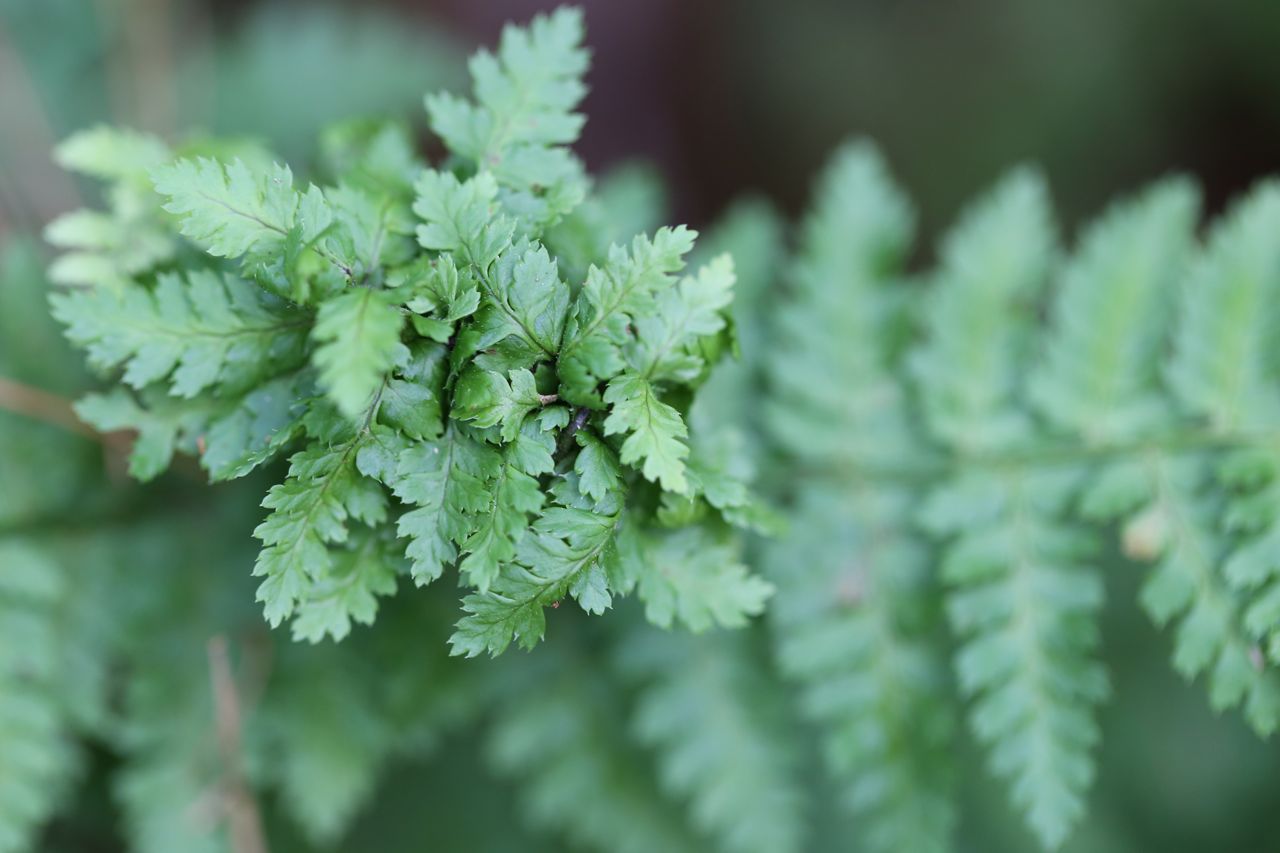
Fern frond

Fern frond

Milkweed

Milkweed

Insect

Insect

Flower

Flower

Amtrak Vermonter

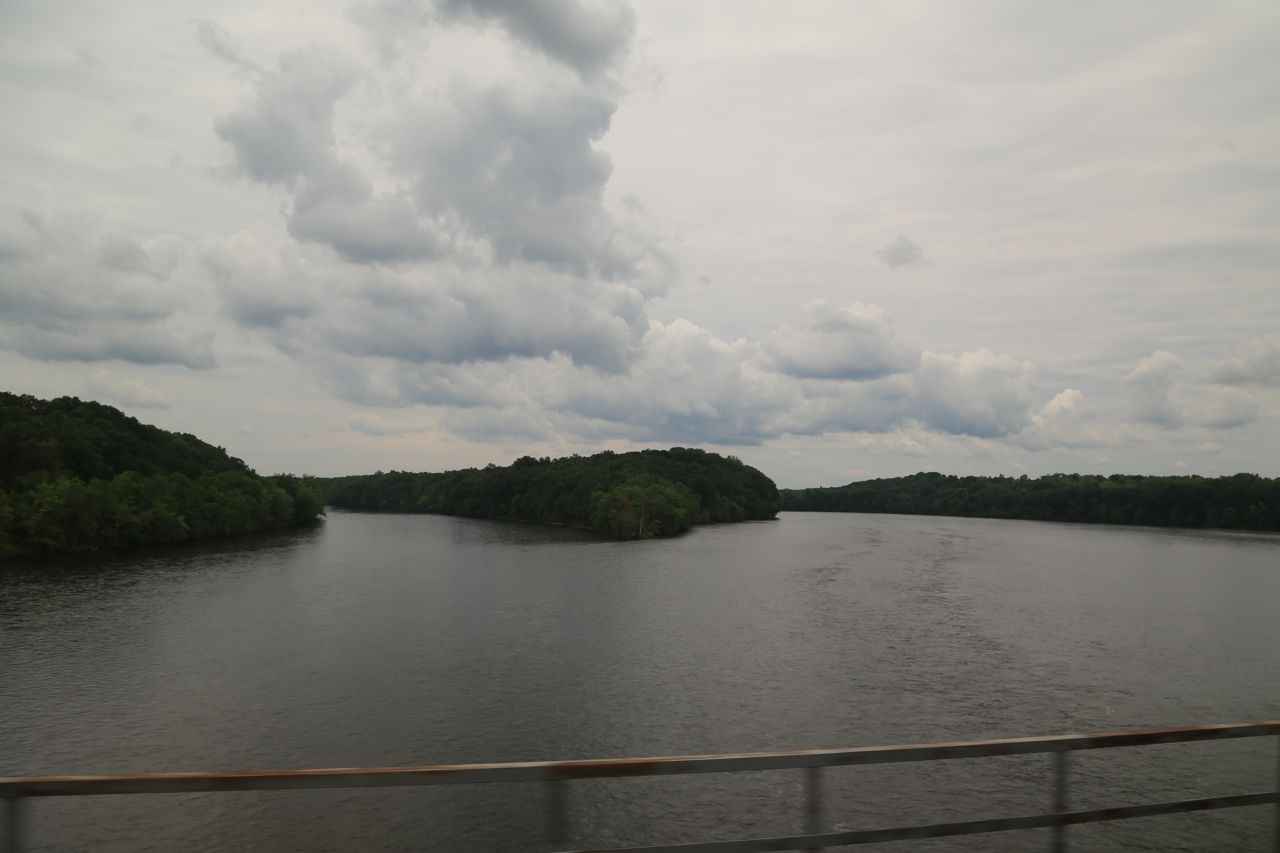
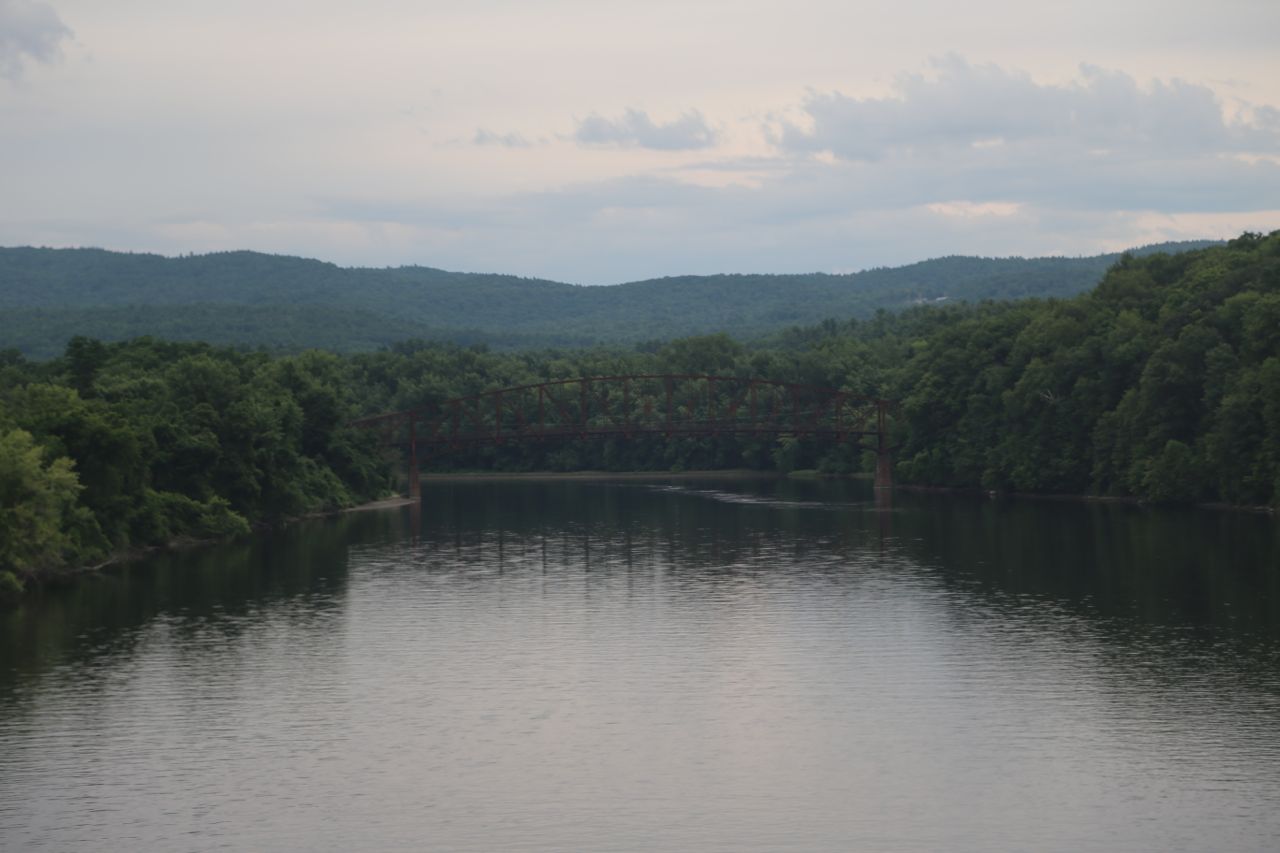
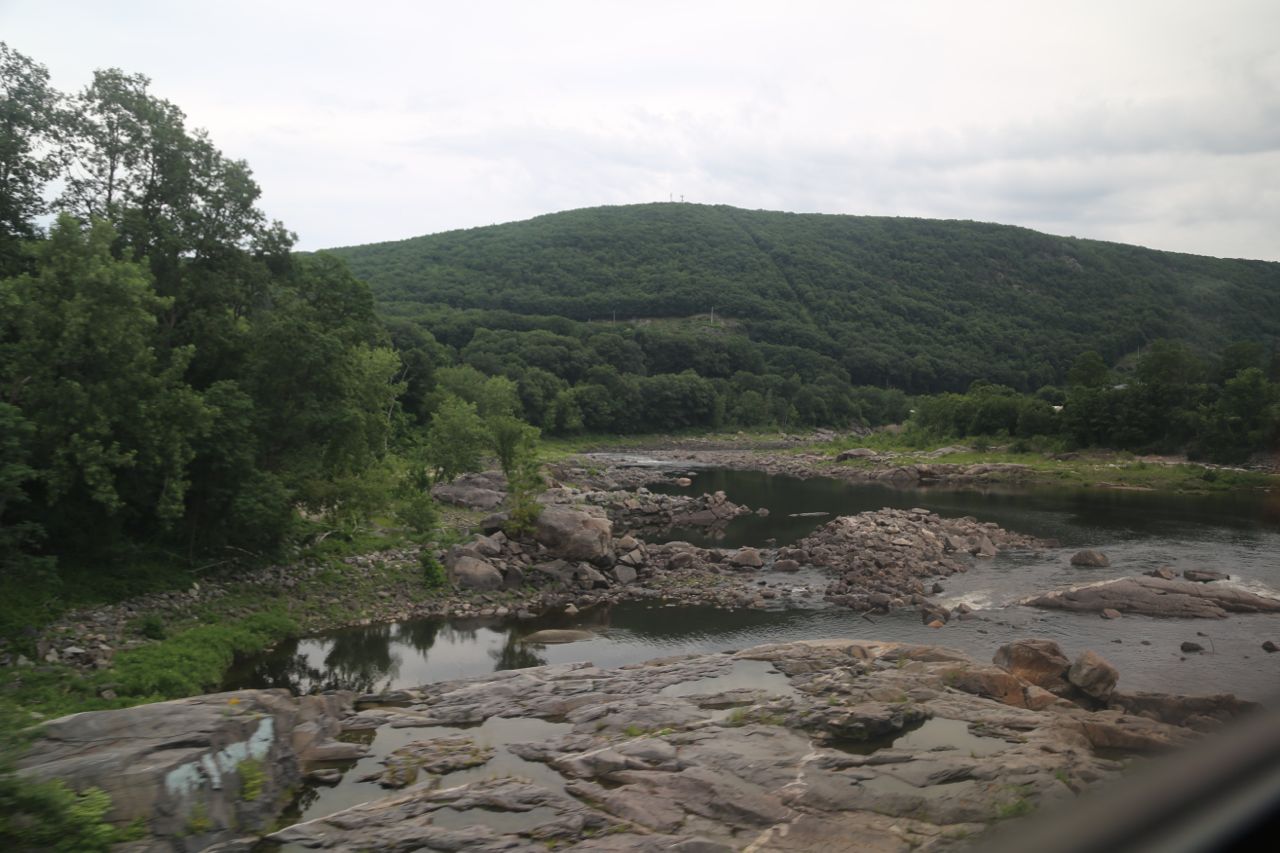
I think I have written blog posts before about how much I love traveling my train. I love sitting back and watching the world go by. Train travel also sometimes allows you views you could not get any other way. I recently took the Amtrak Vermonter from Washington, DC to Burlington, VT. The latter part of the trip had wonderful views of the Connecticut River and rural Vermont and New Hampshire. It was a wonderful way to start my trip. Here are a few photos from the trip.

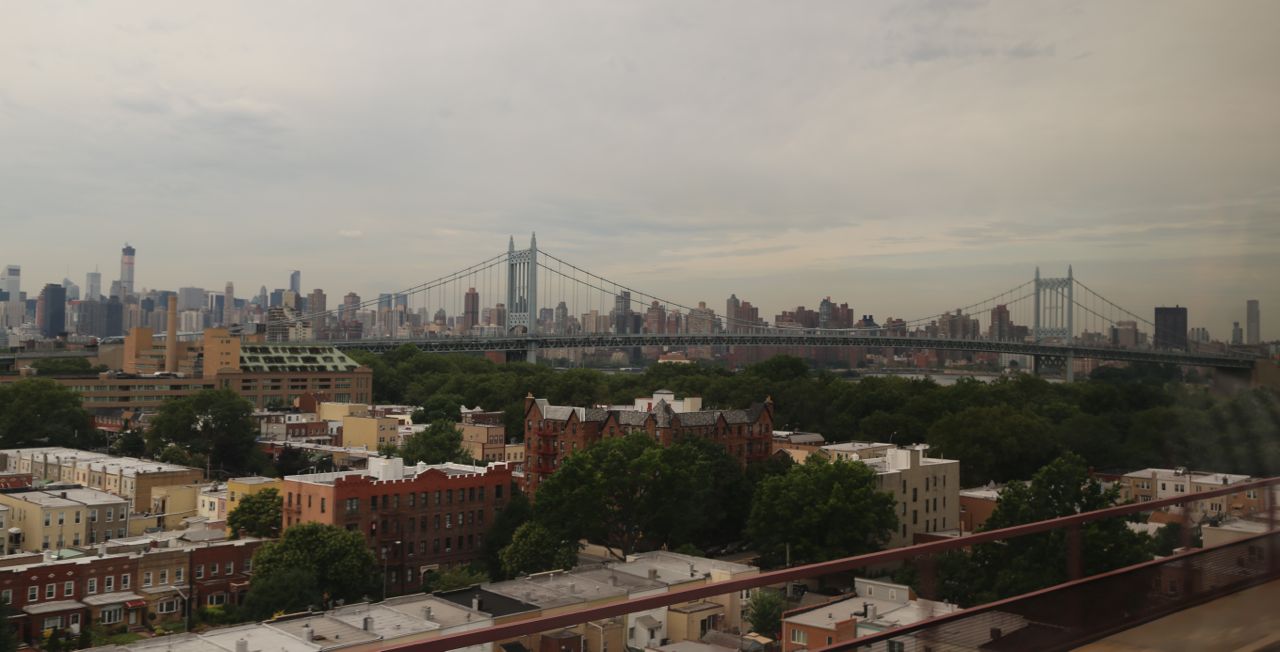
Triborough Bridge (East River) in NY

Triborough Bridge (East River) in NY

Crossing the Connecticut River near Windsor Locks, CT

Crossing the Connecticut River near Windsor Locks, CT

Bridge over the Connecticut River near Northfield, MA

Bridge over the Connecticut River near Northfield, MA

near Bellows Falls, VT

near Bellows Falls, VT

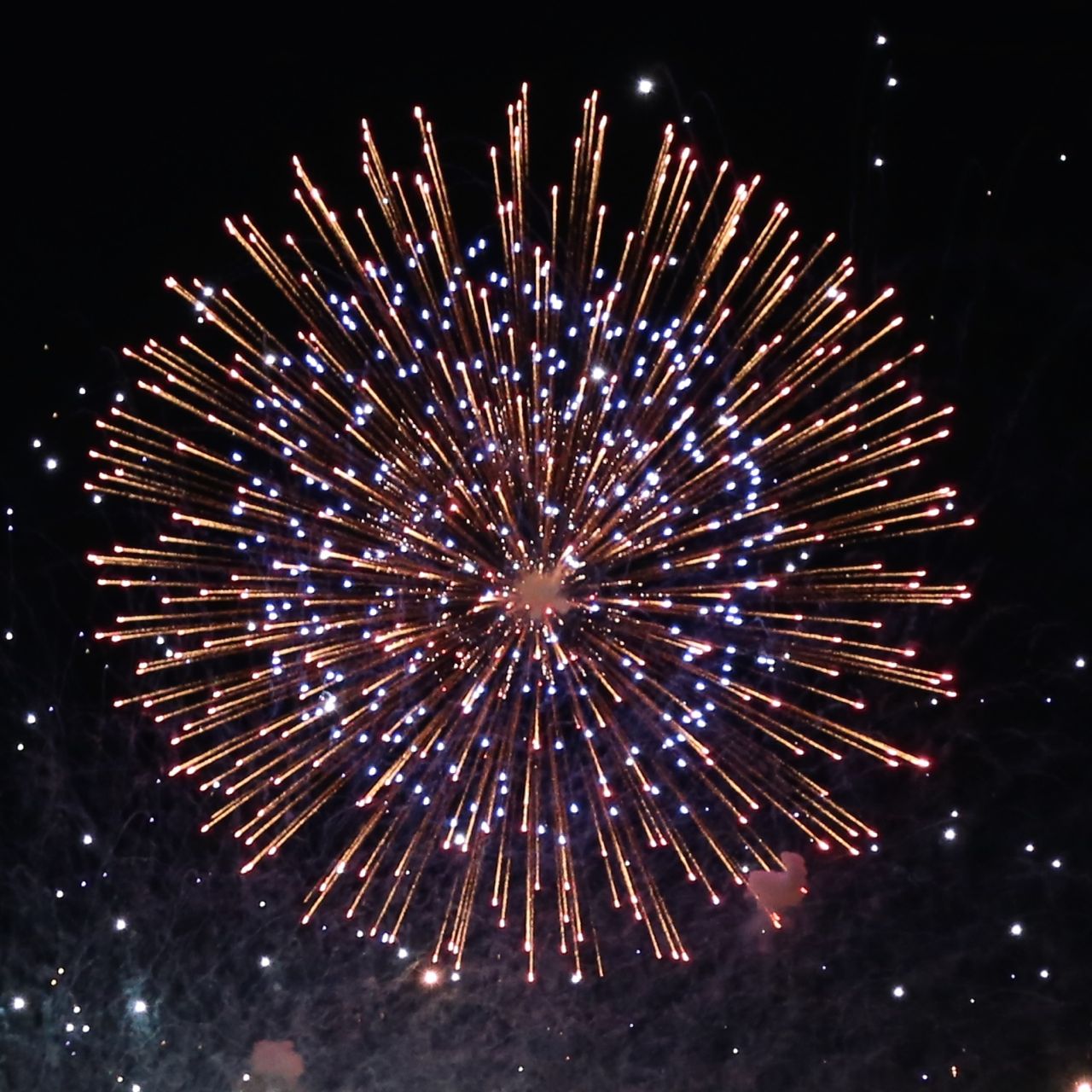
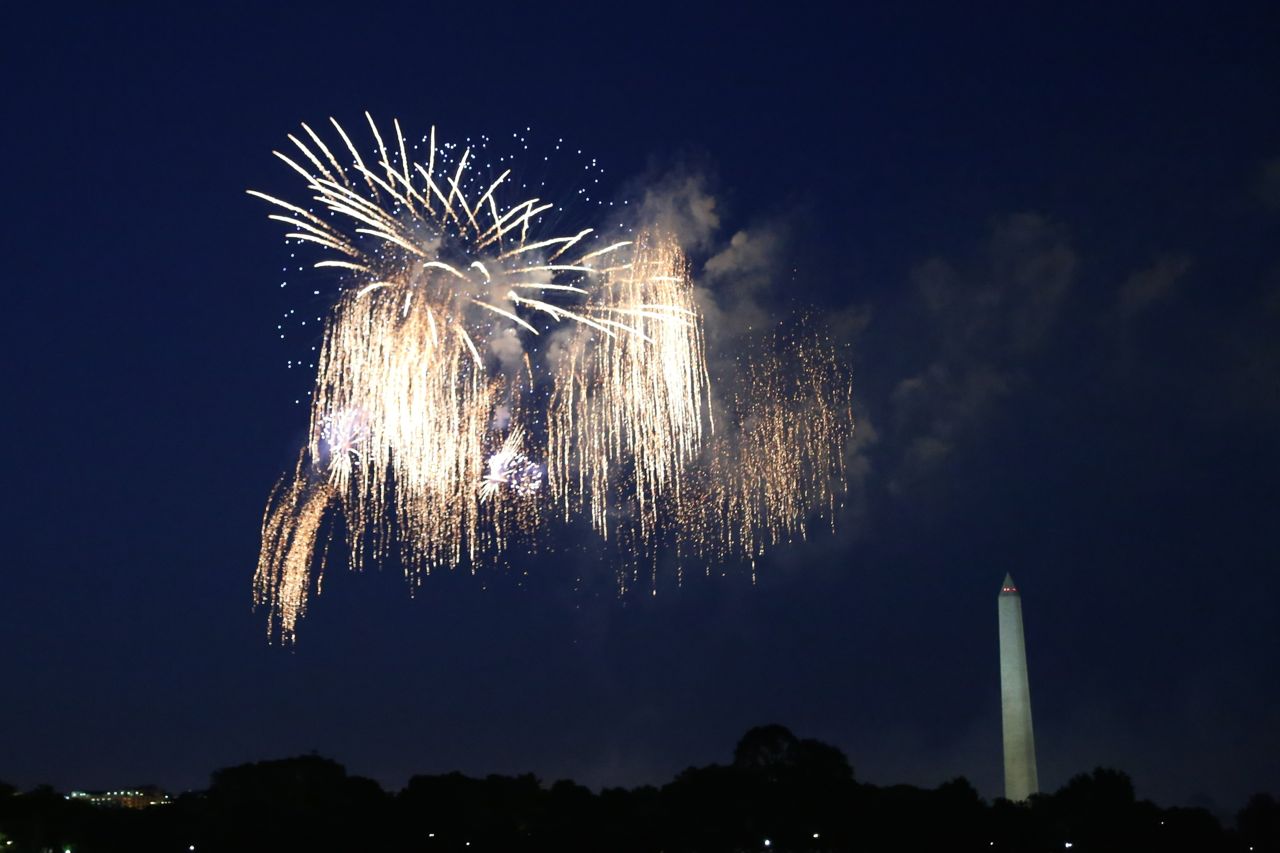
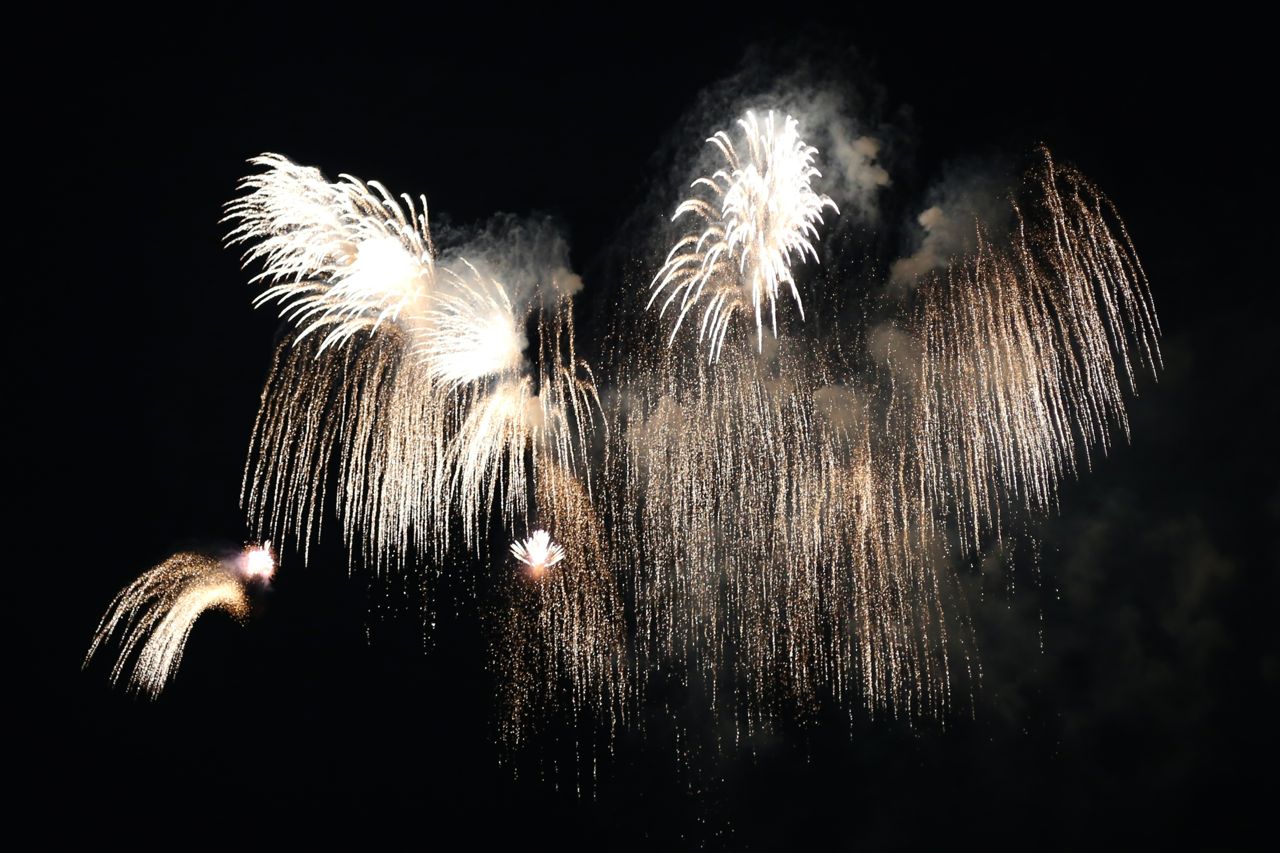
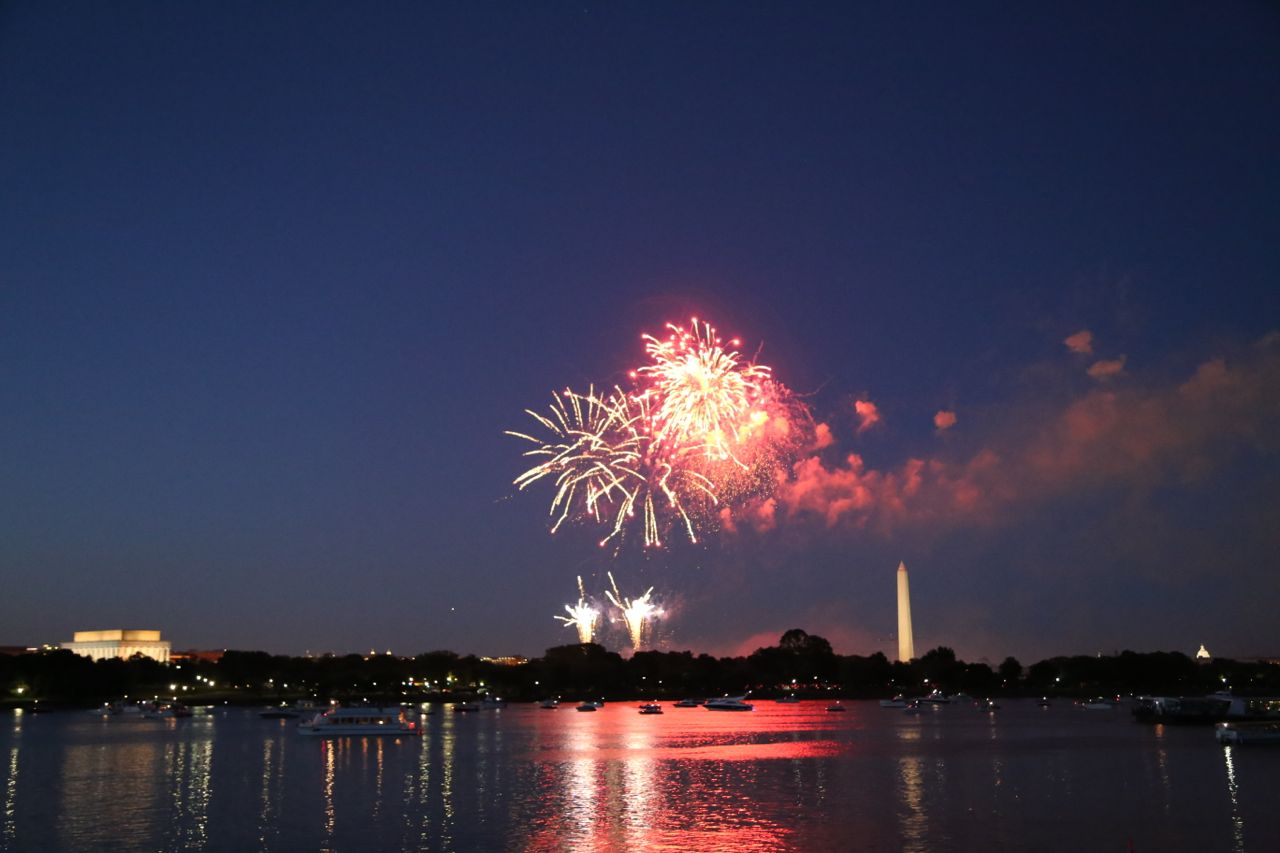
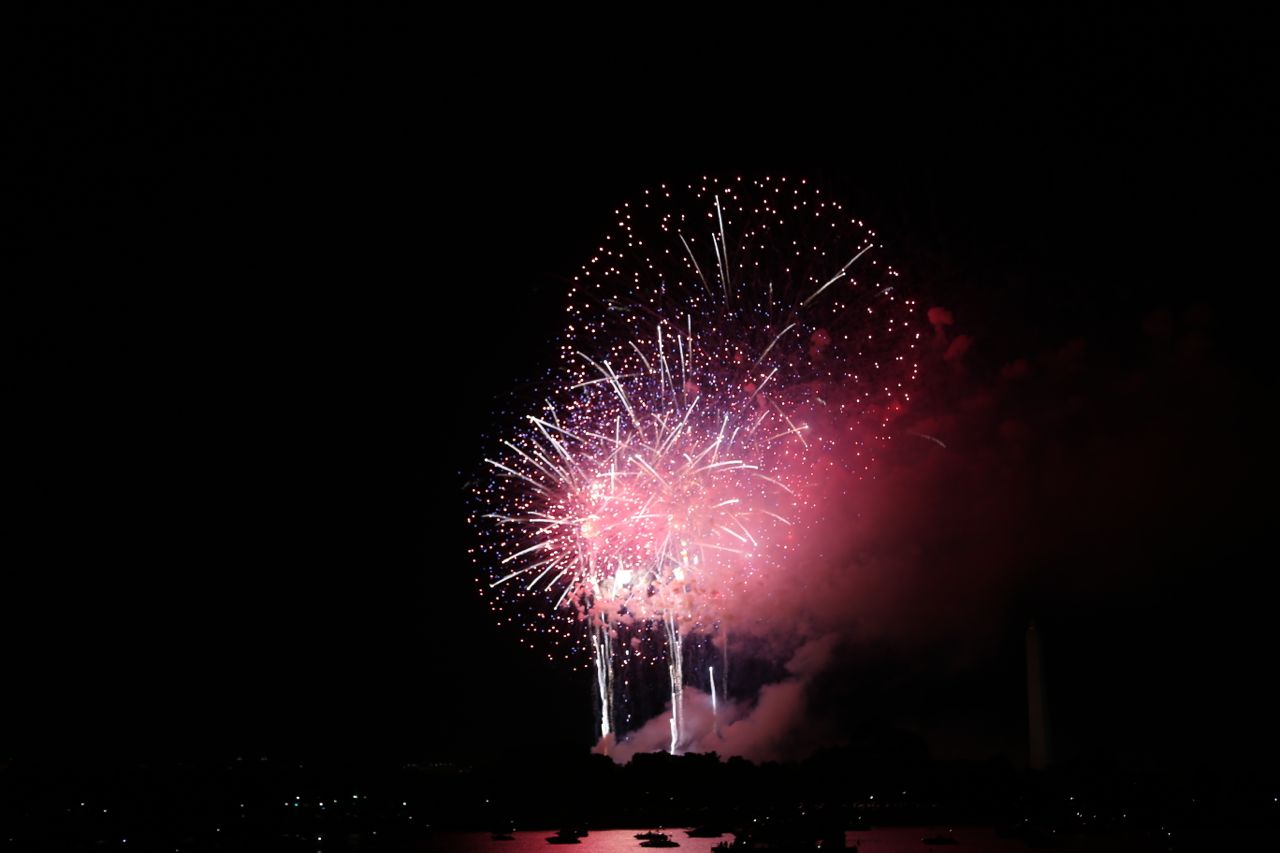
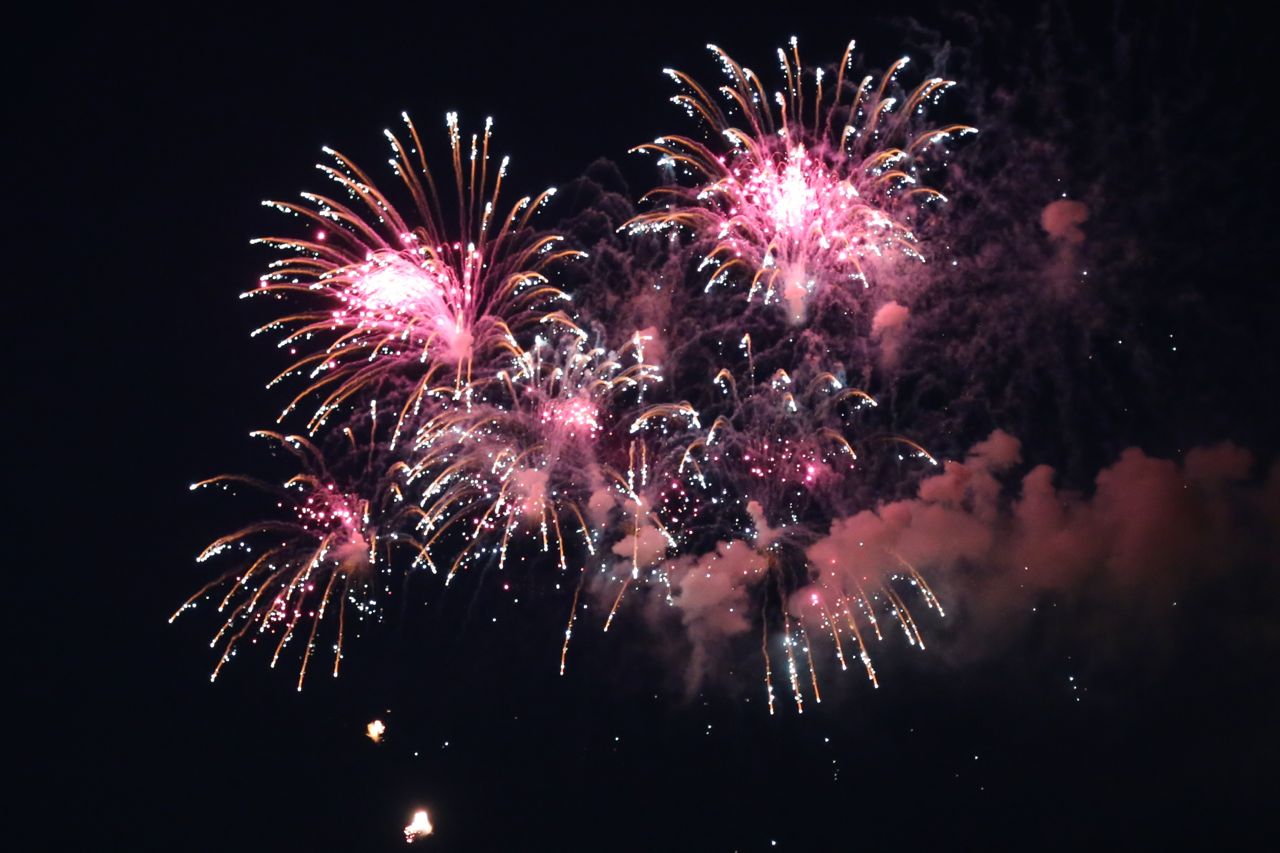
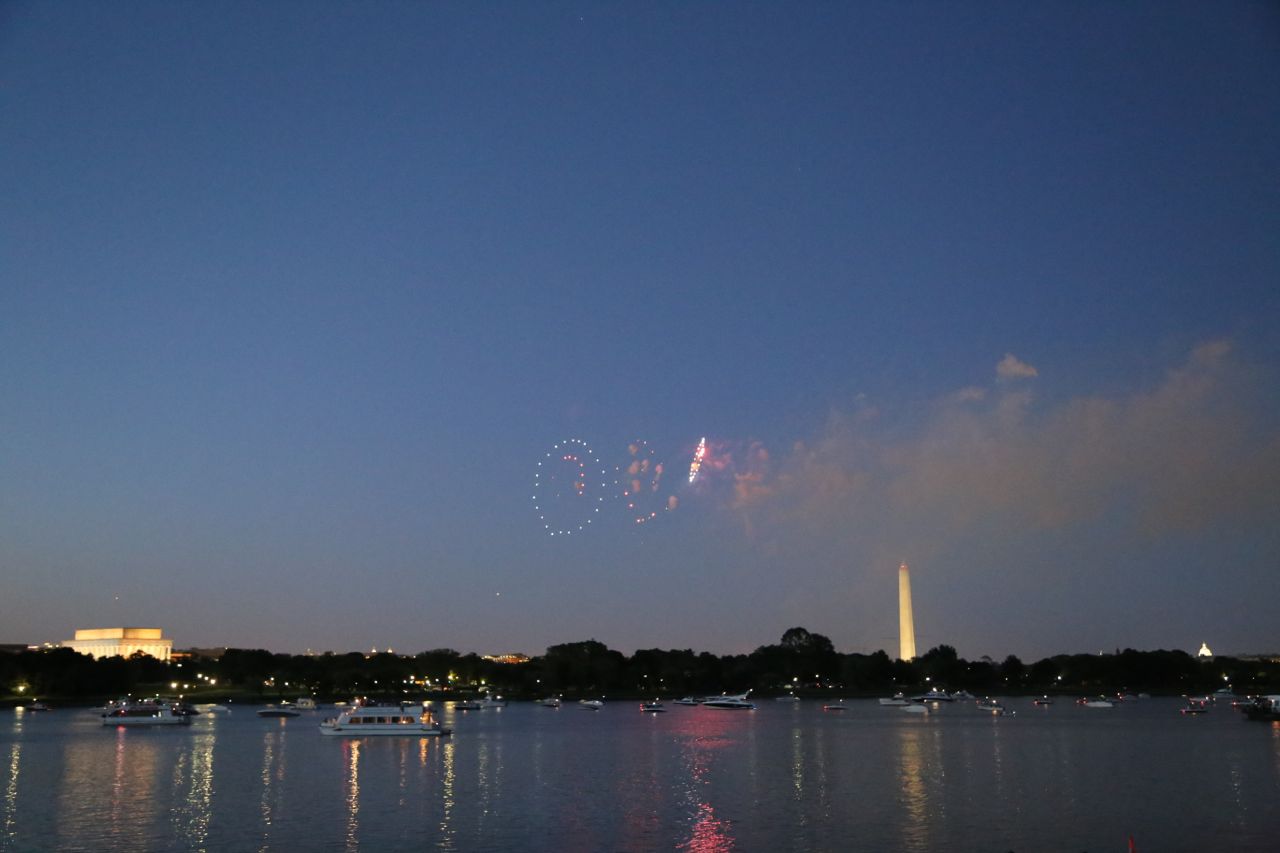
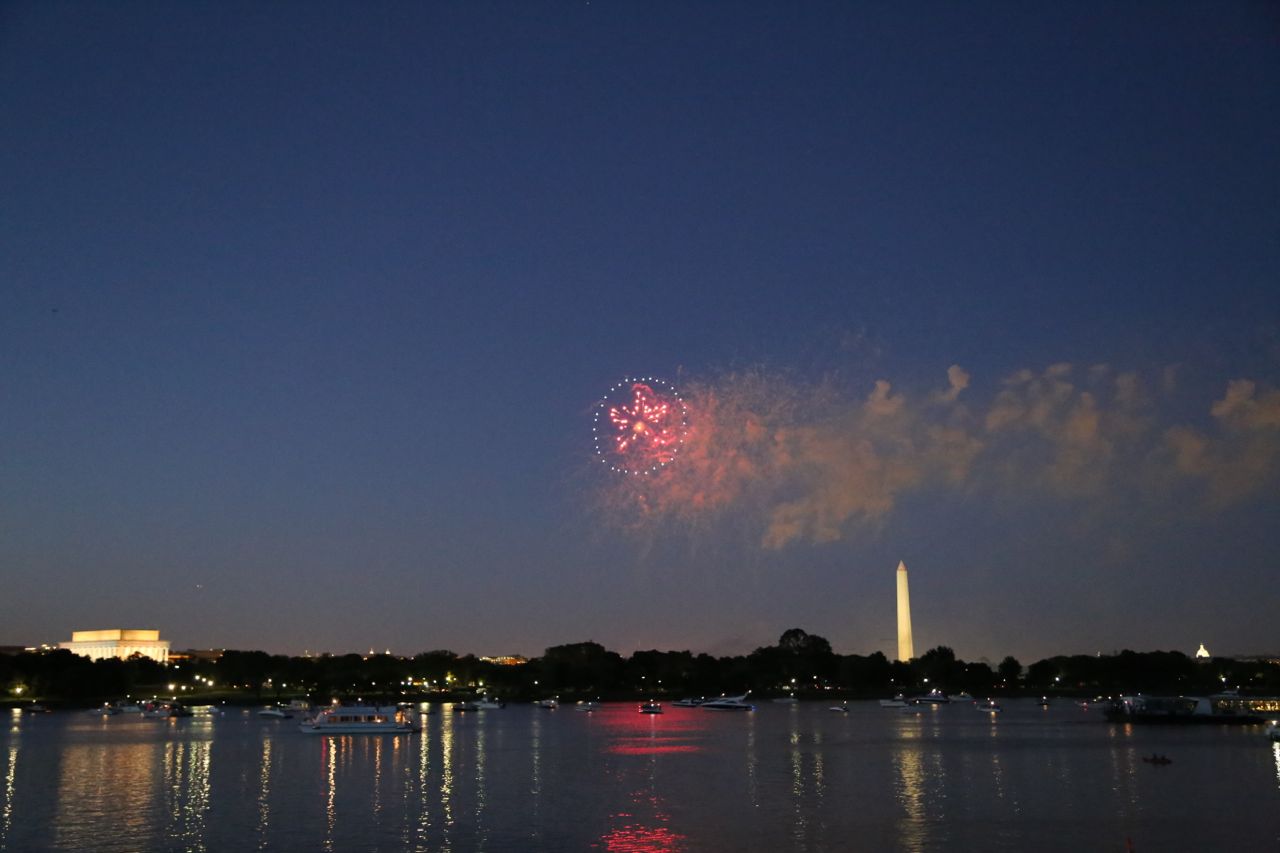
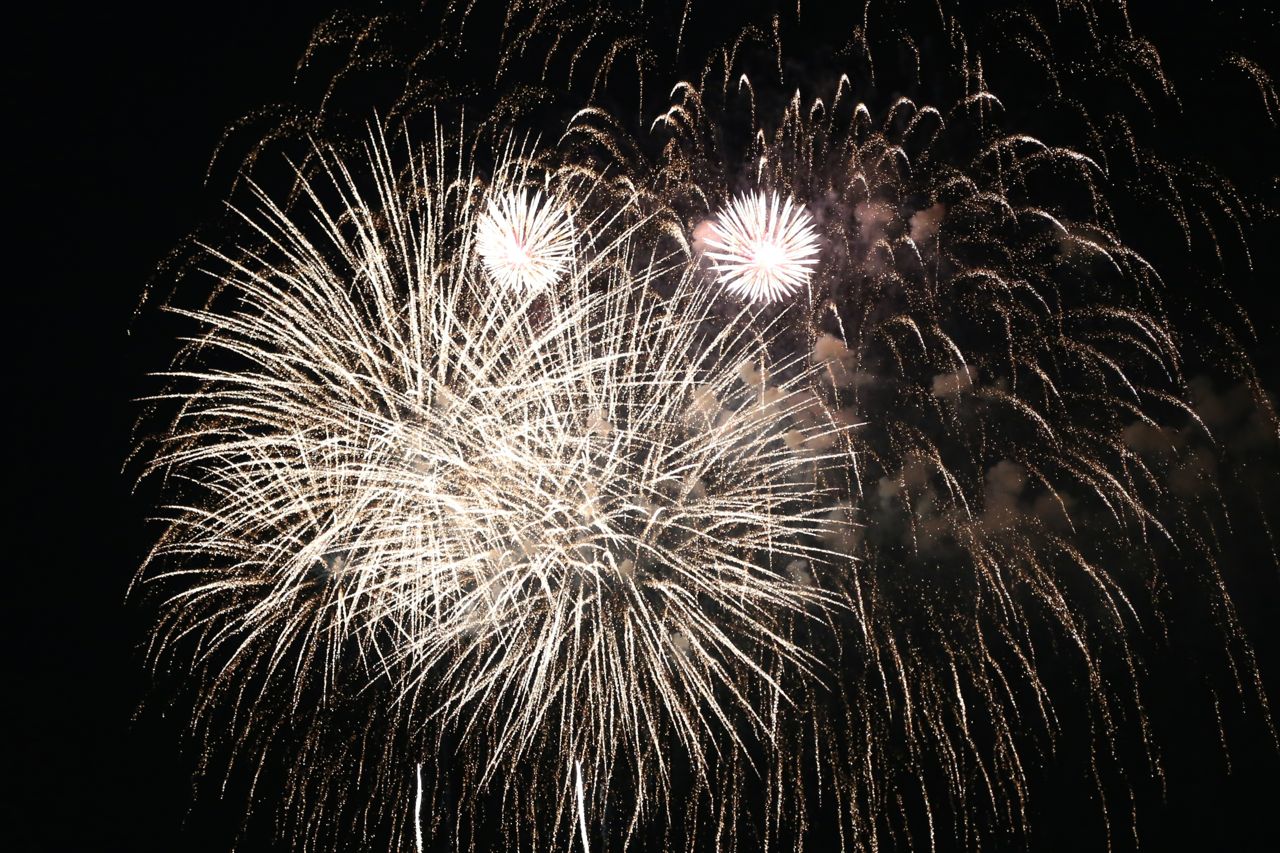
July 4th Fireworks on the National Mall

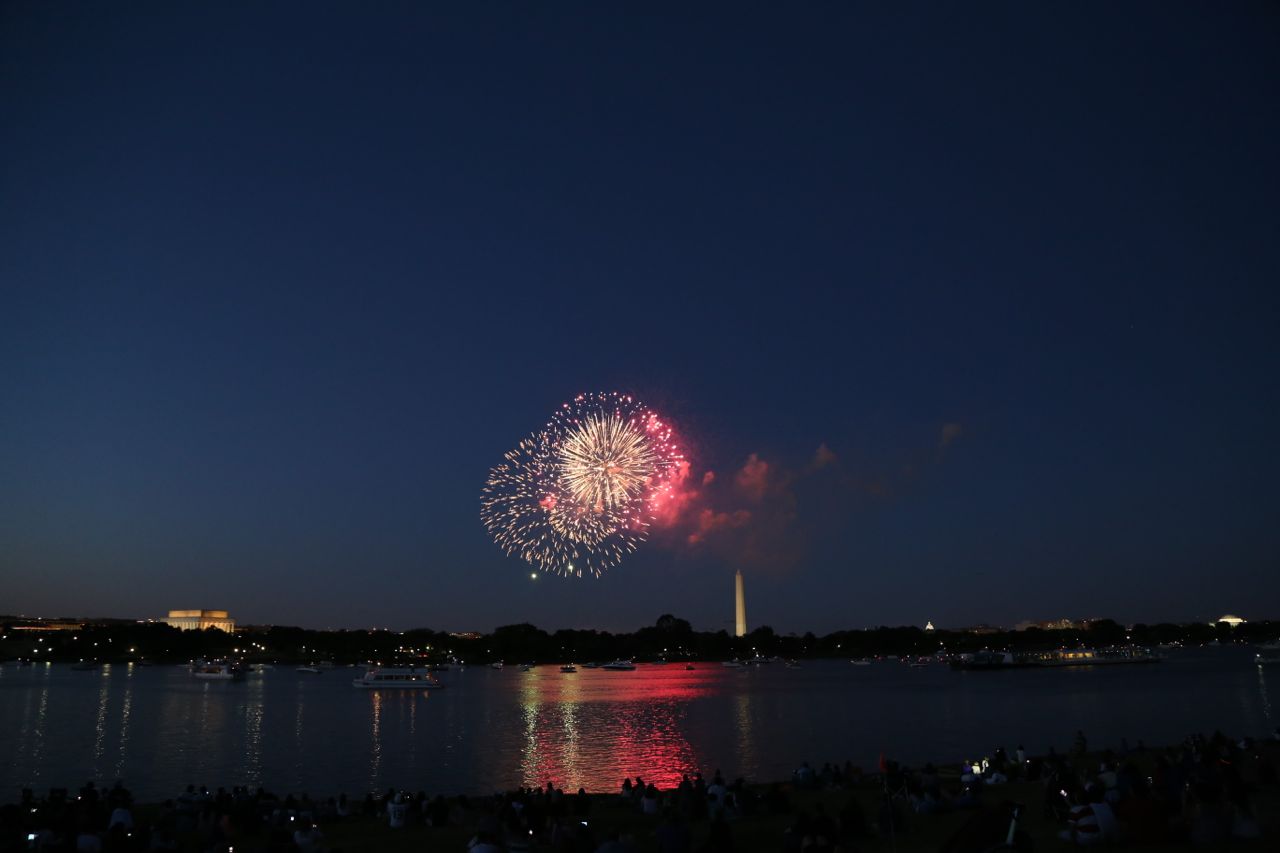
One of the really nice perks of living in the Washington, DC area is viewing the Independence Day fireworks over the National Mall. I set up on the Mt. Vernon trail where I could get the Lincoln Memorial, Washington Monument, and Capitol (and in a few photos the Jefferson Memorial) in the same frame on wide views. Without further ado, here are some of my photos from last night.
wide shot

blue and white

blue white zoom

cascades

cascades zoom

launch wide

red white blue

red white zoom

smileyface

star

white

white zoomed

HAZWOPER Training

Last week I attended 40 hour HAZWOPER training. HAZWOPER, an acronym for Hazardous Waste Operations and Emergency Response Standard, is OSHA mandated training for employees who may potentially be exposed to hazardous substances and who are engaged in cleanup operations or other certain other activities involving hazardous waste. Normally I work in an office, and the closest I come to hazardous materials or waste is sitting at a computer and analyzing data from hazardous waste sites. However, there is a possibility that I may sometimes be asked to go to a site where HAZWOPER training would be necessary, and I had an opportunity to take the training, so I did.

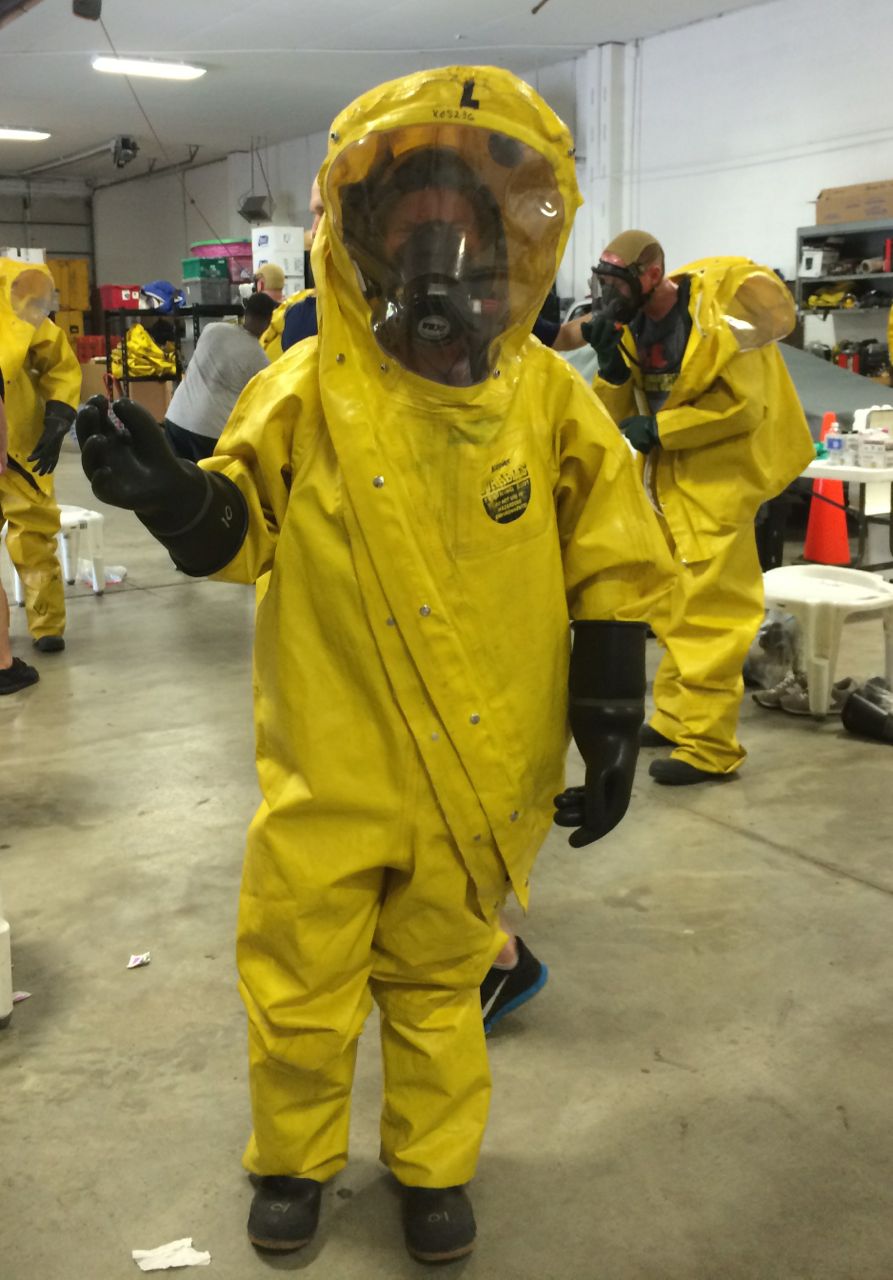
HAZWOPER training includes topics such as basic chemistry, toxicology, biology, radiation, environmental science, analytical sampling, and law and regulations. Truthfully, I could have taught a good portion of the training. It also includes hands on training with some of the sampling methods and instruments that are used in the field. Personally, I think playing with instruments and sampling materials is fun. As part of the training, you are required to get dressed in various personal protective equipment (PPE) that would be required under various circumstances at sites. In general, you look rather ridiculous in the PPE, but of course PPE is not supposed to be fashionable or make you look good, it is supposed to protect you from hazardous materials that could kill you or cause injury or illness. What PPE does not do, is keep you cool. It was in the 90’s °F when we were dressing in the PPE. While the suits protect you from most hazards, ironically they can cause potential health hazards if you over heat. There are different levels of PPE that are used depending on what the potential hazards are. The most protective is Level A, which is a fully encapsulating chemical-protective suit with positive pressure, full face-piece self-contained breathing apparatus (SCBA), inner and out gloves, and boots.

Me in Level A PPE

Me in Level A PPE

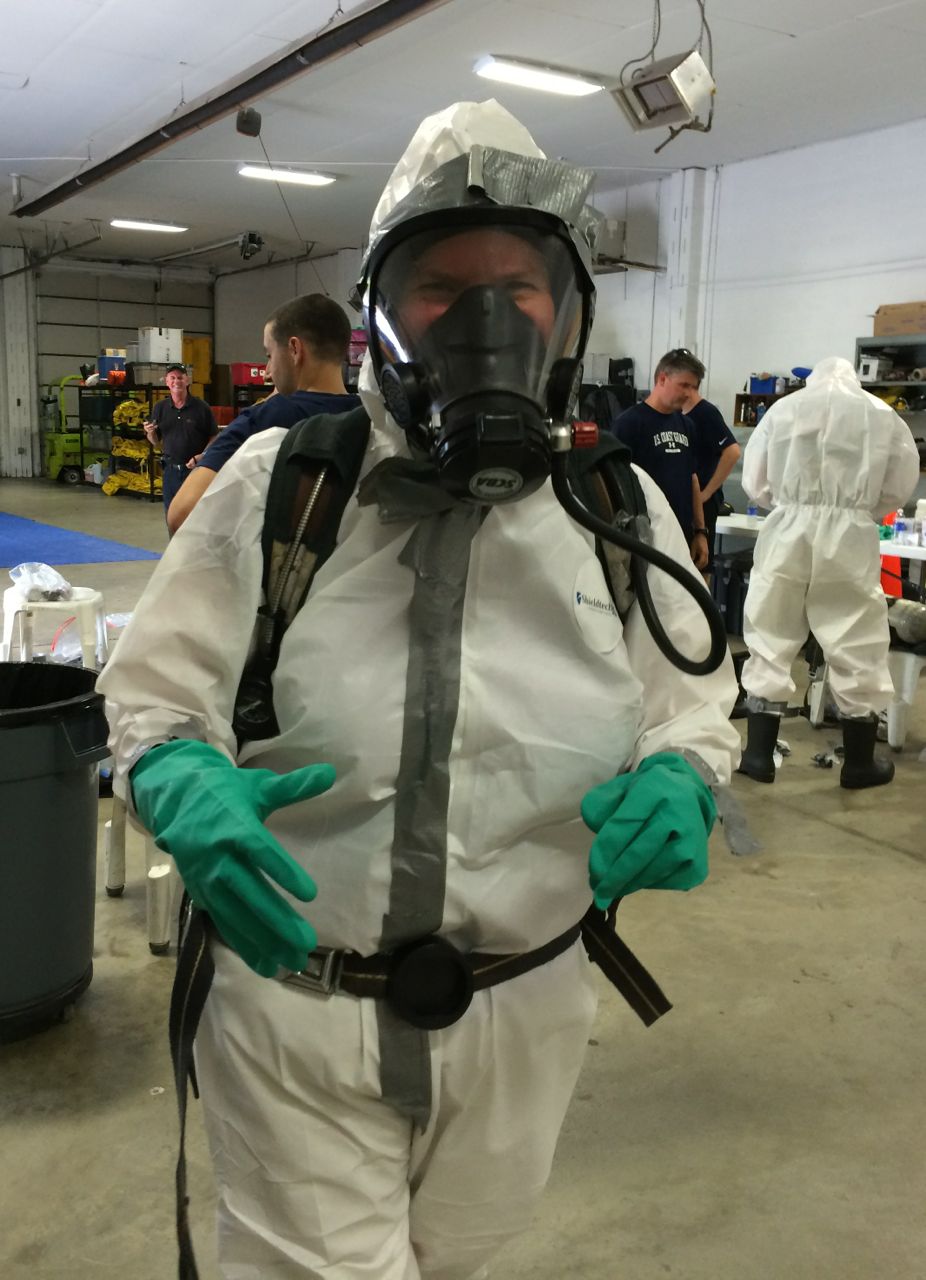
The next level, Level B PPE, is slightly less protective and includes chemical-resistant coveralls instead of the fully encapsulating suit, as well as SCBA, inner and outer gloves, and boots.

Me in Level B PPE

Me in Level B PPE

The next level, Level C PPE, is less protective still. It includes an air purifying respirator instead of SCBA, but other than that is fairly similar to Level B.

Me in Level C PPE

Me in Level C PPE

There is one final level, which is Level D PPE, which is minimal protection from physical hazards but does not include respiratory protection. This may sound strange, but if it is hot, Level A is actually easier to wear than B or C. The fully encapsulating suit is roomier, and the compressed air is continually blowing through your mask and then through the suit itself before it exits an exhaust vent. This air flow helps to cool you. In the chemical resistant suit for Level B and C, I just felt like a turkey that had been baked in a cooking bag. Side note, the SCBA tanks we used were made of a composite material and weighed  about a third of the weight of the metal SCUBA tanks I have worn before. Also, for as cumbersome as it was to get dressed out in all the PPE, I think it was easier to dress in and walk around in the PPE compared to the SCUBA drysuit I was wearing a month beforehand while SCUBA diving Silfra. Obviously once underwater, the tank weight is negligible, and the drysuit becomes less cumbersome, but above water, they are really difficult to get into and move.

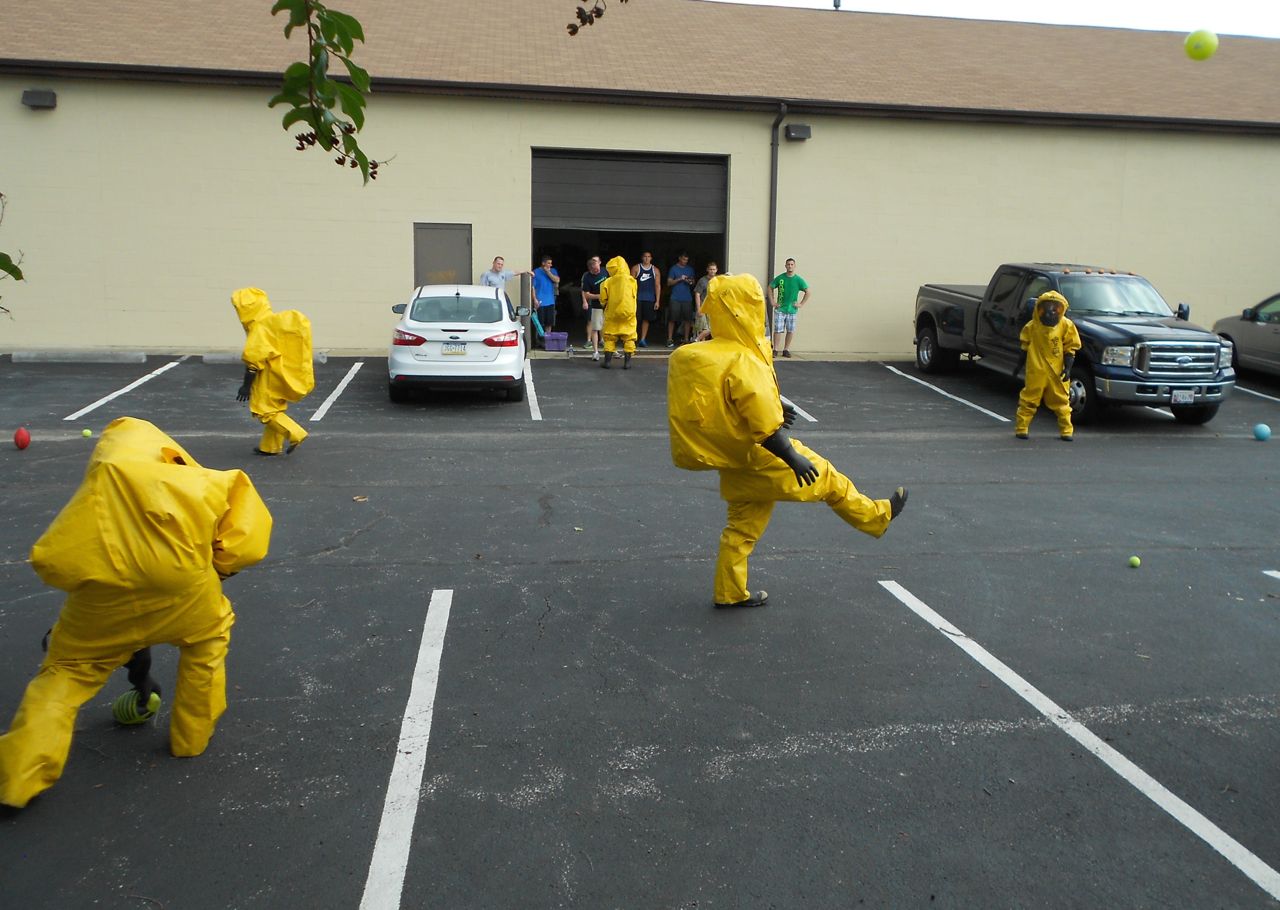
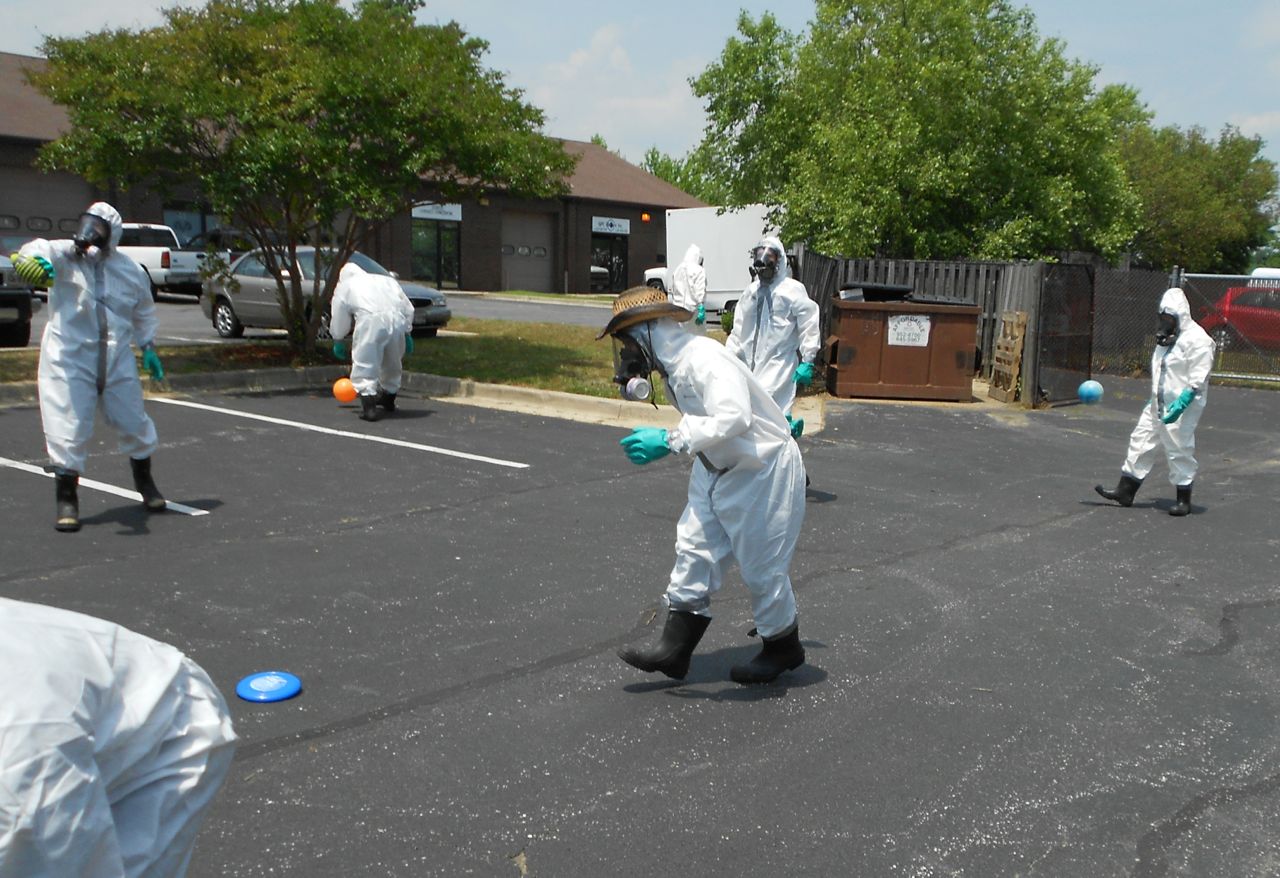
For HAZWOPER training, you don’t just have to get dressed in the different levels, you need to get used to actually moving and doing various tasks in them. Hence, when we first wore them, our tasks were to play with balls, as one would normally do at a hazardous waste site.

Playing ball in Level A PPE

Playing ball in Level A PPE

Playing ball in Level C PPE

Playing ball in Level C PPE

Note in the above photo, the person in the center is wearing proper head protection in the form of a straw cowboy hat. No, he actually just being fashionable. Wearing hazardous material PPE is no reason to not be fashionable.

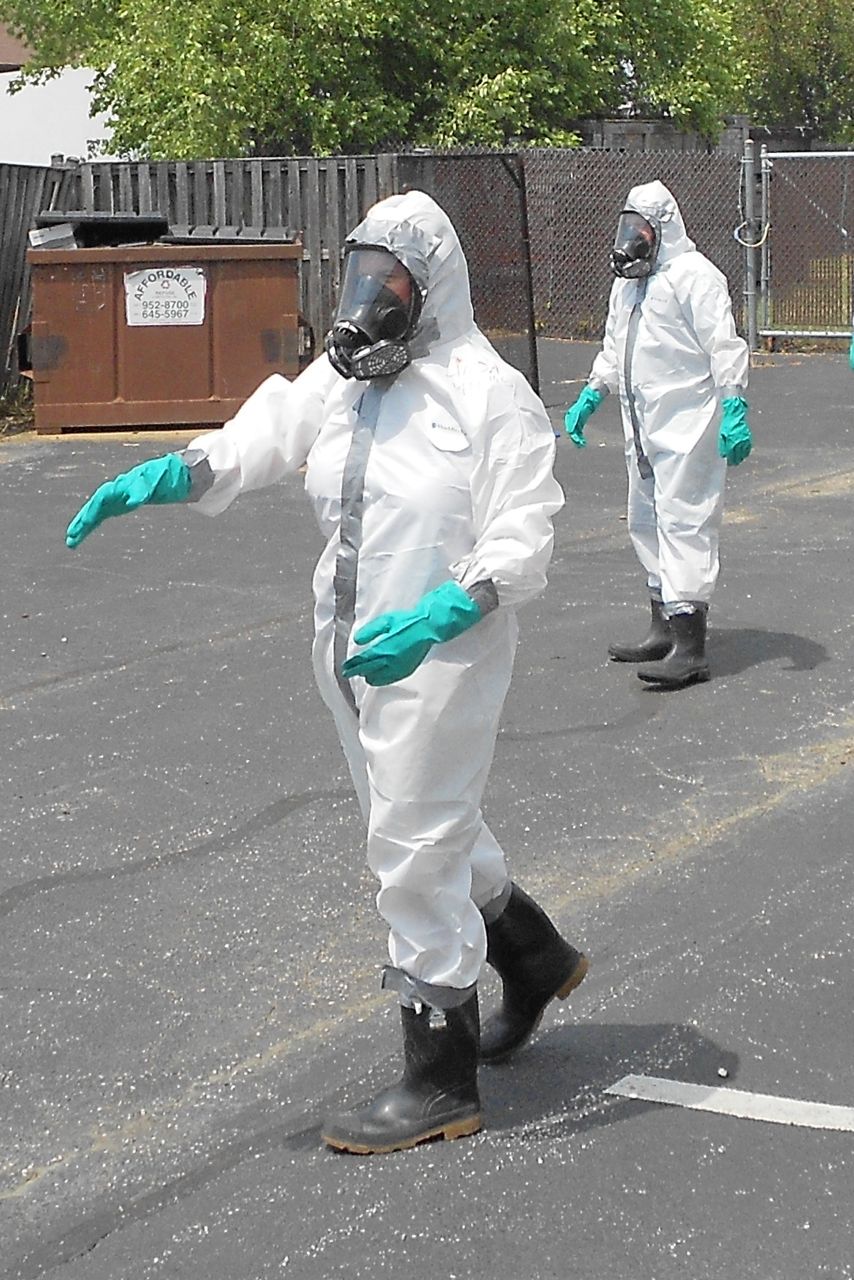
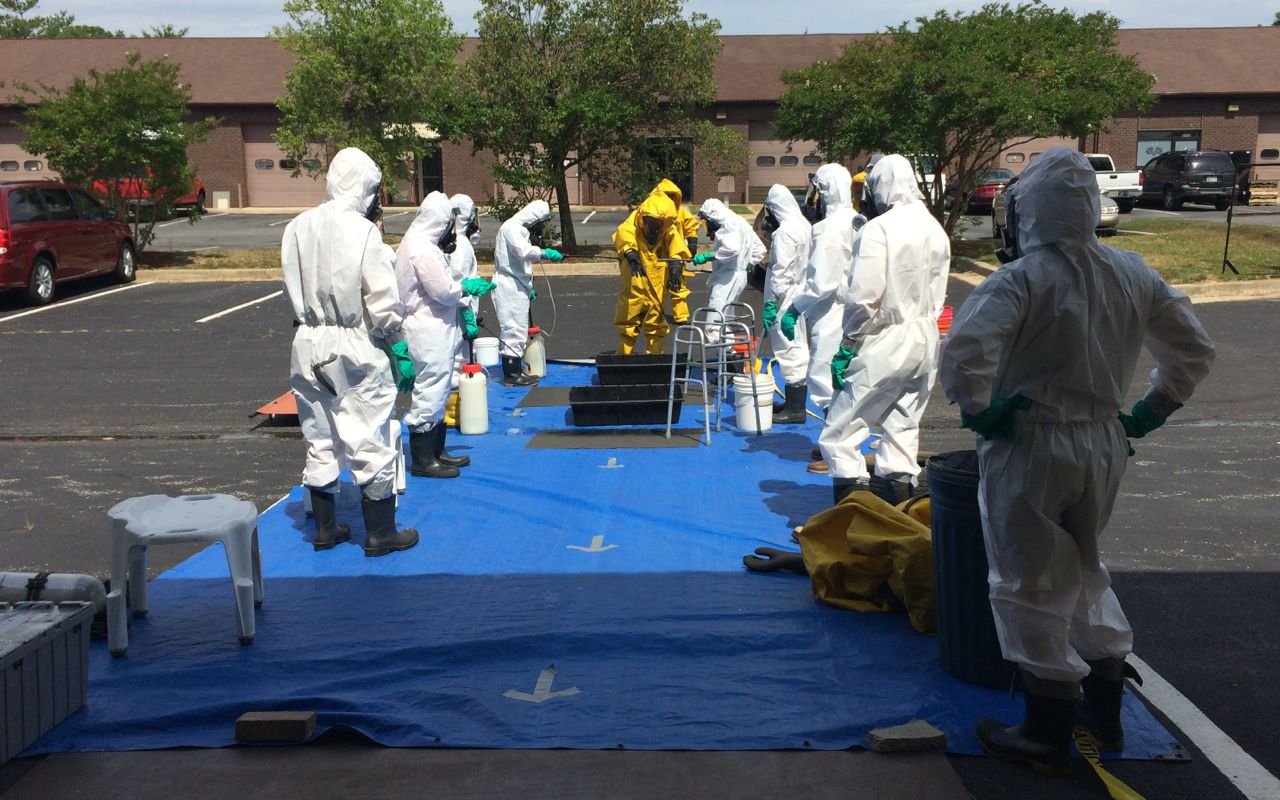
We also did a few exercises to practice tasks at a hazardous materials site, including decontamination. There are set steps and tasks to make sure decontamination is done properly. The first pair of people wash the worker, the second pair wash the worker again, the third set inspect the cleaning, and the fourth set help the worker out of the PPE. Notice the use of walkers for the worker to hold onto while the decontamination team washes the boots. There is no dignity in any of this.

Decontamination practice

Decontamination practice

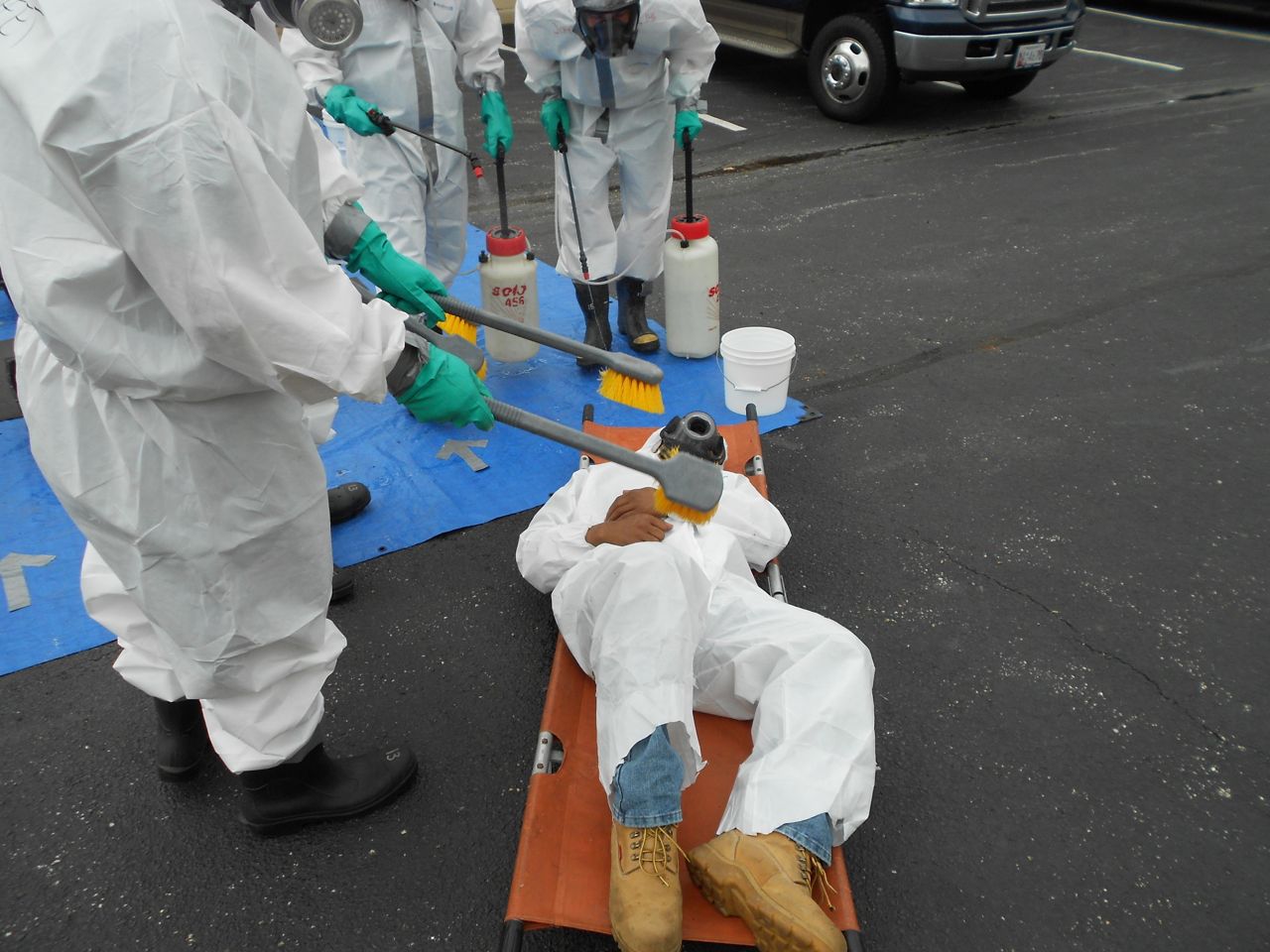
We also practiced emergency decontamination of an incapacitated worker. We actually did not finish this task. This was due to the fact that after they started decontaminating him, someone loudly said, maybe we will have to do mouth to mouth. At that point, the incapacitated worker suddenly regained conscienness and took off running.

Emergency decontamination of an incapacitated worker

Emergency decontamination of an incapacitated worker

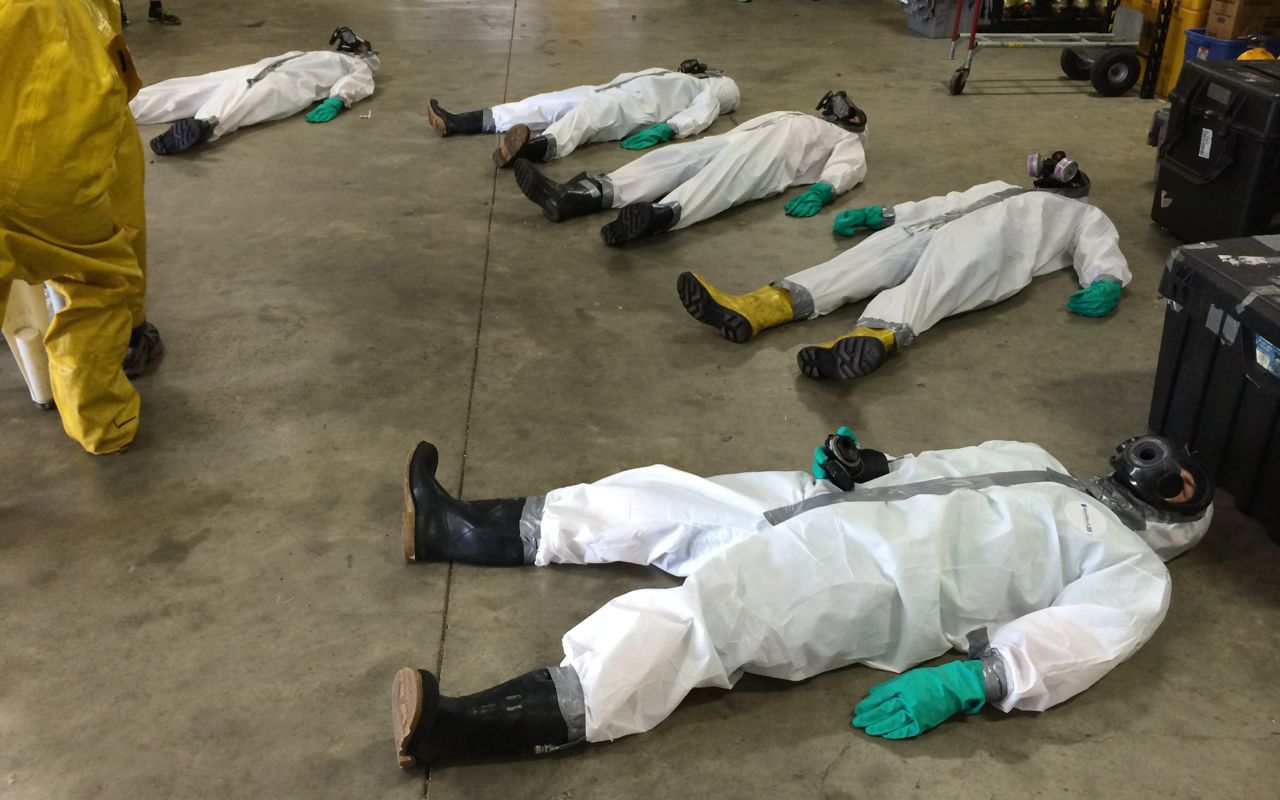
Since this was practice and not a real situation, we did a few things you can’t do on a real site. For example, the decontamination team stayed inside when not needed outside and did various things to stay cool. One thing that we did was lay on the concrete floor because the concrete was cooler than the air, and it absorbed some of your body heat. Sure, we looked like casualties at a hazardous waste site, but it worked and helped keep us cooler.

Cooling off by laying on the concrete floor

Cooling off by laying on the concrete floor

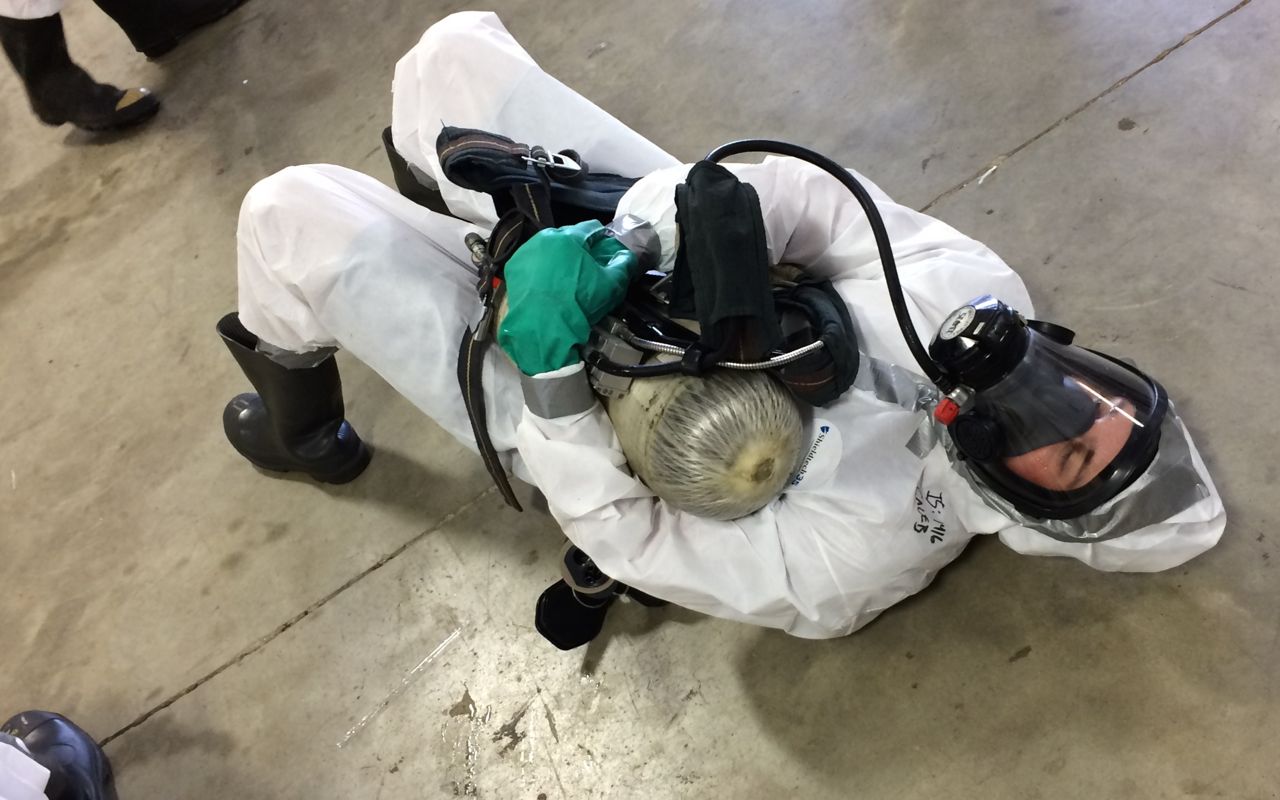
We also took “hits” of the compressed air from the SCBA. The full face masks we wore were interchangeable for either air purifying filters or for the hose from SCBA. In between tasks, we didn’t wear either. However, we would attach the SCBA for short periods of time because the compressed air blowing into your mask helps to cool you.

Cooling off by attaching the SCBA to the mask

Cooling off by attaching the SCBA to the mask

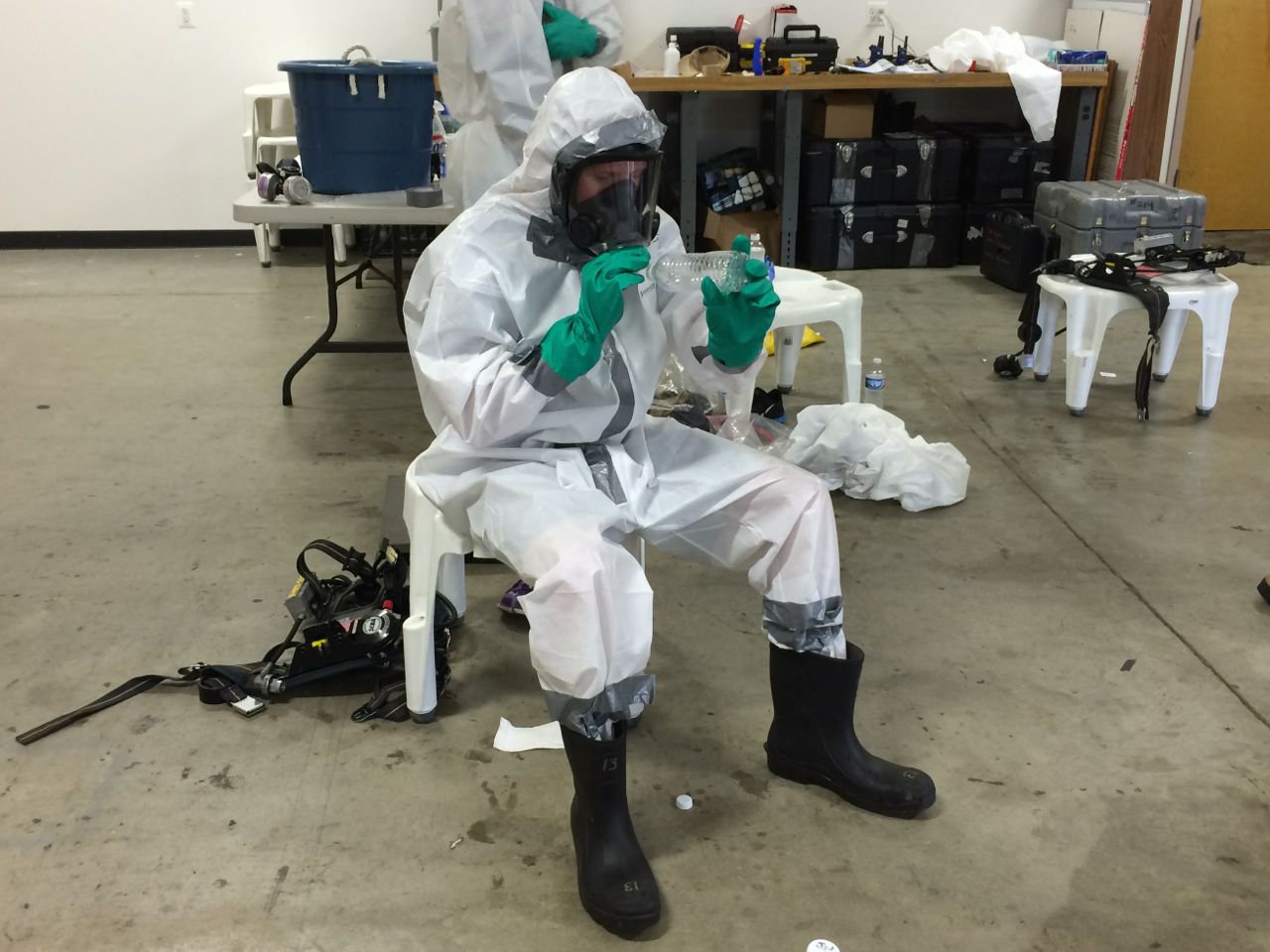
Another thing that should never be done at a real site was drinking water through the mask via a straw. Actually it might be acceptable to do this, assuming someone with clean hands put the straw in the bottle and then into your mask. It is not acceptable if you are doing this with your gloves.

Drinking water through the mask

Drinking water through the mask

For as hot as I was while in some of the PPE, I still had fun. I was out of the office, and that in itself was fun. Also, I learned a bit, and that is always fun.

SAS Macro to Validate CAS Registry Numbers

*updated 7/20/15 after finding more ways people write CASRN or create fake CASRN that will sneak through my original macro*

I wrote a simple and fairly short SAS macro to validate CAS Registry Numbers. I have gotten enough free SAS advice and a few macros from various internet sources, so I thought it only fair to share this if it of use to anyone. Hopefully the comments give ample information about what input is needed and what the output is. The macro will catch an invalid CAS RN if it is

  1. too long
  2. too short
  3. has all 0’s
  4. does not return the correct check digit based on CAS calculation

Information about proper CAS RNs can be found from ACS who produce CAS RNs. Contact me if you have questions about the macro or find an error with it.

*macro to determine if a CAS number is a valid CAS number;
*input is name of dataset to be examined where CAS numbers have variable name CAS_number;
*returns valid = 1 if CAS is valid and valid = 0 if invalid CAS;
*returns character variable CAS which will be CAS number with hyphens and no leading 0s;
%macro CASnumber_check(CAS_dataset);
data &CAS_dataset (drop = CAS_num CASlength R N1-N9 QR Q Rcheck j);
length CAS_num $ 10;
set &CAS_dataset;
*give CAS numbers with alphabet characters or that are blank a 00-00 CAS number;
if CAS_number = “” then CAS_number = “00-00”;
if anyalpha(CAS_number) ne 0 then CAS_number = “00-00”;
*determine if CAS is numeric or character variable;
CAS_vartype = vtype(CAS_number);
*if CAS is numeric, converts it to character;
if CAS_vartype = “N” then CAS_num = STRIP(PUT(CAS_number, 8.));
*if CAS is character, removes all non-numeric characters;
if CAS_vartype = “C” then CAS_num = compress(CAS_number,,”kd”);
*breaks CAS number apart into digits;
CASlength = length(CAS_num);
R = input(substr(CAS_num,length(CAS_num)),8.);
QR = 0;
array N_(9) N1 – N9;
do j = 1 to 9;
if CASlength > j then N_(j) = input(substr(CAS_num,CASlength-j,1),8.);
else N_(j) = 0;
QR = QR + N_(j)*j;
end;
Q = int(QR/10);
Rcheck = QR – Q*10;
*checks on validity of CAS based on check digit and length;
if Rcheck = R then valid = 1; else valid = 0;
if N9 = 0
then if N8 = 0
then if N7 = 0
then if N6 = 0
then if N5 = 0
then if N4 = 0 then valid = 0;
if CASlength < 5 then valid = 0;
if CASlength > 10 then valid = 0;
*builds character variable called CAS with no leading 0s;
if N9 ~= 0 then CAS = cats(N9,N8,N7,N6,N5,N4,N3,”-“,N2,N1,”-“,R);
else if N8 ~= 0 then CAS = cats(N8,N7,N6,N5,N4,N3,”-“,N2,N1,”-“,R);
else if N7 ~= 0 then CAS = cats(N7,N6,N5,N4,N3,”-“,N2,N1,”-“,R);
else if N6 ~= 0 then CAS = cats(N6,N5,N4,N3,”-“,N2,N1,”-“,R);
else if N5 ~= 0 then CAS = cats(N5,N4,N3,”-“,N2,N1,”-“,R);
else CAS = cats(N4,N3,”-“,N2,N1,”-“,R);
run;
%mend CASnumber_check;

Thoughts on Iceland

I have been home from my two-week trip to Iceland for two weeks now and finished going through all the photos I took, all 4,500 of them. I pulled the best ones to post in my travel section, and looking at all the photos keeps bringing my thoughts back to Iceland. It was such an amazing trip. I saw many things I don’t normally see like puffins, whales, geysers, waterfalls, and more, more, more, more waterfalls, boiling mud pots, lava formations, beautiful coastline, a natural thermal pool in a cave, a stunningly beautiful historic site sitting at the separation of two tectonic plates, an iceberg filled lagoon at the base of a glacier, a wonderful, major tourist attraction, thermal pool made from a power plant’s wastewater, Iceland’s capital and largest city, its next largest city, several small towns, and so much more. I also experienced many adventures that I don’t normally get to do like SCUBA diving an absolutely gorgeous site in 2°C crystal-clear water and hiking up a glacier in crampons. I also, to a very small extent, got to see some of the differences between the way people in Iceland and the USA live, both from the perspective as an ordinary American and as an engineer. What do I mean, from the perspective of an engineer?

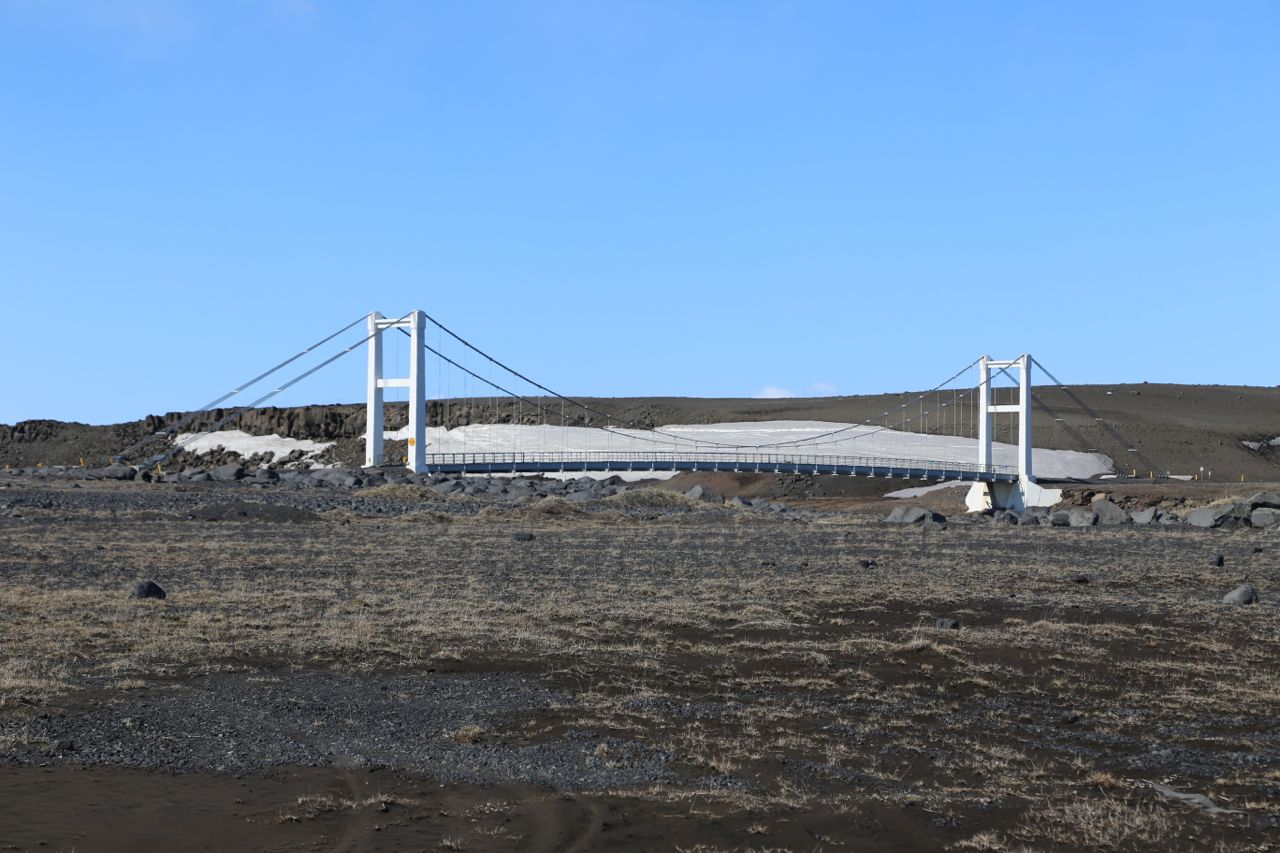
1. Most of the bridges in Iceland are one lane. I find this absolutely fascinating. They obviously did the calculations and decided that the roads, including the Ring Road, the major road that circles the island, get so little traffic that two lanes are not necessary. Also, Icelandic drivers are rather polite. You get to a bridge, and if a car is coming in the opposite direction, you simply wait until it crosses, to cross the bridge. When you approach a bridge, you slow down and make sure no one is coming or if they are, you figure out who will reach the bridge first to decide who goes first. This would never work in the USA.

Even this beautiful suspension bridge over Jökulsá á fjöllum on the Ring Road on the northeastern side of the island is one lane.

Even this beautiful suspension bridge over Jökulsá á fjöllum on the Ring Road on the northeastern side of the island is one lane.

2. Even better than the one lane bridges is the one lane tunnels. I am still flabbergasted by them. There are actually a few one lane tunnels in Iceland, but the one I went through was Vestfjarðagöng. There are three roads that go into and out of Ísafjörður in the Westfjords, and all three go through a tunnel. The road that goes to the south goes through the Vestfjarðagöng tunnel. Leaving Ísafjörður, the tunnel is at first two lanes for about 2 km, and then you get to an intersection. The tunnel has an intersection. I’ve never been in a tunnel with an intersection before. It’s amazing. Then after the intersection, we kept going straight to the south. At that point, the tunnel becomes one lane with a turn off to the right every third km or so (perhaps more). I was driving, and I had to turn off several times for oncoming traffic. I must say to, in the tunnel, it was all the more difficult to determine distances and how soon I needed to pull off. This one lane tunnel lasts for about 3 km. Later that day when we were driving back to Ísafjörður, I encountered oncoming traffic once, and they pulled off before I could figure out if I was supposed to since I would have to cross their lane of traffic to do so. I am still not entirely sure what the rules of the road are in that situation. If I had known something like that existed, I would have studied on rules of the road for it. Again, one lane tunnels would never work in the USA. 

3. Not all their roads are paved, and I don’t mean their tiny, never used private roads. The Ring Road is not paved in sections. I can understand from a maintenance standpoint why, but from a car maintenance and safety standpoint, I can’t.

4. They don’t really believe in guardrails for roads. There were a few spots where they actually did have a guardrail, but they were few and far between. The roads that climb up their mountains going through many switchbacks rarely have guardrails even though there are seriously steep drops on the side. The roads are even more fun when they are unpaved with no guardrails. This does force the driver to take extra care when driving, but it is still scary as hell. Of course they do have helpful little yellow, flexible markers on the side to sort of alert you to the whole don’t fall down the side of the mountain thing.

5. Not only is most electricity generated from geothermal heat, but in some places, the hot water also comes from geothermal heat. In Reykjavik, pipes deliver hot water (groundwater  heated at the geothermal plant) directly to the houses and businesses. There are of course separate pipes for the cold water. How awesome must it be to not need a water heater and get endless hot water?

Those are some things that particularly fascinate me as an engineer. Some other observations include.

6. There are a lot of sheep in Iceland, and the sheep seem to regard fences are mere suggestions. The rural areas of Iceland (i.e. the vast majority of it) has a lot of farms with sheep and other animals. The farms have lovely fences. Most of the animals are in fact behind the fences. However a certain percentage of the sheep don’t really care to be fenced in. As we drove the Ring Road, we constantly saw sheep between the road and fence where the majority of the sheep were safely grazing. We never saw sheep in the road, so evidently the sheep are fairly smart, but still, we found the number of the sheep outside the fence to be funny.

7. Iceland is the land of waterfalls. You can’t go five minutes without seeing one. After a while, you start to ignore the ones that aren’t really big or have some unique feature. We saw so many waterfalls that we started driving right past the “normal” ones. These normal ones being ones that in many places would be their own tourist attraction. We passed many farms with a waterfall in their backyard. The beauty was insane.

8. Shops in Iceland have shorter business hours and are only open from about 9 or 10 a.m. to 5 or 6 p.m. This did not appear to be a thing that changed once it was officially tourist season. While I appreciate the employees and owners wanting a normal work day, from the perspective of a tourist, it was really annoying because if you are sightseeing all day, by the time you return, everything is closed. You need to leave a day to just shop.
9. Food is really expensive there, but the food is wonderful. Also, everyone in Iceland seems to make incredible bread. Also, the Skyr yogurt is awesome. Really, pretty much all the food was great.
10. Icelanders are very nice and helpful. The vast majority of them speak English and are patient, helpful, and have a sense of humor about people trying to say a word or two of Icelandic and, at least in my case, failing miserably. Side note: We read that the closest English way to pronounce Eyjafjallajökull, the volcano that erupted there in 2010 and messed up air traffic across the globe, is “hey I forgot my yogurt.” I relayed this to an Icelander who laughed a great deal and said that was actually not a bad way to learn to say it.

11. There is evidently very little crime in Iceland. I saw a total of 8 police cars the entire time I was there. In several cities, we did pass what was clearly the police station, but seeing an actual police officer or car was rare.

In summary, Iceland is incredible. Go visit if you can.