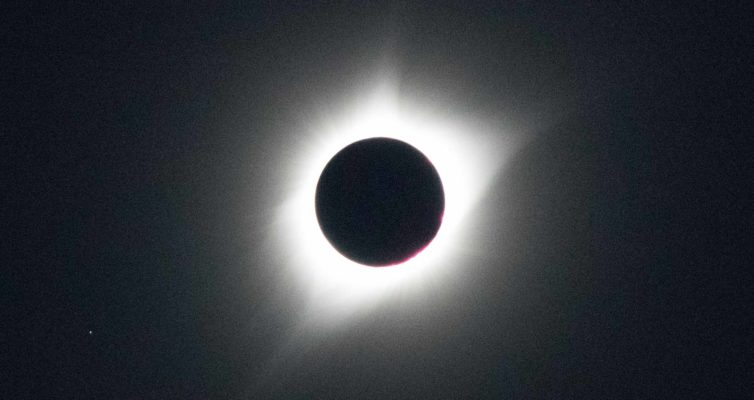
Solar Eclipse
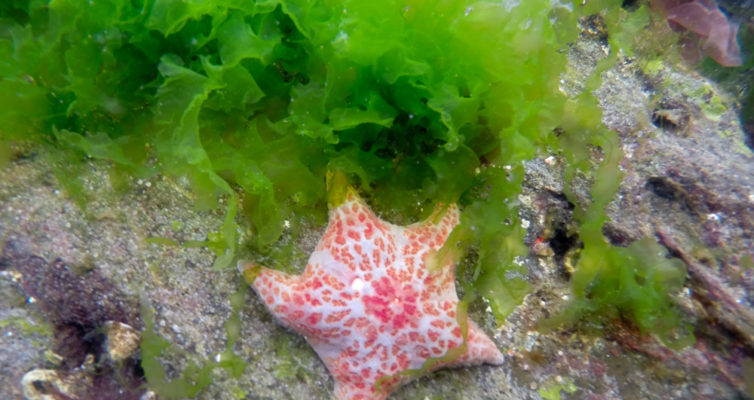
Snorkeling in Alaska
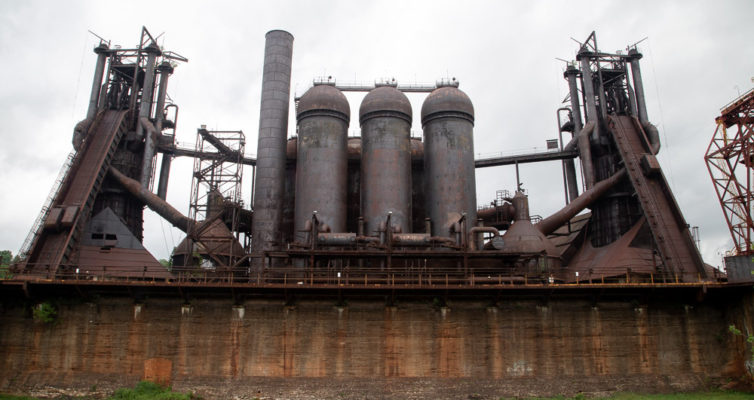
Carrie Blast Furnaces
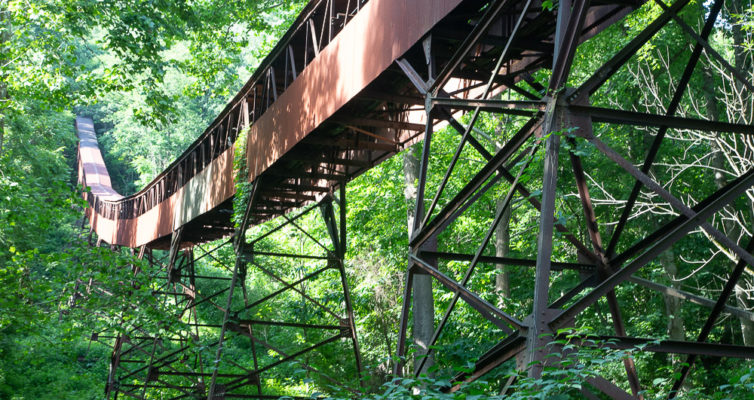
Nuttallburg
Bridge Walk

Staten Island Ferry

View of Manhattan from ferry

View of Manhattan from ferry

One of the best deals in New York is the Staten Island ferry. It runs from Battery Park in downtown Manhattan to St. George on Staten Island. It has wonderful views of downtown Manhattan, downtown Brooklyn, Jersey City, the Statue of Liberty, and all parts of the Upper Bay. The best part is that it is completely free. If you go, don’t just get off the ferry and get on the next one back to Manhattan. Exit the terminal building and go onto the attached deck. It has spectacular views across the Upper Bay.
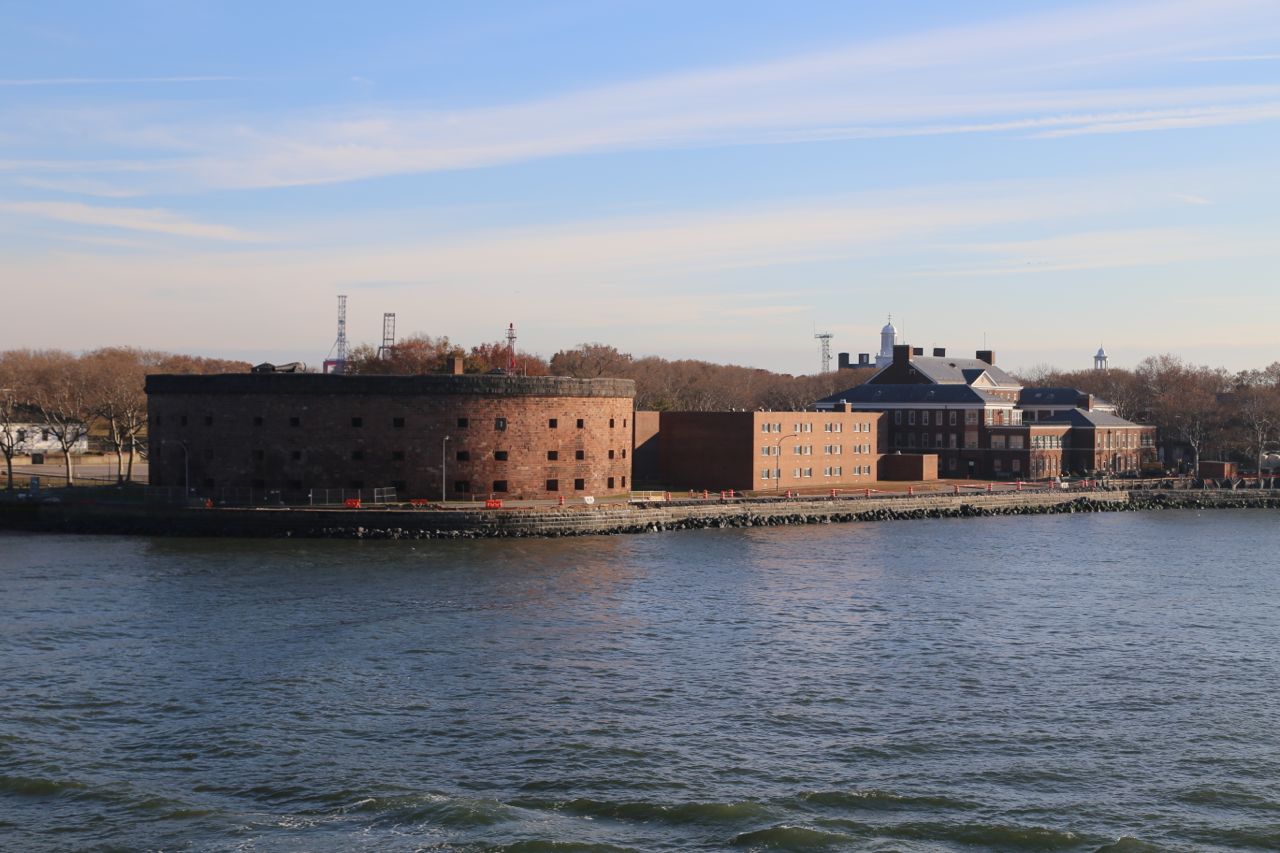
View of Governor's island from ferry

View of Governor’s island from ferry

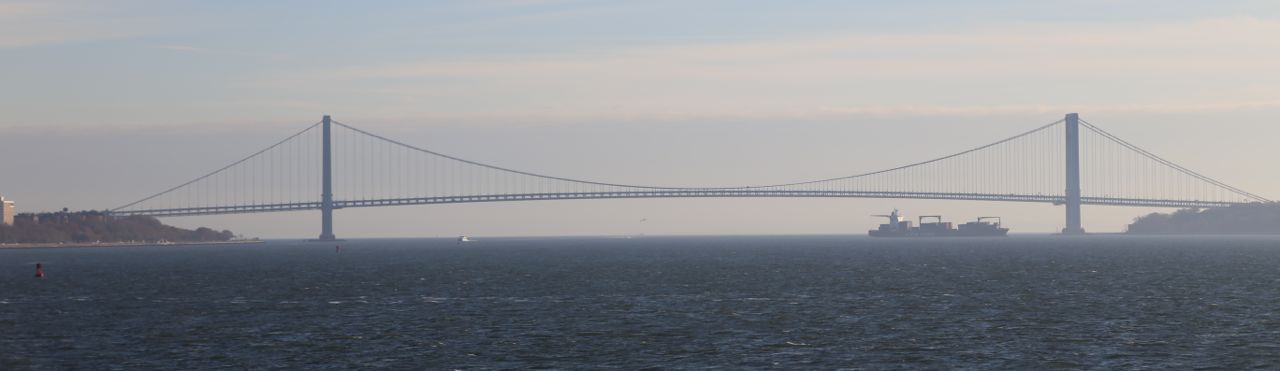
View of Verrazano-Narrows Bridge from ferry
View of Verrazano-Narrows Bridge from ferry

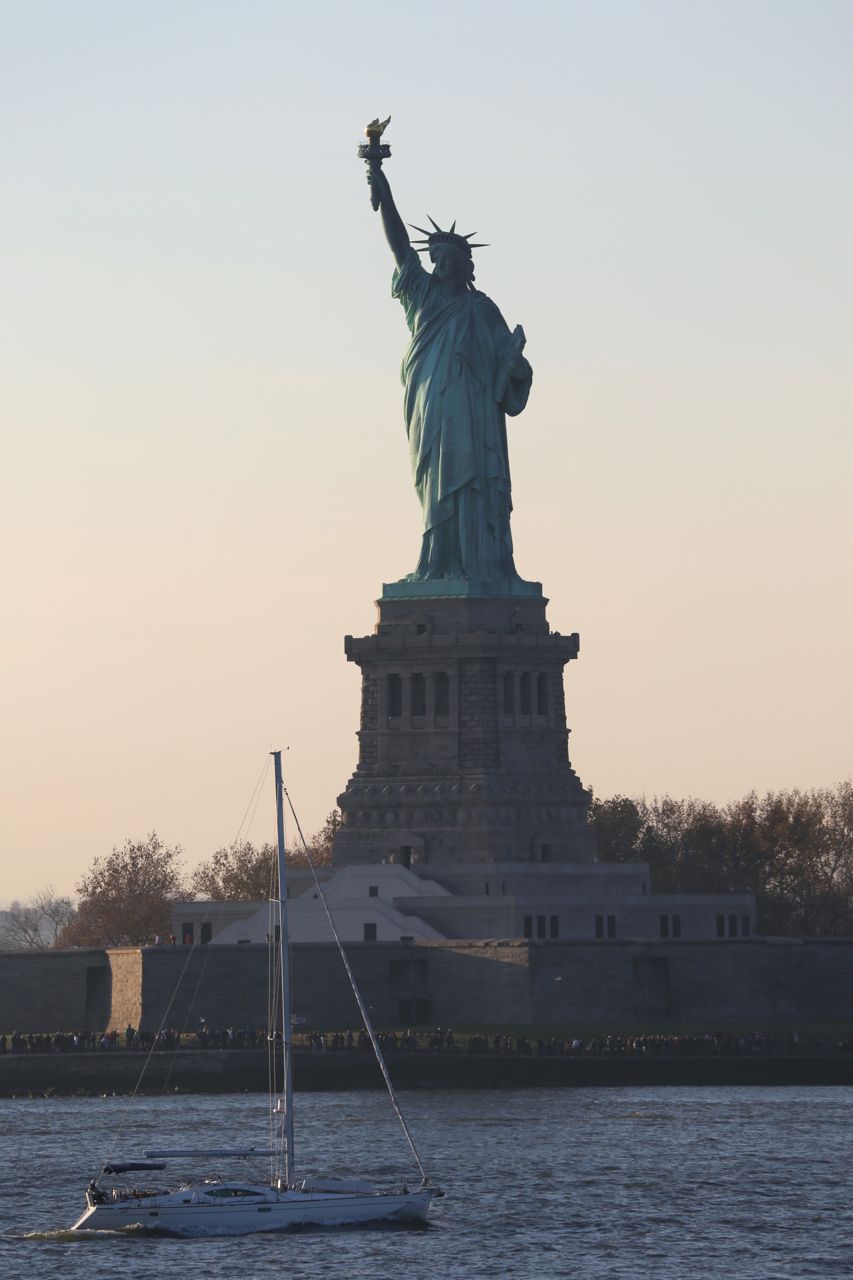
View of Statue of Liberty from ferry
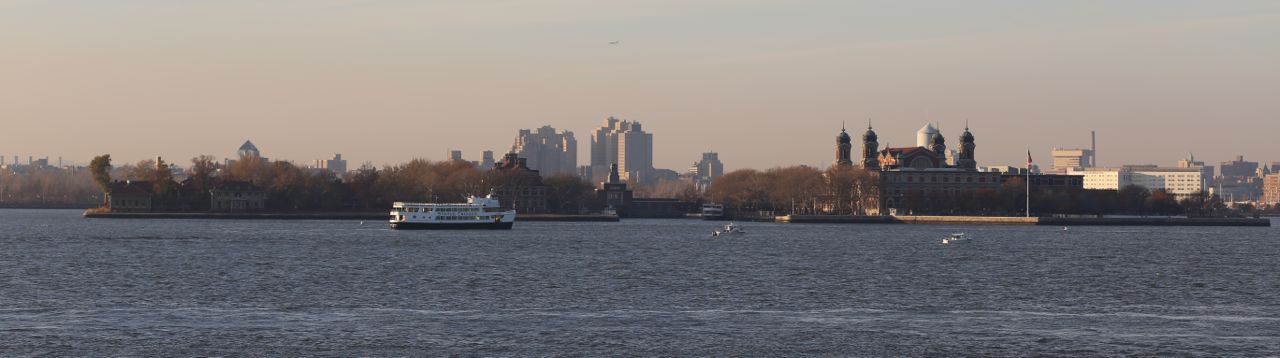
View of Statue of Liberty from ferry

View of Ellis Island from ferry
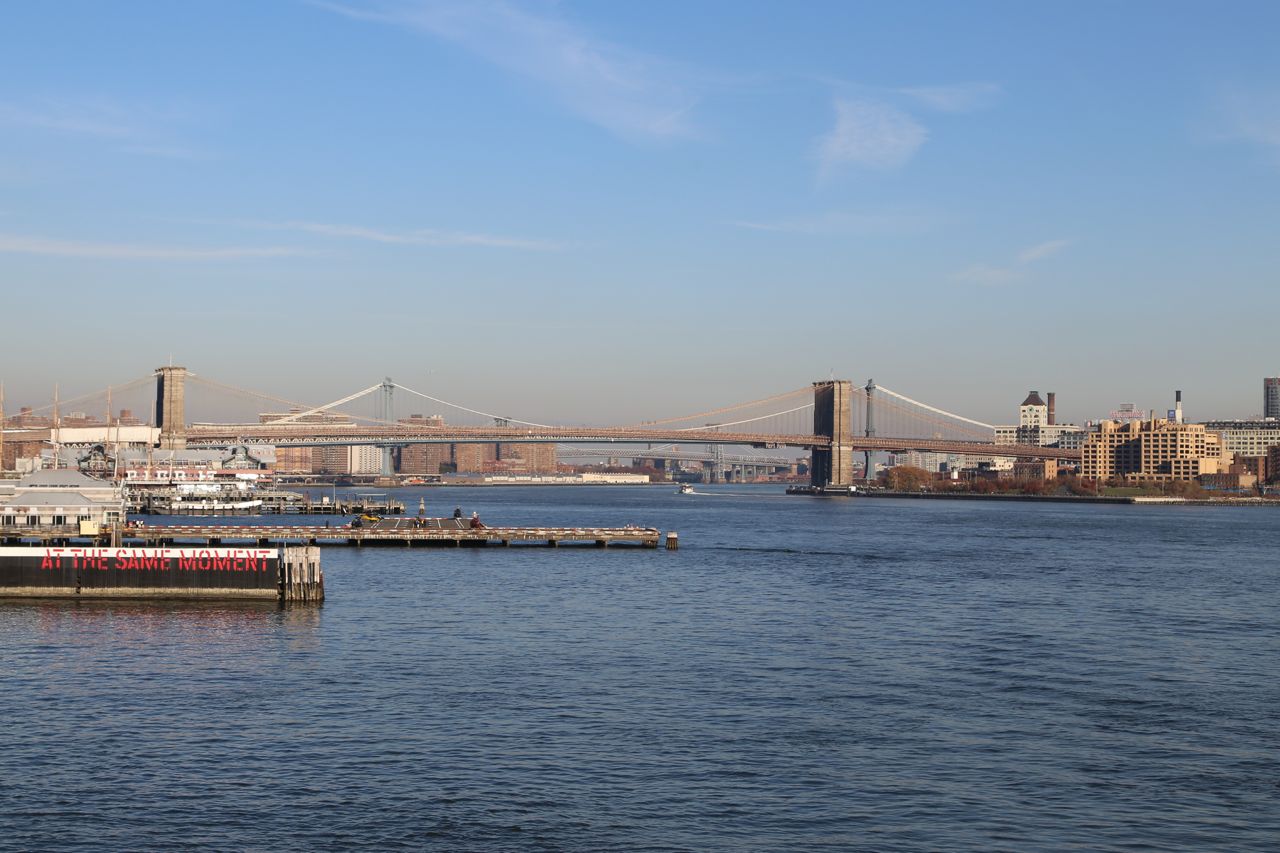
View of Ellis Island from ferry

View of East River from ferry
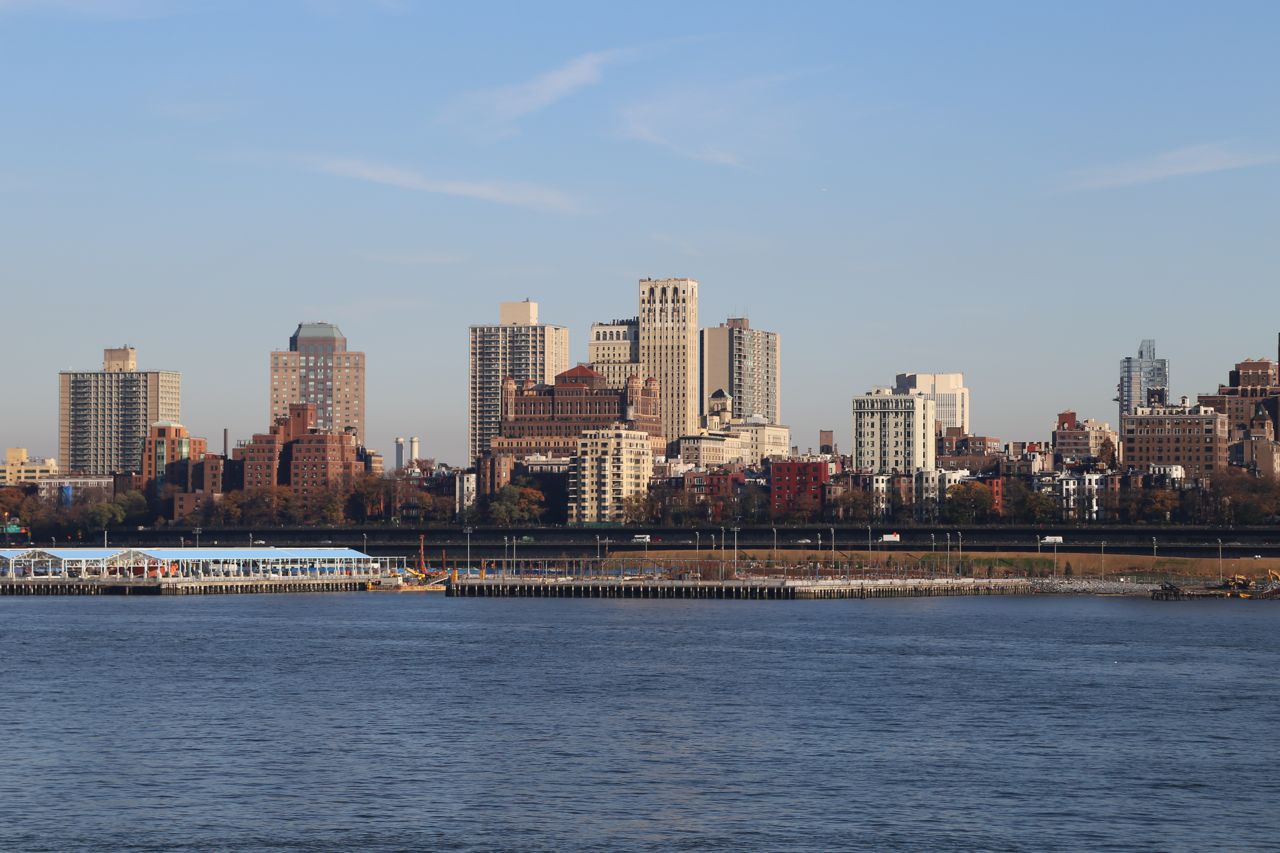
View of East River from ferry

View of Brooklyn from ferry
View of Brooklyn from ferry

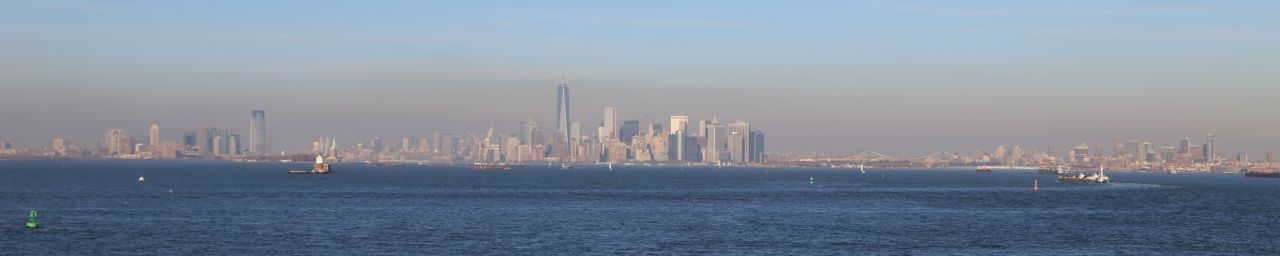
View across Upper Bay from St. George
View across Upper Bay from St. George

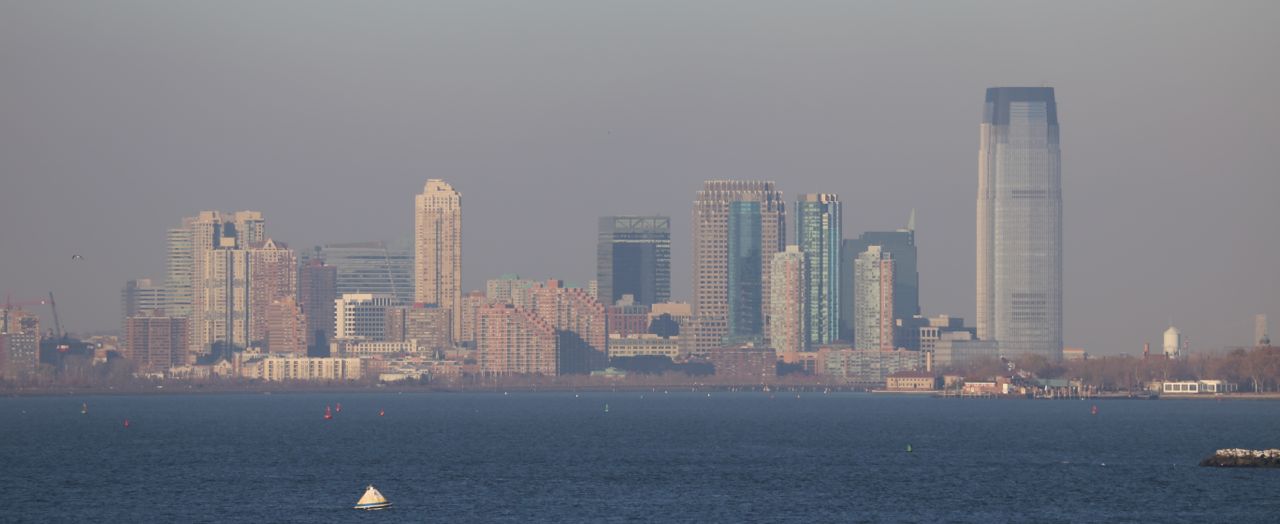
View of Jersey City from St. George
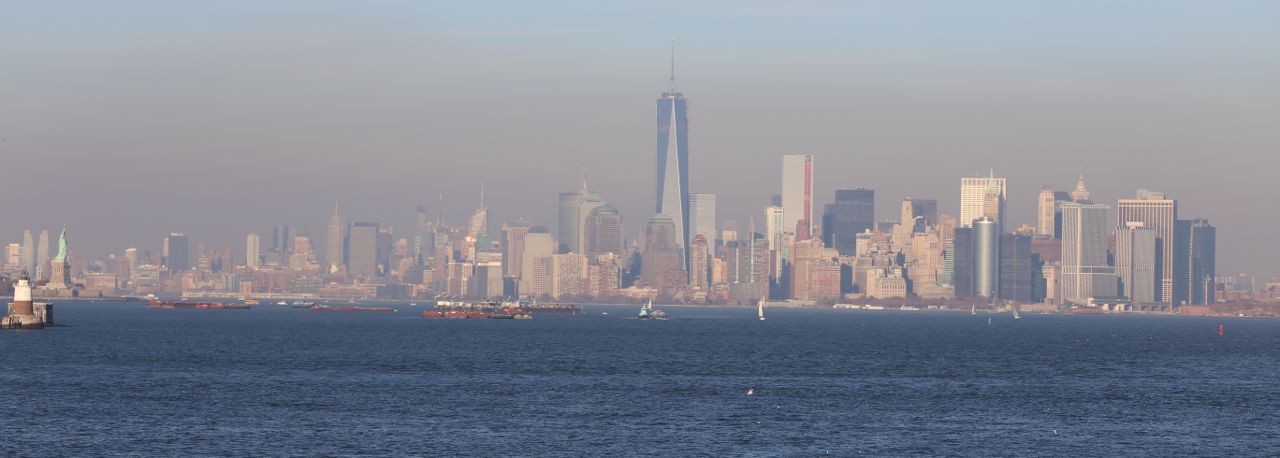
View of Jersey City from St. George

View of Manhattan from St. George

View of Manhattan and Statue of Liberty from St. George
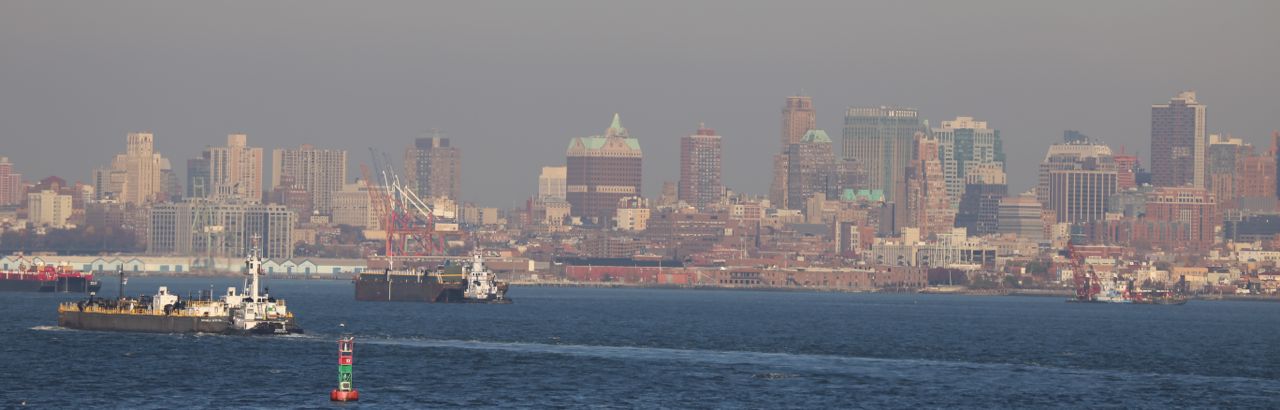
View of Brooklyn from St. George
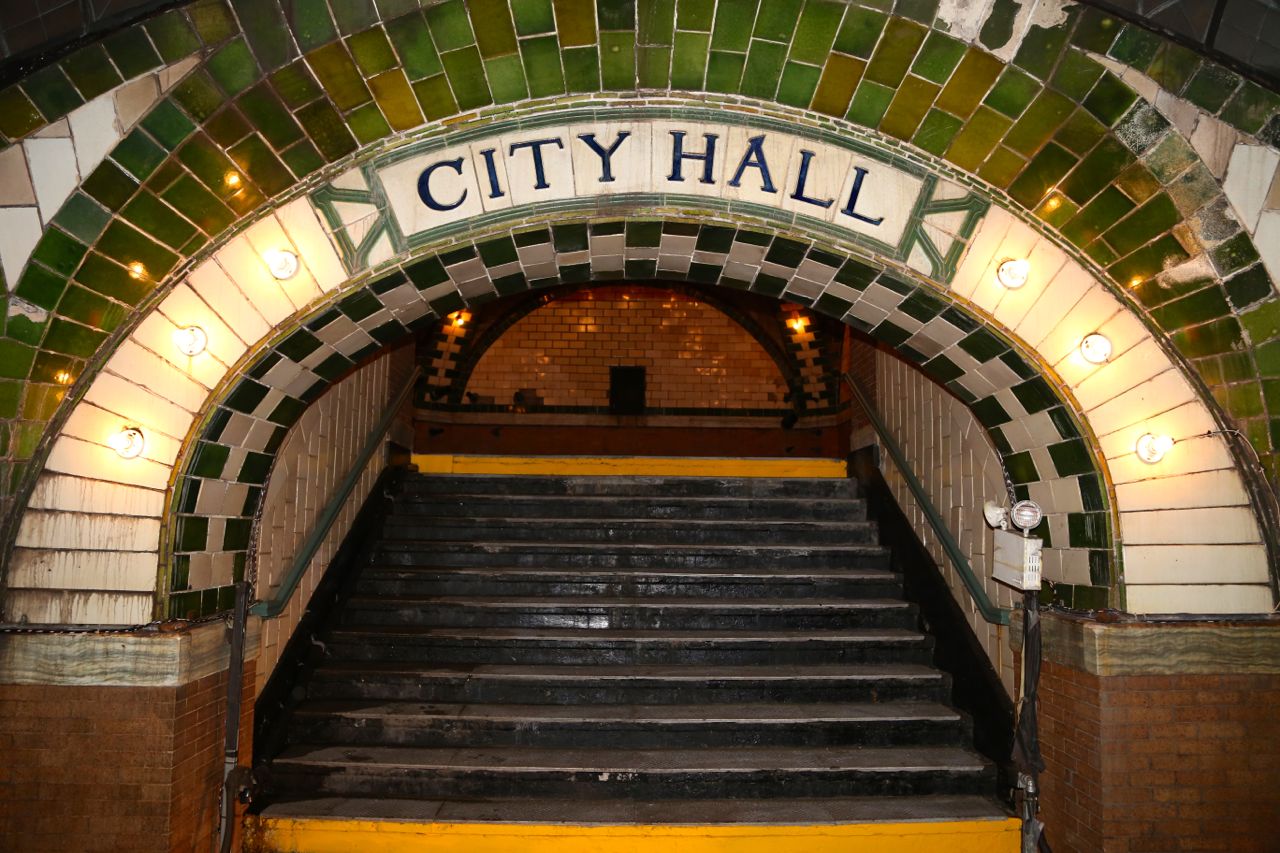
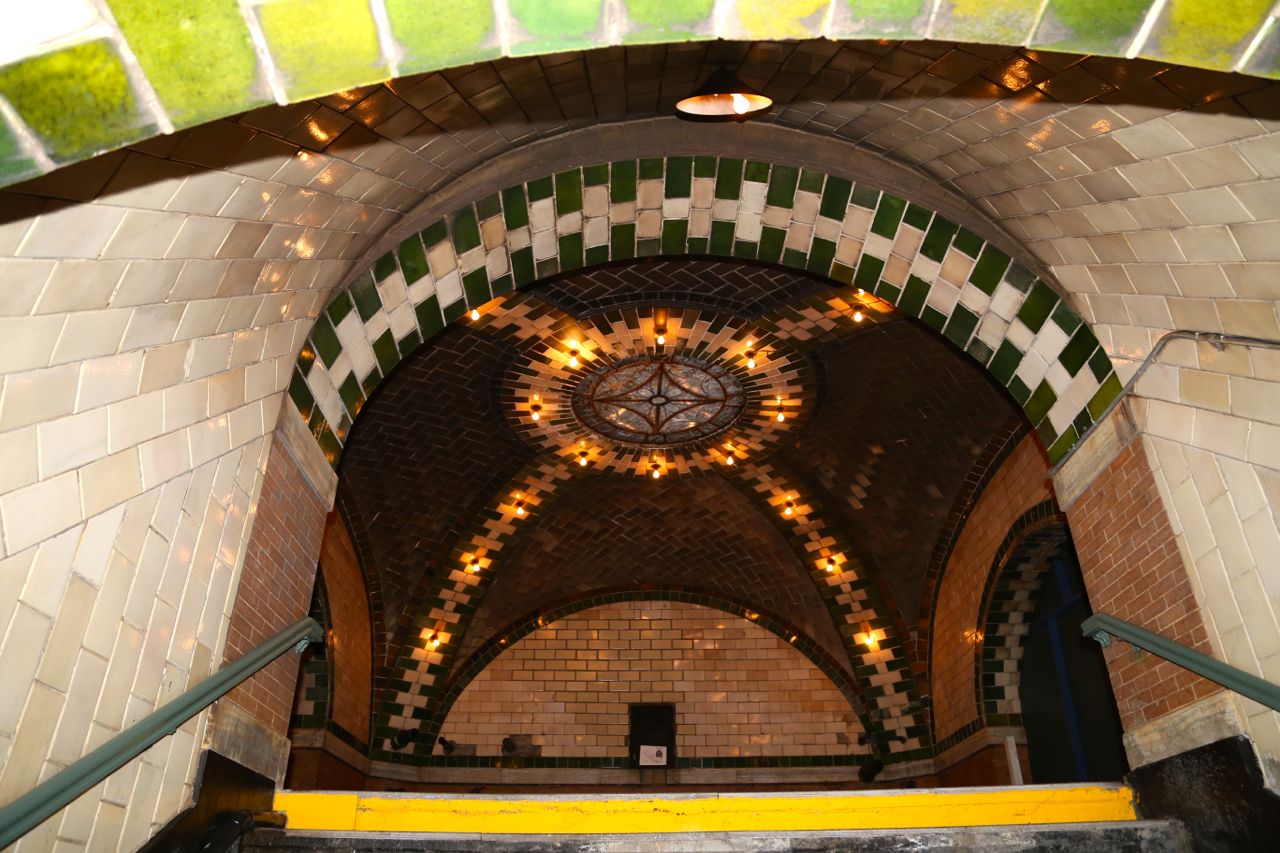
View of Brooklyn from St. George
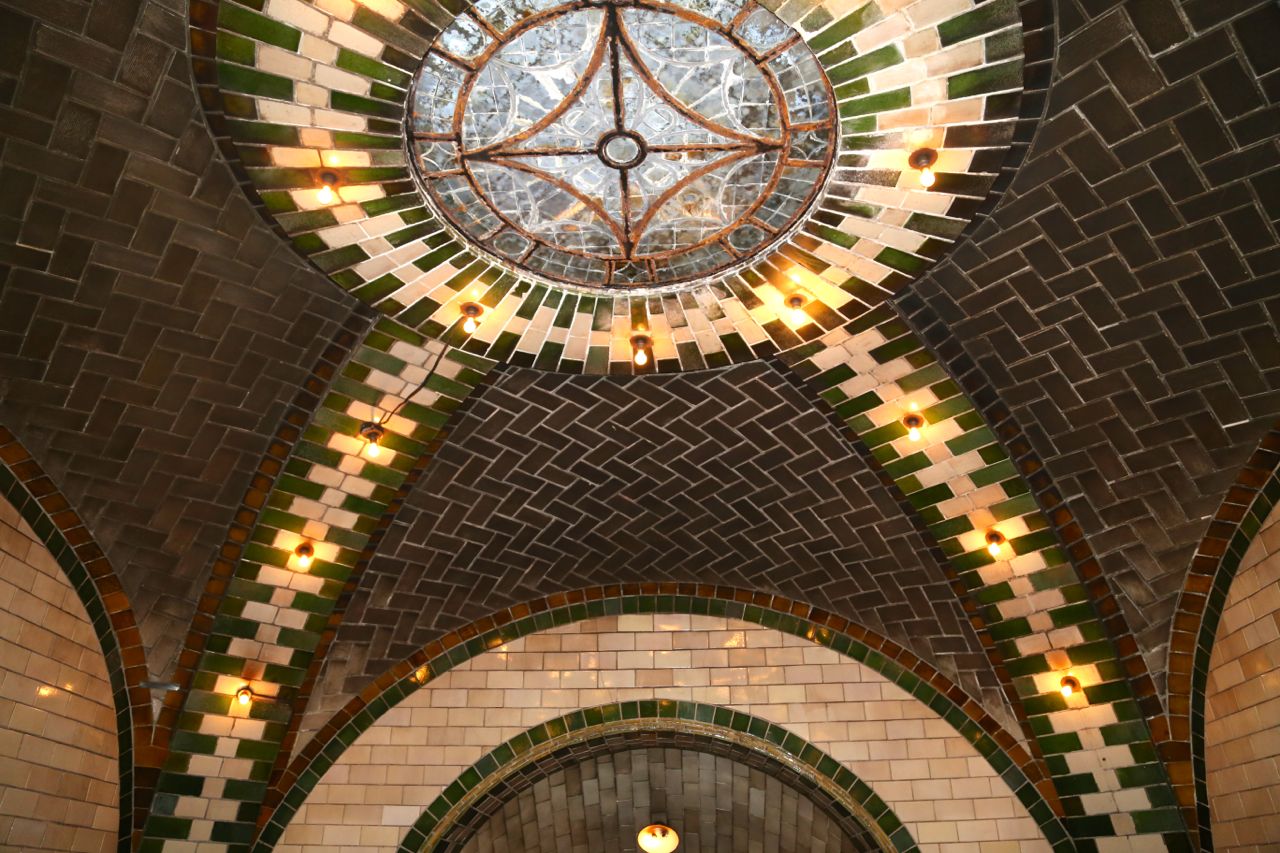
Old NY City Hall Subway Station

Entrance from platform to mezzanine level

Entrance from platform to mezzanine level

Saturday, I got to tour the abandoned New York City Hall subway station. The New York Transit Museum gives tours of it a few times a year, and this tour is completely worth the membership in the museum. The old City Hall subway station was originally the southern terminal of the original Interborough Rapid Transit (IRT) subway route. The station is located on a single 600-foot long track loop that is located south of the current City Hall/Brooklyn Bridge subway station. The track loop is still used by the #6 subway line. After a #6 train drops off passengers at the City Hall/Brooklyn Bridge station from a southbound route, it then uses the loop to return to that station as a northbound train. For our tour, we met at the southern end of the City Hall/Brooklyn Bridge subway station, and then once all passengers had been offloaded from a southbound #6 train, we got on for the short trip to the old City Hall station.
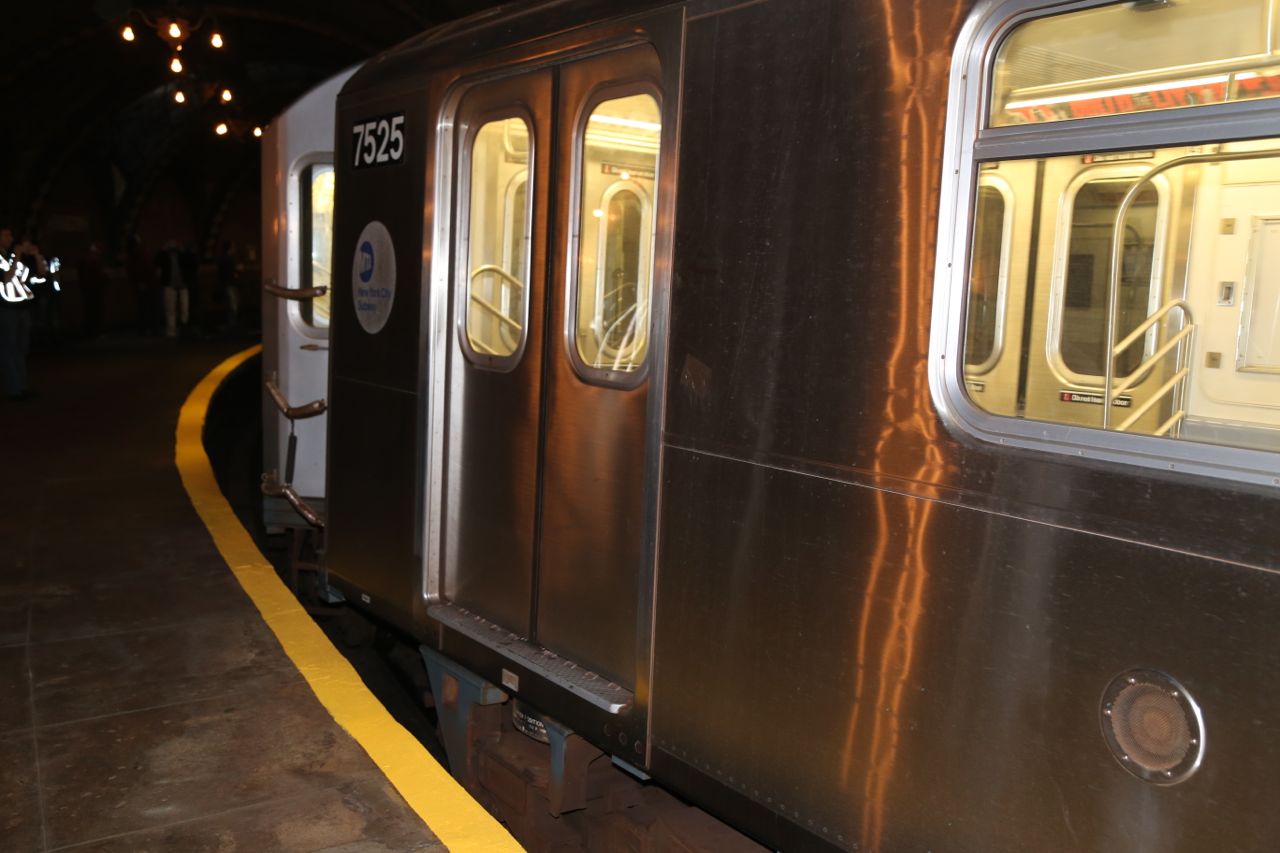
The old City Hall station has a platform that is 400-feet long and is completely curved. This short and completely curved platform is part of the reason why the station is no longer used. The ten-car trains now used don’t fit in the station, and it is a serious hazard stepping off the train to that platform. [Our MTA guides used a short wooden platform to allow us to easily and safely get off the train onto the platform.] The station was closed in 1945 because passengers preferred the Brooklyn Bridge station due to its longer and straight platform and also because both local and express trains stopped there.

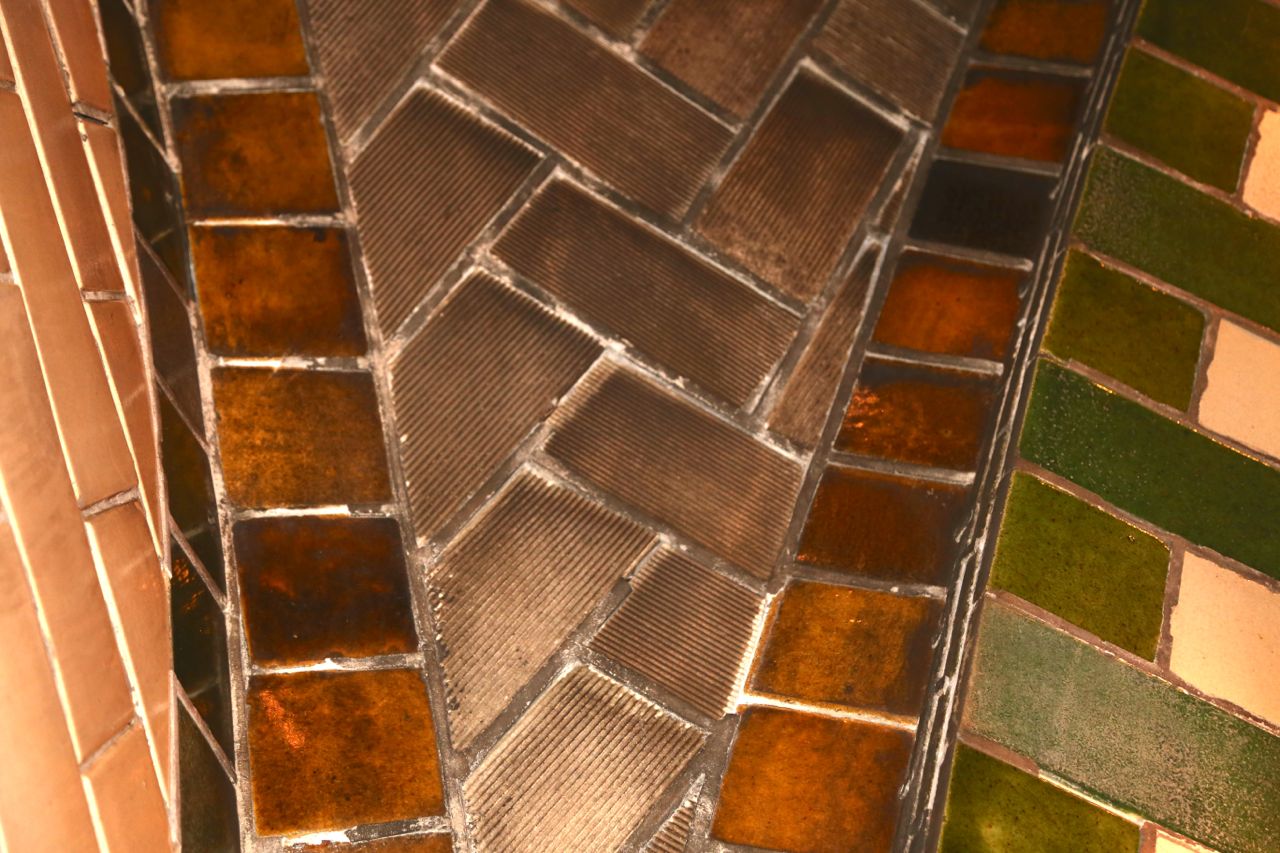
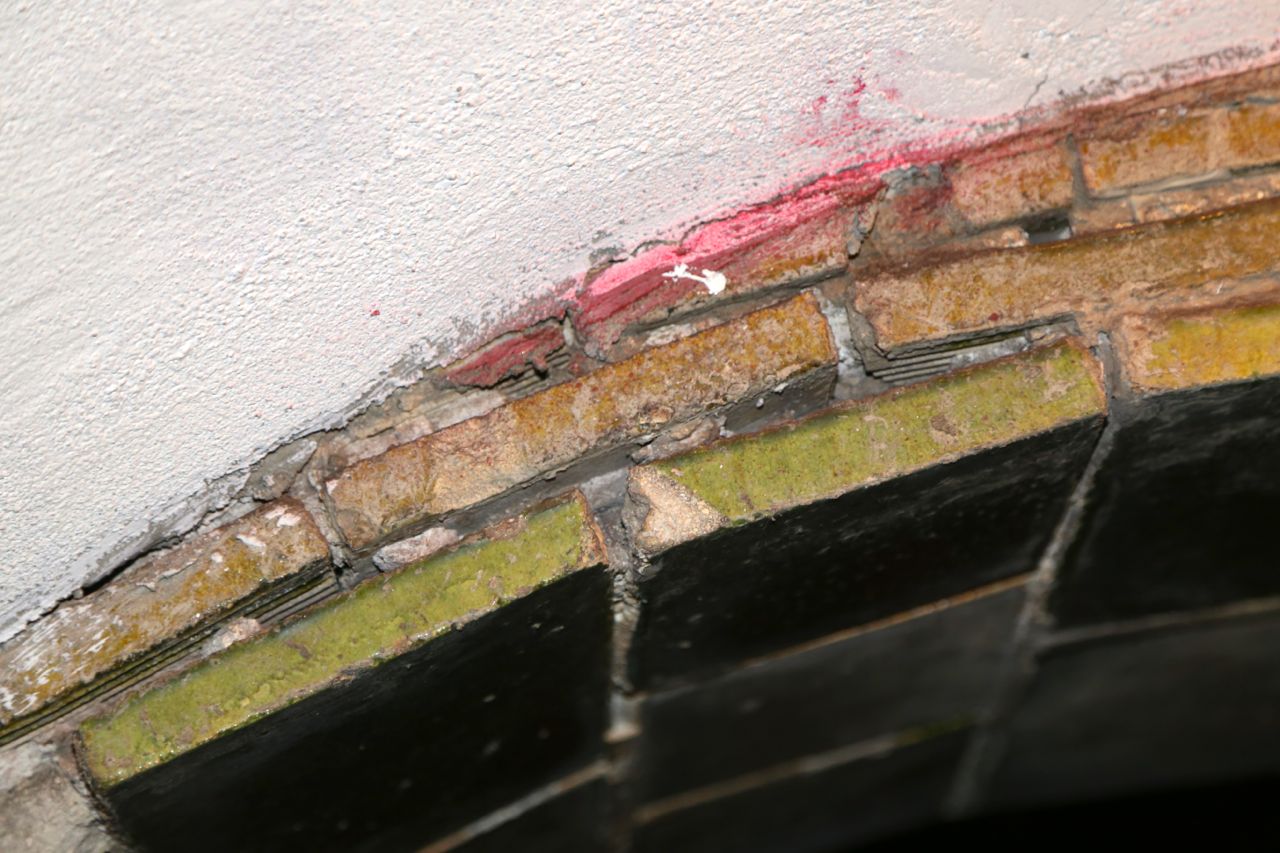
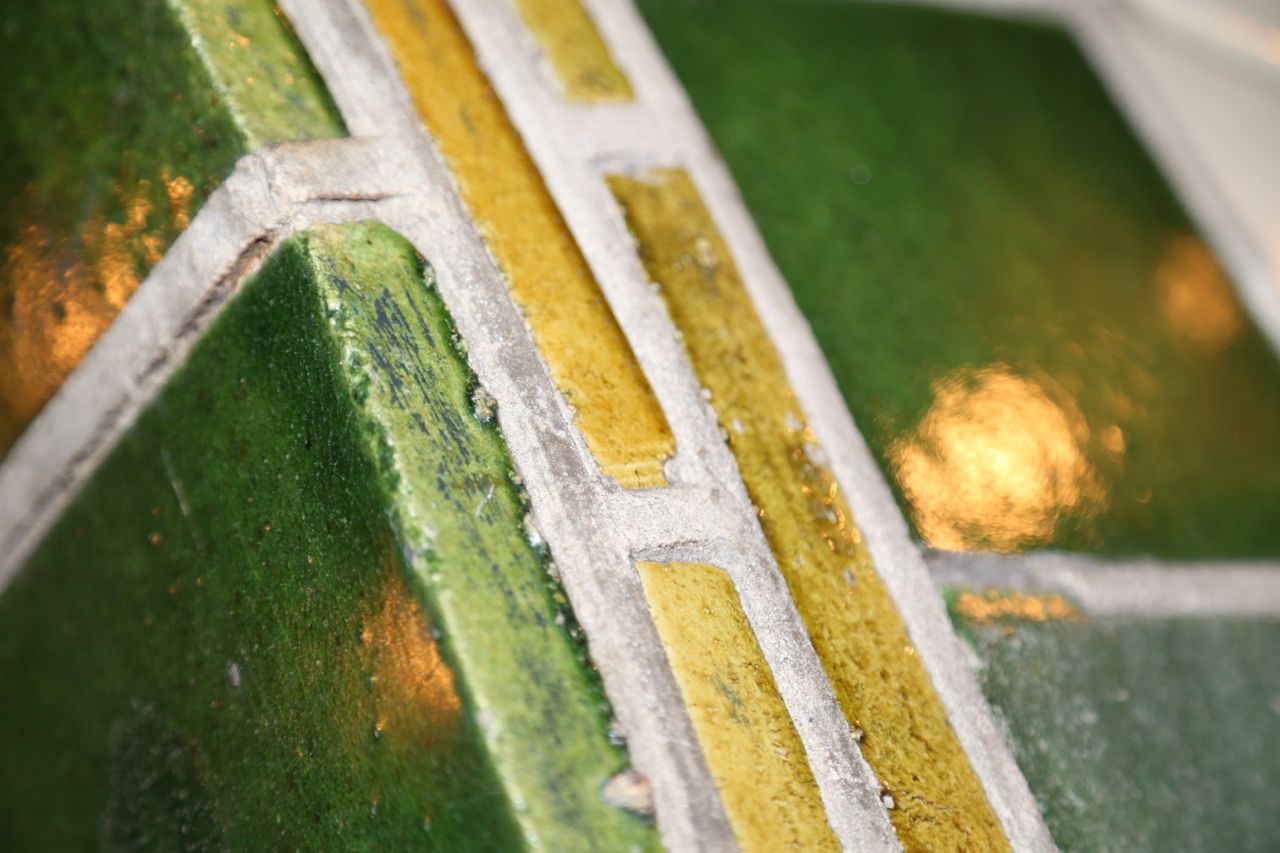
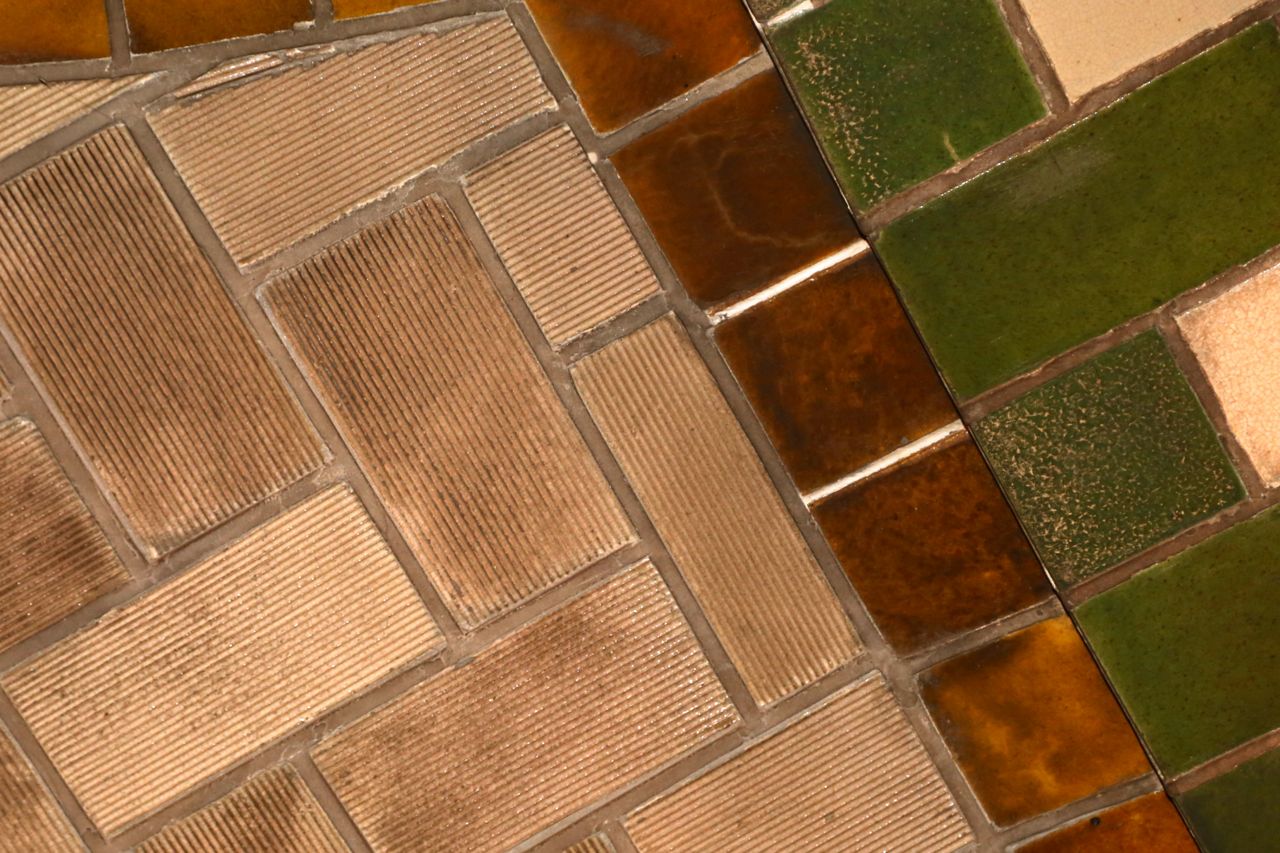
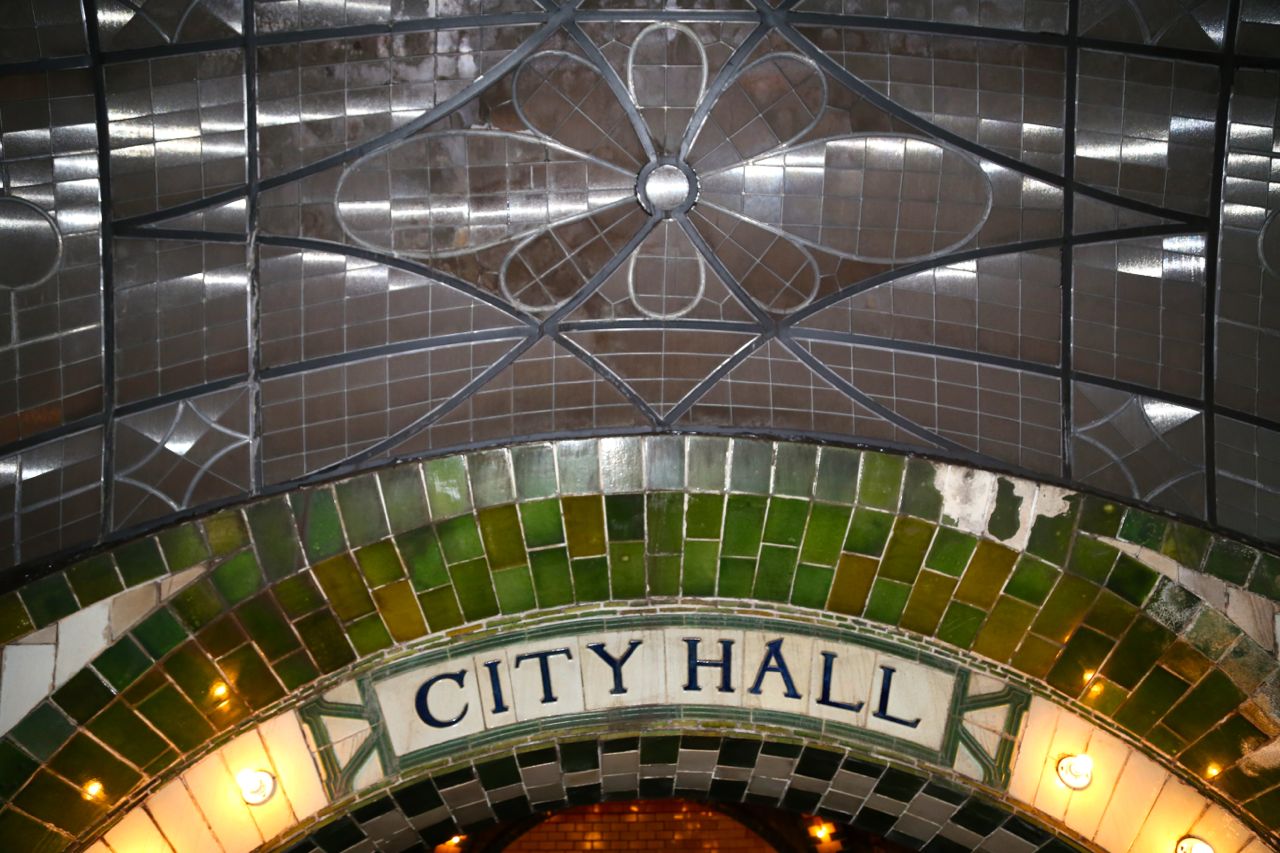
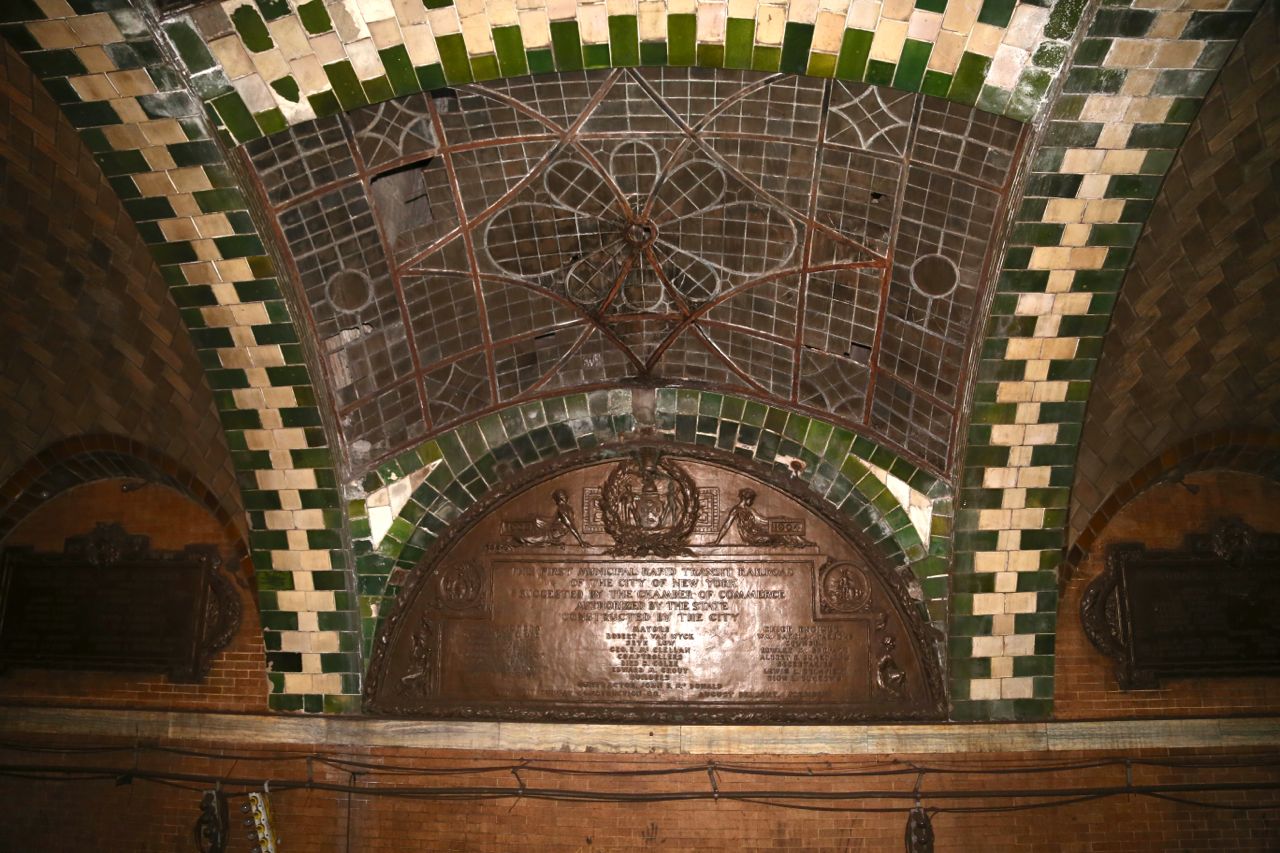
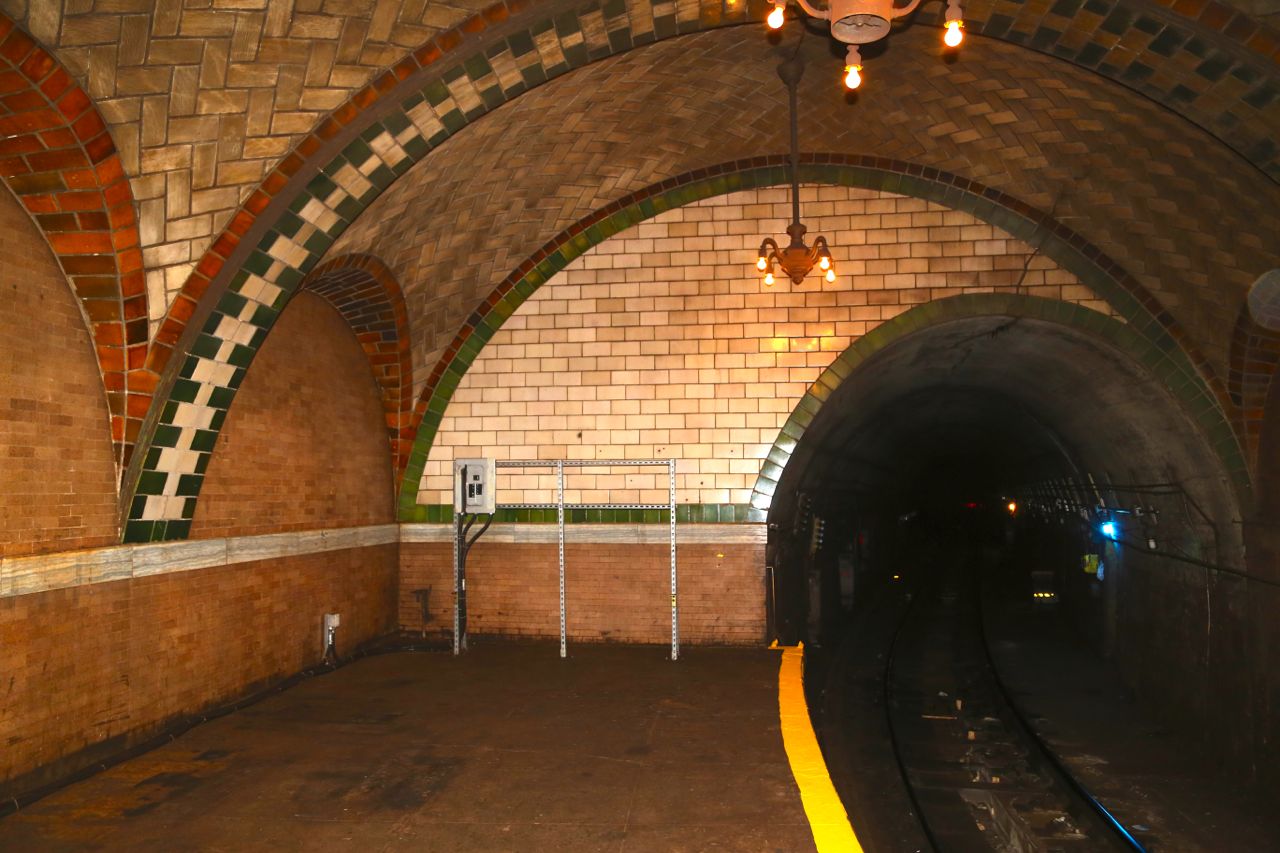
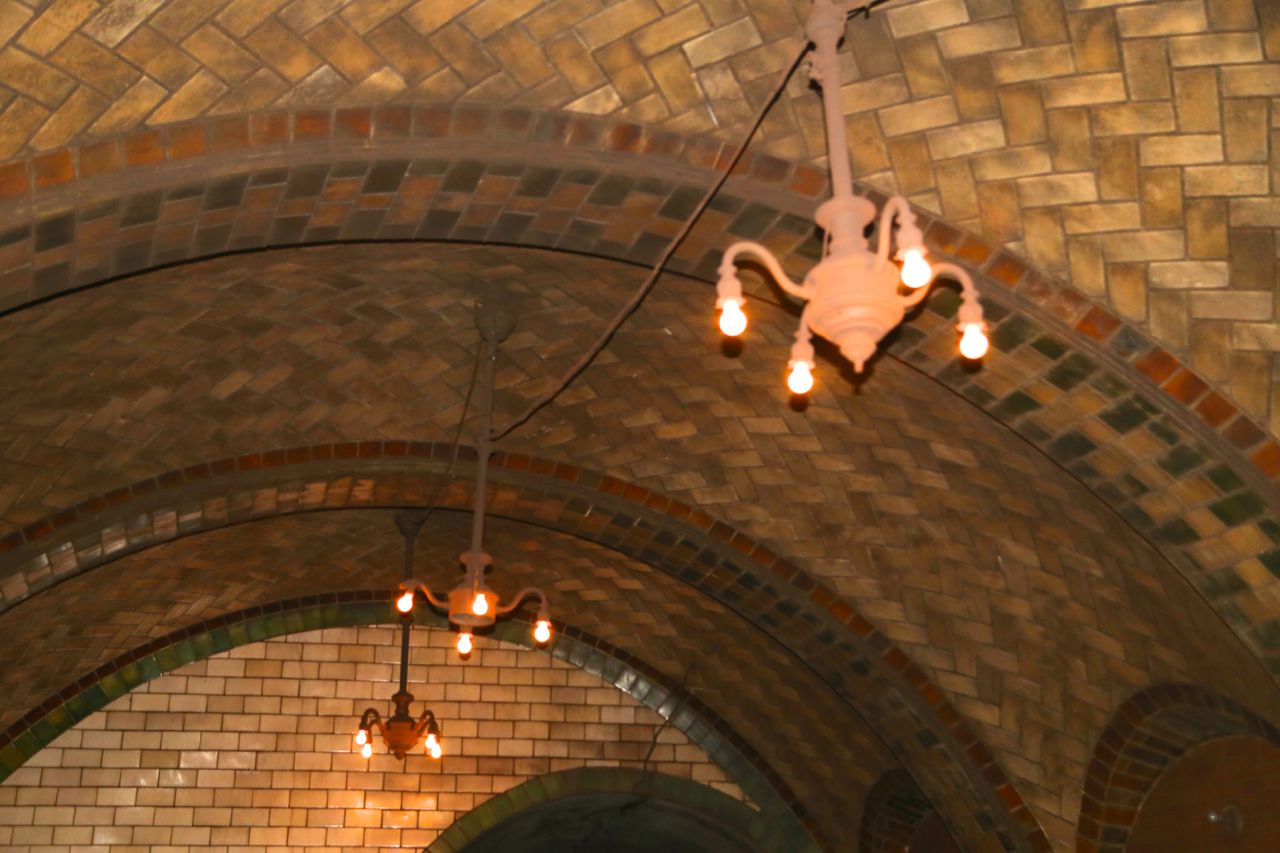
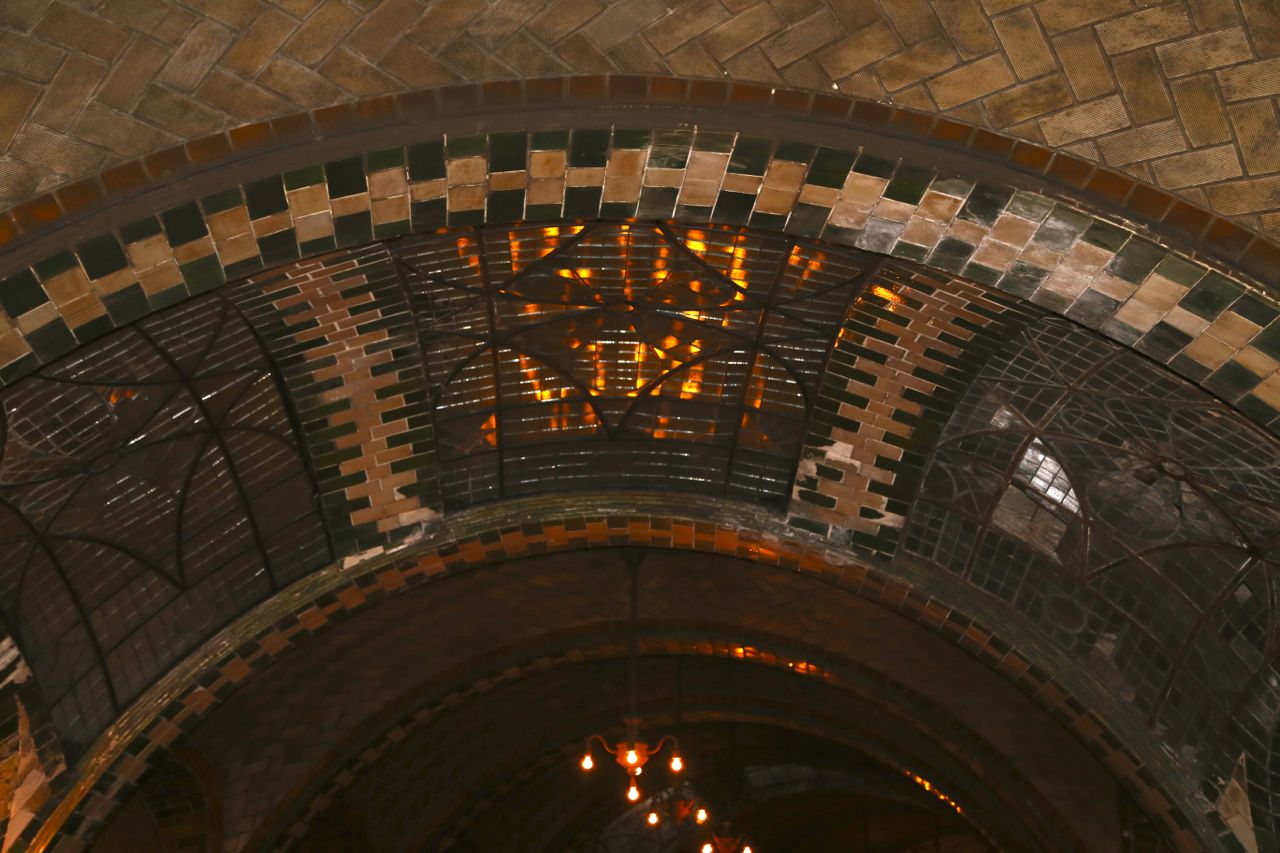
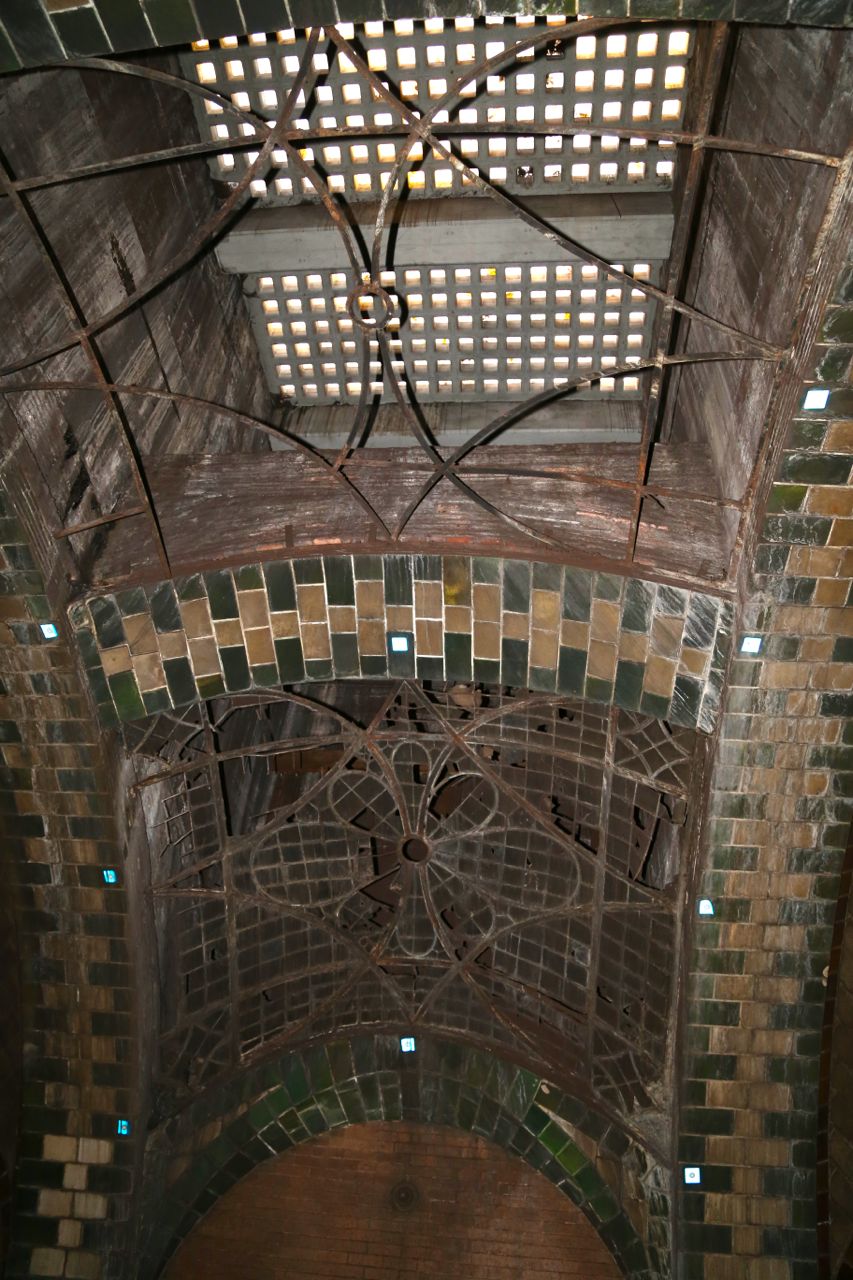
The station is completely gorgeous. There is a mezzanine level where passengers would buy tickets. The mezzanine is square with four arches that form each of the walls, and an arched ceiling joins the four arched walls. At the center of the mezzanine ceiling is a glass skylight. One of the arches of the mezzanine forms a passageway that leads down to the platform. The platform is then made of 15 more arches. Three of the arches have three glass skylights each. Electric chandeliers hang from each of the arches to provide light. All of the arches are created by Guastavino tile arches. The walls and ceilings are covered in green, brown, and cream tile. Interestingly, much of the cream tile is unglazed and rigged. Evidently this tile was never supposed to be exposed, it was rigged and unglazed because it was supposed to be covered with cement, and the ridges would provide more surface are for the cement to stick, in the same way as when tiling, the ridged side of a trowel is used to create ridges in the cement before placing the tile. However once the tile was placed, the station architects liked how the exposed ridged tile looked.

On stairs from platform looking up to mezzanine

On stairs from platform looking up to mezzanine

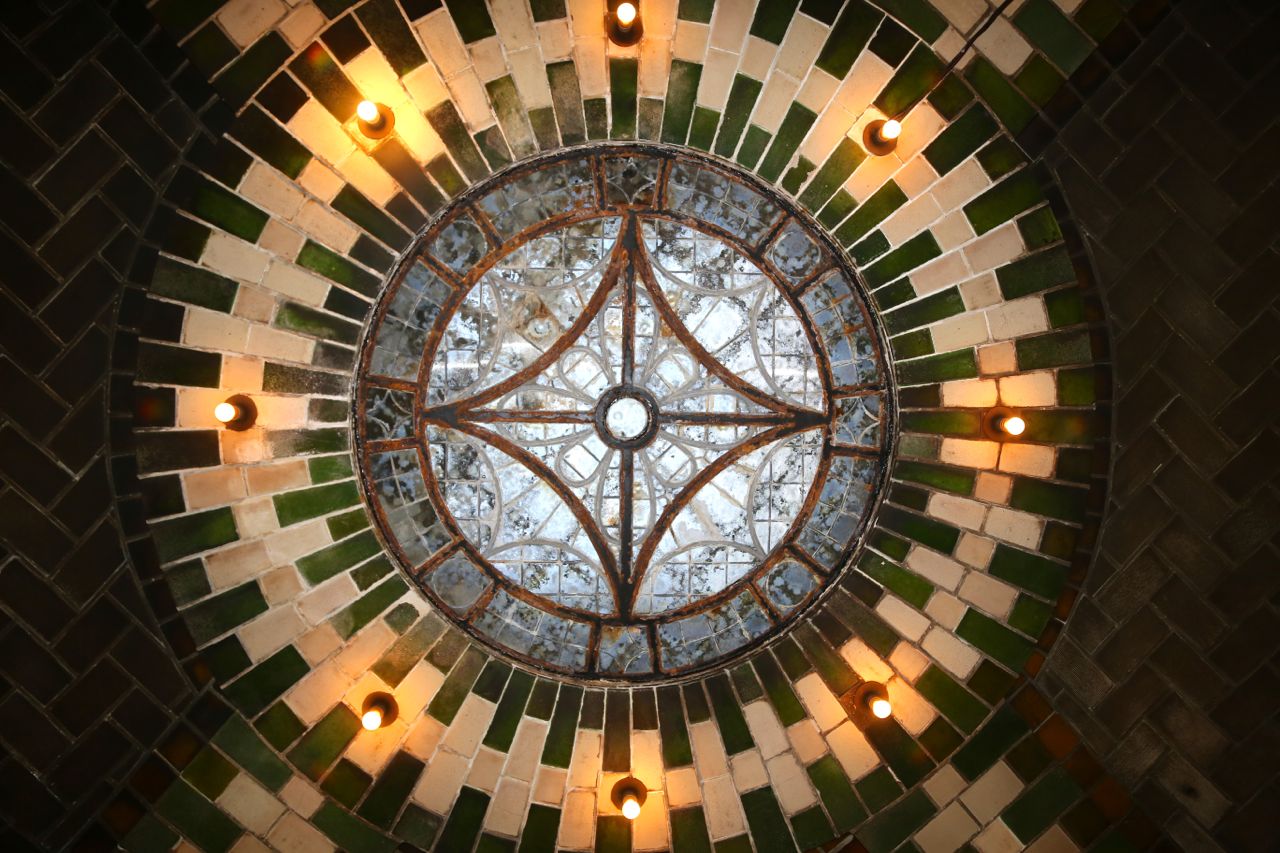
Mezzanine ceiling

Mezzanine ceiling

Mezzanine skylight

Mezzanine skylight

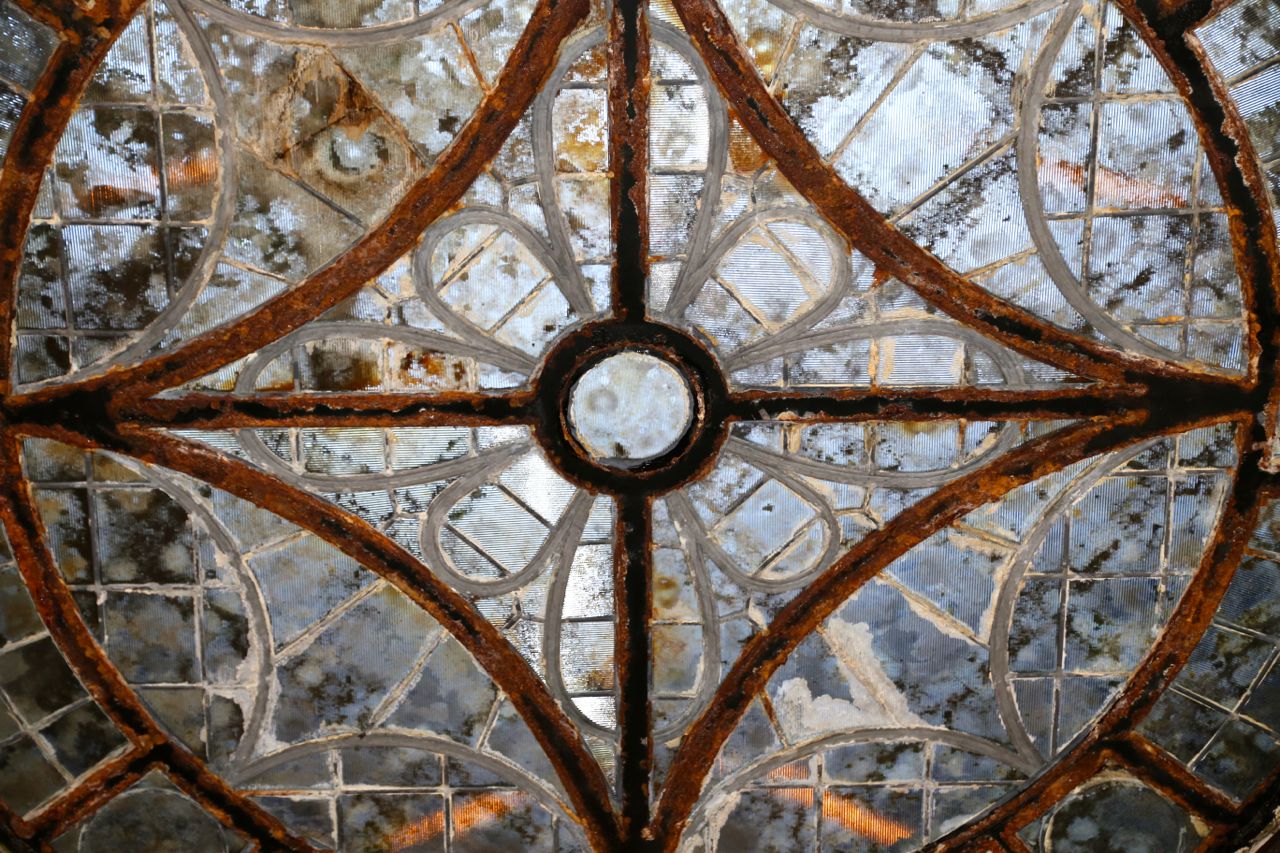
Mezzanine skylight glass

Mezzanine skylight glass

Stairs from mezzanine to surface. Doors now close off the exit.

Stairs from mezzanine to surface. Doors now close off the exit.

Tiles on the mezzanine walls

Tiles on the mezzanine walls

Arch of passageway to surface. The Guastavino tile arch system can be seen easily.

Arch of passageway to surface. The Guastavino tile arch system can be seen easily.

Close up of tile on arched passageway from mezzanine to platform

Close up of tile on arched passageway from mezzanine to platform

Tile on mezzanine wall. Ridges on unglazed white tile can be seen.

Tile on mezzanine wall. Ridges on unglazed white tile can be seen.

Skylight above the arch that leads from the platform to the mezzanine

Skylight above the arch that leads from the platform to the mezzanine

The middle arch on the platform where the passageway from the mezzanine ends. The arch has three skylights. Opposite the passageway are three plaques commemorating those who helped in the station's creation.

The middle arch on the platform where the passageway from the mezzanine ends. The arch has three skylights. Opposite the passageway are three plaques commemorating those who helped in the station’s creation.

The platform. It is completely curved.

The platform. It is completely curved.

The end of the platform.

The end of the platform.

Chandeliers hang from each platform arch

Chandeliers hang from each platform arch

The skylights in one of the platform's arches.

The skylights in one of the platform’s arches.

One of the platform's skylights. The glass has fallen out of one of them, and the glass in the street level concrete can be seen.

One of the platform’s skylights. The glass has fallen out of one of them, and the glass in the street level concrete can be seen.

A #6 train passing through the station. A huge gap exists between the train and platform edge.

A #6 train passing through the station. A huge gap exists between the train and platform edge.

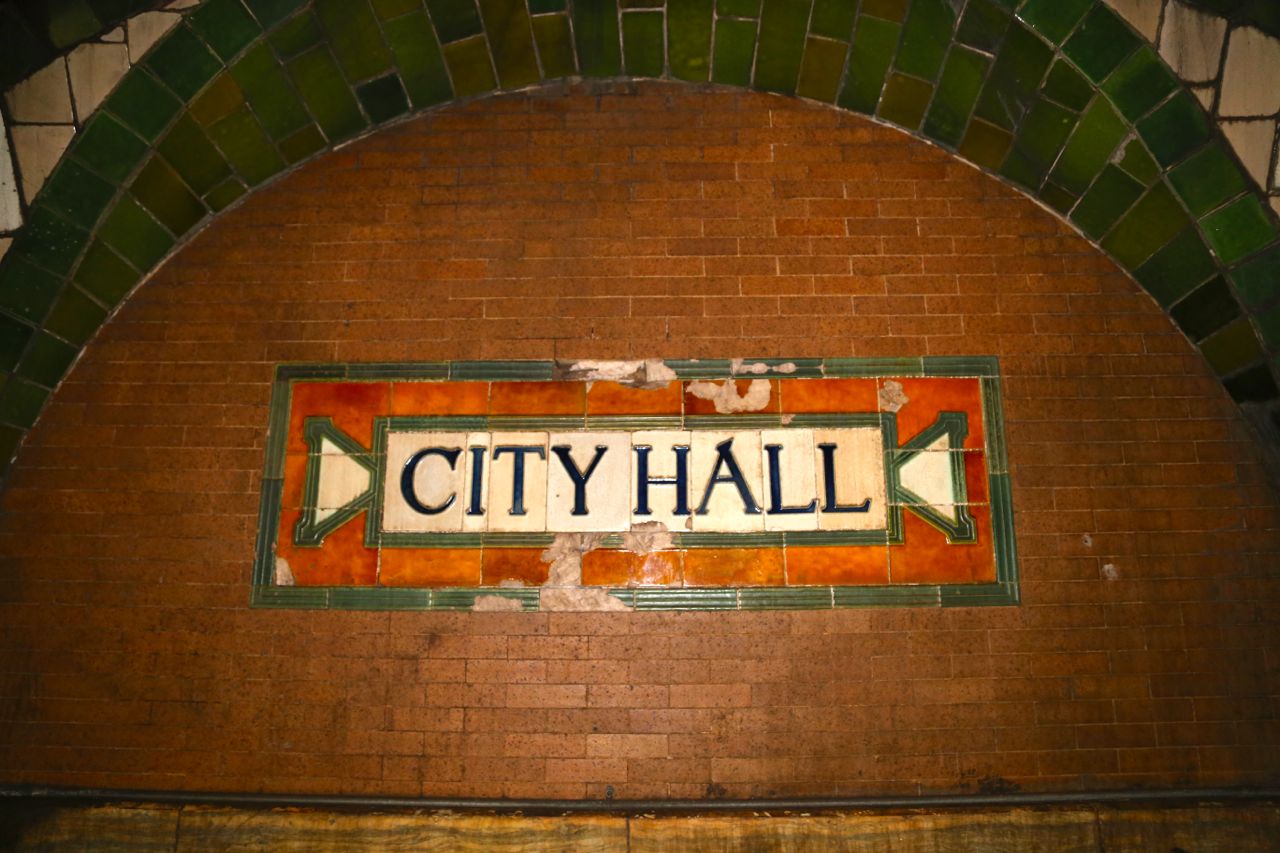
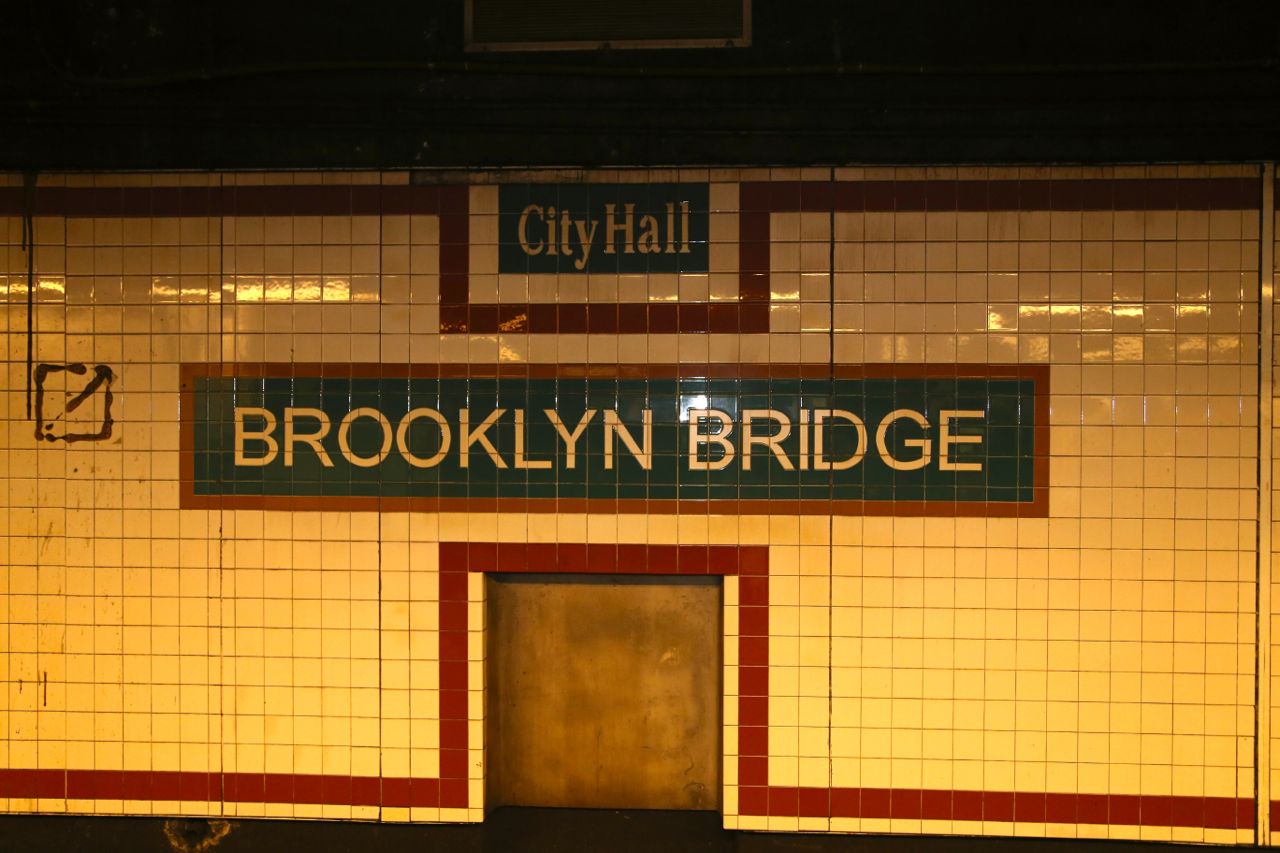
One thing I have always appreciated about the New York subway system is the tile work. All the stations have tile work, and generally each station has a somewhat unique tile work for at least the station signs. Some stations have really unique and beautiful tile work for example the Times Square and American Museum of Natural History stations. The tiles themselves in the old City Hall station are not gorgeous, but the way they are placed together in the arches are. Therefore for final comparison, below are the station signs at the old City Hall station and the new City Hall/Brooklyn Bridge station.

Old City Hall station sign

Old City Hall station sign

Modern City Hall/Brooklyn Bridge station sign

Modern City Hall/Brooklyn Bridge station sign

Delancey Williamsburg Bridge Rail Terminal

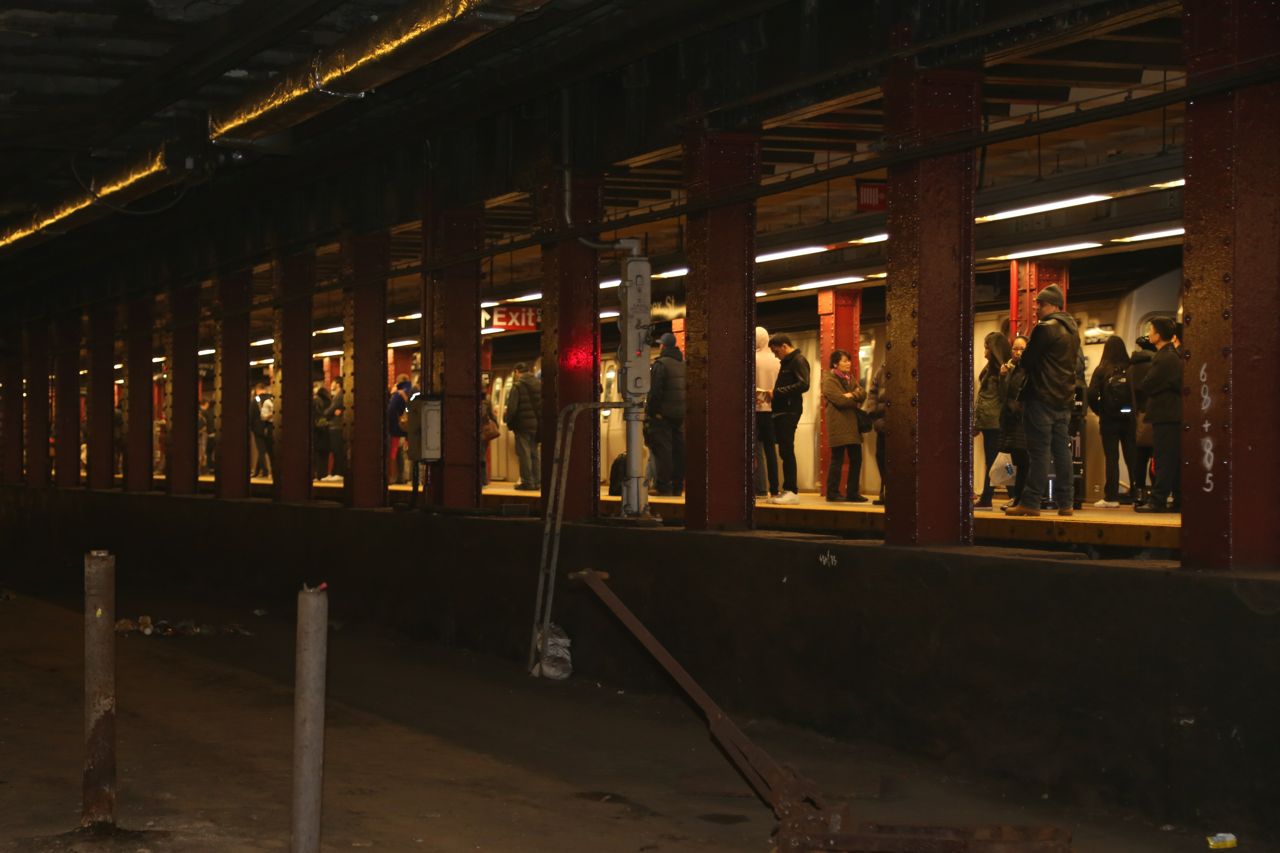
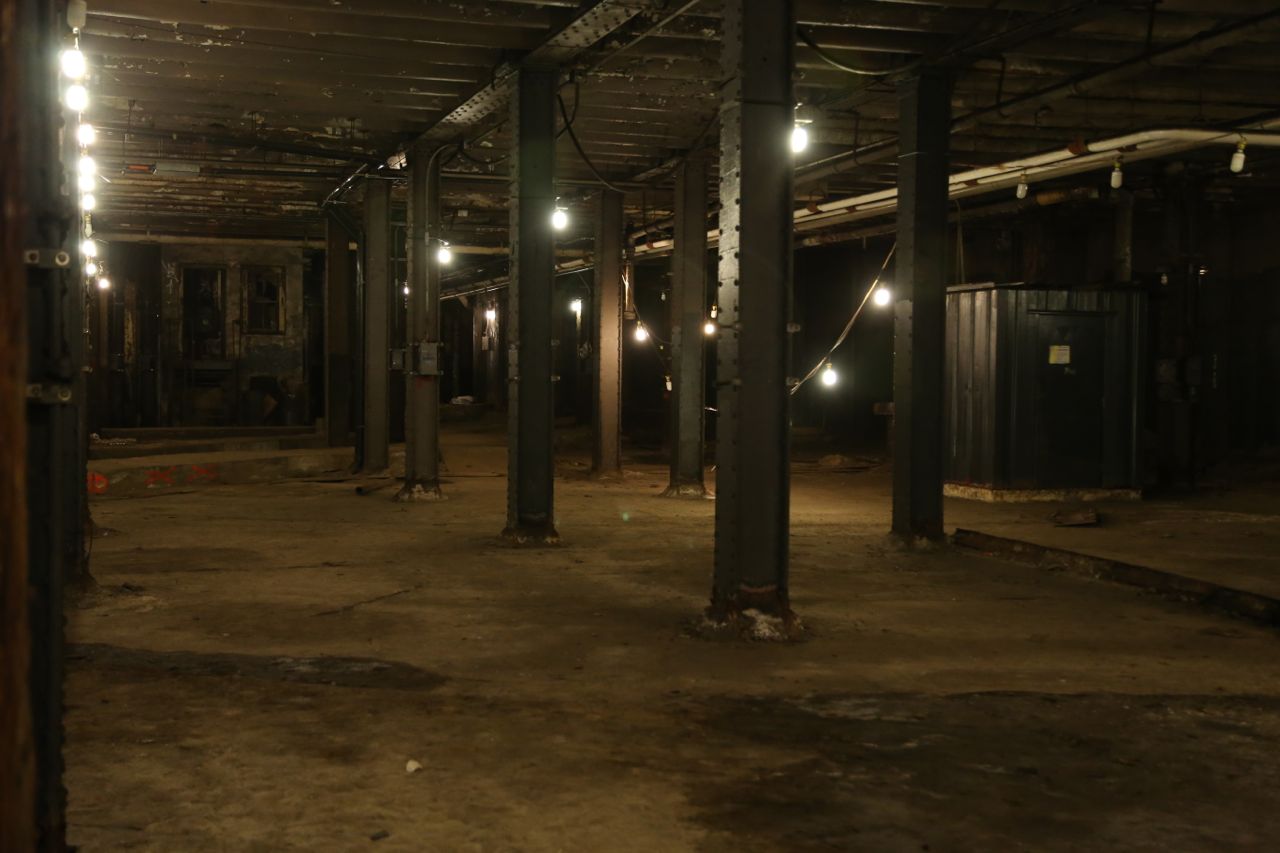
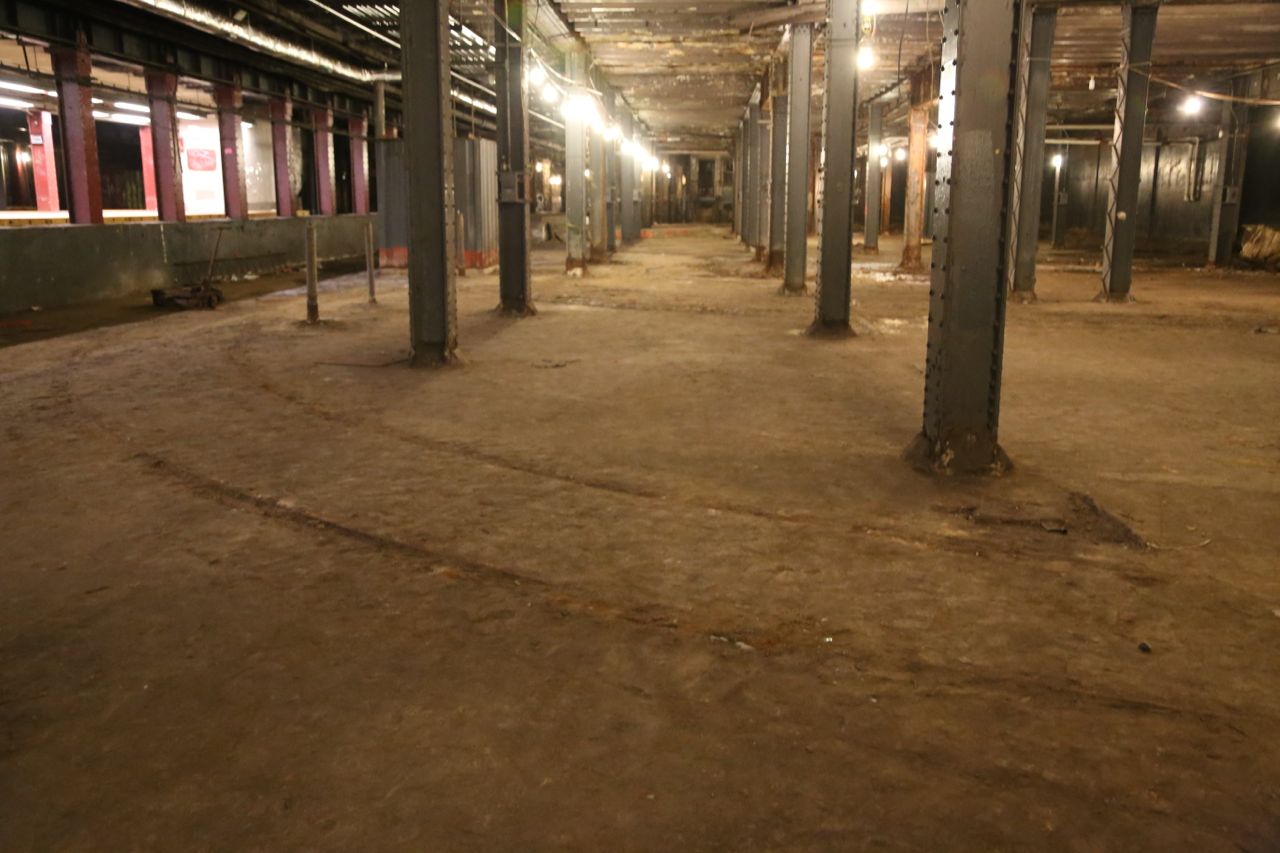
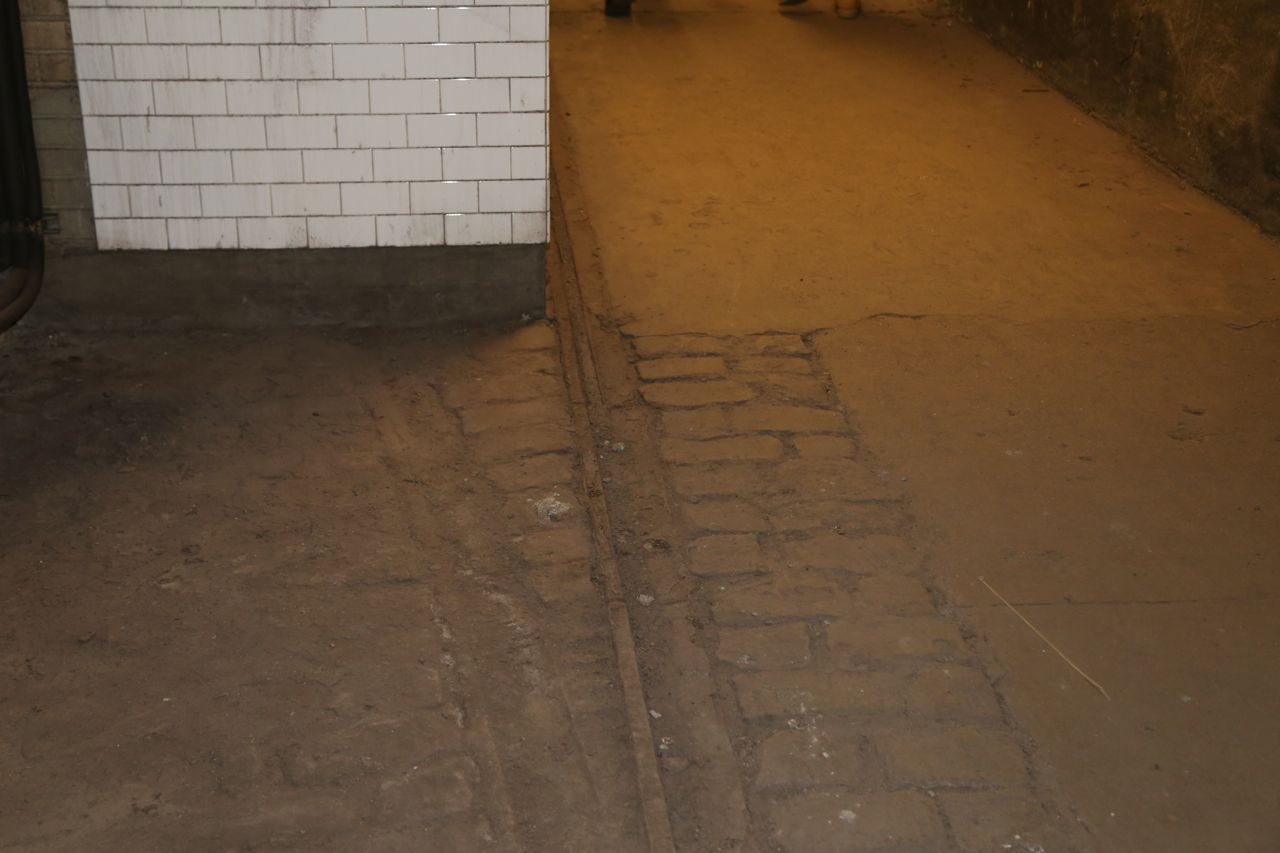
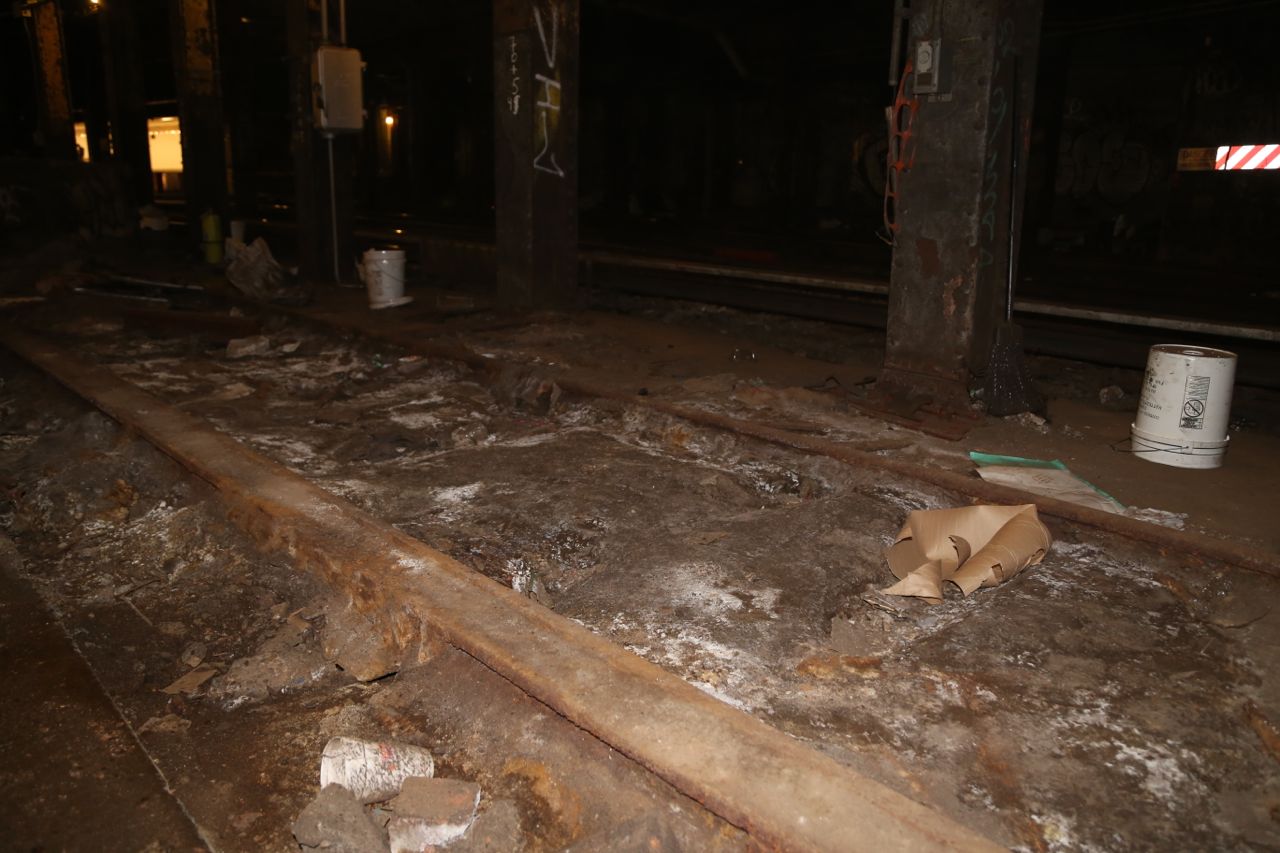
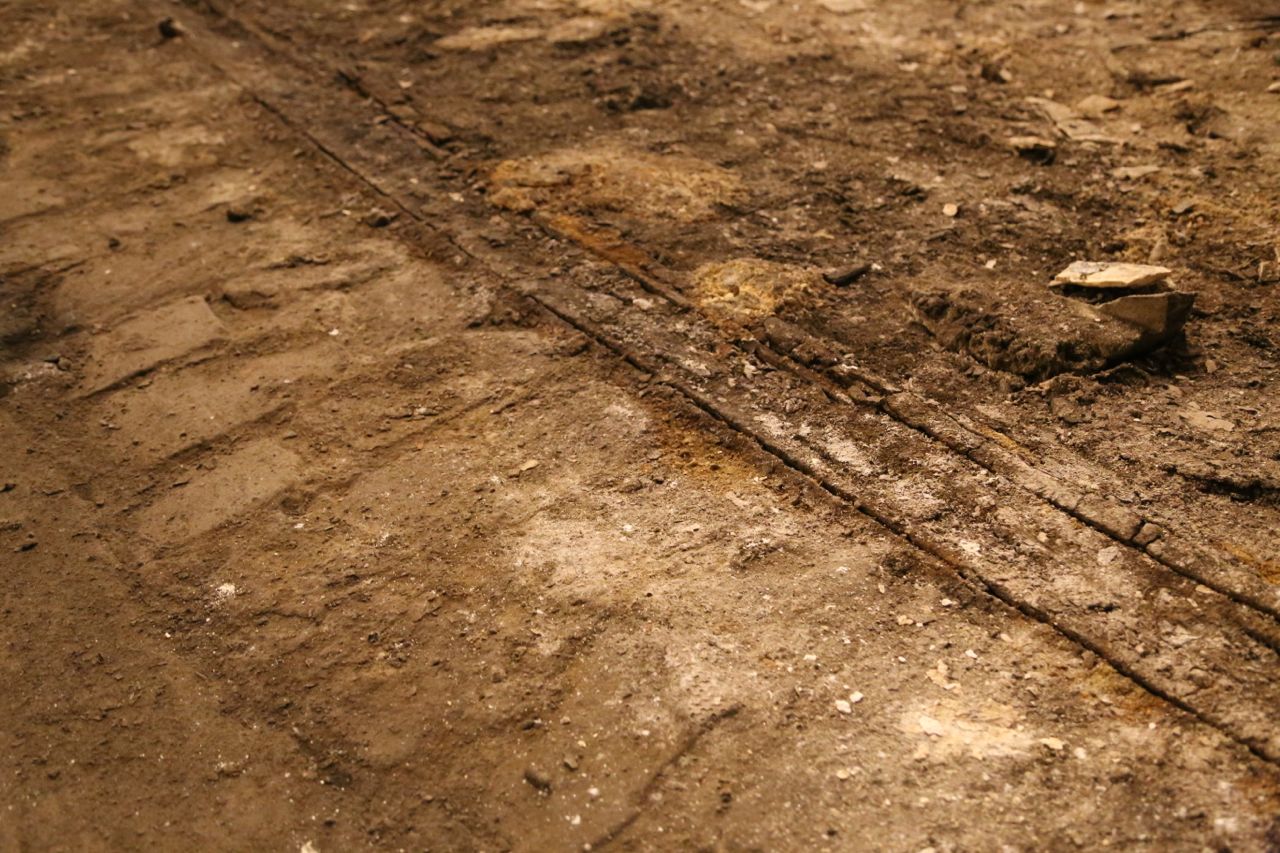
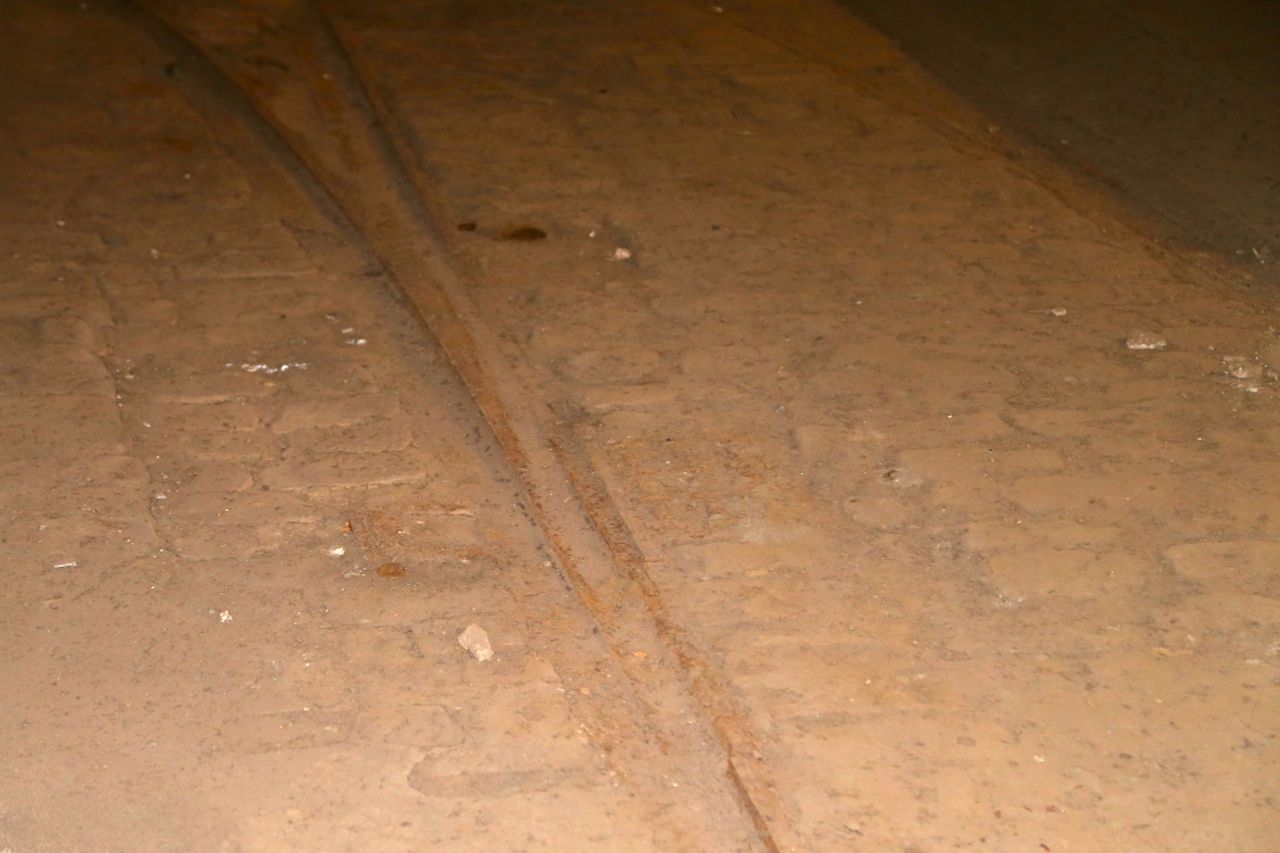
I joined the New York Transit Museum this year so that I could go on some of their members only tours of some real cool transit places. Today I toured one of those places, the old Essex/Delancey trolley terminal from the Williamsburg Bridge. Trolleys from Brooklyn came across the Williamsburg Bridge to Manhattan and then turned around in this terminal. Trolleys in Brooklyn were evidently on a different rail system type and thus couldn’t continue onto the Manhattan rails. I won’t try to give the history, as so many places can be found, which do it much better, such as this one. The terminal is right next to the Delancey and Essex subway stations and can be seen from part of the platform. Inside the terminal area, some of the old tracks, paver stones, and rails can be seen. While I found those interesting, I also just loved being able to walk in a behind-the-scenes area that the general public usually can’t access.

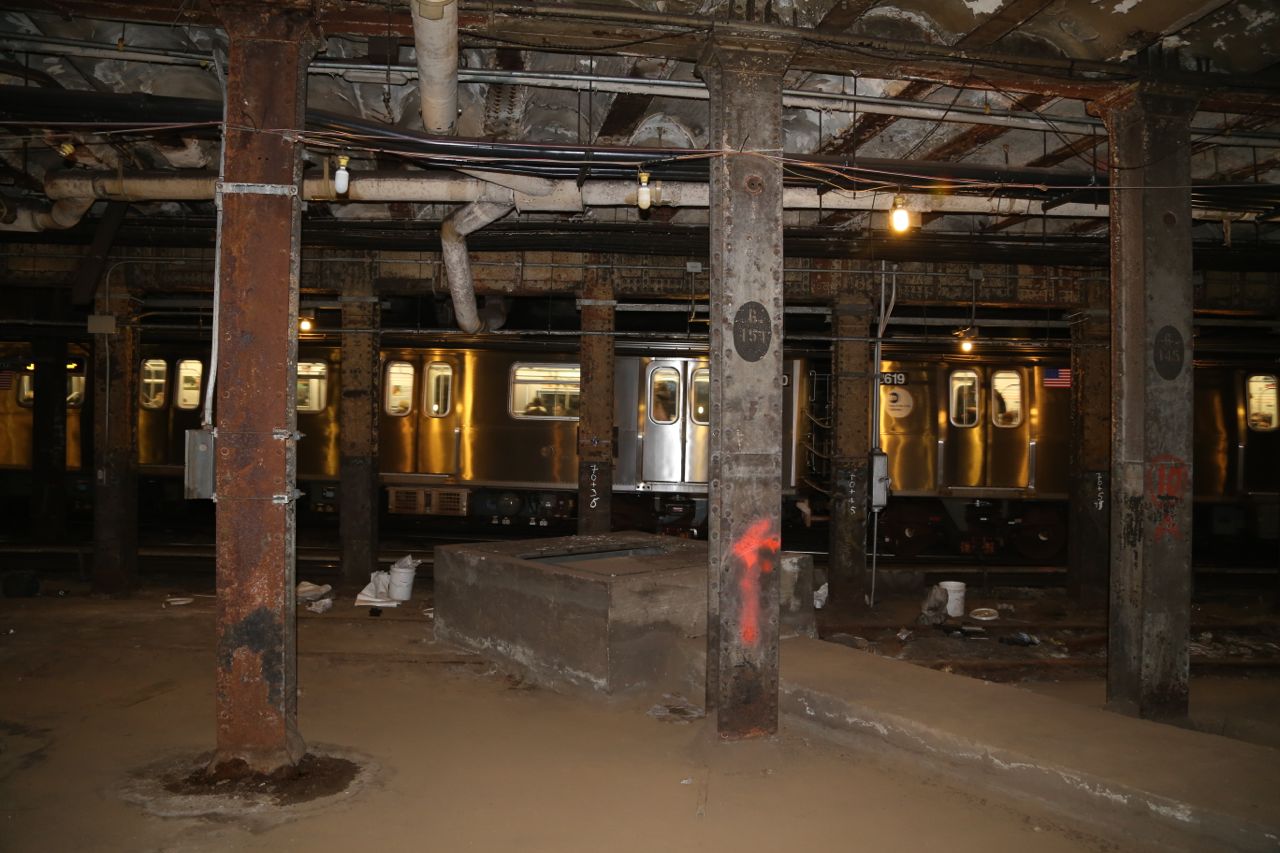
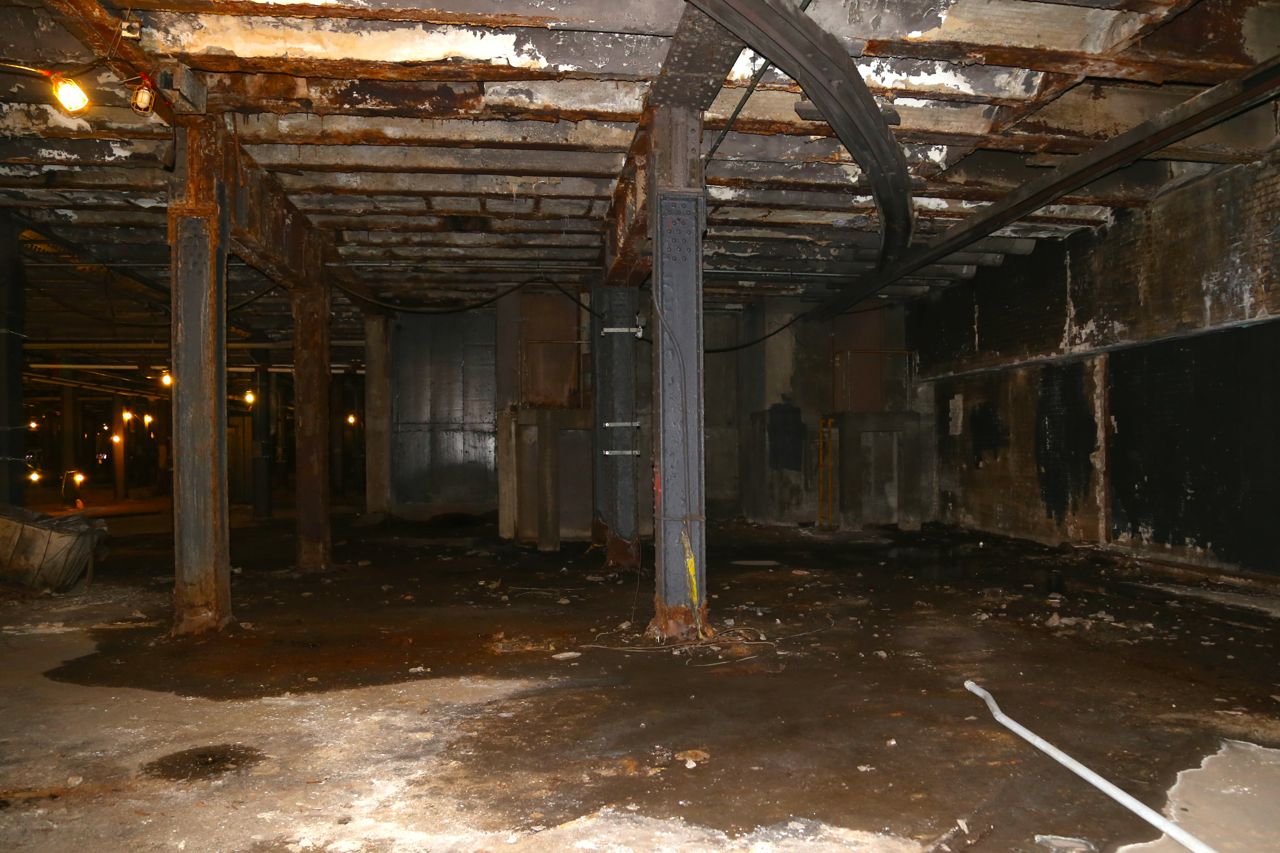
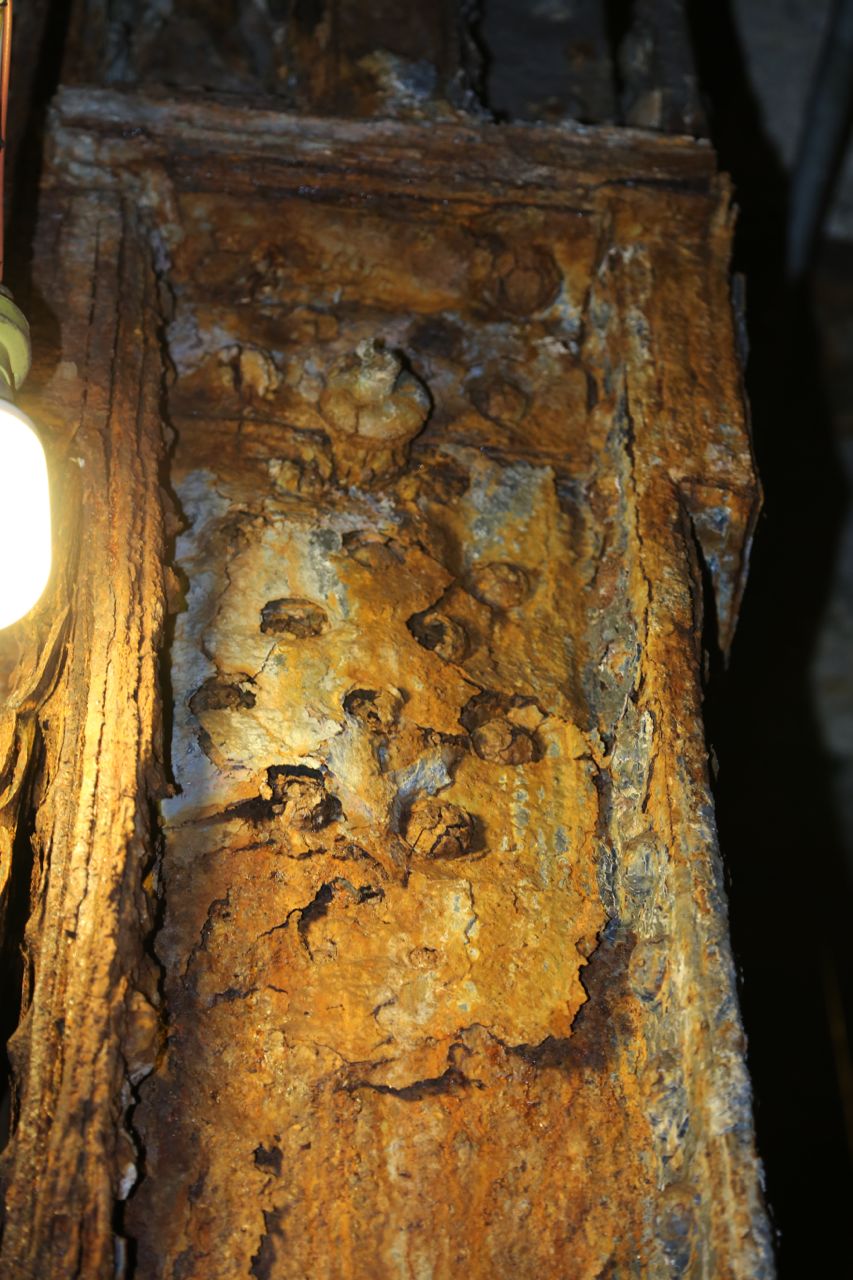
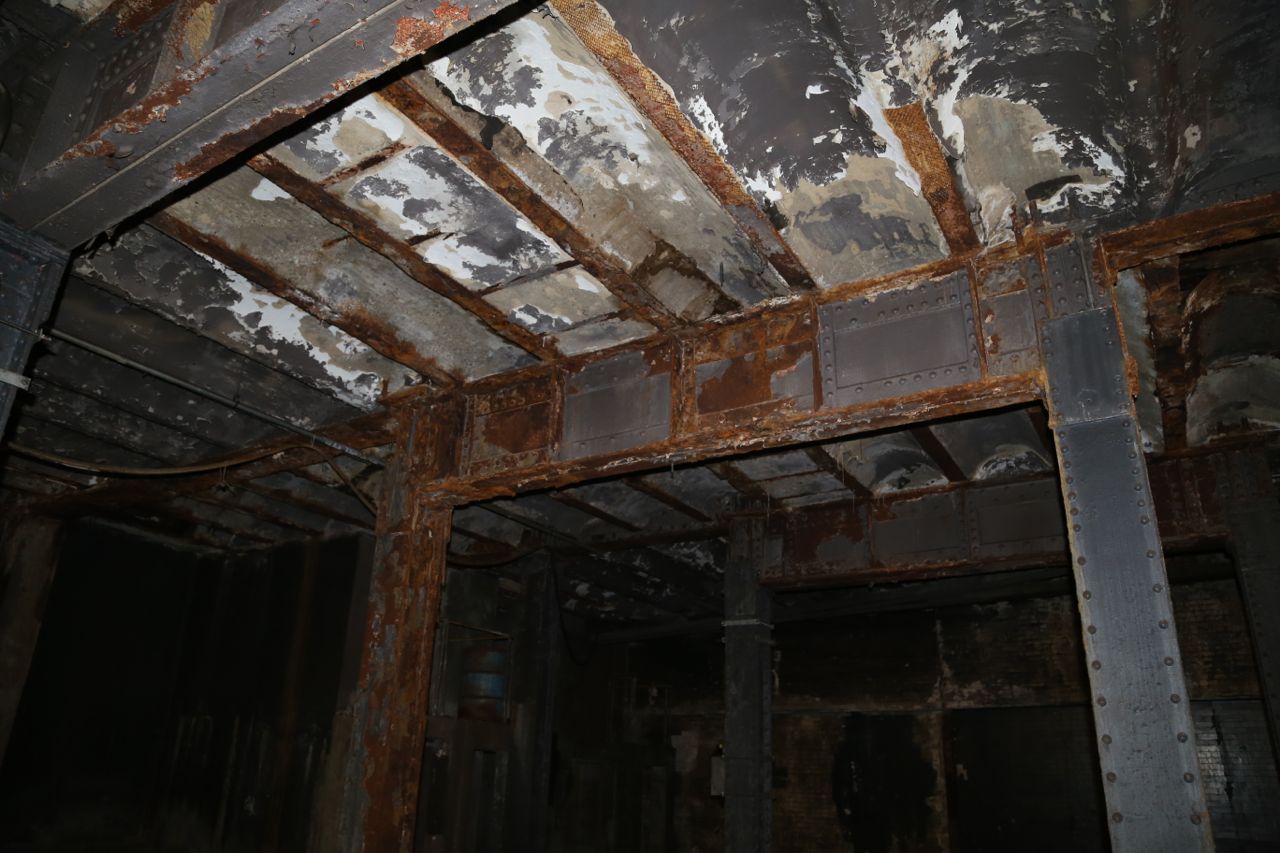
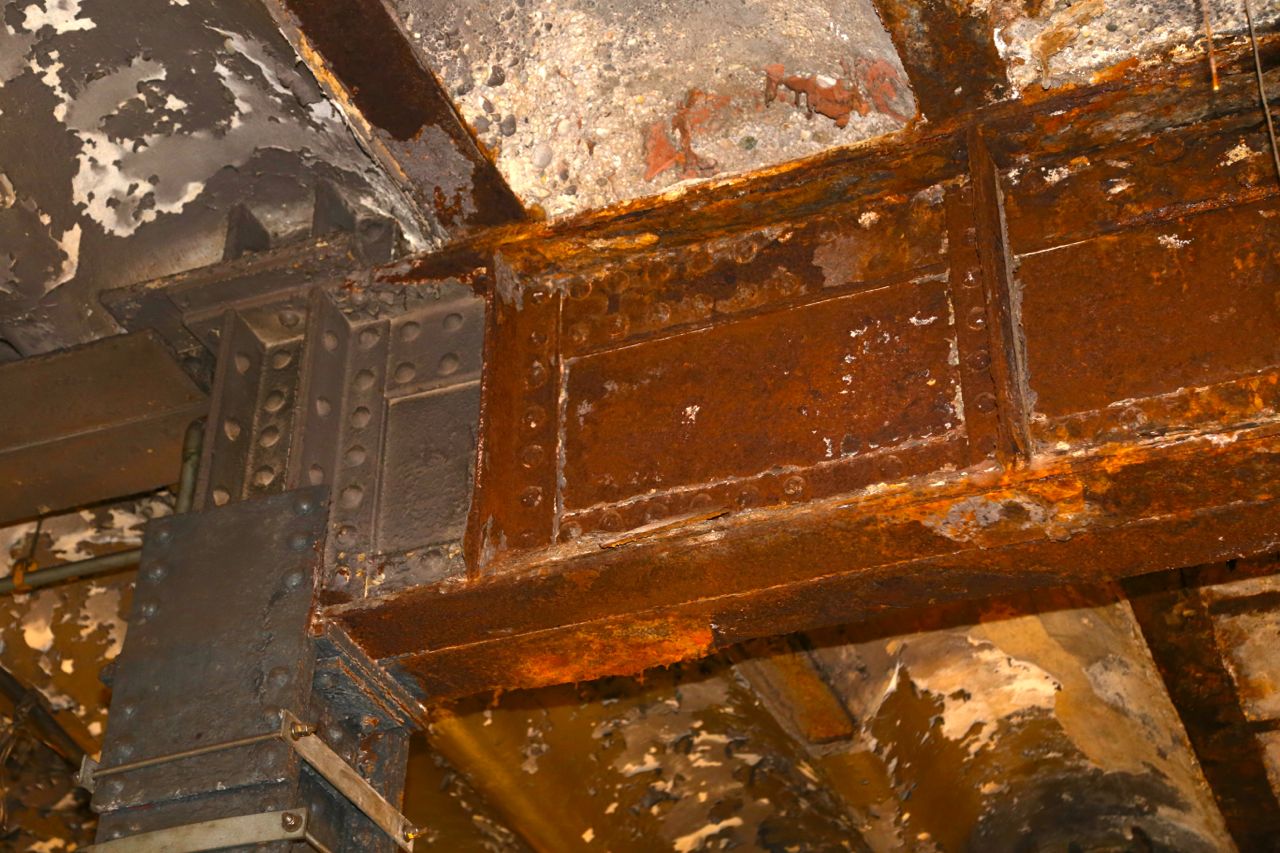
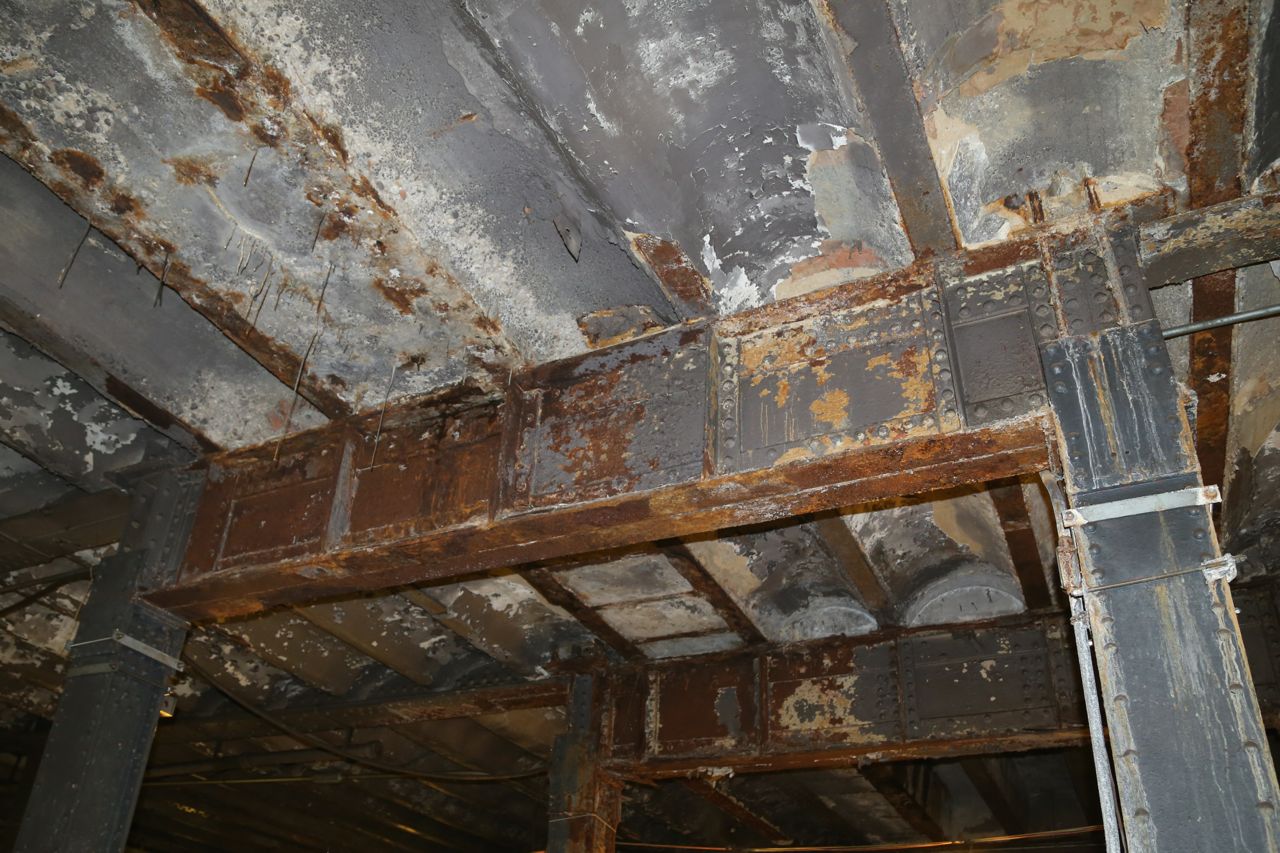
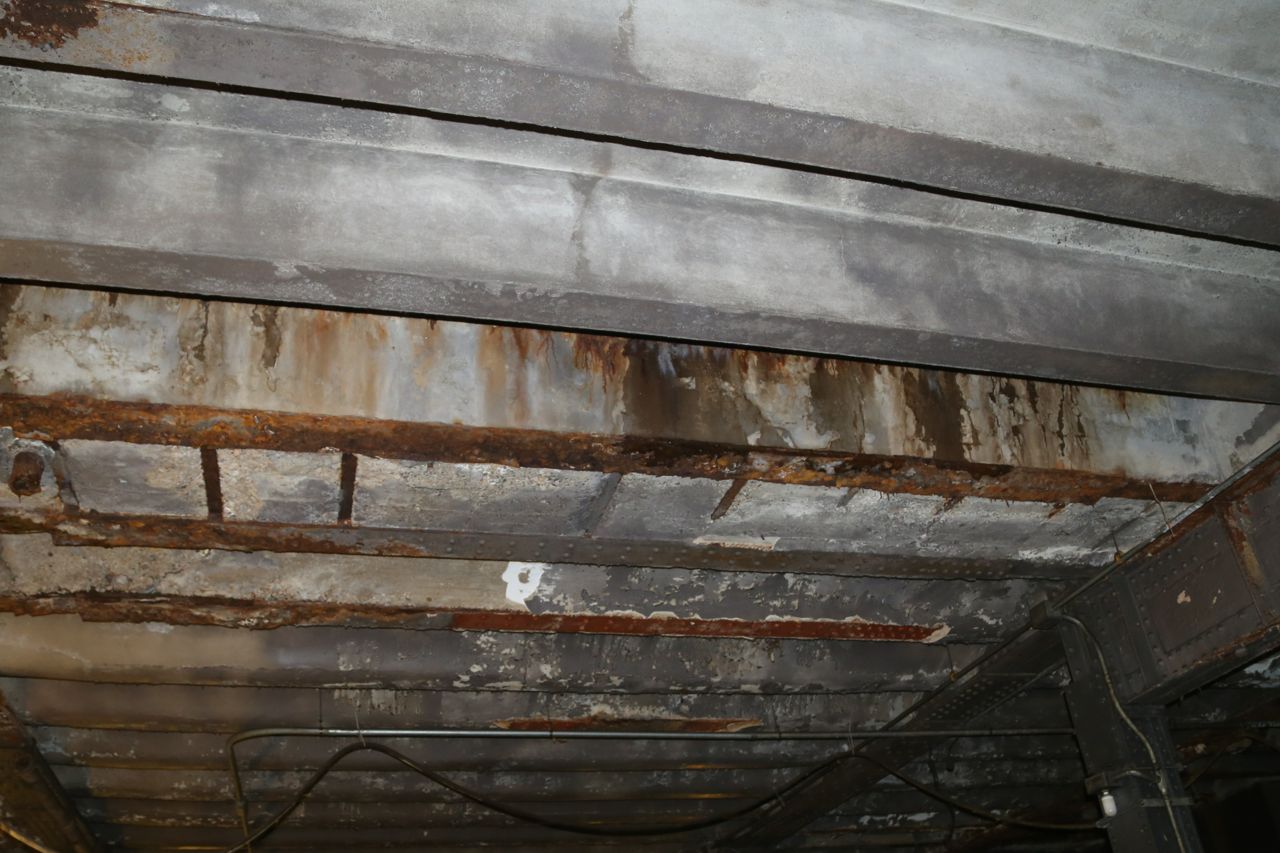
Another thing I found interesting was the condition of the columns and beams. Like almost all parts of the New York underground, the area is continual being eroded by water that seeps in from groundwater and storm water that flows through various cracks in the utility areas. Thus much of the metal support structures were badly rusted. Some parts of the area have been rehabbed but not all. It was a stark reminder of how continual maintenance is needed on essentially everything humans build. If you are not an engineer, you can be forgiven for not understanding that once something is built, it still needs maintenance. It can’t just simply be left to itself to continually function properly for all eternity. Unfortunately most politicians, who hold the purse strings to maintenance funding, don’t seem to understand this.

There is an idea or plan by some to turn the area into an underground park called the Lowline. It would be incredibly interesting to see that if it happens. In the meantime, I’m glad I got a look at this piece of New York’s transportation history.

View of Delancey Terminal from subway platform

View of Delancey Terminal from subway platform

View of subway platform from the Delancey Terminal

View of subway platform from the Delancey Terminal

Subway train passing by Delancey terminal

Subway train passing by Delancey terminal

Wide view of Delancey terminal with old track monitoring office in background

Wide view of Delancey terminal with old track monitoring office in background

Wide view of Delancey terminal

Wide view of Delancey terminal, old tracks can be seen in foreground

Wide view of Delancey terminal parts of which are wet from normal seepage

Wide view of Delancey terminal parts of which are wet from normal seepage

Old track in paver stones terminating at a more modern tiled wall

Old track in paver stones terminating at a more modern tiled wall

Old track in paver stones

Old track in paver stones

Old track in paver stones

Old track in paver stones

Old tracks

Old tracks

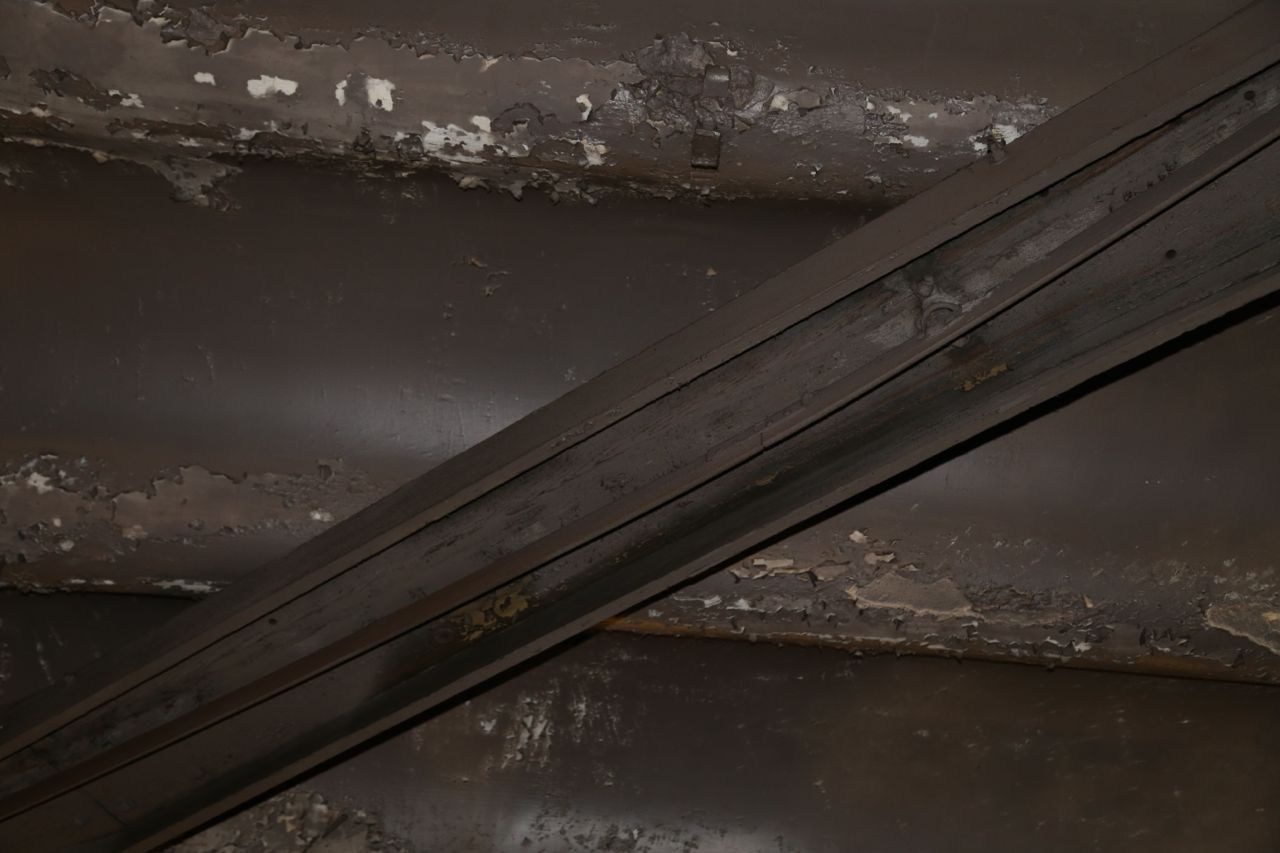
Old rail, which is held inside a wooden casing. Wood was used since it doesn't conduct electricity, and rail was electrified.

Old rail, which is held inside a wooden casing. Wood was used since it doesn’t conduct electricity, and rail was electrified.

Old rail, which is held inside a wooden casing. Wood was used since it doesn't conduct electricity, and rail was electrified.

Old rail, which is held inside a wooden casing. Wood was used since it doesn’t conduct electricity, and rail was electrified.

Rusted column

Rusted column

Rusted beams and columns

Rusted beams and columns

Rusted beam

Rusted beam

Stalactites from water seepage near rusted metal

Stalactites from water seepage near rusted metal

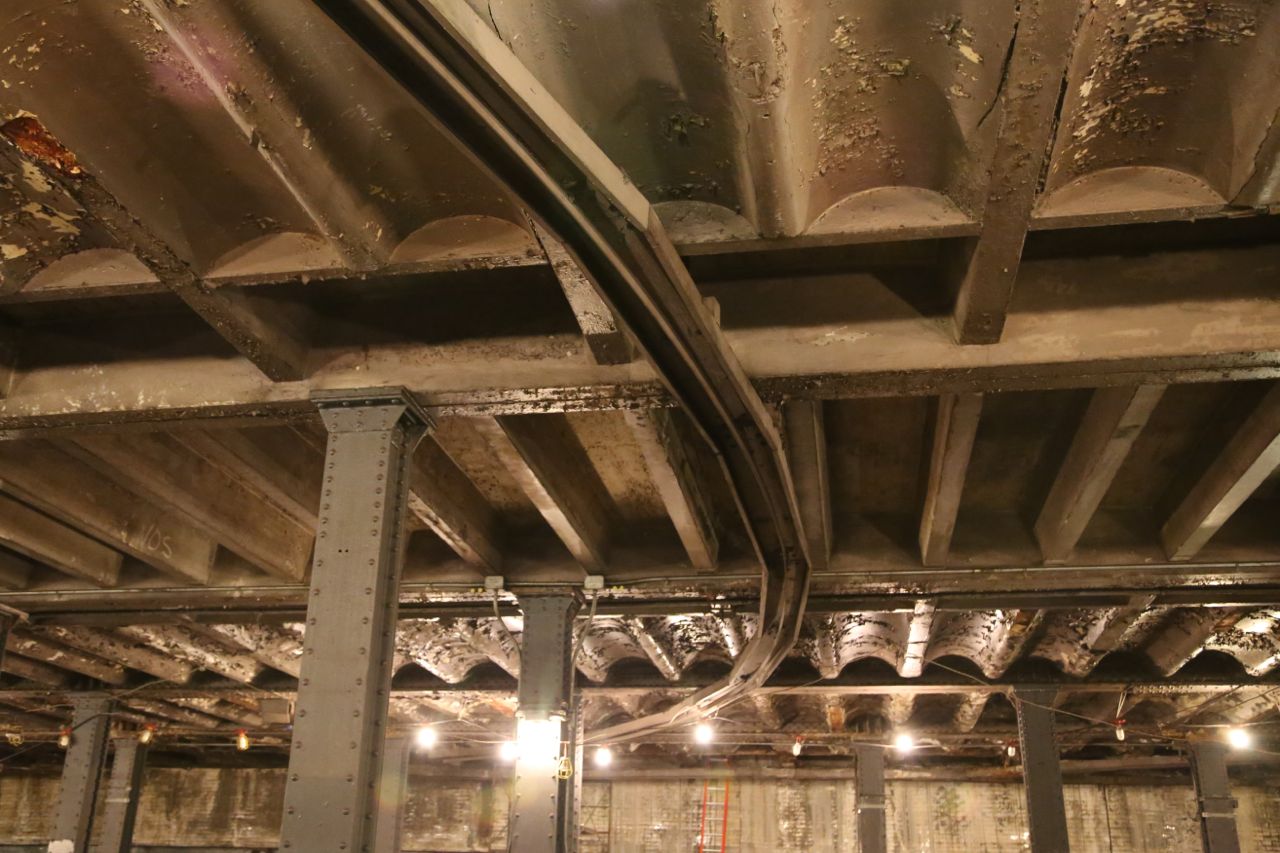
Rusted and rehabbed beams

Rusted and rehabbed beams

Deep Throat Parking Garage

Why do I love Google? Because I can search on “deep throat garage rosslyn,” and Google will immediately give me websites about the garage where Bob Woodward met Mark Felt, aka Deep Throat, in the Rosslyn area of Arlington, Virginia. The only way Google failed though is that it would not pull up the location in Google Maps. I had to get the address through one of the articles.

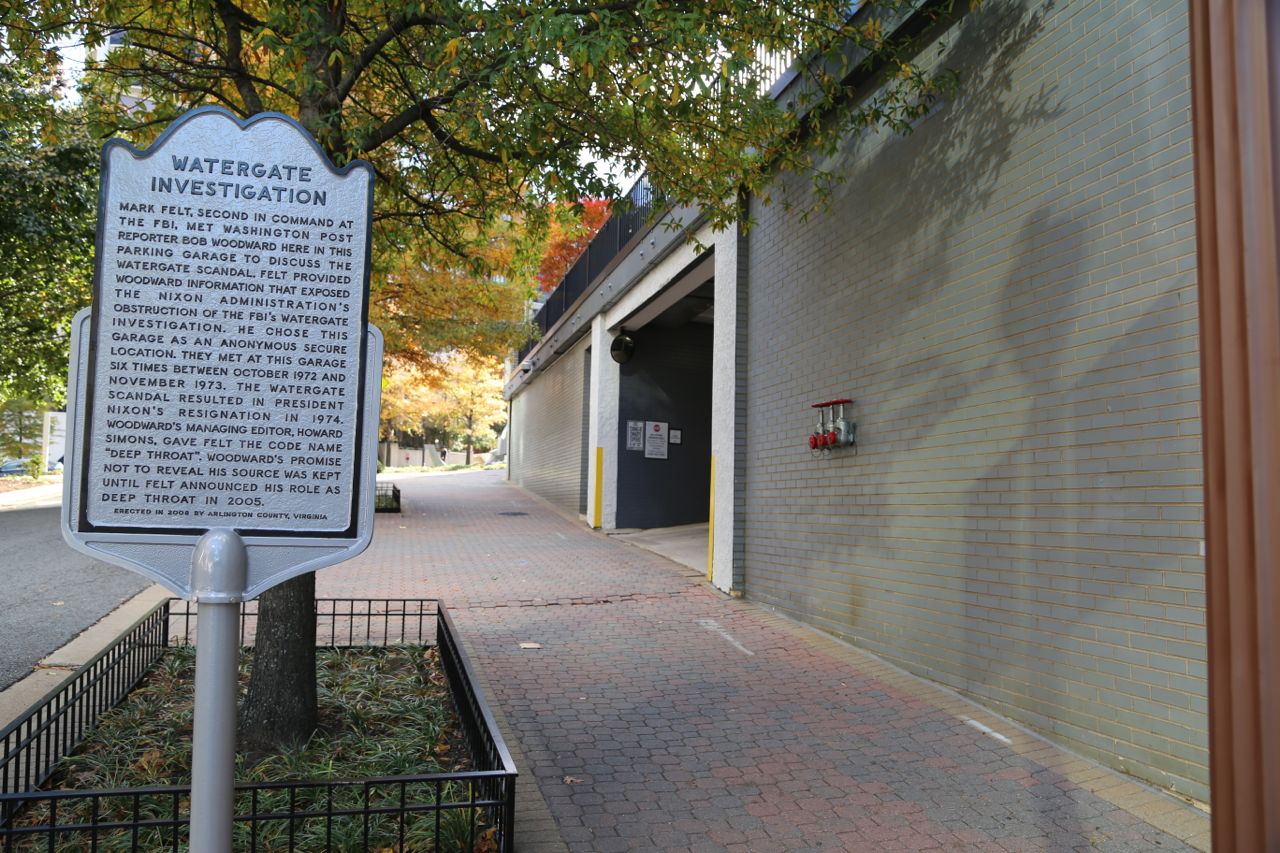
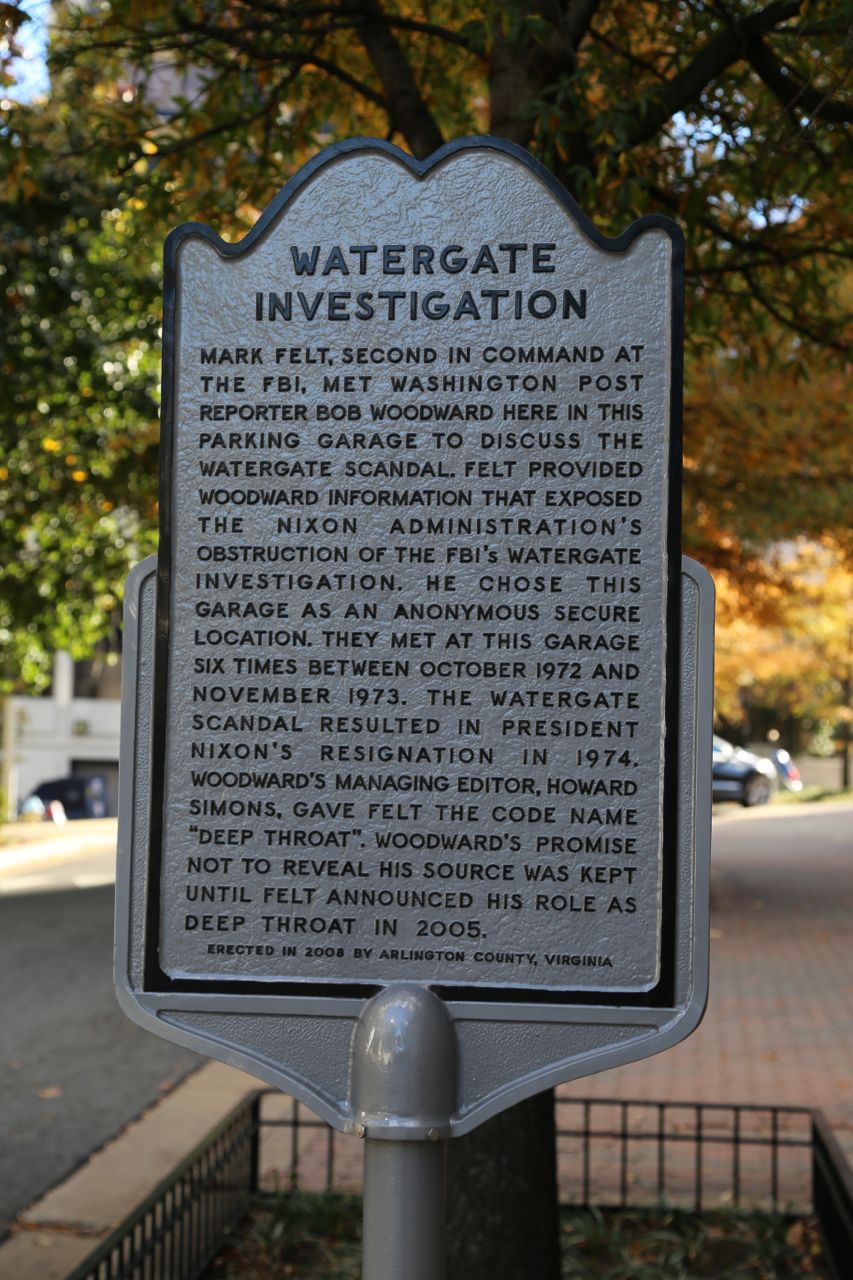
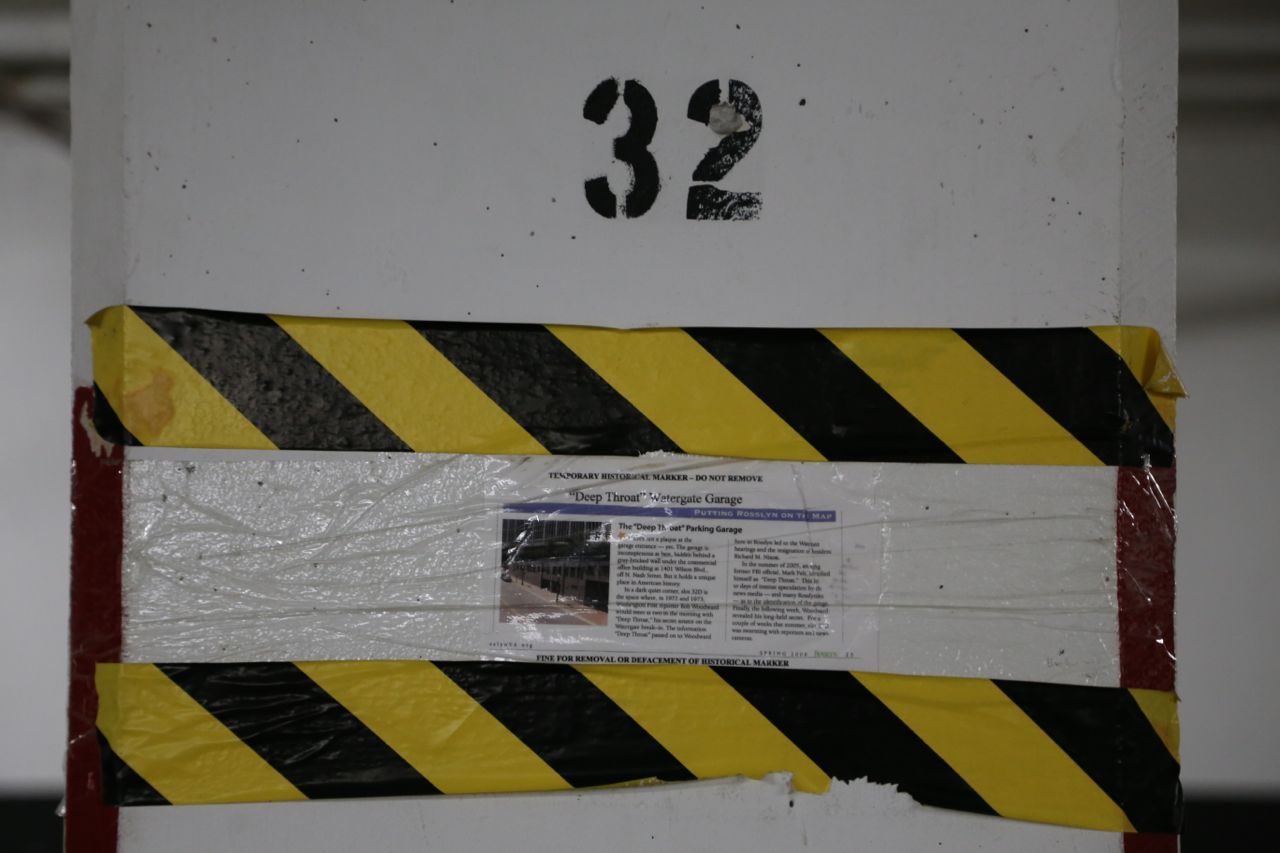
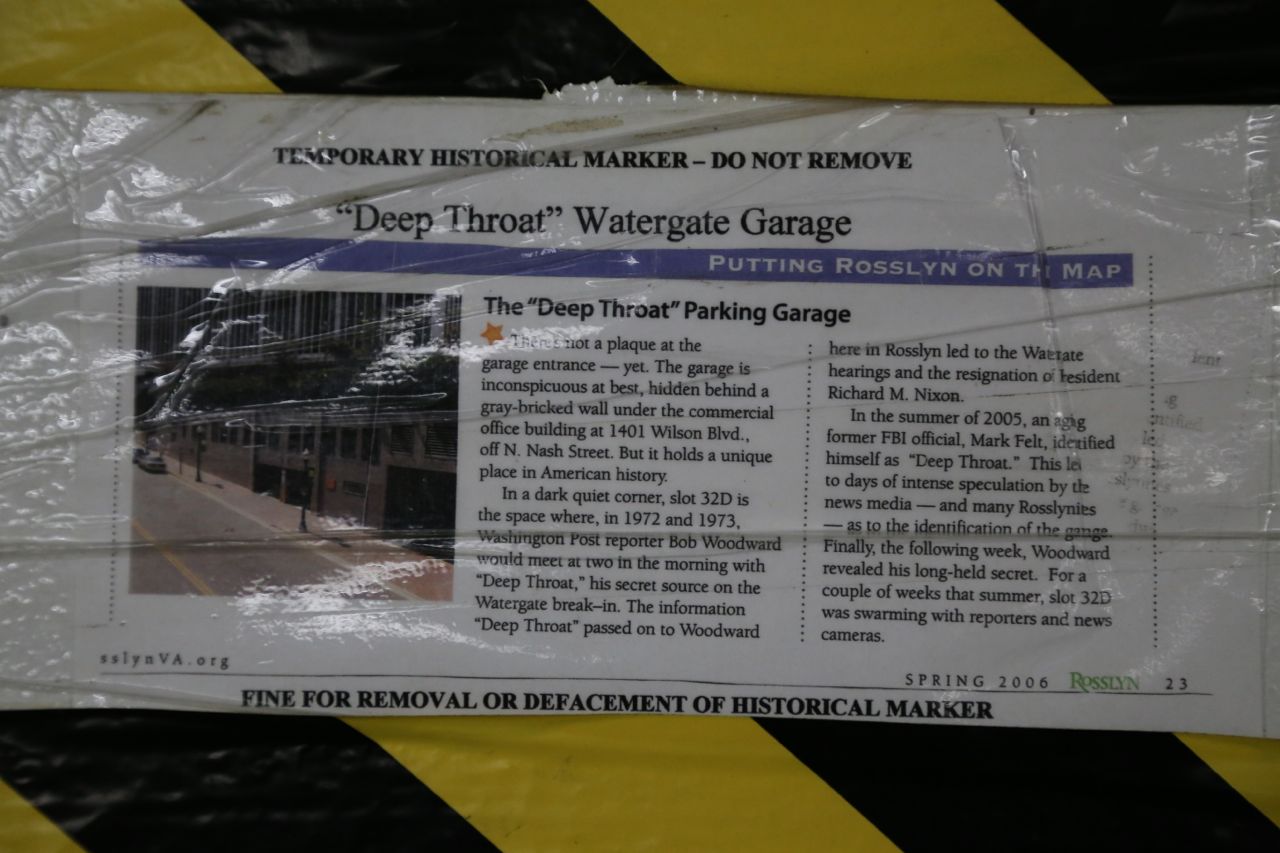
Why do I love Arlington? Because there is an actual historic marker outside the garage entrance describing this “historical” location. I mean really, who wants to visit the location of a Civil War battle or the Capitol of the United States when you can visit the exact parking spot on the lower level of a garage where a reporter met the second in command of the FBI about the Watergate Scandal? The column next to the parking spot even has a “temporary historical marker” for which there is evidently a “fine for removal or defacement.” I have never seen a historical marker that was paper covered rather badly by a lot of clear tape and bordered by lovely yellow and black tape. The “temporary historical marker” clearly gives this historical location the solemn respect it deserves. However, please be aware, if you want to visit this historical location, plan to do so in the next year or so. There are plans to tear the buildings there down. [Read the comments on that article. Some of them are truly hilarious.] There outside historical marker would evidently stay though.

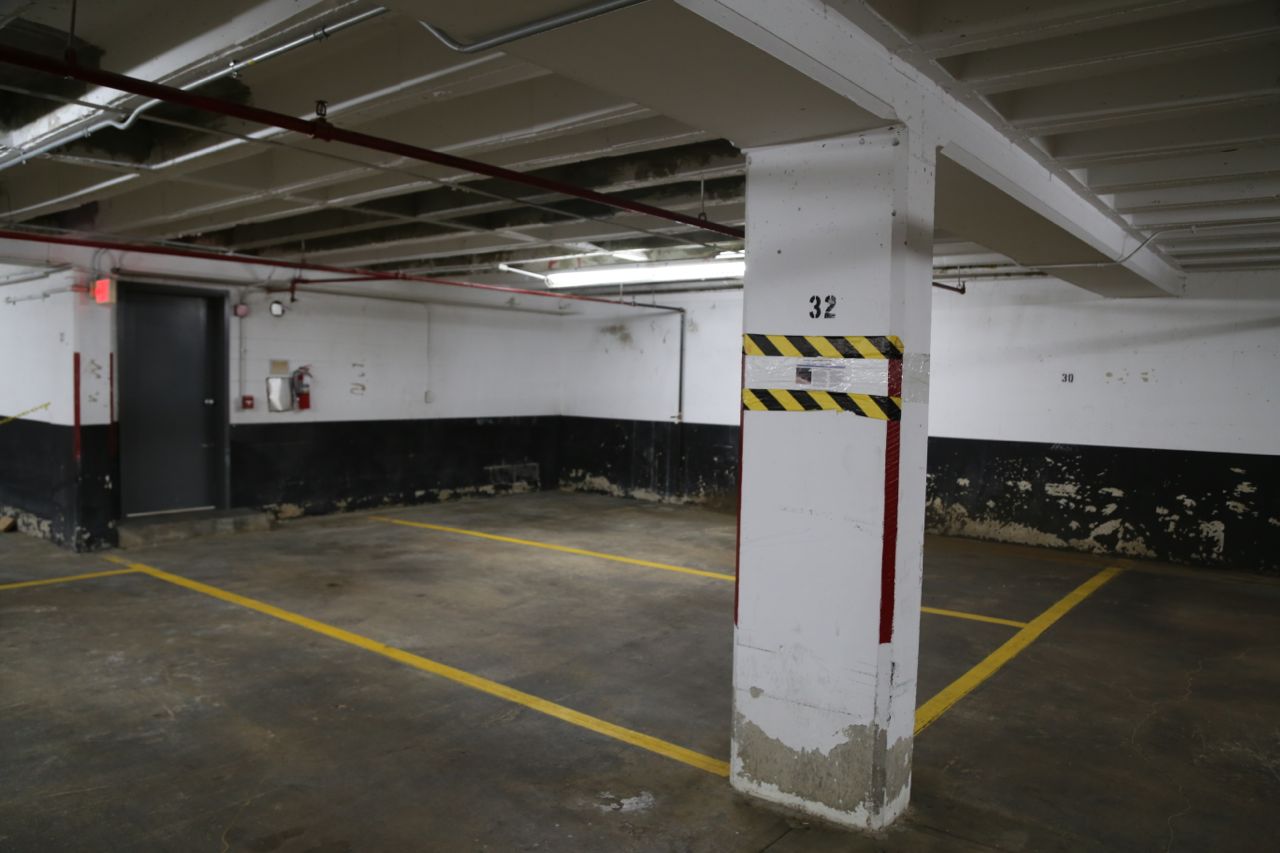
You can read more about the site here. The garage is located at 1401 Wilson Blvd. in the Rosslyn area of Arlington. The parking spot is on the very bottom level in the southeast corner right next to stairwell, which was apparently one of the reasons why that spot was chosen. I don’t know how many visitors it gets. However, when I went there on a Sunday afternoon, the garage was under going repairs, such that I didn’t immediately realize there were multiple levels because I couldn’t see the car ramps. One of the contractors walked up to me and asked if I was trying to park. I said no, I was trying to find a particular parking spot, the Deep Throat parking spot. He knew what I meant and told me how to find it. So, it is a tourist attraction of sorts!

Garage Entrance

Garage Entrance

Permanent outside marker

Permanent outside marker

The parking spot

The parking spot

Parking spot number and temporary historic marker

Parking spot number and temporary historic marker

Temporary historic marker

Temporary historic marker

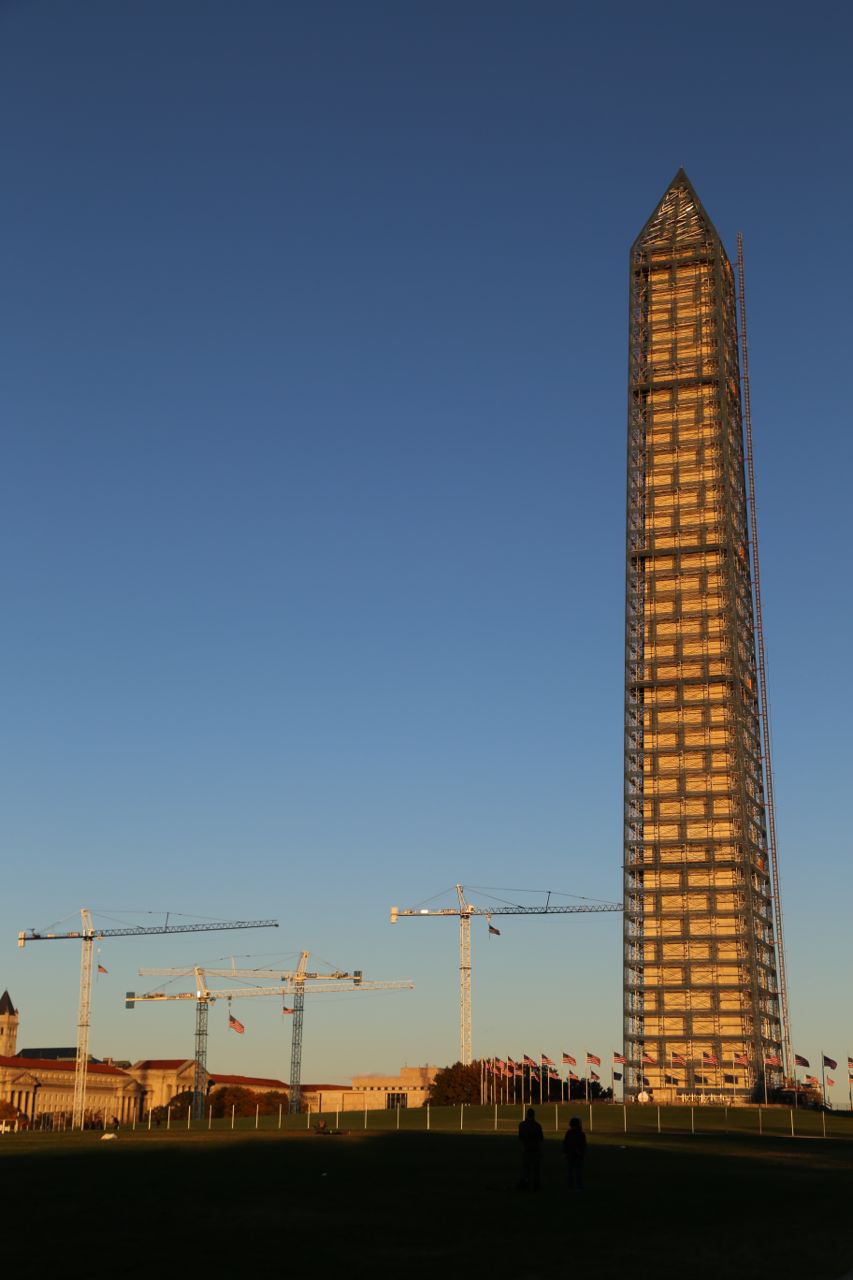
Washington Monument in Scaffolding

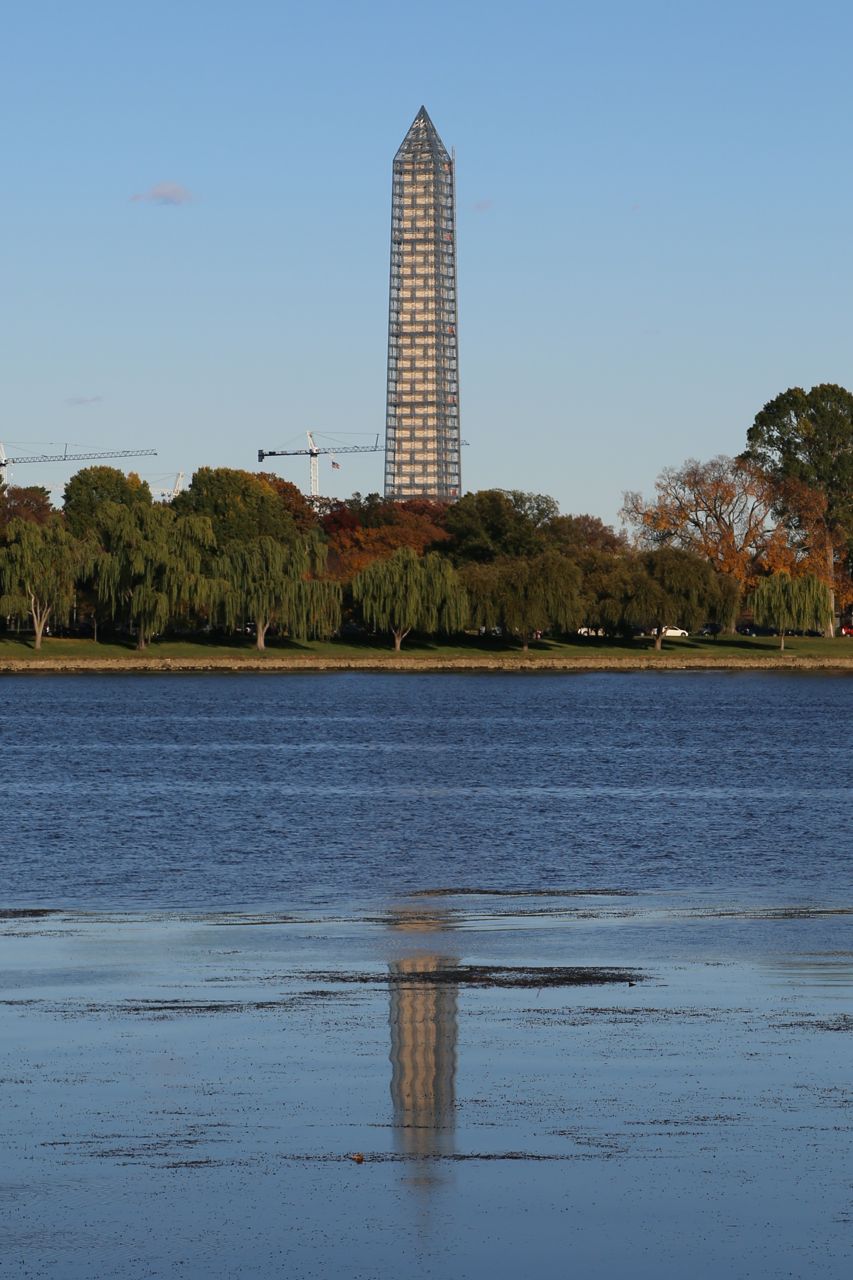
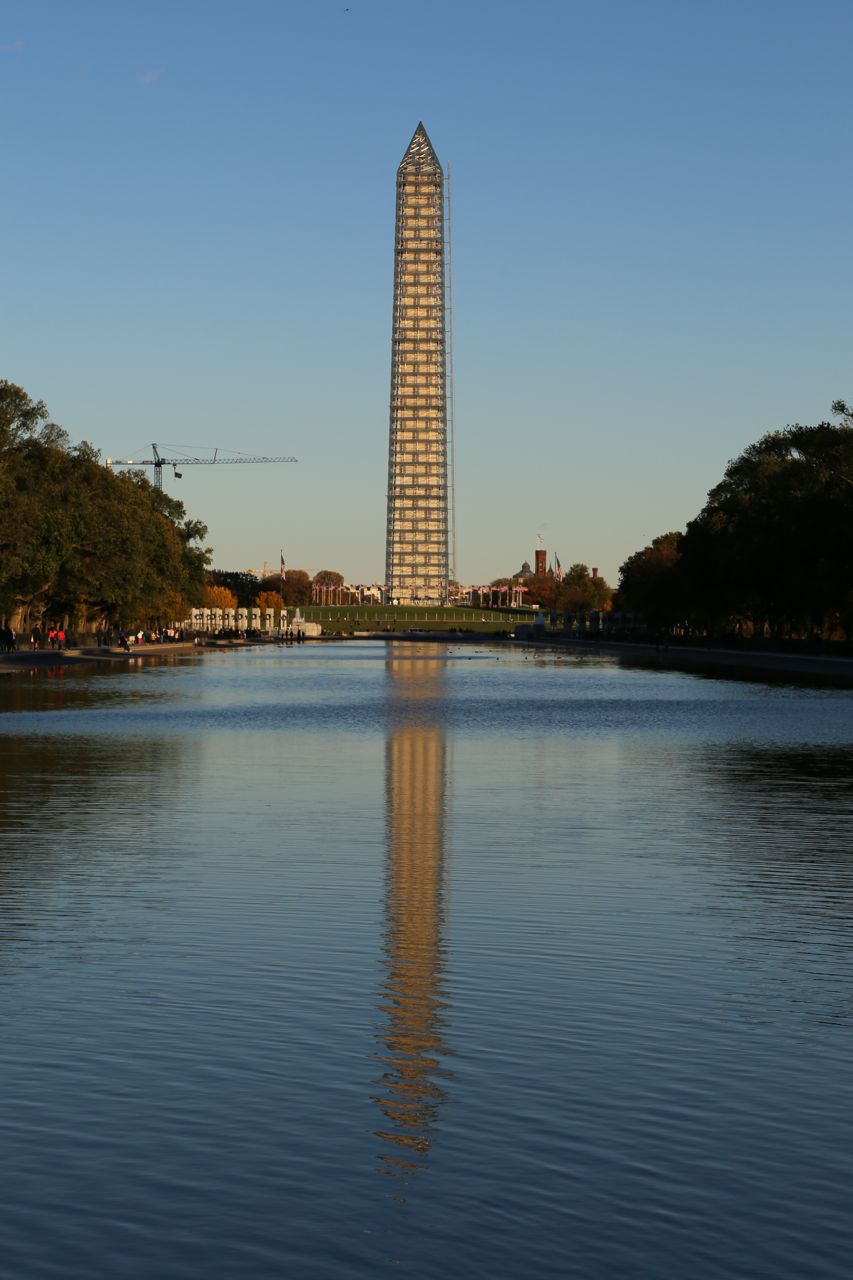
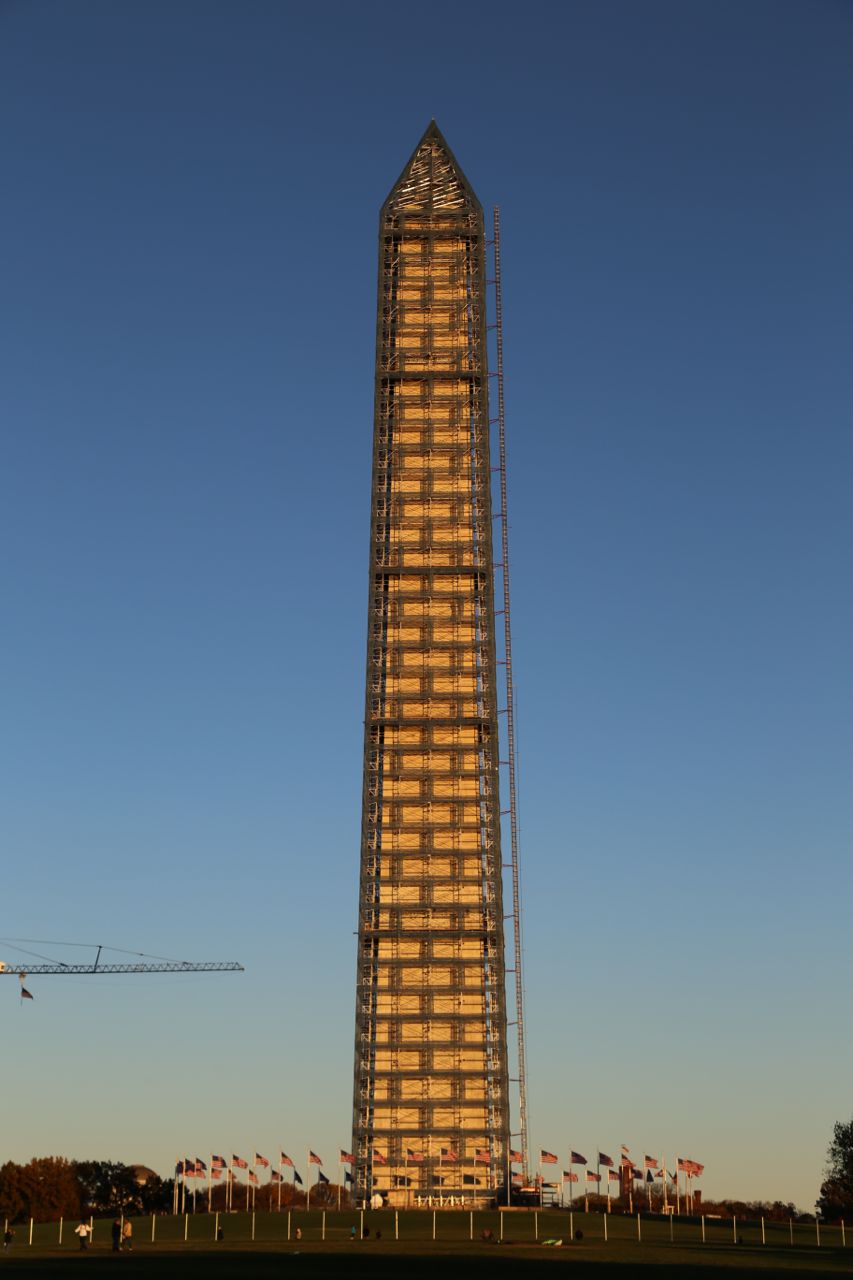
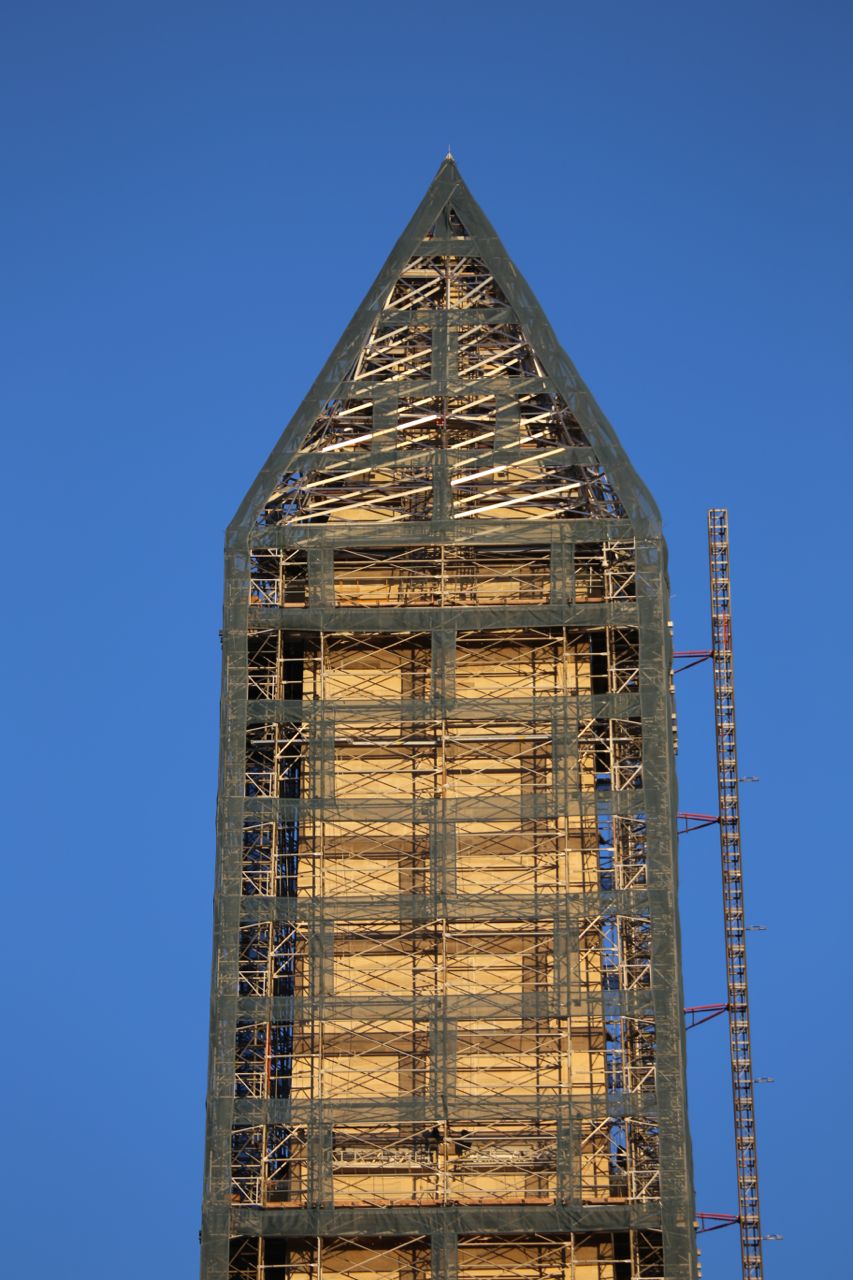
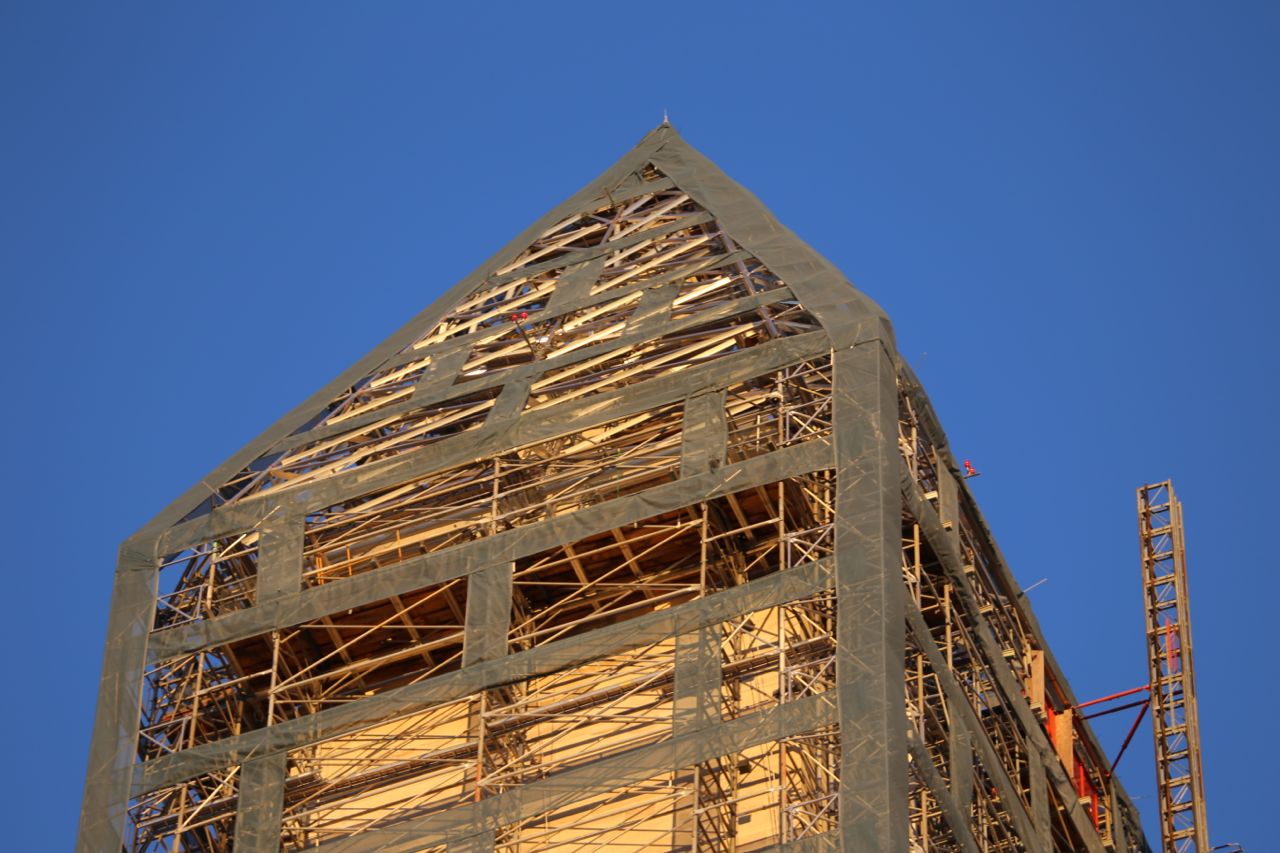
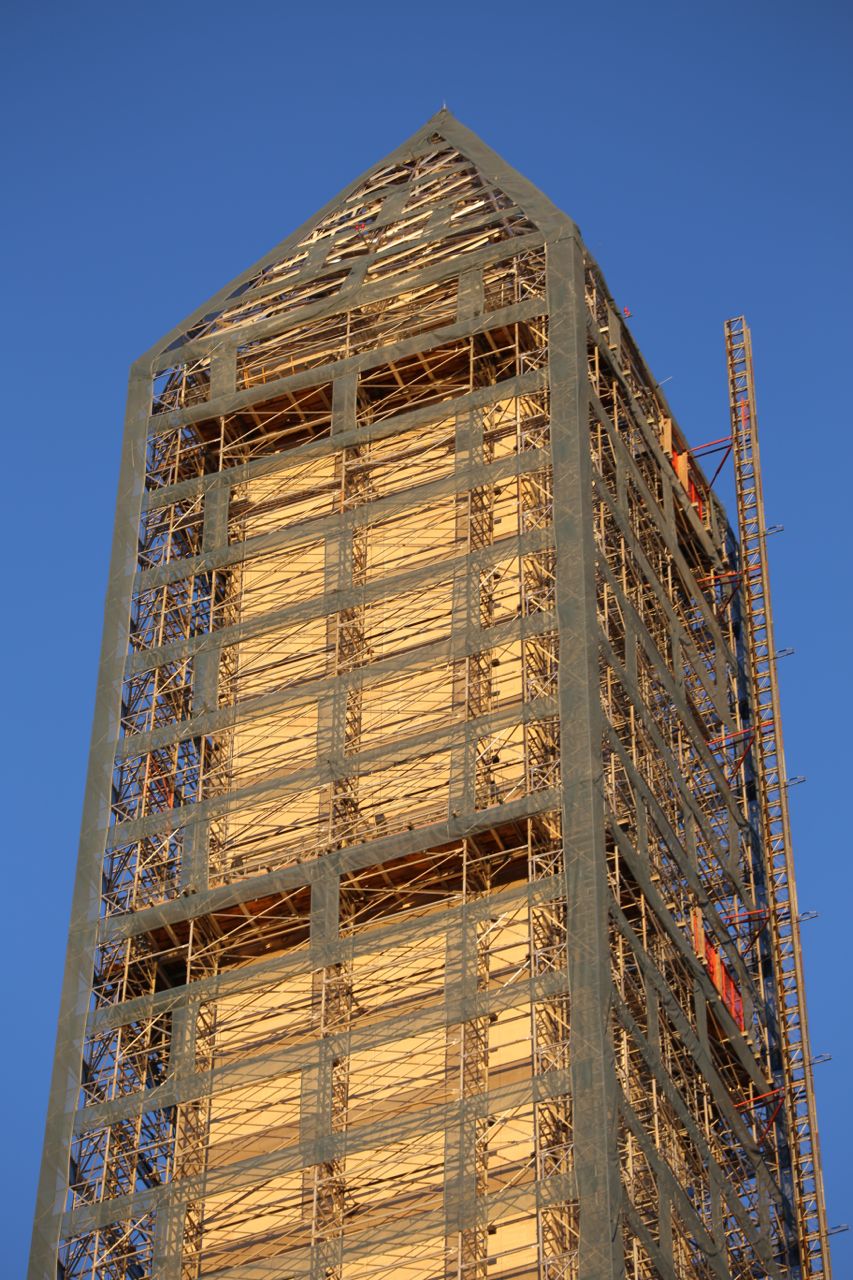
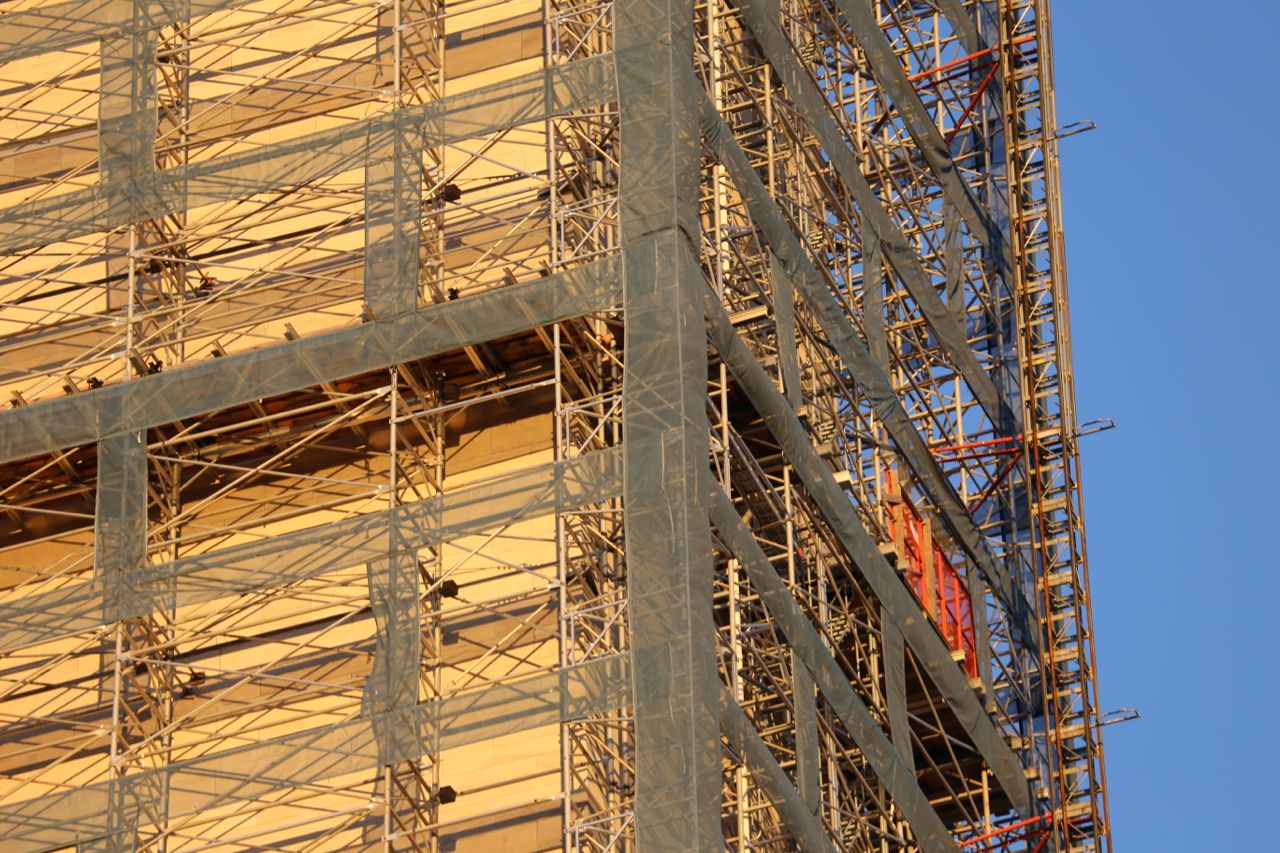
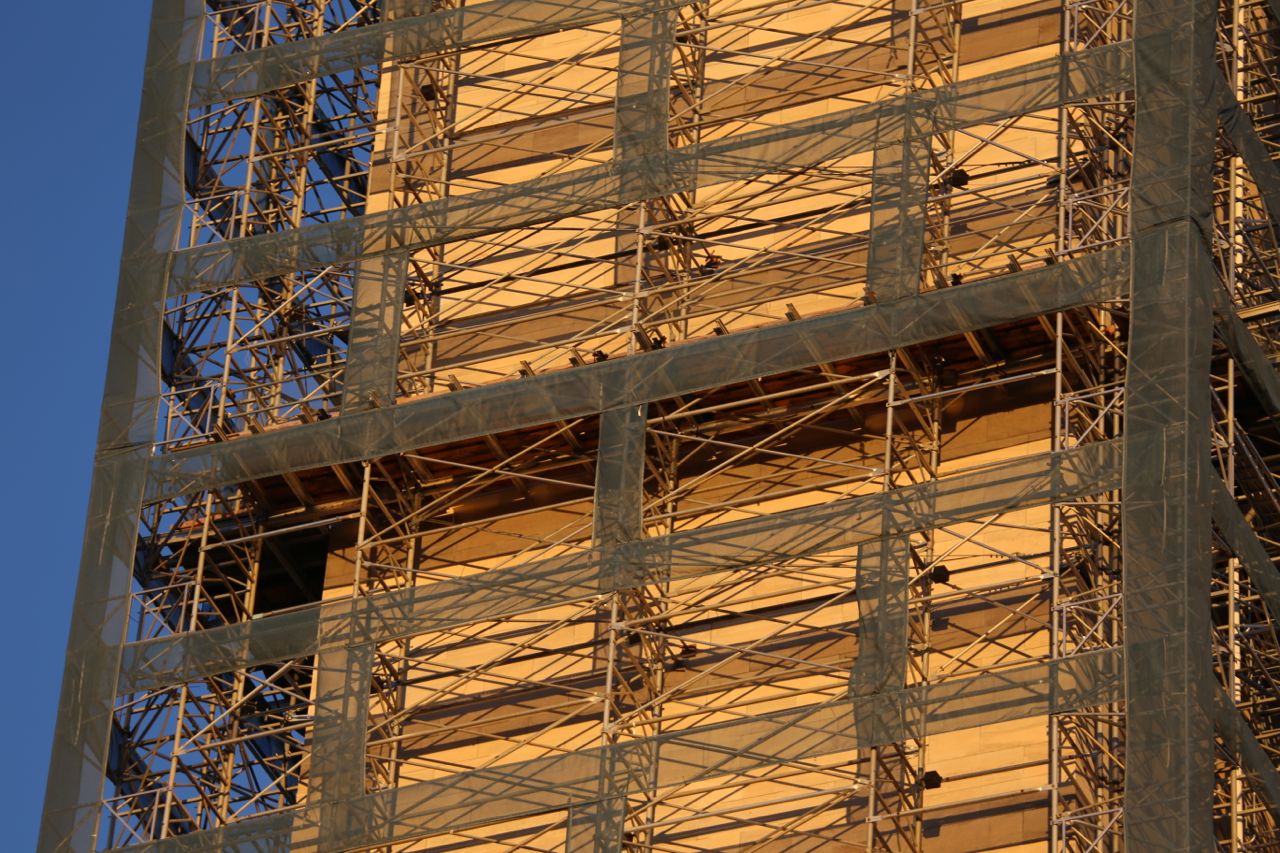
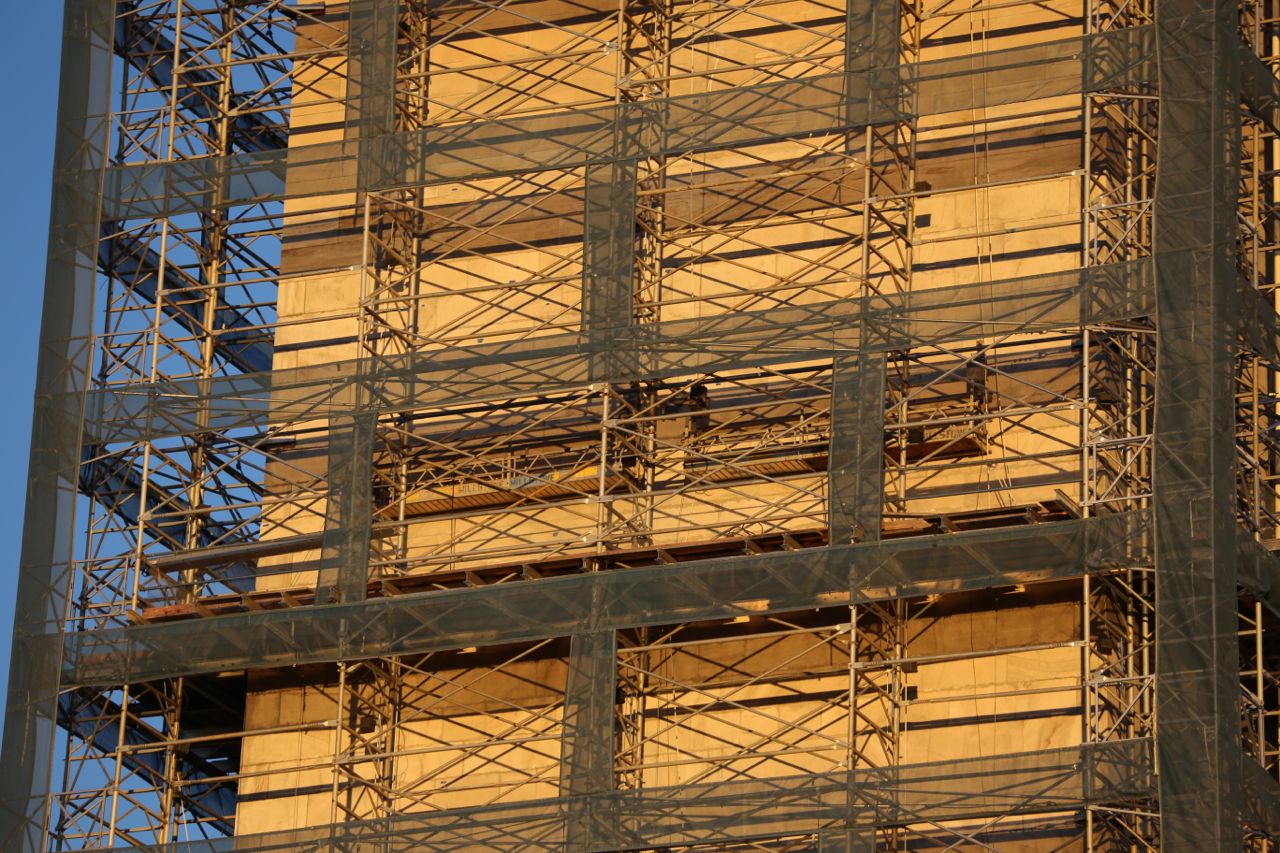
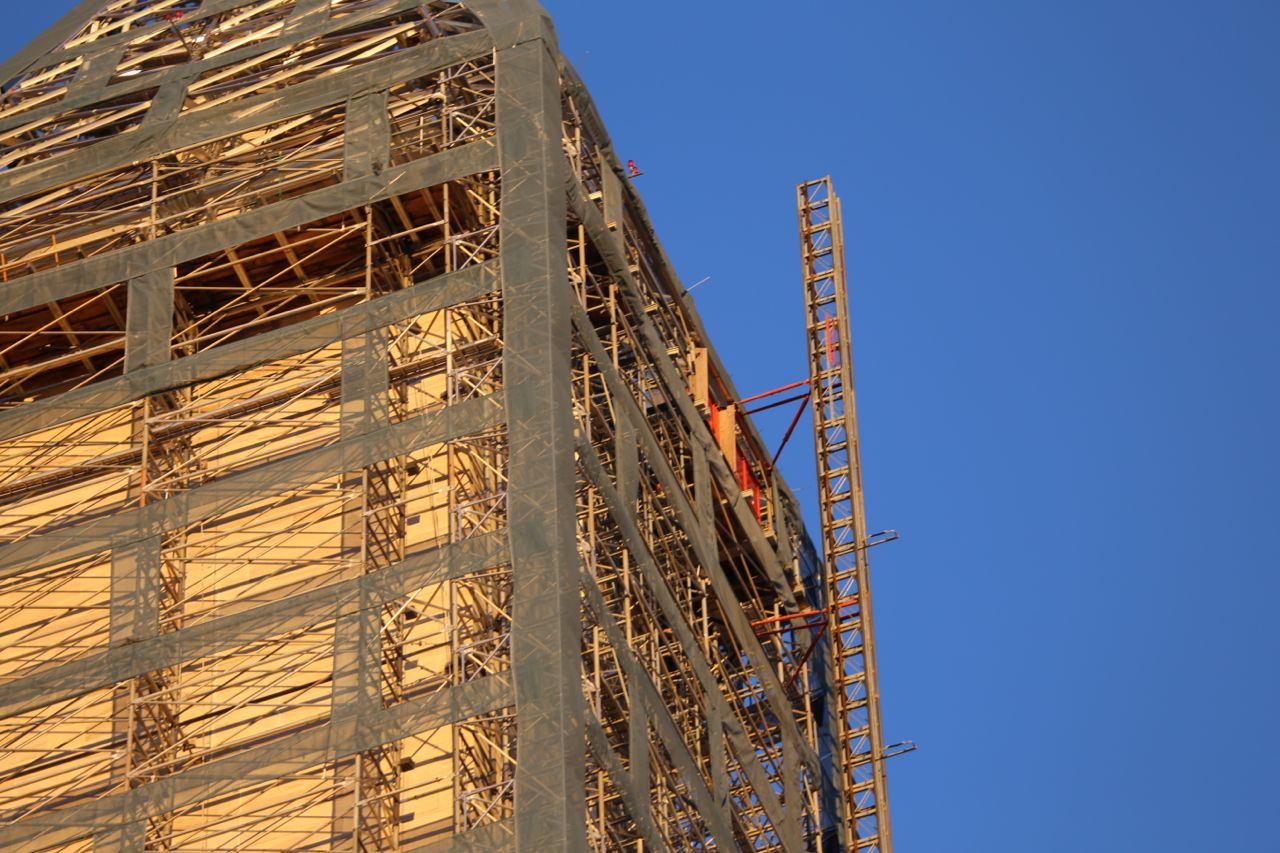
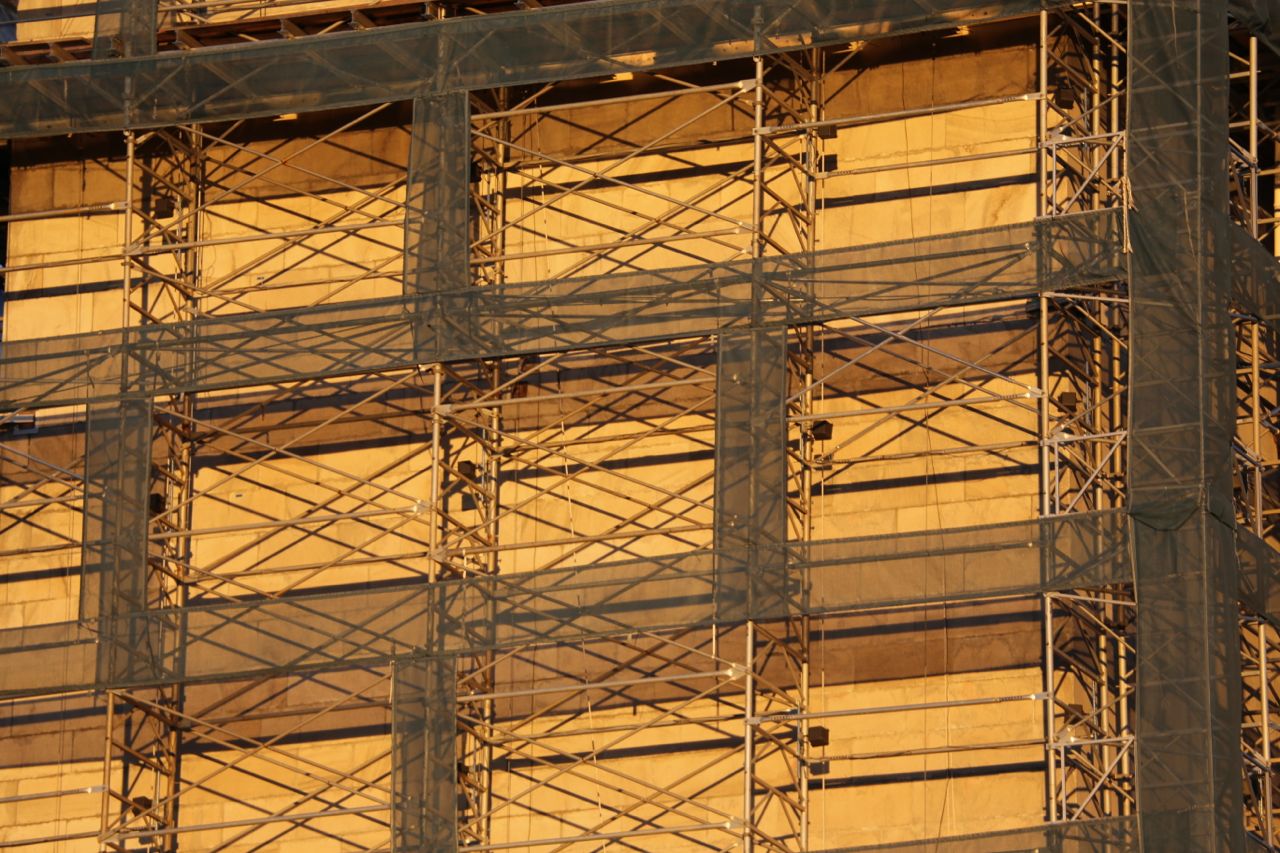
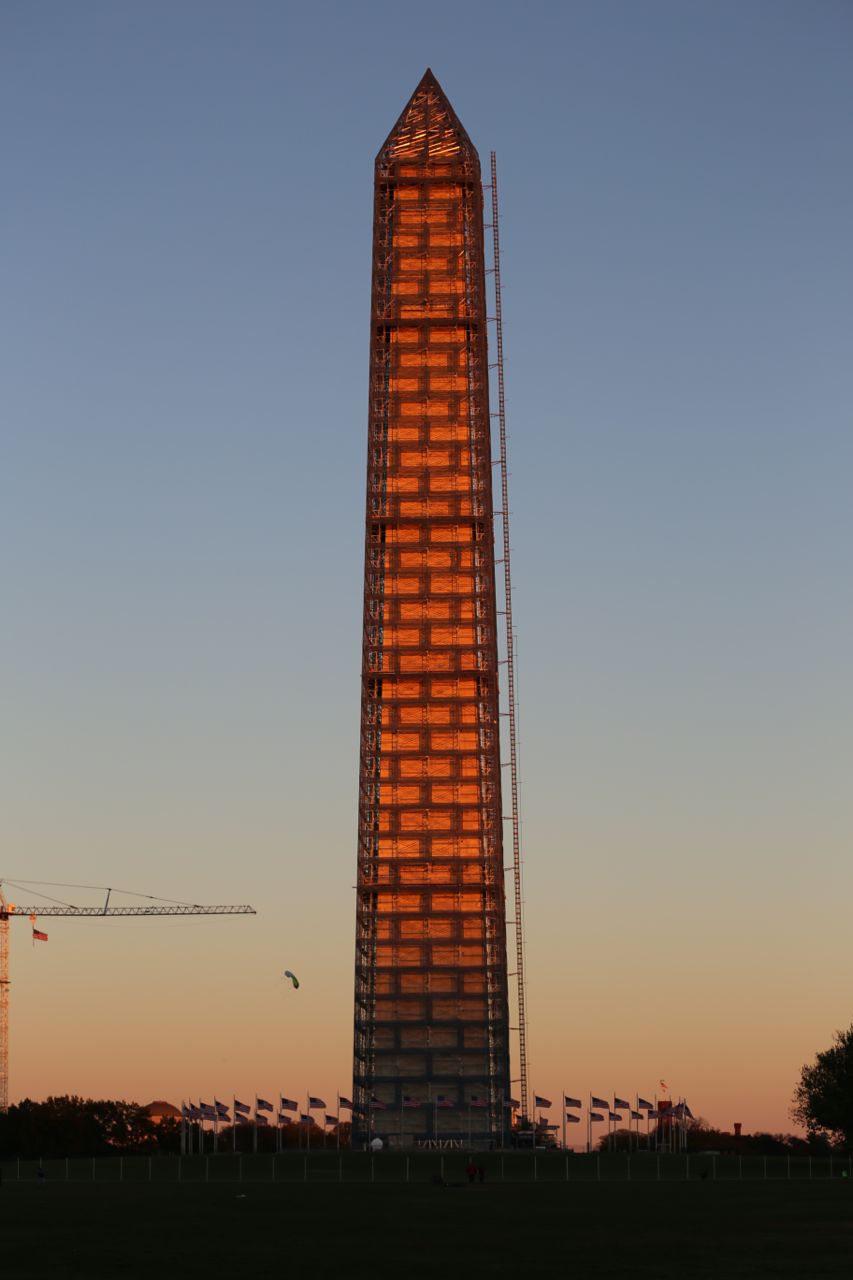
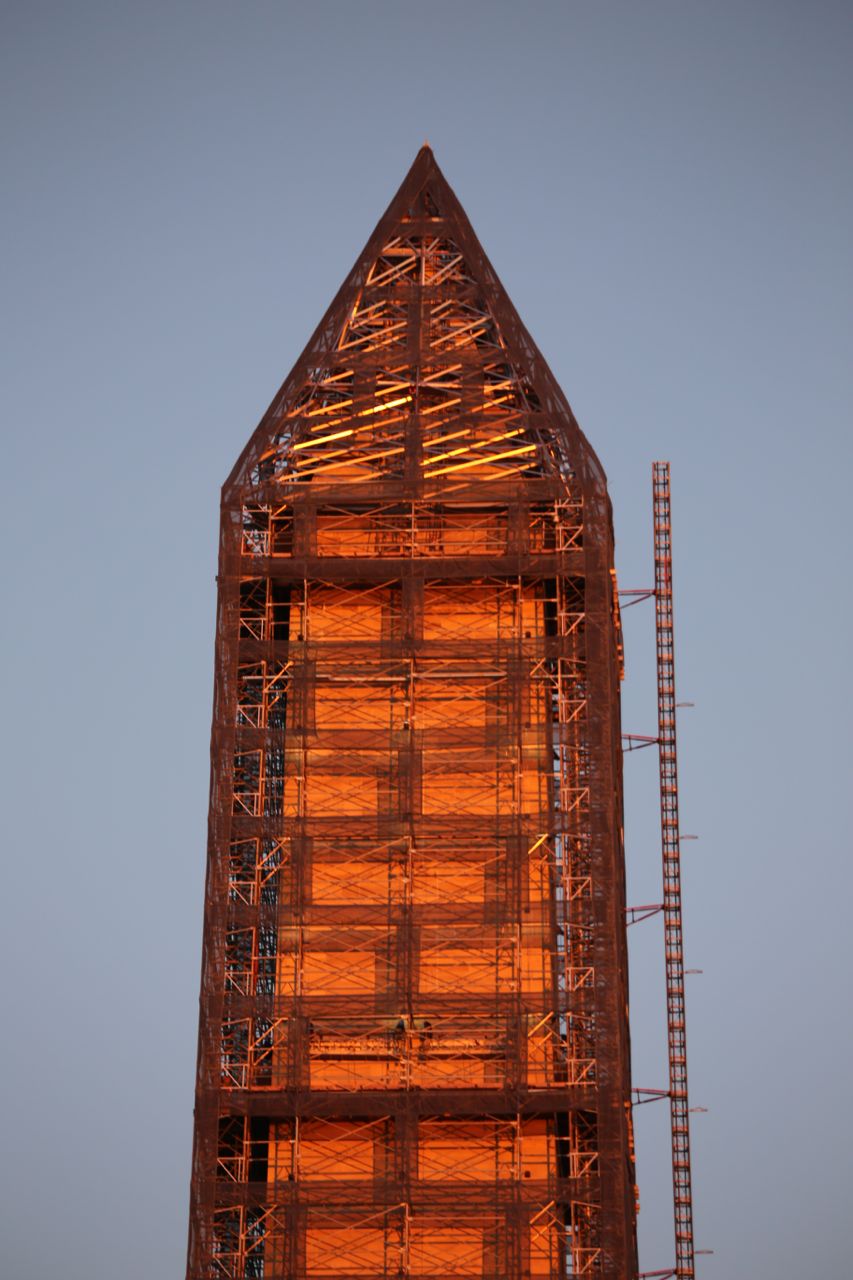
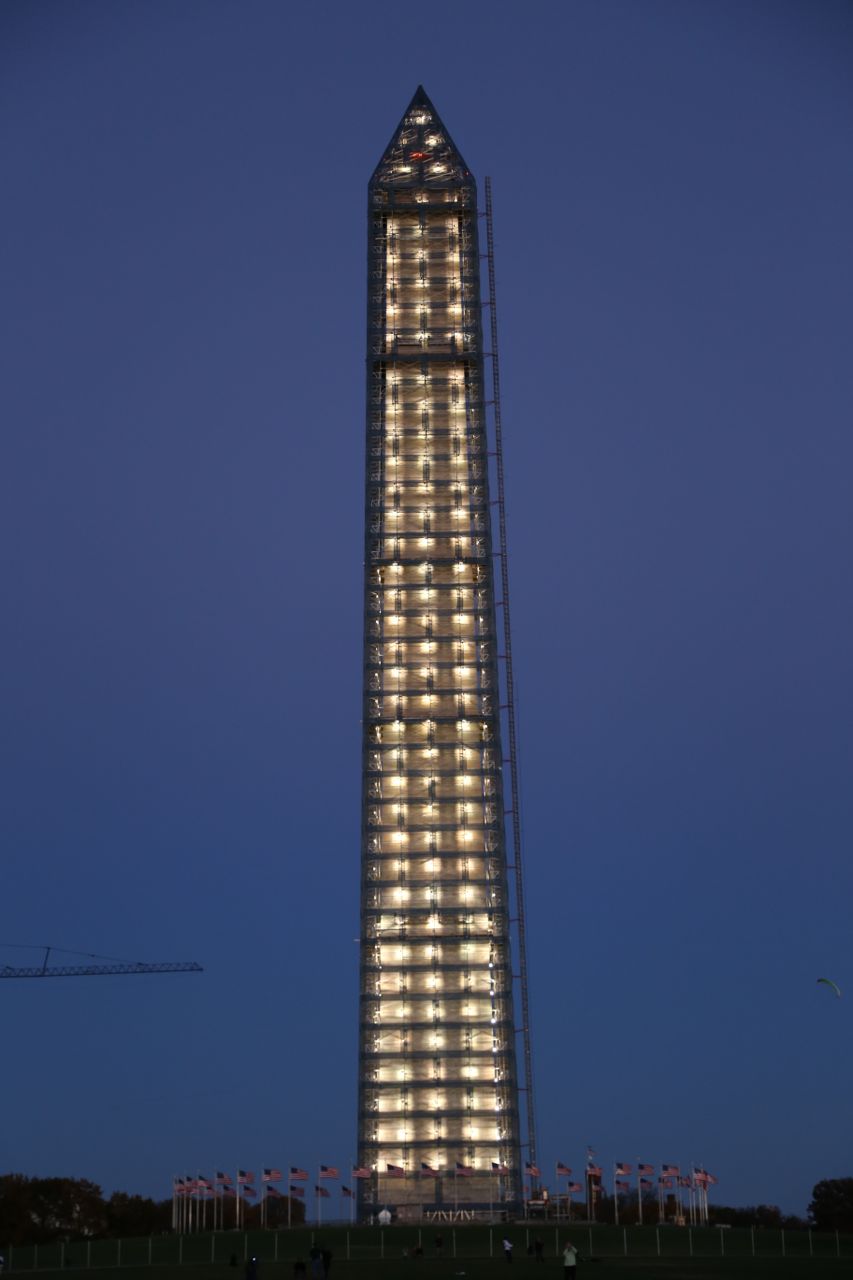
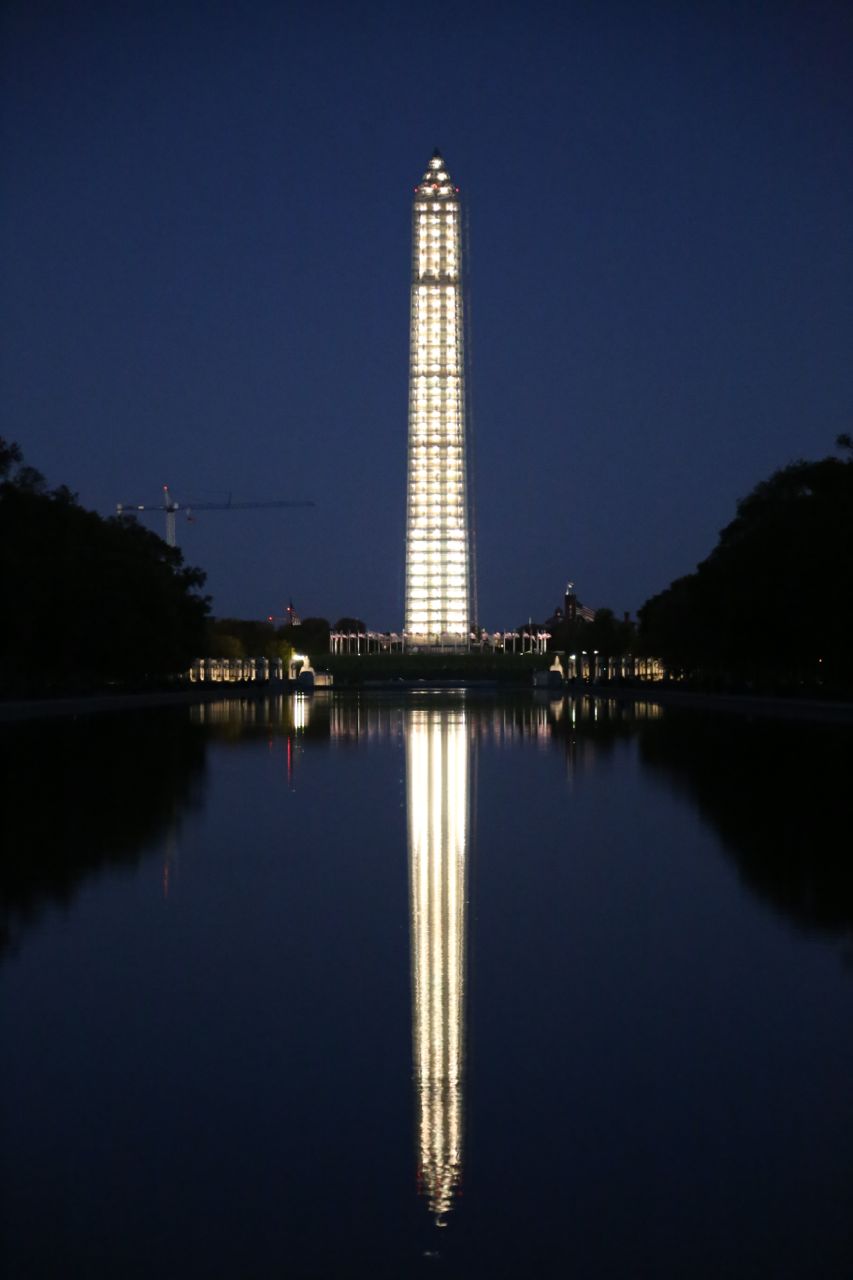
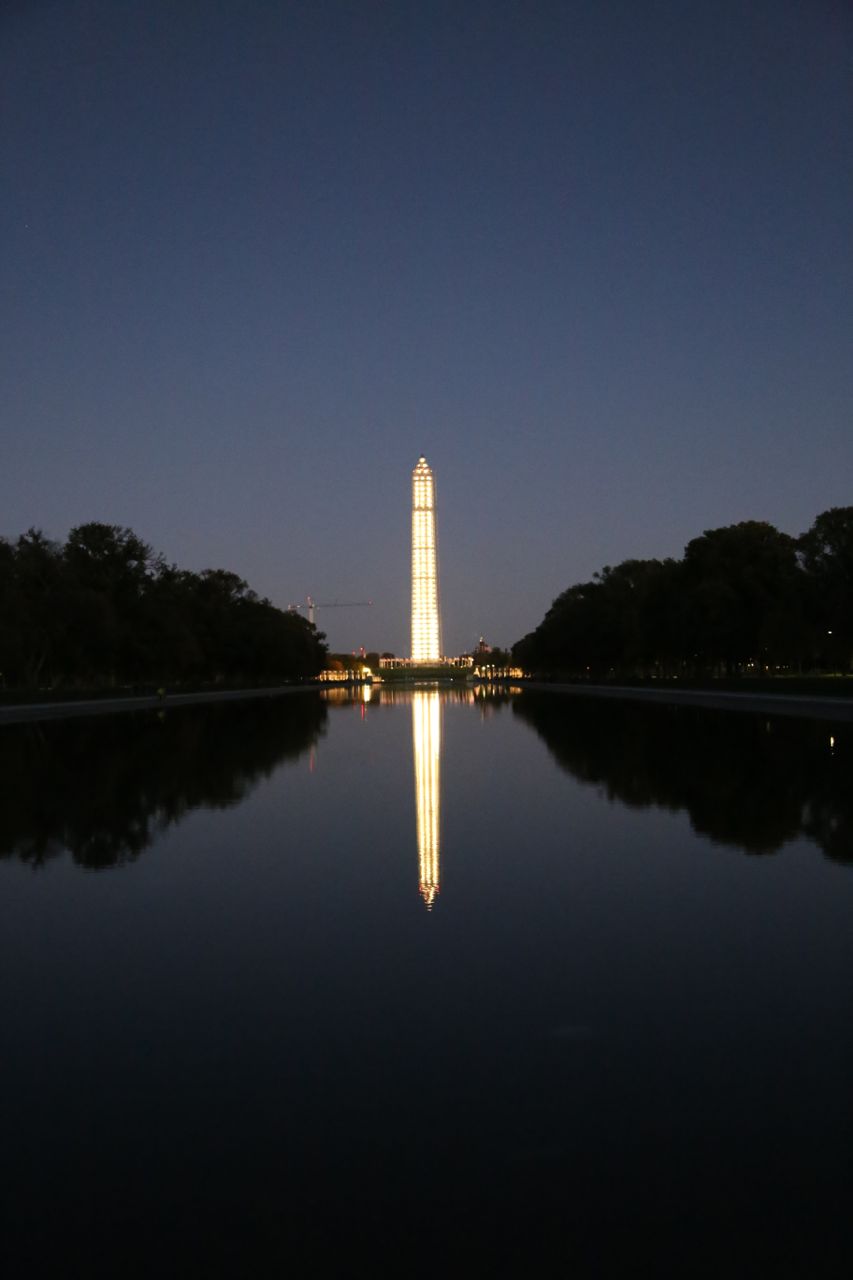
The Washington Monument is currently covered with scaffolding while it is repaired for damage from the 2011 earthquake. Perhaps I am biased because I am an engineer, but I think the scaffolding surrounding it is both an engineering feat and a work of art. It is also amazing to view. In one of the photos below, you can see how they actually have suspended scaffolding within the supported scaffolding, which I think is totally cool. They have been lighting it up at night, but tonight is the last night it will be lit. They are almost done with the repairs, and the lights need to be removed to finish repairs. I finally got out today to photograph the Washington Monument with the scaffolding. Personally while I will be happy when they finish repairs, I also think it is beautiful now.

Reflection on the Potomac River

Reflection on the Potomac River

Reflection on Lincoln Memorial Reflecting Pool

Reflection on Lincoln Memorial Reflecting Pool

In scaffolding

In scaffolding

Washington Monument under repair with construction cranes

Washington Monument under repair with construction cranes

Scaffolding

Scaffolding

Scaffolding

Scaffolding

Scaffolding

Scaffolding

Scaffolding

Scaffolding

Scaffolding

Scaffolding

Suspended scaffolding within the supported scaffolding

Suspended scaffolding within the supported scaffolding

Scaffolding

Scaffolding

Scaffolding

Scaffolding

At sunset

At sunset

At sunset

At sunset

Scaffolding Lighting

Scaffolding Lighting

Reflection on Lincoln Memorial Reflecting Pool

Reflection on Lincoln Memorial Reflecting Pool

Reflection on Lincoln Memorial Reflecting Pool

Reflection on Lincoln Memorial Reflecting Pool

Ferdinand’s Nemesis: HVAC Condenser

Ferdinand loves to hunt rodents and other little animals. These type of animals constantly seem to take refuge underneath the HVAC condenser in my backyard, and then Ferdinand spends hours trying to get to them. Normally this hunting occurs at 2 a.m. Today, he was doing this for about two hours, came in briefly when I called him to dinner, and quickly returned back to the hunt. He is out there as I type. A short video to show the futility of this hunt, but Ferdinand is nothing if not persistent in his hunting.

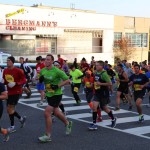
38th Marine Corp Marathon

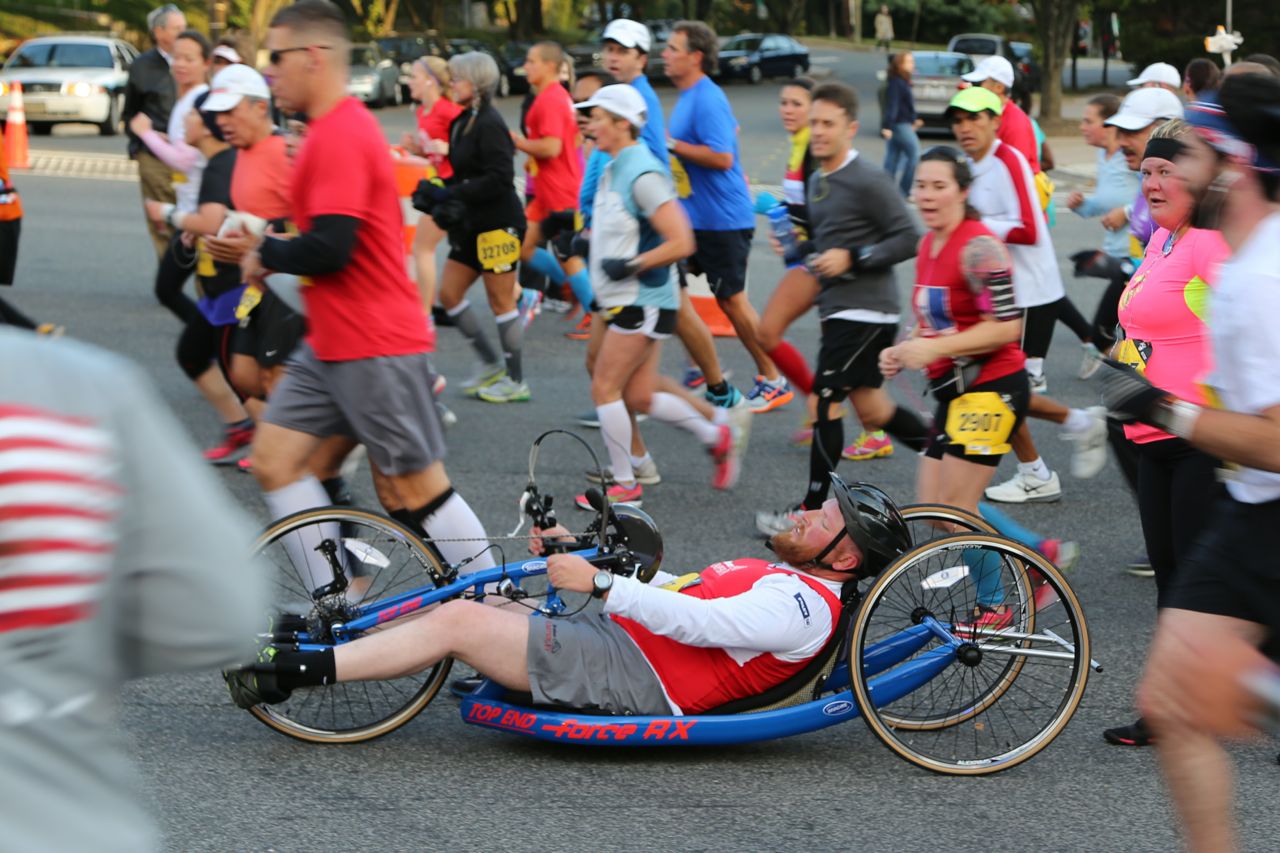
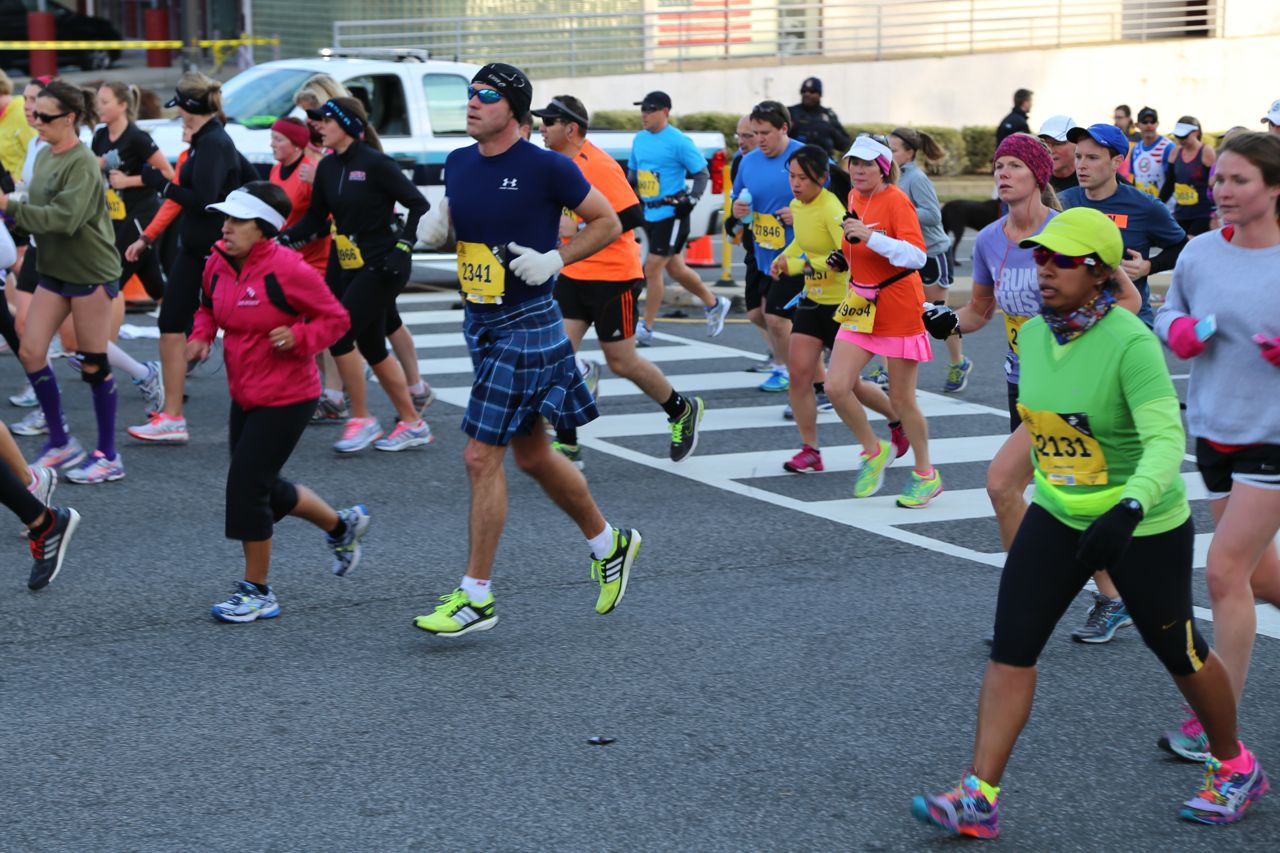
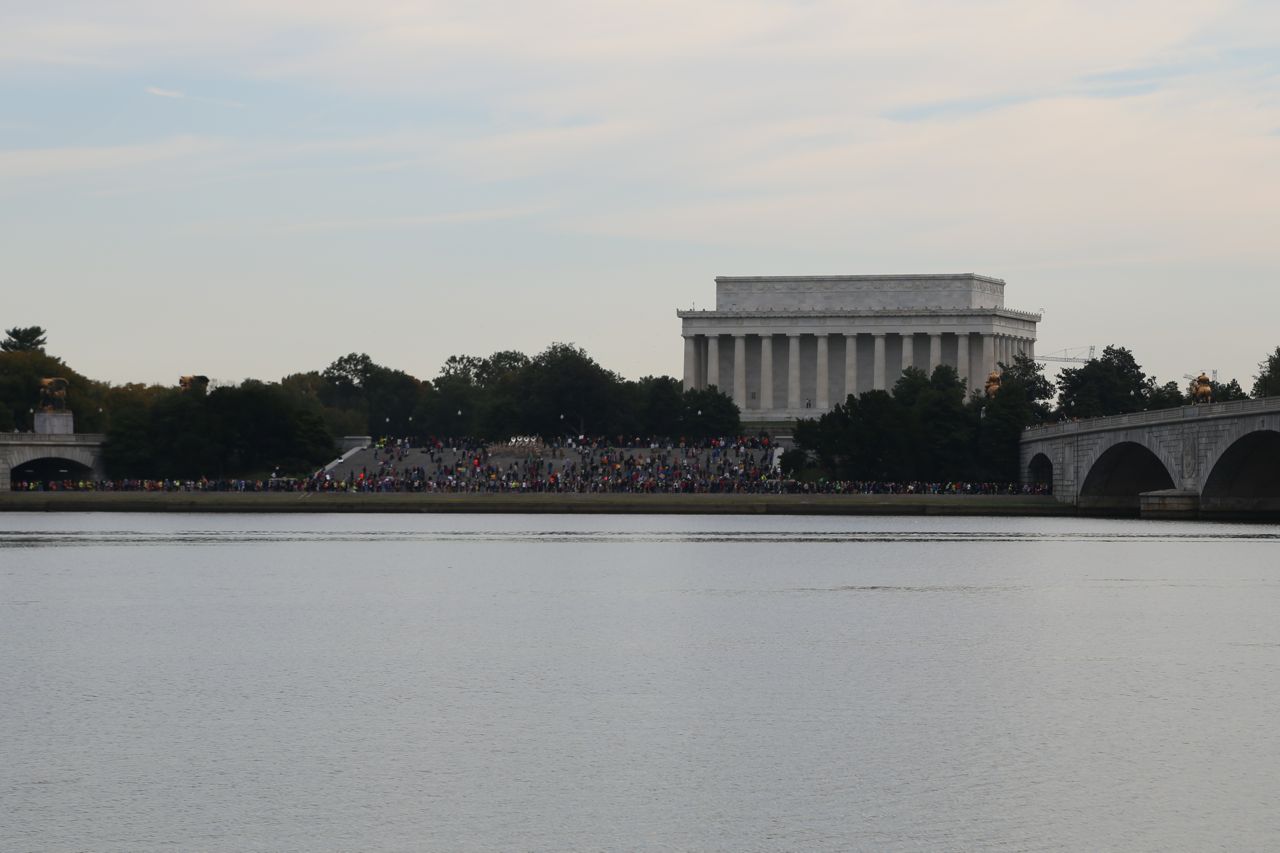
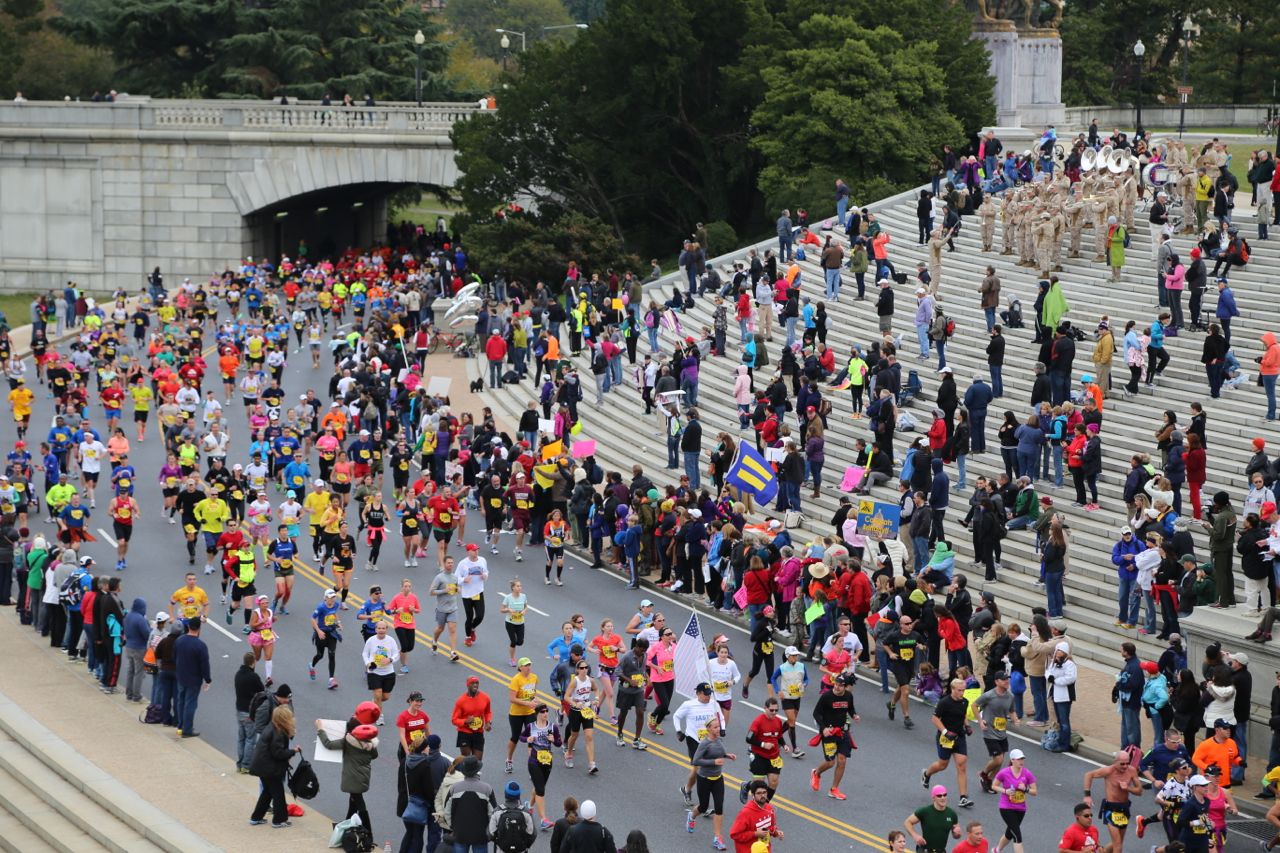
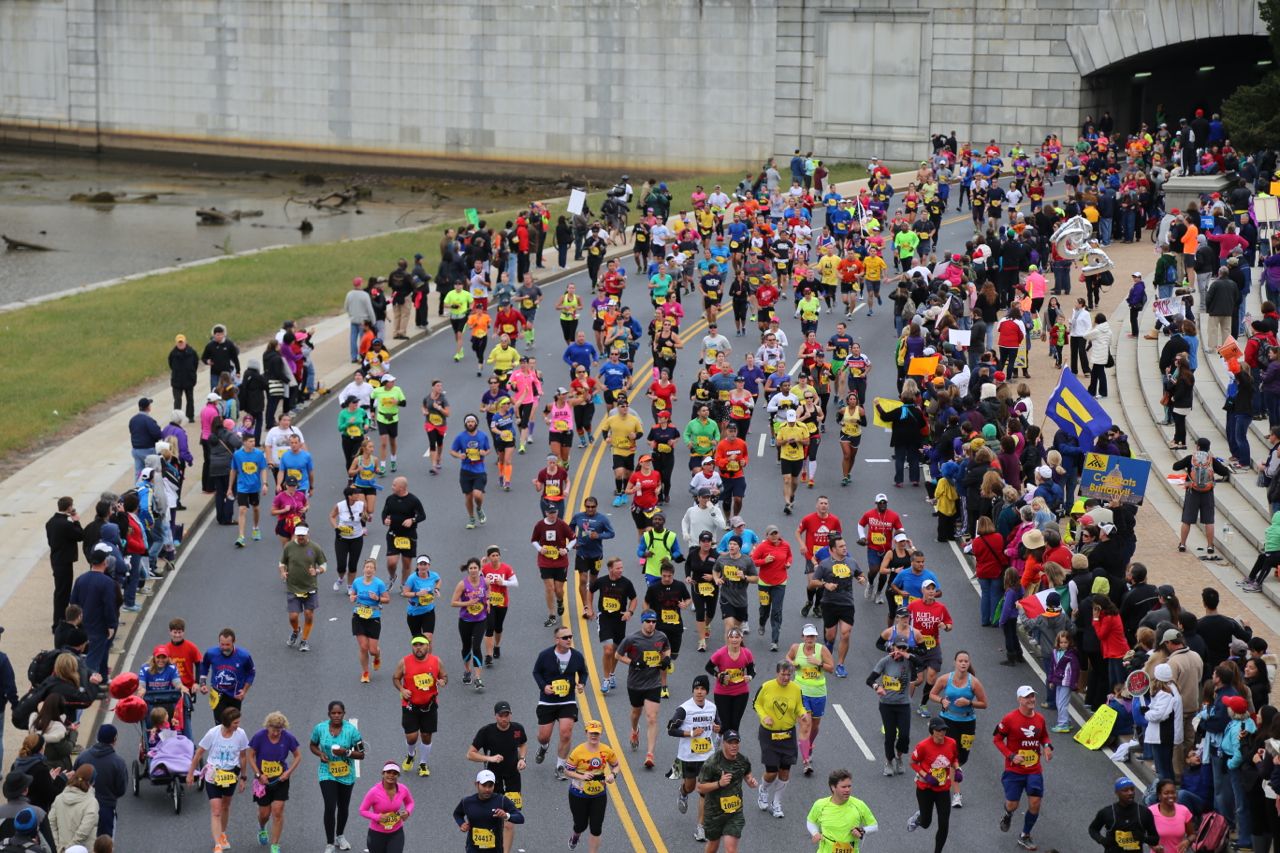
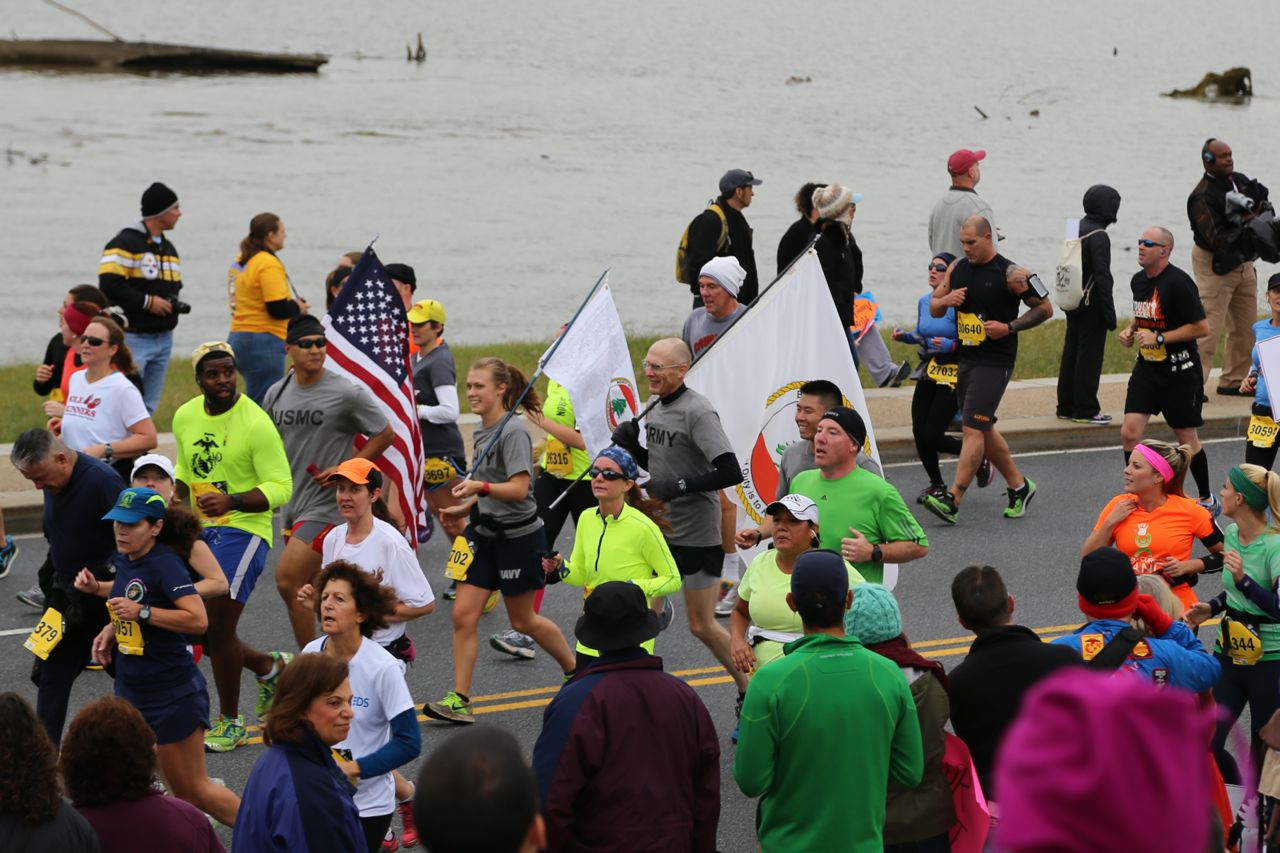
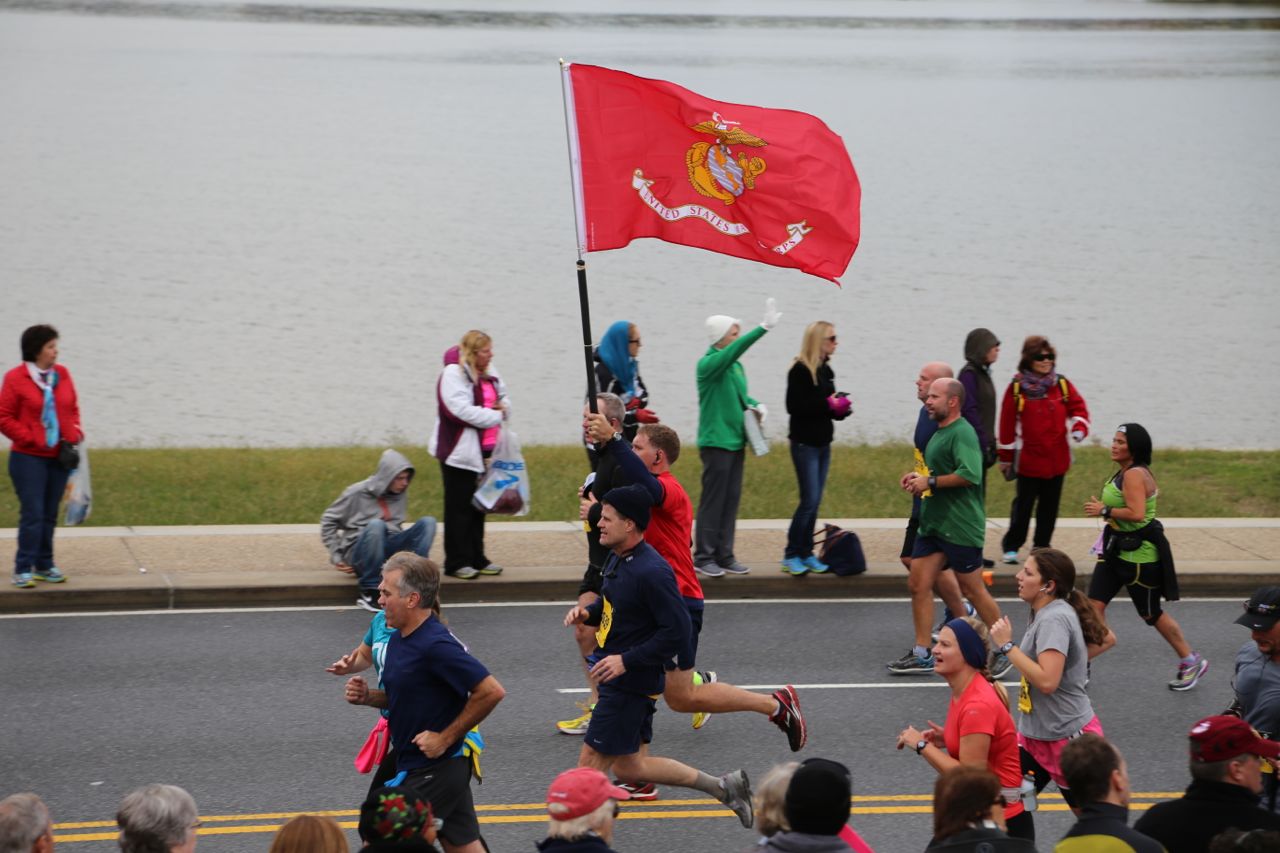
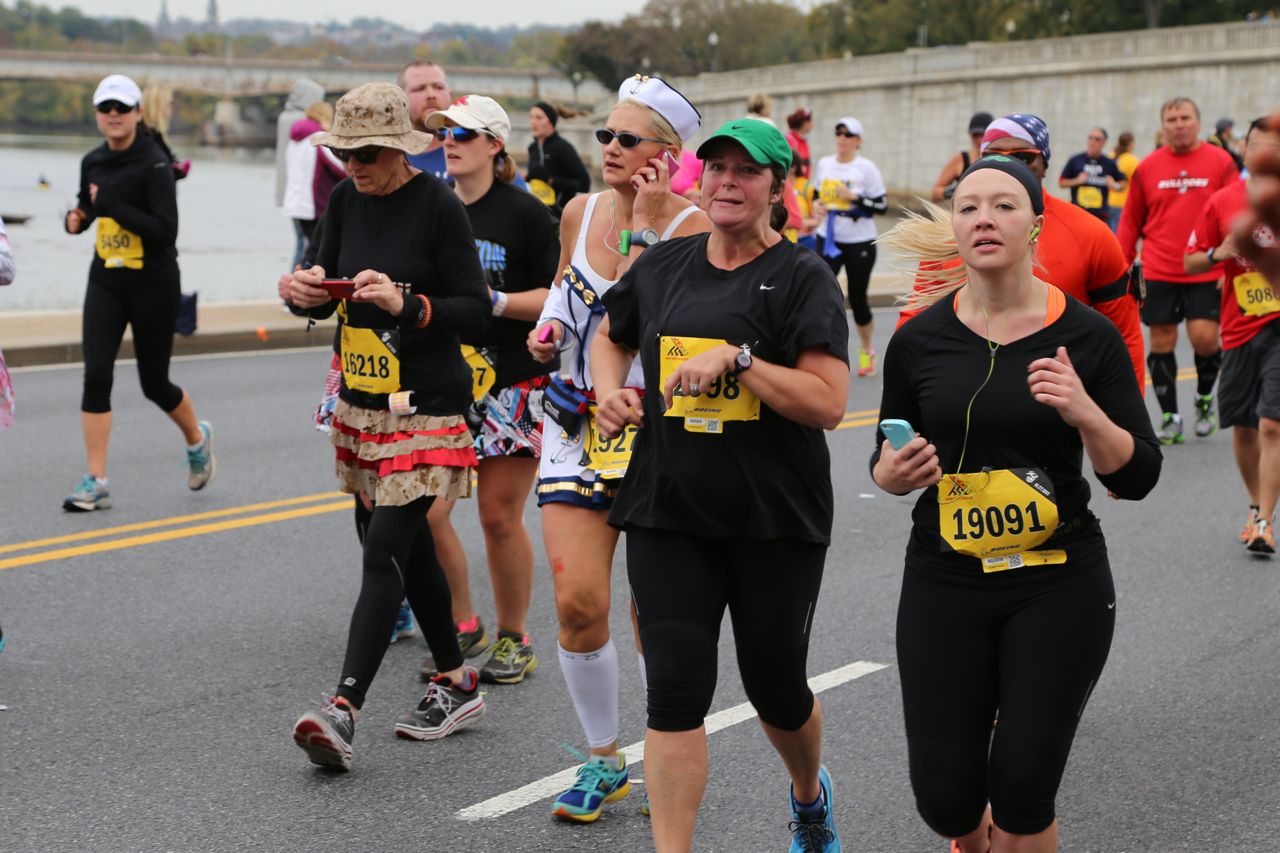
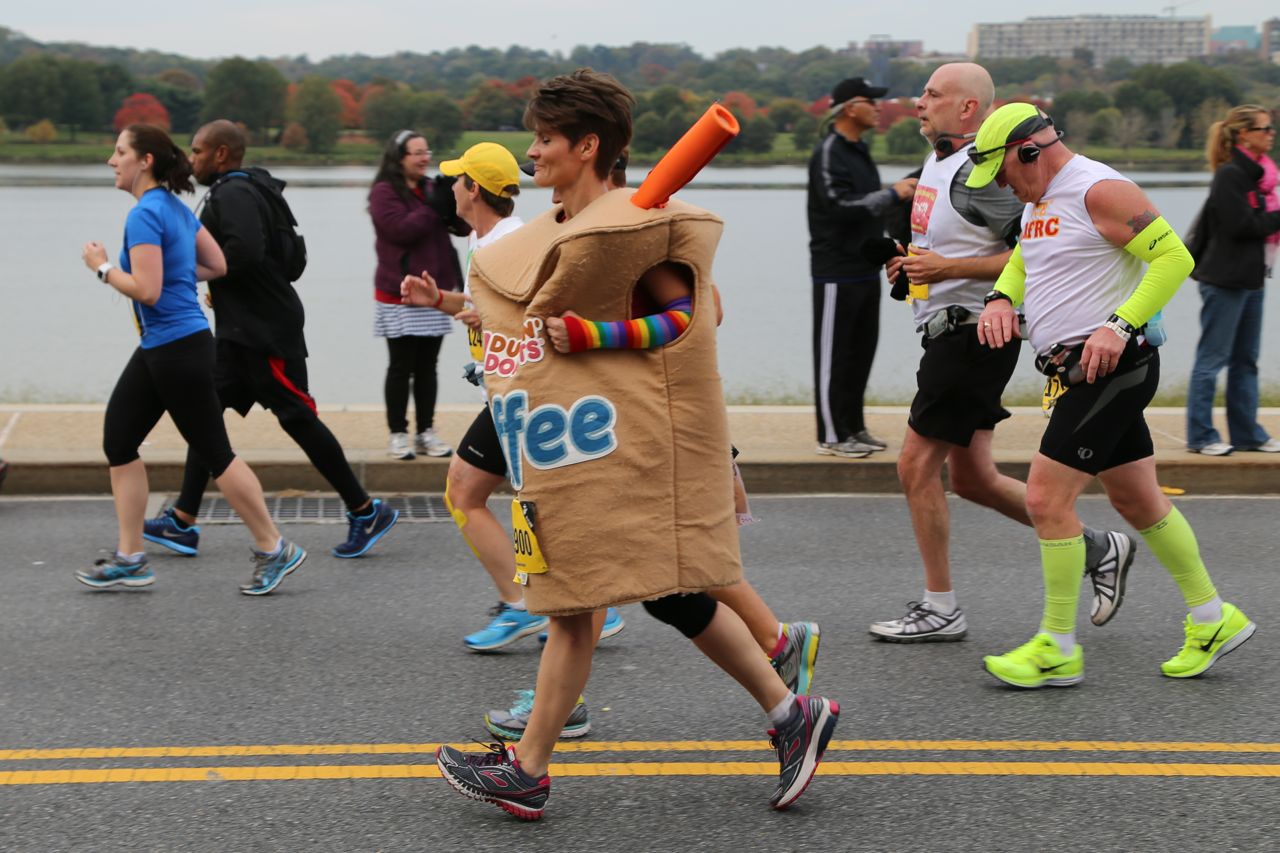
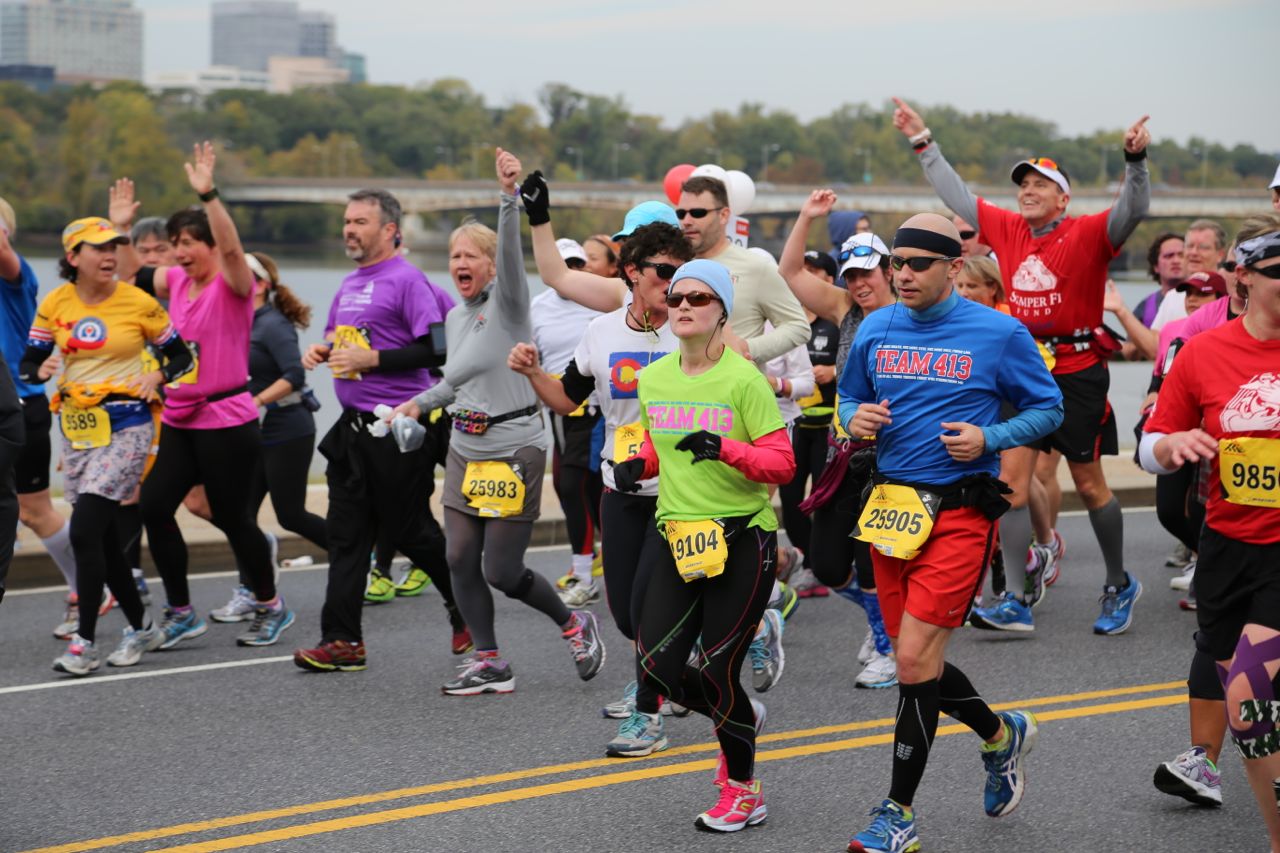
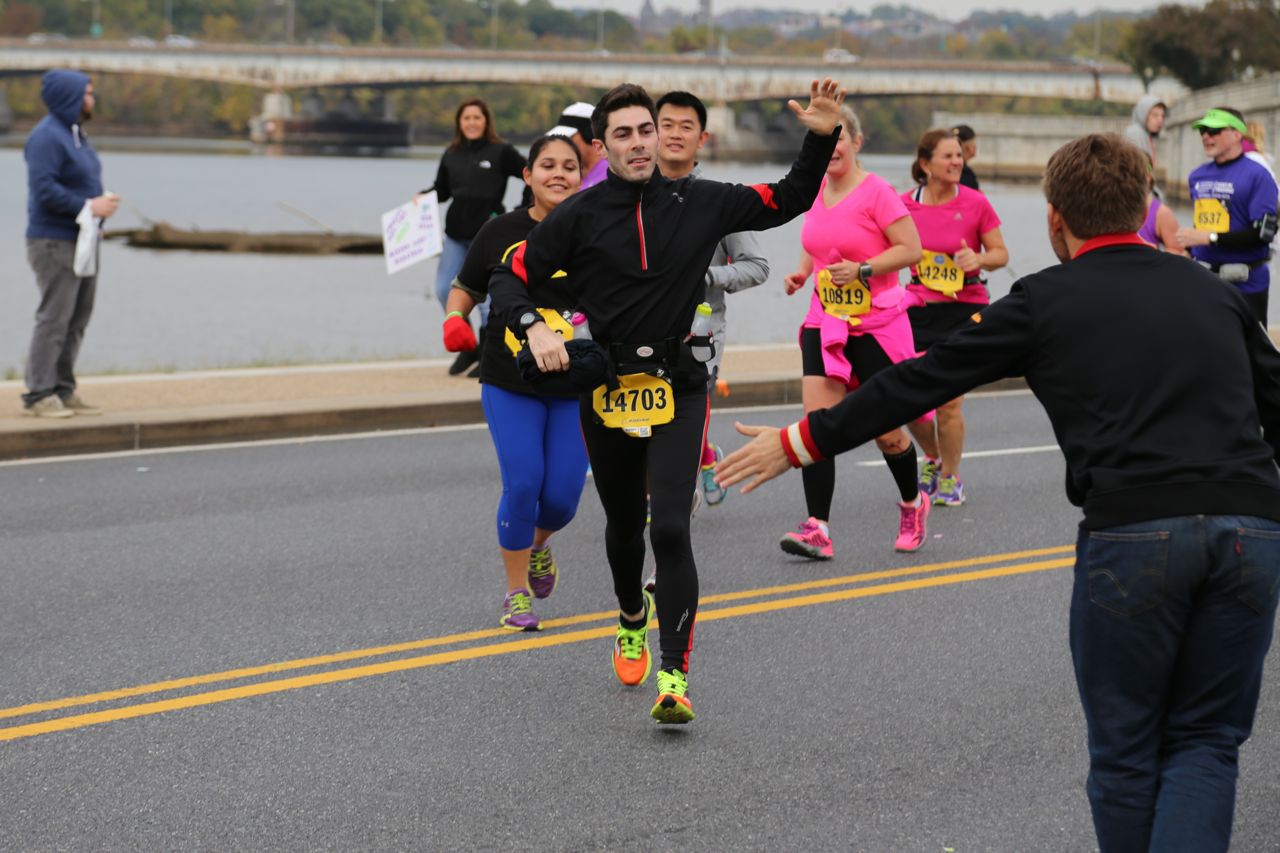
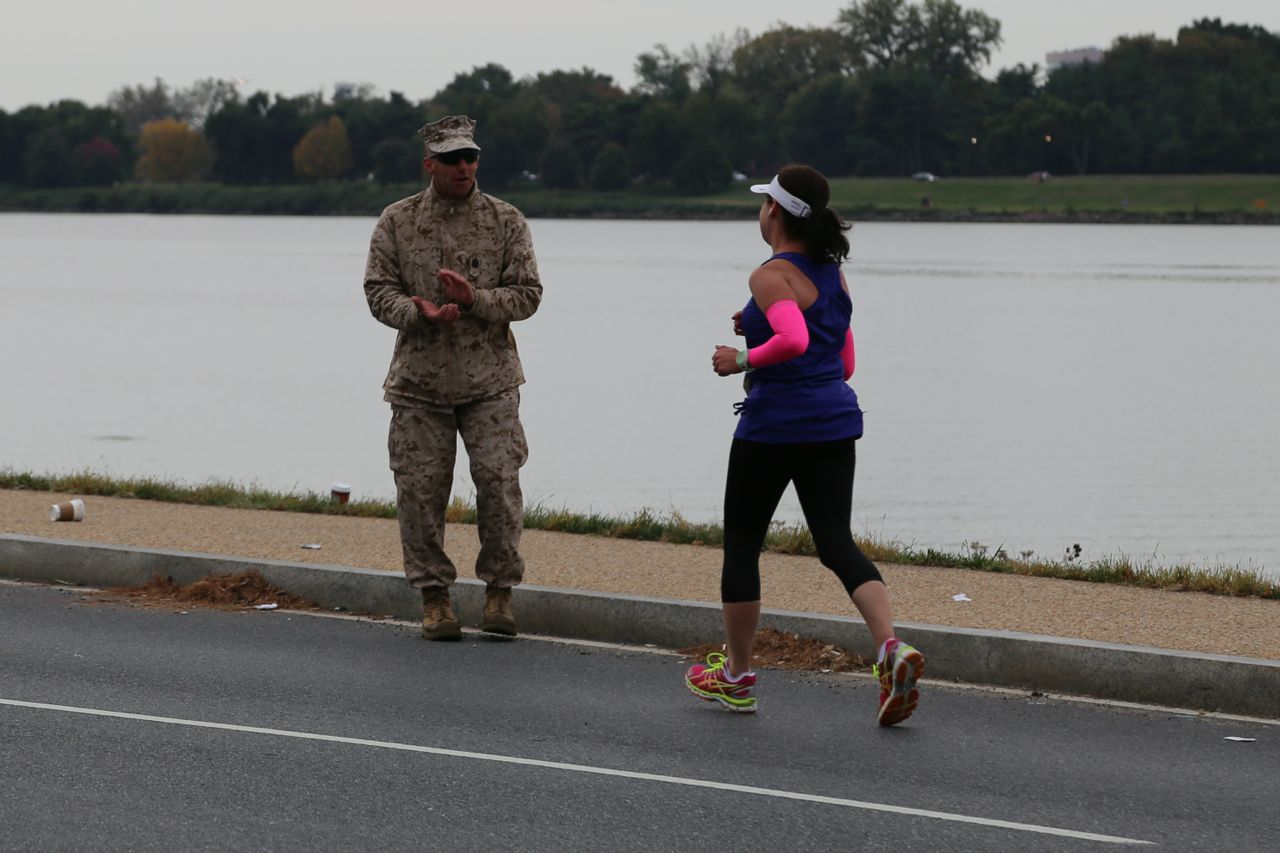
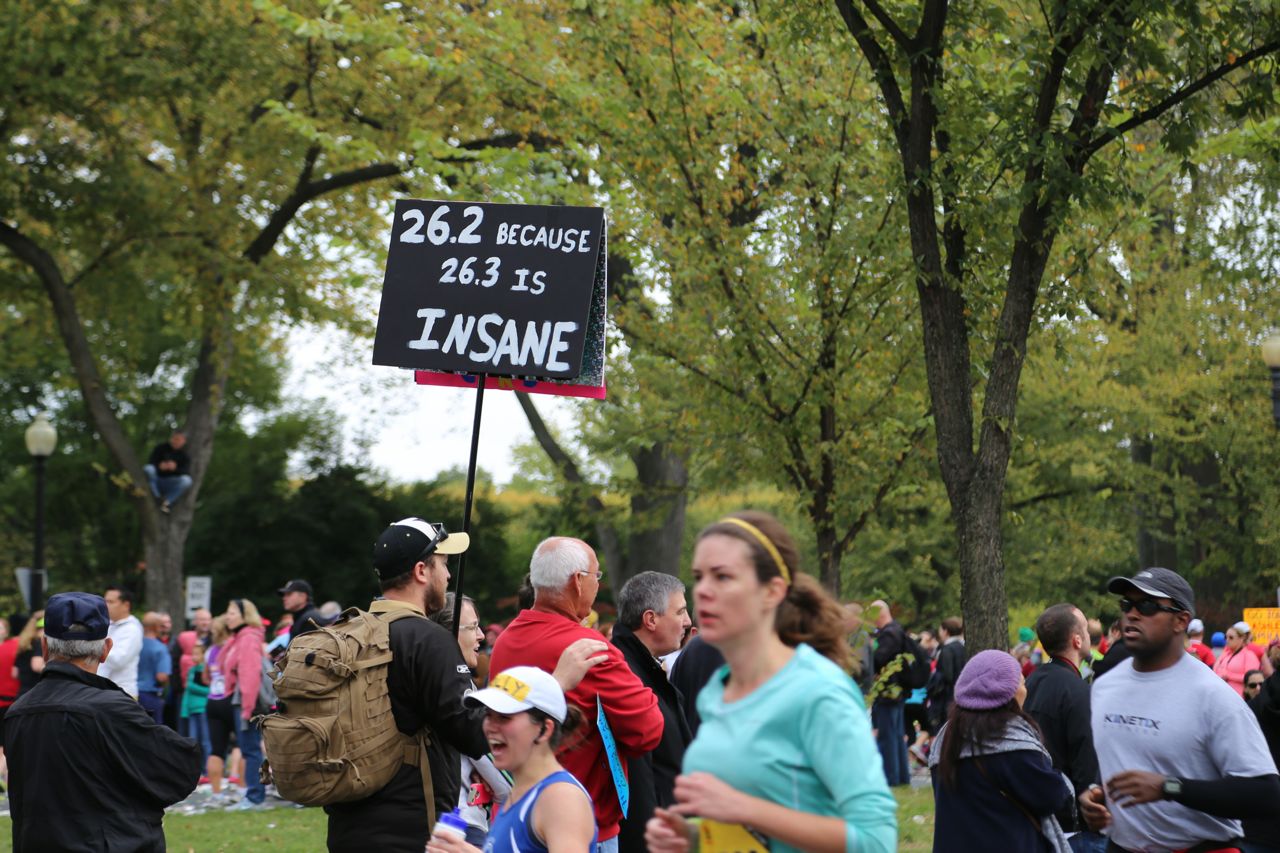
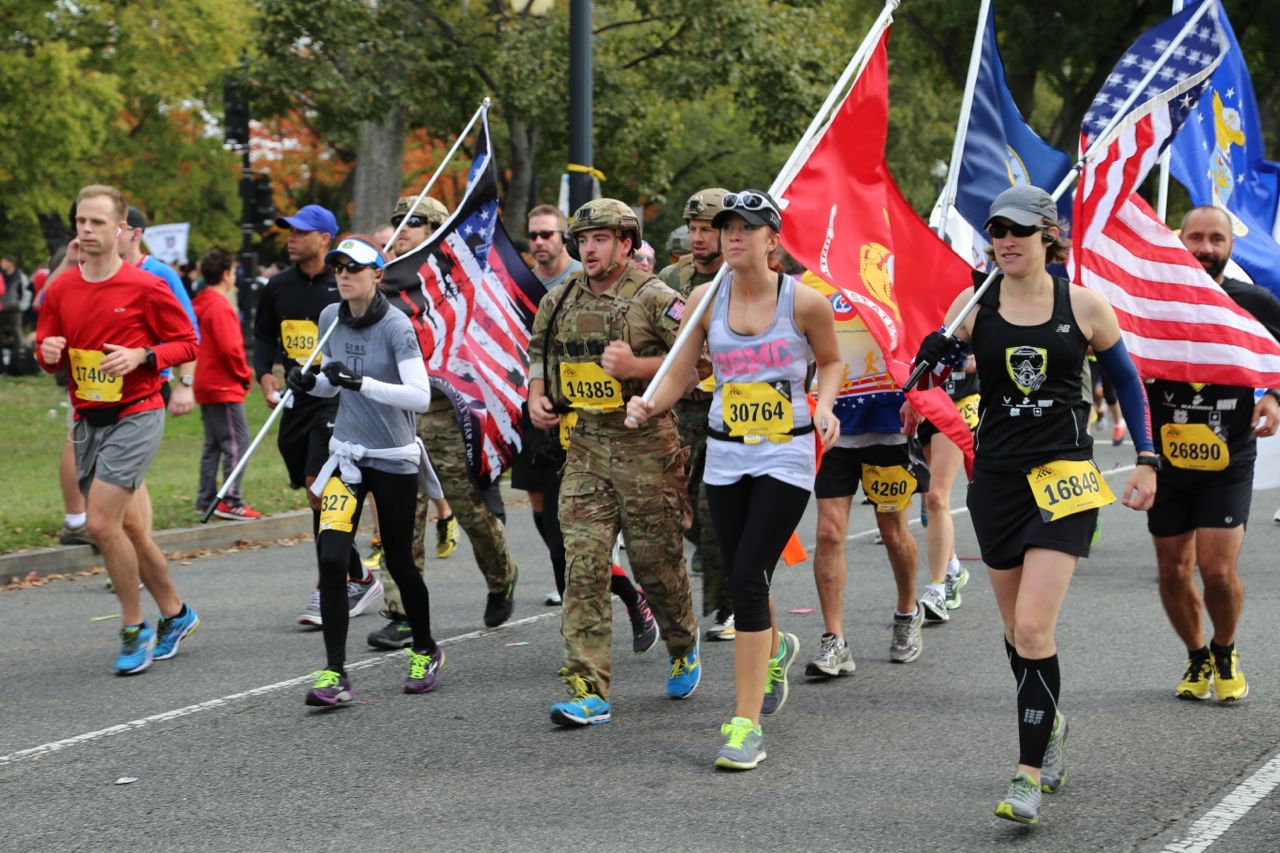
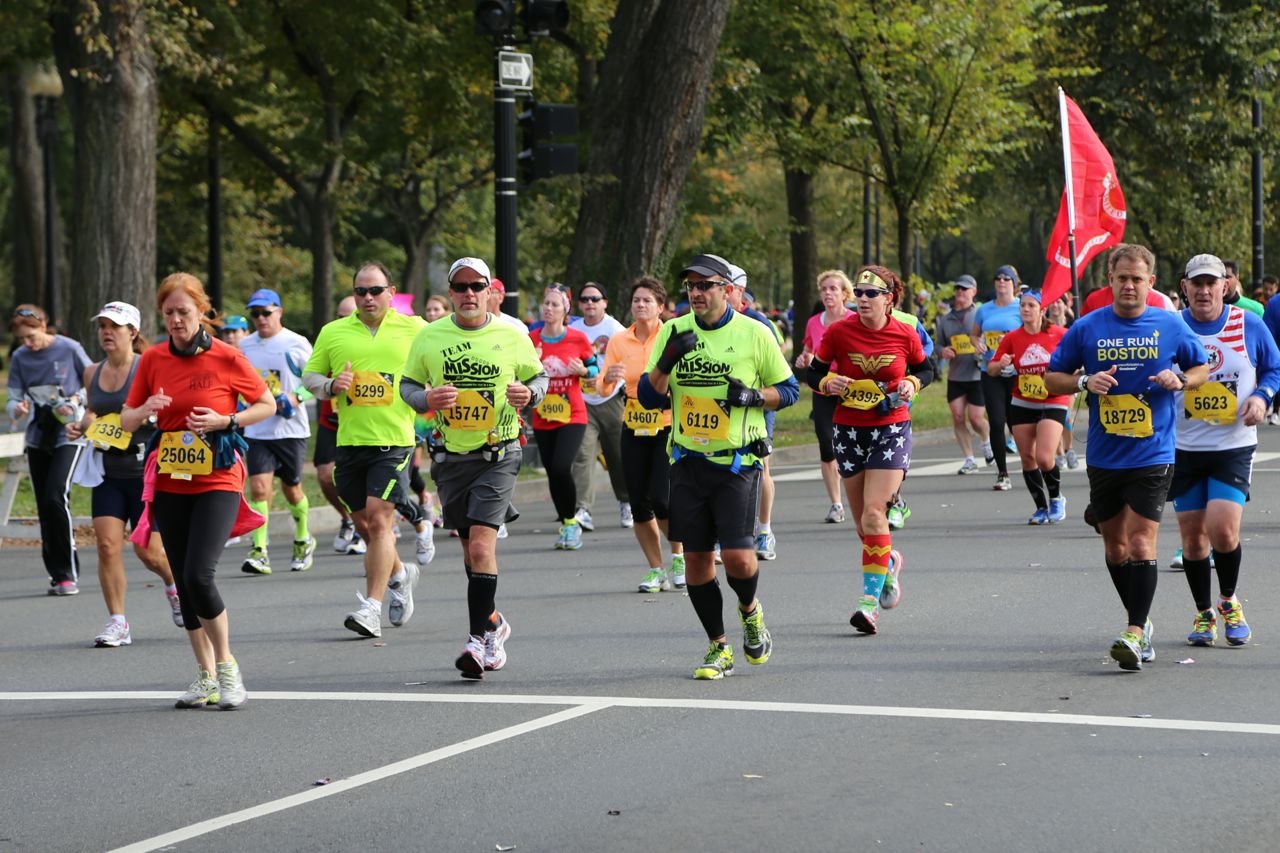
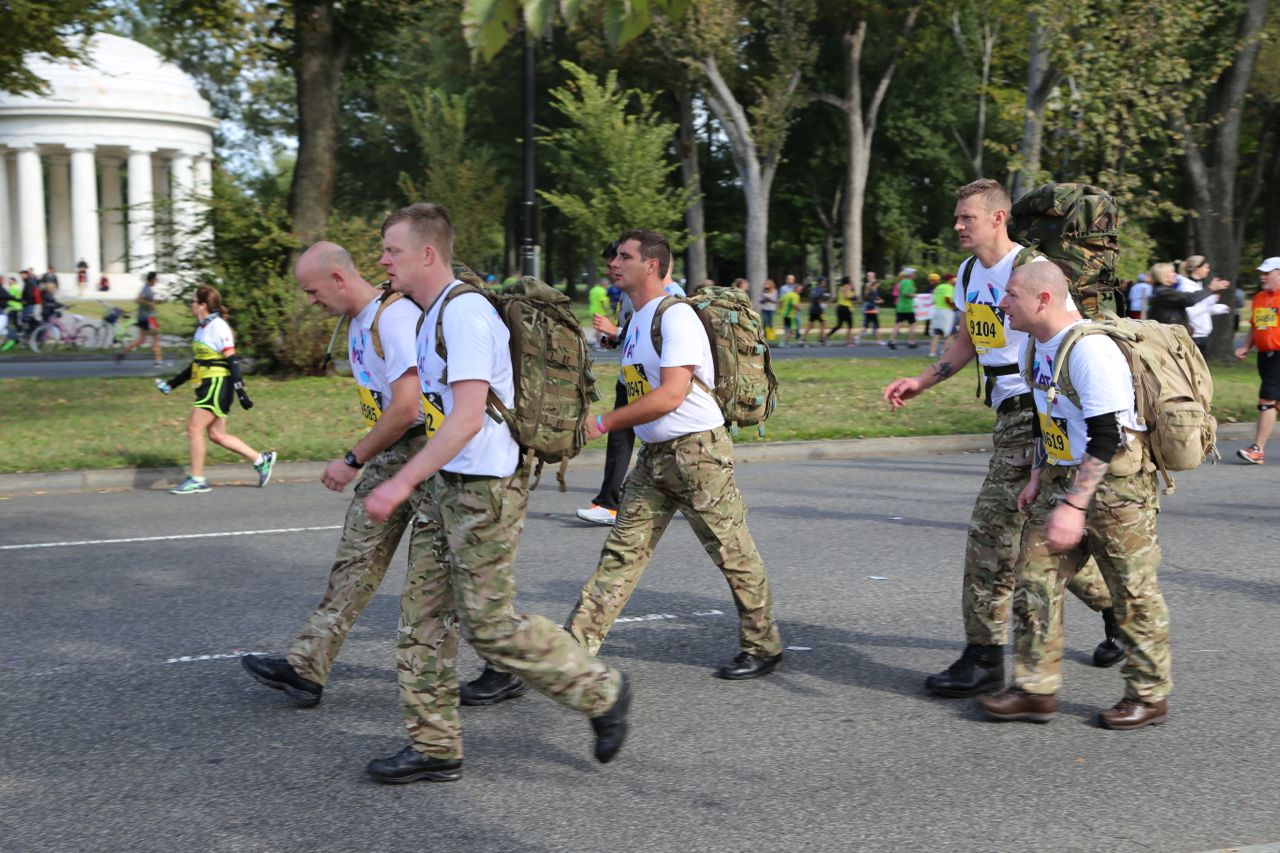
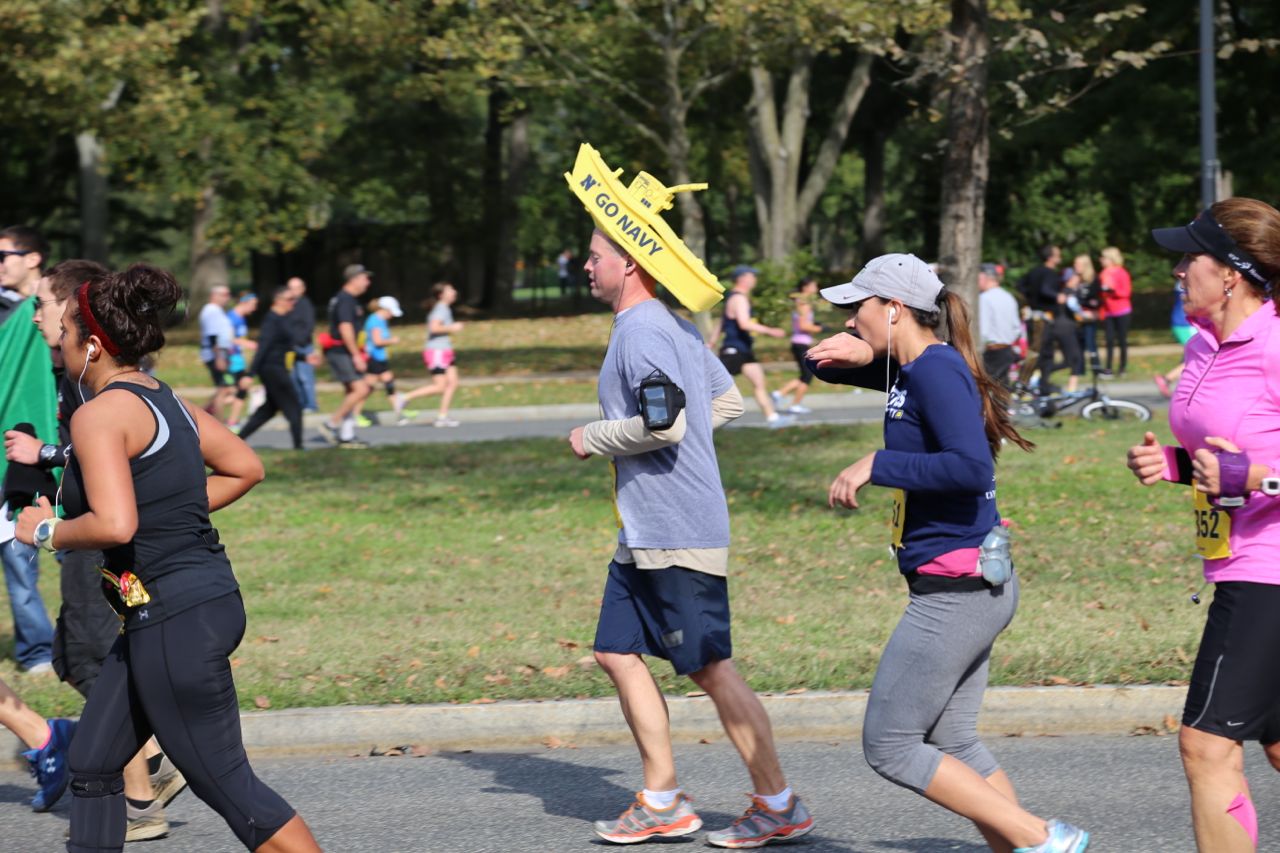
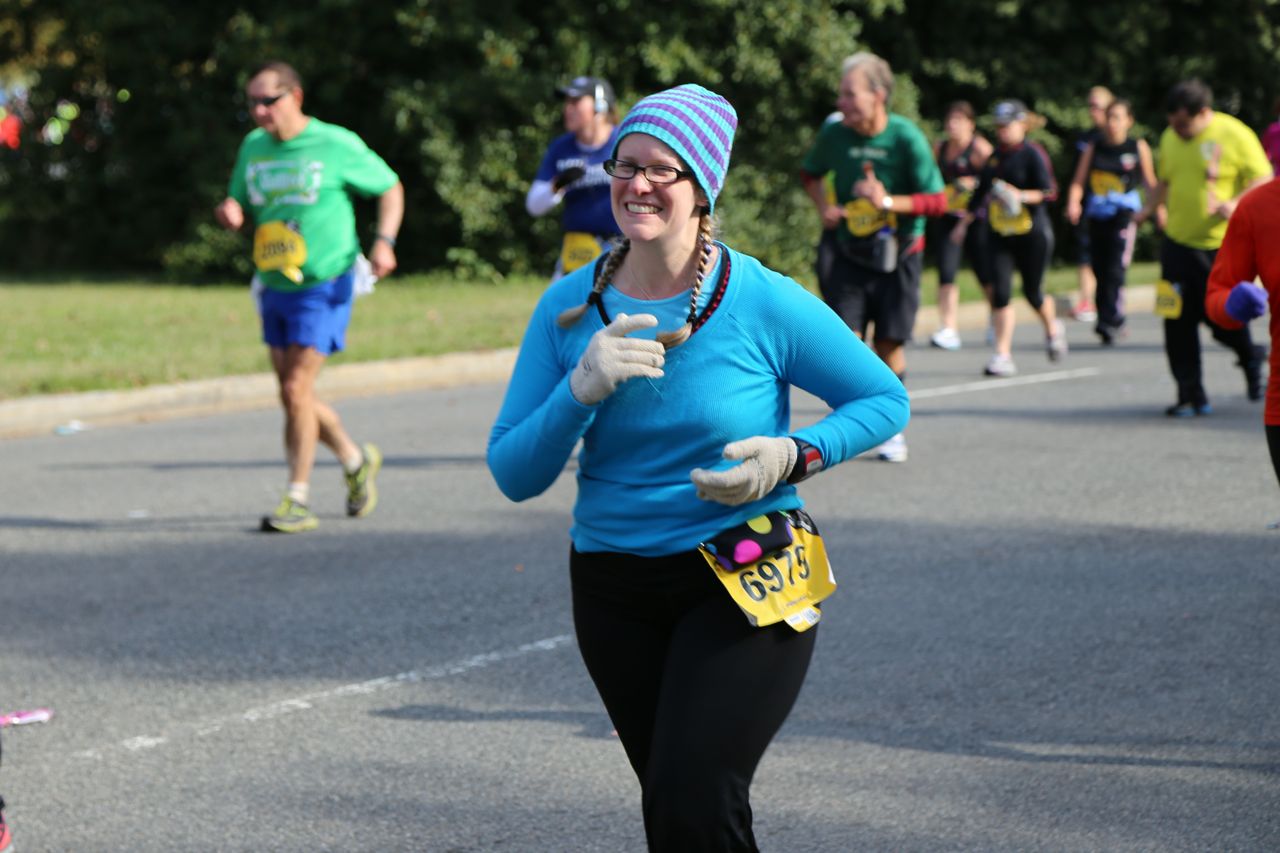
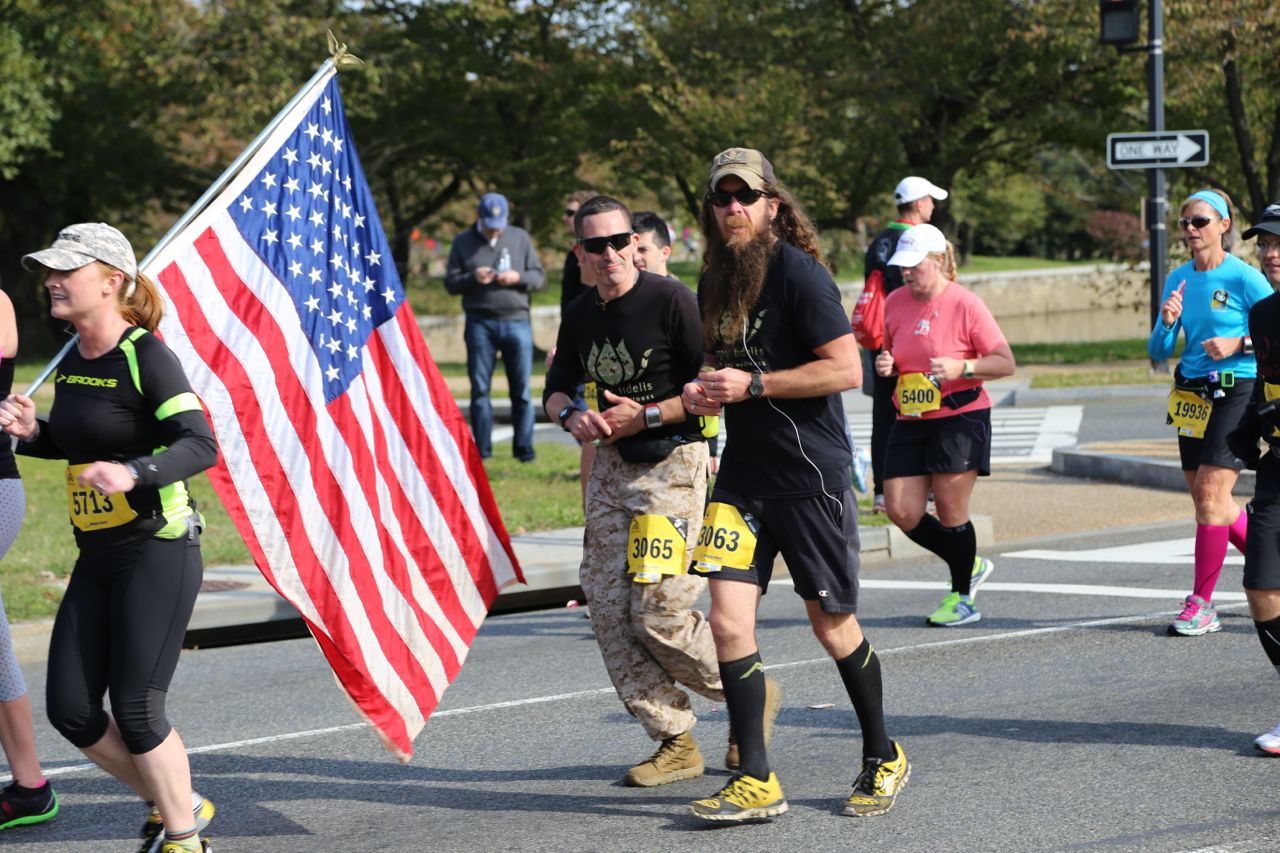
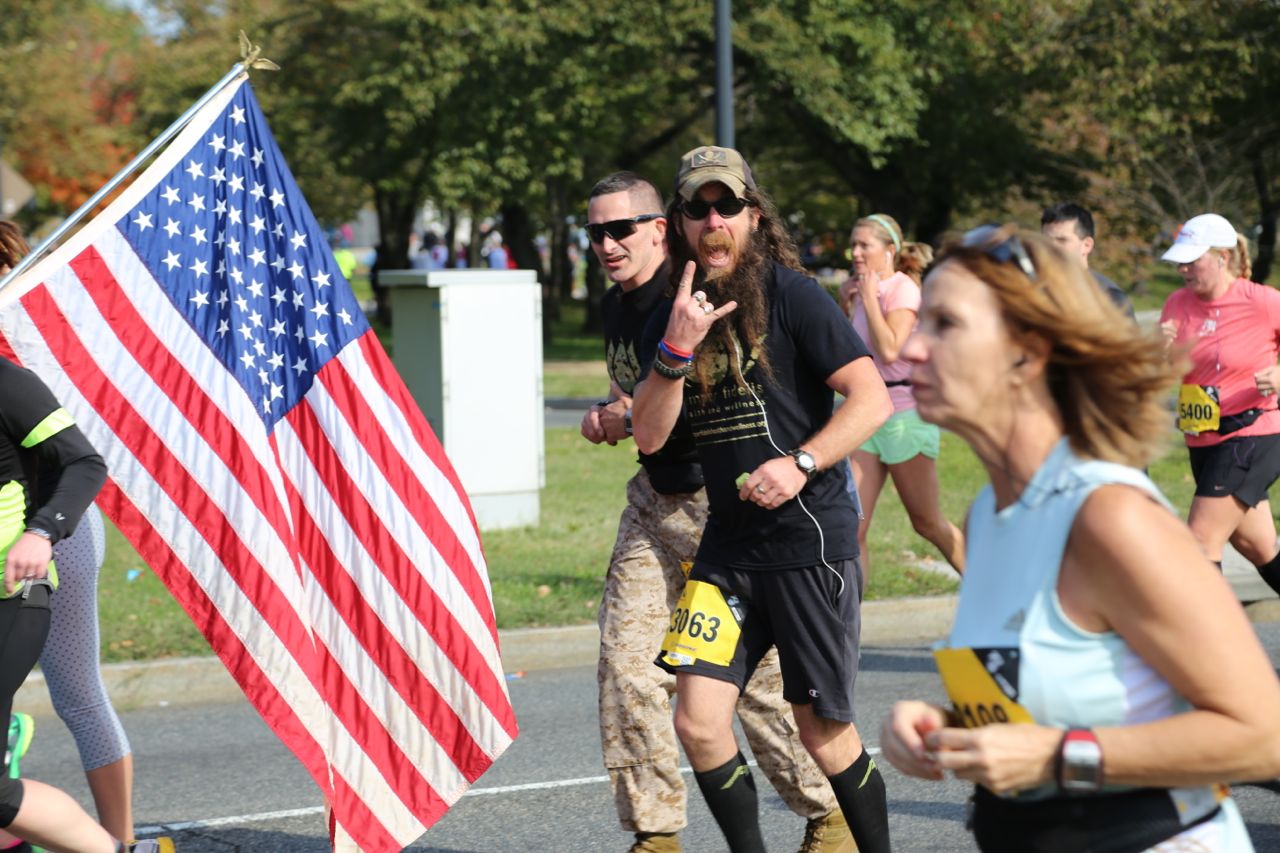
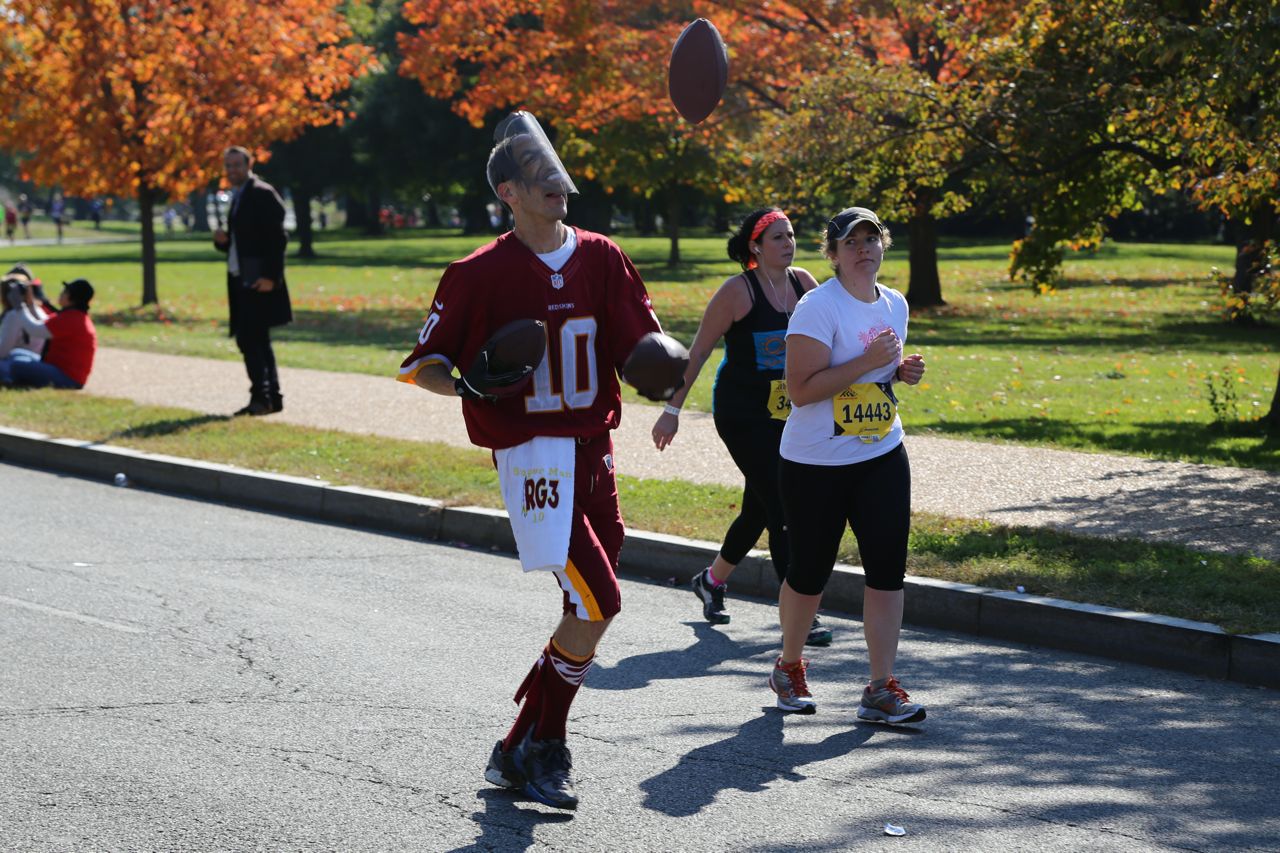
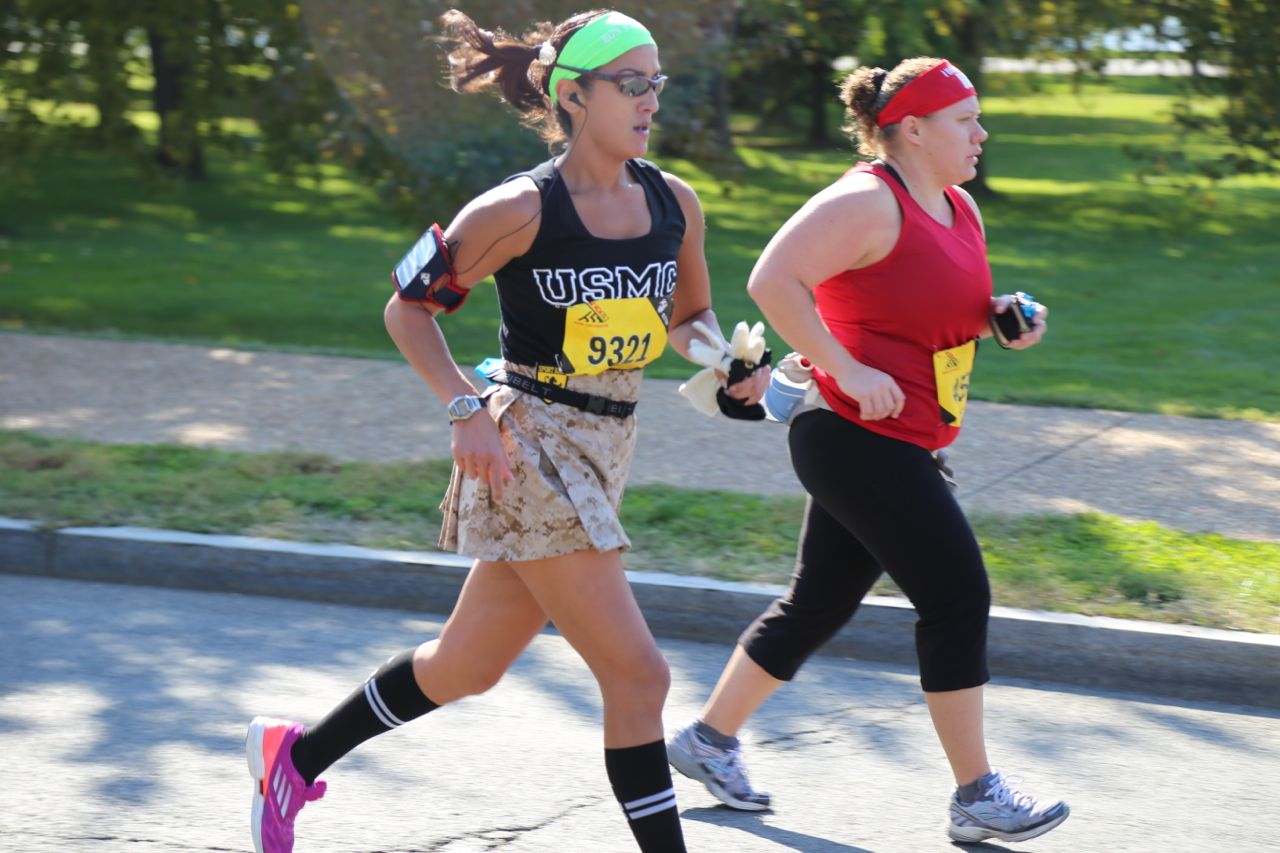
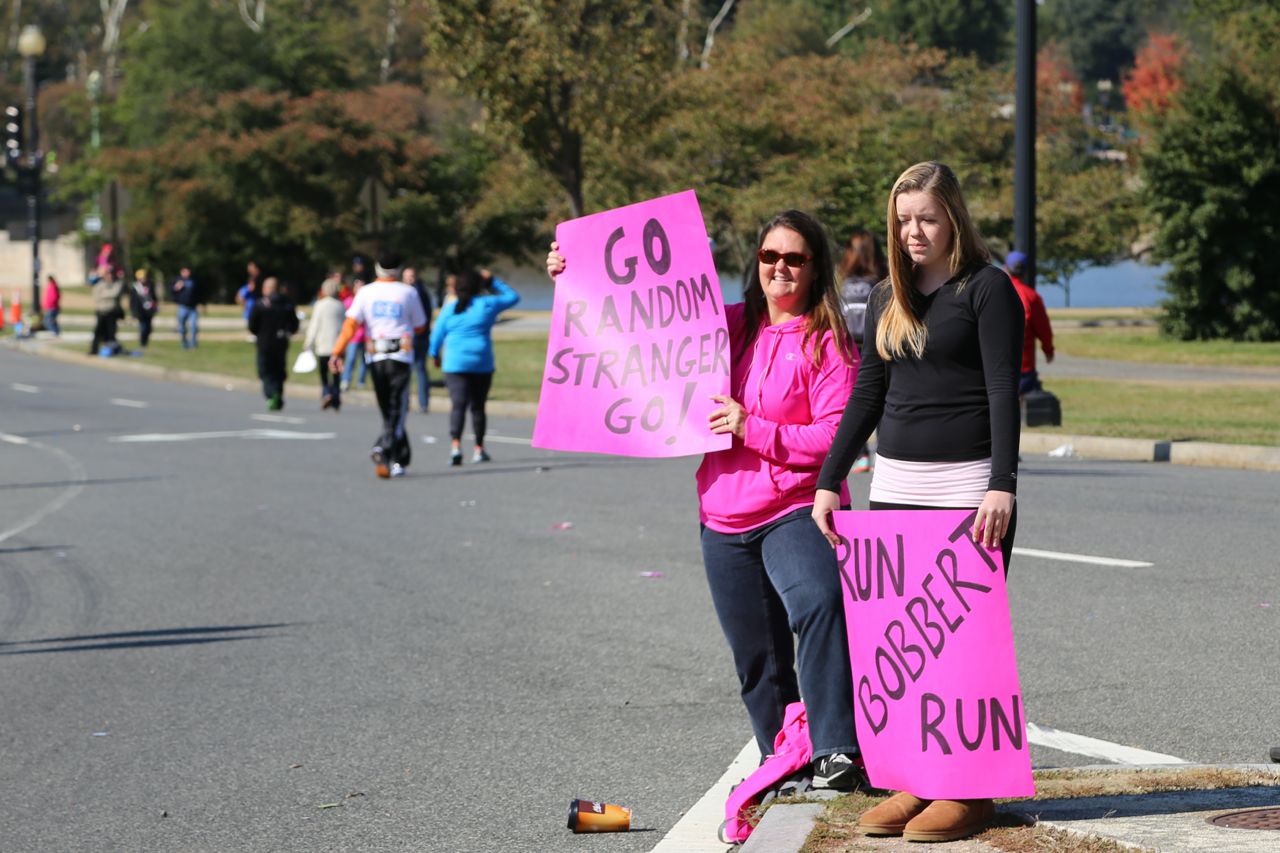
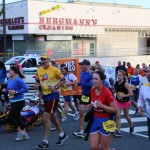
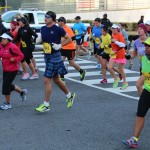
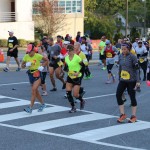
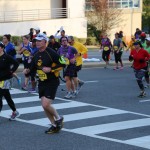
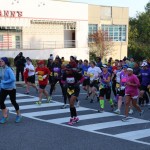
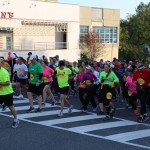
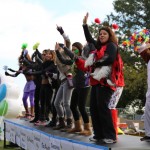
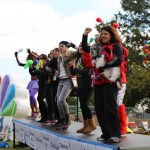
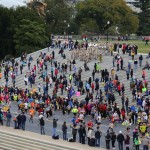
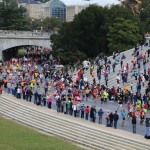
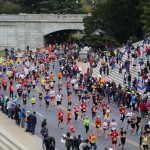
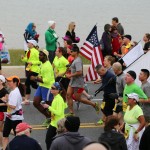
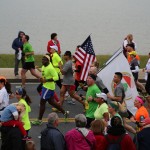
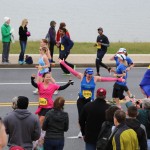
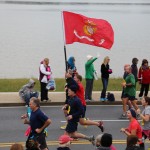
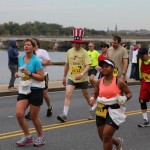
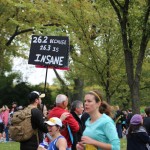
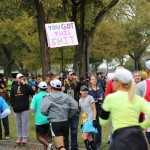
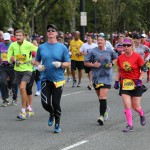
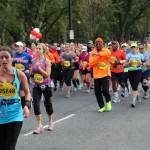
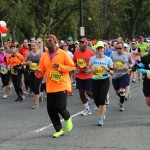
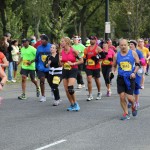
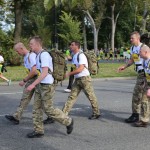
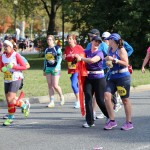
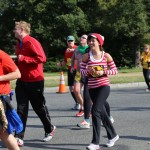
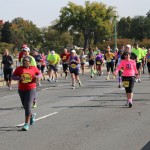
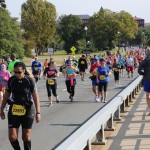
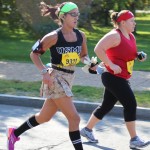
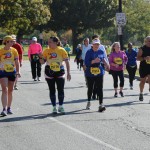
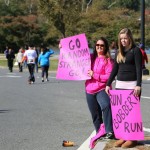
Yesterday, I watched the Marine Corp Marathon from a couple of different spots and cheered on the runners. Absolutely everyone of them has my respect. They inspired me to increase my Sunday long run from eight to nine miles. There is no way I can run a marathon, or at least not yet, but they inspired me to up my game. Below are a few of my photos that I took. Some runners are dressed in costume. Some military members are dressed in military gear including backpack. Some carried flags. One guy jump roped. One guy ran while juggling three footballs and dressed as Robert Griffith III because evidently running is just not a challenge (check out his photo below, as the best part is the look on the face of female runner next to him). At the end of this post is all the photos that I took on the extremely off chance that someone who reads this blog post knows someone in or was in the marathon and I by chance got their photo. If so, leave me a comment, and I will be happy to send you a copy.IMG_0224 IMG_0246 IMG_0256 IMG_0270 IMG_0276 IMG_0280 IMG_0285 IMG_0289 IMG_0299 IMG_0309 IMG_0314 IMG_0315 IMG_0322 IMG_0360 IMG_0364 IMG_0393 IMG_0407 IMG_0410 IMG_0412 IMG_0417 IMG_0418 IMG_0447 IMG_0450 IMG_0452

Theodore Roosevelt Island

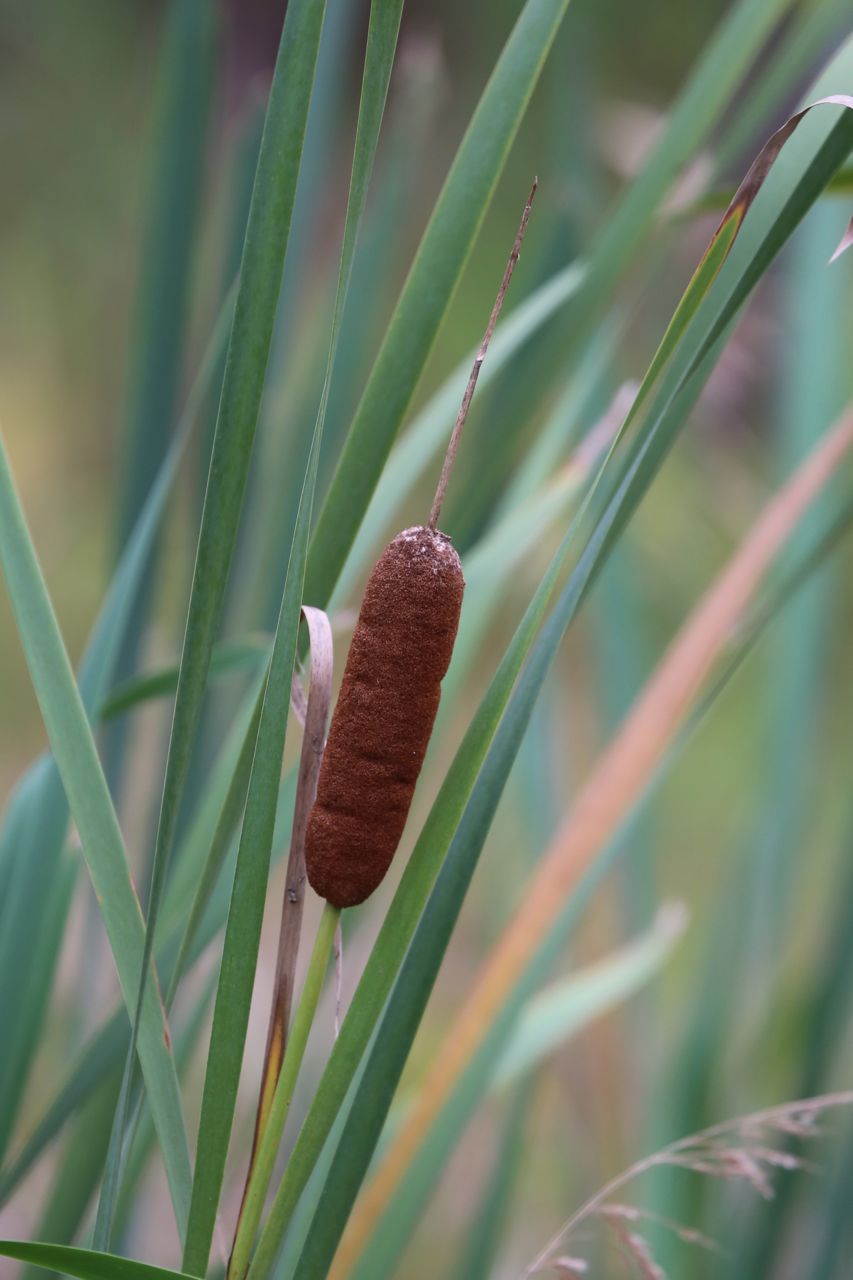
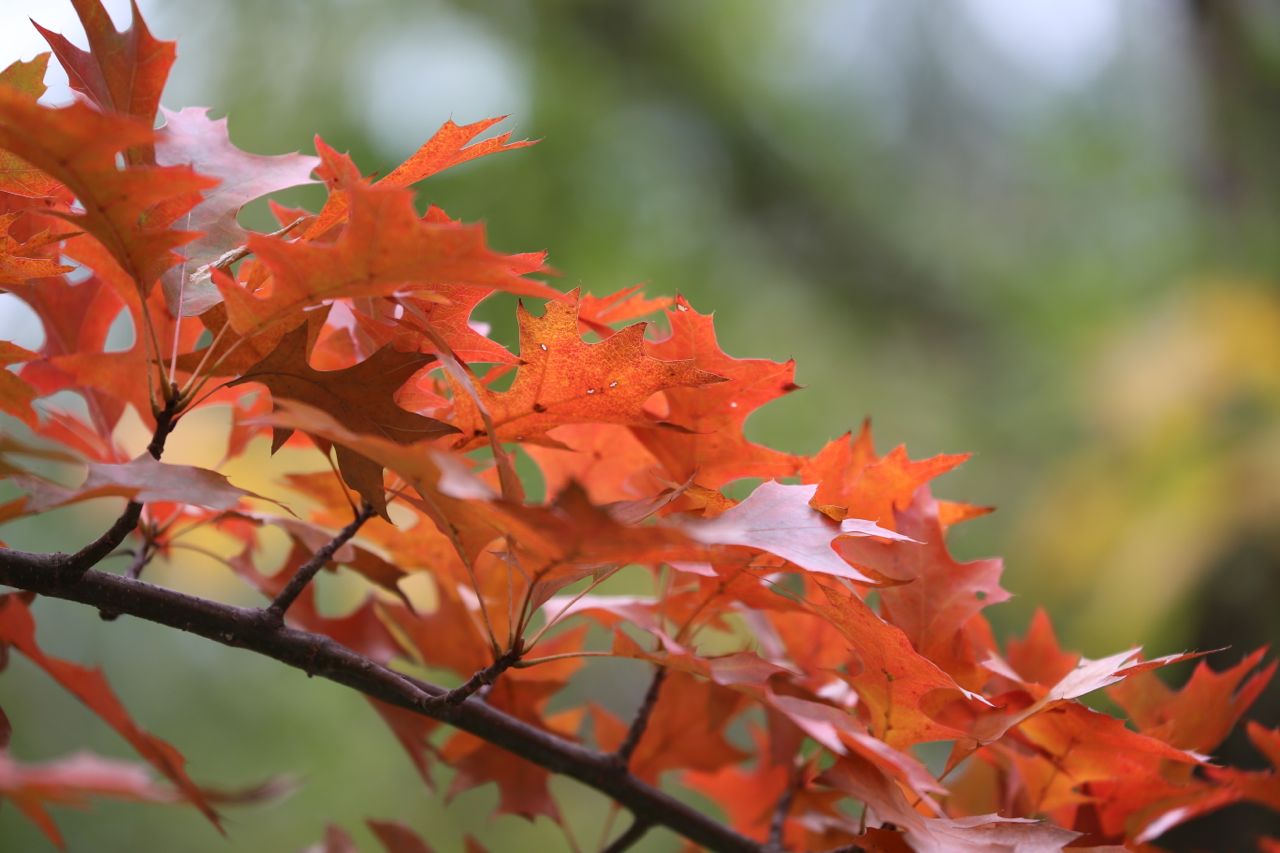
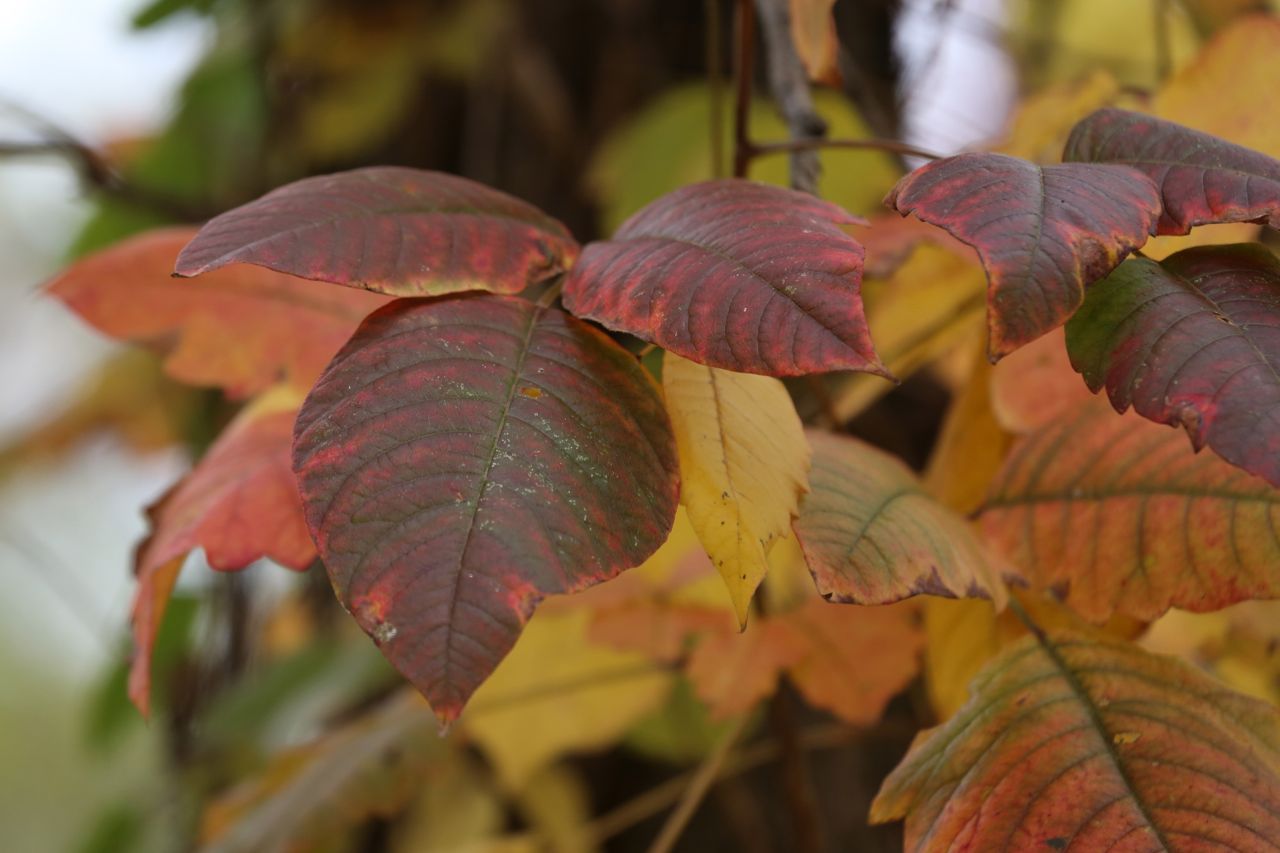
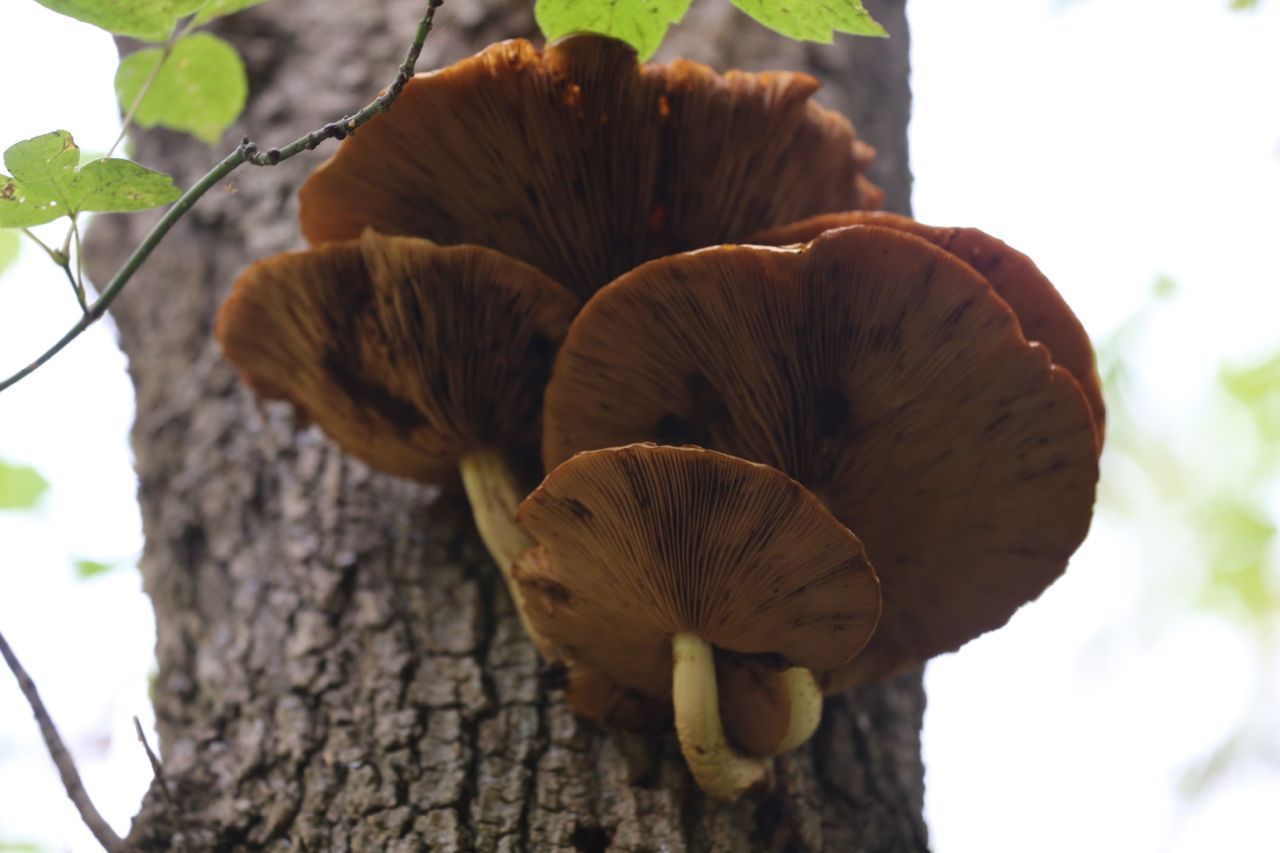
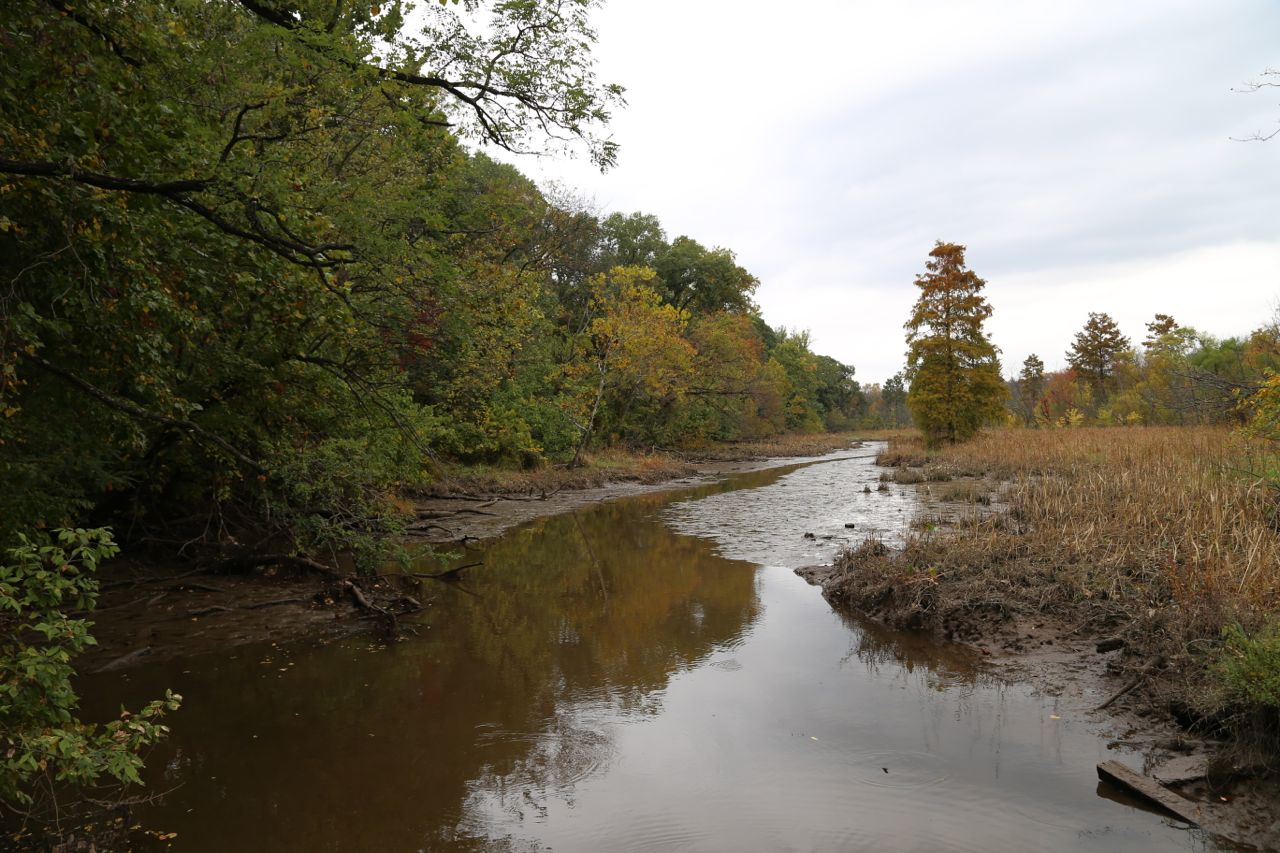
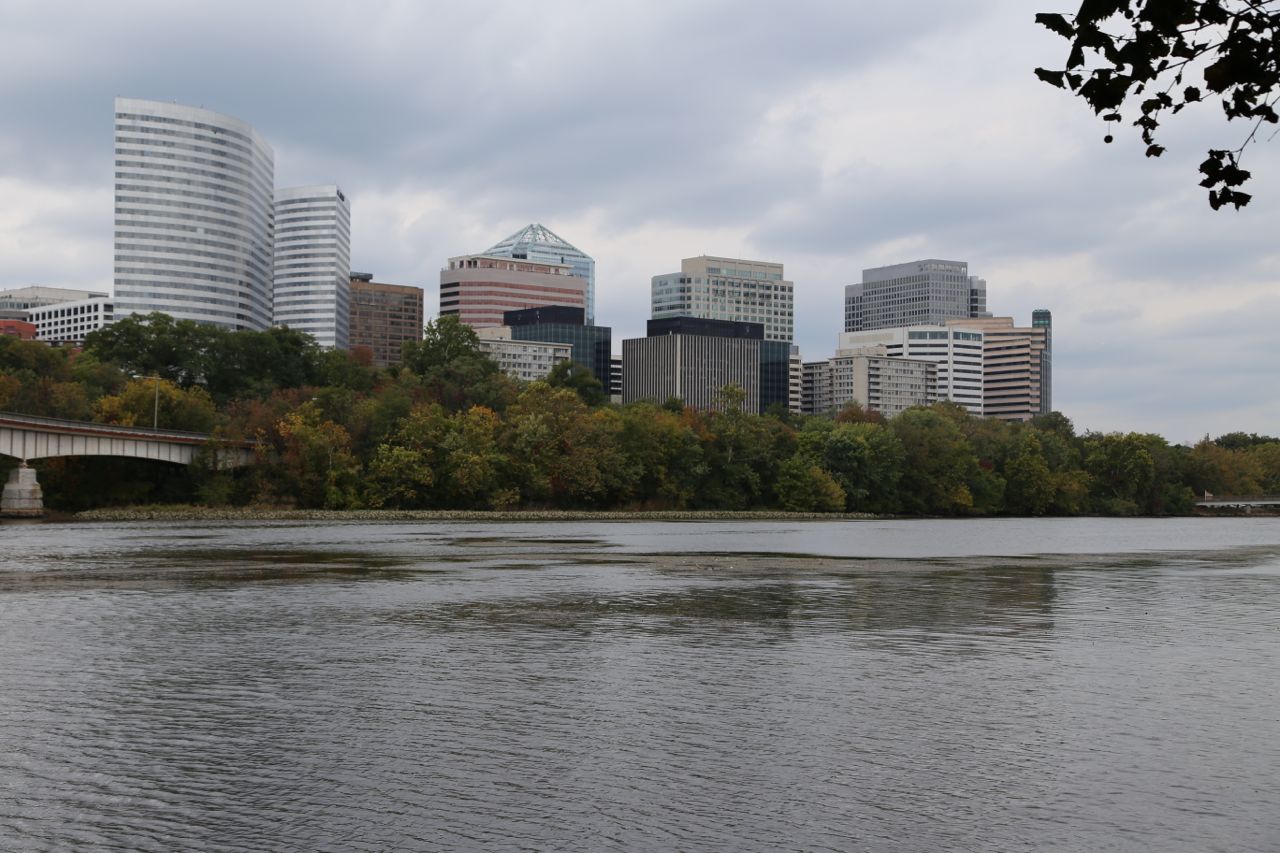
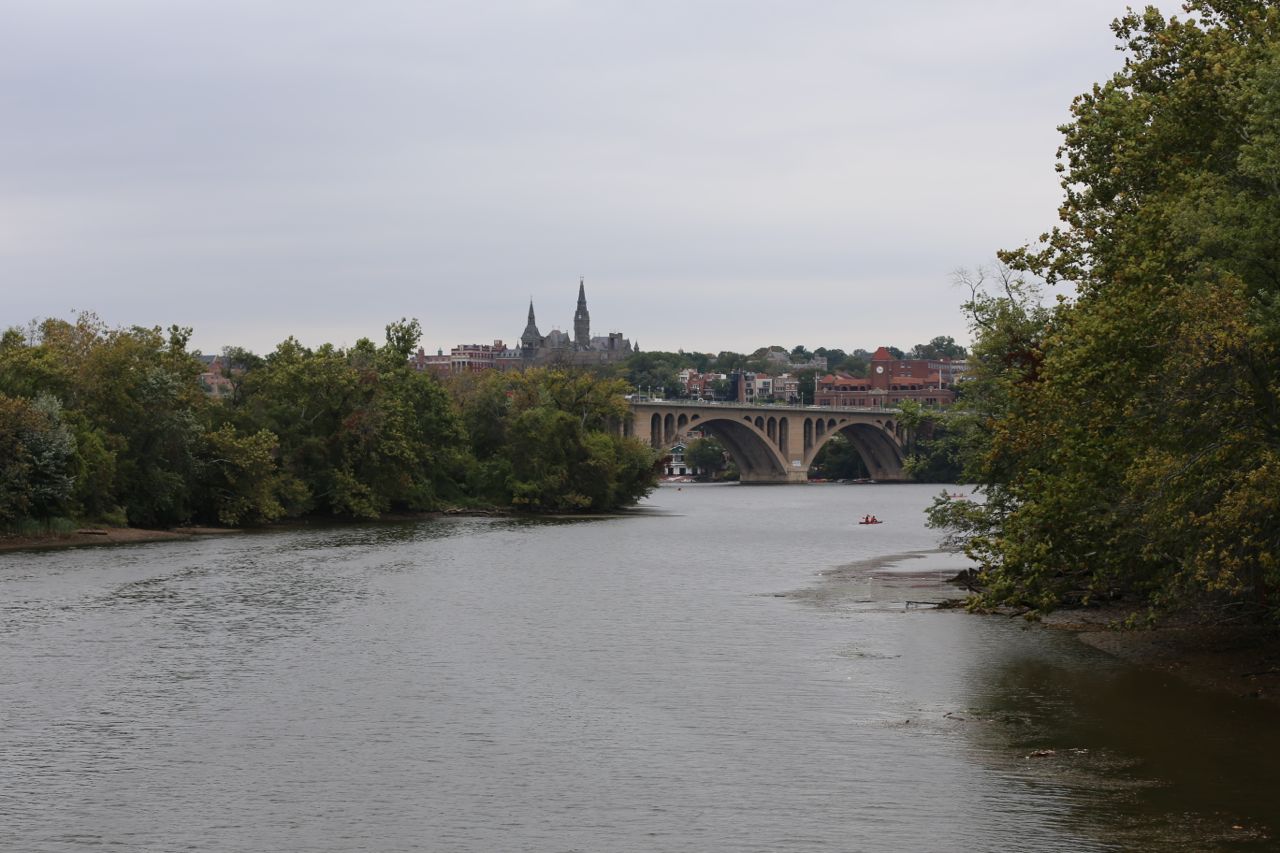
I spent a little time on Theodore Roosevelt Island National Park today. It is a nice little park in the Potomac River. Visually, it is hard to believe that this wilderness area is right in between the congested areas of Washington, DC and the Rosslyn area of Arlington, VA. However, as it is in the flight path of National Airport, and I-66 actually runs over the southern section of the island, you can hear how close you are to the urban areas. It is still a nice area, and as fall has come, many of the leaves were starting to show beautiful color. It also has lovely views of Arlington and the surrounding bridges over the Potomac. Also, I finally got some good photographs of double-crested cormorants.

Cattails

Cattails

Red oak

Red oak

Poison ivy

Poison ivy

Mushrooms growing on a tree

Mushrooms growing on a tree

Marsh area

Marsh area

Rosslyn

Rosslyn

Key Bridge

Key Bridge

#StandingwithDNLee

I’m privileged. I know I am. I have been my whole life. I’m a white woman who grew up in middle class suburbia. I went to good public schools through high school, and I went to very good public colleges and universities for my Bachelor’s, Master’s, and Doctorate. I grew up in the South, which I know many associate with racism, but I went to school with plenty of minorities. My one and only “disadvantage” is that I am female, in particular a female engineer and scientist. I do not consider being female a disadvantage, but females tend to get discriminated against as if we are less then males somehow.

This morning much of my Twitter timeline was filled with fellow scientists and then many other people getting very mad at Scientific American over its treatment of one of its bloggers, Dr. Danielle N. Lee. I encourage anyone who reads this post first to go read Isis the Scientist’s blog post about what happened to Dr. Lee, which includes Dr. Lee’s original post. The original post was on Scientific American but now is no longer there, which you can read about in Isis the Scientist’s follow up post. The extremely short version of all this is that an editor a scientific blogging website asked Dr. Lee to write some articles for free and Dr. Lee said no, the editor called her a whore. [Seriously, go read Isis’s blog posts.] My first thought upon reading about all this was, so you think calling a woman a whore is the way to persuade her to do what you want? Really? Does that work for you normally?

Somewhere is the incredulous, anger, and sympathy and respect for Dr. Lee upon learning all the details of these events, I thought how lucky I am. I spent the better part of my childhood in Texas, which has more than its share of racist, sexist pigs, yet I can’t actually remember a time I truly had to deal with one on a personal basis. Last year, I wrote about how lonely it can be to be a female engineer, both in school and in the workplace. I’ve been surrounded by men in the classroom and workplace, since pretty much my freshman year of college. Truthfully though, with one glaring exception, all the men I’ve studied or worked with have for the most part treated me as an equal. Maybe they didn’t, and I was just too oblivious to notice.

The one glaring exception was at the company where I had my first full time job after finishing my Bachelor’s and Master’s degrees. My manager, a senior engineer, would occasionally make some remarks that made 26-year-old me rather uncomfortable, but I didn’t think were truly sexual harassment, and it has been so long ago, I don’t even remember what they were. Then shortly before my birthday, the other female engineer in the office and the female secretary happen to be in the copy room with him when upon the female engineer exclaiming “oh, it’s [GGE]’s birthday next week,” he said, “does that mean we get to spank her?” I was not in the room at the time, but this was a tiny office of about nine people. There are no secrets in an office that small, and I was good friends with the secretary. I heard about this comment pretty quick. To say this comment made me uncomfortable would be putting it mildly. I went to one of the other senior engineers, who happen to have previously been my manager, and I told him what was going on. I told him I didn’t want to make a big deal out of any of it, but I really wanted the comments to stop both for my and every other female’s sake. He assured me he understand, thanked me for coming to him, and promised to take care of it. Within a week or so, a human resources person from the company’s corporate office was in the office, and everyone was taking mandatory sexual harassment training. My former manager had my back. He took care of it, or really he made sure the company took care of it. Whether this engineering company that was definitely dominated by men took care of it because they seriously won’t take this kind of behavior, or if they were more motivated by fear of a sexual harassment lawsuit, I don’t know. What mattered was, they took me seriously, and they reacted exactly the way they should have.

So to return to Dr. Lee, I was thinking how lucky I have been to only have had one bad experience in my personal and professional life. Scientific American seems to not have her back, and the one time I had a problem, my company had my back. Then I stopped to think, why am I lucky to have only had to deal with one sexist idiot in my career? Why should a woman have to be lucky to not be called a whore? Why should I consider myself lucky for be treated like an equal in school and work? Why should I consider myself lucky for people respecting the career decisions I have made and for whom I would and wouldn’t work? Perhaps that is why I am a feminist because I am confident in the notion that I AM AN EQUAL. I have respect for myself. Calling me names will not induce me to do what you want. I will respect you if you respect me. Isn’t that what we learned in Kindergarten? Treat others the way you want to be treated? As for Scientific American, I cannot understand why they took down her post. I cannot understand why they are not supporting her. Their explanation makes no sense, especially to a regular reader of their blogs. They failed Dr. Lee, and they failed their readers by not supporting her. Their silence on her being called a very ugly name is deafening. People and companies who do not stand up against racism and sexism only allow it to continue. Until Scientific American apologizes publicly to Dr. Lee, I will be boycotting them. I am sure not going to go anywhere near the blog website whose editor called Dr. Lee a whore. I wish I could do more. I wish racism and sexism would end, but until they do, I intend to stand up for myself and anyone else who face them.