Solar Eclipse
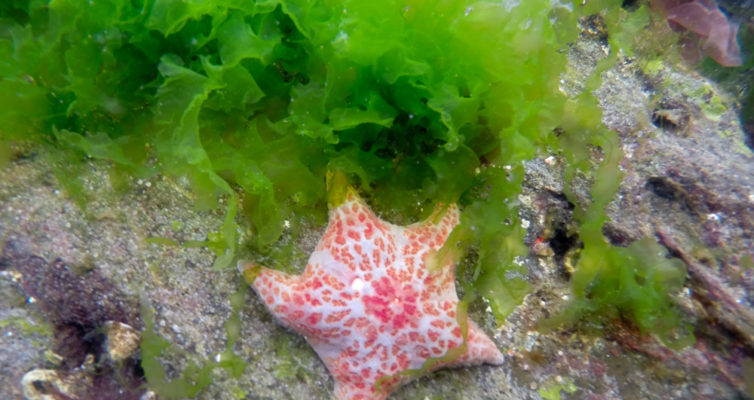
Snorkeling in Alaska
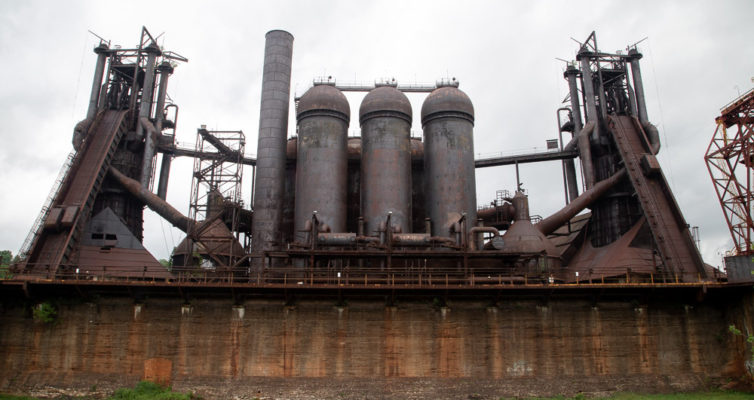
Carrie Blast Furnaces
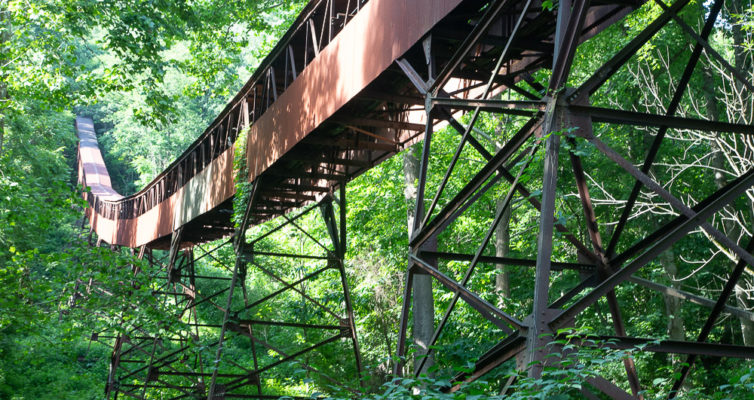
Nuttallburg
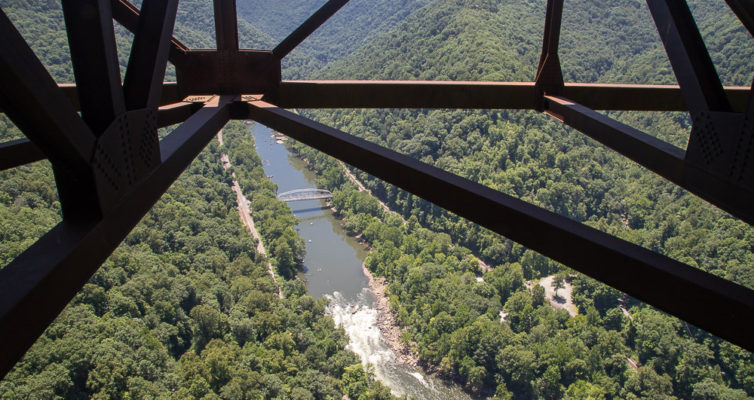
Bridge Walk

Industrial Waste Site Tour

I recently toured an industrial waste site where the groundwater underneath is being remediated for perchlorate contamination as well as other contaminates. Perchlorate can be naturally occurring, but in this case it is from historic rocket fuel and explosives manufacturing. The groundwater is being remediated partially through the use of bioremediation (i.e. microbes).

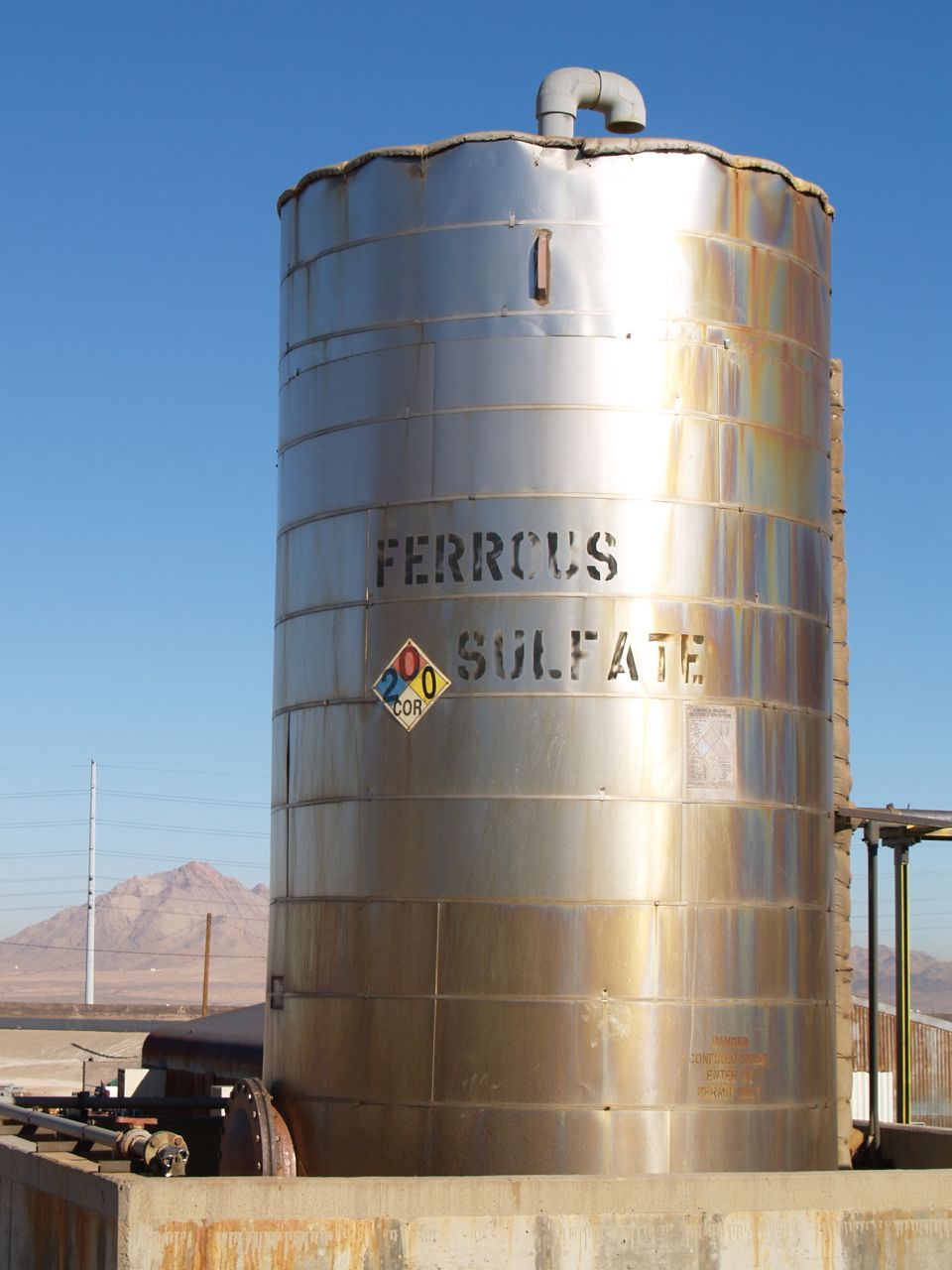
Lots of chemicals on site for the remediation, like ferrous sulfate.
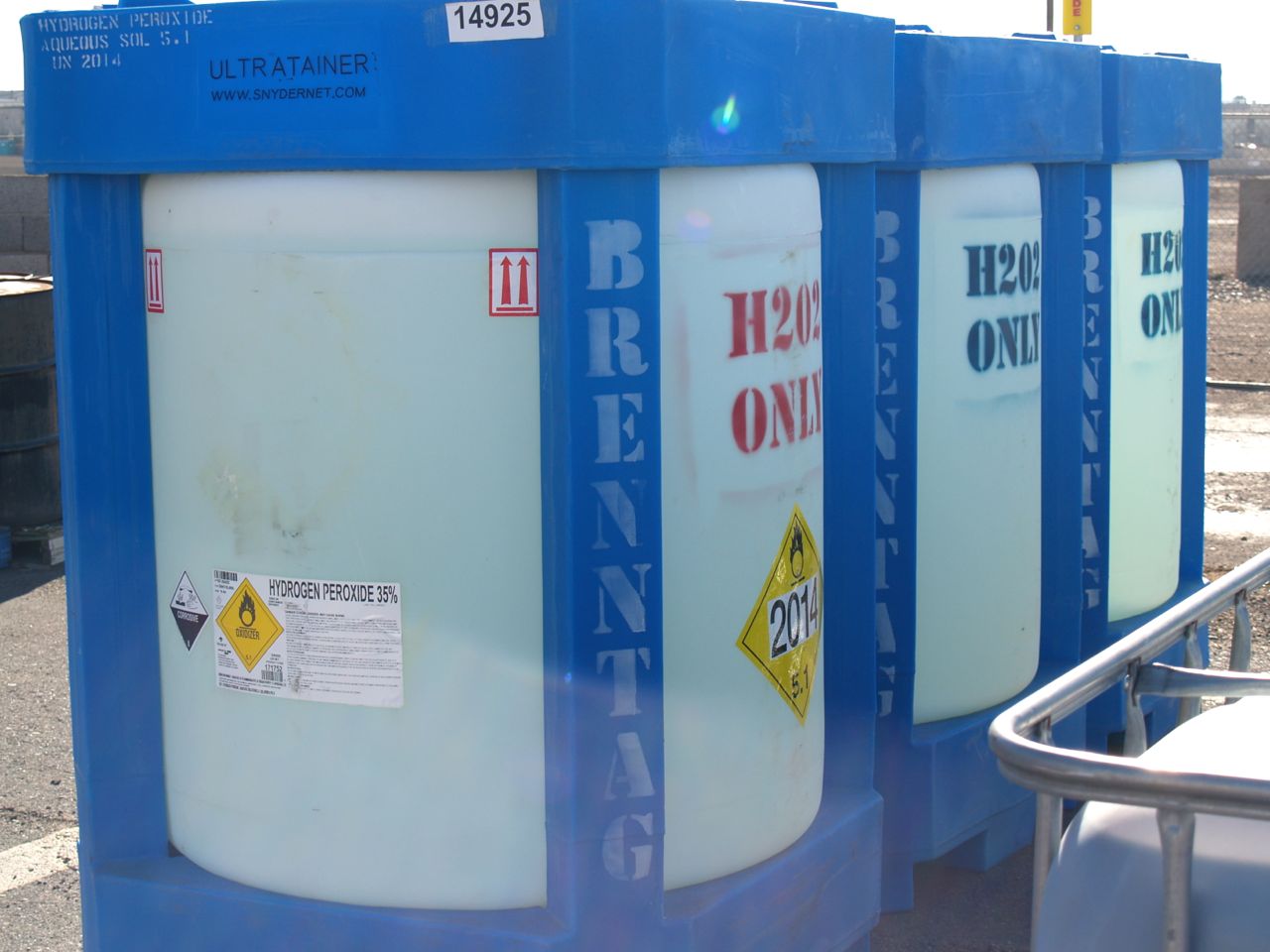
Hydrogen peroxide
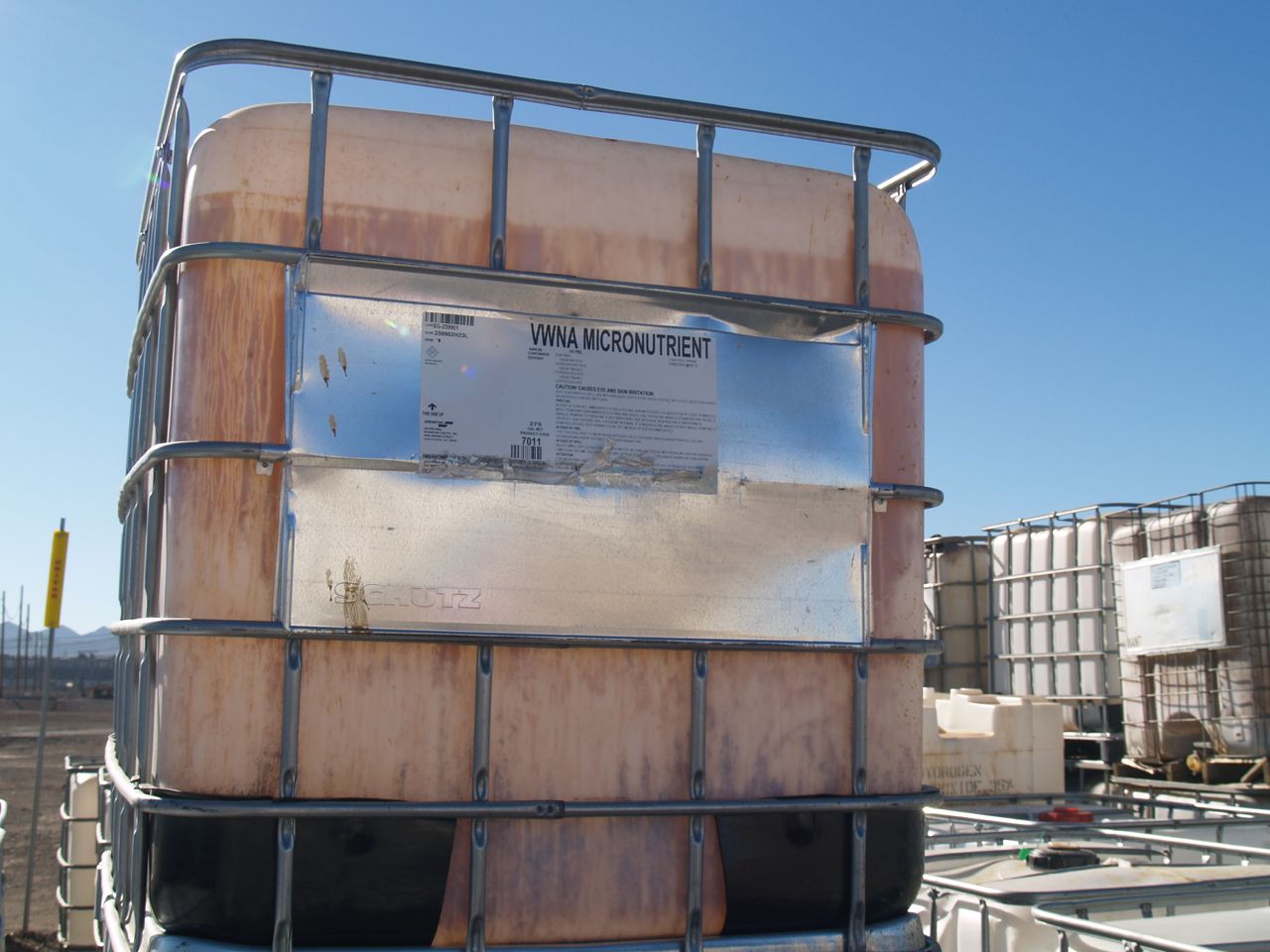
Nutrient for the microbes.
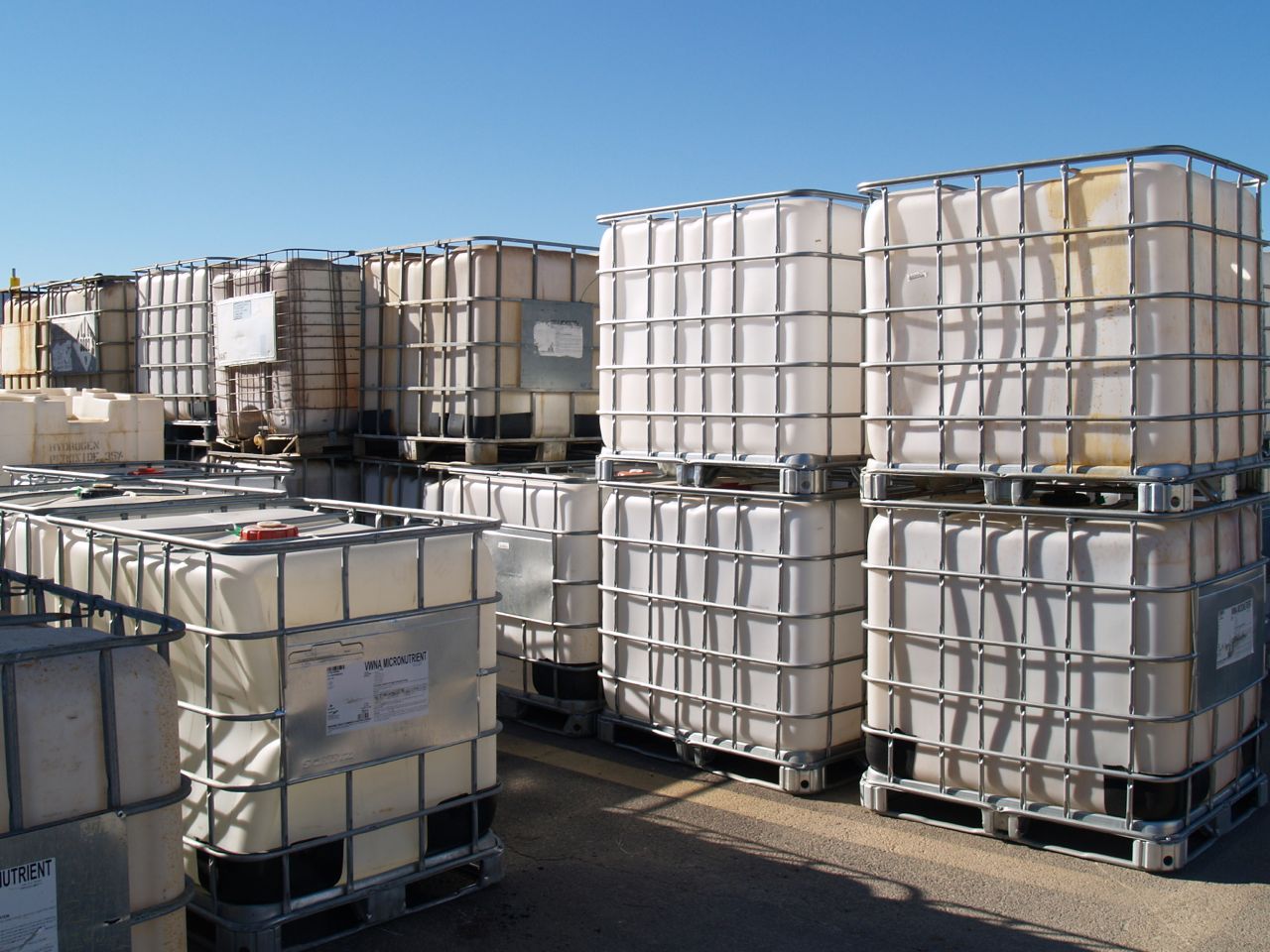
Lots of nutrients for the microbes
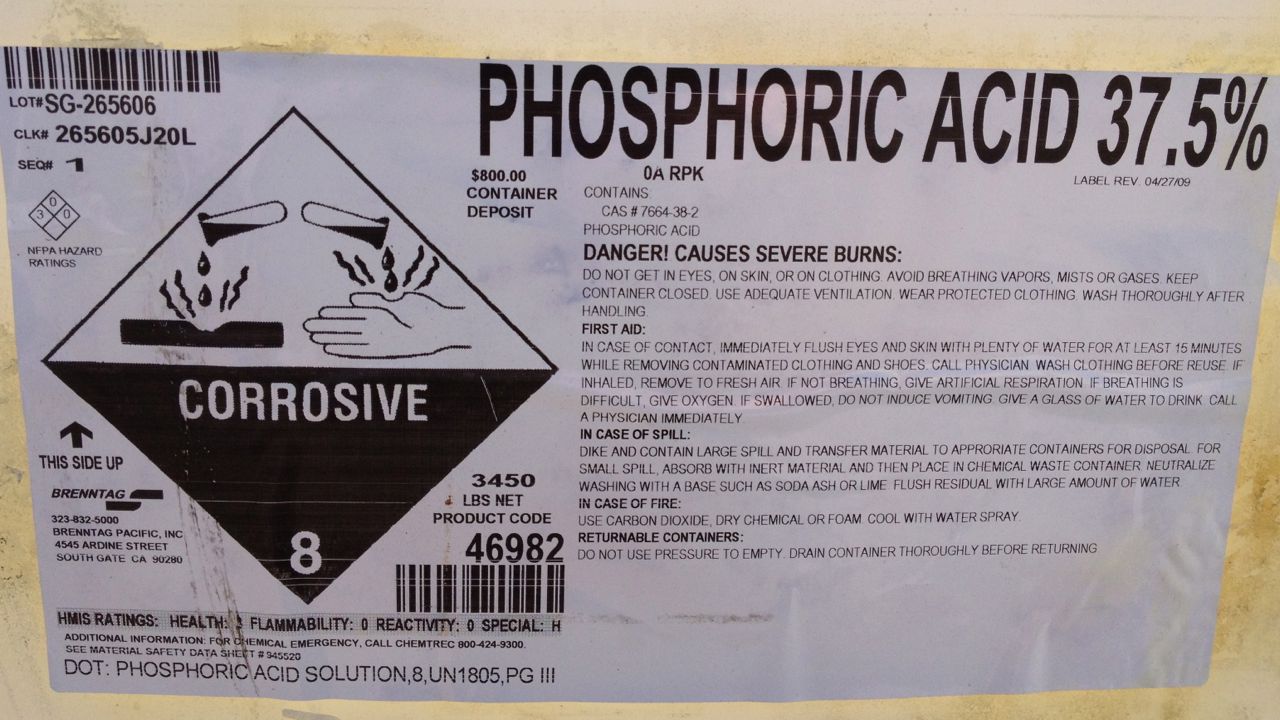
The label on this container notes the dangers of the concentrated phosphoric acid, which it contains. It also notes that there is a $800 deposit on the container, so you definitely want to remember to return the container.
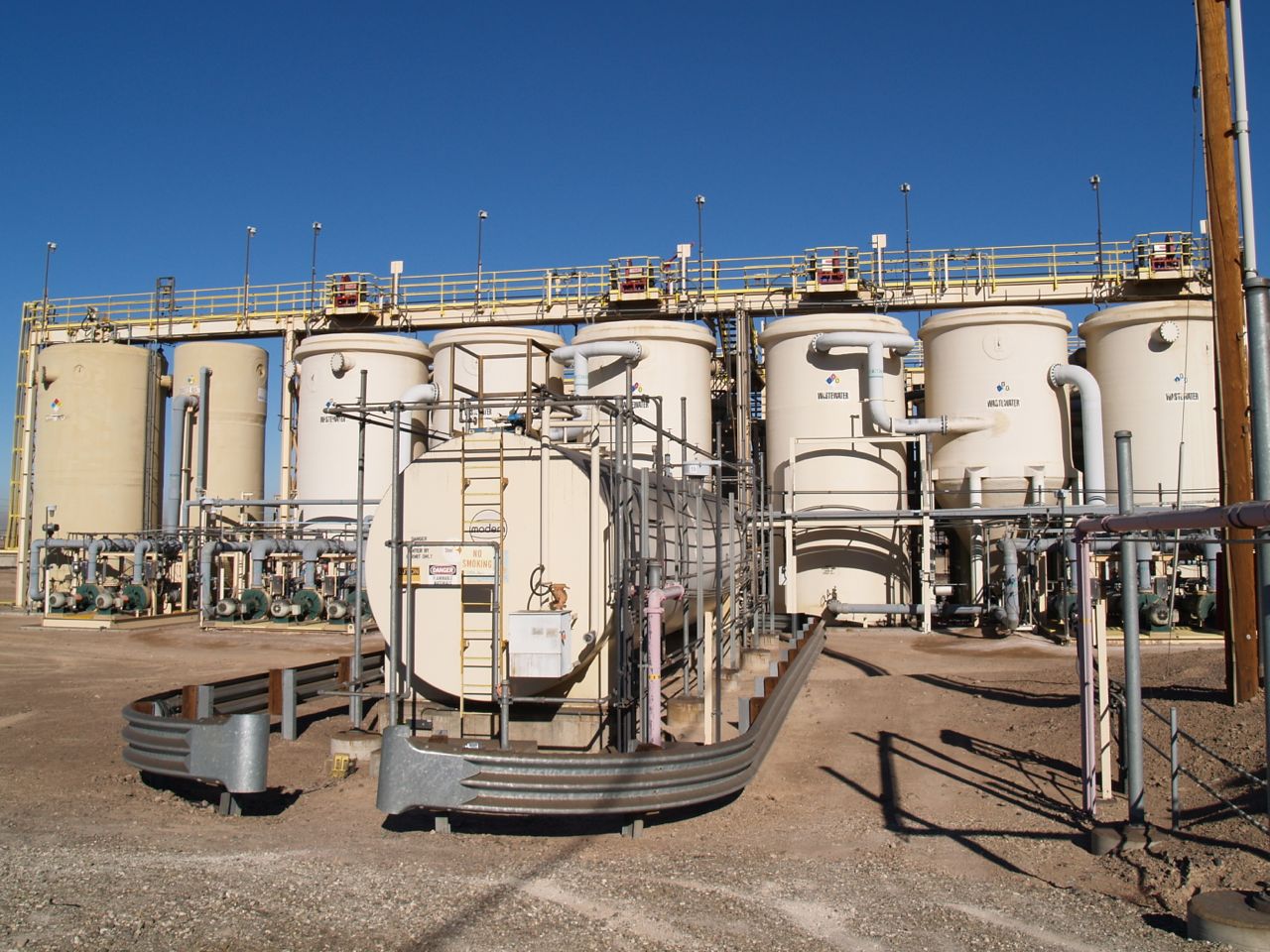
The main part of the site is a series of fluidized bed reaction tanks.
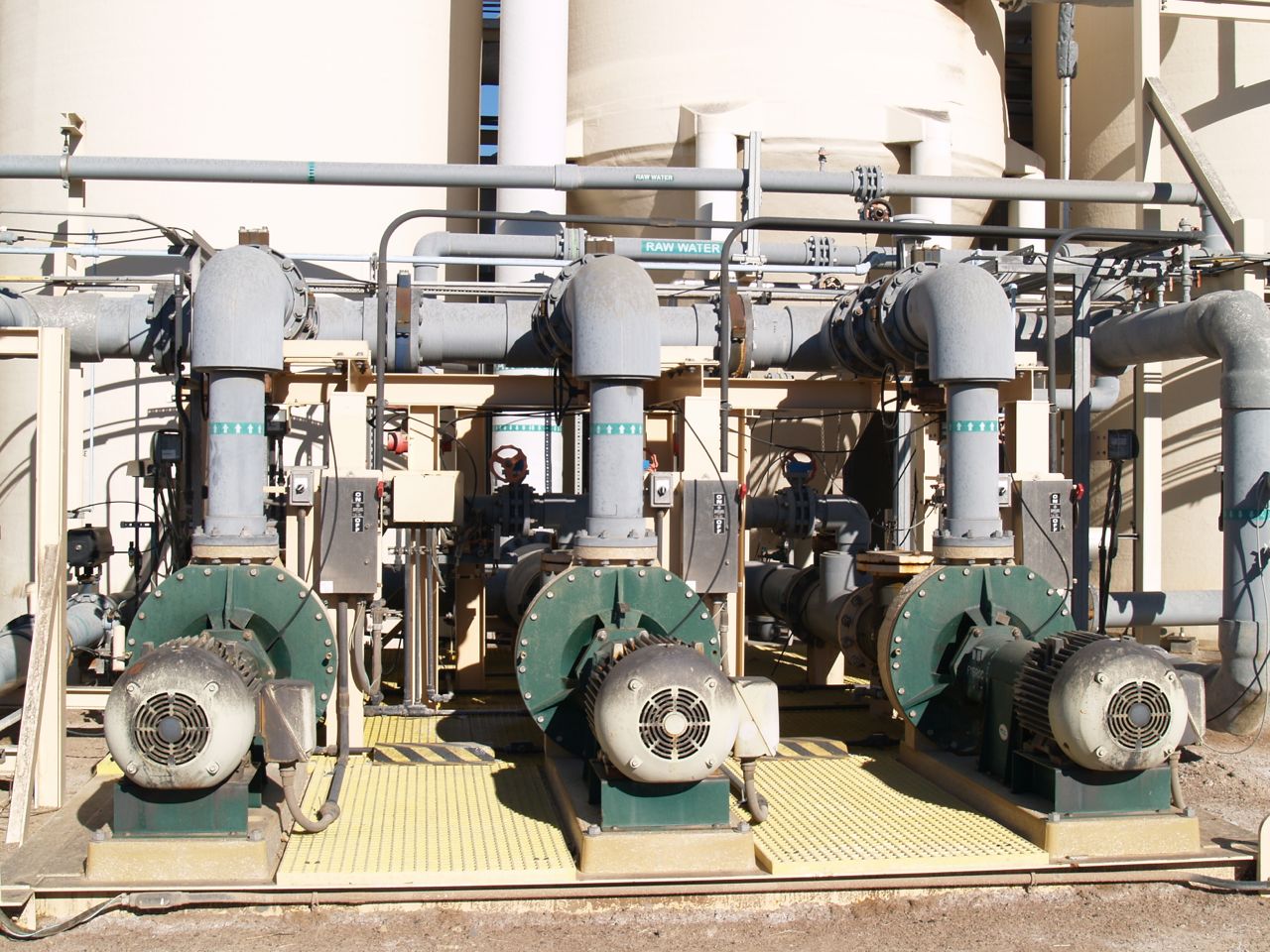
With centrifugal pumps to keep the fluids moving.
More chemical storage tanks
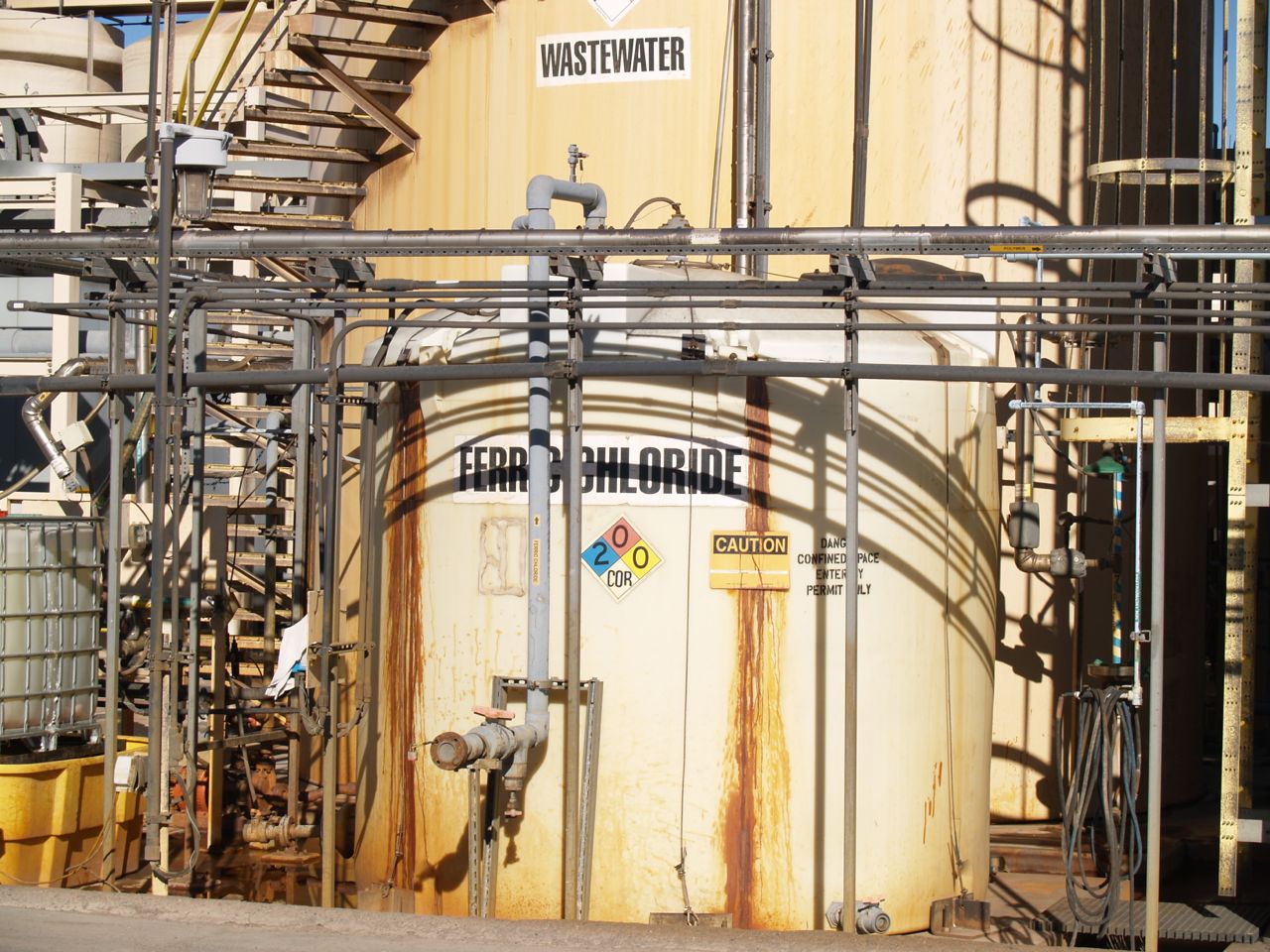
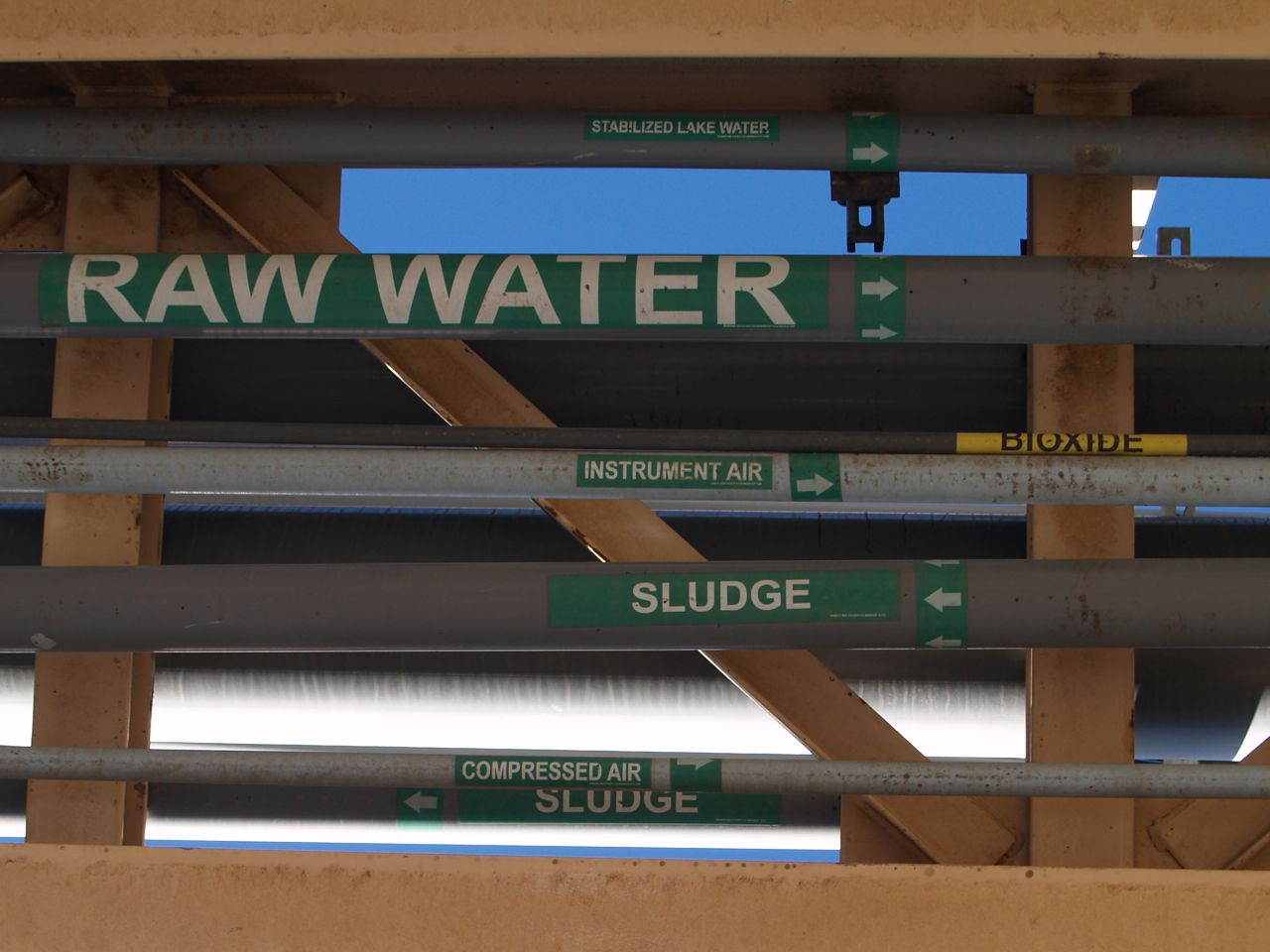
At industrial plants, pipes always need to be labeled.
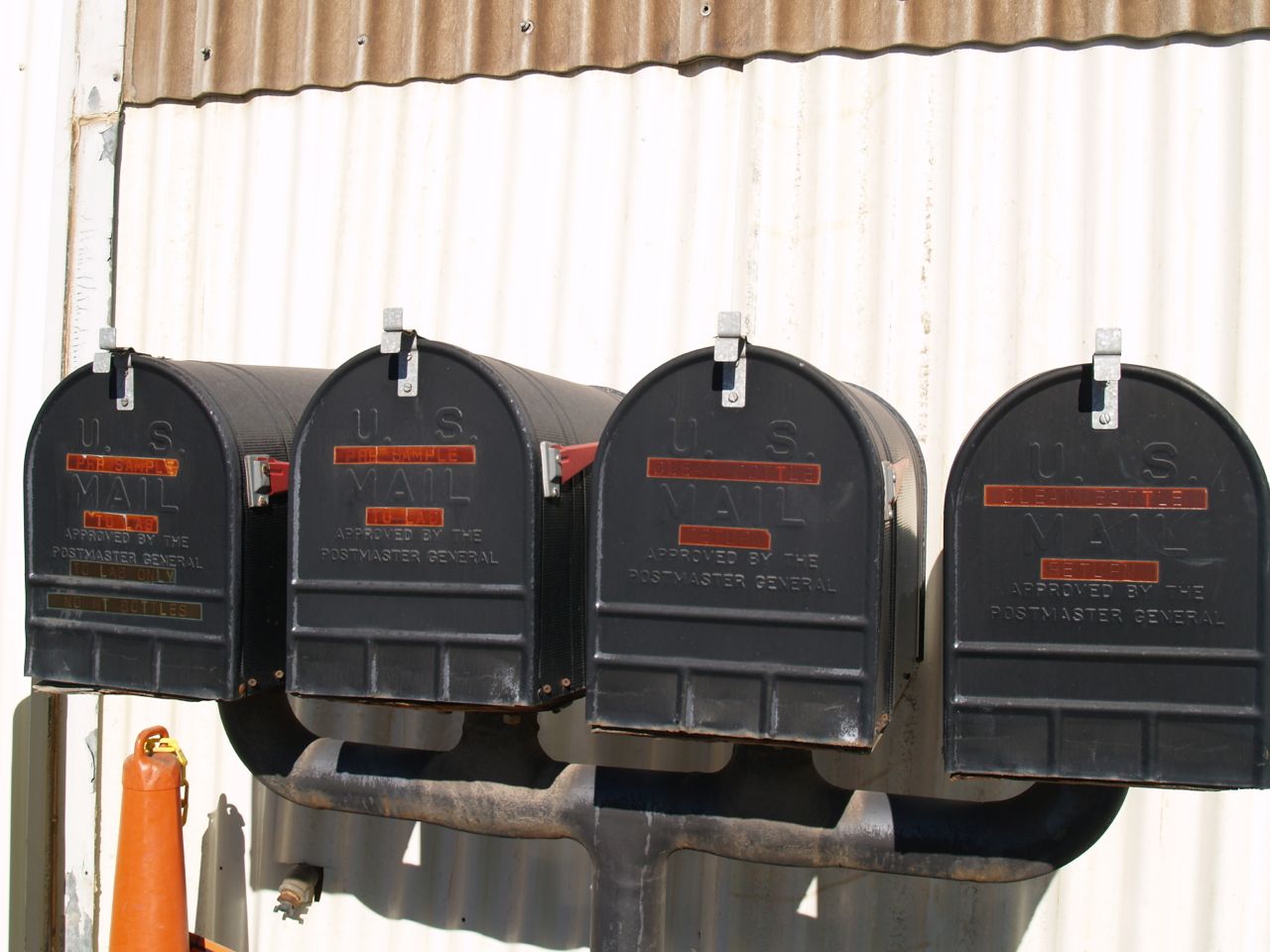
The first two mailboxes are labeled “PAP Sample to Lab,” and the second two are labeled “Clean Bottle Return.” I actually have doubts that these are really being used for pick up of samples to go to the lab. In general, samples need to be refrigerated once taken, and they should not be left in a metal box to bake in the hot sun.
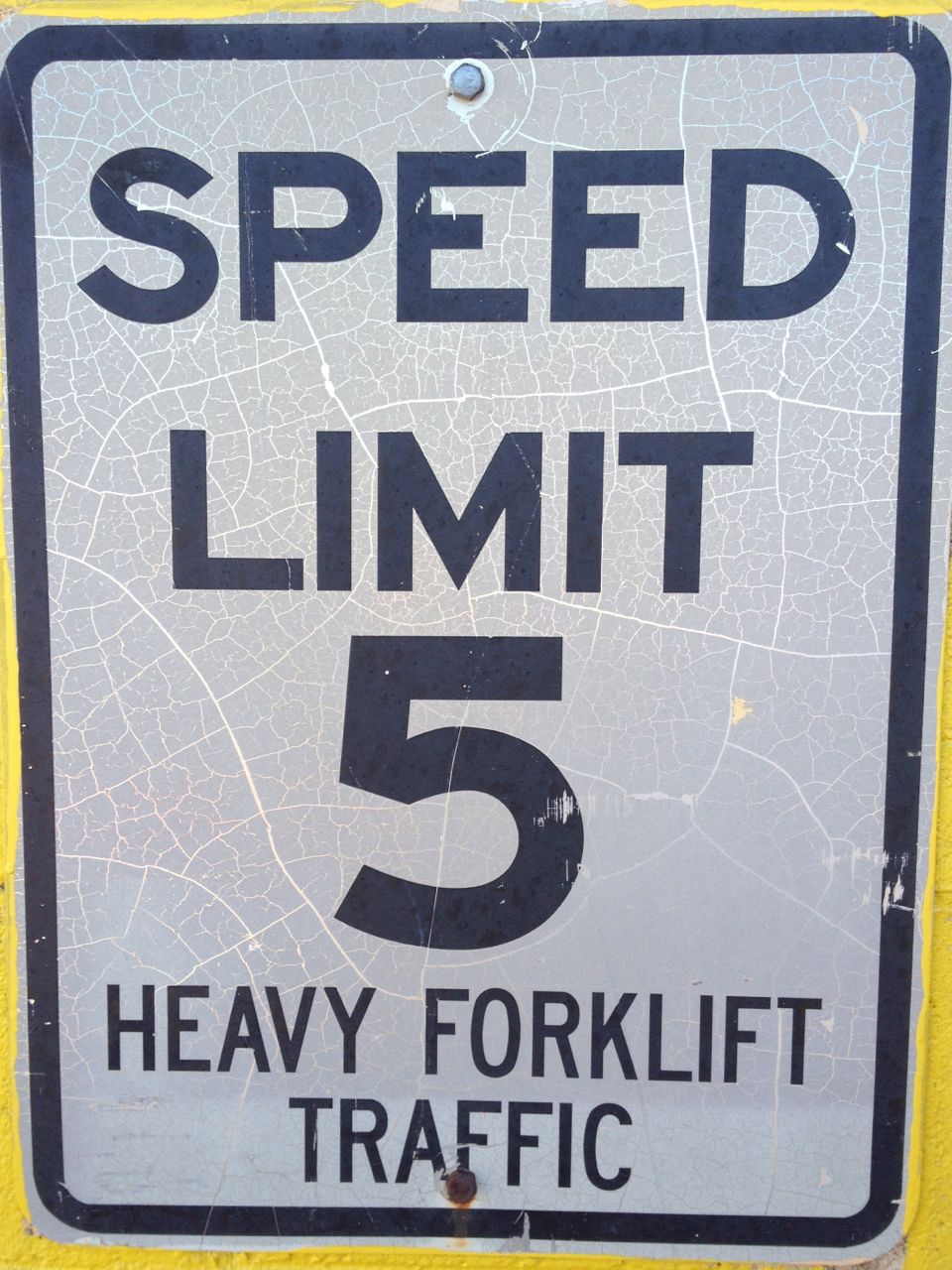
Finally, always remember to drive slowly
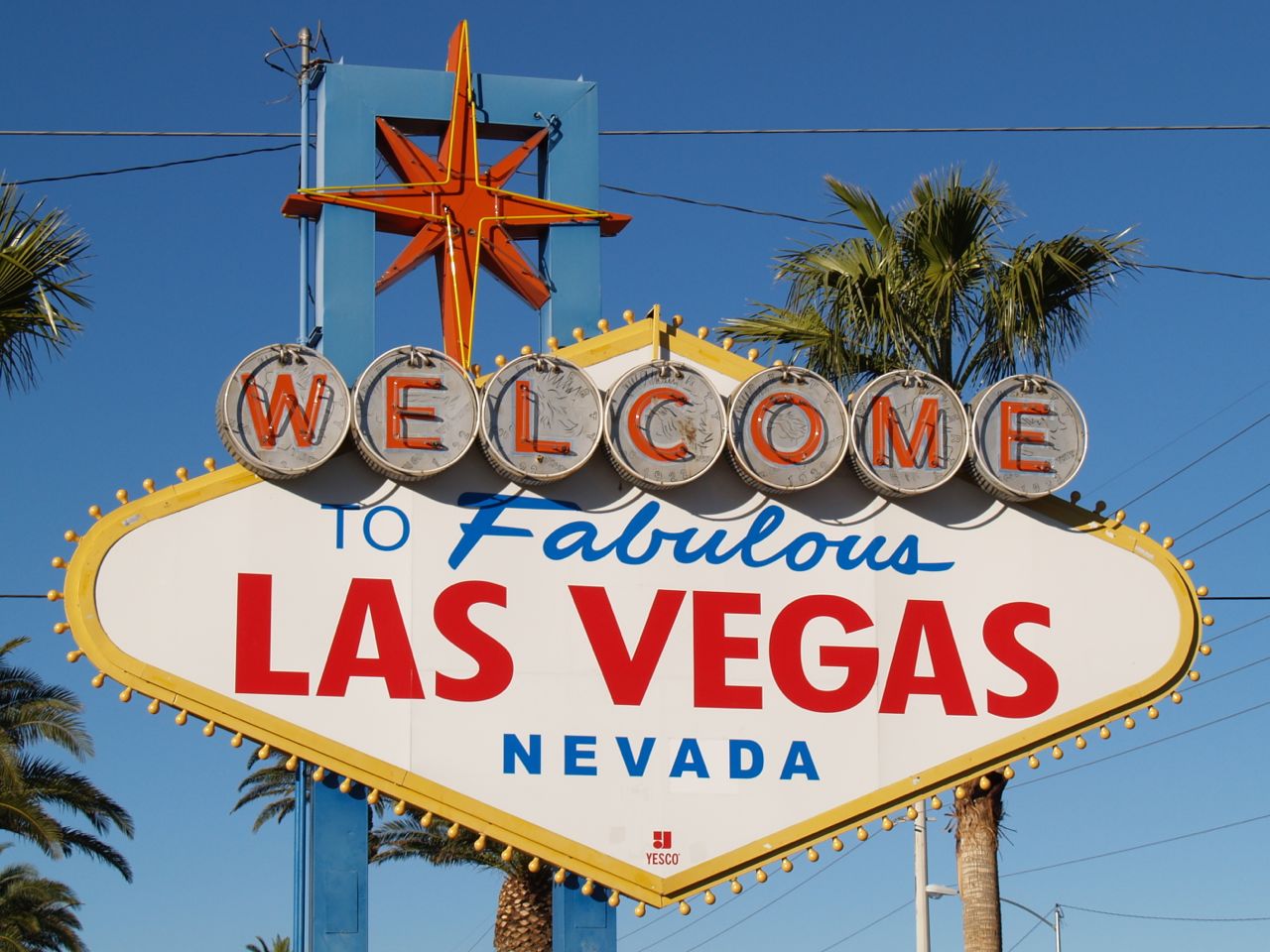
Las Vegas, Where Insane Architecture Reigns

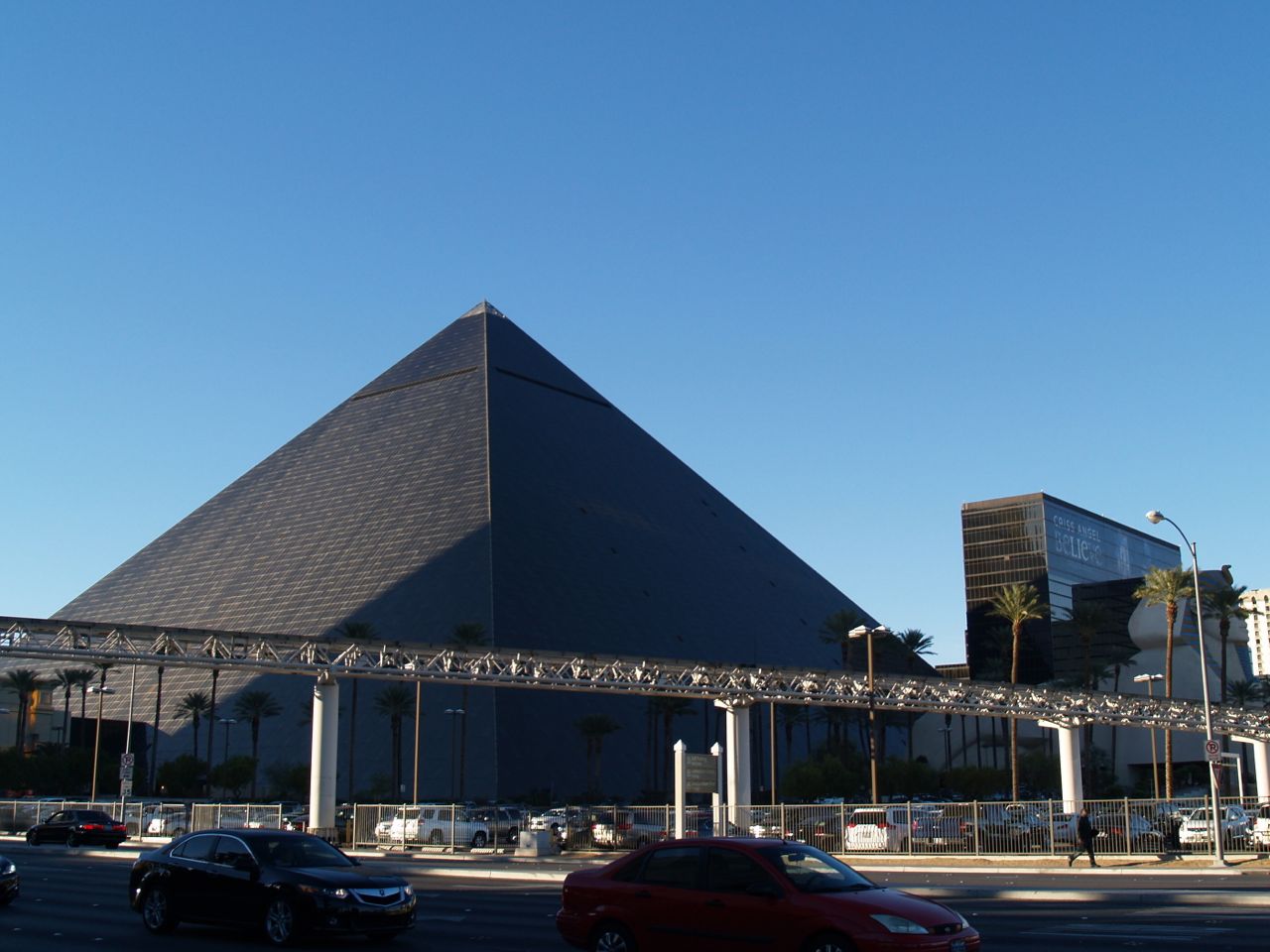
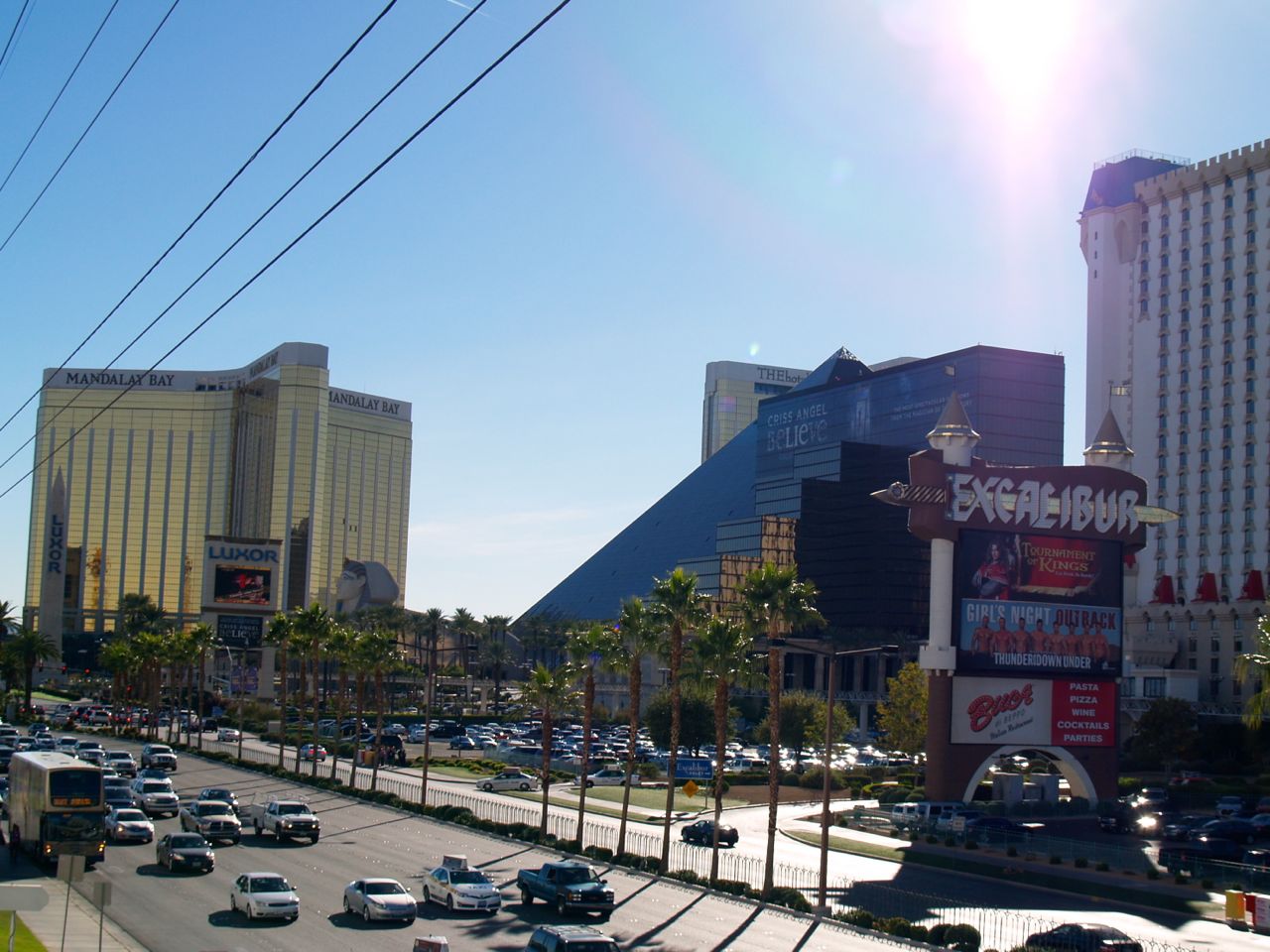
A disclaimer on this post: I am an engineer. Architects and engineers famously don’t get along all that well. Oh sure, we work on projects together, but engineers understand and respect the laws of physics. Architects, not so much. I do in fact like and respect architects, and at one point in high school, I wanted to be one. That was until I realized how much more I like and was better at the math and science of design than the art of it. However I do appreciate good architectural design. Then there is Las Vegas. I need to study the history of Las Vegas because I am really curious when and why casinos started being built with crazier and crazier, over the top themes. The casinos really know how to do a theme also. They completely saturate the property with the theme, whatever it may be. I have to wonder if drugs were involved in the design of some of the casinos. Along the Strip, are casinos and hotels with themes based on at least three different continents, several different time eras, and both real and fictional places. Part of what I find so hilarious is that casinos with completely different themes sit right next to each other. For example, on the southern end of the strip is Mandalay Bay which has water as part of its theme and features an aquarium. Thus it is appropriate (in Las Vegas logic) that next to it is the Luxor, which is themed off of ancient Egypt (i.e. the desert) and features a giant, black glass pyramid, a shape, I might add which is rather inefficient use of space for a hotel. Also, I can’t leave out the fake Sphinx in front of it because of course a pyramid is not complete without a sphinx.
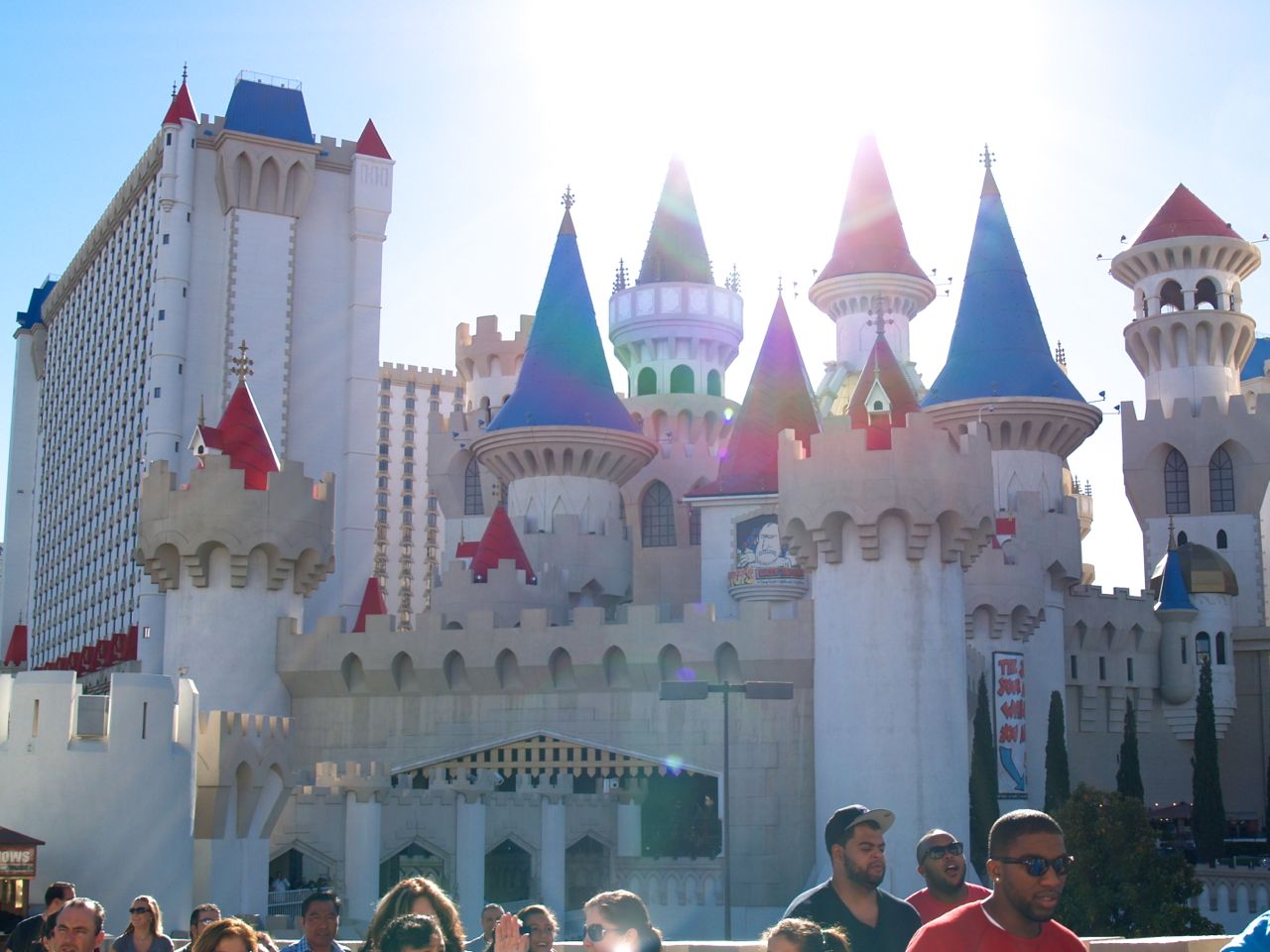
The Luxor sits hilariously next to the Excalibur, so that one can walk from ancient Egypt to the fictionally old England of Camelot.

I must say that while the Excalibur does a nice, over the top, job of a theme based on the fictional England of the Camelot tales, it really does not have a proper moat, and that is a disappointment.

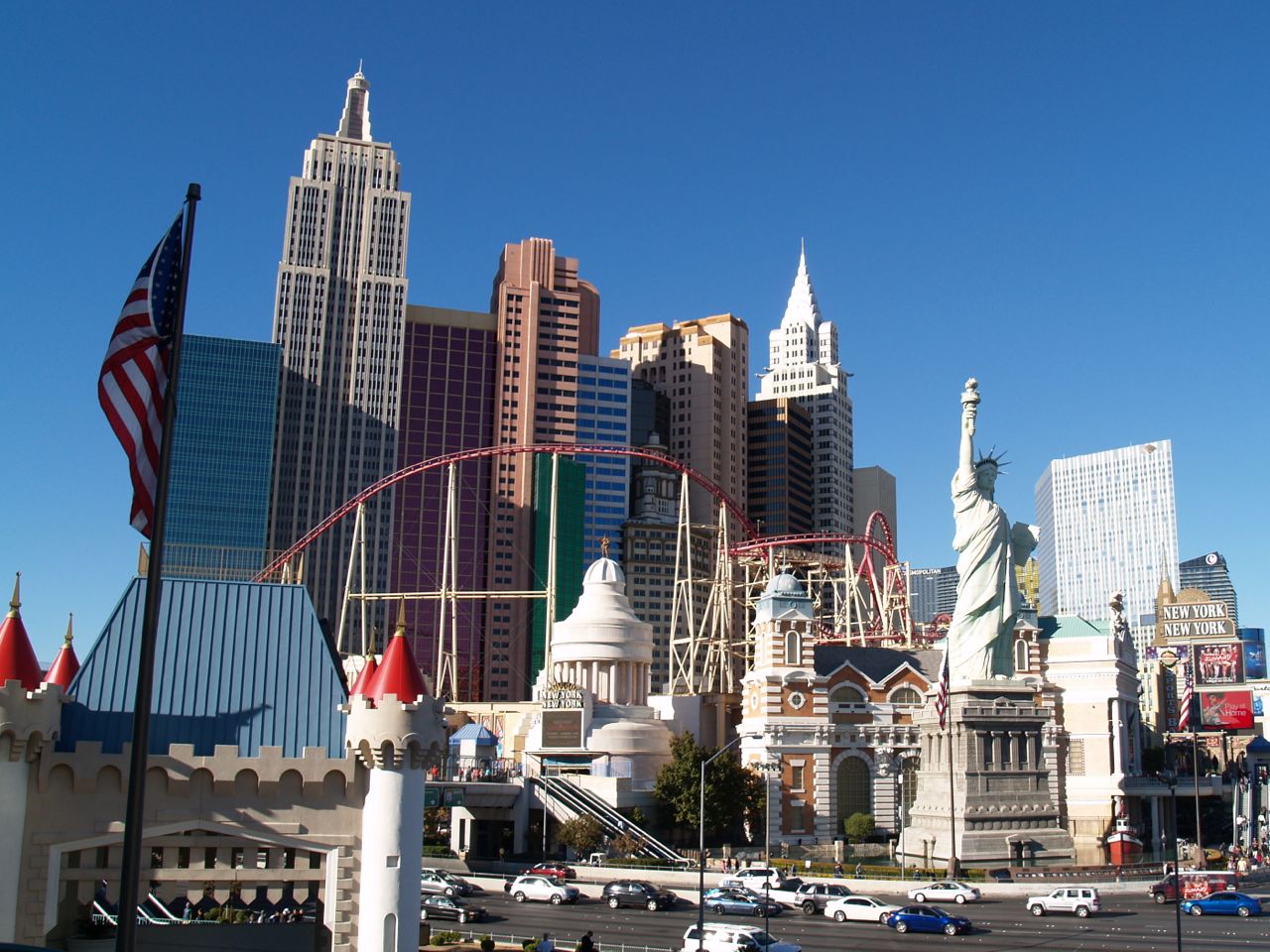
From fictional England, one can then walk to modern day New York City because well, why not?

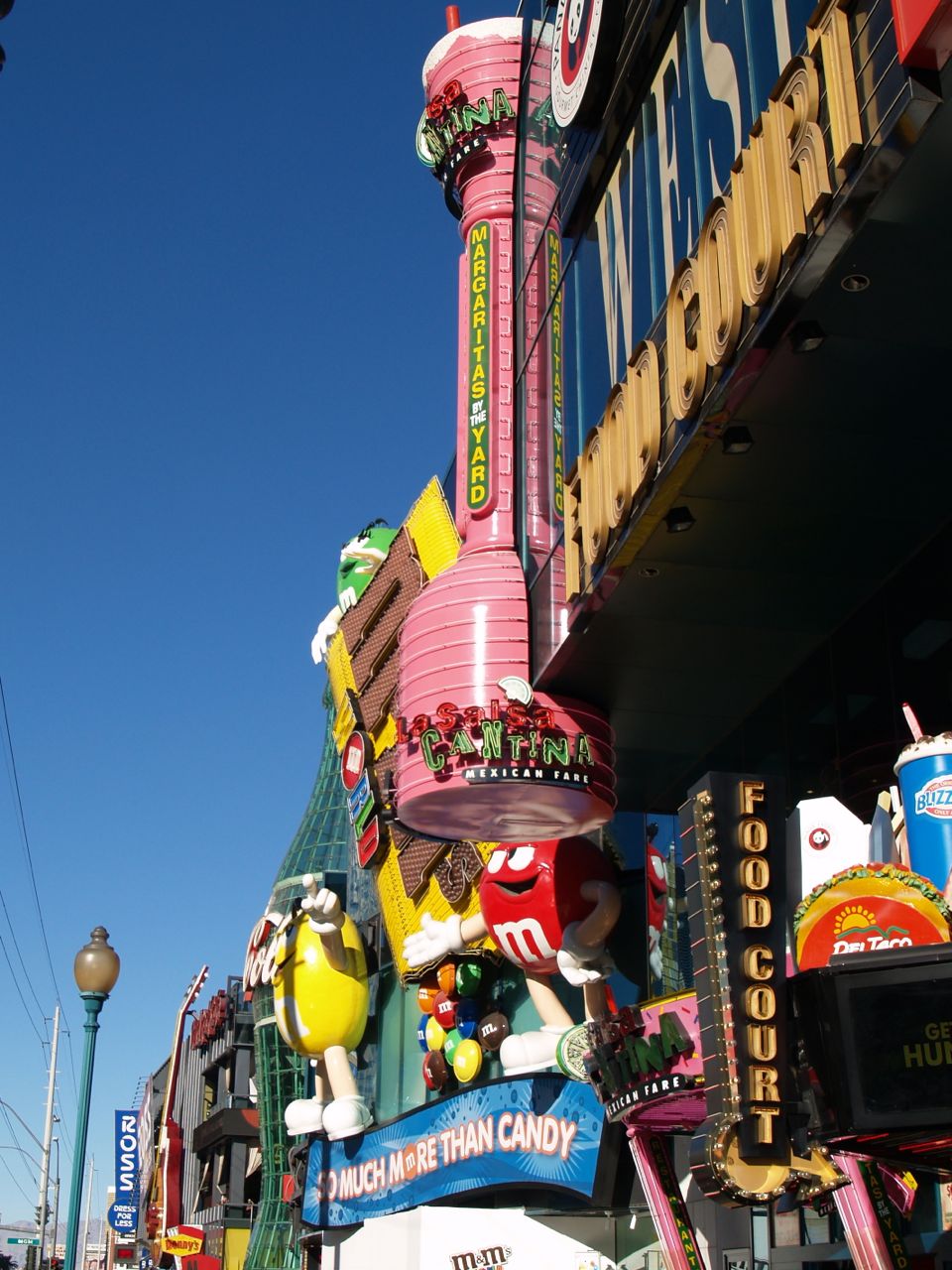
Across the street from New York New York is the MGM Grand, whose theme I have never been clear on, but it features a giant gold lion head in front. If the MGM Grand lion and the Luxor’s sphinx came to life, would they be friends or enemies? Would they eat the giant M&Ms and drink the giant margarita and coke that sit next to the MGM Grand in what appears to be food trademark central?

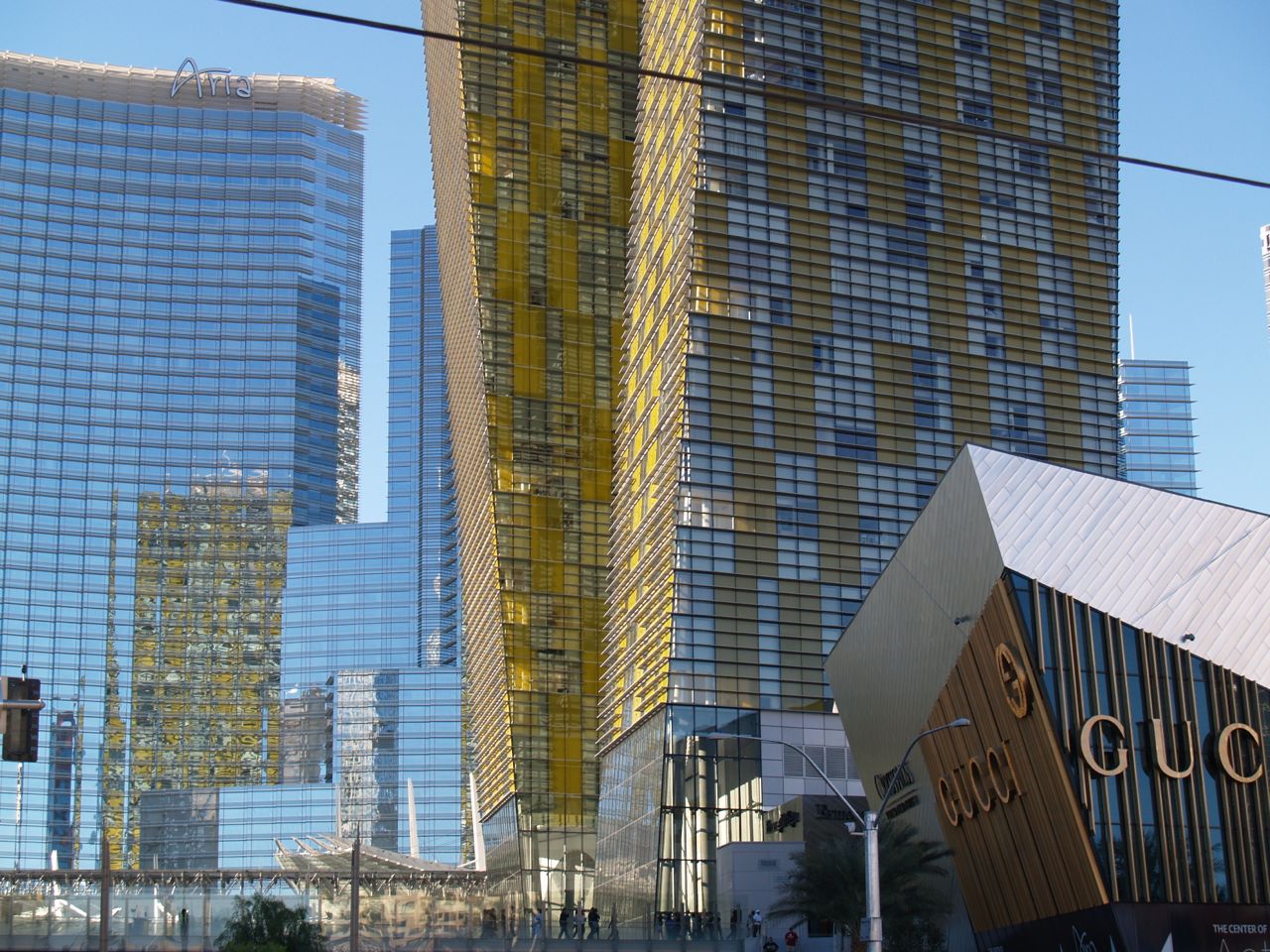
Very close to all the gaudiness and insanity is the brand new CityCenter, which features some absolutely gorgeous buildings and in my opinion, looks rather out of place on the Strip.

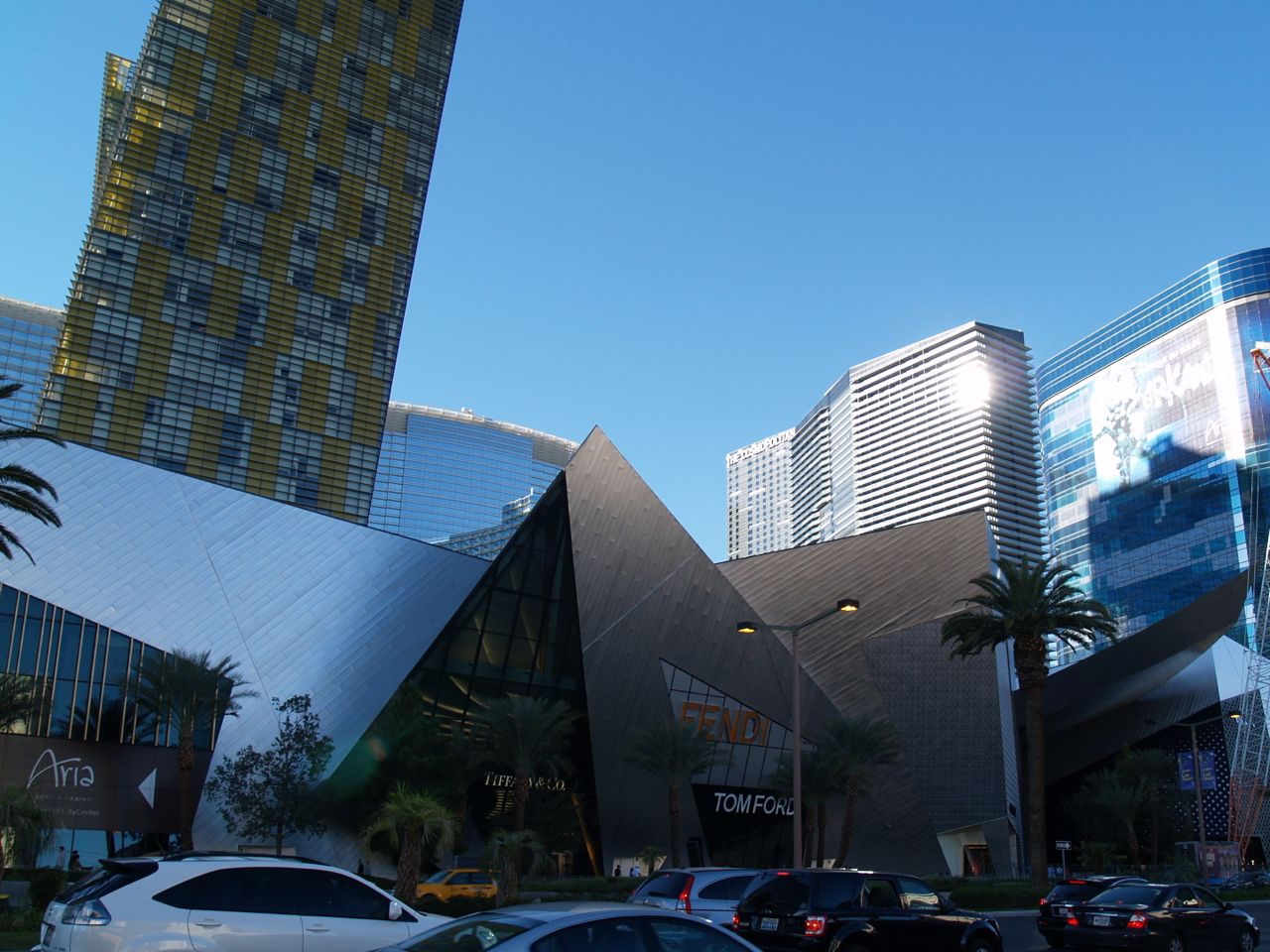
At the front of CityCenter is the Crystals at CityCenter designed by Daniel Libeskind in his trademark disjointed, angled buildings design. I am rather a fan of Daniel Libeskind. He and Frank Gehry are probably my favorite modern architects, but I could never work on the construction of any of their buildings because first, I’m not that type of engineer, and second because they seem to enjoy designing buildings that try to break the laws of physics.

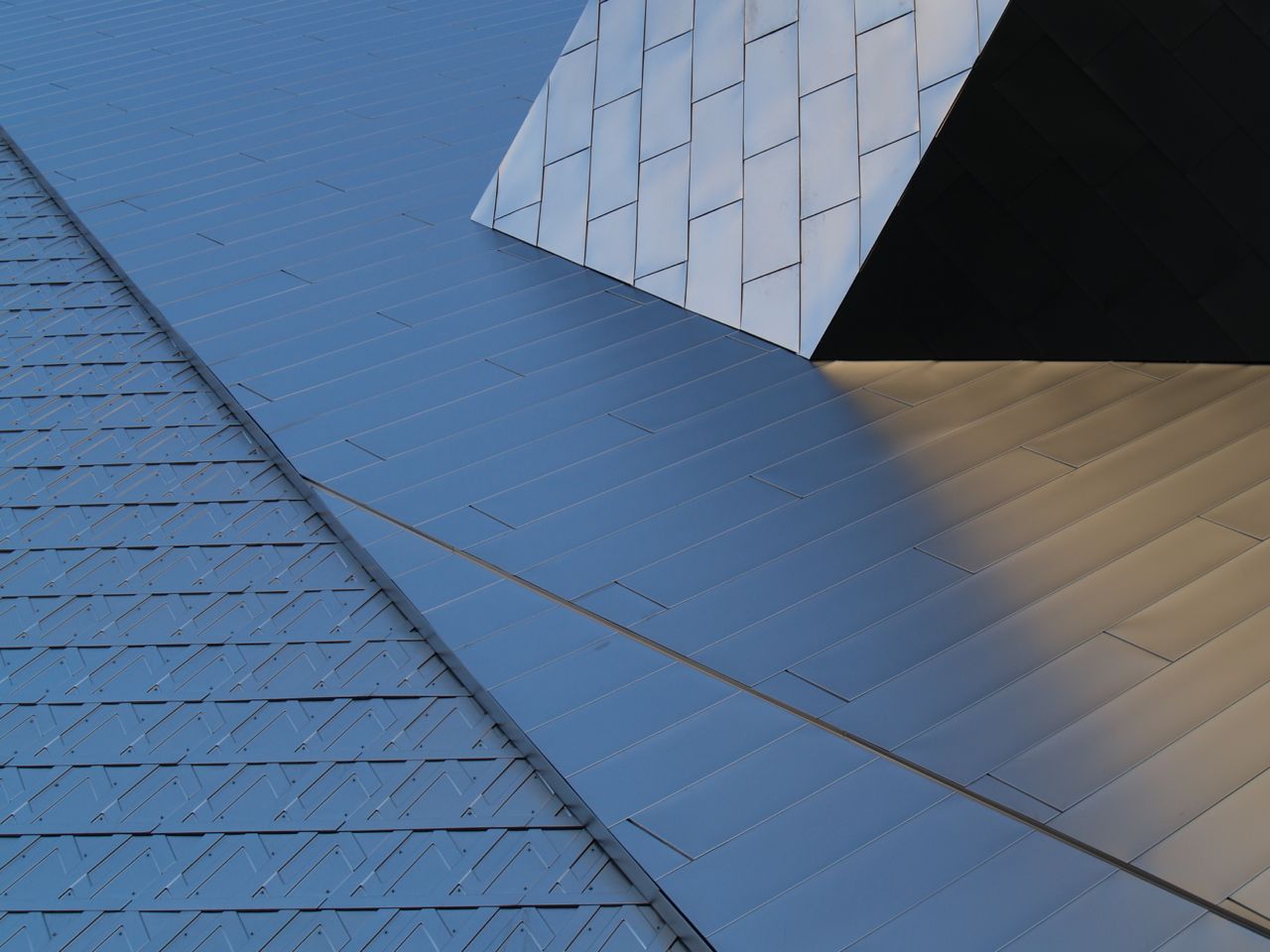
The Crystals is even interesting up close due to the different materials and textures on the exterior.

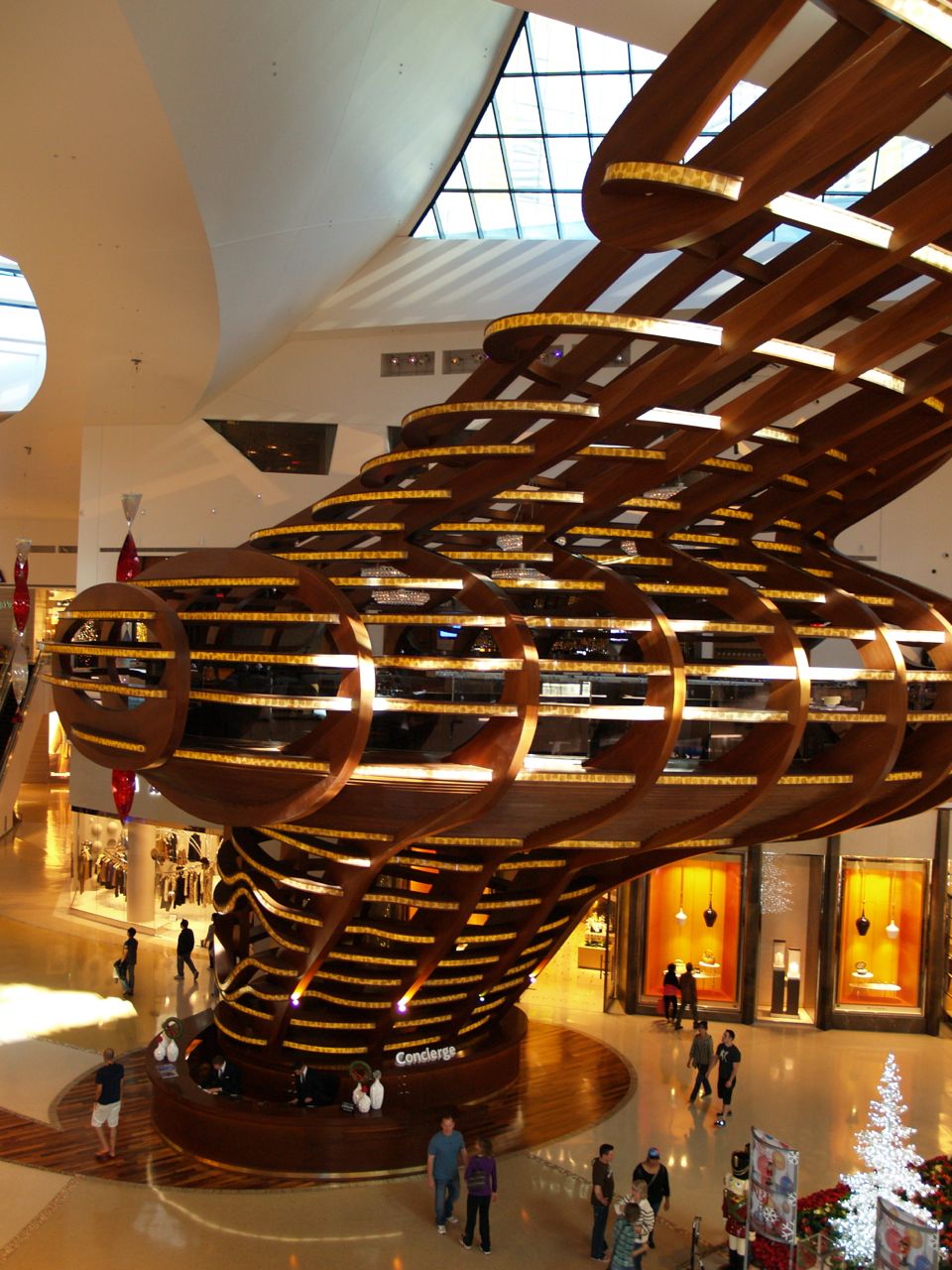
Inside the Crystals is more insane architecture. I have no idea what this wooden structure is supposed to be.

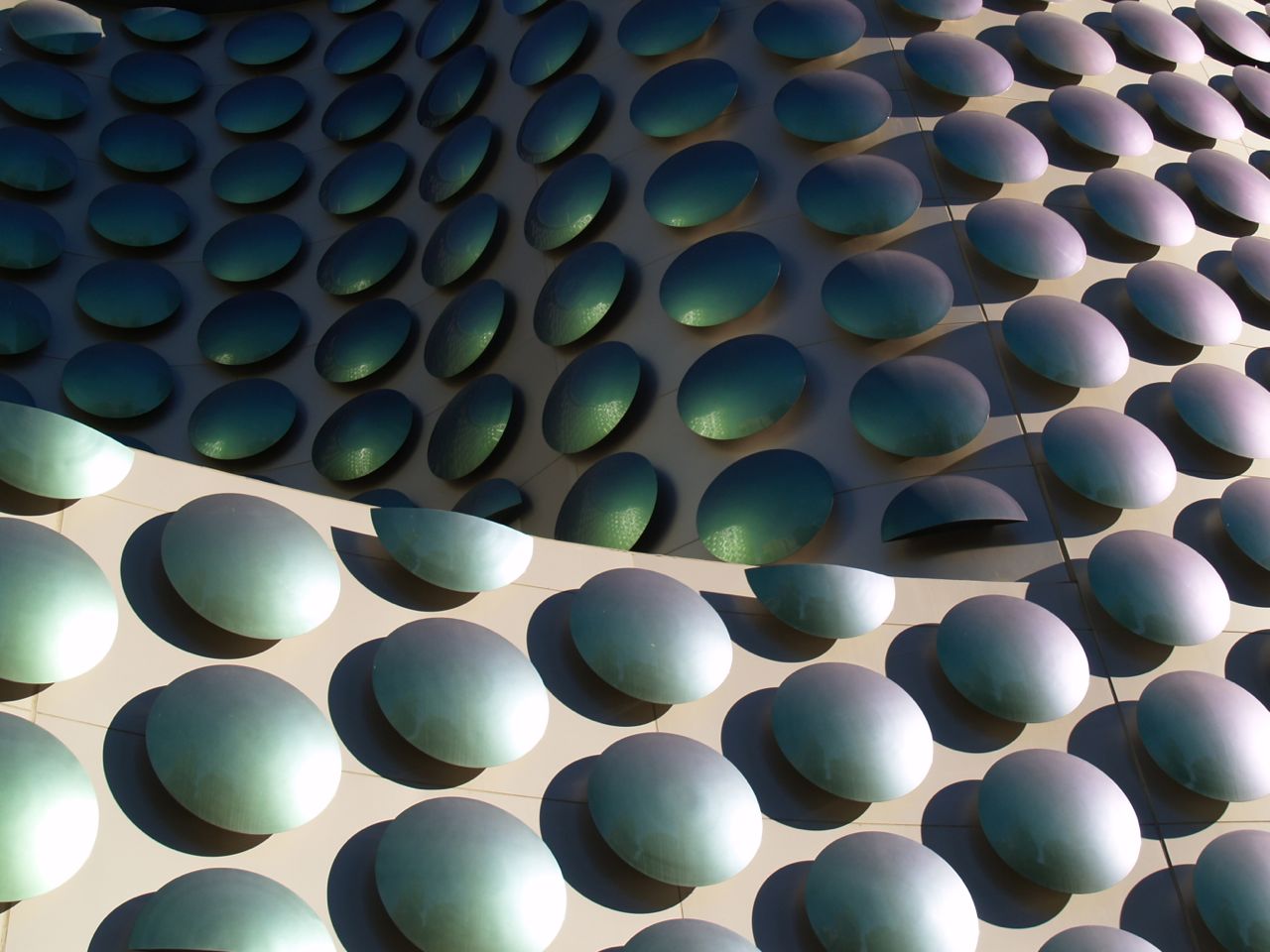
Across the street from CityCenter is Planet Hollywood and the Miracle Mile Shops, whose architecture is not really insane, just rather loud. The exterior of the Miracle Mile Shops features a series of three-dimensional dots that look either green or purple depending on the direction from which they are viewed. I have no idea what they are supposed to represent, but they are kind of cool.

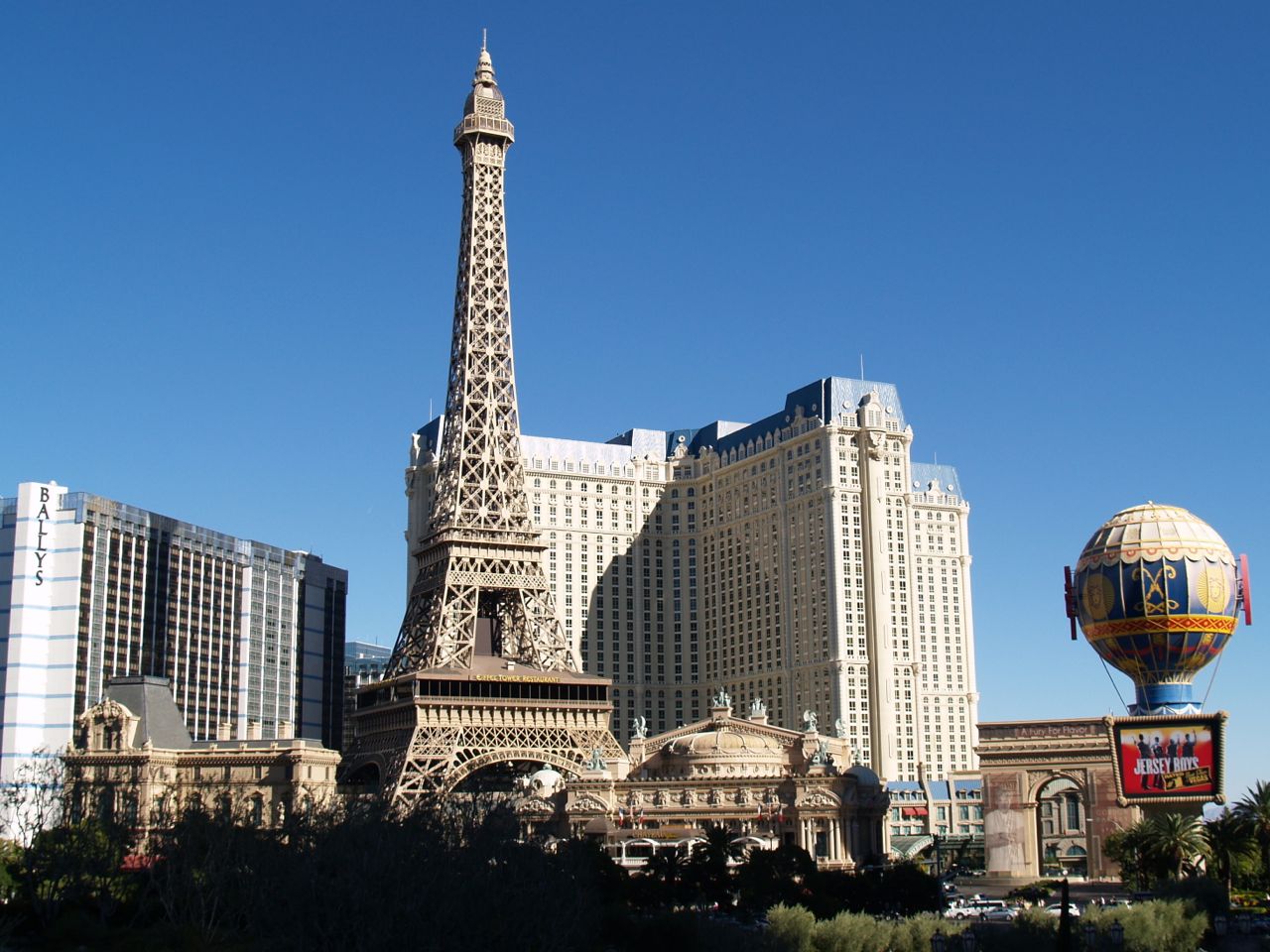
Next to Planet Hollywood, we again travel to another continent with Paris which features a scale model of the Eiffel Tower because again, why not?

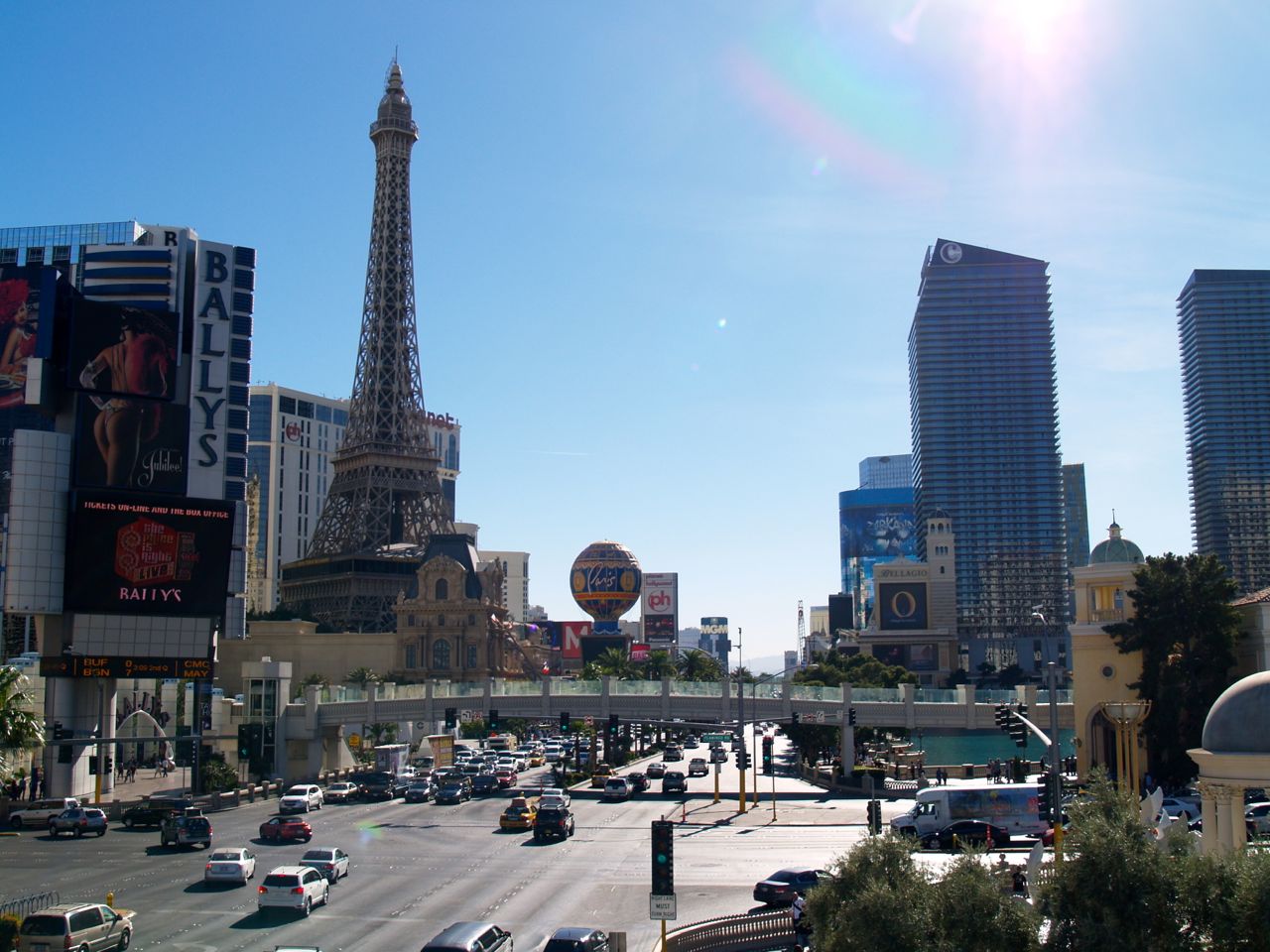
At this point on the strip, you can look at a scantly clad women from Bally’s who appears to be looking at Paris, perhaps to get some much needed clothes for which Paris is famous. Across the street is the edge of ancient Rome (Ceasar’s Palace), modern (?) Italy (Bellagio), and the modern architecture of CityCenter. Only in Las Vegas.

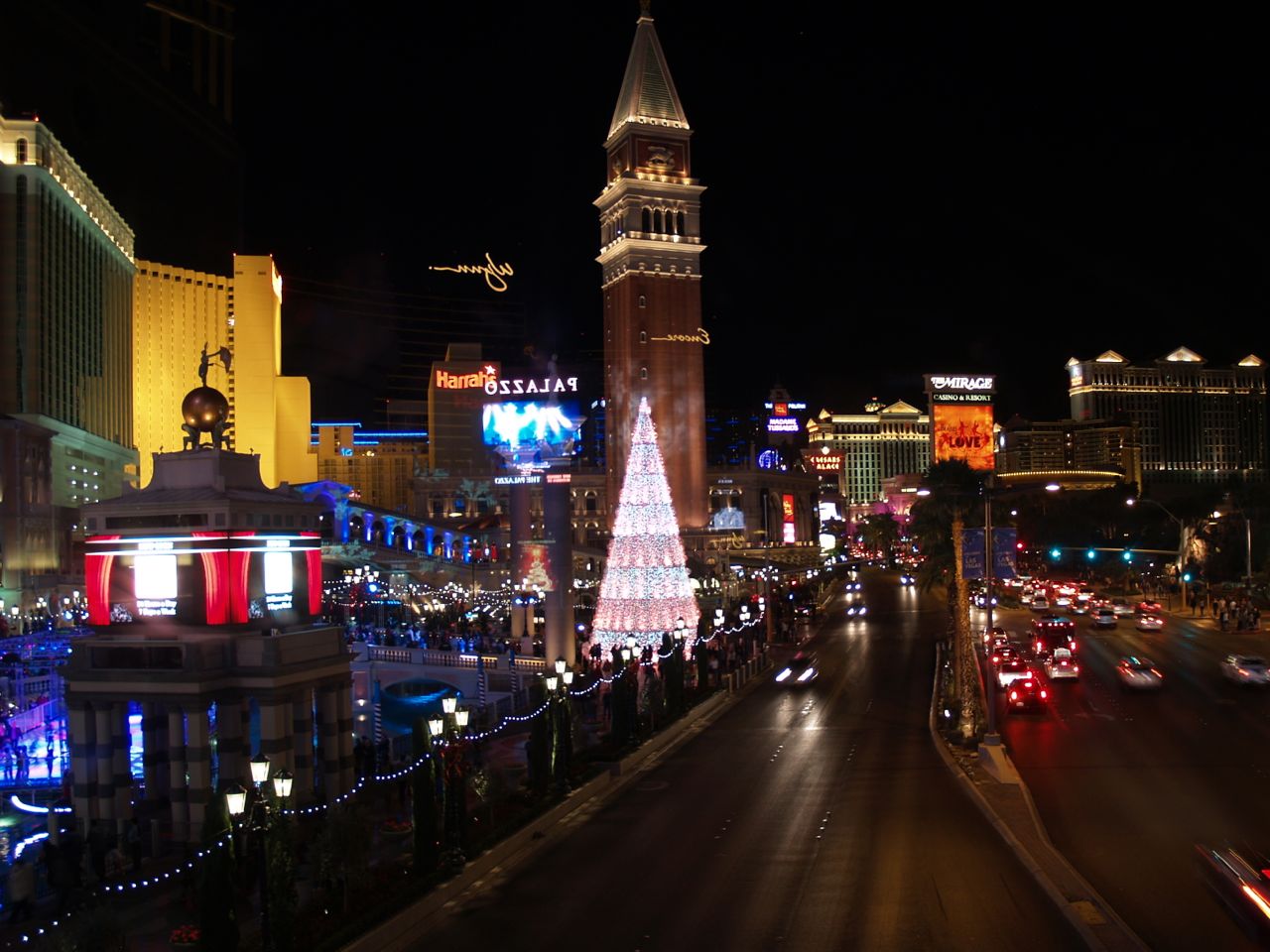
The Strip is not done yet though. Across from ancient Rome is the Flamingo, which is not all that outrageous, but just features lots of pink flamingos that would never be found in Nevada. Then the Asian themed Imperial Palace, which appears to be coming down or being renovated. Asia is next to the New Orleans’s Mardi Gras themed Harrah’s. Close to this, we go back to Italy with the Venetian and Palazzo. Italy is very popular on the Strip.

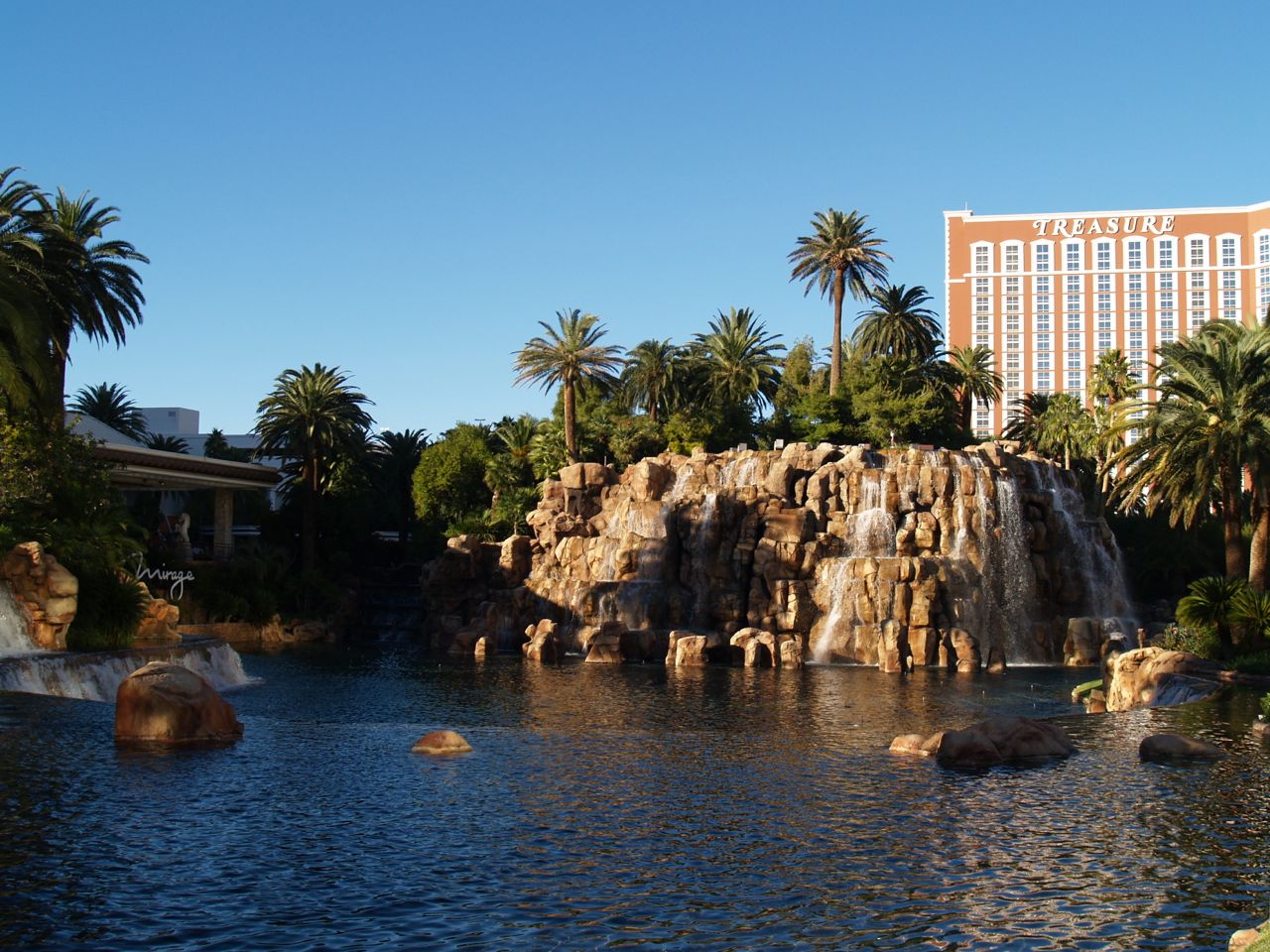
Across the street from fake Venice is the Mirage with its waterfall that at night has a volcano on top of it. Again, why not?

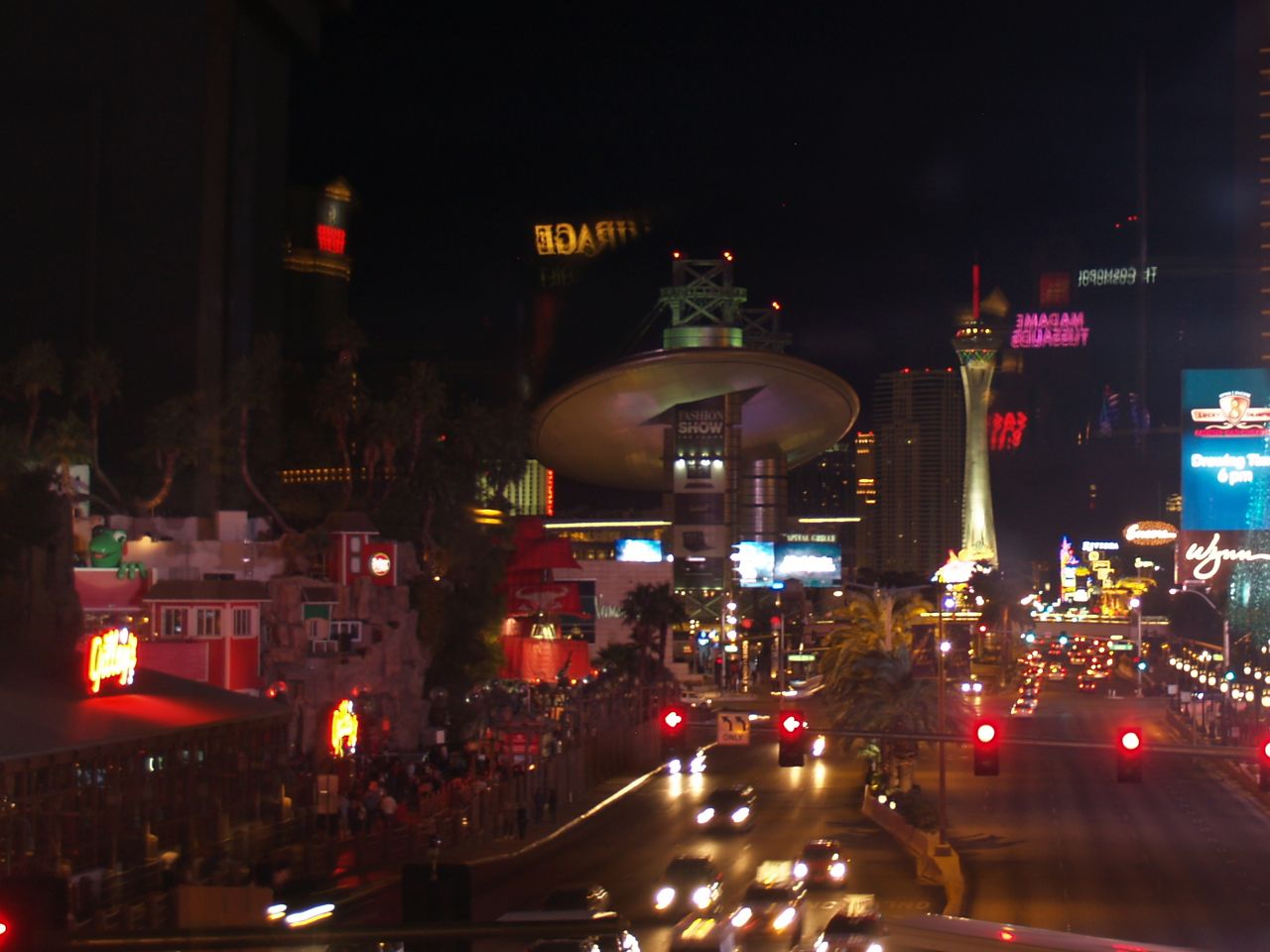
In the background is Treasure Island which of course has pirates. Don’t most deserts have pirates? Oh wait. . . Then slightly further down the strip is the Fashion Show Mall which appears to just be a mall, but a UFO landed on top it. No doubt the UFO got lost from nearby Area 51. Further down from it is the Stratosphere which features a roller coaster on top of a really tall tower because isn’t that where most people put their roller coasters?

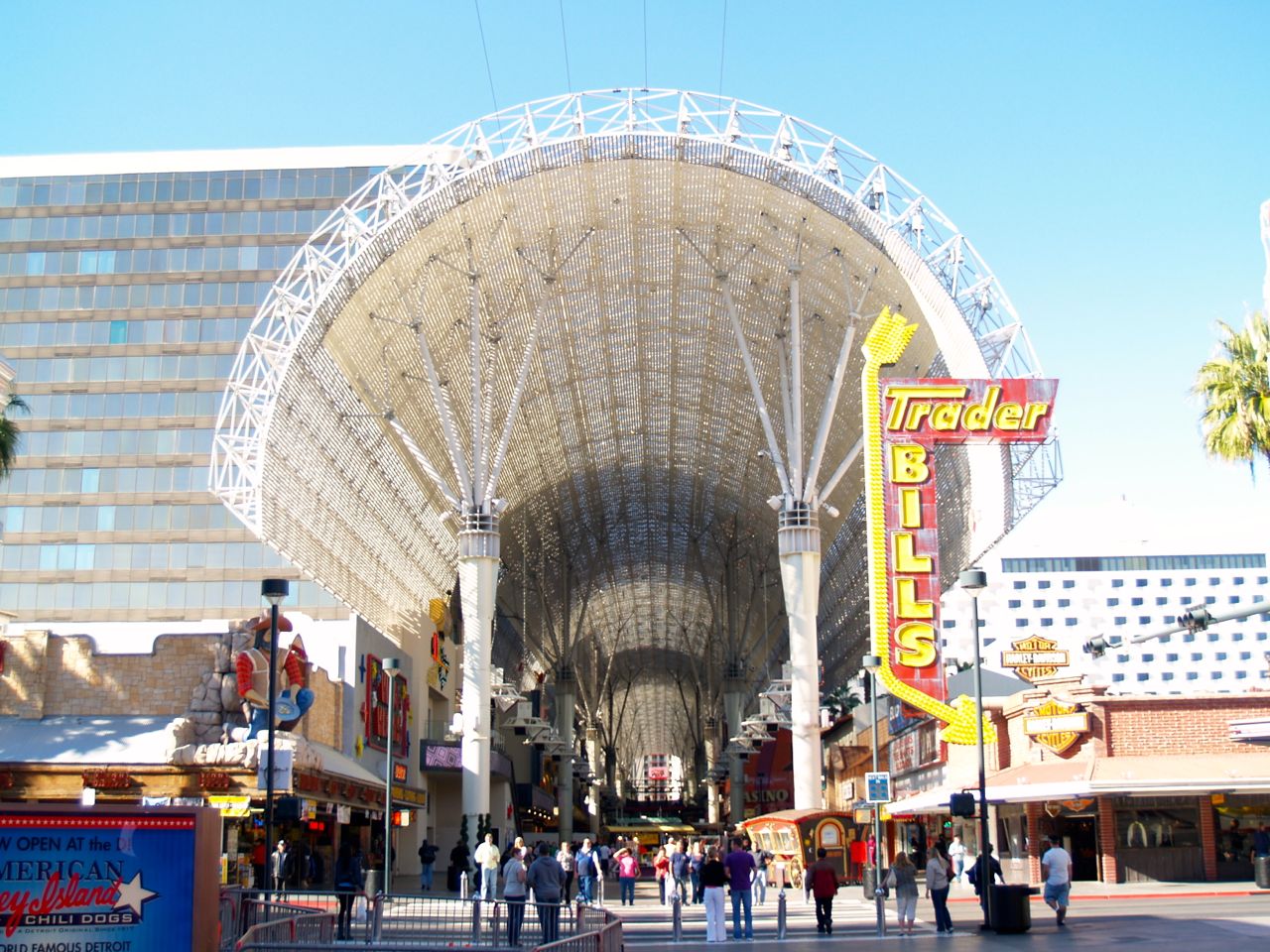
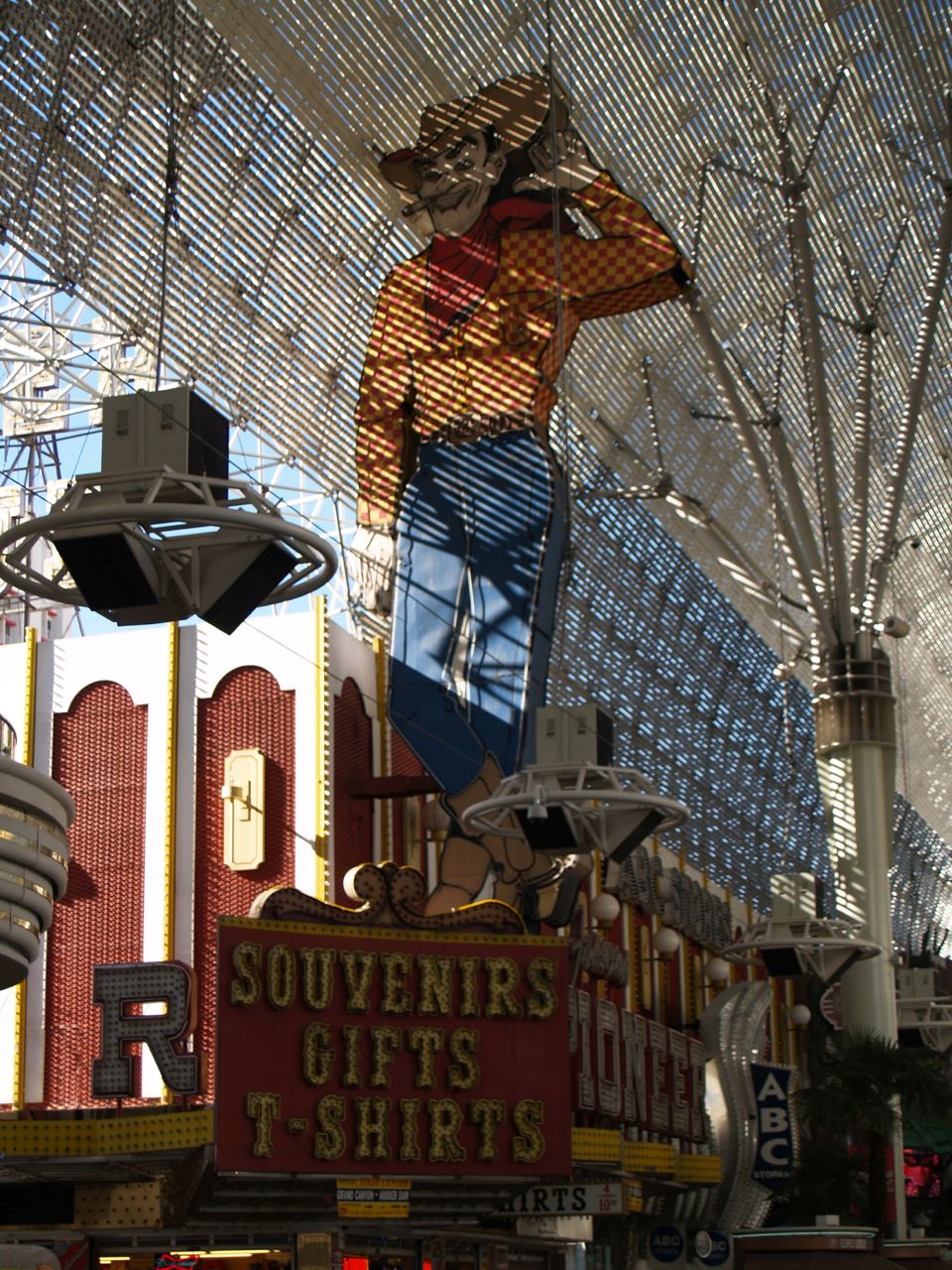
Well north of the Strip are the really old casinos of Fremont Street. Several years back, they built the Fremont Street Experience, a light structure to help bring business back to their area and away from the Strip. From an engineering standpoint, the Fremont Street Experience is a cool structure.

One of the fun things about the Fremont Street Experience is that it is a light show that encapsulates other lighted advertisement signs.

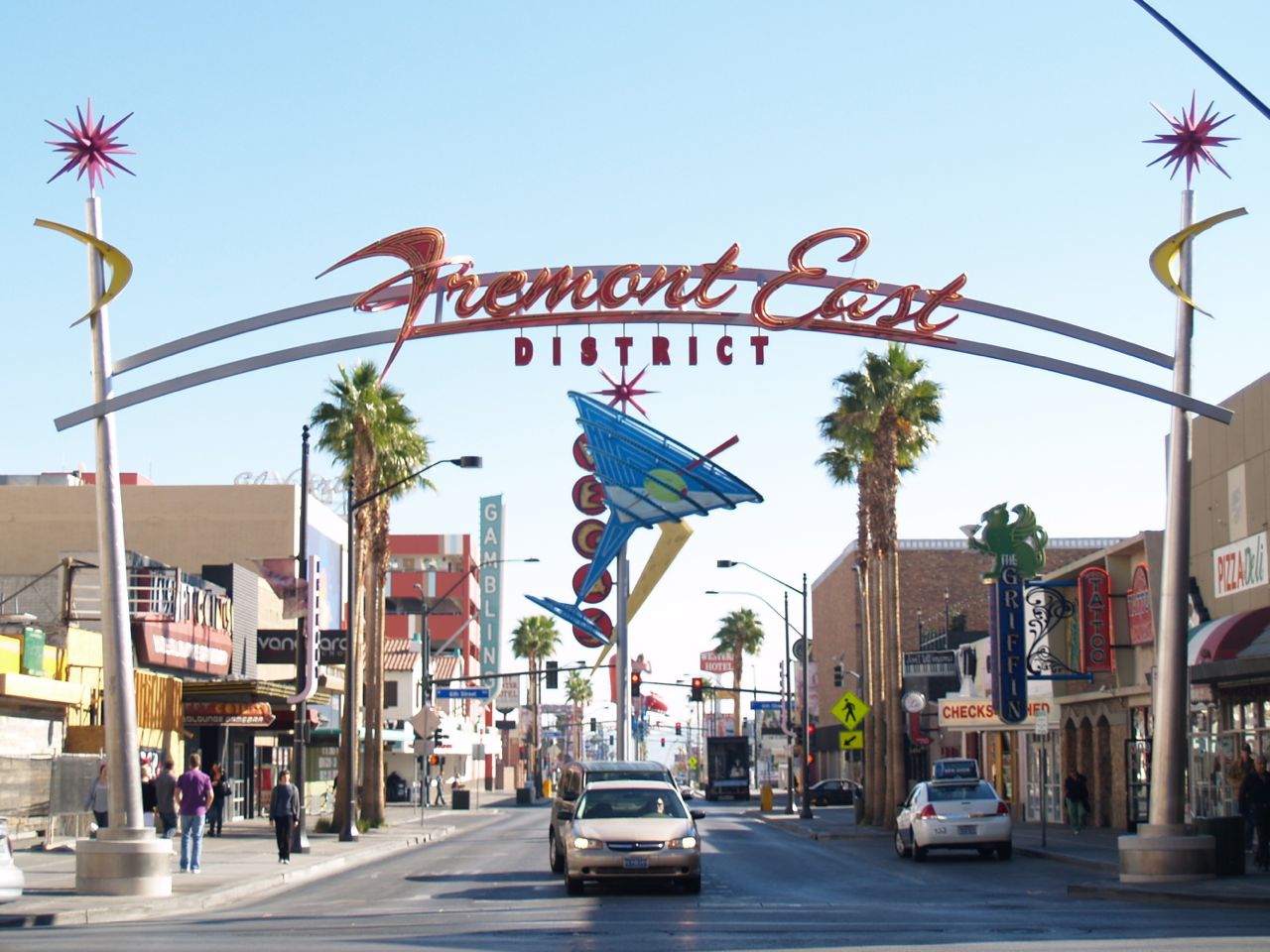
I have to wonder how much electricity would be saved if all of Las Vegas’s lights were converted to LEDs. At the east end of the Fremont Street Experience is Fremont East. I have no idea what is in this district, but it features a fun, retro martini sign. Presumably there are bars there, but I think that goes without saying.

So that was my one cent tour of the insane architecture of Las Vegas. I hope you enjoyed the visit. I did.


Hoover Dam and Bypass Bridge

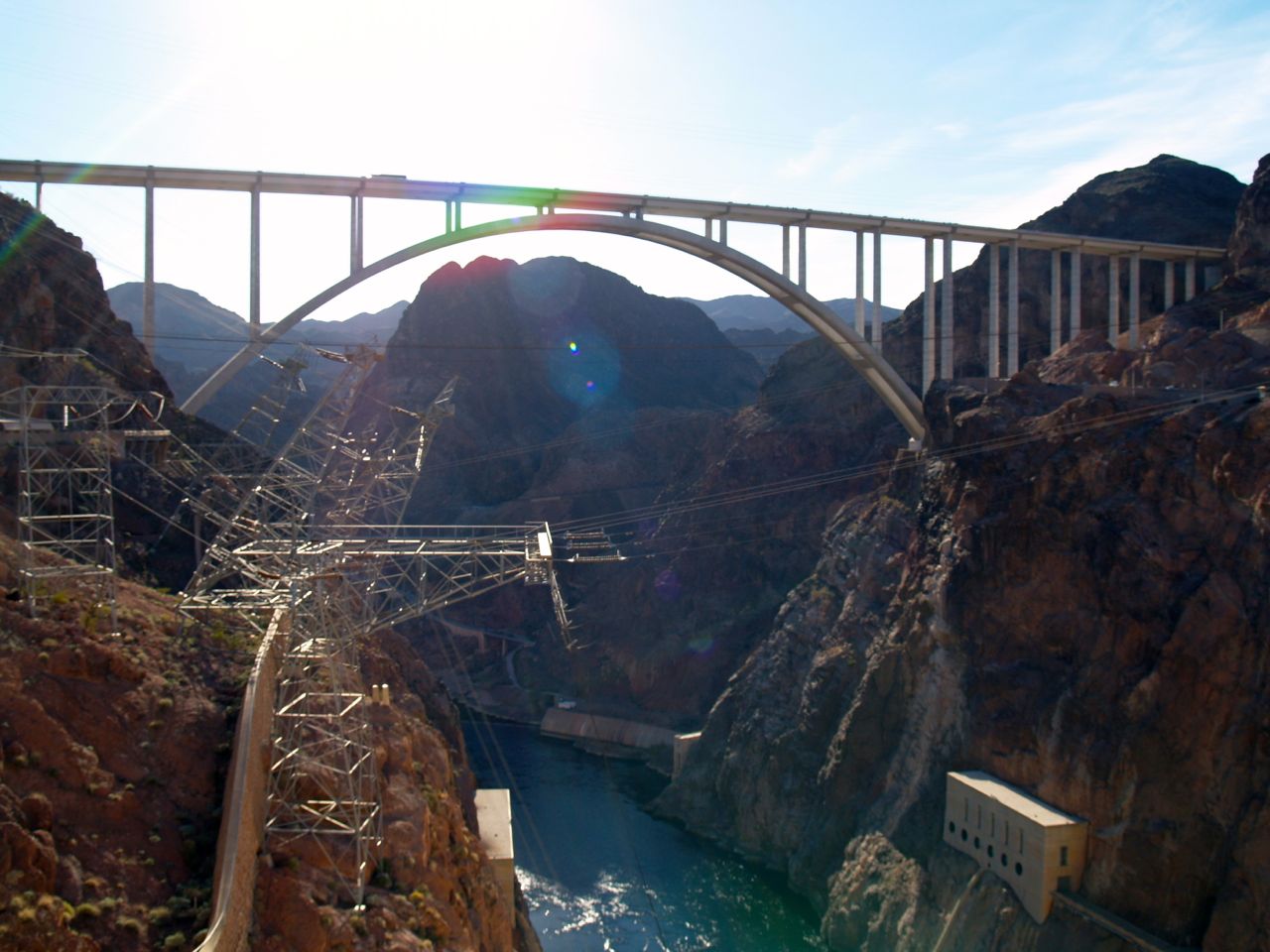
On my recent trip to Las Vegas, I made a trip out to Hoover Dam. As an engineer, I have an irresistible urge to visit important engineering landmarks. However, I don’t think you have to be an engineer to realize what a marvel the Hoover Dam is. Too many hardworking men died building it (one is too many though), and it has caused ecological problems by altering the flow of the Colorado River. However from an engineering stand point, it is an absolute marvel. The new bypass bridge next to it, more formally known as the Mike O’Callaghan – Pat Tillman Memorial Bridge, is in my opinion also a marvel and beautiful in its design. Part of the reason I consider both the dam and bridge to be marvels is where they were built, across the very steep, deep canyon of the Colorado River. The Hoover Dam was built with some really nice details that I have to wonder if most visitors appreciate or even notice. It was not just built as a plain hunk of concrete, especially on top where visitors walk. The bypass bridge was also built with some nice details, including many education plaques explaining how the bridge was built and why.

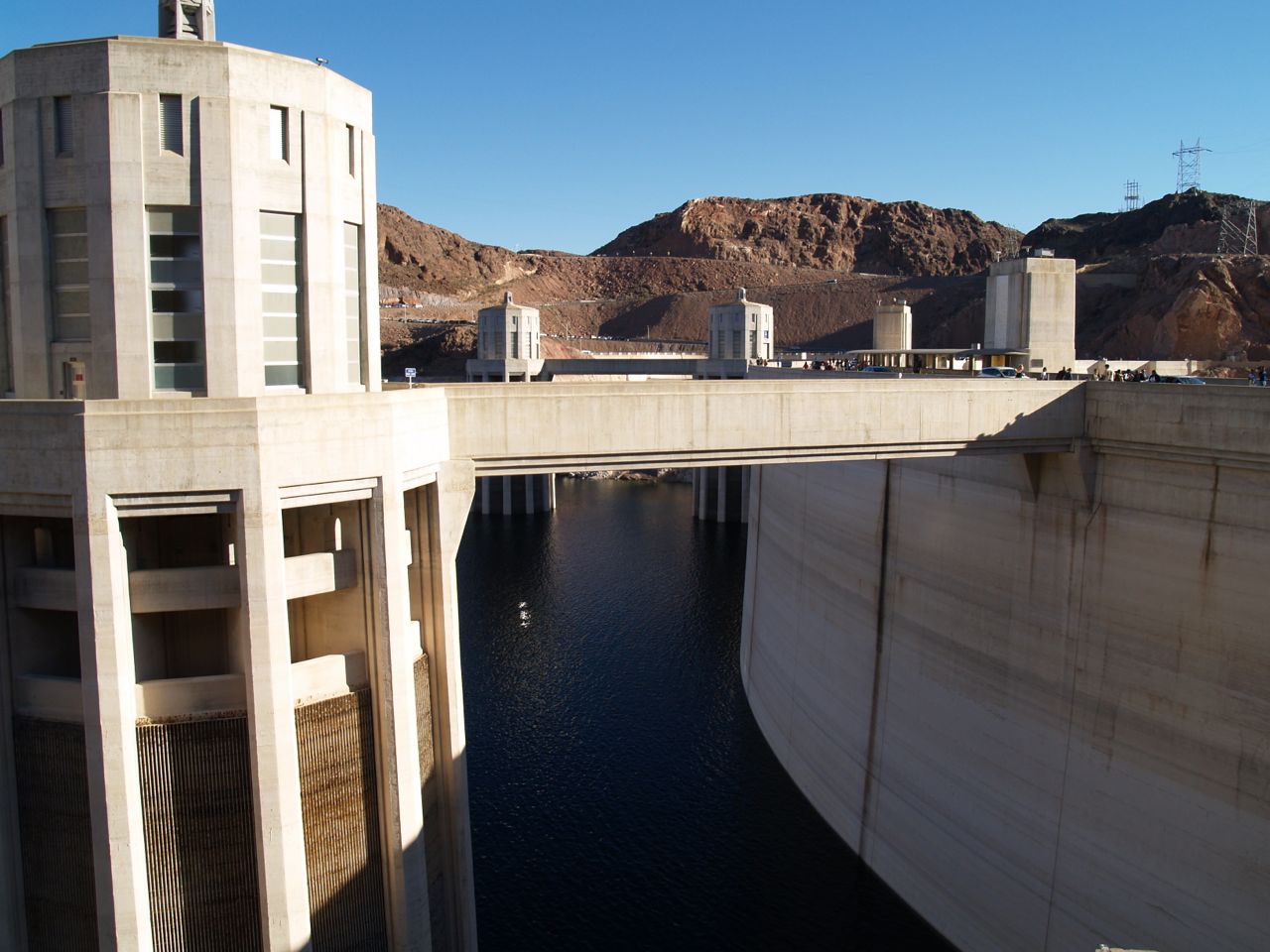
On a basic level, the Hoover Dam is a large block on concrete, carefully poured to hold back the Colorado River, and its adjoining power plant.

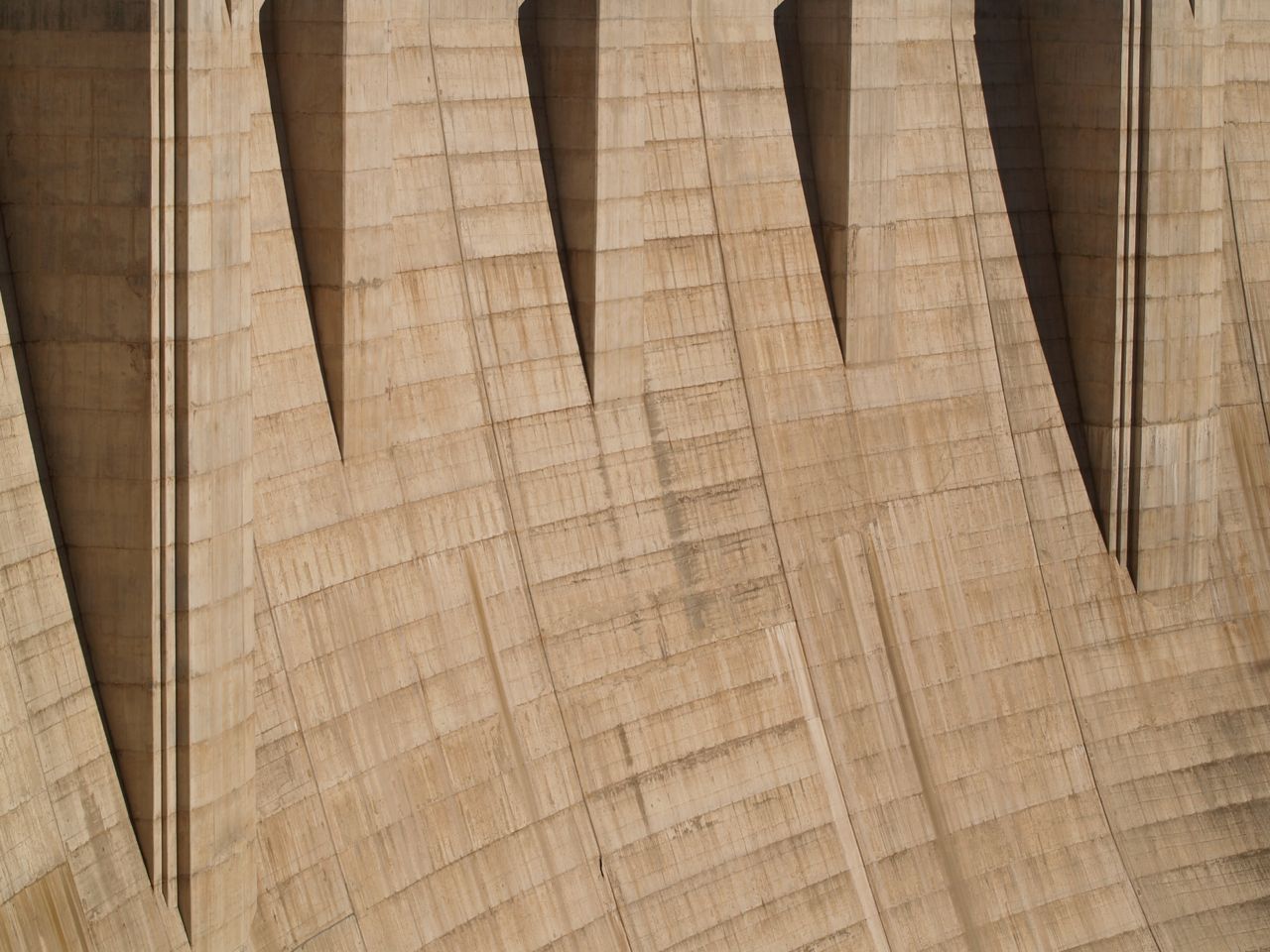
Actually, it is not a large block of concrete. It is a massive structure of carefully and individually poured blocks of concrete that form one connected structure.

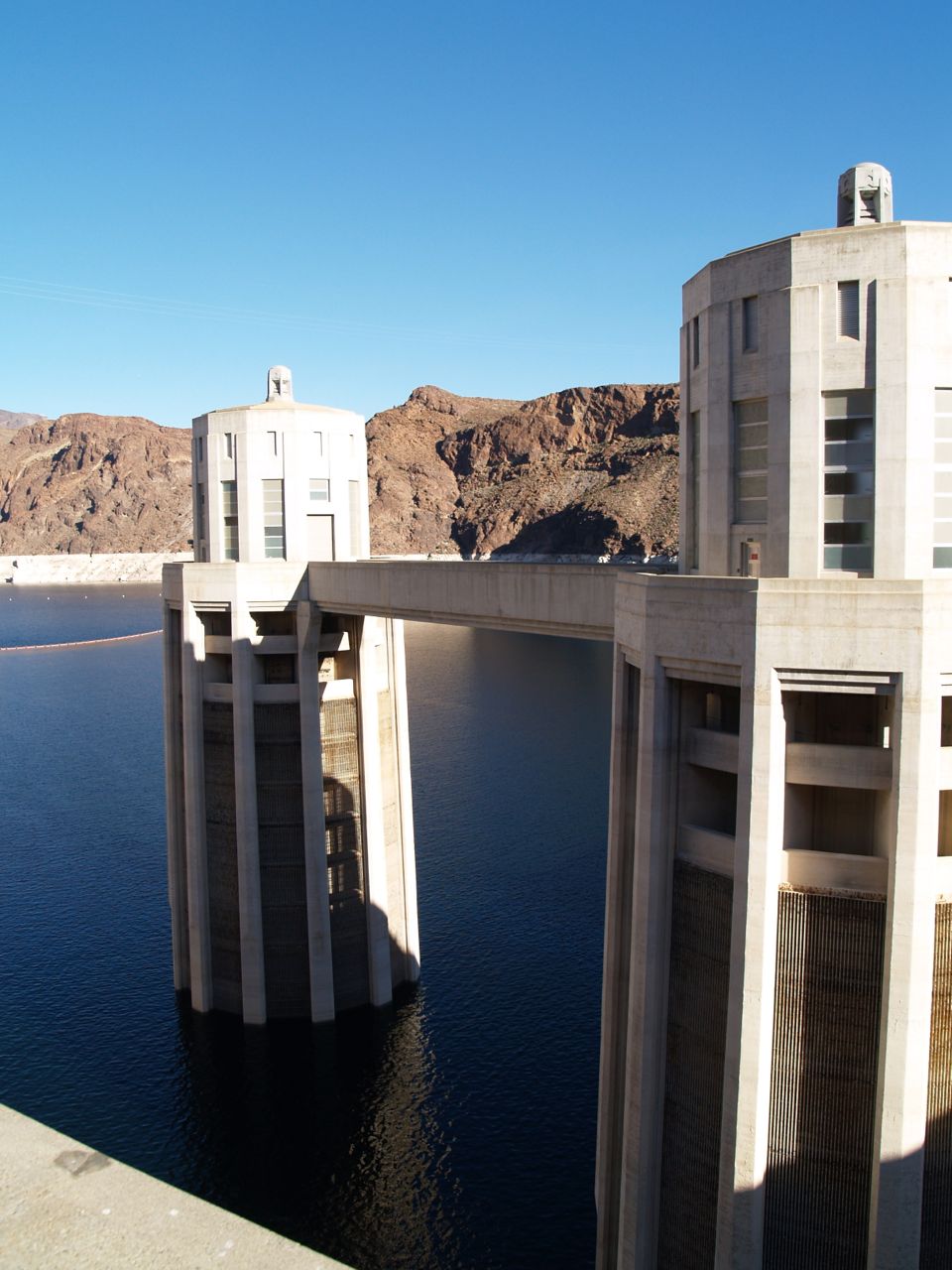
It has its four connected intake towers to bring the water to the power plant. The intake towers were nicely designed in an art deco style.

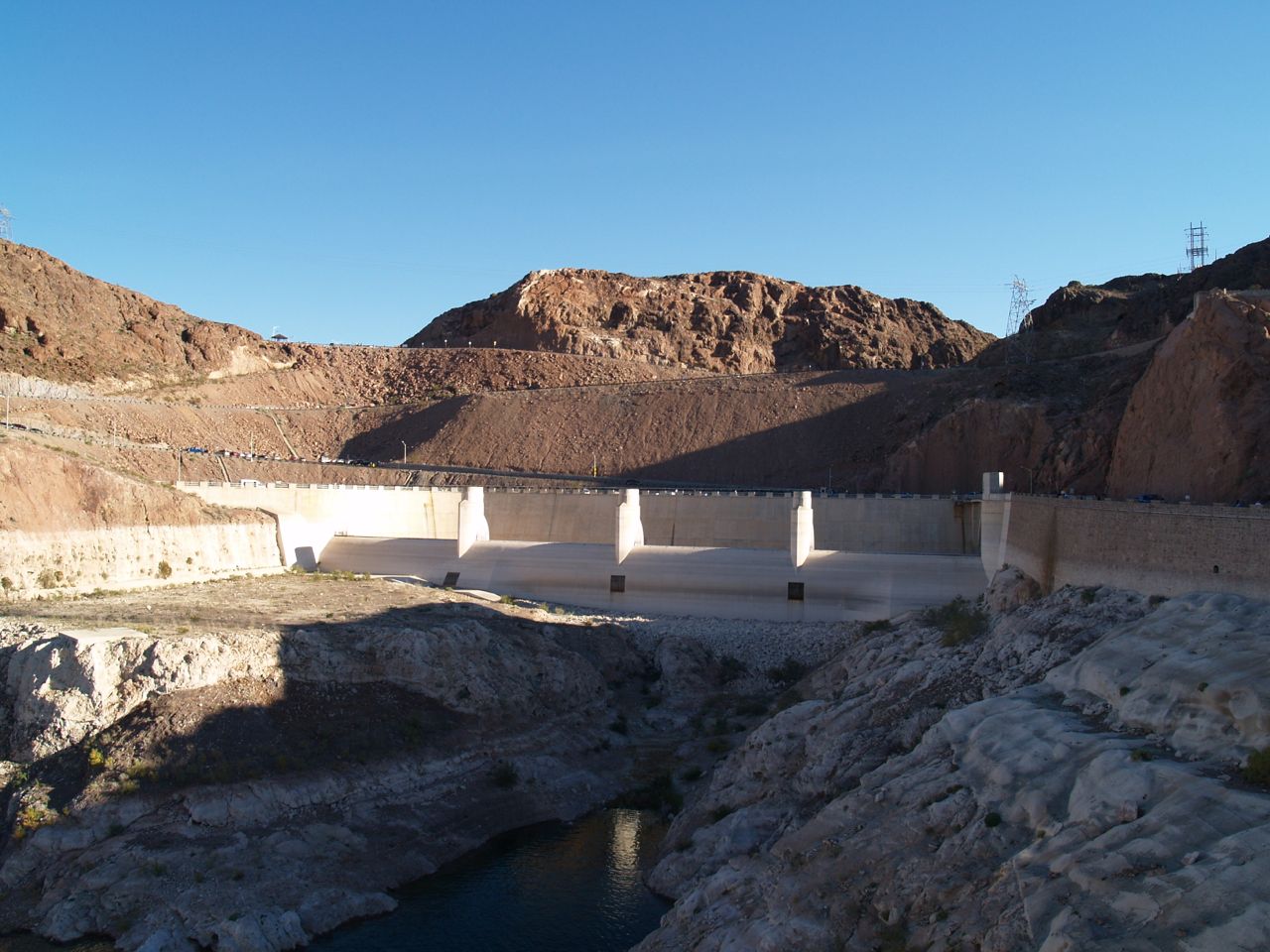
Lake Mead water level has been dropping, so currently the Arizona overflow spillway is entirely out of the water.

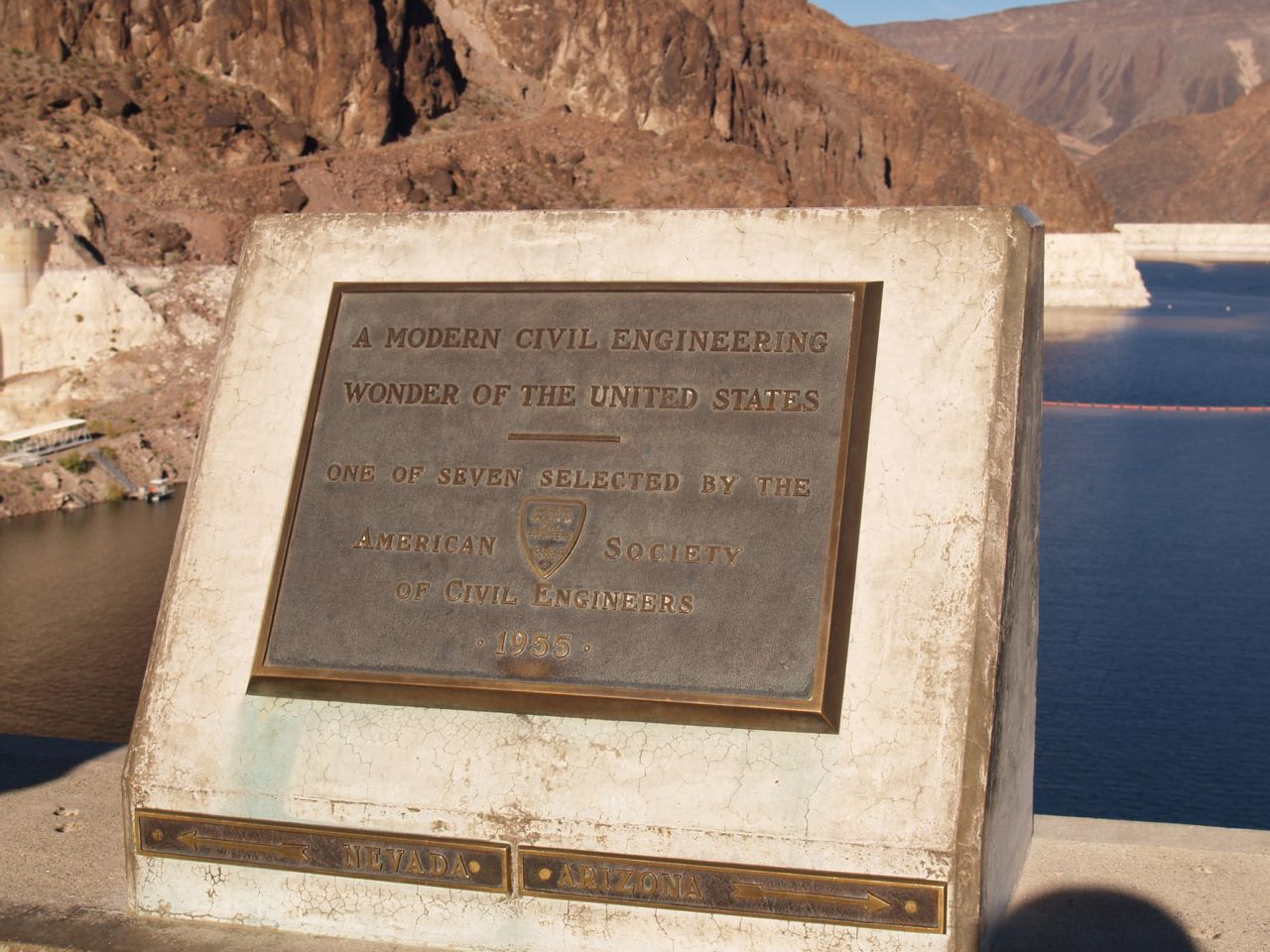
A plaque on the dam marks the state line between Nevada and Arizona and notes that the American Society of Civil Engineers has selected the Hoover Dam as one of seven modern civil engineering wonders.

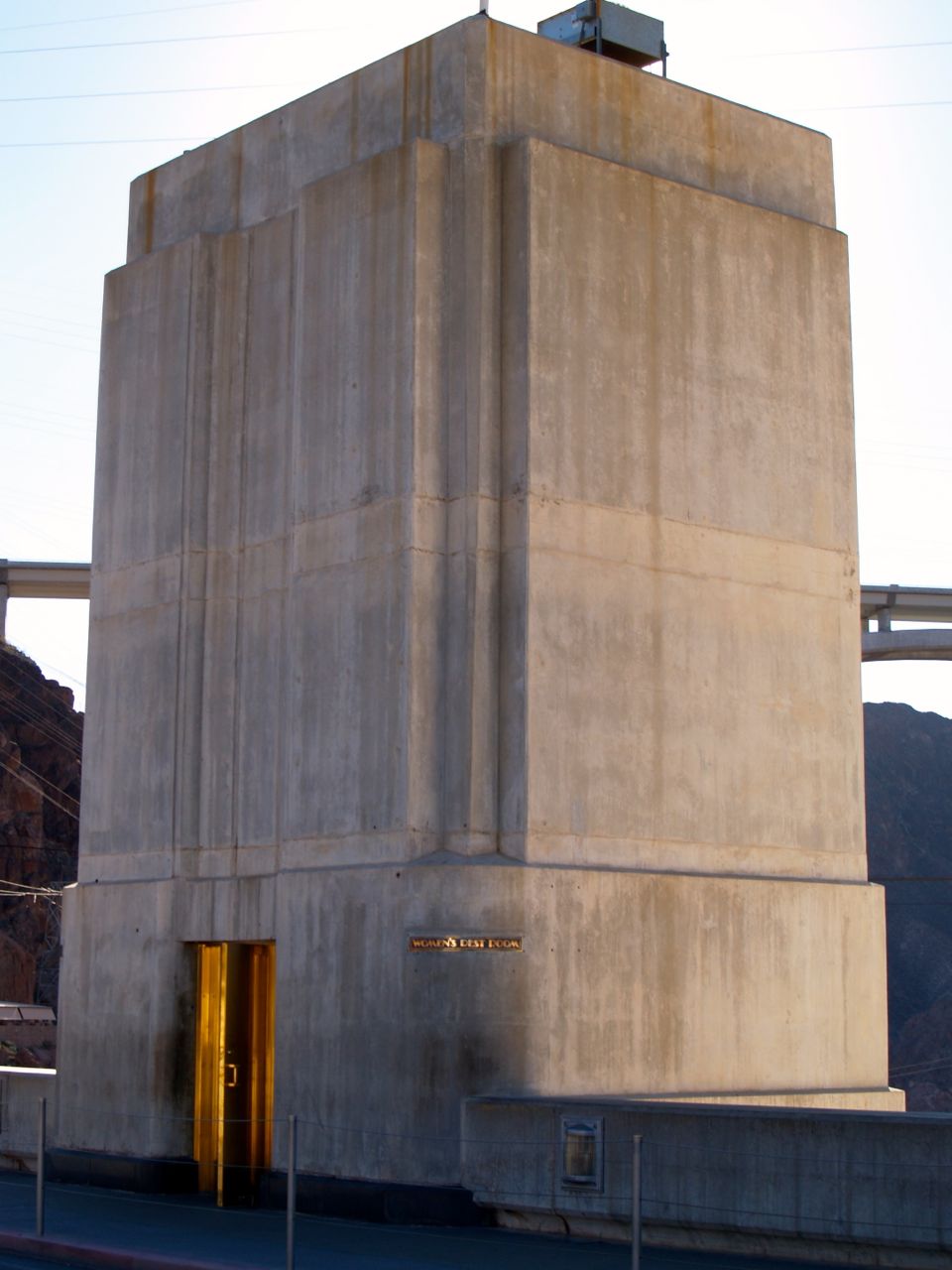
On top of the dam are restrooms. Here is the women’s restroom which has quite the entrance.

Here is the floor of the women’s restroom. Presumably the men’s restroom has a nice one too, but I wouldn’t know.

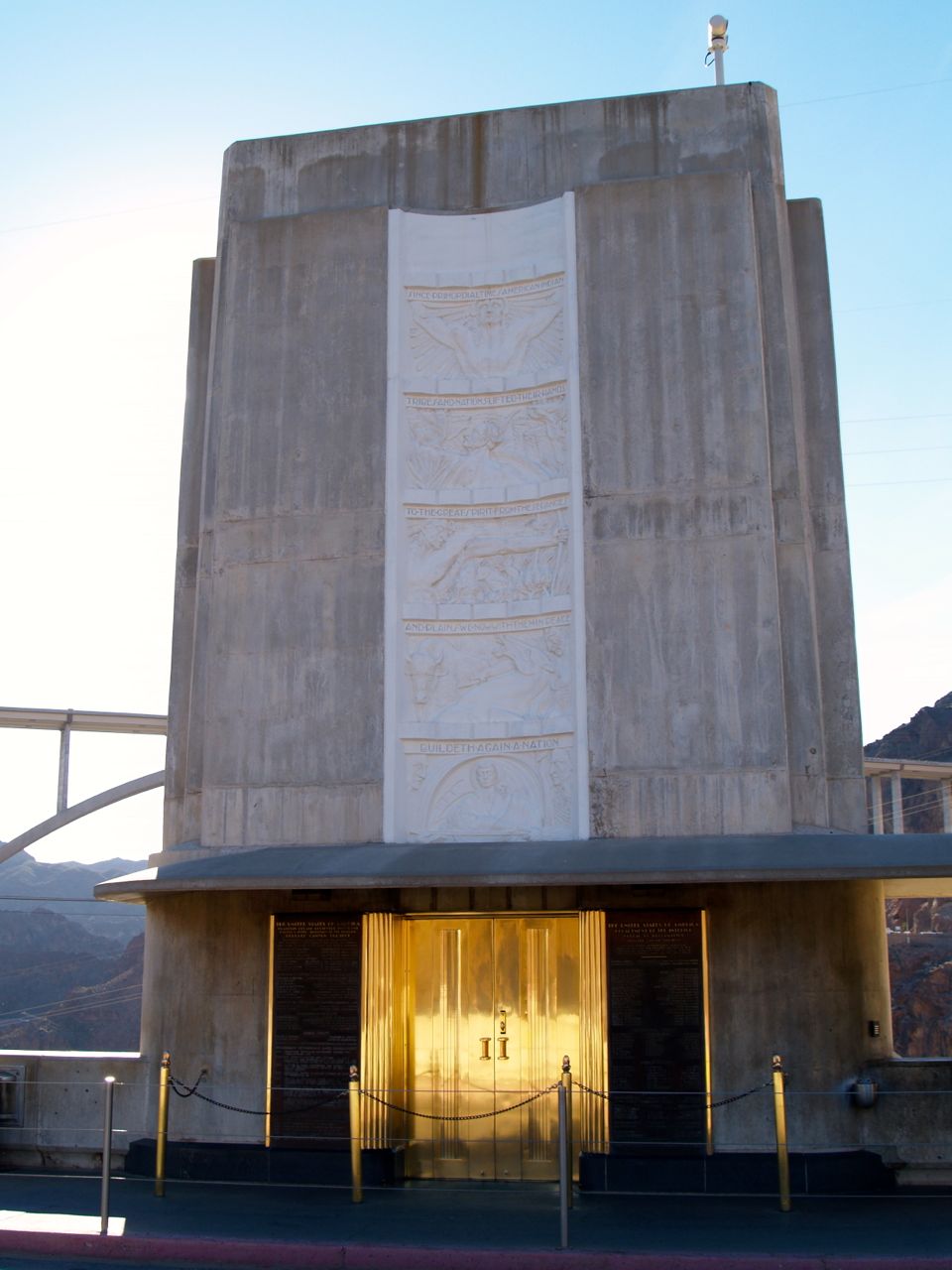
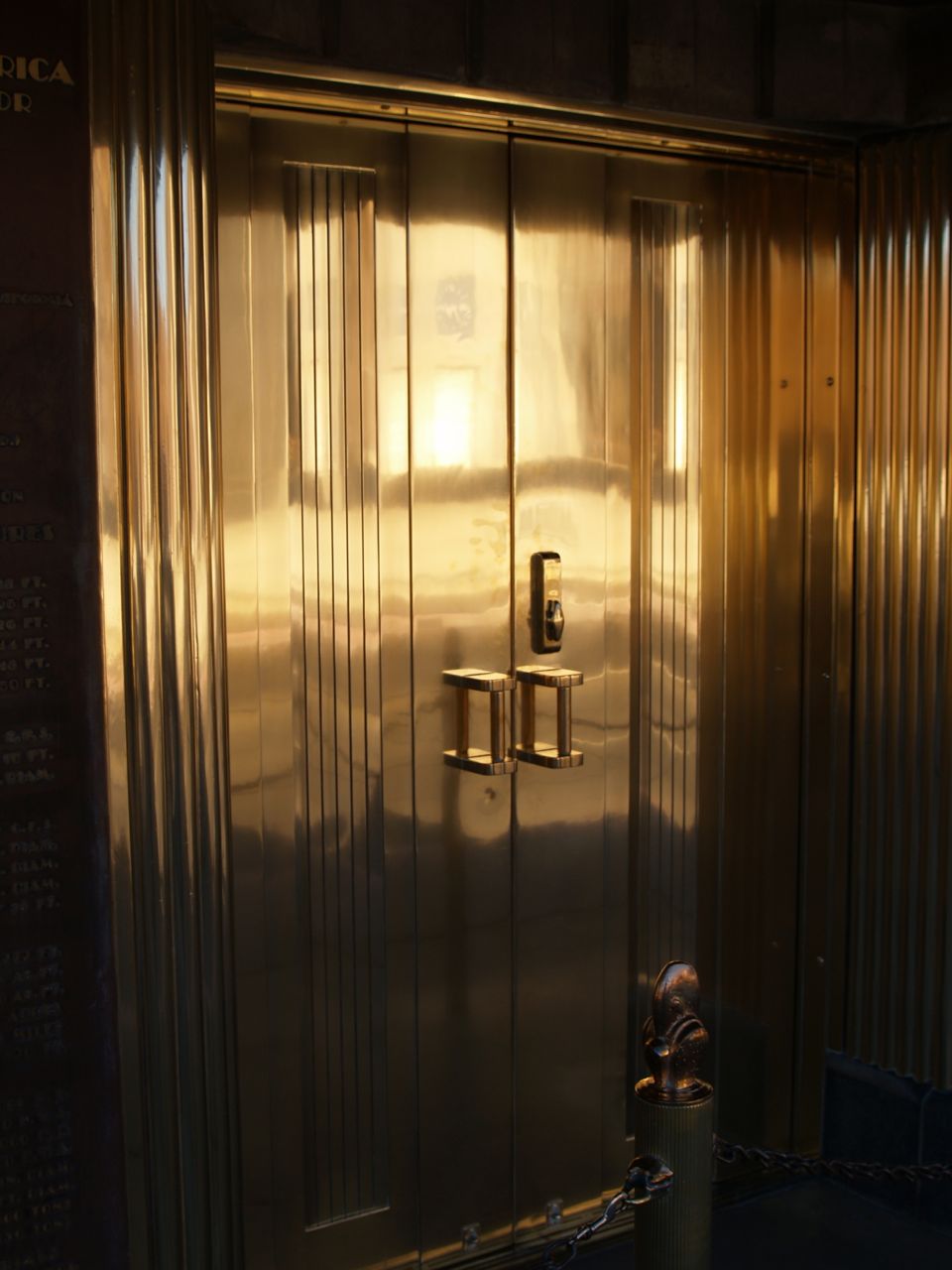
The designers really liked brass doors. I am not sure where this brass door leads since you can longer enter the dam the way the way you could when it was originally built.

If you stand in front of the door at the right angle, at the right time of day, with the right sunlight, you can see the intake tower on the other side of the dam reflected in the door. Look near the top of the door, and you can see the reflection of the blue clock near the top of the intake tower.

An upclose photo of the post top in front of the door in the above photo. They put brass prickly pear cactuses on top of the posts. I love that level of detail.

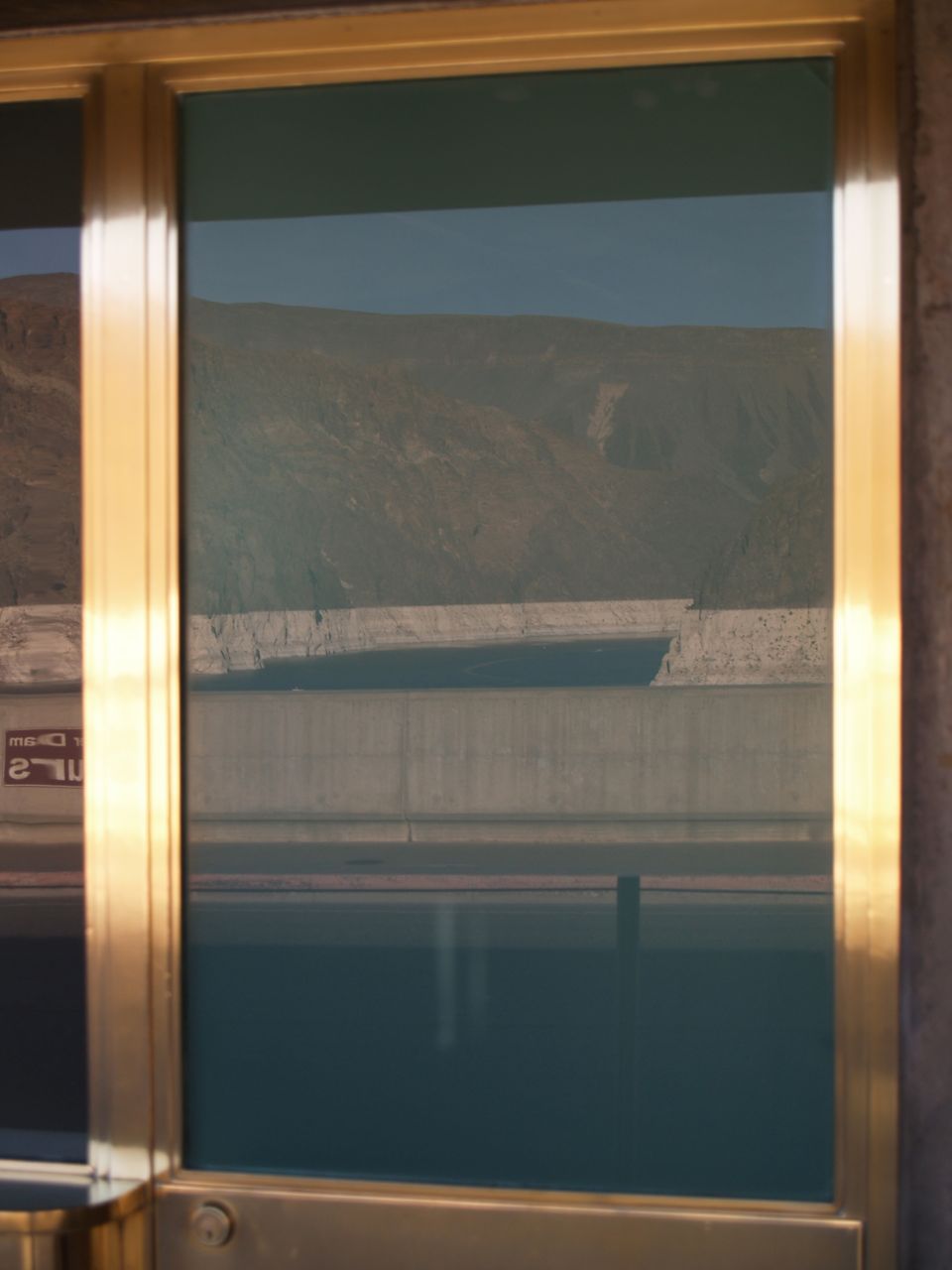
In the reflection of this door’s window, you can see Lake Mead.

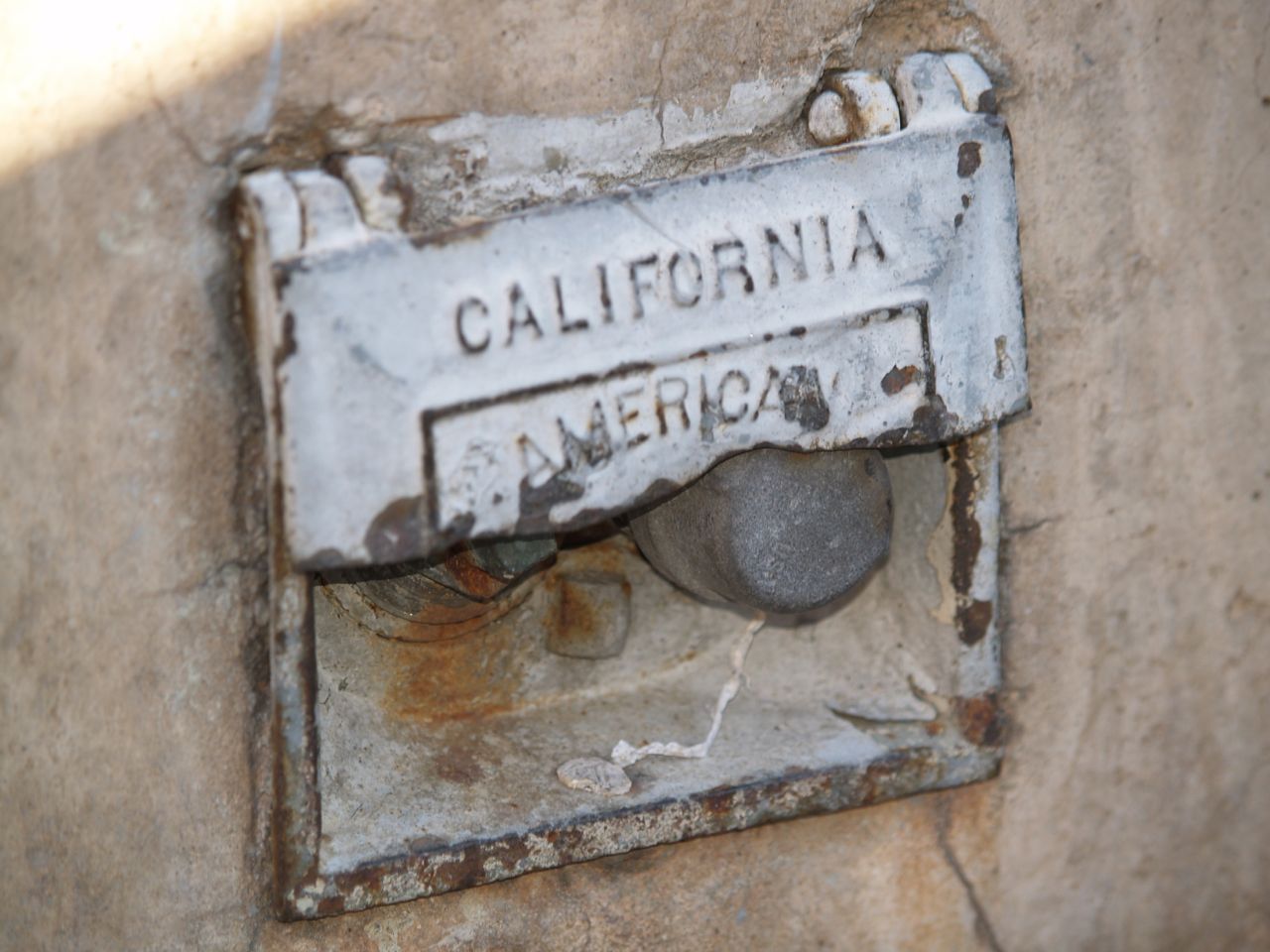
I don’t actually know what this is, but it is on top of the dam. I thought it was kind of interesting, and also it has the name of another state besides Nevada and Arizona on top of the dam.

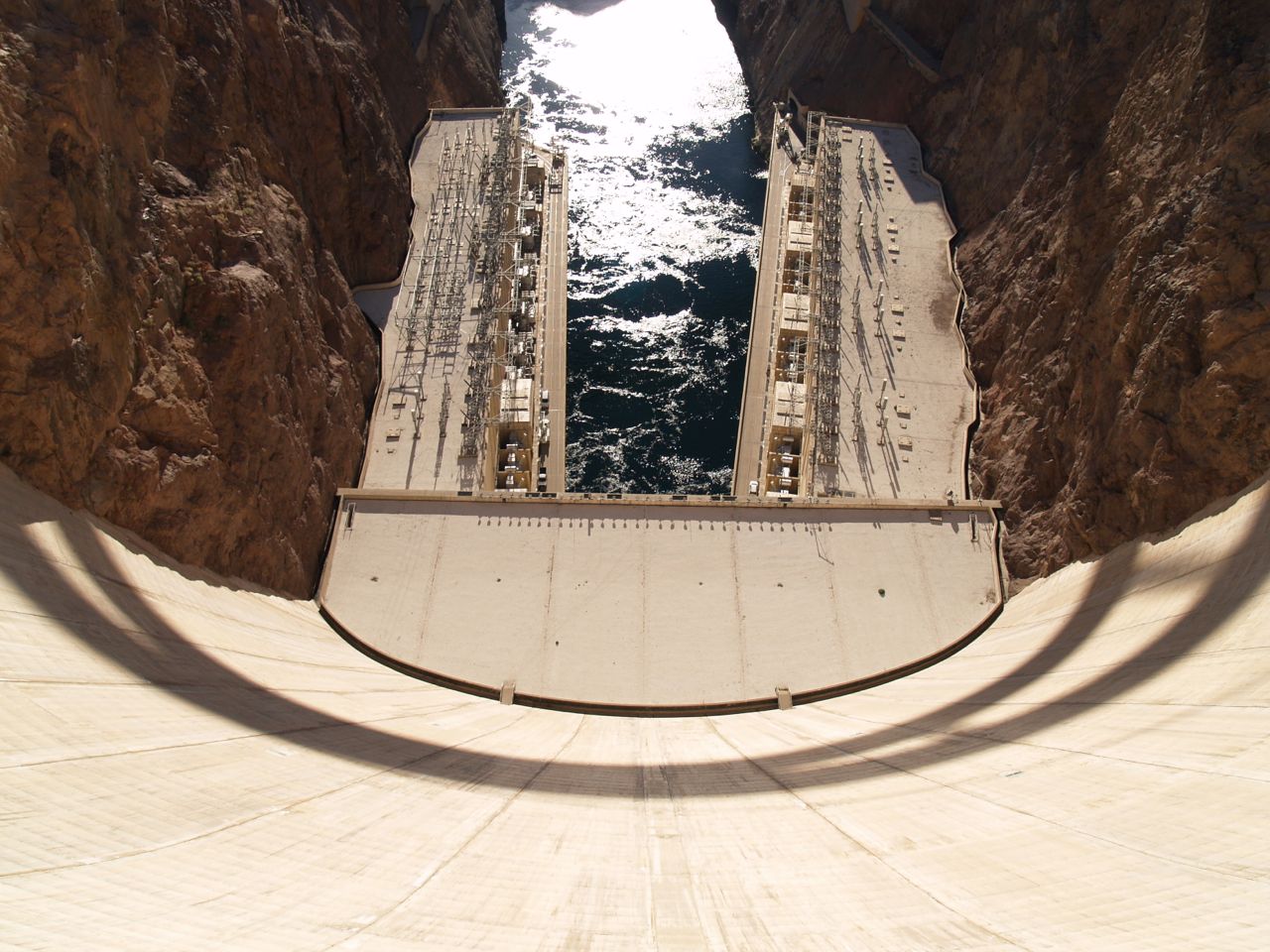
At the bottom of the dam, of course, is its power plant. Below, as seen from dam.

The view from the bridge of the power plant.

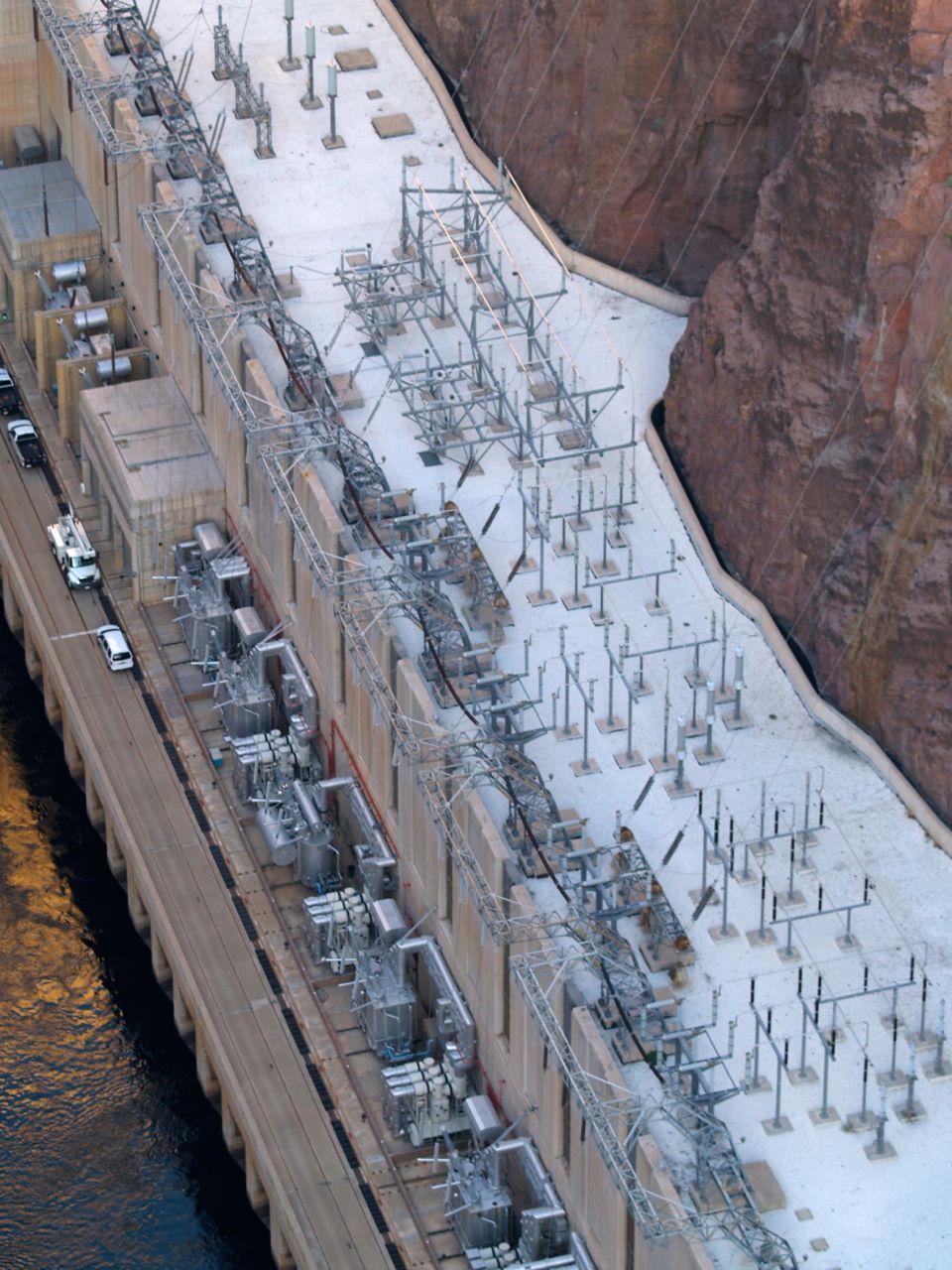
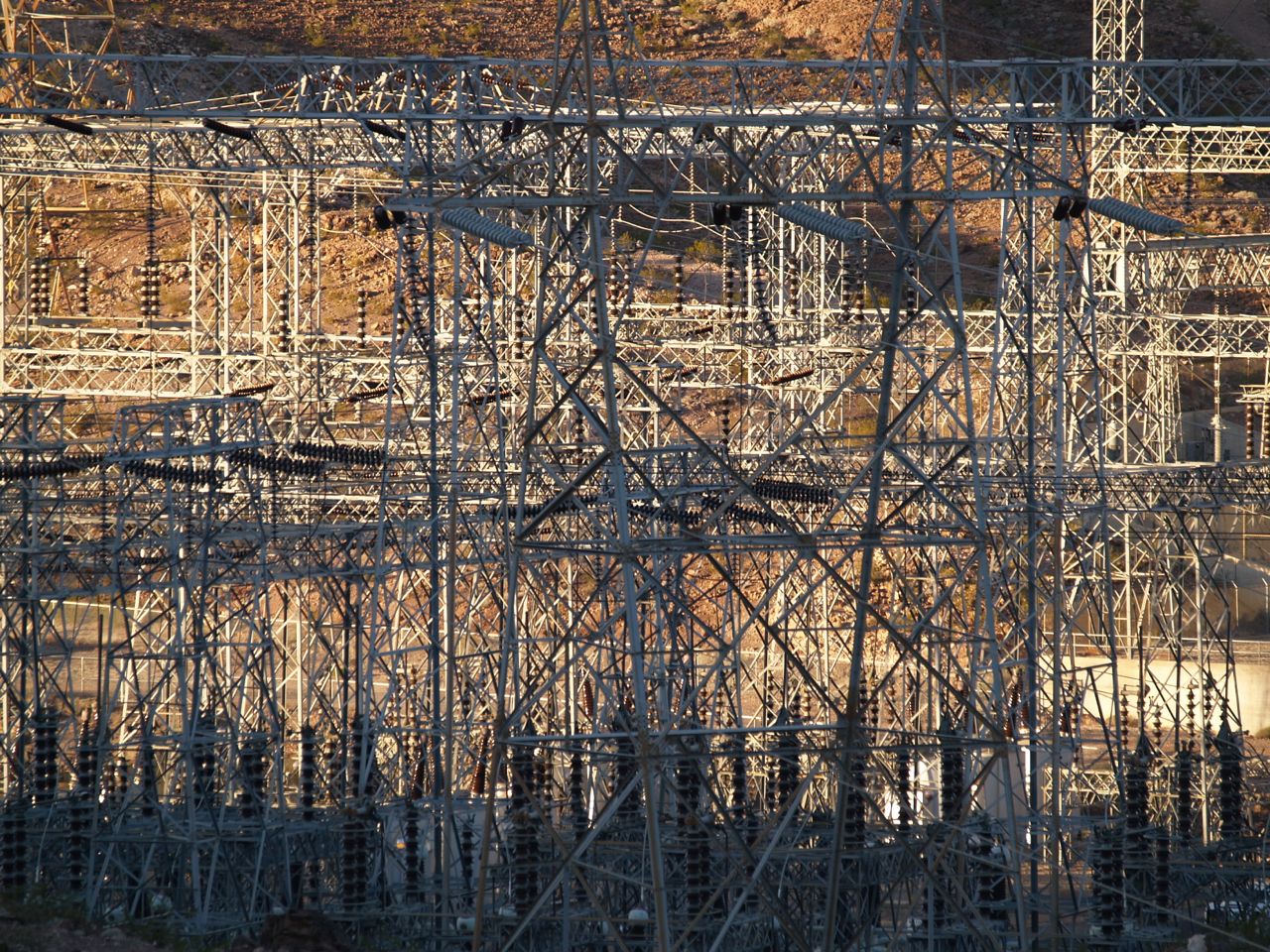
The power plant requires a jungle of transmission lines.

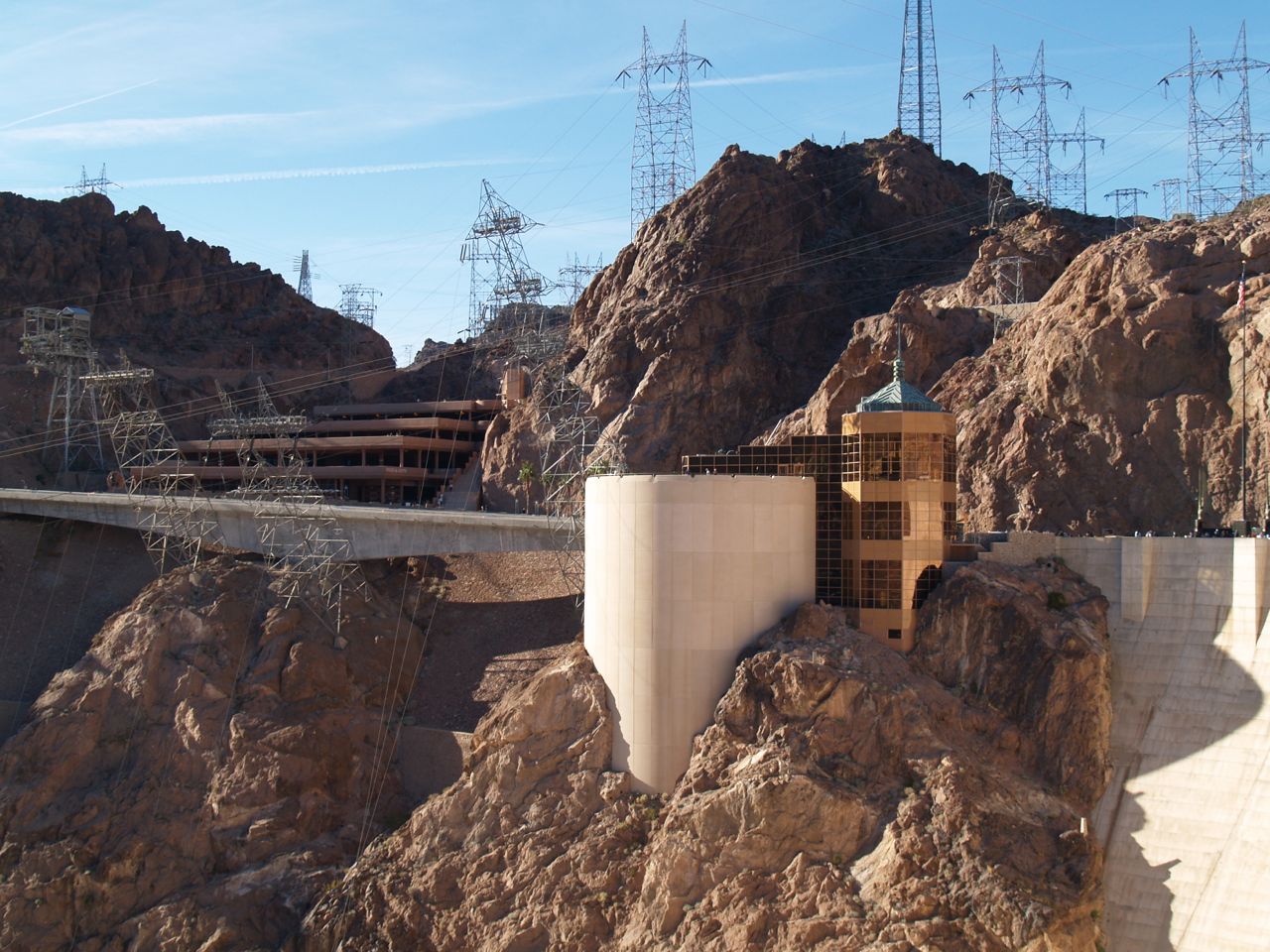
The relatively new visitor’s center, new compared to the dam, was also built in a ridiculous position on the shear canyon walls.

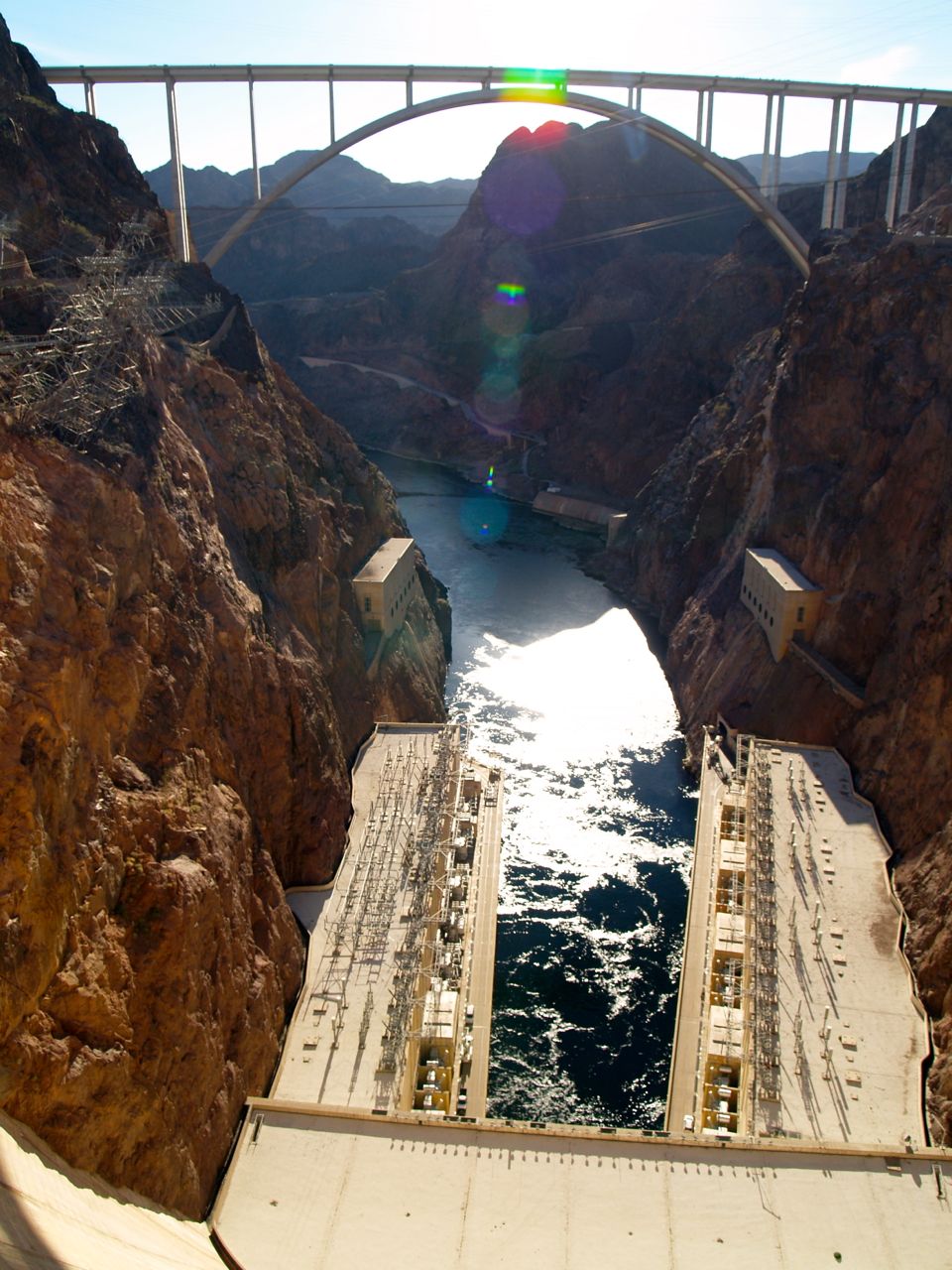
The bypass bridge sits high above the power plant.

It gracefully crosses the canyon.

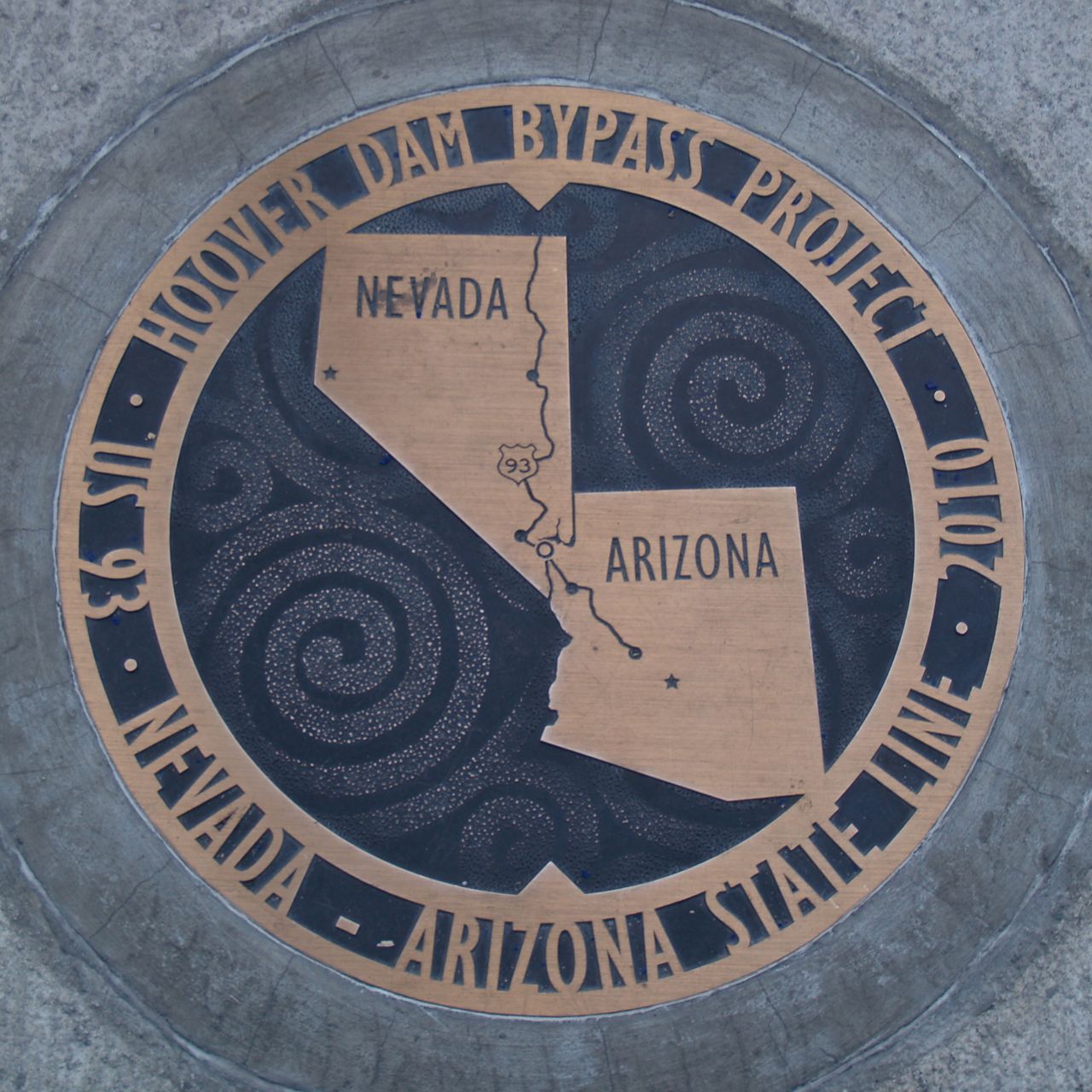
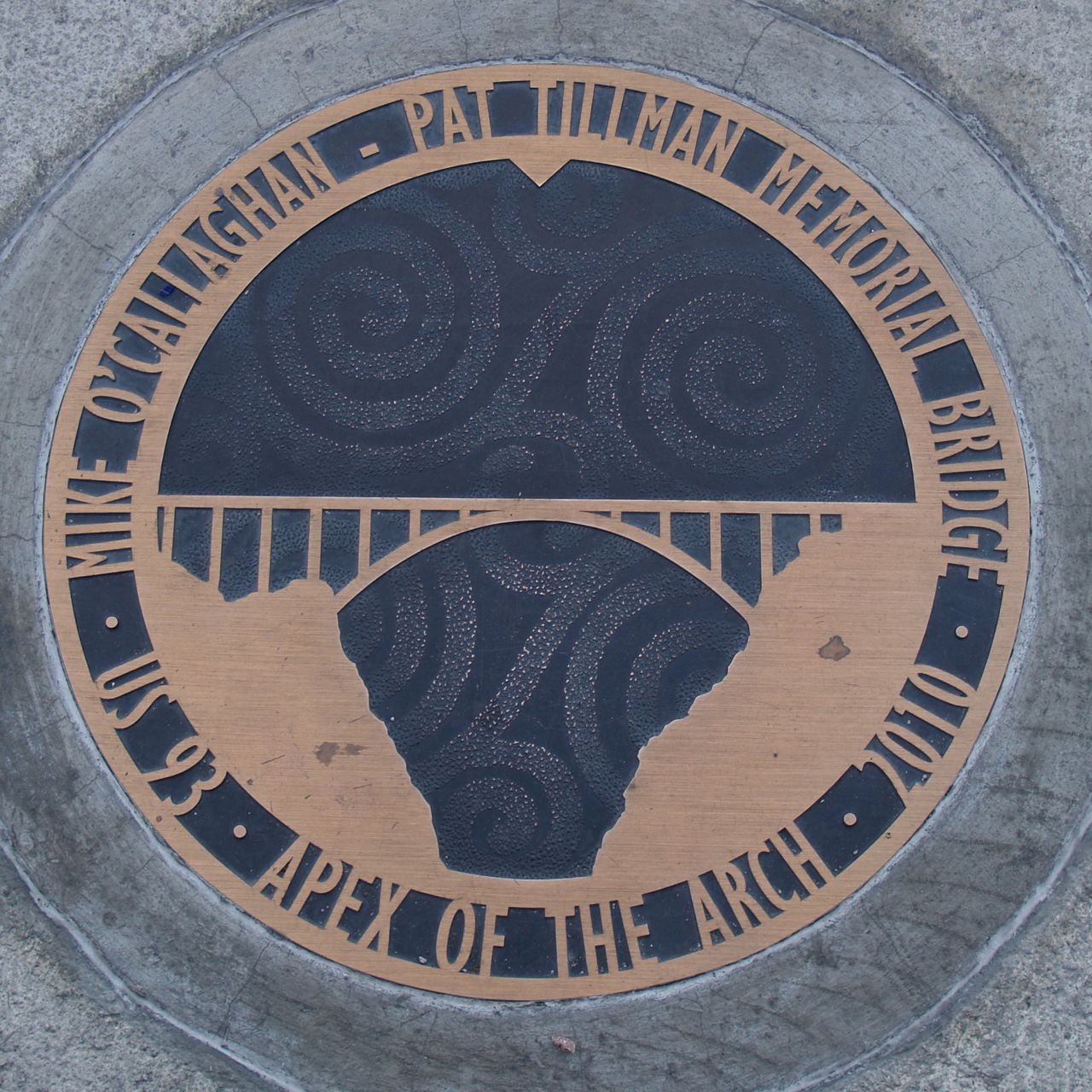
The pedestrian walkway of the bridge has nice markers to denote the state line and apex of the bridge, which are in two different spots.


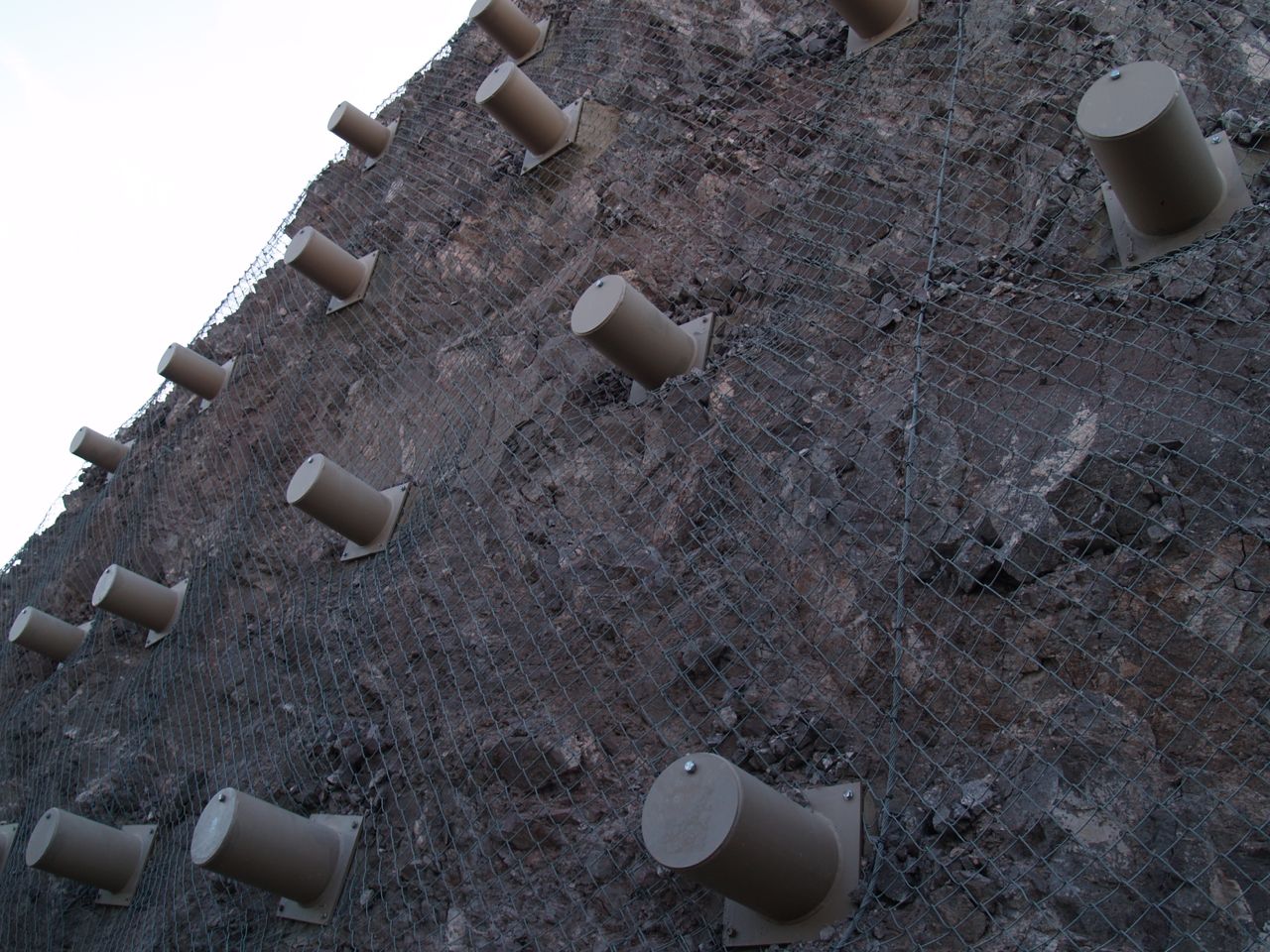
The path to the bridge passes through a rock cut where each side is lined with rock stabilization bolts, which I personally think are really cool looking.

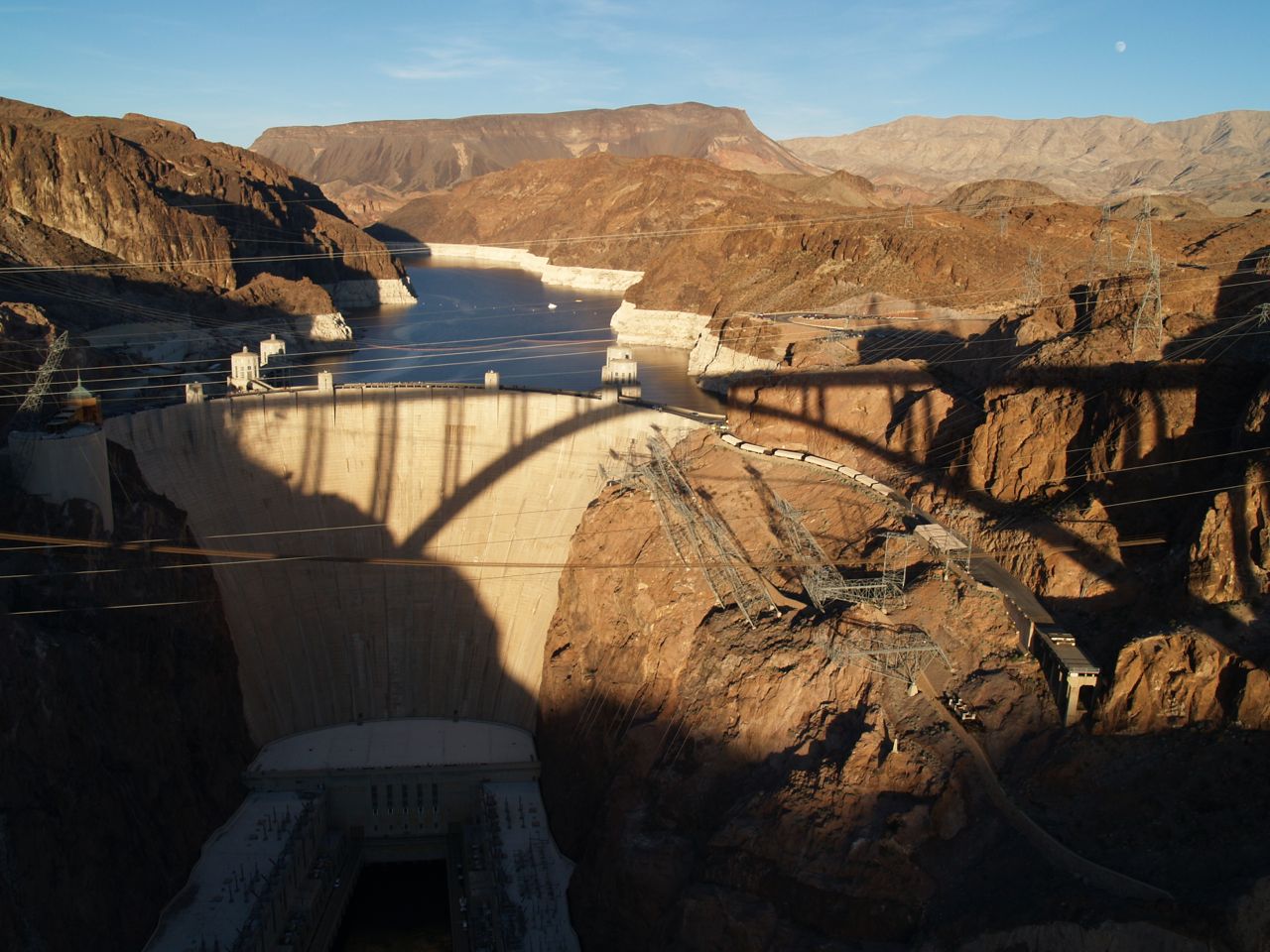
Finally, one last look at the Hoover Dam with the shadow of the bridge across it, and the moon rising in the sky.

Las Vegas Lights

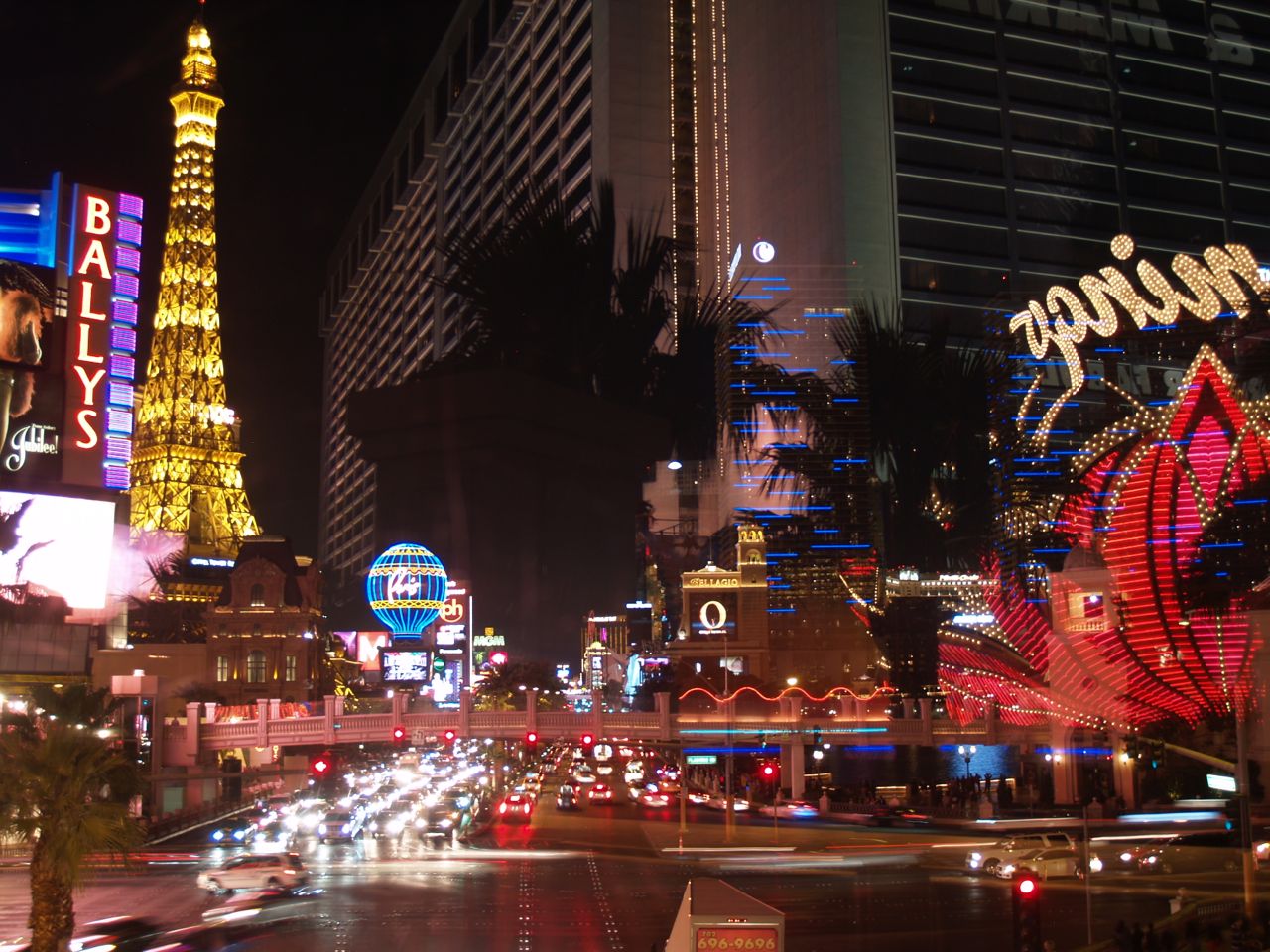
Las Vegas is known for many things, and one of those things are its lights on the strip. While visiting Las Vegas, I set up my camera on my tripod to capture a few photos of the lights.

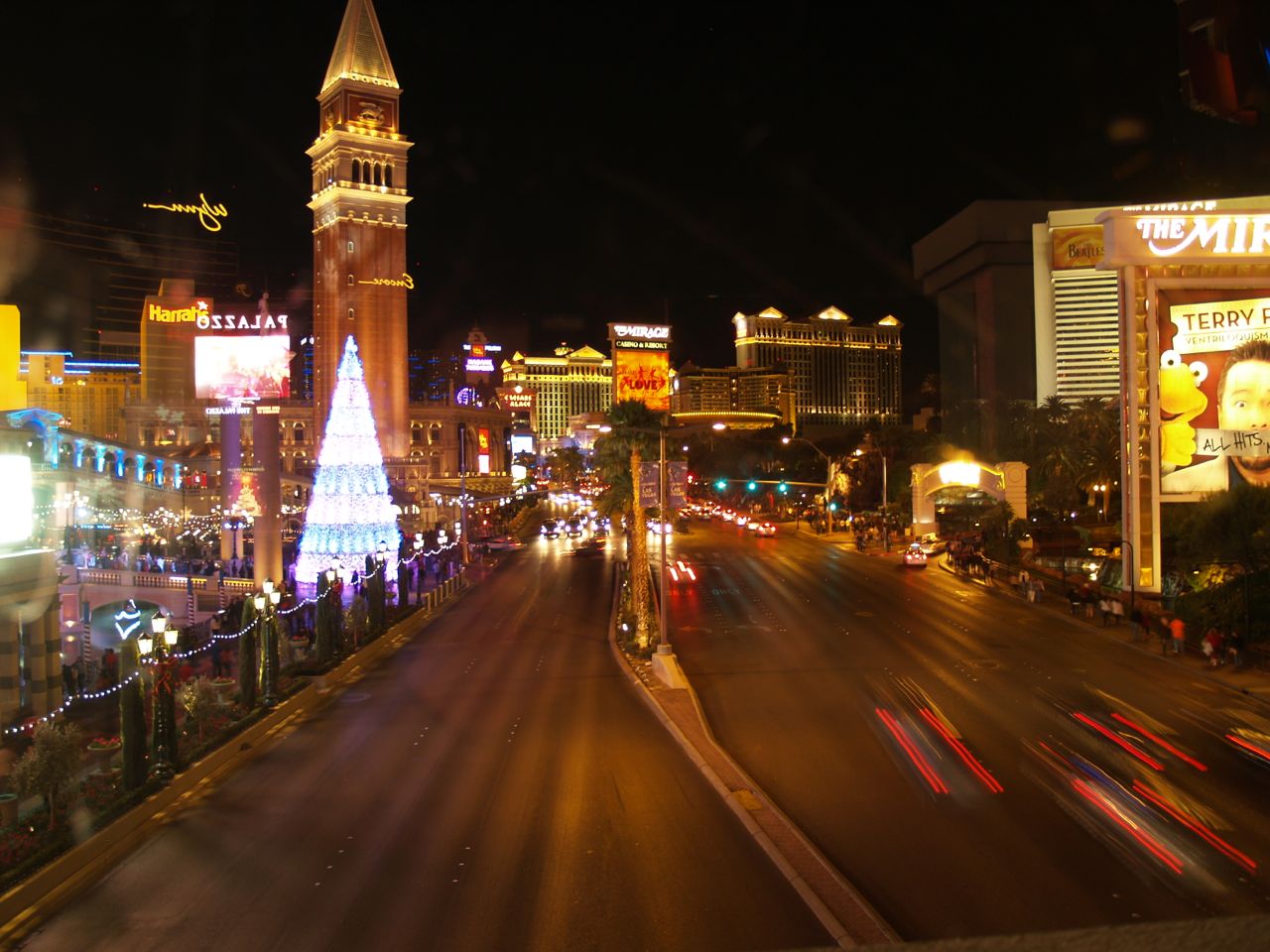
The pedestrian overpass north of the Venetian, looking south

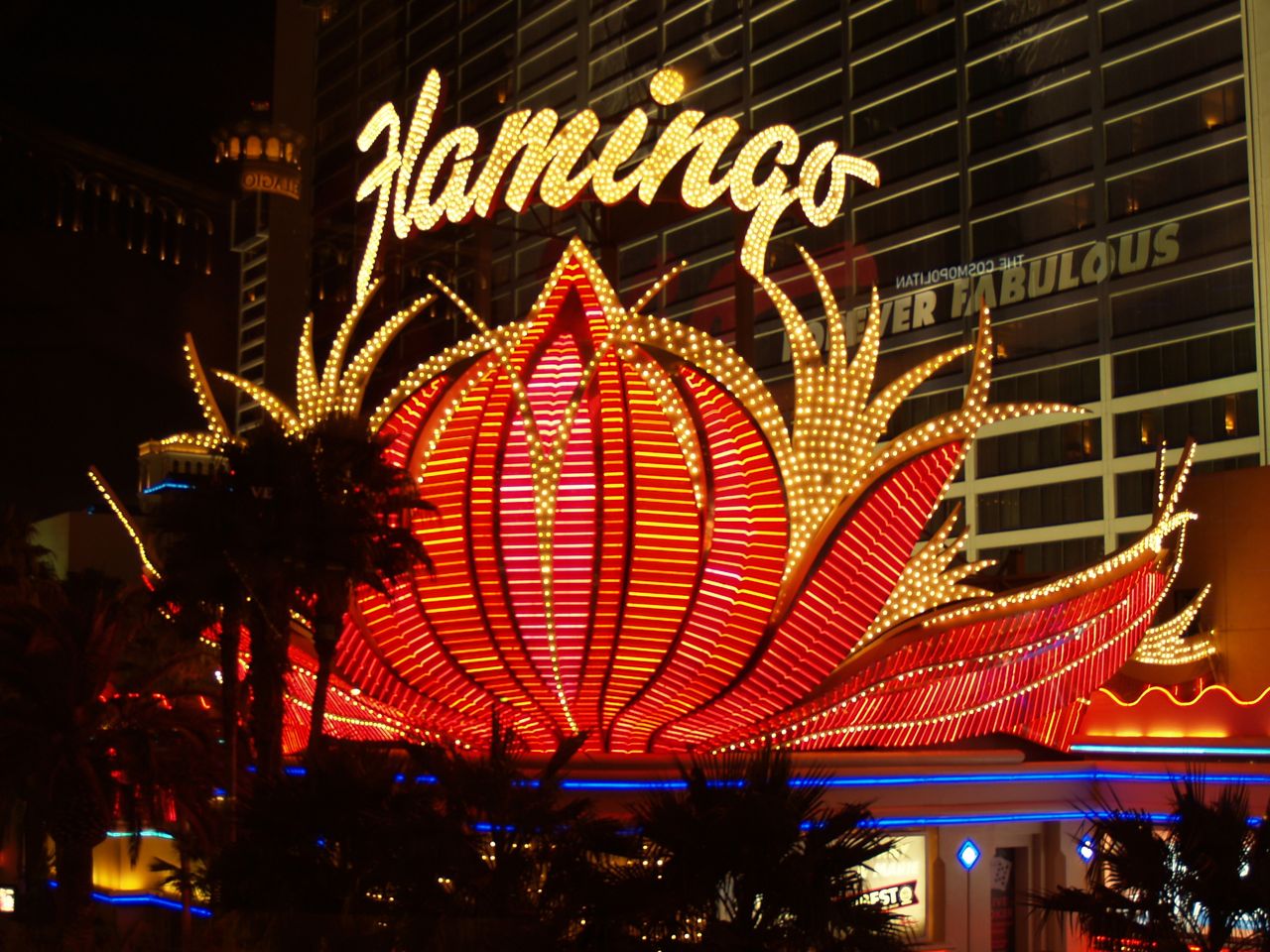
The Flamingo’s colorful sign

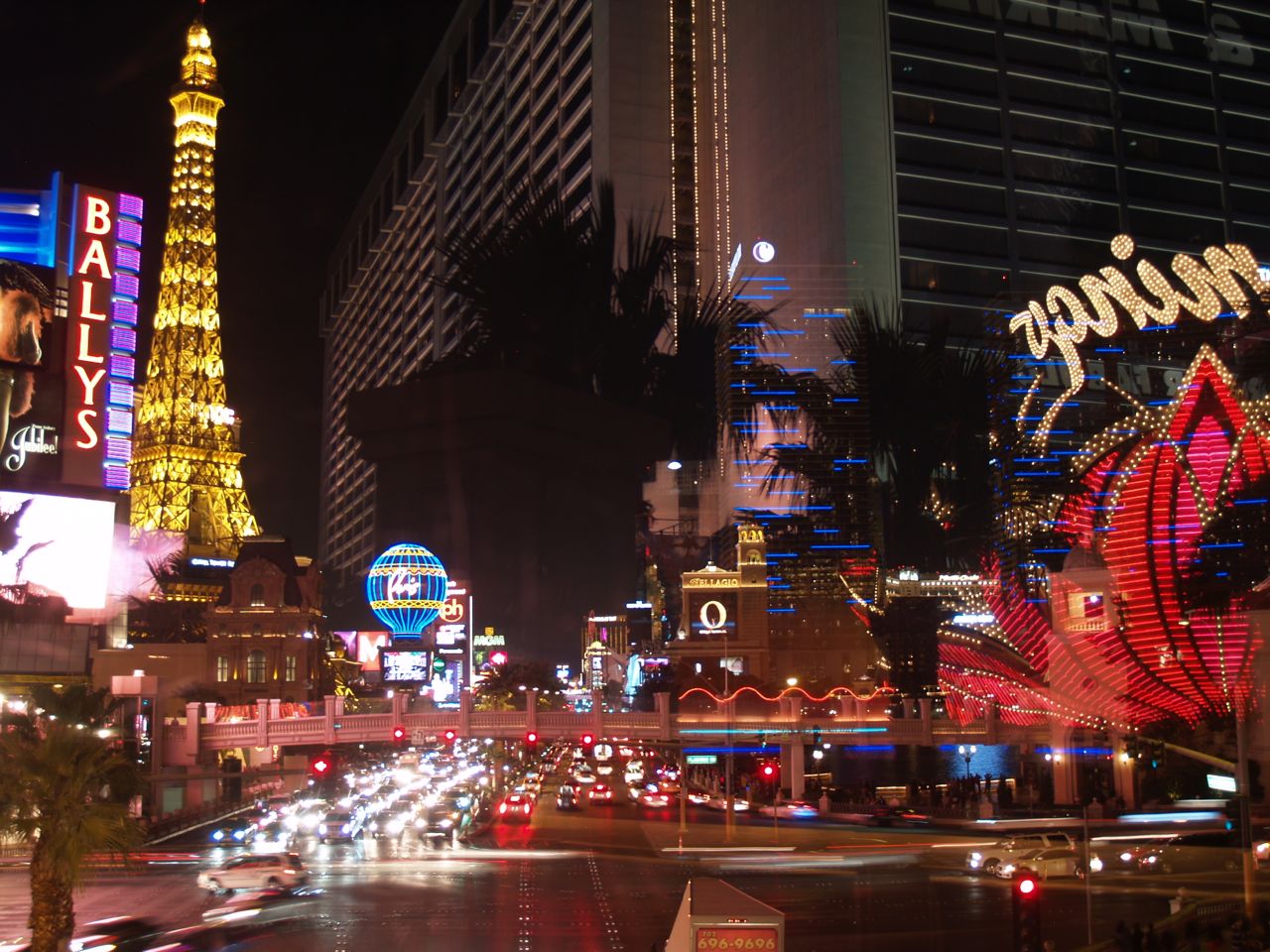
The overpass near the Flamingo looking south on the Strip. The Flamingo sign and hotel is reflecting off the transparent barrier.

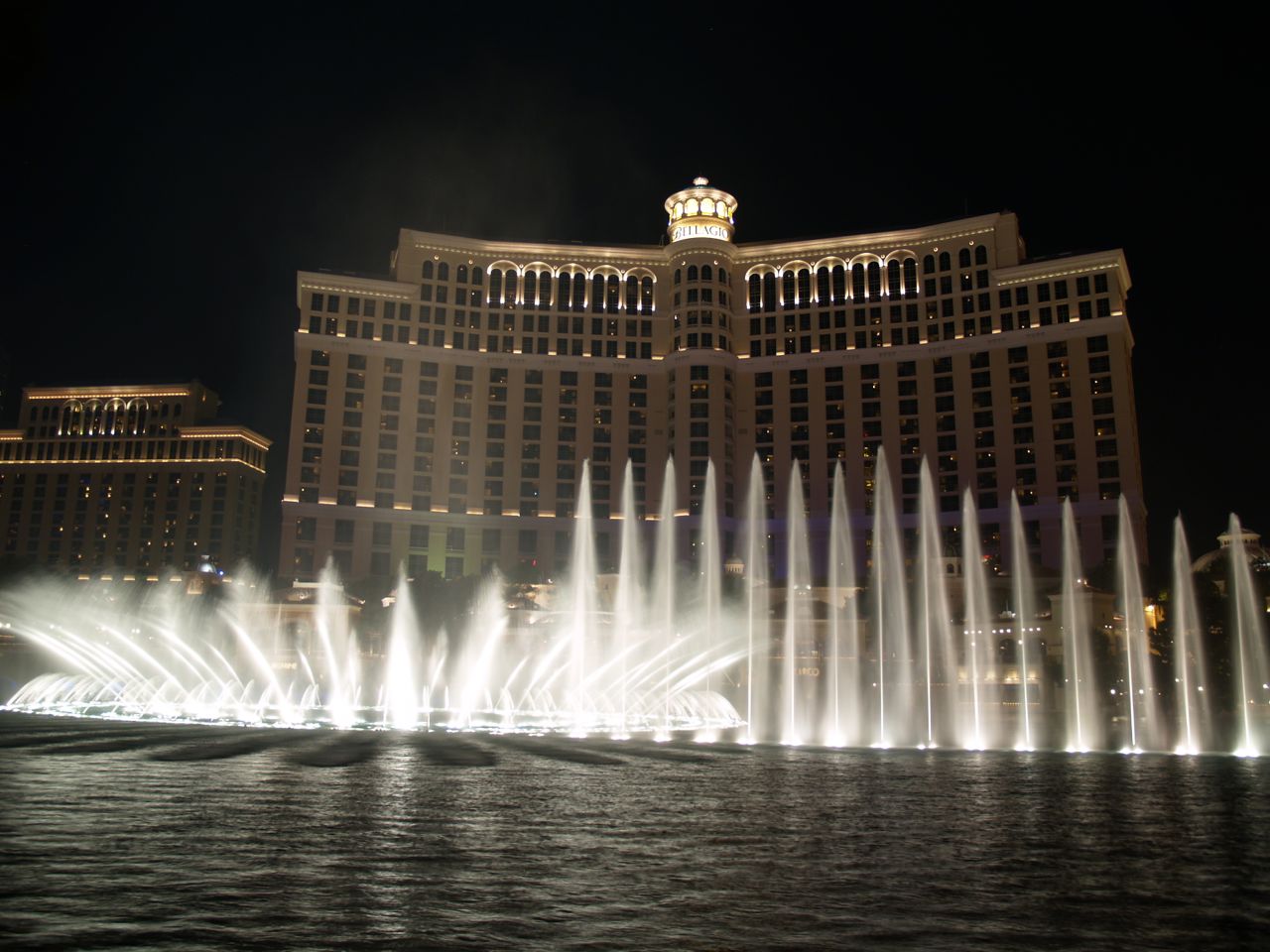
The overpass near the Flamingo looking west towards the Bellagio. The fountains of the Bellagio can be seen.

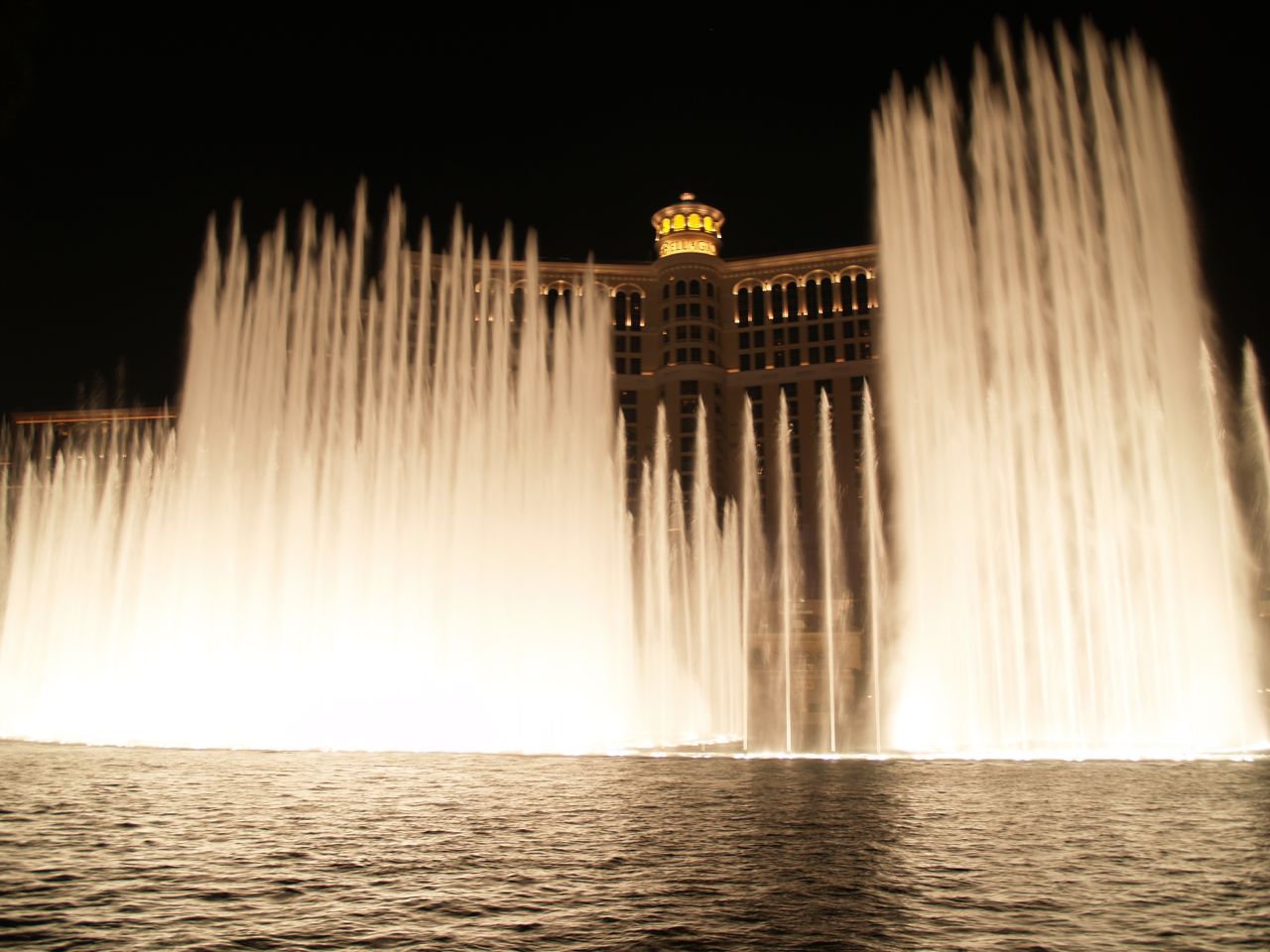
The Bellagio fountains

Aboard the Amtrak Carolinian

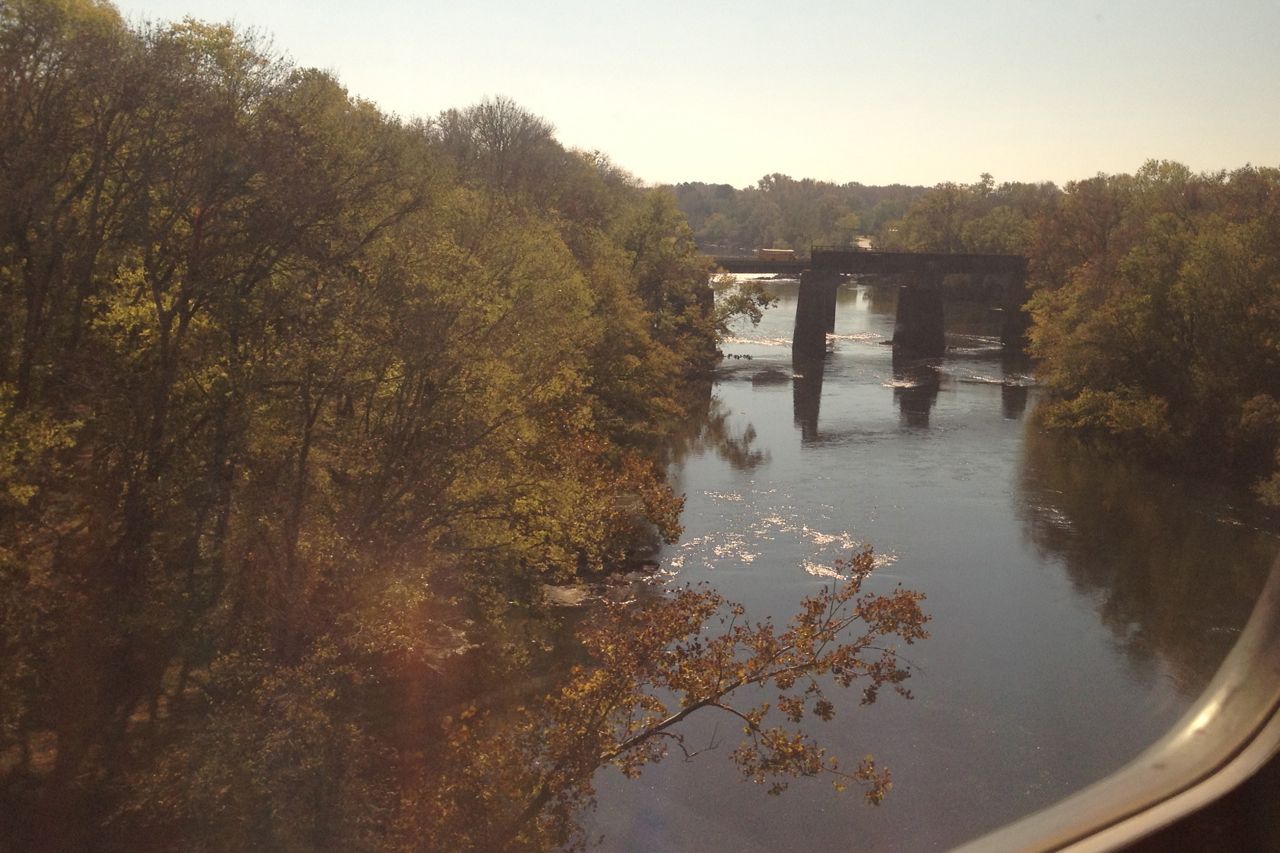
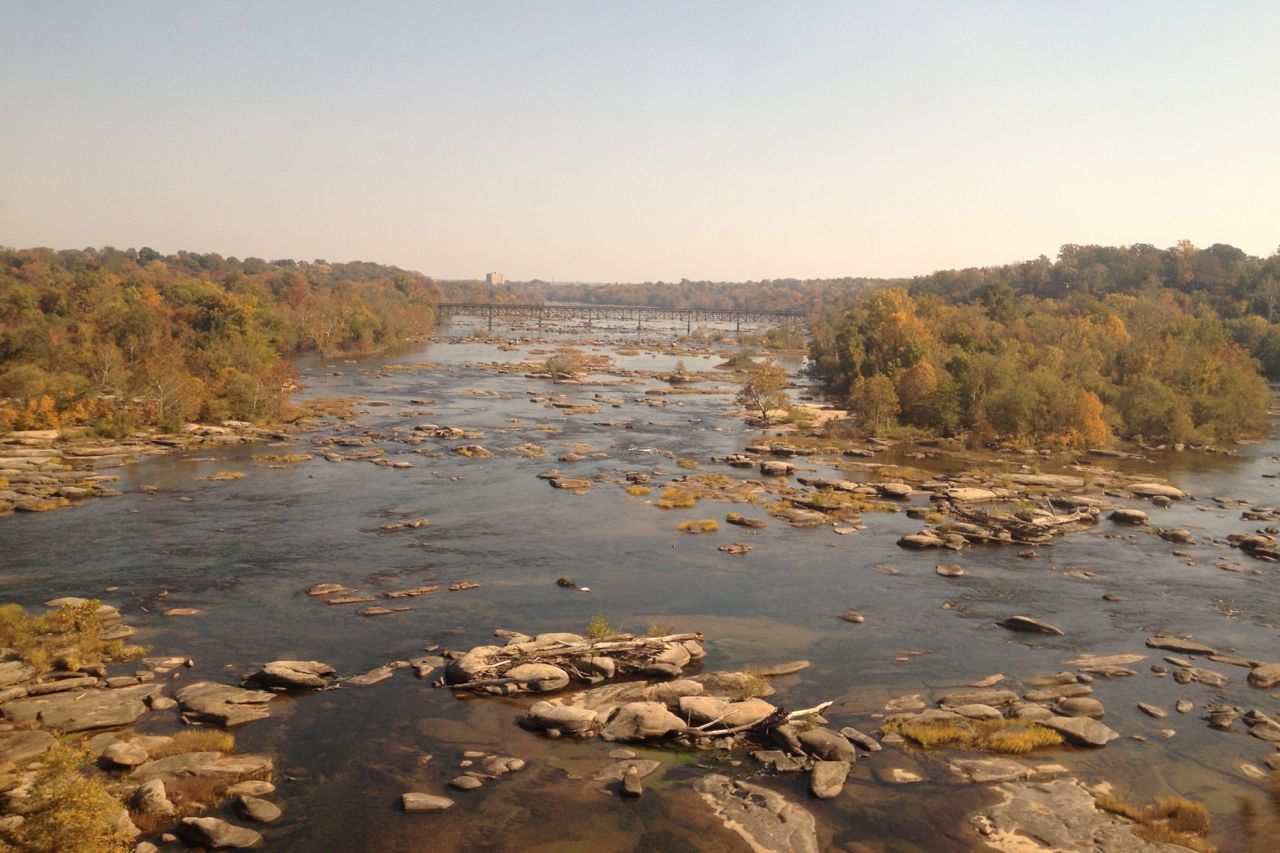
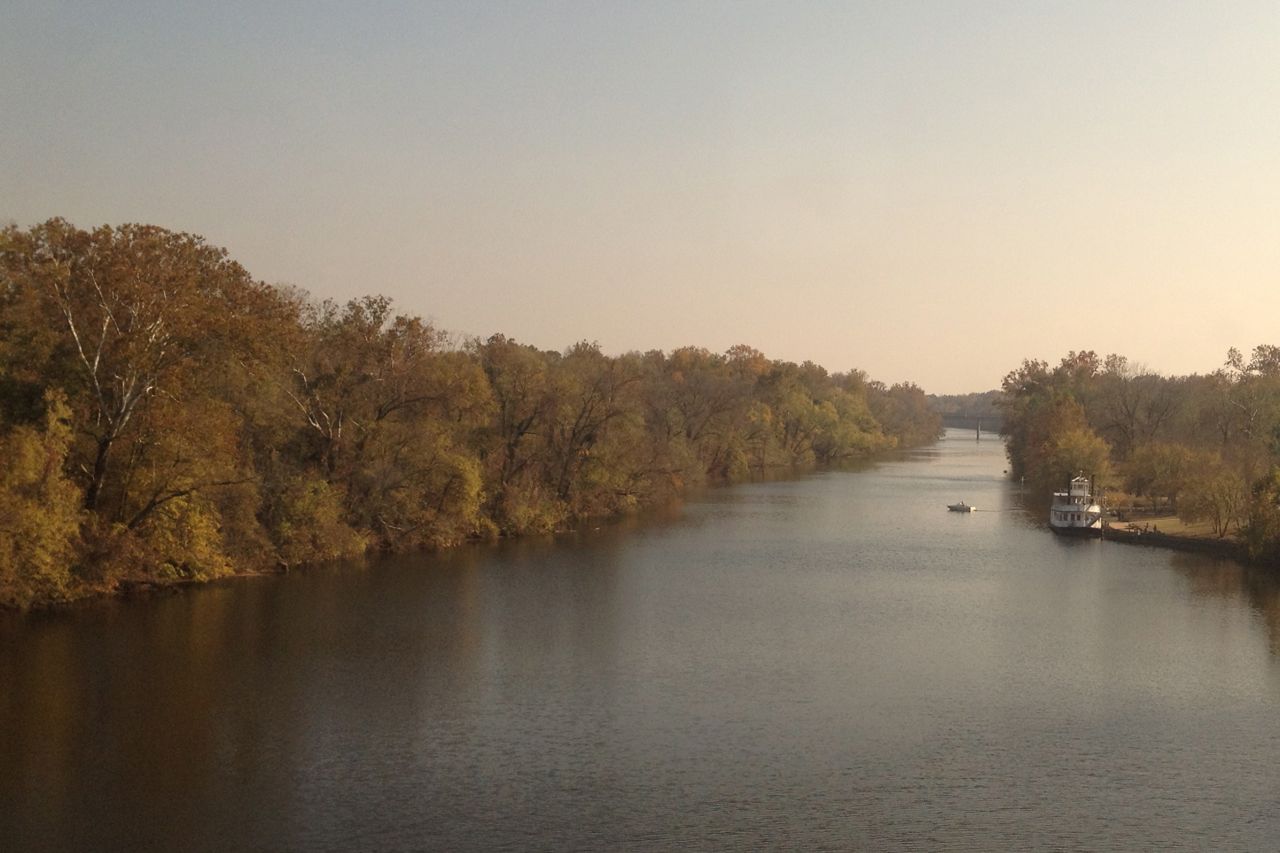
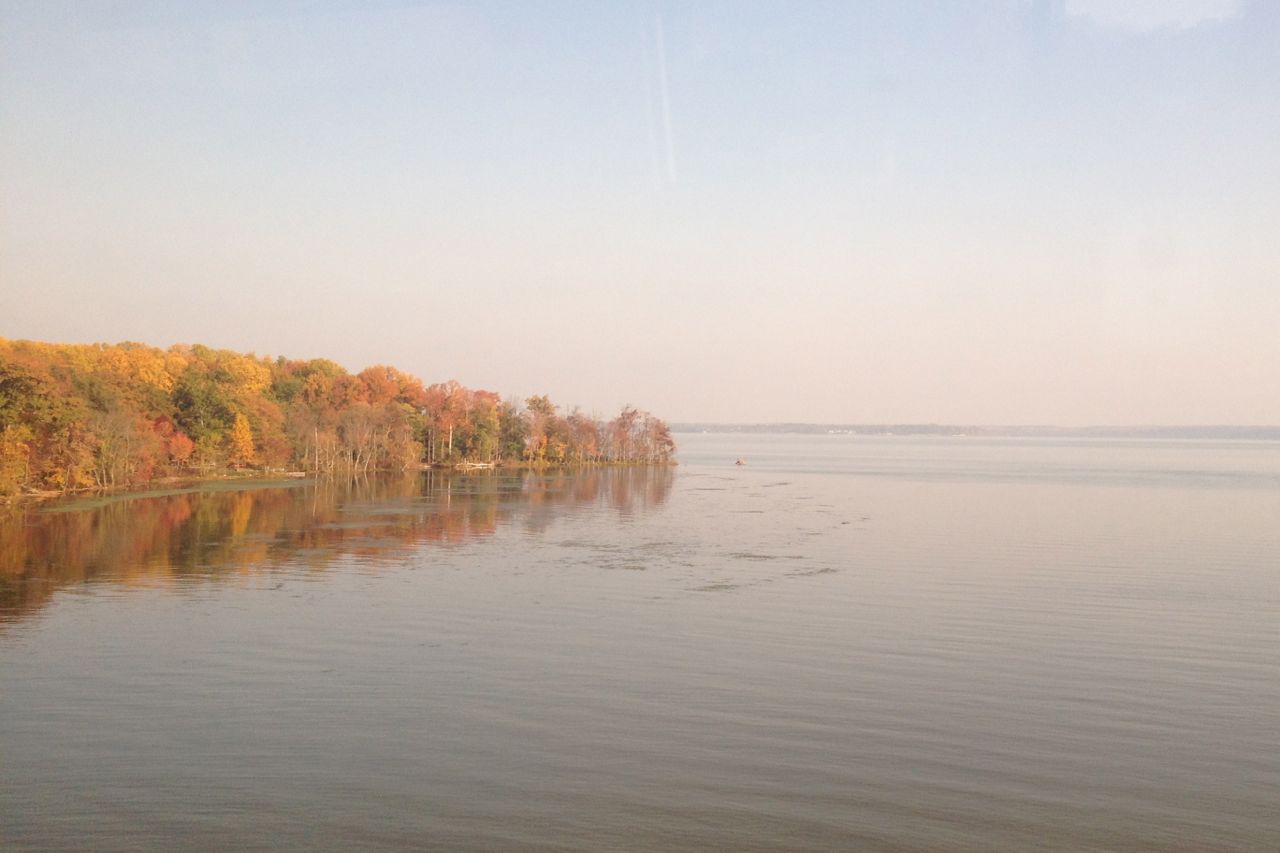
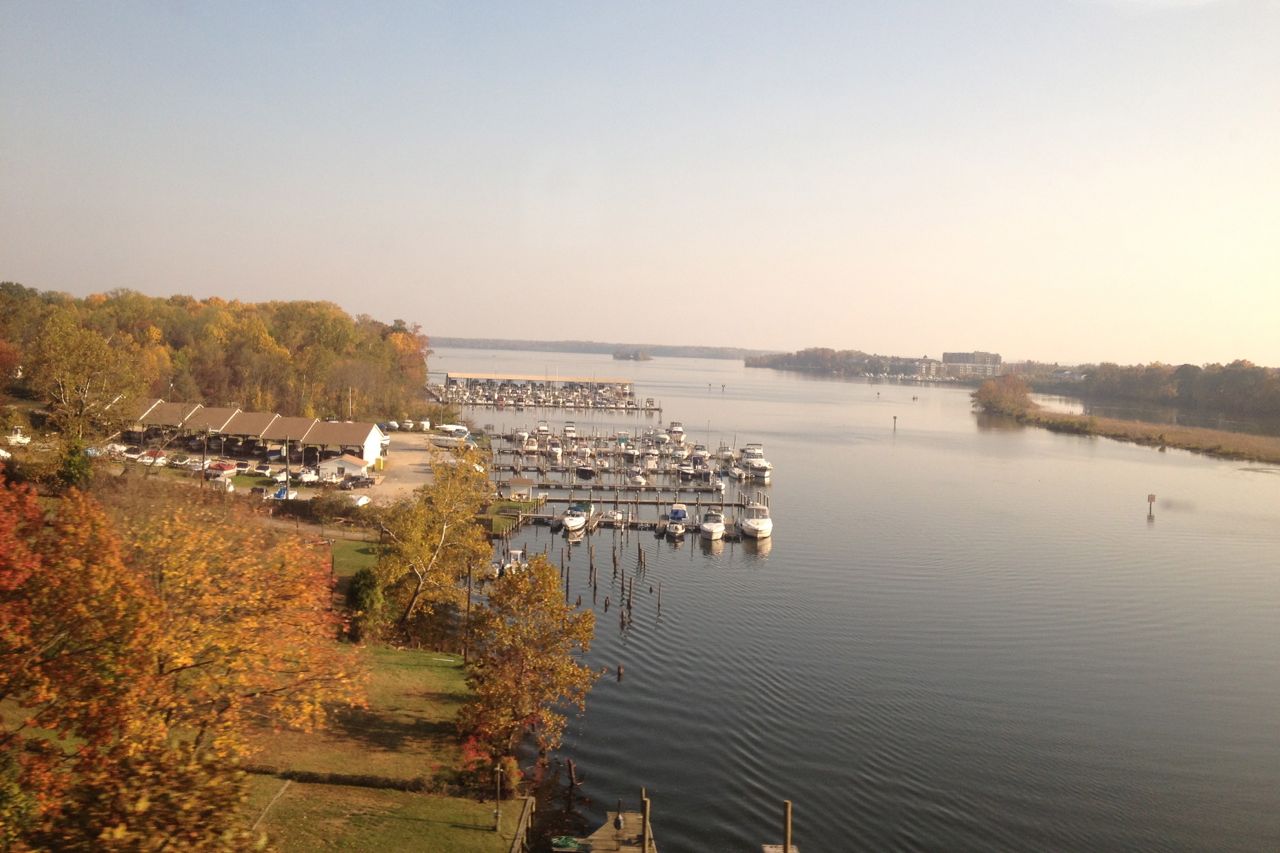
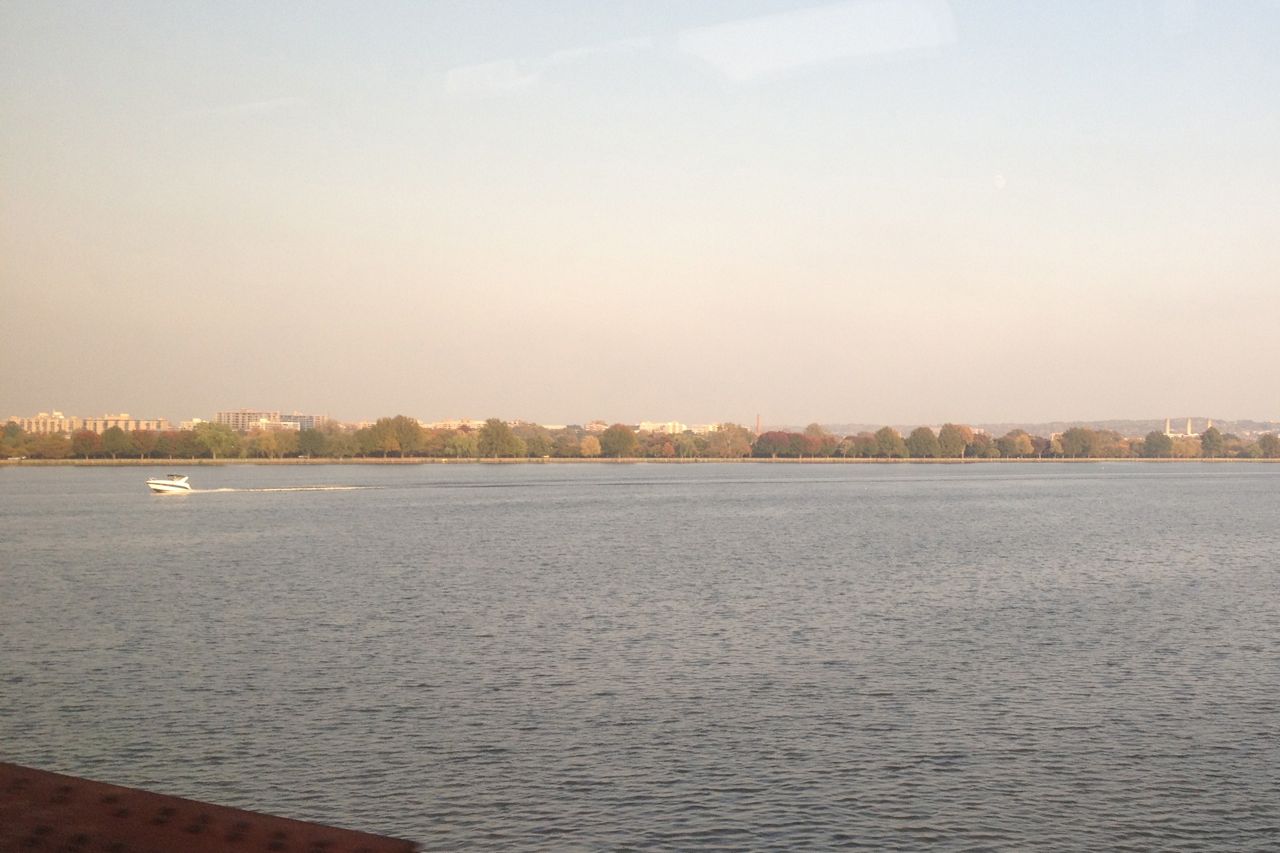
Recently I took Amtrak Carolinian between Washington, DC and Raleigh, NC. I love traveling by train. It is relaxing and is a wonderful way to see the country. The Carolinian passes over several gorgeous bodies of water as well as through some lovely countryside. Below are some photos of my journey. They are in order from south to north.

The Roanoke River near Weldon, NC.

Cotton fields near Emporia, VA

The James River in Richmond, VA

The Rappahannock River in Fredericksburg, VA

The Potomac River near Quantico, VA

The Occoquan River in Woodbridge, VA

The Potomac River between Arlington, VA and Washington, DC

A Curtain Rod from Door Knobs and a Wooden Dowel

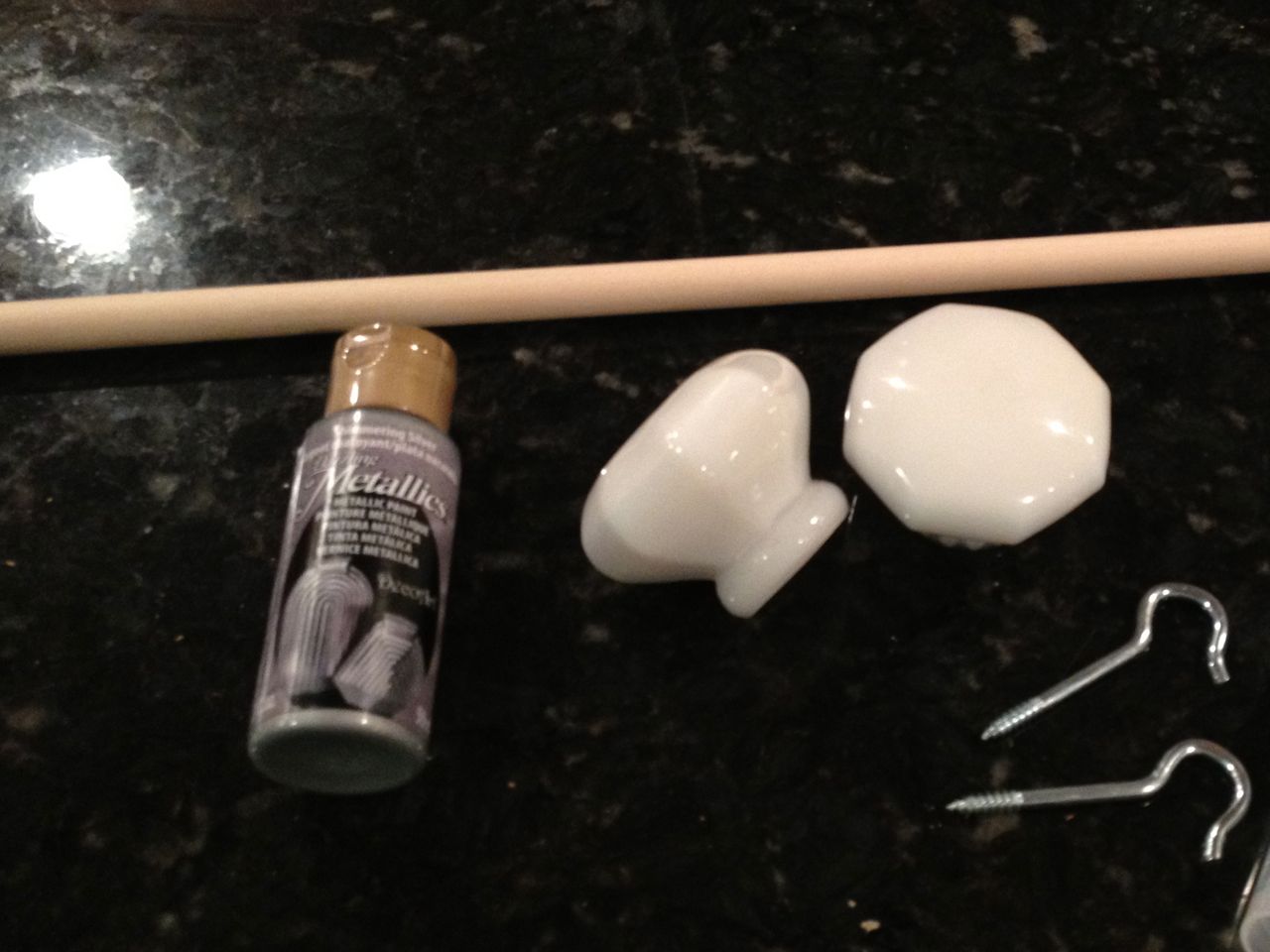
Here are my starting materials: two antique milk glass door knobs, a wooden dowel, two wall hooks, and silver paint. Not pictured are store bought curtain clip rings, Liquid Nails, and the curtain, which is actually a tablecloth.

I painted the dowel. Then I put the curtain rings on the dowel. I used Liquid Nails to glue the dowel into the two antique milkglass doorknobs, which conveniently I bought without the rods that attach them to the door mechanism. The only problem with the way I created this curtain rod is that the curtain rings are now permanently on the rod, unless I want to break the dowel to remove them.

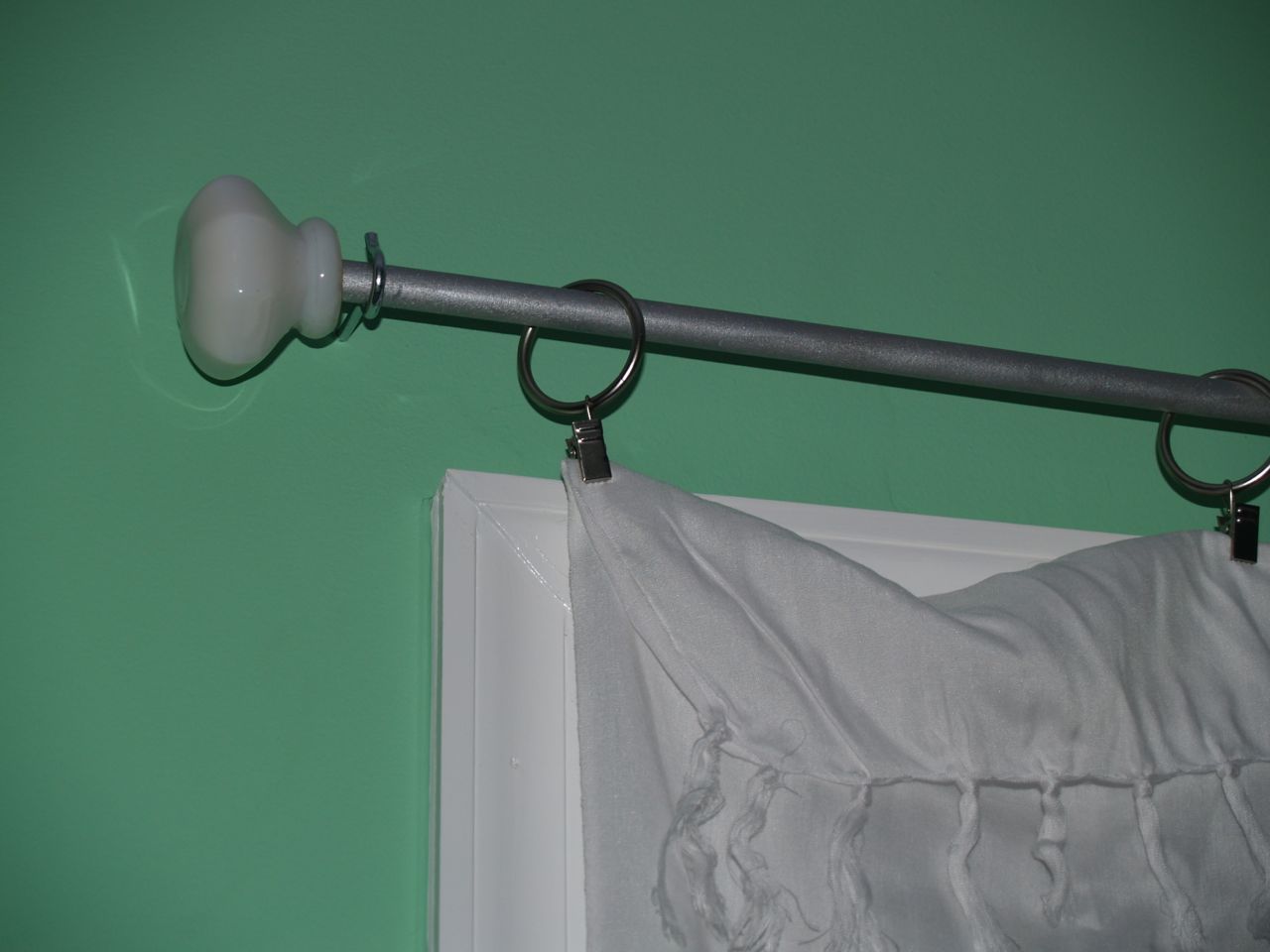
After everything had dried and cured, I attached the rod to the wall using the wall hooks which simply screw into the drywall and studs. [Wooden dowels come in multiple diameters, so I picked the diameter that best fit into the door knobs. Similarly, I bought wall hooks that best fit snugly around the dowel.]

For the curtain, I used a hand painted piece of fabric that my sister gave me, which I think is from Bali. I am pretty sure it is supposed to be a tablecloth, but it fit my window perfectly, and it was too pretty to never have on display. Below is the finished window treatment that is pretty and VERY unique.

My Photographic Obsession with Philadelphia’s Comcast Center

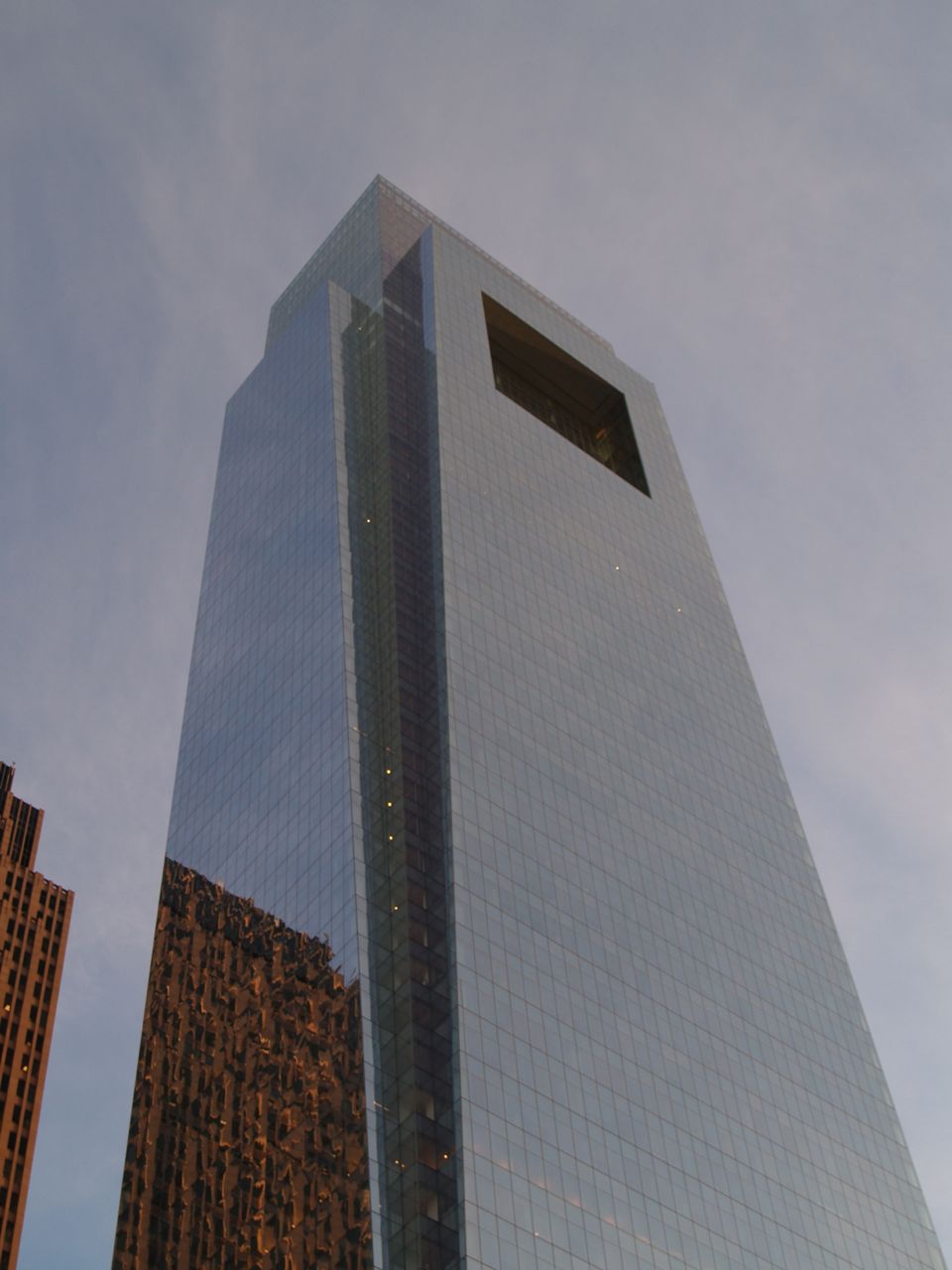
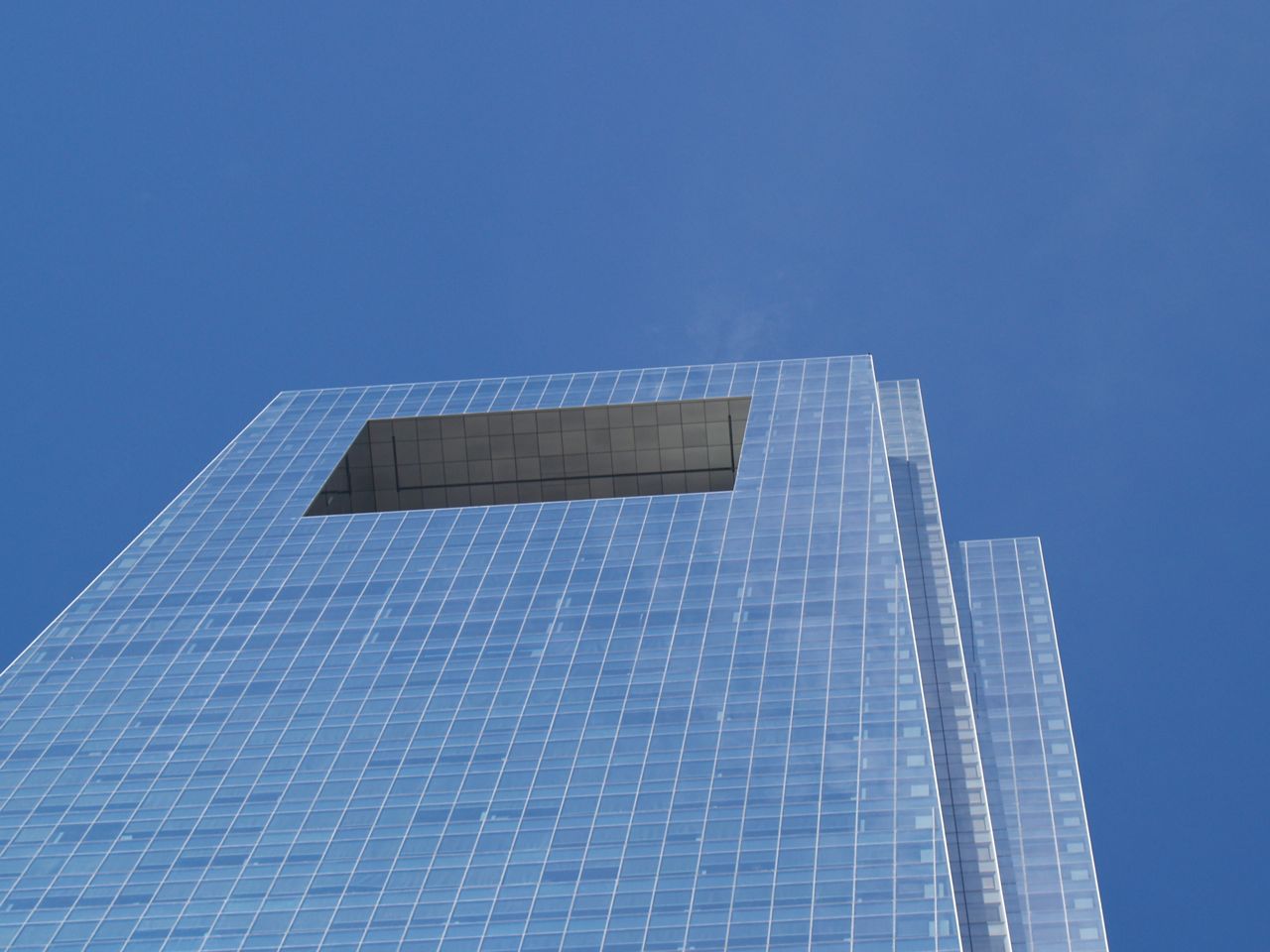
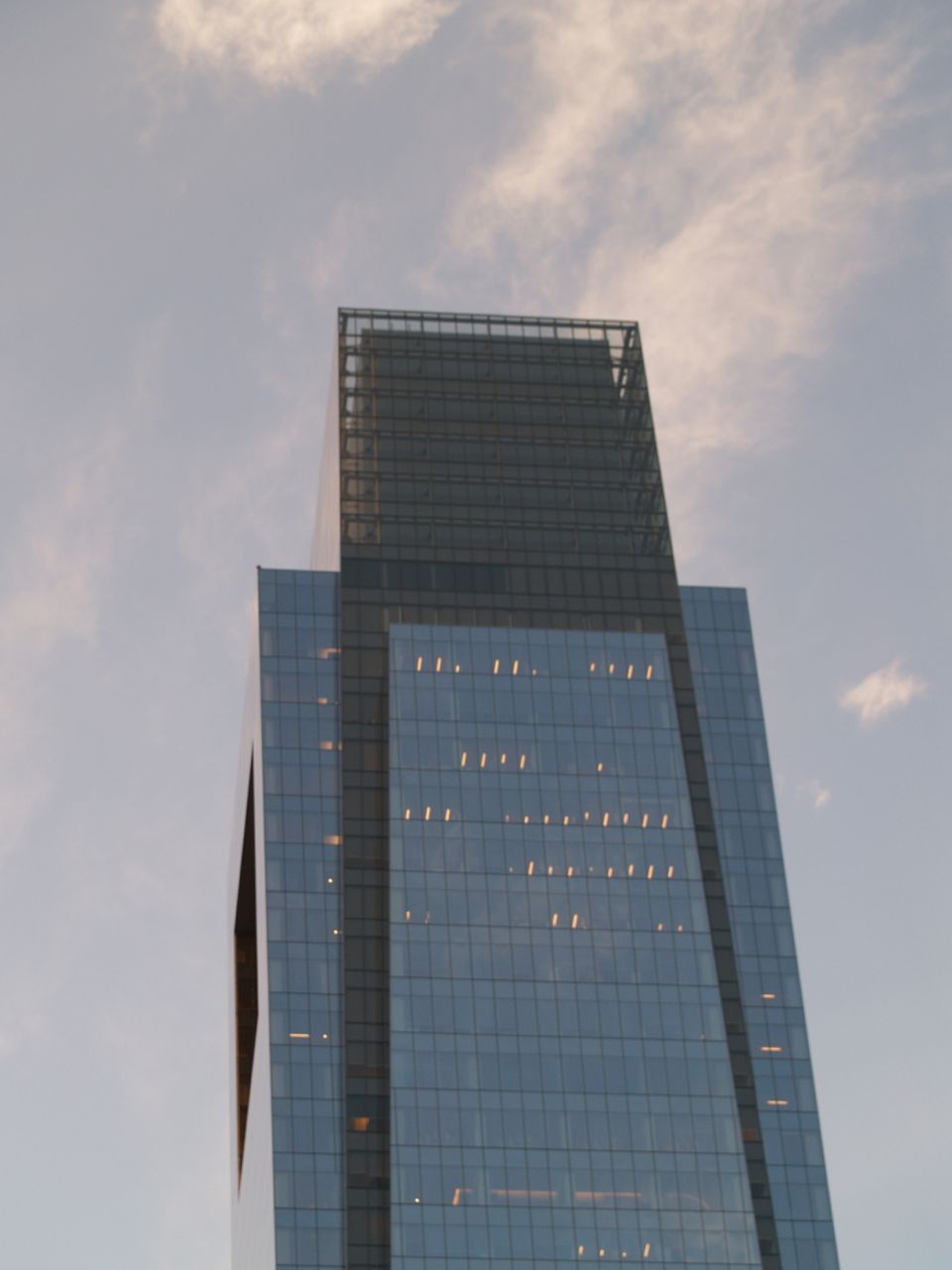
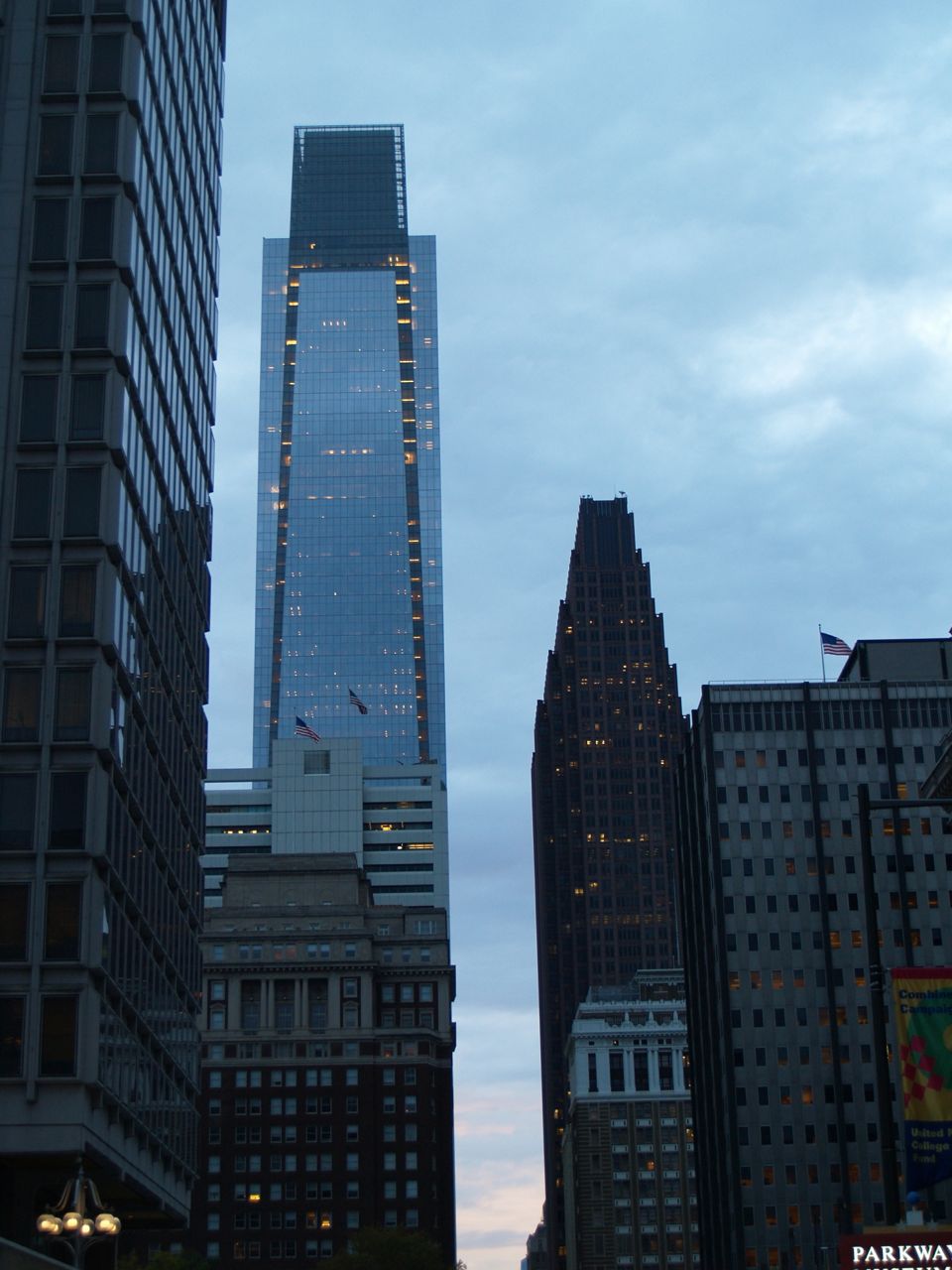
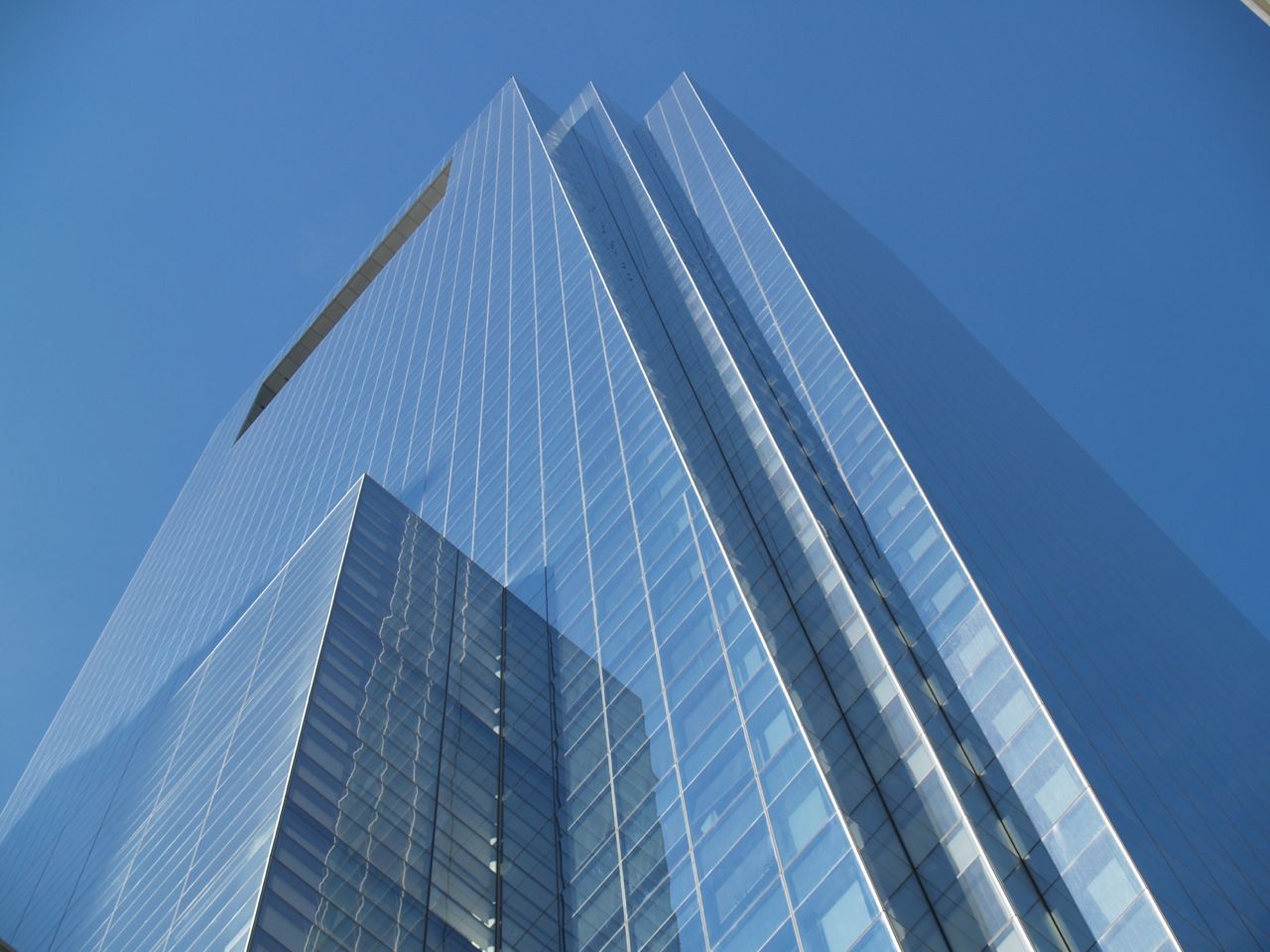
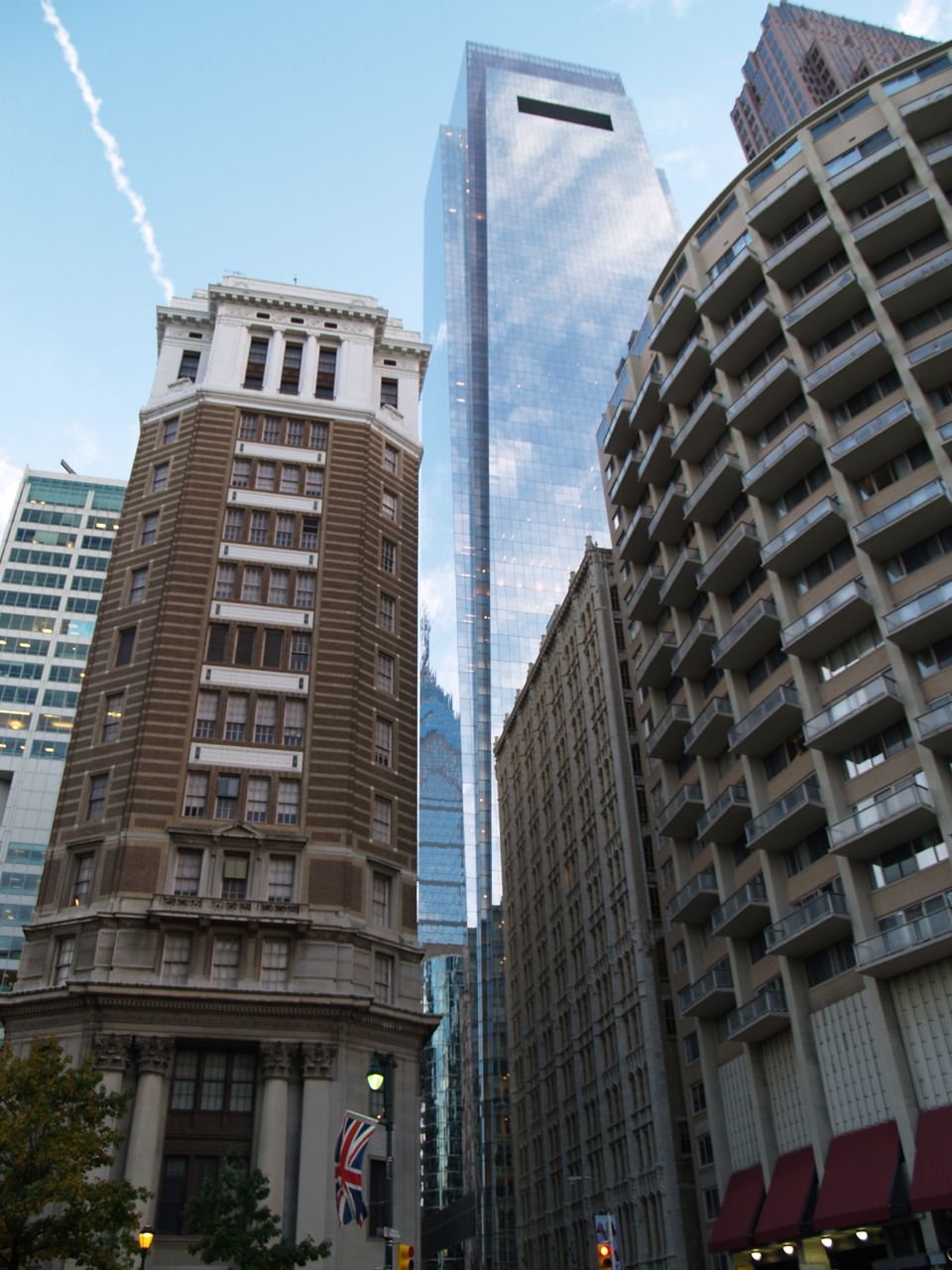
I’m visiting Philadelphia for the week. Unfortunately it’s for work, and I have very little time to sightsee. I definitely plan to return someday as a tourist. In the meantime, I have developed a bit of an obsession with the Comcast Center here. It’s a beautiful, tall skyscraper seen below.


It’s top part has a unique cutout on the front, and the side has different glass on top which helps to call attention to the sloping sides.

Its lower section has an interesting set of “boxes” in front of it.

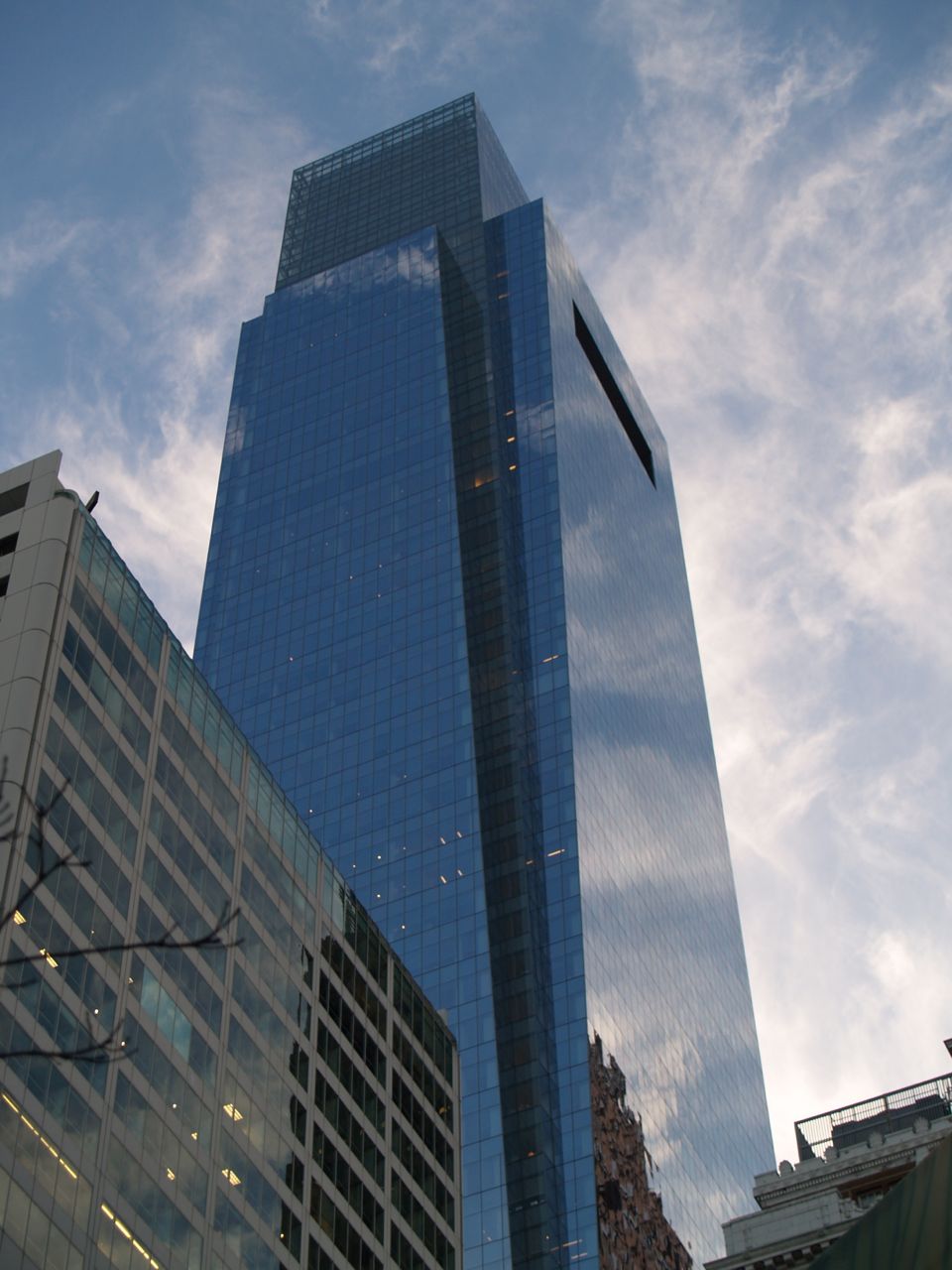
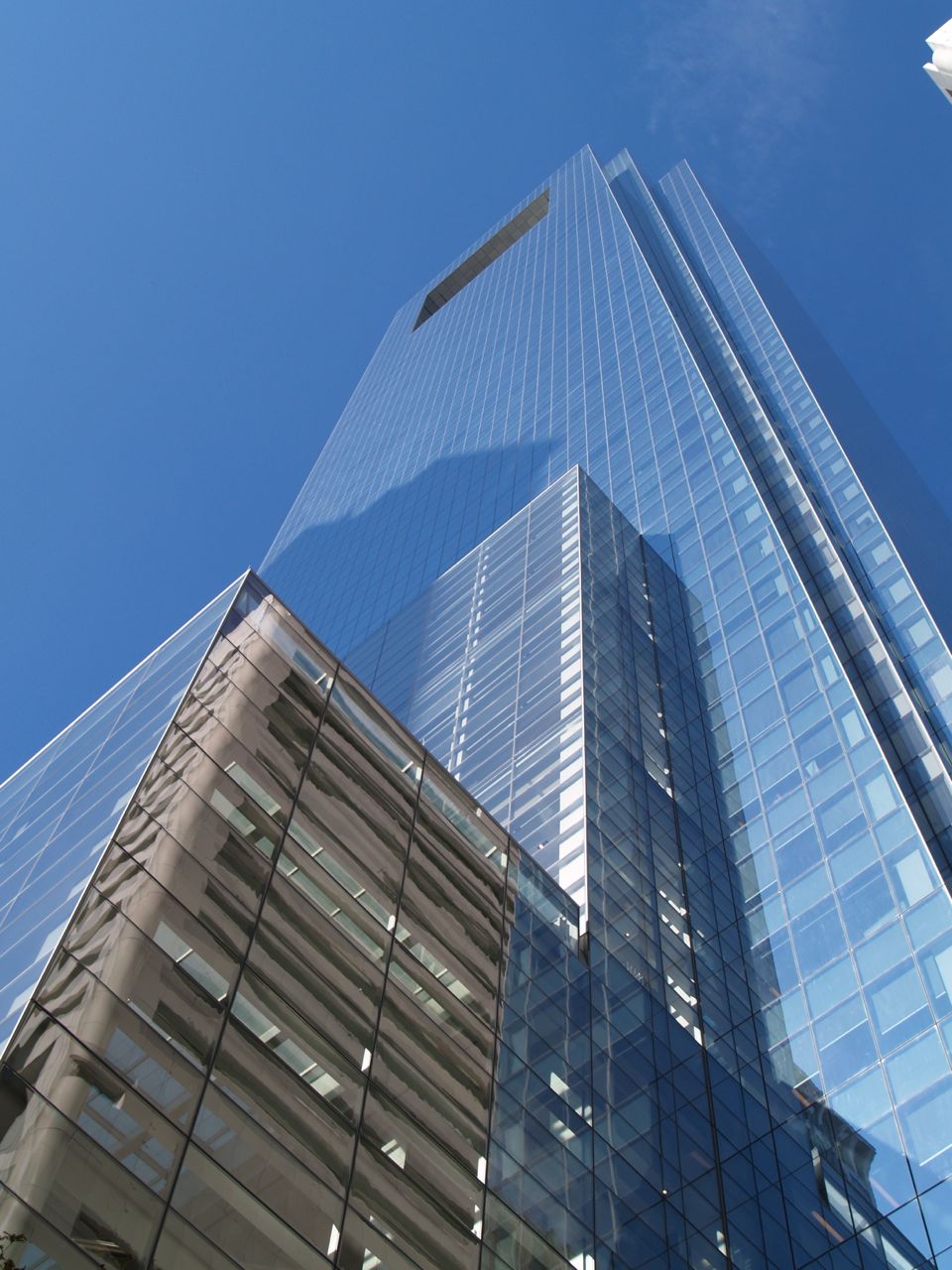
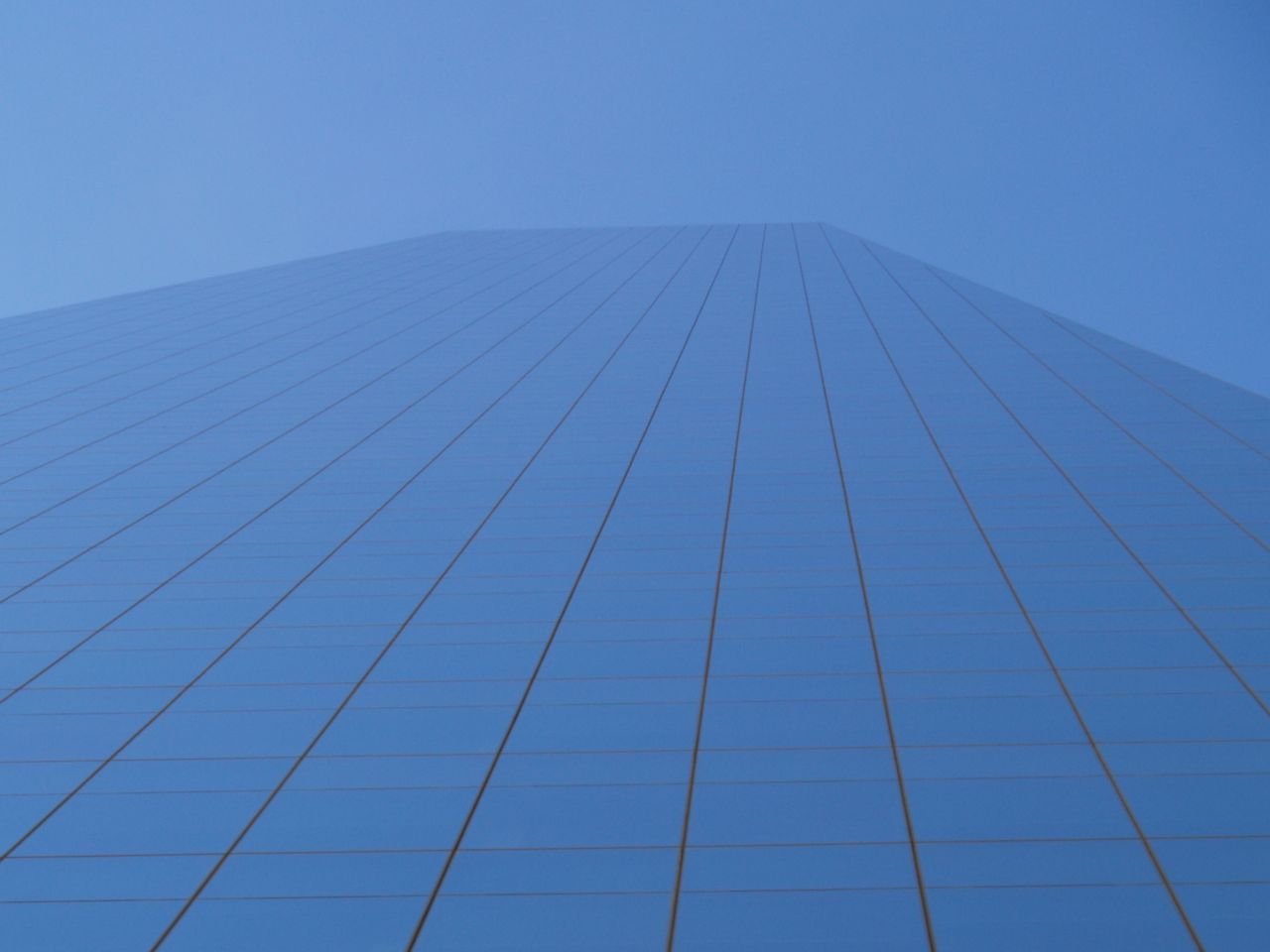
Mostly, I think part of it’s beauty is its simplicity which allows it to reflect its surroundings in beautiful ways. It becomes a near perfect mirror in the correct light. It also blends into the sky in gorgeous ways.

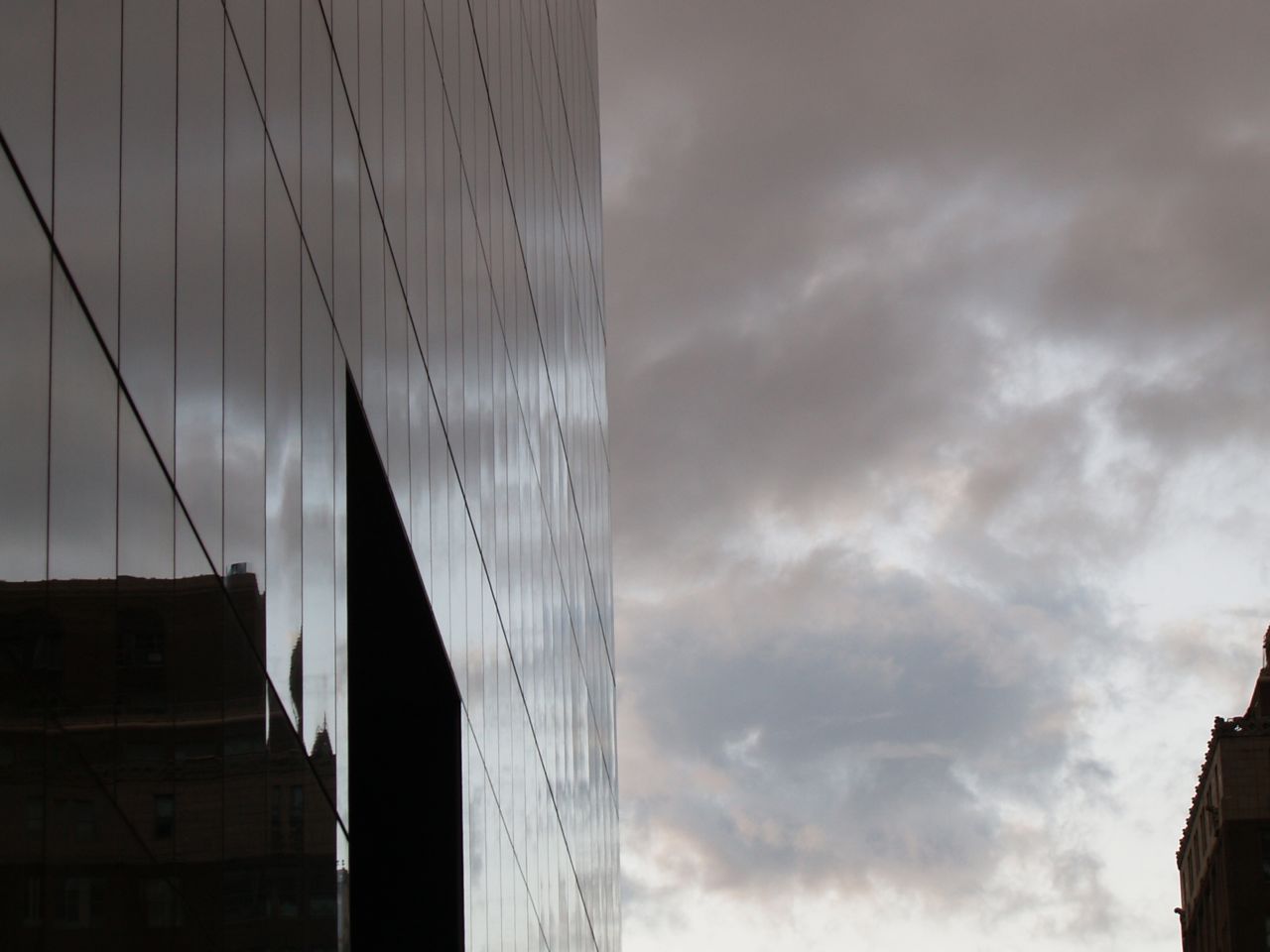
Then it reflects the clouds and sunset.

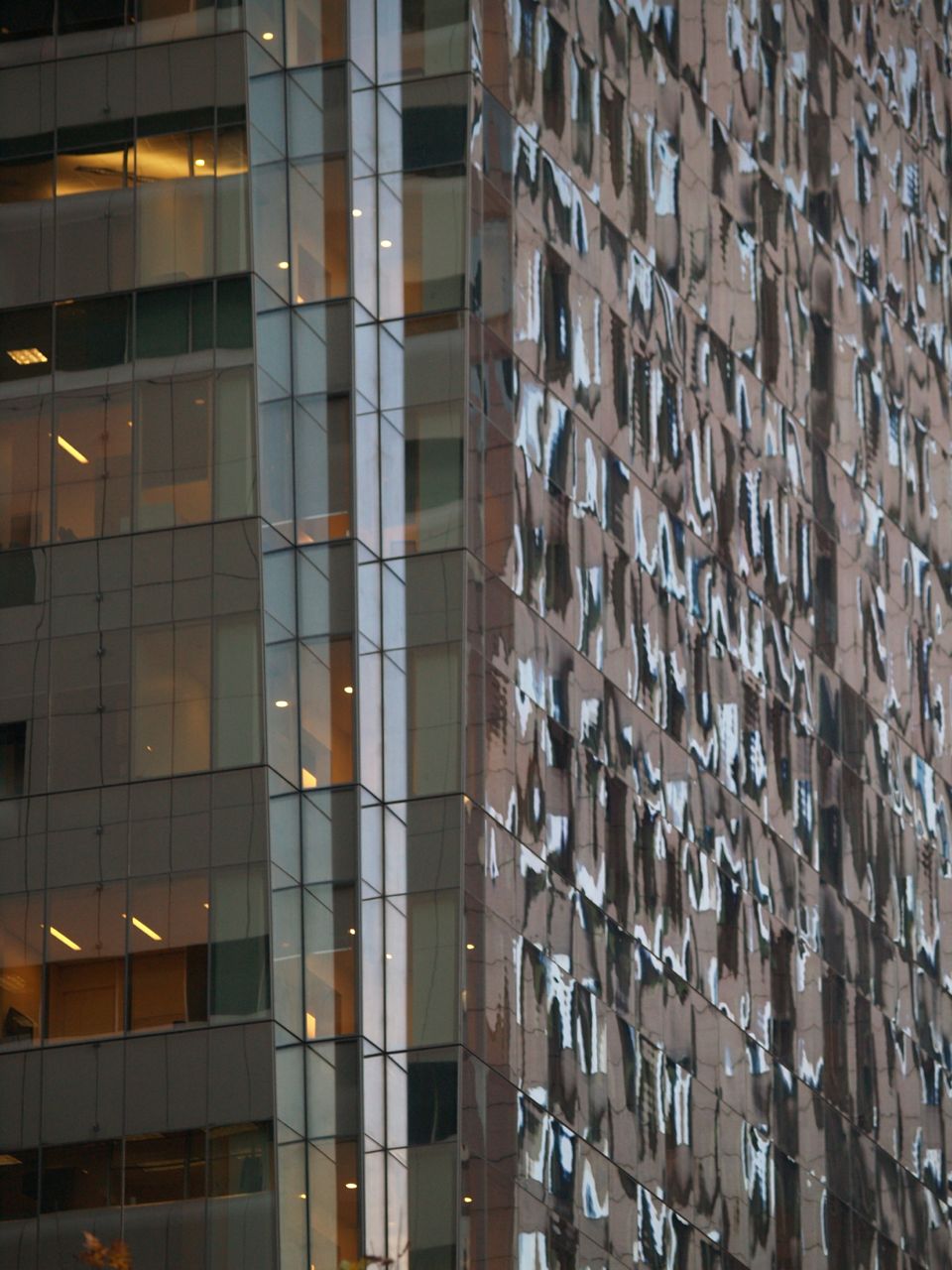
And possibly best of all, is the way it reflects nearby buildings, including Three Logan Square, photographed below.

Also here it reflects One Liberty Square. It kind of looks like One Liberty Square is at the end of this street, but it’s the reflection.

So, yes, I’m a bit obsessed, photographically speaking, with this building. I probably would have taken more photographs if I had not had to be in meetings all week.

It Can Be Lonely Being a Female Engineer

Today is my mom’s birthday, so I’ve thought about her many times today and how she has influenced me in so many ways. The way she has influenced me has been in stark contrast to different news stories that came out recently that have distressed me a great deal. First, Iran has banned women from almost 80 different college majors. This does not affect me at all, but this sexism is disturbing. Many of the majors women are being banned from are science and engineering majors. Second, a Yale study recently concluded that women are  still biased against in universities in science majors. This Yale study is just astounding and to me really depressing. It is particularly depressing to me since I am scientist and engineer, and I realize just how far we have to go until women have equal footing with men in the science, technology, engineering, and math (STEM) fields.

When my mom was little, she had trouble in her math classes. When she would tell her mom this, my grandmother would tell her “Don’t worry honey, girls aren’t supposed to understand math.” At some point, she took this to heart and stopped trying to understand math. My mom is not stupid, and she doesn’t give herself enough credit for all the things she does and understands. I don’t think she has full confidence in her abilities though. My mom told me about what her mom told her, several times when I was older. She told me that when she had my sister and I, she was determined that we would never be told that there was something we could not do. She always told us that we could do anything to which we set our mind. Somethings might require more work than others, but we just had to work harder. My sister struggled with math at times, so she went to a math tutor. I can remember when I was in junior high, and at one point had trouble with math. Then at some point, something clicked, and I started to excel in it again, as I had when I was younger. It should be noted that I have always had a skill at math. My grandmother, the same one who told my mom that girls weren’t supposed to be able to do math, used to tell me a story about when I was little. I had just started to learn addition in school, and when my grandmother was driving me somewhere, I would ask her to give me numbers to add. I must have really liked math already, and I wanted to practice. She would give me numbers like 5 and 3. I would reply “No Maw Maw, give me big numbers.” I would demand she give me three digit numbers to add. After this happened once, she later my mom there was something wrong with me. I guess she just couldn’t understand a little girl liking and being that good at math. [As a side note, I believe at that point, I was already displaying the signs that I would grow up to be an engineer. I was good at math, and I was already a horrible speller. Parents, if you notice these traits in your child, they may be destined to be an engineer. Please take precautions.] I don’t mean to describe my maternal grandmother badly. She was a wonderful grandmother, and she was always supportive and proud of me. She was just from a different era. I credit my mom with being determined to break gender biases and wanting her daughters to have equal opportunities as any male. I credit my mom and her telling me I could be anything I set my mind to, with my becoming an engineer.

I am not sure if I have been biased against as a female engineer, but I have definitely felt like an oddball simply for being a female. As an undergraduate, I went to a small technical college whose student population was and still is only about 20-25% female. My undergraduate department of chemical engineering had one female professor, and I never actually had her as a professor. As I think back, I can’t even remember that many female professors at all. I think the math department had possibly the best ratio, close to 50%. I think I had one female professor in the engineering department, and she was as adjunct professor. Of the geology, physics, and chemistry classes I took, I can’t actually recall one female professor that I had, but I think each of these departments had a couple. I graduated from college in 1995. I am not ancient, and this was not that long ago. The civil engineering department of the university where I got my Master’s degree was similar in terms of student and professor female ratios. My advisor was a women, but she was one of the few females in the department. At some point back in college, I just got used to this type of ratio.

In my first job as an environmental engineer at a consulting firm, the company was dominated by men. There were female engineers, but not that many. I worked in a small branch office where initially I was the only female engineer. I can remember being in meetings with clients from a municipality along with coworkers from my firm, and I was the only female in the room. Later I worked for a state agency where once again, most of the scientists and engineers were men. When I went back to graduate school a second time to get my Ph.D., like with my Master’s, I had a female advisor for my Ph.D. The fact that a women was my advisor had nothing to do with her gender but that she studied a topic that I wanted to study. The department I was in actually had a number of female professors, but it was still dominated by males. I don’t know the ratio for the students, but it was pretty good. I think one reason it had plenty of female students is that it was environmental science and engineering department. Environmental engineering seems to have a greater number of female engineers than other other engineering fields. The hypothesis many people, including myself, have is that part of environmental engineering is caring for the Earth. Perhaps that “caring for the Earth” aspect attracts women more than other engineering fields.

In my career, I can’t remember feeling biased against as a female. It is possible I was, but like other aspects of my life, when I have felt something like this, I would just plow right through it. I can remember when I did field work such as working with drillers, I would sometimes force an air of confidence on myself that I didn’t really feel to get through the job. However just as importantly, I never felt particularly encouraged as a female engineer. I have no wish for special treatment or recognition just because I am a female, but when the only females I sometimes worked with or interacted with on the job were the secretaries, it would have been nice to have a female mentor to talk to just when I was tired of all the testosterone. I feel very fortune where I work now because there is an extremely good ratio of women to men in the science and engineering positions. My boss and her boss are both women. I am no longer lonesome being a female engineer.

I don’t know that STEM fields will ever reach a point where there is an equal number of women as men working in the fields. I get the impression that certain science fields are doing better than others at attracting women. The engineering fields seem to be eternally struggling to attract females. I don’t know what the solution is, but I do think it is very important to have females as well males in the STEM fields. Having females and minorities in STEM fields brings diversity to solving problems and even recognizing problems that can be vitally important. We also must make sure women are given equal opportunities. Even if for whatever reason females just don’t like STEM fields as much as males, we must make sure that females who do like STEM fields are encouraged to enter and stay in those fields. [Helping women to stay in STEM fields during their careers is to a certain extent a whole other issue.] We must make sure little girls are told they can be anything they want to be. We must make sure girls and boys are not told that there are girl and boy subjects. If we can’t even accomplish that, then we have no hope of equal opportunities.

Empathy for Technophobes

I was in a discussion recently about bovine spongiform encephalopathy (BSE) otherwise known as mad cow disease. The important background of it and why I am mentioning it, is that dairy cows need protein supplements because of how much milk they produce. In North America, the protein supplements were mainly in the form of soy, but in the United Kingdom, the supplements came mainly from rendered animal parts. These animal parts included other cows. I can remember when BSE first became a huge news item, and the practice of feeding cattle rendered animal parts came to light, I was disgusted like I imagine many people were. Part of my disgust was my questioning why would you take a herbivore, and not only turn it into a carnivore, but also a cannibal? Leaving aside the point that BSE showed that this practice had serious risks, there is a more basic question I have to ask myself, which is protein is protein, so does it matter where it came from? In this case, of course, the answer is yes. On a molecular level, amino acids like lysine and tryptophan, are the same no matter where they come from. However, the proteins and other compounds in soy differ quite a bit from the proteins and other compounds in rendered animal parts. Also, in the case of BSE, it is the shape of the proteins in animal parts that was really important. Thus in this case, it really does matter where the protein is coming from.

The turning a cow into a cannibal is still a bit of a different issue. The idea in general just seems wrong and repulsive to me. It is not natural. I think that reaction I have is somewhat common, and it has implications for how people react to certain technology. Humans are naturally repulsed and scared of certain things, and this has for the most part served us well through history. Humans in general, are repulsed by human excrement. We all urinate and defecate, but once we do, we all want the urine and feces to go away, never to be seen again. This is not a bad reaction in that, feces can have multitudes of infectious agents in it, so having it go away is a good thing. I am speaking personally to a only certain extent though. I have worked in wastewater treatment design, I have sampled at a wastewater treatment plant, and I spent several years collecting and analyzing other people’s urine for my dissertation research. I am kind of fascinated by human excrement and the information it can provide about the health of an individual. That being said, I would never touch it with my bare hands.

Humans’ natural repulsion to their own excrement causes an interesting reaction to its treatment. In urban and suburban areas, wastewater is collected, treated, and then normally discharged to some body of water such as a river, lake, or the sea. What many people don’t seem to realize, is that if the wastewater is discharged to a river or lake, then there is a very good chance, it will flow some distance and then be collected and pumped to a water treatment plant where it will then be treated and become the water supply for some other municipality. Due to the scarcity of water in many areas, some municipalities are starting to take some of their wastewater effluent and reuse it for purposes where potable water (drinking water quality) is not needed, like watering golf courses. There are normally some differences in the treatment of water to be reused than water to be discharged, but not a great deal. Once water is discharged to a river or lake, the only real, further treatment that occurs to it is dilution. Depending on the water to which it is discharged, it can be diluted by a factor as low as three (and possibly lower in a drought) or as high as 1000. A certain amount of biodegradation and other treatment may occur after discharge, but sometimes the water source into which it is discharged, can be polluted in its own way. However, the wastewater once put into a water source, does not become magically clean. Also, the amount the wastewater is treated before being discharged is based on regulations and also money and design. Regulations require it to be cleaned to a certain level. The technology exists to clean wastewater enough to turn it back into drinking water. It is not that difficult. It just requires the plant to be designed to do that, and extra costs, both in capital costs and operating costs. Years ago, a colleague once told me of a wastewater treatment plant that was designed to do just that. The wastewater was cleaned enough to meet drinking water standards. It was designed for a municipality with constant water shortages and thus needed to recycle water. However, the municipality required the water to discharge into a lake before it was then used as drinking water. By requiring this, the water actually became dirtier and picked up contaminants while in this lake. The municipality required this purely for the ick factor. They did not think the public would drink water that came straight from a wastewater treatment plant. The municipality was worried people would have the reaction of being disgusted to drink treated wastewater. This is a somewhat normal and understandable reaction, but it is completely ignorant of the treatment process nonetheless. It should be noted that even highly educated people suffer from the ick factor. Mary Roach in her wonderful book “Packing for Mars” describe how astronauts are not completely enthusiastic about recycling urine to drink.

There is a good chance that even if you educate people about the treatment process, some people would still not be able to get over the ick factor. I, at least, can’t really blame them. It really is natural to be repulsed. I’ve seen discussions among scientists that I am afraid sometimes almost borders on contempt for the ignorance of people who are scared of certain technologies. If people were educated about certain technologies, many would accept the technologies, but many still wouldn’t. Genetically modified organisms (GMOs) are an example of this. I fully admit I have a problem with some GMOs but not all. I have a serious issue with plants that have been modified to produce Bt toxin, but my issue with this is not about the plants ability to produce the toxin, but the effect it might have on organic plants, which many times are treated with Bt toxin to kill insects. I like organic foods for a multitude of reasons that I won’t go into here, but I don’t think there has been enough research or even concern about how GM plants that produce Bt toxin might have on organic plants. I also have an issue with GM plants that have been modified to be resistant to herbicides, but again I don’t actually have an issue with the actual genetic modification. I have a problem with the fact that this allows greater use of herbicides, and the effect this can have on the ecosystem and also the effect this can have on the workers who work with the herbicide. Conversely, I don’t like certain GM animals such as GloFish, and I would put this into the category of just because we can do something, doesn’t mean we should. Perhaps it is ignorance and the ick factor. I’m not scared of them. I just think sometimes humans do things that perhaps we shouldn’t. Sometimes, it really isn’t nice to play with Mother Nature.

I have discussed my issues with GMOs to a certain extent with a person I know who works on GMOs. She is constantly fighting ignorance and fear about GM foods. We have discussed a little the issue of labeling GM foods. I support the labeling of GM foods, and she has stated it is not that simple. I don’t have all the facts, but I think part of this has to do as to where “traditional” plant hybridization and breeding end and where does genetic modification start. The problem is that when GM foods are not labeled, it gives people who don’t like GM foods more ammunition to fight GM foods because they can say the public is being lied to and information withheld. I have heard the argument that if foods that include GMOs are labeled as such, then people won’t buy them out of ignorance. I don’t think this is a valid argument. That is a consumer’s right. Some people who oppose GMOs when educated about what GMOs are and are not, will probably start to accept them, and other will never accept them. However people must be free to make their own choices even if out of ignorance and fear. [I am leaving aside the issue of ignorance and fear leading to people making decisions that not only affect themselves but others, which is a whole other issue.] Further, taking the attitude that people don’t need to know certain things because they wouldn’t understand, is arrogant, and educated people must stop themselves from becoming arrogant. Educated people need to fight harder to educate others.

Nuclear power is another example of technology of which many people are scared. A large problem with nuclear power of course, is that it is a relatively safe technology, but if something goes wrong, it can really go wrong. Nuclear accidents are thankfully relatively rare, but they have the potential to affect a huge number of people as seen with the Chernobyl and Fukushima disasters. Considering how long nuclear power has been around, I think it is unlikely that some people will ever accept nuclear power even if fully educated about it. Nuclear power may also be one of the technologies where people think we are doing something we should not be, as in it it not natural. I am not sure, but I also think nuclear power suffers from an engineering problem. From my limited knowledge of both Chernobyl and Fukushima, both had design flaws, in that possible, known “what ifs” were not properly addressed in the design and construction. I learned recently of new nuclear power designs that would not have the risks associated with current nuclear power plants, like meltdowns. I am very excited to see if these designs will discussed and used in the coming years, but I worry that bad memories of old technologies will prevent people from accepting these new technologies.

People have a very long memory when new technology goes wrong. Scientists and engineers are really good about learning from when things go wrong. However, if when things go wrong, people, the environment, property, or something else is harmed, then not only do scientists and engineers have to learn how to improve the technology, but we also have to regain people’s trust. That can be an even more difficult process. Some people fear technology that they don’t understand. Also, when the previous technology had problems, and people don’t understand what has changed between technologies, it is going to very difficult for them to accept the newer technology. Then again, some people fear technology that they do understand. Perhaps the fear is due to the ick factor or the your-playing-God factor. I am empathize with this fear. Education can help to alleviate fear but not always. Sometimes fearing, distrusting, or not accepting a technology is not just an education issue. Sometimes it is a deep-seated, human instinct. Perhaps this is both good and bad. I think those of us who work with and on technology would be best served to remember that.