Legislative Assembly of Ontario

My cruise of the Great Lakes has ended in Toronto, which means vacation is almost over. I am spending one night in Toronto before heading home, so I decided to take advantage of that by visiting the Legislative Assembly of Ontario. I still have lots of state capitols to visit, but since I am here, I decided to visit a Canadian providence capitol, similar to my visit to the National Assembly of Quebec. The Legislative Assembly of Ontario building is beautiful, but it felt somewhat small. It is also slightly but ingeniously deceptive. I say that as it looks like the vast majority of the interior is wooden, but our tour guide pointed out that many of the columns that appear to be wood are actually cast iron with a covering. The assembly room itself looks like the United Kingdom’s House of Parliament, including the green color scheme. Presumably that was very intentional.

Of note, one of my standard questions now when touring a capitol or other similar building is how do they change the lightbulbs. The chandeliers in the assembly room are lowered closer to the floor by a person who goes up into the attic to lower them.

Legislative Assembly of Ontario

Legislative Assembly of Ontario
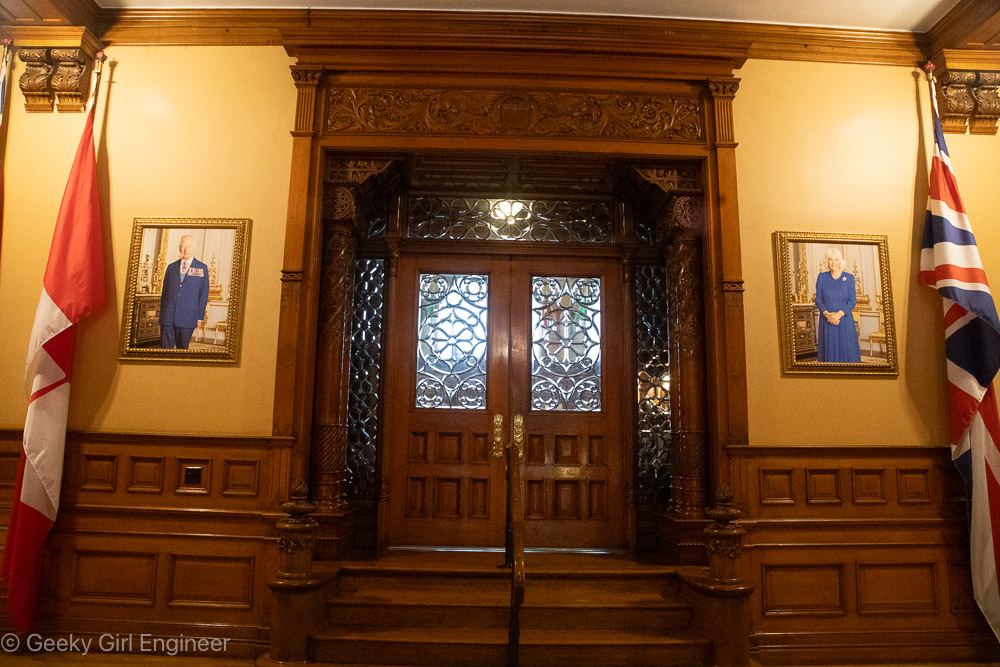
Door to Legislative Chamber

Legislative Chamber
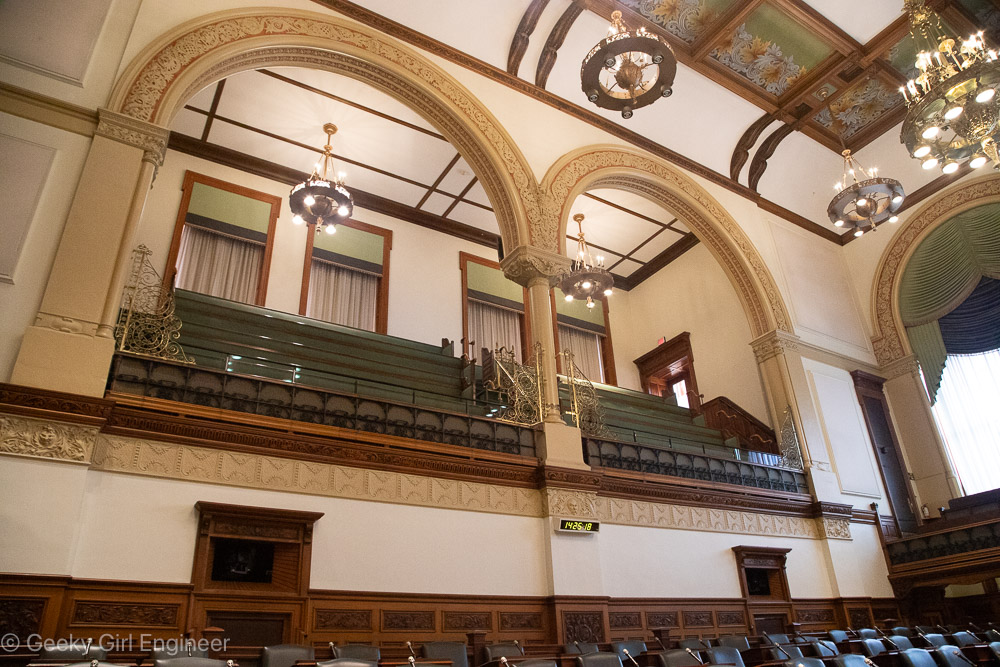
Legislative Chamber public galleries
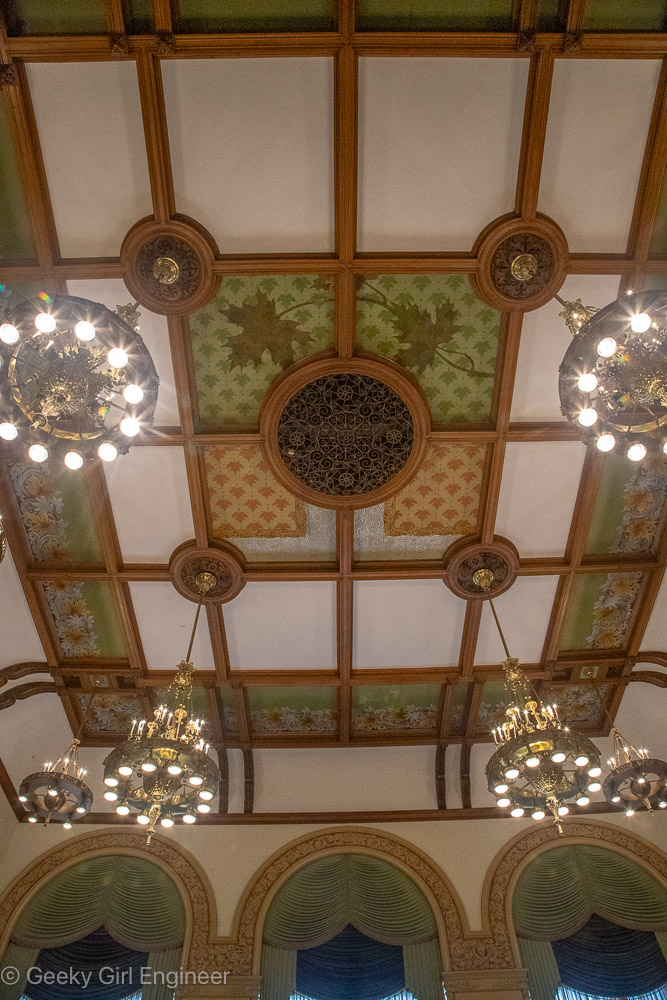
Legislative Chamber ceiling
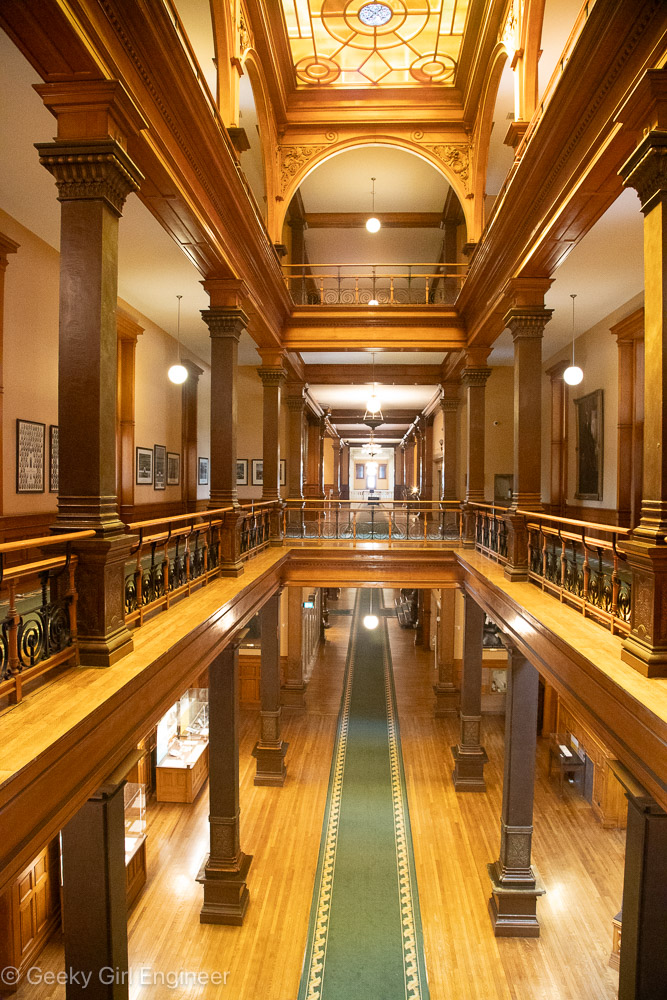
Hallway
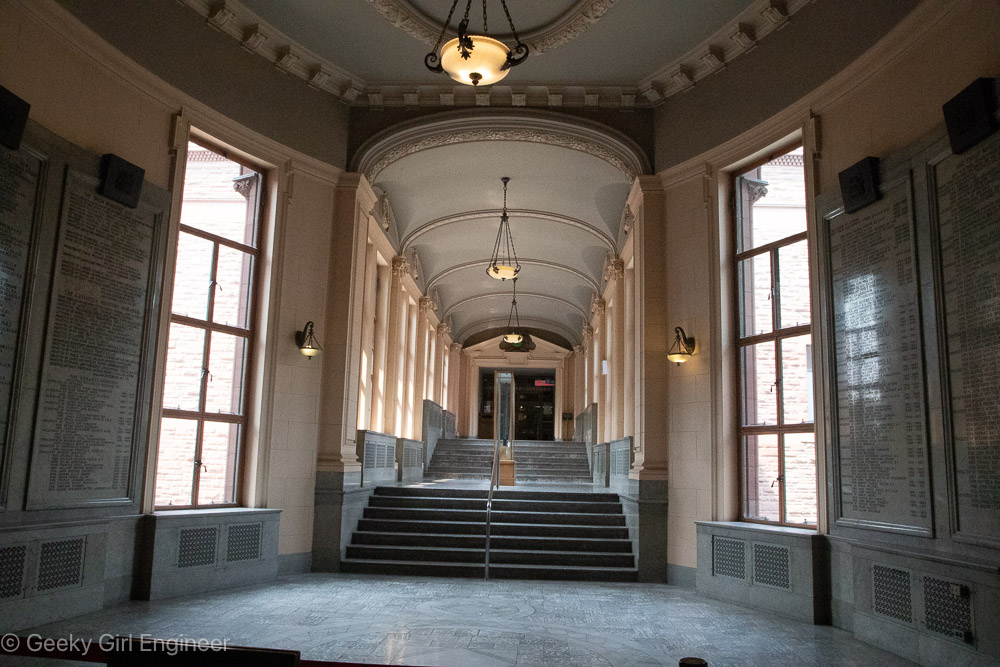
Hallway to Legislative Library
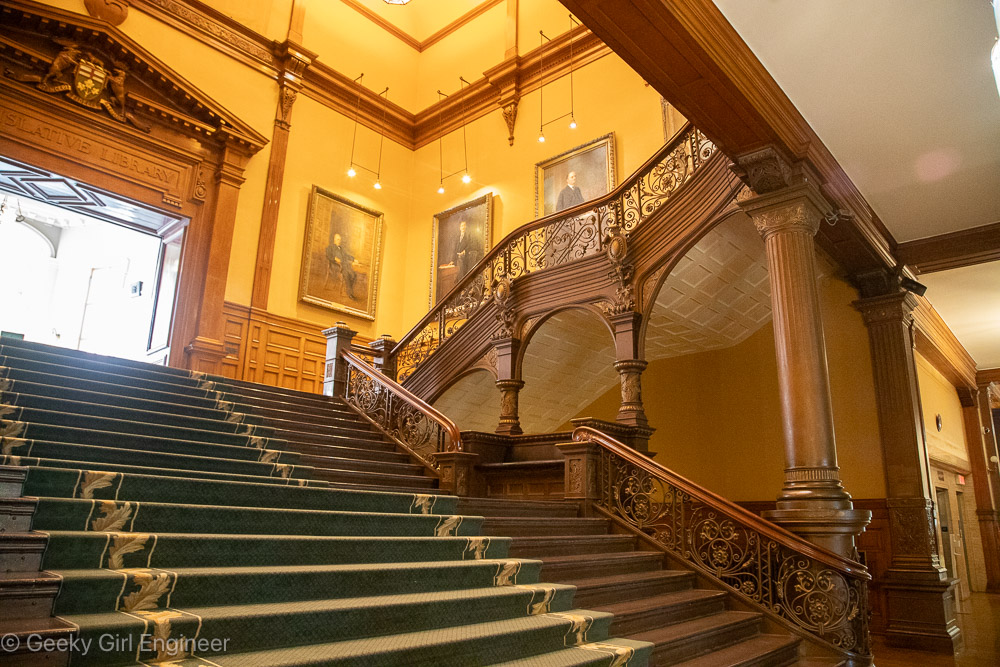
Stairwell
Welland Canal

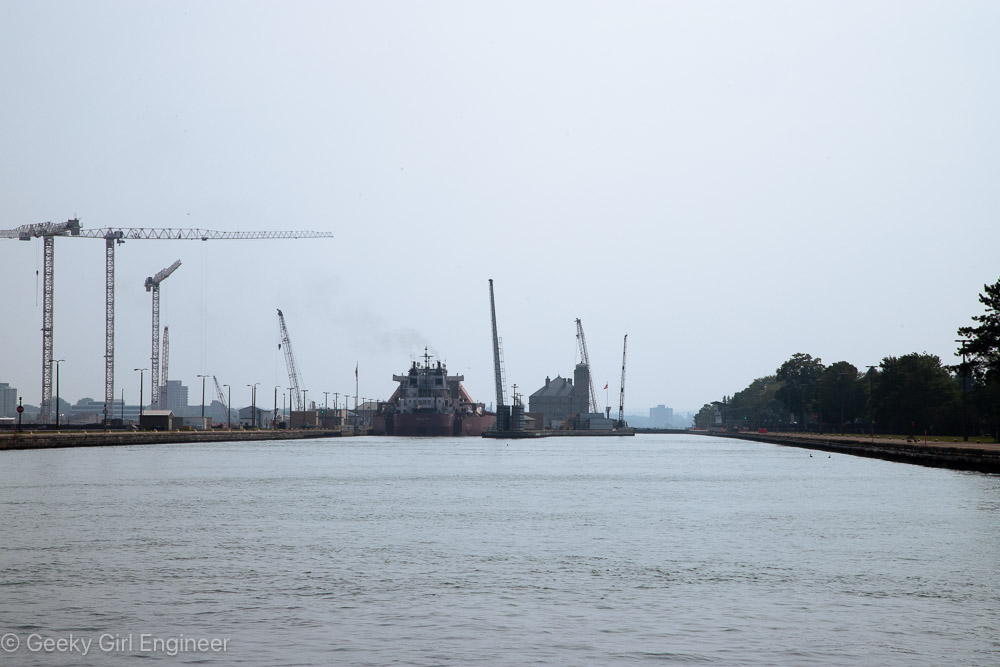
The ship I am on cruising around the Great Lakes is docked at Port Colborne, Ontario, which is at the entrance to the Welland Canal from Lake Erie. The Welland Canal connects Lake Ontario and Lake Erie and allows ships to bypass the rather inconvenient Niagara Falls. We are docked right in front of Bridge No. 21 of the Welland Canal, which has given me and some of the other passengers frequent entertainment in watching the bridge go up and down and large cargo ships enter and leave the canal. When you are on a ship less than 100 feet from a giant cargo ship, it just doesn’t seem possible that the giant cargo ship will fit in the canal or under the bridge, but of course it does. The below slide show is a collection of a series of photos I took from my cruise ship when the Algoma Buffalo entered the canal.
Detroit River

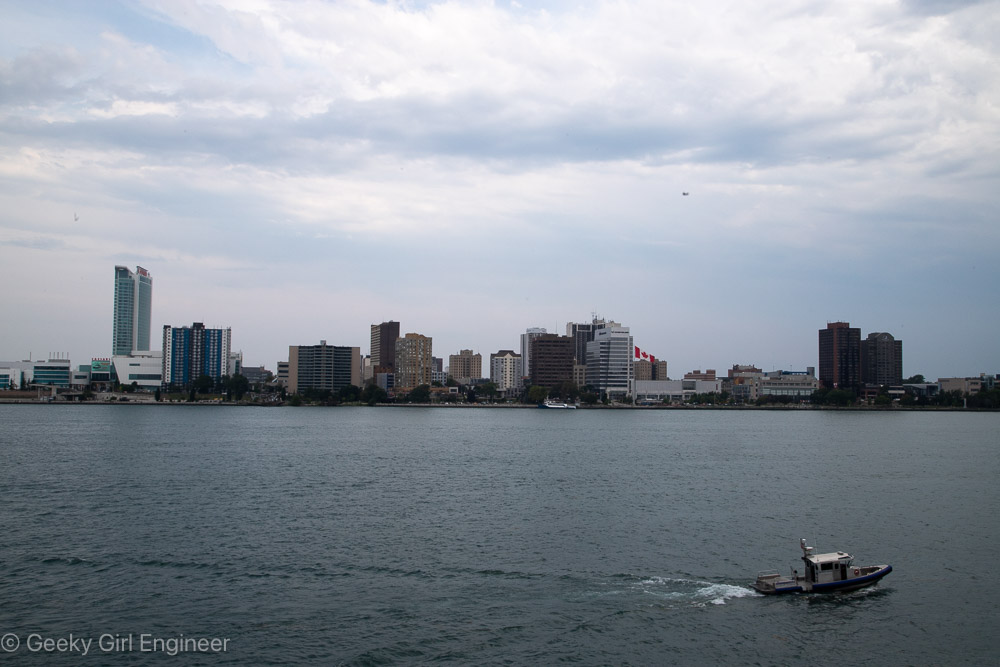
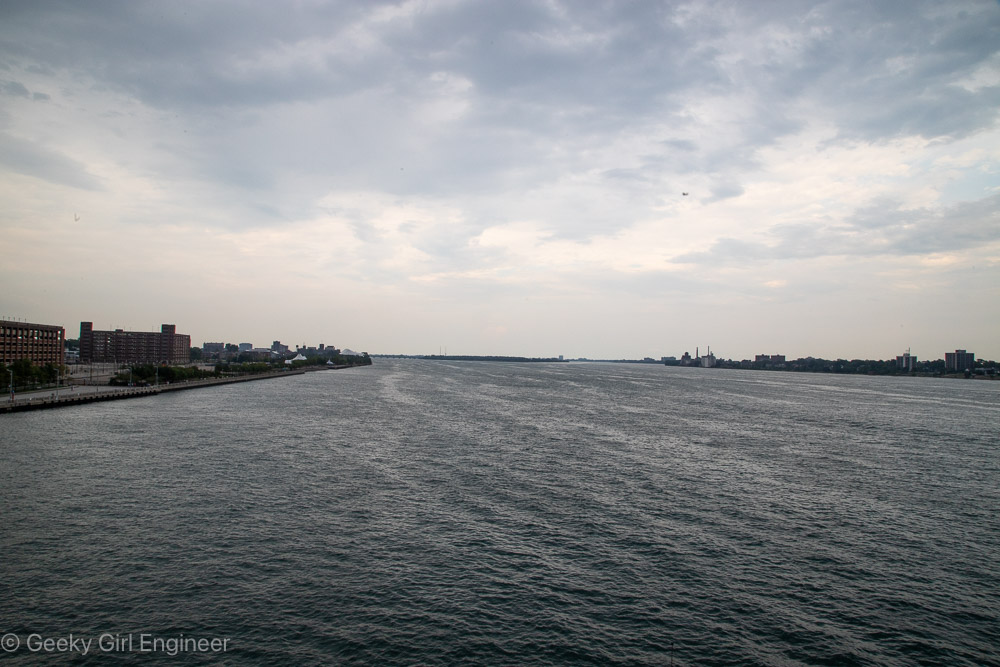
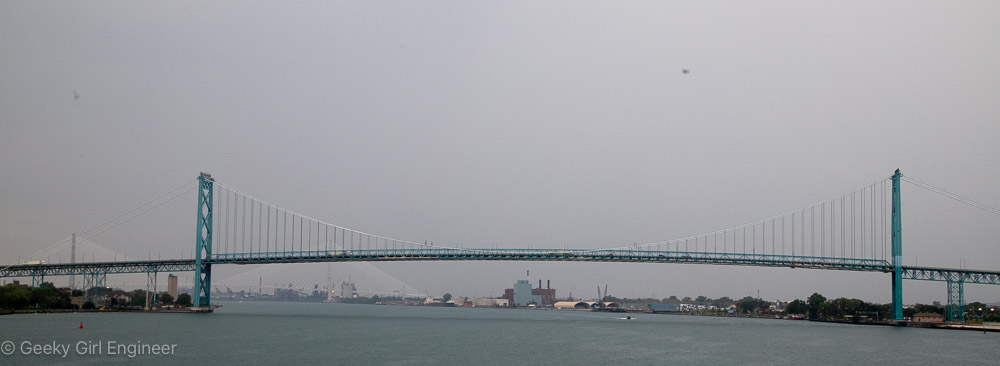
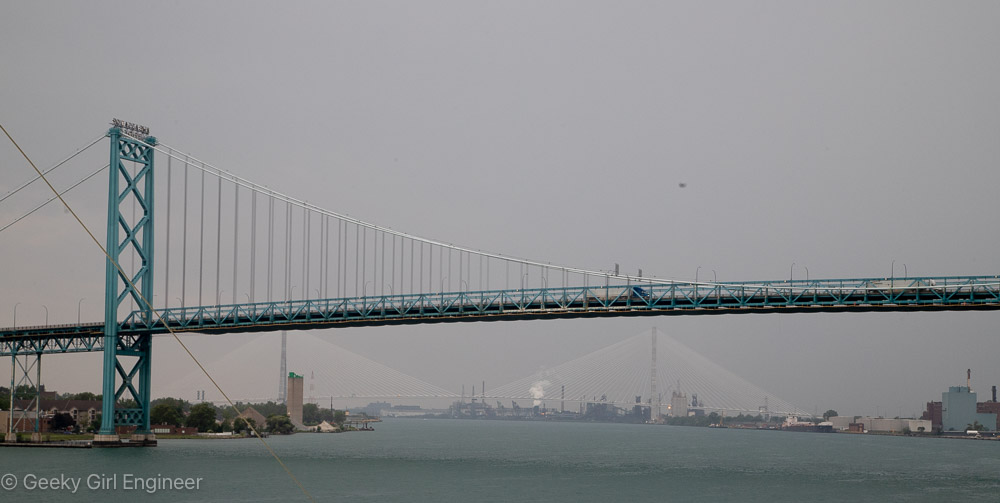
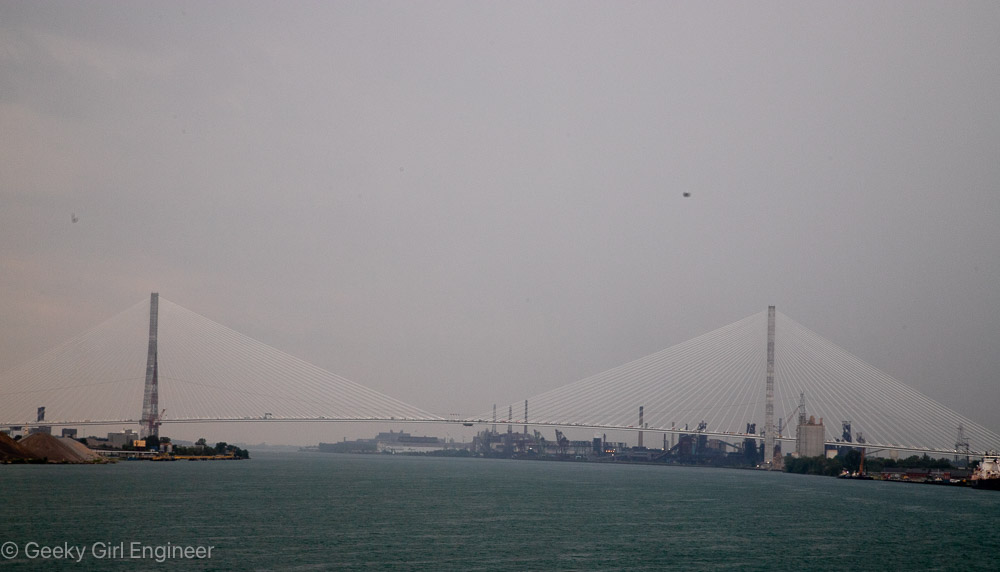
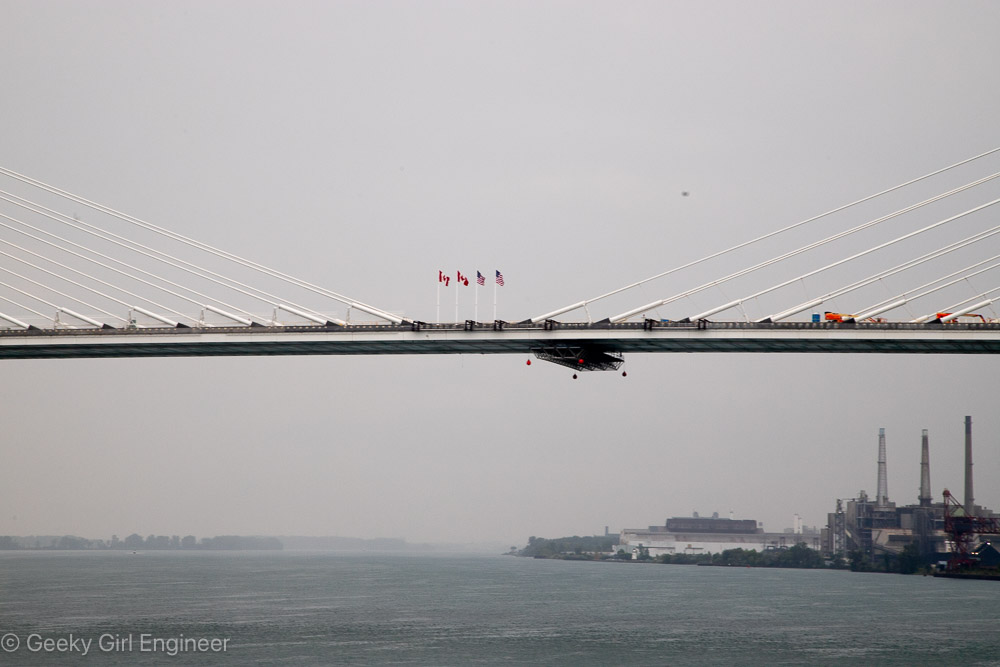
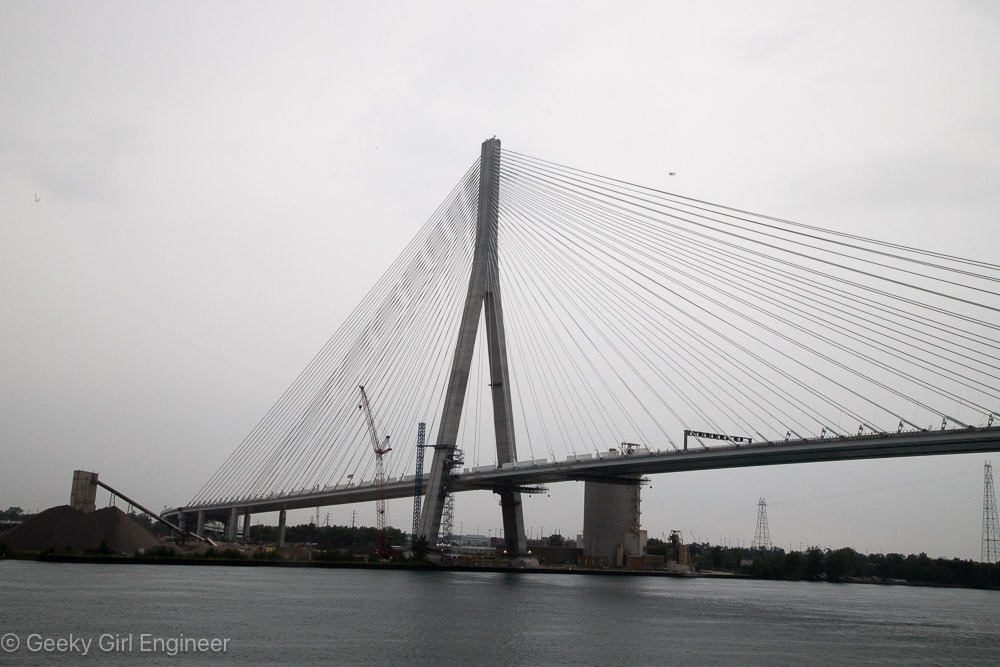
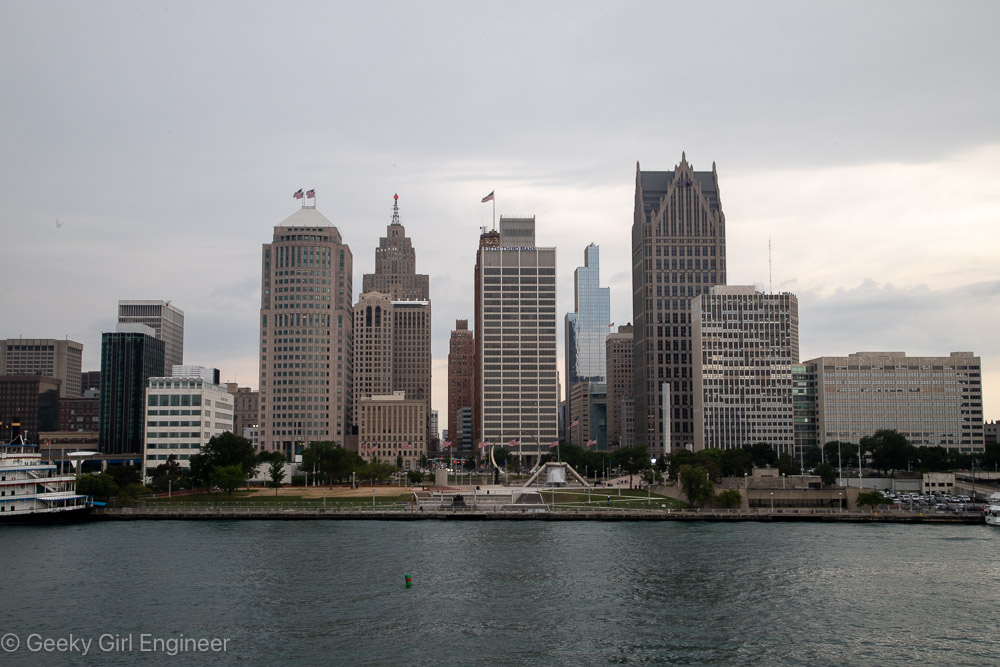
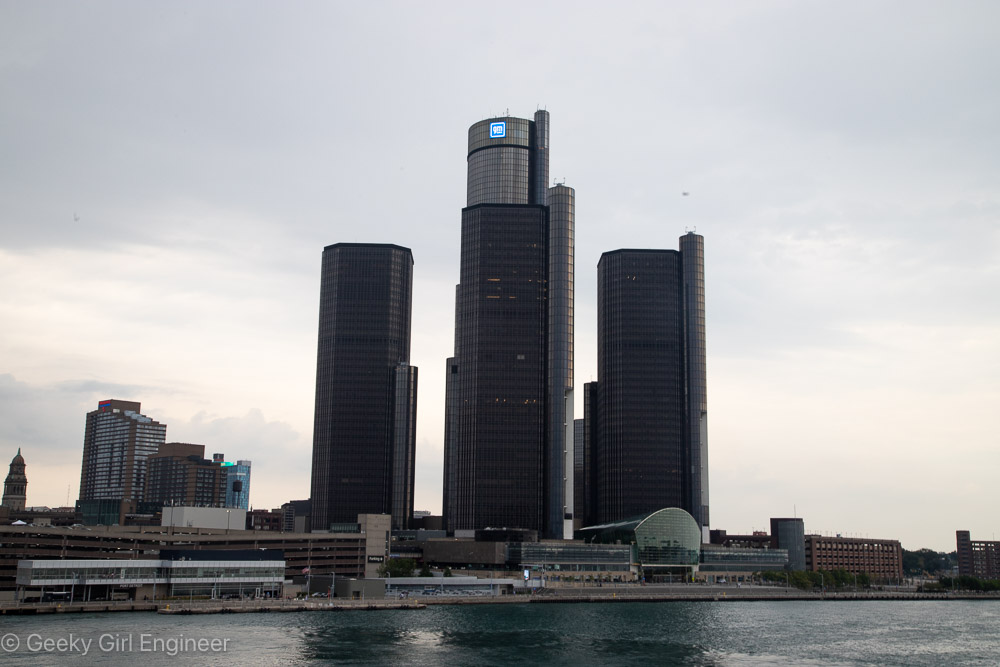
Yesterday, my cruise of the Great Lakes left Detroit headed south. We left while there was still daylight, which allowed me to get some good photos of Detroit, Windsor, and the bridges over the river.

Downtown Detroit

Renaissance Center

Windsor

Detroit River looking north from downtown Detroit

Ambassador Bridge

Ambassador Bridge with Gordie Howe International Bridge in background

Gordie Howe International Bridge

Gordie Howe International Bridge

Gordie Howe International Bridge

Parry Sound

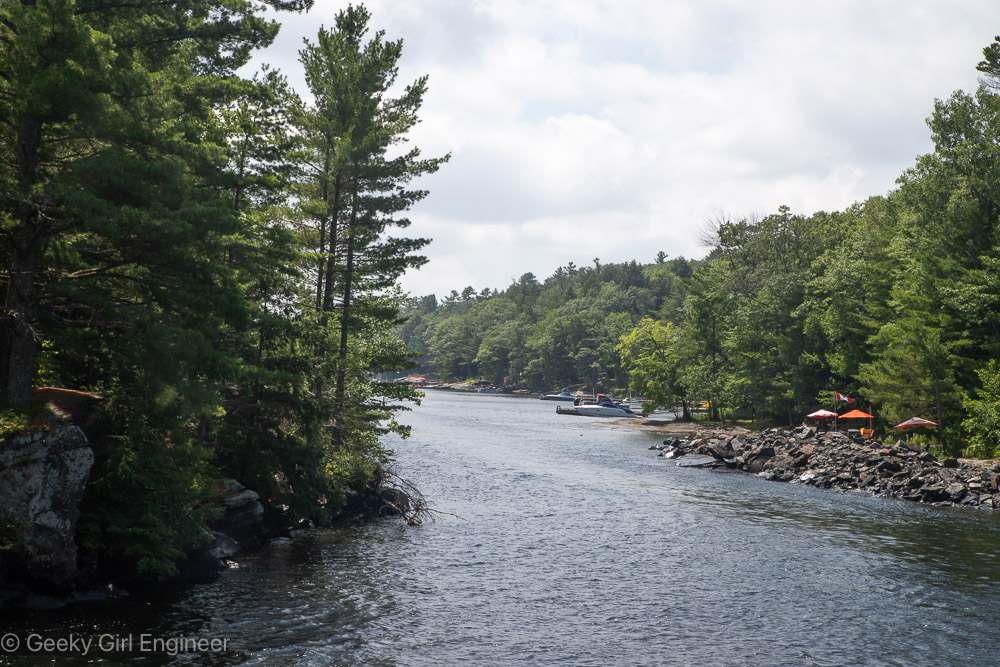
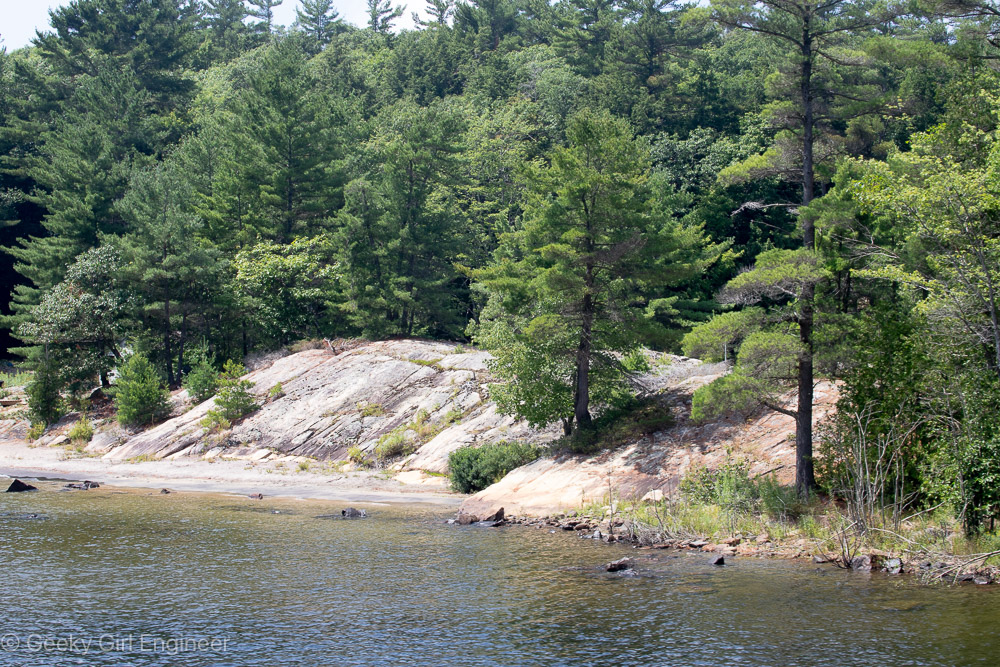
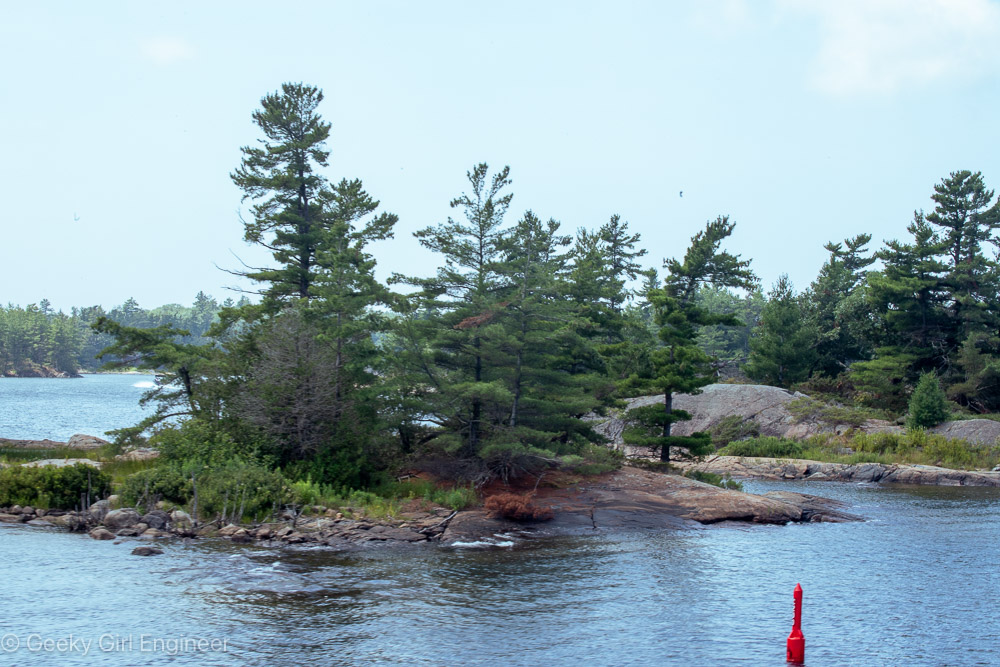
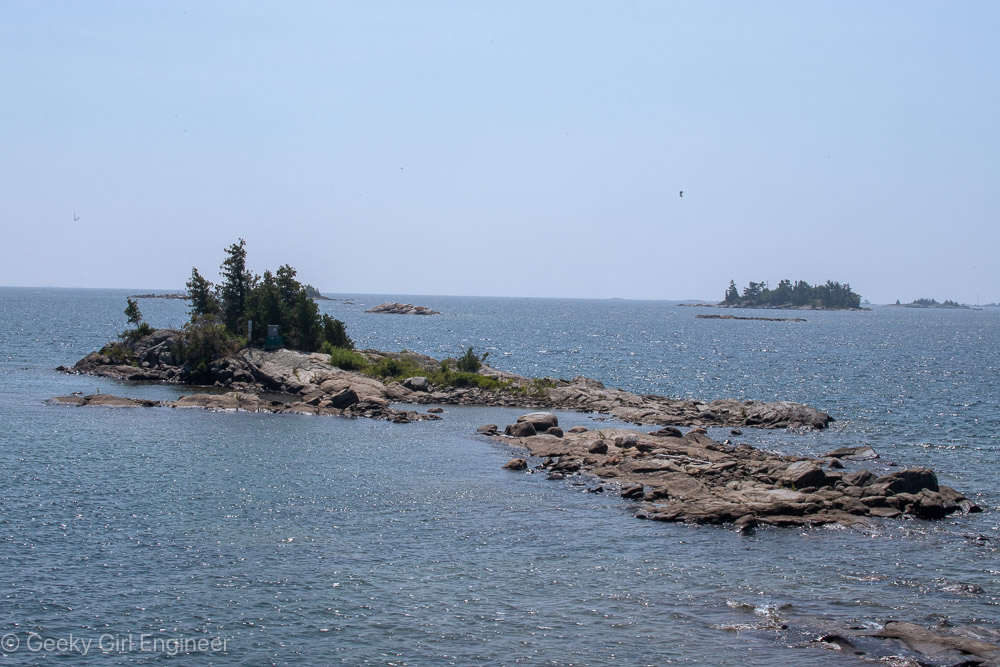
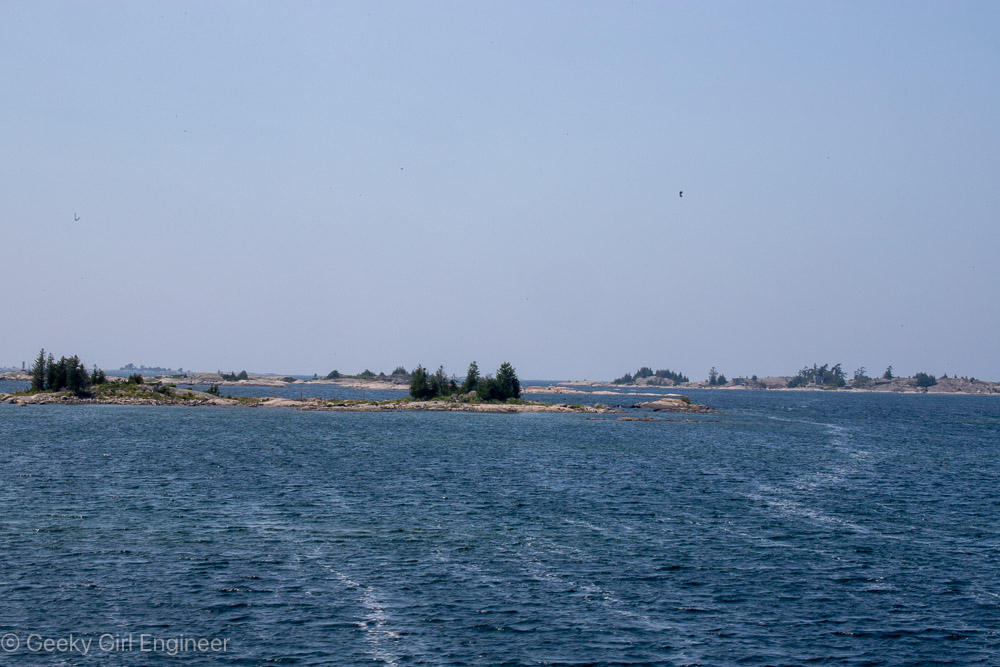
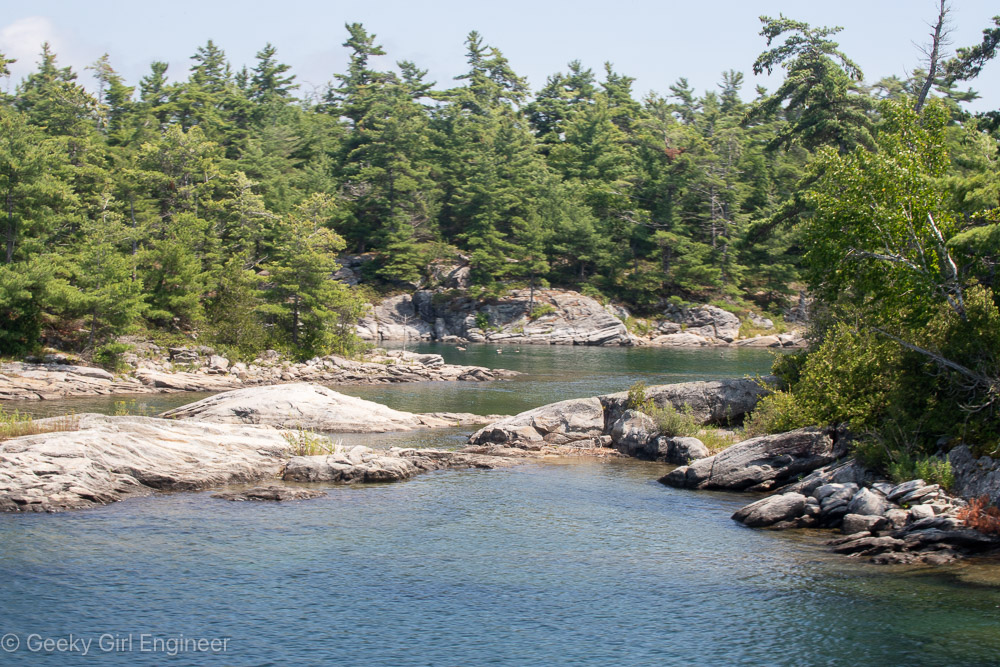
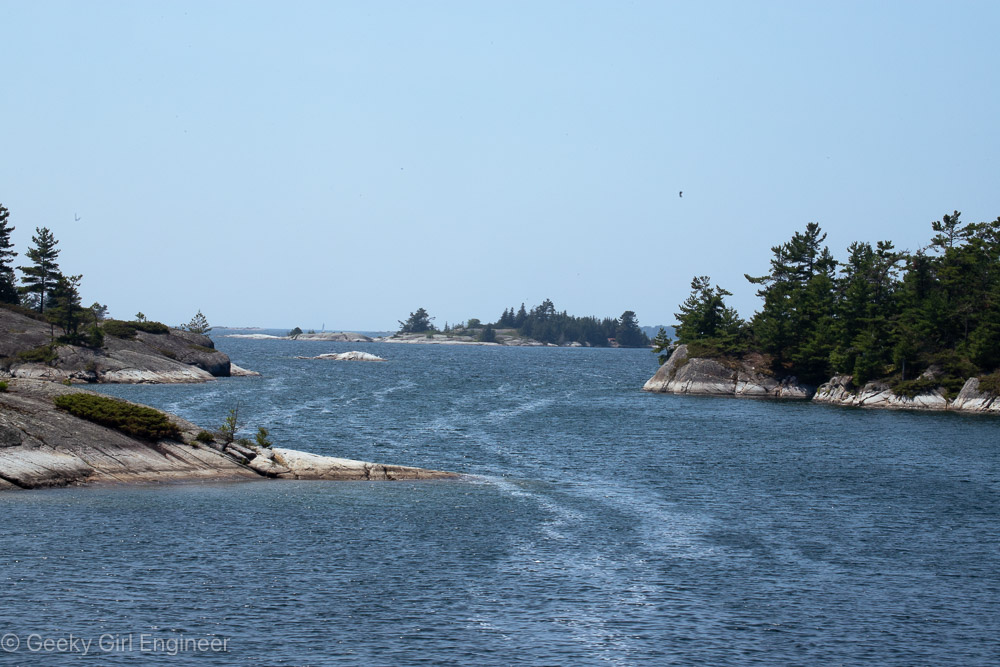
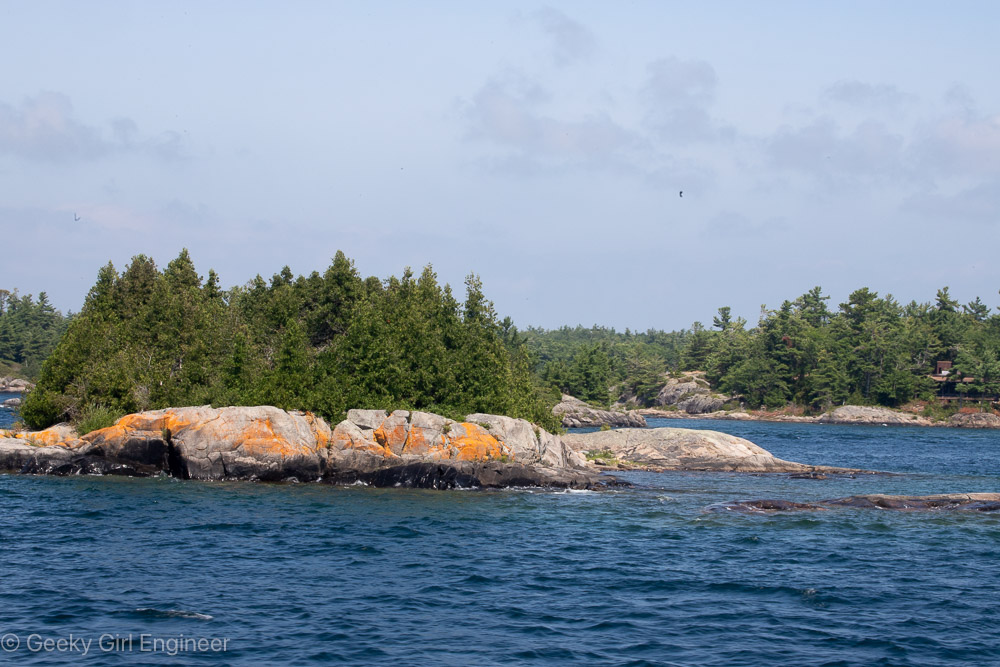
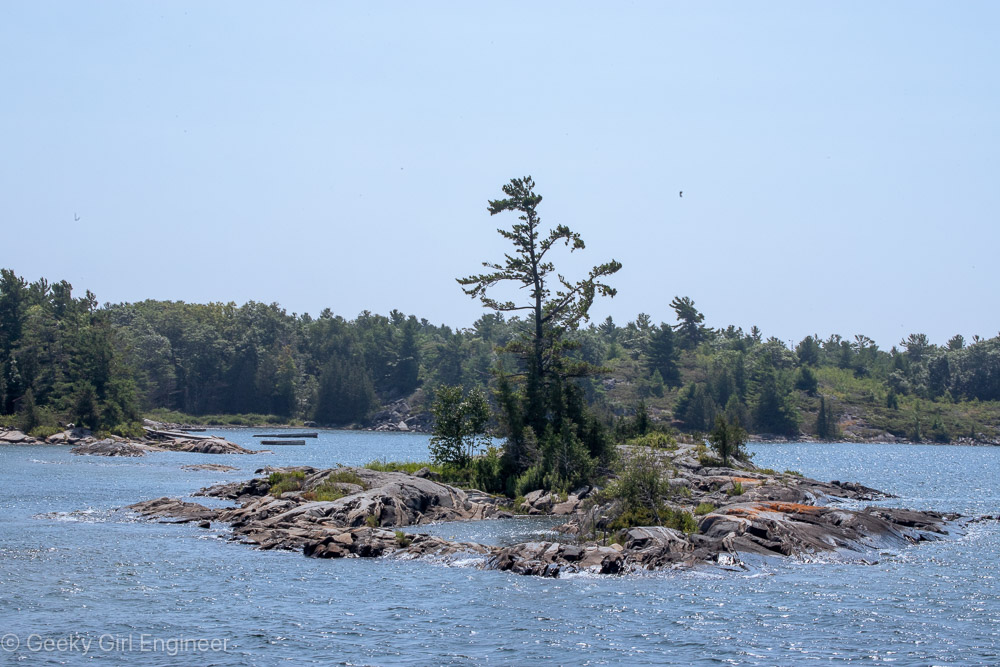
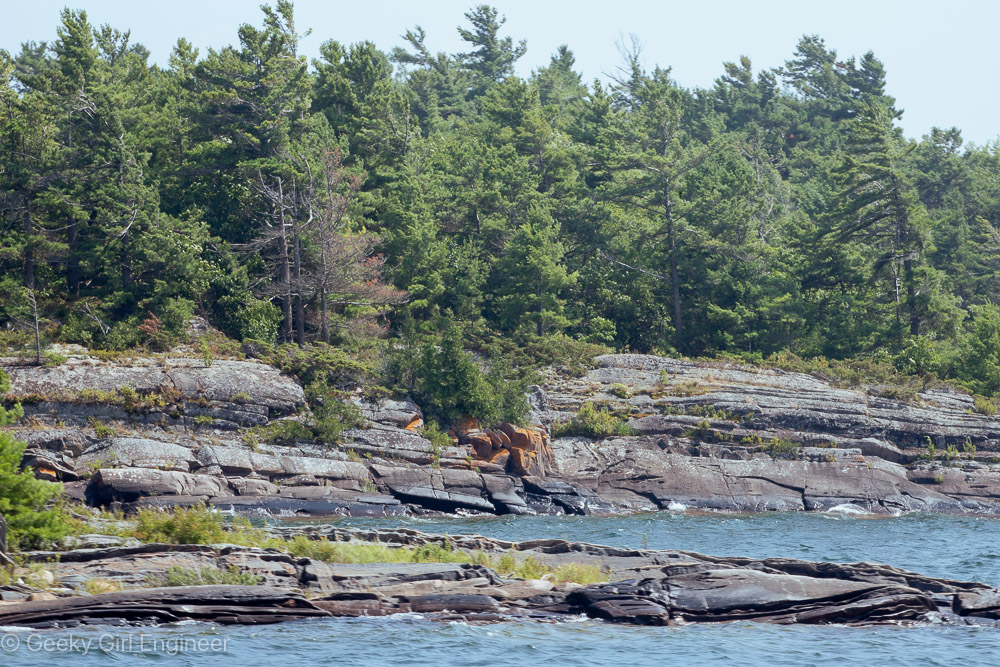
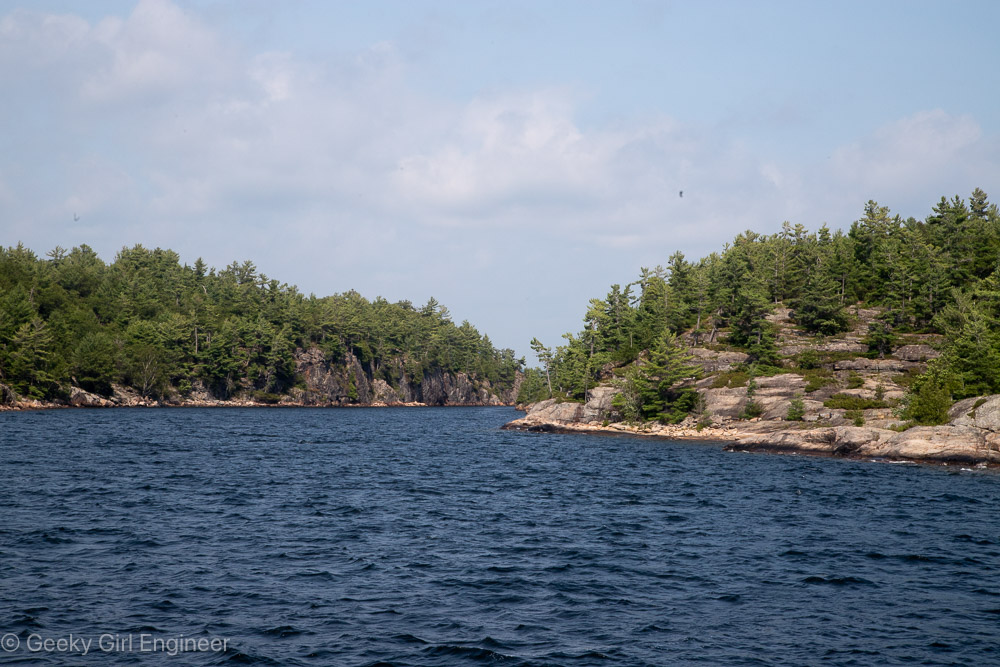
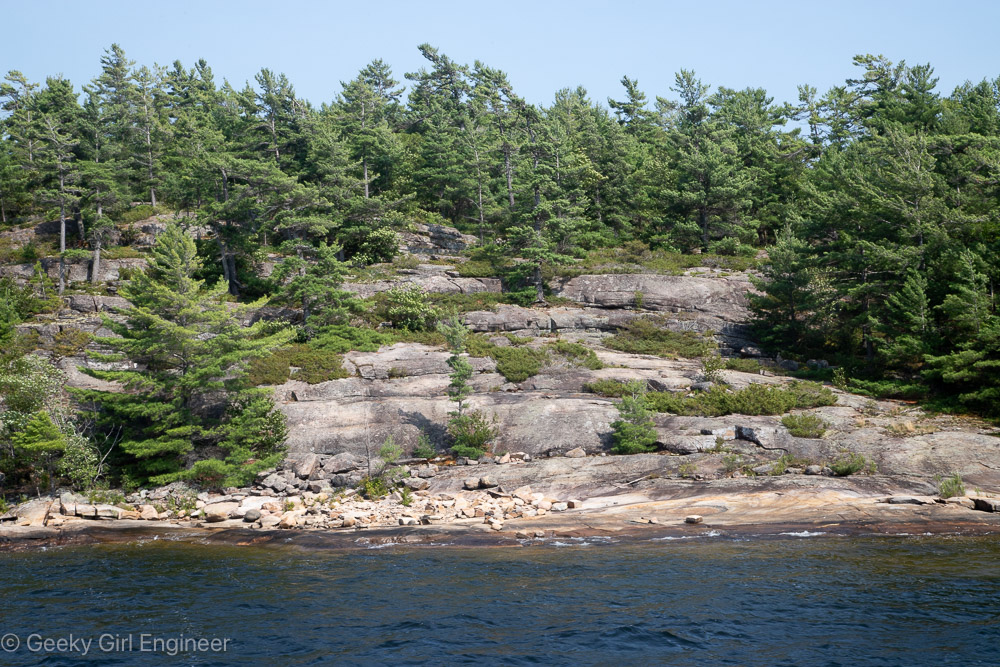
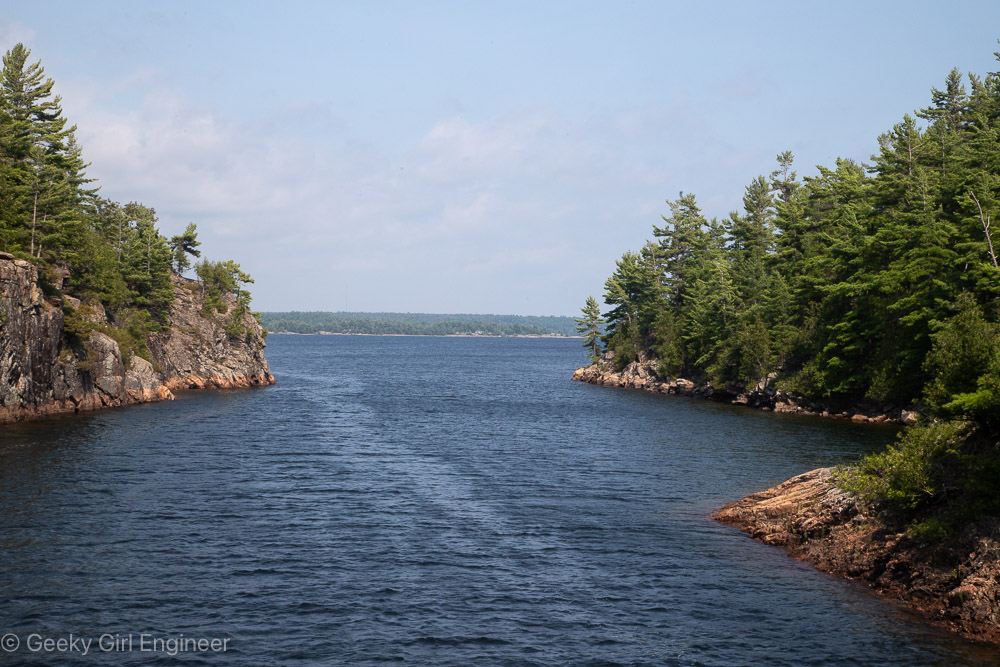
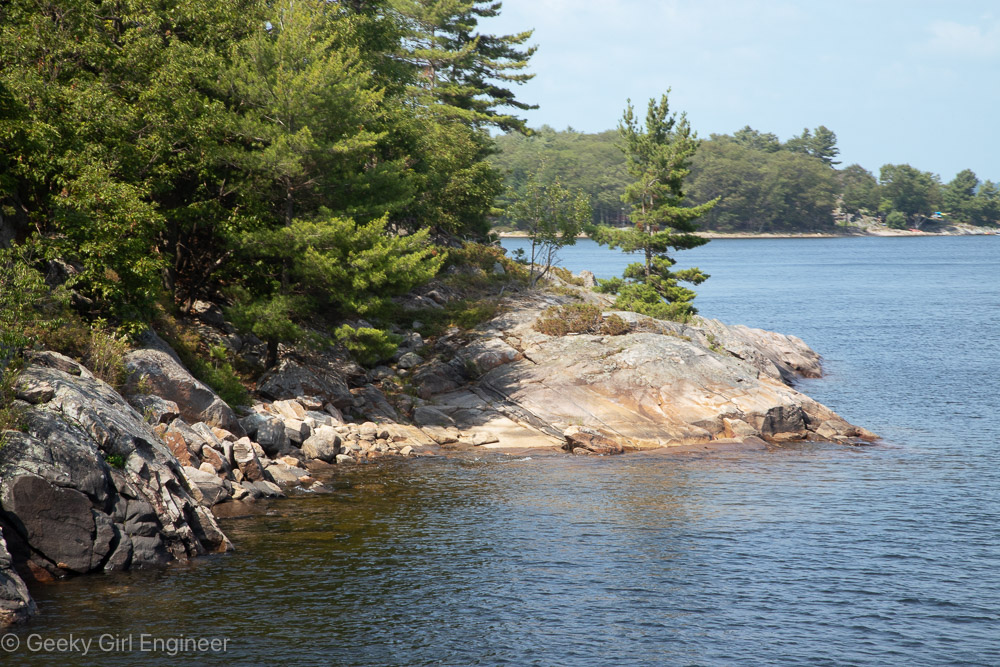
Today, my Great Lakes cruise arrived in Parry Sound. The town of Parry Sound is small, and I did not do too much exploration. However, in the afternoon, I and several passengers went on a three hour cruise of the 30,000 island area as it is called. The cruise looped around Parry Island and along the way went through some ridiculously narrow channels. Words cannot describe the beauty of the area, and I don’t even think my photos below do it justice. The are is simply gorgeous. The islands are part of the Canadian shield and are pure bedrock of what appears to be mainly gneiss. Plants, including conifers, are defiantly growing straight out of the rock. It is simply beautiful.

Narrow channel near Rose Point

Trees growing out of rock

Small islands

Small islands

Islands as far as the eye can see

Small inlets

Narrow channel

The orange on the rocks is lichen

Small islands

More bedrock

Approaching Hole in the Wall

Side of Hole in the Wall

Cruising through Hole in the Wall

At the exit of Hole in the Wall

Sault Ste. Marie

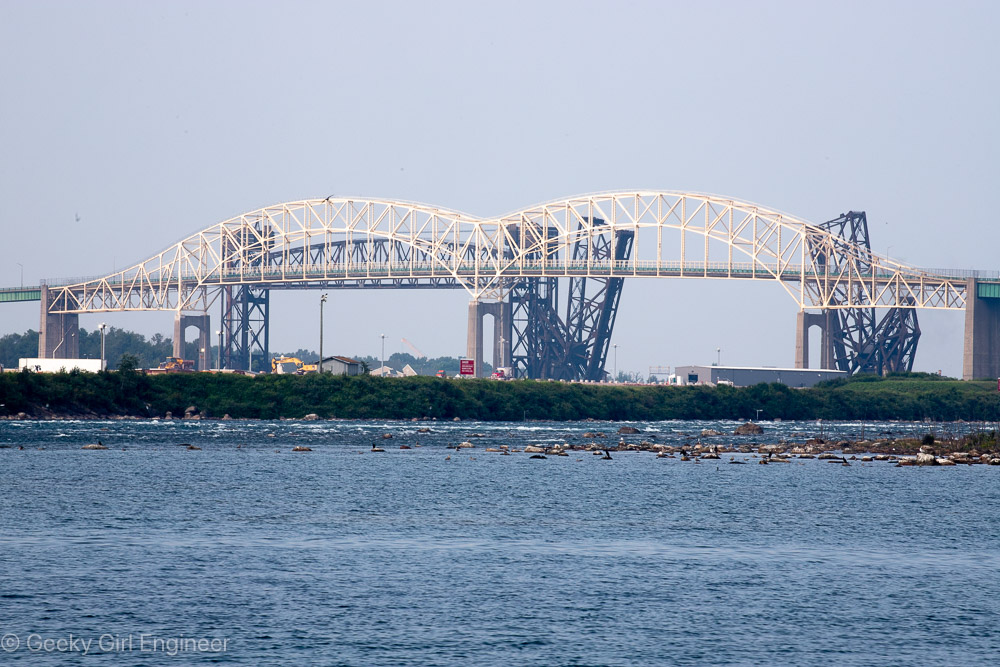
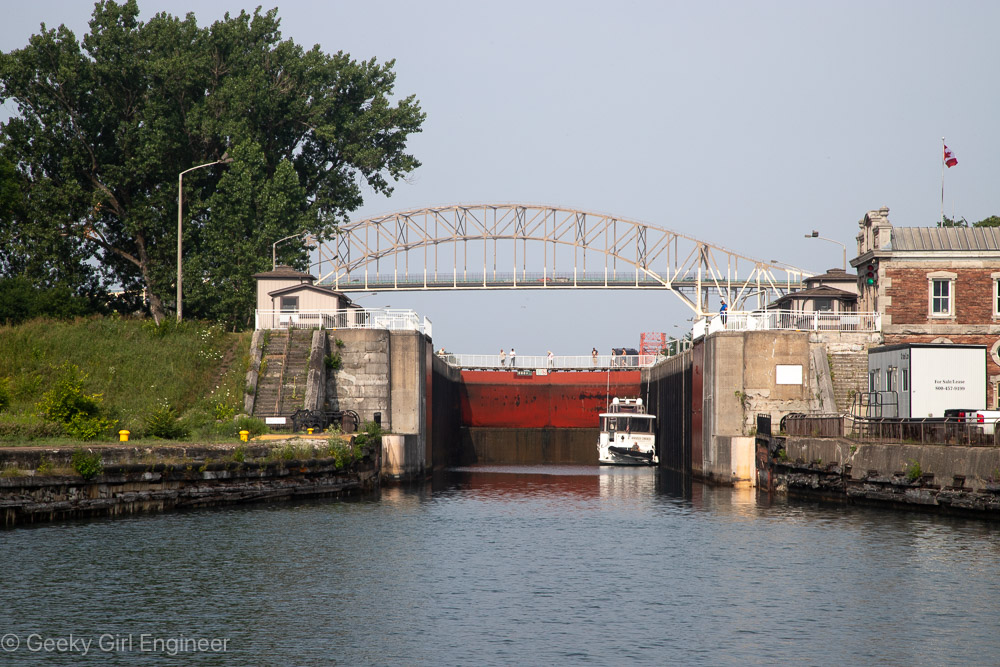
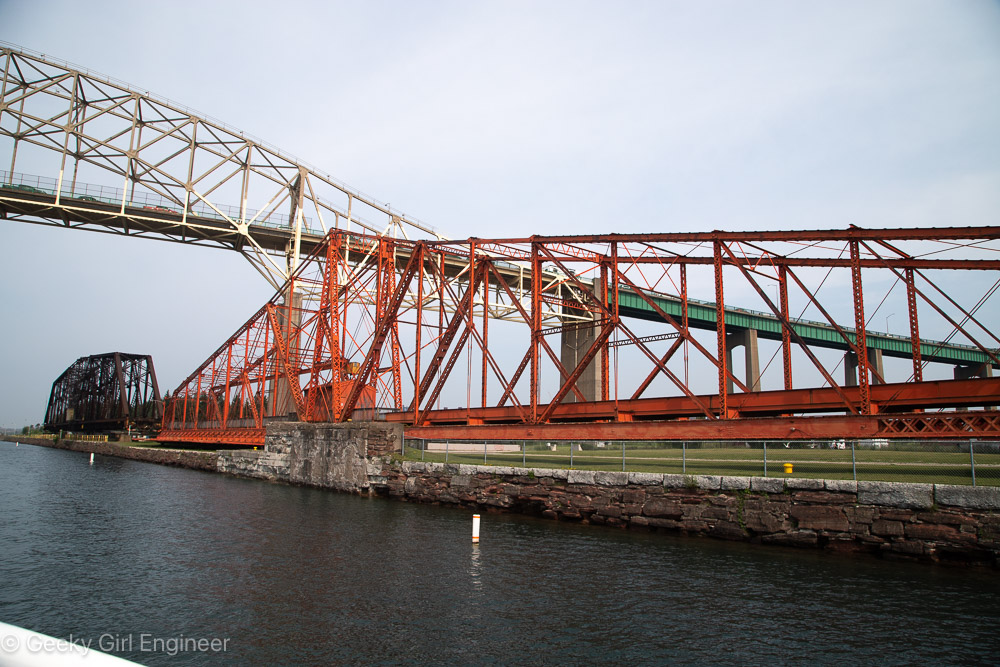
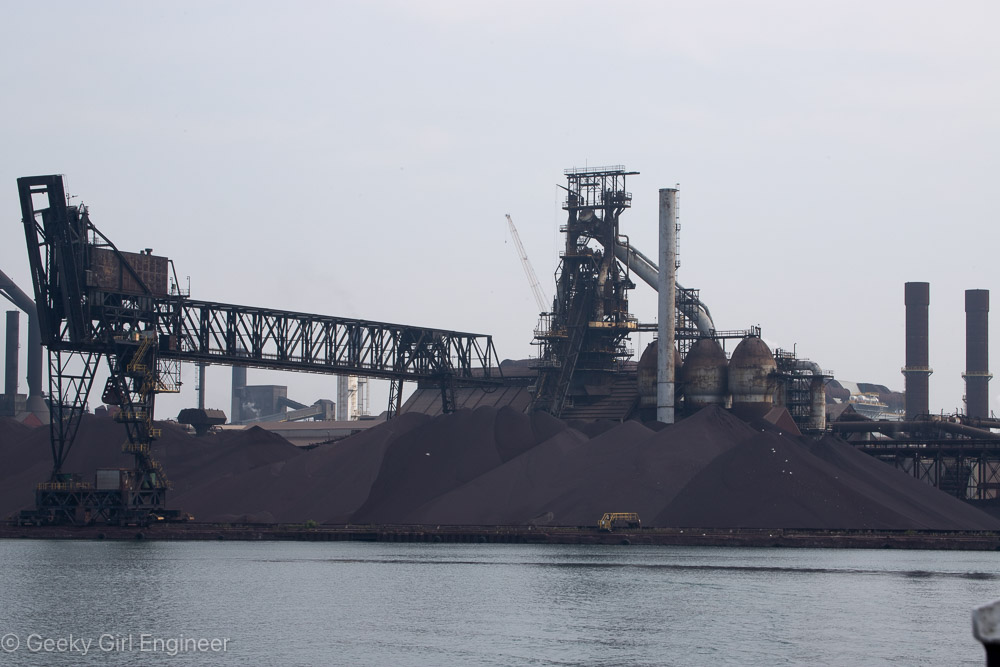
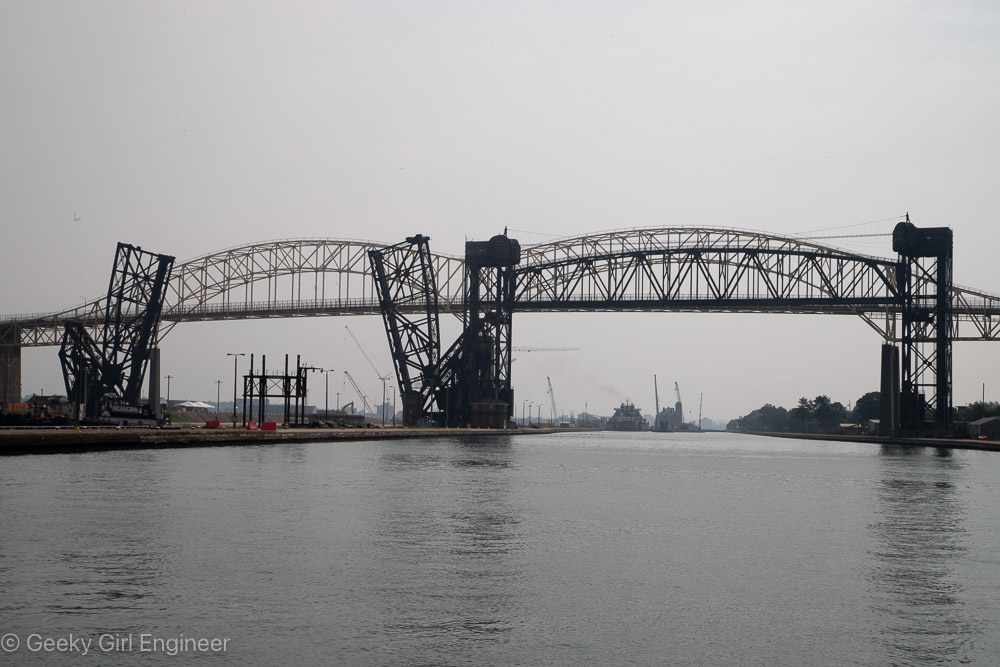
Today our cruise visited Sault Ste. Marie, which is the name of the city on both the Michigan, U.S. side and on the Ontario, Canada side. We docked though on the Canadian side in the St. Mary’s River on the Lake Huron side or elevation. I never actually went into town though. I boarded another boat with many other guests for a lock tour. We sailed through the Canadian lock into the Lake Superior side or elevation then made a giant semicircle to return to the Lake Huron elevation via the MacArthur Lock on the U.S. side. We then sailed downstream a little bit before returning to the dock. It was a really enjoyable cruise, and I always love locks. Besides going through the locks, I enjoyed seeing the steel plant on the Canadian side. I also was fascinated by the Sault Canal Emergency Swing Dam on the Canadian side. I had never heard of such a thing, so I appreciated learned about it.

International Bridge with some of the St. Mary’s River rapids in front

Canadian Lock

Sault Canal Emergency Swing Dam

Algoma Steel

International Bridge and railroad bridge

U.S. Lock with construction of new lock visible on left

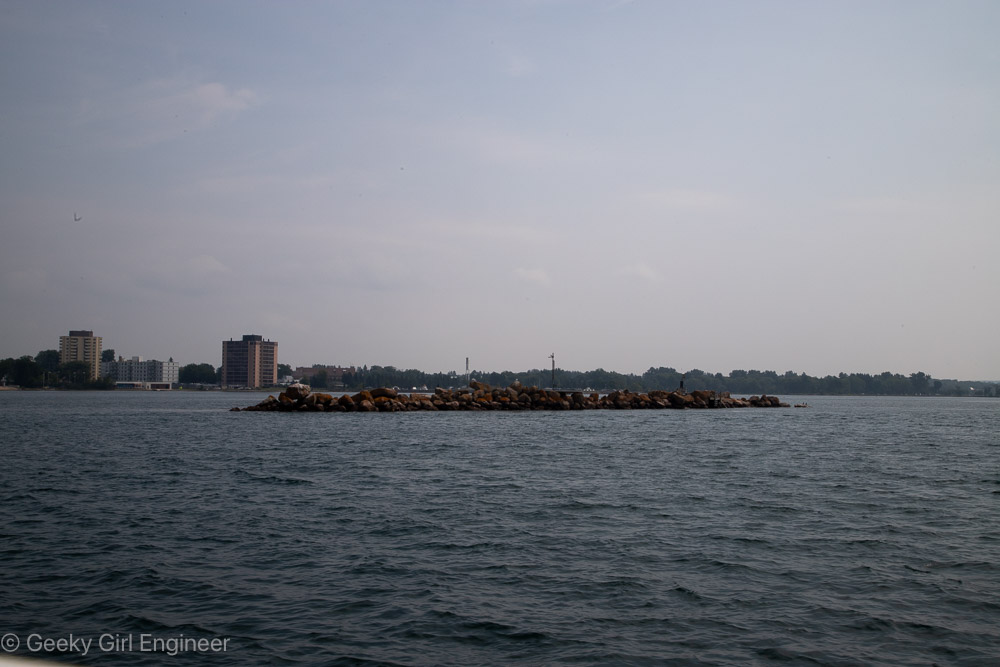
Rock pile indicating Canada/U.S. border in St. Mary’s River

Old Quebec City

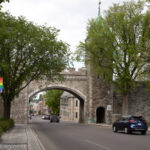
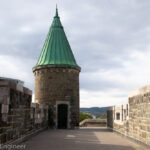
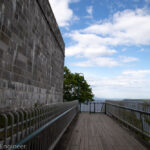
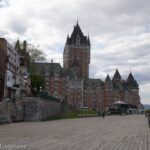
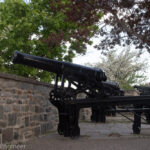
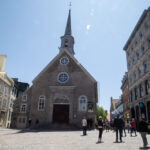
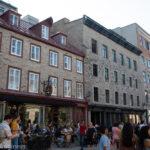
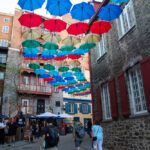
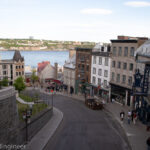
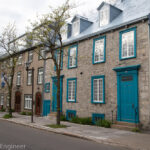
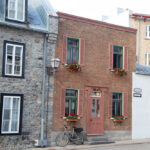
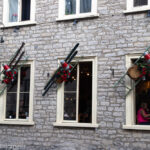
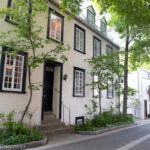
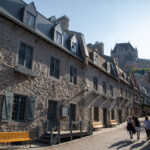
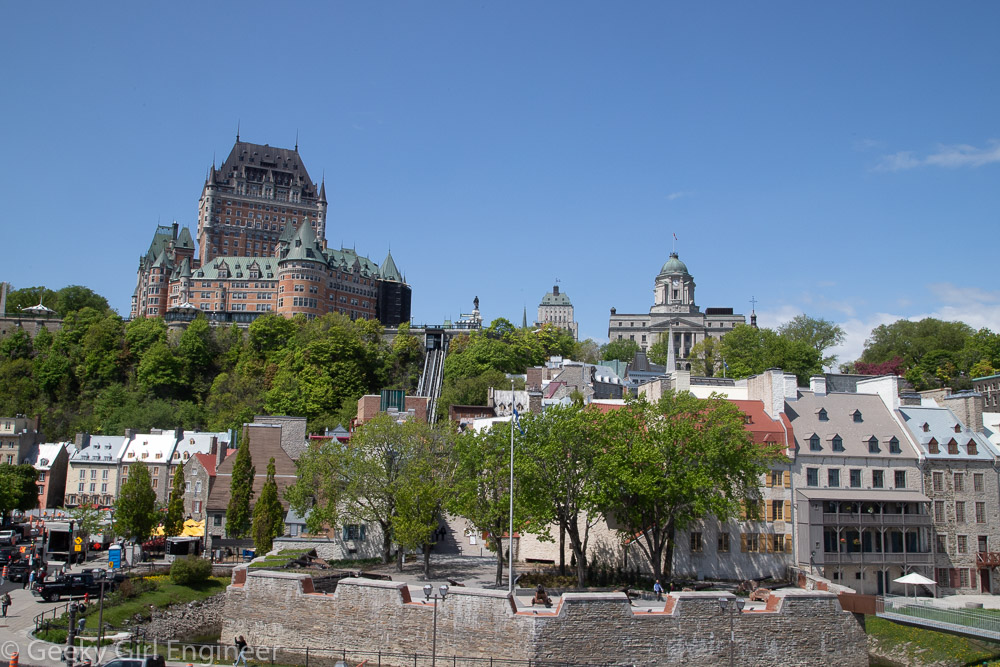
I have been in old Quebec City for three full days, and it has been a lovely visit. Old Quebec is compact and walkable with the exception of the fact that old Quebec is really just a series of stairs and slopes. Thus something may be just four blocks away, but it is also the equivalent of eight stories higher, so plan accordingly. The old town is surrounded by its original fortification walls, with a citadel at the highest point. Many of the streets are cobblestone, and most of the buildings are clearly original.

Montmorency Falls

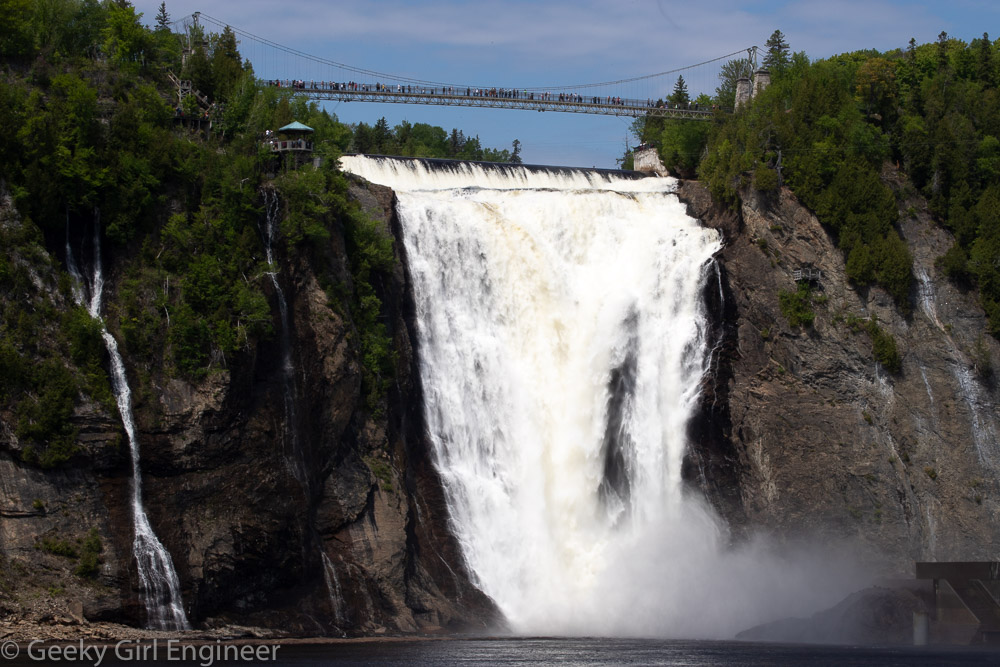
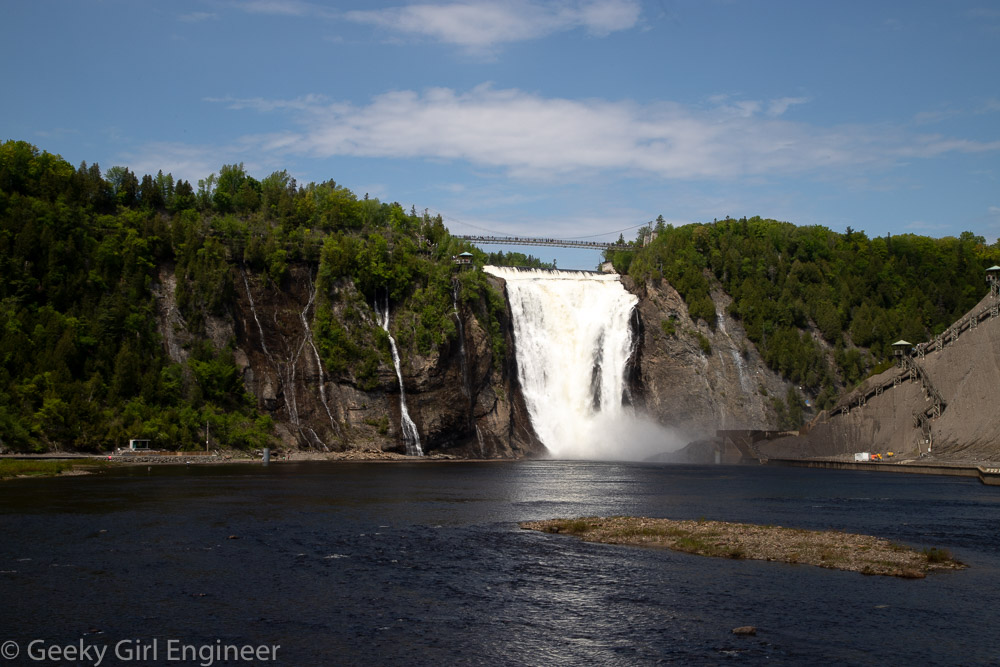
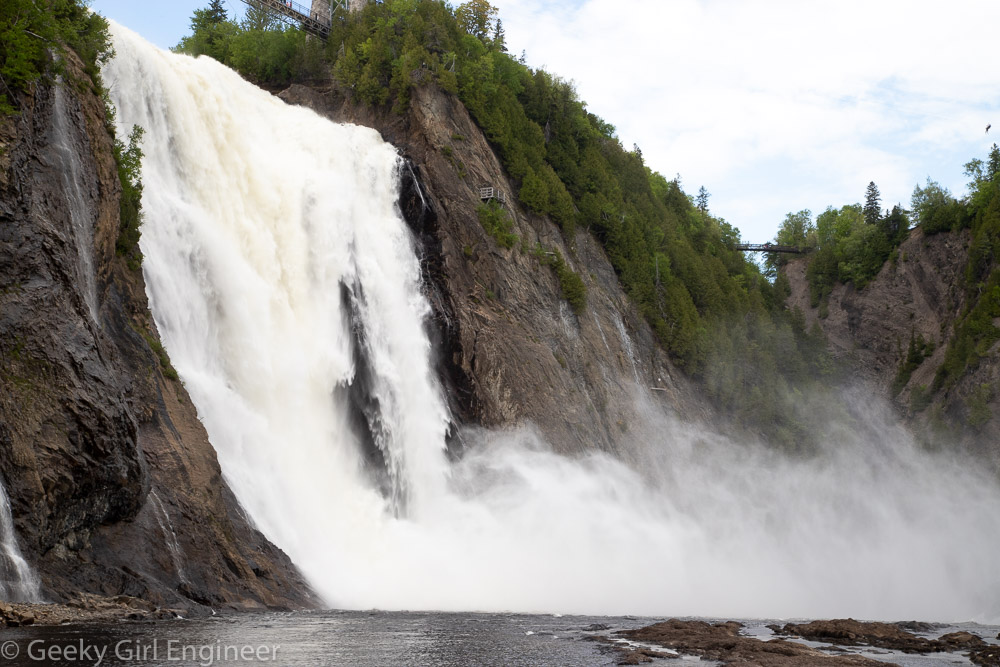
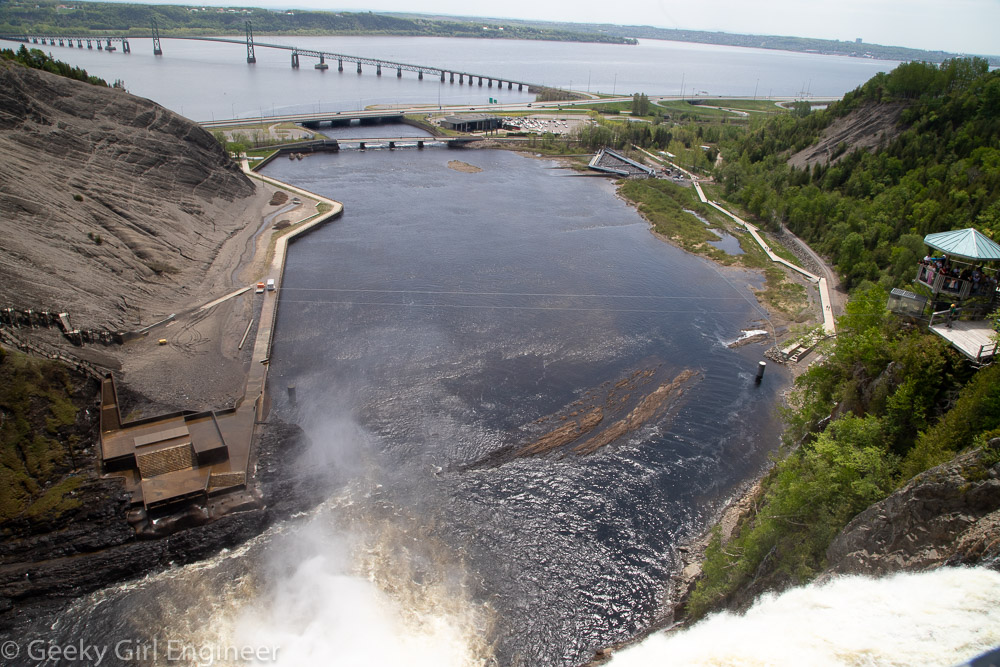
Just outside of Old Quebec City, (as in 15 minutes by car or 40 minutes by public bus), is Montmorency Falls, or Chute Montmorency, which I prefer. The falls are beautiful, and there is a park around it. There is a pedestrian bridge across the top of the falls, and a cable car from the top to the bottom. There are boardwalks at the bottom, and they appear to be building more or possibly renovating the old ones, as currently you can only access one side plus a boardwalk across the river at the base of the falls.

View of the falls from the boardwalk across the river flowing from the falls

View of the falls from the boardwalk across the river flowing from the falls

View of falls from boardwalk near base of falls

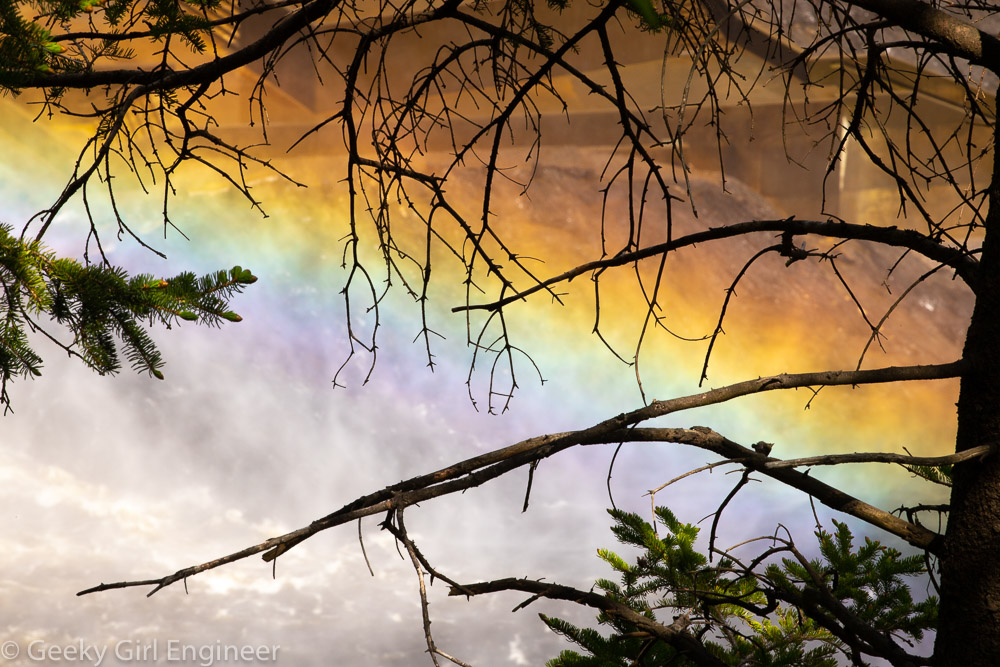
Rainbow formed in mist at base of falls, photo taken from observation walk near top of the falls

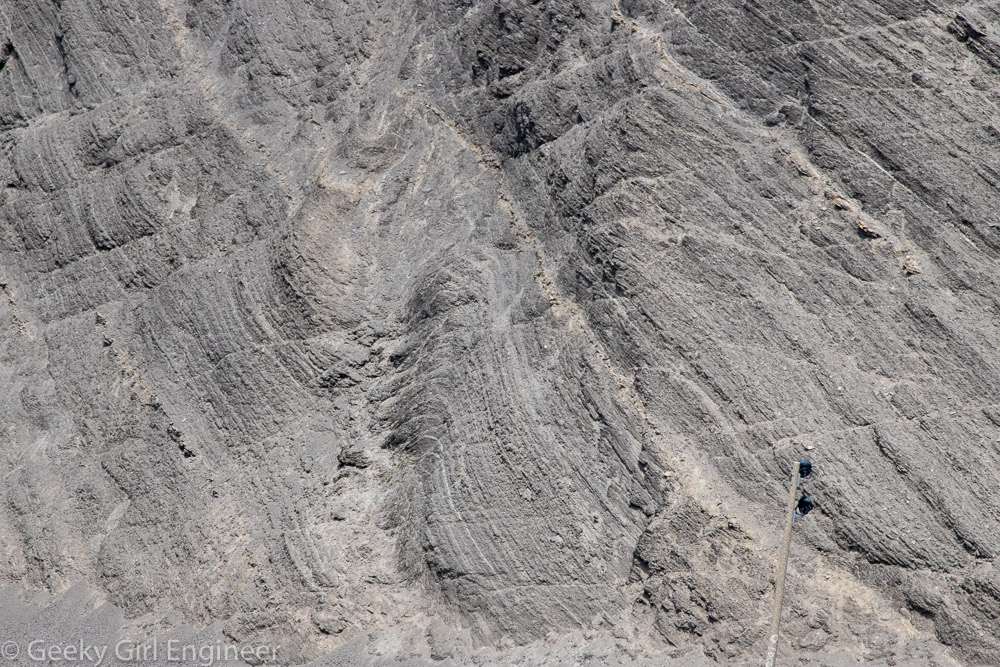
Closeup of east side of falls showing geological layers and folding


Crossing pedestrian bridge above falls

Crossing pedestrian bridge above falls; downstream and outflow into St. Lawrence River

Québec City Sightseeing Cruise

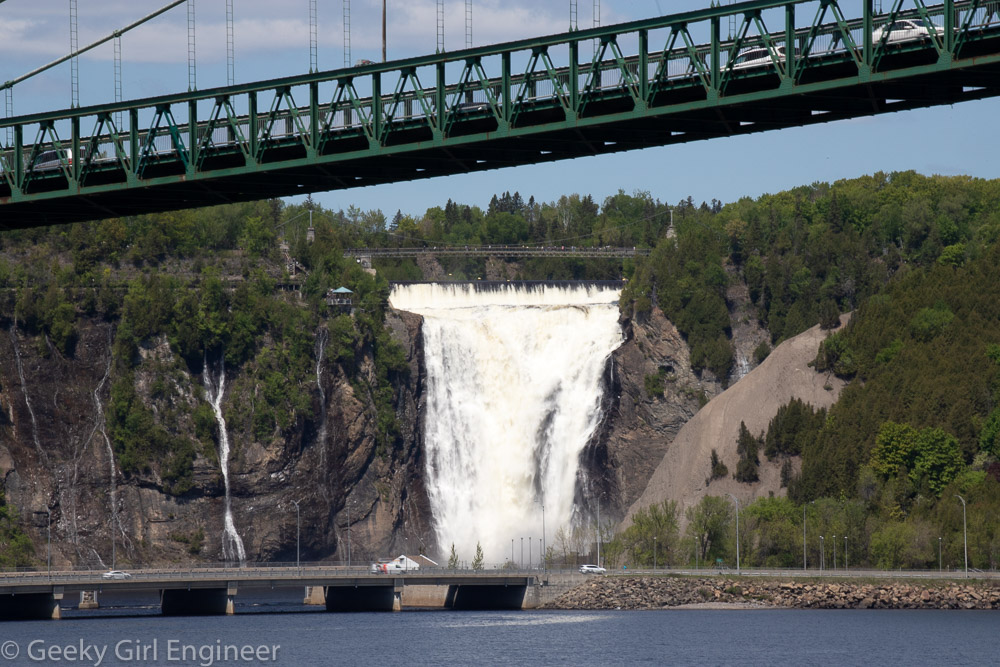
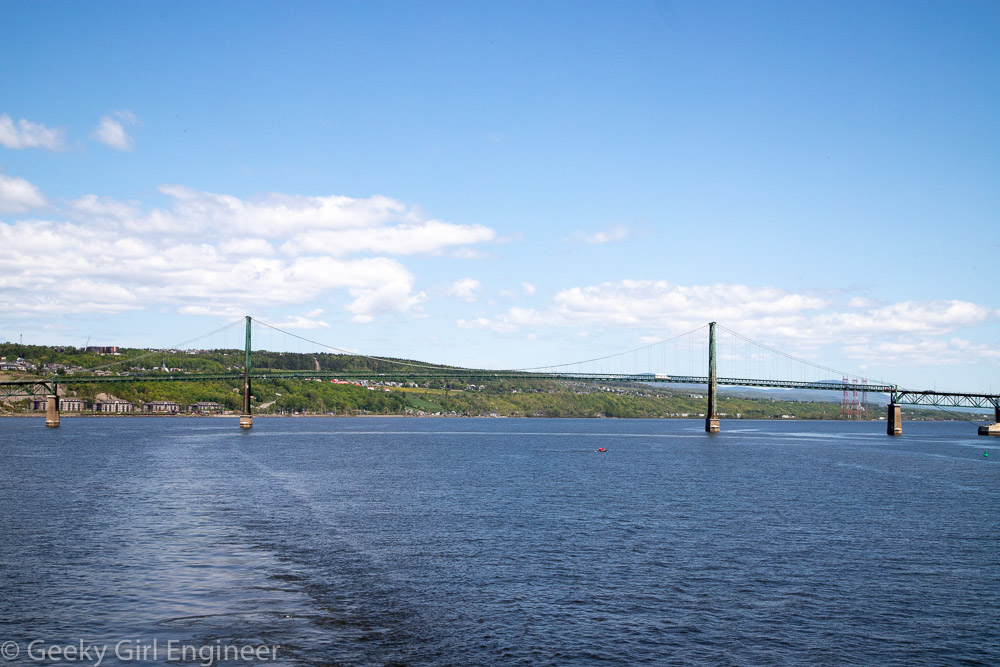
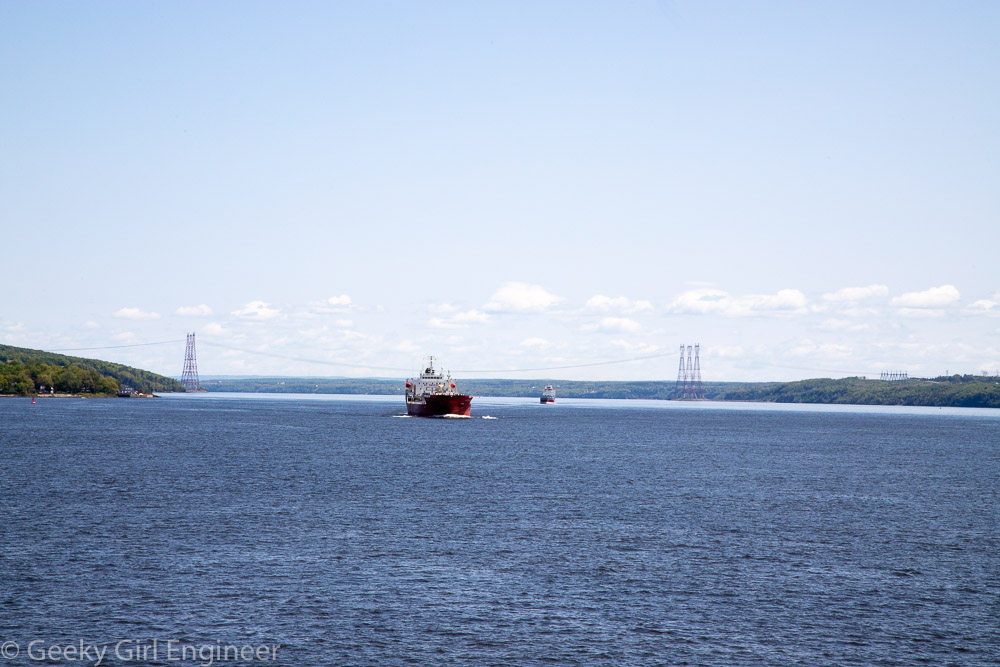
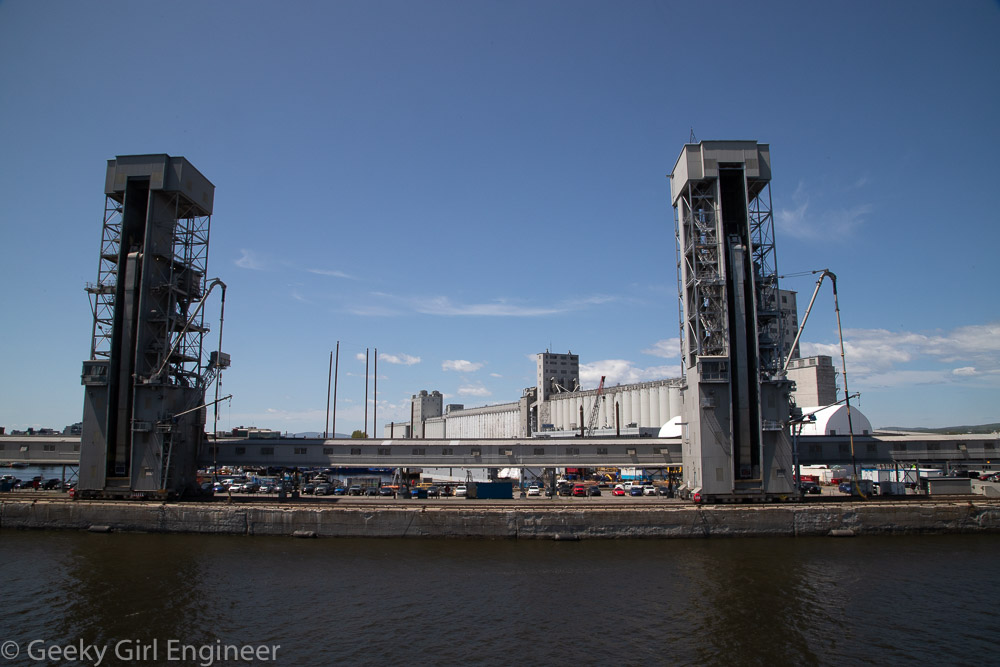
Québec City (Ville de Québec) sits on the St. Lawrence River, which is (surprisingly to me) a huge river. A company offers short sightseeing cruises along the river that go as far as the bridge to Orleans Island (l’Ile d’Orleans). Right where the boat turns around, you can get pretty good views of Montmorency Falls (la chute Montmorency). [My knowledge of French is pretty much limited to words from ballet and Louisiana and words that are similar to my rudimentary Spanish and Latin knowledge. I am starting to enjoy specific French words like “chute.”] The cruise also provided lovely views of the port of Québec City (Port de Québec), l’Ile d’Orleans, and Lévis, which is across the river from Québec.

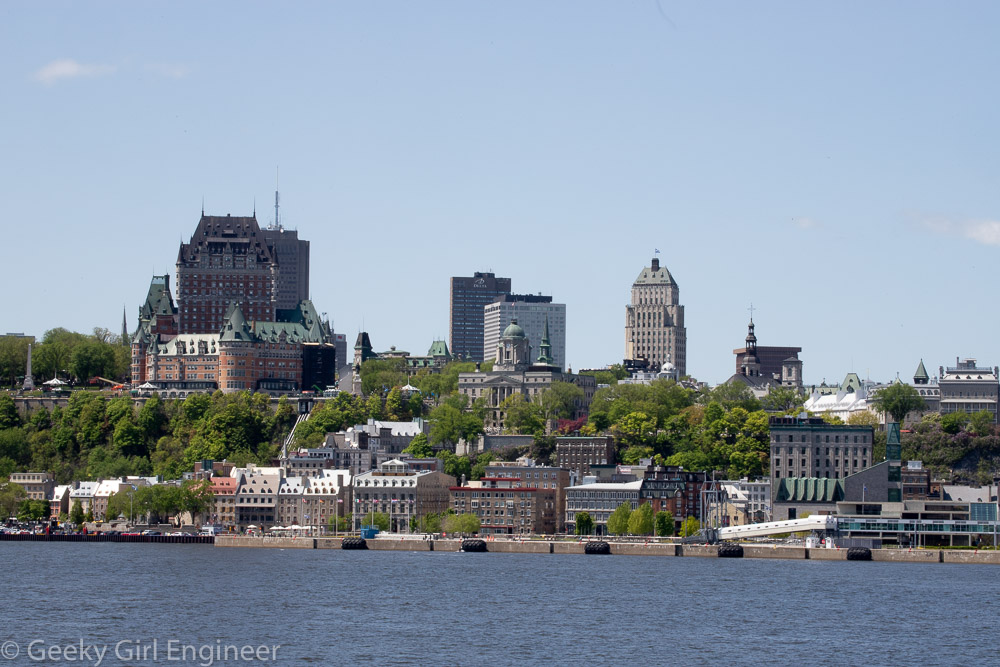
Royal Battery and old Quebec

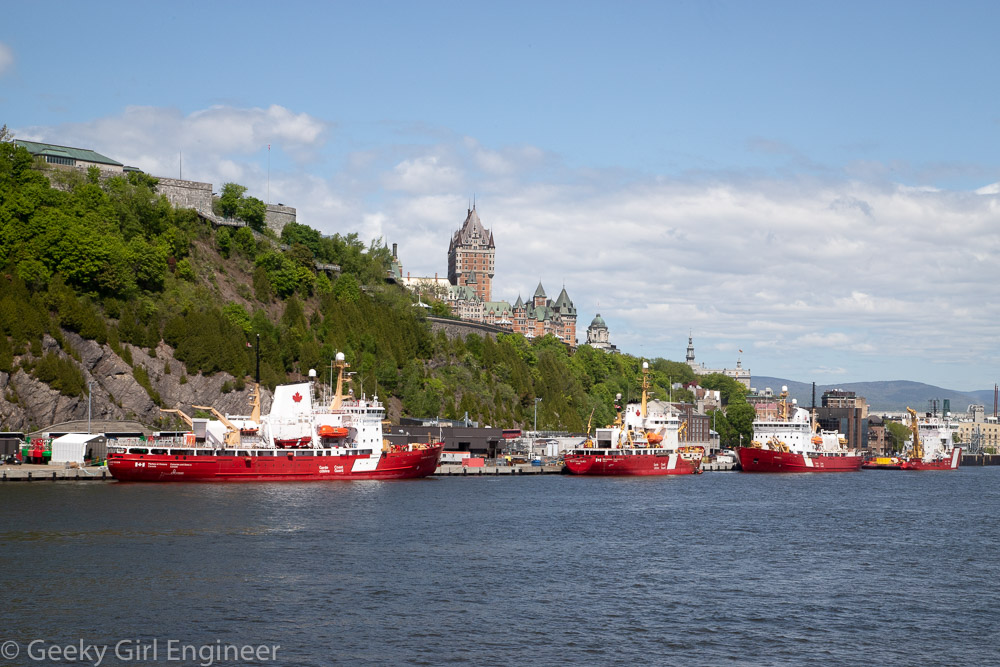
Canada Coast Guard ice breakers

old Quebec City

Montmorency Falls

Orleans Island bridge

Orleans Island

Large ships headed west on the St. Lawrence River

Port of Quebec

Montreal Museum of Archaeology and History

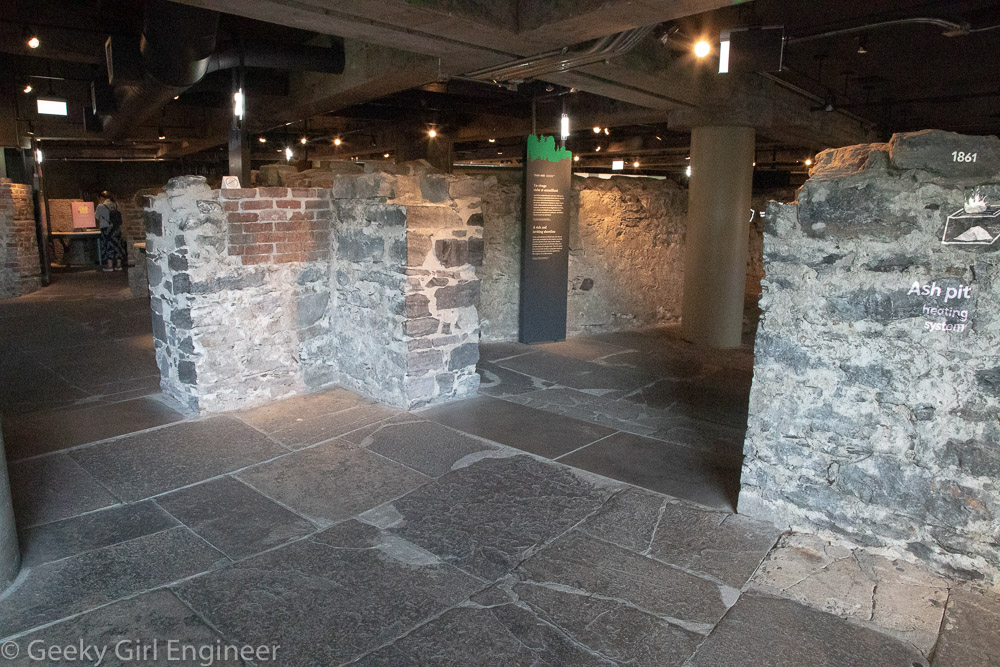
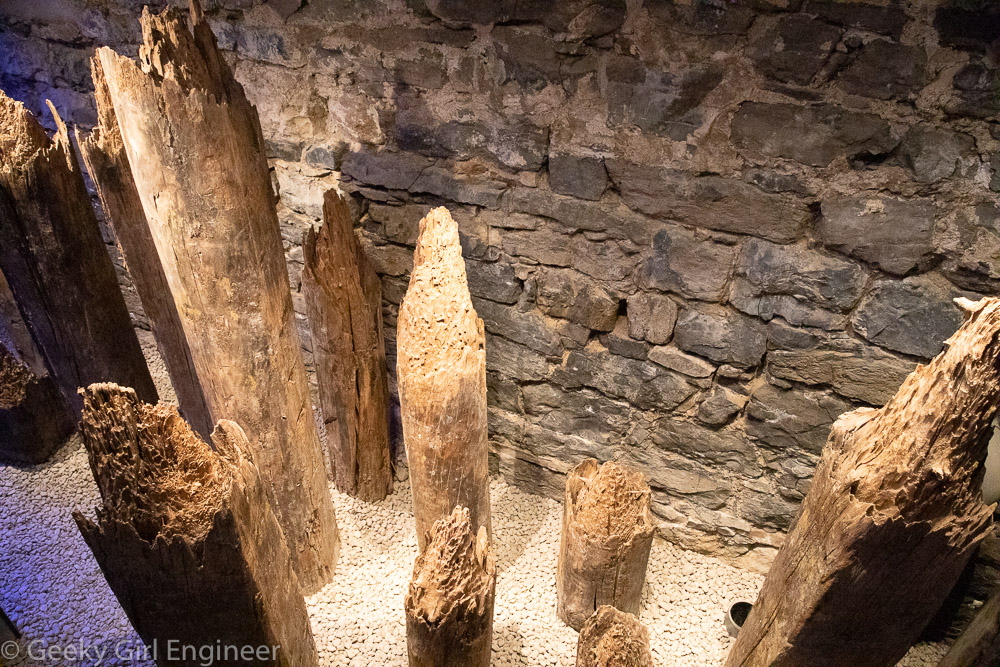
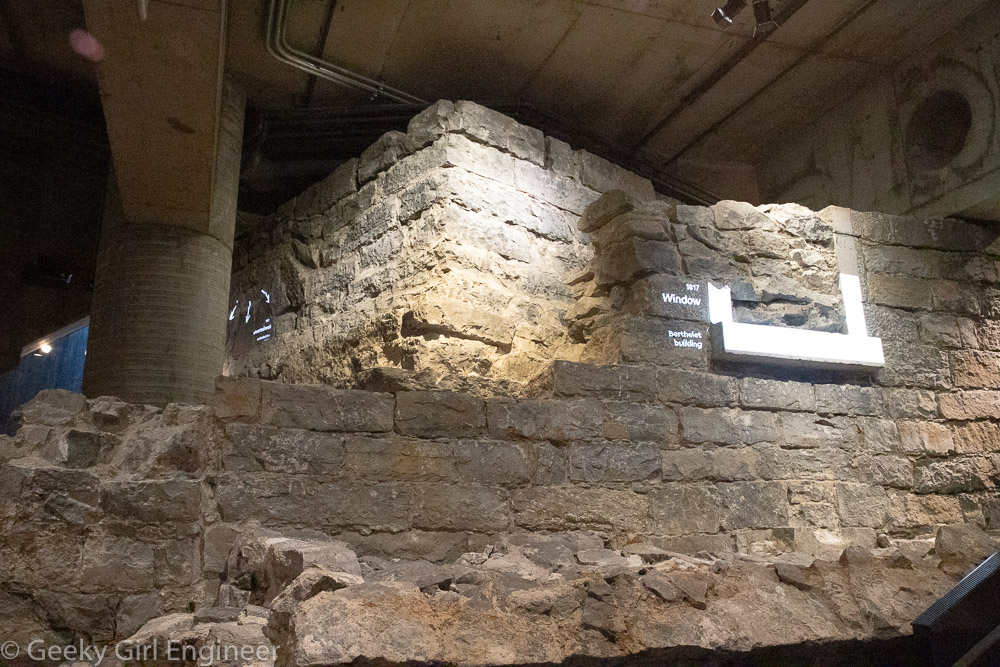
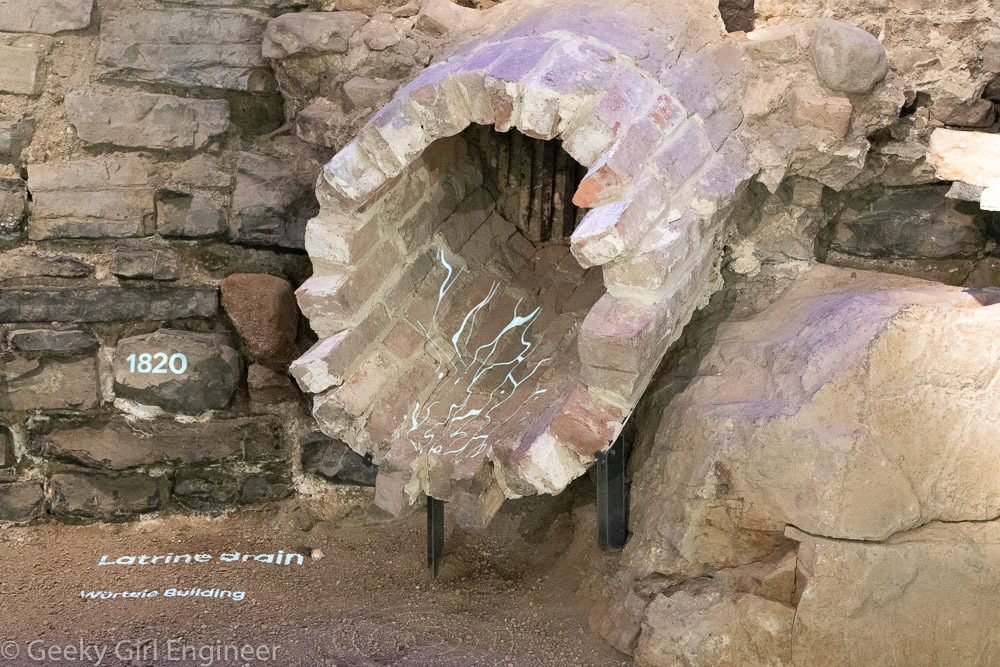
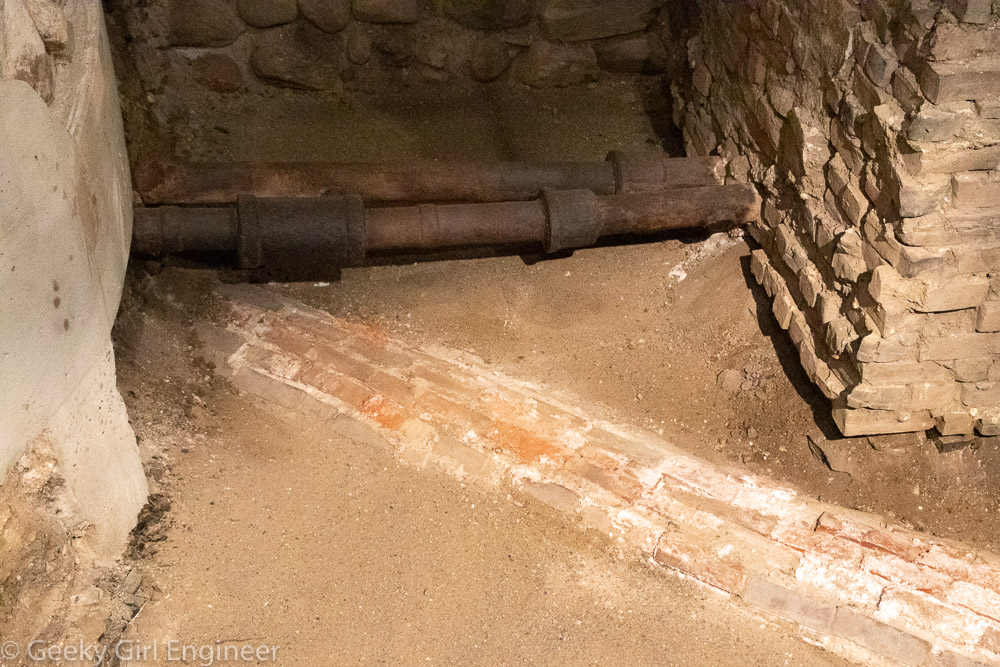
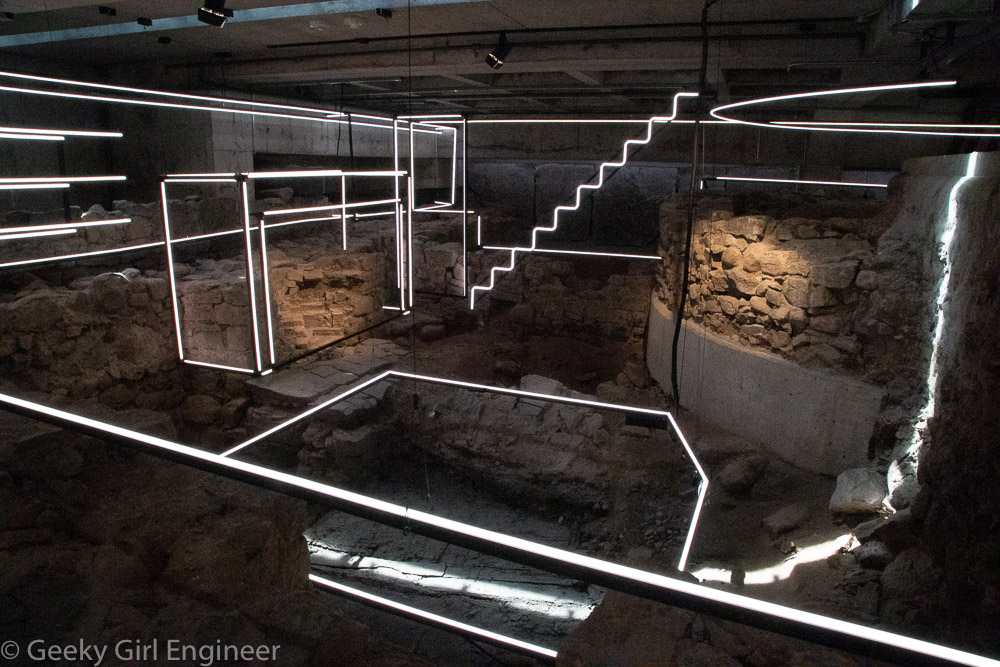
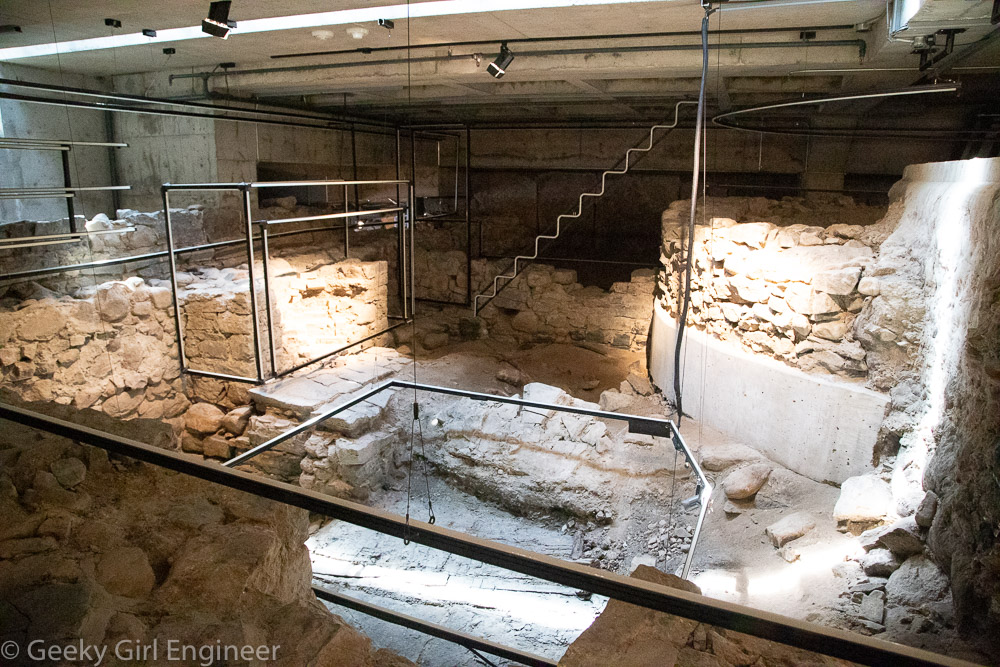
I am currently in Montreal for the second time. The first trip was short, but I visited the Montreal Museum of Archaeology and History, and I really liked it. This trip is also short, but I had time to visit the museum again. Most of the museum is underground in an archeological site of old Montreal. You can walk around the stone walls of buildings that used to stand on the site. The museum does a really nice job of projecting onto the ruins lines and text, so you can understand at what you are looking. They also have stairs, so you can climb on top of ruins and look down onto them without damaging them. Further, in some areas, they have lights hanging from the ceiling that light up during an audio explanation of what is at the site, so the lights emphasize what the used to be at the site based on the ruins.

Floor and walls of the former Royal Insurance building

Foundation of the former Royal Insurance building

Foundation of the former Royal Insurance building with a projection showing the inverted arch of the foundation

Foundation of the former Royal Insurance building and projection showing window of Berthelet building

Old latrine drain with projection indicating how water ran

Old pipes in archeological site

Exhibit lights suspended over archeological site to indicate what is present

Exhibit lights suspended over archeological site to indicate what is present; lights are turned off in this photograph so site is detail can be seen

Historic Don Jail

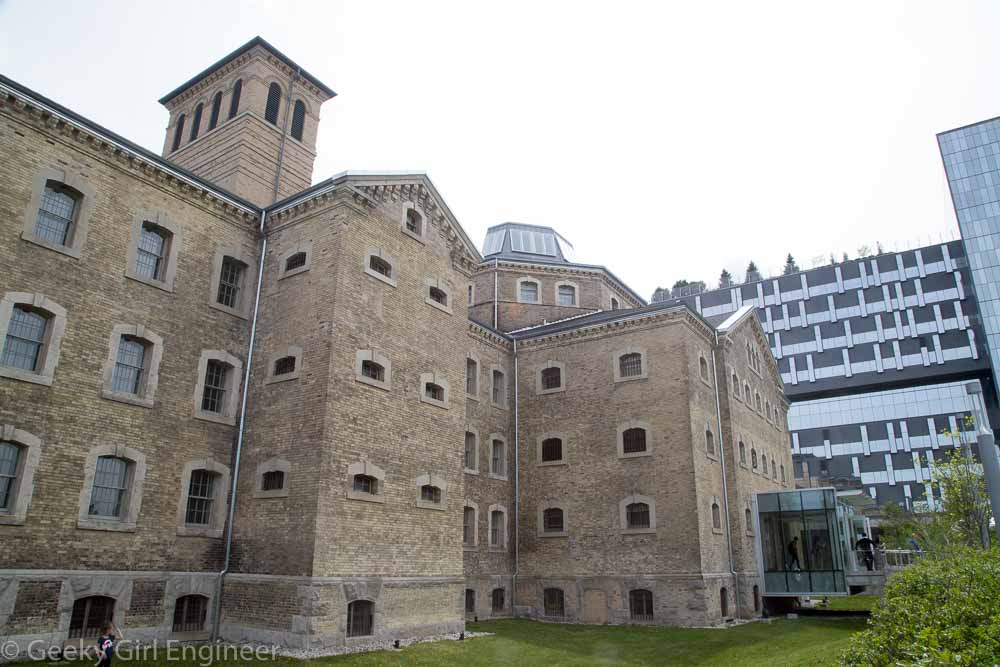
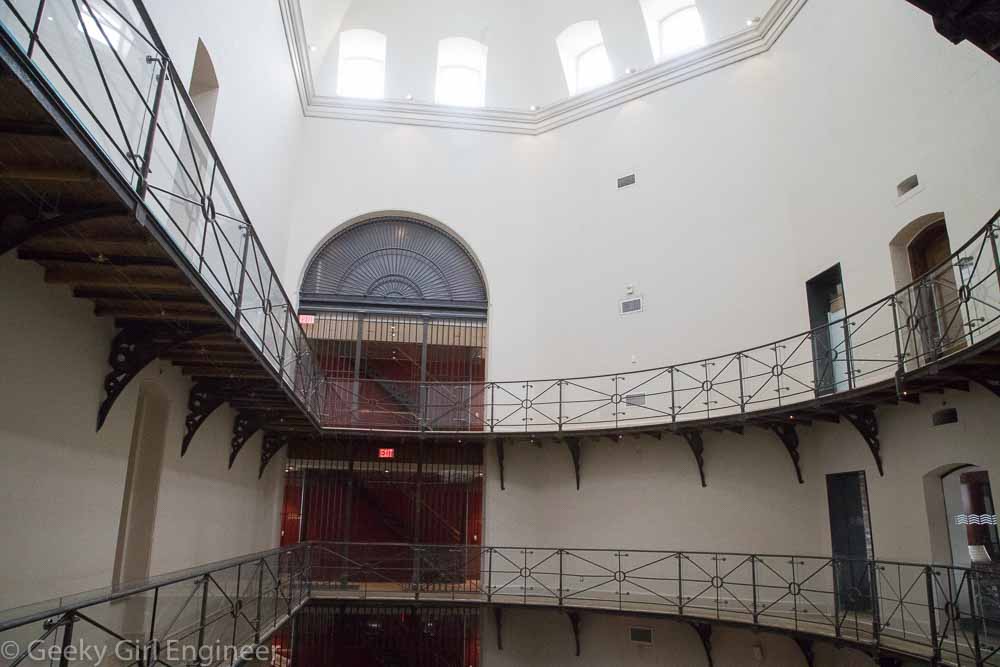
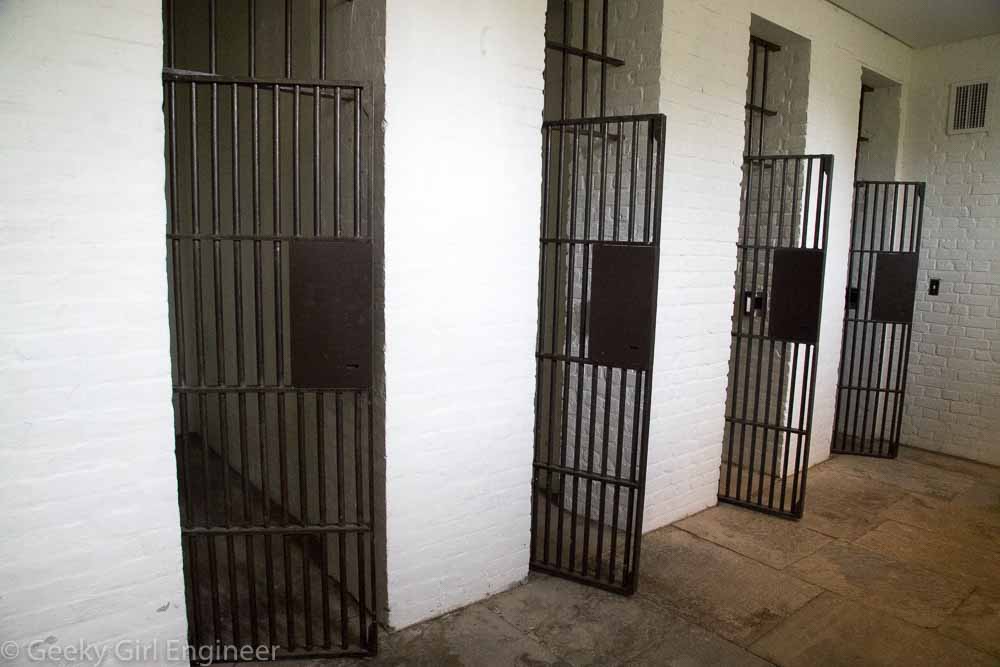
One of the buildings open for Doors Open Toronto was the historic Don Jail, which now houses Bridgepoint Active Healthcare Administration Building. The jail was built between 1800-1866 and closed in 1977. I have not toured that many old jails, but this building has ornamentation that I honestly did not think would ever be in a jail. It was built as a reform jail, and evidently sunlight was part of that idea. The cells, or at least the doorways I could see, were still pretty darn tiny though. Architecturally, it is something to behold.

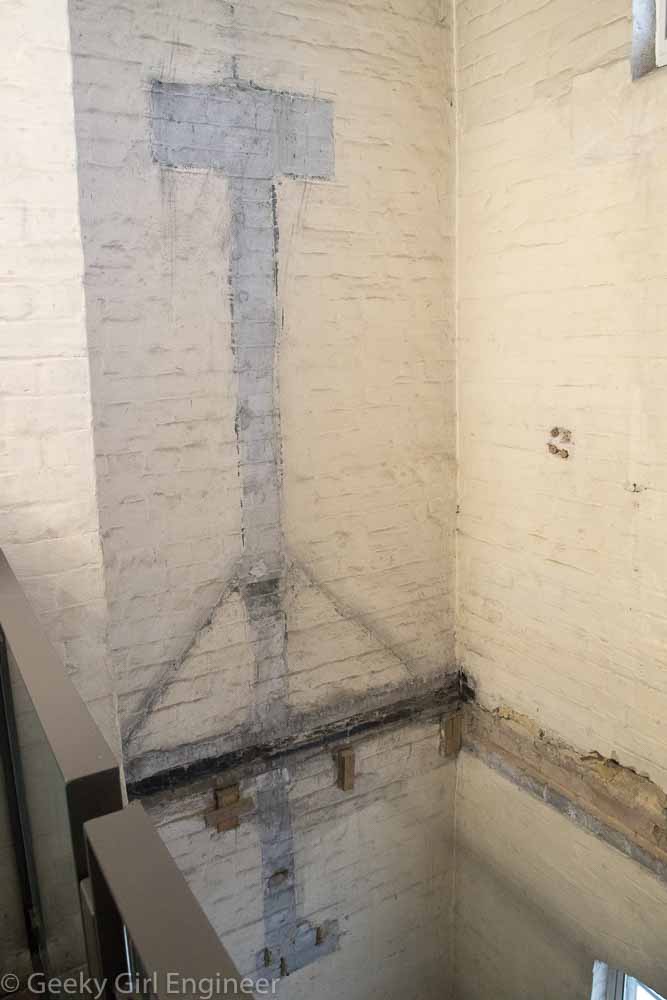
After it closed, the jail evidently sat unused for a while because really, what do you do with an old jail? Bridgepoint purchased it to turn it into an administrative building next to their hospital. They preserved its historic elements. It does seem like some of the offices must be nice, but I can’t imagine working in an old jail no matter how many fresh coats of paint are put on it. There is even a closed off area, which was open for photos, where the gallows were. The are offices across the hall for the gallows room. I really don’t think I could work on that hallway.

Historic Don Jail exterior
Atrium which is shaped as half an octagon.
Atrium view from second floor
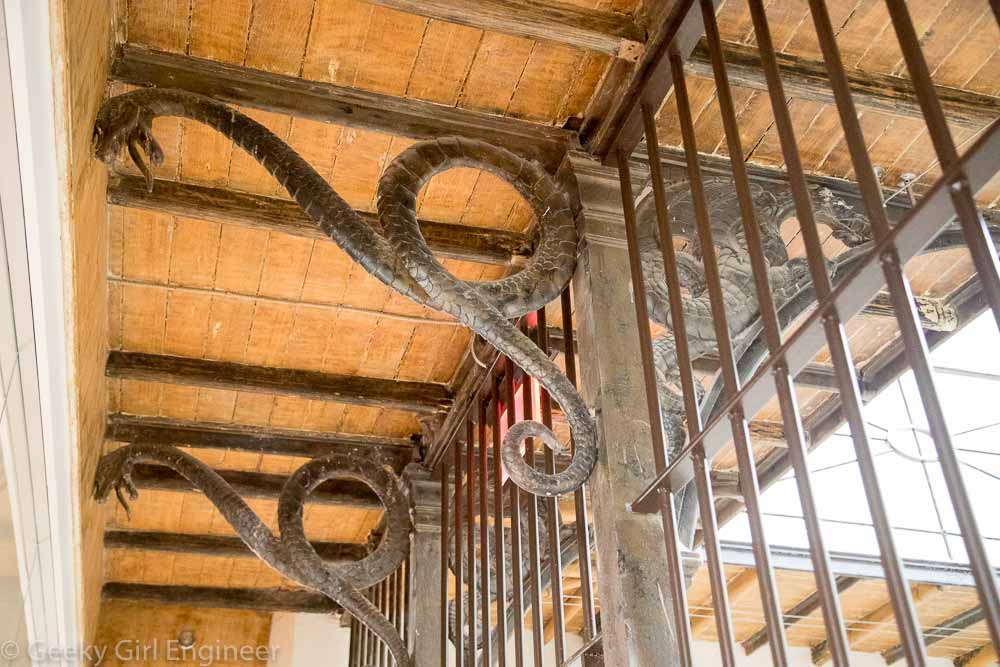
The atrium balconies are help up by really ornate brackets shaped like dangerous animals like servants and dragons
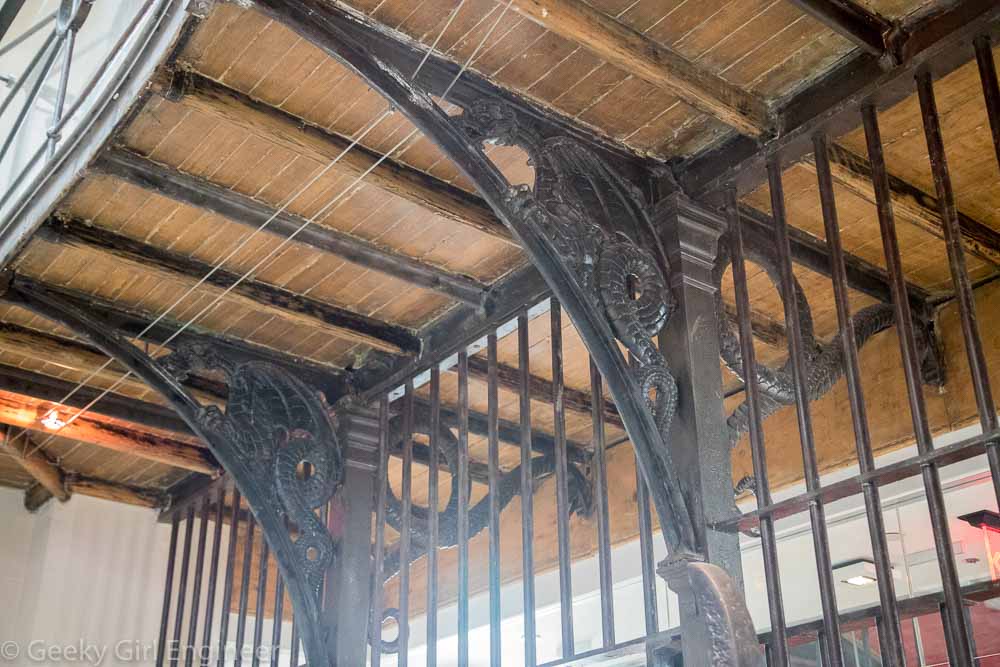
A better view of the dragon brackets supporting the balconies
Isolation cells for punishment were about a cot’s width
Cells that have been turned into offices
Gallows area. The outline of where the wood gallows were was left visible.