Clapham South: Subterranean Shelter Tour

Last time I visited London, I found out that London Transport Museum offers Hidden London tours, so I signed up for one. It was fantastic, and luckily they were offering another tour while I was here again. This time, they offered a tour of Clapham South subterranean shelter that was built during World War II. When the Germans bombed London during 1940-1941, some people took shelter in London Underground stations, which the transport authorities didn’t really want them to do. The government then asked them to build proper shelters for people. The transport authorities had previously had plans for an express train to run underneath the Northern Underground line, so they used parts of those plans to plan ten shelters to each shelter 10,000 people underneath Northern line stations. Only eight stations were built though, and London Transport Museum now owns one of them, the one that that was built under Clapham South station.

The shelter is 11 stories underground and has over a mile of subterranean passageways. It is accessed via a spiral staircase with many, many steps. [We had to walk down them and then back up when the tour was over.] The shelters were built just like London Underground tunnels with the idea that after they were no longer needed as shelters, they could be used to start construction of the previously mentioned express lines. That never happened though. The tunnels were all divided in half horizontally, so that they formed double-decker shelters. Each level was then divided into eight sections all given names of historical people, with rows and rows of beds. People would be assigned a bed and told which section and which bed number was theirs. The shelter were not finished before the end of the Blitz, but they were used later when V-1 and V-2 bombs hit London. Government propaganda advertised them as “luxury tunnels” with “comfortable canteens.” Those terms are kind of relative. The beds were small and really close together. They did have lavatories, but the toilets consisted of buckets with a possible seat. The buckets were emptied into a tank. This is my favorite part (especially as an engineer), when the tank needed to be emptied, a valve was turned to add compressed air, and another valve was turned to allow the compressed air to (hopefully) shoot the waste up into the sewer tunnels above. However, the shelters certainly kept people safe from bombs. Some people who stayed there had no other place to go as their home was destroyed.

After World War II, they continued to be used at different times. In 1951, there was a huge festival in London, and the shelter was opened as “Festival Hotel.” Also, Caribbean migrants arriving on the Empire Windrush stayed there temporarily. Finally U.S. troops stayed there in the 1950s. Some of the shelter were later used for archiving material.
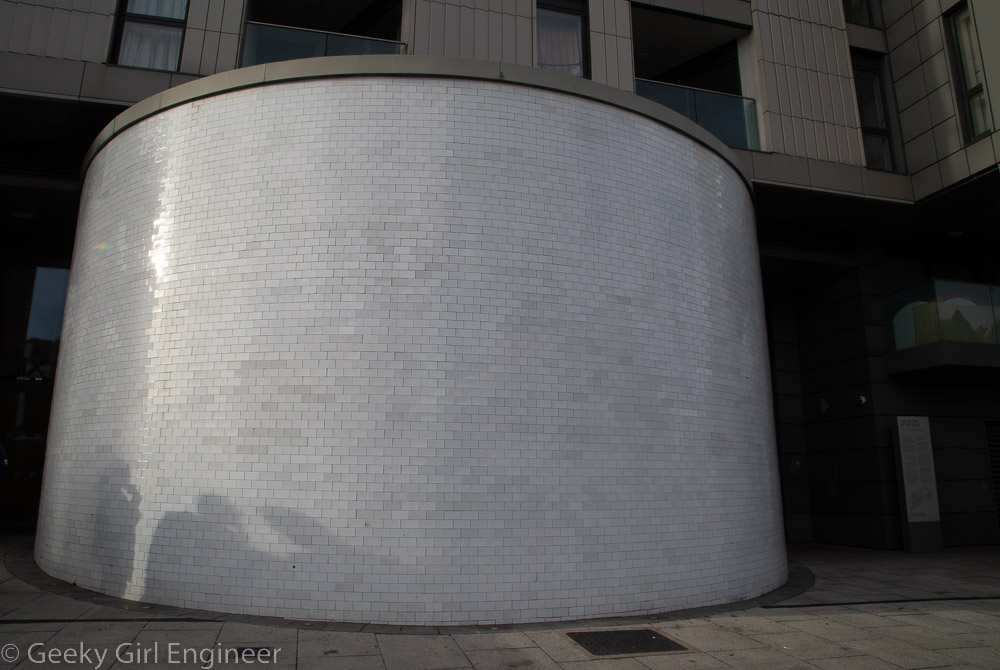
Exterior of entrance with spiral staircase inside
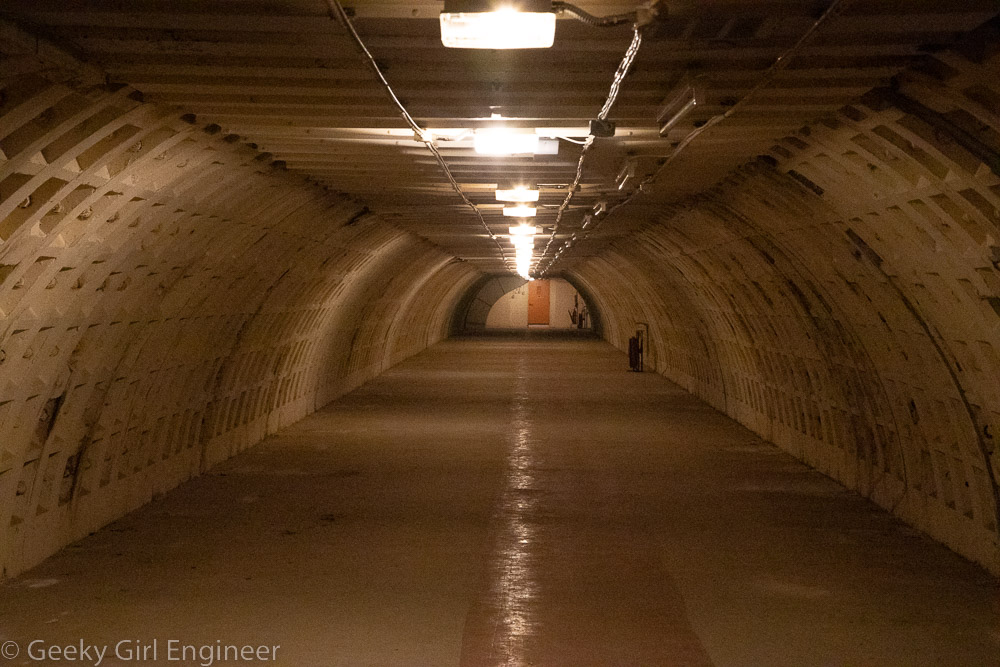
Clapham South Tunnel/Shelter
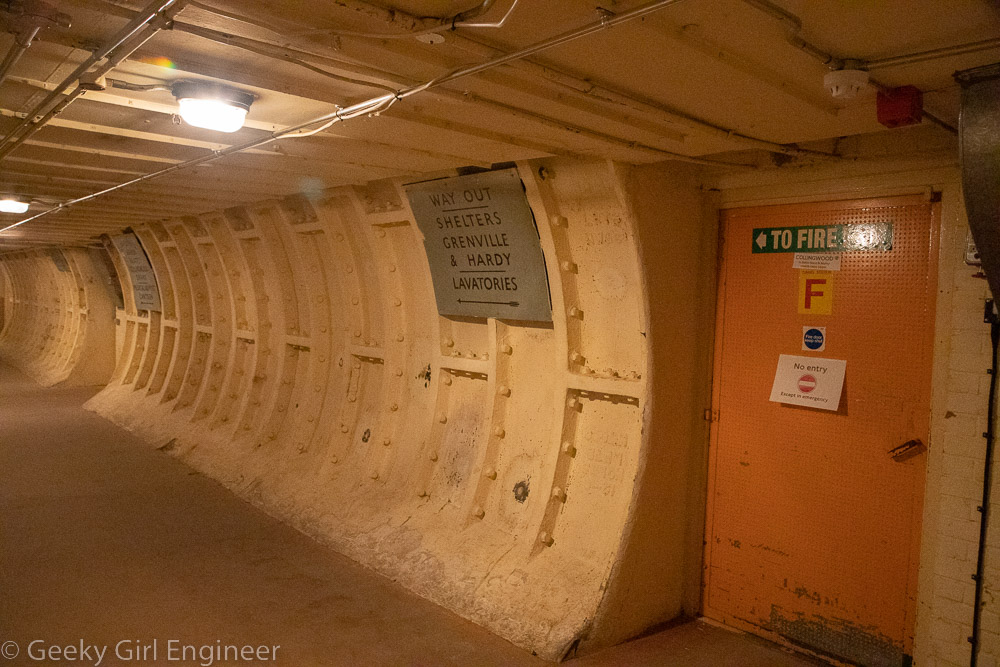
Sign with directions to exit, other shelters, and lavatories
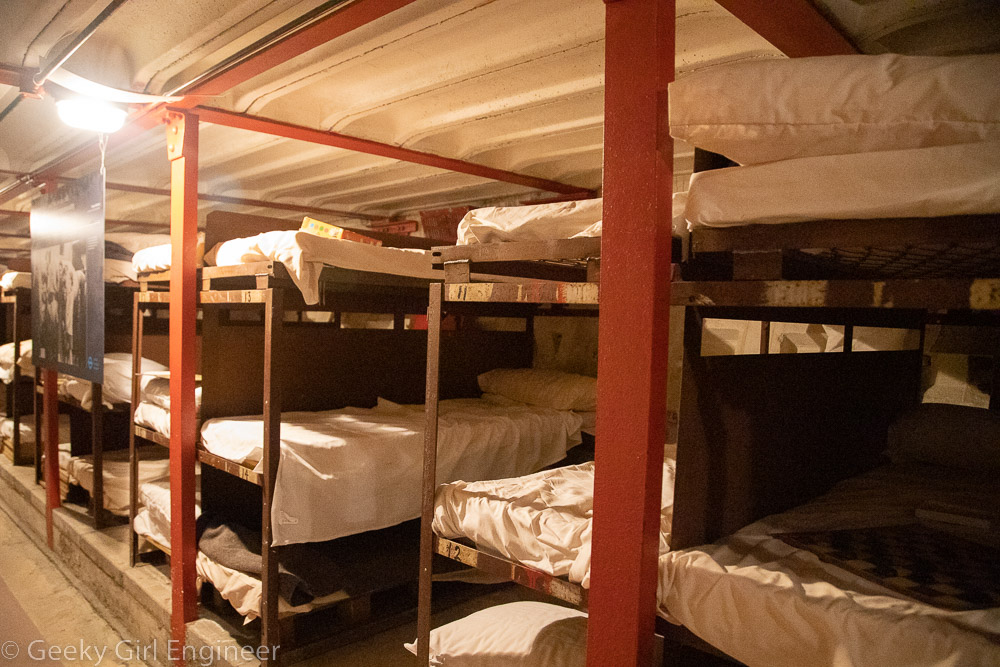
Shelter beds
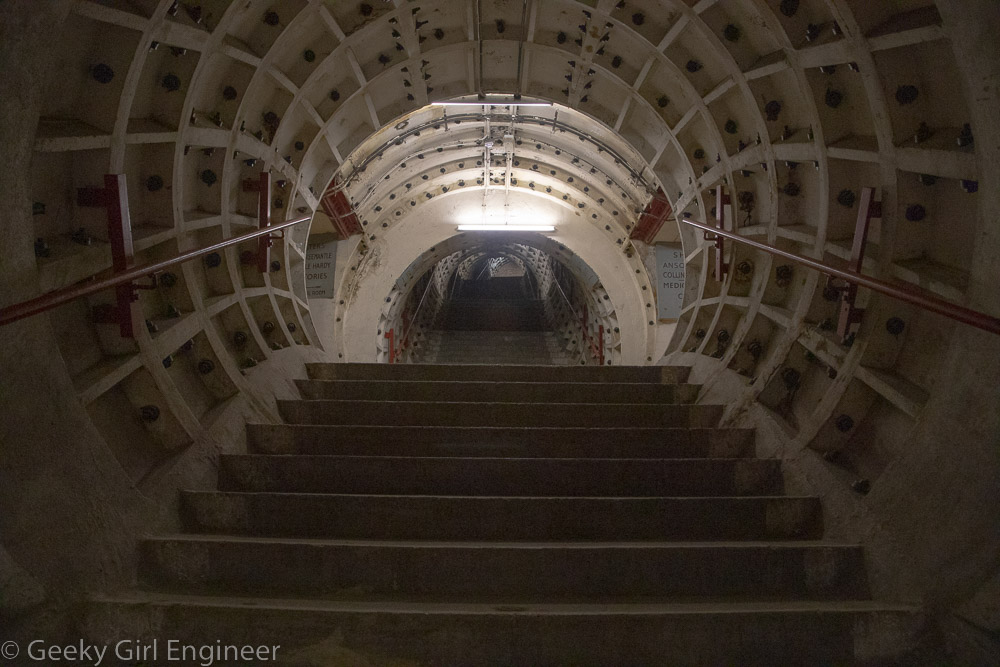
Stairs to Underground station
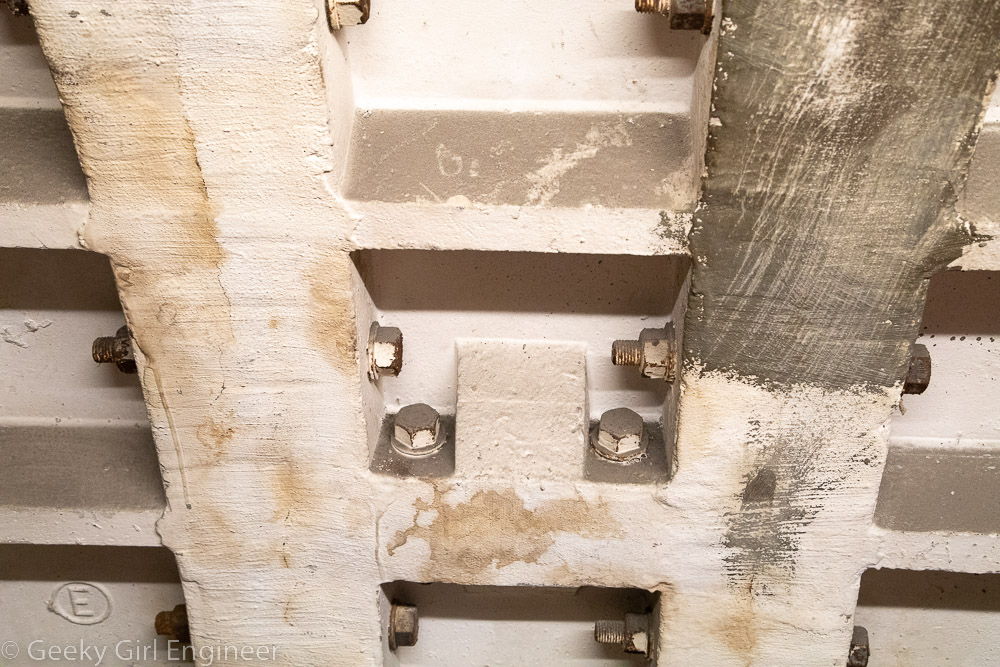
Tunnel walls
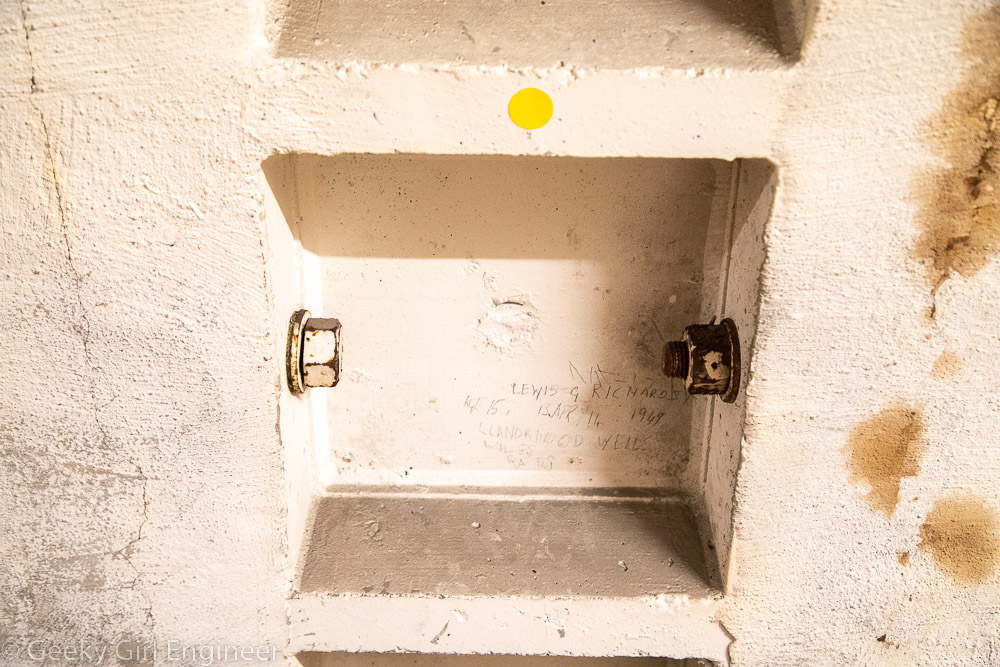
Graffiti on tunnel walls (the yellow dot sticker is there because the museum is a museum and now preserves the historical graffiti)
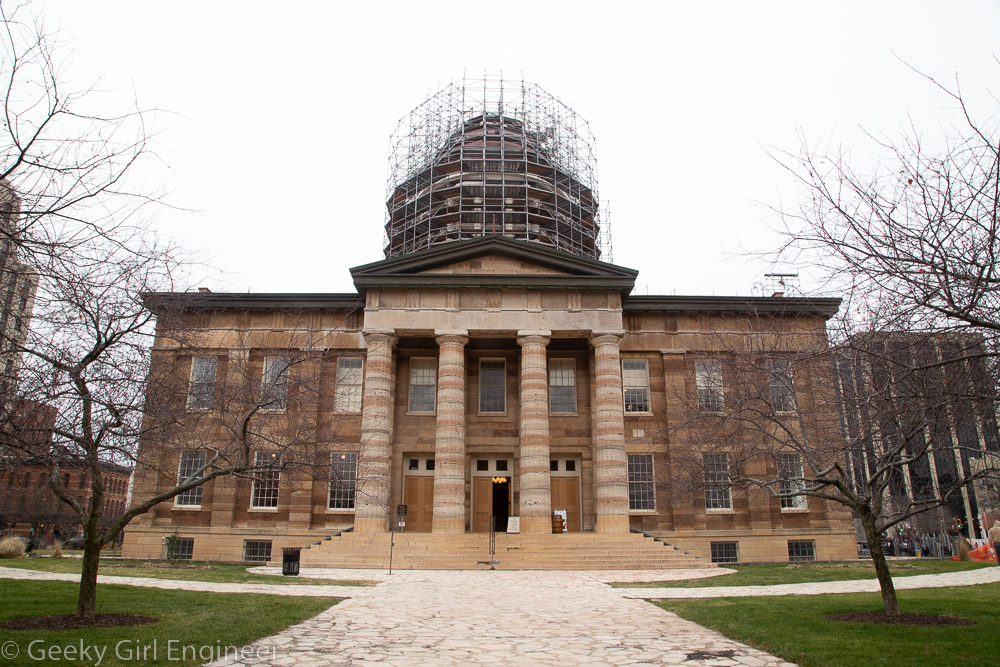
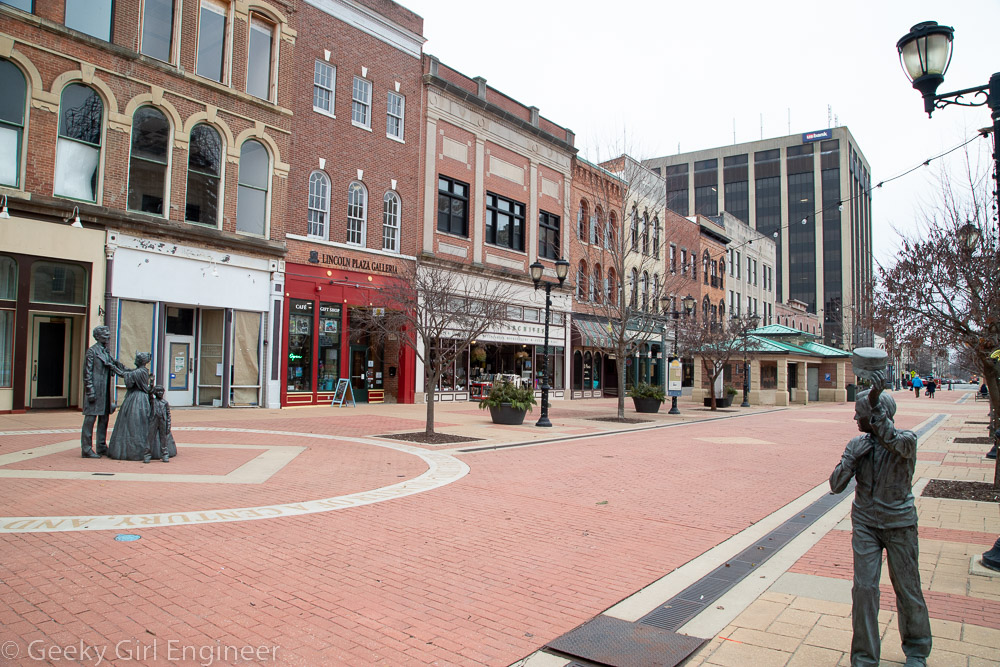
Springfield, Illinois

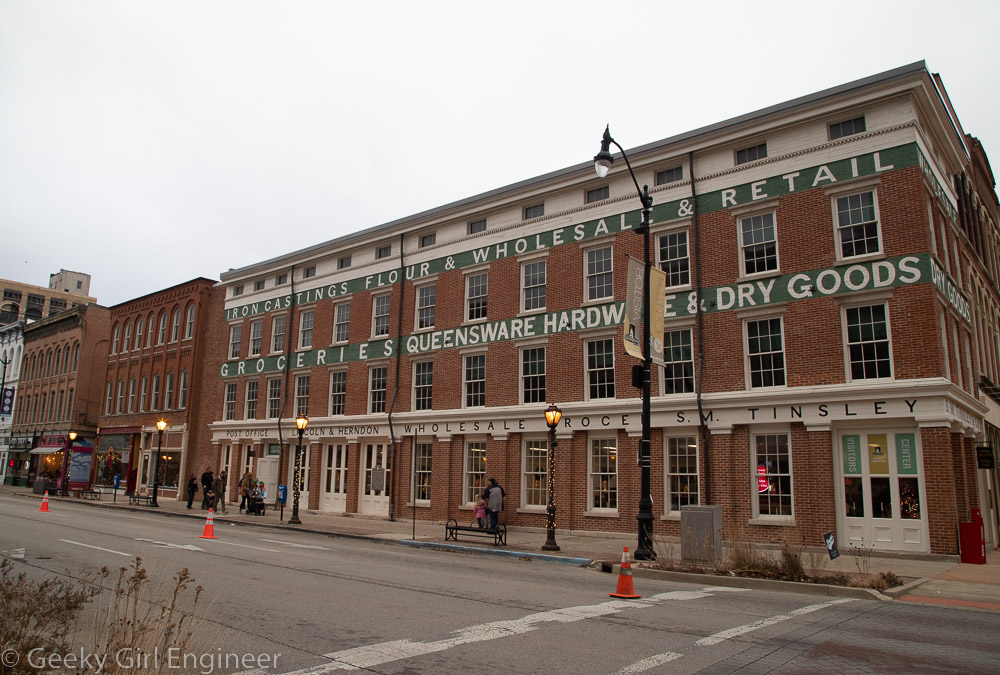
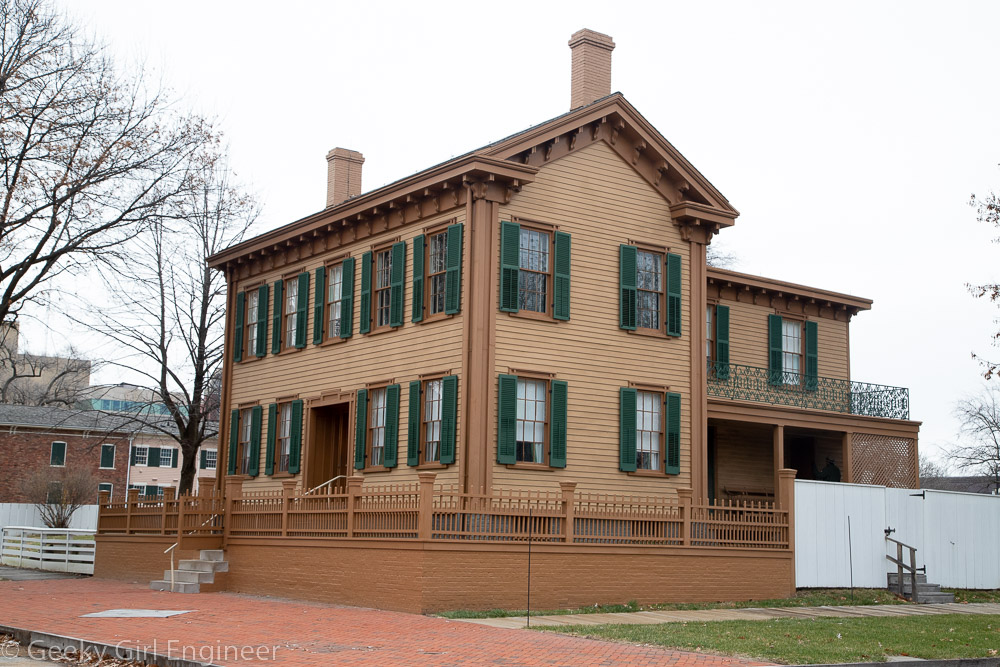
This past weekend, I went to Springfield Illinois to see the state capitol. I took the train from Chicago, so I had a bit of time to wander around based on the train schedule. There are a couple square blocks that are now a national park where Abraham Lincoln’s house is, as well as many other maintained old houses. I didn’t have time to really explore the park, but the houses are neat to look at from the outside. Lincoln features prominently across the city, which although I understand he was from there, is still slightly ironic in that there is also a Lincoln, Illinois. Downtown, at least, is very small and walkable, and I enjoyed seeing many of the old buildings.

Old State Capitol

Restored street across from the old state capitol

Restored building in downtown Springfield Illinois

Abraham Lincoln’s house

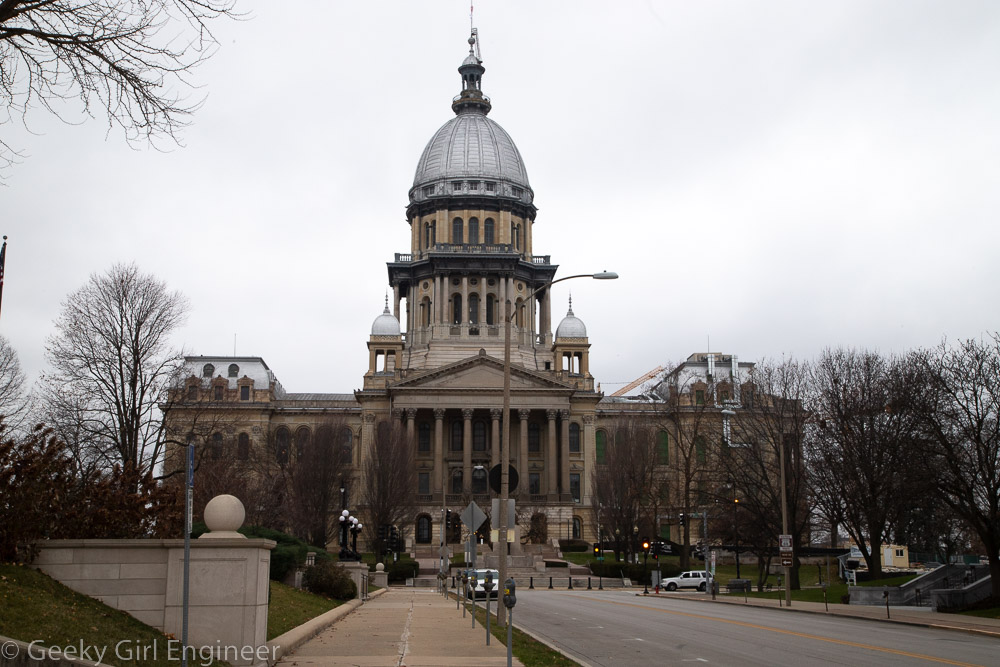
Illinois State Capitol

Yet again, I have traveled quite a distance to be confronted with a state capitol where part of the building is off limits, and no one bothered to post that on the website. I am in Chicago for the weekend, so I decided to take the train to Springfield for the day (3 hours each way). Once I got to the capitol, I saw that half of it appeared to be under renovation. Upon entering, it was confirmed that the entire Senate side is under renovation and off limits. This was not a surprise renovation. It has clearly been ongoing for a while. Did they post this on their website? No. I do understand that many people would not care if they can only see half the building. I am not one of those people. So as with Connecticut, I will have to come back here in several years, once I can confirm the renovation is over.

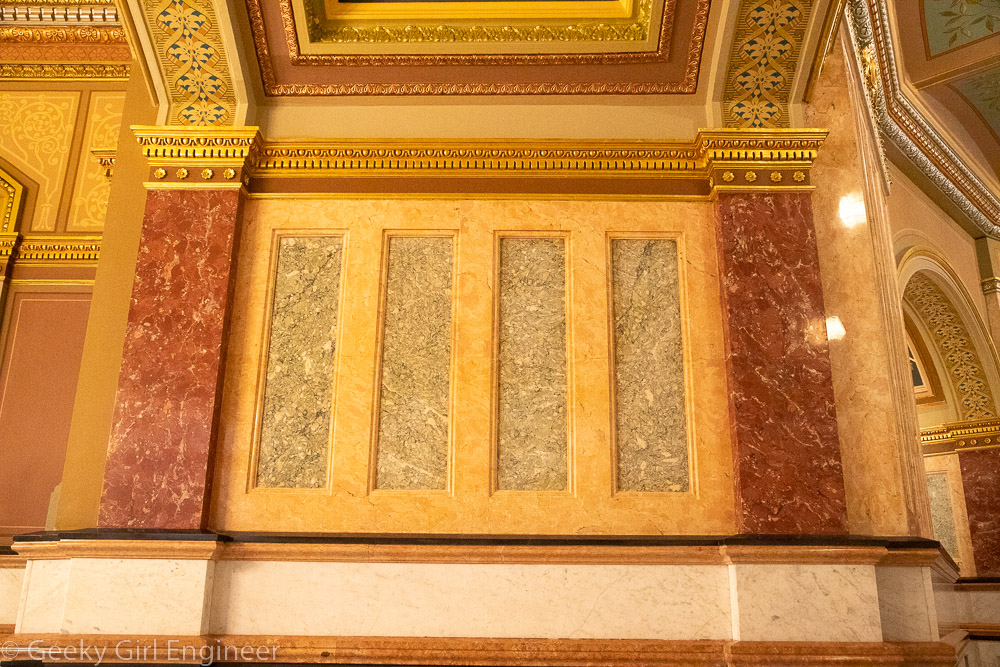
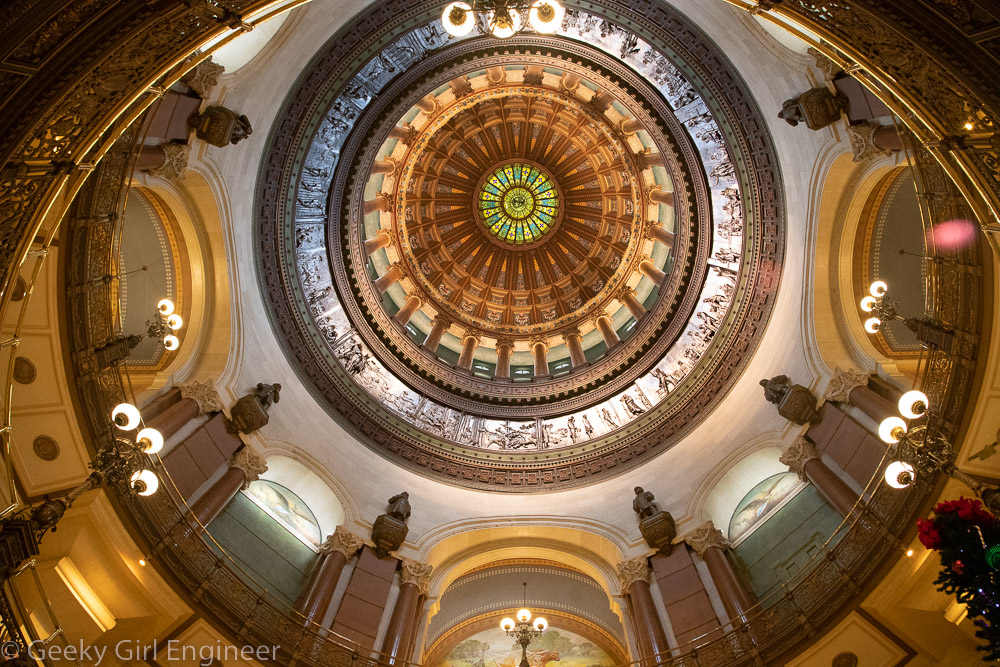
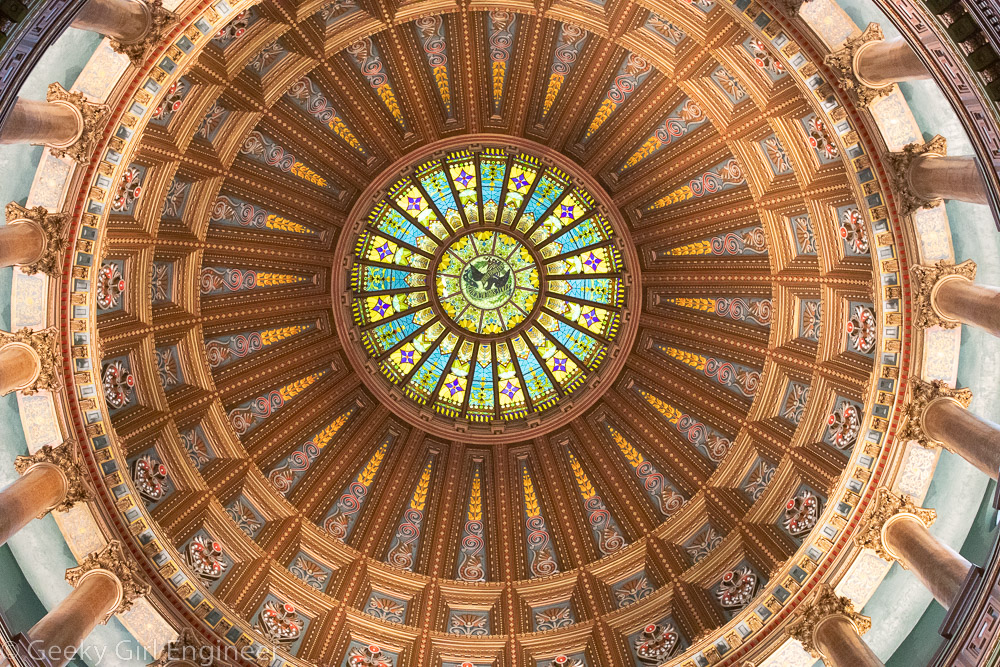
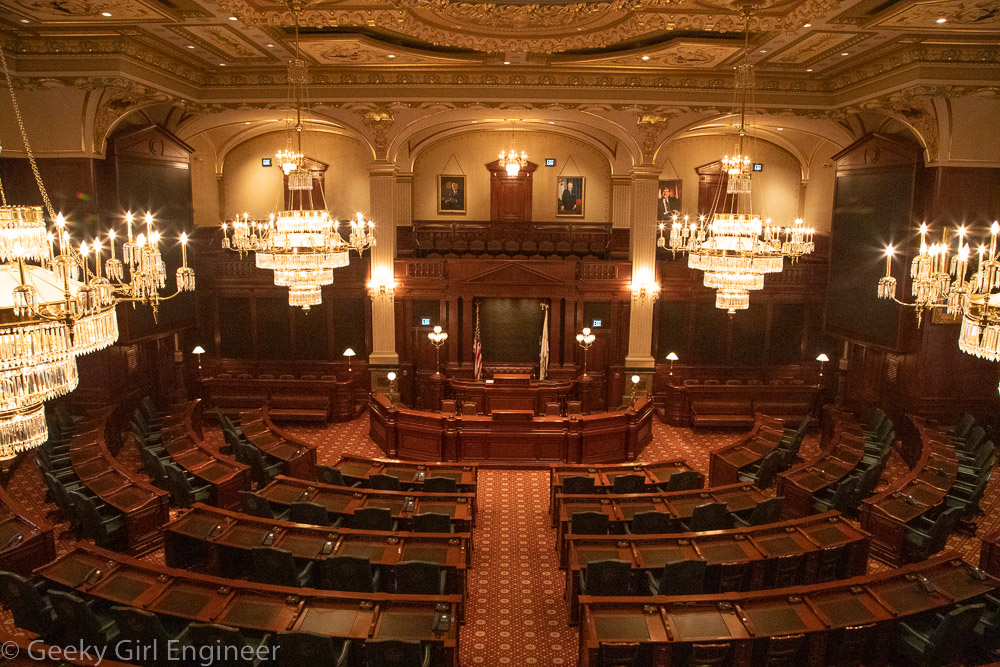
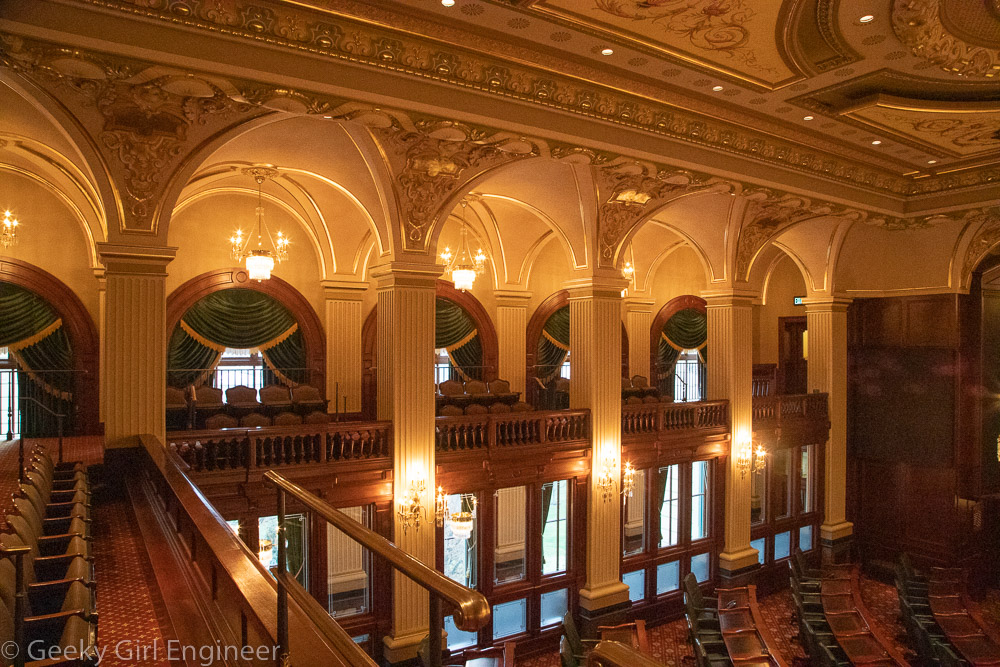
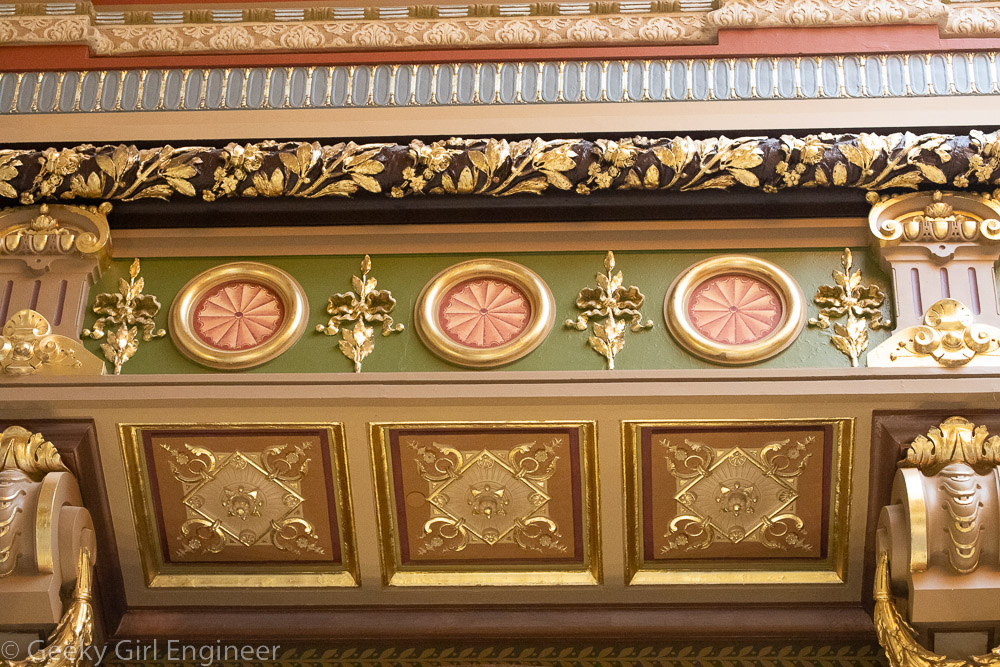
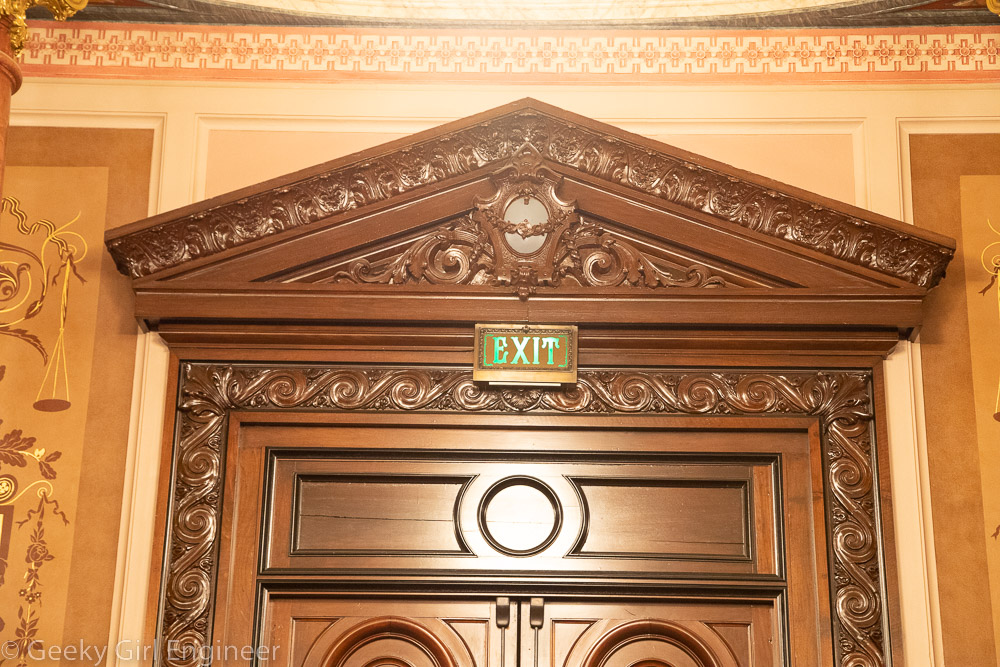
With that gripe being said, the building itself is gorgeous. It is really ornate. In many of the capitols I have seen thus far, there is a lot of symbolism in the ornateness. Either there is not in this one, or the guide did not mention it. Symbolism or not, it is beautiful. The building interior is covered with lots of different stone, mainly marble, in many different colors. The dome is spectacular. The House chambers has lots of dark wood with crystal chandeliers. As is my habit, I asked how the light bulbs were changed. A pulley system is used. Finally one detail I noted is that the exit signs have a fancy font. I found that slightly amusing and a nice touch. With a building this ornate, no plain font with do, even for the exit signs.

Illinois State Capitol exterior

Grand staircase

Interior stone walls

Interior of the dome

Interior of the dome, zoomed

House Chambers

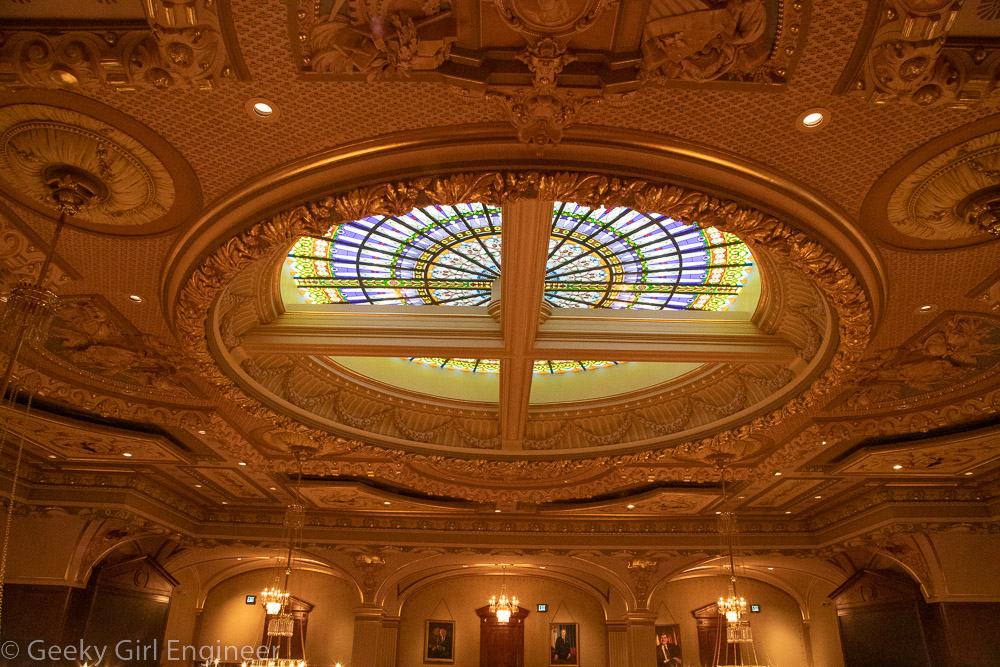
House Chambers ceiling

House Chambers gallery

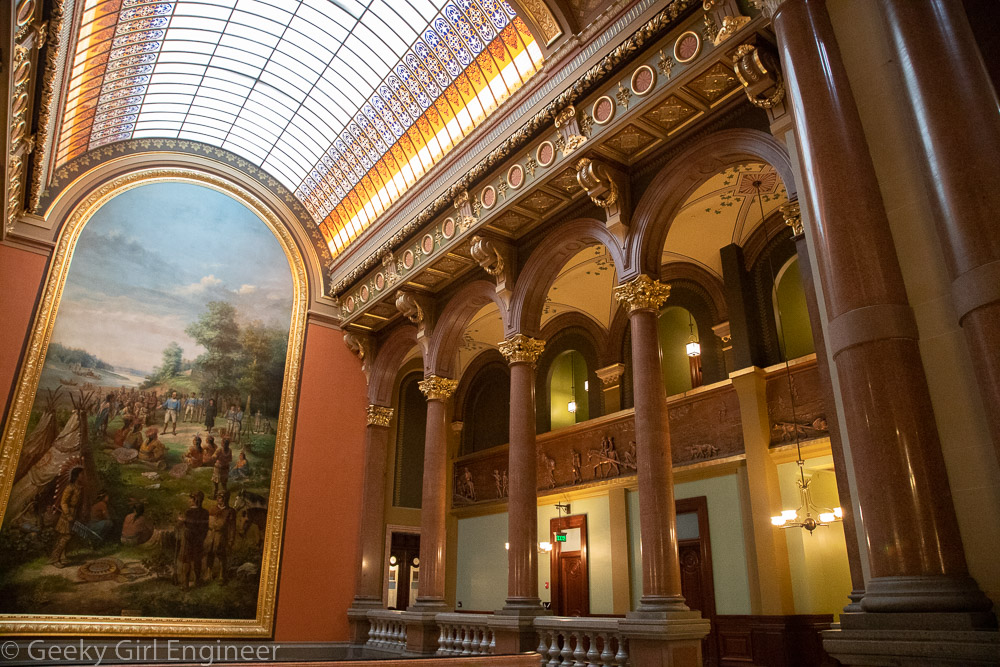
Atrium above grand staircase

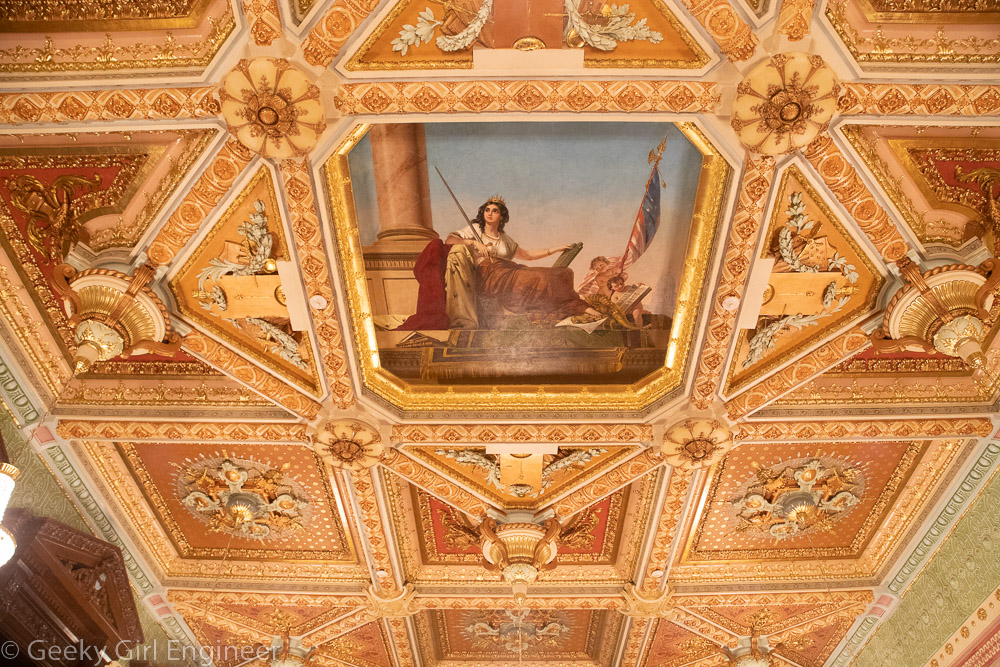
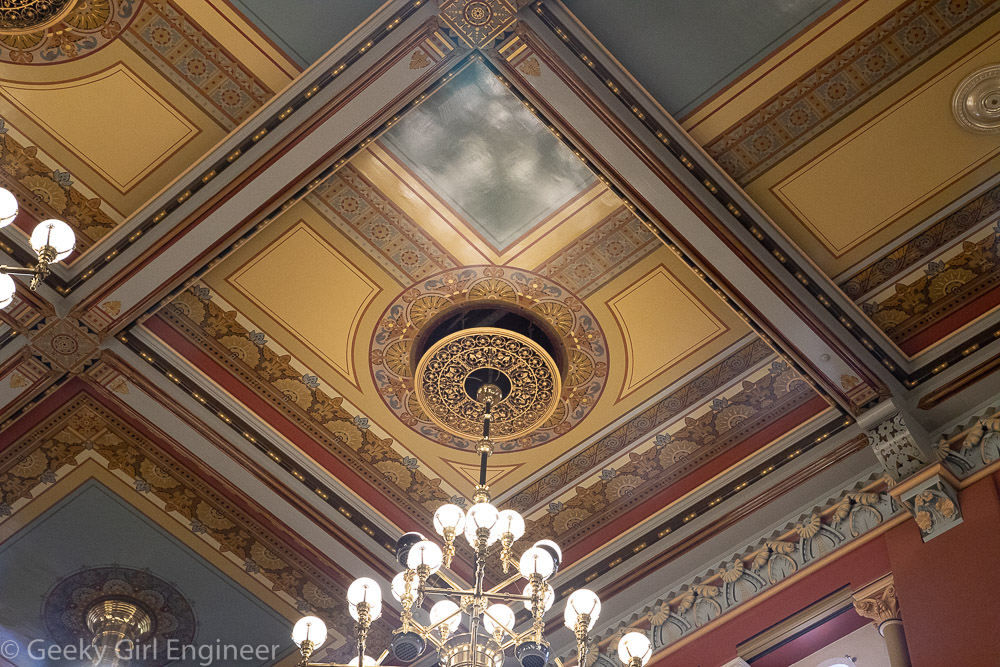
Orante ceiling

Ceiling of hearing room, which used to be state supreme court

Door in hearing room, which used to be state supreme court

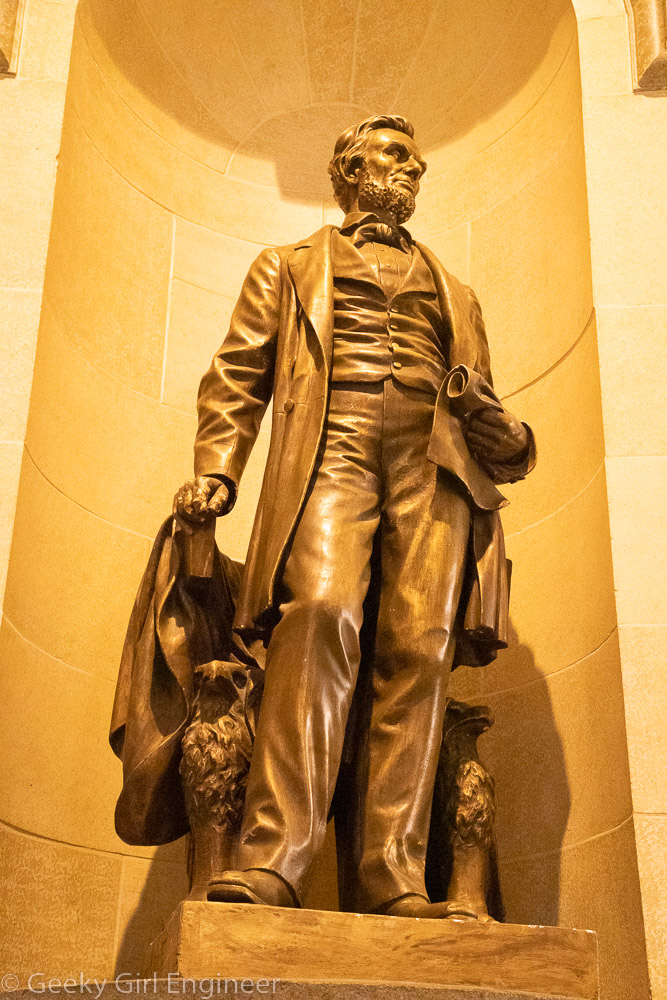
Lincoln statute with chair with one-legged eagles for legs

New Hampshire Telephone Museum

While touring the New Hampshire State Capitol, there was inexplicably a telephone booth in the Governor’s Reception Room. A sign near the booth said it was on display courtesy of the New Hampshire Telephone Museum. This museum was not something that I knew existed, and yes, this grabbed my attention. I needed to know more about this museum. Thus, after visiting the capitol and surrounding area, off I went to the New Hampshire Telephone Museum.

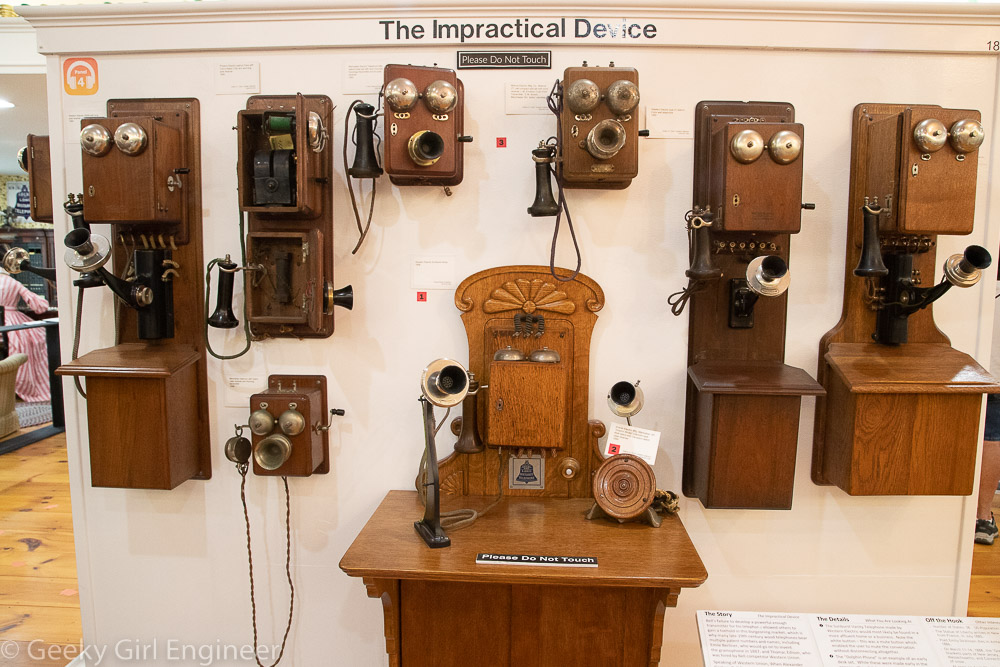
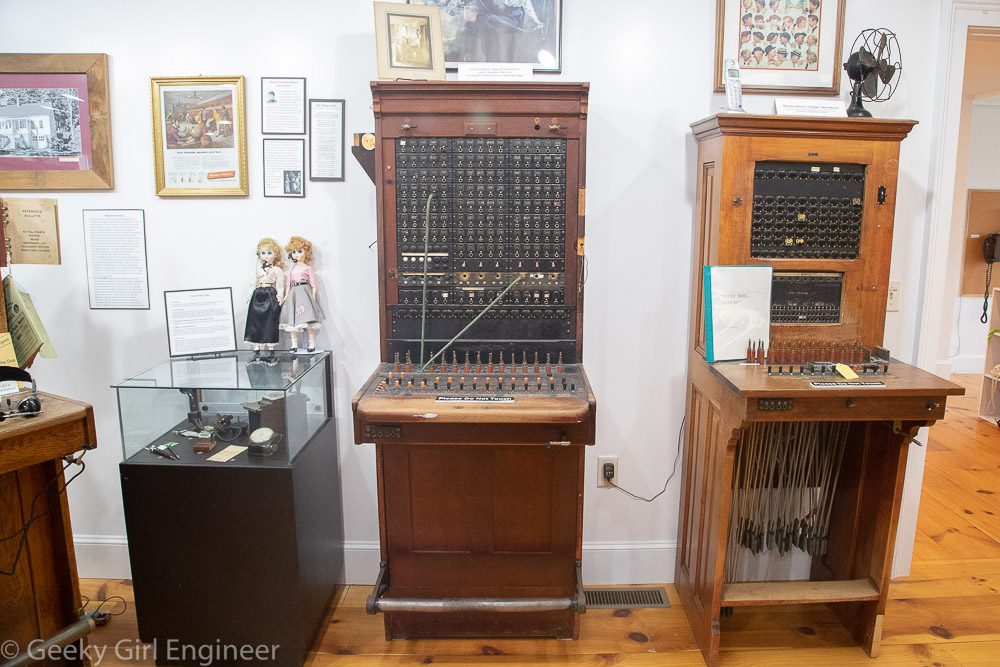
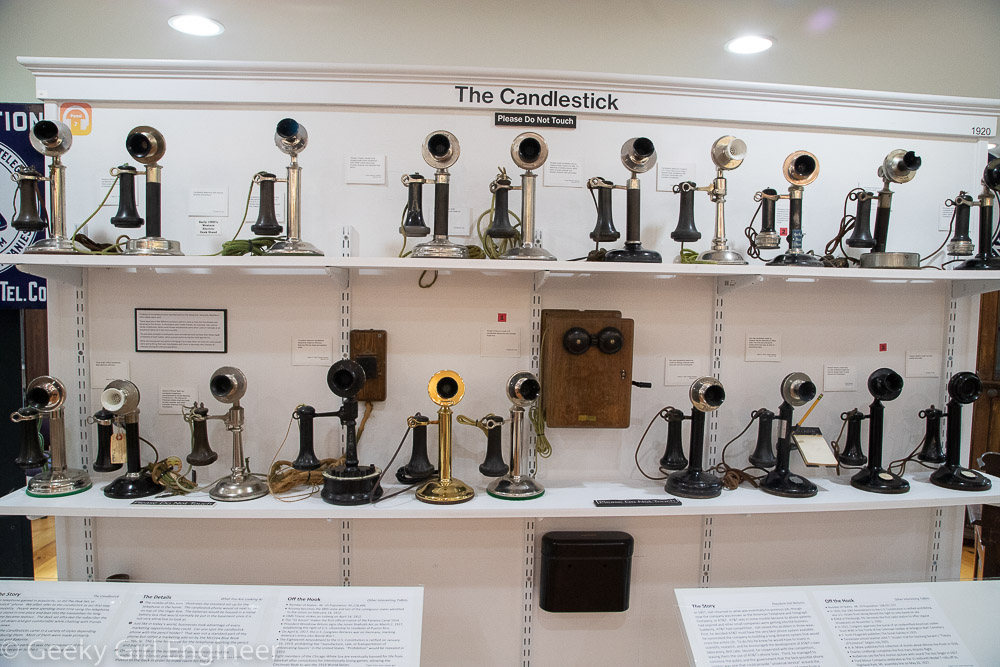
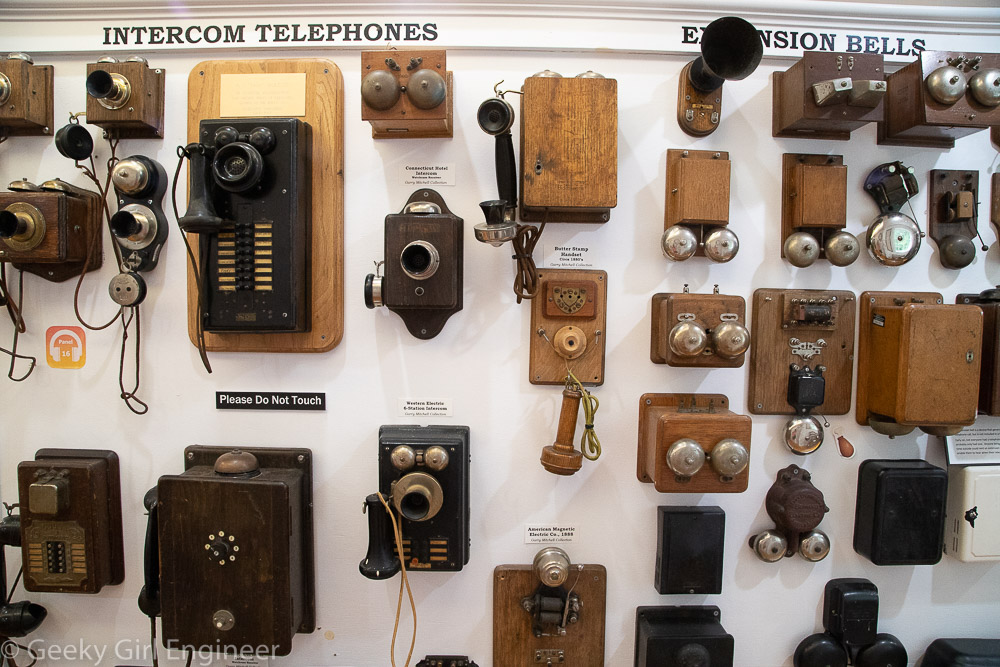
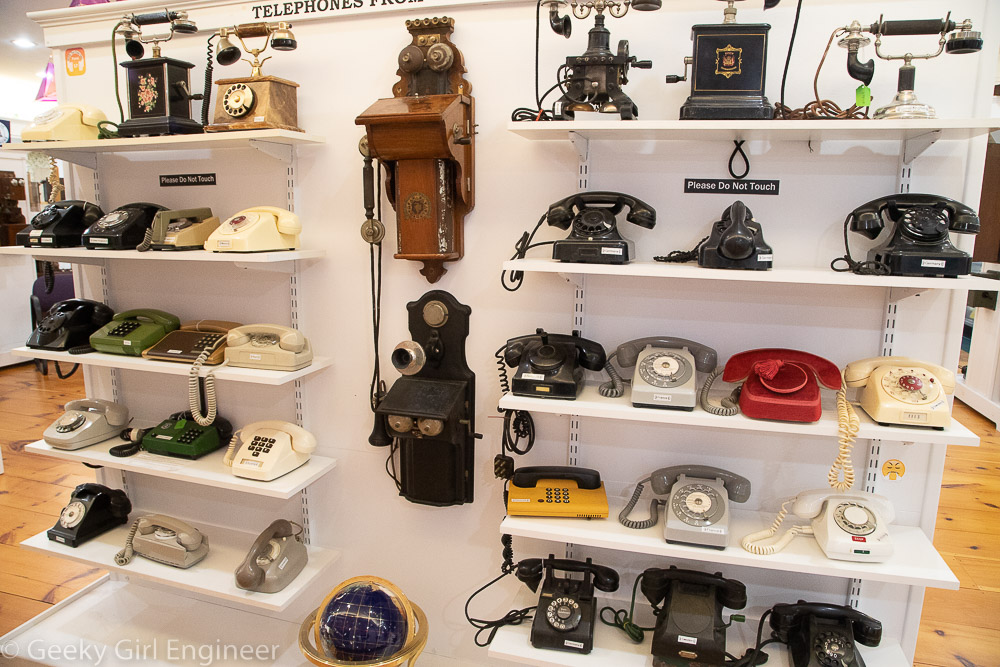
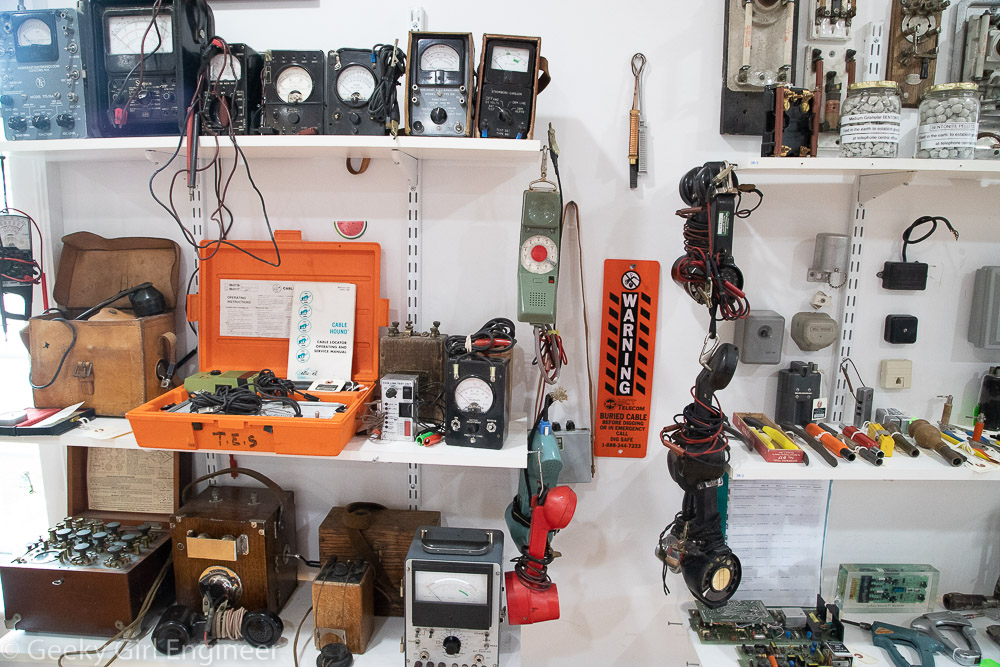
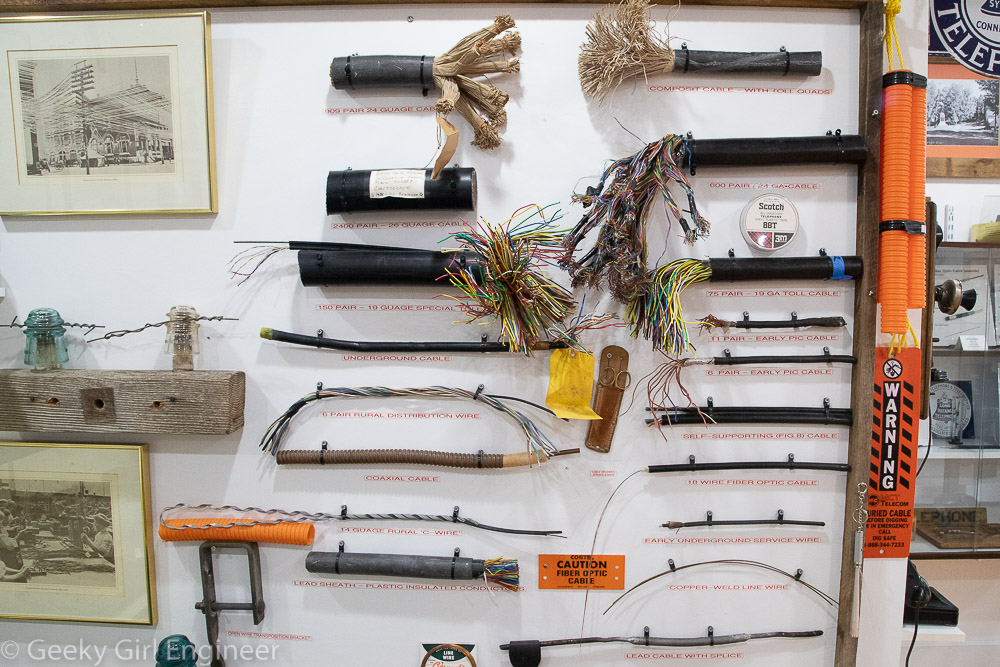
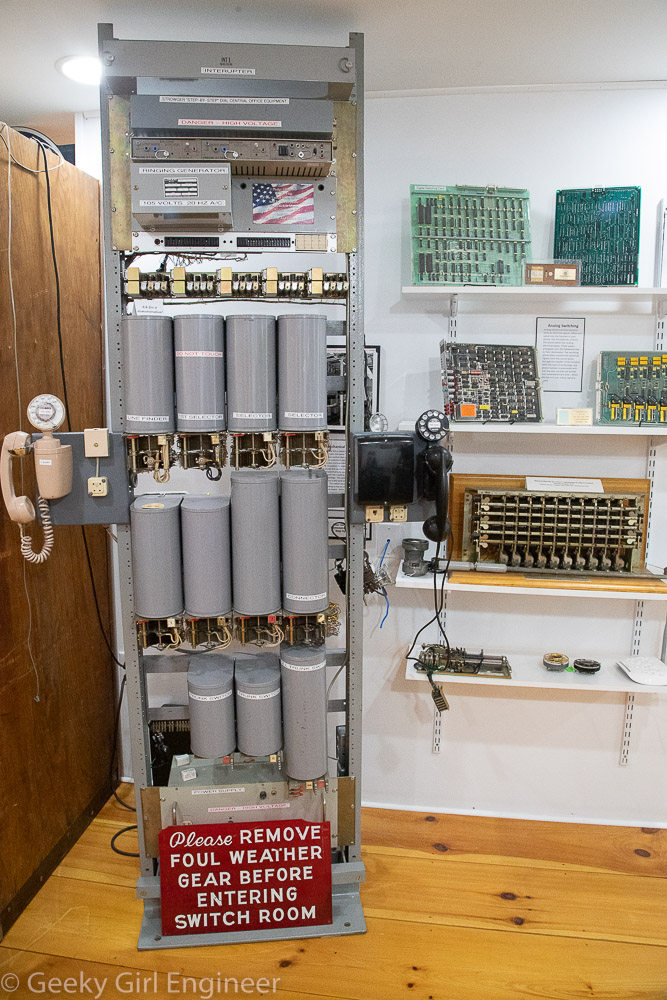
At the museum, I learned that they are not in fact the only telephone museum in the country. Clearly I need to do more niche museum research. The museum was founded by people who built a New Hampshire rural telephone company. It is actually quite interesting as they have telephones from various eras. They also had interesting displays about the various components that make up the telephone system and equipment used to repair and construct the system. They also had a working set of telegraphs powered by modern batteries, which I found funny.

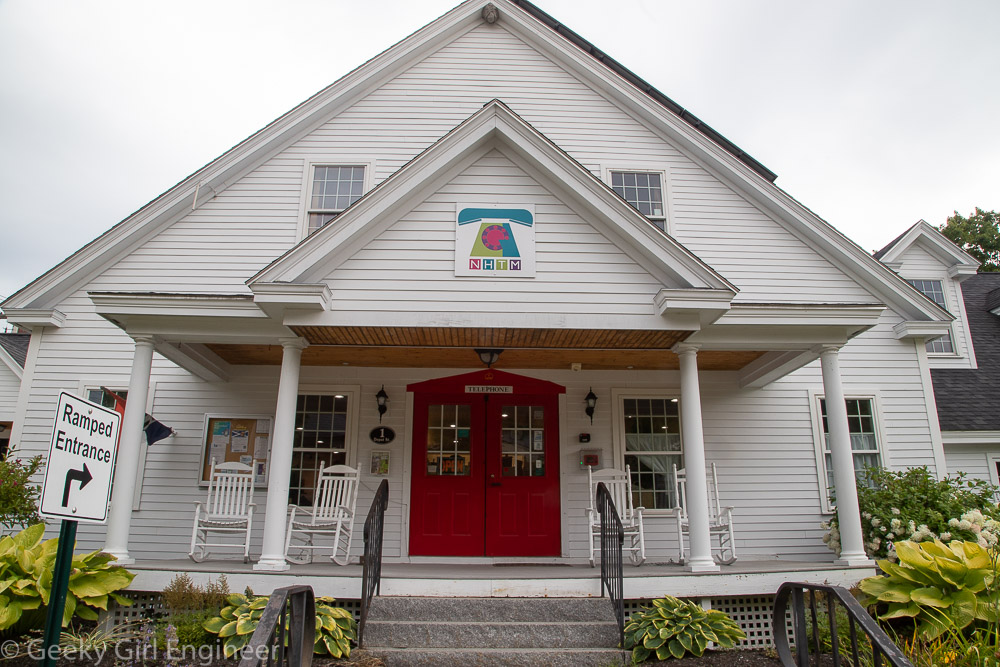
New Hampshire Telephone Museum with front door painted like UK telephone booth

Original type telephones

Telephone operator desks

Candlestick phones

Old intercom phones

Not quite modern anymore phones

Telephone system repair equipment

Telephone system wires

Telephone system circuitry

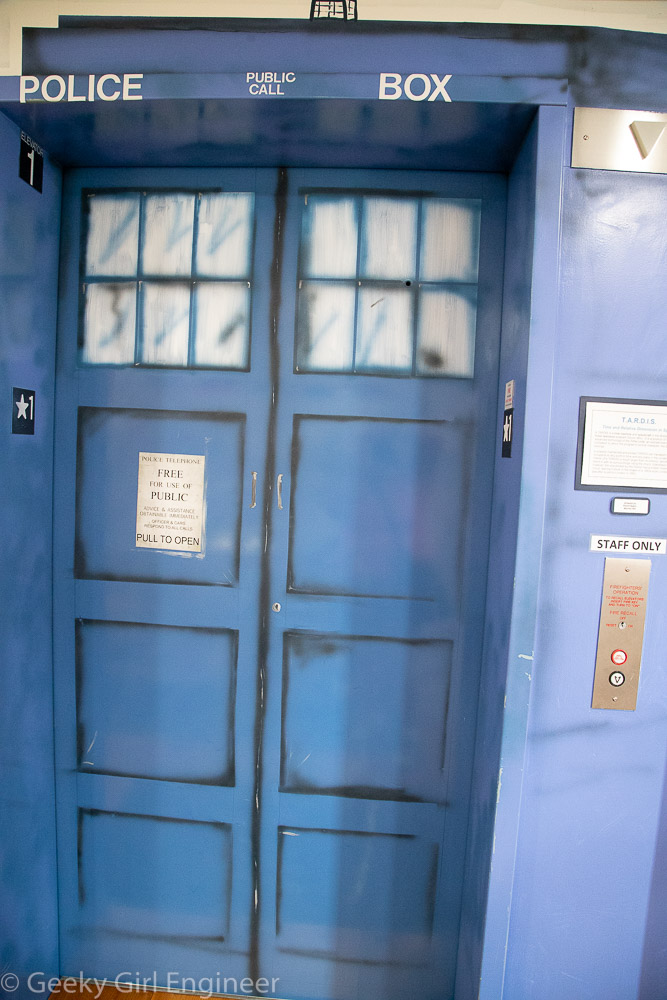
Elevator painted to look like a UK police call box

New Hampshire State Library

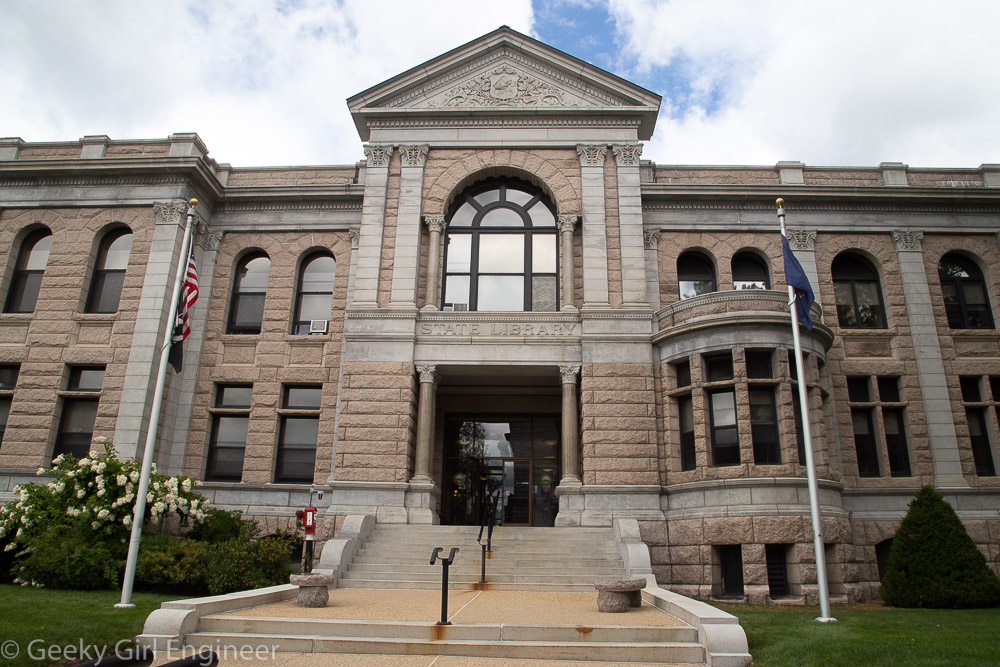
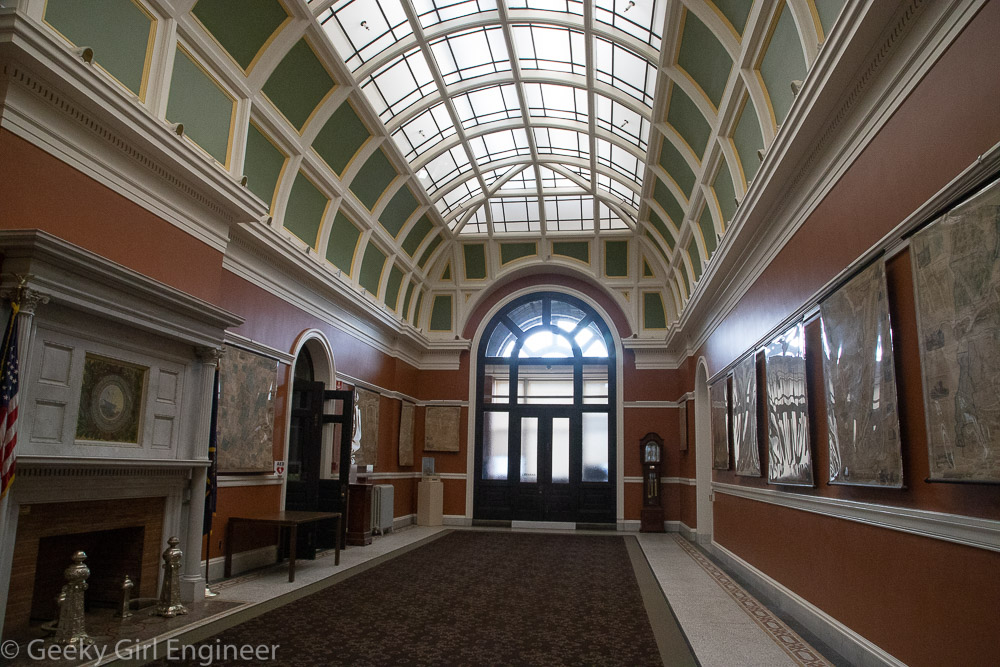
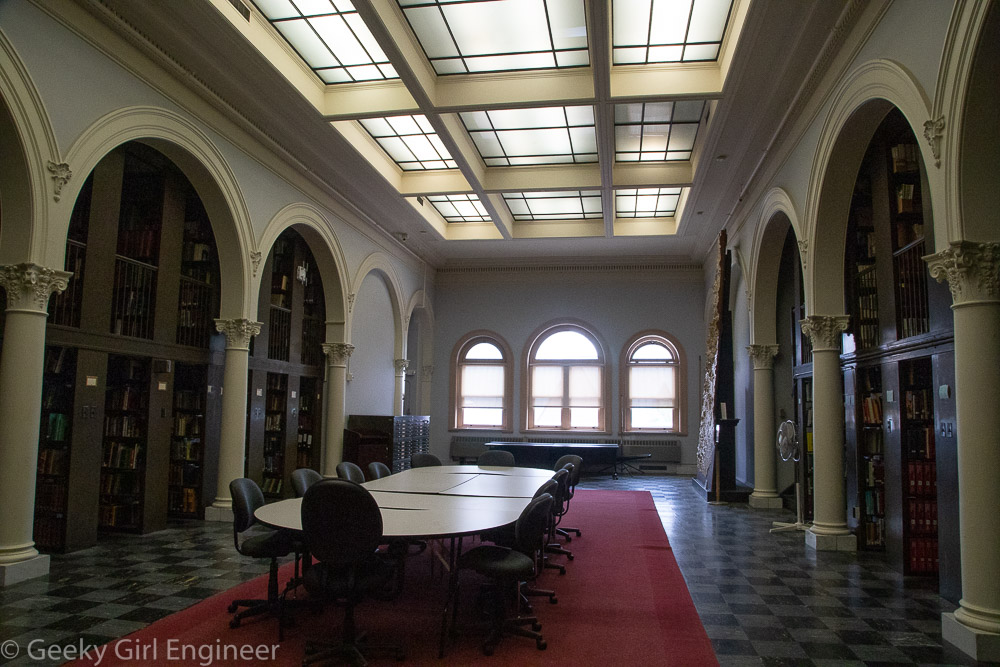
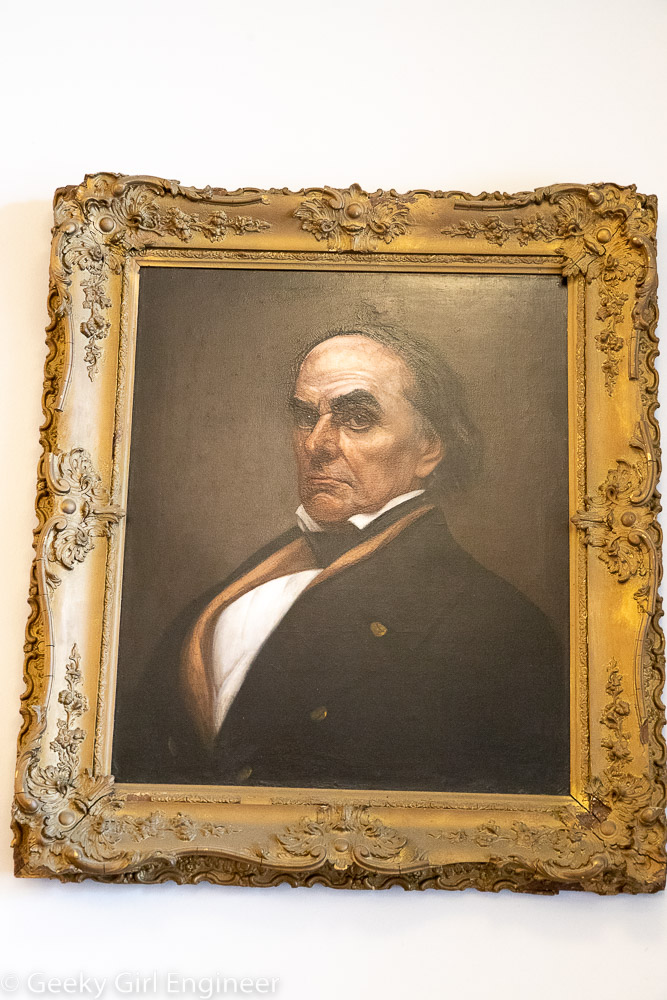
While visiting the New Hampshire State Capitol, our unofficial tour guide highly recommended walking across the street to see the state library. He said it was a beautiful building, and that also there is a portrait of Daniel Webster that is the scariest painting he had ever seen and belongs in a haunted house. He was right on both counts. The state library building was originally built for the state supreme court to be on one side and the state library to be on the other. Eventually the supreme court got its own building. The building has gorgeous marble fireplaces and other lovely touches like skylights.

New Hampshire State Library

Room formerly used by the New Hampshire State Supreme Court

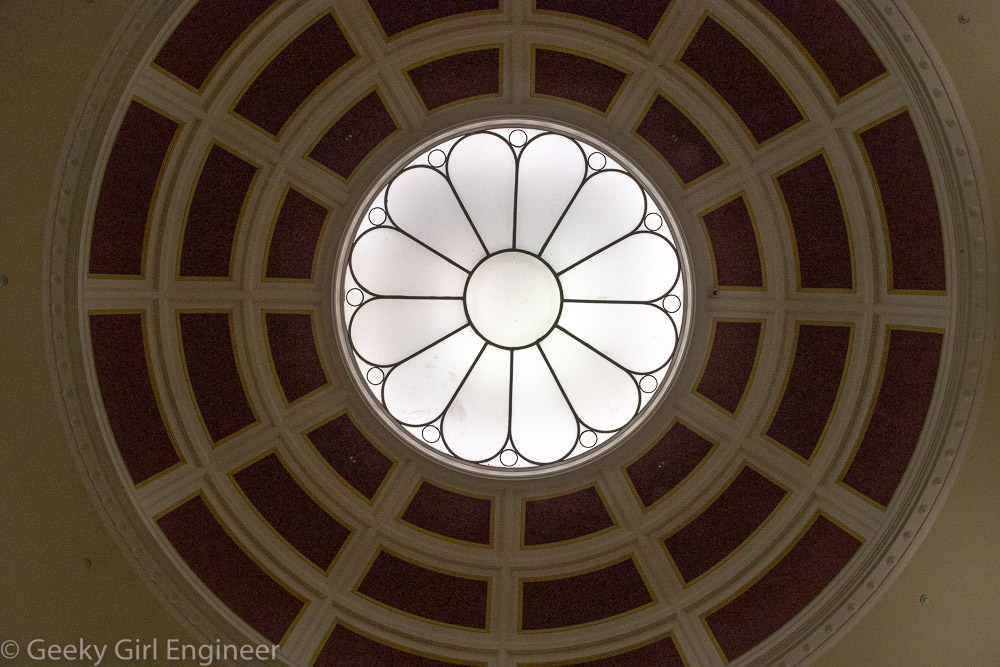
Skylight over room formerly used by the New Hampshire State Supreme Court

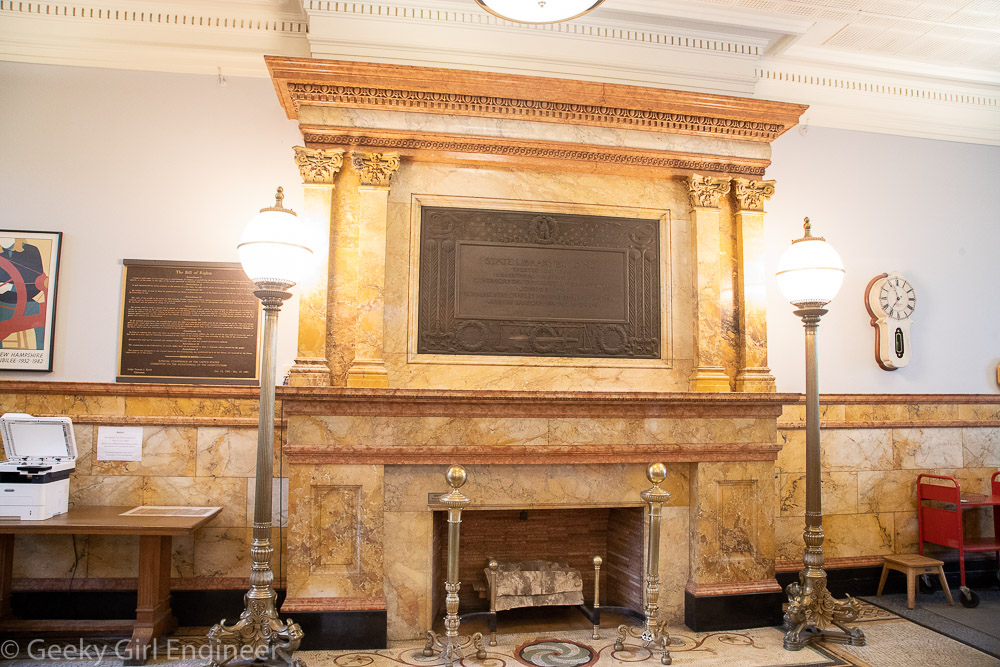
Fireplace on first floor

Second floor hallway with fireplace on left

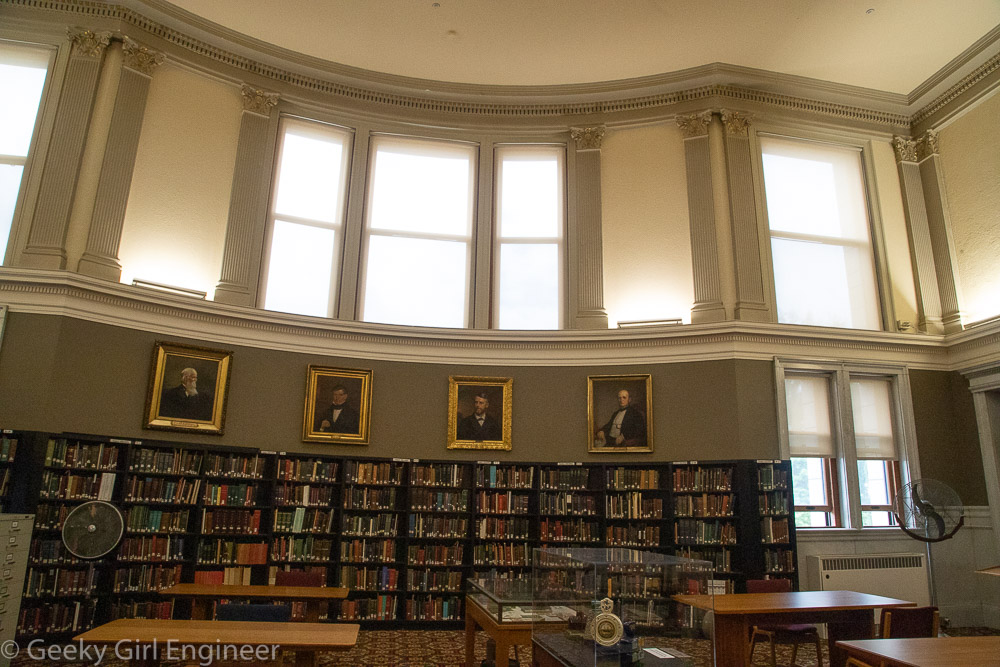
Stacks room on second floor with skylight

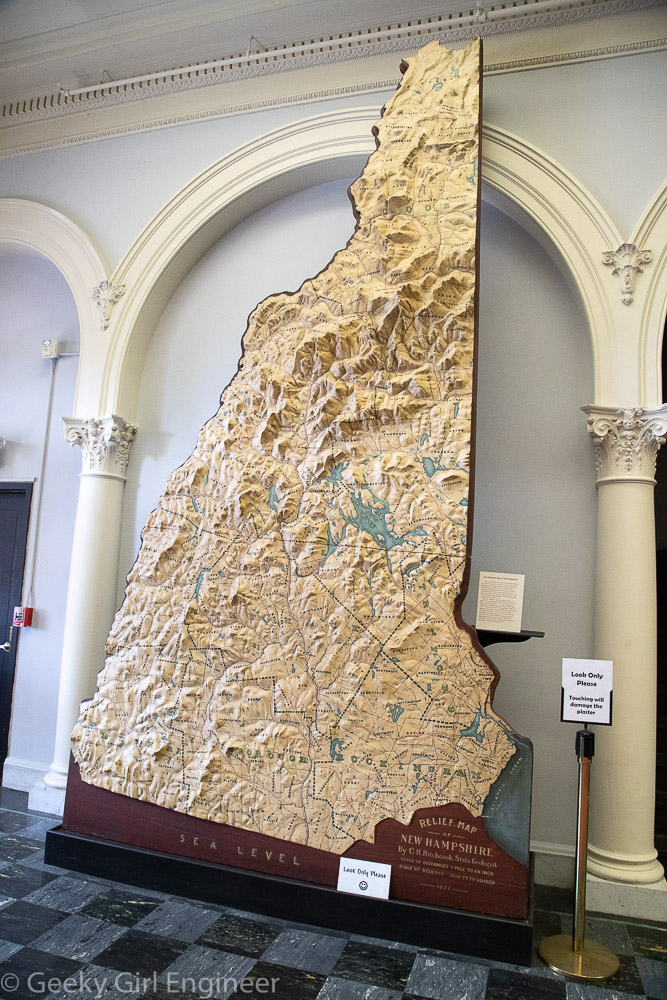
Giant relief map of New Hampshire. One inch equals one mile of distance. One inch equals one thousand feet of height.

Famous scary Daniel Webster portrait that everyone agrees belongs in a haunted house

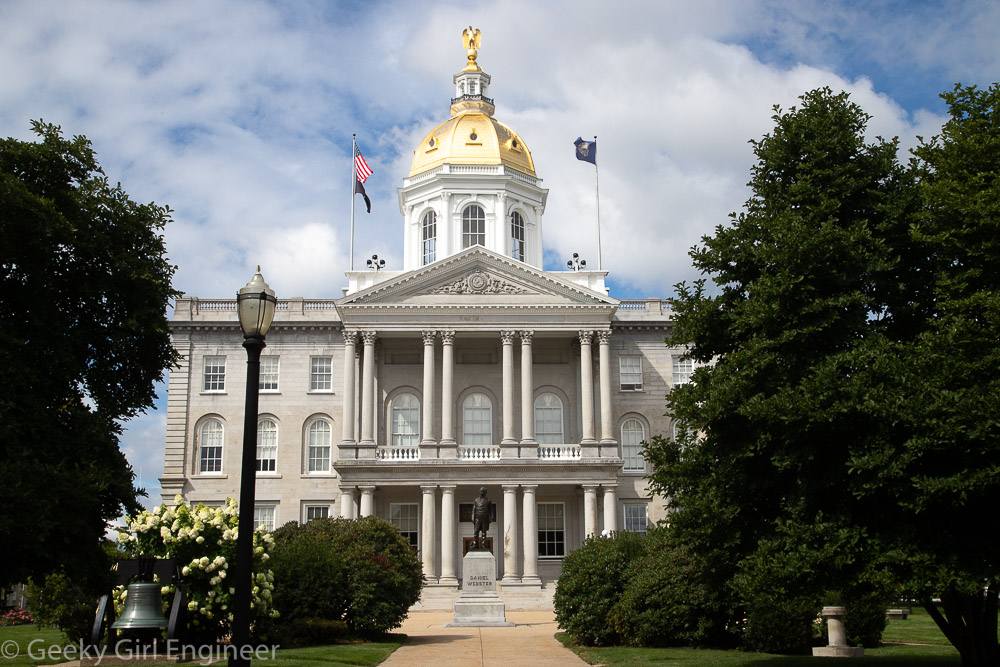
New Hampshire State Capitol

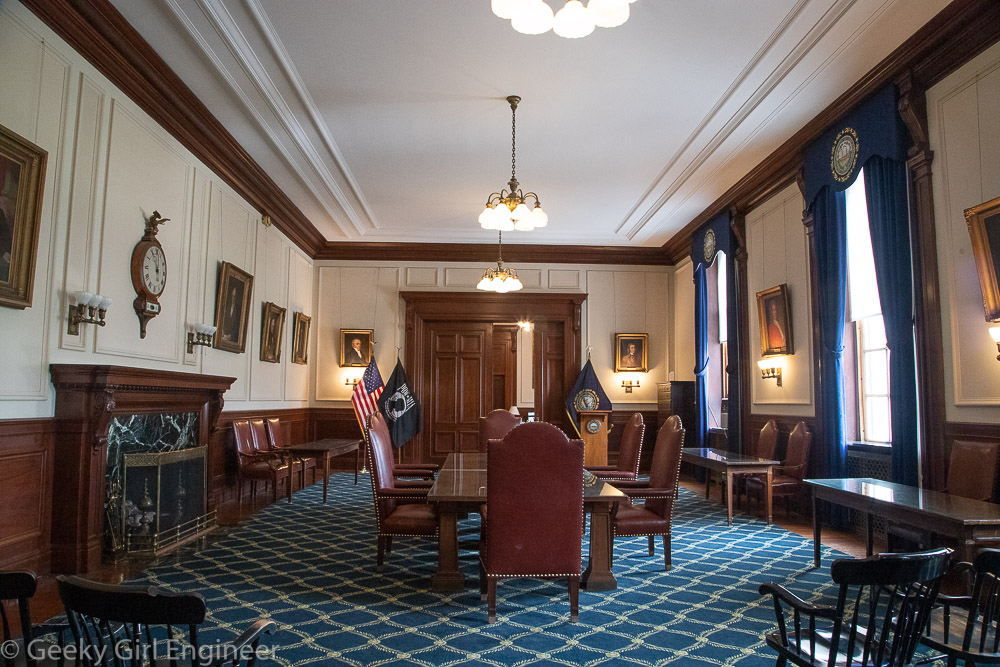
Today I visited the last New England state capitol that I hadn’t seen yet. [Sort of, as I still will need to go back to Connecticut when I can see the Senate chamber.] I toured the New Hampshire state capitol. Unfortunately, they did not have guided tours, but they had a nice pamphlet explaining what to see. Then while visiting the Governor’s Reception Room, we met a couple of very friendly, informative employees, including a man, whom I think worked in facilities, who took us to see a couple of sites not printed in the official guide.

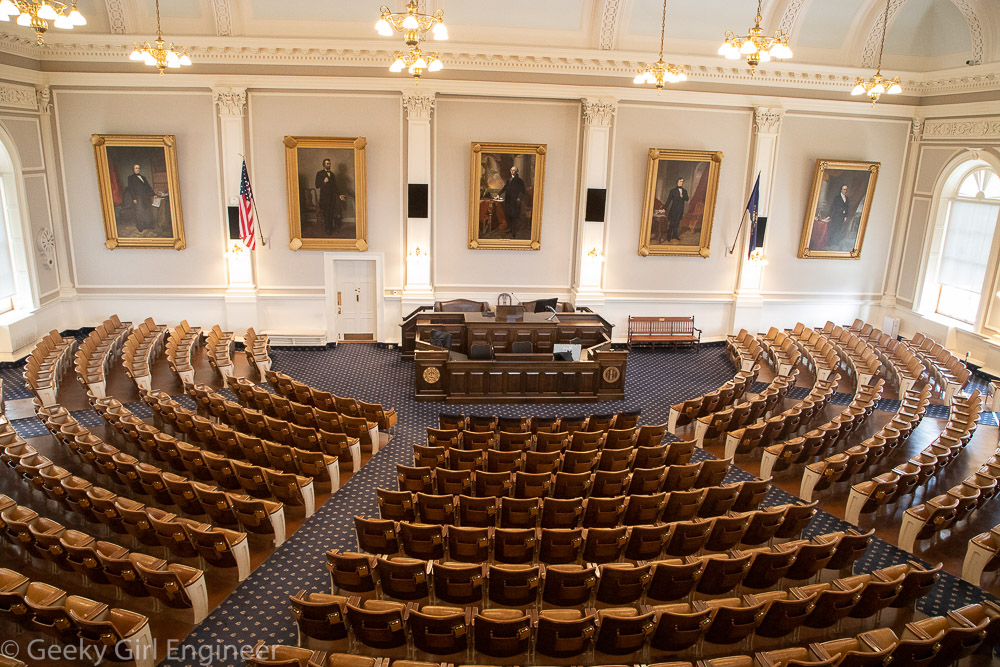
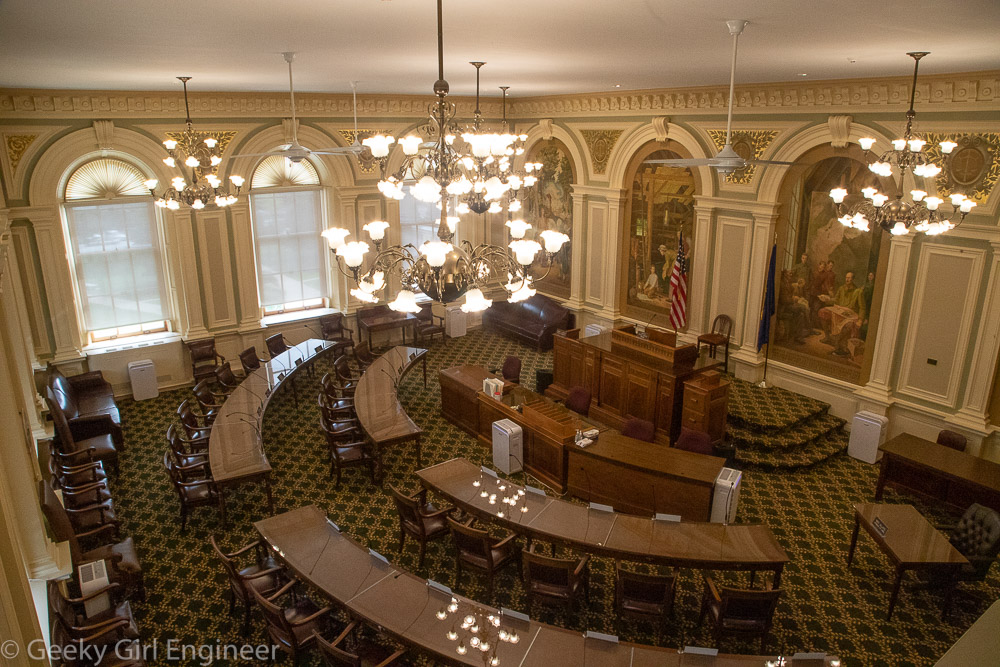
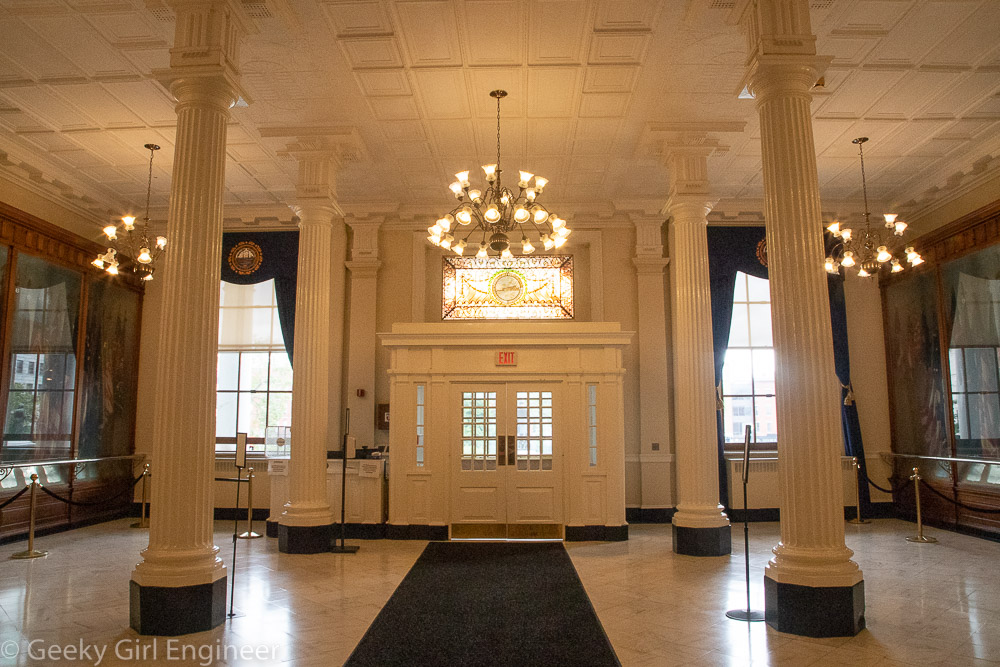
New Hampshire’s state house is the oldest state house in which the legislature still occupies its original chambers. I almost feel like some praise should be given to the original builders and designers for building a capitol that has fulfilled its original use for so long and also not managed to burn down like so many other capitols. Similar to other New England state capitols, it is not overly ornate, but it still has some nice touches. It is fairly small. The House representatives don’t even get a desk. Their chamber is essentially an auditorium. New Hampshire has the largest number of state representatives with 400 elected, yet is in the bottom fifth of states by population. However, New Hampshire has the fourth smallest Senate with 24 elected members. The printed guide did not give any explanation for why there is that dichotomy.

New Hampshire State Capitol

New Hampshire House chambers

New Hampshire senate chambers

Artwork in New Hampshire senate chambers

New Hampshire Governor Reception room

Hall of flags at entrance to the capitol

Our unofficial tour guide who works in facilities, took us to see this painting of Daniel Healy. The reason he took us to see the painting, is it appears he has six fingers on his right hand. Our unofficial guide had no insight if the man actually had six fingers or if the artist just painted the hand weird or what. I can’t find any information on this man. Thus, I am sharing this mystery with anyone who reads my blog.

Portrait of Daniel J. Healy, longest serving state representative

Vermont State Capitol

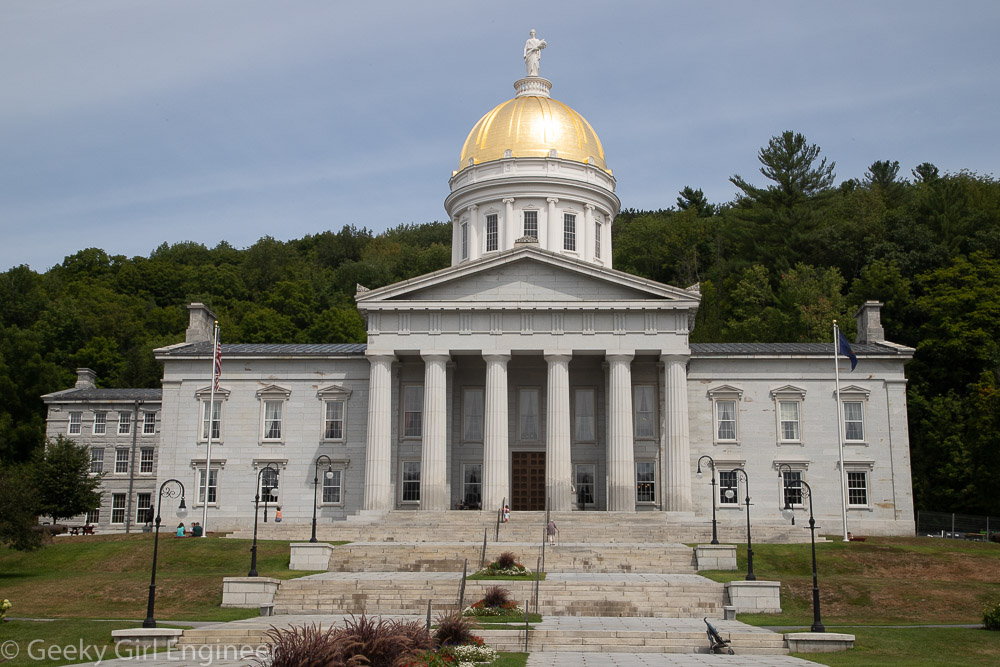
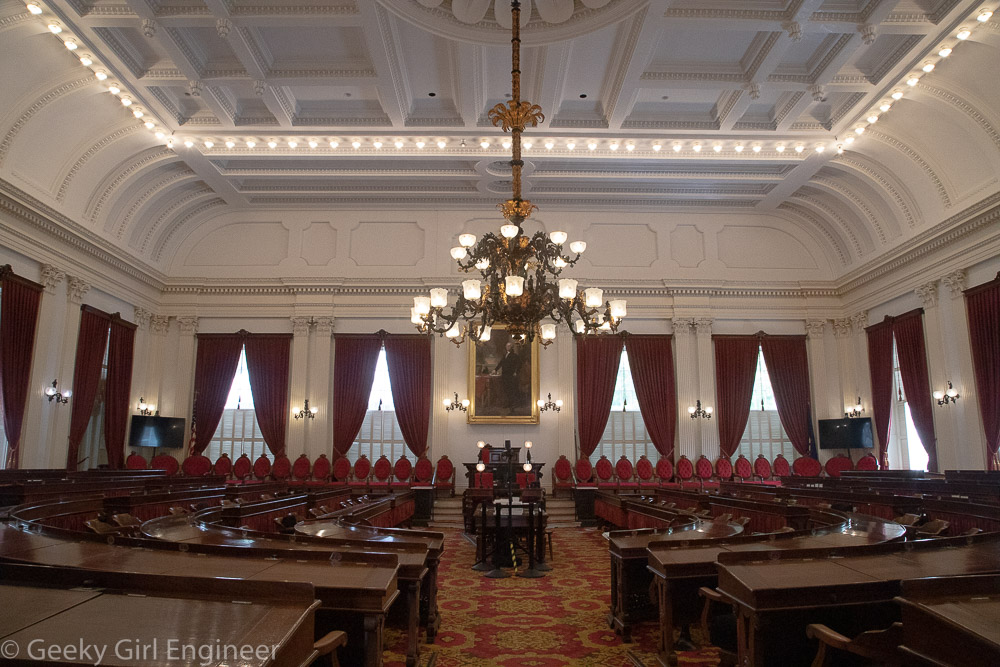
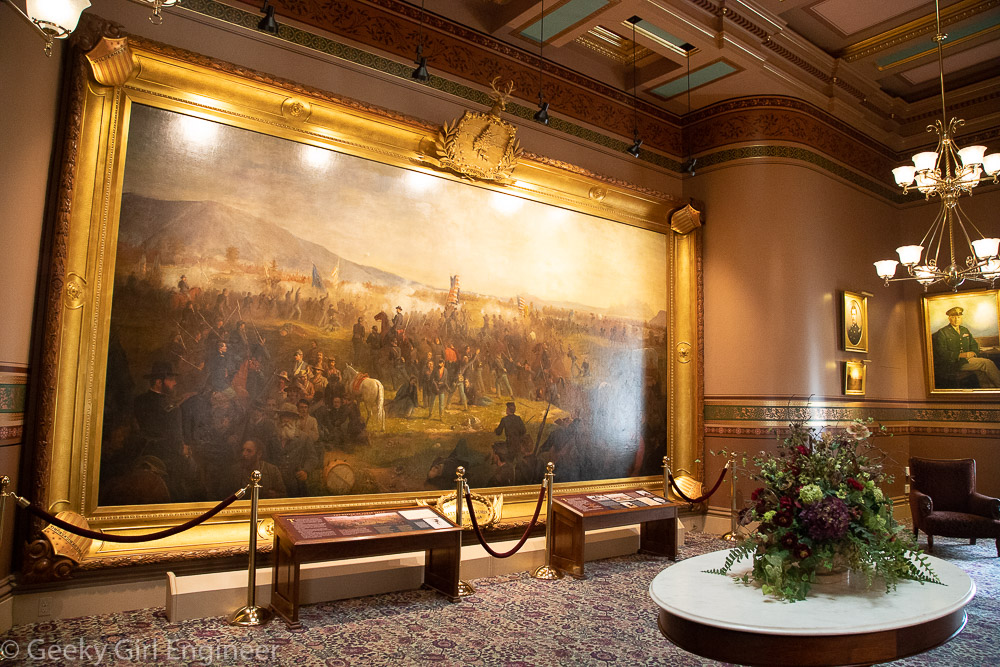
Today while on a New England trip, I continued on my quest to see all the state capitols and visited Vermont’s state capitol in Montpelier. The Vermont state capitol reminded me of the Alaska state capitol solely on its somewhat casualness and friendliness of people there. However, the Vermont state capitol is much prettier and ornate. Our tour guide was a now-retired state representative (because he didn’t run for reelection). I don’t know why I find it so funny that a state representative would be a tour guide when not representing, but I do. He was a wonderful tour guide though. The capitol is small really, but the rooms are lovely. The current capitol is the third state house. Probably by coincidence, the senate chamber is predominately green, and the house chamber is predominantly red. I noticed this because this is the exact opposite of a couple of state capitols such as California and Colorado, where the house is green based on the UK House of Commons, and the senate is red based on the UK House of Lords.

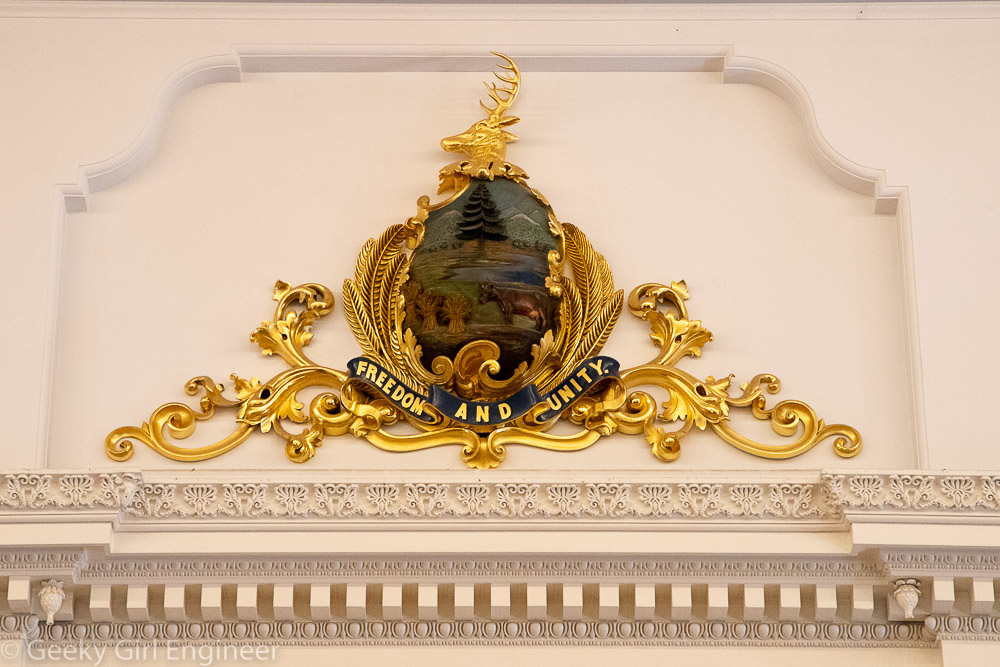
There are some neat details in the building. For example, the law dictates that the Vermont coat of arms must have five elements: a deer head, a cow, haystacks, pine tree, and mountains. However, the rest of the details are evidently up to interpretation, so our guide pointed out at least five different versions on the tour. A “bonus” detail we got to see because it not part of a the tour was a gorgeous fireplace in a lounge area that has all these different stones mined in Vermont. We got to see it simply because he was leading us to the elevator as a member of the group needed to use it. Something that I also found amusing is that the capitol does have a dome, but you can’t look into the interior as it is unfinished wood. Our guide pointed to the part of the ceiling that is below the dome at my request because I am weird.

Vermont State Capitol

Vermont House Chambers

Vermont Senate Chambers

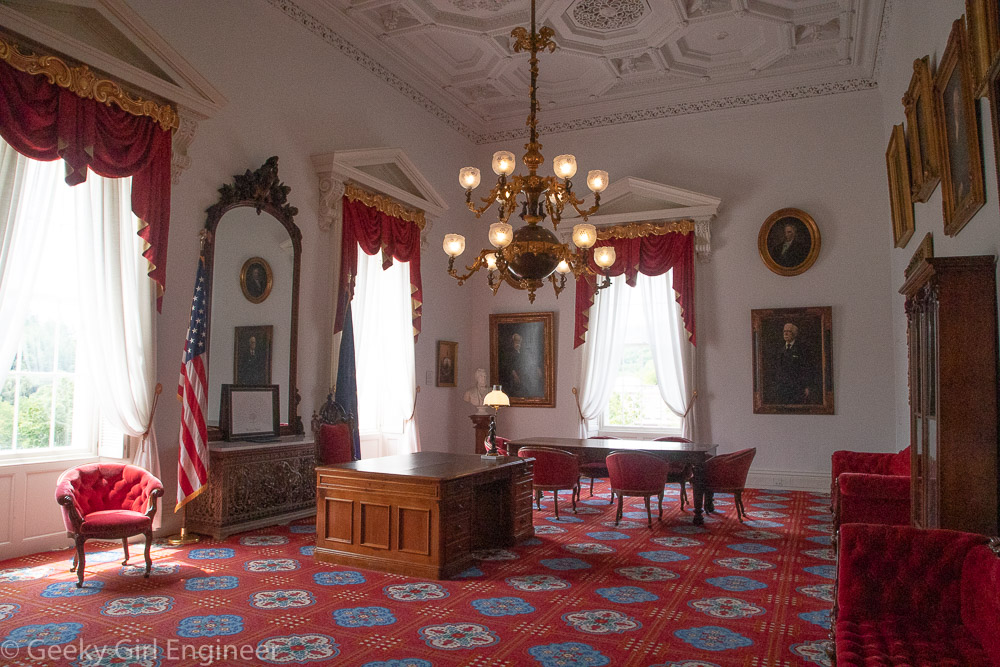
Vermont Governor’s formal office

Ceiling in Vermont Governor’s formal office

Cedar Creek Reception Room

Vermont coat of arms on wall of House Chambers

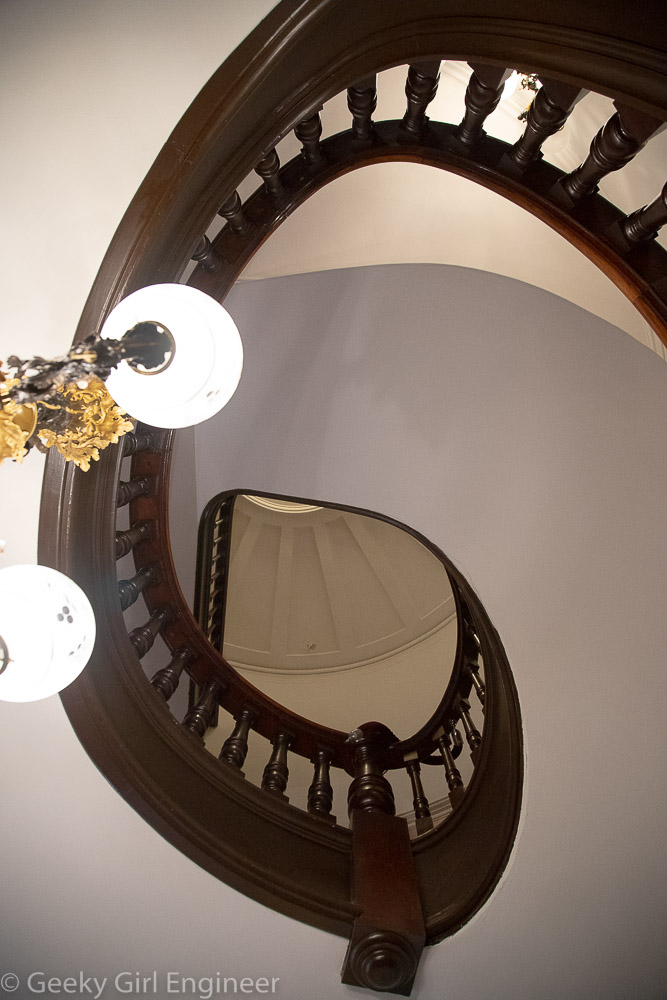
Stairwell

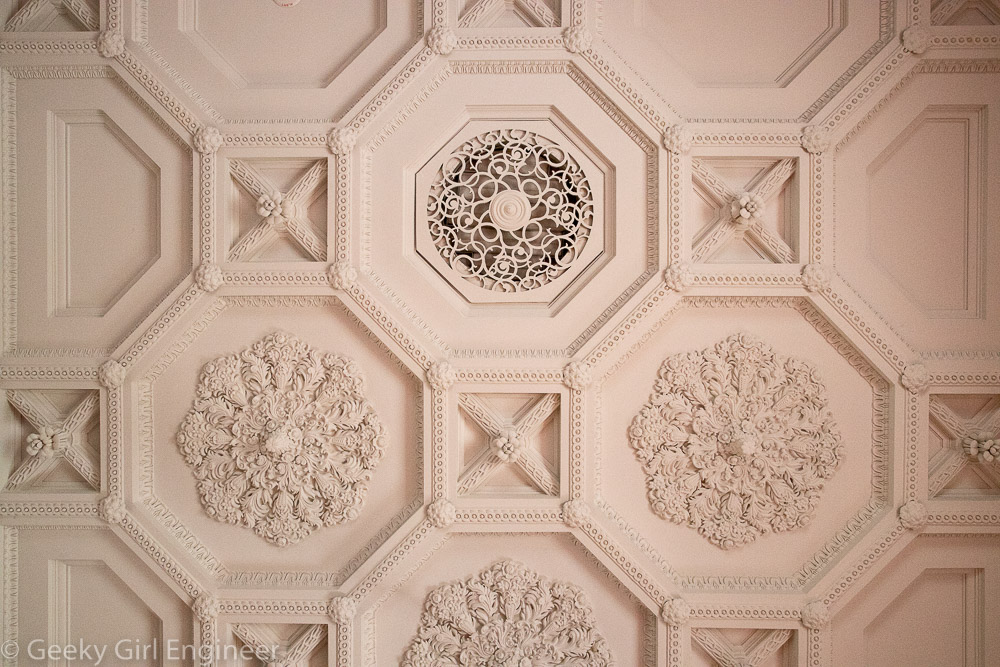
Ceiling on first floor which blocks view of dome (also I think second floor also blocks view)
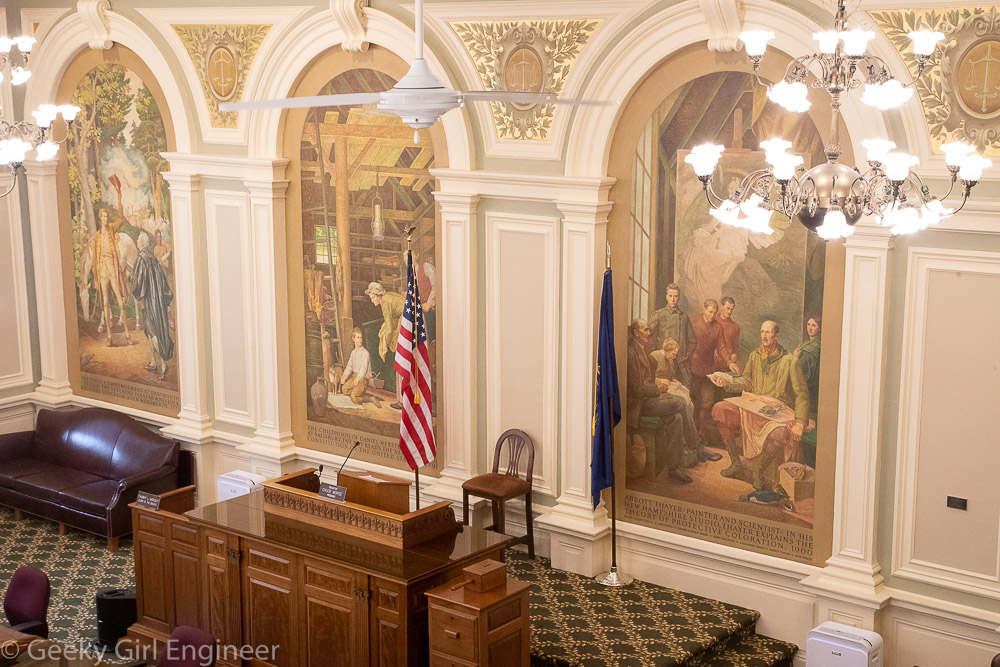
Connecticut State Capitol

I am once again traveling on my quest to see all the state capitols. Today I visited Connecticut’s state capitol. The visit was somewhat disappointing because they would not let visitors see the Senate chamber. I understand some people may find my disappointment silly, and some woman on the tour did. However I traveled all this way to see the capitol, and the chambers are the most important parts of the capitol in my opinion. I have seen enough capitols to say confidently that seeing one chamber does not mean you have seen them both, as they are always different in rather interesting and important ways. So there is my criticism of the tour. If the website said you couldn’t visit that chamber, it was not clear because I certainly did not see that warning on the website. This adds to my annoyance.

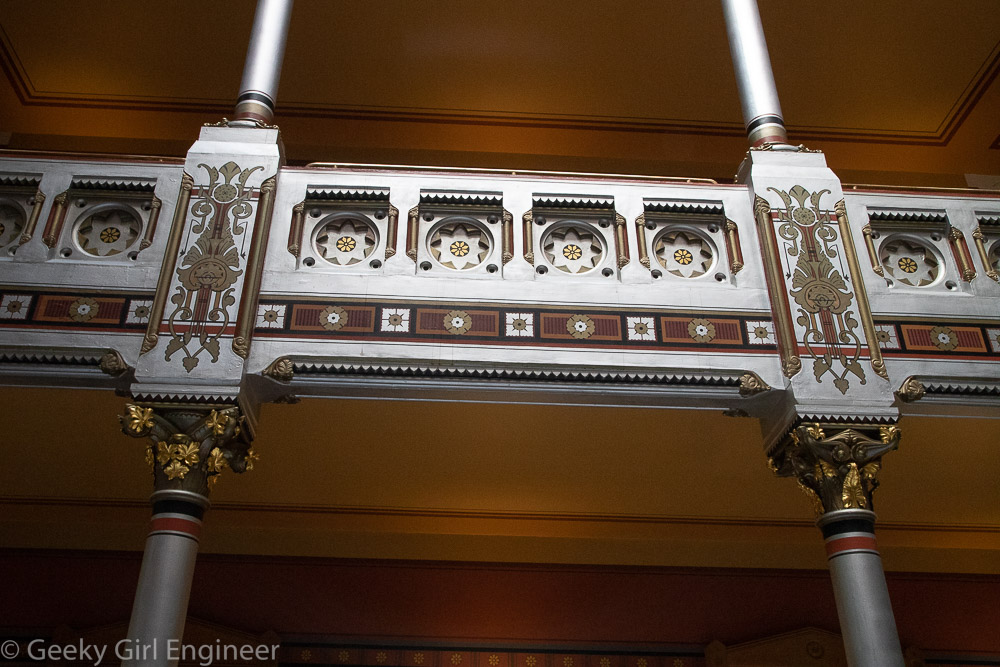
With that gripe out of the way, the Connecticut state capitol is quite beautiful. It looks like a capitol. It has intricate decorations, and the design clearly has symbolism. There is a reoccurring theme of compasses and flowers that resemble compasses to represent that what happens in the capitol affects the entire state. Dark red, black, and browns are used throughout, which gives the building a very cohesive look. There are not that many statues, but the ones present are rather meaningful. There is also a whole lot of stenciling, which is gorgeous, but I can only imagine the time it took.

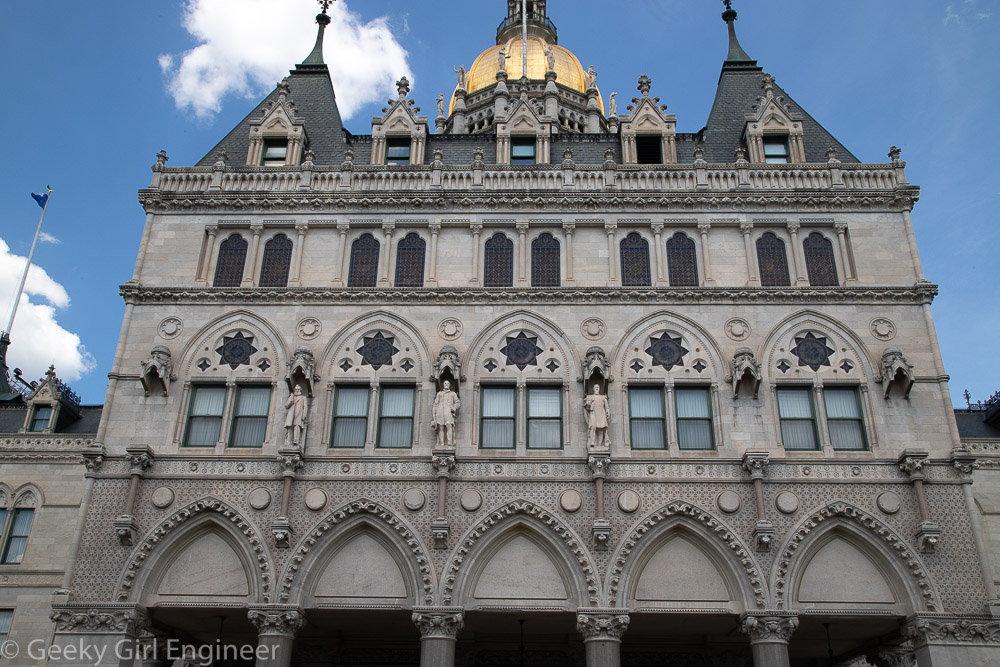
Connecticut state capitol

Connecticut state capitol

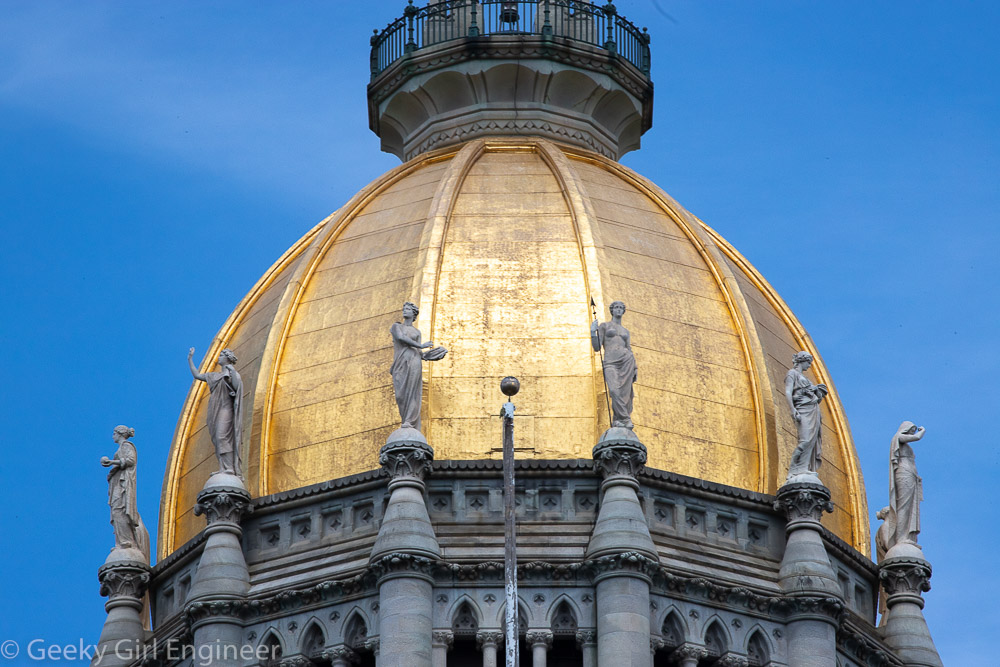
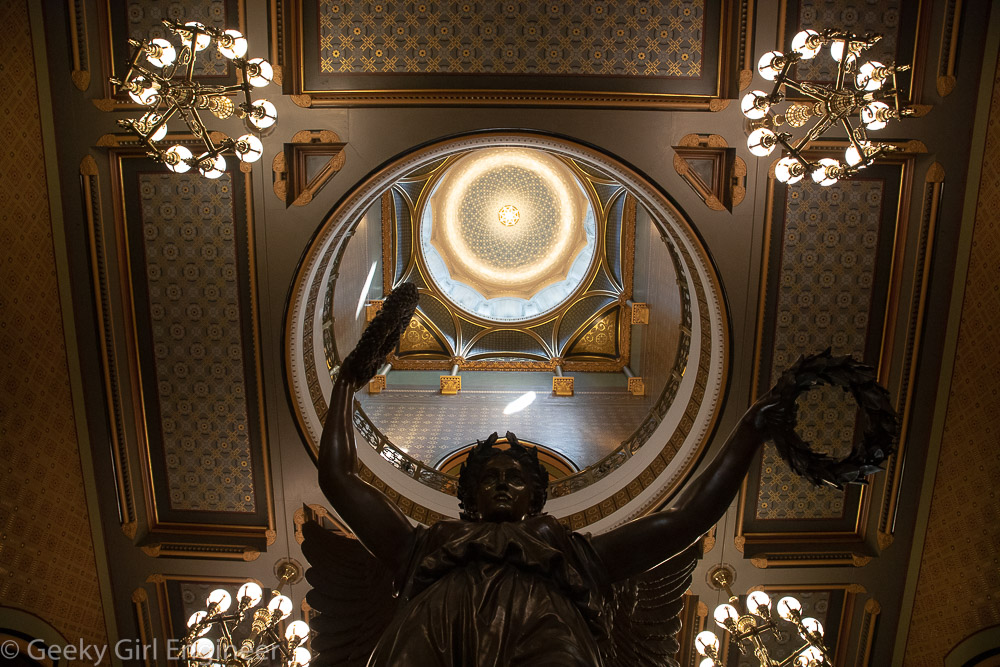
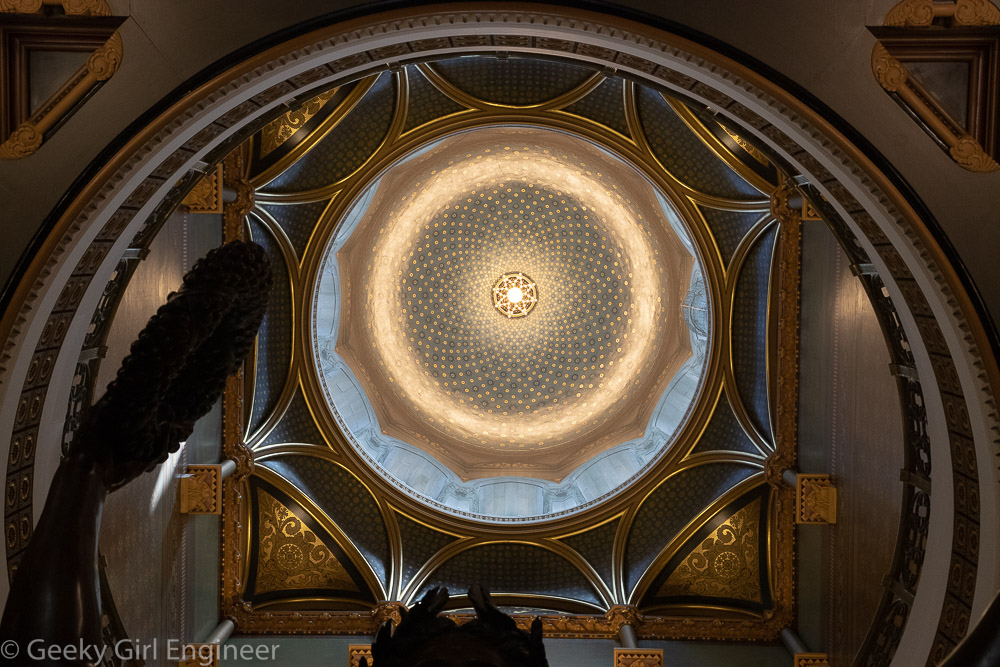
Connecticut state capitol dome

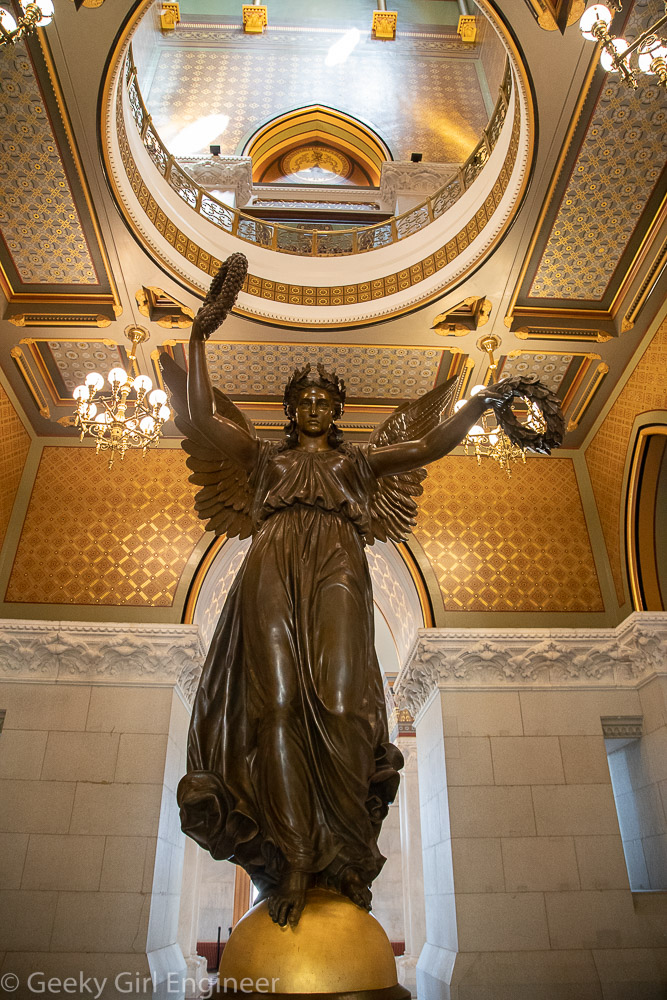
The Genius of Connecticut

Rotunda

Looking up the rotunda into the dome

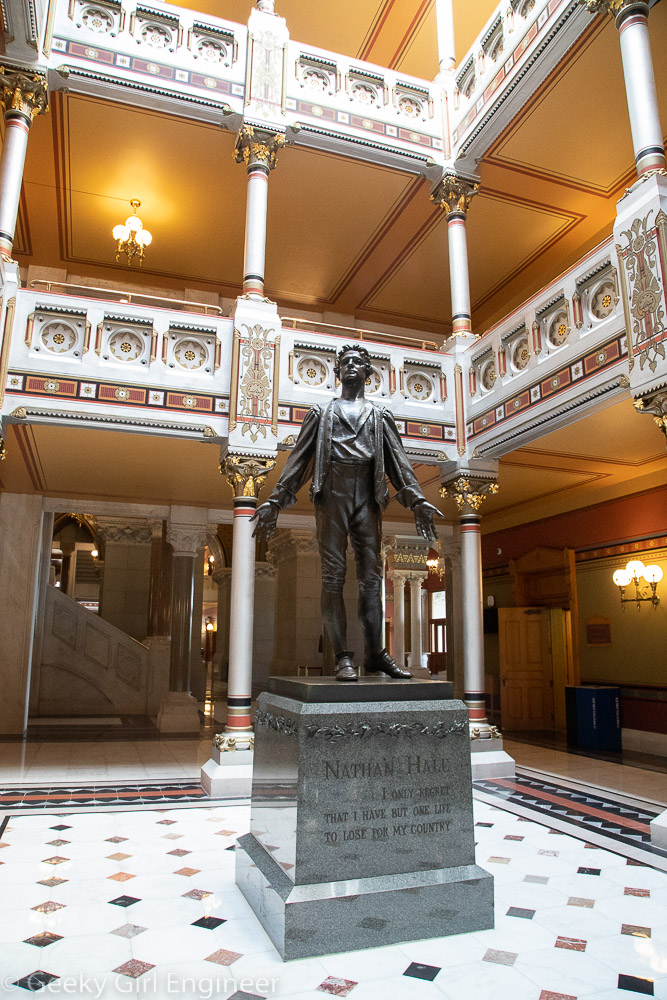
Nathan Hale statue in atrium

Stenciling on balcony

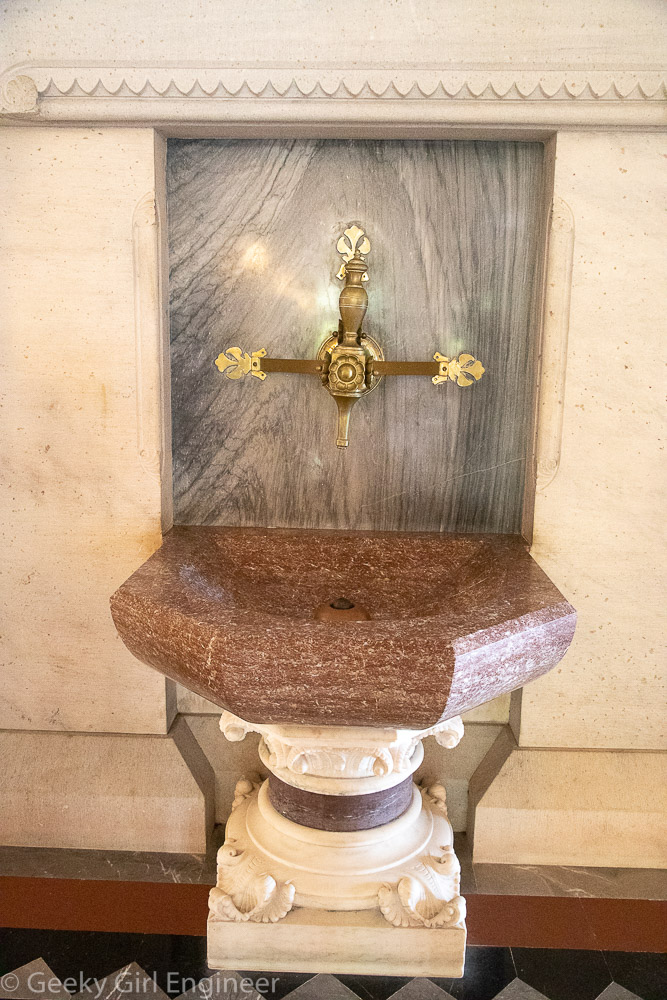
Fountain that used to provide water for people to fill in buckets for their horses outside

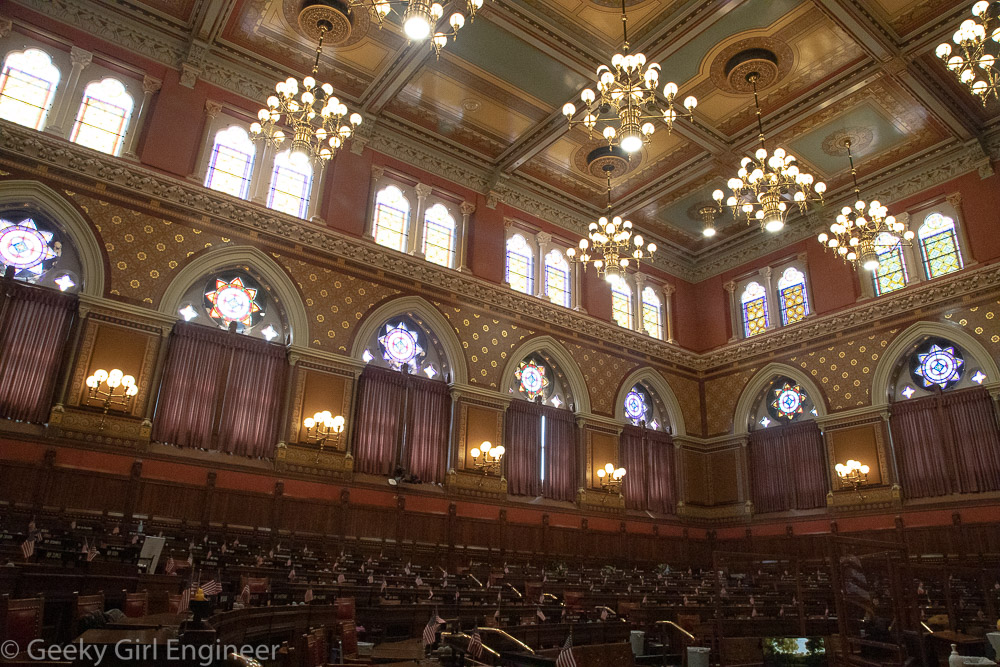
House chambers

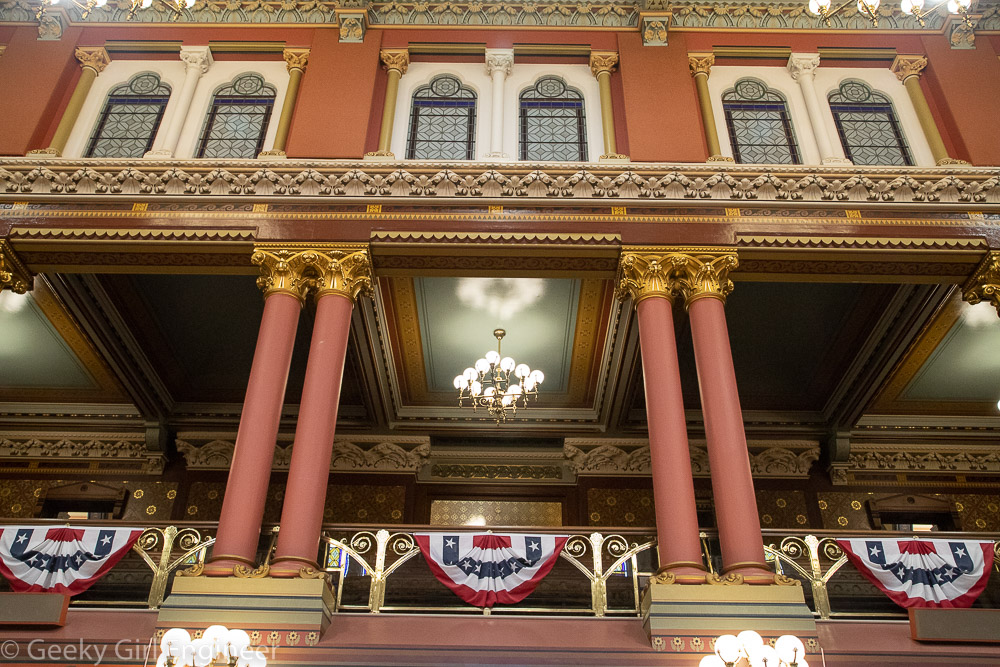
House chamber viewing gallery

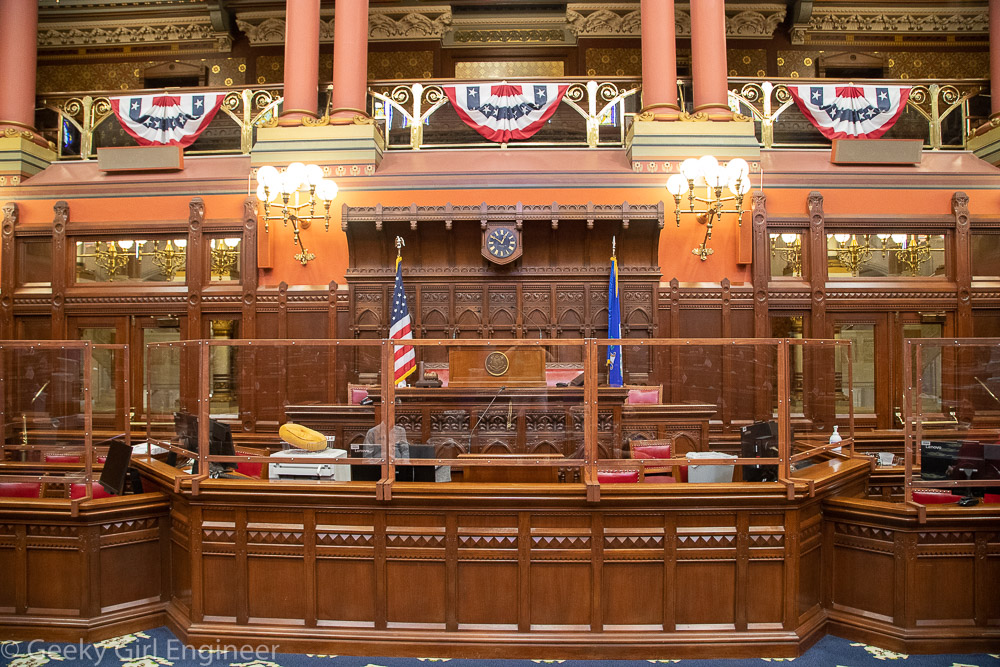
House well and speaker’s desk

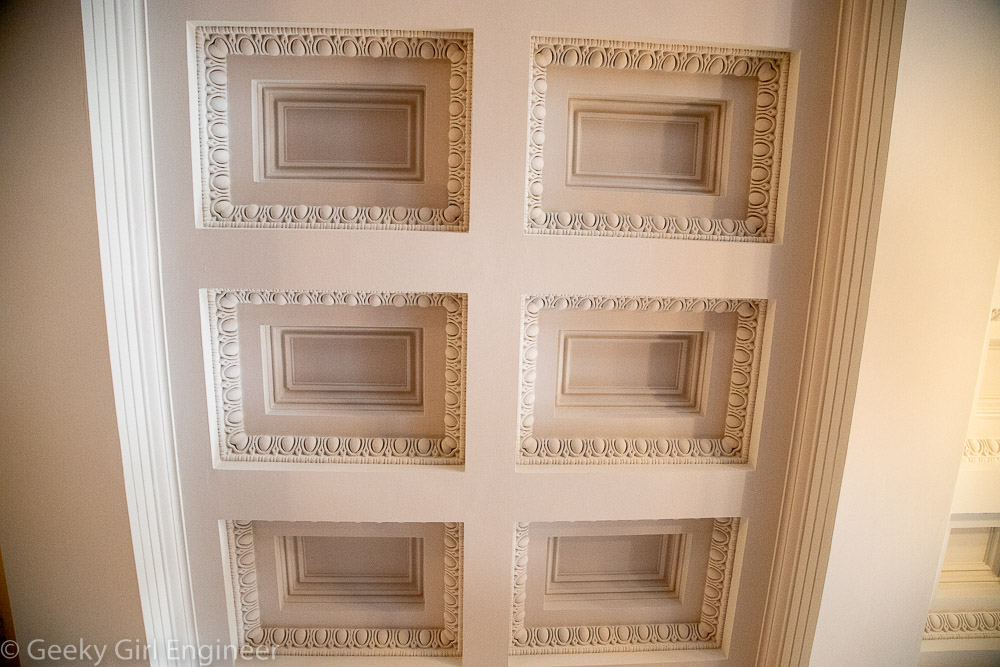
Ceiling of House chamber

Exhibition Coal Mine

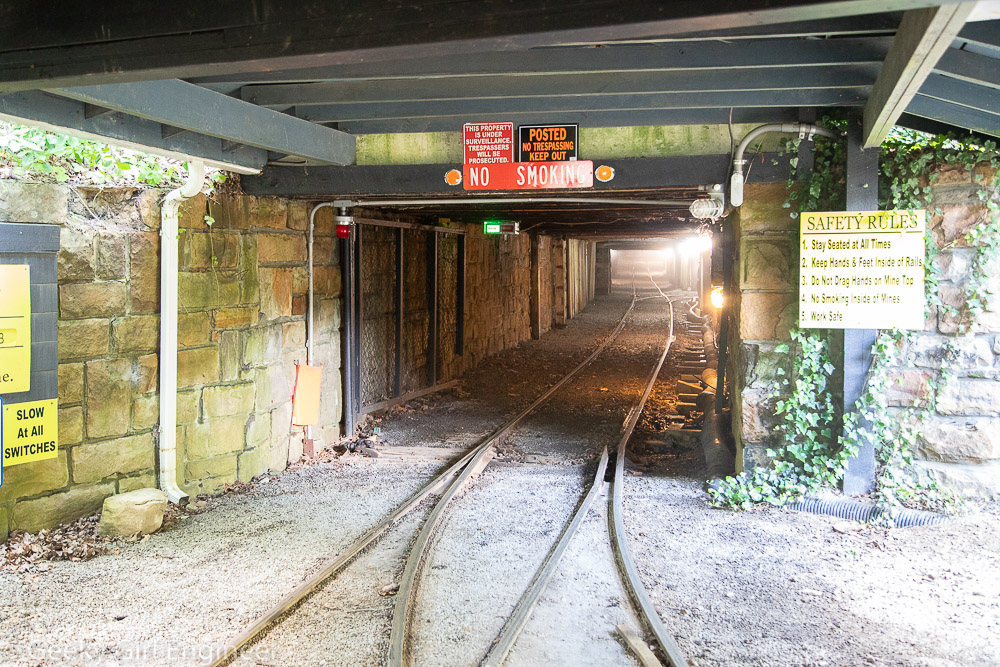
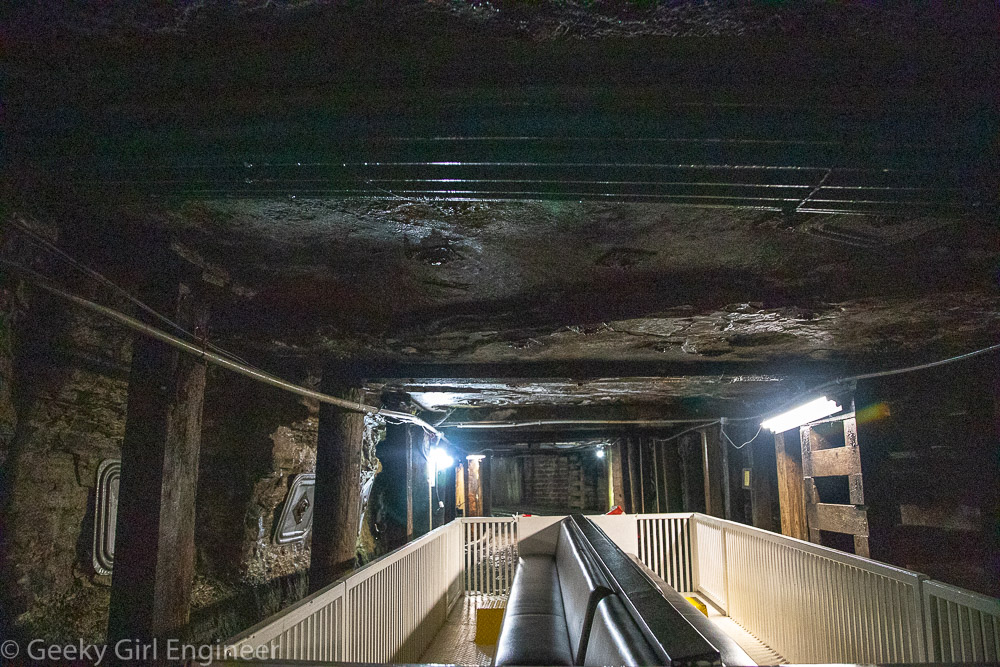
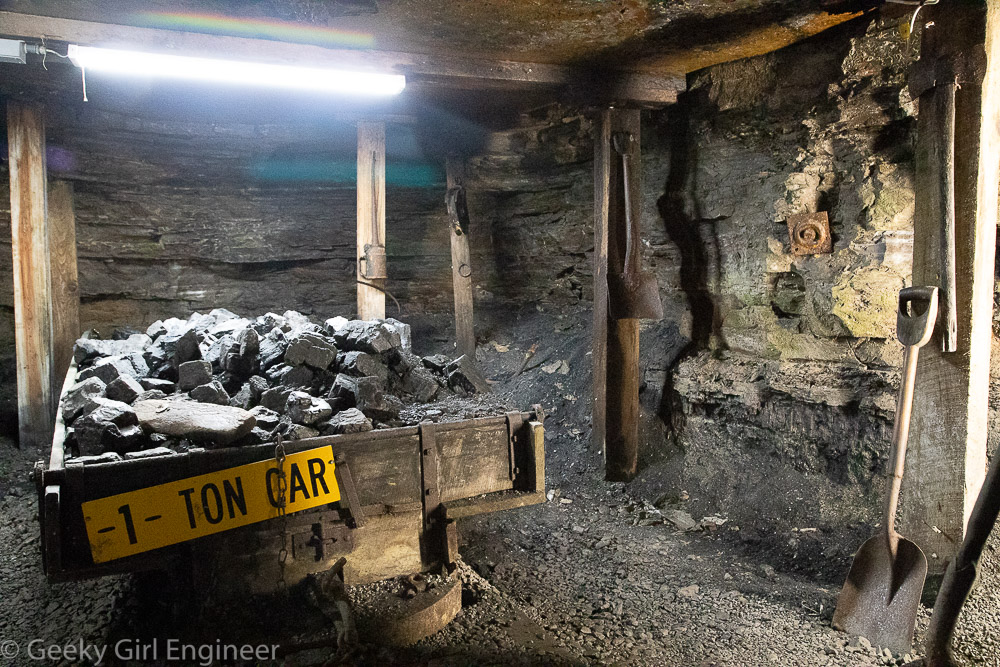
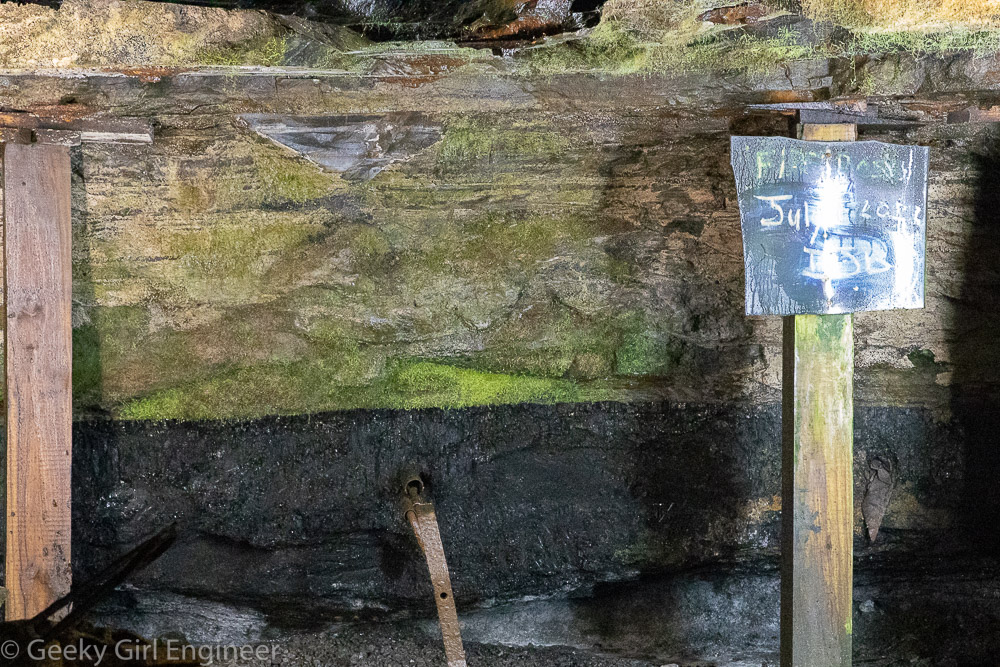
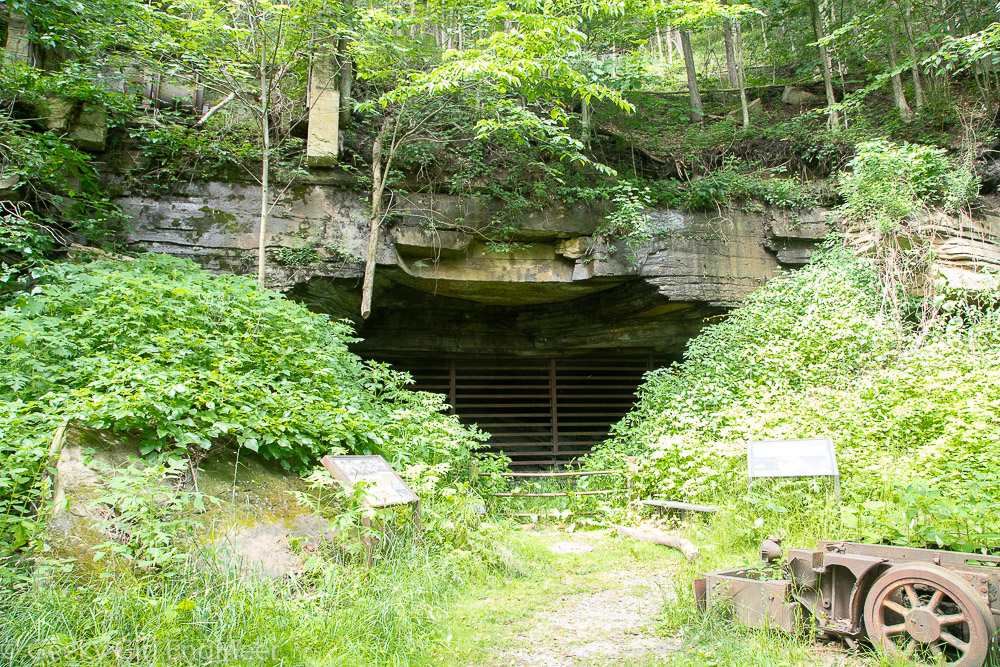
While visiting New River Gorge National Park, I am in the Beckley area, so I decided to visit the Exhibition Coal Mine. It is a museum dedicated to coal mining including structures that show how people used to live. The main attraction though is an actual coal mine that shut down decades ago that you can tour while on a mine car. It was quite interesting. Our guide was a retired coal miner, and he was able to explain how things worked. You cannot stand up straight in the coal mine. We were seated on a car the whole time, but our guide got out several times, and he had to stoop over. He further explained that with most area, they did not remove the rock above the coal seam. The coal seam was generally only 24 inches high, so miners worked on the ground in a 24 inch high area. The work was obviously grueling.

Entrance to mine

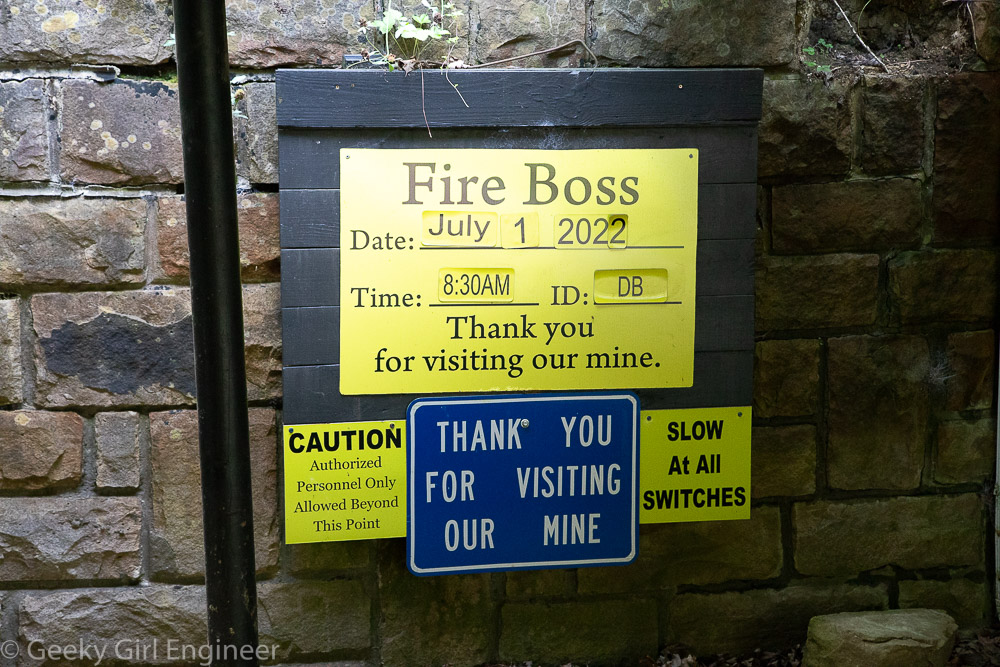
Signs near entrance to mine. They still have a fire boss check the mine everyday even though they are not mining.

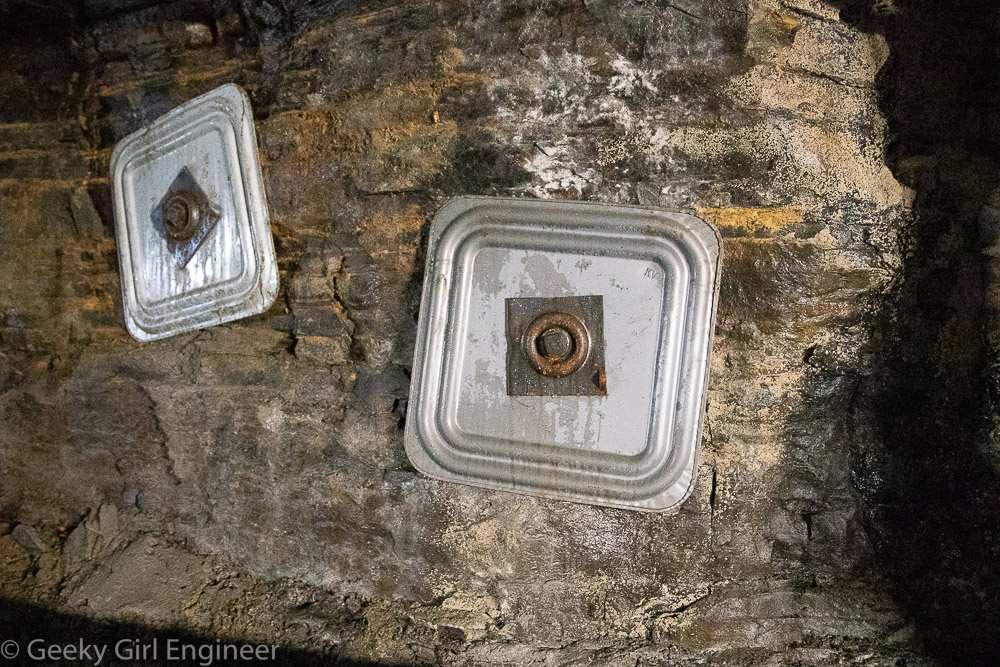
Rock bolts were in all the walls and ceiling to strength them

View from the car down the mine

Example of a car that held one ton of coal that a miner would fill. A 24 inch high or so coal seam can be seen in wall.

Wall of mine with coal seam at the bottom

Nuttallburg

I started exploring New River Gorge National Park today. It is second on my list of things to see in West Virginia after the capitol. The park is really spread out, and there are lots of areas to explore. I did some hiking in the Nuttallburg area today because it features the remains of a coal mining operation, and I love ruins. I hiked from the top to the headhouse. I was originally going to hike down along the trail that somewhat follows the conveyor, but I met some people at the headhouse, who had just hiked up the that trail, and they said do not do it. It is a really difficult trail, and while the park material said as much, somehow their exhausted faces persuaded me more. I then drove to area near the river where the lower part of the mining operation was and hiked around there a little. The area trails are really neat because you can essentially follow the mining operation from the mine entrance to where the coal would have been loaded onto trains.

While the mining operation started in the mine, obviously, the first part you can see is the mine entrance. As I stood in front of the mine, I could feel the air coming out was probably 10 or 20 degrees colder.

Mine Entrance

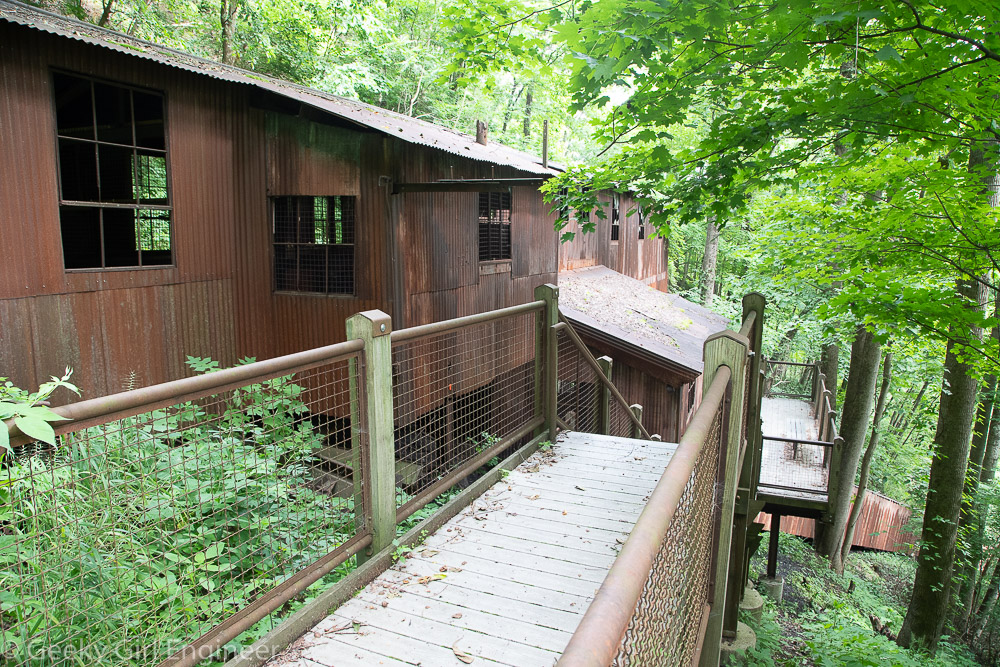
The coal cars then went to the headhouse where the coal was dumped and loaded onto the conveyor, which brought the coal all the way down the slope to be transferred to trains.

Headhouse where coal was dumped out of the cars from the mine and onto the conveyor. In the lower right, you can see the start of the conveyor.

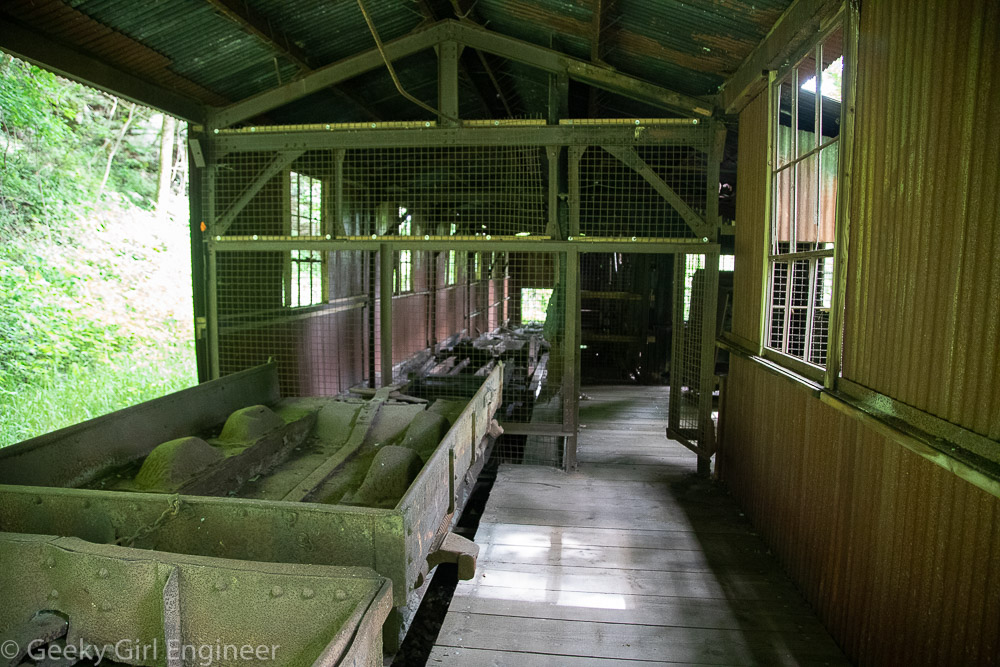
Inside the headhouse where the coal cars came in

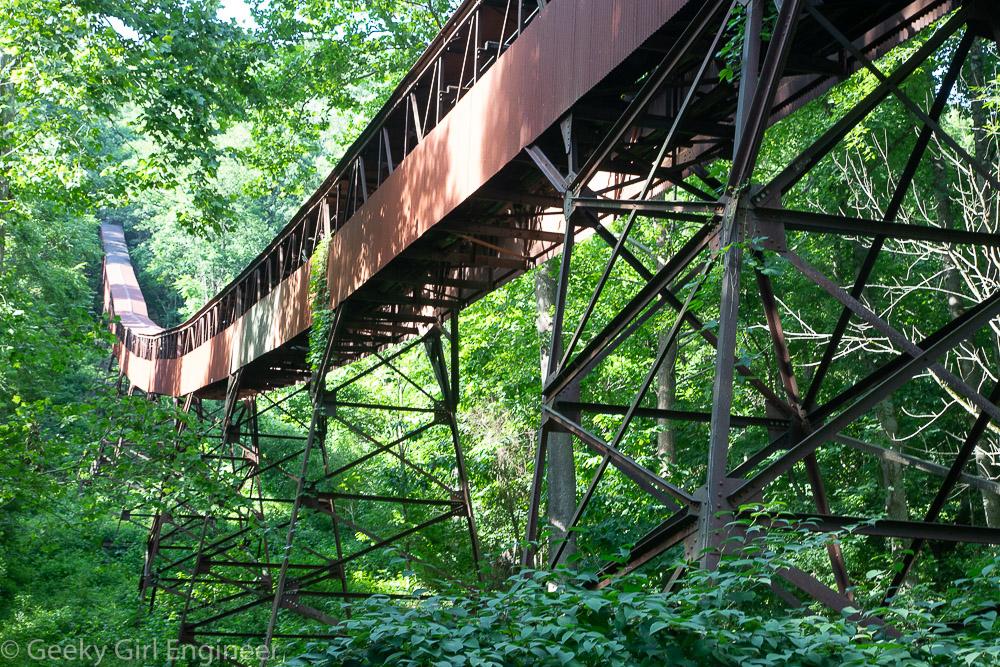
The conveyor was essentially a really long conveyor belt, and it was kind of awesome to stand beneath it.

Conveyor that brought coal from headhouse to tipple

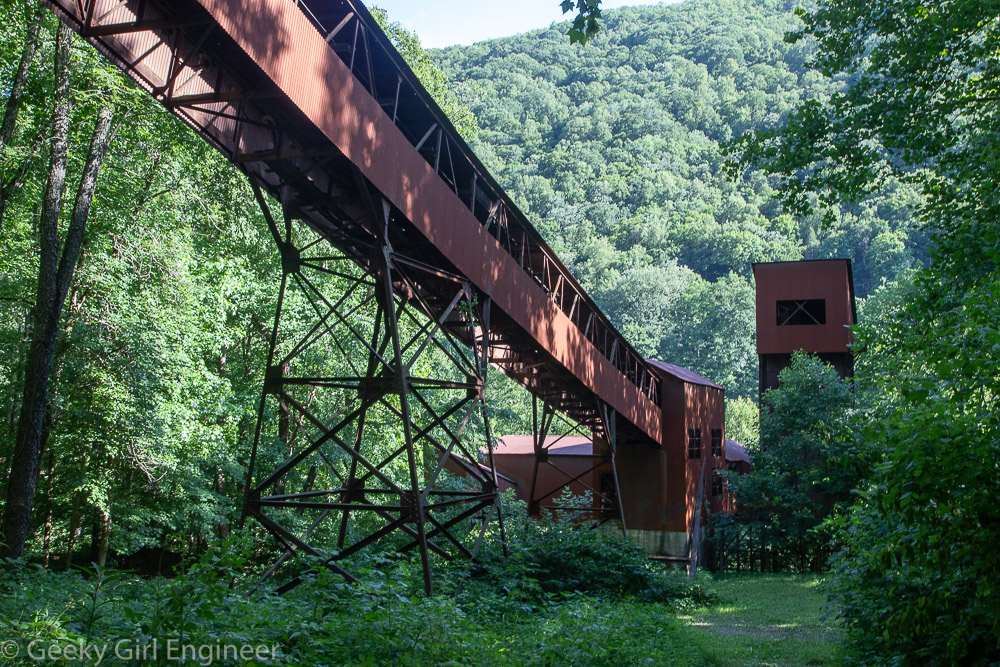
The conveyor ended at the tipple. The tall structure seen on the right was a storage silo for the coal.

Conveyor entering the tipple

Conveyor entering the tipple

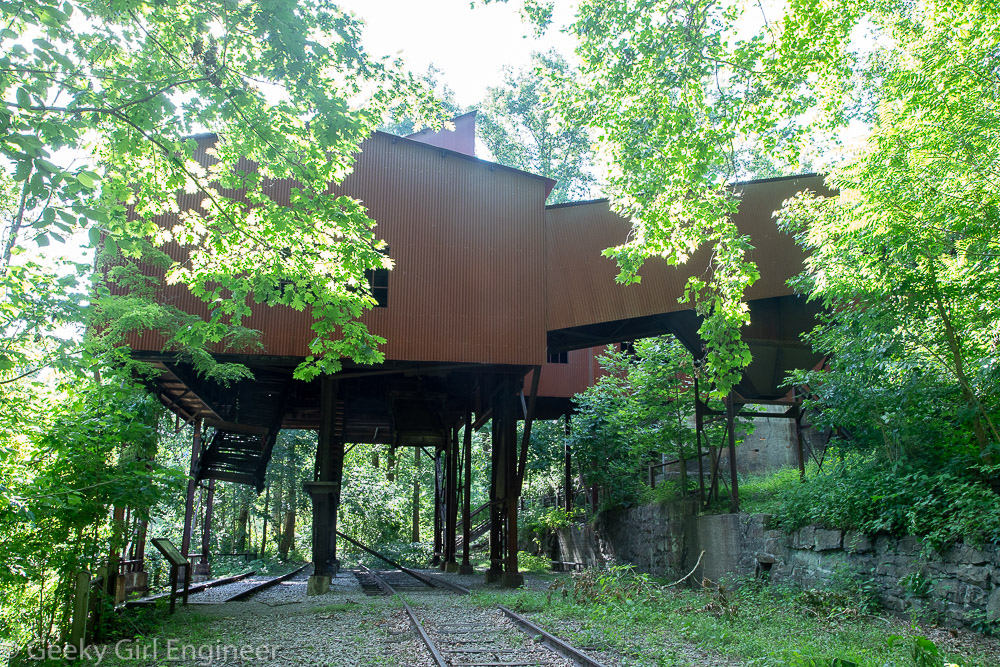
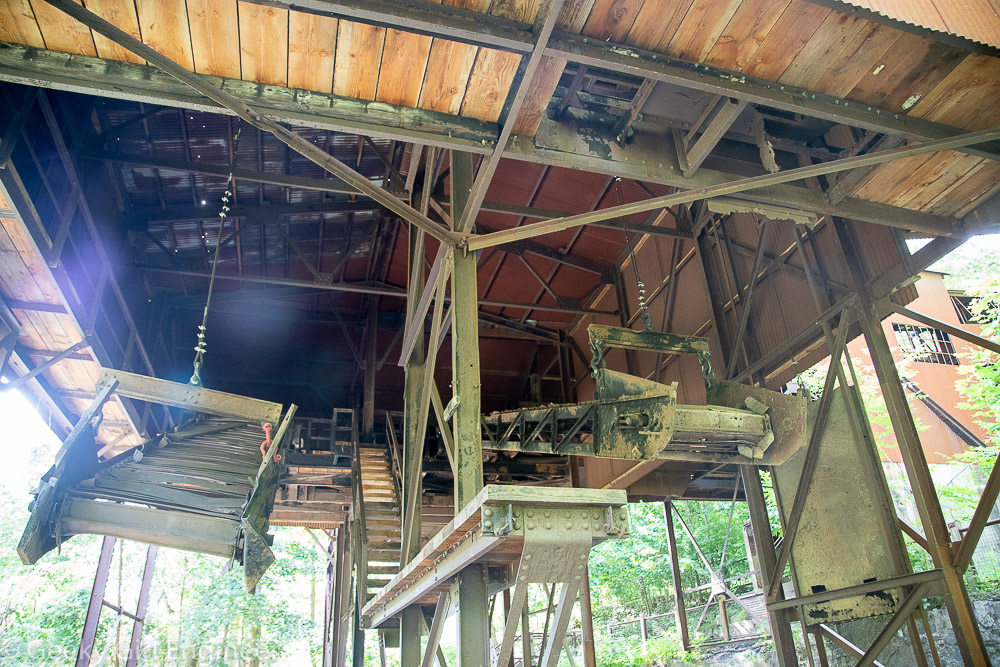
The tipple sat on top of train tracks, and the coal was transferred to the trains there.

Tipple where coal was transferred to trains

Under the tipple, standing on the old train tracks where coal was transferred

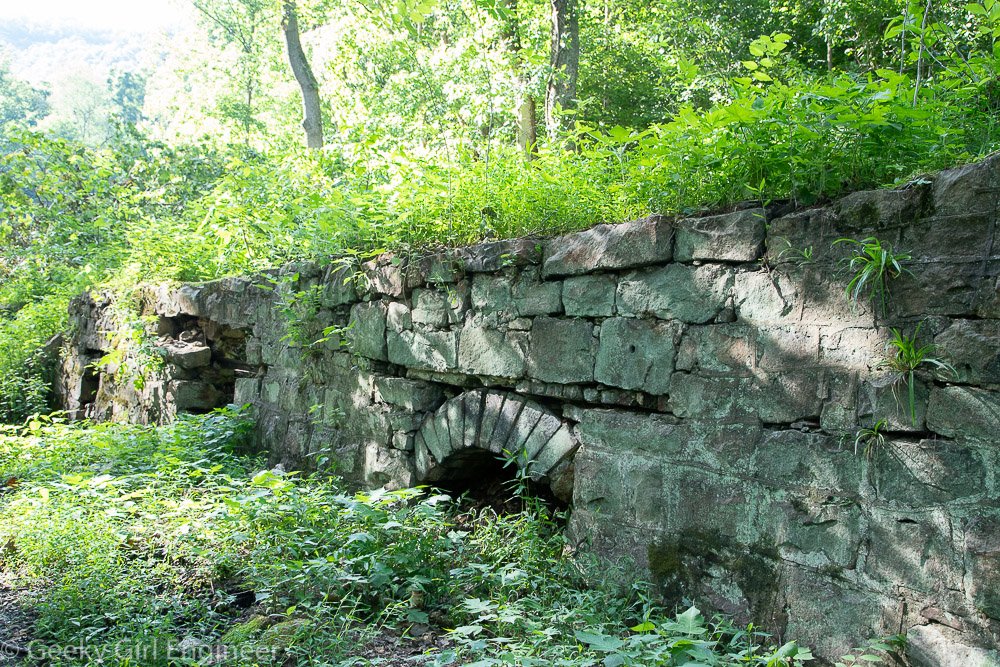
There are also some remains of coke ovens. These are considered to be the earliest remains of coal operations. Originally the coal converted to coke there.

Coke Ovens