MTA’s Flatbush-Empire Substation

I took another tour with New York Transit Museum today. This one of the Flatbush-Empire Substation, formally known as Old Prospect Park Substation. It was constructed in the early 1900s to originally provide power for Brooklyn trolleys and then was used to provide power to the subways. Sadly, the substation sits right above where the Malbone Street disaster occurred, where approximately 100 people lost their lives in 1918 when an untrained conductor was operating a subway train during a labor dispute. The substation played a role in the disaster when the circuit breakers tripped at the station from the train accident, and the substation operator restored power to the rail thereby electrocuting any victims on the tracks because the system operators thought the breakers had tripped due to a prank by strikers.

The substation originally converted AC power from the grid to DC using rotary convertors. Now they use modern thingamajigs that are not nearly so cool looking. The downstairs of the substation has all the old unused parts, not to mention all the hazardous chemicals that had to be removed. There are capacitors where PCBs had clearly been removed, and other places painted with a white sealant after asbestos had been removed. Upstairs is where the boring gray boxes filled with modern electronics that actually do the work now are. The substation does not have a working rotary convertor by the way. The only one left owned by MTA is at Substation #13 (see that post for photos and video).
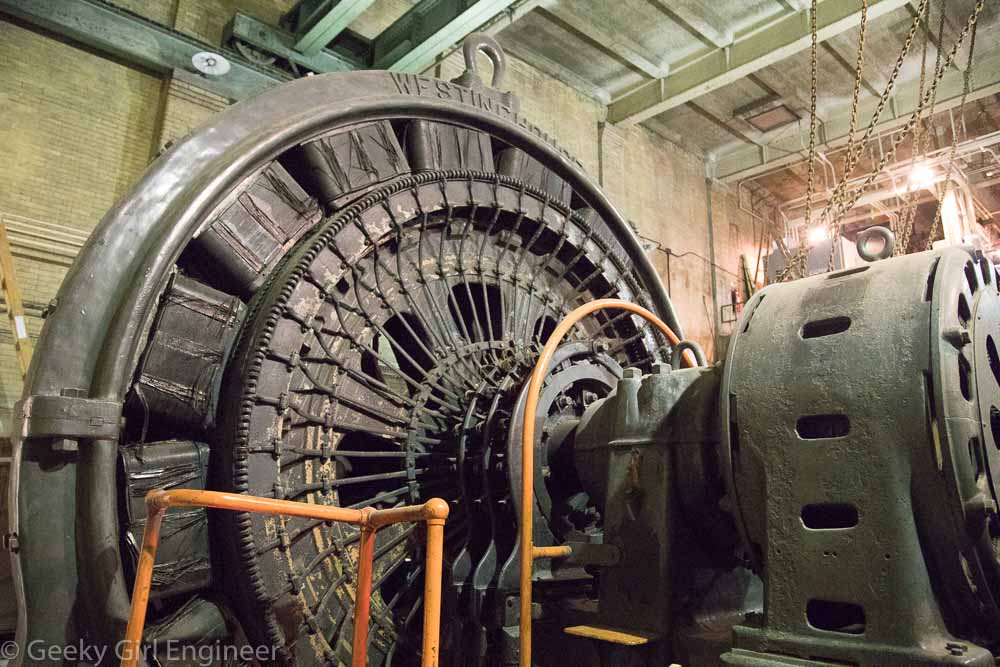
Rotary convertor
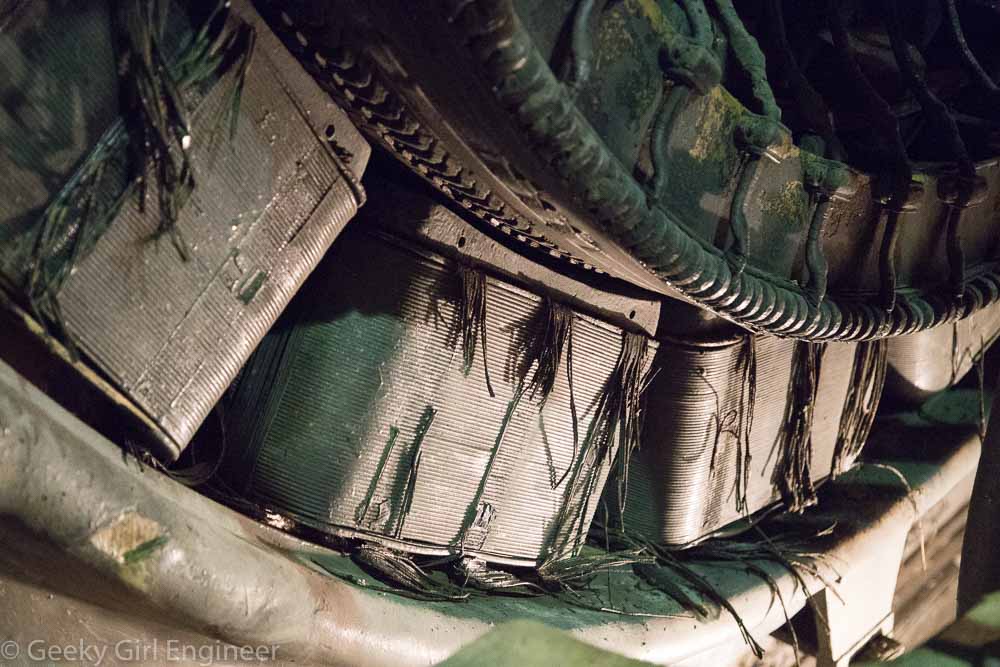
Rotary convertor
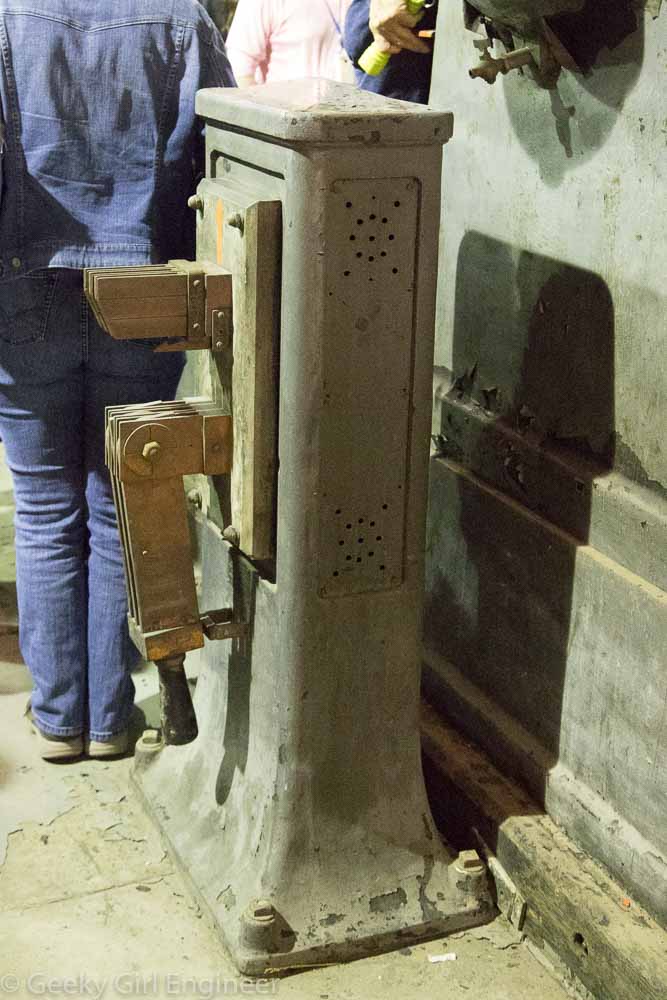
Switch for rotary convertor
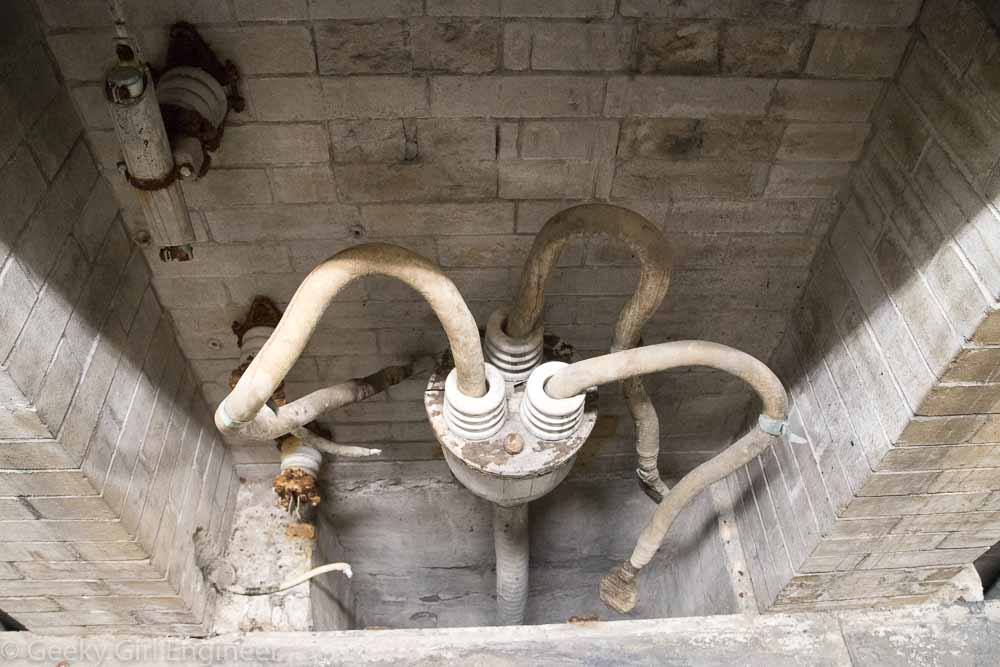
Cables coming up from grid underground
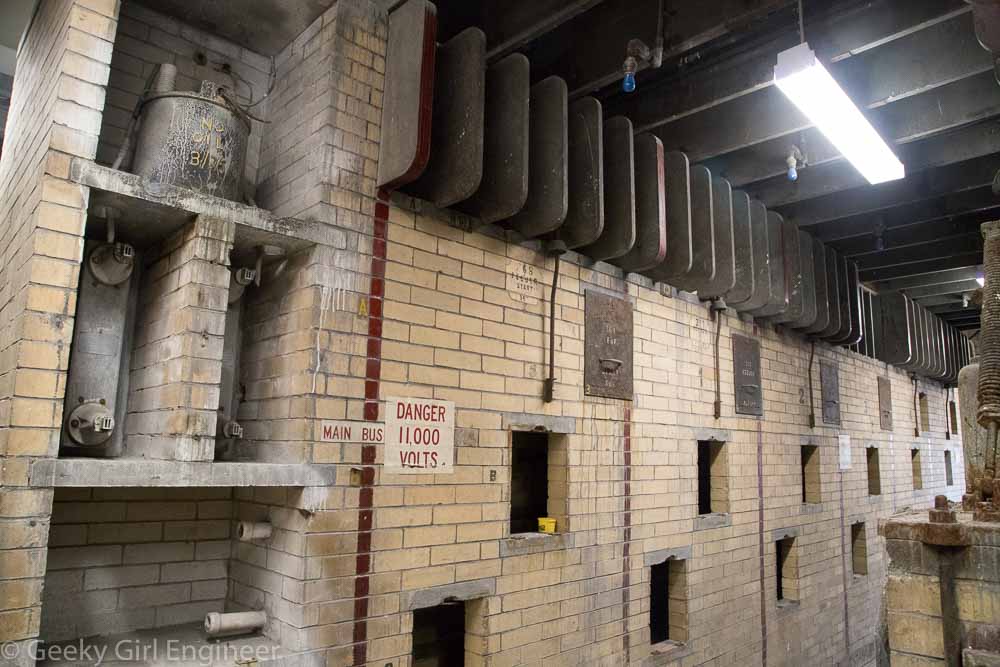
Electric busbar panel board
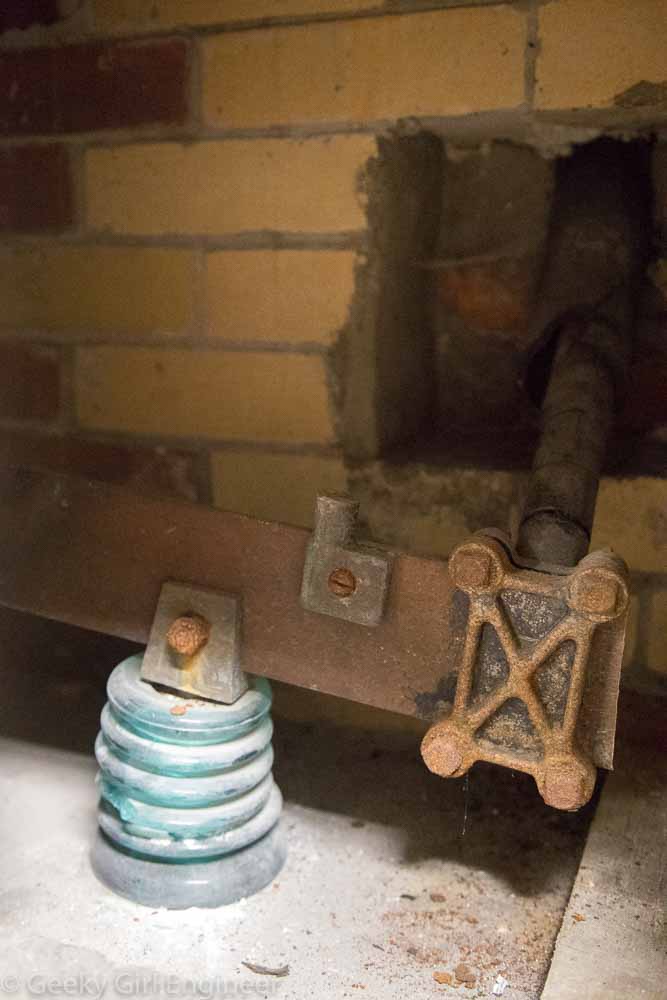
Electric bus
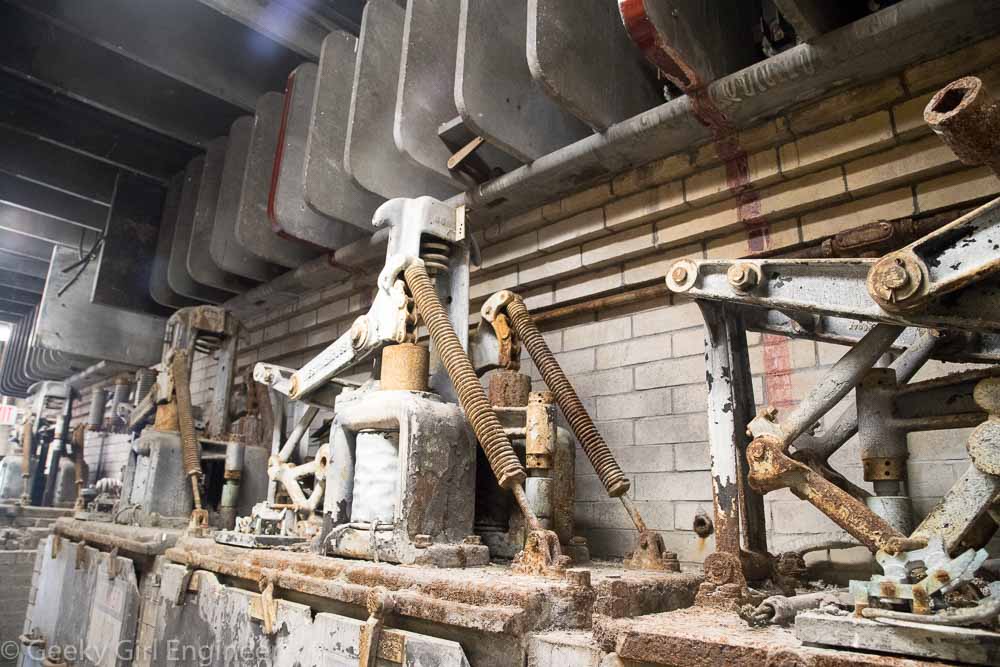
On top bus panel board

Ammeter
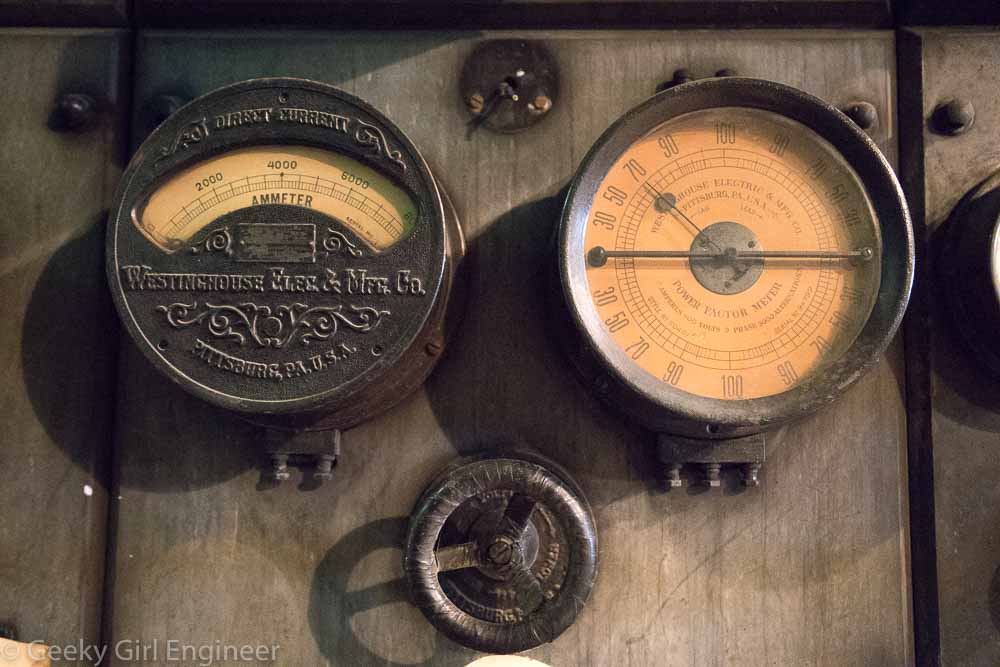
Ammeter
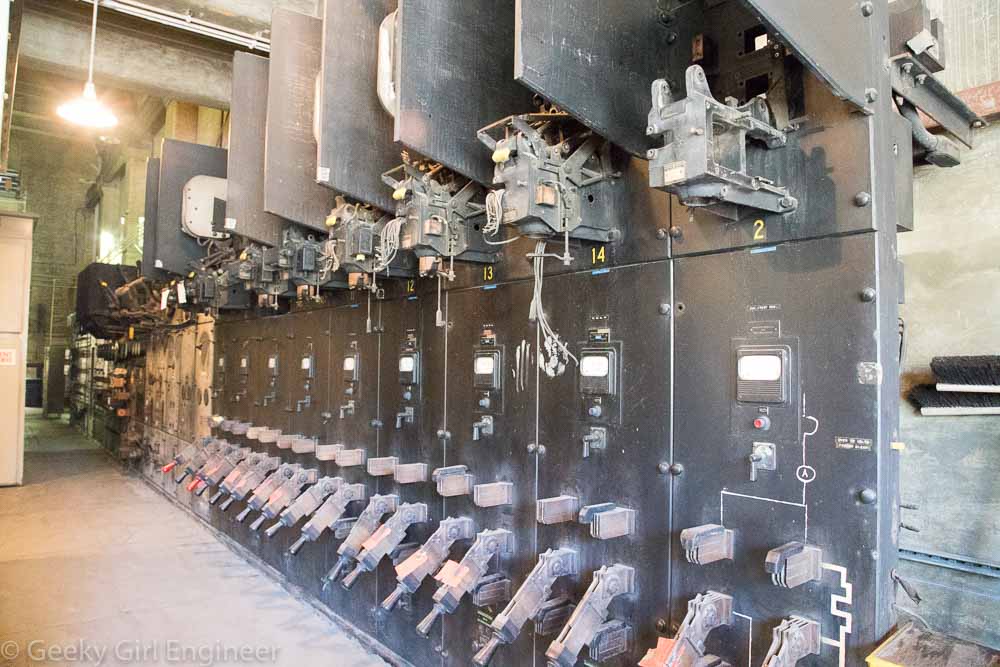
Electric switches
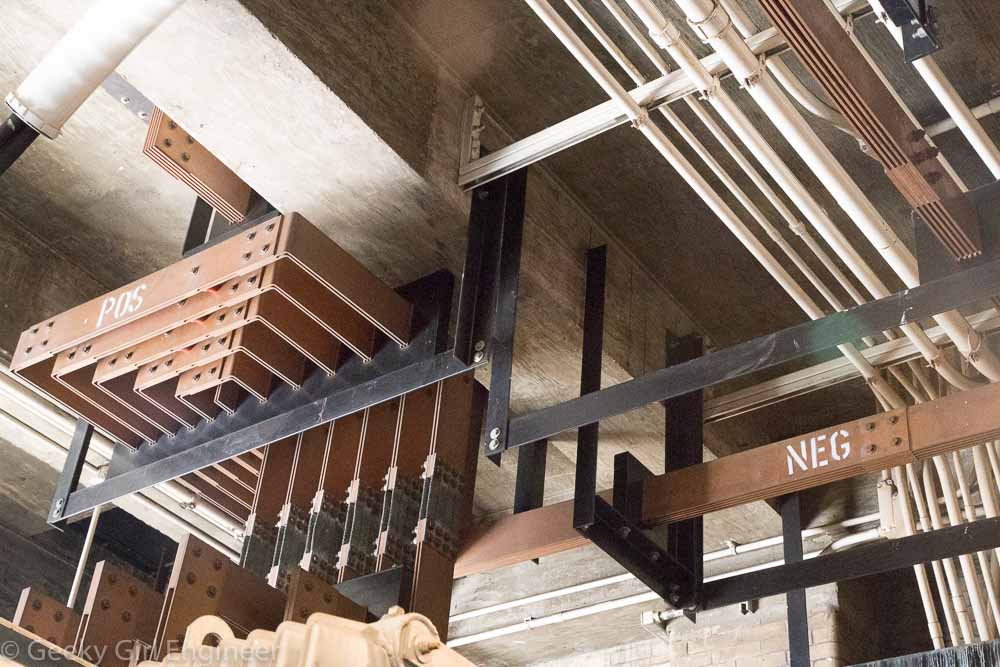
Third rail
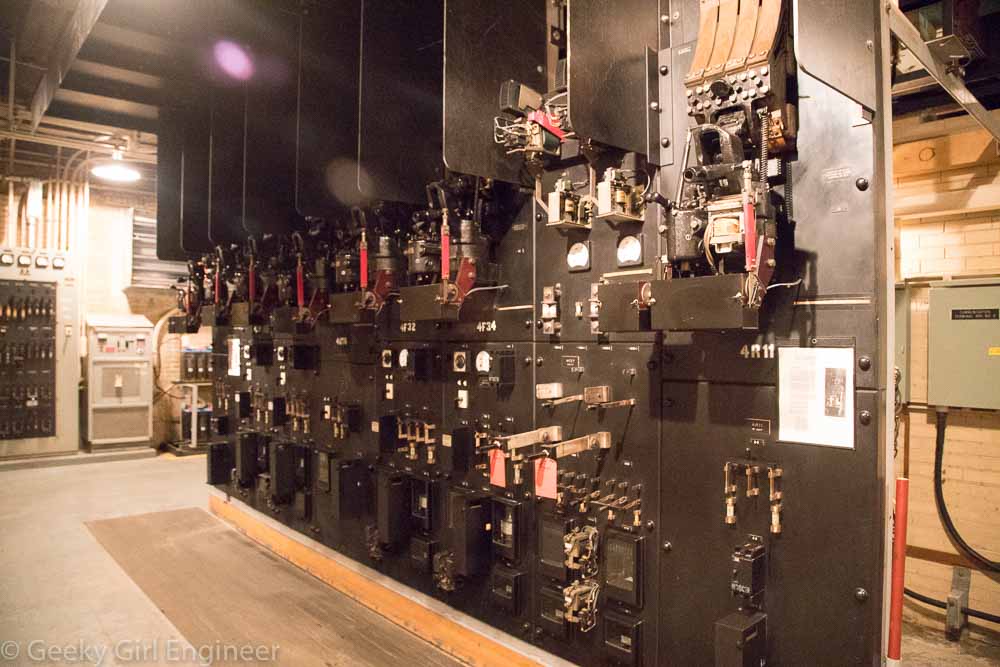
Modern breakers
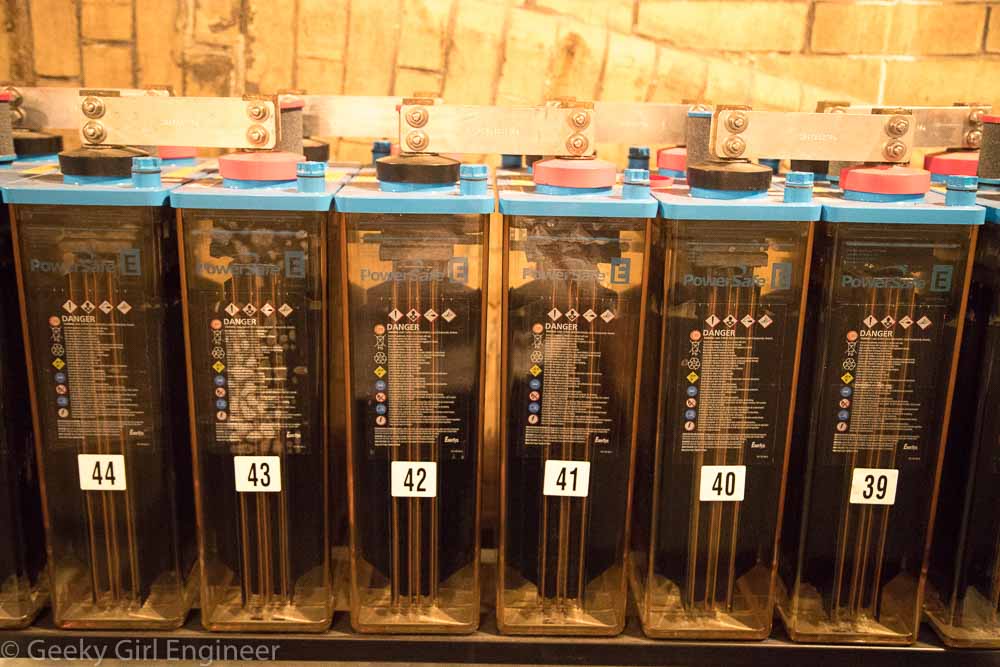
Batteries in case of loss of power to grid
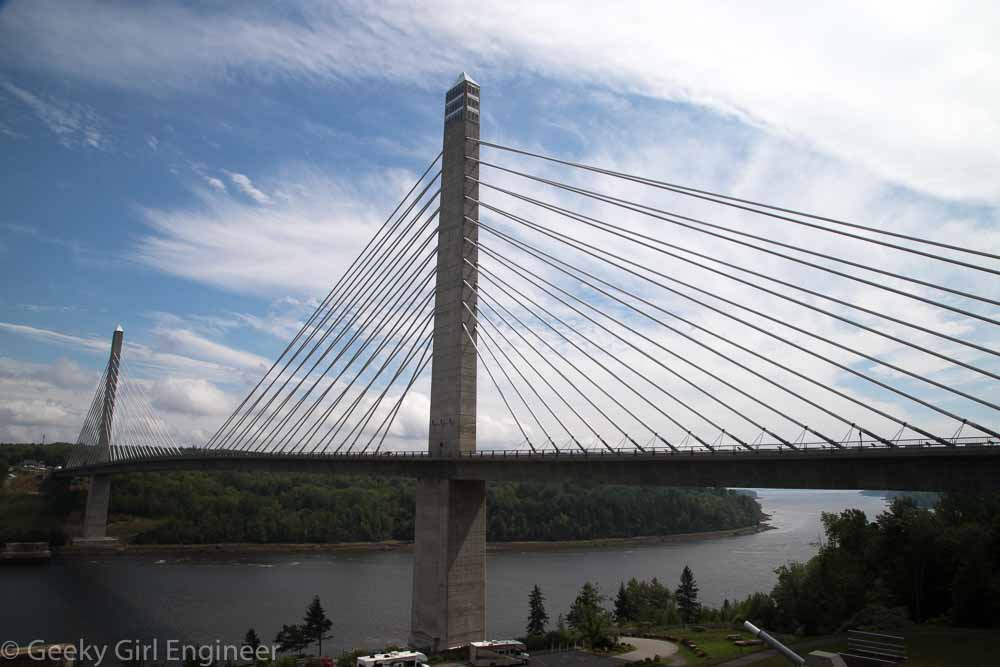
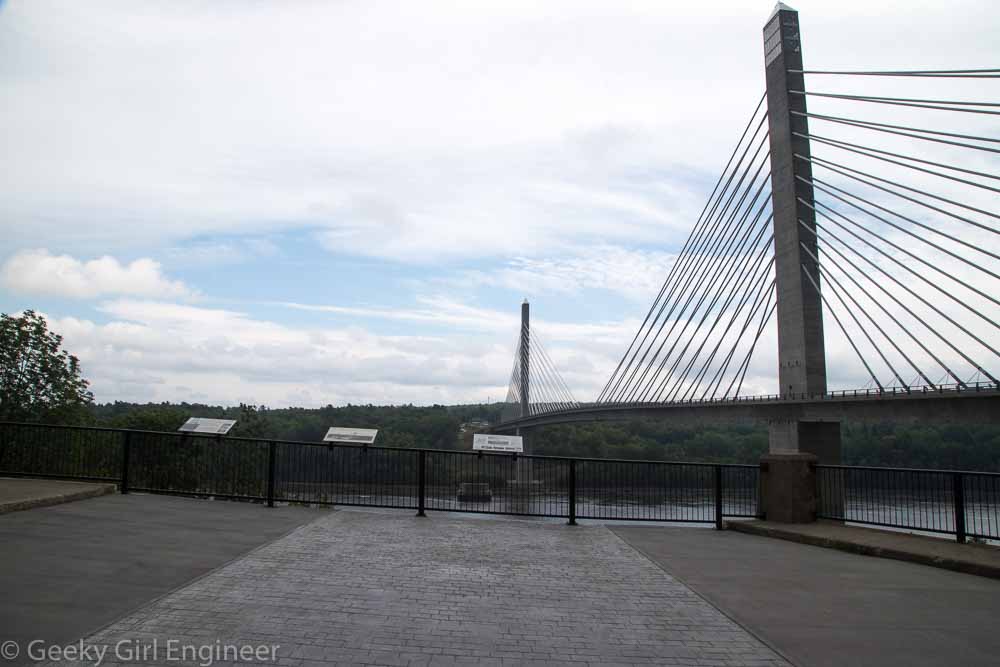
Penobscot Narrows Bridge

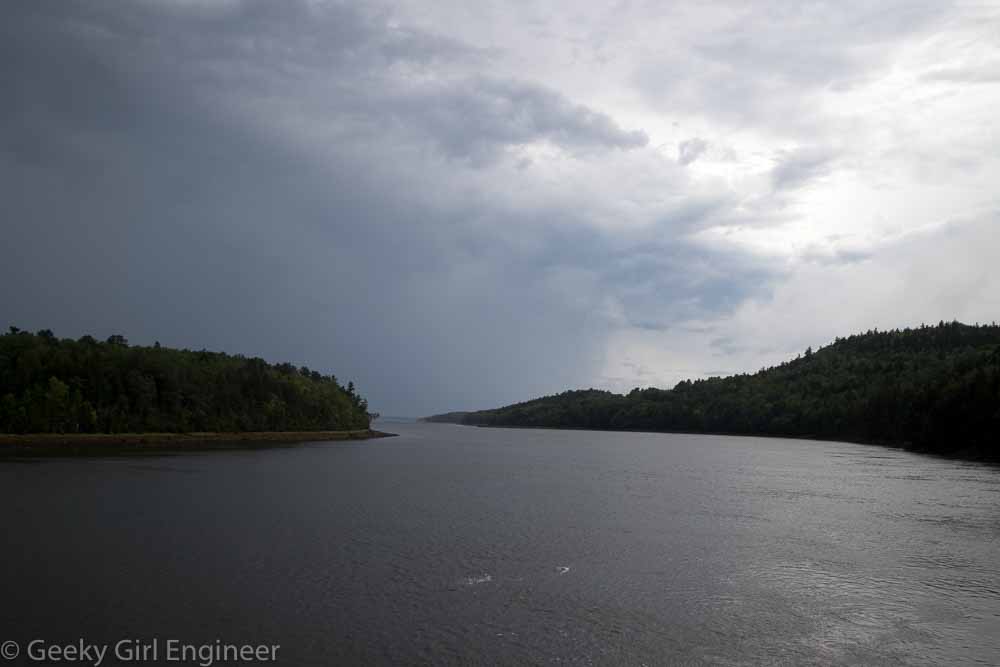
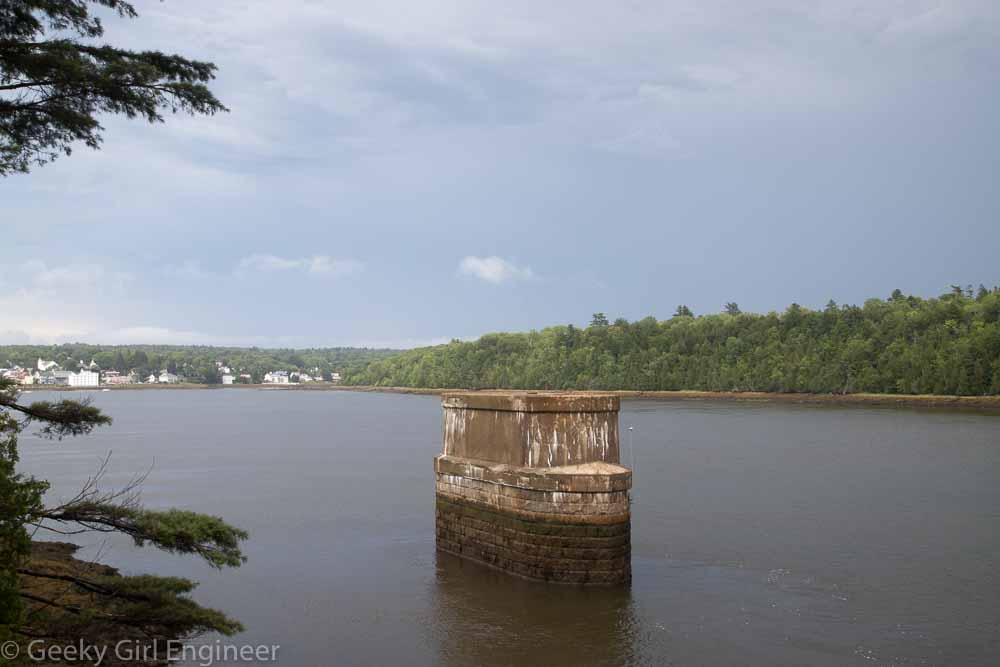
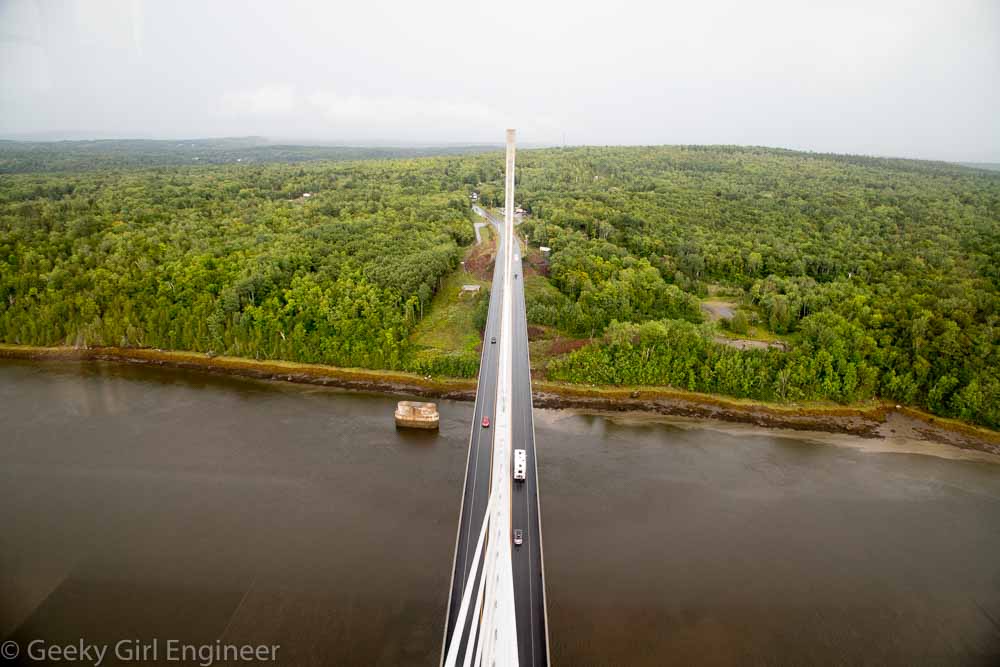
While traveling though Maine, we drove over the Penobscot Narrows Bridge, which is a lovely cable-stayed bridge. Cable-stayed bridges are my favorite kind of bridges. I love their simple elegance and functionality. The Penobscot Narrows Bridge is unique in that it has an observatory on top of one of the pylons. Who would have thought to put an observatory on top of a pylon? Next to the bridge, you can also walk onto a small portion of the old Waldo-Hancock Bridge. The Waldo-Hancock Bridge was suspension bridge built in 1931. It ultimately had to be taken down due to heavy corrosion of the main cables. The Waldo-Hancock Bridge was replaced with the Penobscot Narrows Bridge in 2006.

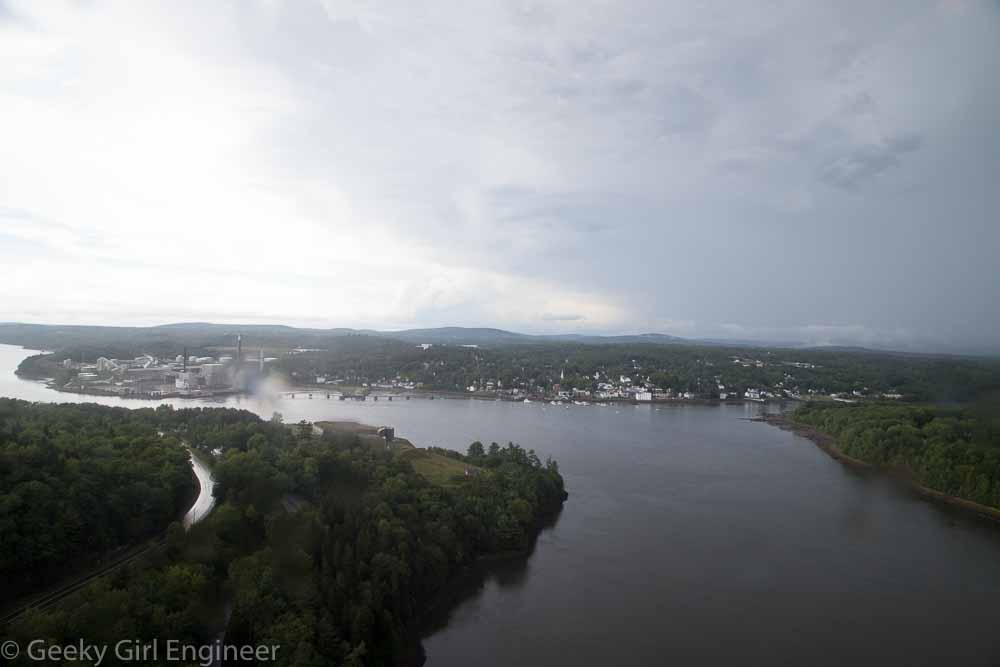
A thunderstorm passed by right before we entered the pylon, so in the below photos taken from the observatory, there are some of out of focus areas. I waited until the storm passed before taking the photos, but the windows still had raindrops on the glass, so the photos are not completely clear.

Penobscot Narrows Bridge

Small deck of the former Waldo-Hancock Bridge

Looking south from the base of the Penobscot Narrows Bridge pylon

Looking north from the base of the Penobscot Narrows Bridge pylon to an old pier of the Waldo-Hancock Bridge

Looking east from the Penobscot Narrows Bridge pylon observatory

Looking north from the Penobscot Narrows Bridge pylon observatory

Looking south from the Penobscot Narrows Bridge pylon observatory

Looking west from the Penobscot Narrows Bridge pylon observatory

MTA’s Jamaica Yards

I took another tour with the New York Transit Museum today. This one was of Jamaica Yards in Queens, where maintenance is performed on subway cars. I love touring these yards. Jamaica Yards was different then some of the other ones I have toured in that it has a bit more space. Not a lot, but at least a little more. Every time I go on one of these tours I learn and retain just a little more.

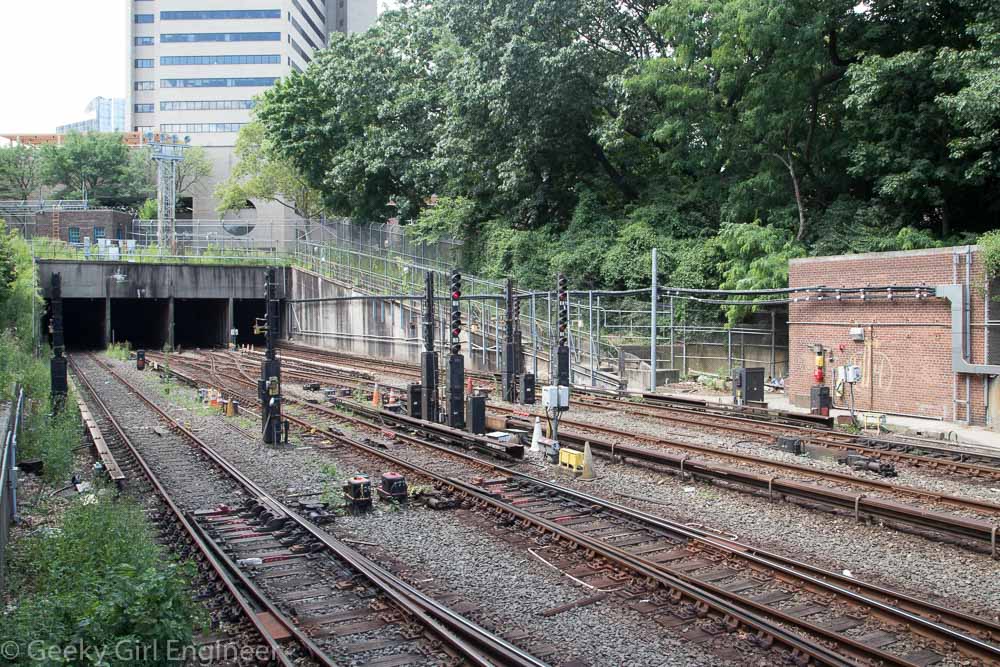
Subway cars enter the yards from this tunnel

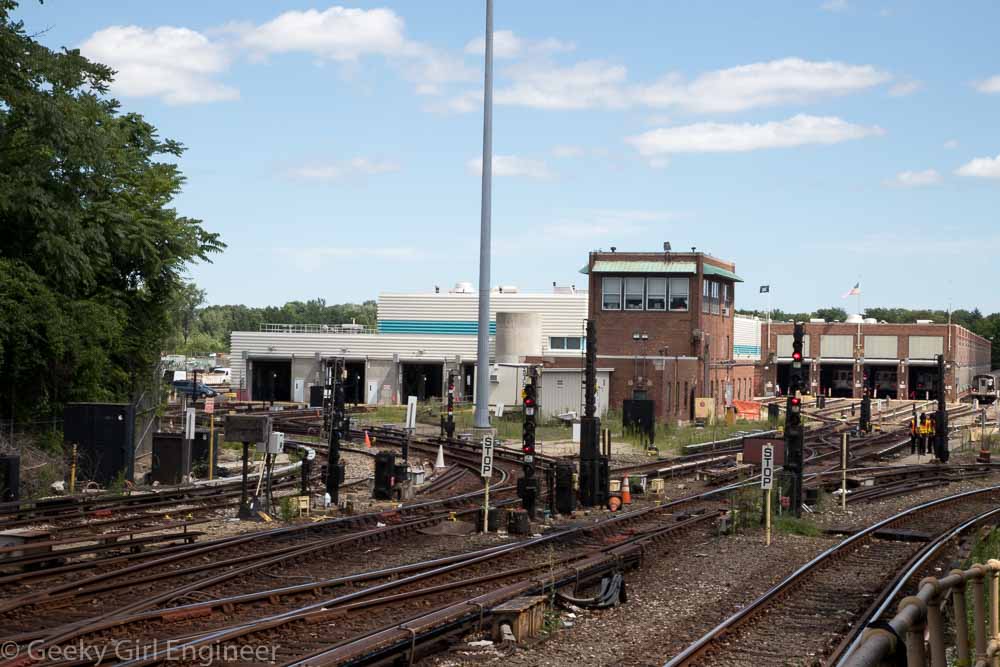
Jamaica Yards repair sheds

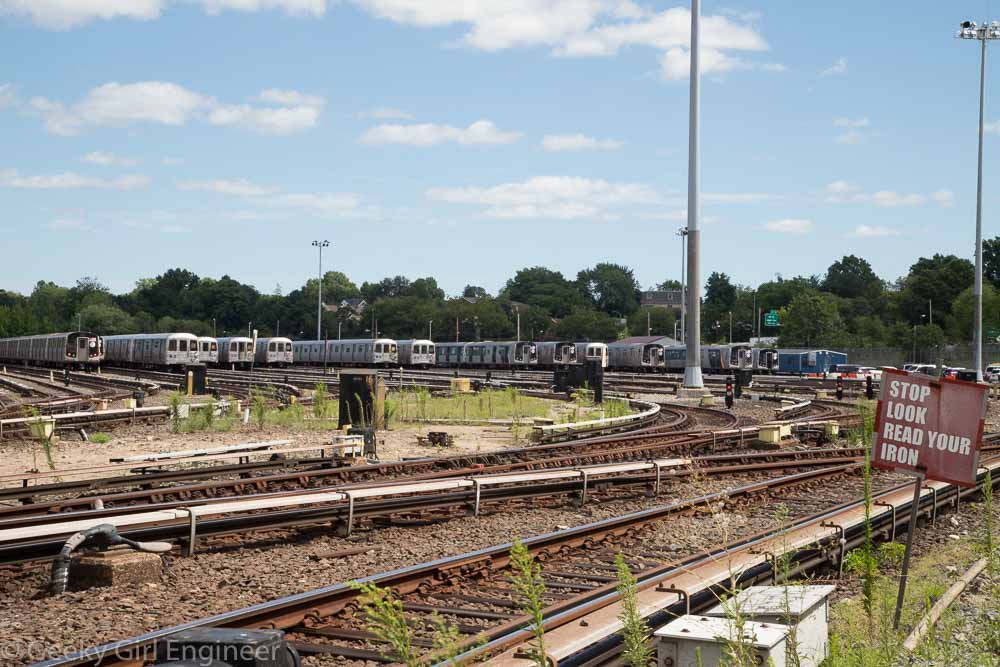
Jamaica Yards. “Stop look read your iron” is a warning to drivers to be alert where they are going. “Iron” refers to the rail.

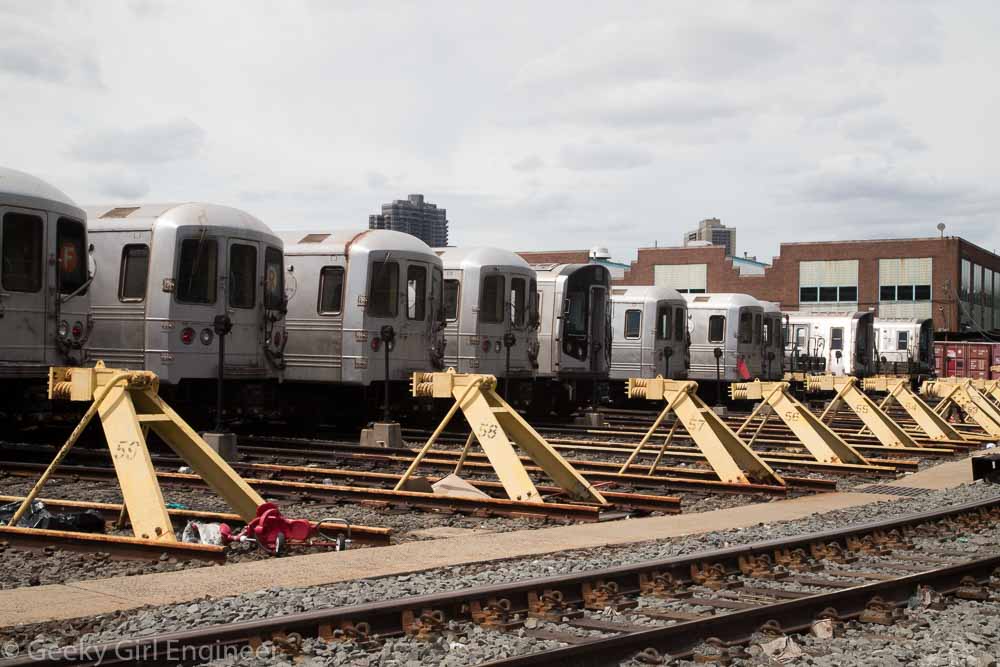
Trains lined up in the yards

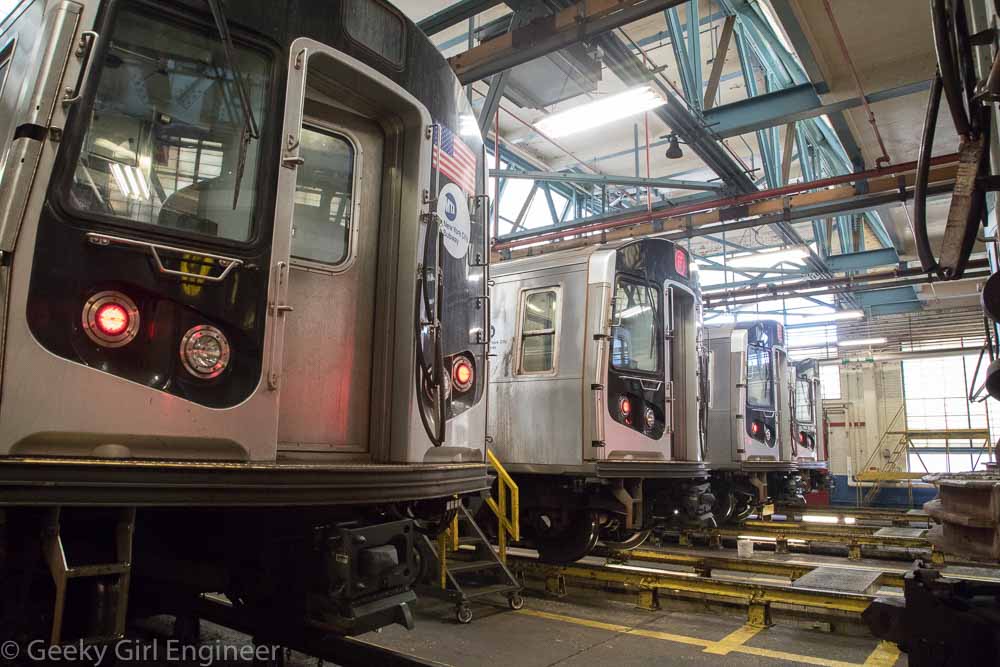
Trains in the maintenance shed

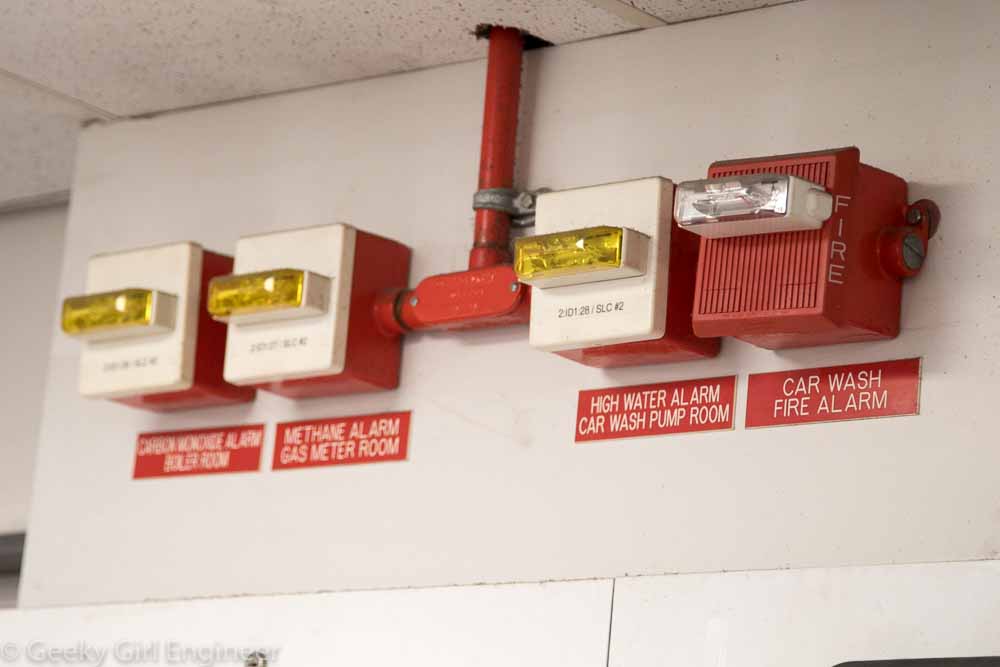
Of course I am going to be interested int the safety measures. These lights read: Carbon monoxide alarm boiler room, methane alarm gas meter room, high water alarm car wash pump room, and car wash fire alarm.

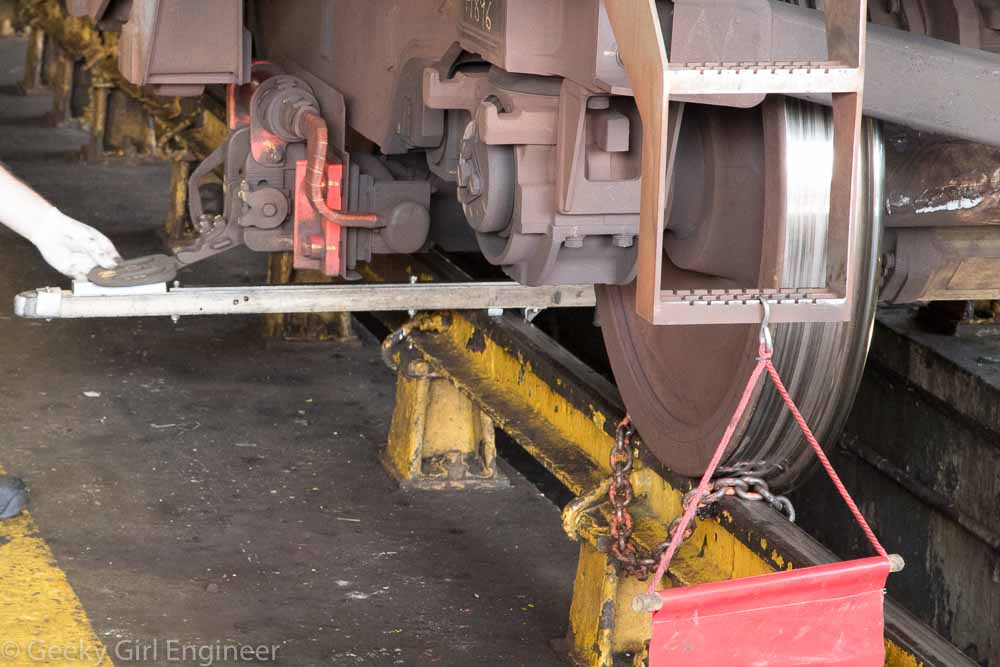
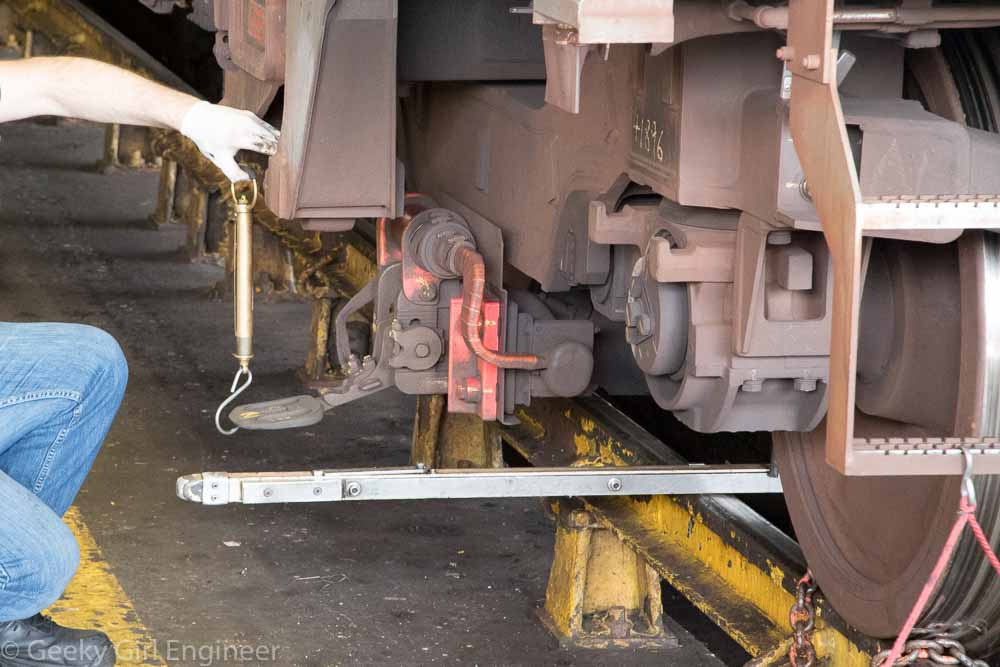
One of the workers shows us how they test that the shoe, which contacts the third rail, is at the right height

One of the workers shows us how they test that the shoe, which contacts the third rail, has the correct tension

Hudson River Valley by Train

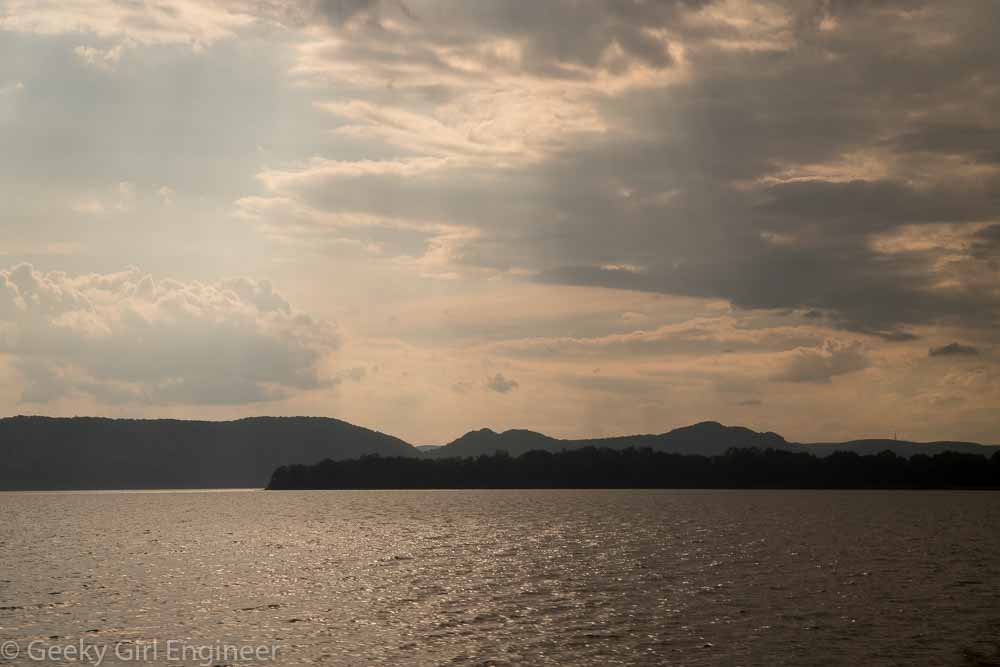
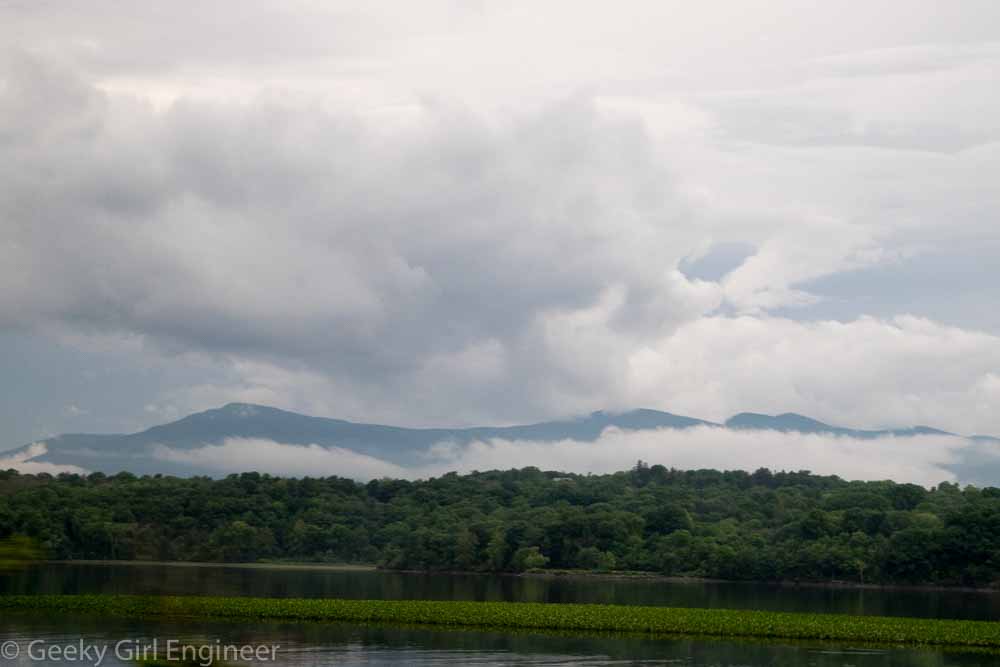
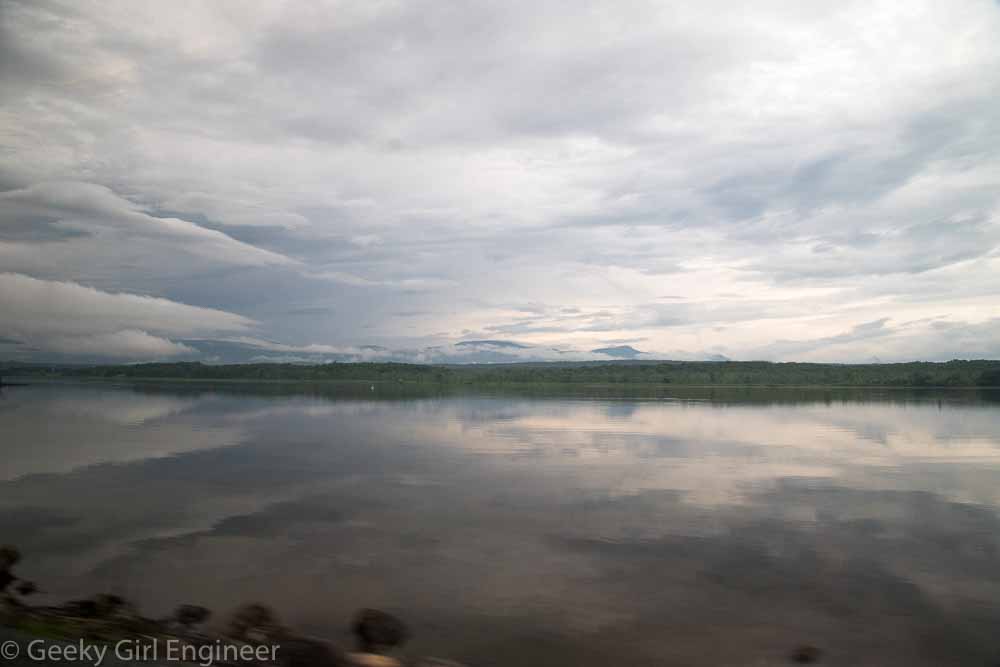
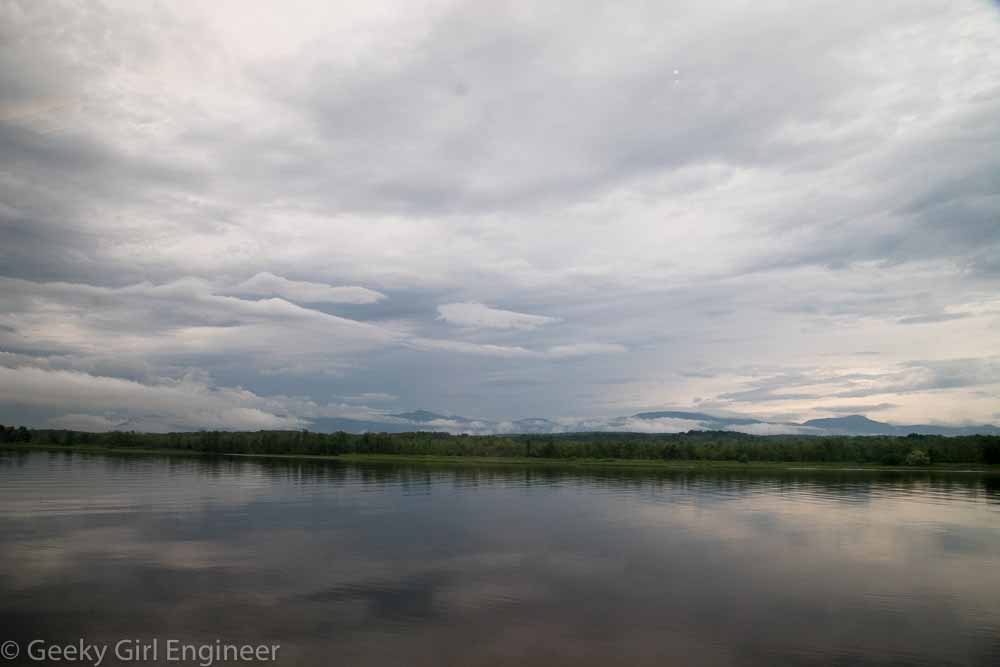
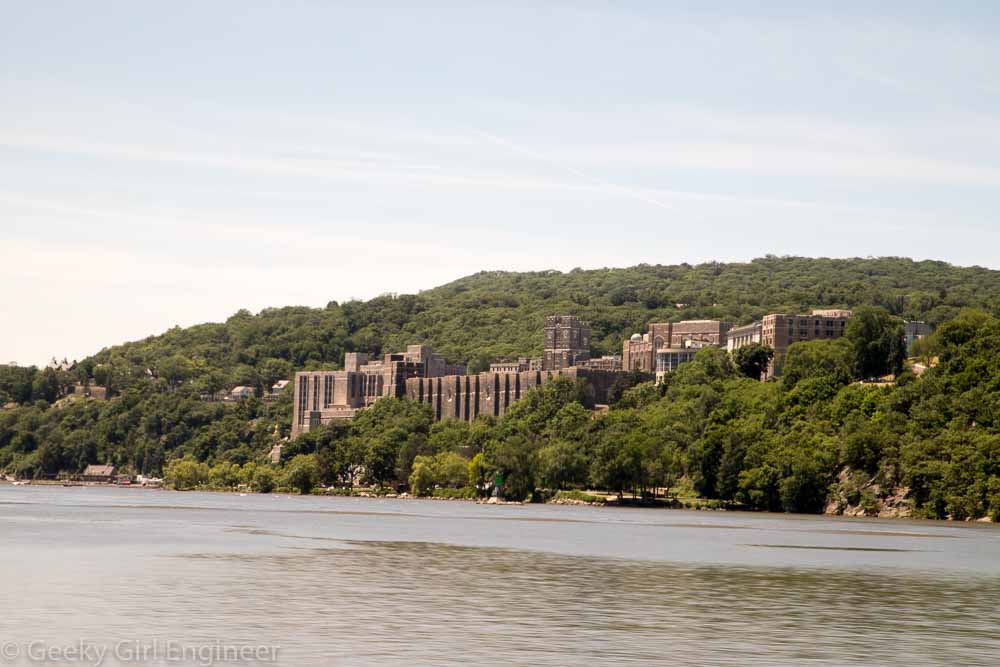
I just got back from a very short trip to Albany, but the main reason I went to Albany was for the train ride up there. Amtrak has several train routes that go from New York City to Albany. I have taken two of these routes before, and I just love the view. I spend almost the entire time staring out the window at the gorgeous Hudson River, which can be seen during the vast majority of the ride. Below are a few photos I took on the route. The first six were taken on the train ride up to Albany as a storm was passing through and the sun was setting. The last three were taken on the way back down to New York City.

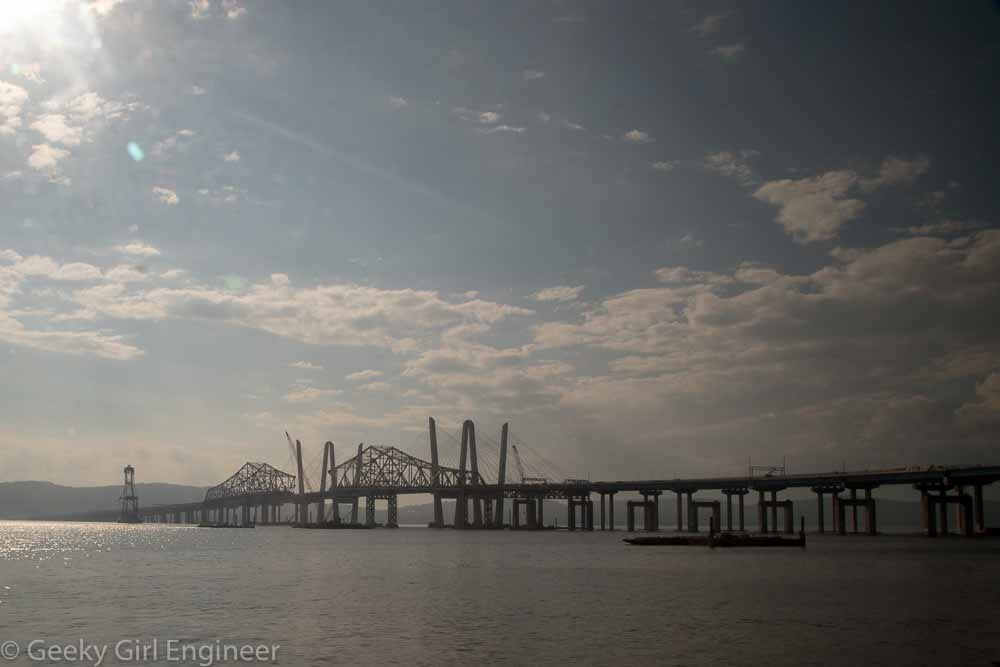
Tappan Zee Bridge, old one being deconstructed in front and new one in back

Near Tappan Zee

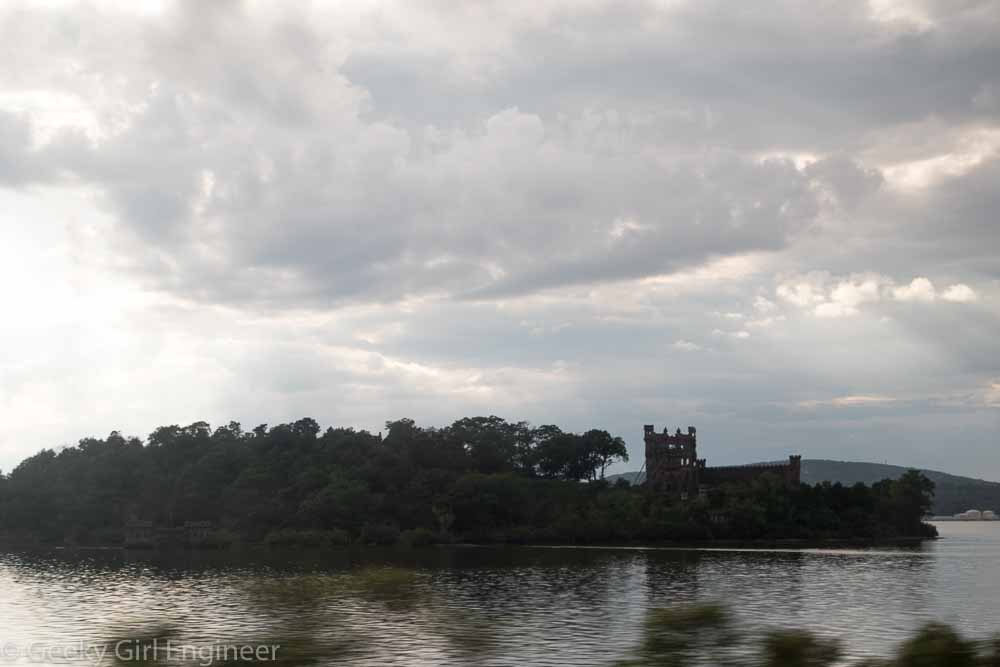
Bannerman Castle

view of area near Saugerties

view of area near Catskill

view of area near Catskill

Hudson Lighthouse

US Military Academy (West Point)

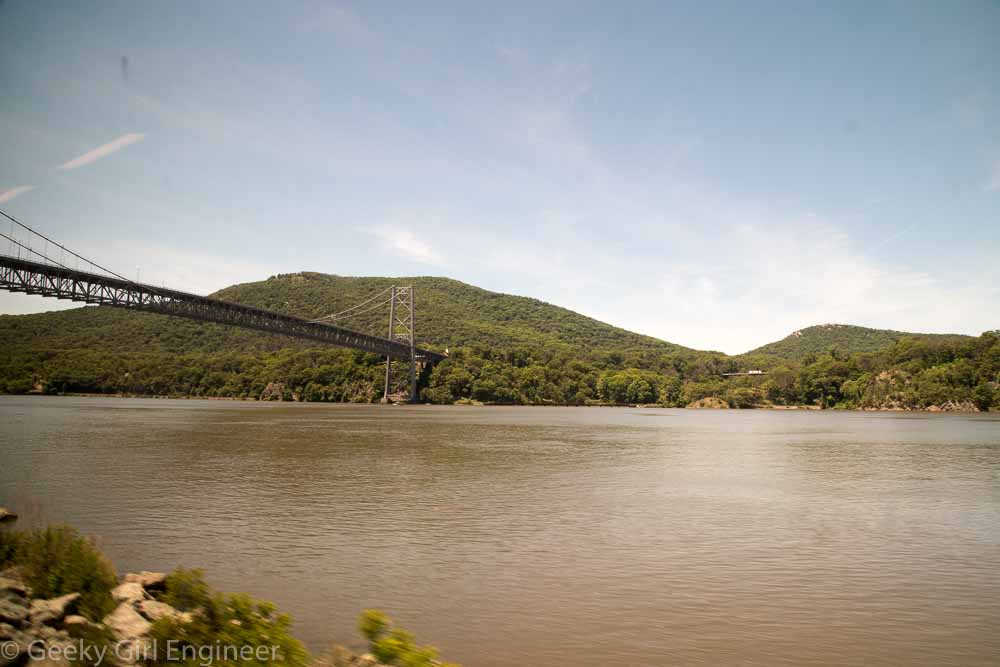
Bear Mountain Bridge

Regents Canal

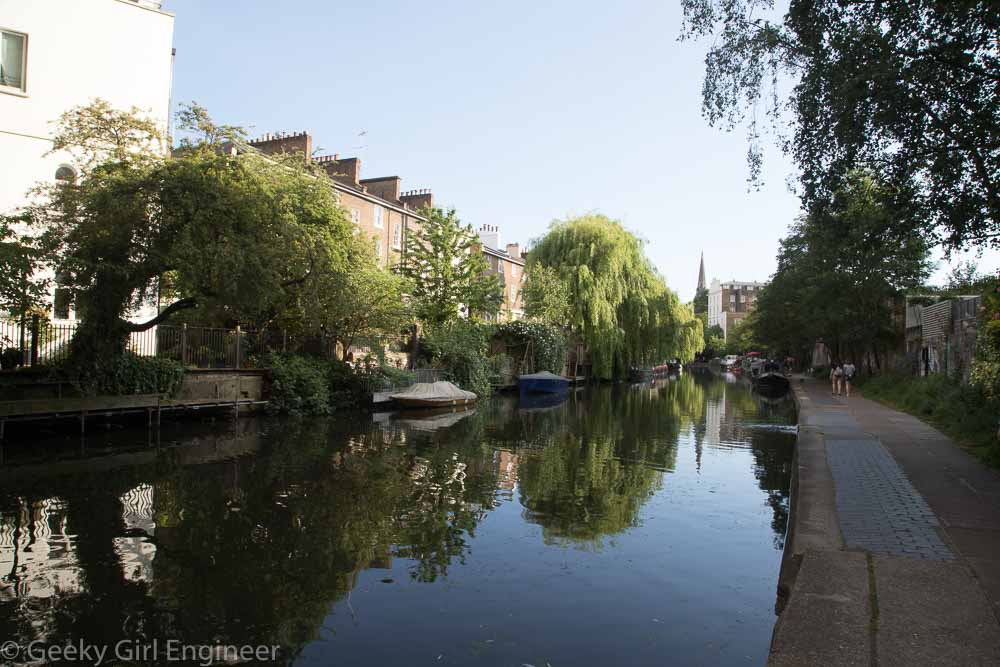
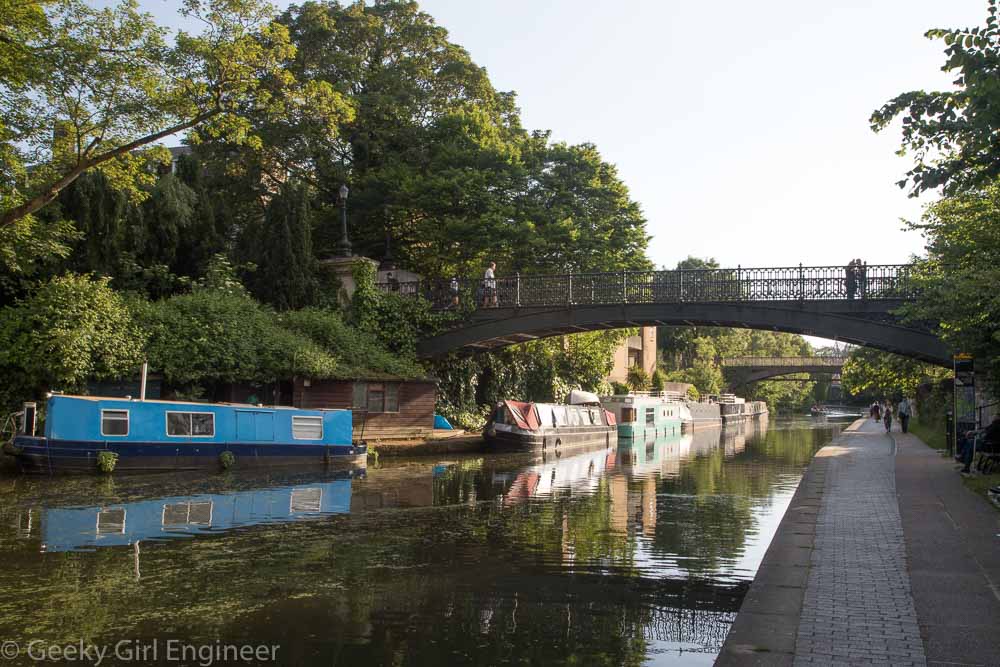
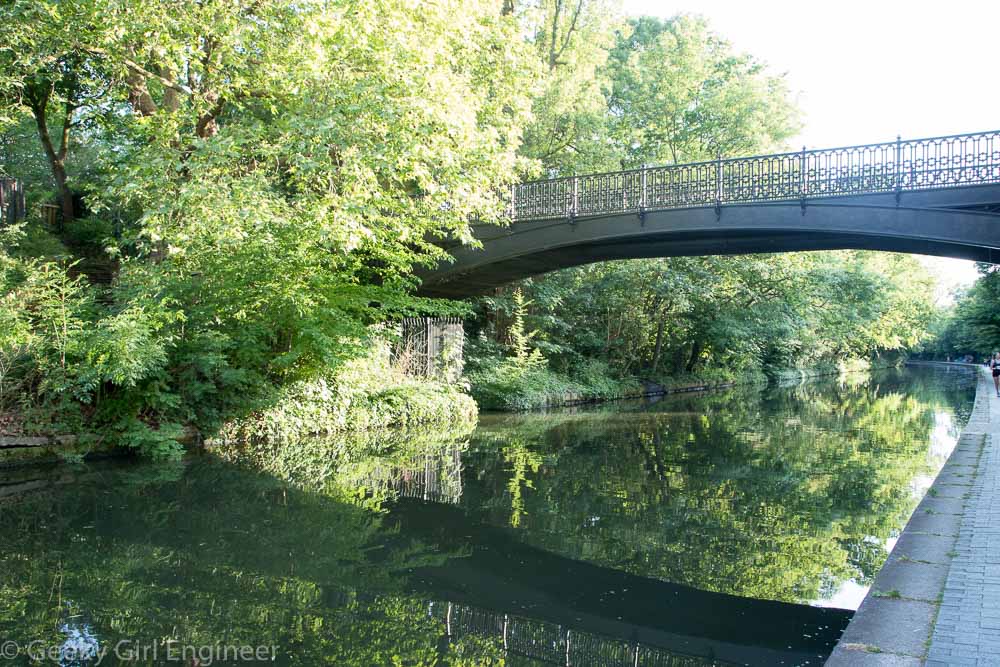
I posted yesterday about my boat ride on along the Regents Canal from Camden Locks to Little Venice. Today I went for a very short walk along the same canal in the Camden Locks area. It really is a pretty area. It is also a very popular area. There were many people walking along the towpath, and there were also many people just hanging around the area.

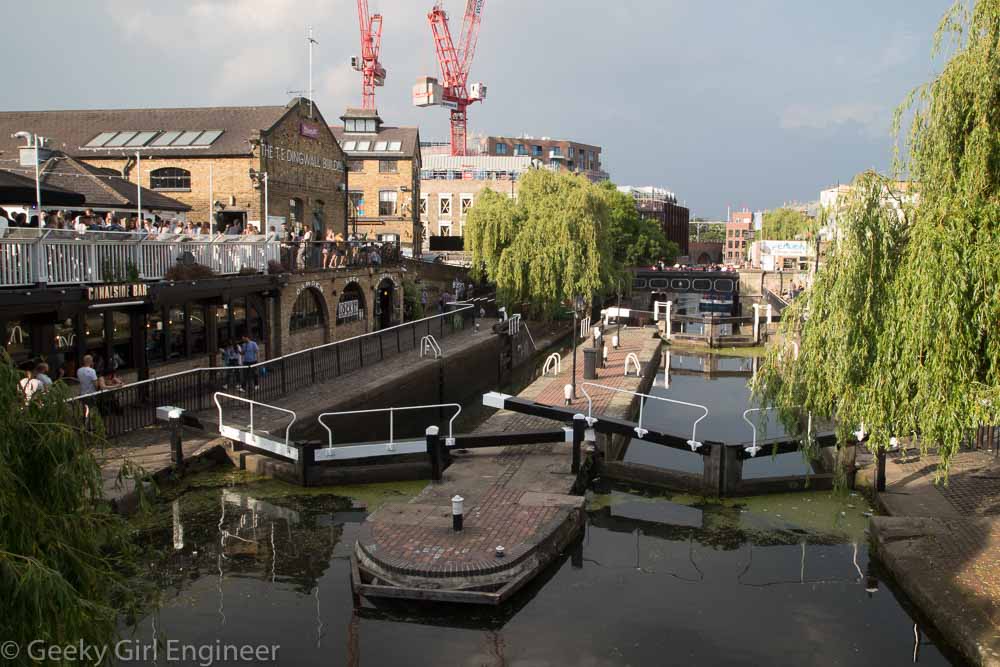
Camden Locks

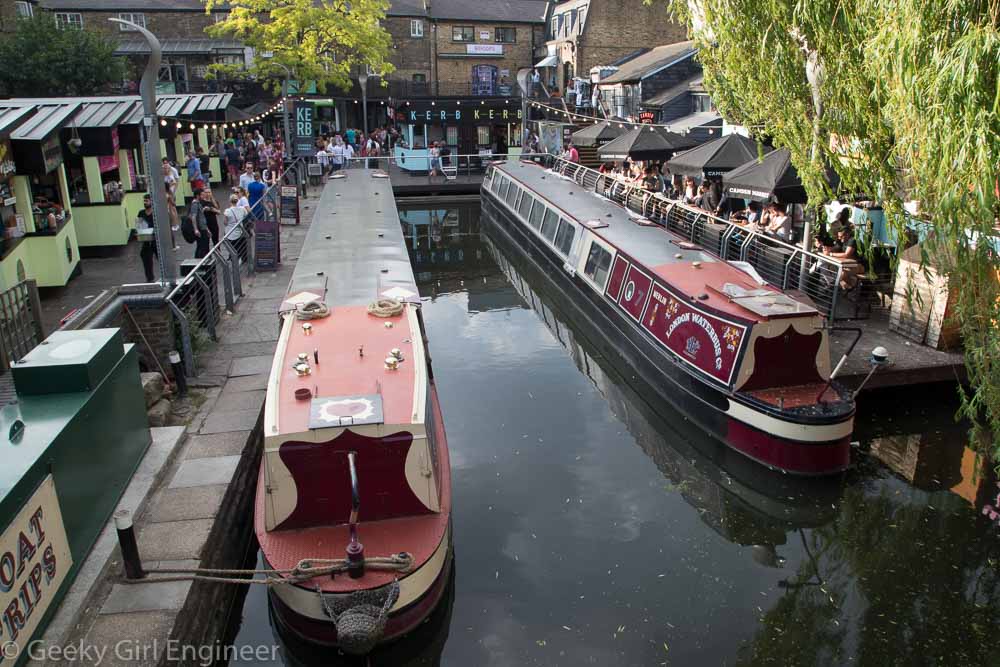
London Water Bus docked near Camden Market

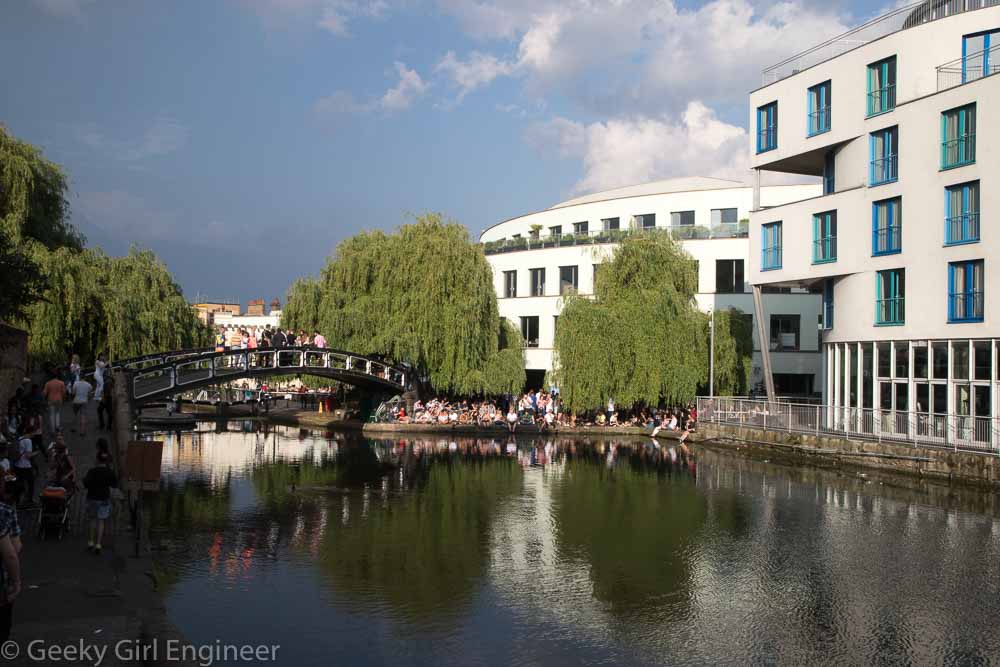
Bridge next to Camden Locks

Homes along Regents Canal

Boats moored on canal

One of many bridges over the canal

London Canals

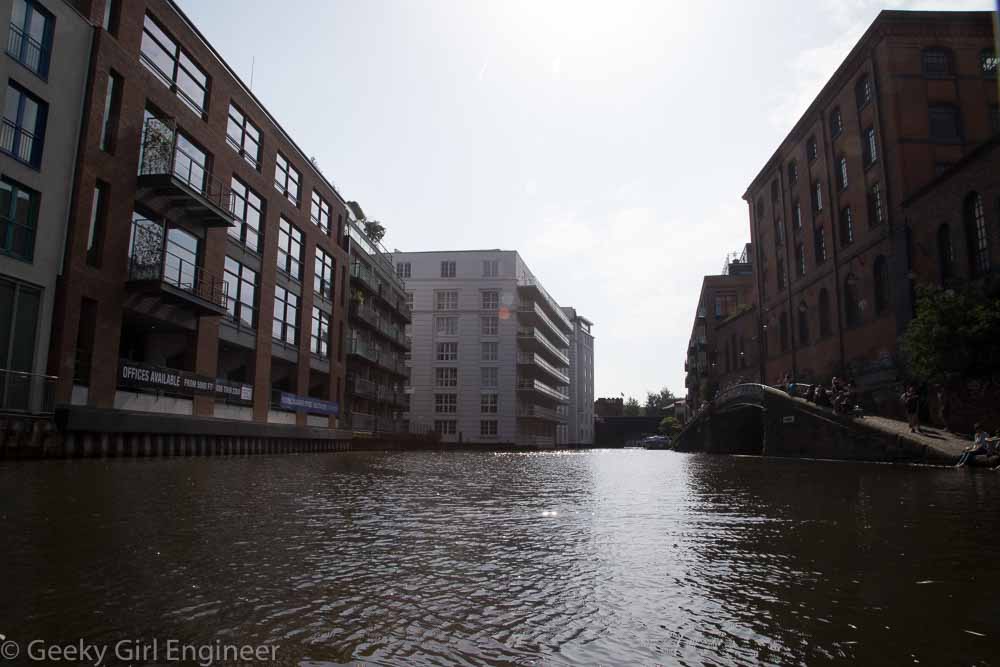
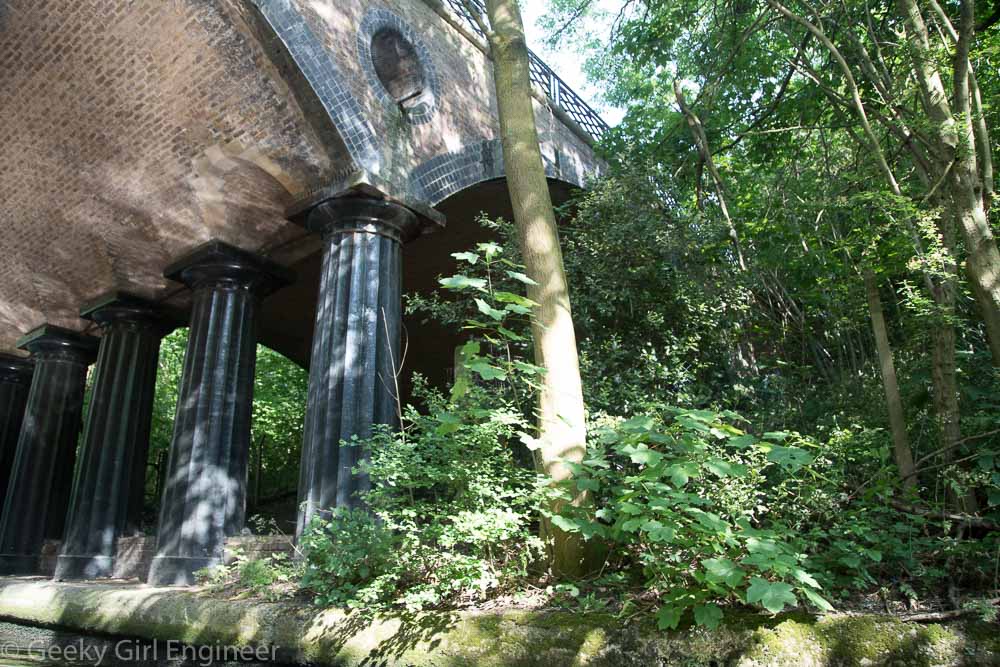
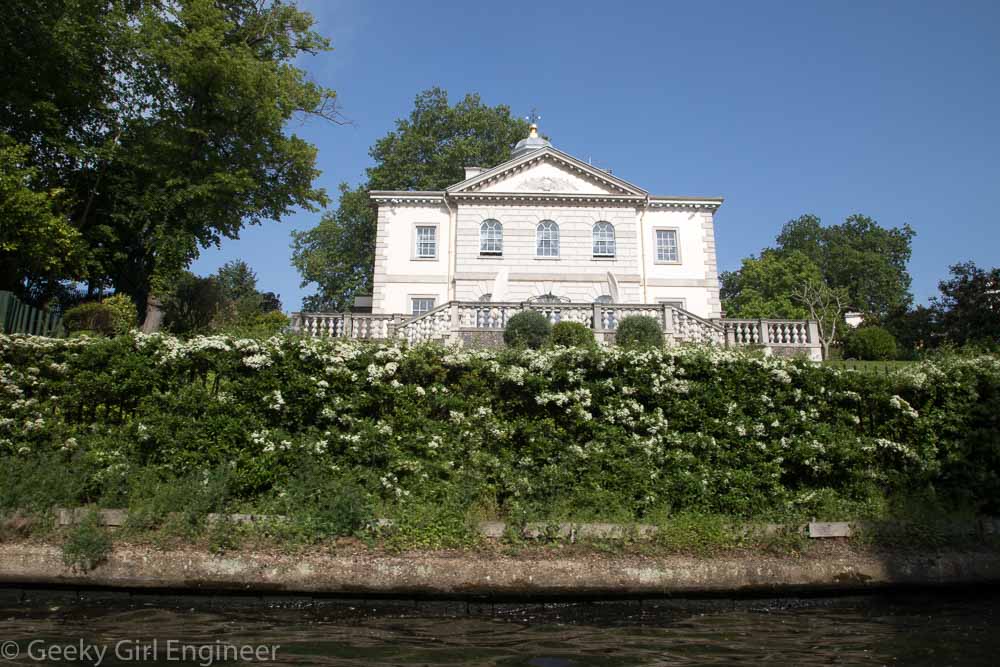
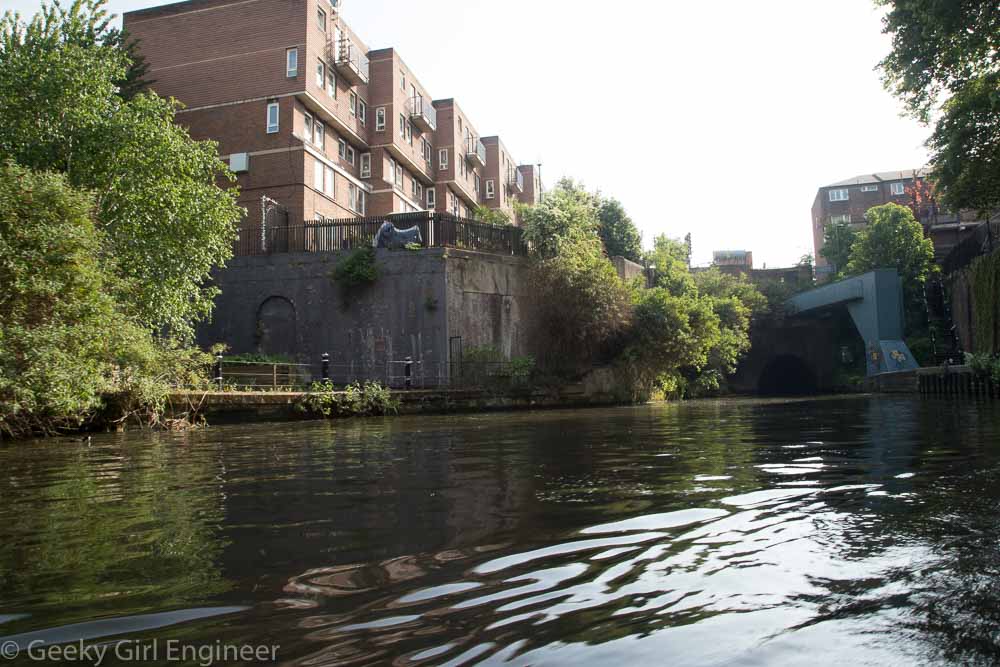
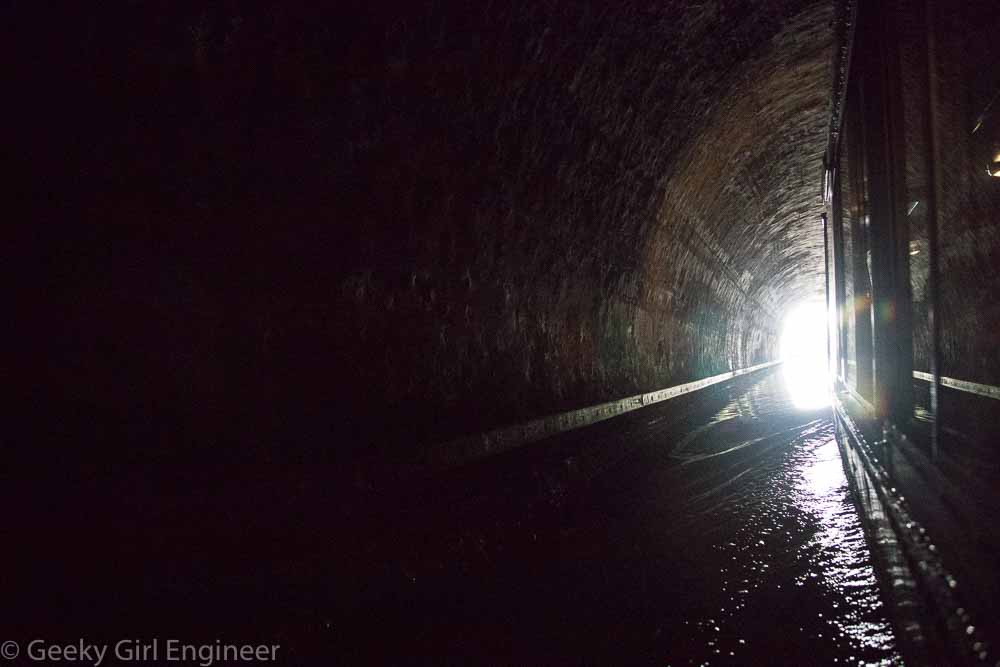
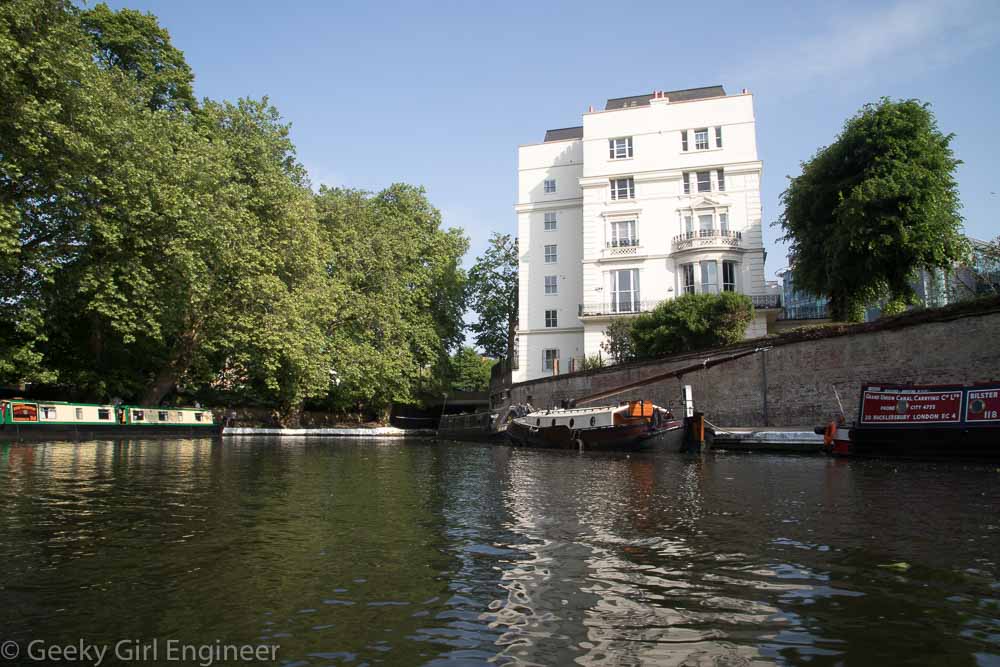
London surprises me in several ways. One of those ways is the number of canals, and the number of boats that still use those canals. I don’t think there is a lot of commercial transportation using the canals, but there are at least a couple of boats that run routes from point A to point B. Then there are also people who seem to live on their boat, and of course people who rent them for a short excursion. I took the London Water Bus on the Regents Canal from Camden Locks to Little Venice. The route went past the zoo, stately homes, and apartment buildings. It even went through a tunnel. A nice enjoyable ride, and a very different side of London.

Near the Camden Locks

One of the prettier bridges we went under

Passing and identical boat as the one I was in

Gorgeous homes

Apartment buildings near the tunnel

Inside the tunnel

Near Little Venice

Tower Bridge

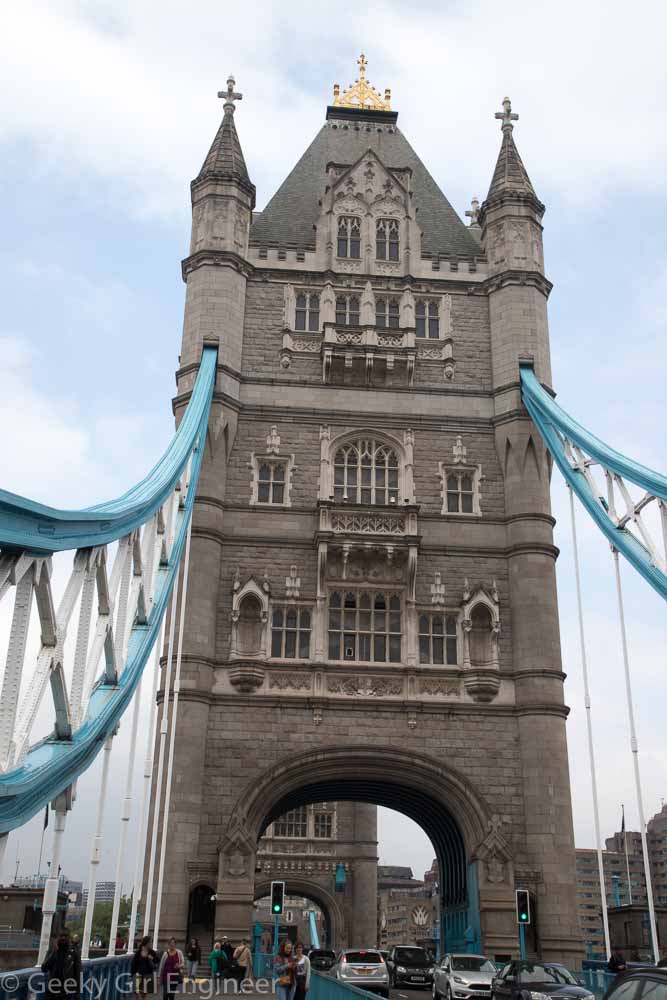
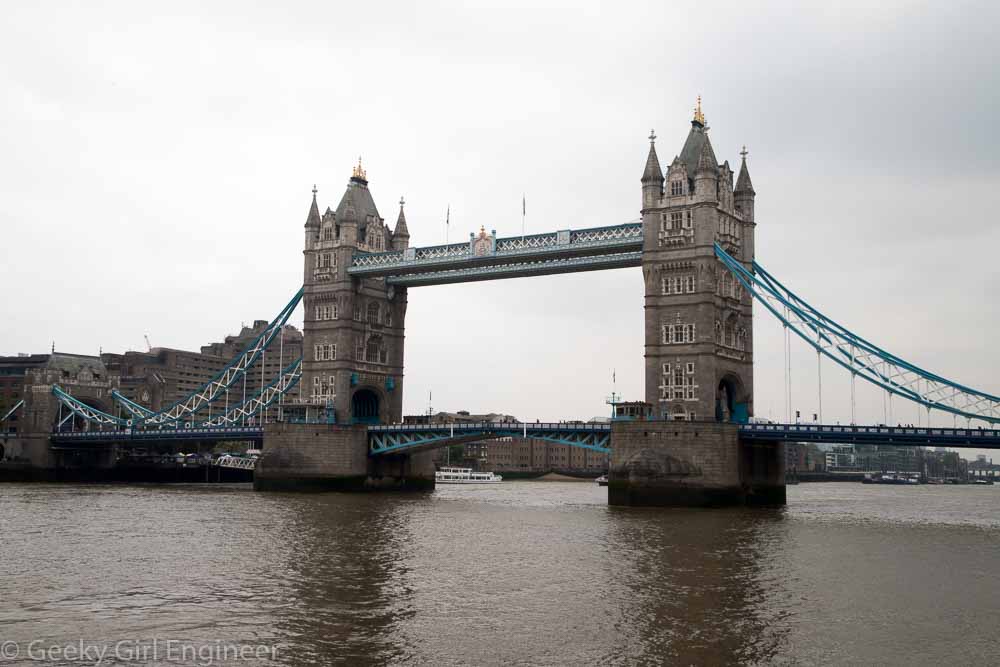
I love bridges, so while in London I am visiting as many bridges as possible (although there are quite a few). One bridge that was on my must see list was the iconic Tower Bridge. It is a beautiful bridge. Even better though, you can tour the historic engine room and also go to the top and walk across the upper level walkways that connect the two towers.

Tower Bridge

South tower

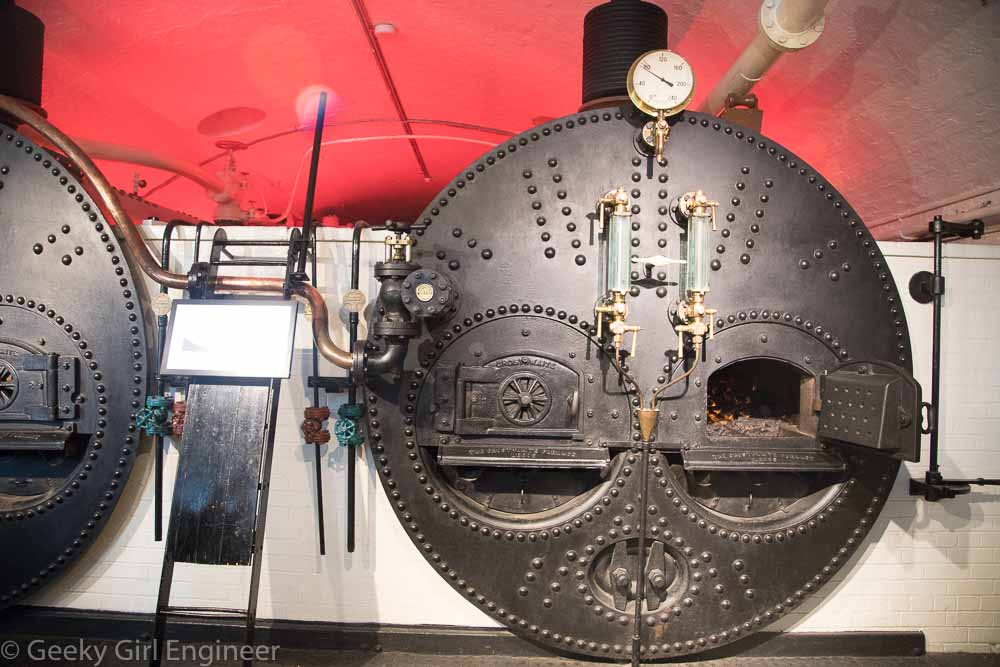
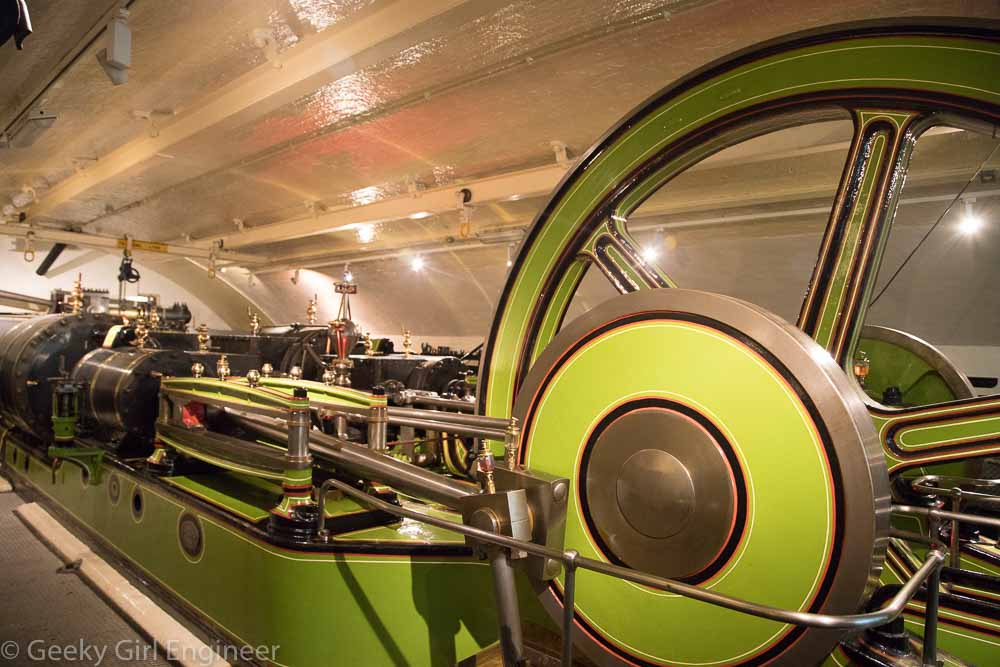
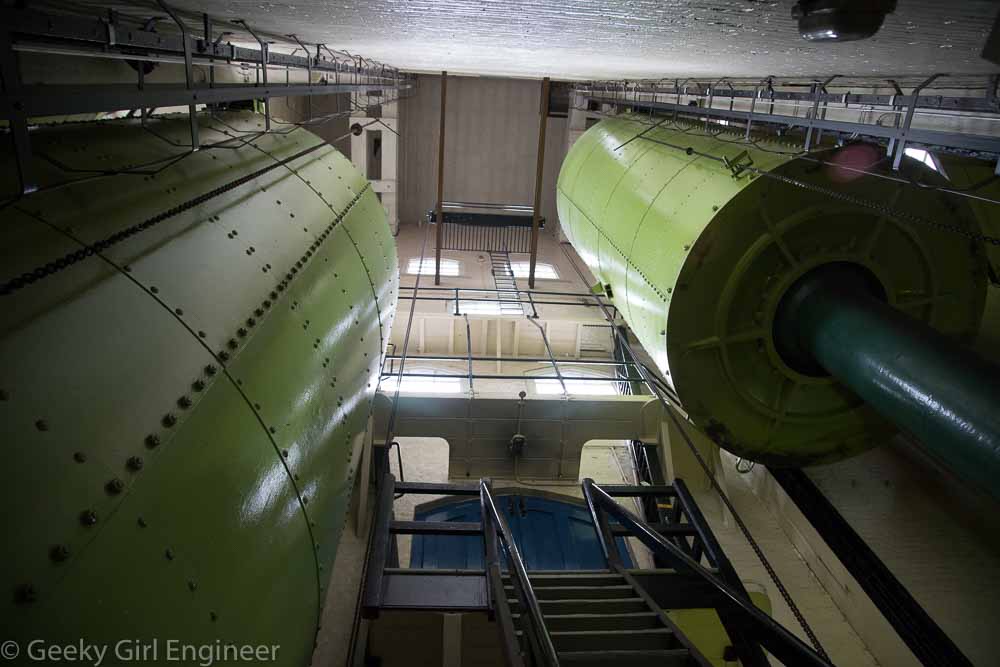
Inside the engine room areas, you can see the historic coal burners, steam engines, and the accumulators. The bridge now operates with electricity.

Coal burner

Steam engine

Accumulators

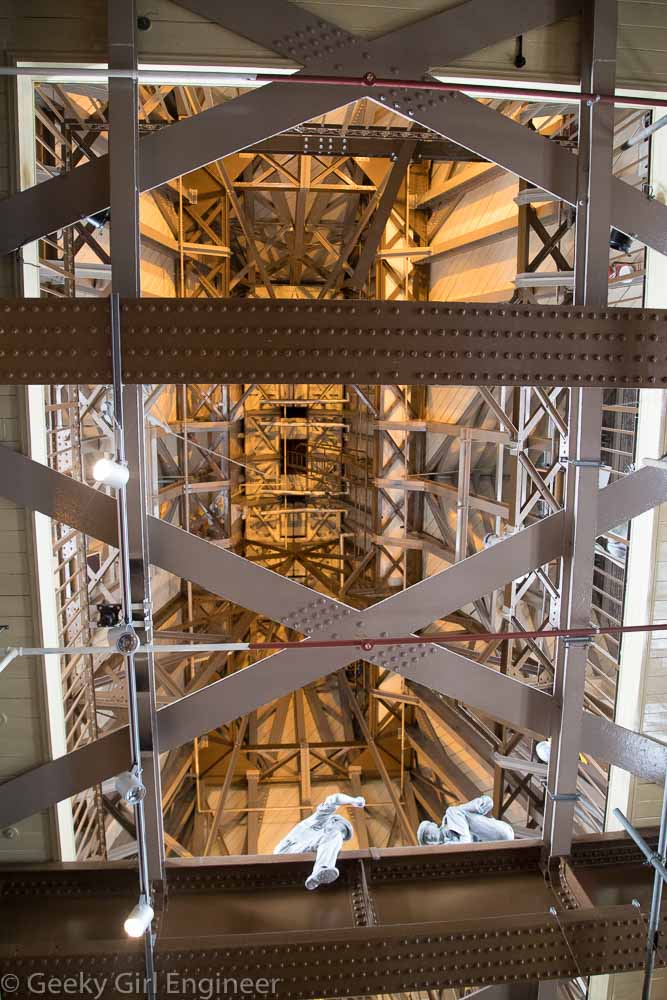
In the south tower, you can see the inside of the tower and all the structural components. They have human figures up in the structure to demonstrate how it was built.

View inside the south tower, looking up

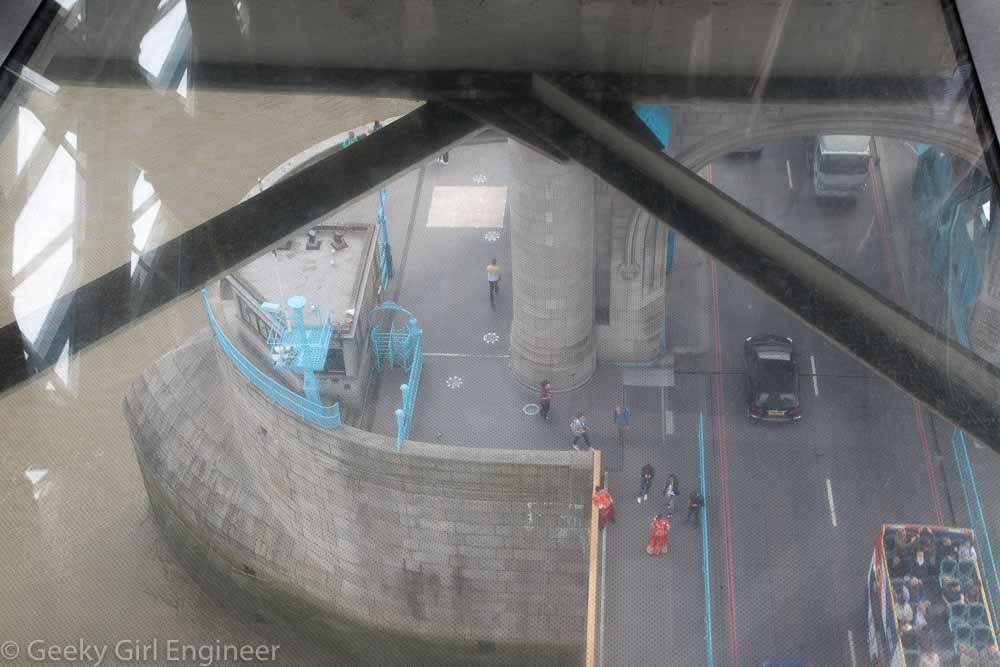
Both the east and west upper walkways have a segment of glass floor, so you can look down onto the river and roadway.

Looking to the road from glass floor of upper level walkway

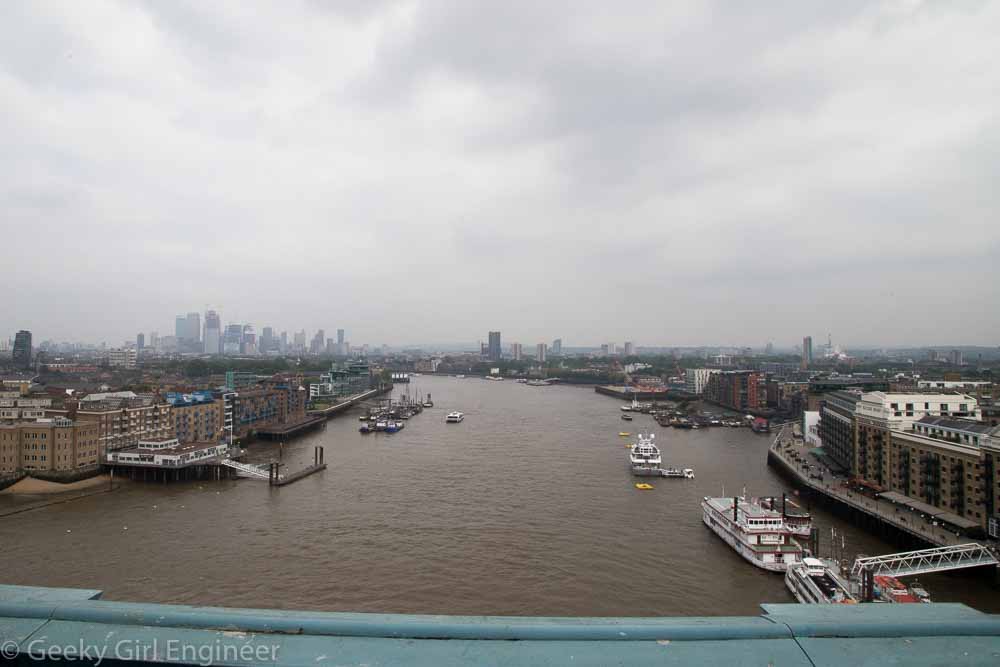
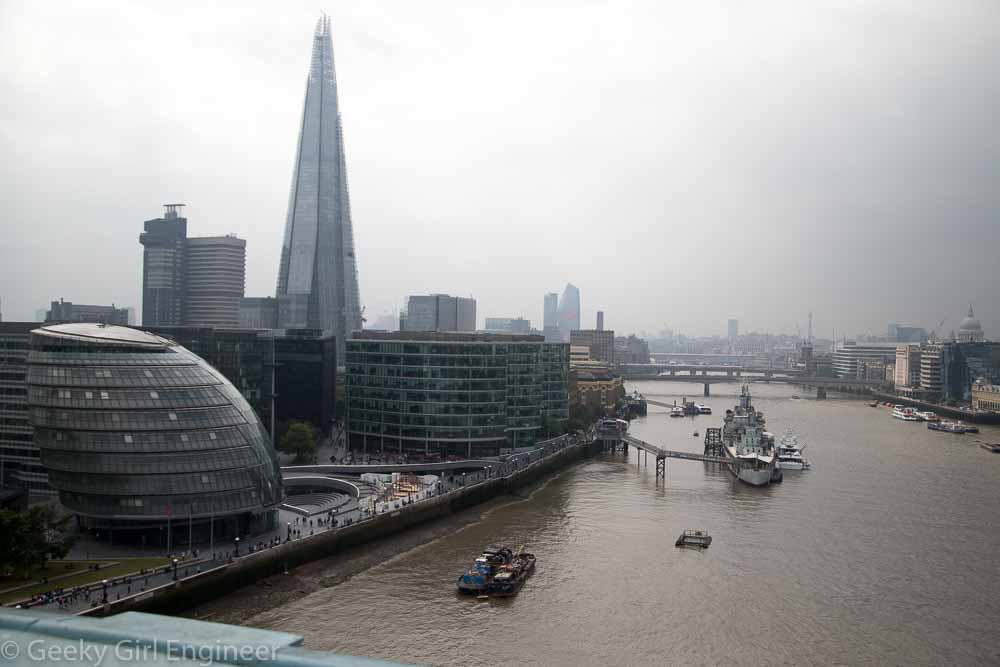
The views from the upper walkways are wonderful. You can see very far up and down the River Thames.

East view from upper walkway

West view from upper walkway

West view from upper walkway

MTA’s Linden Yard

I took another fun, educational tour with the New York Transit Museum. This tour was of MTA’s Linden Yard where they rehabilitate and replace subway track and switch gear. I have been on several yard tours, and this one was very different. There were no cars being repaired. It was strictly rails. There are three types of rail areas: underground, aboveground on the surface, and aboveground on a structure (elevated). They repair and build rail differently depending on where it is.

In some areas, they can lay continuous welded rail, which speeds up replacement. They weld long lengths of rail together in the yard and then transport them to the location to be laid.

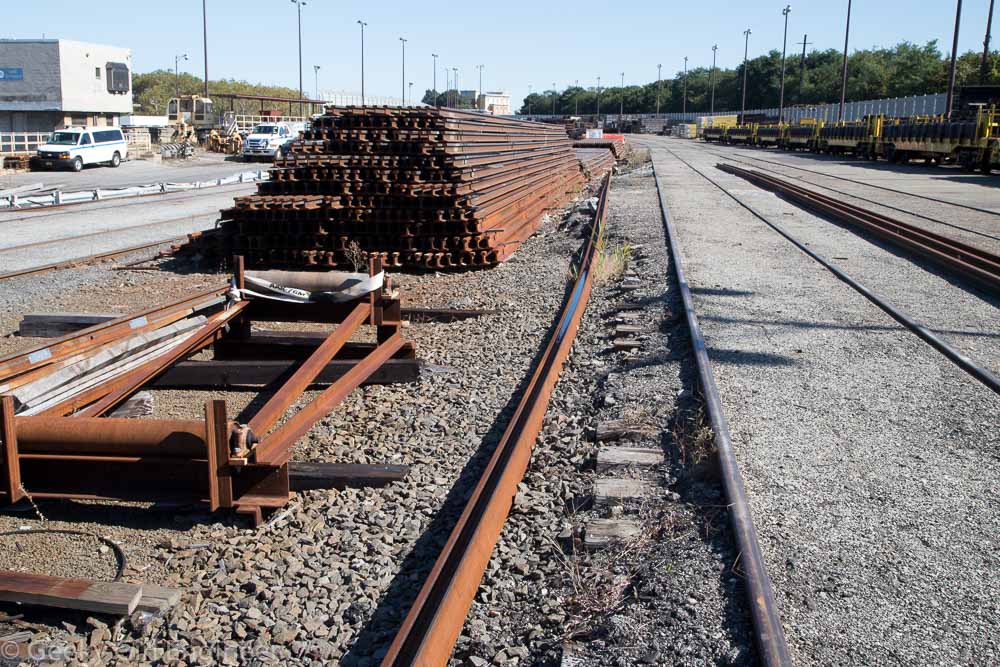
A continuous welded rail is laying on the ground in the middle next to the stacked rails

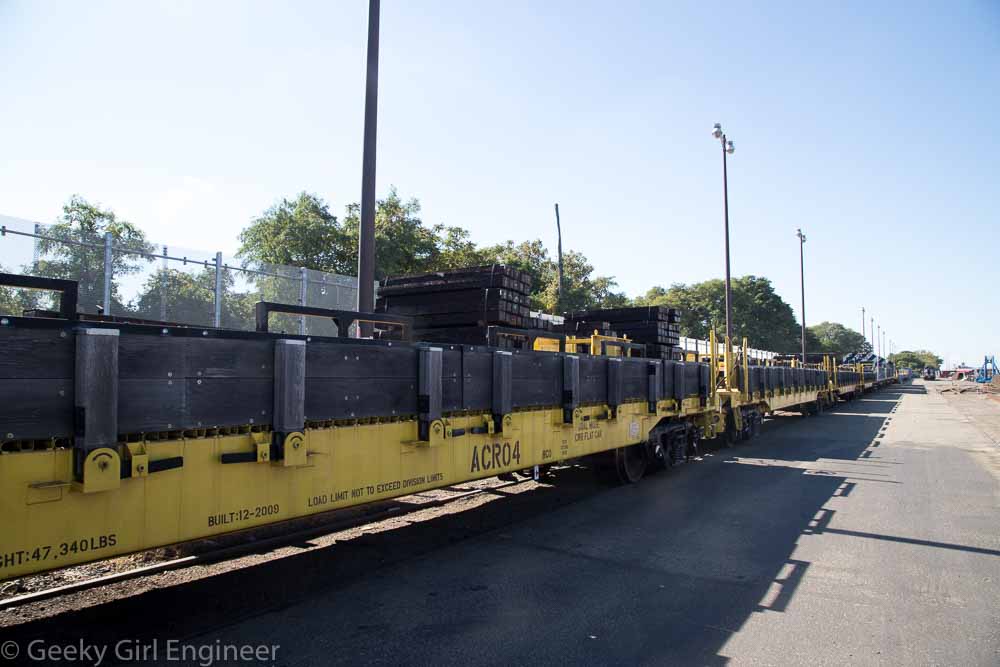
The continuous welded rail is transported in specialty rail cars that are joined together and can transport eight of these continuous welded rail.

Specialty rail car for laying continuous welded rail

Specialty rail car for laying continuous welded rail

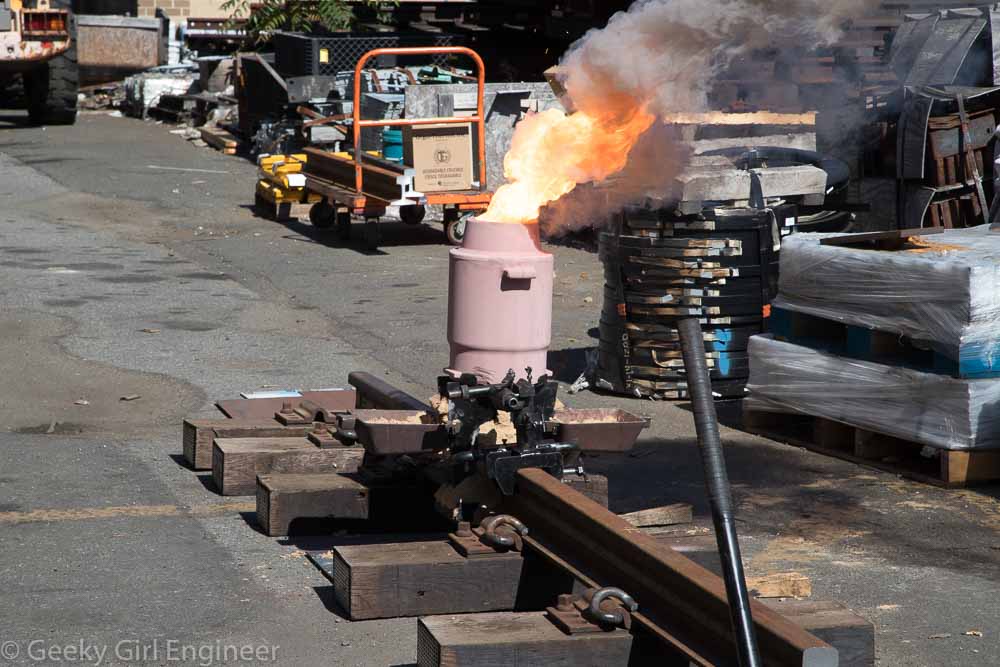
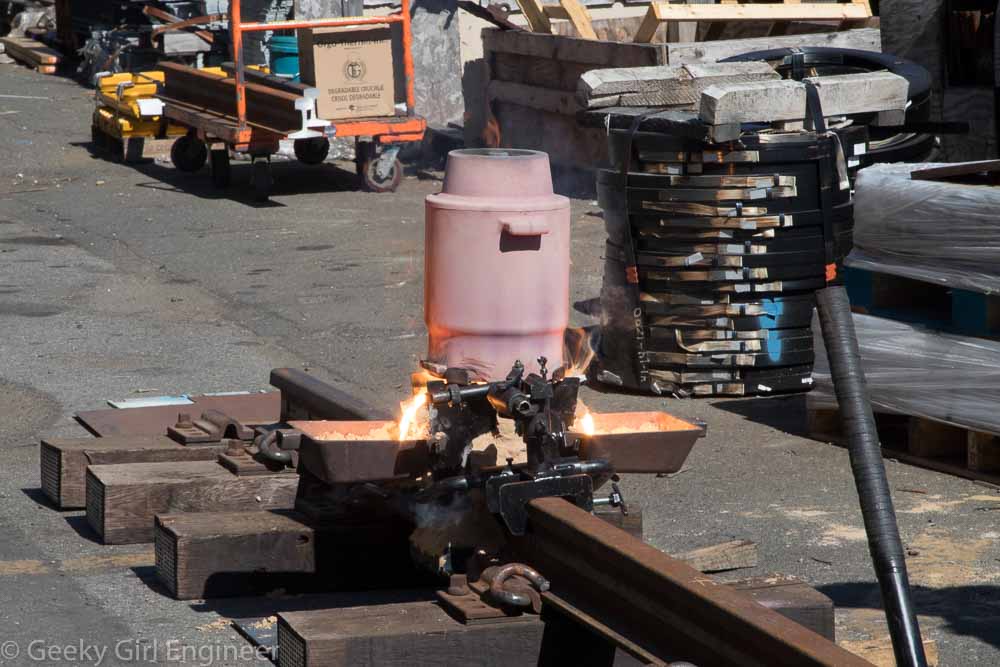
They use thermite to weld lengths of rail together. The process is awesome to watch.

Using thermite to weld two pieces of rail together

Using thermite to weld two pieces of rail together. Molten metal is pouring out the sides.

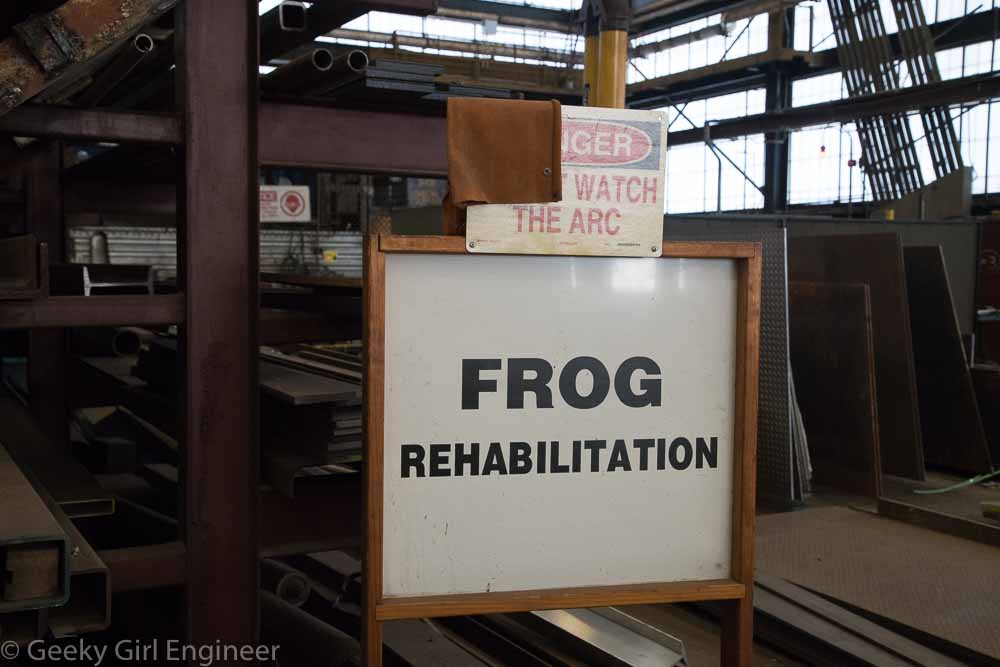
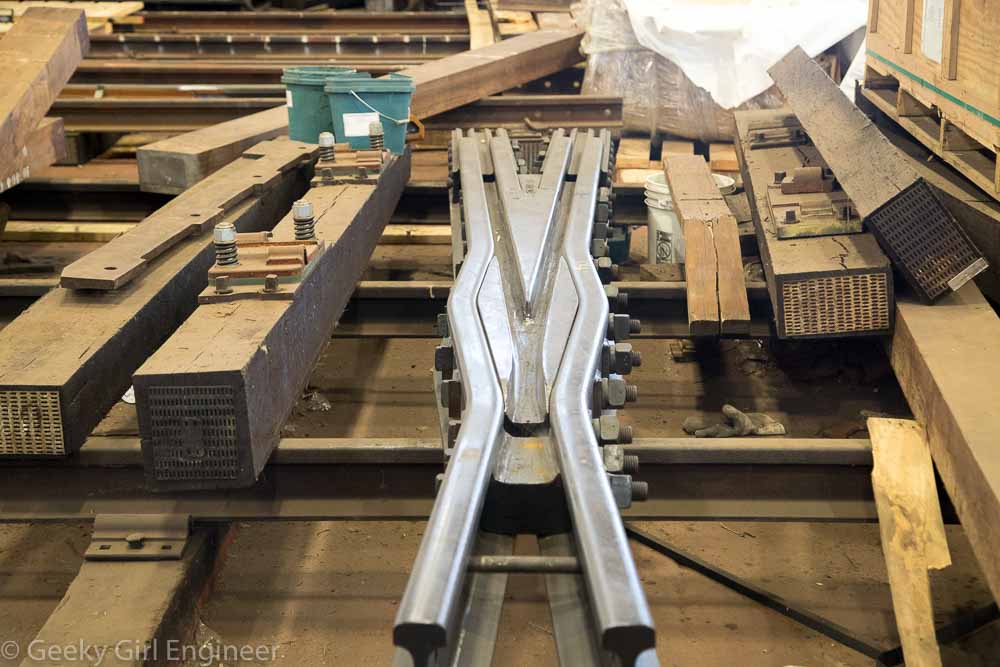
They also rehabilitate frogs, aka rail switches.

Frog rehabilitation area

A “frog”, switching track so named because it is said to look like a frog laying down with limbs spread out
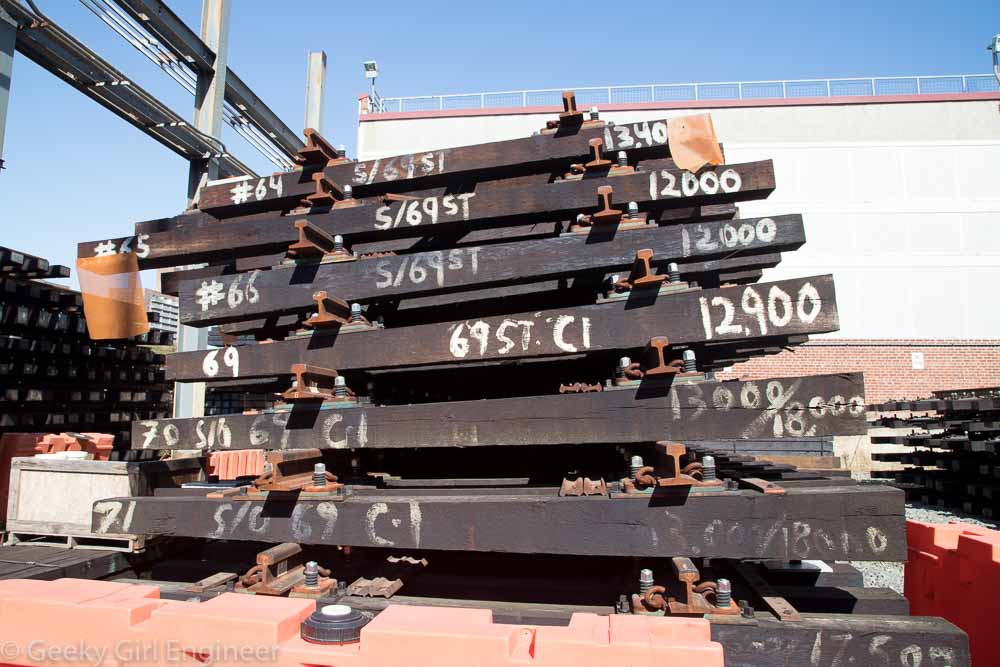
They build complete segments of rail attached to the ties. For curved sections of track, they have to rip the ties at precise angles to give the rail curve whatever angle it needs for the train to take the curve safely.

Stacked rails on ties. Note that some of the ties are cut at an angle to lay in track curves. The metal plates used to join the rail and ties have a rubber bottom to cushion the train and reduce noise.

They also build the more complicated rail junctions.

A rail switch or junction being built in the shop

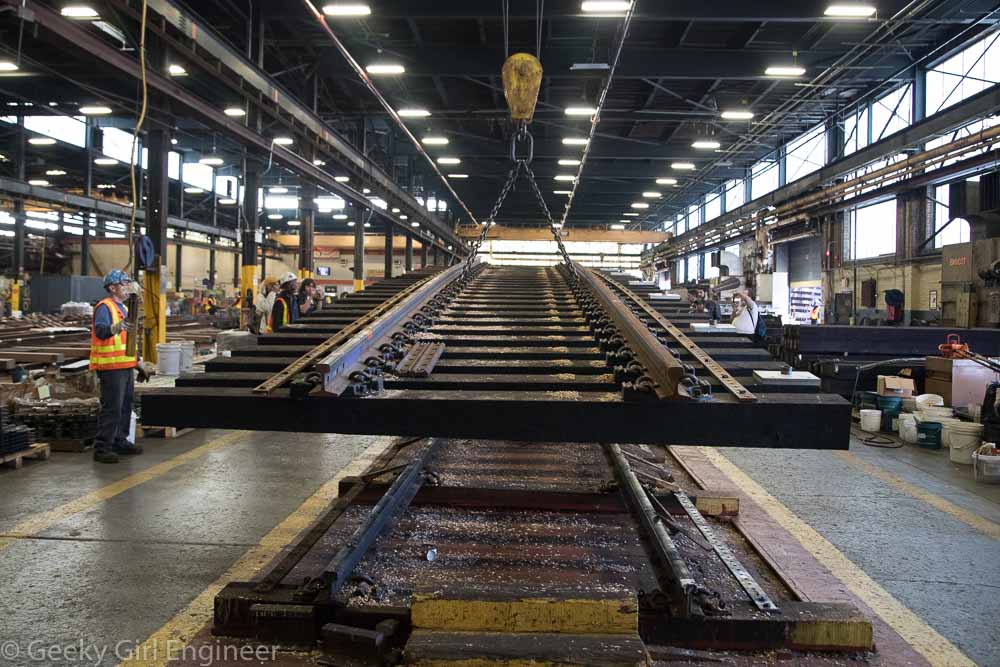
Fully assembled track lifted by crane

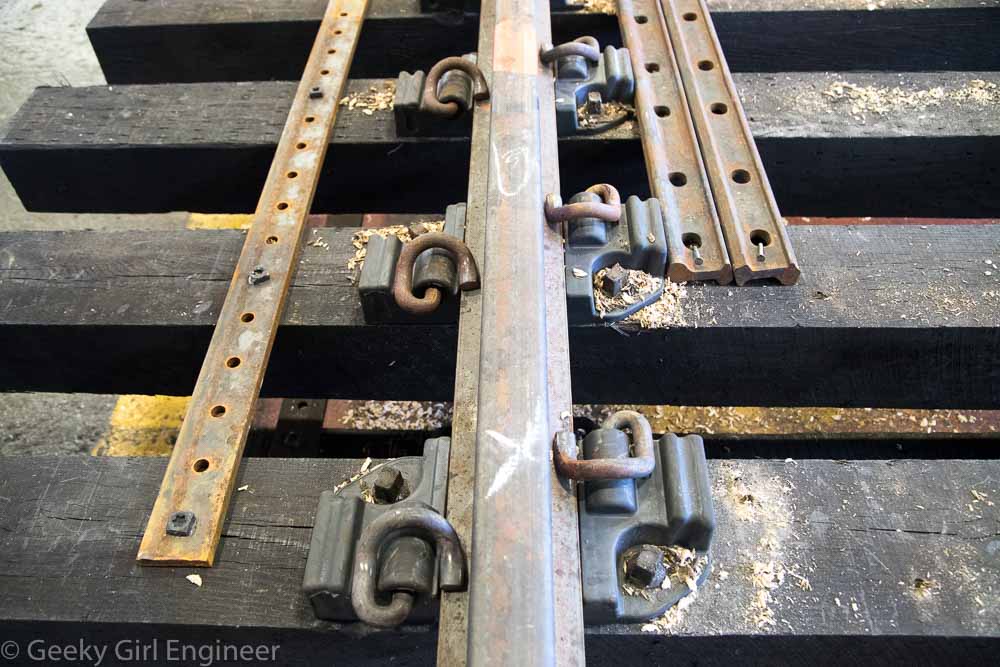
Rubber plates used to hold rail to ties. Rubber reduces the noise of the train.

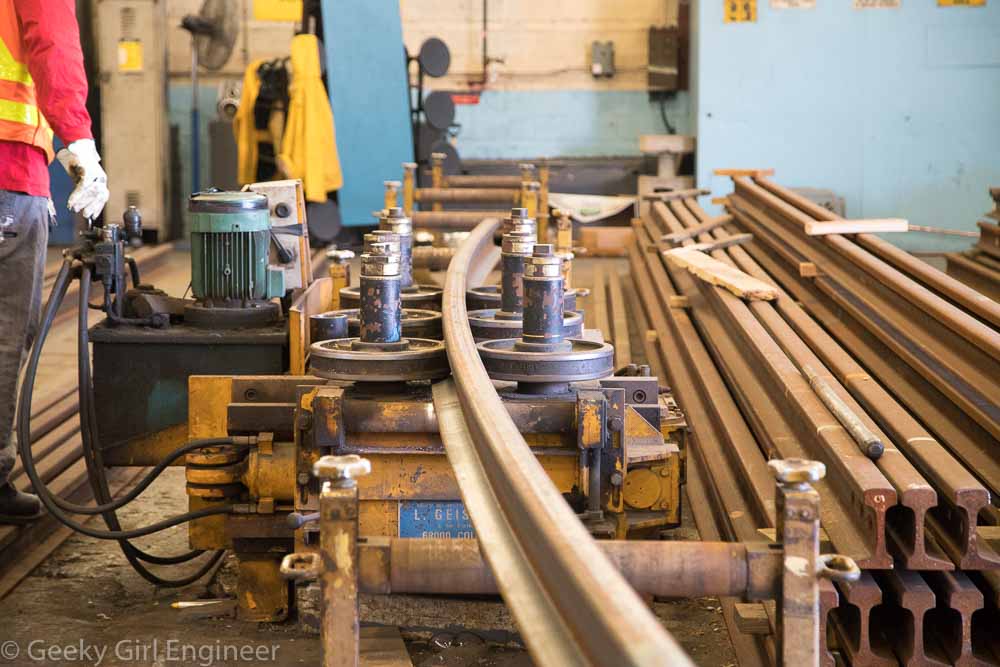
Rail being curved by mechanical force in this machine

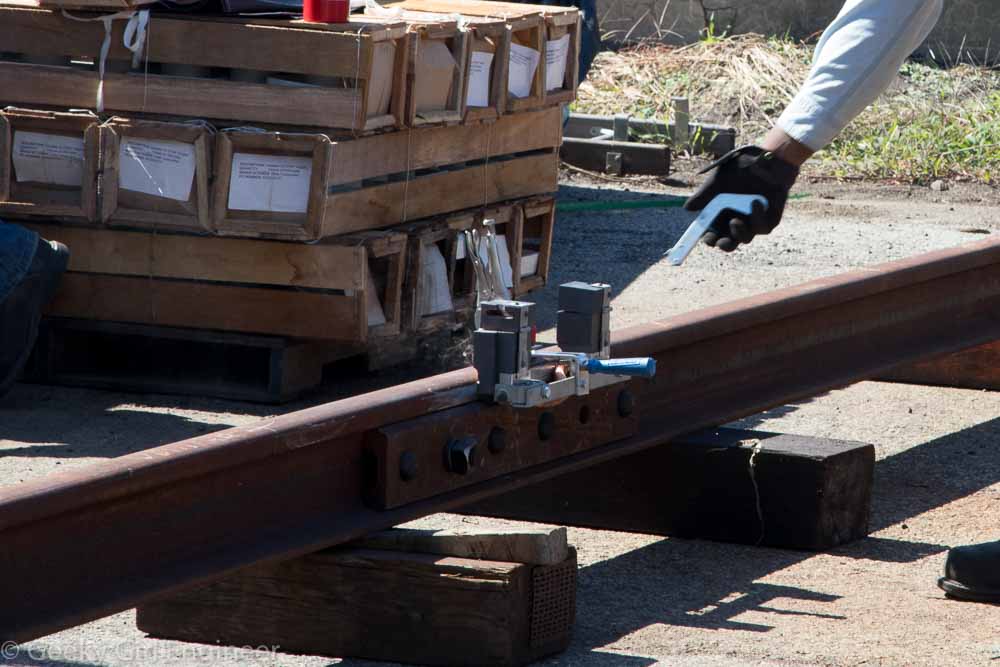
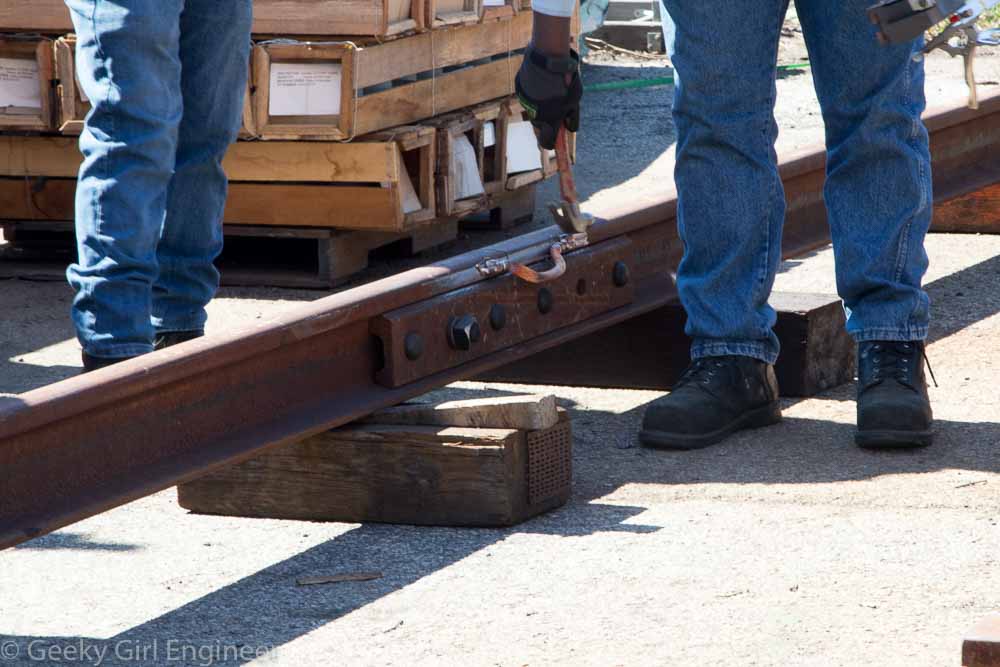
They also repair the third rail. Third rails are not welded together but are joined using a very thick copper wire that is welded to each segment.

Copper wire being attached to two third rails with thermite

Newly attached copper wire to serve as junction between two third rails

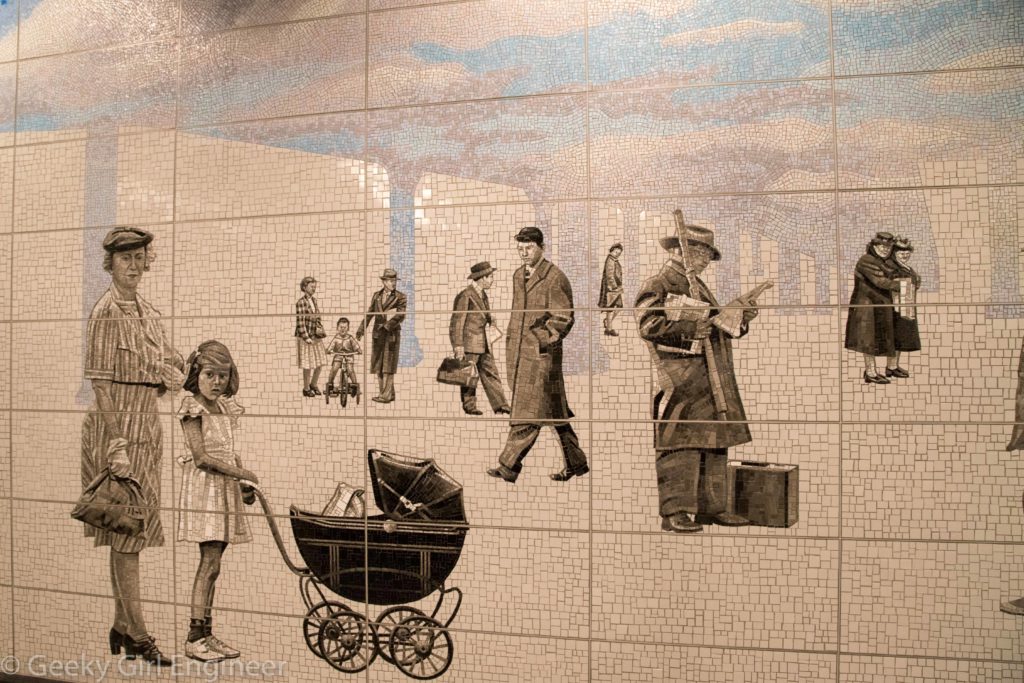
NYC’s Lexington Avenue–63rd Street station

I took a tour with the New York Transit Museum of the artwork in the new Q-train stations. The artwork are all mosaics, but they are they are not all the same type of mosaic. This is the fourth of four blog entries to show some of the amazing mosaics.

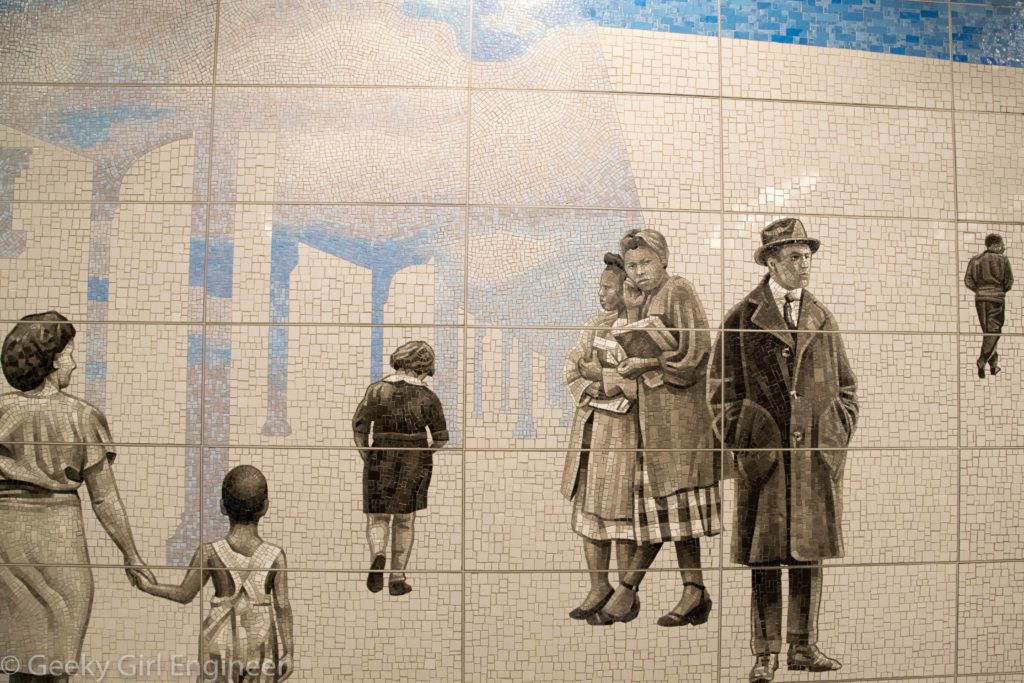
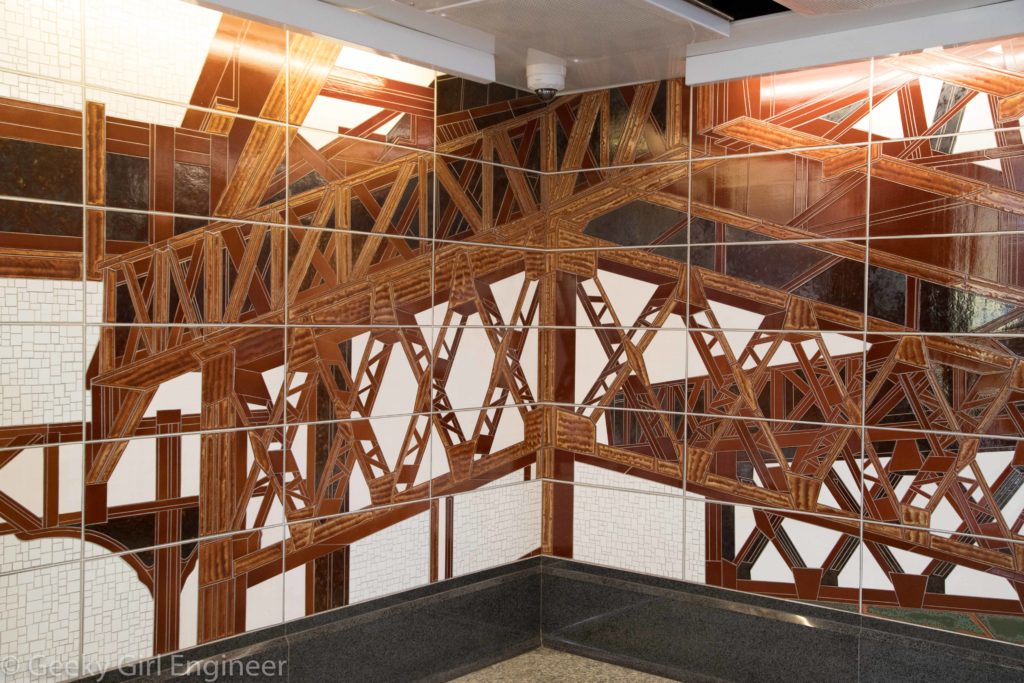
The Lexington Avenue–63rd Street station is an expansion of an old station. The new area features mosaics by Jean Shin entitled “Elevated.” The mosaics are based on archival photos of the area. Some of the mosaics show people with a blue sky in the shape of the elevated train tracks that were removed decades ago to show how the sky opened up when the elevated was removed. At one of the entrances to the subway, the mosaic portrays the old elevated with all its steel beams and piers.

Elevated by Jean Shin

Elevated by Jean Shin

Elevated by Jean Shin

Elevated by Jean Shin

NYC’s 72nd Street station

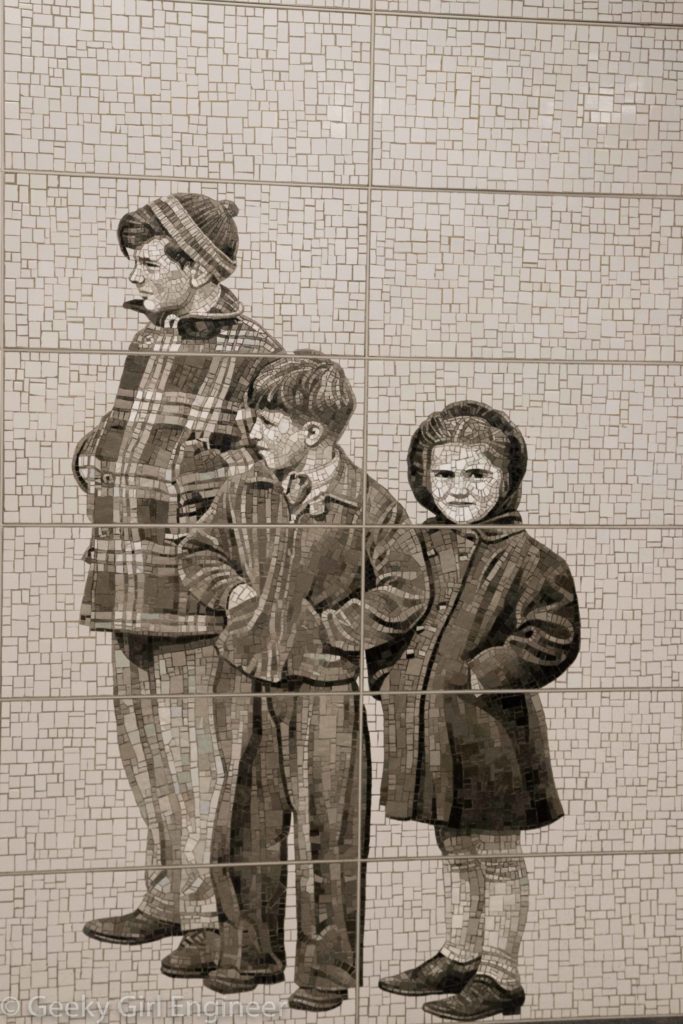
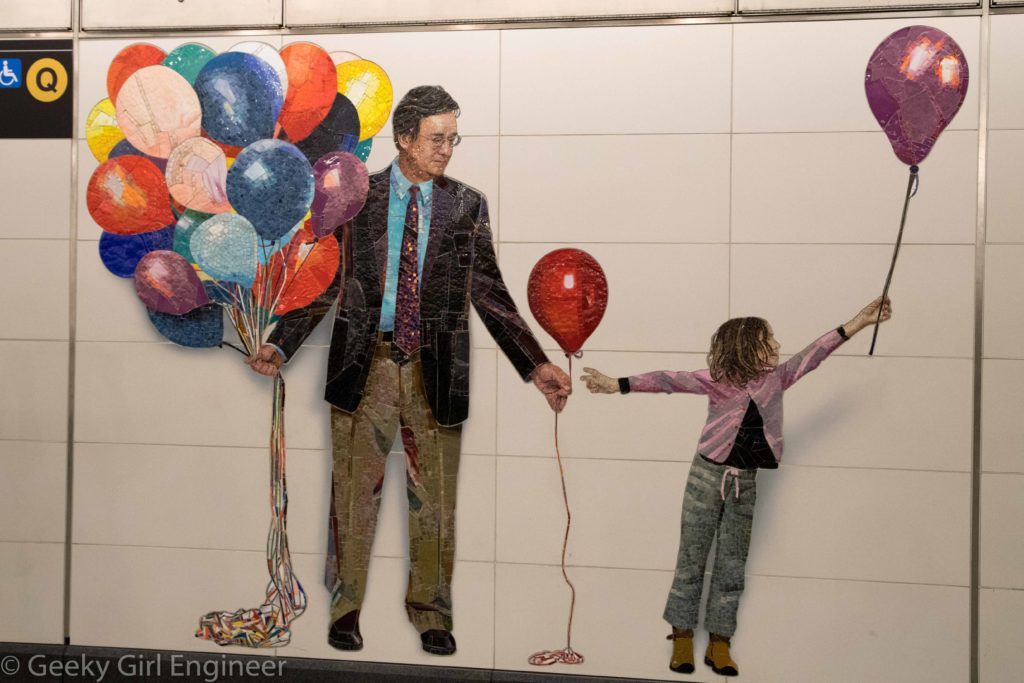
I took a tour with the New York Transit Museum of the artwork in the new Q-train stations. The artwork are all mosaics, but they are they are not all the same type of mosaic. This is the third of four blog entries to show some of the amazing mosaics.

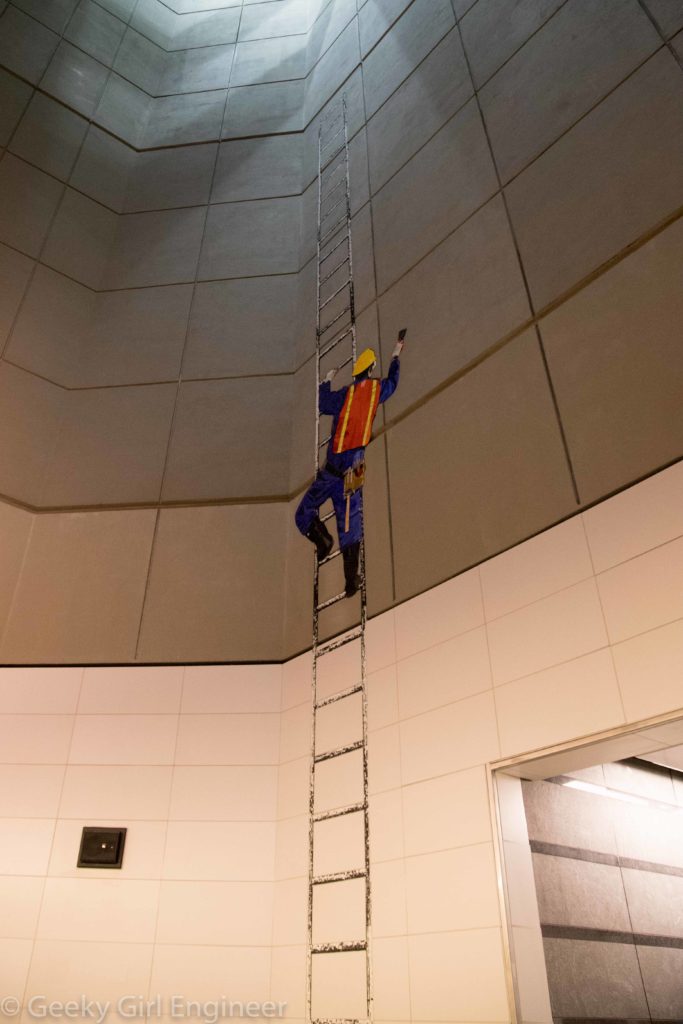
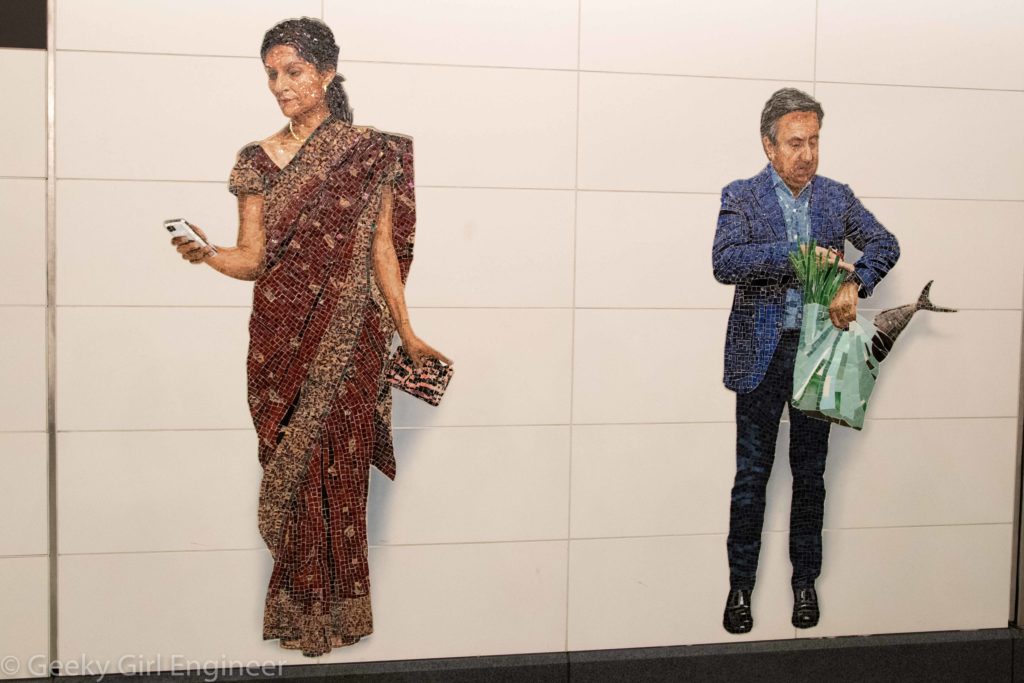
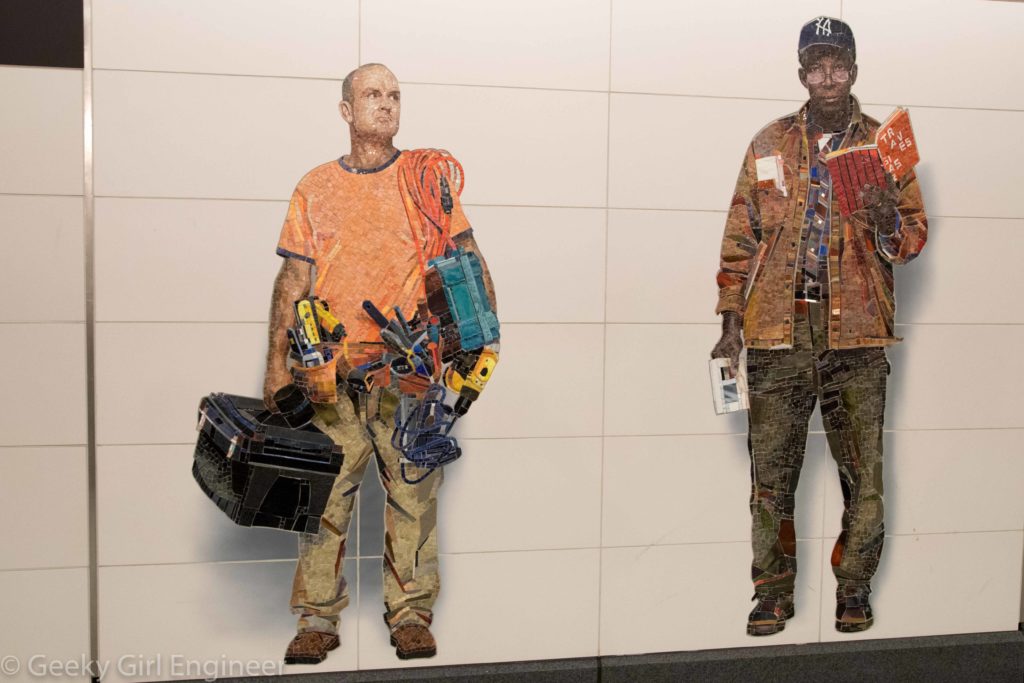
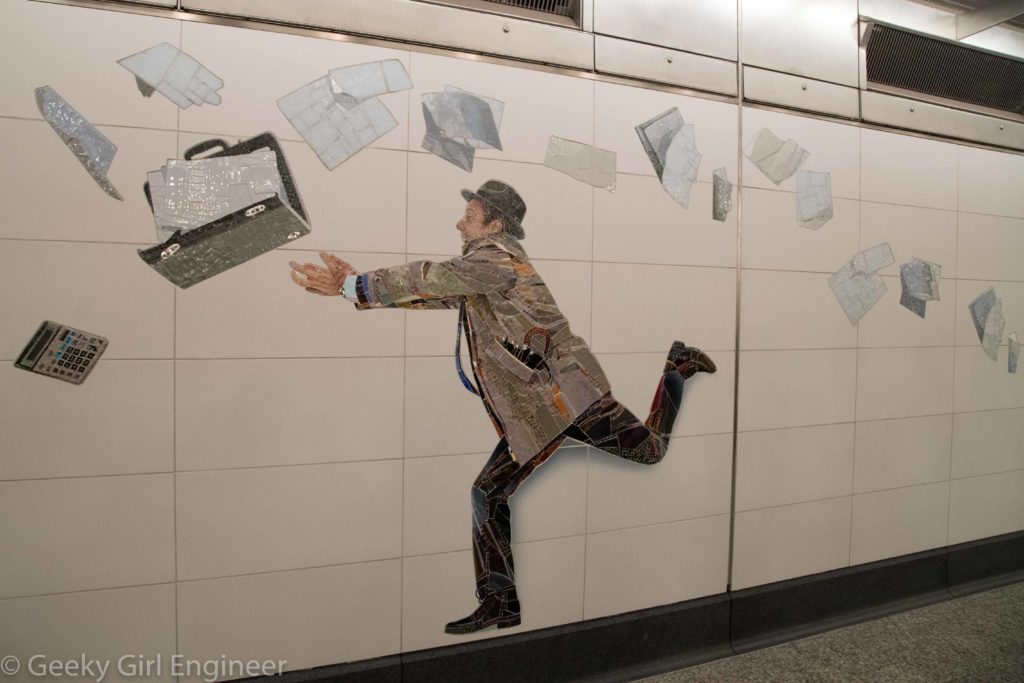
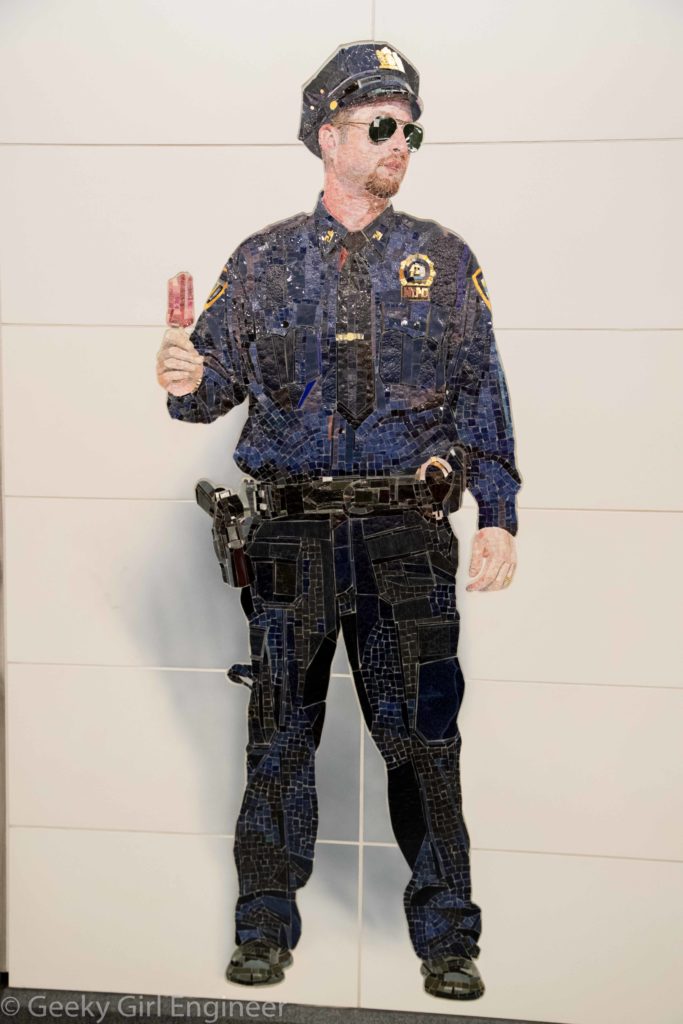
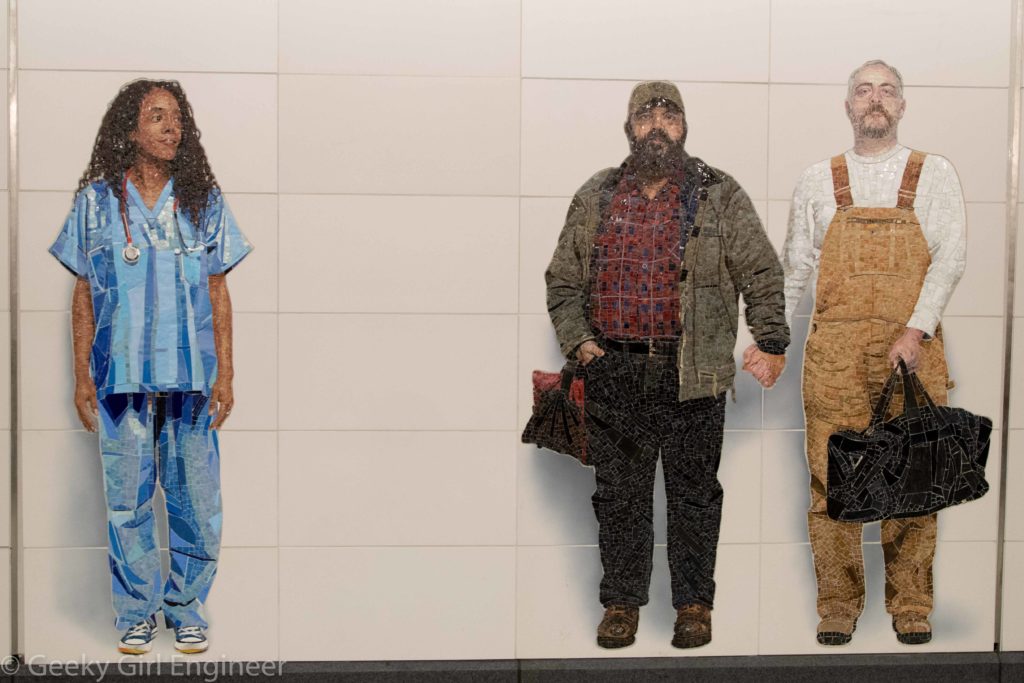
The 72nd Street station has a set of 36 mosaics by Vik Muinz titled “Perfect Strangers.” The people represent people that might be found at the station. They are delightful, wonderful, beautiful, and amazingly detailed. I think my favorite one, although I admit I haven’t seen them all, is one that is sort of hidden. The mosaic (photo below) of a workman on a ladder is hidden away by a set of elevators before passing the fare gates. It is sort of a hidden treat to see if you find it.

Perfect Strangers by Vik Muniz

Perfect Strangers by Vik Muniz

Perfect Strangers by Vik Muniz

Perfect Strangers by Vik Muniz

Perfect Strangers by Vik Muniz

Perfect Strangers by Vik Muniz

Perfect Strangers by Vik Muniz