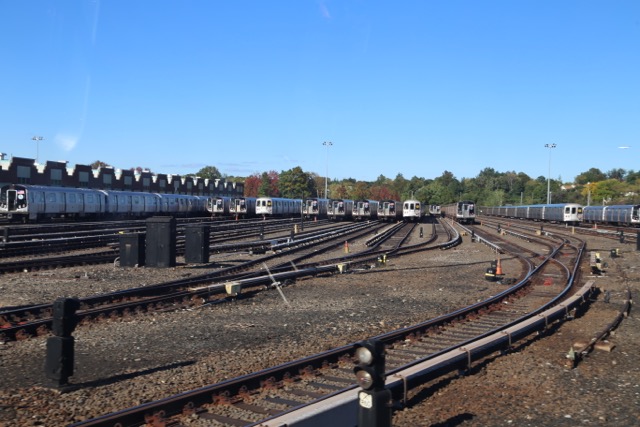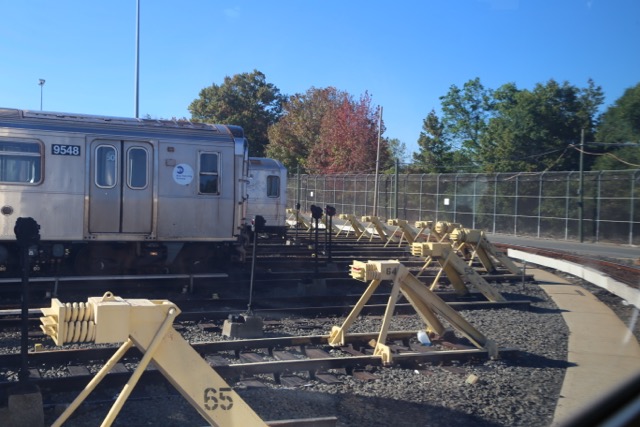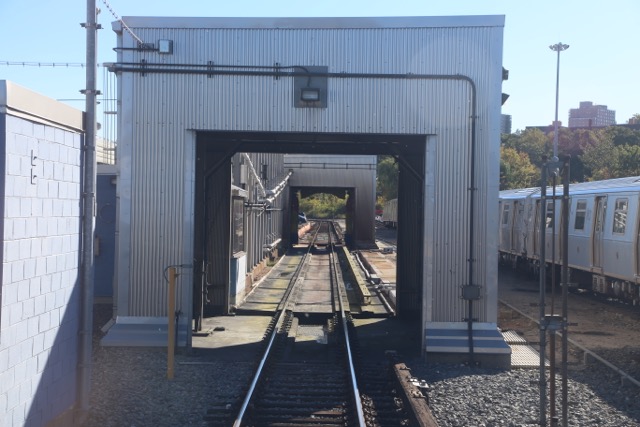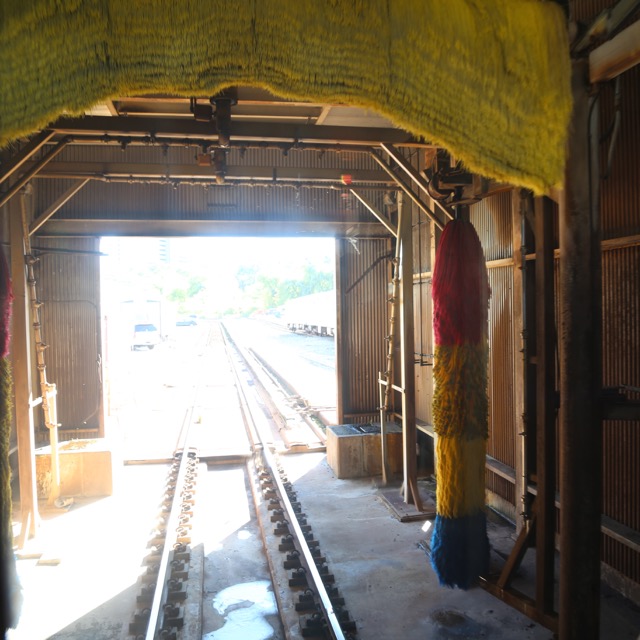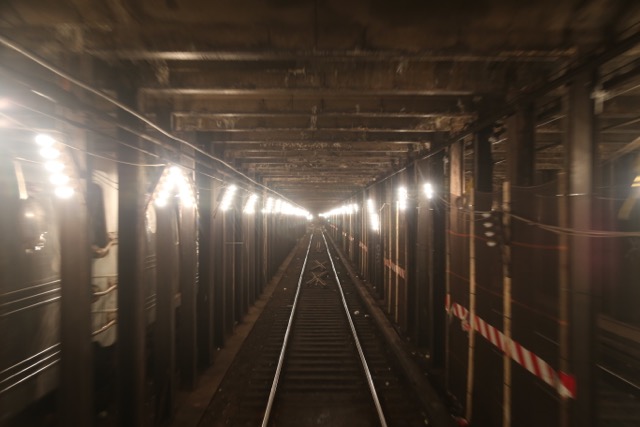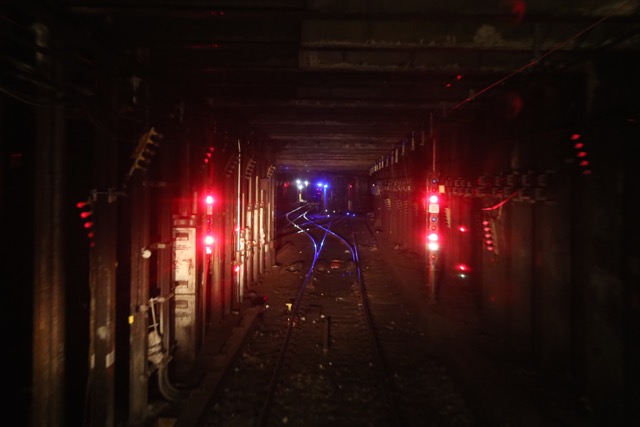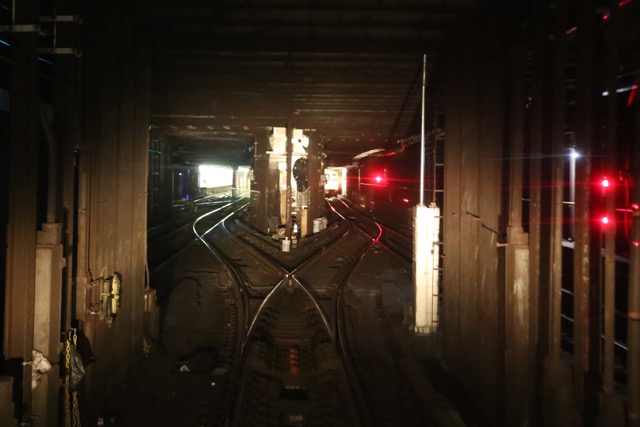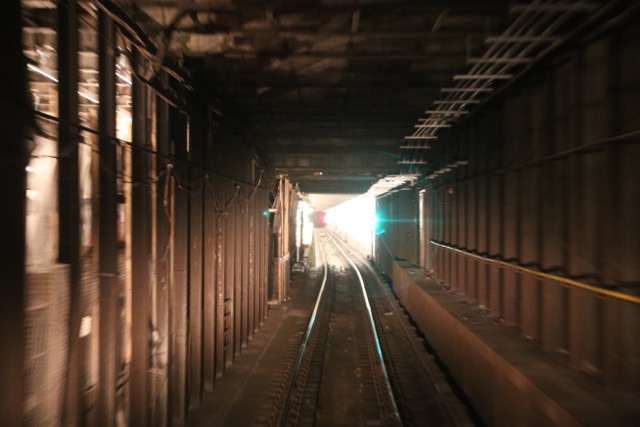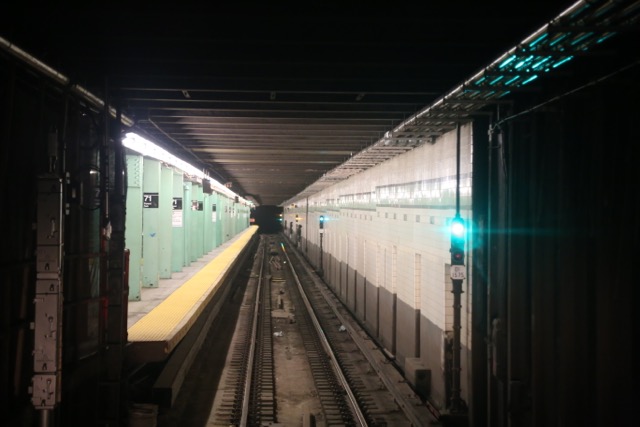
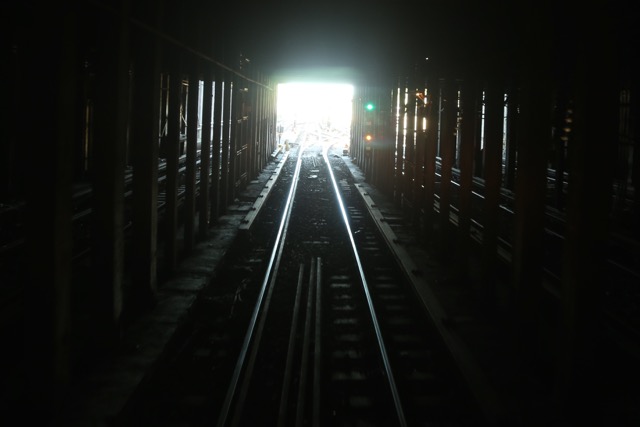
On my last trip to New York, I took a tour with the New York Transit Museum that included a subway ride through the Jamaica Maintenance Shop yard and the tunnels through it. Even cooler, the train conductor kept the door open to the train control room, so we could go in and take a few pictures out the front window of the train. Normally when on a subway train, you can only see stuff go flying by out a side window, so being able to see the tunnels through the front, allowed a much better view. In some places they were working in the tunnels, so there were a lot of lights lit, which allowed even better viewing.
Tag Archives: transportation
Amtrak Vermonter
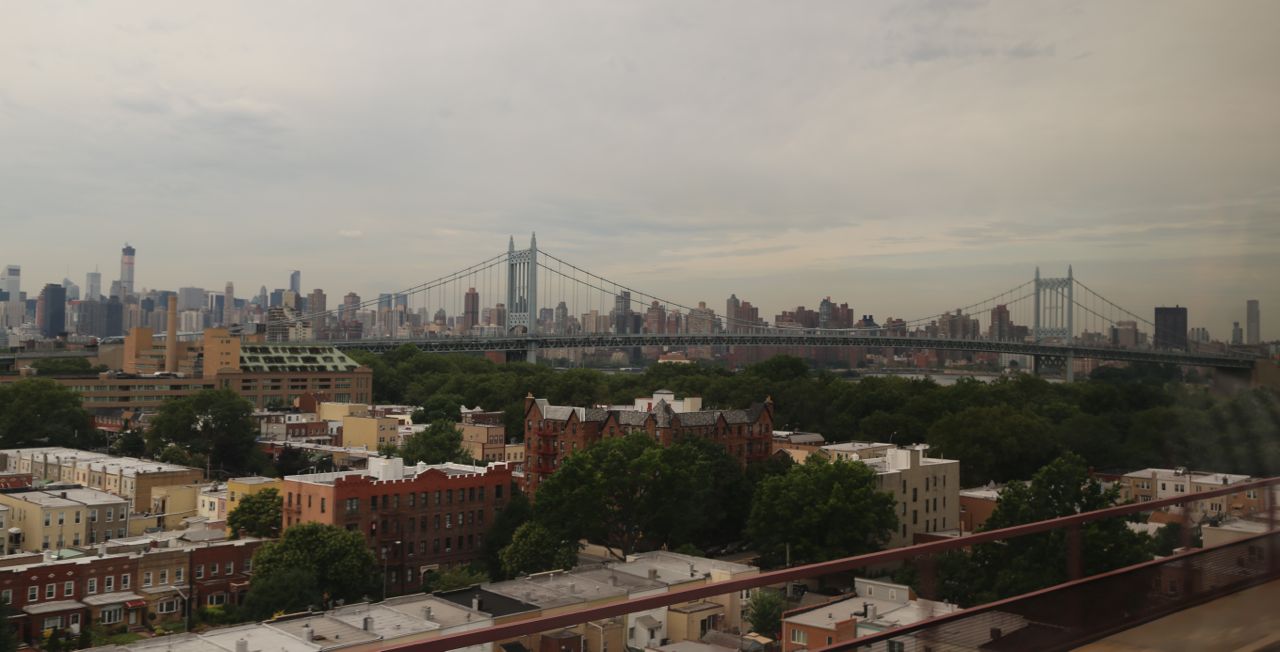
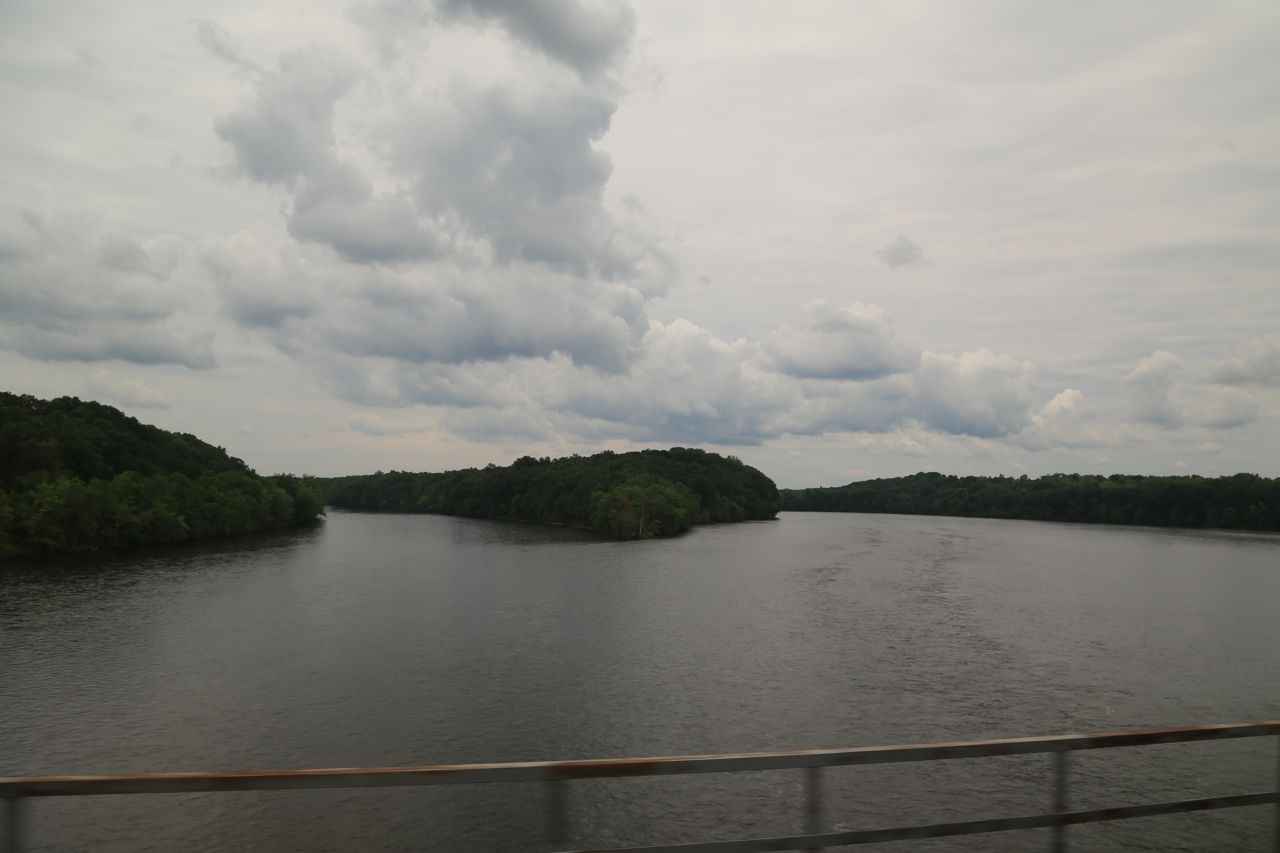
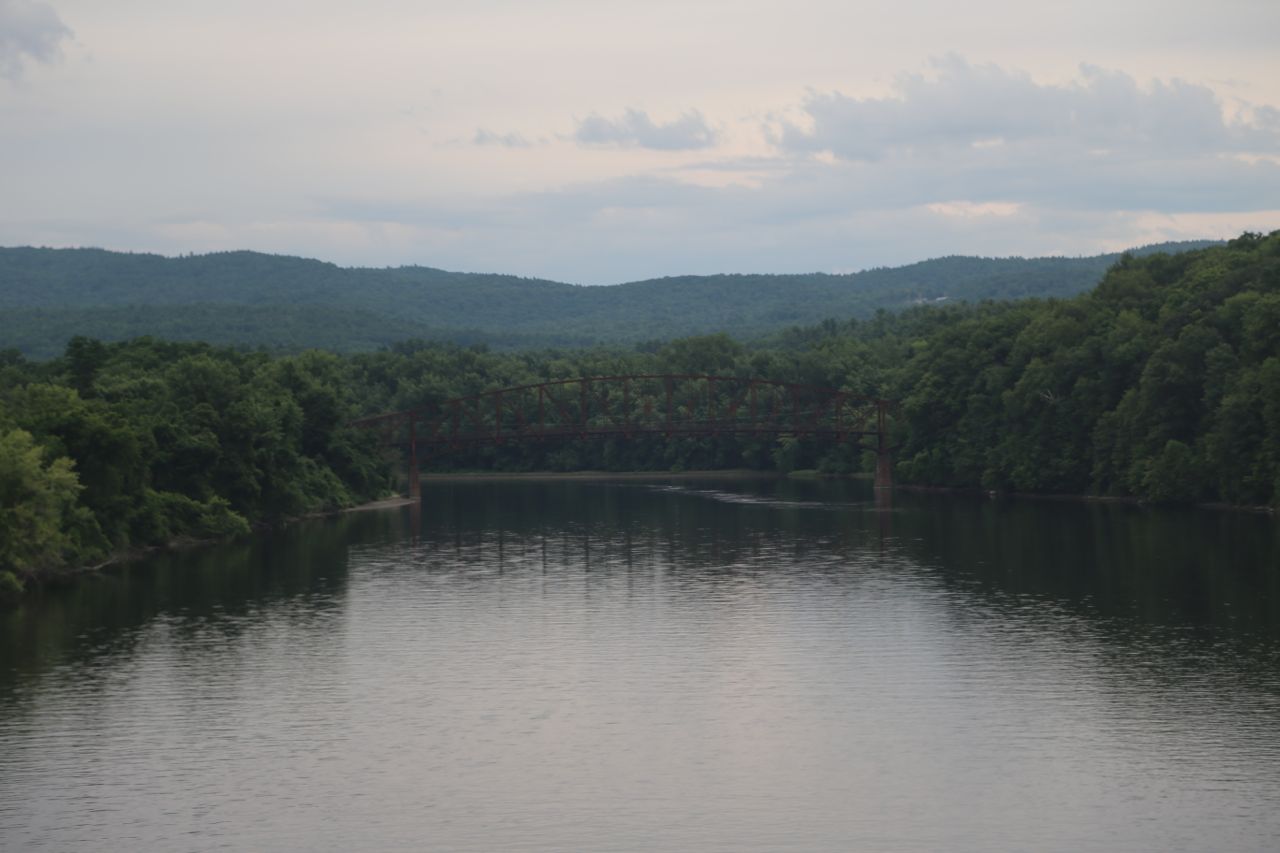
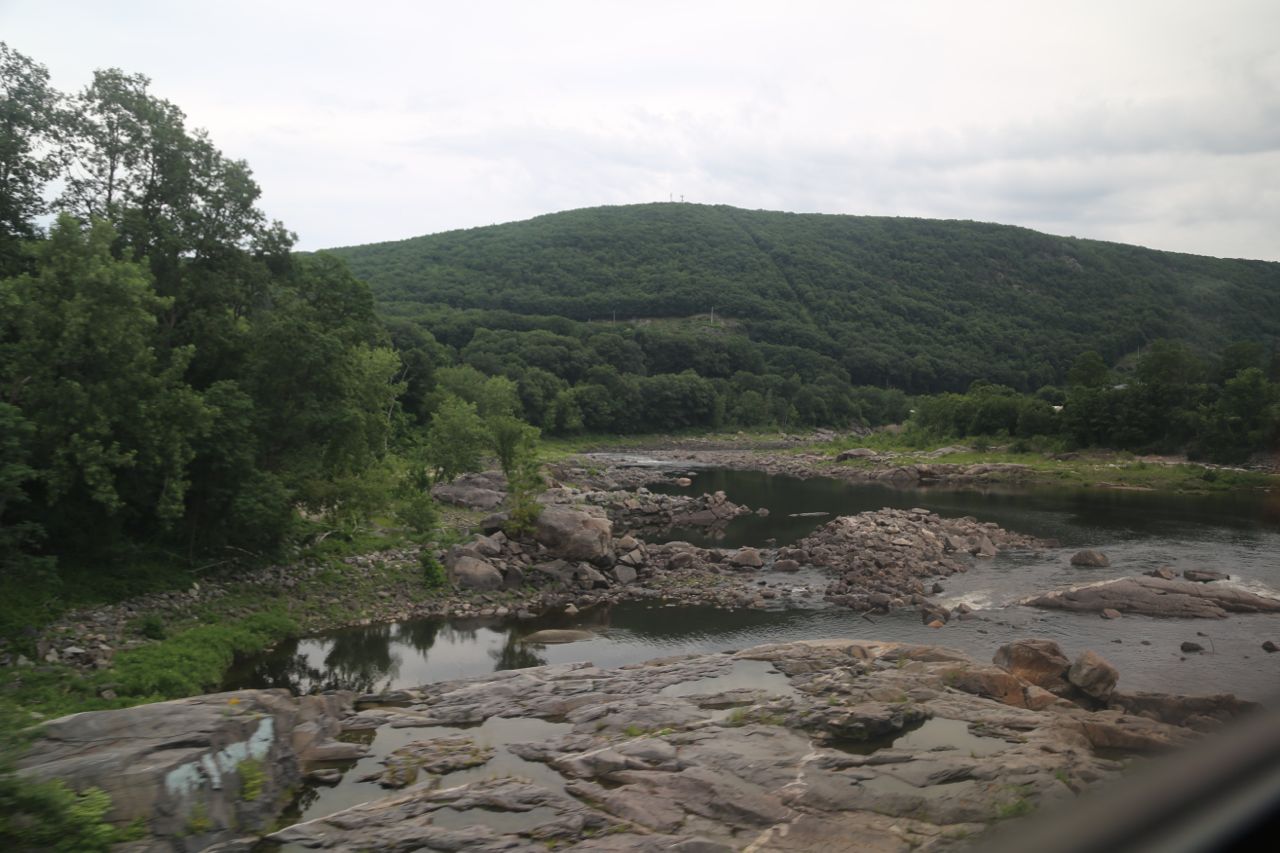
I think I have written blog posts before about how much I love traveling my train. I love sitting back and watching the world go by. Train travel also sometimes allows you views you could not get any other way. I recently took the Amtrak Vermonter from Washington, DC to Burlington, VT. The latter part of the trip had wonderful views of the Connecticut River and rural Vermont and New Hampshire. It was a wonderful way to start my trip. Here are a few photos from the trip.
Snowy Owl at DCA
Several snowy owls have been seen in the DC metro area. Many people in the area have heard about the one that was hanging out in McPherson Square and then got hit by a Metro bus. This is why DC can’t have nice things.
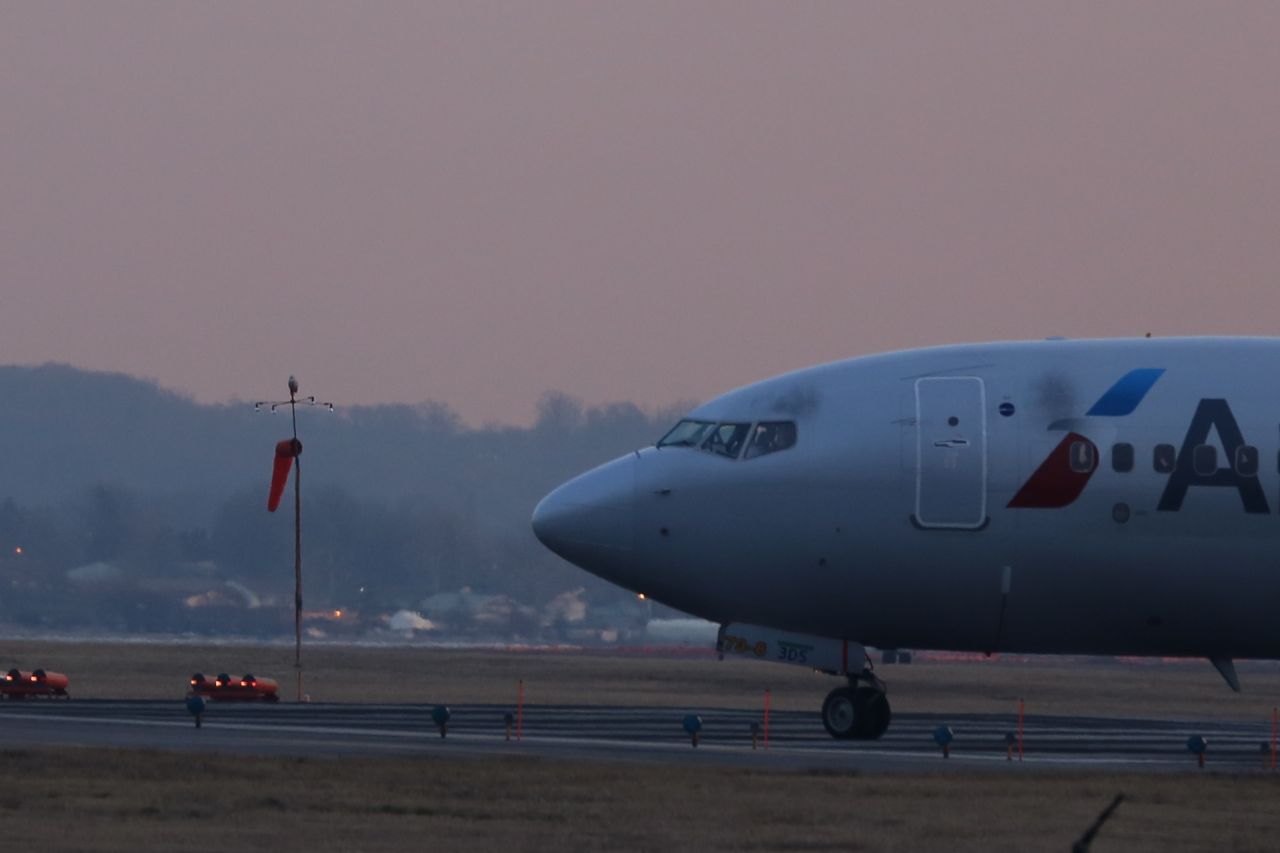
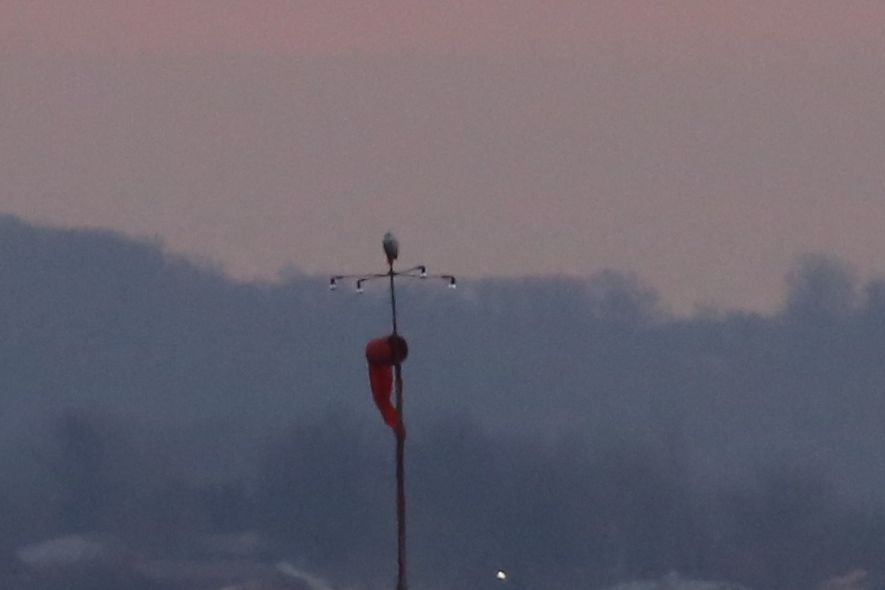
I had heard that a snowy owl was spotted numerous times at Gravelly Point, so today I decided to go for a long walk that included going there. I was not exactly disappointed. When I finally got to Gravelly Point, there were numerous people standing around with scopes, binoculars, and cameras with zoom lenses. I was doubtful that all of them were plane spotters, and I was right, they were birders. There was a snowy owl hanging out at Reagan National Airport. It was right next to the runways, possibly it was too warm today, and it was going to hitch a ride north. According to the birders I spoke to, the theory is that it likes the airport because the low cut grass reminds it of the tundra. I imagine the airport also has rodents. I got a few of it on top of a windsock and later what I am fairly sure is a weather station. You are going to have to trust me. That really is a snowy owl, I promise.
On a related note, you can generally spot birders easily when a rare bird is about. Birders travel in flocks like the birds with which they are fascinated. When I arrived at the park, you could say, I joined my flock. Birders are really wonderful because they are almost always happy to let you use their scope, point you in the right direction, and share information about the sighting and other sightings. The enthusiasm is infectious. While I was standing there, at least a few non-birders stopped to ask at what everyone was looking. Many were equally enthused about the rare sightings. I hope these snowy owls that have come to DC will get more people interested and concerned about nature and wildlife.
About Those Rail Ties, WMATA
Dear WMATA,
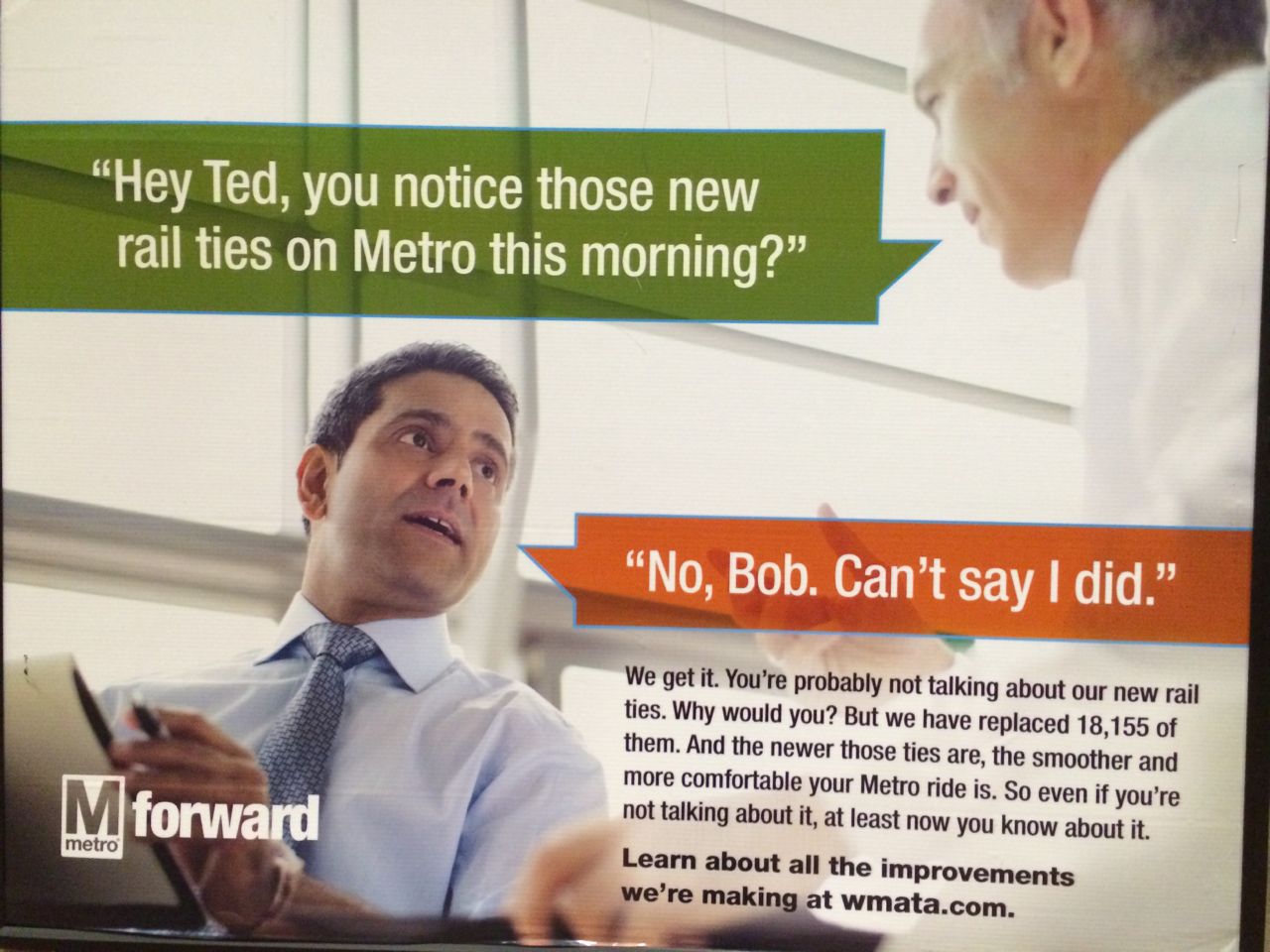
I saw your new ad while I walking into the Metro the other day. That is, the new ad where you tell your riders that your installing new rail ties to give us a more comfortable rise. Considering the purpose that rail ties serve, I am hopeful this type of maintenance will also give us customers a safer ride, but I’m not going to quibble on that. First, I would like to thank you for at least not insulting your customers, making an incredibly sexist stereotype, or presenting a vague statistic with absolutely no context that really conveys nothing in this ad, like you did in a certain ad from this new series of ads. I would also like to commend you on doing actual maintenance on your rail system. As an engineer, I am more aware than many of how important and needed regular maintenance is, and from what I have heard in the news, you weren’t actually aware of this fact until several years ago.
However, I do have a question for you about these new rail ties that you admit that we, the customers, might not notice. Exactly how would you like to your customers to notice these fantastic new rail ties? I mean this in all seriousness. After I saw this poster, I made a point of looking at the rail ties while I was standing on the platform waiting for my train. Both my originating and destination stations on this particular day were underground, and what I noticed is that there were no rail ties underneath the track in front of the platform. The rails were held in place by metal bracing of some sort that was attached directly to the concrete beneath the tracks and did not tie the two tracks together. As my name Geeky Girl Engineer might suggest, I am in fact a geeky engineer, and thus I became intrigued by this metal bracing holding the tracks at the platform. Thus far my internet searches have not led me to information as to what these braces are called, but since the braces only hold one track, they don’t seem to actually be rail ties. However, I could be wrong, and if you would like to educate me on what they are called, I would be happy to learn about it (in all seriousness).
The other thing I noticed about the track in the station, is that it is really hard to notice the rail ties or braces. To begin with, the station is dark. Second, the area where the track is, is mainly different shades of black as it’s rather dirty. I wouldn’t expect it to be clean, but the darkness makes it difficult to see any level of detail. Also, the platform tile closest to the edge is rather textured, and this makes it uncomfortable to stand there for very long to examine the tracks. I realize the textured tile is a safety design to make people realize how close to the edge they are and to keep people from standing there while waiting for the train and thus potentially falling onto the track. I think this is a good safety, and I am certainly not arguing against it. I am just pointing out that between the textured tile and simply not wanting to get too close to the edge, conditions are not really conducive to a person examining or admiring your new rail ties.

As for the rail ties that are under track between stations, well, those are kind of hard to see also. The Metro, as you are of course aware, is underground a significant portion of the time. There is no way to view rail ties at all while the train is underground. There is no way to view anything outside the train while the train is in motion underground. Quite frankly, you should be aware of this. I also looked at the track while the train was in motion above ground. I was able to view the track and see that there are wood ties holding the track in place, but that honestly was about it. Again, the train was in motion making it difficult to really examine details of the ties. I couldn’t say whether the ties I viewed were new or old. I’m not actually sure how I would be able to tell the difference. I’m fairly sure that old ties would be dirtier and probably darker than new ties, but I am not sure to what degree. Presumably if I saw an old and a new one side by side, I could tell the difference, but except for that case, I am not sure how I would. Thus, it would be nice if your ad touting your new rail ties would have educated me on how to tell the difference.
Again, I commend you for your maintenance work. I thank you for not insulting me or stereotyping me. However, I think you might want to rethink your ad. For safety reasons, I think it would be best if you did not encourage your customers to examine your rail ties.
Your observant and educated customer,
Geeky Girl Engineer
Amtrak Viewliner Roomette
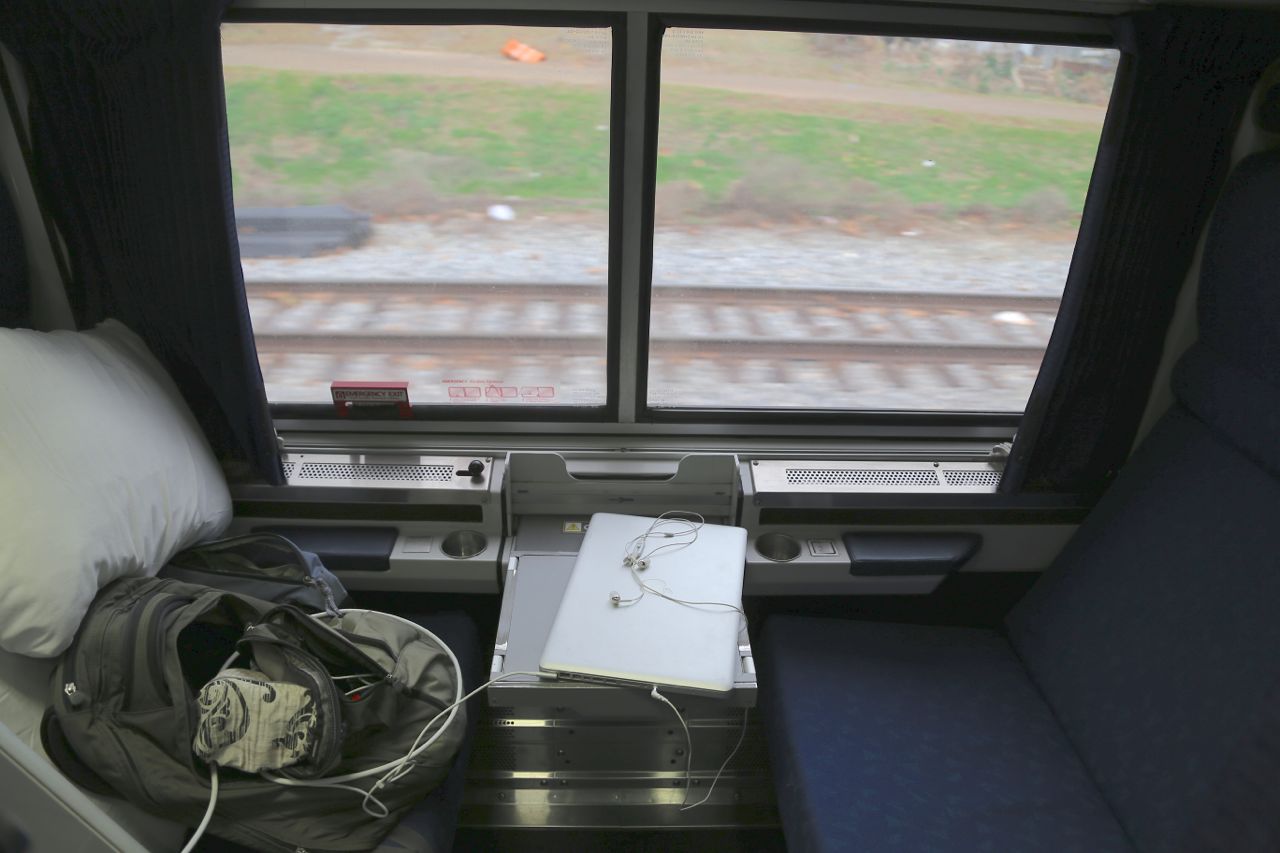
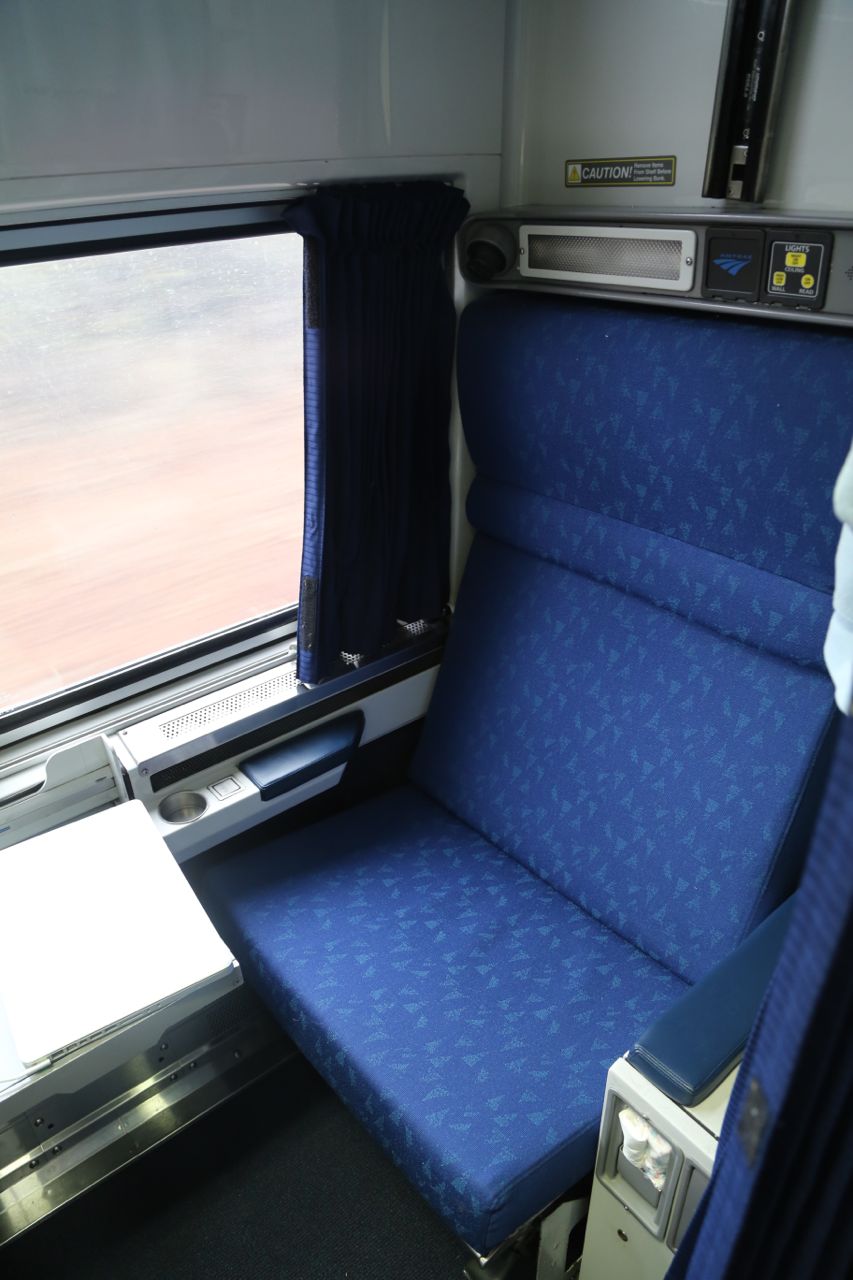
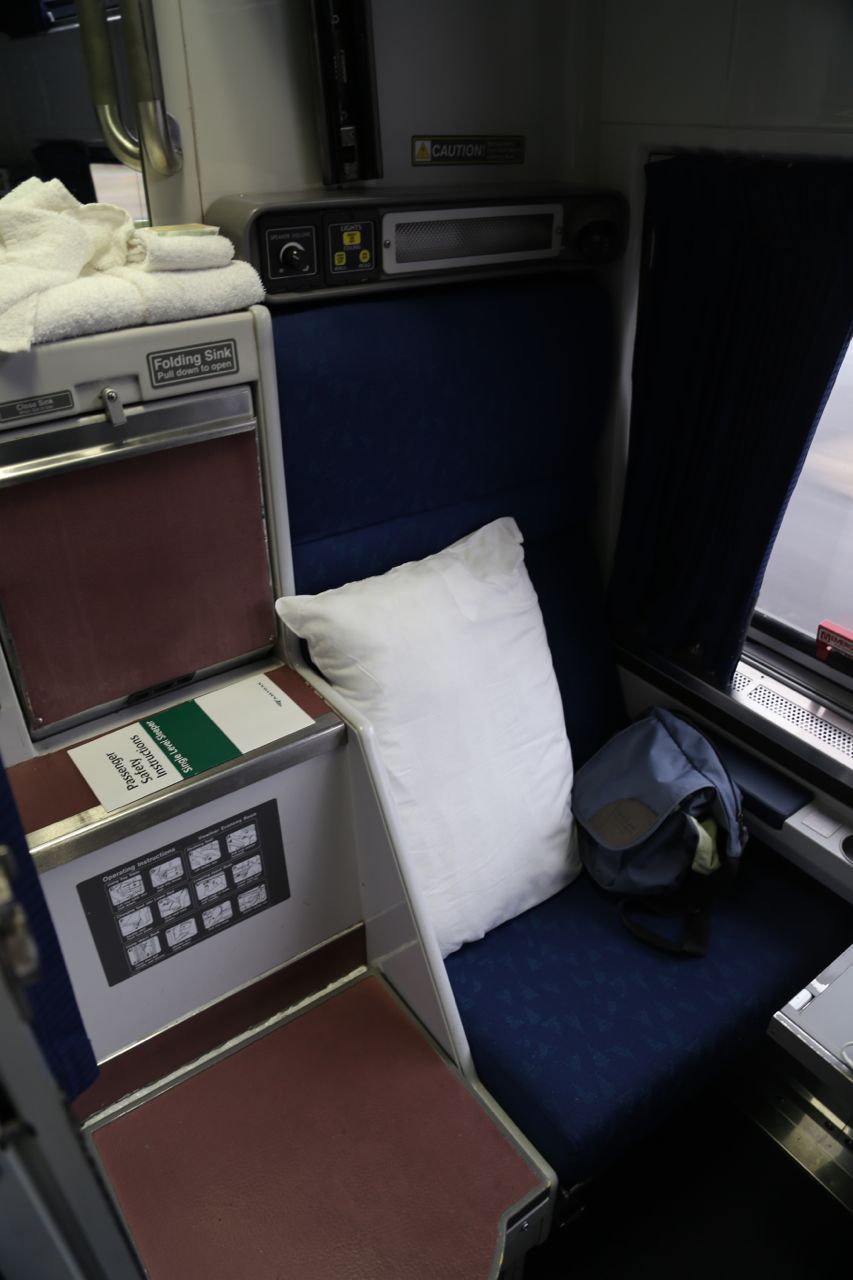
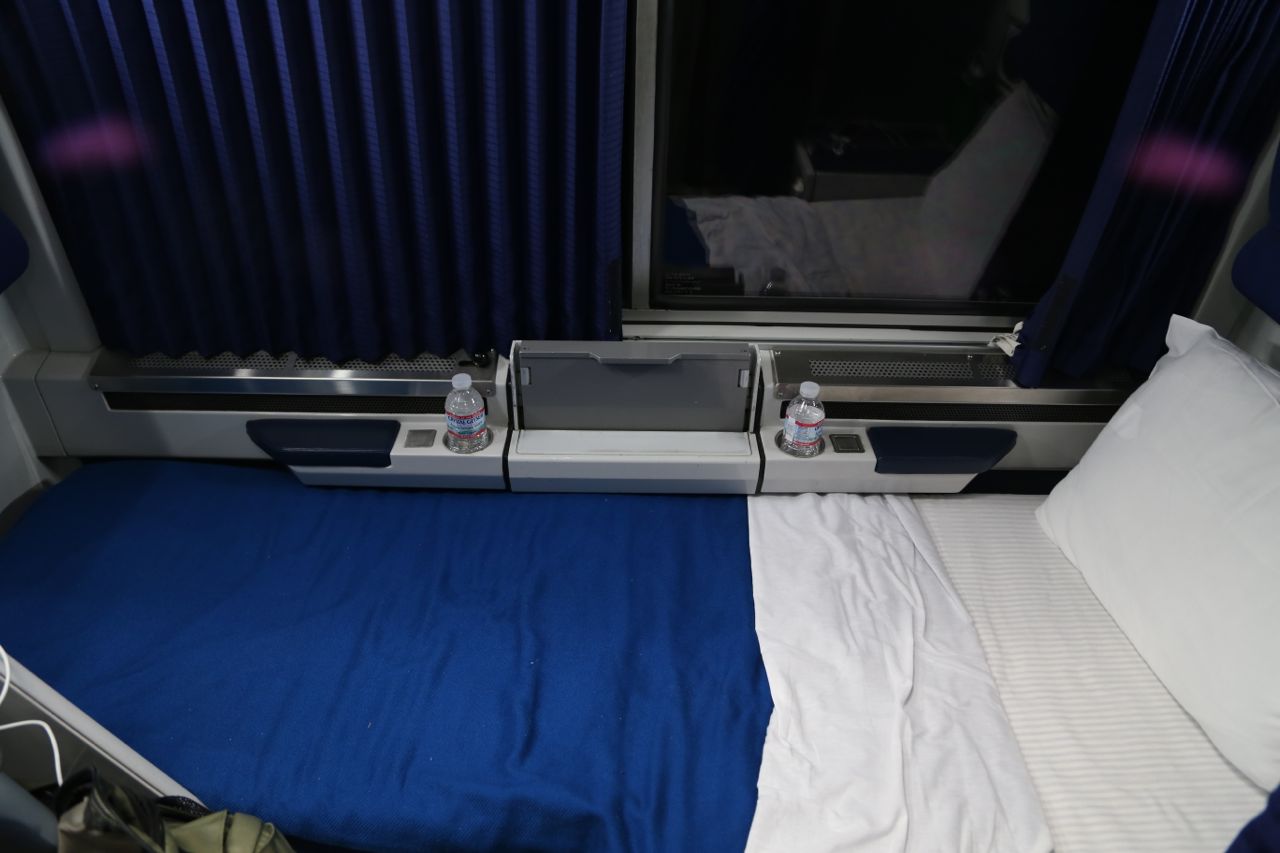
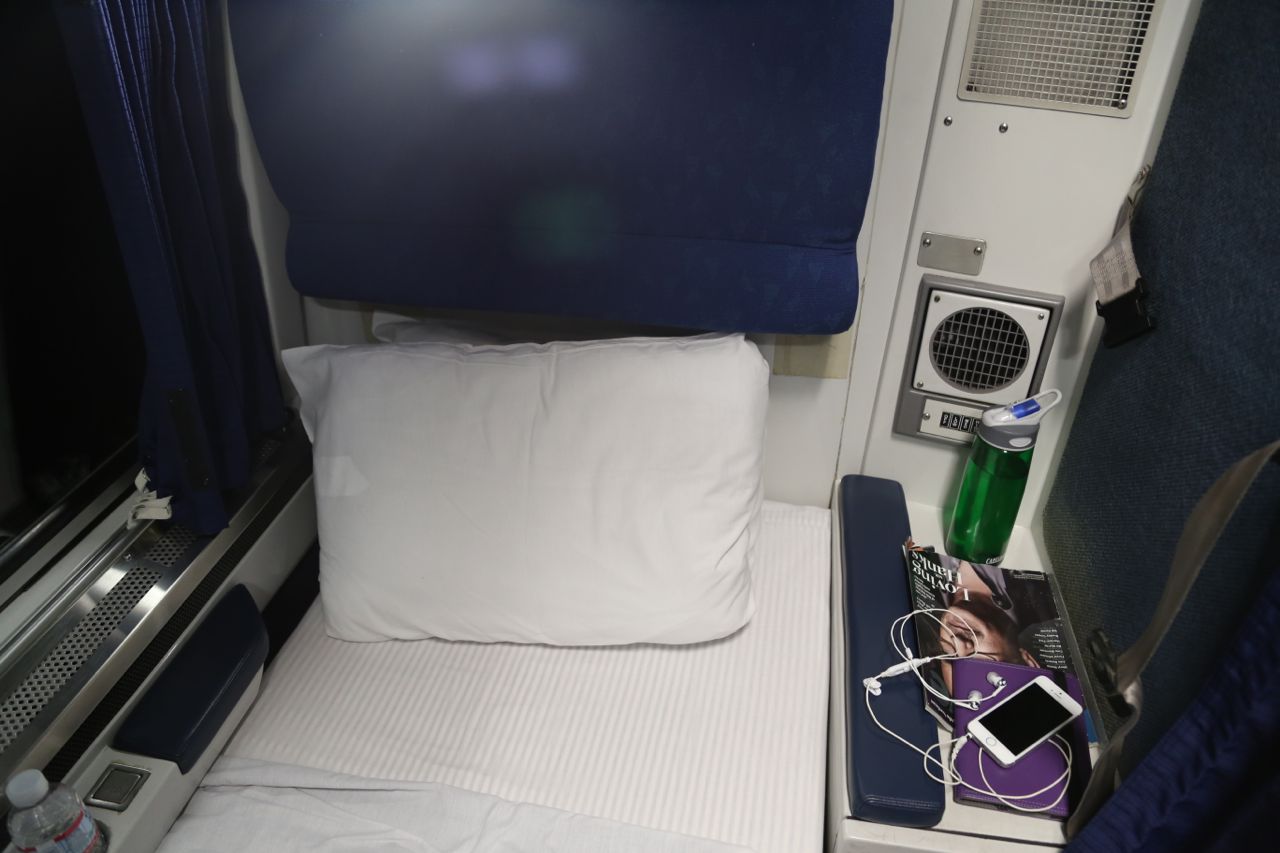
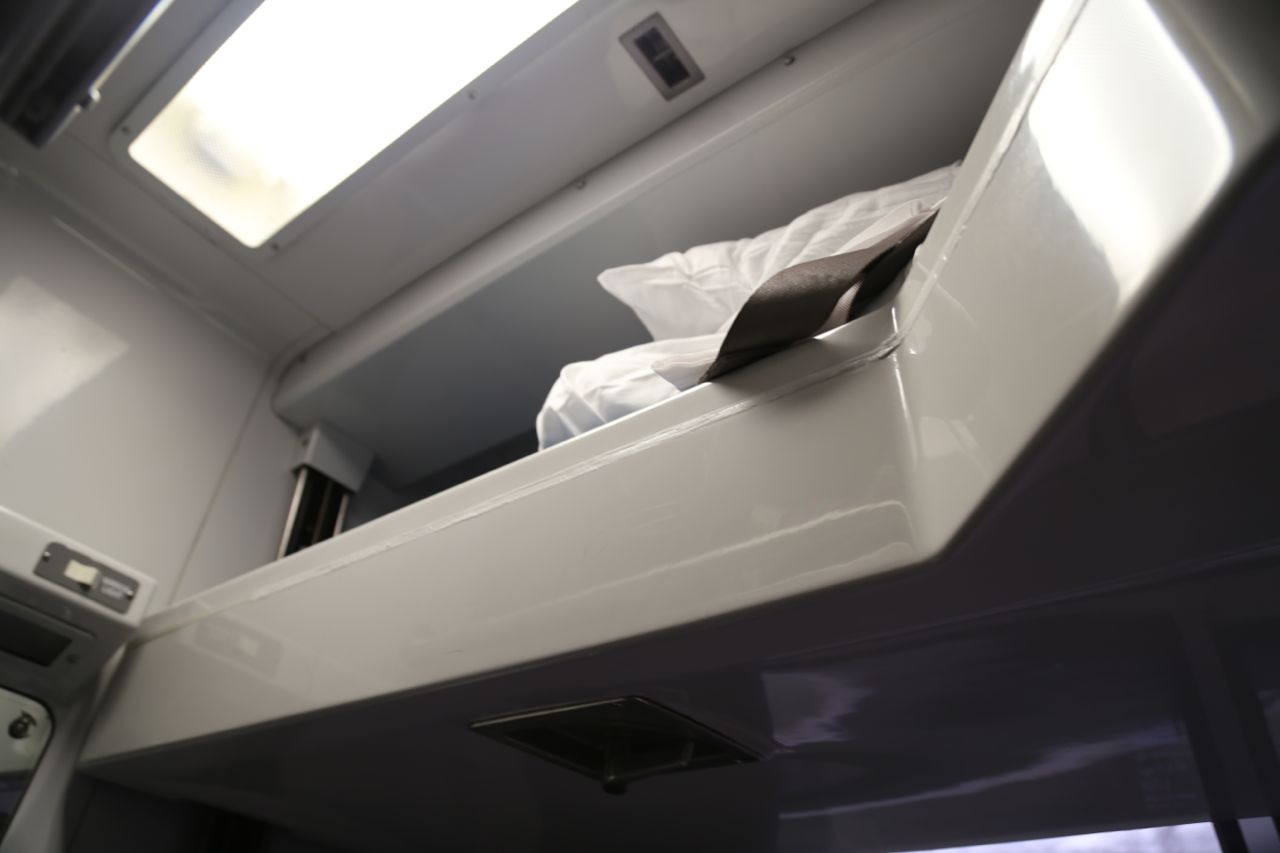
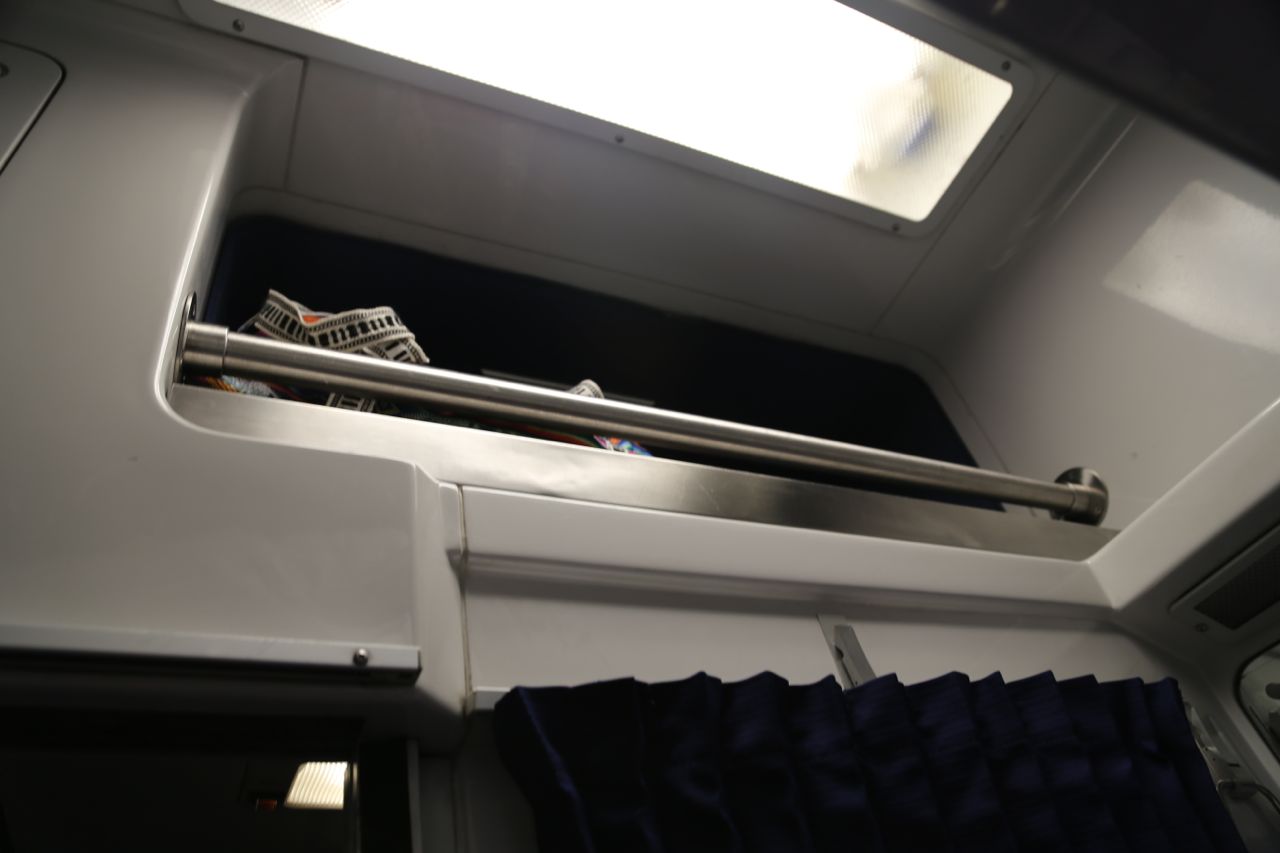
This past Christmas I took Amtrak to visit my family in Houston. I took the Crescent down to New Orleans, then after a short stay in New Orleans, I went on the Sunset Limited to Houston. Since the trip between DC and New Orleans is about 25 hours, I decided to get a room instead of just a coach seat. Yes, it is a long trip, but I love train rides. It gives me a chance to sit and read and just watch the world go by.
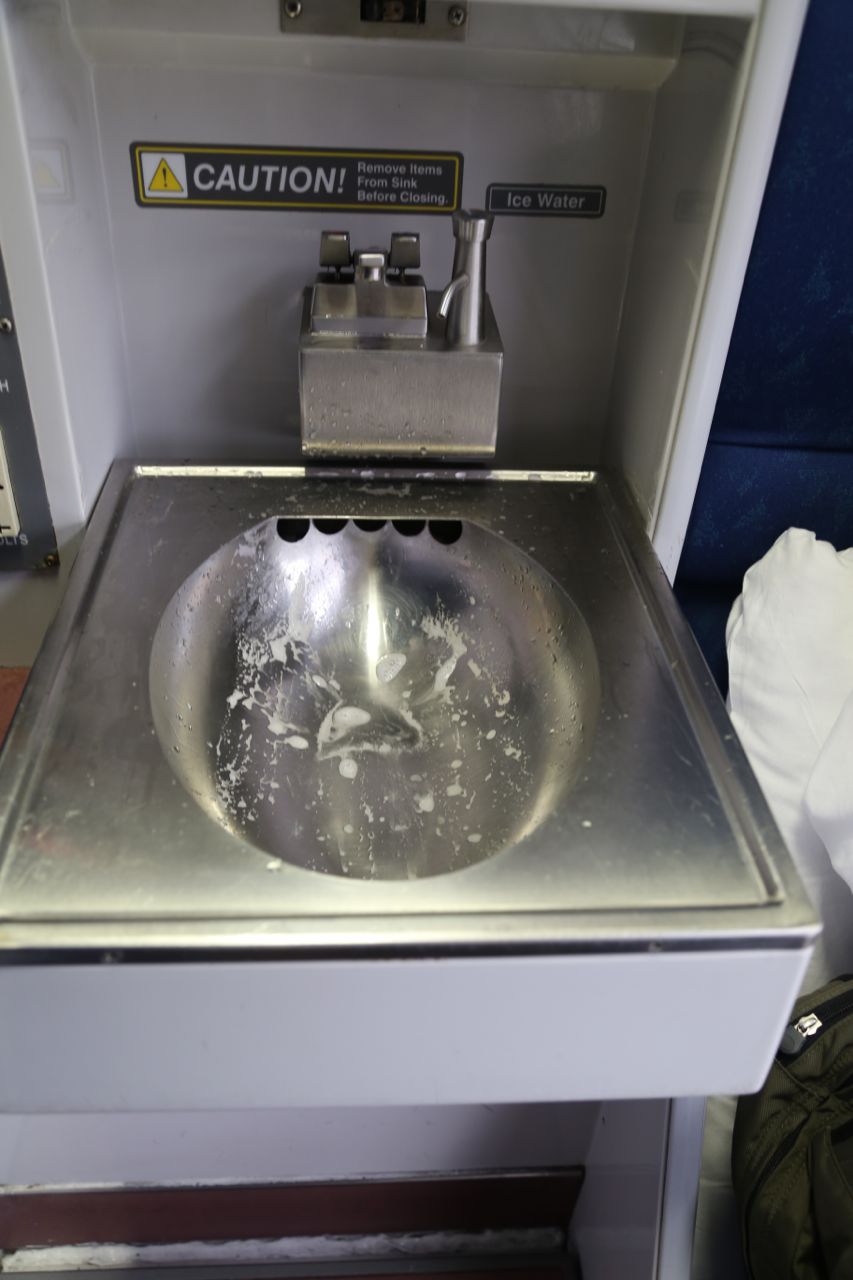
The train rooms are, in my humble opinion, marvelously designed. The designers managed to fit a whole lot of features in a tiny little space. The features also have to be designed for the constant movement on the train. During the day, the room as two comfortable seats with a fold-down table. At night, it can be transformed to give two comfortable beds. The room also has a toilet, sink, and small storage area. The room is tight, but it has almost everything you need, and there is a shower down the hall.
Delivery Fail
I buy a lot of stuff online. I hate malls. I would much rather shop while sitting in front of my computer. Also, I can find a much better selection of many things online. I specifically shop at Amazon.com a lot. Several months ago, I joined Amazon Prime that guarantees free two day delivery. Well, it’s free after you pay the Amazon Prime membership fee. I’ve never had a problem with Amazon Prime deliveries or almost any other delivers. Every once in a while I get a delivery that is considered too expensive or big that they won’t deliver it without me being present, but it is pretty rare. When I ordered my new DSLR camera I couldn’t even leave a signature slip, but considering how much my new camera is worth, I was fine with needing to receive it in person. I’ve had big and small boxes left on my doorstep by FedEx, UPS, and USPS. Huge box with my new dining room chandelier: check. Bulk tea: check. Kindle: check. Several large boxes of Fiestaware: check. Athletic shoes: check. Box filled with jars of peanut butter: check. You get it. I order it. They leave it on my doorstep. I live on a busy street in a safe neighborhood. My doorstep has a balcony above it, so rain is not an issue, and the doorstep is far enough back and obscured enough by geography and vegetation that it is not amazingly obvious that there is package sitting there.
Wednesday I ordered a $23 book, specifically a field guide for birds of Europe, from Amazon with guaranteed delivery Friday. So imagine my surprise when I get an email from Amazon Friday night that stated “UPS attempted to deliver your package but was unable to leave the package unattended.” I’m thinking, really, UPS left my new Kindle on my doorstep, but they are worried about a $23 bird book? I mean I know us birders sometimes have a reputation as being somewhat crazy, but generally we don’t go stealing each other’s bird books. Of course, the book was supposed to be in a box, so no one would know what it is unless Amazon has taken to really new labeling on the packages. I call UPS and ask what is going on and why wouldn’t they leave it unattended. UPS informs me that they actually handed the package off to the USPS, so I need to contact them. So the UPS tracking number that Amazon gave me is pretty much worthless because UPS only tracks it as far as a municipality near mine where they evidently turned it over to the USPS for finally delivery.
Here is the best part about the fact that it was USPS that couldn’t deliver the package: I was home when the mail arrived. My mail is delivered through a slot in my door. I heard it this morning when it arrived. No one knocked at my door or rang my doorbell to try to deliver a package that wouldn’t fit through the mail slot. I did leave the house later in the day, but I presume the whole point of UPS handing the package to USPS, is that the USPS can just deliver the package when they deliver the mail. It makes no sense for USPS to make two trips to my house, the 1st with my regular mail and a 2nd with the package. Furthermore, after UPS told me that it USPS that couldn’t leave the package unattended, I opened the front door and checked. No package and no notice stating that a package couldn’t be delivered was there. So, precisely how the heck am I supposed to know that someone, anyone attempted to deliver a package but couldn’t because I wasn’t there? How am I supposed to know that I need to be home on some (hopefully stated) day in the future? How am I supposed to be able to leave a signature noting that I am perfectly fine with them leaving a $23 bird book sitting on my doorstep?
Then I contact Amazon via a live chat (of which I will copy and paste the conversation from the email with the chat transcript), and I ask them where is my package. He helpfully informs me “They will again try to deliver. By Monday. You must get your item shortly.” Well in the first place, I was guaranteed delivery by Friday. I then said “Well I won’t be home Monday, and they did not leave a slip for me to sign, and since they don’t knock on my door there is no point to the slip anyway.” He patiently tells me “you can try to contact your local post office.” At this point I realize that Amazon like so many other companies obviously has their customer service people in another country because what US resident would suggest you call your local post office?! In the first place, I am not even sure which specific branch is my “local” post office. There are two relatively close to me. Second, have you ever tried to get a human being on the phone at your local post office? Third, the final leg of the UPS tracking has the package in a nearby municipality, but not my municipality. I have no idea form where the postal worker who delivers my mail actually works. I don’t know if they are at my “local” post office or a larger regional one. I have no idea. Fourth, I don’t have a USPS tracking number for the package so what good would it do to call them? As far as I know USPS doesn’t use UPS tracking numbers. Heck, one of the reasons many companies use FedEx and UPS is that they offer easy tracking as opposed to USPS, which really doesn’t. I explain this to the Amazon rep, who once again just states that I should contact USPS. Then I ask “Why did Amazon tell whoever that it couldn’t just be left on my door?” Amazon rep states “A signature is typically required for packages where the total value is more than $250. A signature may still be required for a package where the total value is less than $250; it’s up to the driver’s discretion. We can’t instruct shipping companies how or when to leave packages at a shipping address. Your package was shipped by a special service called UPS Mail Innovations. UPS takes these shipments from our fulfillment centers and transports them to the U.S. Post Office closest to the delivery destination. The U.S. Postal Service will make the final delivery.” This is amazing information to me. I have shipped packages via USPS before, and if want a signature or anything other them just dropping the package off, you have to pay extra for it. Same with FedEx and UPS. I can remember getting packages ready for shipment for FedEx, and there was a little box that you checked if a signature was required. However Amazon with its vast shipping demand is completely unable to tell delivery companies that it doesn’t want a signature? What they heck? And why this of all the packages ever delivered to my house would need a signature? AND HOW ARE THEY GOING TO GET ONE IF THEY NEITHER KNOCK ON MY DOOR NOR LEAVE A SLIP FOR ME TO SIGN?!
So somewhere out there is my bird book. I can only assume it is sitting in a USPS warehouse surrounded by electrified barbed wire and a moat being patrolled by guard dogs and guards with machine guns. I also assume there are lasers and sound detectors and sirens involved. I mean since my package is so dang valuable that they can’t leave it on my doorstep like almost every other package then they clearly think it contains a true treasure that needs that kind of protection. When will I get it? No idea as I’ve got no way to track it now. How will I know when it has arrived? Presumably when the postal worker feels I am ready to receive this valuable book, he or she will sound a trumpet, as opposed to my doorbell or door-knocker, to let me know of its arrival and give me an opportunity to receive it. Perhaps my house did not look welcoming enough yesterday, so I was only allowed to receive my regular mail but not the treasured bird book. Is a red carpet and fresh flowers needed? It’s a bird book, perhaps I should leave bird food out on the front doorstep to welcome its arrival. Who knows? Maybe the USPS knows its content and will only allow the book to be delivered by an actual bird from Europe. I may have to wait until the spring migration. This of course brings up a very important question. Just what is the the air-speed velocity of an unladen European swallow? And what would be the air-speed of a European swallow ladened with my bird book? Perhaps a European white stork will be necessary to bring the bird book with a stork’s better carrying capacity. If I ever receive my bird book, I will let everyone know.
Saturday morning update: When I heard the mail come through the mail slot this morning, I went outside to see if the package was sitting on the doorstep. There was no package, but the mail carrier’s vehicle was in front of my house, so I waited for her to return. When she came back to the vehicle, I told her the story about the package. She said she was off on Friday, but she couldn’t understand why the other carrier wouldn’t leave the package. She said she leaves packages on my doorstep all the time. I nodded, laughed, and said I know, I’ve never had a problem. I told her I suspected that perhaps USPS might have the package, it had not gotten to the location where the actual carrier would have it. She asked if I had a USPS tracking number, and I said no, they only gave me a UPS one, which she agreed is useless to her. She promised that she would check with the Friday carrier and bring the book to me today if she could find it.
As I was typing this update, my doorbell rang, and it was my mail carrier with my package. I asked what happened. She said it was given to a different mail carrier, and it was supposed to be delivered today. I am not clear if it was given to a different mail carrier by mistake or design or what. I thanked her profusely and wished her a great weekend.
Conclusions:
- The method of FedEx or UPS giving a package to USPS for the final leg is a great idea and obviously saves money, but if they don’t give you a tracking number for the USPS leg, it is impossible to find out what happened or where your package is.
- Amazon, UPS, and USPS have horrible customer service when it comes to this delivery method.
- UPS and Amazon just plain lied. I don’t know if UPS told Amazon they couldn’t leave the package unattended, which would be stupid since they were not supposed to be the one leaving the package, or if Amazon just made up that nonsense when they got some sort of notification that the package was not delivered as guaranteed.
- If Amazon is going to continue guaranteeing two day Amazon Prime delivery with this delivery method than they better figure out what went wrong, especially if what my mail carrier is true that the package was not supposed to be delivered until today.
- Amazon makes it dang near impossible to figure out as an Amazon Prime customer what I get if they do not fulfill their two day delivery promise. They’re website says they will refund shipping costs if they don’t deliver as guaranteed, but I am still trying to figure out what an Amazon Prime customer gets. Oh good, I get to deal with their customer service again.
- I have a very nice USPS carrier, who by far gave much better customer service than Amazon or UPS.
Saturday afternoon update: I have back from Amazon customer service based on my blog post. The Amazon customer service rep yesterday gave me a $10 promotional credit to compensate for the missed delivery. Amazon responded to my tweet and asked me to submit comments by following a link. I did this and simply gave the blog post link. This second customer service rep also extended my Amazon Prime membership by a month. Conclusion: It pays to complain and complain in a public manner.
USBG Holiday Exhibit
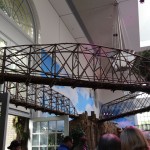
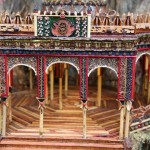
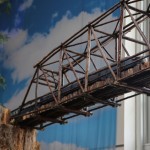
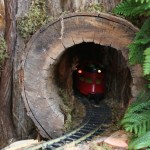
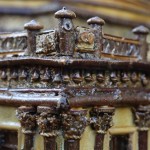
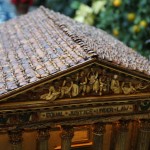
The United States Botanical Garden has an annual holiday exhibit that consists of fantasy model trains running through, by, and over various bridges, tunnels, and model structures. They also have models of numerous DC structures and buildings. All the models except the trains are made of natural materials and are built with amazing detail. They are simply gorgeous and the use of natural material is just genius. The model train exhibit also smells wonderful due to all the cedar in the room. Definitely worth the visit.
- Three bridges at model train exhibit
- Railroad support
- Blimp at model train exhibit
- Train exhibit pavilion
- Seattle Space Needle
- Model train on truss bridge
- Ferris wheel at model train exhibit
- Model train tunnel
- Unisphere at model train exhibit
- Hot air balloon at model train exhibit
- Model train exhibit
- Jefferson Memorial
- Library of Congress
- Lincoln Memorial
- National Museum of the American Indian
- Smithsonian Institute The Castle
- US Botanical Garden
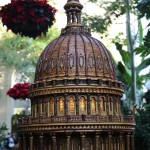
- US Capitol
- US Capitol
- US Capitol
- US Capitol
- US Capitol
- US Supreme Court
- US Supreme Court
- US Supreme Court
- Washington Monument
- White House
NY IKEA Ferry
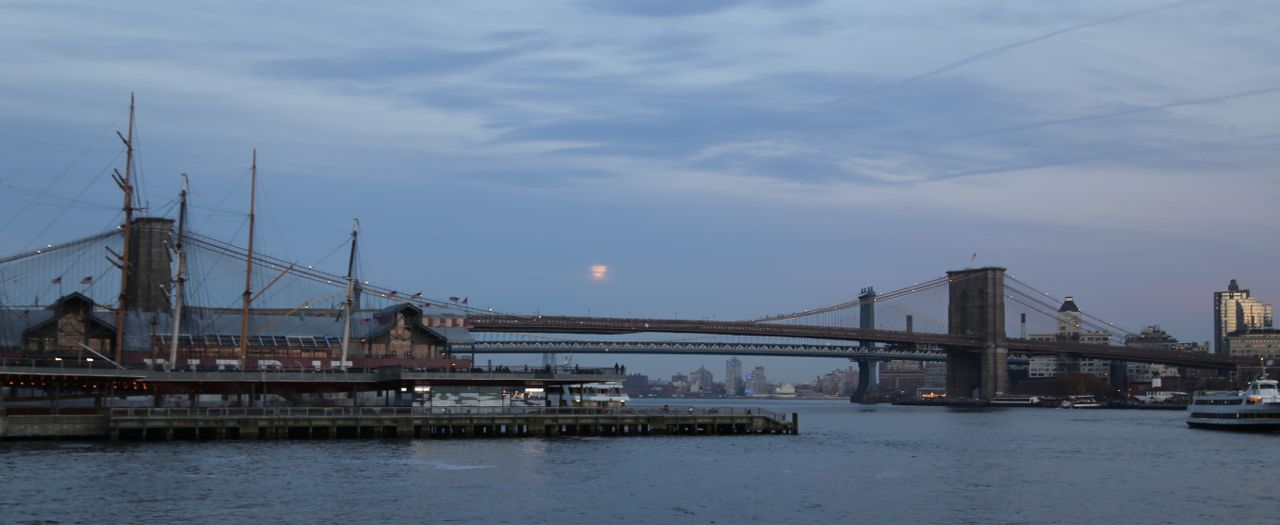
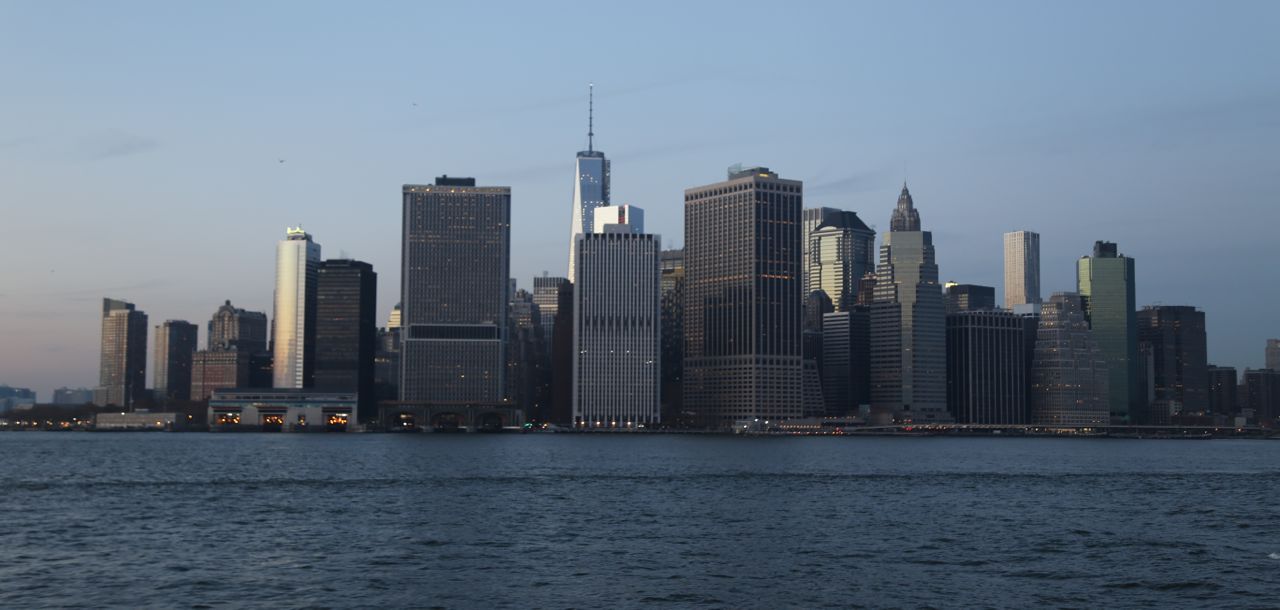
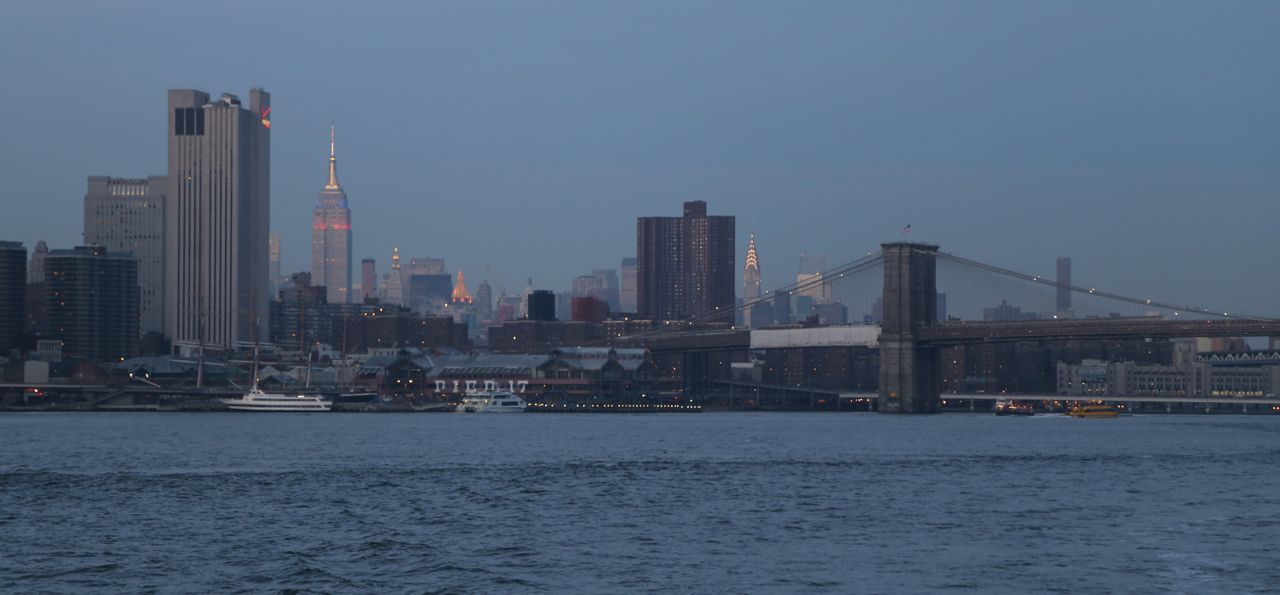
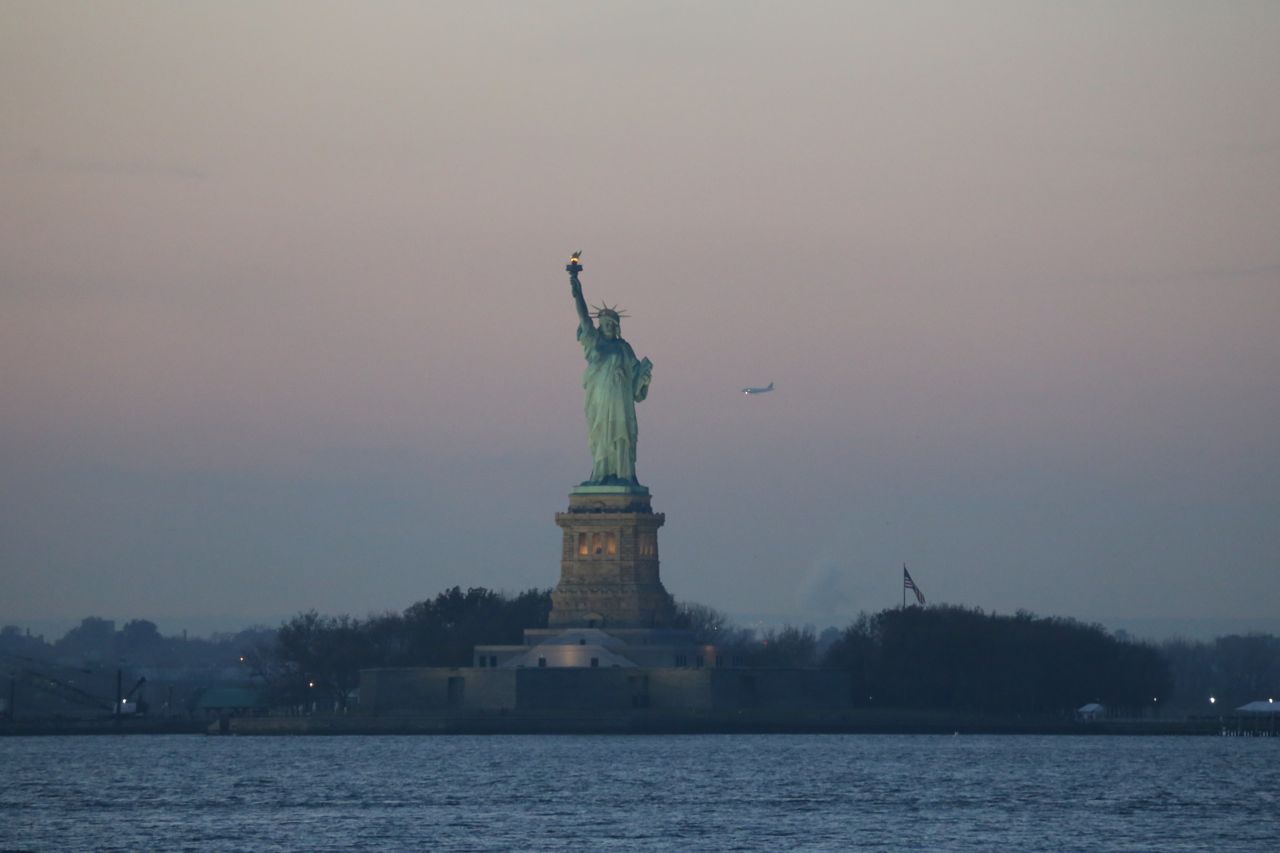
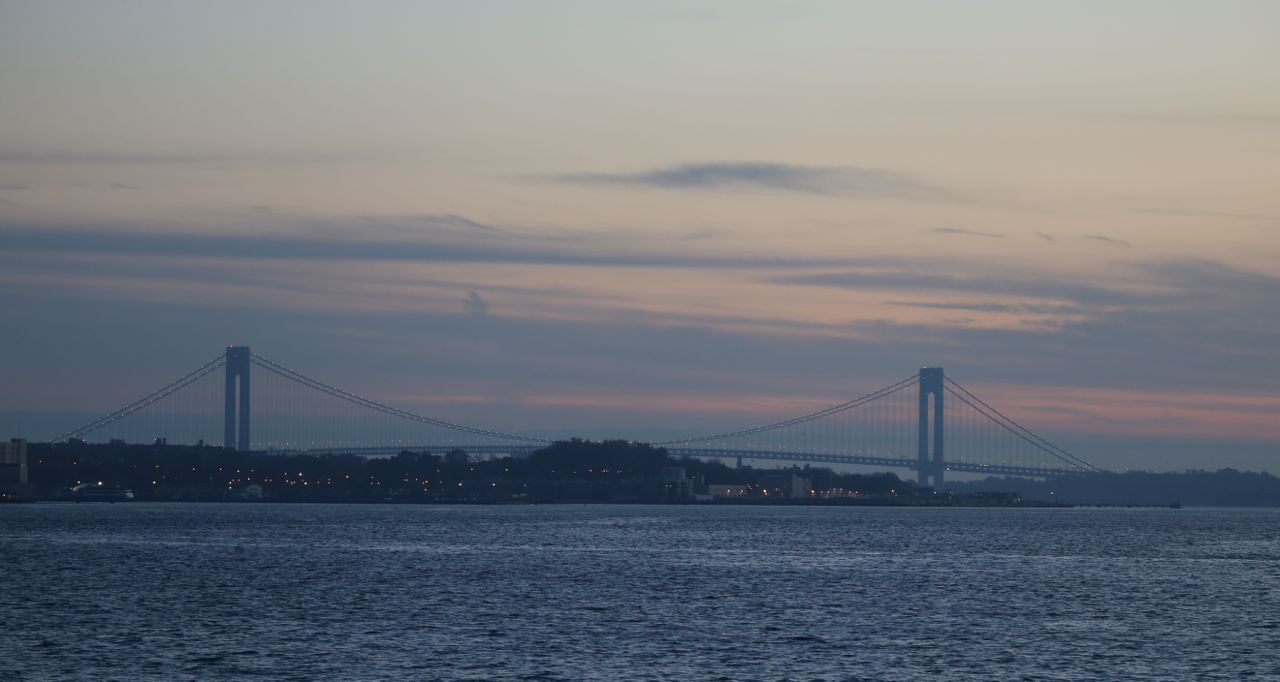
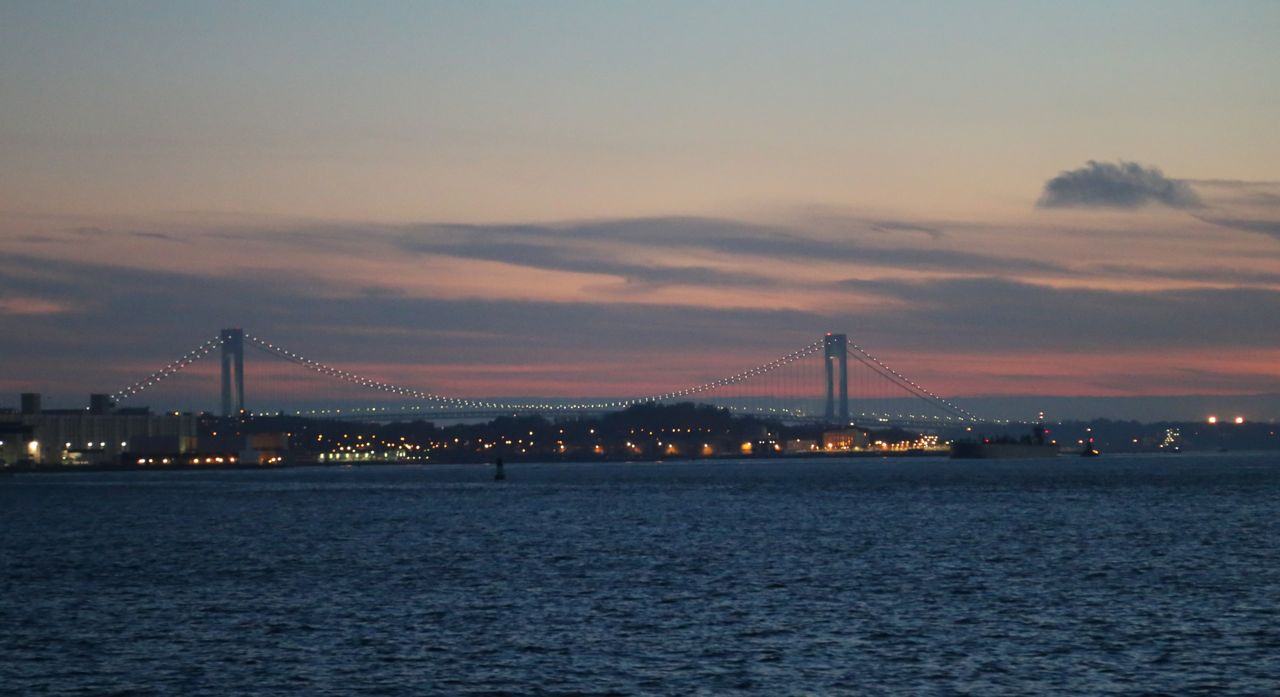
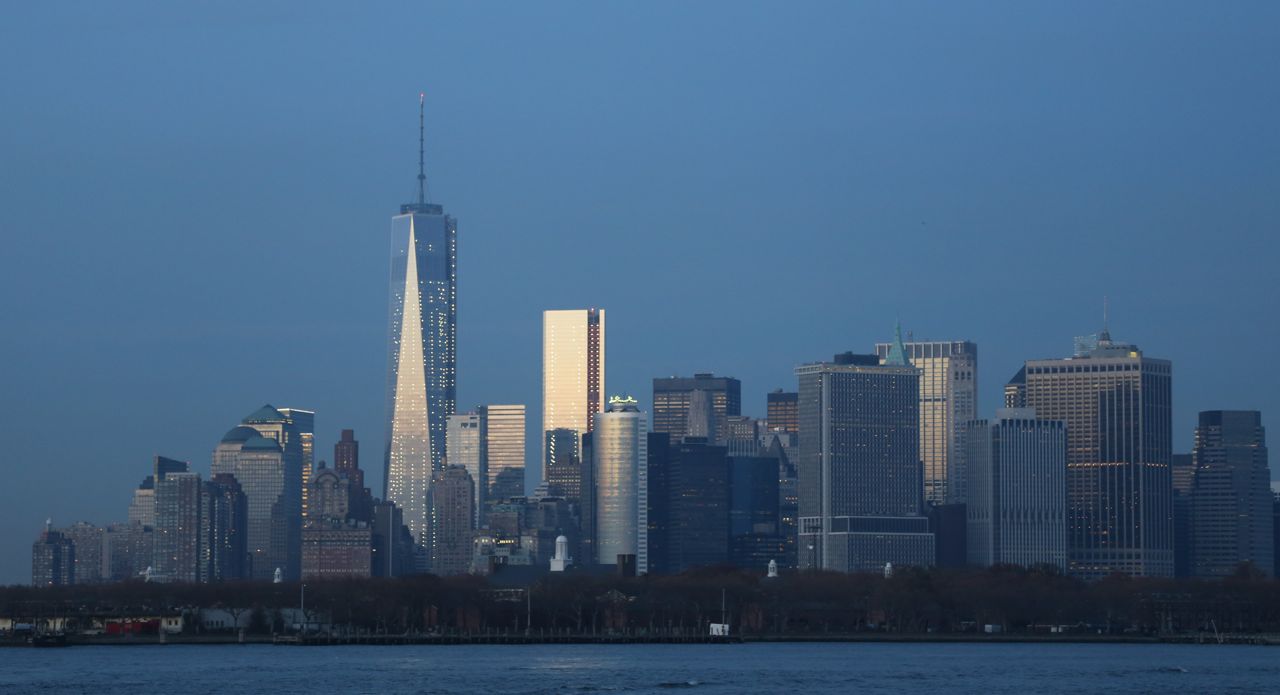
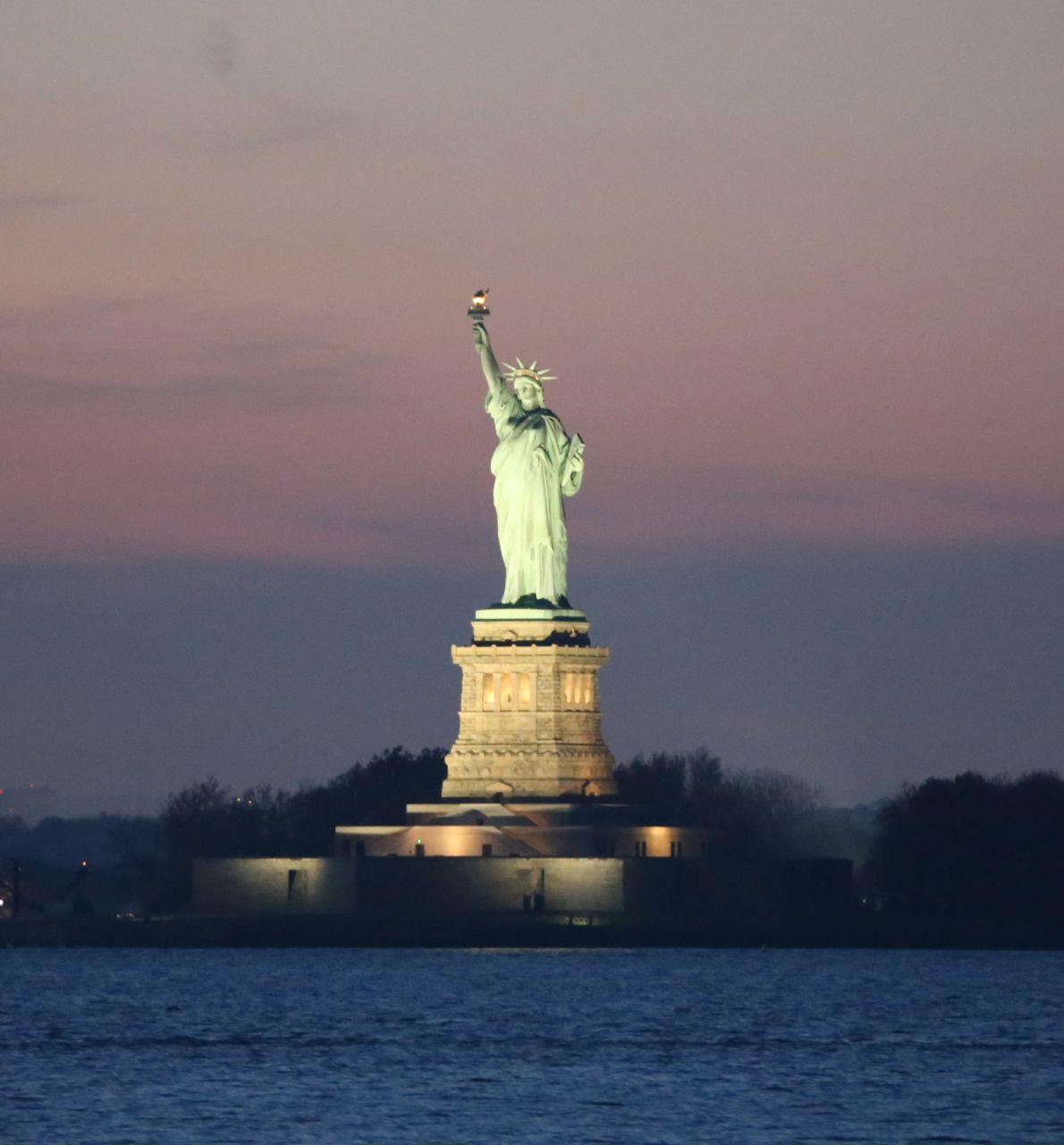
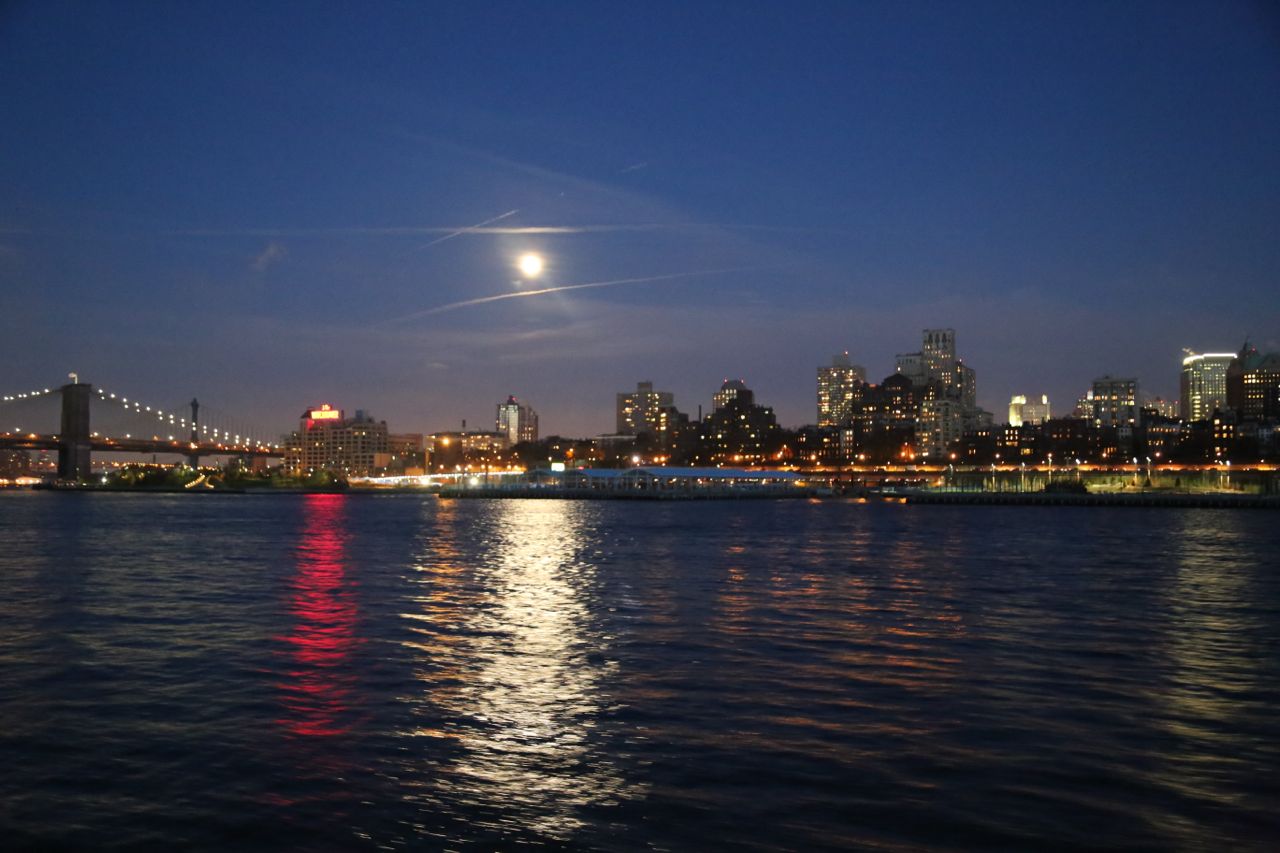
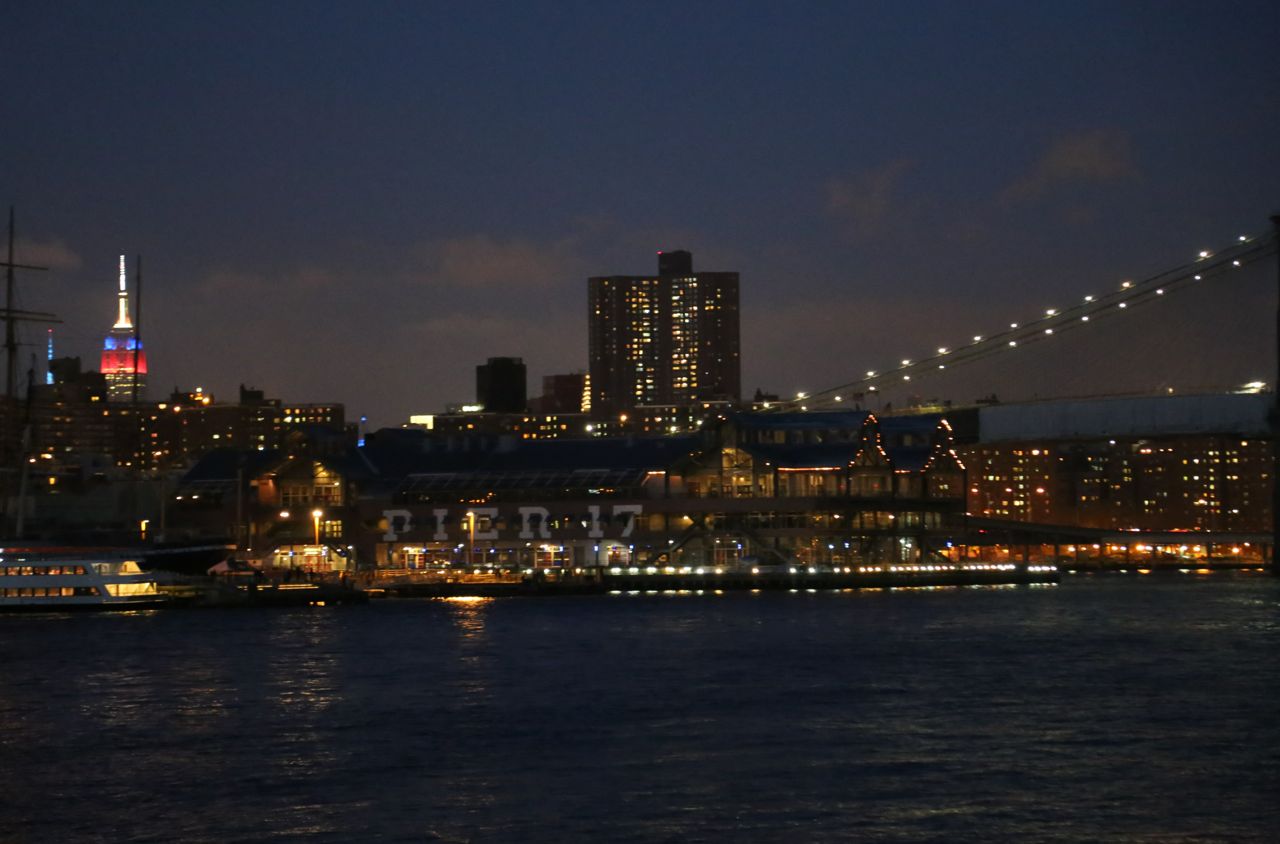
On my recent trip to New York, I learned that IKEA has a ferry from downtown Manhattan to its store in Red Hook, Brooklyn. On weekdays there is a small fee to take it because evidently some commuters used to use it when it was free everyday. On weekends though, it is still free. IKEA must know that some people take without ever going into the store, but I guess few enough people do it, that they don’t mind. On neither legs of the round trip I took, was the ferry full. It has wonderful views of downtown Brooklyn, the East River, Brooklyn, the Statue of Liberty, and the Verrazano-Narrows Bridge. I happened to take it at sunset, and on the return trip, there was a full moon out, and all the buildings and bridges were lit. It was spectacular.
Delancey Williamsburg Bridge Rail Terminal
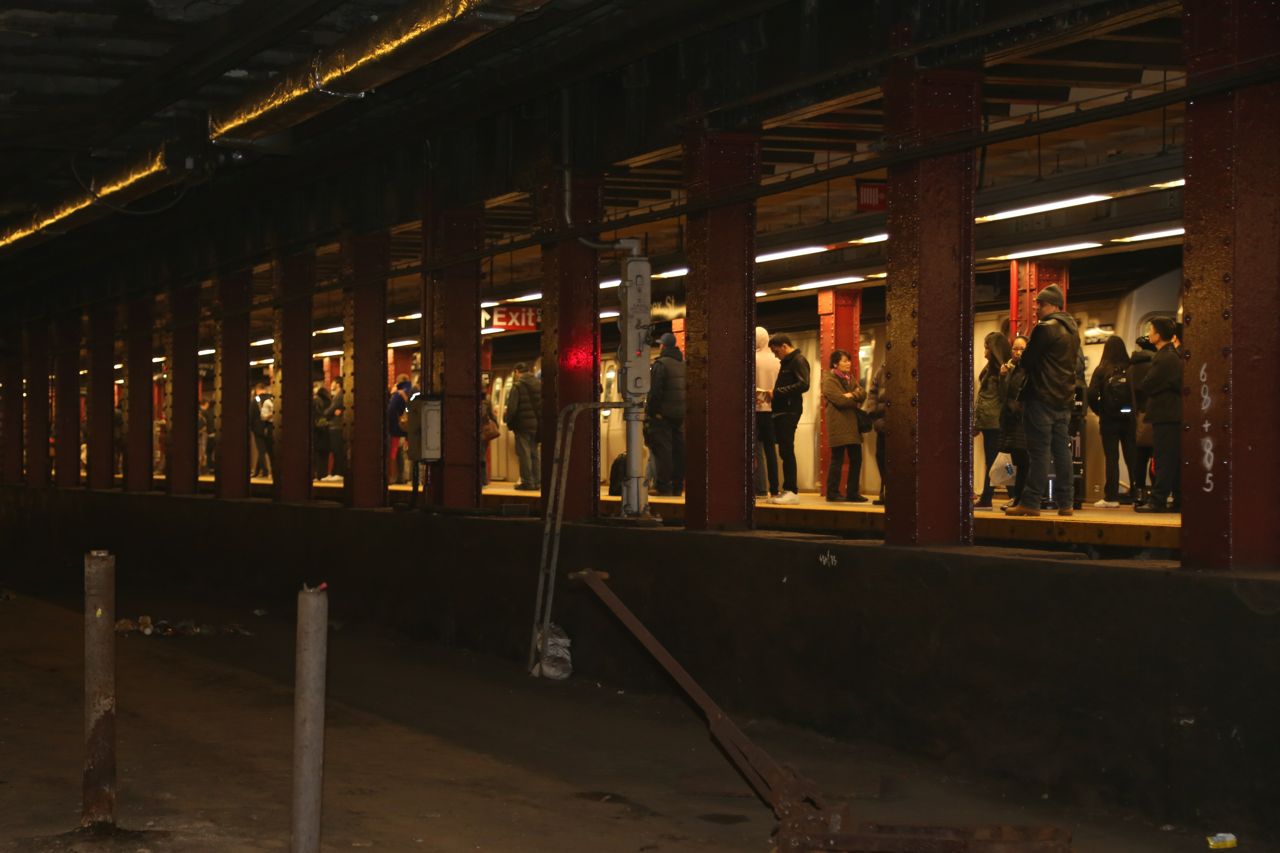
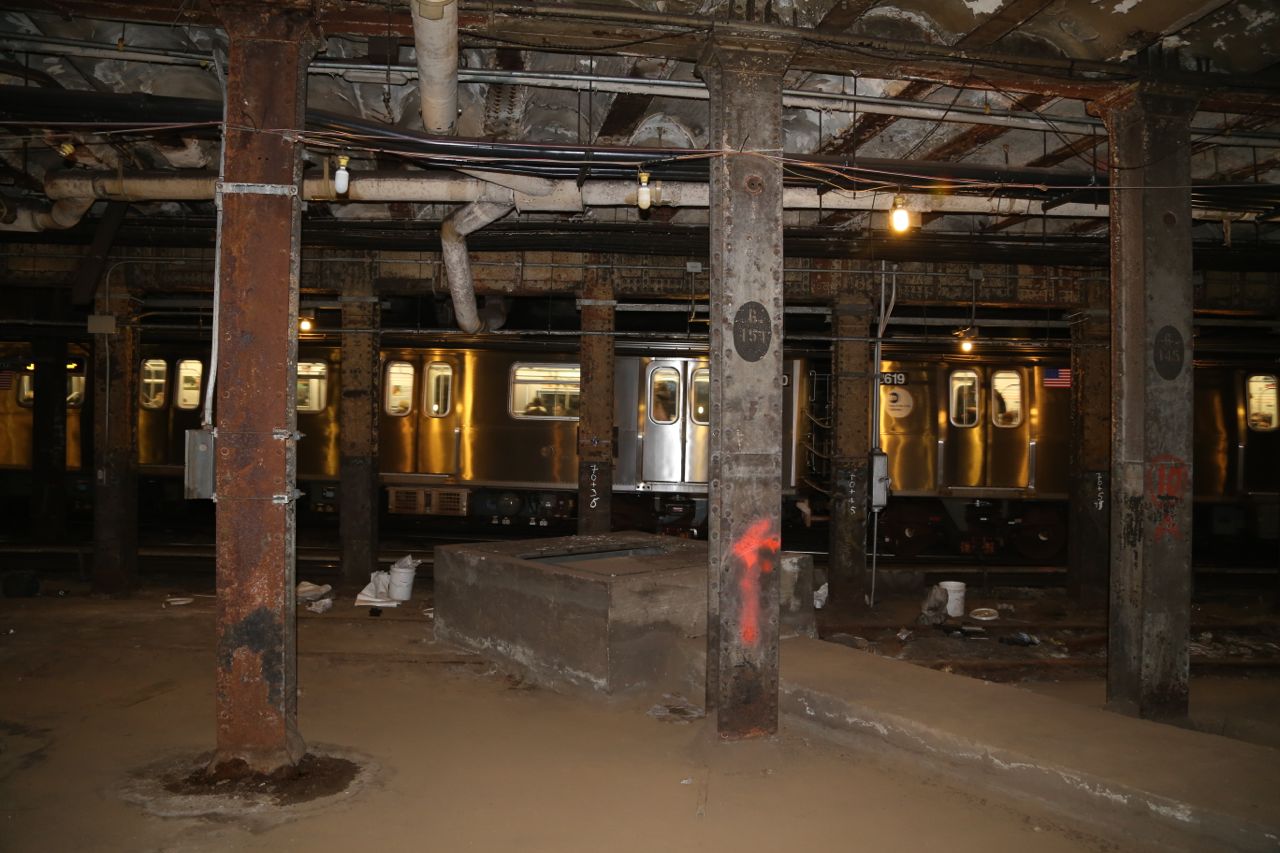
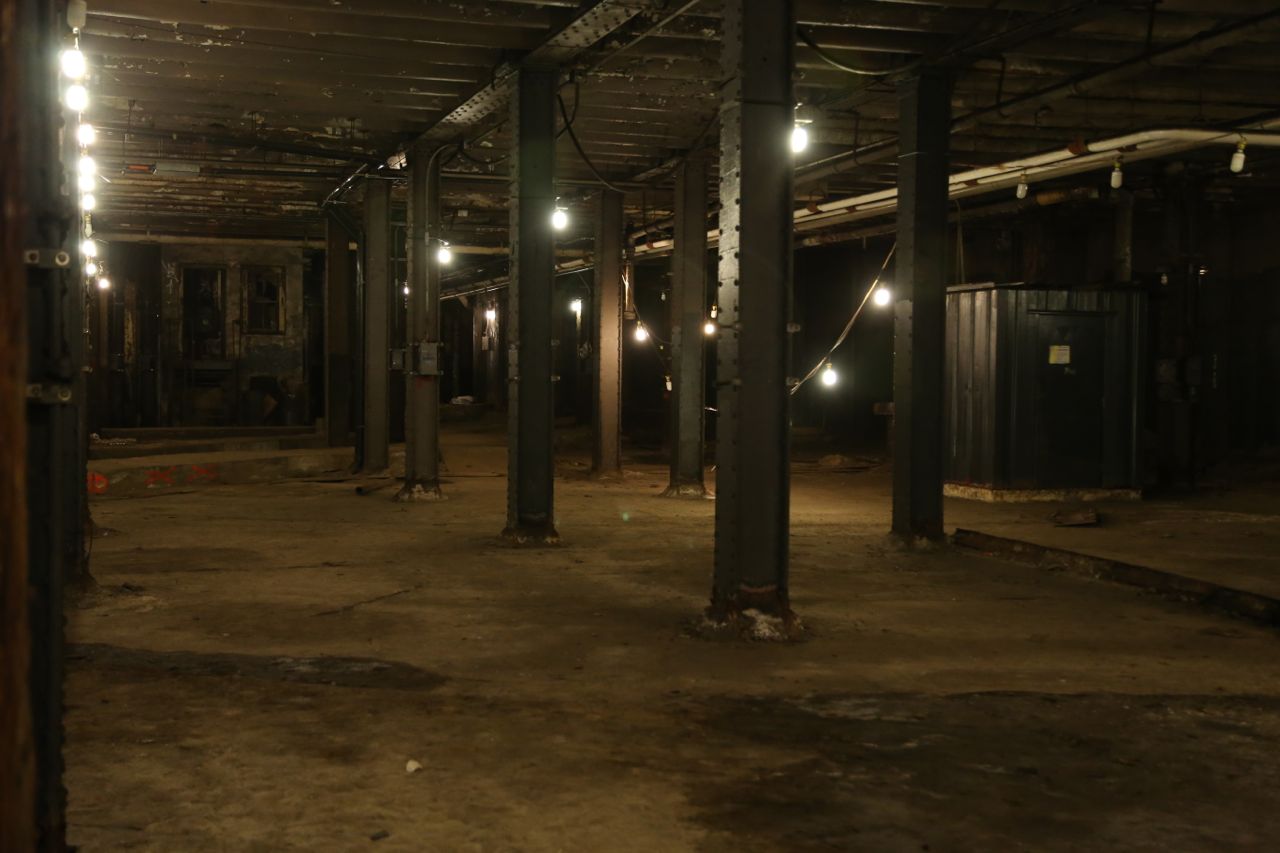
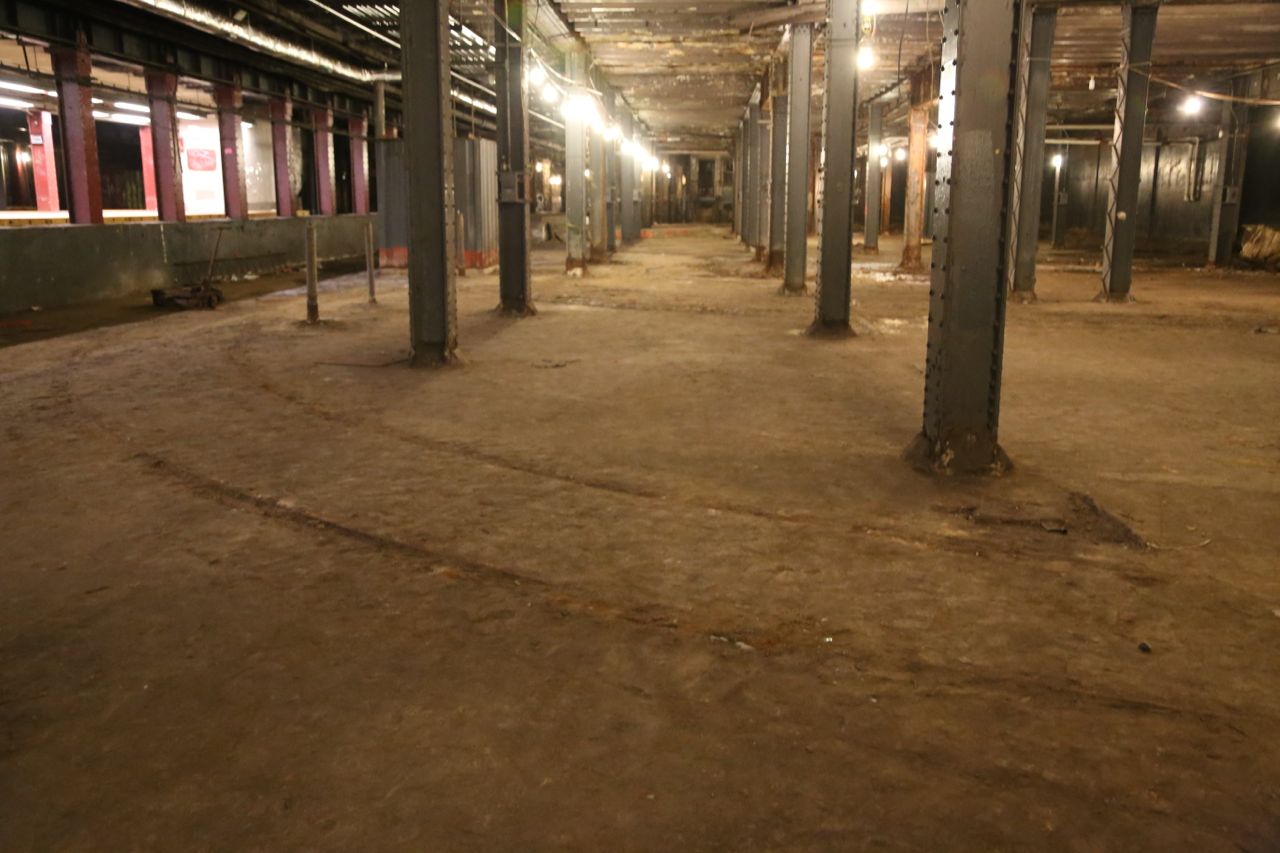
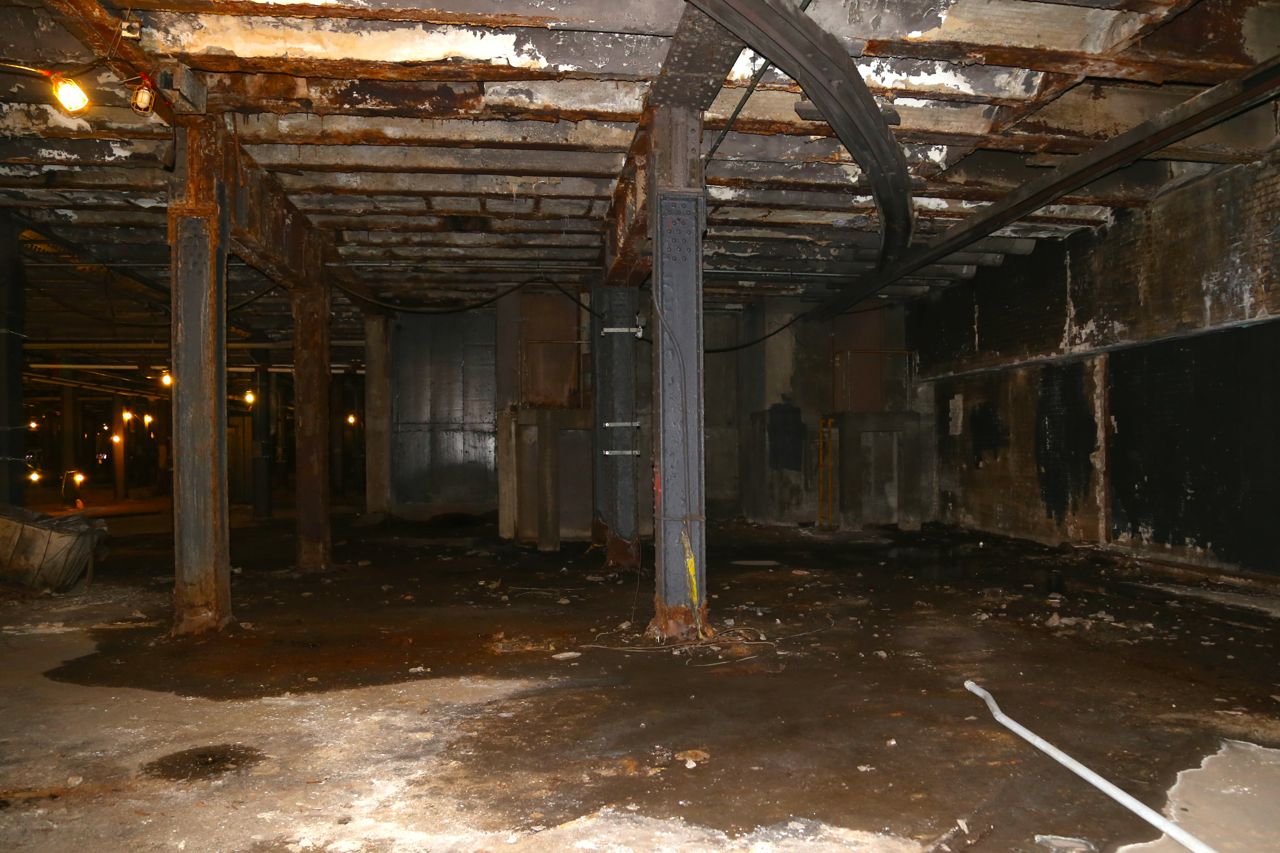
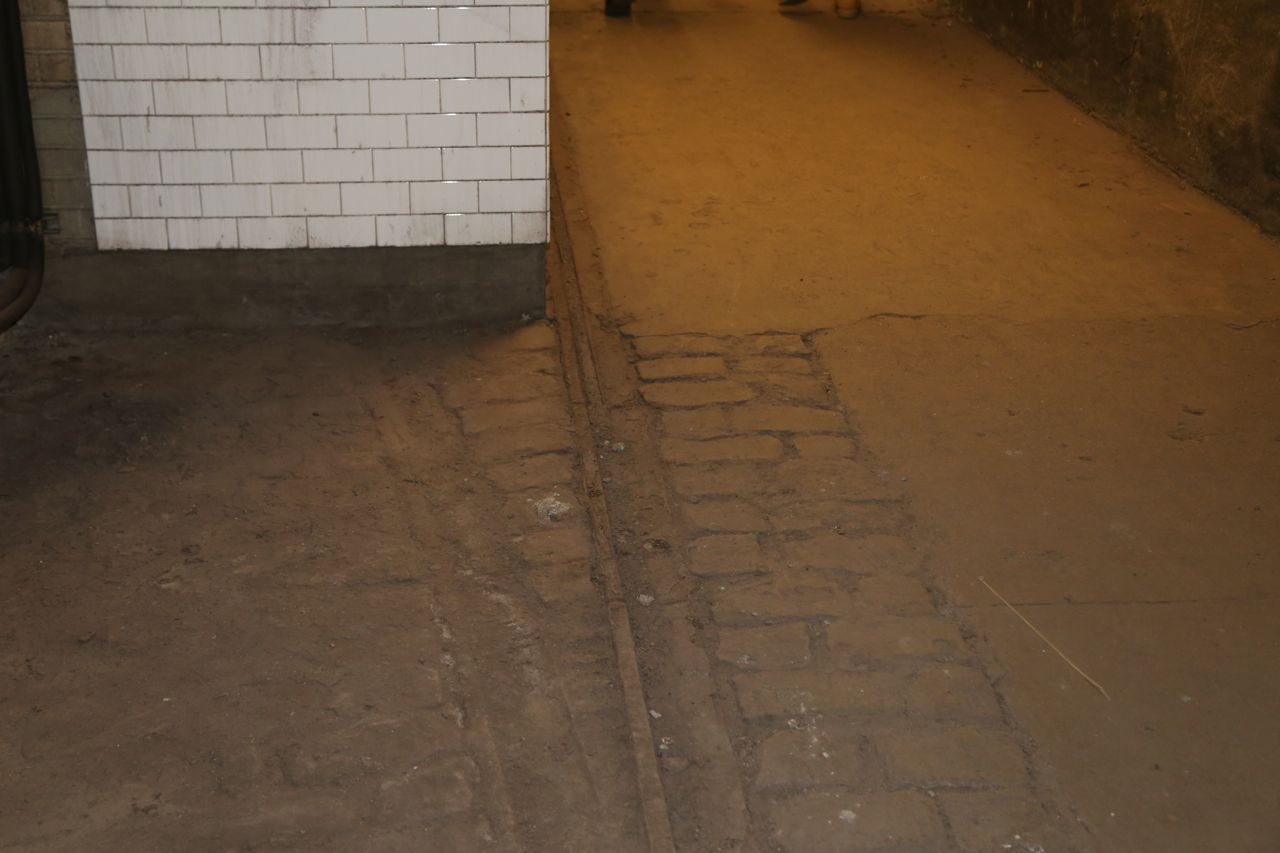
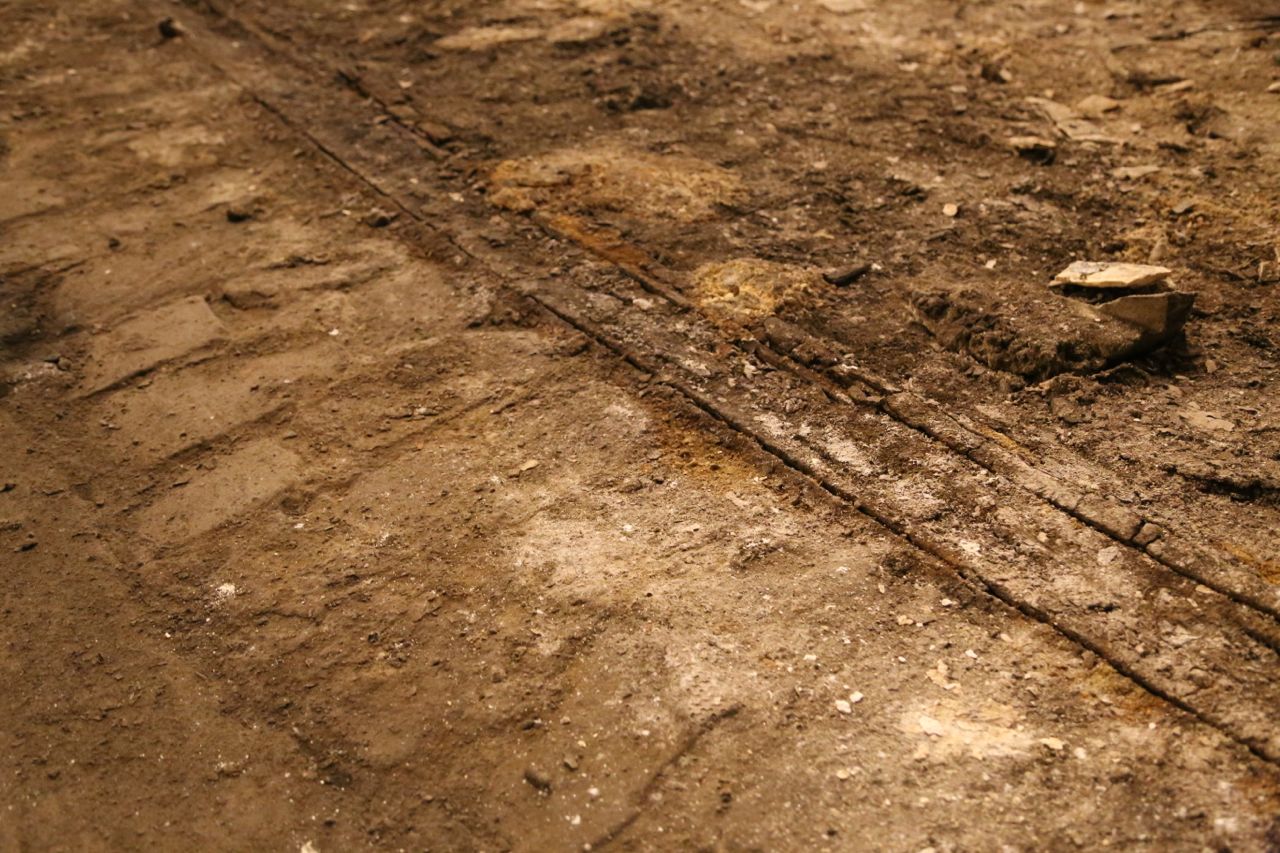
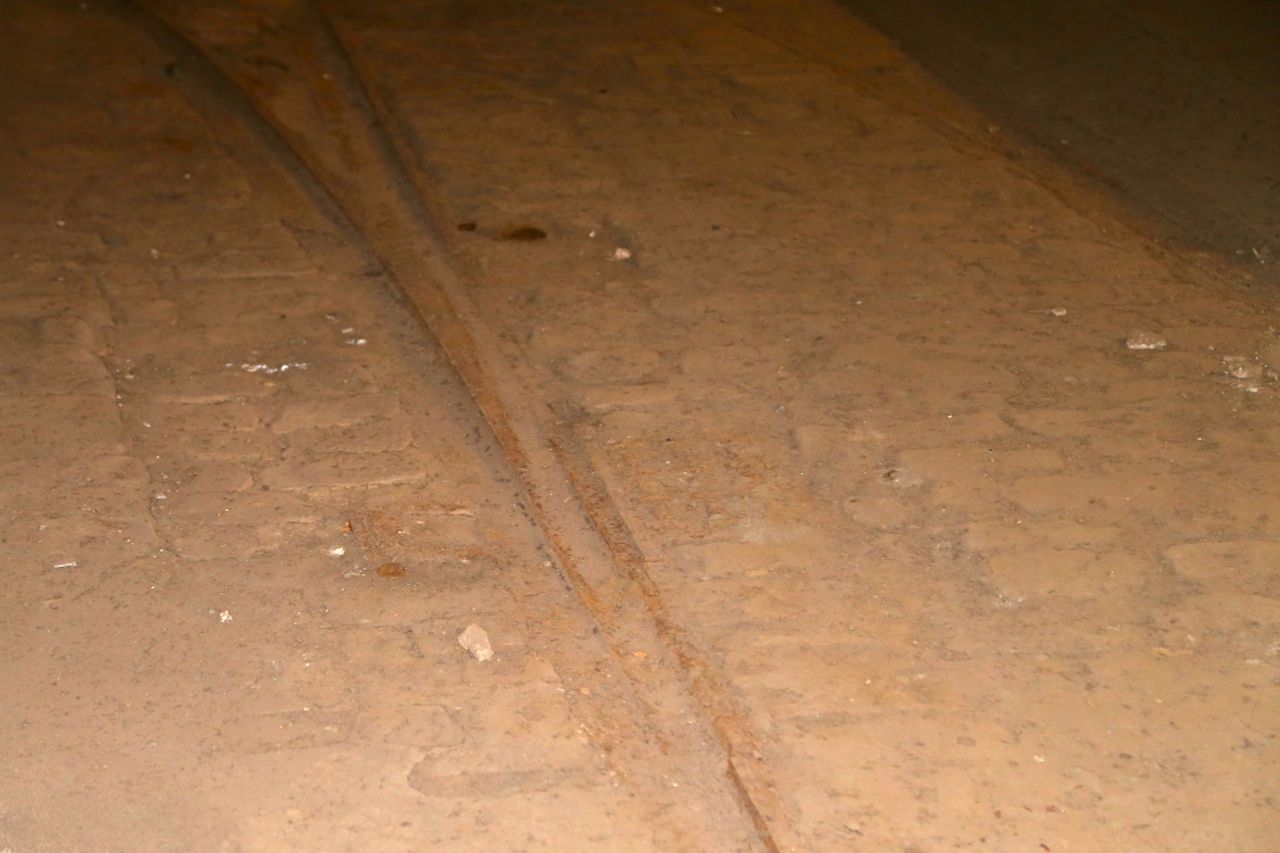
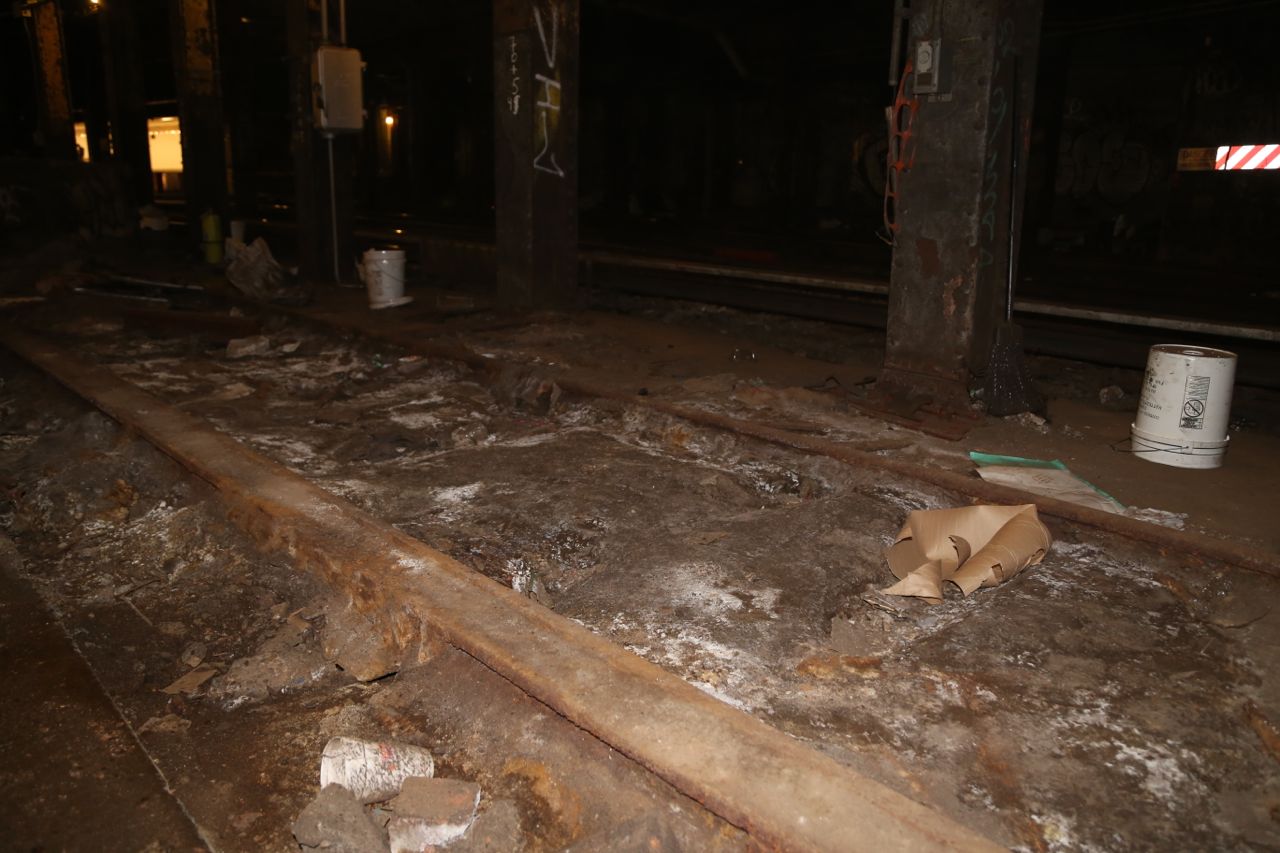
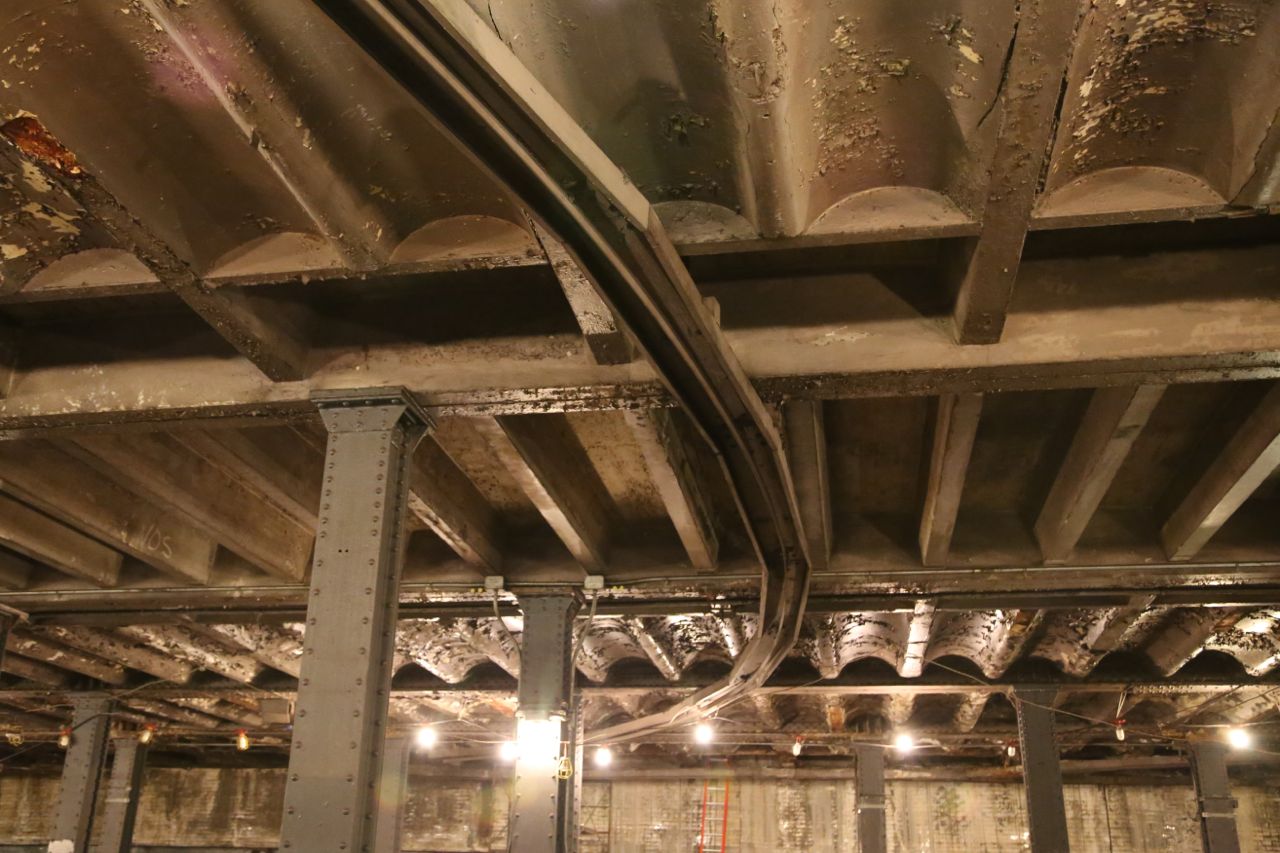
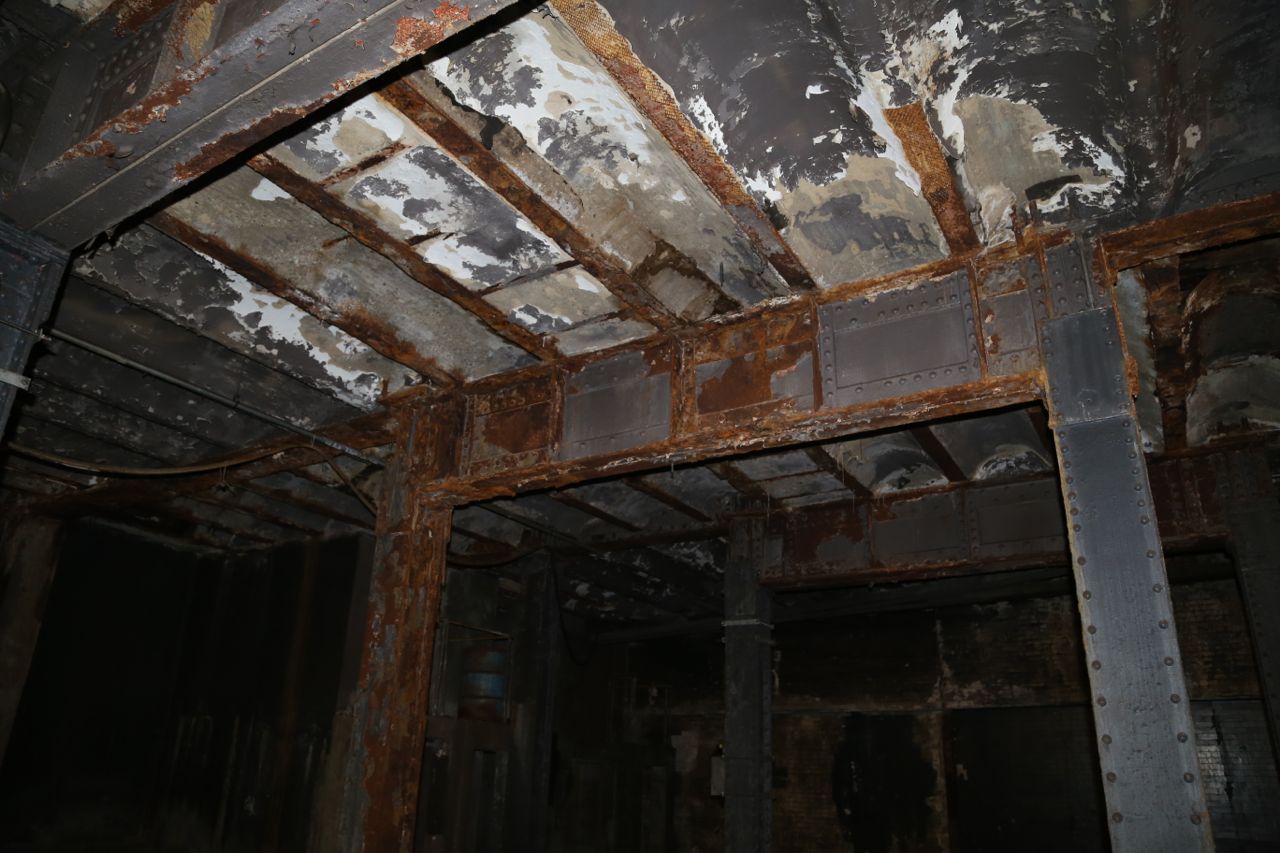
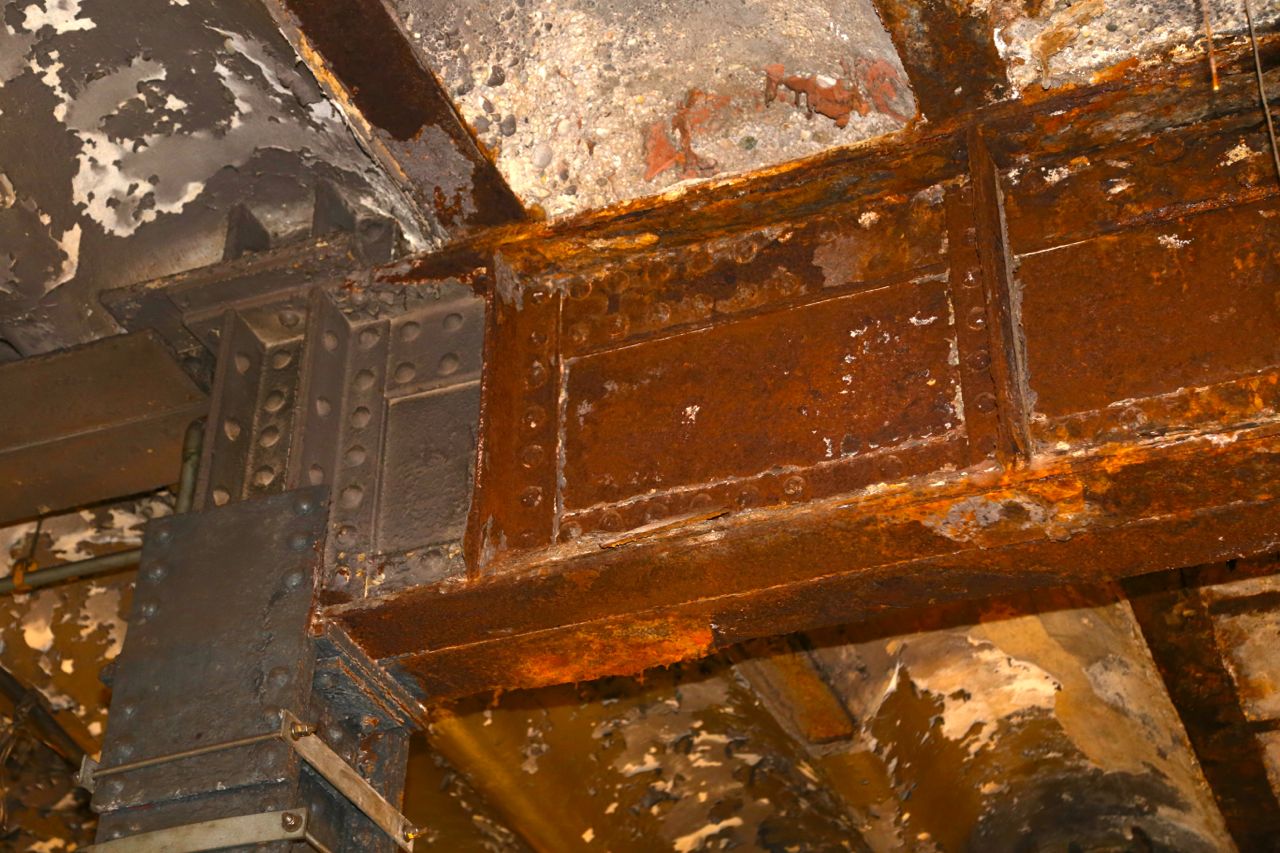
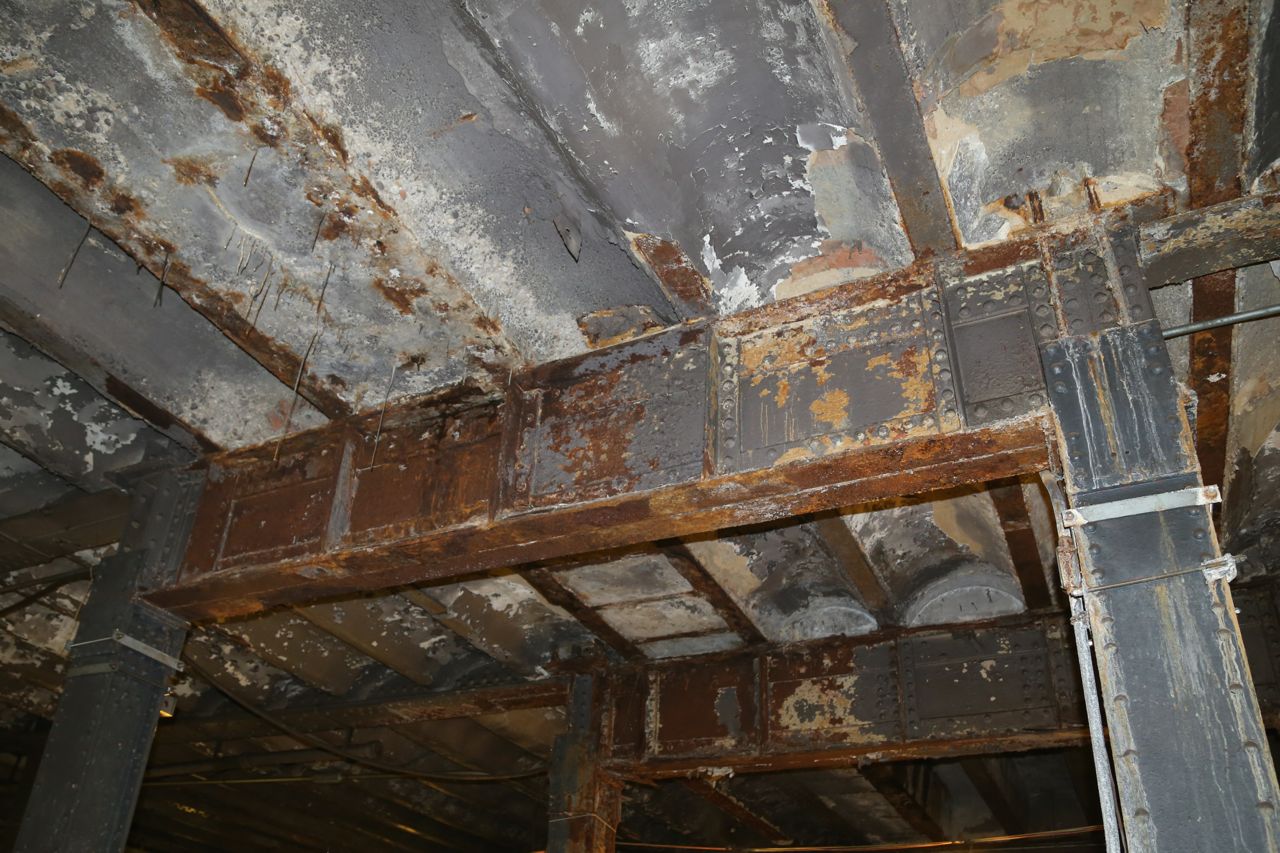
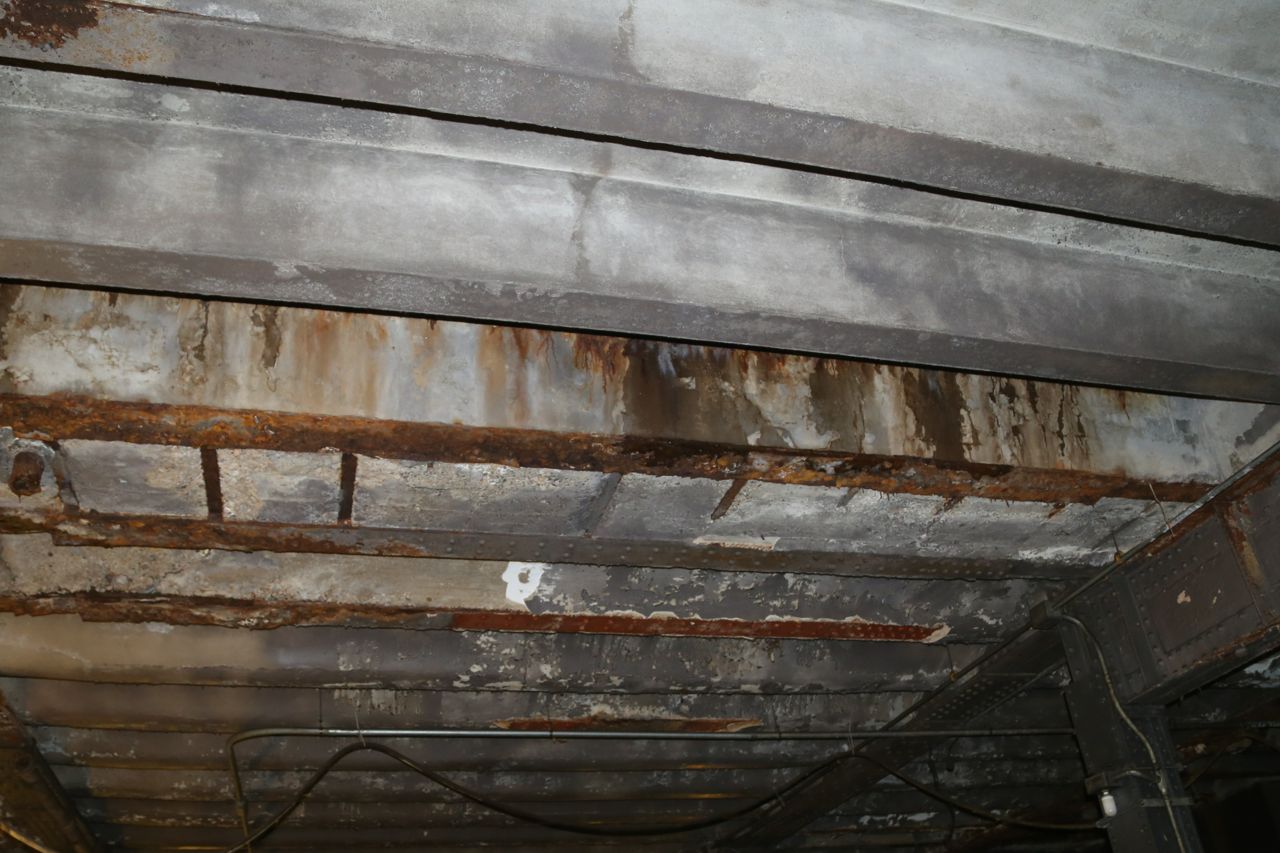
I joined the New York Transit Museum this year so that I could go on some of their members only tours of some real cool transit places. Today I toured one of those places, the old Essex/Delancey trolley terminal from the Williamsburg Bridge. Trolleys from Brooklyn came across the Williamsburg Bridge to Manhattan and then turned around in this terminal. Trolleys in Brooklyn were evidently on a different rail system type and thus couldn’t continue onto the Manhattan rails. I won’t try to give the history, as so many places can be found, which do it much better, such as this one. The terminal is right next to the Delancey and Essex subway stations and can be seen from part of the platform. Inside the terminal area, some of the old tracks, paver stones, and rails can be seen. While I found those interesting, I also just loved being able to walk in a behind-the-scenes area that the general public usually can’t access.
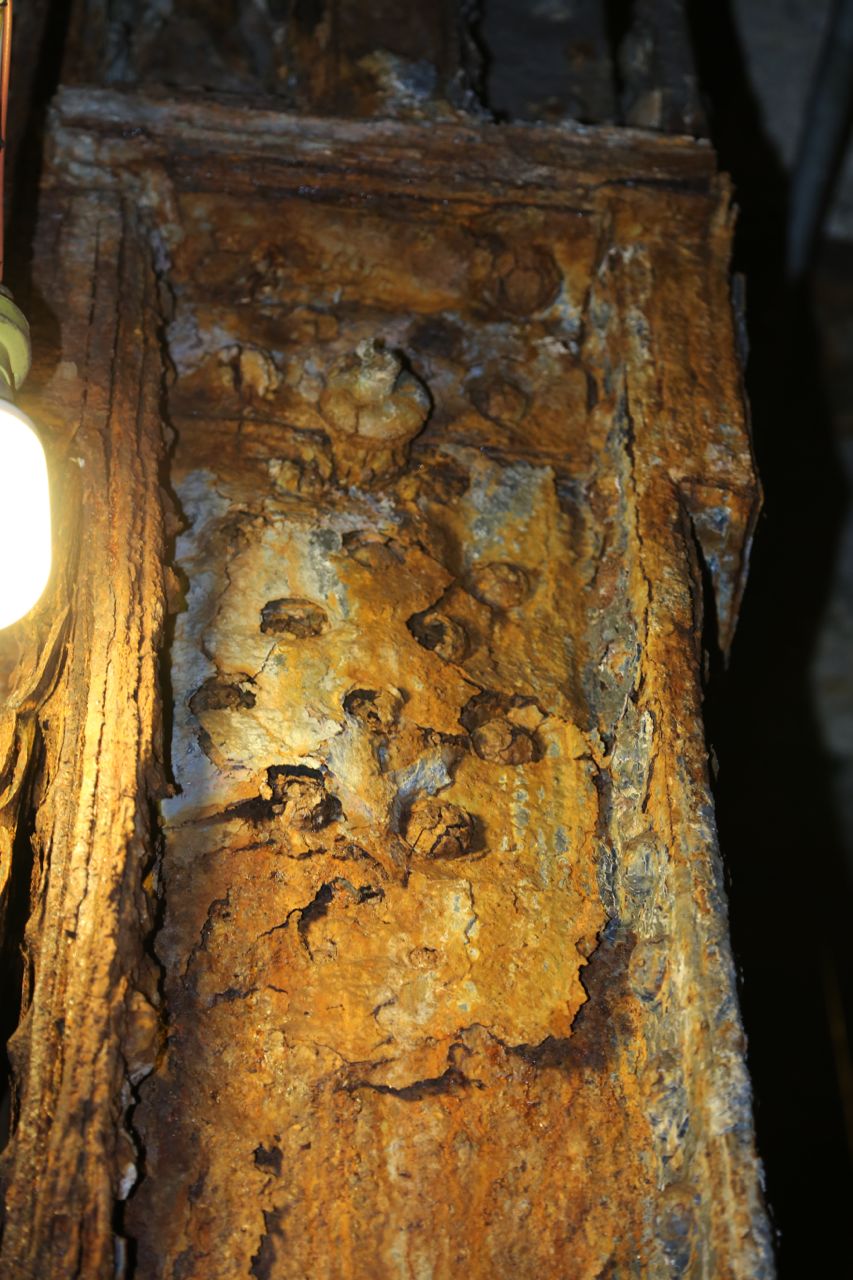
Another thing I found interesting was the condition of the columns and beams. Like almost all parts of the New York underground, the area is continual being eroded by water that seeps in from groundwater and storm water that flows through various cracks in the utility areas. Thus much of the metal support structures were badly rusted. Some parts of the area have been rehabbed but not all. It was a stark reminder of how continual maintenance is needed on essentially everything humans build. If you are not an engineer, you can be forgiven for not understanding that once something is built, it still needs maintenance. It can’t just simply be left to itself to continually function properly for all eternity. Unfortunately most politicians, who hold the purse strings to maintenance funding, don’t seem to understand this.
There is an idea or plan by some to turn the area into an underground park called the Lowline. It would be incredibly interesting to see that if it happens. In the meantime, I’m glad I got a look at this piece of New York’s transportation history.

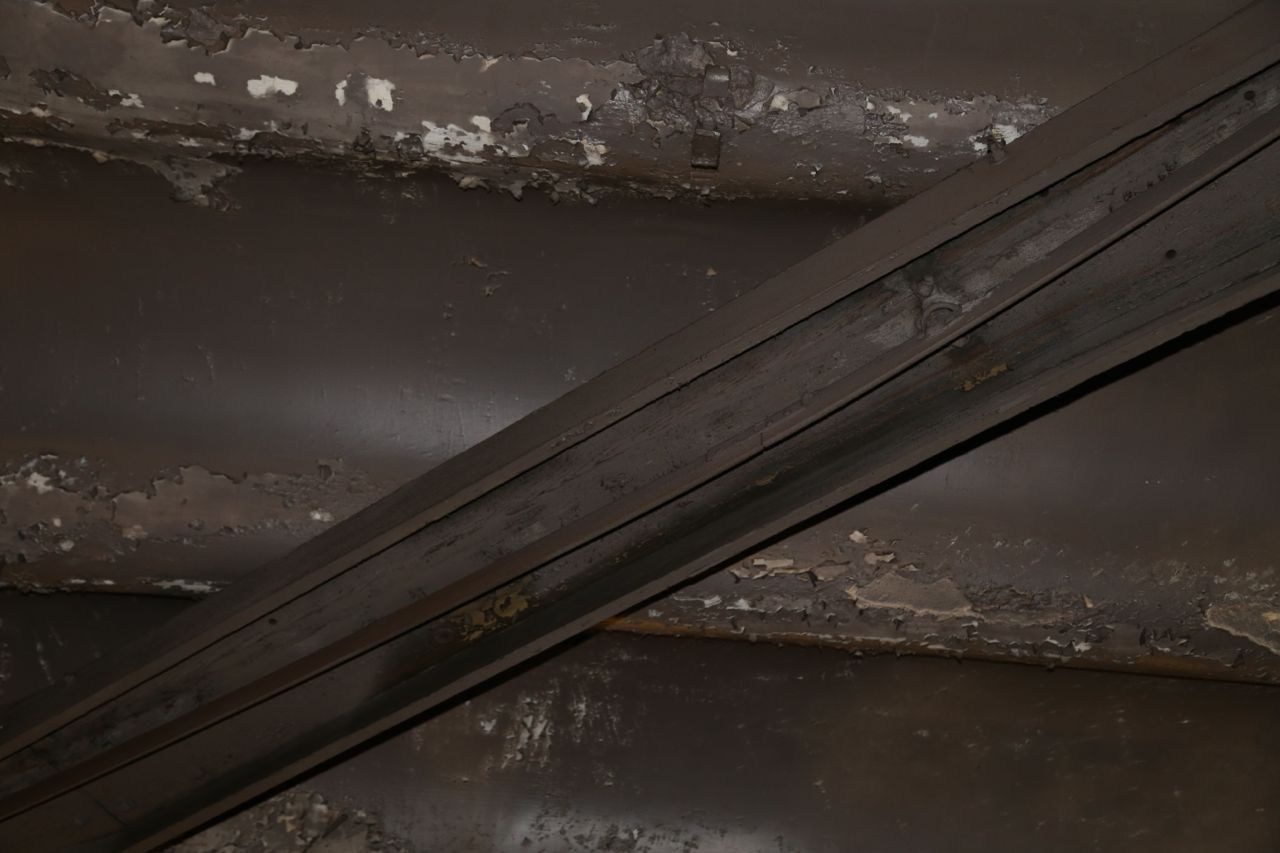
Old rail, which is held inside a wooden casing. Wood was used since it doesn’t conduct electricity, and rail was electrified.
Book Review: “Conquering Gotham”
This isn’t really a proper book review but really more of a book recommendation. I’m not a writer or literary critic. I’m just an engineer who just finished reading a book about the history of one the greatest engineering feats in the early twentieth century and want others to know how interesting a book it is. The book is “Conquering Gotham: A gilded age epic: The construction of Penn Station and its tunnels” by Jill Jonnes (Penguin Group, 2007).
The book chronicles some of the history of various people and companies who tried to link Manhattan Island and New Jersey via bridge or tunnel. When the book starts, the Brooklyn Bridge, which was an engineering feat in itself, has been built, but the only railroad connection to Manhattan Island was via New York Central and its bridge over the Harlem River. Thousands of commuters, other people, and cargo must use ferries across the Hudson River everyday to get to Manhattan from New Jersey. Dewitt Clinton Haskin unsuccessfully attempts to build a tunnel underneath the Hudson River, but due to construction and financial problems, the tunnel was abandoned. [Decades later the tunnel would be completed and in present day is used for PATH trains.] Gustav Lindenthal unsuccessfully tried for decades to build a bridge across the Hudson River but was never successful due to an inability to get funding. Pennsylvania Railroad (PRR) under the leadership Alexander Cassatt is determined to get their trains into Manhattan in some manner instead of having their tracks end in New Jersey and their passengers needing to take ferries across the river.
The book describes how PRR explores the possible ways to get their trains to Manhattan Island and finally settles on an audacious plan to build two tunnels underneath the Hudson River, two tunnels under and through Manhattan, a grand station in a not so nice section of Manhattan, and four tunnels underneath the East River to further expand their tracks into New England. Completing this audacious plan is fraught with many engineering and financial difficulties and is further complicated by the need to deal with the corrupt New York City Tammany Hall politicians, which put about as many delays on the project as the difficult engineering. The history is fascinating, and Jonnes describes it really well. The book is not a dry history textbook. She describes the engineering obstacles in a way in which a non-technical person will understand and be interested, although as an engineer, I actually would have liked more details about some of the engineering issues, particularly with the tunnels.

The final chapter describes some of the post-completion problems, including the eventual decline of the railroads due to automobiles and then aviation. The modifications made to Penn Station after its completion and finally its destruction and replacement with the atrocious Madison Square Garden are also discussed. I have traveled on Amtrak trains many times via the Hudson River tunnels and twice via the East River tunnels. I have a much better appreciation for the difficulties in their construction now. I am also now even more sad to have never seen Penn Station in its original glory. In my humble opinion, the current Penn Station with Madison Square Garden is the ugliest and most ill-designed train station ever, and New York City deserves so much better. Of course, New York City is partially to blame for the destruction of the original and the construction of the current Penn Station.





If you are at all interested in history, transportation, or engineering, I highly encourage you to read this book. It is a great read. [I received no compensation for this recommendation, and I checked this book out from my local library.]