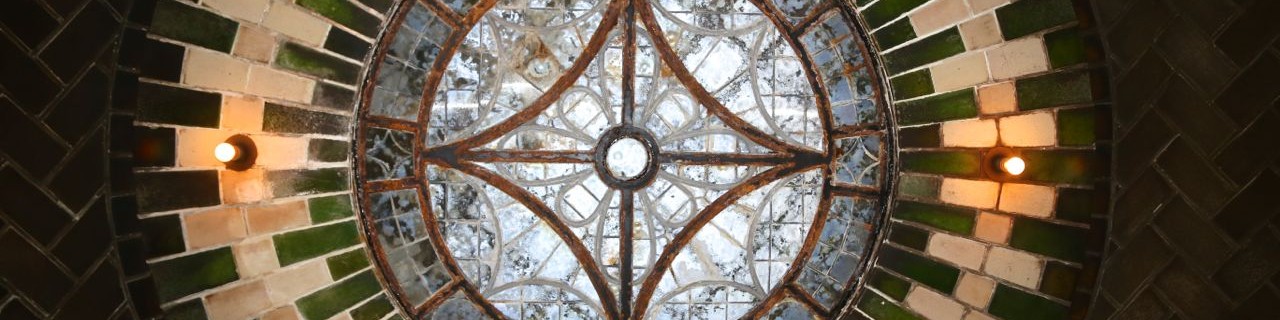
California State Capitol

I am continuing in my quest to visit all the state capitols, and I am in Sacramento this weekend, so I got to add California to my list. The history of the building is rather interesting in that they started building it in 1860, but mainly due to lack of funds, it was not finished for 14 years. In 1906, much modernization was done to the building including electricity and central heat and air. [I was unclear when the indoor plumbing came.] Additions and other renovations were done after that. Some of those renovations sounded like they were more “renovations” that probably sounded good to some at the time, but now most of us at least, and cringe at what was done. Then in 1975, they pretty much completely rebuilt the capitol. The shell of the building stayed, but the interior was completely torn down and built back up again. They did a lovely job of rebuilding. The building is gorgeous with wonderful wooden staircases, gilded and painted ceilings and walls, tile floors, and plenty of little touches you just have to explore to find. The state seal can be found in all sorts of places, and many other symbols are subtly placed around the building. There are bears everywhere, including coming out of staircase railing columns. They also restored several rooms on the first floor to their 1906 appearance, so parts of the capitol are a historical museum.
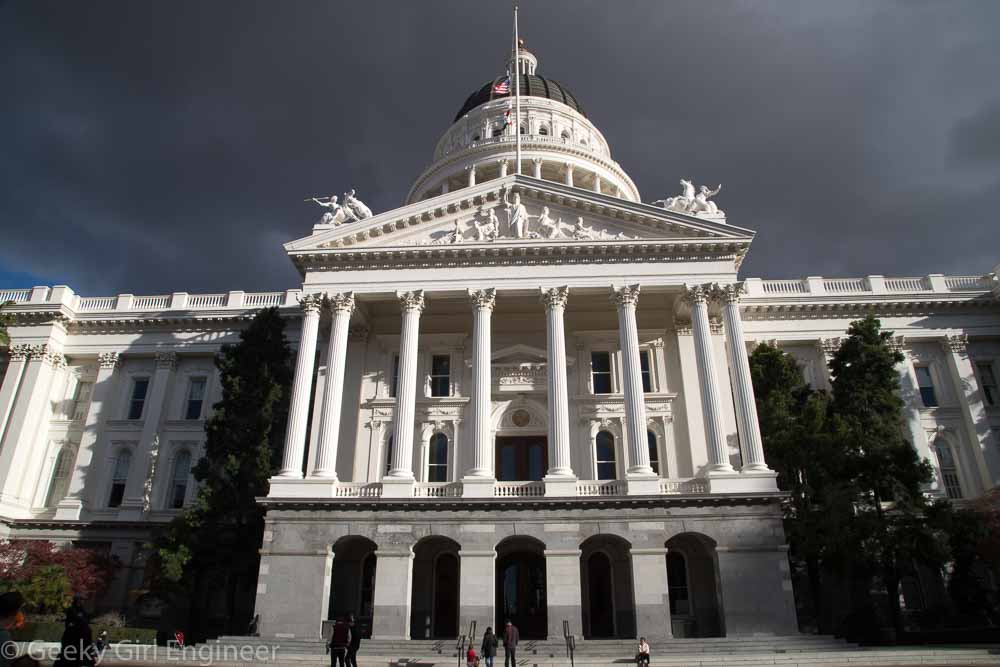
California State Capitol
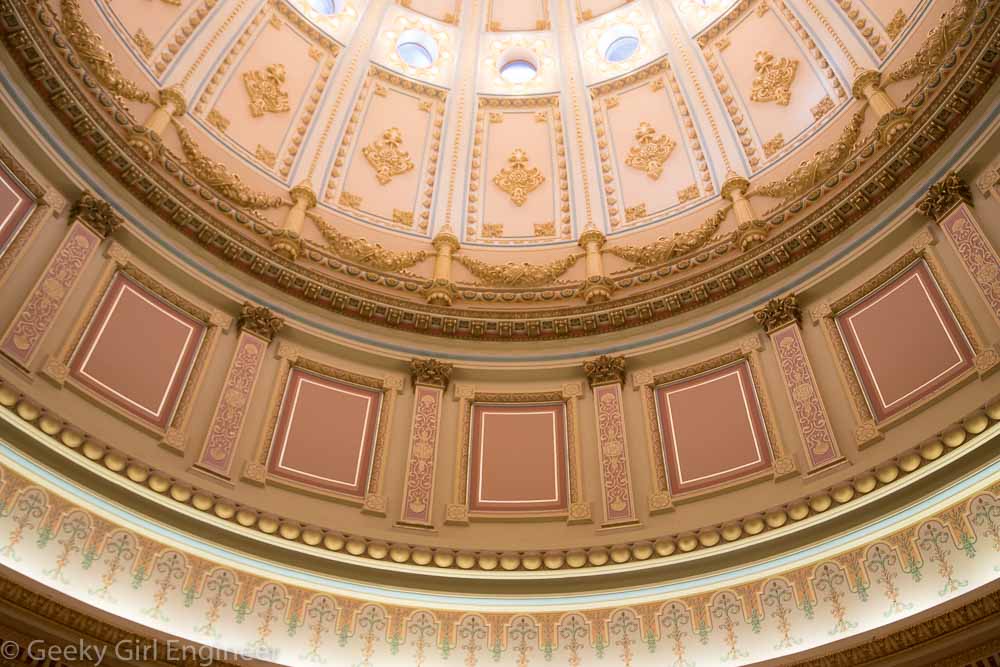
Rotunda
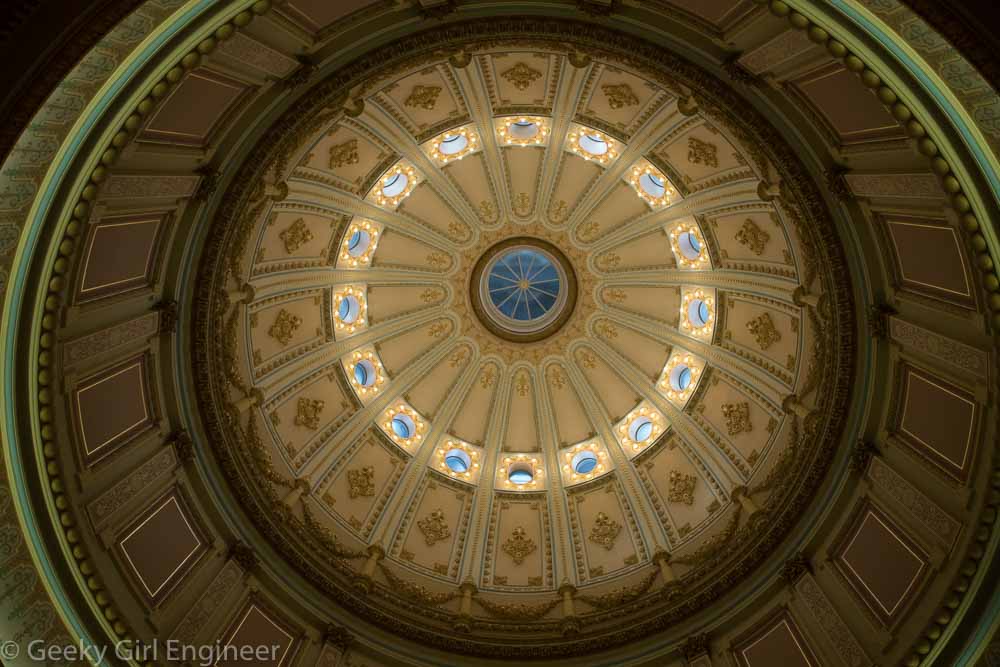
Rotunda
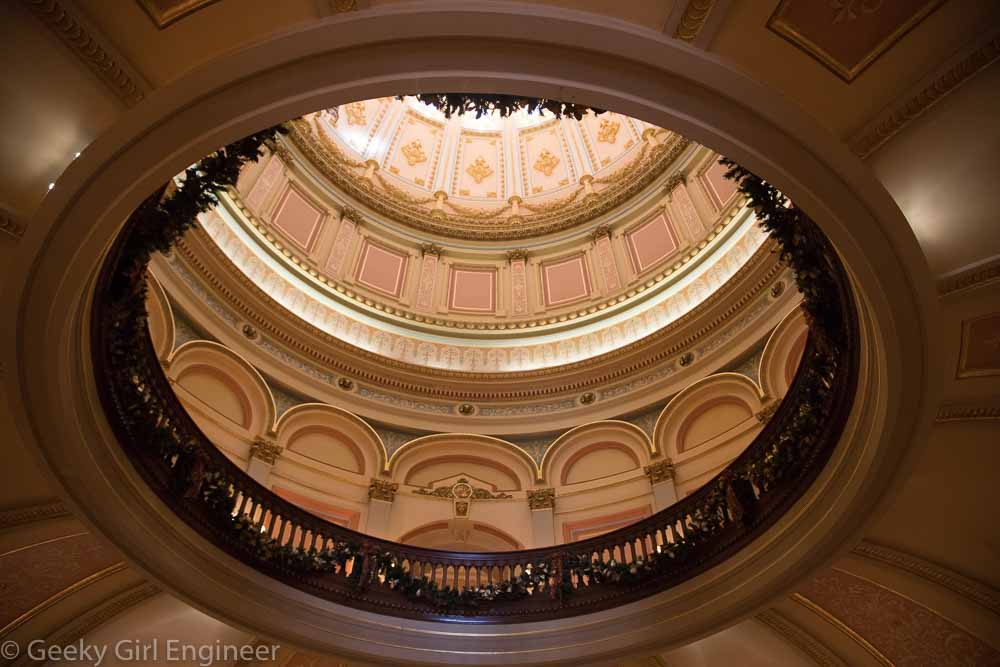
Rotunda

The senate chamber is decorated with a lot of pink, which is supposed to reflect the color of the United Kingdom’s House of Lords.
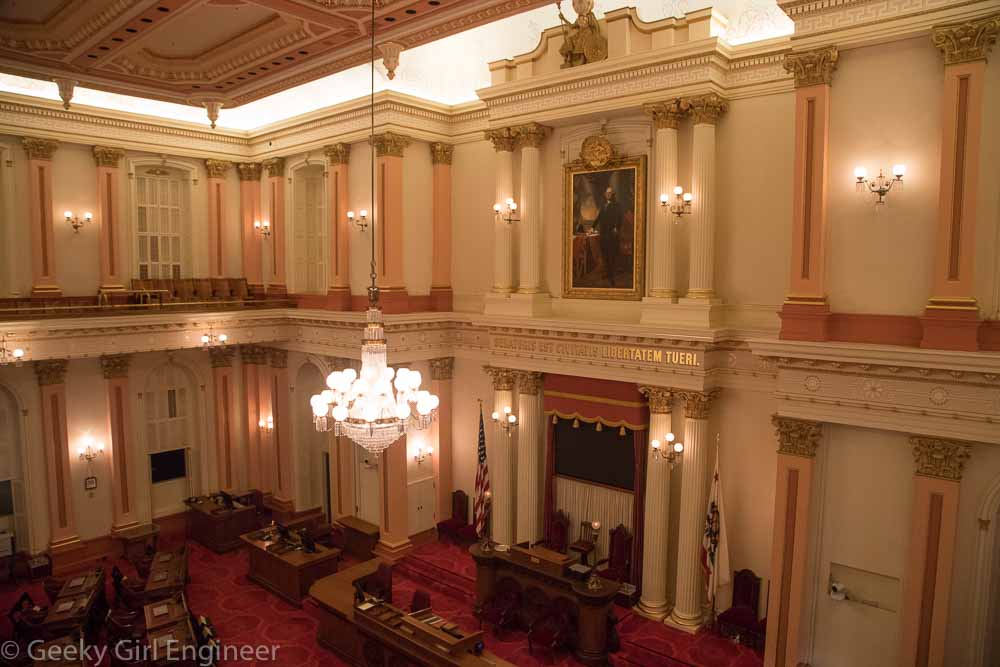
Senate chamber
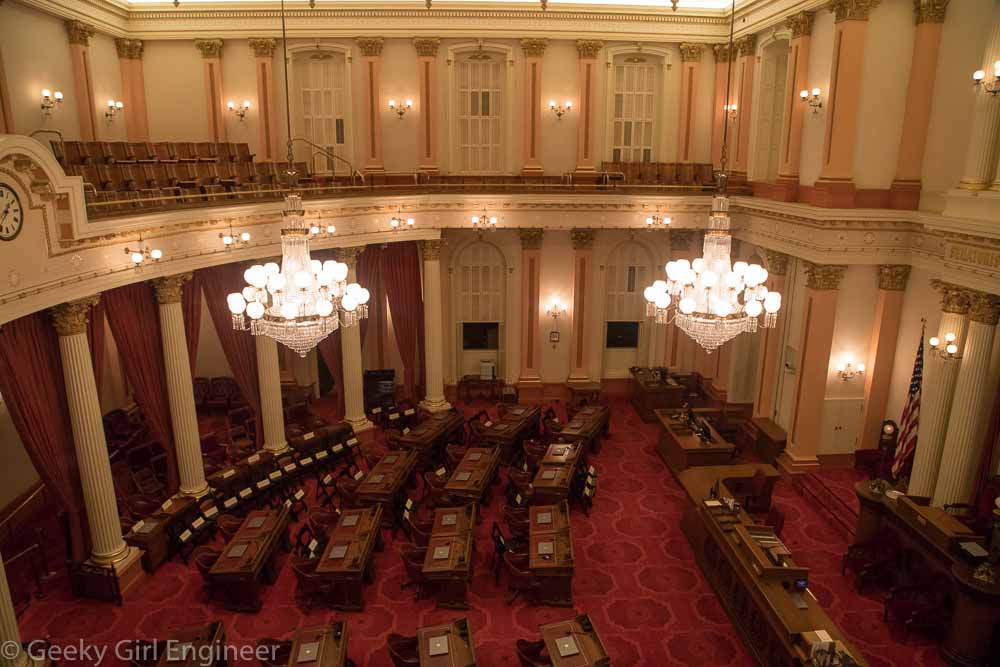
Senate chamber

The assembly chamber is decorated with a lot of green, which is supposed to reflect the color of the United Kingdom’s House of Commons.

Assembly chamber
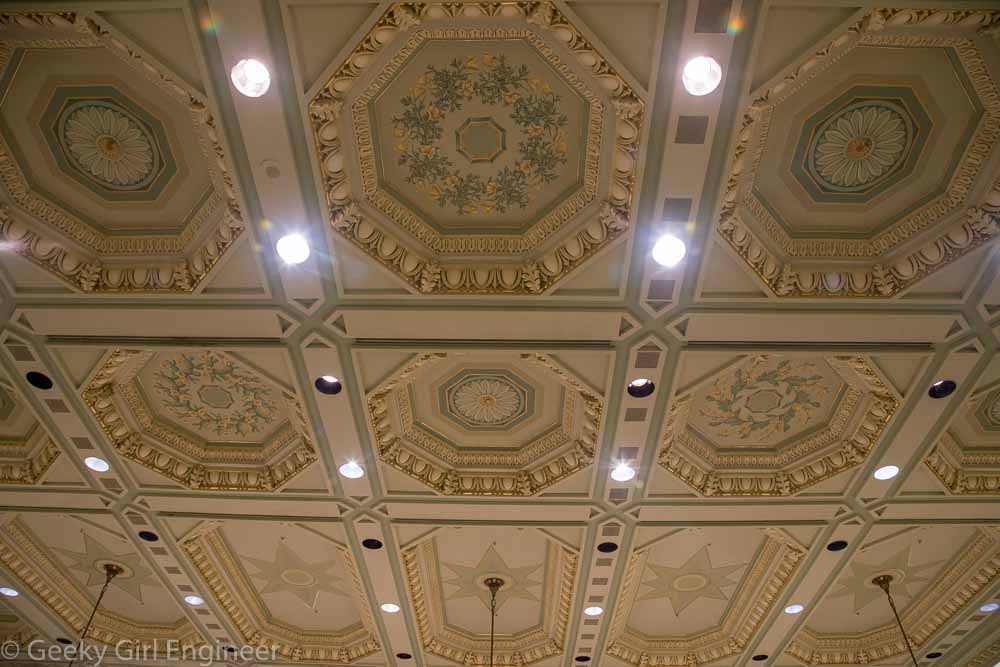
Assembly chamber ceiling

In one of the panels of the assembly’s ceiling, is a grotesque of man’s head and his two hands. It is difficult to see unless you are looking for it, preferably with the help of a tour guide with a laser pointer. It is in a panel with a ring of (what I assume are) prickly pears with yellow flowers. Based on what my tour guide said and my internet searches, it doesn’t seem like the origins and true meaning of the grotesque are clear, but a chubby cheeked man with his hands up in a room where politicians work kind of gives me easy ideas.
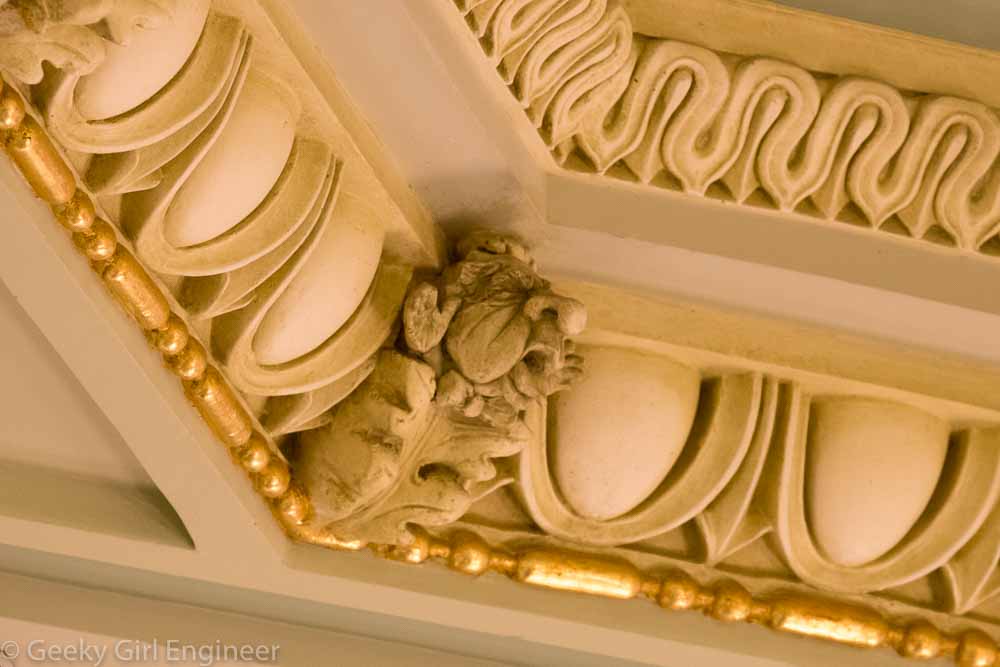
Assembly chamber ceiling grotesque
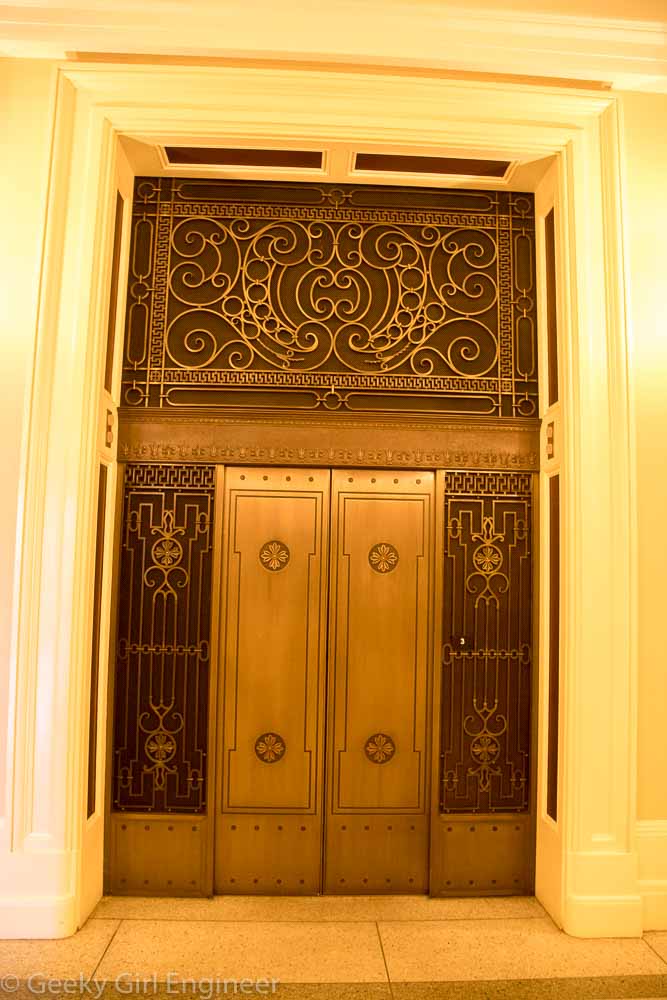
Elevator
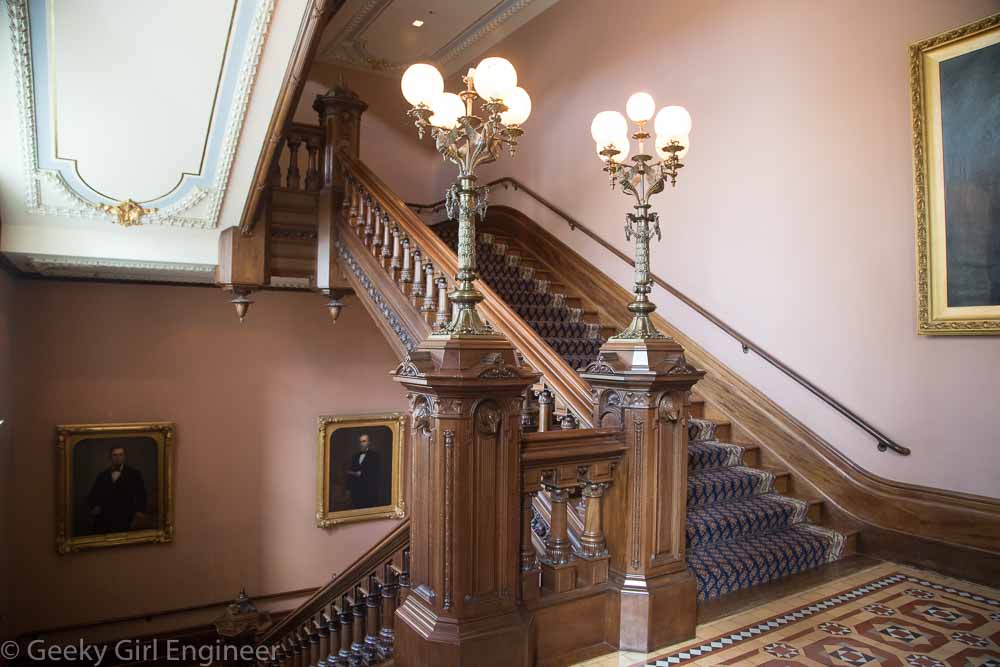
Wooden staircases with intricate metal lamps
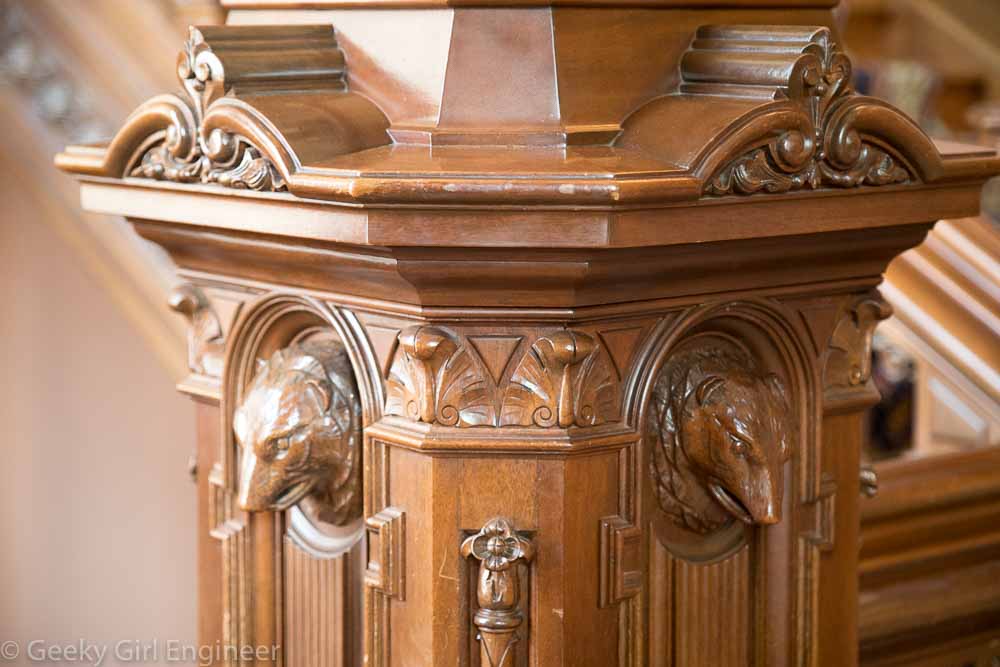
Wooden staircase
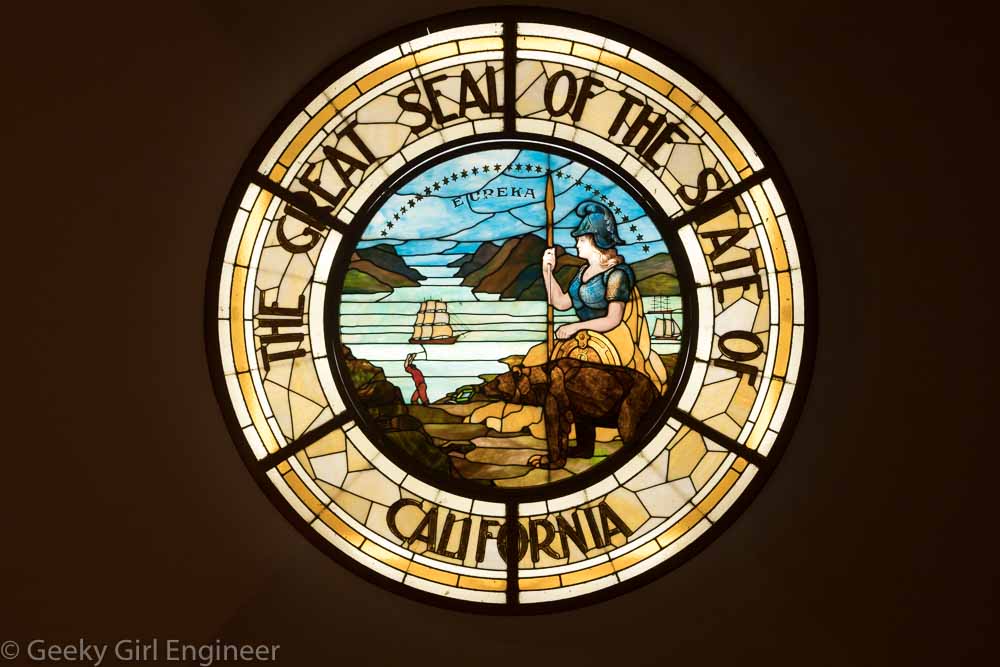
Stained glass ceiling light
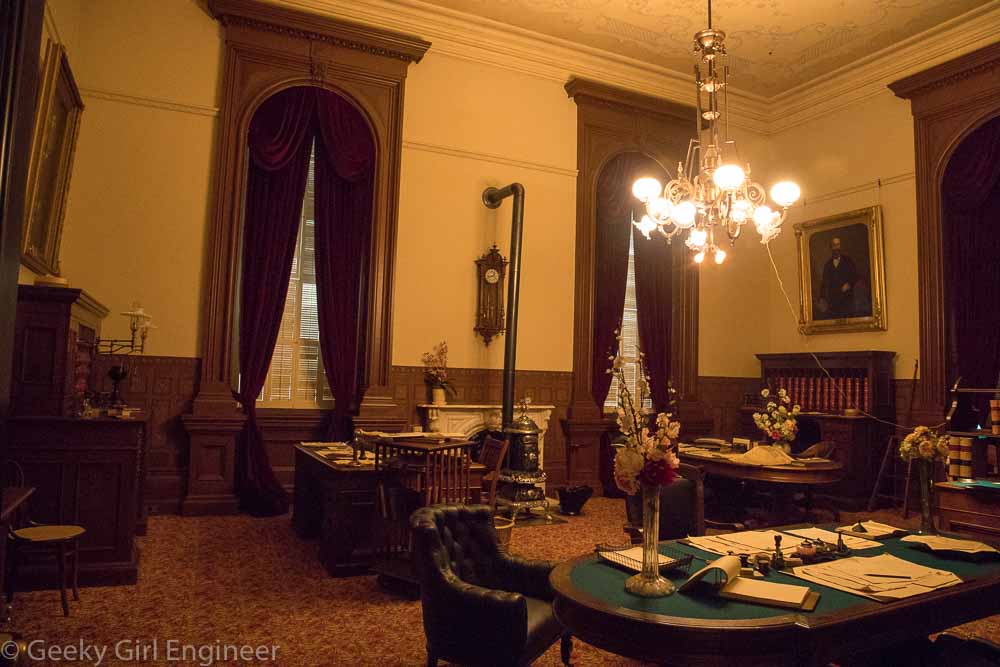
1906 Governor’s office

Bear guarding the governor’s office
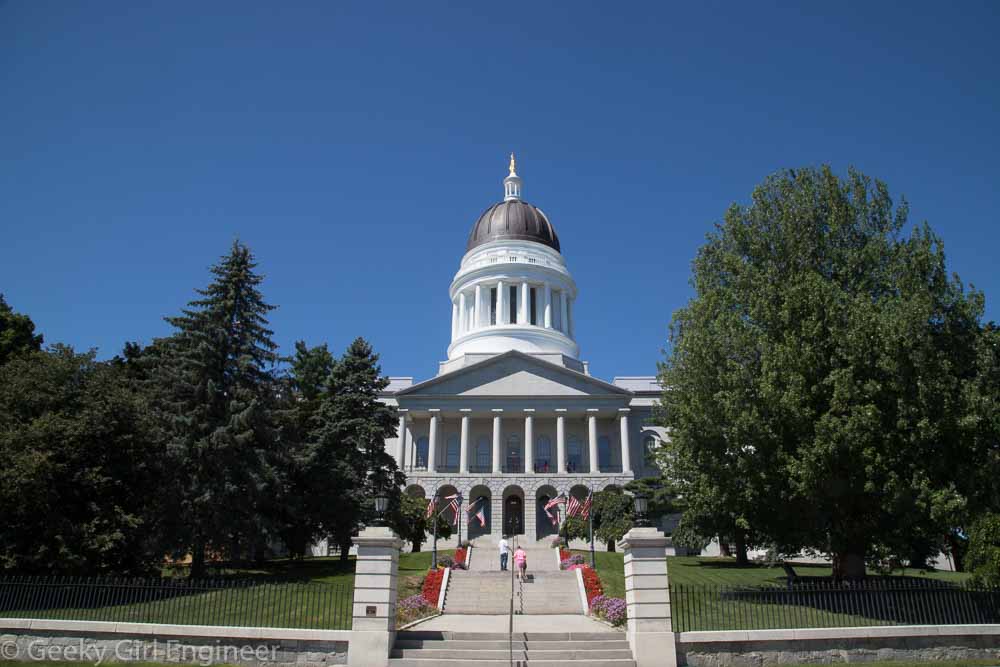
Maine State Capitol

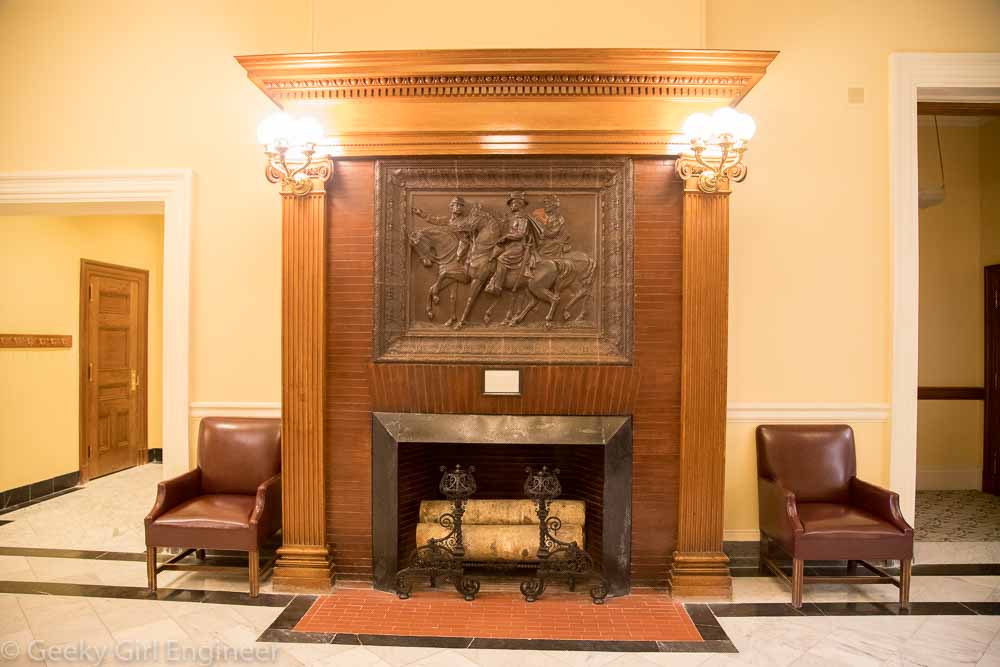
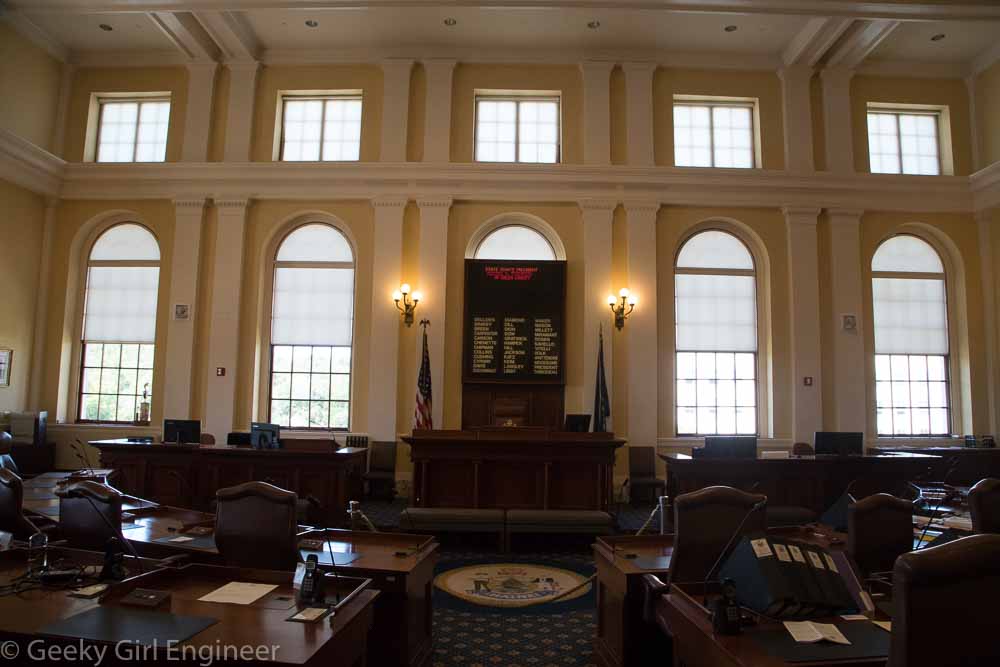
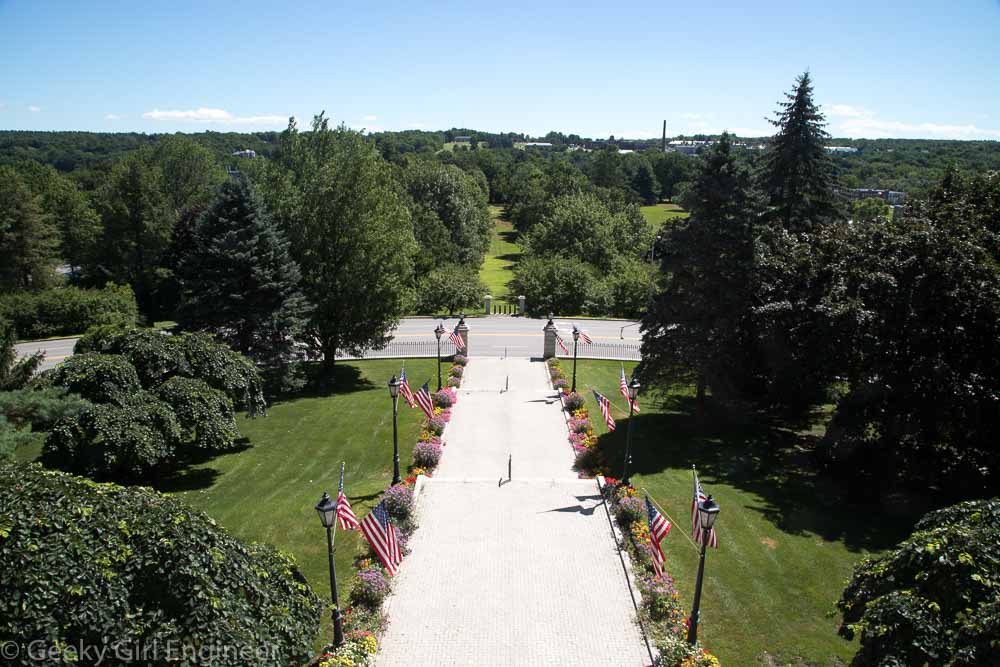
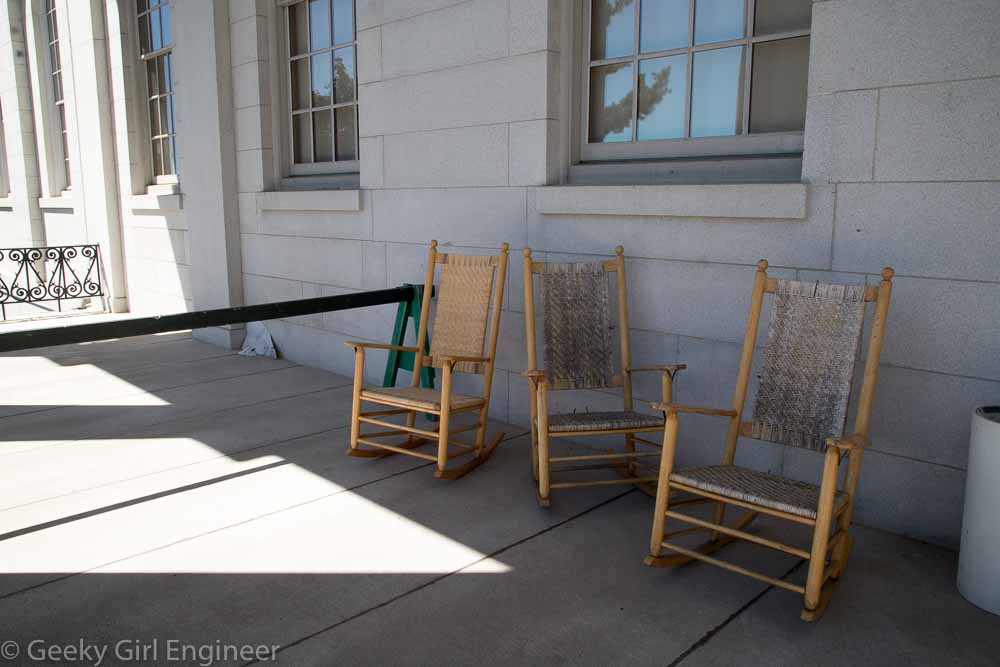
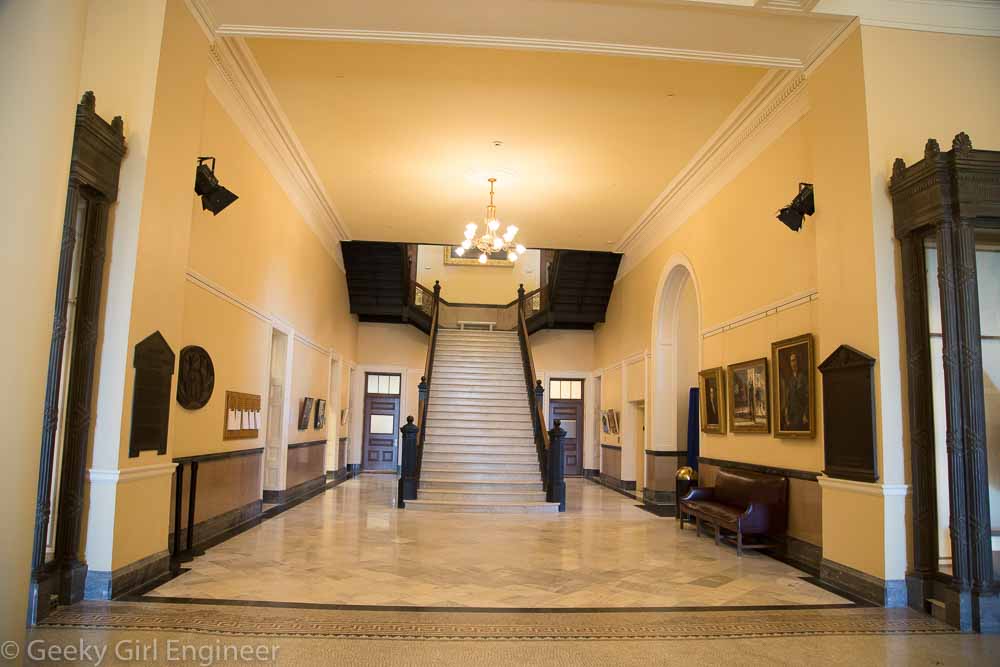
I’m continuing my quest to see all the state capitol buildings. I am in Maine, so I detoured through Augusta to add Maine to the list. Maine’s state house is one of the least opulent I have seen. The tour guide even mentioned that it was not gilded, as that is not Maine’s way, and they were also not given the budget for it. Thus, there is lovely architecture and some marble tile floors, but no gold leaf, marble columns, or bronze this or that everywhere. There is a complete lack of painted murals. The building has clearly been renovated, but in a respectful manner to the original architecture. My favorite feature of the building is the second floor balcony which looks out to a large park and has rocking chairs on it.

Exterior view of front of capitol

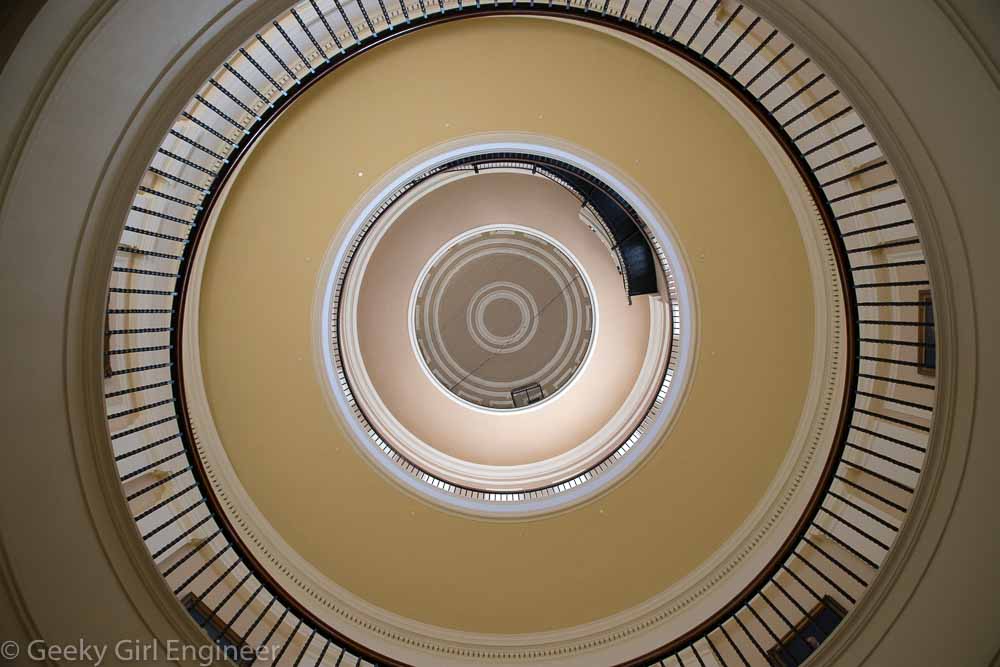
Stairwell from center of building

Fireplace
Capitol dome
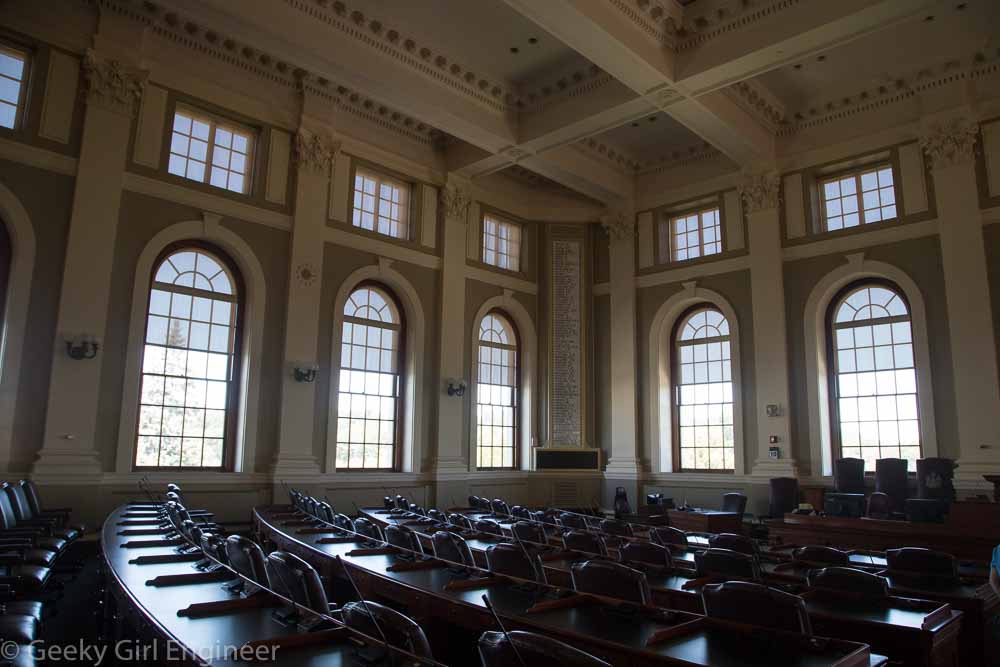
House chamber

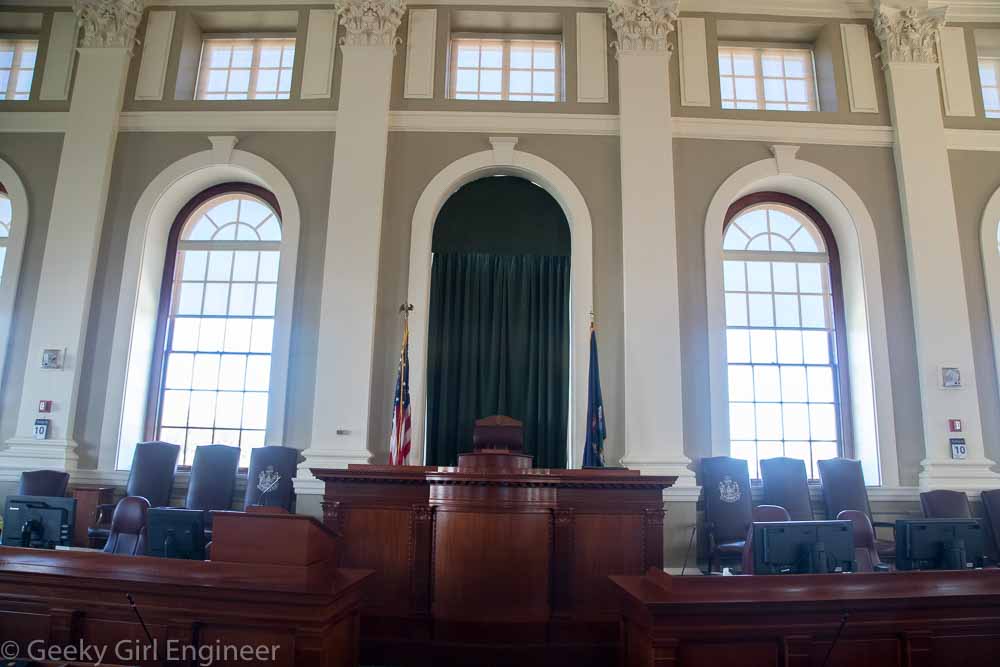
House chamber

Senate chamber

Senate chamber ceiling

View from front balcony

Rocking chairs on balcony

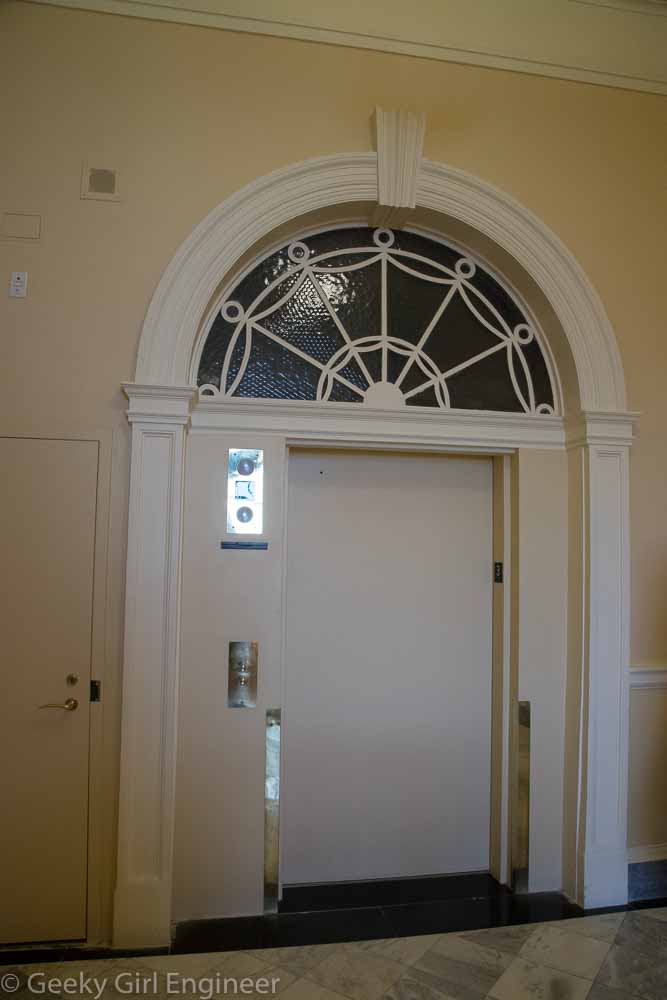
Elevator

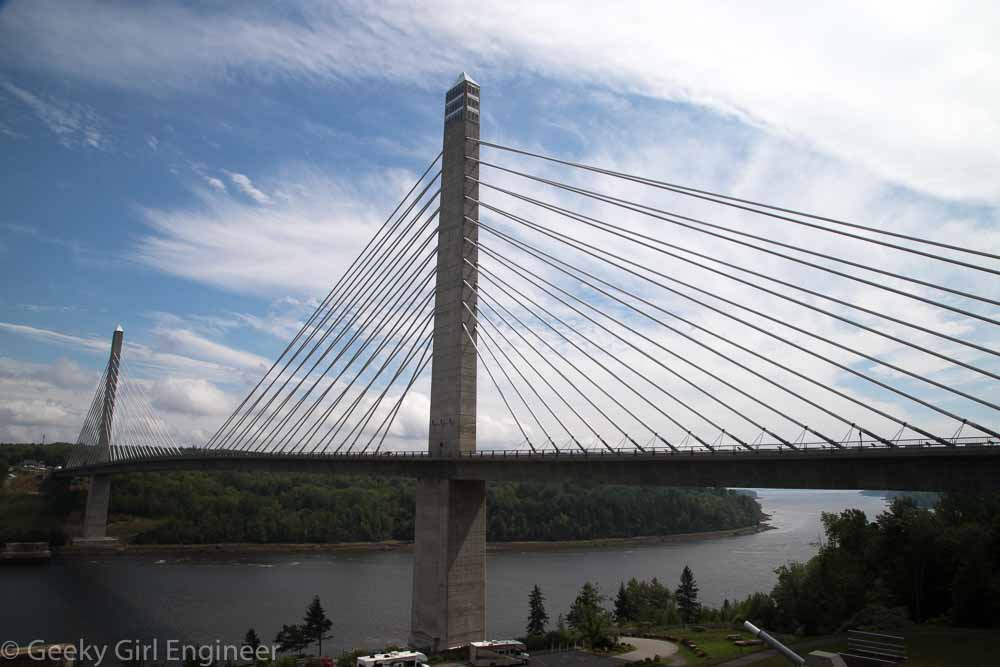
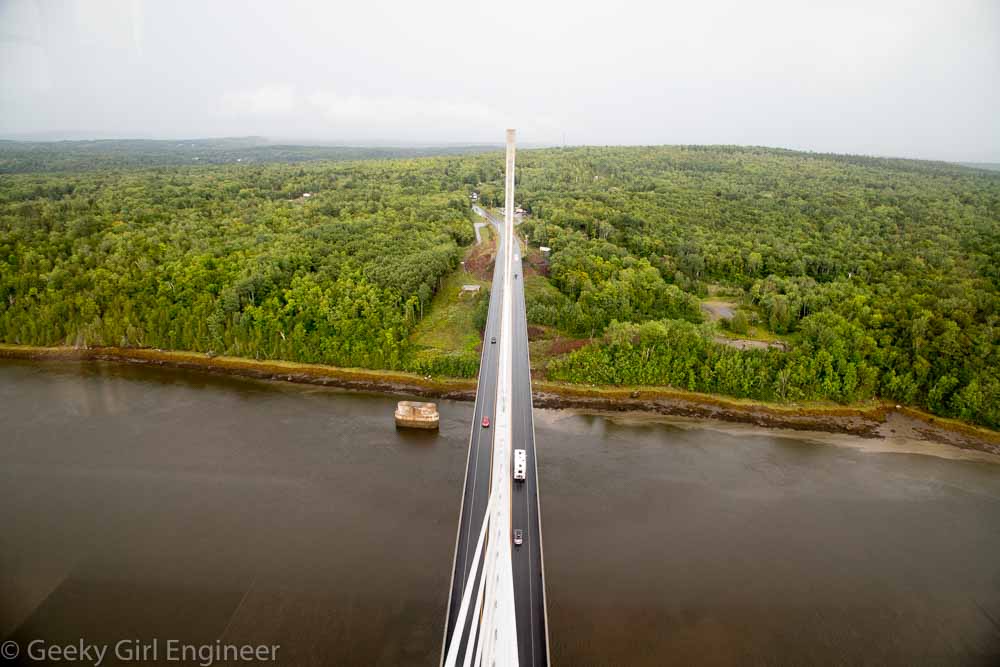
Penobscot Narrows Bridge

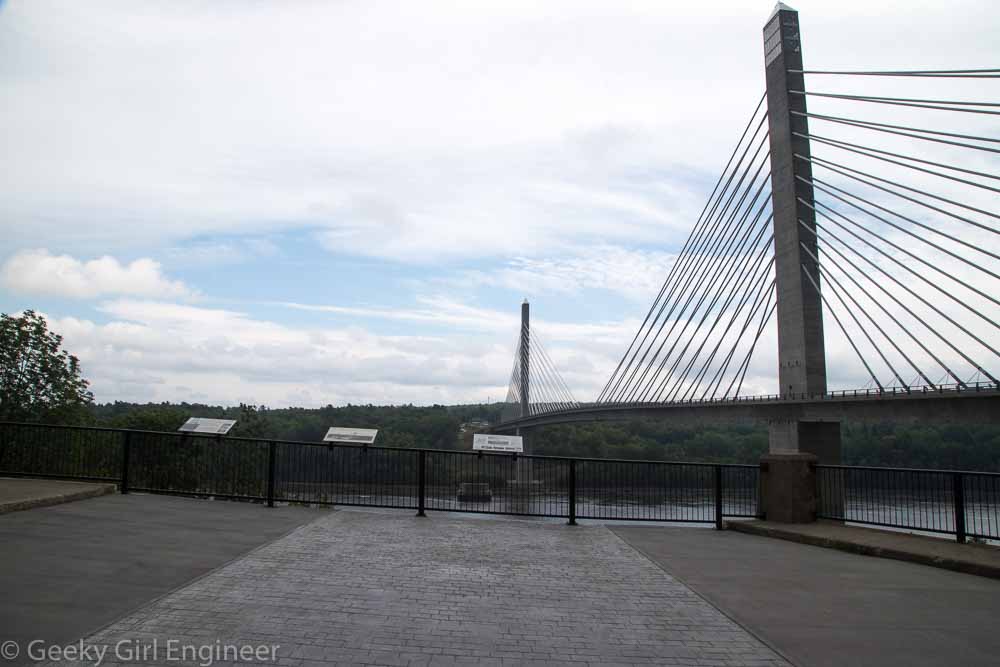
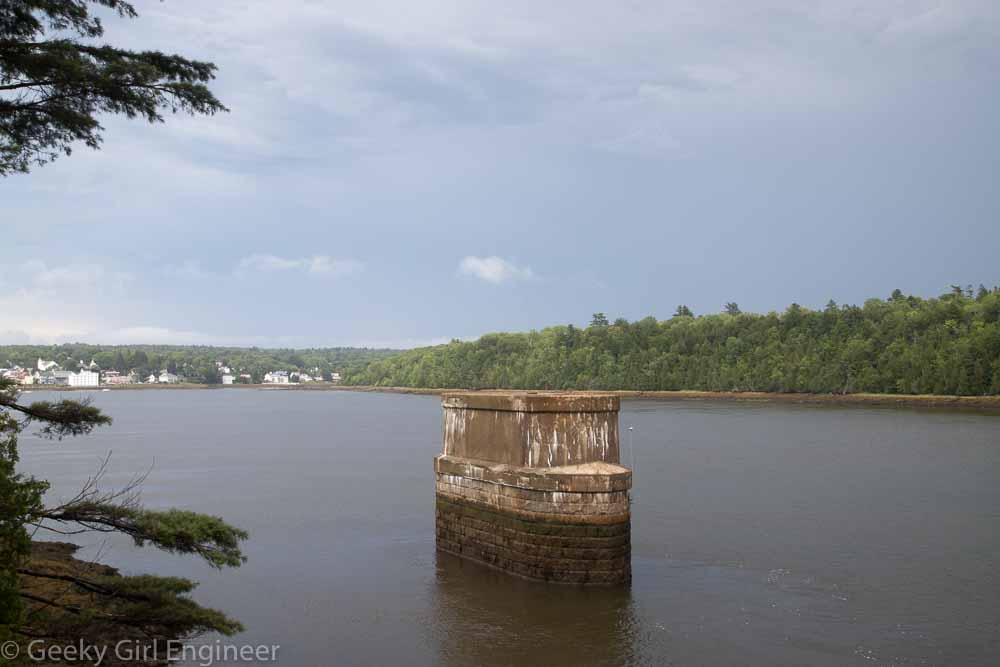
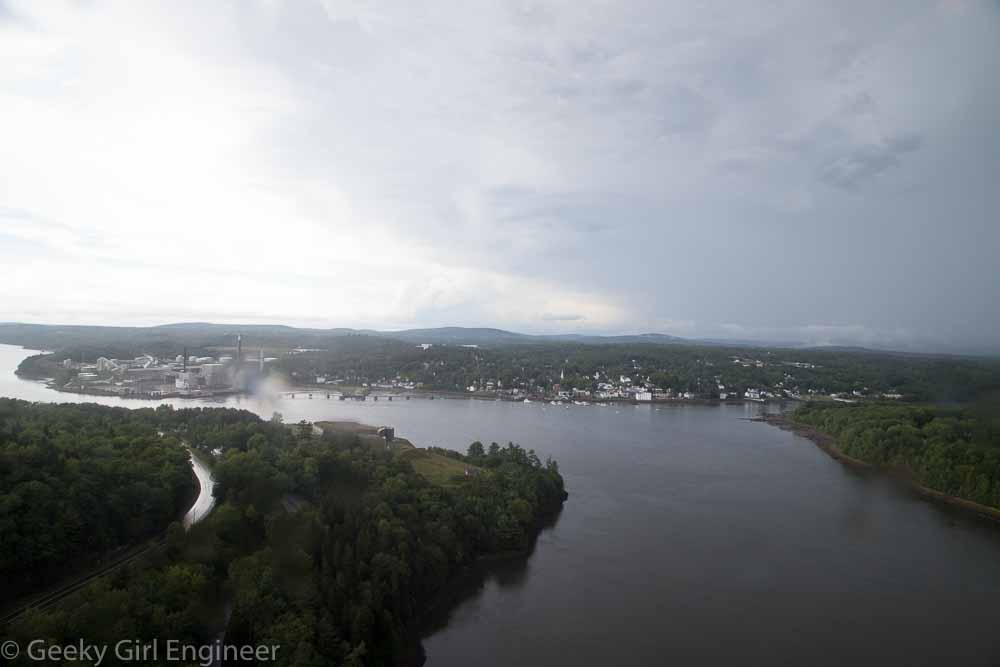
While traveling though Maine, we drove over the Penobscot Narrows Bridge, which is a lovely cable-stayed bridge. Cable-stayed bridges are my favorite kind of bridges. I love their simple elegance and functionality. The Penobscot Narrows Bridge is unique in that it has an observatory on top of one of the pylons. Who would have thought to put an observatory on top of a pylon? Next to the bridge, you can also walk onto a small portion of the old Waldo-Hancock Bridge. The Waldo-Hancock Bridge was suspension bridge built in 1931. It ultimately had to be taken down due to heavy corrosion of the main cables. The Waldo-Hancock Bridge was replaced with the Penobscot Narrows Bridge in 2006.

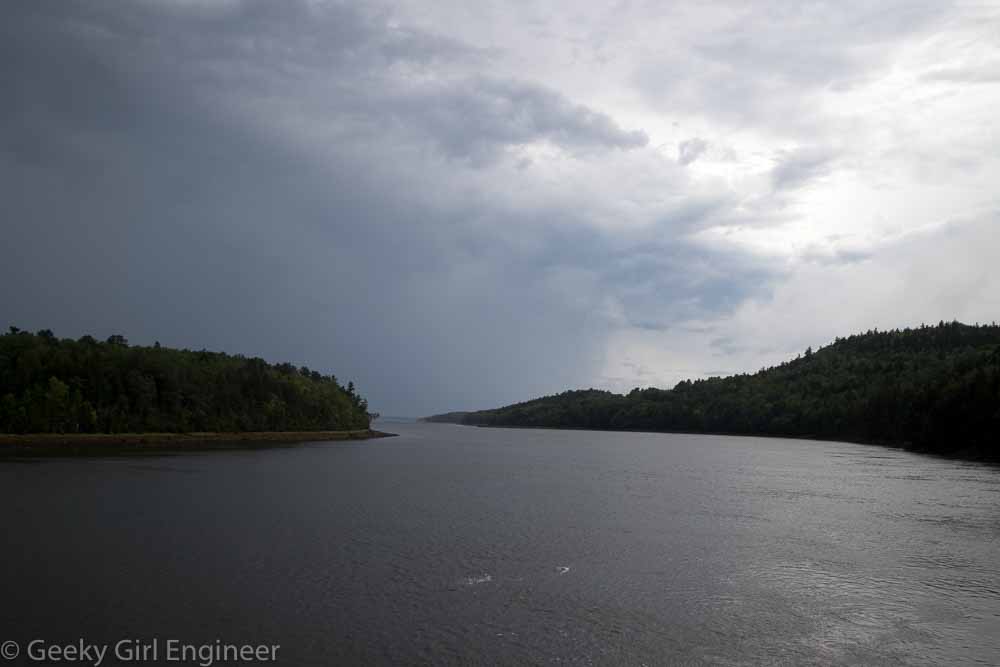
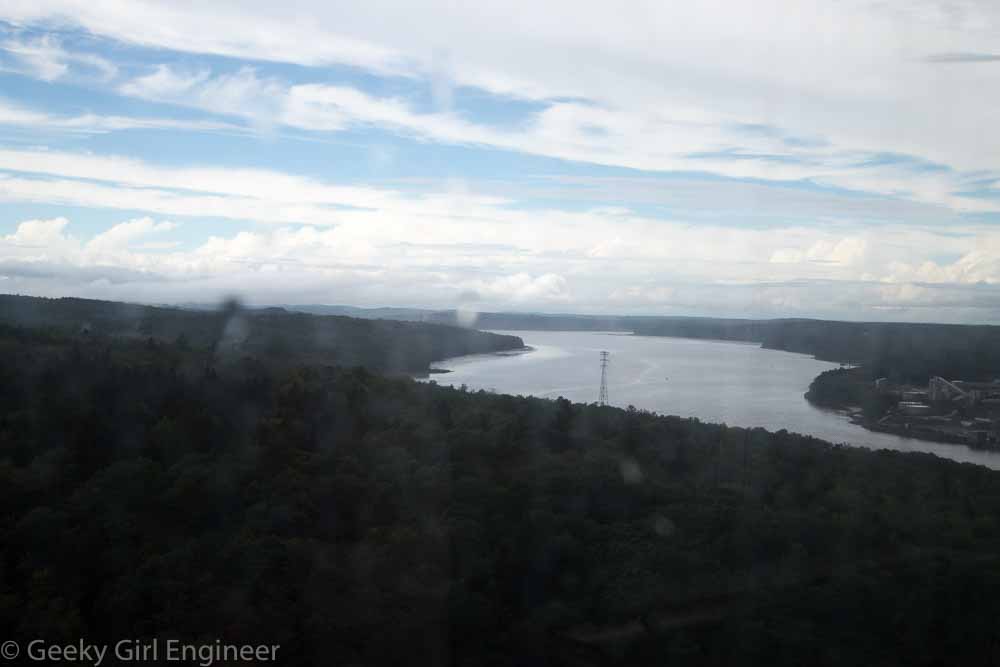
A thunderstorm passed by right before we entered the pylon, so in the below photos taken from the observatory, there are some of out of focus areas. I waited until the storm passed before taking the photos, but the windows still had raindrops on the glass, so the photos are not completely clear.

Penobscot Narrows Bridge

Small deck of the former Waldo-Hancock Bridge

Looking south from the base of the Penobscot Narrows Bridge pylon

Looking north from the base of the Penobscot Narrows Bridge pylon to an old pier of the Waldo-Hancock Bridge

Looking east from the Penobscot Narrows Bridge pylon observatory

Looking north from the Penobscot Narrows Bridge pylon observatory

Looking south from the Penobscot Narrows Bridge pylon observatory

Looking west from the Penobscot Narrows Bridge pylon observatory

Acadia National Park

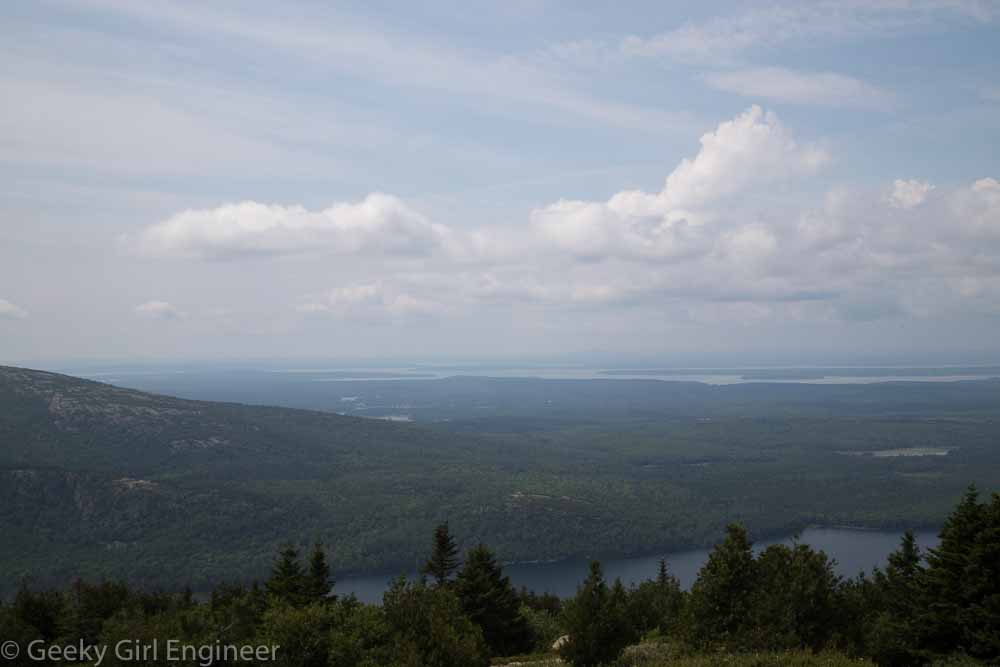
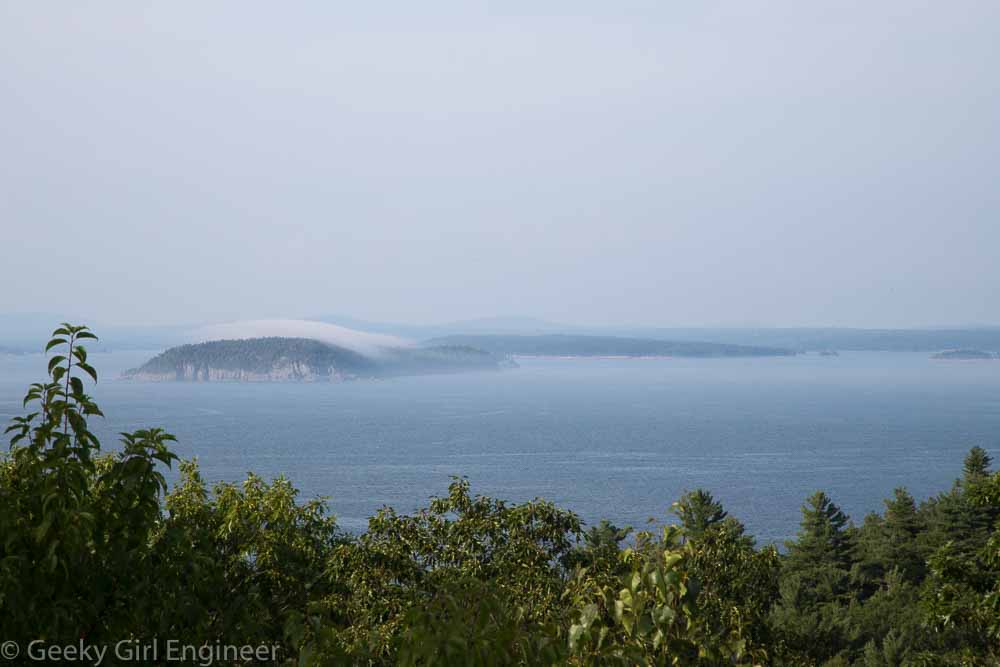
While visiting Maine, we took a whirlwind trip though Acadia National Park. The park is spectacular. There are wonderful views from Cadillac Mountain and along the coast. While we were there, a fog rolled in and provided mysterious and obscured views. Based on the views, I have come to the realization that Maine’s coast is just a series of rock outcroppings.

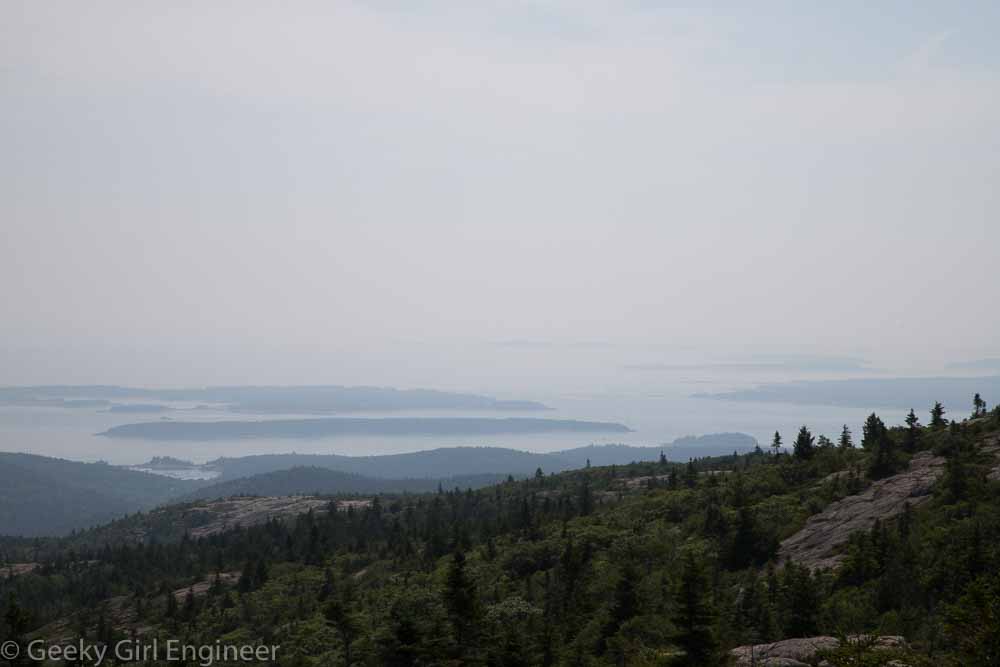
View from Cadillac Mountain

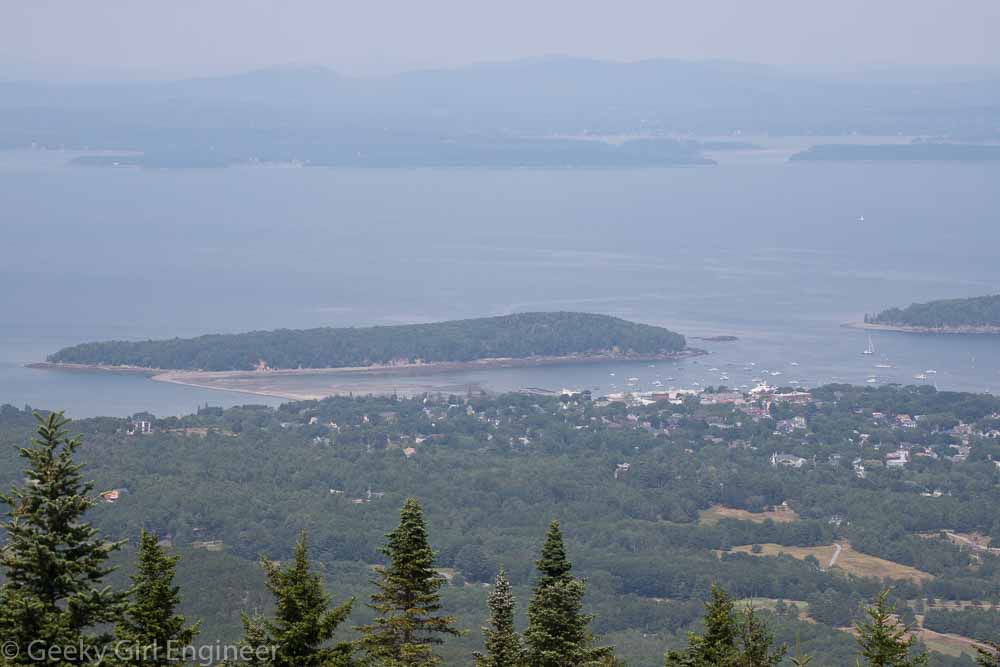
View from Cadillac Mountain, to the left is the sand bar of Bar Harbor.

View from Cadillac Mountain

View from Cadillac Mountain

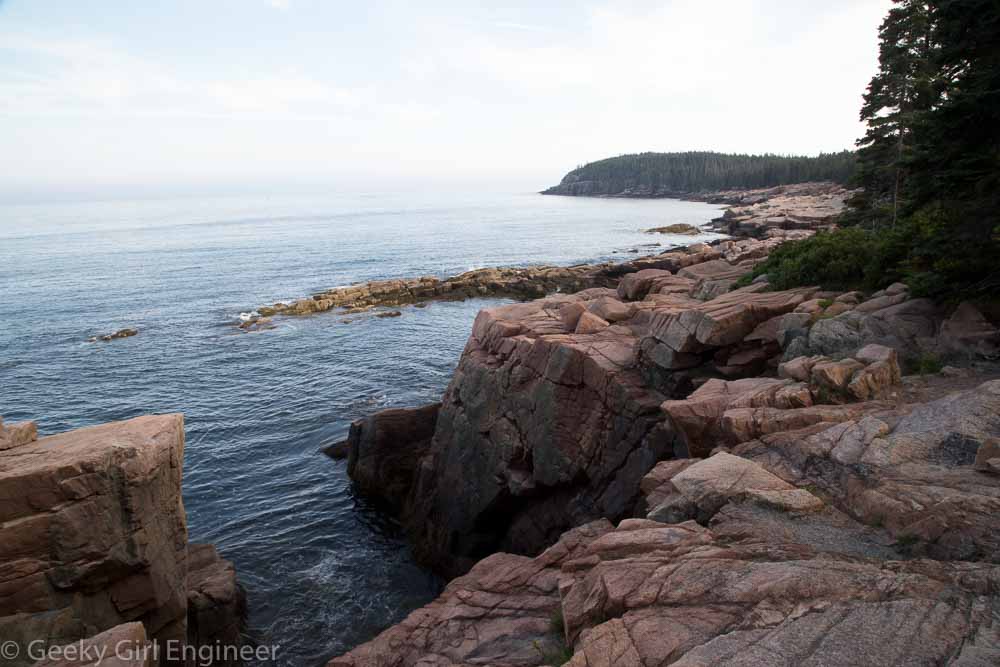
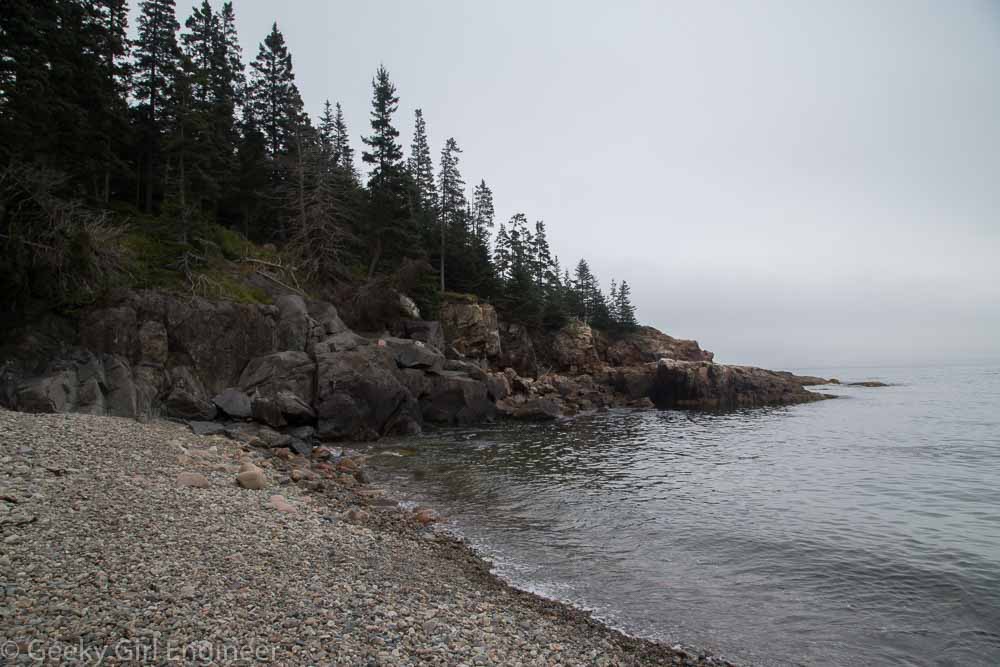
Pink granite cliffs

Pink granite cliffs with river rock beach

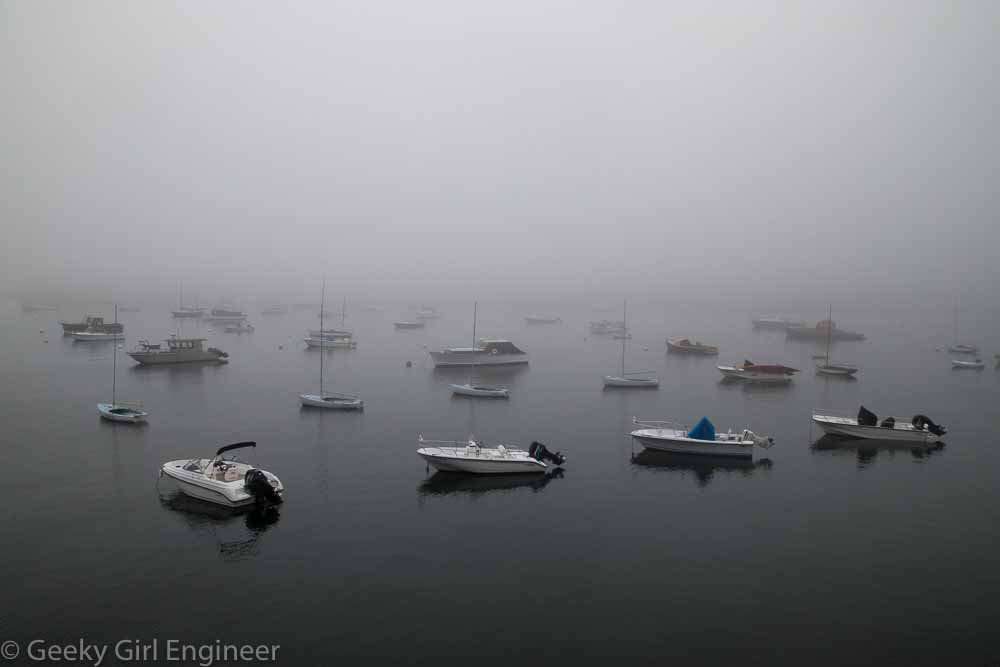
Fog settling over boats in harbor

Beach Rose

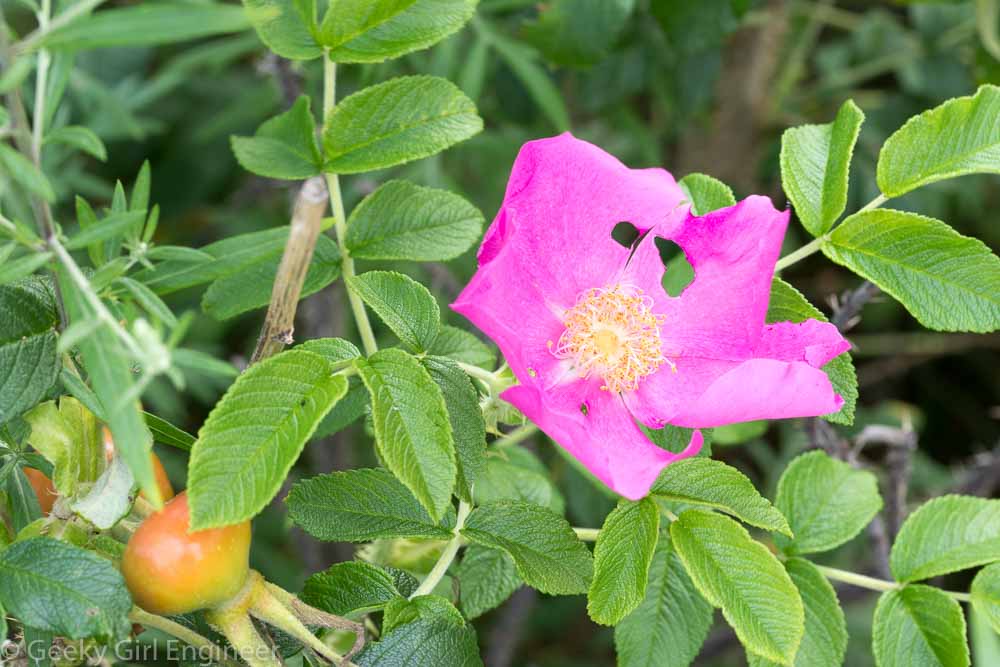
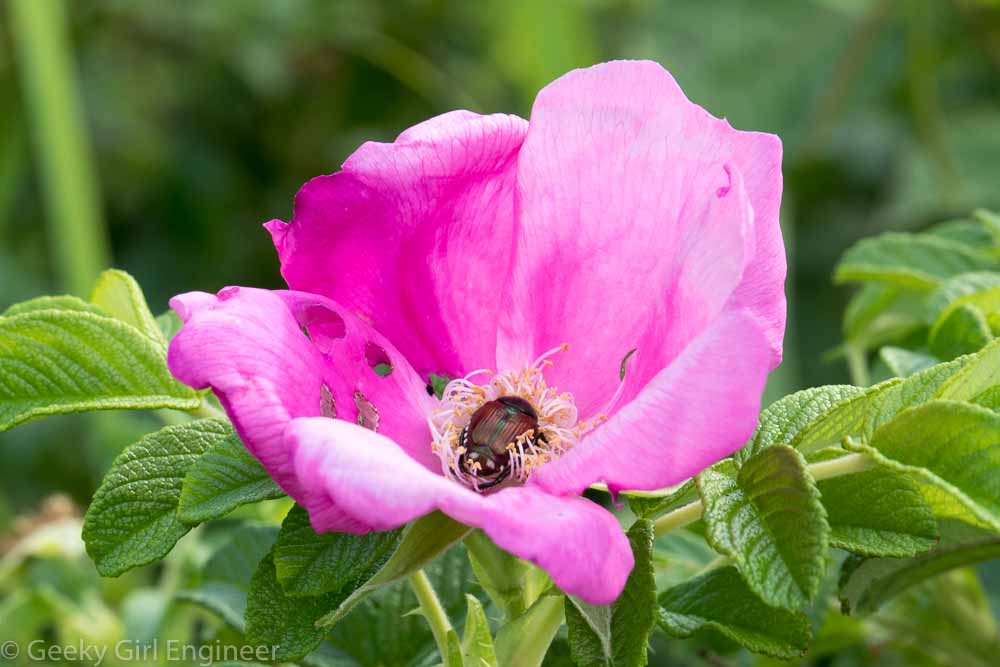
Scattered across Maine’s Blue Hill Peninsula and Deer Island is a pretty plant known as beach rose. A bit of internet searching leads me to understand that unfortunately this pretty plant is invasive. It is still pretty though, and I enjoyed photographing it.

Beach rose

Beach rose with beetle

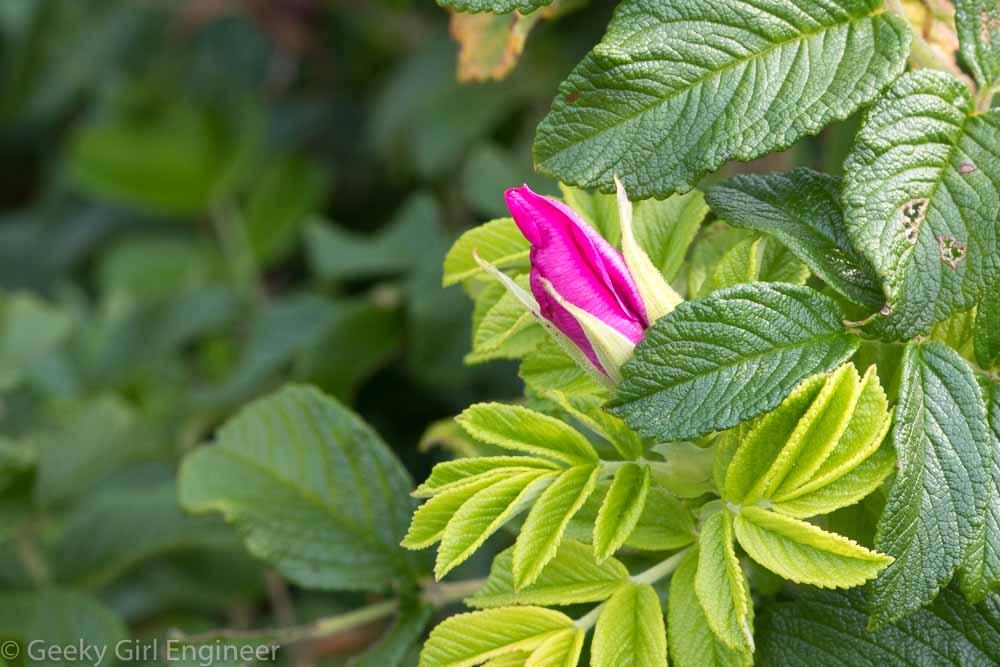
Beach rosebud

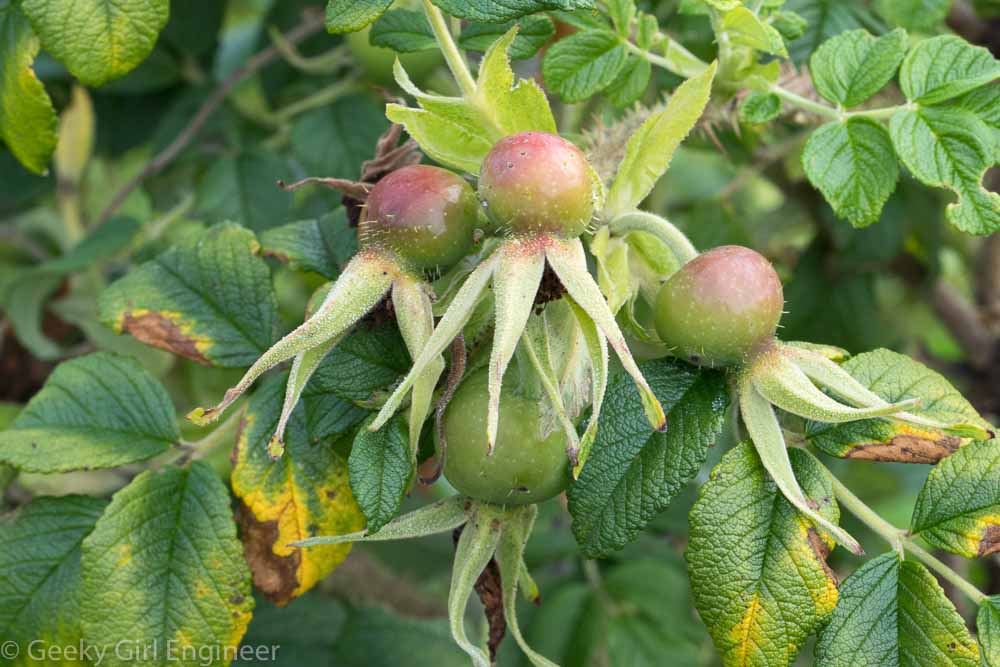
Beach rose hips, immature

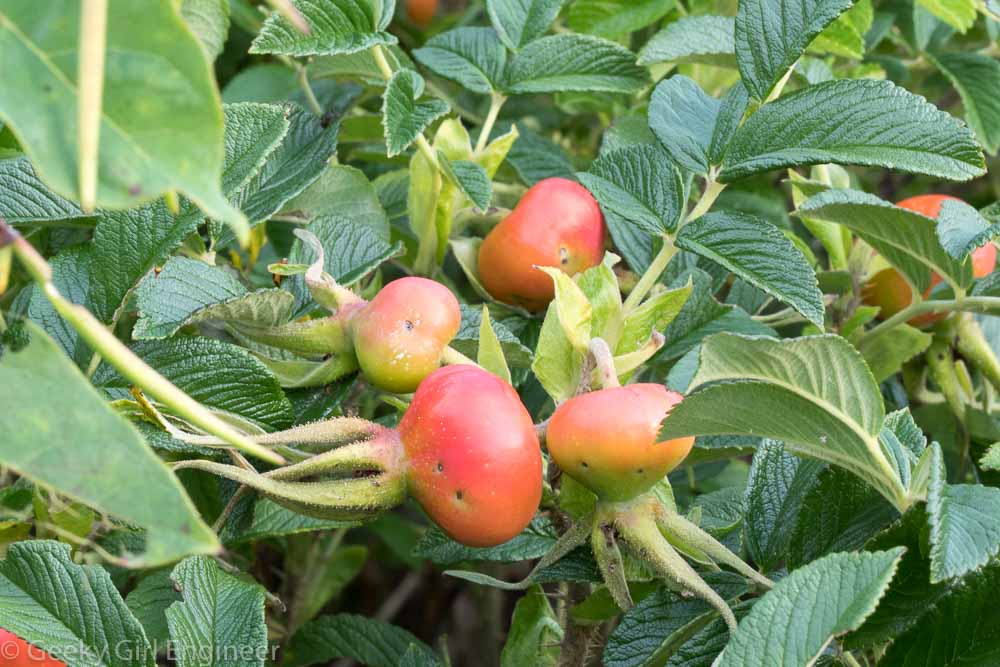
Beach rose hips, ripe

Blue Hill Peninsula of Maine

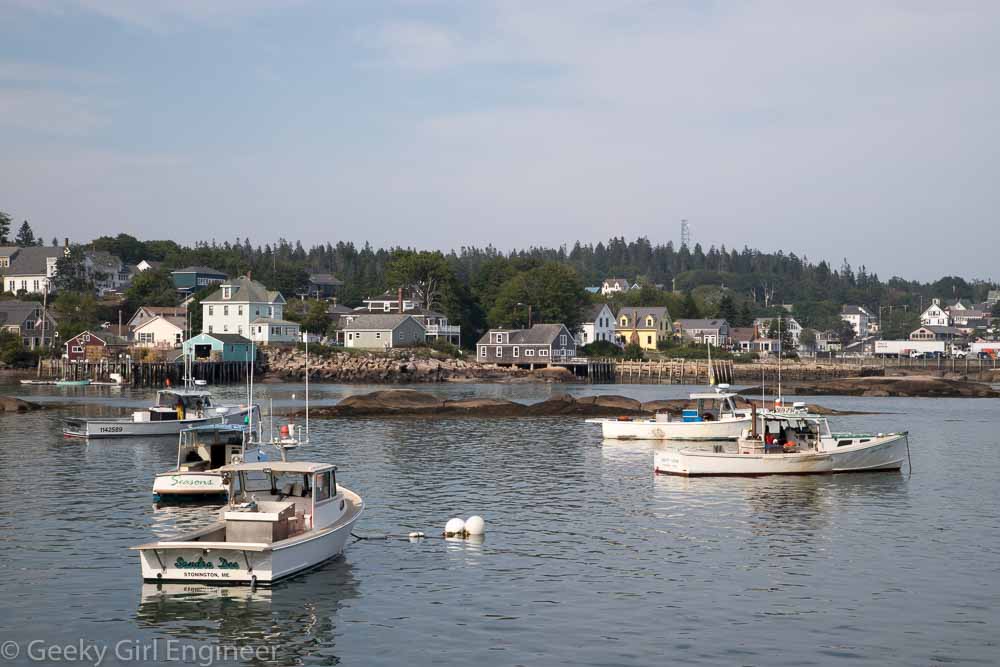
I’m visiting a relative who lives in Maine’s Blue Hill Peninsula, and today she gave us a tour of the area including Deer Island. The area is a combination of forests, grasslands, and seashore, which one visits via very windy and hilly roads. On these roads and in the few towns of the area are beautiful old houses. Many of the houses have beautiful gardens that seem to show how much the residents relish the summer and relief of the long, cold winters. The residents of the area also use lobster buoys for various non-lobster uses including decorating.

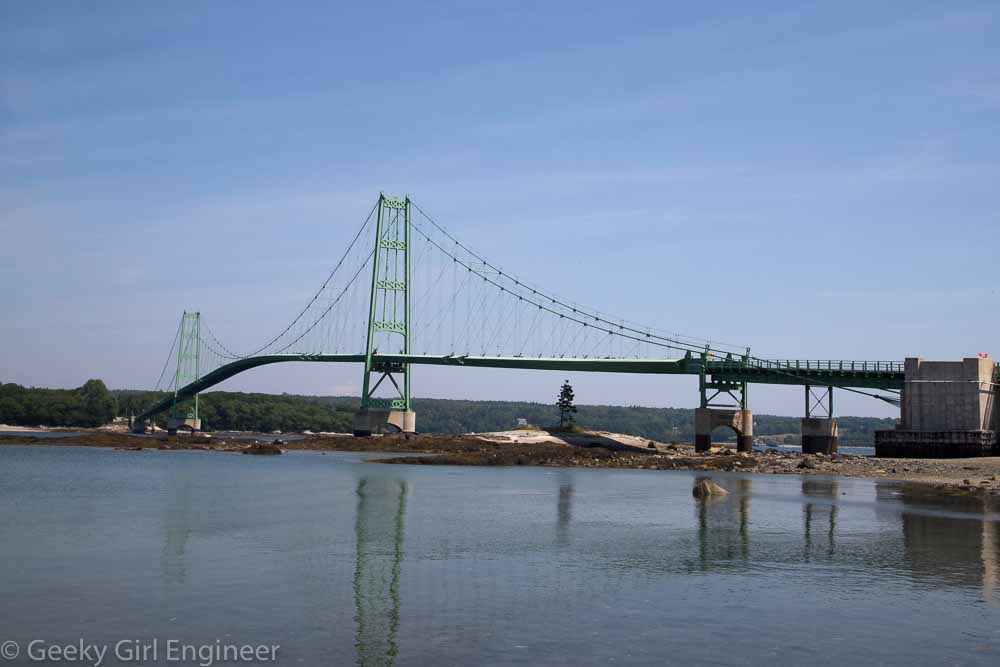
Deer Isle Bridge

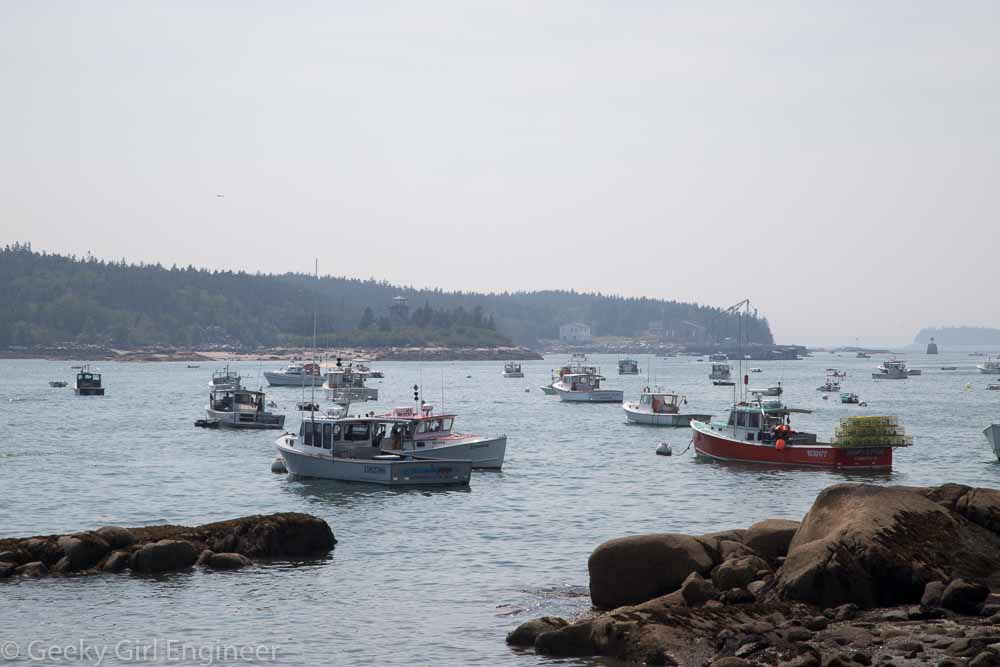
Stonington Harbor

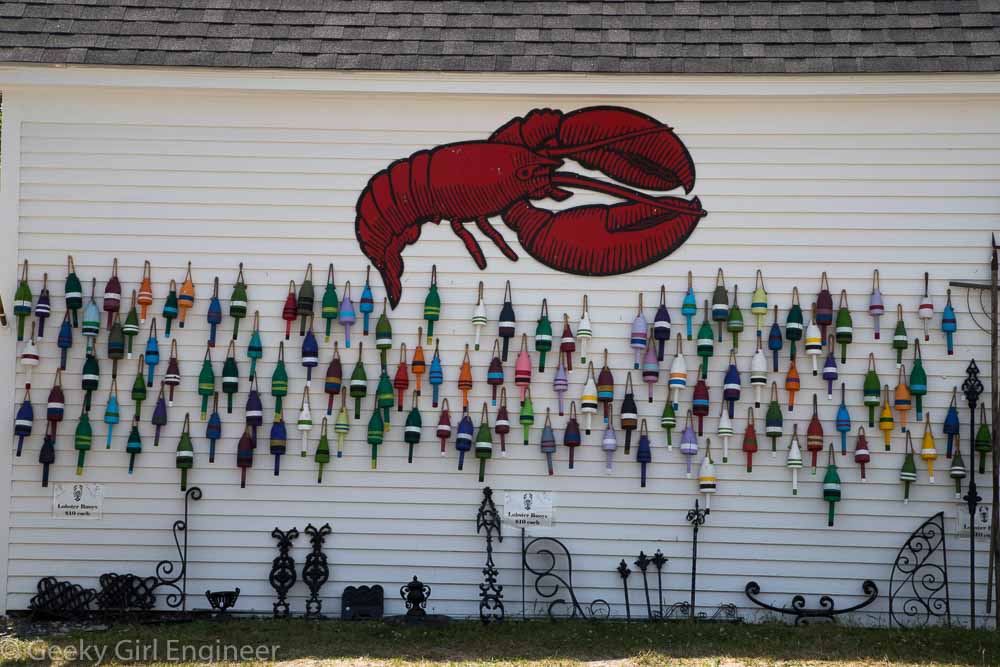
New lobster buoys for sale (probably for non-lobster purposes)

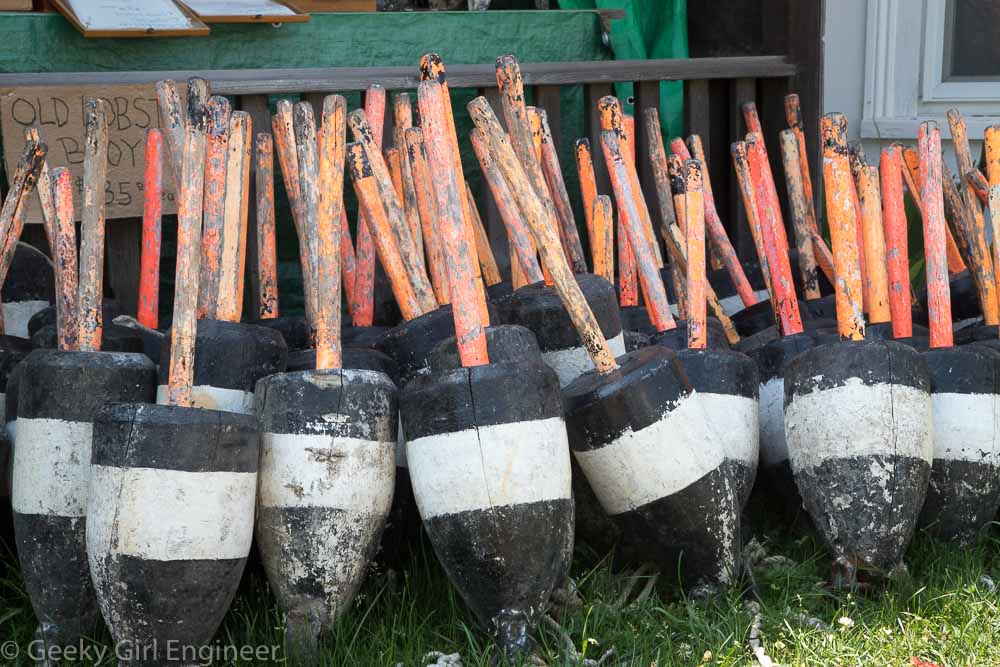
Old lobster buoys for sale

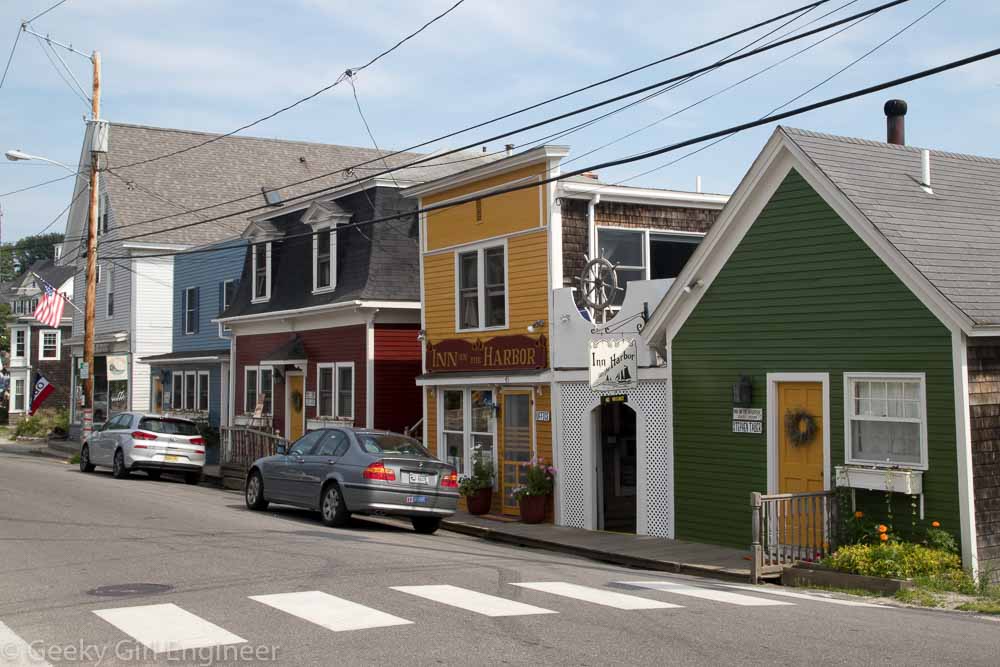
Stonington

Stonington

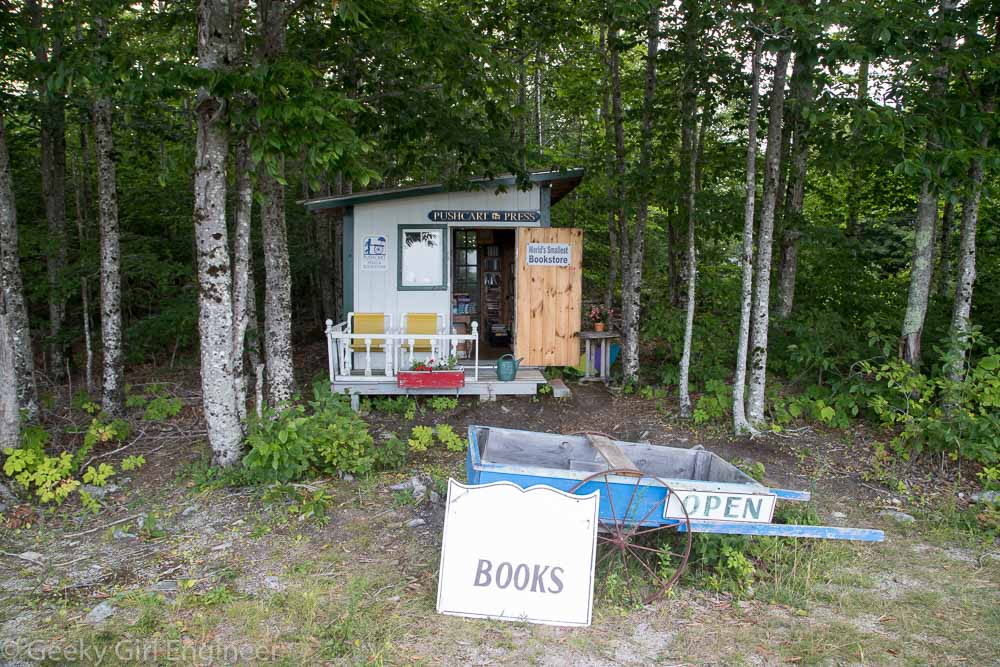
World’s Smallest Bookstore

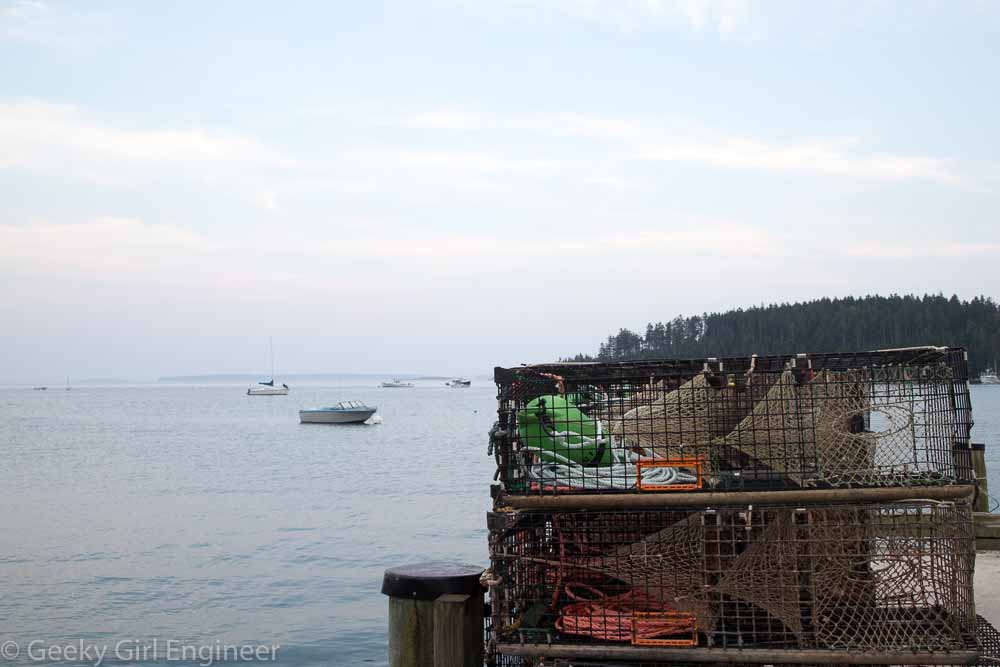
Lobster traps ready for use

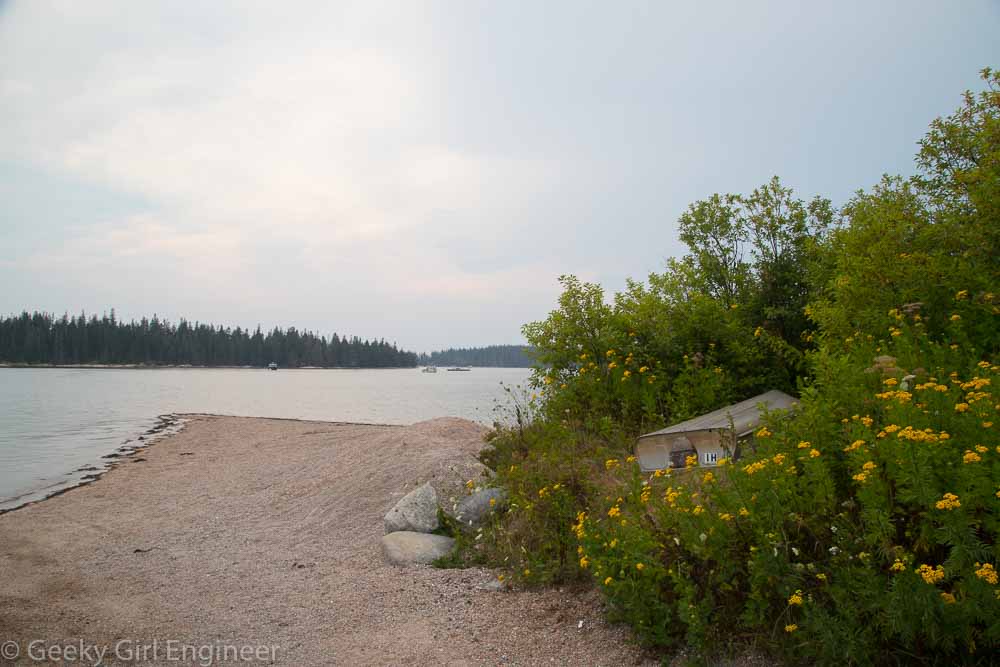
Naskeag Point

Providence, Rhode Island

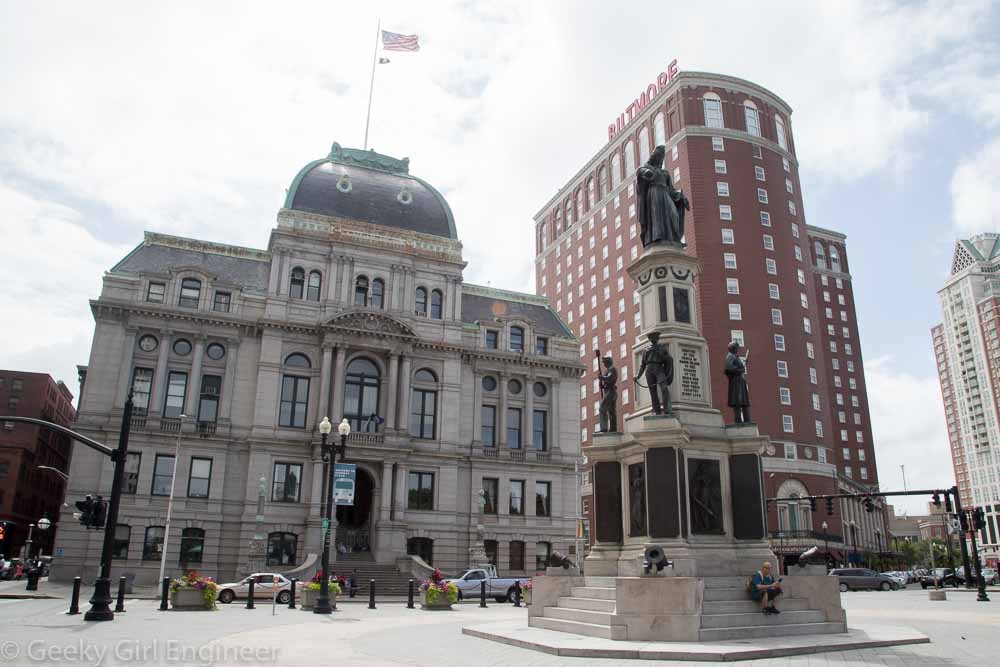
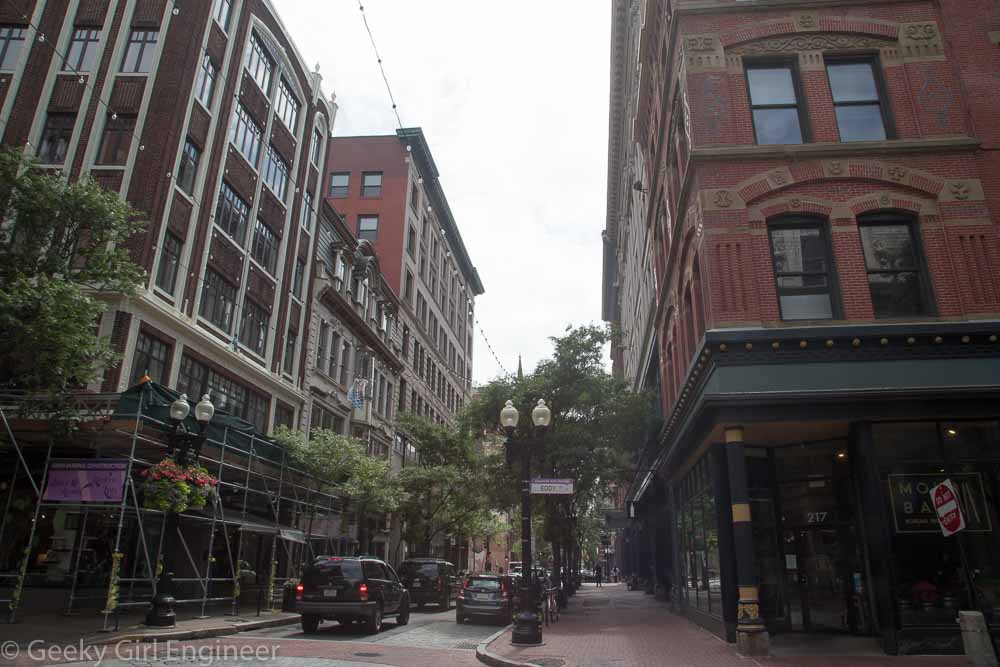
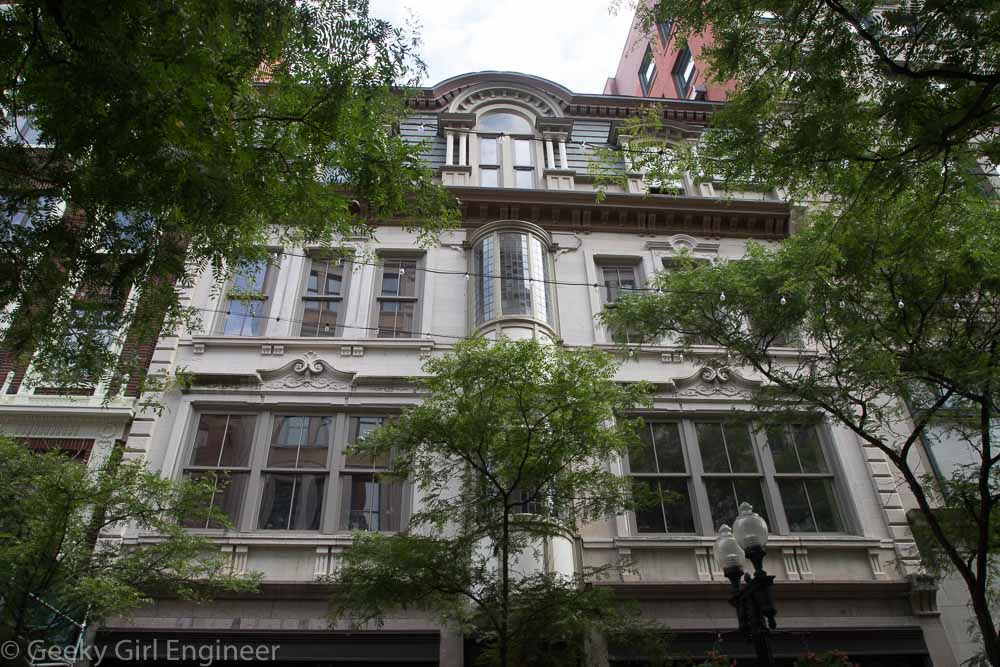
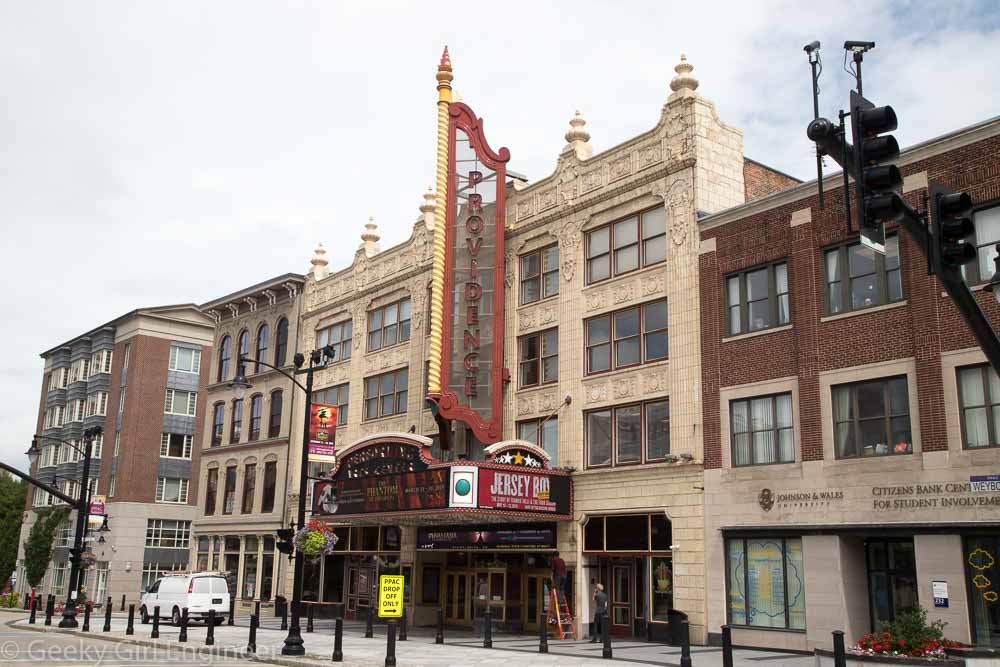
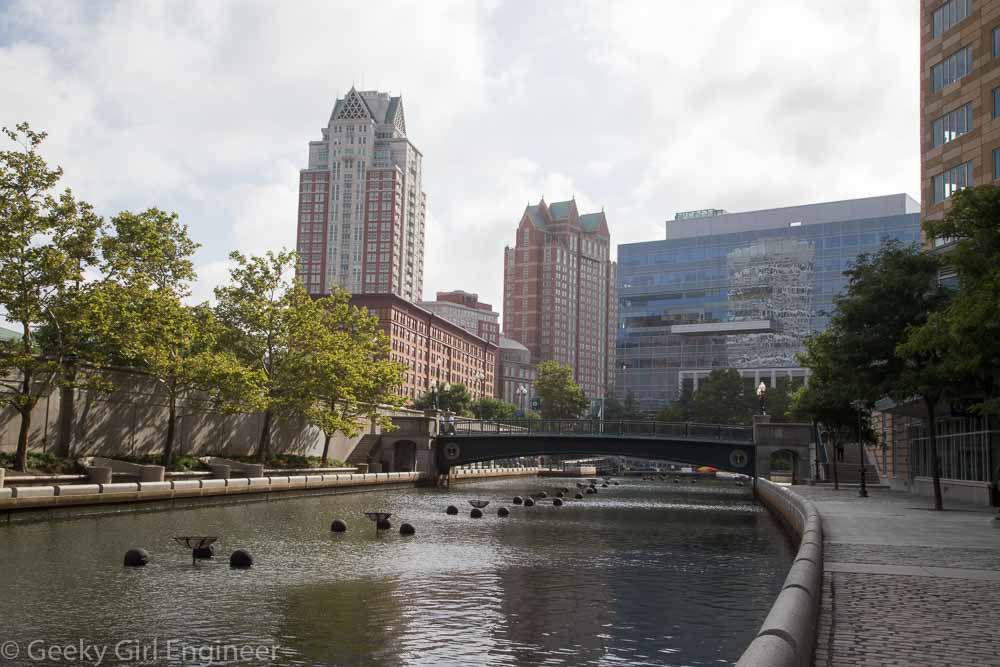
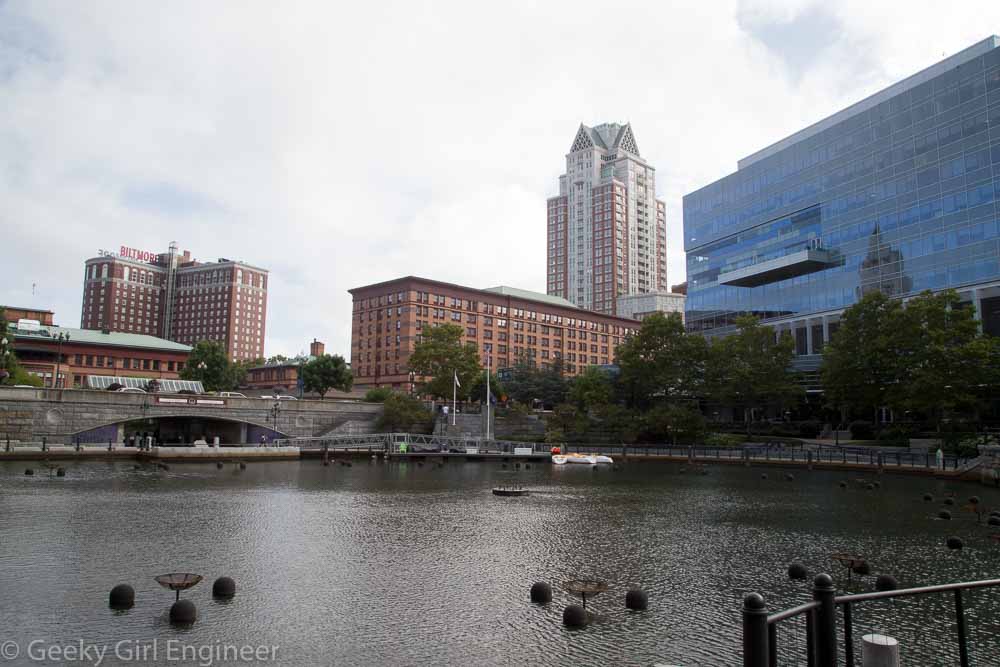
When I travel to a new city, I like to just wander around taking photos. I am in Providence, so that is what I did. Providence is like a lot of old U.S. cities with old historic buildings mixed in with new buildings. I like old cities that preserve at least some of those old buildings. Providence has done that. It also has lots of river walk type areas, which makes for pleasant wandering.

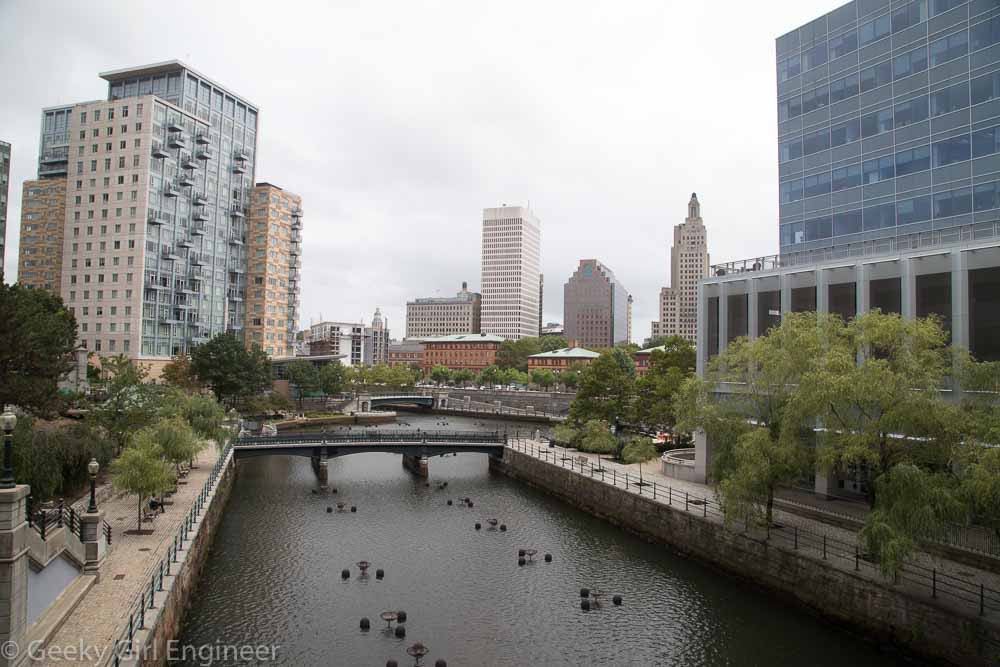
One of many river walk areas

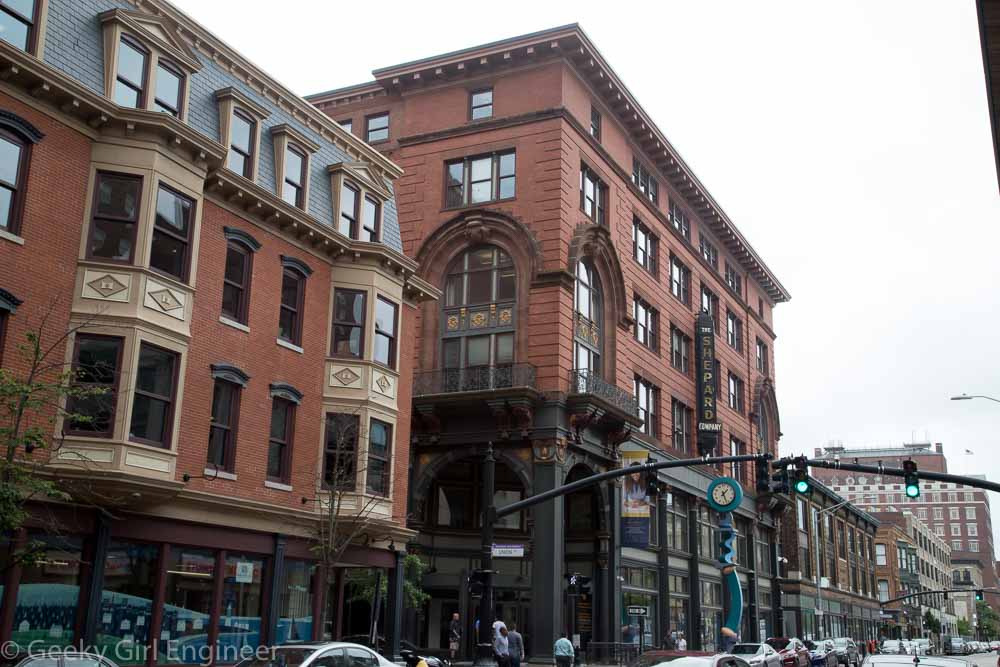
Historic buildings line downtown streets

Providence City Hall

Narrow cobblestone streets

Old but renovated building

Performing arts center

Riverwalk area

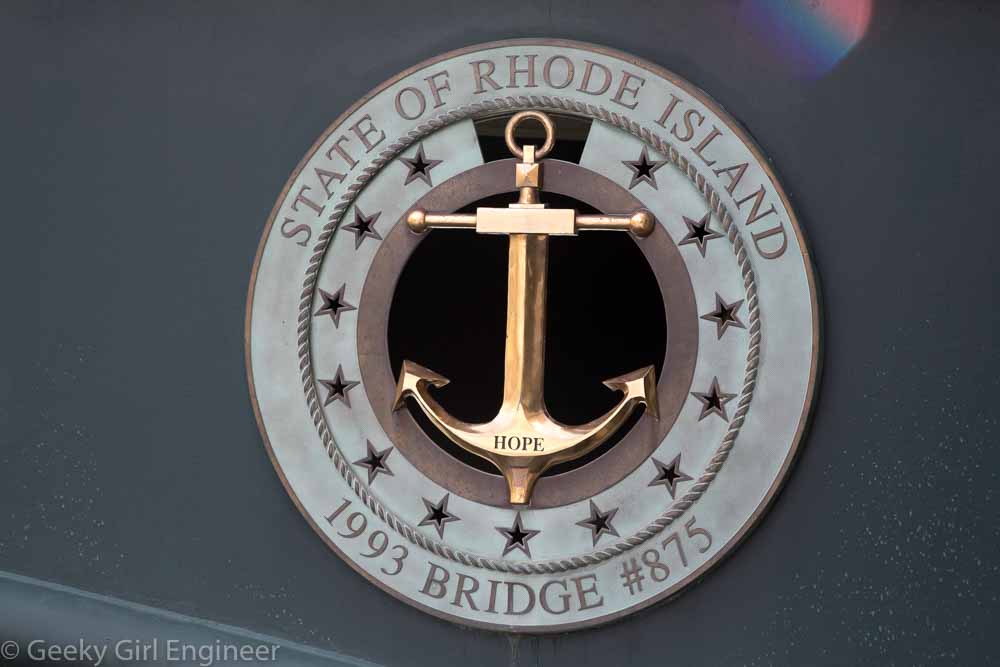
State seal is on all bridges in some form

Riverwalk “pool” area

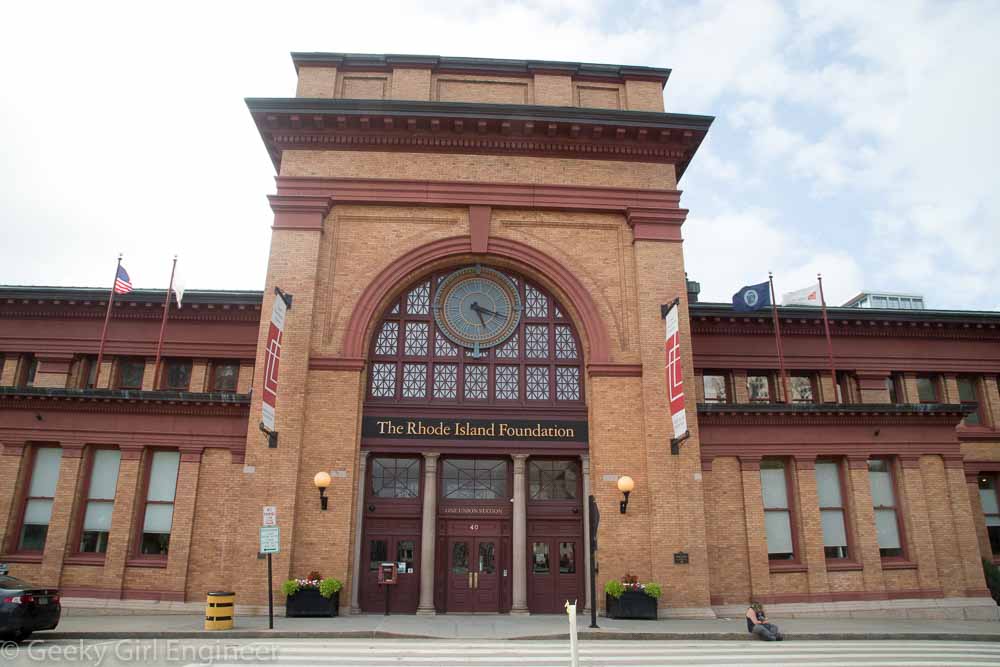
Old train station converted to new use

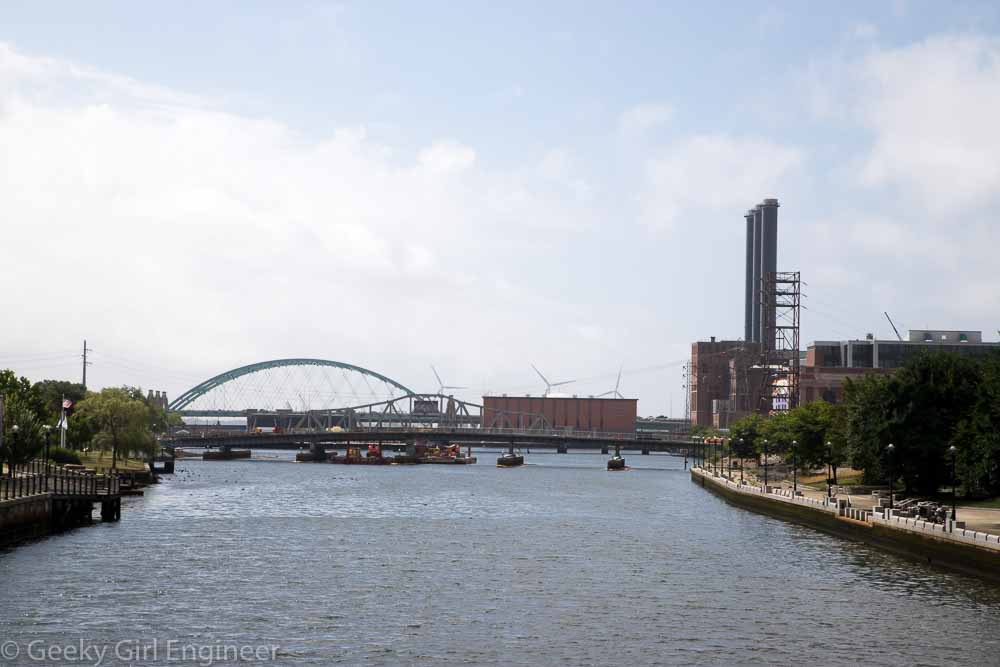
Looking down the Providence River

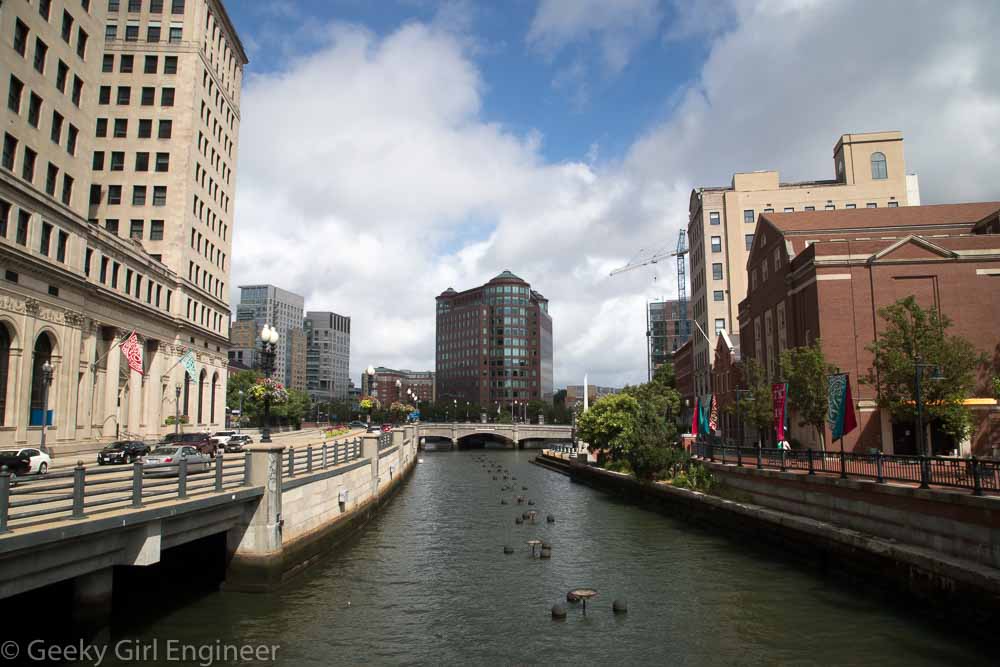
Providence River, looking upstream to the city

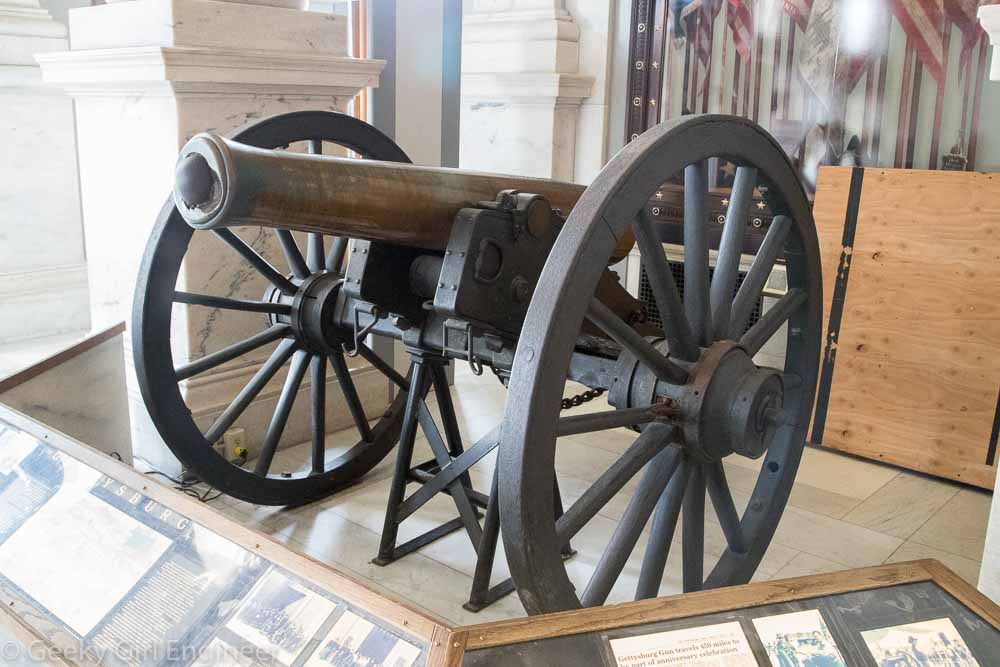
Gettysburg Gun

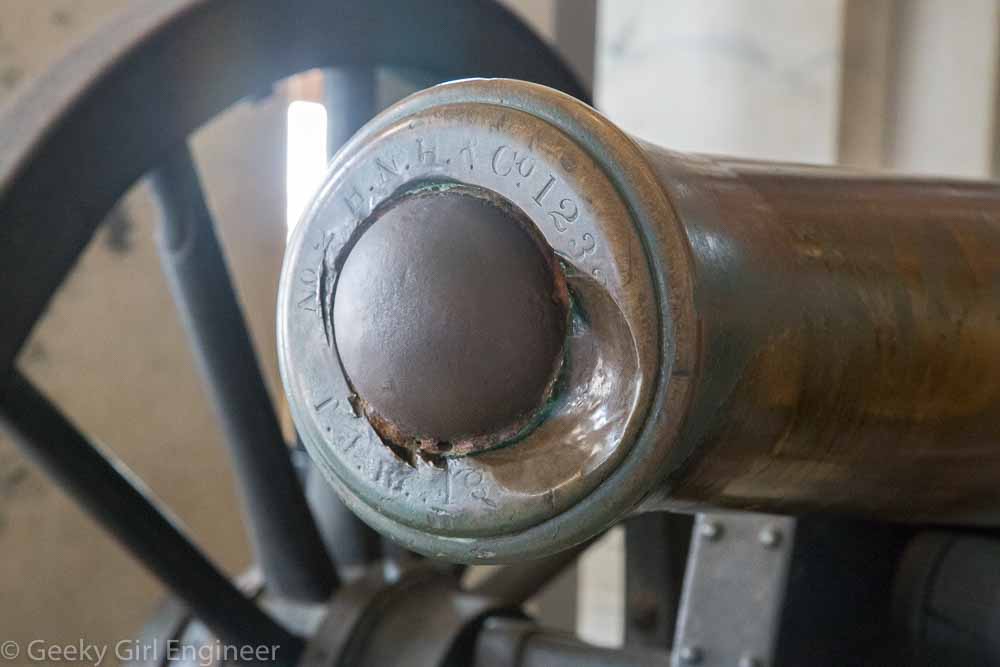
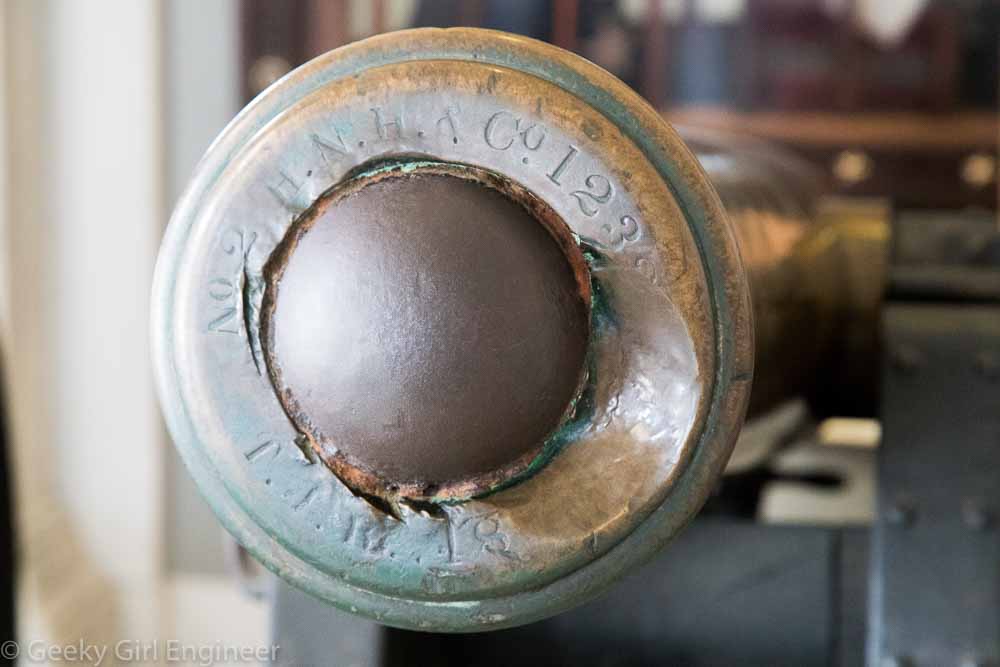
Right past security at the entrance to the Rhode Island State Capitol, is the Gettysburg Gun. This cannon was used by Battery B of the 1st Rhode Island Light Artillery as they fought for the Union at Gettysburg in 1863. During the battle, members of the artillery was attempting to reload the cannon when it was struck by a Confederate shell. You can clearly see the dent on the left side of the bore. Two members of the artillery were killed, and other members attempted to keep reloading the gun, but the shell had compressed the mouth enough that the ball would not fully go in the gun. The men tried hammering the ball in, but the gun was hot from being fired numerous times and from being struck. Thus the gun was starting to cool after not being fired for several minutes, and the ball became permanently lodged in the mouth. It probably somewhat melted into place.

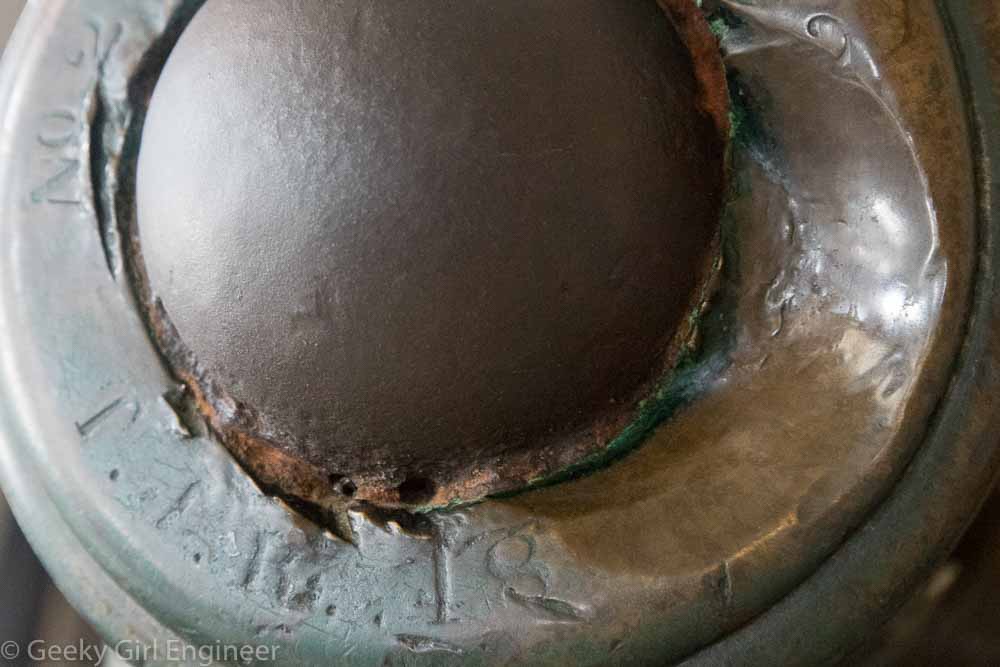
The gun became somewhat famous and a remembrance of the battle. It was put on display in Washington then in Rhode Island. It sat at the entrance to the Rhode Island Capitol for decades. Now here is the part I find most fascinating. It was not until 1962 that it dawned on people that the gun powder is loaded into a gun of this type BEFORE the ball is loaded. The ball got stuck while they were trying to load it. Hence in 1962 it finally occurred to some people that there was probably gun powder sitting in the barrel. Very old gun powder. Probably very unstable, old gun powder. Naval ordnance personnel and Rhode Island Army National Guard temporarily took the gun away. They put it into a pool and drilled two holes into it. You can see at least one of the holes on the front. It looks like two, but I am not positive if both are the drilled holes. Sure enough, there was gun powder in there. They flushed out two pounds of gun powder. They left the barrel flooded with water to disarm any residue gun powder before returning it to the capitol.

Our tour guide said the moral of the story is never stop asking questions. This gun was rendered safe because some nameless person asked questions and possibly prevented a horrible incident. I think one of the morals is assume all weapons are loaded. In my line of work as an environmental engineer, when I go to a site, I assume the site is contaminated until proven otherwise. When it comes to safety, plan for the worst, hope for the best. Even if that means a 100 year old weapon.

Gettysburg Gun

Close of mouth where dent from shell strike is clearly visible

Another close up of mouth

At least one of the drilled holes is visible right where the ball meets the cannon mouth at 6 o’clock (if this were a clock). There appear to be two holes but I can’t verify if those are both drilled holes.

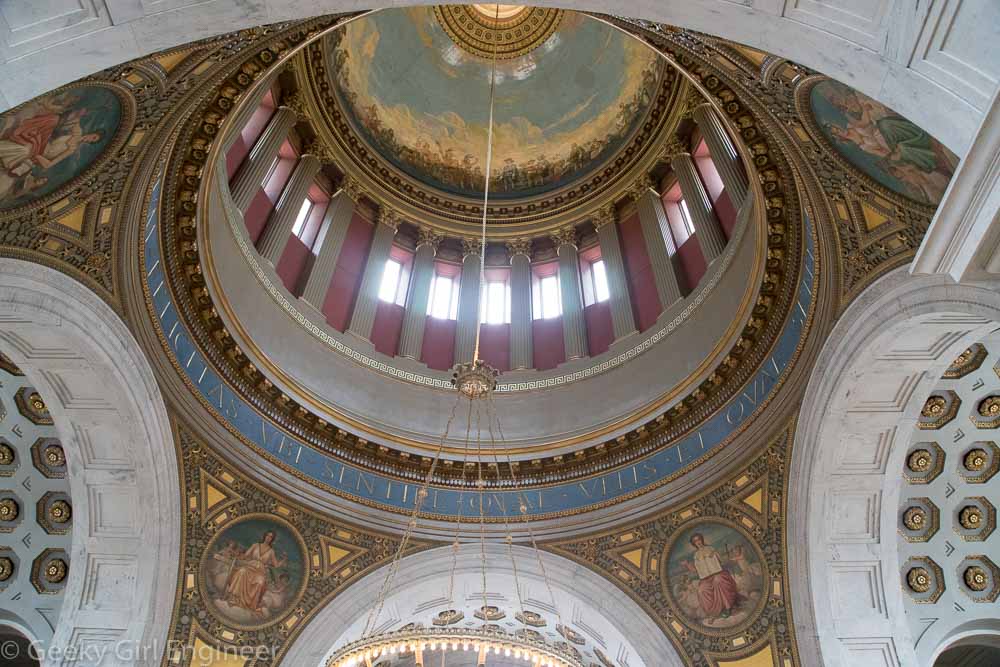
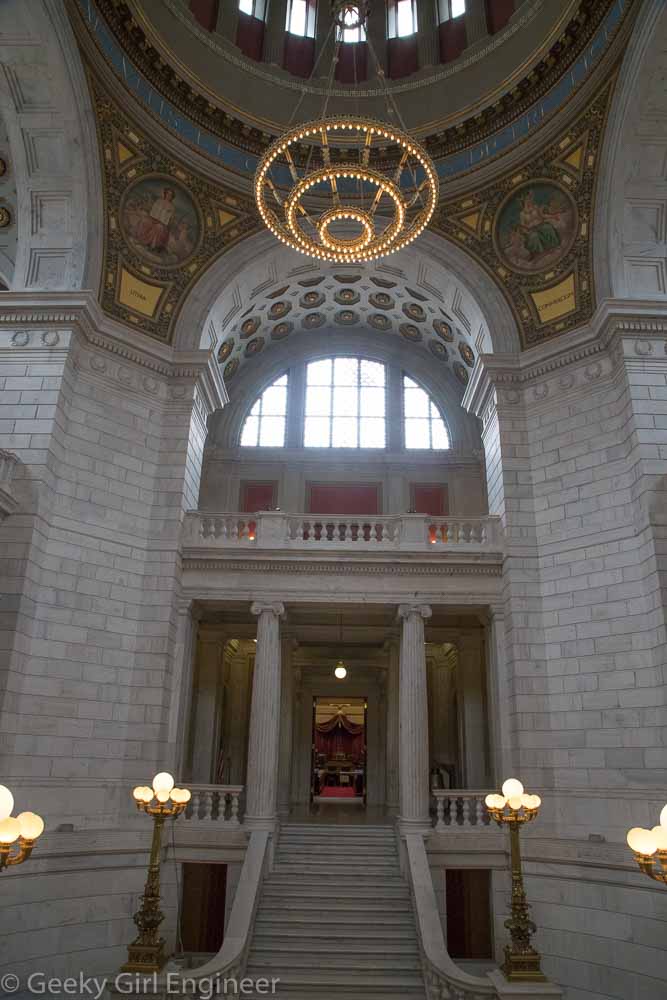
Rhode Island State Capitol

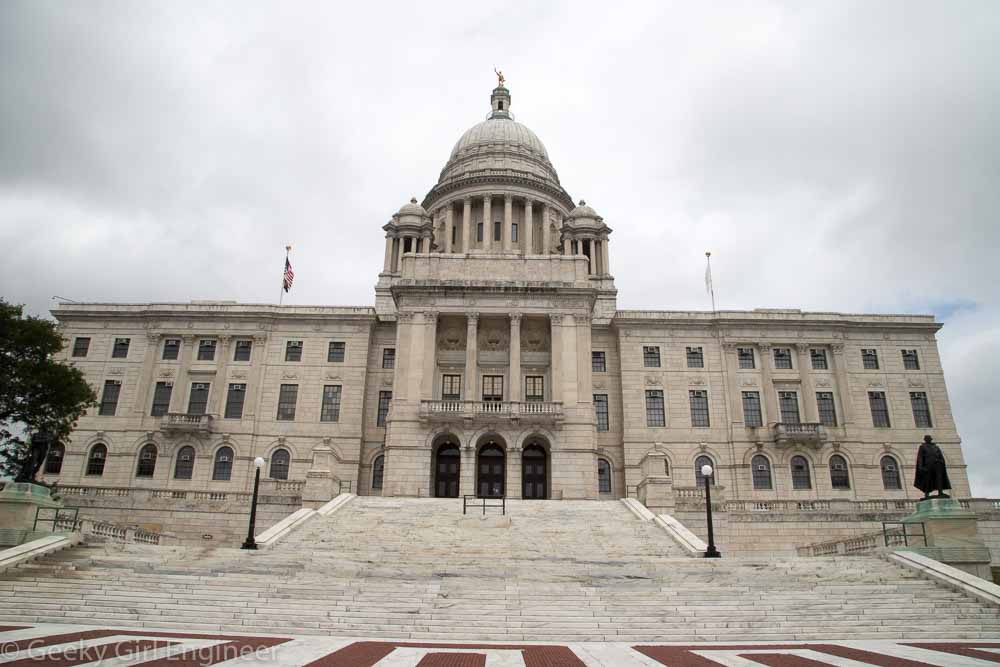
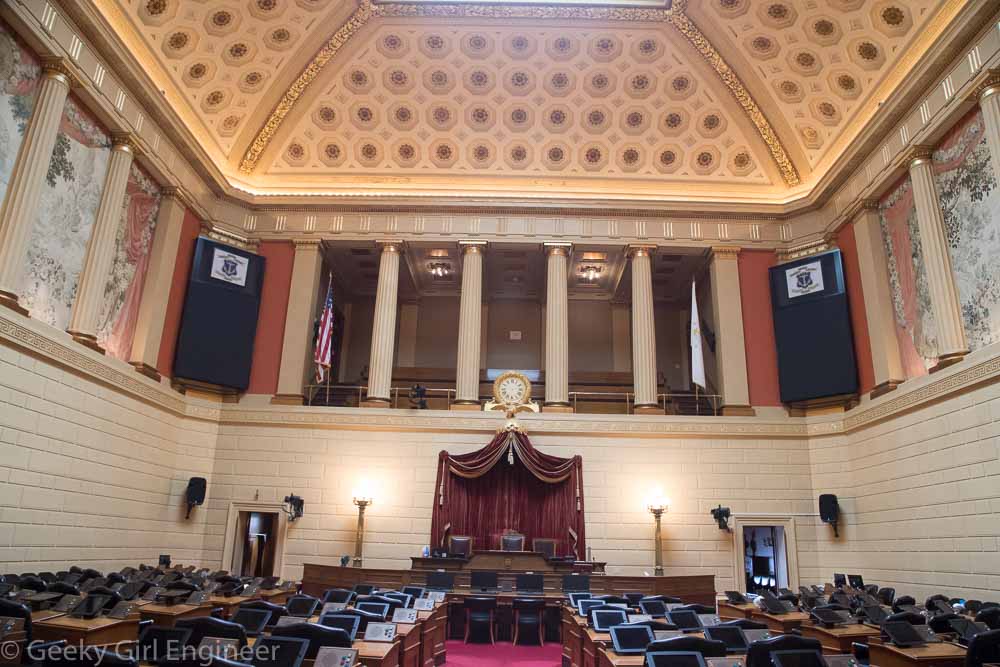
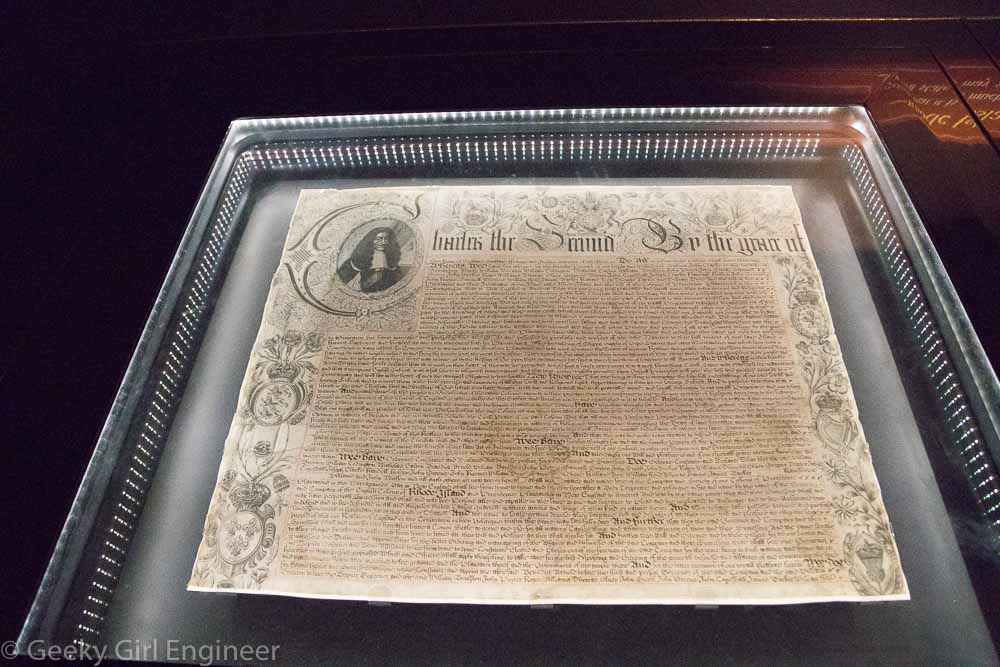
I visited the Rhode Island State Capitol today. One of my many travel goals is to visit all the state capitols. Like most states, Rhode Island has a lovely state capitol. I learned quite a bit on the tour I took. First trivia I learned is the official name of Rhode Island is actually the State of Rhode Island and Providence Plantations. Tiny state. Big name. Second thing I learned was that the present capitol was finished in 1904. There were several state houses before that, and for some time, the state legislature had no house and met sometimes in people’s houses. I can’t imagine having the entire house of representatives meet in an actual person’s house.

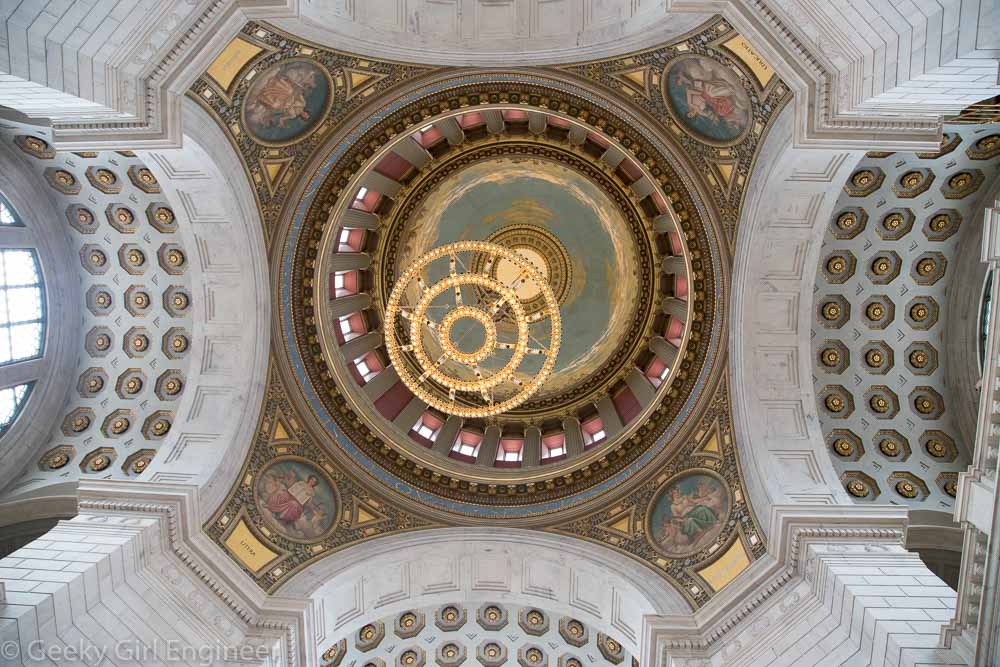
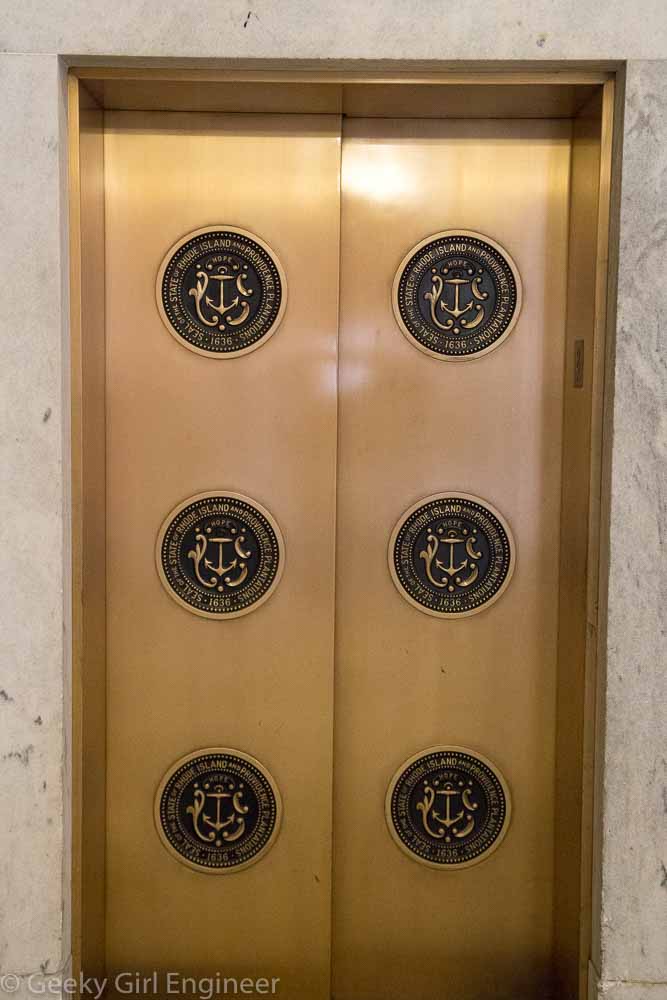
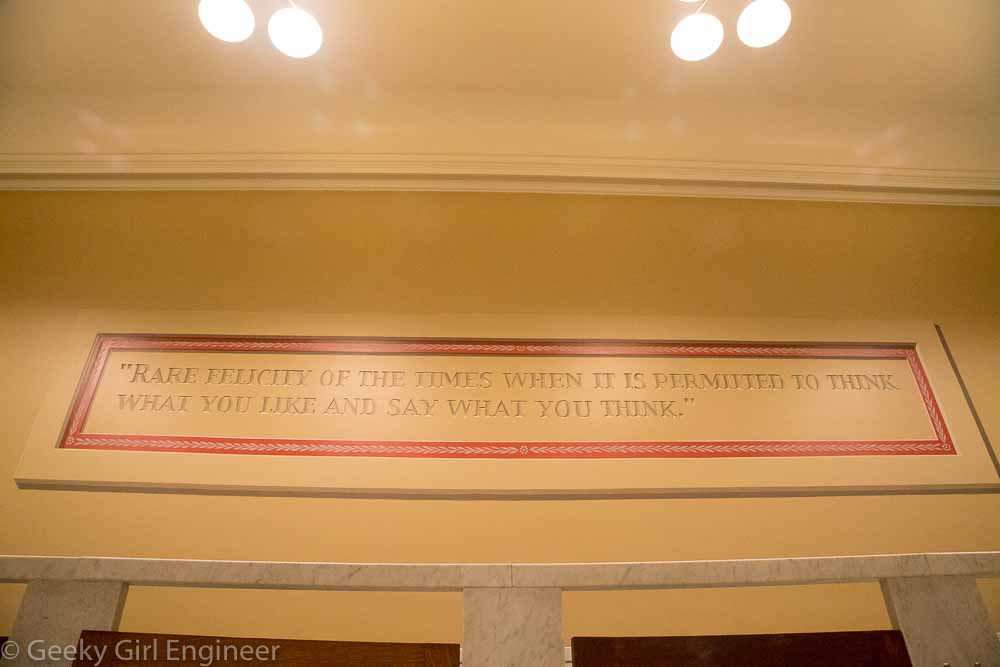
I digress. The capitol is beautiful and for the most part what you expect. It has the 5th largest marble dome in the world. [More trivia for you.] Lots of marble, brass, and painting. Not the fanciest one I have seen. It has lots of anchors to compete with Massachusetts’s fish everywhere. However, Rhode Island definitely wins bonus points for the motto in the women’s restroom. Photo below. I have no idea what is in the men’s restroom.

Finally see my next post. They have a cannon from Gettysburg at the entrance, and there is a really great story about it. So great, I am going to give it its own post.

Rhode Island State Capitol

Center dome

Center dome

Under the center dome

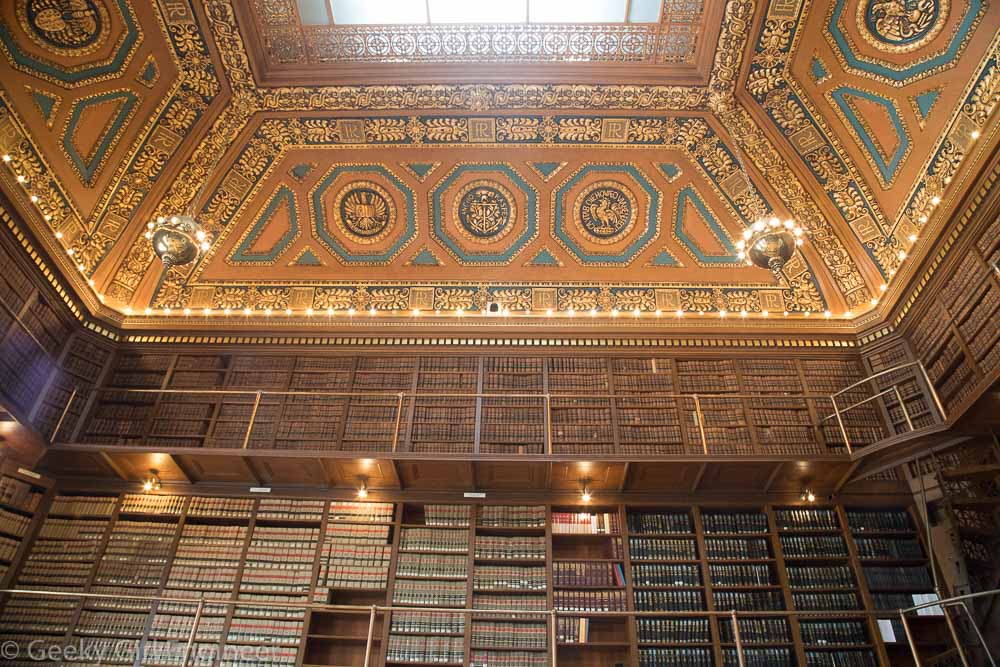
State house library. Ceiling decorations are meant to look like old book covers with printer’s seals.

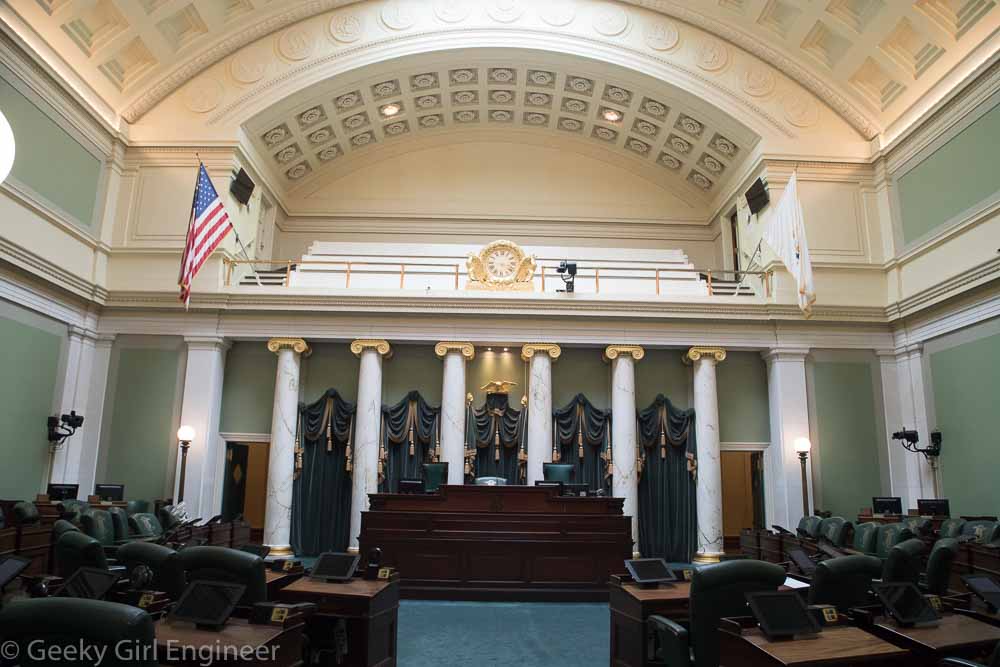
Senate Chamber

House of Representatives chamber

Elevator door

Motto painted on wall of the women’s restroom

Original state charter from King Charles II of England

MTA’s Jamaica Yards

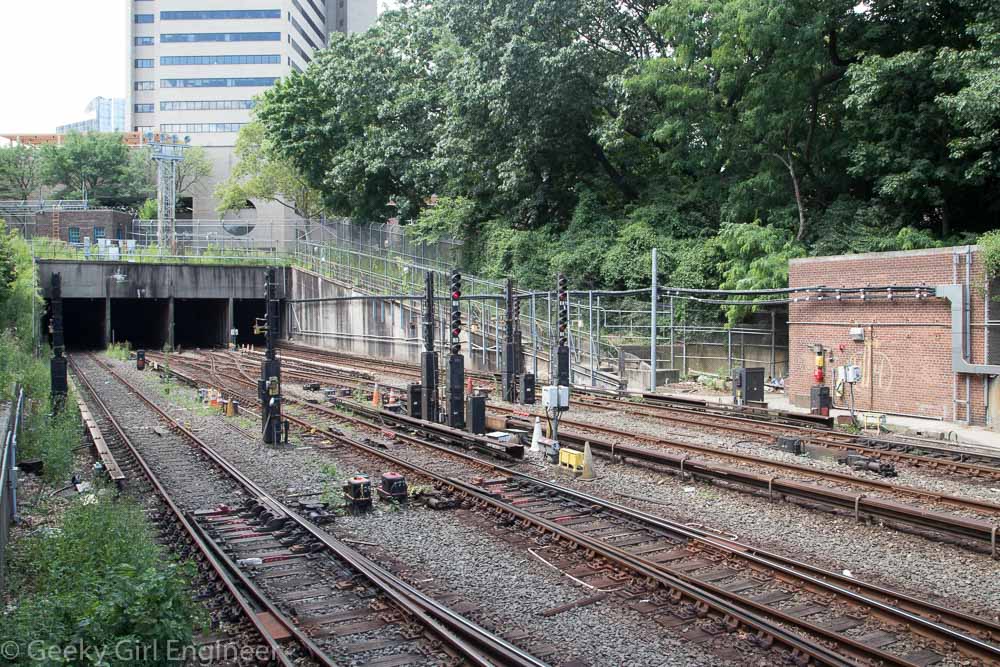
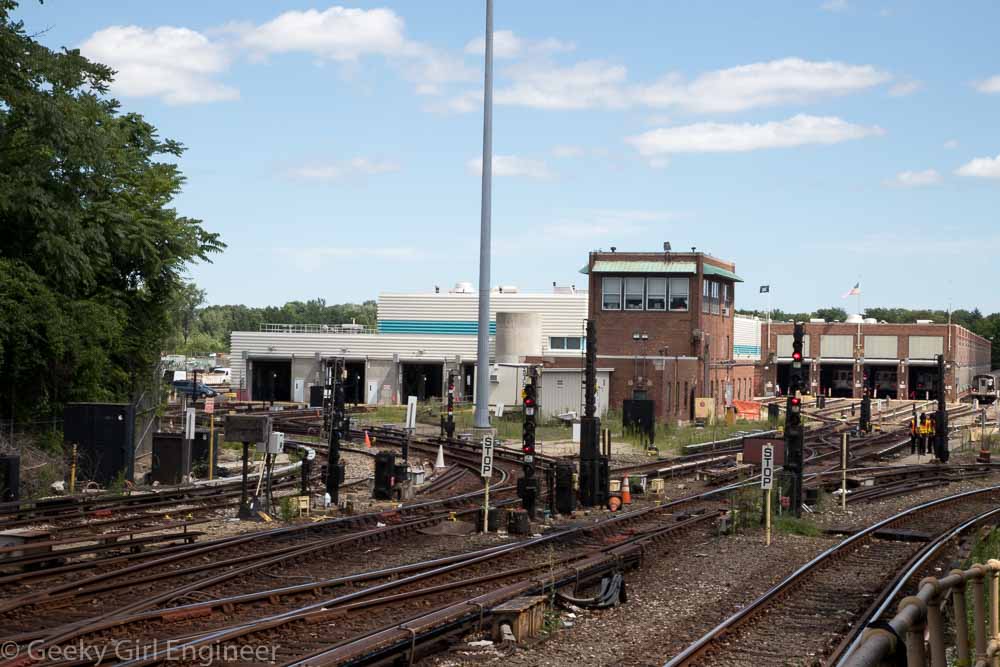
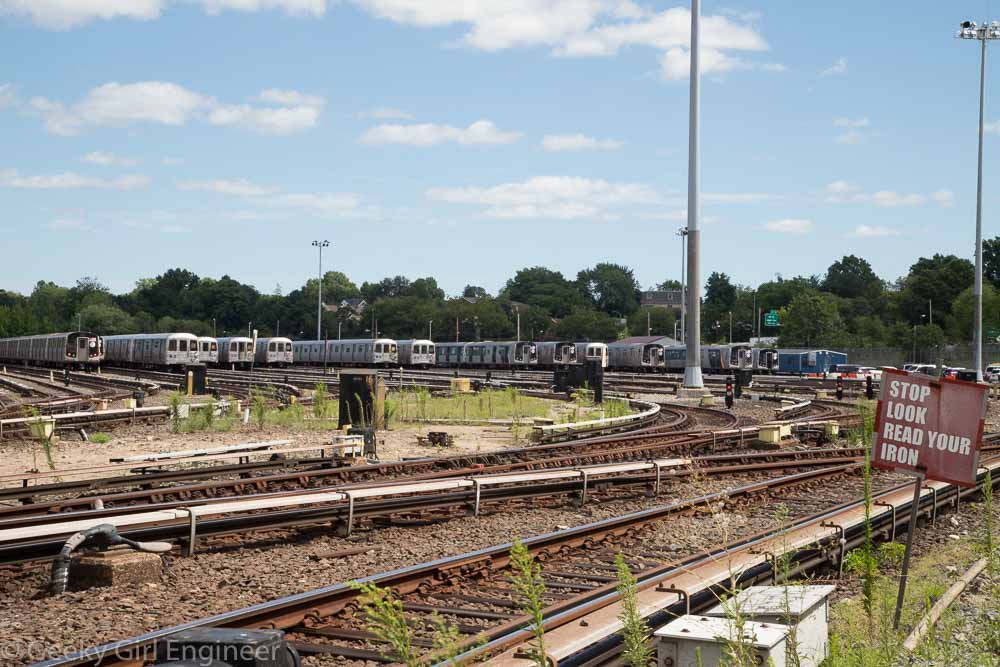
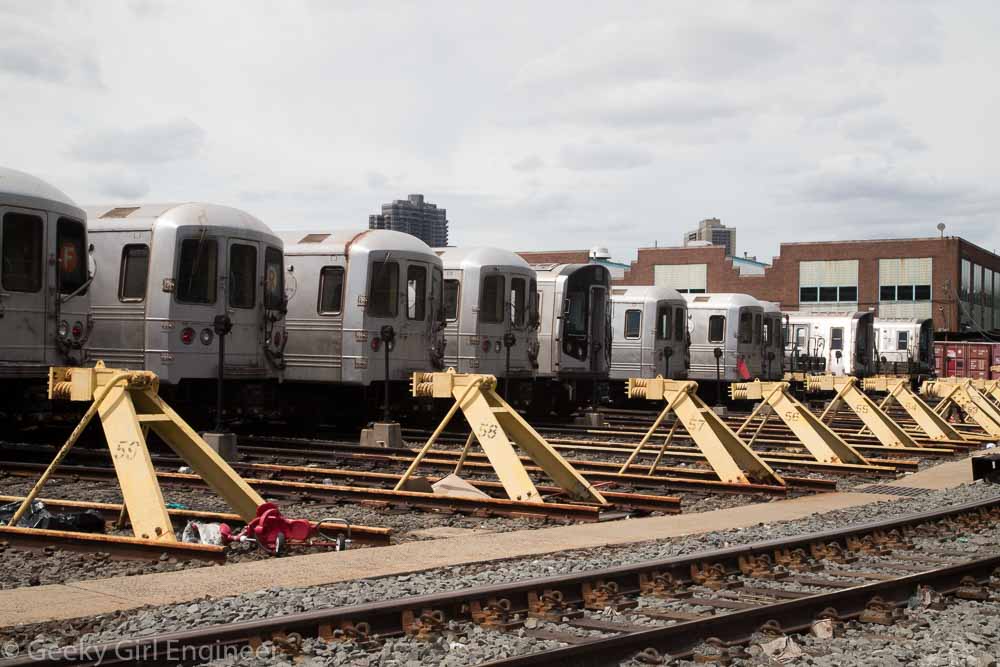
I took another tour with the New York Transit Museum today. This one was of Jamaica Yards in Queens, where maintenance is performed on subway cars. I love touring these yards. Jamaica Yards was different then some of the other ones I have toured in that it has a bit more space. Not a lot, but at least a little more. Every time I go on one of these tours I learn and retain just a little more.

Subway cars enter the yards from this tunnel

Jamaica Yards repair sheds

Jamaica Yards. “Stop look read your iron” is a warning to drivers to be alert where they are going. “Iron” refers to the rail.

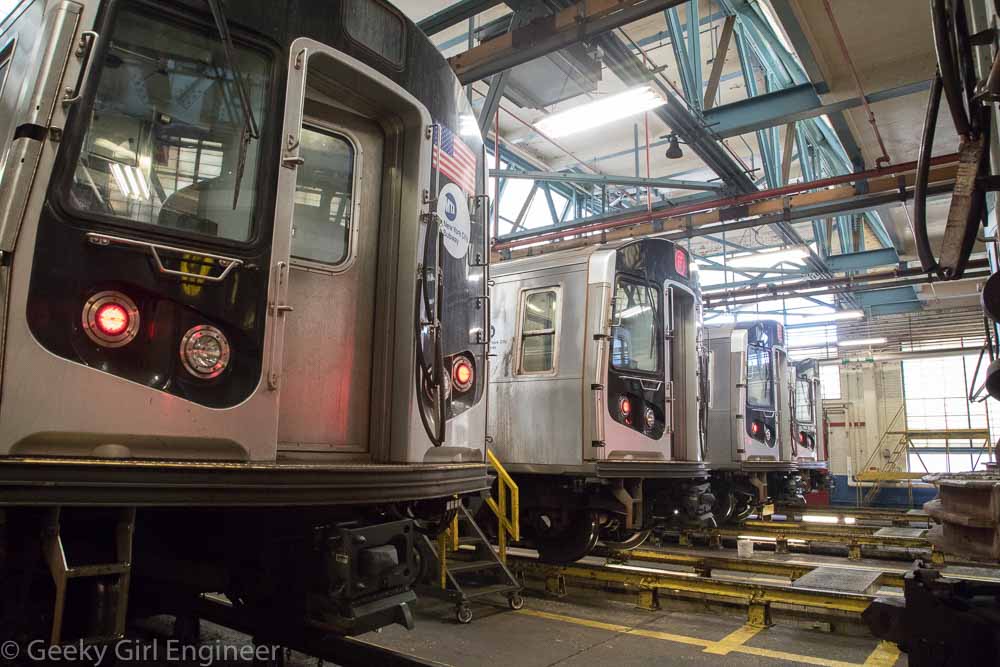
Trains lined up in the yards

Trains in the maintenance shed

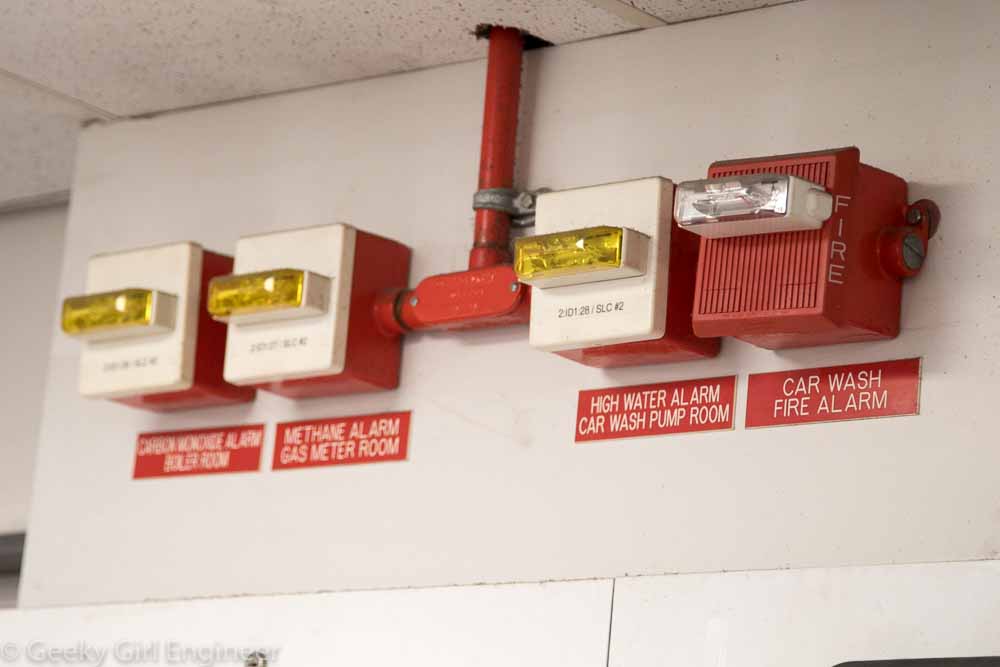
Of course I am going to be interested int the safety measures. These lights read: Carbon monoxide alarm boiler room, methane alarm gas meter room, high water alarm car wash pump room, and car wash fire alarm.

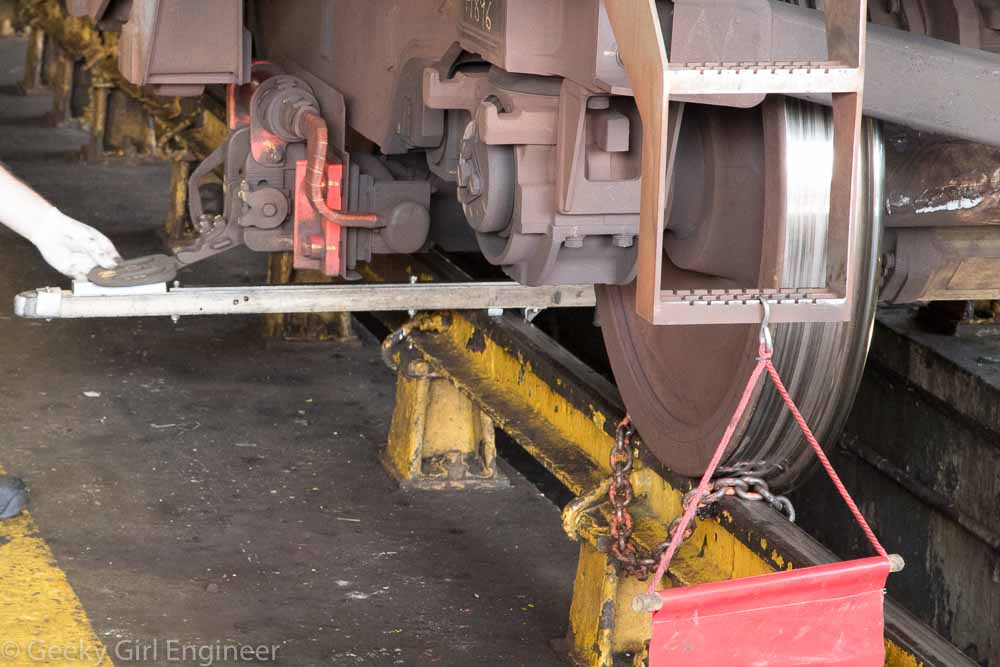
One of the workers shows us how they test that the shoe, which contacts the third rail, is at the right height

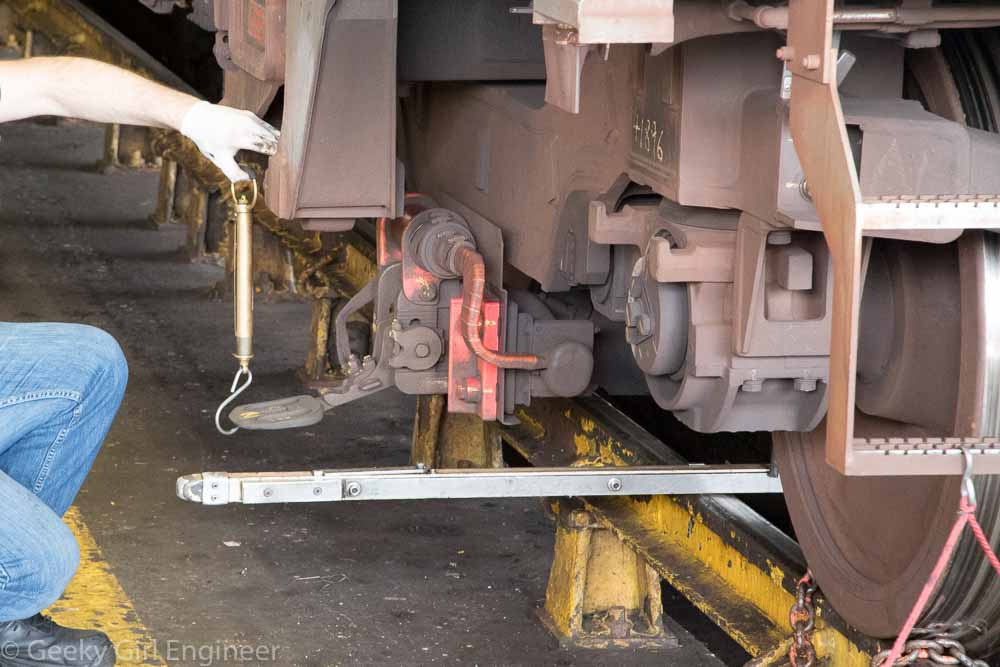
One of the workers shows us how they test that the shoe, which contacts the third rail, has the correct tension