Hudson River Valley by Train

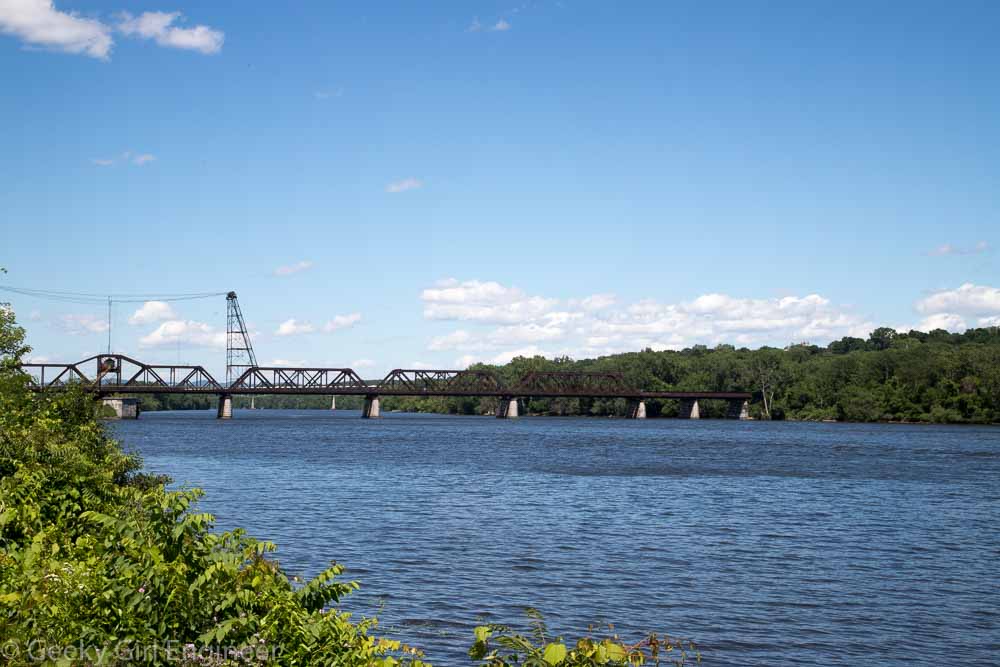
I just got back from a very short trip to Albany, but the main reason I went to Albany was for the train ride up there. Amtrak has several train routes that go from New York City to Albany. I have taken two of these routes before, and I just love the view. I spend almost the entire time staring out the window at the gorgeous Hudson River, which can be seen during the vast majority of the ride. Below are a few photos I took on the route. The first six were taken on the train ride up to Albany as a storm was passing through and the sun was setting. The last three were taken on the way back down to New York City.
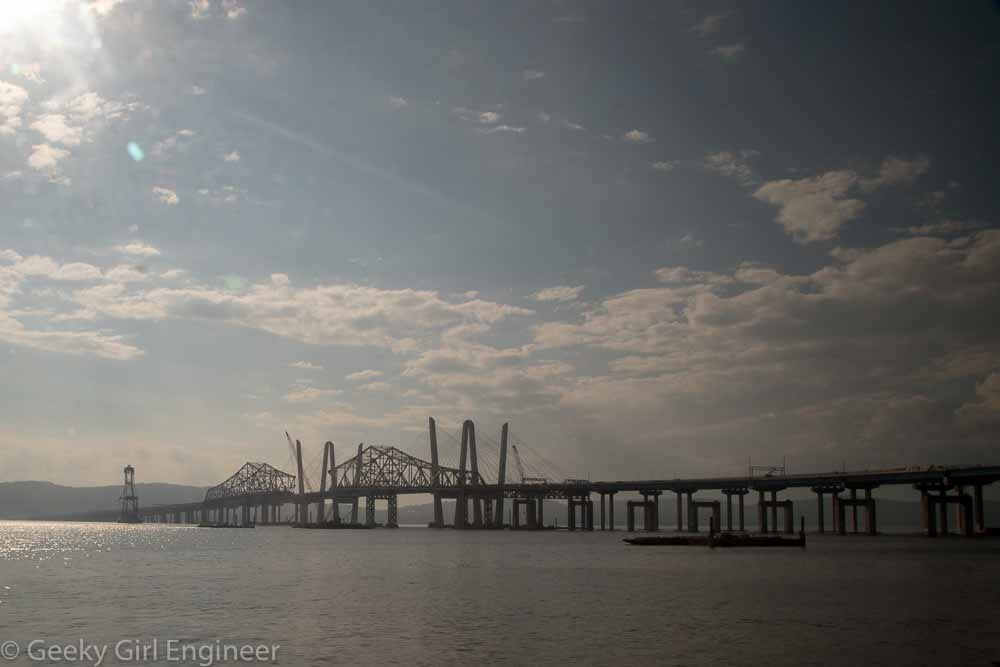
Tappan Zee Bridge, old one being deconstructed in front and new one in back
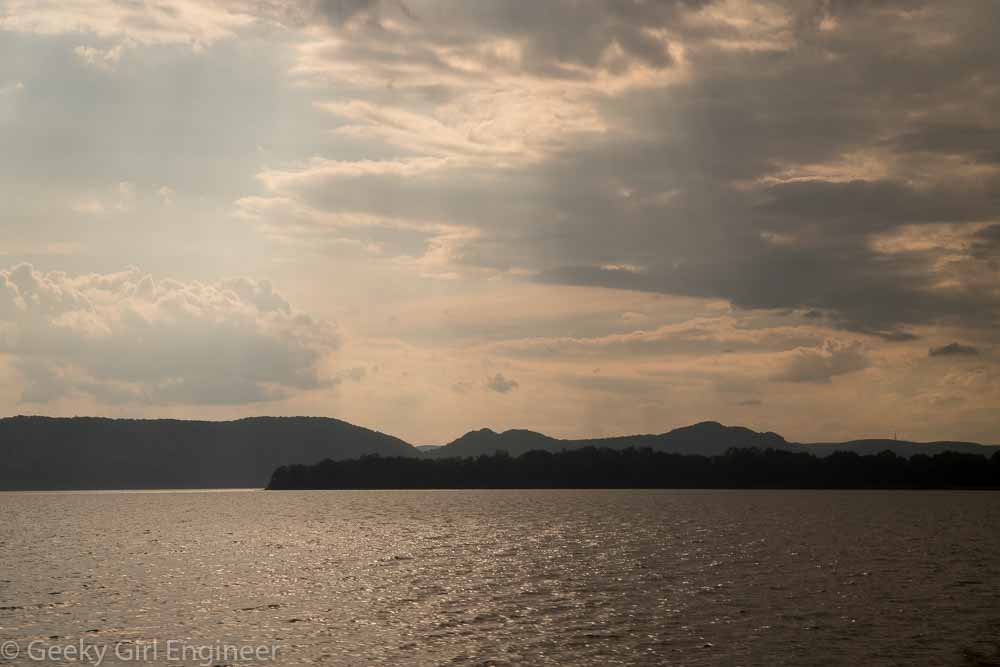
Near Tappan Zee
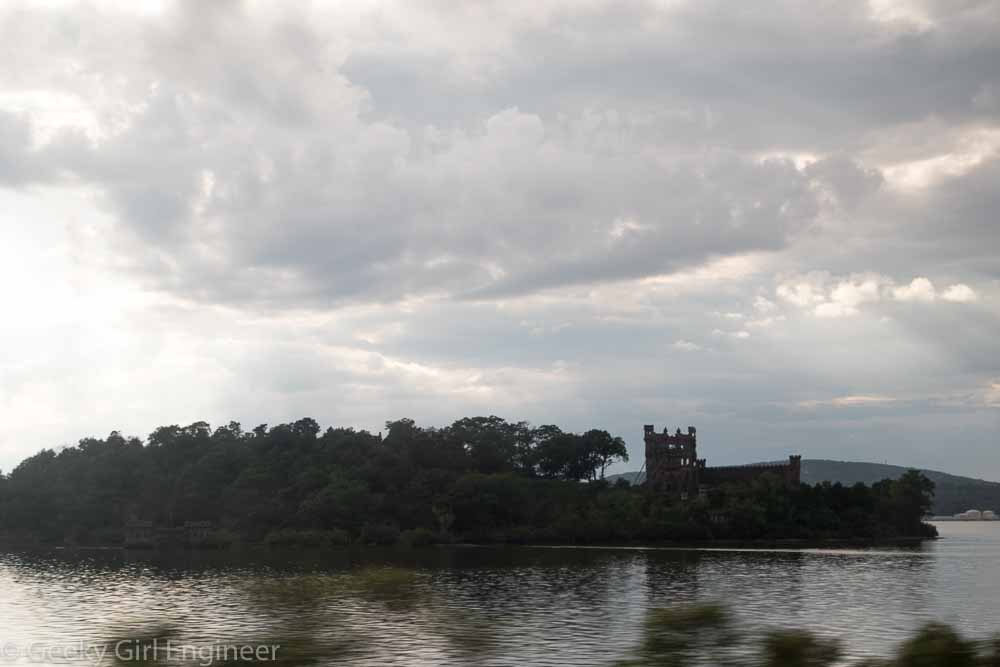
Bannerman Castle
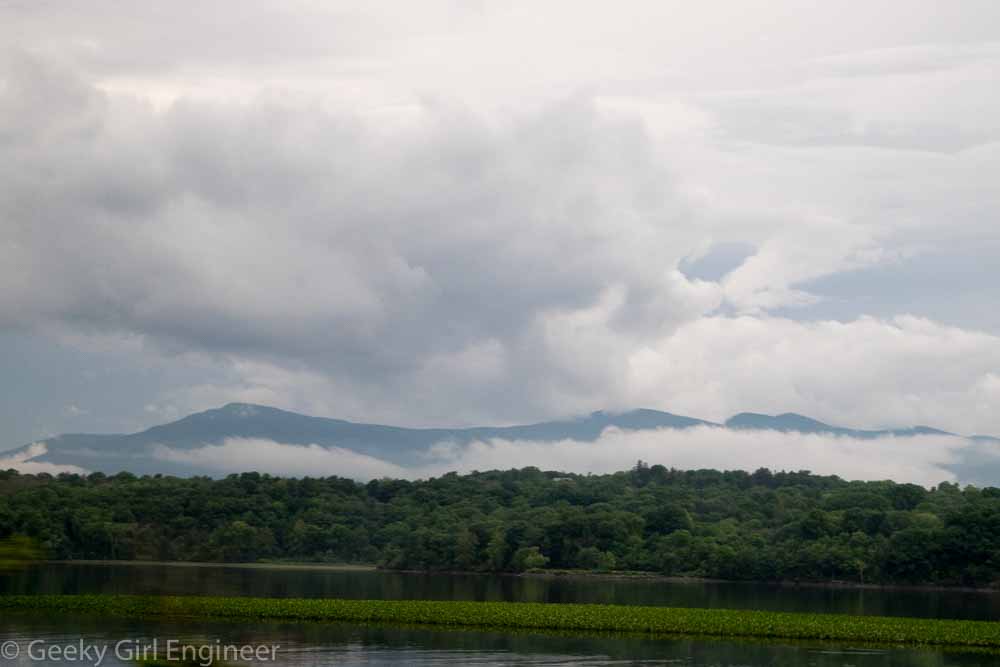
view of area near Saugerties
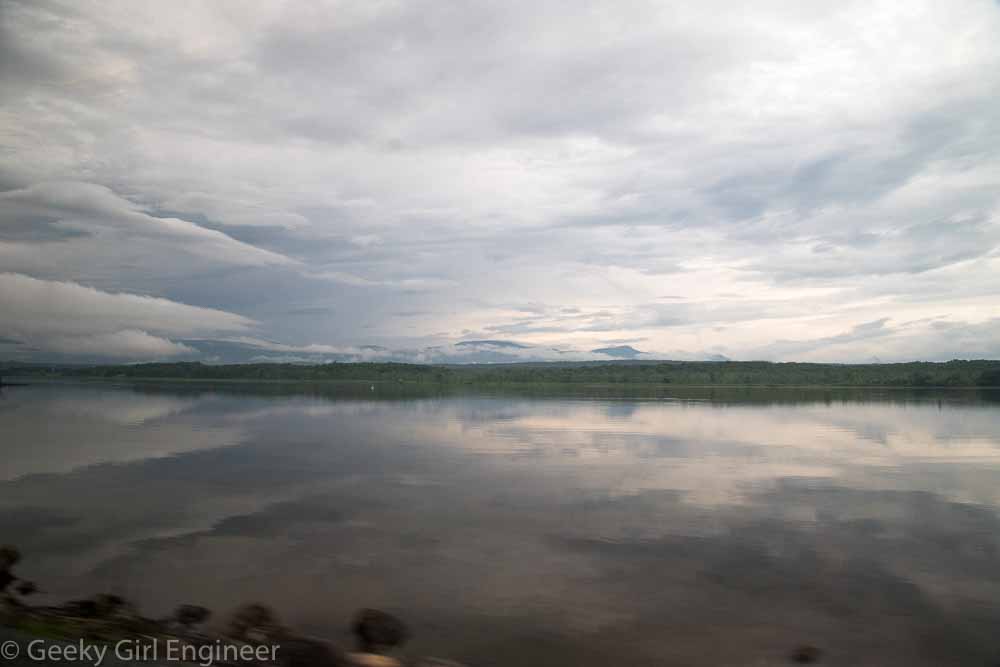
view of area near Catskill
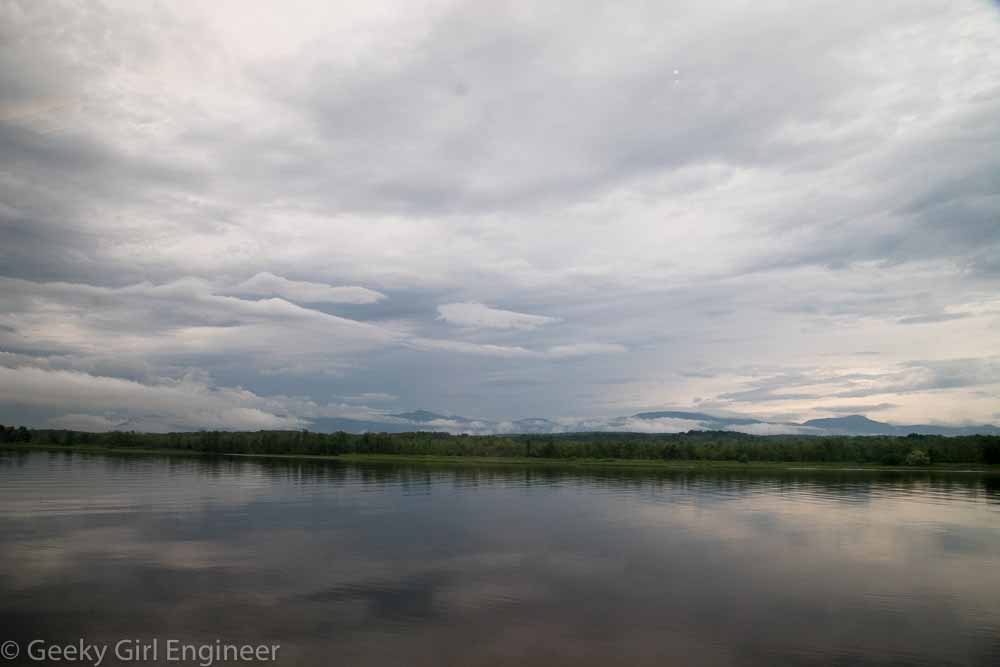
view of area near Catskill

Hudson Lighthouse
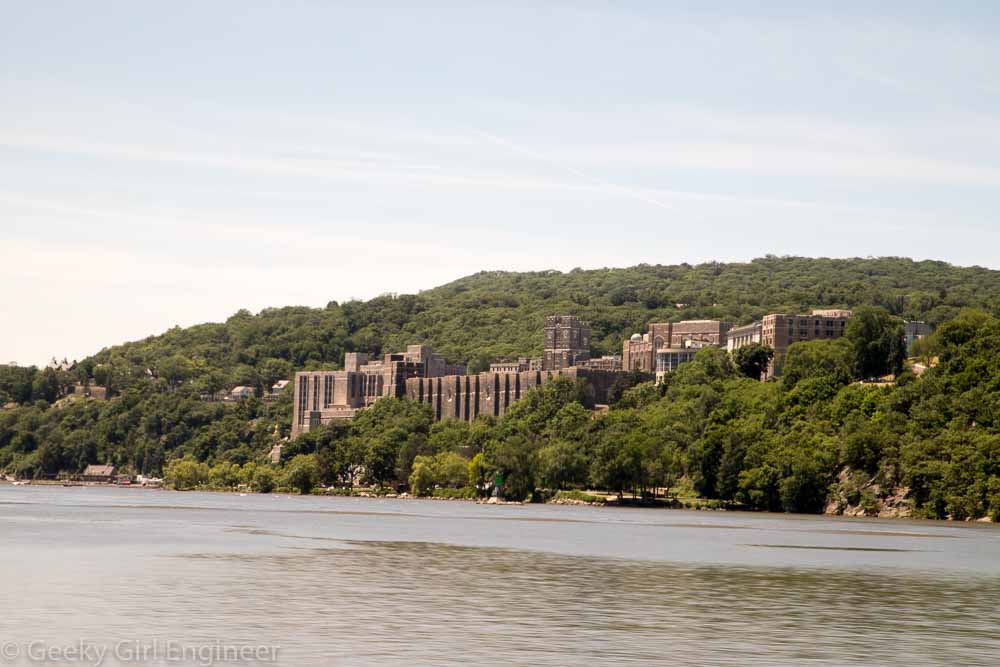
US Military Academy (West Point)
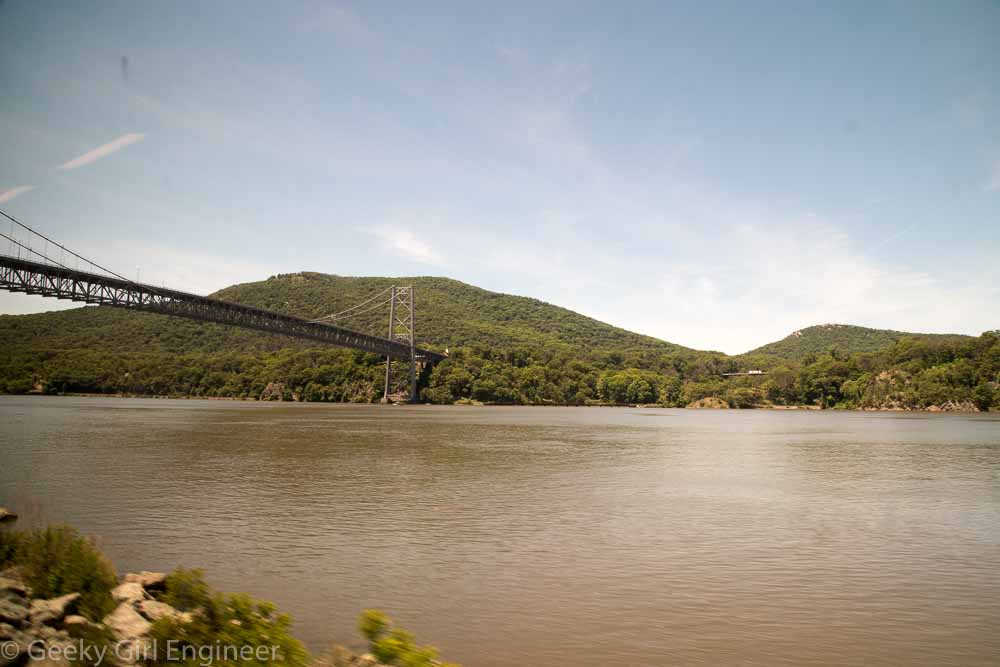
Bear Mountain Bridge
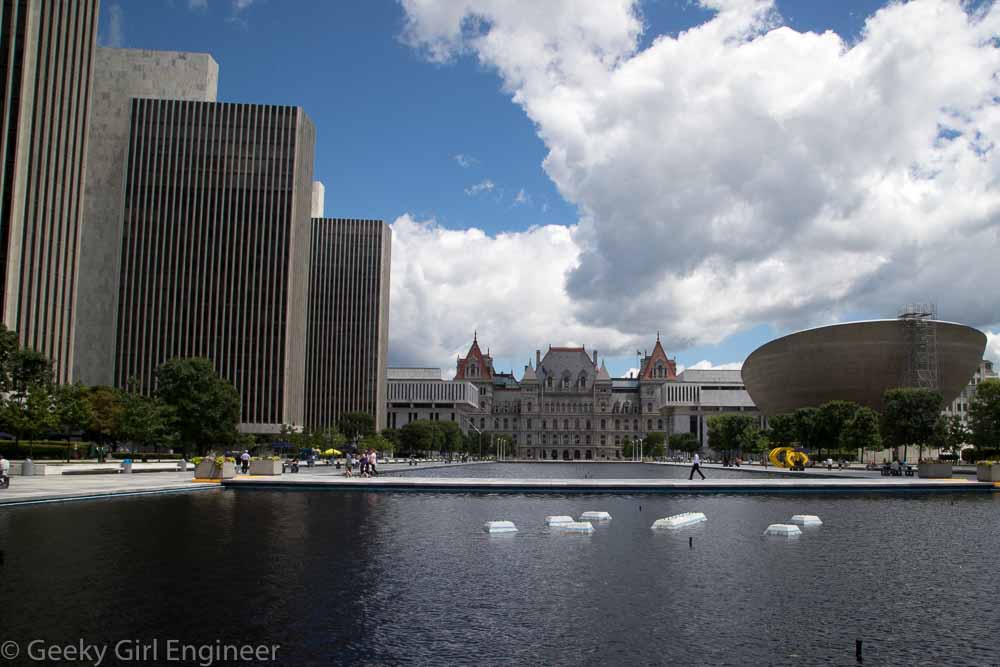
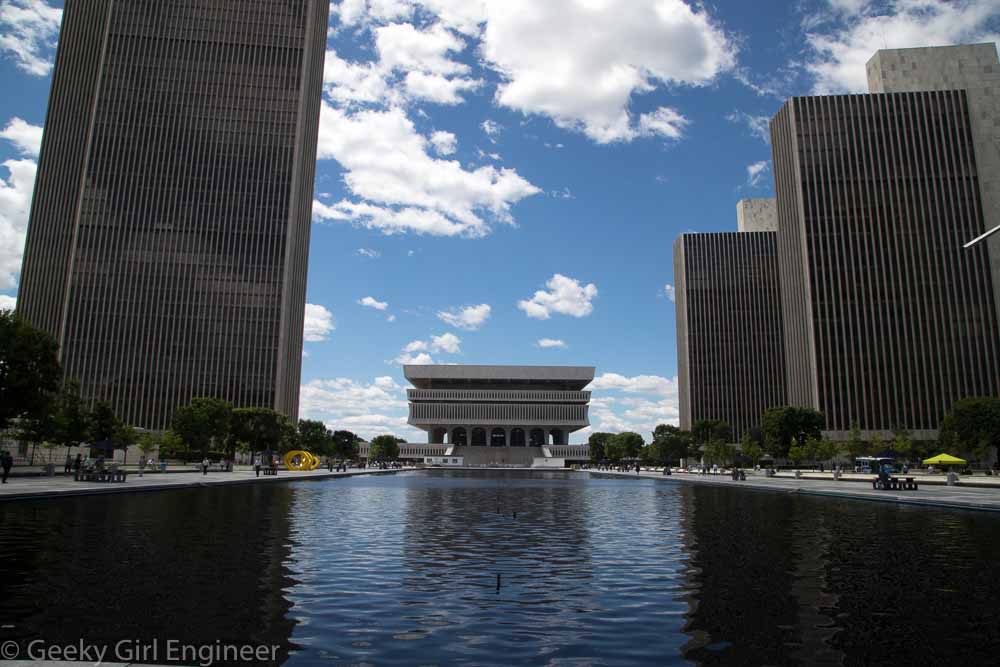
Albany, New York

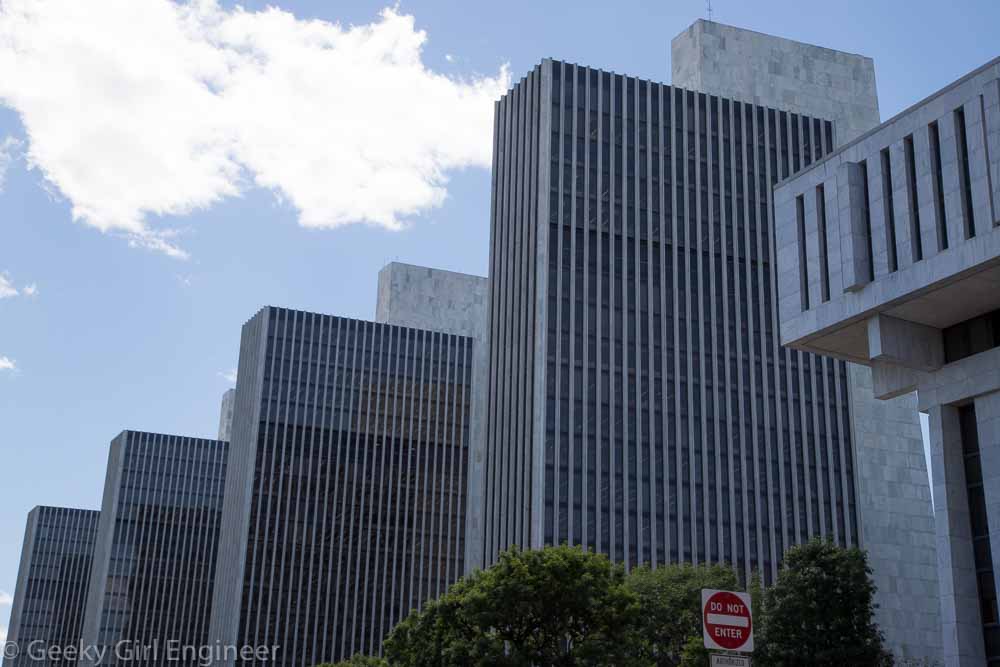
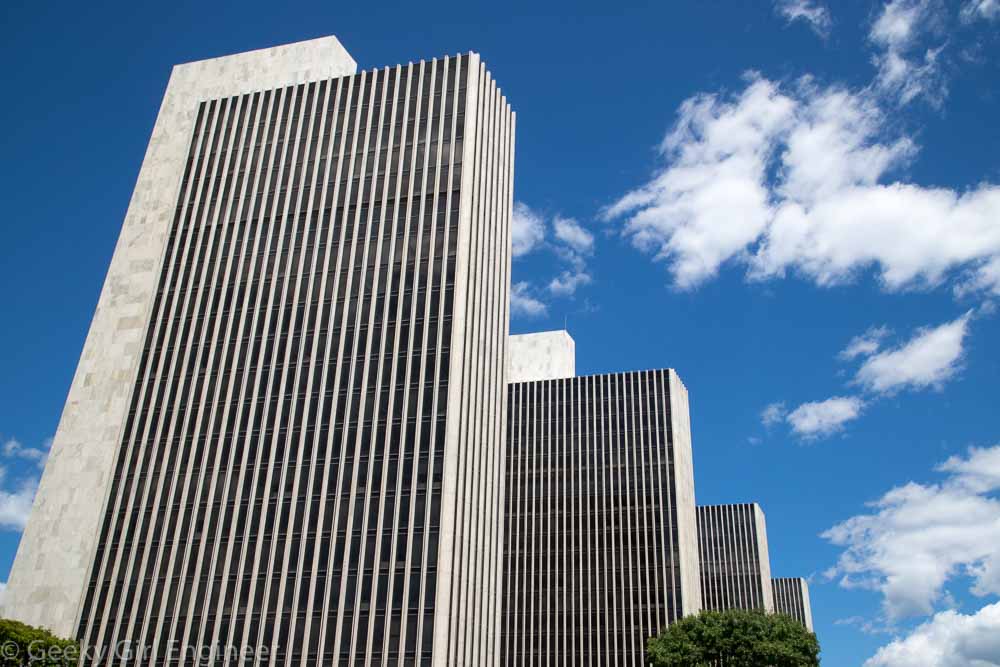
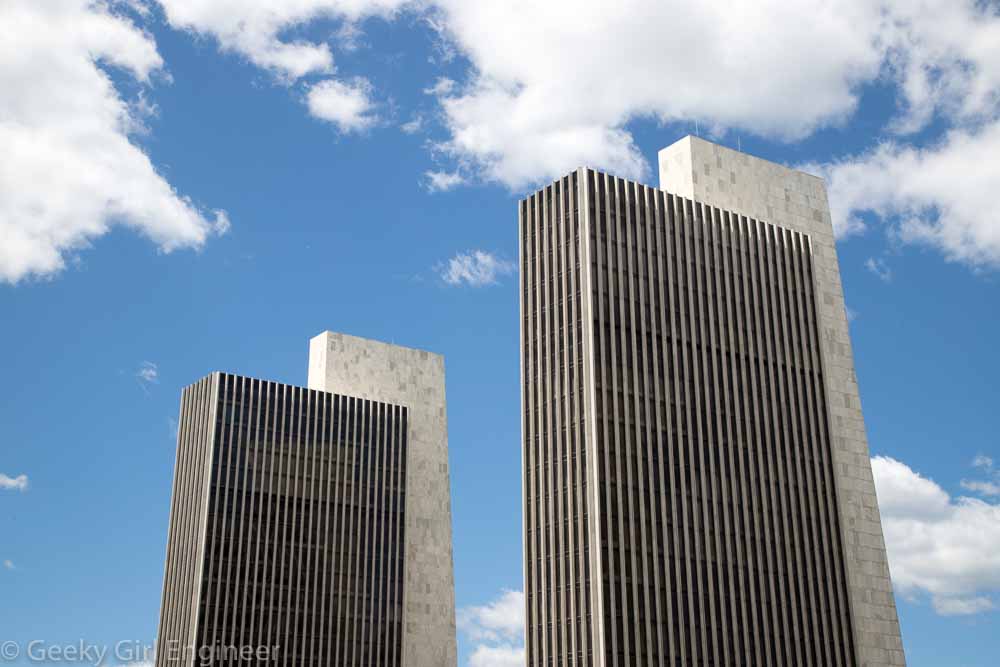
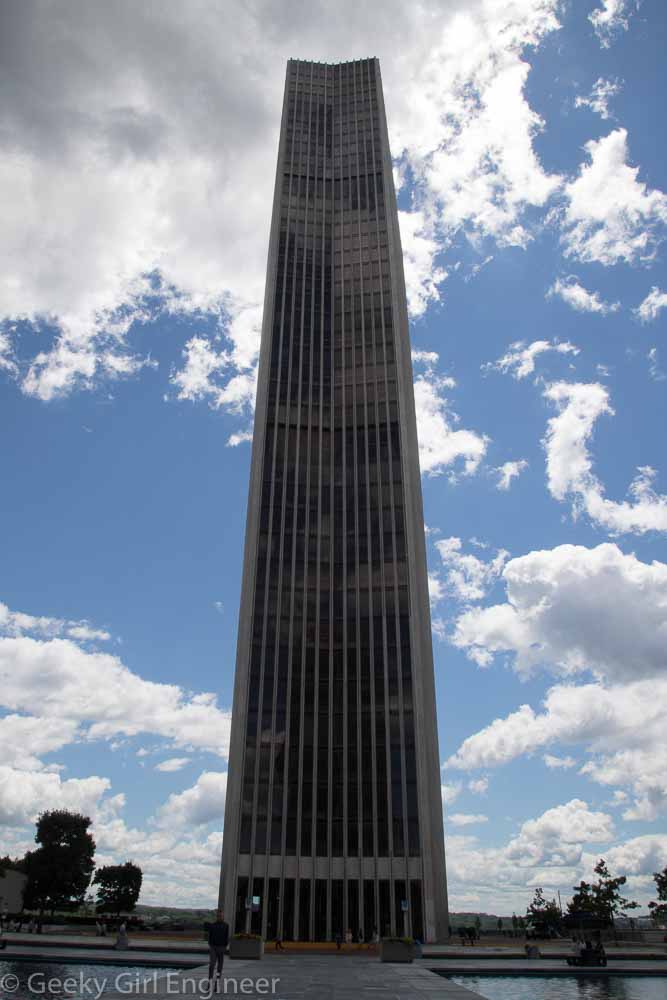
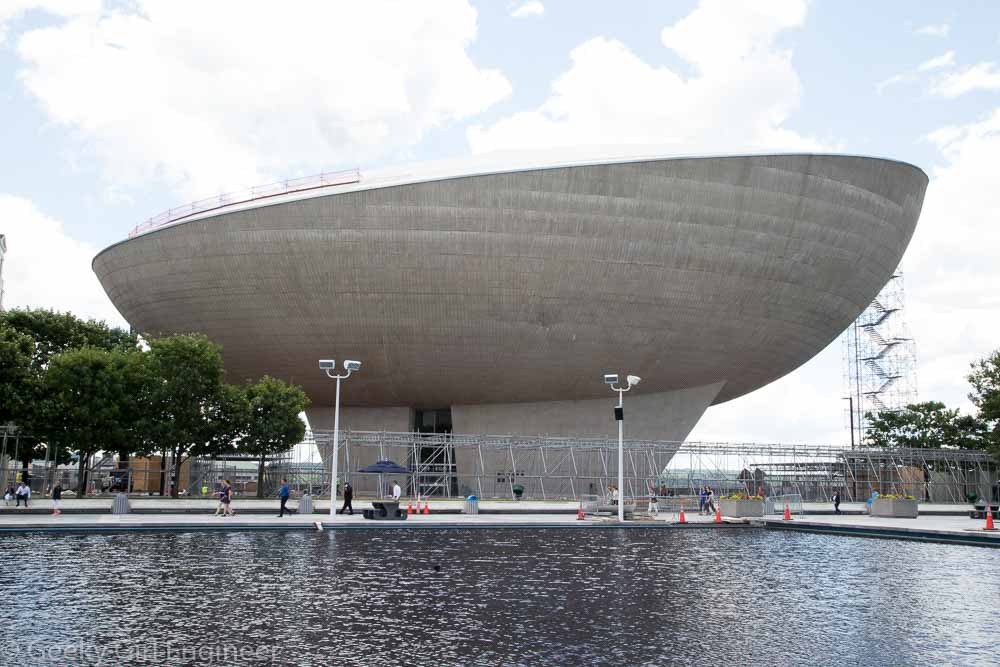
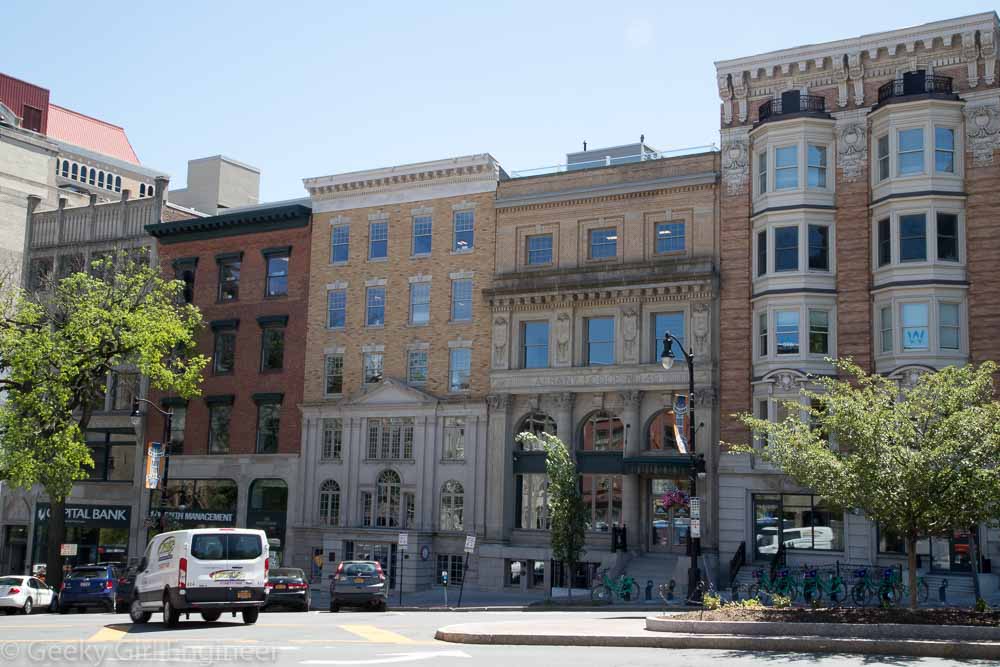
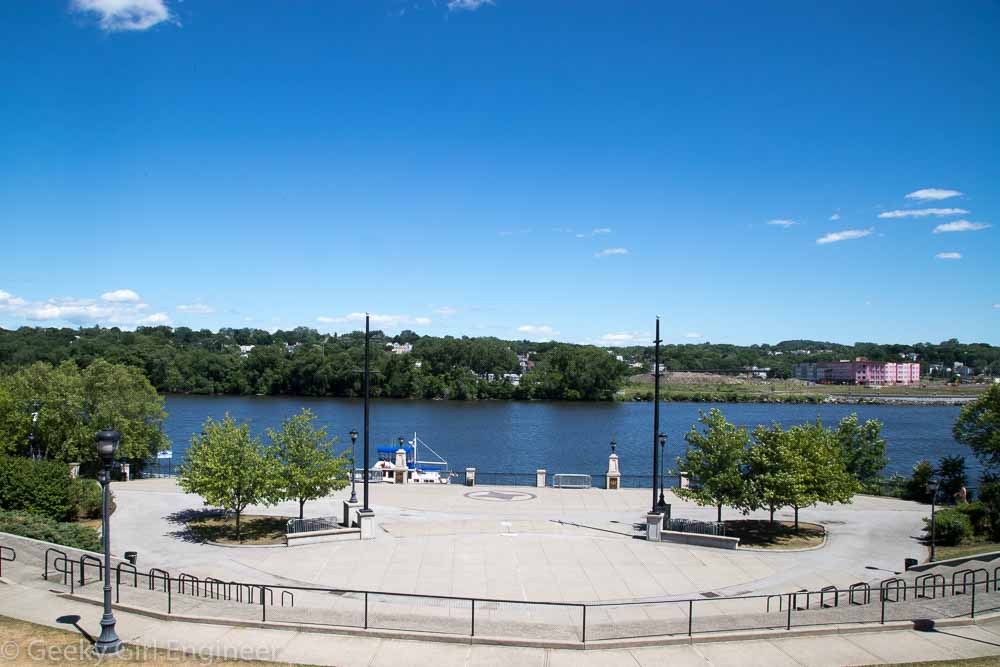
I am visiting Albany for the day, and I spent the day wandering around downtown after I visited the state capitol. The area around the Capitol, Empire Plaza, was built during Governor Nelson Rockefeller’s term, and he evidently micromanaged the design. It is very modern architecture, and it is in complete contrast to the Capitol. The Empire Plaza is fun to photograph because of all the interesting lines of the buildings. The four identical Agency Towers provide repetitive vertical lines, but then The Egg is a weird curved structure. The Corning Tower in the Empire Plaza is the tallest building in the city and has an observation floor, which has outstanding views of the area. Away from the Empire Plaza, the rest of downtown Albany is a mix of historic buildings and some modern buildings. Also, Albany is right on the Hudson River, and a park on the river has nice views of the river.

Empire State Plaza

Empire State Plaza

Agency Buildings 1-4

Agency Buildings 1-4

Agency Buildings

Erastus Corning II Tower

The Egg

Downtown Albany

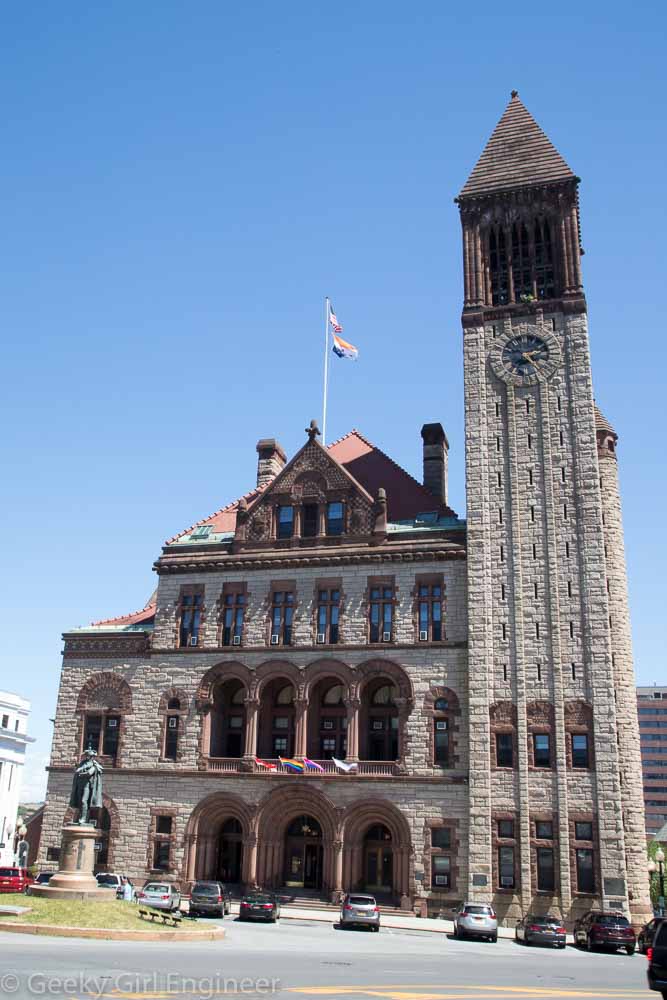
Albany City Hall

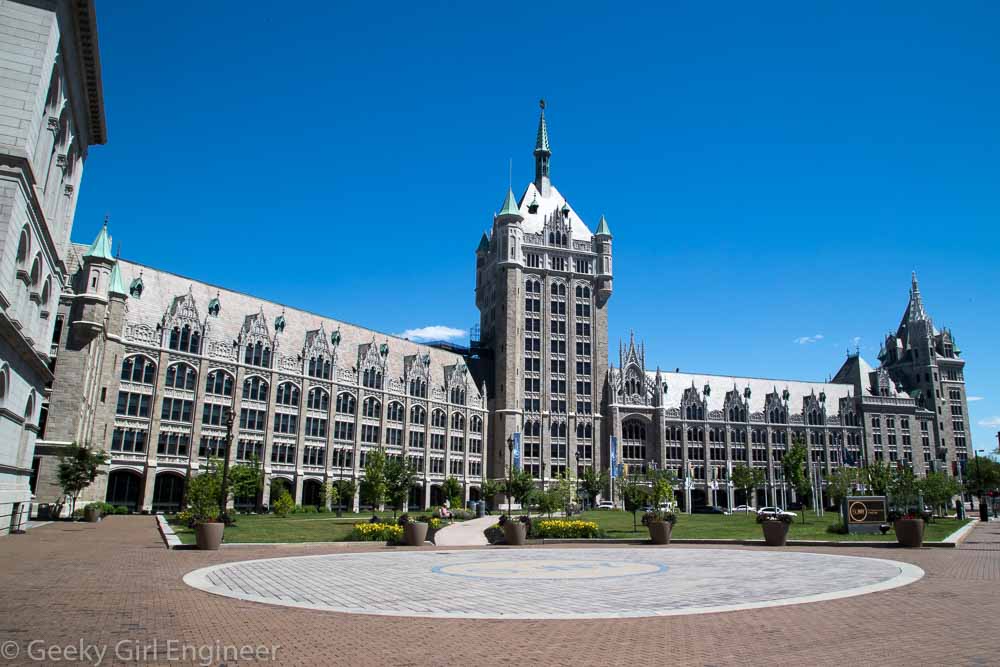
D & H Building (SUNY)

Corning City Preserve

Jennings Landing

View from the Erastus Corning II Tower

View from the Erastus Corning II Tower

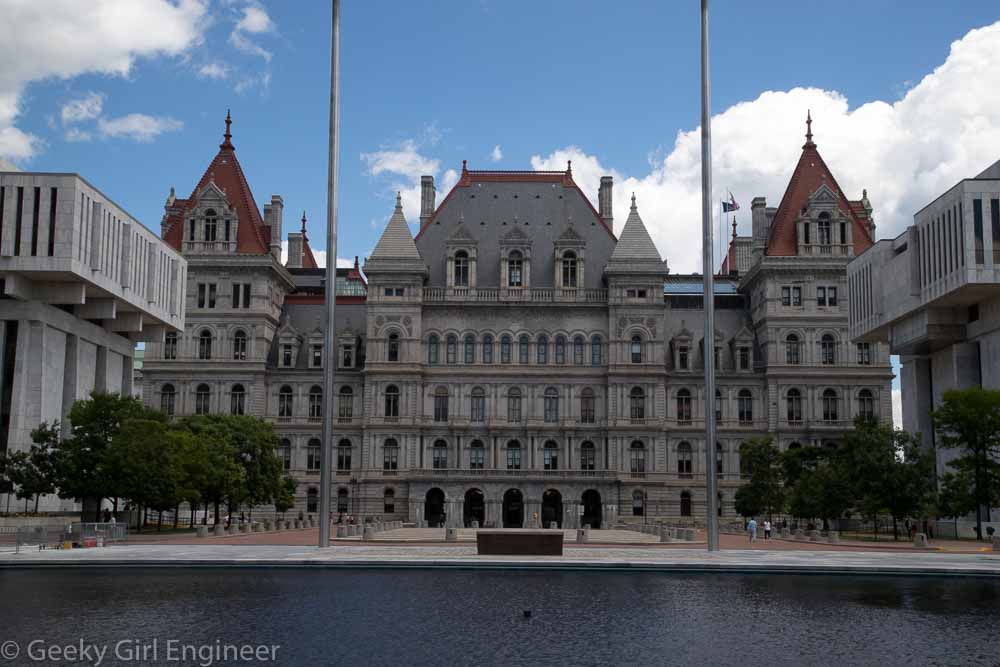
New York State Capitol

I spent the day wandering around Albany today, and I started the day off with a tour of the Capitol. The New York Capitol is gorgeous. According to the tour guide, it was way over budget and way behind schedule when then Governor Teddy Roosevelt finally said, it’s done, no more. The guide pointed out some stone that was never carved because of that. The stone work is amazing none the less. There are numerous different stones used, and it is all exquisite.

From the outside, the building is beautiful, even without the domed tower it was supposed to have. I lost count of how many different architects the building had, but the style of the building is different in various areas because of that.

New York Capitol

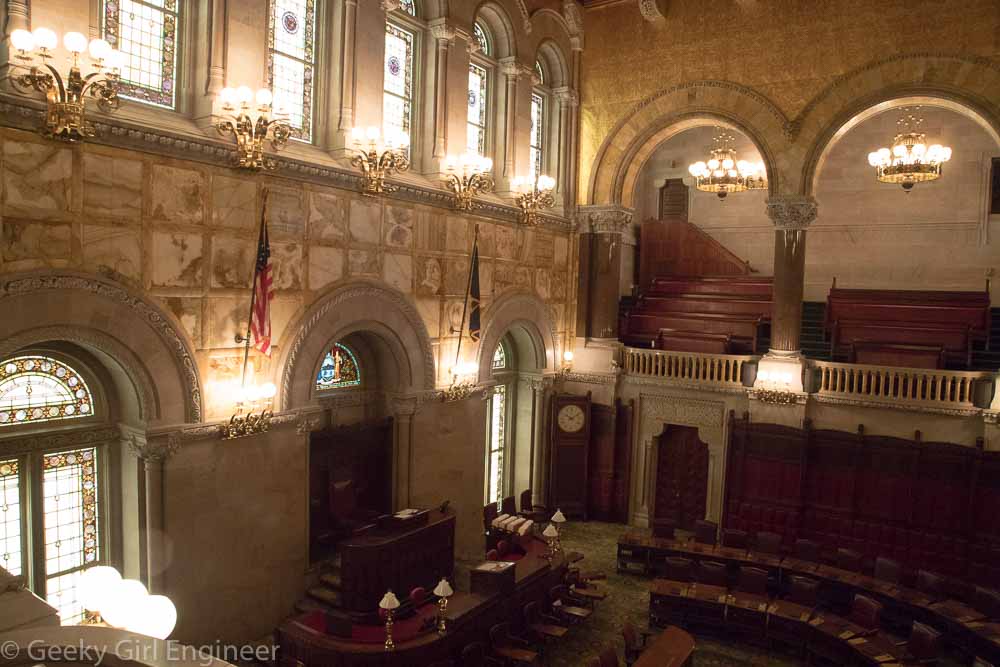
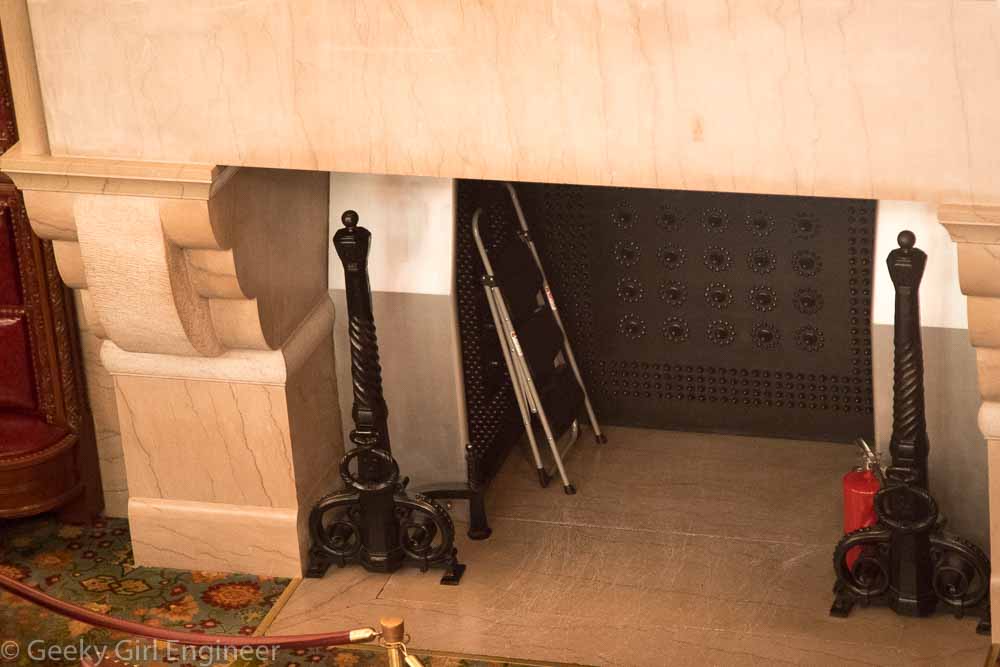
The Senate Chamber is gorgeous with gold paneling and beautiful marble tiles on the walls. My favorite part of it is that the chamber has two fireplaces that haven’t been used in decades since the building got central heat and air. Because of the acoustics in the chamber, it is hard to have a private conversation, so the two fireplaces are called “whispering fireplaces” where senators can have private conversation. They even keep folding chairs in the fireplaces for this activity. I find this hilarious. Even better, I noticed a fire extinguisher next to one of the fireplaces. Is it for heated political arguments?

Senate Chamber

The whispering fireplaces in the Senate Chamber where senators can have a private conversation.

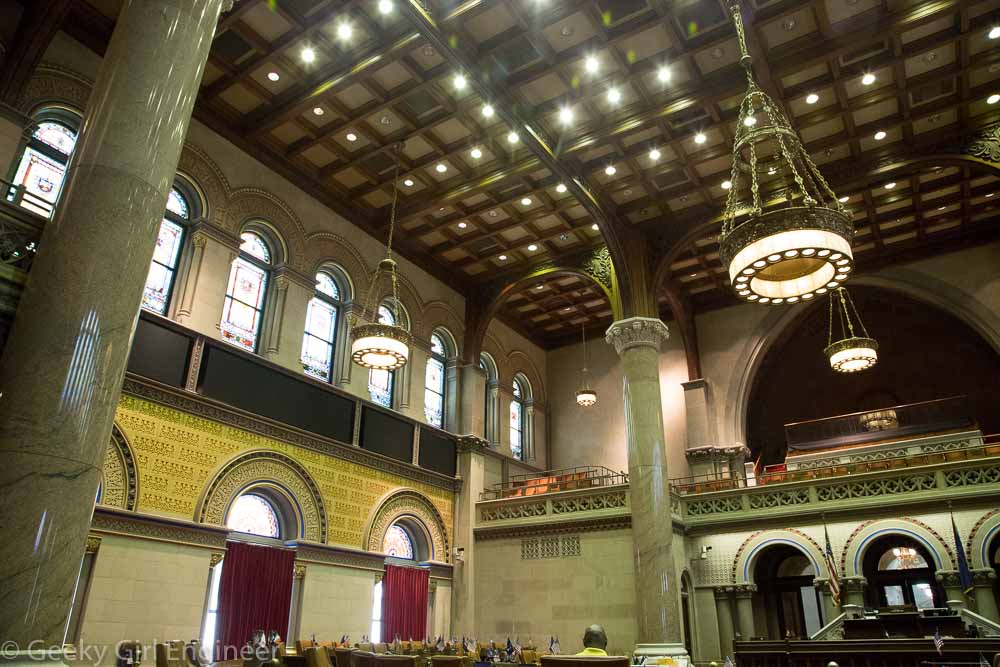
The Assembly Chamber is not as exquisite as the Senate Chamber, but it is pretty also. According to the guide, the current ceiling in the room is the third one. The first one kept cracking and falling apart to the degree that large stones fell onto the ground. Then the second version was mainly papier-mache and wood. It was supposed to be solid wood, but such bad, vague specifications were written into the contract that the builder substituted papier-mache. At some point after this when the legislatures discovered this they sued, but they lost in court because the specifications were so bad. There is a lesson to be learned there. The paper-mache ended up saving the room during a fire in 1911. This is now the third ceiling, (I wasn’t clear on this) built after the fire.

Assembly Chamber

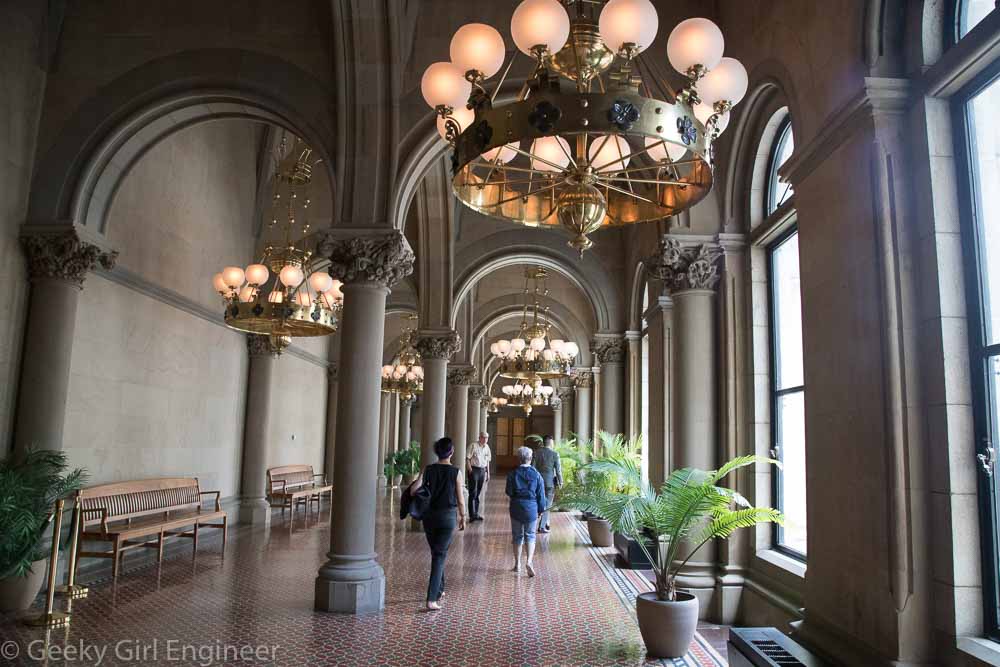
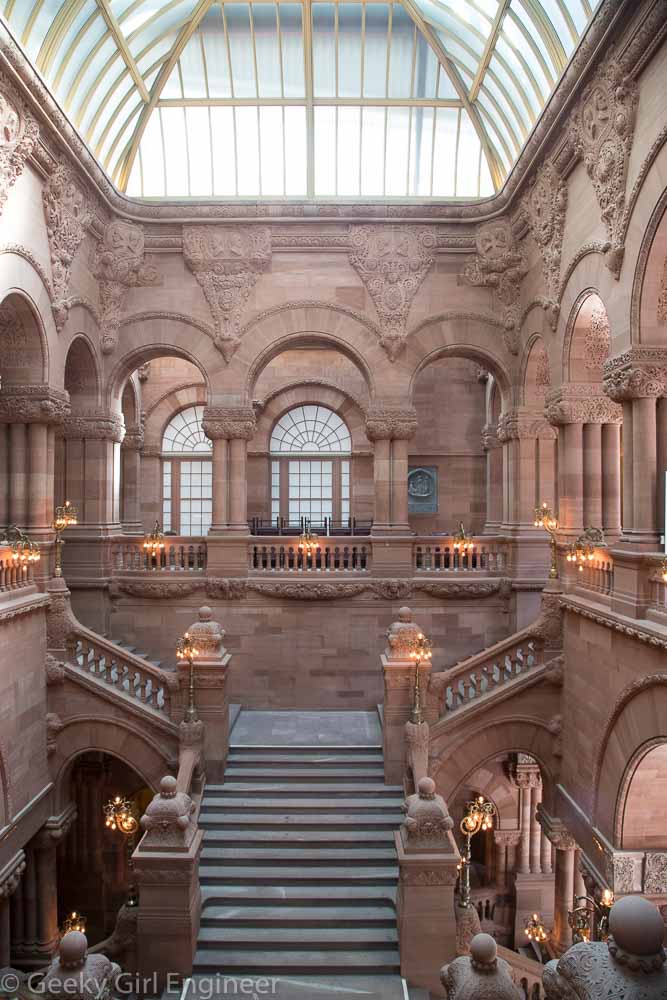
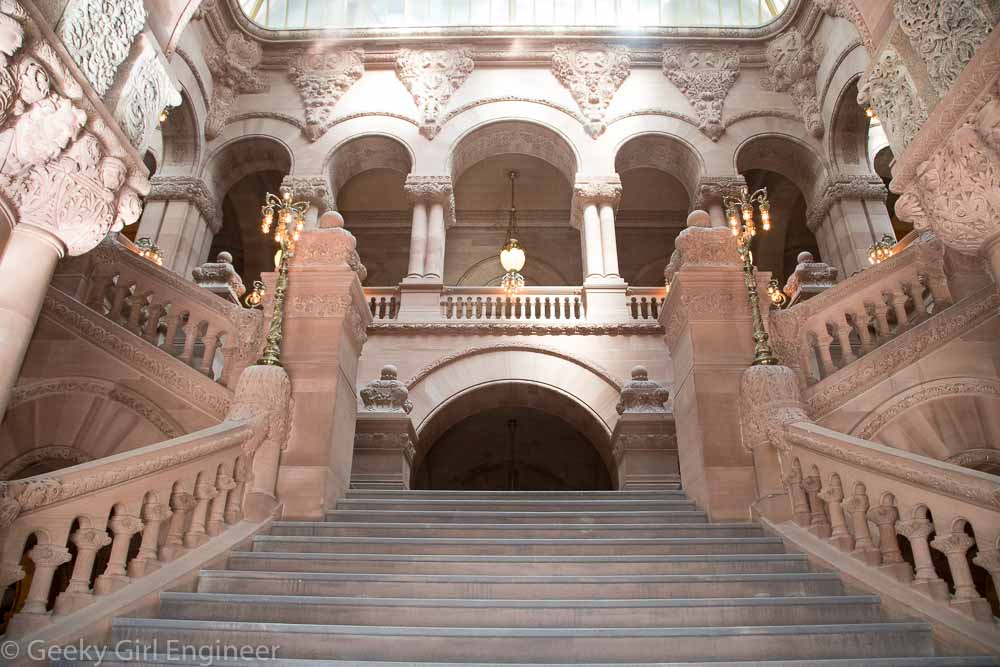
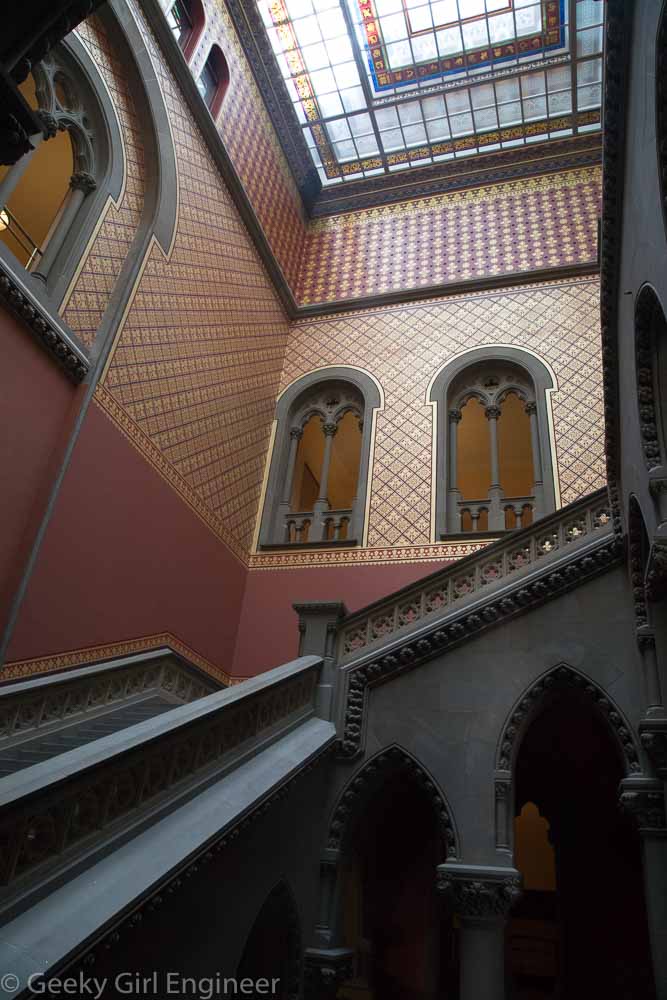
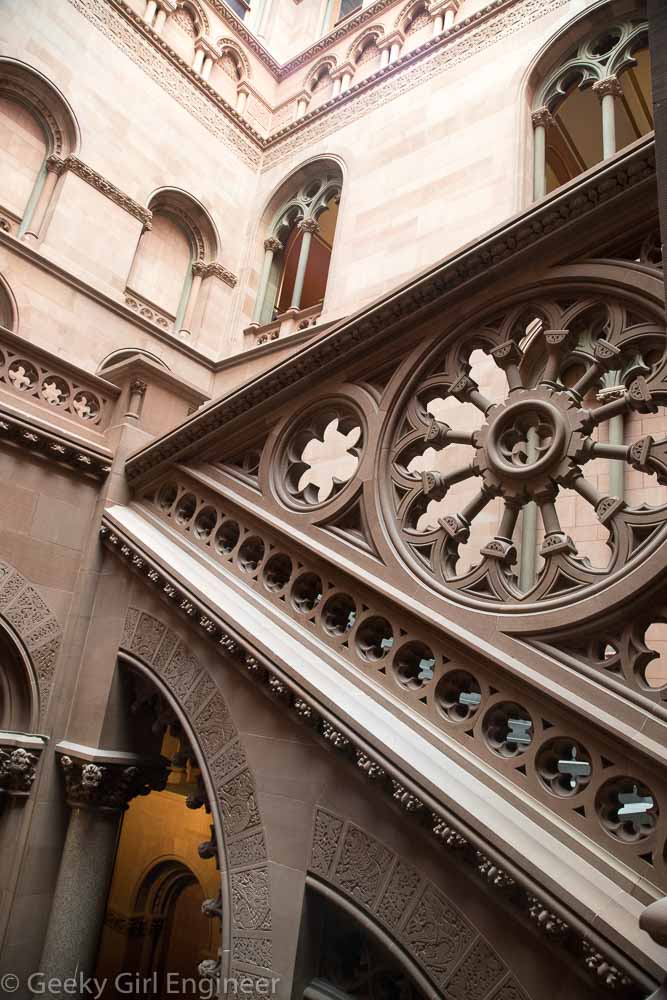
The hallways and the staircases are some of the most beautiful areas of the building. The Great Western staircase is so beautiful that my photos cannot do it justice.

Upper Senate Corridor

Great Western Staircase

Great Western Staircase

Assembly Staircase

Senate Staircase

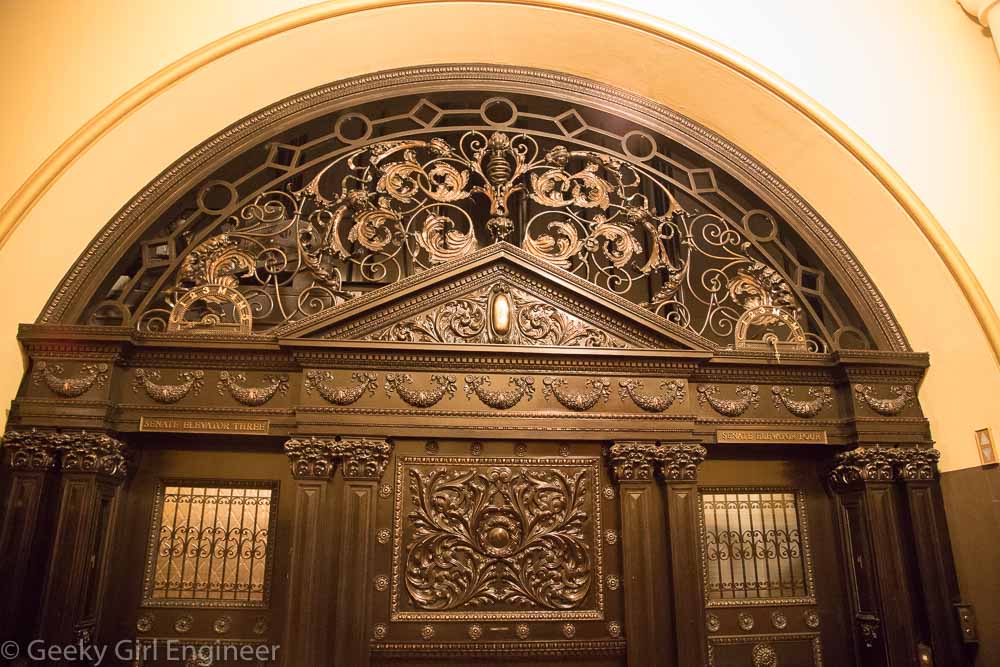
Senate Elevator

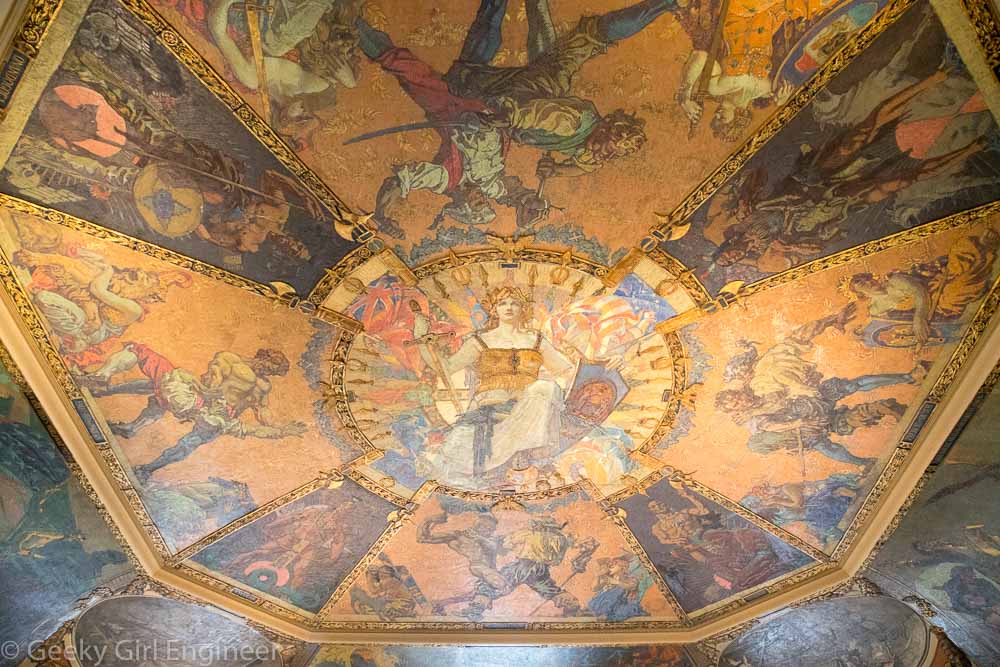
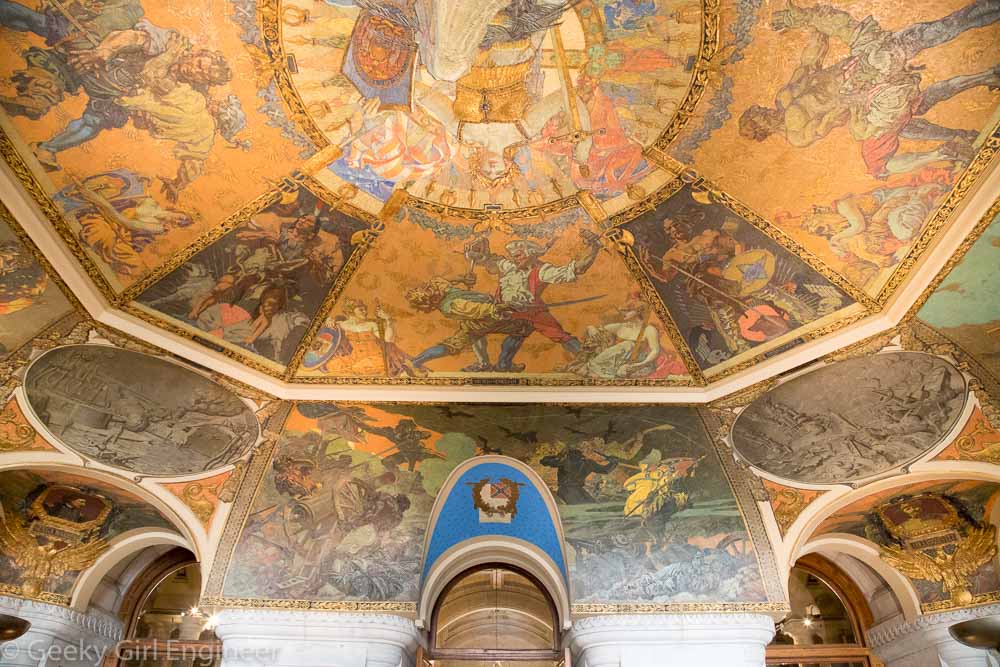
Governor’s Reception Room

Governor’s Reception Room

Hall of Governors

Jamestown Artifacts

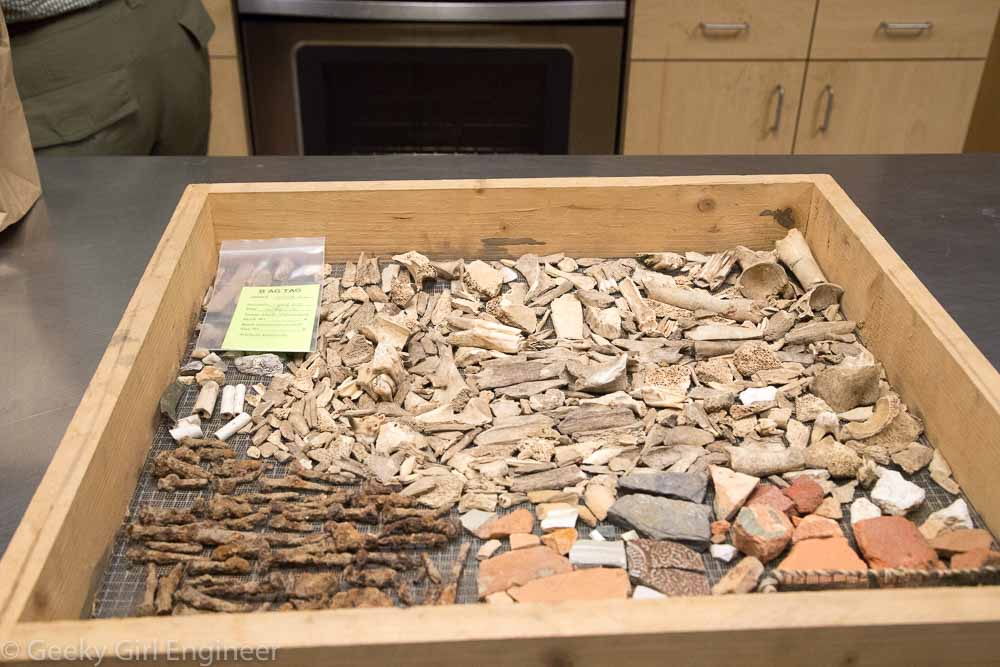
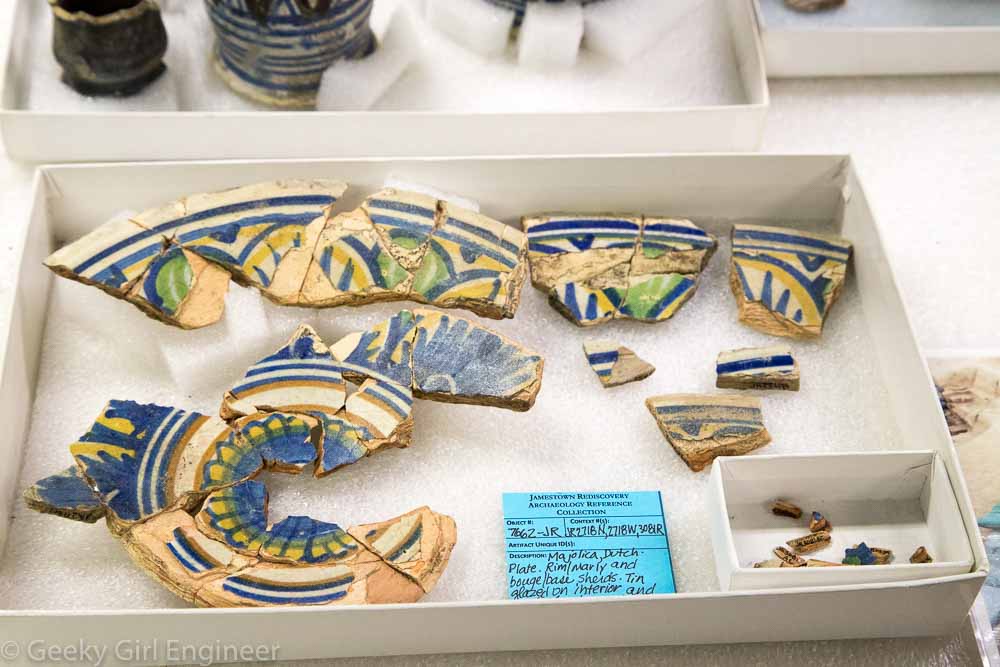
My tour of Jamestown included a behind the scenes tour of the vault, where they keep many of the archeological finds and the laboratory where they process the finds. In the lab, our guide showed us how where they clean and dry the samples. She also explained how all the finds are identified and coded. My favorite part was her describing how they identify, collect, and store all artifacts found at the site, including potato chip bags, CDs, and USB drives. I suppose technically CDs are becoming historical objects.

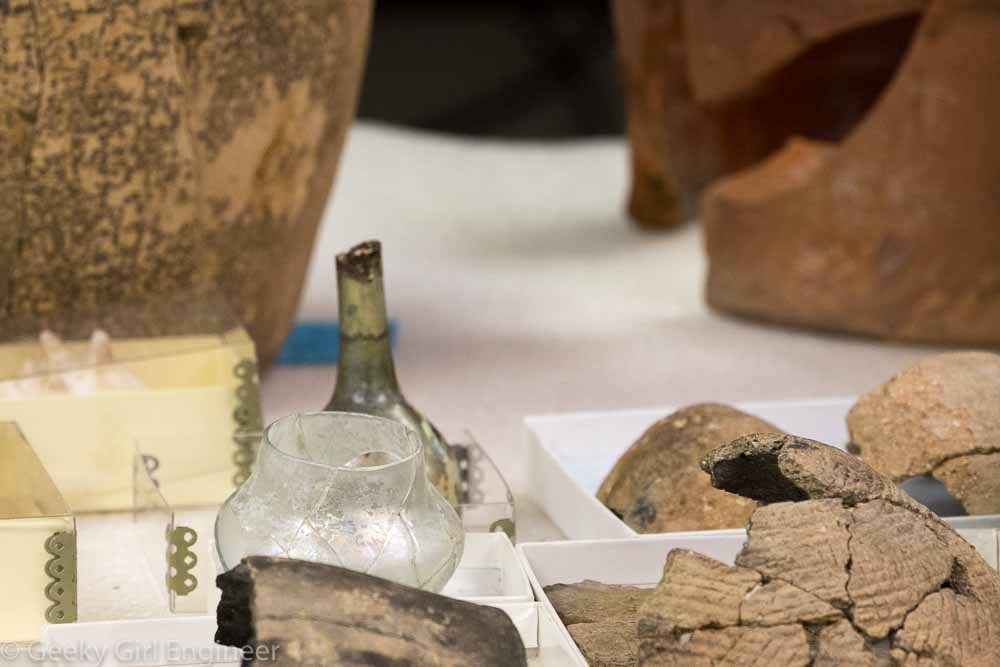
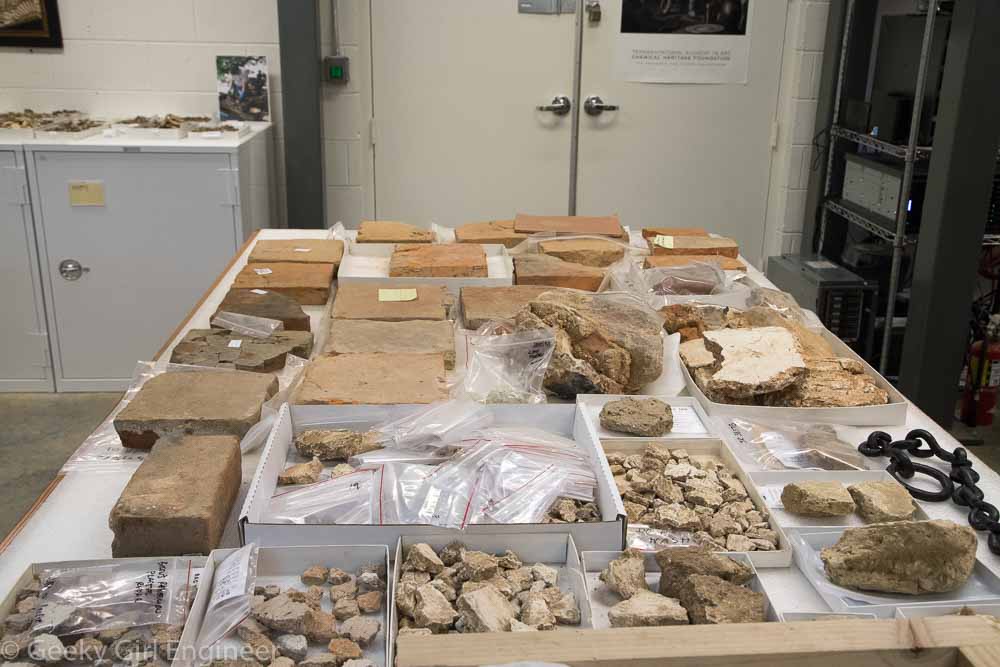
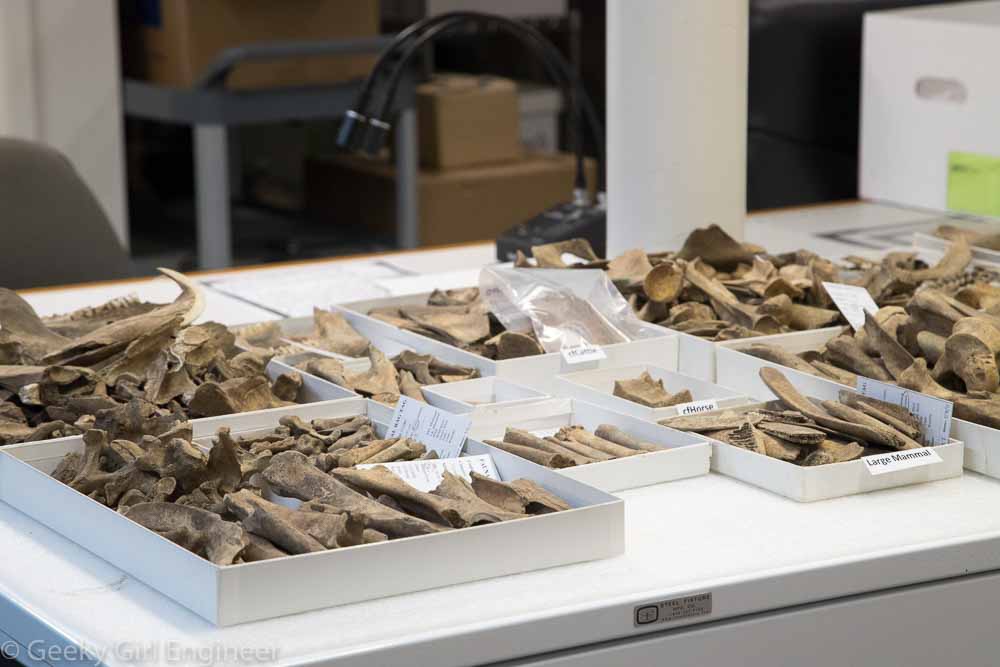
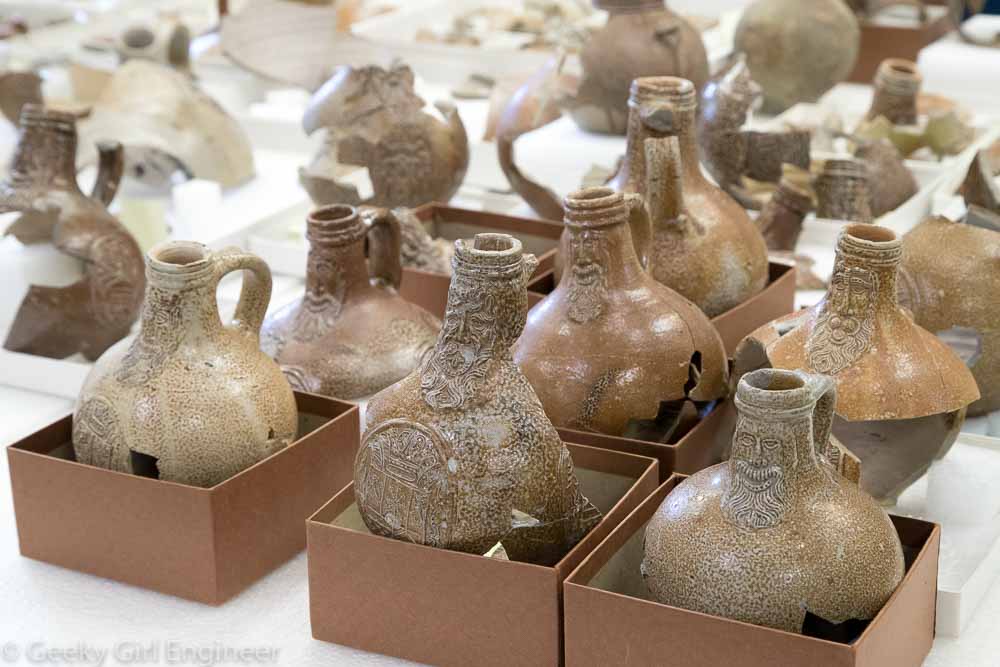
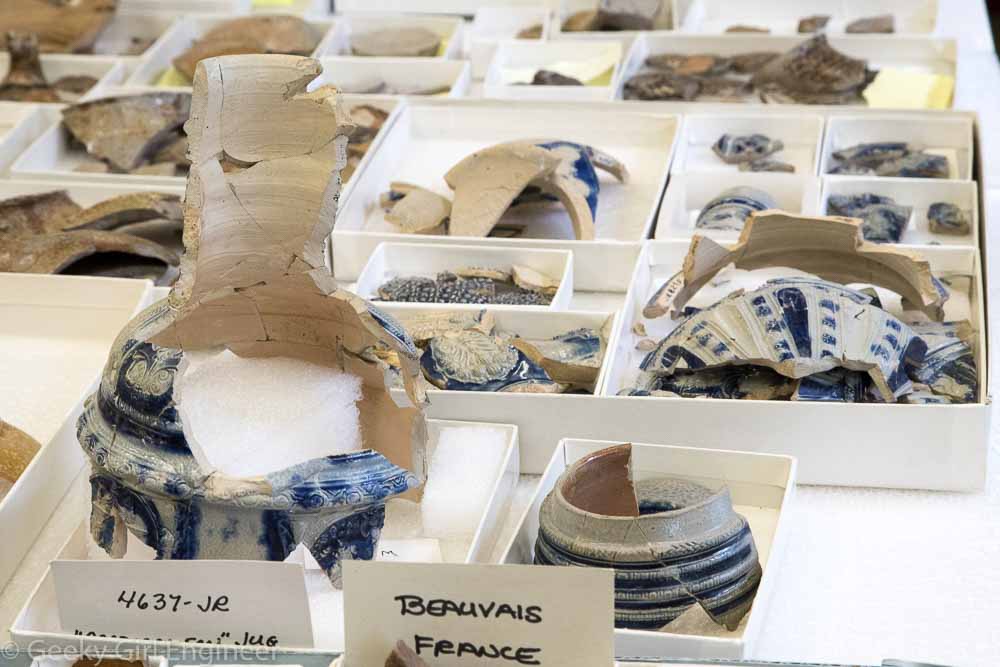
The vault contains wonderful artifacts, and they are very clear to explain that the artifacts all represent historical trash. Essentially everything they have was found in a historical Jamestown trash hole. Many of the trash holes were water wells that became contaminated with salt water, so they just threw their trash in it for archeologists to dig up and treasure hundreds of years later. [Consider that next time you litter.] They have collected lots of bones from various wild and domesticated animals, pottery, glass, and metal objects. They have many old building material artifacts also. The collection is just amazing. What is even more amazing is what people throw away. Some things never change.

Artifacts being sorted in the lab

Dutch pottery artifacts

Glass and pottery artifacts

Building material artifacts

Animal bones

Pottery

Pottery artifacts

Historic Jamestown

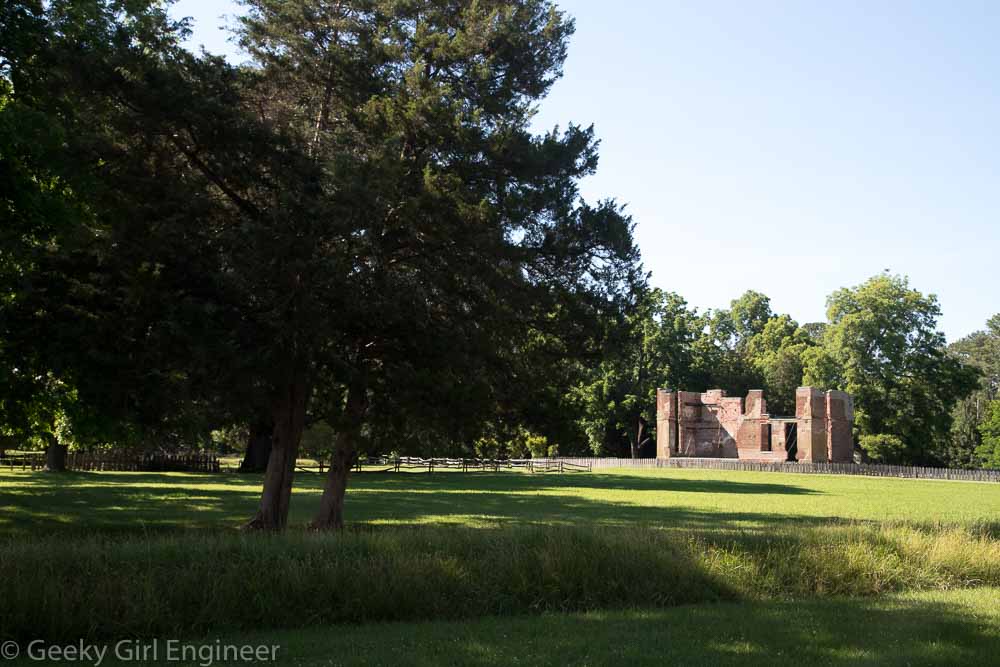
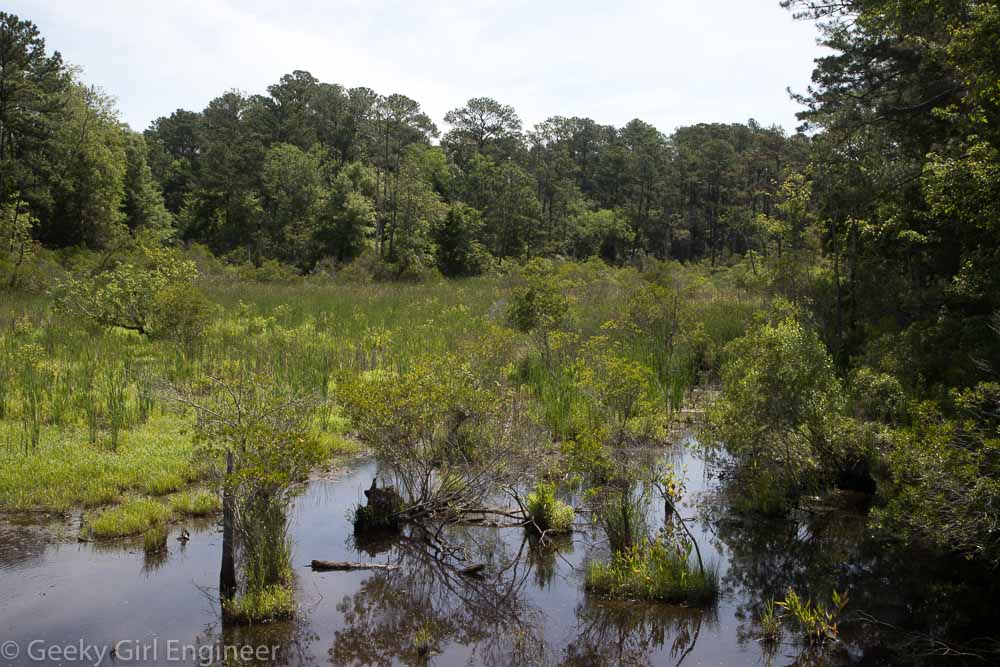
I took a trip down to historic Jamestown for a tour that included not only the original fort, but also the “suburbs” of it, and a behind the scenes tour of the research area. [Photos from the research are on the next blog entry.] Jamestown is the site of the first permanent English settlement in North America. [Side note: I love all the modifiers. The lost colony of Roanoke NC disappeared and hence was not permanent. St. Augustine FL was Spanish. Let’s not even get started on all the Native American settlements.] The area is a continual archeological dig and is quite fascinating. The fort area is not that big really. Back then, it was big, I guess, and I am sure they men who built it in a very short period of time that it was huge and a huge amount of work. On the west side is the James River, and on the east side is wetlands. The area is beautiful, but back then without proper fresh water or AC, probably generally unpleasant.

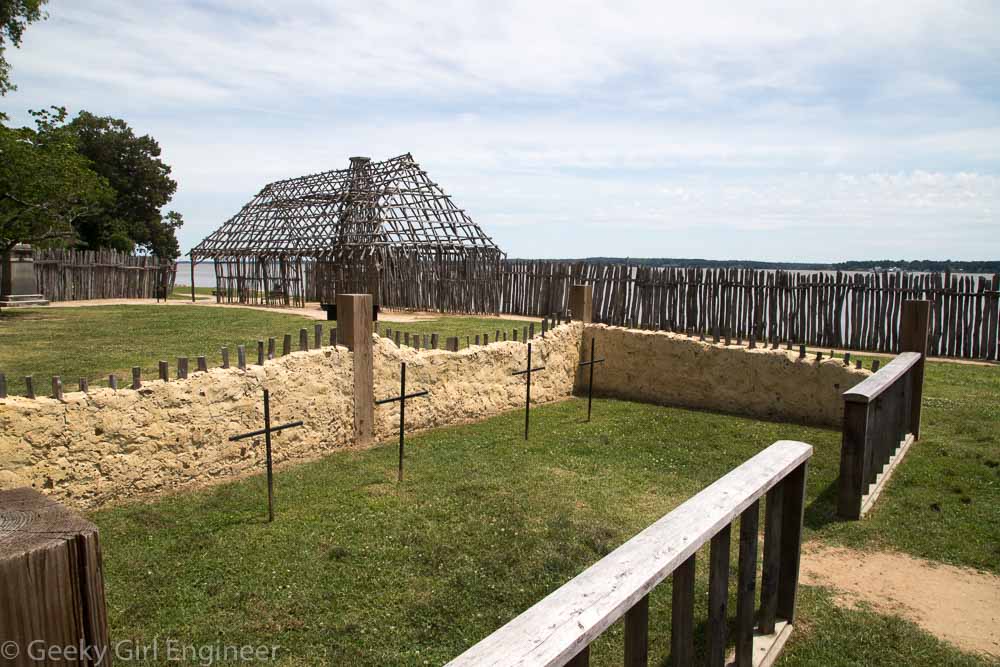
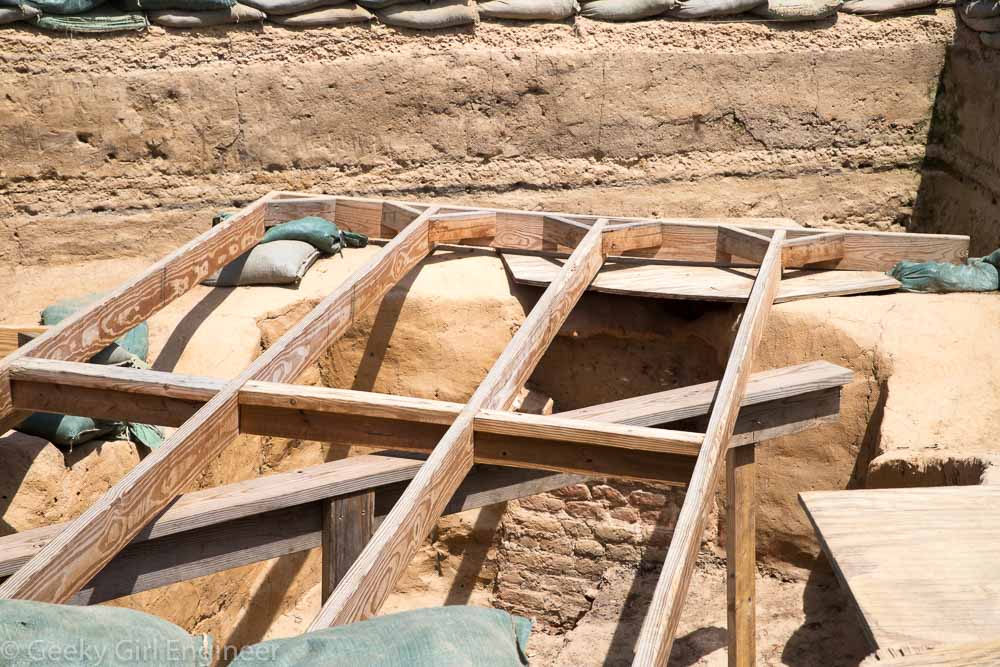
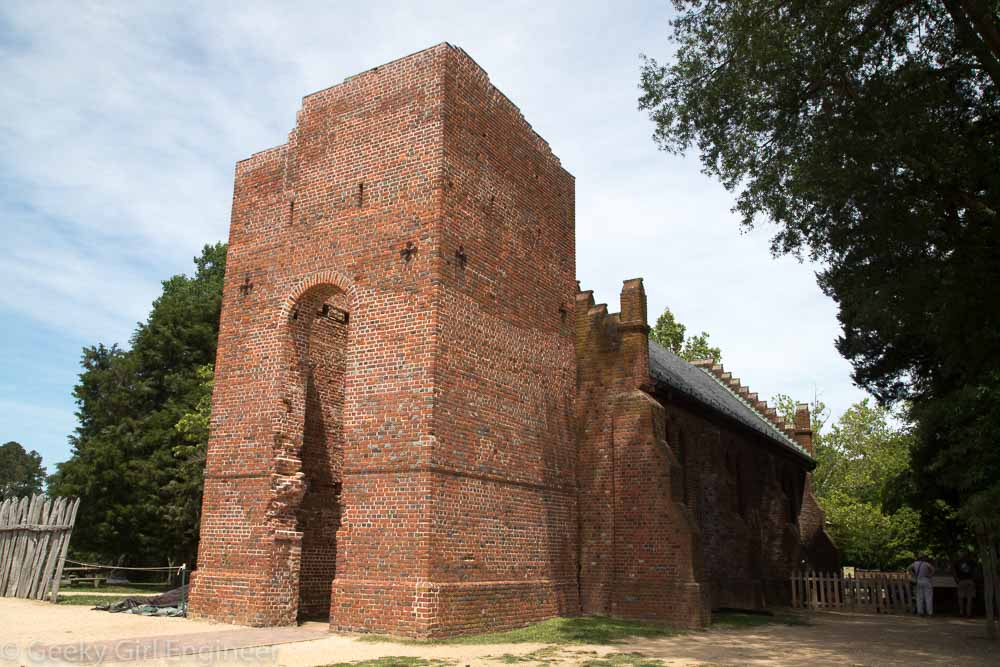
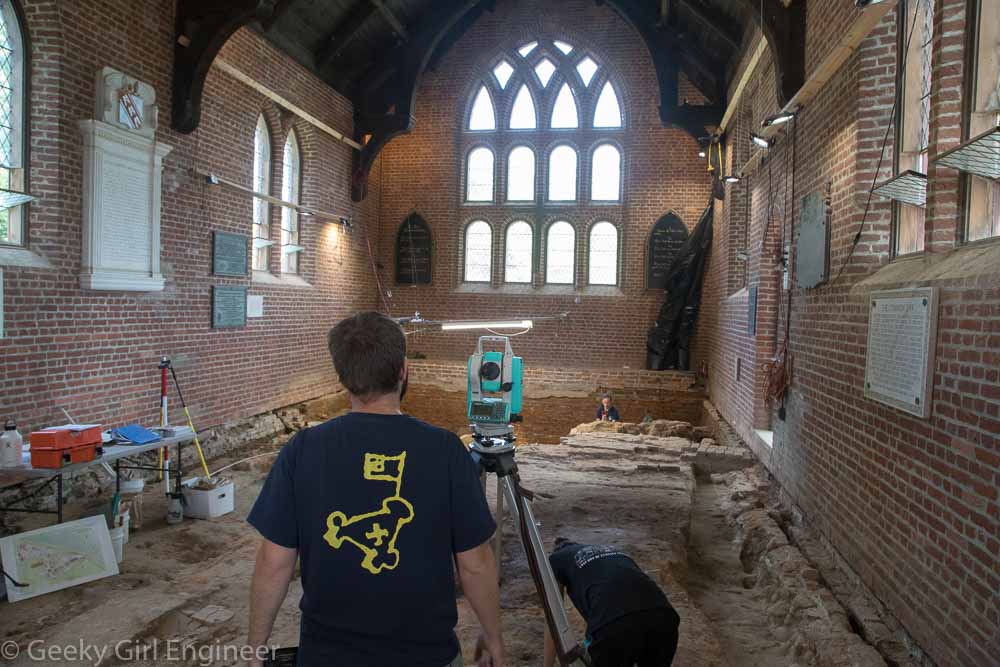
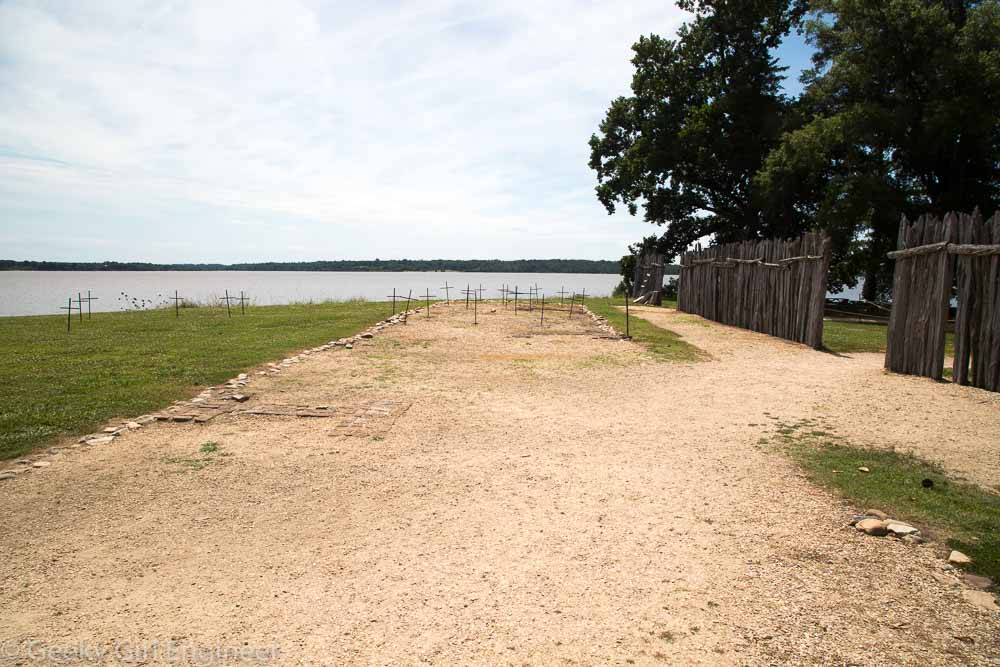
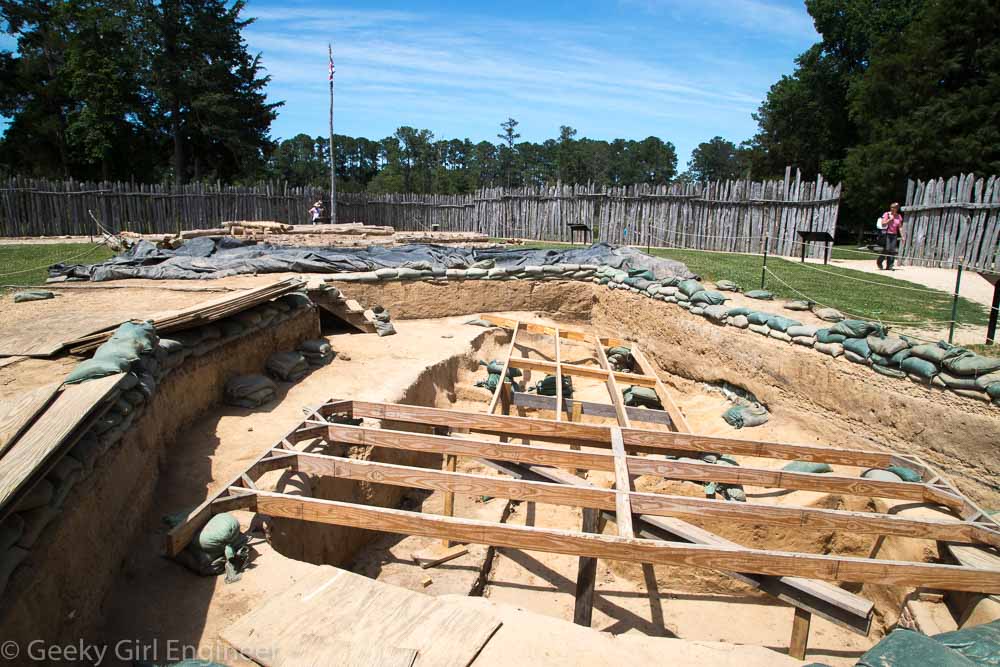
In the original fort area, they have reproduced the fence surrounding it as well as a couple of buildings. They have also unearthed the footings of buildings. They have partially rebuilt the walls of the original church. The ruins of a later 17th century church tower remain as well as the sanctuary of a later church built on the grounds of several earlier churches. Archeologists are currently digging inside the newer church. They have placed crosses in the fort area where many of the bodies were found. There does not appear to be a cross for each person though. We saw a National Geographical movie on Jamestown on the way down, which helped me understand the history quite a bit. I can’t quite put into words what I felt visiting the area knowing the number of people who had died there, knowing the fighting with Native Americans that occurred as the English occupied their land, and knowing about the slaves that were later sold in the area. Somber, I guess. In one unearthed area in the original fort area, there is a brick structure visible in the cellar. It was in this area that they found the remains of a girl who had been cannibalized. It was survival cannibalism during the starving period, but still it is gruesome.

Outside the fort area are the brick footing remains of the later built House of Burgesses. On top of those footings is a museum. In another area, are the brick remains of residences and other buildings. The remains of a large residence are near the far end of the suburbs area, and this is where one of the first slaves to be sold on the continent came. Her name was Angela. There was other slaves sold alongside her, but hers is the only name known. They have started offering tours about slaves that were brought there besides just the tours of the fort area. I think it is a great idea as it gives a much better understanding of the full history of the area.

The wetlands on the east side of the island

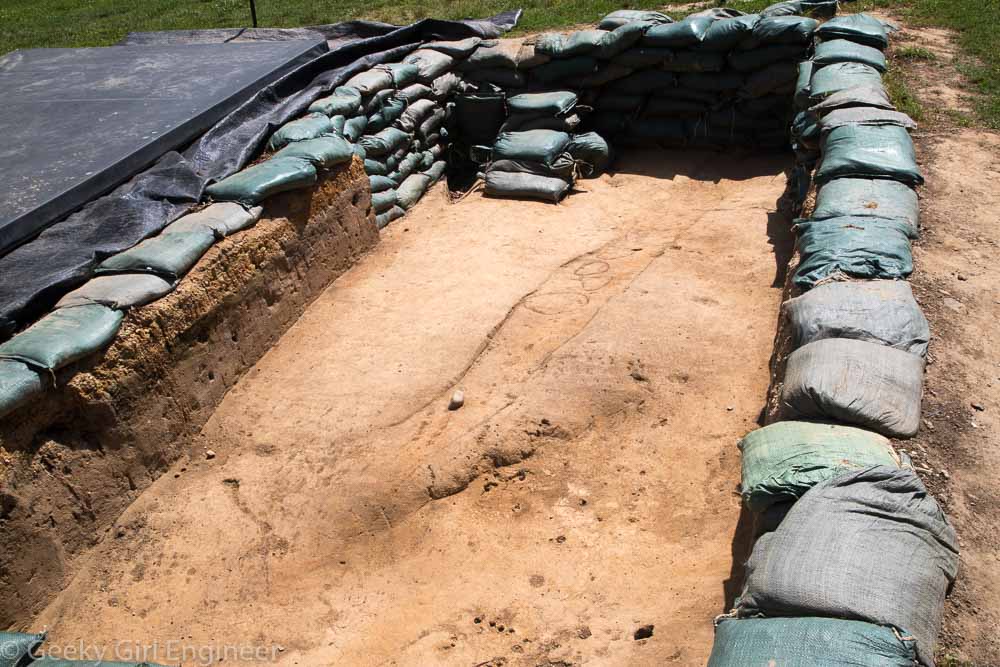
A dig area where the lines indicate where the area was dug to put posts for the fort wall.

Footings of an old building inside the fort area with reconstructed fence.

The front of the original church with partially reconstructed walls. The reconstructed structural posts of another building are in the background.

Dig area with brick structure in cellar.

The brick in this dig area is from a cellar and where the remains of a cannibalized girl were found.

The remains of a 17th century church with a newer church behind it.

Archeological dig in the newer church.

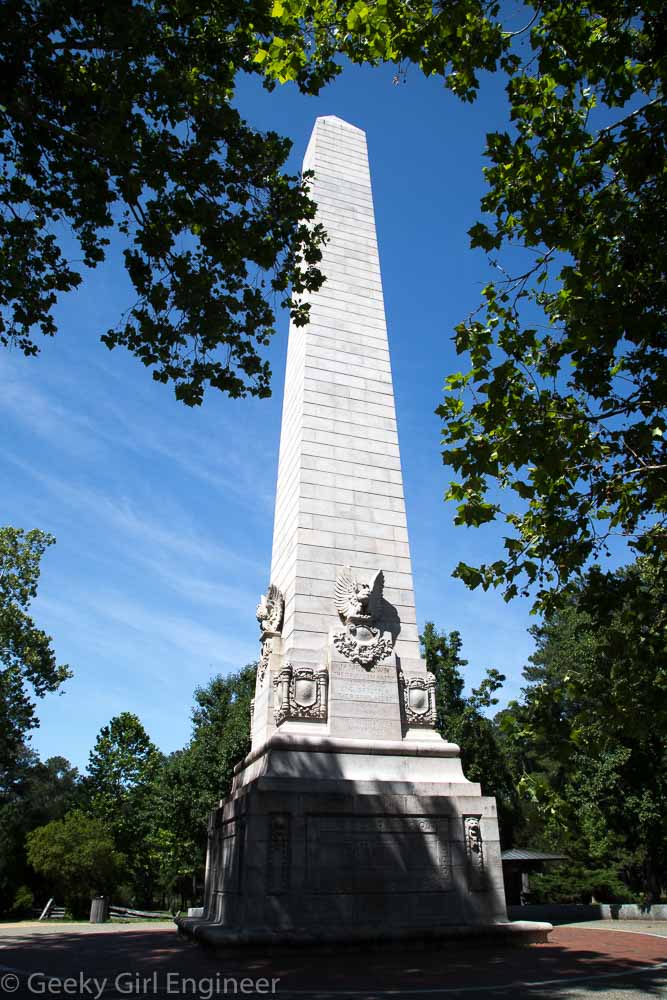
Jamestown obelisk

Brick remains of a structure in the suburbs area outside the fort.

Brick remains of a residence in the suburbs area outside the fort. This is where Angela, one of the original slaves sold in the area, was taken.

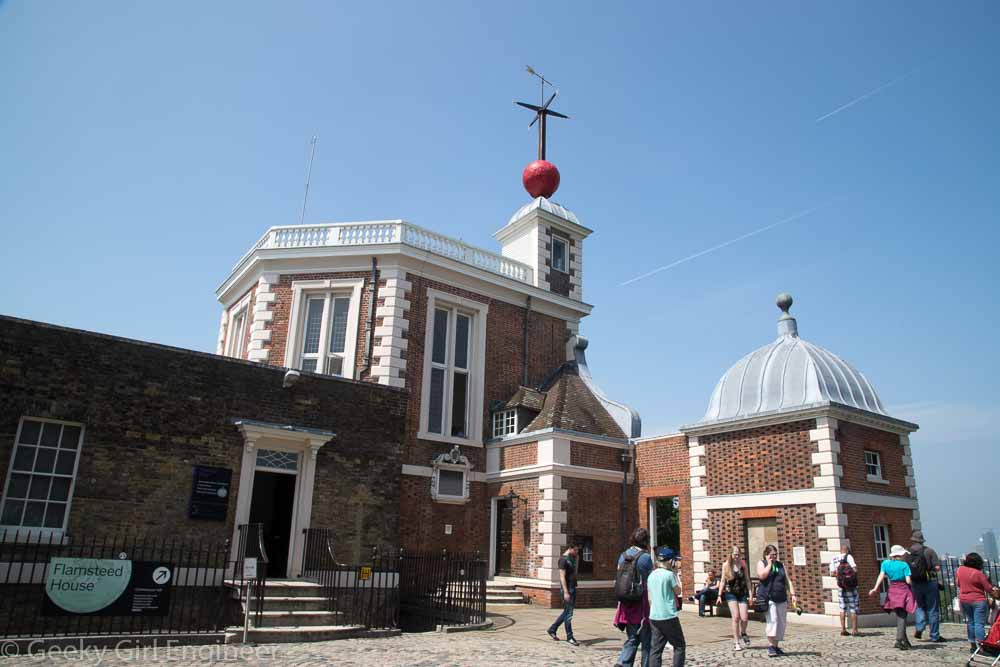
Royal Observatory

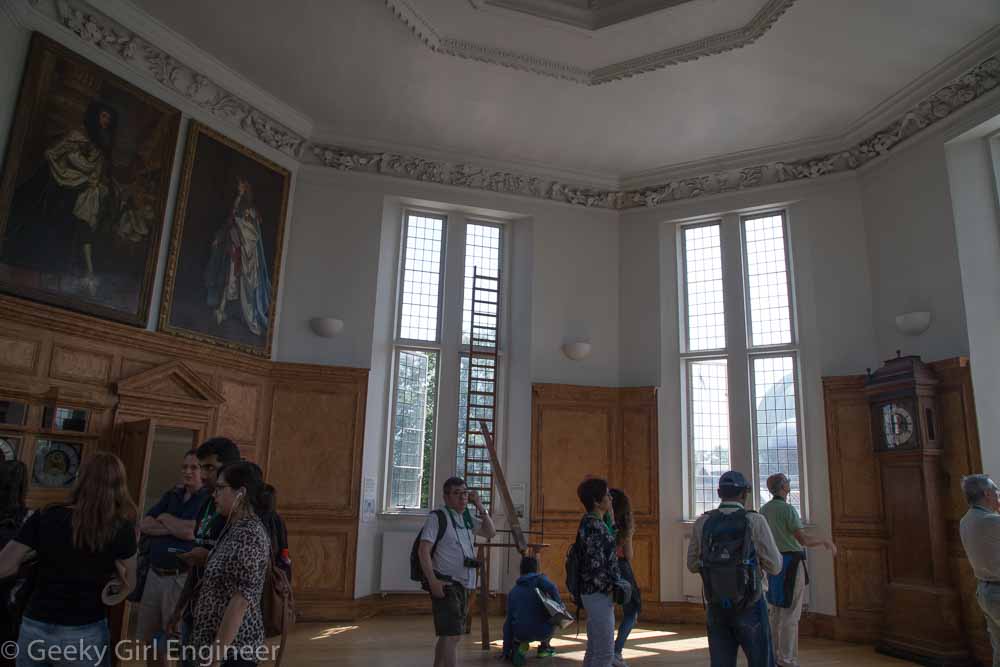
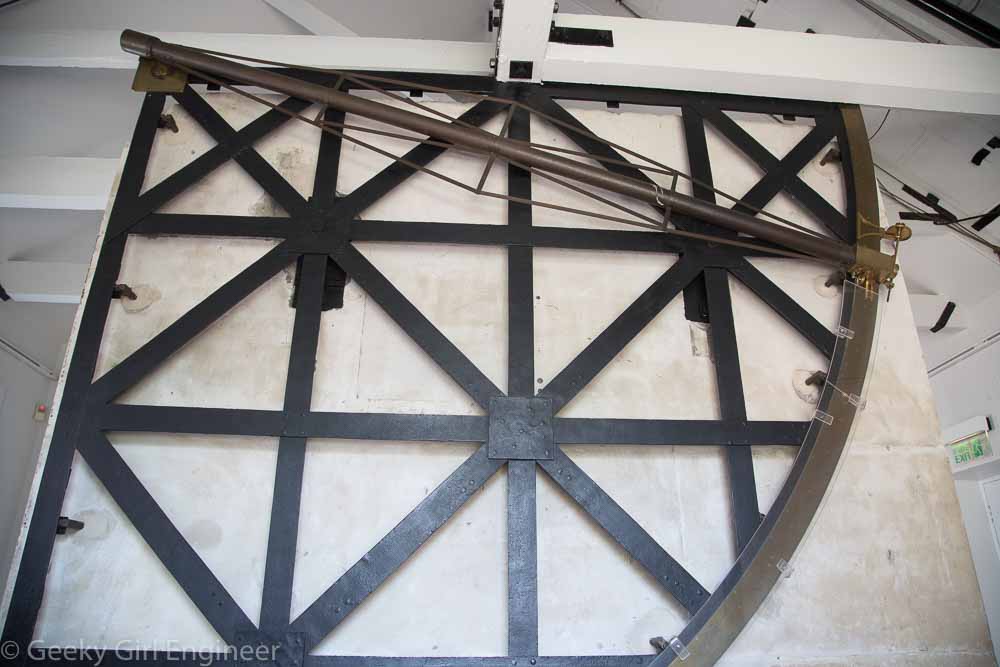
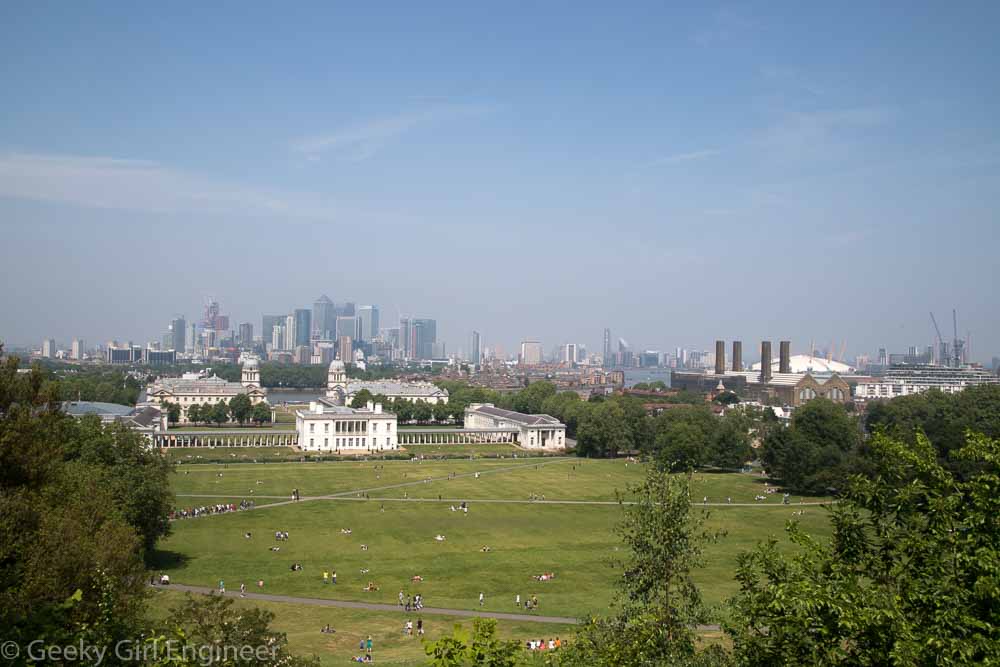
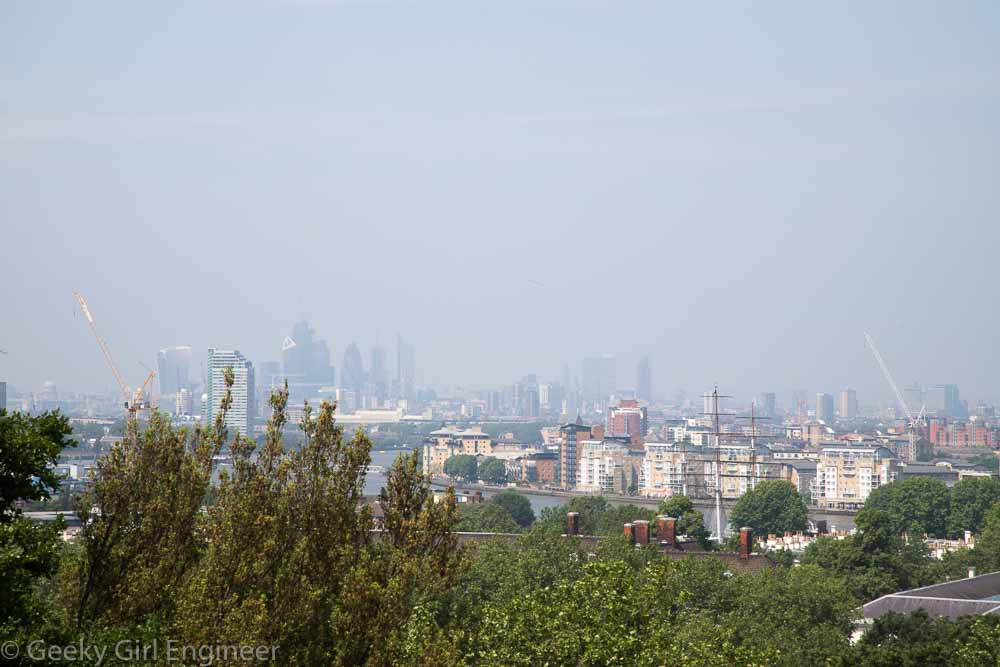
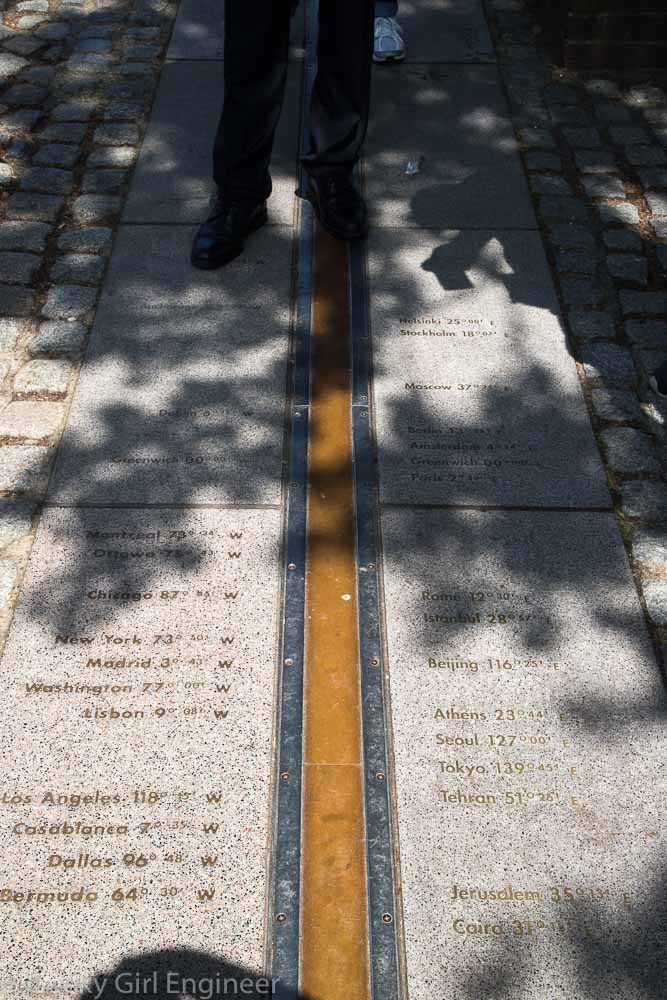
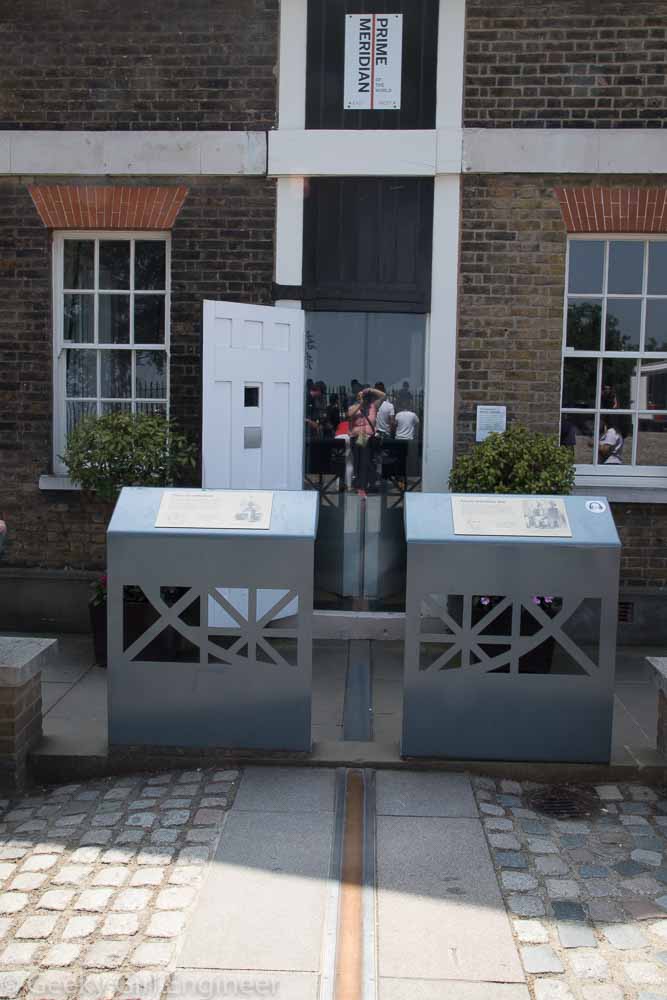
As I am an engineering geek, I felt that one of my must see stops on my London trip was to Greenwich to see the Royal Observatory. I think many people go just to take a photo of themselves on the Prime Meridian. That is a draw, even for me, and it clearly was popular based on how difficult it is to actually have a moment to take a photo on it without tens of other people in your photo frame. The observatory has some really good exhibits both about the history of the actual observatory and also timekeeping in general. It explains how it was first important for sailing and navigation. It is educational, and the displays of old timekeeping devices and navigation astronomy tools is fascinating. Also, the observatory is up on a hill and offers outstanding views of the area.

Royal Observatory

Octagon Room

One of the historic tools used for astronomy

View to the north

View to the northwest

Prime Meridian with longitudes for many cities displayed

Self portrait on the Prime Meridian

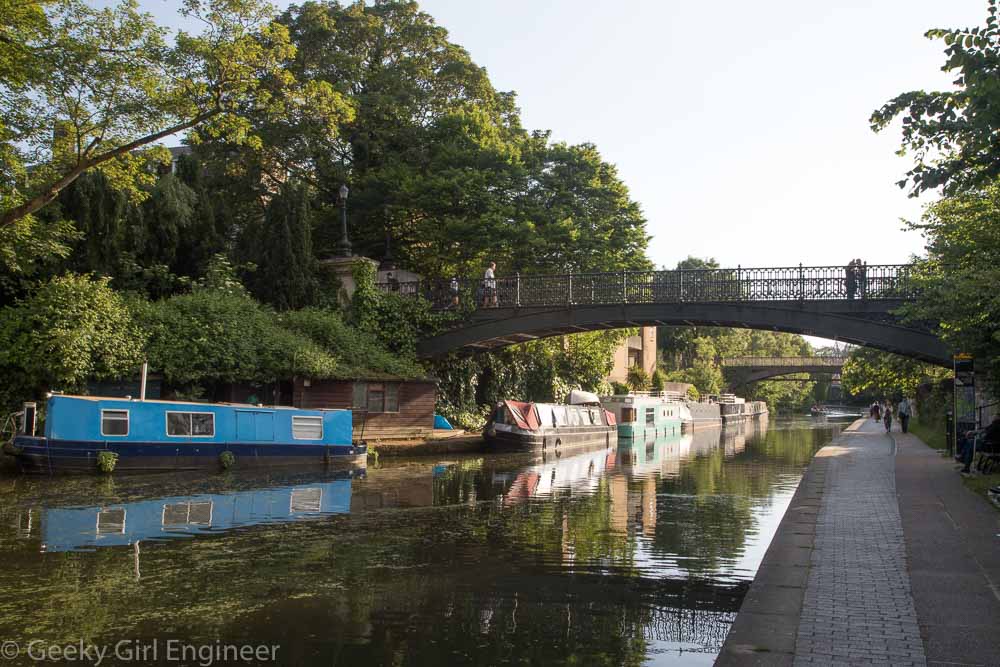
Regents Canal

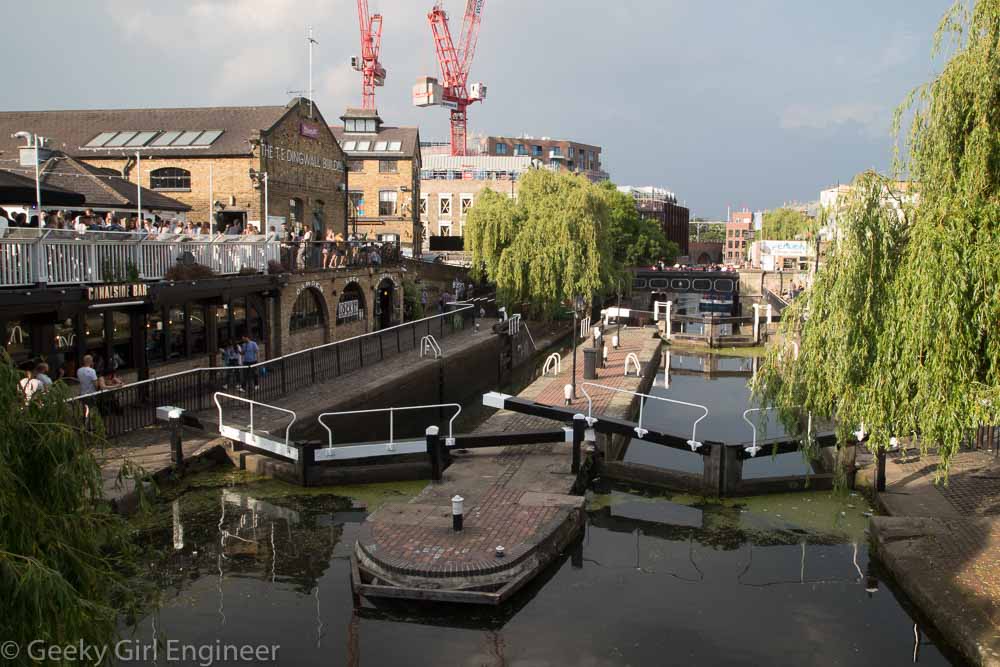
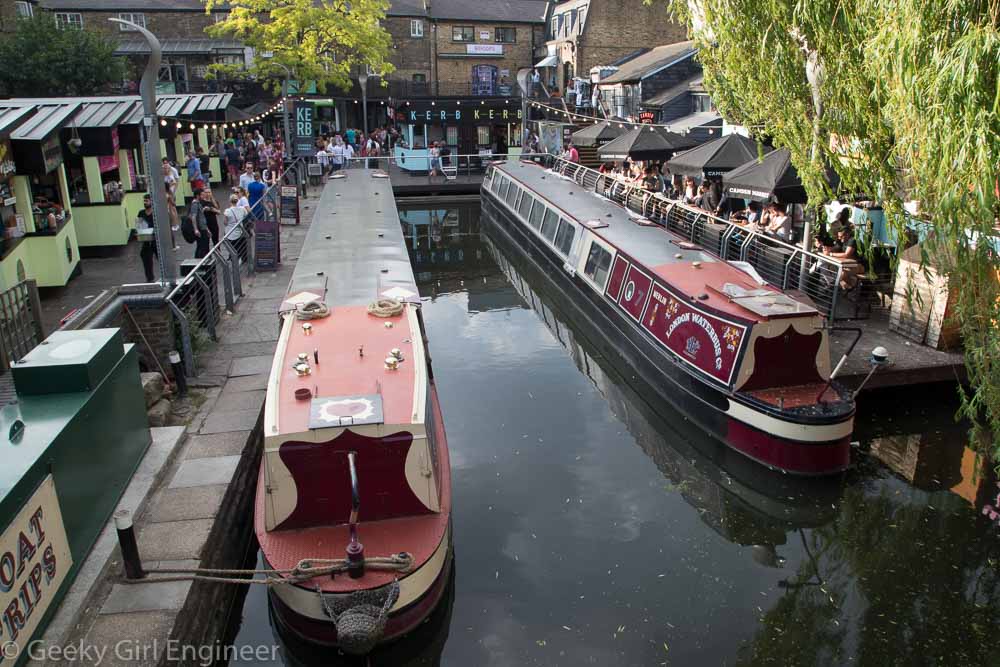
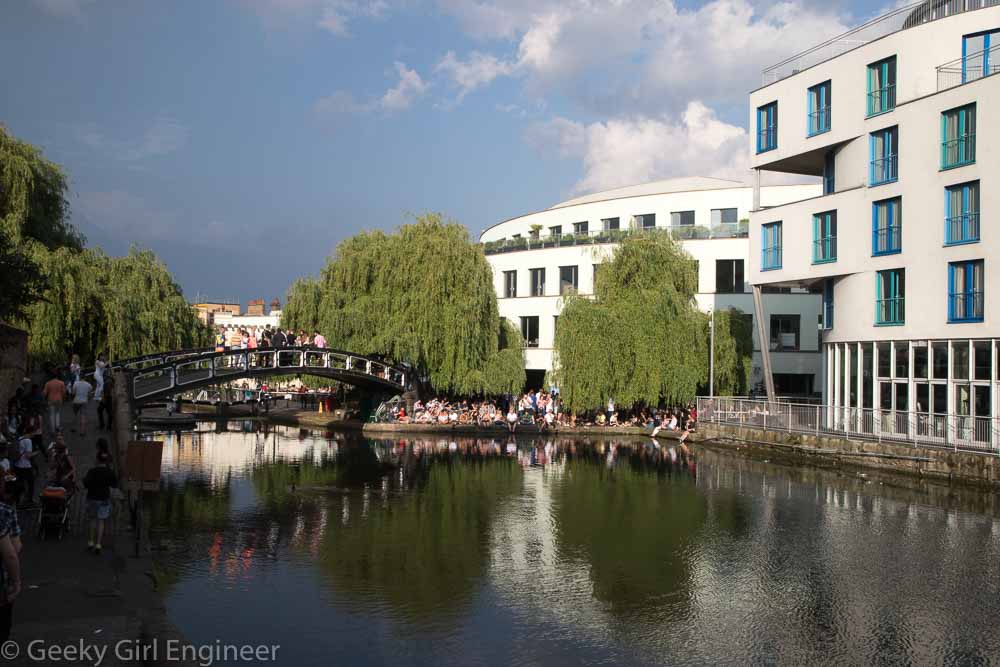
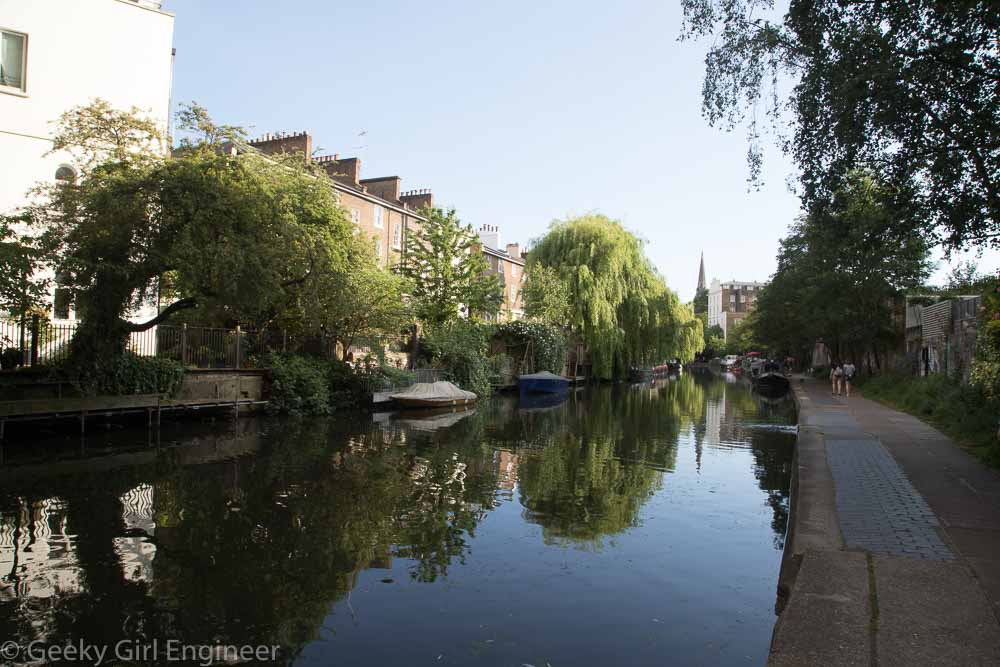
I posted yesterday about my boat ride on along the Regents Canal from Camden Locks to Little Venice. Today I went for a very short walk along the same canal in the Camden Locks area. It really is a pretty area. It is also a very popular area. There were many people walking along the towpath, and there were also many people just hanging around the area.

Camden Locks

London Water Bus docked near Camden Market

Bridge next to Camden Locks
Homes along Regents Canal

Boats moored on canal

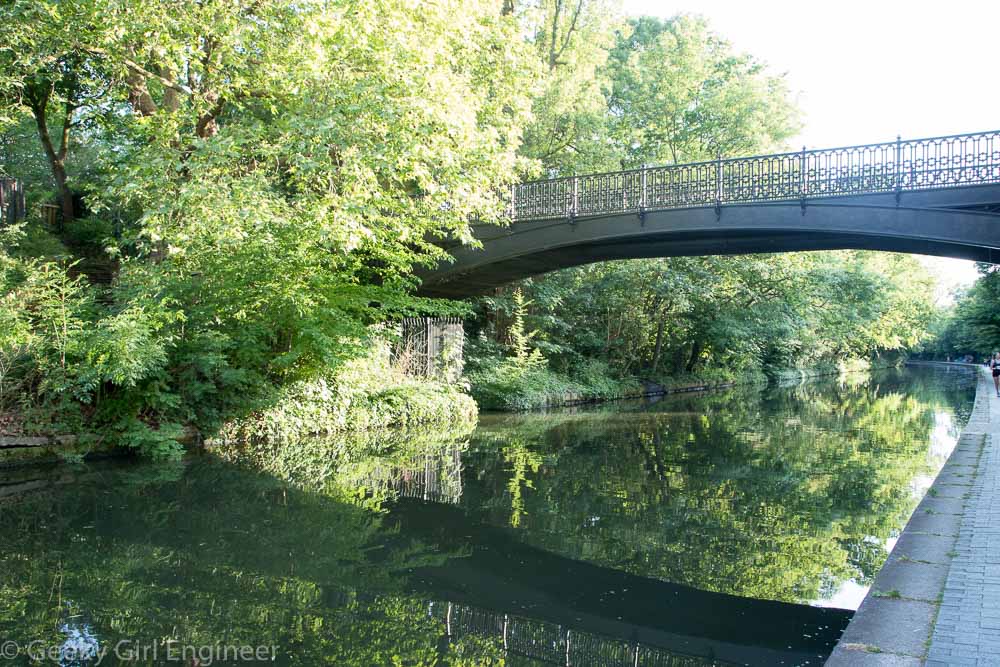
One of many bridges over the canal

London Canals

London surprises me in several ways. One of those ways is the number of canals, and the number of boats that still use those canals. I don’t think there is a lot of commercial transportation using the canals, but there are at least a couple of boats that run routes from point A to point B. Then there are also people who seem to live on their boat, and of course people who rent them for a short excursion. I took the London Water Bus on the Regents Canal from Camden Locks to Little Venice. The route went past the zoo, stately homes, and apartment buildings. It even went through a tunnel. A nice enjoyable ride, and a very different side of London.

Near the Camden Locks

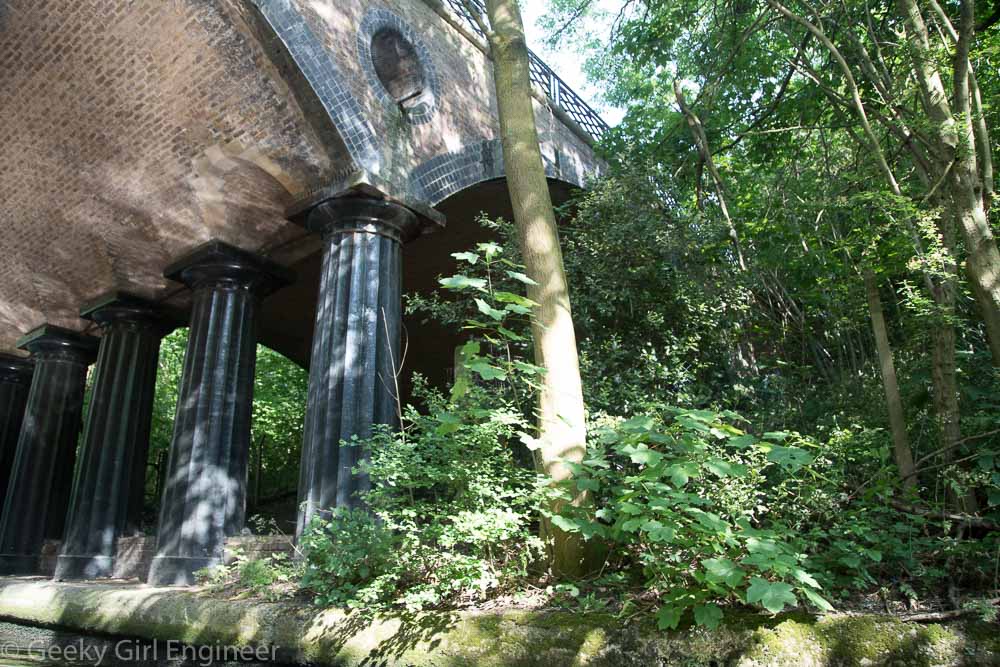
One of the prettier bridges we went under

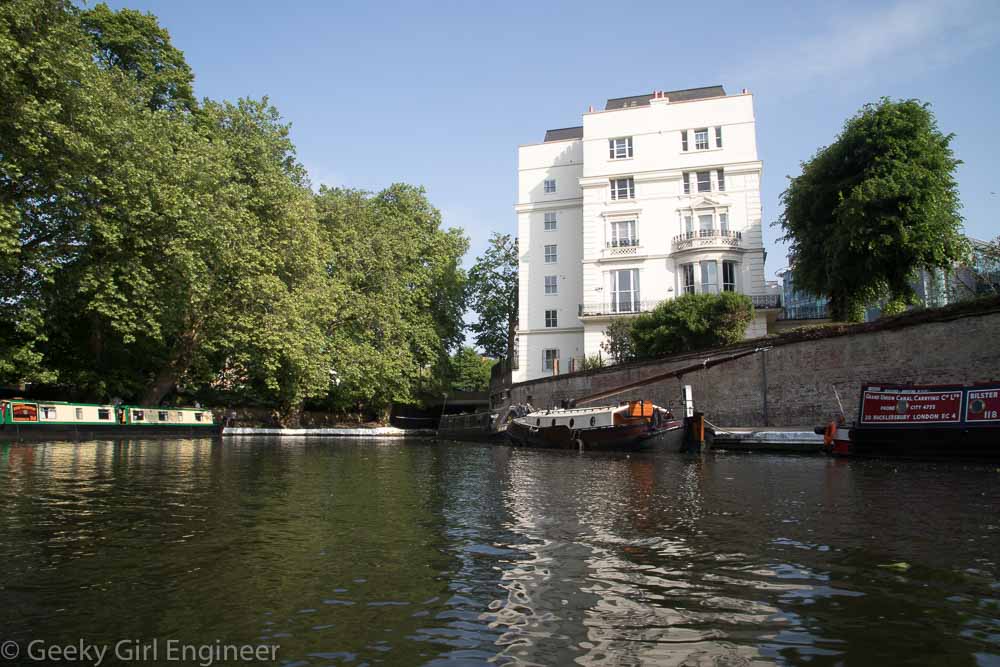
Passing and identical boat as the one I was in

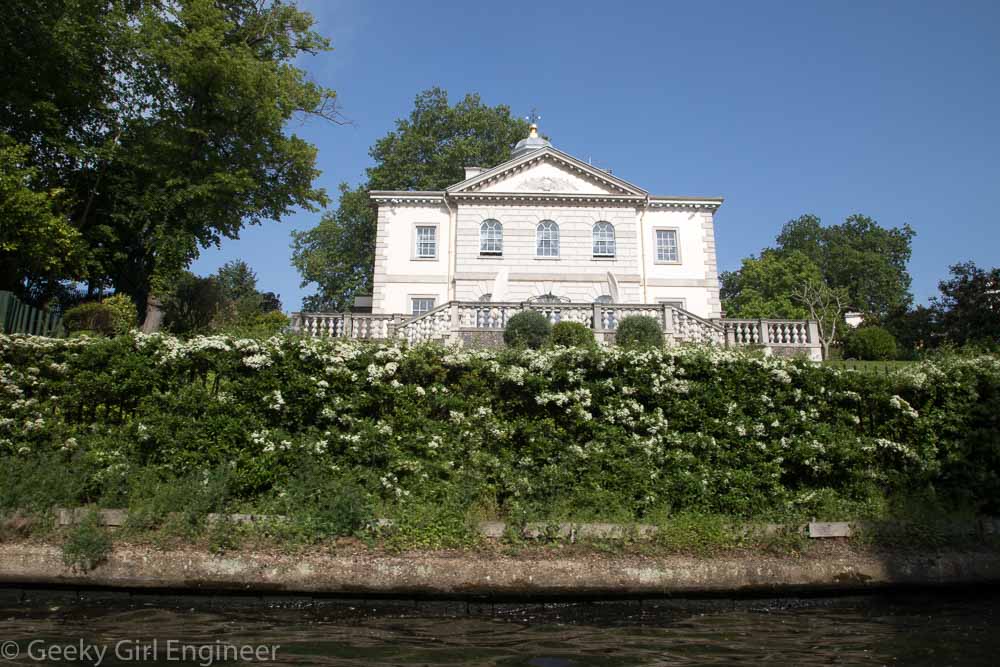
Gorgeous homes

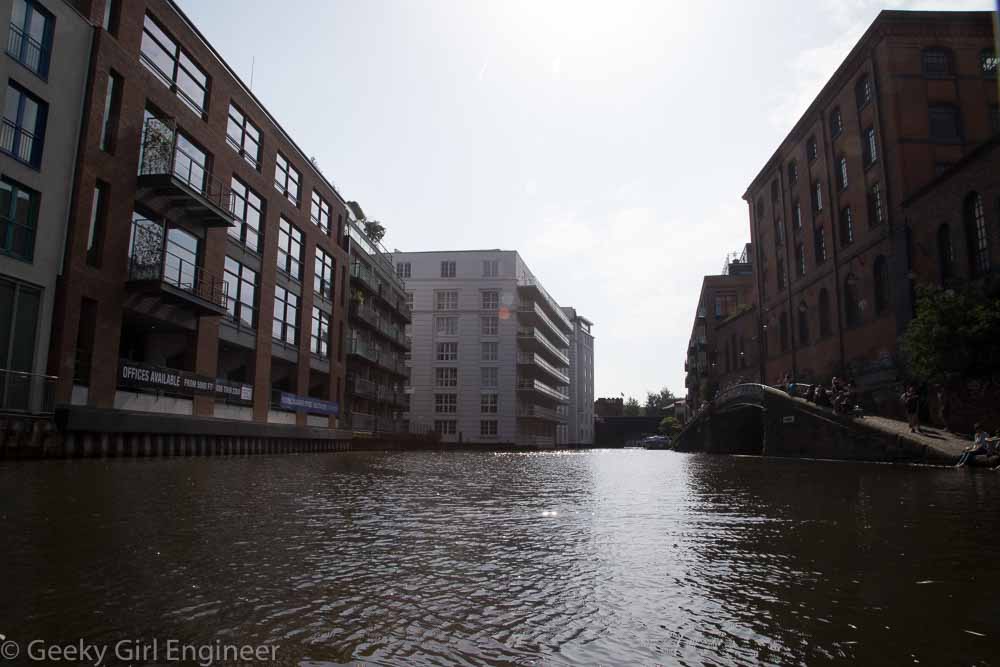
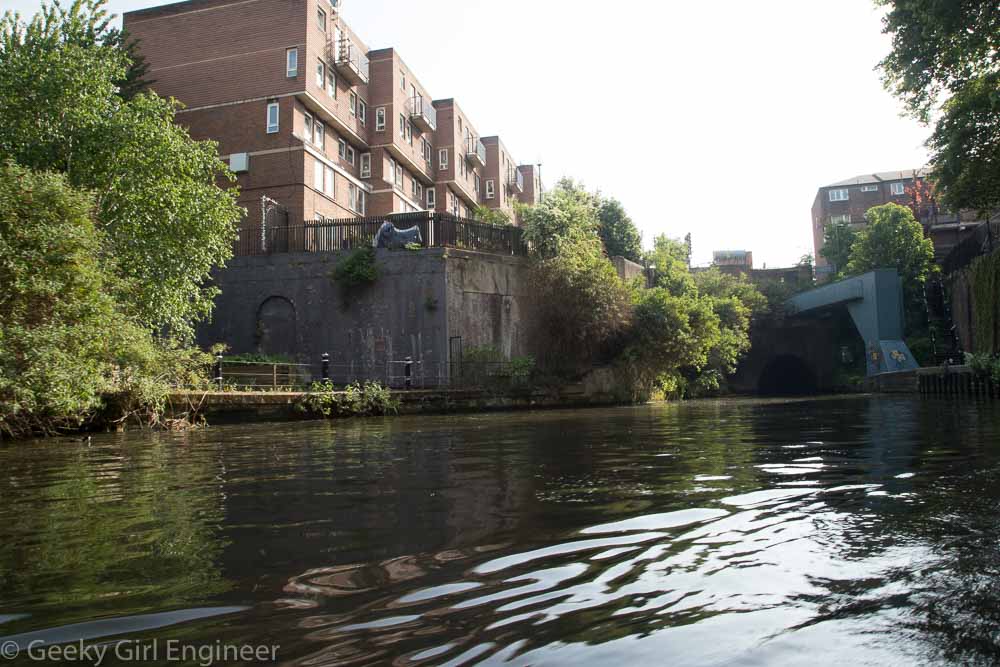
Apartment buildings near the tunnel

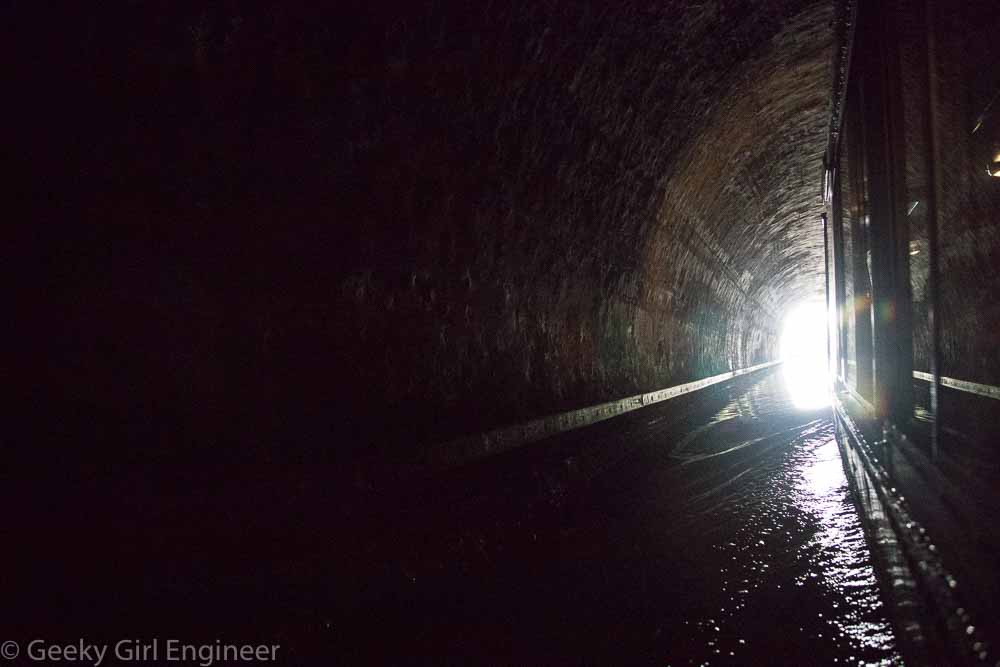
Inside the tunnel

Near Little Venice

Tower Bridge
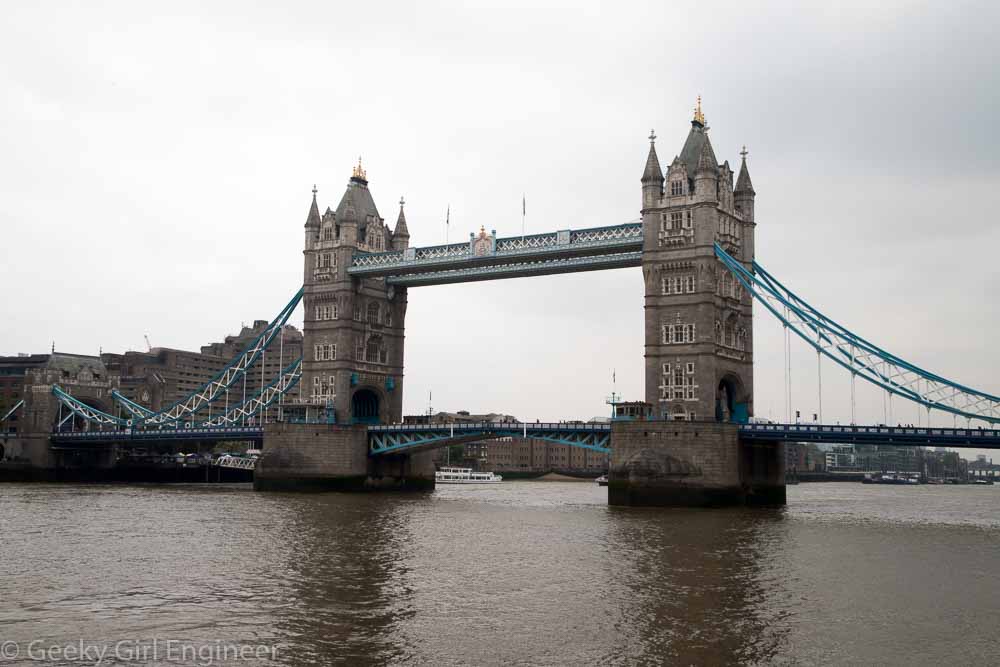
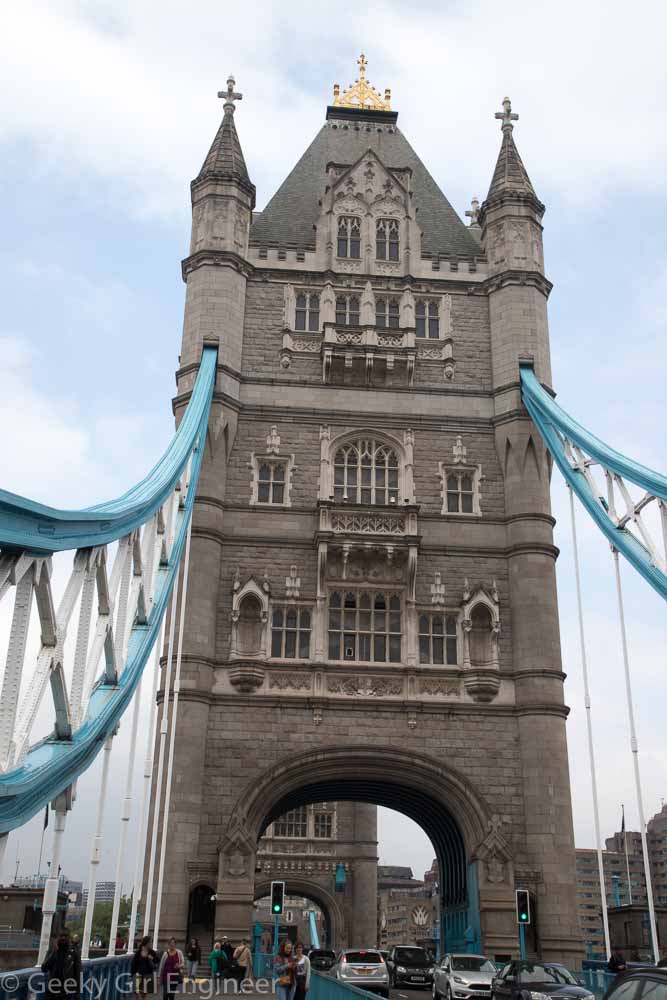
I love bridges, so while in London I am visiting as many bridges as possible (although there are quite a few). One bridge that was on my must see list was the iconic Tower Bridge. It is a beautiful bridge. Even better though, you can tour the historic engine room and also go to the top and walk across the upper level walkways that connect the two towers.
Tower Bridge
South tower

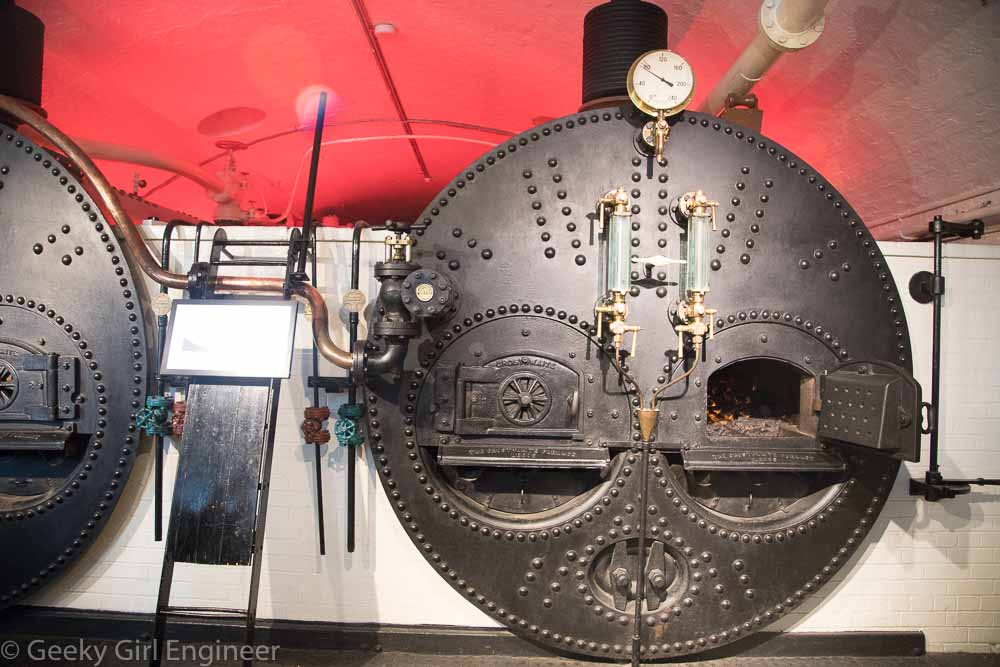
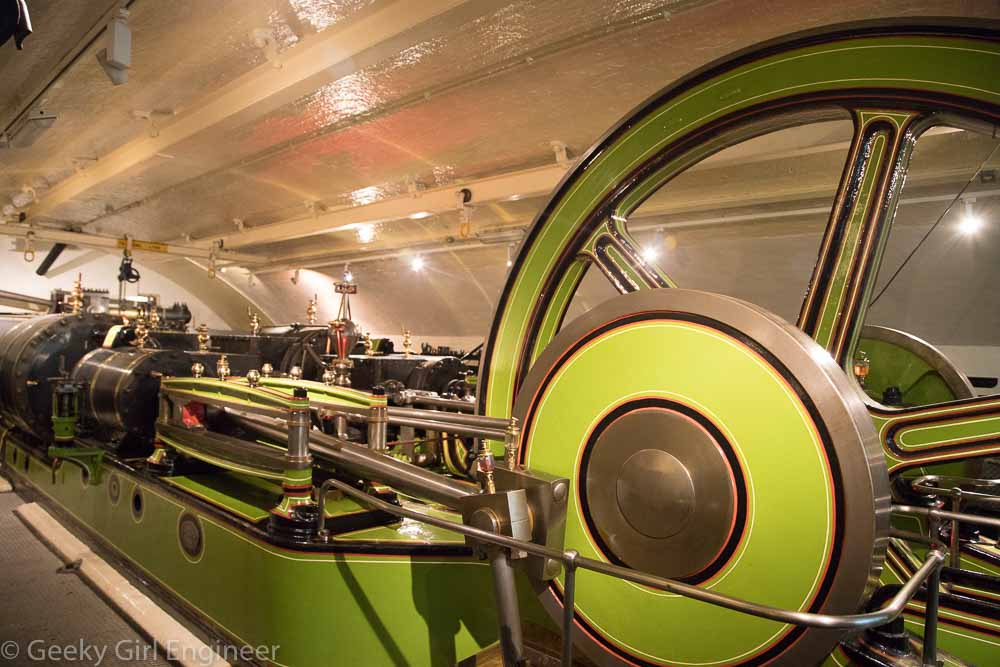
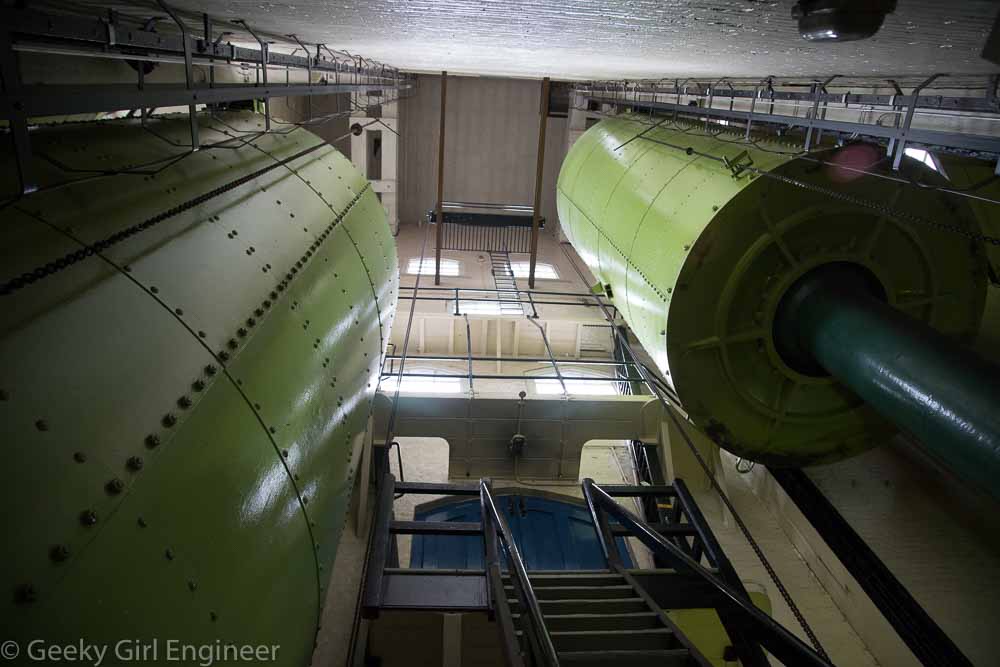
Inside the engine room areas, you can see the historic coal burners, steam engines, and the accumulators. The bridge now operates with electricity.
Coal burner

Steam engine
Accumulators

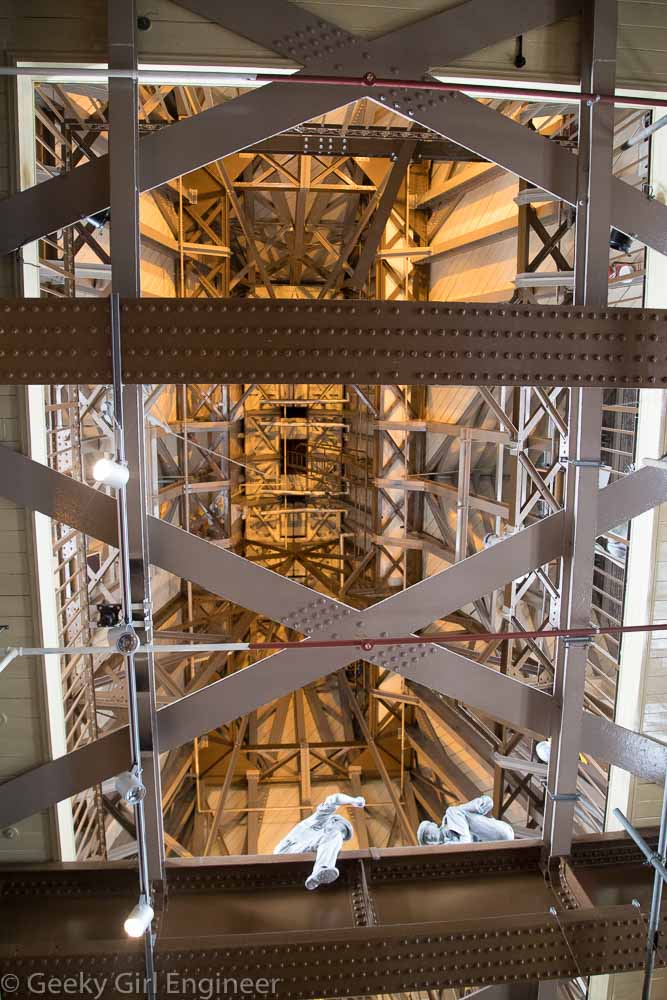
In the south tower, you can see the inside of the tower and all the structural components. They have human figures up in the structure to demonstrate how it was built.

View inside the south tower, looking up

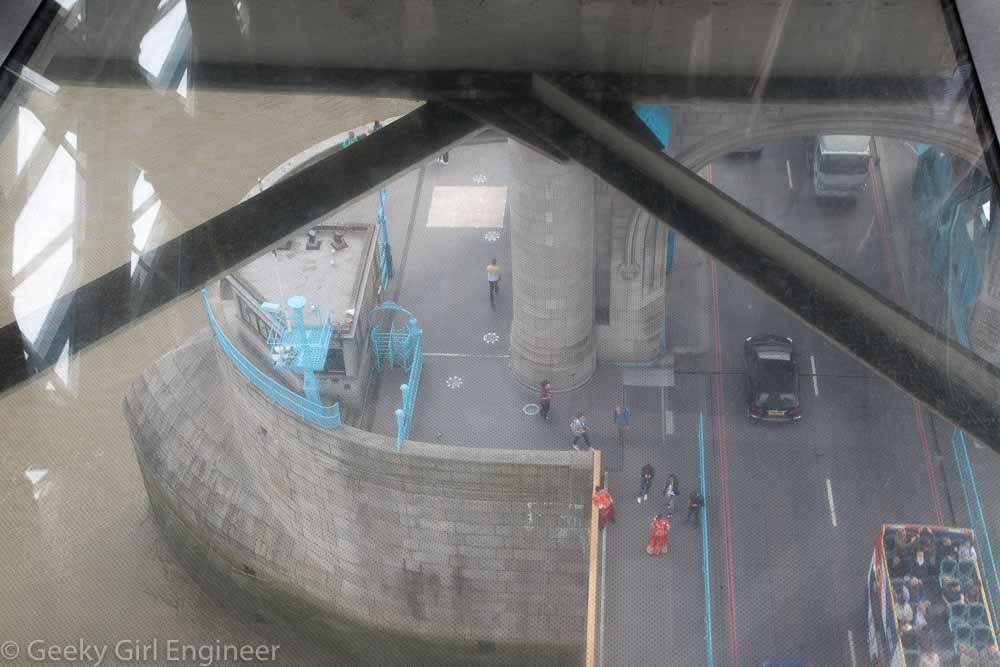
Both the east and west upper walkways have a segment of glass floor, so you can look down onto the river and roadway.

Looking to the road from glass floor of upper level walkway

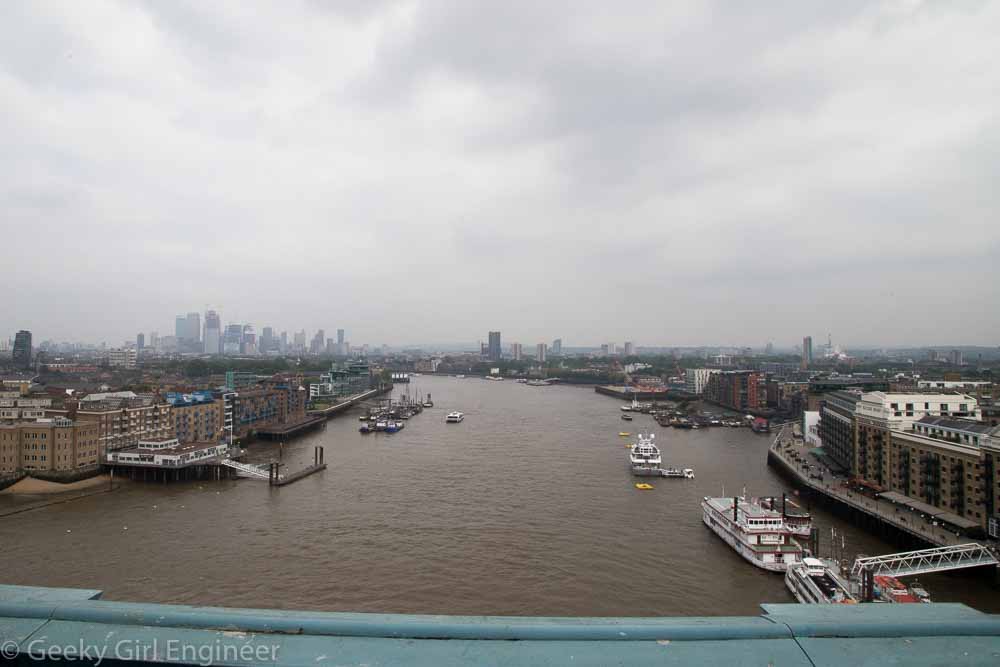
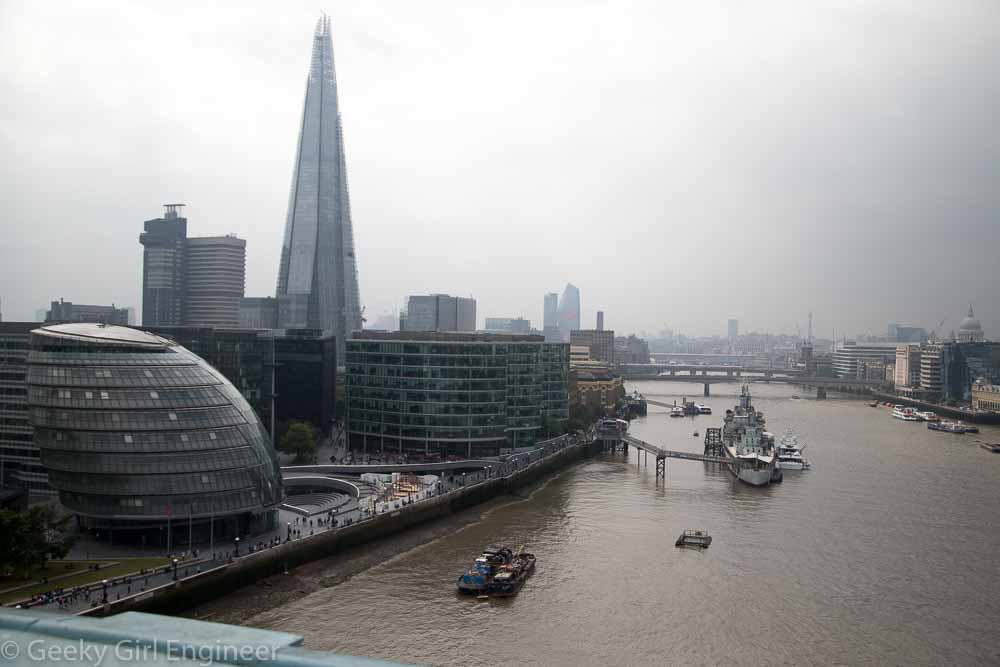
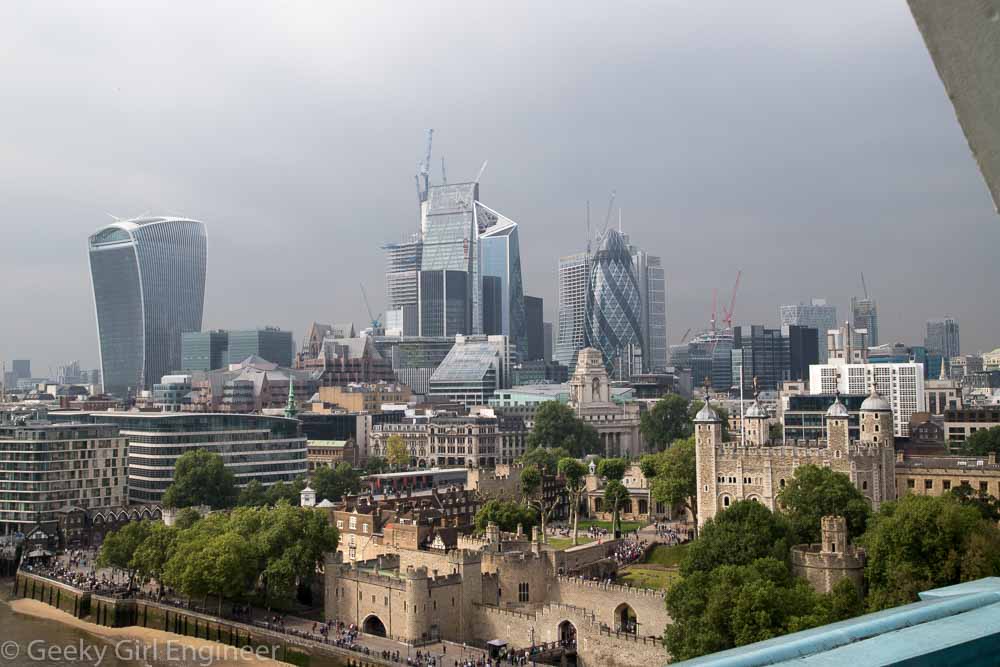
The views from the upper walkways are wonderful. You can see very far up and down the River Thames.

East view from upper walkway

West view from upper walkway

West view from upper walkway

Charing Cross: Access All Areas

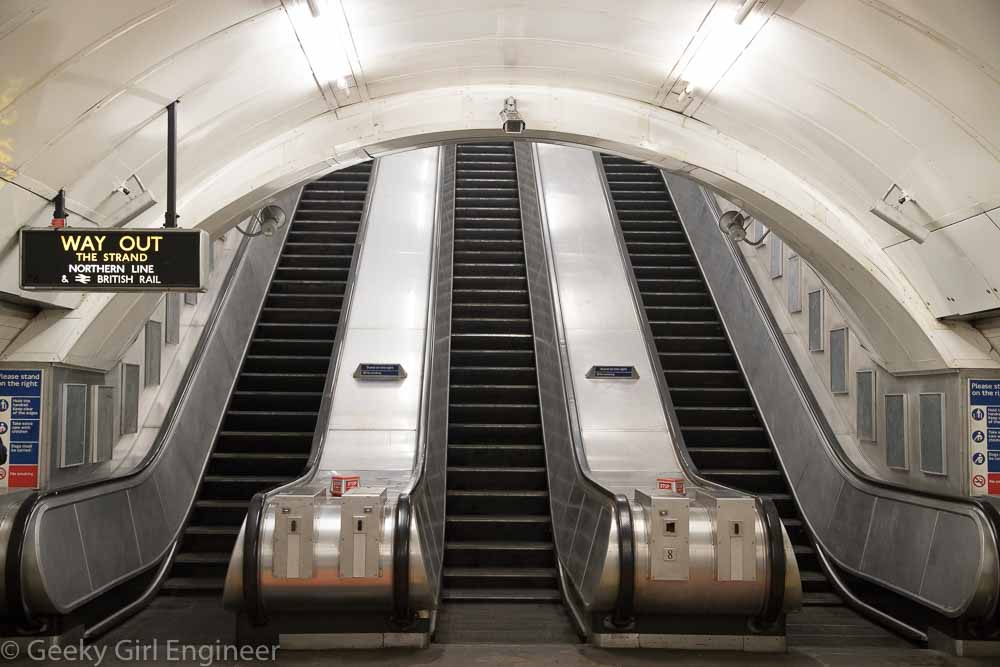
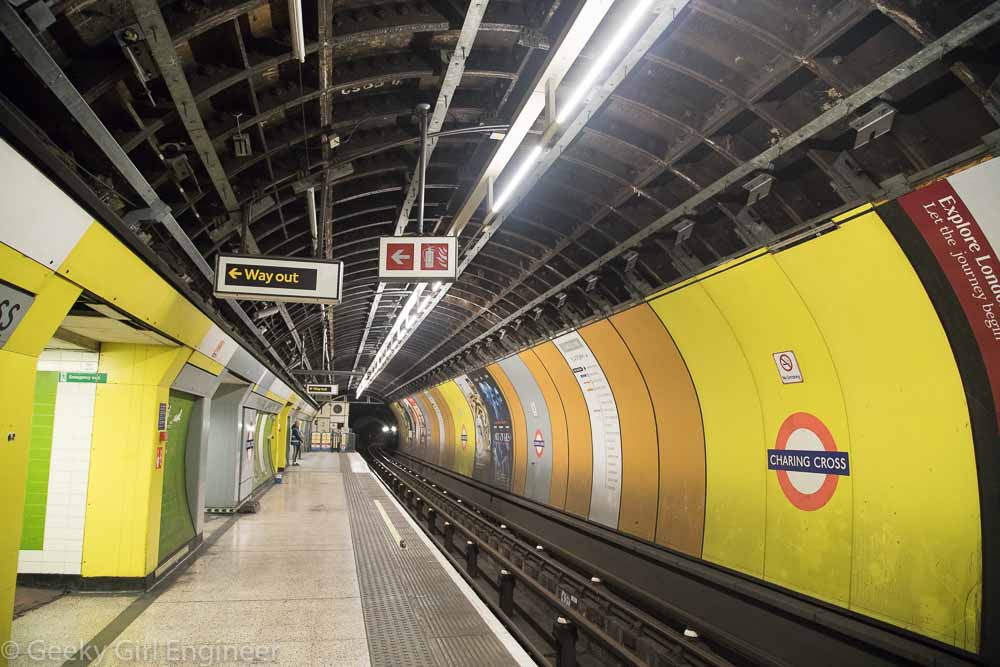
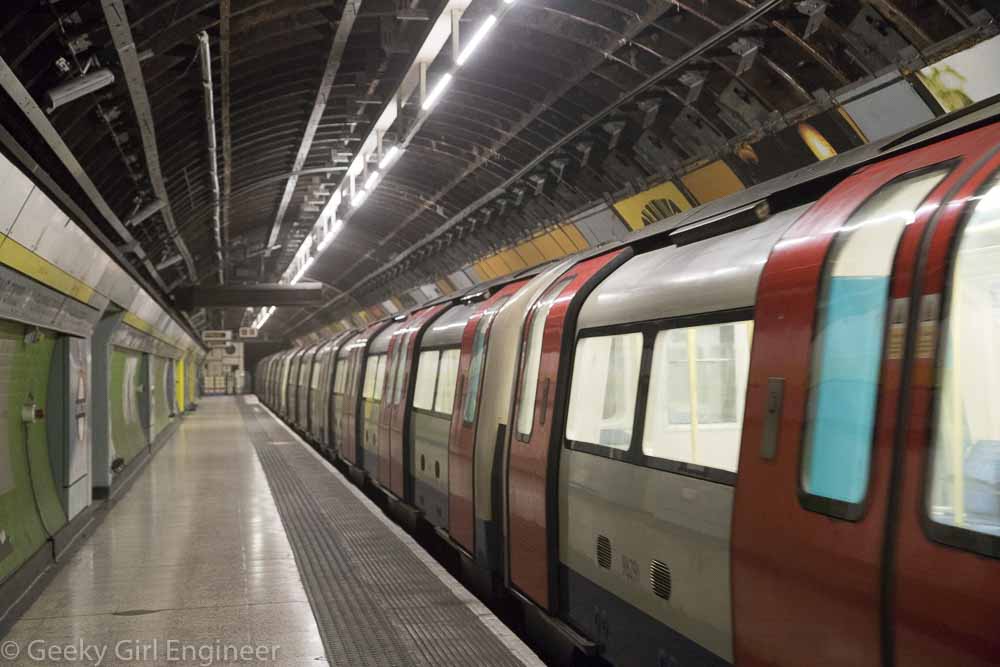
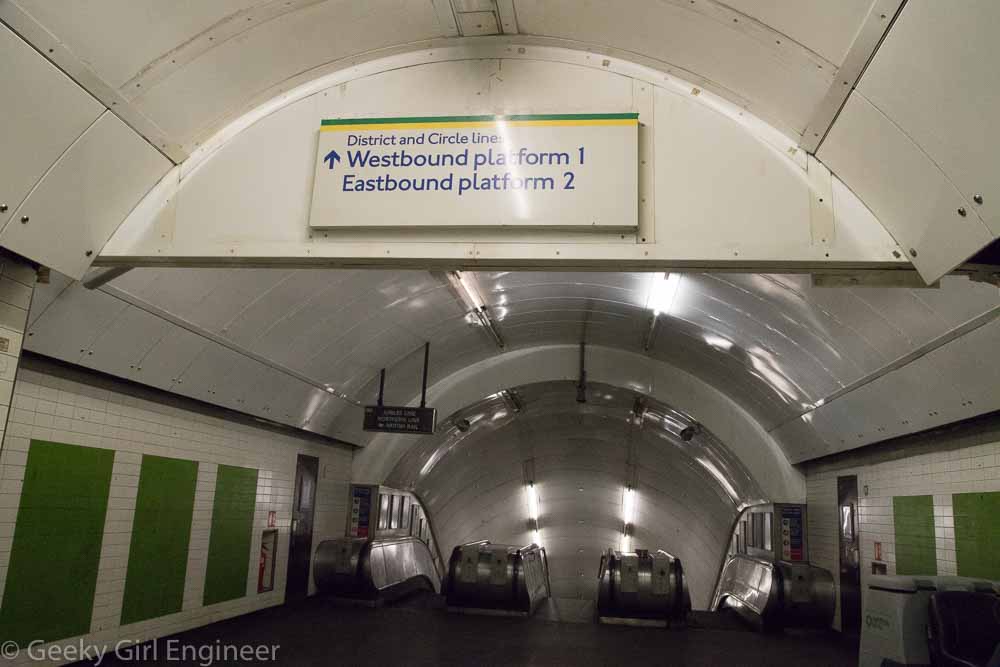
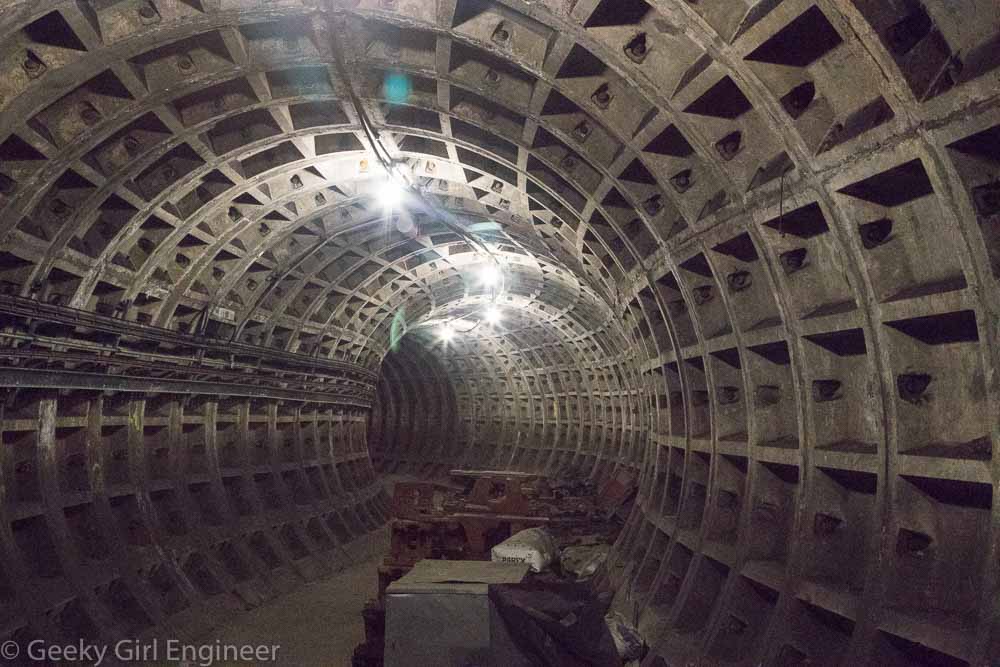
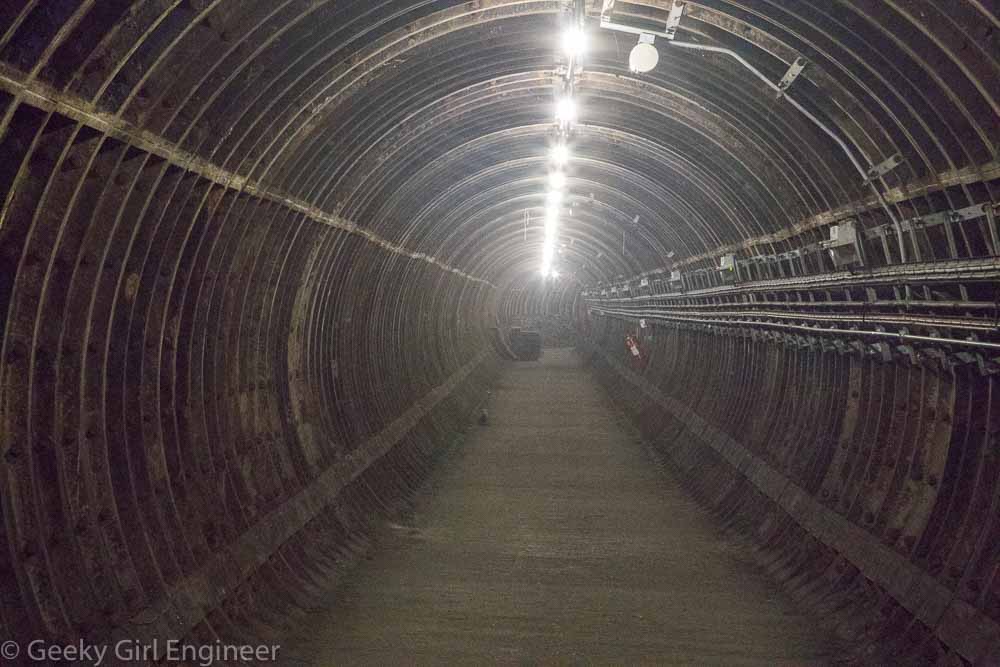
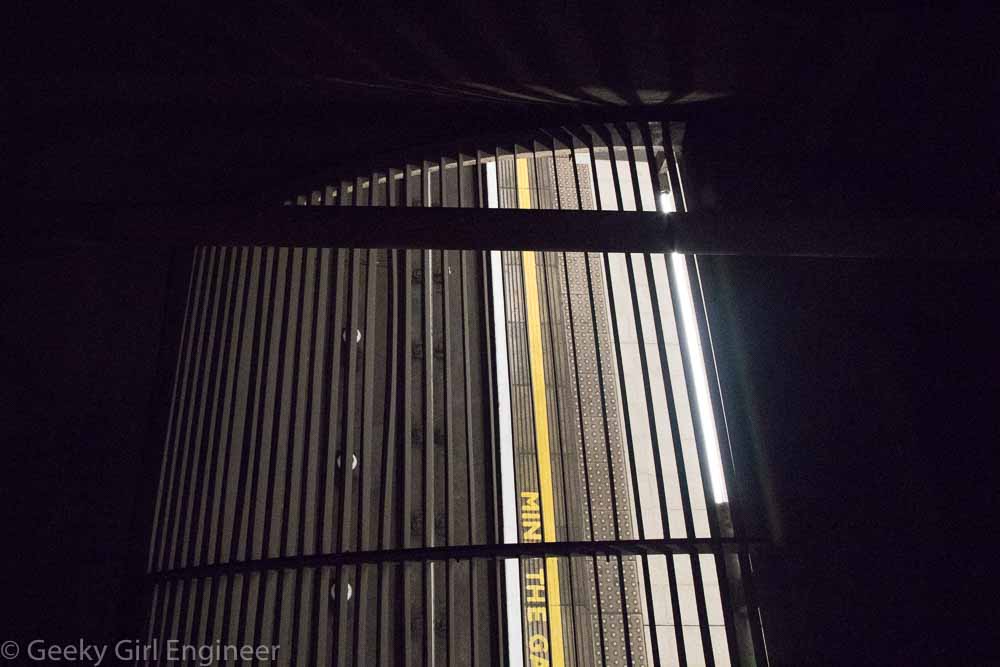
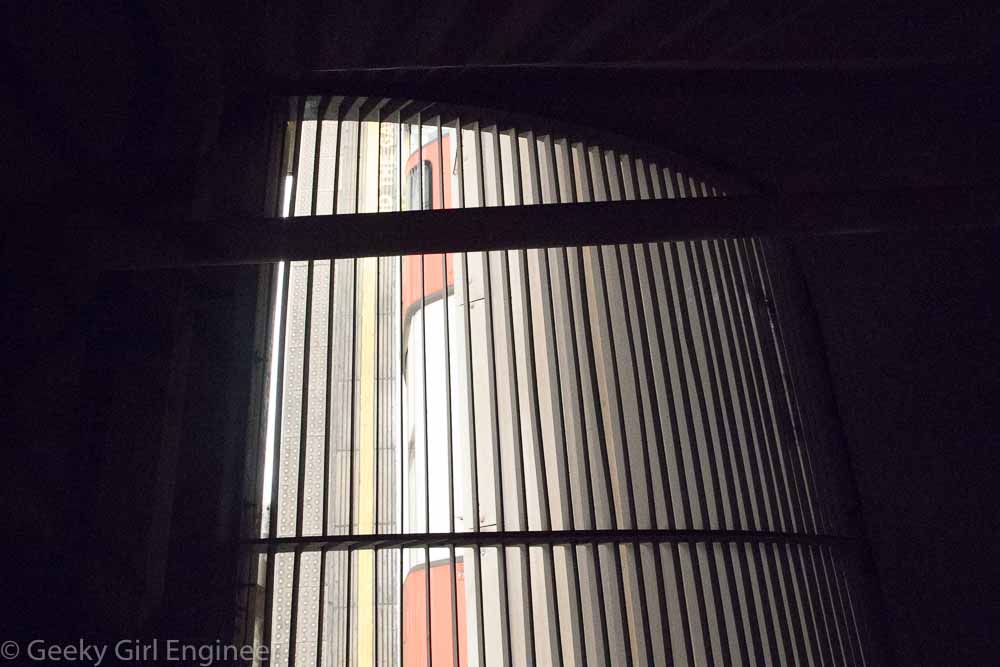
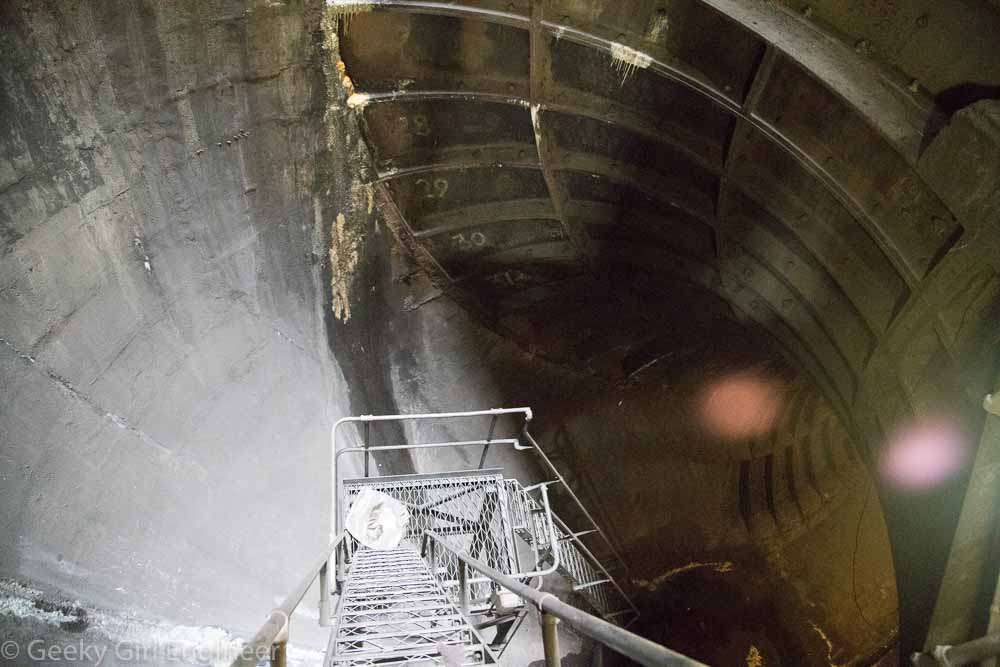
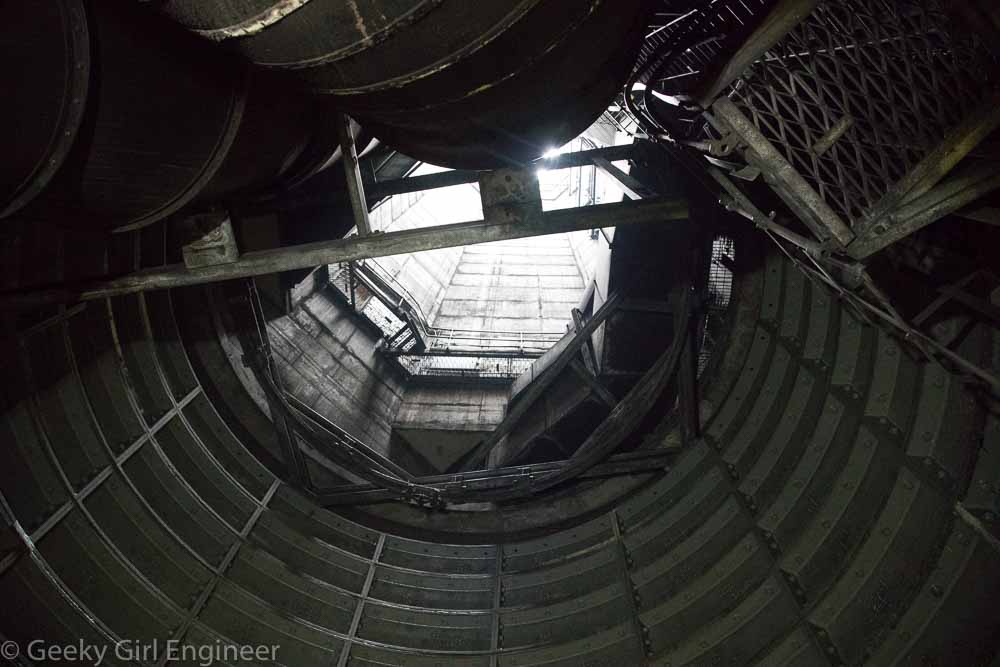
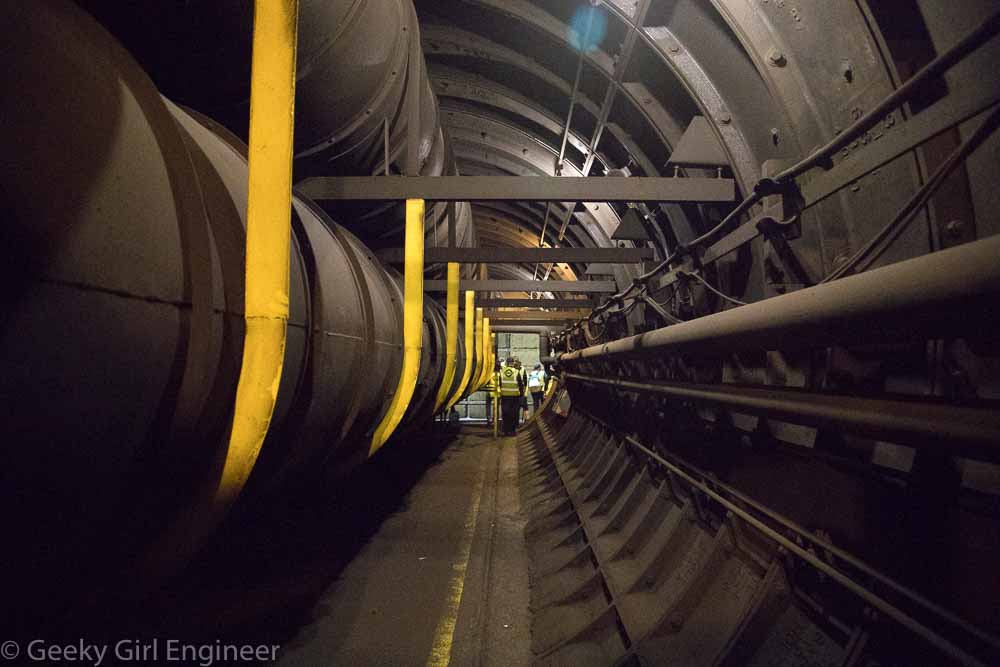
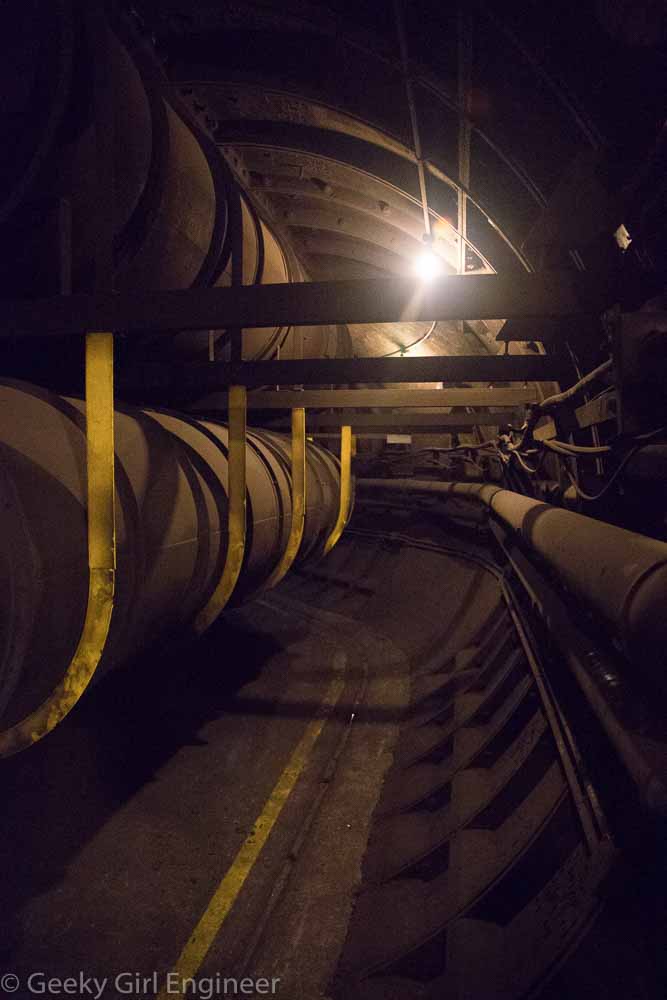
My vacation in London started with a what some would call a nerd tour. I took a Hidden London tour through London Transport Museum. The tour was of Charing Cross station and included an abandoned platform, where the Jubilee Line used to stop, and also ventilation tunnels. The Jubilee Line platform was abandoned in 1999 when the line’s extension was put into operation, and the line needed rerouting for the extension. The platform is now used for testing station features and also frequently for filming. The tracks are still used to store trains or turn them around. The tour also included accessing ventilation tunnels and viewing the ventilation shafts that allow air from the subway tunnels to escape to the outside. We also got to look down a shaft to the subway tunnel below. The ventilation shafts are massive but needed to allow air to flow through the tunnels. Finally we also got to go under Trafalgar Square via a construction tunnel that was built to bring supplies to the tunnel work and remove spoils from the tunneling.

Escalators down to the abandoned Jubilee Line platform

Abandoned Jubilee Line platform

Abandoned Jubilee Line platform with train running through

Entrance to the abandoned Jubilee Line platform, barely visible sign in background is original, sign in foreground is a fake sign placed there during filming of a James Bond film

Construction tunnel under Trafalgar Square

Construction tunnel under Trafalgar Square

Ventilation shaft above subway platform

Ventilation shaft above subway platform with train at station (note red and white of train)

Ventilation shaft, looking down as it goes to subway tunnel

Ventilation shaft, looking up to sky

Ventilation tunnel

Ventilation tunnel