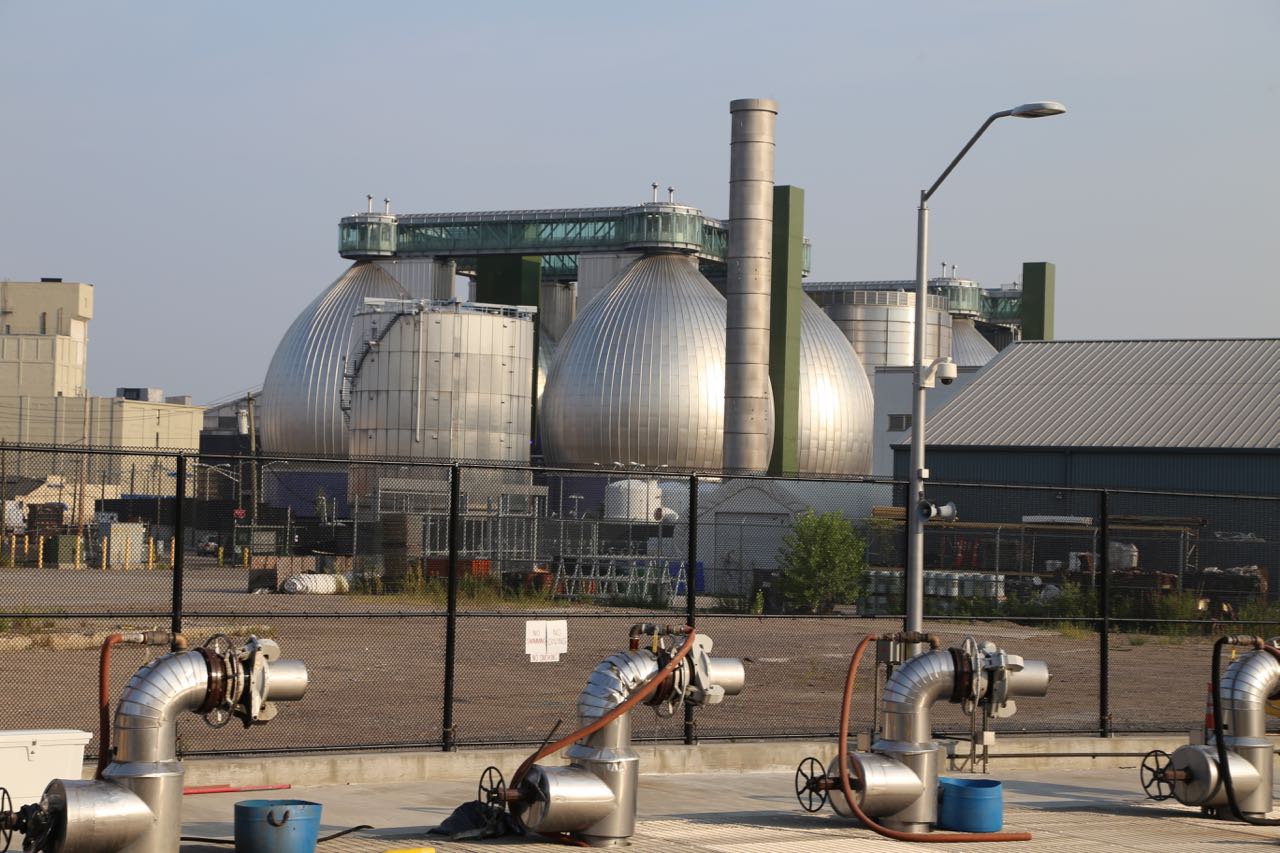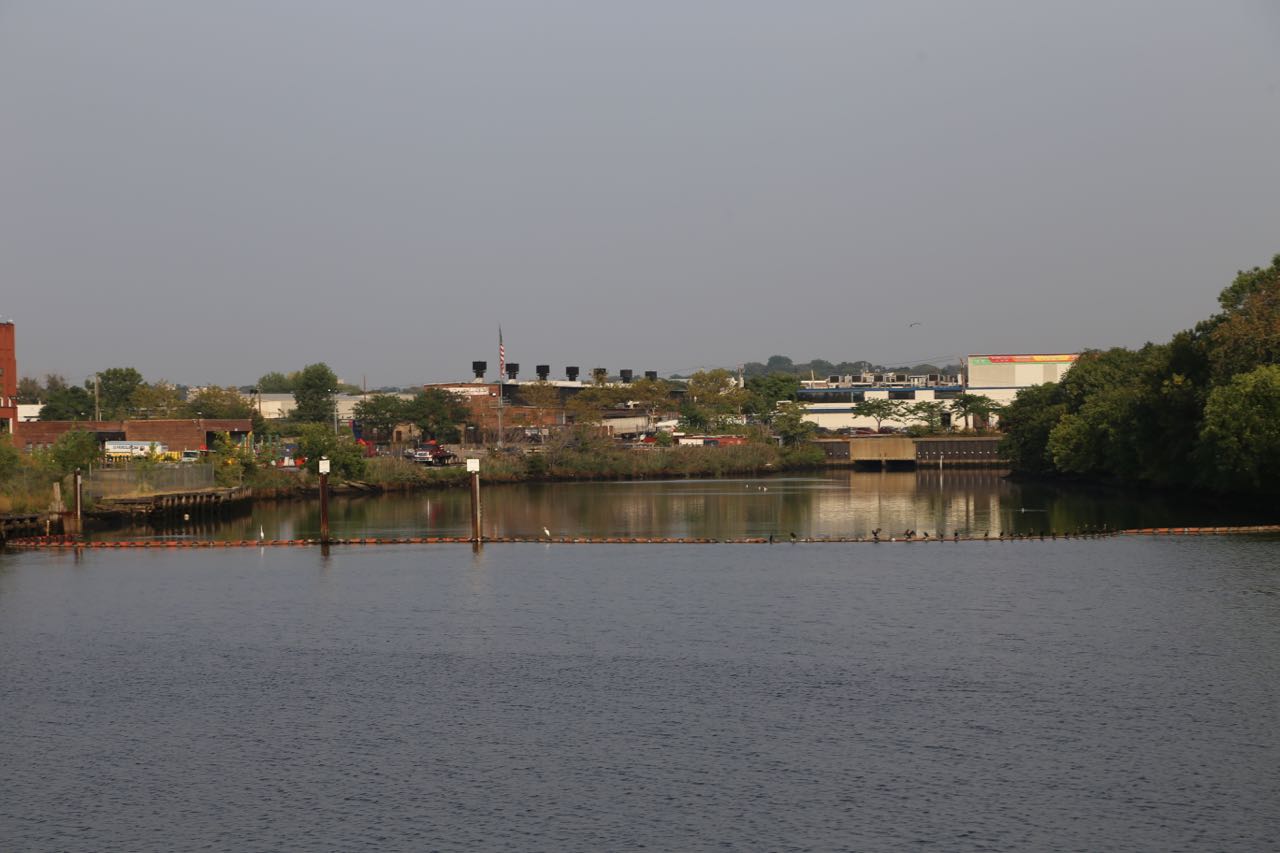
NY 240th Street Yard

My most recent nerd trip to New York was to tour the New York City Transit Authority’s 240th Street Yard, also known as Van Cortlandt Yard. The train yard is completely elevated, which in my opinion makes for impressive structural engineering. It is a small shop, so it cannot hold all the trains that are out of service. The do regular maintenance as well as repair. I was impressed with all the safety mechanisms and protocols they have to make sure no one gets hurt.
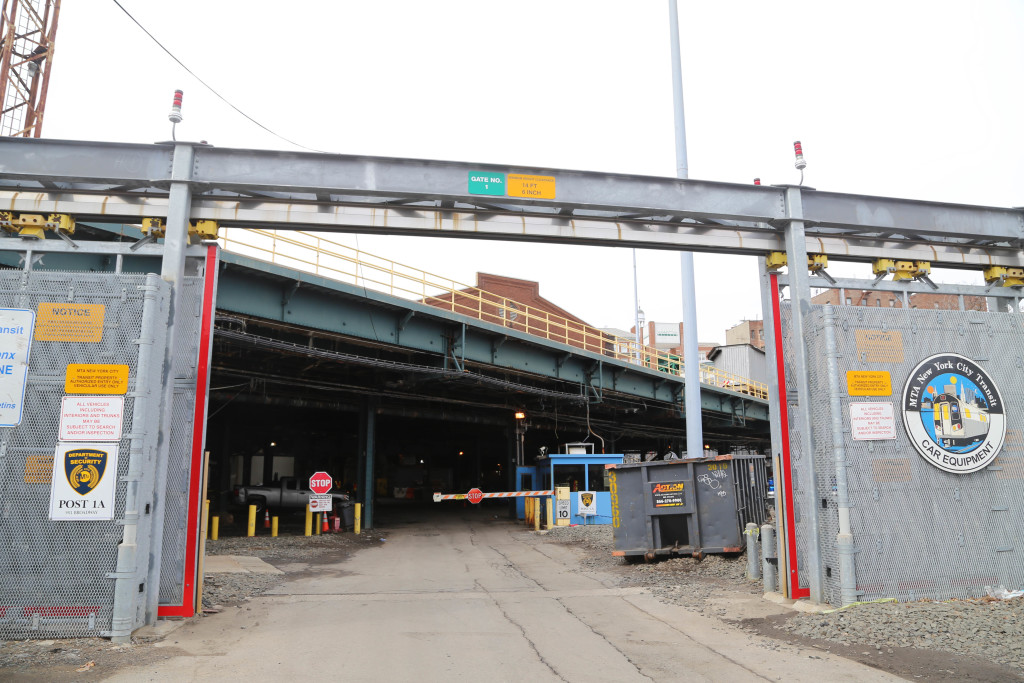
Entrance to the elevated 240th Street Train Yard
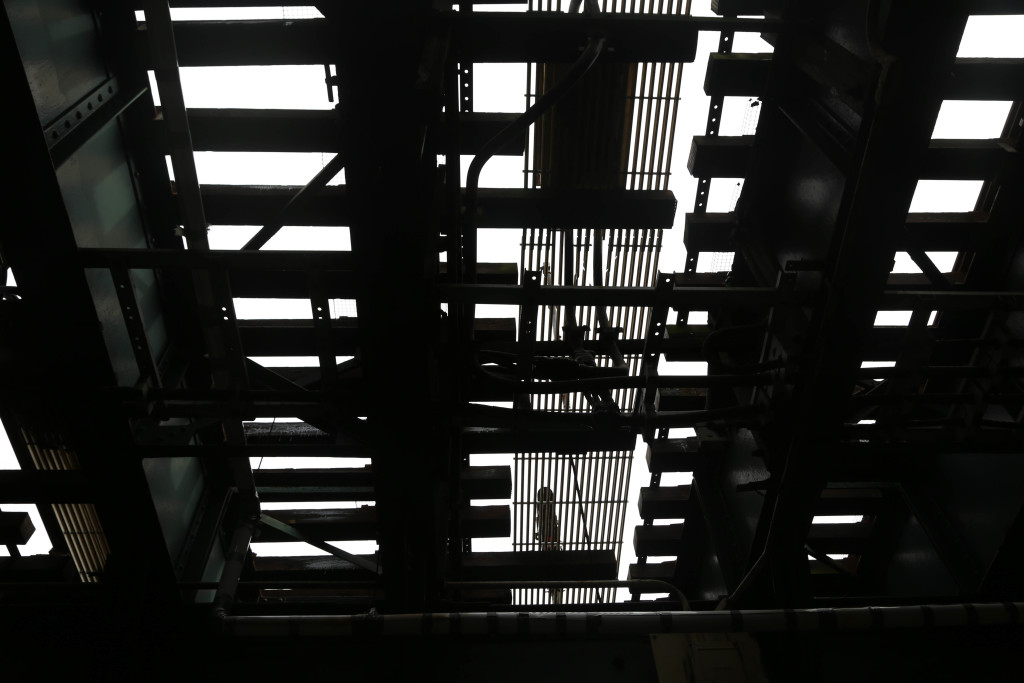
Entrance to the elevated 240th Street Train Yard

Below the elevated 240th Street Train Yard
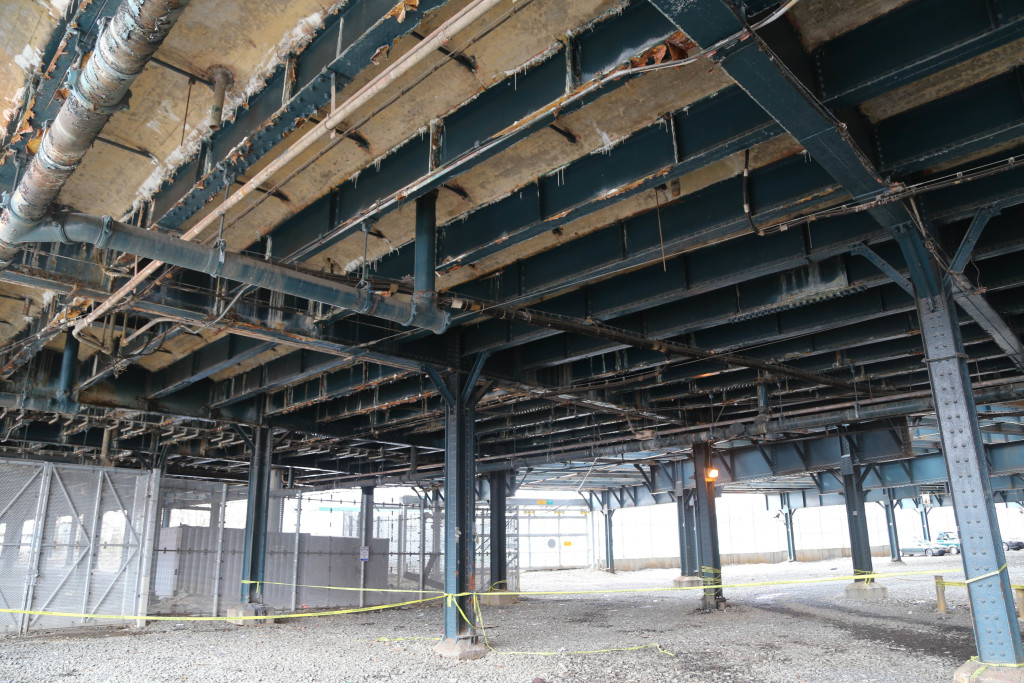
Below the elevated 240th Street Train Yard

The underside of the completely elevated 240th Street Train Yard
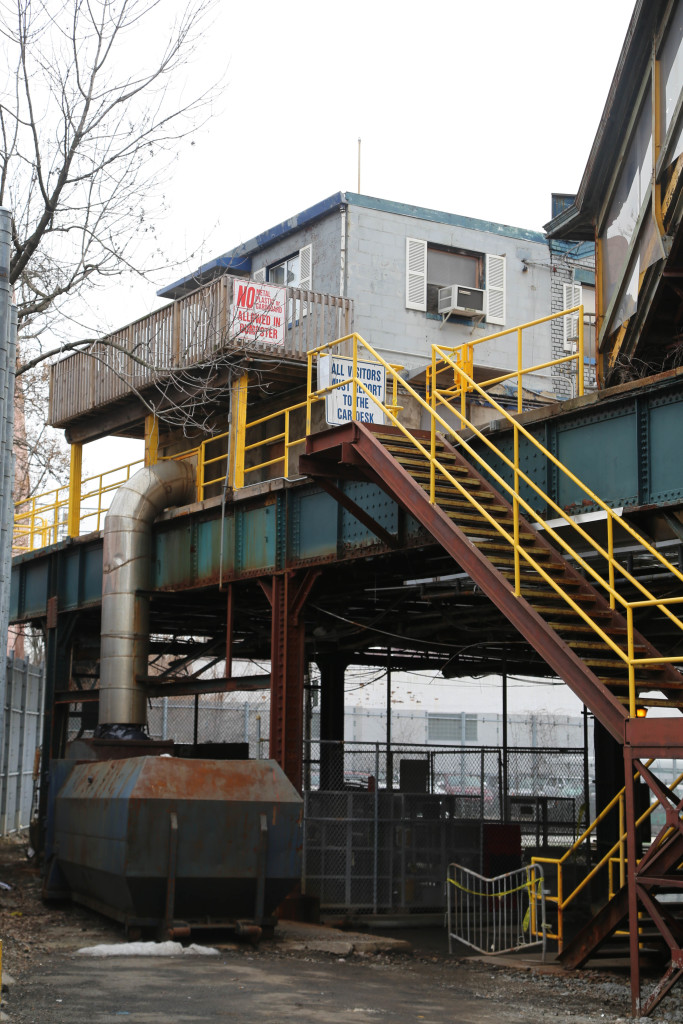
The underside of the completely elevated 240th Street Train Yard

The lavish office of the yard supervisor
The lavish office of the yard supervisor

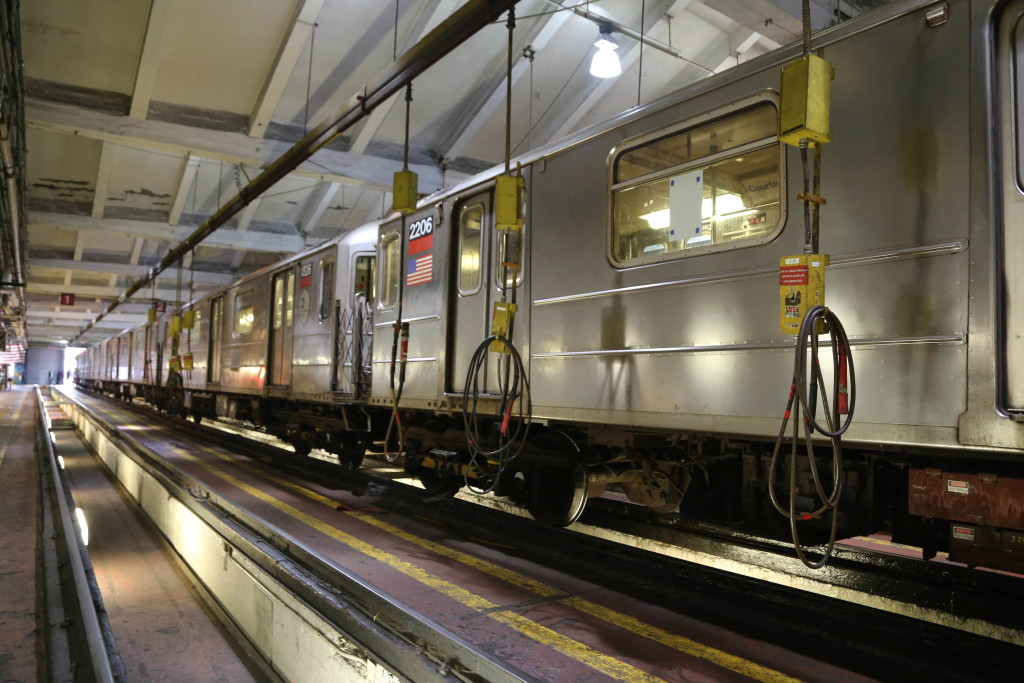
Train in for maintenance
Train in for maintenance

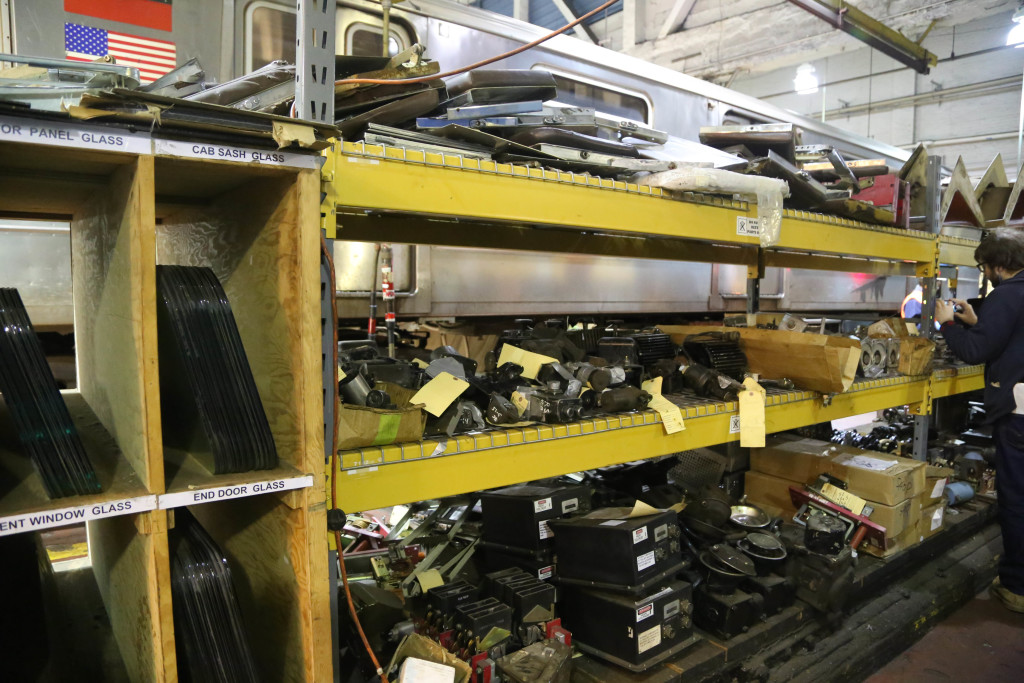
Stacked and organized supplies
Stacked and organized supplies

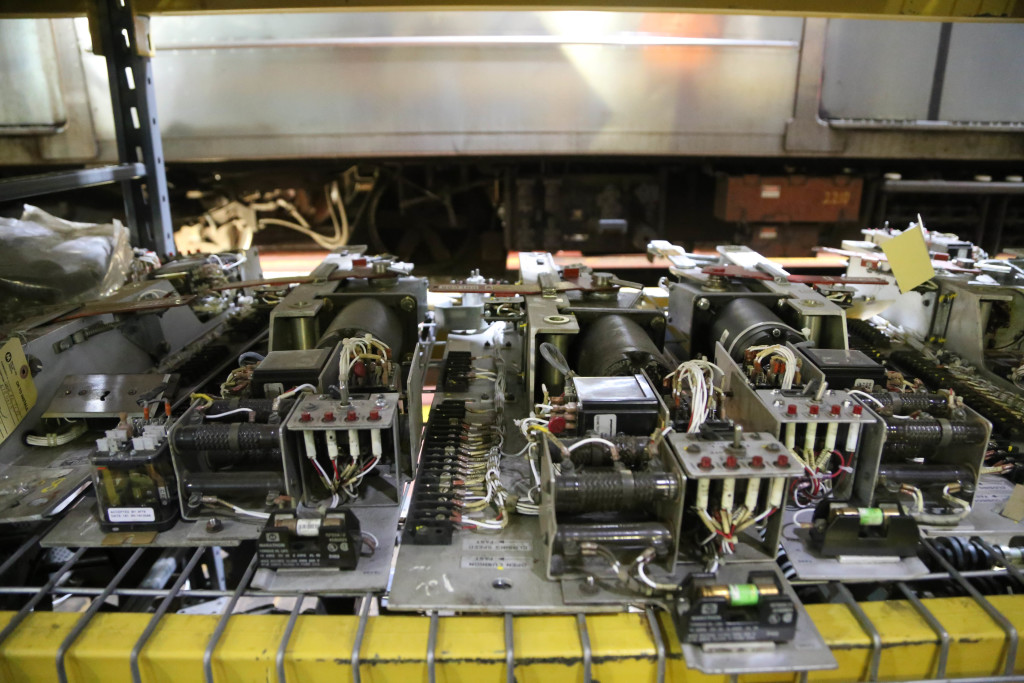
I have no idea what these are, but the shop has really cool looking parts
I have no idea what these are, but the shop has really cool looking parts

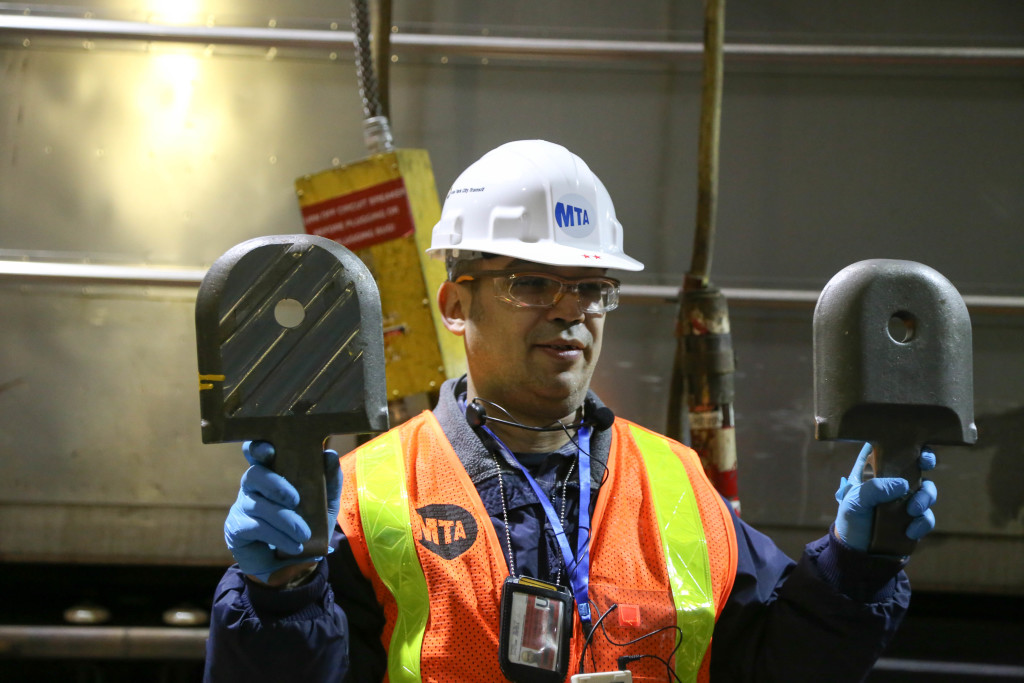
Contact shoes (how the train makes contact with the 3rd rail). The one of the left is a snow shoe, the ridges cut the snow and ice, and the one on the right is a regular shoe.
Contact shoes (how the train makes contact with the 3rd rail). The one of the left is a snow shoe, the ridges cut the snow and ice, and the one on the right is a regular shoe.

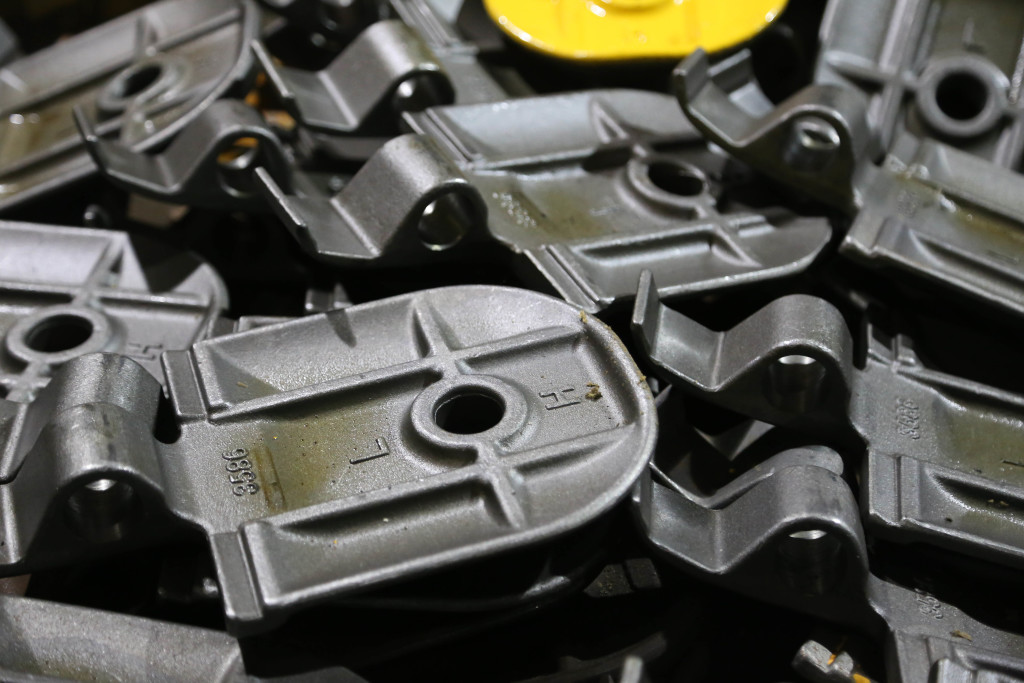
Basket full of contact shoes. The yellow one is a snow shoe.
Basket full of contact shoes. The yellow one is a snow shoe.

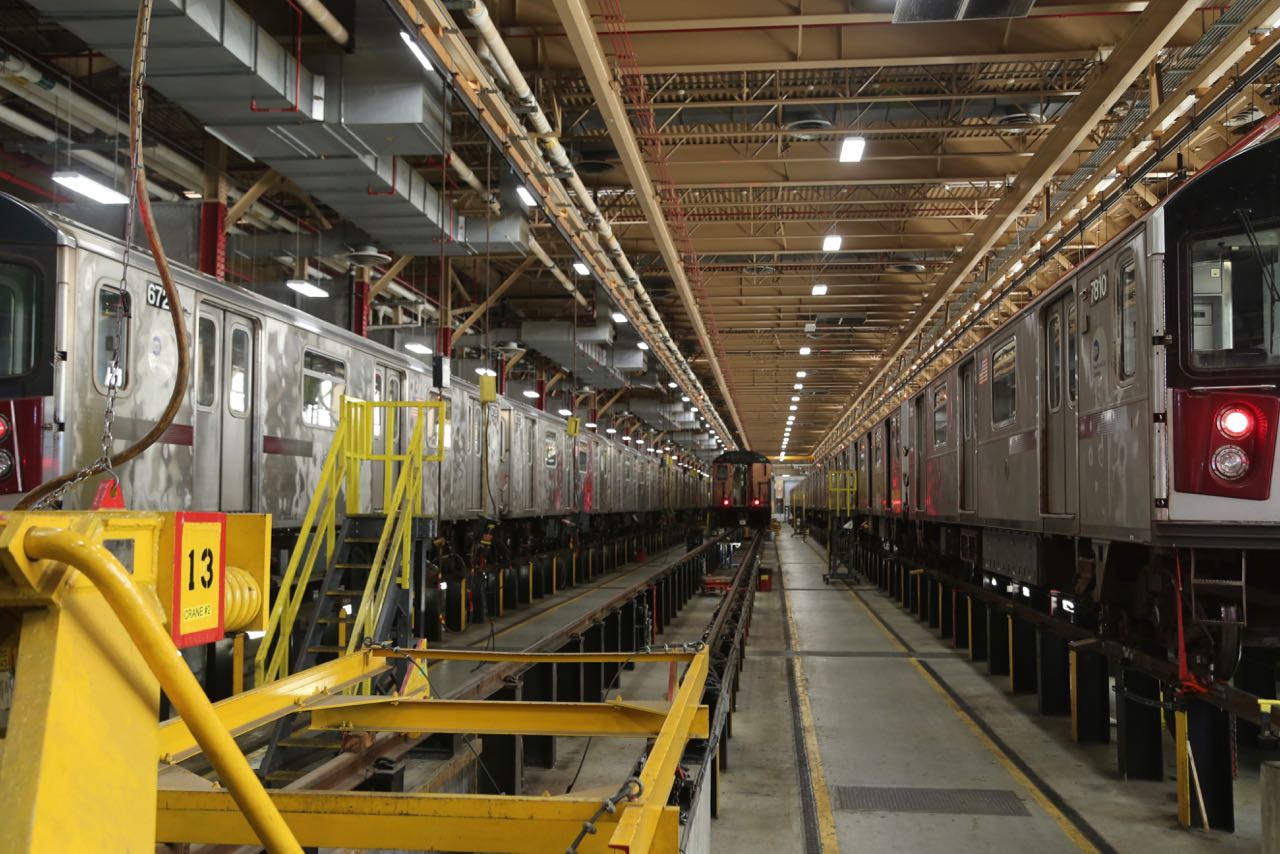
Trains in the 240th Street Train Yard shed
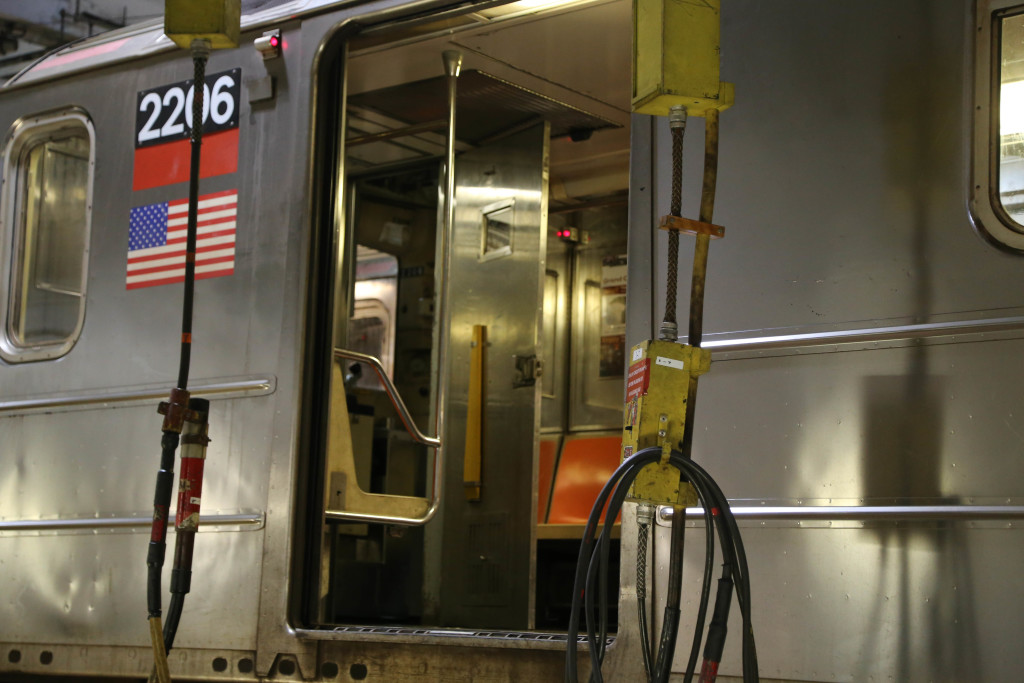
Trains in the 240th Street Train Yard shed

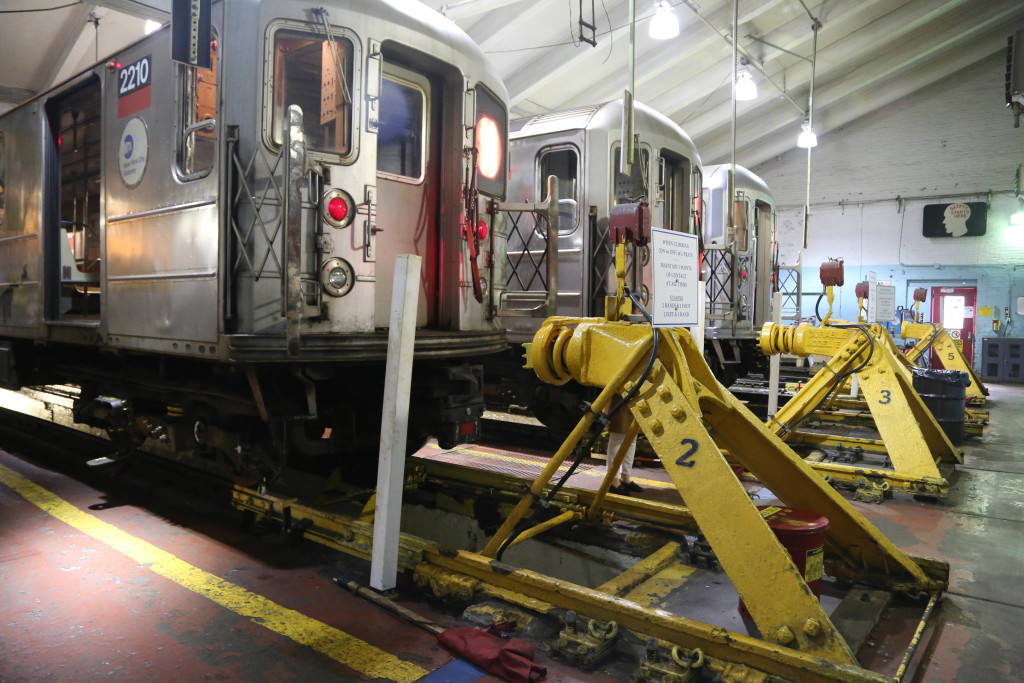
Cables hanging in front of the car are "bugs". The ones with more cable and a 2nd box are little bugs because the have less voltage. The other one on the left is a big bug because it has more voltage and power the entire train.
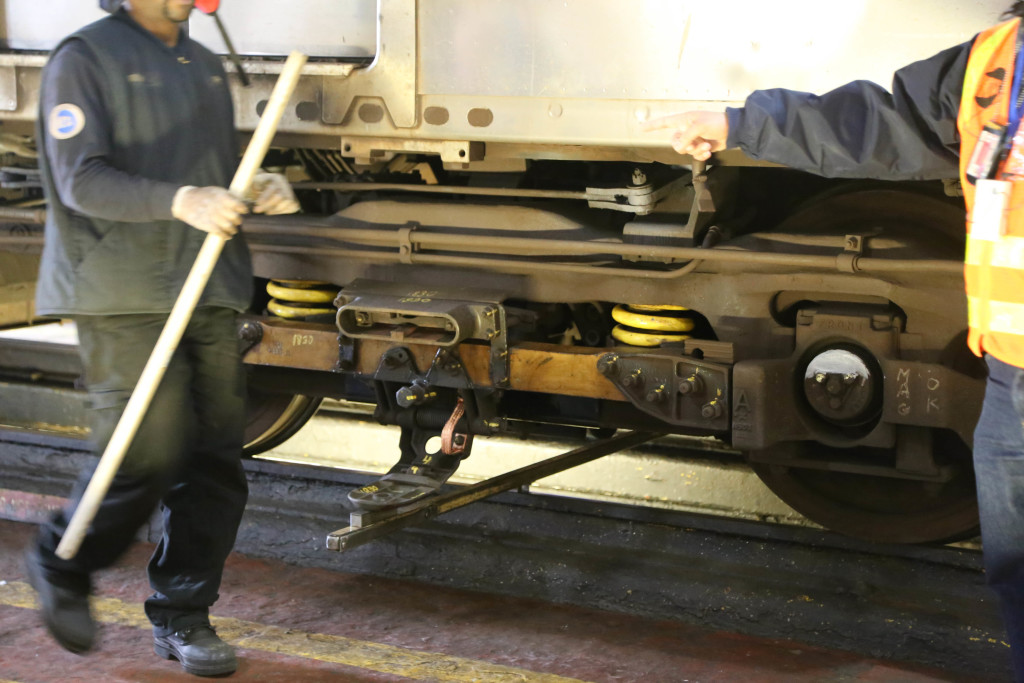
Cables hanging in front of the car are “bugs”. The one with more cable and a 2nd box is a little bug because it has less voltage. The other one on the left is a big bug because it has more voltage and power the entire train.

A stick is used to make sure the contact shoe is at the right height. A maintenance worker is carrying another stick used to measure the height of the car above the rail.
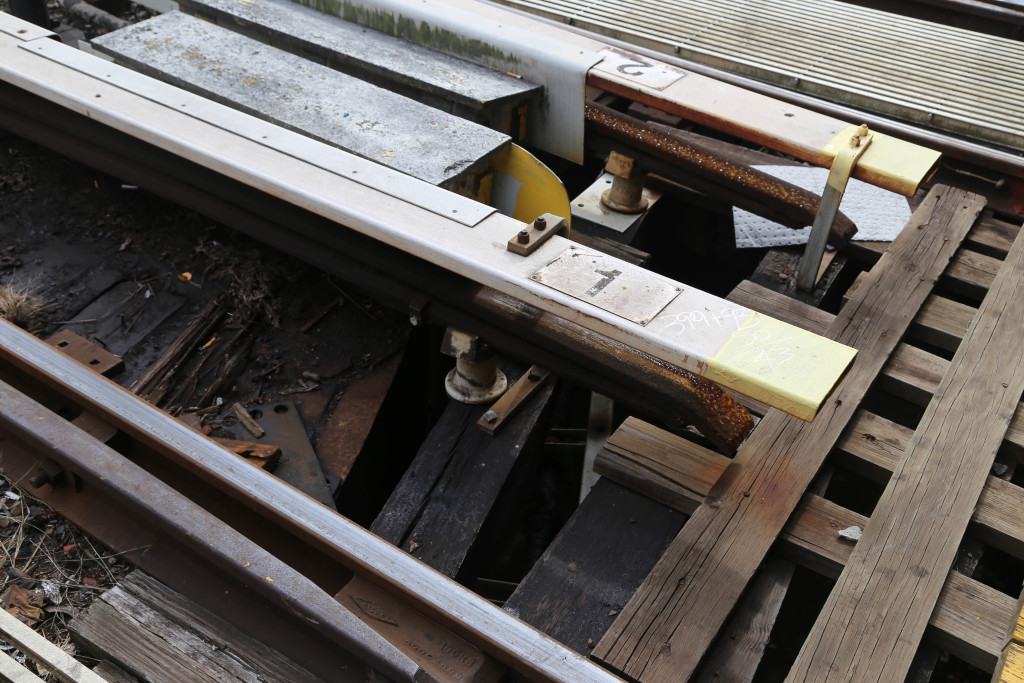
A stick is used to make sure the contact shoe is at the right height. A maintenance worker is carrying another stick used to measure the height of the car above the rail.

Unclose view of the 3rd rail that ends at the entrance to the shop.
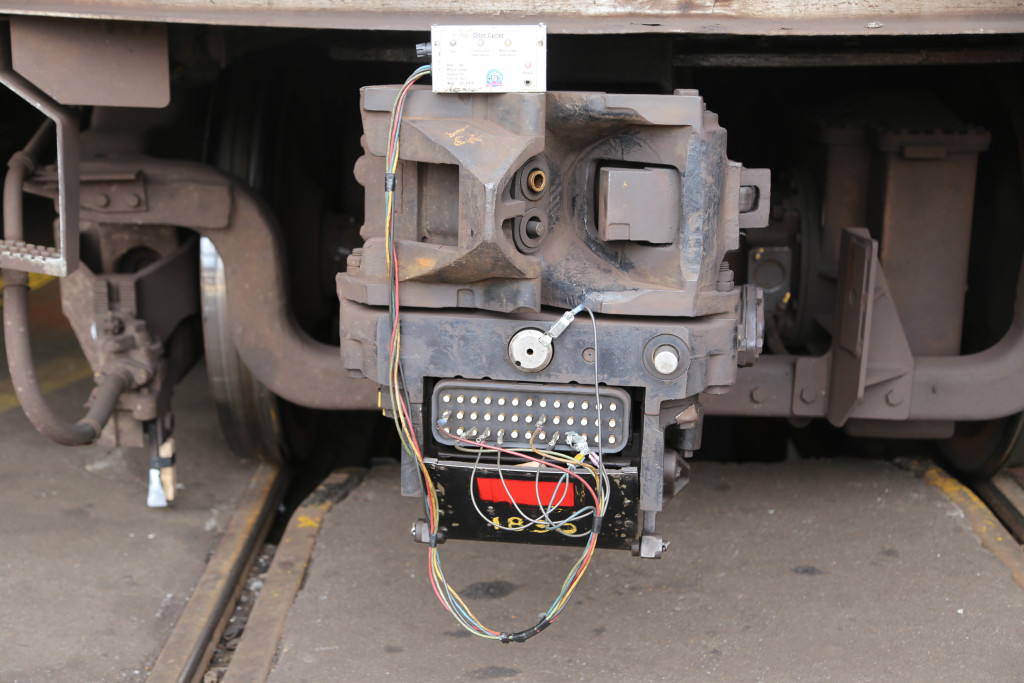
Unclose view of the 3rd rail that ends at the entrance to the shop.

Cool looking thing on a train the shop. I think it is a device that tests the doors and opening and closing.
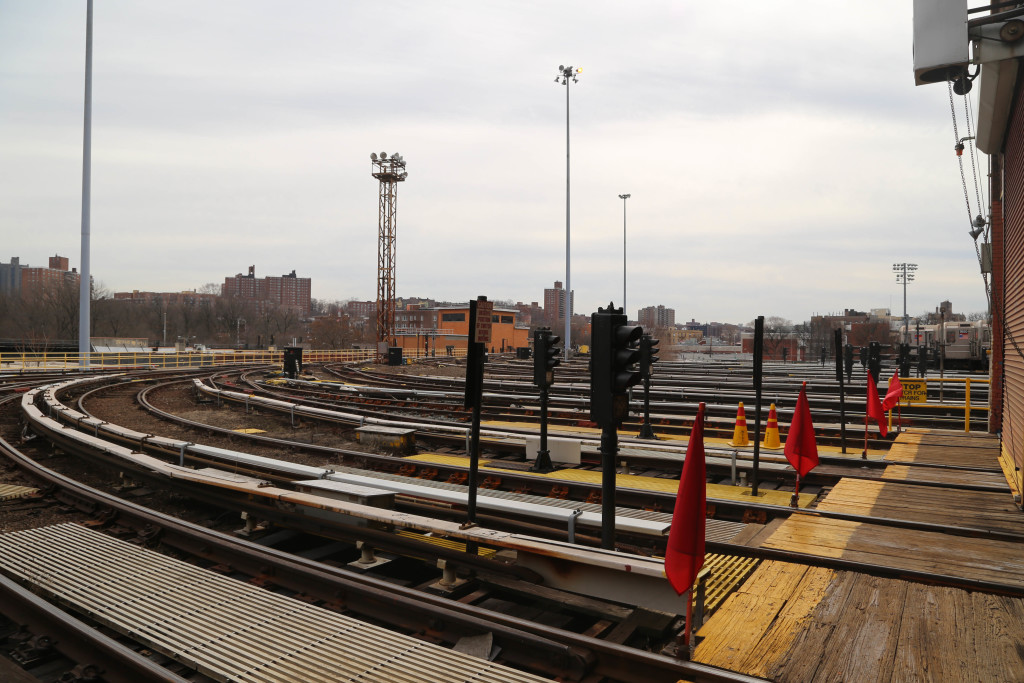
Cool looking thing on a train the shop. I think it is a device that tests the doors and opening and closing.

240th Street Train Yard entrance to the shop
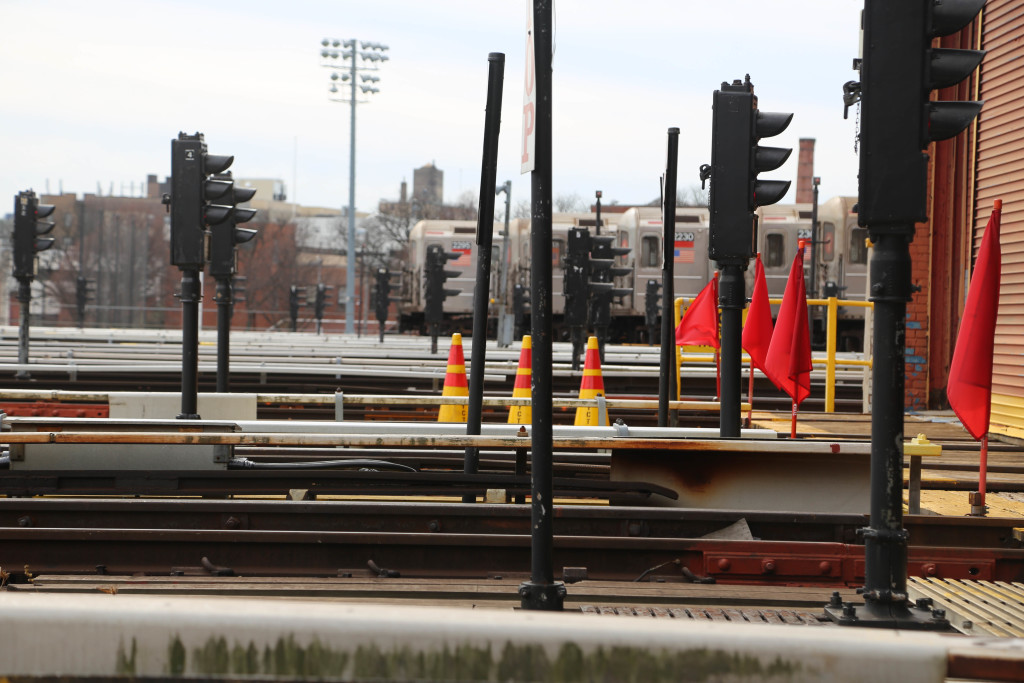
240th Street Train Yard entrance to the shop

Signals at the entrance to the 240th Street Train Yard shop
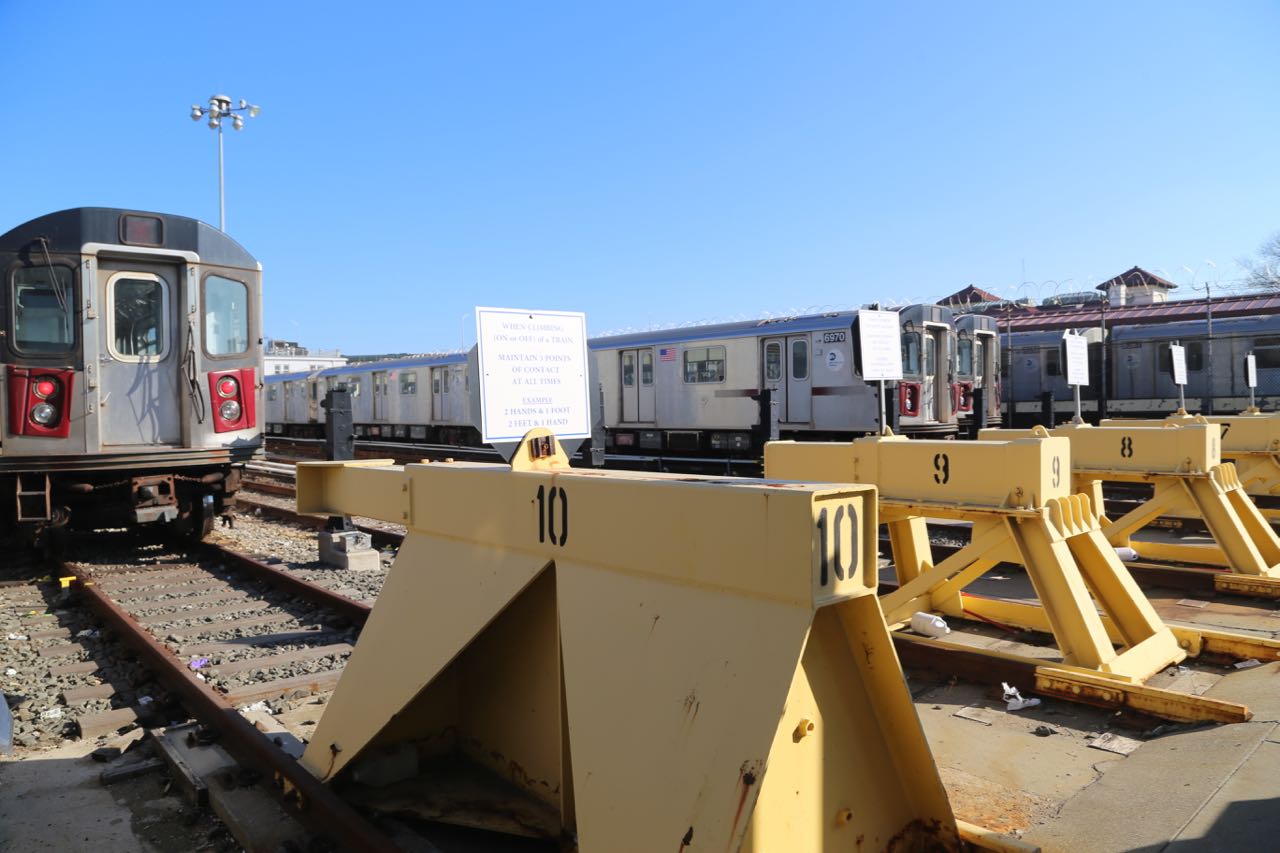
Signals at the entrance to the 240th Street Train Yard shop
NY East 180th Street Maintenance Shop

I was lucky enough to get the chance to tour New York’s MTA East 180th Street Maintenance Shop. The maintenance shop is located in the Bronx and is one of several shops that service NY subway cars. It was built in 1917 and has been renovated more recently. There are six shops inside the shop and 26 storage tracks outside the shop in the yard. The shop is constantly doing maintenance on the subway cars, and also while we were there at least, had two old trains inside, including one World War II (or possibly older) era train. In short, if you are a transit nerd, this place is totally cool. We got to walk alongside trains and see their underside. We got to see parts of the train that normally you never get to see, or at least you never get to see unless you are about to be hit by one.
The outside storage yard

The outside storage yard

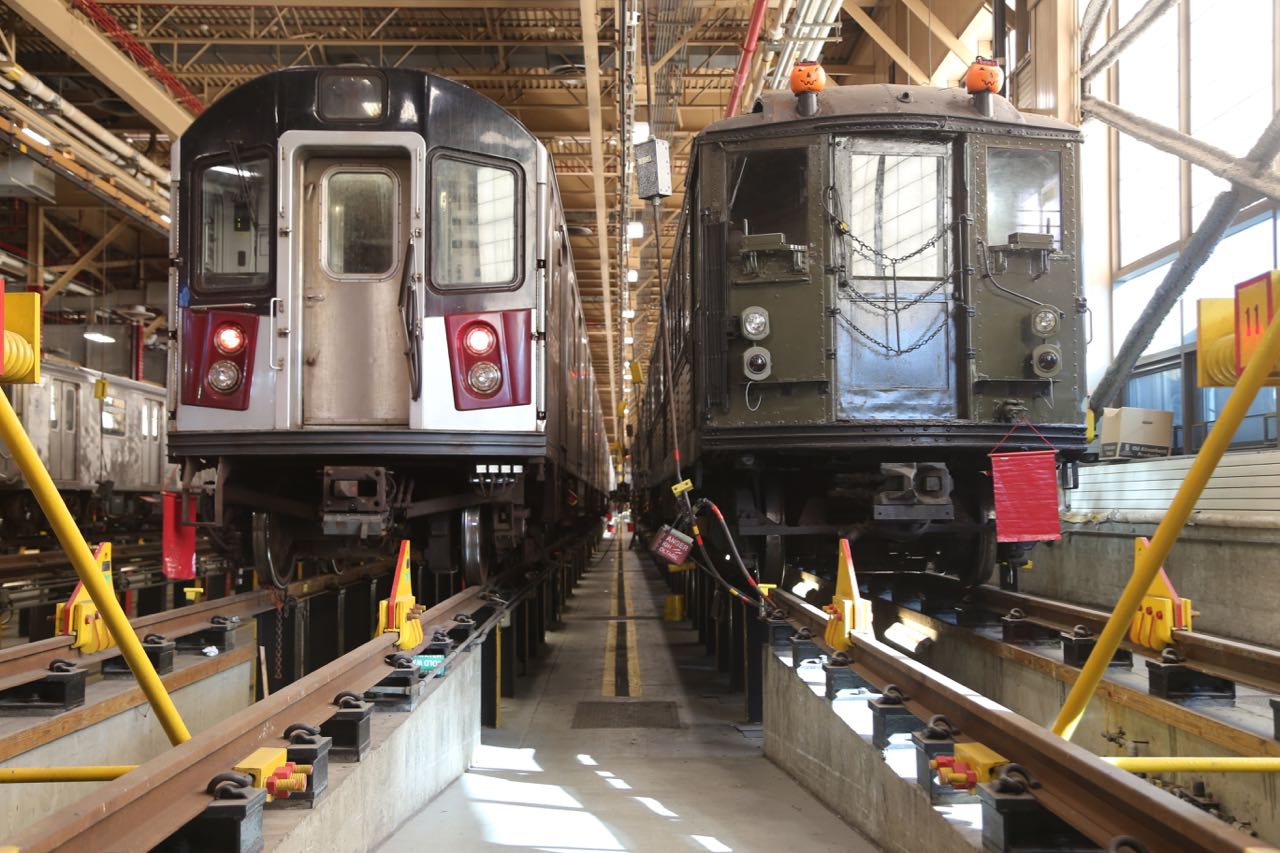
Two trains inside the shop. The one of the right is clearly a vintage one.

Two trains inside the shop. The one of the right is clearly a vintage one.

Looking down one of the inside tracks

Looking down one of the inside tracks

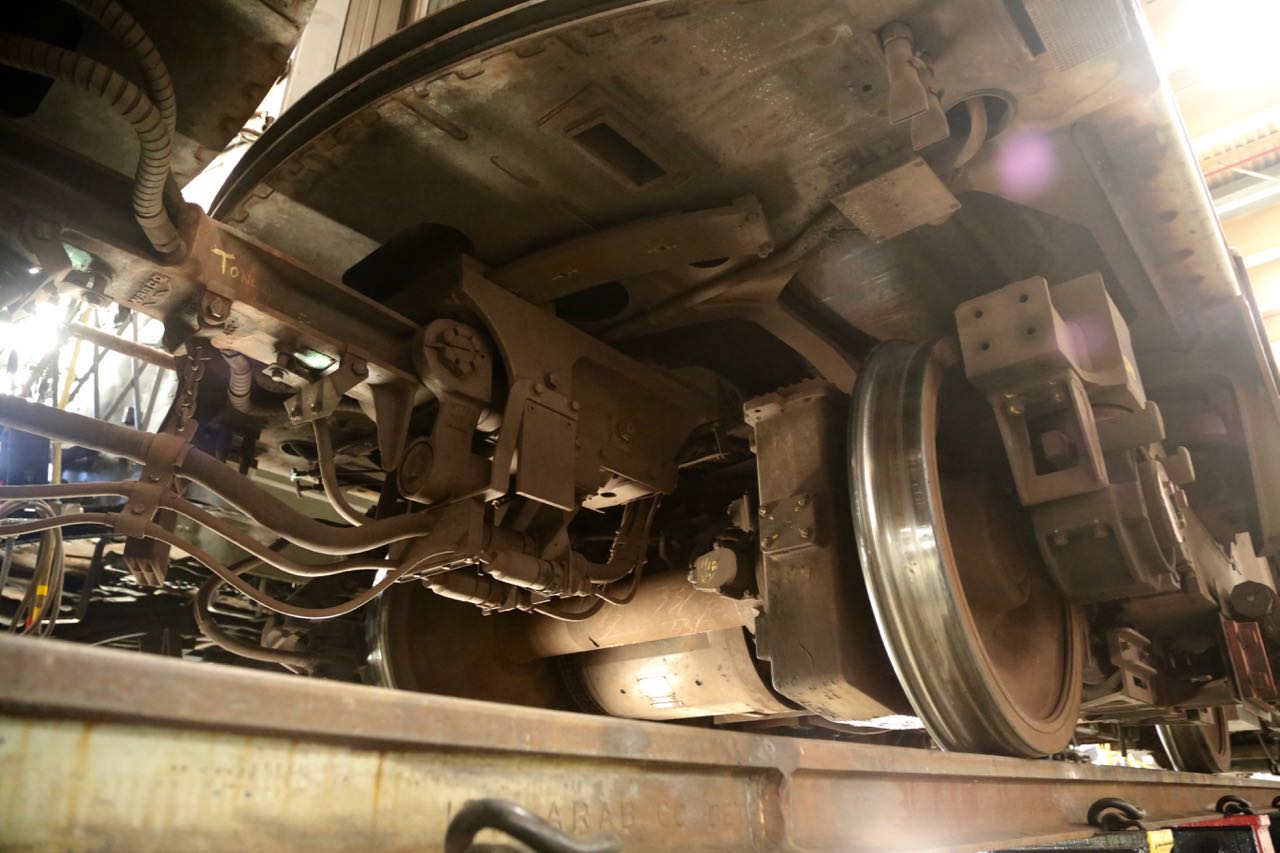
View underneath one of the trains. Not a view you normally get.

View underneath one of the trains. Not a view you normally get.

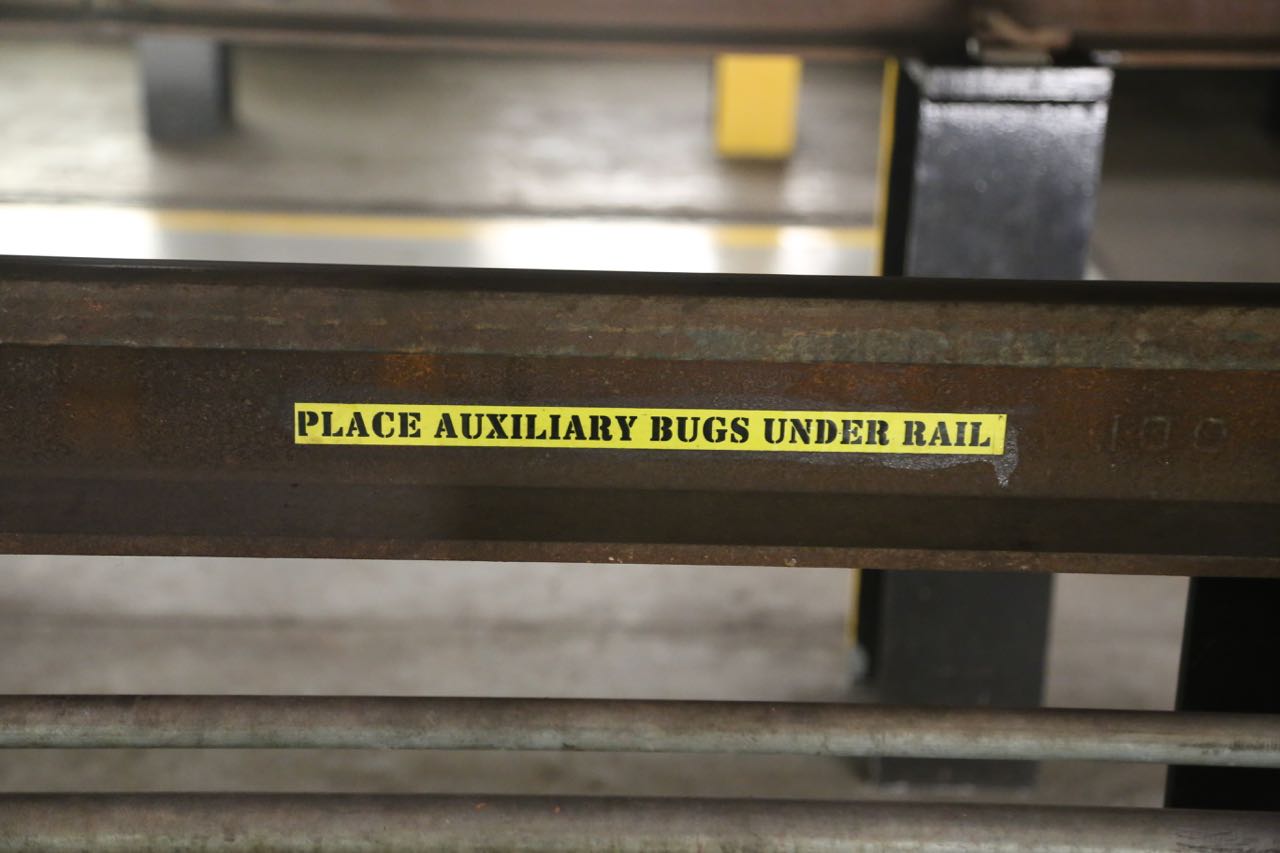
A rail of an inside track. I never did find out where you place the main bugs.

A rail of an inside track. I never did find out where you place the main bugs.

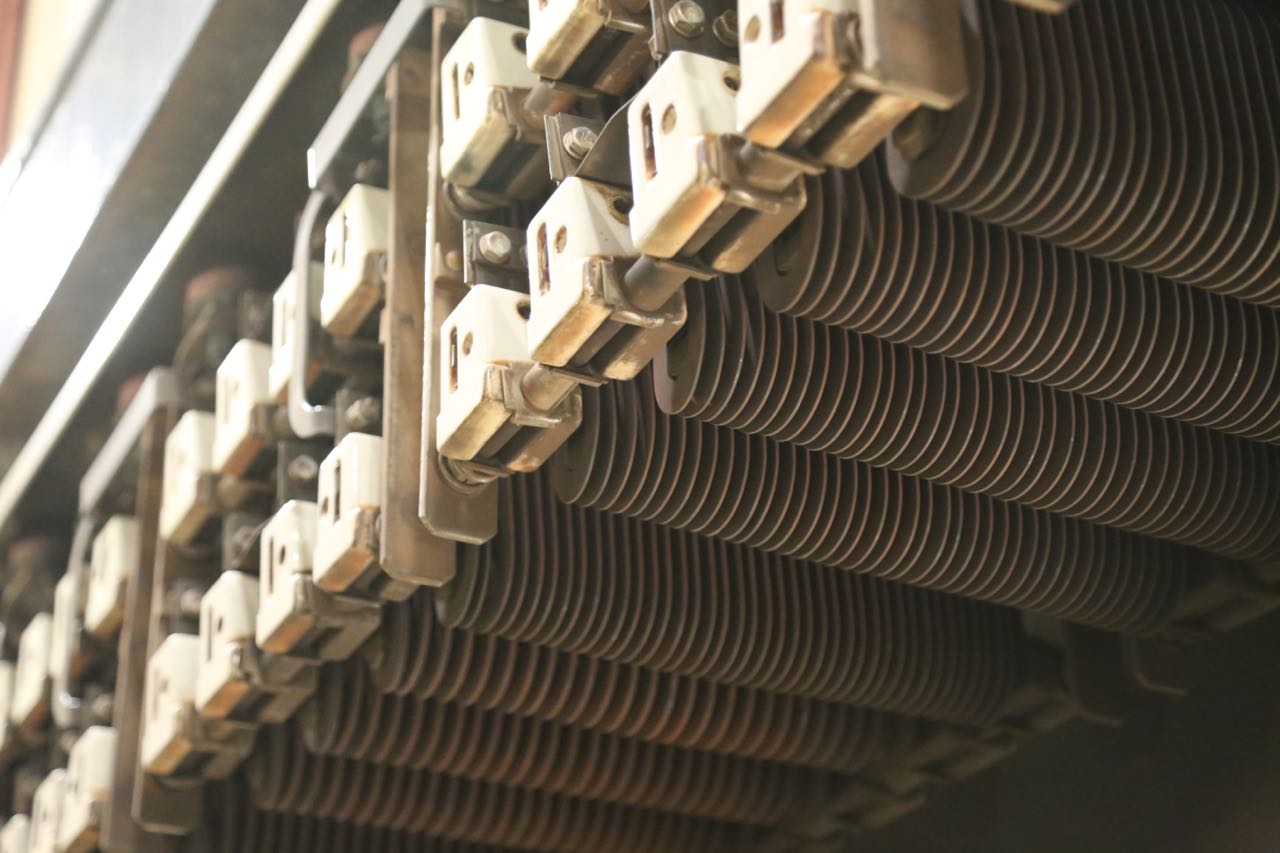
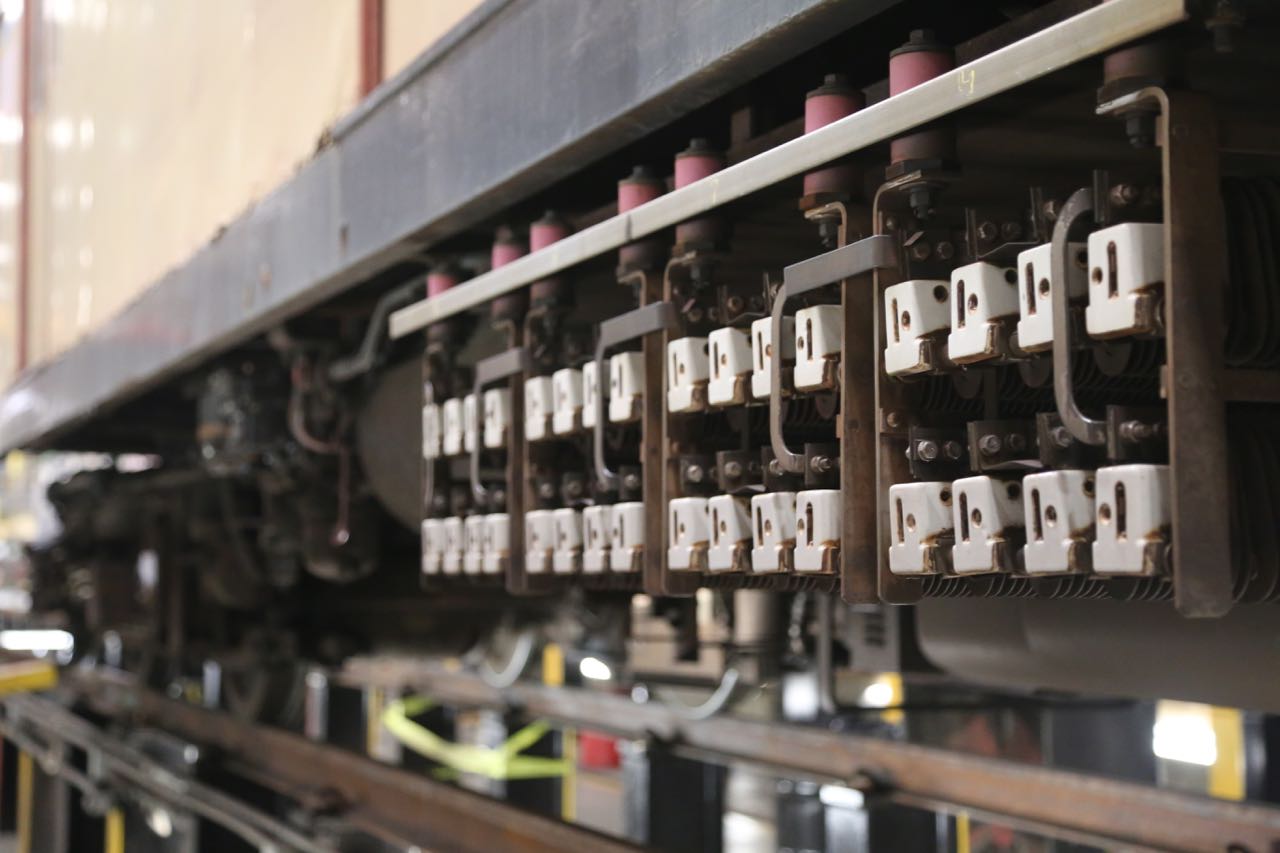
A really cool looking part underneath an older train

A really cool looking part underneath an older train

A really cool looking part underneath an older train

A really cool looking part underneath an older train

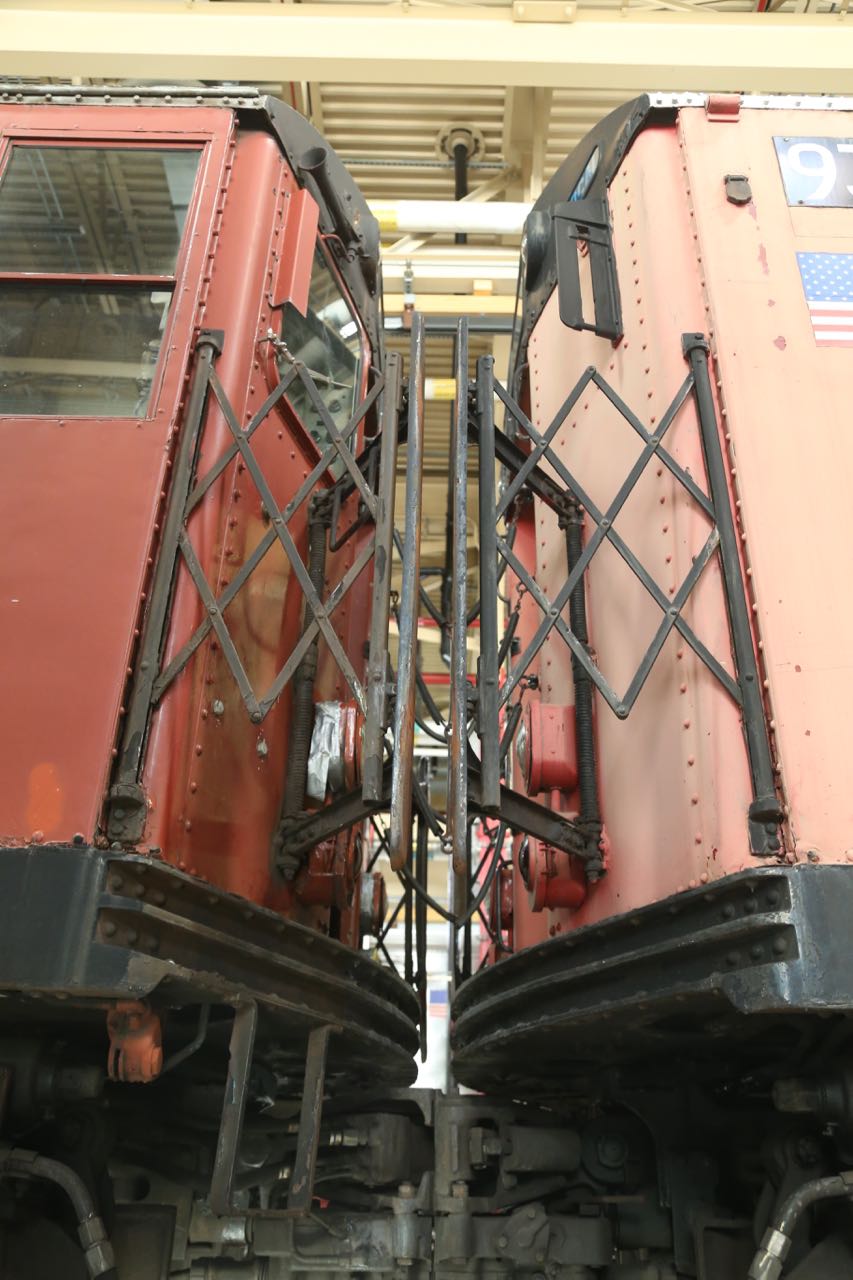
An older train with fading paint

An older train with fading paint

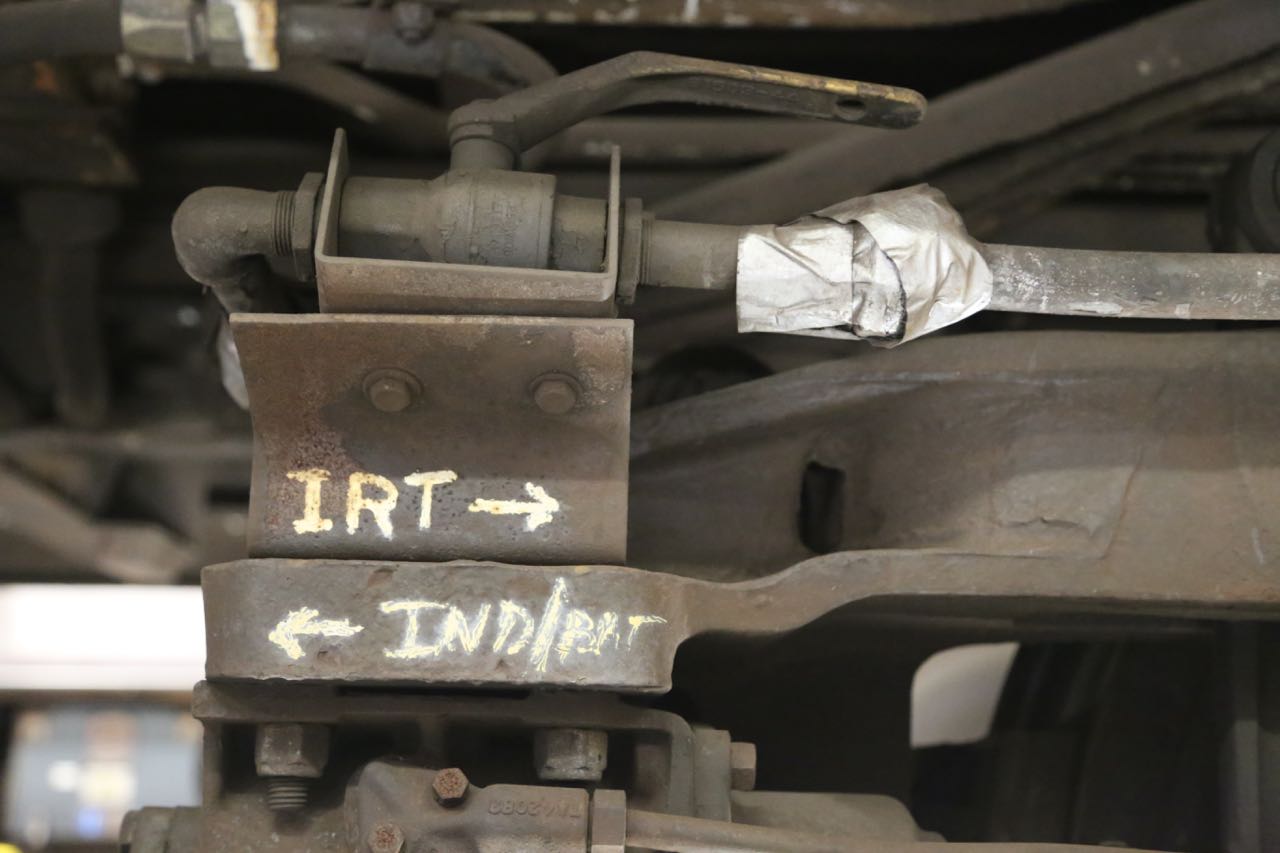
Underside of an older train, which I find fascinating due to the duct tape and marking to designate two different technologies or parts from when NY had three different subway systems.

Underside of an older train, which I find fascinating due to the duct tape and marking to designate two different technologies or parts from when NY had three different subway systems.

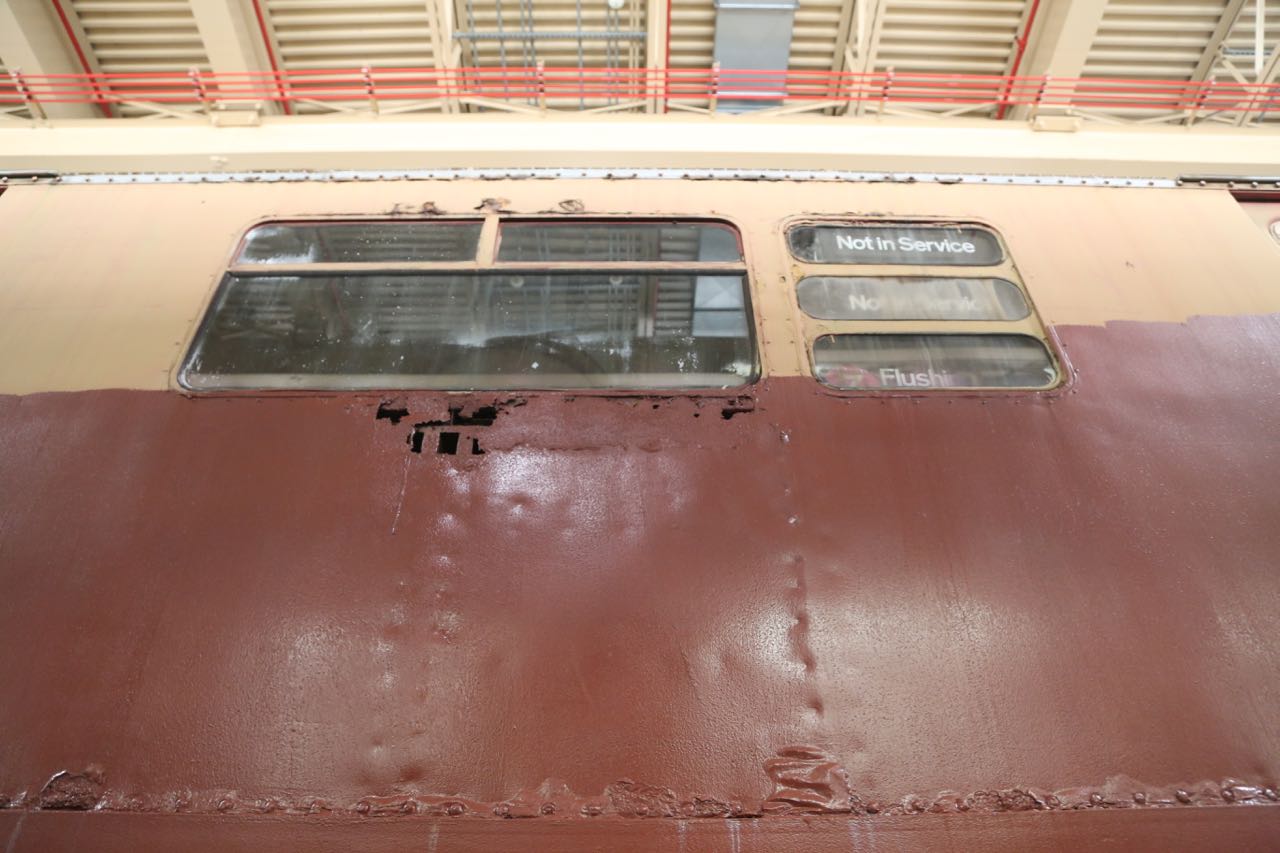
An old train which has clearly seen better days

An old train which has clearly seen better days

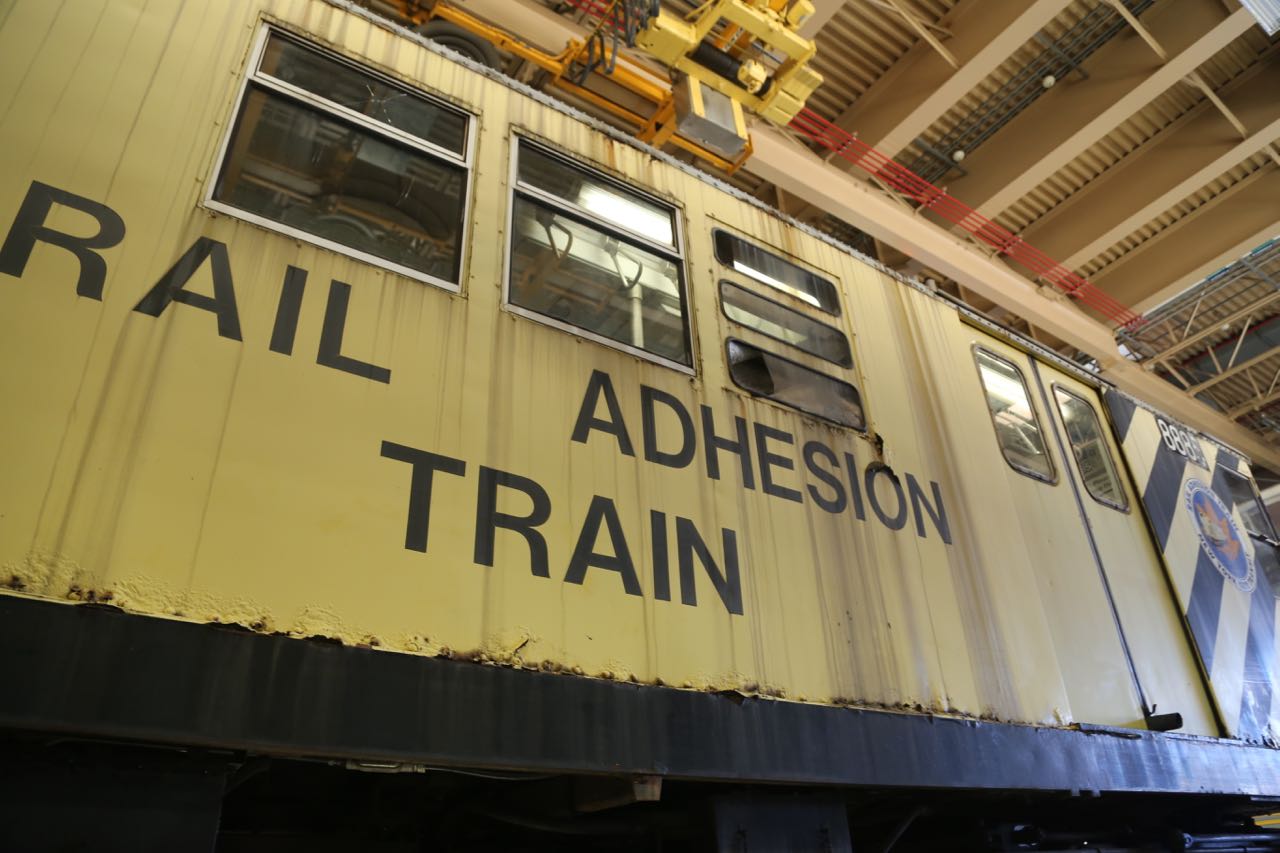
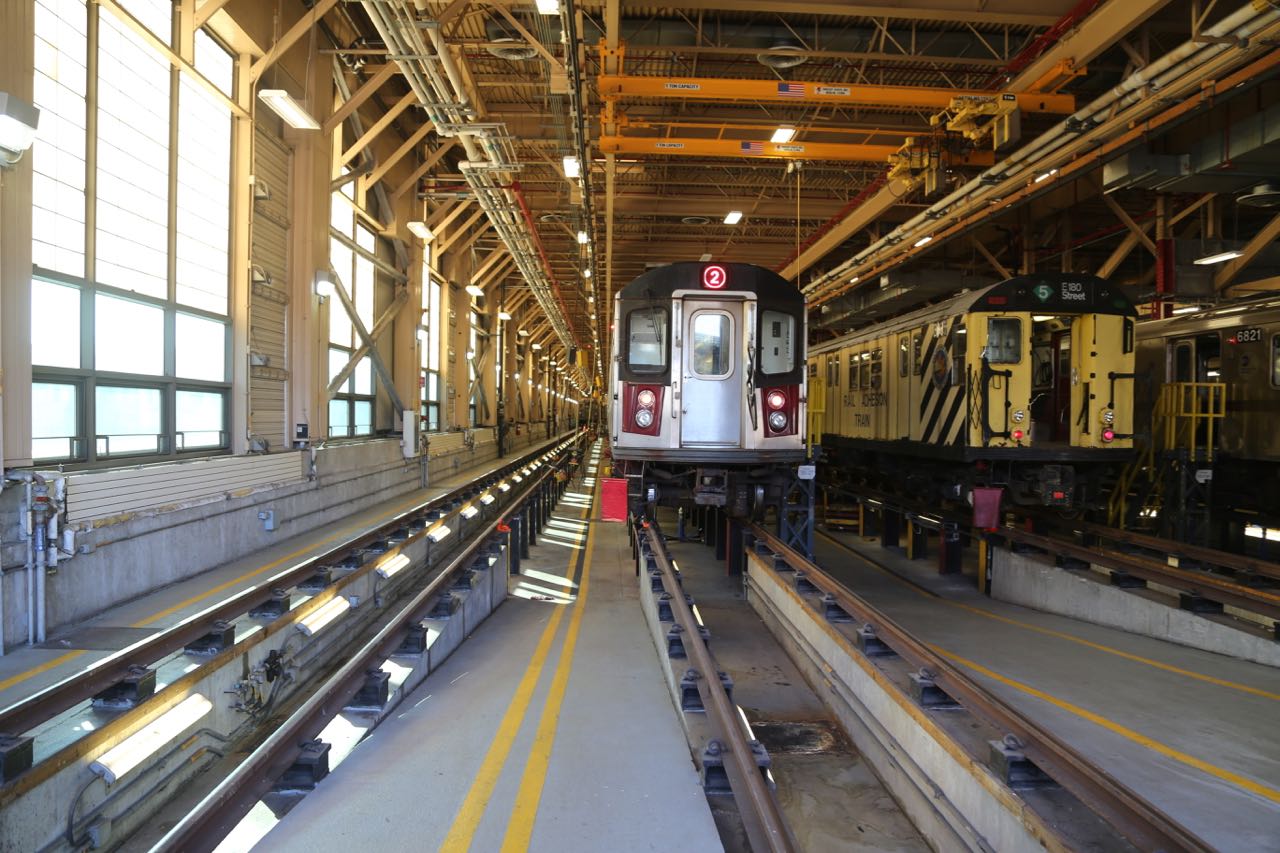
An old rail car that was converted to a rail adhesion train, used to add sand or a coating when leaves start to coat the rails. It is no longer, or rarely used, as contractors are hired to clear the rails of leaves.

An old rail car that was converted to a rail adhesion train, used to add sand or a coating when leaves start to coat the rails. It is no longer, or rarely used, as contractors are hired to clear the rails of leaves.

Looking down the inside tracks from the rail entrance to the shop
Looking down the inside tracks from the rail entrance to the shop
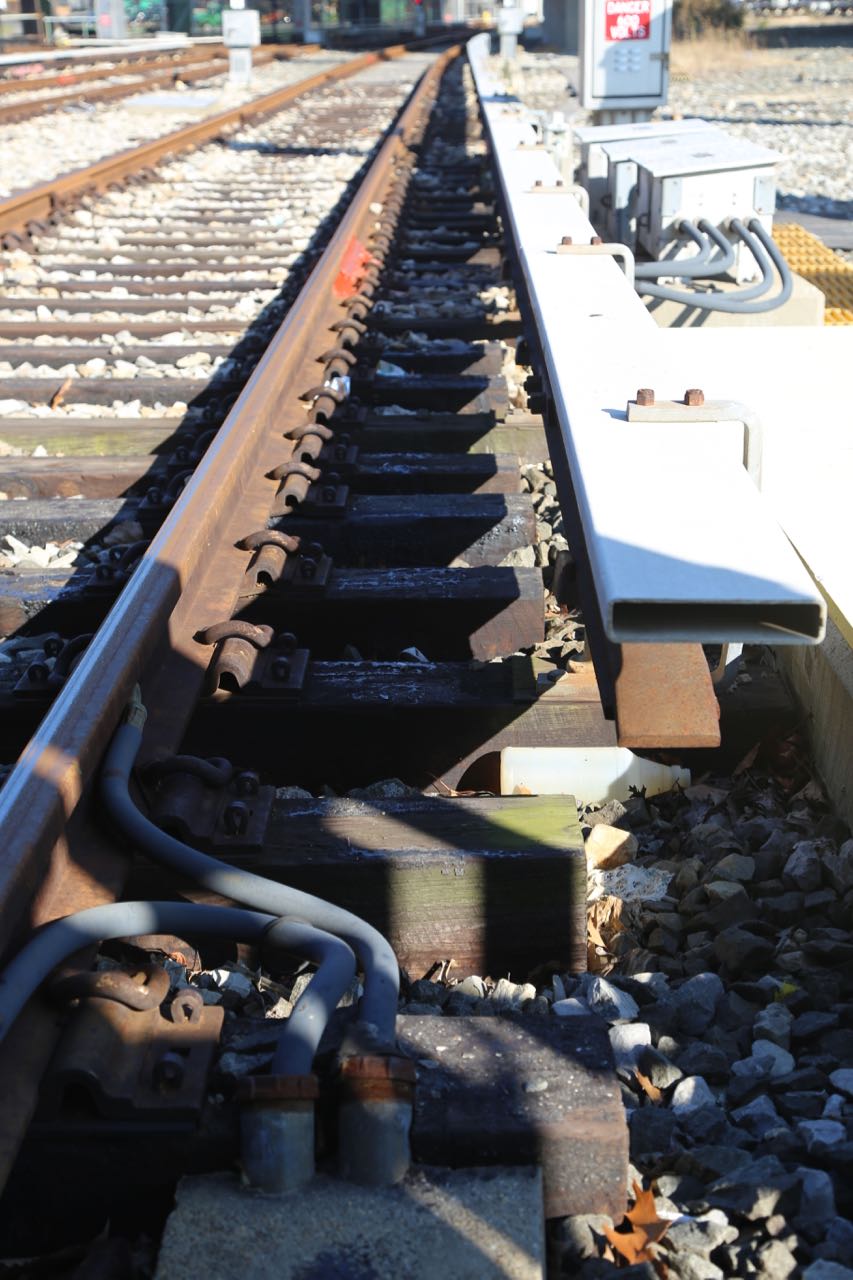
Rail at entrance to shop
Rail at entrance to shop
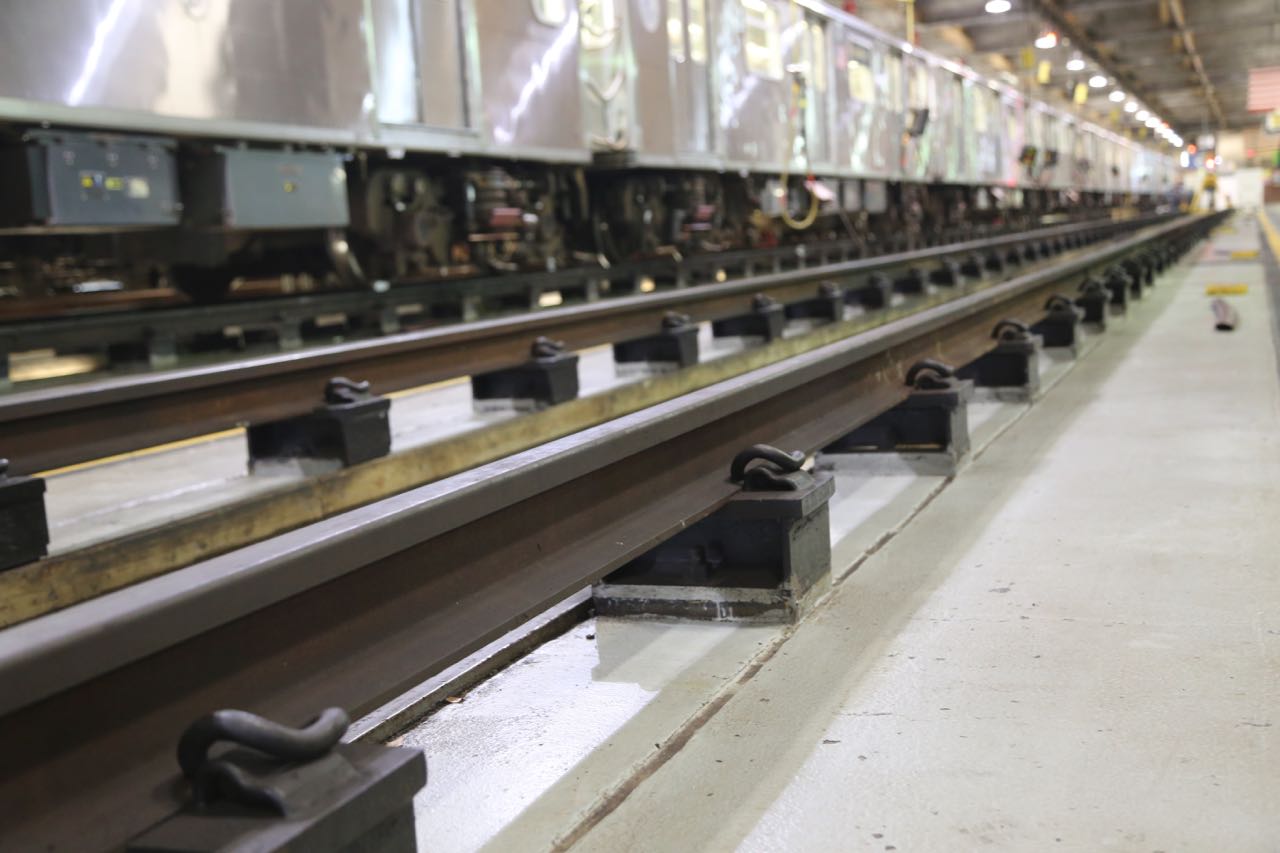
Rail inside the shop
Rail inside the shop
More San Juan

I enjoyed my visit to San Juan, Puerto Rico and just need to post a few more photos from my trip. Viejo San Juan really is a lovely area to just walk around and absorb the atmosphere.

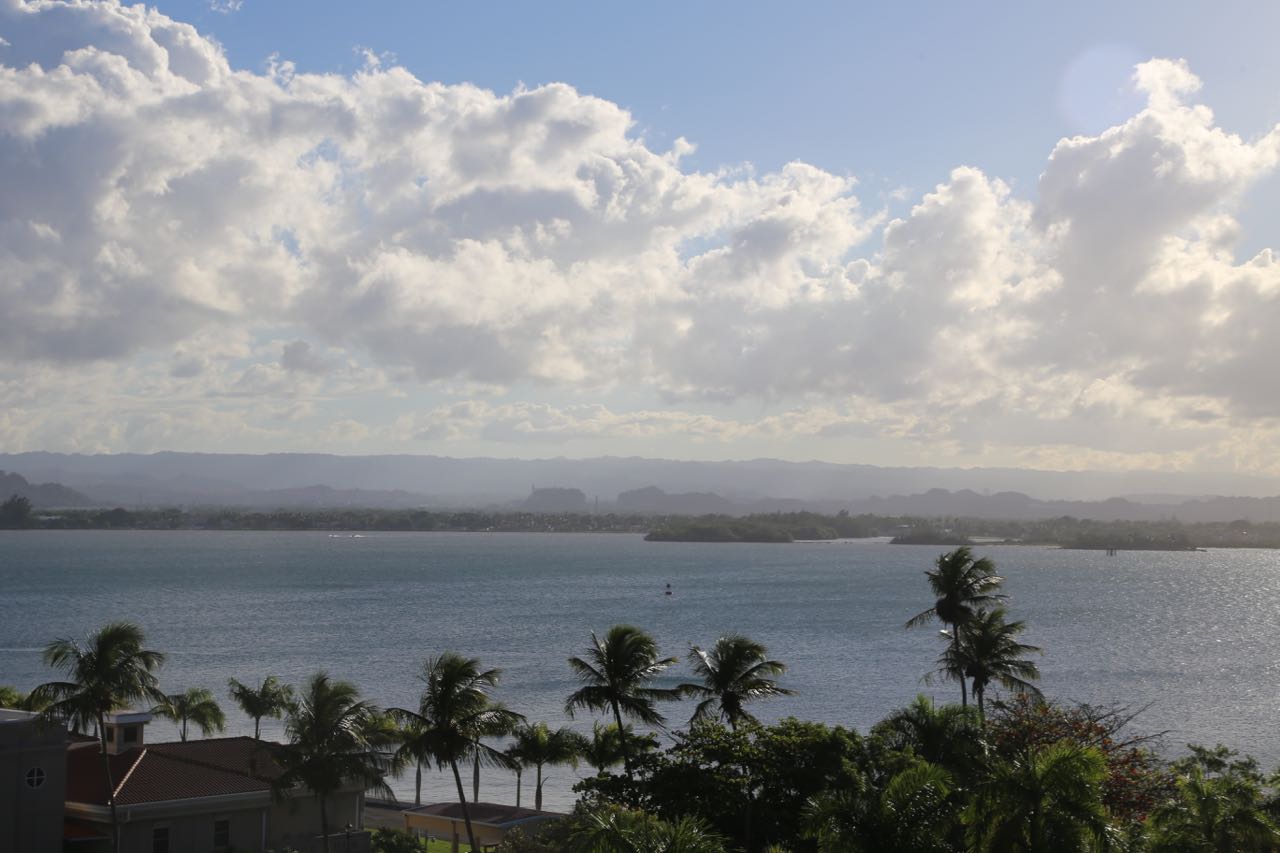
View of San Juan Bay

View of San Juan Bay

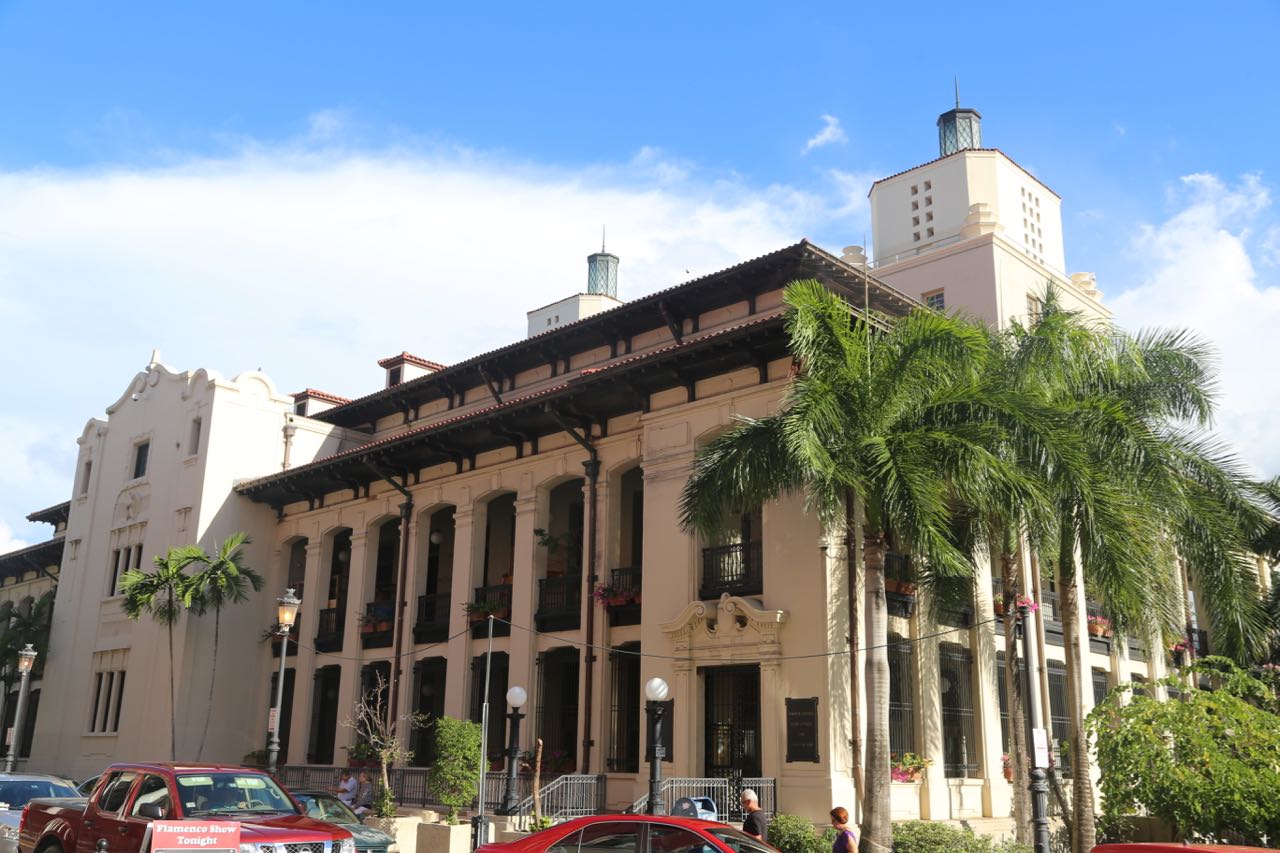
Courthouse and US Post Office

Courthouse and US Post Office

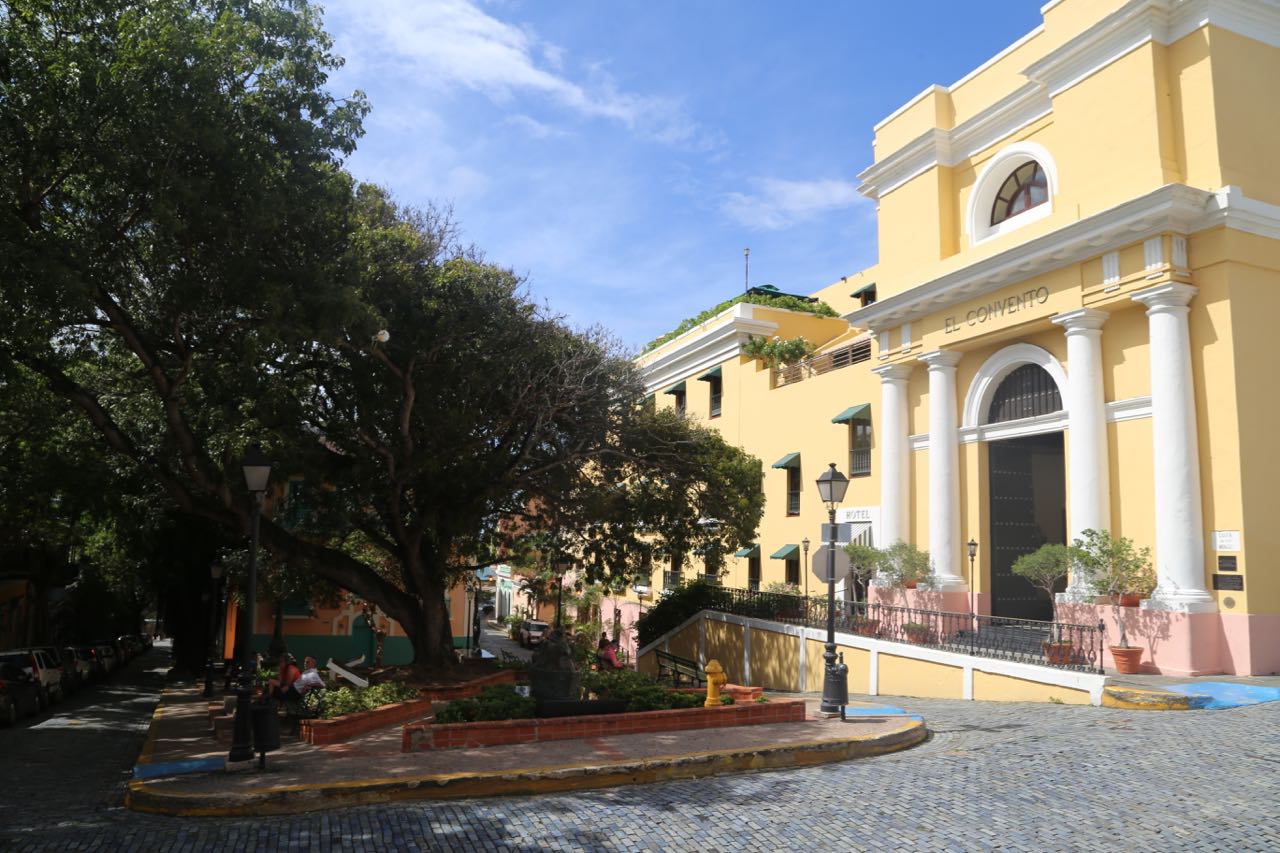
El Convento, originally a convent and now a lovely hotel

El Convento, originally a convent and now a lovely hotel

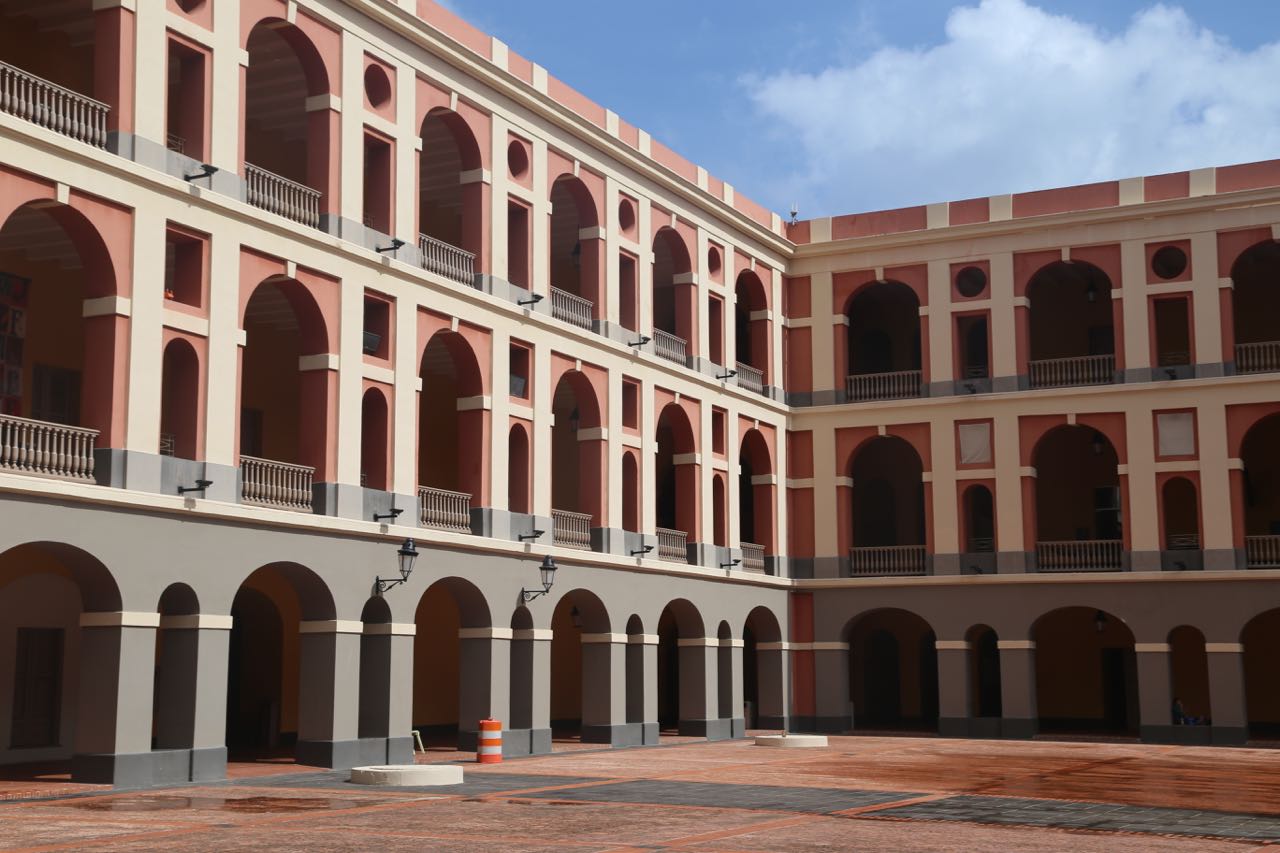
Cuartel de Ballaja

Cuartel de Ballaja

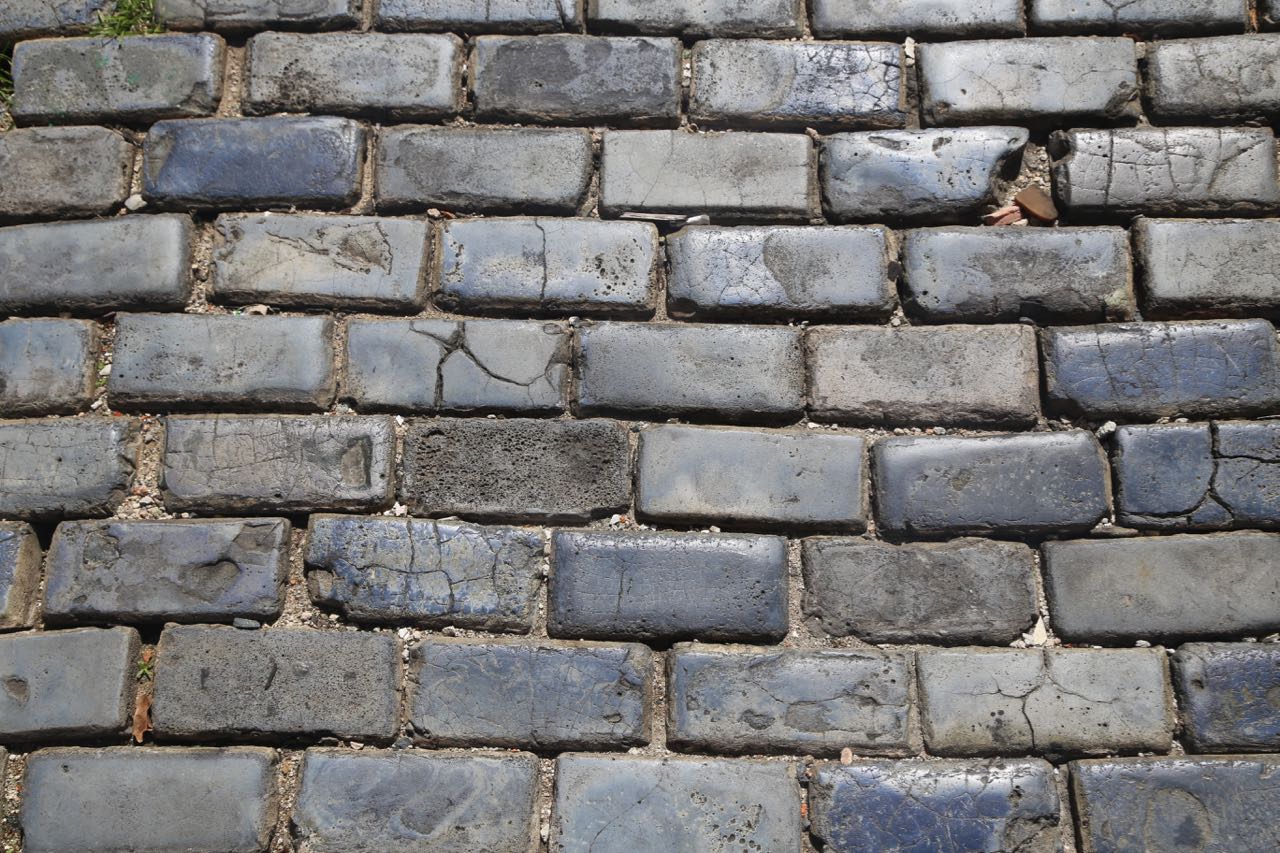
Viejo San Juan's famous blue cobblestone streets

Viejo San Juan’s famous blue cobblestone streets

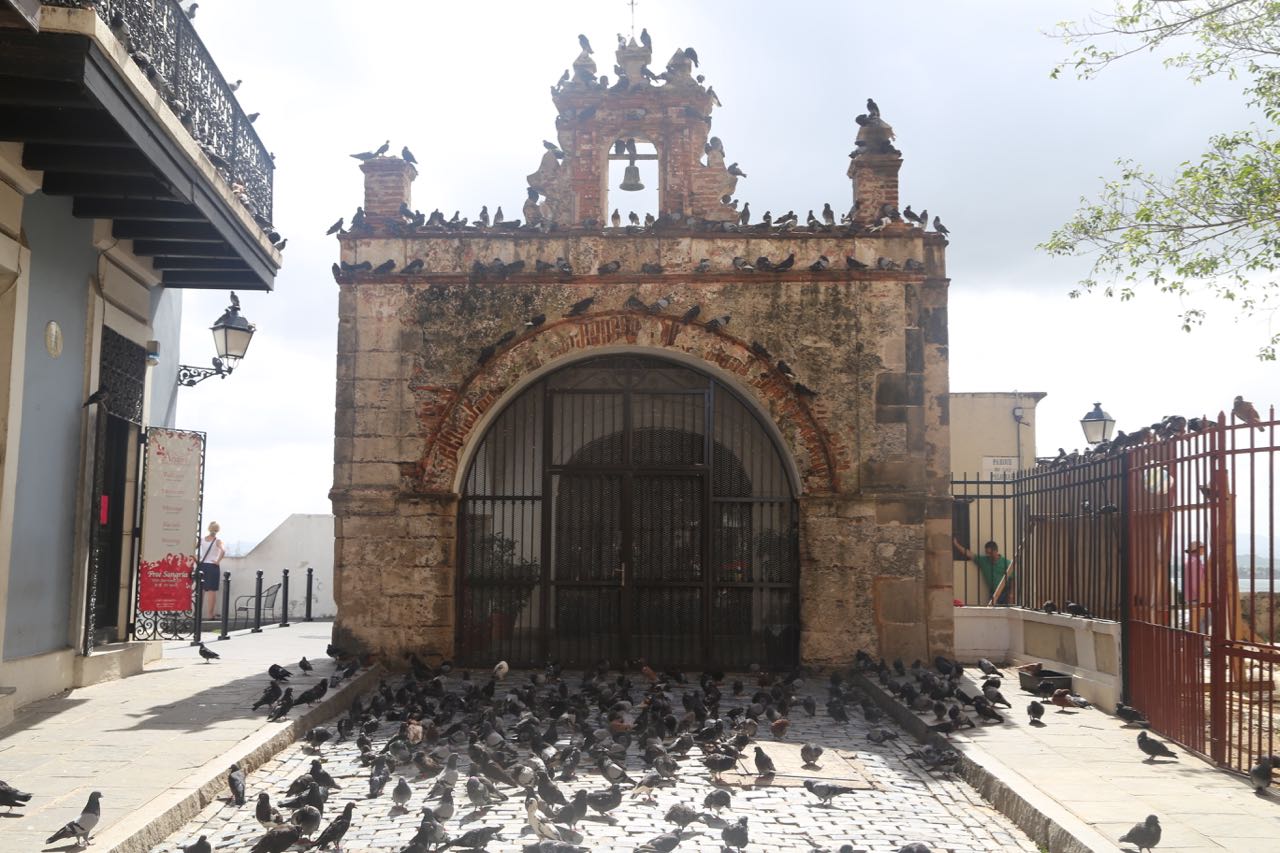
Cristo Chapel, next to Parque de las Palomas

Cristo Chapel, next to Parque de las Palomas

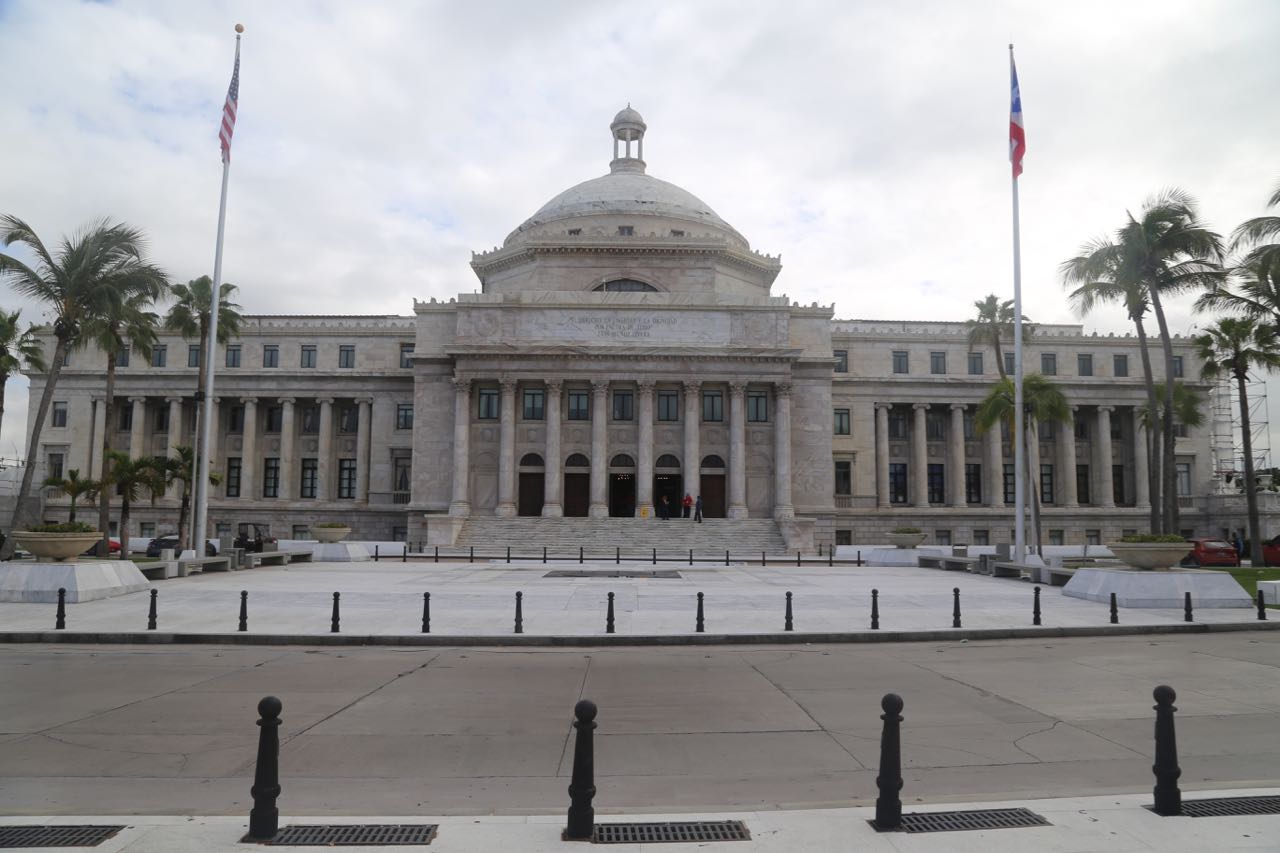
Capital of Puerto Rico (El Capitolio de Puerto Rico)

Capital of Puerto Rico (El Capitolio de Puerto Rico)

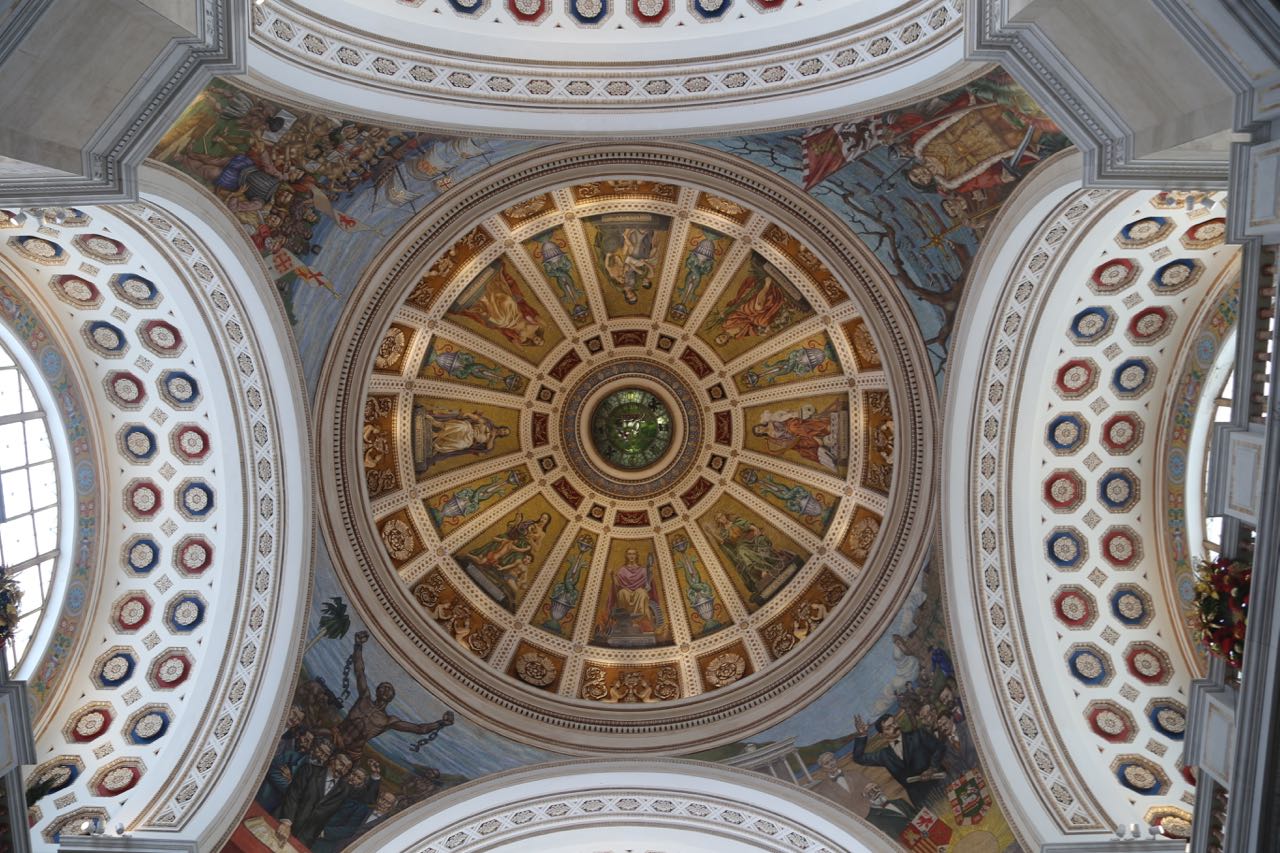
Central dome of Capital of Puerto Rico

Central dome of Capital of Puerto Rico

Castillo San Cristobal

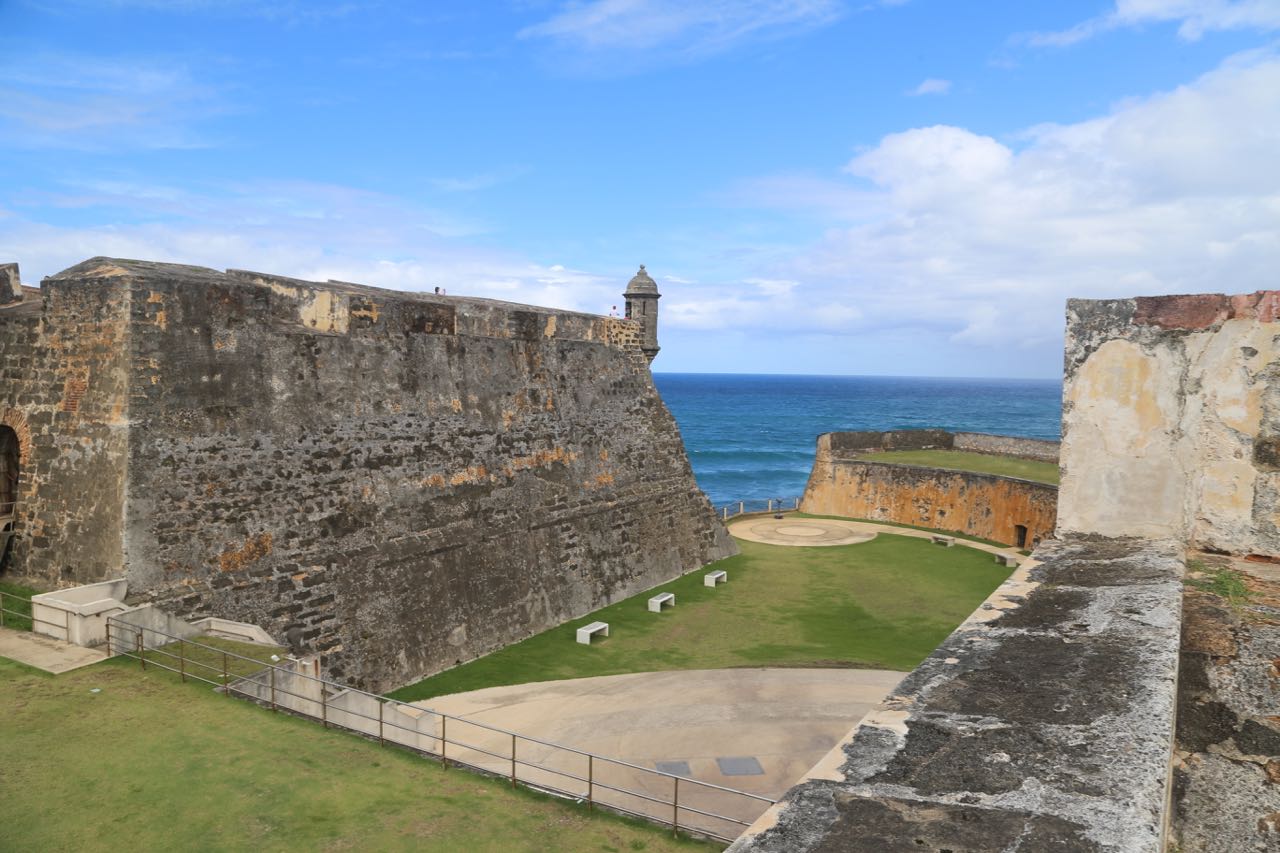
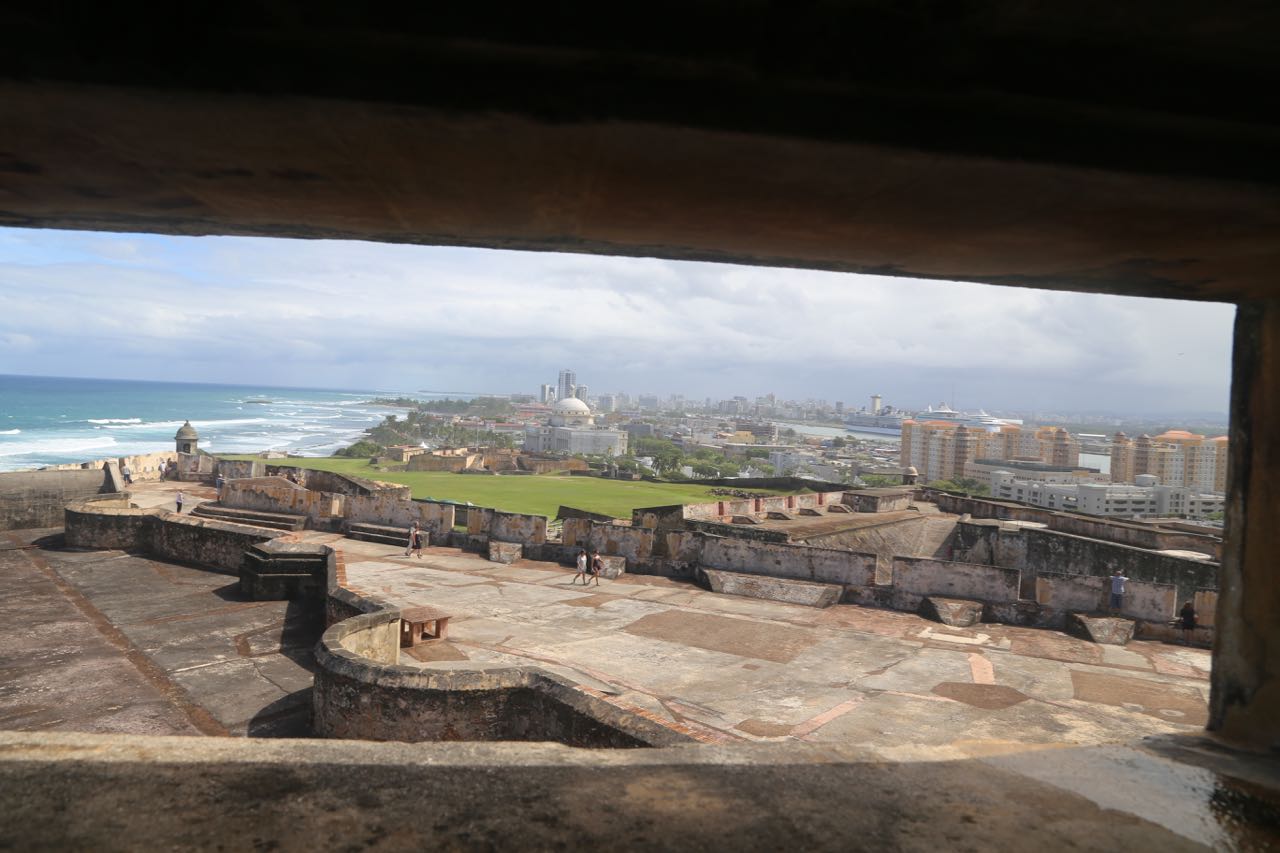
On my last day in Puerto Rico, I explored Castillo San Cristobal, a fort built by the Spanish to protect San Juan from attack by land. It was built between 1634 and 1790, and then the U.S. added a few concrete additions during World War II. The fort is huge and has a series of tunnels. Some of these tunnels are huge, connecting the different levels and areas of the fort, and were designed to have defensive explosives. Some of the tunnels are really small, and you have to stoop to move through them. If you ever get a chance to visit, try to get one of the ranger guided tours of the tunnels. Those tours besides being very informative, let you go inside some of the really small tunnels in which you normally aren’t allowed.

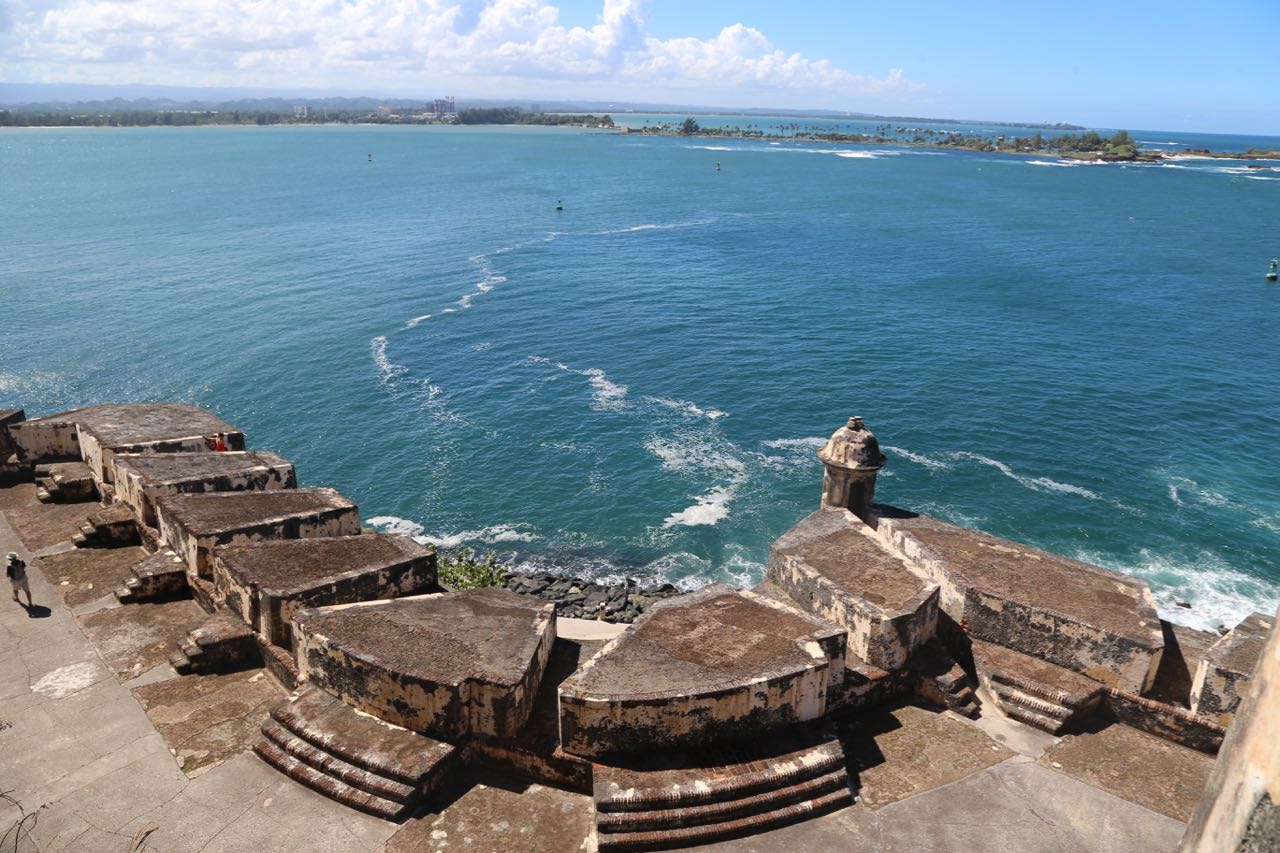
View from top level

View from top level

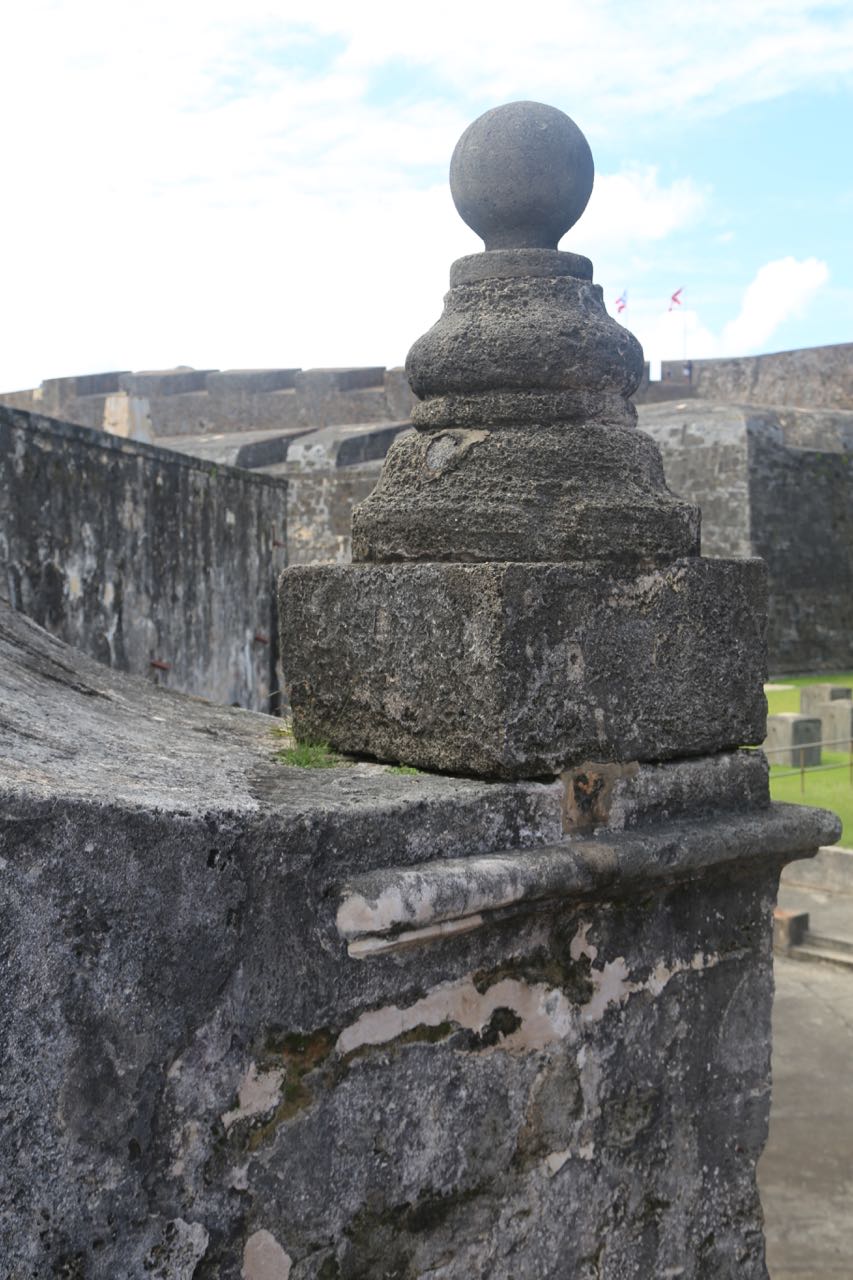
Old stone design

Old stone design

Upper level

Upper level

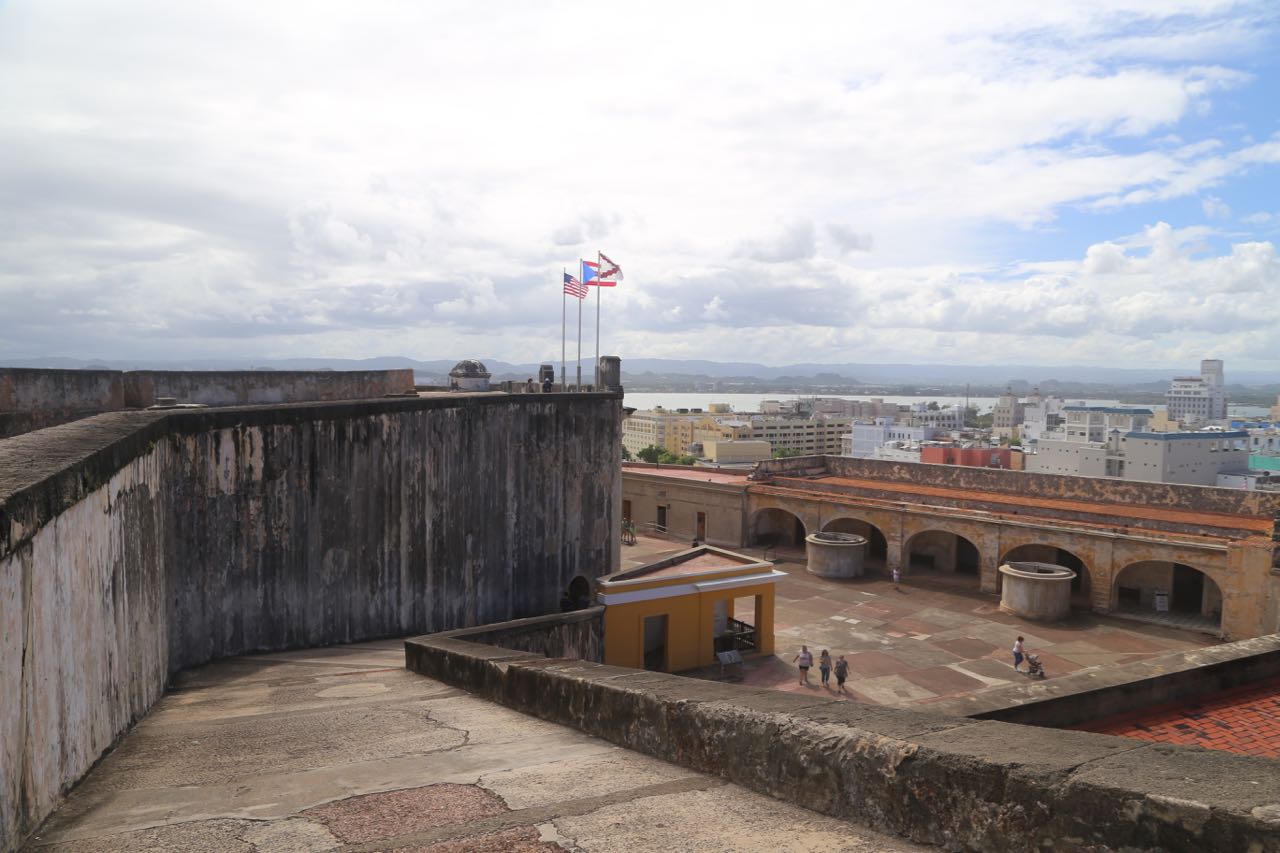
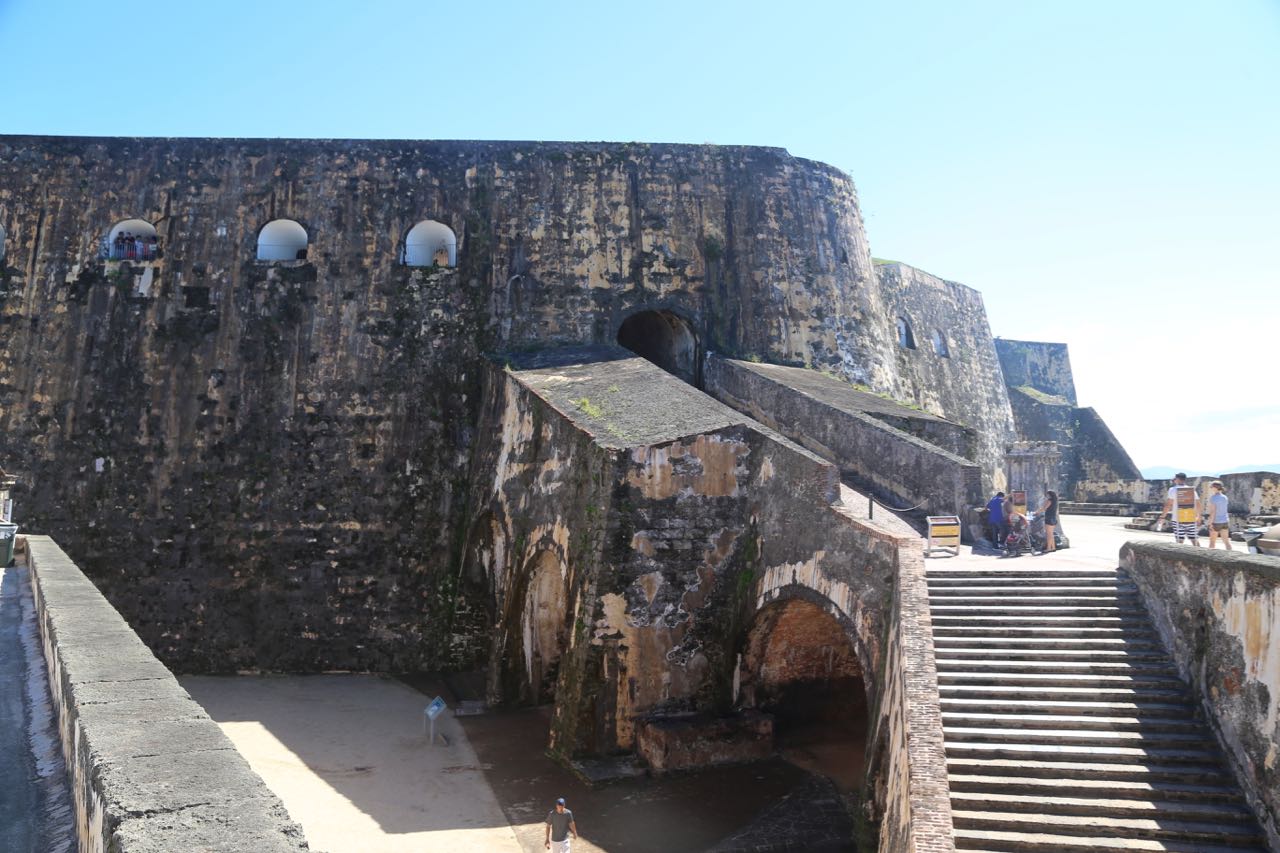
Upper level looking into courtyard

Upper level looking into courtyard

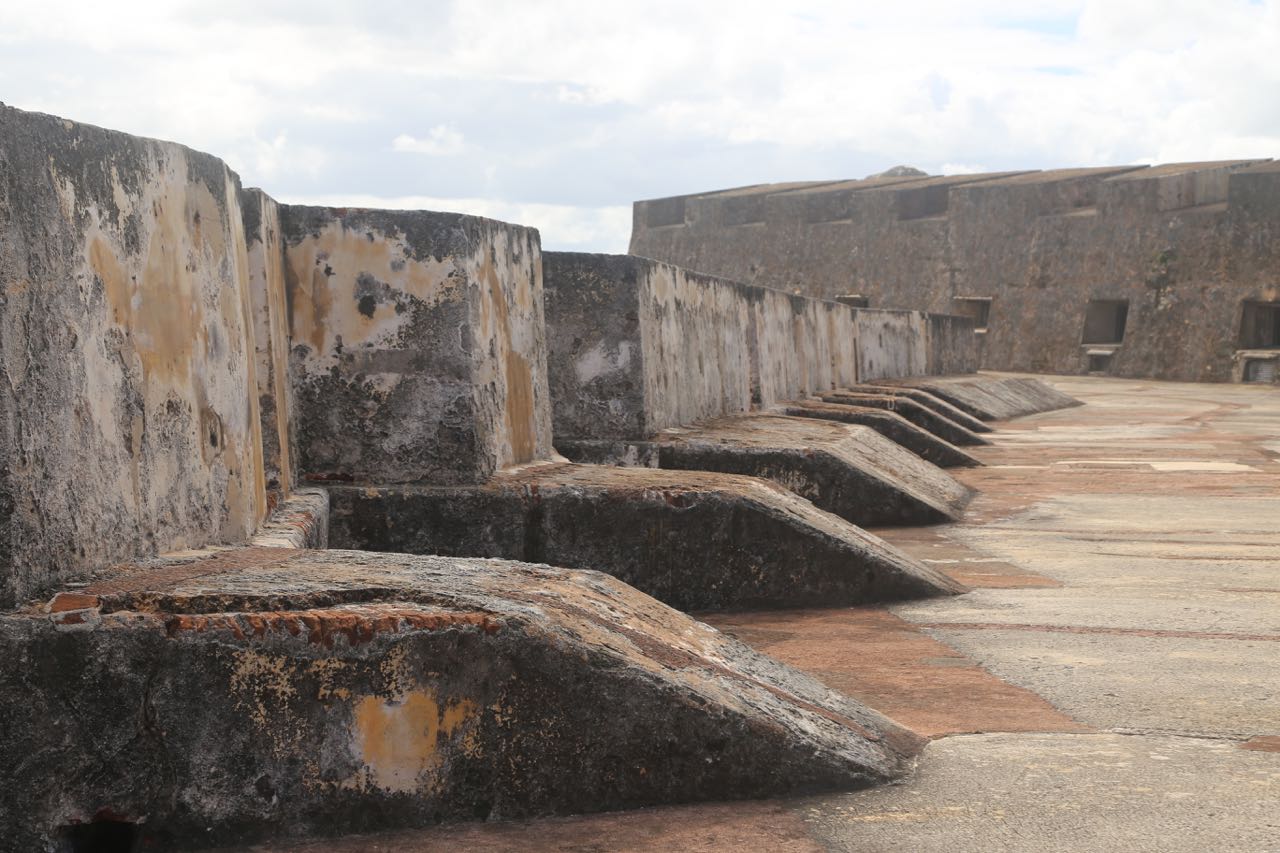
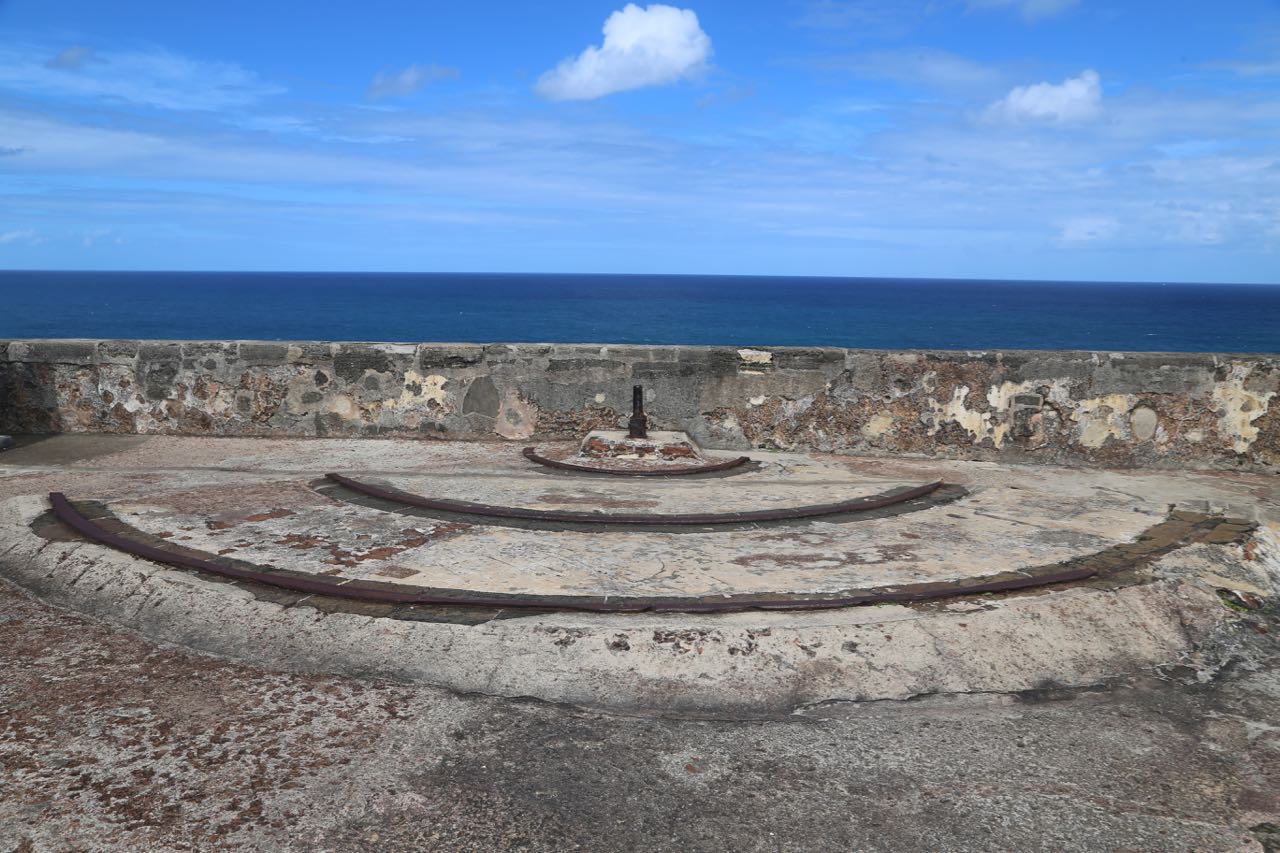
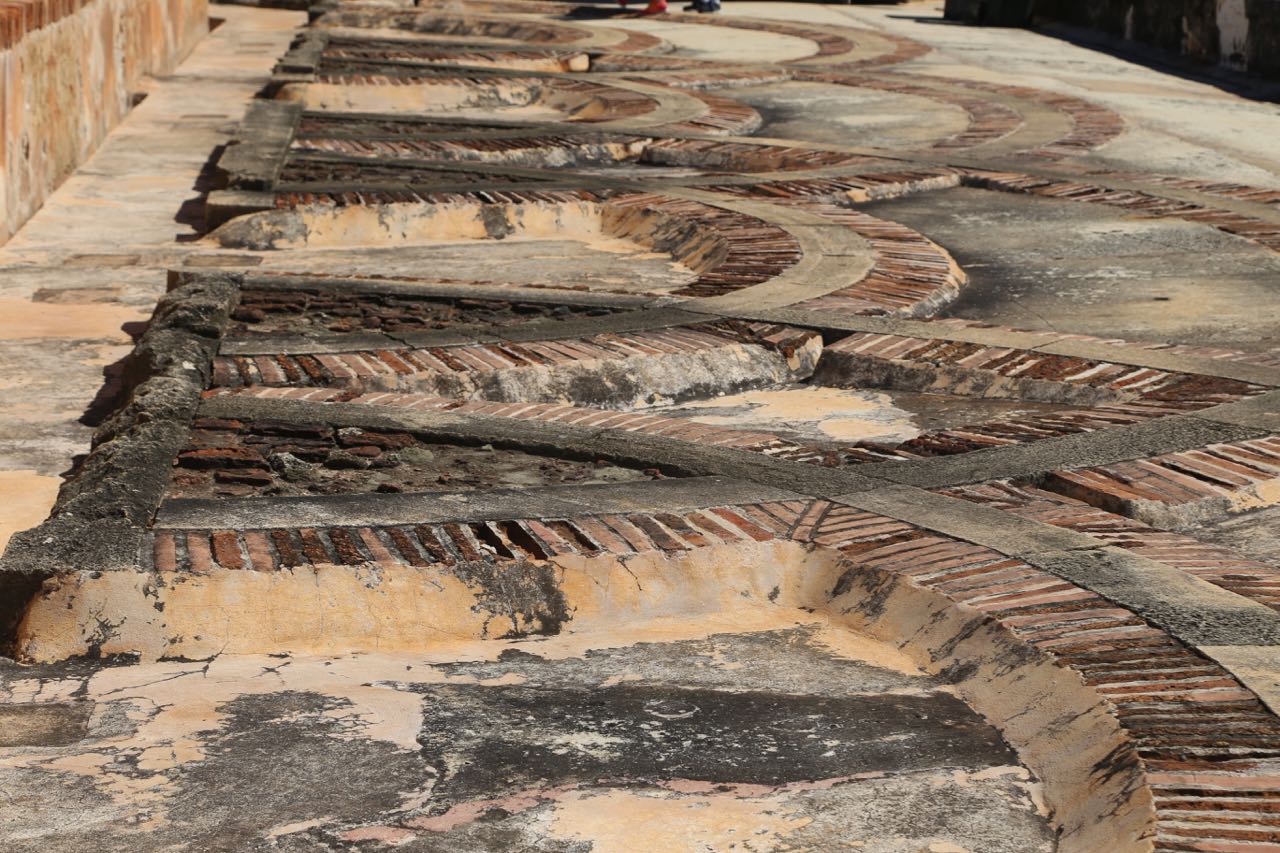
Upper level artillery foundation

Upper level artillery foundation

View from newer concrete WWII lookout

View from newer concrete WWII lookout

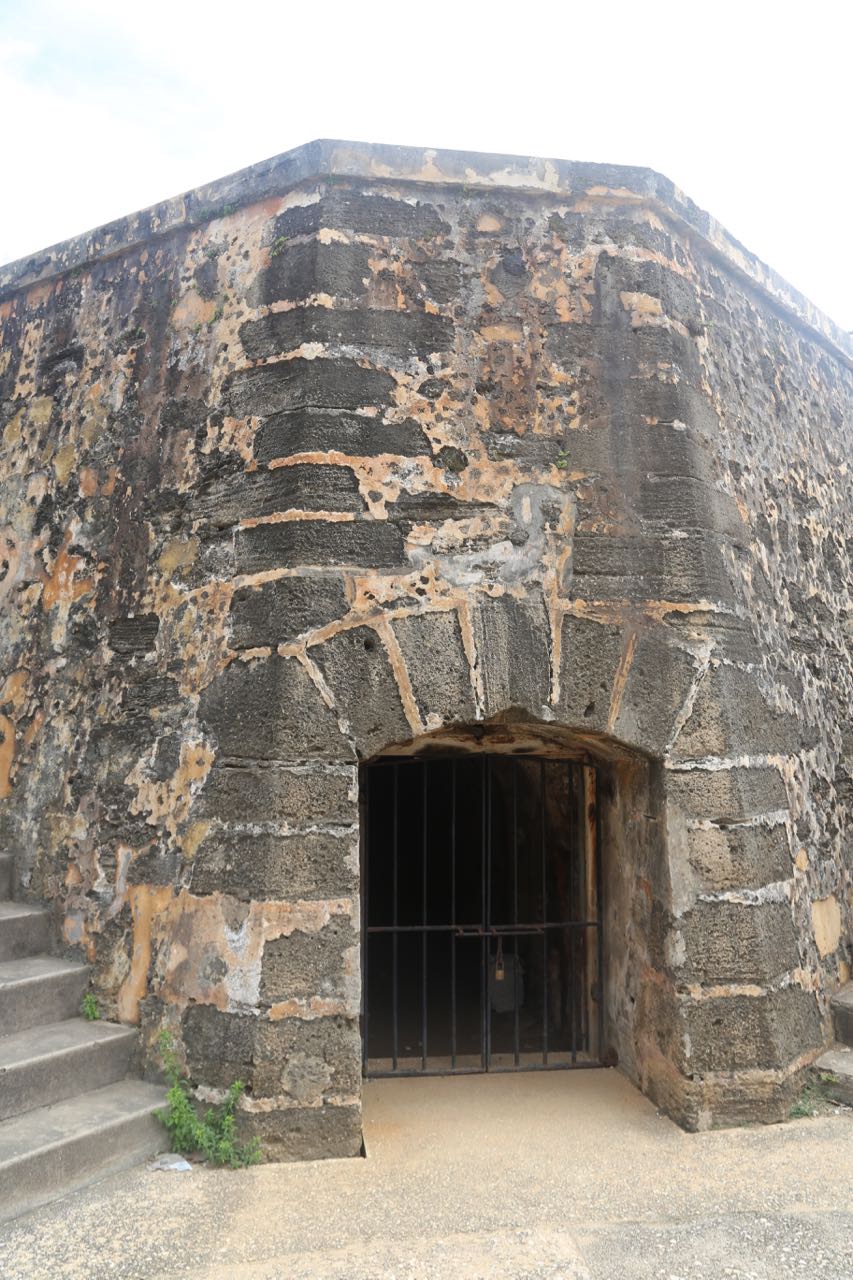
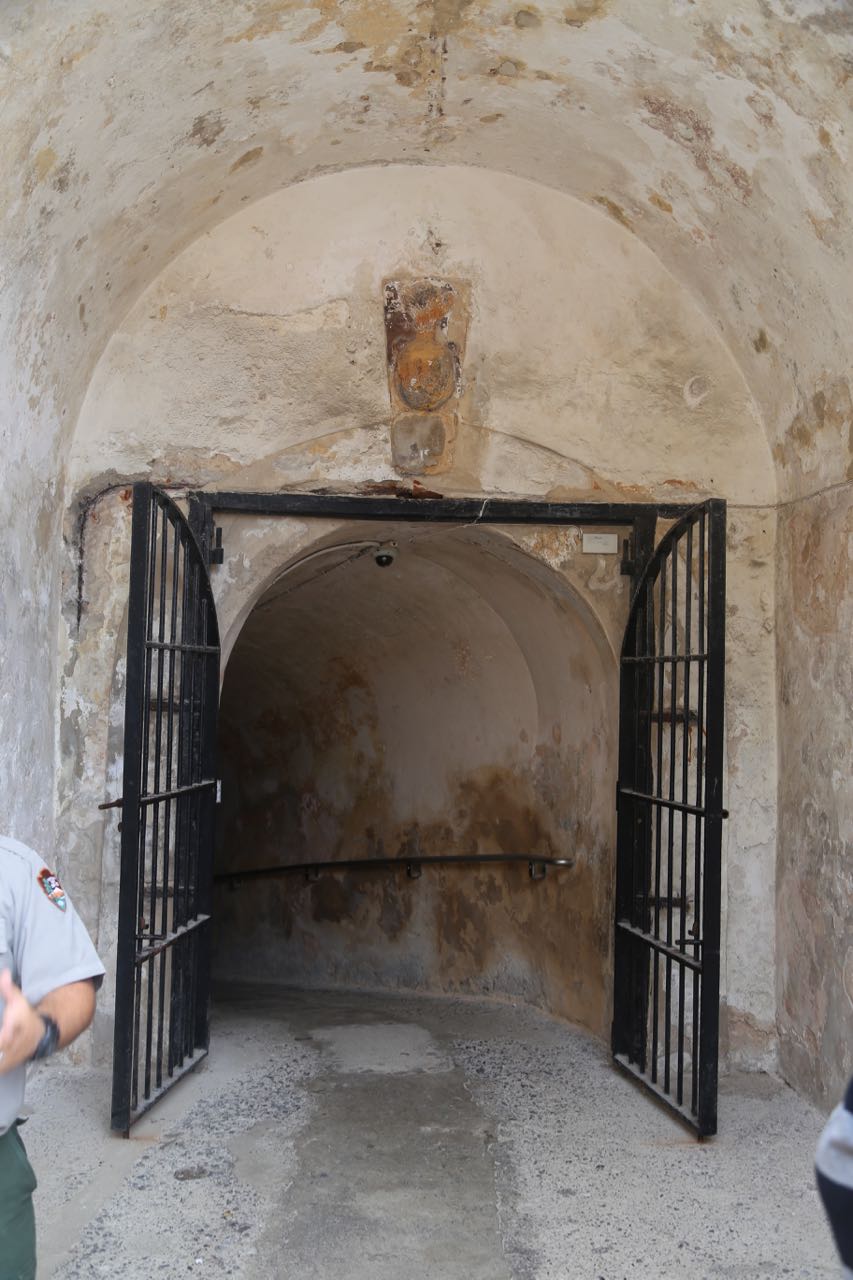
Entrance to small, normally inaccessible tunnel

Entrance to small, normally inaccessible tunnel

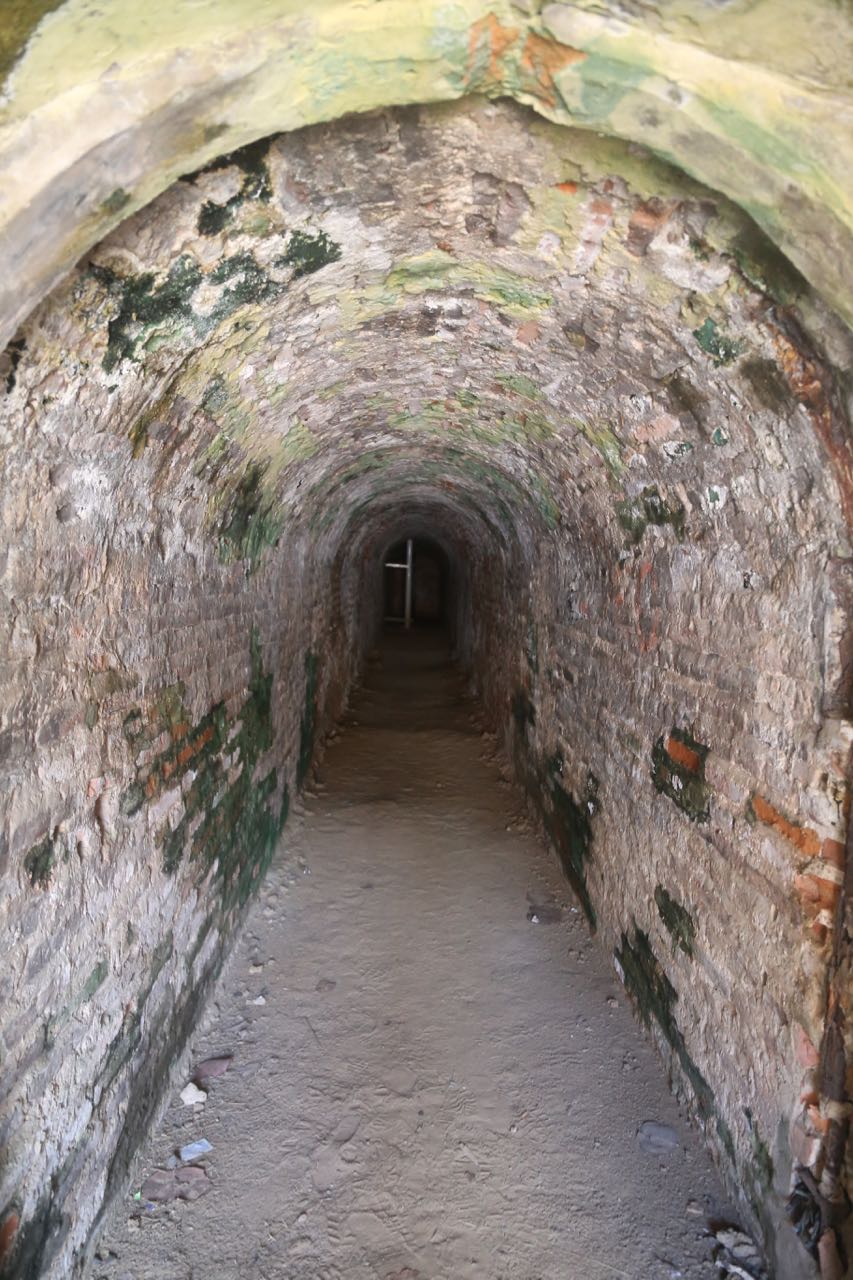
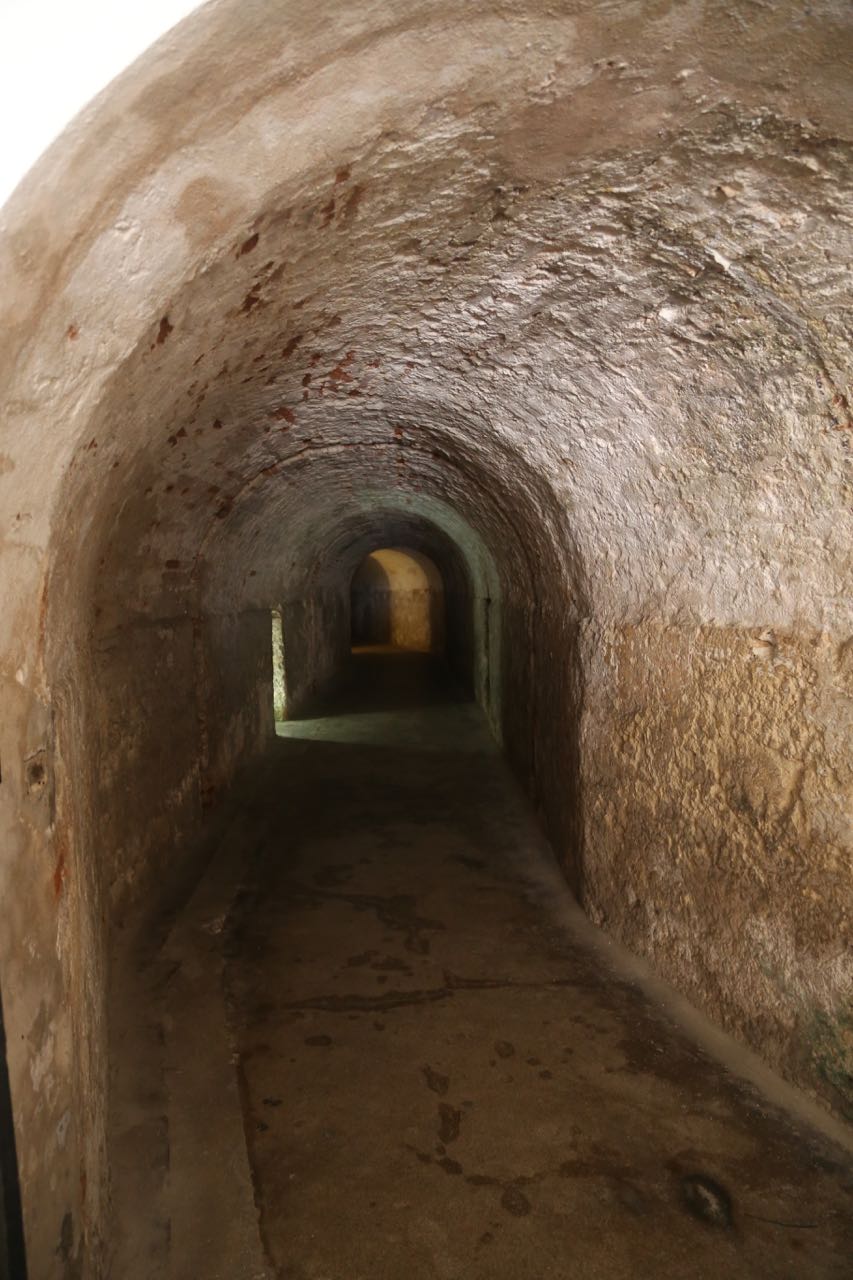
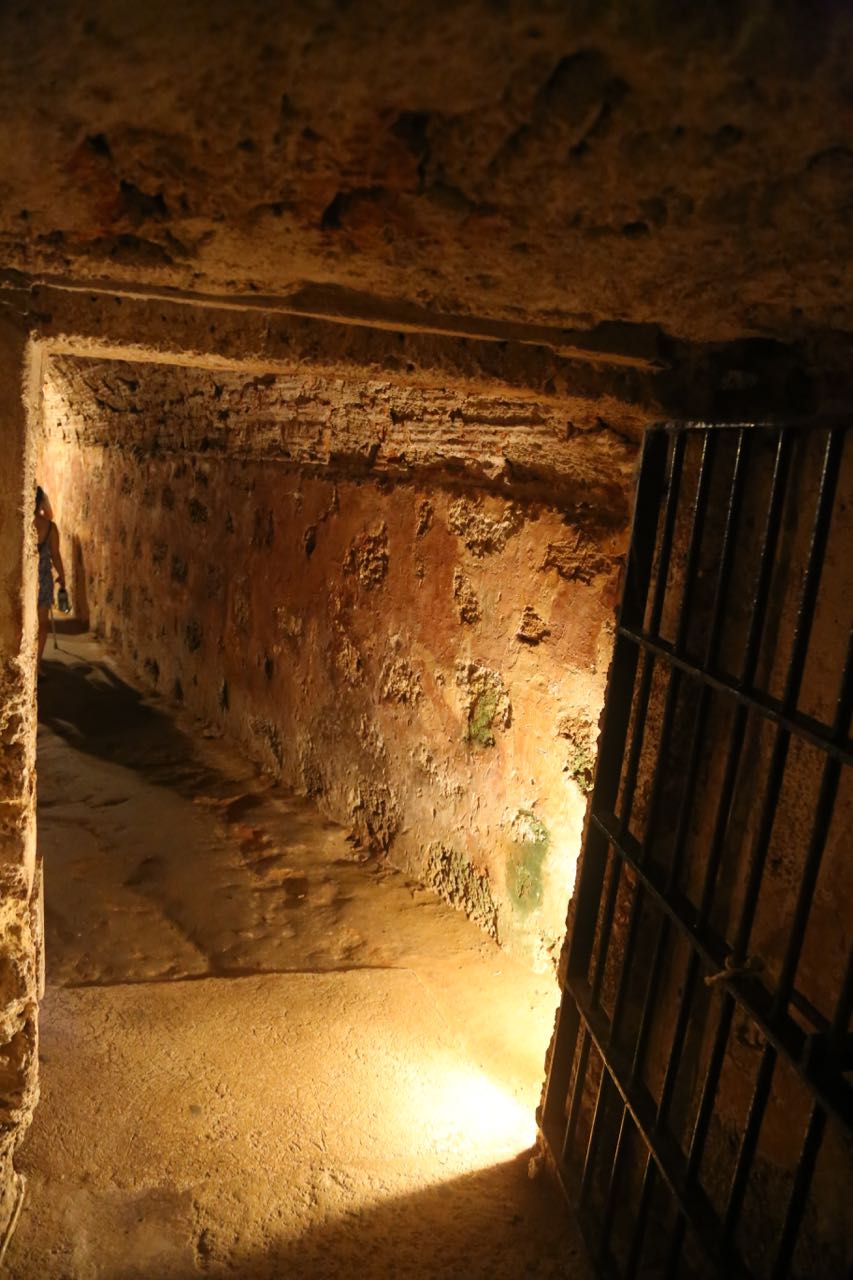
Small, normally inaccessible tunnel

Small, normally inaccessible tunnel

View from courtyard

View from lower, exterior courtyard

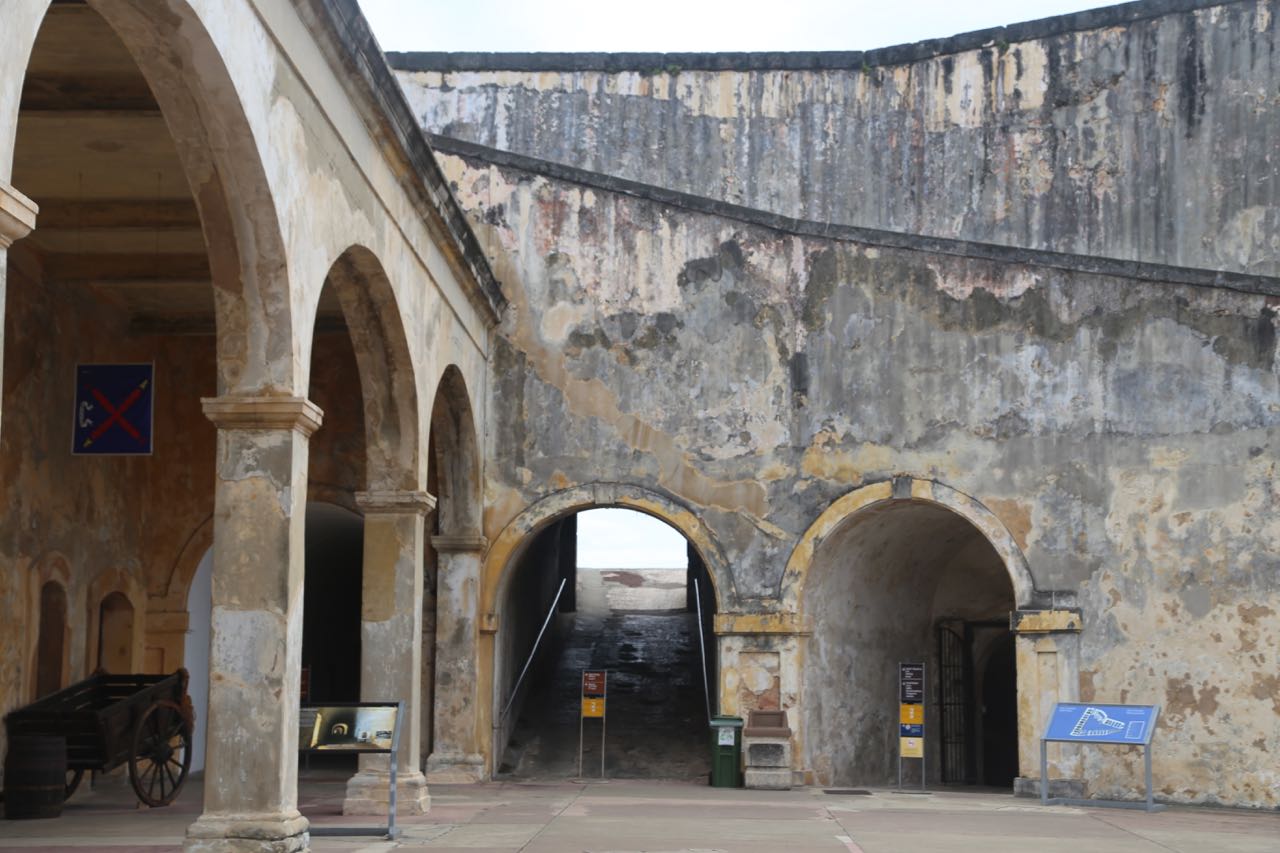
Entrance to lower tunnel with symbol on top warning of explosives

Entrance to lower tunnel with symbol on top warning of explosives

Inside a tunnel

Inside a tunnel

Dungeon entrance

Dungeon entrance

Courtyard with view to city through window

Courtyard with view to city through window

Main courtyard

Main courtyard

Entrance to the main tunnels

Entrance to the main tunnels

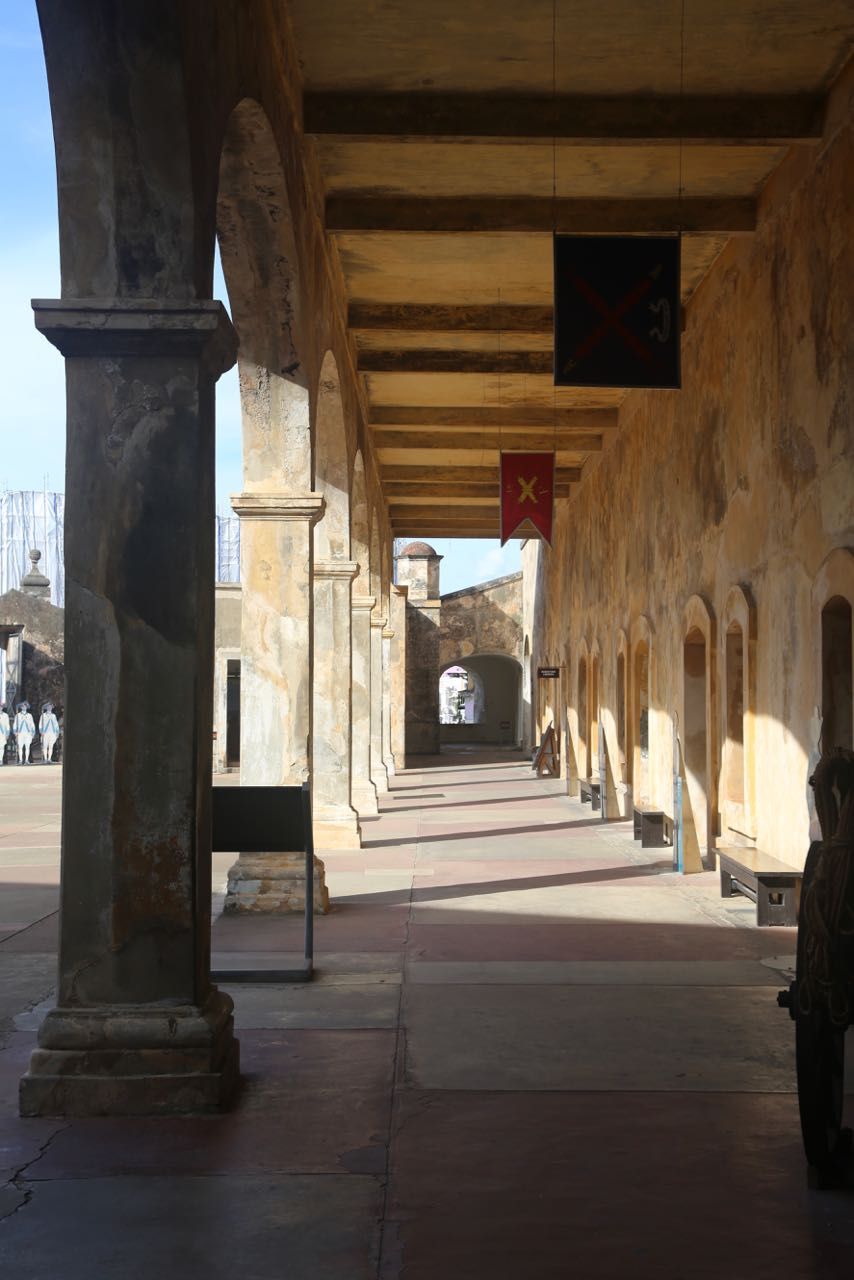
Soldiers' quarters

Soldiers’ quarters

Officers' quarters

Passageways in soldiers’ quarters

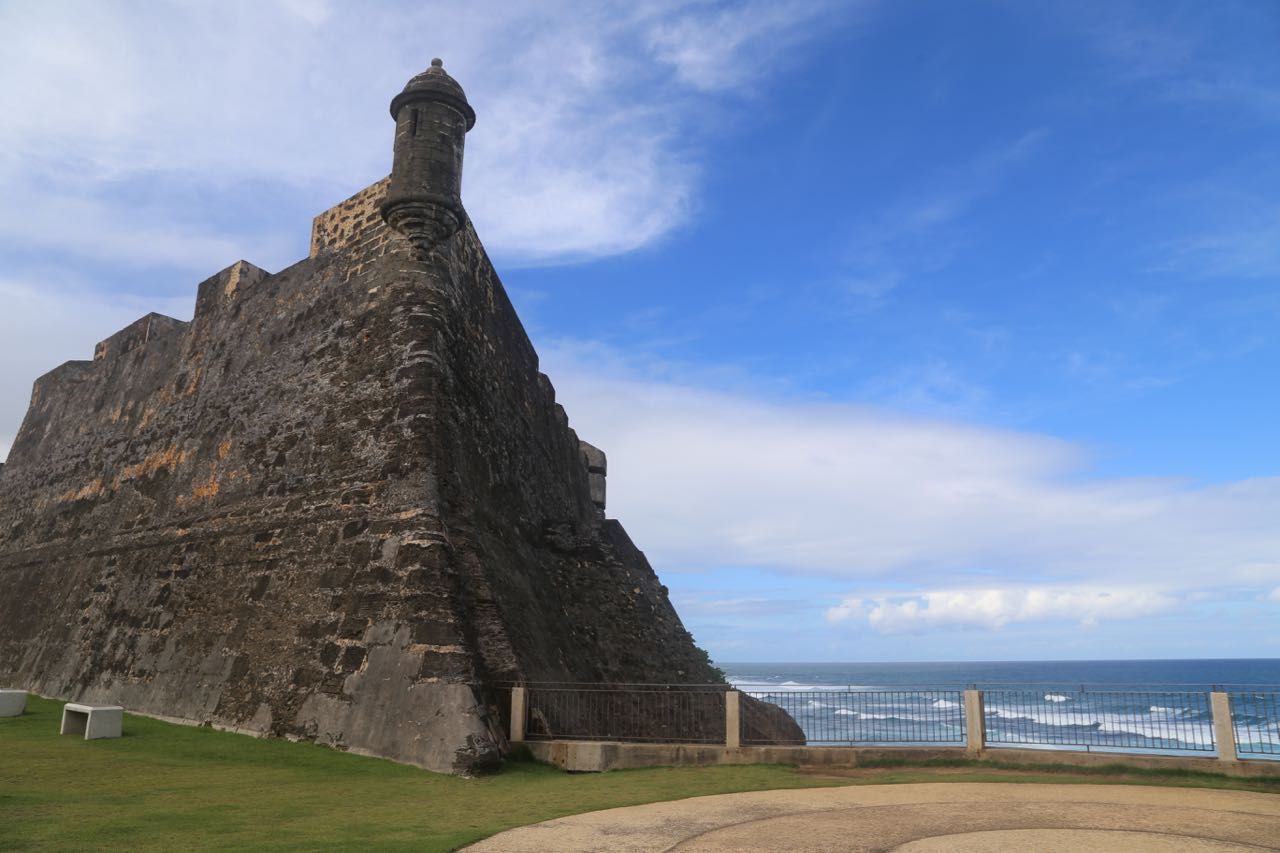
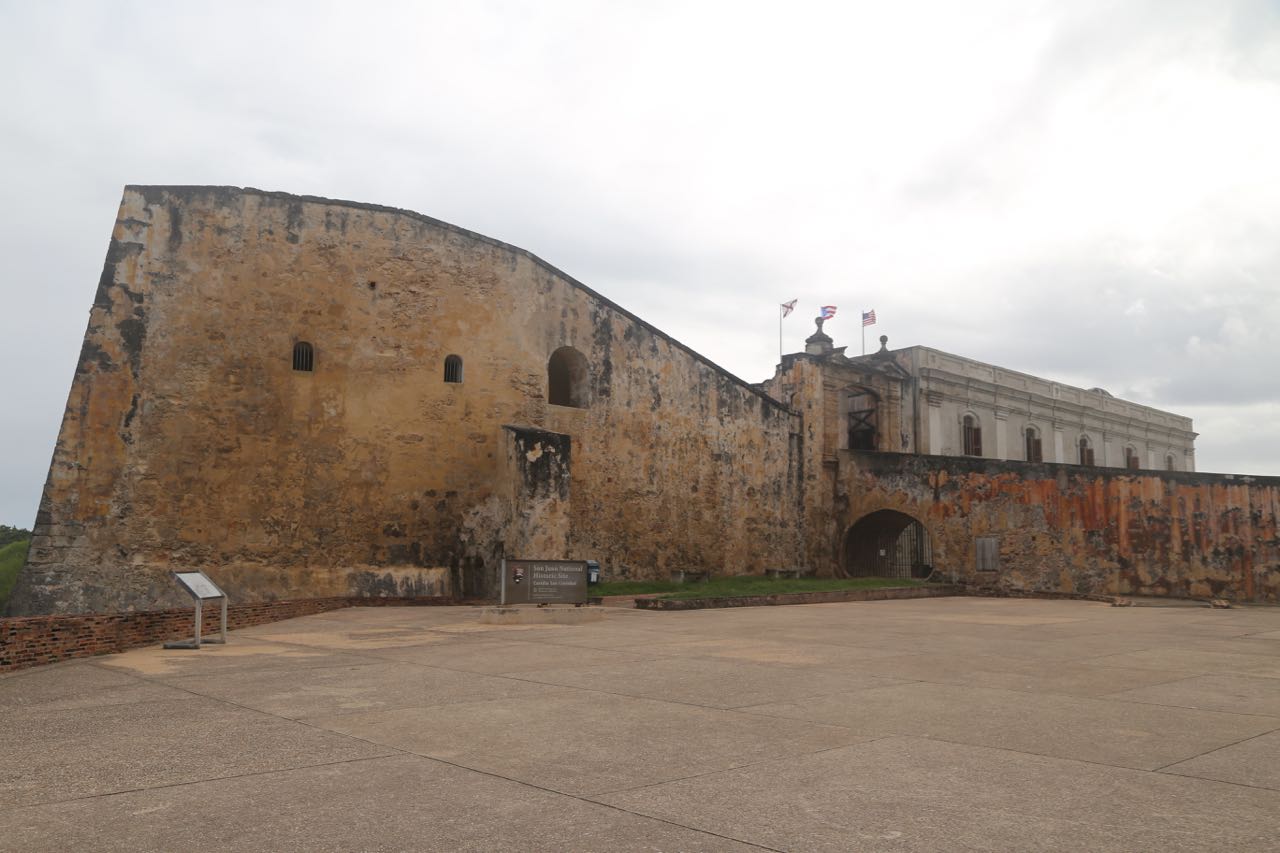
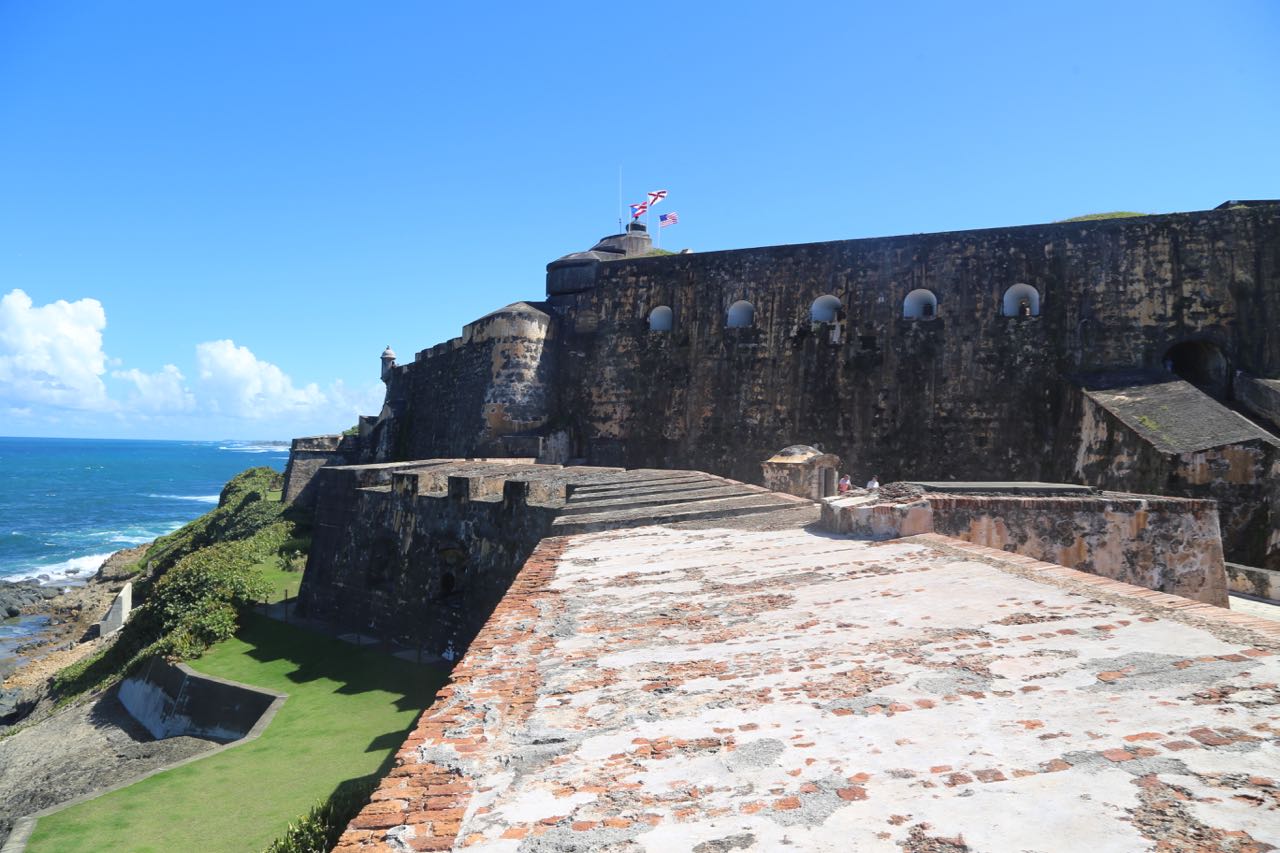
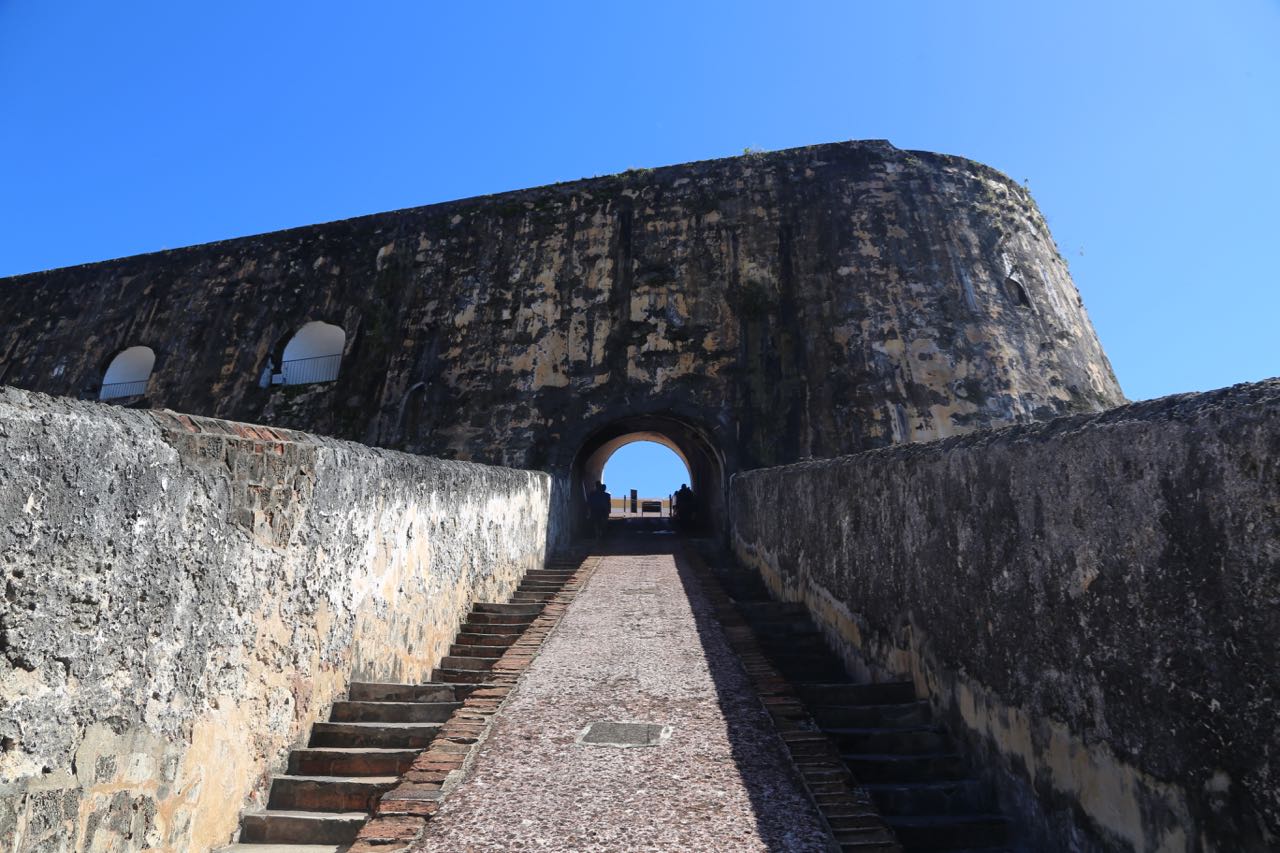
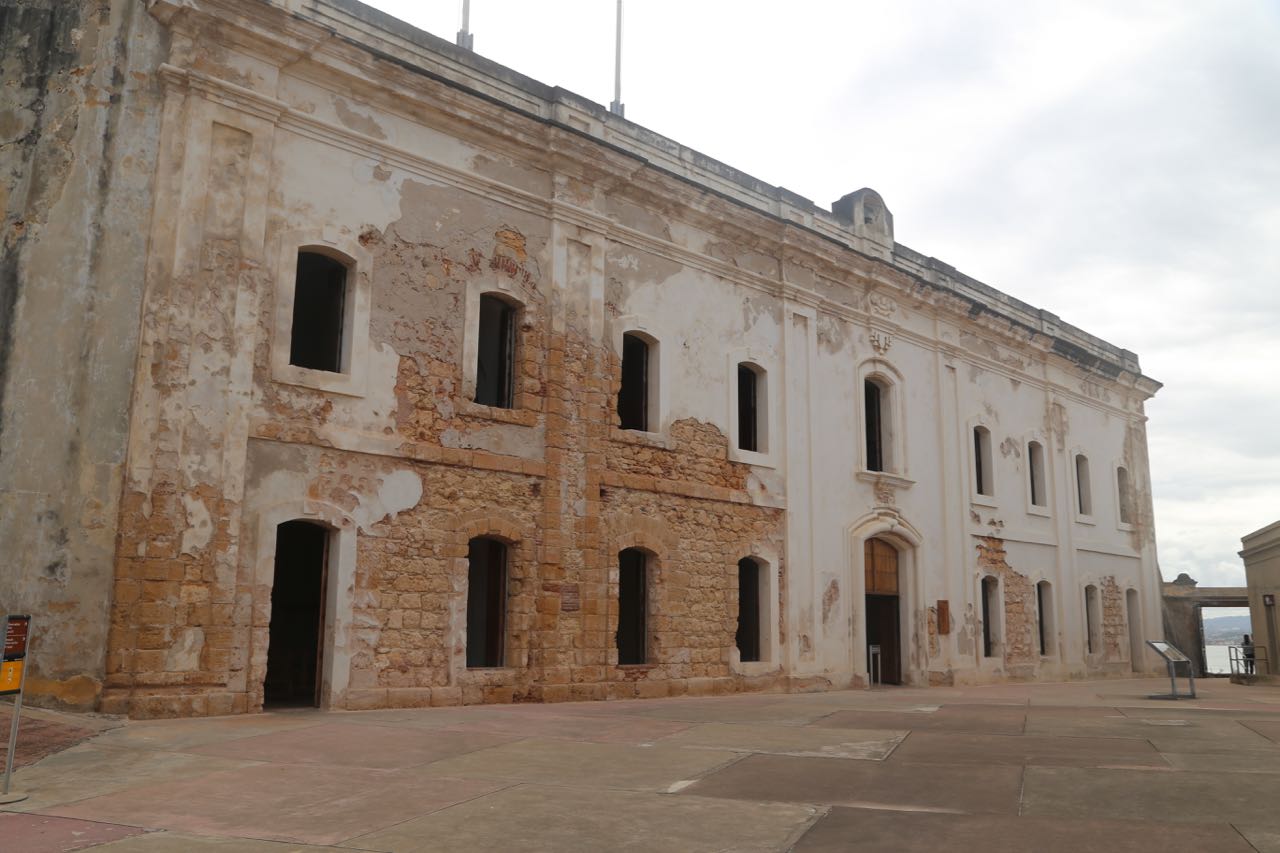
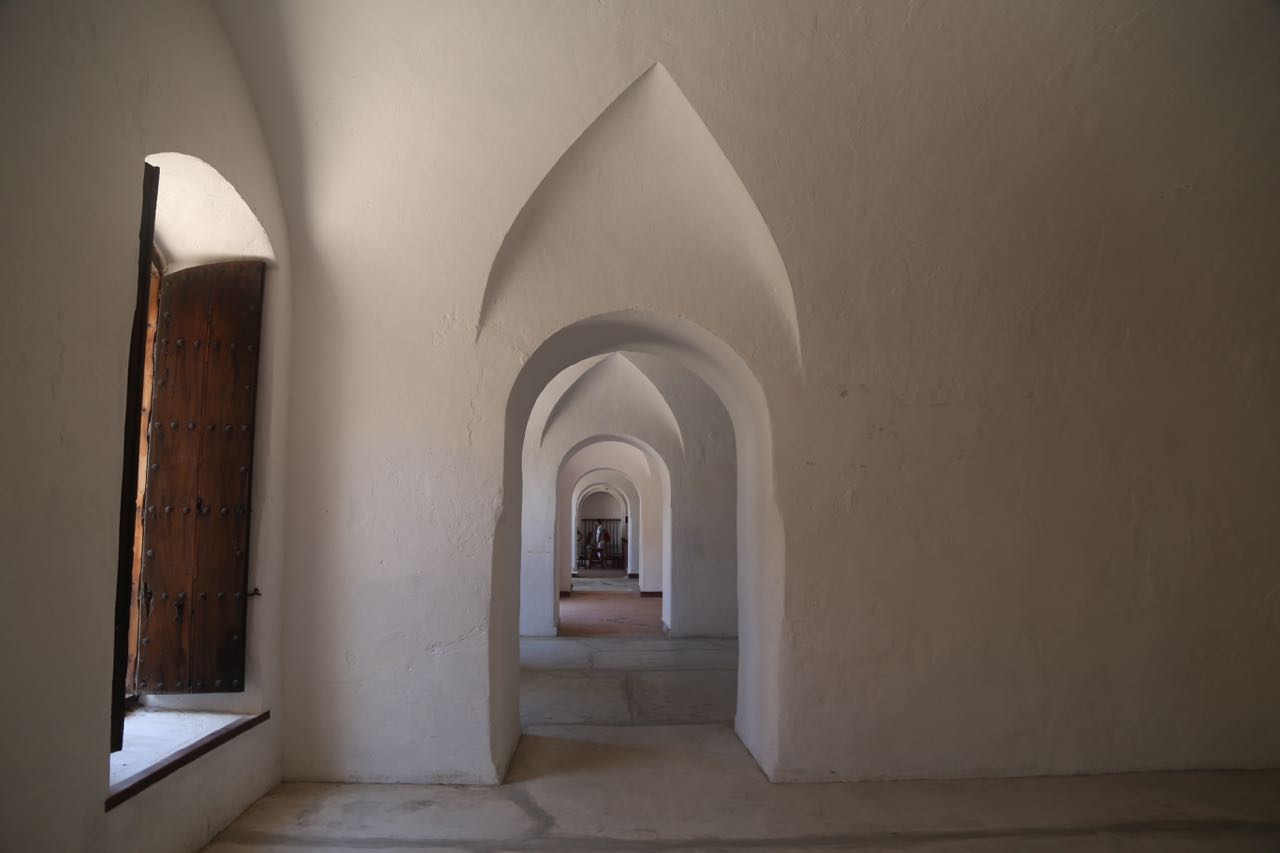
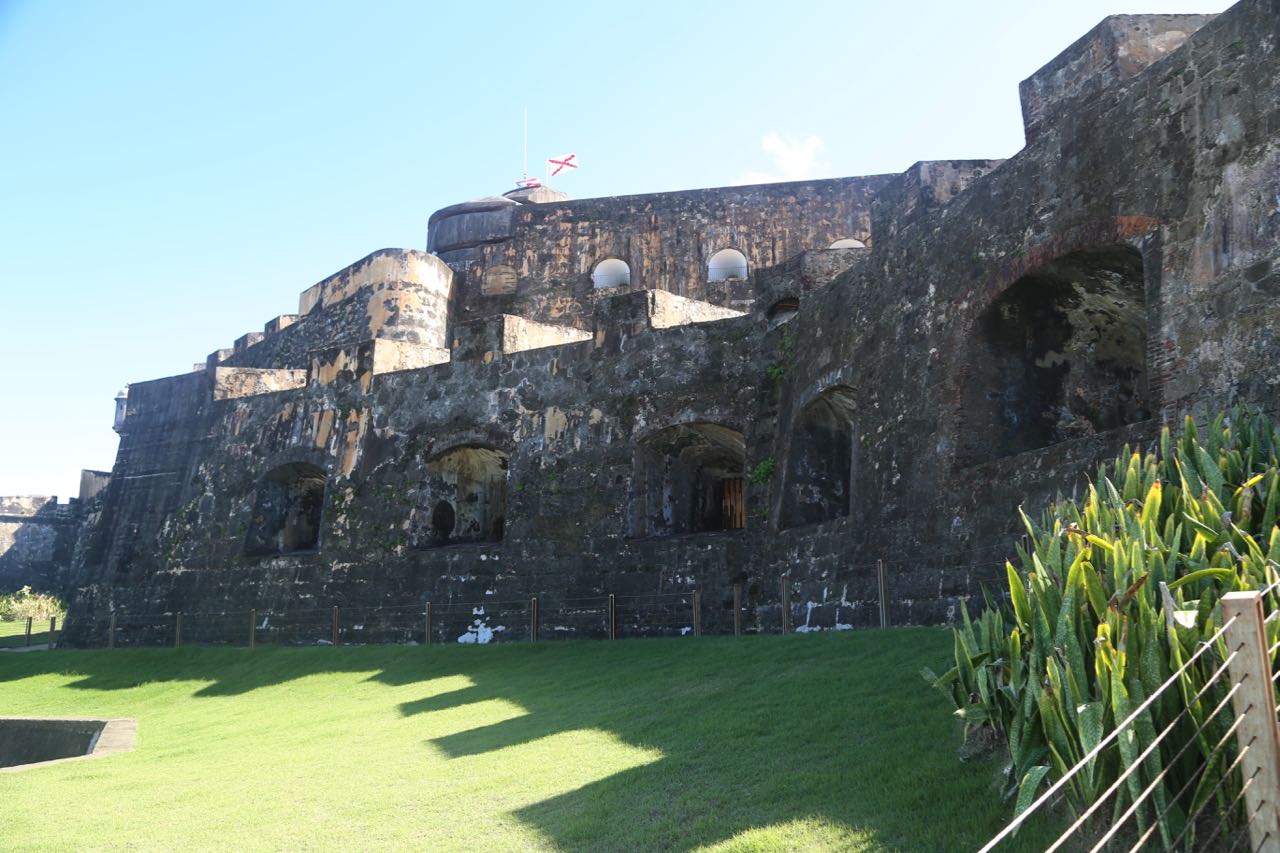
Exterior of fort

Exterior of fort

Cueva Ventana

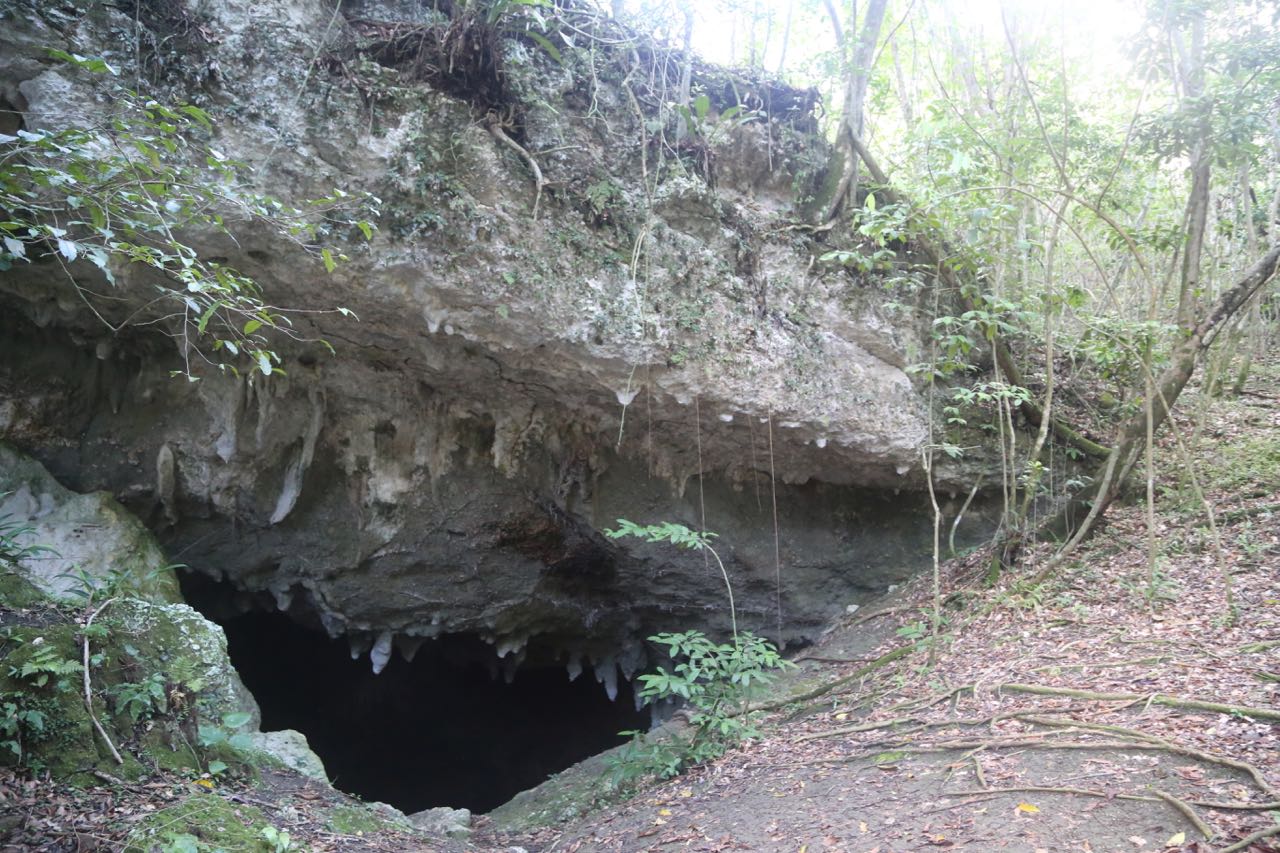
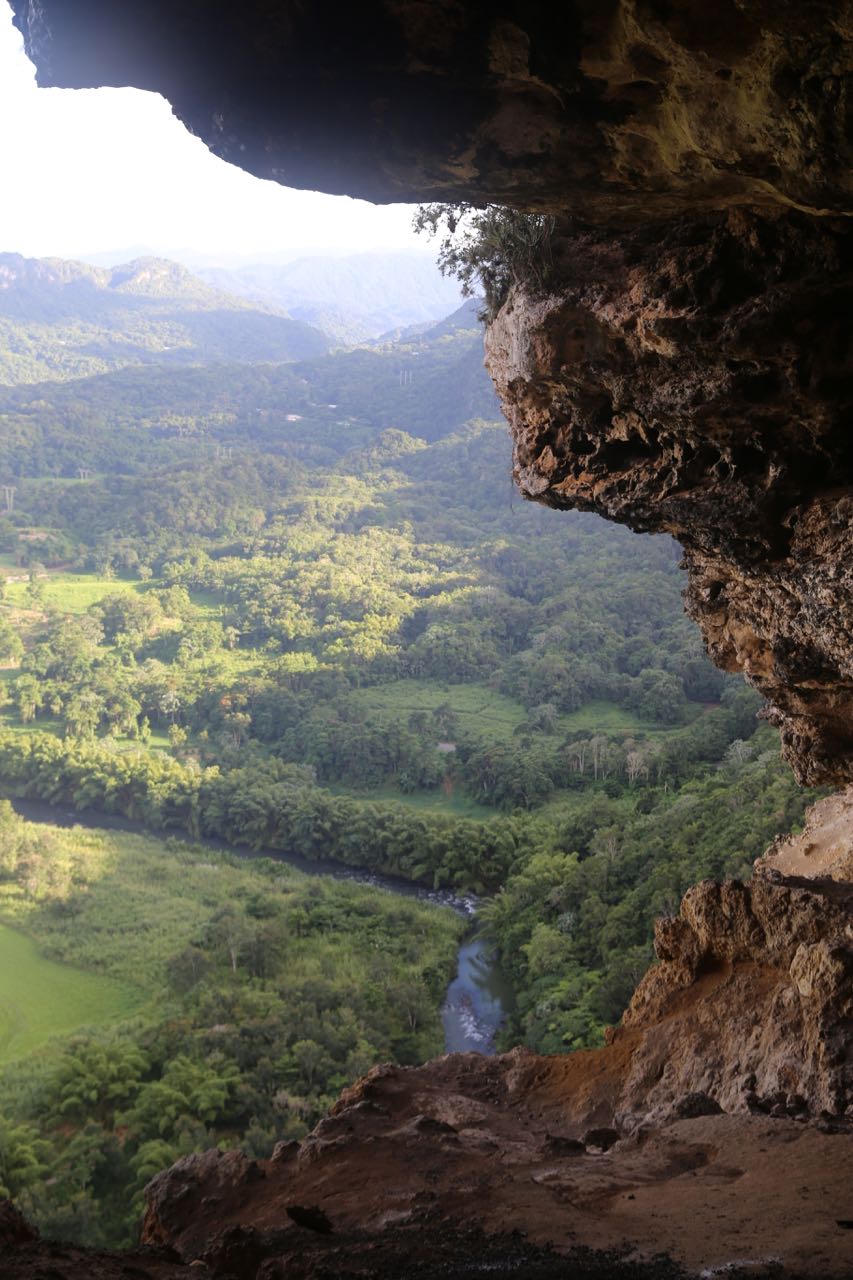
I got to visit Cueva Ventana (Window Cave) today in Arecibo, Puerto Rico. The tour starts by walking by Pee Wee Cave, which only meets the bare minimum requirements of a cave.  You don’t go in. There is no point or room really. There is a short walk through the forest, which when I visited meant getting to see among other things a bunch of giant snails on the trees. Then you walk through cave number two, which I don’t think they actually named. The middle portion of this cave is, well, cavernous, with huge ceilings and wide walls. However the walk through it is fairly short. Then you walk down an extremely steep path to get to the actual Cueva Ventana. There are bats living in there among the limestone columns. At the end of the cave is the Ventana. It has amazing views of the Arecibo River valley. The valley is gorgeous, and you can see the mountains beyond. The tour is worth the view alone. However the caves are really neat to see also, and I love bats, so getting to hear and see them was also a highlight. Sadly while there, you can see vandalism from years past, but tourism is now helping to support security and clean up for the site.

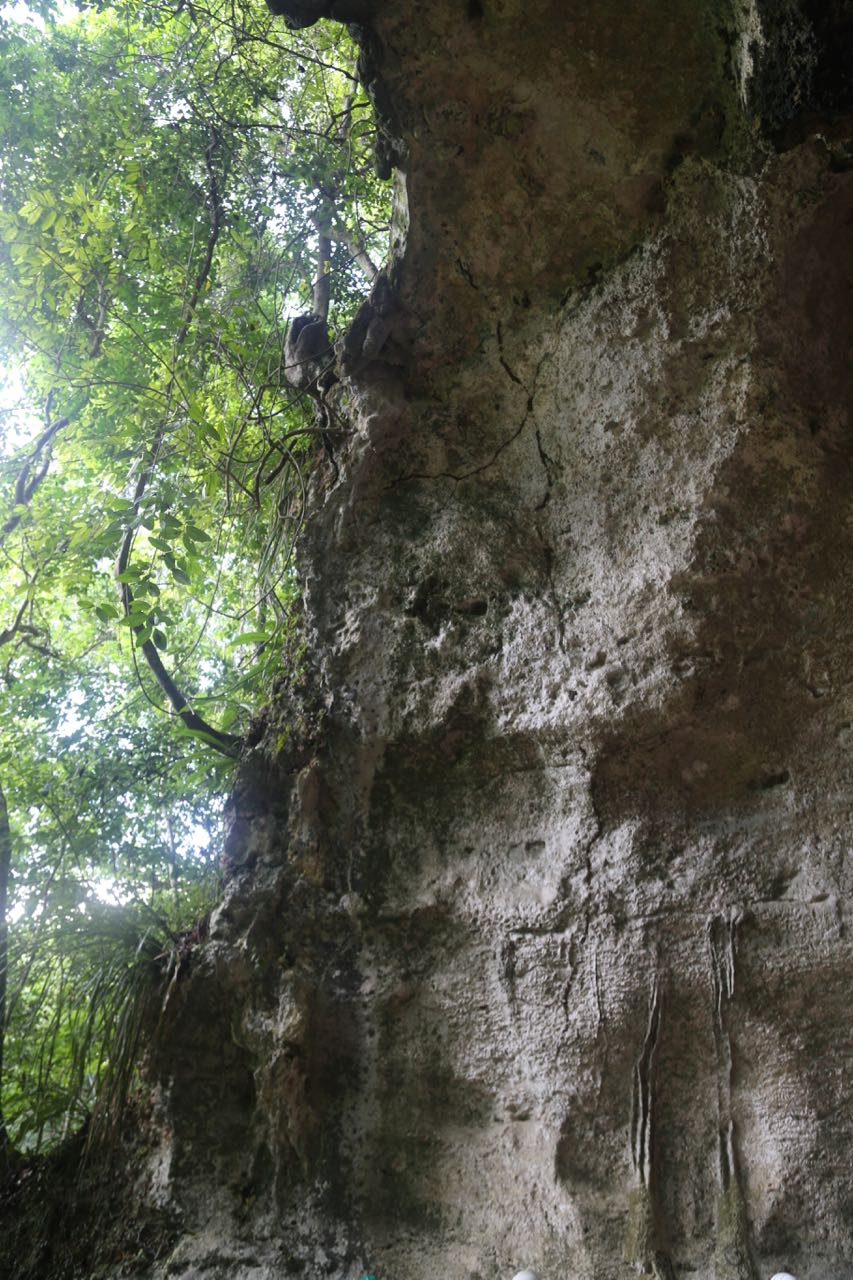
Entrance to Cave 2

Entrance to Cave 2

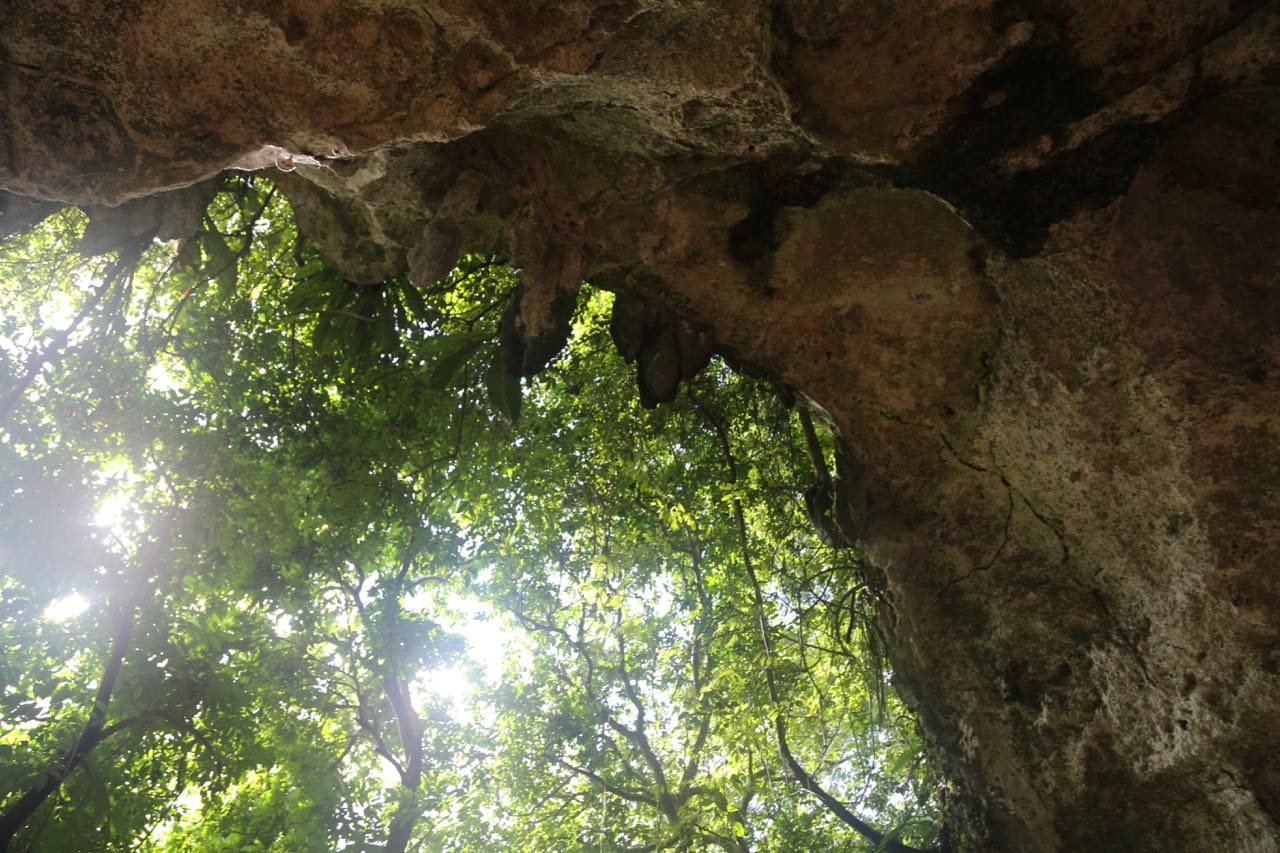
Entrance to Cave 2

Entrance to Cave 2

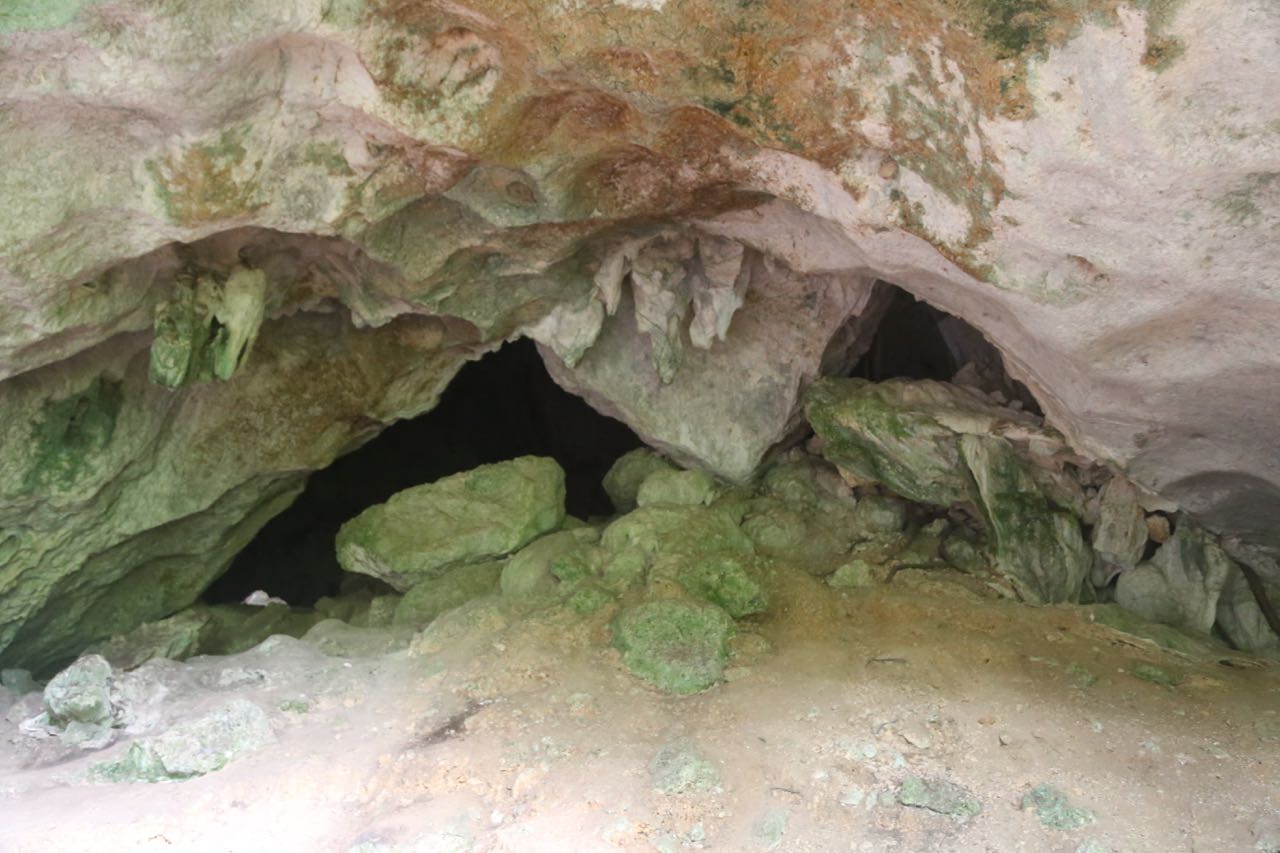
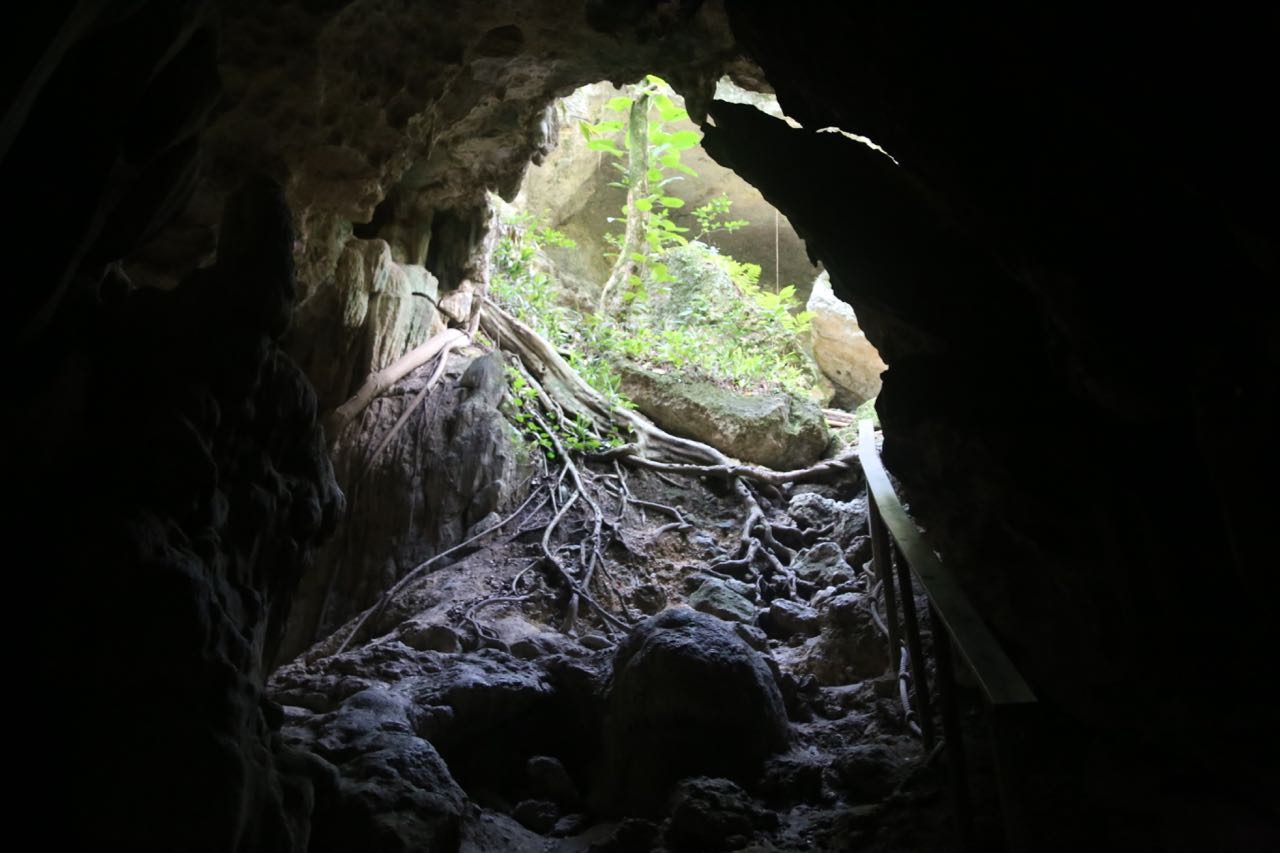
Entrance to Cave 2, at very lower left side of dark cave area, opening on other side of cave is visible

Entrance to Cave 2, at very lower left side of dark cave area, opening on other side of cave is visible

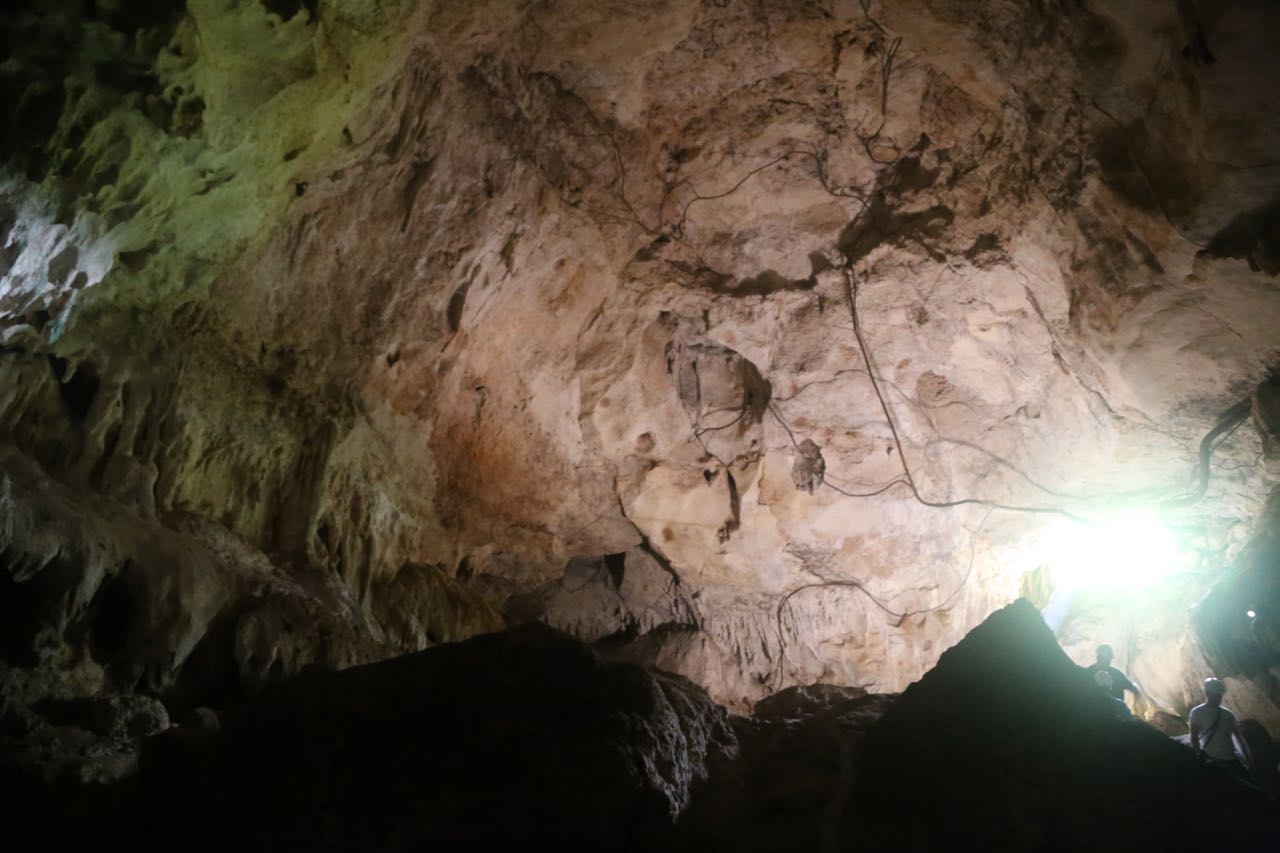
Cave 2

Cave 2

Opening to Cave 2

Opening to Cave 2

Entrance to Cueva Ventana

Entrance to Cueva Ventana

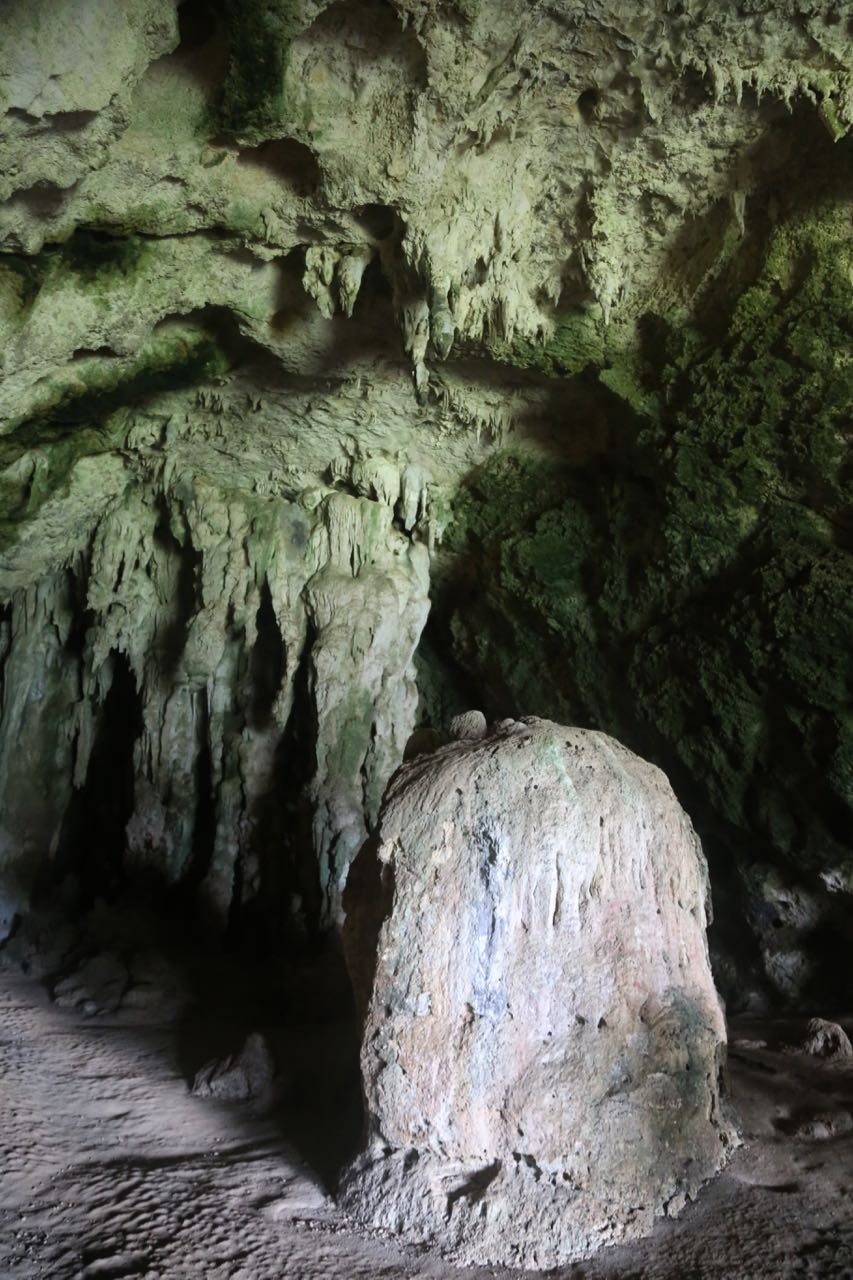
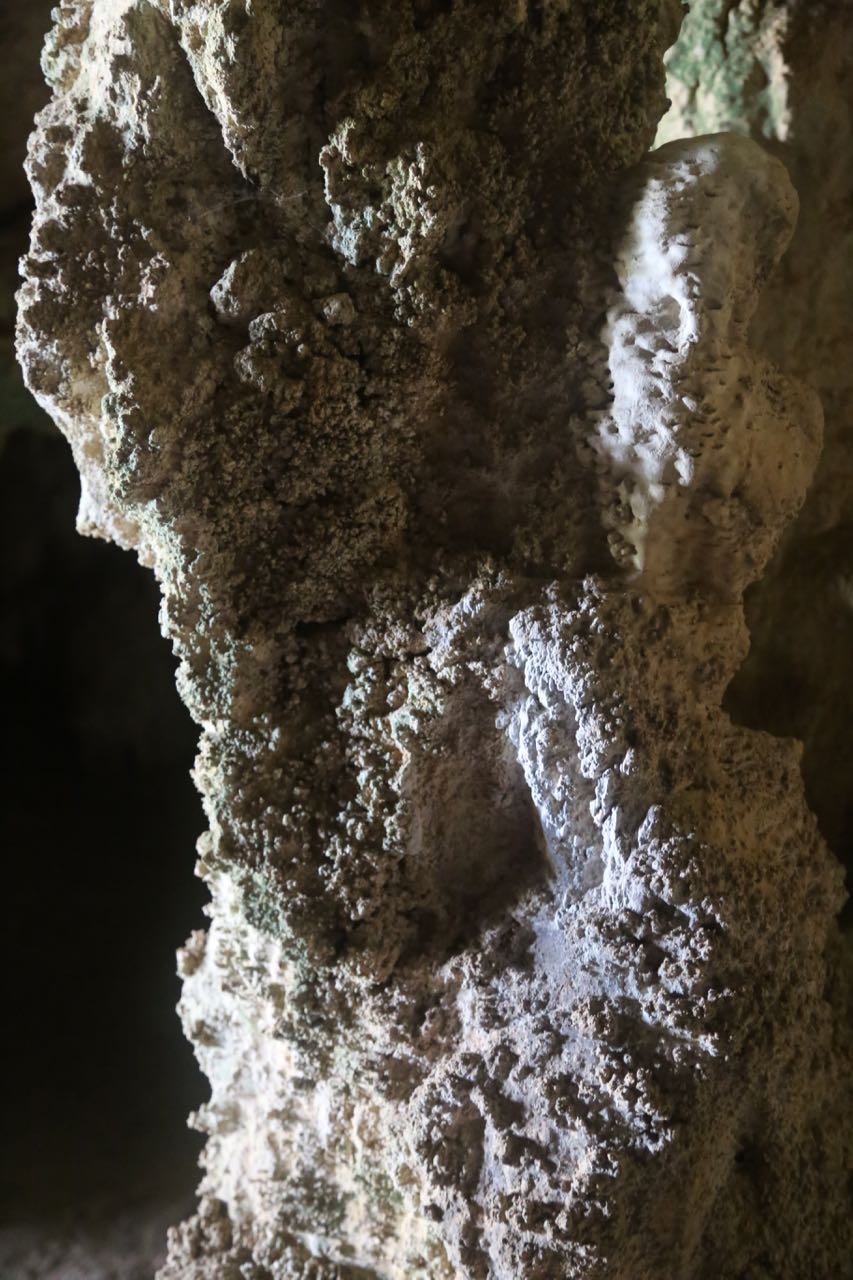
Columns in Cueva Ventana

Columns in Cueva Ventana

Stalagmite in Cueva Ventana

Stalagmite in Cueva Ventana

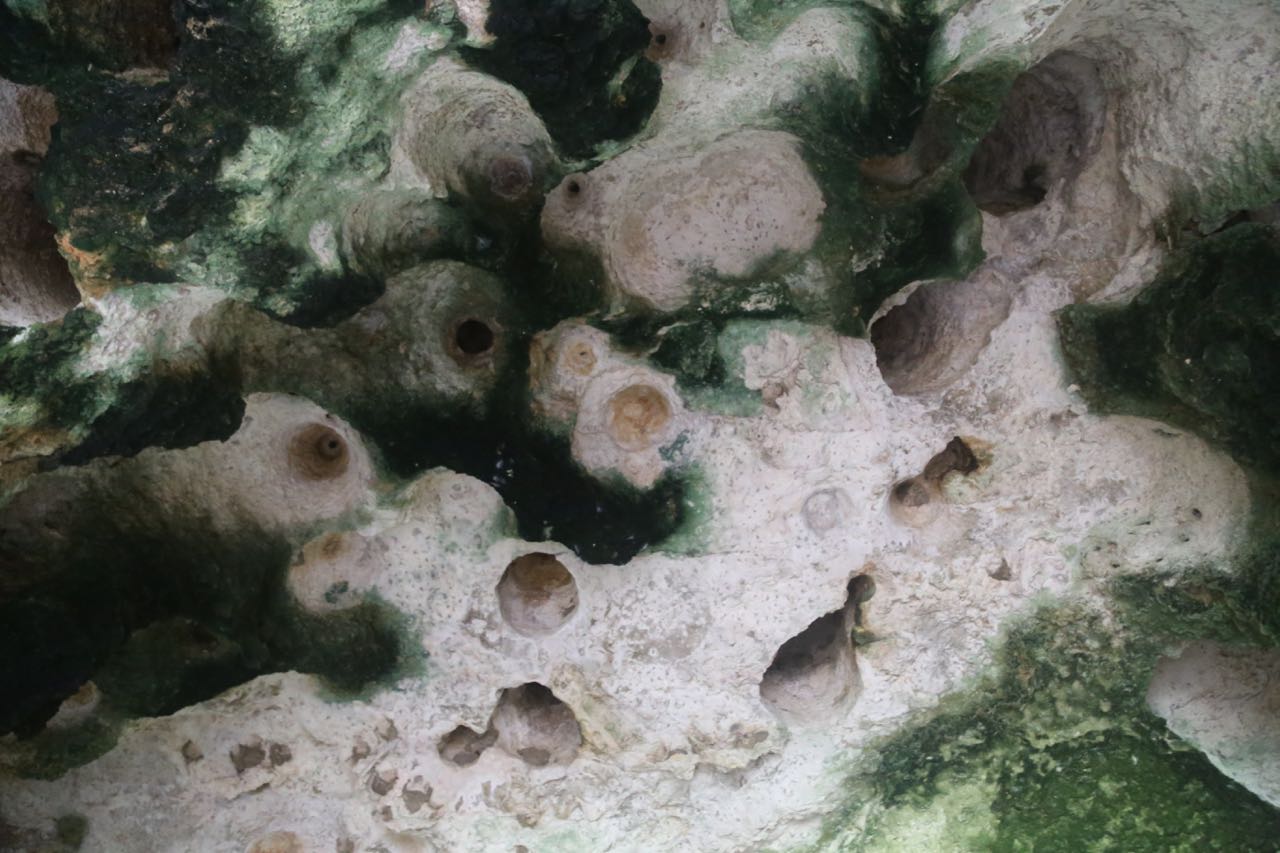
Ceiling of Cueva Ventana

Ceiling of Cueva Ventana

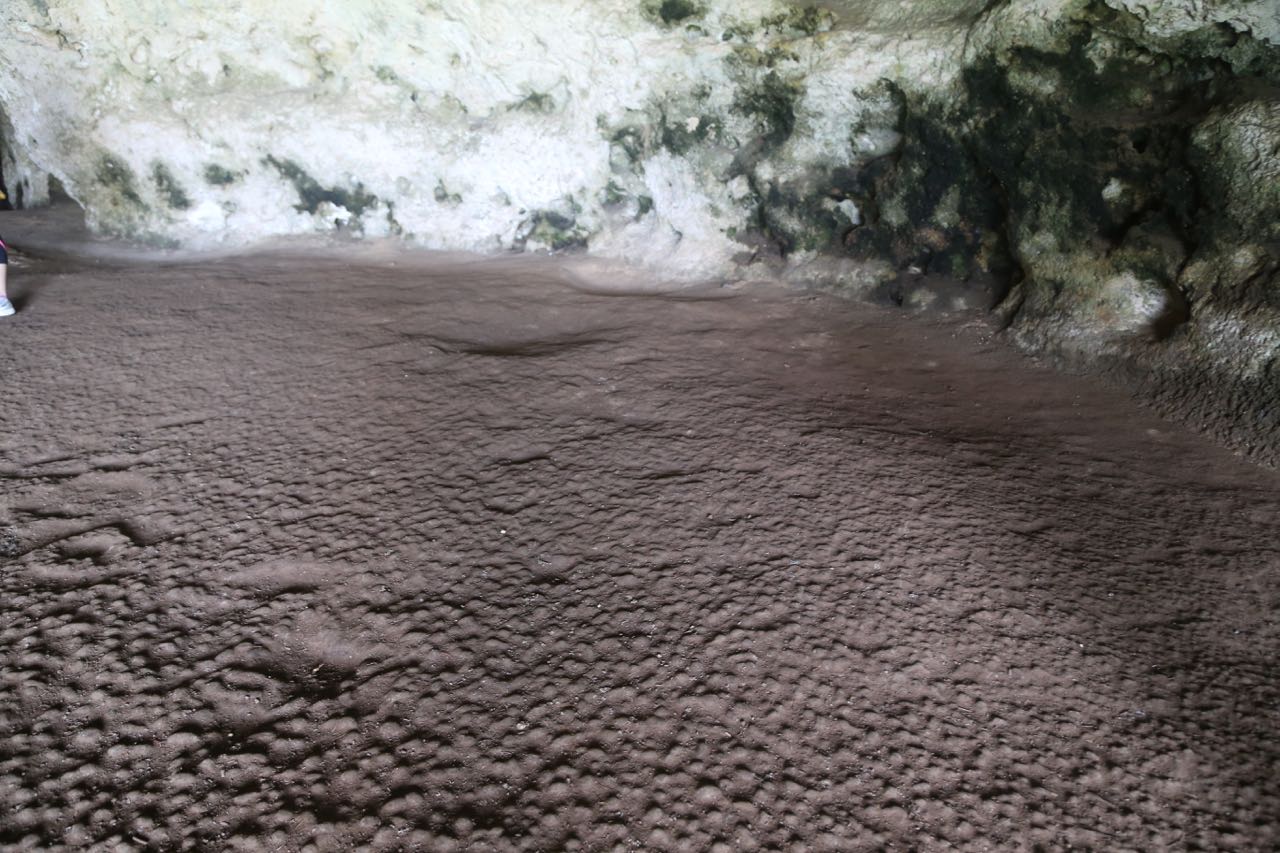
Floor and side of Cueva Ventana

Floor and side of Cueva Ventana

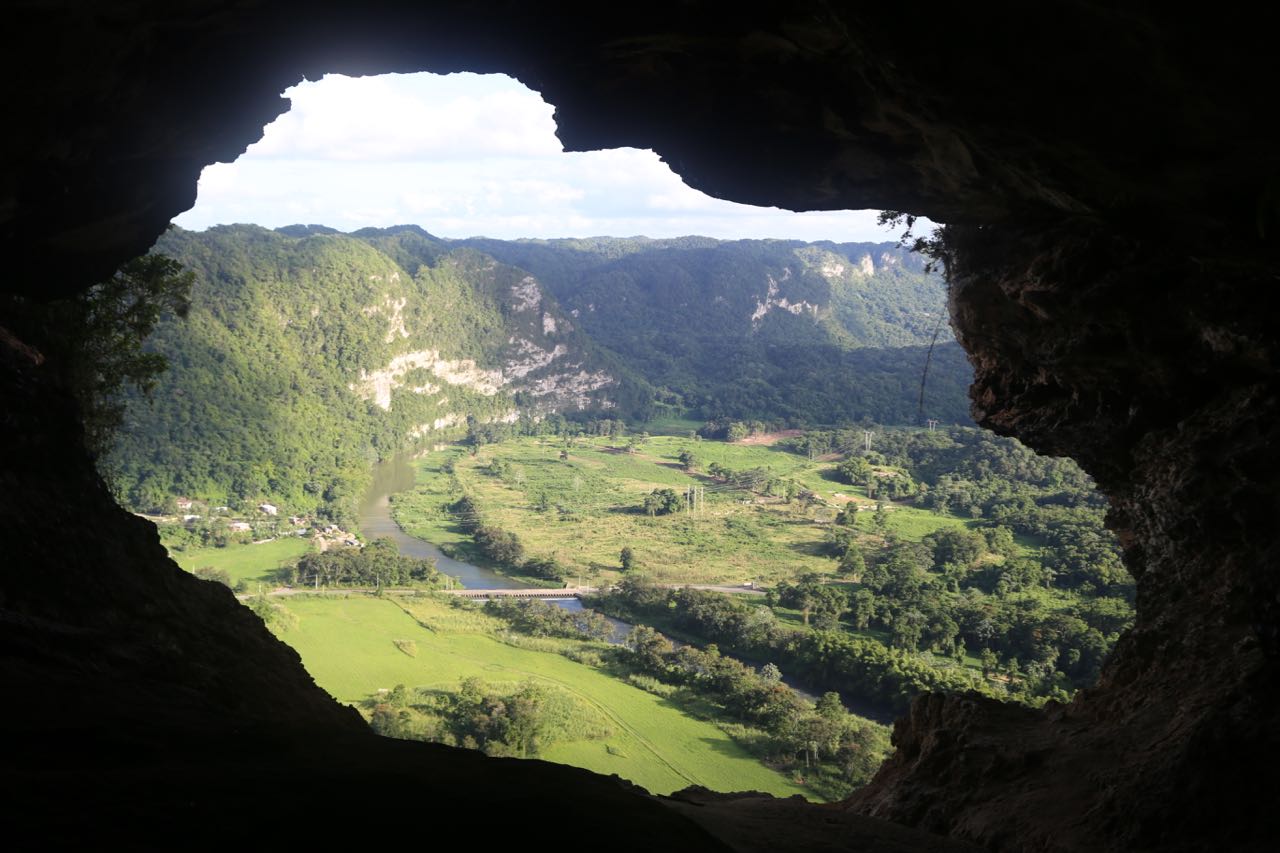
Cueva Ventana's Window to Arecibo River valley

Cueva Ventana’s Window to Arecibo River valley

Arecibo River valley viewed through Cueva Ventana's Window

Arecibo River valley viewed through Cueva Ventana’s Window

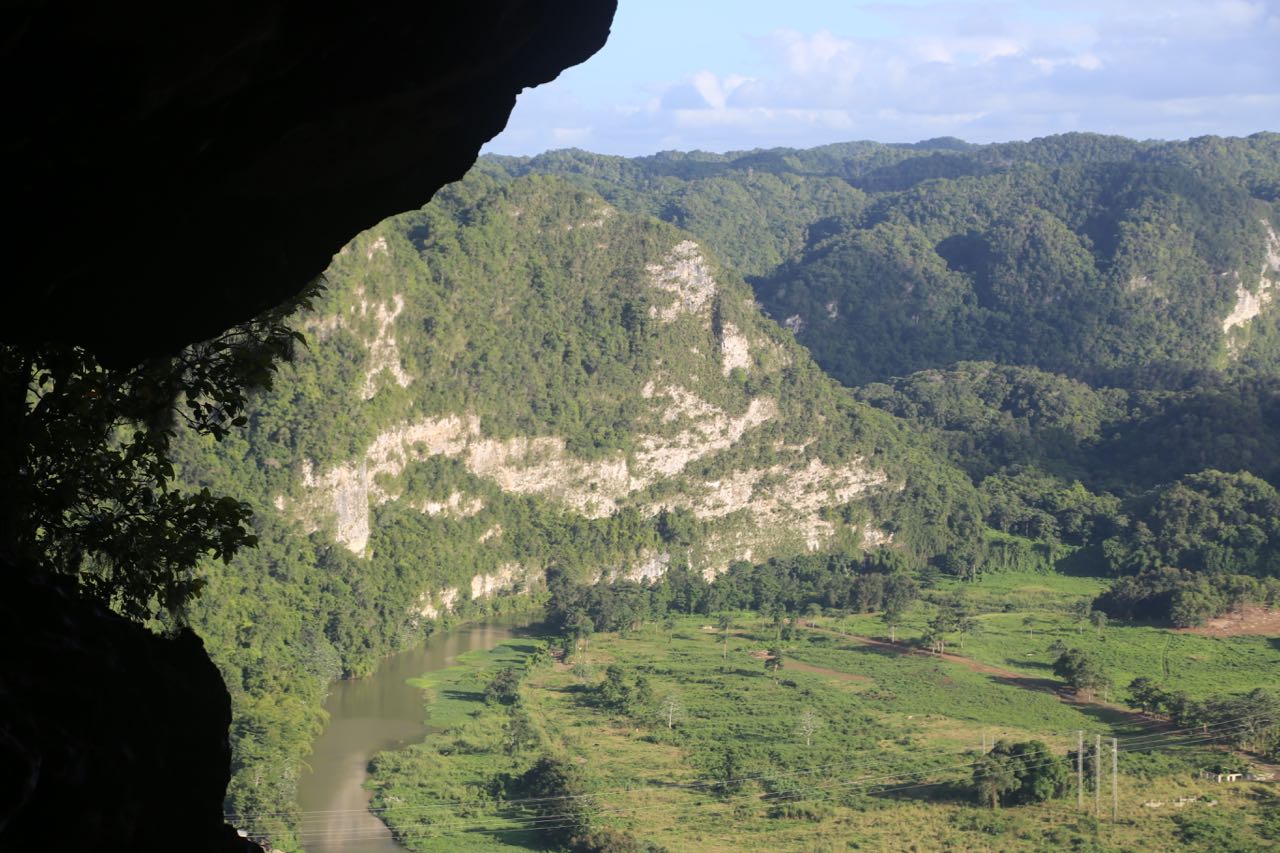
Arecibo River valley viewed through Cueva Ventana's Window

Arecibo River valley viewed through Cueva Ventana’s Window

Viejo San Juan’s Colorful Buildings

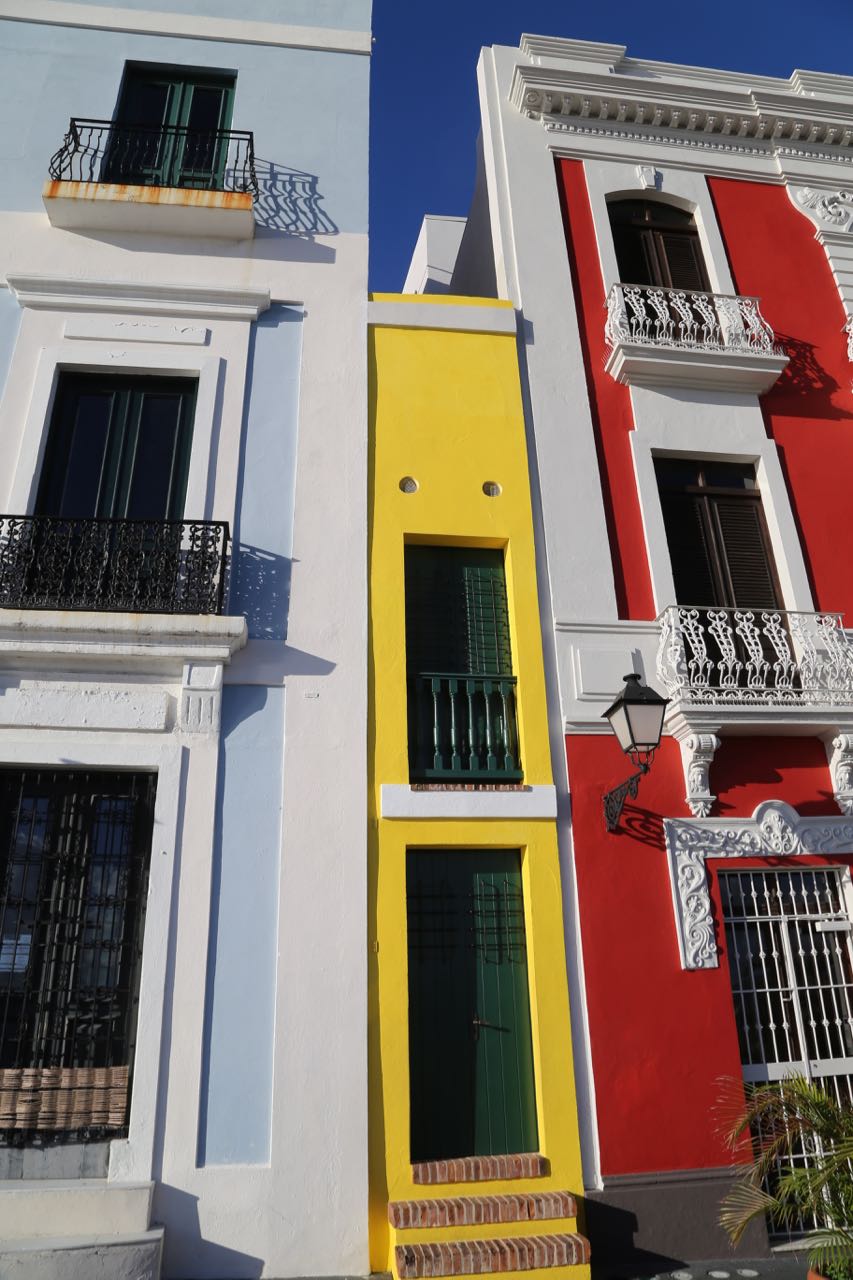
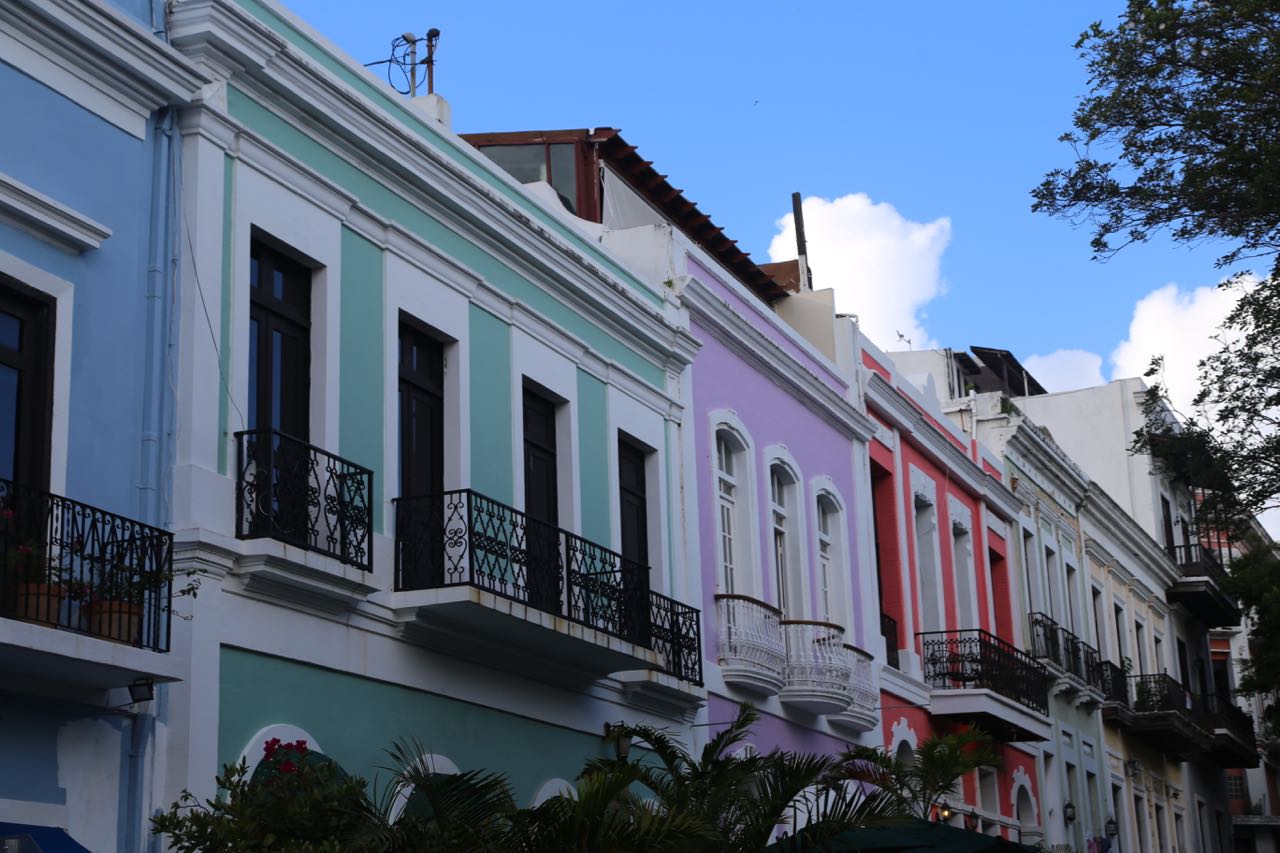
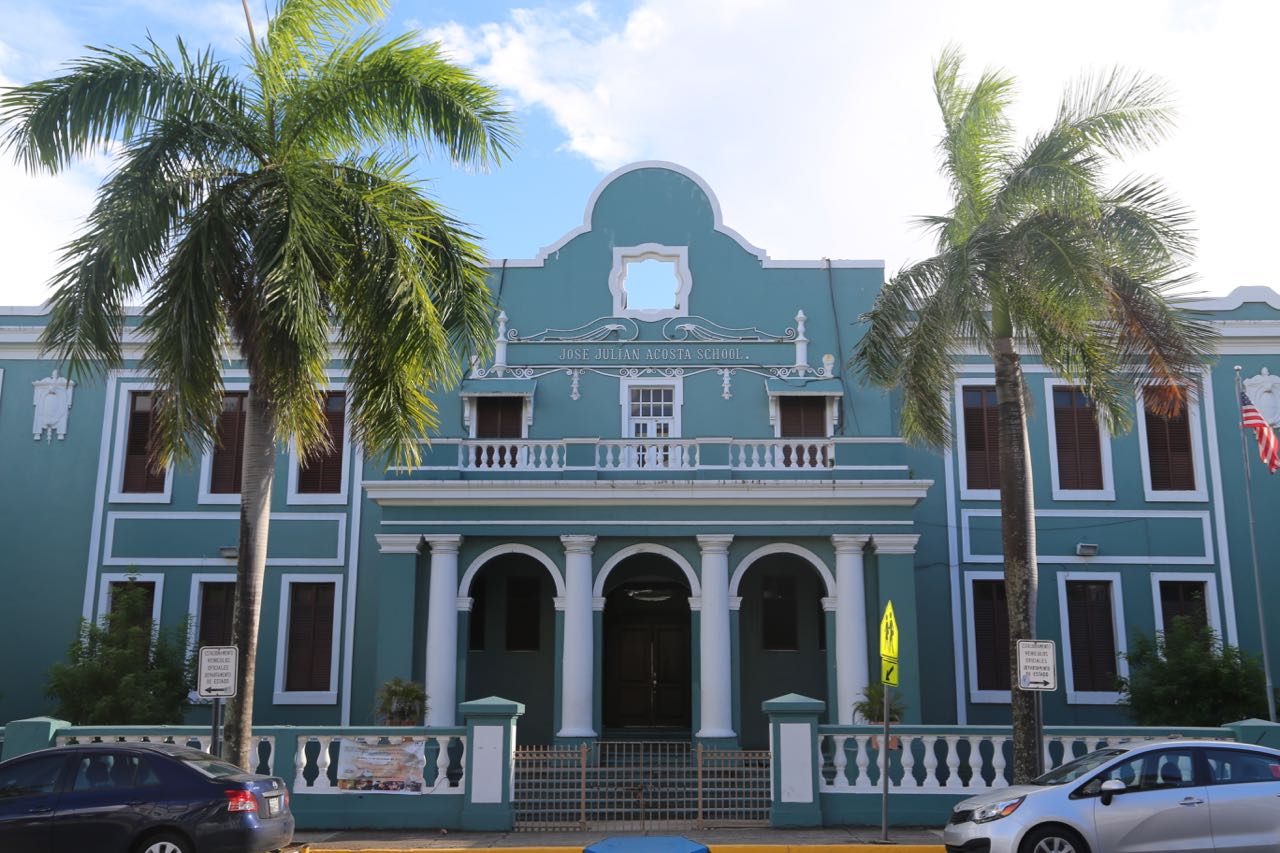
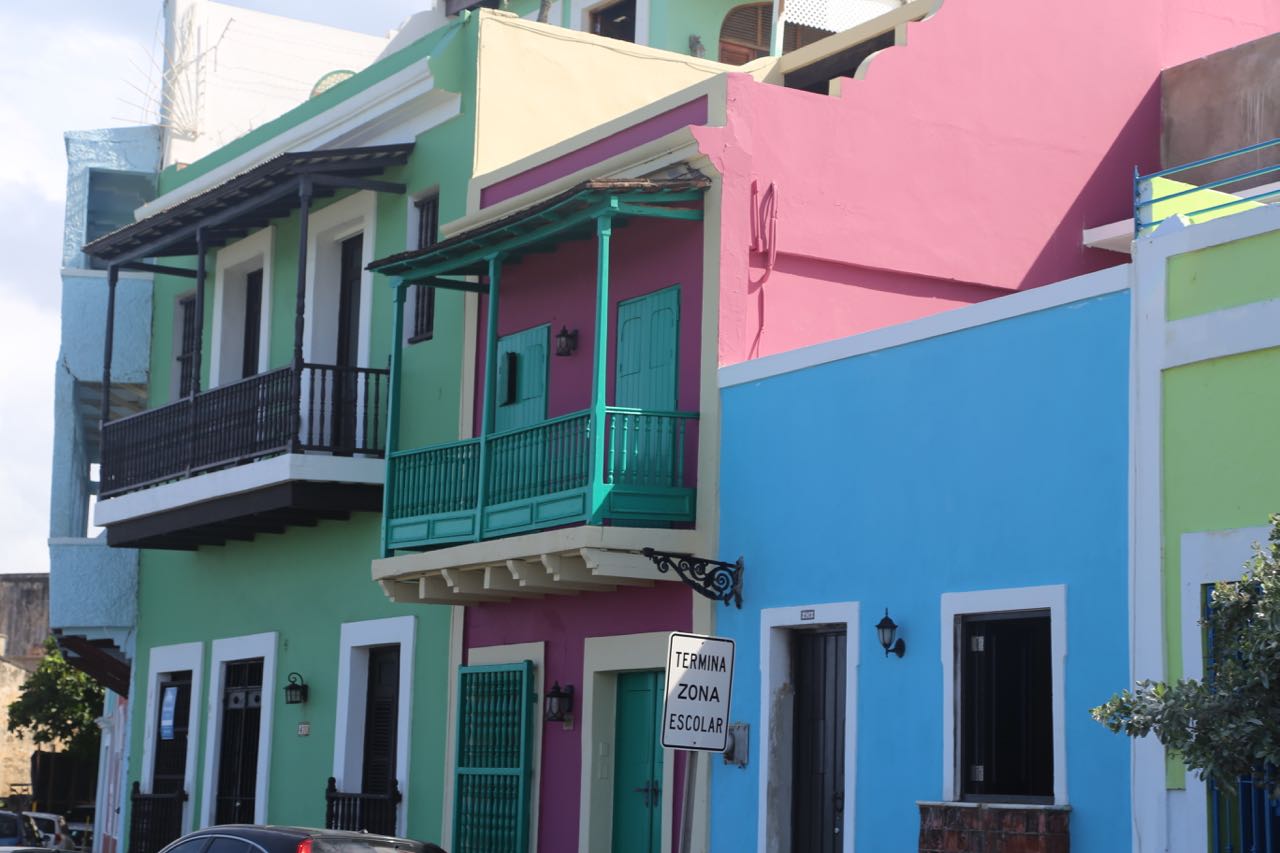
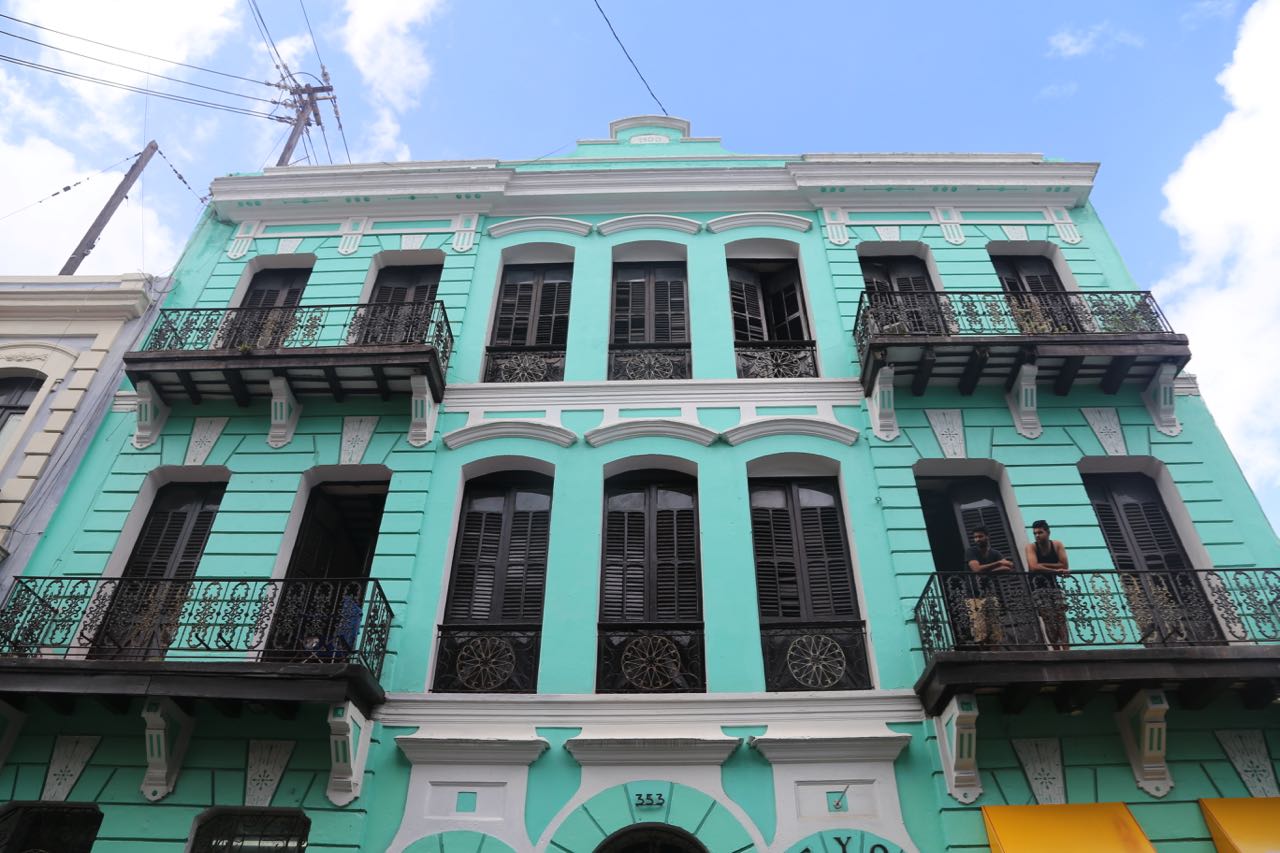
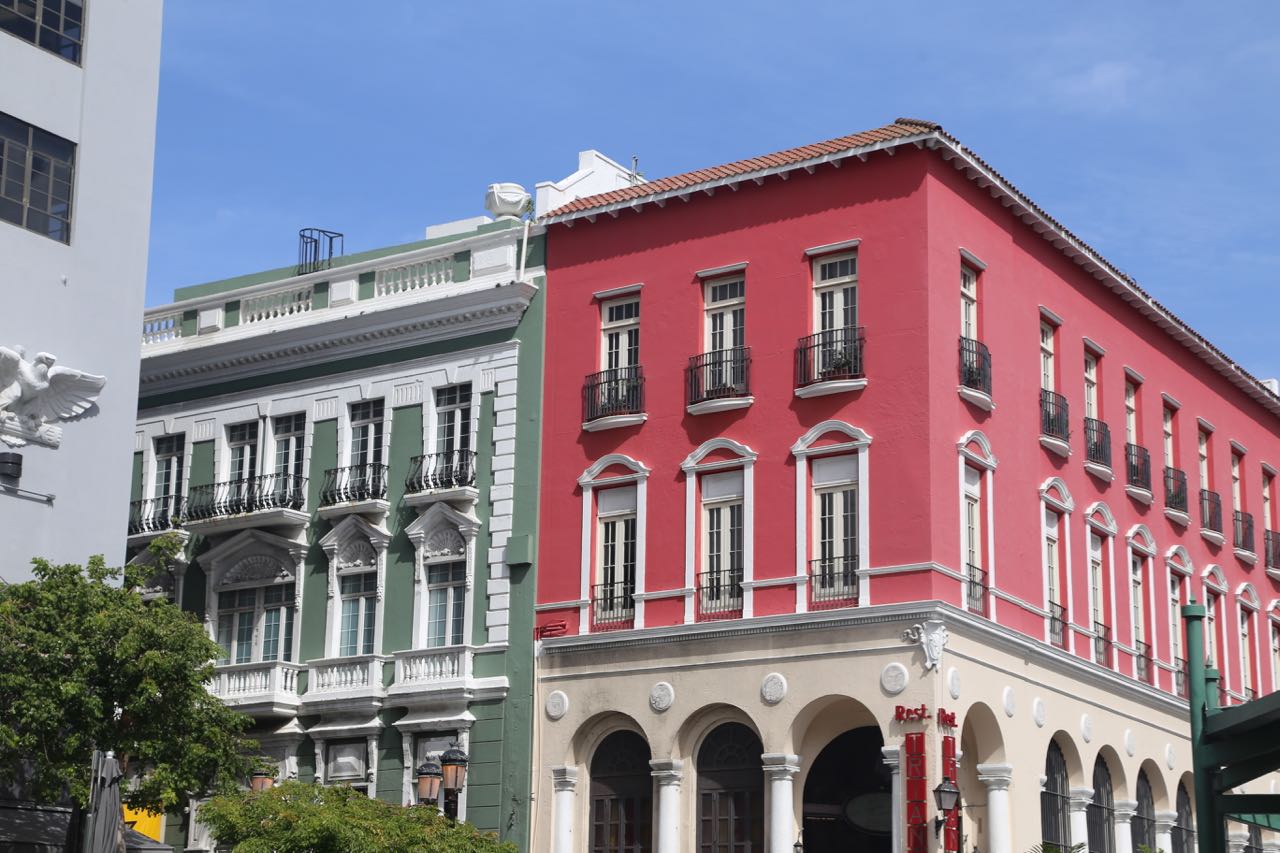
I love buildings that are painted bright colors. They grab you and make you look at them. They look fun, festive, and alive. The Caribbean is famous for its colorful buildings, and Viejo San Juan has its share. Here are a few of the colorful buildings I saw in Viejo San Juan that I really liked.

Skinniest building I've ever seen

Skinniest building I’ve ever seen

Colorful houses

Colorful houses

A school

A school

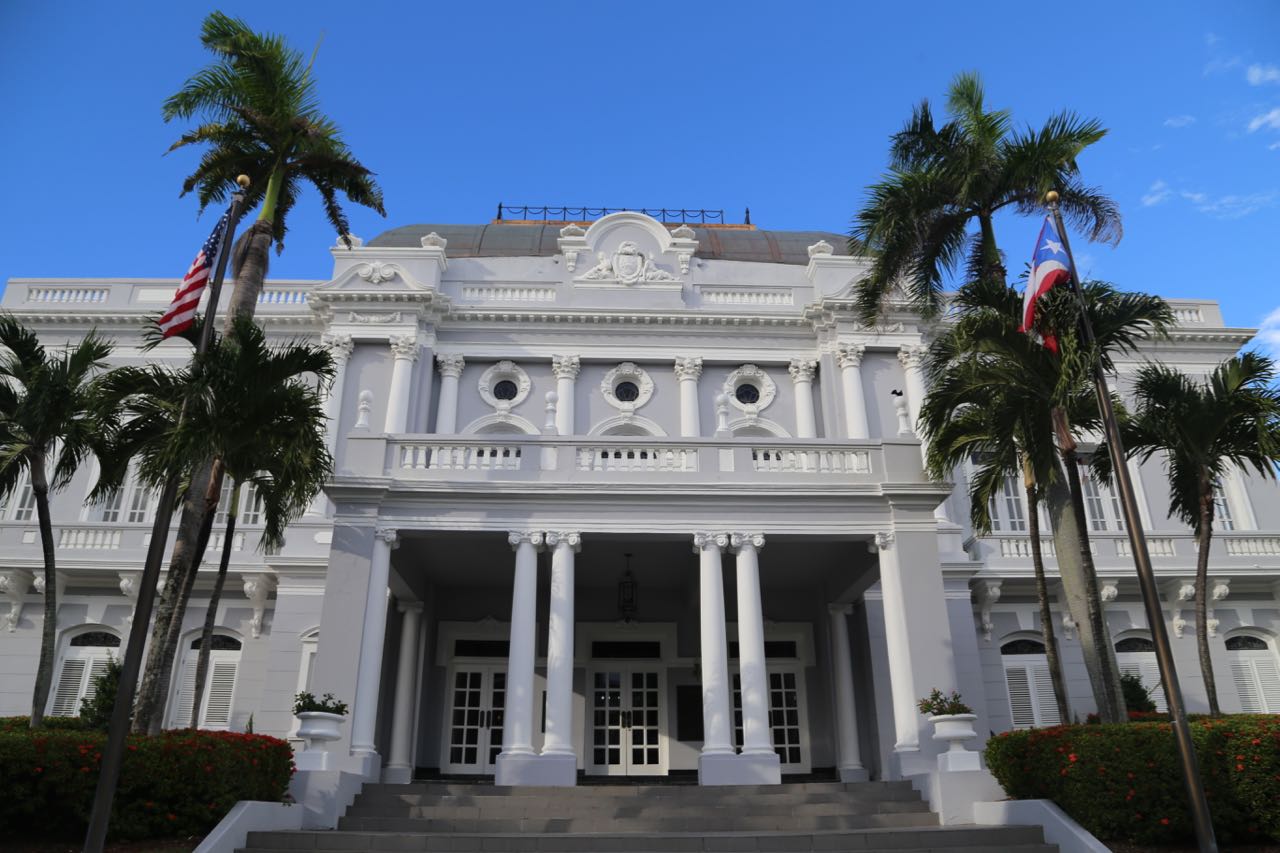
Antiguo Casino

Antiguo Casino

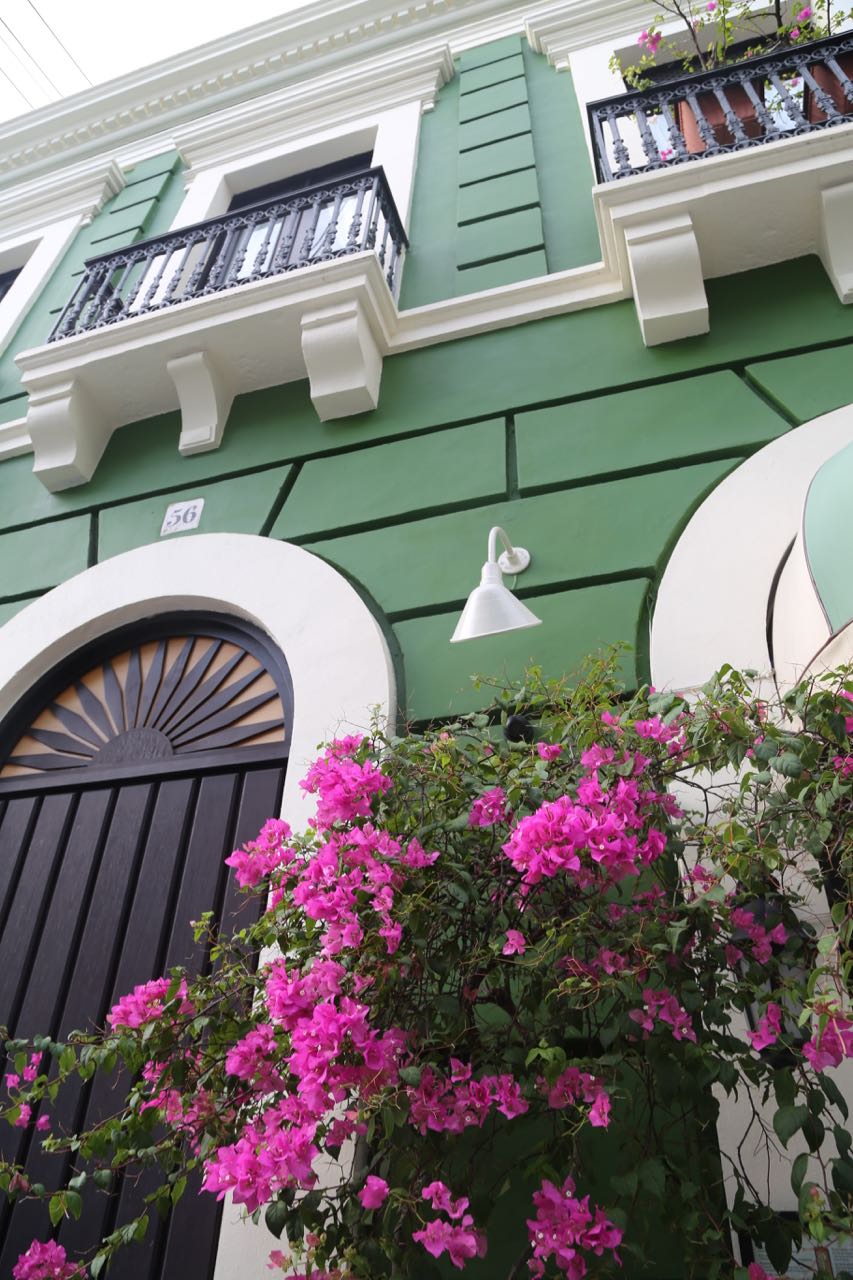
Green building

Green building

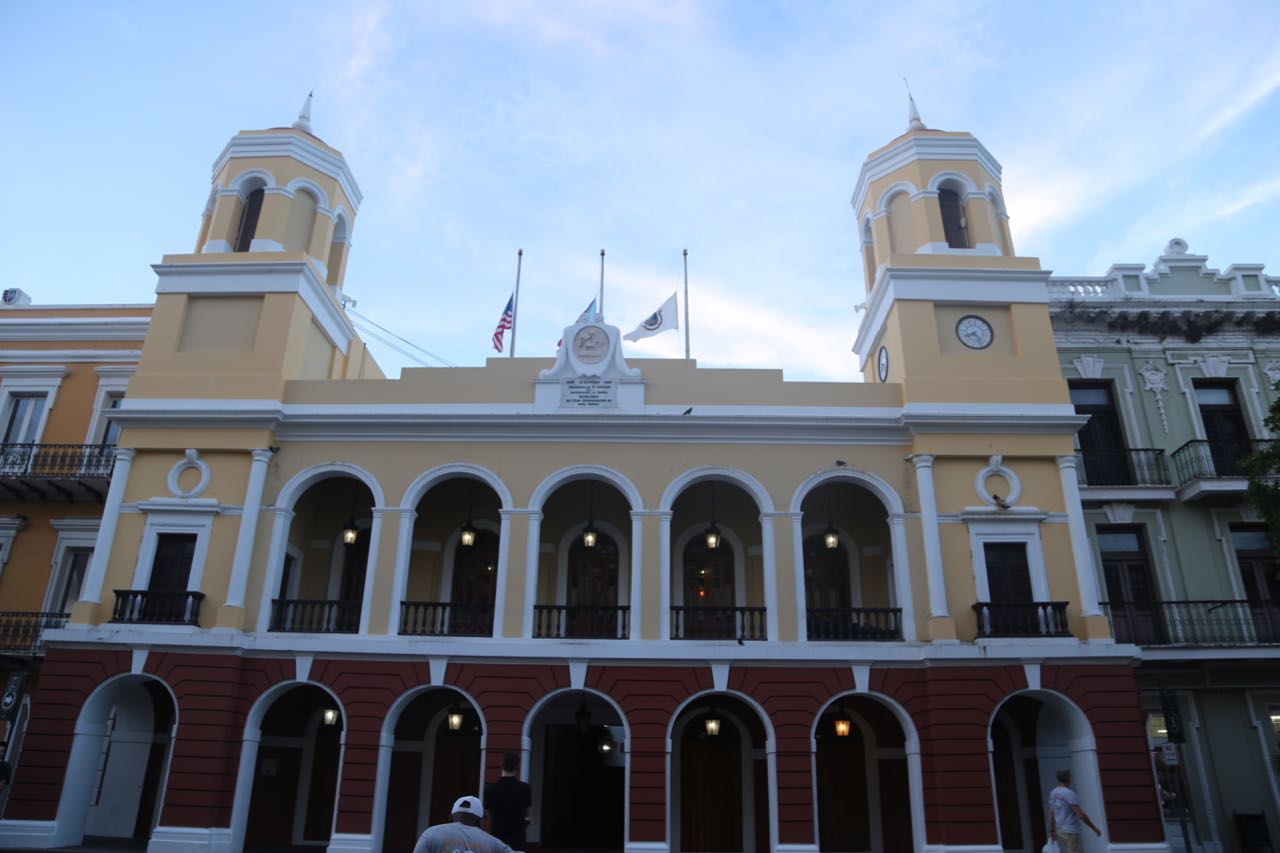
Alcaldia (City Hall)

Alcaldia (City Hall)

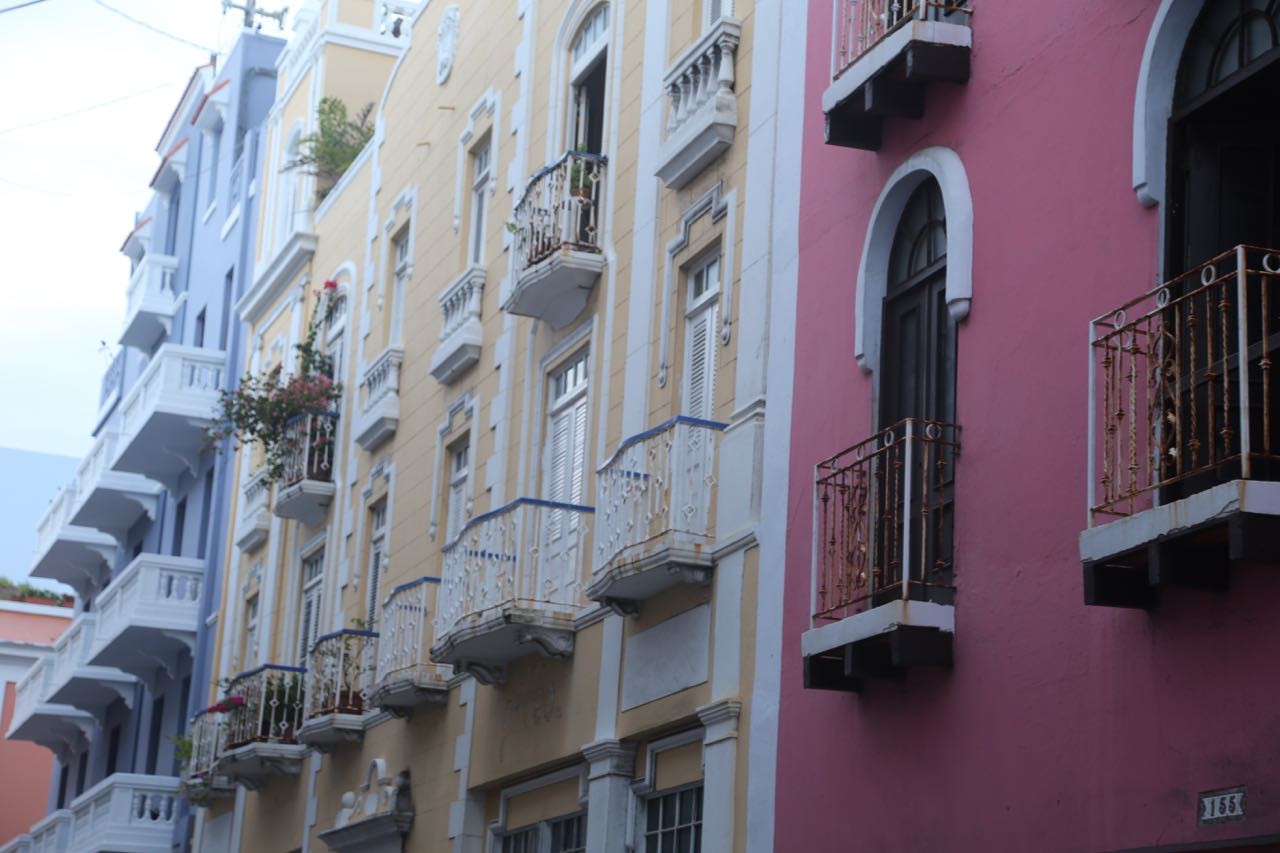
Lots of balconies

Lots of balconies

All different colors

All different colors

Turquoise

Turquoise

The pink building used to be a bank

The pink building used to be a bank

Viejo San Juan

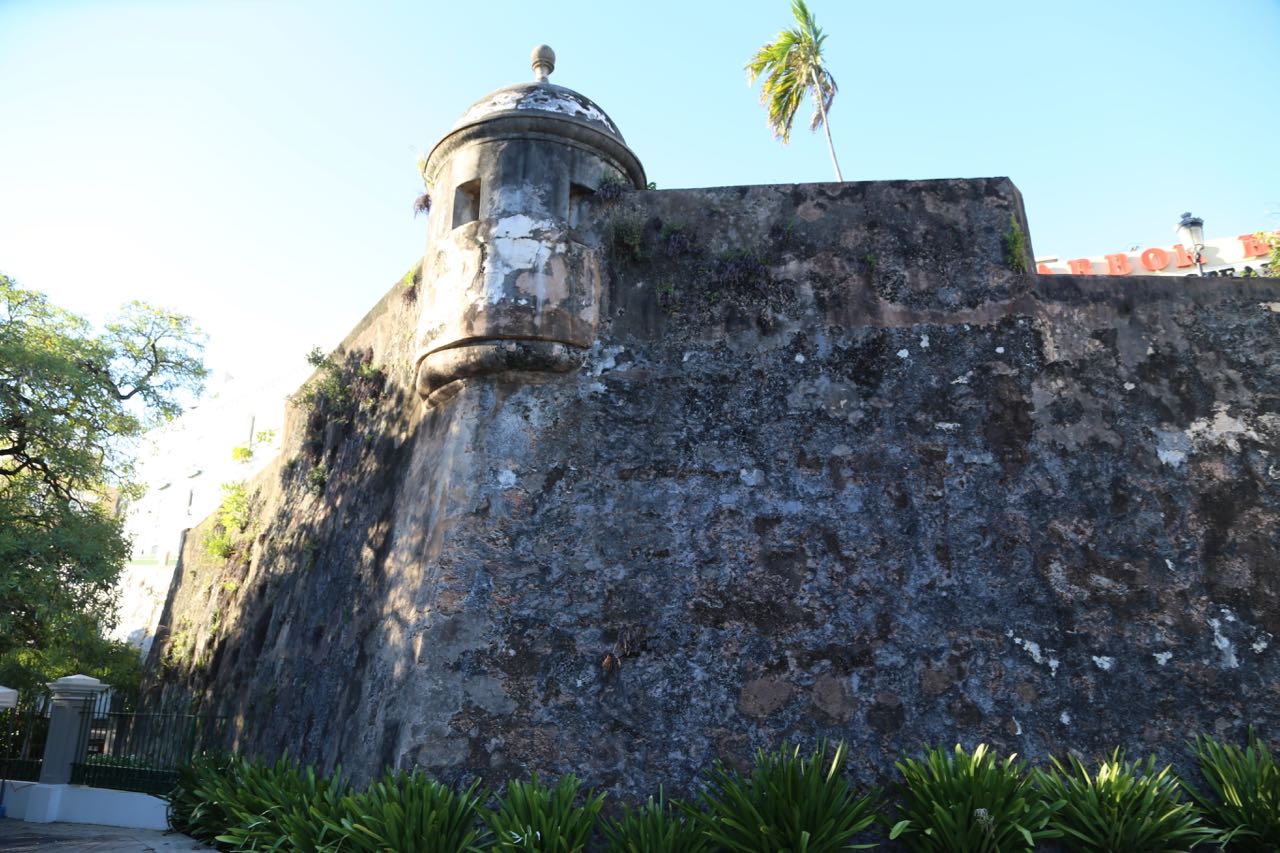
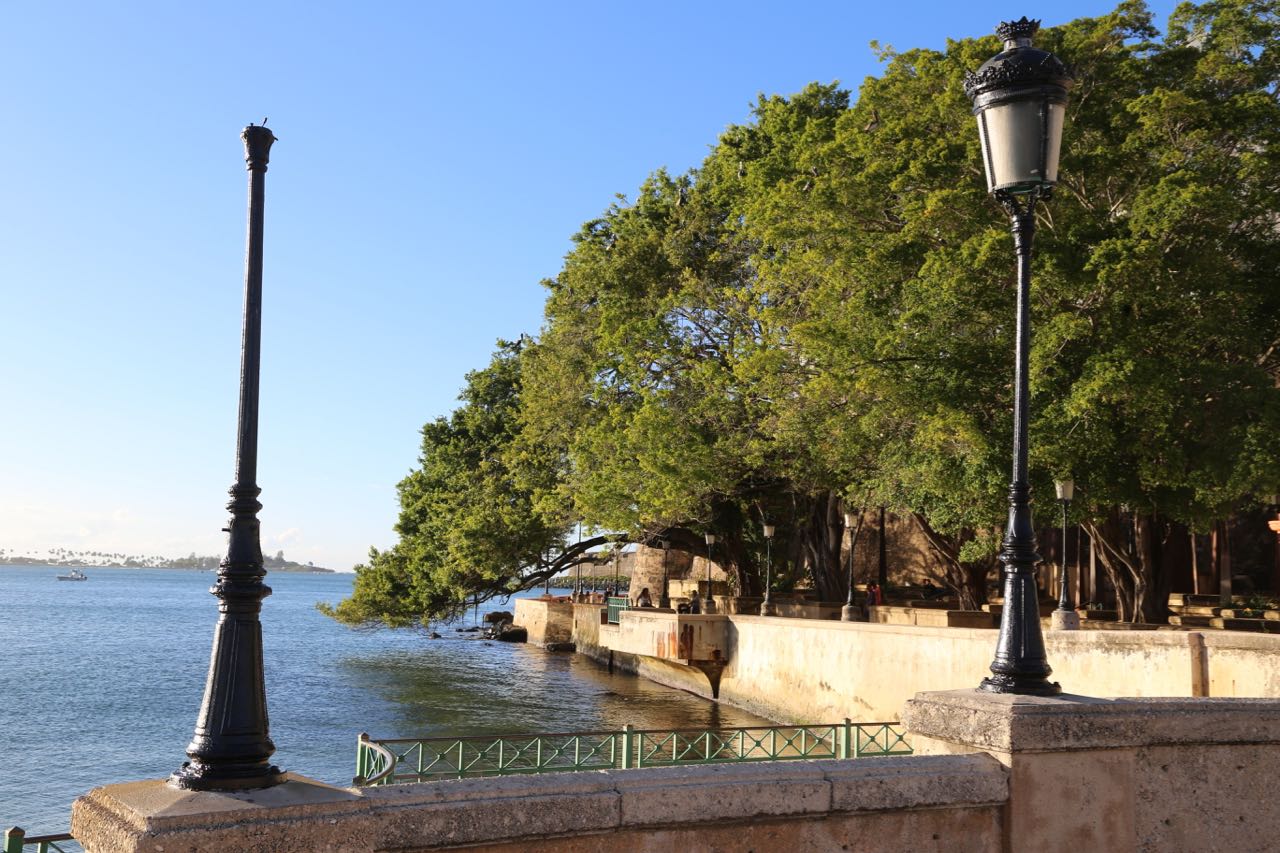
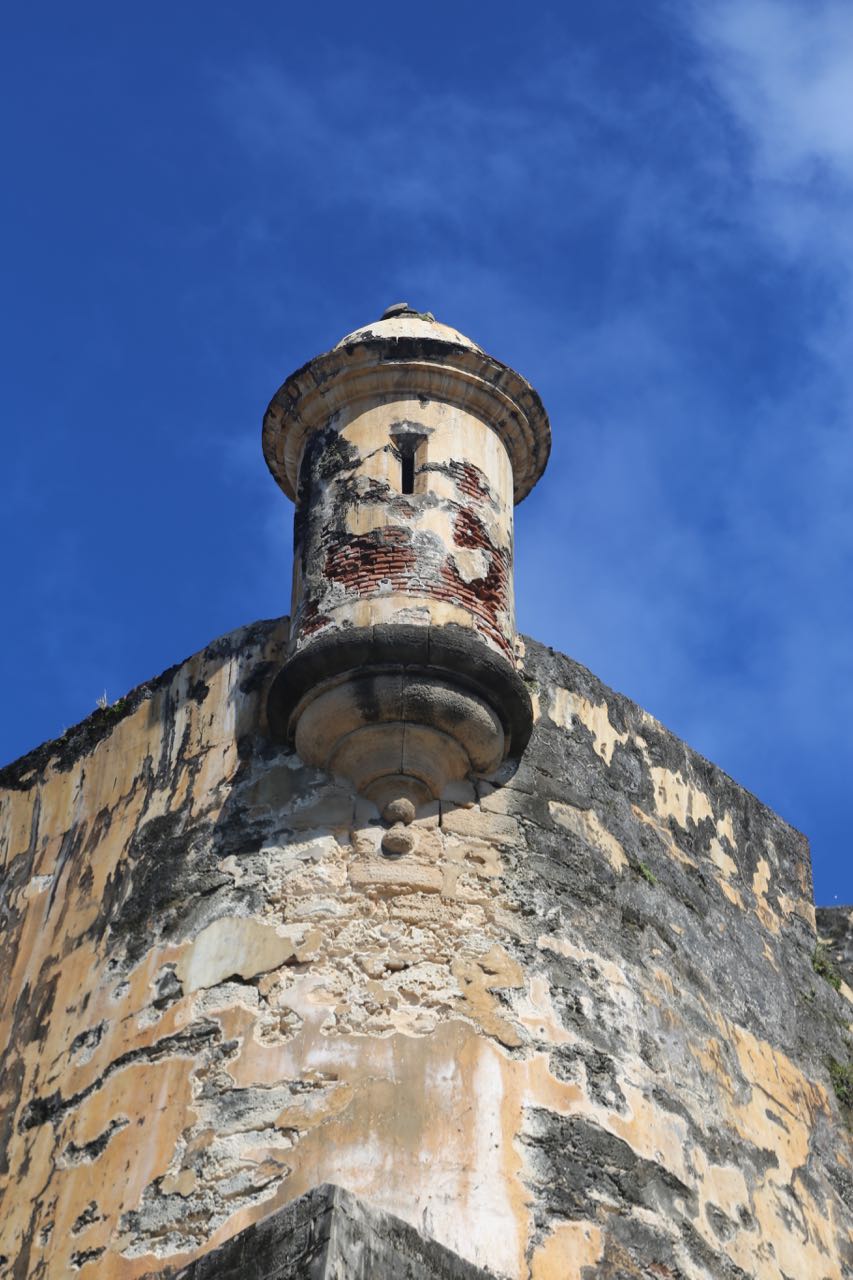
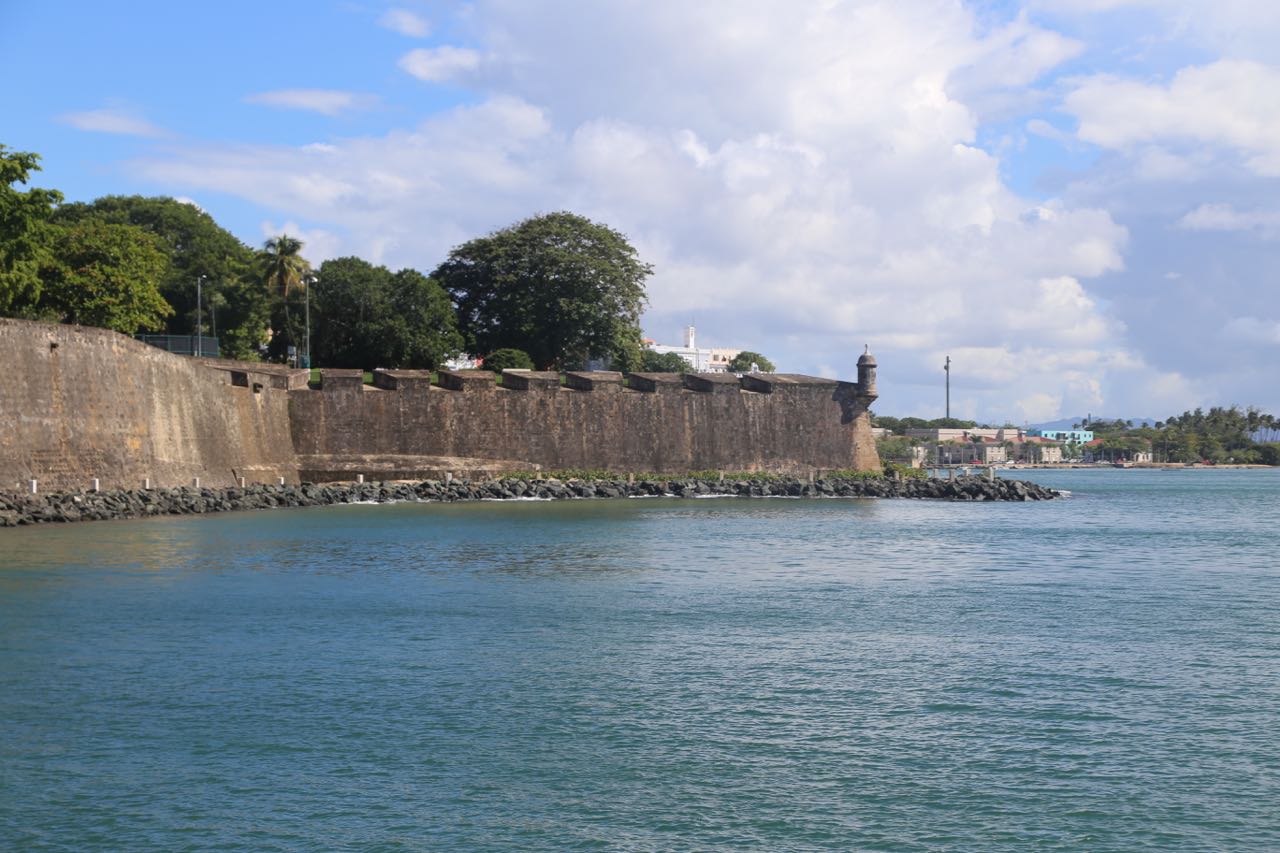
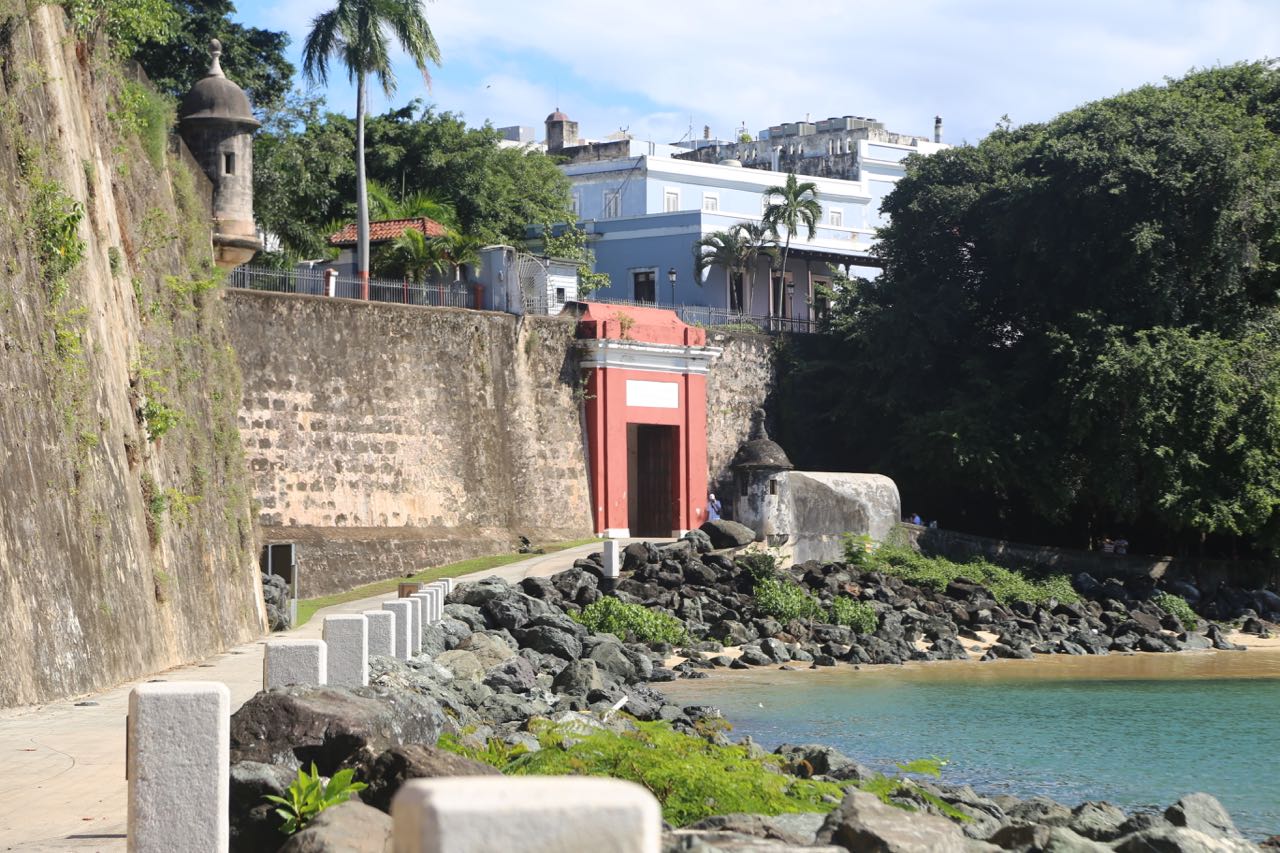
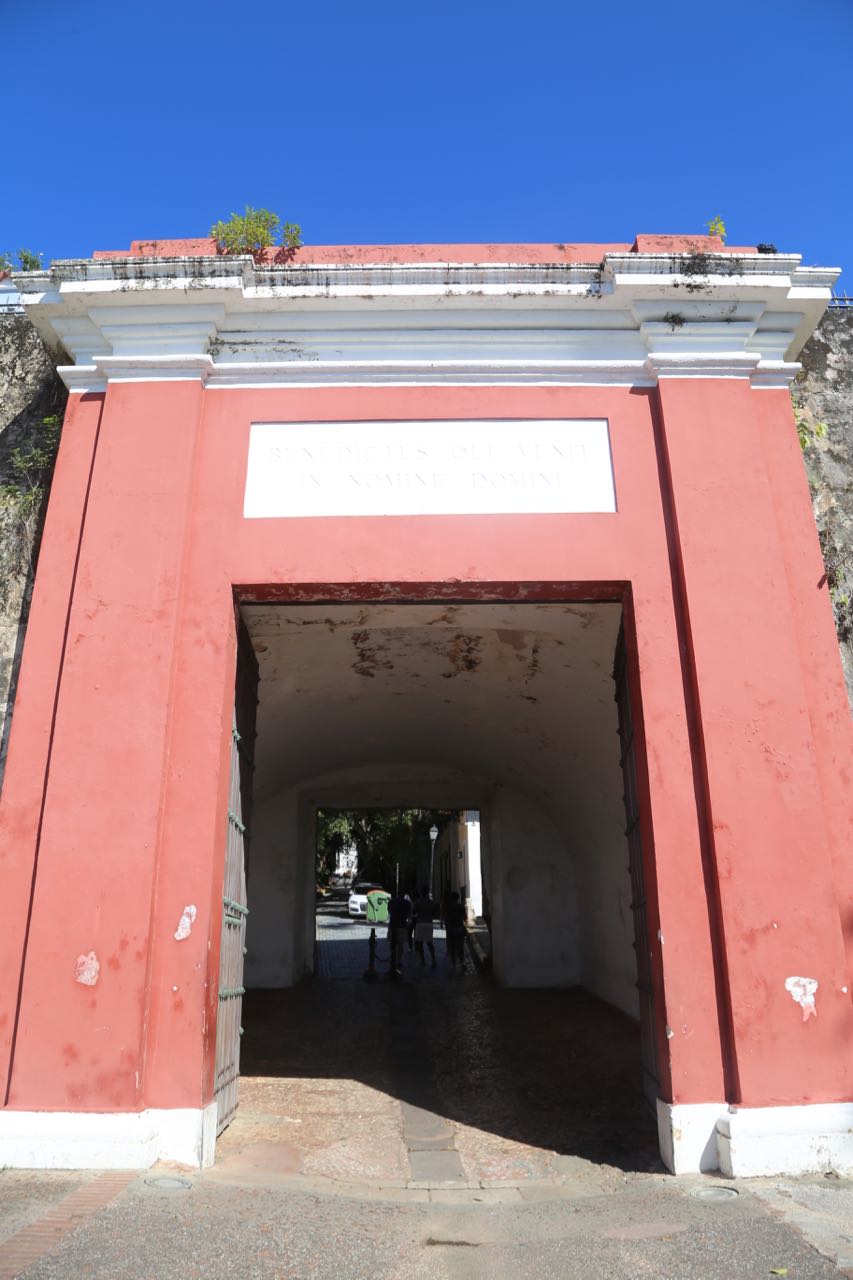
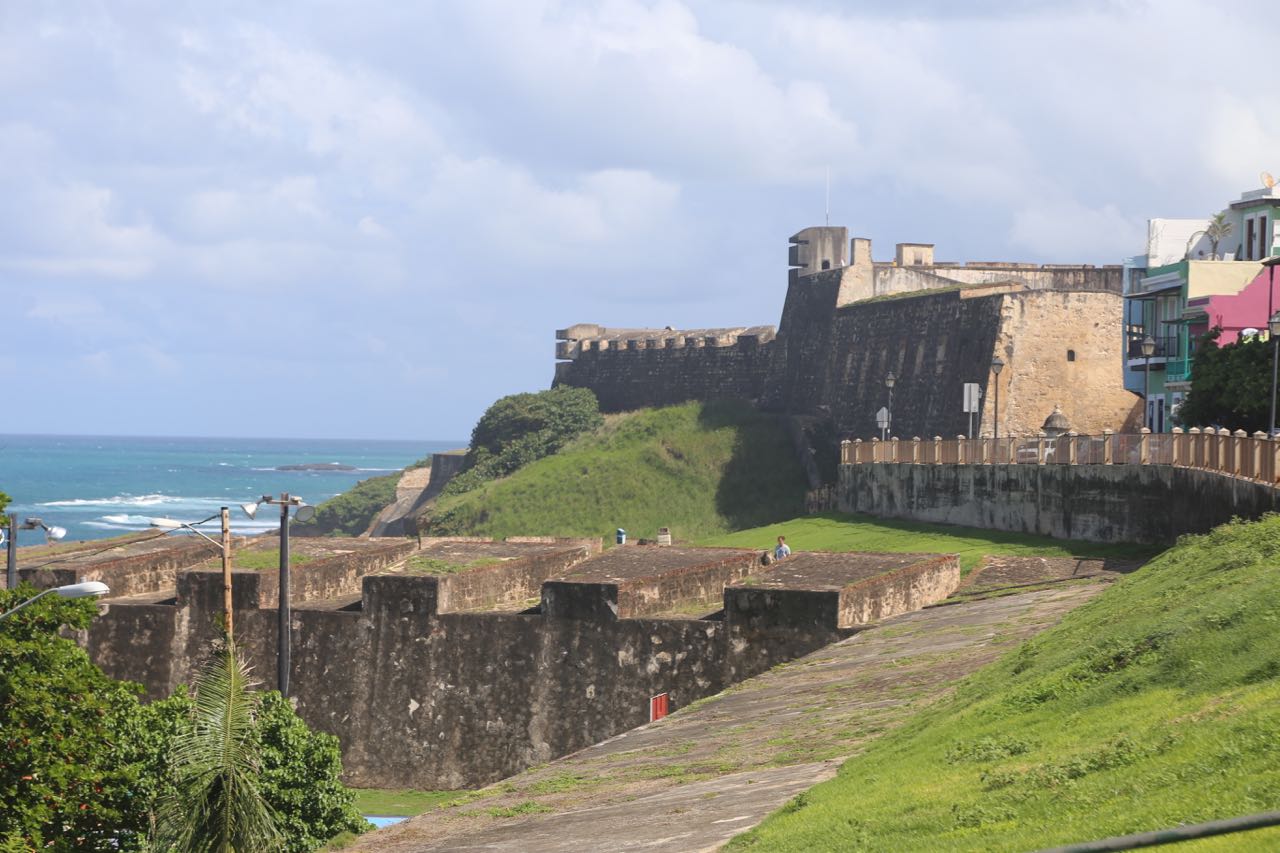
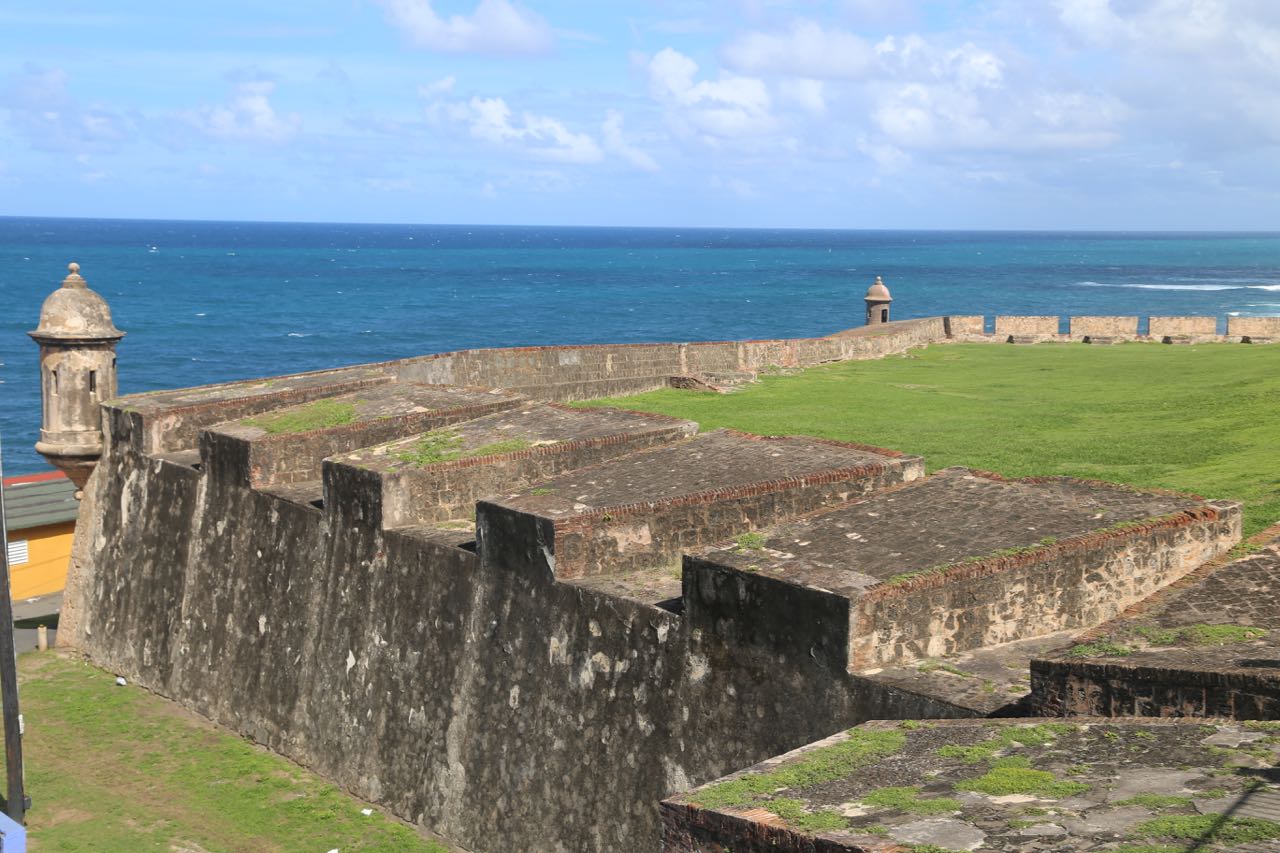
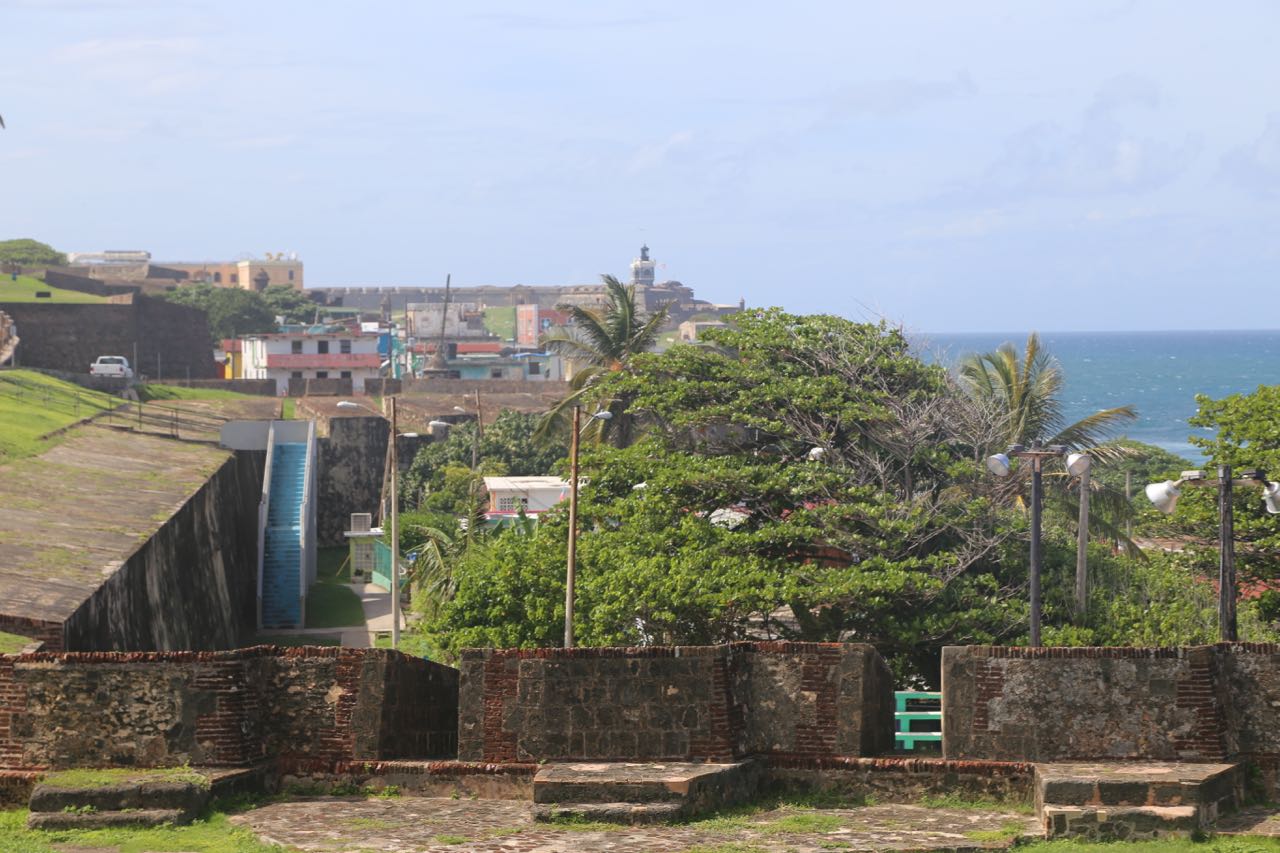
It wasn’t until I walked around Viejo (Old) San Juan, especially the perimeter of it, that I realized how it really is a walled city. El Morro guards the entrance to the bay, but the fortifications encircles the entirety of the old city. One of the few ways, and the historic way, from the sea level to the city is through La Puerta de San Juan. Walking through the La Puerta, you realize the fortification is serious fortification, as La Puerta is almost a tunnel in terms of the distance you must walk to go from the sea side to the city side. The fortification is truly impressive with the wall thickness and garitas and small openings for guards to stand ready. One modern day bonus of the fortification is that it must help protect Viejo San Juan from any hurricane storm surge. There is a promenade that follows the wall from its beginning on the bay side and ends on the ocean side of El Morro. It gives spectacular views of the fort and the water as well.

Beginning of bay side wall

Beginning of bay side wall

End of Paseo de lan Princesa

End of Paseo de lan Princesa

Bay side of El Morro

Bay side of El Morro

Garita

Garita

Bay side wall

Bay side wall

La Puerta de San Juan

La Puerta de San Juan

La Puerta de San Juan

La Puerta de San Juan

Ocean side wall

Ocean side wall

Ocean side wall

Ocean side wall

Ocean side wall with El Morro is background

Ocean side wall with El Morro is background

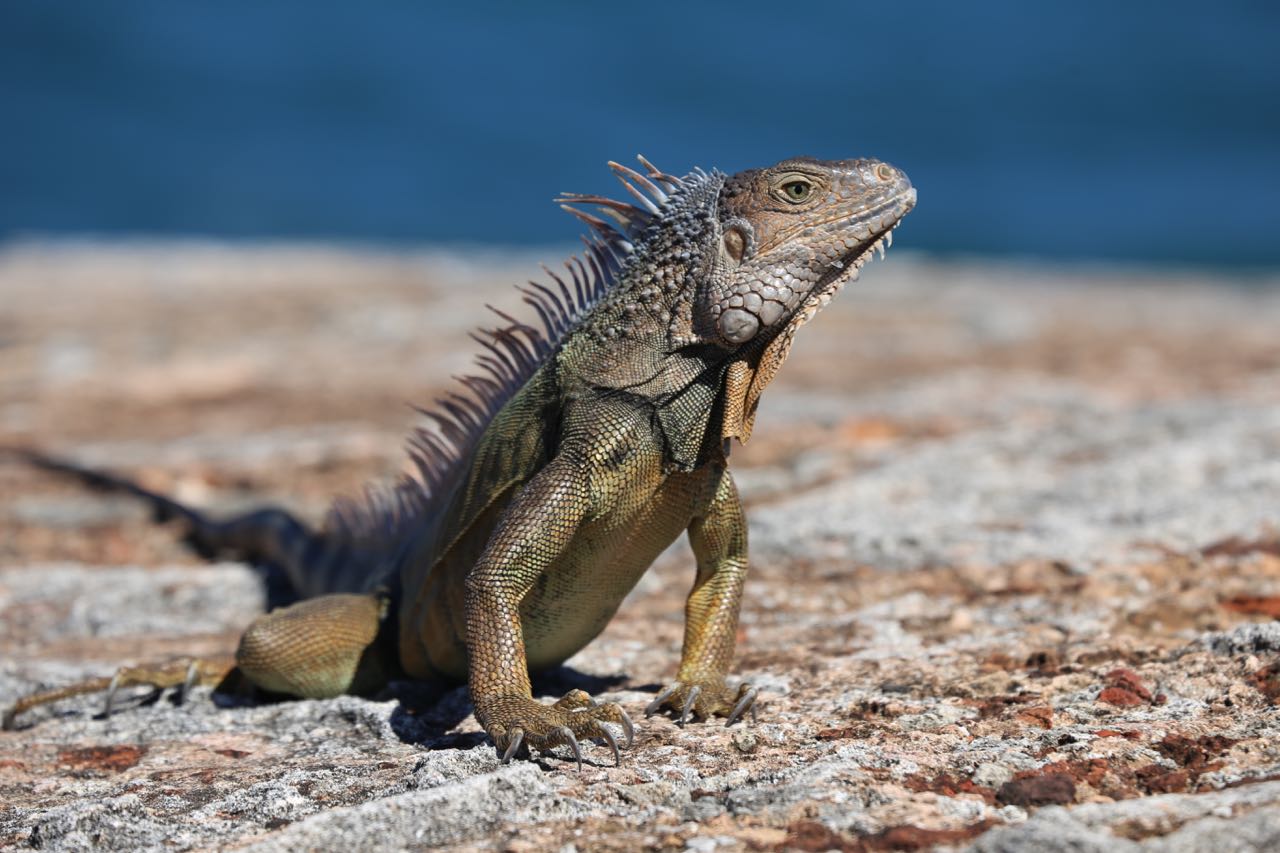
Iguana

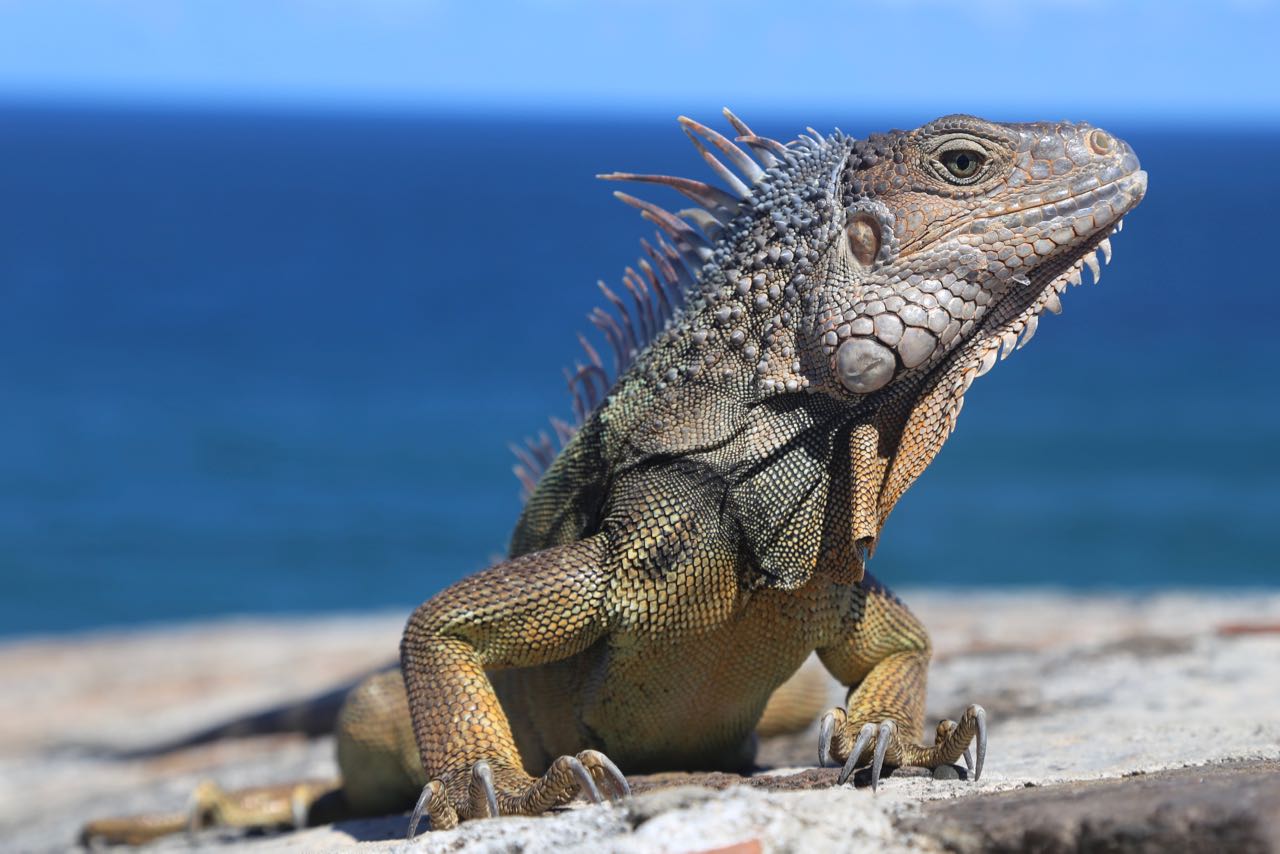
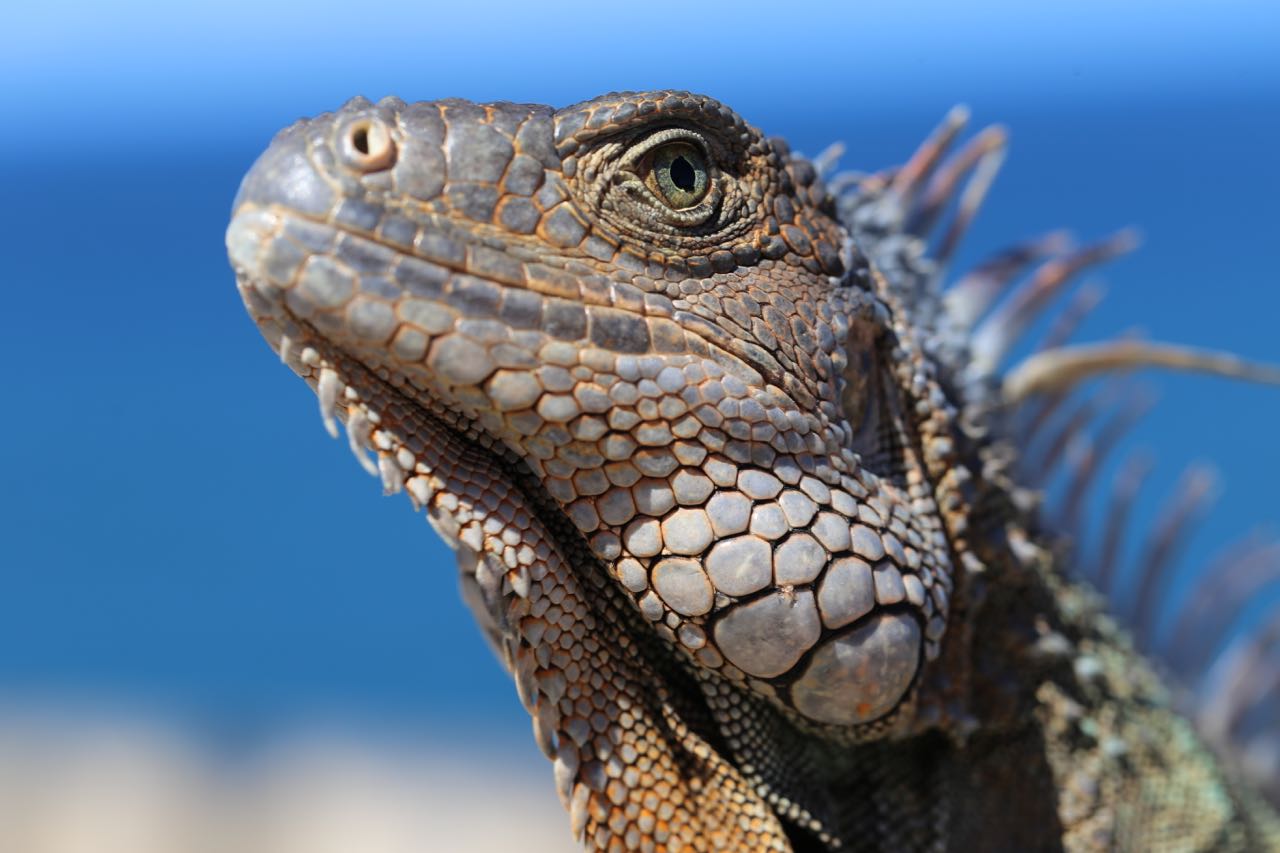
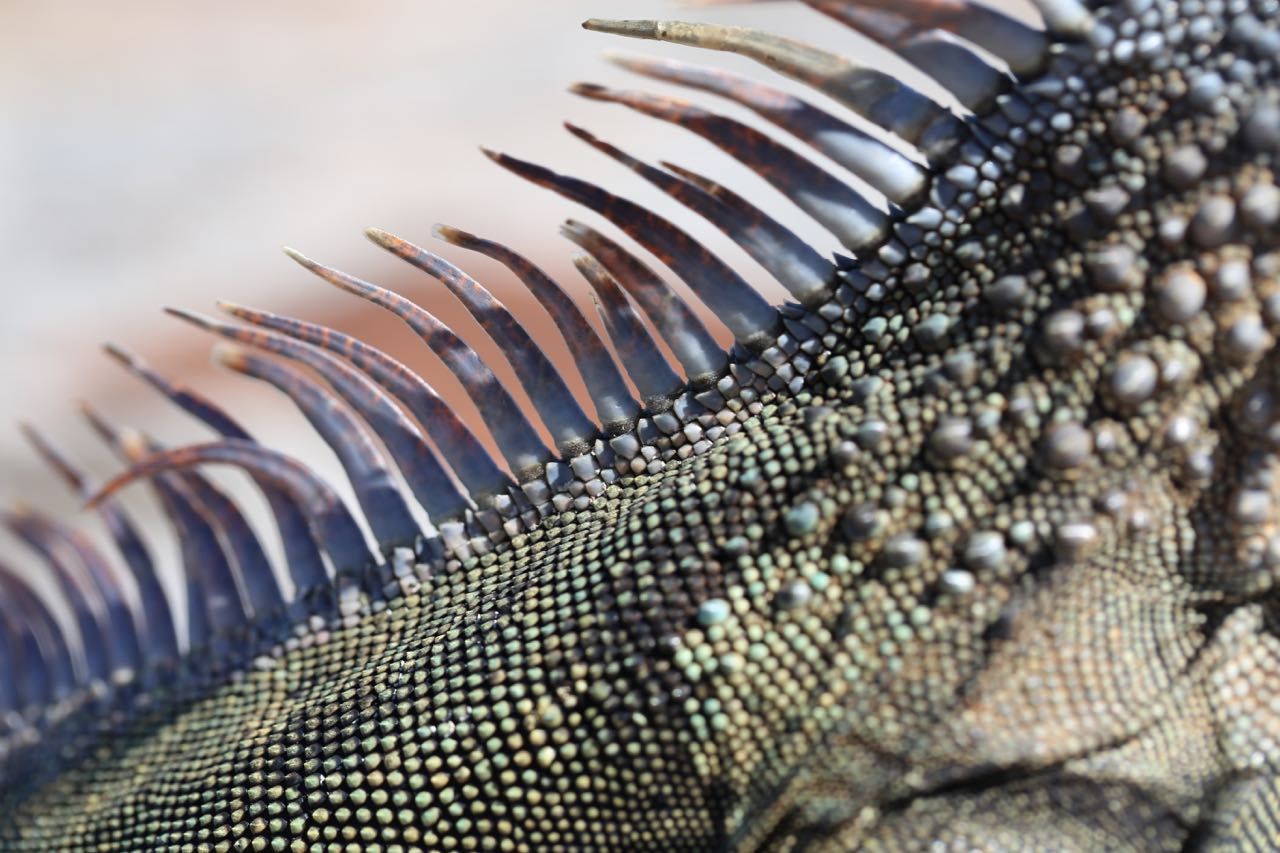
While touring El Morro, I discovered that it is guarded by a platoon of iguanas. I will assume that is what they are all doing there. That, and most of them seem to be there because they know that is where there is a lot of tourists, and the iguanas like to have their photos taken. Iguanas are hams. One was posing on the top level. I took a few photos, walked away to take photos of the fort, and walked back. The iguana had moved closer to the edge and where the people were. I kneeled down and got out my macro lens, and the iguana obliged by posing to make sure its best side was shown while I took photos for several minutes. Now, I only do what the iguana clearly wanted and post its photos.

The iguana as I first encountered it, on guard duty at El Morro

The iguana as I first encountered it, on guard duty at El Morro

"The fort has enough fame, take MY photo"

“The fort has enough fame, take MY photo”

"Here let me get closer, so you can get a better photo"

“Here let me get closer, so you can get a better photo”

"Perhaps you'd like to see my other side"

“Perhaps you’d like to see my other side”

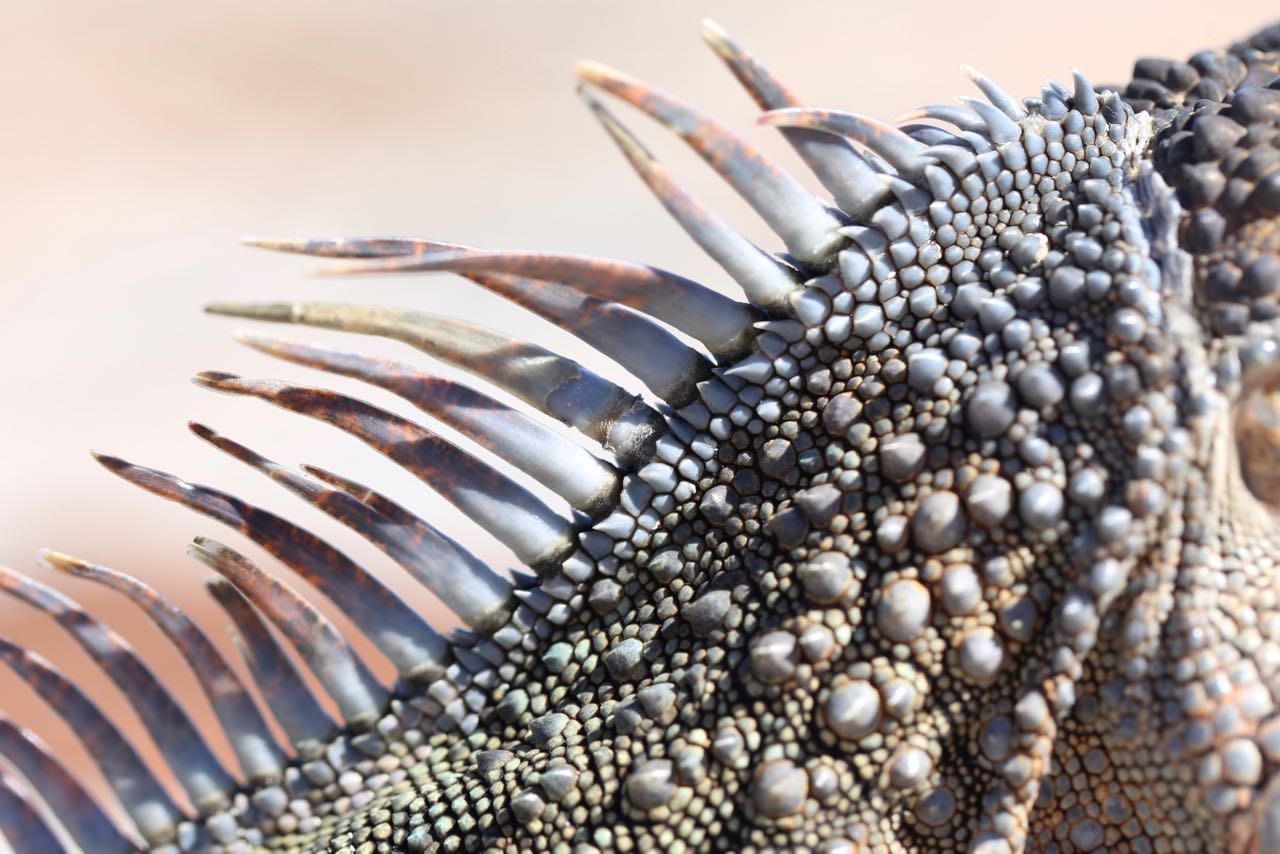
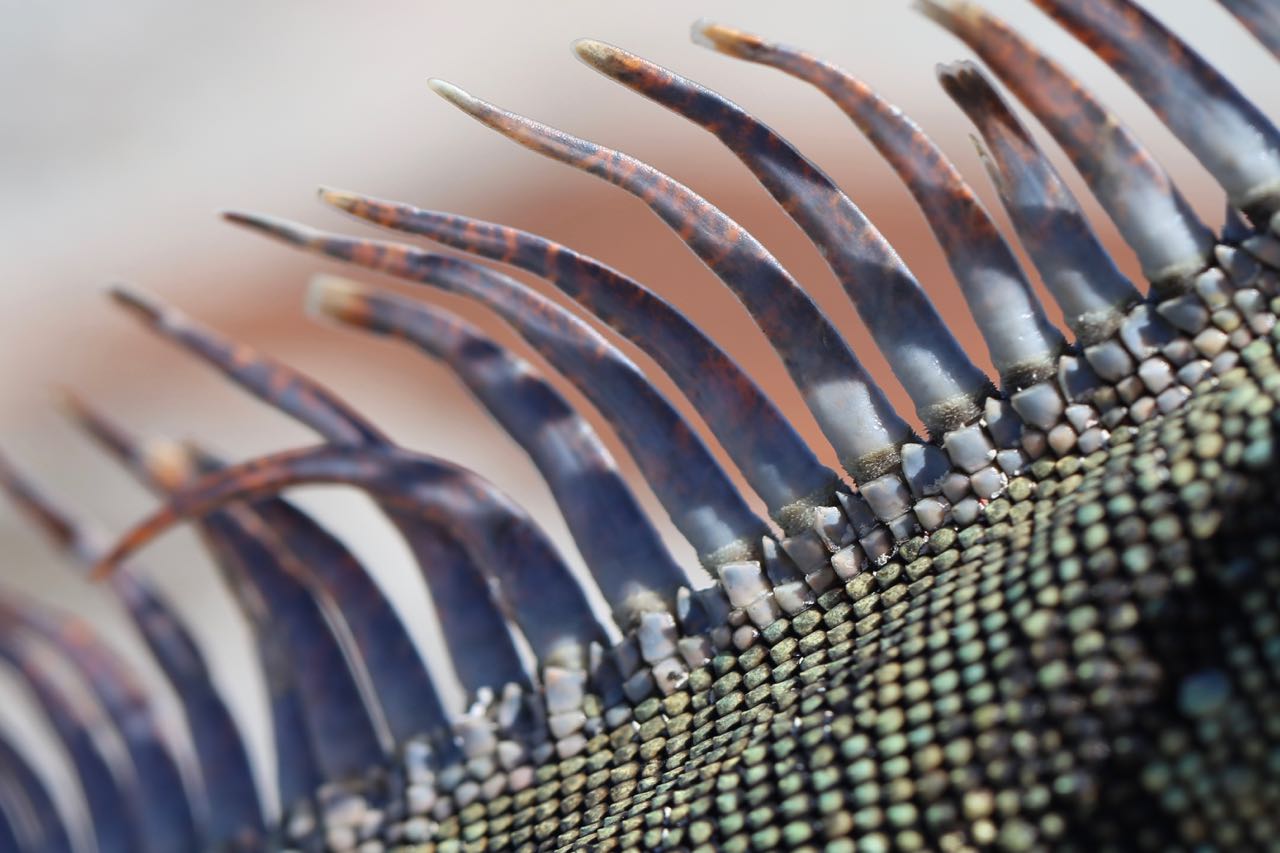
Very pretty spines

Very pretty spines

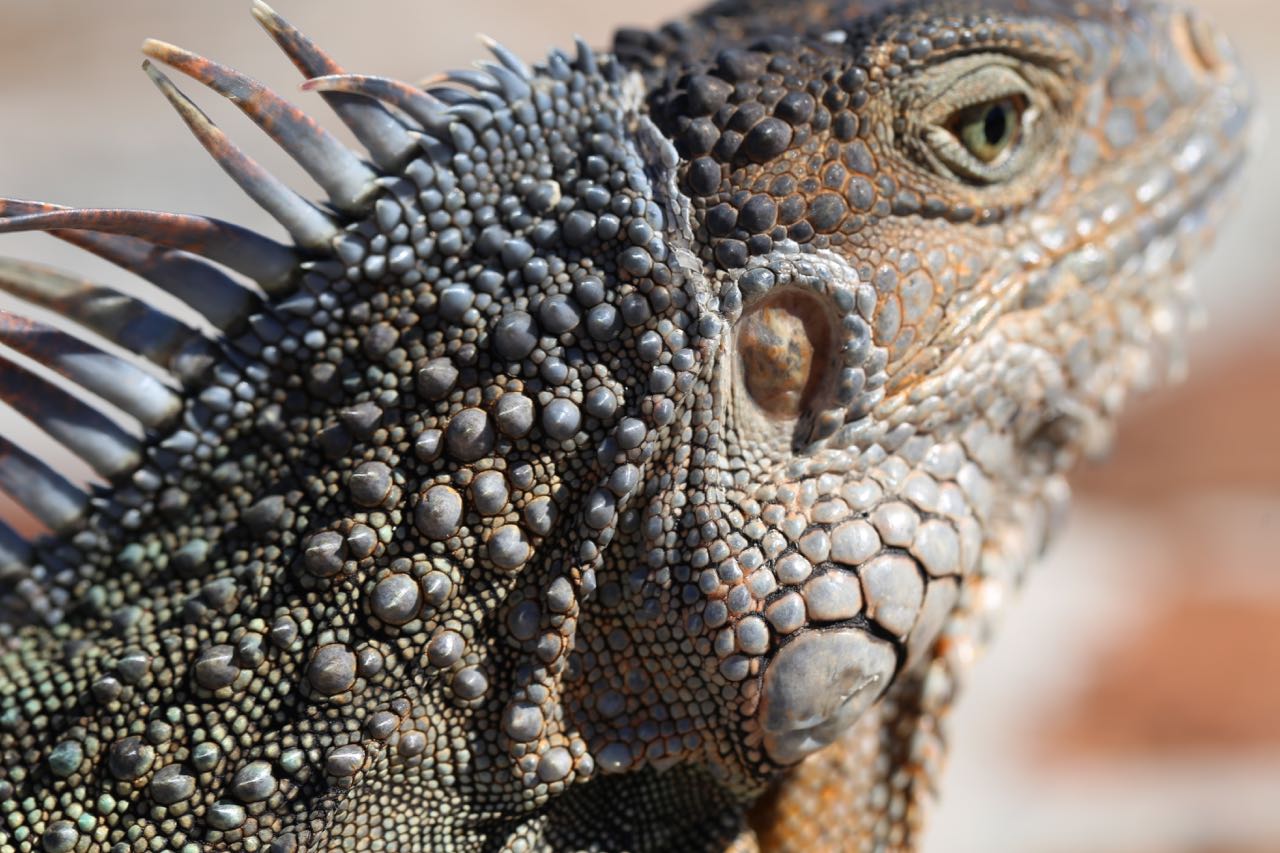
Bumps on the upper torso (I'm sure there is a scientific name)

Bumps on the upper torso (I’m sure there is a scientific name)

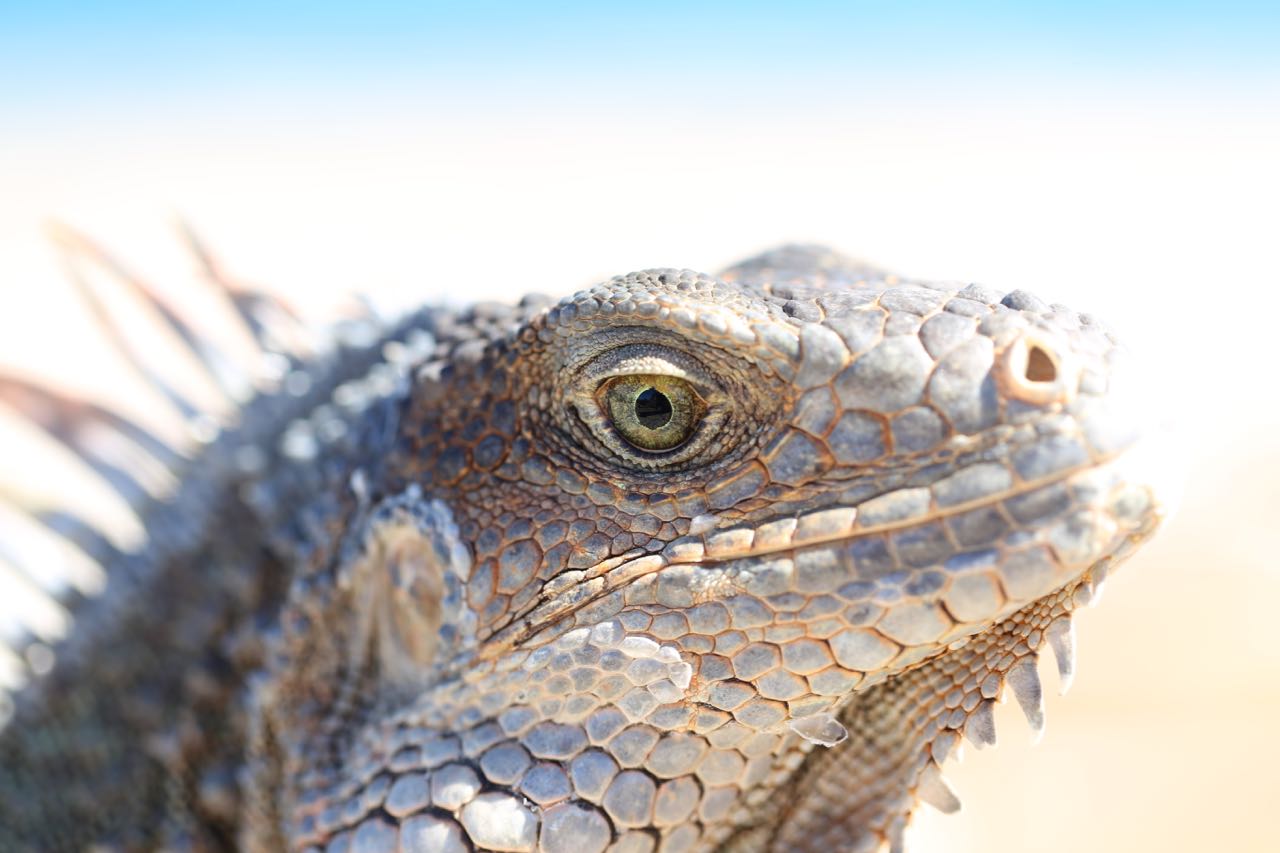
Beautiful face

Beautiful face

Pretty spines

Pretty spines

"But really I have no bad side"

“But really I have no bad side”

El Morro

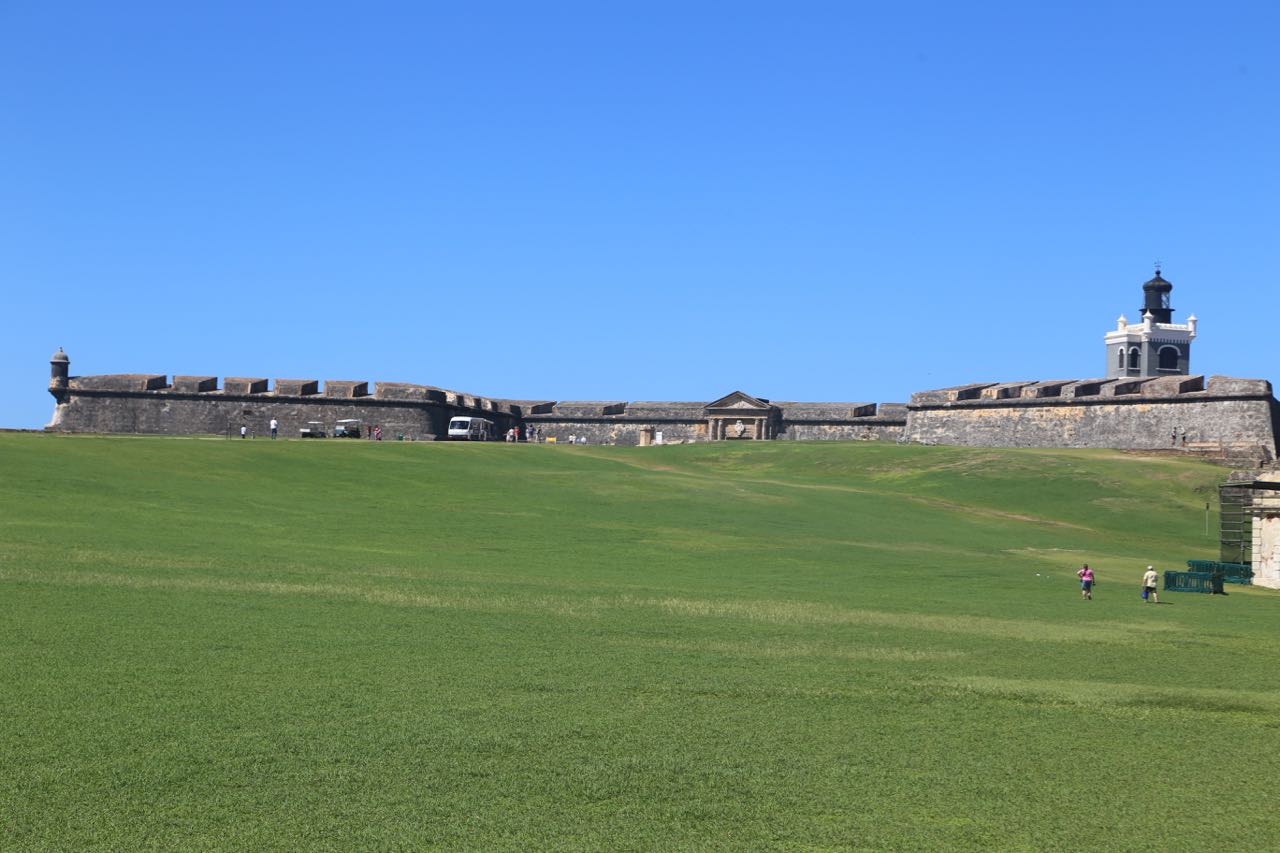
I’m on my first visit to San Juan, Puerto Rico. Today we visited Castillo San Felipe del Morro (El Morro), a fort originally built by the Spanish to guard the entrance to San Juan Bay. The original foundation was laid in 1539, and it was modified and enlarged over 250 years. The United States then added to it during World War II. Finding out that a fort this old was modified and used during WWII surprised me. I was born long after WWII, so I forget that our military has advanced a great deal in terms of technology used since then. The fort is impressive. It has six different levels and is incredibly well built. I am impressed with those people who built it with the amount of stone and brick that must have been laid.  Currently it is maintained by the National Park Service and guarded by iguanas, who by the way like to have their photos taken.

Castillo San Felipe del Morro (El Morro)

Castillo San Felipe del Morro (El Morro)

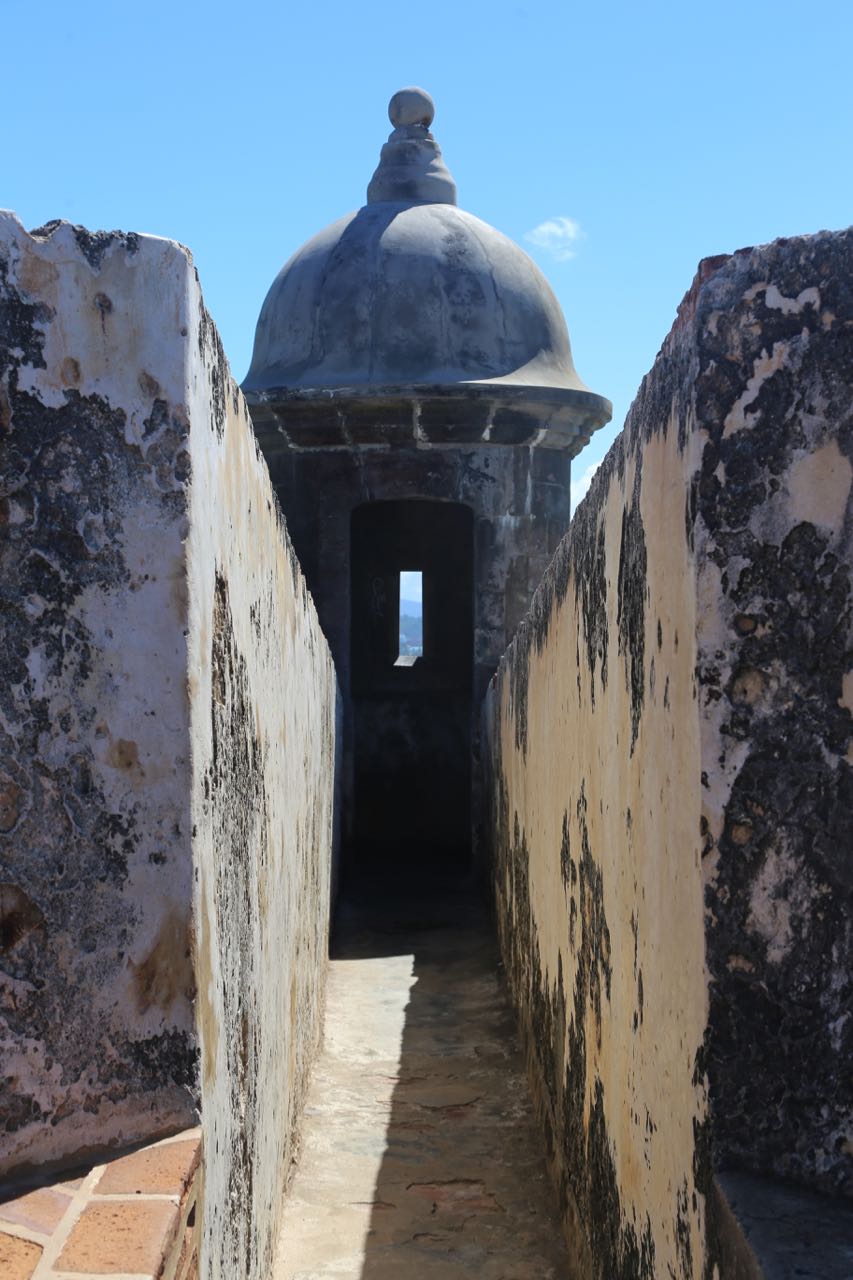
Garita

Garita

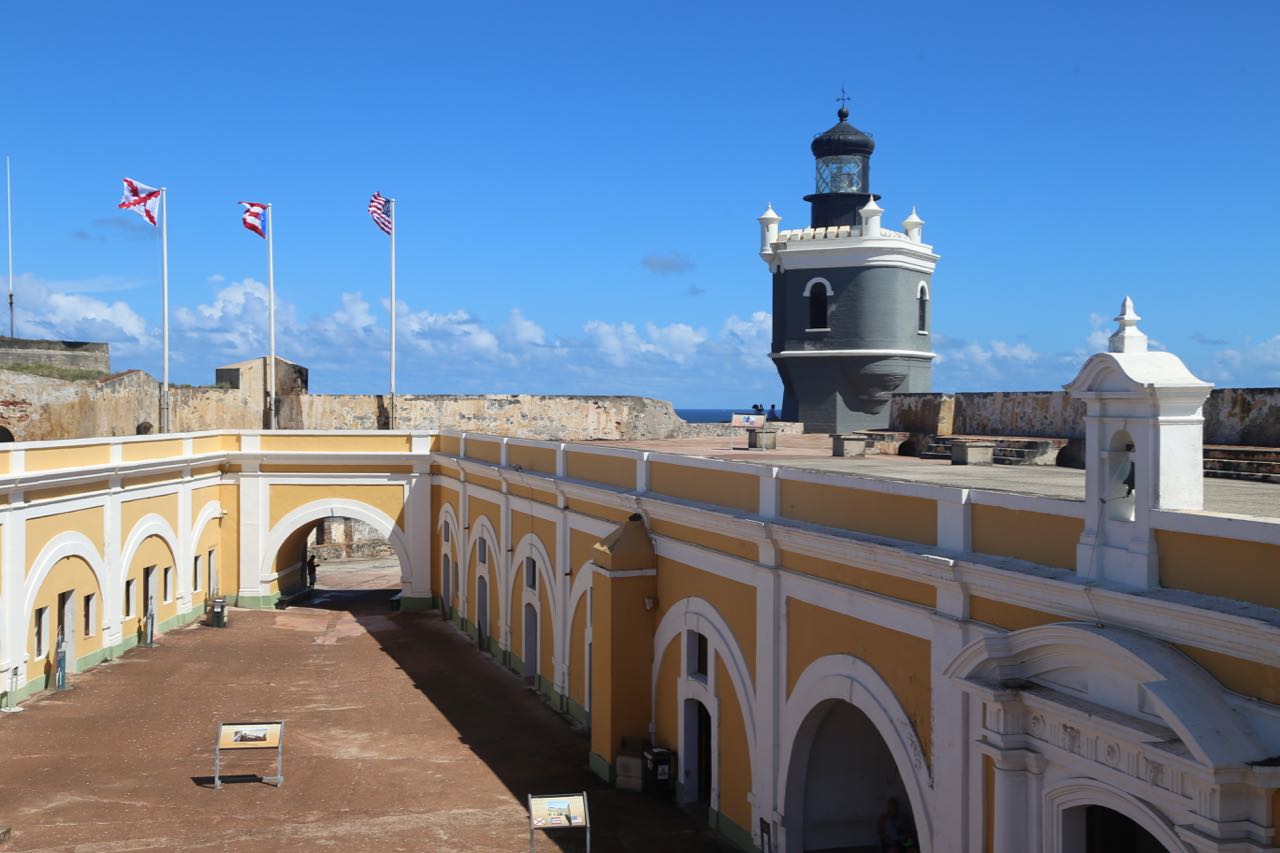
Main level

Main level with lighthouse

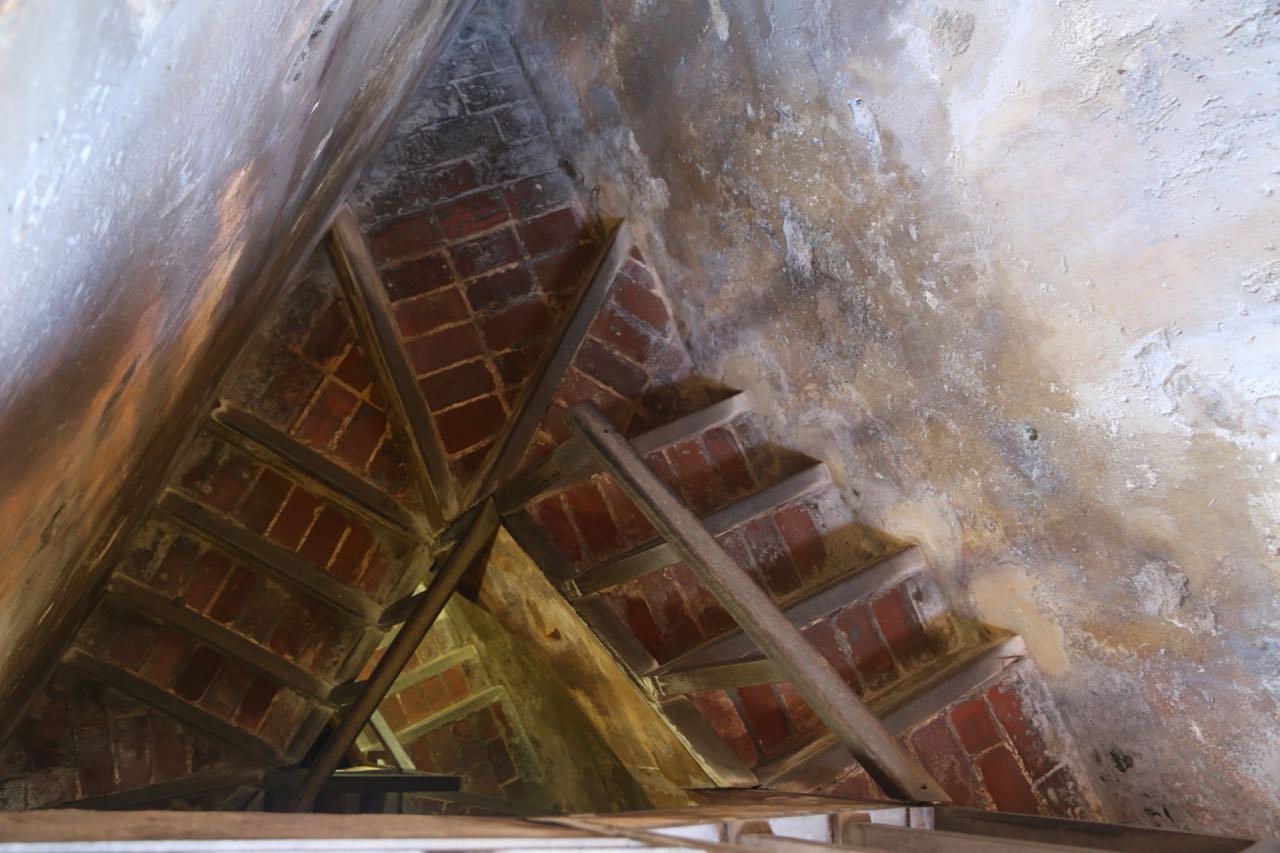
Triangular staircase

Triangular staircase

View of the entrance to the bay

View of the entrance to the bay

El Morro

El Morro

Foundation for artillery

Foundation for artillery

Stairs connecting levels 3, 4, and 5

Stairs connecting levels 3, 4, and 5

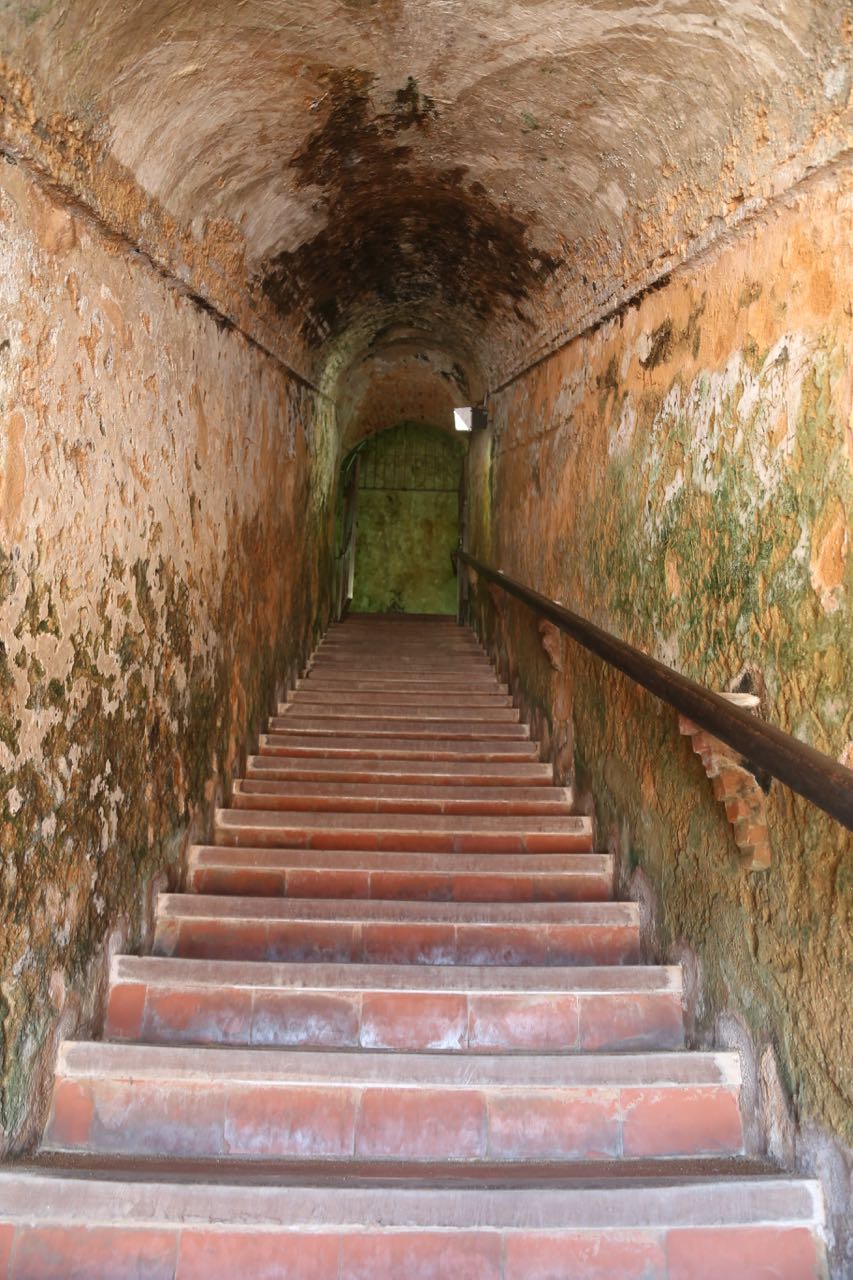
Staircase from level 1 (ocean front) to level 2

Tunnel staircase from level 1 (ocean front) to level 2

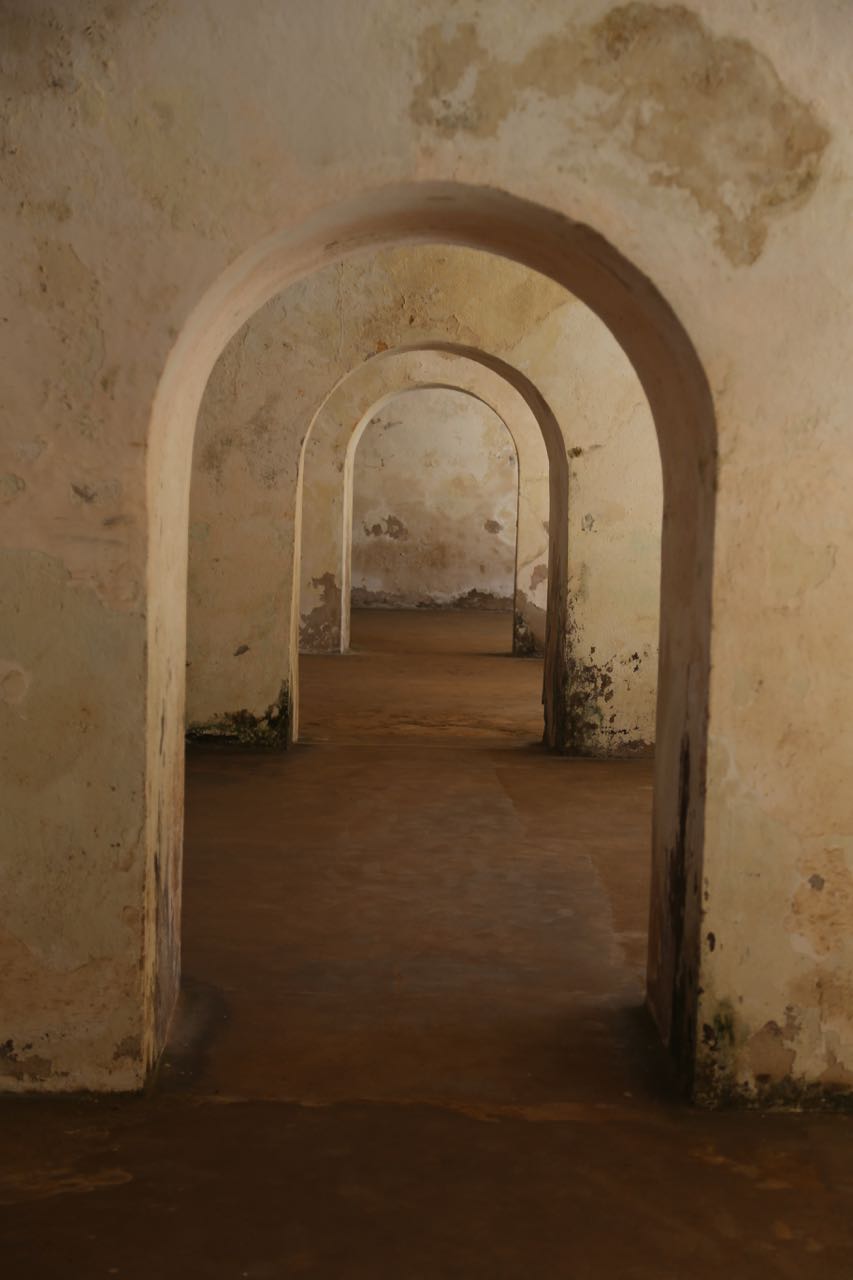
Series of doorways

Series of doorways

Ramp from level 4 to 5

Ramp from level 4 to 5

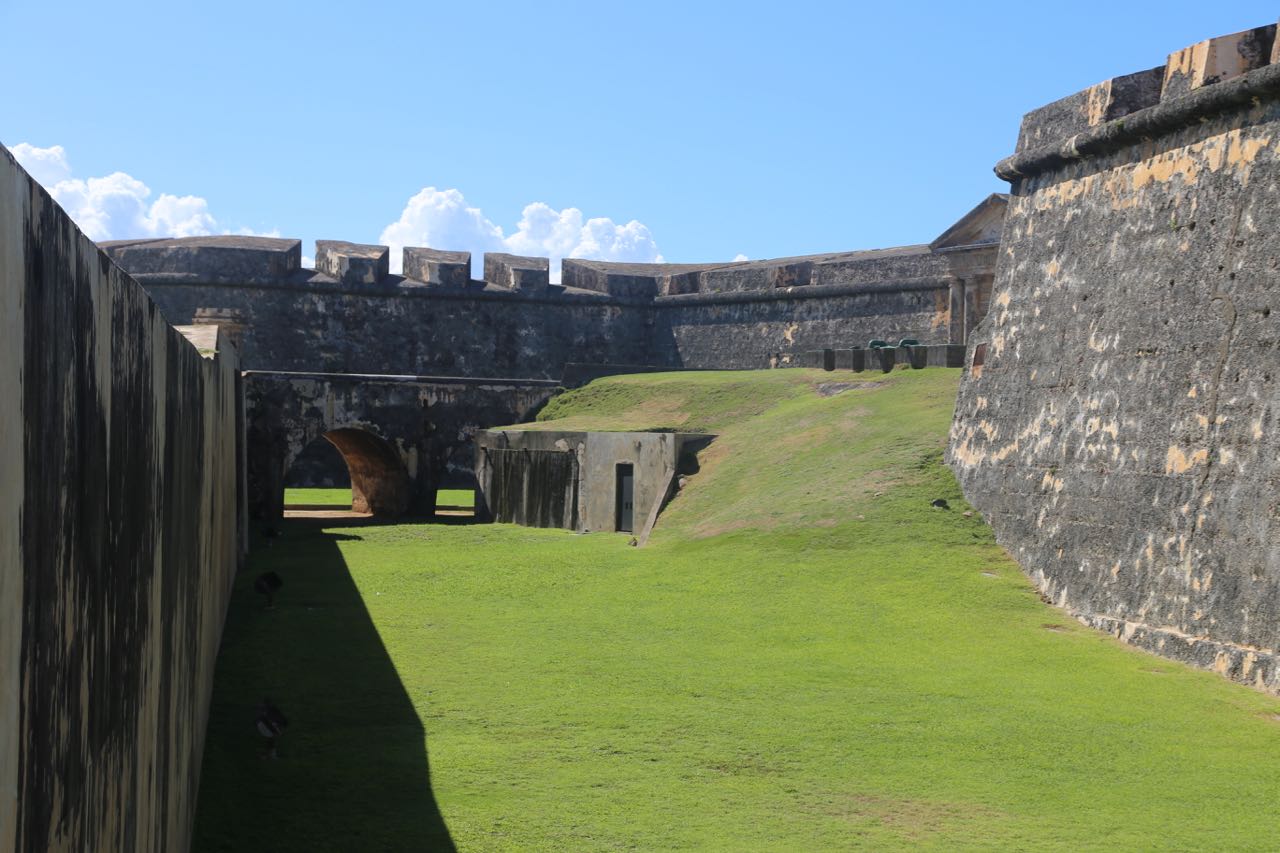
Land side of El Morro

Land side of El Morro

Ocean side of El Morro

Ocean side of El Morro


Newtown Creek

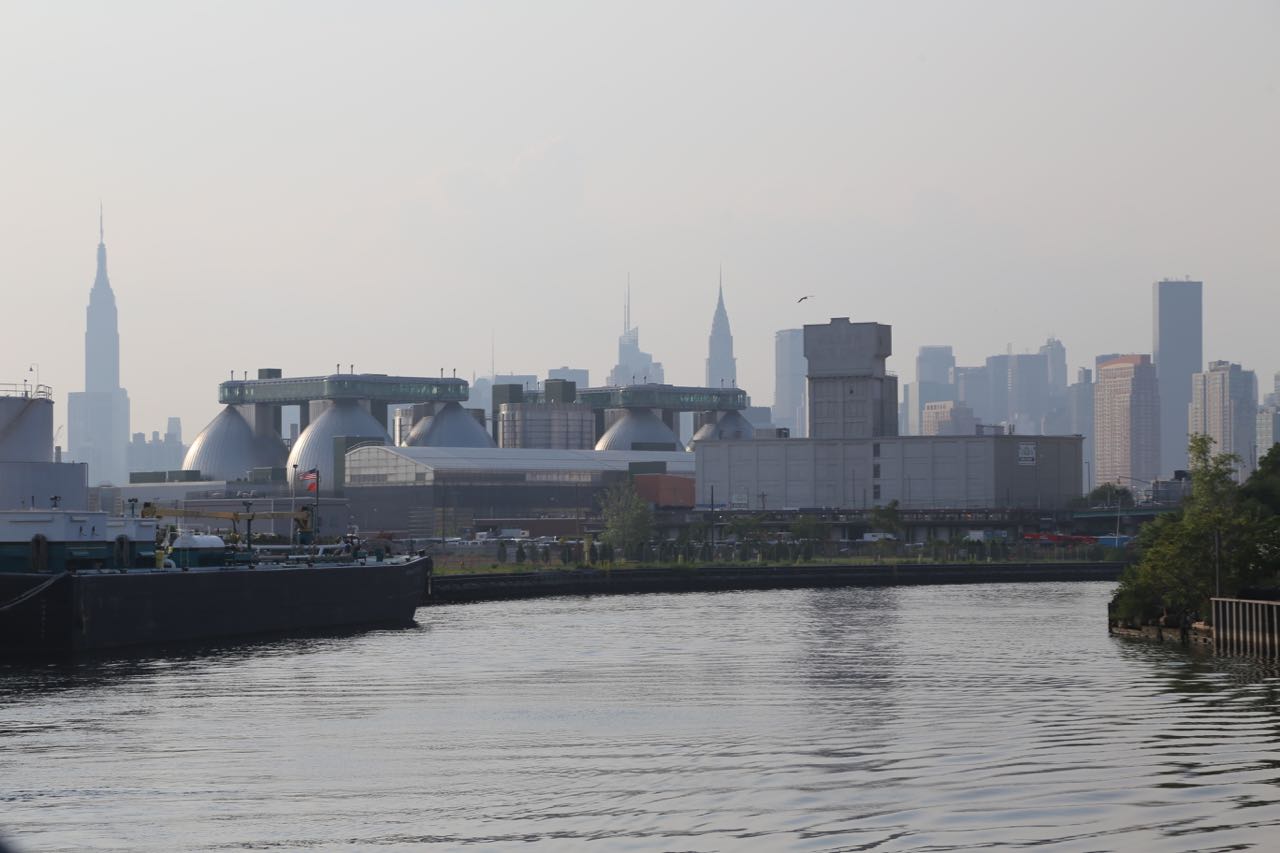
Manhattan skyline behind Newtown Creek Wastewater Treatment Plant

Manhattan skyline behind Newtown Creek Wastewater Treatment Plant

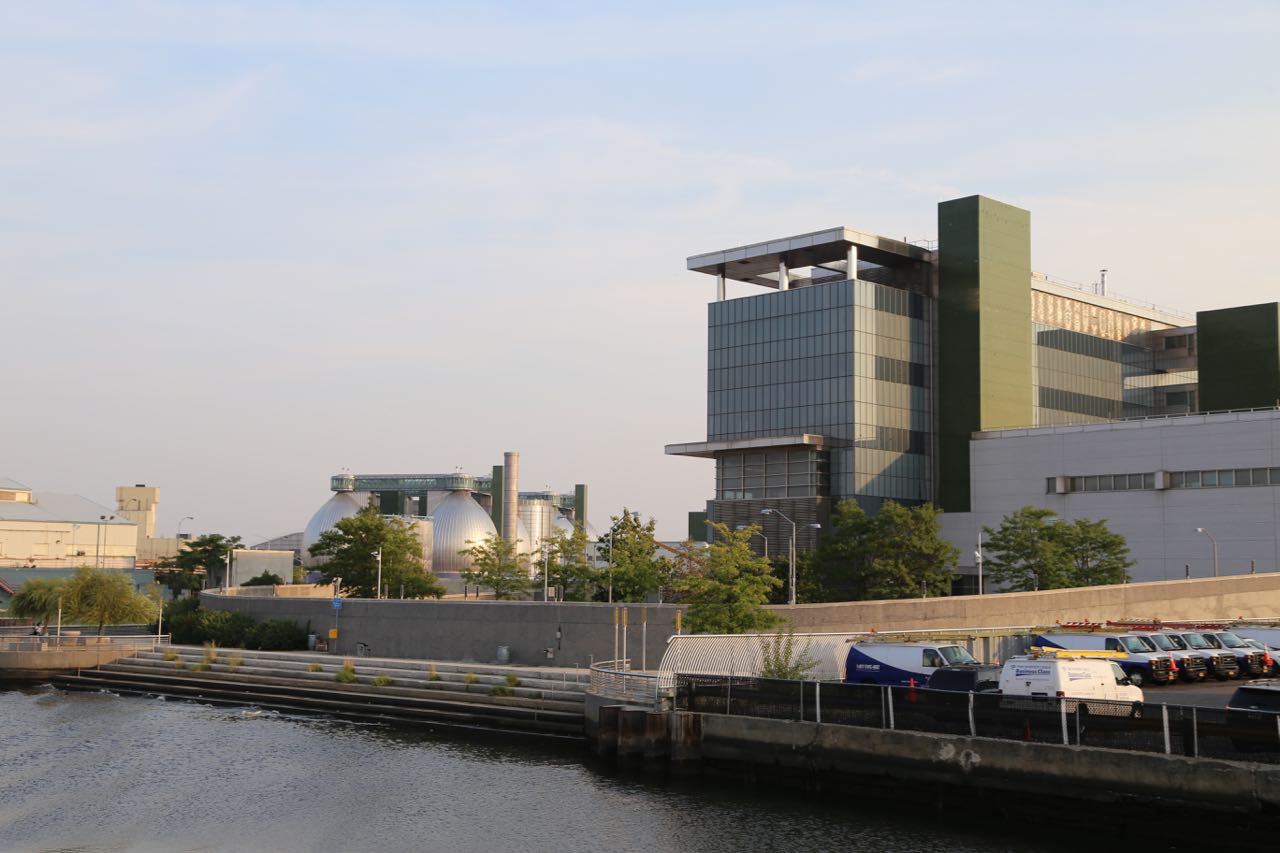
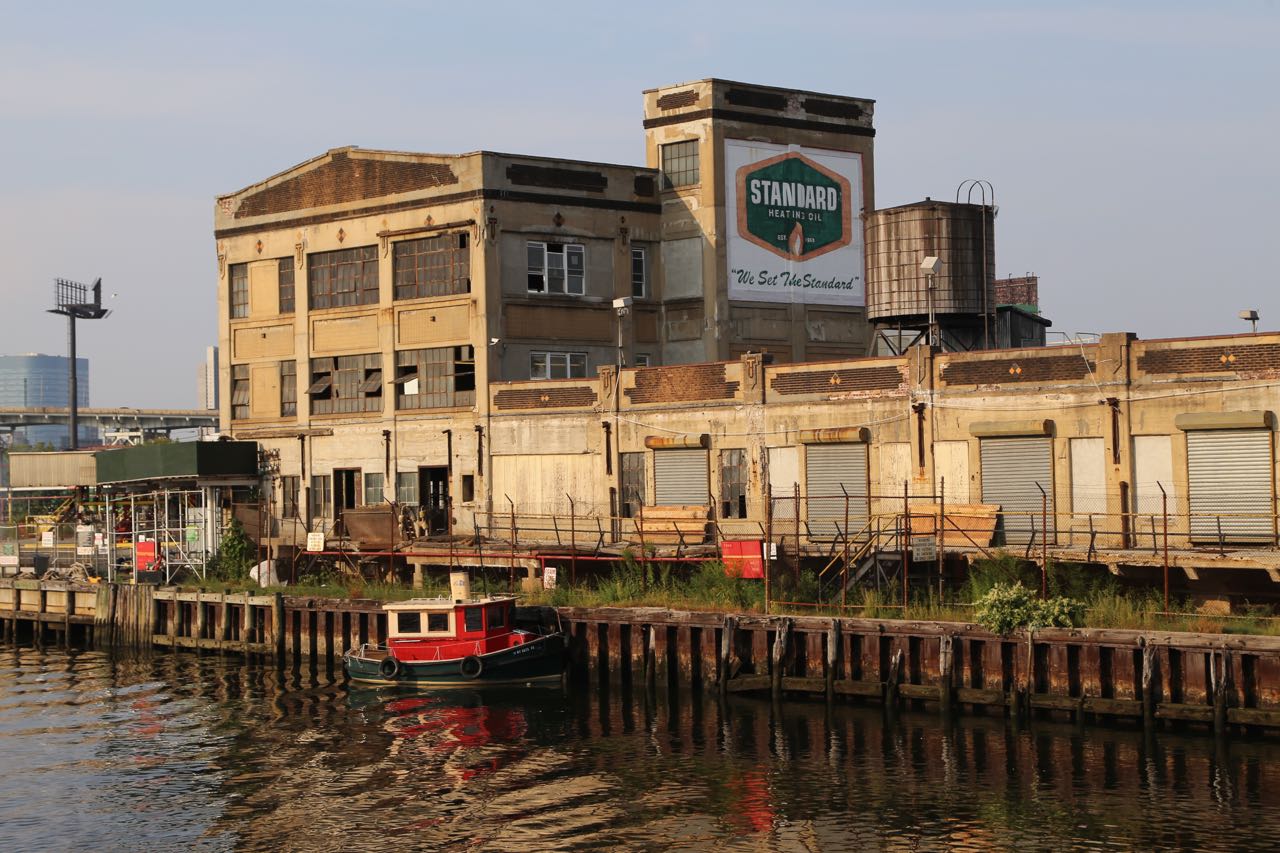
Newtown Creek is a natural creek that now resembles more of an industrial waterway and serves as a divider between Brooklyn and Queens in New York. I recently got a boat tour of it through Open House NY with superb guides from Newtown Creek Alliance and was able to see all the industrial facilities that are on it as well as a few places where its natural state is peaking through. Newtown Creek is heavily polluted because of New York City’s combined sanitary wastewater and stormwater system, which has led to untreated wastewater flowing into the creek during heavy rain events, and also industrial pollution, which has led to it being a Superfund site. A trip down Newtown Creek is almost history lesson down NYC’s past with some historic sites still visible like an old Standard Oil building. More modern parts of NYC also lie on the creek, most famously the newly redesigned and rebuilt Newtown Creek Wastewater Treatment Plant and its eight stainless steel digester eggs.

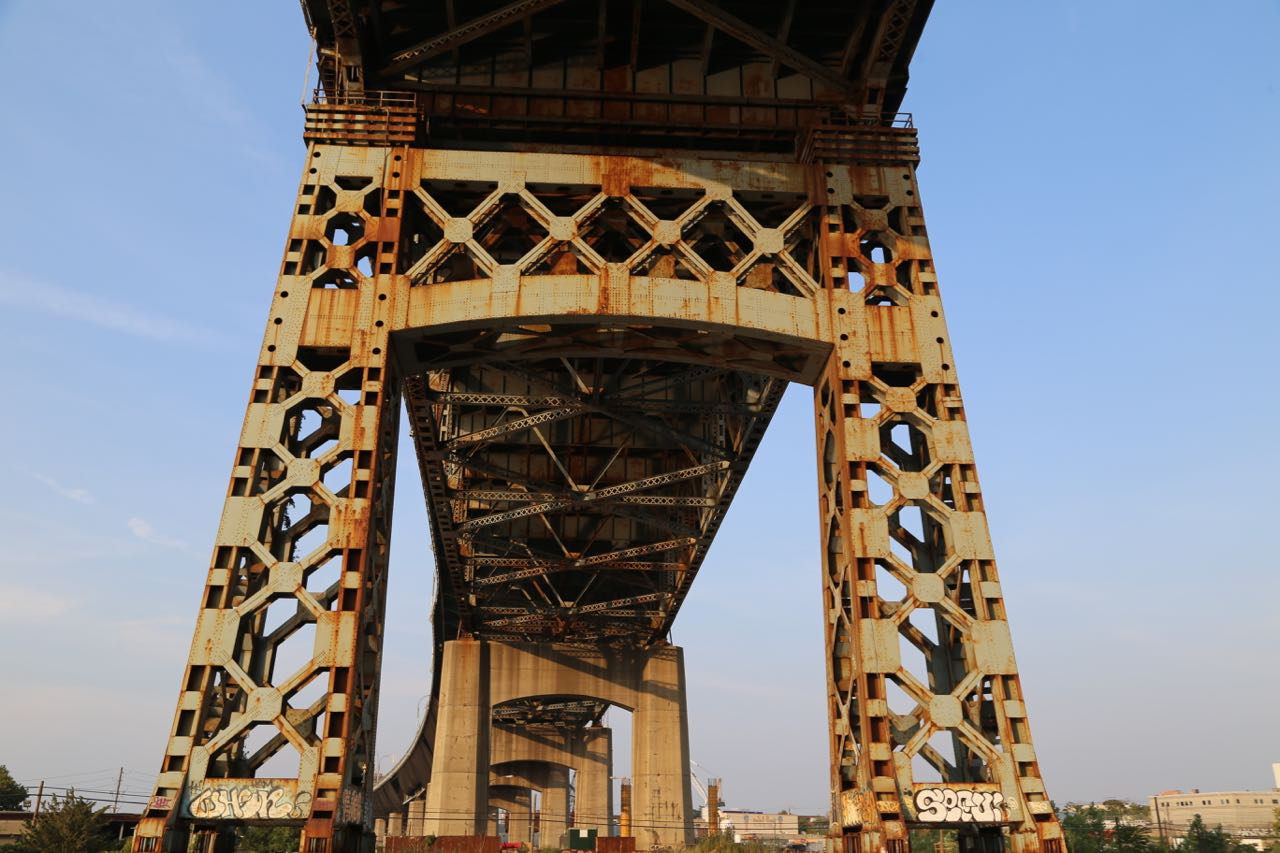
Brooklyn Queens Expressway

Brooklyn Queens Expressway

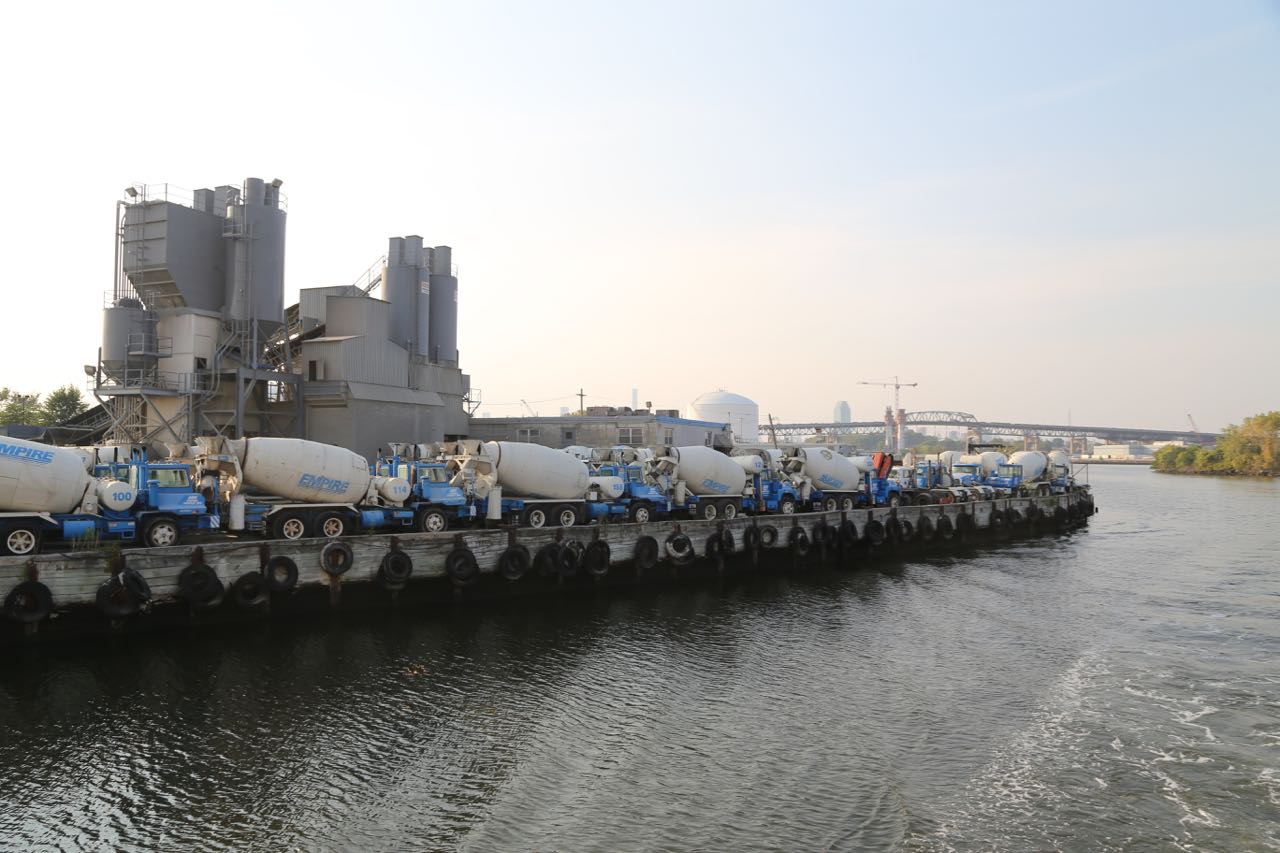
cement plant

cement plant

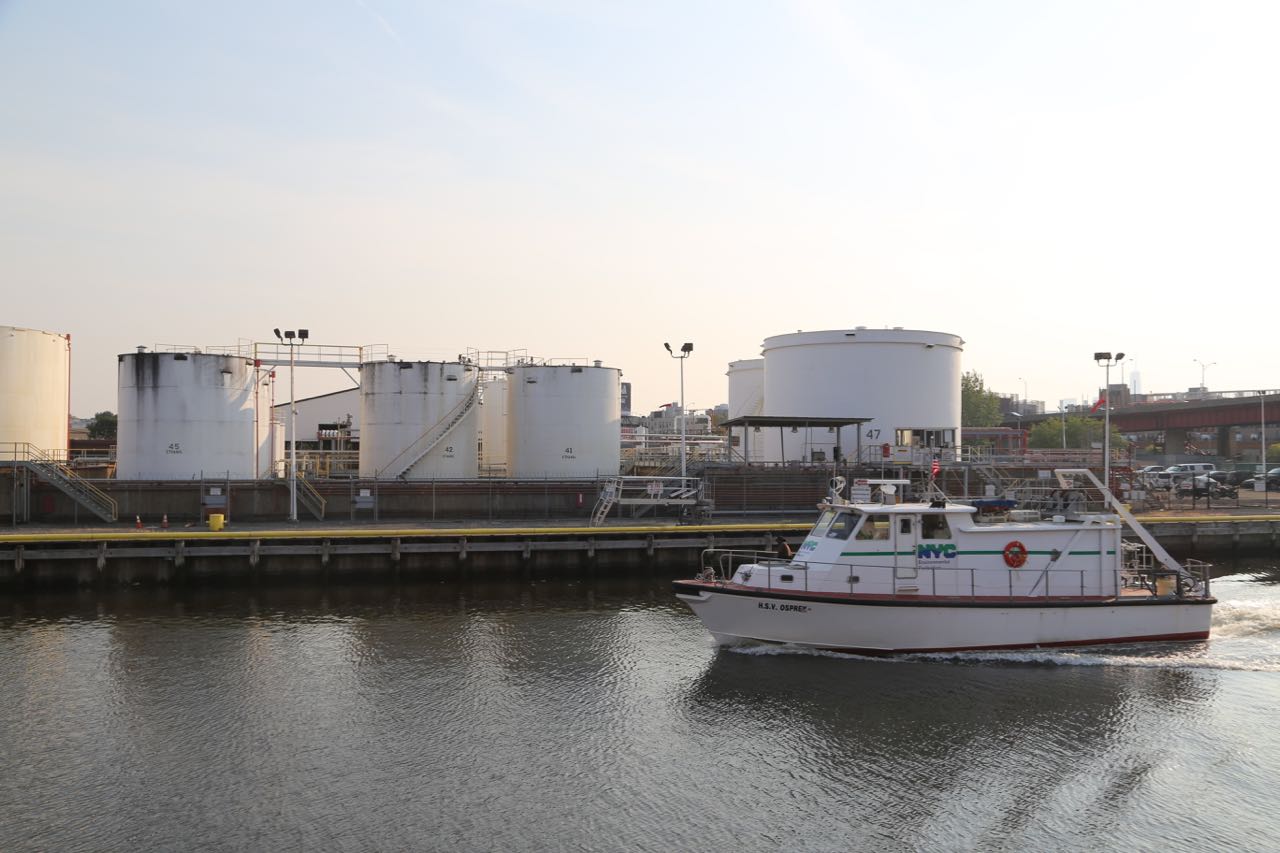
DEP boat

DEP boat

Newtown Creek Wastewater Treatment Plant and DEP offices

Newtown Creek Wastewater Treatment Plant and DEP offices

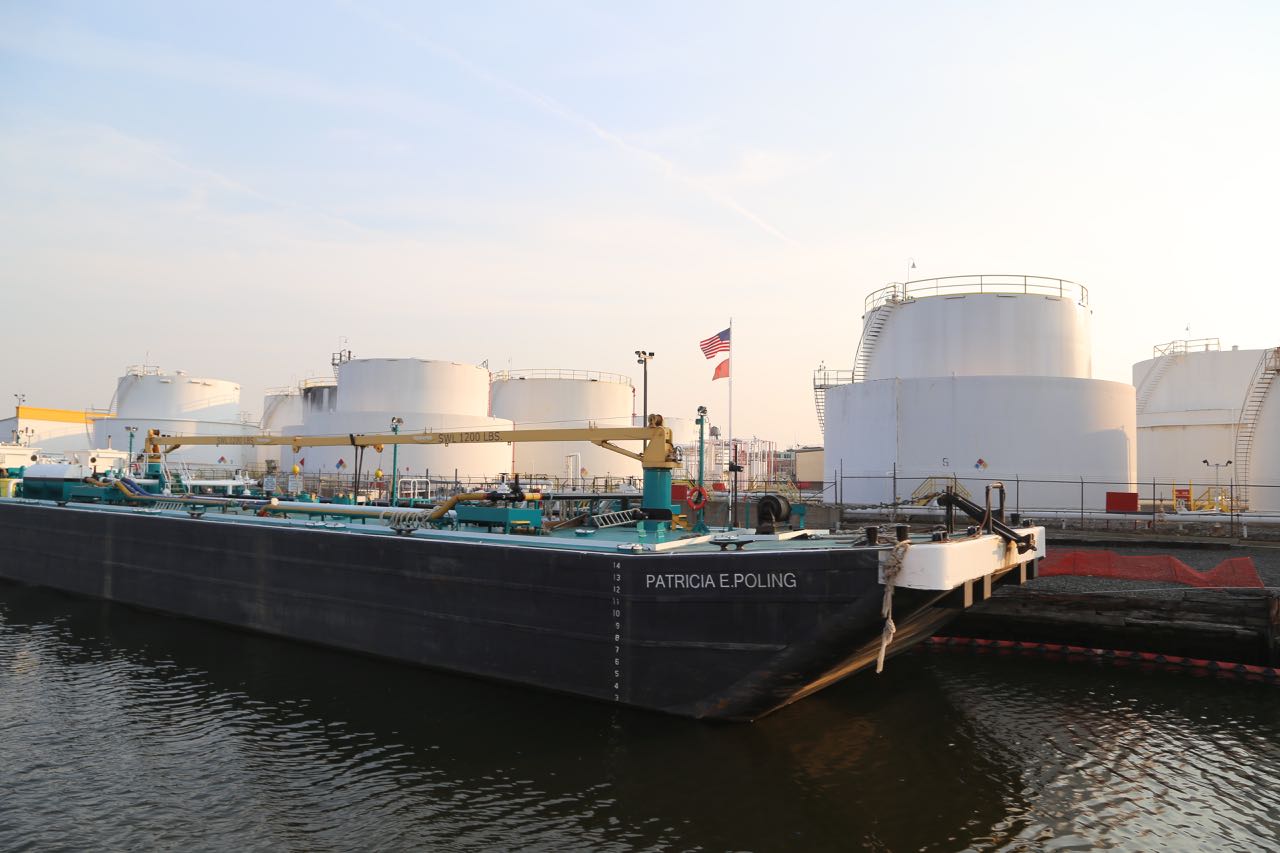
Fuel tanks and barge

Fuel tanks and barge

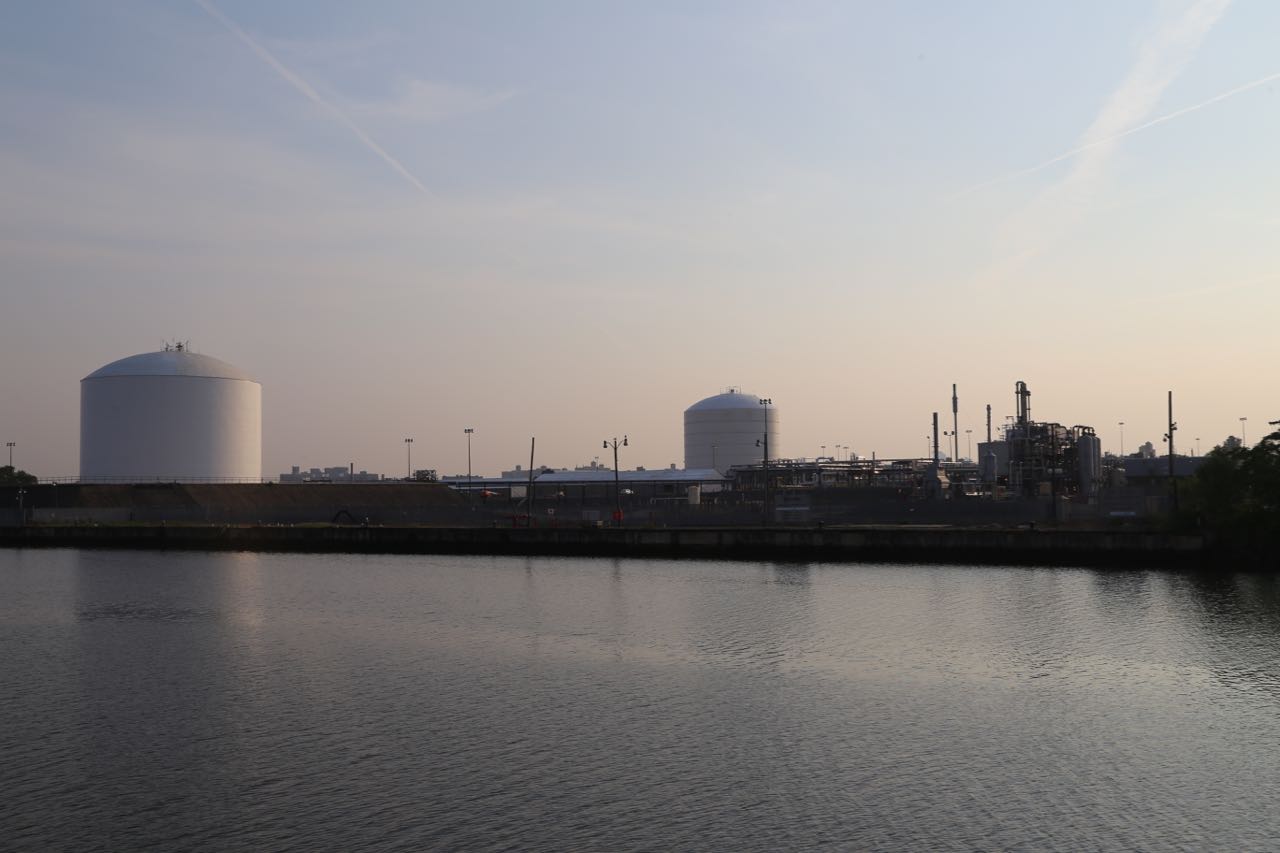
LPG (or possibly methane) tanks

LPG (or possibly methane) tanks

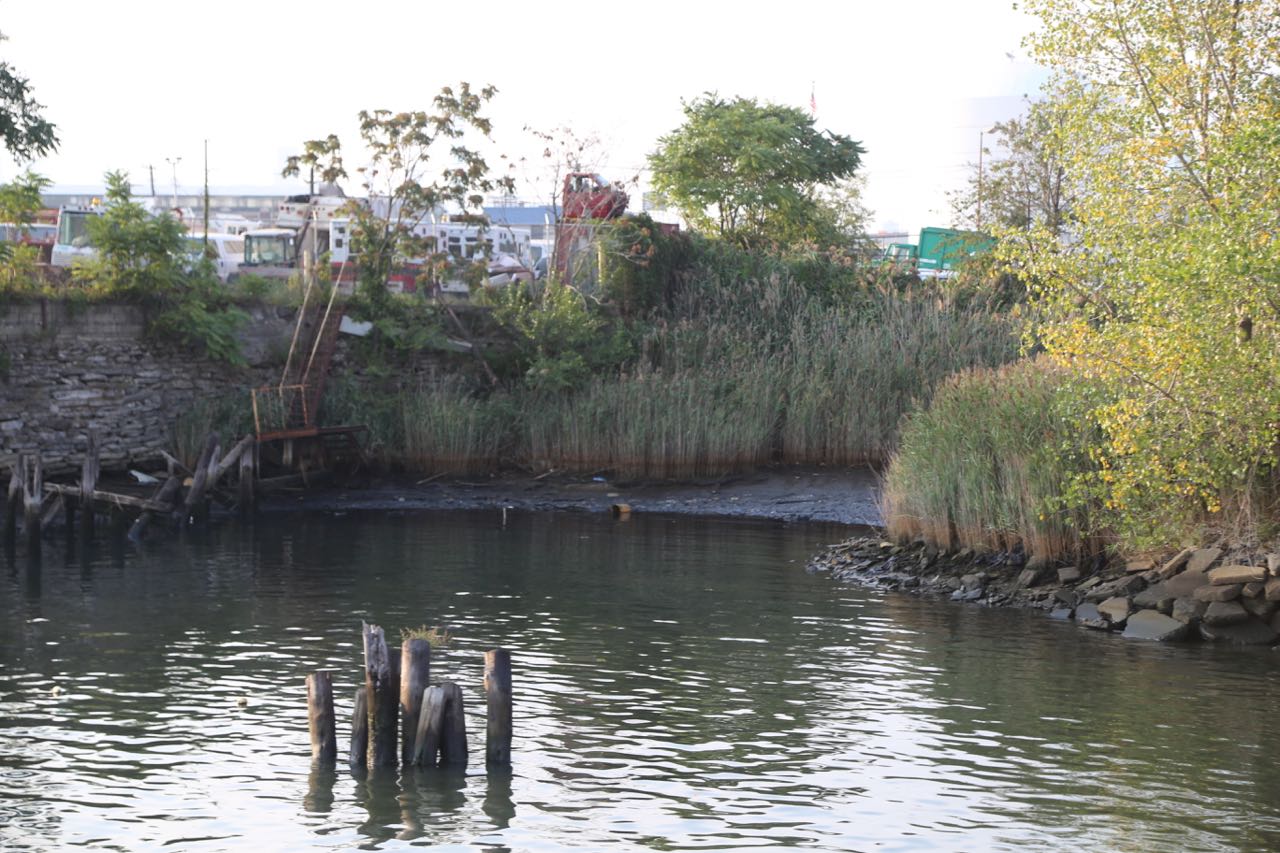
mud flats

mud flats

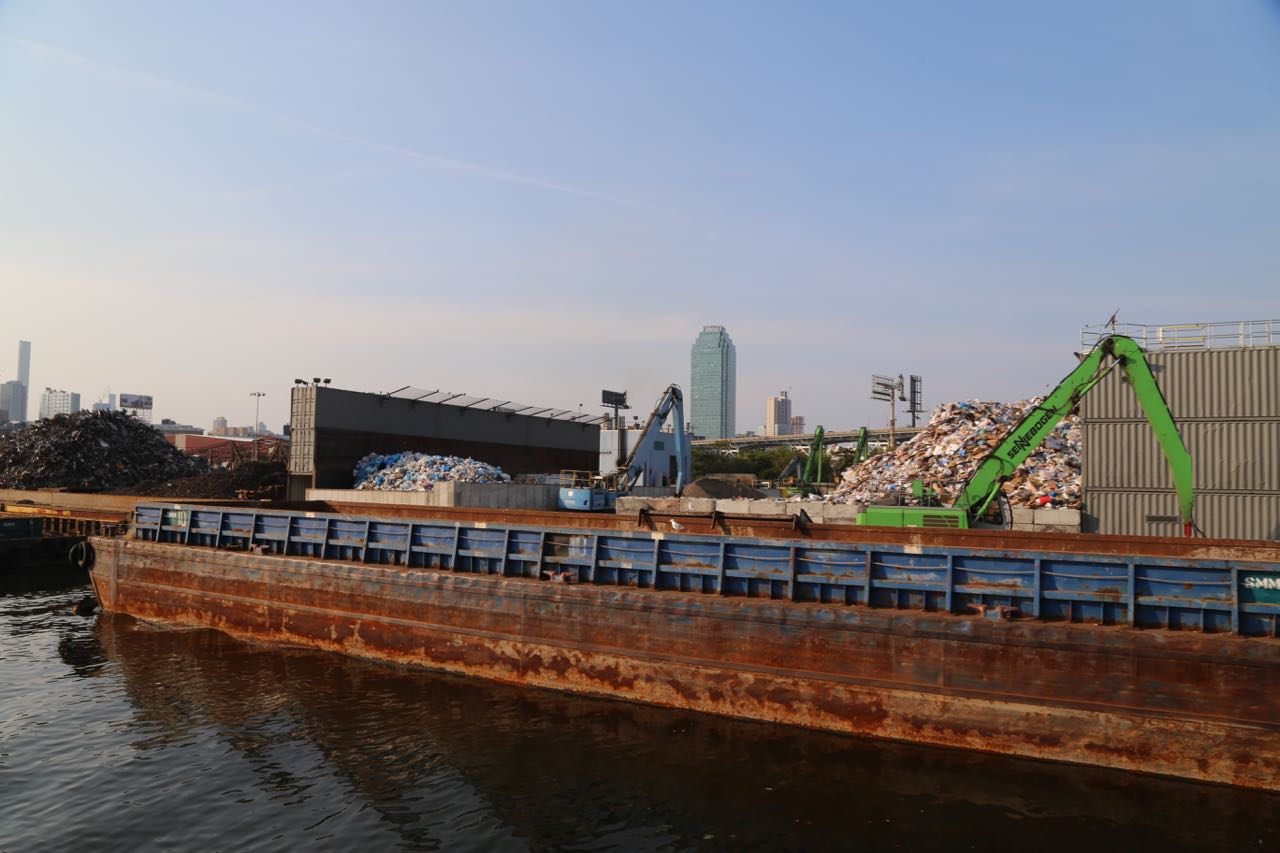
Recycling facility

Recycling facility

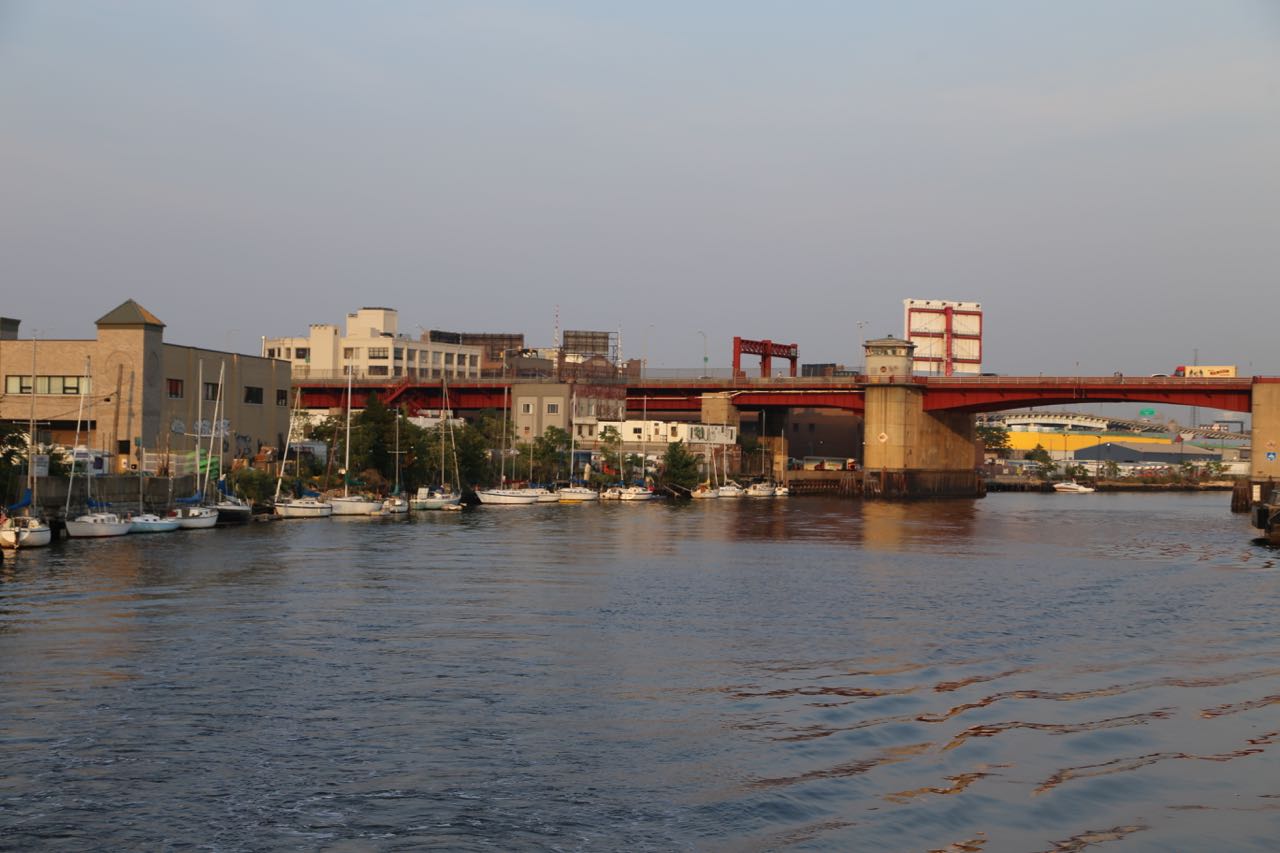
Sailboats at entrance to Newtown Creek

Sailboats at entrance to Newtown Creek

old Standard Oil facility

old Standard Oil facility

swing bridge

swing bridge

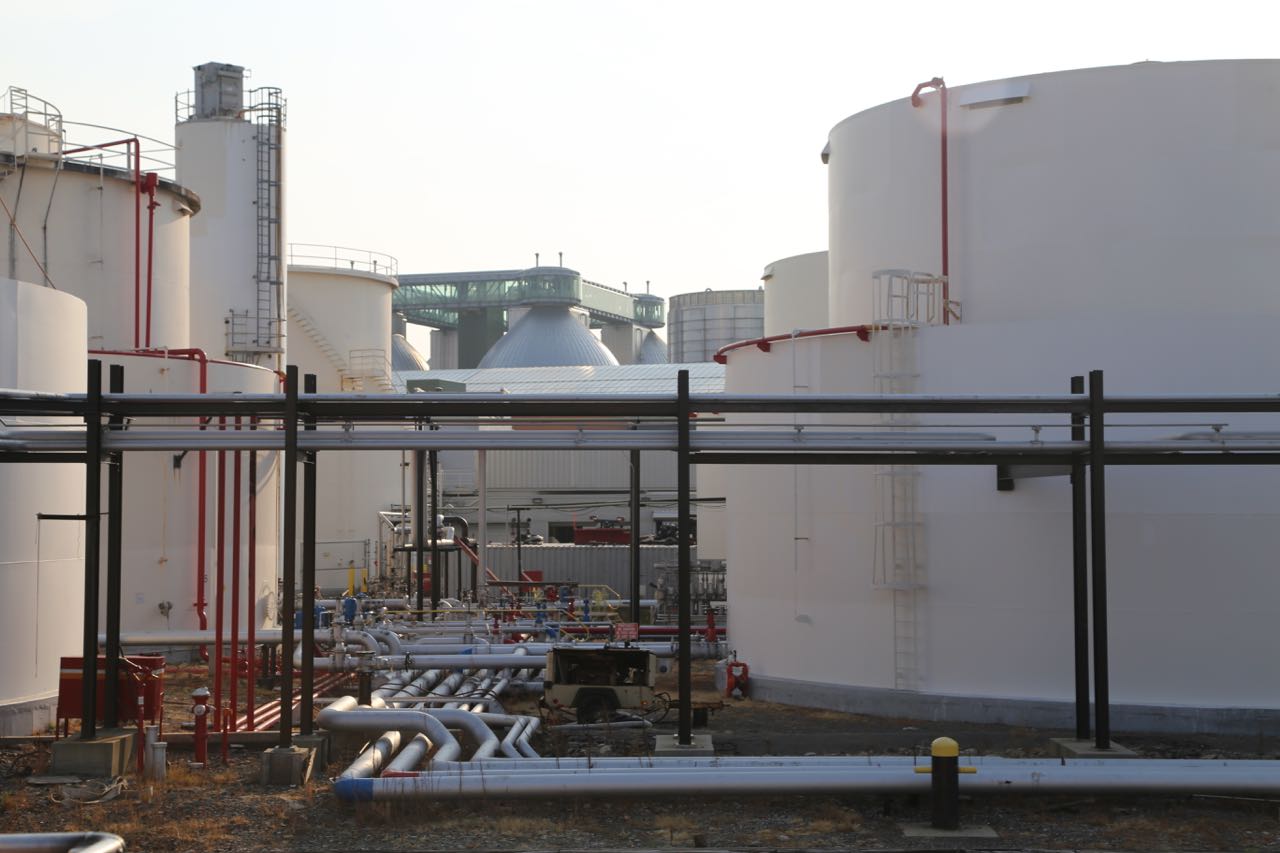
Tanks

Tanks

Newtown Creek Wastewater Treatment Plant

Newtown Creek Wastewater Treatment Plant

Sewage outfall with birds on boom line

Sewage outfall with birds on boom line