About Those Rail Ties, WMATA

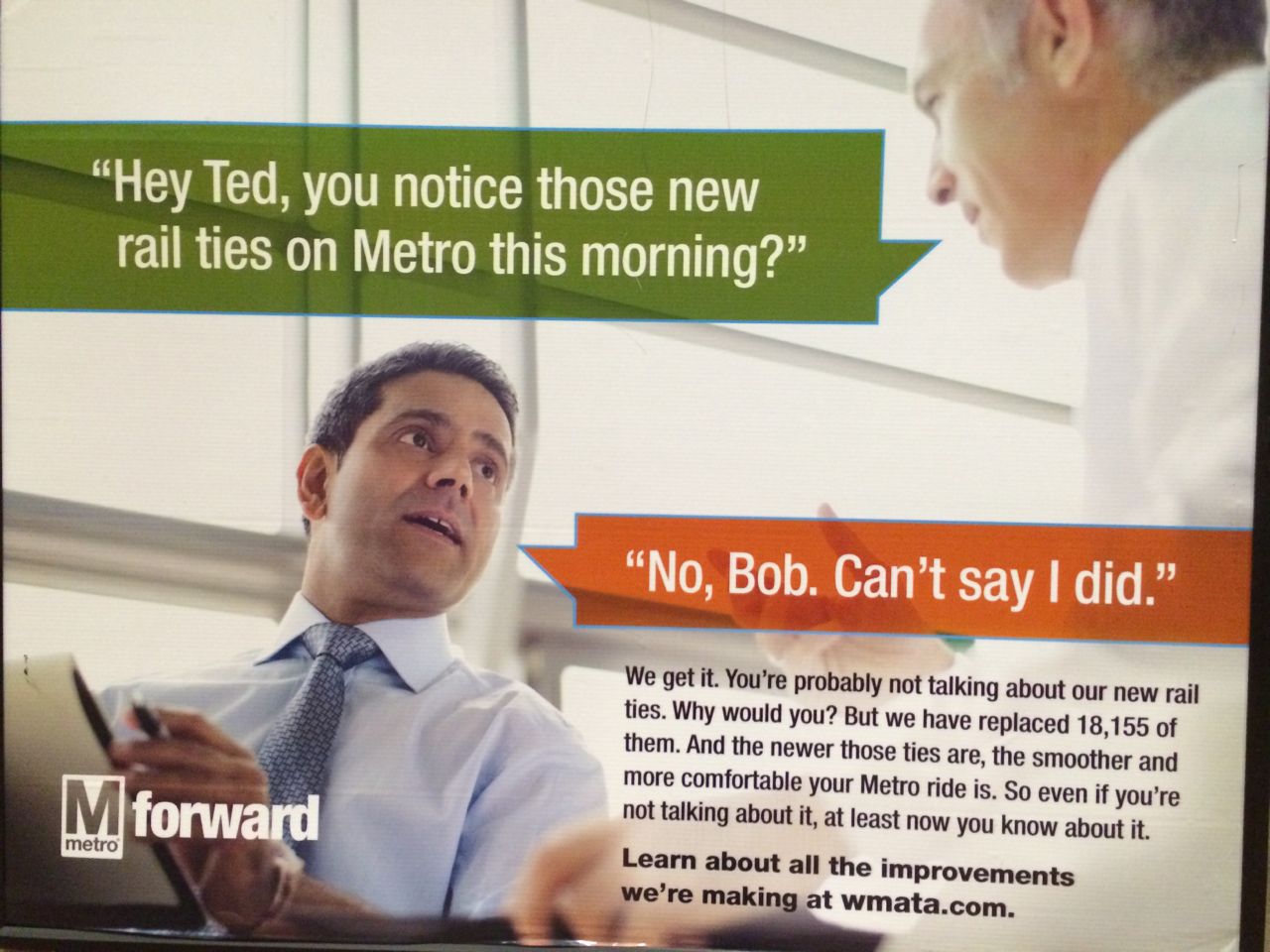
WMATA's new rail ties ad

WMATA’s new rail ties ad

Dear WMATA,

I saw your new ad while I walking into the Metro the other day. That is, the new ad where you tell your riders that your installing new rail ties to give us a more comfortable rise. Considering the purpose that rail ties serve, I am hopeful this type of maintenance will also give us customers a safer ride, but I’m not going to quibble on that. First, I would like to thank you for at least not insulting your customers, making an incredibly sexist stereotype, or presenting a vague statistic with absolutely no context that really conveys nothing in this ad, like you did in a certain ad from this new series of ads. I would also like to commend you on doing actual maintenance on your rail system. As an engineer, I am more aware than many of how important and needed regular maintenance is, and from what I have heard in the news, you weren’t actually aware of this fact until several years ago.

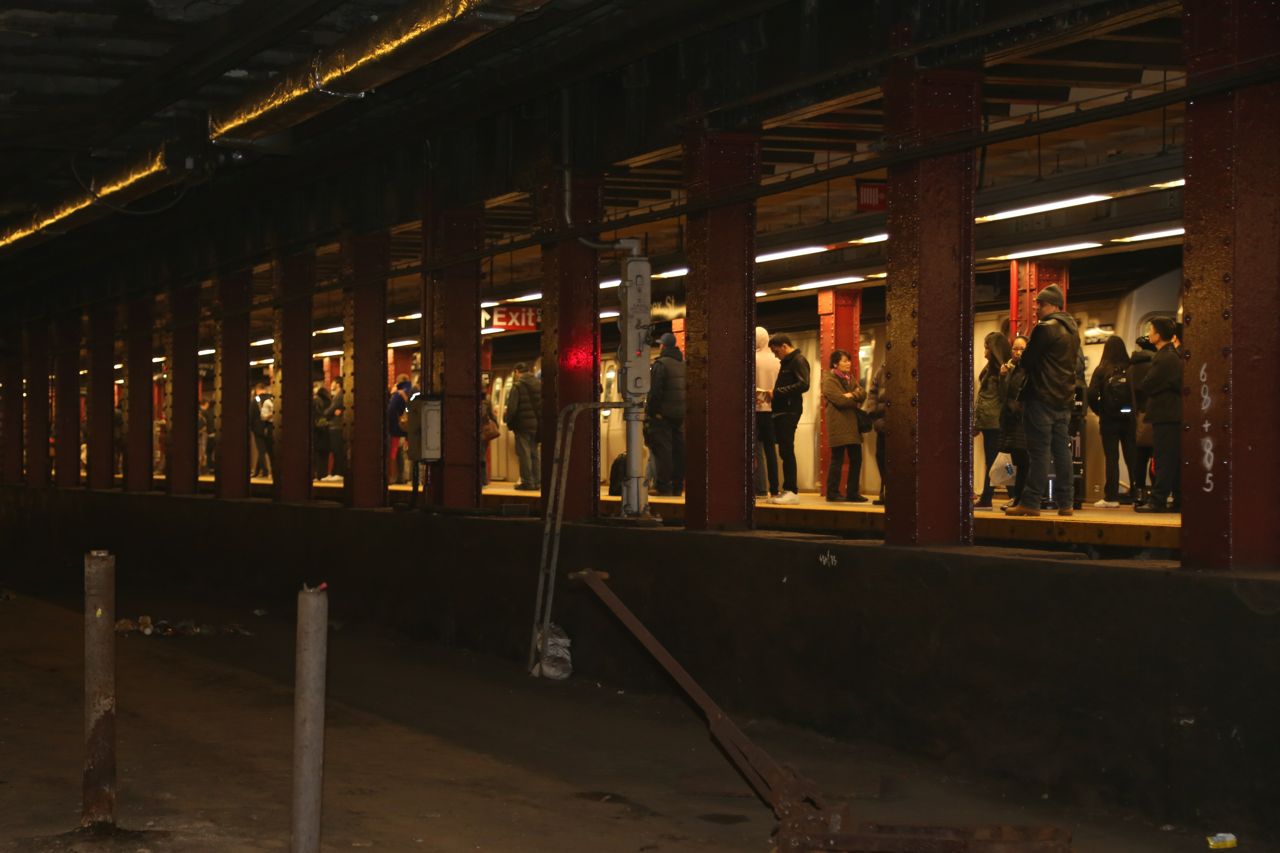
However, I do have a question for you about these new rail ties that you admit that we, the customers, might not notice. Exactly how would you like to your customers to notice these fantastic new rail ties? I mean this in all seriousness. After I saw this poster, I made a point of looking at the rail ties while I was standing on the platform waiting for my train. Both my originating and destination stations on this particular day were underground, and what I noticed is that there were no rail ties underneath the track in front of the platform. The rails were held in place by metal bracing of some sort that was attached directly to the concrete beneath the tracks and did not tie the two tracks together. As my name Geeky Girl Engineer might suggest, I am in fact a geeky engineer, and thus I became intrigued by this metal bracing holding the tracks at the platform. Thus far my internet searches have not led me to information as to what these braces are called, but since the braces only hold one track, they don’t seem to actually be rail ties. However, I could be wrong, and if you would like to educate me on what they are called, I would be happy to learn about it (in all seriousness).

The other thing I noticed about the track in the station, is that it is really hard to notice the rail ties or braces. To begin with, the station is dark. Second, the area where the track is, is mainly different shades of black as it’s rather dirty. I wouldn’t expect it to be clean, but the darkness makes it difficult to see any level of detail. Also, the platform tile closest to the edge is rather textured, and this makes it uncomfortable to stand there for very long to examine the tracks. I realize the textured tile is a safety design to make people realize how close to the edge they are and to keep people from standing there while waiting for the train and thus potentially falling onto the track. I think this is a good safety, and I am certainly not arguing against it. I am just pointing out that between the textured tile and simply not wanting to get too close to the edge, conditions are not really conducive to a person examining or admiring your new rail ties.

As for the rail ties that are under track between stations, well, those are kind of hard to see also. The Metro, as you are of course aware, is underground a significant portion of the time. There is no way to view rail ties at all while the train is underground. There is no way to view anything outside the train while the train is in motion underground. Quite frankly, you should be aware of this. I also looked at the track while the train was in motion above ground. I was able to view the track and see that there are wood ties holding the track in place, but that honestly was about it. Again, the train was in motion making it difficult to really examine details of the ties. I couldn’t say whether the ties I viewed were new or old. I’m not actually sure how I would be able to tell the difference. I’m fairly sure that old ties would be dirtier and probably darker than new ties, but I am not sure to what degree. Presumably if I saw an old and a new one side by side, I could tell the difference, but except for that case, I am not sure how I would. Thus, it would be nice if your ad touting your new rail ties would have educated me on how to tell the difference.

Again, I commend you for your maintenance work. I thank you for not insulting me or stereotyping me. However, I think you might want to rethink your ad. For safety reasons, I think it would be best if you did not encourage your customers to examine your rail ties.

Your observant and educated customer,

Geeky Girl Engineer
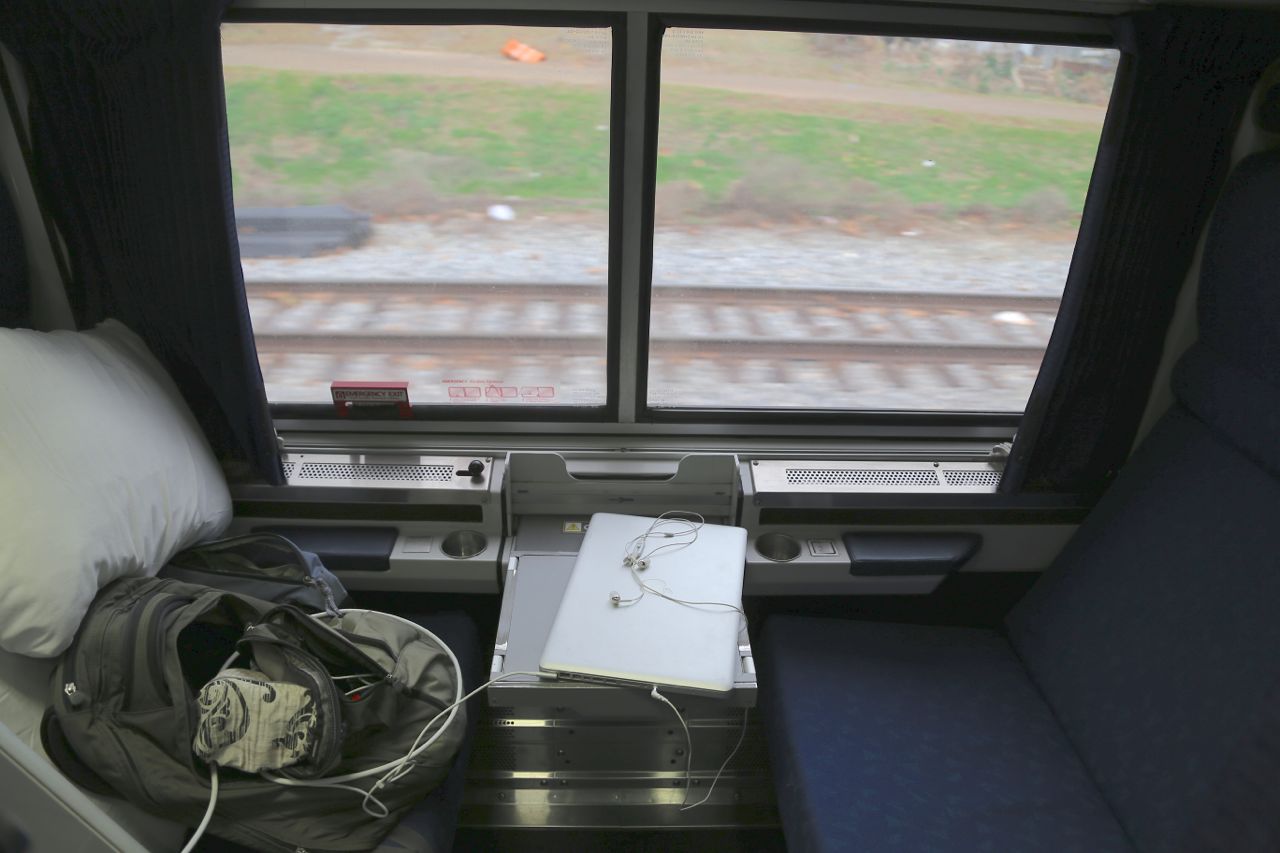
Amtrak Viewliner Roomette
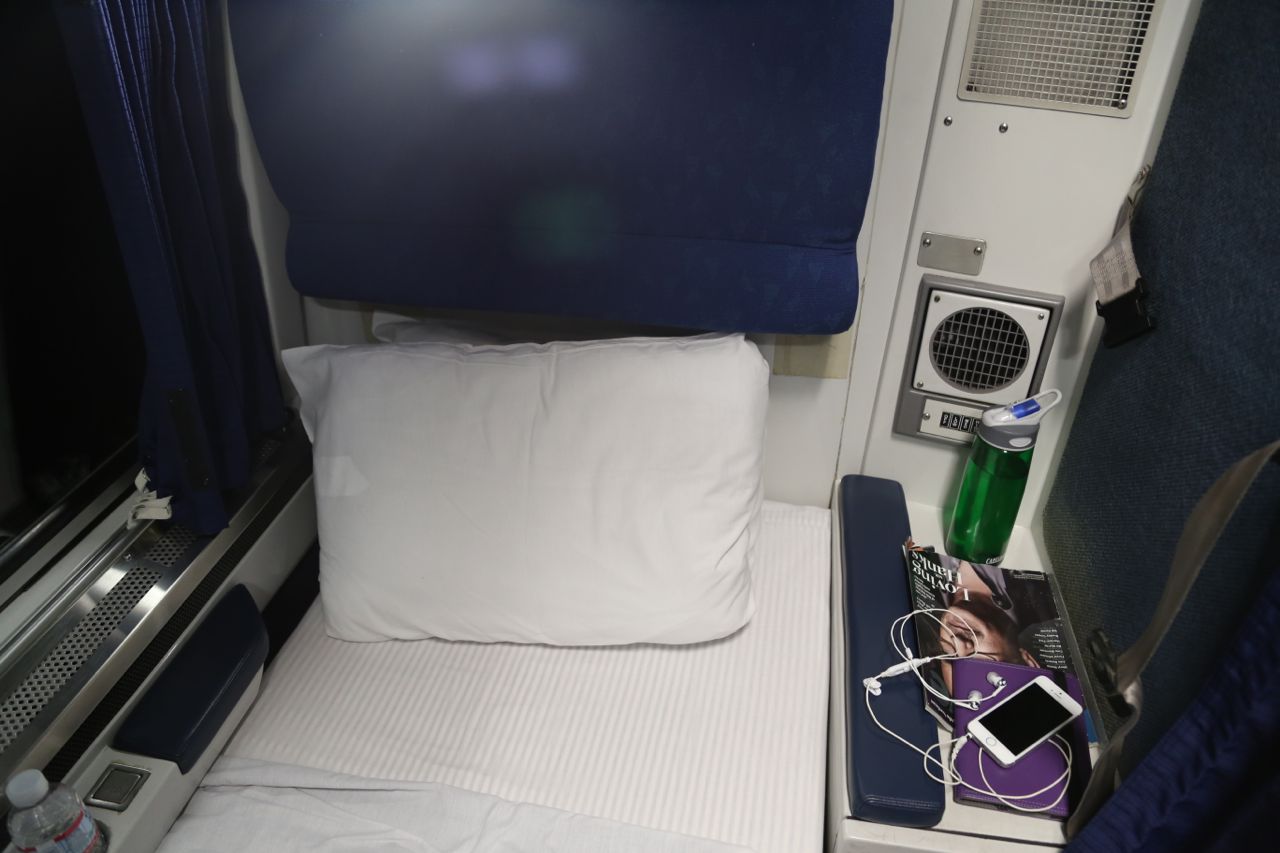
This past Christmas I took Amtrak to visit my family in Houston. I took the Crescent down to New Orleans, then after a short stay in New Orleans, I went on the Sunset Limited to Houston. Since the trip between DC and New Orleans is about 25 hours, I decided to get a room instead of just a coach seat. Yes, it is a long trip, but I love train rides. It gives me a chance to sit and read and just watch the world go by.
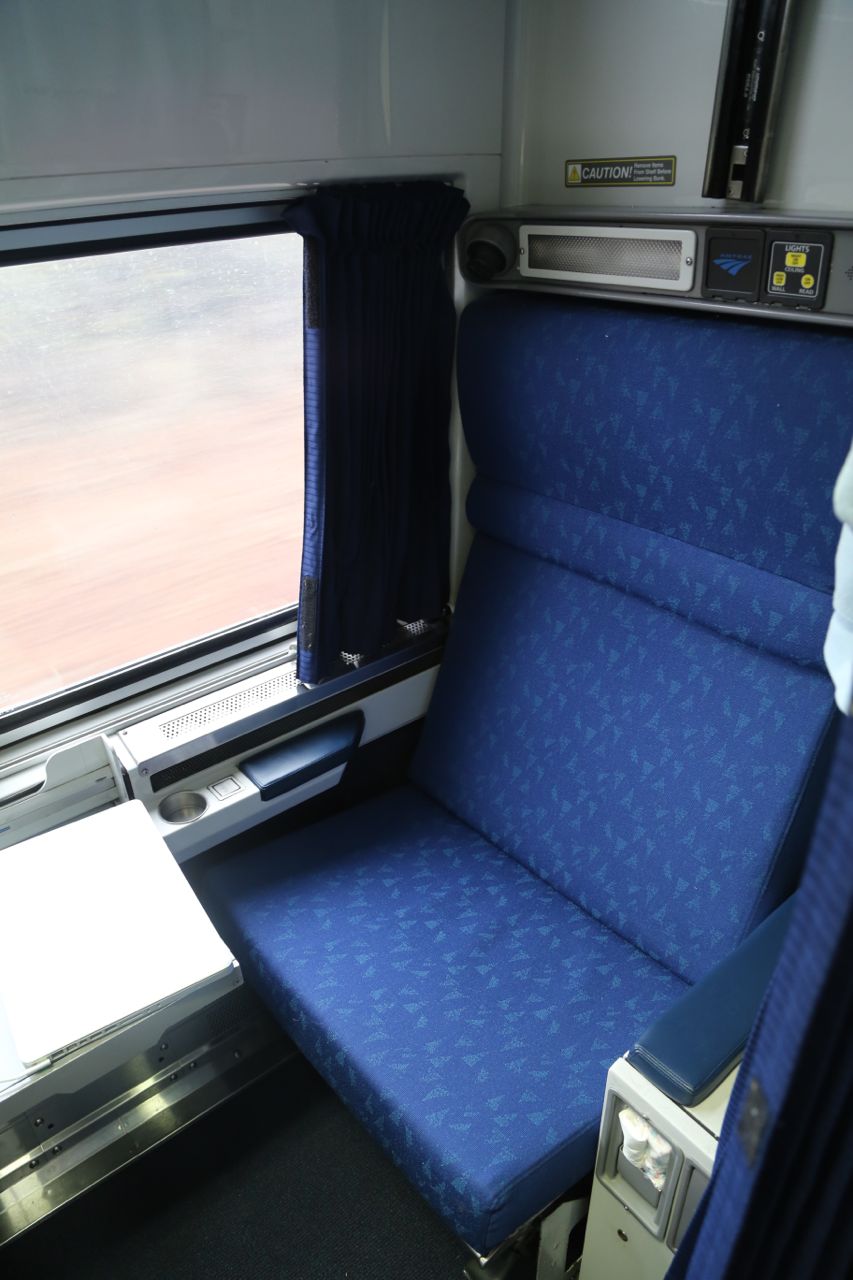
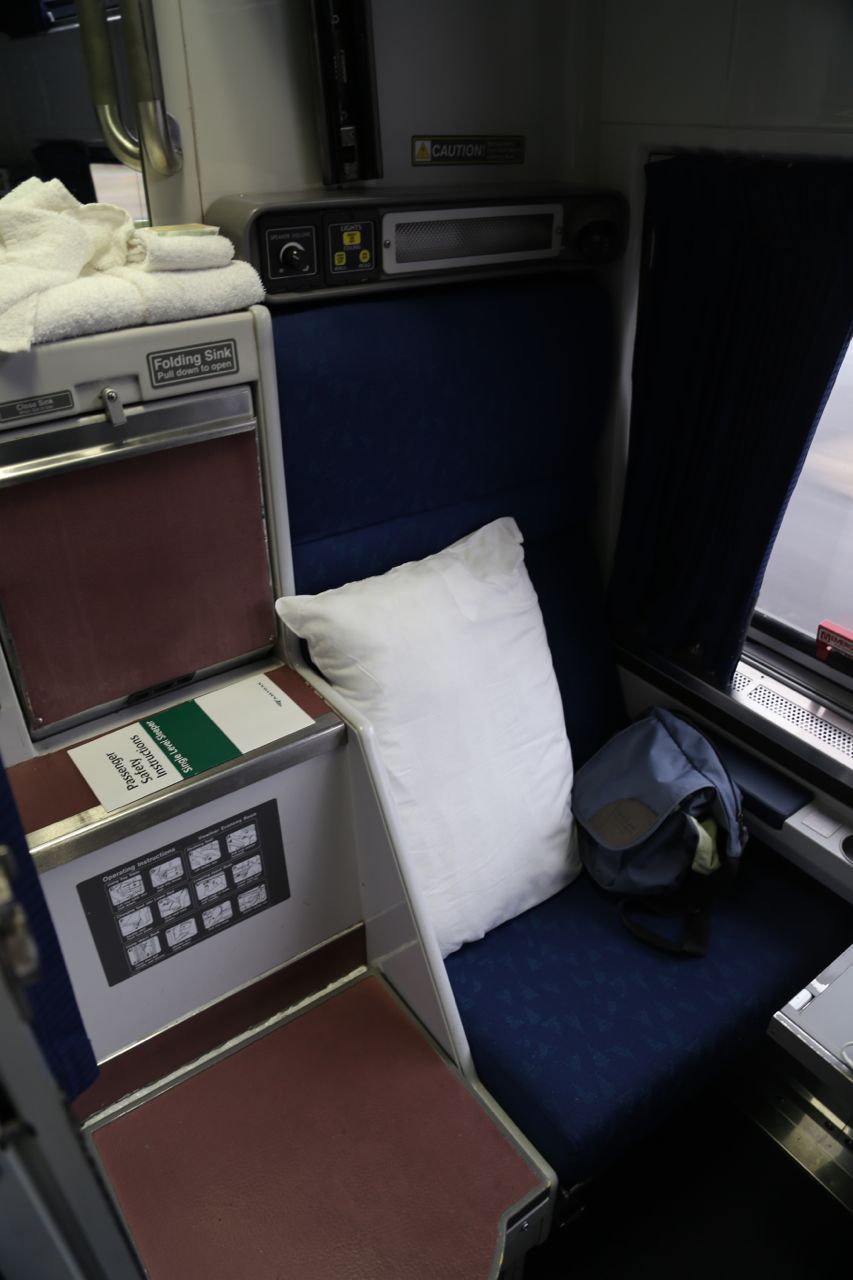
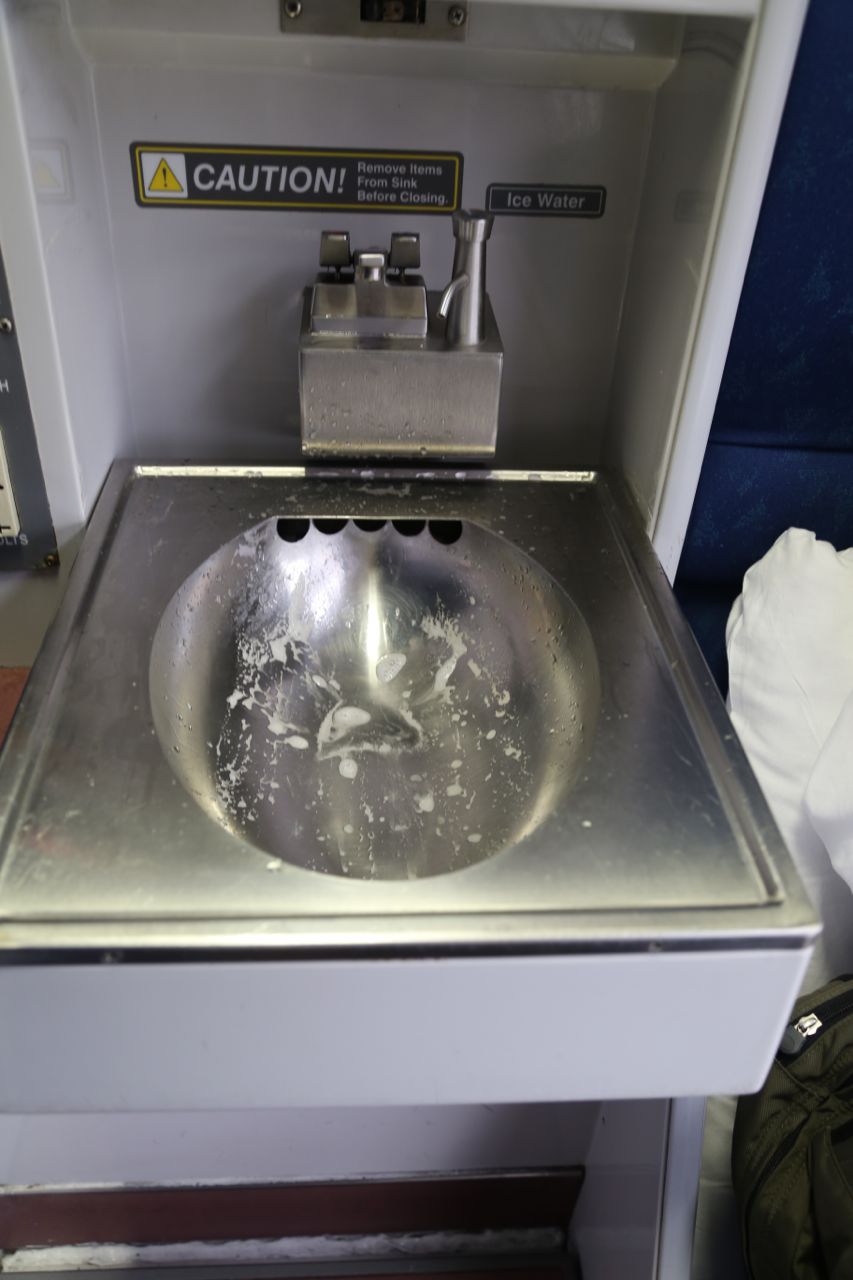
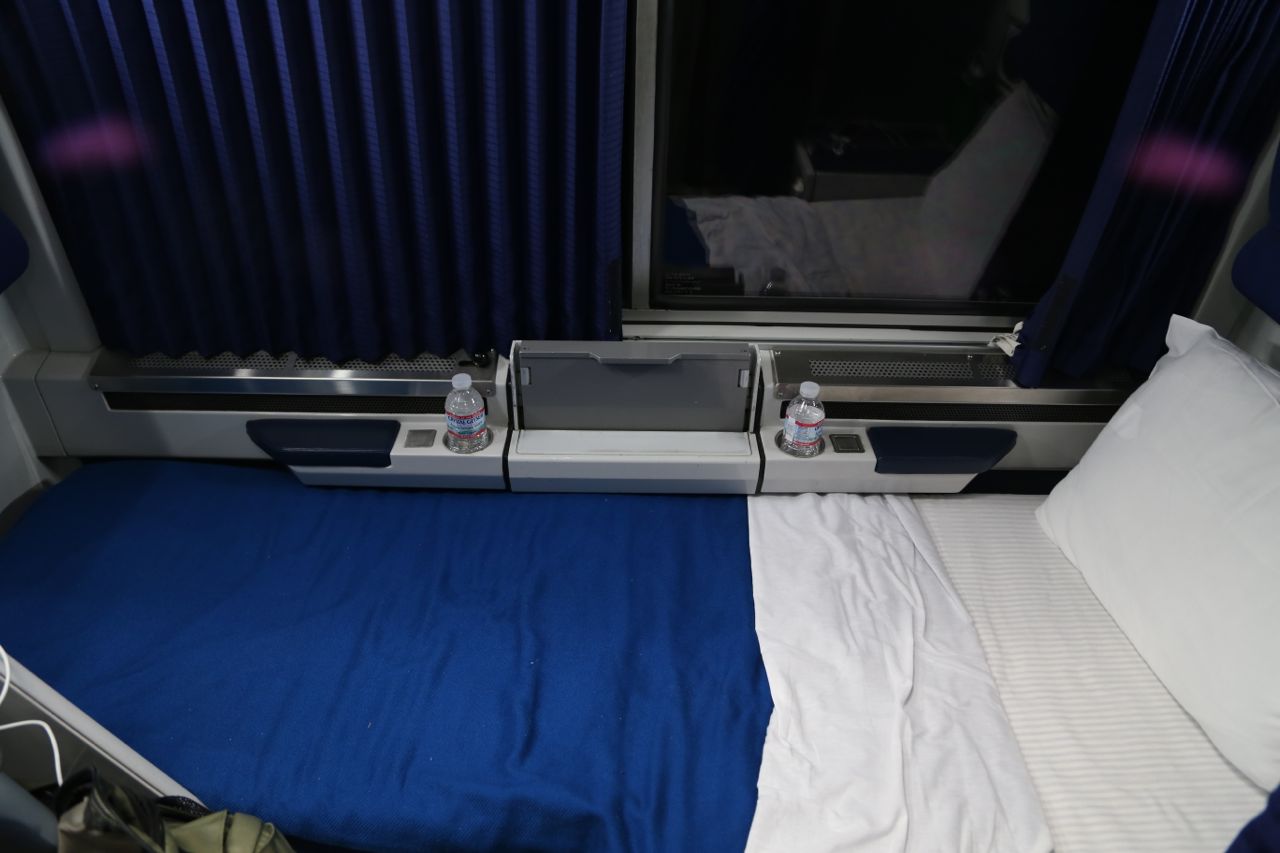
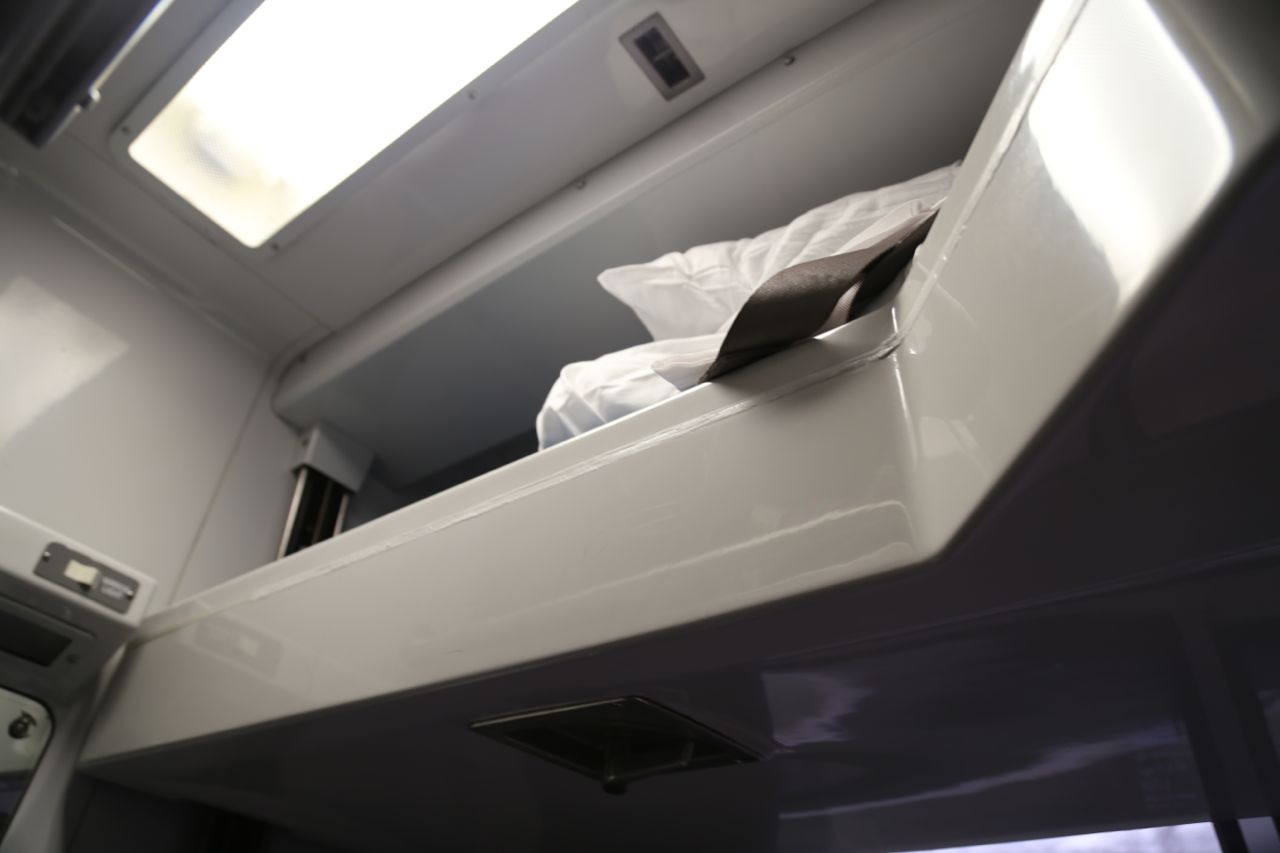
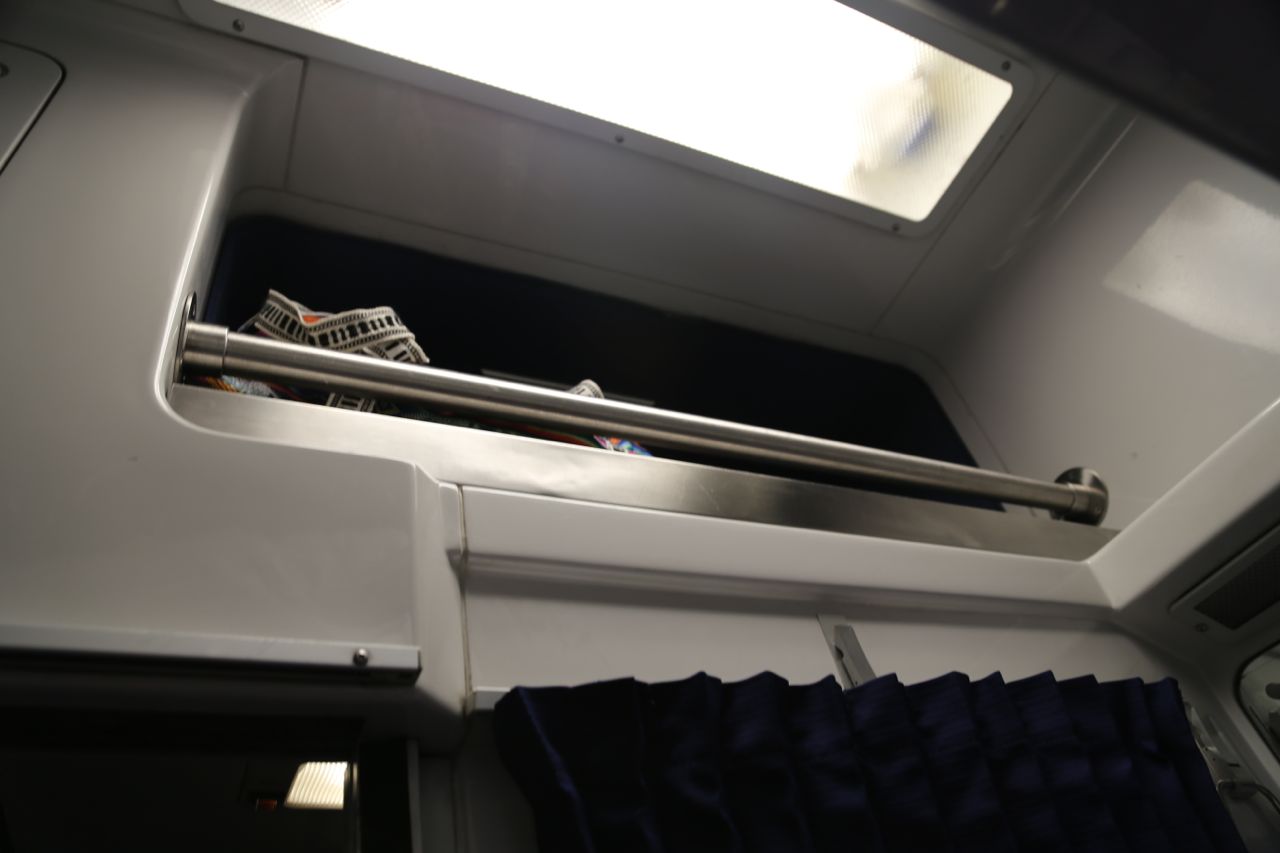
The train rooms are, in my humble opinion, marvelously designed. The designers managed to fit a whole lot of features in a tiny little space. The features also have to be designed for the constant movement on the train. During the day, the room as two comfortable seats with a fold-down table. At night, it can be transformed to give two comfortable beds. The room also has a toilet, sink, and small storage area. The room is tight, but it has almost everything you need, and there is a shower down the hall.

Both seats with fold down table between them

Both seats with fold down table between them

Right seat

Right seat

Left seat with sink (in closed position) and toilet

Left seat with sink (in closed position) and toilet (also closed)

Fold down sink

Fold down sink

Lower bunk created from the chairs pulled down.

Lower bunk created from the chairs pulled down.

Head of lower bunk

Head of lower bunk

Upper bunk which can be lowered

Upper bunk which can be lowered

Storage area

Storage area

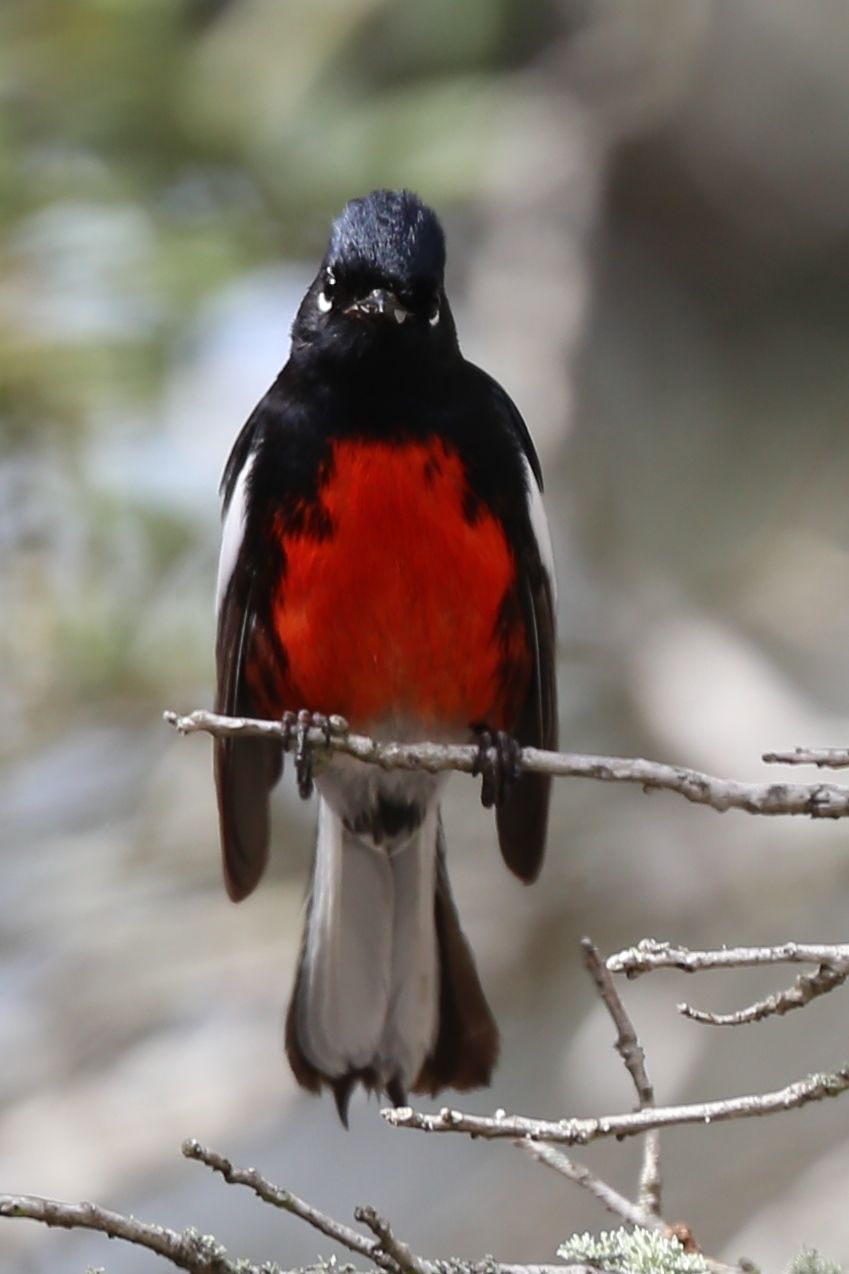
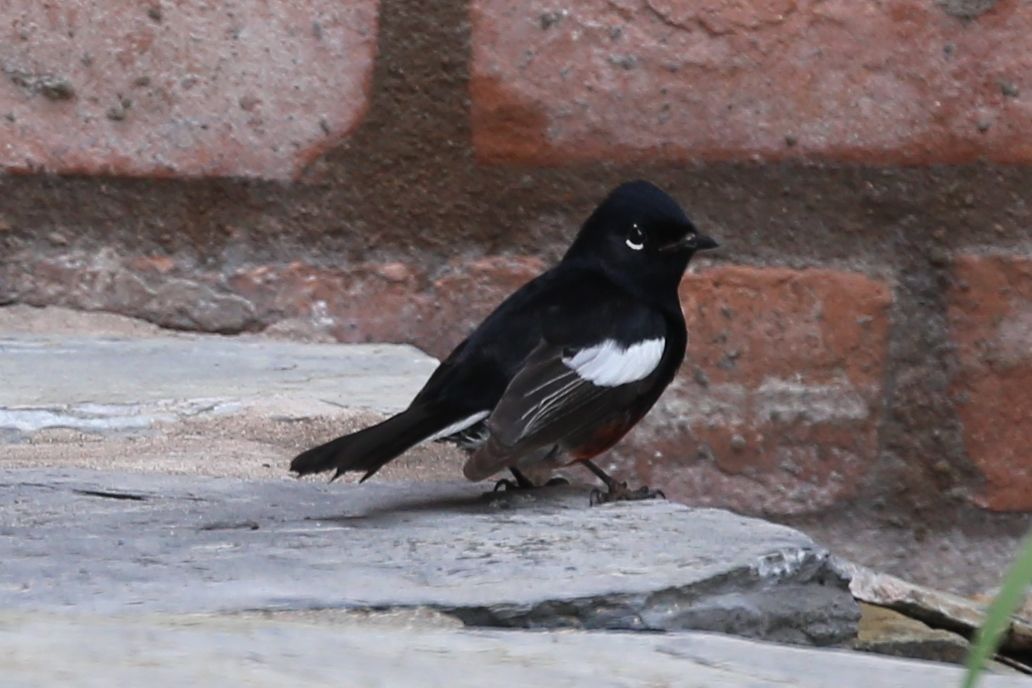
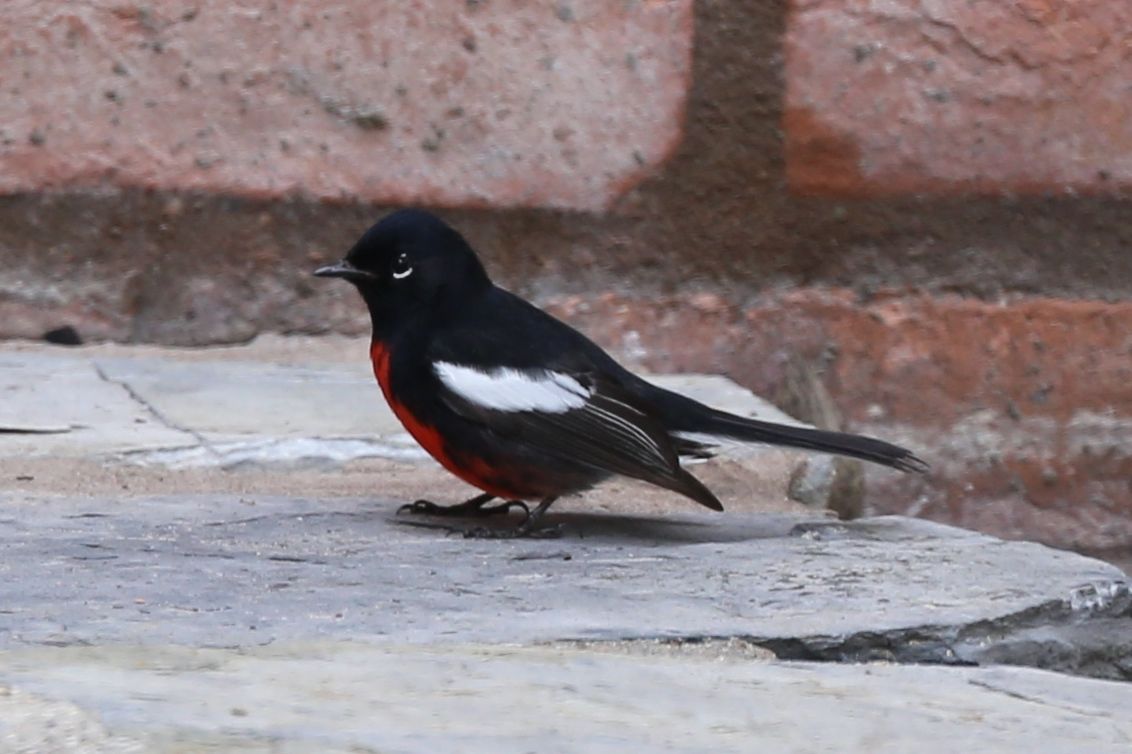
Painted Redstart

Painted Redstart

Painted Redstart

I haven’t even had time to build the warbler section of my bird page. It is going to take a long time to get it fully built. However, I photographed a bird today that I wanted to get the photos posted quickly though. While driving back from a birding trip in south Texas, we stopped at a rest area on 281 near Falfurrias. I walked around with my camera thinking I might photograph a few titmice or something. I did get them, but I was stunned to see two beautiful birds that I have never seen before. I saw painted redstarts! They are not supposed to be in that area or even Texas, especially this time of year. I saw a life bird at a nice little roadside rest area. You just never know what kind of bird you are going to see when you look.

Painted Redstart

Painted Redstart

Painted Redstart

Painted Redstart

South Texas Birding

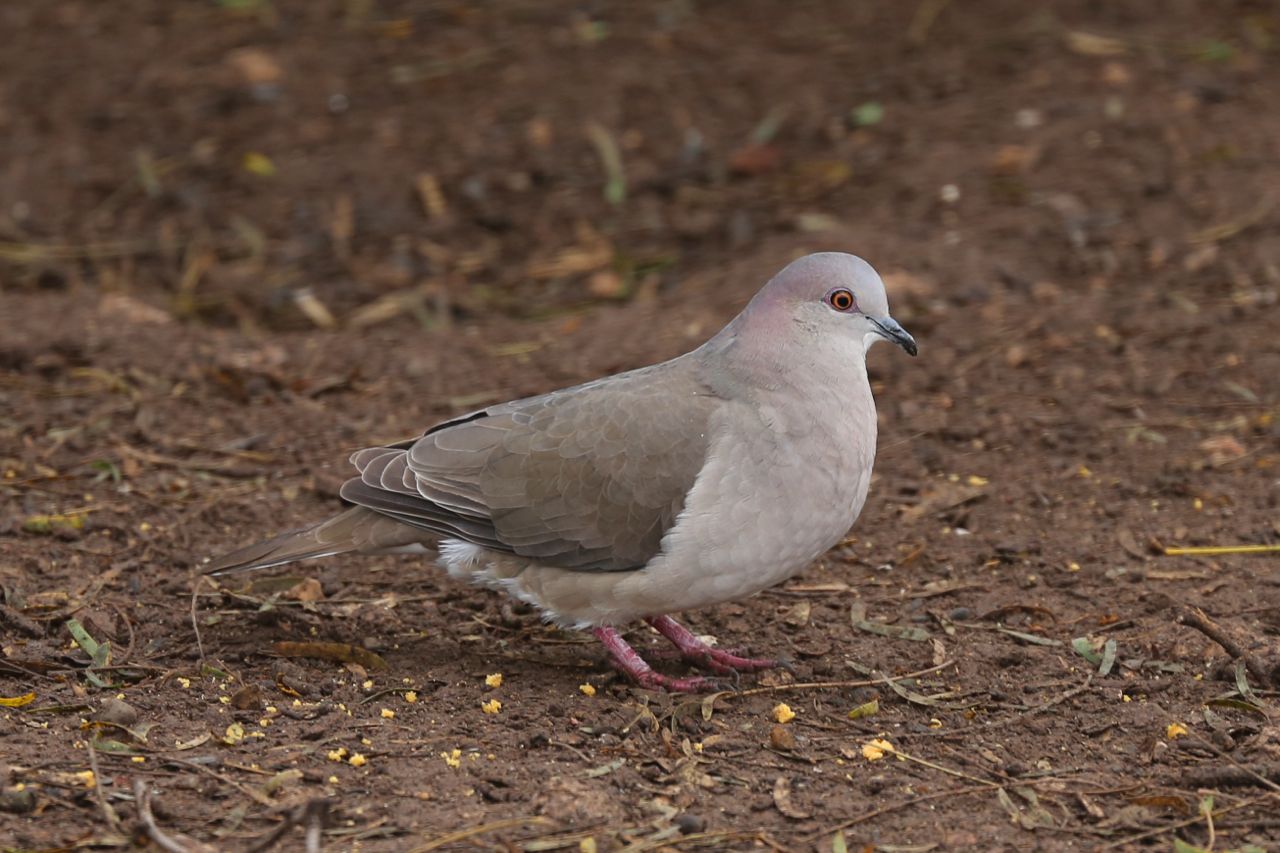
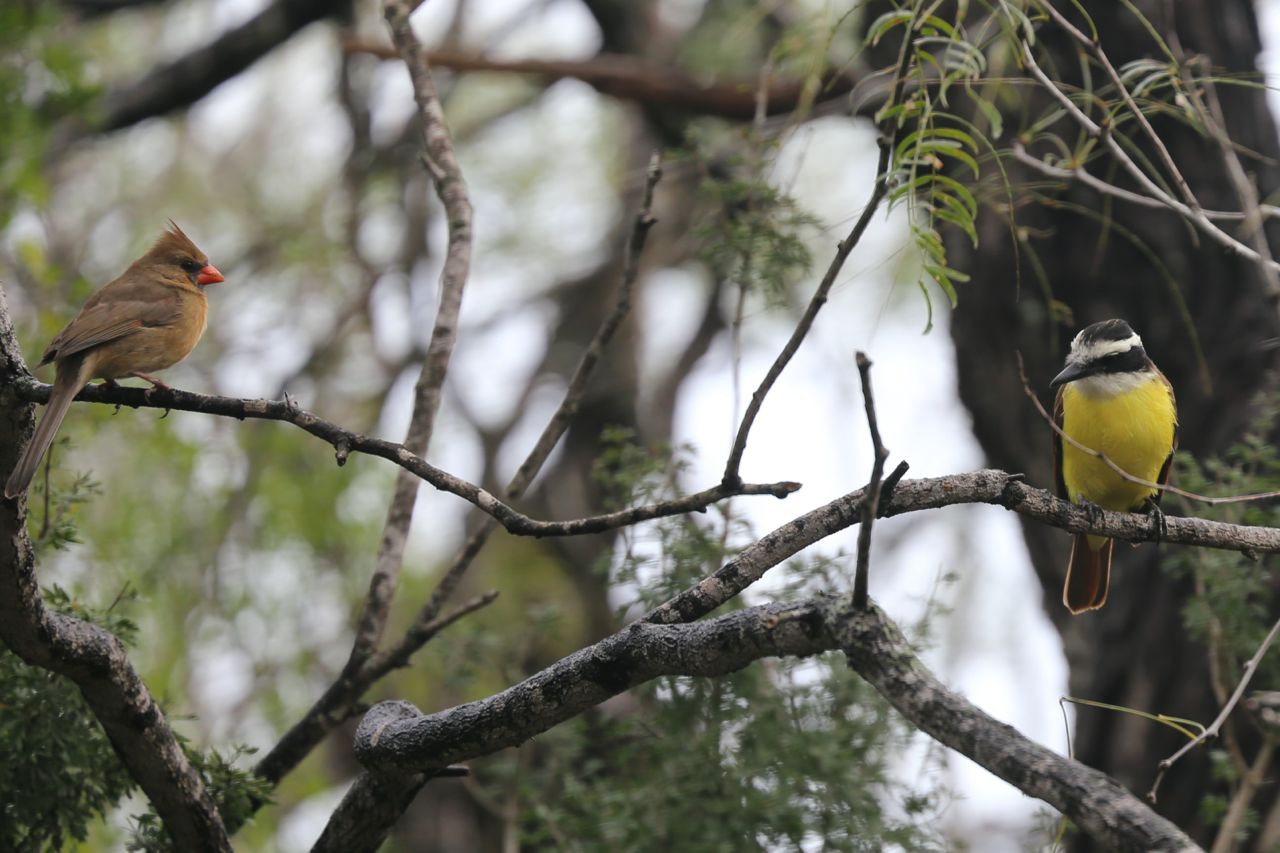
I spent the day birding in south Texas. The area around the Rio Grande has some amazing birds to see, birds that you won’t see anywhere else in the United States. Below are a few highlights of what I saw, including some pretty plants.

White-tipped Dove

White-tipped Dove

Red-winged blackbird

Red-winged blackbird

Prickly pear

Prickly pear

Great kiskadee and northern cardinal

Northern cardinal and Great kiskadee

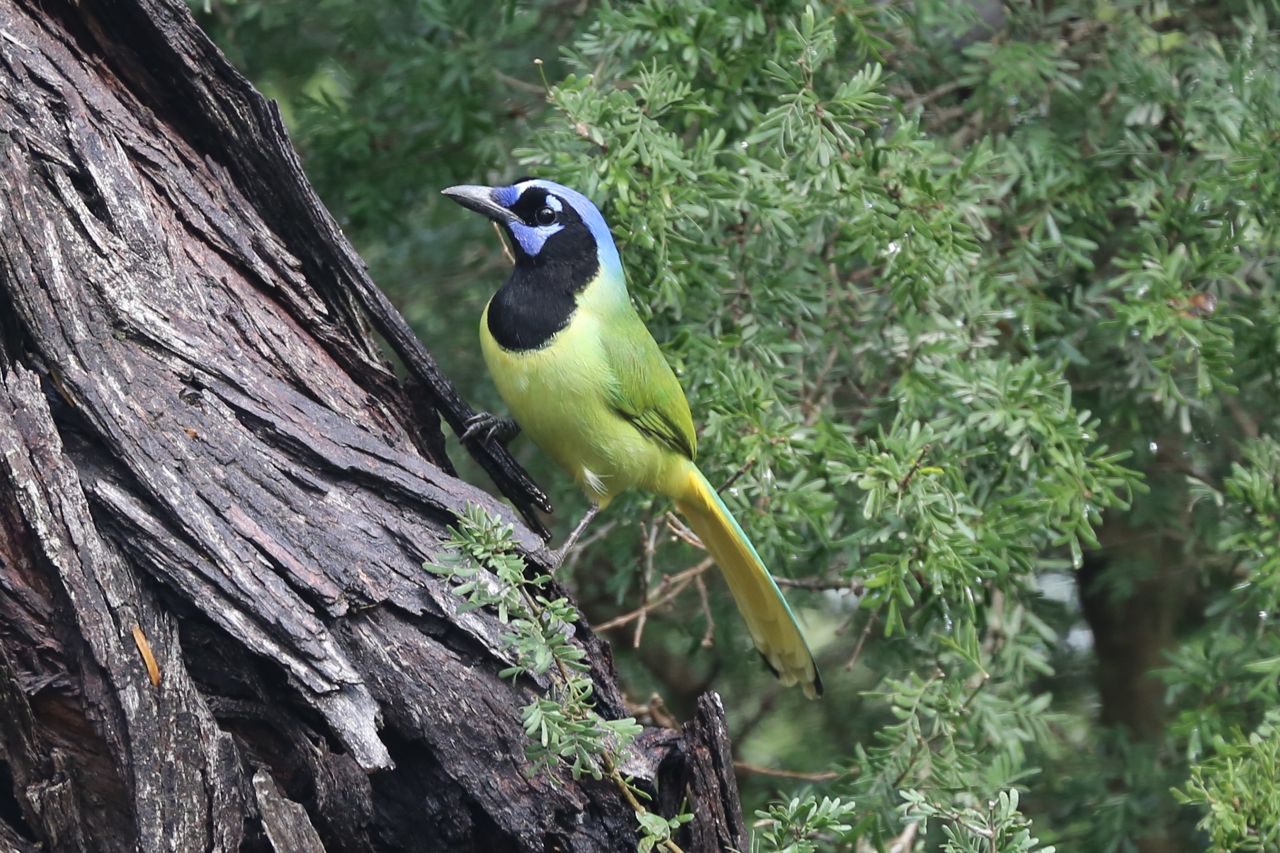
Green jay

Green jay

Plain chachalaca

Plain chachalaca

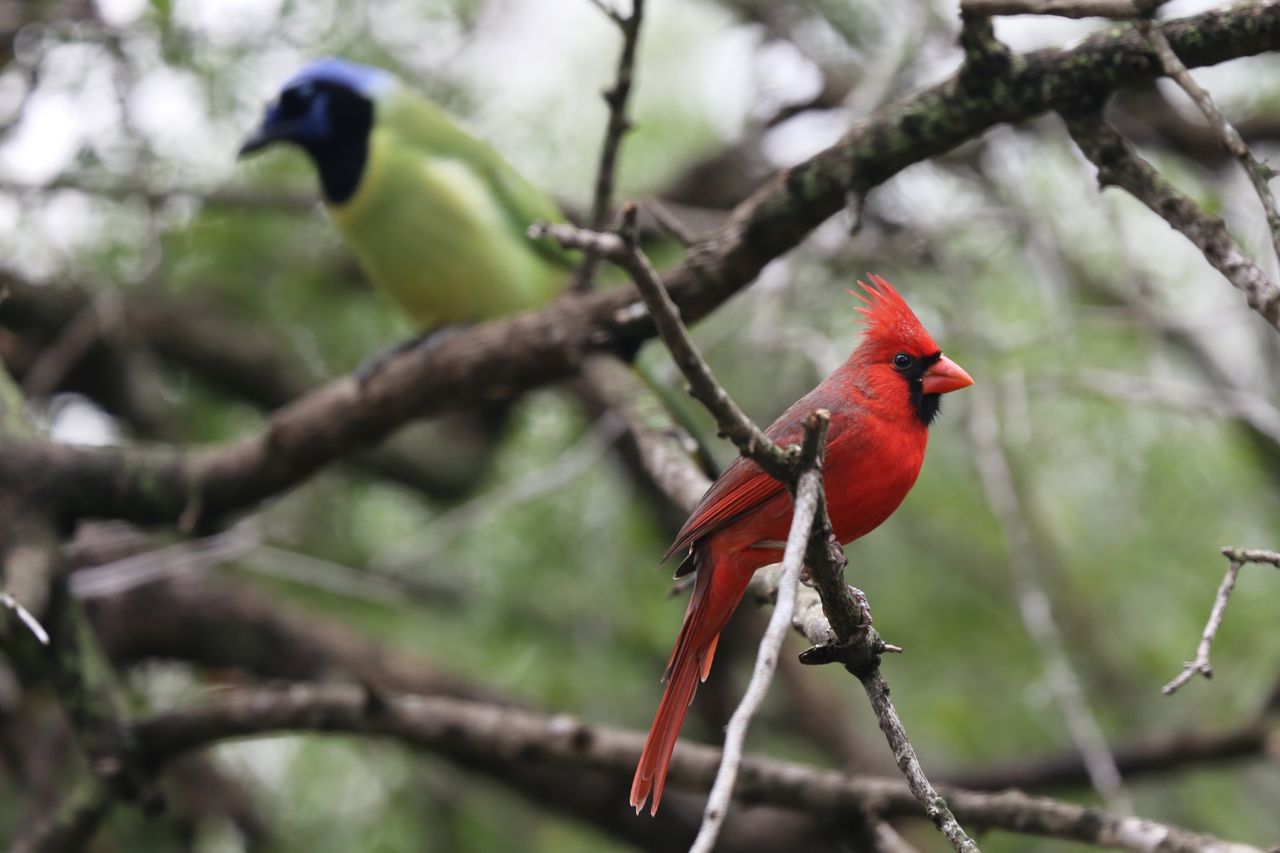
Northern cardinal and green jay

Northern cardinal and green jay

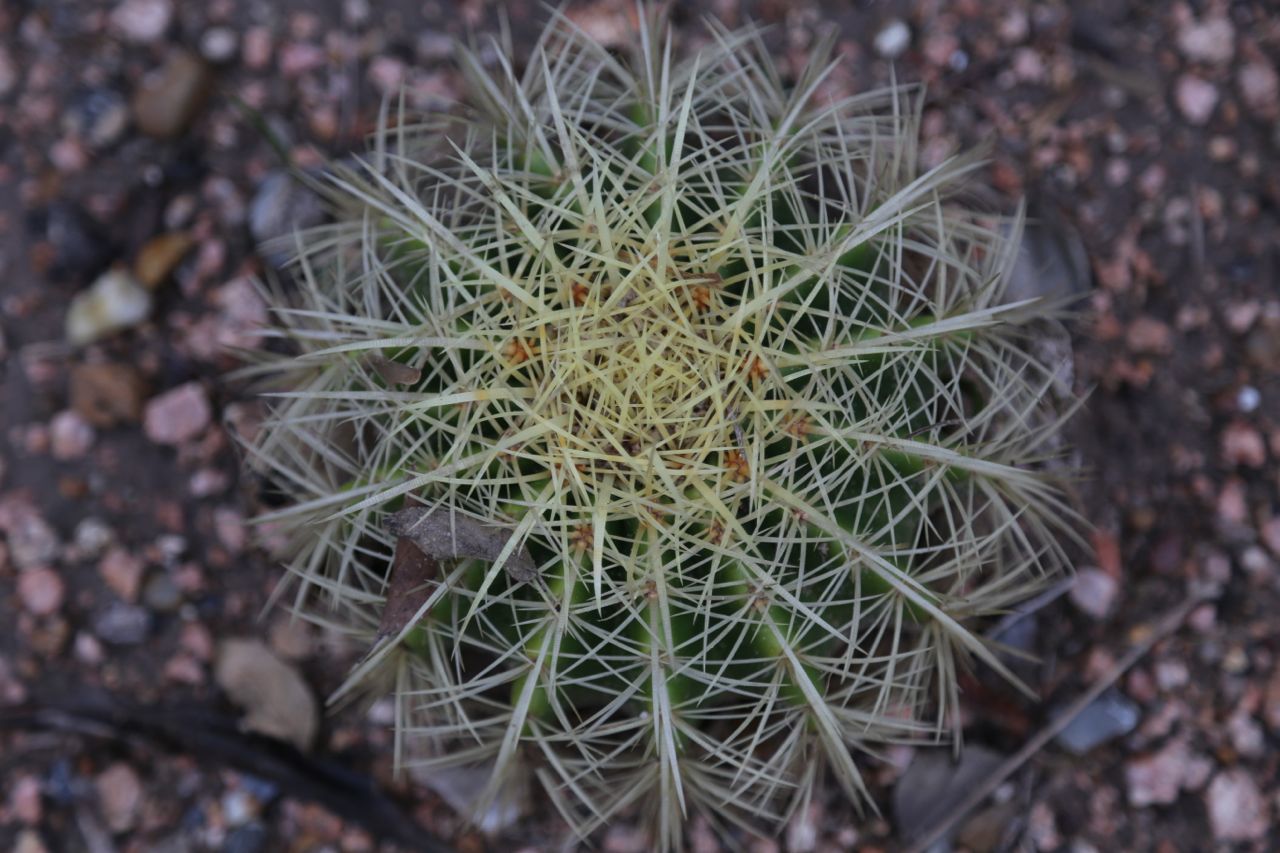
Cactus

Cactus

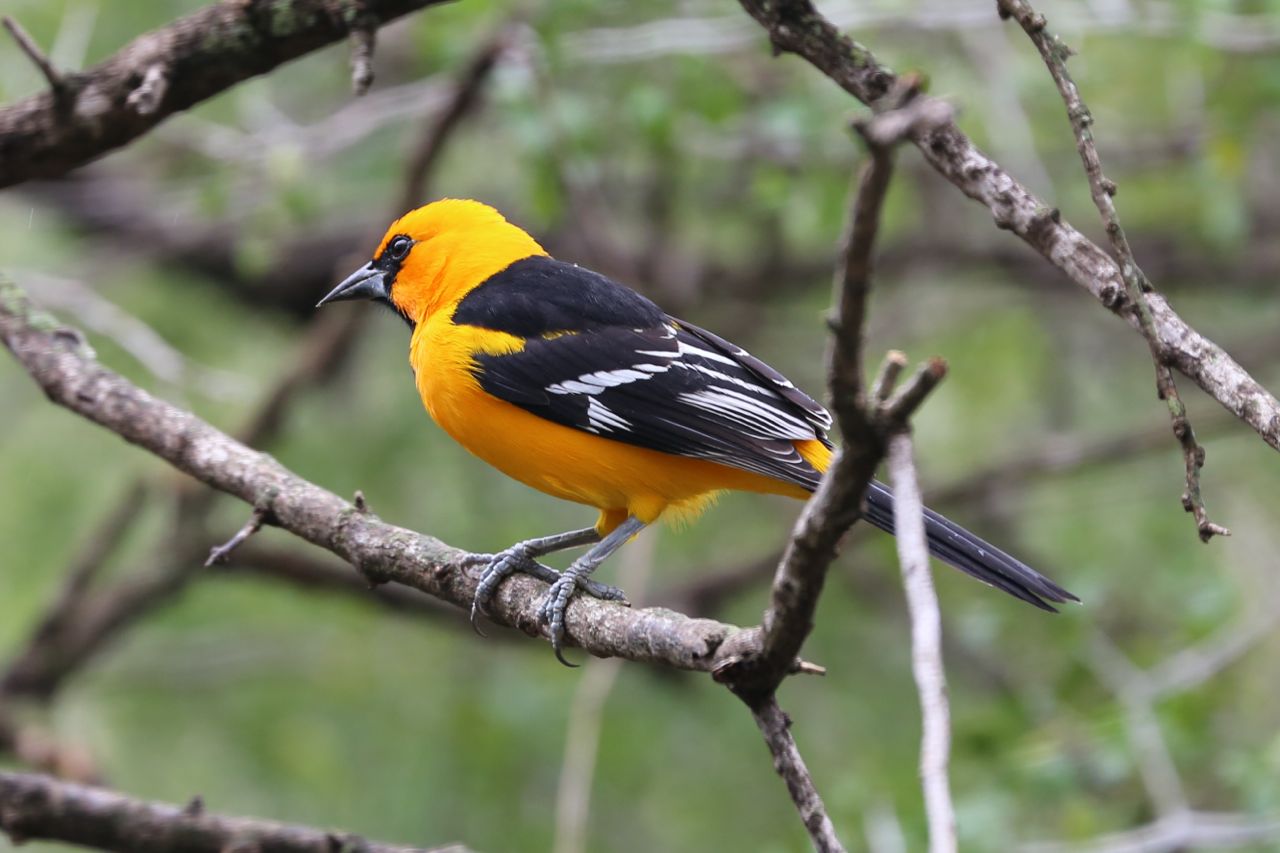
Altamira Oriole

Altamira Oriole

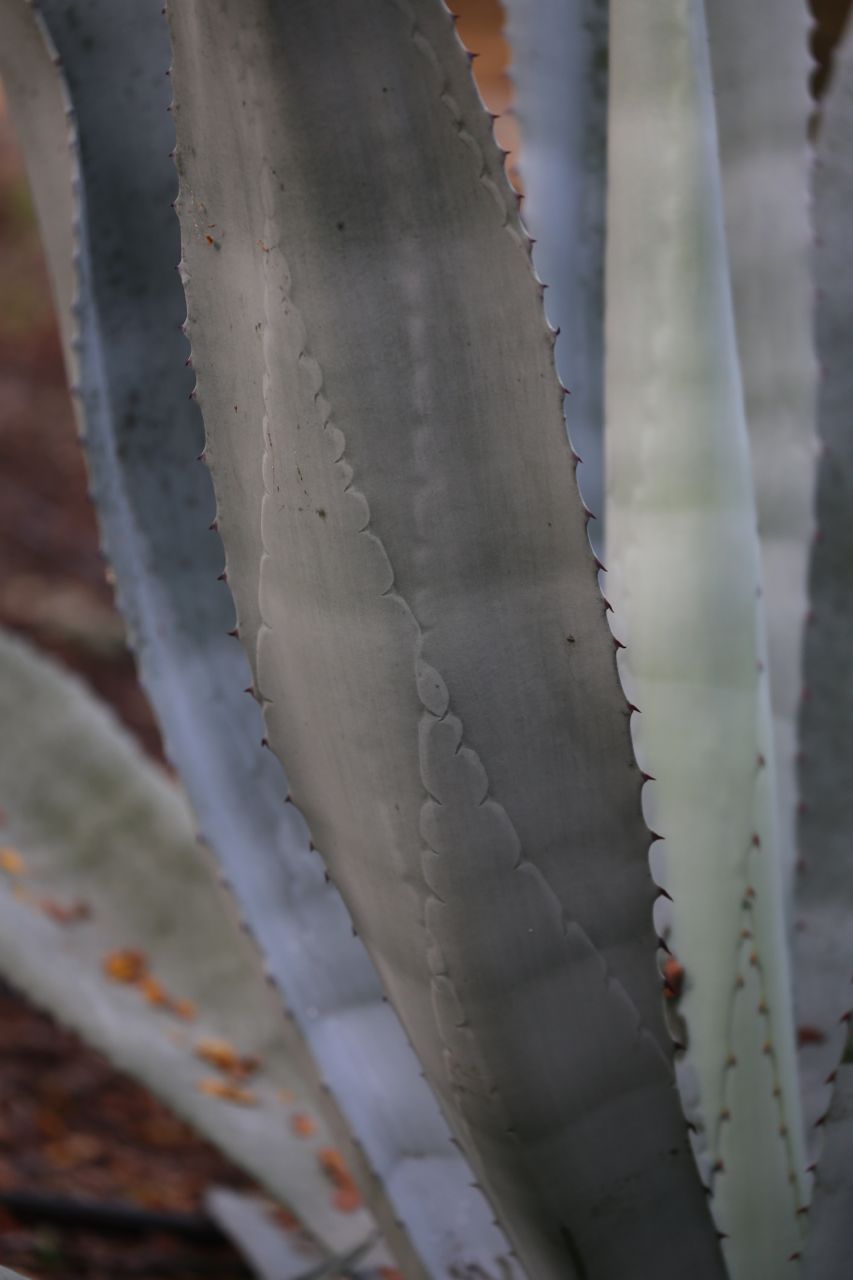
Agave

Agave

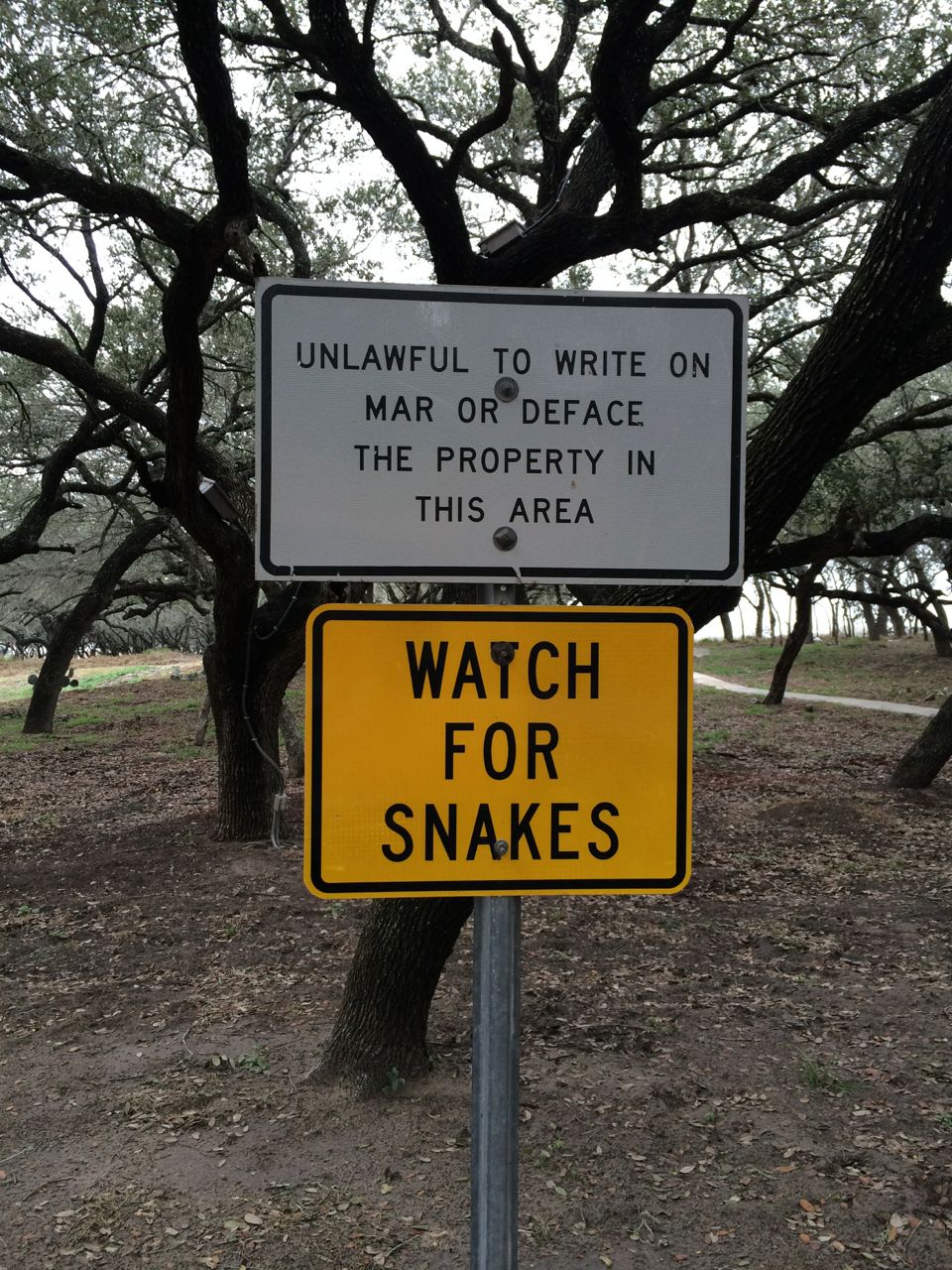
Guard Snakes

snakes

While traveling through south Texas today, we stopped at a rest area, and I saw these signs. One more reason not to mess with Texas. We have guard snakes. We don’t bother with the police for those defacing public property; we send snakes.

NY IKEA Ferry

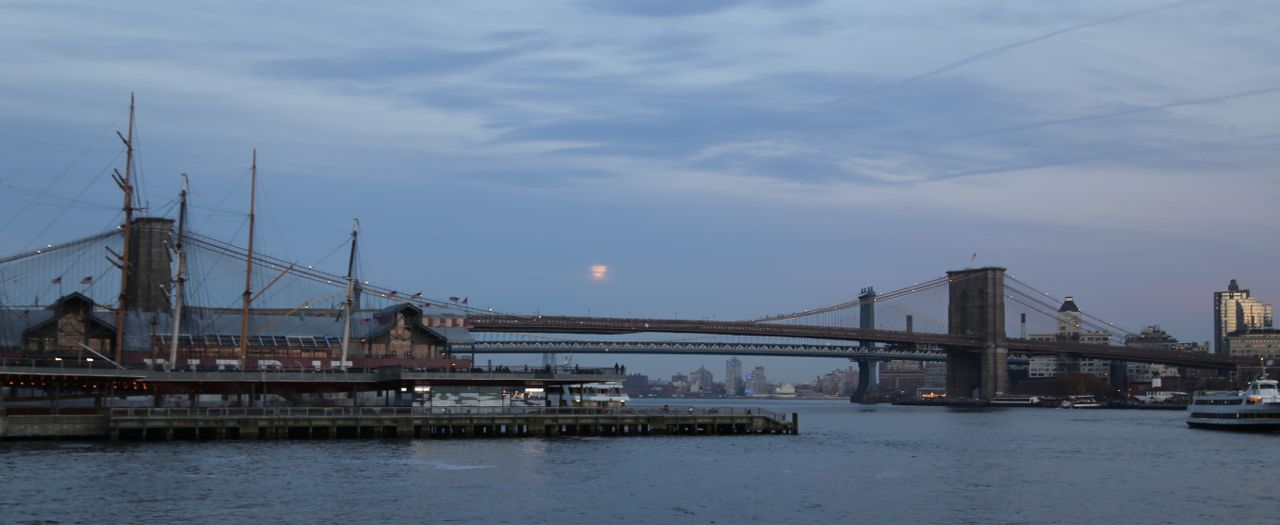
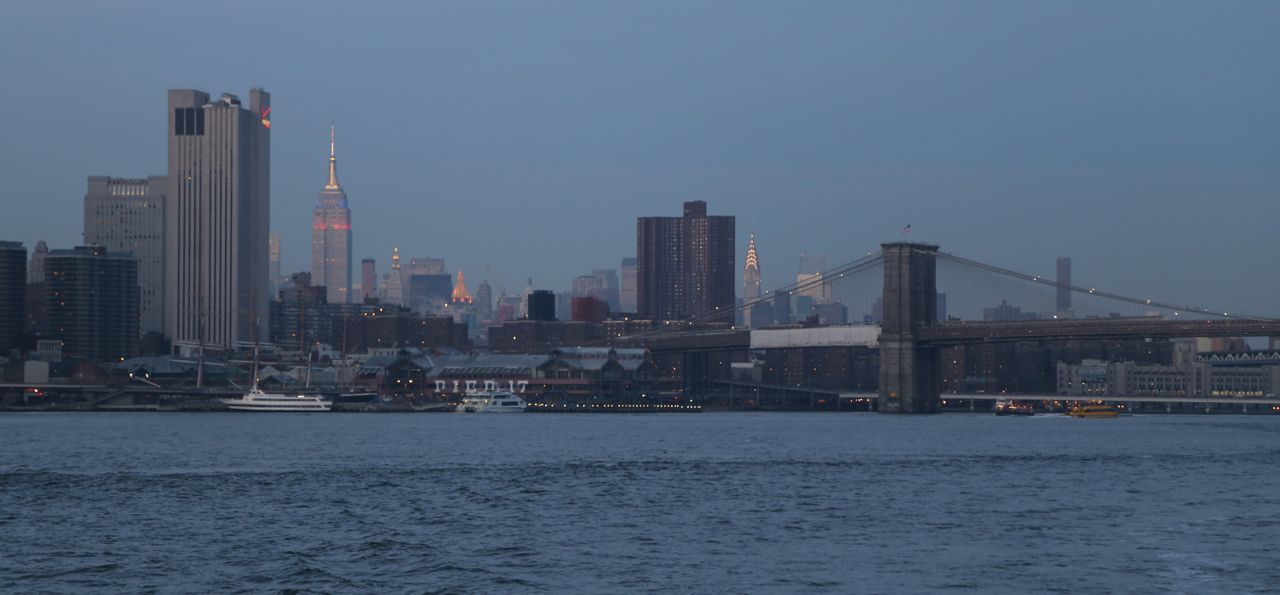
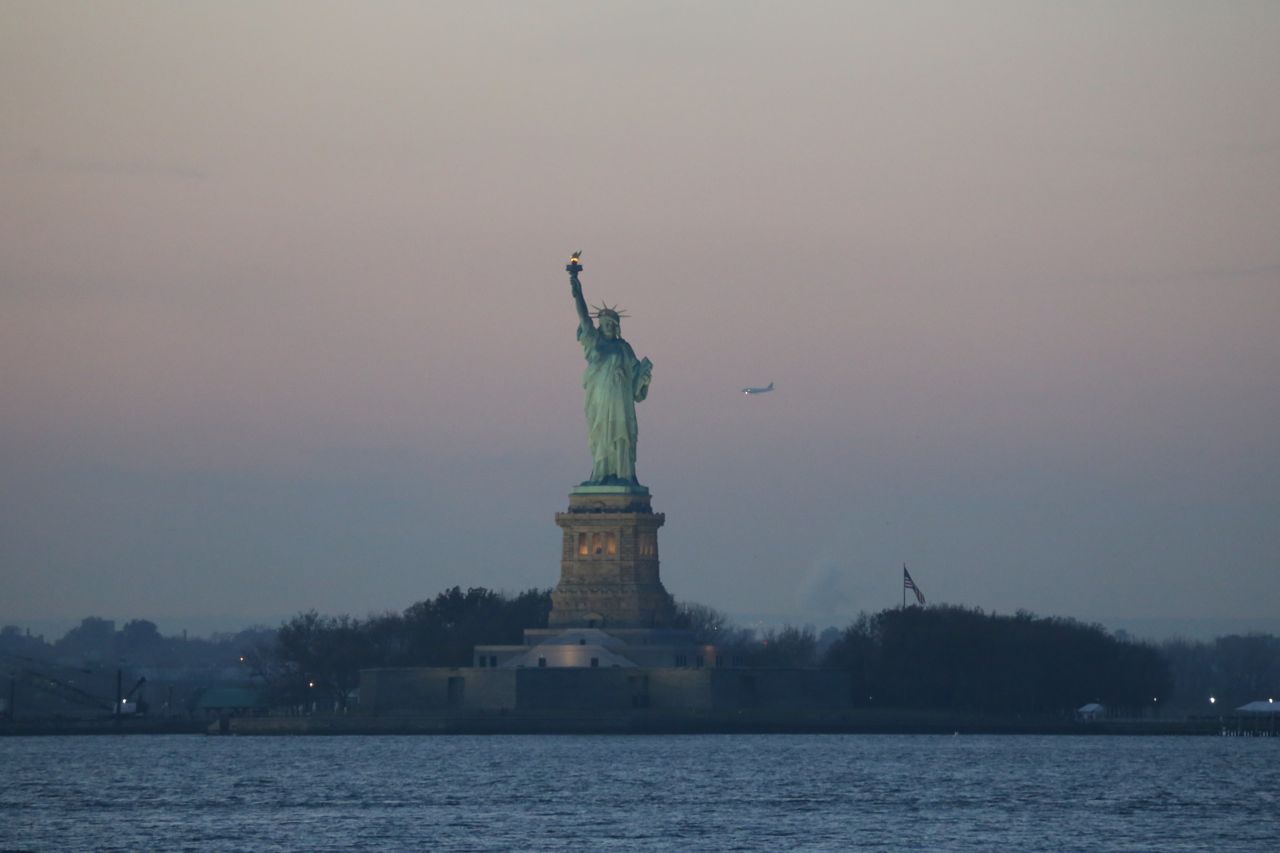
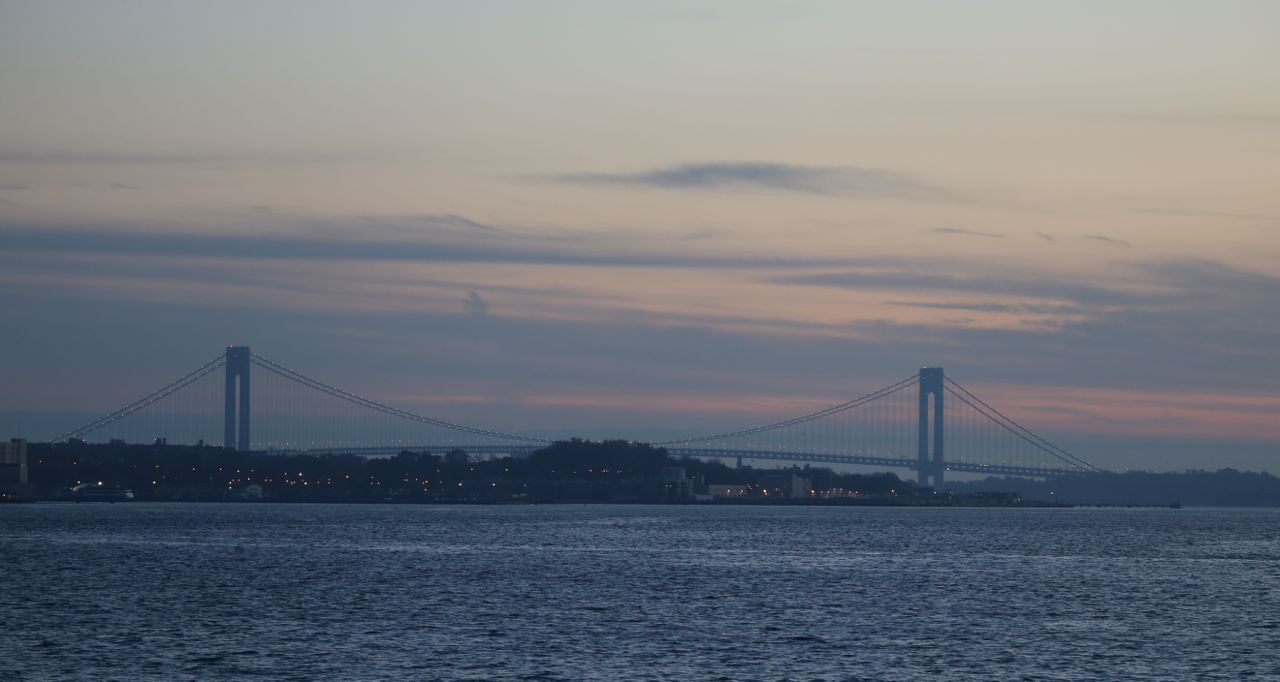
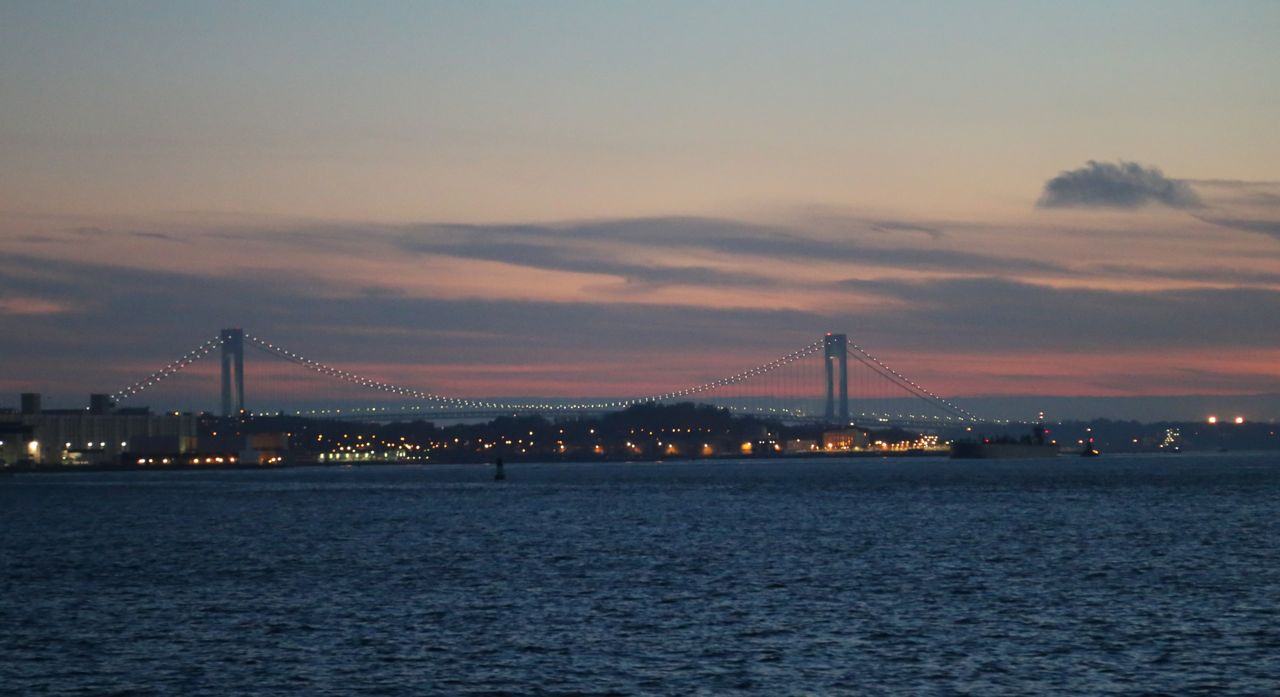
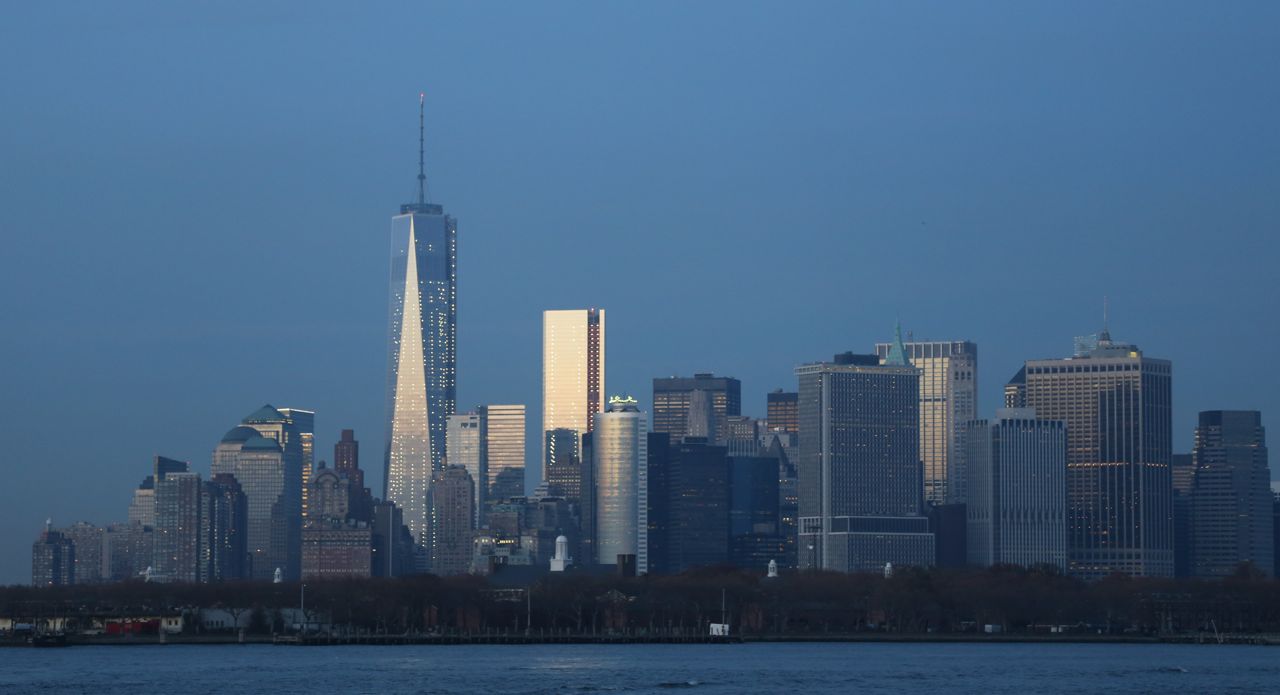
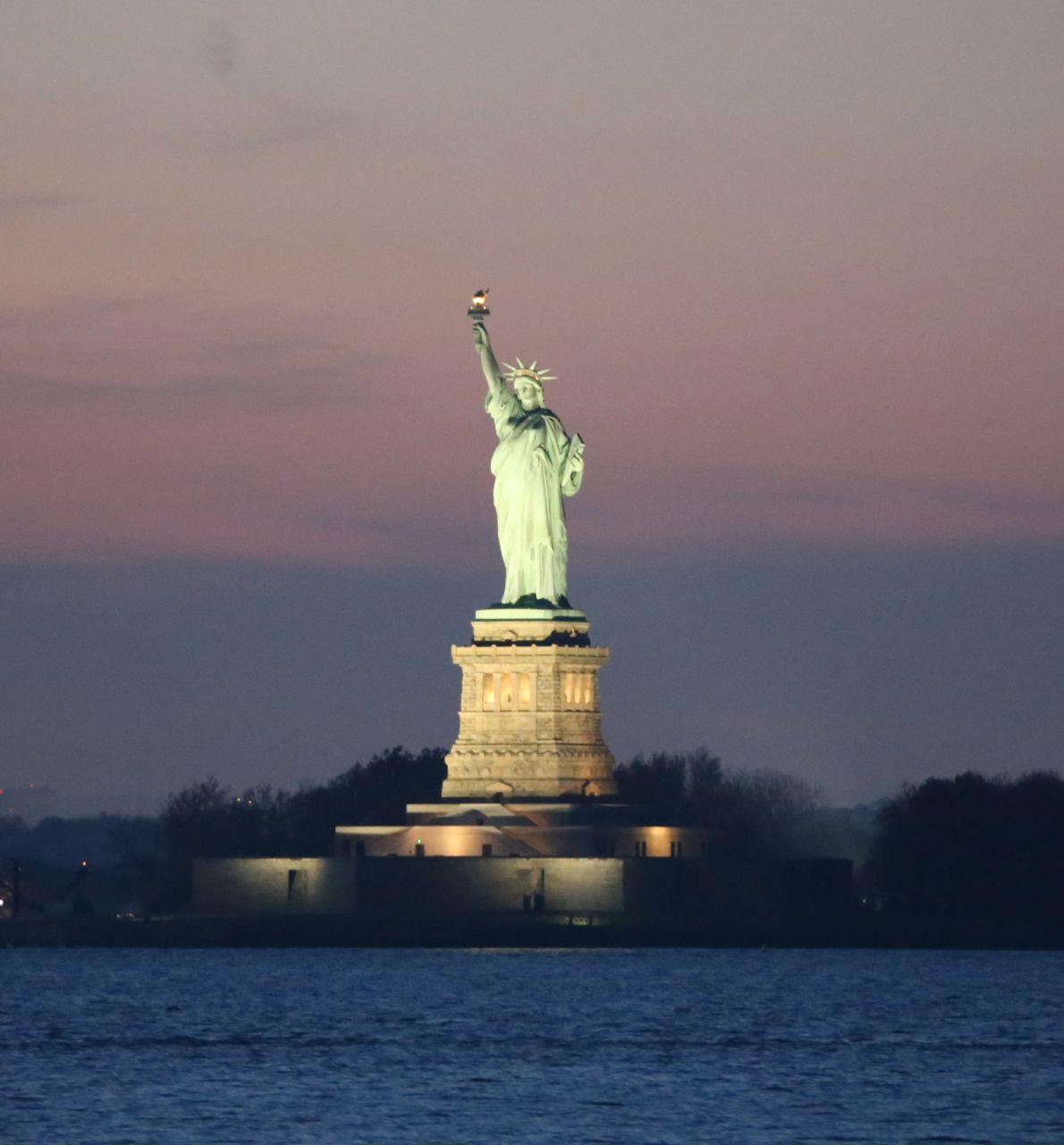
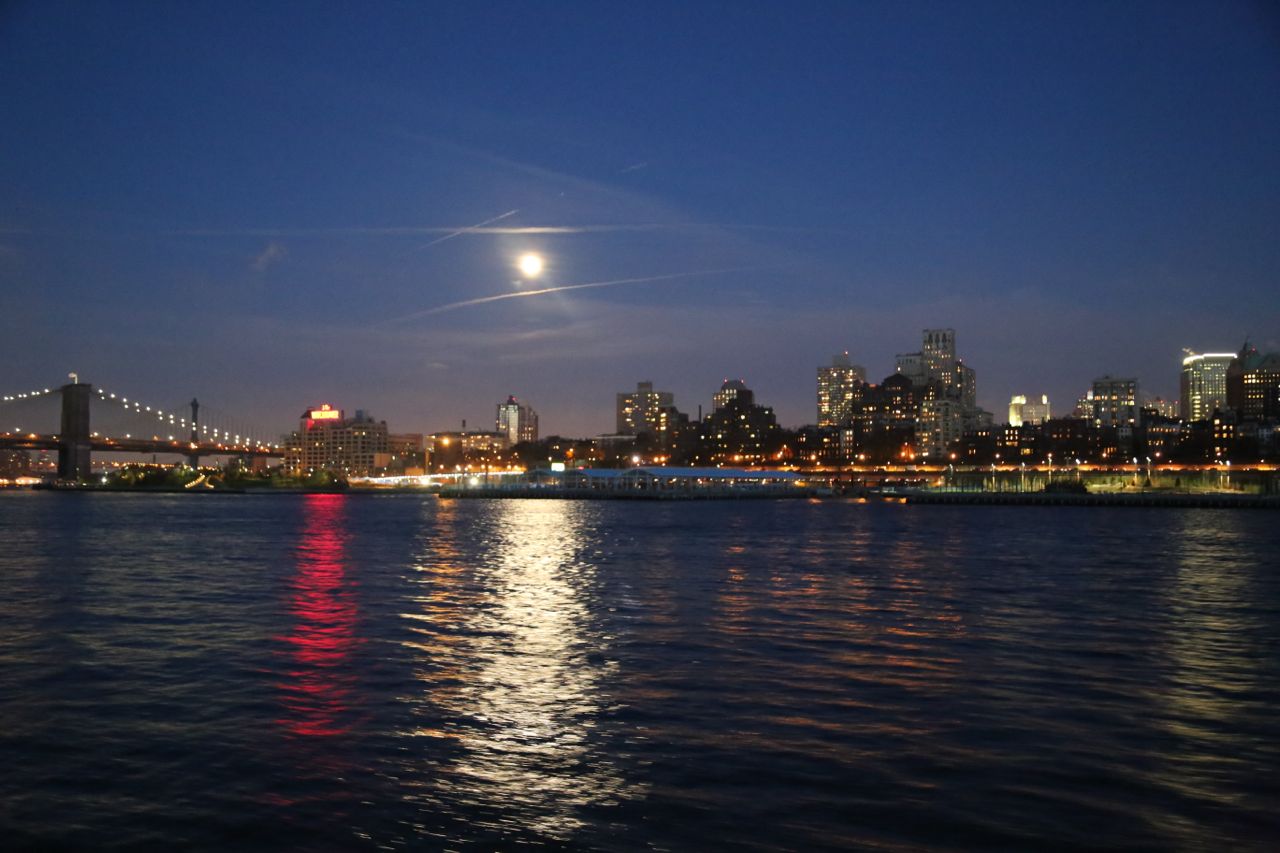
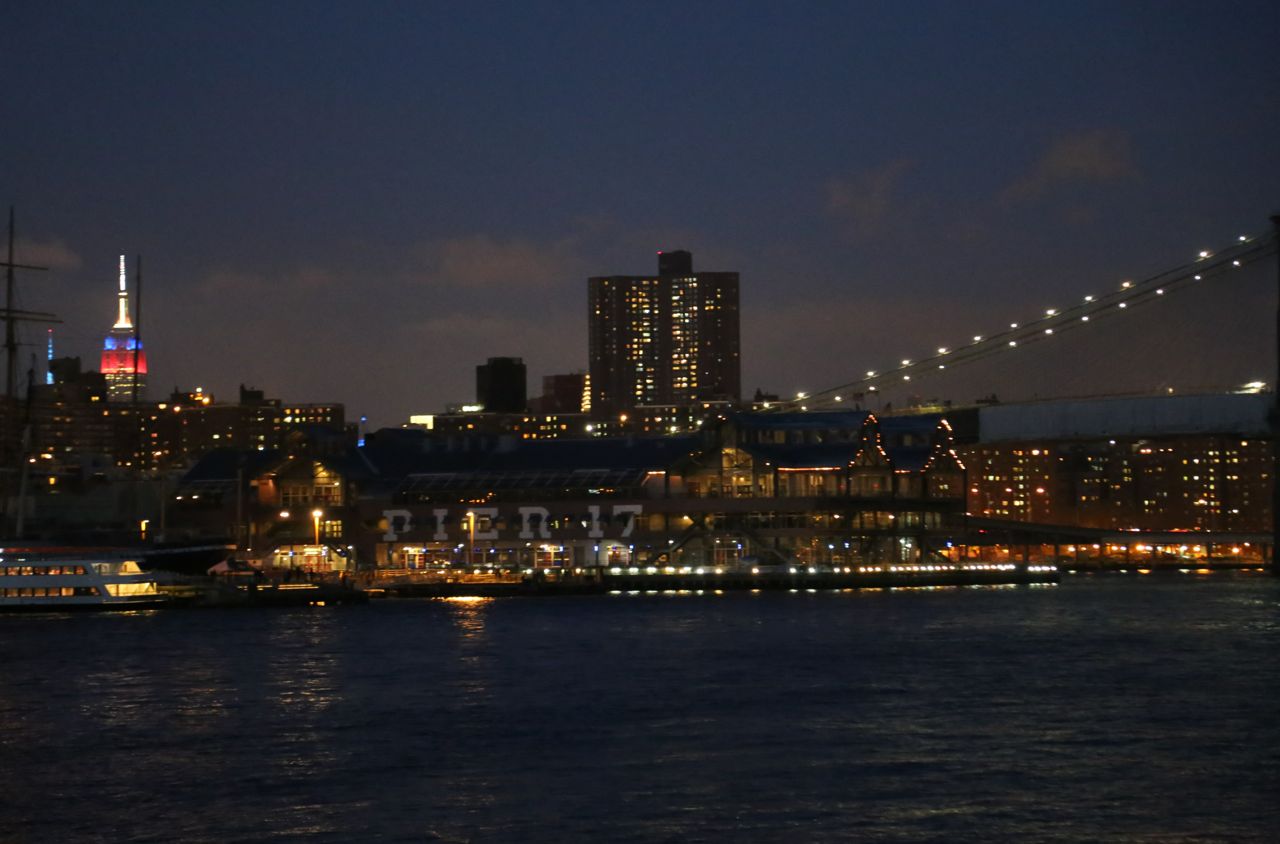
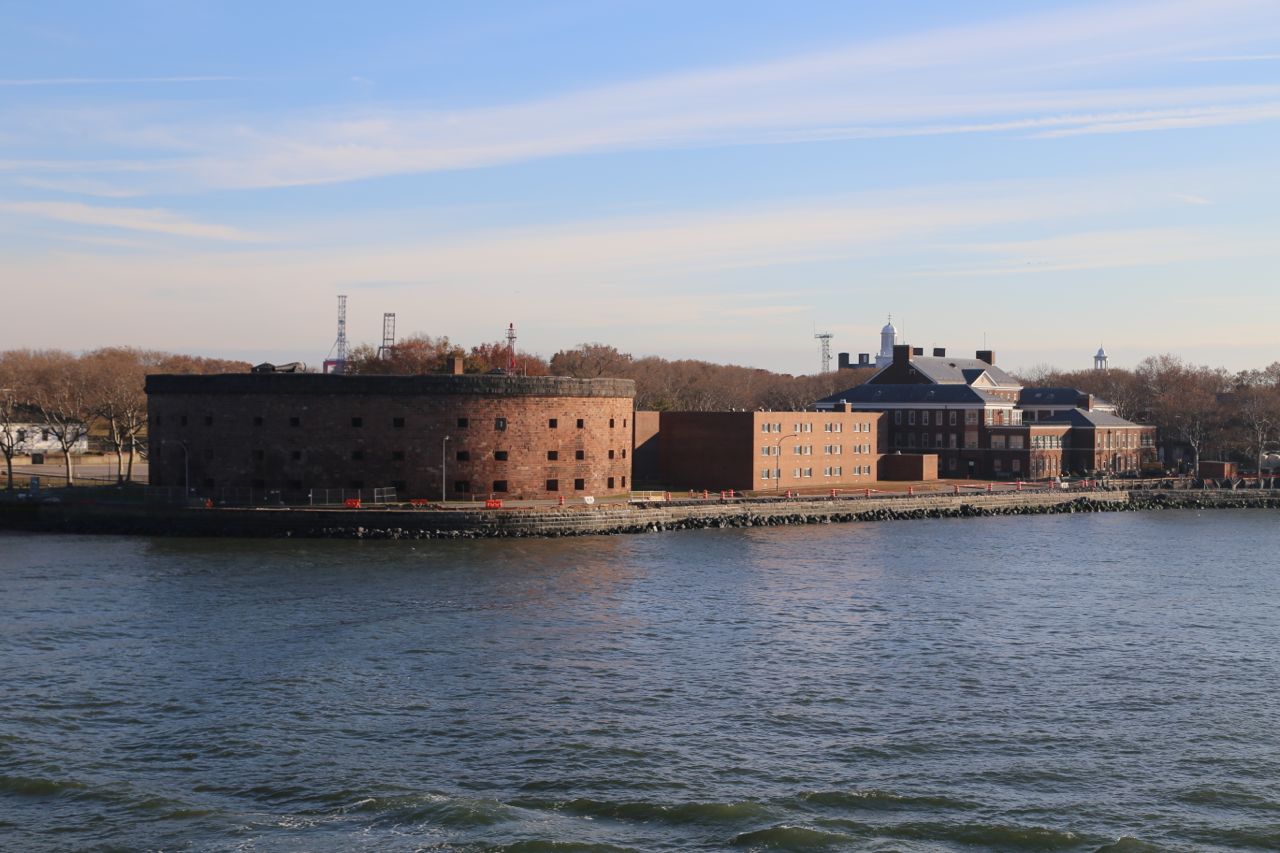
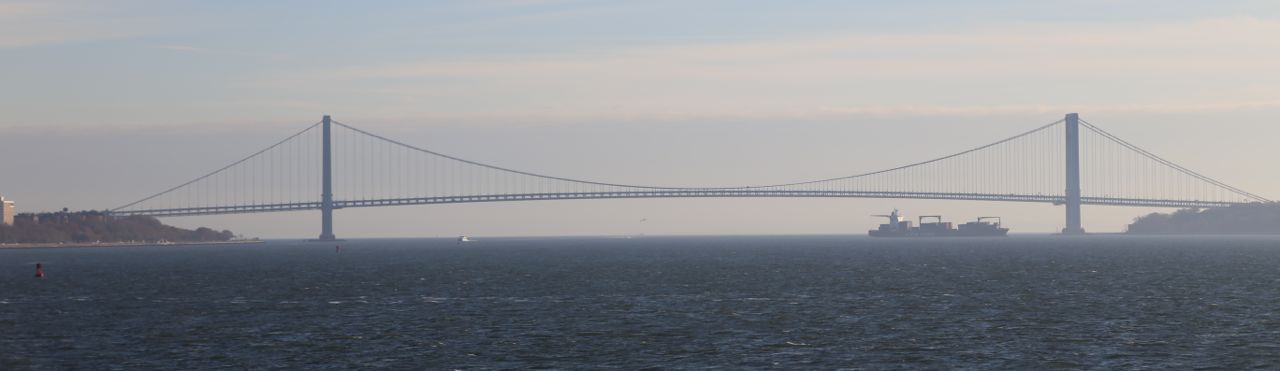
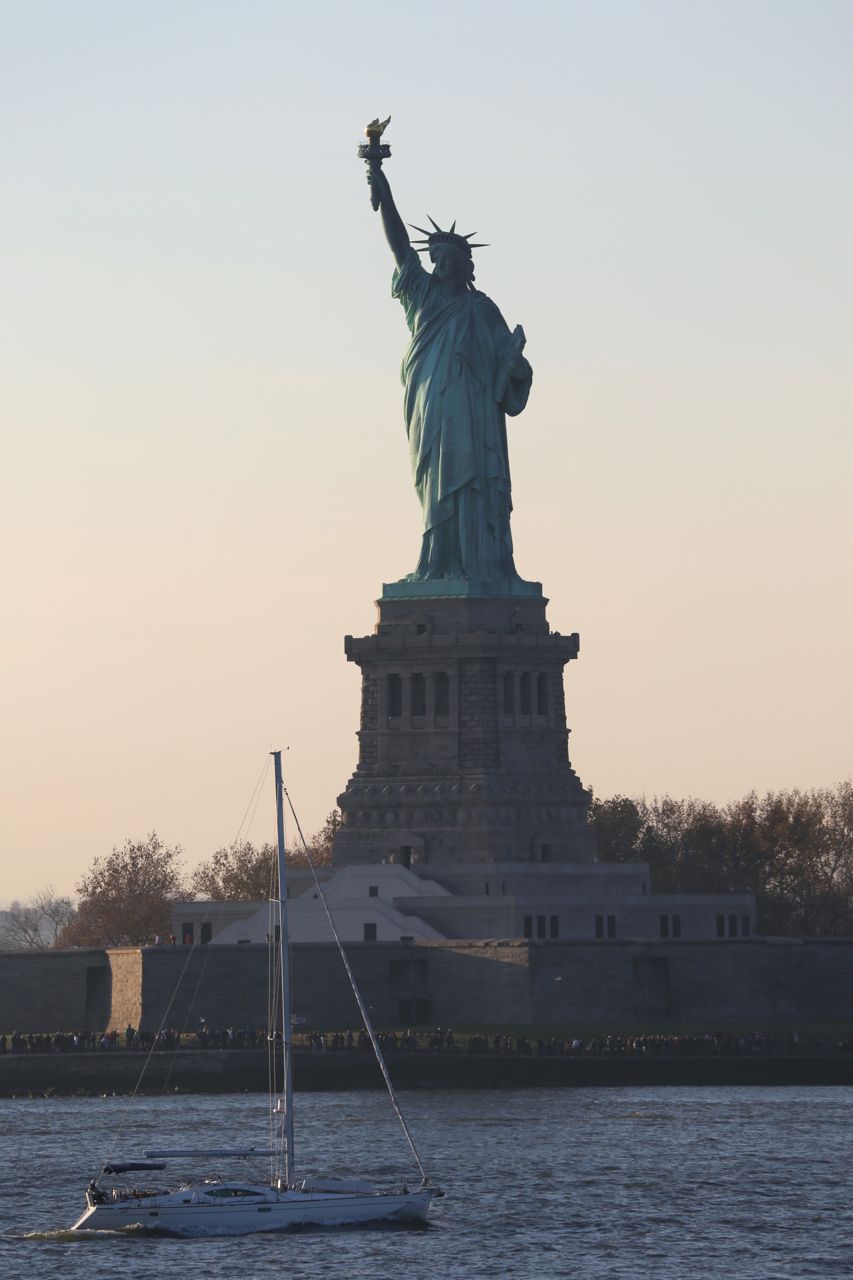
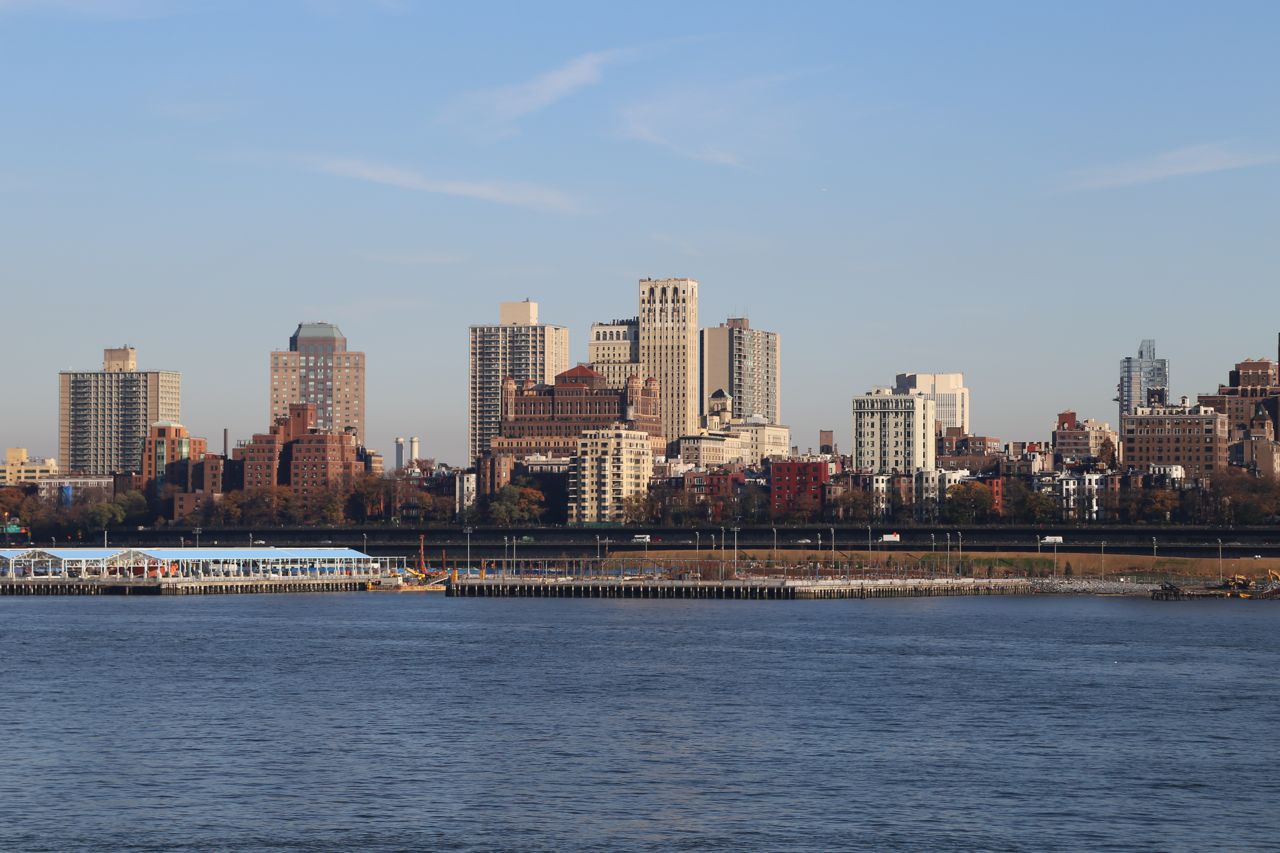
On my recent trip to New York, I learned that IKEA has a ferry from downtown Manhattan to its store in Red Hook, Brooklyn. On weekdays there is a small fee to take it because evidently some commuters used to use it when it was free everyday. On weekends though, it is still free. IKEA must know that some people take without ever going into the store, but I guess few enough people do it, that they don’t mind. On neither legs of the round trip I took, was the ferry full. It has wonderful views of downtown Brooklyn, the East River, Brooklyn, the Statue of Liberty, and the Verrazano-Narrows Bridge. I happened to take it at sunset, and on the return trip, there was a full moon out, and all the buildings and bridges were lit. It was spectacular.

View of East River from the IKEA ferry

View of East River from the IKEA ferry

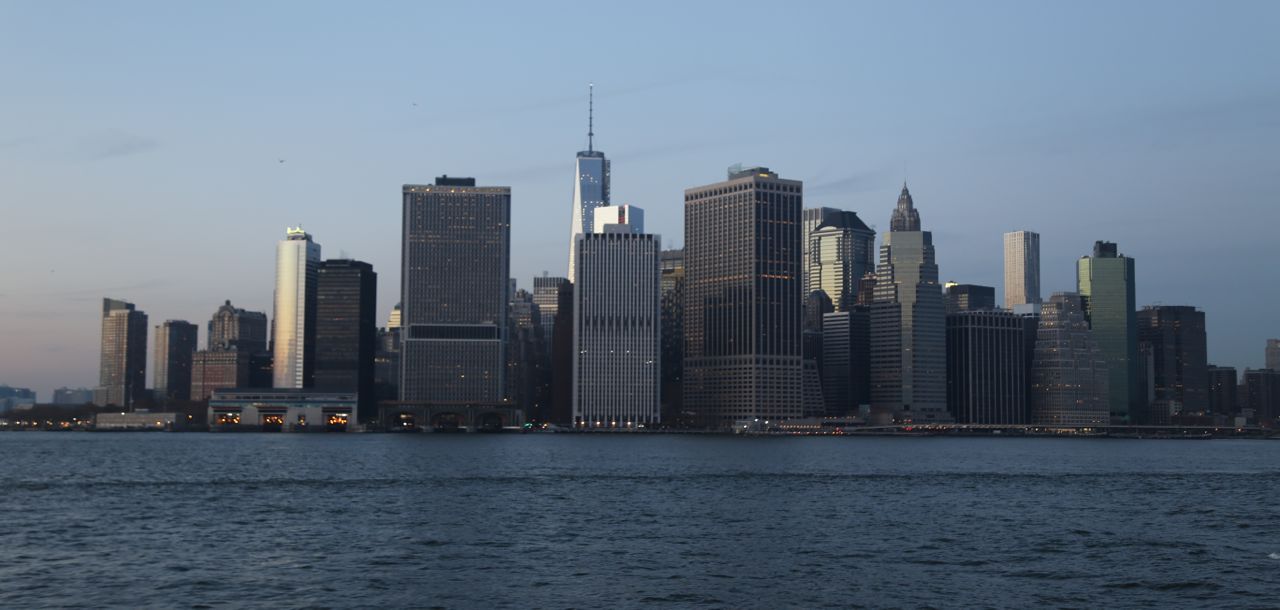
View of downtown Manhattan from the IKEA ferry

View of downtown Manhattan from the IKEA ferry

View of midtown Manhattan from the IKEA ferry

View of midtown Manhattan from the IKEA ferry

View of the Statue of Liberty from the IKEA ferry

View of the Statue of Liberty from the IKEA ferry

View of the Verrazano-Narrows Bridge from the IKEA ferry

View of the Verrazano-Narrows Bridge from the IKEA ferry

View of the Verrazano-Narrows Bridge from the IKEA ferry

View of the Verrazano-Narrows Bridge from the IKEA ferry

View of downtown Manhattan from the IKEA ferry

View of downtown Manhattan from the IKEA ferry

View of the Statue of Liberty from the IKEA ferry

View of the Statue of Liberty from the IKEA ferry

View of downtown Brooklyn from the IKEA ferry

View of downtown Brooklyn from the IKEA ferry

View of Pier 17 from the IKEA ferry

View of Pier 17 from the IKEA ferry

View of East River from the IKEA ferry

View of East River from the IKEA ferry

Staten Island Ferry

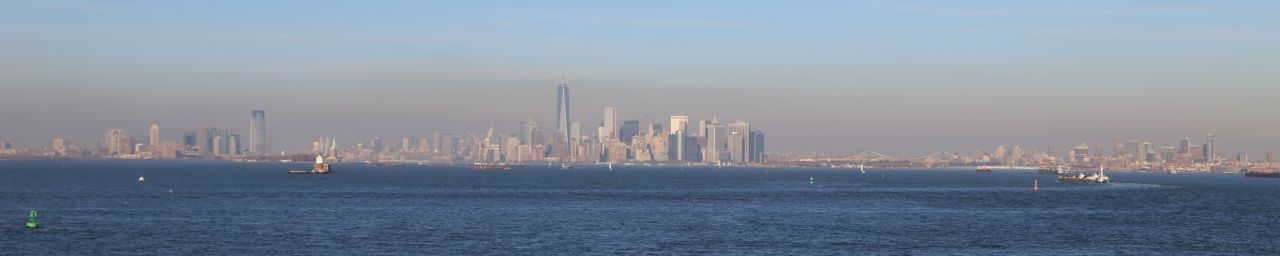
View of Manhattan from ferry

View of Manhattan from ferry

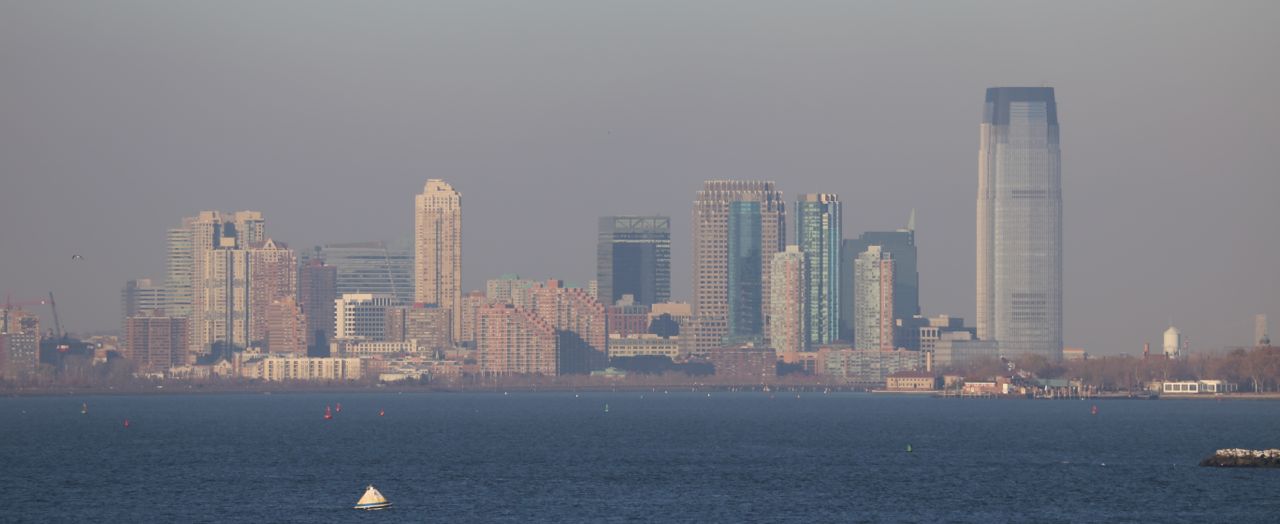
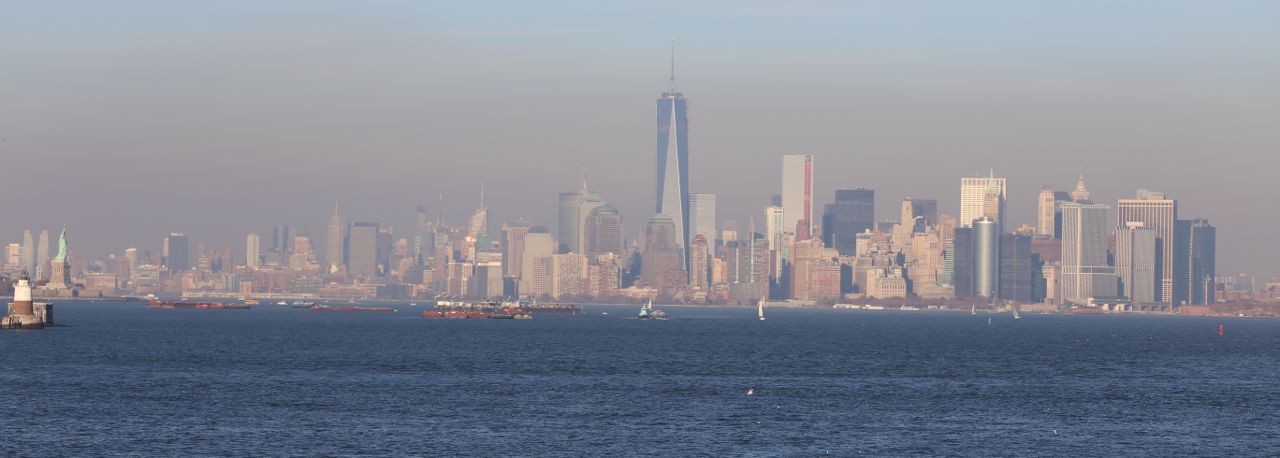
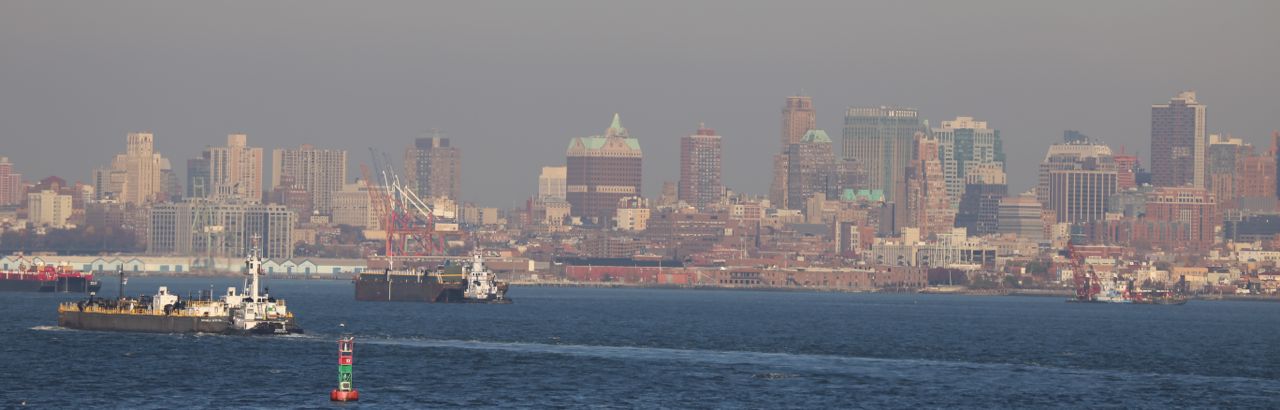
One of the best deals in New York is the Staten Island ferry. It runs from Battery Park in downtown Manhattan to St. George on Staten Island. It has wonderful views of downtown Manhattan, downtown Brooklyn, Jersey City, the Statue of Liberty, and all parts of the Upper Bay. The best part is that it is completely free. If you go, don’t just get off the ferry and get on the next one back to Manhattan. Exit the terminal building and go onto the attached deck. It has spectacular views across the Upper Bay.

View of Governor's island from ferry

View of Governor’s island from ferry

View of Verrazano-Narrows Bridge from ferry

View of Verrazano-Narrows Bridge from ferry

View of Statue of Liberty from ferry

View of Statue of Liberty from ferry

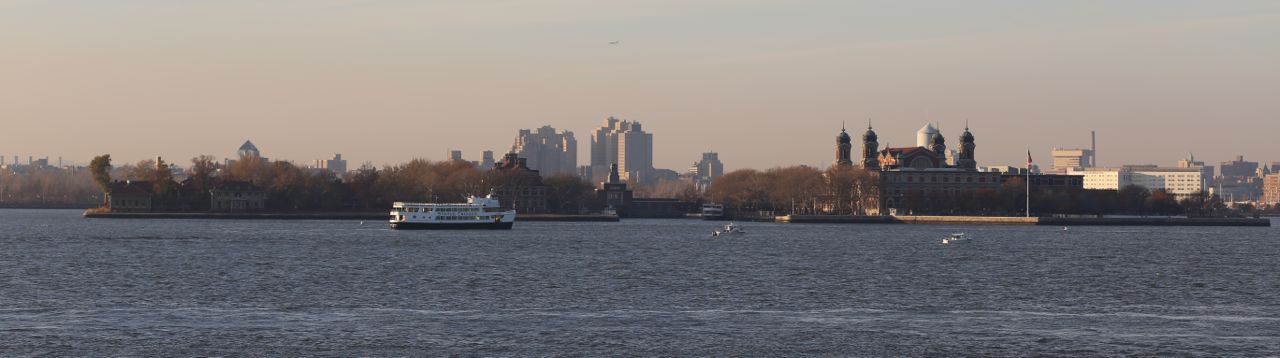
View of Ellis Island from ferry

View of Ellis Island from ferry

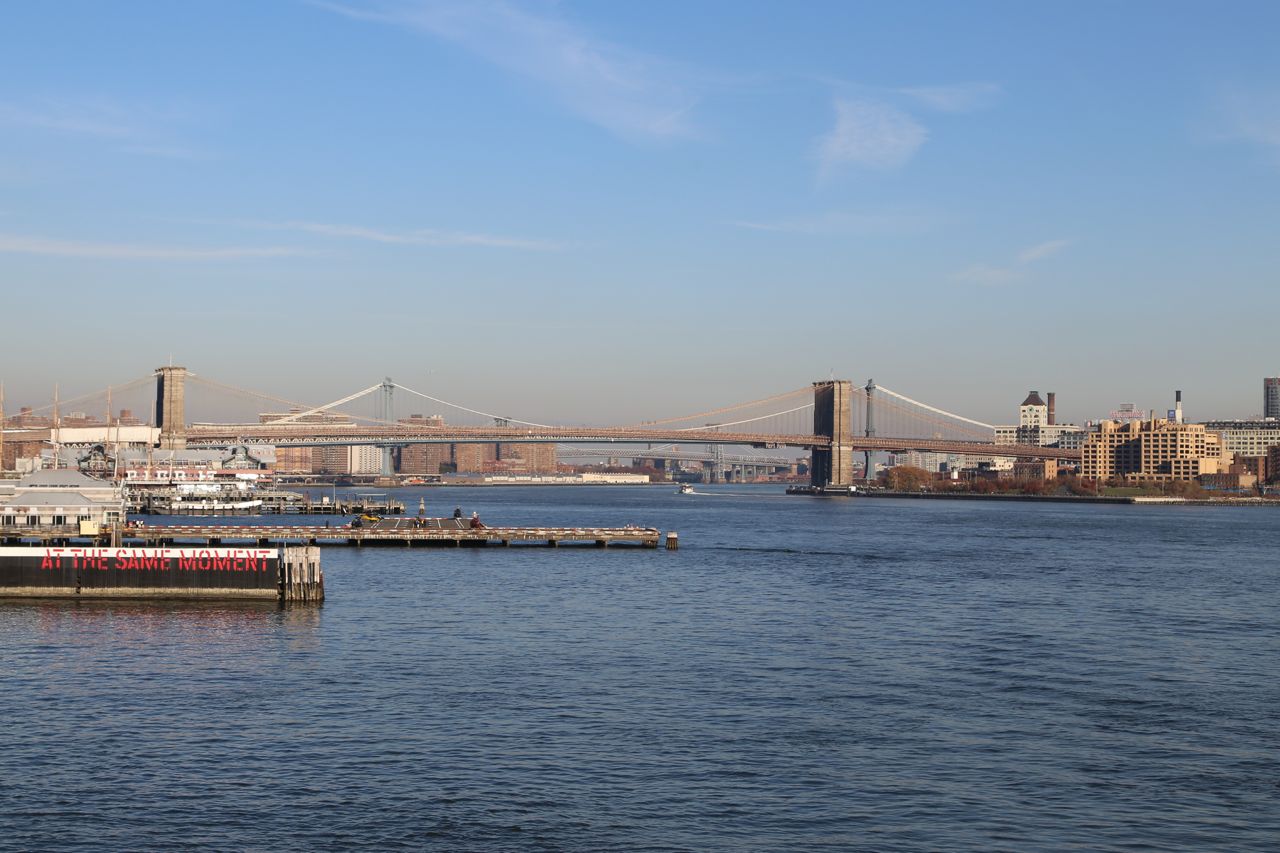
View of East River from ferry

View of East River from ferry

View of Brooklyn from ferry

View of Brooklyn from ferry

View across Upper Bay from St. George

View across Upper Bay from St. George

View of Jersey City from St. George

View of Jersey City from St. George

View of Manhattan from St. George

View of Manhattan and Statue of Liberty from St. George

View of Brooklyn from St. George

View of Brooklyn from St. George

Old NY City Hall Subway Station

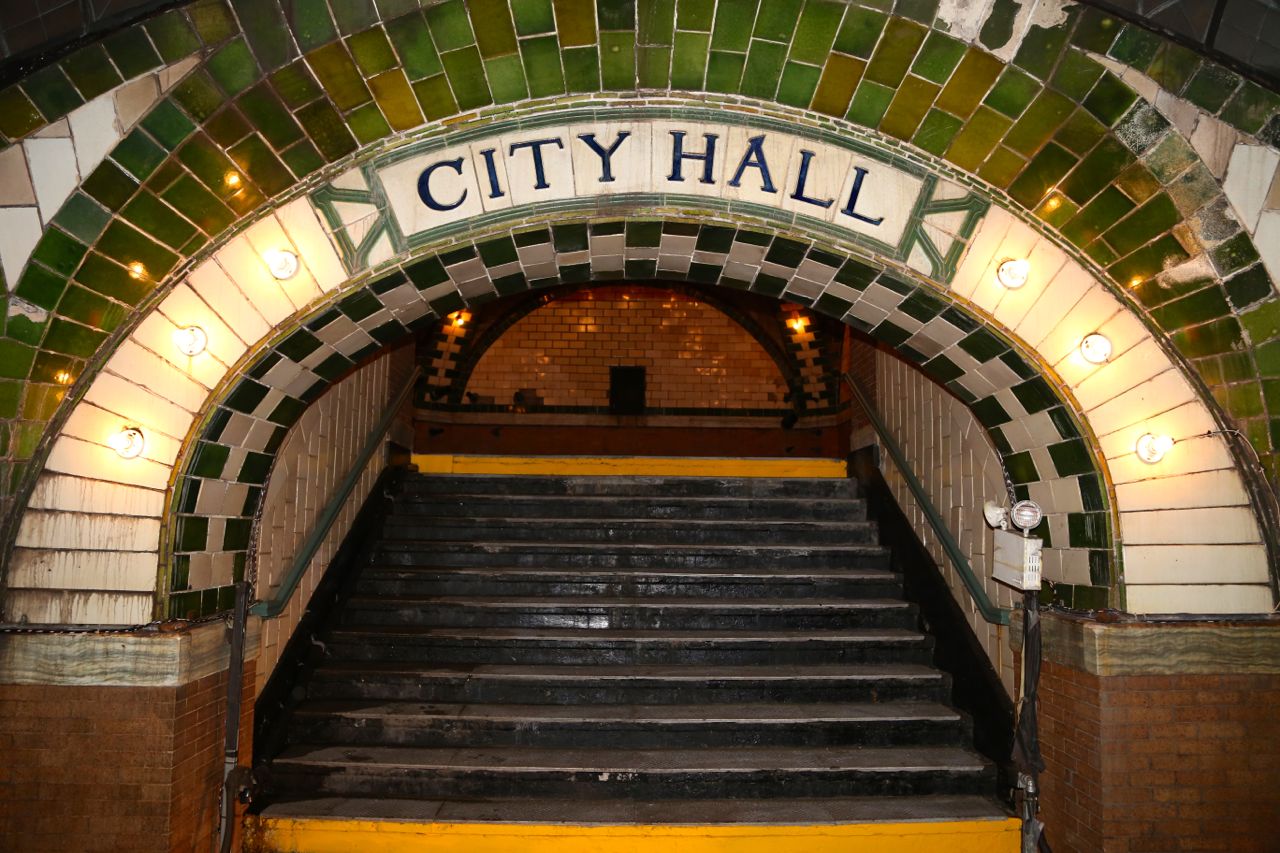
Entrance from platform to mezzanine level

Entrance from platform to mezzanine level

Saturday, I got to tour the abandoned New York City Hall subway station. The New York Transit Museum gives tours of it a few times a year, and this tour is completely worth the membership in the museum. The old City Hall subway station was originally the southern terminal of the original Interborough Rapid Transit (IRT) subway route. The station is located on a single 600-foot long track loop that is located south of the current City Hall/Brooklyn Bridge subway station. The track loop is still used by the #6 subway line. After a #6 train drops off passengers at the City Hall/Brooklyn Bridge station from a southbound route, it then uses the loop to return to that station as a northbound train. For our tour, we met at the southern end of the City Hall/Brooklyn Bridge subway station, and then once all passengers had been offloaded from a southbound #6 train, we got on for the short trip to the old City Hall station.

The old City Hall station has a platform that is 400-feet long and is completely curved. This short and completely curved platform is part of the reason why the station is no longer used. The ten-car trains now used don’t fit in the station, and it is a serious hazard stepping off the train to that platform. [Our MTA guides used a short wooden platform to allow us to easily and safely get off the train onto the platform.] The station was closed in 1945 because passengers preferred the Brooklyn Bridge station due to its longer and straight platform and also because both local and express trains stopped there.

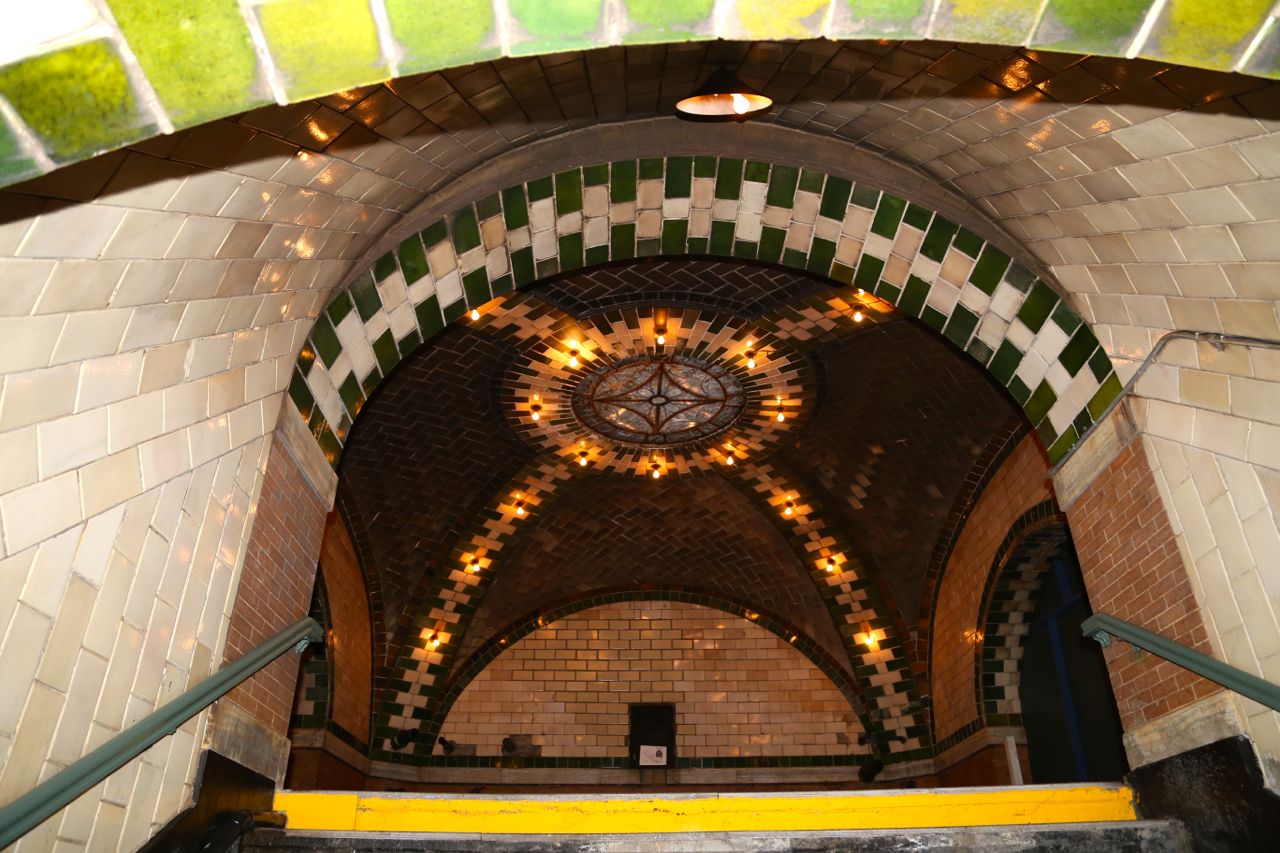
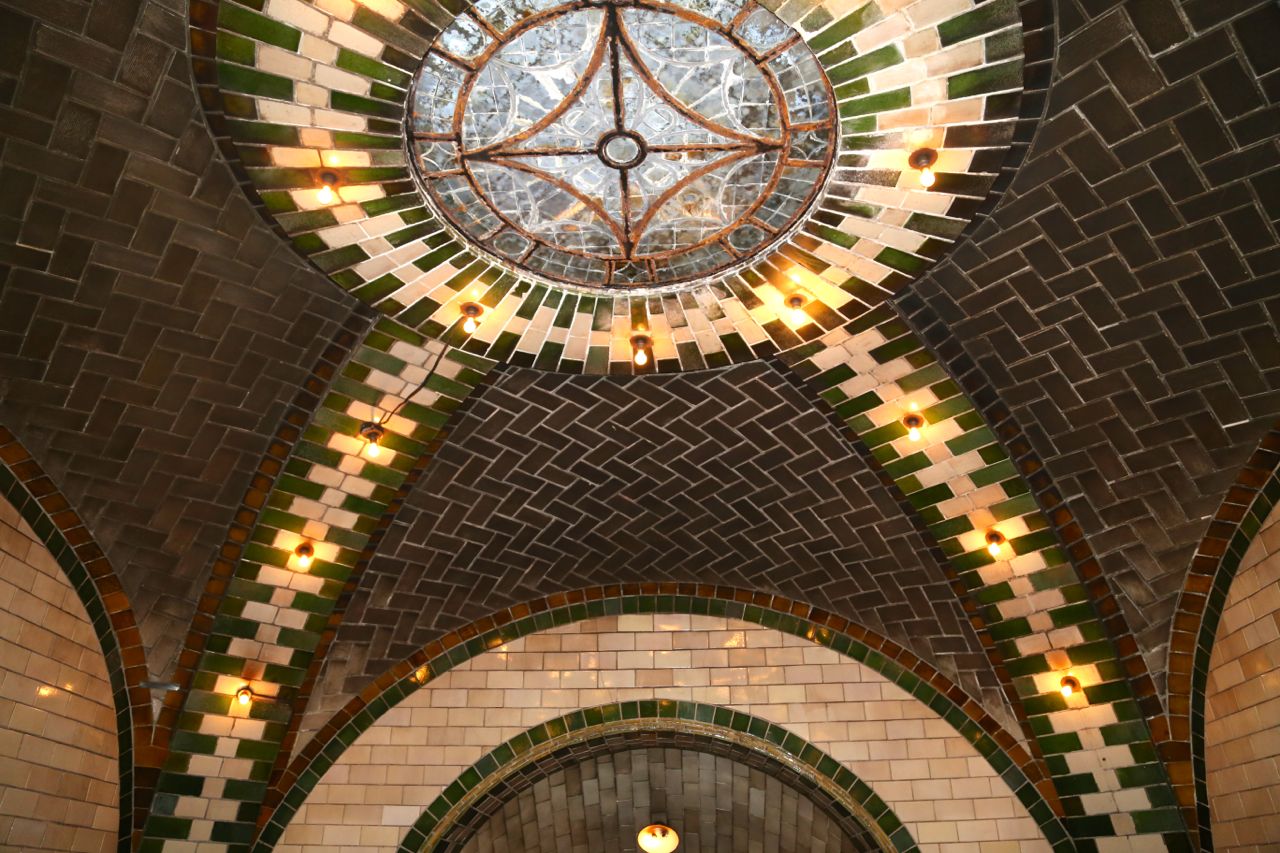
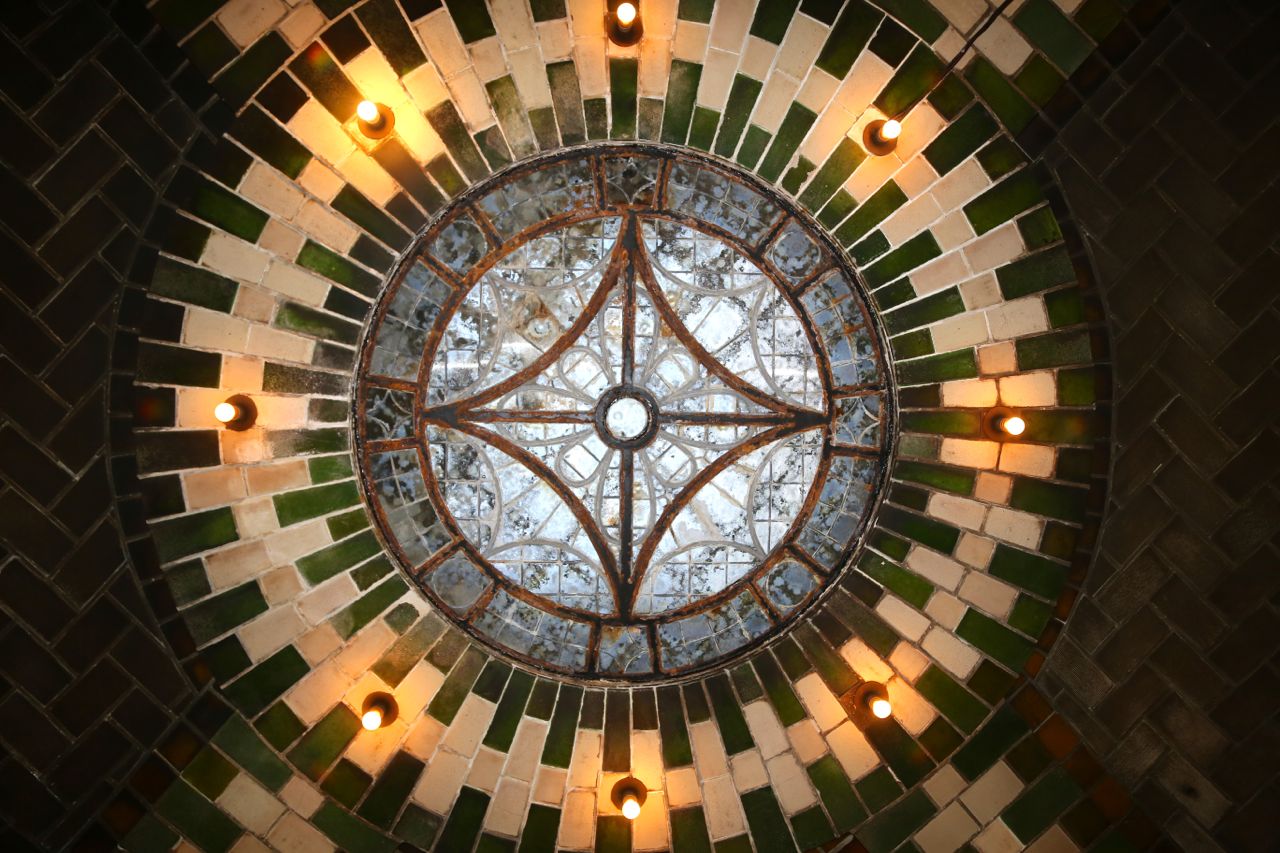
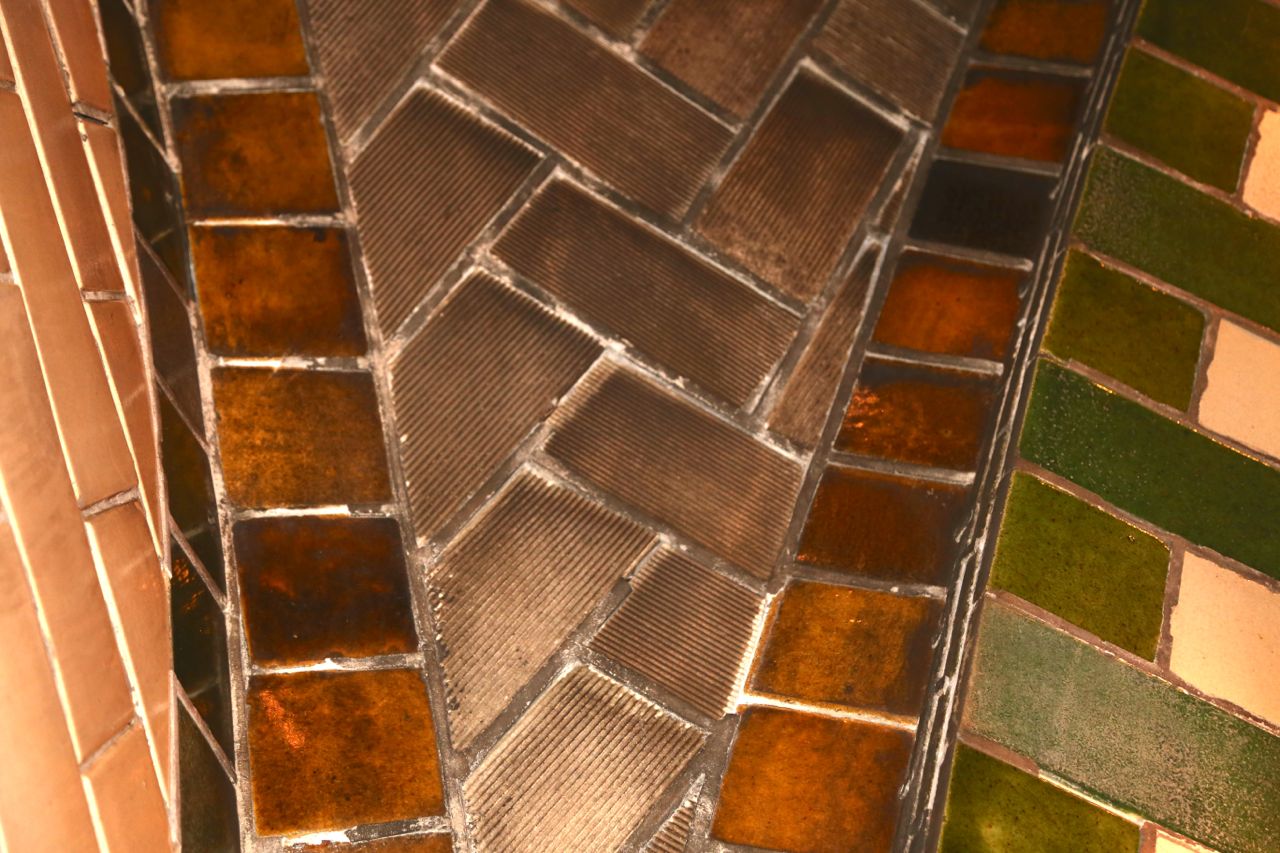
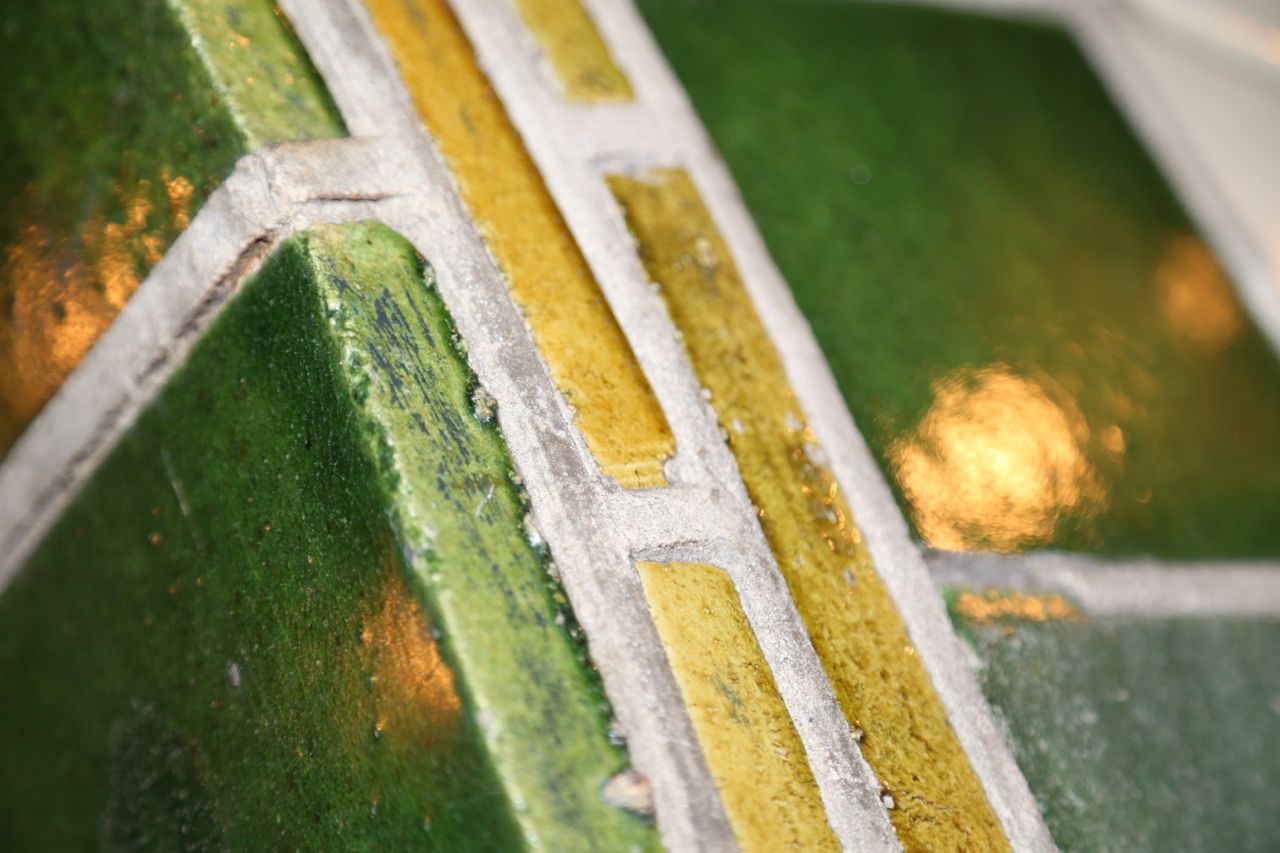
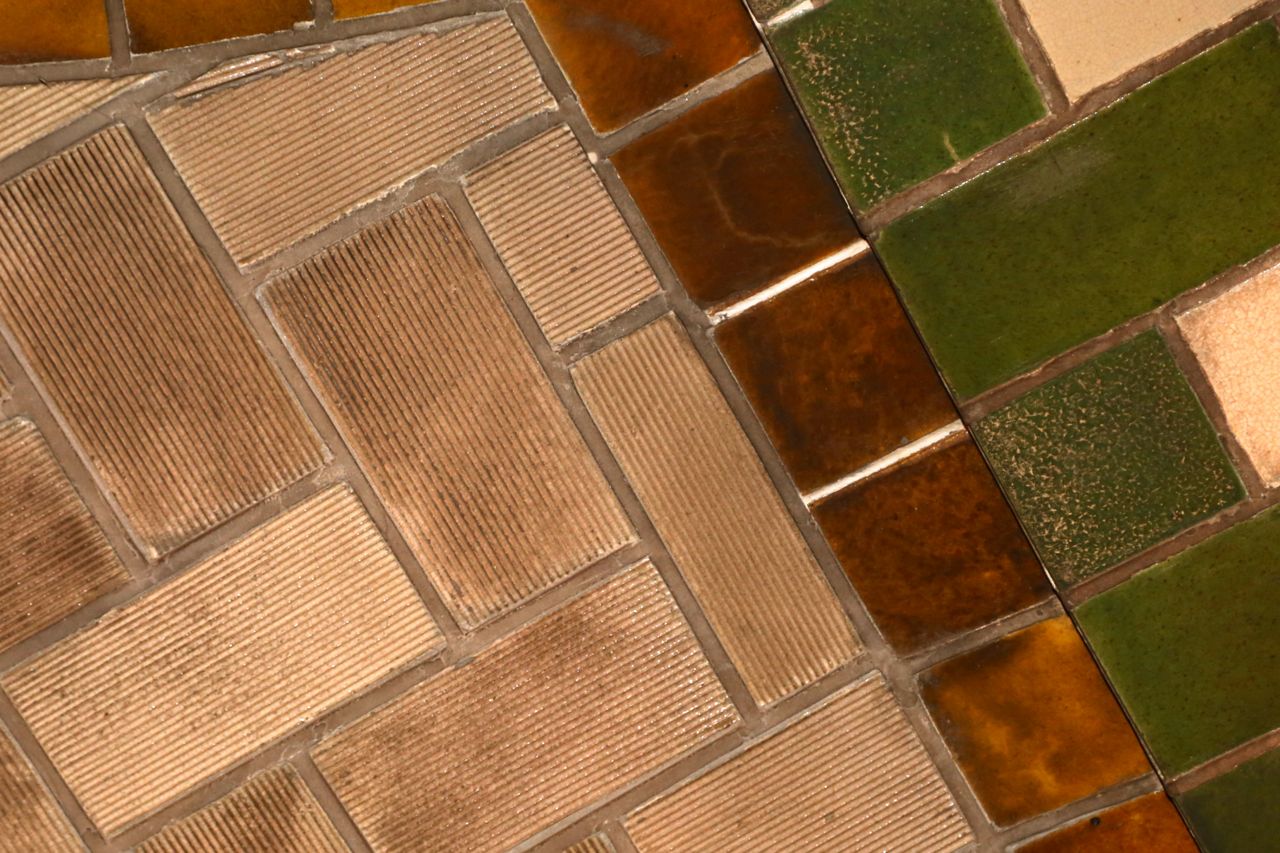
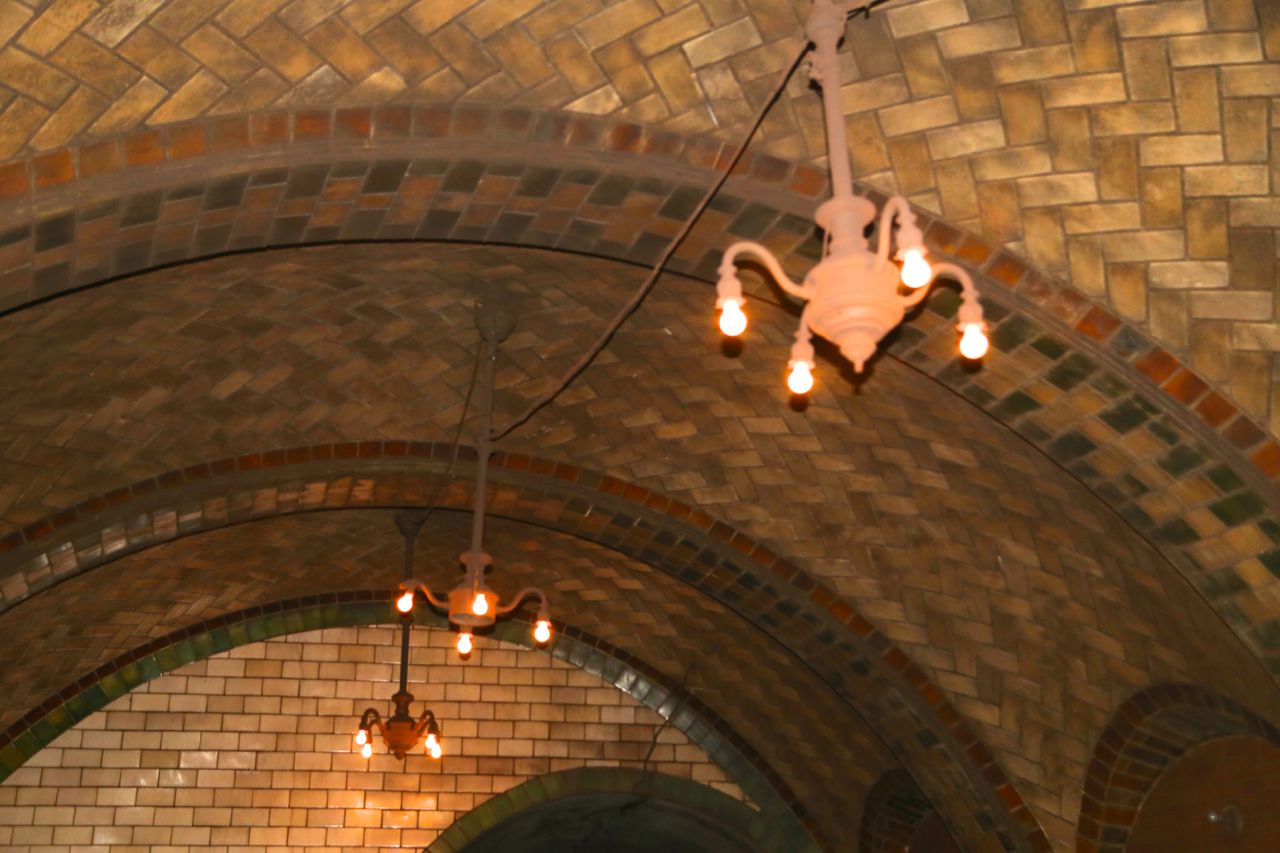
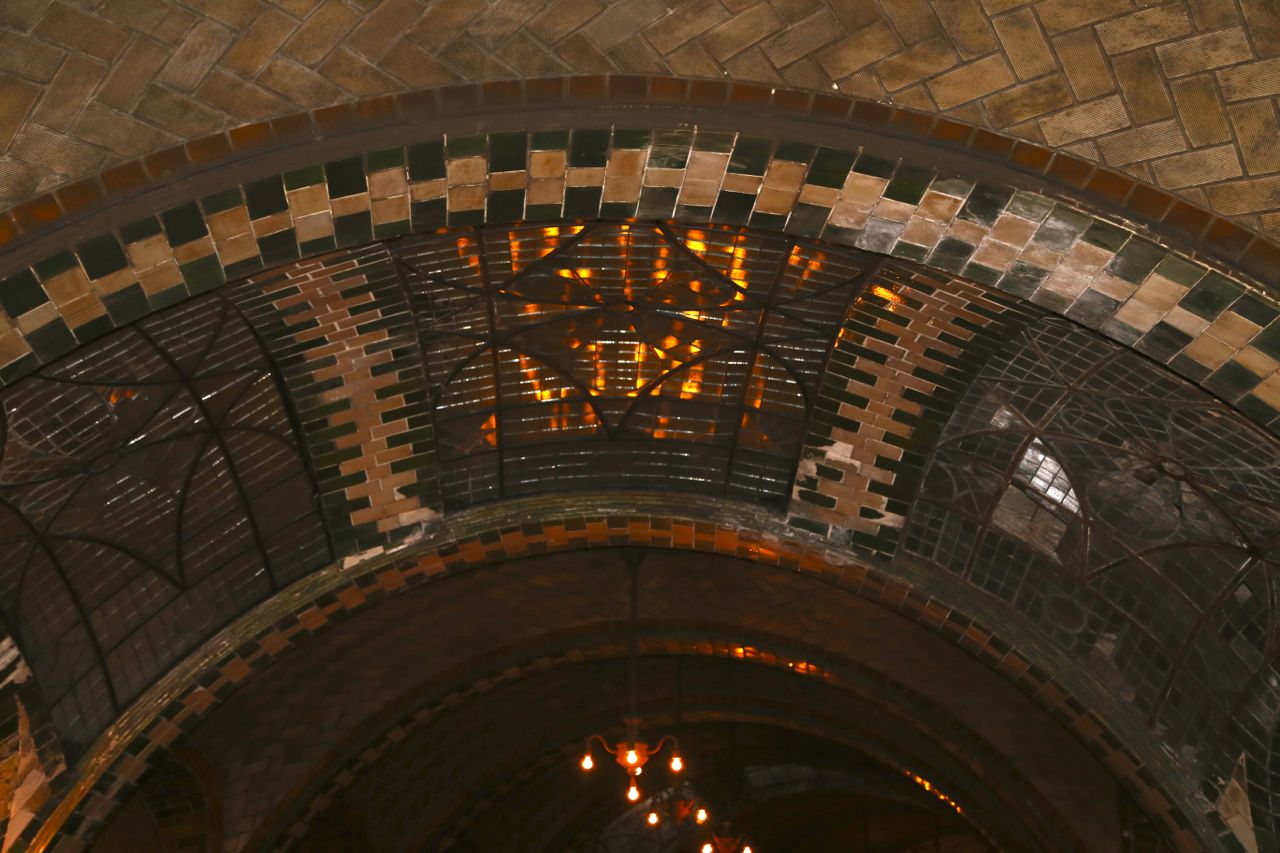
The station is completely gorgeous. There is a mezzanine level where passengers would buy tickets. The mezzanine is square with four arches that form each of the walls, and an arched ceiling joins the four arched walls. At the center of the mezzanine ceiling is a glass skylight. One of the arches of the mezzanine forms a passageway that leads down to the platform. The platform is then made of 15 more arches. Three of the arches have three glass skylights each. Electric chandeliers hang from each of the arches to provide light. All of the arches are created by Guastavino tile arches. The walls and ceilings are covered in green, brown, and cream tile. Interestingly, much of the cream tile is unglazed and rigged. Evidently this tile was never supposed to be exposed, it was rigged and unglazed because it was supposed to be covered with cement, and the ridges would provide more surface are for the cement to stick, in the same way as when tiling, the ridged side of a trowel is used to create ridges in the cement before placing the tile. However once the tile was placed, the station architects liked how the exposed ridged tile looked.

On stairs from platform looking up to mezzanine

On stairs from platform looking up to mezzanine

Mezzanine ceiling

Mezzanine ceiling

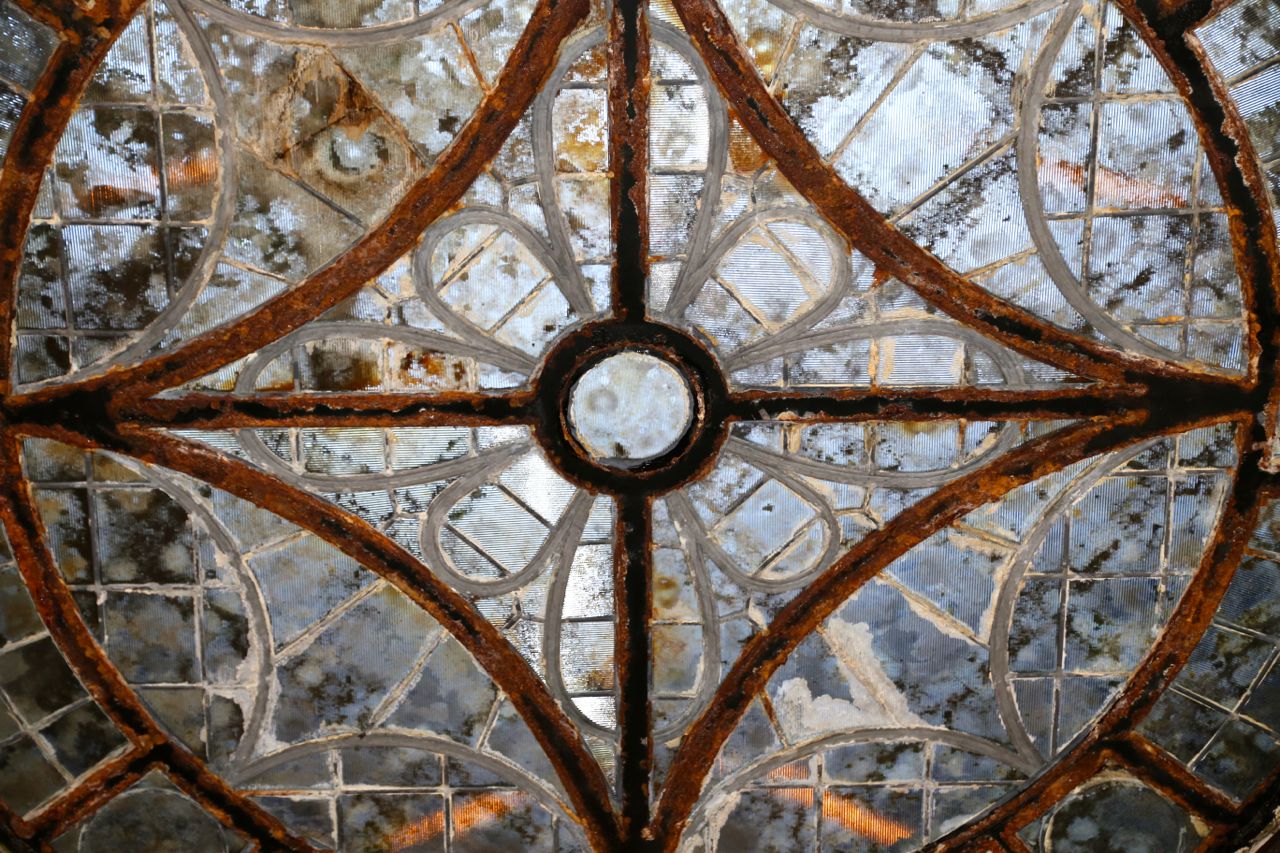
Mezzanine skylight

Mezzanine skylight

Mezzanine skylight glass

Mezzanine skylight glass

Stairs from mezzanine to surface. Doors now close off the exit.

Stairs from mezzanine to surface. Doors now close off the exit.

Tiles on the mezzanine walls

Tiles on the mezzanine walls

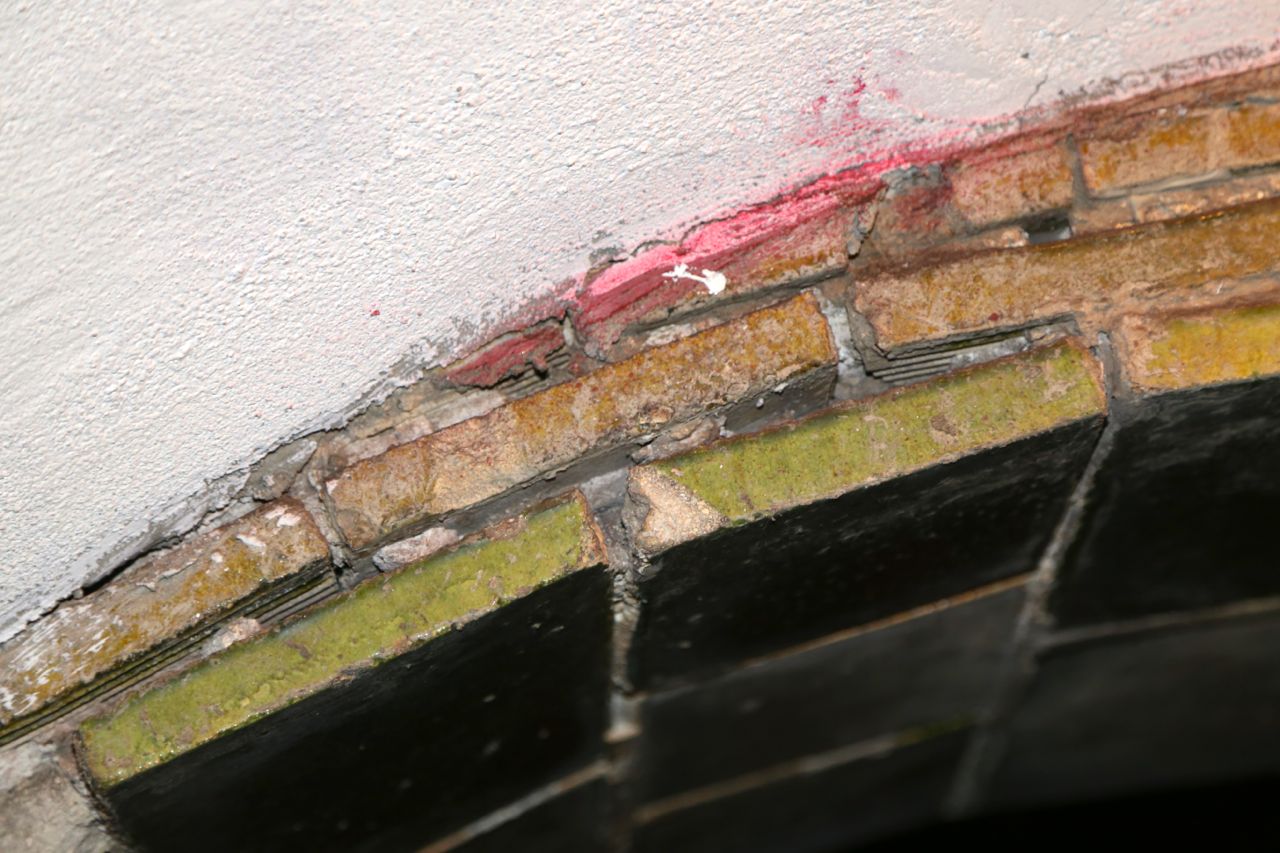
Arch of passageway to surface. The Guastavino tile arch system can be seen easily.

Arch of passageway to surface. The Guastavino tile arch system can be seen easily.

Close up of tile on arched passageway from mezzanine to platform

Close up of tile on arched passageway from mezzanine to platform

Tile on mezzanine wall. Ridges on unglazed white tile can be seen.

Tile on mezzanine wall. Ridges on unglazed white tile can be seen.

Skylight above the arch that leads from the platform to the mezzanine

Skylight above the arch that leads from the platform to the mezzanine

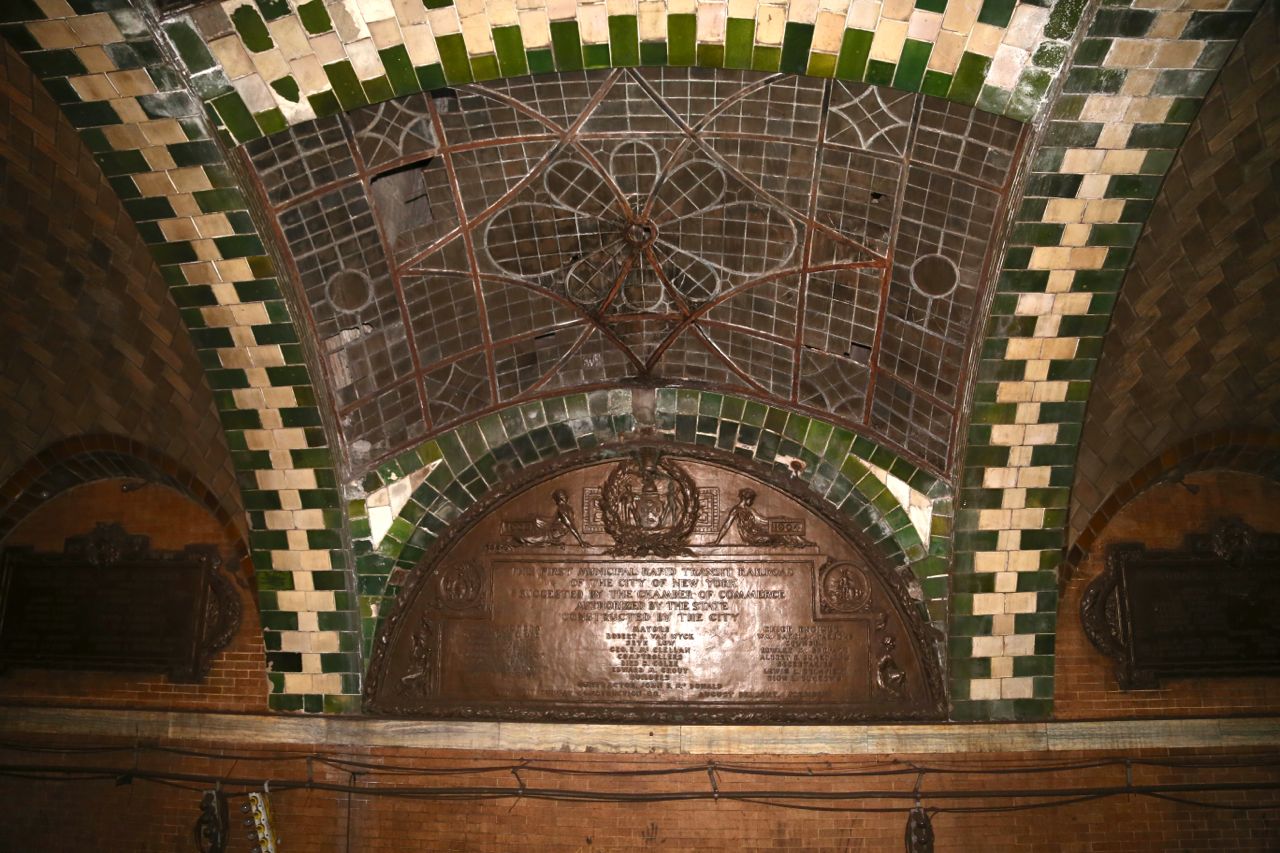
The middle arch on the platform where the passageway from the mezzanine ends. The arch has three skylights. Opposite the passageway are three plaques commemorating those who helped in the station's creation.

The middle arch on the platform where the passageway from the mezzanine ends. The arch has three skylights. Opposite the passageway are three plaques commemorating those who helped in the station’s creation.

The platform. It is completely curved.

The platform. It is completely curved.

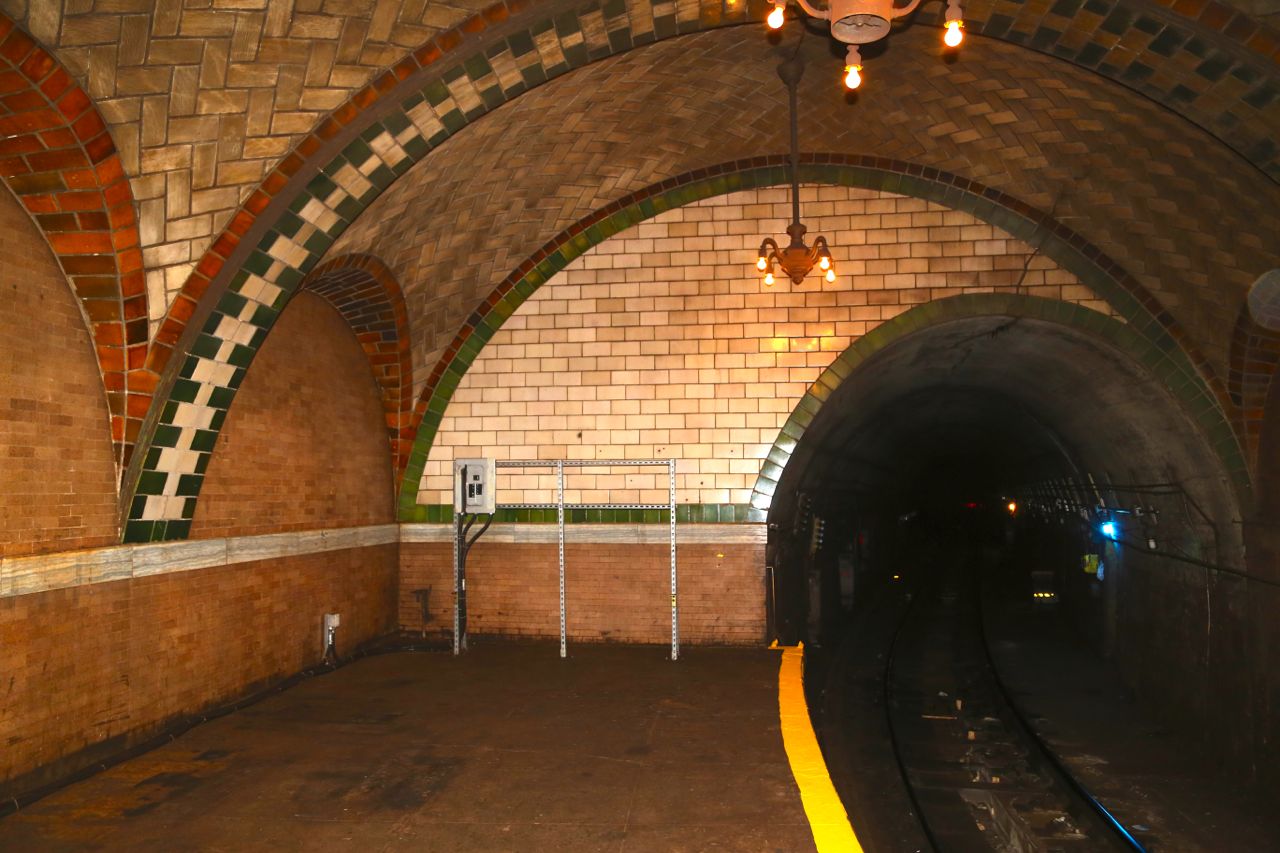
The end of the platform.

The end of the platform.

Chandeliers hang from each platform arch

Chandeliers hang from each platform arch

The skylights in one of the platform's arches.

The skylights in one of the platform’s arches.

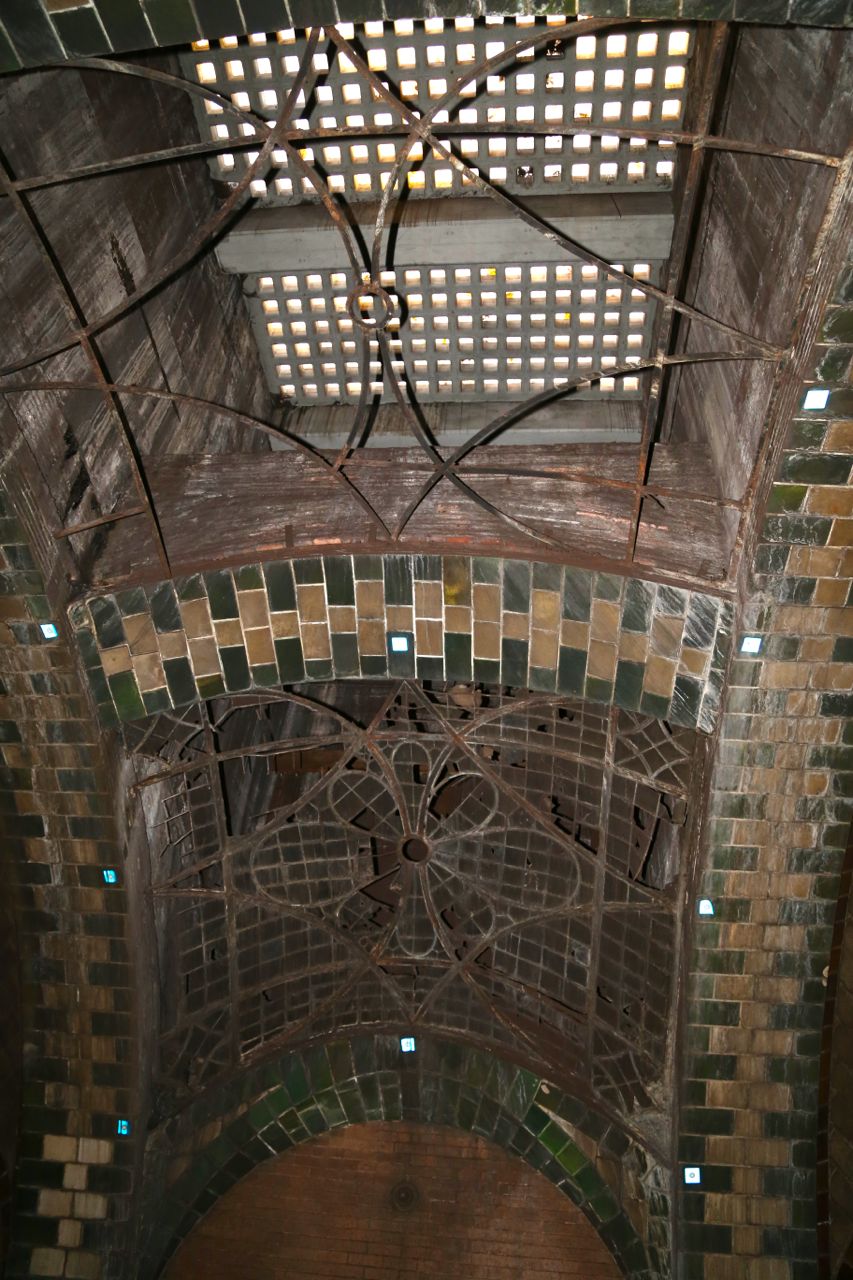
One of the platform's skylights. The glass has fallen out of one of them, and the glass in the street level concrete can be seen.

One of the platform’s skylights. The glass has fallen out of one of them, and the glass in the street level concrete can be seen.

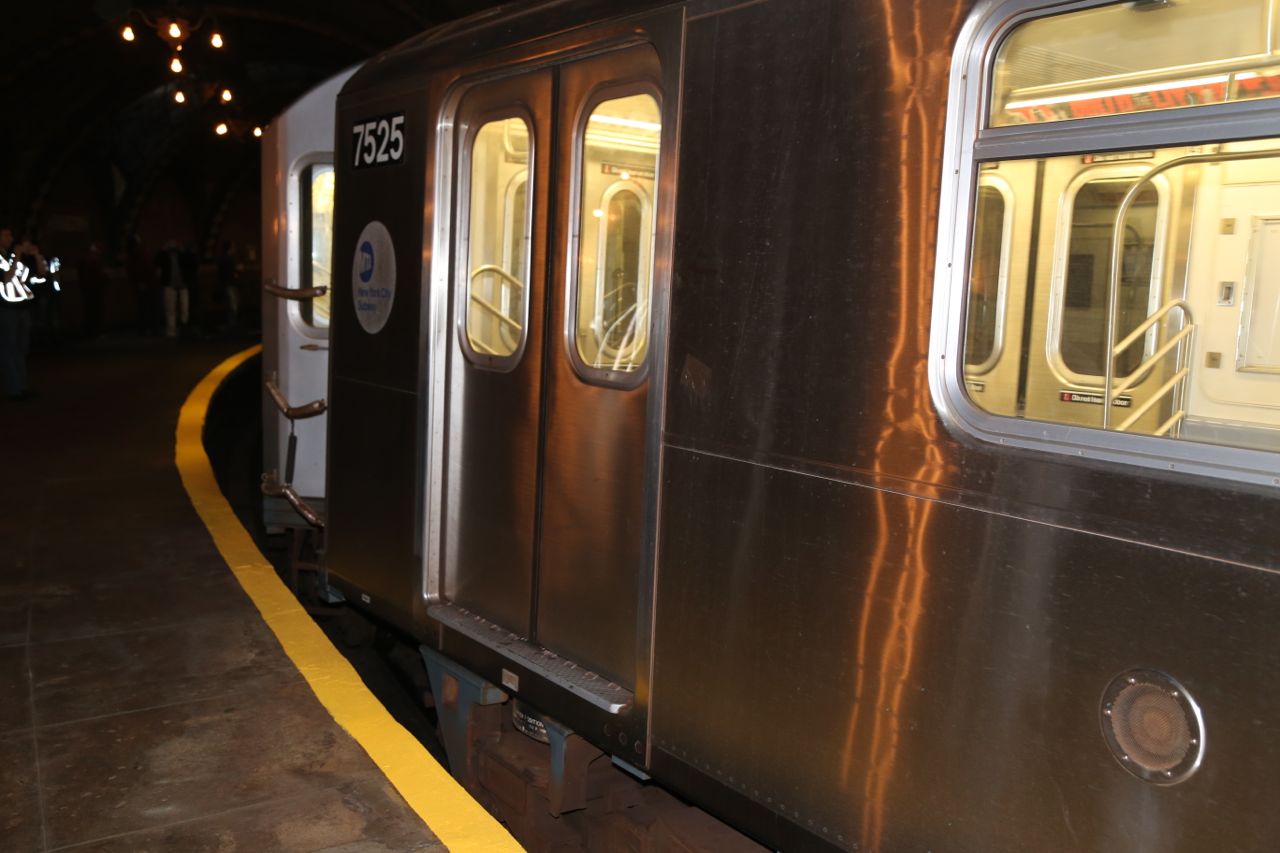
A #6 train passing through the station. A huge gap exists between the train and platform edge.

A #6 train passing through the station. A huge gap exists between the train and platform edge.

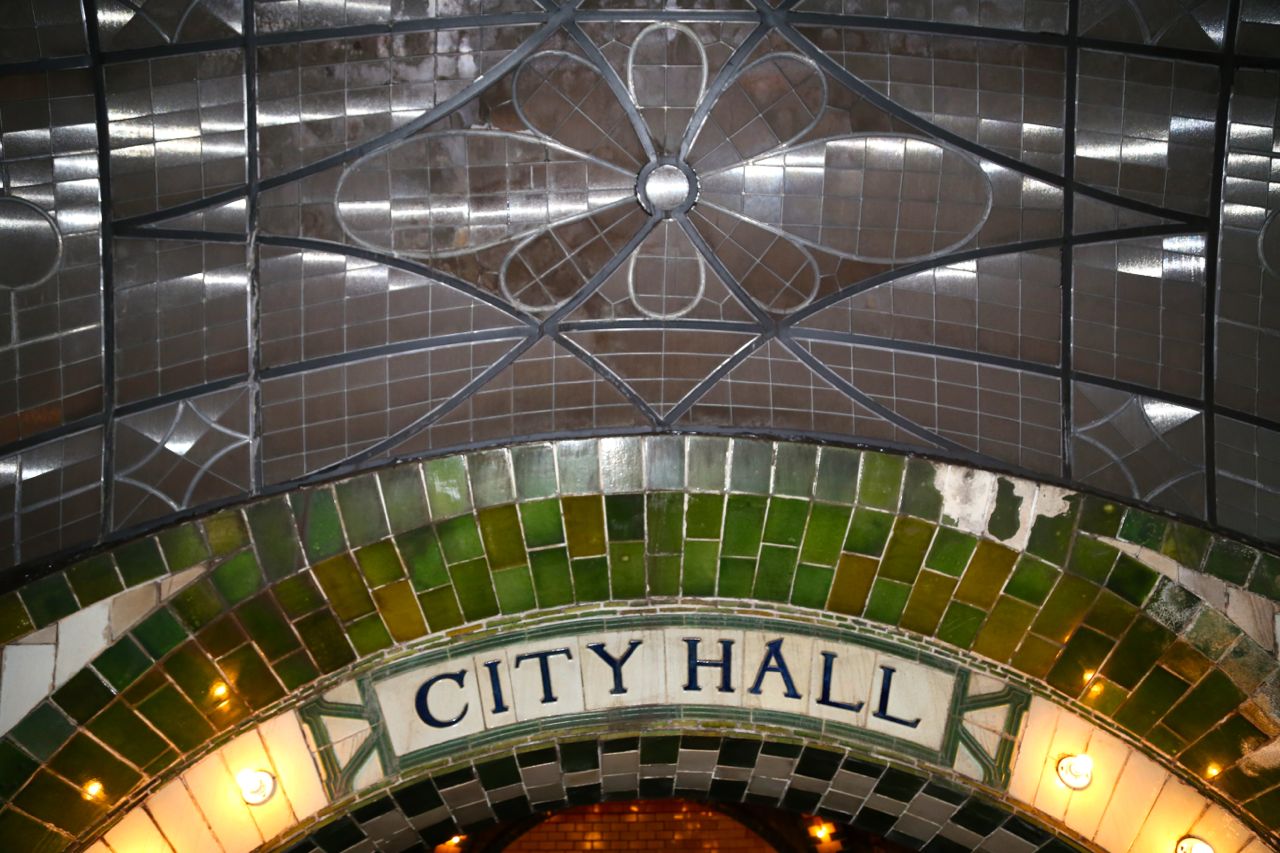
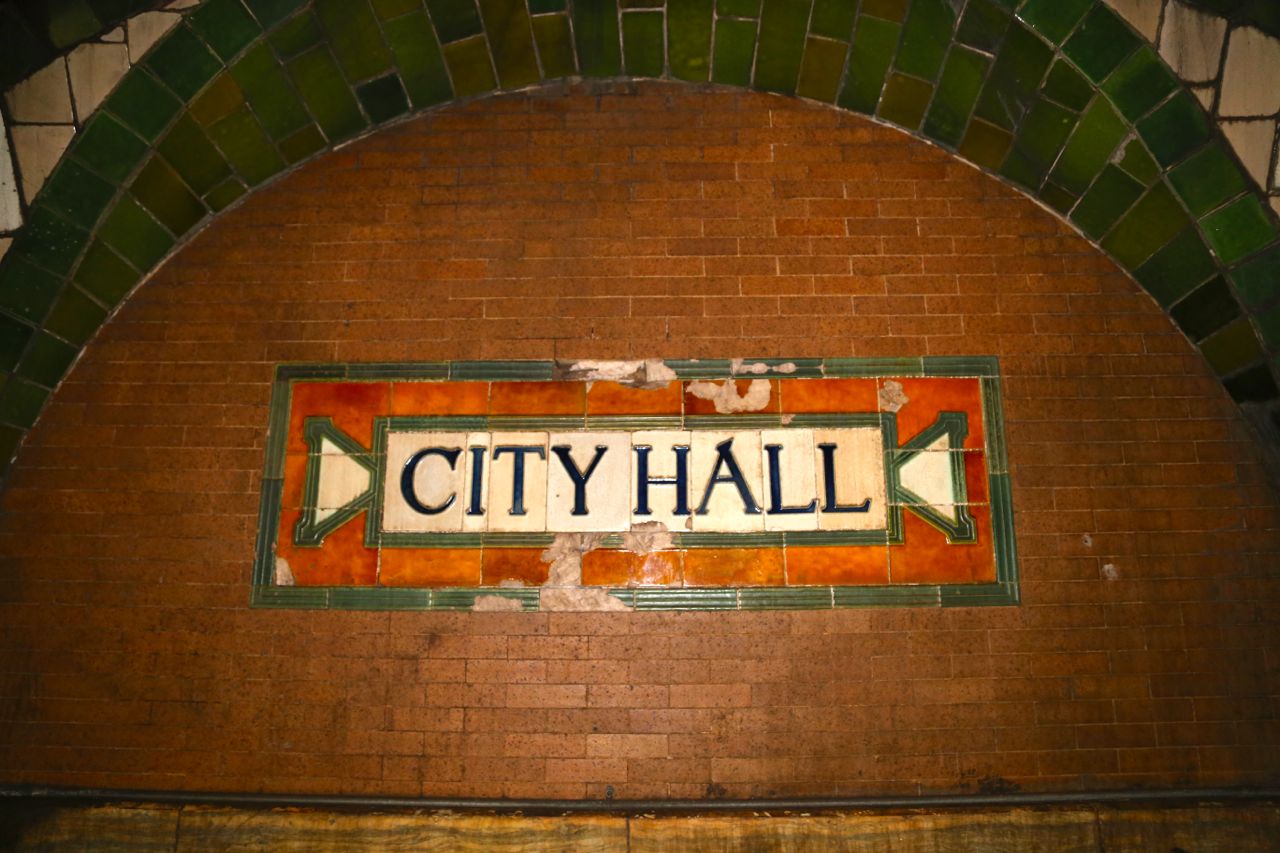
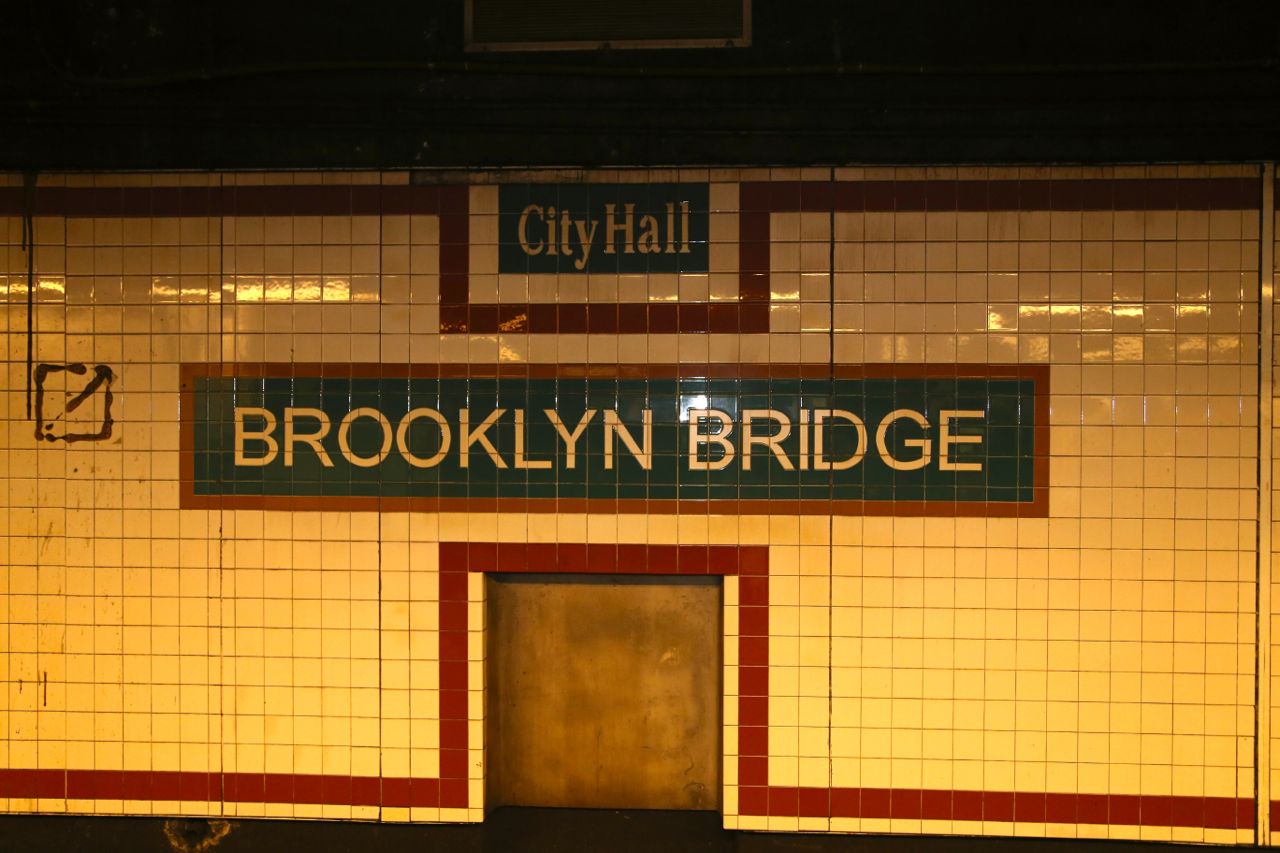
One thing I have always appreciated about the New York subway system is the tile work. All the stations have tile work, and generally each station has a somewhat unique tile work for at least the station signs. Some stations have really unique and beautiful tile work for example the Times Square and American Museum of Natural History stations. The tiles themselves in the old City Hall station are not gorgeous, but the way they are placed together in the arches are. Therefore for final comparison, below are the station signs at the old City Hall station and the new City Hall/Brooklyn Bridge station.

Old City Hall station sign

Old City Hall station sign

Modern City Hall/Brooklyn Bridge station sign

Modern City Hall/Brooklyn Bridge station sign

Delancey Williamsburg Bridge Rail Terminal

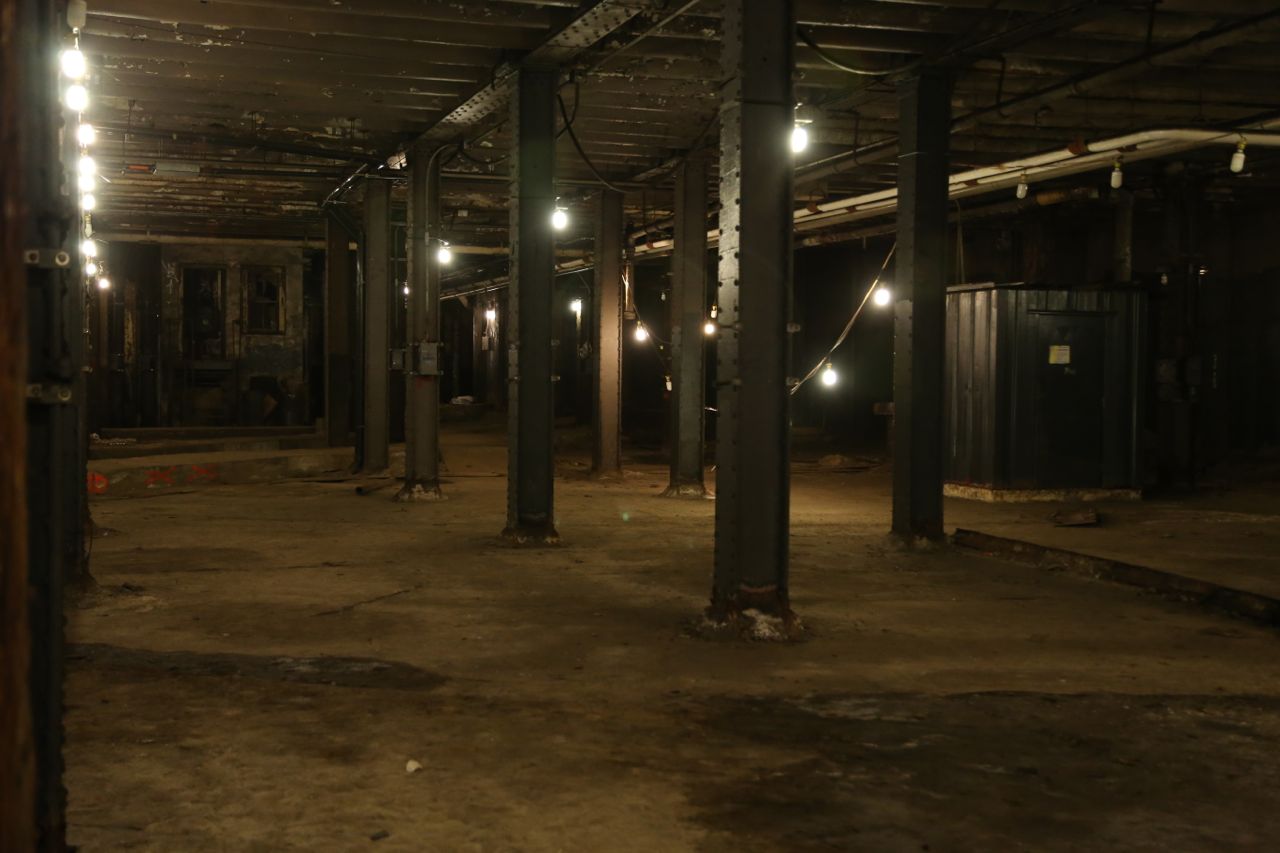
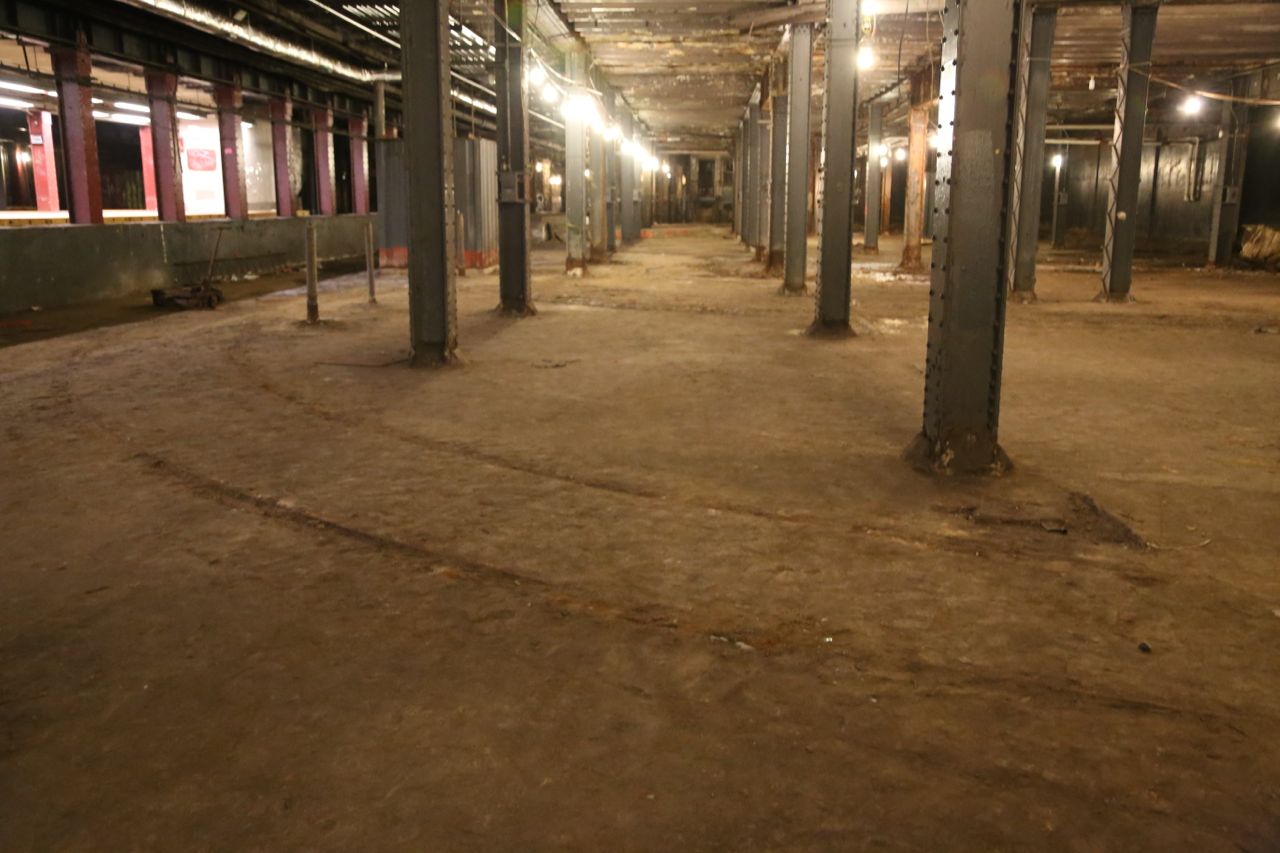
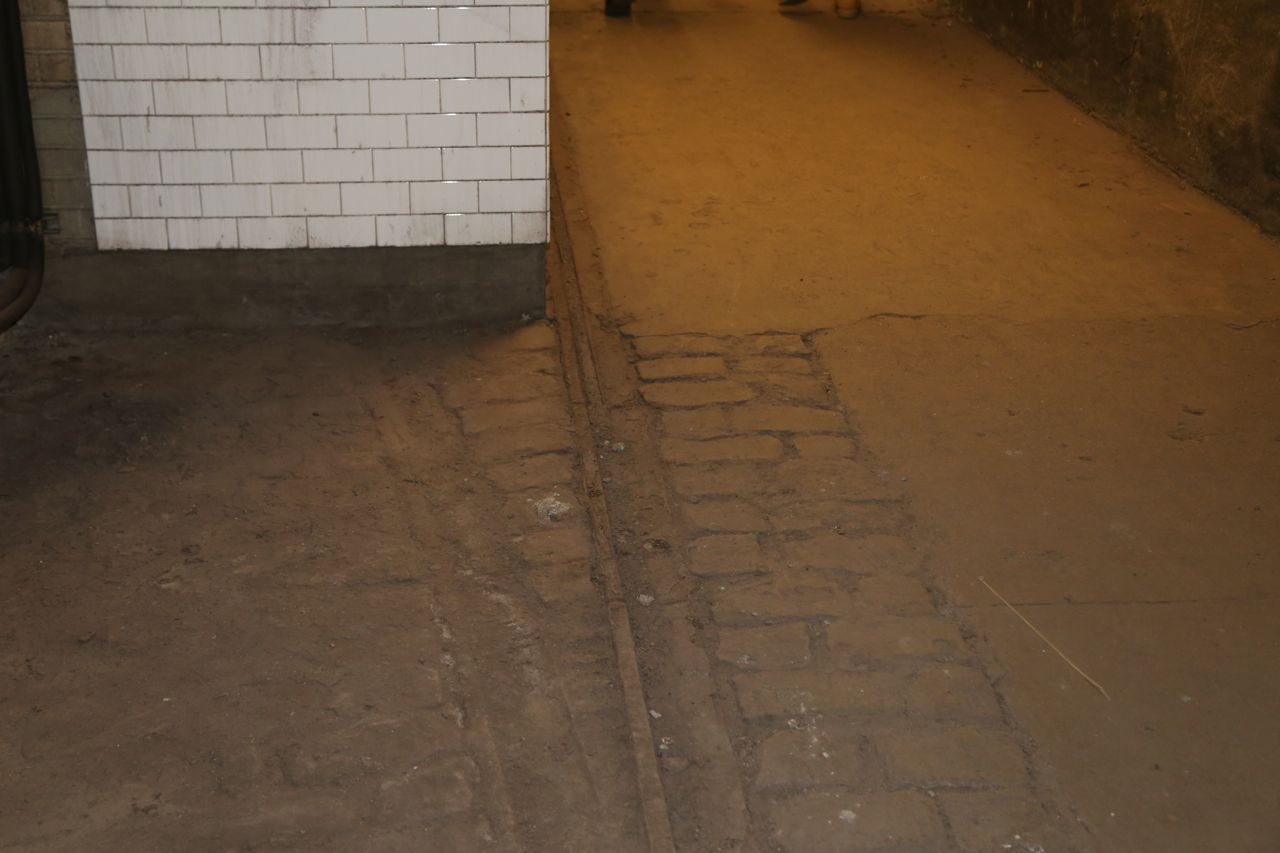
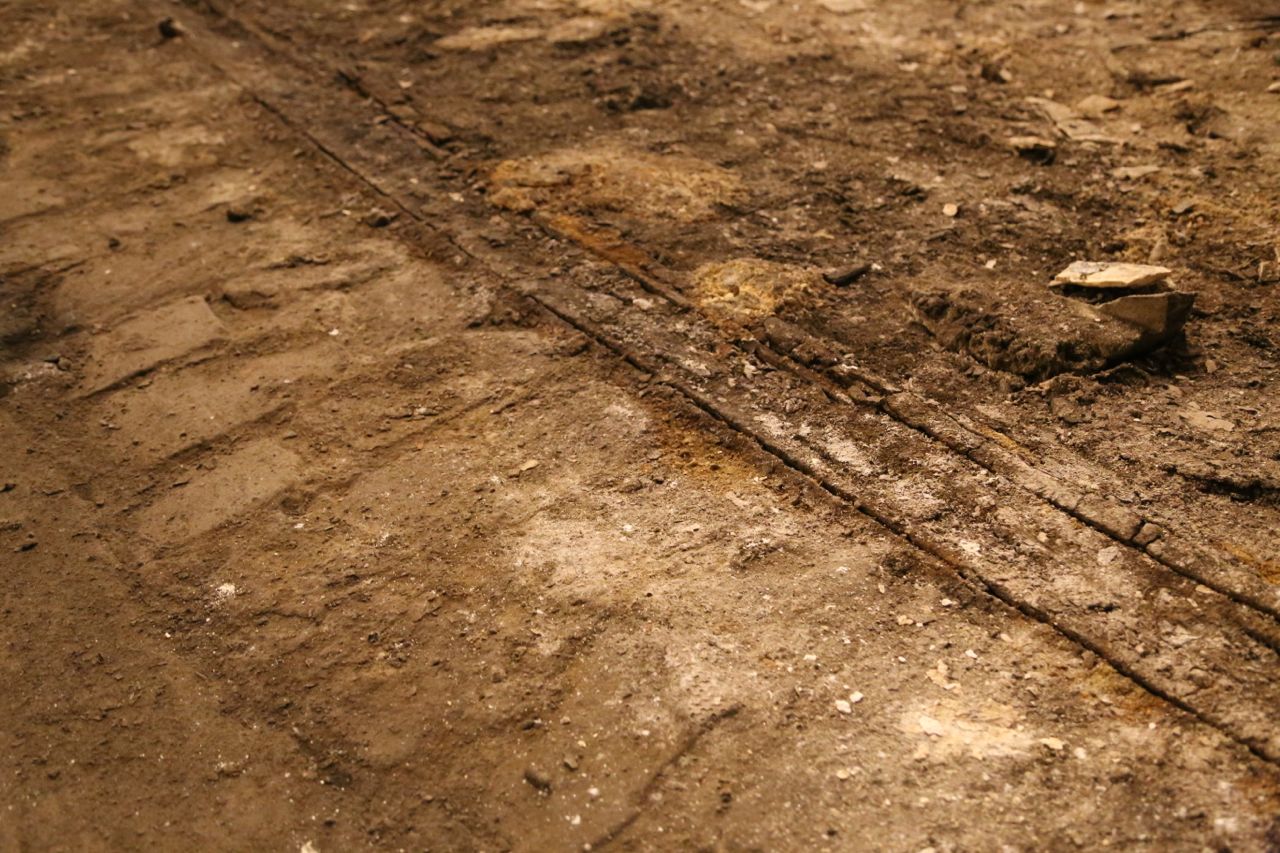
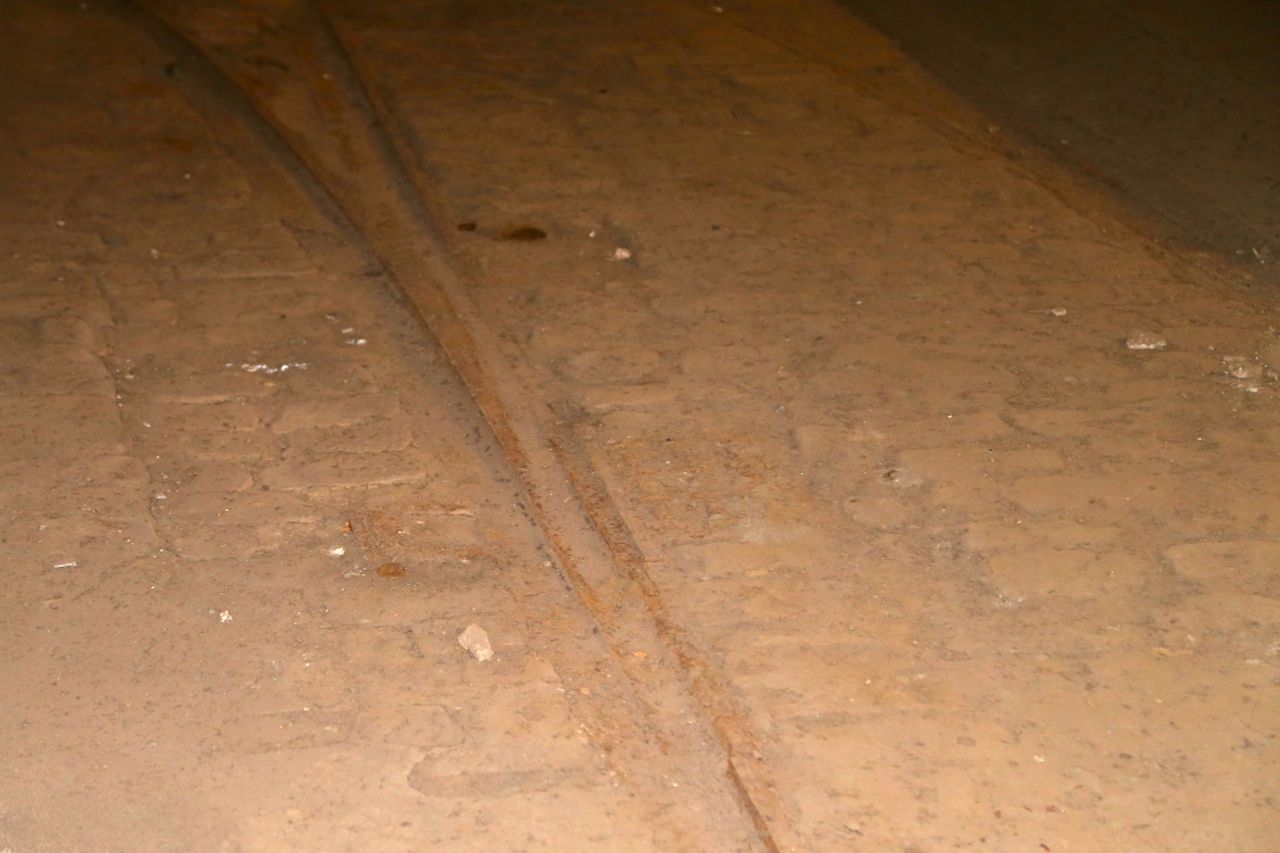
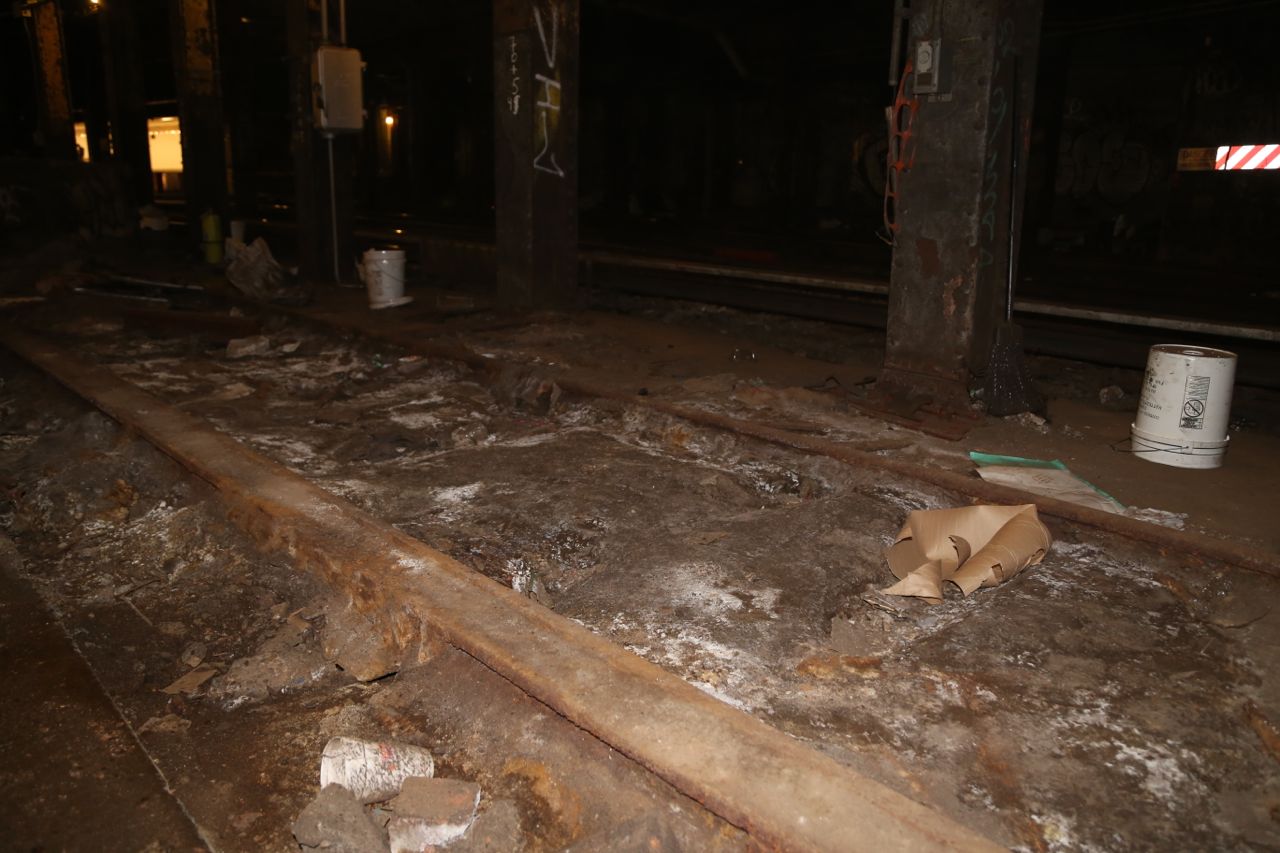
I joined the New York Transit Museum this year so that I could go on some of their members only tours of some real cool transit places. Today I toured one of those places, the old Essex/Delancey trolley terminal from the Williamsburg Bridge. Trolleys from Brooklyn came across the Williamsburg Bridge to Manhattan and then turned around in this terminal. Trolleys in Brooklyn were evidently on a different rail system type and thus couldn’t continue onto the Manhattan rails. I won’t try to give the history, as so many places can be found, which do it much better, such as this one. The terminal is right next to the Delancey and Essex subway stations and can be seen from part of the platform. Inside the terminal area, some of the old tracks, paver stones, and rails can be seen. While I found those interesting, I also just loved being able to walk in a behind-the-scenes area that the general public usually can’t access.

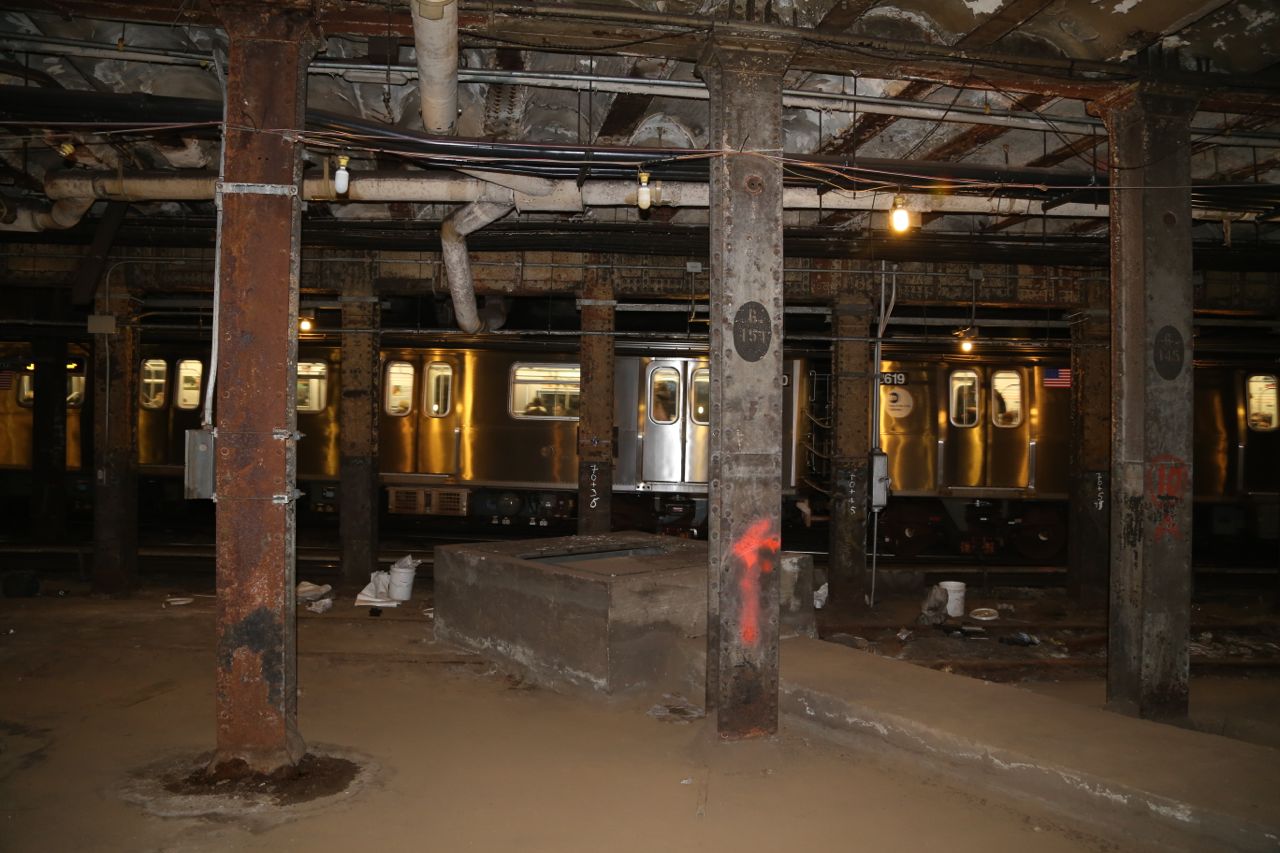
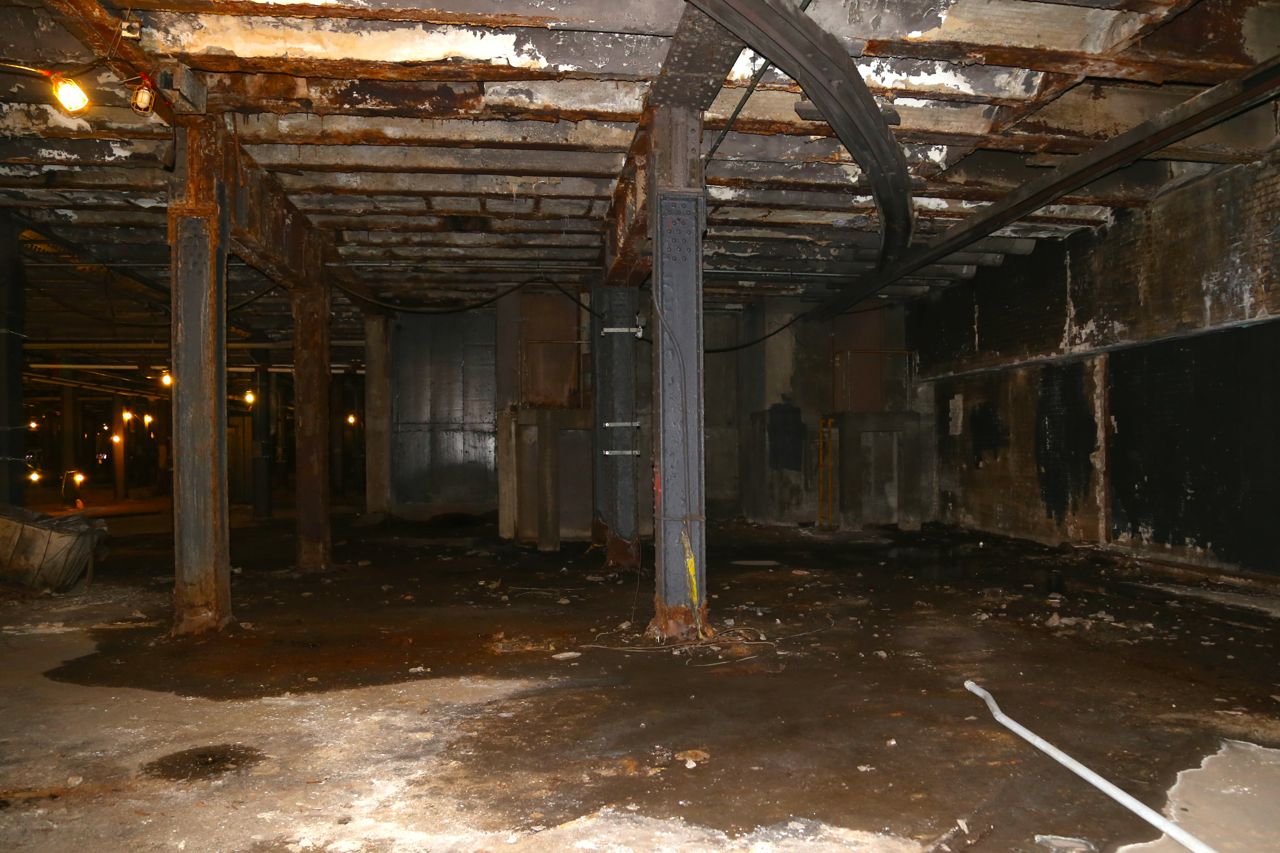
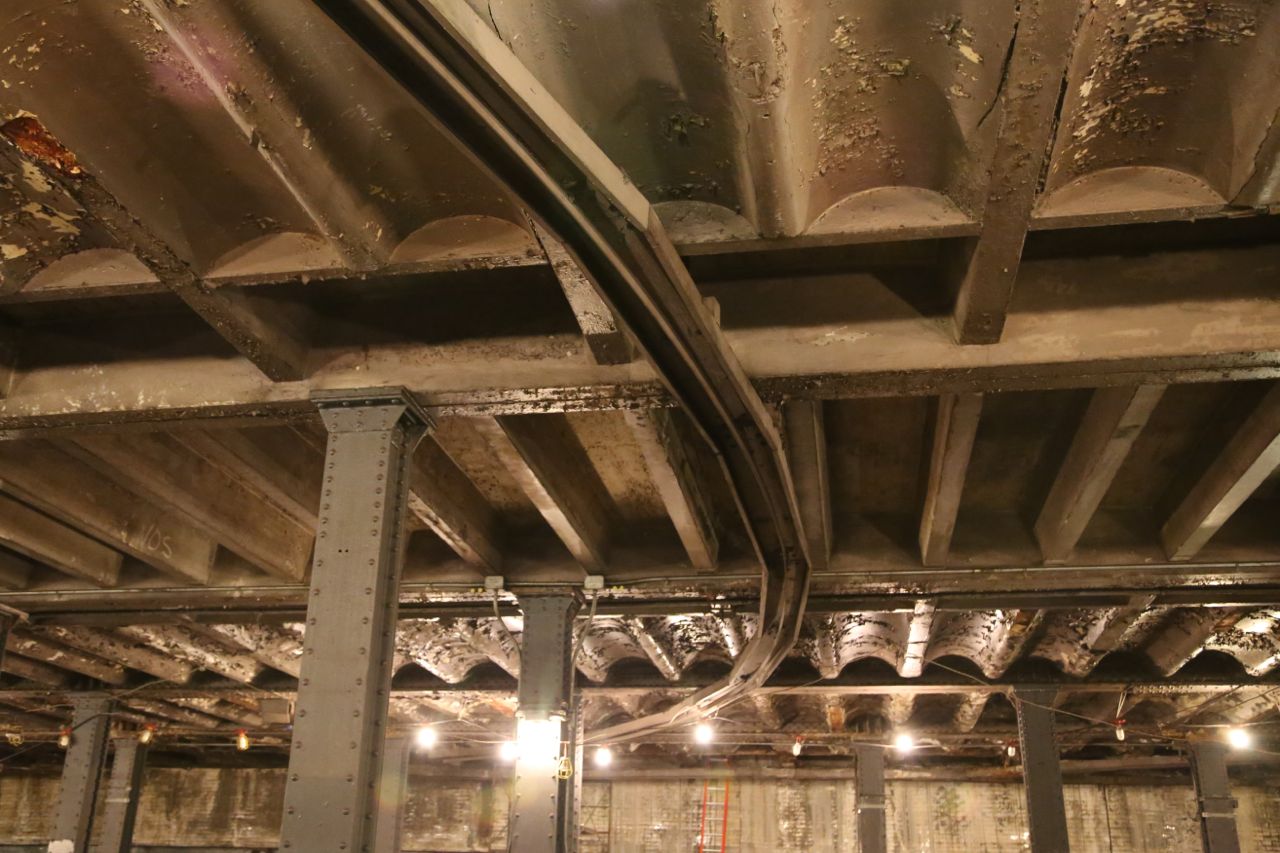
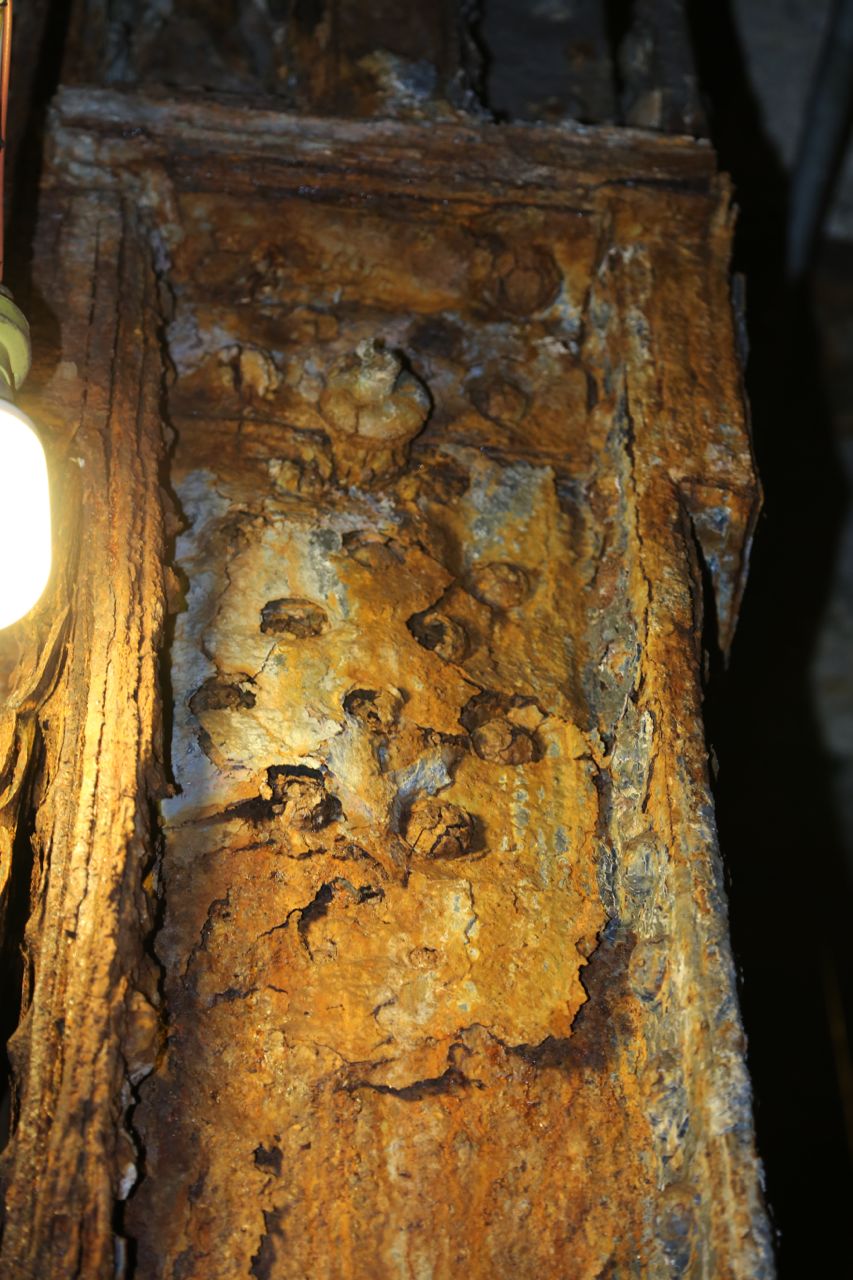
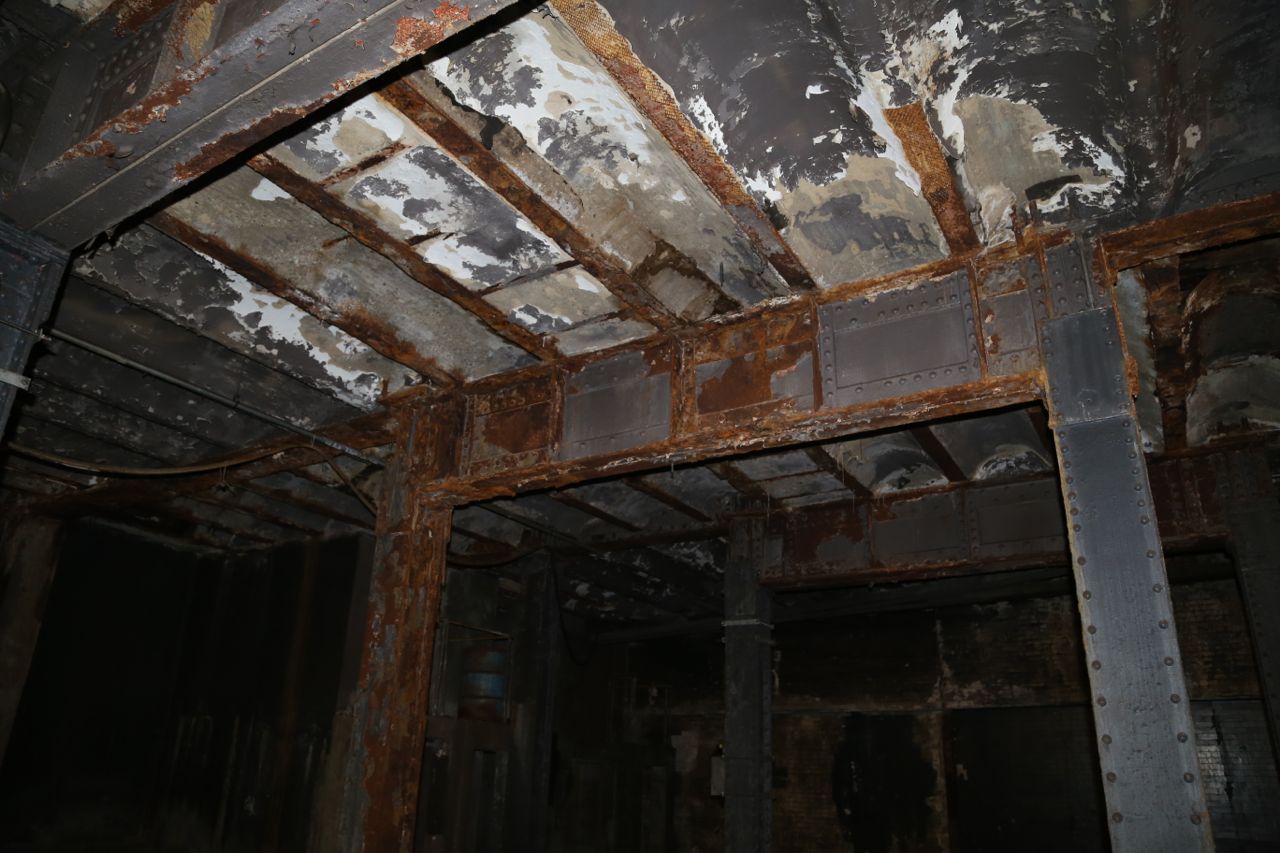
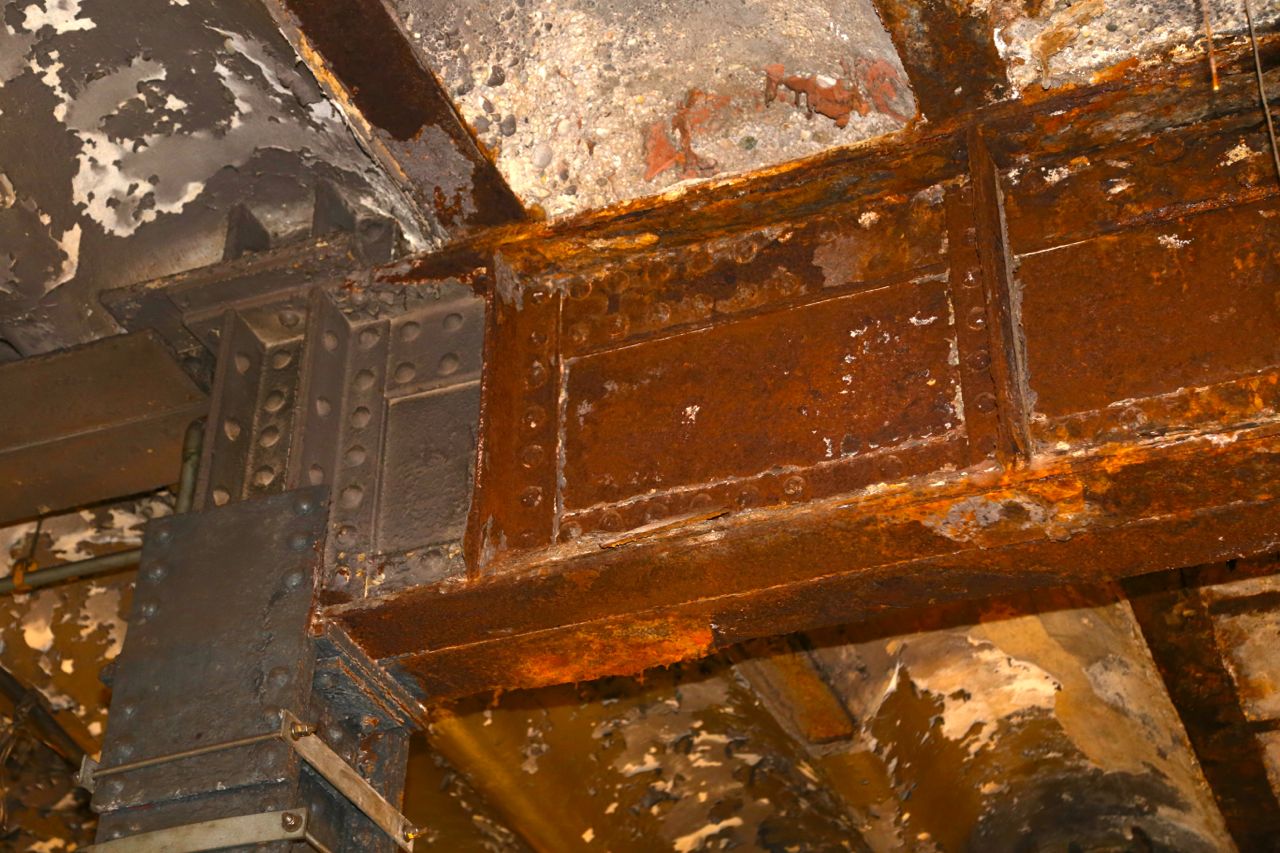
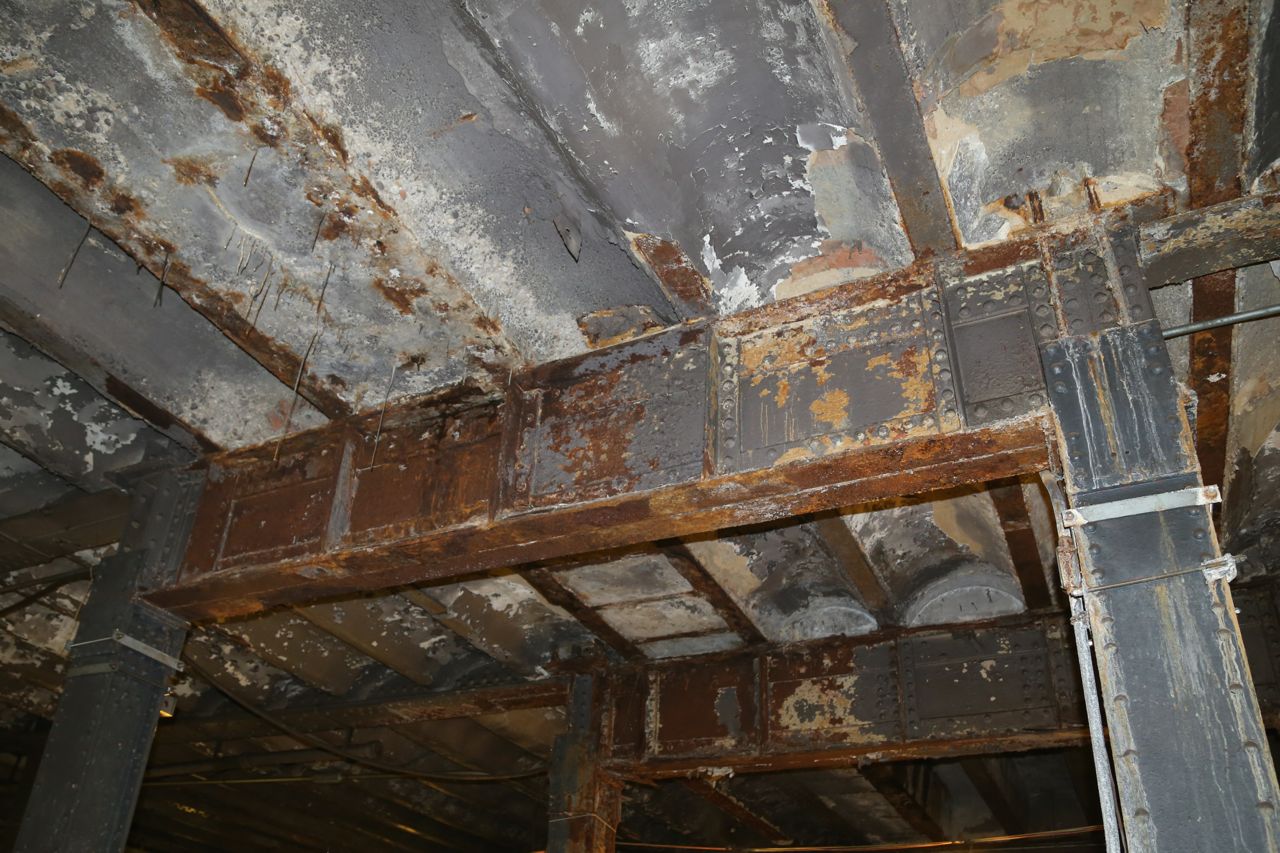
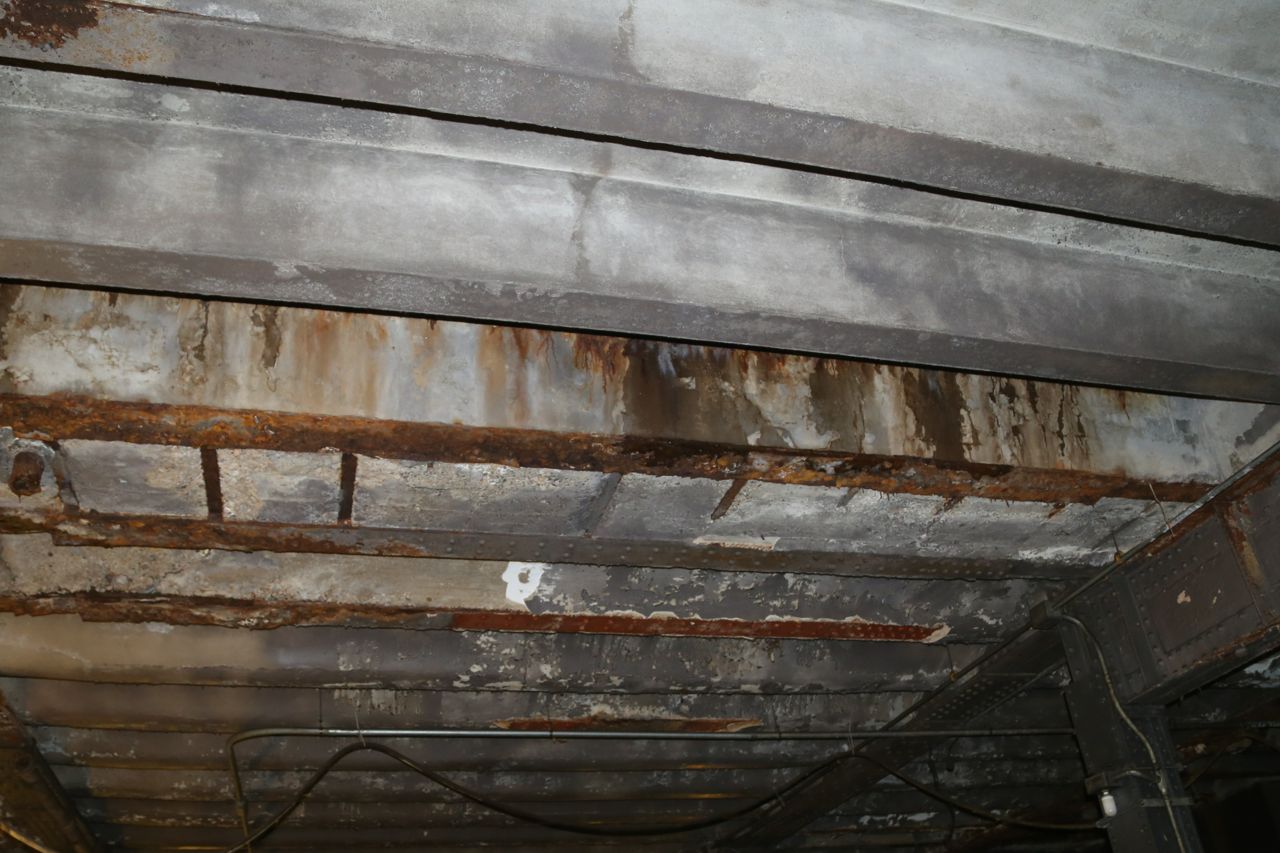
Another thing I found interesting was the condition of the columns and beams. Like almost all parts of the New York underground, the area is continual being eroded by water that seeps in from groundwater and storm water that flows through various cracks in the utility areas. Thus much of the metal support structures were badly rusted. Some parts of the area have been rehabbed but not all. It was a stark reminder of how continual maintenance is needed on essentially everything humans build. If you are not an engineer, you can be forgiven for not understanding that once something is built, it still needs maintenance. It can’t just simply be left to itself to continually function properly for all eternity. Unfortunately most politicians, who hold the purse strings to maintenance funding, don’t seem to understand this.

There is an idea or plan by some to turn the area into an underground park called the Lowline. It would be incredibly interesting to see that if it happens. In the meantime, I’m glad I got a look at this piece of New York’s transportation history.

View of Delancey Terminal from subway platform

View of Delancey Terminal from subway platform

View of subway platform from the Delancey Terminal

View of subway platform from the Delancey Terminal

Subway train passing by Delancey terminal

Subway train passing by Delancey terminal

Wide view of Delancey terminal with old track monitoring office in background

Wide view of Delancey terminal with old track monitoring office in background

Wide view of Delancey terminal

Wide view of Delancey terminal, old tracks can be seen in foreground

Wide view of Delancey terminal parts of which are wet from normal seepage

Wide view of Delancey terminal parts of which are wet from normal seepage

Old track in paver stones terminating at a more modern tiled wall

Old track in paver stones terminating at a more modern tiled wall

Old track in paver stones

Old track in paver stones

Old track in paver stones

Old track in paver stones

Old tracks

Old tracks

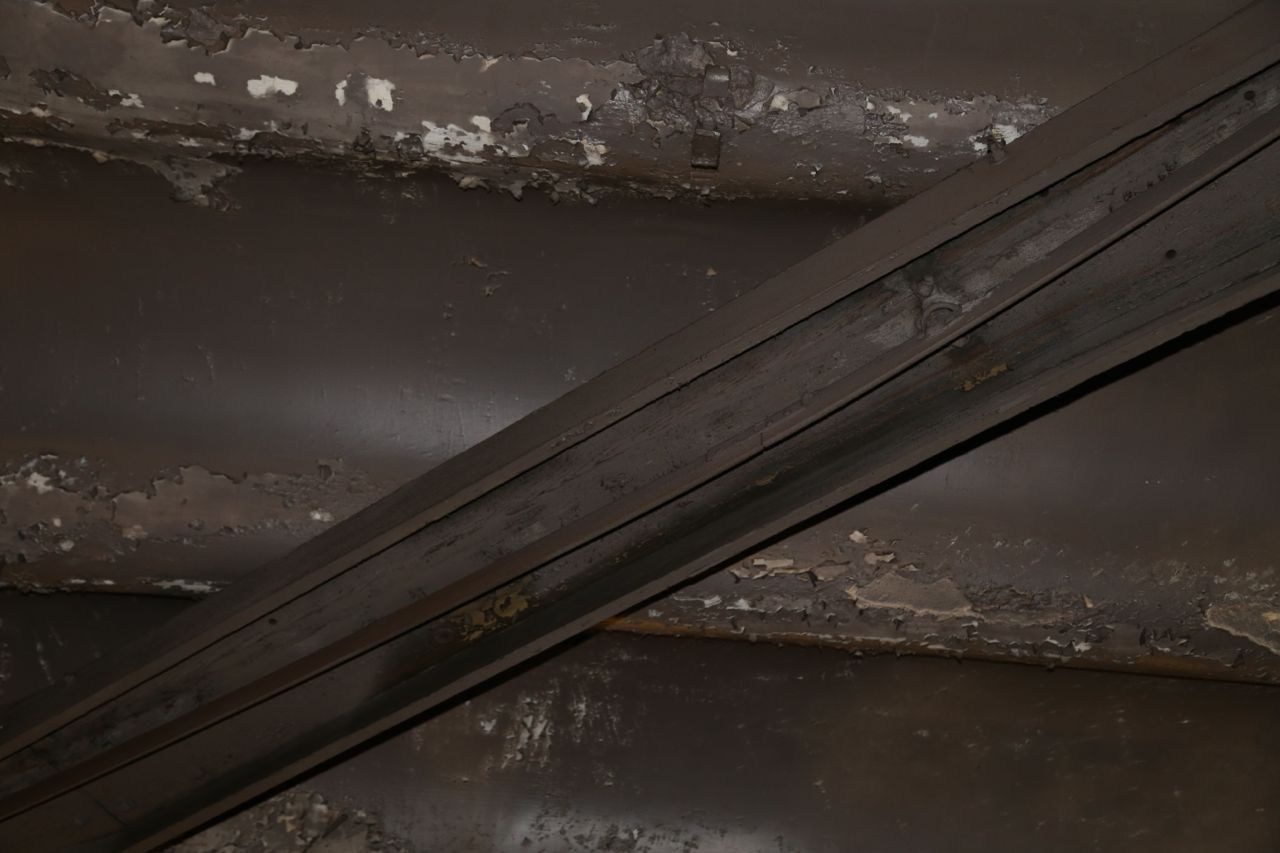
Old rail, which is held inside a wooden casing. Wood was used since it doesn't conduct electricity, and rail was electrified.

Old rail, which is held inside a wooden casing. Wood was used since it doesn’t conduct electricity, and rail was electrified.

Old rail, which is held inside a wooden casing. Wood was used since it doesn't conduct electricity, and rail was electrified.

Old rail, which is held inside a wooden casing. Wood was used since it doesn’t conduct electricity, and rail was electrified.

Rusted column

Rusted column

Rusted beams and columns

Rusted beams and columns

Rusted beam

Rusted beam

Stalactites from water seepage near rusted metal

Stalactites from water seepage near rusted metal

Rusted and rehabbed beams

Rusted and rehabbed beams