Grandview at New River Gorge National Park

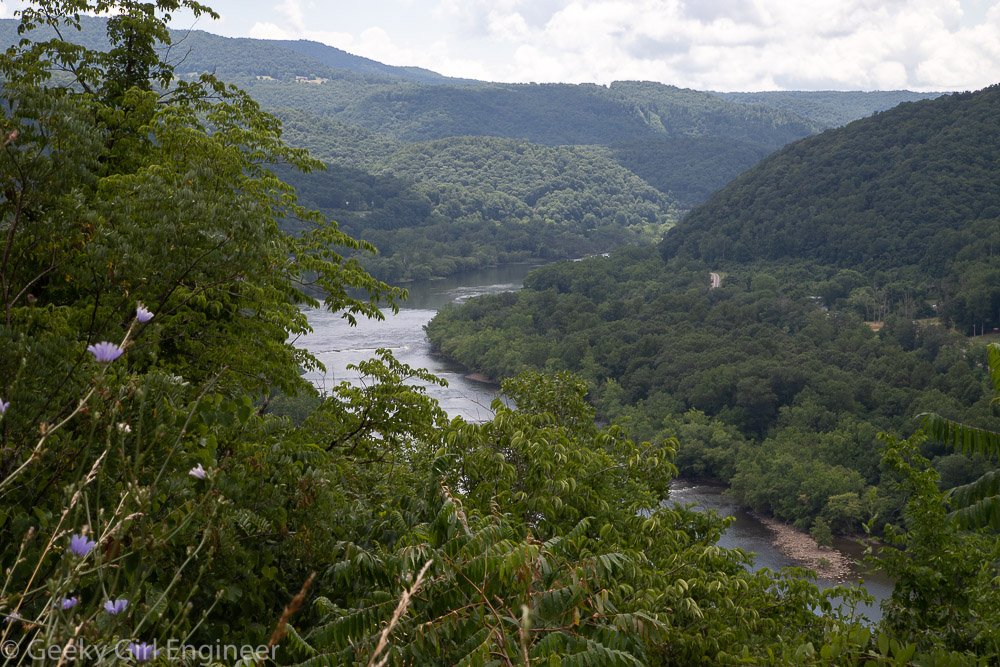
Yesterday I went quite the hike within New River Gorge National park, and it was more of a hike that I thought it would be. I went to the Grandview area, and I hiked along the Grandview Rim trail. The trail is one way, so for the leg of the hike walking towards Turkey Spur, the end of the trail, I took the Castle Rock trail, which parallels the Rim trail for the first half mile. Castle Rock trail is gorgeous, and it takes you just below a wall of rock. At one portion of the trail, the wall of rock has a visible coal seam, which is extra interesting. However the footing on the Castle Rock trail is not even, and there is lots of ascents and descents, so it is a good workout. The rest of the trail, once back on the Rim trail is fairly easy going, especially compared to the Castle Rock trail. The start of the trail is the main overlook, which overlooks a bend in the New River, so you are viewing it from the base of a U shape. The end of the trail is Turkey Spur, which also overlooks the river, but at a location where in the foreground you see the river headed to the west, where it curves, then behind a hill, you can see the river looping around again and headed east.
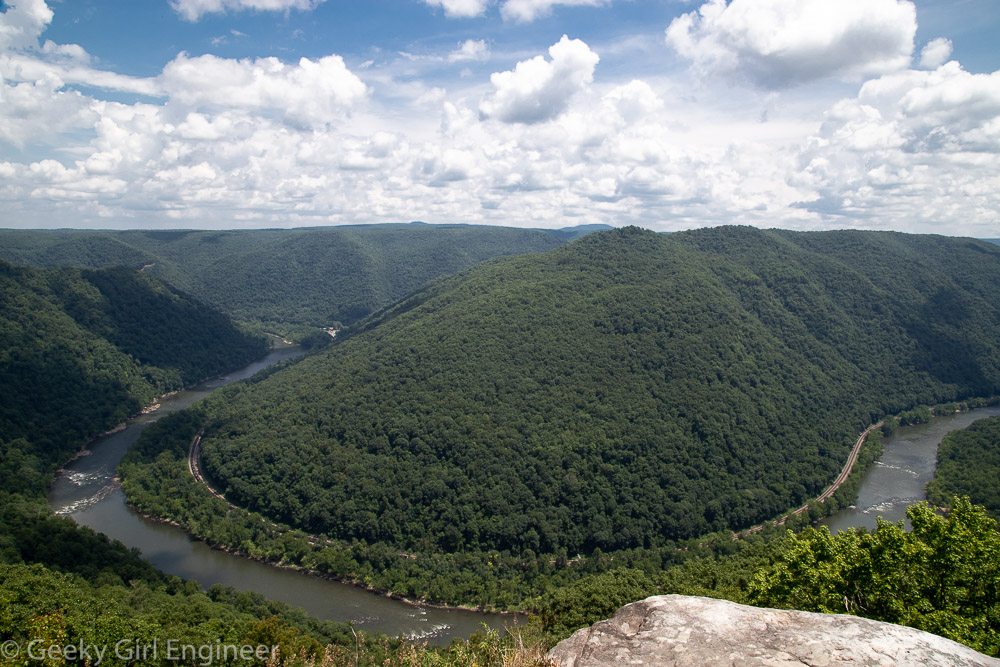
Main overlook of New River
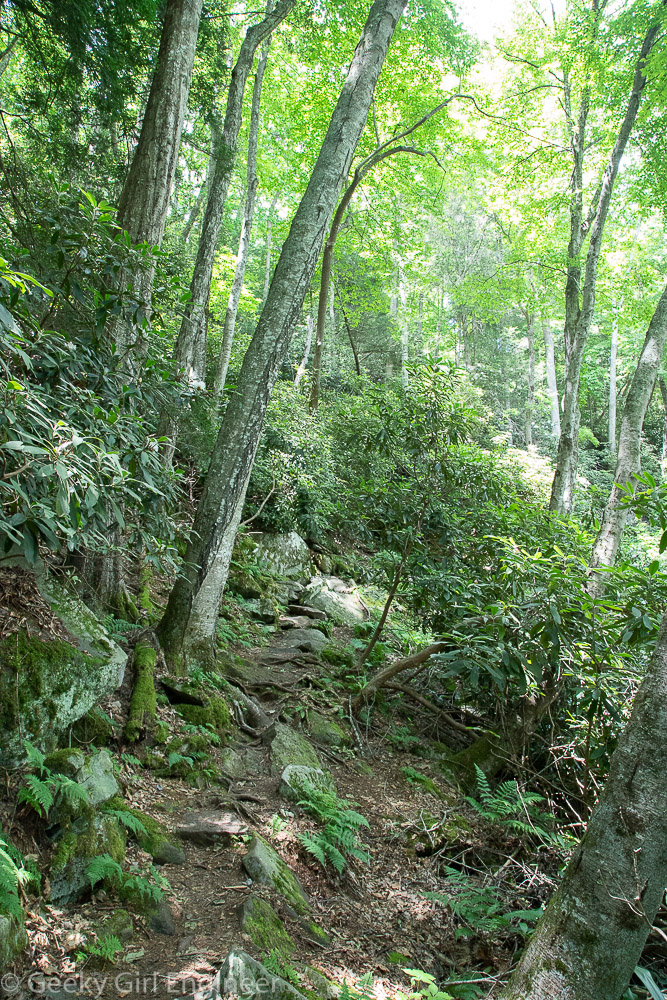
Castle Rock trail
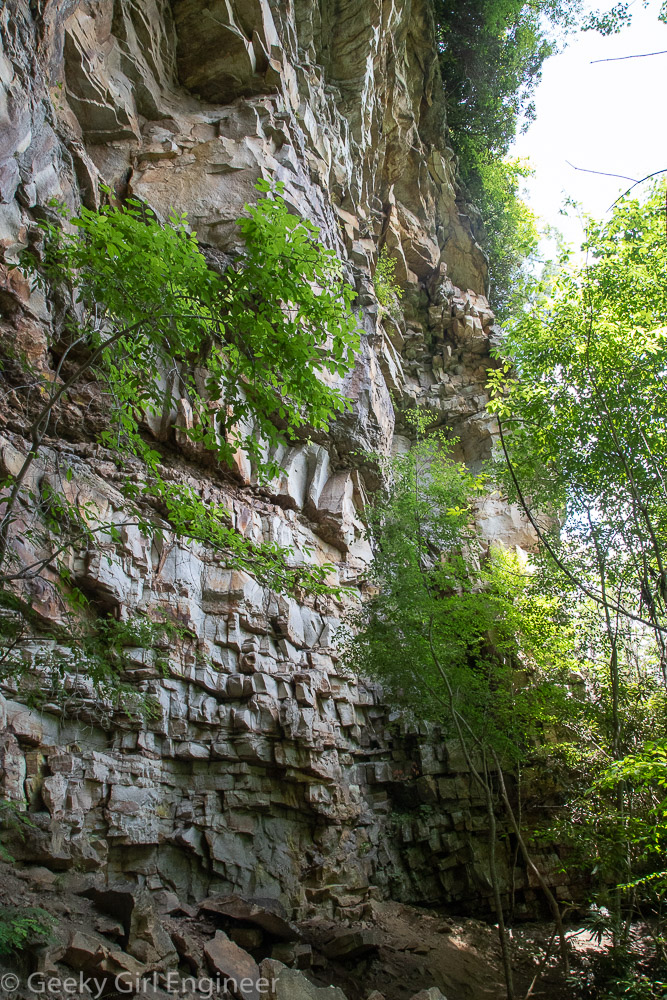
Castle Rock trail
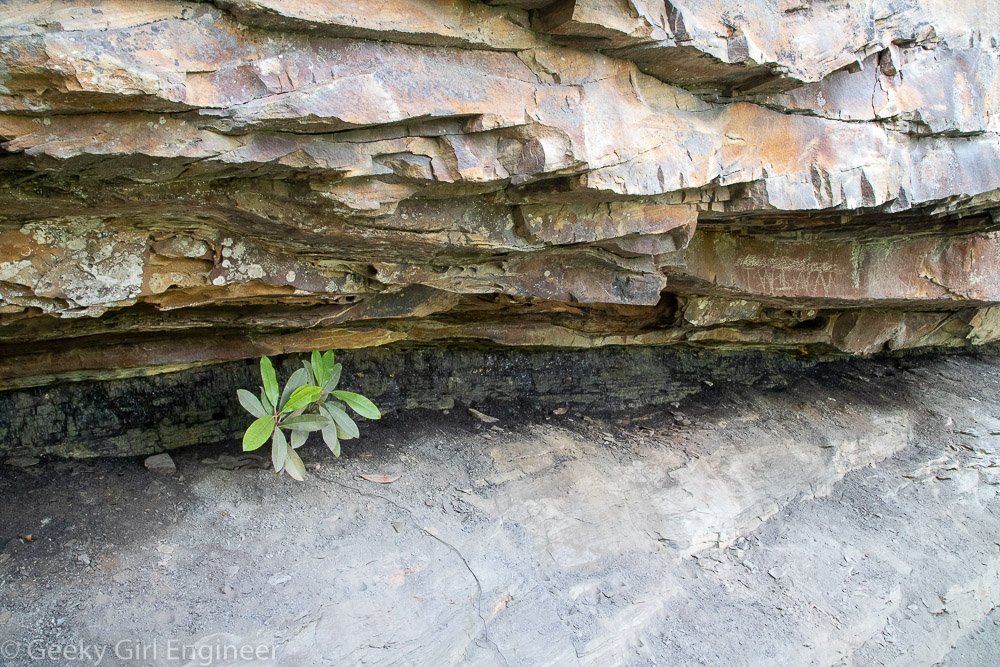
Rhododendron growing in coal seam along Castle Rock trail
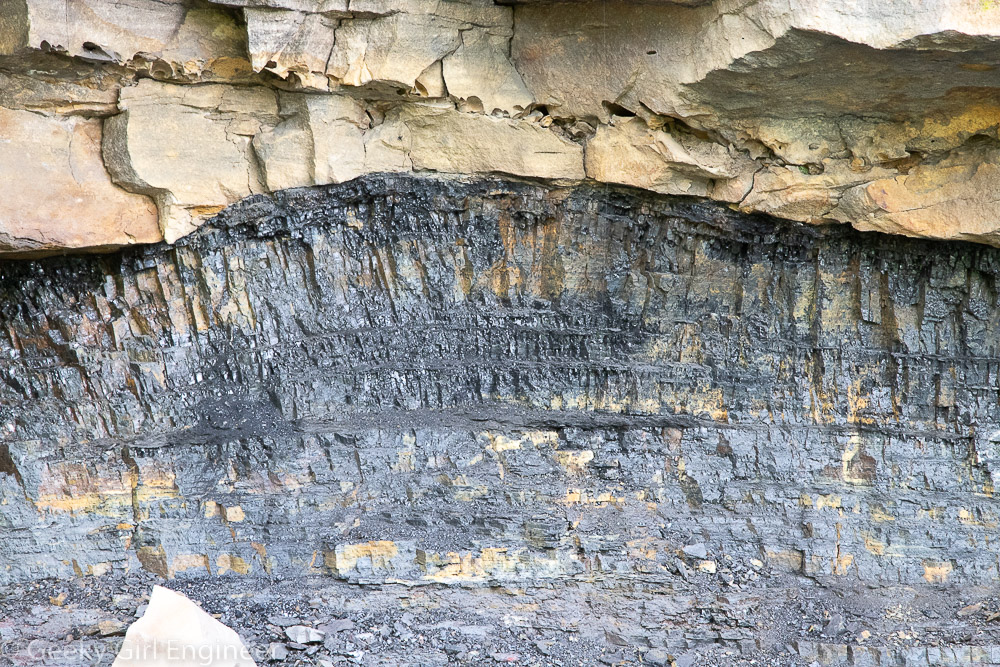
Coal seam along Castle Rock trail
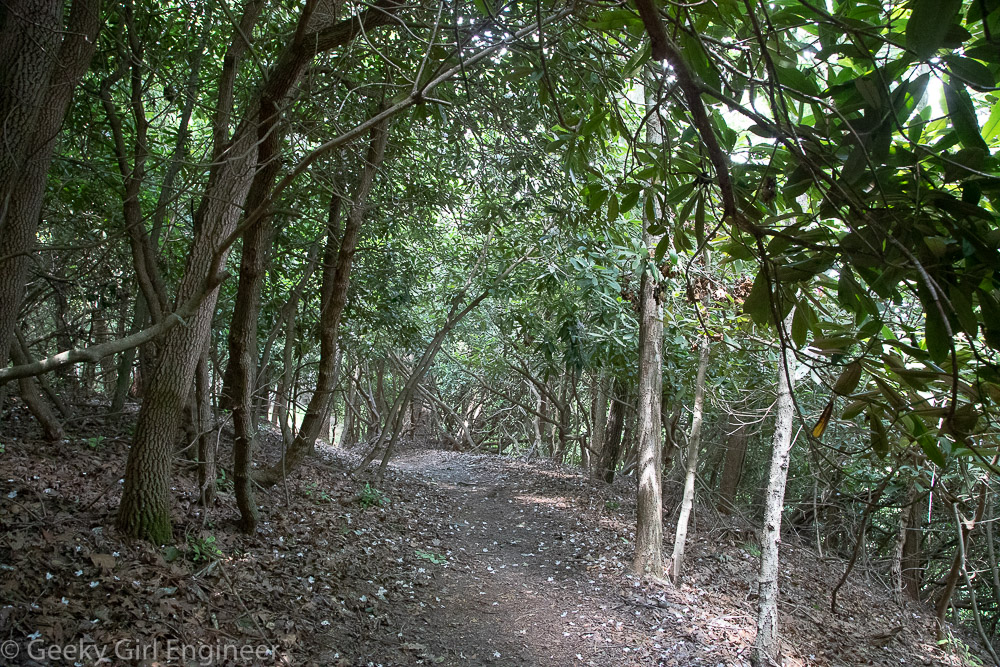
Grandview Rim trail
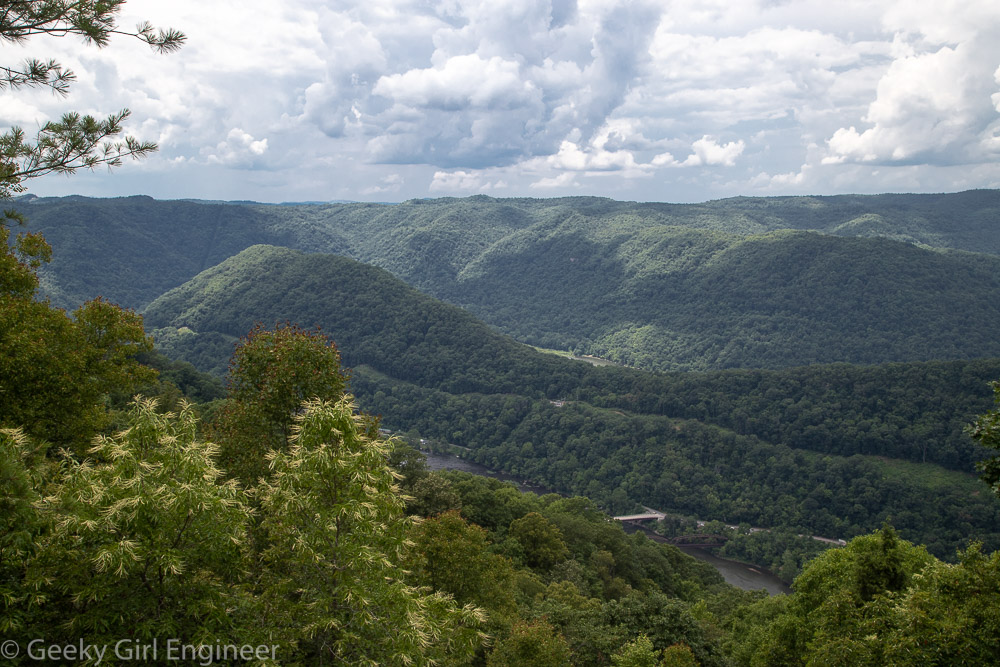
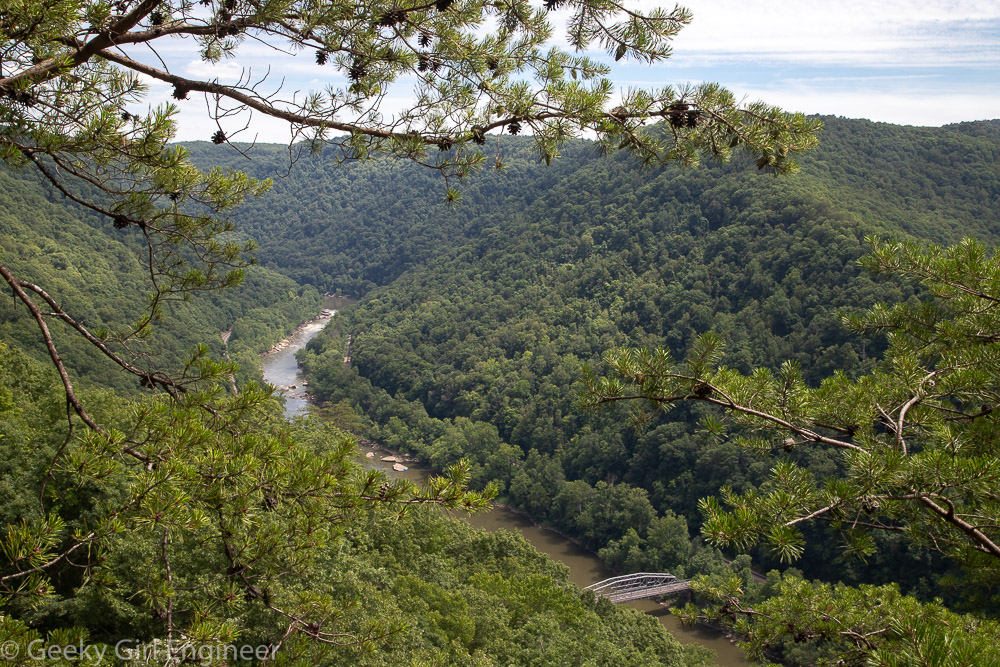
Turkey Spur overlook with Thomas Burford Pugh Memorial Bridge over New River in foreground and New River also in mid-ground
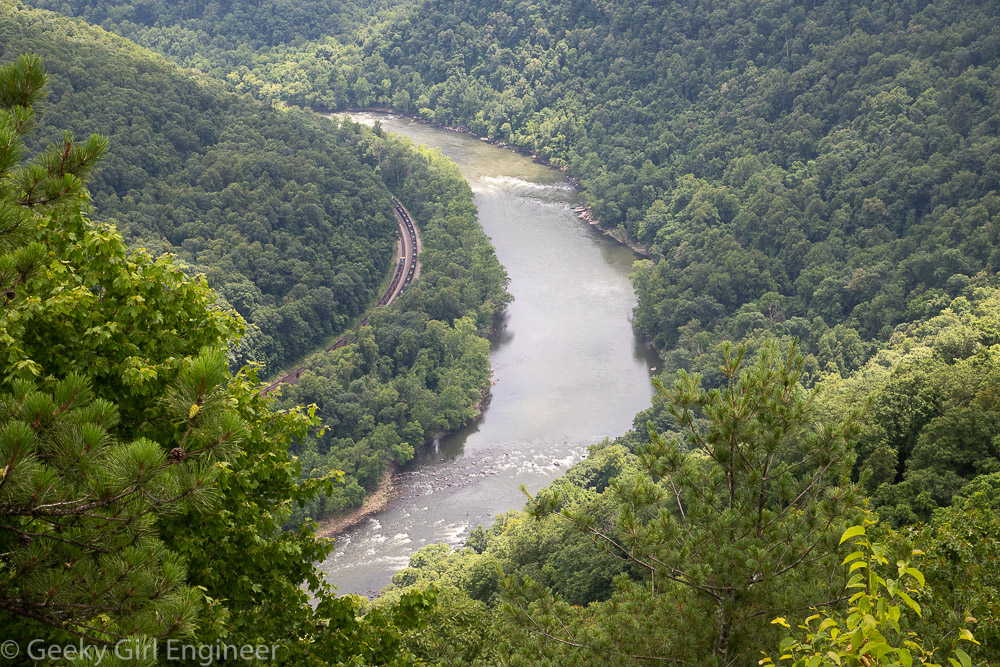
Turkey Spur overlook of New River
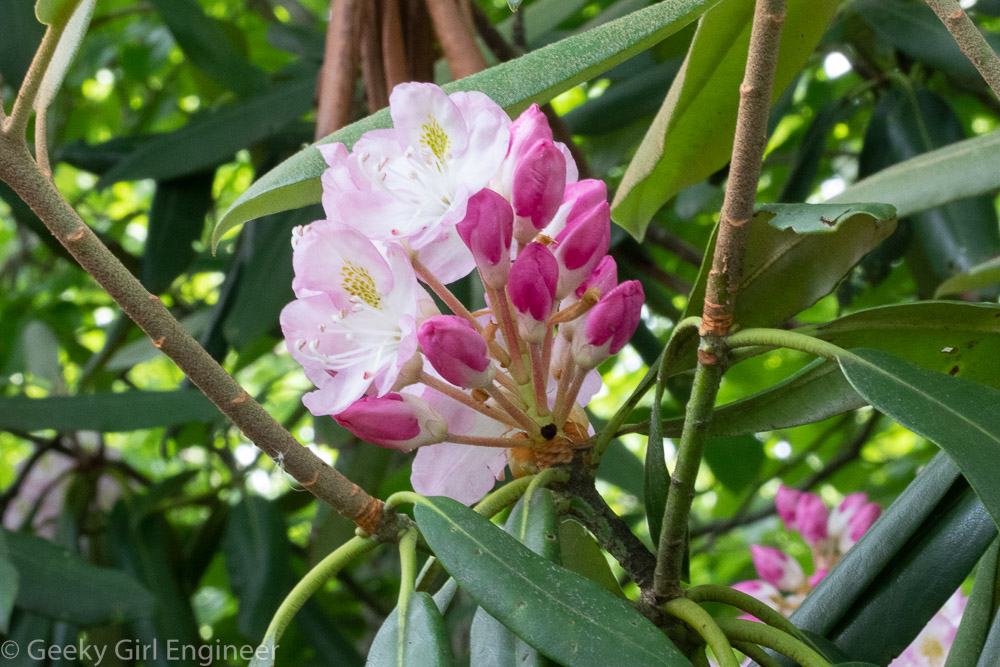
Rhododendron

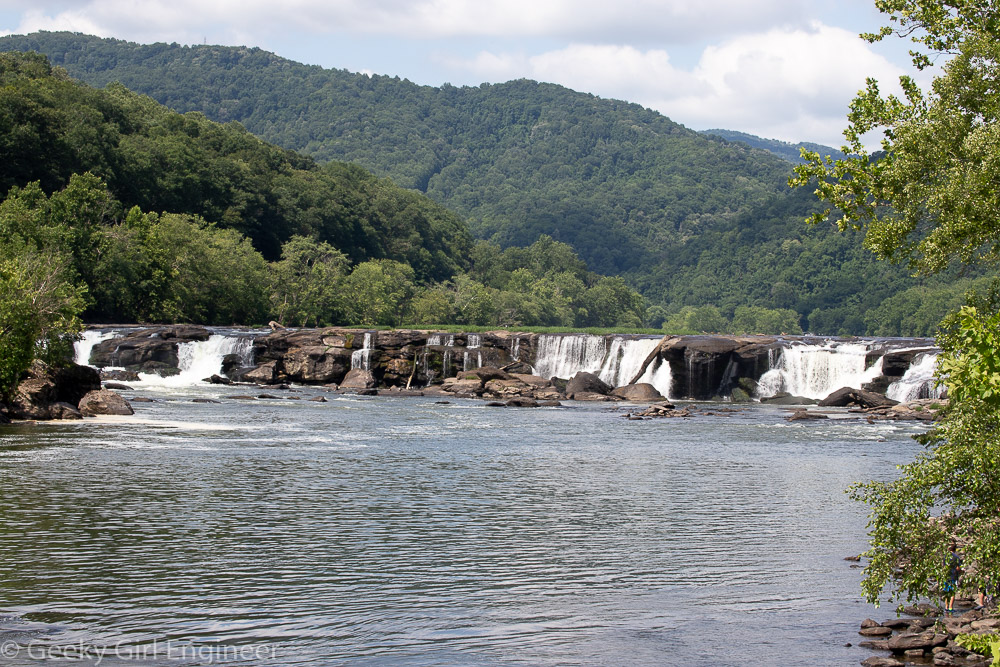
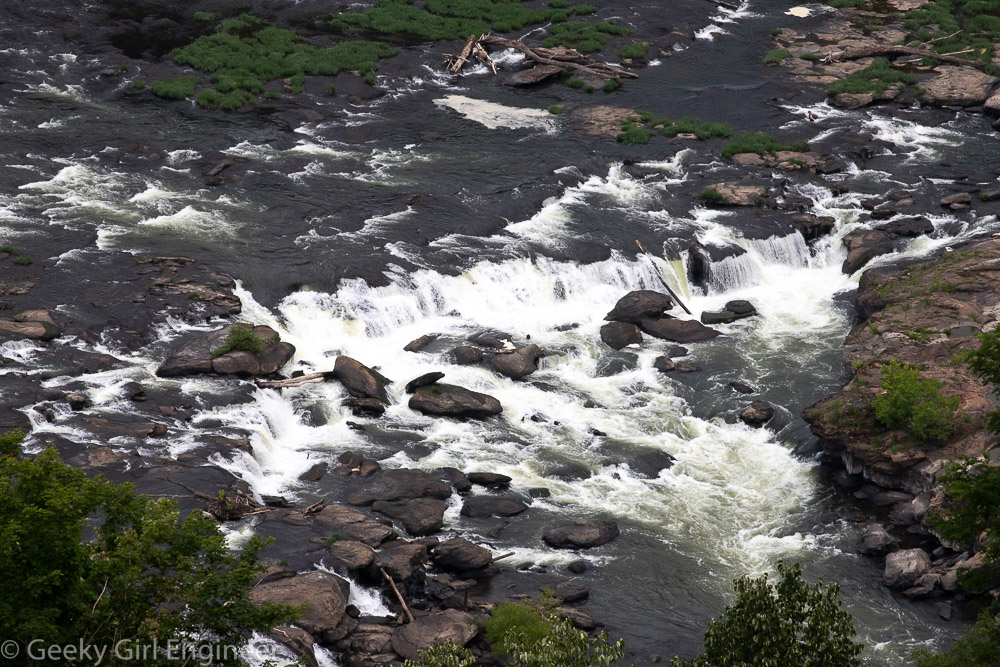
Sandstone Falls

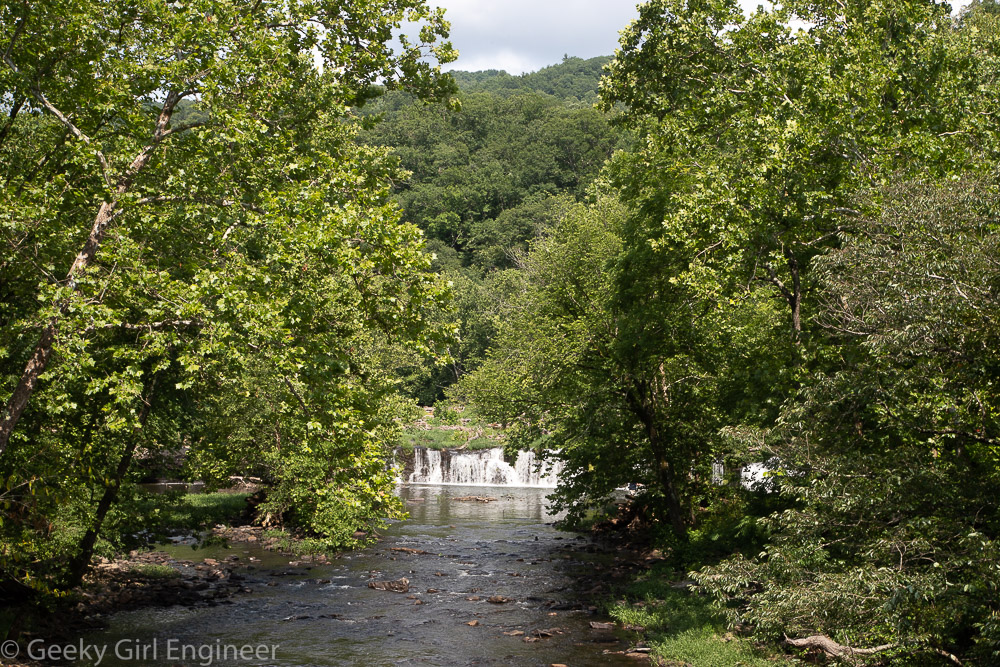
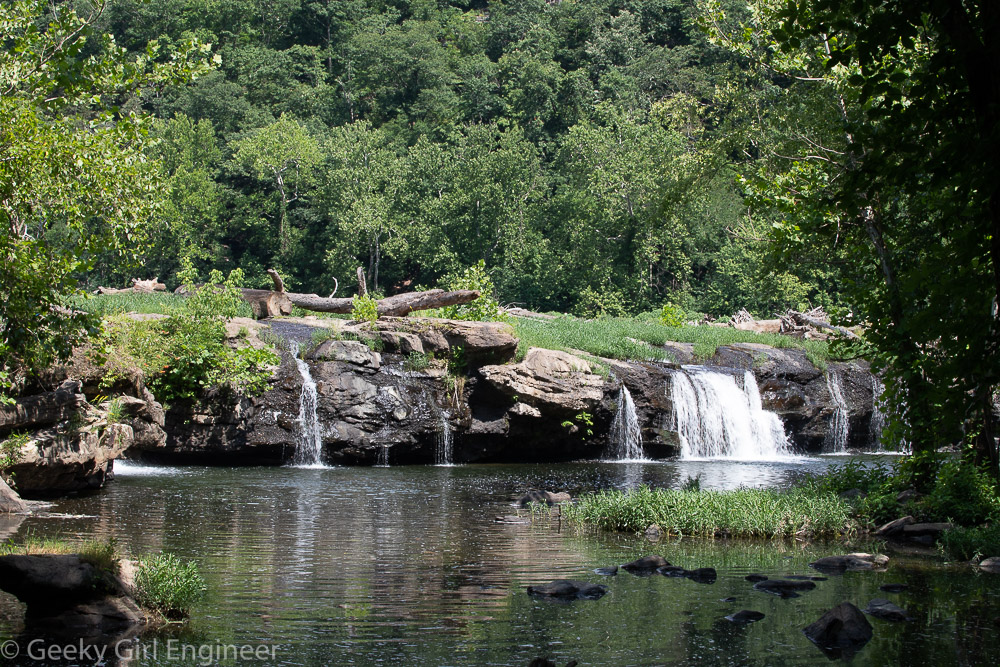
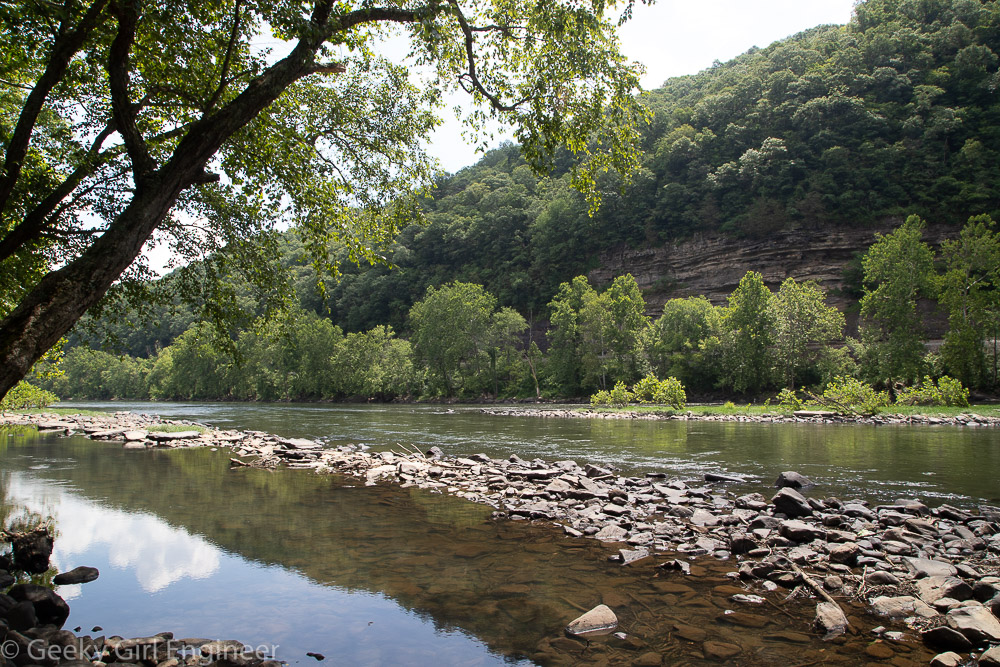
I left West Virginia today, but before leaving, I stopped at Sandstone Falls in New River Gorge National Park to do a little hiking. I also drove to a couple of overlooks of New River and Sandstone Falls.

Sandstone Falls

Sandstone Falls

Sandstone Falls loop trail

Sandstone Falls loop trail

Sandstone Falls loop trail view of New River

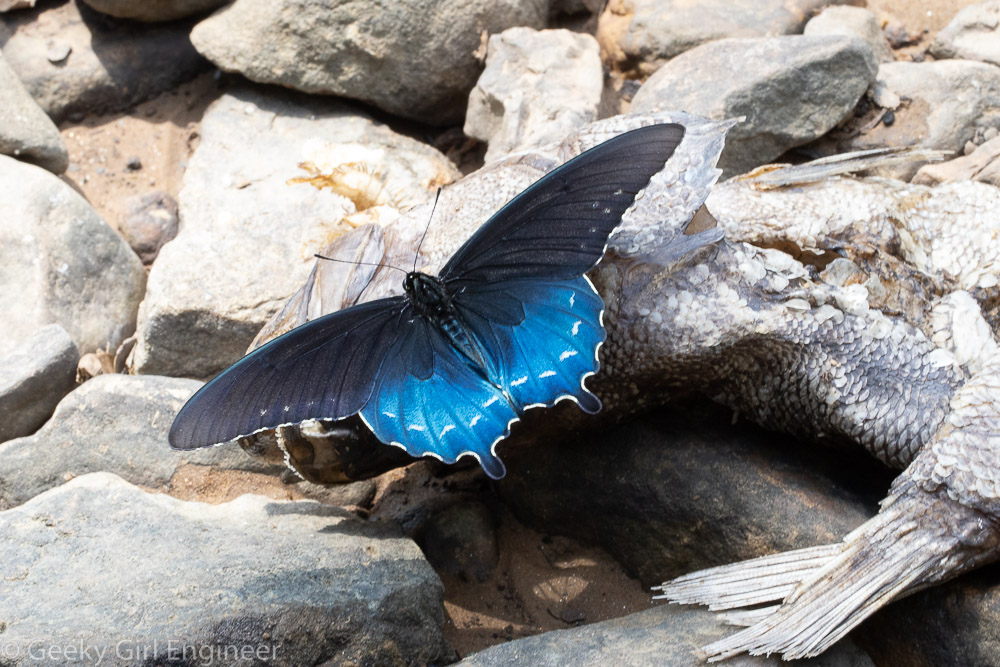
Pipevine Swallowtail Butterfly

New River overlook

Sandstone Falls overlook

New River Gorge National Park

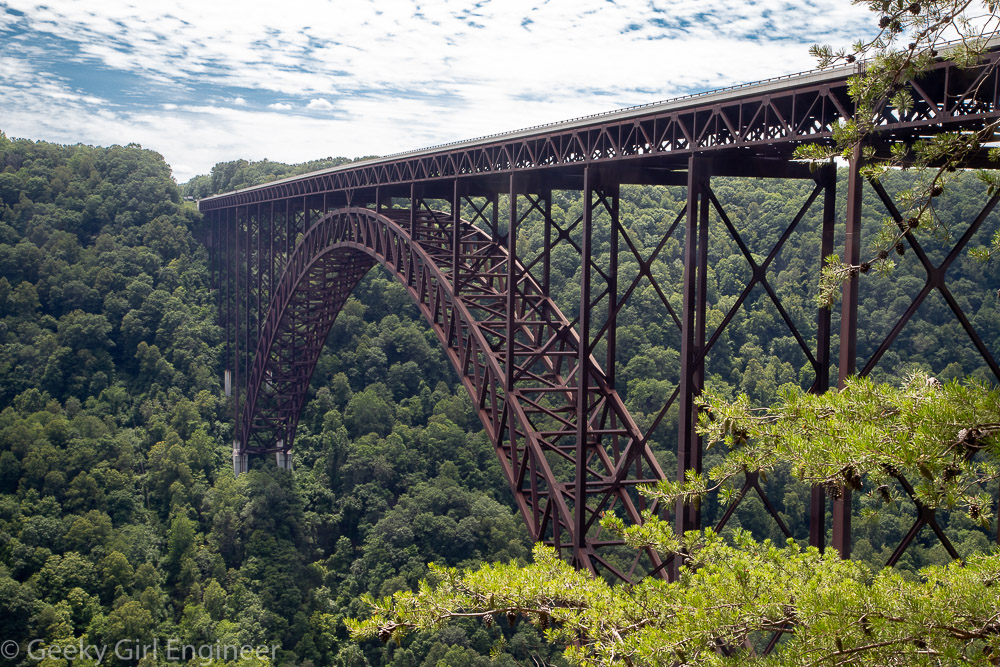
I have been sightseeing and hiking in New River Gorge National Park and surrounding area for several days now. I will be posting the photos in a few different posts. I have taken quite a few photos in the area around the New River Gorge Bridge, so those are what I am posting now.

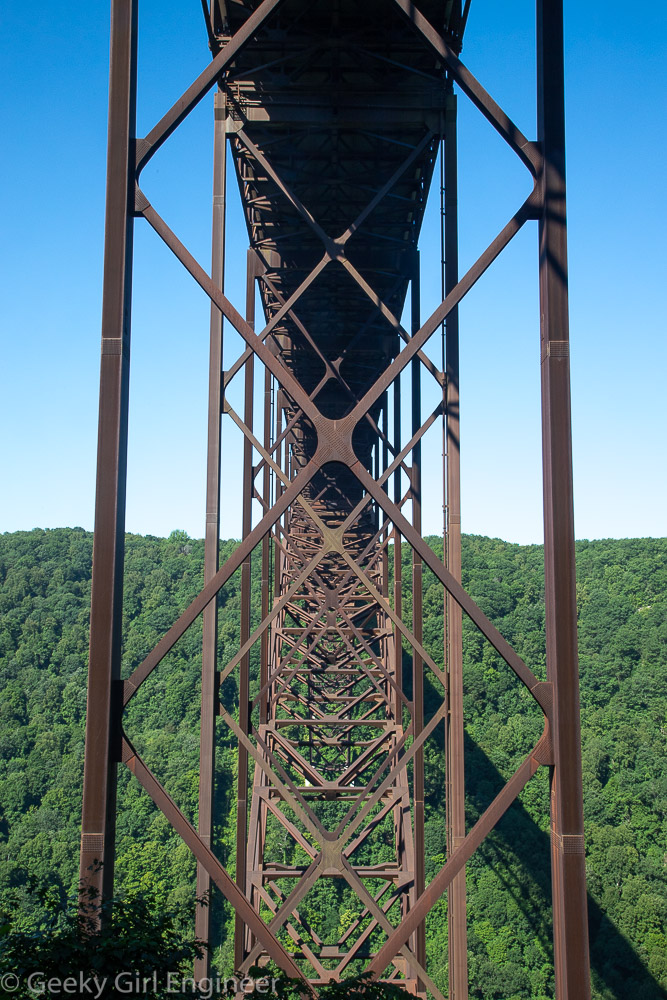
New River Gorge Bridge

View of New River from Canyon Rim Visitors Center outlook

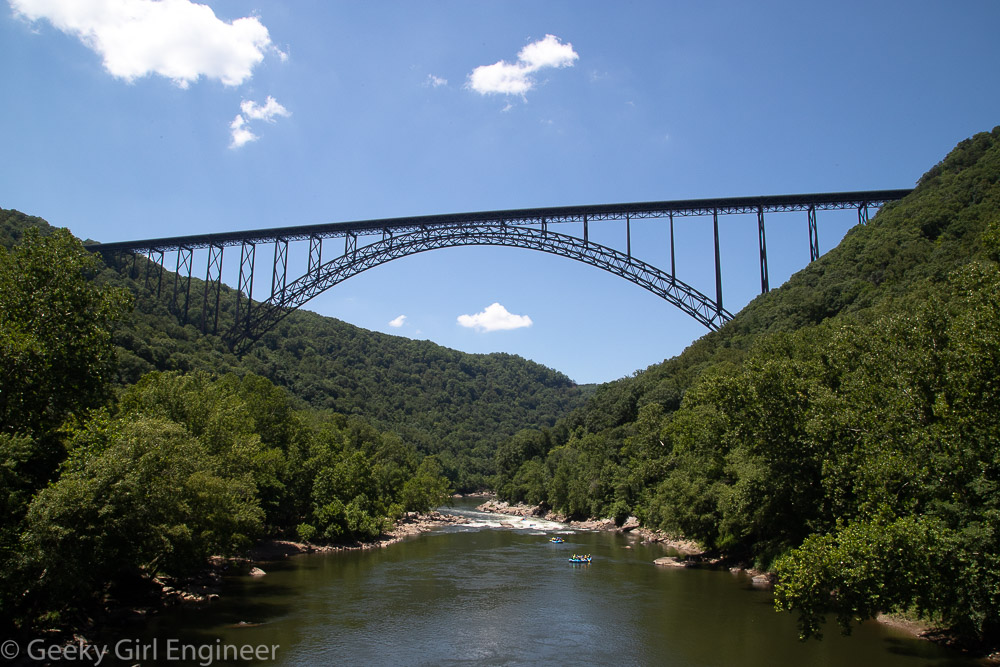
New River Gorge Bridge

New River Gorge Bridge, view from Tunney Hunsaker Bridge

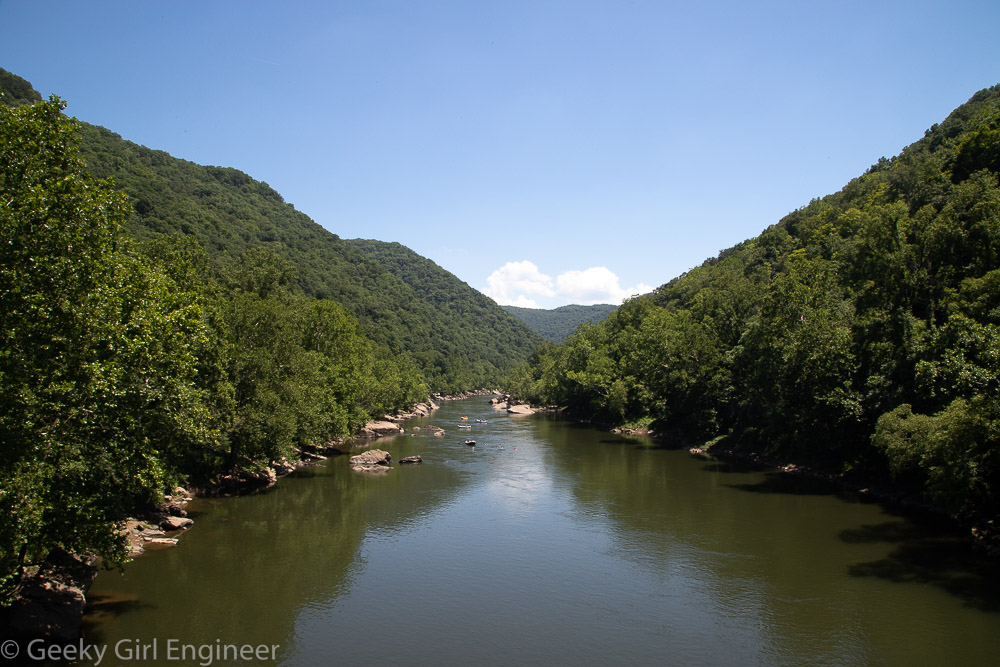
View from Tunney Hunsaker Bridge of New River

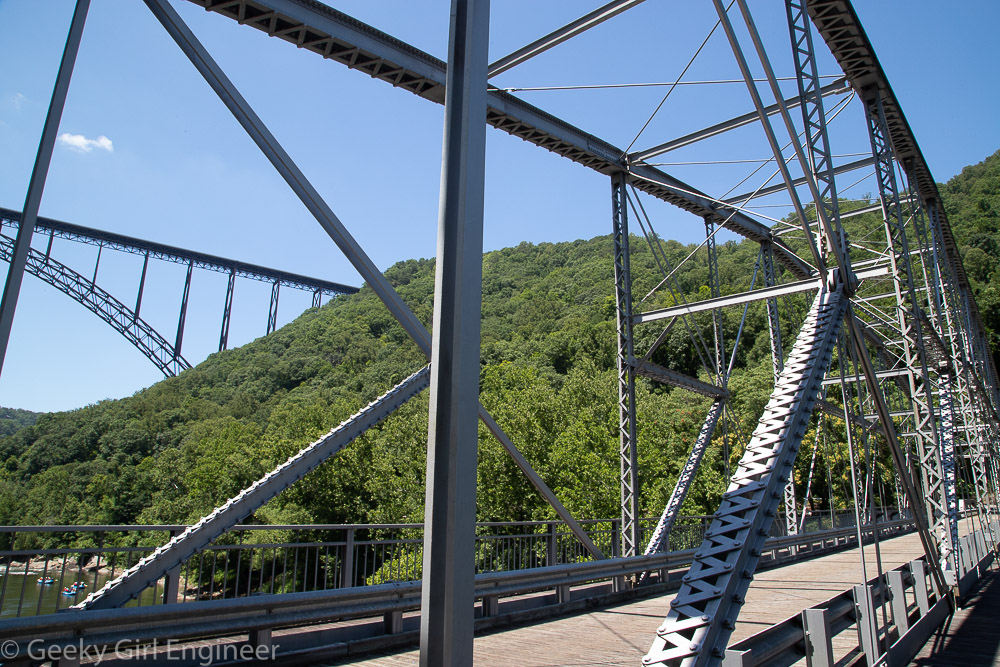
On Tunney Hunsaker Bridge with New River Gorge Bridge in background

New River between Tunney Hunsaker Bridge and New River Gorge Bridge

JQ Dickinson Salt-Works

I visited JQ Dickinson Salt-Works, a small, salt-harvesting facility today, and it was fascinating. I love factory tours, but I don’t think the term factory applies to this place, and it would almost be derogatory to call the salt works a factory. In any event, the process was fascinating, and I am somewhat in awe of how low-tech it is, yet I am amazed how they can produce so much salt. My guide said they will produce about 16,000 pounds of salt this year. There used to be springs in the area that Native Americans knew about as they knew that animals liked to lick the salt from the springs. Salt was produced commercially from the springs when white settlers moved in to the area, but then production ended in the twentieth century. The operation was resumed more recently, and the current well was installed in 2013.

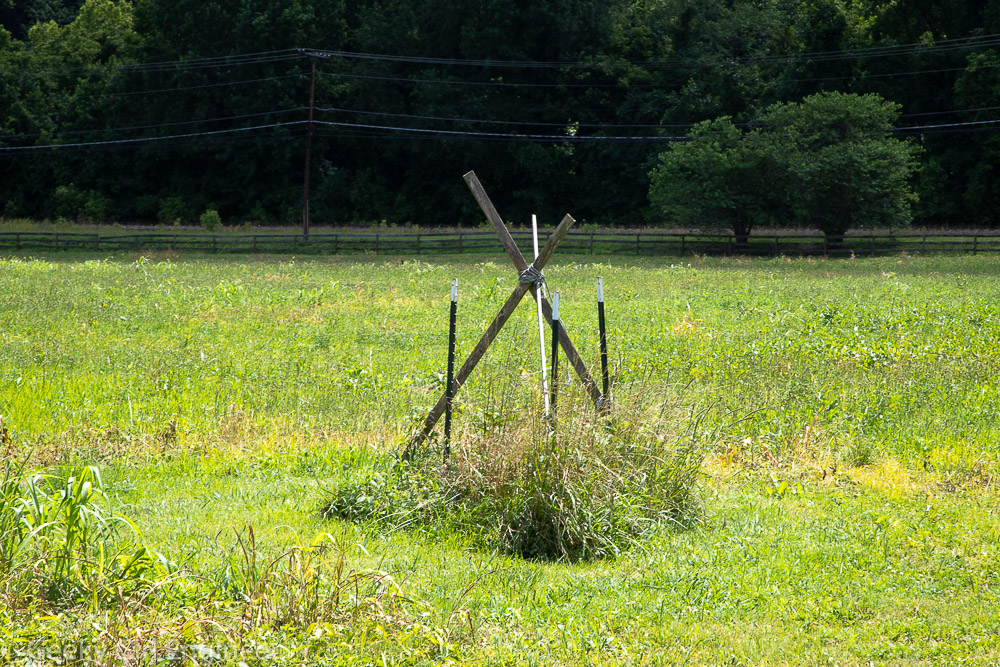
The start of the process is somewhat anticlimactic. The process starts with groundwater that is pumped from an aquifer that is 350 feet deep and contains water from an ancient ocean. The anticlimactic part is that the well is below ground (obviously), and so all you see from the surface is a tripod of sorts marking off the location.

Groundwater well that eventually produces salt

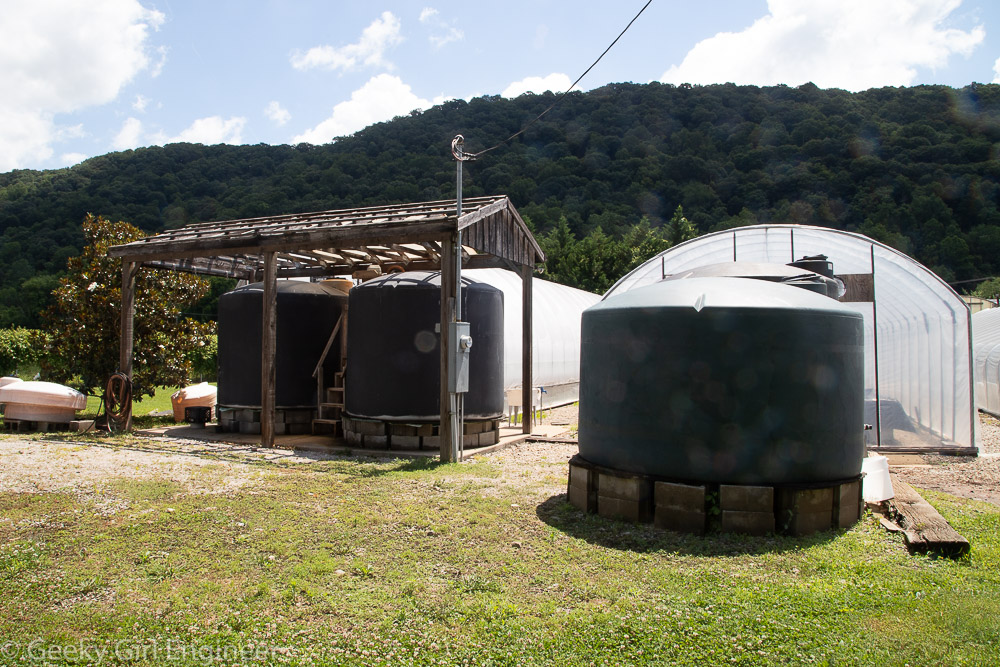
The groundwater is first pumped into storage tanks to allow the iron to settle out from the water.
Groundwater storage to separate iron from water
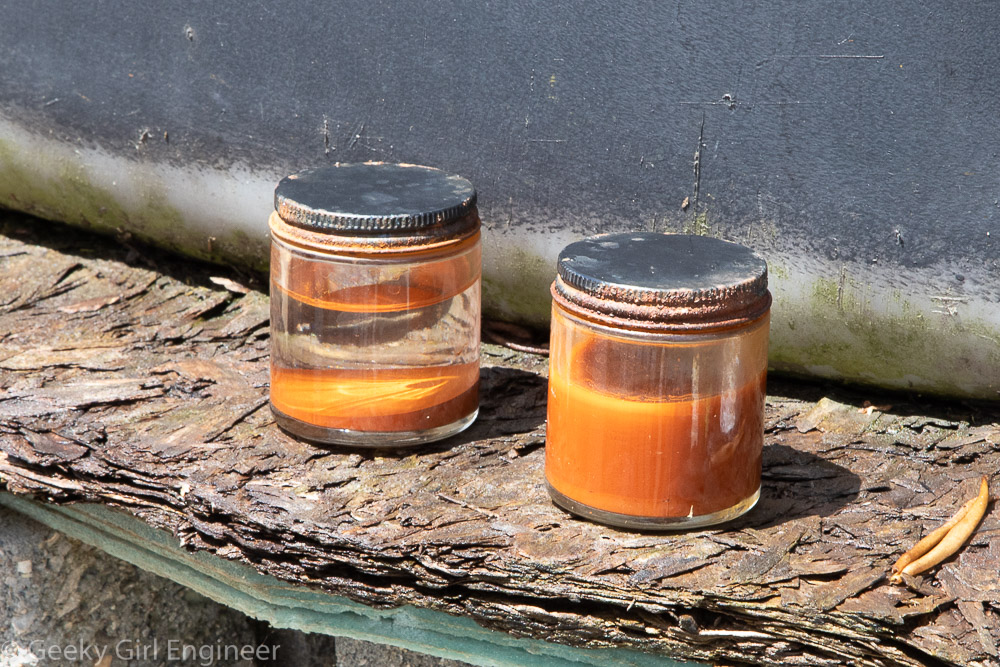
They have sample jars that show what the water looks like when mixed (right) and then once the iron has settled and comes out of solution (left). My guide said they try to keep the process as environmentally friendly as possible and allow little to nothing go to waste. The iron that settles out is eventually sold for wood staining or for pottery glazes.
Sample jars showing iron separating from groundwater

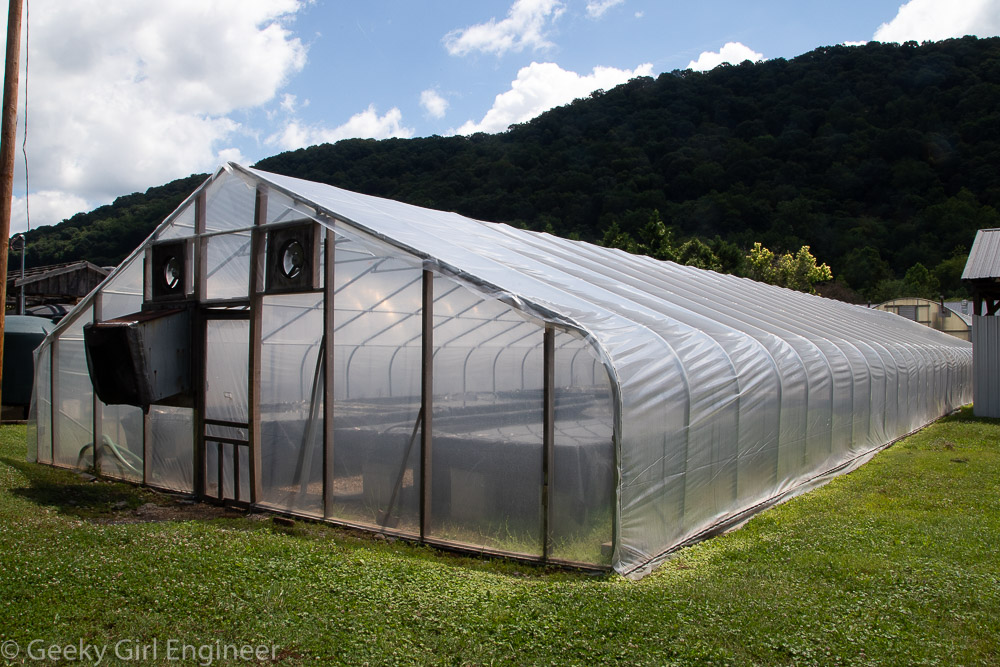
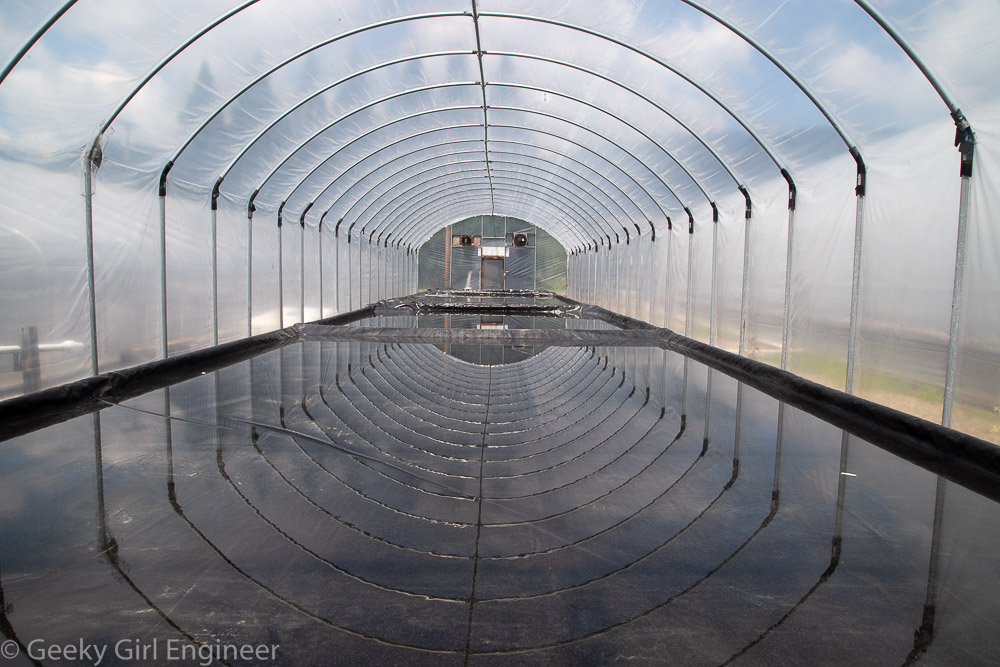
After the iron settles out, the water is pumped to one of three greenhouses to concentrate in shallow pools in black-lined tables.

Greenhouse for concentrating groundwater to brine

I forgot to ask my guide what the starting salinity of the groundwater is, but in these first greenhouses, it sits for about 24 hours until it reaches a salinity of 15%. In the shallow pools, I could see a few fine salt crystals settling out.

Greenhouse for concentrating groundwater to brine

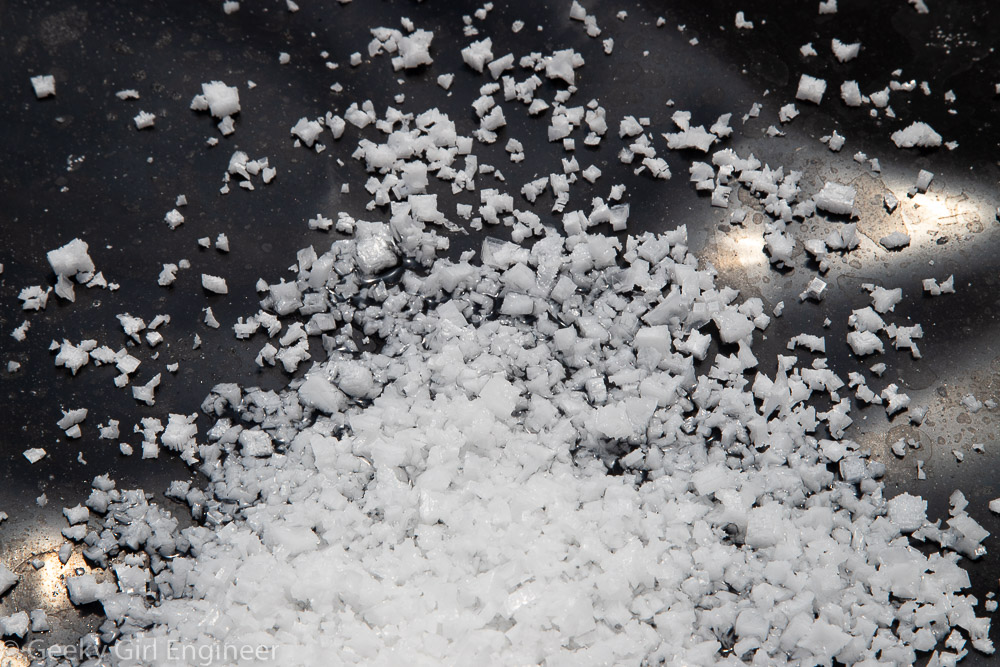
The concentrated water or brine is then pumped to another storage tank and then into another greenhouse. In this greenhouse, the salinity is raised to 25%. This is where large salt crystals are formed. One thing I got confused about is that my guide said the salt was now 25% salinity, but they were clearly salt crystals. Visually it didn’t look like 75% water and 25% salt. I am not sure if I understood correctly what is meant by salinity or if I misunderstood her, or if I am just missing a detail. In any event, the salt was quite pretty.

Salt crystalizing

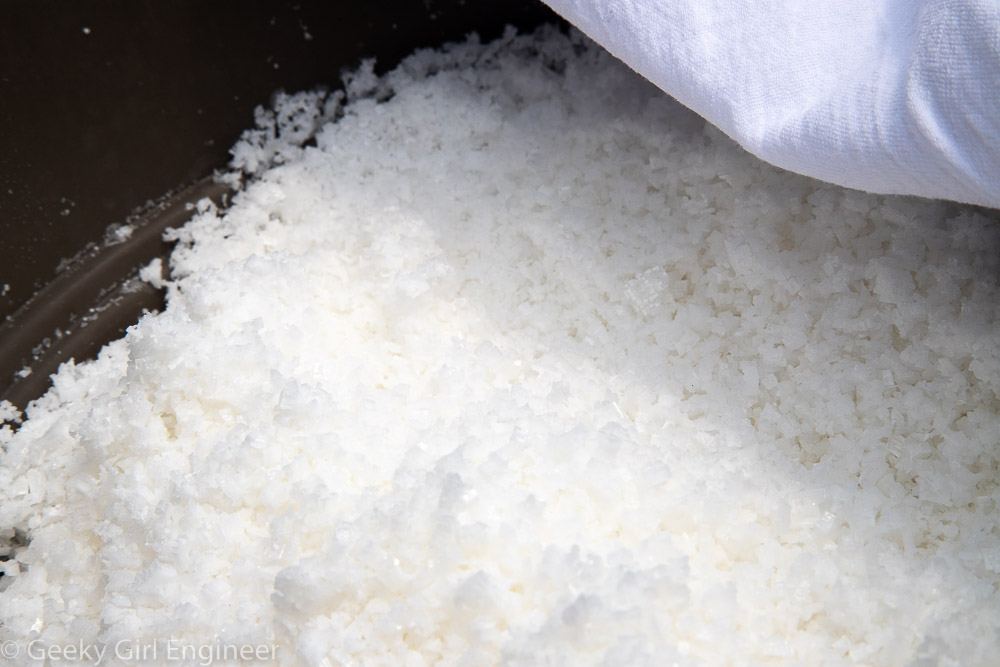
One of the tables had been cleared of the concentrating salt, and there were buckets of salt crystals ready for final processing.

Bucket of salt crystals ready to be dried

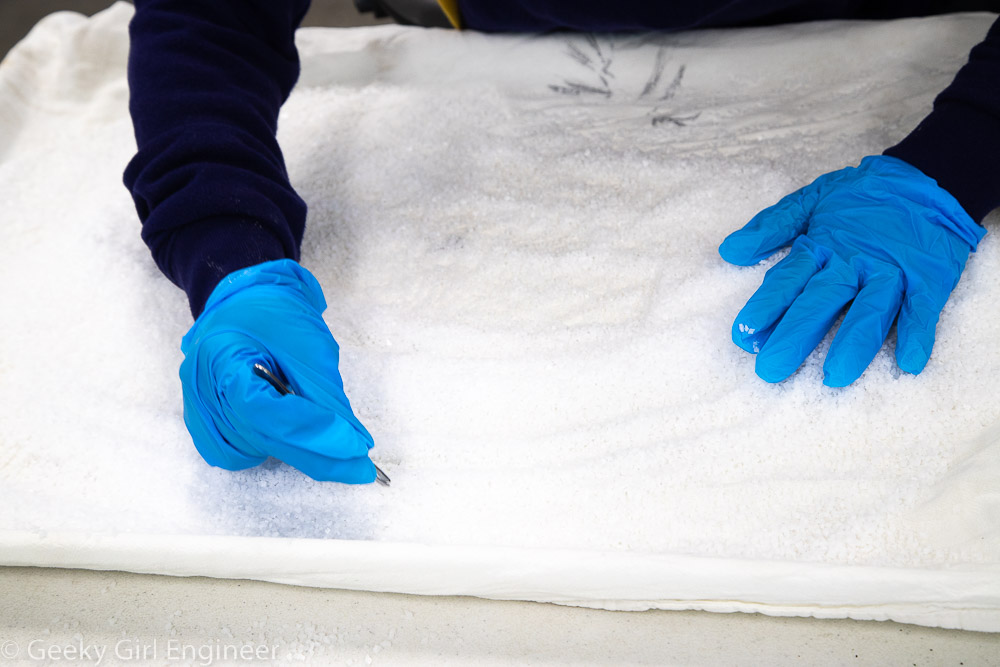
The salt is then moved to another room where it is dried. After that, a person inspects the salt and removes any impurities with tweezers. The women who were working admitted that it is a really tedious job. I would need a headlamp and magnifying glasses to do the task.

Cleaning salt by hand

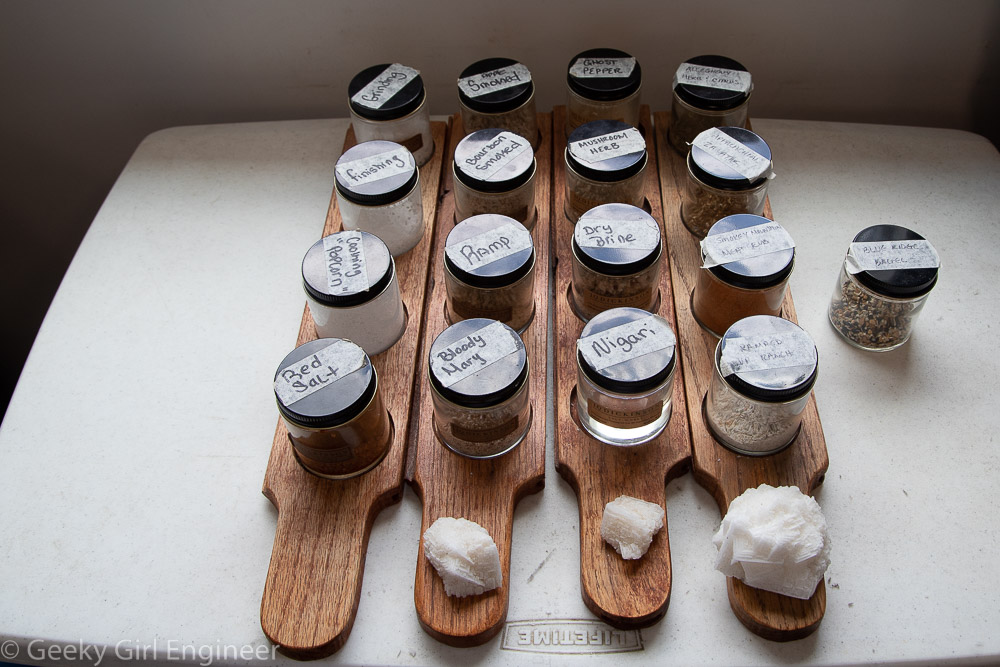
The salt is then ready to be sold. They sell it in three crystal sizes (from finest to coarsest): popcorn, finishing, and grinding. They also mix it with spices, most or all of which are grown locally, to sell as spice salt mixes. The liquid that is left over once the salt settles out is also sold as nigari. Nigari is used to make tofu and cheese, and some people take it as supplement as it is full of minerals. This is part of what my guide said is their goal to not let anything go to waste. Until today, I had never even heard the word nigari, so yet another thing I learned today.

Samples of salt products sold. The red salt is not sold, but it is a very red in color salt that they have to show people what the salt would look like if they did not allow the iron to settle out first. At the bottom of the photo are three giant halite crystals to show how large the salt can grow.

Jug Bay Wetlands Sanctuary

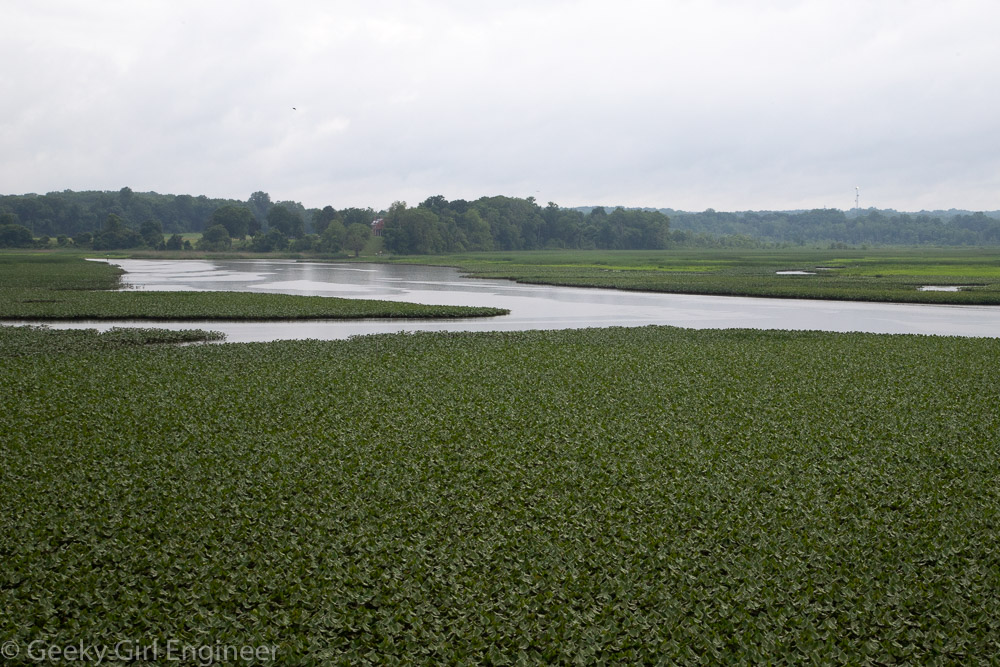
I went on a tour of Jug Bay Wetlands Sanctuary today, which sits along the Patuxent River on the east side. I have lived in the DC area for over a decade, and I am still discovering neat places to visit of which I just was not even aware exist. There are lovely forest and wetlands trails to see. Besides educational outreach, they also do scientific research on the wildlife and even archeology. It is a rather busy park really. On our tour, we also were able to go on a pontoon boat ride along the Patuxent River. There were so many red-winged blackbirds and ospreys along with lots of other birds that were difficult to see.

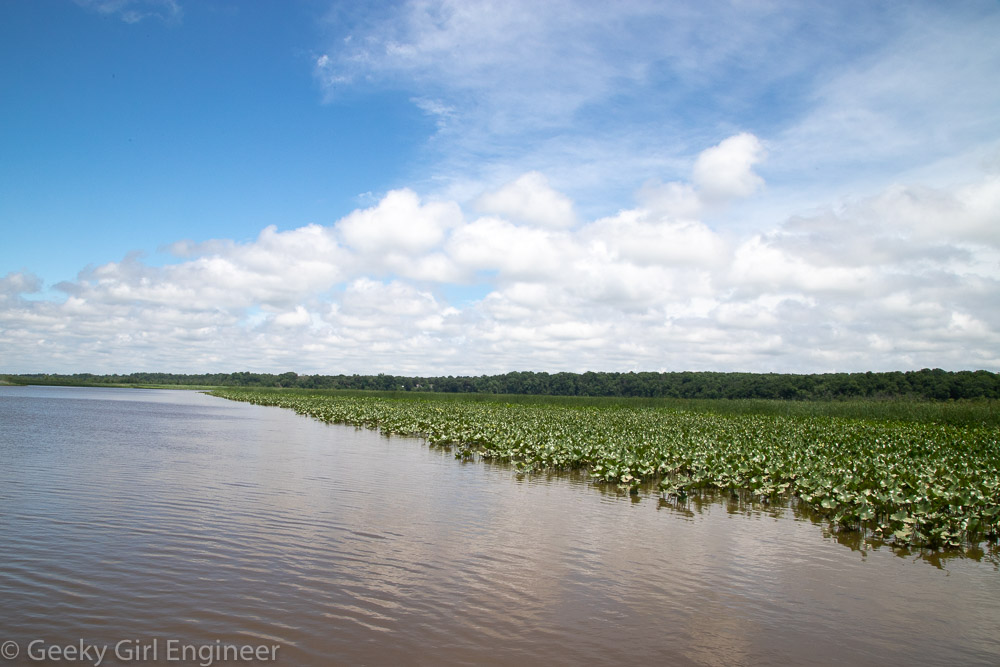
Jug Bay (in the morning while it was raining)

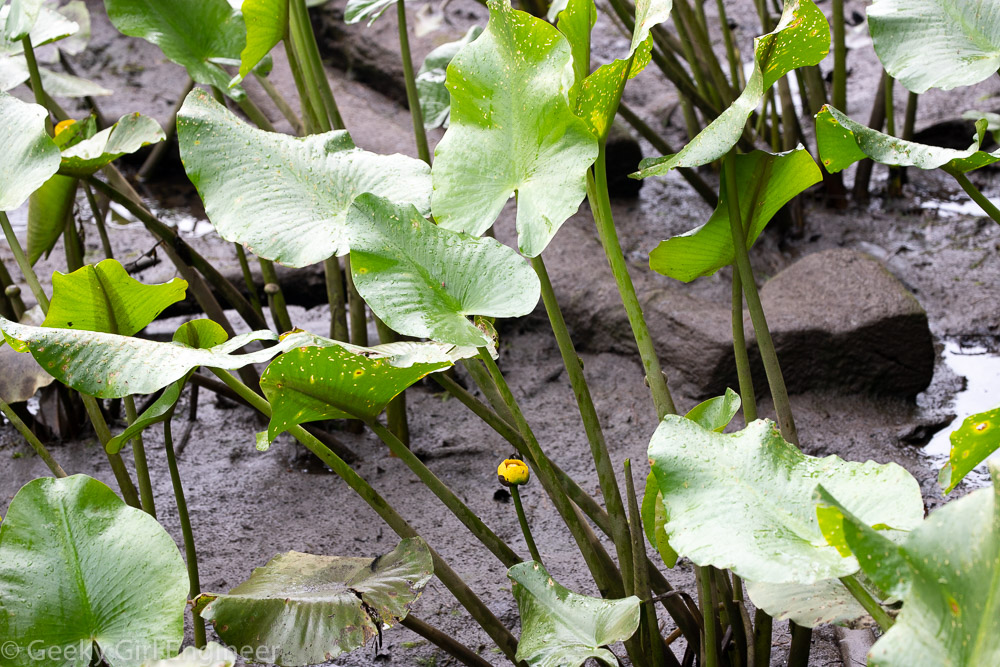
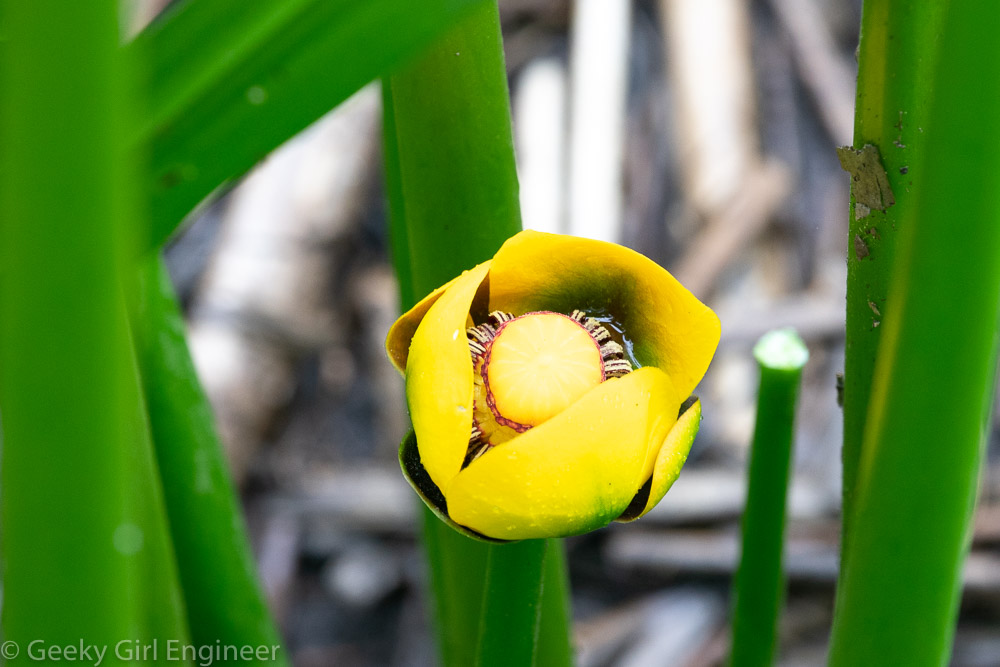
Spatterdock

Spatterdock flower

Jug Bay

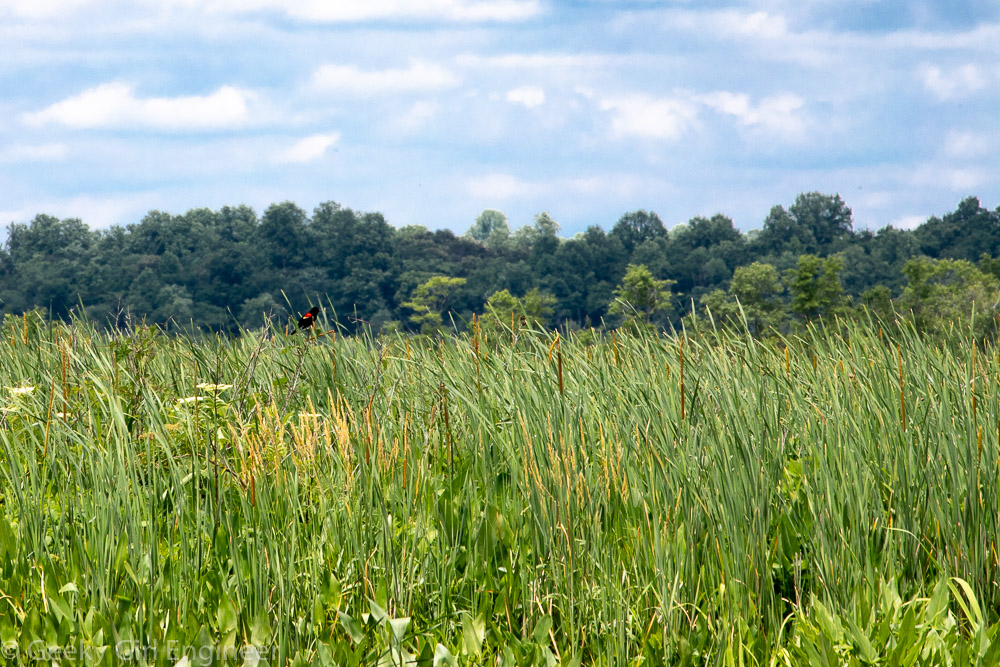
Red-winged blackbird among the wetlands plants including cat-tails, wild ride, and spatterdock

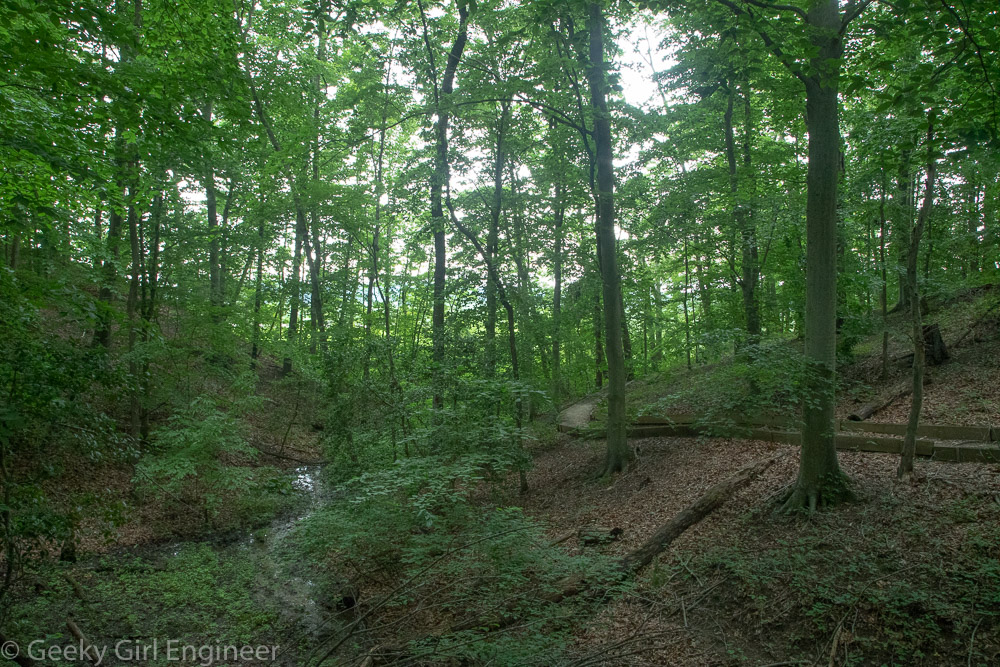
Jug Bay Wetlands Sanctuary trail


Denali River Rafting

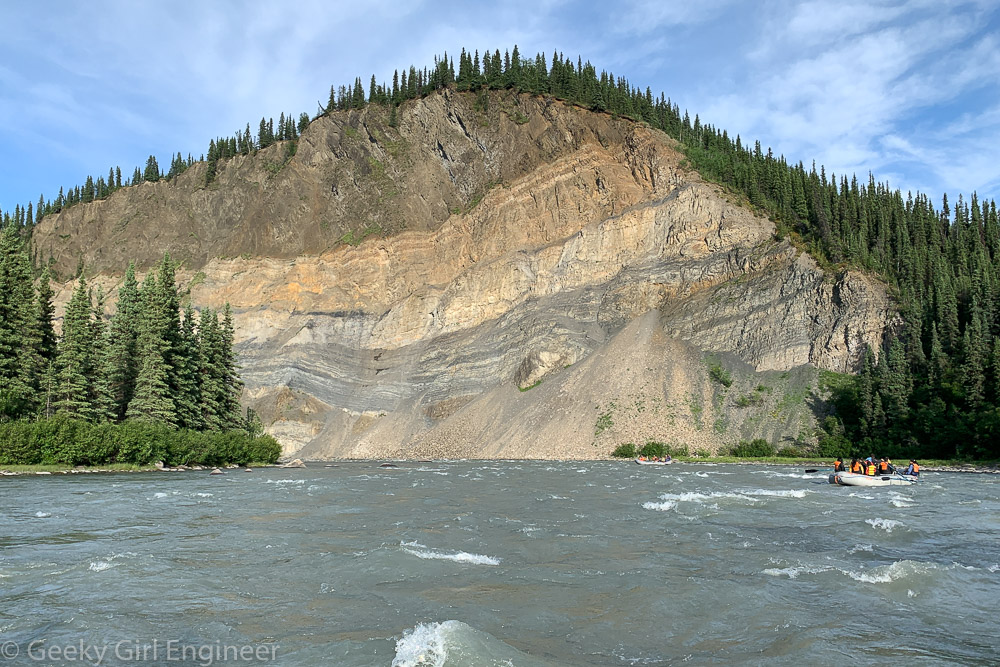
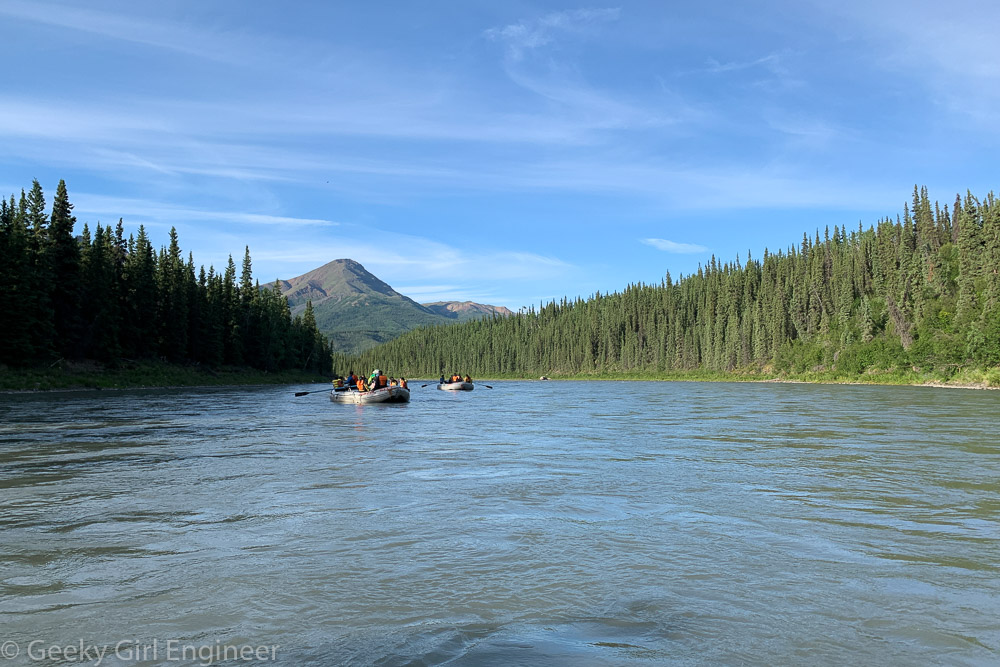
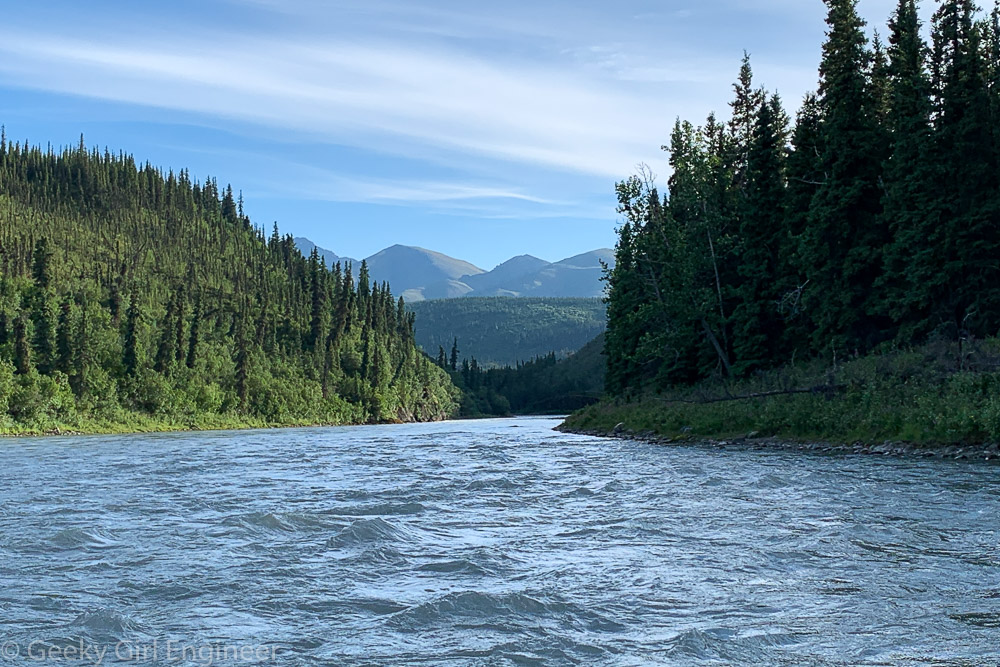
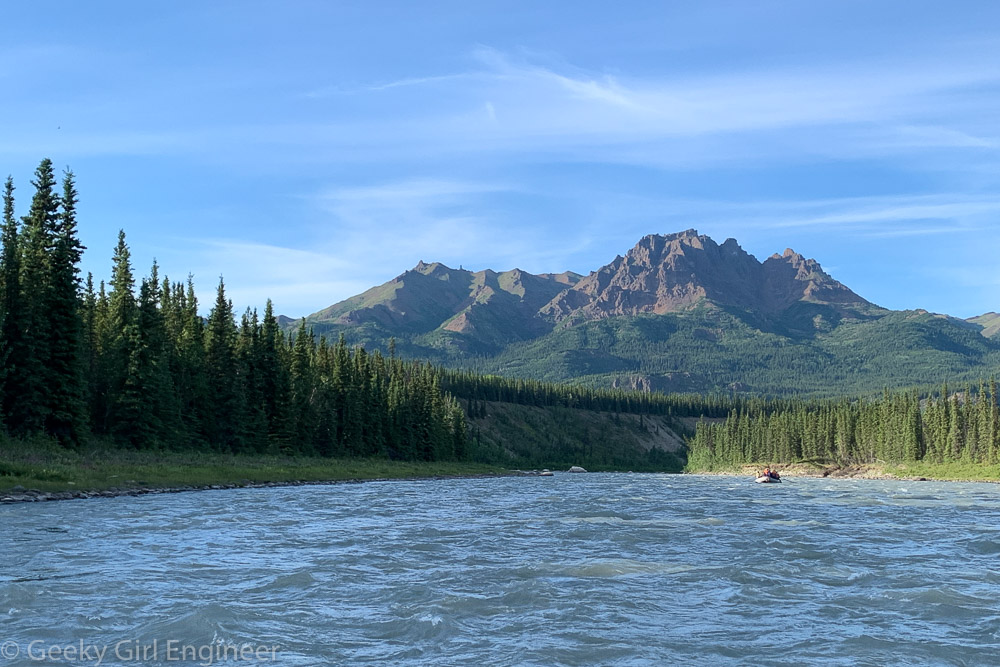
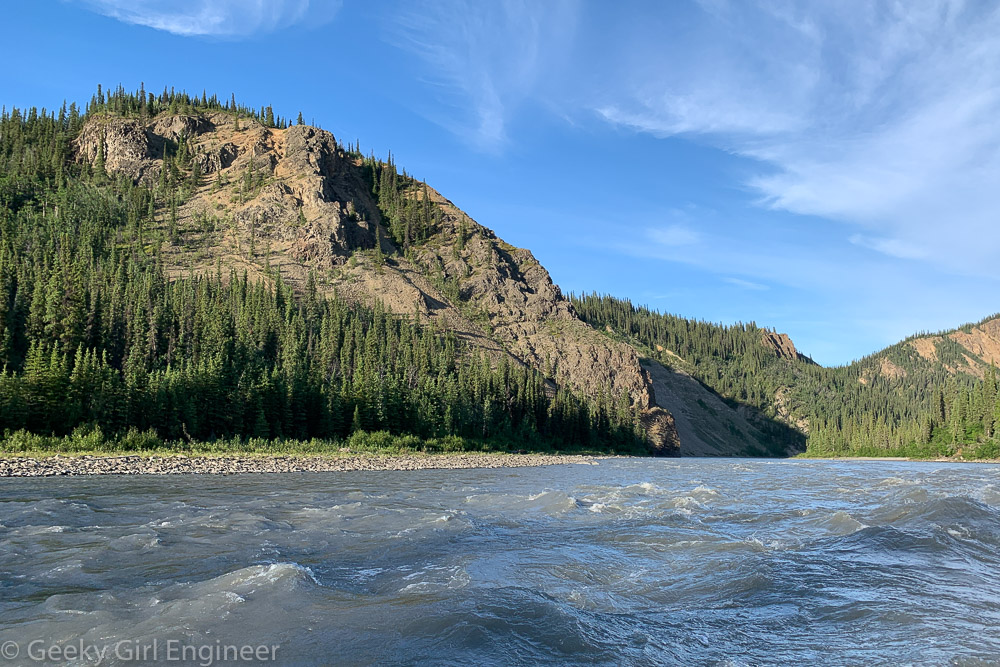
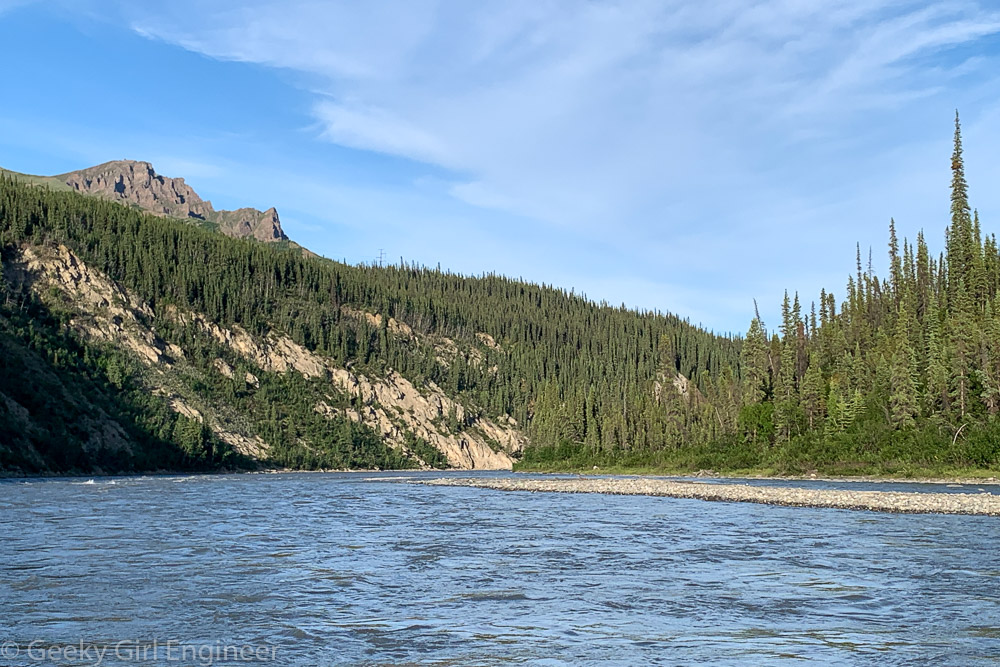
While in Denali, we went white water rafting down the Nenana River with Denali Raft Adventures. I am a chicken, so the McKinley Run, which was class I and II rapids, with two class III rapids was more than enough excitement for me. I have now decided I am good with class I and II, but I really don’t need the class III. I sat in the back and took photos with my iPhone, which I then held stuck into my life vest when the water got a bit to turbulent for me. [This is why the water looks fairly calm in most of the photos below as when the water was a bit too rapid, the phone was in the life vest.] They provided dry suits, like the SCUBA dry suits (but without the BC vent), which was good because the water was cold, and everyone got splashed at least some. In any event, the rafting did provide wonderful views from the river. There was some wonderful geological features that I could admire from the river besides the river itself, which is a textbook case of a meandering, eroding and depositing river. The river also cut through geological layers and a fault that was visible, so that was fun to see.

Guide says this is referred to as neapolitan rock due to the geologic layers

Floating down the river

Floating down the river

Dormant volcano in the background

On the right of the photo, river erosion of the left side of the shore is visible

Deposition of a sand bar is visible on the right side of the river

Kenai Fjords Cruise

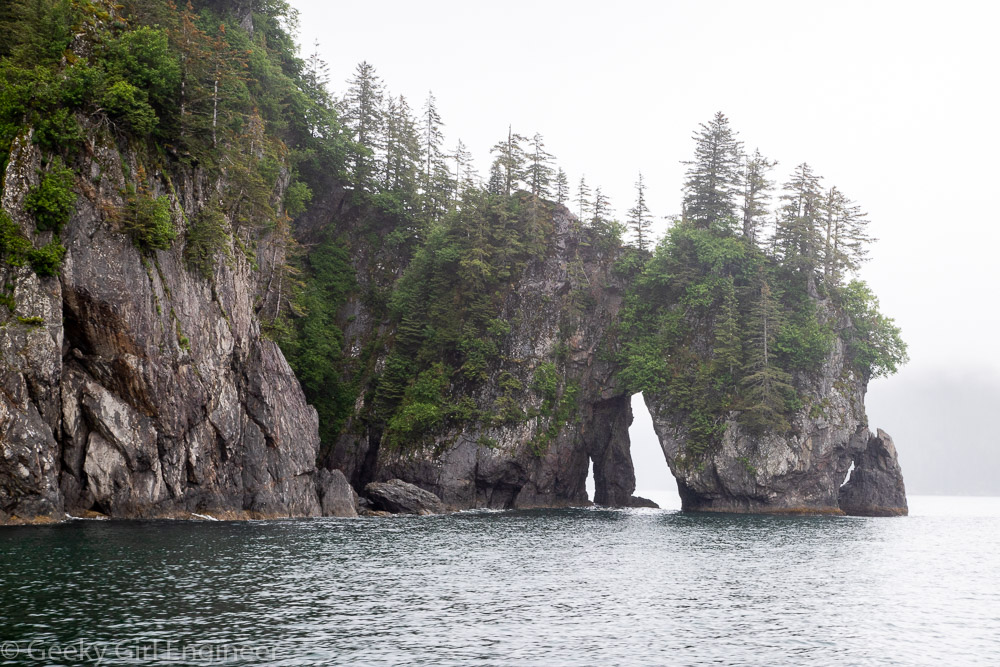
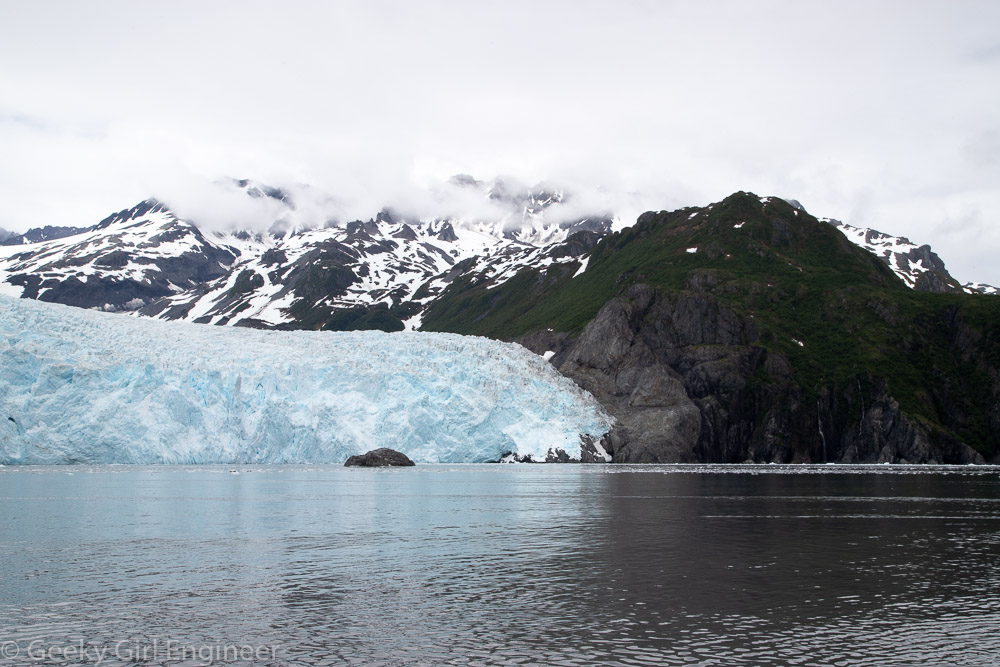
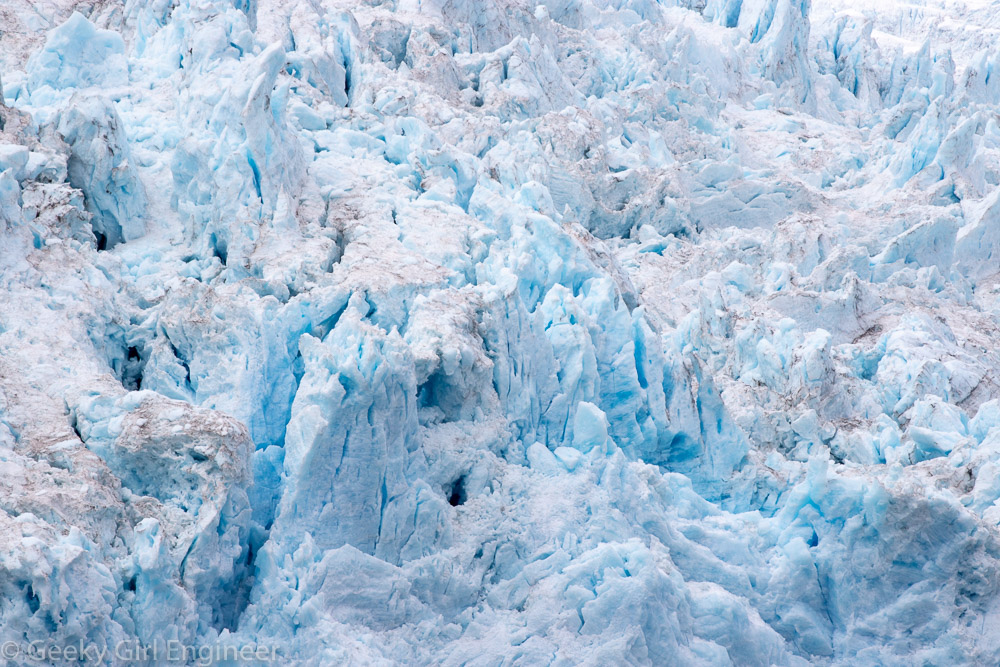
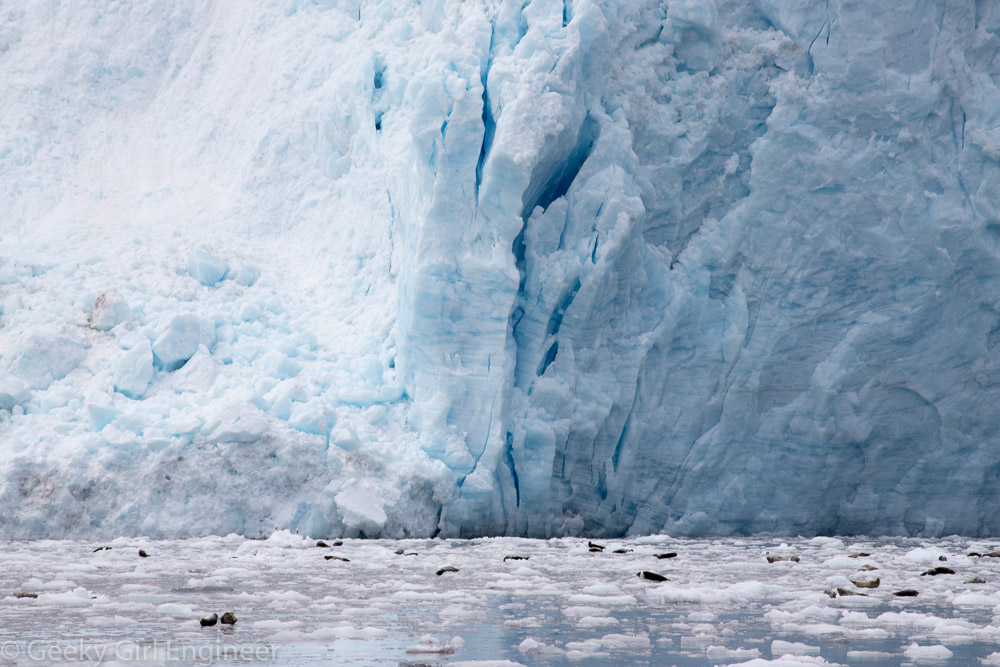
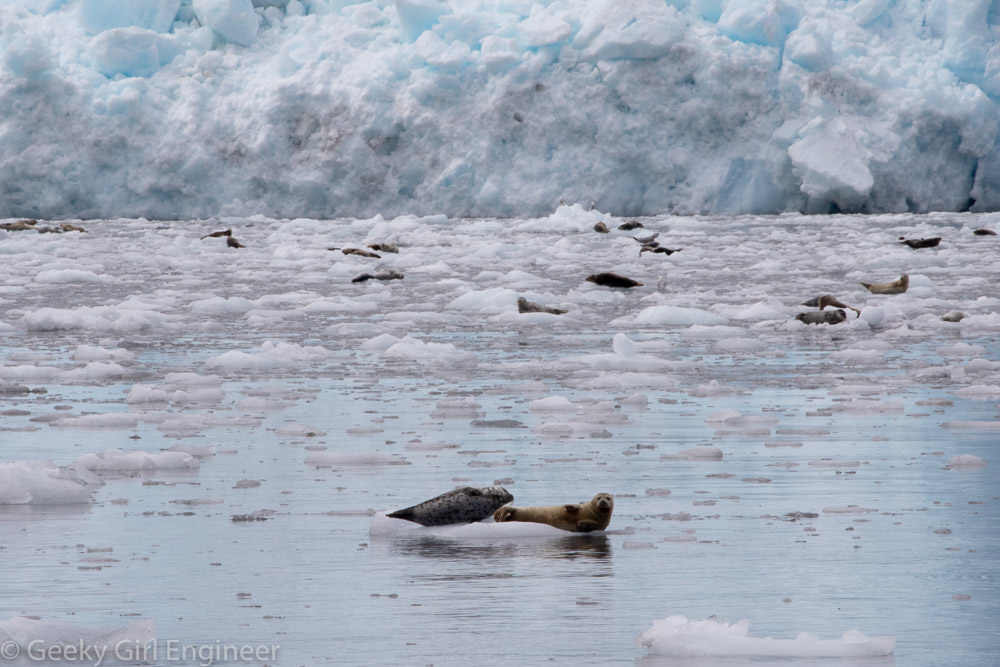
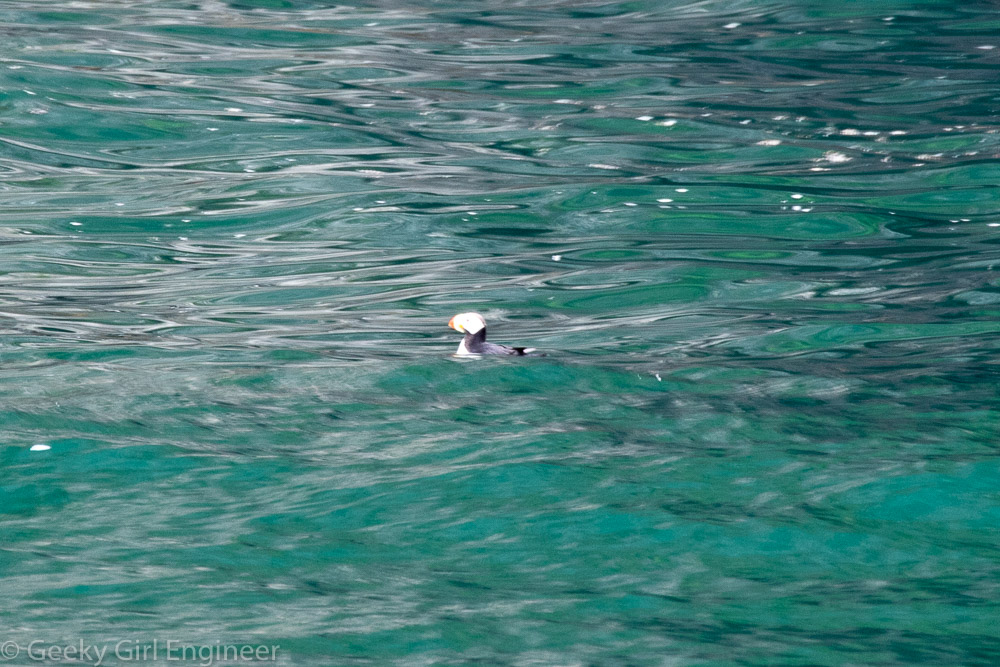
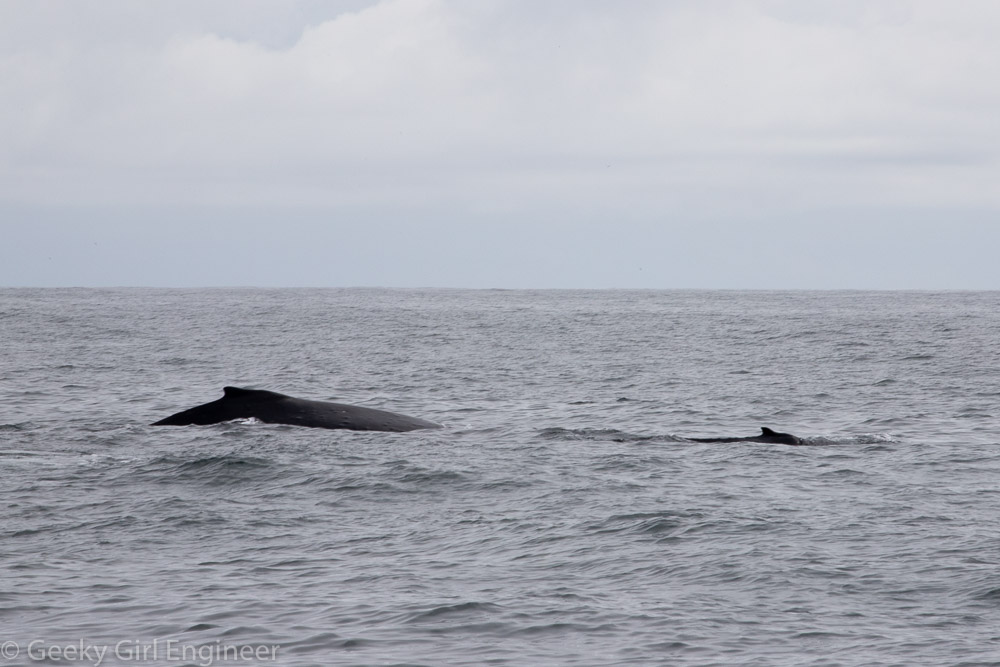
From our train trip to Seward, we then took a cruise from Seward around Resurrection Bay and Aialik Bay in Kenai Fjords National Park. It was an amazing six hour cruise around gorgeous scenery. There was beautiful tree-lined rocky shores and numerous glaciers. We also saw several humpback whales, harbor seals, a sea otter, and numerous birds, including puffins (one of my favorite birds).

Thumb Cove

Puffin

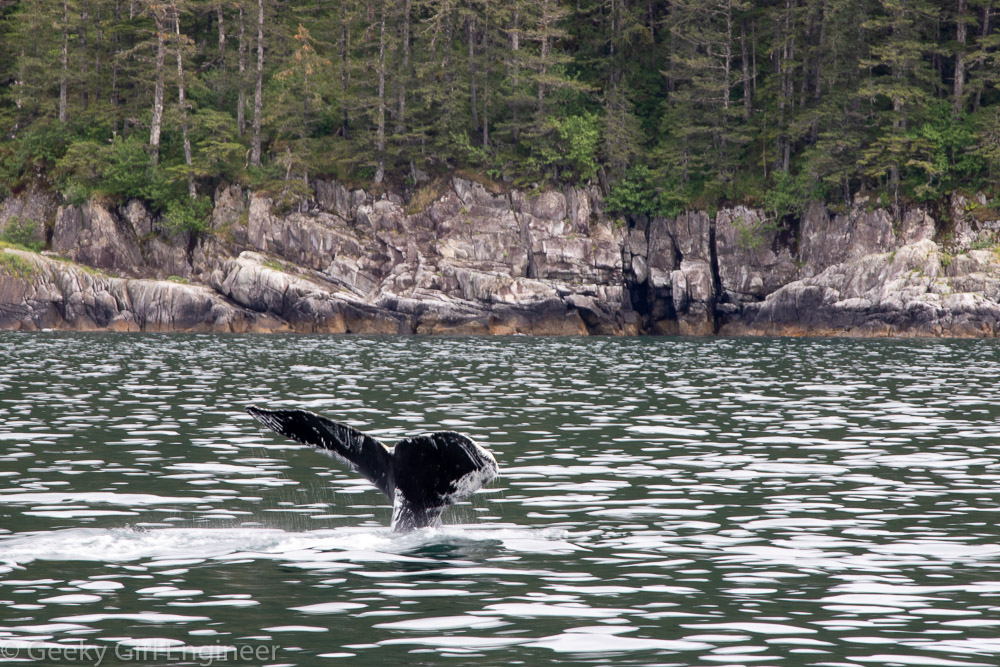
Humpback whale, mother and calf

Sea otter

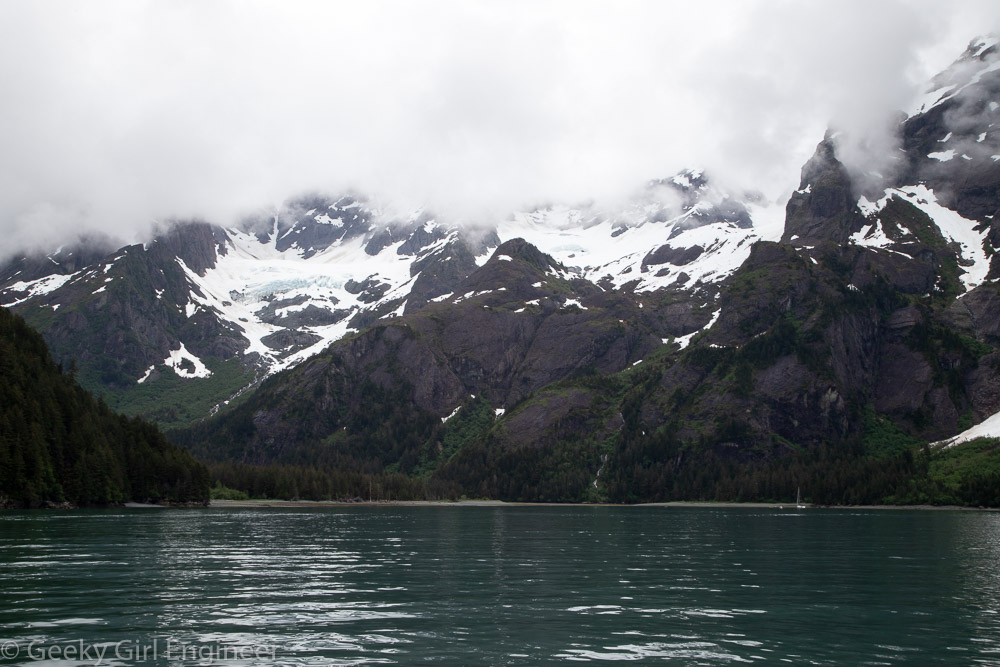
Near entrance to Aialik Bay

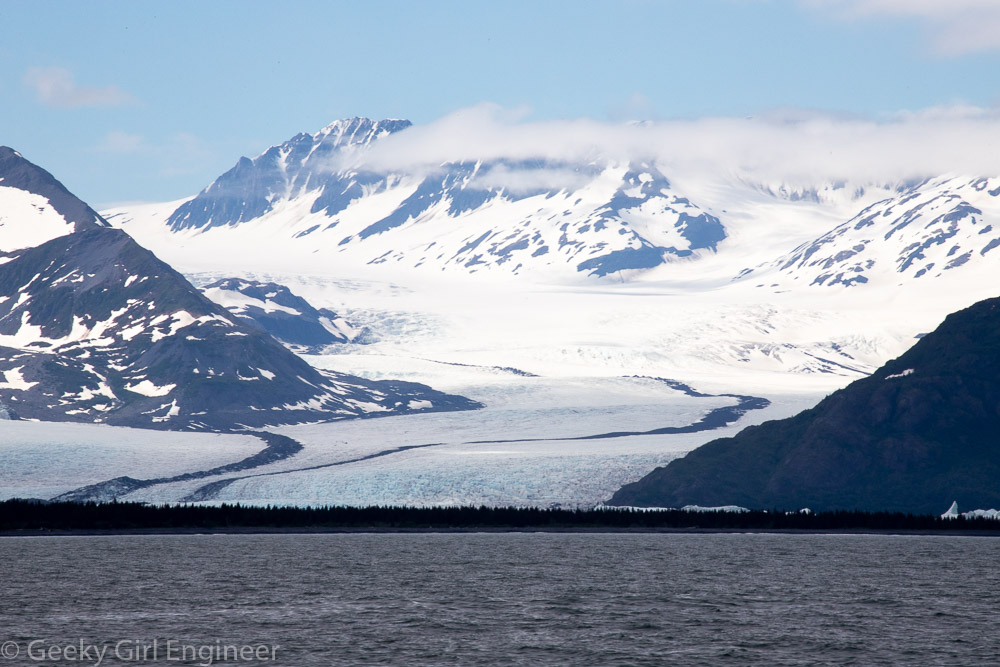
Aialik Glacier

Aialik Glacier

Harbor seals in front of Aialik Glacier

Harbor seals in front of Aialik Glacier

Humpback whale

Skee Glacier

Gold Creek Flume Trail

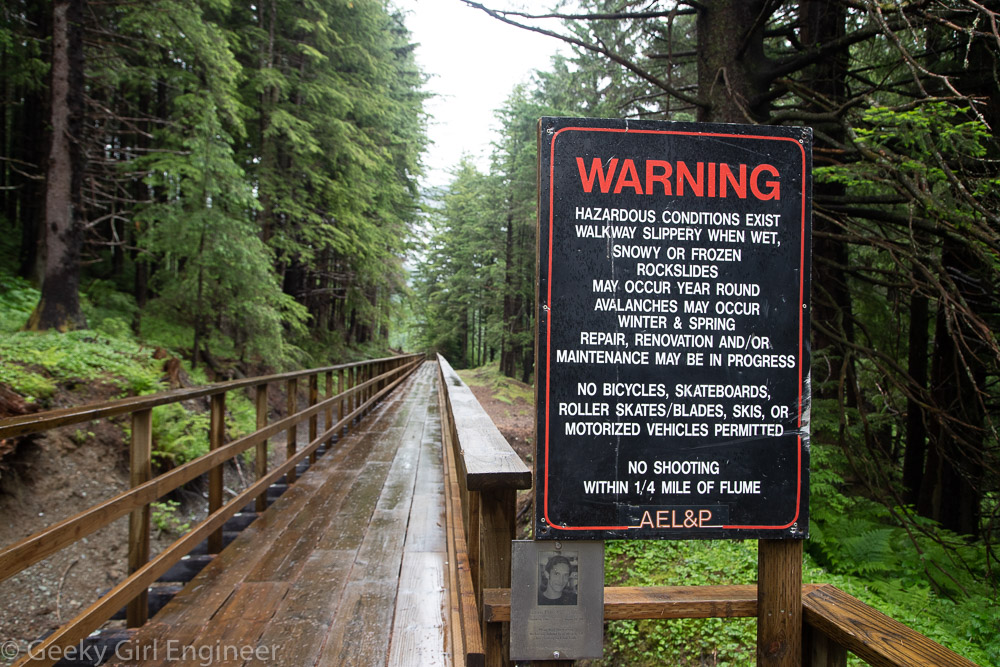
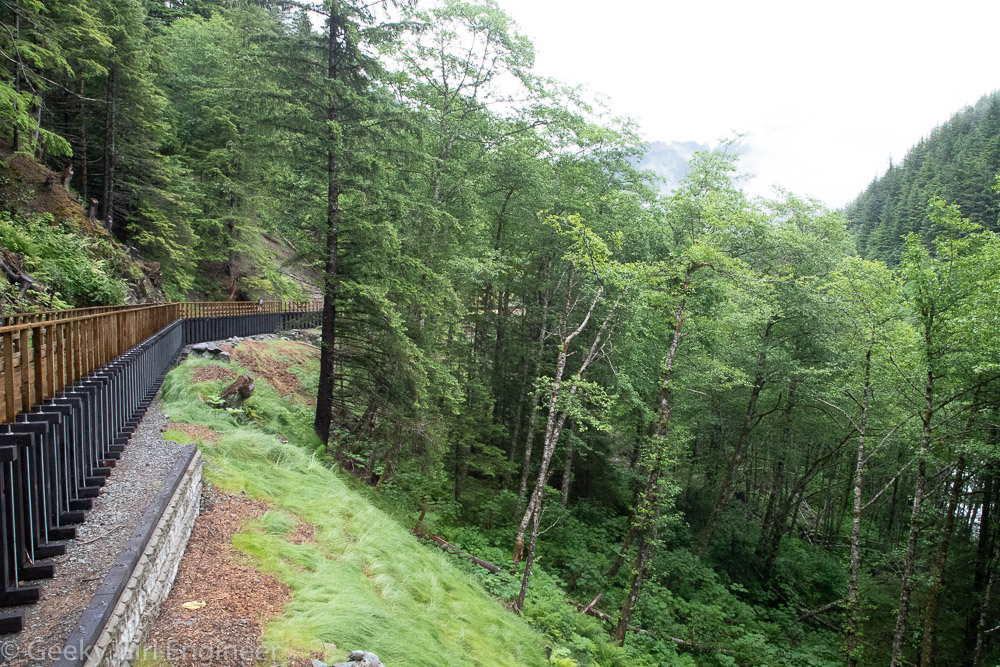
The rain stopped for just a little bit this afternoon, so we went hiking on the Gold Creek Flume Trail, which is close to downtown Juneau. As far as I can tell, the entire trail is on top of a flume that takes water from the Gold Creek to a hydroelectric plant. With the exception of a small segment where a rock slide seems to be on top of the flume, it is a really easy trail to walk on, as you are on wooden planks. It is a nice hike through the woods with views of Gold Creek below and the mountains above. The western end is where the flume heads down the mountain. The eastern end seems to be where the flume separates from Gold Creek.

The western end of the trail has a very Alaska warning sign because Alaska. Only missing warning about bears.

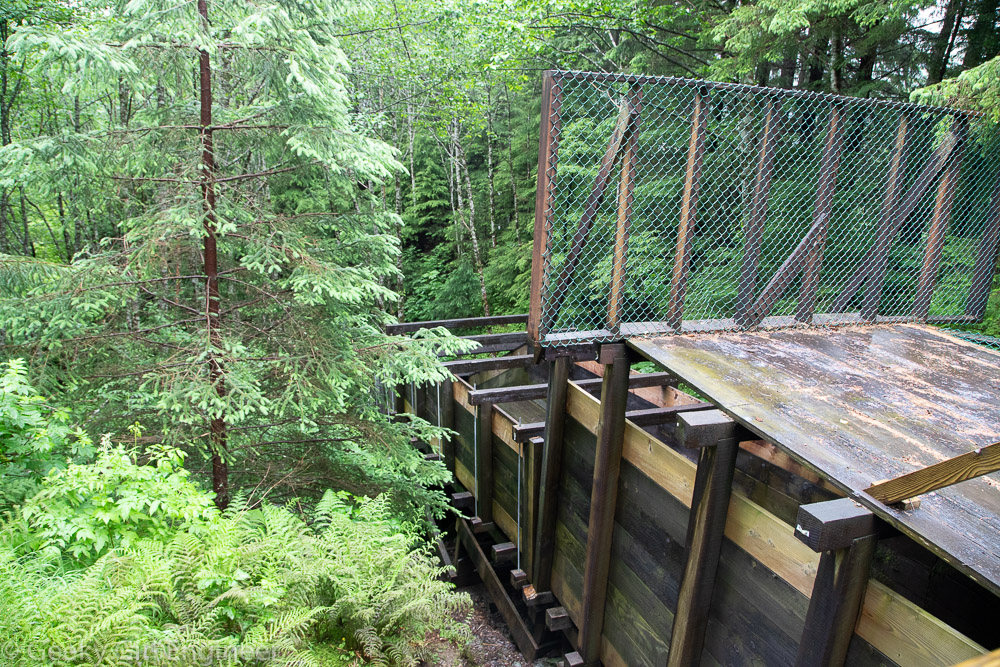
Flume flows down the mountain

Trail is on top of the flume through the woods

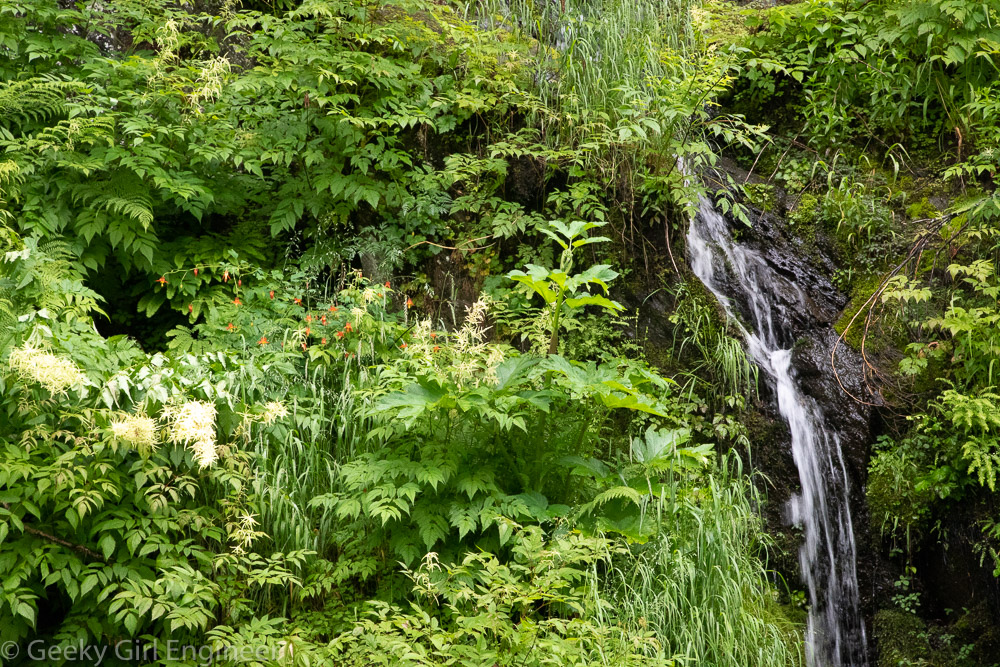
Small waterfalls everywhere

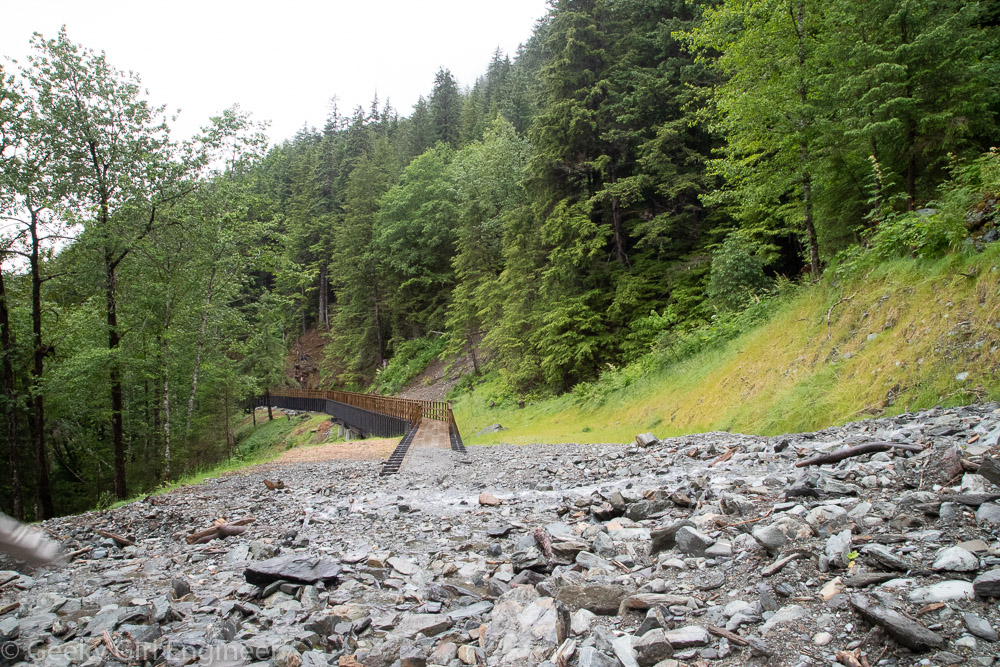
Rock slide area

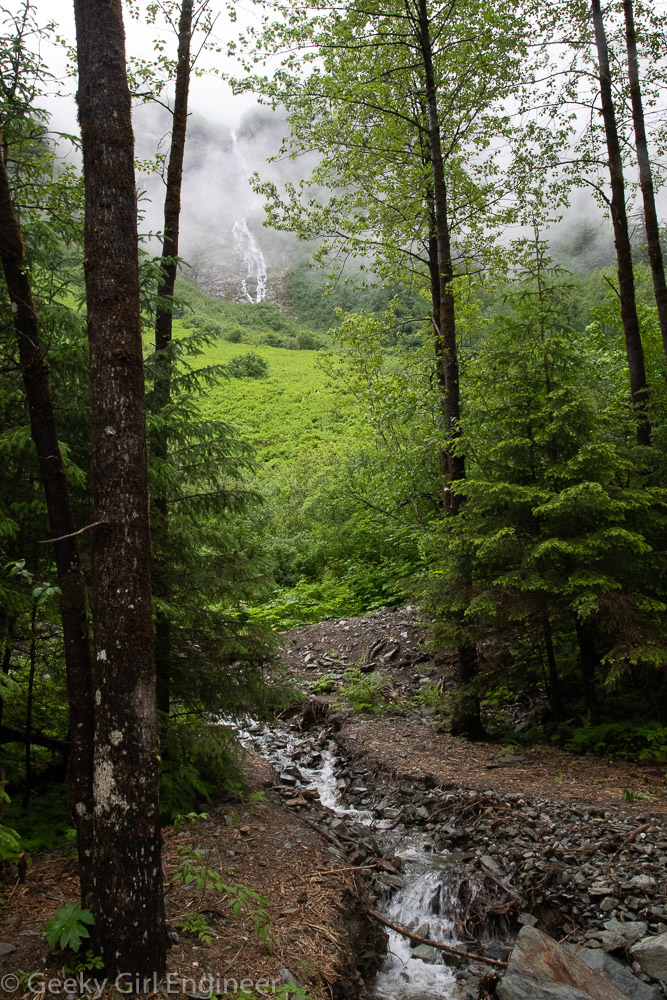
Waterfalls are visible in the mountains and streams are frequent near trail

Eastern end appears to be where flume is separated from Gold Creek

Gold Creek at western end of trail

Tracy Arm Fjord

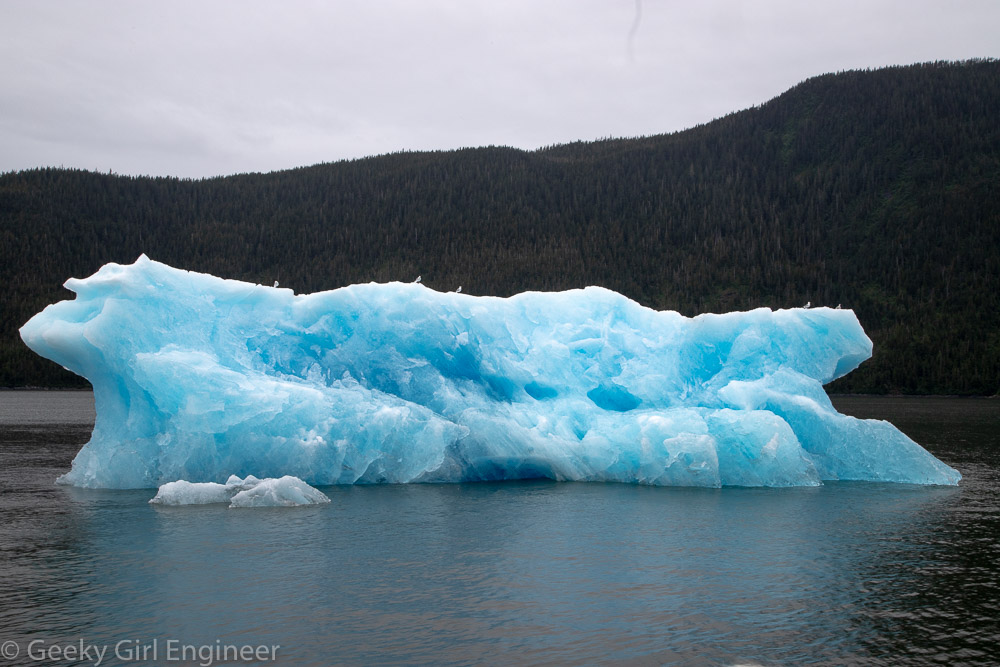
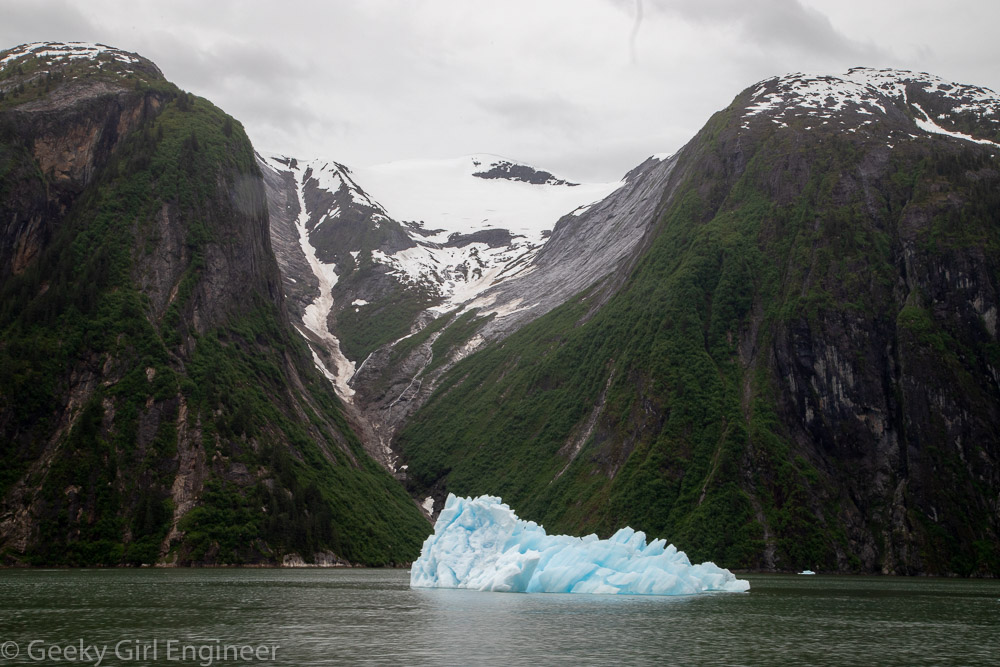
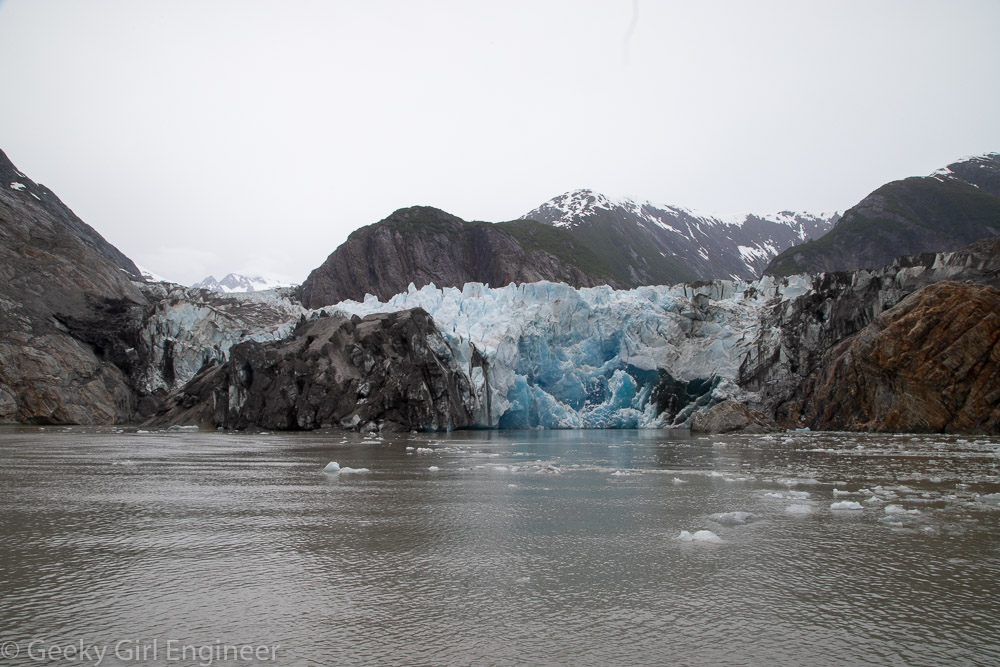
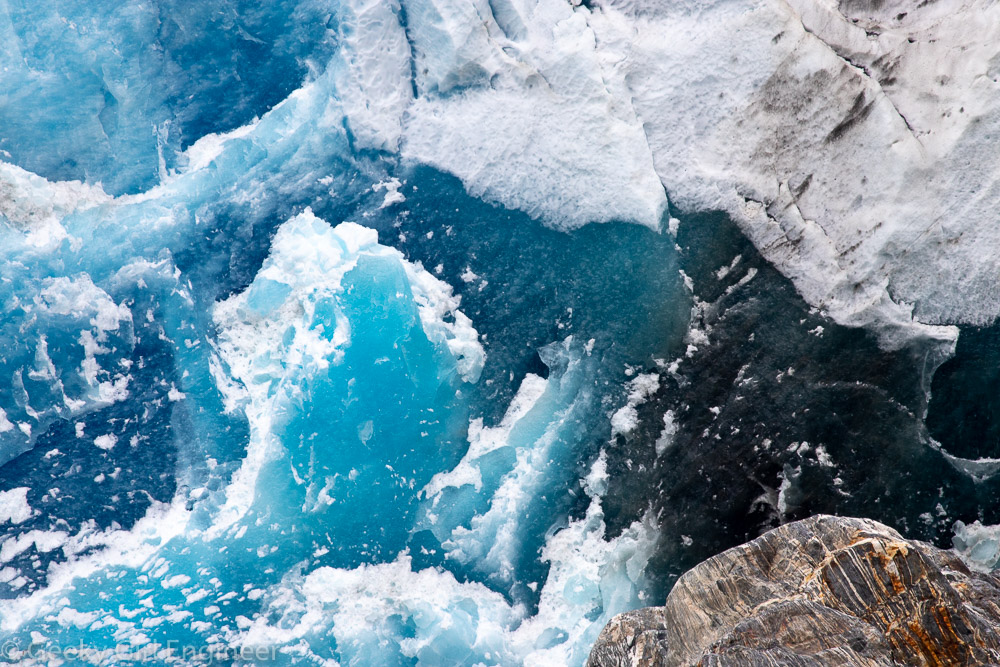
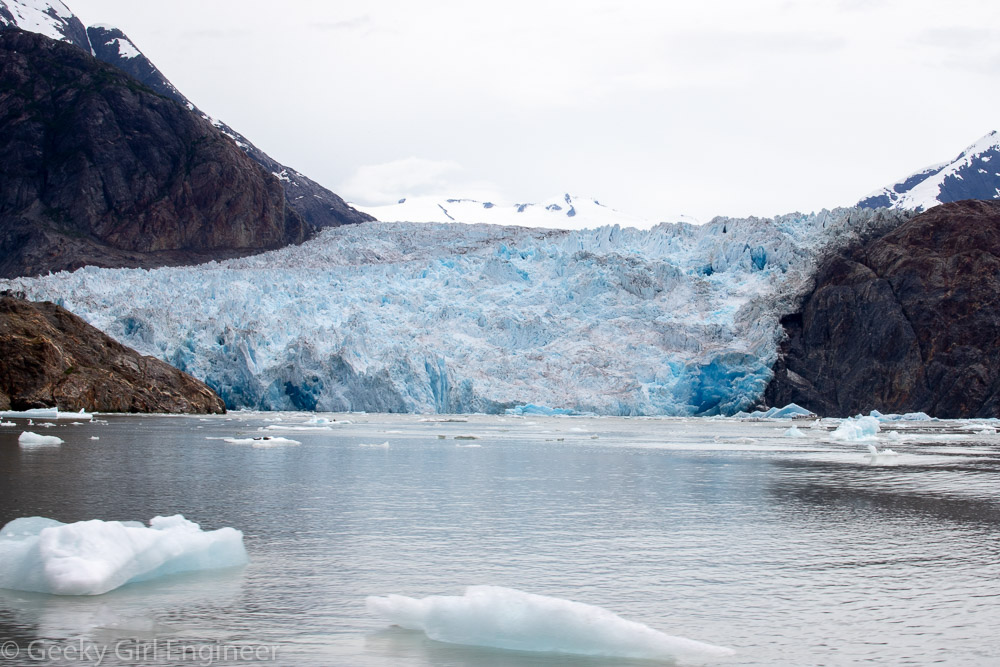
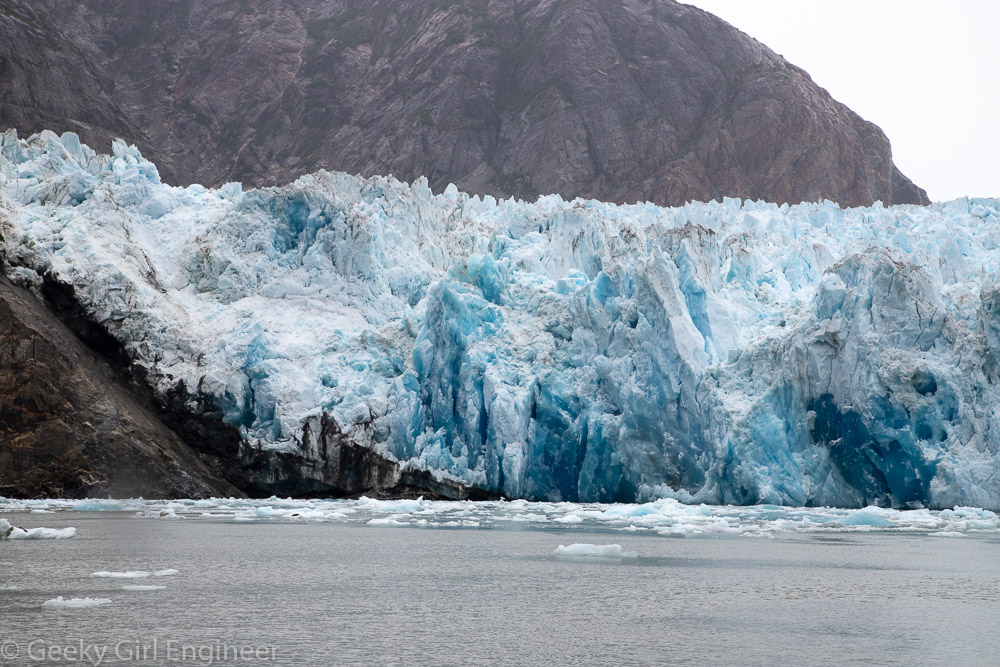
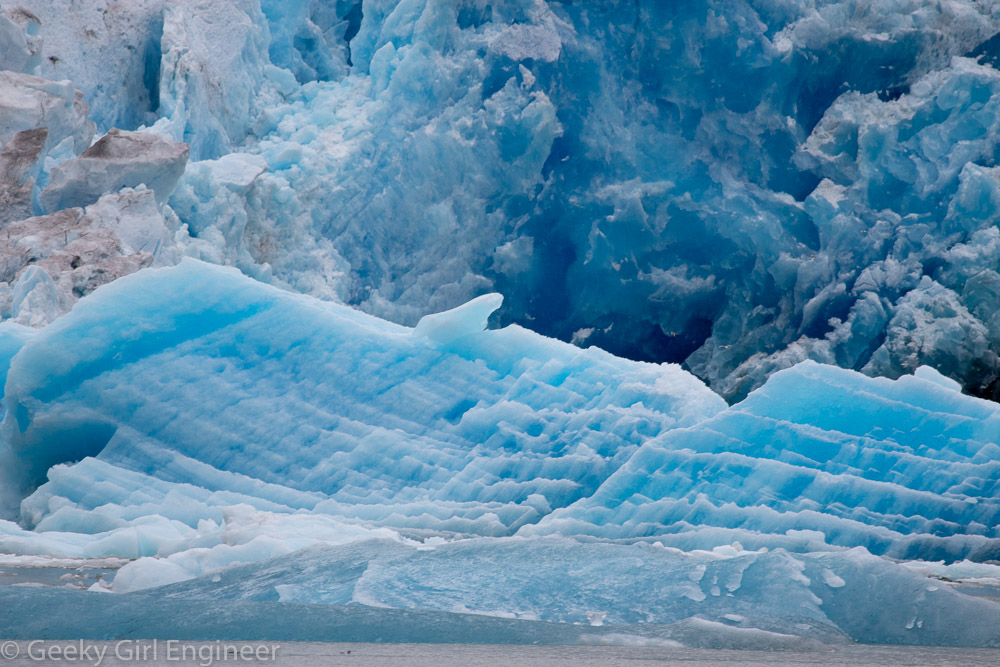
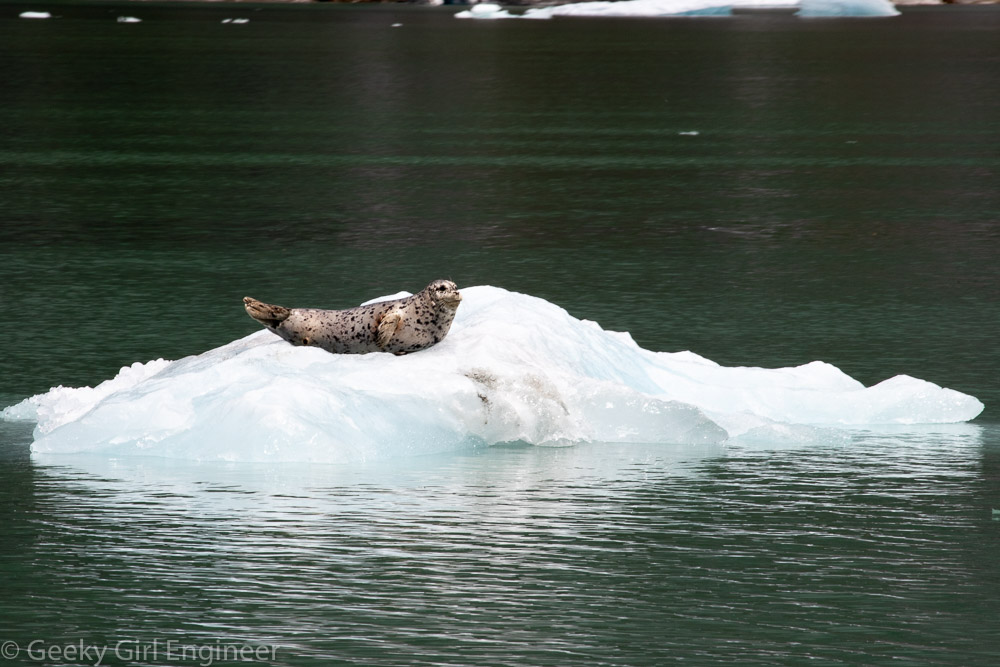
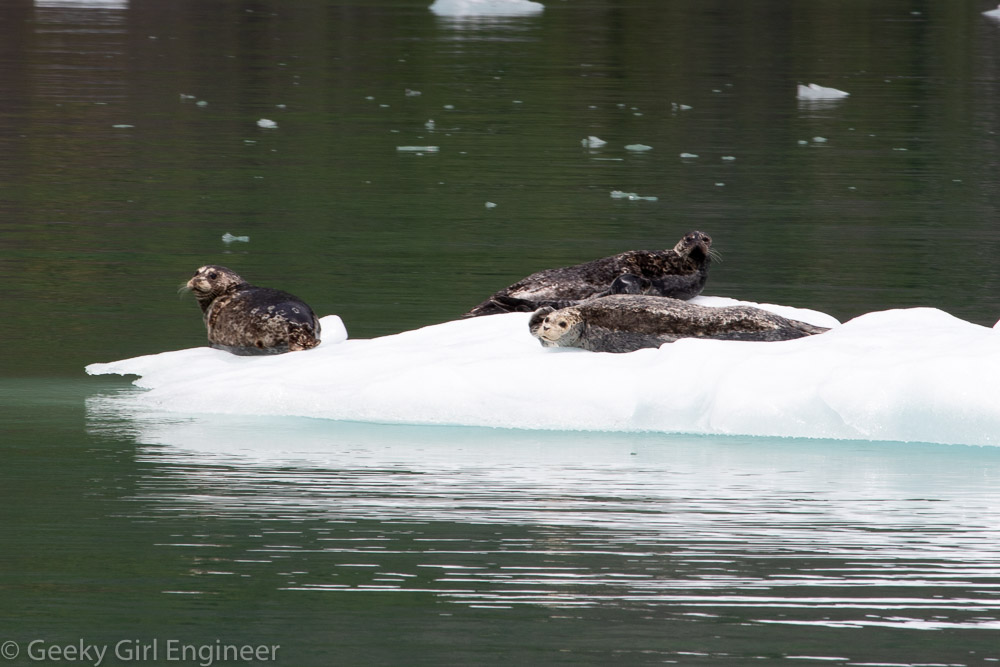
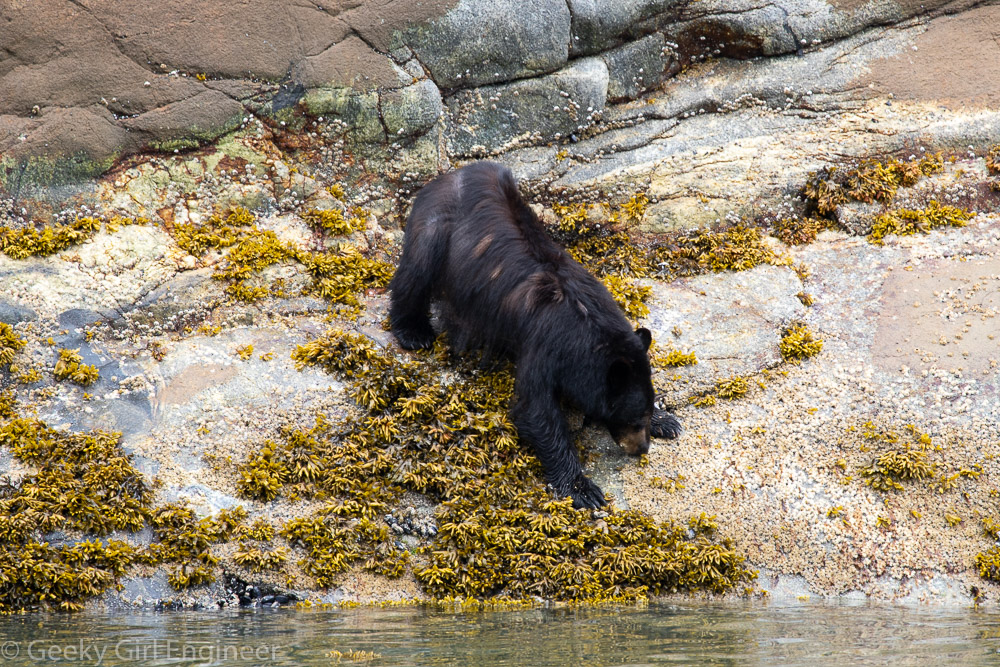
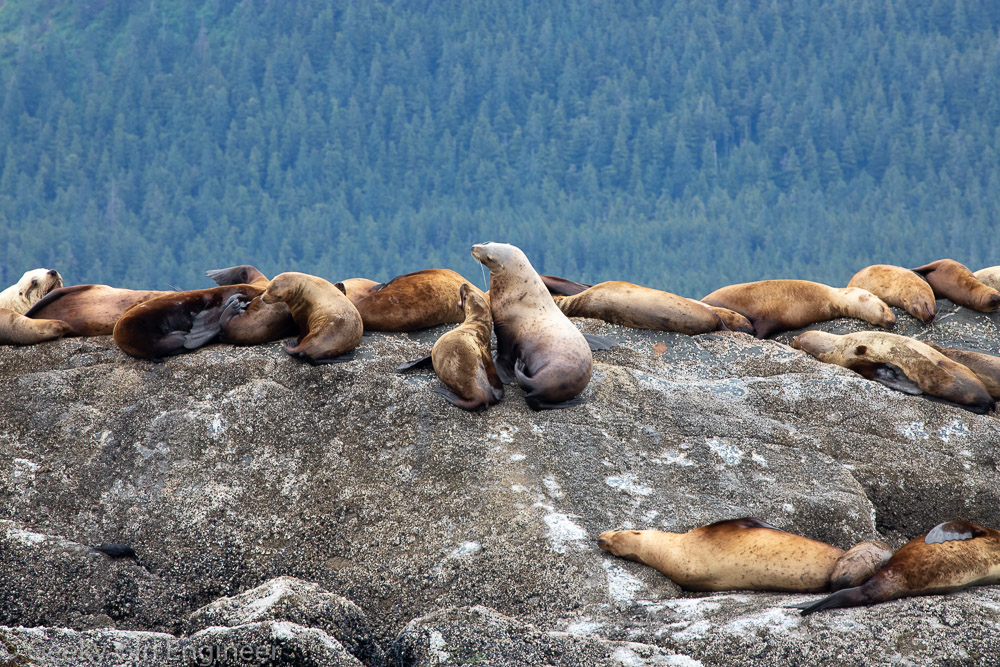
During my first full day in Juneau, I took a day cruise to Tracy Arm to see the fjord and glaciers. We saw two glaciers, Sawyer Glacier and South Sawyer Glacier, which really used to be the same glacier. Along the way to see the glaciers, we traveled through the beautiful Tracy Arm Fjord. The fjord has numerous former glacier valleys, river valleys, and water falls. The fjord has numerous icebergs, generally rather small icebergs, that have broken off the glaciers. Many of the larger icebergs serve as resting places for harbor seals. We also were lucky enough to see a black bear eating mollusks or something on the shore. Later, while headed back to Juneau, there were Steller sea lions and more harbor seals on the Midway Islands.

Iceberg

Tracy Arm fjord

Sawyer Glacier

Up close view of Sawyer Glacier

South Sawyer Glacier

South Sawyer Glacier

Up close view of South Sawyer Glacier

Harbor seal

Harbor seals

Black bear

Steller sea lions

Alaska State Ferry: Ketchikan to Juneau

I had a lovely stay in Ketchikan, but it was time for the next leg of my trip, which was taking the Alaska state ferry to Juneau. This trip stopped at several cities before we arrived in Juneau. There was barely time to step off the ship if desired in the cities, except for Sitka, which allowed us about an hour and half in downtown Sitka. [More on that in next blog post.] The ferry route to Juneau was gorgeous, and it went through the amazingly gorgeous and awesome Wrangell Narrows. The ferry is about the biggest ship that can go through the narrows, so that is a bit of a bonus compared to the huge cruise ships.

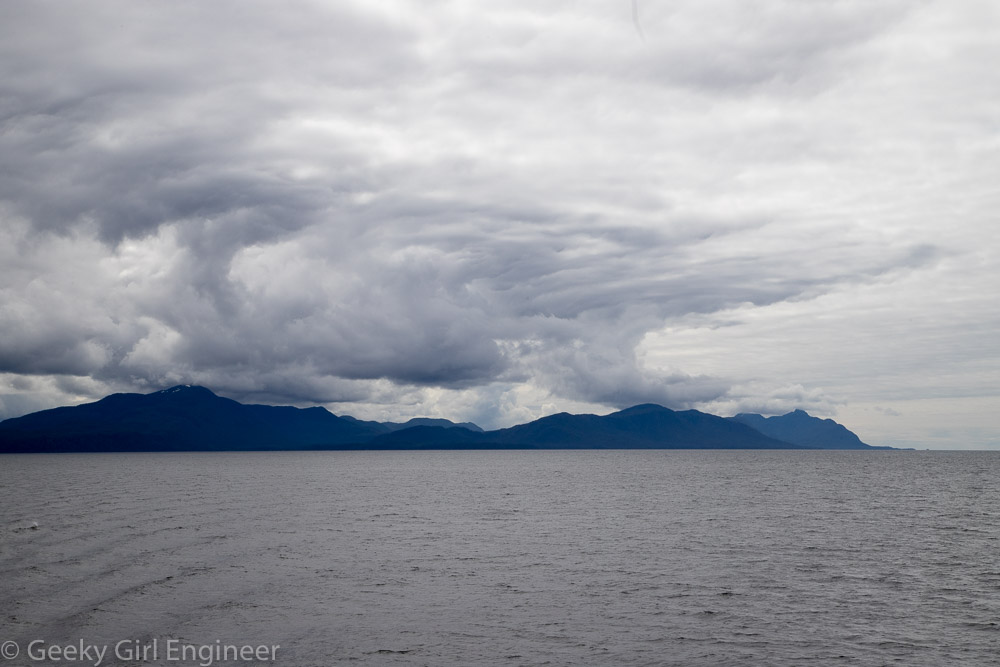
Inside passage near Ketchikan

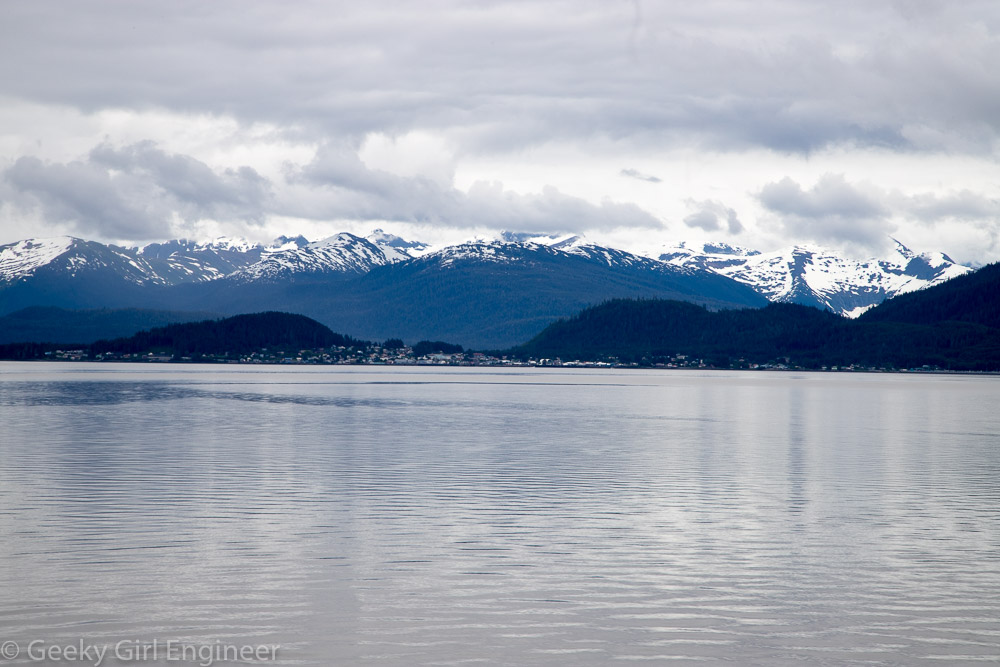
Wrangell

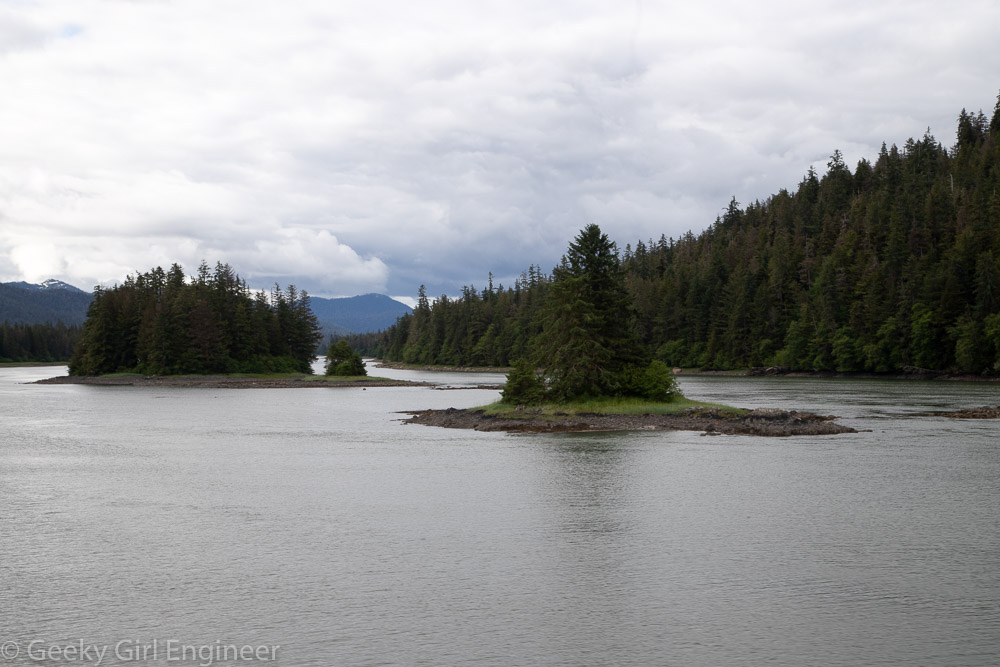
Wrangell Narrows

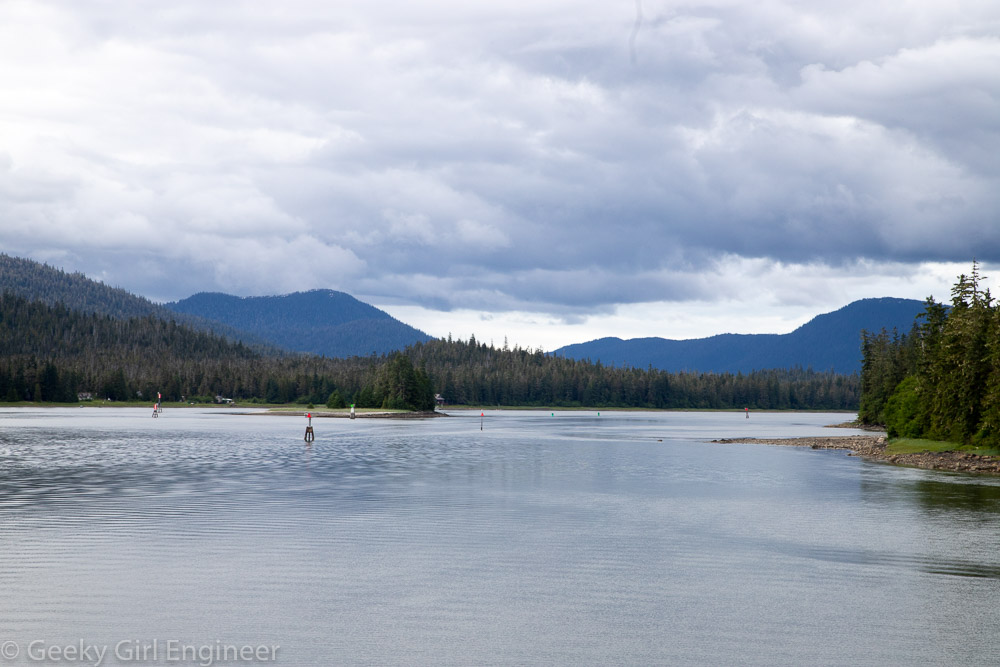
Wrangell Narrows

Wrangell Narrows

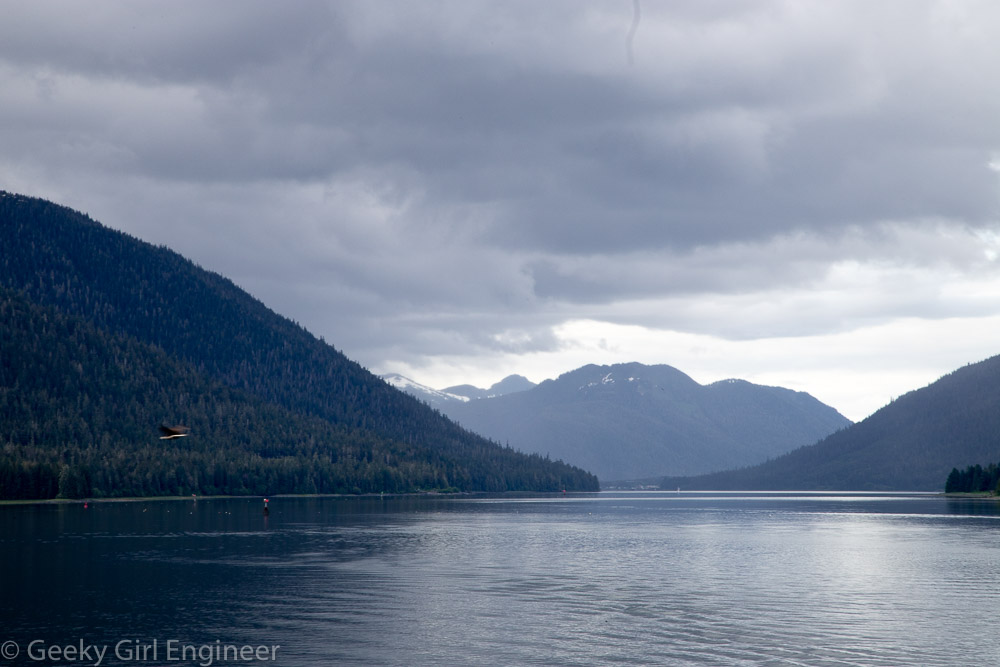
Wrangell Narrows (with an out of focus bald eagle flying across the shot on the left)

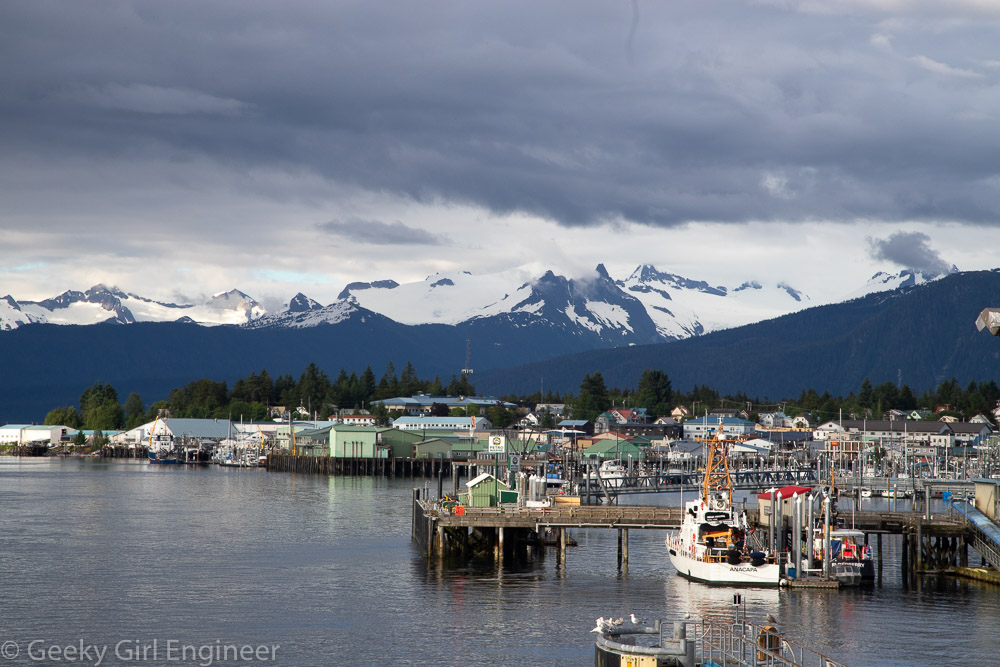
Petersburg

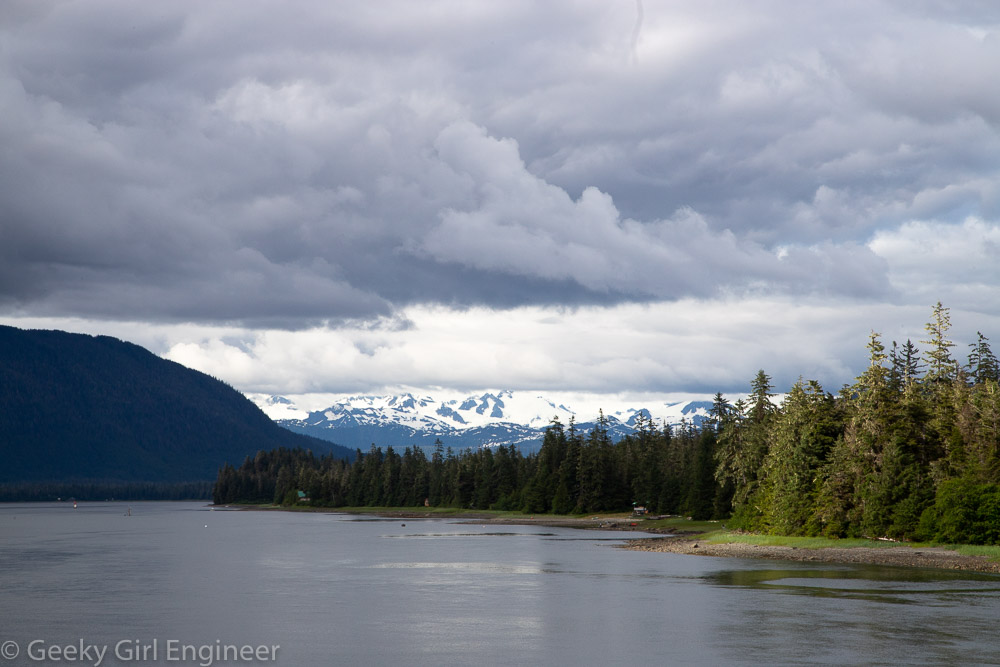
Near Petersburg

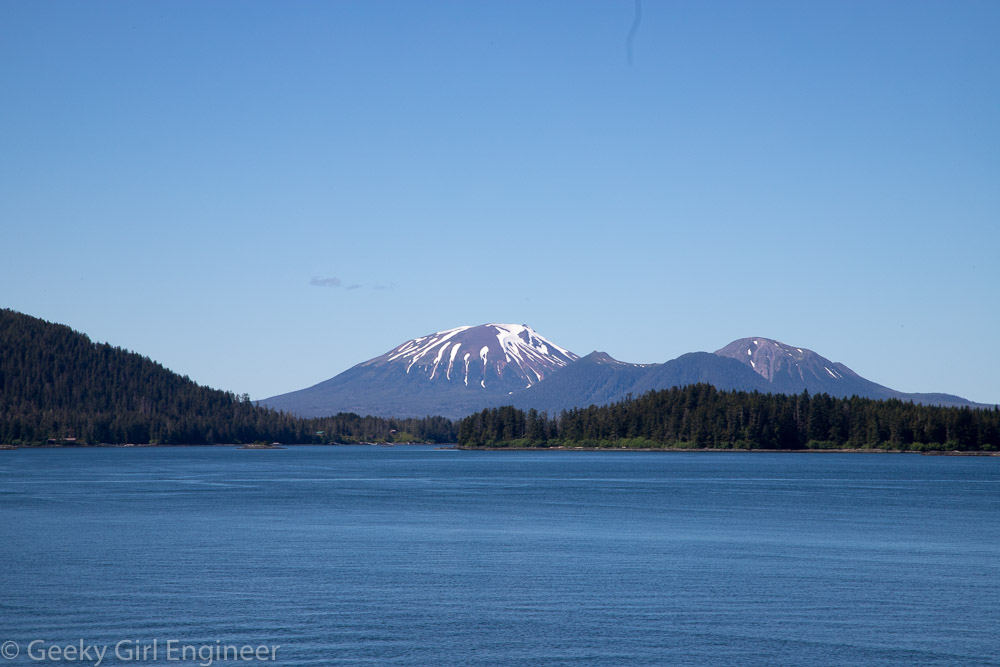
Mt Edgecumbe, near Sitka

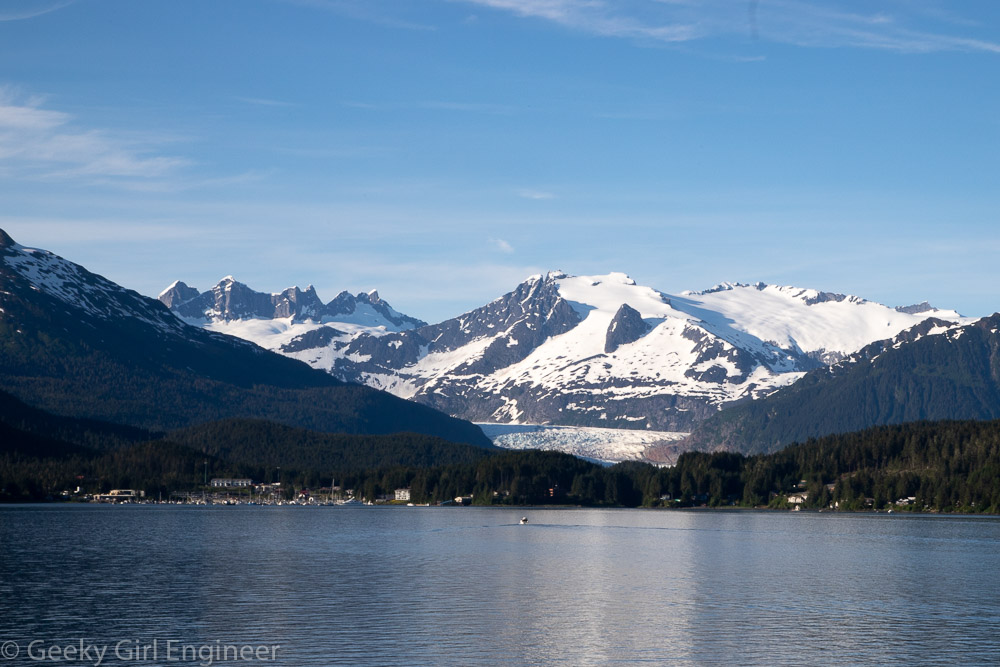
Juneau