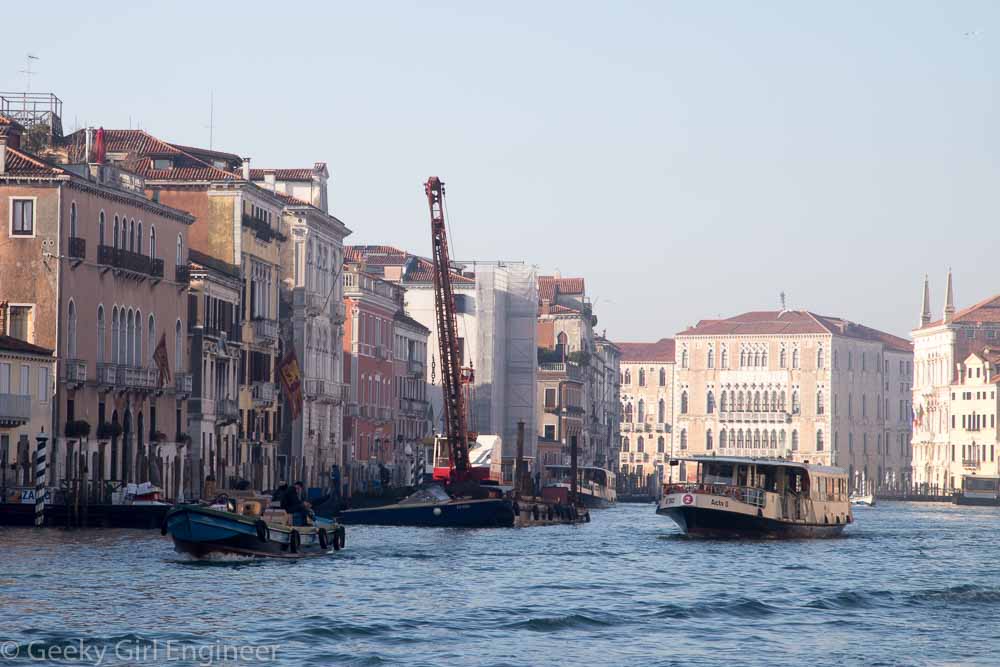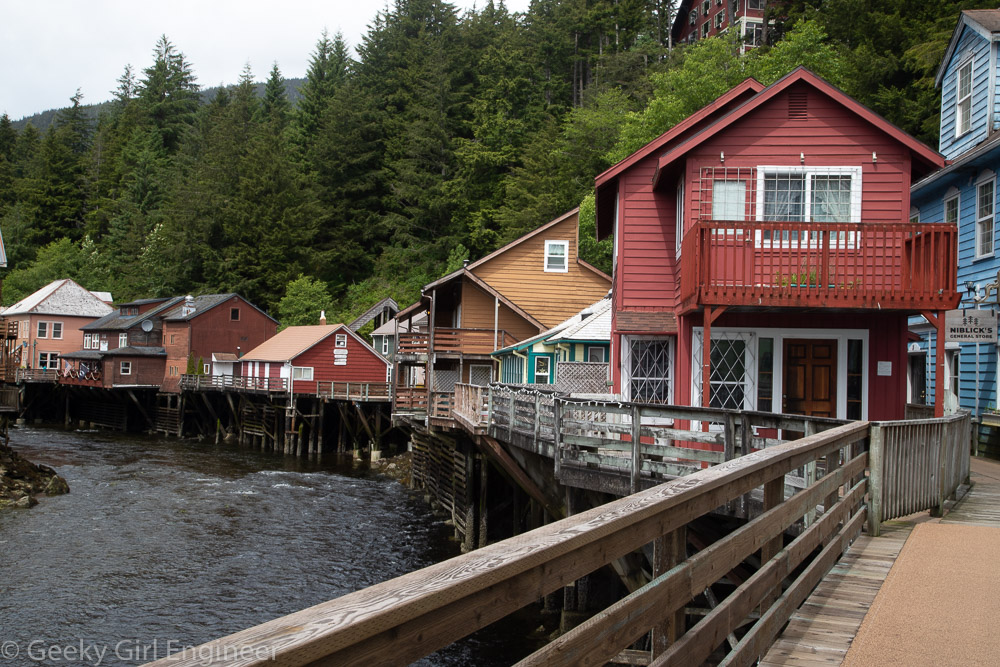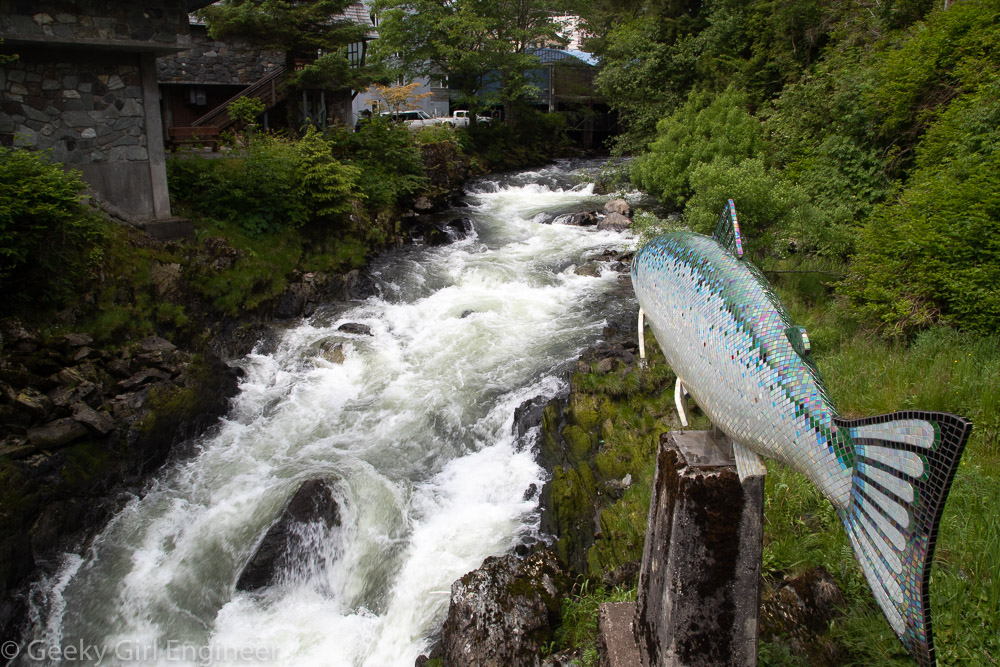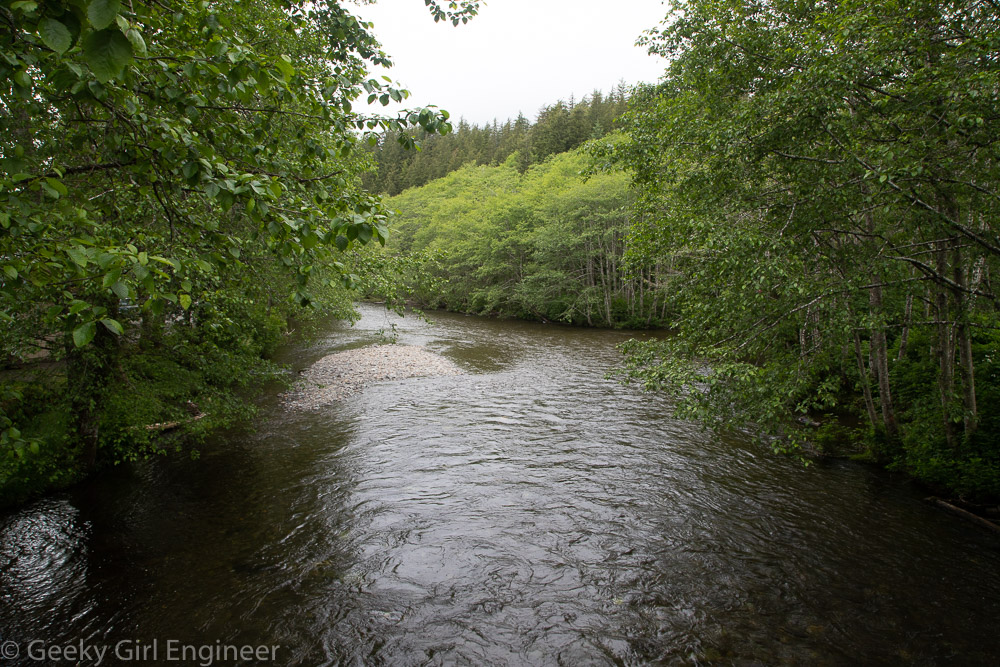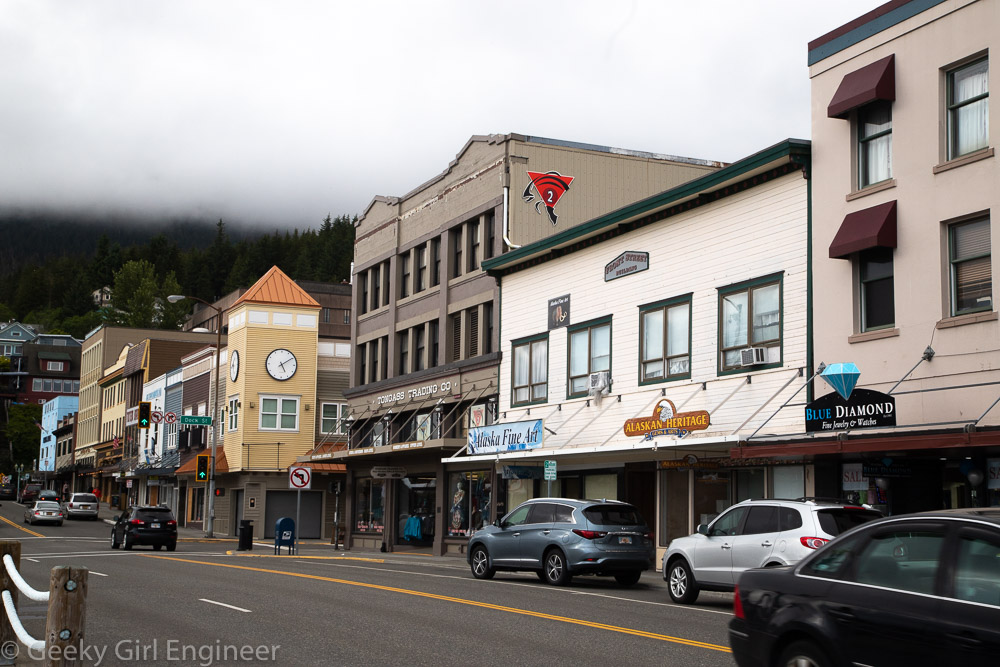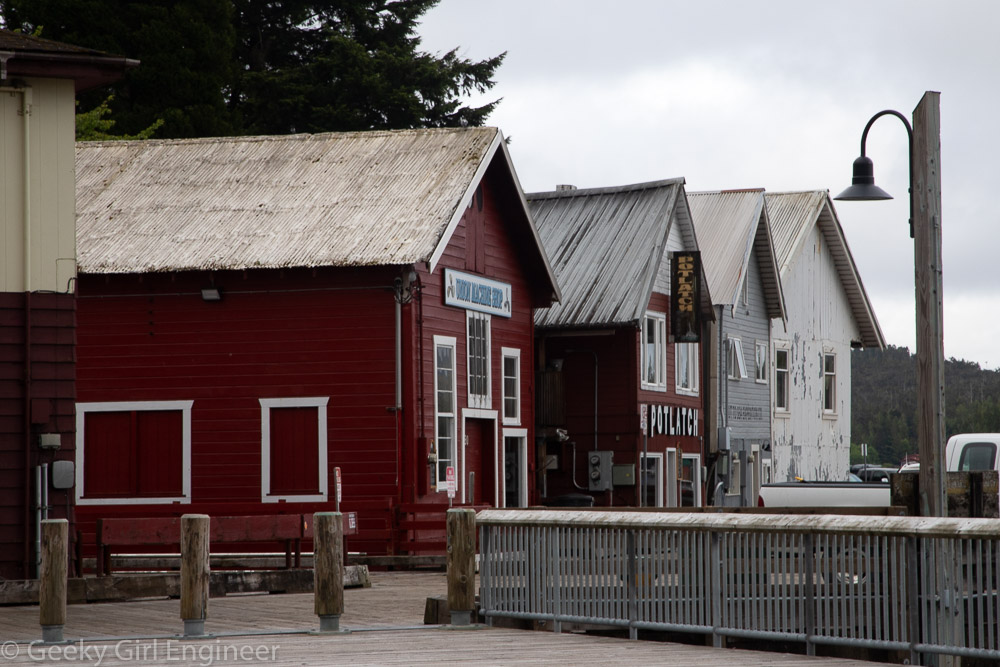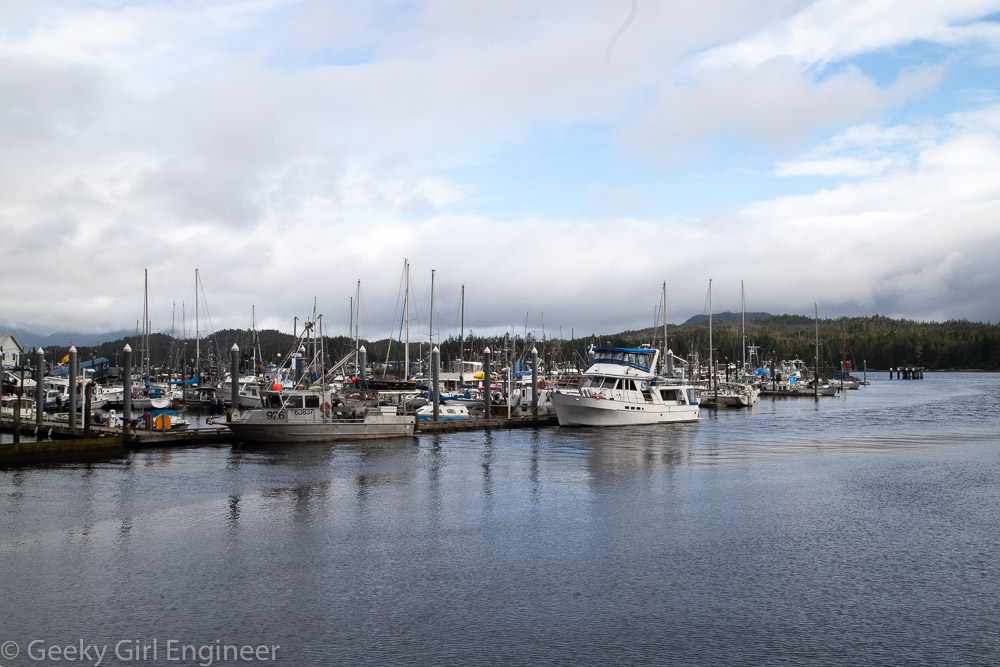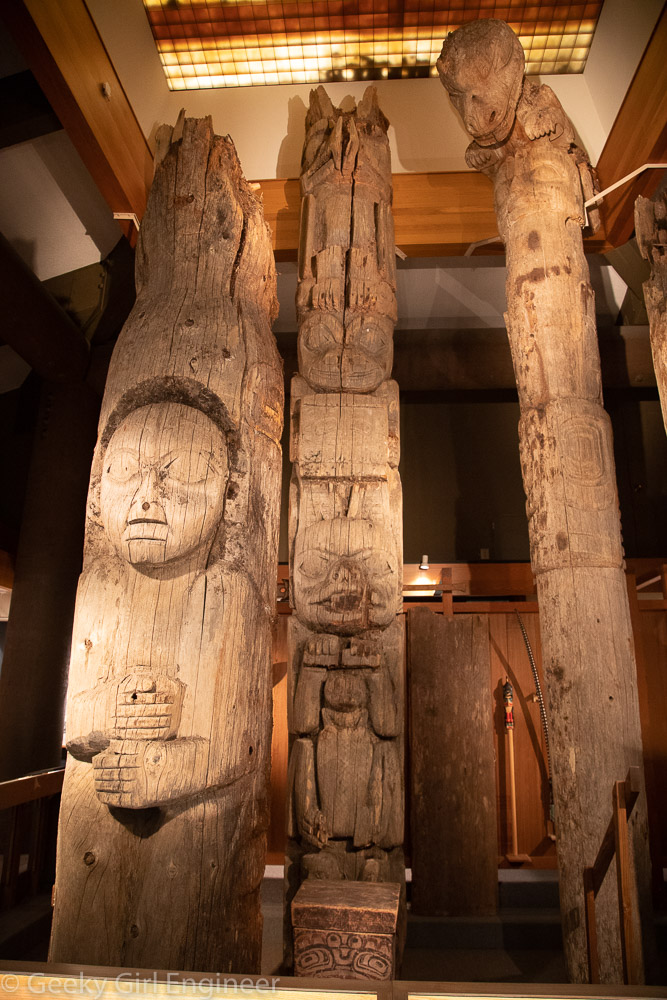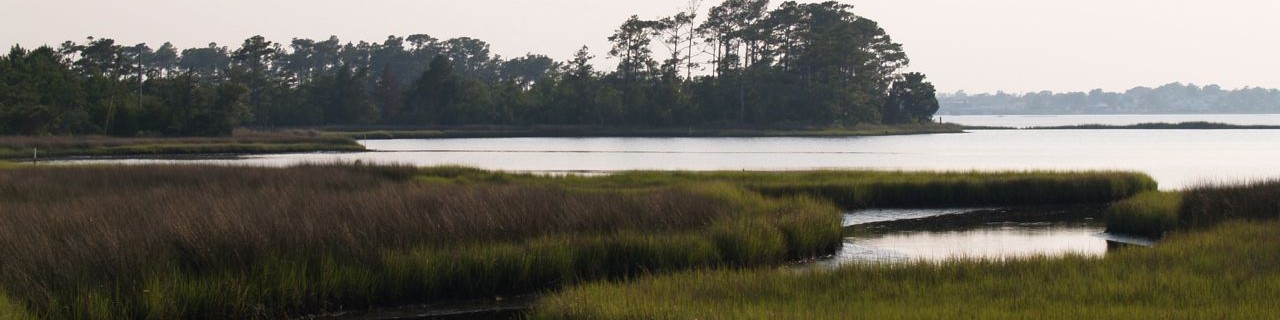
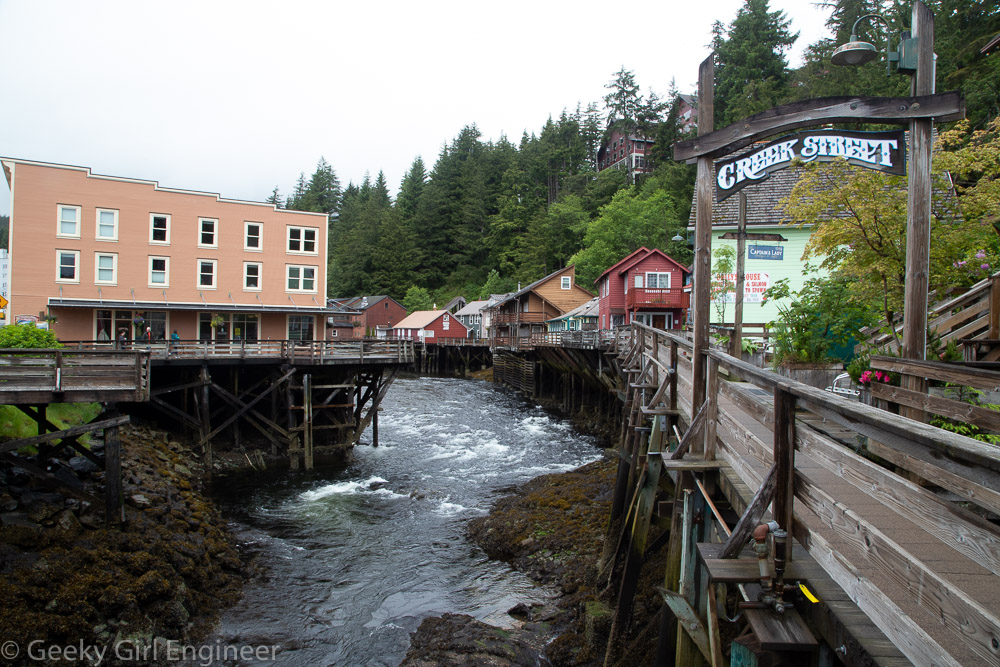
Ketchikan is a great town to wander around. A must see is of course Creek Street, which is built right on Ketchikan Creek, for what I am sure were sensible reasons when the town was first founded. Now while it is very photogenic, it also looks like an engineering challenge. Creek Street is right where Ketchikan Creek empties into the sea, so the tidal influence is visible. Right before Ketchikan Creek enters the Creek Street area, the creek is white water going over rocks, but then just a little further back, it is a calmer, mountain creek. Hence it is an interesting walk to follow the creek a bit. The rest of downtown is filled with what for the most part seem to be original buildings from when the town was expanding or buildings built to resemble old buildings. The dock area is huge, and there appear to be more boats than cars in the downtown area.
Tag Archives: water
Snorkeling in Alaska
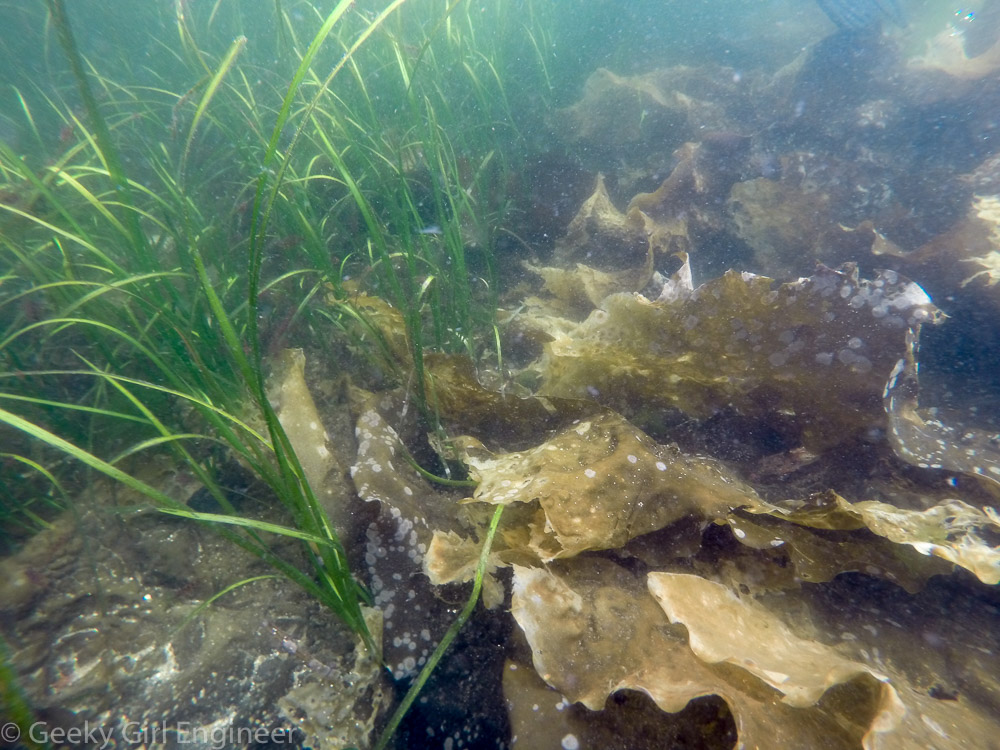
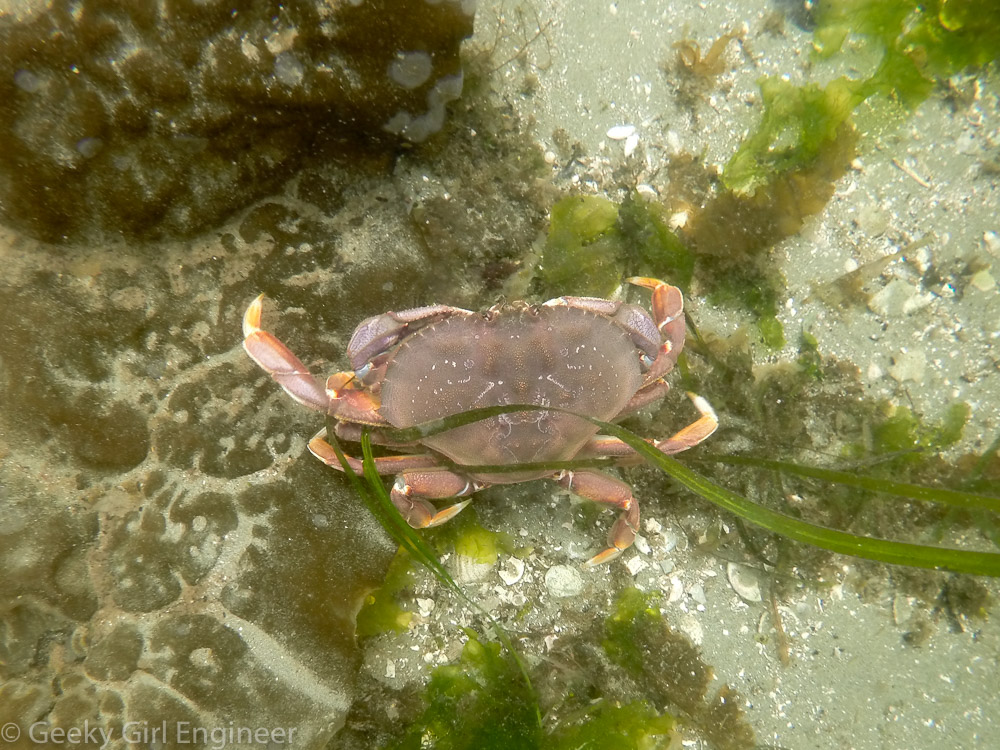
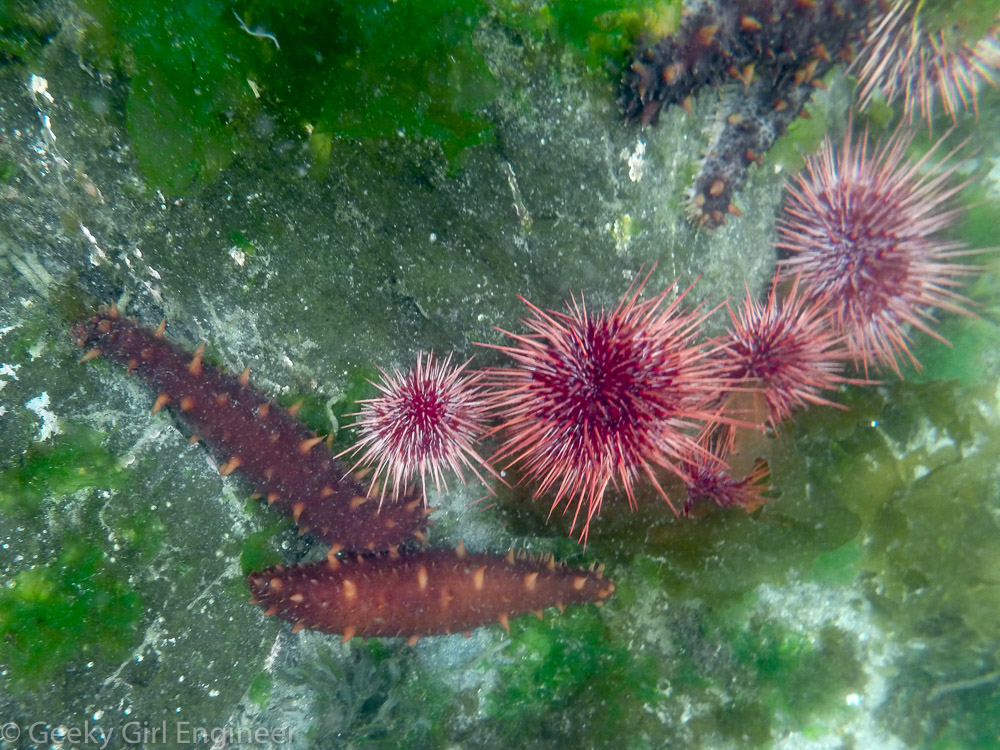
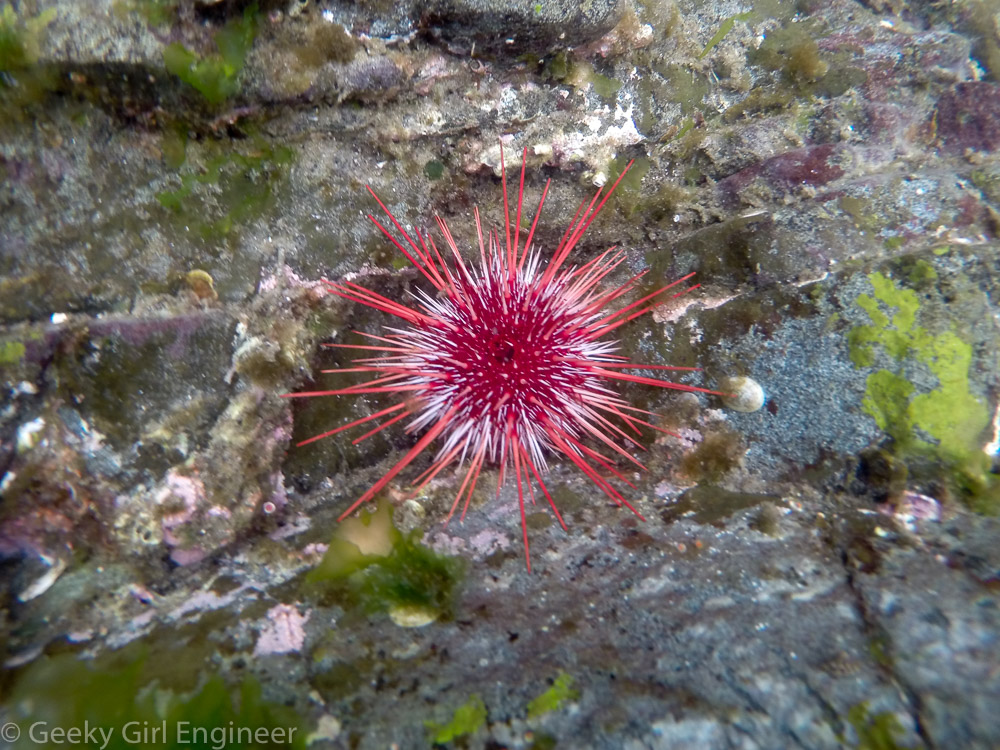
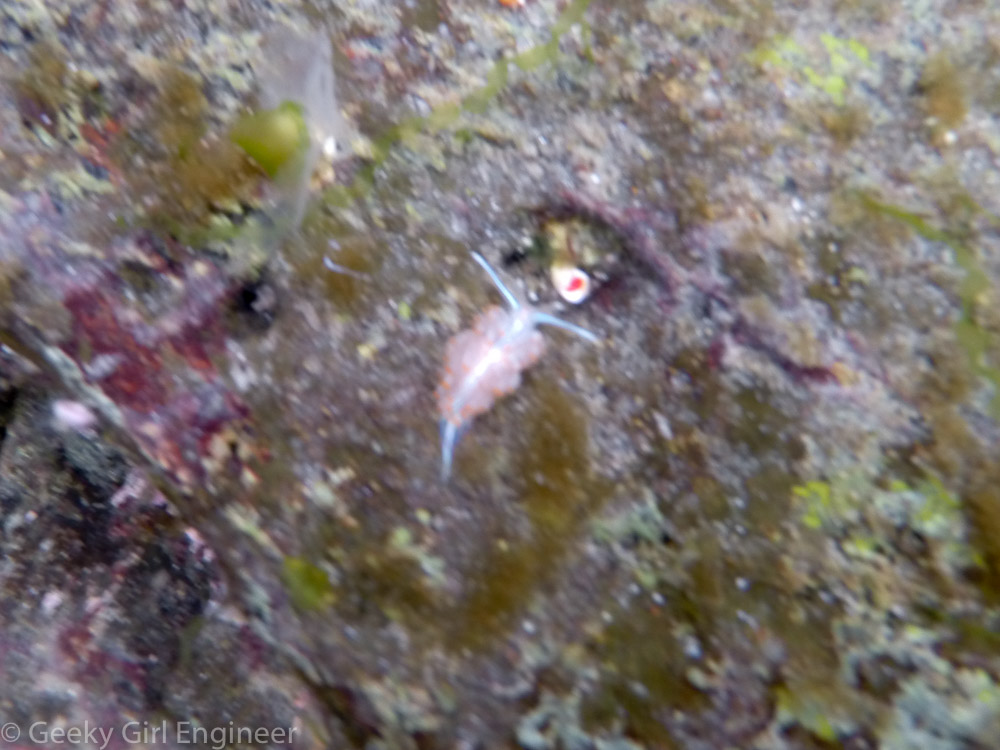
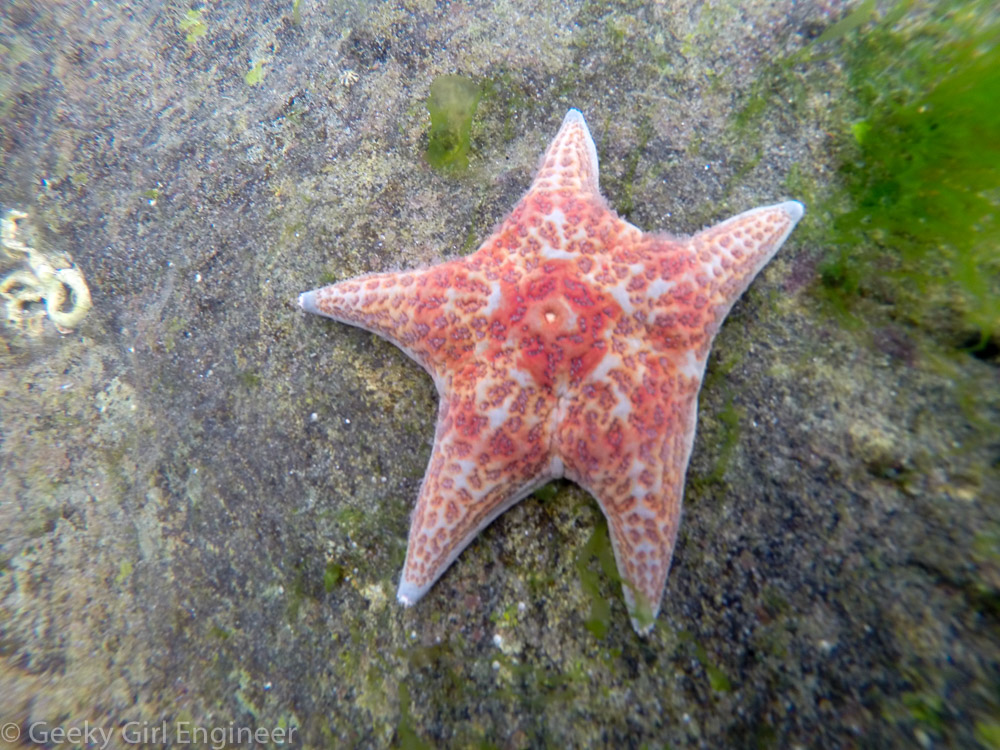
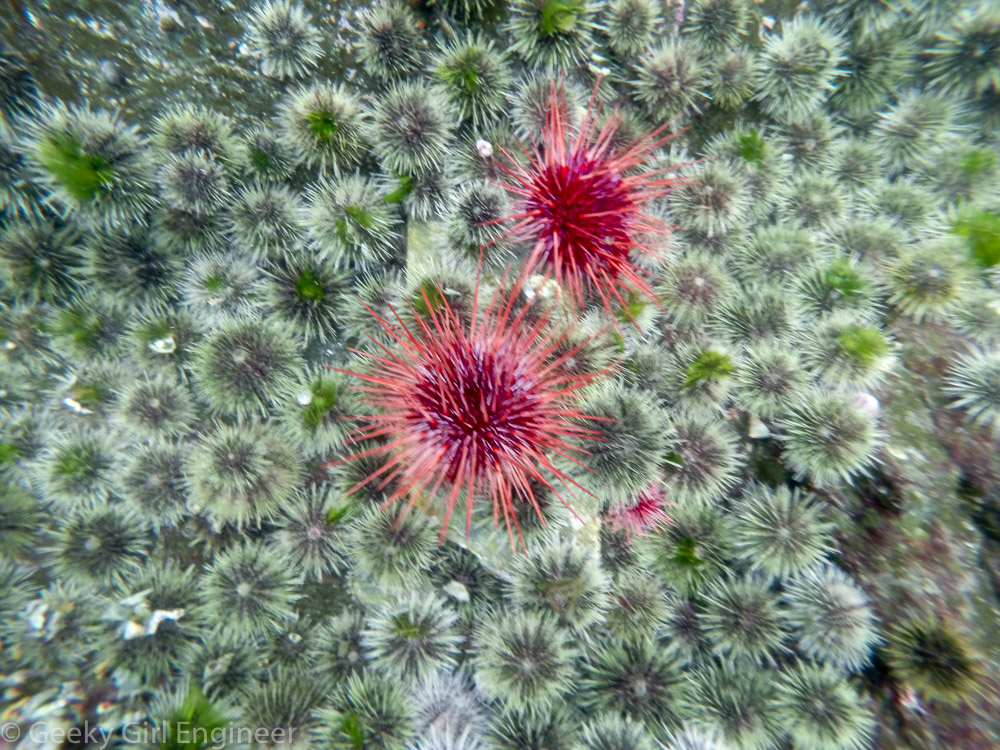
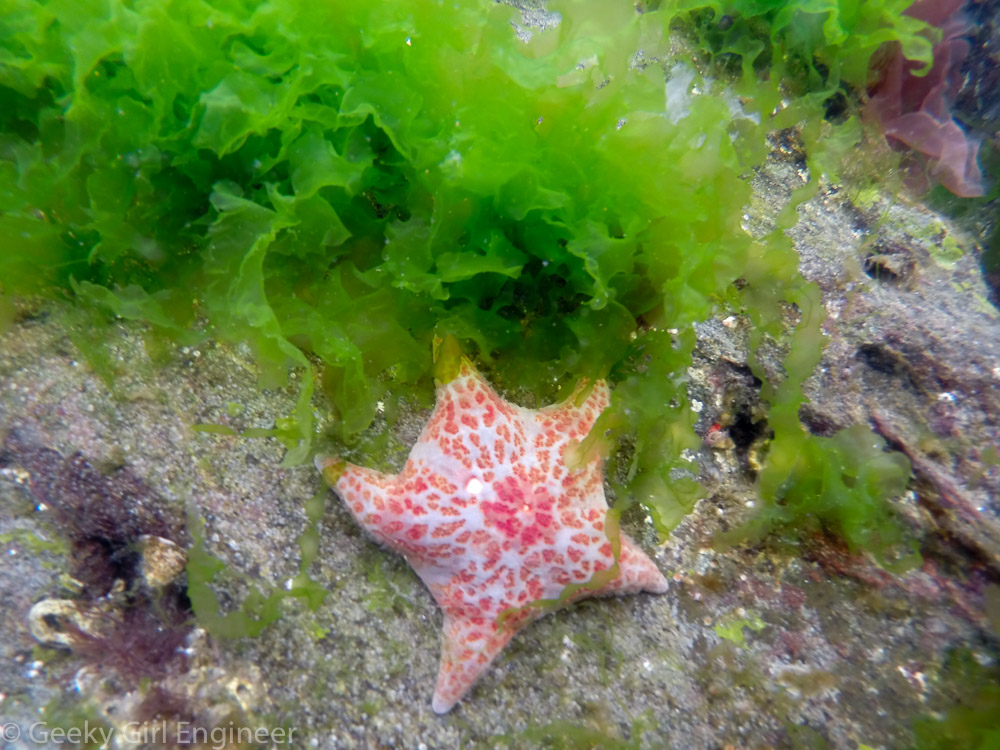
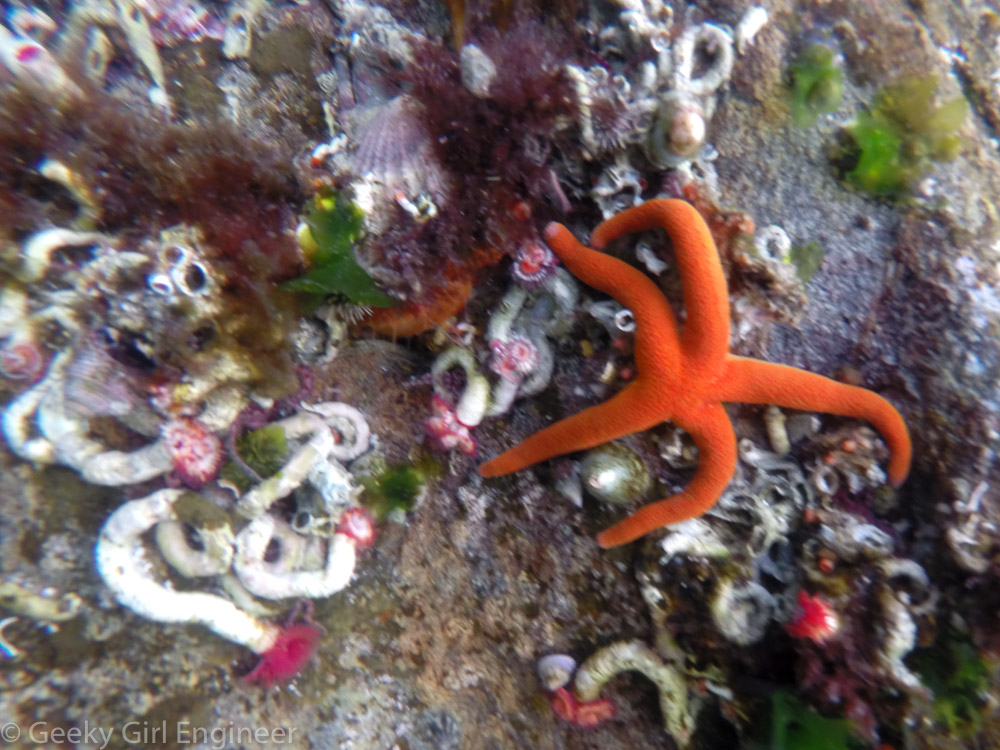
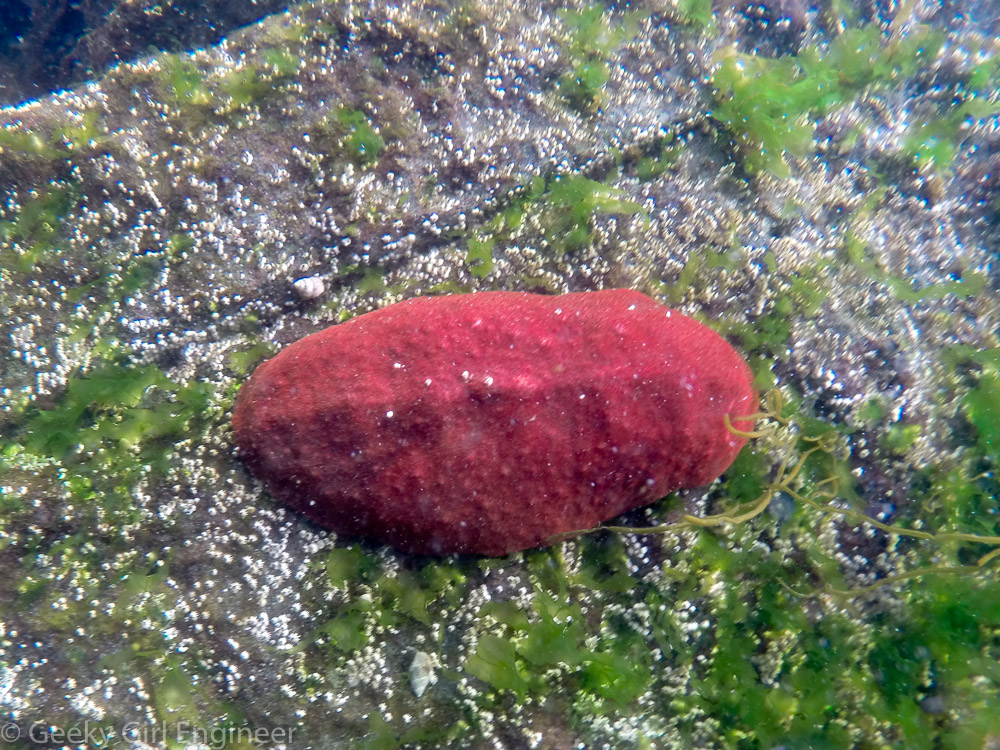
While planning for my vacation in Alaska, I learned that there is a company, appropriately named Snorkel Alaska, that leads snorkeling tours near Ketchikan. If there is a way for me to get into the water, especially if it means seeing some cool wildlife, I am there. This morning I went on my guided tour. They supplied all the equipment including a wetsuit, hood, gloves, etc. Perhaps maybe my toes got cold, but that was it. The wetsuit did its job. I got to snorkel around for over an hour seeing sea urchins, sea stars, fish, sea cucumbers, sea weed, and so much more. It was one of the best snorkeling tours I have taken. I love snorkeling in warm water and seeing coral, but this cold water provided so much to see.
Alaska State Ferry: Bellingham to Ketchikan
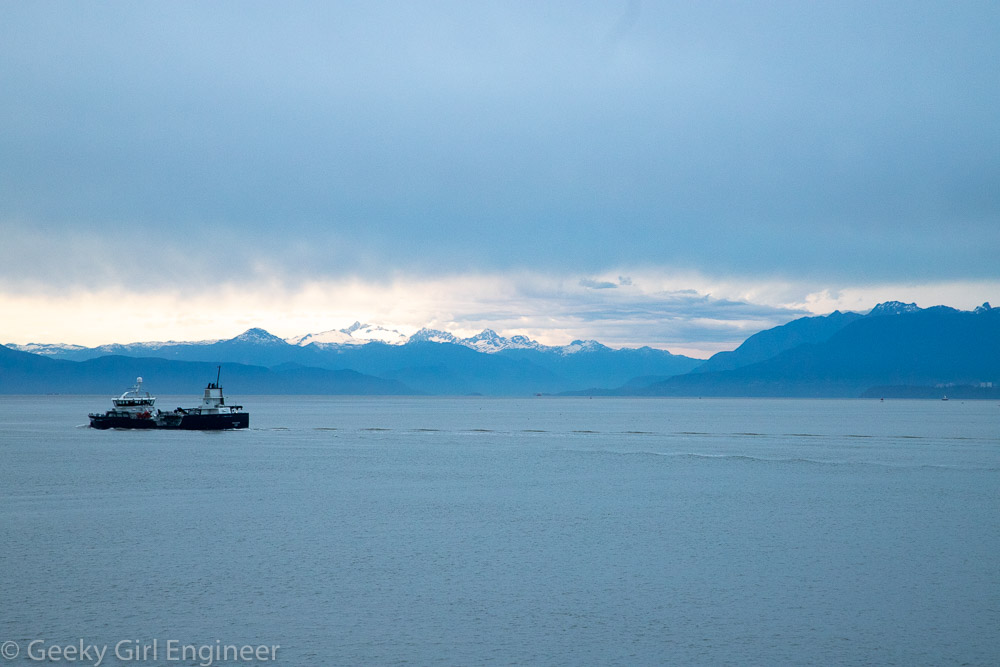
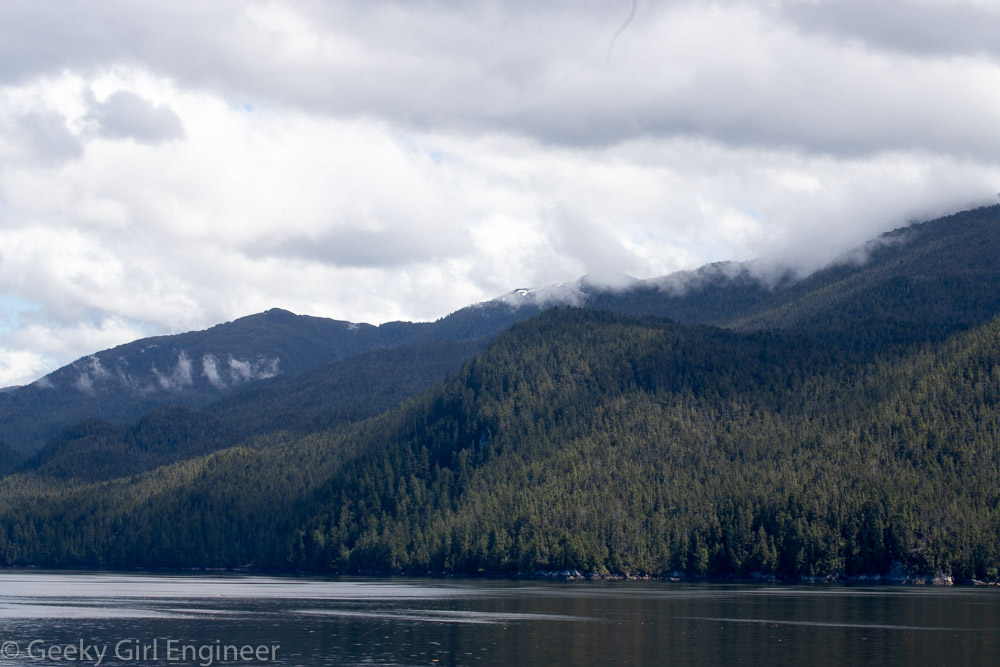
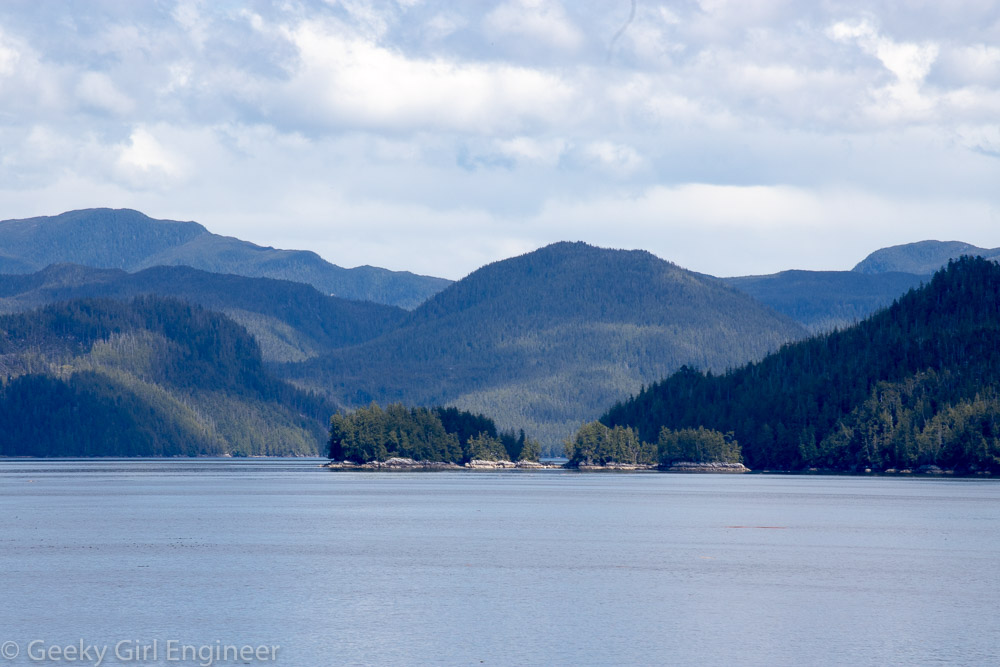
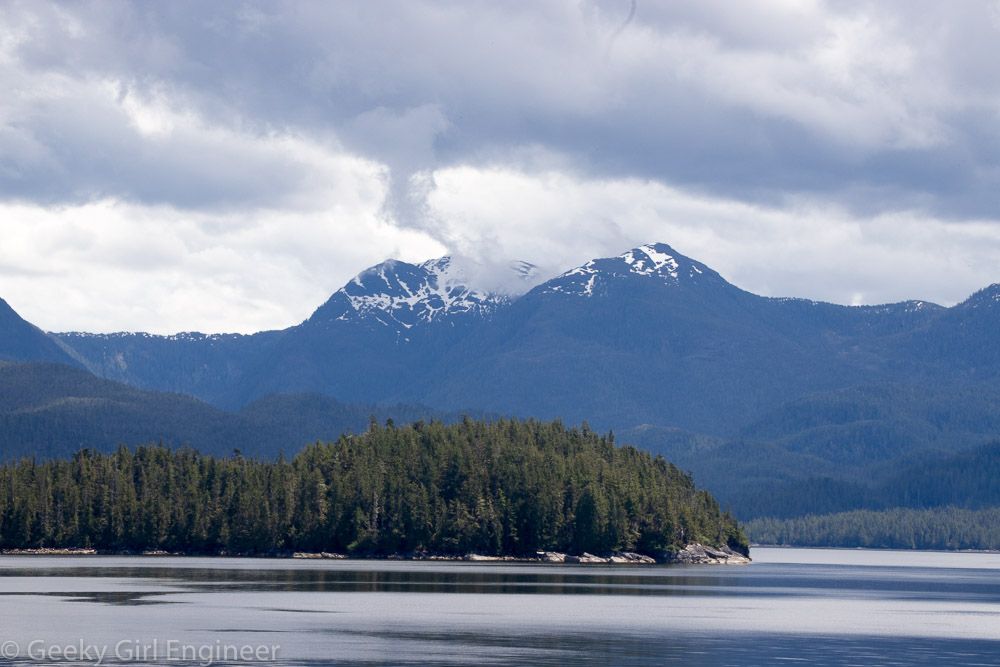
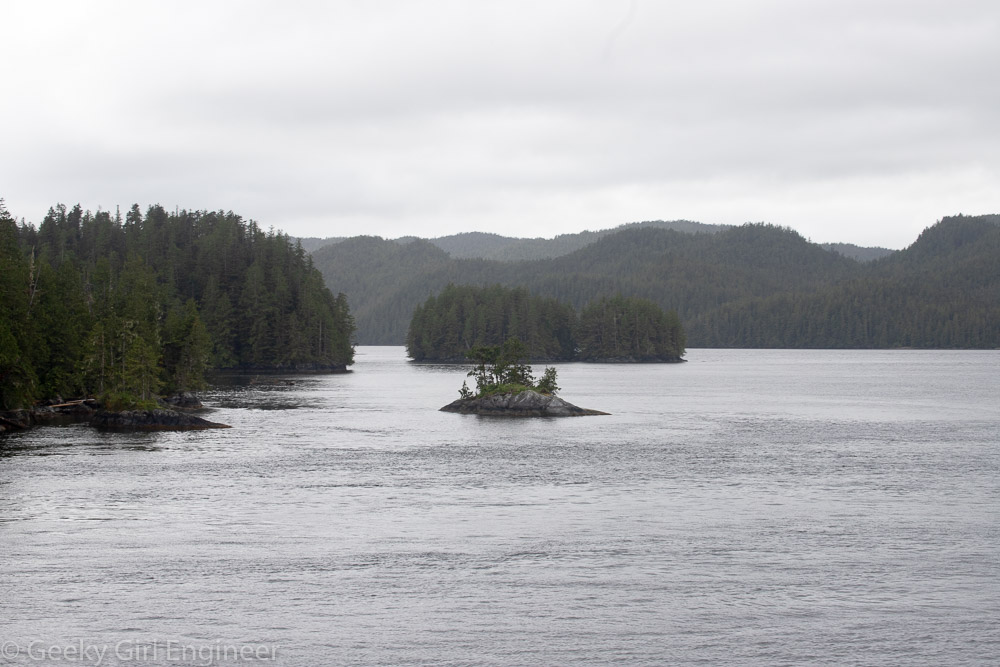
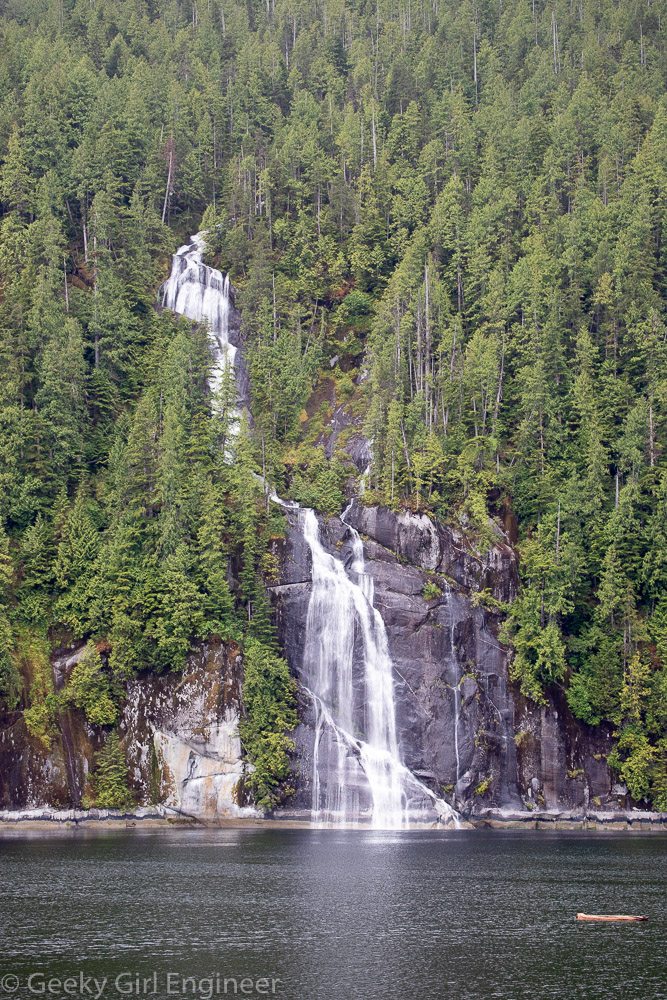
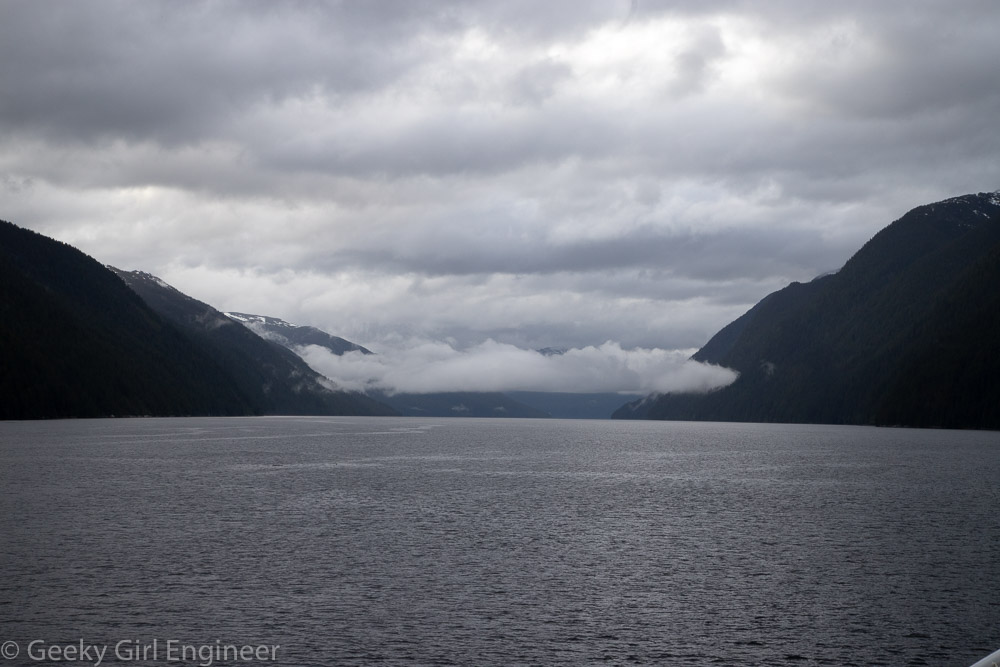
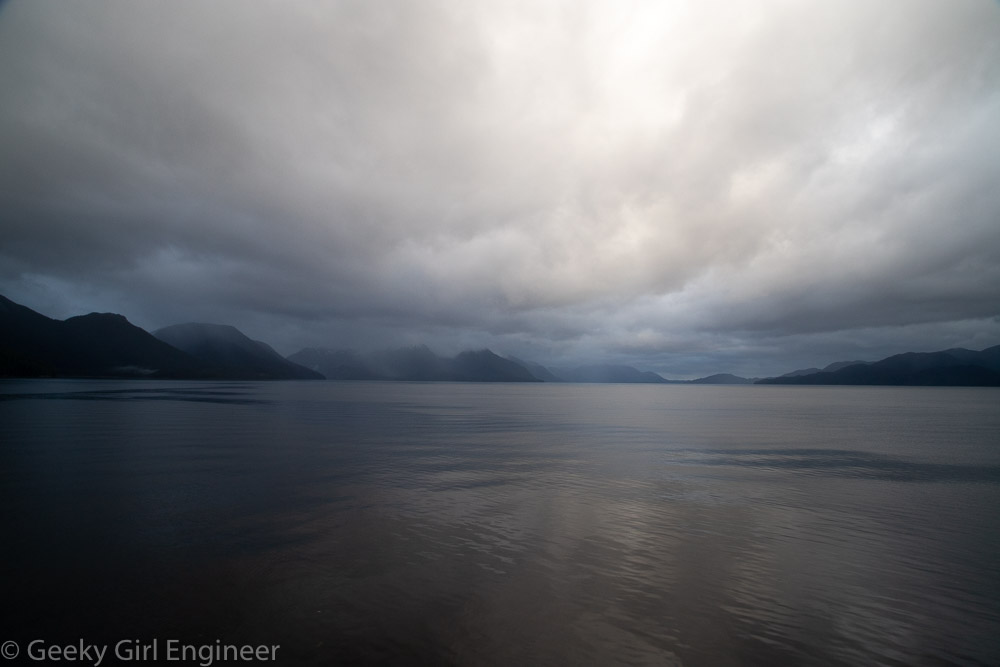
I have started a three week vacation in Alaska, which will involve planes, trains, ships, buses, cars, and perhaps a helicopter and raft. Thirty years ago or so, I cruised the inside passage with my family, but this time I wanted a little more time to see the southeast area and interior. Thus, the cruising will take place on the Alaska State Ferry. I took the ferry from Bellingham, Washington to Ketchikan, Alaska, which is about 38 hours or so of travel. The ferry cruises the inside passage. There was a map in the cafe that shows the route, and in two different places, the route can go either in the open ocean or the inside passage. It is not clear why one is chosen over the other, and the crew (that interacted with the passengers) didn’t even seem to know, but presumably the navigation crew knew. In any event, our route was entirely the inside passage, and a lovely route it was. It was a nice way to travel. I spent the entire time reading and taking photos along the way. Below are some photos I took along the route. Note that basically all of these photos are of British Columbia, Canada and those of the water we passed through.
Alaska State Ferry: MV Kennicott
Thirty years or so ago, I took a cruise to Alaska starting in Vancouver and ending in Whittier through the inside passage. I wanted the cruise portion of that trip again, that is, the part where the boat takes you through the inside passage. However, I wanted more time in some of the cities to explore. The solution I came up with was to take the Alaska Marine Highway System, i.e. the Alaska State Ferry to a couple of cities then because the schedule is a bit infrequent for parts of the trip, to fly for a portion of the trip.
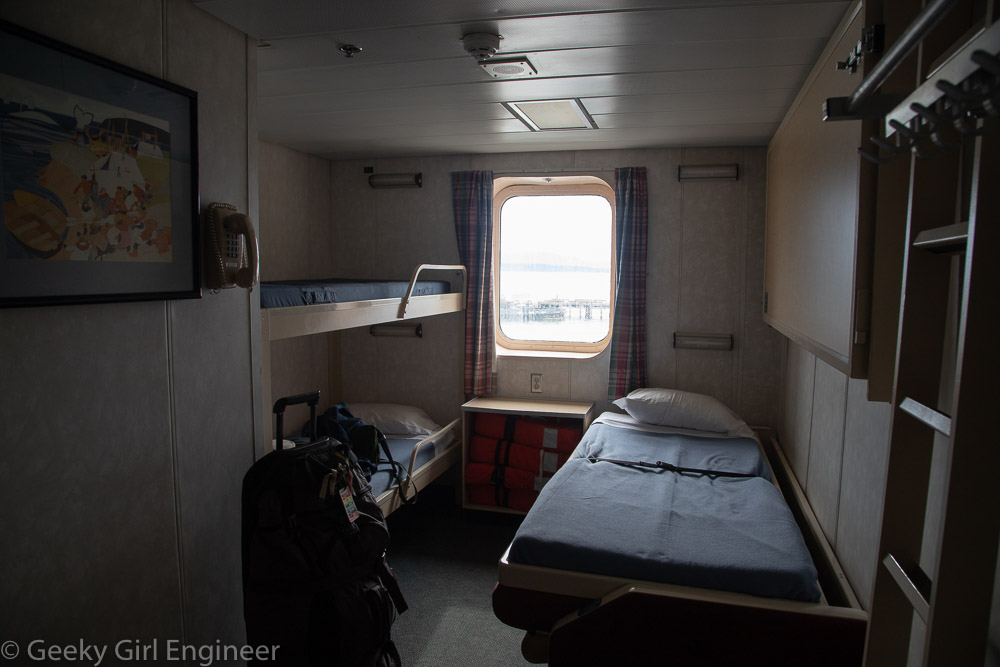
The ferry goes as far south as Bellingham, Washington. I flew to Seattle and then took a bus to Bellingham. There is an Amtrak train and also a bus that drops you off about a block or so from the ferry. Then after a lovely lunch in Bellingham, I boarded the ferry, in this case the MV Kennicott. We reserved a four berth cabin. There are only two of us traveling, but the two berth cabin does not have a private bathroom. We splurged for the four berth for the private bathroom and extra room. The room is rather small, unsurprisingly. It is rather spartan really. Cruise ship cabins are small, but generally they are well designed with lots of drawers, shelves, and other areas to unpack things. The ferry was not designed for that. The ferry cabin was designed for you to sleep but not really for you to place your luggage anywhere.
We didn’t spend that much time during the day in the cabin though. They have a cafeteria for meals, but you can also bring your own food and use their microwave or their hot water. The food is ok, but if you have any dietary issues, you need to bring your own food. There is not that much choice with the food.
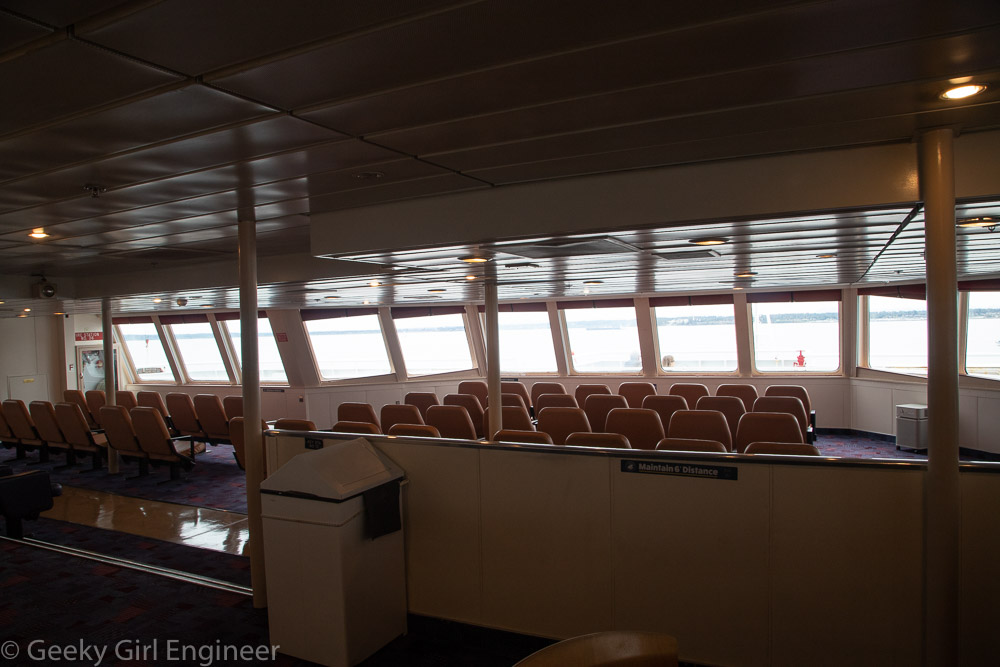
Also, there are a couple of sitting areas, including the popular forward observation seating area. The front observation seating area is set up like a theater, so you can relax and see where the ship is going.
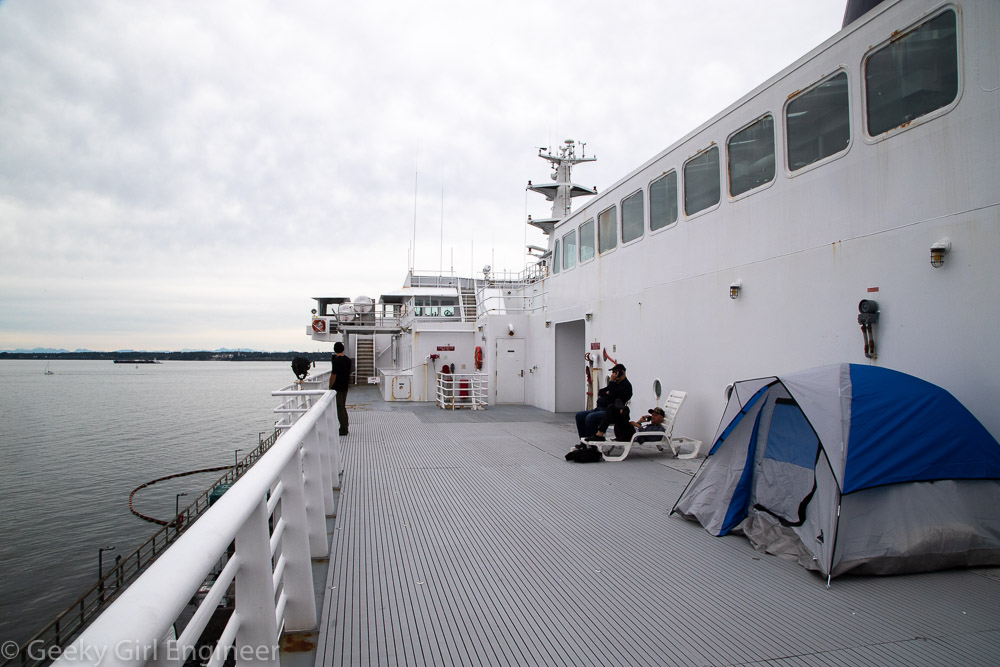
There are also several outside decks where passages can go. Many people choose not to pay extra for a cabin and camp on the ship. There were camping tents set up in on several of the wider outside decks. Some people had rather fancy set ups for their tents.
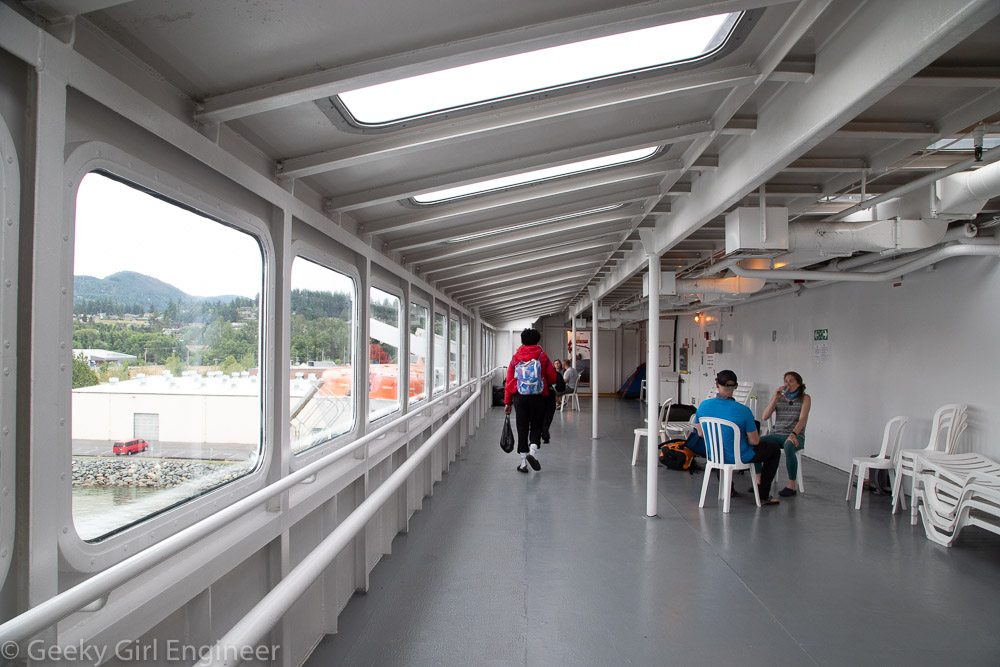
There was also a large enclosed solarium where people camped. The area was quite warm, so people might be able to camp there without an actual tent.
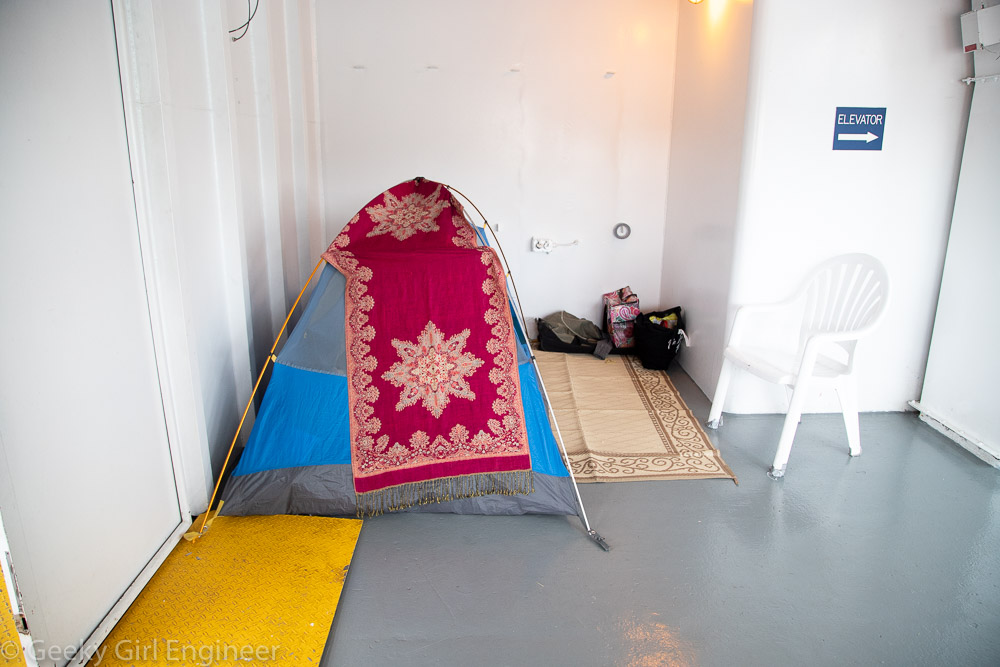
People’s camping areas in some cases were involved. One had an entry rug. One hung a hammock between poles. There were clearly experienced campers on the ferry.
The ferry is definitely not luxury travel. However the route is wonderful and allow you to cruise the inside passage without having to be tied to a cruise ship’s schedule of one day per port.
Venice: All the boats
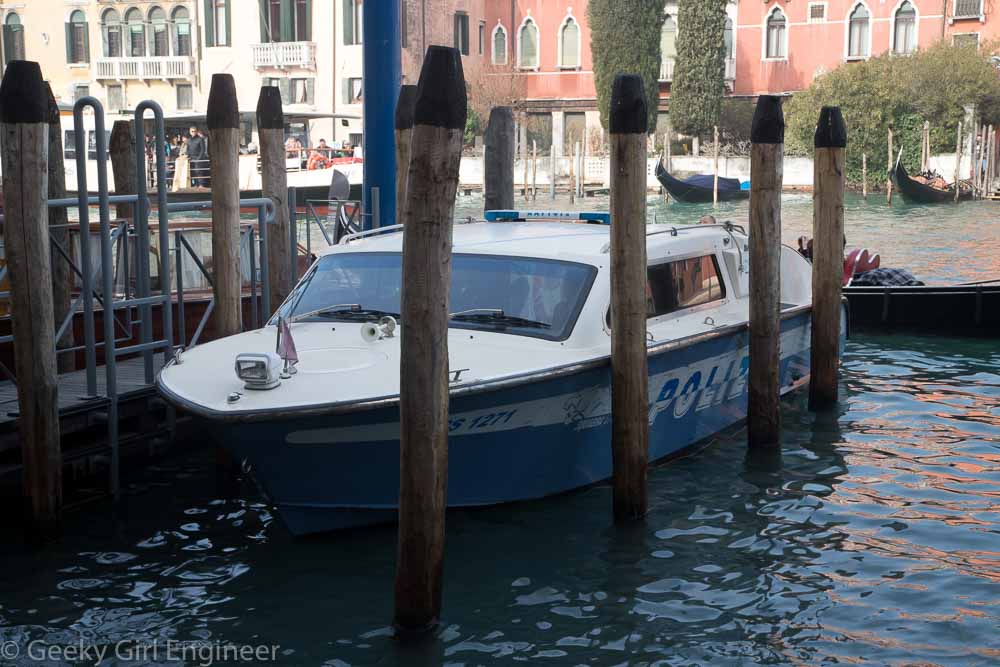
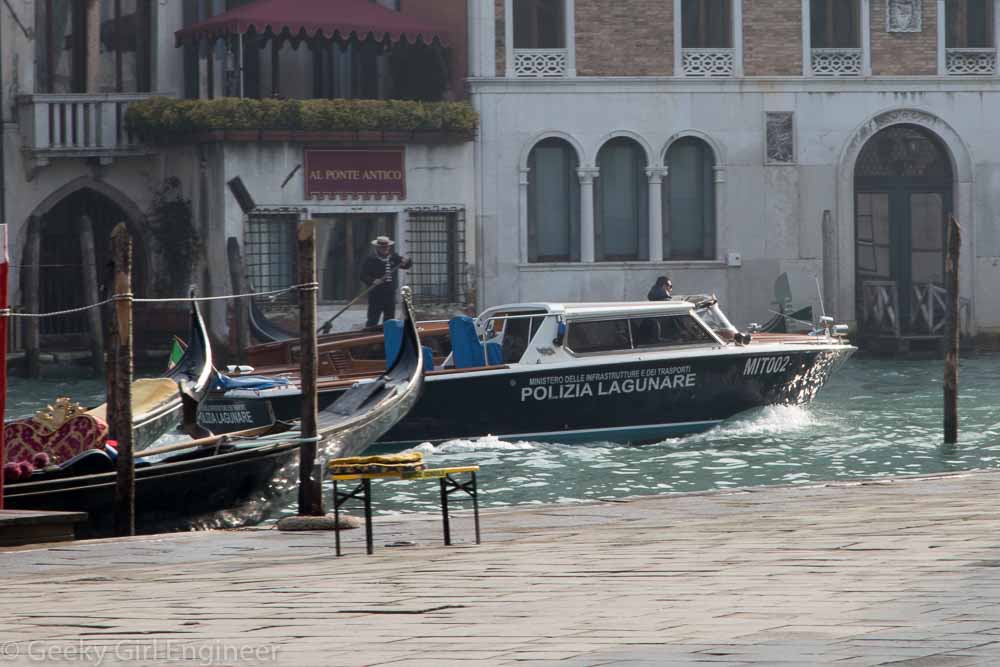
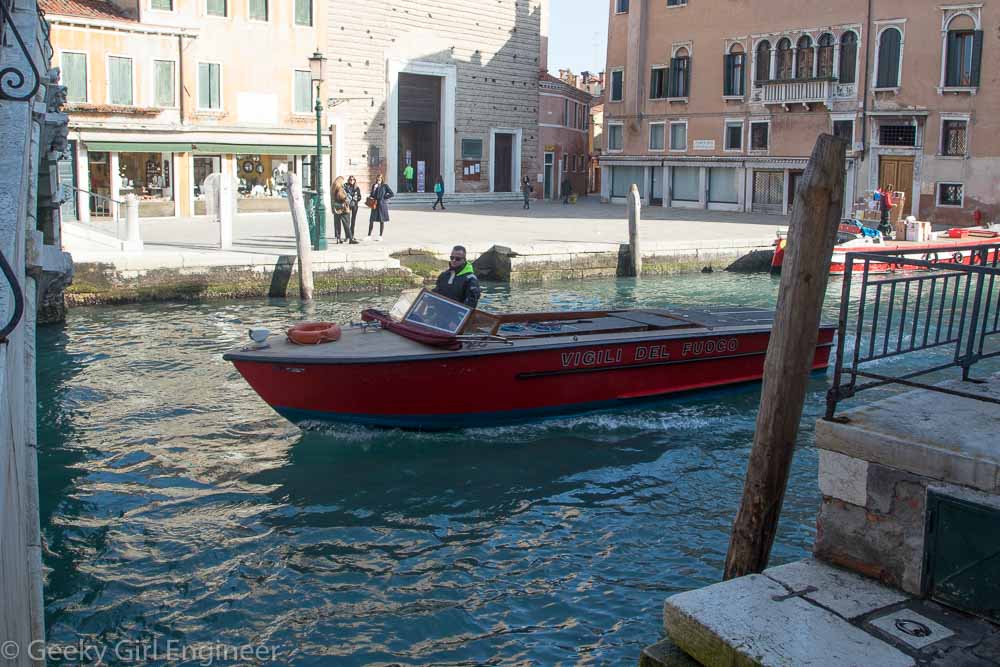
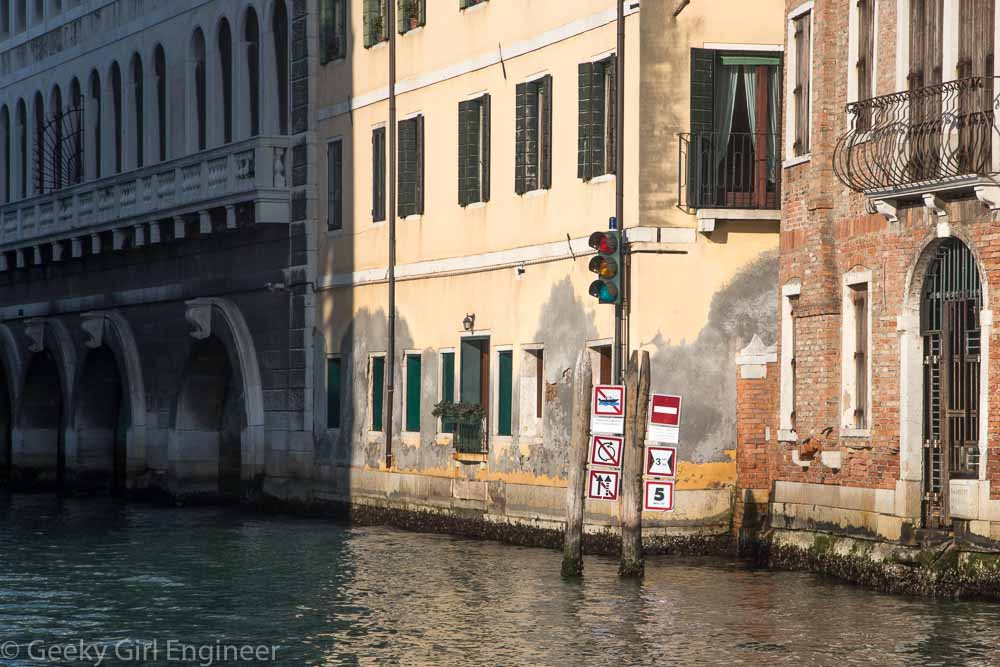
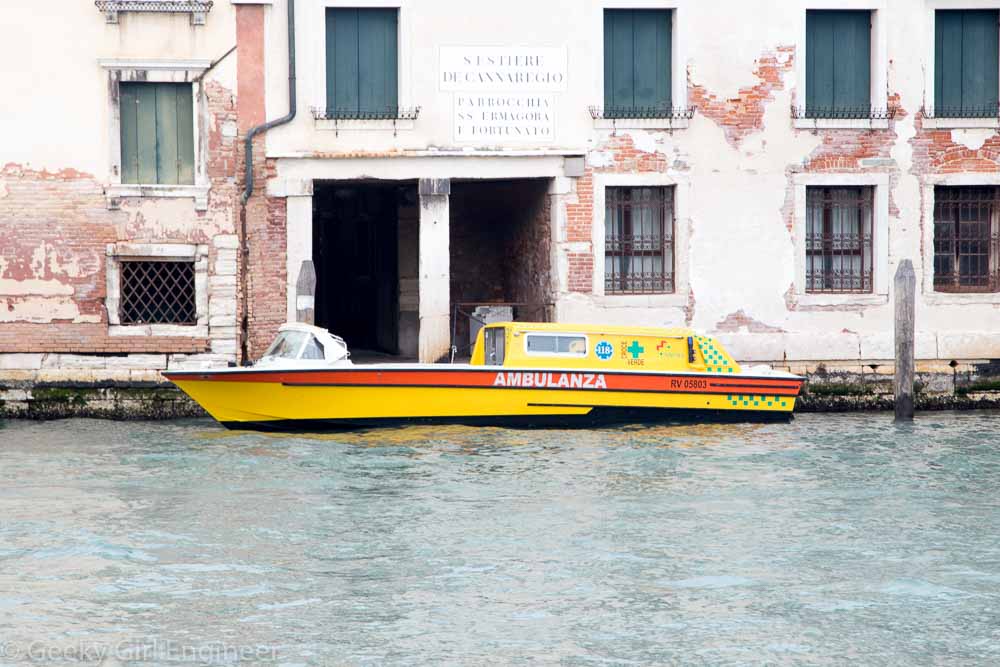
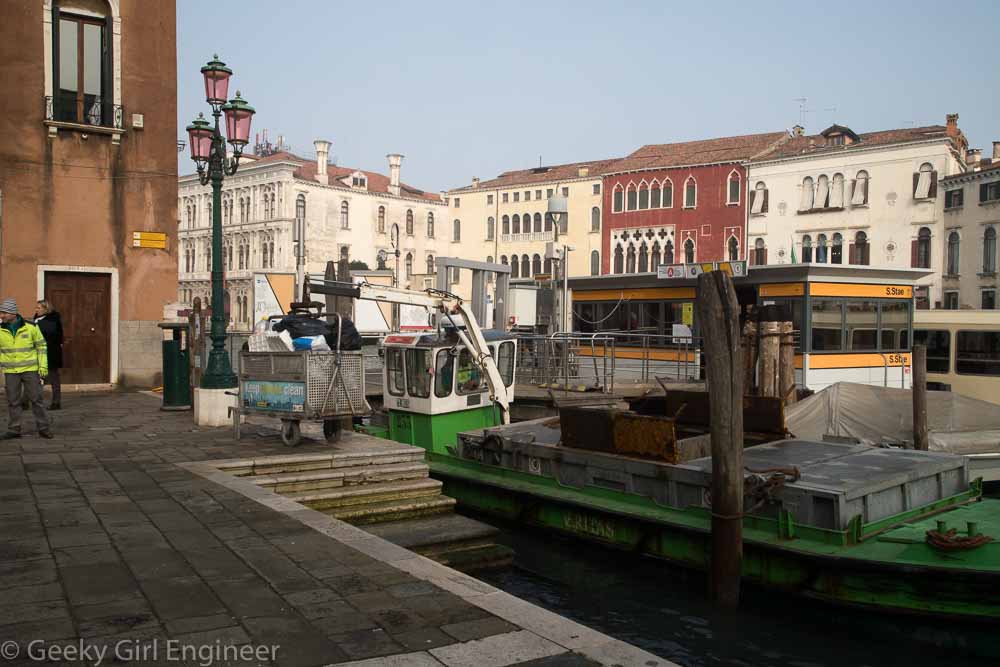
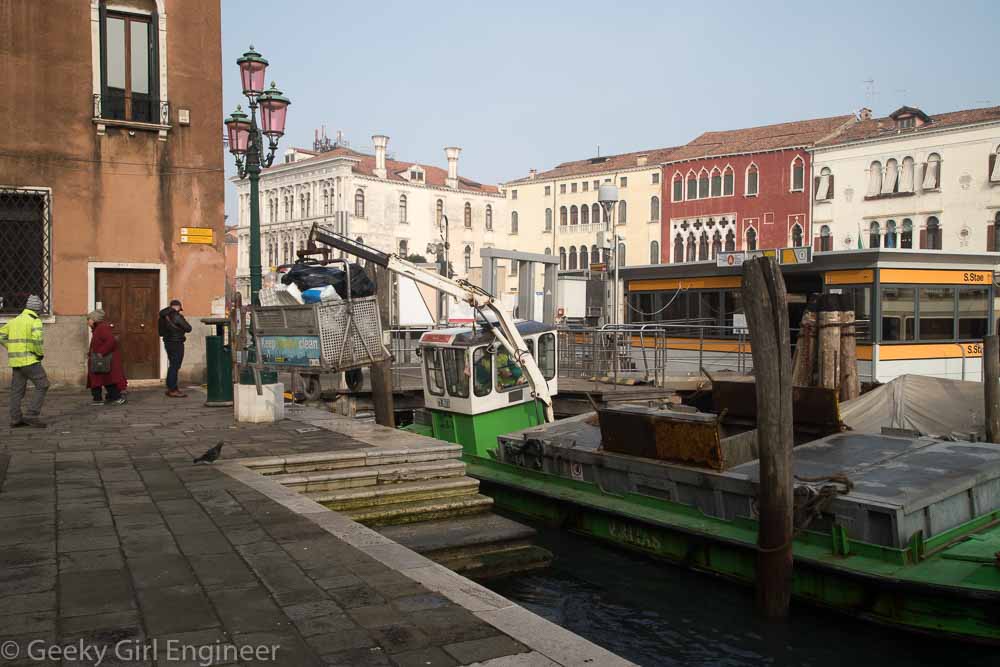
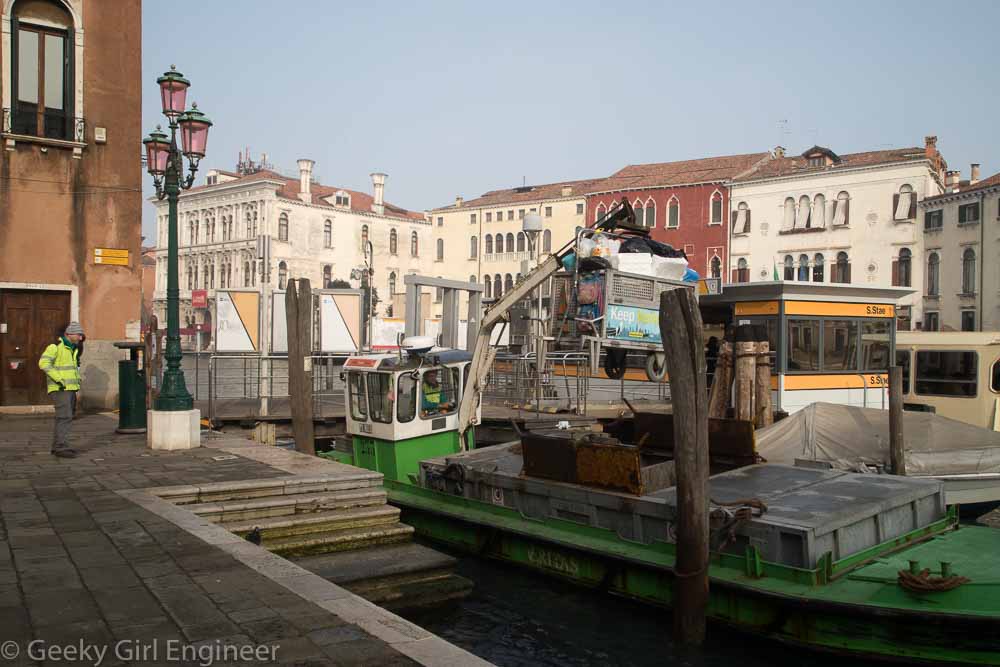
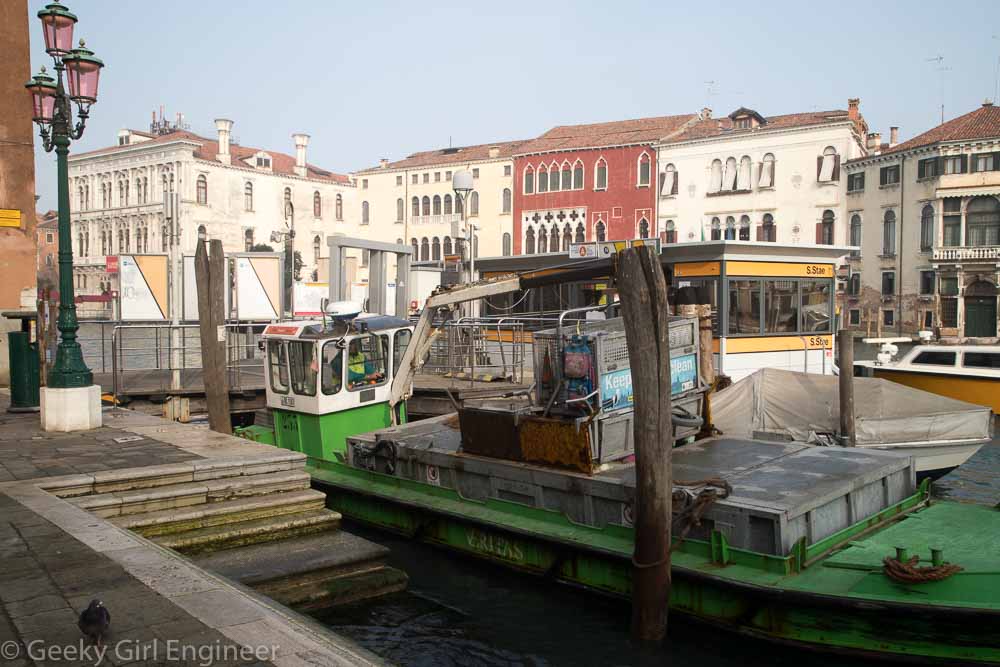
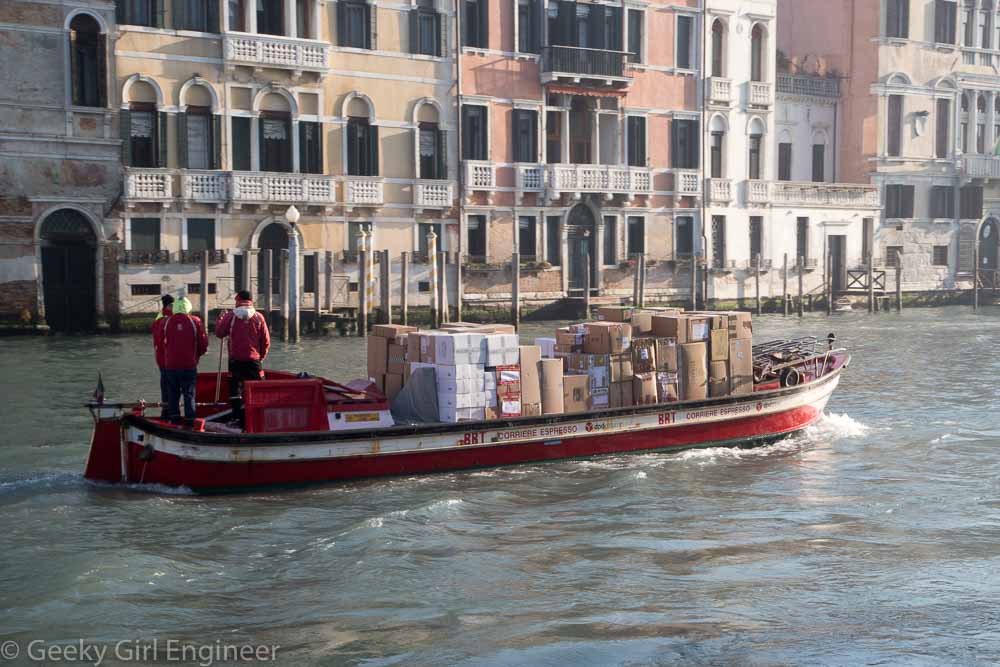
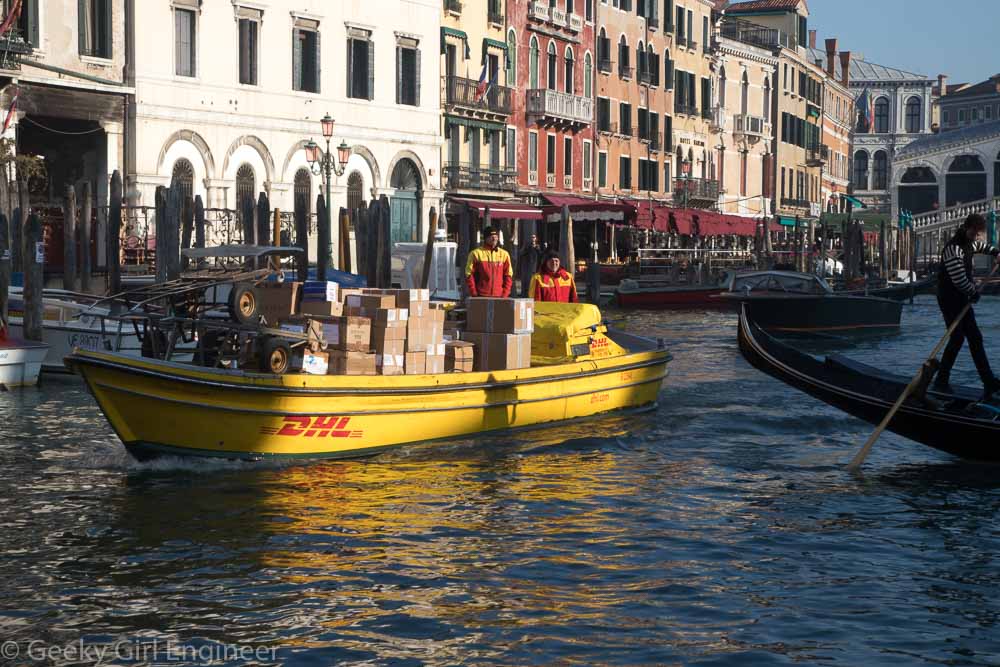
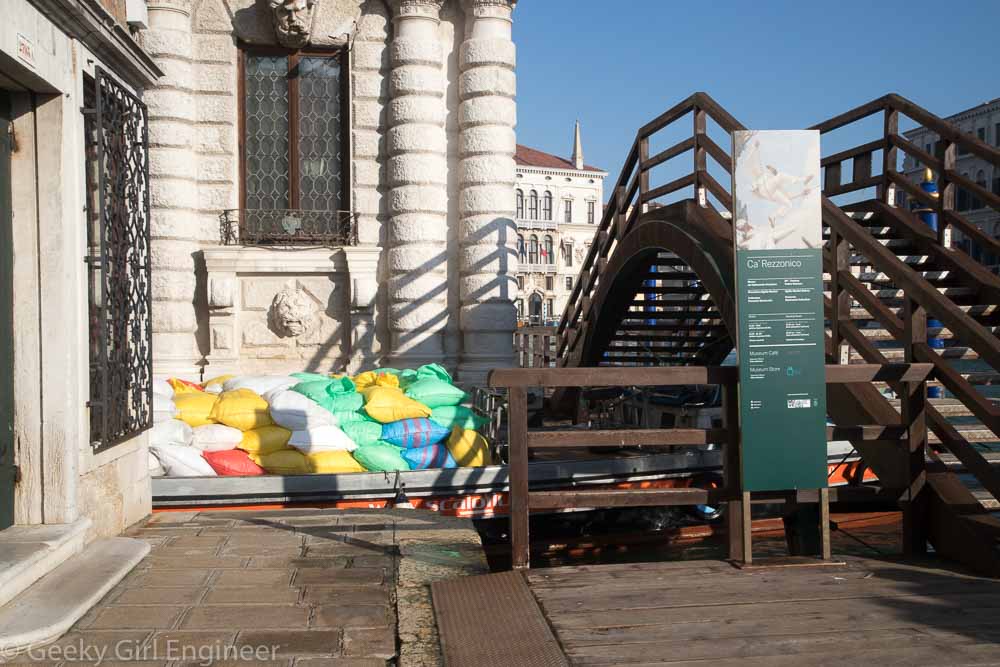
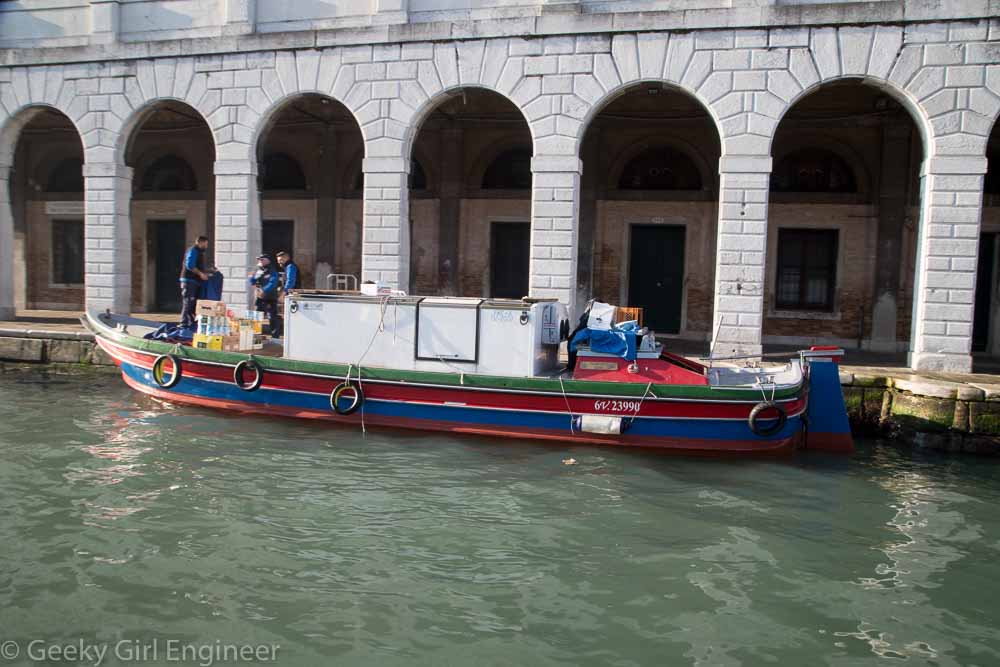
I am somewhat obsessed with the infrastructure of Venice, including transport. There are no cars, nor any other powered land-based vehicles. Everything is transported by land on foot or water by a boat of some type. Everyone gets around by foot or boat. I am unclear how the firefighters get the hoses to a fire. However, I was lucky enough to see the garbage boat in action taking a garbage basket that a garbage worker had brought to the canal.


Venice: Gondolas
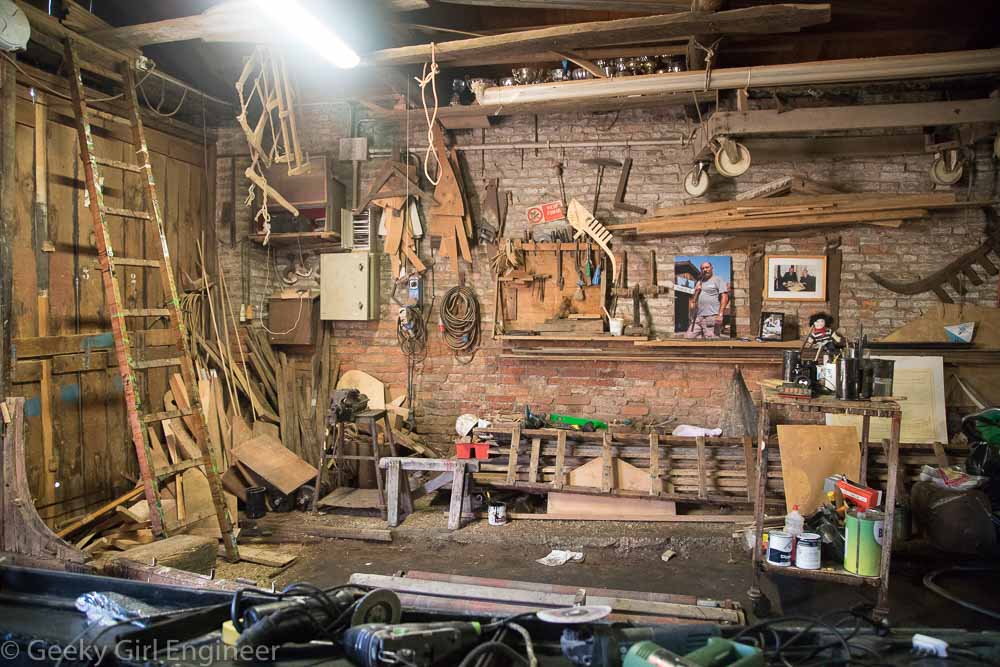
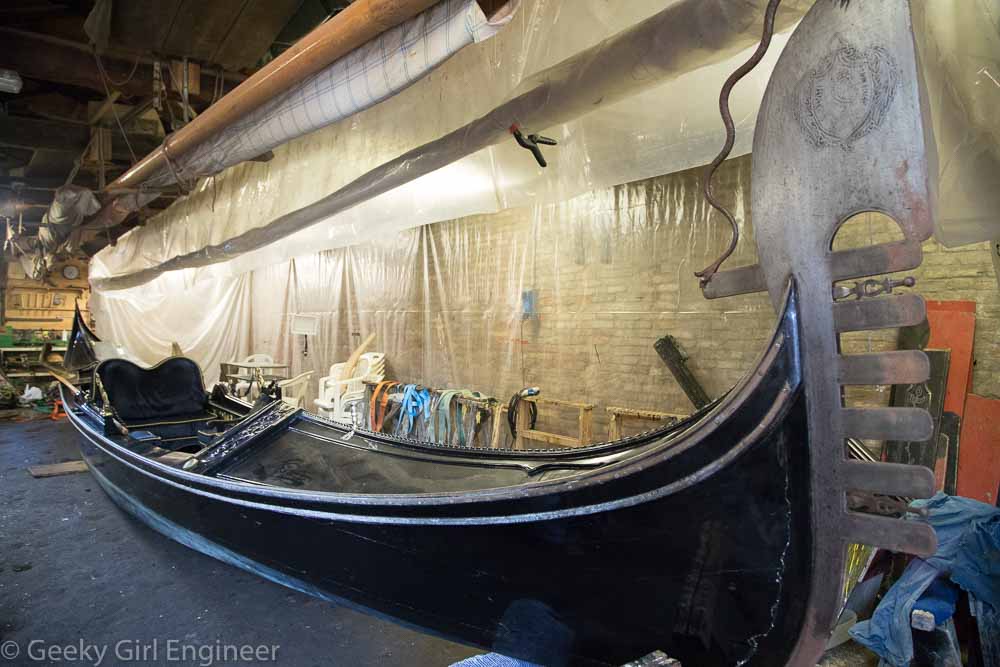
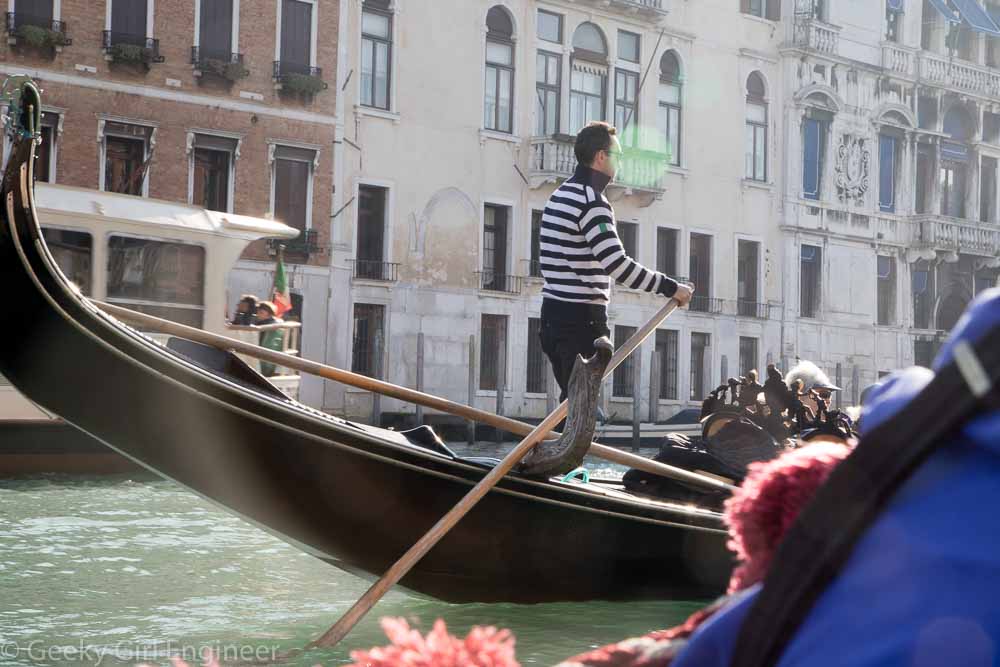
Today in Venice was Gondola Day. We started the day by going to a place where they make gondolas, restore old ones, and do maintenance on them. Then we went to a shop where they make certain pieces for the gondolas. We followed it up with a gondola ride through some canal with musicians.
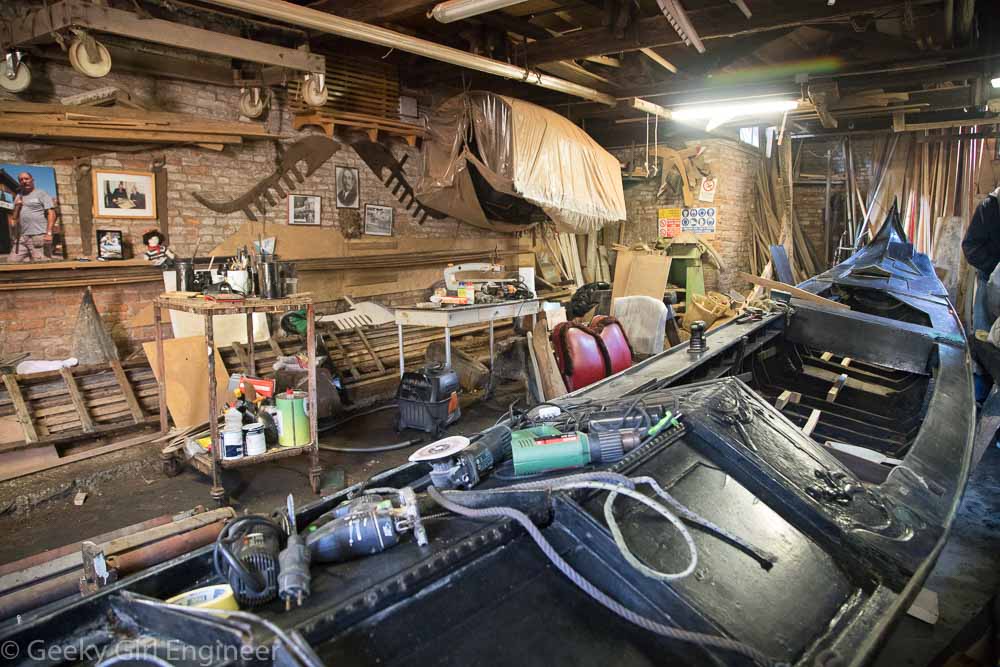
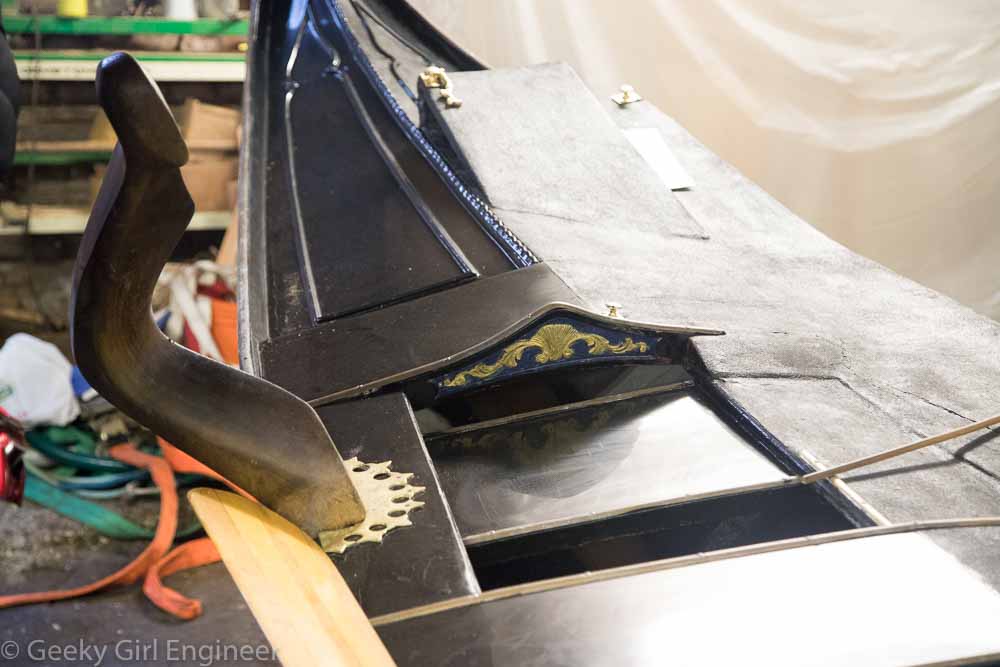
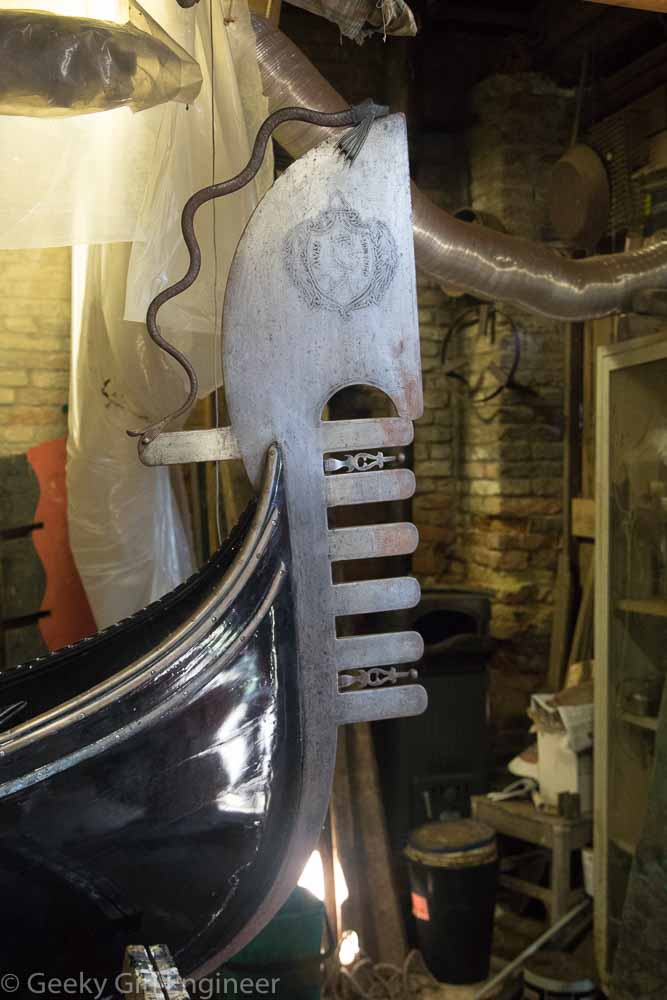
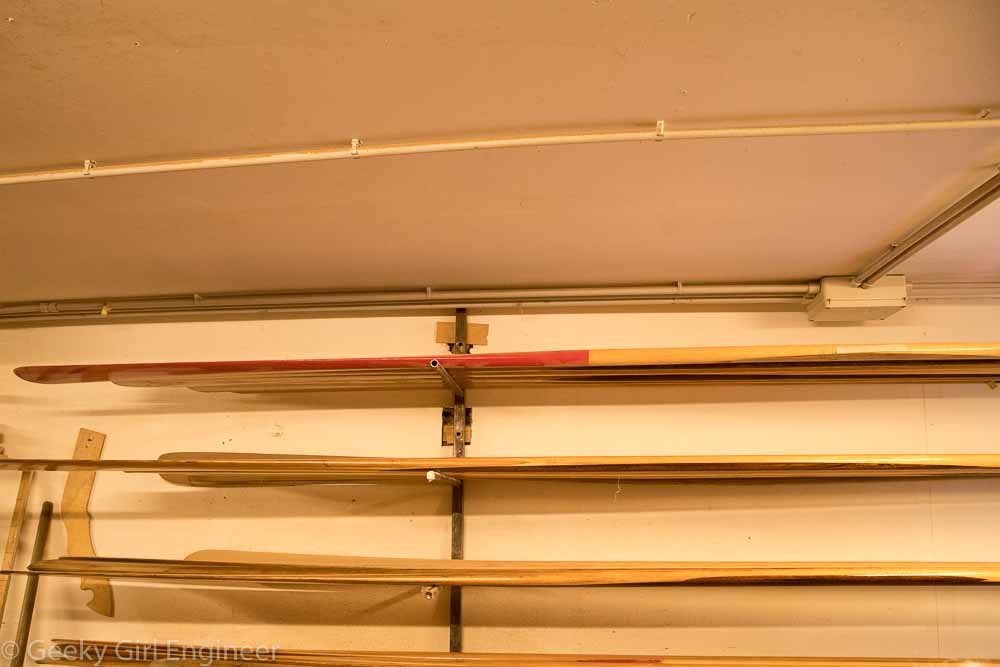
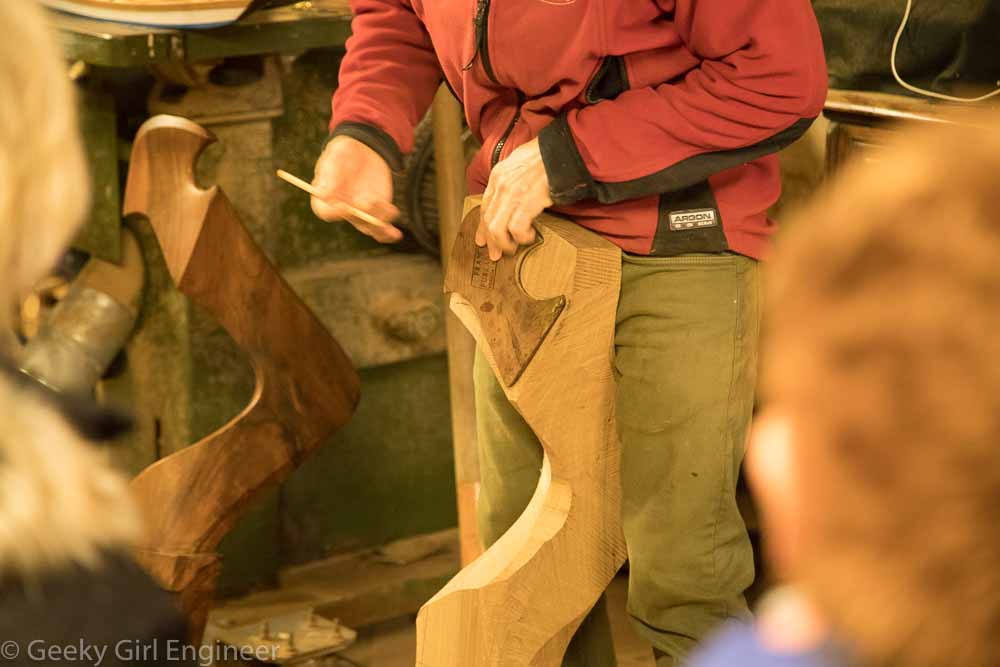
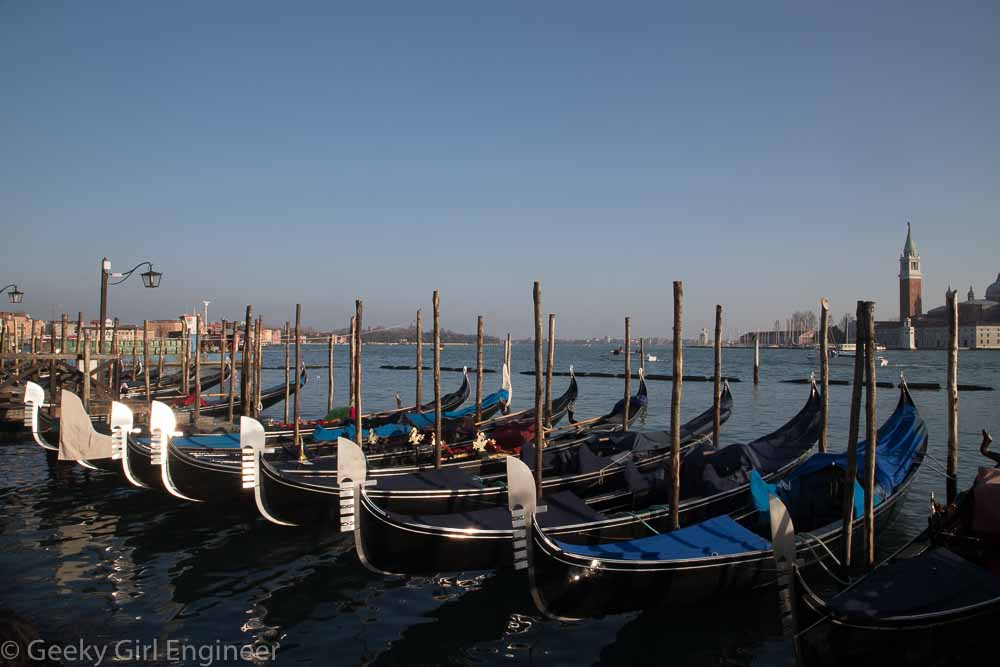
First, we went to Squero Tramontin (Domenico Tramontin e Figli) where they make new gondolas, restore old ones, and do maintenance on currently used ones. The company is currently owned by two sisters, who inherited it from their father. It has been a family business for five generations, since 1884. Elena Tramontin explained to us how they make a gondola and the history of them. Originally gondolas were used for everything in Venice including police, ambulance, etc. They were also originally operated by two gondoliers, but the shape was changed so that one gondolier can operate it. All gondolas are completely flat bottom, and in fact all boats that operate in Venice’s lagoon are flat bottom. The gondolas only need 10 cm of water depth. They are made of mahogany, cherry, and oak. The wood is dried naturally and needs about a year too dry. The wood is bent with water and fire. They are coated with six coats of paint, and finished with 24 carat gold leaf accents. It takes about five to six months to complete one. The government decreed that all gondolas be black centuries ago. The edging was brass, but now steel is used. The counterweight at the front is iron and has symbolic meaning (see photo below). The gondolas are built to last 30 years, but they need maintenance every 50 days or so to remove barnacles and such. However, in the shop when we visited were much older gondolas.


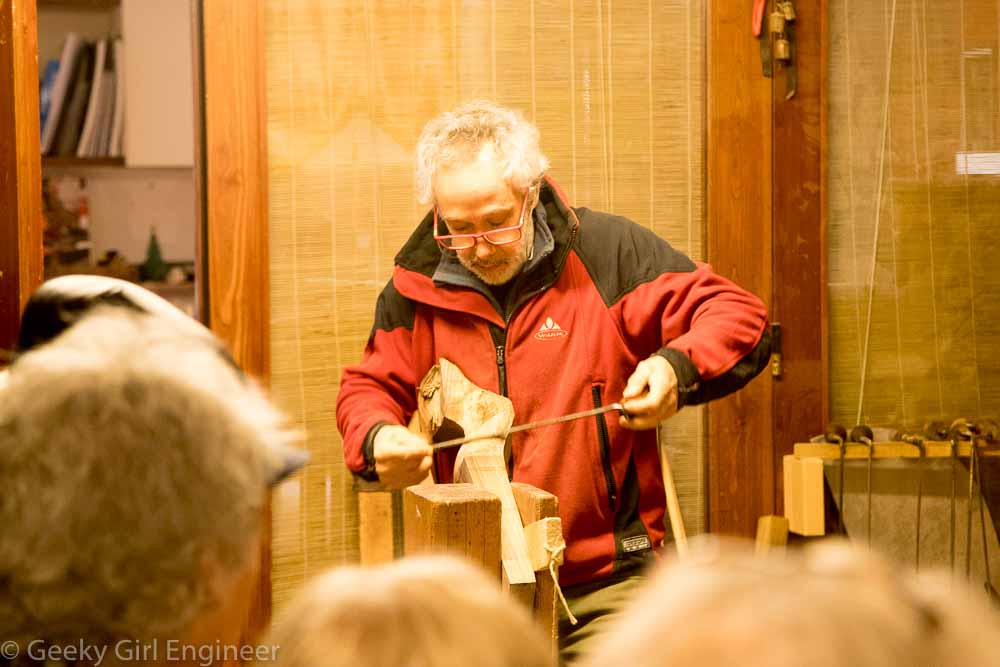
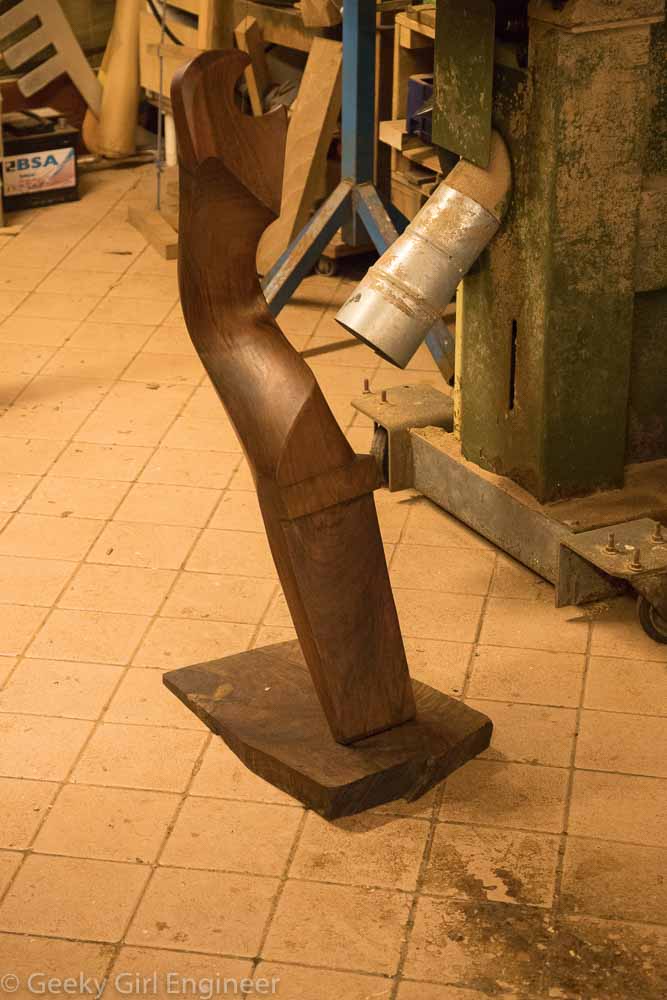
After visiting the squero, we then visited an artisan who makes some of the special wooden pieces for the gondola including the all important forcula. They are made by hand. He now sells more of them around the world as art pieces than as their historical use in gondolas. He has another shop on the mainland, where once he acquires wood, he cuts it into smaller pieces and allows it to dry naturally. Each forcula is built specific to the customer, based on customer height and such. The pieces are finished with oil. The bottom part of the forcula is finished last once the gondola is built, so that is fits securely into the gondola.


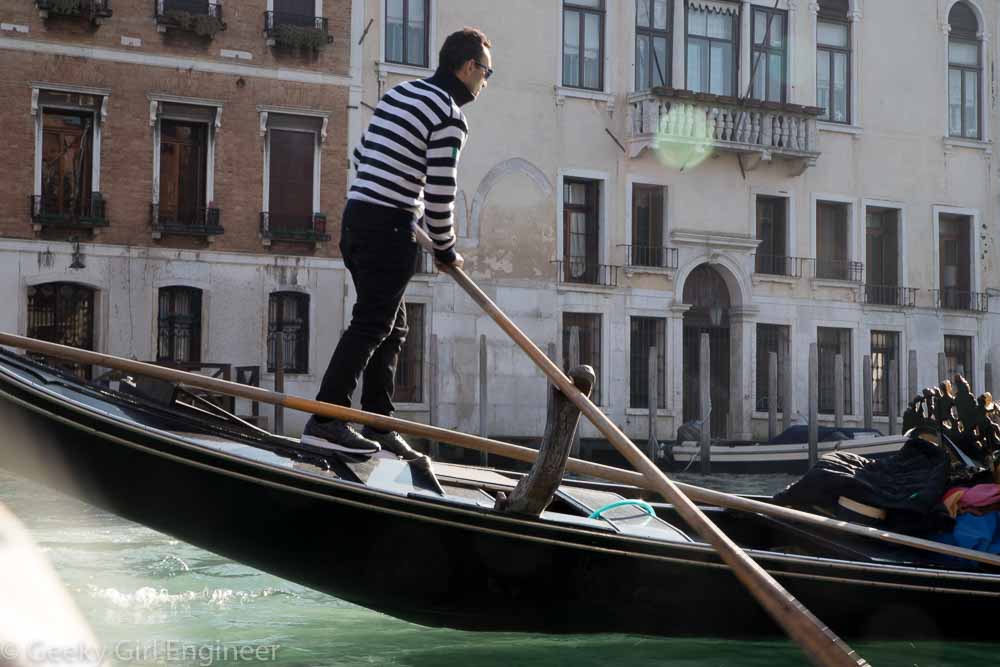
We then went for a gondola ride, and I started paying attention to how it was operated. The gondola ride was quite nice and relaxing.


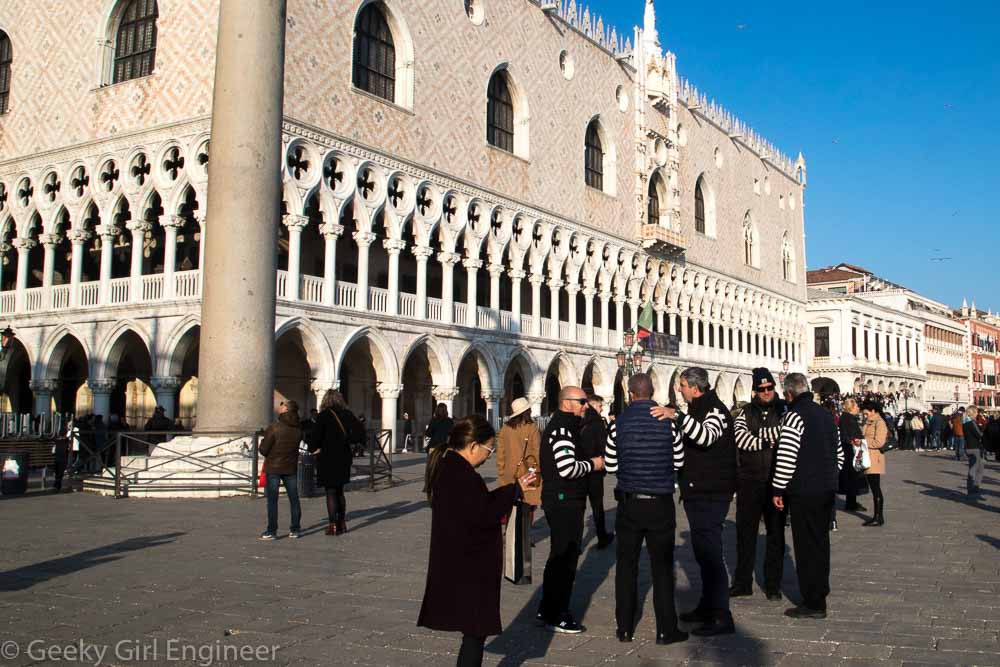
A few final notes. There are 433 licenses for gondoliers, and only one is held by a woman. There is a waiting list to get one. We were told there are about 500 gondolas working now, which numerically doesn’t add up. We were told there are extra for loaners during maintenance. However, since we were told they are made specific to the gondolier, I am not sure how loaners work.


Venice
I arrived in Venice, Italy for the start of my vacation in Italy and Croatia. After my plane landed at Marco Polo Venice airport, we were taken by van to essentially the other side fo the airport by the tour group with which we are traveling. From there, we boarded a small boat that is one of many that operate as water taxis. The boat took us directly to our hotel. Not a bad way to travel.
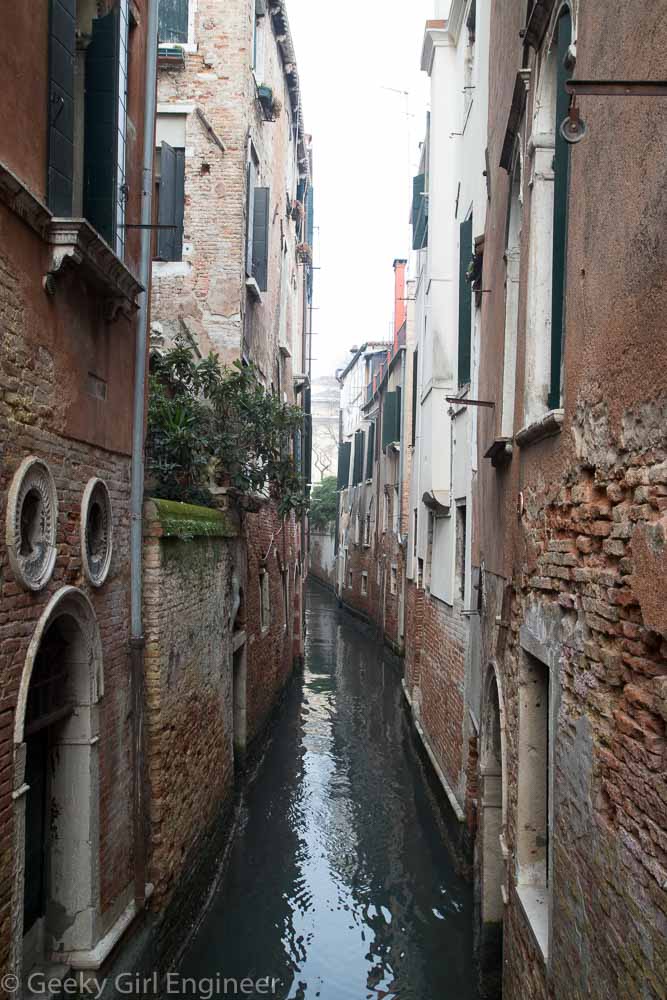
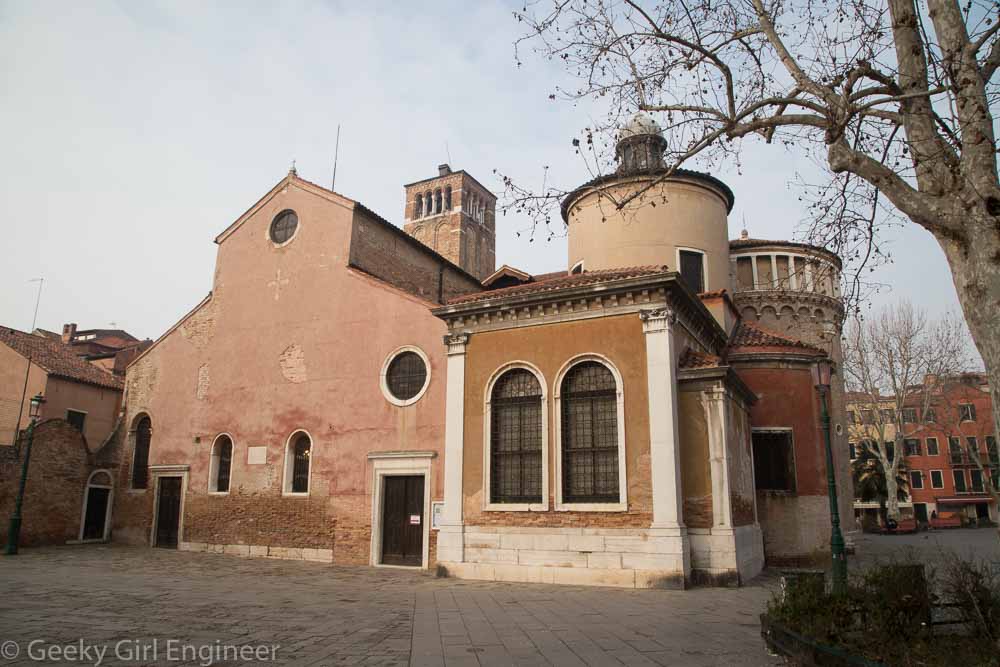
I am completely jet-lagged, but I walked around a bit to try to stay awake and get more tired, so I can get a really good night’s sleep tonight. I once read that you have not really been to Venice, until you have gotten lost there. I did not in fact get lost today, but there were a couple of times where I could have easily gotten lost. Venice is a series of twisting, narrow and wide, alleys and streets that intersect constantly in non-uniform manners. However, it is lovely here and so unique.


Richmond Canal Walk
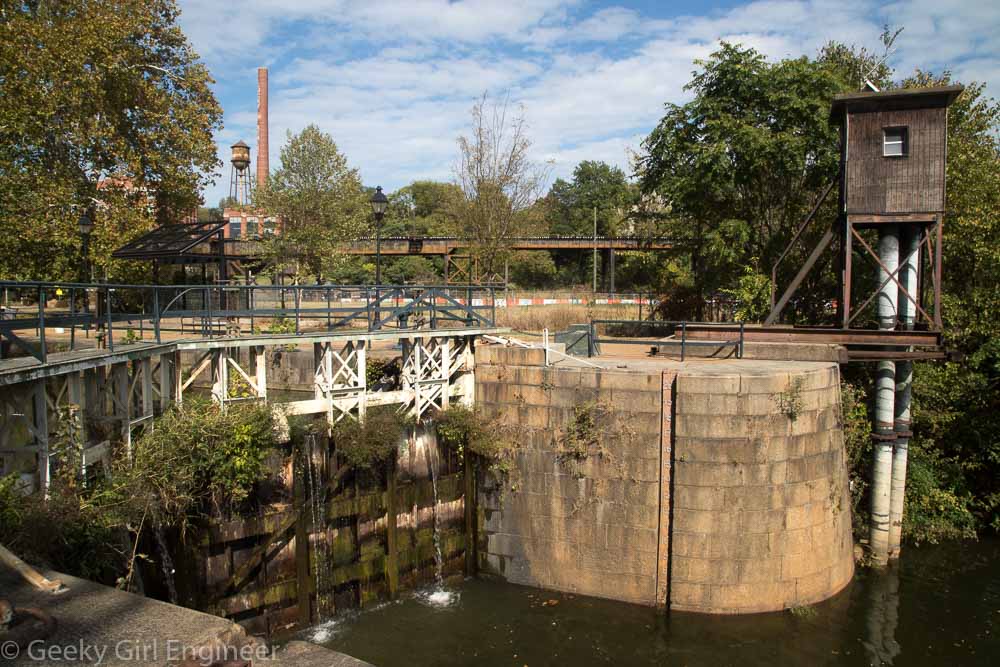
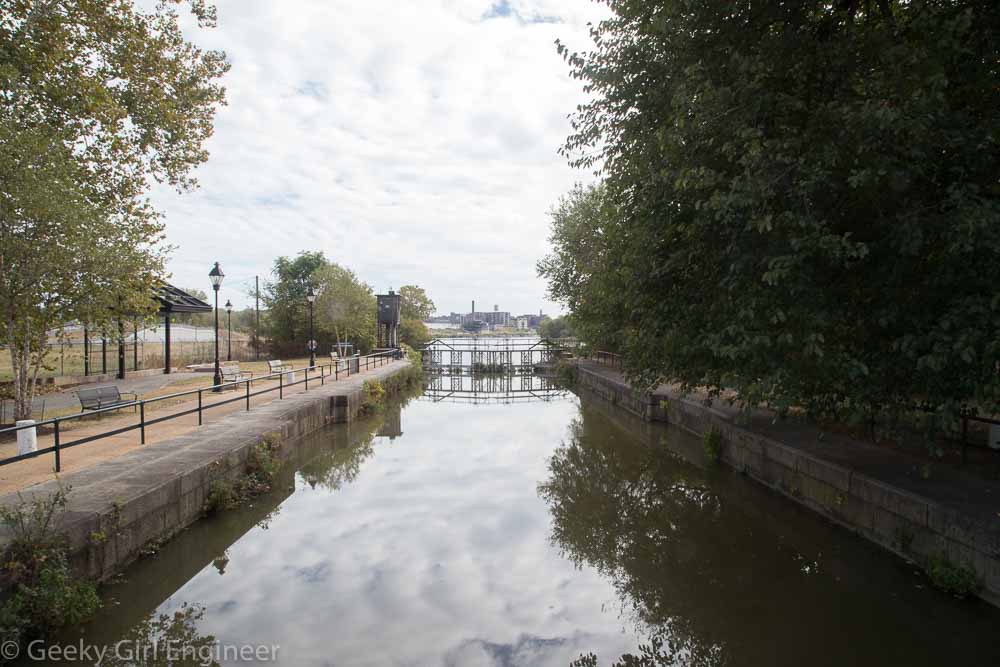
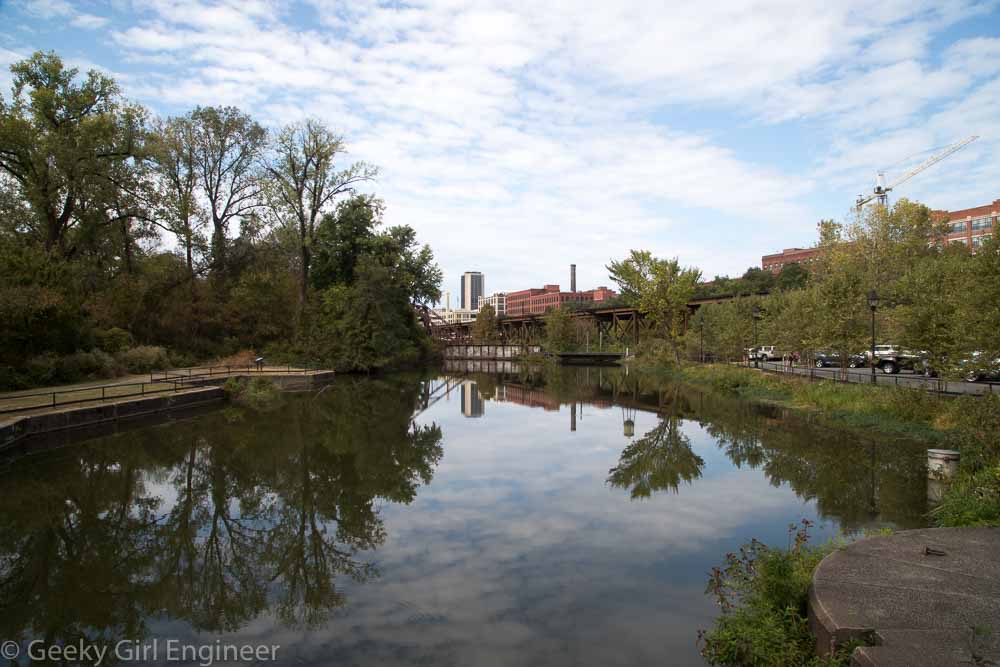
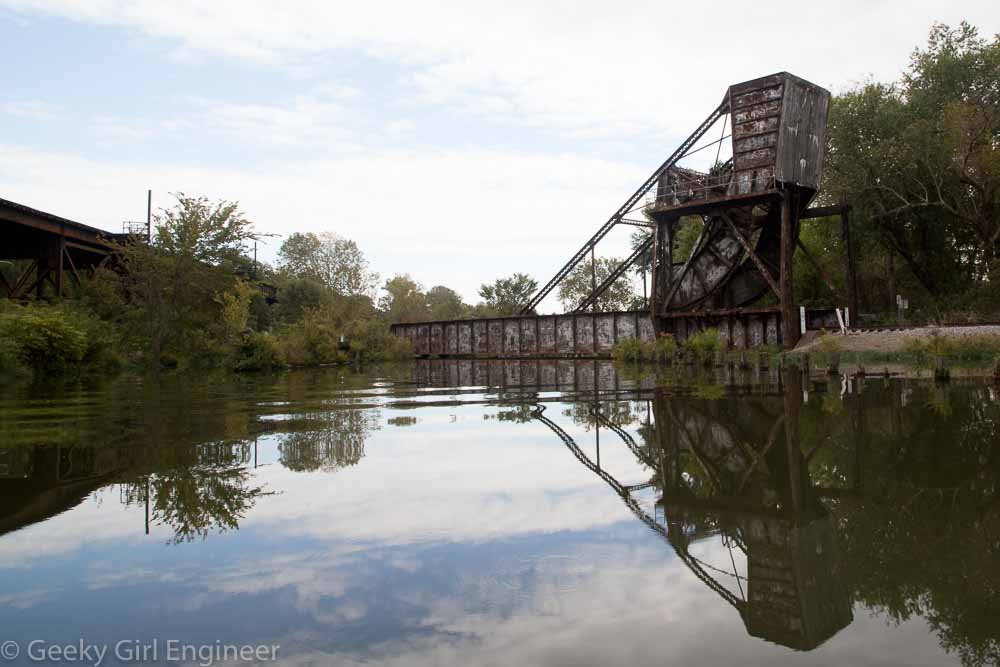
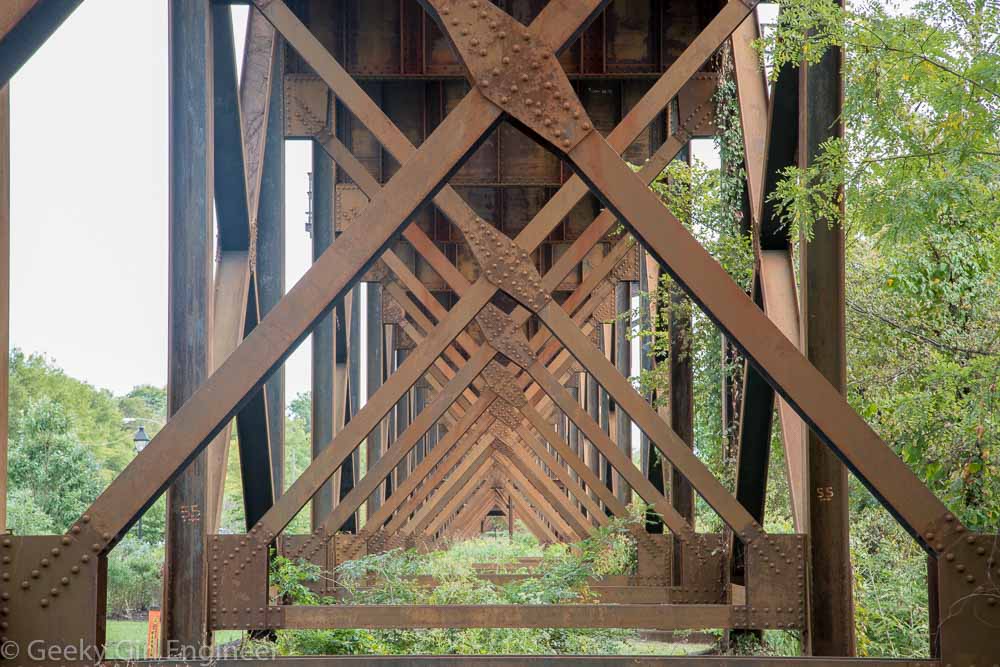
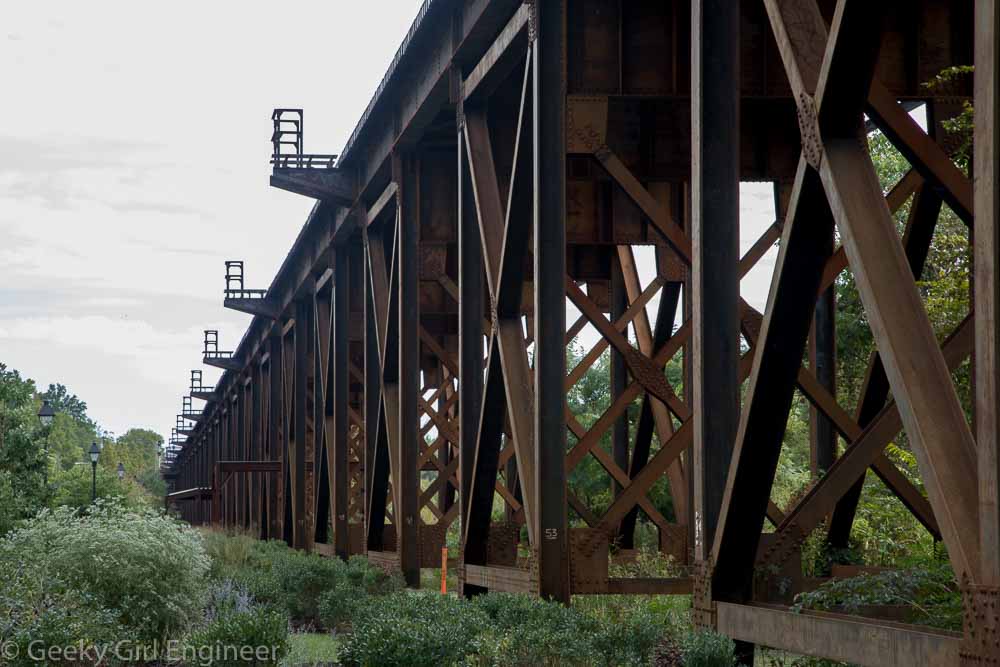
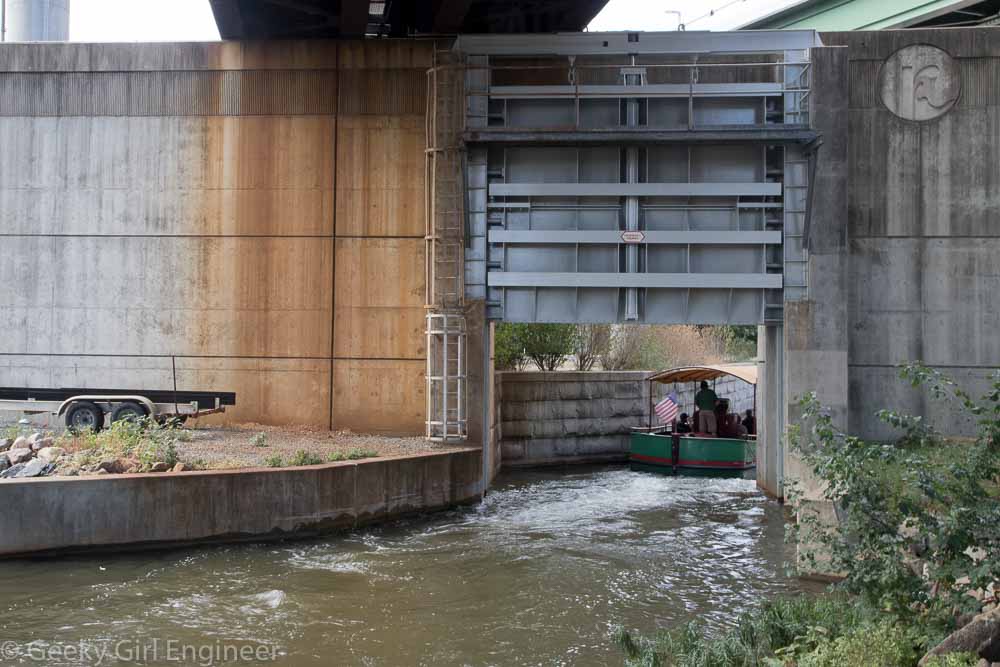
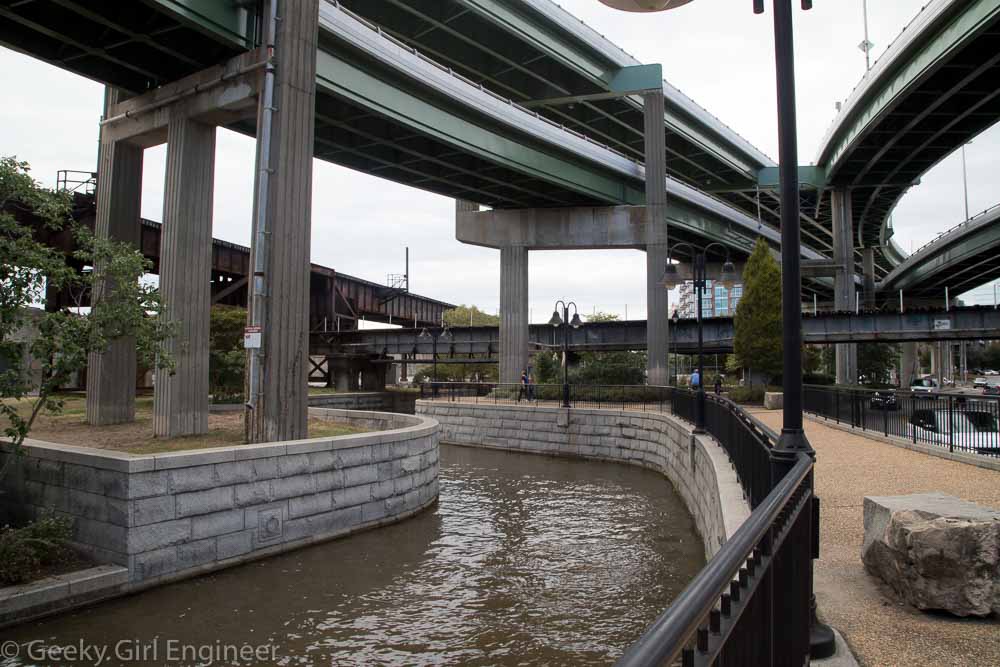
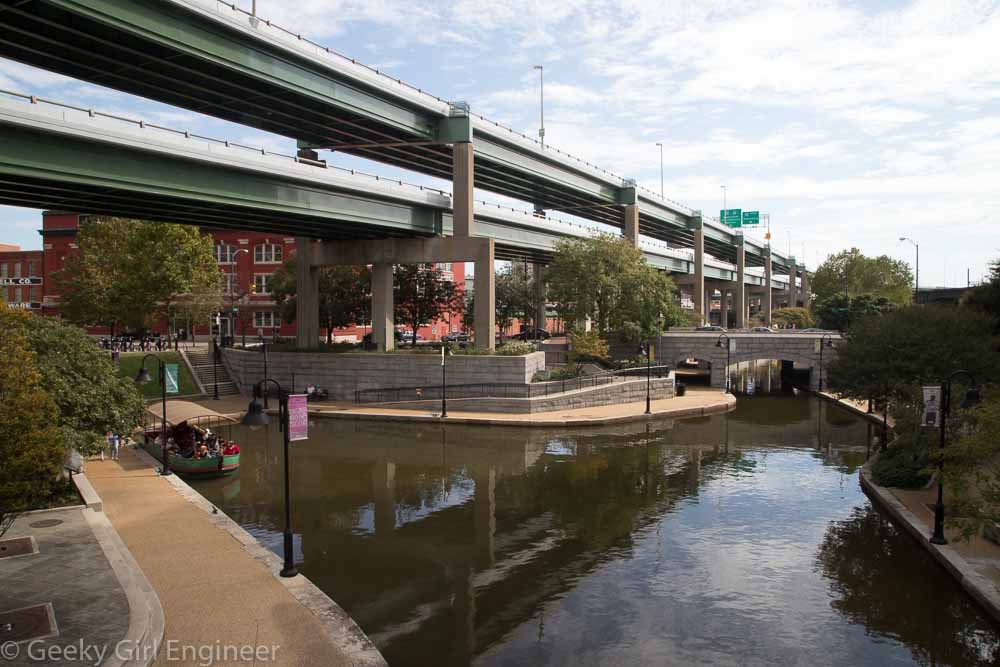
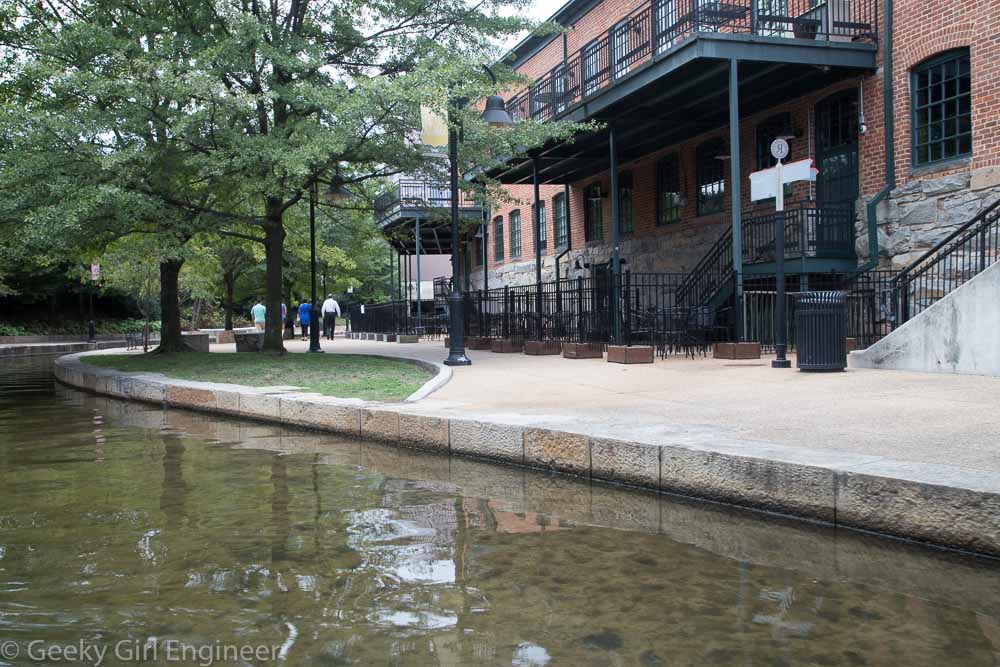
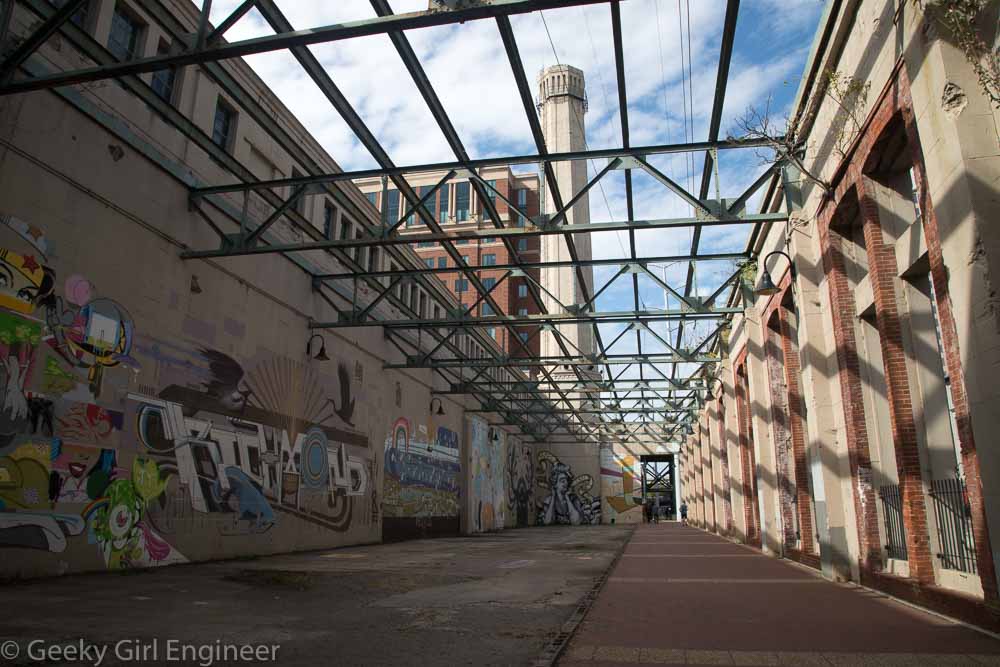
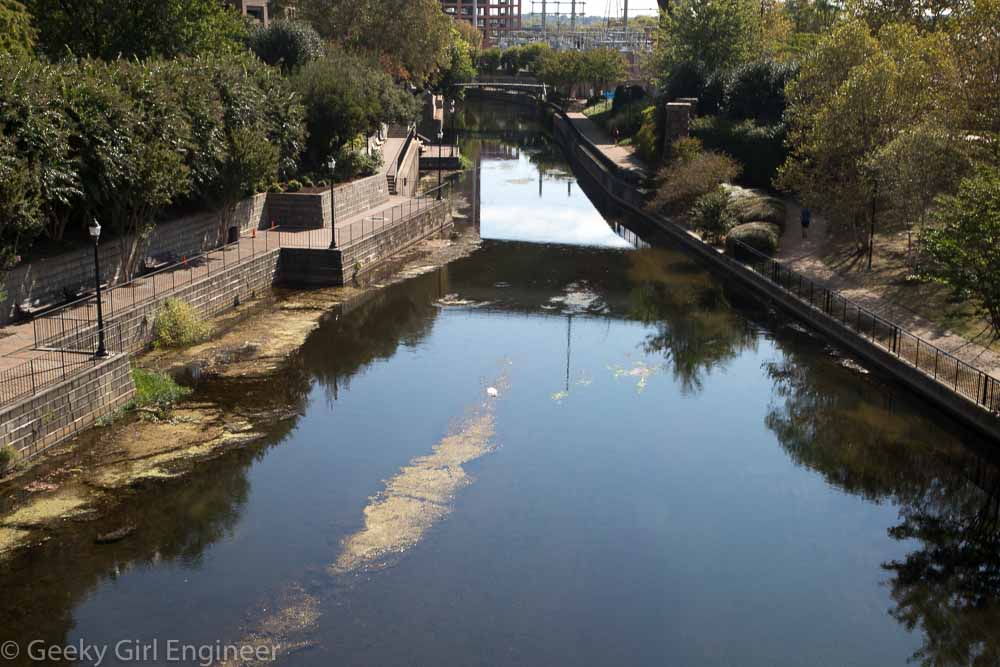
I am continuing my quest to see all the state capitols. I am in Richmond this weekend to see the Virginia state capitol. However, today, I just wandered around. I spent most of the day walking along and near the Richmond canal walk. Richmond has a couple of disjointed canal that were originally part of a large system so that ships could avoid the James River rapids. The canal walk is lovely. The original building of the canal and the restoration of it are impressive engineering projects. They have restored much of the system, and you can even take a boat ride along part of it. [I did, and some of those photos are included.] Railroads and then highways were built alongside and on top of parts of the canal system. My tour guide on the boat ride noted that there is one part where you can see 18th century (the canal), 19th century (the railroad), and 20th century (the highway) transportation systems all in a single frame. I thought that was an interesting and insightful observation. The canal also is both inside and outside the Richmond flood wall, which is another impressive piece of engineering. A canal was built to bypass the James River rapids, and a wall was built to protect against James River floods.


F.J. Horgan Water Treatment Plant
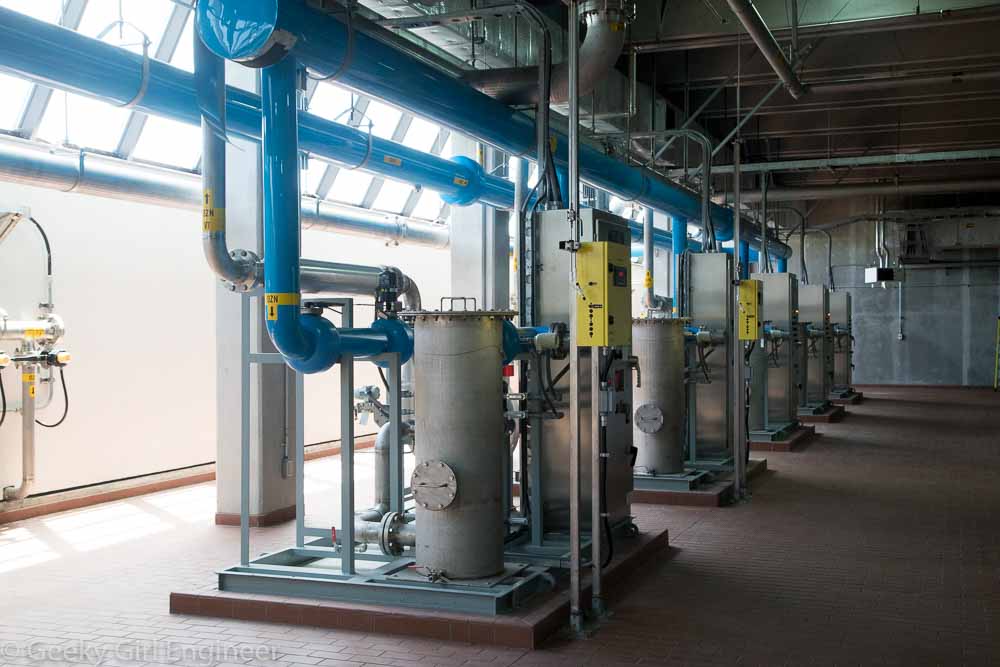
The F.J. Horgan Water Treatment Plant was one of my top two reasons for coming to Doors Open Toronto. Sadly, no wastewater treatment plants were open for the event, as I find them more interesting than water treatment plants. However, water treatment plants are still interesting. This plant was even more interesting than I initially thought it would be because I am fairly this is the first water treatment plant I have been to where they use ozone for the initial disinfectant. This is the second water treatment plant I have visited in Toronto. The first Doors Open Toronto I came to, I visited the absolutely magnificent R.C. Harris Water Treatment Plant. F.J. Horgan Water Treatment Plant is not as beautiful, but it is interesting none the less.
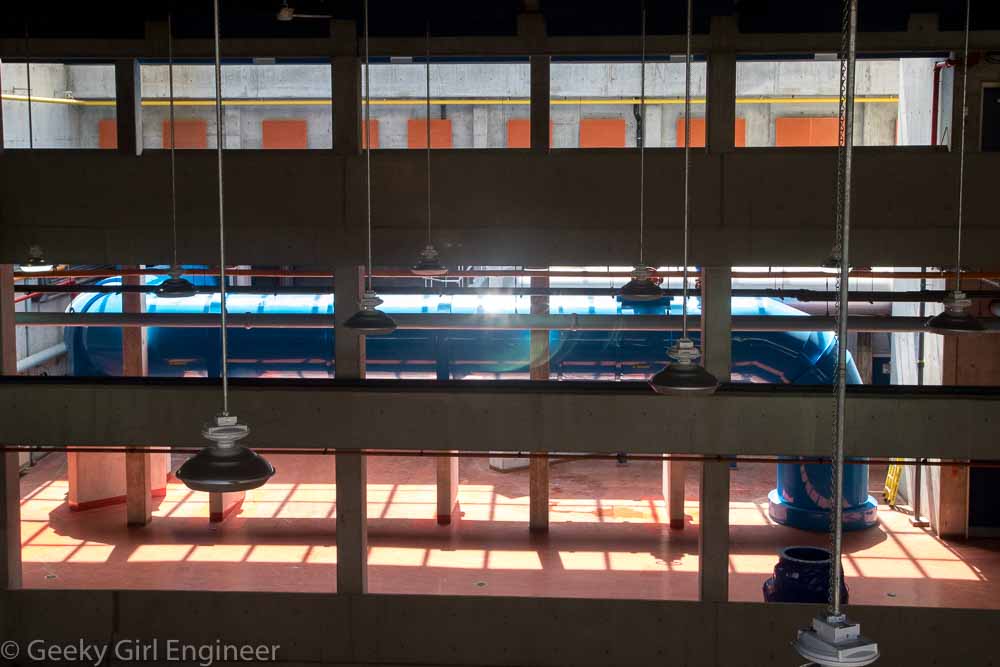
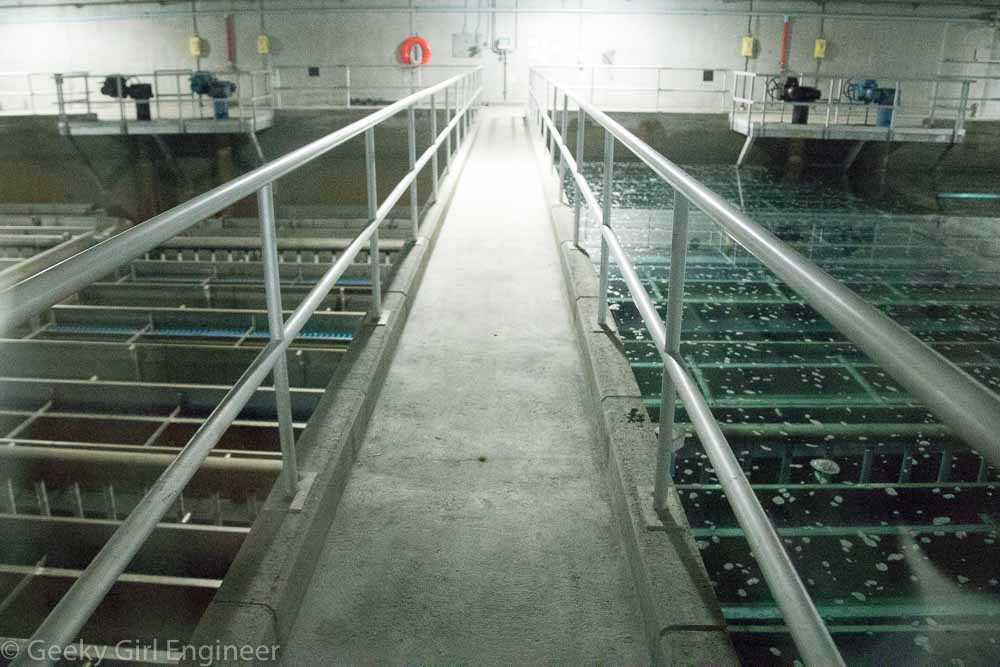
The plant’s water intake is from pipes in Lake Ontario over 2 km from shore. It is then pumped to the plant and then up from the pipes which are (I think) nine stories below the surface. The plant sits on cliffs high above the water surface. Ozone is added to the water. Ozone disinfects the water. The ozone is made at the treatment plant from liquid oxygen. Before the water leaves the tanks where is contacts ozone, sodium bisulfite is added to remove any left over ozone.


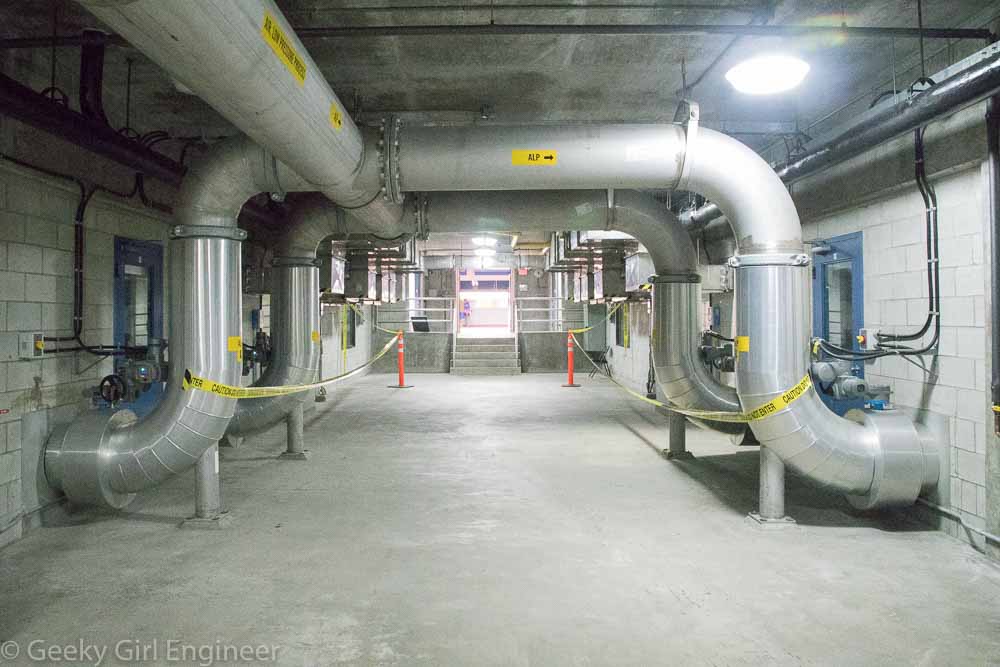
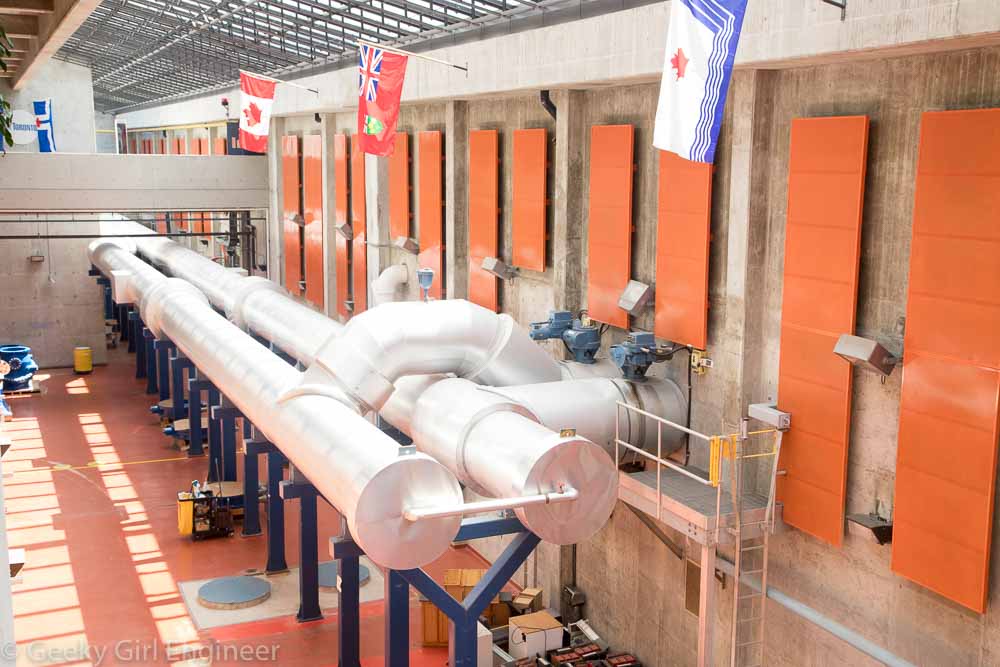
Coagulant is then added to the water. Coagulant causes certain ions and tiny particles to start to come together to make bigger particles, which are easier to filter out. The water is pumped to sediment filters. The filters have a lower sand layer topped with a carbon layer. The filter tanks are huge, but so are the pipes in the building.


After the water has been cleaned, chlorine is added. The water has already been disinfected at this point, but a residual disinfectant is needed to kill any bacteria the water may encounter in the distribution system on its way to customers.
Sea of Cortez Cetaceans
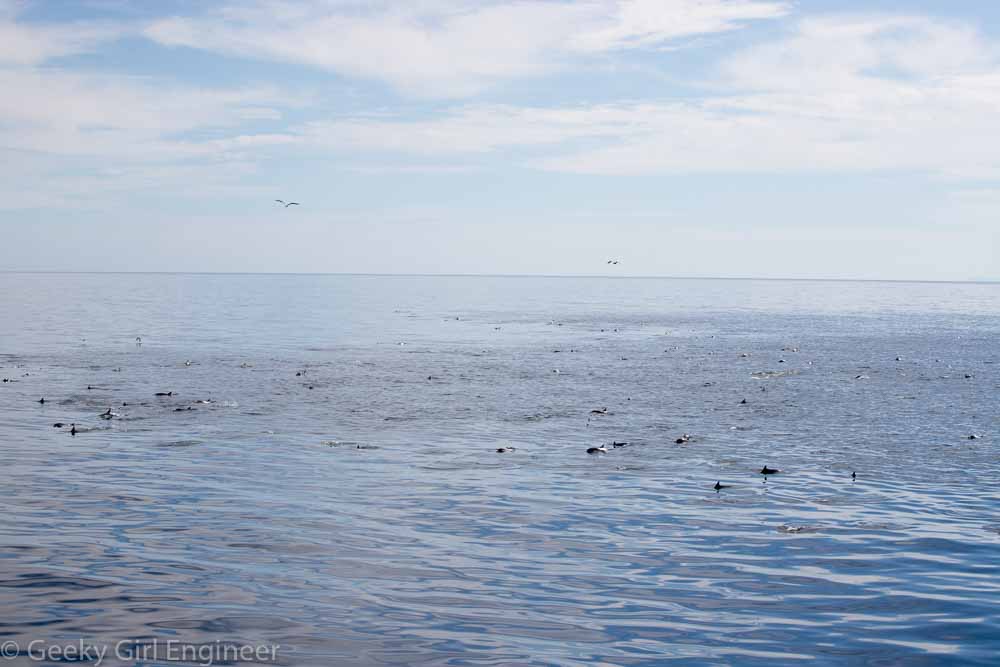
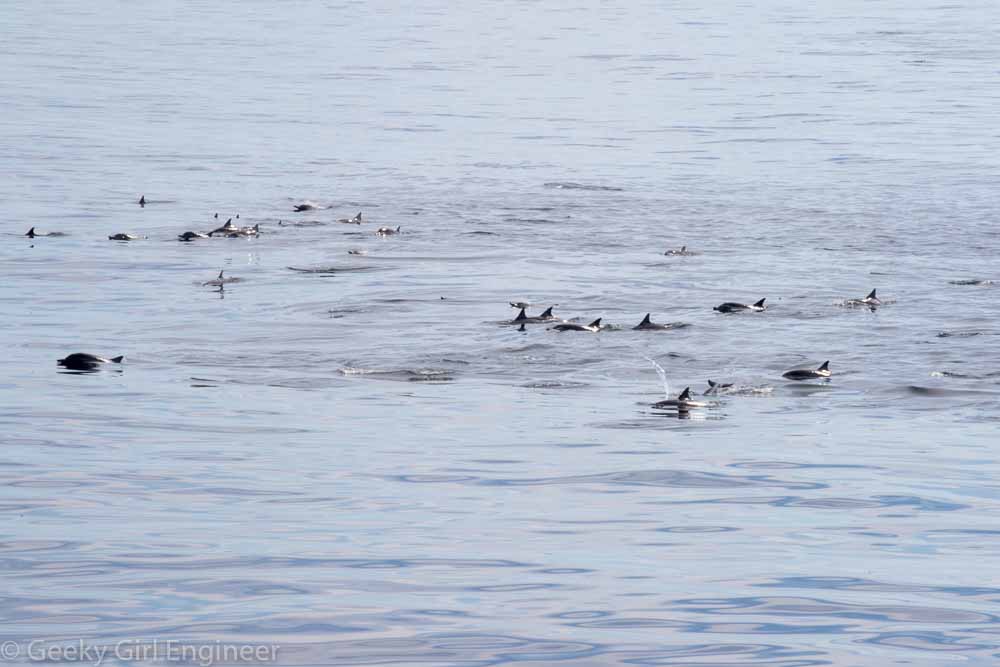
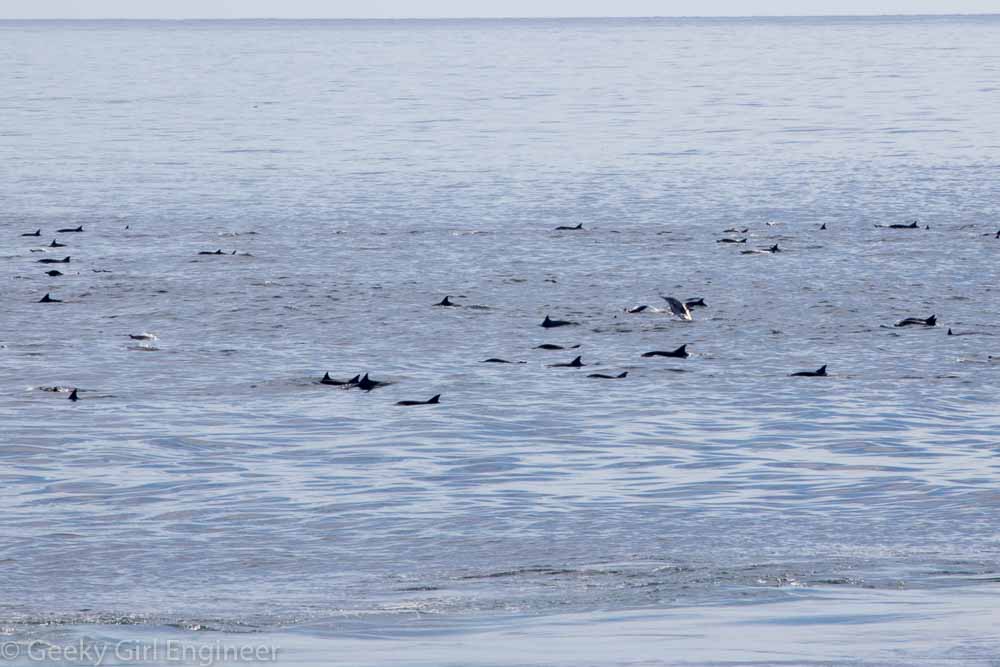
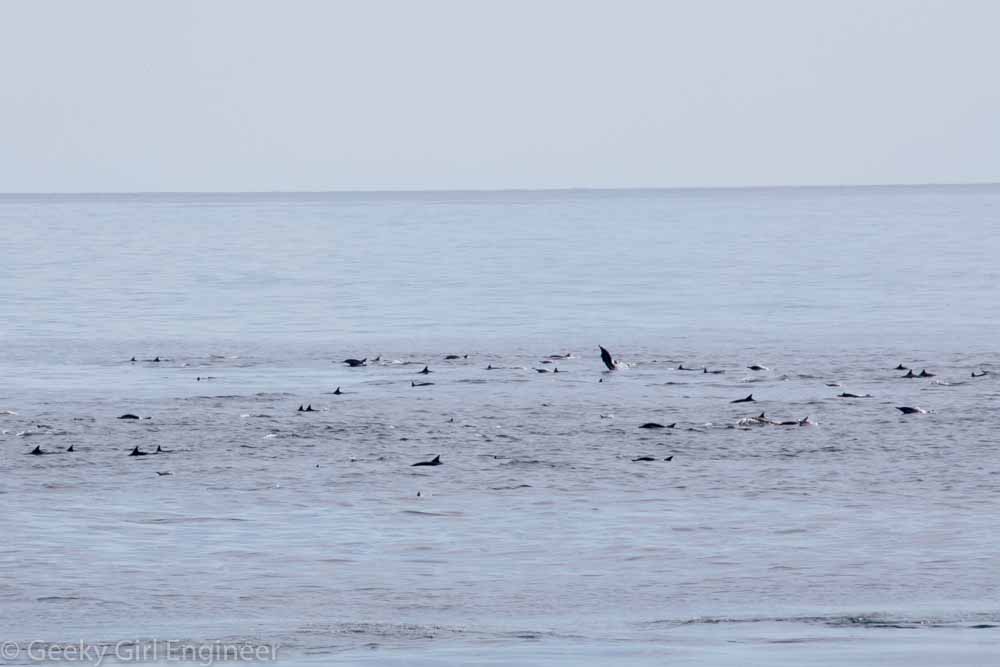
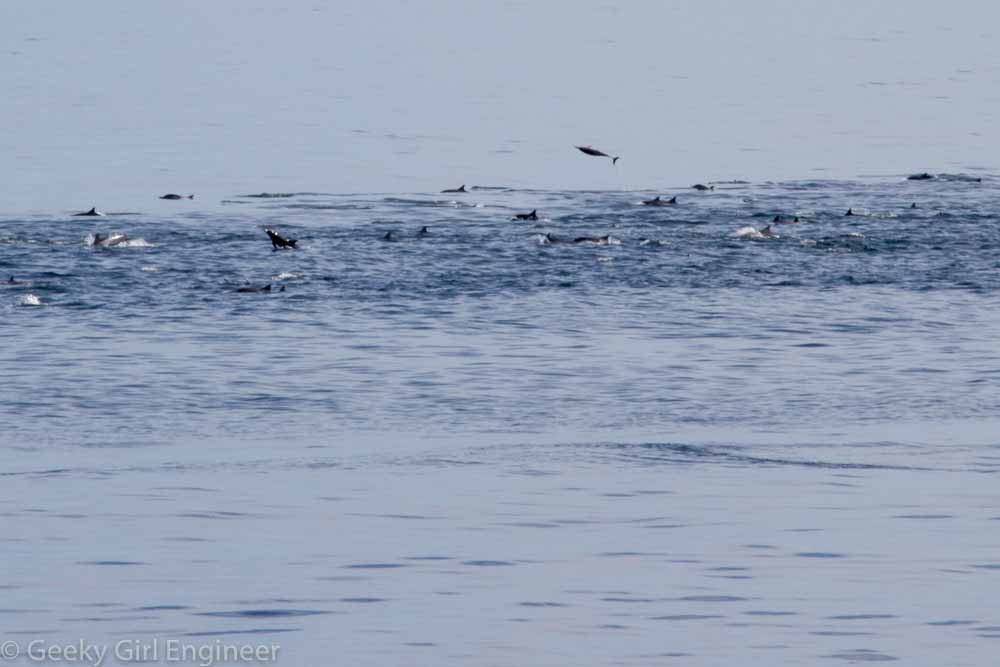
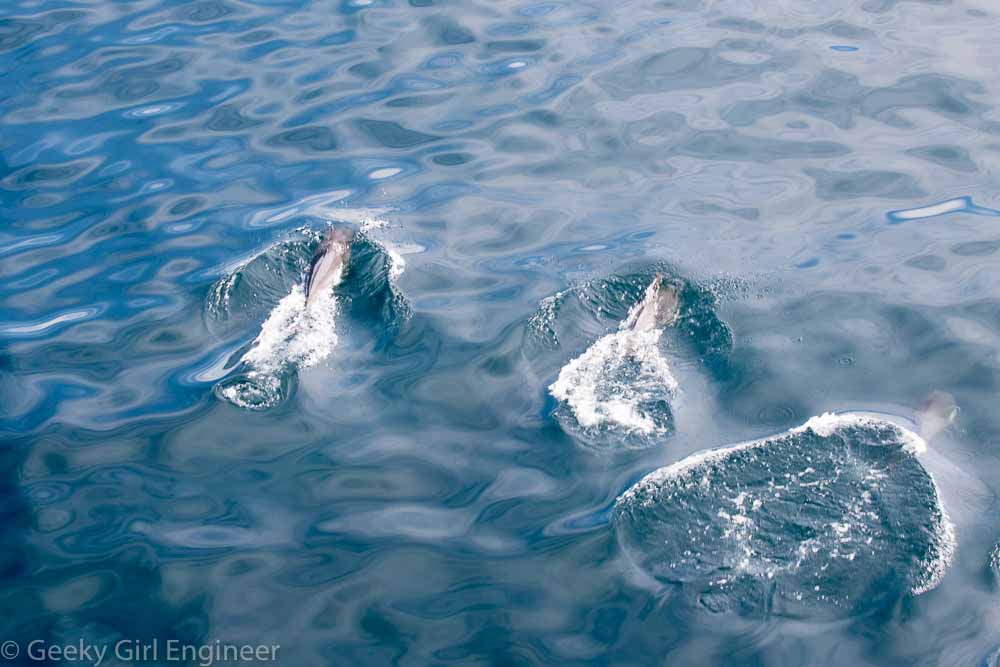
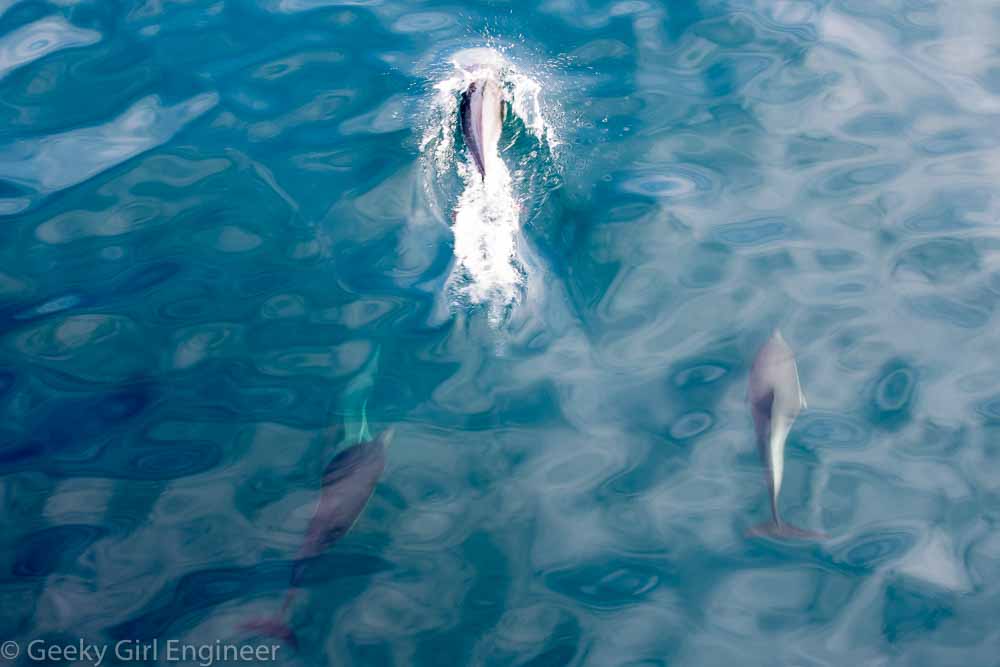
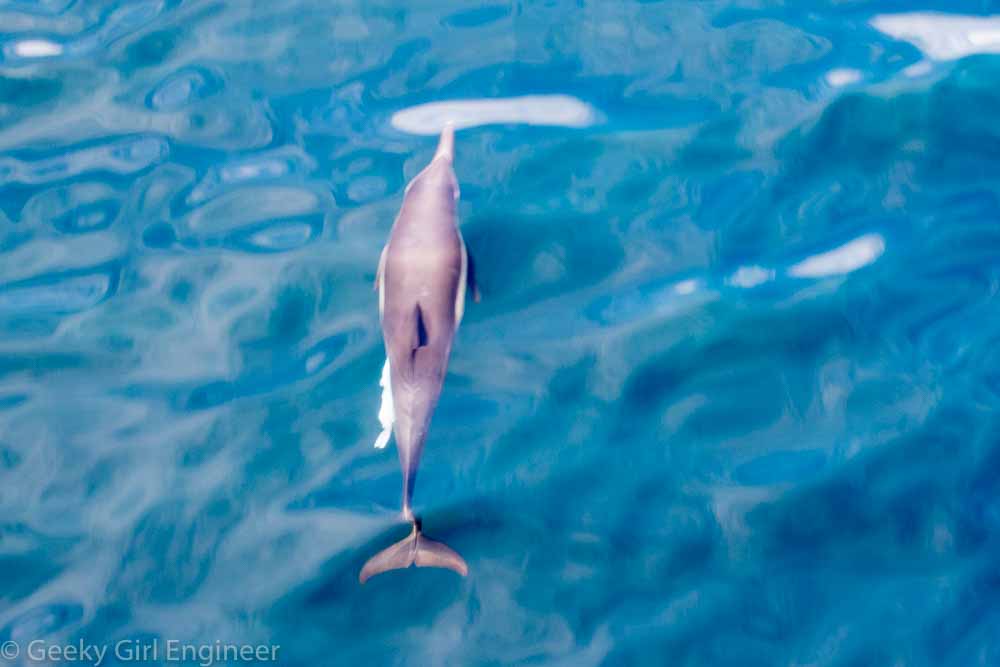
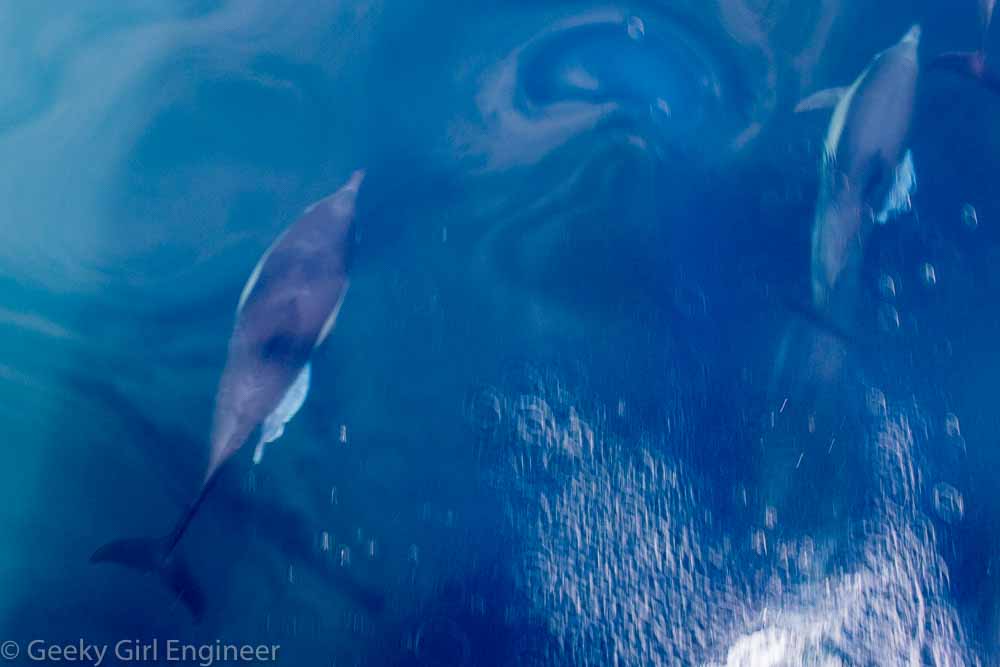
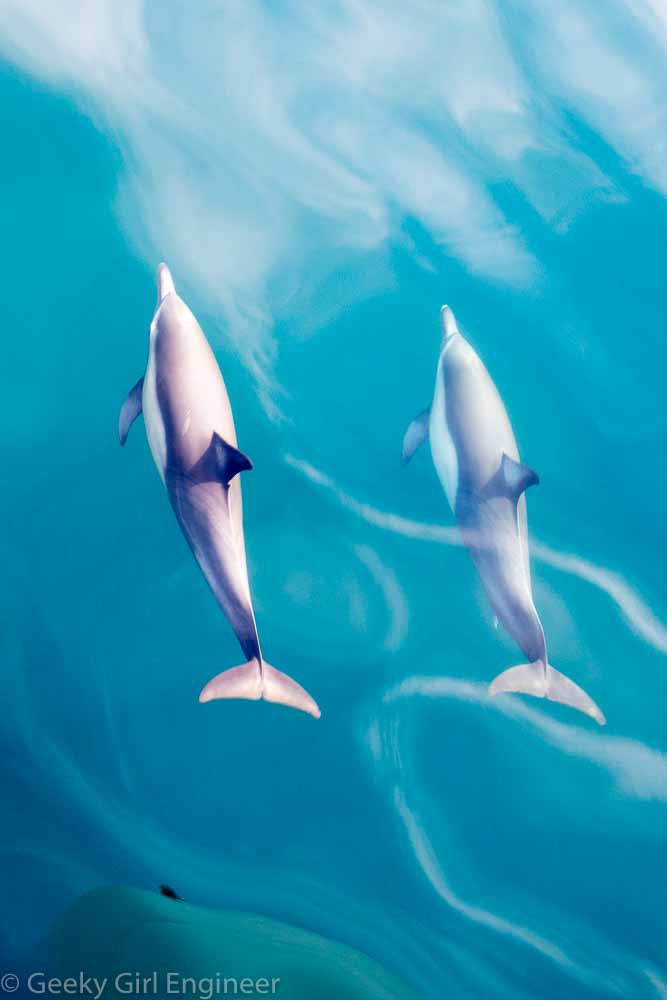
First off, the reason why I am titling this post cetaceans, is that I can’t remember if they naturalists on the ship decided these were whales or dolphins. While on my ill-fated trip to Baja California, the ship passed cetaceans several times, and several times the cetaceans came to ride our bow wave. It was so fun to see them. I decided to post some of the better photos that I took. If anyone can identify which specific cetaceans these are, I will happily update my post. Also, in some of the up-close photos of them riding the ship’s bow wave, remora fish stuck onto the cetaceans are visible.