Snorkeling with Sea Lions

One of the things I was able to do while on my short cruise in the Sea of Cortez was to go snorkeling with sea lions. There is a small island, which is more of a large rock outcropping, were birds and sea lions live. The water beneath is filled with fish, otherwise why would the birds and sea lions be there. People are allowed to snorkel in the area, but they are not allowed to dive there. We were even required to wear a slightly inflated flotation vest to prevent us from diving. We were also warned that the sea lions are quite playful. They are known to like to gnaw on people, like a puppy might when playing. I got gnawed on at my wrist. Then either the same sea lion of another gnawed on my ankle and kept going right up to my thigh.

The sea lions are amazing to watch. They are so swift and fast. They are extremely hydrodynamic. They are cute and playful. Although the gnawing didn’t break the surface of my skin and didn’t hurt too much, I could have done without the gnawing.

These are not the best photos I have ever taken, but GoPros are only point and shoot. Still I though I would present some of the better ones.
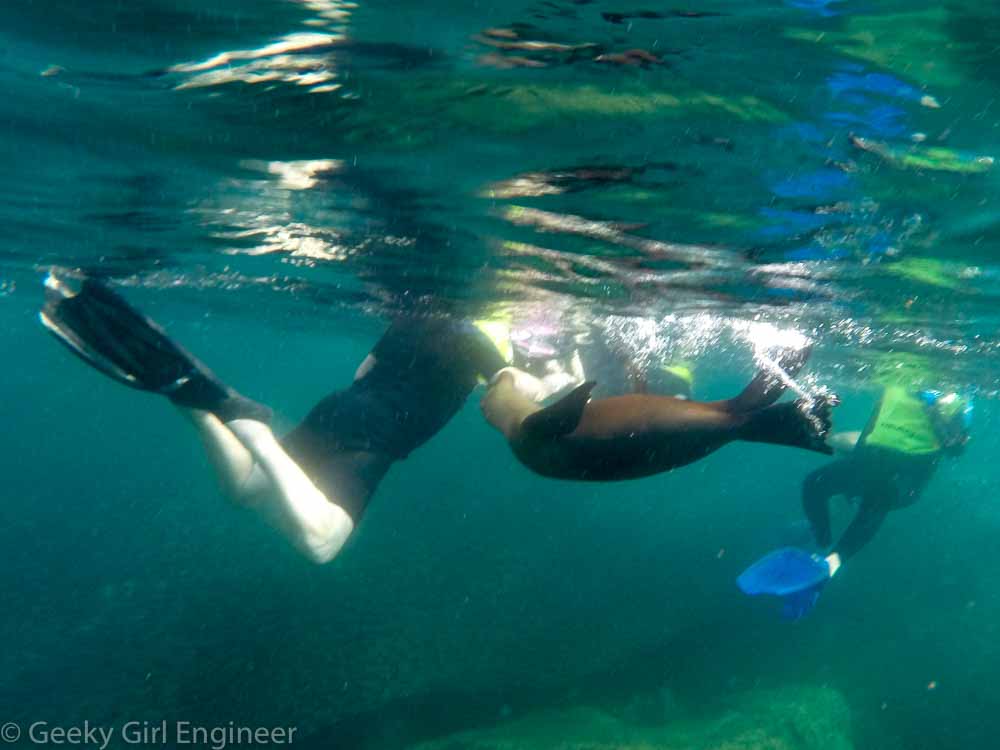
Sea lion gnawing on someone’s elbow
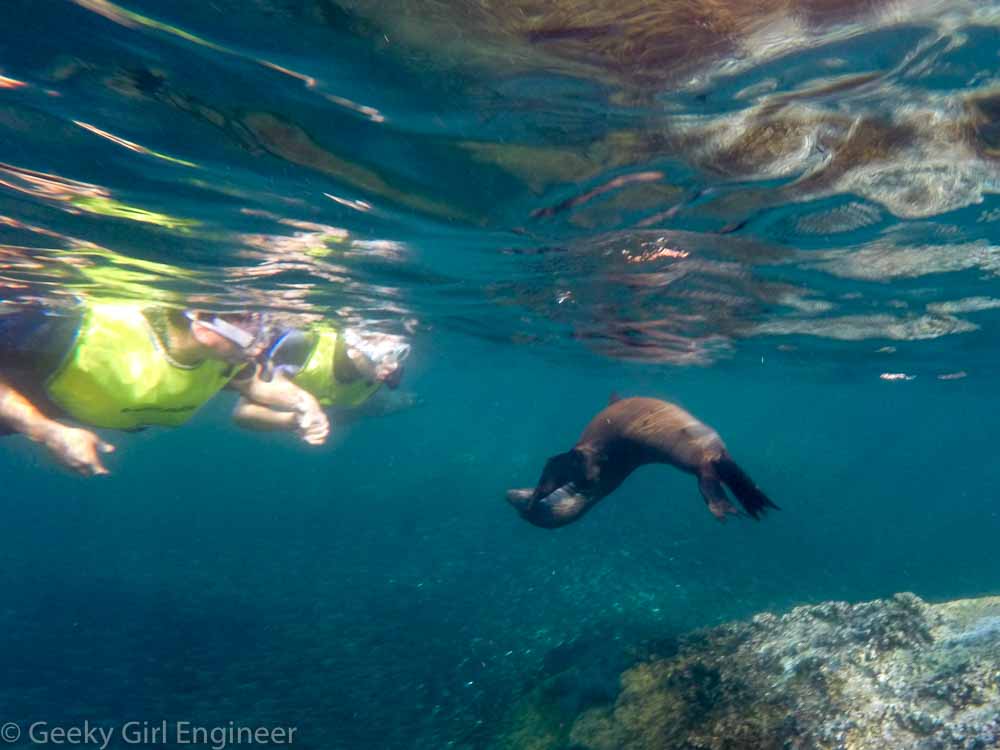
Sea lion
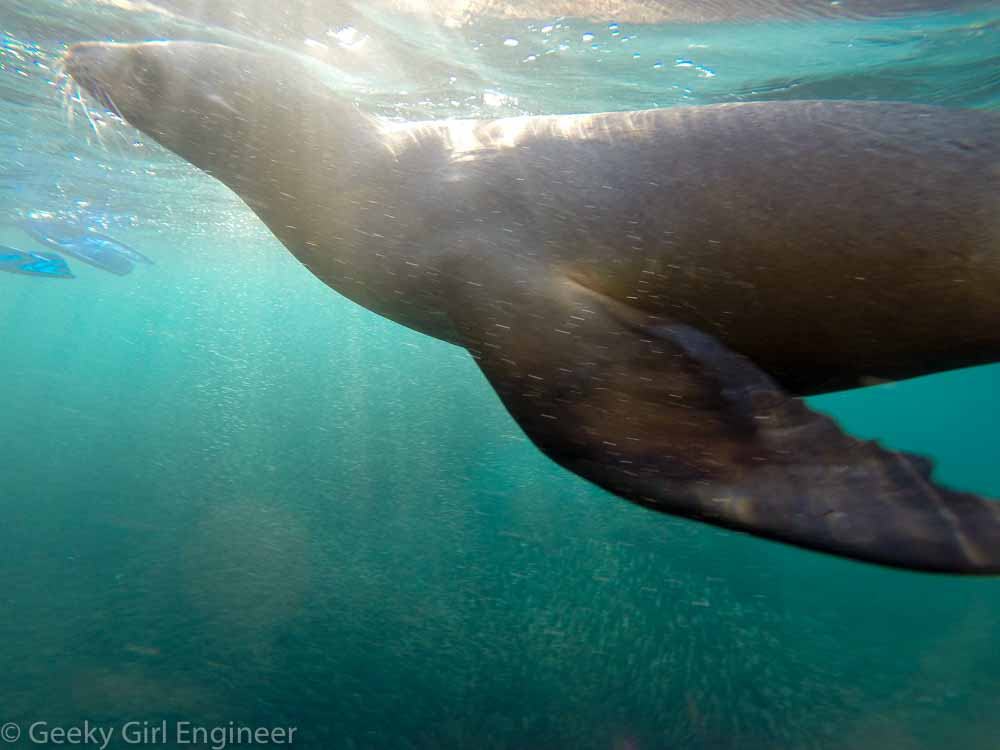
Sea lion swims right in front of my face
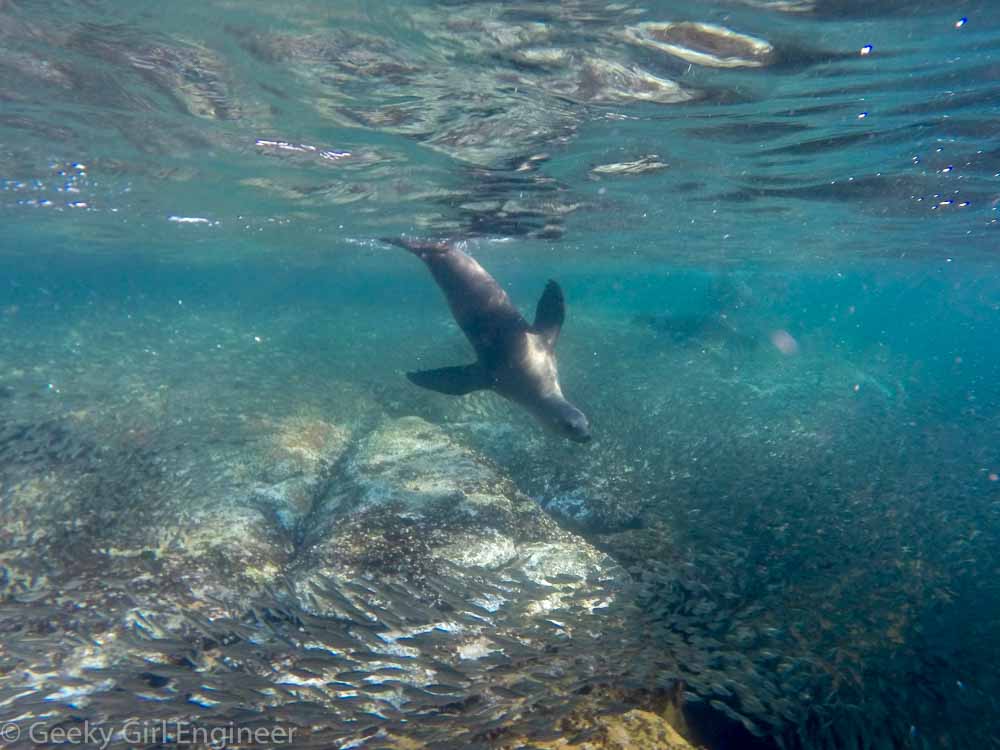
Sea lion
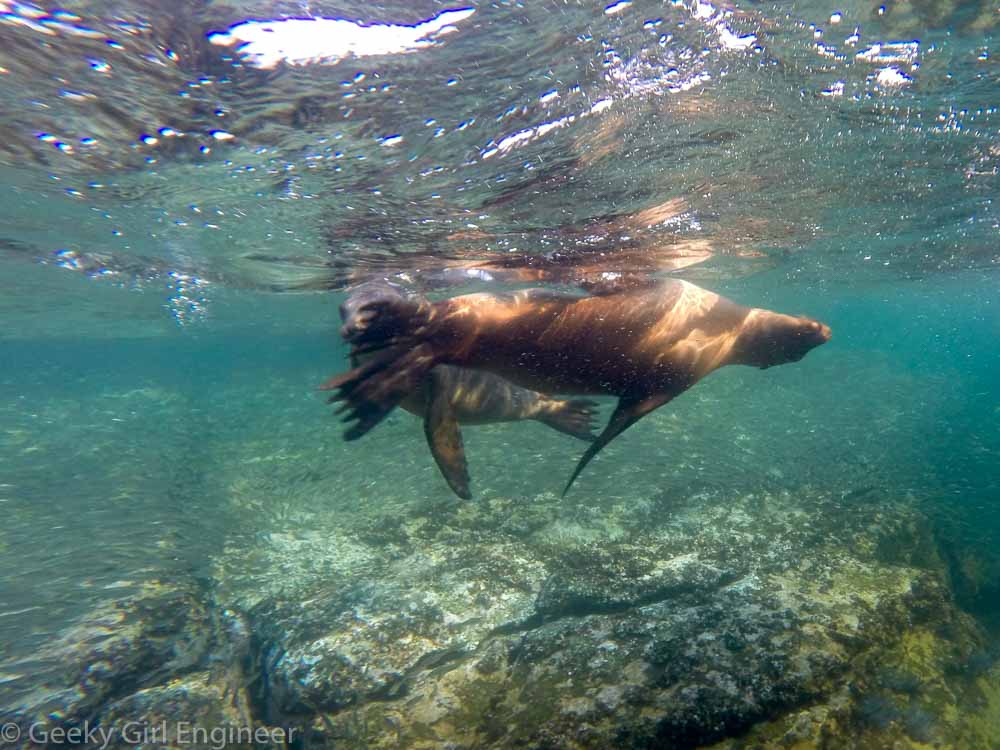
Sea lions

Sea lion
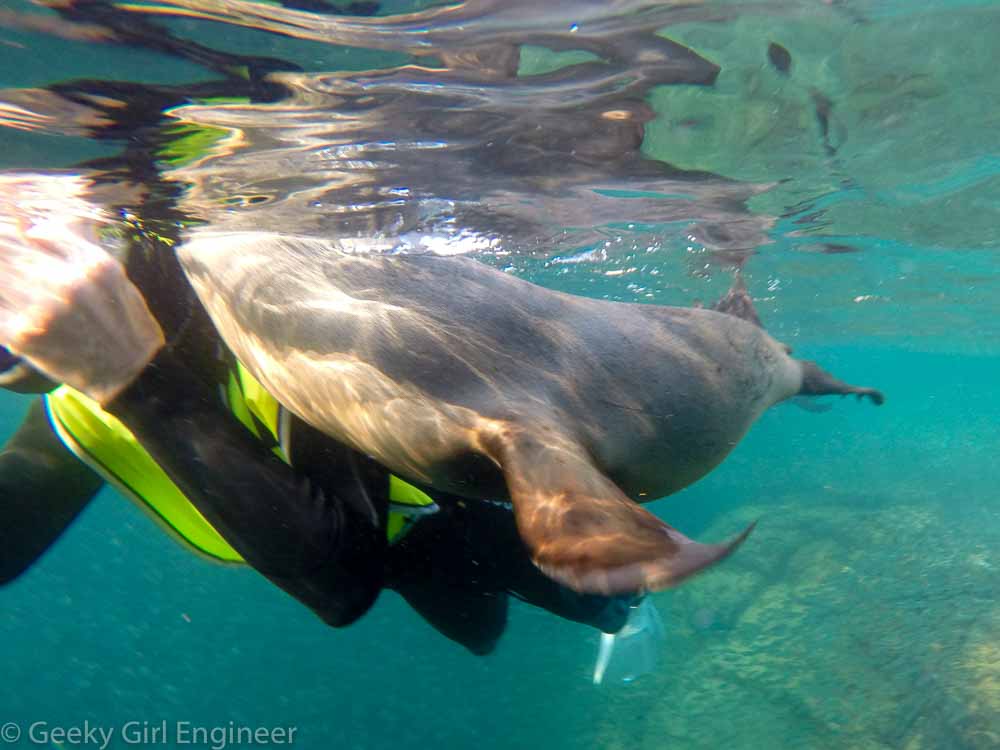
Sea lion cuddling (?) with someone
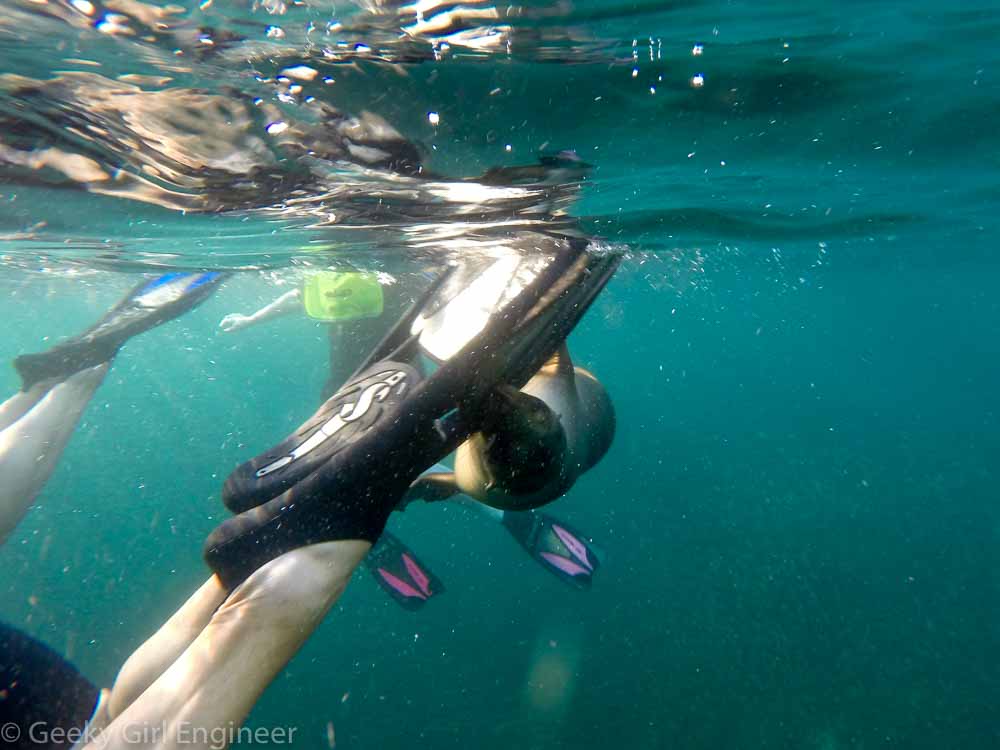
Sea lion gnawing on someone’s fin
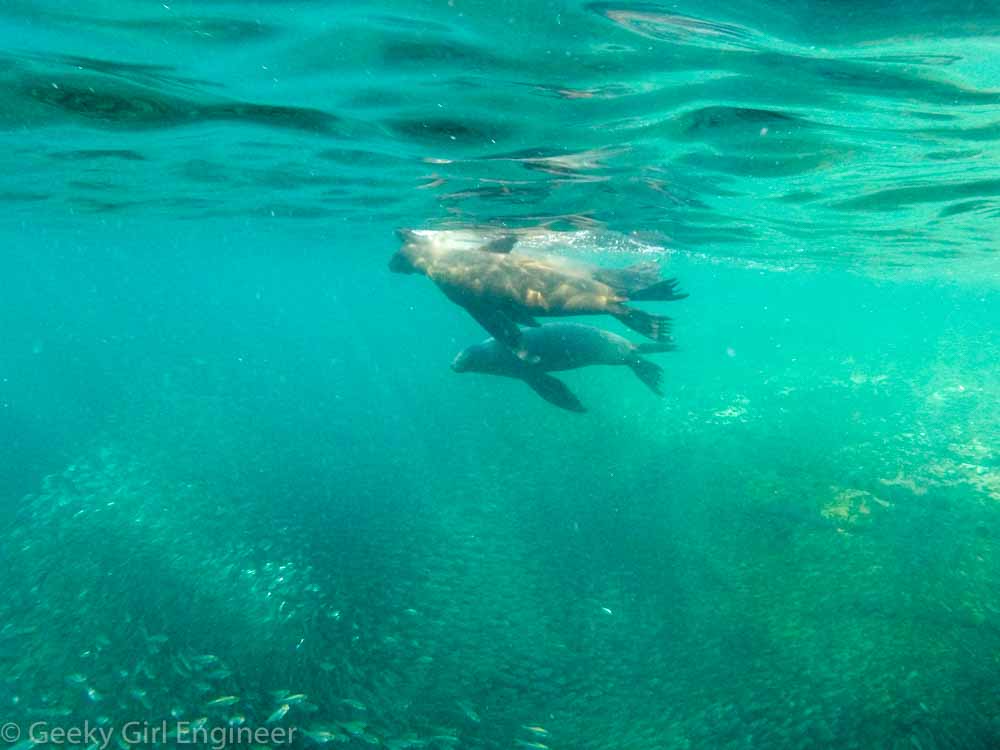
Sea lions
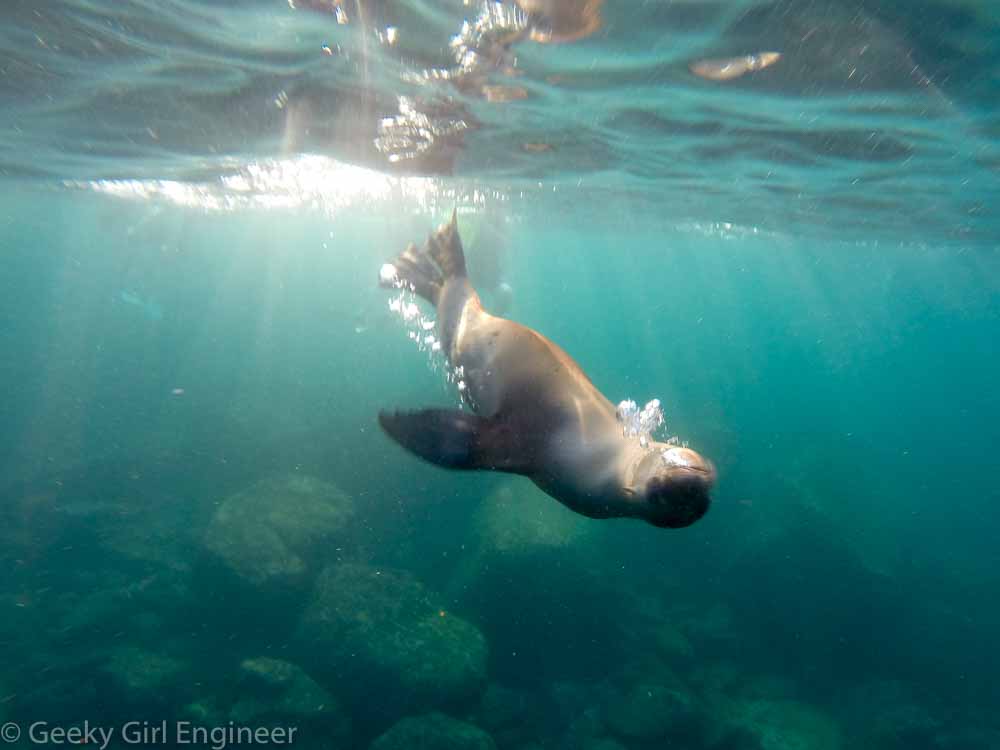
Sea lion
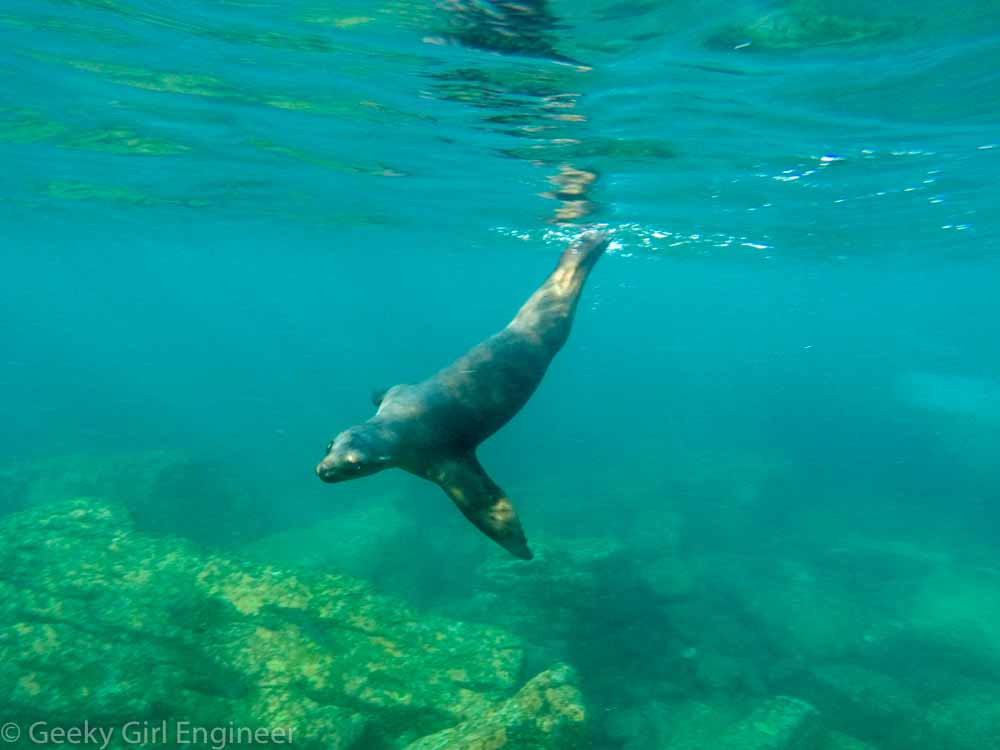
Sea lion
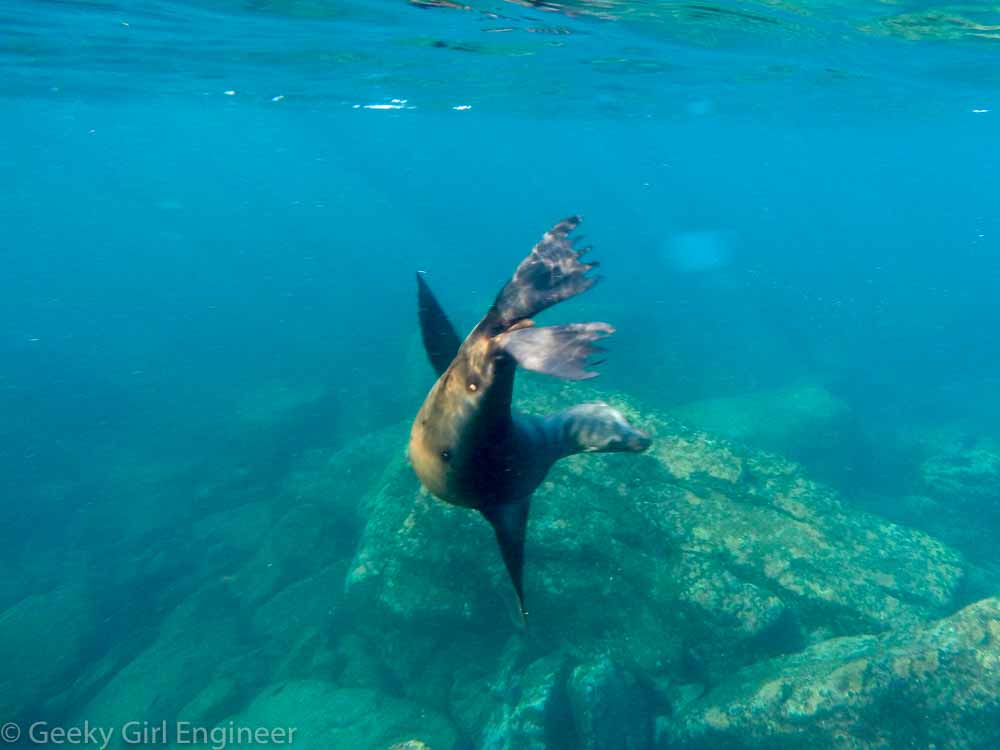
Sea lions
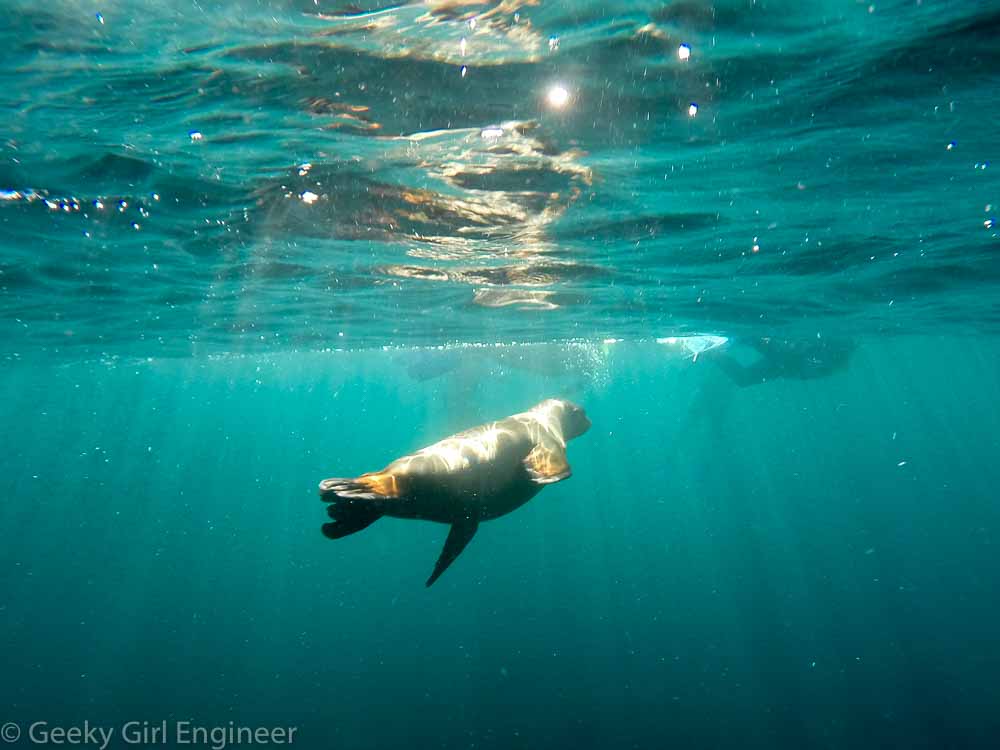
Sea lion
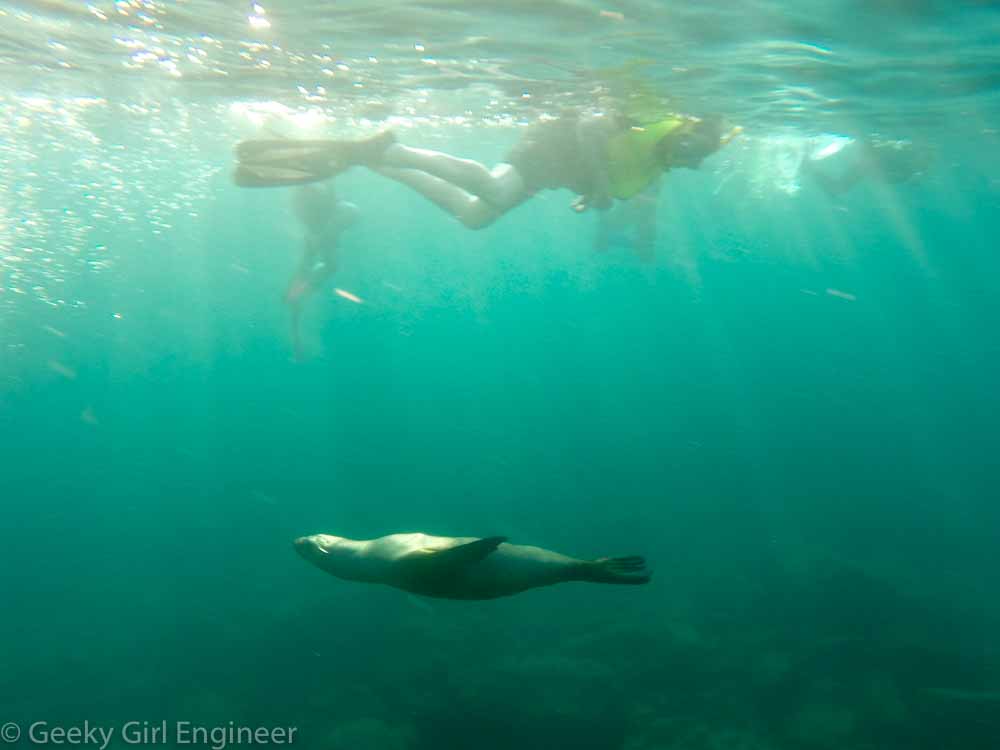
Sea lion
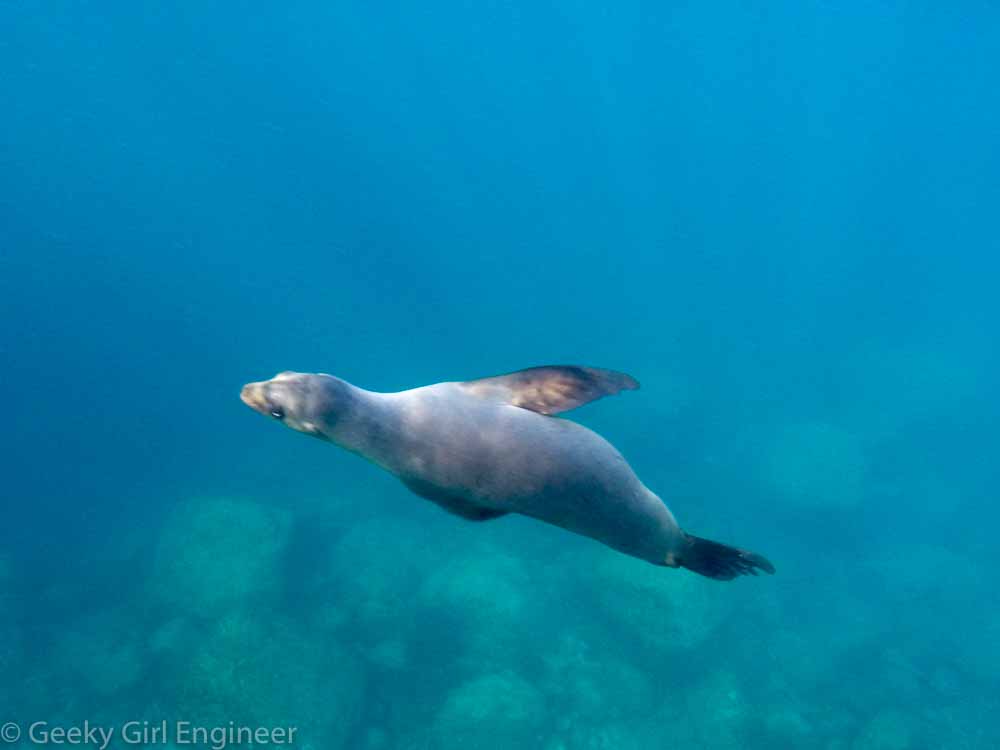
Sea lion
Sacramento River Cruise

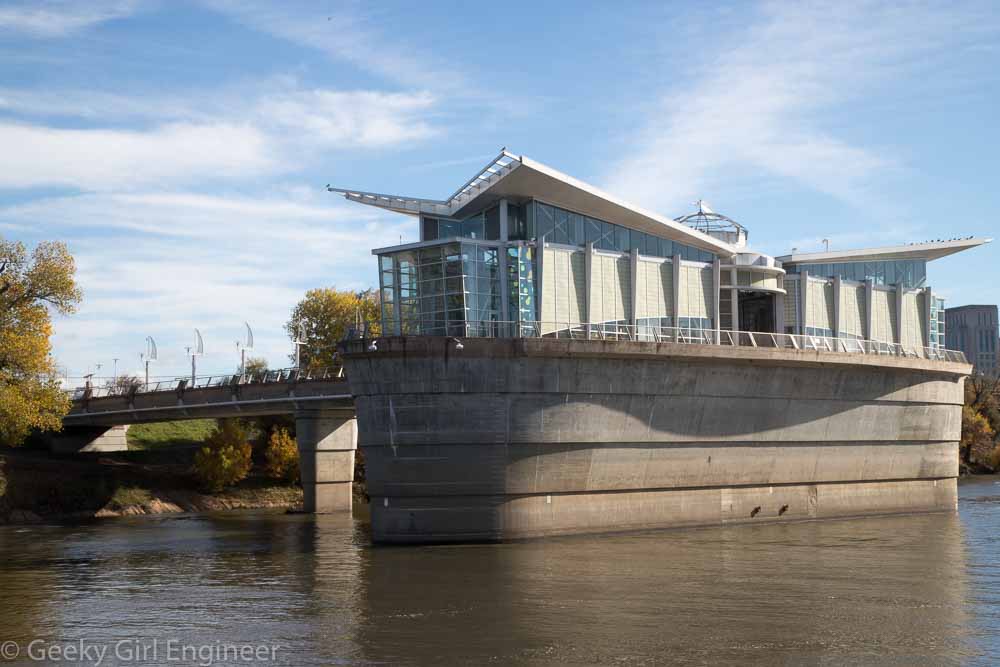
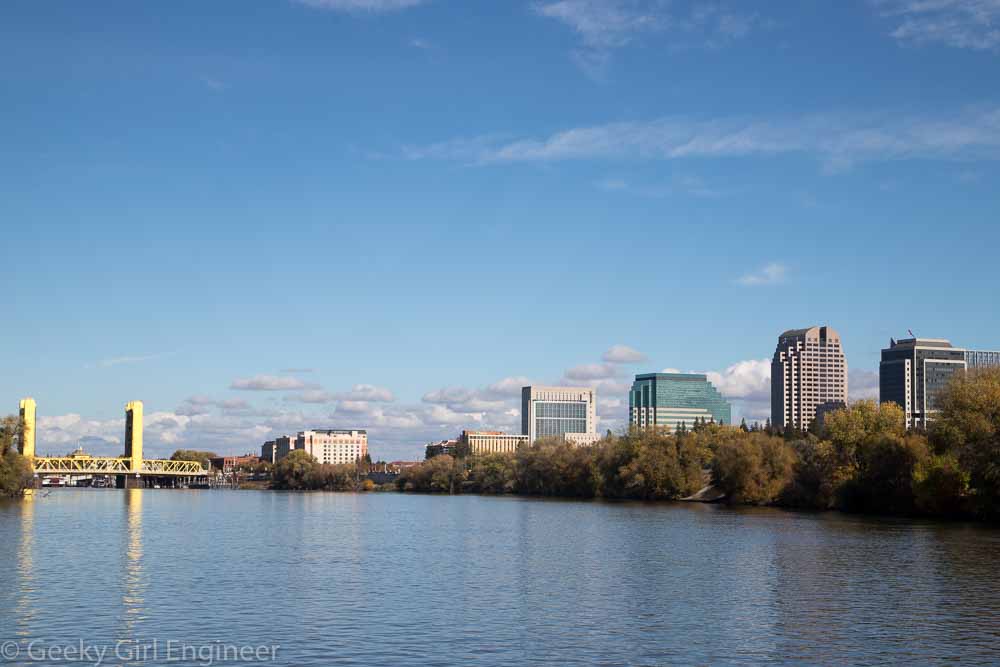
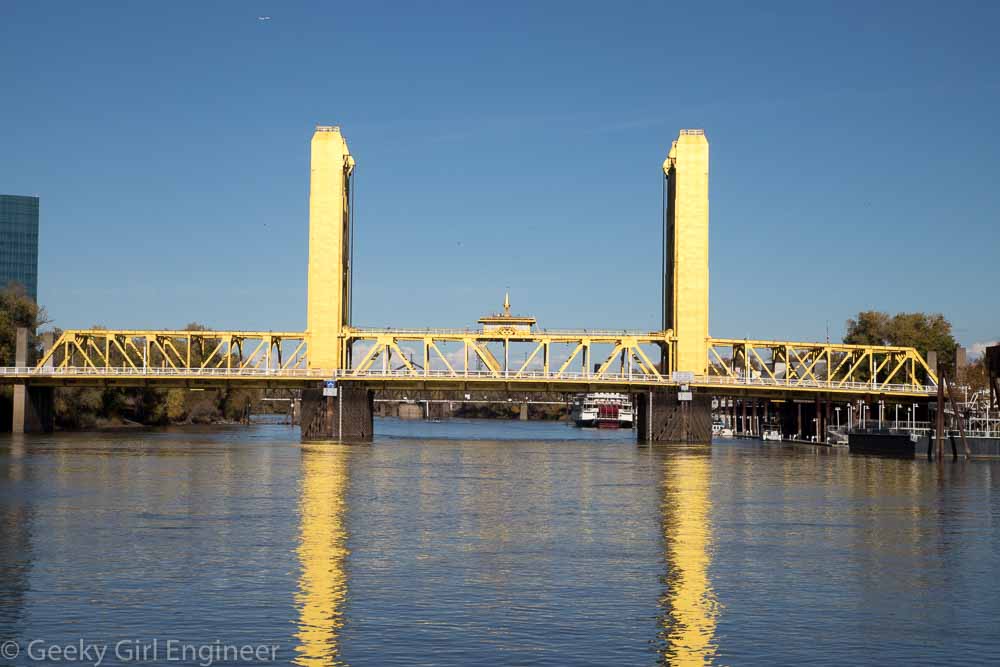
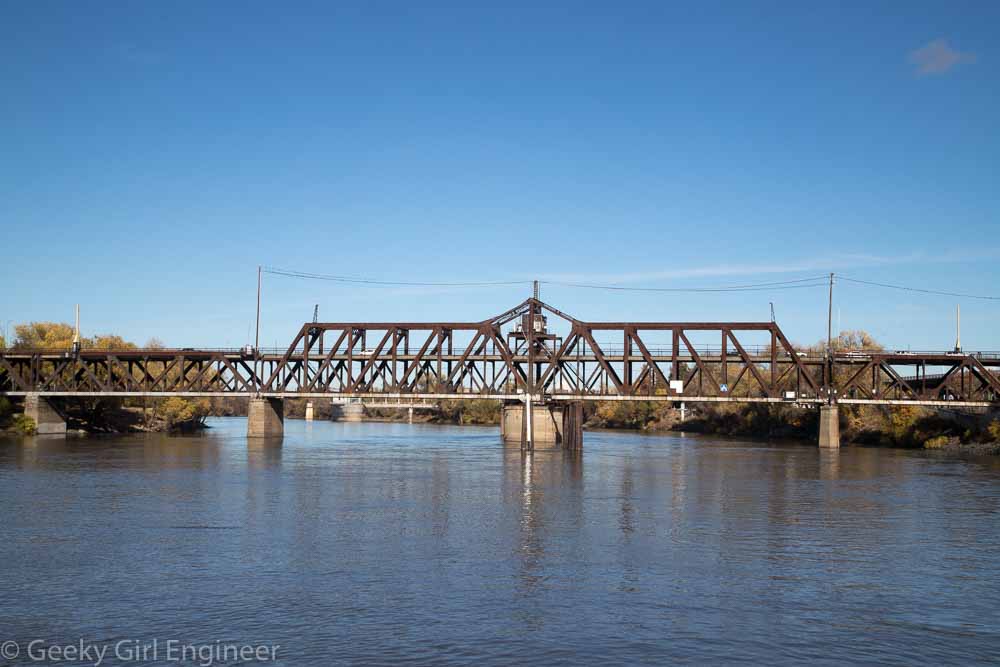
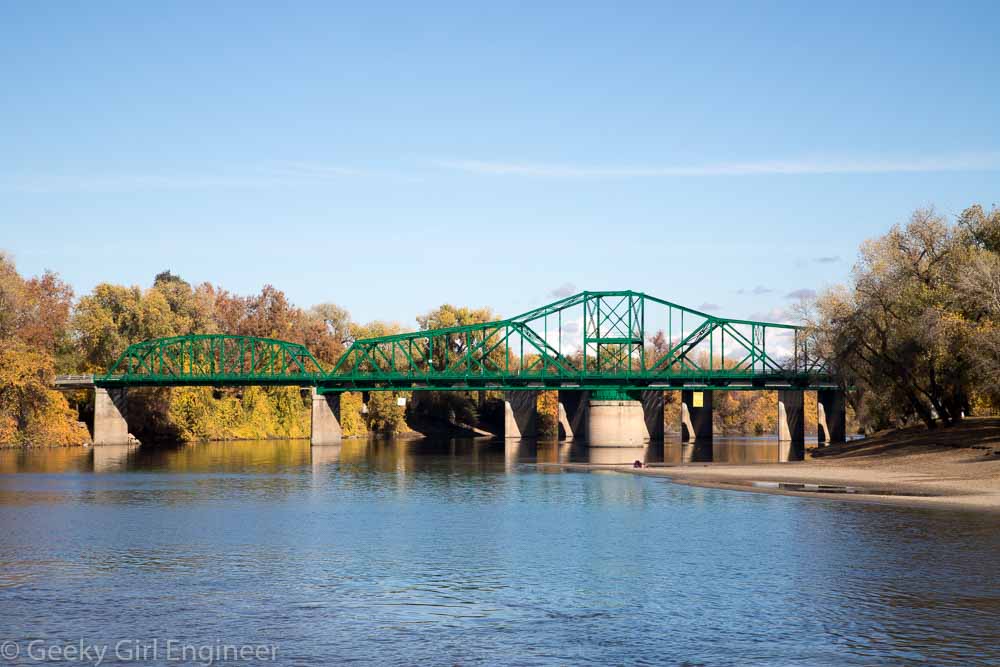
While exploring Sacramento, I decided a river cruise would be a great way to see the city, considering the city is on the banks of two rivers. A river cruise was definitely a lovely way to get a different perspective of the city. The cruise only went on the Sacramento River, as my guess is the American River is even more shallow than the Sacramento, which is only about 12 feet deep. The engineering highlights of the cruise were going under two different bridges, the I Street Bridge, which is a swing bridge, and the Tower Bridge, which is a vertical lift bridge. The cruise also went under a boring stationary bridge, the I-80 bridge. The cruise also passed by both the old and new water intake pumping stations, where river water is pumped to the water treatment plant.

I Street Bridge

Bridge over the American River

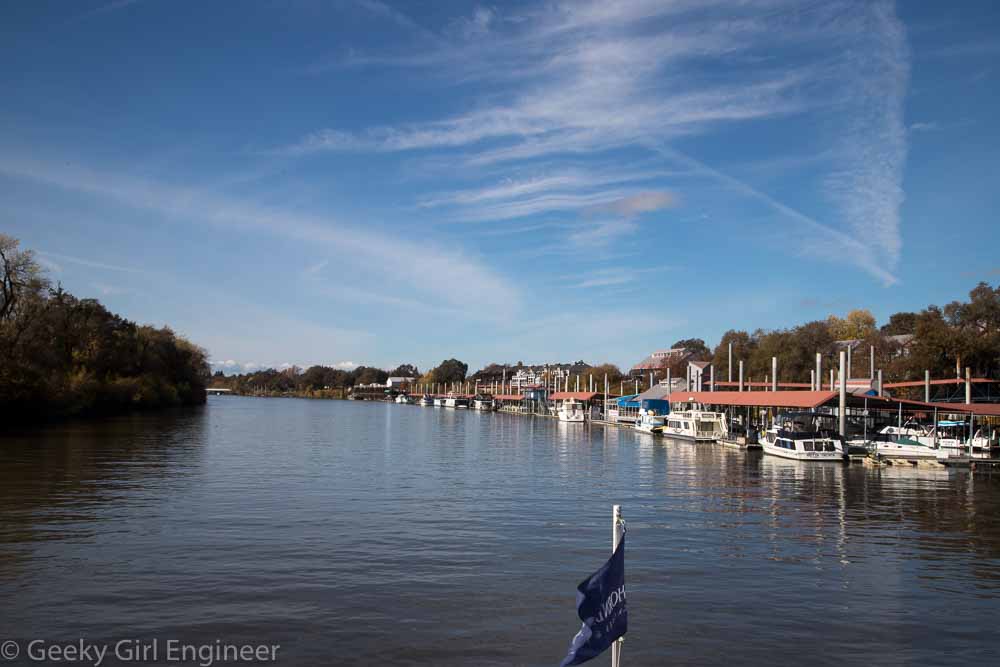
Docks and condominiums line parts of the river

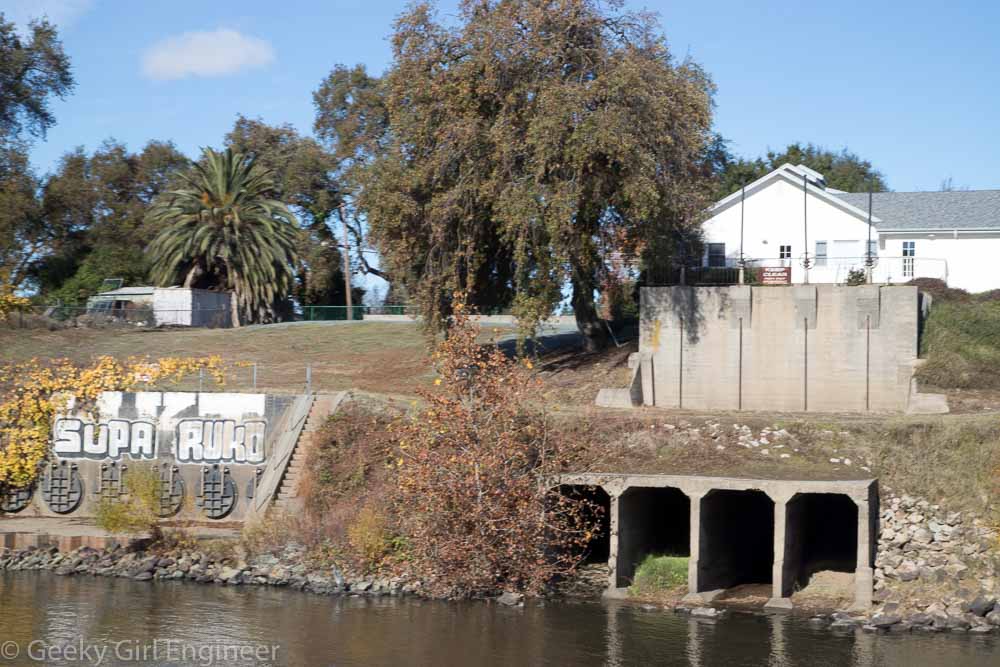
Drainage outlets from nearby canal

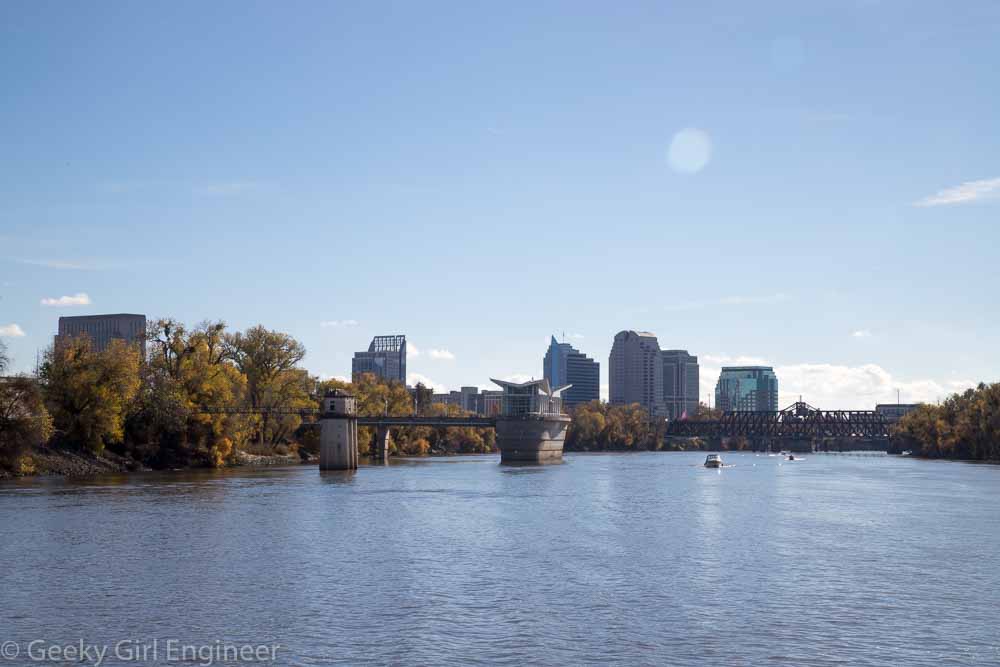
Downtown Sacramento

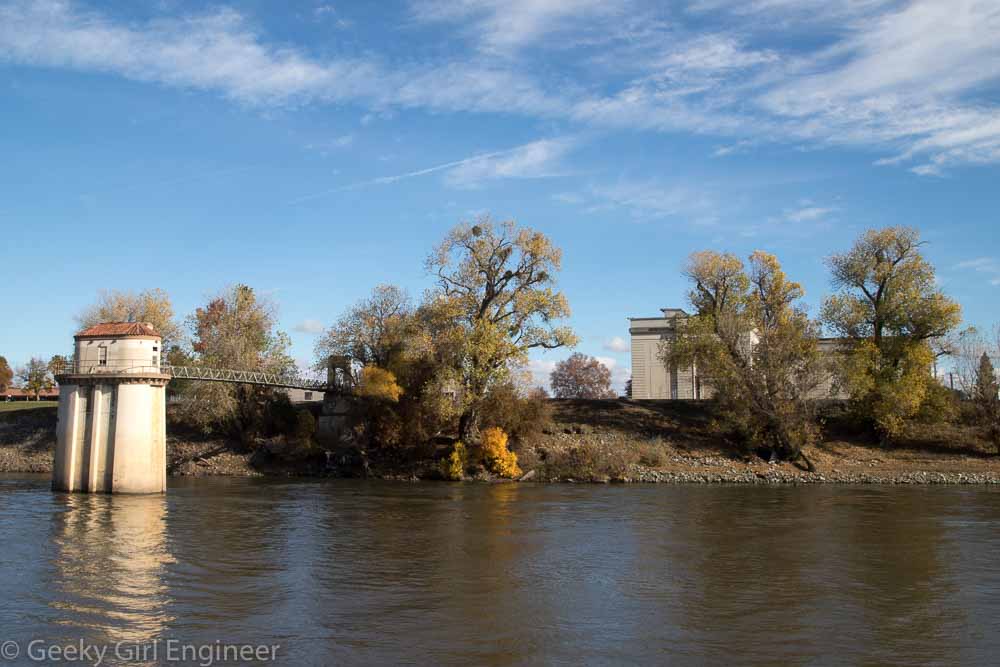
Old water intake tower and pumping station

New water intake pumping station

Downtown Sacramento

Tower Bridge

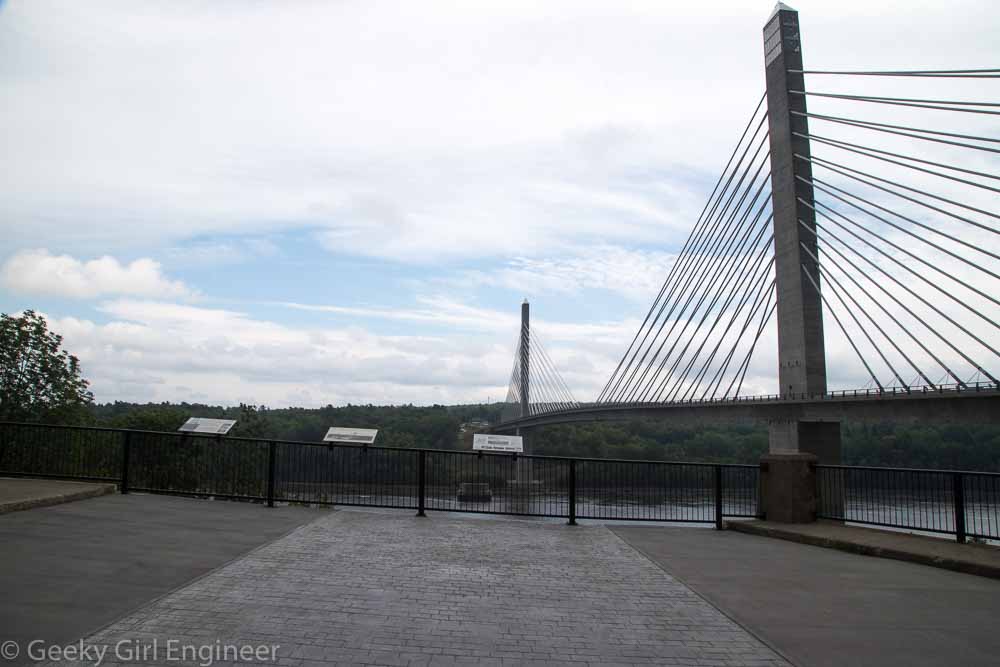
Penobscot Narrows Bridge

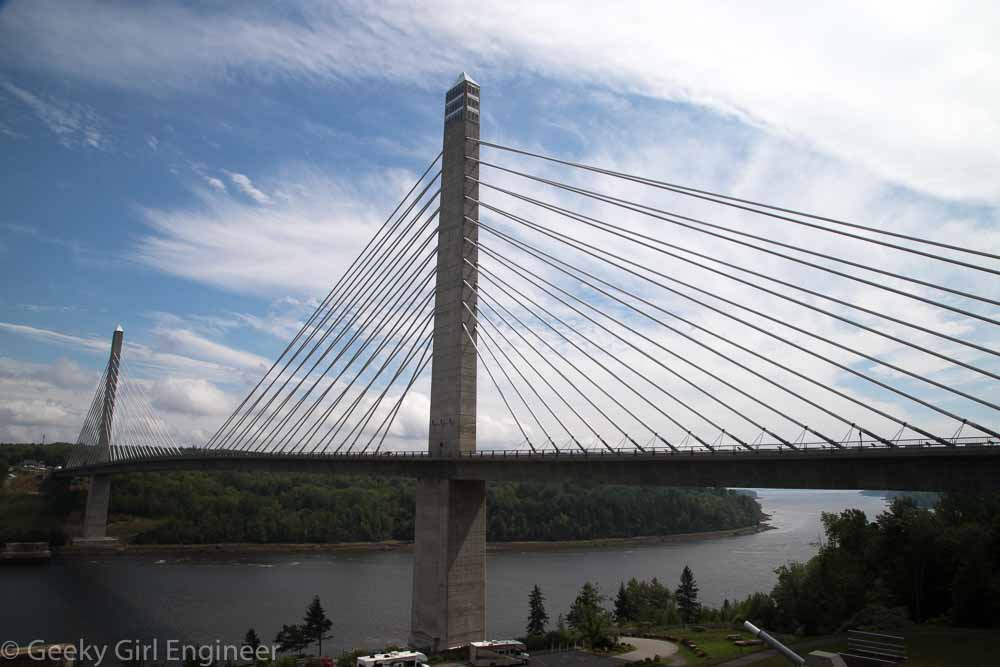
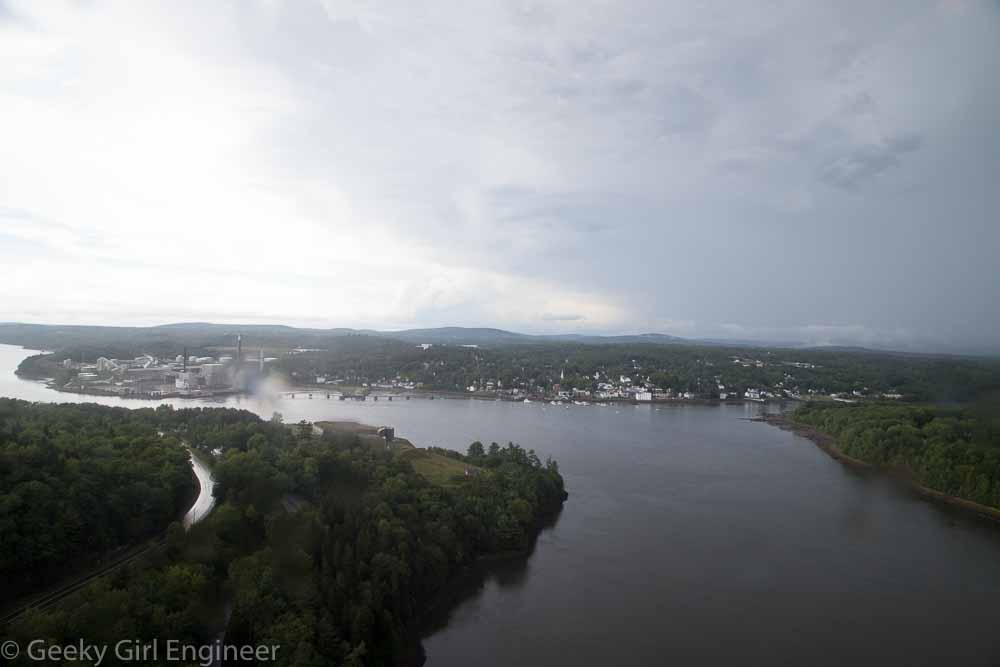
While traveling though Maine, we drove over the Penobscot Narrows Bridge, which is a lovely cable-stayed bridge. Cable-stayed bridges are my favorite kind of bridges. I love their simple elegance and functionality. The Penobscot Narrows Bridge is unique in that it has an observatory on top of one of the pylons. Who would have thought to put an observatory on top of a pylon? Next to the bridge, you can also walk onto a small portion of the old Waldo-Hancock Bridge. The Waldo-Hancock Bridge was suspension bridge built in 1931. It ultimately had to be taken down due to heavy corrosion of the main cables. The Waldo-Hancock Bridge was replaced with the Penobscot Narrows Bridge in 2006.

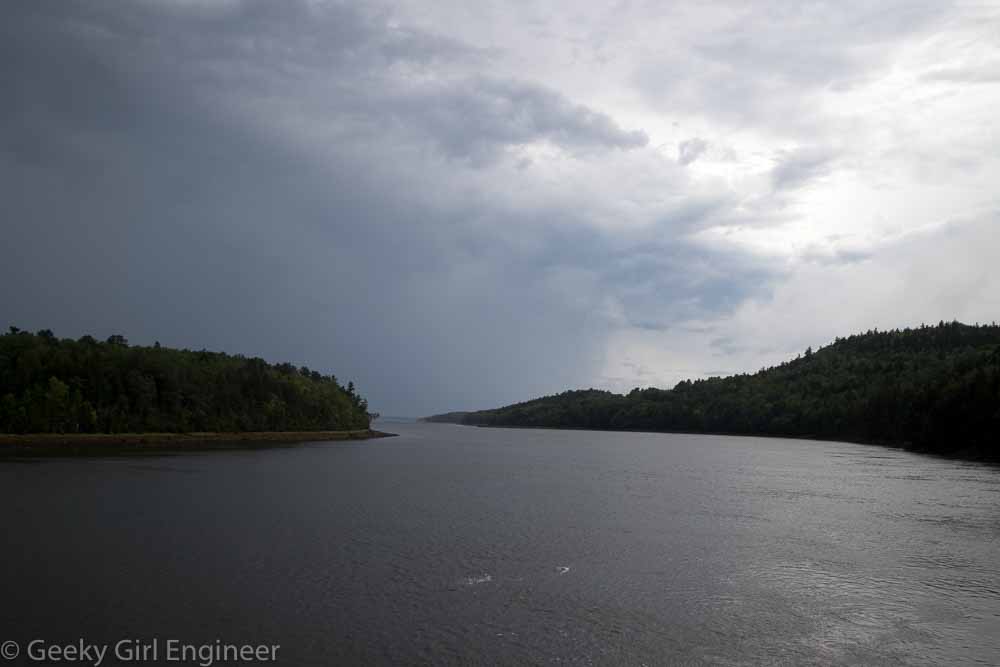
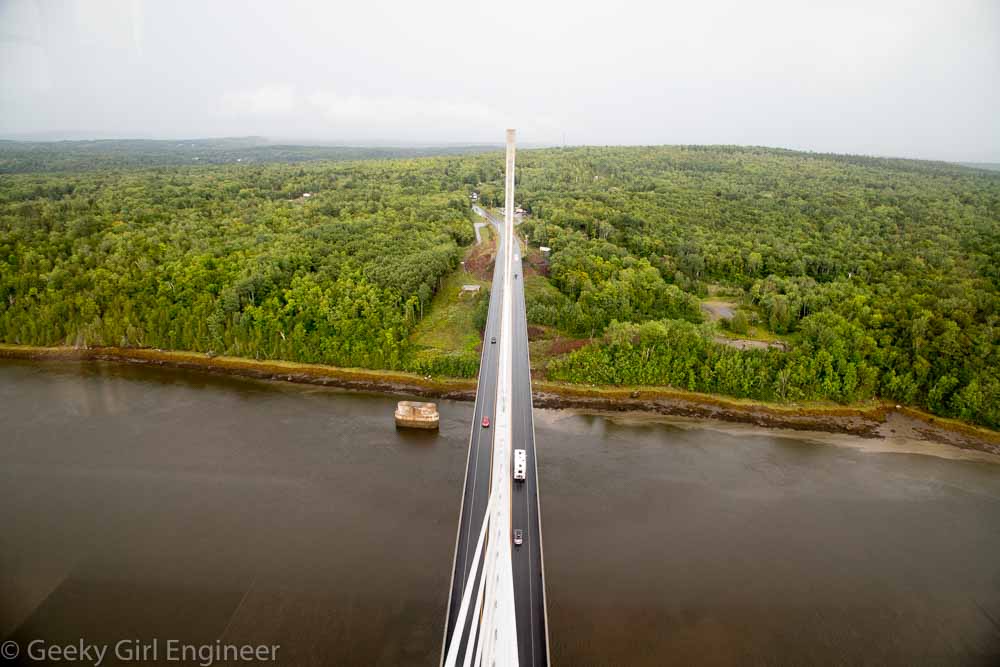
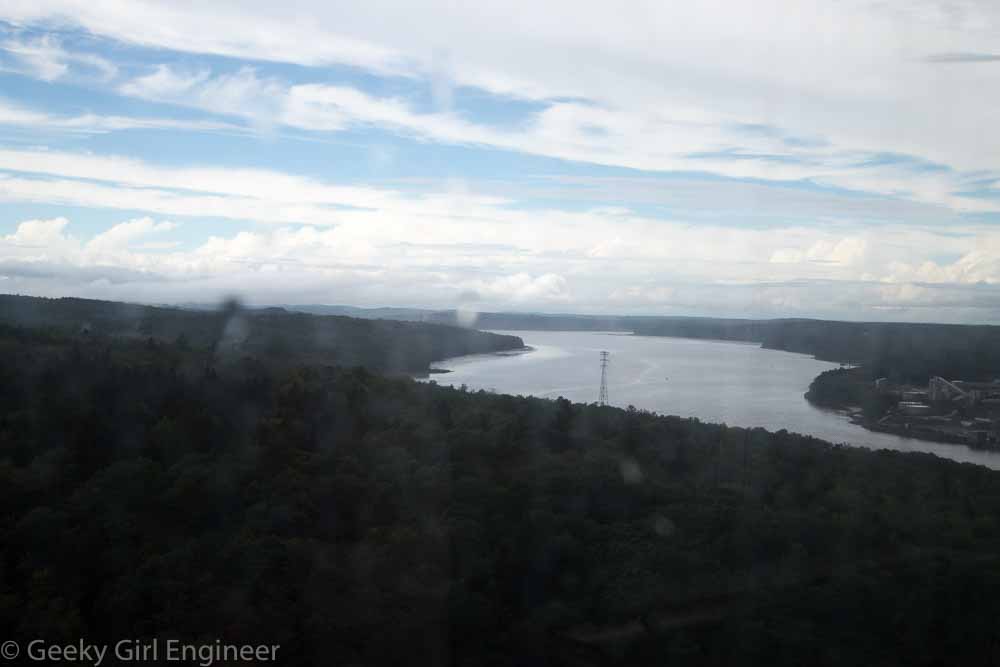
A thunderstorm passed by right before we entered the pylon, so in the below photos taken from the observatory, there are some of out of focus areas. I waited until the storm passed before taking the photos, but the windows still had raindrops on the glass, so the photos are not completely clear.

Penobscot Narrows Bridge

Small deck of the former Waldo-Hancock Bridge

Looking south from the base of the Penobscot Narrows Bridge pylon

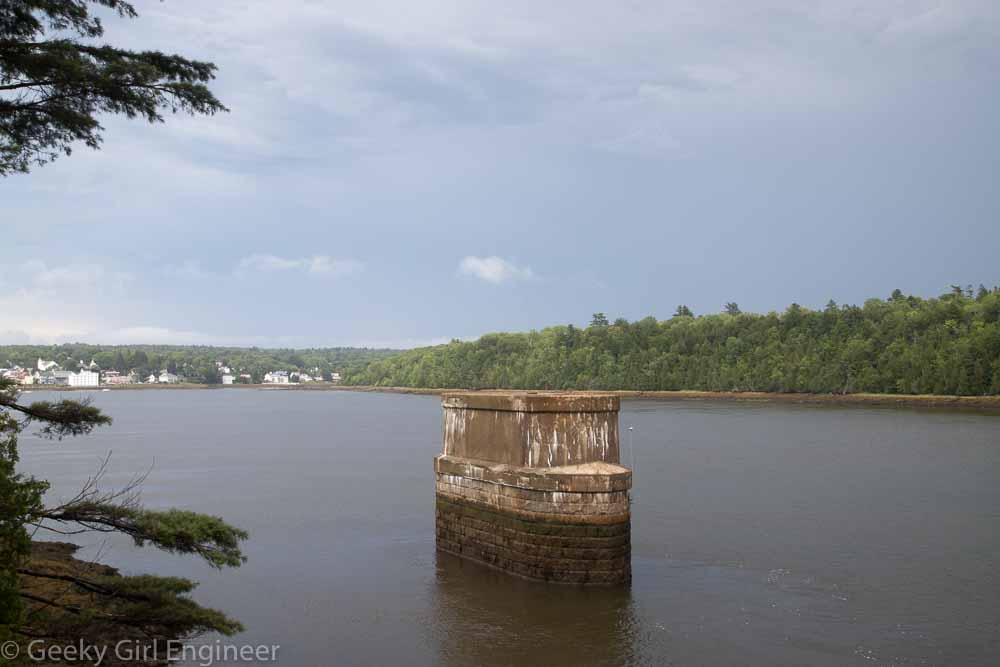
Looking north from the base of the Penobscot Narrows Bridge pylon to an old pier of the Waldo-Hancock Bridge

Looking east from the Penobscot Narrows Bridge pylon observatory

Looking north from the Penobscot Narrows Bridge pylon observatory

Looking south from the Penobscot Narrows Bridge pylon observatory

Looking west from the Penobscot Narrows Bridge pylon observatory

Acadia National Park

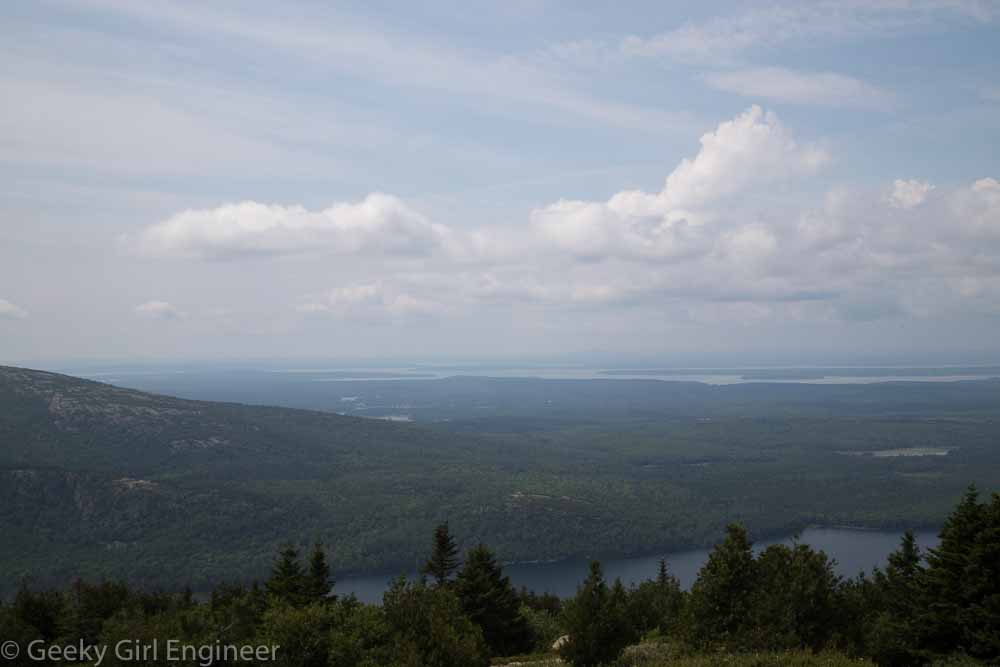
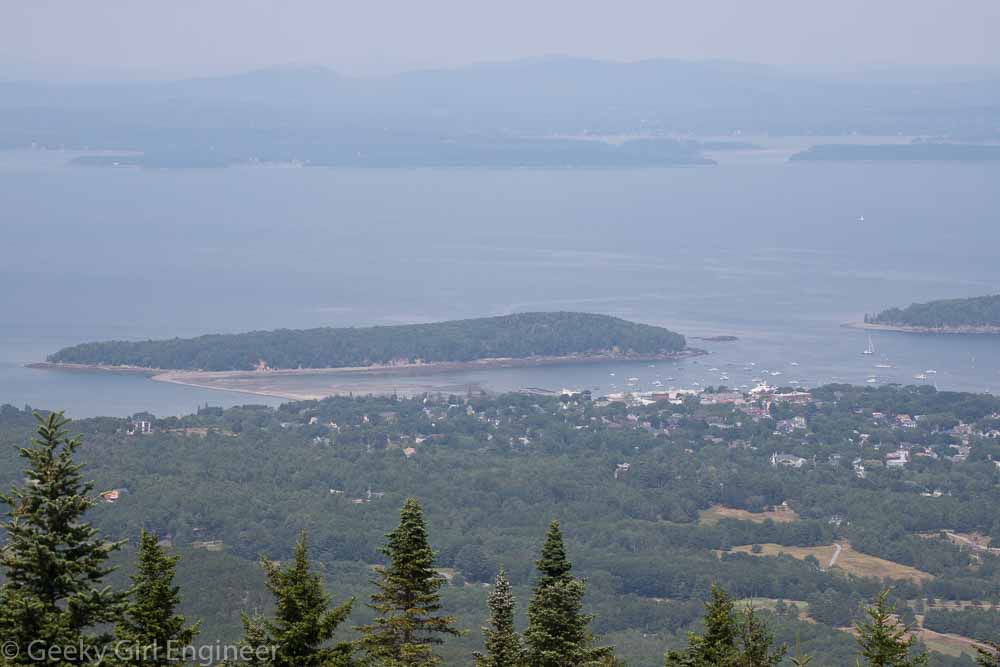
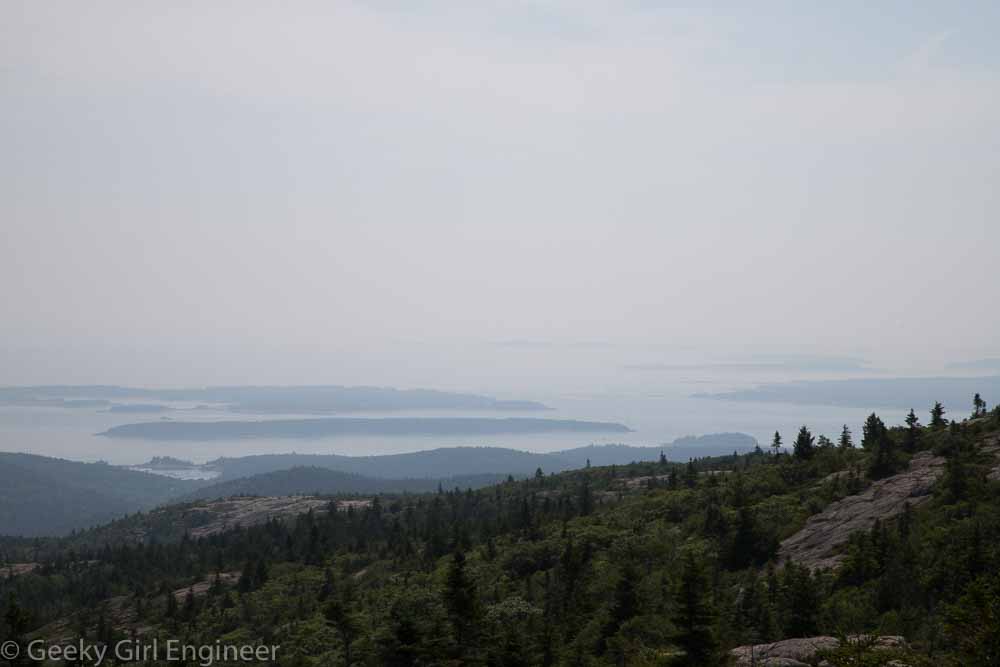
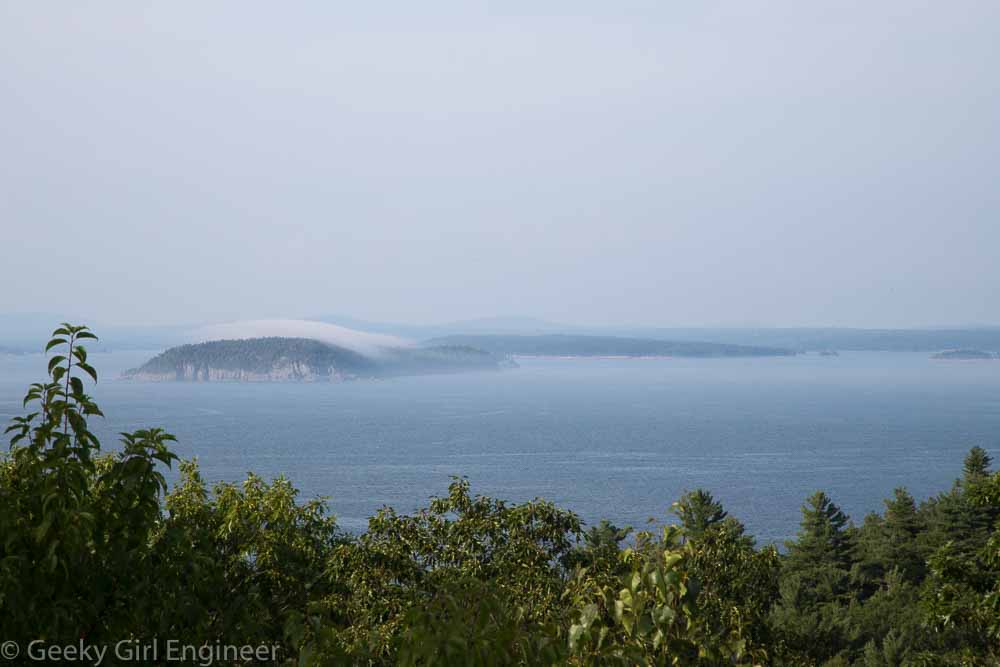
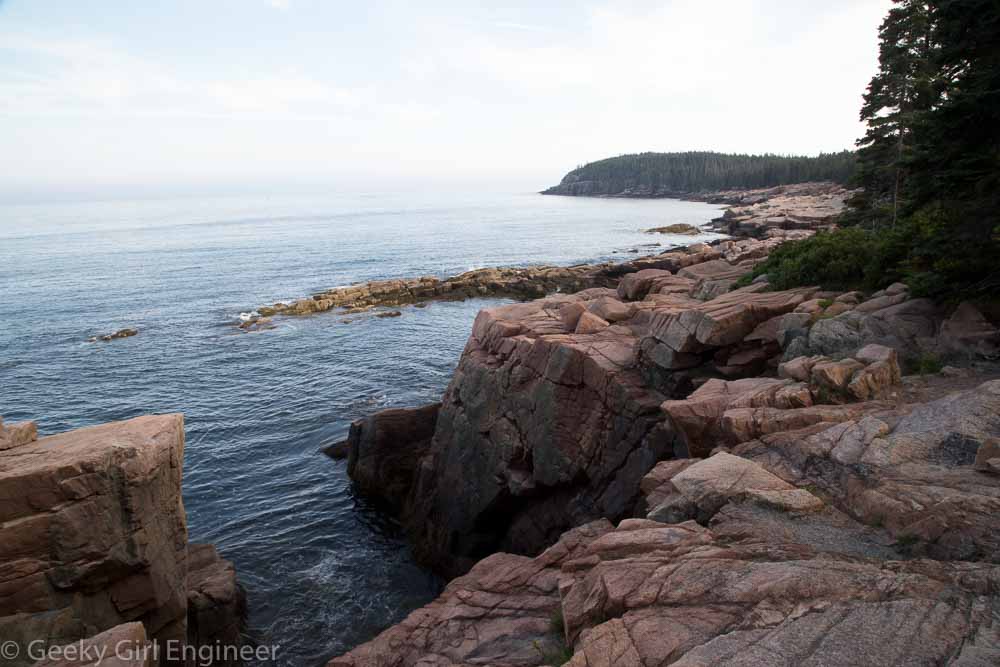
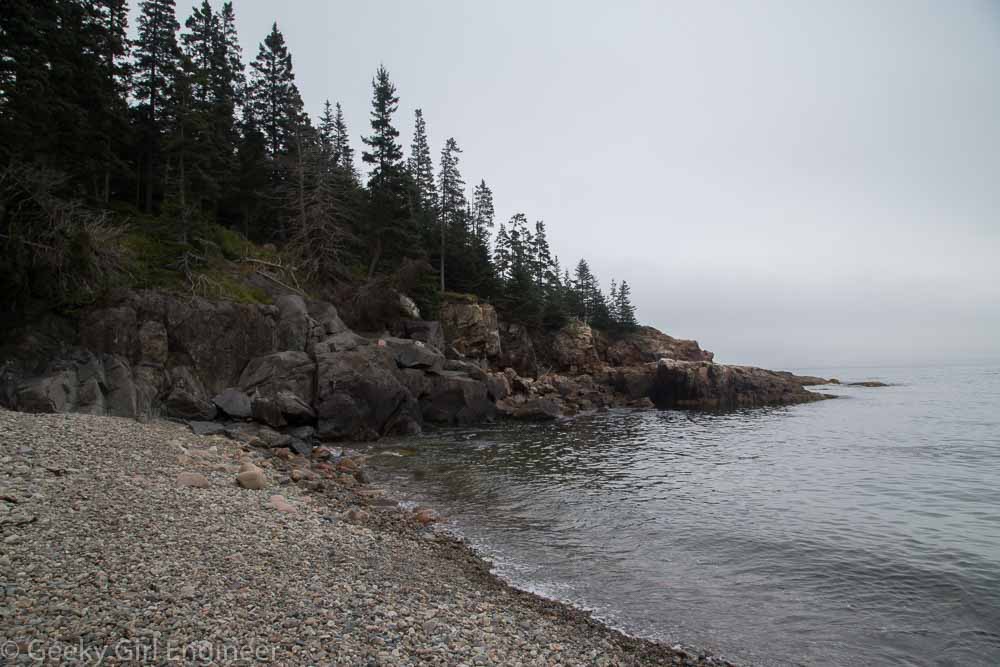
While visiting Maine, we took a whirlwind trip though Acadia National Park. The park is spectacular. There are wonderful views from Cadillac Mountain and along the coast. While we were there, a fog rolled in and provided mysterious and obscured views. Based on the views, I have come to the realization that Maine’s coast is just a series of rock outcroppings.

View from Cadillac Mountain

View from Cadillac Mountain, to the left is the sand bar of Bar Harbor.

View from Cadillac Mountain

View from Cadillac Mountain

Pink granite cliffs

Pink granite cliffs with river rock beach

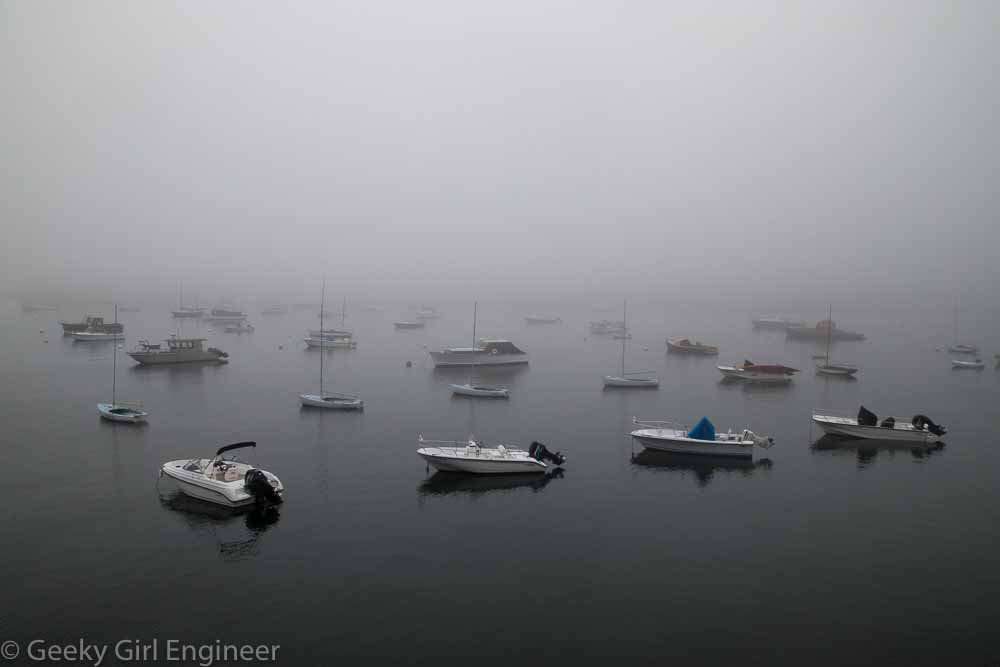
Fog settling over boats in harbor

Hudson River Valley by Train

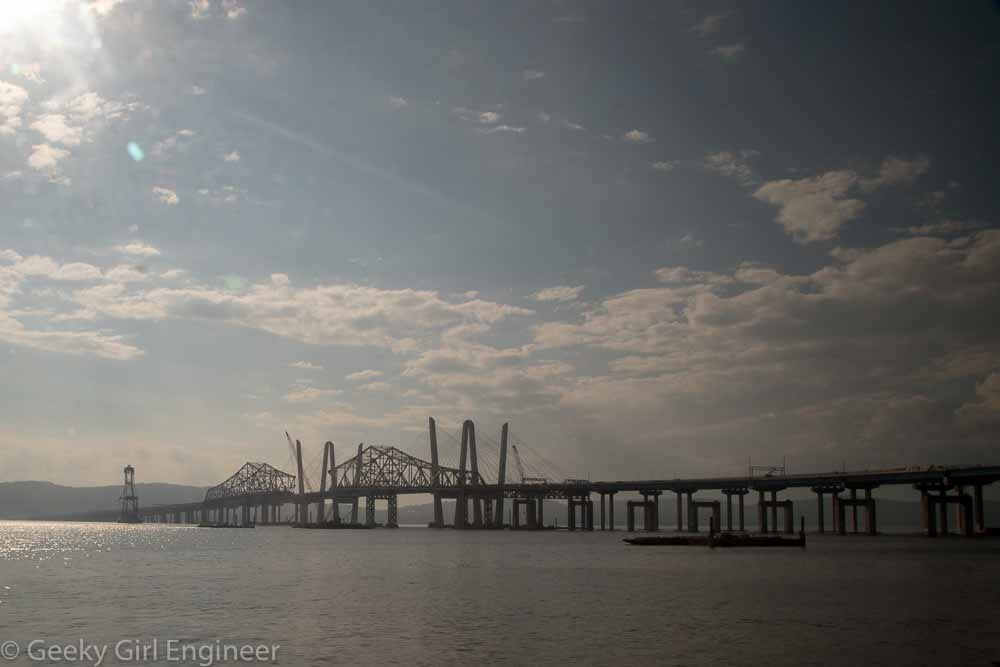
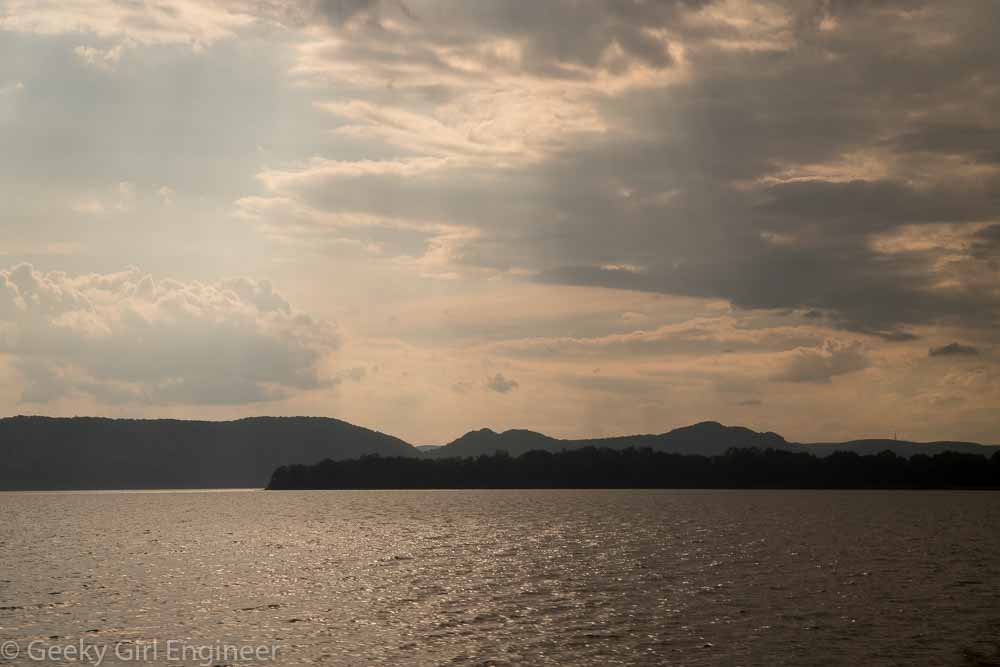
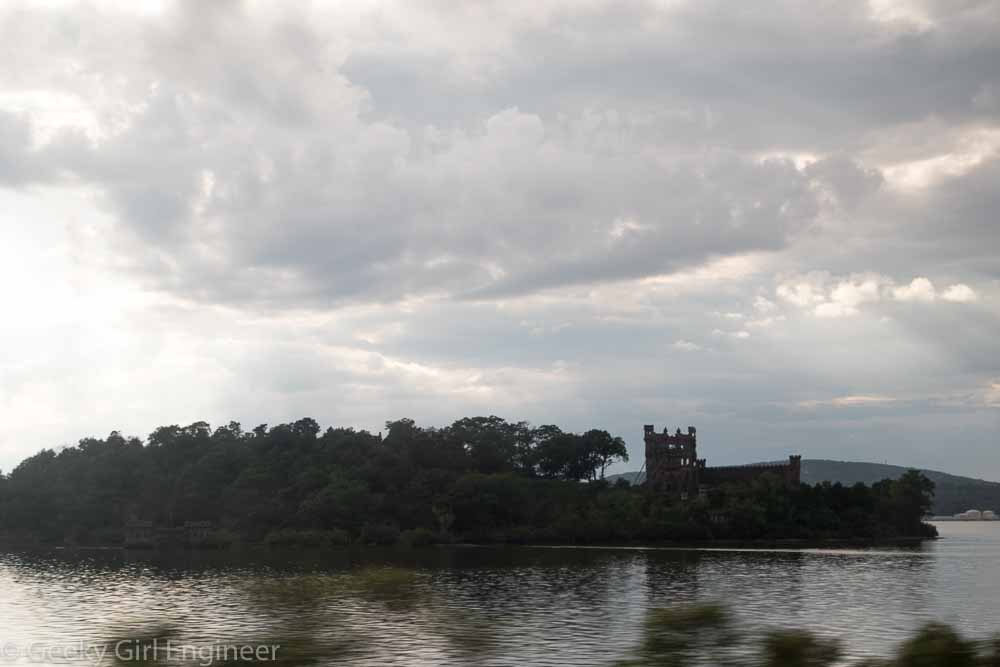
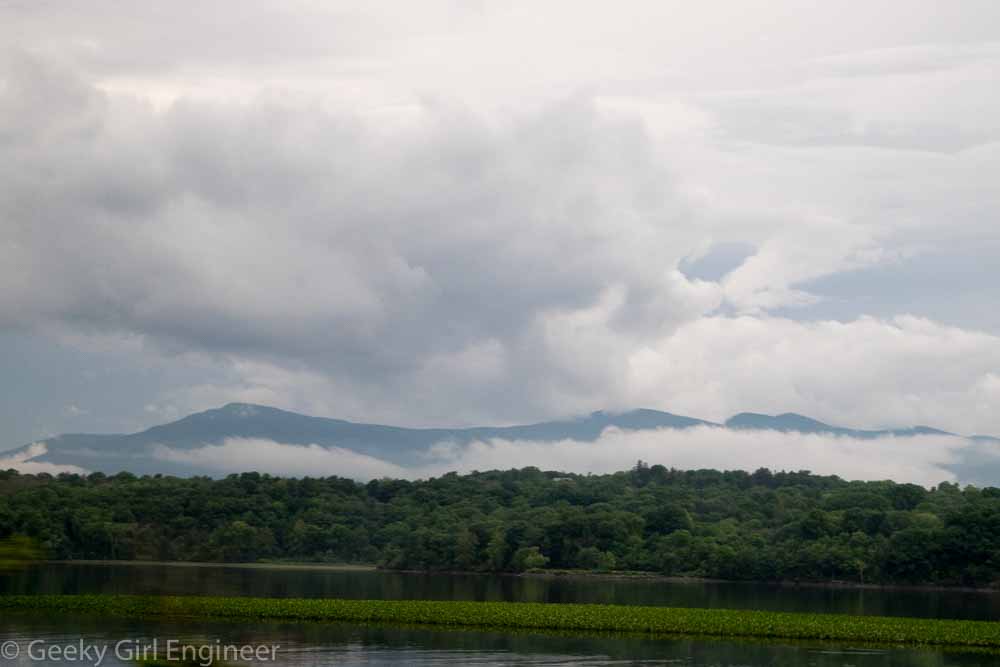
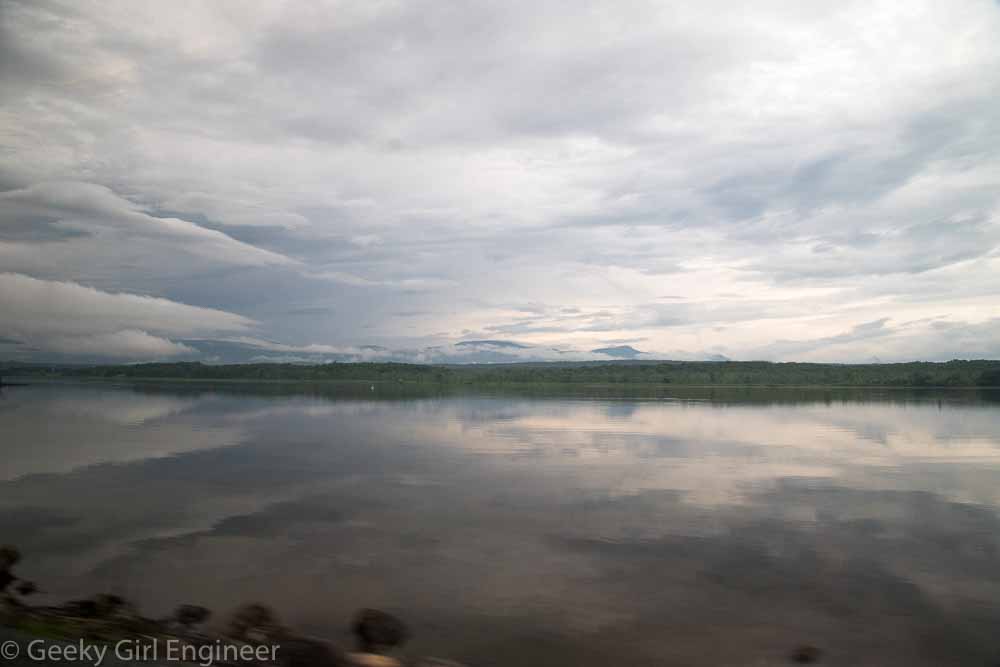
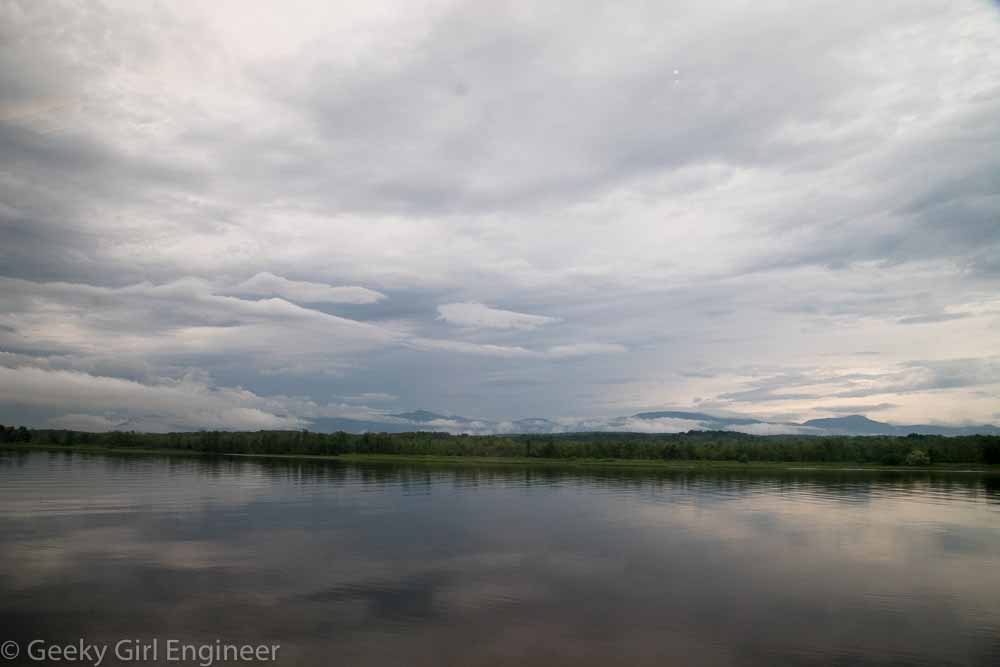
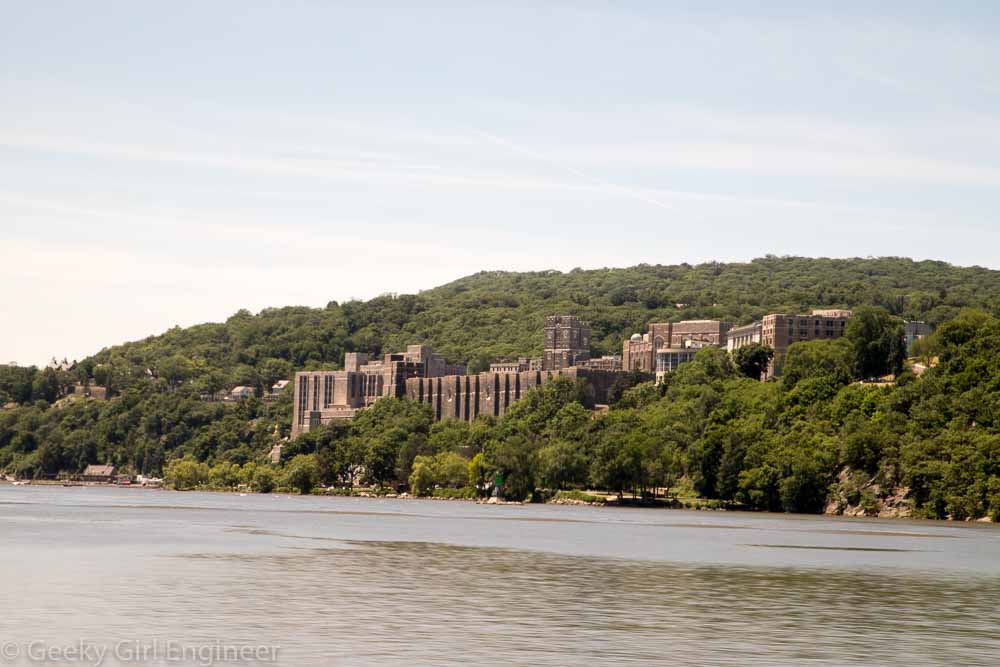
I just got back from a very short trip to Albany, but the main reason I went to Albany was for the train ride up there. Amtrak has several train routes that go from New York City to Albany. I have taken two of these routes before, and I just love the view. I spend almost the entire time staring out the window at the gorgeous Hudson River, which can be seen during the vast majority of the ride. Below are a few photos I took on the route. The first six were taken on the train ride up to Albany as a storm was passing through and the sun was setting. The last three were taken on the way back down to New York City.

Tappan Zee Bridge, old one being deconstructed in front and new one in back

Near Tappan Zee

Bannerman Castle

view of area near Saugerties

view of area near Catskill

view of area near Catskill

Hudson Lighthouse

US Military Academy (West Point)

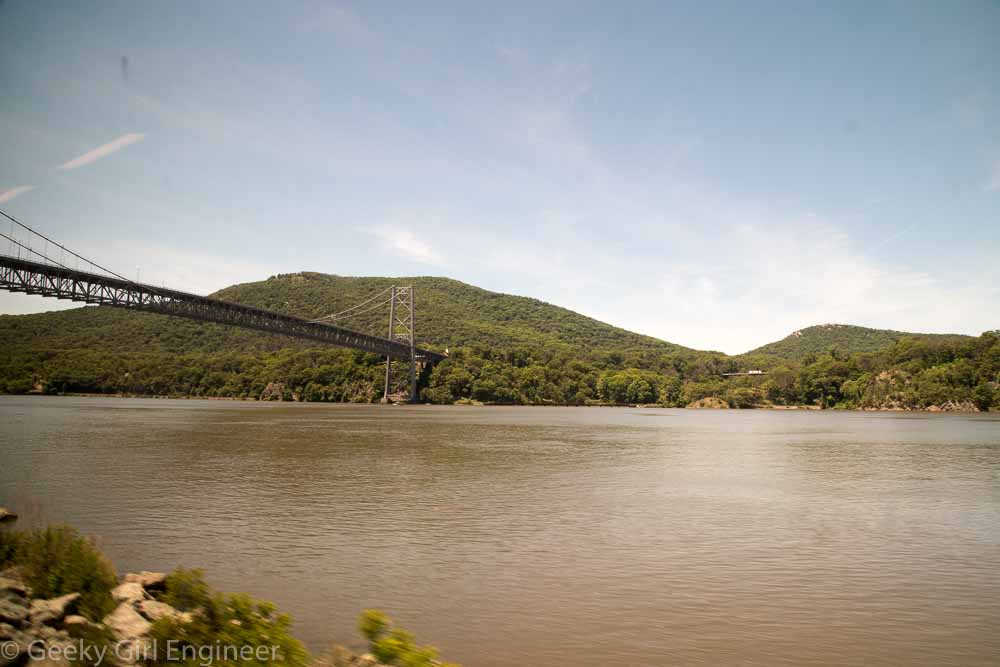
Bear Mountain Bridge

Regents Canal

I posted yesterday about my boat ride on along the Regents Canal from Camden Locks to Little Venice. Today I went for a very short walk along the same canal in the Camden Locks area. It really is a pretty area. It is also a very popular area. There were many people walking along the towpath, and there were also many people just hanging around the area.

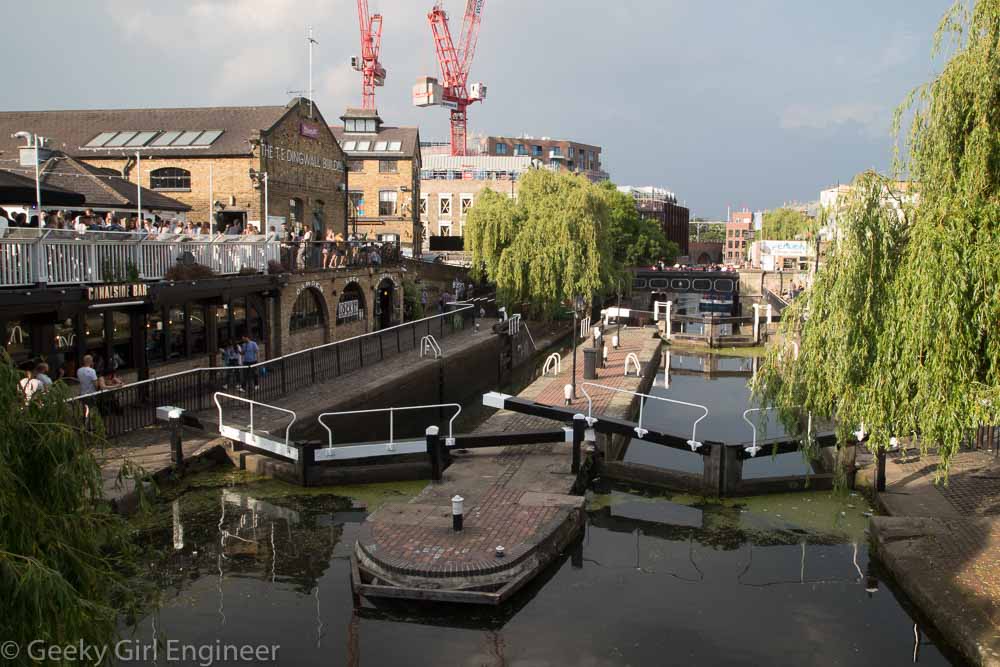
Camden Locks

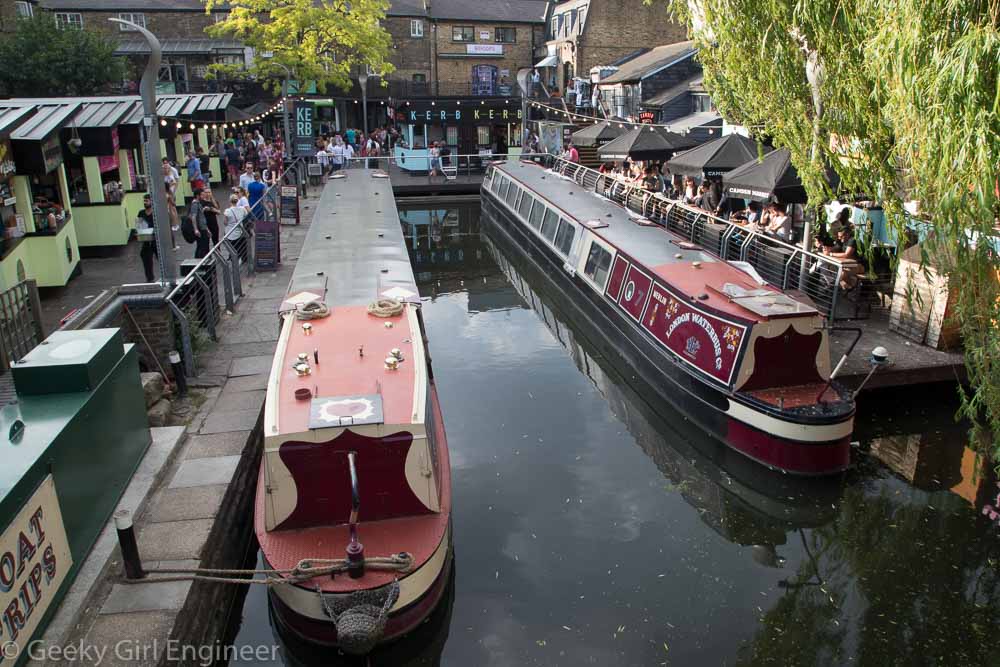
London Water Bus docked near Camden Market

Bridge next to Camden Locks

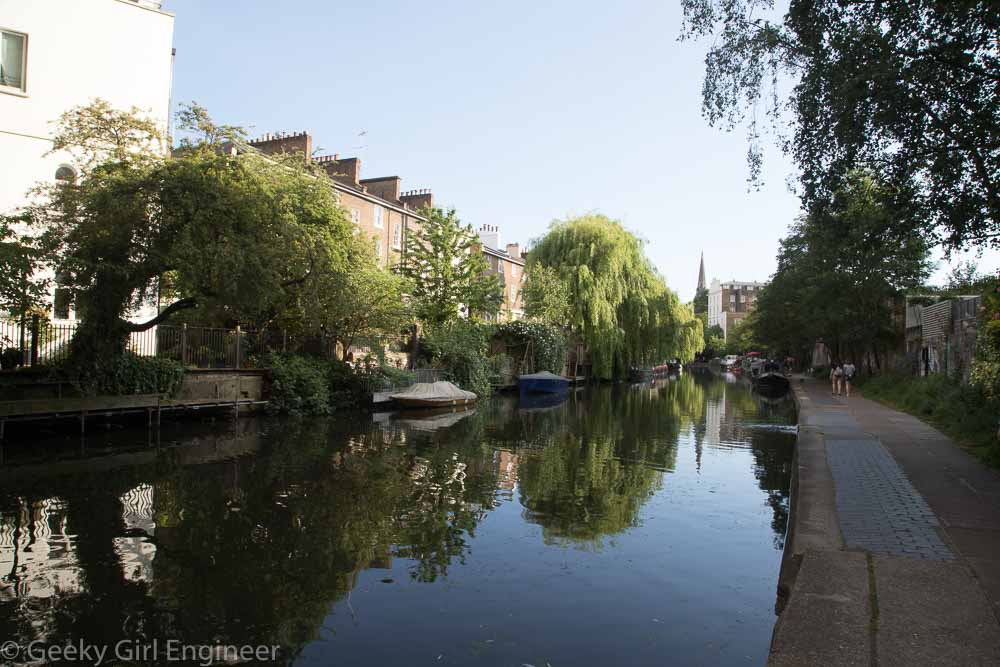
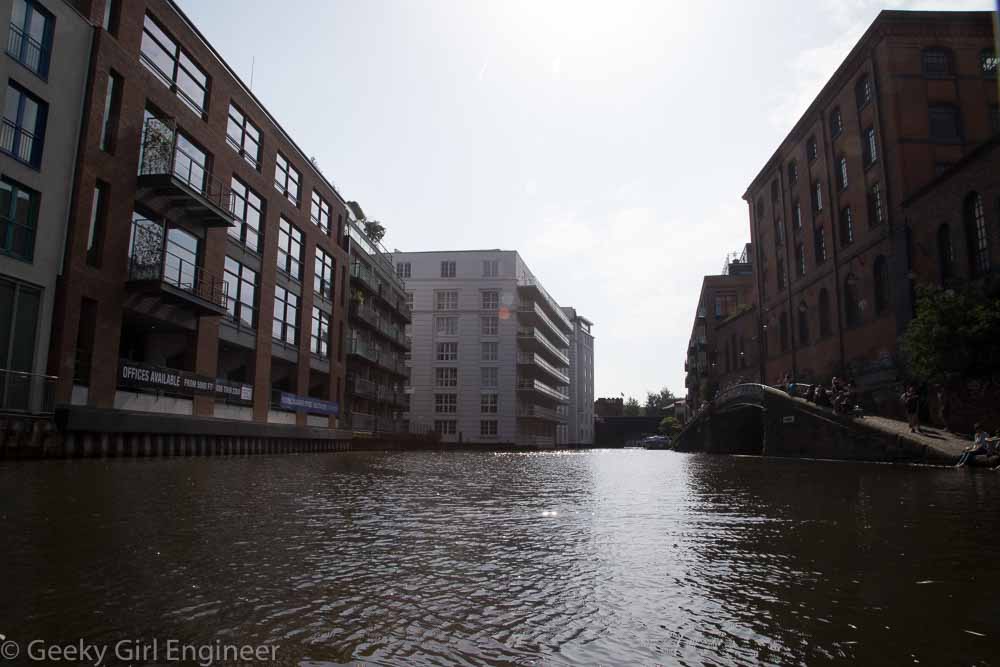
Homes along Regents Canal

Boats moored on canal

One of many bridges over the canal

London Canals

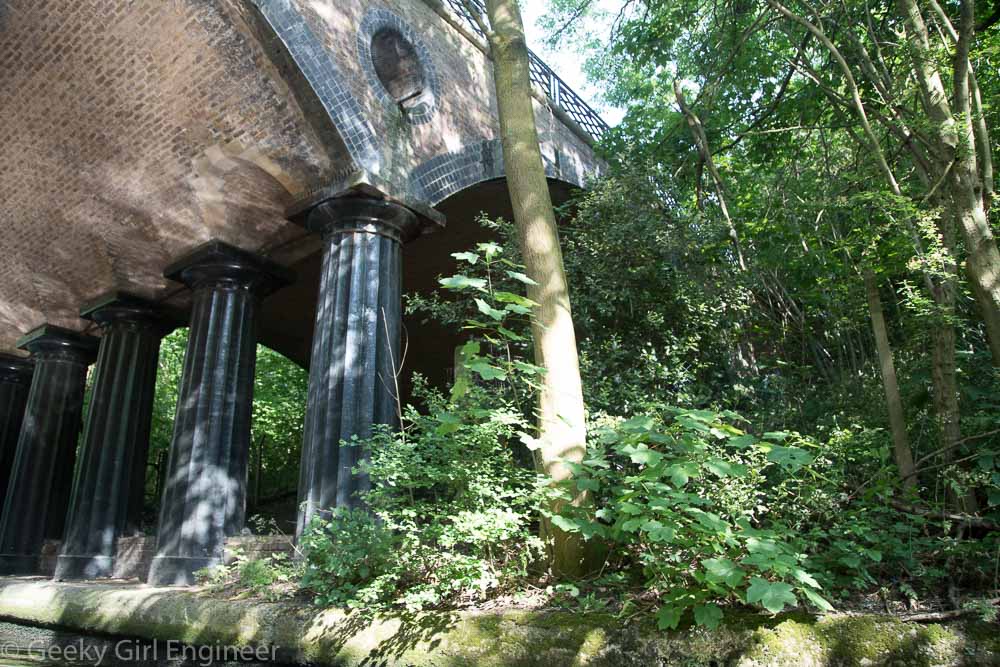
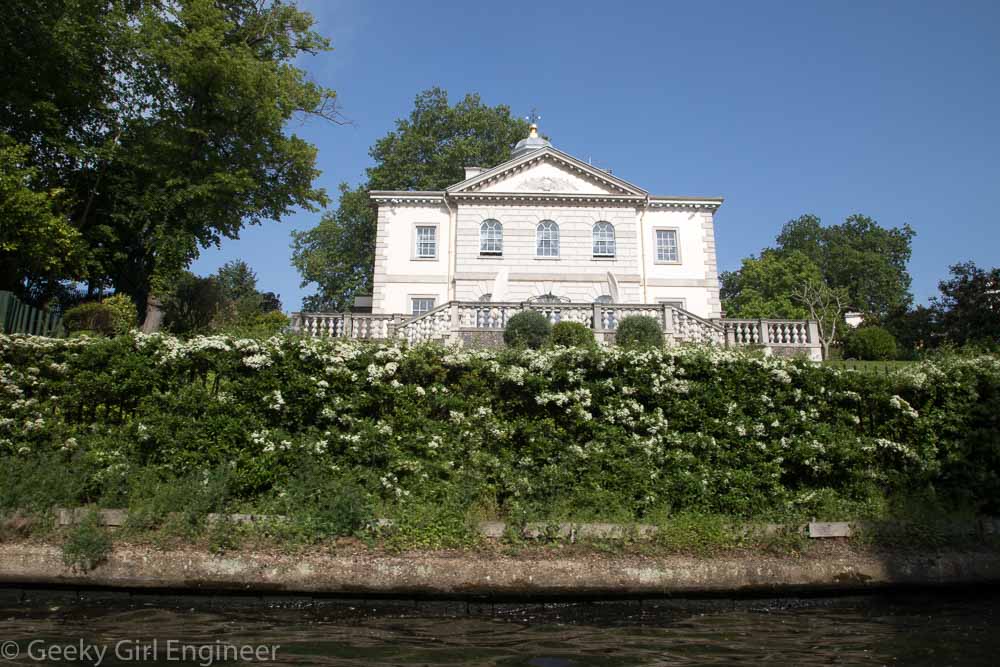
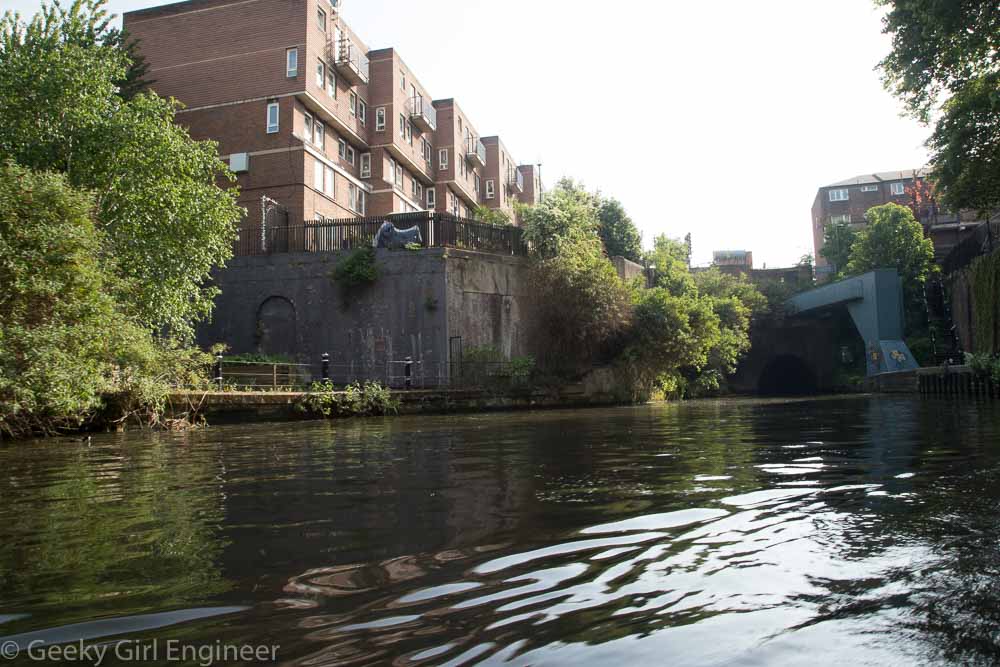
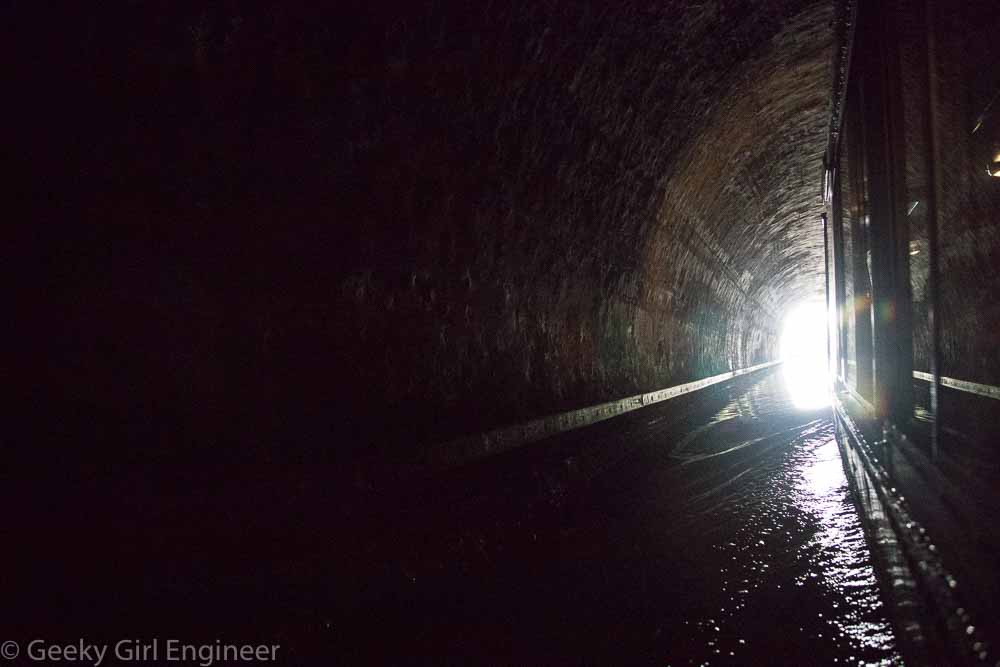
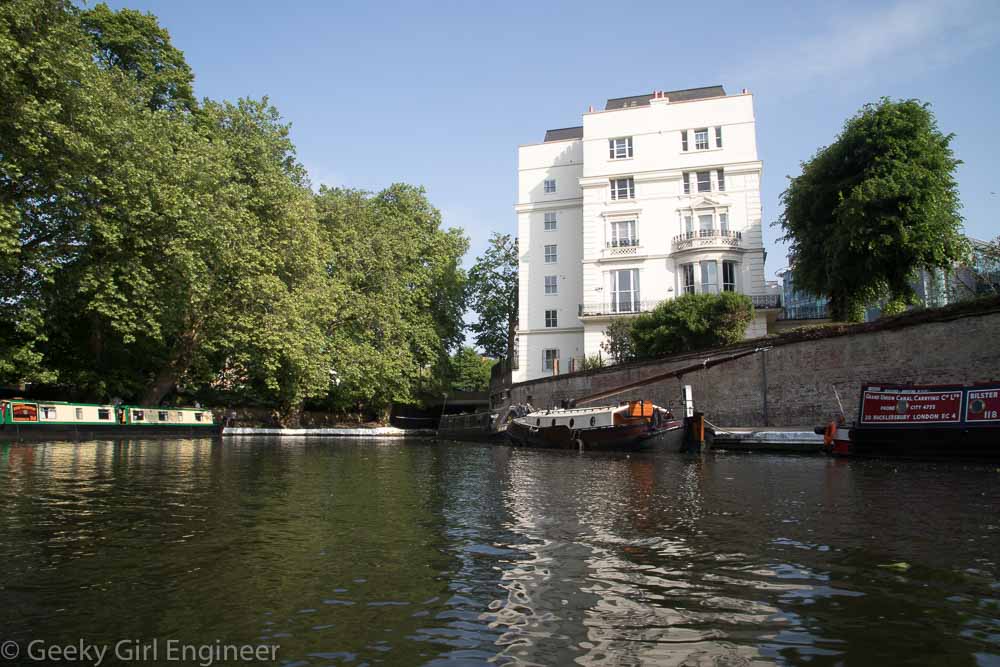
London surprises me in several ways. One of those ways is the number of canals, and the number of boats that still use those canals. I don’t think there is a lot of commercial transportation using the canals, but there are at least a couple of boats that run routes from point A to point B. Then there are also people who seem to live on their boat, and of course people who rent them for a short excursion. I took the London Water Bus on the Regents Canal from Camden Locks to Little Venice. The route went past the zoo, stately homes, and apartment buildings. It even went through a tunnel. A nice enjoyable ride, and a very different side of London.

Near the Camden Locks

One of the prettier bridges we went under

Passing and identical boat as the one I was in

Gorgeous homes

Apartment buildings near the tunnel

Inside the tunnel

Near Little Venice

Tower Bridge

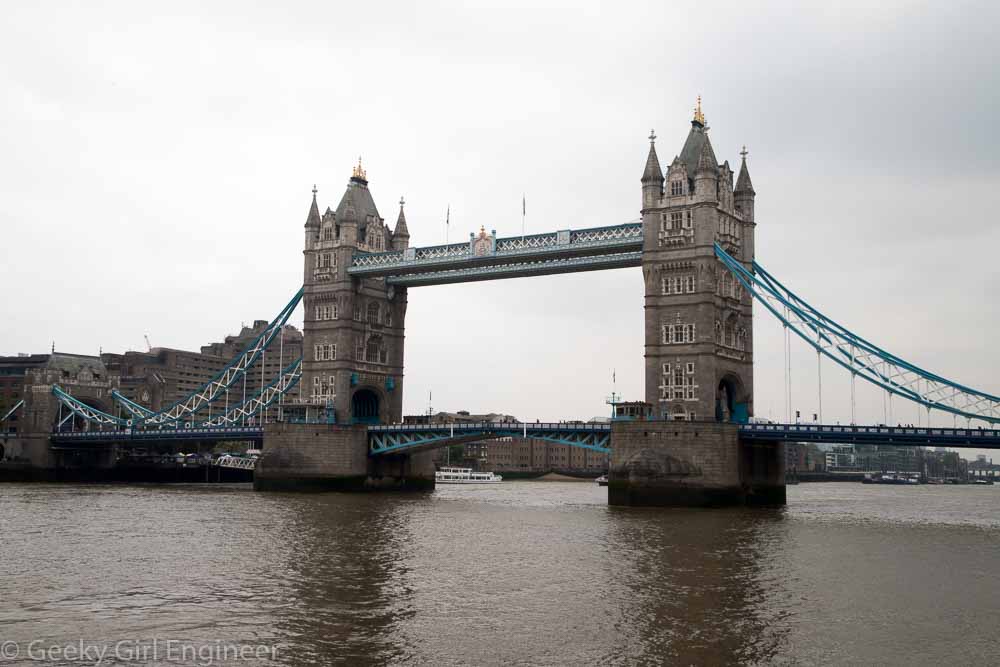
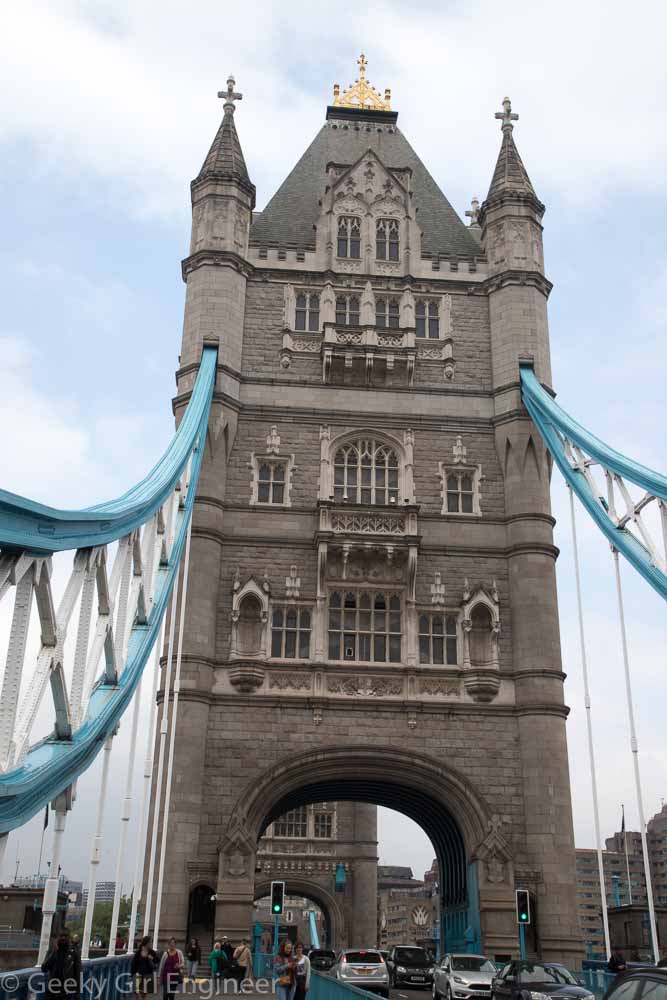
I love bridges, so while in London I am visiting as many bridges as possible (although there are quite a few). One bridge that was on my must see list was the iconic Tower Bridge. It is a beautiful bridge. Even better though, you can tour the historic engine room and also go to the top and walk across the upper level walkways that connect the two towers.

Tower Bridge

South tower

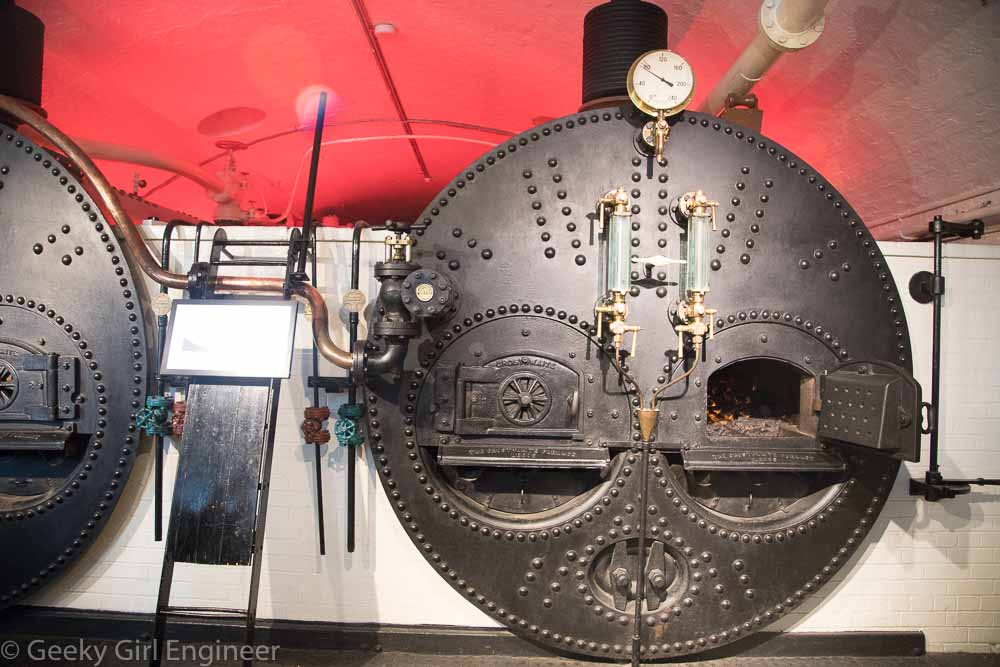
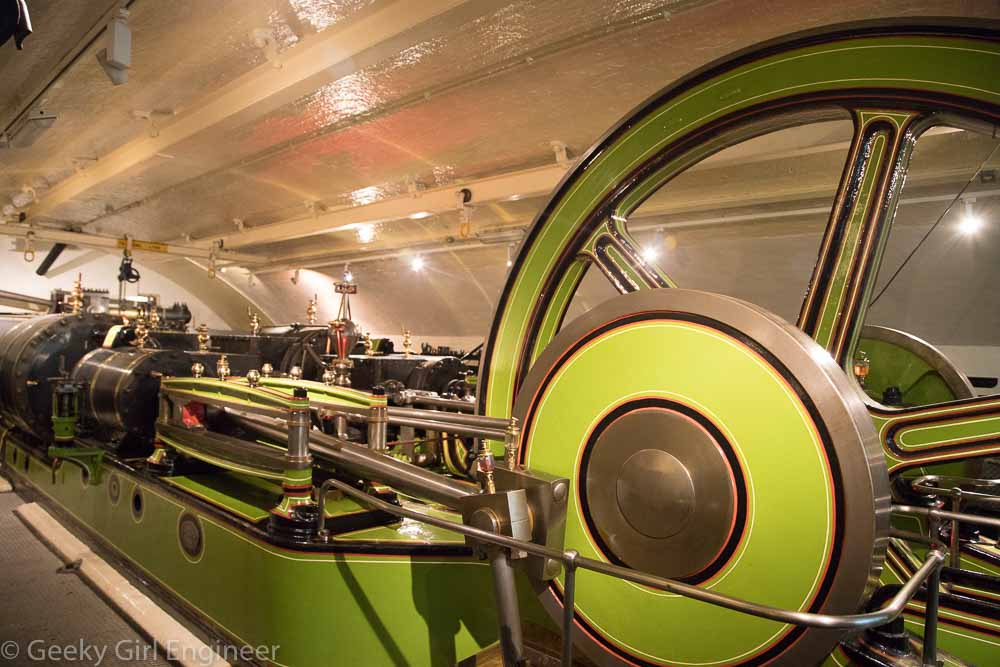
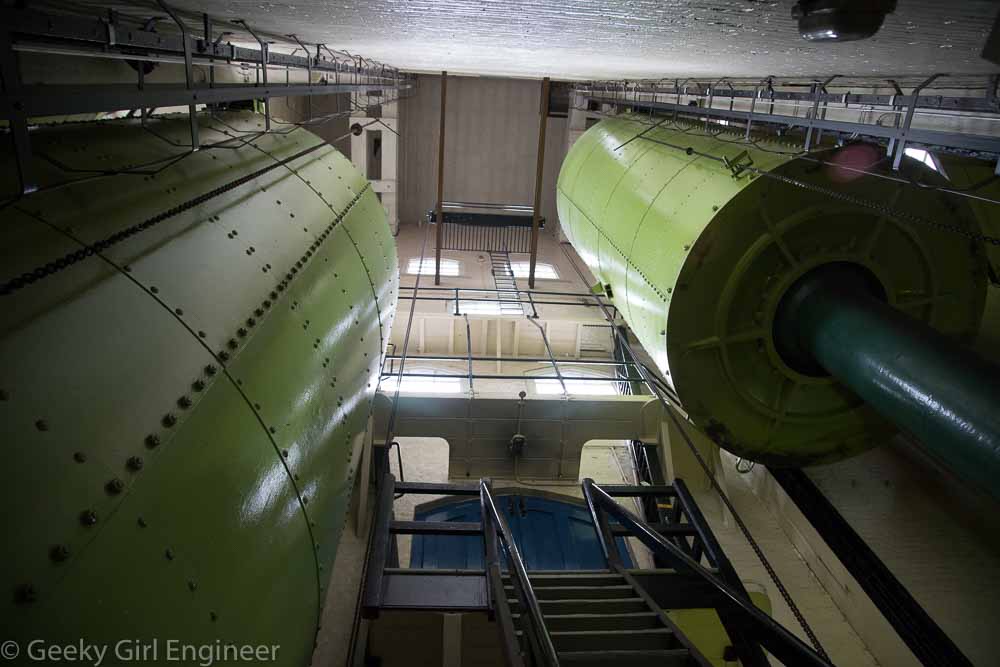
Inside the engine room areas, you can see the historic coal burners, steam engines, and the accumulators. The bridge now operates with electricity.

Coal burner

Steam engine

Accumulators

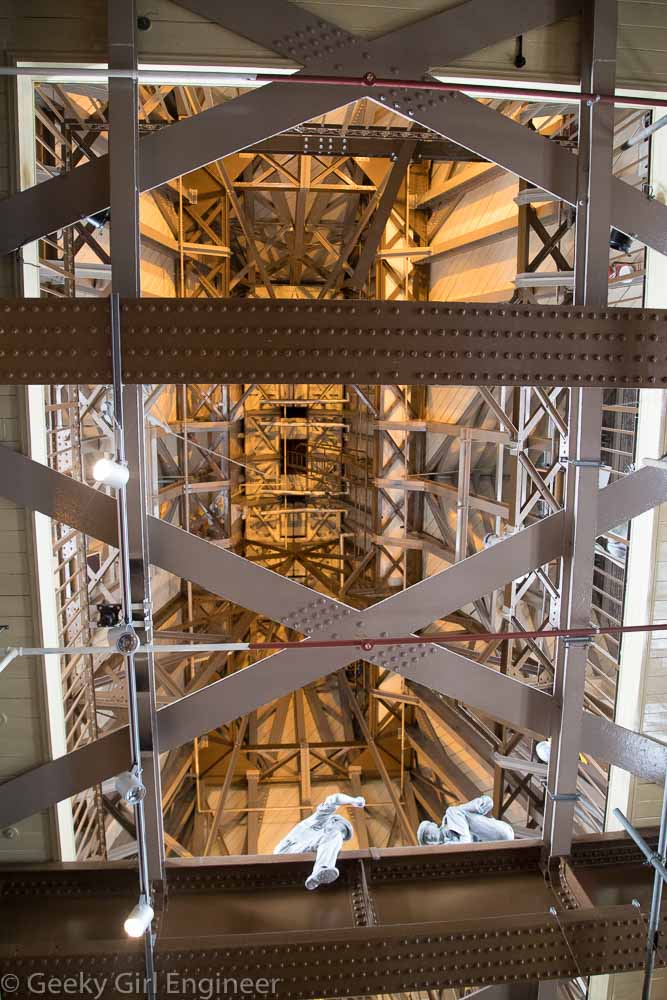
In the south tower, you can see the inside of the tower and all the structural components. They have human figures up in the structure to demonstrate how it was built.

View inside the south tower, looking up

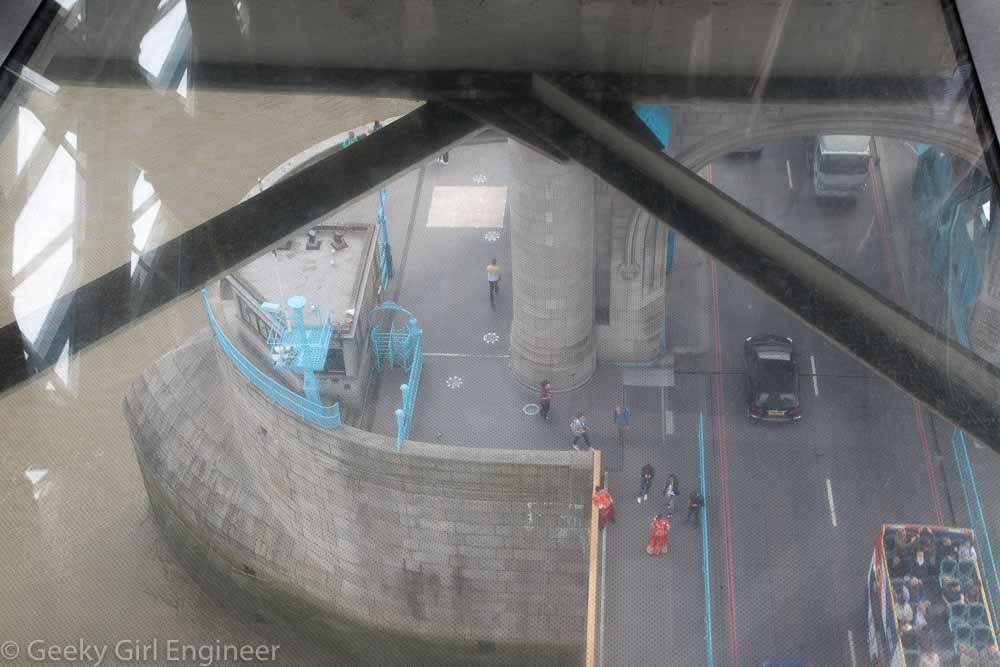
Both the east and west upper walkways have a segment of glass floor, so you can look down onto the river and roadway.

Looking to the road from glass floor of upper level walkway

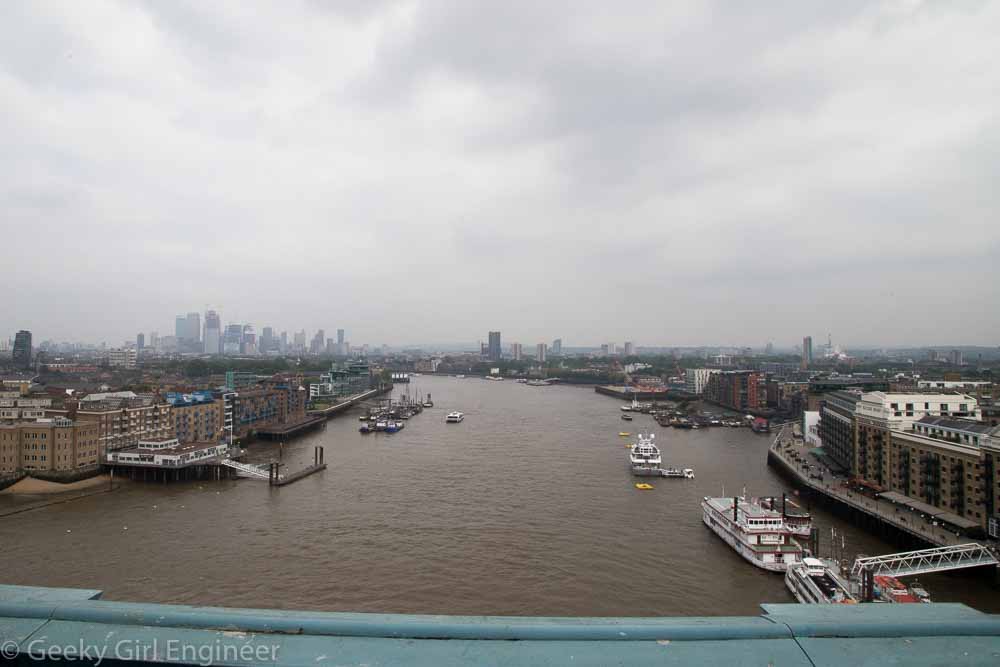
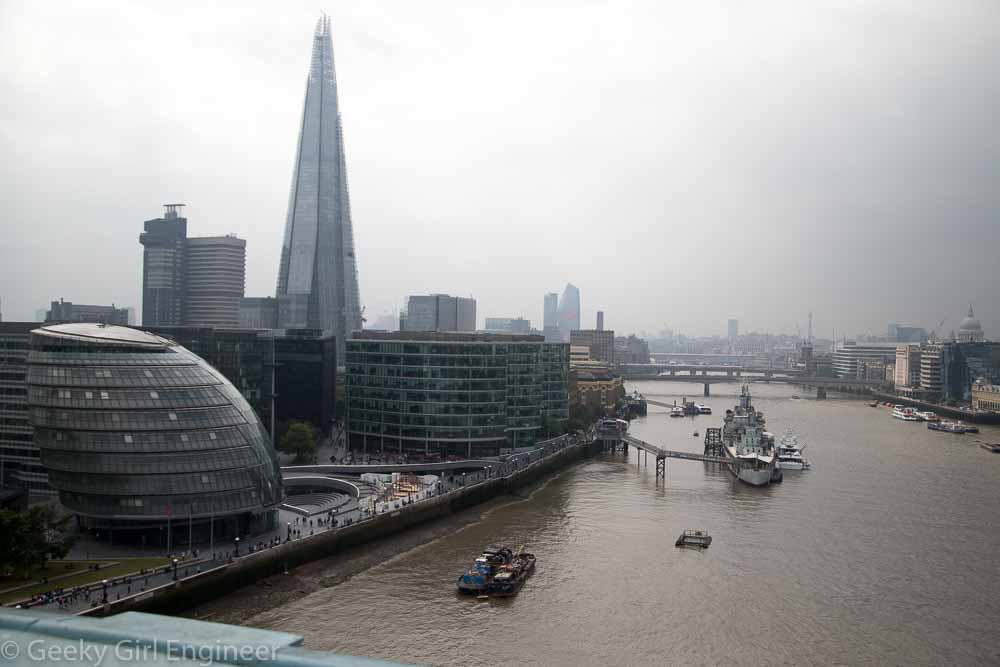
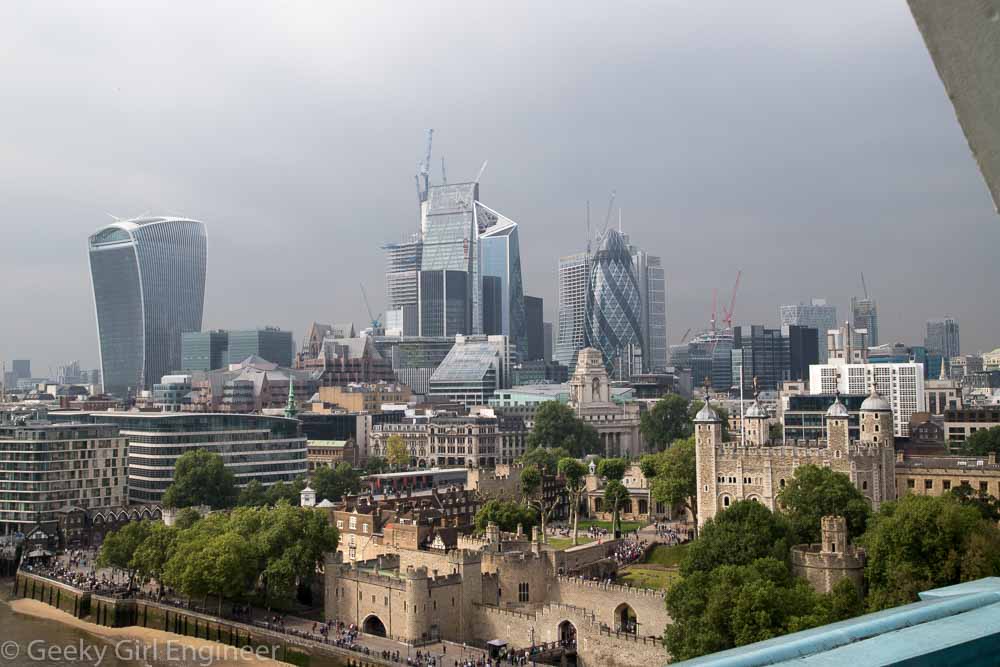
The views from the upper walkways are wonderful. You can see very far up and down the River Thames.

East view from upper walkway

West view from upper walkway

West view from upper walkway

Engineering Responsibility

A couple of weeks ago I took a day long class on urban stormwater design. It was a class designed for Professional Engineers and others who needed to earn some continuing education credit. It was taught by two Professional Engineers. Urban stormwater design is something I am in general familiar with but not anywhere close to an expert, so I thought this would be a worthwhile, intriguing class by which I could also earn needed continuing education credit.

The class subject was the important topic of urban stormwater, specifically in older cities like Boston, New York, Philadelphia, and Washington, where much of the city has combined sewer systems. Combined sewers are systems where both stormwater and sanitary wastewater (i.e. the discharge from household and business sinks, toilets, showers, etc.) go into the same set of pipes and eventually to a wastewater treatment plant. When it is not raining, this type of system works fairly well because it is mainly just the wastewater reaching the treatment plant. When there is precipitation, this type of system can cause problems because the amount of flow can overwhelm the treatment plant. If the plant is not big enough, or if there is not enough storage capacity to hold the wastewater until the treatment plant can treat it, then this results in raw, untreated wastewater (i.e. poop) being discharged to whatever body of water is downstream of the plant. The discharge of untreated wastewater is illegal under the Clean Water Act and is considered a permit violation under the National Pollutant Discharge Elimination System (NPDES) program.

The class covered ways that cities can try to prevent overwhelming the plant and thus permit violations. This can range from the more obvious, and often most expensive, ways of building more and bigger wastewater treatment plants and/or storage capacity to hold the wastewater until the plant can treat it, to the more innovative and sometimes lower cost of green infrastructure. Green roofs can absorb some of the stormwater, and thus reducing the amount of stormwater going into the sewers. Tiny little parks and green bump-outs into the street which trap perhaps an inch of rain can also help, especially when many of them are built around the city. In the area where I live, many redesigned streets have a green median which sinks below street level or have a depressed area with plants next to a wide sidewalk. The idea with these areas is to allow some of the stormwater to sink into the ground and also to simply hold some of the stormwater during the storm. This evens out the flow going into the sewers.

During this class, one of the instructors showed various models that he and his company had run for an older city to solve a problem where a particular neighborhood kept having the basements flood with sewage. The city had a combined sewer, and in that area, the pipes could not handle all the flow during the storm, and this would lead to sewage backing up into people’s basements. Quite obviously, the people living there did not like raw sewage flooding their basement every couple of years. Who would? So the instructor demonstrated how complex the issue was with maps that showed if you added extra capacity in this tiny area, it would solve the problem for this tiny part of the neighborhood. However, if you spent more money and built more capacity for a larger area, it would solve the issue for more of the neighborhood but ironically would make it worse for this other part of the neighborhood. His point was to show how the problem was complex, and it was not just a matter of adding more pipes.

However, in every single one of his models, the extra pipes to handle the extra flow had one or more outfalls to the river that flowed next to the neighborhood. The pipes were intended to connect to the combined sewer system, but to alleviate the extra flow that caused the flooding in people’s basements, they modeled adding extra outfalls where the raw sewage, instead of going into people’s basements, would instead go into the river next to the river. Now, I am sure most people would think, well, I would rather it go into the river than into my basement. However consider if you live in that area, you would still be dealing with raw sewage in the area, just maybe not in your basement. An improvement, but still a problem. The instructor said they were designing for a storm size that would happen about every five years. To be clear, dumping raw wastewater into a river ever five years is illegal. I was incredulous that they were actually designing the system to dump raw sewage into the river. I asked him why didn’t the design include a new interceptor (a giant pipe that generally conveys the flow for long distances to a plant), or some other large storage area until the system could handle the extra flow and convey it to the treatment plant. He cited cost. Cost is not a reason to violate the law. In fact cities that dump raw sewage can fined, so there’s a cost. [I don’t work in this area. I don’t know how often cities are fined for this, but I do know the idea is not to take money from them but to get them to spend the money so violations don’t occur. Use the money to build more wastewater treatment plant capacity, etc.]

I questioned the instructor about this. It is one thing to have an old system that dumped raw sewage into a river and then to keep building pipes and plants such that the city reduced or eliminated any discharge of raw sewage. It is an entirely other thing to actually design “improvements” to your system to do that. To be clear, sewage flooding into people’s basements is obviously a serious problem that the city needed to solve. But solving it to only create another problem is not a true solution. I kept asking him why didn’t the solution include a new interceptor or storage. A couple of the other people taking the class asked questions of a similar nature. Finally the instructor seemed to be tired of the questions and not being able to answer them to our satisfaction, and he said “I don’t know guys, I’m just the modeler.” He is a Professional Engineer. I accept that the reason he was teaching this part of the class is that he in an expert in modeling stormwater. I do not accept that because he was just doing the modeling, he had no responsibility for the solution that he was modeling. At some point, he should have asked what kind of solution was he modeling if by design it would lead to permit violations every five years or so. Part of the responsibility of being a Professional Engineer is knowing that is a not a solution. Part of being an engineer is planning for every contingency you possibly can. Part of being an engineer is knowing the law. That means you can’t shrink responsibility by simply saying that’s not my part. I just did this tiny area. Go talk to the other guy. Nope. You can’t do that. A Professional Engineer takes responsibility for the design. That’s your job. Find a solution that solves the problem you were asked to solve but does not create other problems.

Waterborne diseases

I am still irritated by the one sided New York Times article on people who think “raw water” is better than treated water. I wrote previously about the various microorganisms and chemicals that can be found naturally in groundwater, but I wanted to expand a bit on water borne diseases and why we treat water. Not all water borne diseases are a result of microorganisms.

High nitrates in water can lead to blue-baby syndrome, more properly known as infant methemoglobinemia. Nitrates is associated with human-related water contamination, especially agriculture.

Arsenic occurs naturally in many groundwater sources. The United States Geological Survey (USGS) has mapped arsenic in groundwater based on a great deal of sampling. Arsenic in groundwater is particularly problematic in southeast Asia. Arsenic can cause cancer, cardiovascular disease, and skin lesions, among other issues.

Other naturally occurring metals and radioactive elements can be found in groundwater that can cause long term health problems. Groundwater and surface can also become contaminated from human activities with volatile organic compounds, pesticides, and other chemicals that you don’t generally want to ingest.

Then there are all the illnesses caused by microorganisms in water. According to the Centers for Disease Control and Prevention (CDC), the most common waterborne disease outbreak for 2013-2014 was Legionella, which I admit surprised me. Legionella causes respiratory illness due to inhalation of it, which is why it is normally associated with people inhaling the mist of cooling towers and air conditioning systems. [This is how it was first discovered and named when members of the American Legion got sick at a convention in Philadelphia hotel with unsterilized water in a cooling system.]

Most waterborne microorganism caused illness cause gastrointestinal illness though. Most people have heard of Giardia lamblia, which can cause diarrhea. There is Shigella which causes diarrhea, fever, and stomach cramps. E. coli is another common microorganism that can cause gastrointestinal illness found in both food and water. Cryptosporidium is a nasty microorganism that can cause illness. The reason I call it nasty though is because the parasite is protected by a shell that makes it particularly difficult to kill with disinfectants.

While luckily not a problem in the U.S., cholera, another waterborne disease, has killed many people throughout history. Yemen is currently in the midst of a horrible outbreak that has killed thousands and infected a million people. The cholera outbreak in London in 1854 is considered by most to be when the field of epidemiology started when John Snow, a physician, removed the Broad Street pump handle to show that that pump was the cause of most of the cases.
Point of all this is, be thankful for modern water treatment. There are very few waterborne illnesses in the U.S. It is rather rare for a person to get sick from water that comes from a public water supply, and when they do, most often because something has gone wrong at the water treatment plant. There are other issues of course, such as old water systems with lead in the pipes or solder. The source water can also become contaminated with something that the water treatment plant was not designed to treat. On the whole though, you are much more likely to become ill from untreated water then from treated water.