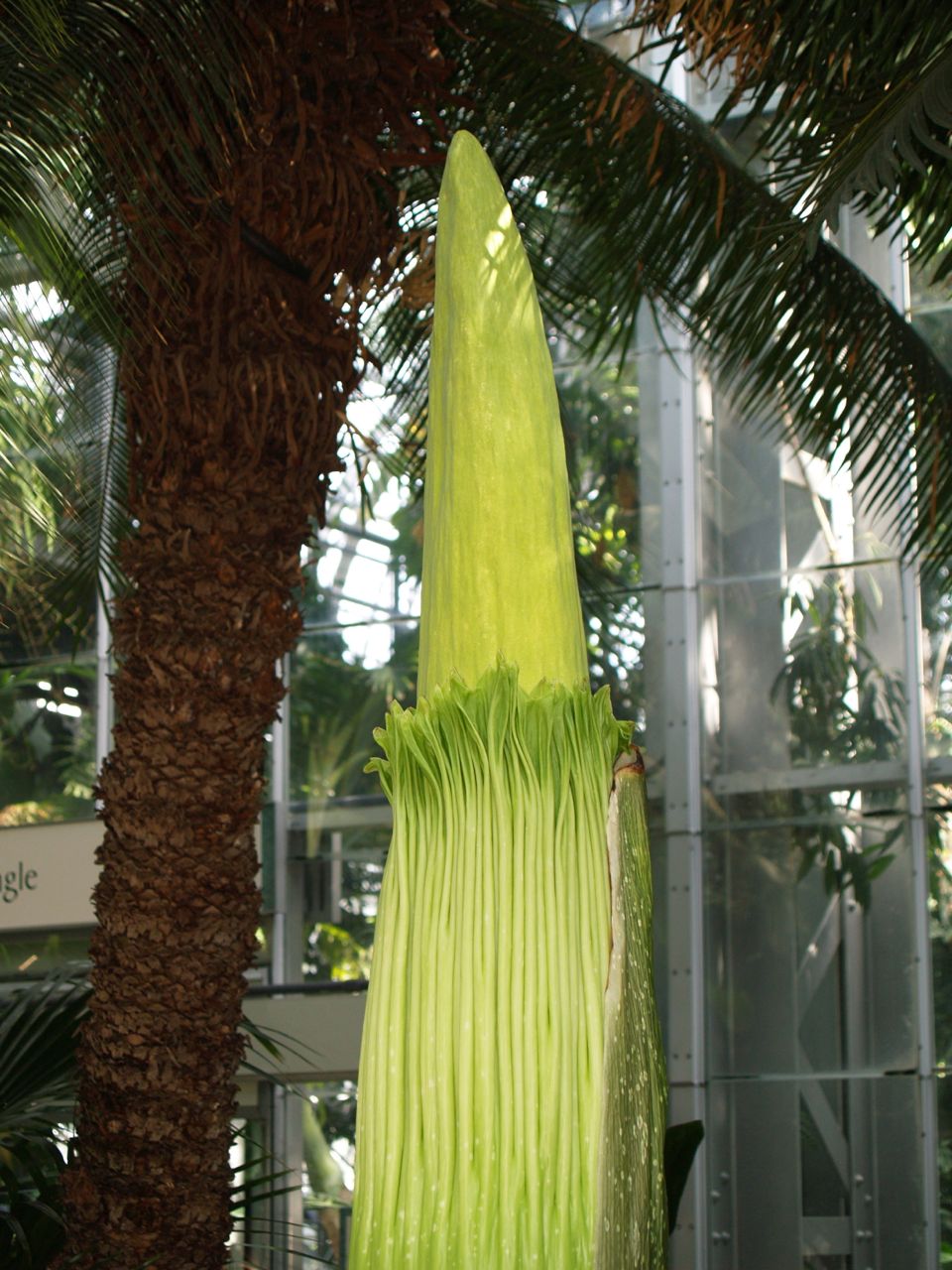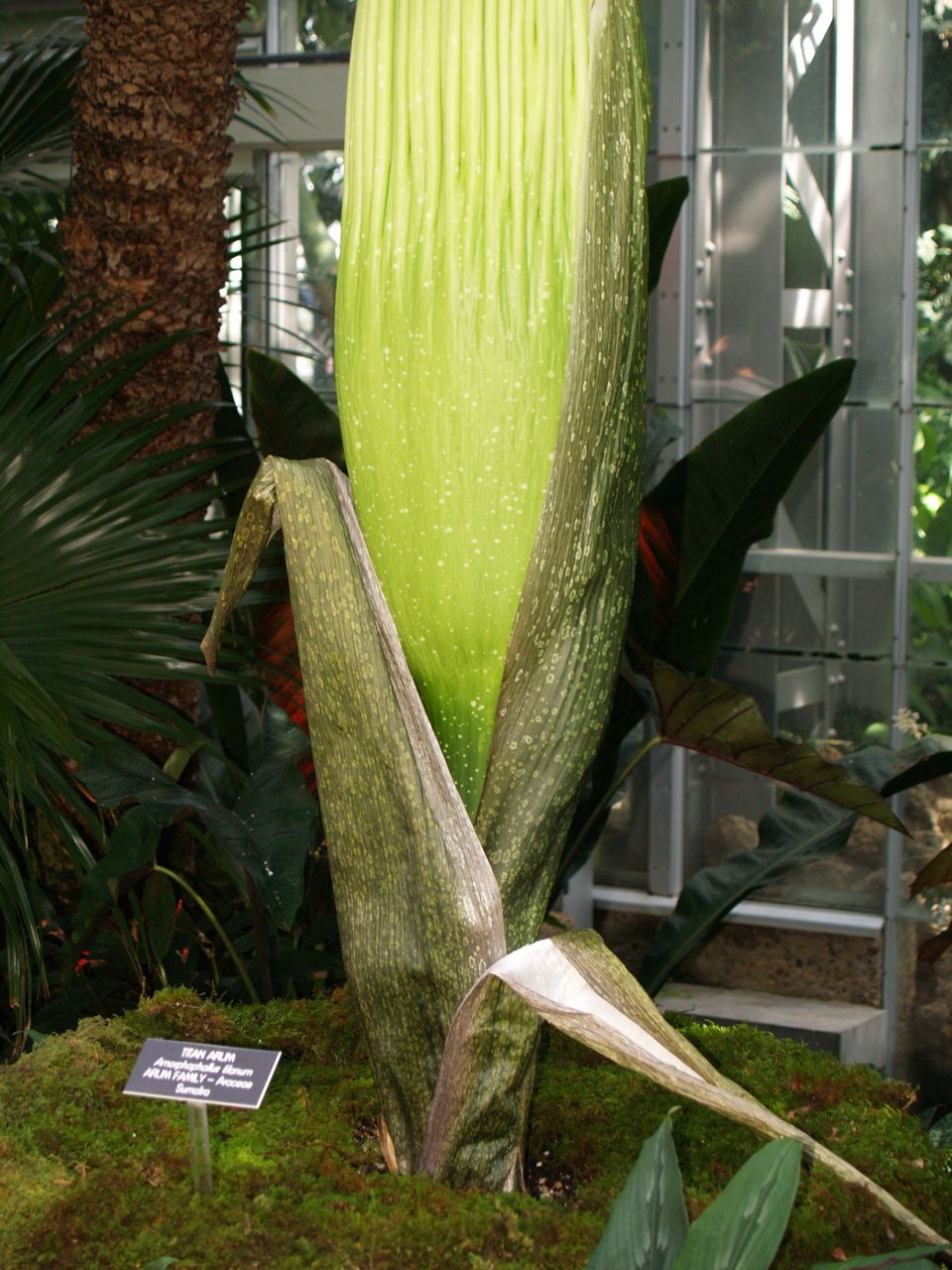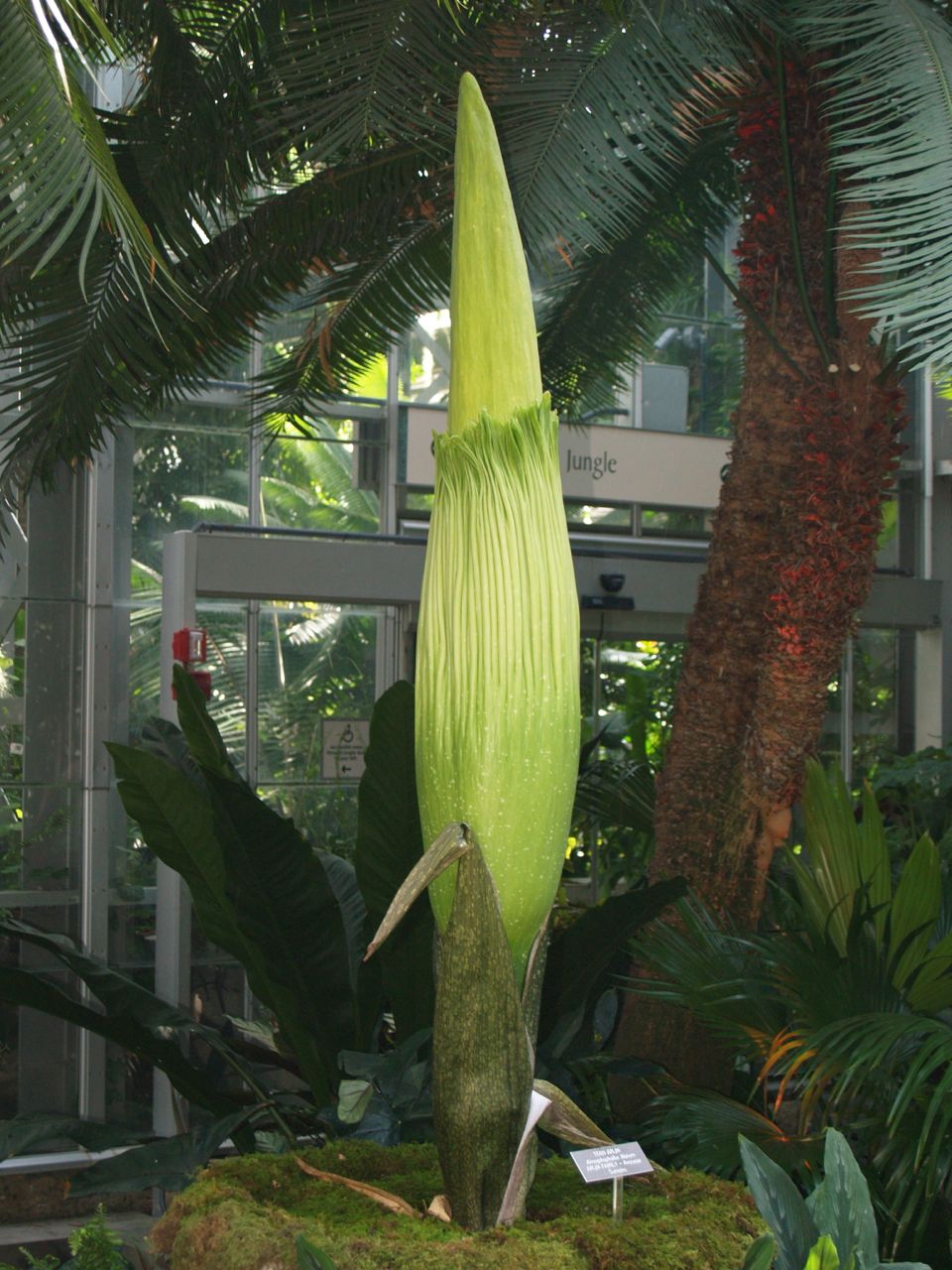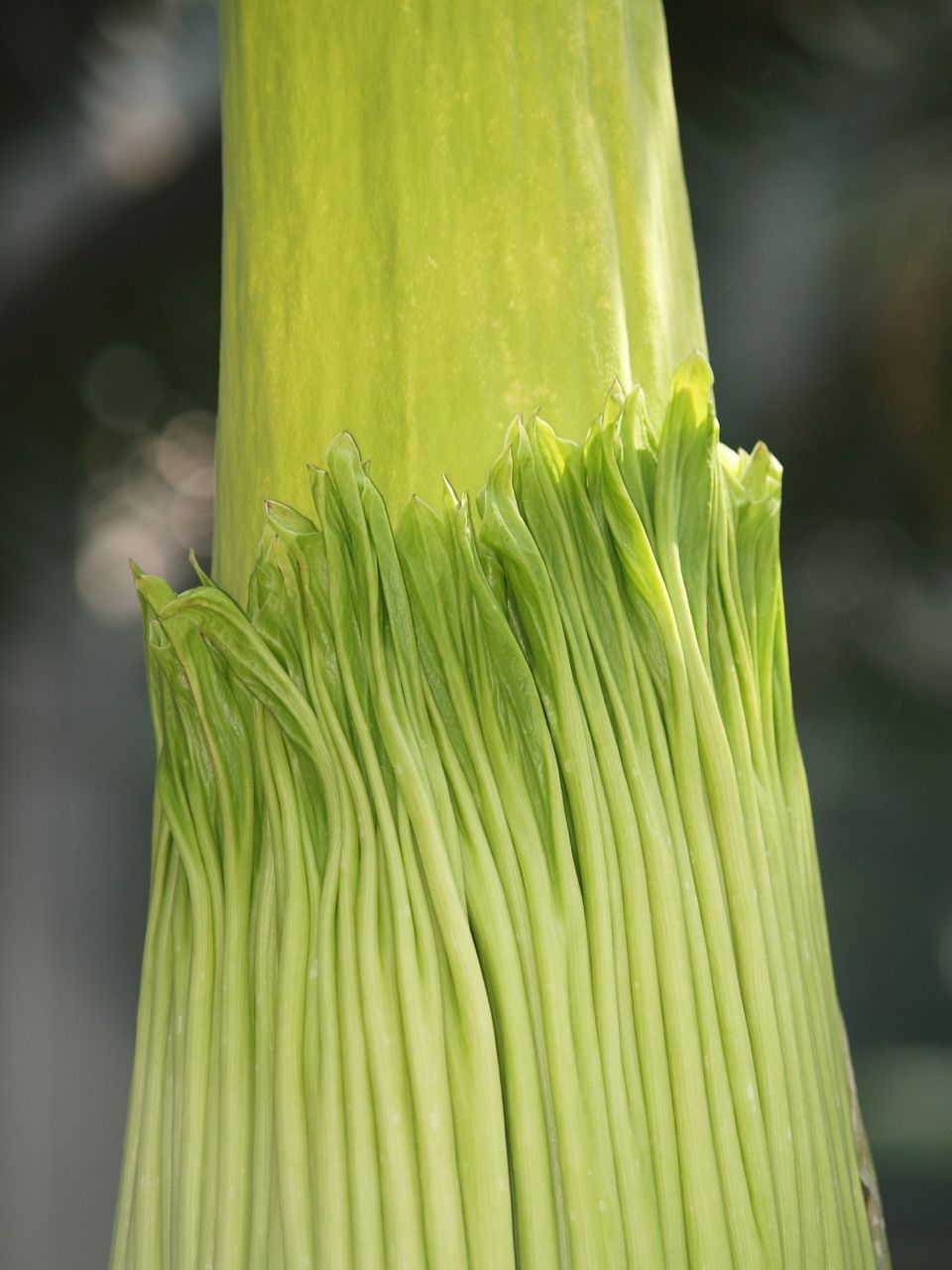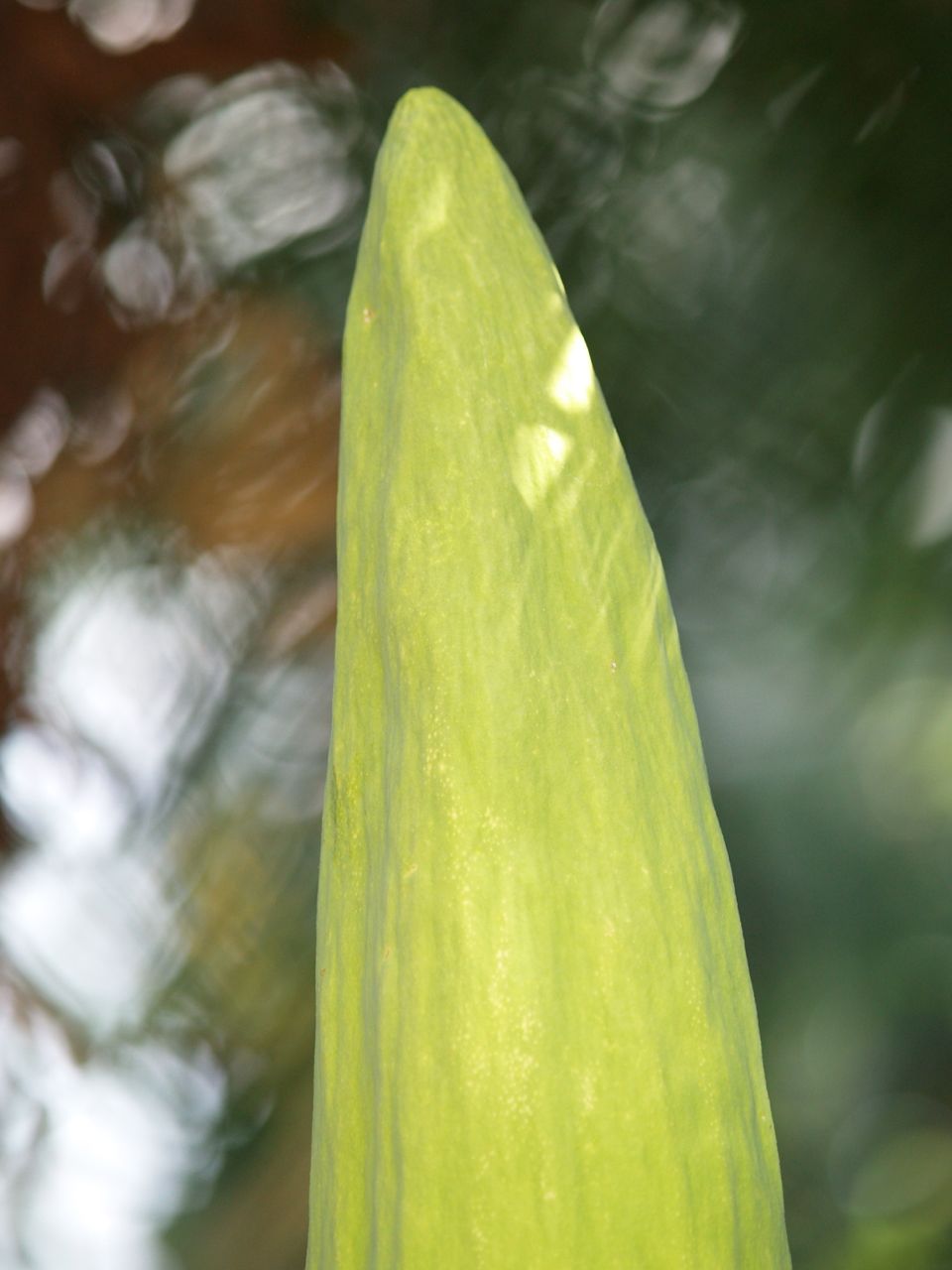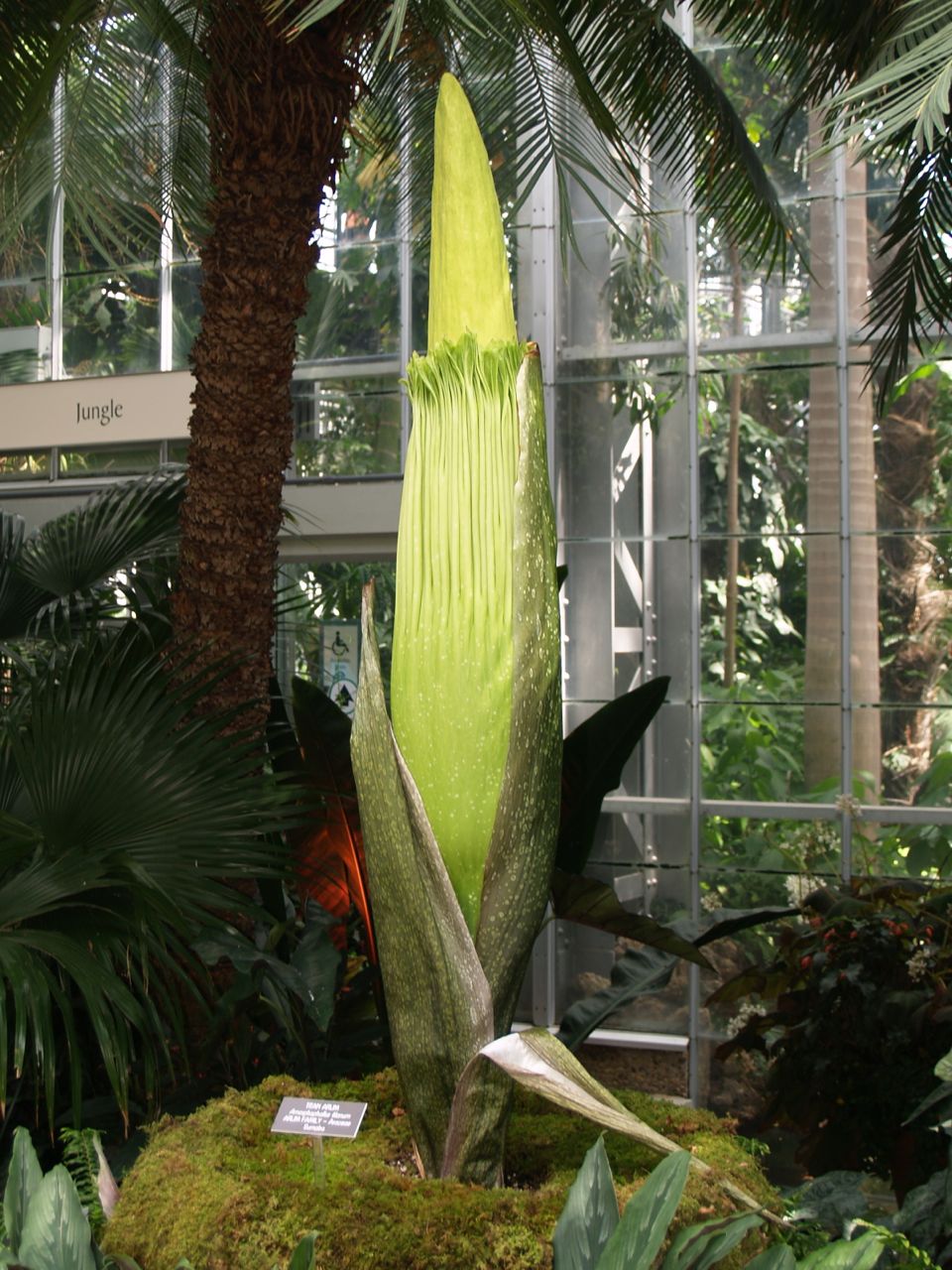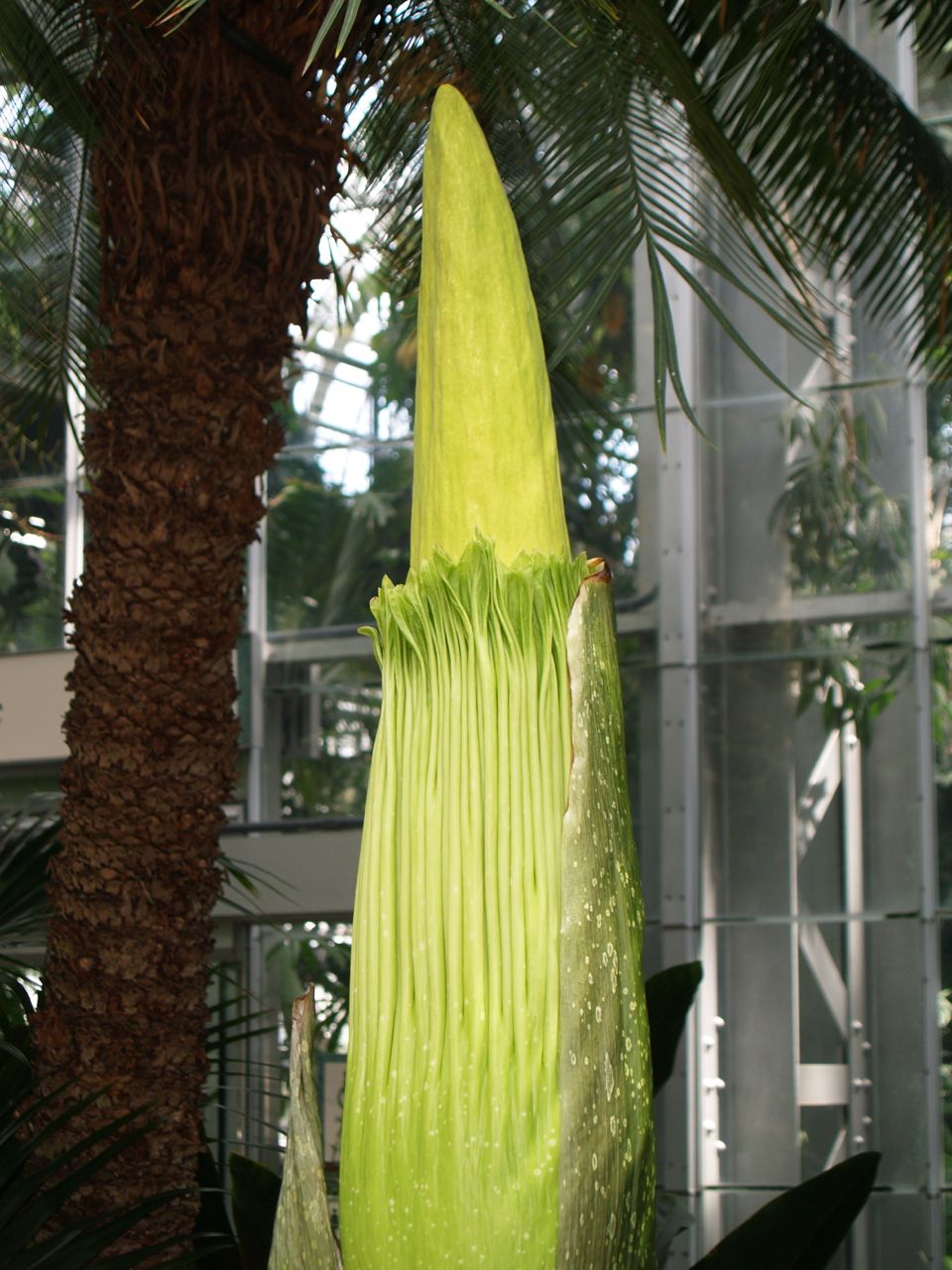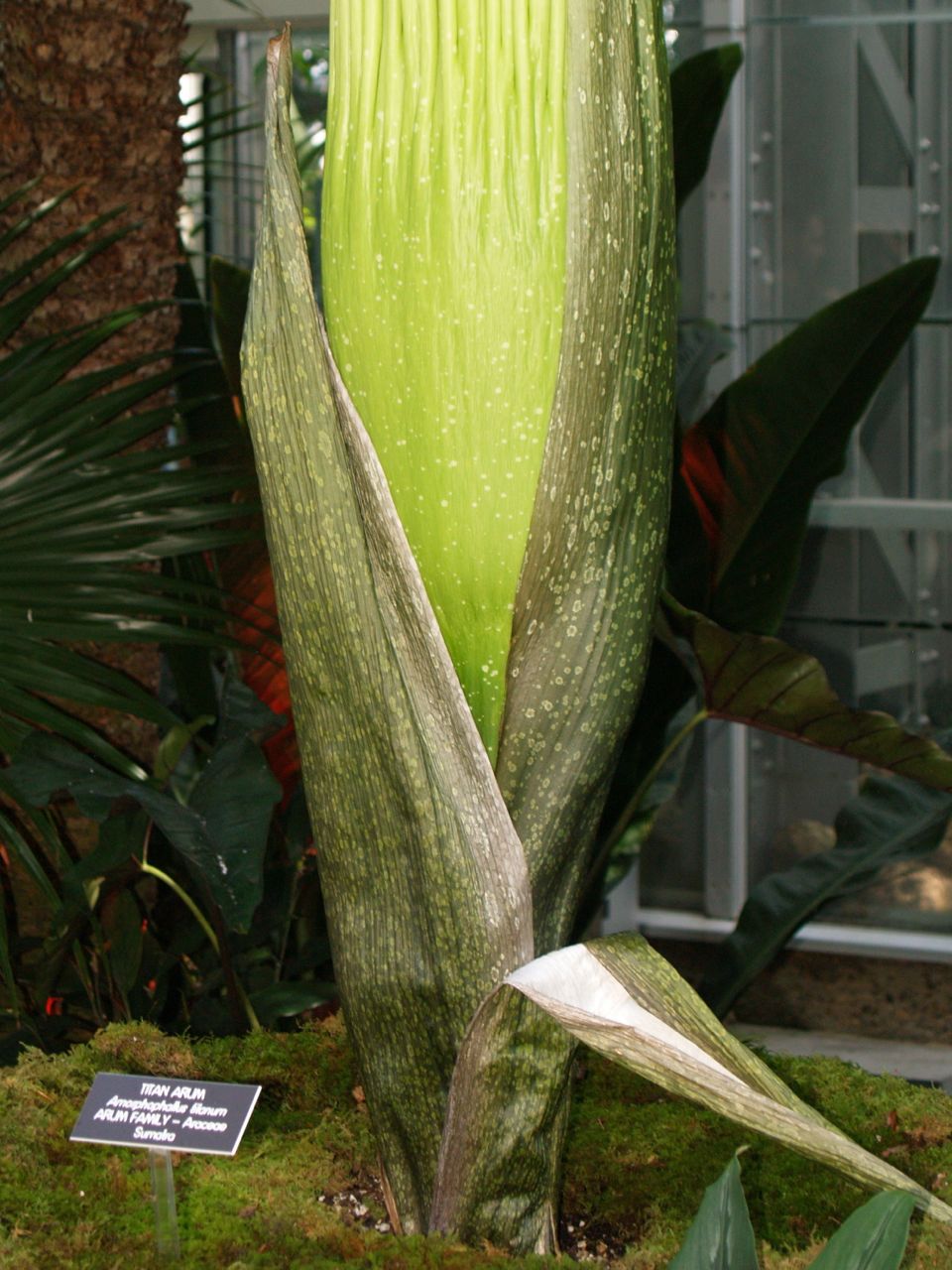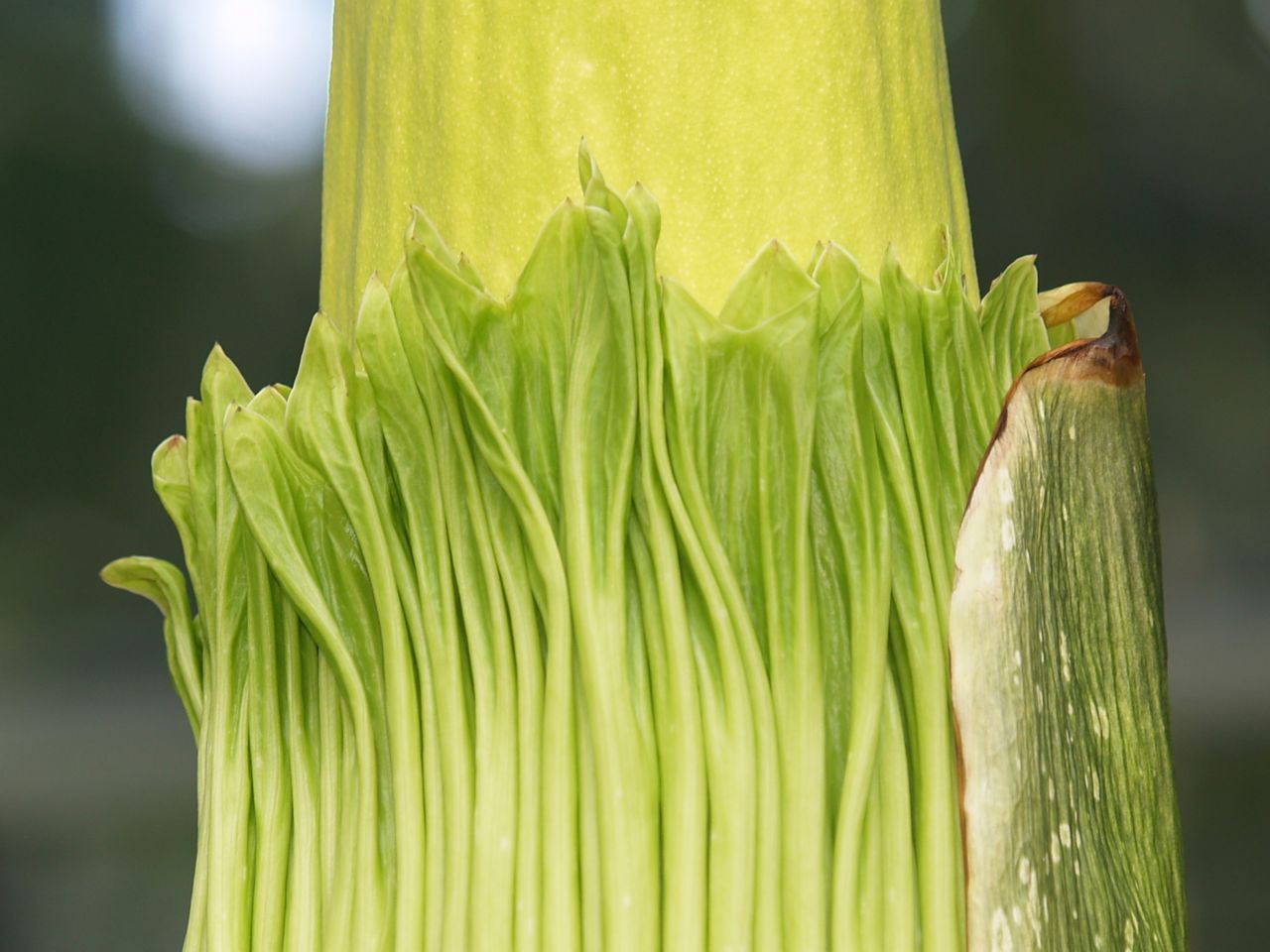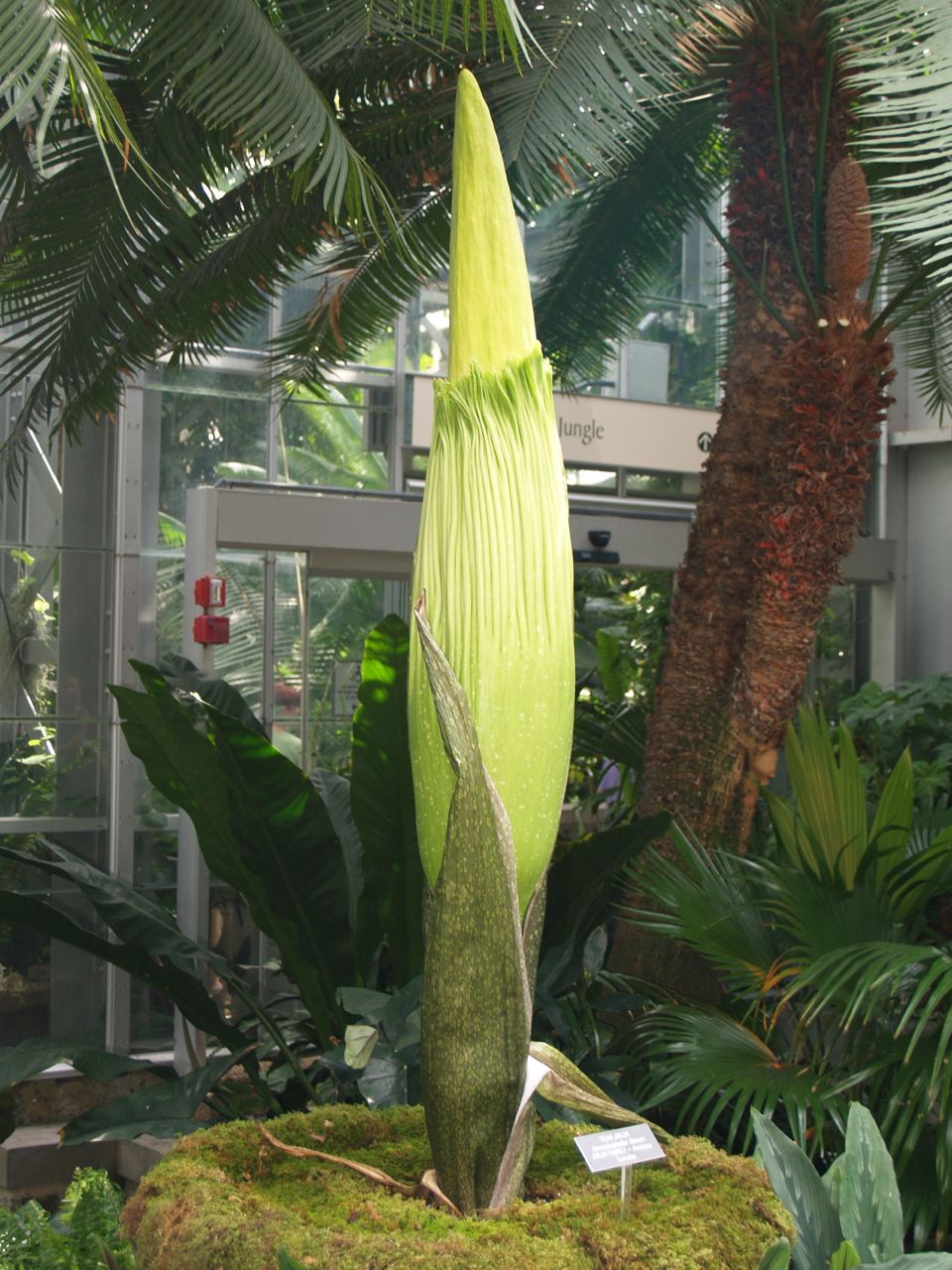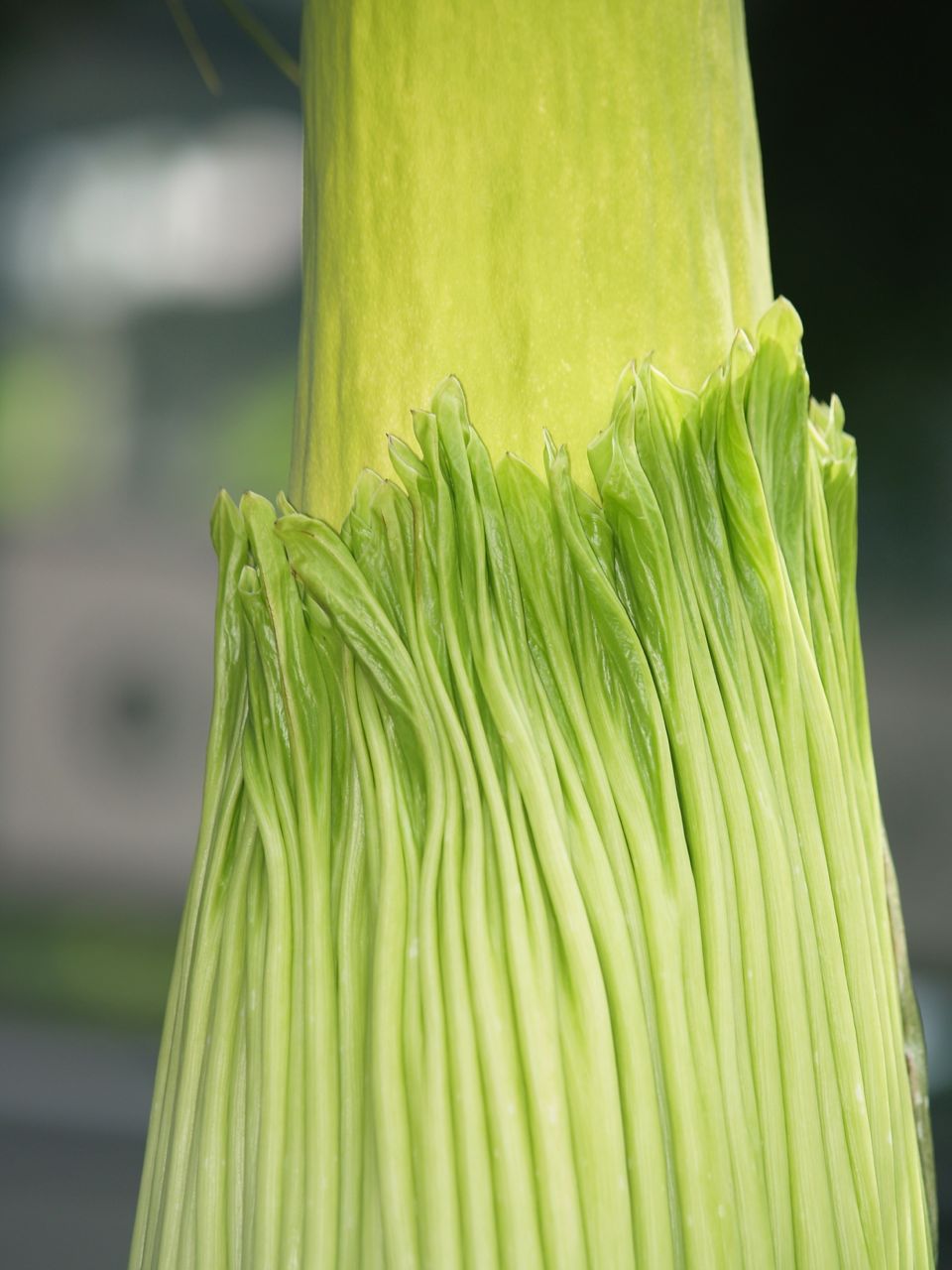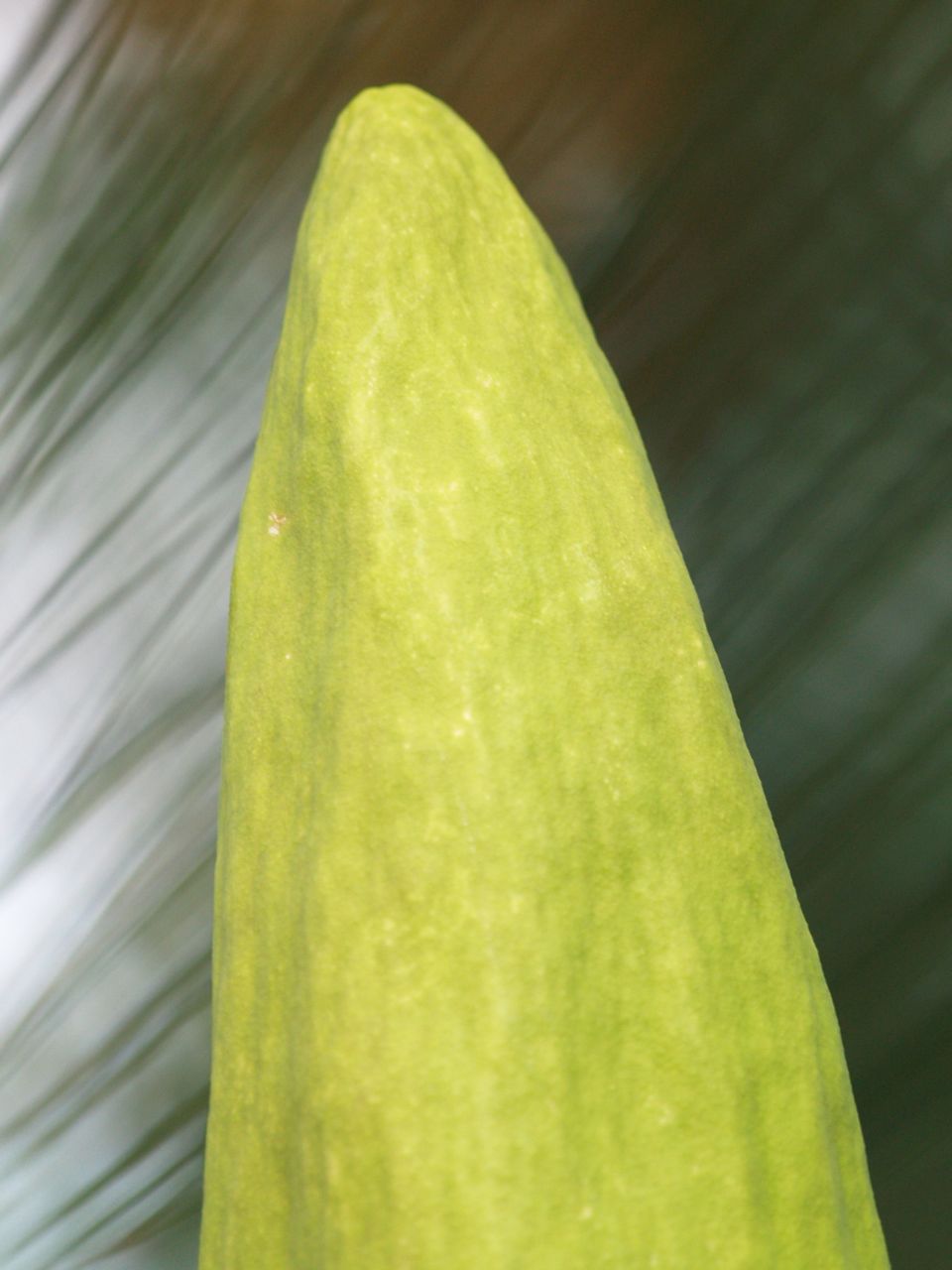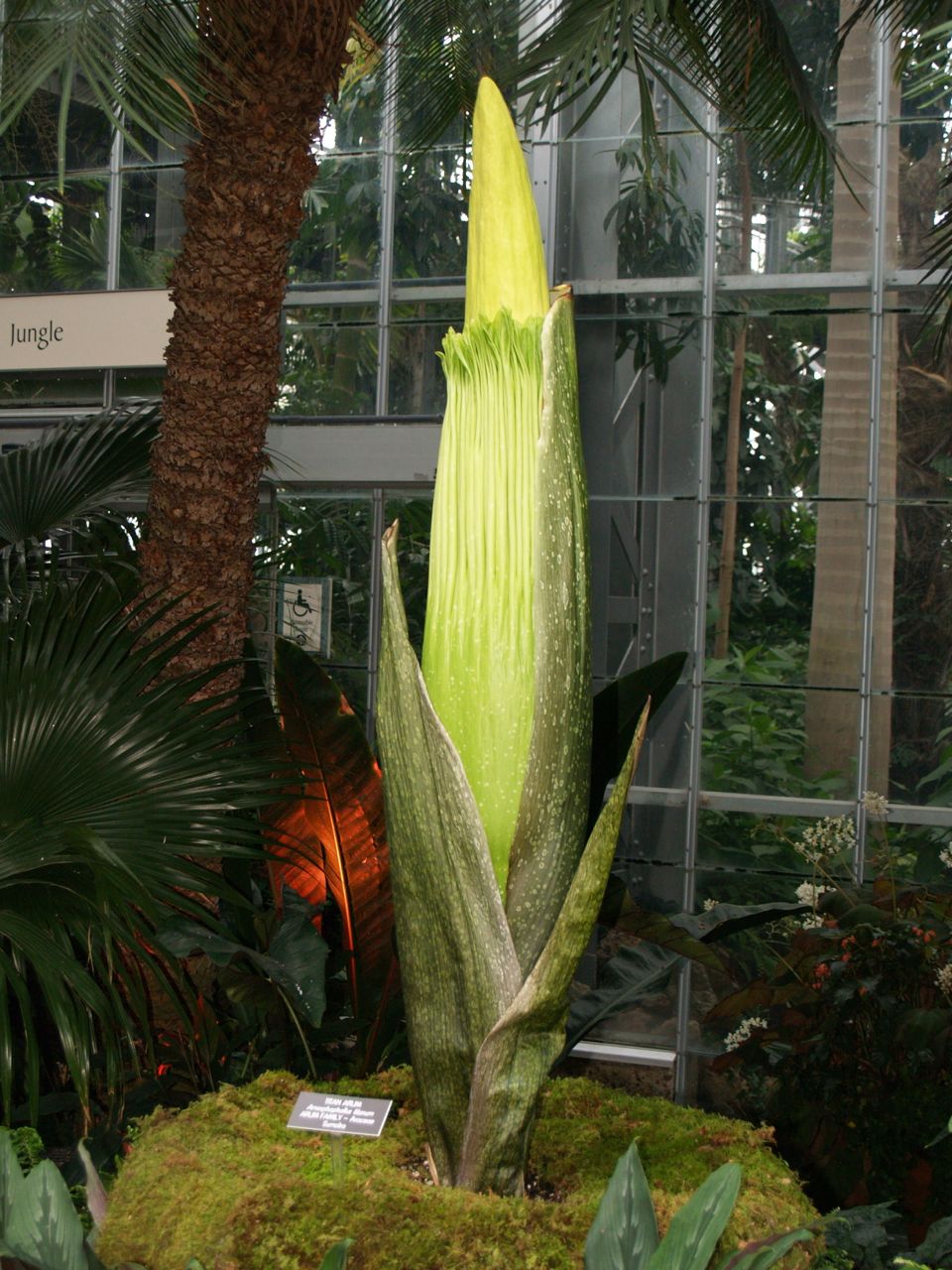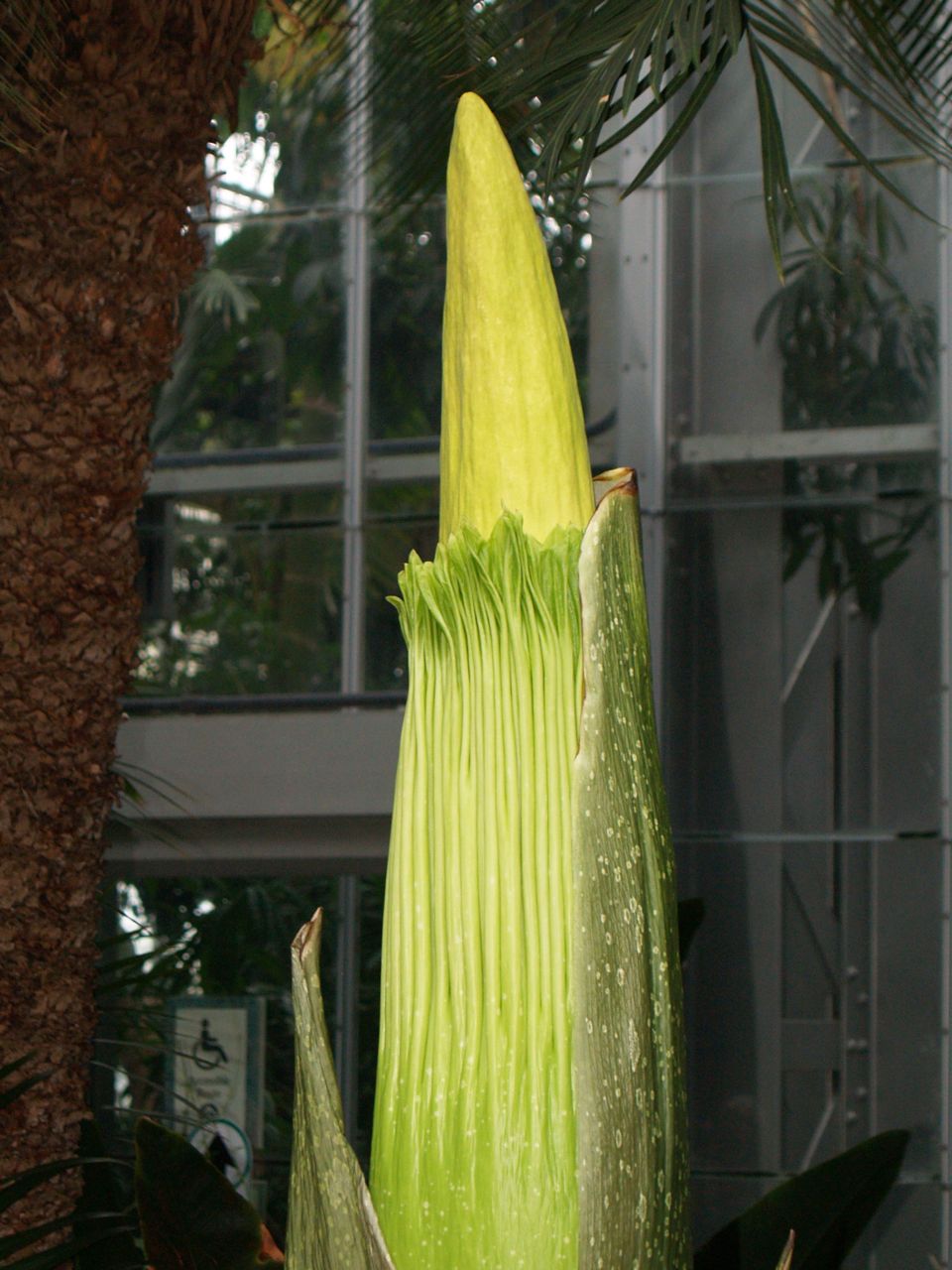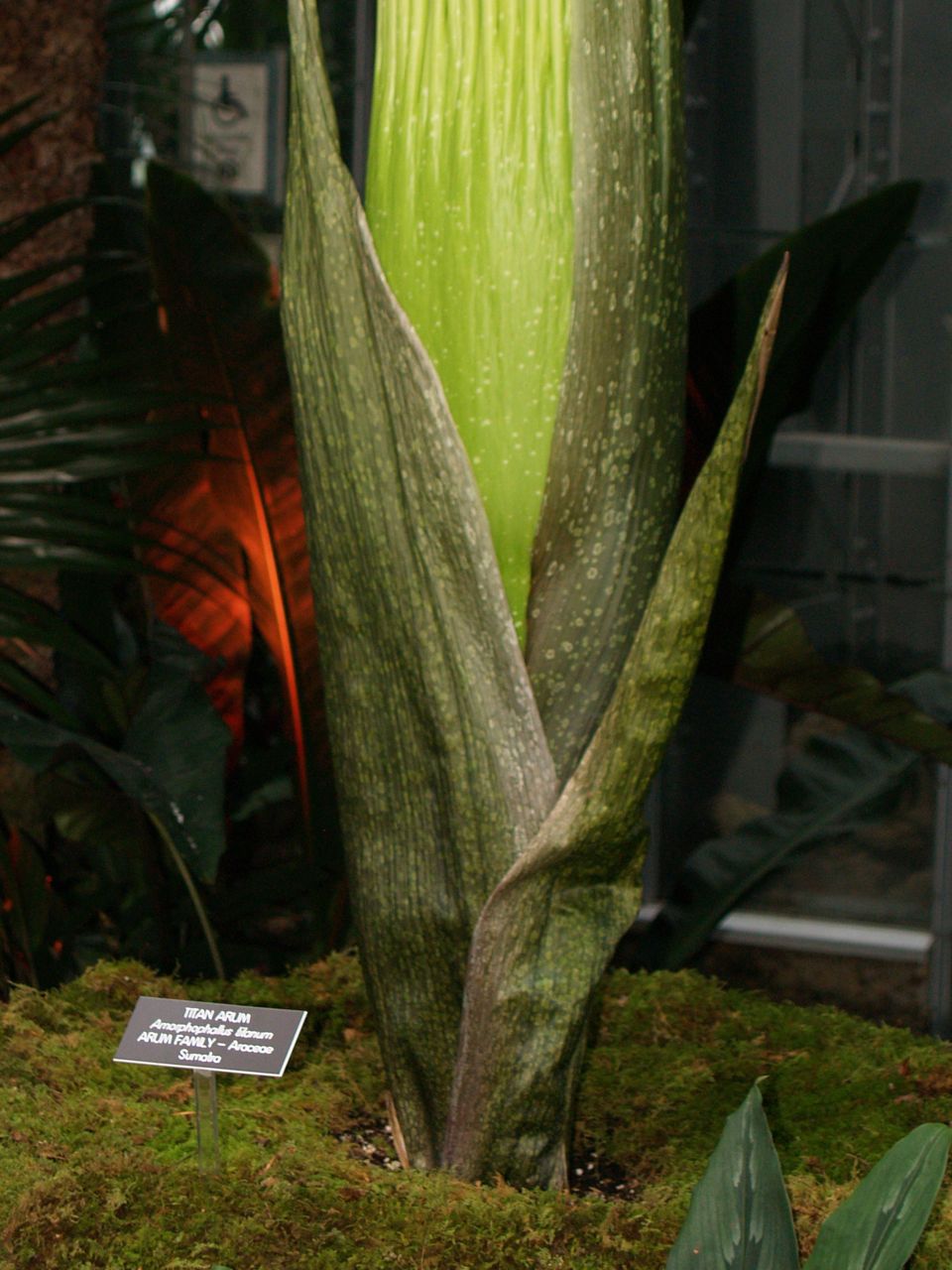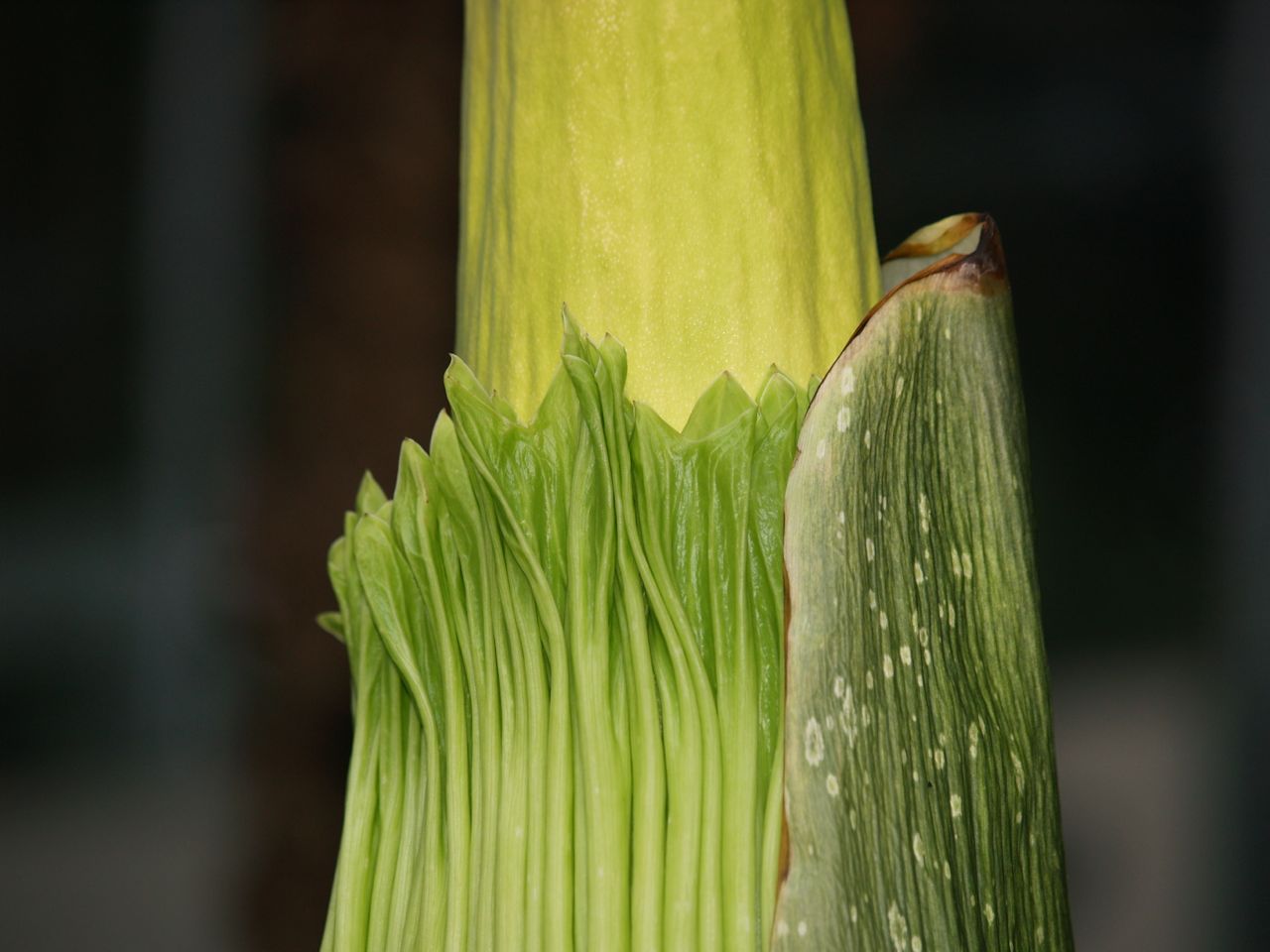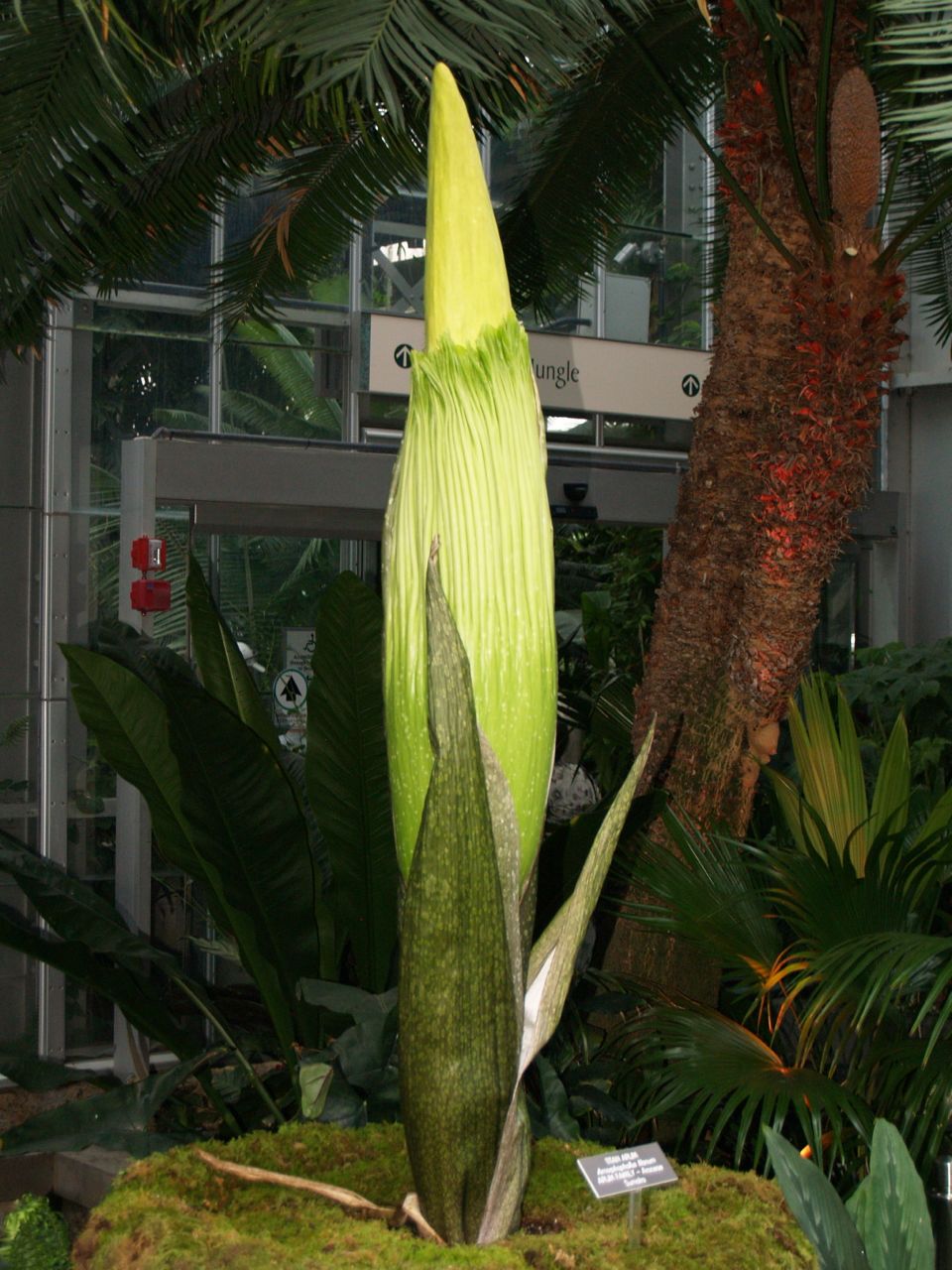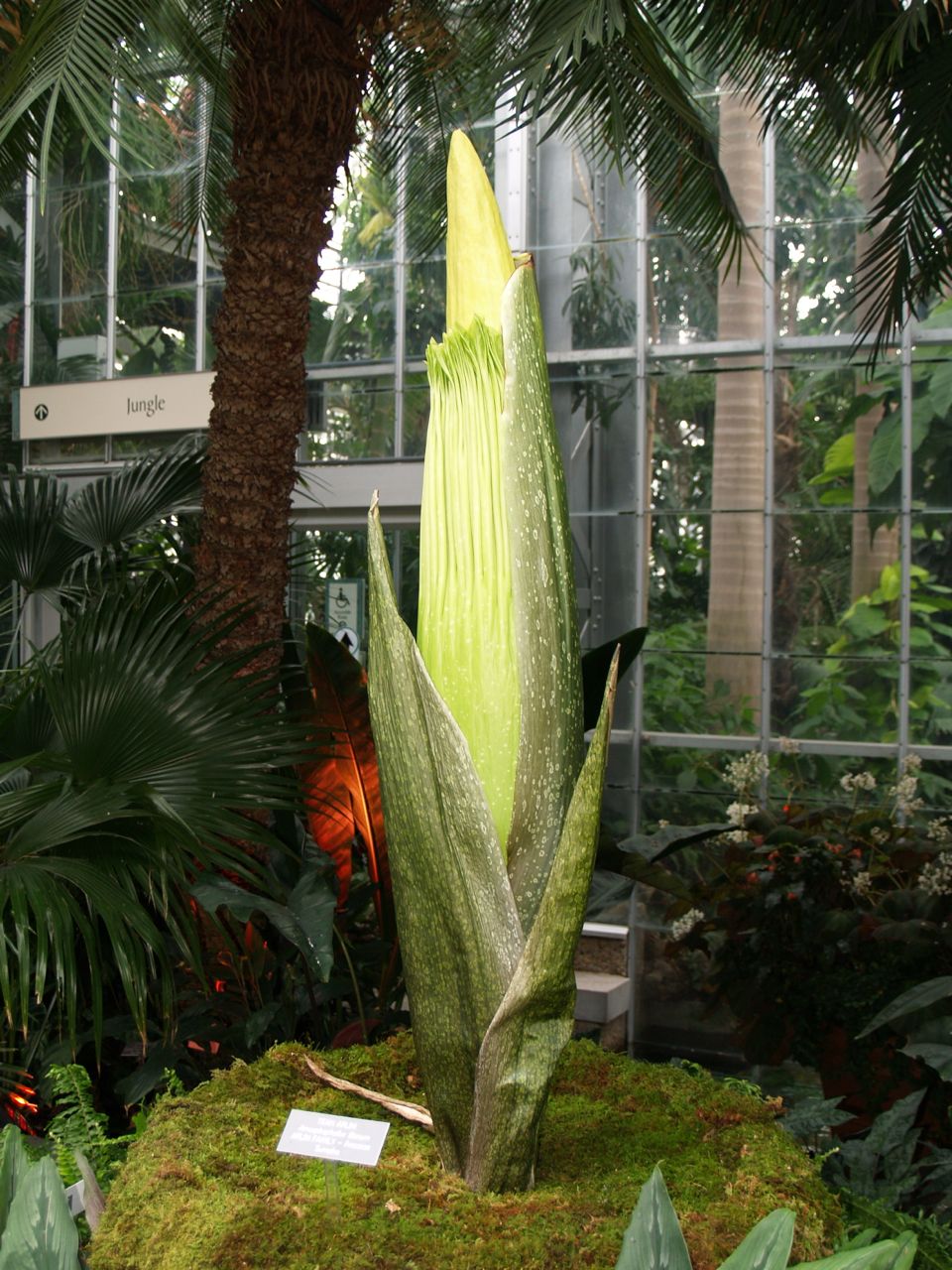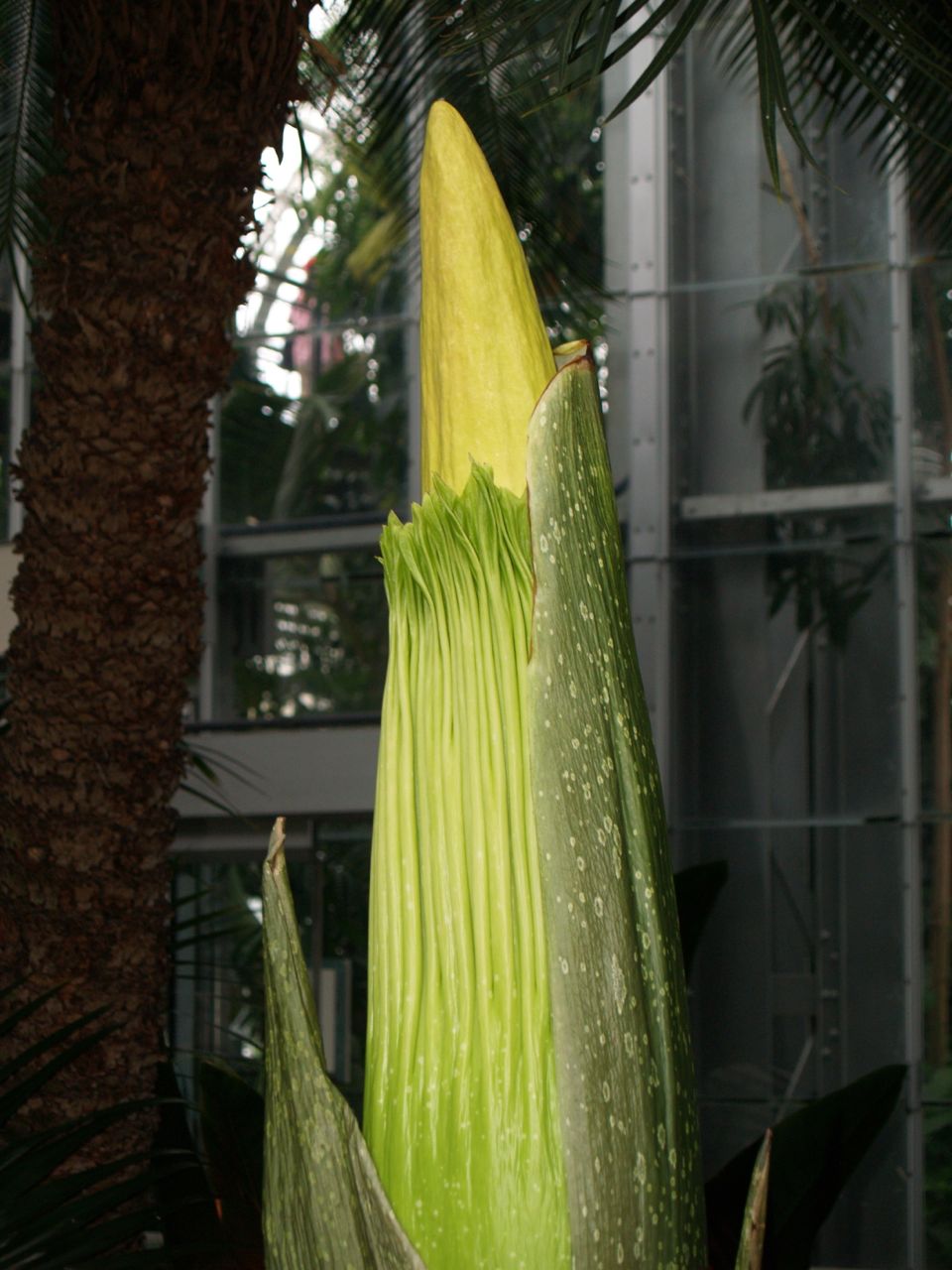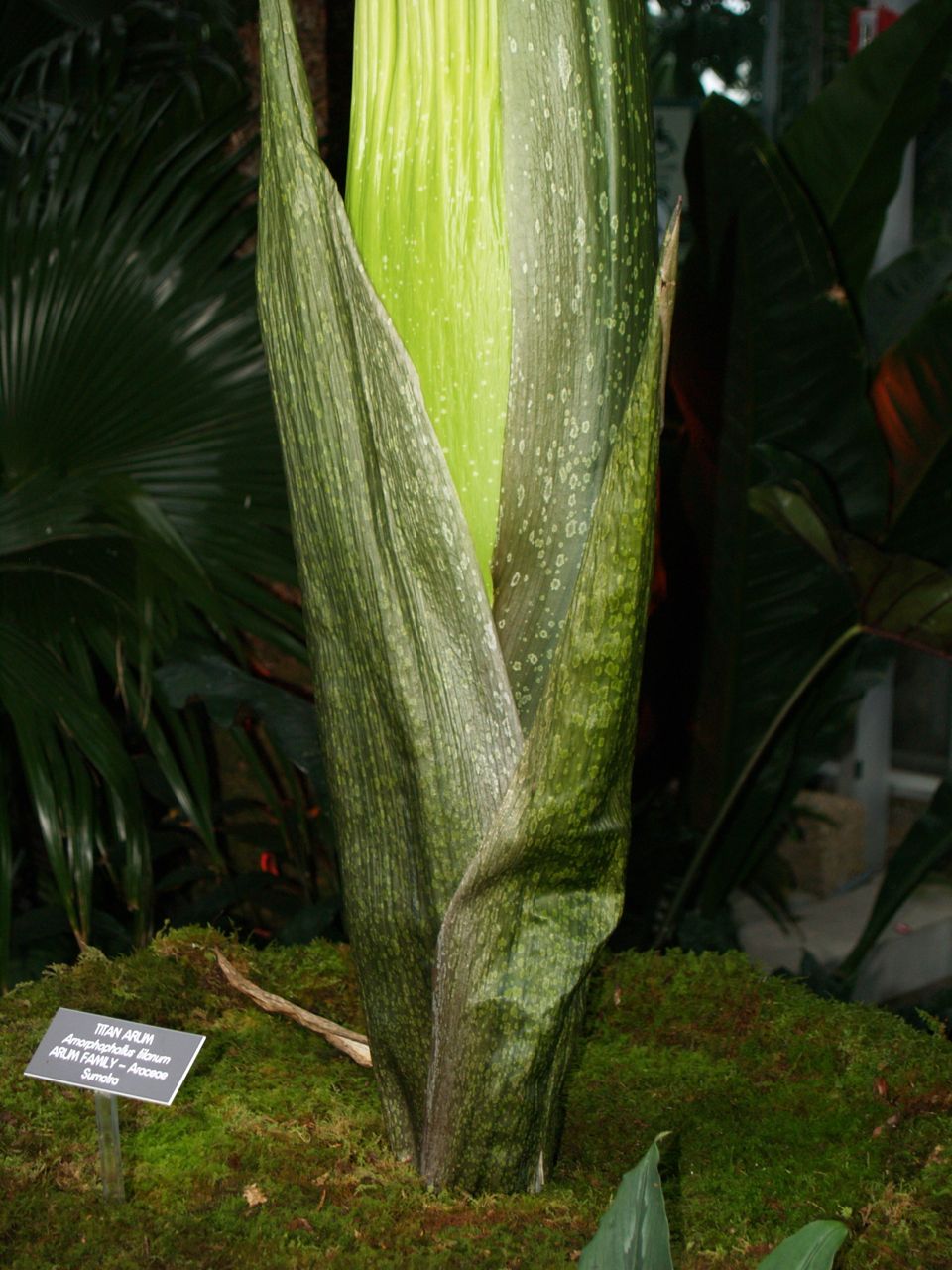
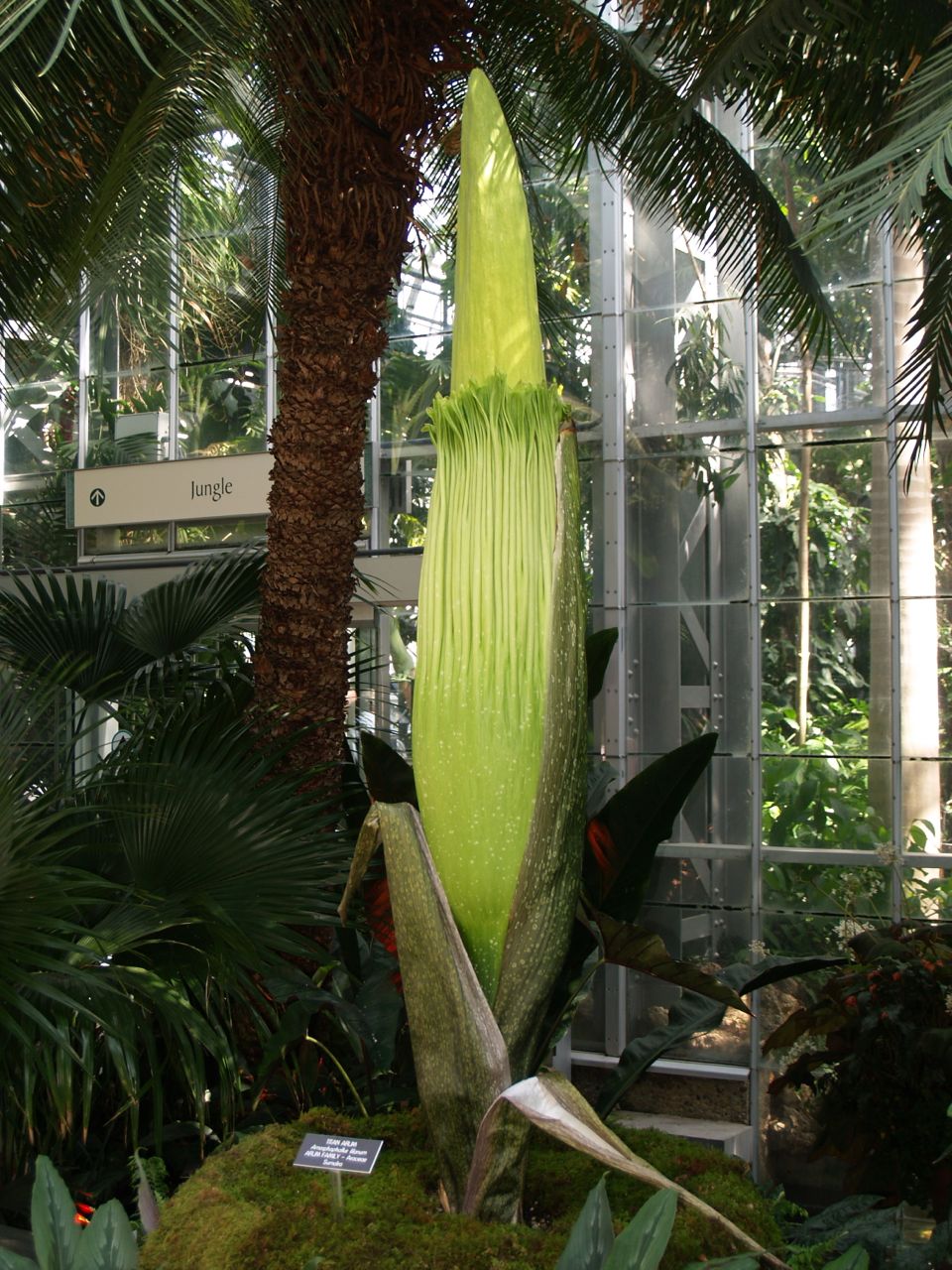
At this point, I think I may be competing for, if not winning, the title of Washington, DC’s most obsessed corpse flower fan. Everyday I visit the US Botanical Garden’s corpse flower and try to take photos from the same spots, so that I can compare to photos from previous day’s visits. To best see the changes, compare the photos below with my photos from July 11, July 12, and July 13. All the photos below were taken from approximately the same locations as yesterday with the exception of the final photo of the very top. I changed locations with it because the light was giving me trouble, especially for the top, which is rather featureless. The clearest changes are still with the green petals that covered the spathe. In the first photo below, the green petal on the left is now falling. Yesterday it was upright at an angle. The green petal on the right side has now shriveled to about two inches or so below the spathe fringe, which is another inch or two below where it was yesterday. The spathe fringe seems to be as tight to the spadix as before. As for what most people seem to most curious about, the smell, there still is no smell.
Category Archives: Nature
USBG Corpse Flower: July 13
My photographic coverage of US Botanical Garden’s corpse flower continues. To best see the changes see my photos from July 11 and July 12. Once again, I have tried to take photos from a similar vantage point as before to better examine the changes. The first five photos in this post are taken from close to the same place as July 11 and 12. The last two are photos from new views than posted before. The front green petal seen in the first photo has almost completely collapsed, but on July 12 it was upright at an angle. The tallest green petal is clearly collapsing and is one of the most visible changes. On July 11, it reached about three inches above the spathe fringe, on July 12, it reached only about one inch above the spathe fringe, and today it even with or slightly below the fringe.
Updated to add: As I keep getting asked this, there is no smell yet. My understanding is that it only starts to smell or stink after the spathe opens. The smell attracts pollinators such as carrion beetles that like that smell. The pollinators only need to be attracted once the spathe opens, and the flowers that are hidden by the spathe are accessible.
USBG Corpse Flower: July 12
My obsession with photographing the US Botanical Garden’s corpse flower continues. My photographs from July 11 can be found here. I have tried to post photographs from a similar location as yesterday, so the changes can be seen easier. Today I stood in front of it looking at my photos from yesterday on my phone using the background as reference to try to view it from the same angles. I could definitely see changes. The fringes of the spathe (the section that will unfold and form the false “flower”) appear to be as tightly wrapped around the spadix (yellow-green middle spiky section) as yesterday, perhaps having loosened just a tiny bit. However, the green petals that covered the spathe have definitely moved further away from it. [Note: If I have named any of these parts wrong, I would appreciate it if someone would correct me. I am pretty sure I have spathe and spadix correct, but I don’t know if petals are the correct name for the green parts at the base.]
The below photo was taken on July 12 and added to blog post on July 13. I am adding it because I am posting a similar photo on the July 13 blog post, and this photo can then be used for comparison.
USBG Corpse Flower: July 11
The United States Botanical Garden (USBG) has a corpse flower otherwise known as titan arum (Amorphophallus titanum) that is currently in the process of blooming. It is called a corpse flower because when it blooms it smells rather bad, supposedly like rotting flesh. Corpse flowers bloom rather infrequently, as in a few years to a few decades apart. The one currently in bloom at USBG is about seven years old and has never bloomed before. Once a corpse flower is in full bloom, the bloom only lasts 24-48 hours.
I have always wanted to see a blooming corpse flower, so I got really excited when I found out that there is one in town. I took a few hours off today, so I could go see it. I plan to go down there everyday if possible to take photos of it. If you are interested, check back for updated photos.
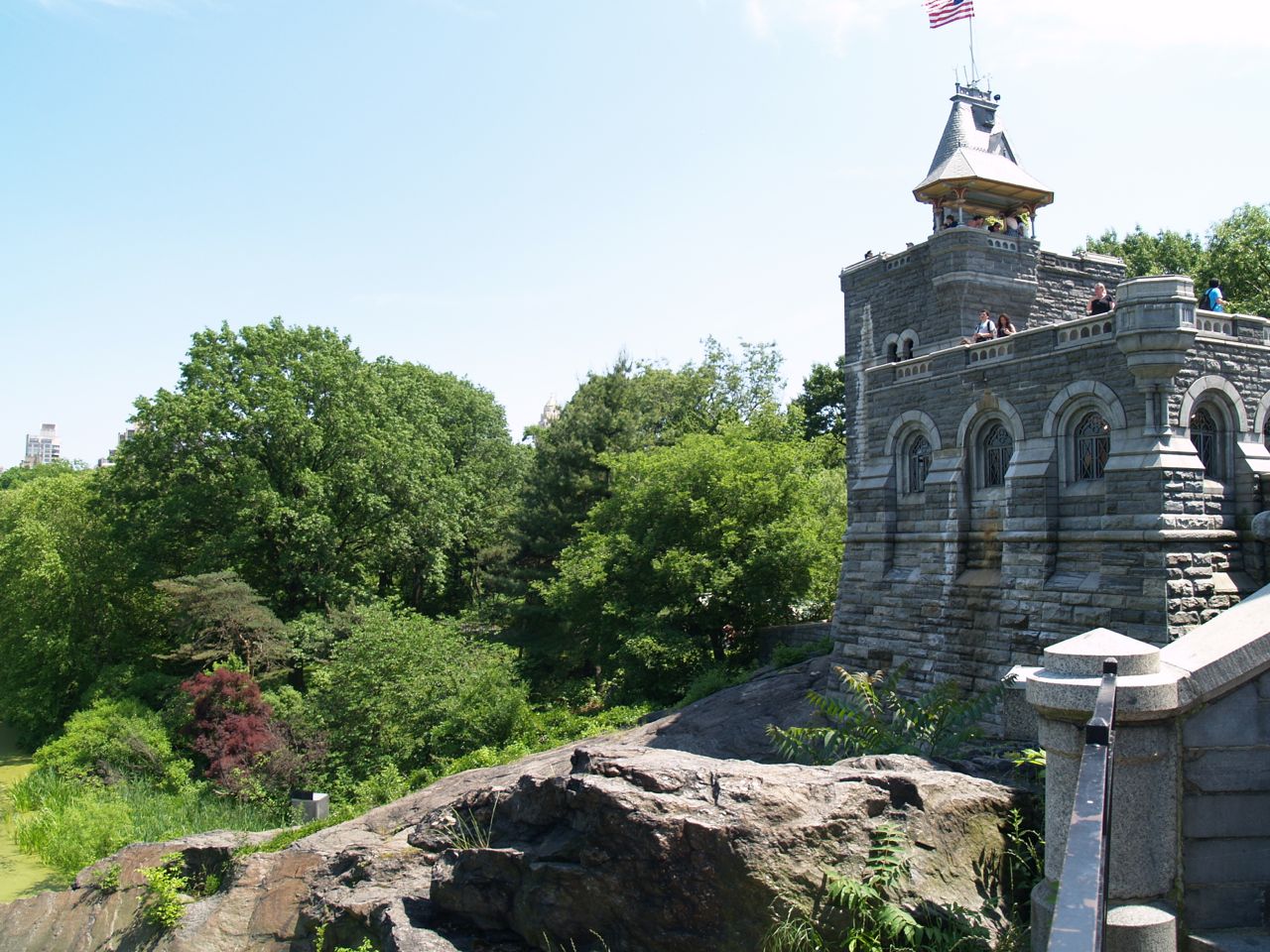
Central Park in June
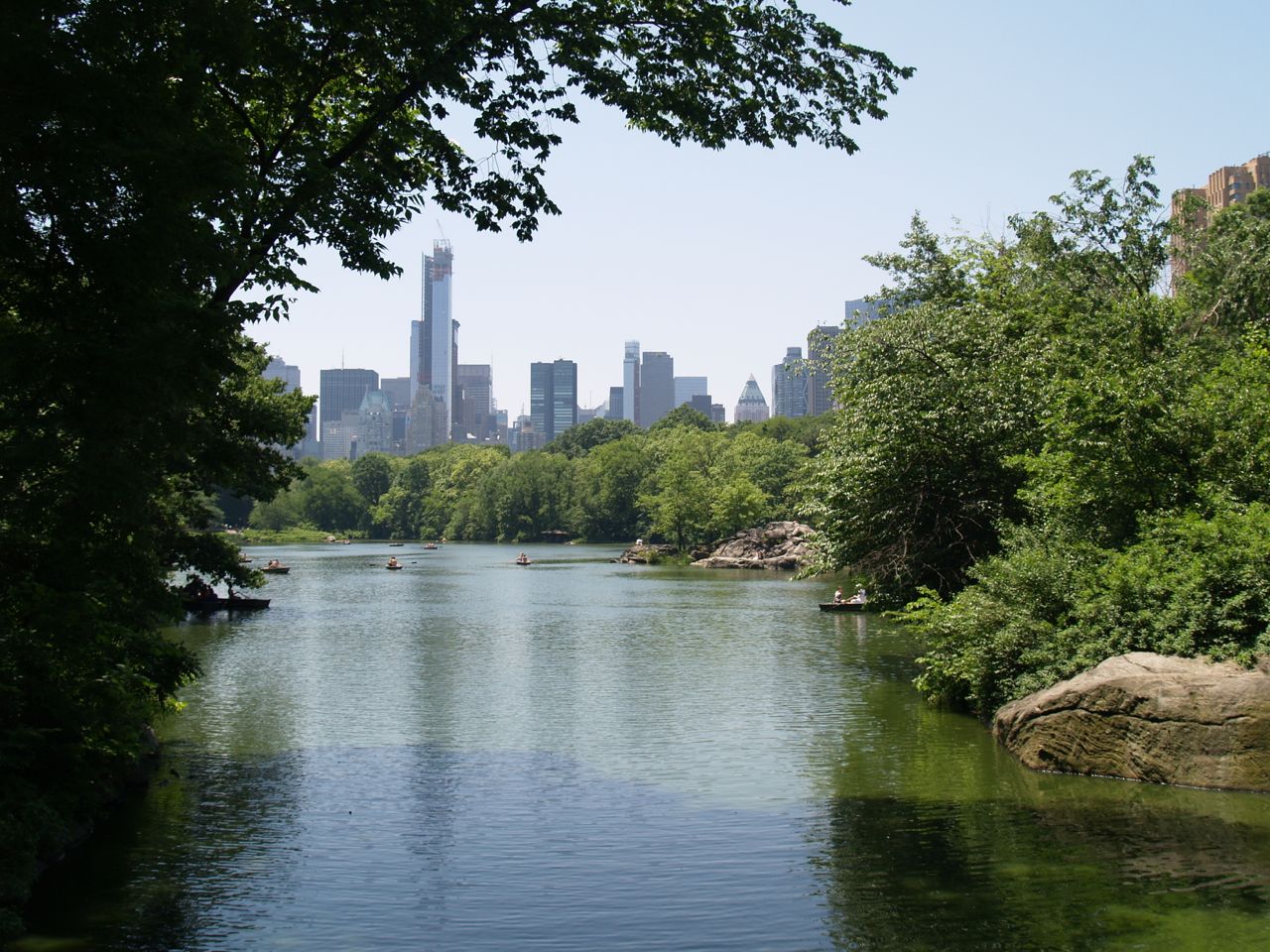
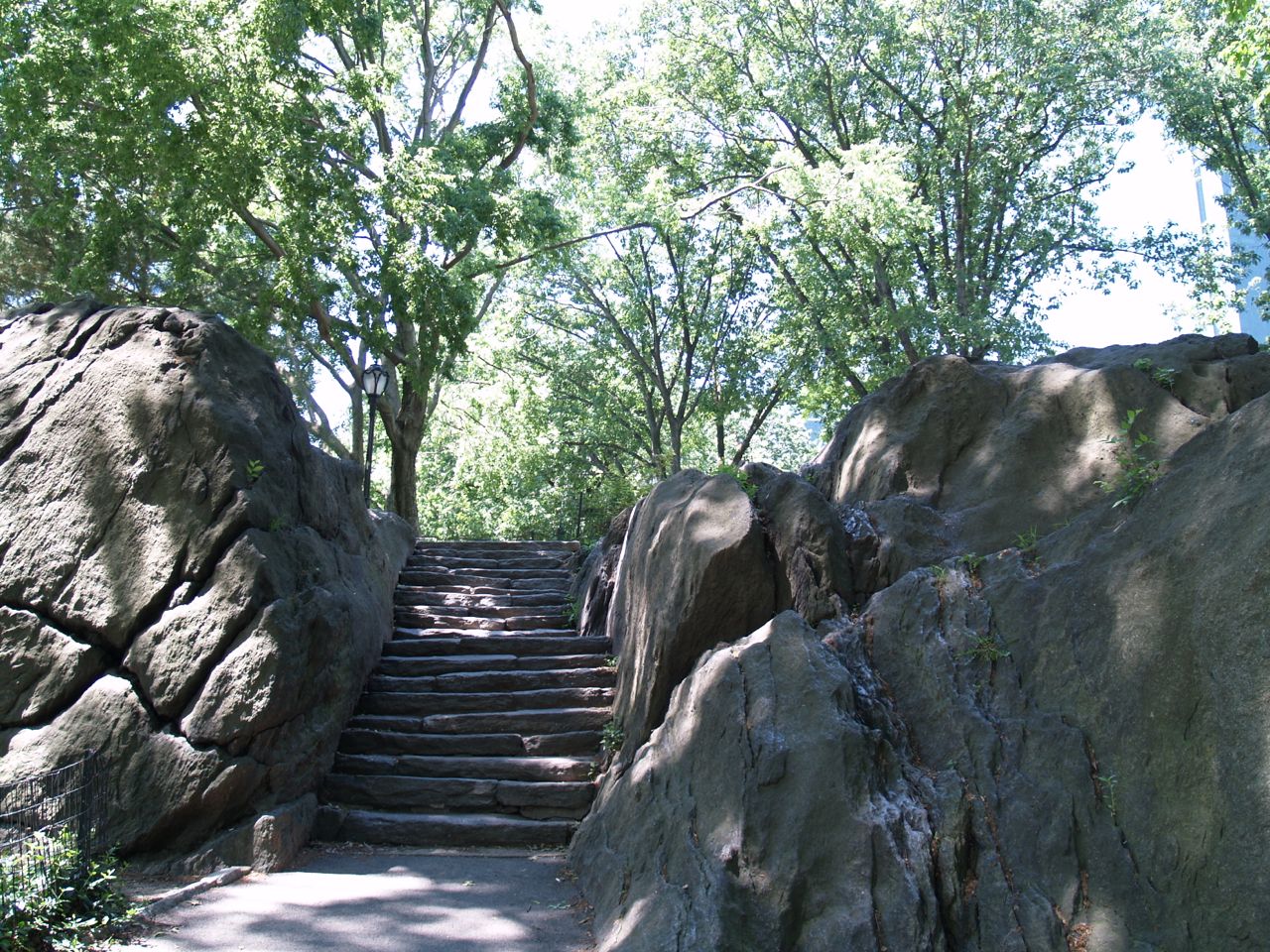
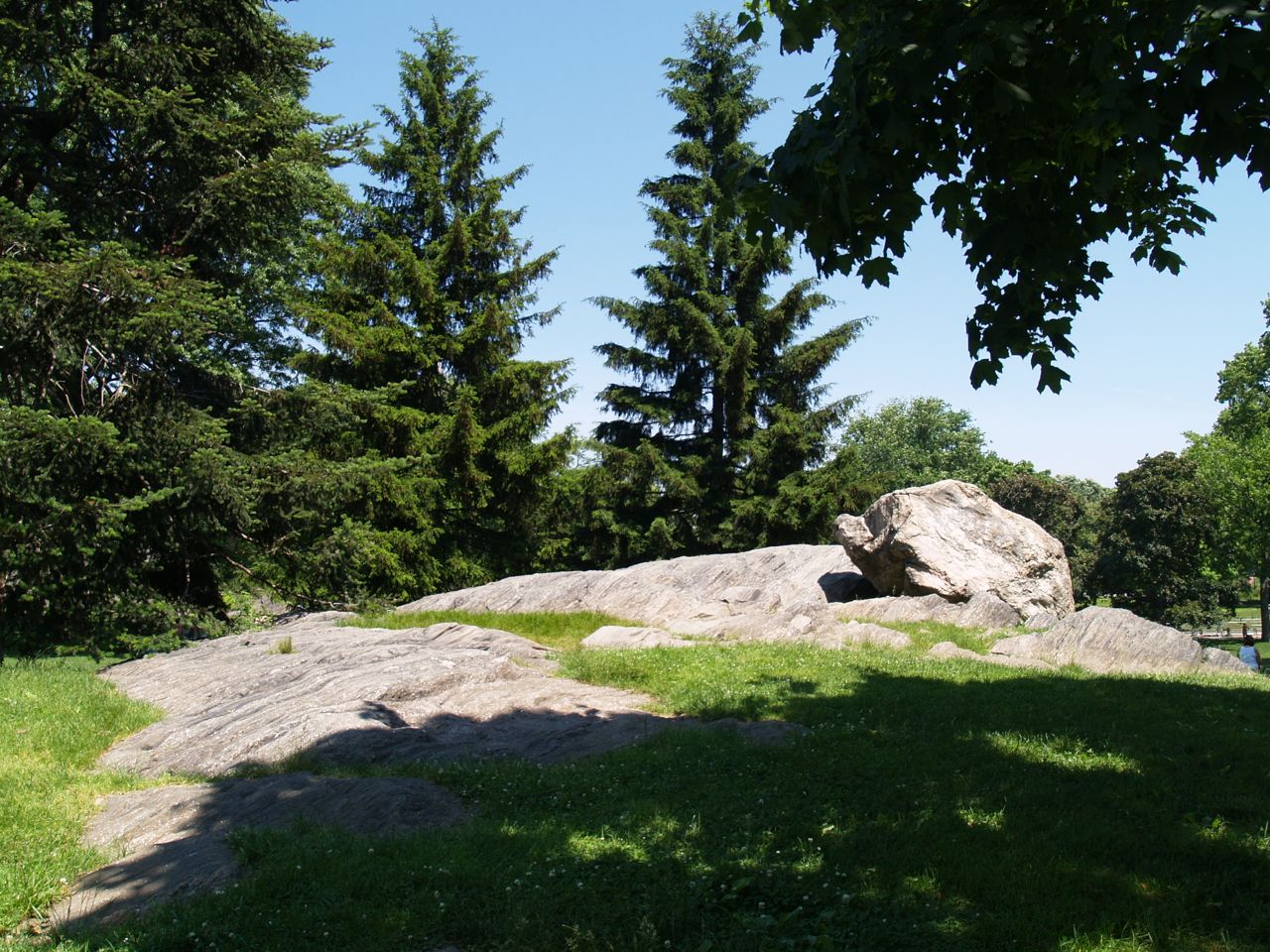
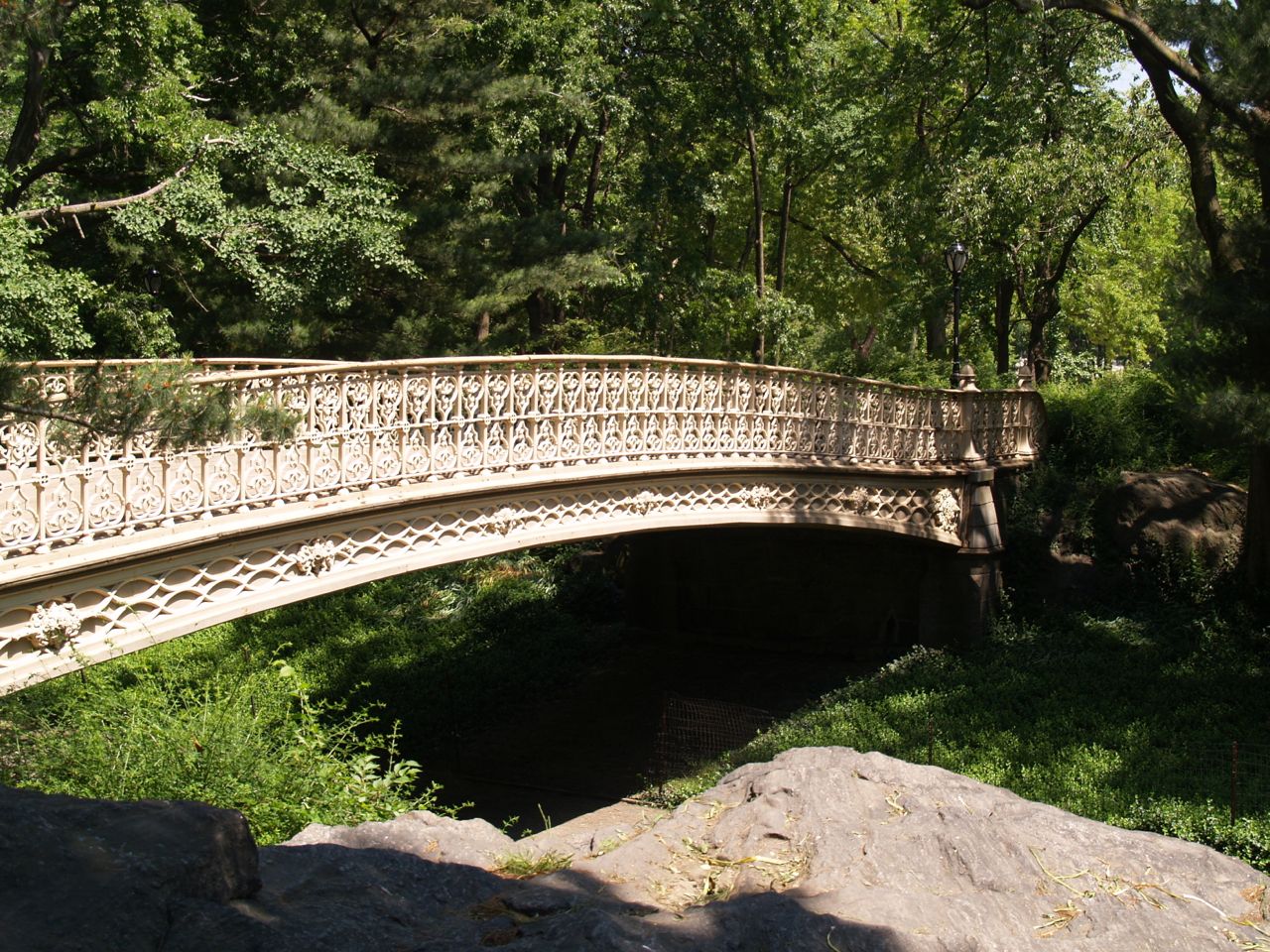
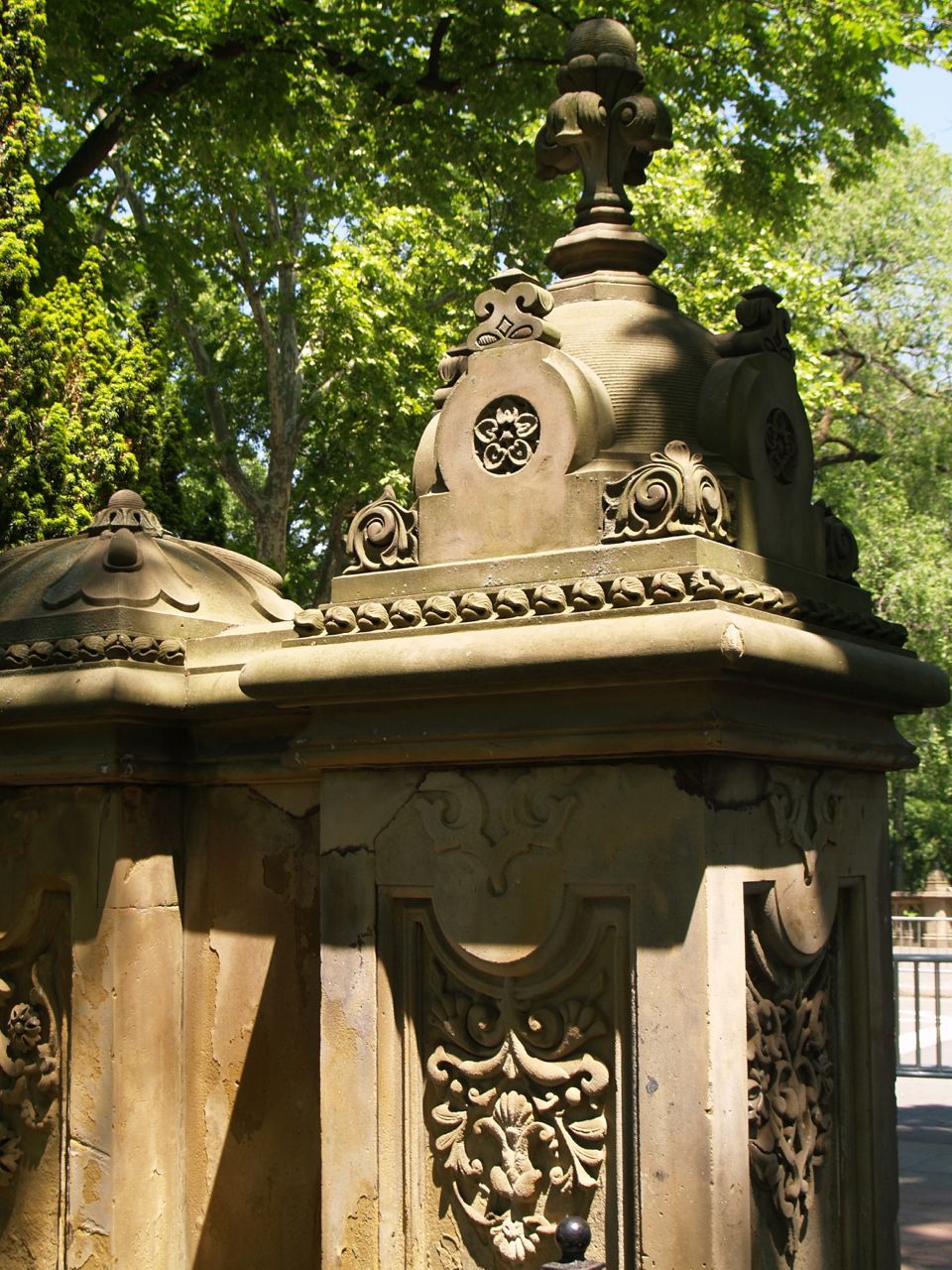
I love New York City’s Central Park. Then again, I suppose anyone who has ever been there loves it. I spent part of my recent trip to New York wandering around Central Park. Here are a few photos from my visit.
Central Park Turtle Who Loves Being Photographed
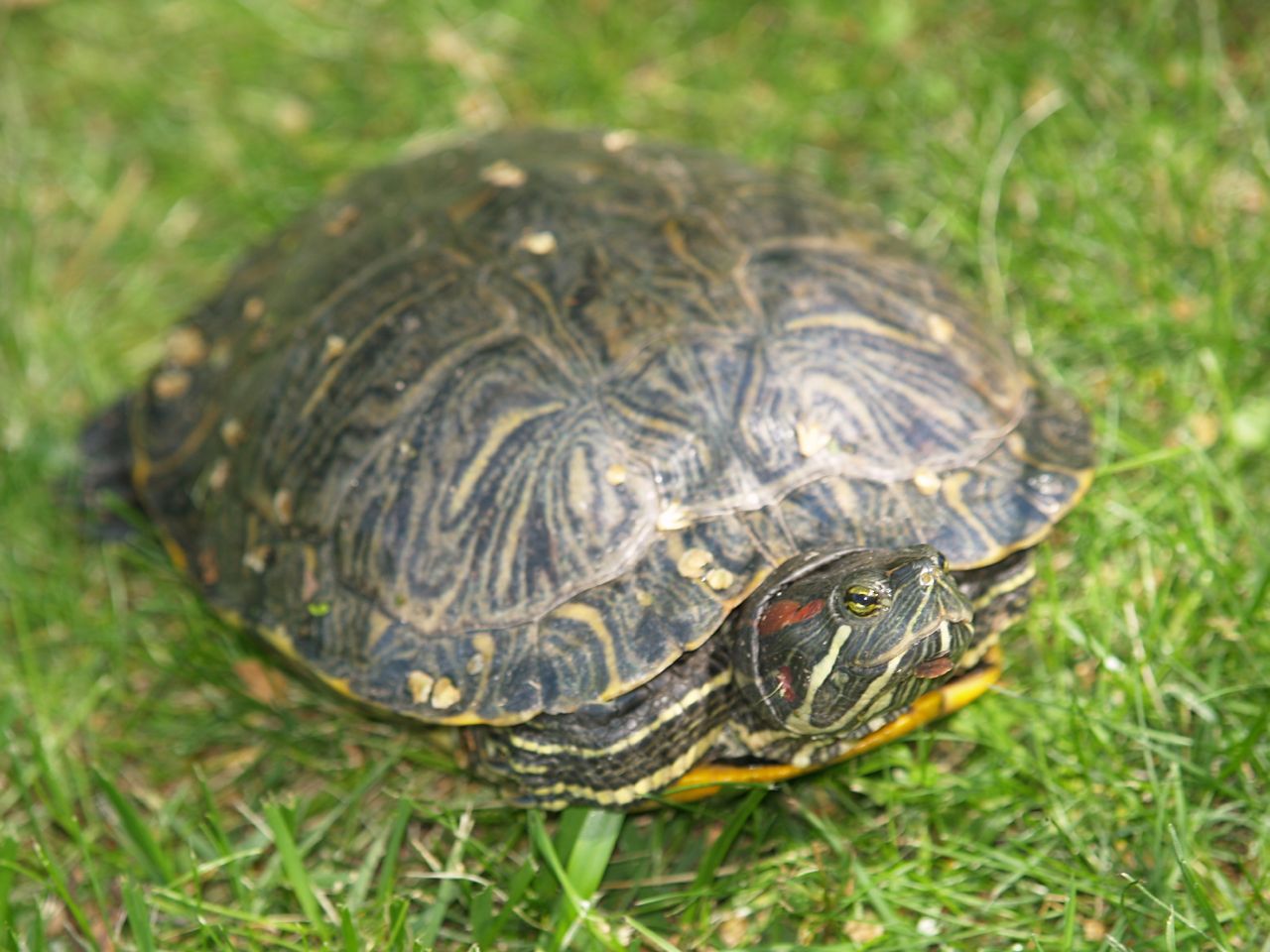
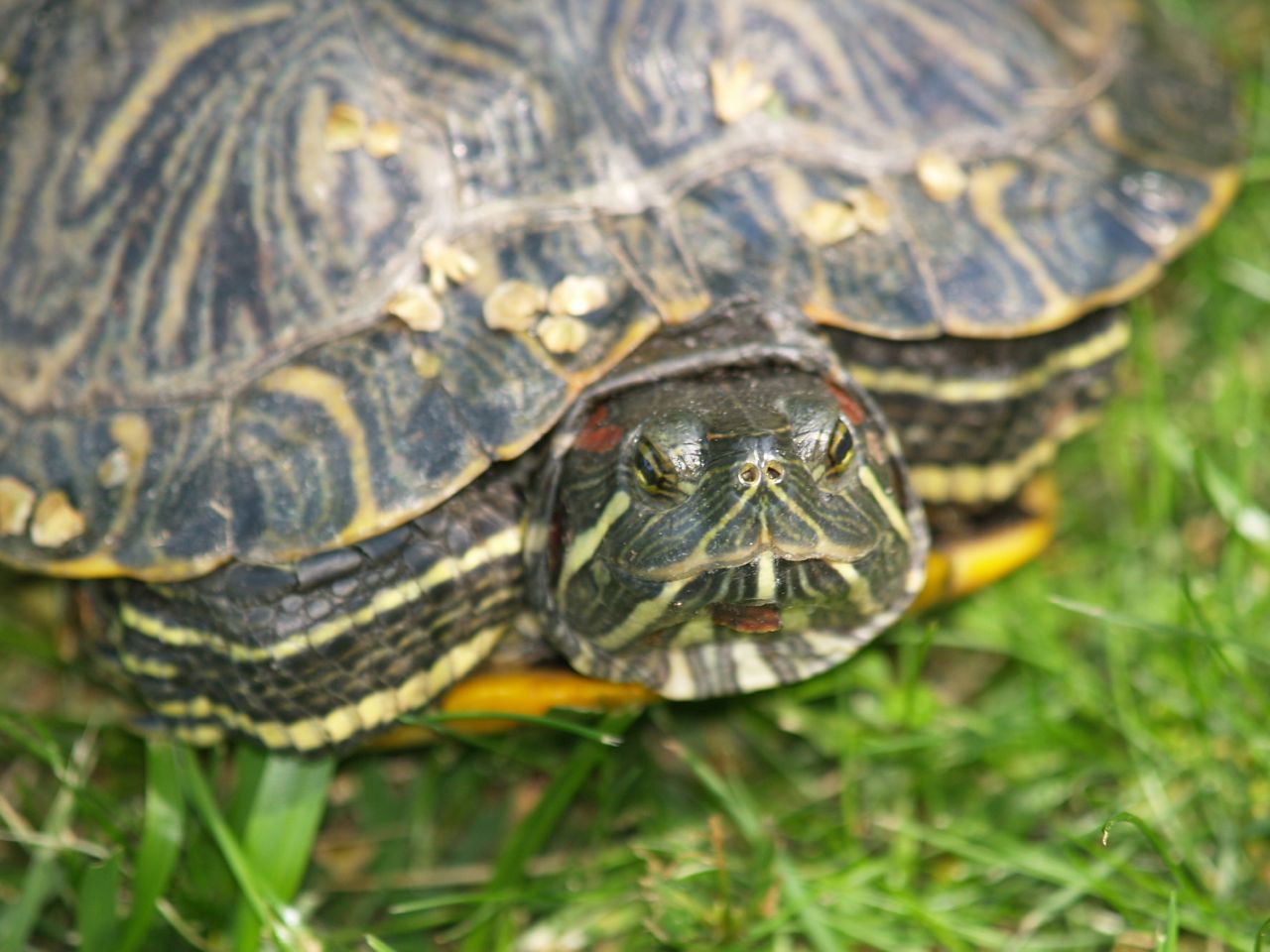
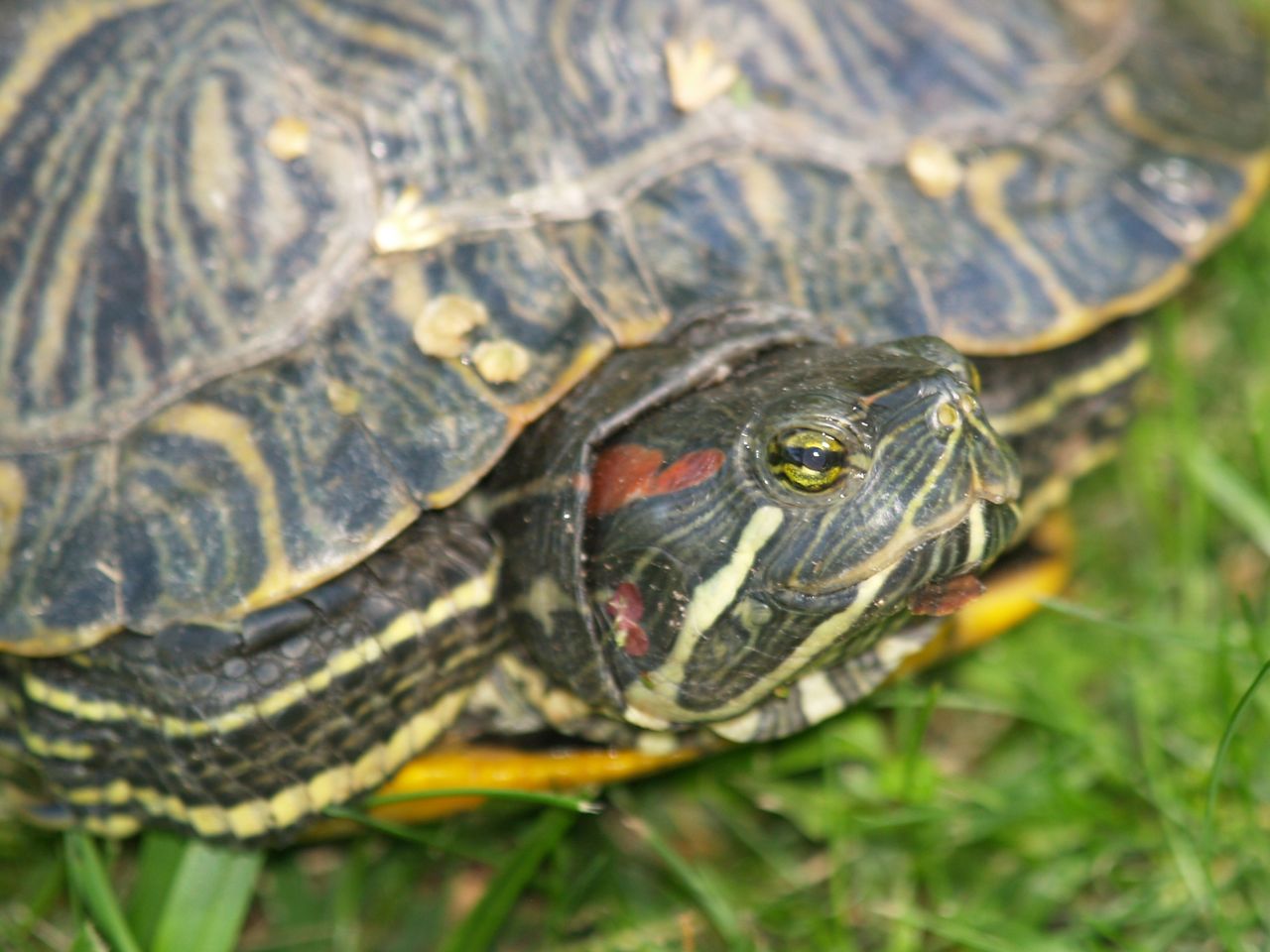
Wandering through Central Park yesterday, I encountered this turtle. He was in the grass right off of the Turtle Pond within a foot of the fencing to protect either the grass or wildlife or both. He totally wanted his photo taken. He just sat there while people walked by and would helpfully turn his head a bit so that everyone could get his best side. Really though he was so cute, he had no worst side. Then when he had had his paparazzi fix, he walked slowly back to the water, knowledgable that at least one photographer (me) would post his photos in a blog post and at least two photographers (my sister and me) would post his photo to Twitter. Life is good when you are a turtle in Central Park.
My questions for the Internet are: Can anyone identify for me what type of turtle this is? And what is that thing beneath his mouth that kind of looks like a tongue?
Update: I’ve had a suggestion that it is red-eared slider (Trachemys scripta elegans), which appears to be correct based on photos and NYC Central Park’s website. Still not sure what the thing below his mouth is.

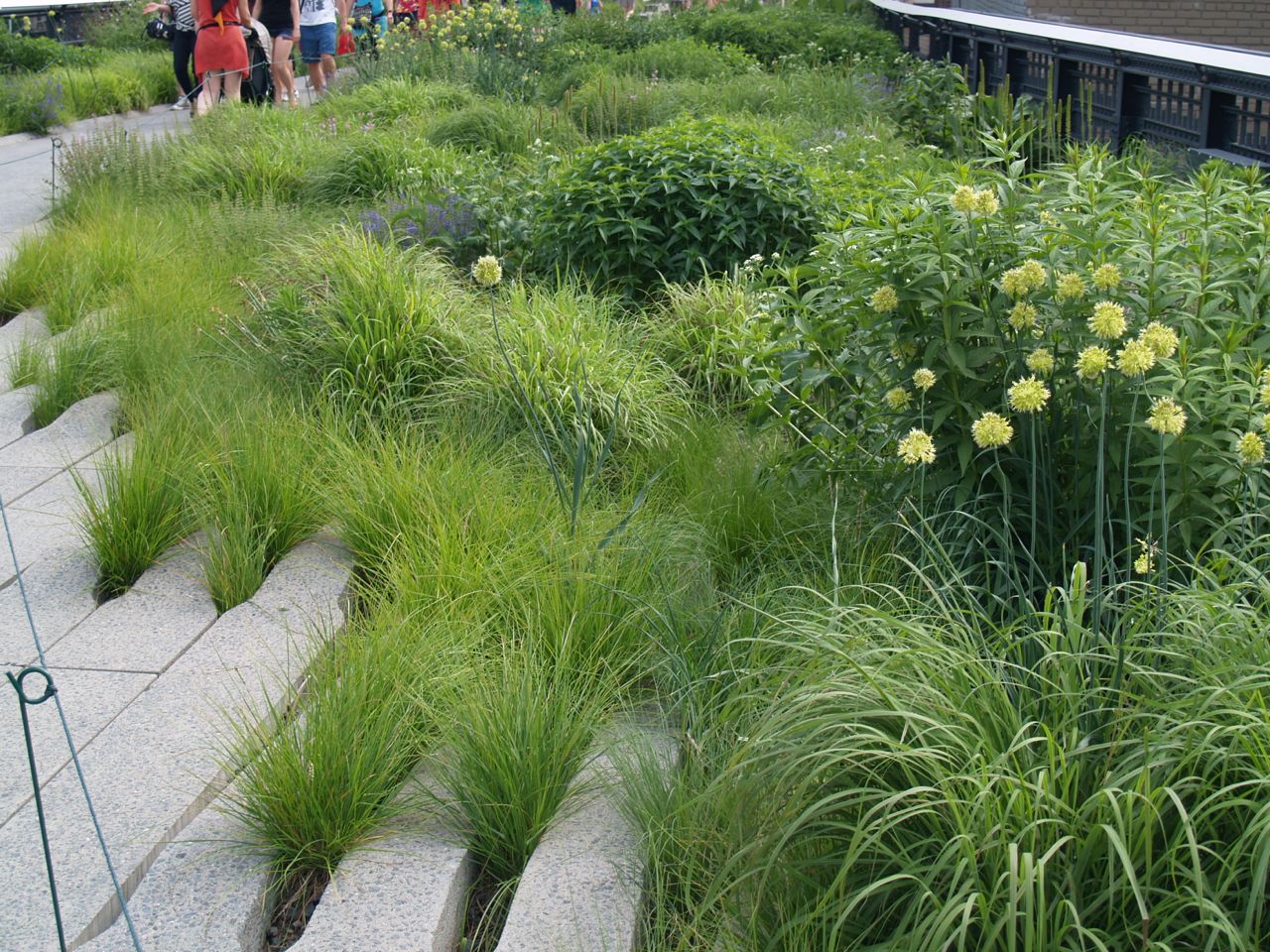
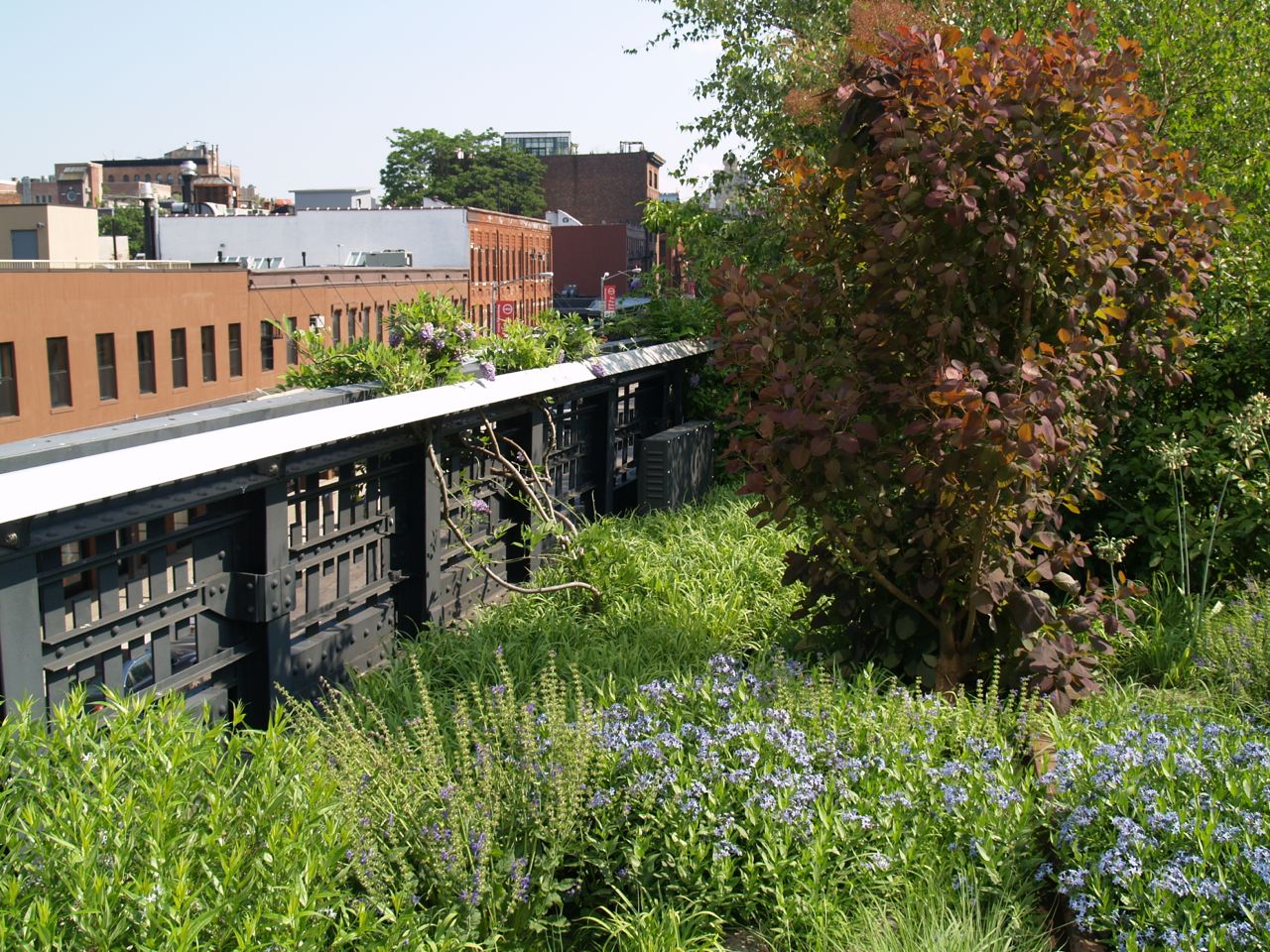
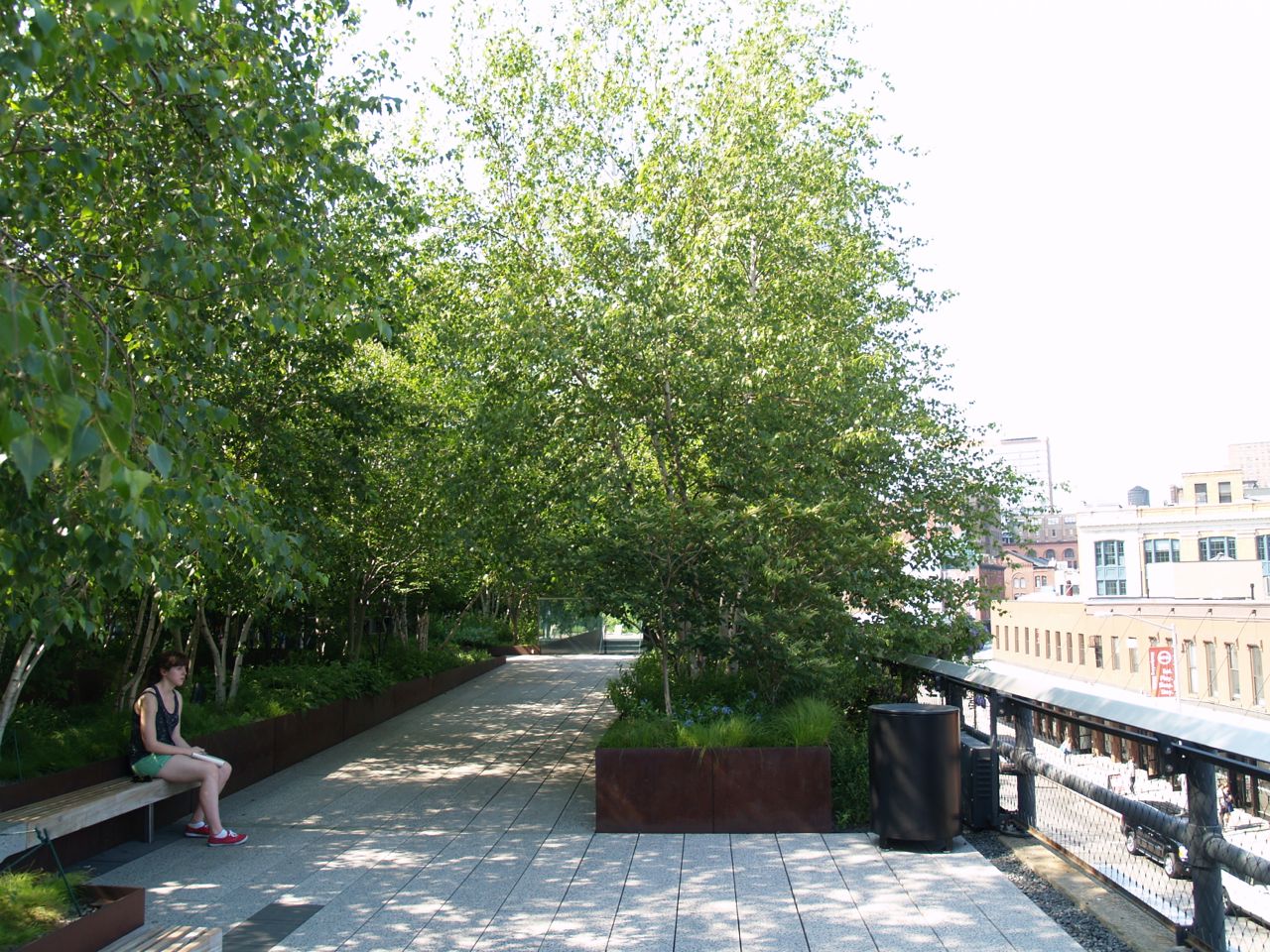
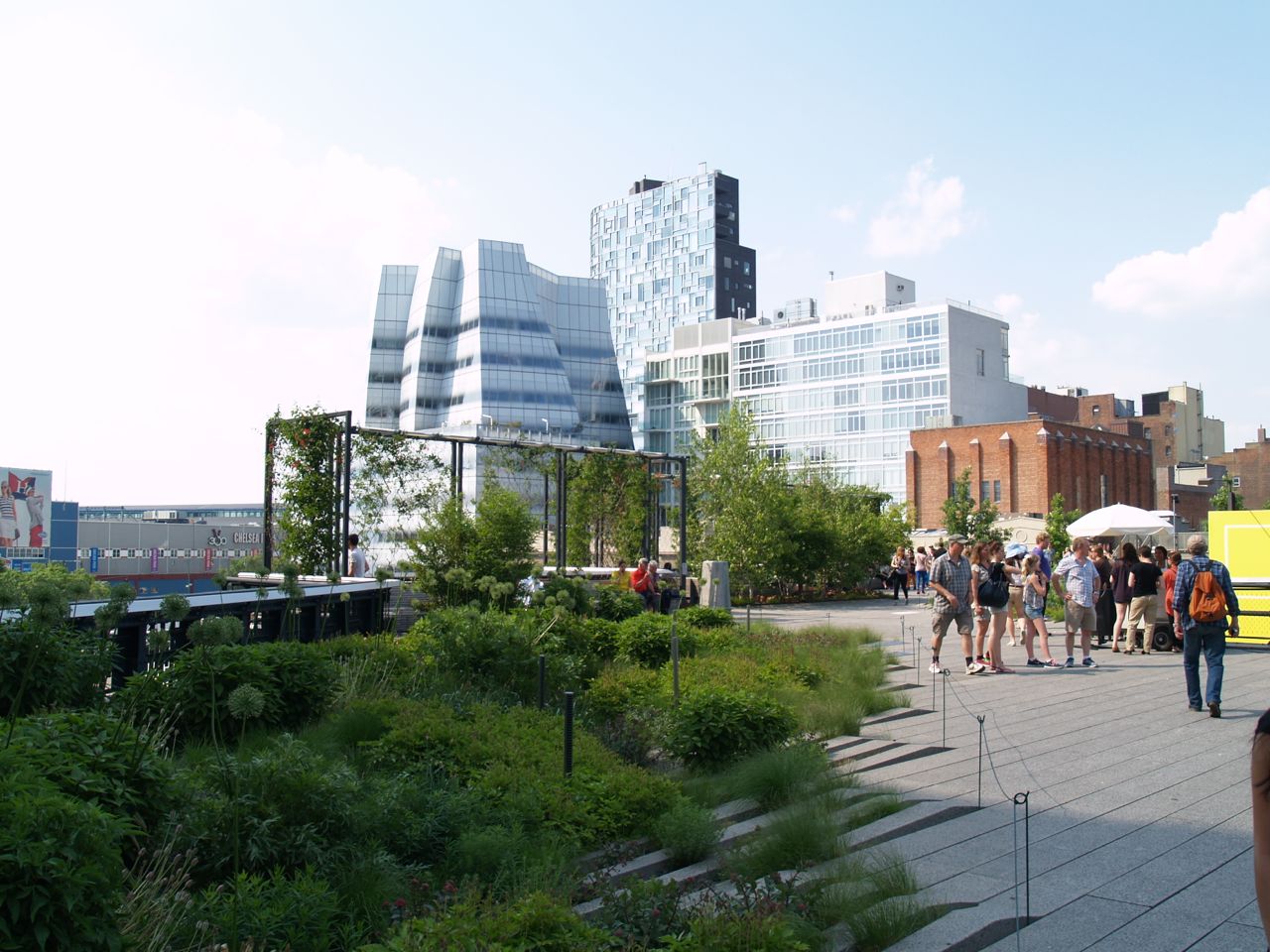
New York’s Highline Park in Bloom
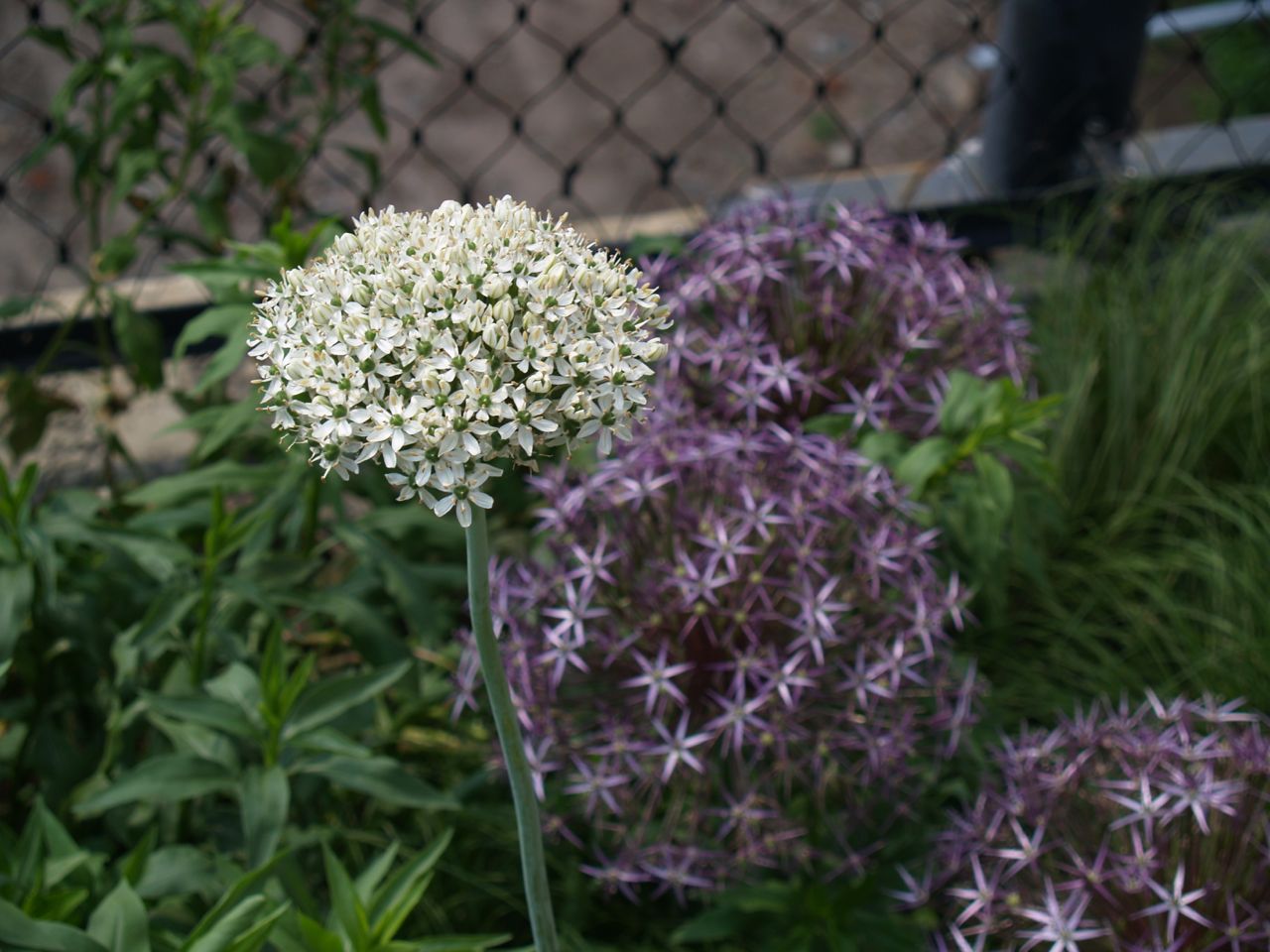
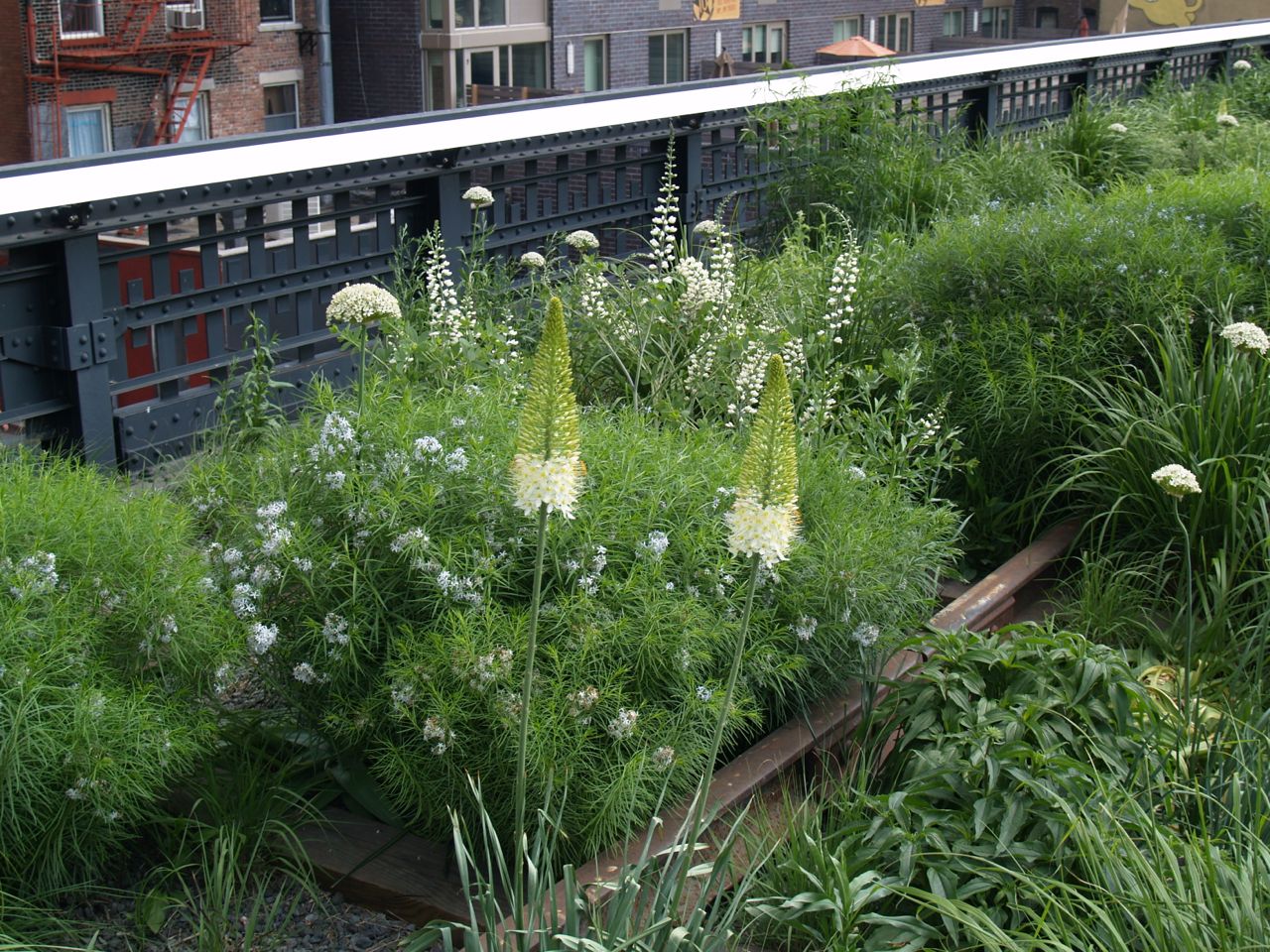
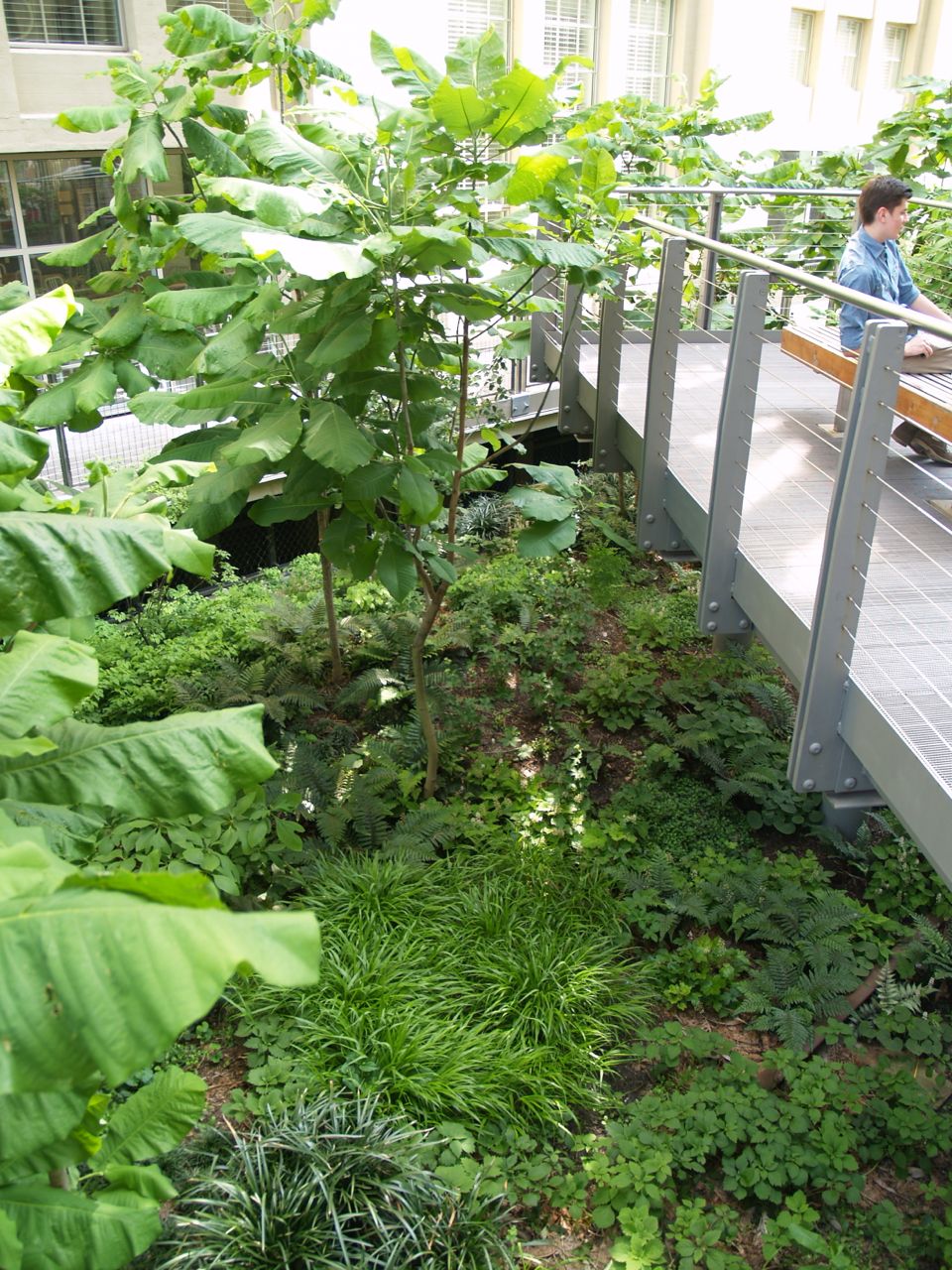
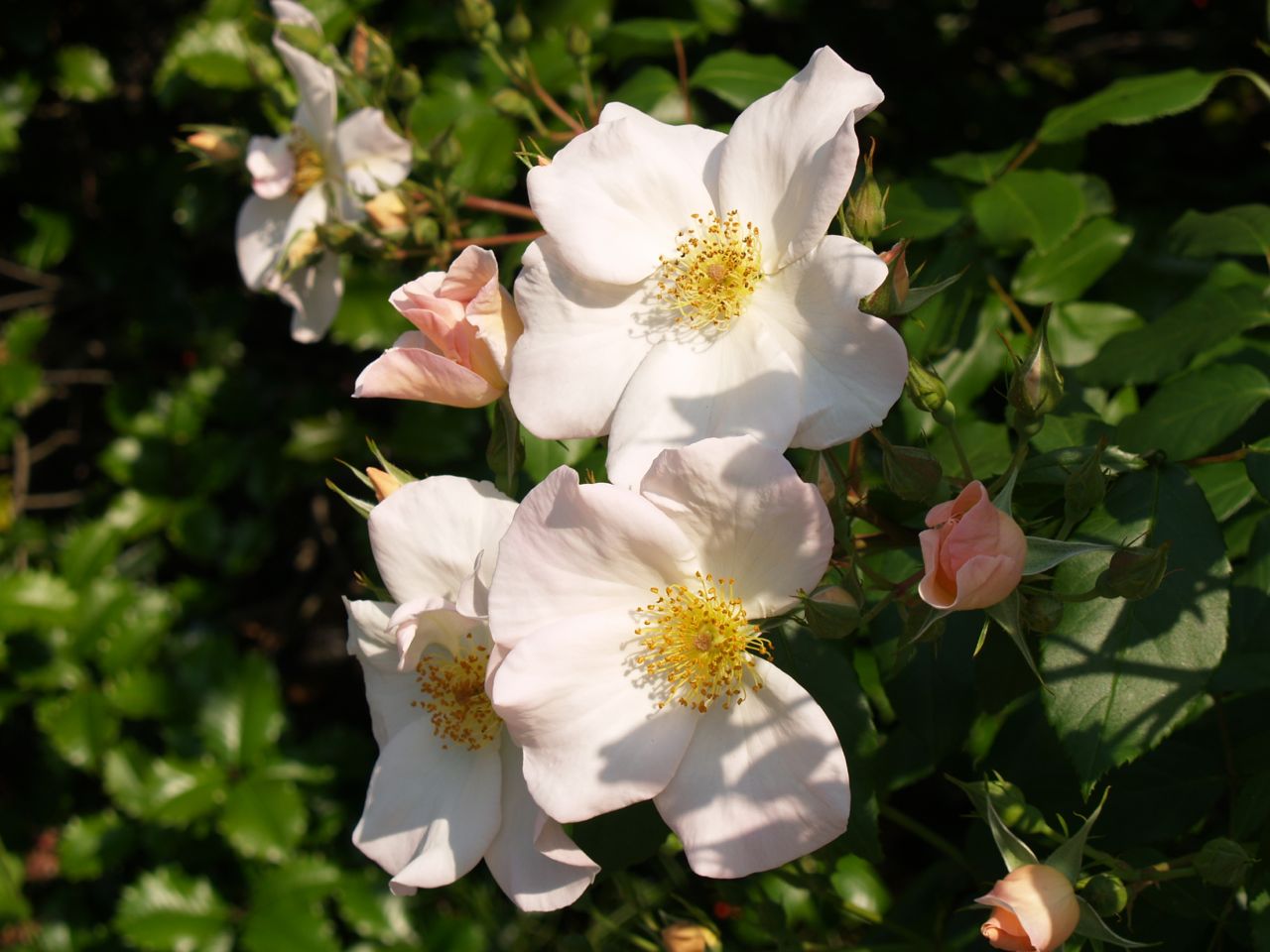
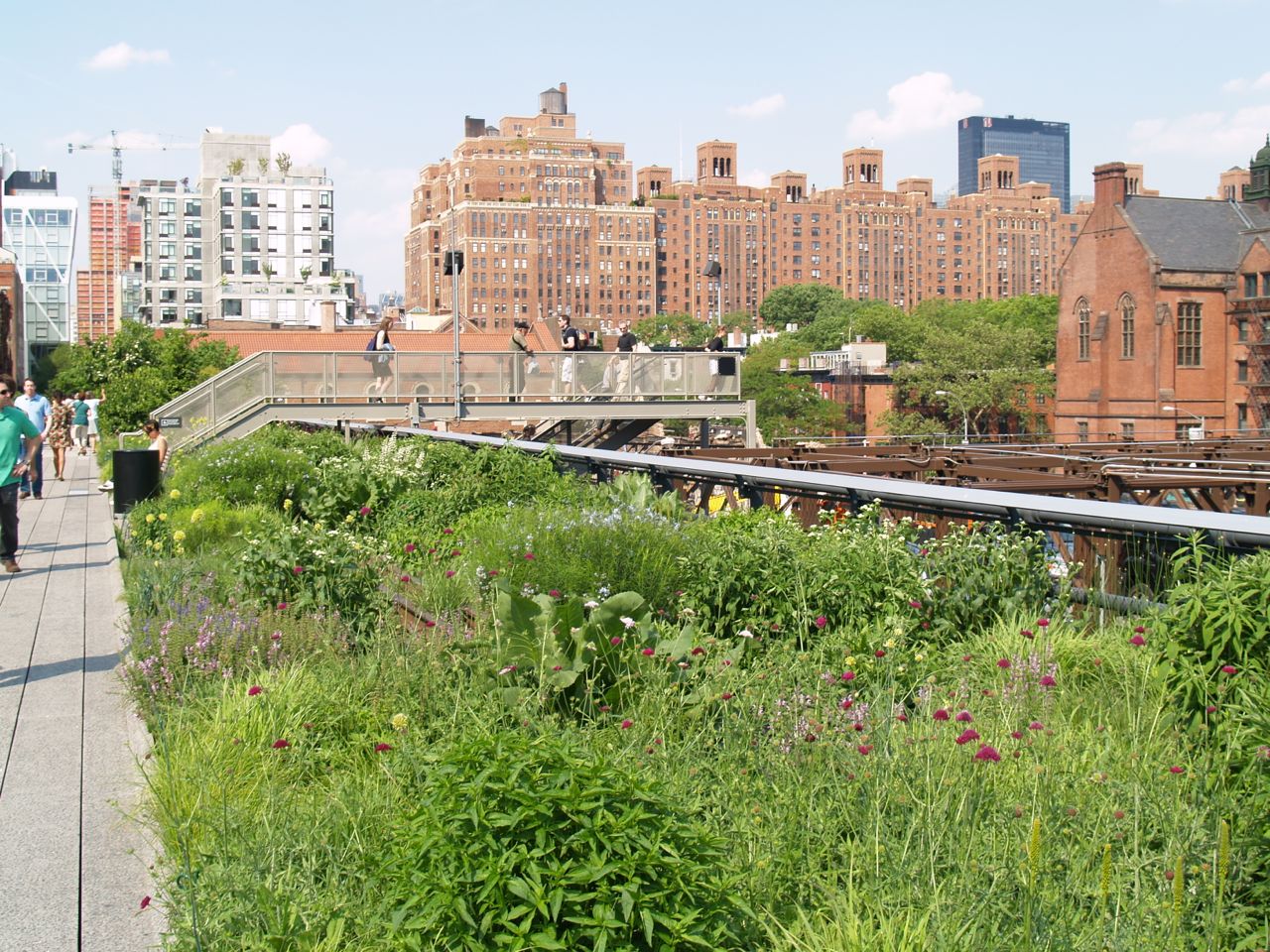
Last January I visited New York’s Highline Park for the first time. I thought the park was wonderful even in winter when all the plants are dormant. On my next trip to New York, I had to go back. The park is even more beautiful in summer when all the plants are green and flowers are blooming. It is a wonderful oasis above the busy Manhattan streets. Below are a few photos from my most recent trip.

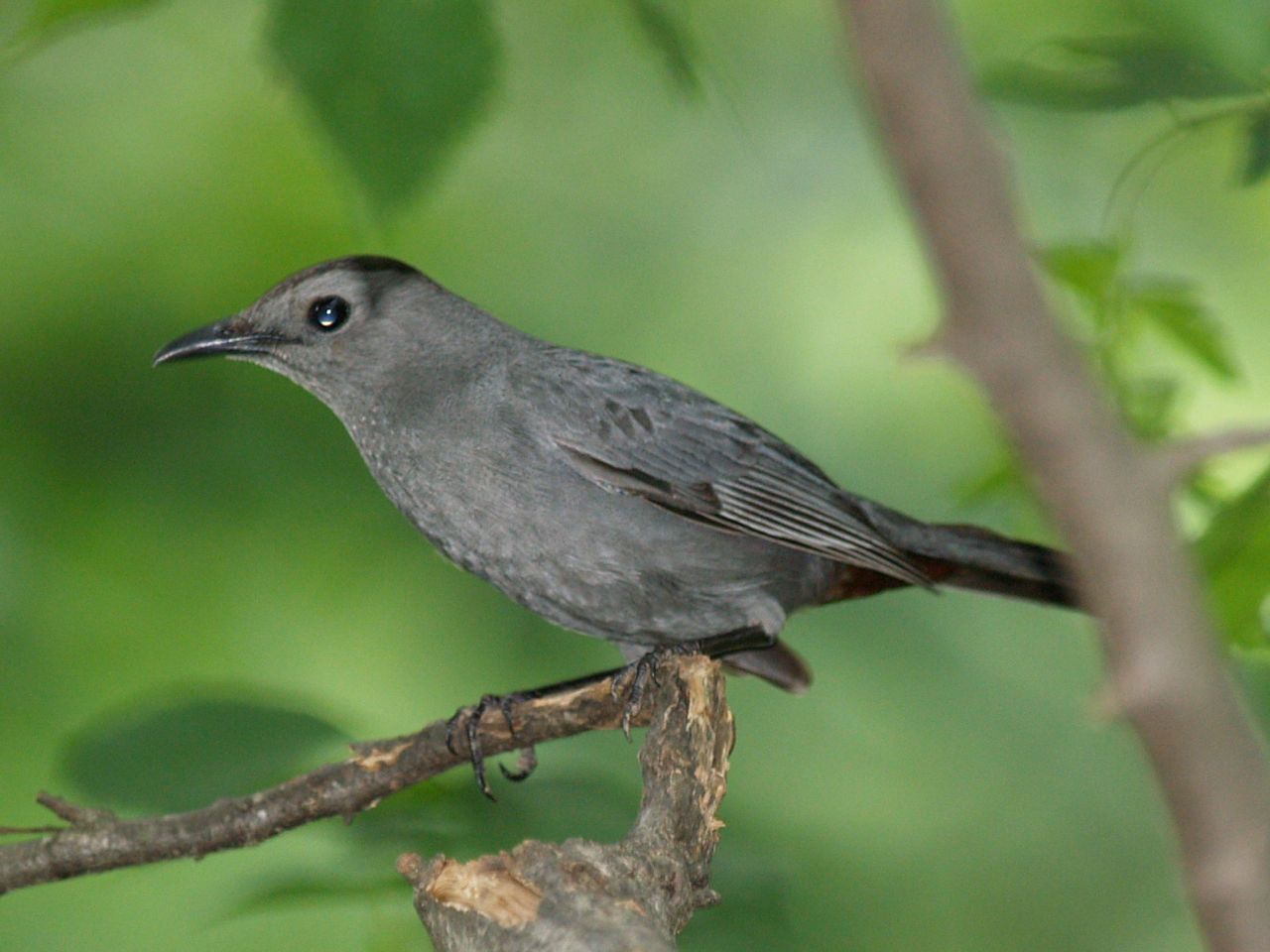
Gray Catbird: A Very Smart Bird
Today I was outside on my back patio doing a little bit of yard work. I swept a bunch of dead leaves and other yard debris and put them into a compost bag. In some places, these leaves had piled up, and I found earthworms underneath the leaves helpfully starting to decompose the leaves. Then I moved the compost bag, so I could work in another area, and I found more earthworms underneath the bag. [I honestly have no idea from where these earthworms come. Every time I sweep away leaves that have been there for a while, there is dirt and earthworms. Problem is, it is concrete patio surrounded by a brick retaining wall. How are these earthworms getting down the retaining wall and then getting across several feet of concrete patio?] I swept more leaves and put them in the compost bag. While I was doing this, I noticed a gray catbird (Dumetella carolinensis) land on the retaining wall then fly down to the patio near where the compost bag had originally been. This is slightly unusual because while I see a gray catbird almost everyday, I normally see it on the hanging suet feeder, not on the ground. Then I started pulling some invasive vines from my yard, and I noticed the catbird now land again on the patio, but now it landed in the second area that I had just swept right next to the compost bag. The second spot was about six feet or so from where I was standing pulling vines. I picked up the vines I had pulled and walk back to the compost bag to put them in it. By then the catbird had flown off, but while I was putting the vines in the compost bag, I looked back, and now the catbird was where I had just been pulling vines. I walked back to that same spot and swept the wooden steps that allow a path over the retaining wall. The catbird returned to the area near the compost bag. I then picked up the leaves and walked back to bag, and the catbird returned to the area where I had swept. This continued for a half hour or so. I would sweep or pull vines, and the catbird would watch me from the retaining wall. I would then take vines or leaves to the bag, and the catbird would return to where I had been working. The catbird was within about ten feet of me the entire time. I was actually quite honored that it would be that close to me. After quite a while, it finally dawned on me that the catbird was going to areas I disturbed to look for insects. I am not sure if it eats earthworms, but I was definitely unintentionally disturbing earthworms. I am fairly certain I was disturbing and revealing bugs. Thus, this very smart bird was letting me do the work of disturbing the ground to reveal insects, and the catbird would just come in my wake to look for the food. My new friend, the catbird, is a very smart bird.

Orchids, Orchids, and More Orchids
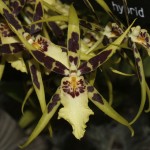
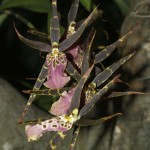
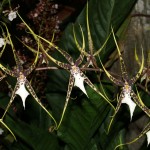
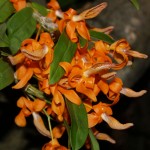
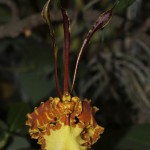
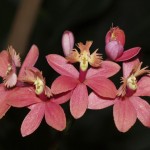
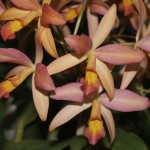
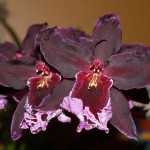
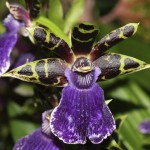
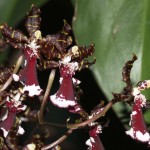
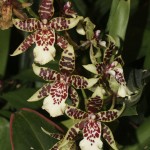
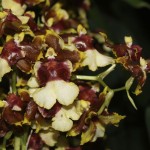
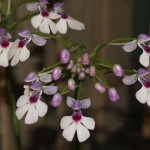
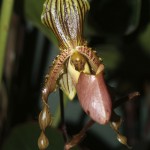
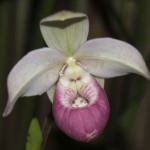
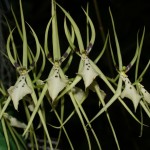
Last weekend I went to see National Museum of Natural History’s 2013 Orchids of Latin America exhibit. The exhibit is now over, but it had an amazing variety of orchids. I love orchids. I think they are insanely beautiful, and I am amazed by the variety of them. Granted, some of that variety is due to humans breeding them. Below are photos of some of the orchids that were there.
Cherry Blossom Time
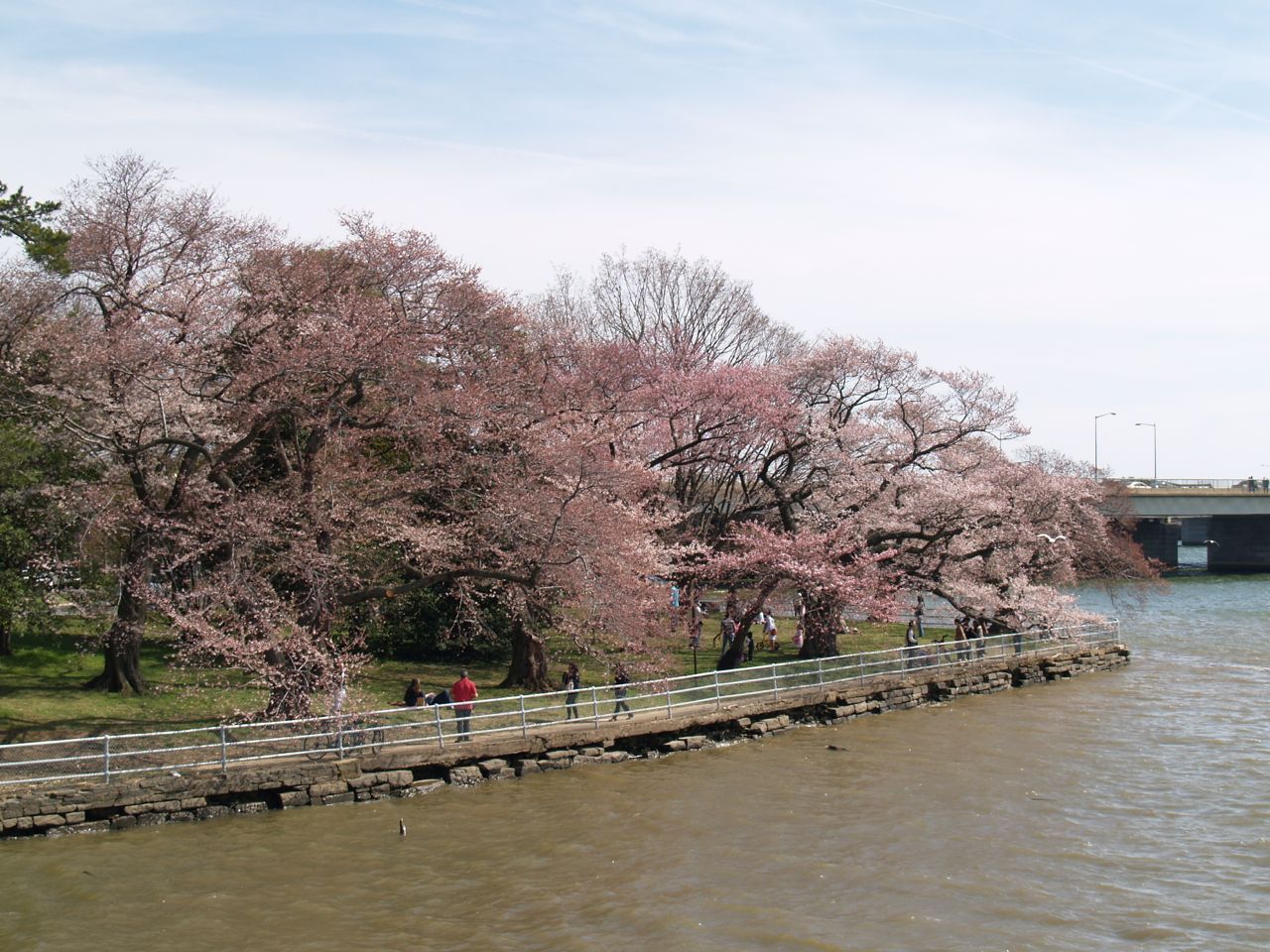
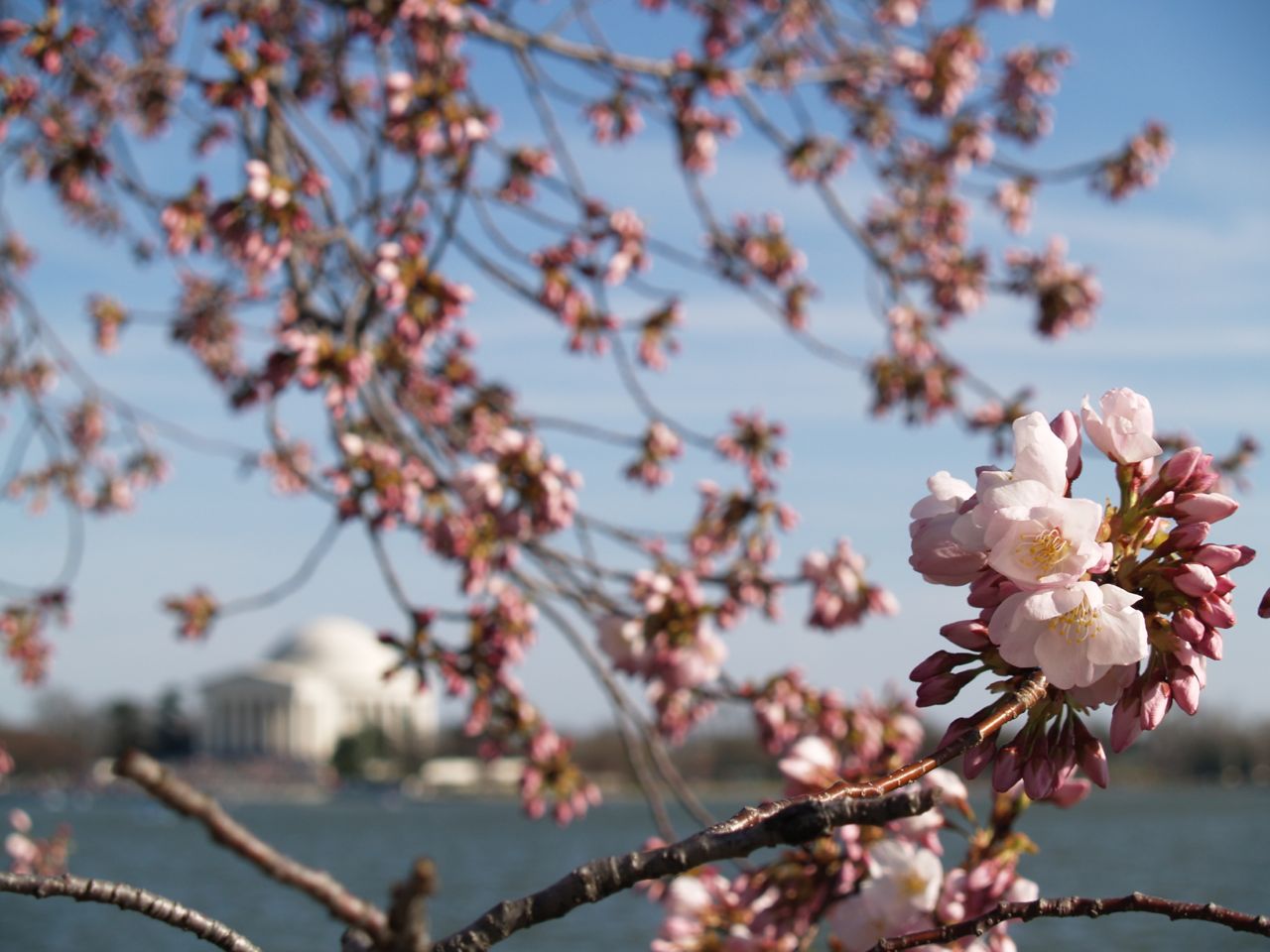
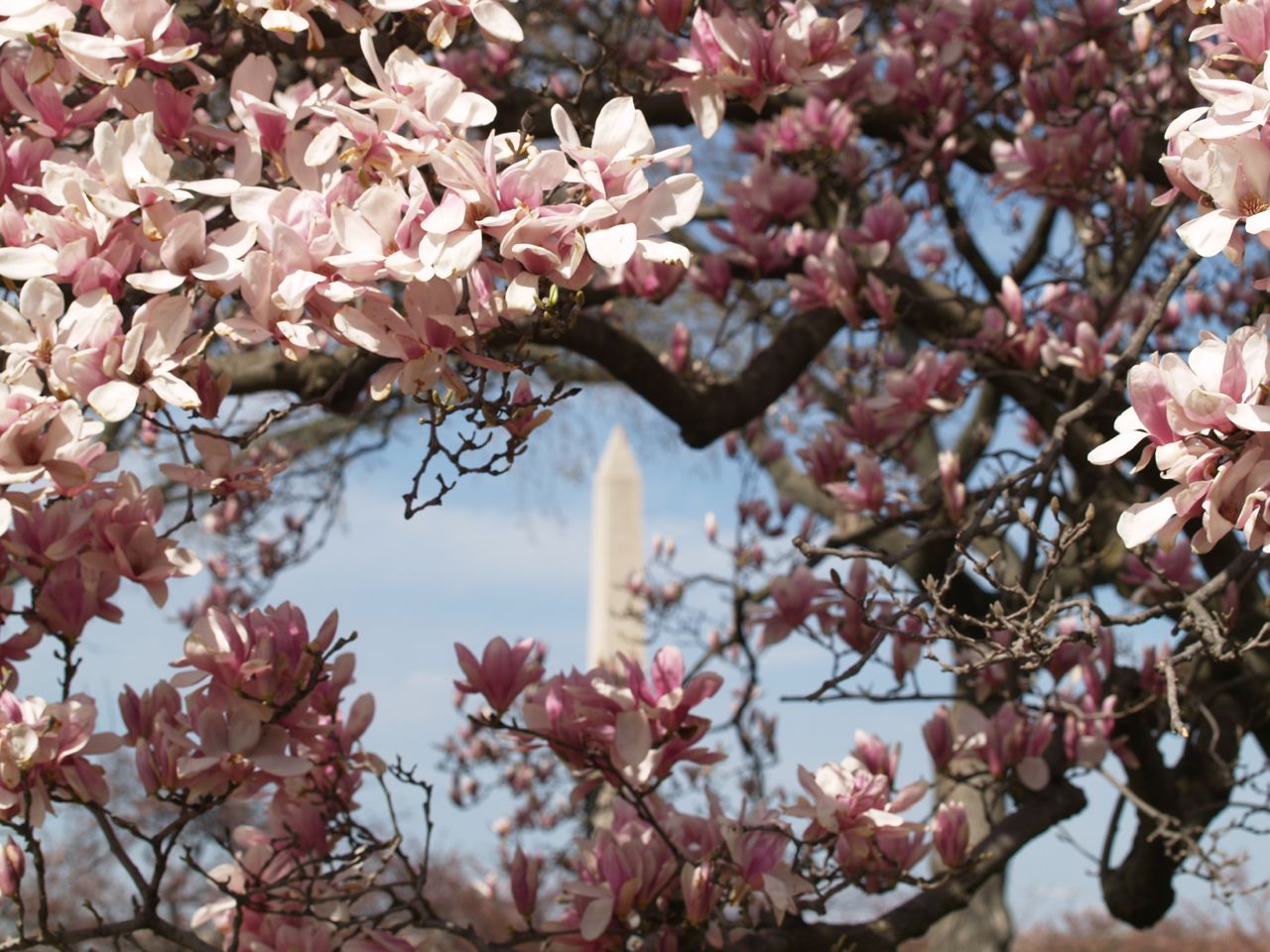
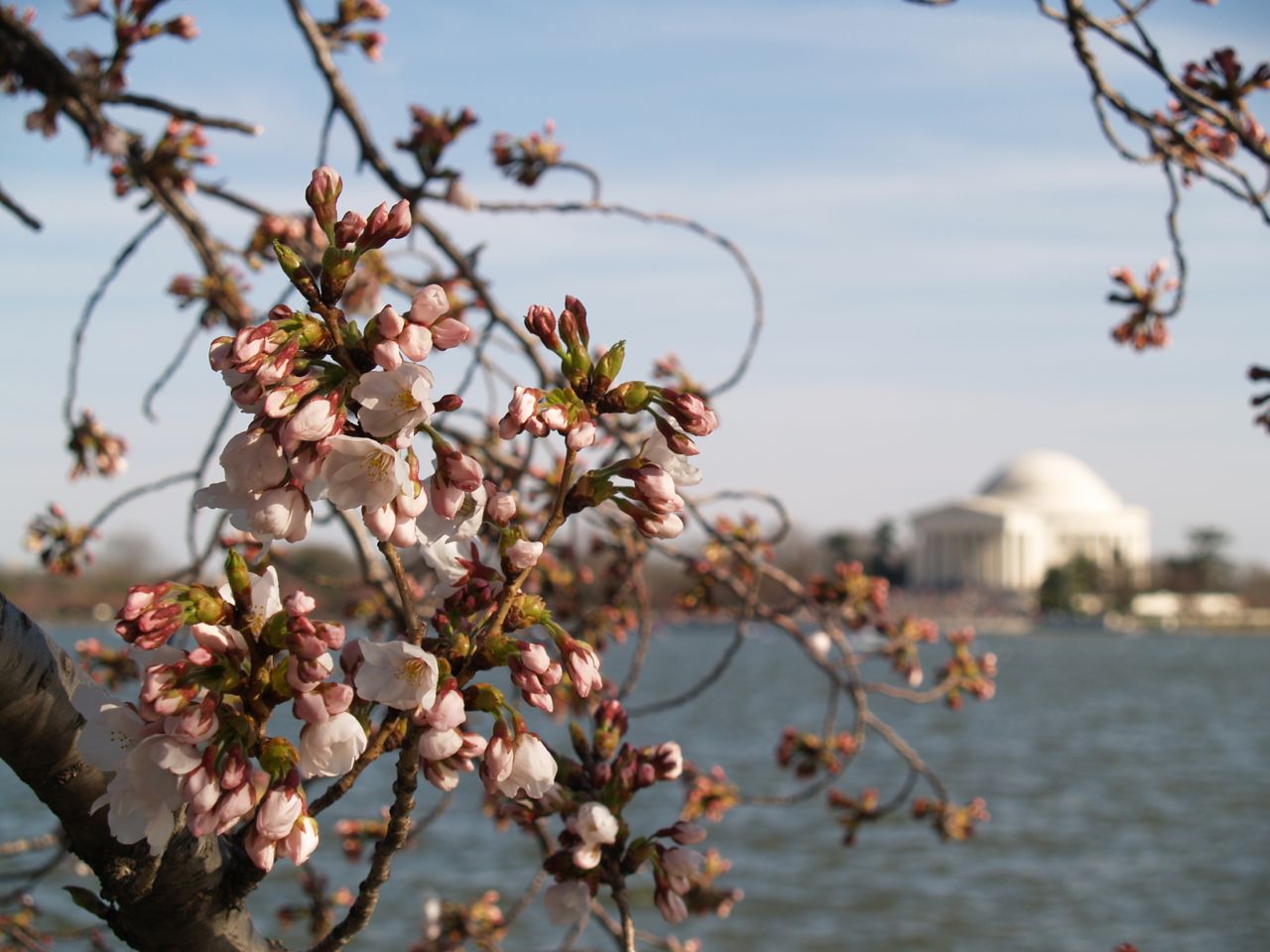
I’ve lived in the DC area for two years now, and this is the first time I’ve visited the Tidal Basin to see the cherry blossoms. They were not quite in full bloom when I visited, but they were still quite pretty, and the DC monuments provide a nice backdrop for many of the photos. Here are a few of the photos I took.
The Jefferson Memorial provides a lovely backdrop for cherry blossom photos.
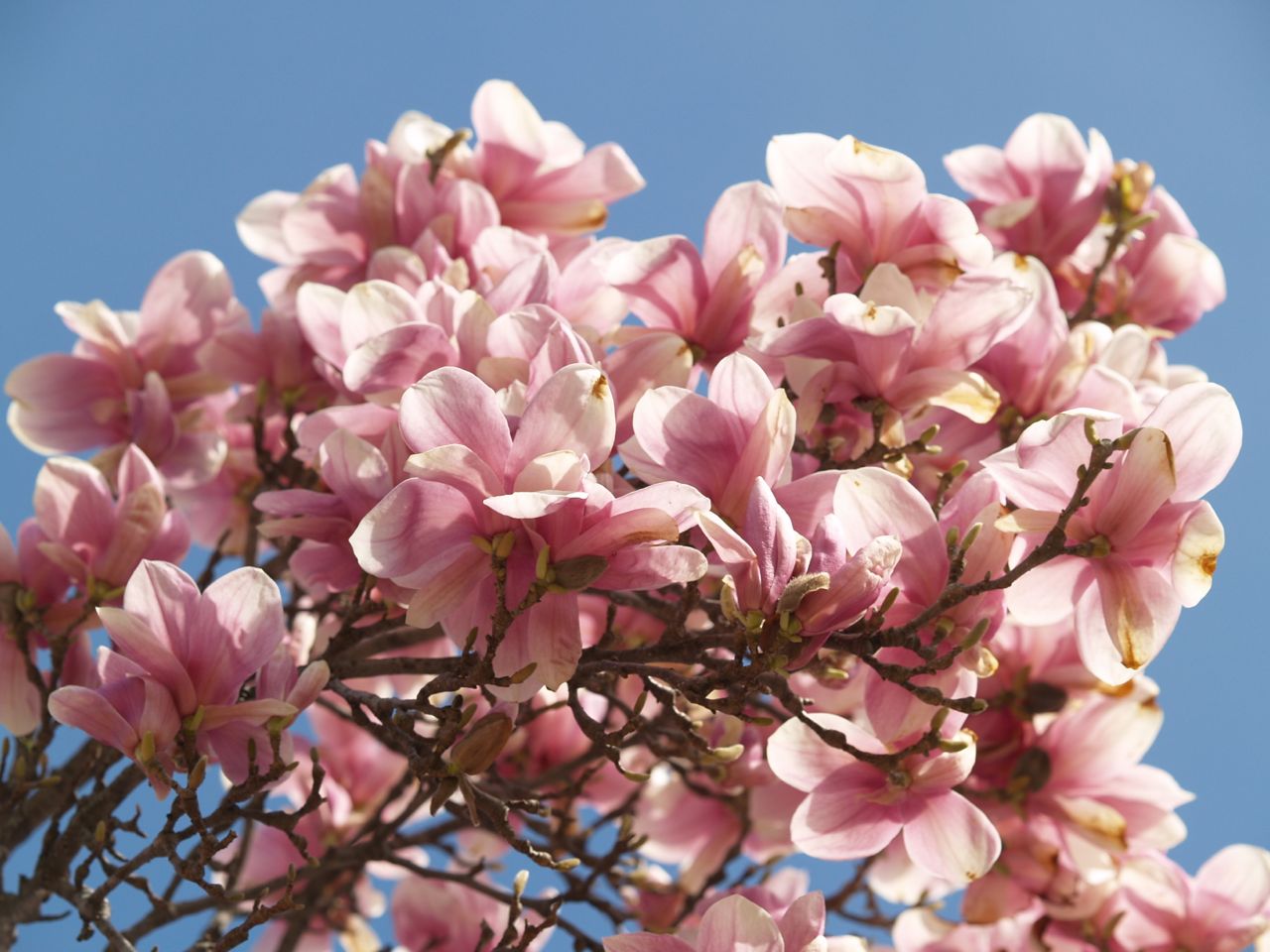
Other beautiful flowers are blooming near the Tidal Basin also, including one of my favorite flowers, saucer magnolias.
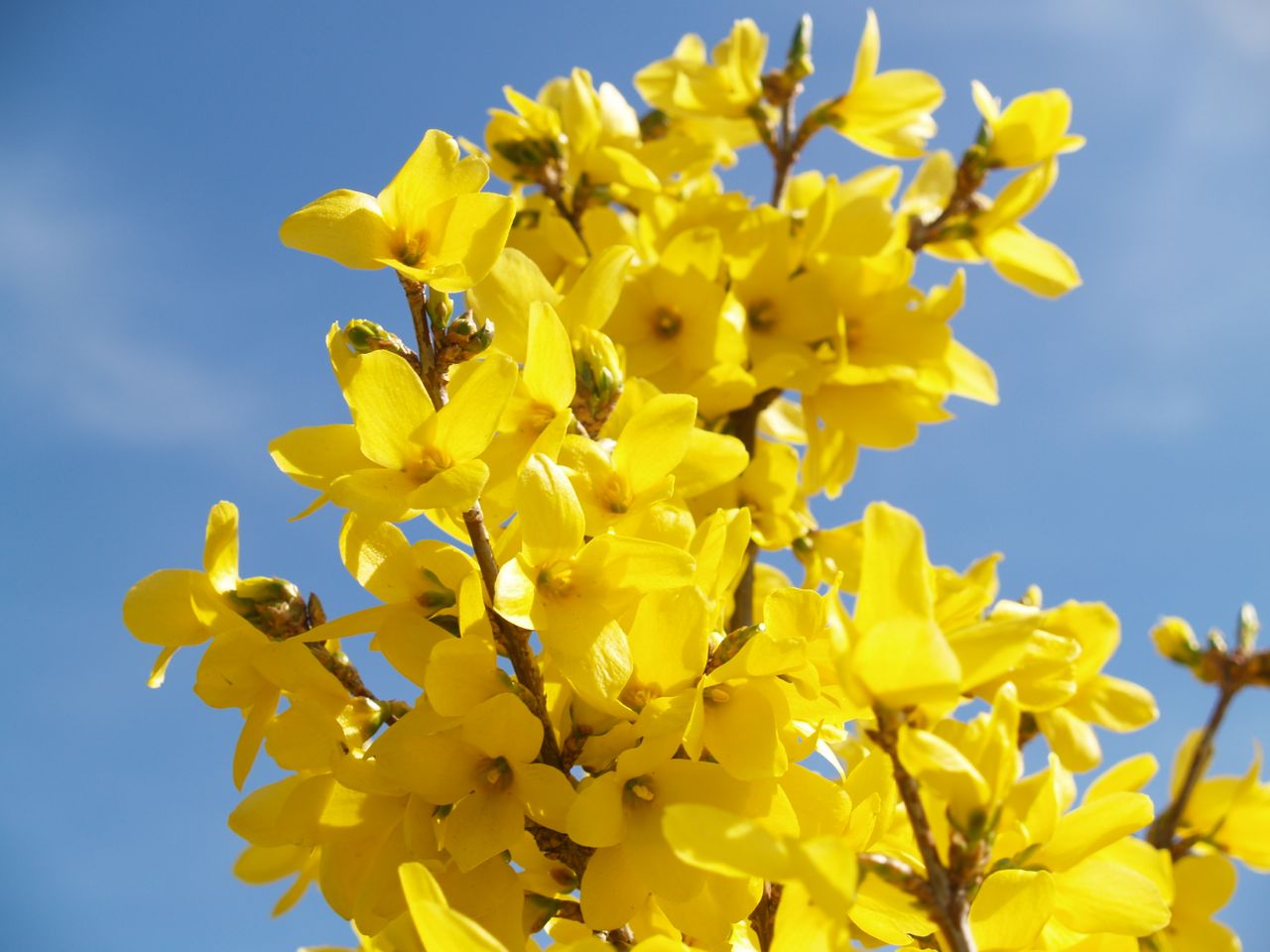
Also forsythia is in full bloom.