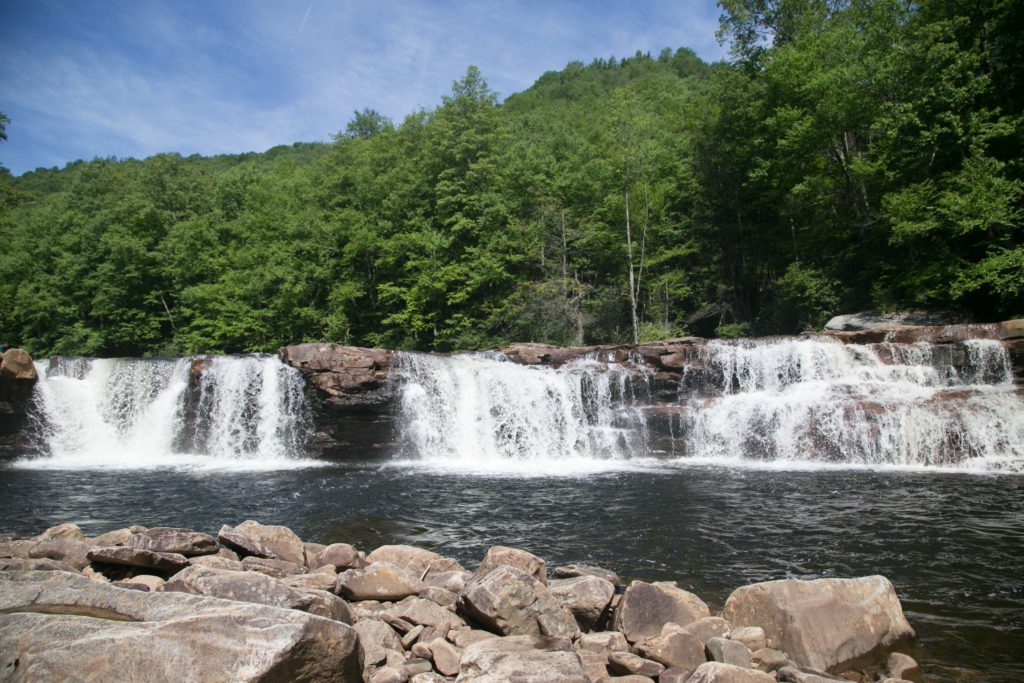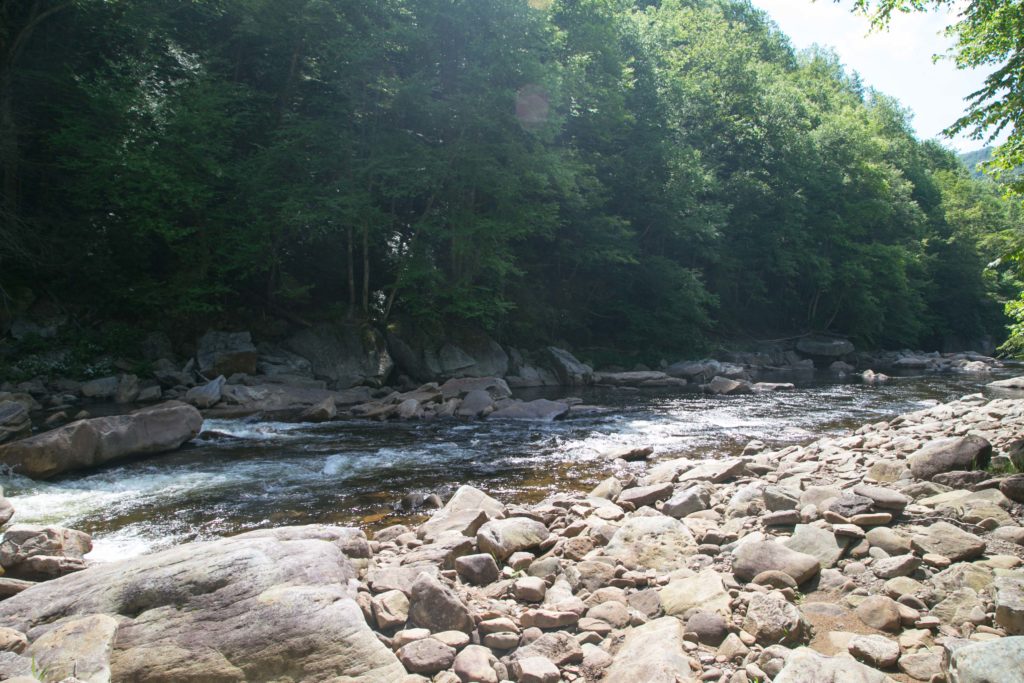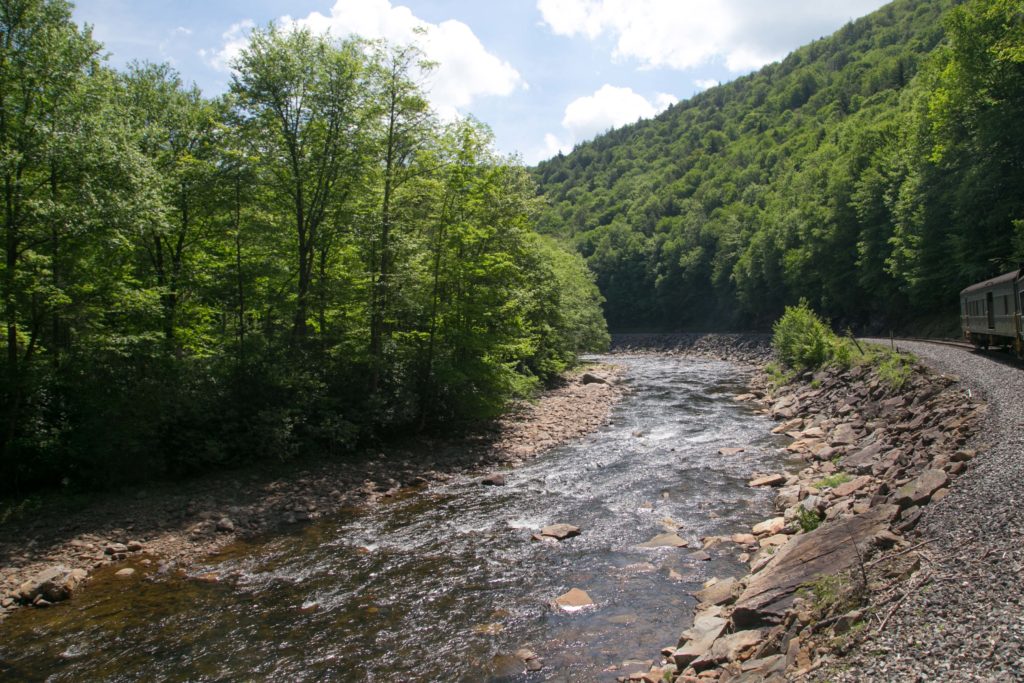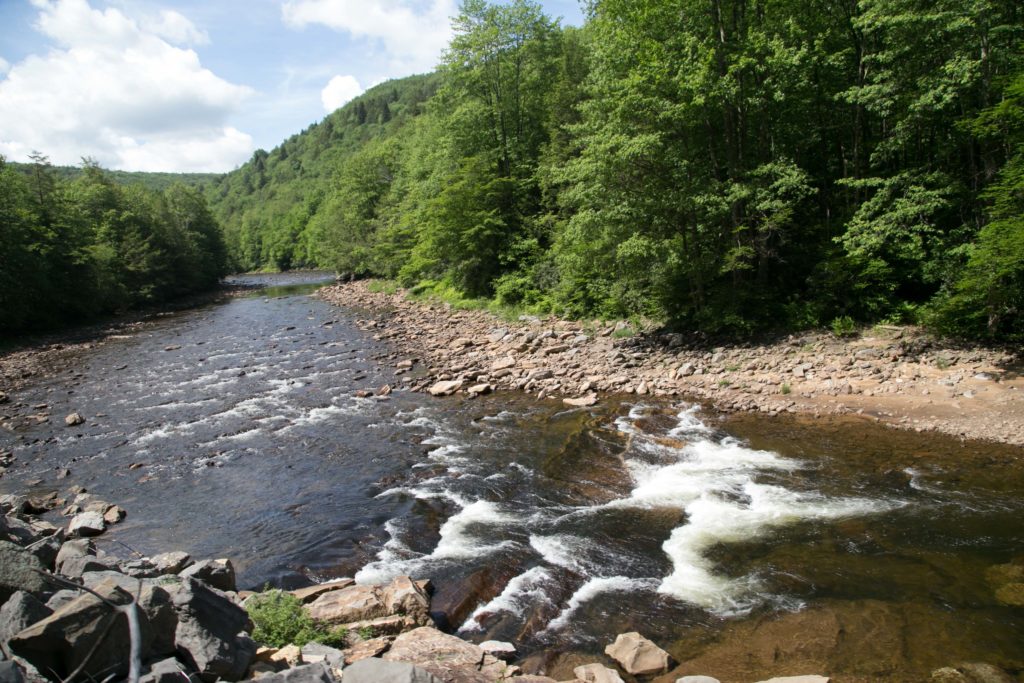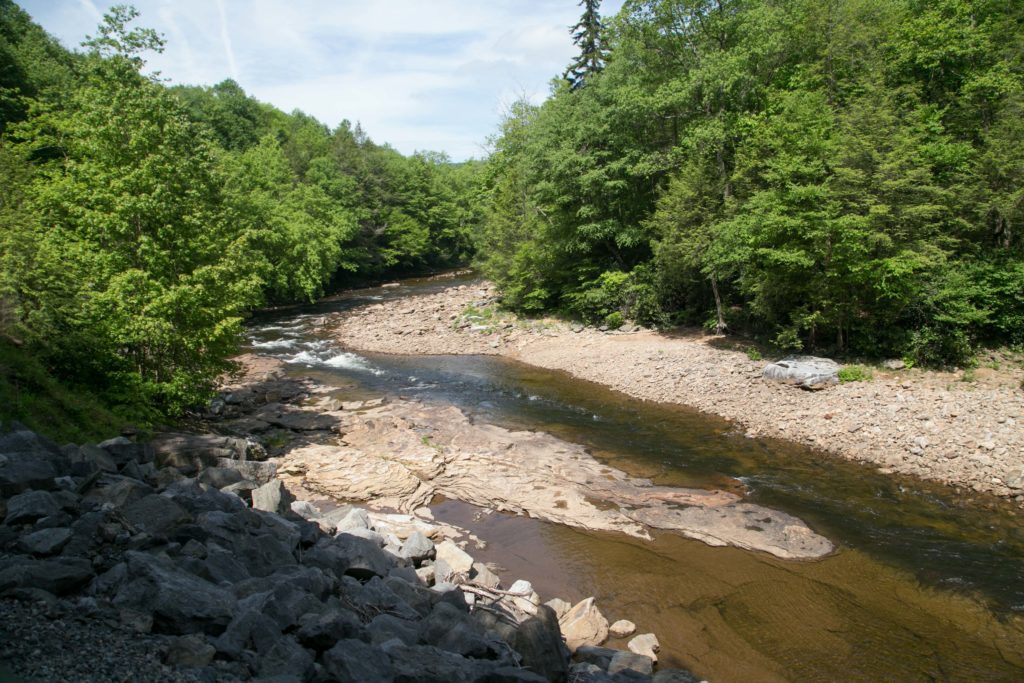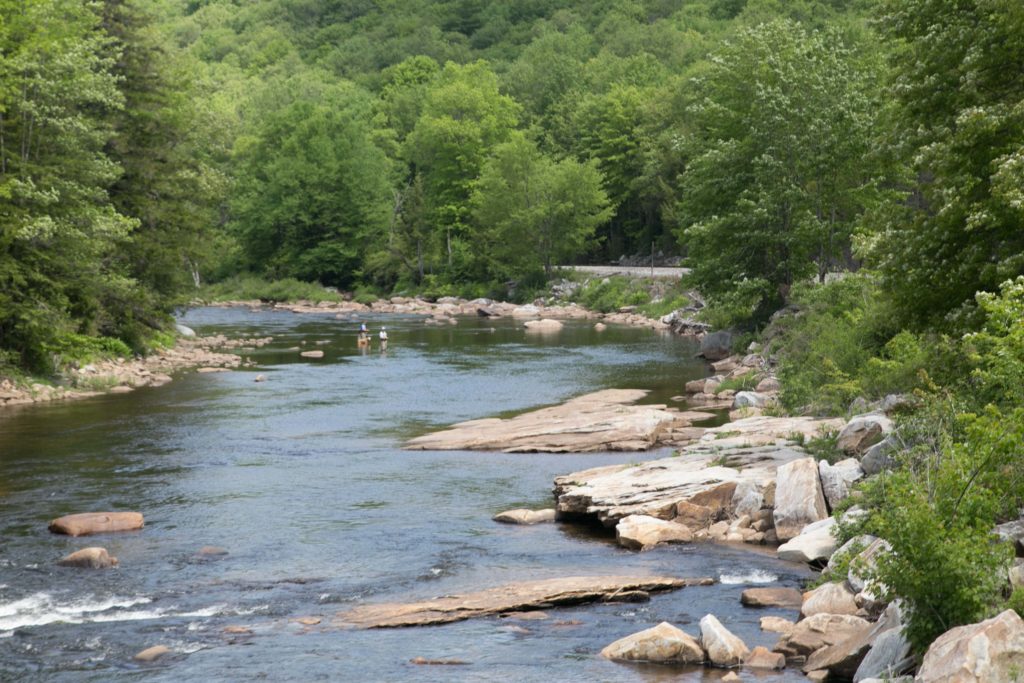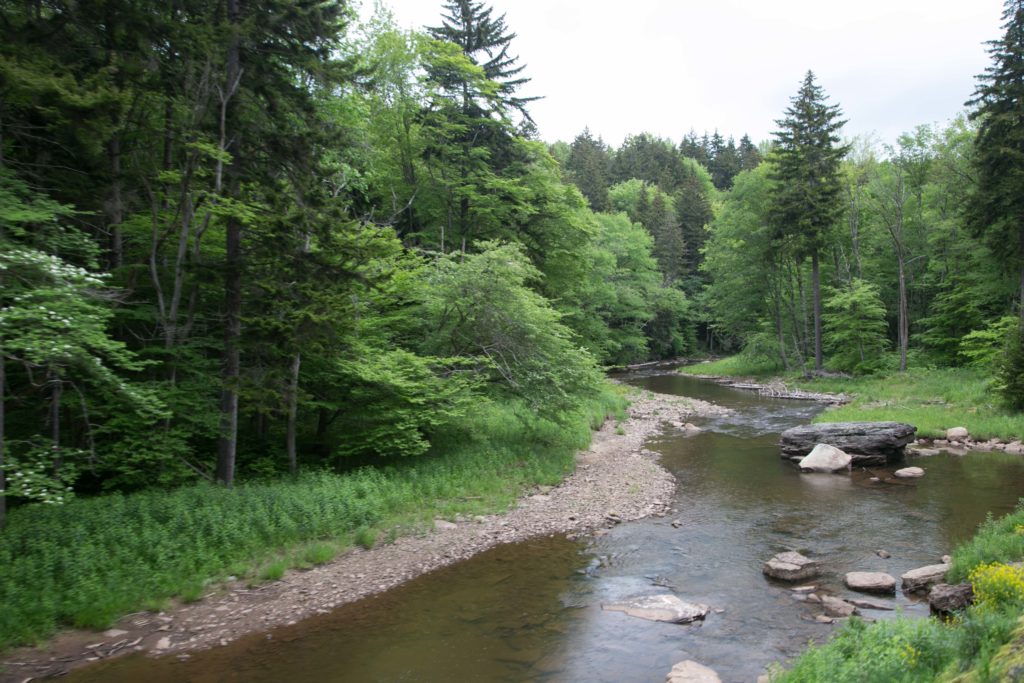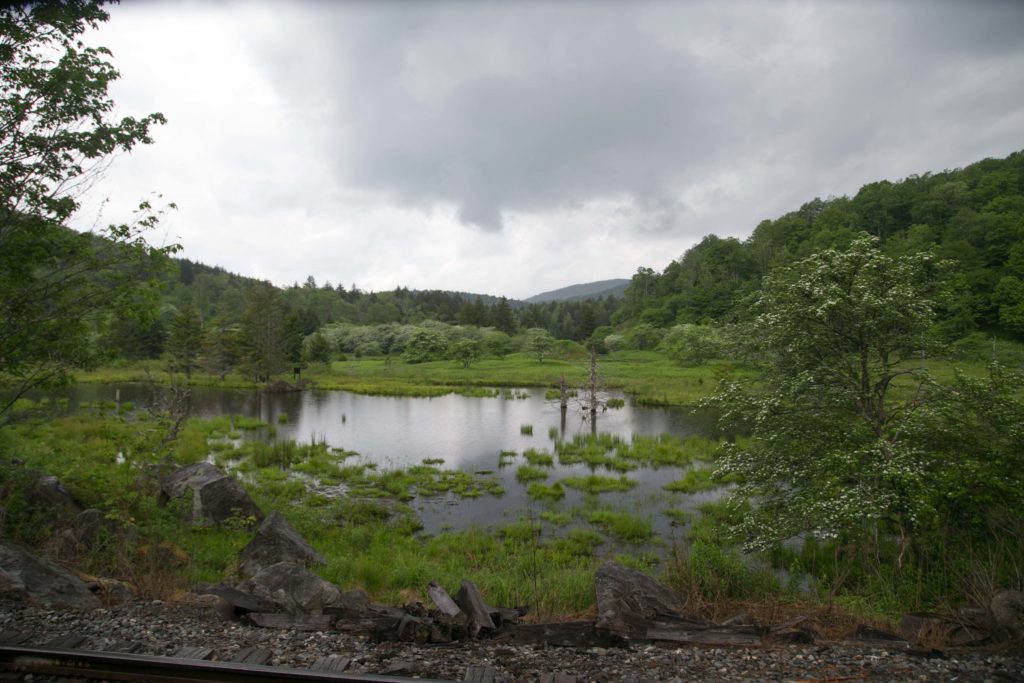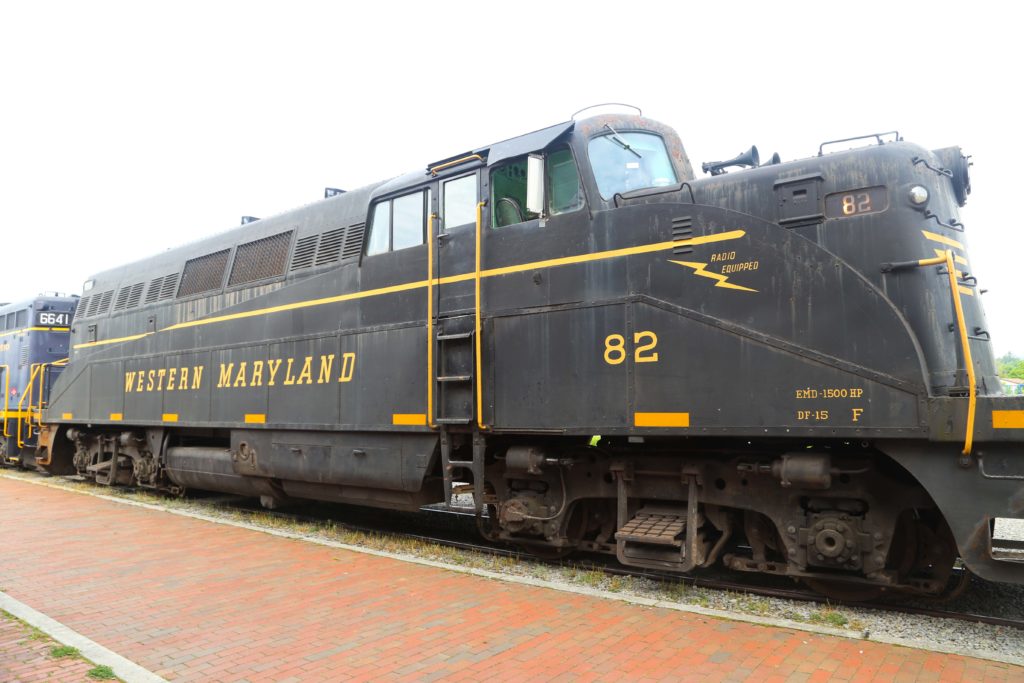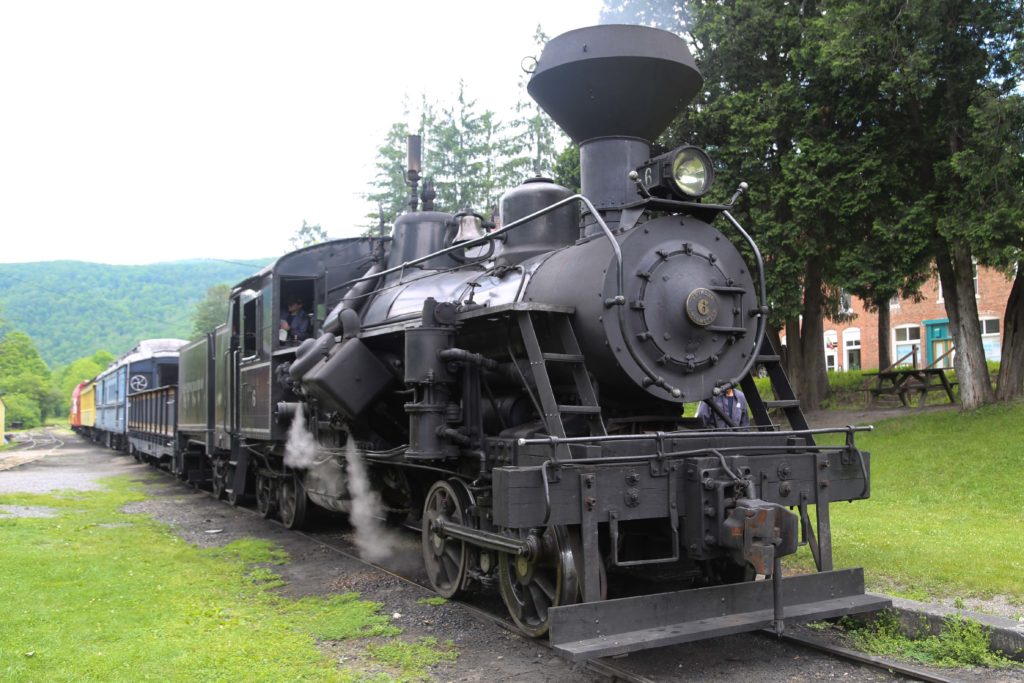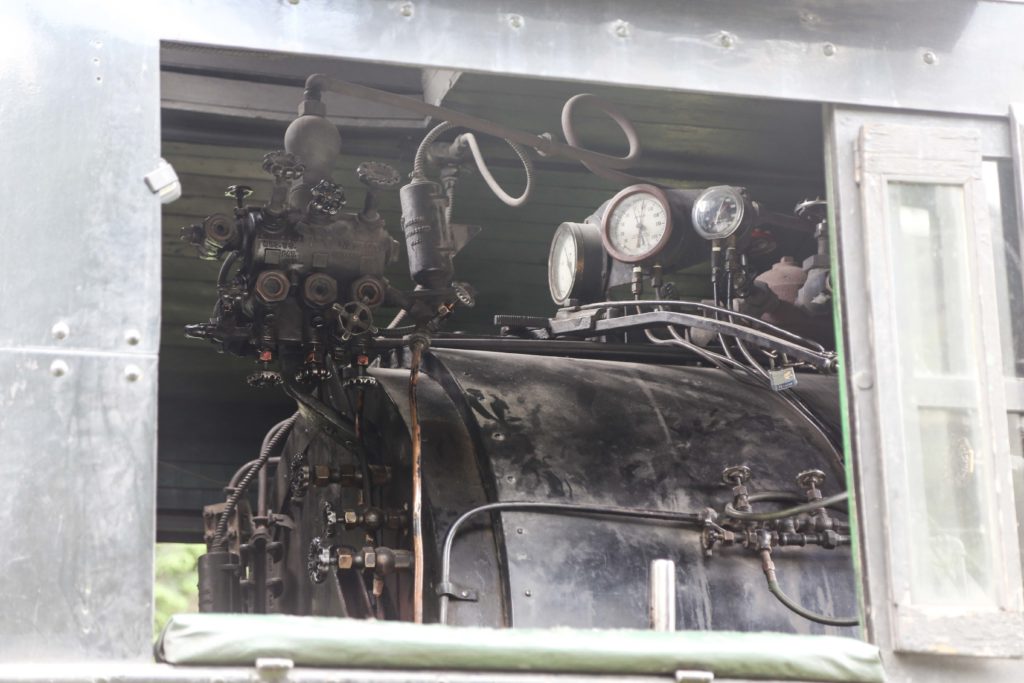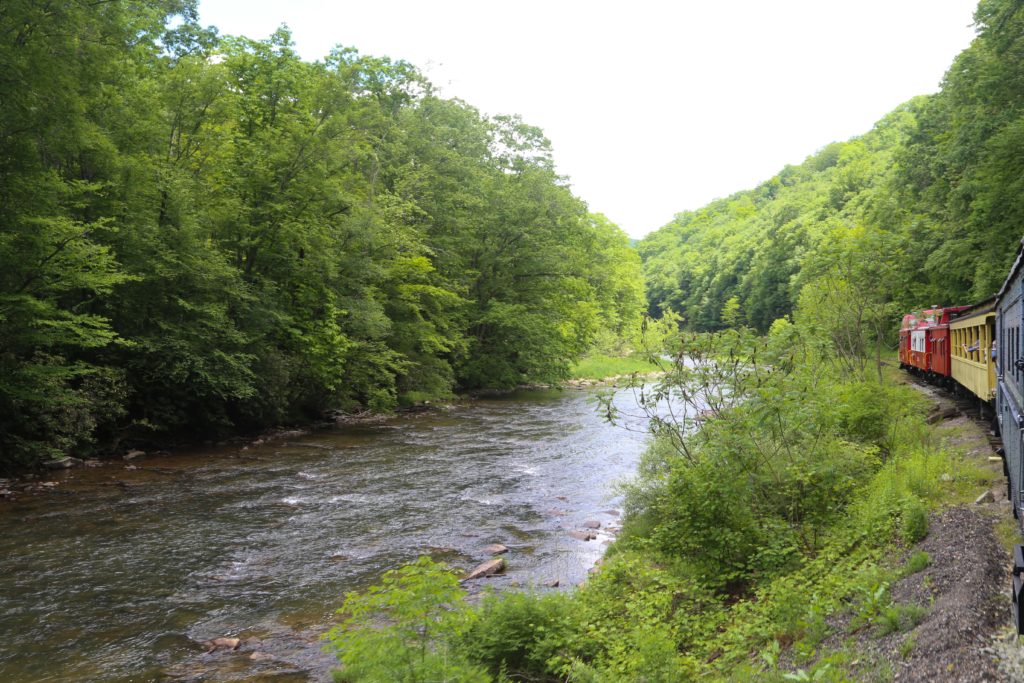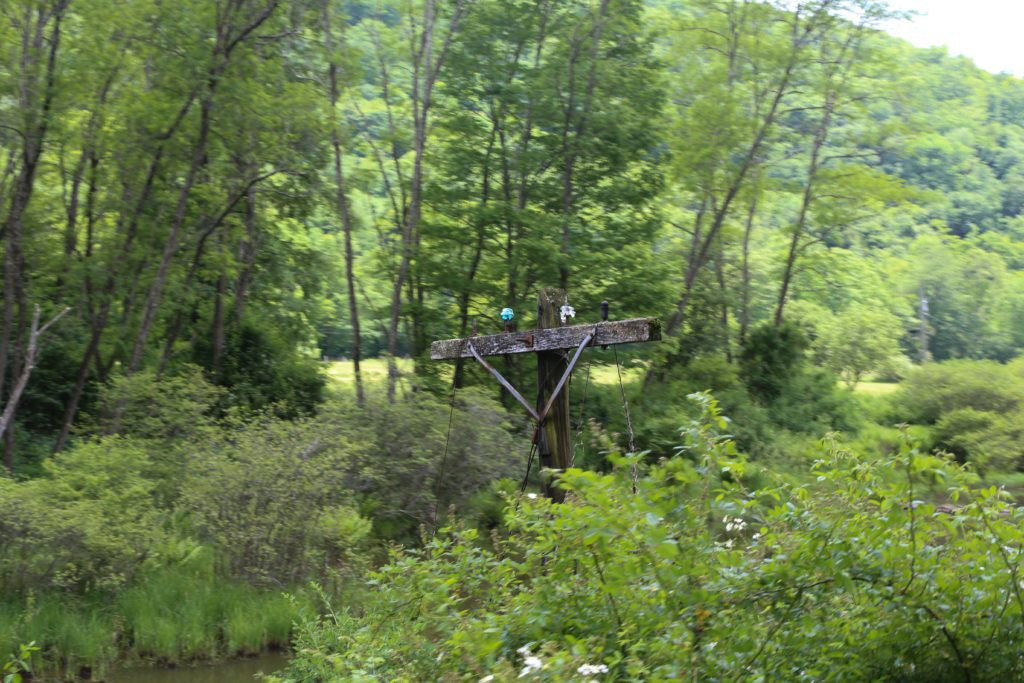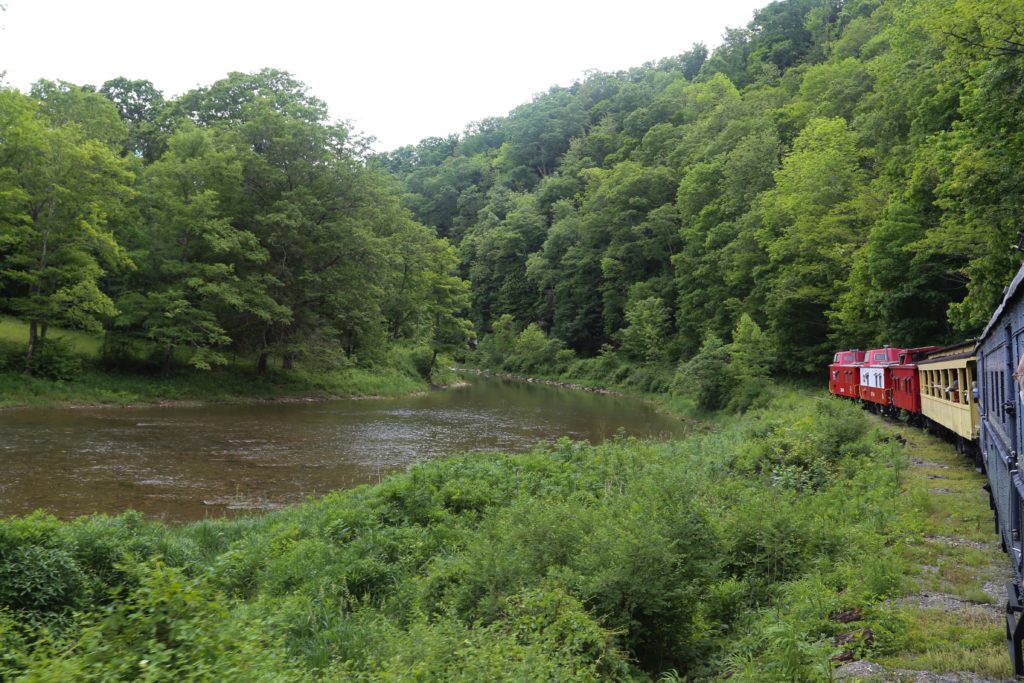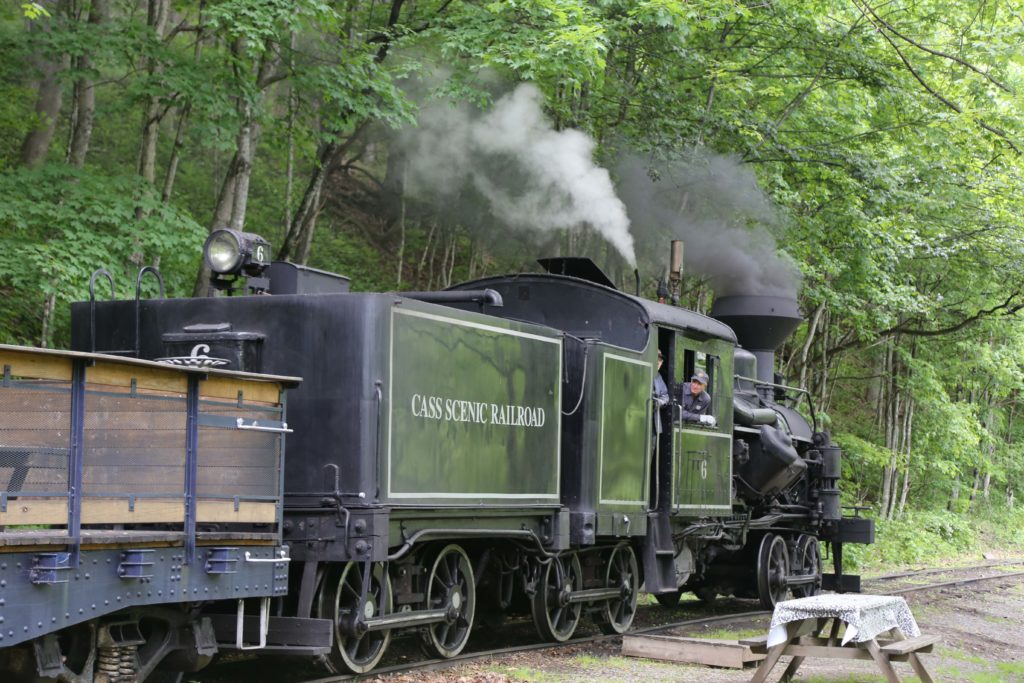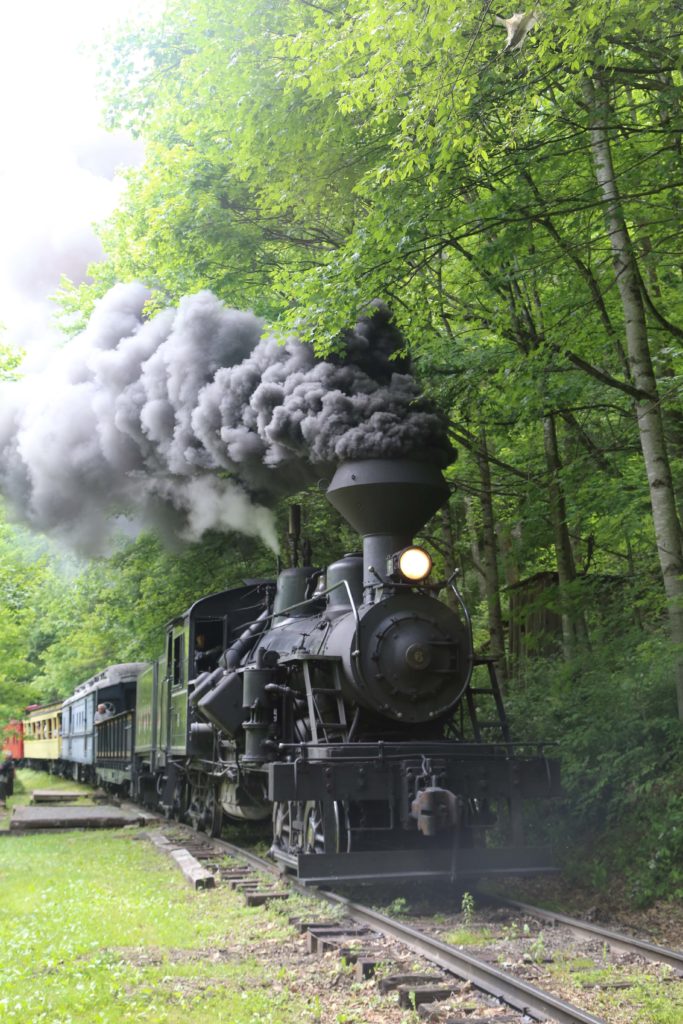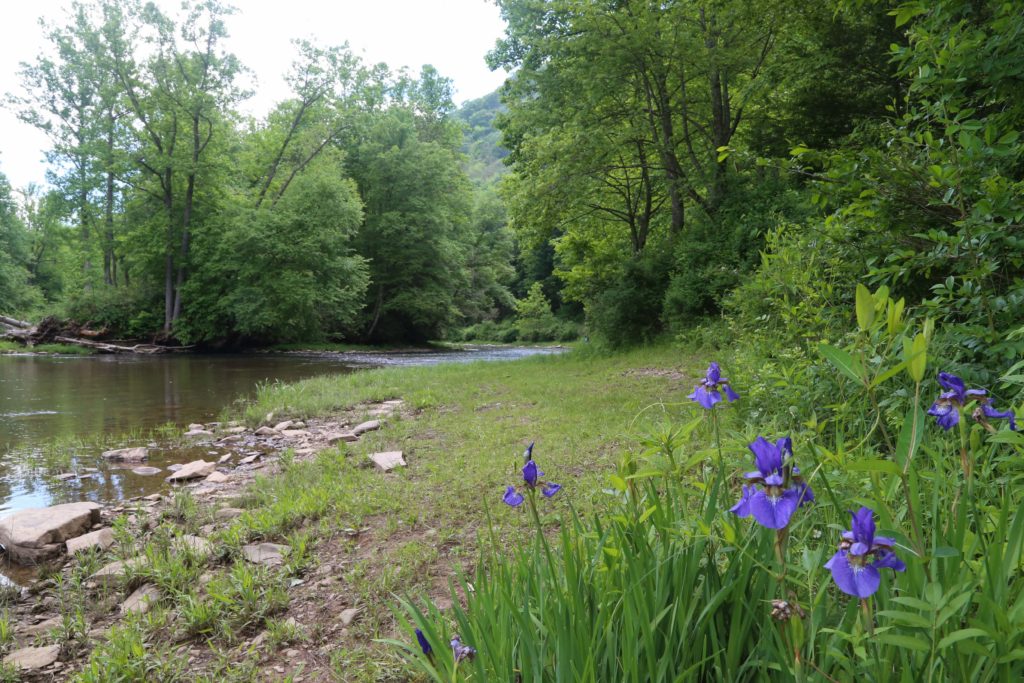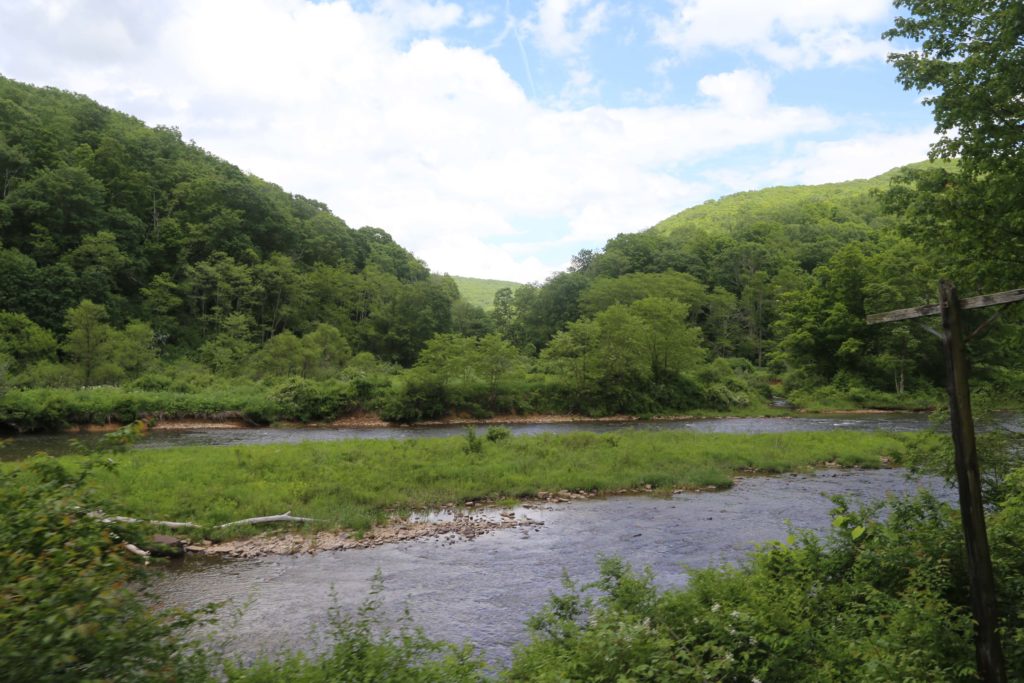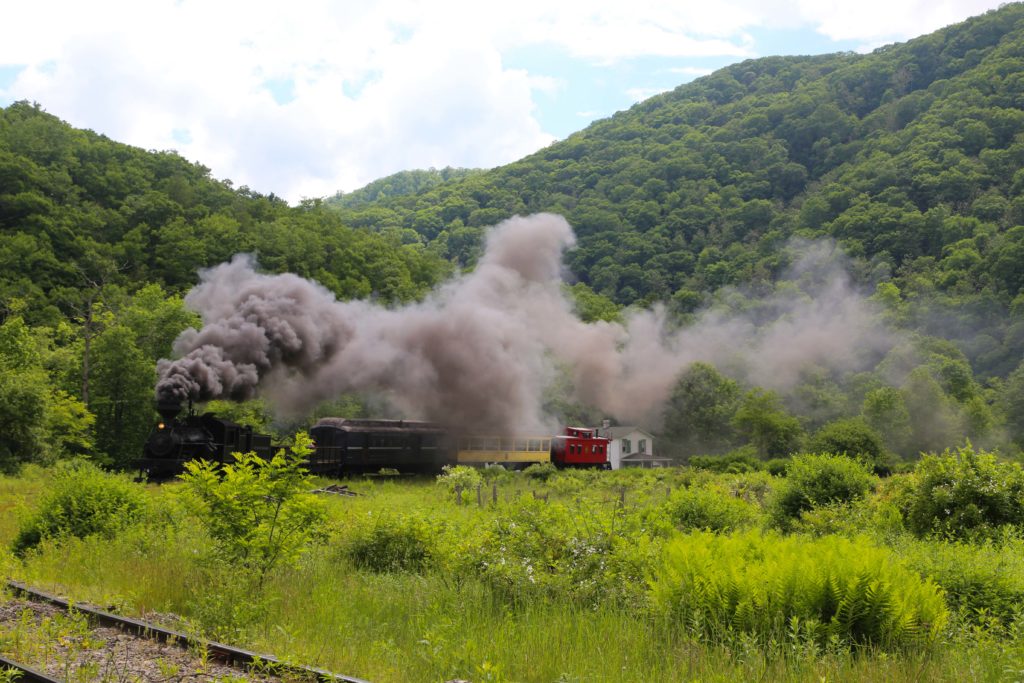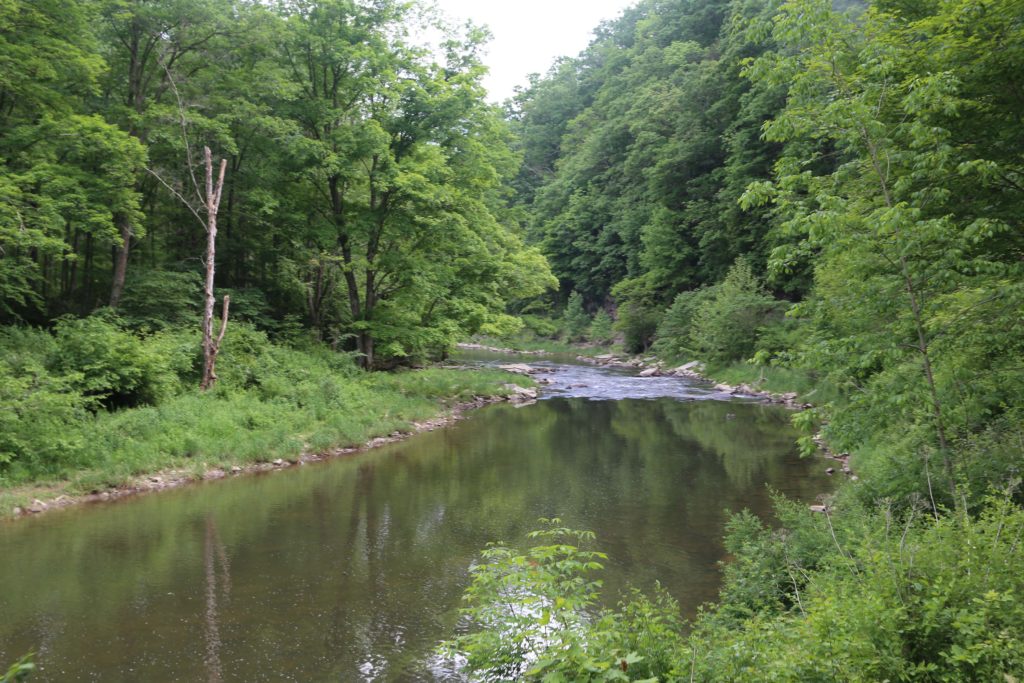
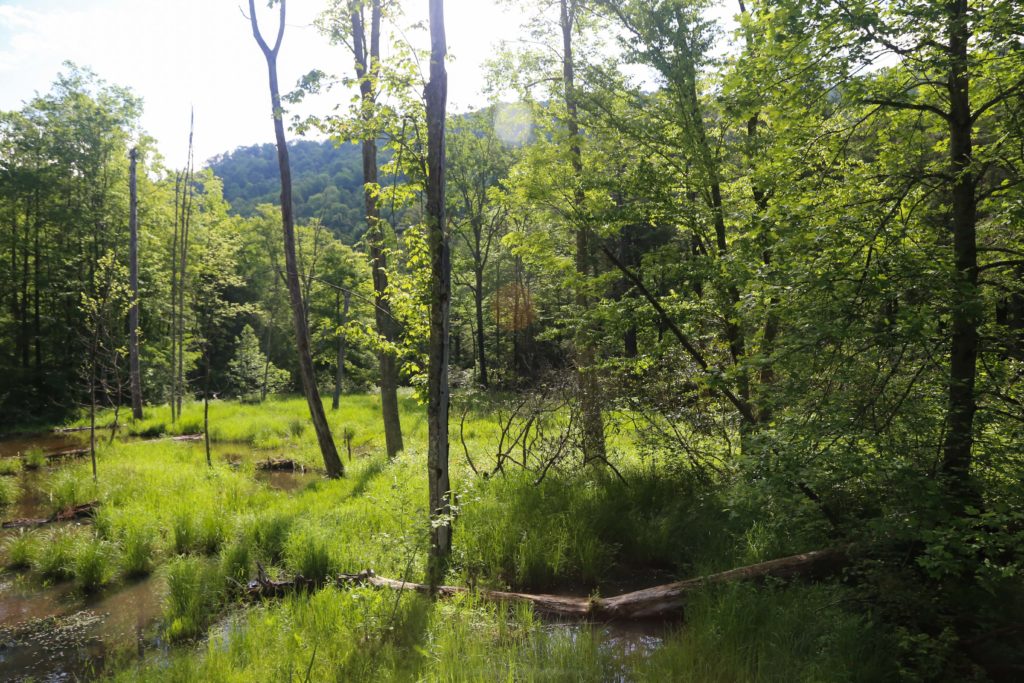
I went on a ride on the Cheat Mountain Salamander train this morning. Most of the route was along the Shavers Fork of the Cheat River. We stopped along the way at High Falls of the Cheat. The train was vintage, and the car we rode in was lovely and vintage with classic fabric seats.
Category Archives: Travel
Durbin Rocket
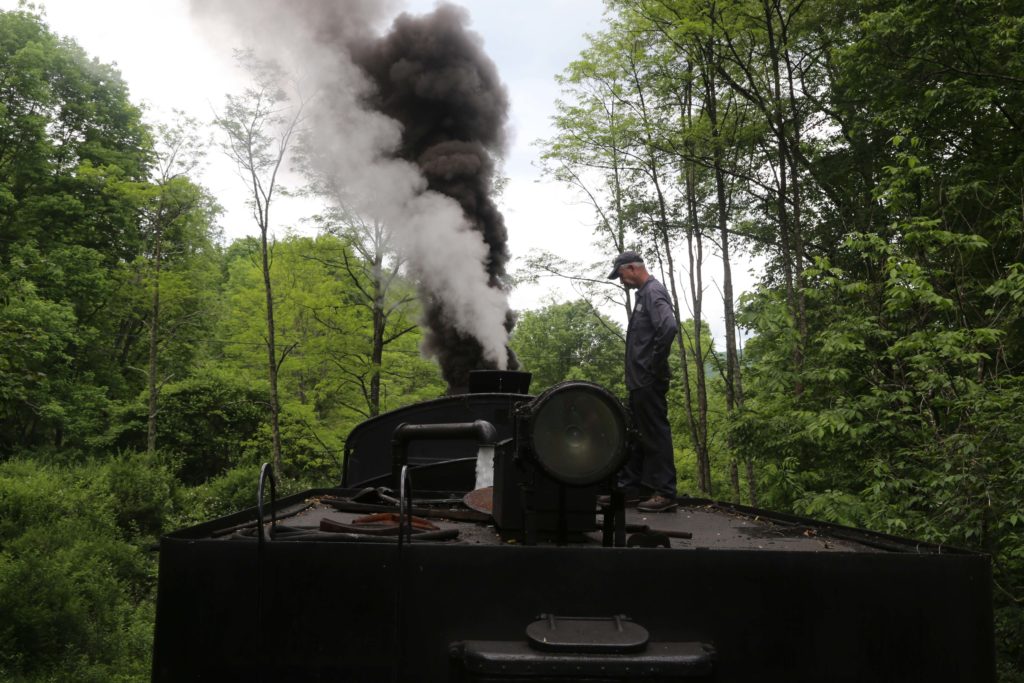
I took a ride on the Durbin Rocket this afternoon. The Climax geared logging locomotive was built in 1910 and powers a vintage train, including an old postal car. The train is indeed a rocket, as it moves along at a whopping 8 miles per hour. At one point a butterfly passed us. The roundtrip route from Durbin, West Virginia, however is gorgeous as it follows the Greenbriar River in the Monongahela National Forest. The only problem is after seeing all the smoke the coal burning created, I feel the need to go plant an entire grove of trees.
Billy Bishop Airport
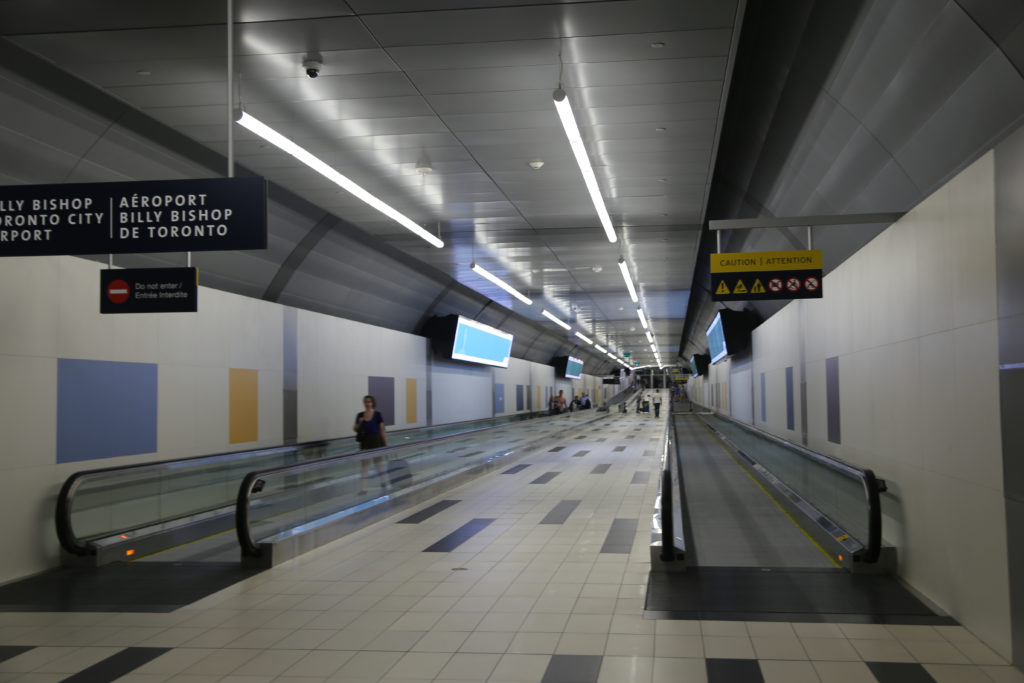
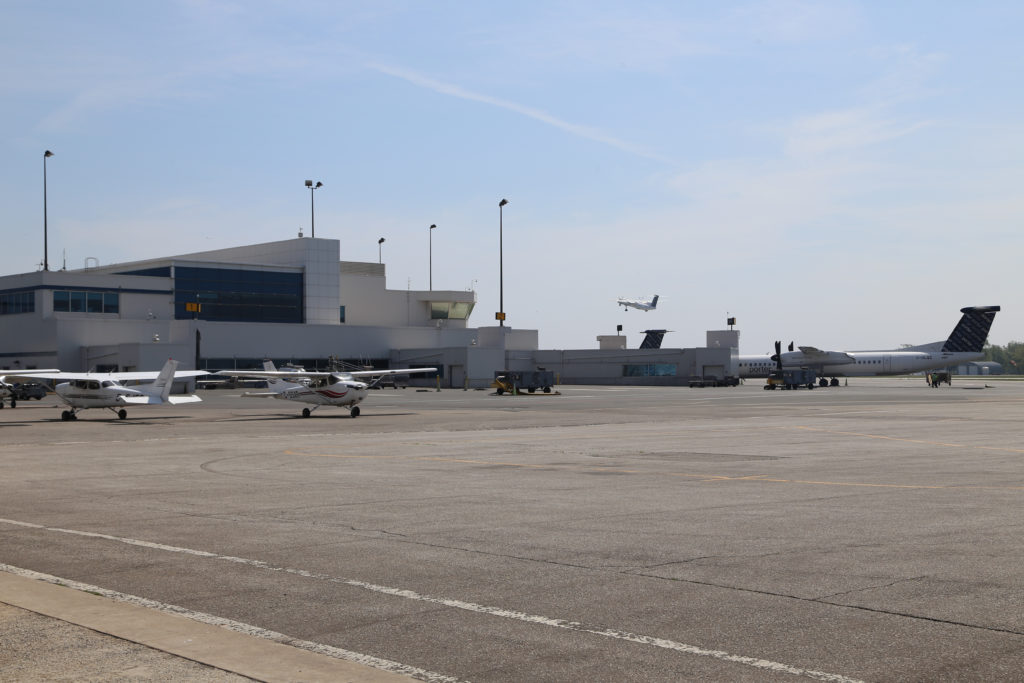
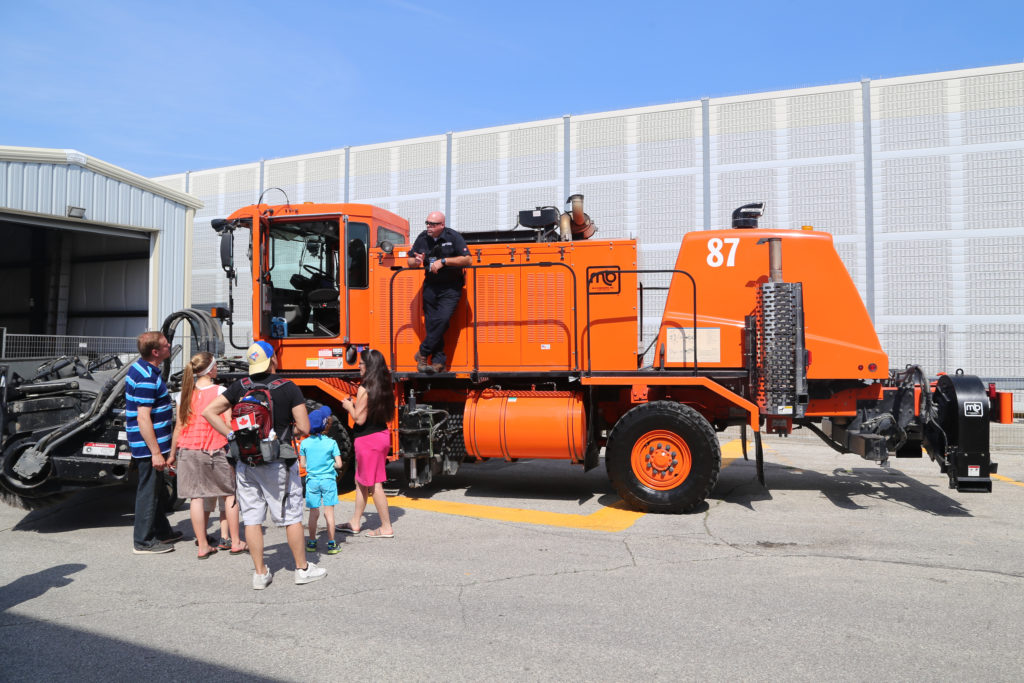
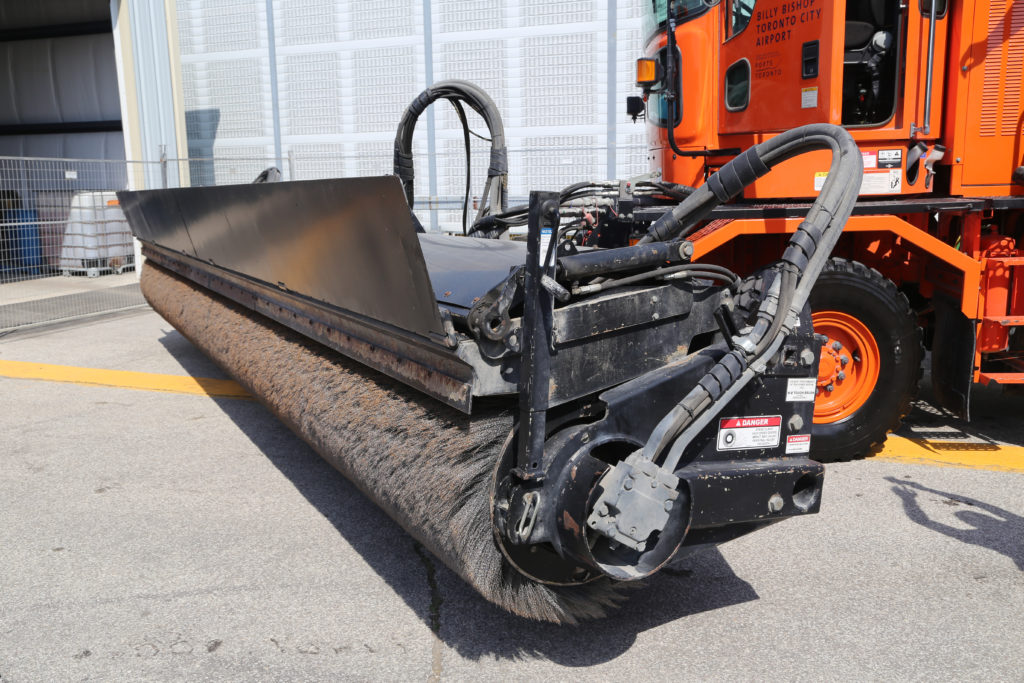
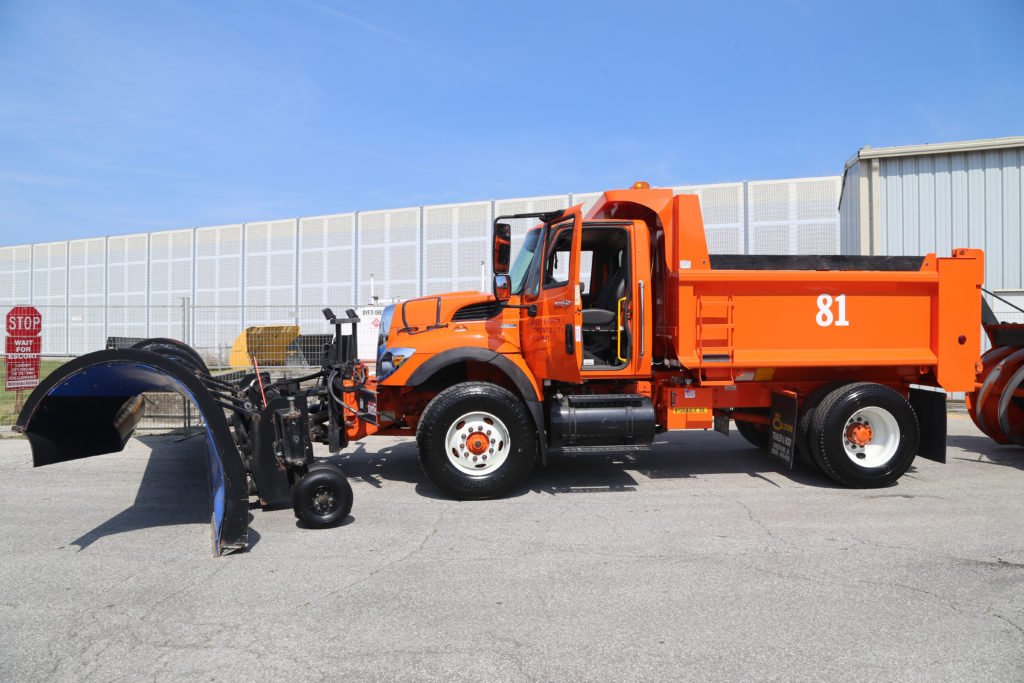
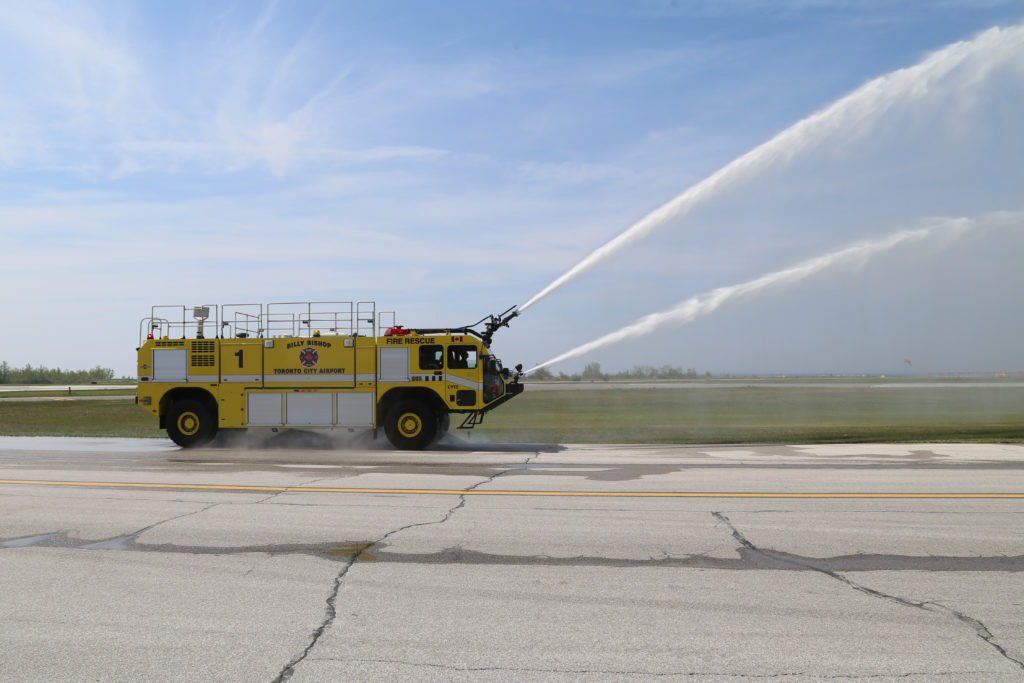
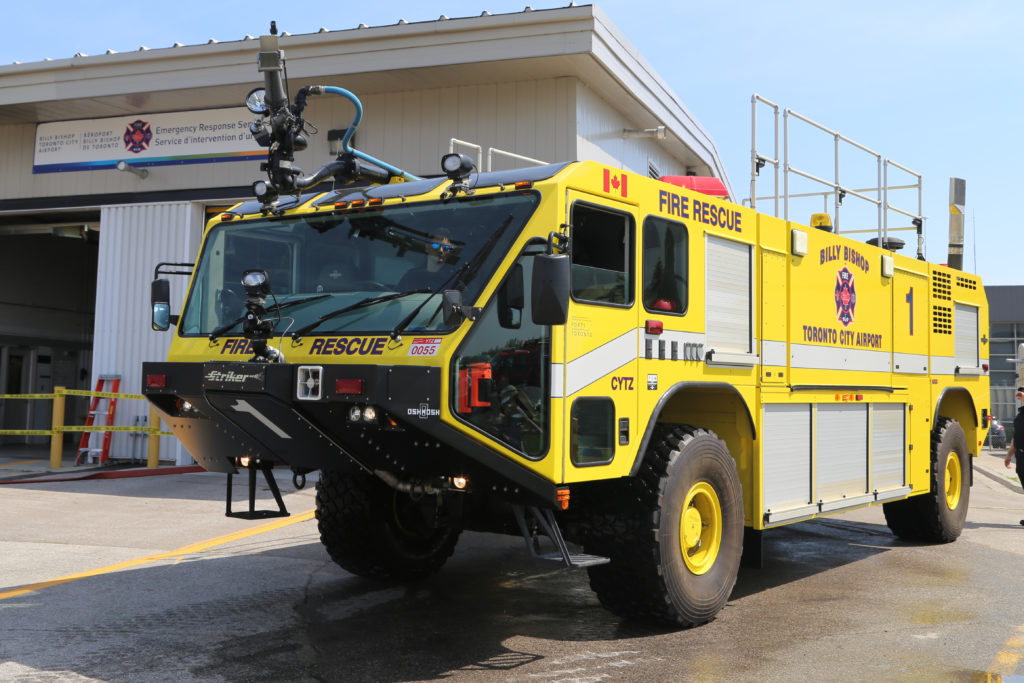
Billy Bishop Airport opened up its behind the scenes areas for Doors Open Toronto. The airport is located on a little island just off of downtown. By just off of, I mean late last year they opened a pedestrian tunnel connecting it to the mainland, so you can literally walk to the island. They pulled out a lot of the equipment they use for maintenance including snow removal and also for emergencies including fire fighting. They have so really cool equipment. One thing I found really interesting was that they don’t use a snow plow on the runways; they use a snow brush. The snow brush is better because of the short length of the runways. They use plows for taxi areas and places where cars go. The brushes also are used during the summer to remove rubber build up from the runways. Planes braking as they land leave rubber marks, and when enough builds up, it lowers the traction, so the rubber has to be removed. They spray a chemical to the runway, then come through with the brush to break up the rubber.
Grand Avenue Central Maintenance Facility
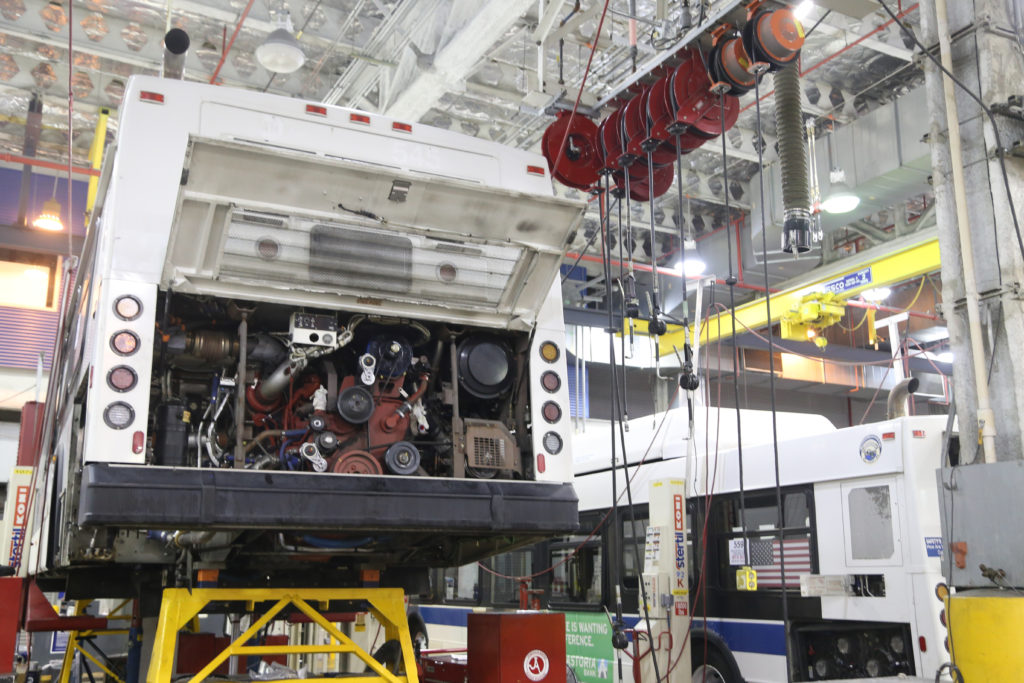
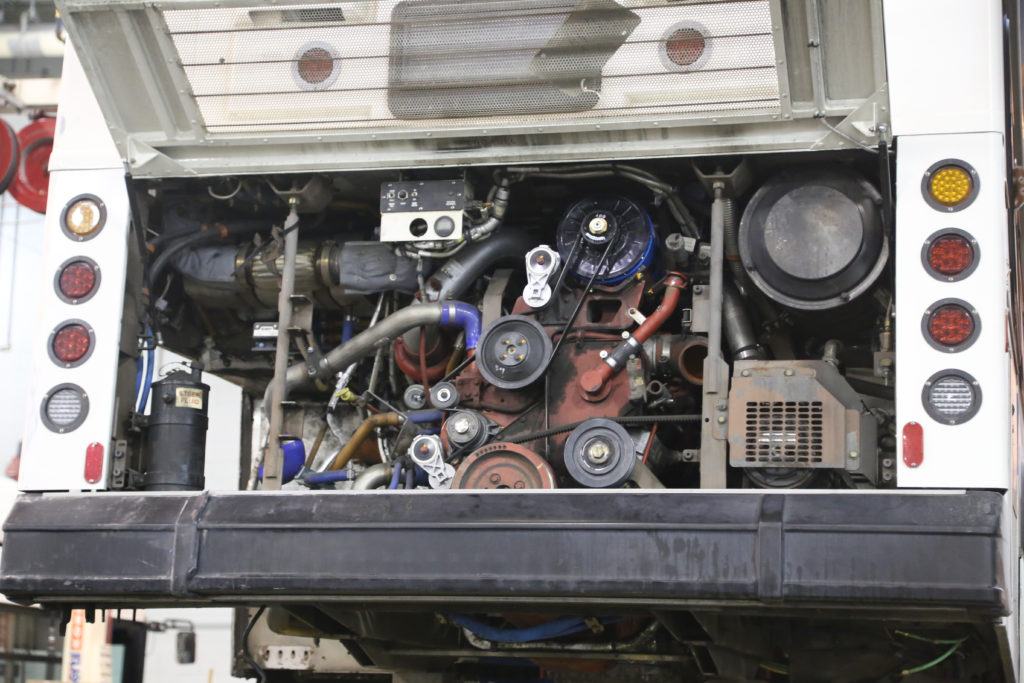
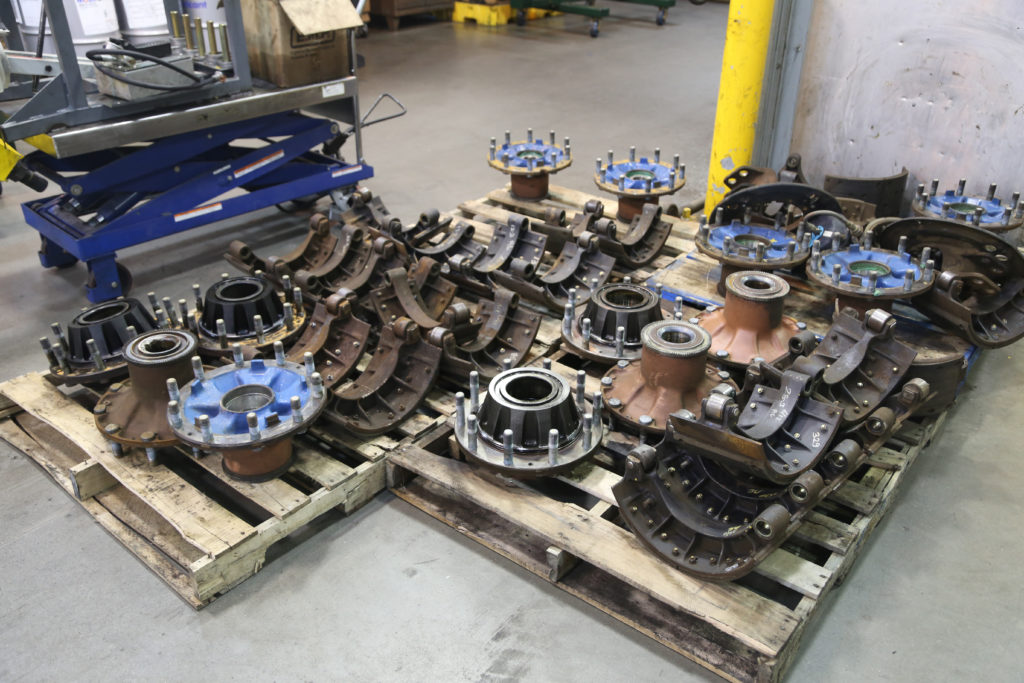
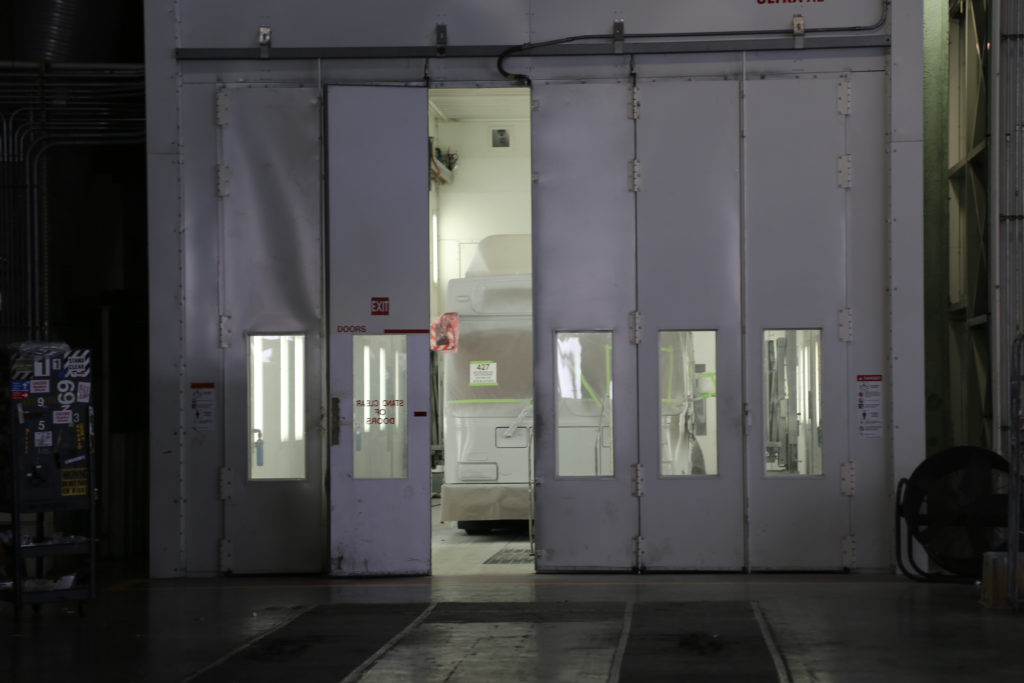
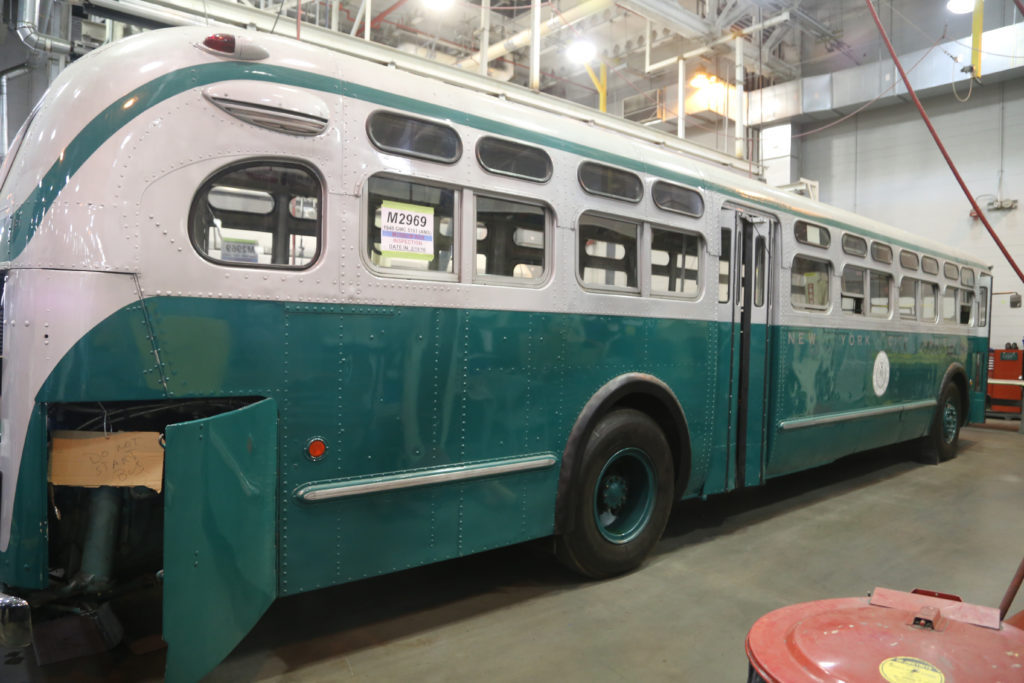
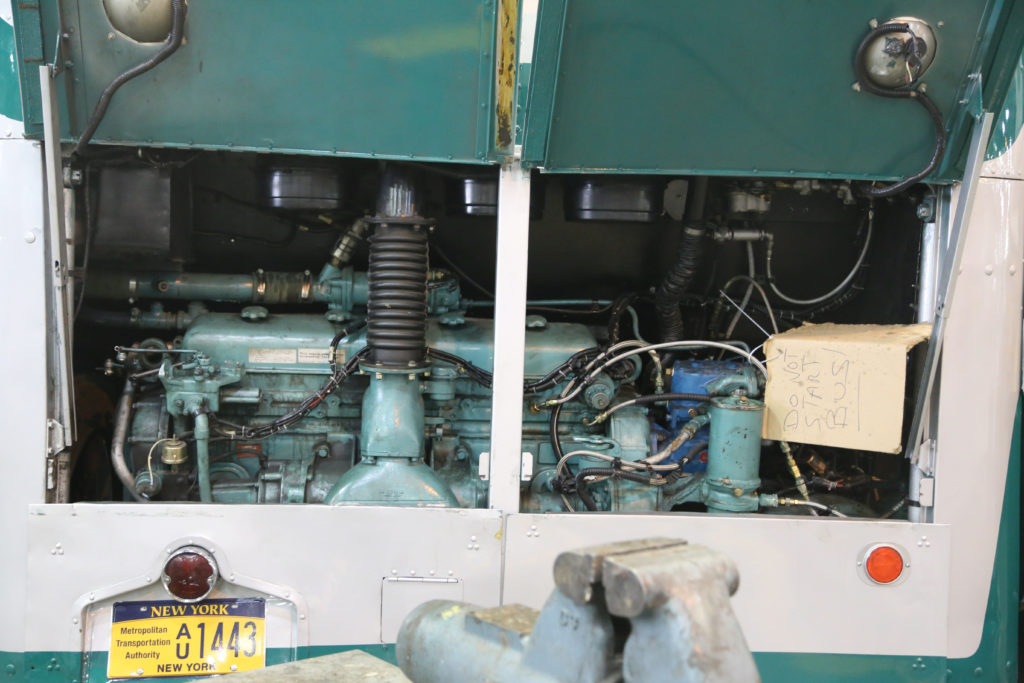
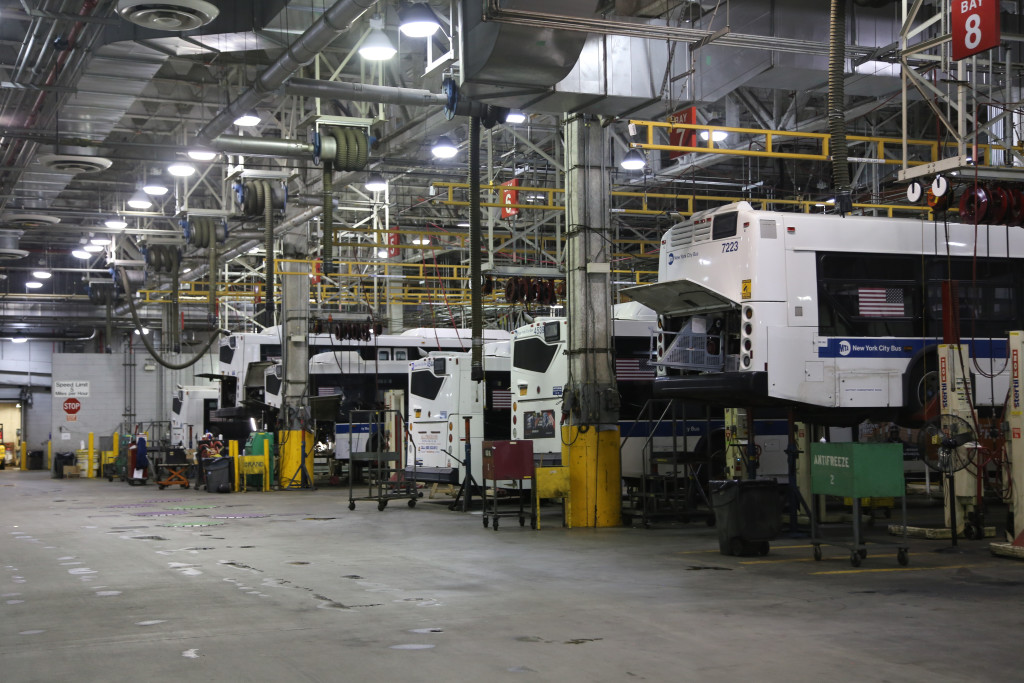
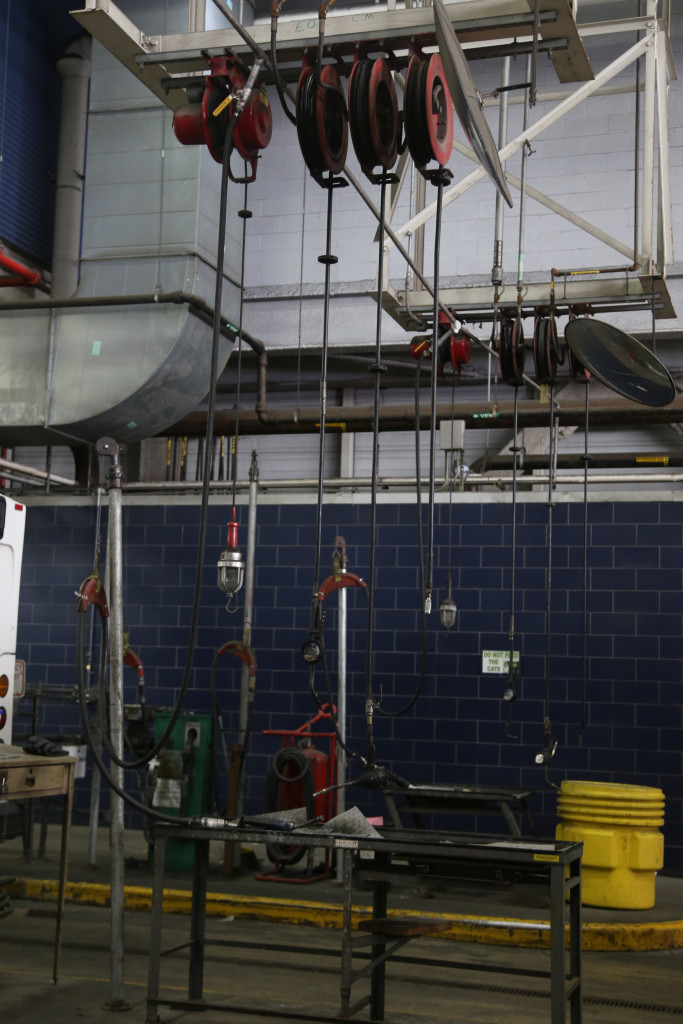
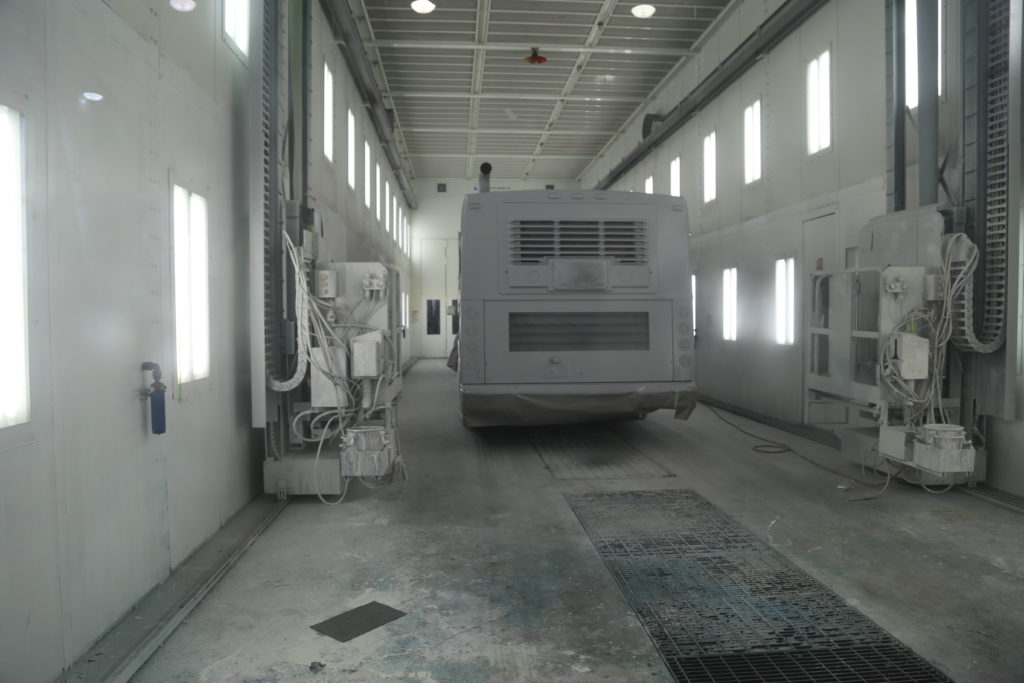
On the level above the Grand Avenue Bus Depot is the Grand Avenue Central Maintenance Facility, which can do repairs, overhauls, and painting of buses. It can also handle compressed natural gas (CNG) buses, which are not allowed in the bus depot below for safety reasons. The facility has storage of parts galore, two huge paint booths, and numerous bays for repairing buses. Also, at the time I was there, it had a vintage bus in for repair, which was really cool to see. There were also all these cool looking parts for the buses, none of which I could identify.
Grand Avenue Bus Depot
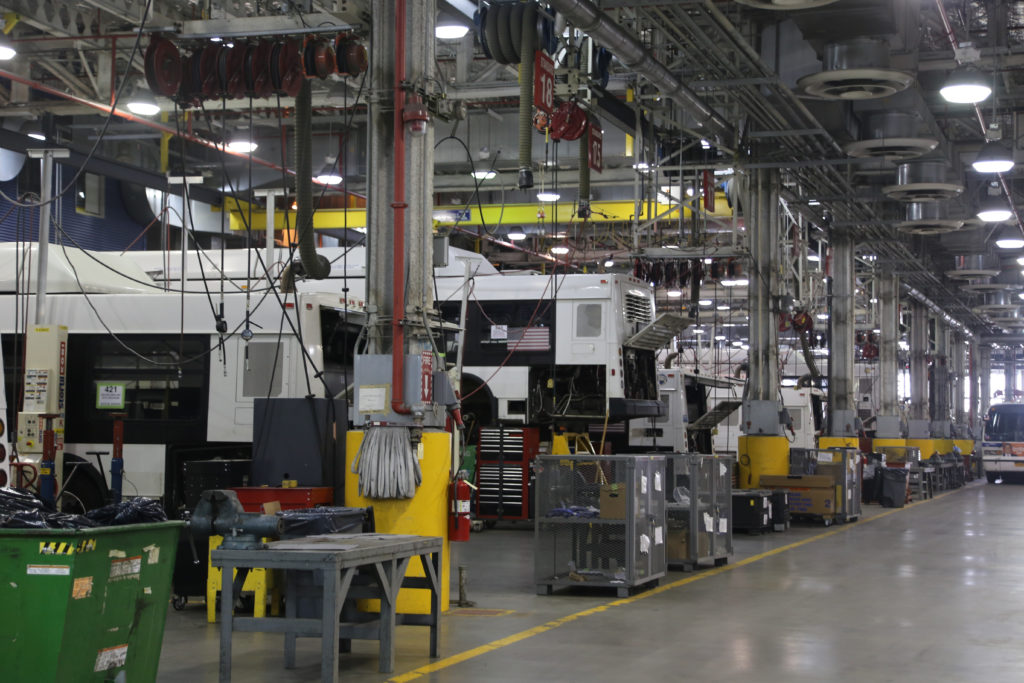
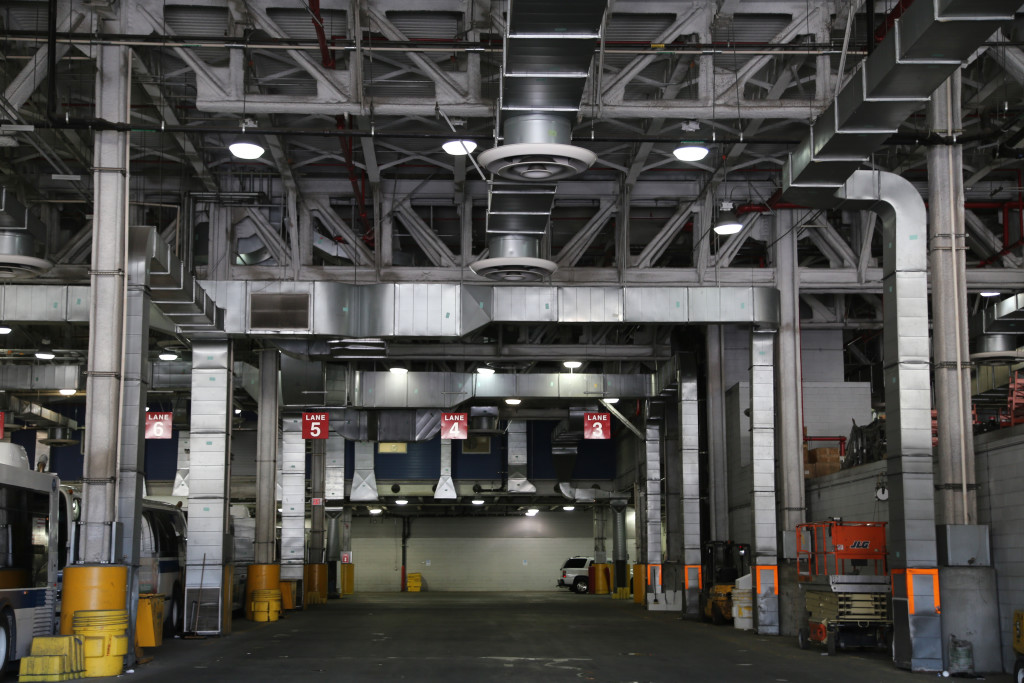
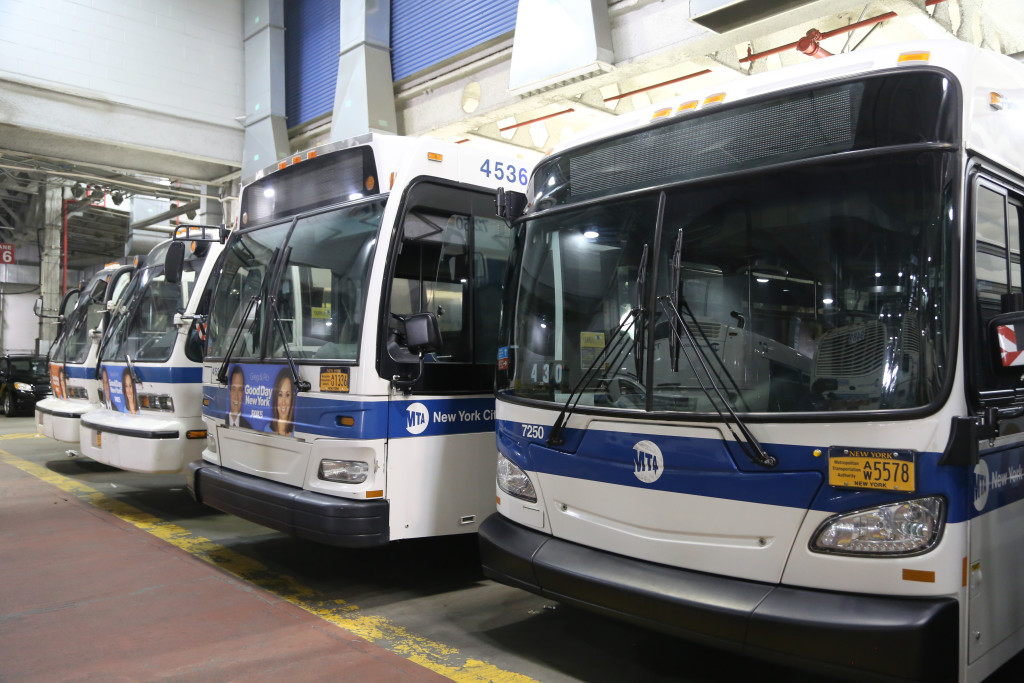
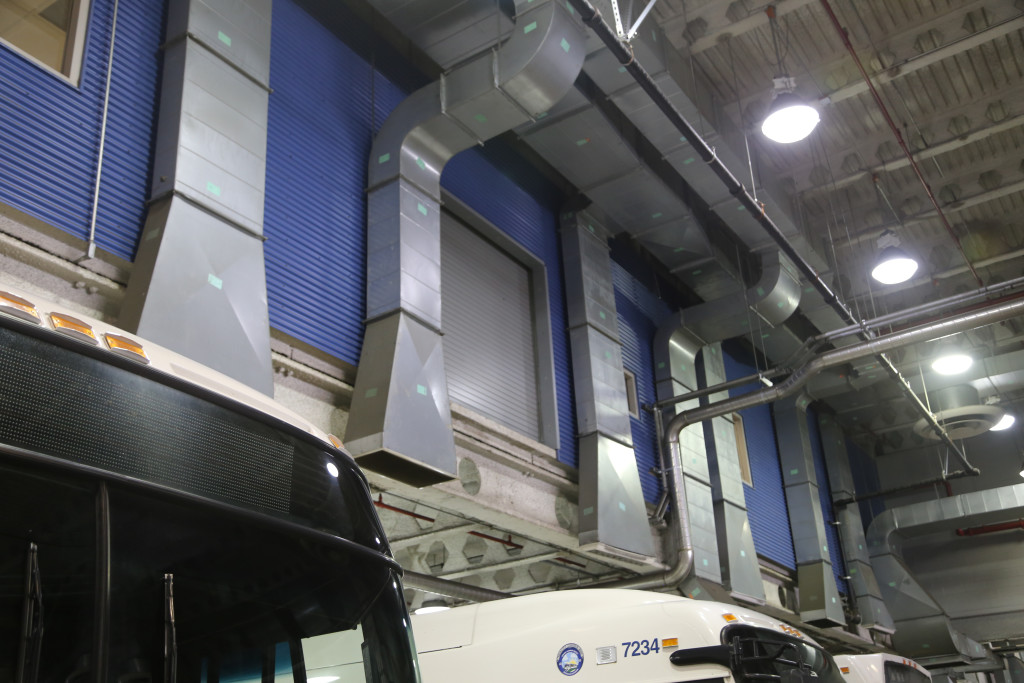
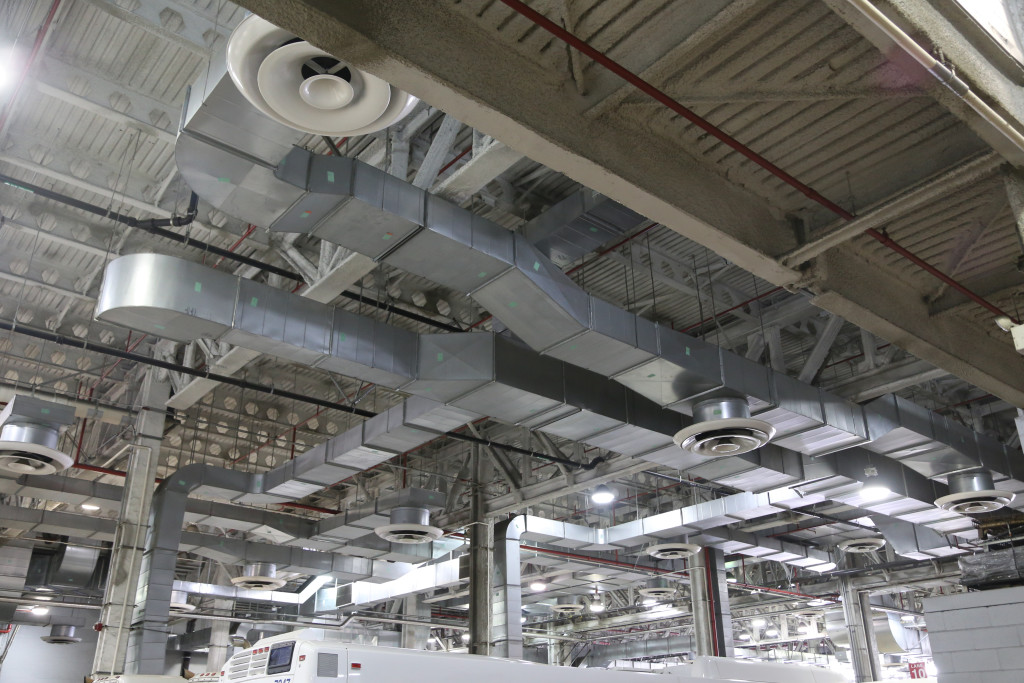
I toured the New York MTA’s Grand Avenue Bus Depot with the New York Transit Museum. The depot is relatively new, which is evident when you are inside. I don’t know much about bus depot design, but I was astounded by the amount of ventilation in the building. Considering the number of vehicles going and in and out every day, the ventilation is needed, but still I was surprised by the amount of it. The bus depot occupies the first level of this huge building, and the second level holds the Central Maintenance facility. They are considered to be different facilities. The bus depot is, well, a depot, or parking area for when the buses are not in use. The depot also where regular maintenance is performed and everyday activities like fueling, money removal, and washing.

I asked the facility manager what this garage style door was for. He looked at it and me and said he had never been asked that and wasn’t actually sure. Leave it to me to be able to stump people.
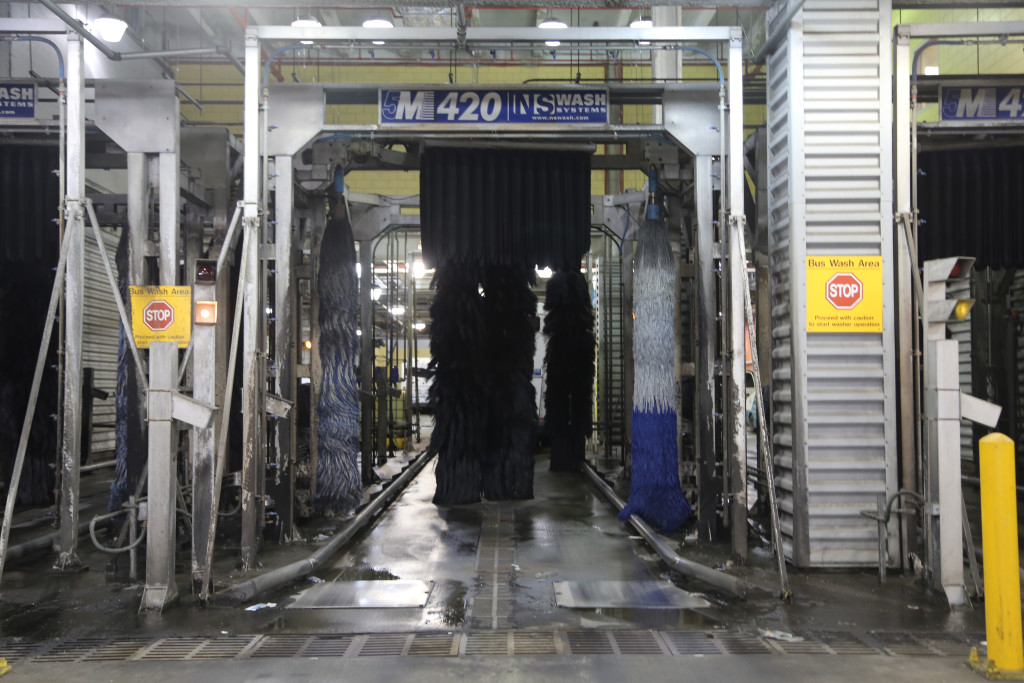
Confession: Other people in the group asked the depot manager to please let us go through bus wash, so he granted their wishes, and we all boarded a bus and went through a wash.
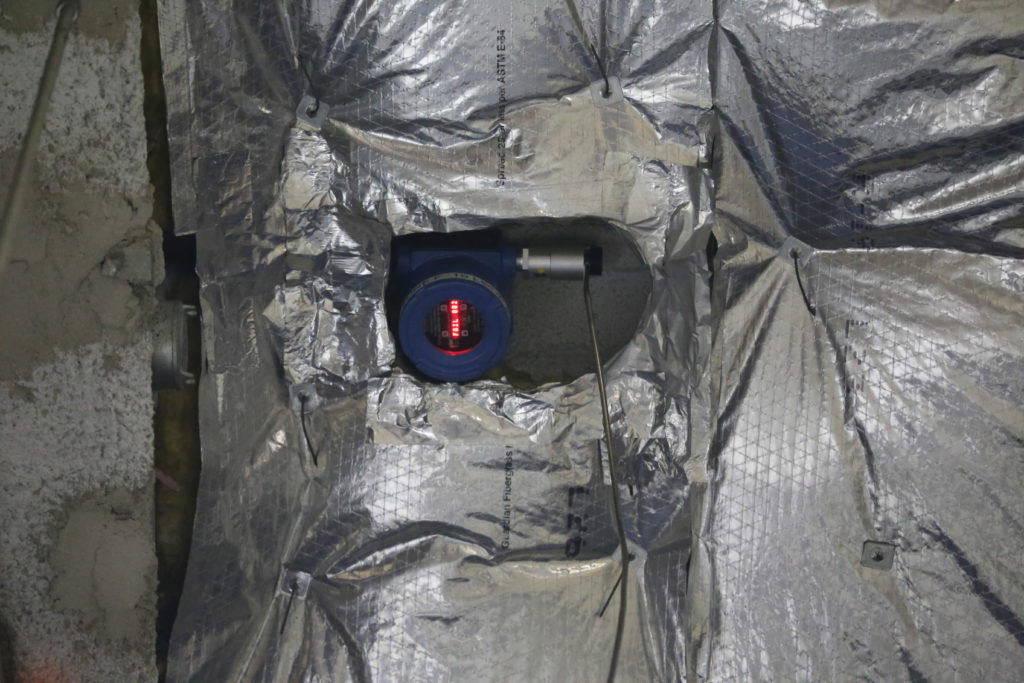
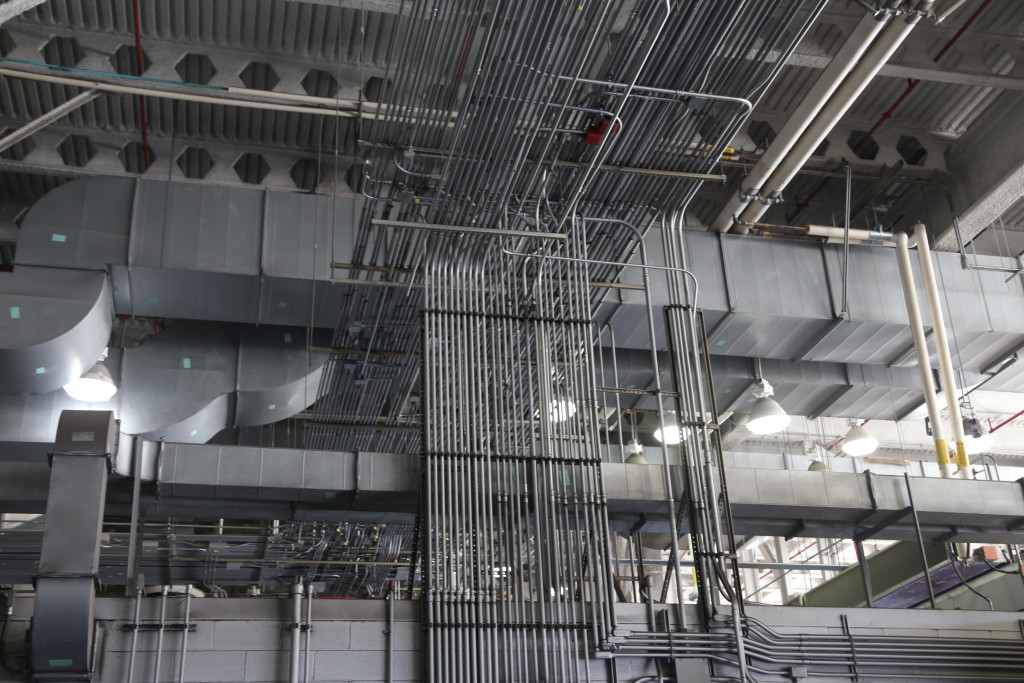
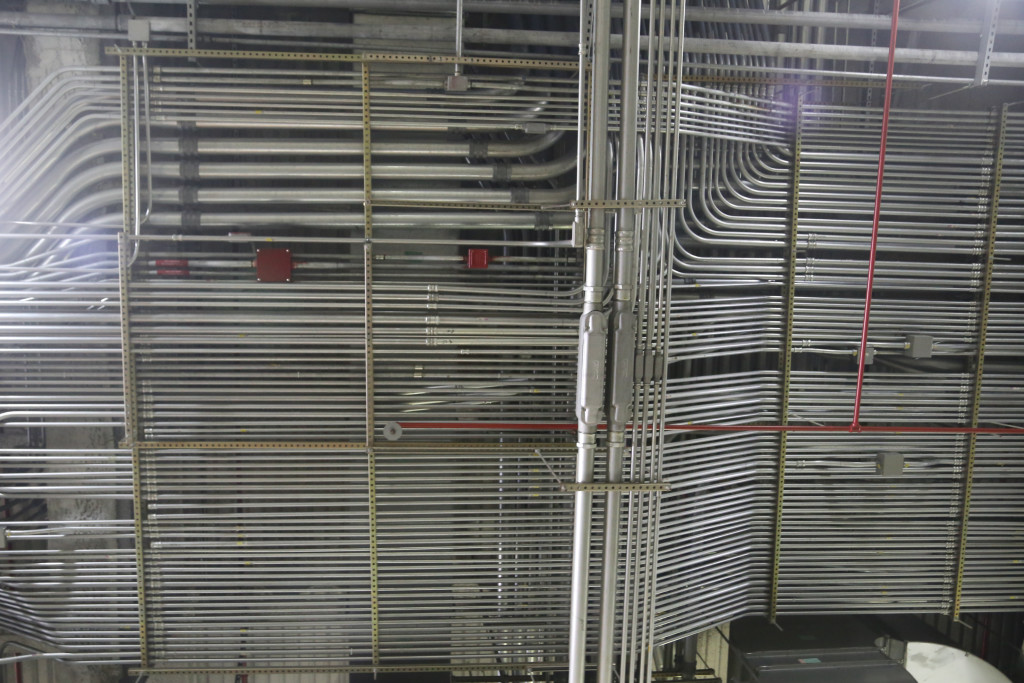
The ceilings and walls were almost completely filled with ventilation ducts, pipes, and conduits.
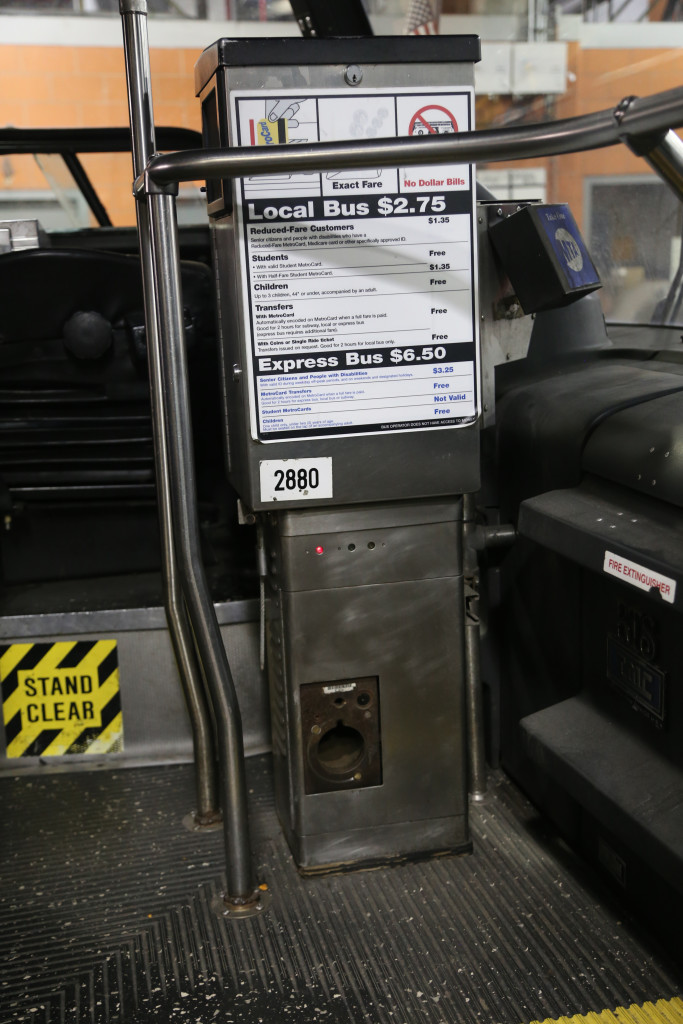
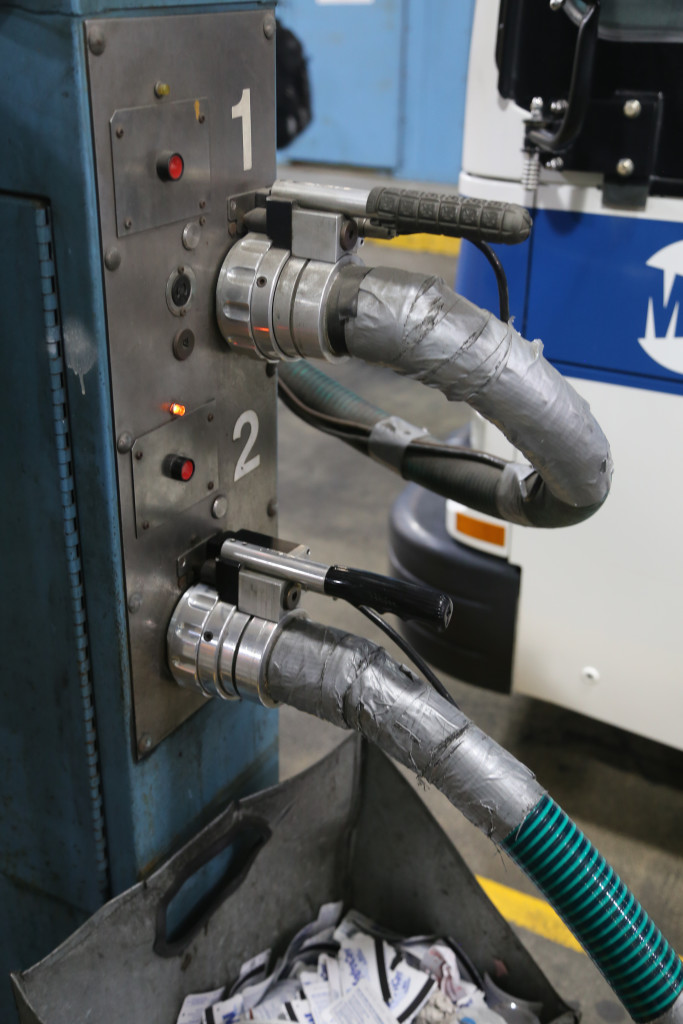
One of my favorite parts of the tour was learning that they vacuum money out of the fare box. MTA buses only accept coin and not bills. They hook up a hose to outlet at the bottom of the fare box, and the money is vacuumed out to secure boxes where it falls into bags or some other movable containers. The staff of the facility never touches the money. Then the money is removed from the boxes on a regular basis by armed staff. I think it is because I have a B.S. in chemical engineering that I found this so fascinating. We learned about pipes and other conduits and pump design for fluids. Coins are obviously not fluids. I am intrigued by the design that would be needed by items that are going to bounce around and not flow the way a fluid does. Also the pressure needed to pull coins out must be interesting.
Cabrillo National Monument
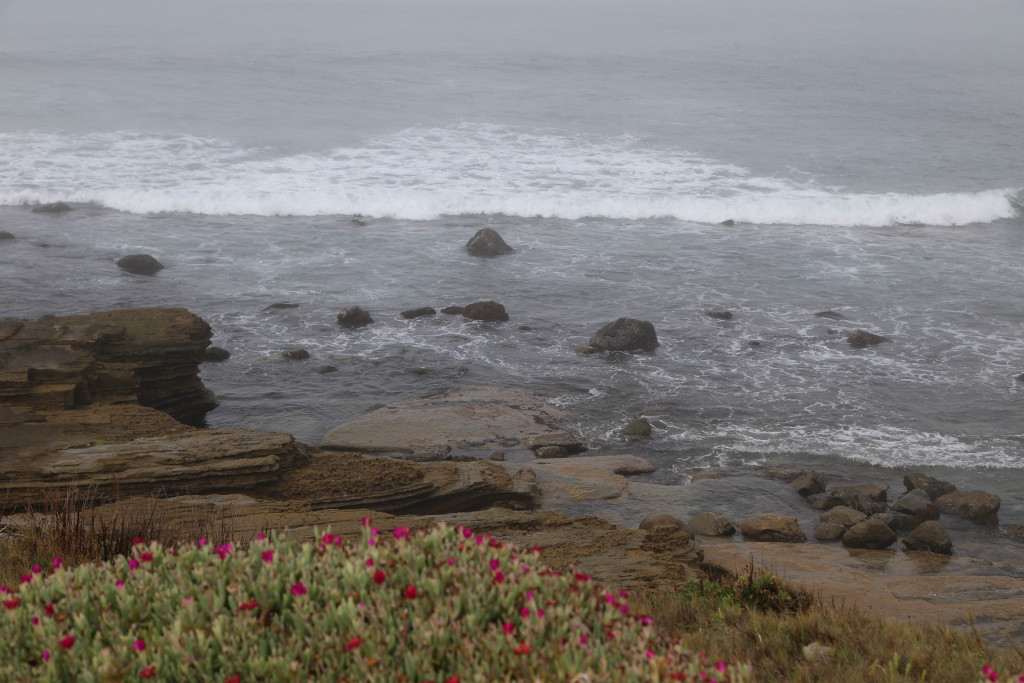
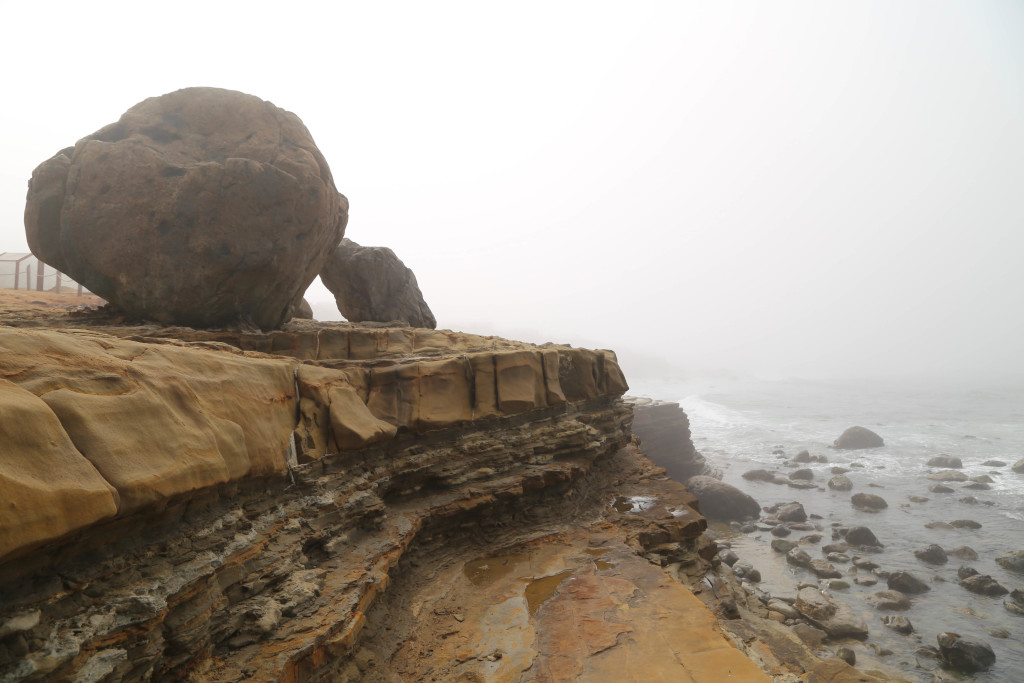
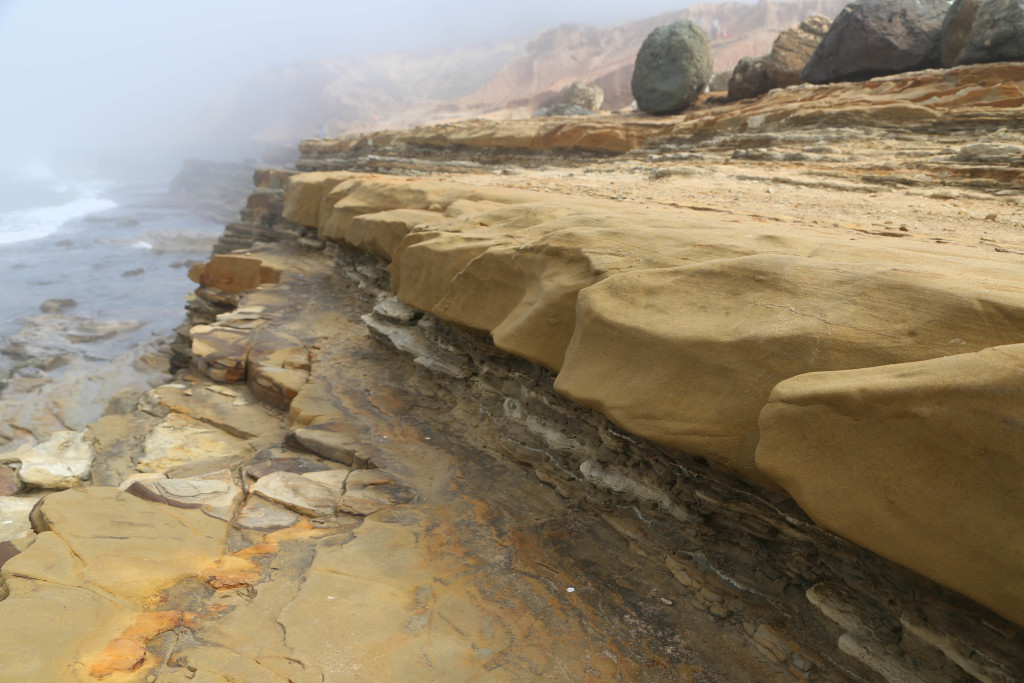
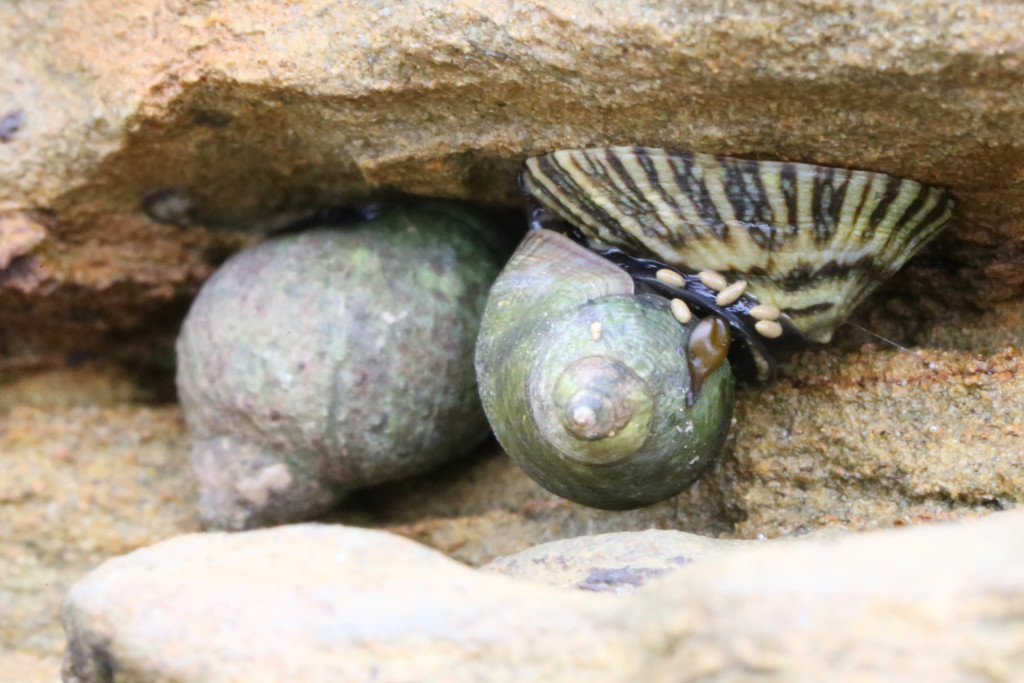
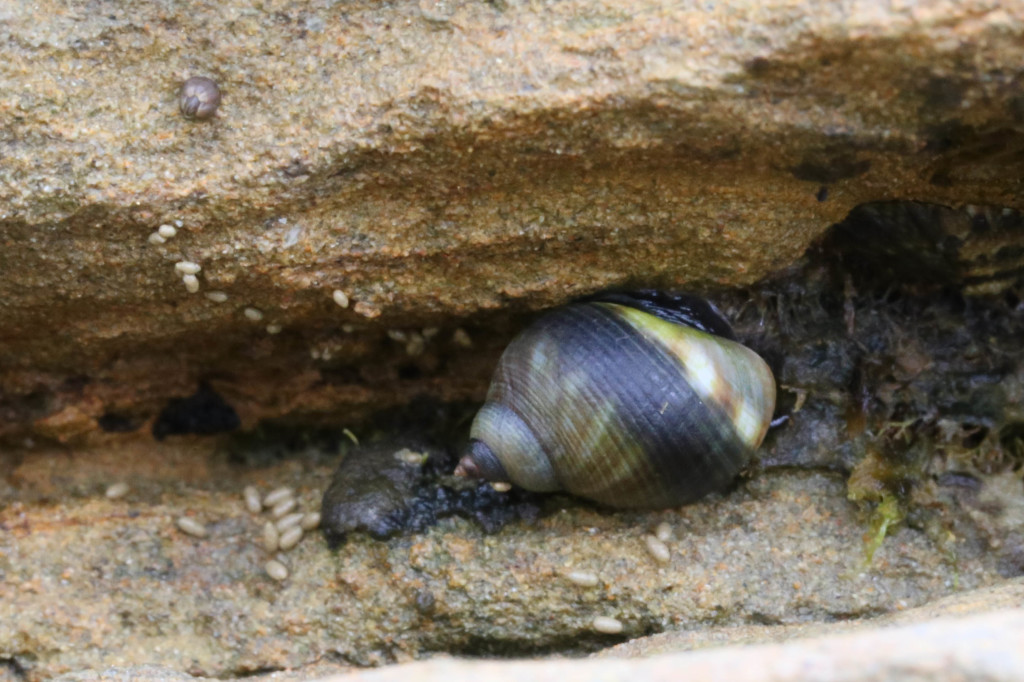
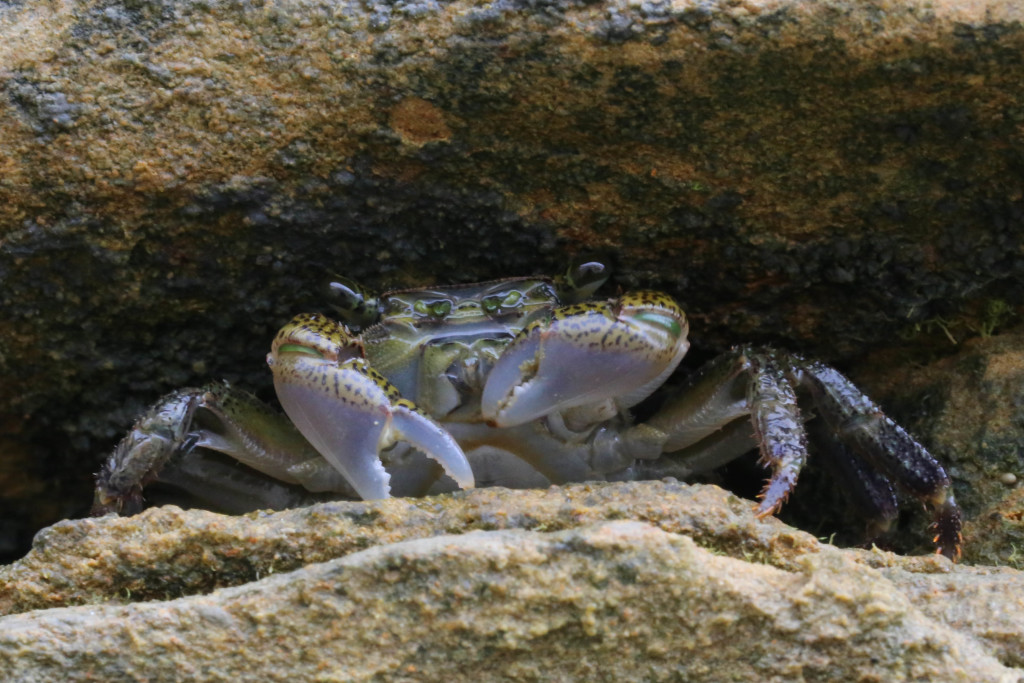
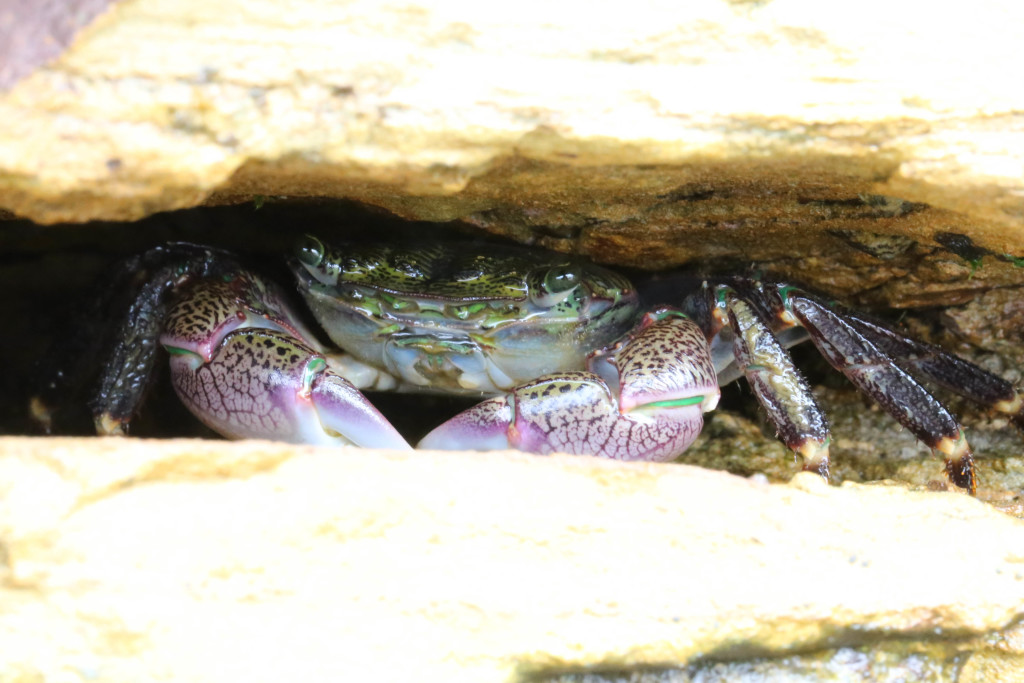
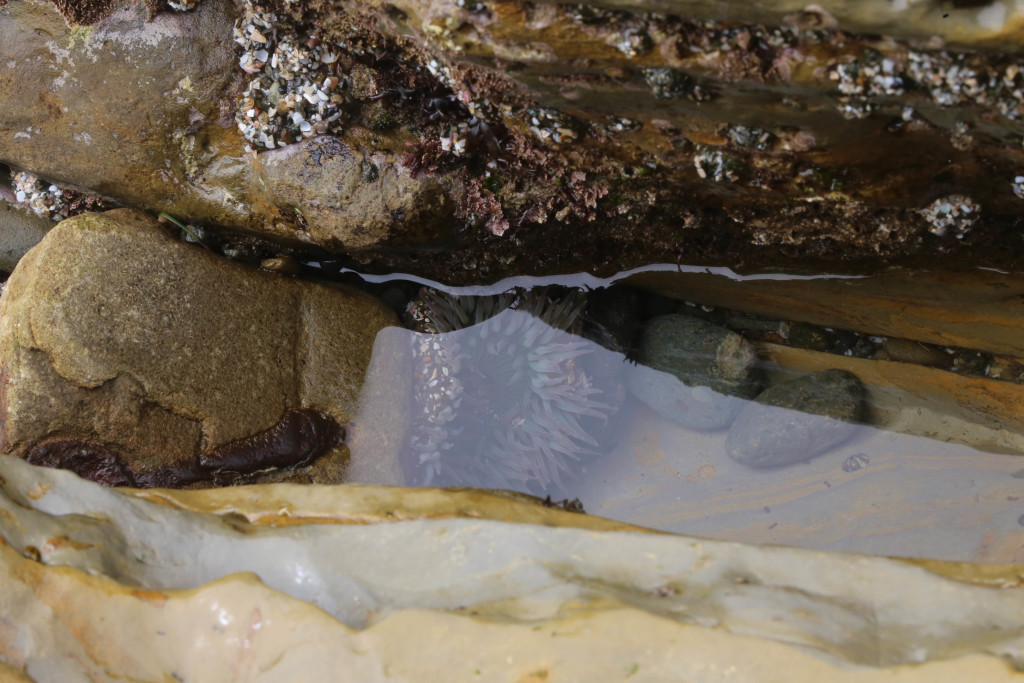
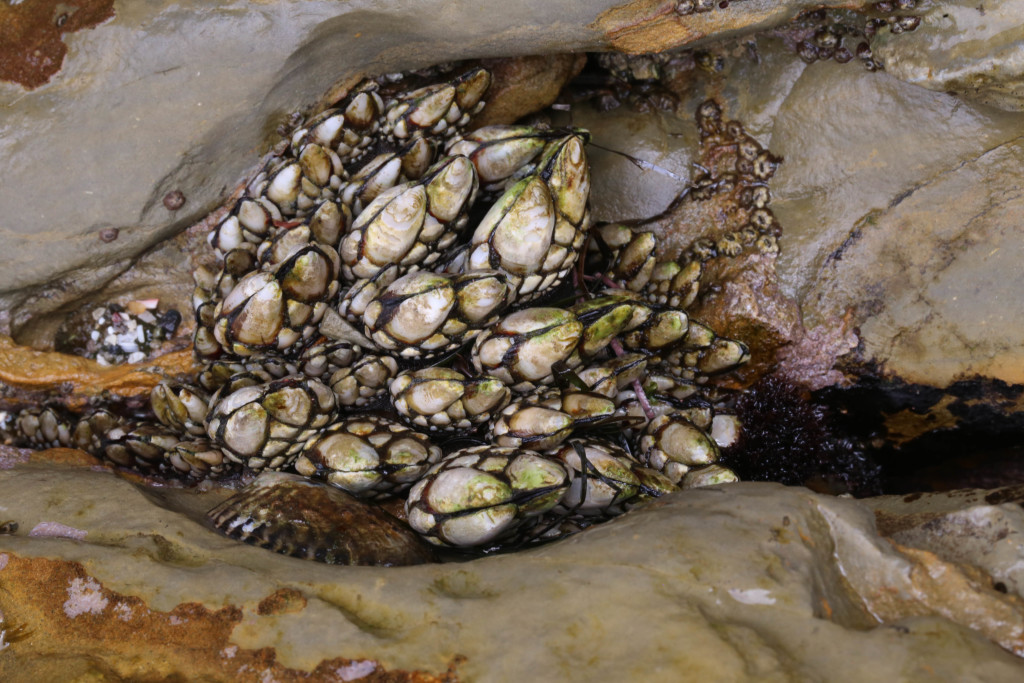
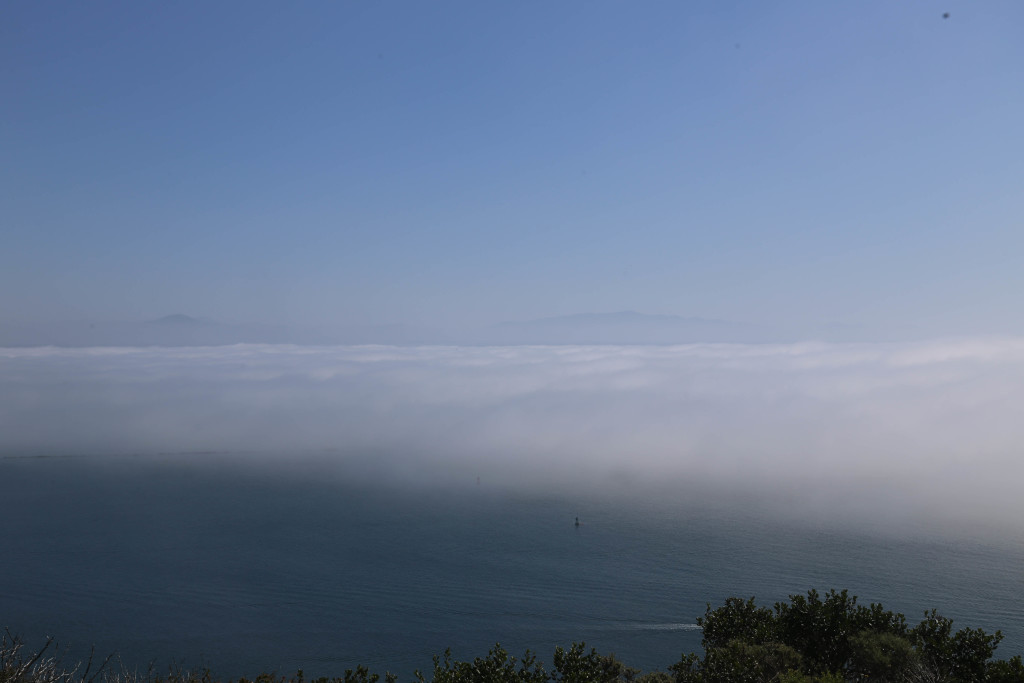
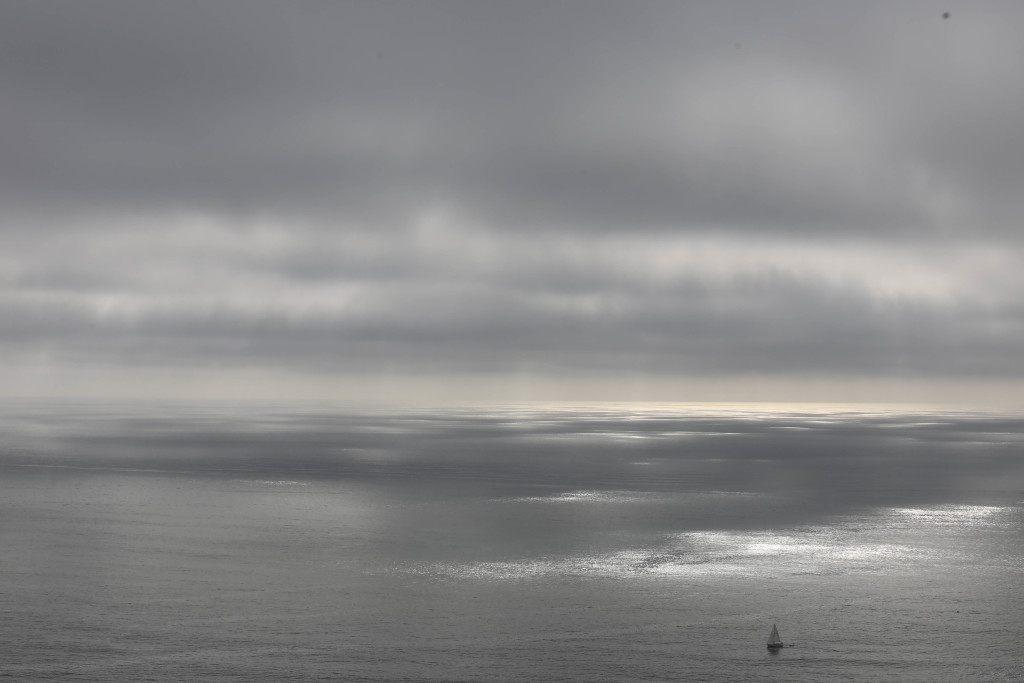
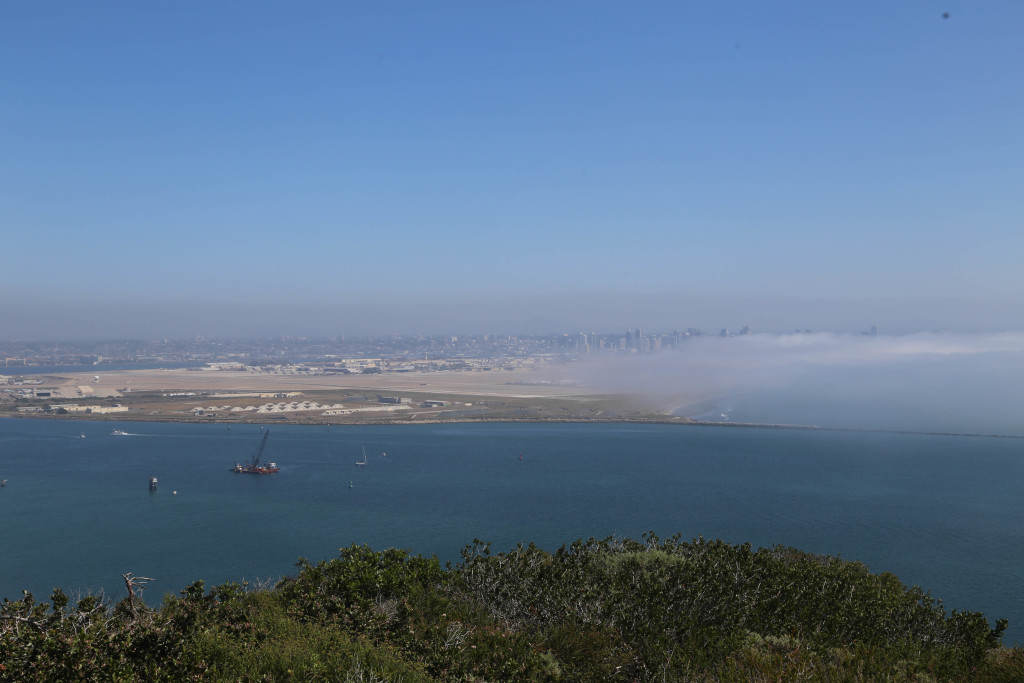
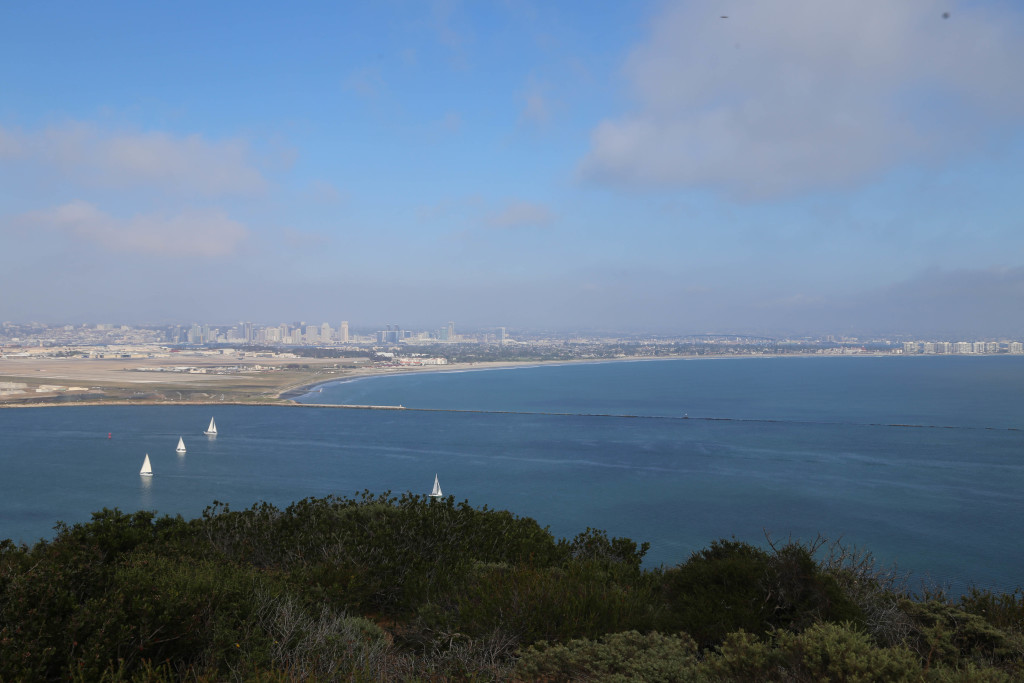
While in Sand Diego, I visited Cabrillo National Monument. Actually I visited it twice. I went in the morning, and the entire area was covered with thick fog. I explored the tidal pool area and met some cute crabs, limpets, and snails. I then went to the peak area and tried to view San Diego underneath the clouds. It was kind of amazing to be on a peak about 400 feet above the ocean and look at a giant fog encompassing almost everything below. I then came back in the afternoon and was finally able to get some good views.
San Diego
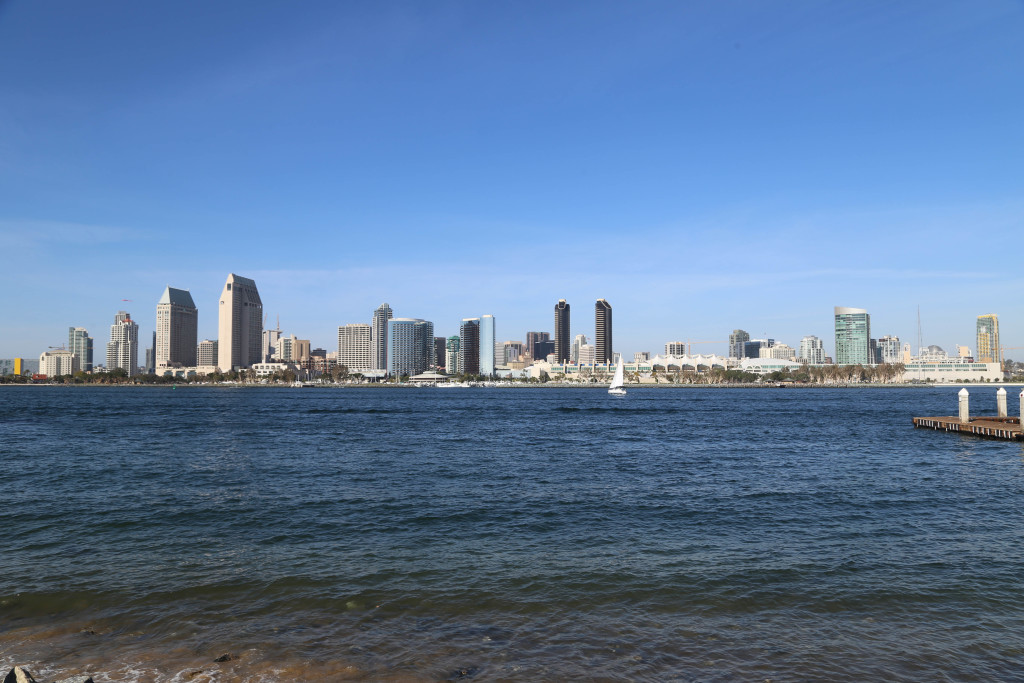
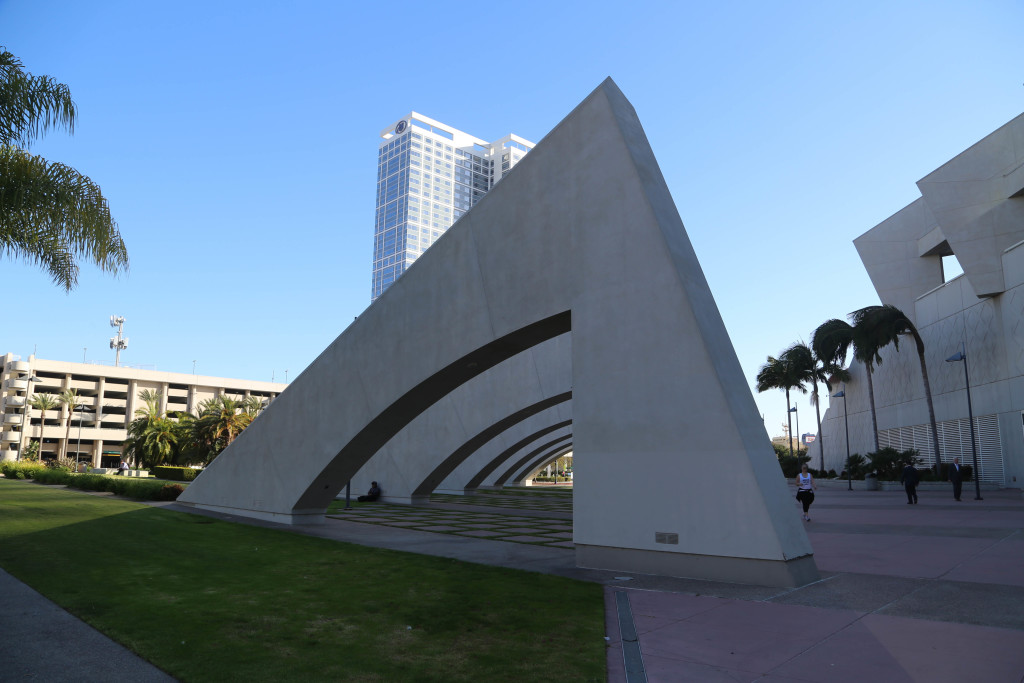
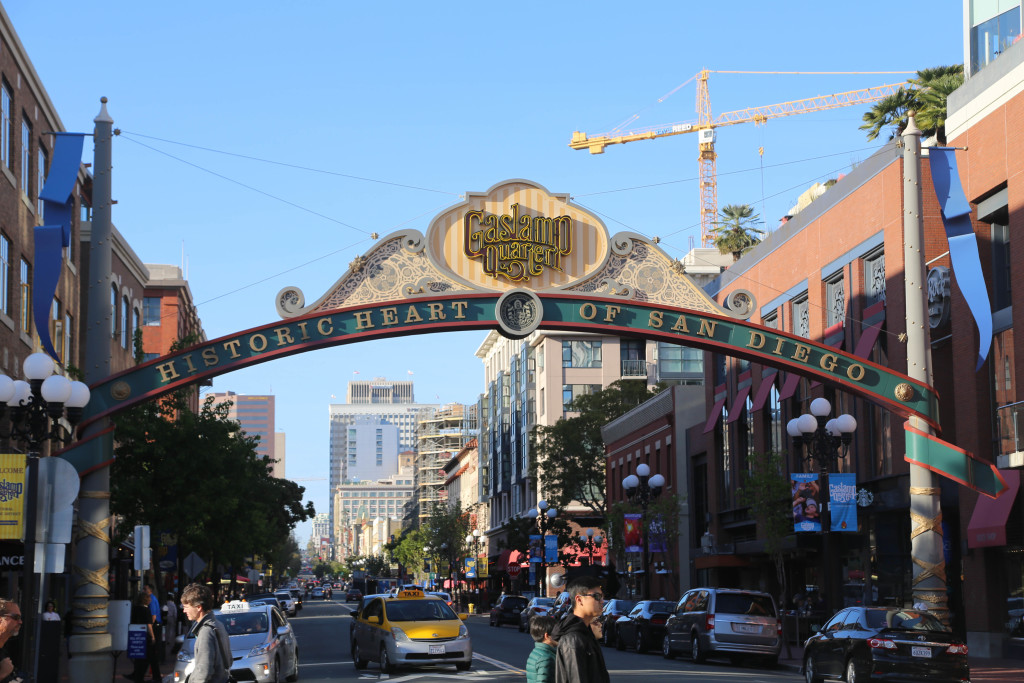
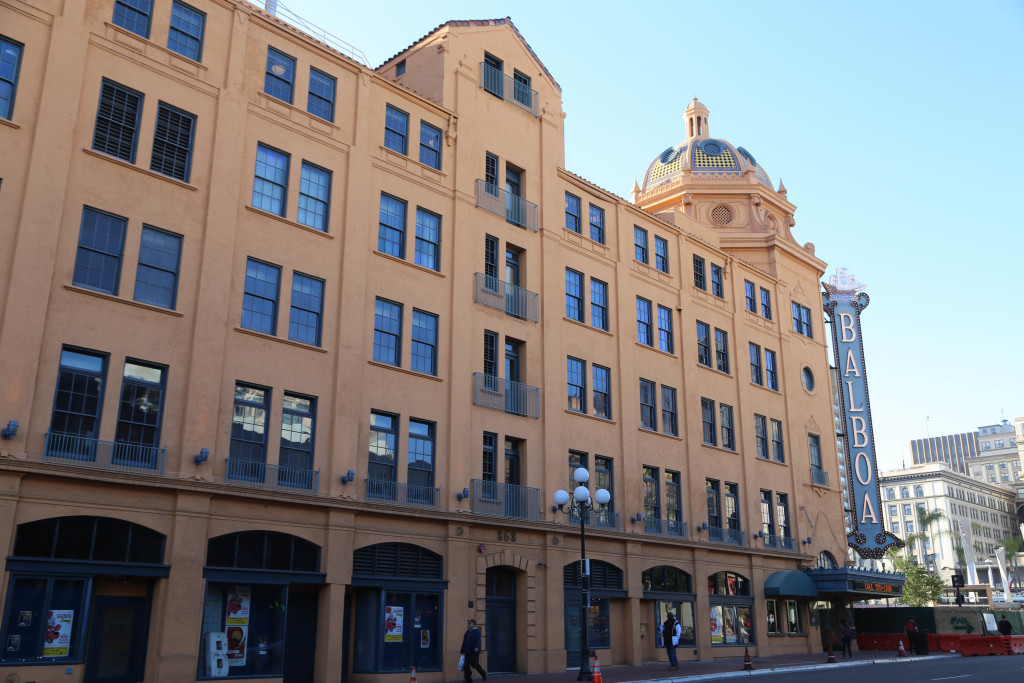
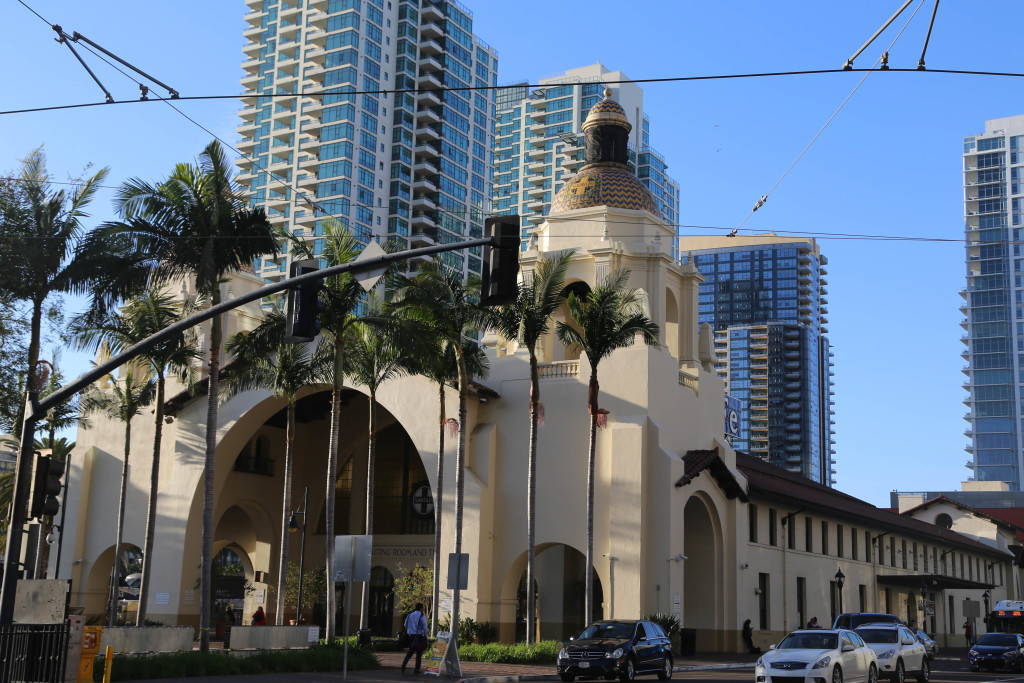
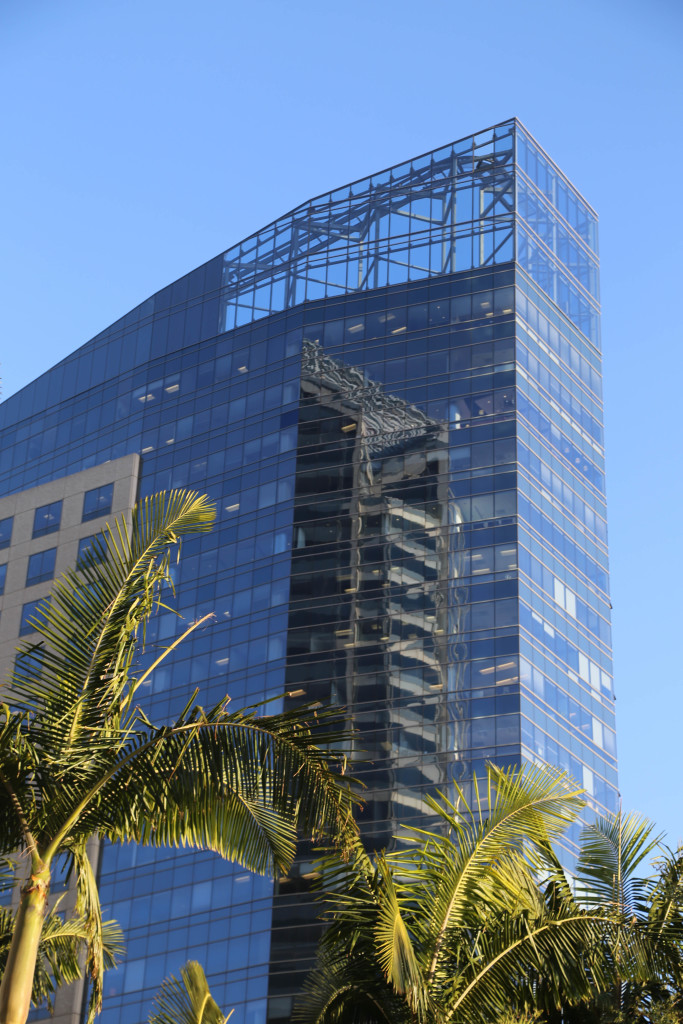
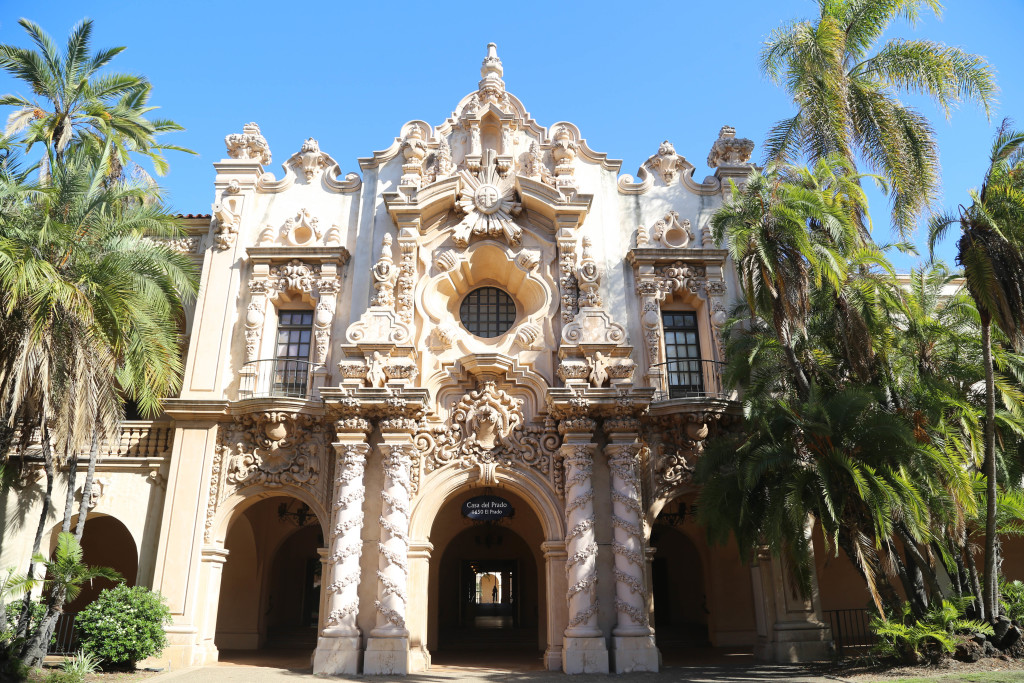
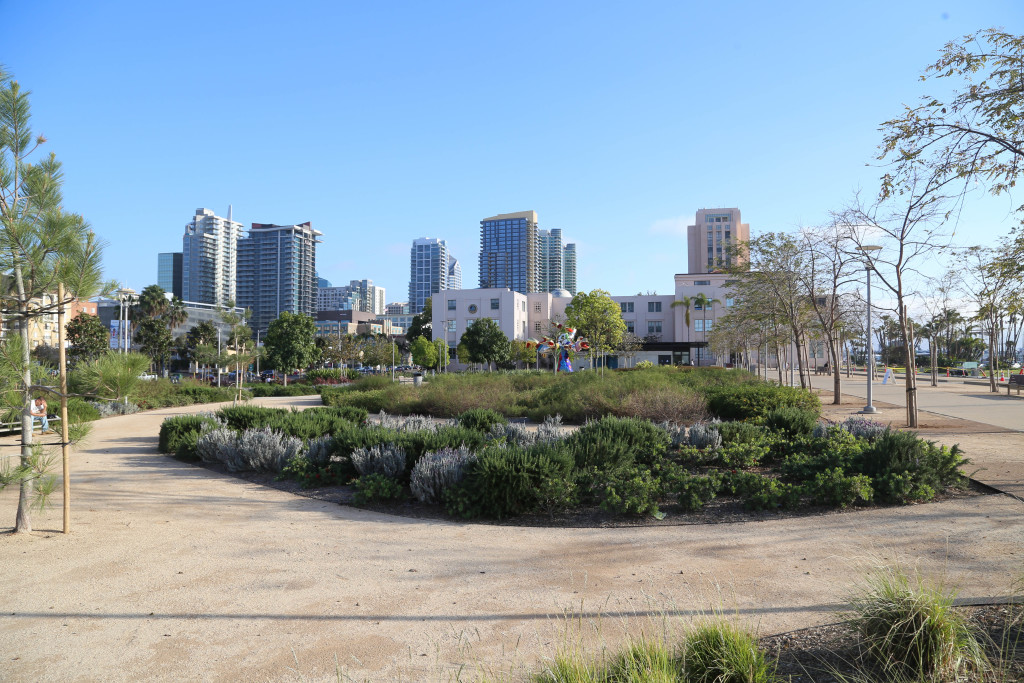
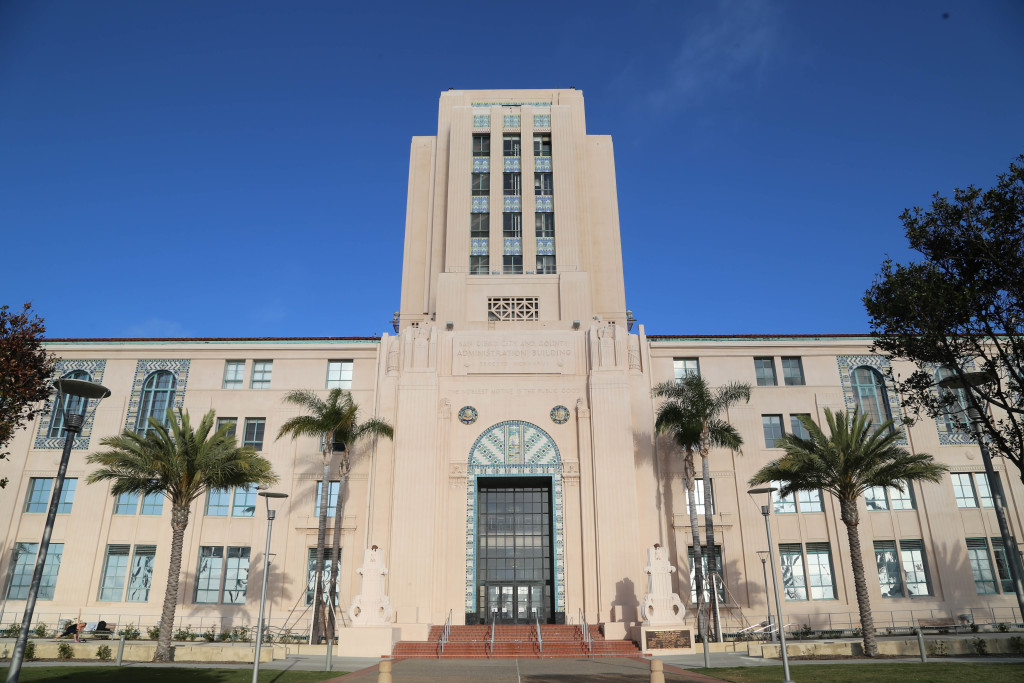
I was in San Diego recently for a conference, and I was able to take a few days to wander around and see a little bit of the city. A few blog posts to come with photos, but here are some from just around town.
More San Juan
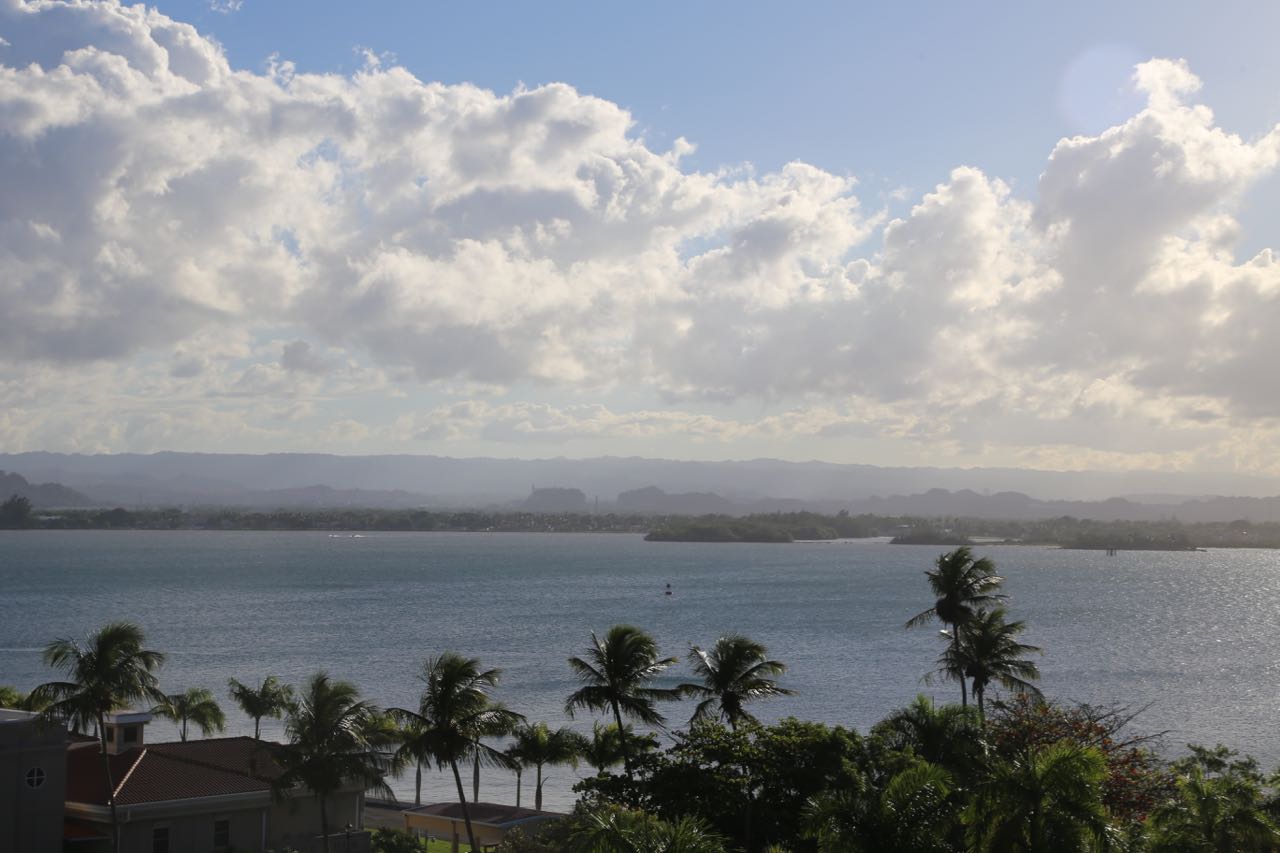
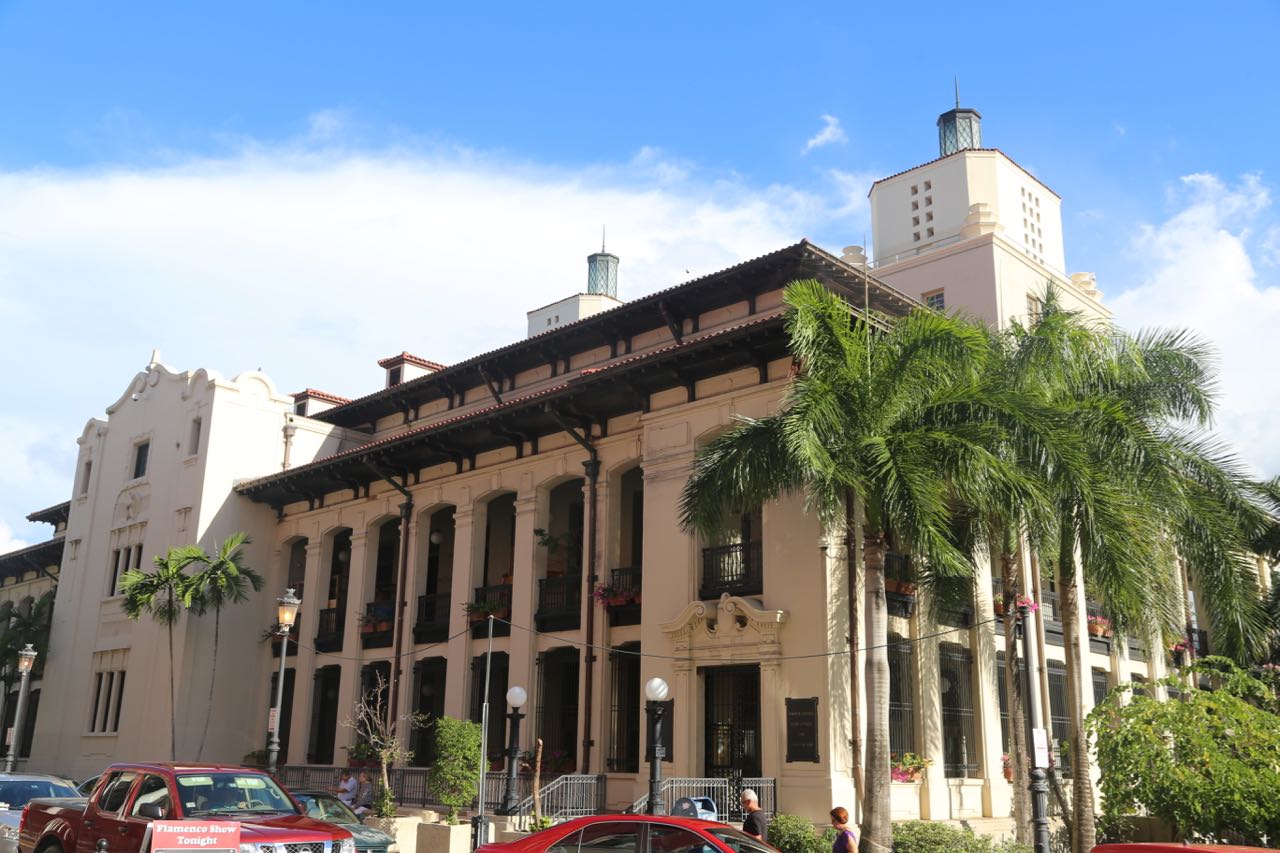
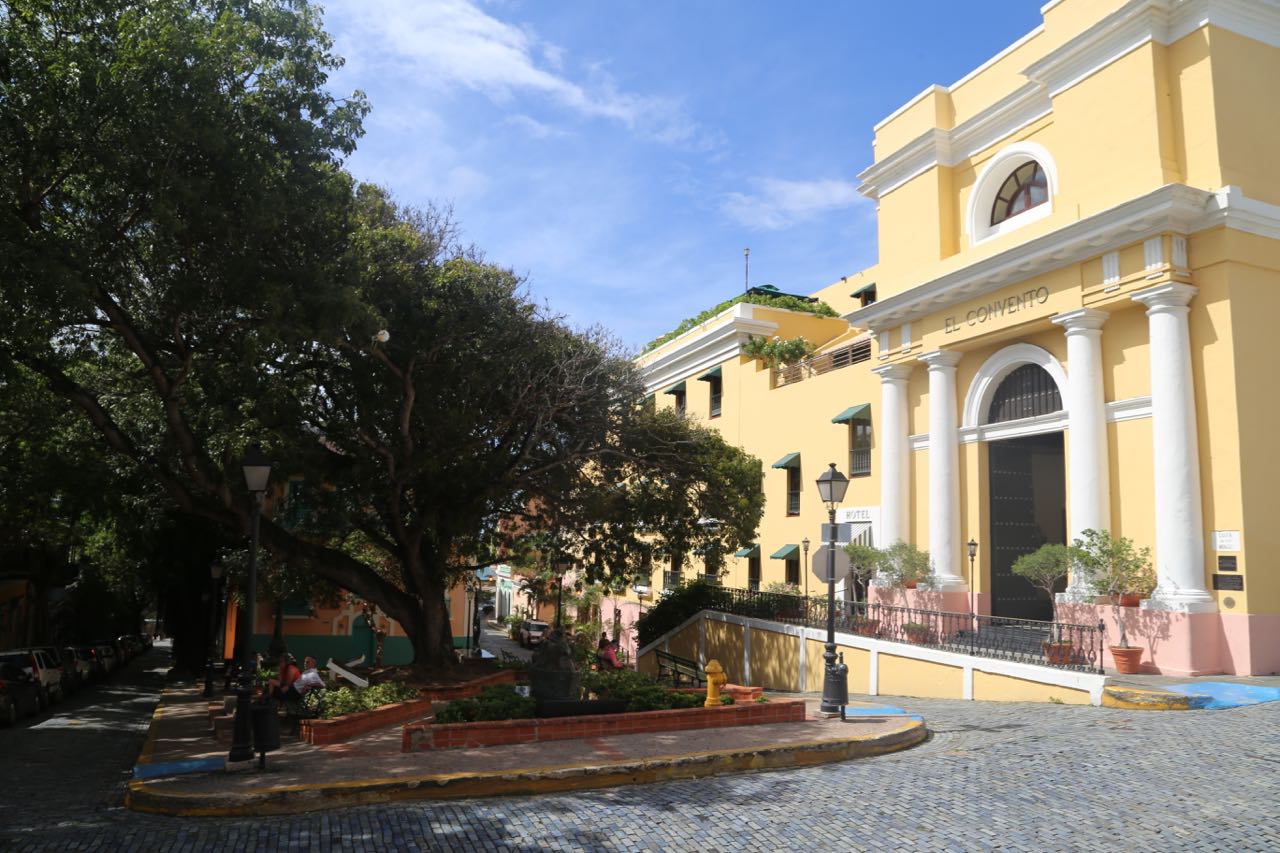
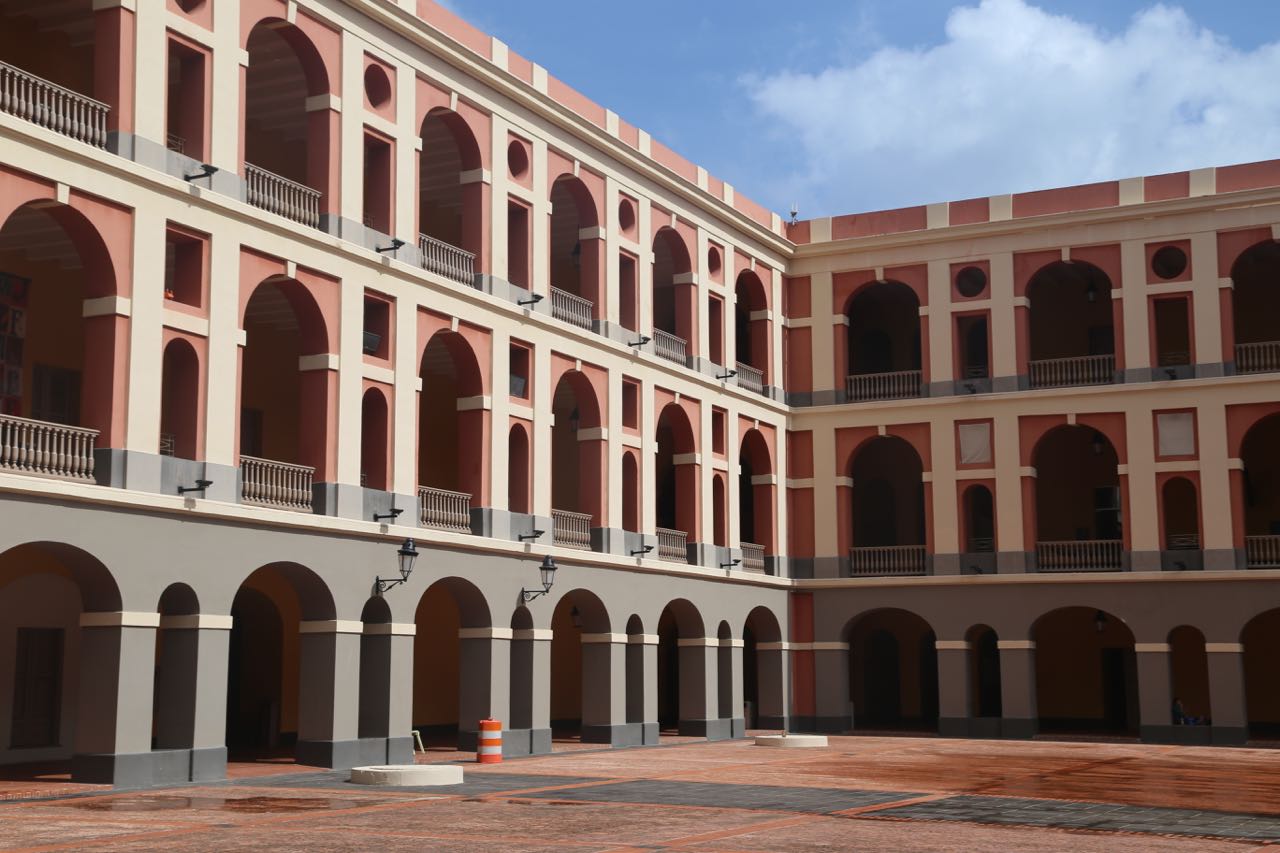
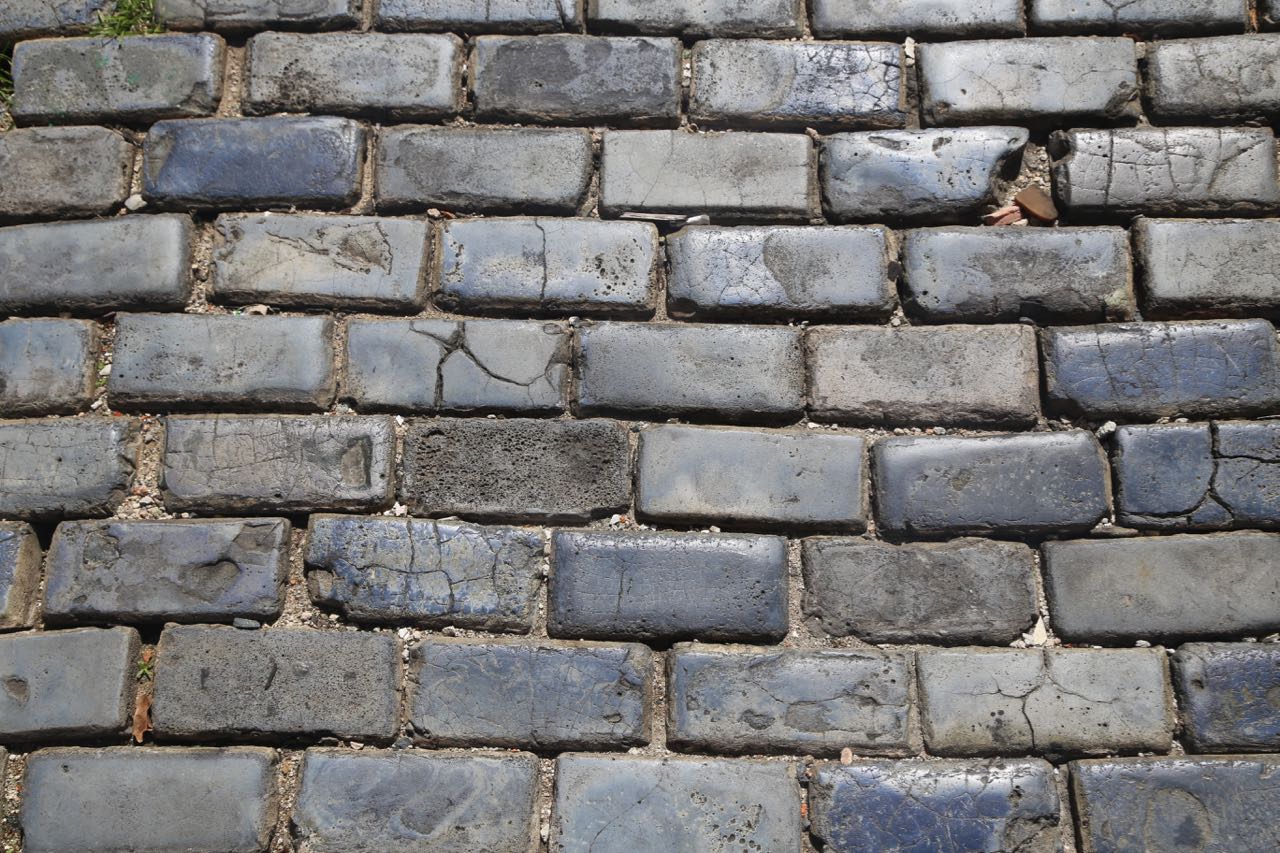
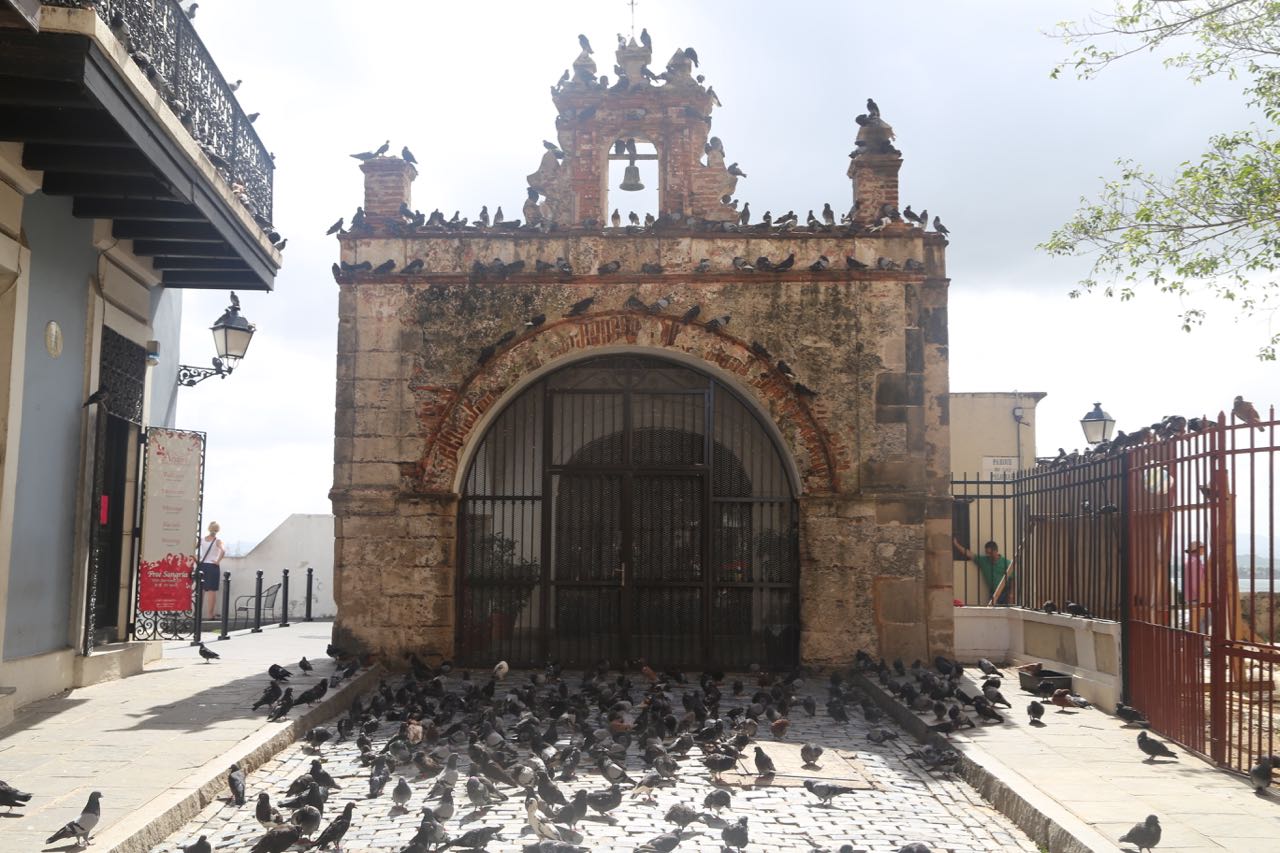
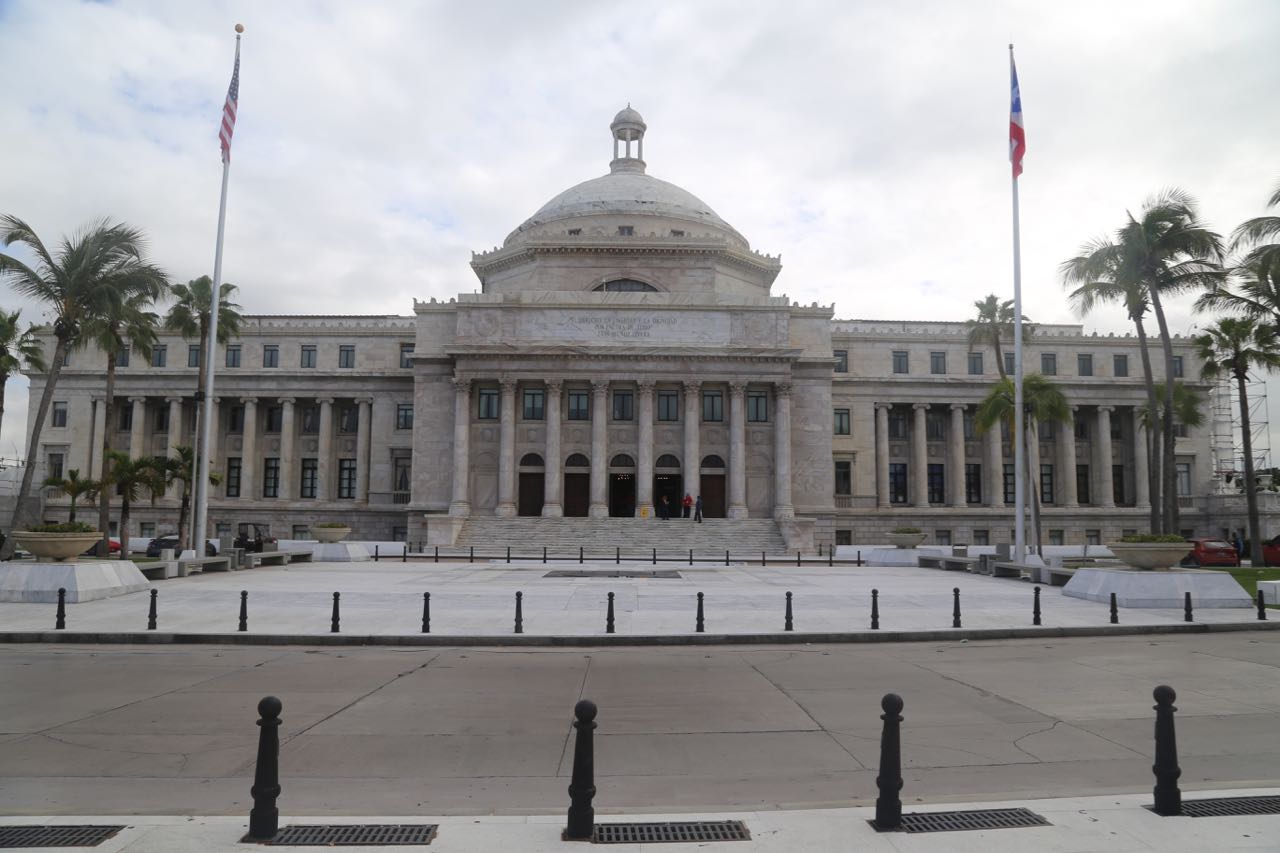
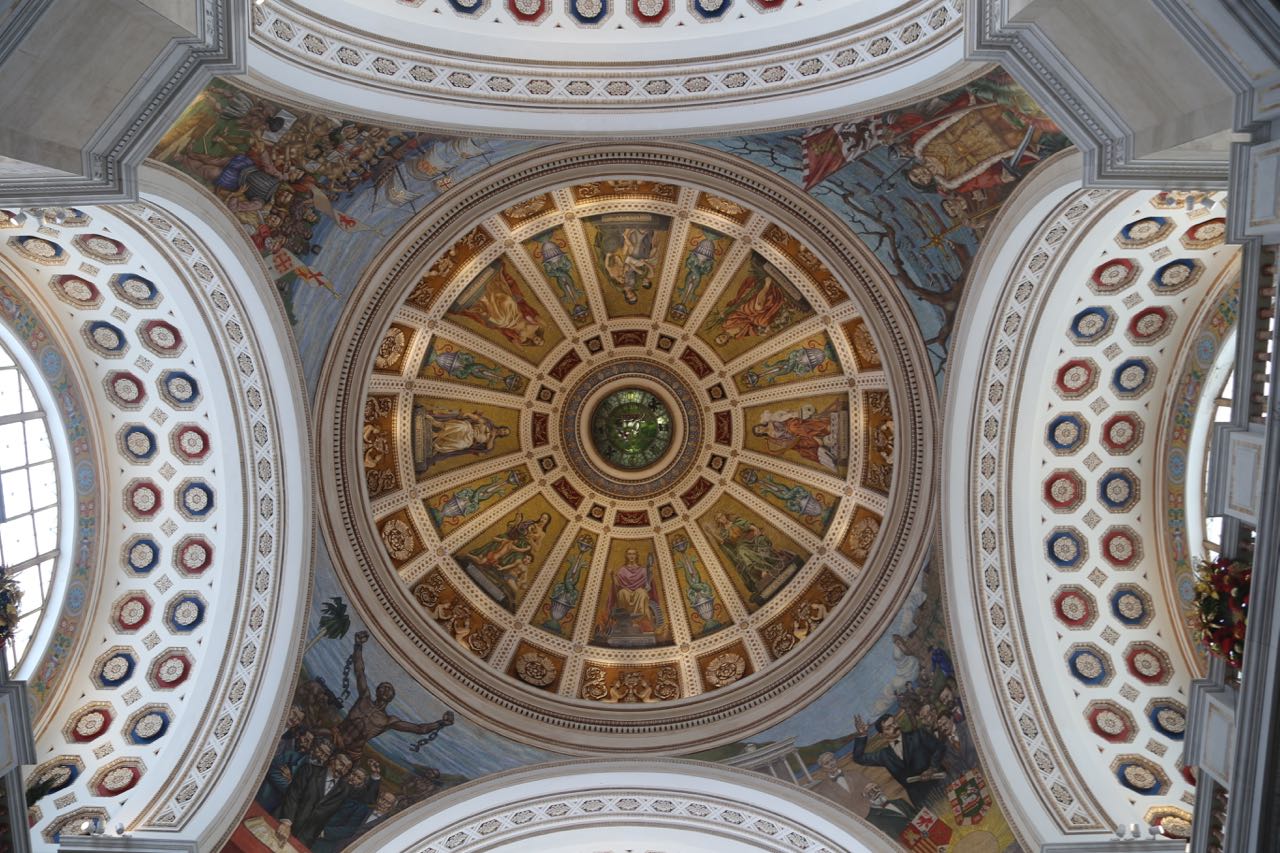
I enjoyed my visit to San Juan, Puerto Rico and just need to post a few more photos from my trip. Viejo San Juan really is a lovely area to just walk around and absorb the atmosphere.
Castillo San Cristobal
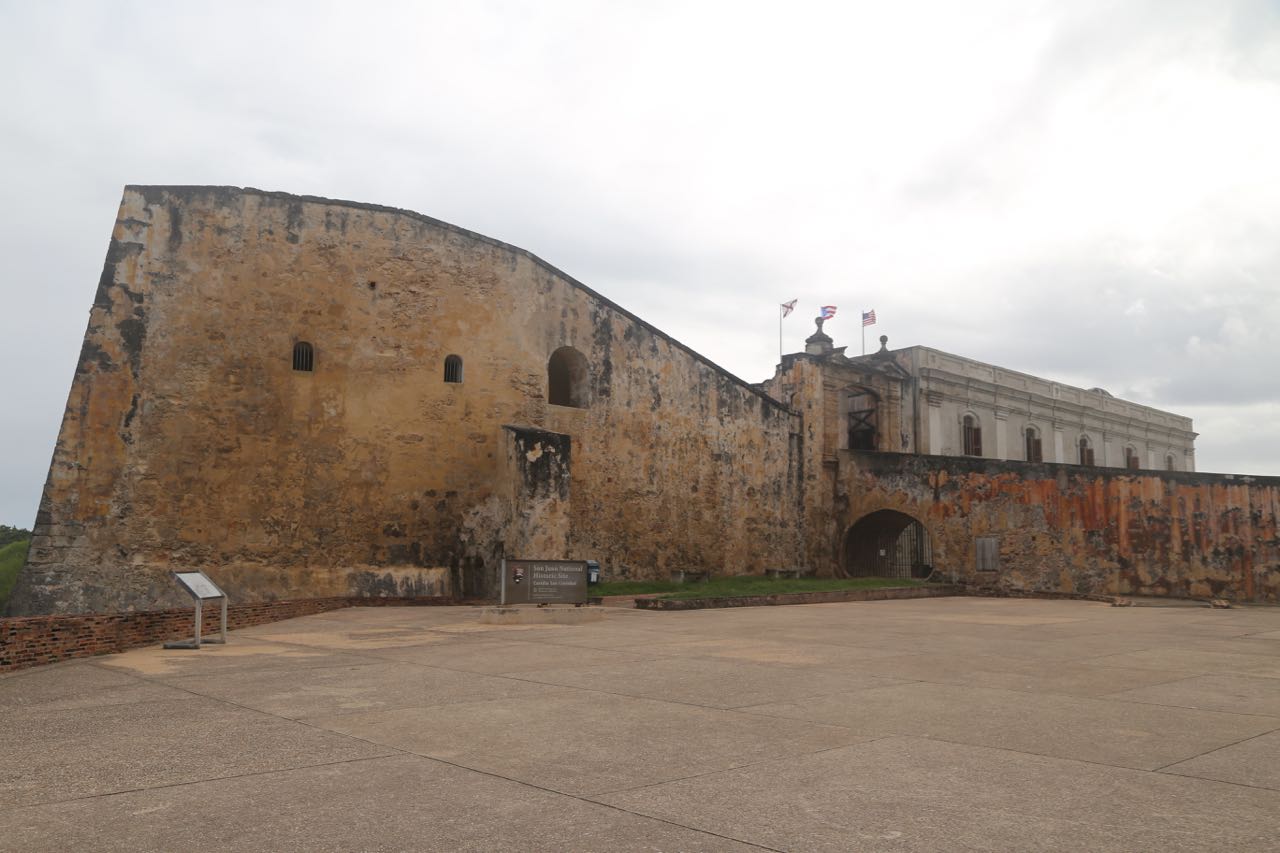
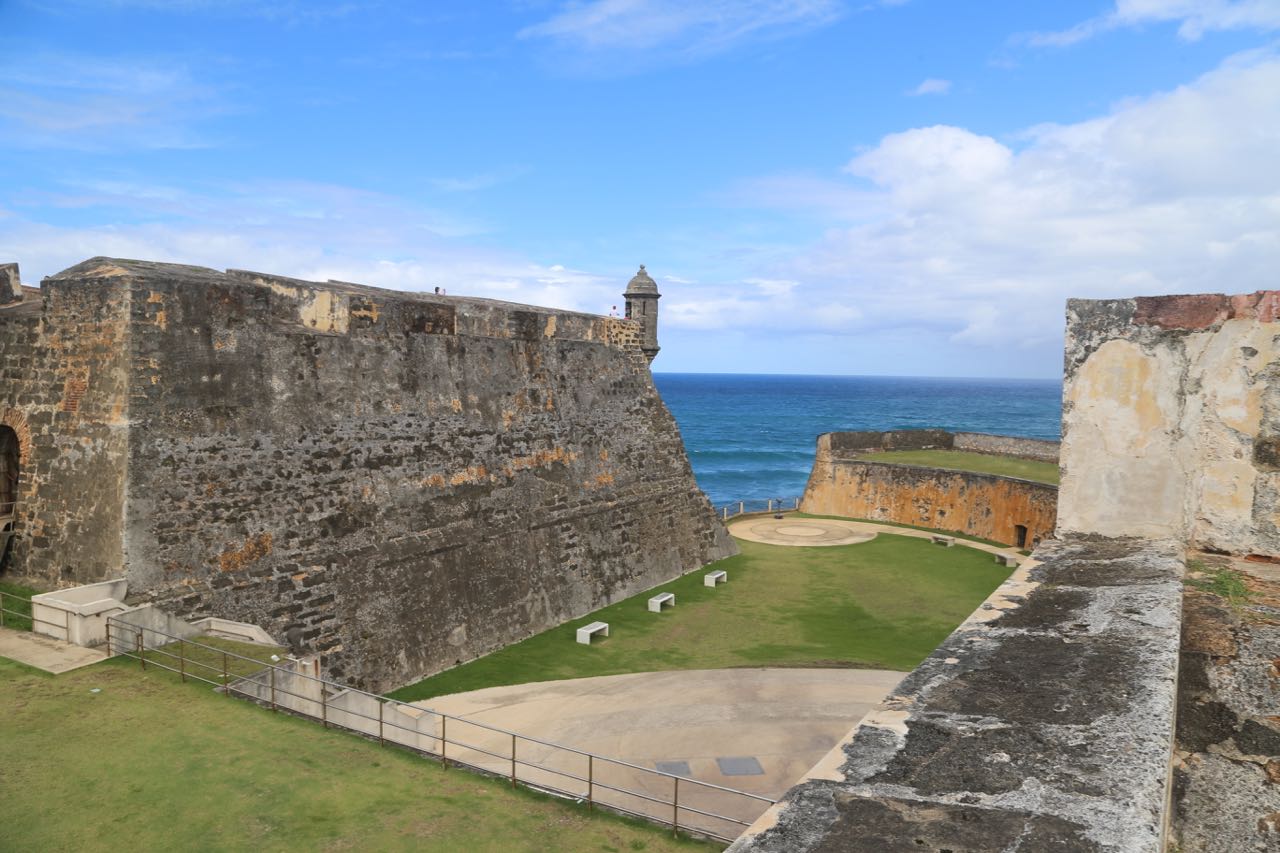
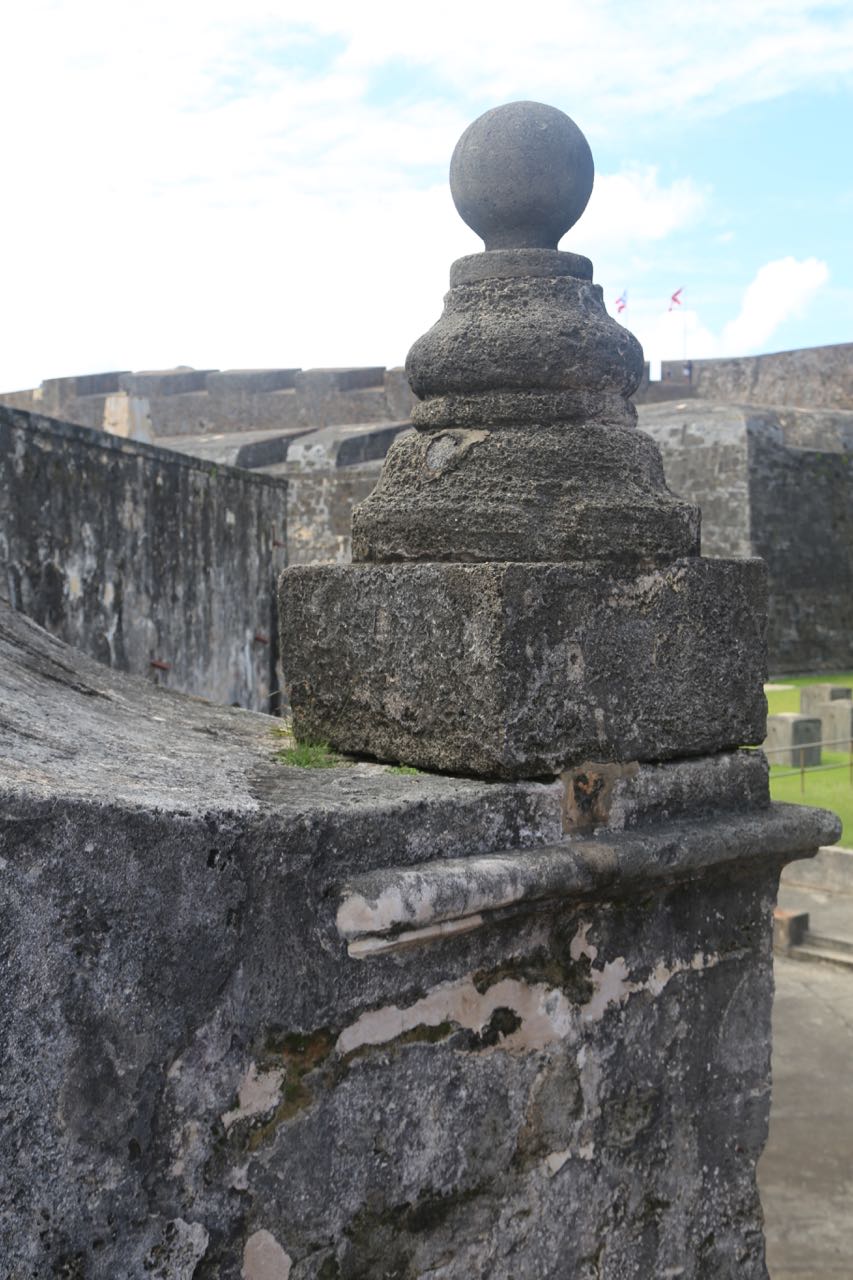
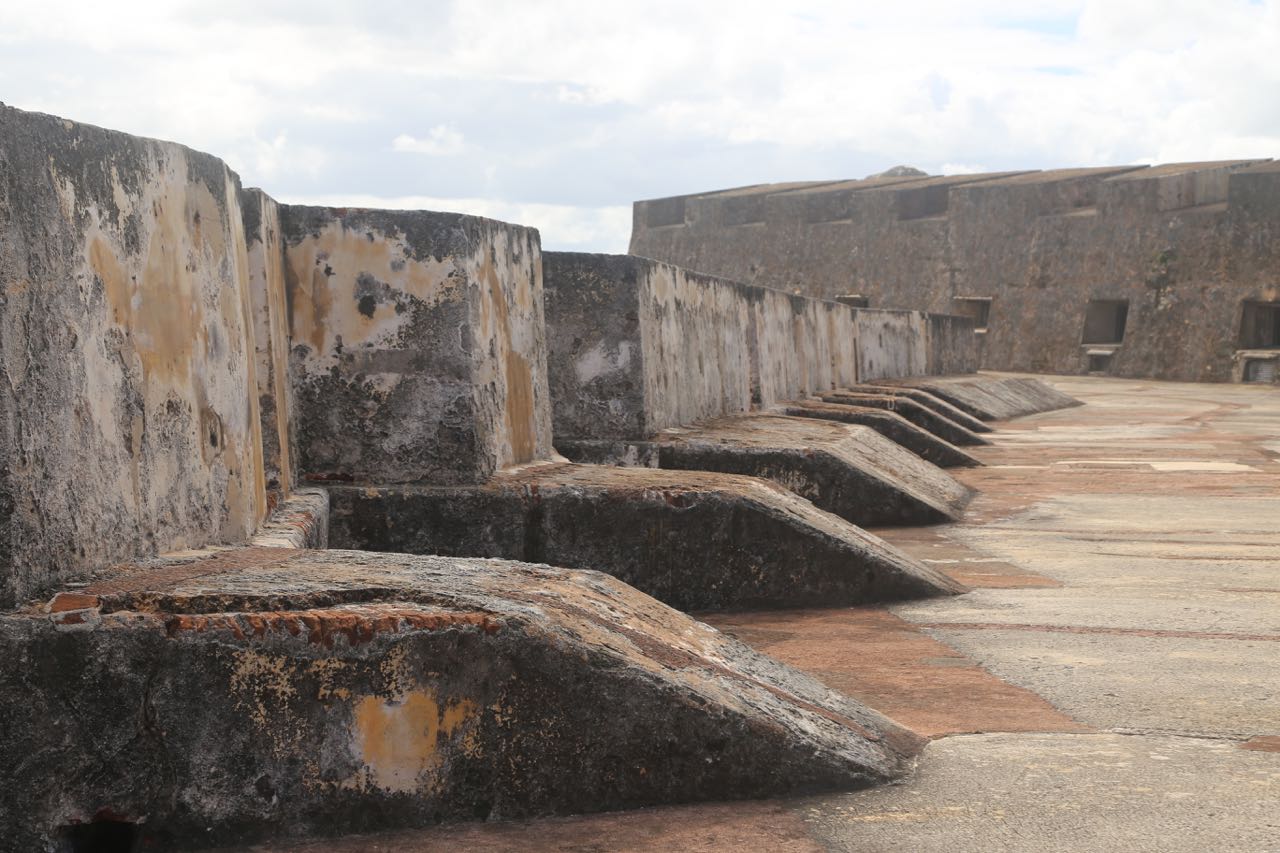
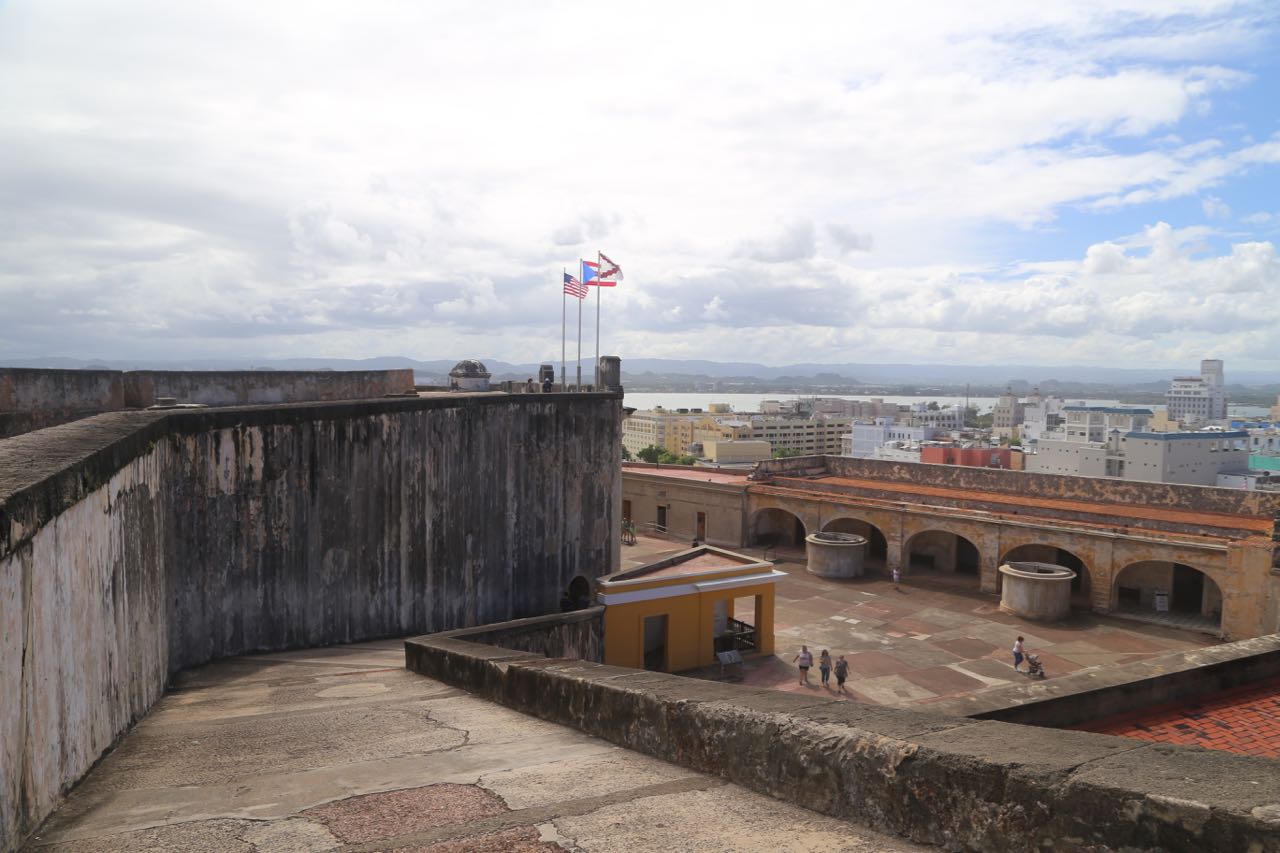
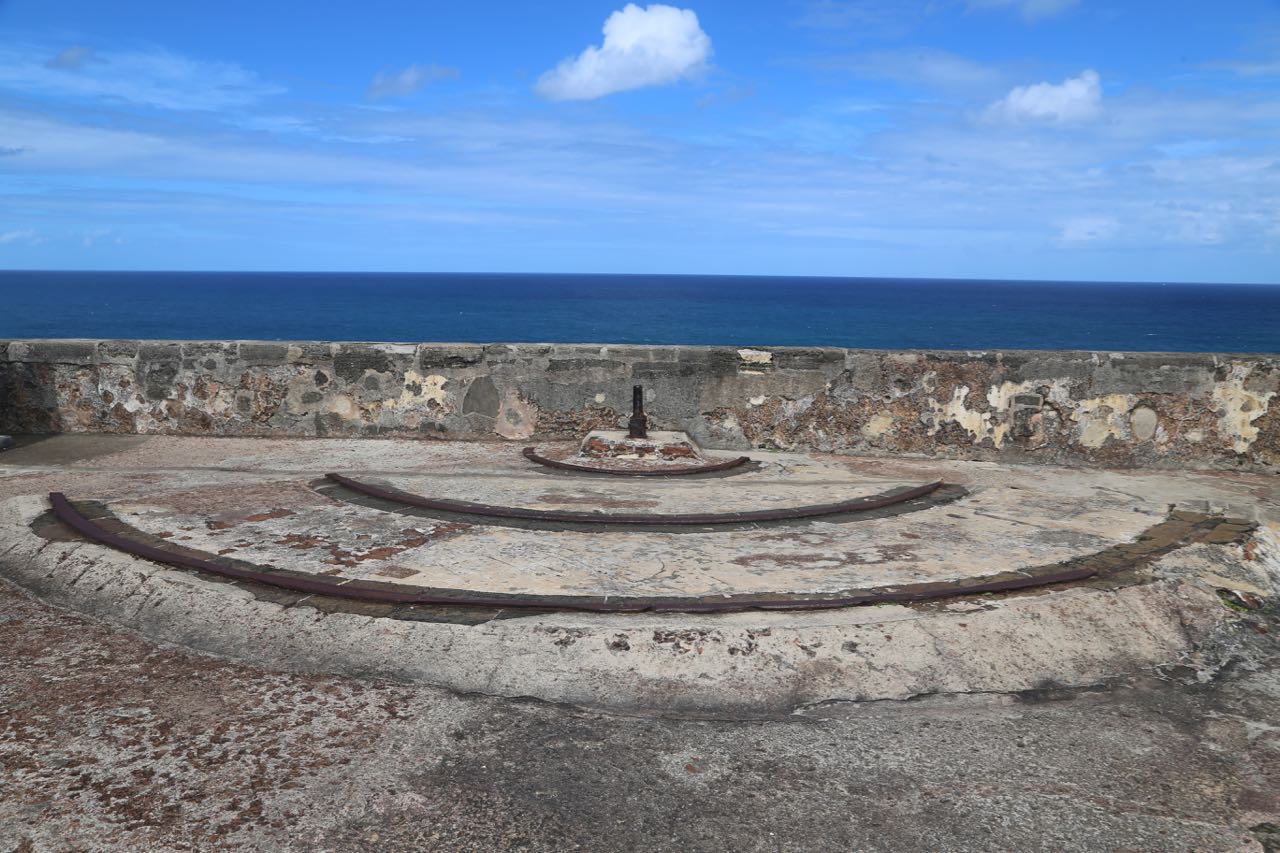
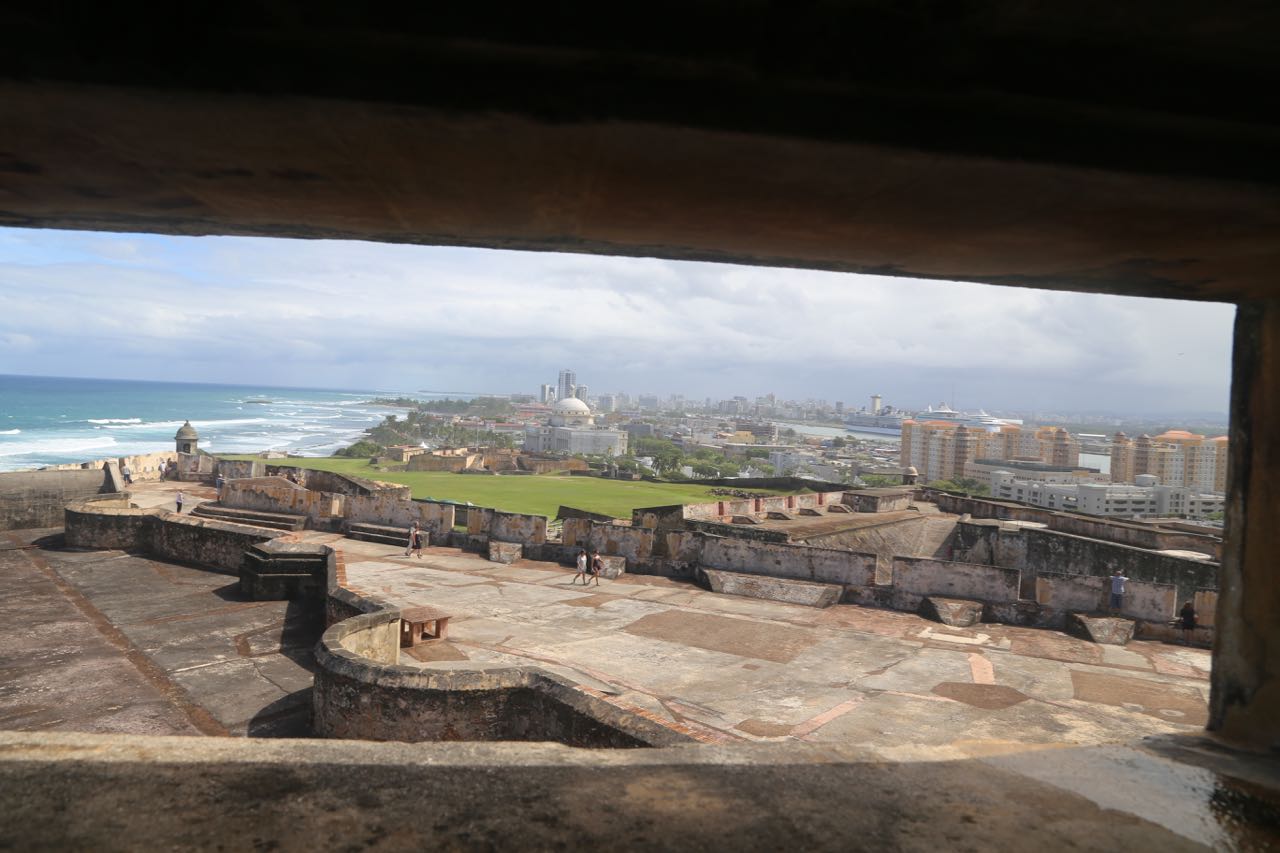
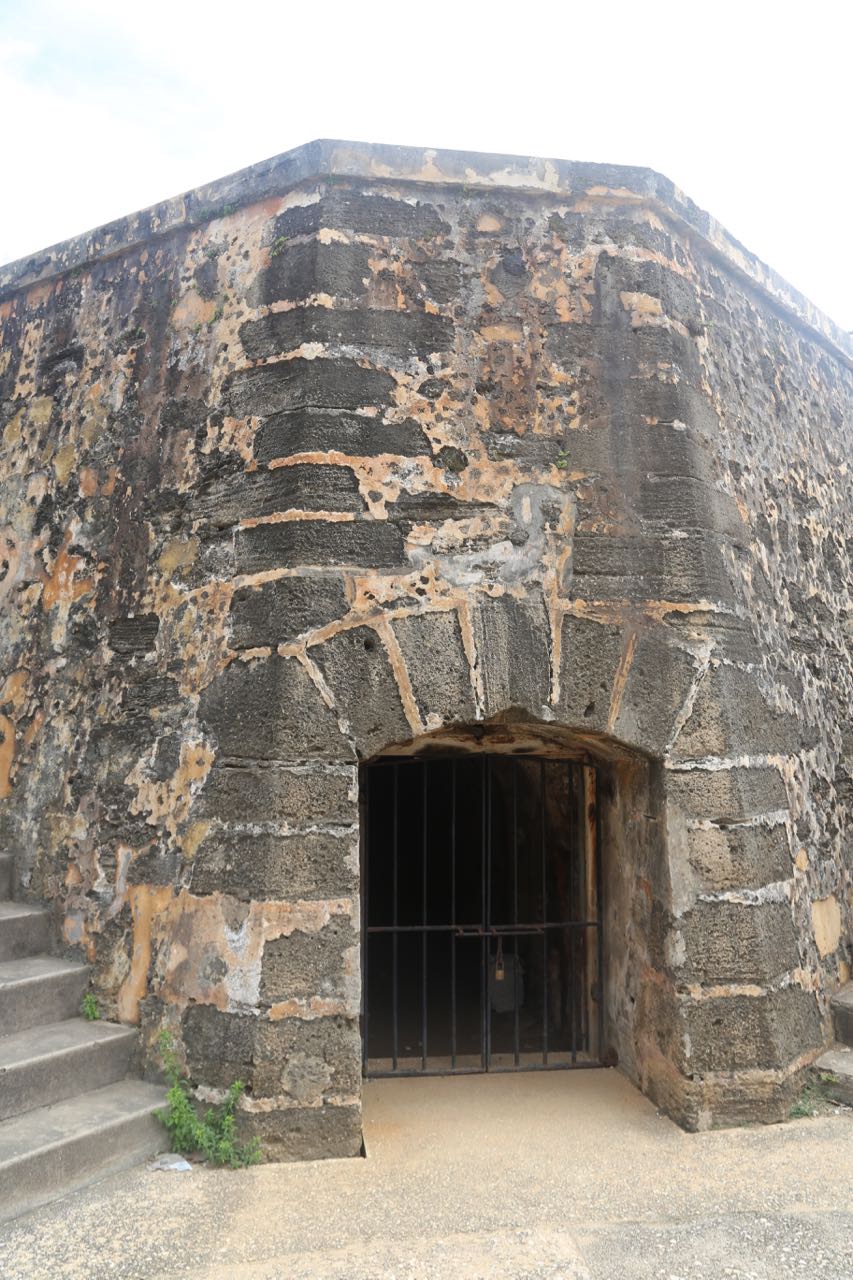
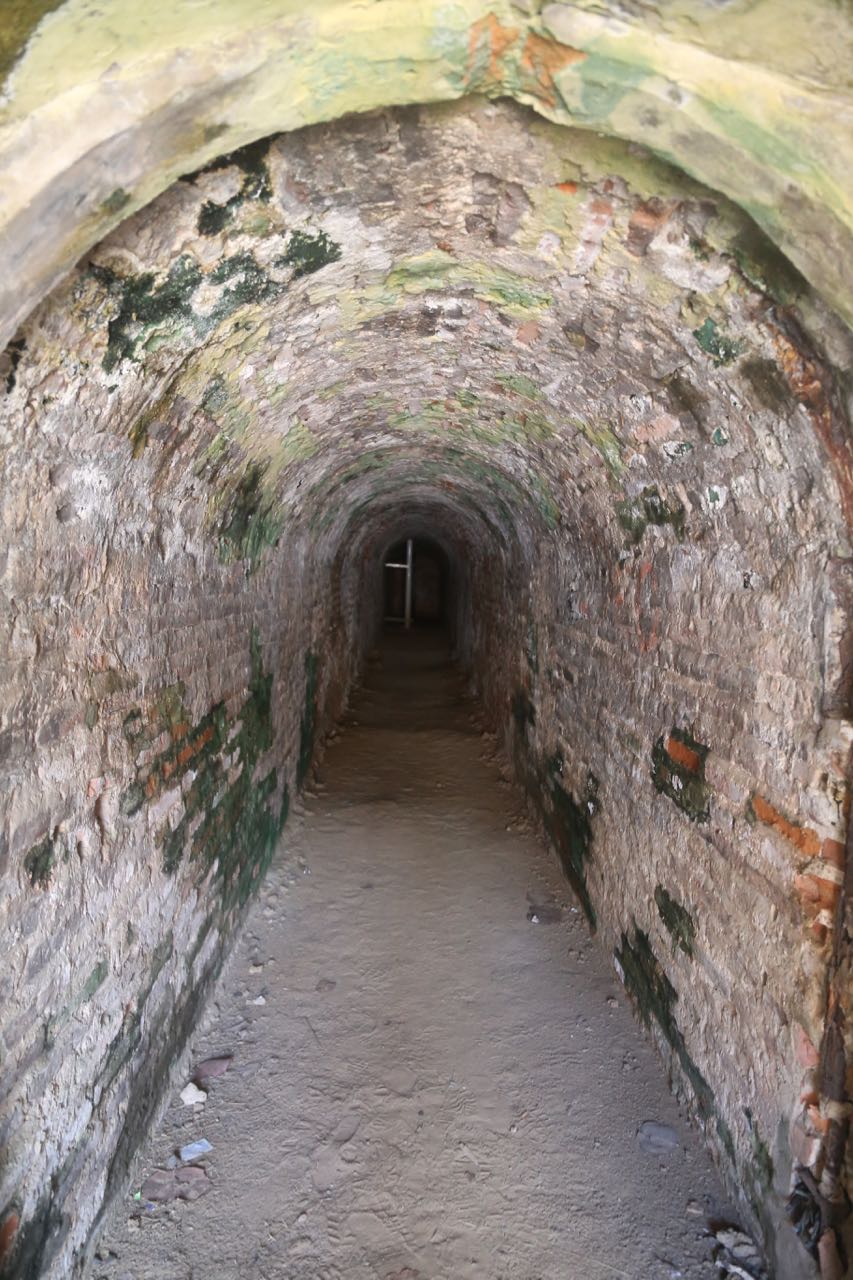
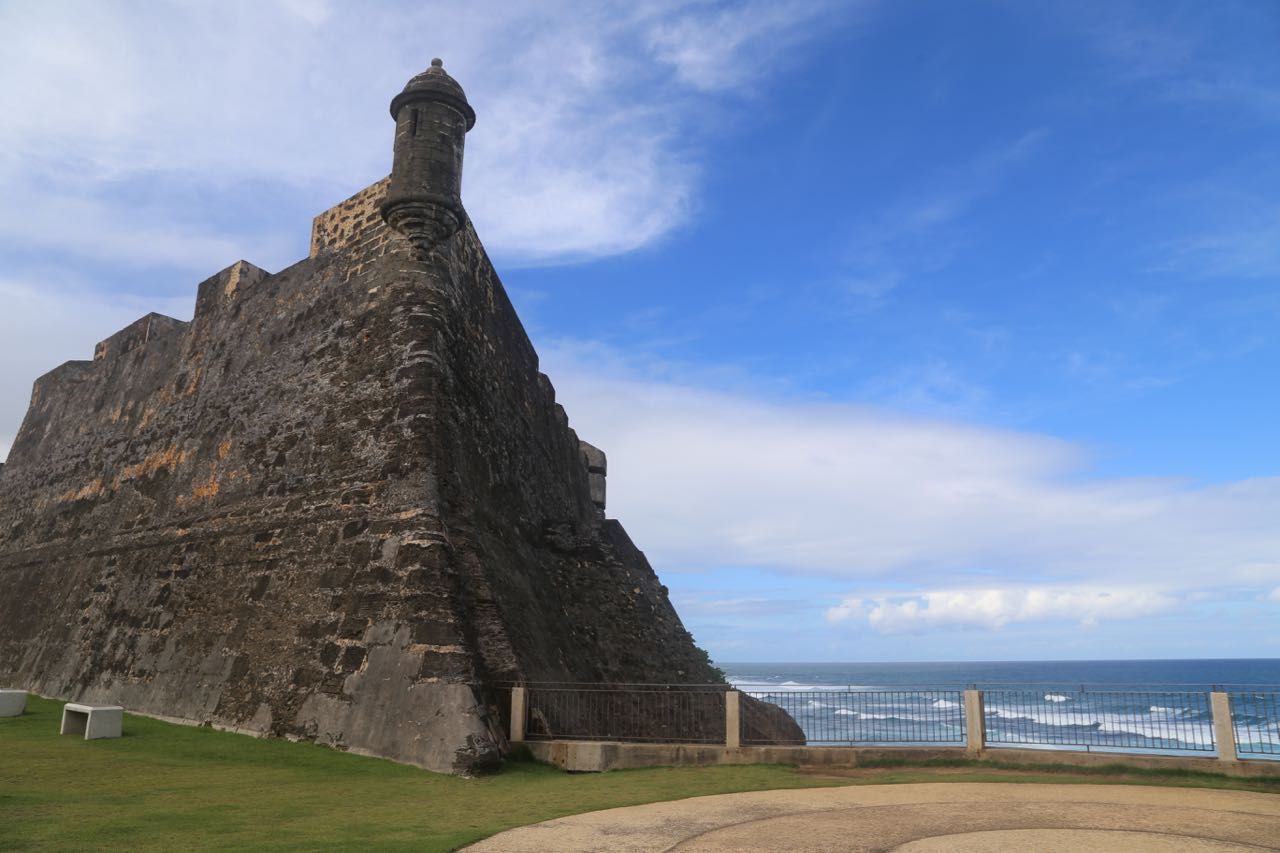
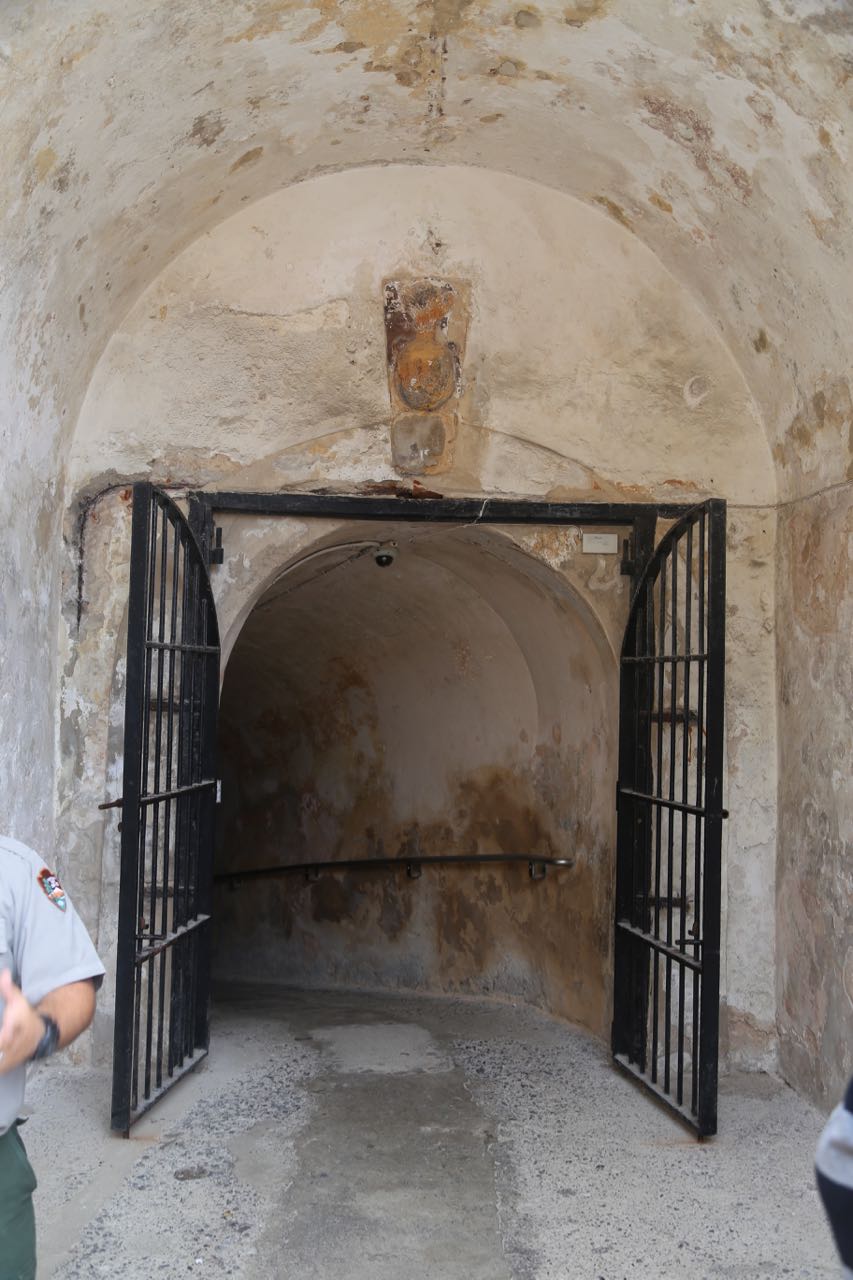
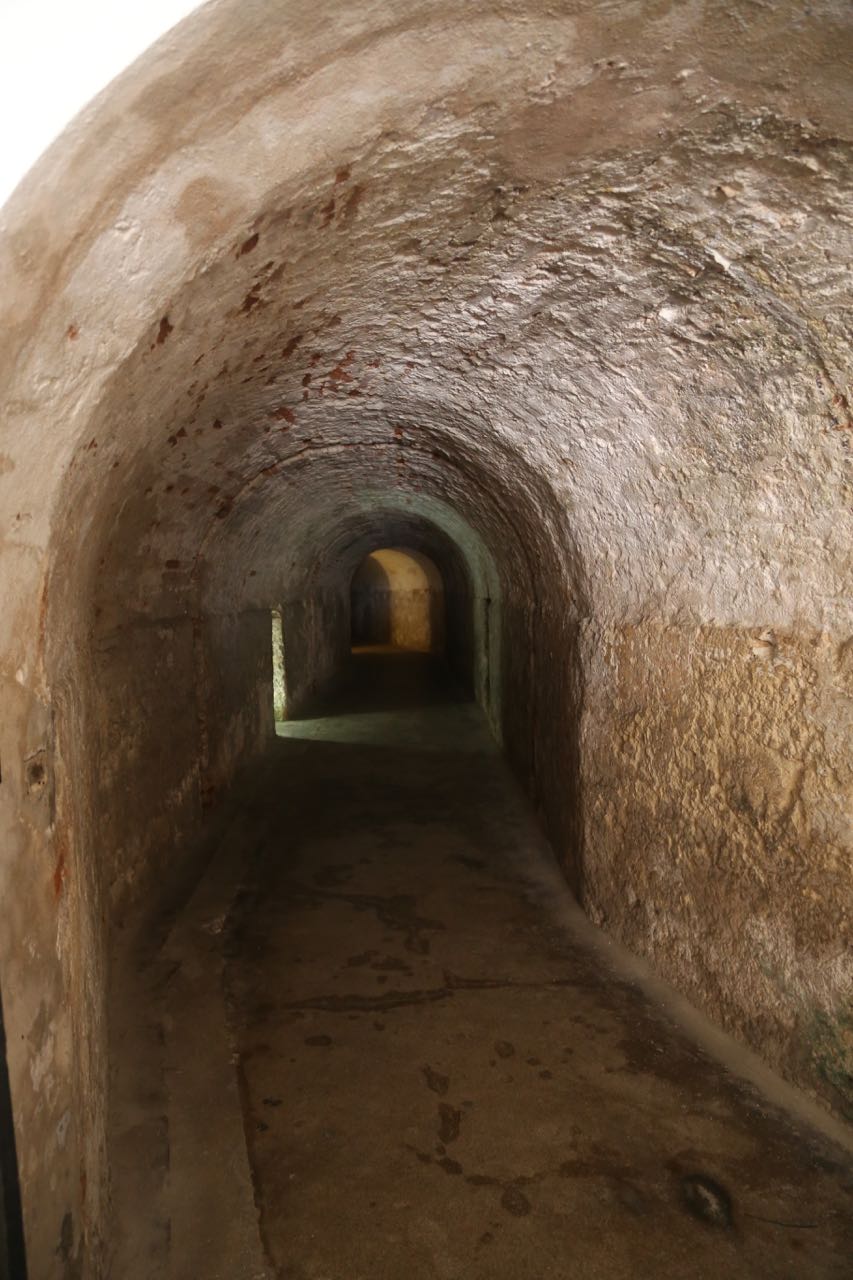
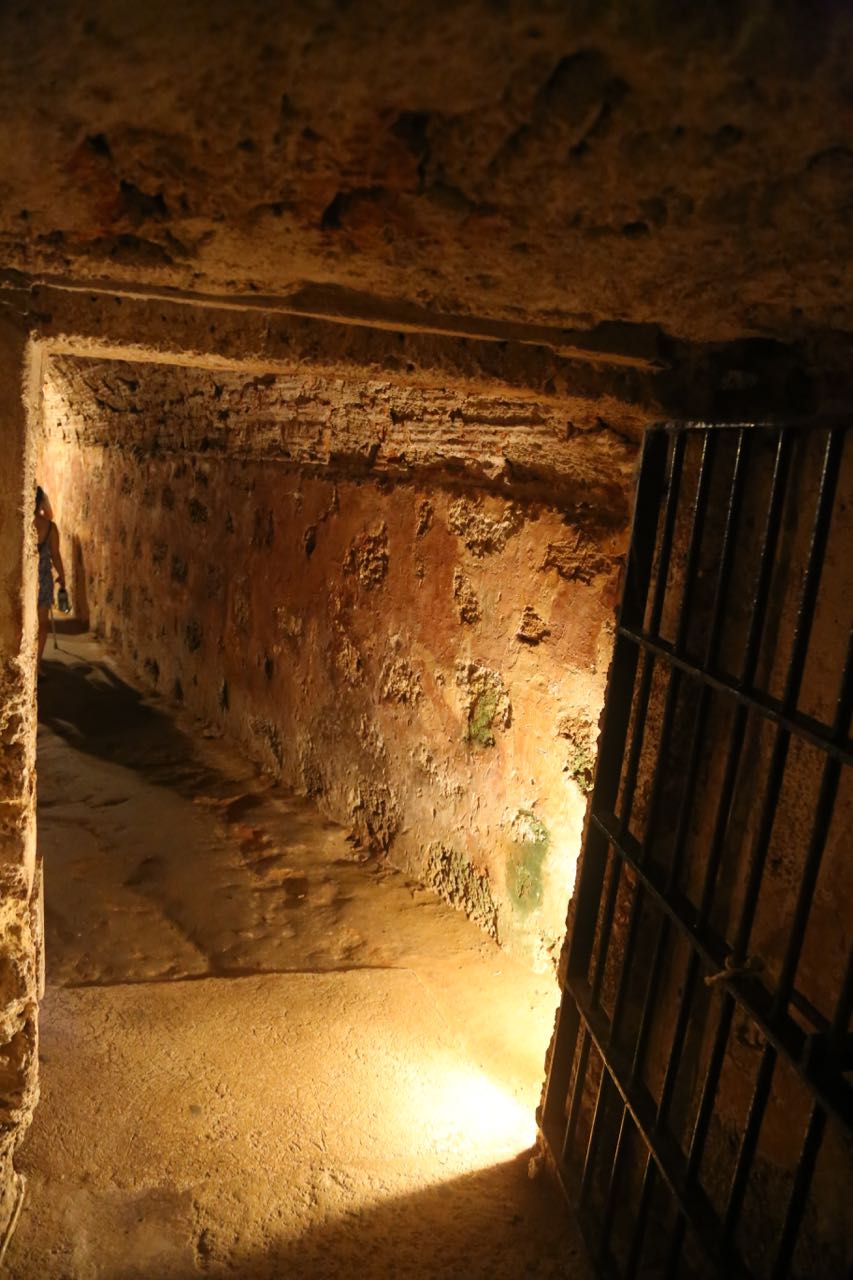
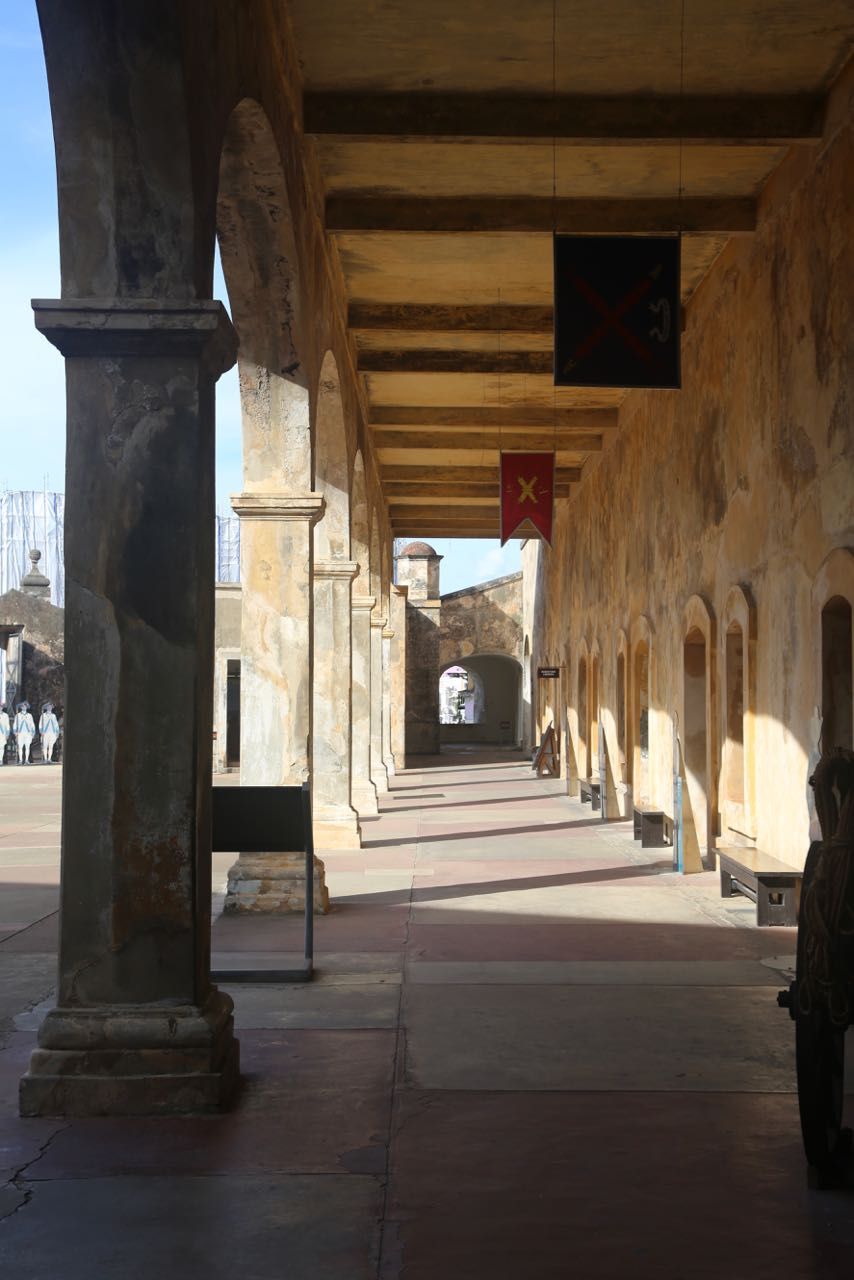
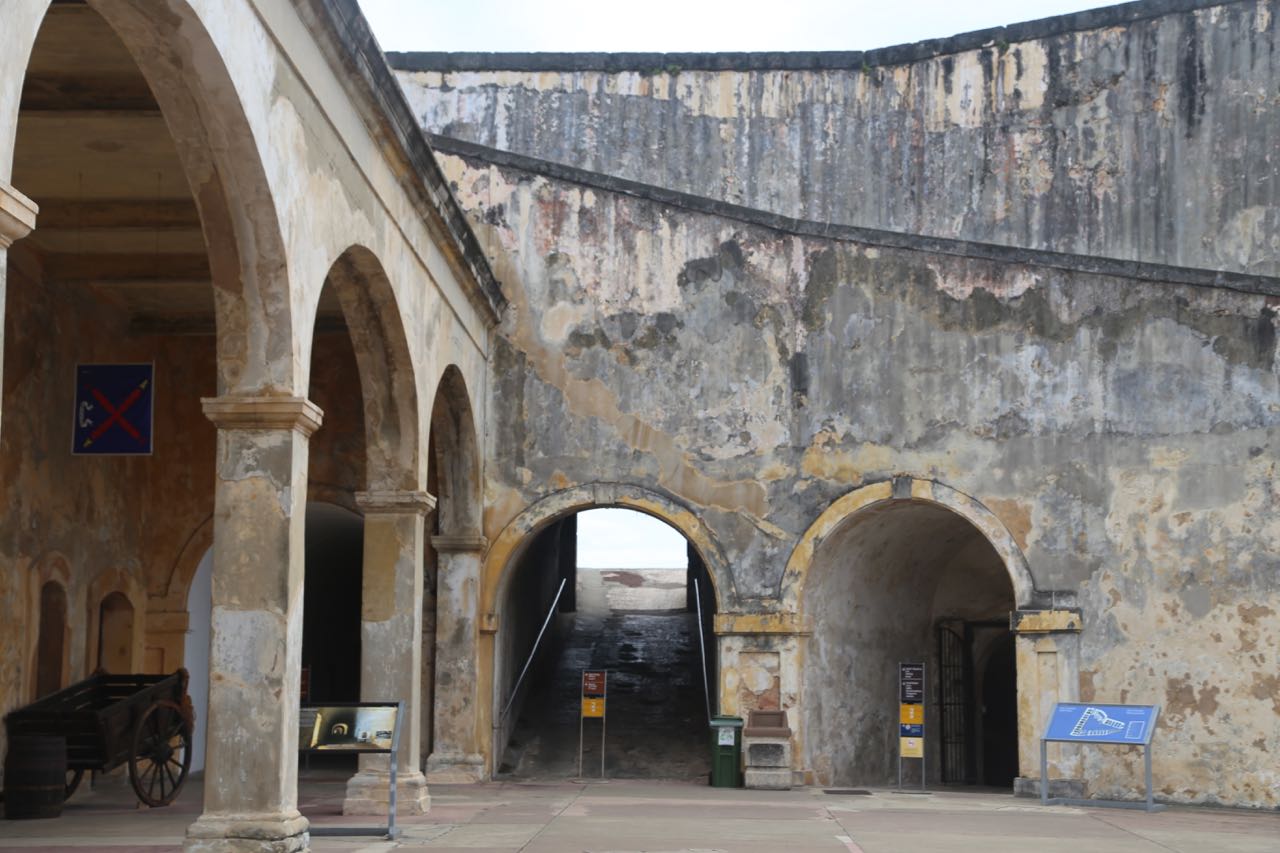
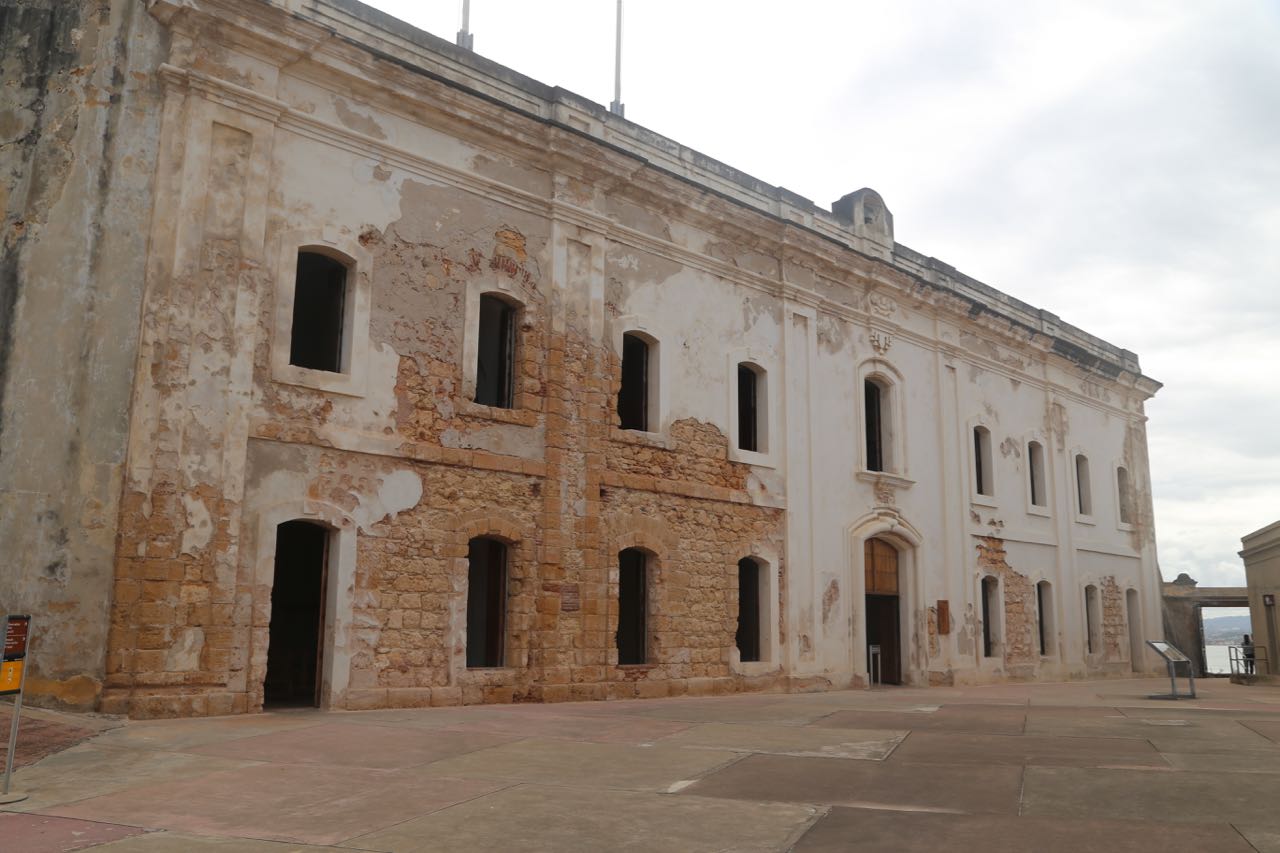
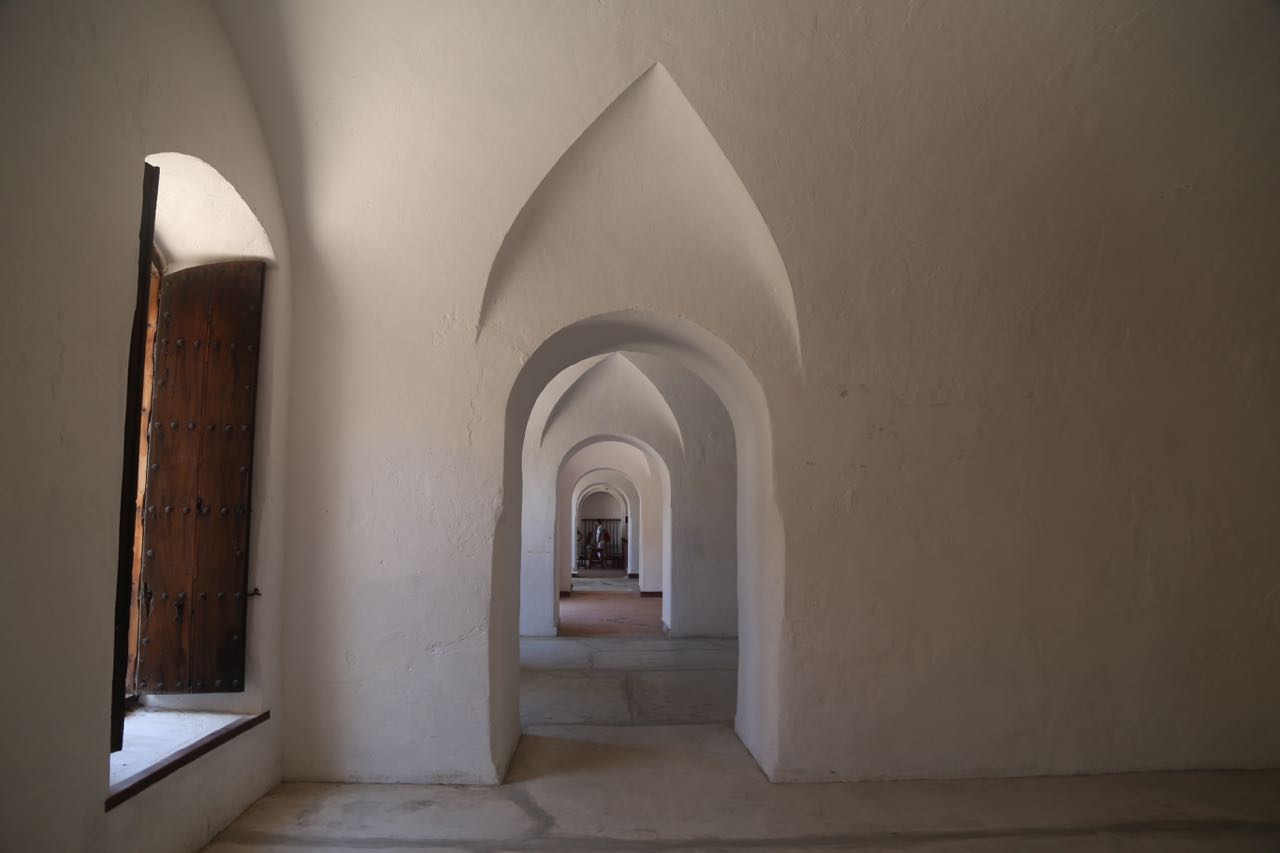
On my last day in Puerto Rico, I explored Castillo San Cristobal, a fort built by the Spanish to protect San Juan from attack by land. It was built between 1634 and 1790, and then the U.S. added a few concrete additions during World War II. The fort is huge and has a series of tunnels. Some of these tunnels are huge, connecting the different levels and areas of the fort, and were designed to have defensive explosives. Some of the tunnels are really small, and you have to stoop to move through them. If you ever get a chance to visit, try to get one of the ranger guided tours of the tunnels. Those tours besides being very informative, let you go inside some of the really small tunnels in which you normally aren’t allowed.
Cueva Ventana
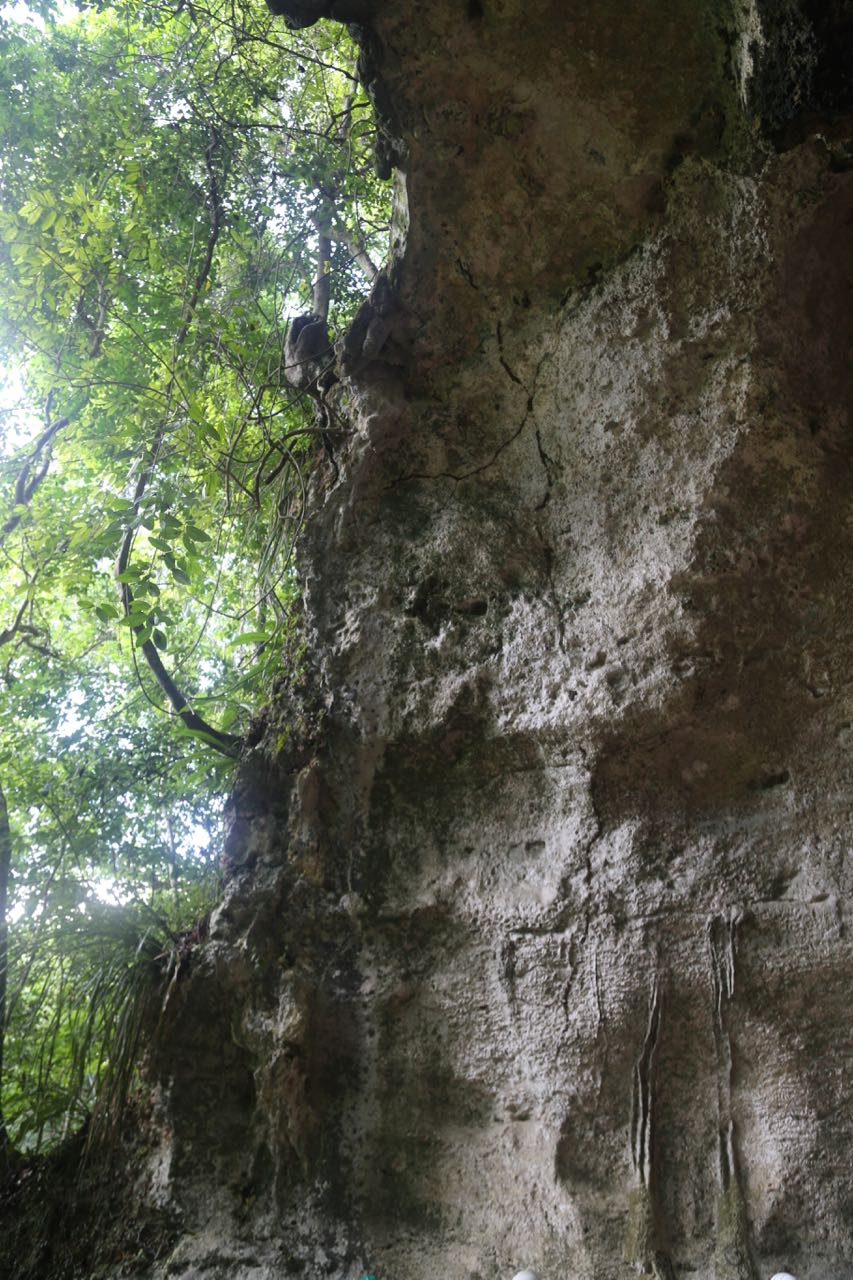
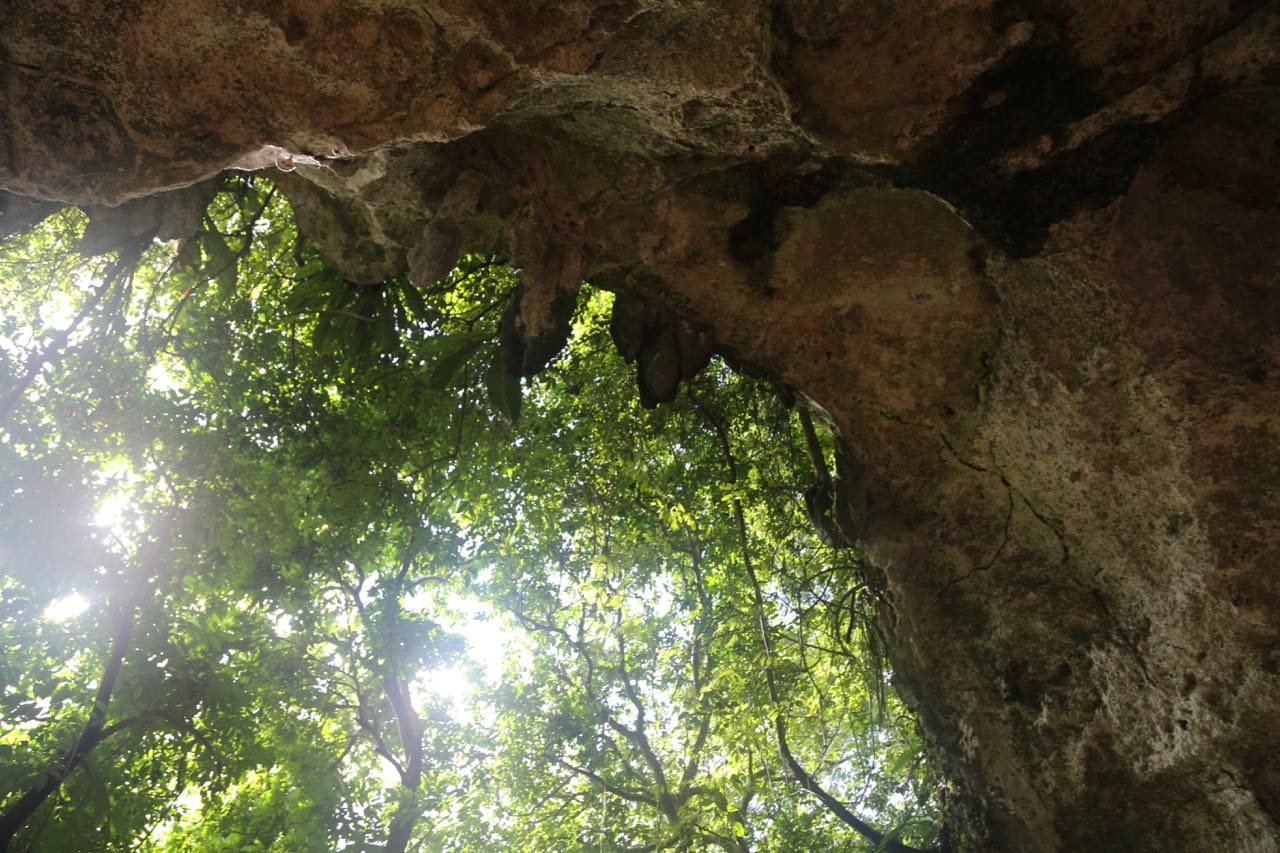
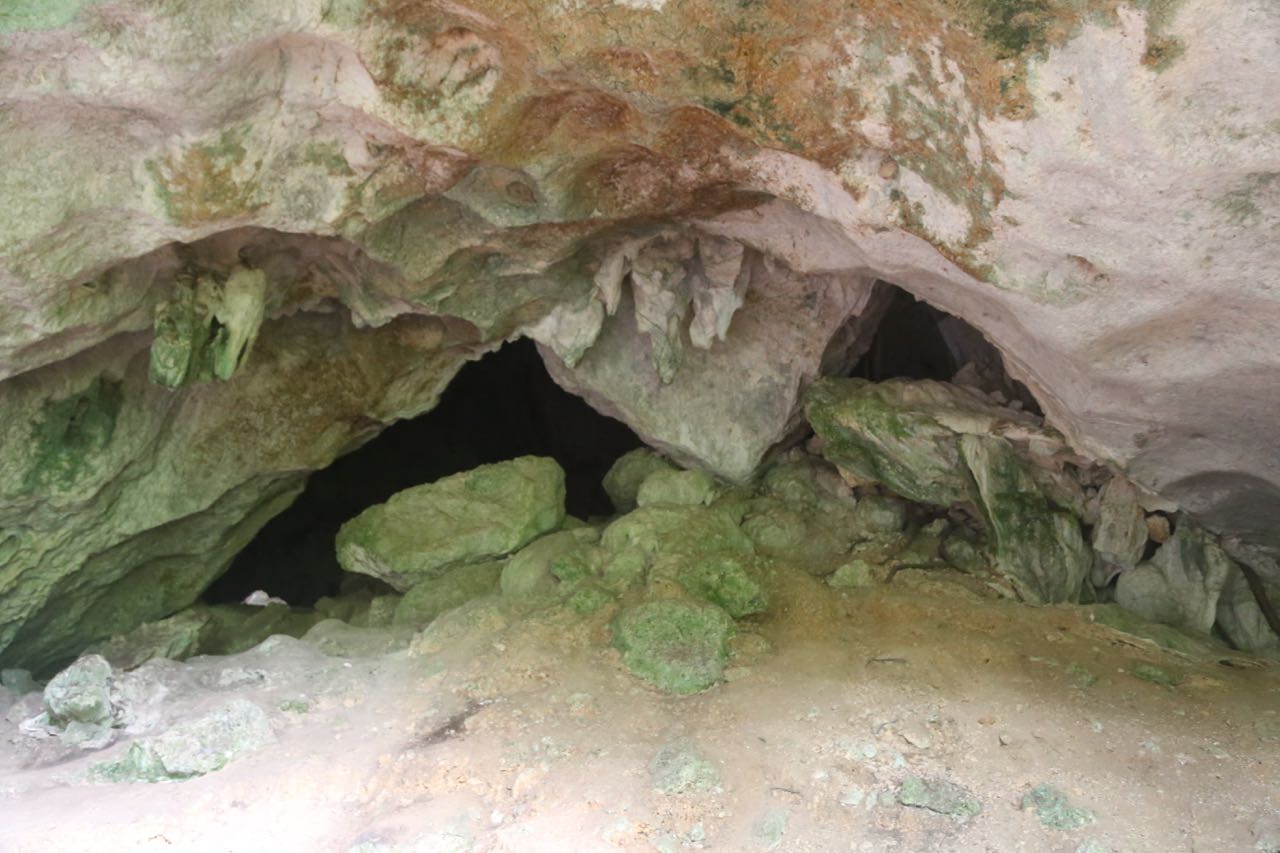
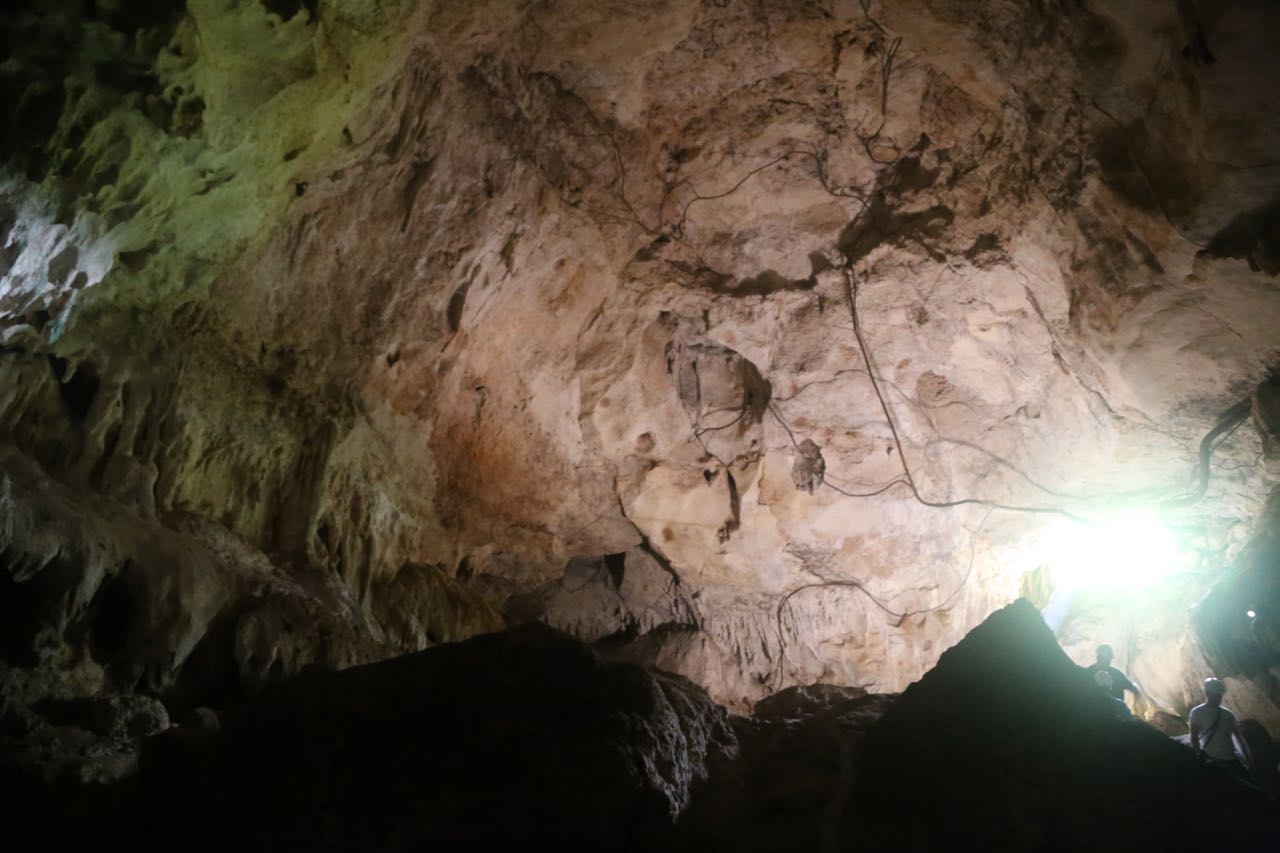
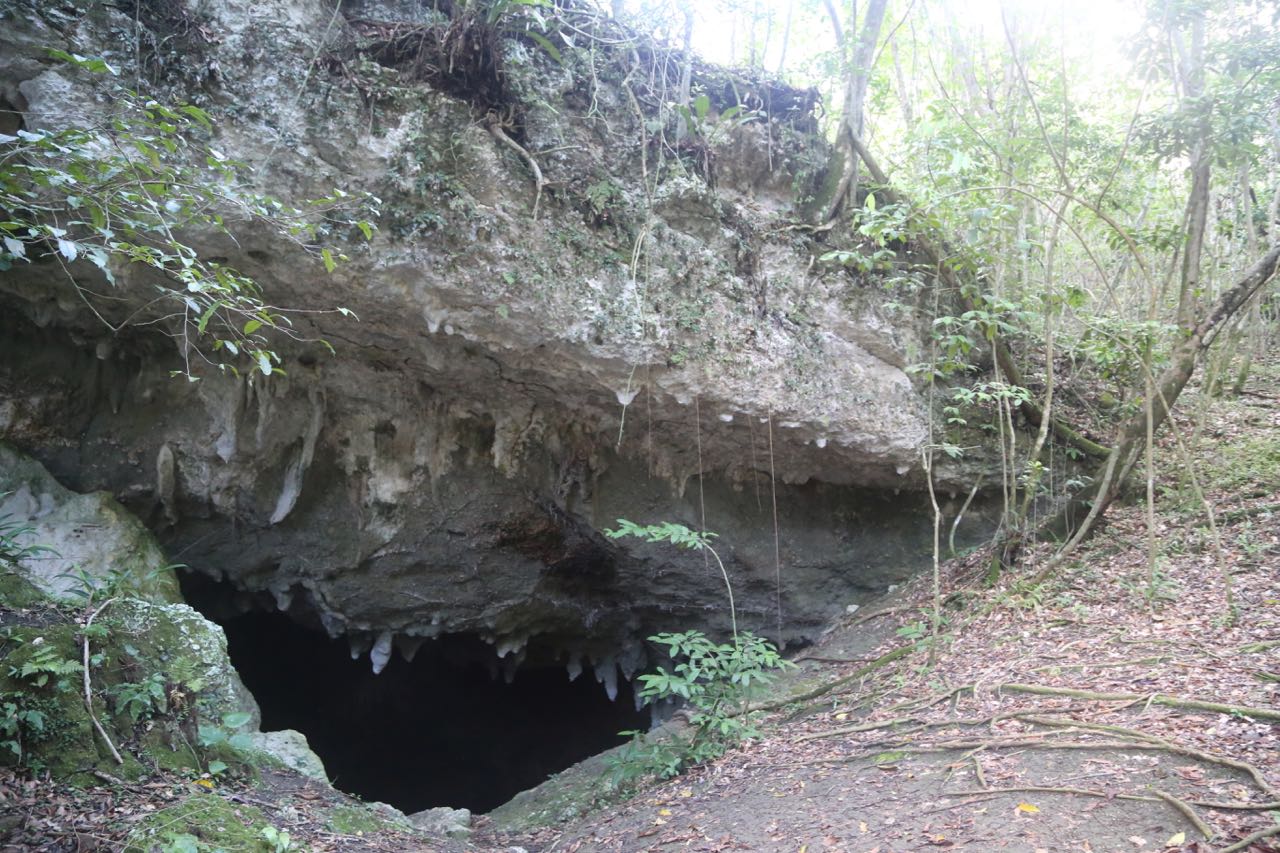
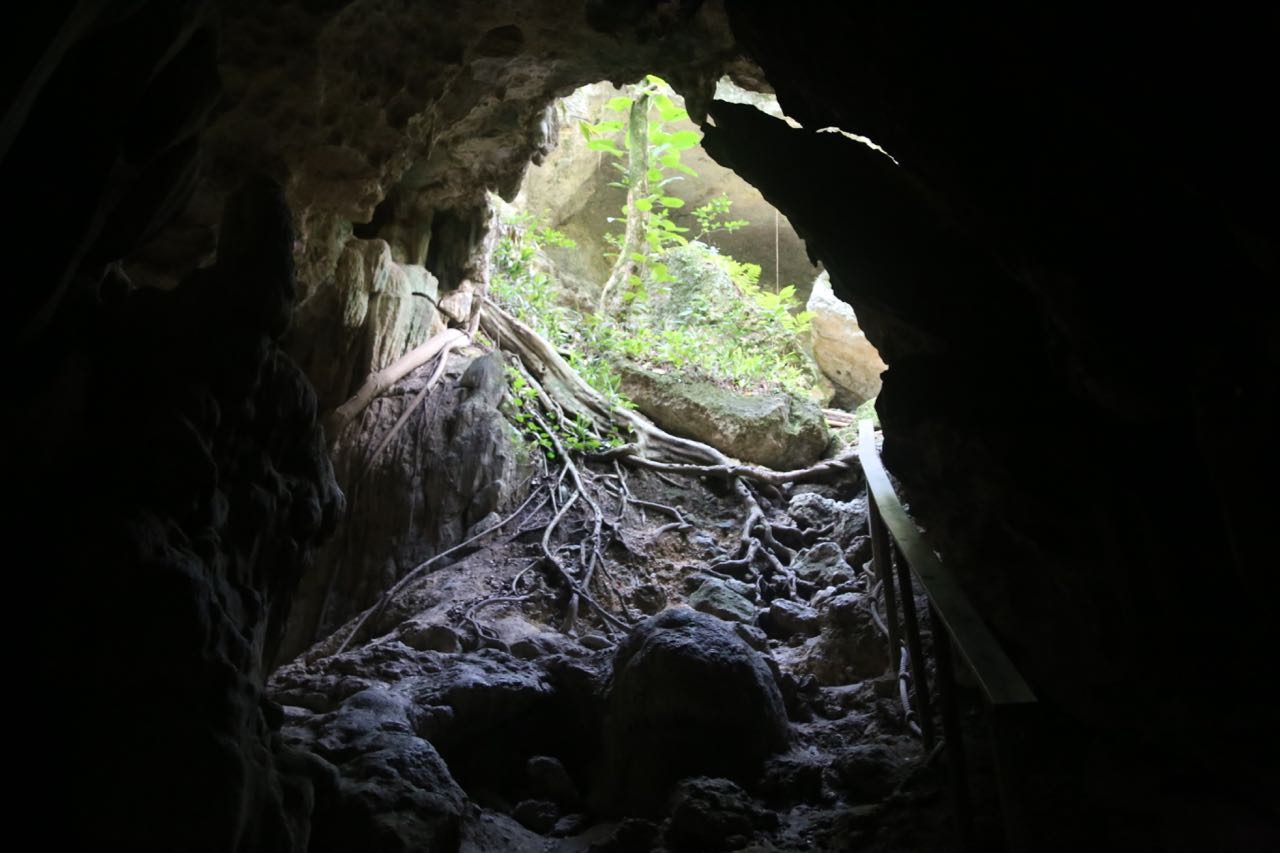
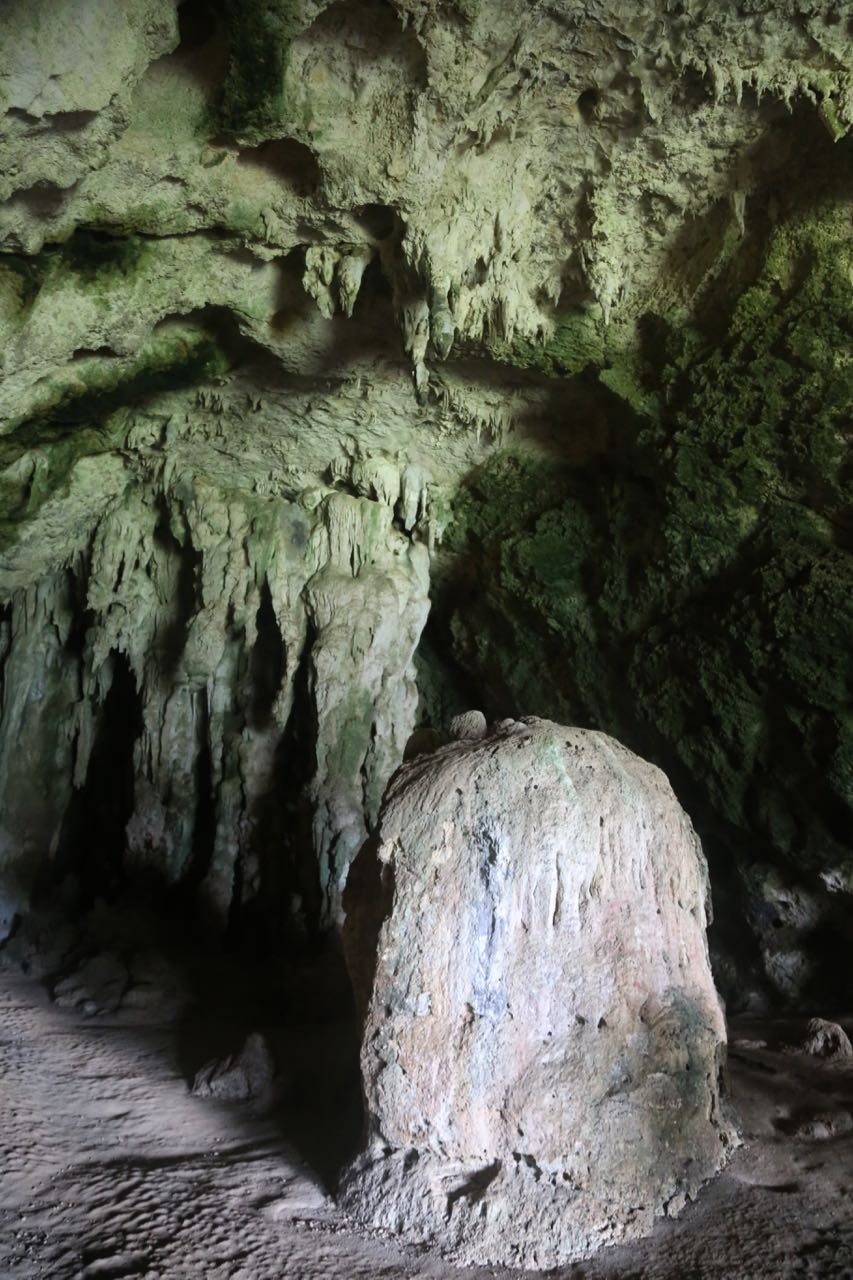
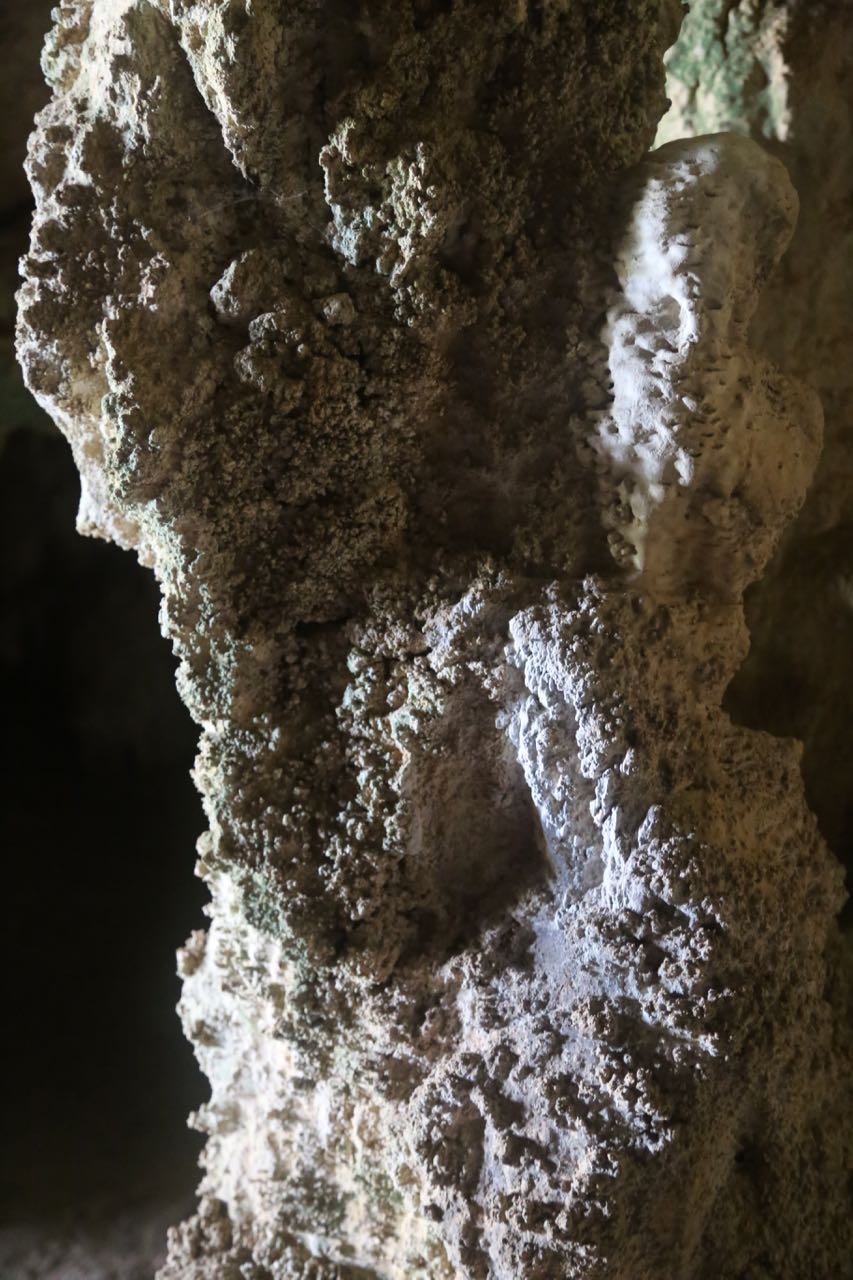
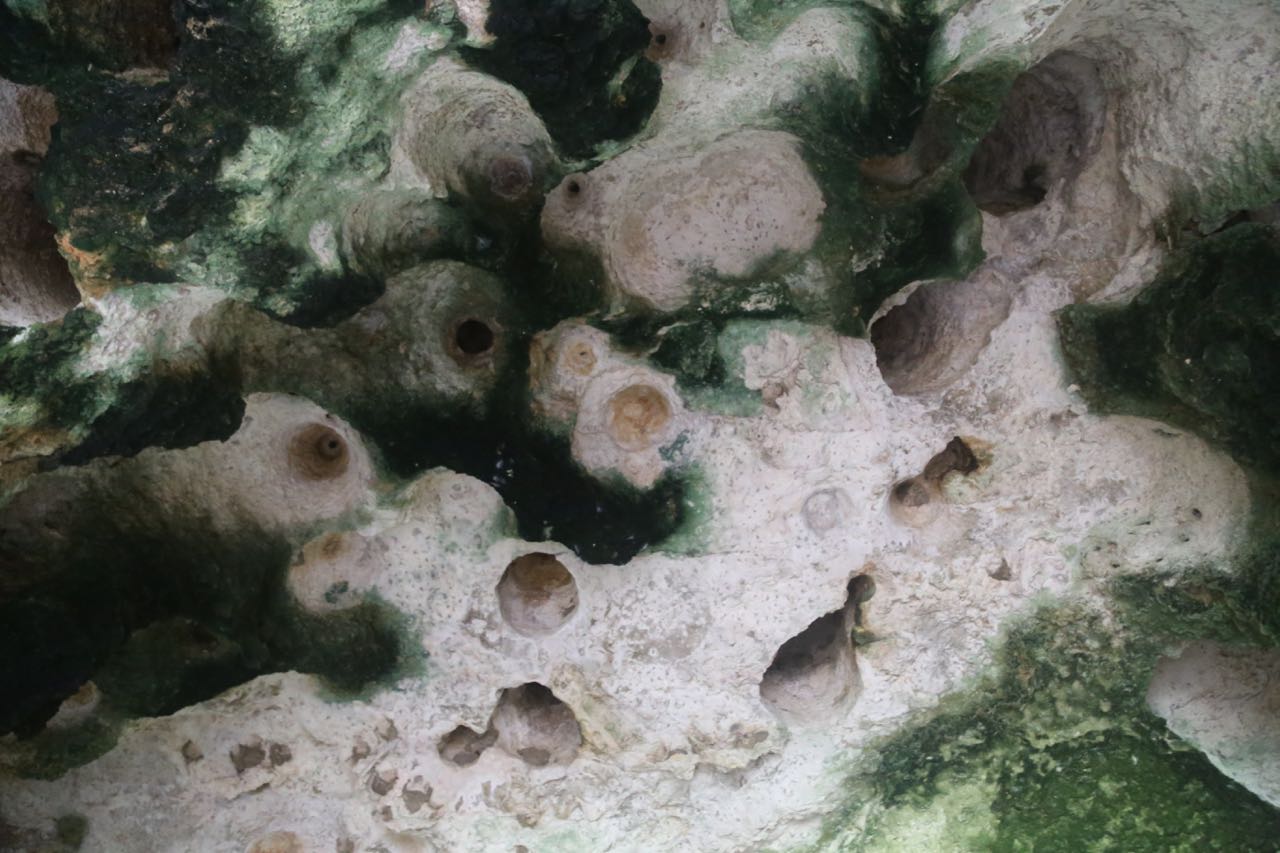
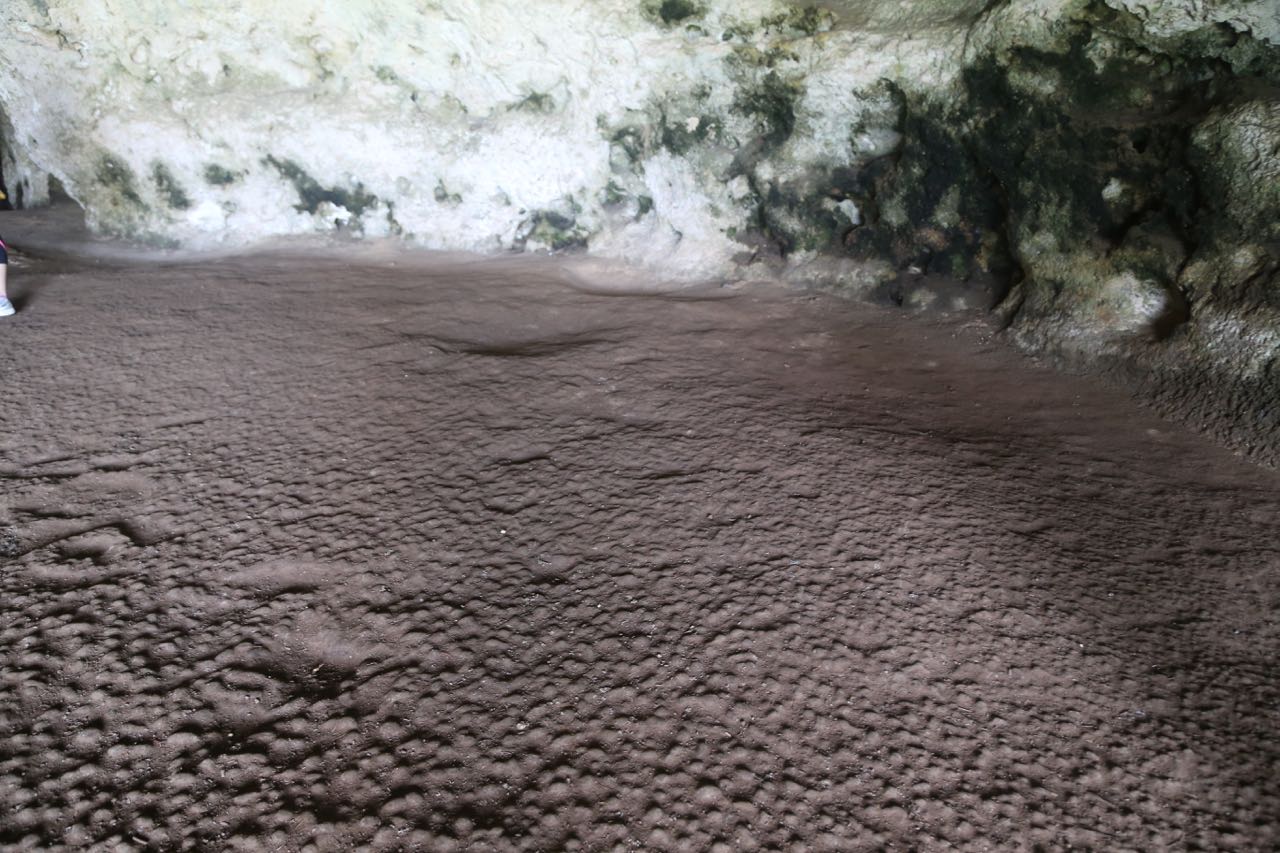
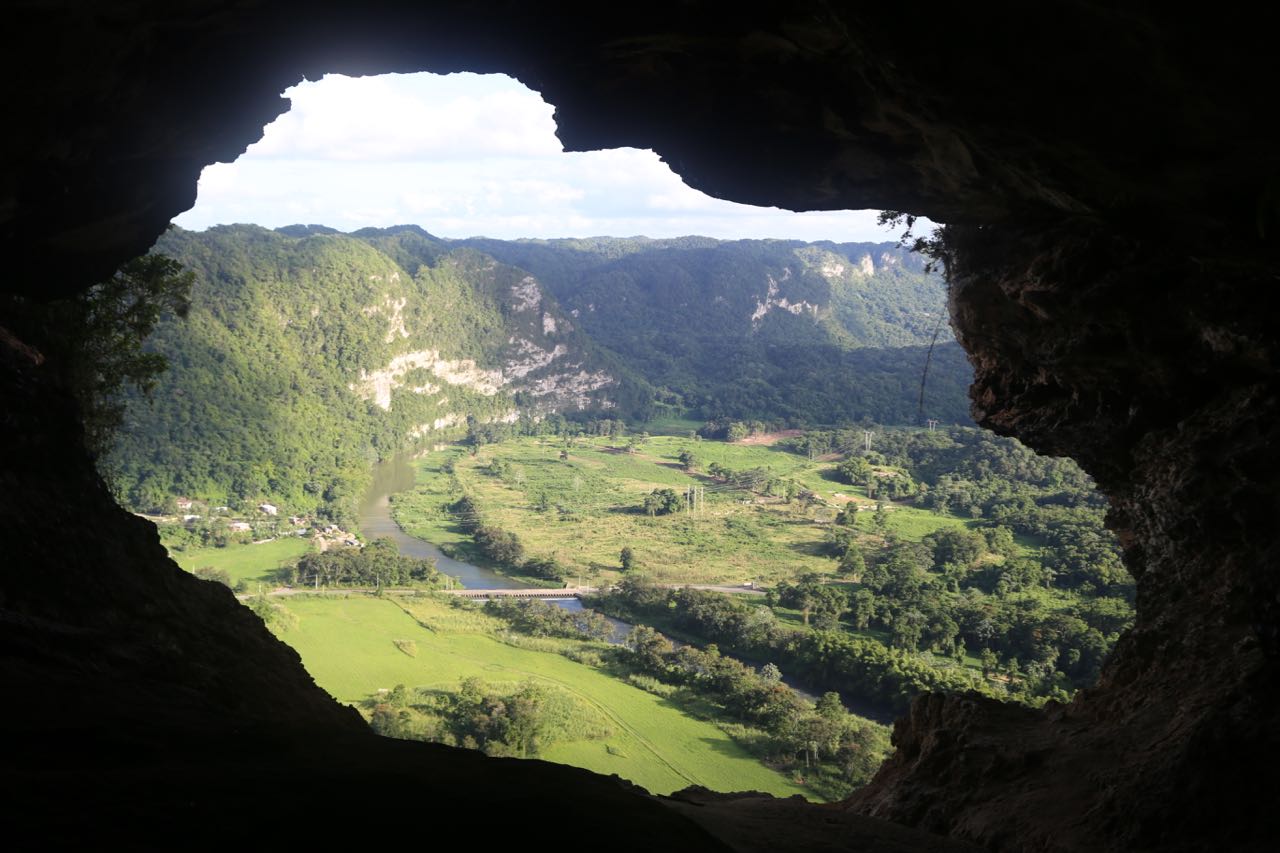
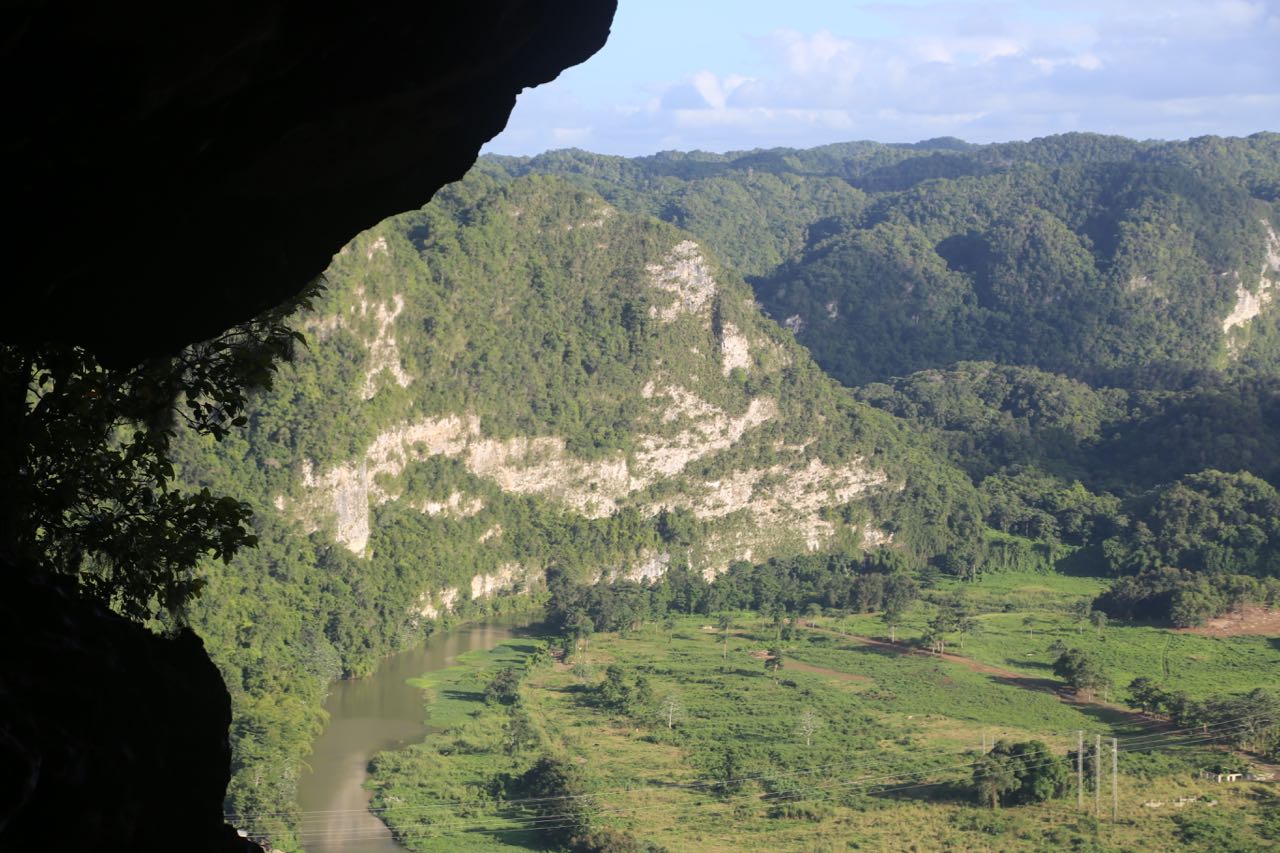
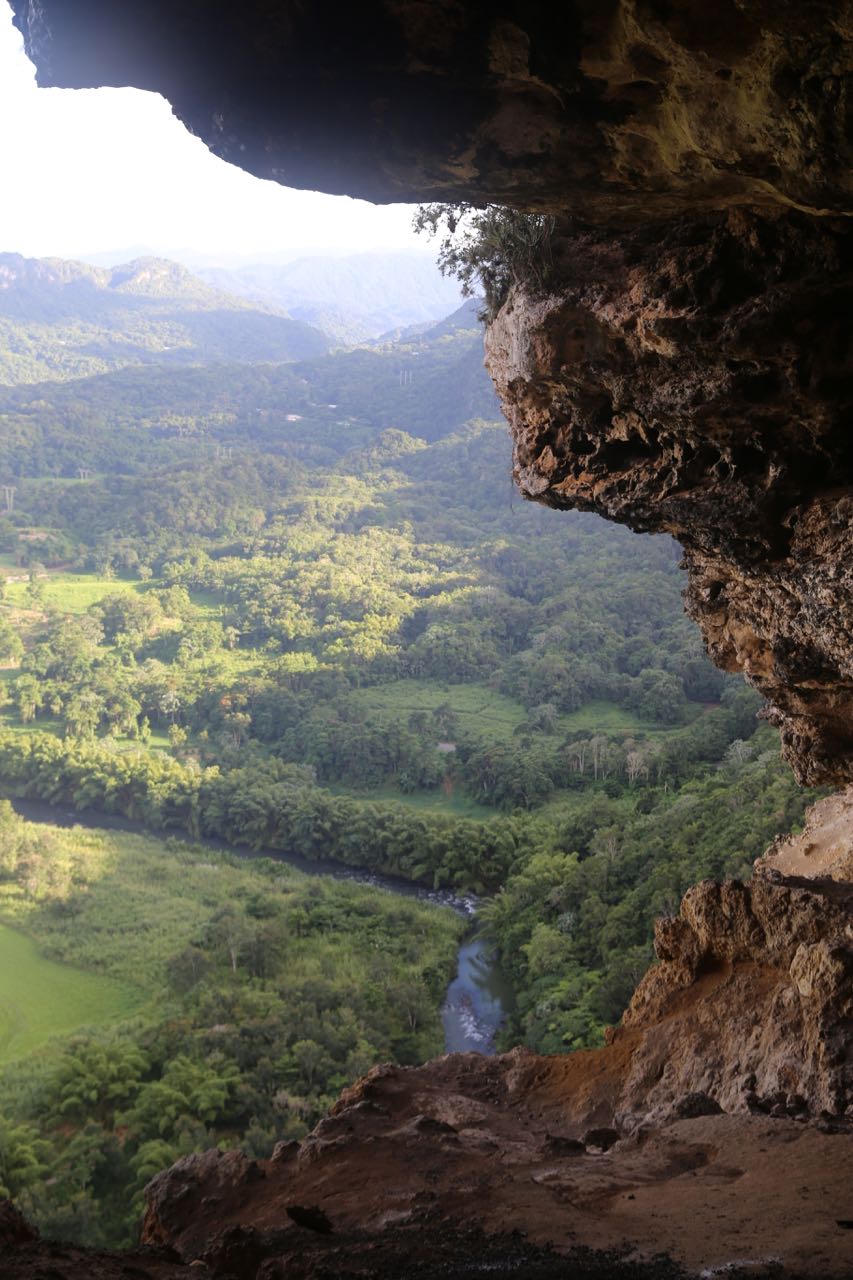
I got to visit Cueva Ventana (Window Cave) today in Arecibo, Puerto Rico. The tour starts by walking by Pee Wee Cave, which only meets the bare minimum requirements of a cave. Â You don’t go in. There is no point or room really. There is a short walk through the forest, which when I visited meant getting to see among other things a bunch of giant snails on the trees. Then you walk through cave number two, which I don’t think they actually named. The middle portion of this cave is, well, cavernous, with huge ceilings and wide walls. However the walk through it is fairly short. Then you walk down an extremely steep path to get to the actual Cueva Ventana. There are bats living in there among the limestone columns. At the end of the cave is the Ventana. It has amazing views of the Arecibo River valley. The valley is gorgeous, and you can see the mountains beyond. The tour is worth the view alone. However the caves are really neat to see also, and I love bats, so getting to hear and see them was also a highlight. Sadly while there, you can see vandalism from years past, but tourism is now helping to support security and clean up for the site.