
Solar Eclipse
Snorkeling in Alaska
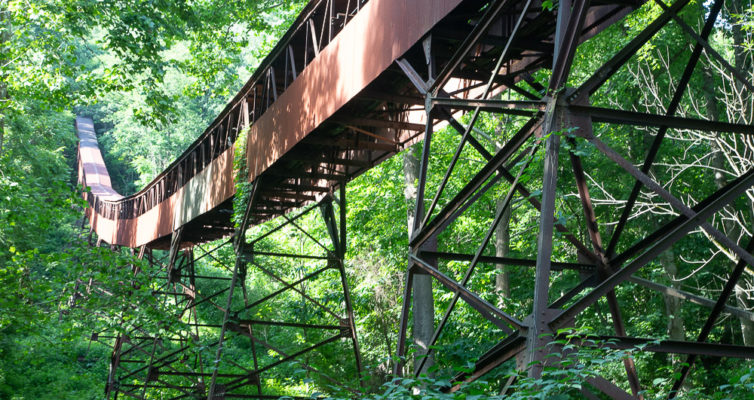
Carrie Blast Furnaces
Nuttallburg
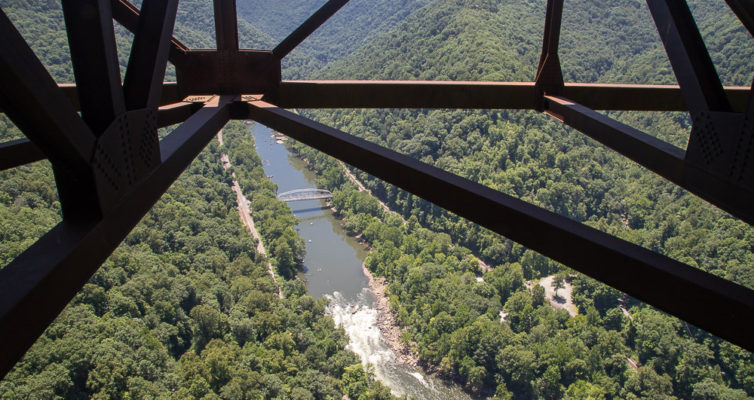
Bridge Walk

Venice

I arrived in Venice, Italy for the start of my vacation in Italy and Croatia. After my plane landed at Marco Polo Venice airport, we were taken by van to essentially the other side fo the airport by the tour group with which we are traveling. From there, we boarded a small boat that is one of many that operate as water taxis. The boat took us directly to our hotel. Not a bad way to travel.

I am completely jet-lagged, but I walked around a bit to try to stay awake and get more tired, so I can get a really good night’s sleep tonight. I once read that you have not really been to Venice, until you have gotten lost there. I did not in fact get lost today, but there were a couple of times where I could have easily gotten lost. Venice is a series of twisting, narrow and wide, alleys and streets that intersect constantly in non-uniform manners. However, it is lovely here and so unique.
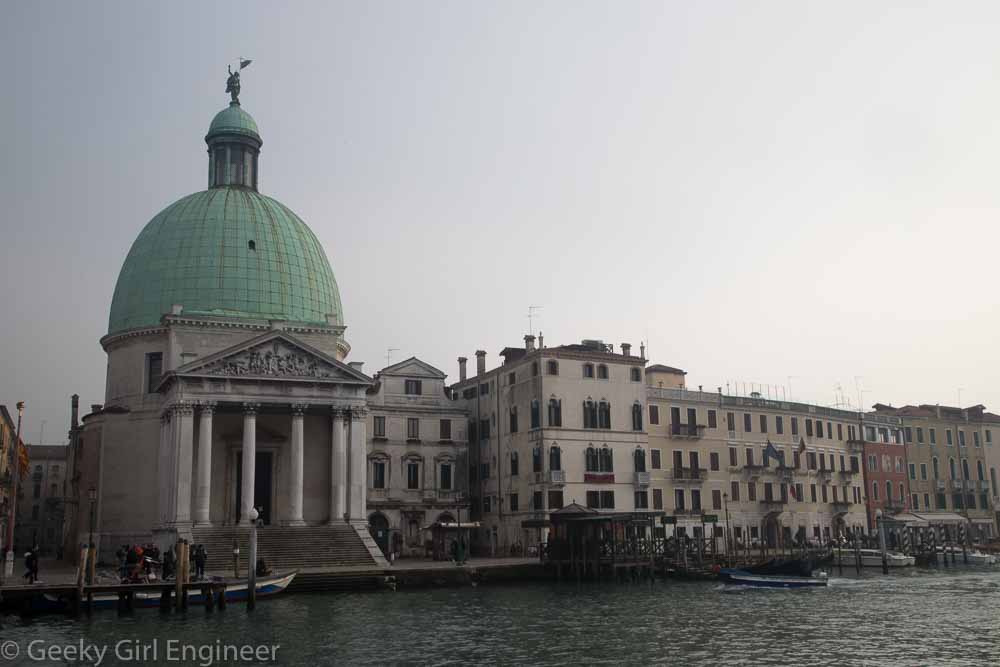
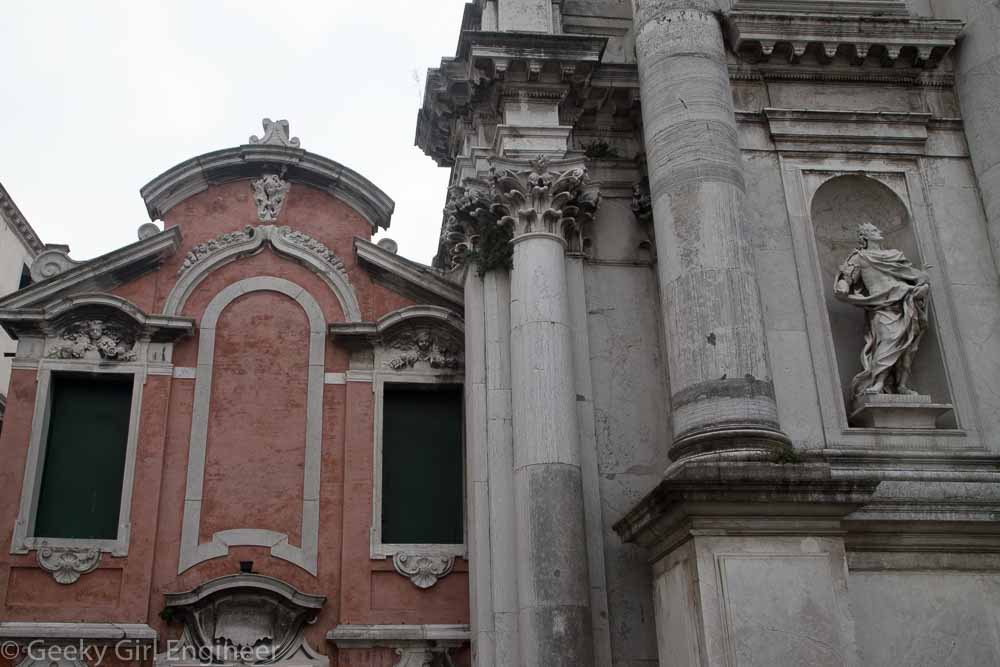
Church along the Canal Grande
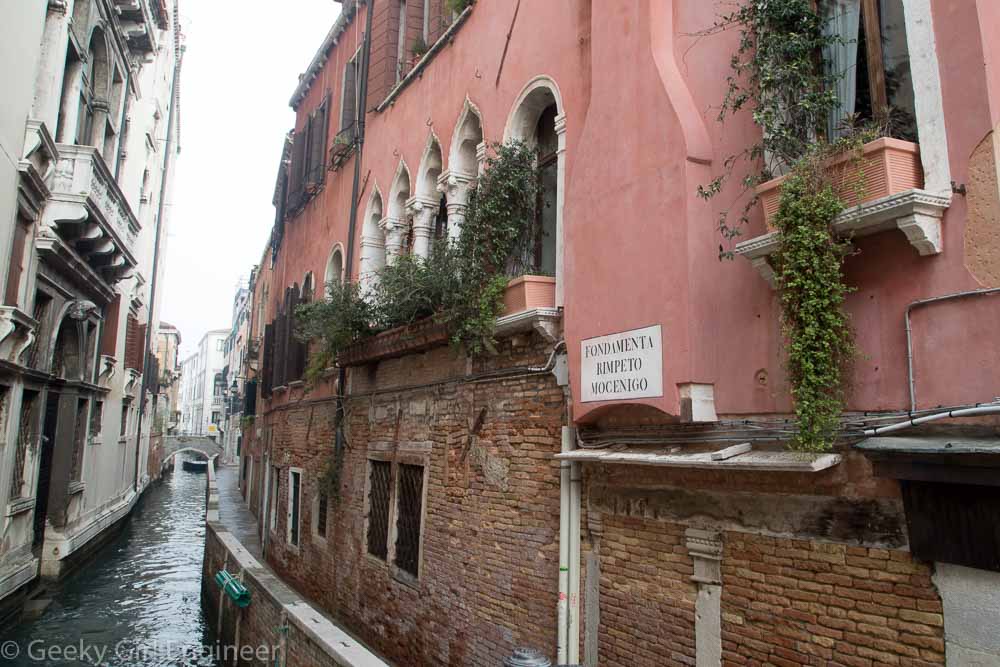
Houses with pretty window boxes line small canals
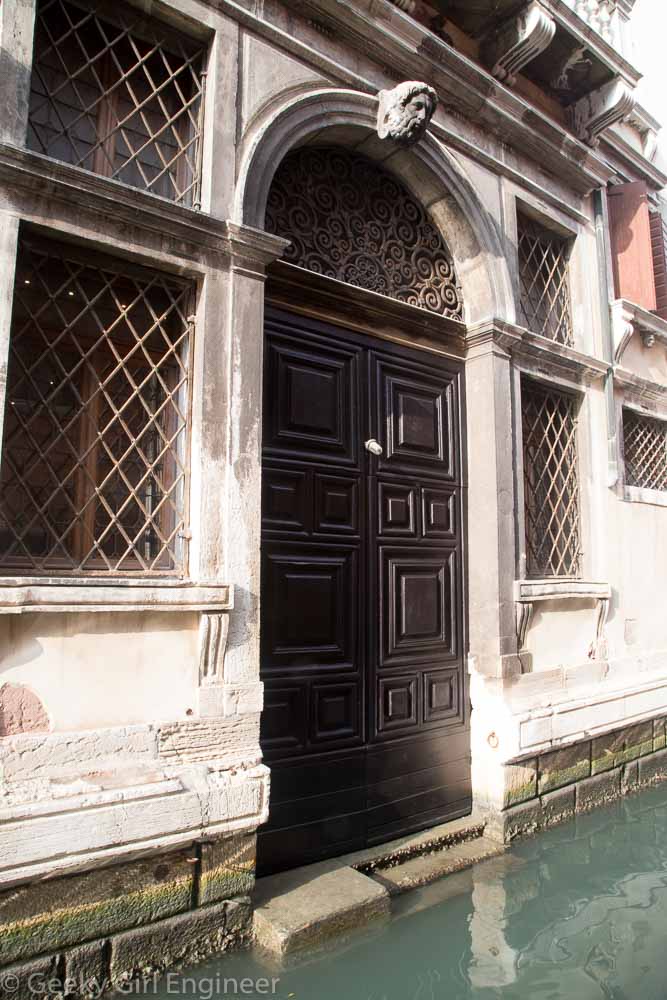
Doorway that opens to a canal
Church along Canal Grande
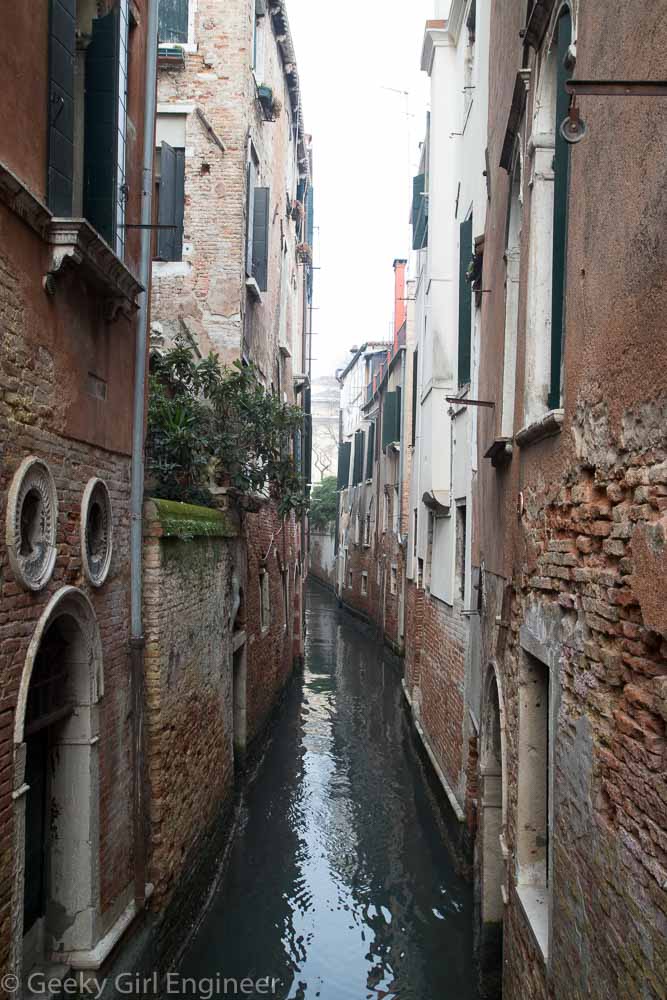
Houses line a small canal
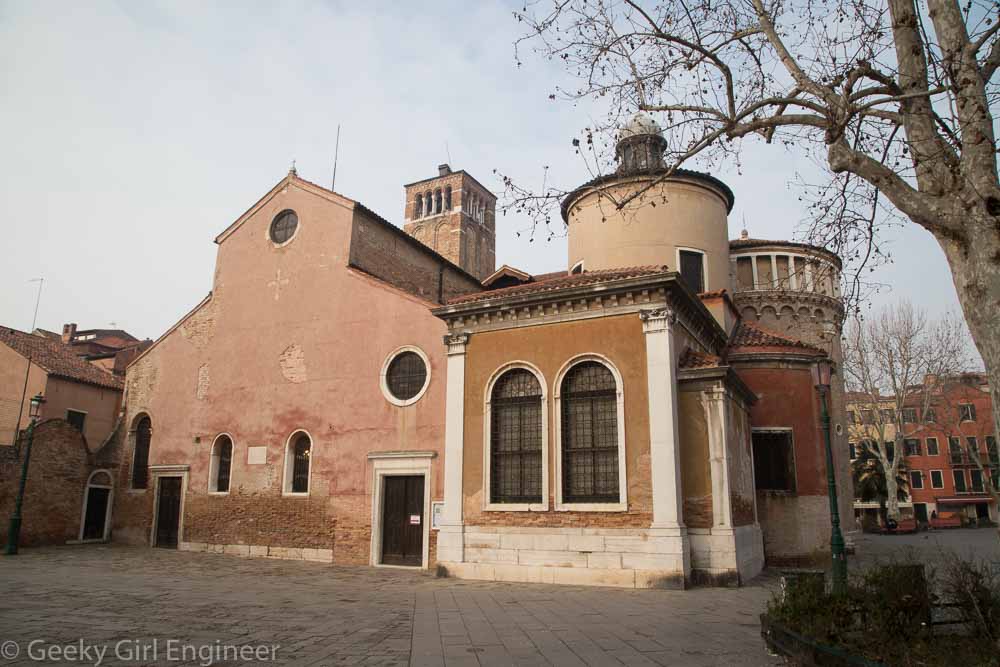
Church in a small square
Canal Grande

How to Live with Cats: Bathrooms

I have had pets before I adopted my three kittens. I am used to not being allowed to use the toilet by myself. Cats. Dogs. All feel they need to accompany me to the toilet. I have never been clear on why.

However before these three kittens, I accepted that. Before these three kittens, if I need to go to my bathroom for whatever reason, I just went. I very likely would have an entourage, but other than that, I just entered my bathroom to use the toilet, brush my teeth, take a shower, etc. Now entering my bathroom is a production. The cats have been banned from my bathroom. The door is kept shut at all times, and this makes it an entire production when I need to open the door to get in or out.

The cats have been banned from the bathroom mainly because of Orlando. I didn’t like it when they jumped to the bathroom counter, but I did’t get that annoyed. However, soon after Orlando got big enough to jump to the counter, he started turning everything into a toy. I went through three toothbrushes in a week because I kept finding them on the floor or in his mouth. The brush end was in his mouth. I moved the cup that holds the toothbrush to a shelf he couldn’t reach, and then he went after the flossers, which I keep in a cup besides the sink. I found flossers all over the house. Thus, they all lost bathroom entry privileges.

Now the problem is me getting in or out of the bathroom. Obviously because they can’t go in there anymore, it is now the most exciting room in the house. Orlando normally waits by the door, especially in the mornings when I am just getting out of bed or ready for work. I keep my phone in the bathroom at night, so it can recharge. I also use it as my alarm clock, and I need to have my alarm clock in a location that requires me to get out of bed, or I will simply turn it off and go back to sleep. Therefore, every morning, my alarm clock goes off, and Orlando sits and waits by the bathroom floor. It is dark, and I am drowsy and stiff. Inevitably, he will run inside, then I have get a hold of his squirmy self, snooze the alarm, and carry him back to bed. Then the routine is repeated when the alarm goes off again. Sometimes Rosalind joins in the fun, so I have to round up two squirmy cats who generally lie belly up to make picking them up all the more difficult. Oliver is the only somewhat well behaved cat.

Then when I am going into the bathroom to actually do something other than snooze my alarm, after they run in, I have to pick up the cat or cats, put them on the bed or the ground, then run back into the bathroom faster than them. Normally they are faster, so the entire routine starts anew. Generally it is easier for me to put them on the ground, while I am still in the bathroom with the door closed as much as possible, so I can quickly close the door between the cats and I. This still fails at times. Often three attempts are required for me to be in the bathroom by myself.

I have left Orlando in the bathroom after I snooze the alarm. I shut him in and go back to bed for five minutes because I hate mornings. By the time my alarm goes off again, and I enter the bathroom, Orlando is happily playing with a flosser.

All of this, so I can use the toilet or brush my hair. Life is rather complicated with cats.

New Year’s Resolution: Less Stuff

I have moved three times as an adult. The first time my new employer payed for me to move. Nicely, this included two stops, so they picked up my stuff at my mom’s house in Houston, then my stuff in my apartment in College Station where I had been pursuing my Master’s, and then moved everything to Austin. The next two times I moved, I paid. The first was to North Carolina where I was going back to school to earn my Doctorate. The final time I have moved, it was from North Carolina to Virginia to start my new career. My new employer did not pay for me to move. That was unfortunately part of the hiring deal because for whom I work. For both times I paid to move myself, I knew months in advance of the move. [With the second time, it was really a guess that I was going to find a job that most likely was not near where I lived.] Thus, I spent months critically going through my house getting rid of stuff I really did not need or want. Sometimes that was admitting to myself that as much as I loved my grandmother, I really did not need such and such knickknack or other thing she had bought me. I refused to pay to move stuff I really did not need or want. Getting rid of stuff was good. It felt good. My house looked better. Less stuff to dust.

So now here I am in Virginia for almost nine years. (!) I have no plans to go anywhere. I like it here, and I don’t want to move. However, I realize I have somehow accumulated more stuff that I don’t need or want. Over the years I have gotten rid of some stuff. I donated some clothes a few times. I trashed some stuff. But still there is stuff. I want to do a bit of redecorating, but I need to clear some space first.

I think part of the issue is that I realize my tastes change. I wear different types of clothes then I used to. To a certain extent, I dress a little more professionally than when I was a full time student, but also just my tastes have changed. I have never been fashionable, but it simply that my tastes have changed. I wear different types of jewelry than I used to. I don’t like big or really dangly earrings anymore. I also can’t wear big or dangly earrings in the winter because they tend to catch the scarves I am always wearing when it is cold. Even though I still go out to the theater a lot, I tend to go on weeknights straight from work, so I wear work clothes. I don’t get dressed up just for the theater.

Then there are purses. I used to love to have tons of purses that I would change with my outfits. I liked small purses, just big enough for my wallet and a few things. Now I have one medium purse that I use all the time. I need a durable purse that is big enough for a normal sized book, because I always have a book with me. Thus, I realize I have way, way too many purses. Some are just plain too small. Some are too big. Some someone gave me, and it doesn’t quite work for me. Some I just don’t like anymore. Some though I bought not so much to wear but because they are practically works of art. If I have too many of those though, I can’t see or find any of them.

Oh and then the shoes. I have always restricted myself to comfortable shows. I don’t wear high heels. I have a few weaknesses though. However, I walk everywhere now, so shoes really have to be comfortable. Even my dress up shoes need to be comfortable because there will be walking between public transit and the theater.

So it’s New Year’s Day. I have the day off, and I have decided to start the year right by ruthlessly going through my stuff and getting rid of stuff. I am not going anywhere, but I really don’t need this much stuff. It is clutter. It collects dust. It has been somewhat distressing and at the same time cleansing to realize I have 15 purses collecting dust that I have not worn in a very long time or ever. I have nine pairs of earrings that I am never going to wear again. There is other stuff of course, but those are the worst offenders. I am resolving to donate all this stuff to charity this month. Get it out of the house. Someone will probably appreciate the stuff I no longer want.

The bigger and harder resolution though is not collect so much stuff. I think I have started getting better about really questioning myself if I want or need something. Also before buying I try to figure out where it will go. Lately when traveling, I have started to buy fewer but more exceptional pieces when I travel. No more crappy t-shirts and knickknacks but instead a beautiful handmade table runner or pashmina or an original painting.

So there is my New Year’s Resolution: less stuff. Get rid of stuff I have that I don’t want or need. Accumulate less stuff in the future.

Blanket + Doorknobs = Window Treatment

Previously I made a unique window treatment in the form a wooden dowel with antique glass doorknobs glued to the end of it and a shawl or tablecloth. I still am not sure what the textile is meant to be. It could be a tablecloth or shawl or something else entirely. It is very pretty, and I like it. However after having it up for several years now, I decided I needed a change. The textile was too thin for a curtain in that it let too much light in, and I am not completely positive how much privacy it brought. Also it was just barely able to cover the window.

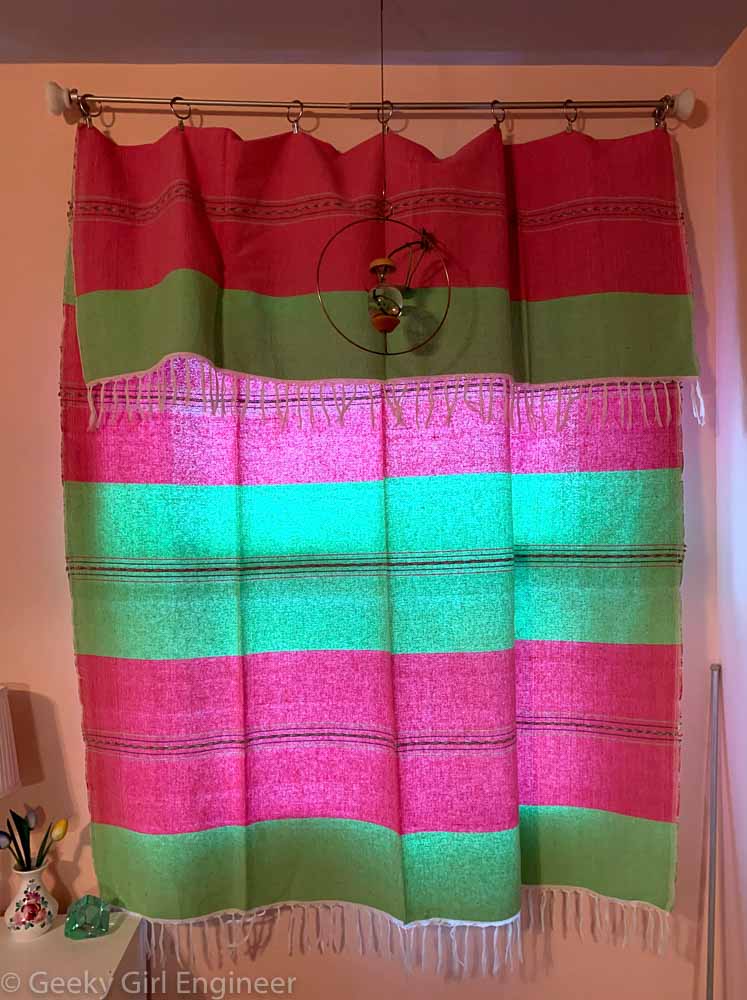
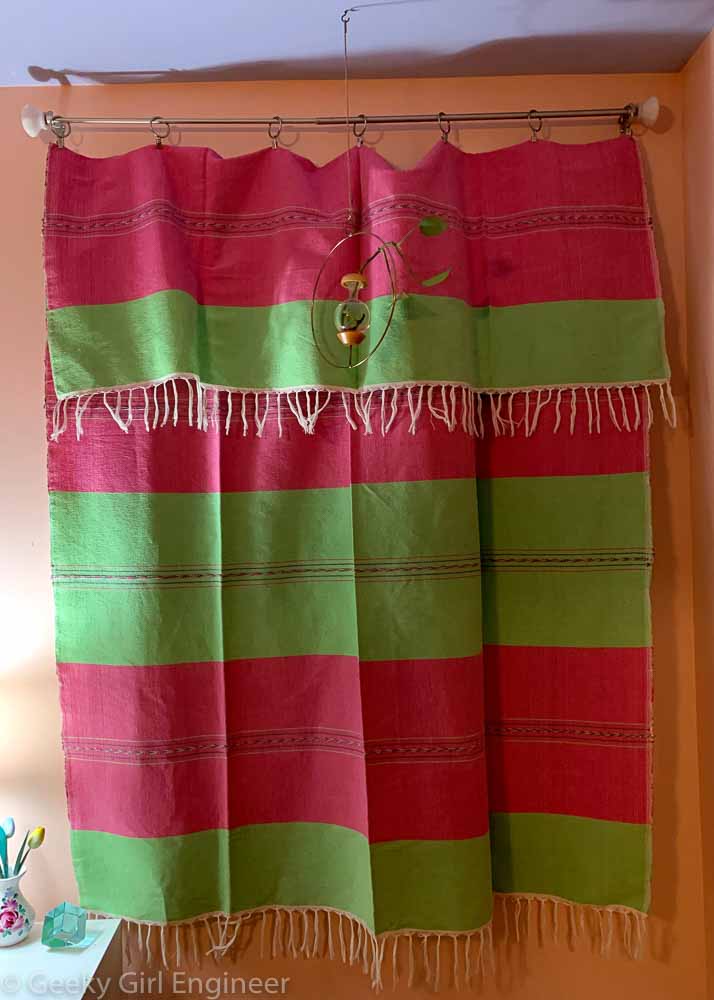
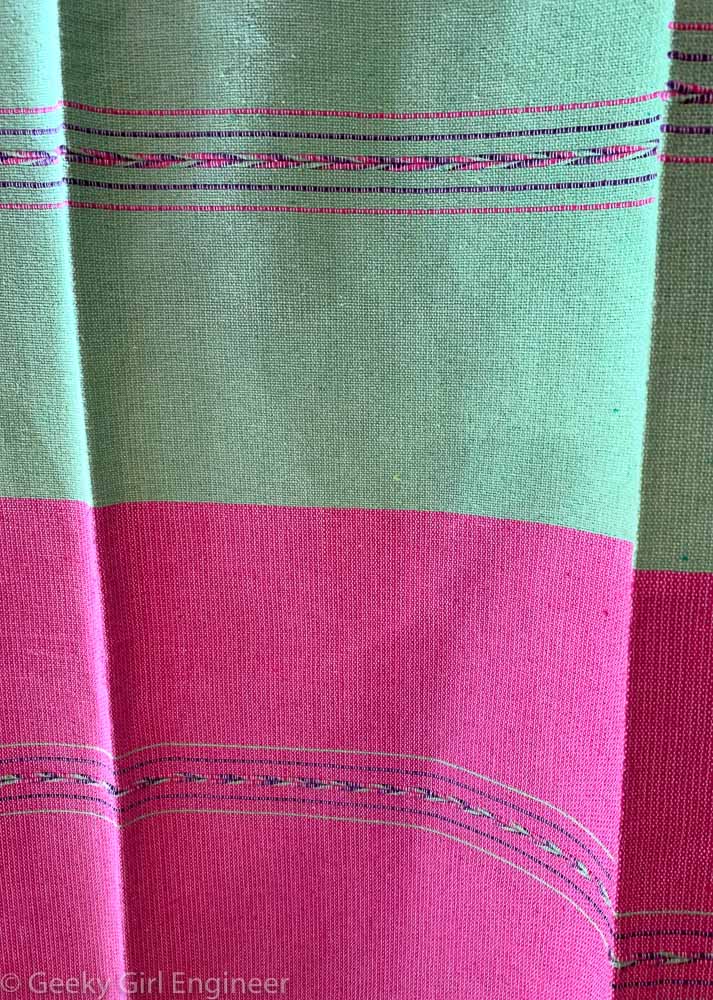
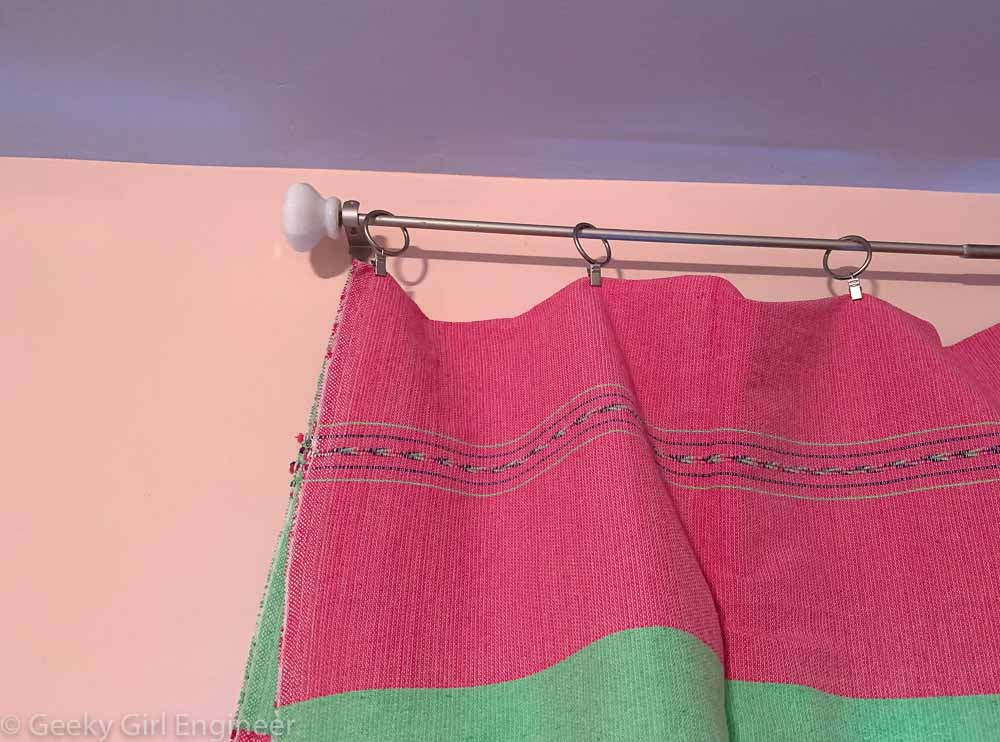
Last year I bought a tablecloth or blanket in Mexico that I love. I wasn’t sure what to do with it though. I finally decided it would make a perfect new window treatment for my window. I hung it up to replace the other textile. It was perfect for privacy and size. Now the problem became that it was a bit too heavy and causing the dowel to sag a bit too much. So, I bought a cheap curtain rod that would provide more strength and not sag from the weight. I removed the rod’s plain ends and glued the antique glass doorknobs to it. Now I once again have my glass doorknobs and a unique curtain to go with it.

With sunlight coming through
At night
The beautiful blanket stitching
Glass doorknobs are back up

How to Live with Cats: Doors

If you have cats, do not have any doors (cabinet doors, people doors, etc.) in your home.

If you must have doors, never open or close them.

If you must open or close them, never put yourself on the opposite side of the door from your cats.

If you must put yourself on the opposite side of the door from your cat, do so when your cats are not looking for as short a period of time as possible.

If you have put yourself on the opposite side of the door from your cat for too long a period of time, you will know by small furry paws appearing underneath the door reaching into the side in which you are. There may be meowing.

When it is time to reunite with your cats after the unauthorized extended period, do not attempt to stop the cats from running into the side you are in so said cats can determine what is so interesting on that side or the meaning of the separation.

If you must try to prohibit the cats from entering the other side, open the door the bare minimum while loudly saying “no” and “back”. This will most likely have no effect on the cats, but it will make you feel like you have some authority. You do not have authority.

If you successfully exit the other side with no cats running inside, congratulations, you are better than most of us. However, your cats will be annoyed.

If you are not successful in exiting the other side without admitting cats, you will now enter a comic cat roundup stage of your day. However, your cats will have a fun time.

Meet the Kittens

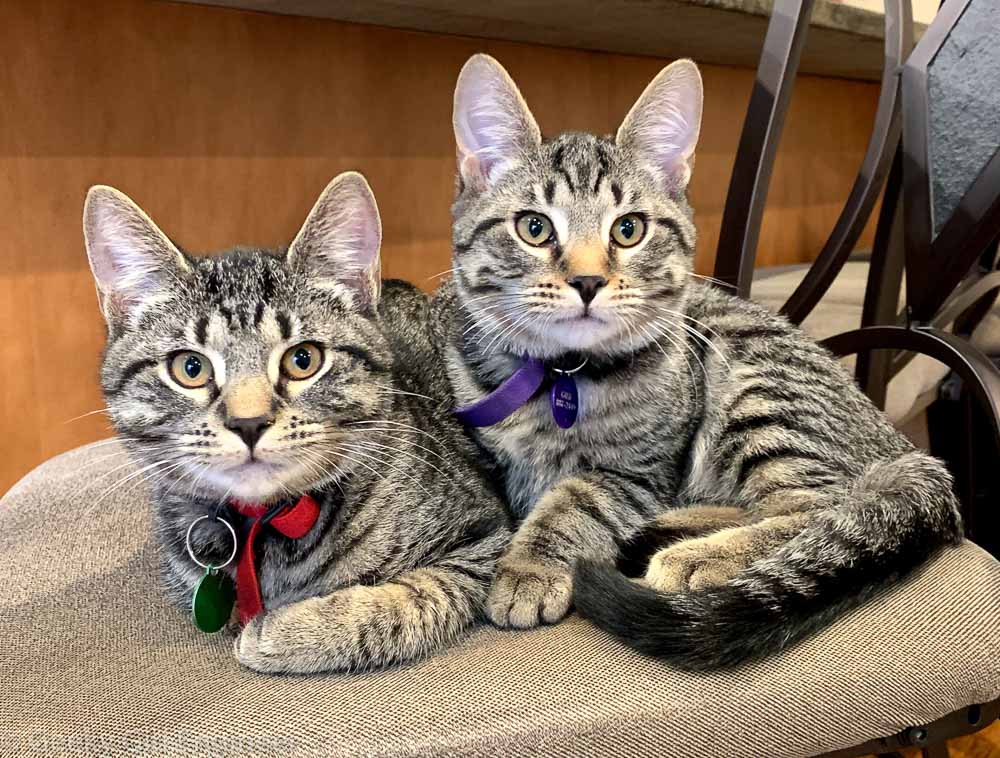
One month ago today was Gotcha Day for my kittens. Three littermate kittens, two boys and one girl, found not too far from my house. A neighbor posted on our neighborhood email asking if they belonged to anyone. I had been wanting to adopt a couple of kittens, and what’s more, these were brown tabbies, my favorite. It was a sign. The shelter picked the kittens up after the my neighbor’s call. Then as soon as the they became available for adoption, about a week and a half later, I picked them up from the shelter. I adopted all three. My initial intention when wanting to adopt a cat was to get two, so they could be playmates. Since there were three, I couldn’t very well take two and leave the third. That would have been mean, so they all came home.

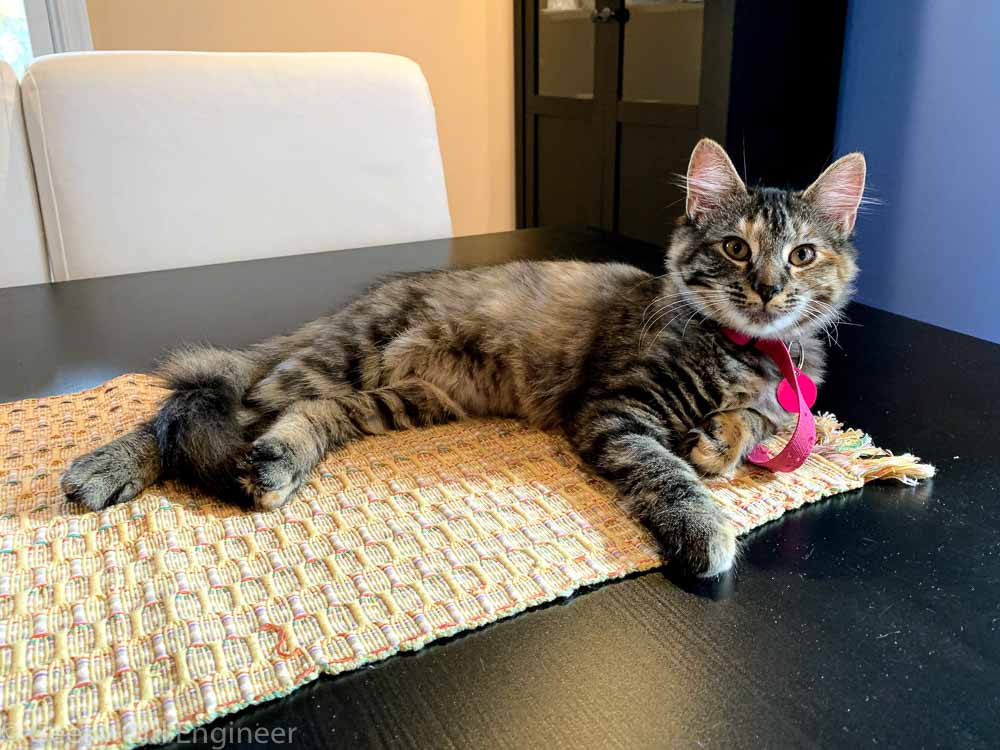
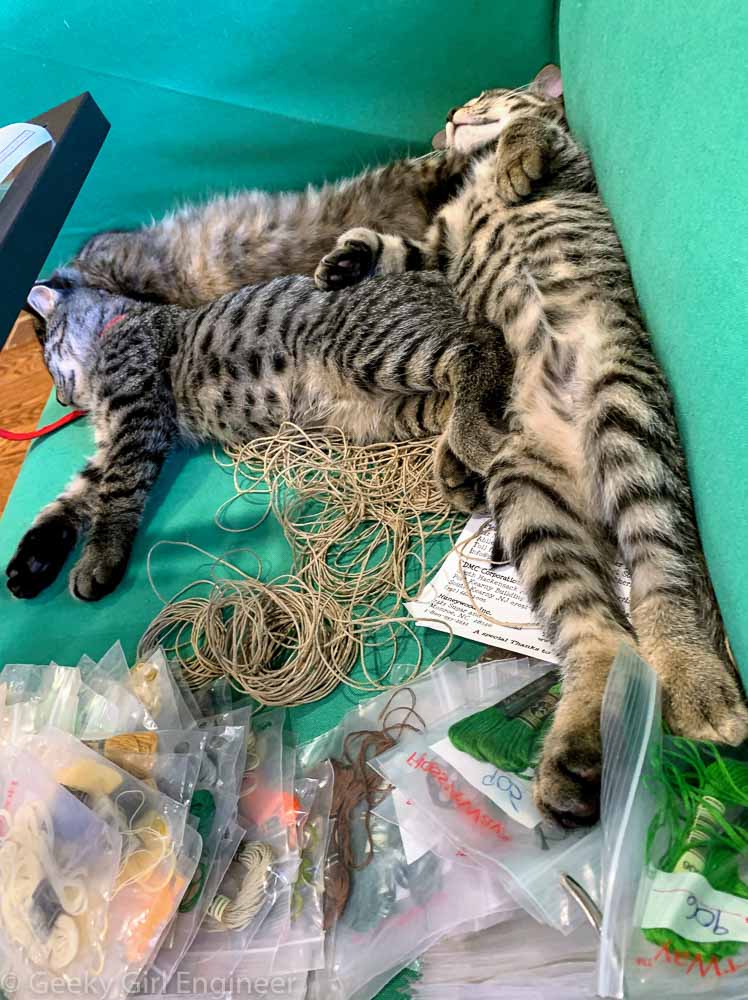
I have a tradition of naming my pets after Shakespeare characters. I continued that with these three, naming them after characters in “As You Like It”. The girl I named Rosalind. The troublemaker boy is Orlando, and the timid boy is Oliver. They have quickly taken over the house. Oliver is no longer so timid, but Orlando is still a troublemaker. Rosalind has no trouble keeping up with the boys. They tend to sleep piled on top of each other. They move as a pride or a comedy or a chaos, whichever the best term might be for a plural of kittens. They are about four months old now. They think everything is a toy.

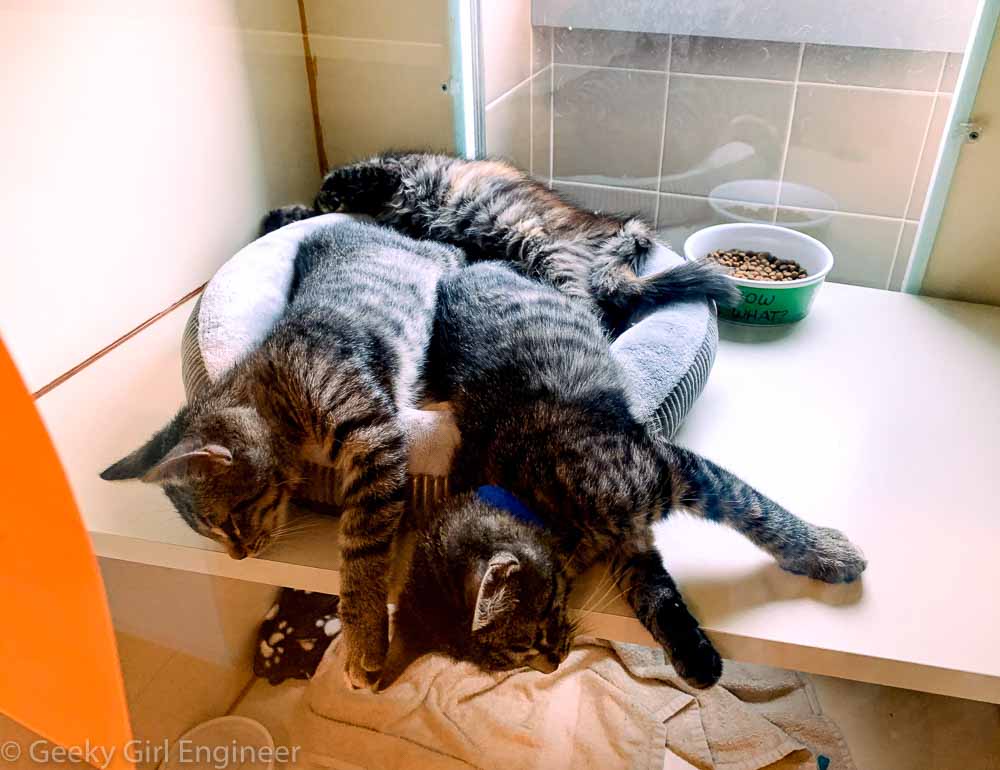
The kittens as I found them at the shelter, piled on top of each other in their condo.
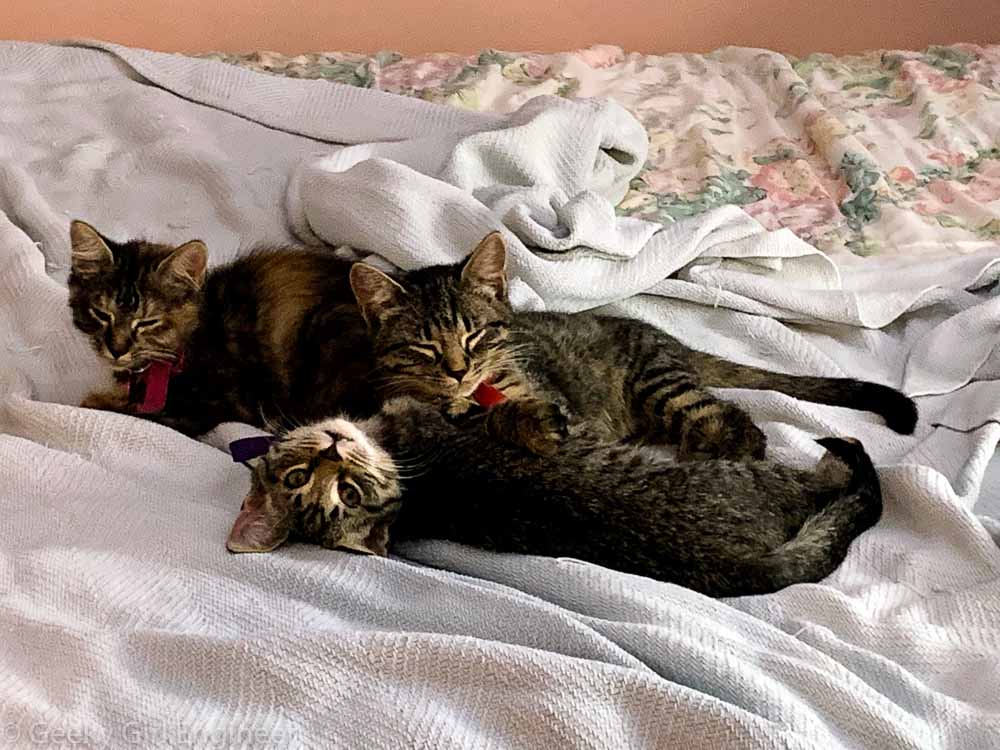
The kittens piled on top of each other on my bed.
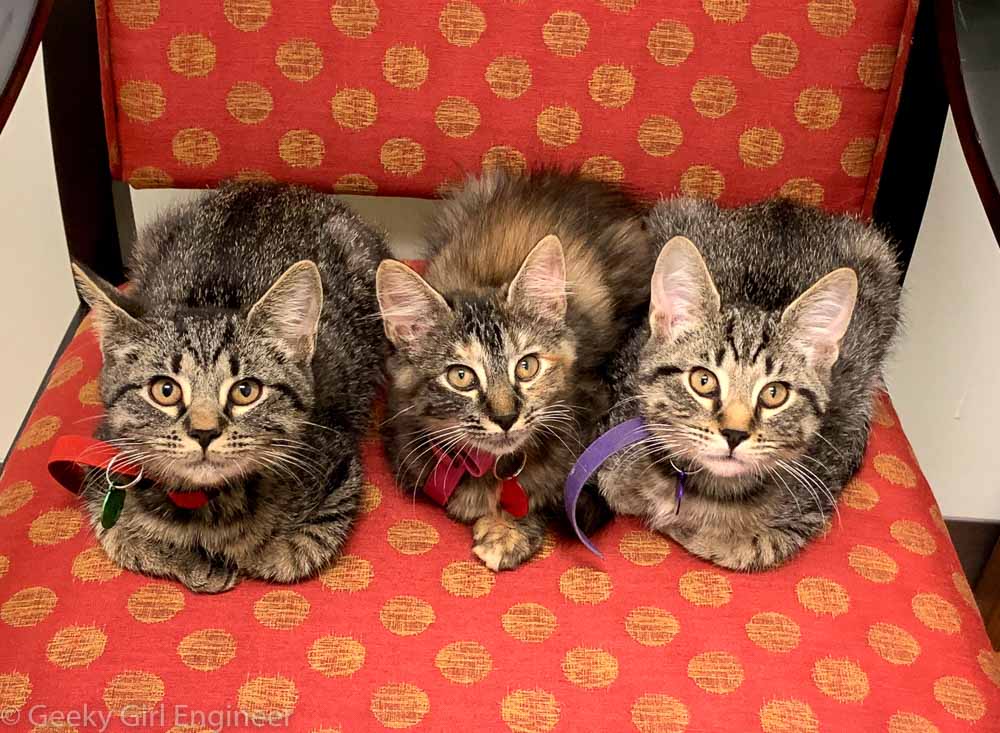
The kittens (L to R: Oliver, Rosalind, and Oliver) at their first vet visit. The vet tech had mad kitten wrangling skills and lined them up.
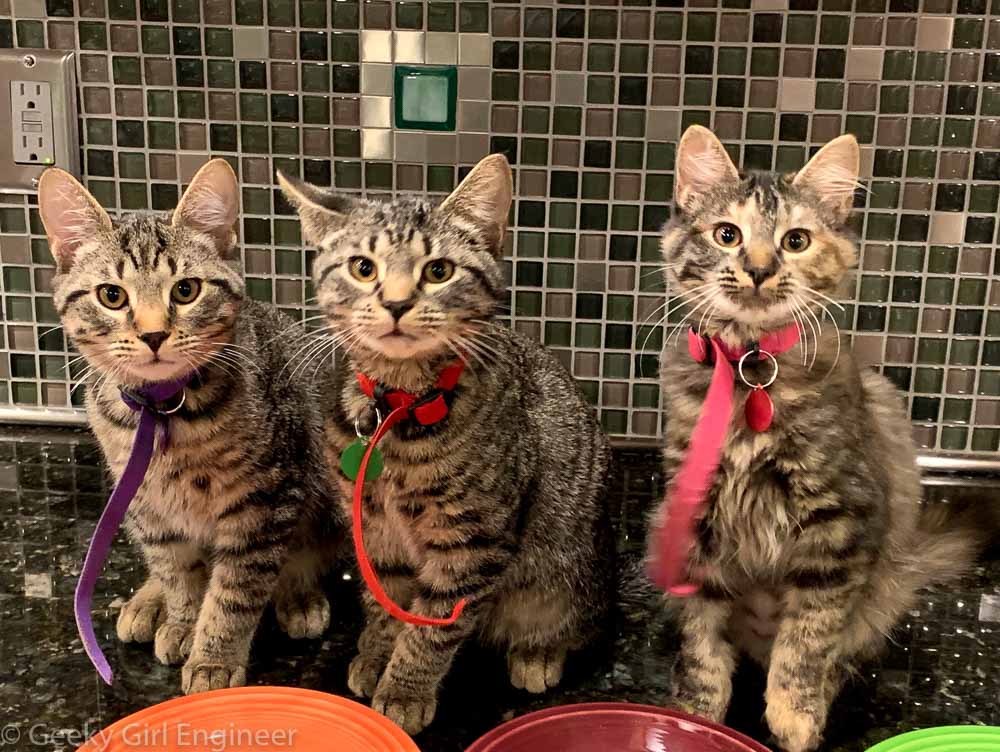
Oliver, Orlando, and Rosalind line up on my kitchen counter wanting dinner.
Orlando and Oliver on a a chair.
Rosalind on the dining room table.
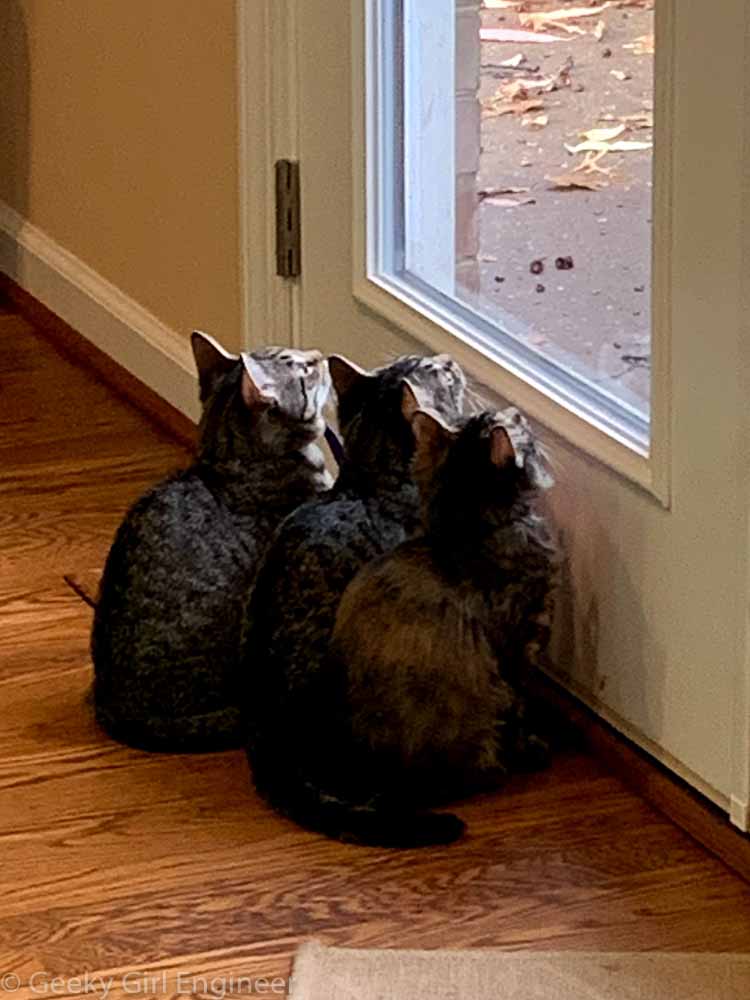
The kittens watch the birds and squirrels outside.
The kittens sleep on the couch, once again demonstrating their enjoyment of piling on top of each other.

Virginia State Capitol

I came to Richmond to tour the Virginia state capitol. I took the tour today, and the tour was so bad that as a resident of Virginia, I was actually embarrassed by it. First, the tour lasted a little over an hour, and well beyond half of it was history of the state, not of the actual capitol (with an “o” meaning the building itself). I find it hard to believe that I am the only person who when going for a tour of a capitol or some other building wants a tour of the building and the history of the building, not of the state or people who used to live there. Second, the tour was completely whitewashed. My tour guide did not say the word “slave” once. In her entire hour long recitation of the history of the colony and state of Virginia, she did not think it important to mention slavery once. If she had barely talked about the history of Virginia, I might be more forgiving of that huge gap. Also, I am going to make an educated guess that slaves were involved in building the capitol.

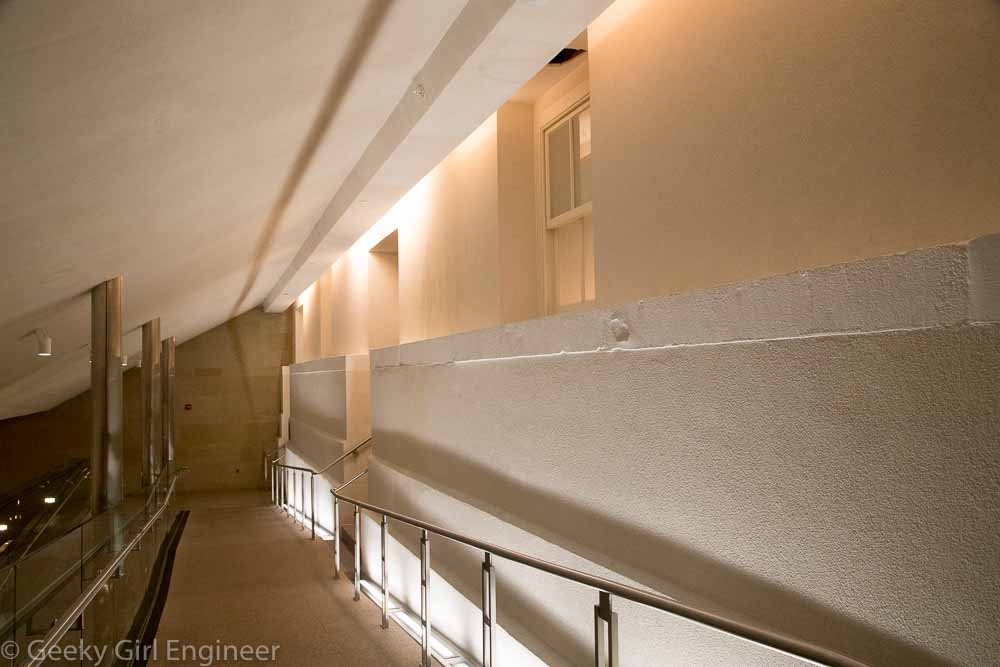
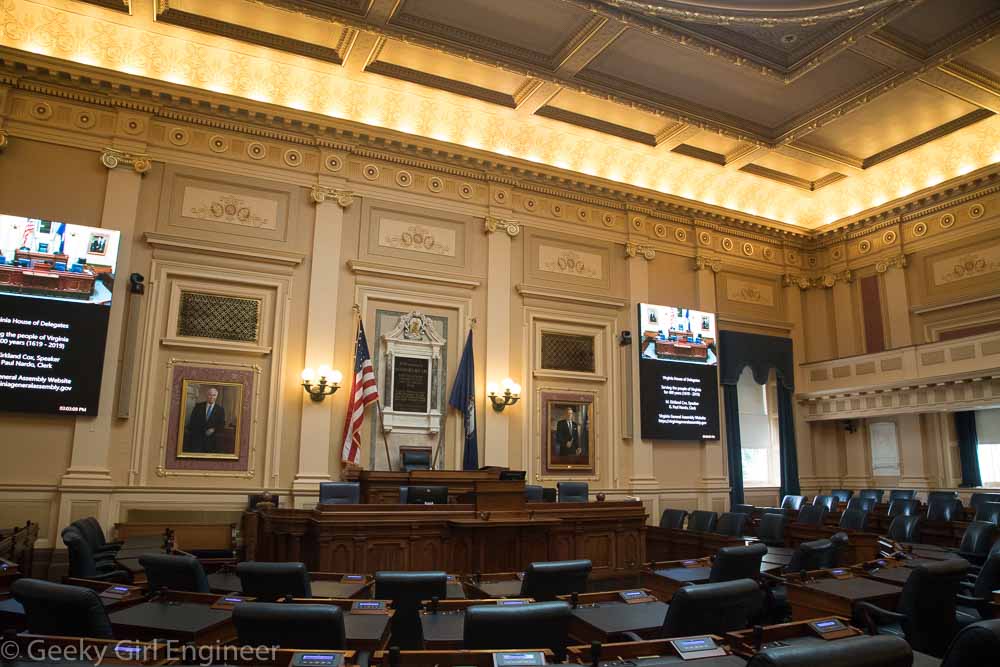
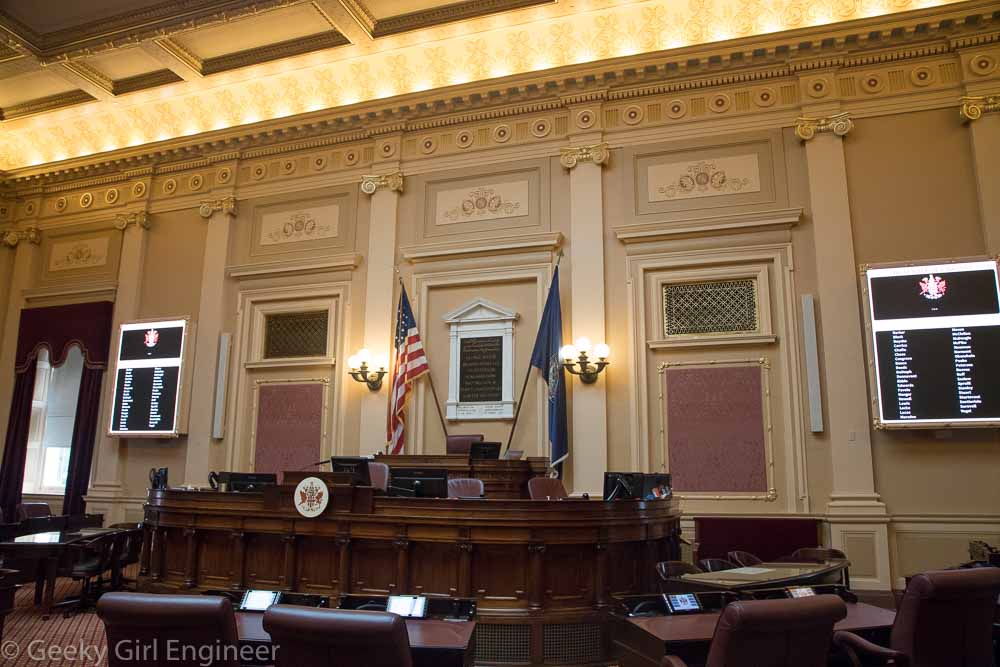
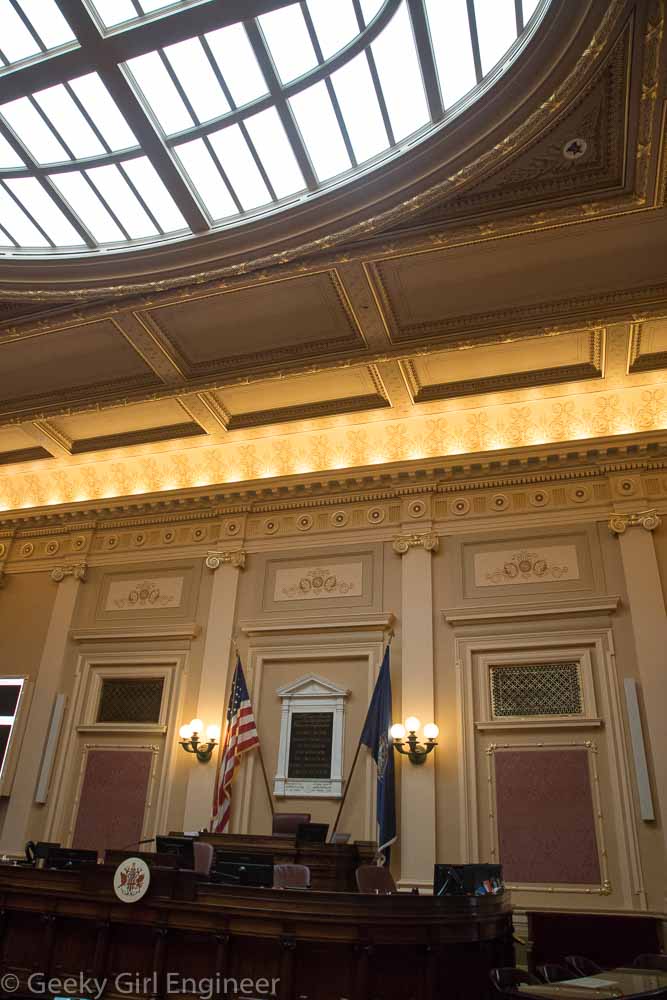
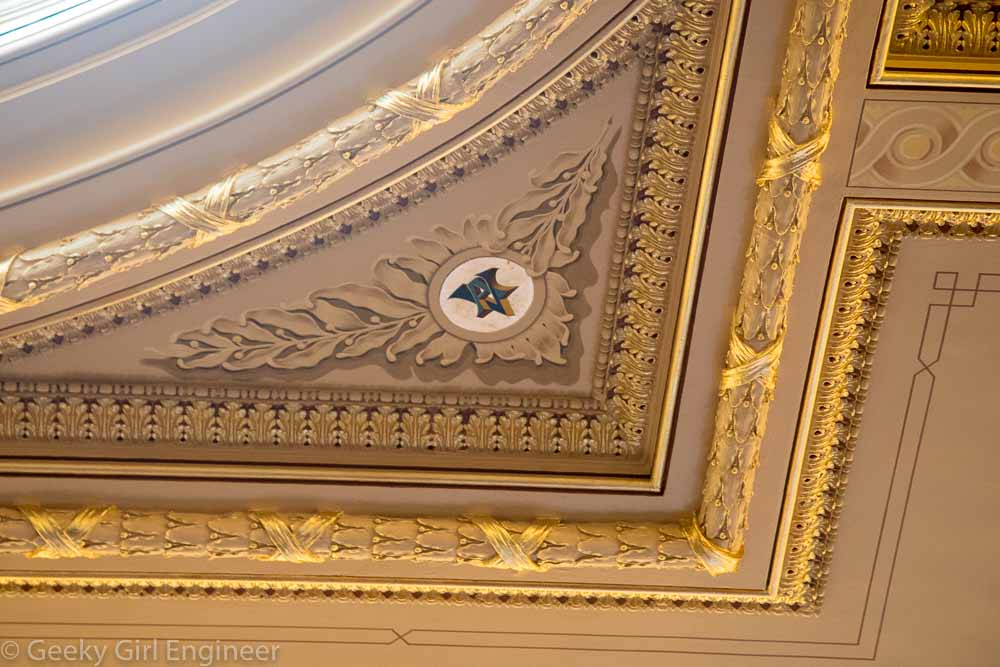
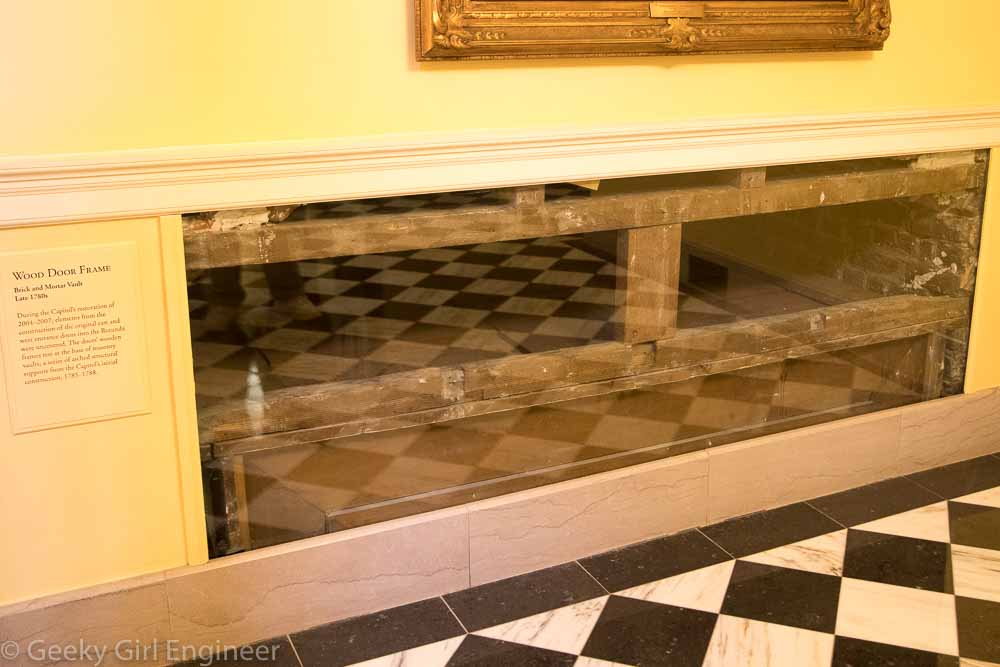
Third, probably because she spent so much time talking about the history of Virginia, she barely had time to talk about the details of the building. She evidently doesn’t show either of the House or Senate chambers, unless the group wants to see one. We all wanted to see one, so she took us to the House chambers. After that I asked if we could see the Senate, she seemed surprise that someone would want to see both. Is it really that surprising that someone who goes on a tour of a state capitol would want to see both chambers, which generally are the most important rooms in the entire building? She said the two chambers look the same, but possibly because others wanted to see it also, she took us to the Senate chamber also. They are not the same. They are very similar, but there are specific differences. The House has green seats and curtains. The Senate has red seats and curtains. I have visited enough state capitols to make an educated guess that that is based on the British Parliament lower and upper house. [See the California State Capitol and Colorado State Capitol among others.] However I have to guess because the tour guide didn’t bother to point it out. Considering she said they are exactly the same, perhaps she did not even realize it. Further, when we were in the Senate chamber, I asked her about some symbol on the ceiling [see below photo] that I had also noticed in the House. She did at least partially explain what it was, but considering how capitols are generally full of symbolism, I found it bizarre that she didn’t talk about it to initially. Also, she never mentioned that there is place near the stair landing a floor above where we were, where they have clear plastic covering a portion of the interior of the building [see photo below]. Even if she was not going to take us there, she could have mentioned it as something we might want to go see. I discovered it by accident while wandering around after the official tour.

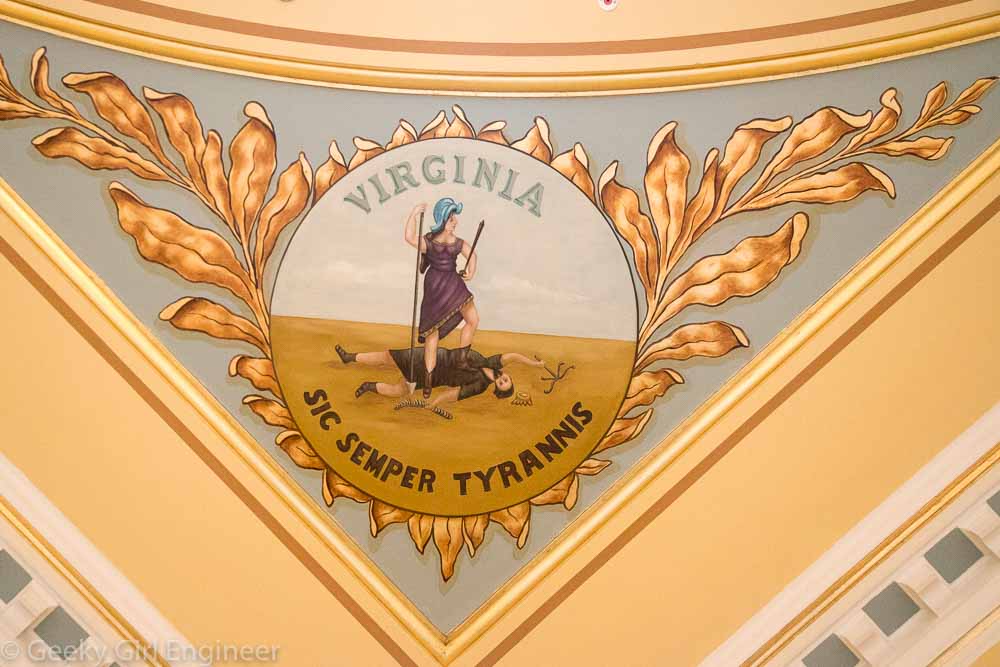
Fourth, perhaps this is a dumb complaint, but one of the reasons I take guided tours of the capitols is because generally the tour guides are fantastic, knowledgable, and can tell you all these details you can’t get by just wandering around. In the rotunda, to the side of the dome, the state seal is painted on the ceiling. Only it is not the official seal. The state seal of Virginia, which among other places is on the flag not to mention numerous places in the capitol, features the goddess Virtue, and one of her breasts, including the nipple is showing. The seal on ceiling has both of Virtue’s breasts covered. I noticed this immediately that it looked wrong. I asked the guide during the tour if that painted version was because of the former Attorney General Cuccinelli who made national news when he changed the seal to cover up Virtue’s breast on things in his office. She said no that is the official seal. After the tour, I showed her an up close photo to point out the difference, and I am not sure she even realized that the painted version differs from the version on the flag and on the floor next to the tour guide desk. She had no explanation for the difference and didn’t seem to be interested in a visitor pointing out to her there is a difference. She said that painting has been there for years. So maybe that version has nothing to do with a recent politician, but why is it different? I am very curious. Also of note, when I told to her after, there was a security guard right there, and he was really interested and wanted to look at my photo. Thus at least one other person finds it interesting that the painted seal is different. I am curious about how old the rotunda painting is and the history of the version of the seal. Internet searches are only giving me the version on the flag.

My complaints are not just about this particular guide. I am quite frankly dumbfounded that a normal tour does not allow a visitor to see both chambers. You can’t get into the chambers at all without a guide. In most of the state capitols I have been to so far, you can just wander in to at least the viewing gallery. In Virginia, that is not possible. As a resident of Virginia this strikes me as wrong. It is supposed to be the people’s house, so let the people see it.

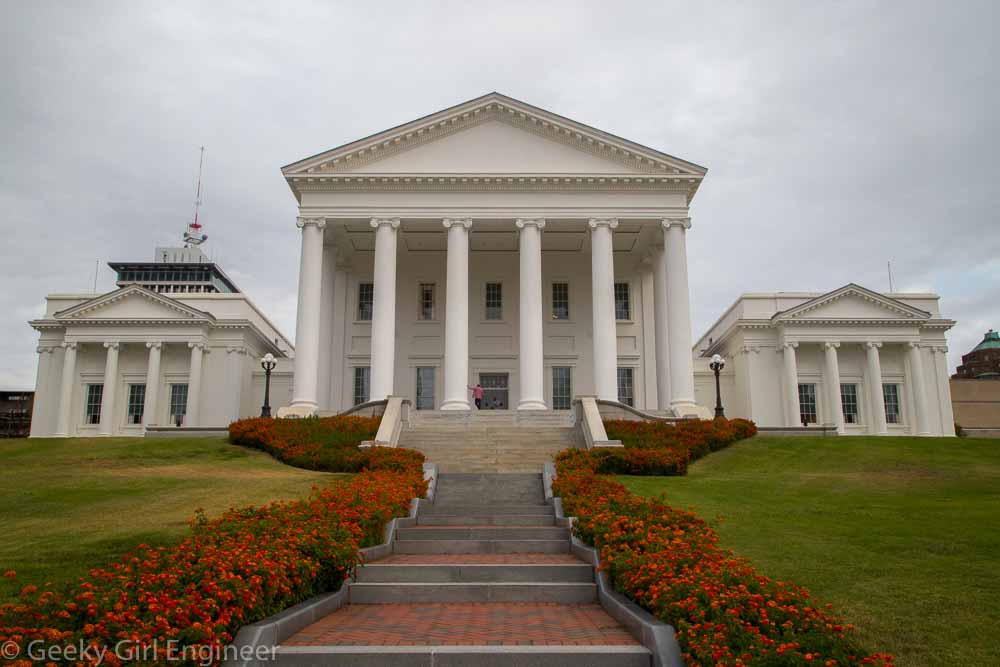
The exterior of the Virginia state capitol. The middle portion is the original version dating back to 1788 and designed by Thomas Jefferson. The two side wings date back to 1906 and hold the two chambers.
The 2007 extension created an underground approach to the capitol. In the photo above is the underground walkway as it approaches the original building. The wall on the right with the windows is the original building.
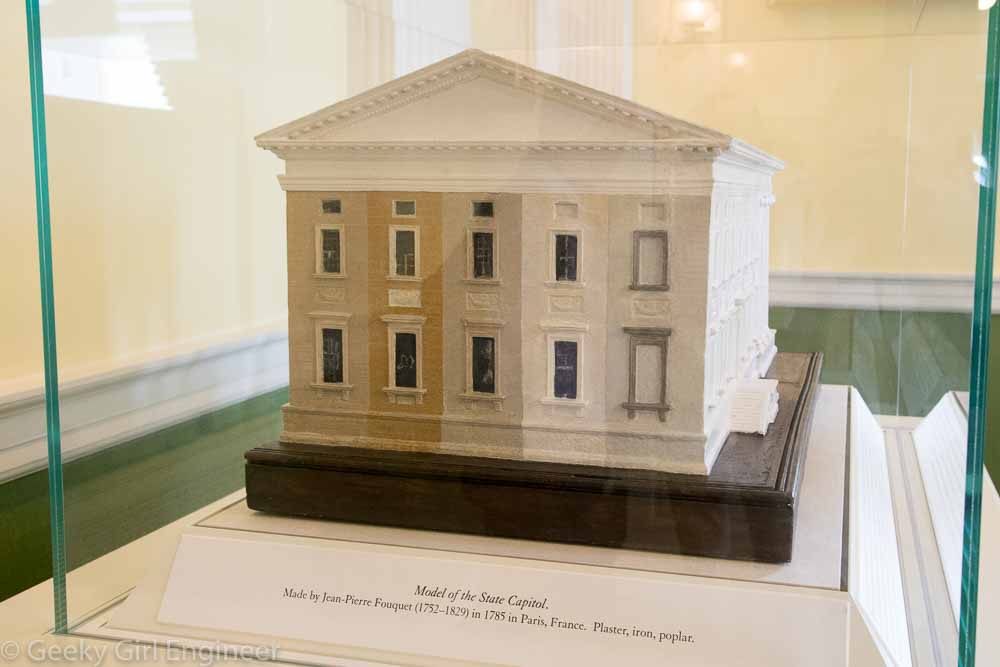
The original model of the capitol. They painted the model when they painted the building.
The rotunda.
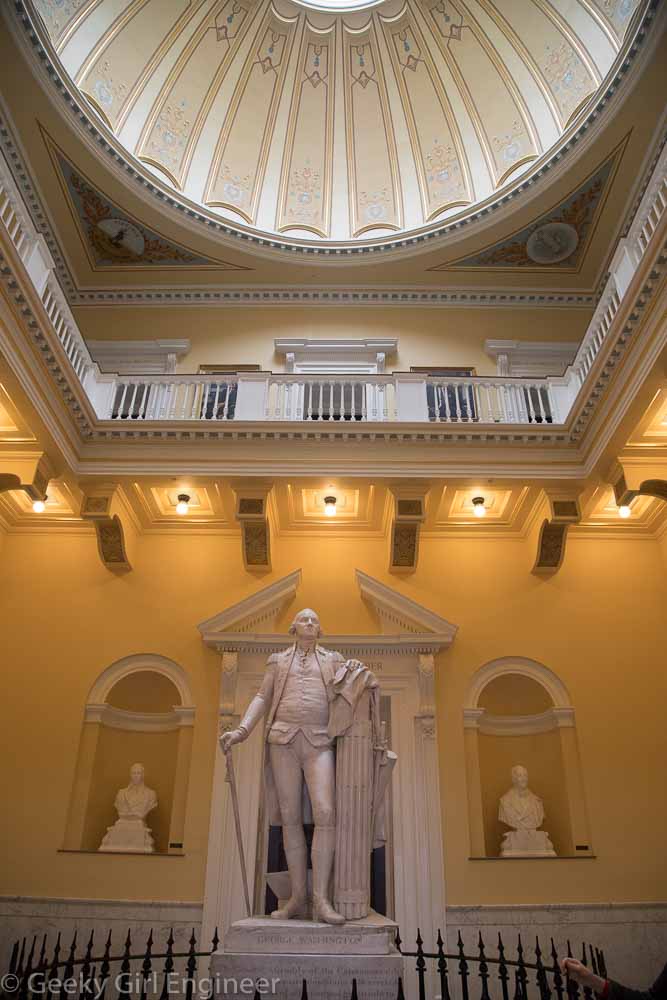
The rotunda features a statue of George Washington.
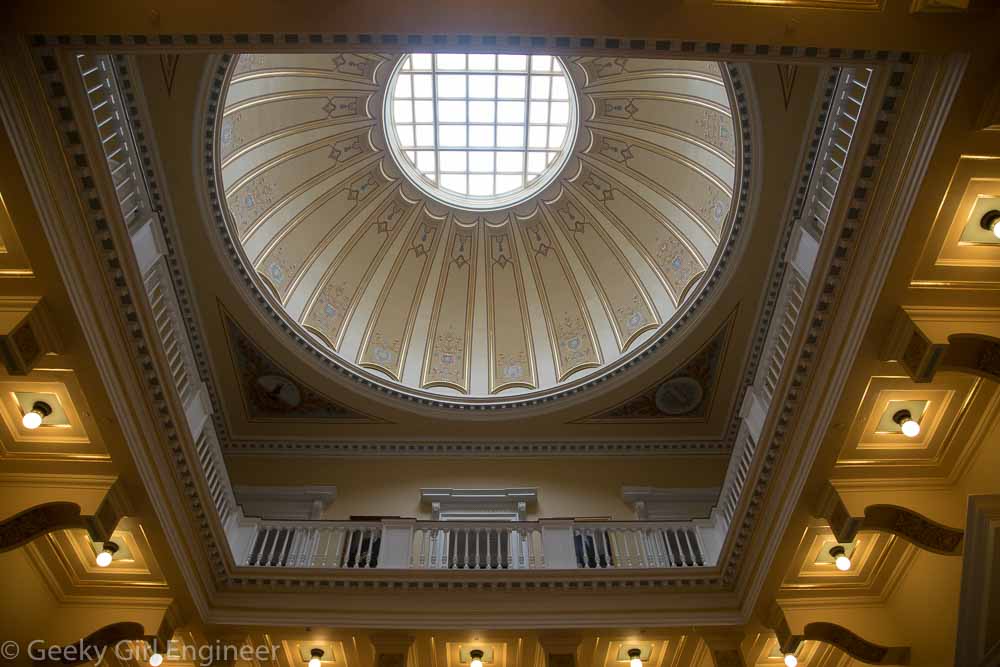
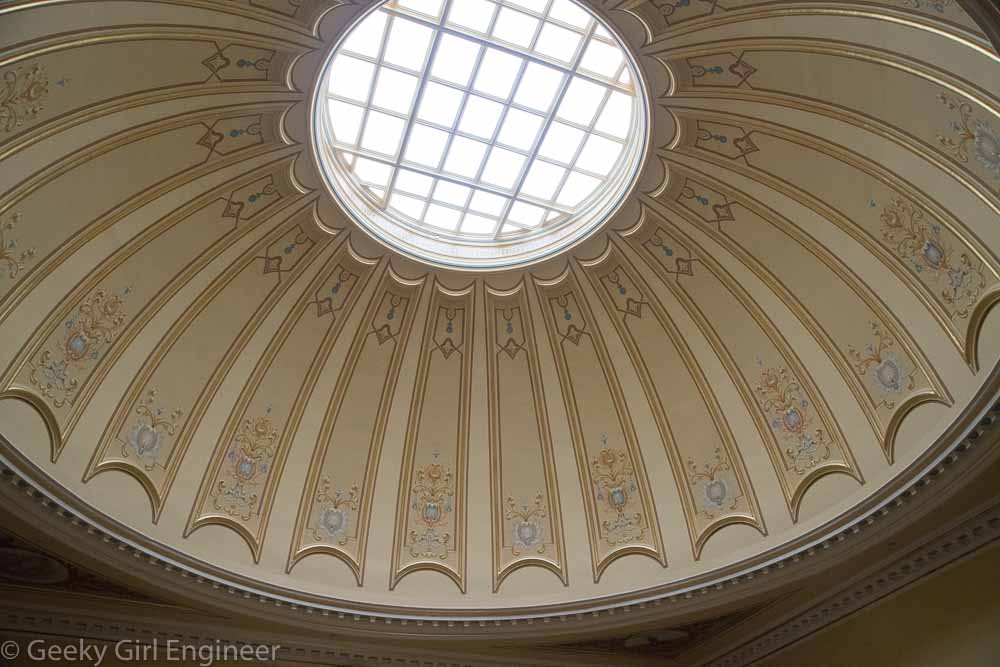
The dome which is not visible from the exterior.
The Virginia state seal as painted on the ceiling in the rotunda to the side of the dome. Notice Virtue’s breasts are both covered, unlike the version on the flag and seemingly everywhere else.
The House chambers.
The Senate chambers.
The Senate chambers. The House chambers has a similar ceiling.
Painting on the Senate ceiling. The tour guide said the center is a VA for Virginia. I think she said the circle are tobacco leaves.
Near the stairwell on the floor to the chambers’ viewing galleries (it is on both sides), they have part of the wooden frame from the original east and west entrance to the rotunda viewable. The sign says they were uncovered during the 2004-2007 restoration.

Richmond Canal Walk

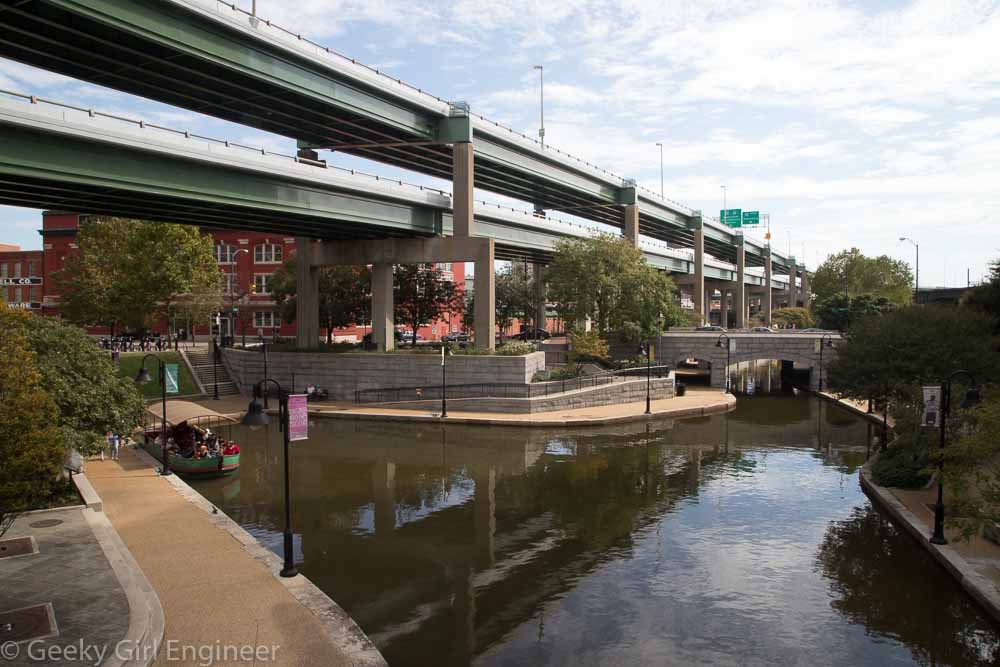
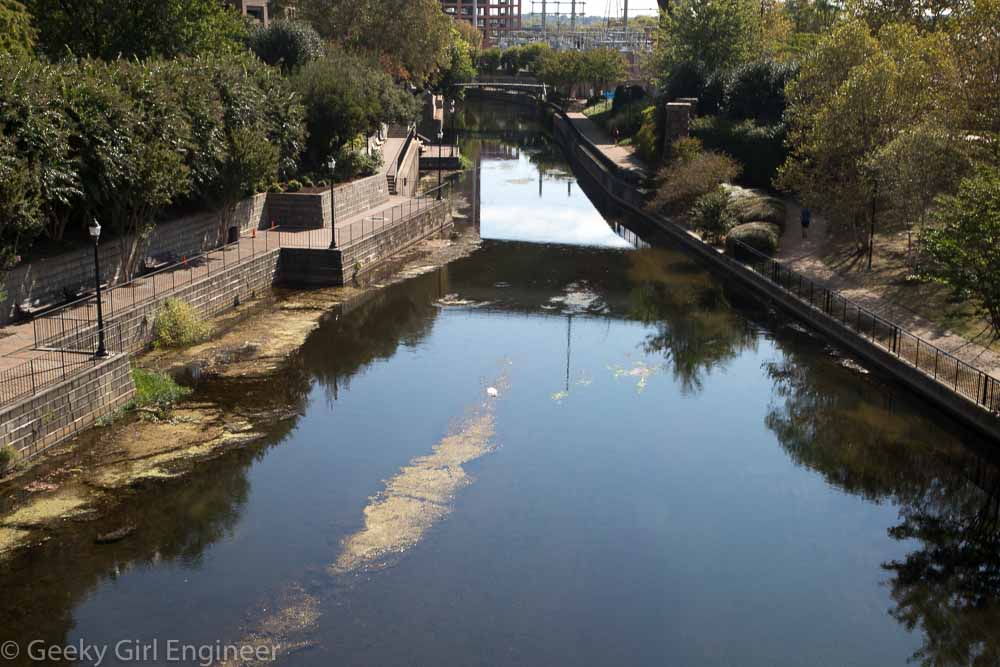
I am continuing my quest to see all the state capitols. I am in Richmond this weekend to see the Virginia state capitol. However, today, I just wandered around. I spent most of the day walking along and near the Richmond canal walk. Richmond has a couple of disjointed canal that were originally part of a large system so that ships could avoid the James River rapids. The canal walk is lovely. The original building of the canal and the restoration of it are impressive engineering projects. They have restored much of the system, and you can even take a boat ride along part of it. [I did, and some of those photos are included.] Railroads and then highways were built alongside and on top of parts of the canal system. My tour guide on the boat ride noted that there is one part where you can see 18th century (the canal), 19th century (the railroad), and 20th century (the highway) transportation systems all in a single frame. I thought that was an interesting and insightful observation. The canal also is both inside and outside the Richmond flood wall, which is another impressive piece of engineering. A canal was built to bypass the James River rapids, and a wall was built to protect against James River floods.

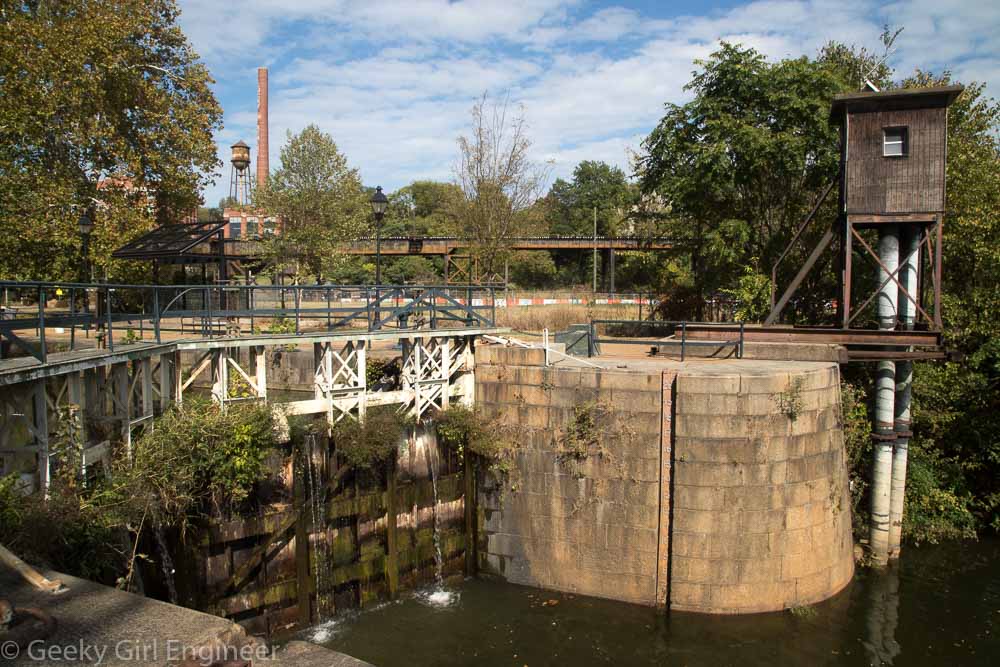
Entrance to the first (most downstream) lock in the canal system.
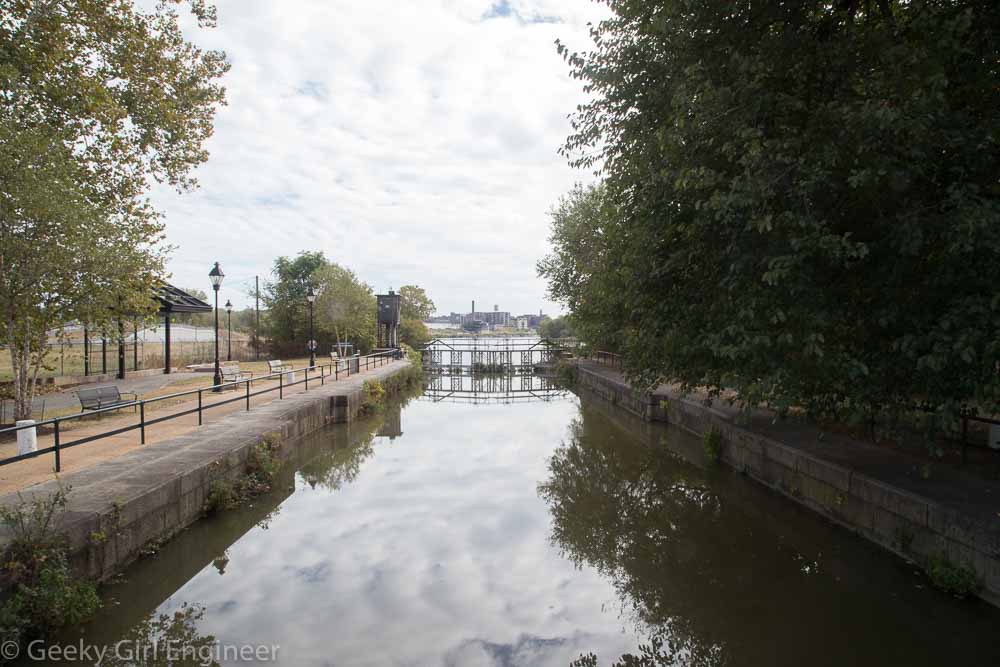
The first (most downstream) lock in the system. The lock is full and beyond is the James River. The area is now a park.
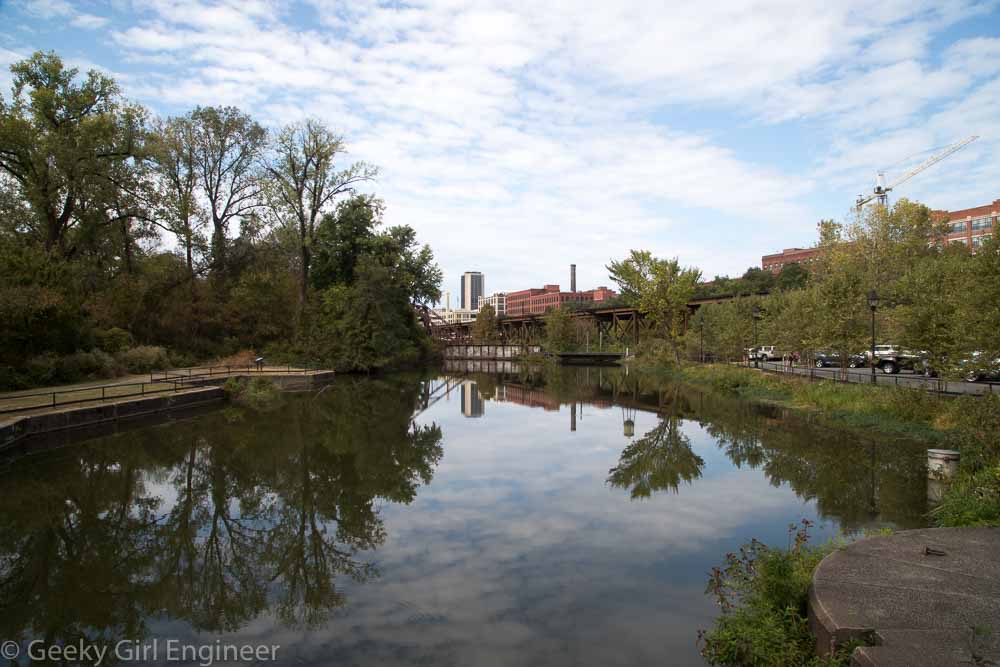
A pool just beyond the first lock, now part of a park
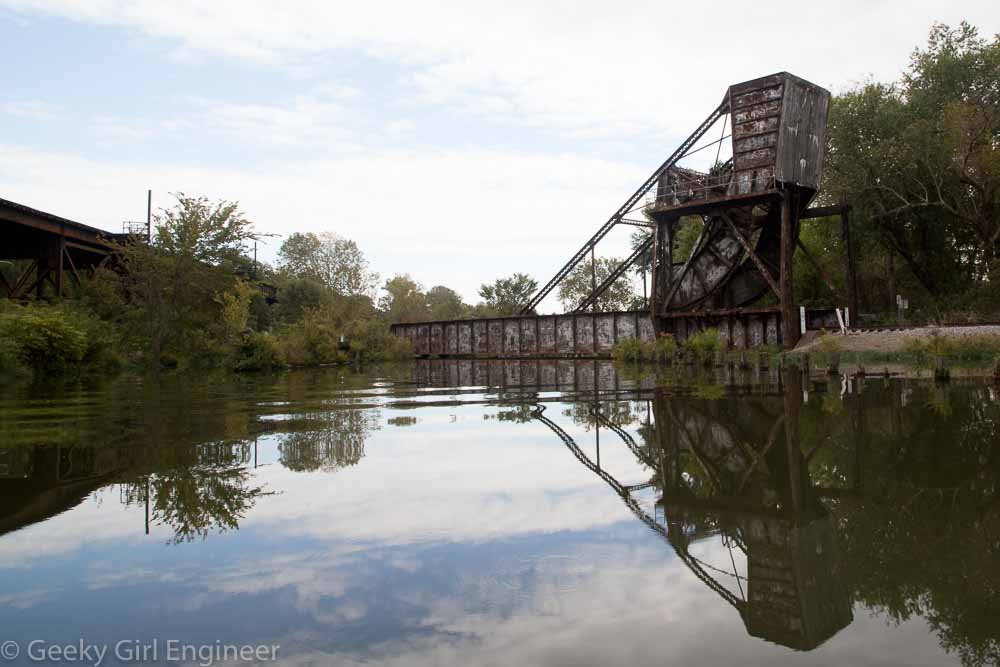
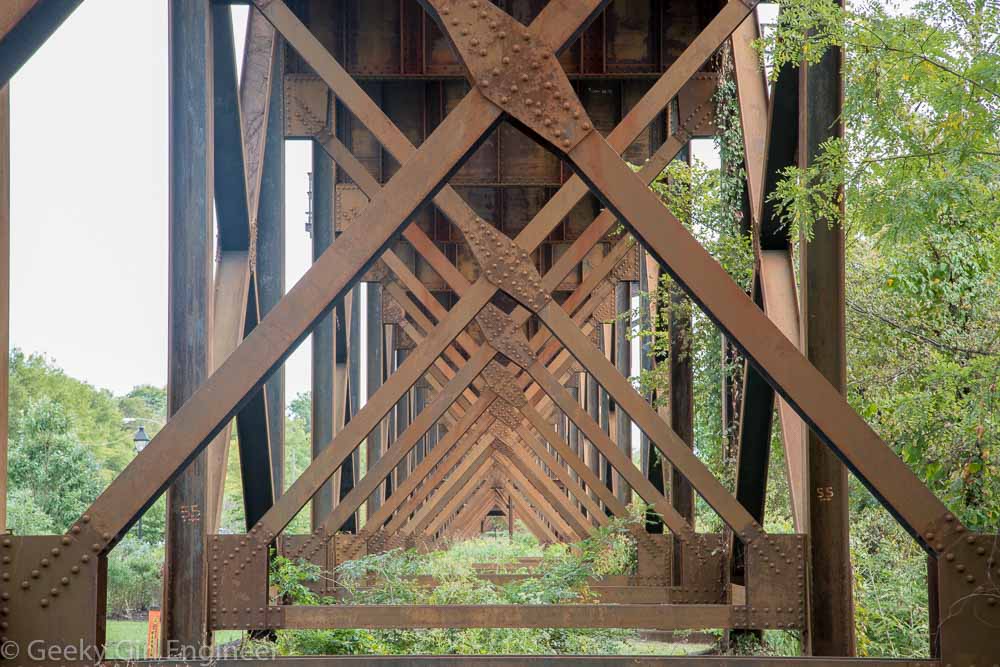
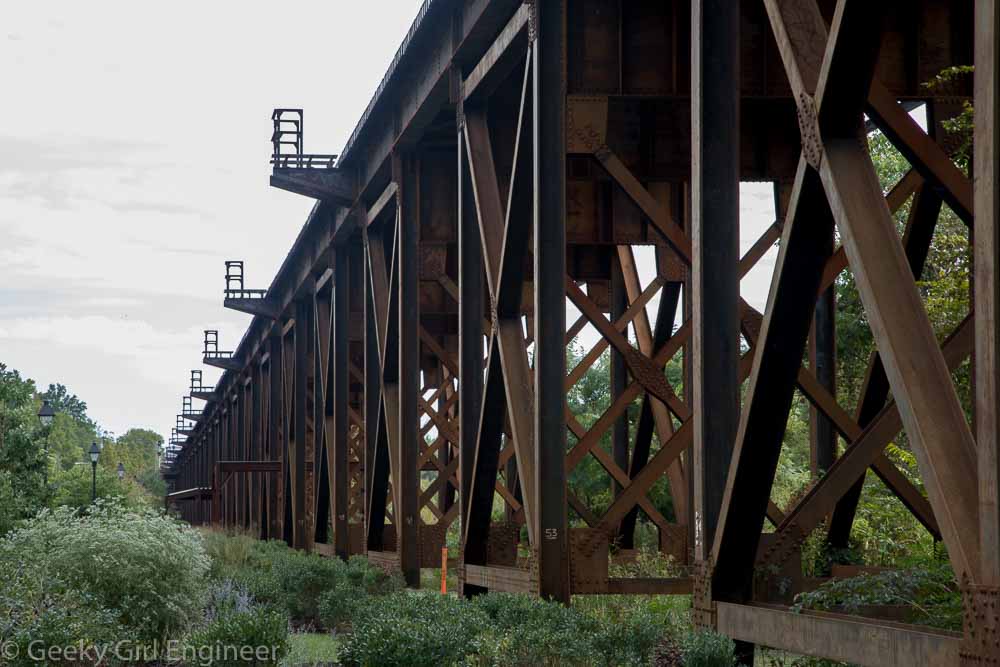
Old railroad bridge over canal
“The Lowline” is hike and bike trail along an elevated railroad next to the canal.
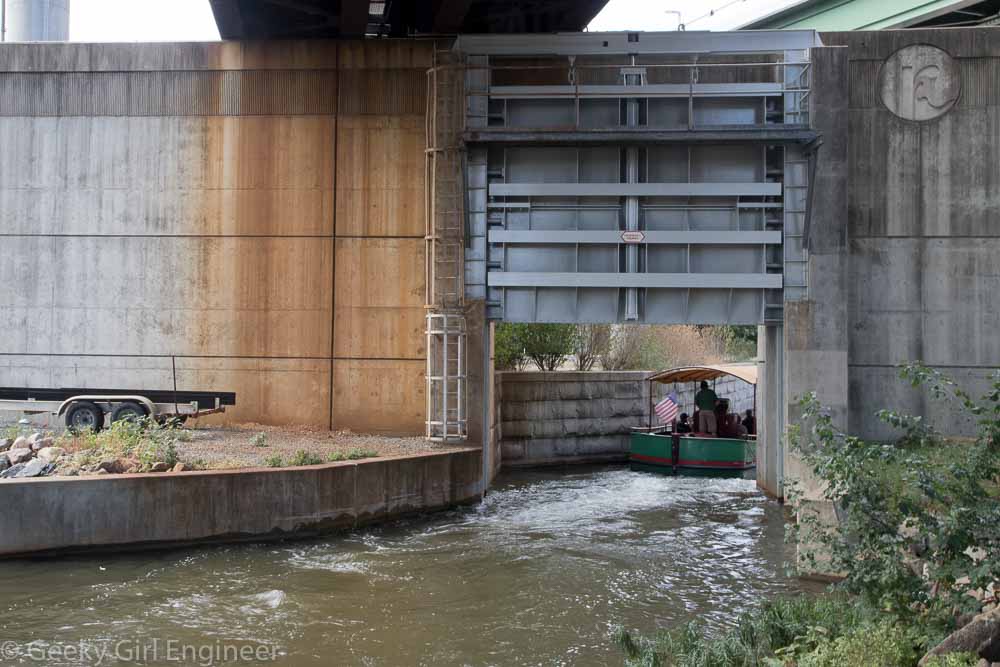
Part of the canal is inside the Richmond flood wall, which has a gate seen here for boats to pass in and out of the flood wall.
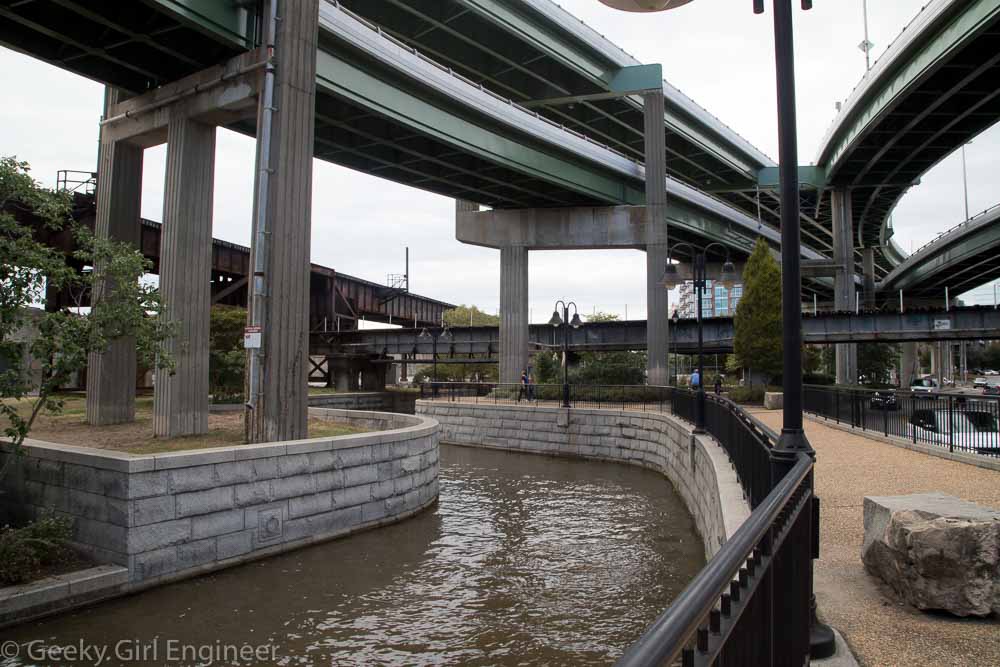
The canal is below railroads and highways in parts.
The turning basin where you can catch a boat ride, see to the left.
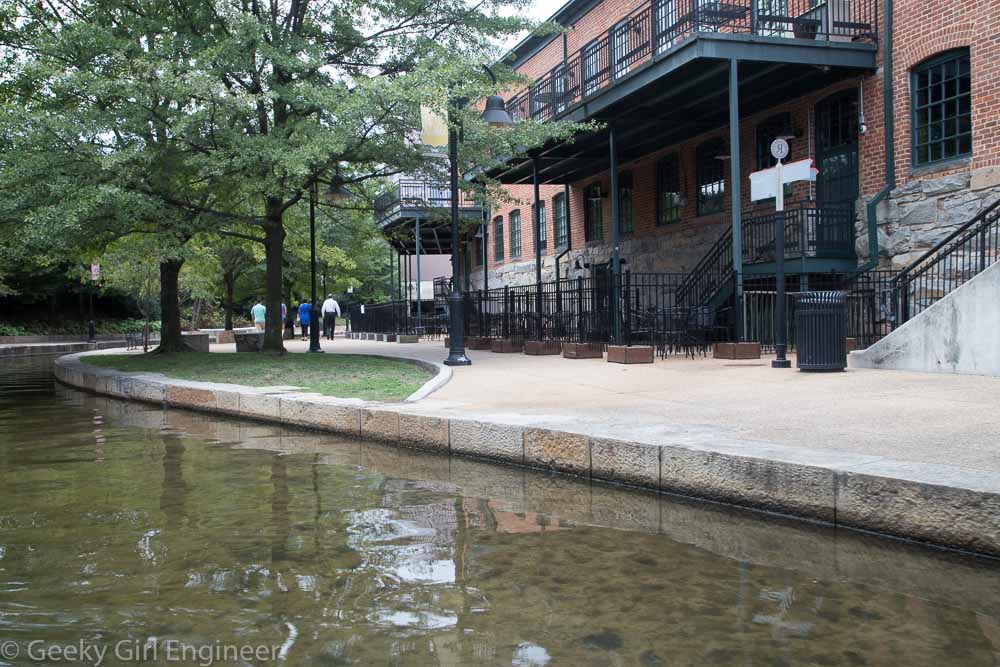
Pedestrian walks along the canal. Much of the canal is only a couple of feet deep.
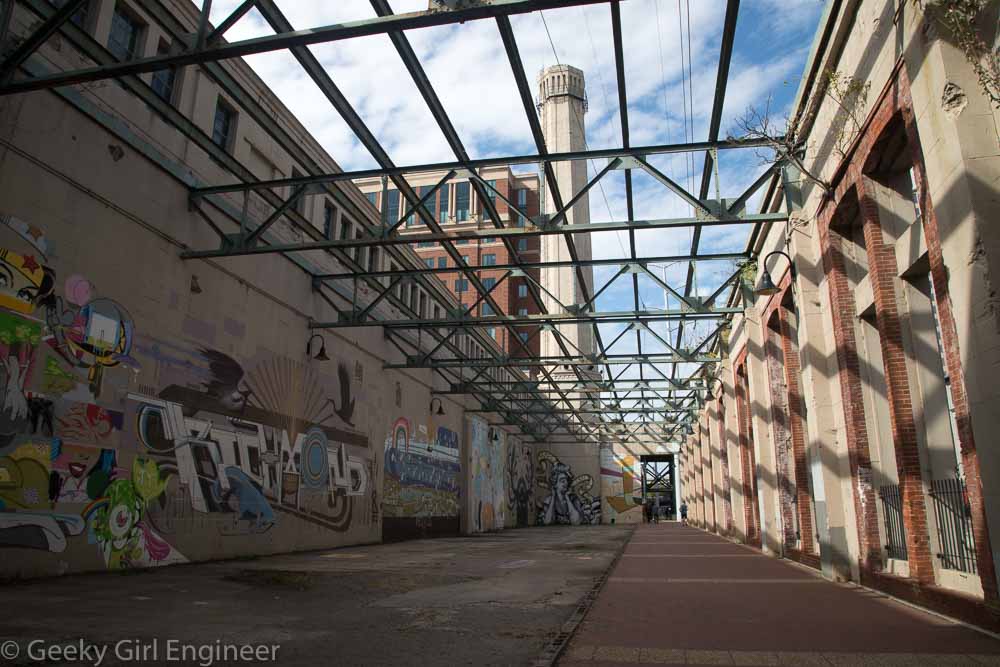
Abandoned buildings are alongside the canal. This one has numerous original murals.
Canal walk near Brown’s Island.

Manure Slinger

One of the things I like about my job is that there is never a dull moment, and I never know what I am going to be doing next. Will I be reading a toxicology assessment? Will I be tracking down a CASRN? Will I be trying to explain in plain English some highly complex scientific issue? Will I be doing a statistical analysis? Will I be trying to figure if some hazardous chemical may or may not be associated with some particle source of contamination? Will I be trying to cleanup a database that has 11 (11!) different valid and invalid synonyms for cis-1,2-dichloroethene? It changes everyday.

A couple of weeks ago though set a new level for “ok this is different.” There was an urgent request from a big wig where I work to do some quick calculations on biosolids. If you don’t know what biosolids are, they are essentially treated sewage sludge. Wastewater treatment plants, which treat domestic wastewater (i.e. the stuff that goes down your sink and toilet), generally have three types of streams that exit the plant. The first is wastewater effluent, which is treated water that is clean and can be released into a river or lake, or if it treated enough can be used to water golf courses or things like that. The second is the sludge. The sludge is generally water with some solids. Sludge is treated, watery poop. It depends on the wastewater treatment plant as to how much treatment and how watery the sludge is. Some sludge is dewatered and composted on site, such that by the time it leaves the plant, it is pretty much just compost. Some is treated less. It depends on the state and the degree of treatment as to what happens to the biosolids. The states have different regulations to the final disposition of the biosolids. Biosolids can be incinerated, landfilled, or land-disposed. The third stream that leaves the wastewater treatment plant is only a stream in an engineering sense. It is non-degradable solid stuff that is screened out as soon as the wastewater enters the plant. This includes condoms, “flushable” wipes, rags, and all the other weird stuff people flush down the toilet or down the drain because out of sight is out of mind. Seriously though why on earth do so many people think condoms are flushable? All that human-made stuff (ok stuff made by humans but not made by the human gastrointestinal track) that people flush down the toilet (because the police came busting in?) or pour down the sink (because clearly you are not thinking about how much your are going to have to pay the plumber to clear you’re drains?) is screened out and sent straight to the landfill or incinerator. This stuff plus the fat and grease people put down the drains are what forms fatbergs.

It is the land-disposal of the second stream of biosolids that was involved in the urgent calculations I needed to do. Essentially, if the biosolids are highly treated at the wastewater treatment, composted at high temperatures for a long enough period of time, and tested for certain contaminants, mainly heavy metals, as required by law, and the state allows it, then they can be used as fertilizer on land. This is not a new concept. For hundreds of years, night soil, as it was called then, was collected and used as fertilizer. It wasn’t even treated. The composting at the wastewater treatment plant, if done correctly, should kill the pathogens in the poop. The controversial question though is whether or not the biosolids contain chemical contaminants that would not be removed by composting. That is a whole other subject.

My task though was to do some calculations on scenarios involving biosolids. While I am familiar with the concept of biosolids and their final disposition, I needed to do some research on their physical properties. Turns out, finding an average density for biosolids is much easier said than done. The internet gave me answers that were all over the map. The other part of my calculations required me to make some assumptions about how the biosolids were transported to fields or farms if they are land applied. I had never actually considered until that moment how watery, treated poop is transported. As weird as I am considering I travel to visit landfills, wastewater treatment plants, and rail yards and considering how I eagerly read books about poop, I never really considered the transport of biosolids. [I cannot stress enough how much I loved Rose George’s The Big Necessity.] Time was of the essence, we needed some sort of estimate for the question presented, so I grabbed what seemed like reasonable numbers for the physical properties of biosolids and how they transported, and I did my best to calculate with some sort of reasonable confidence the numbers that would answer the question being asked by the big wig. I actually rather enjoyed this rather unusual request. I learned at least a little bit about the details of biosolids.

This week though, the same question came up. I was asked to confirm my calculations, but I was given more time to consider the question. Thus, I had been considering the question for a couple of weeks, and I had had time to ask colleagues as to good sources of information on biosolids. I was able to devote more time to finding good estimates for the information I needed. In the course of my research, I learned to my great joy that biosolids and regular manure are often (normally?) land applied using an invention called a manure slinger. I swear this is true. Humans invented a device called a manure slinger, and in the grand tradition of engineering inventions, it does exactly what its name implies: it slings manure. I hope you can understand my joy that this exists. It is similar to my joy when I discovered that humans had invented a fish cannon that true to its name is a cannon that shoots fish. Engineers aren’t really that creative in the naming department. Heat exchangers exchange heat. Catalytic converters use a catalyst to convert one thing to another. [In the case of your car, it uses a catalyst to convert harmful gases to less harmful gases.] Circuit breakers break an electrical circuit. This leads to my new favorite invention, the manure slinger which slings manure. Do an internet search on manure slinger. You will find photos and videos of them. Videos of a manure slinger slinging manure brought me even more joy. Yes, I am weird, but if you have ever visited my website before, you should know that by now.
Now I was armed with good experimental information on the physical properties of biosolids and with very good information as to how they were transported and land applied. I redid my initial calculations checking my work and with far more confidence in the answer. I could prepare an answer for management to send to the big wig with as much confidence as could be expected on the somewhat unusual question being asked. Further, today I was asked to help prepare communication material regarding the question that had been asked about biosolids. To my even greater joy, than simply learning that manure slingers exist, I was able to write (I swear) scientific information for the communication material that involved the phrase manure slinger numerous times in a paragraph. I have no idea if the communication material will ever see the light of day, and if it does, if the communication people or management will be fuddy duddies and remove the phrase manure slinger and substitute with something far more mundane sounding, but at least initially, I had the joy of writing a completely serious, scientific paragraph using phrase manure slinger. It was a great way to end the week.

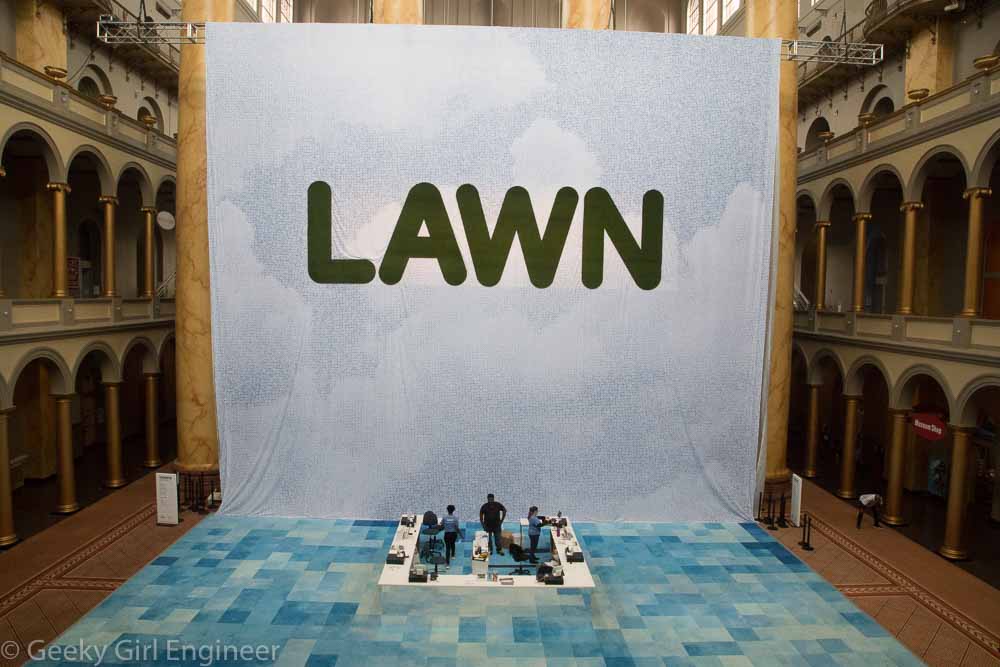
Lawn

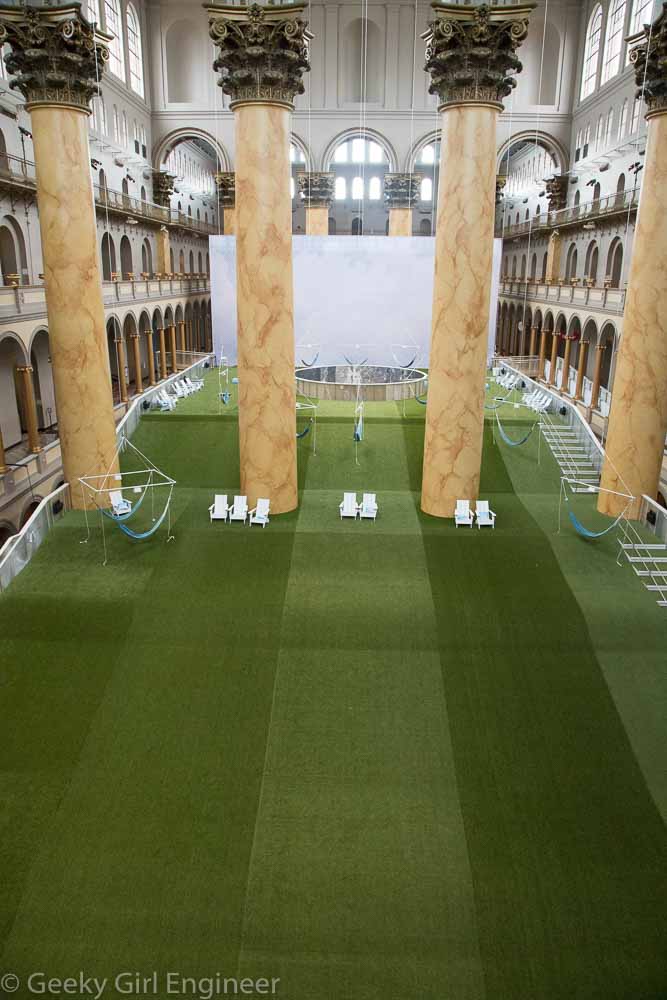
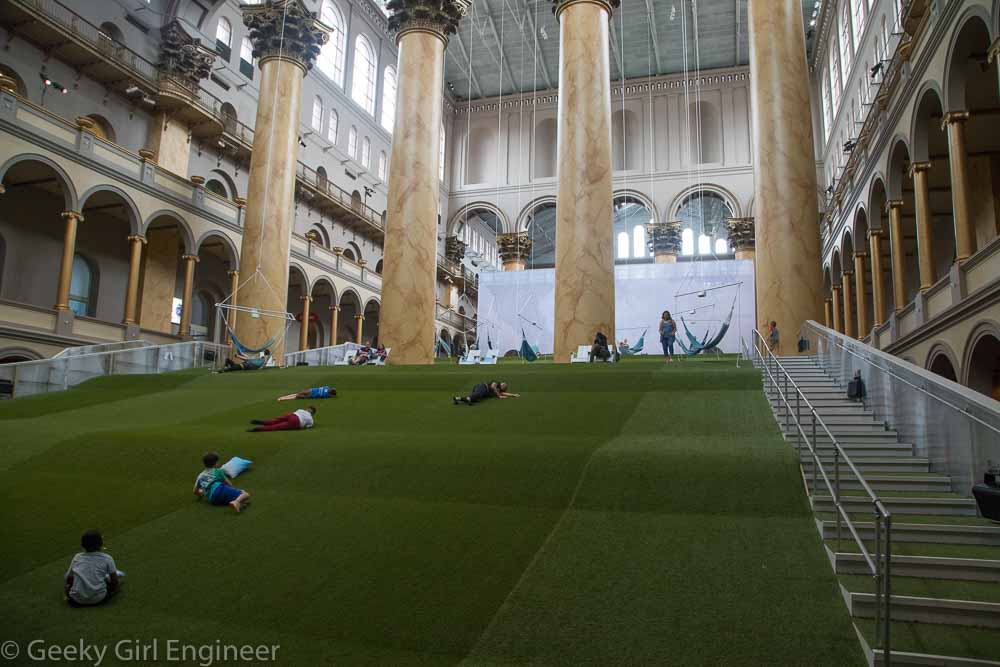
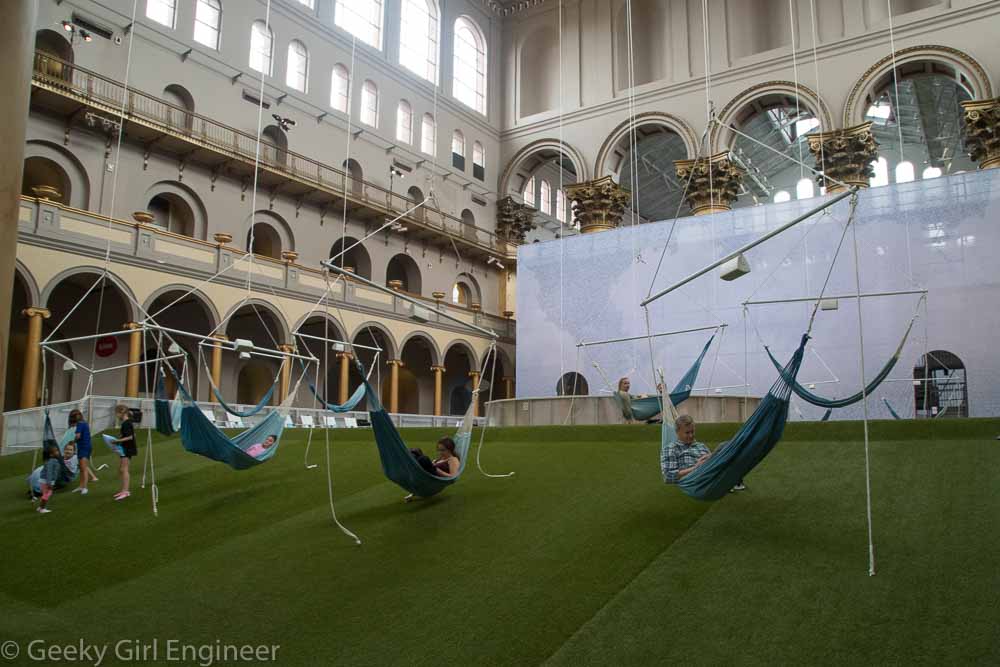
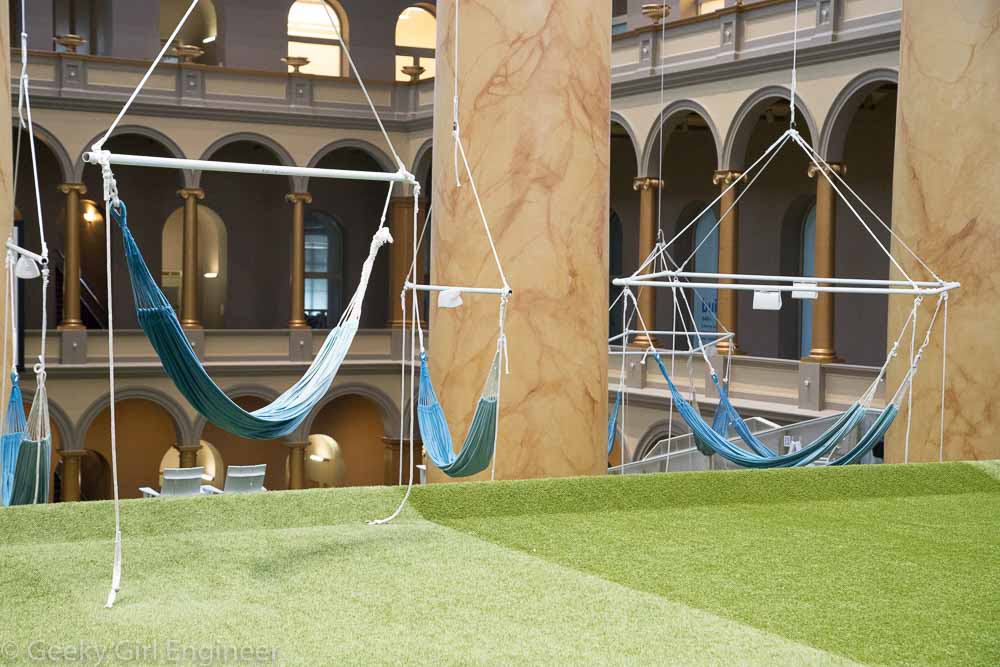
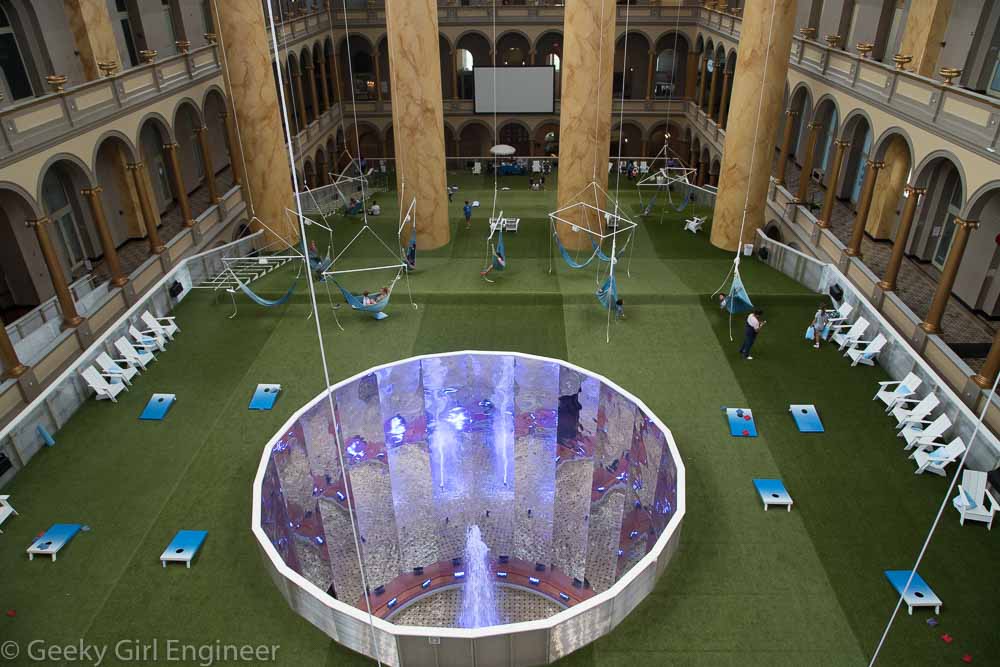
Every year the National Building Museum has a fun exhibit that takes up most of the atrium of their building. This year it is Lawn. They essentially built a giant sloping lawn on scaffolding, complete with hammocks, chairs, and lawn games. They made the building’s fountain part of the exhibit. They also piped in a summer soundtrack of noises like kids playing and lawn mower. I am not sure how I feel about the noises, especially the sound of a swarm of mosquitoes. However, it is a nice place to just chill out, and children clearly love it, especially the rolling down the slope part.

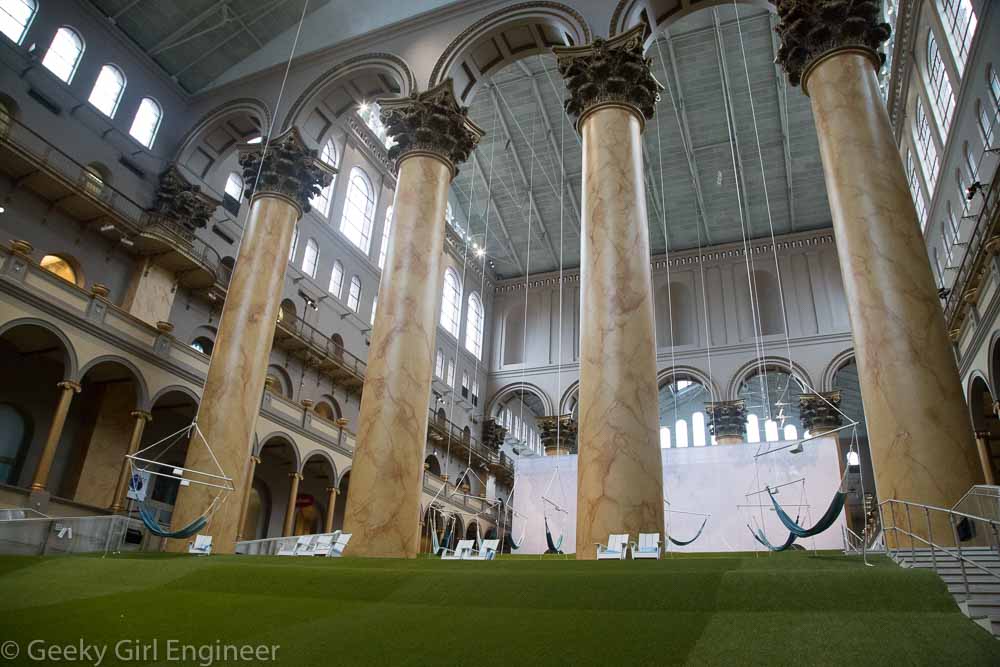
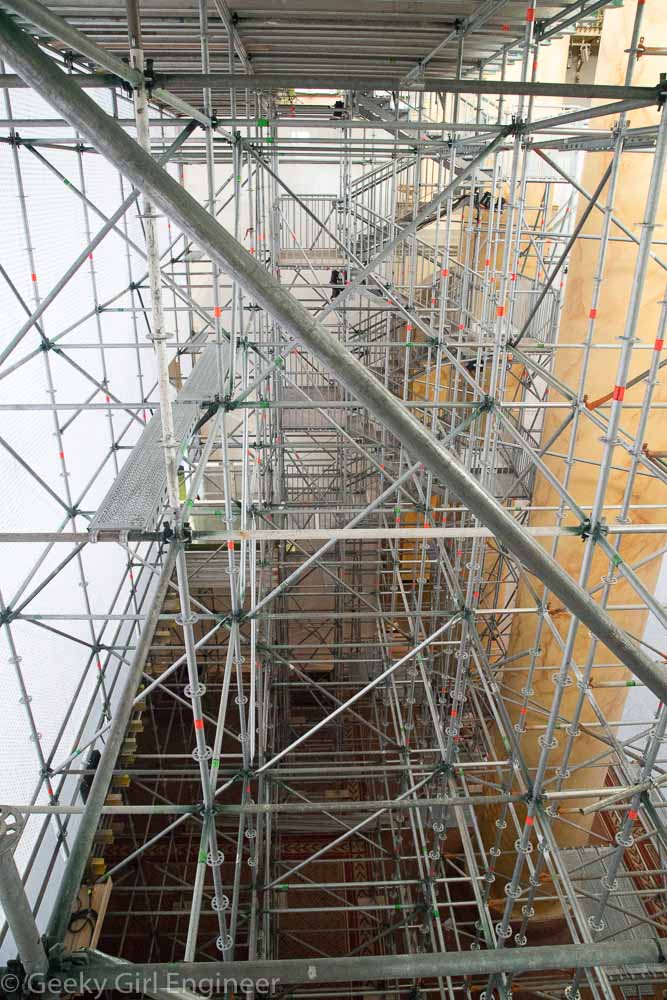
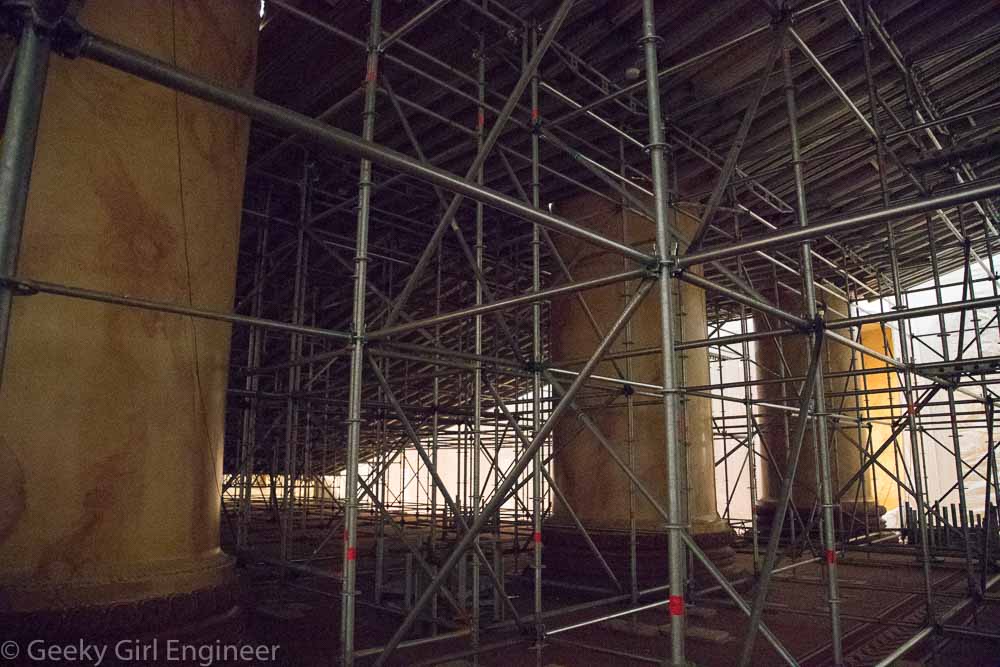
This year, they had tours of the exhibit discussing how it was built. Of course I had to go to that. We were able to go under the exhibit, which was rather cool. The structure is a giant scaffolding set that supports the lawn and observation tower. The structure is entirely self supporting. It is not supported by the building, except the floor of course. They also have hammocks that hang from the roof trusses. The hammocks are anchored to the lawn though, otherwise goodness how far people would try to swing them.

View of Lawn from the third story. The white panel at the back is an observation tower.
At the base of Lawn, watching kids roll down the slope
Lawn is built around the columns
Hammocks hang from the roof, but are anchored to the structure
View from the observation tower at the back of Lawn
Walking up the steps to the observation tower
Back of Lawn where tickets are purchased
Underneath Lawn is a giant scaffolding structure