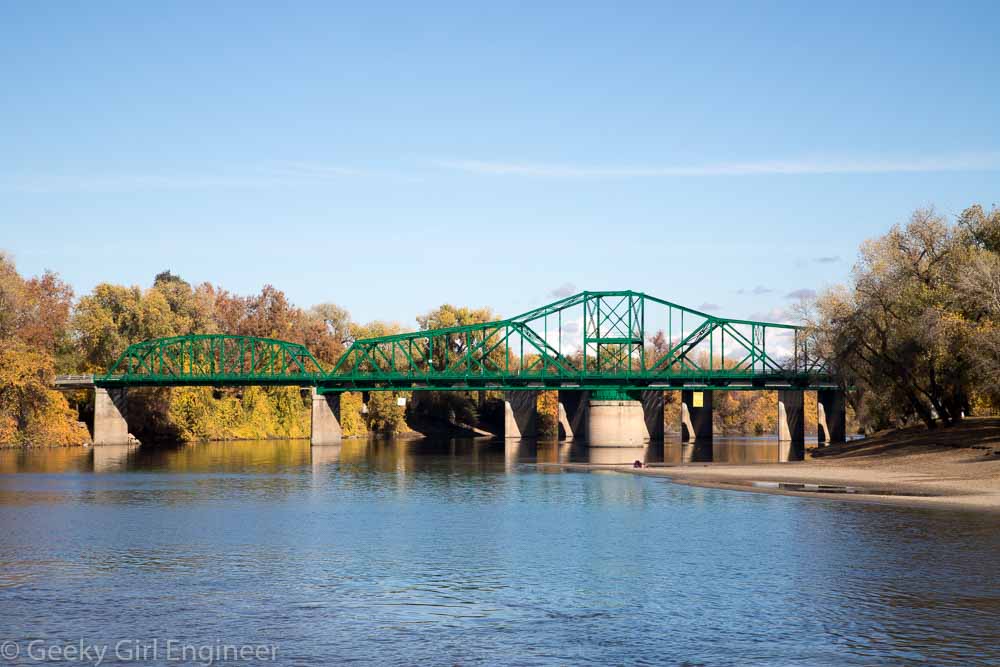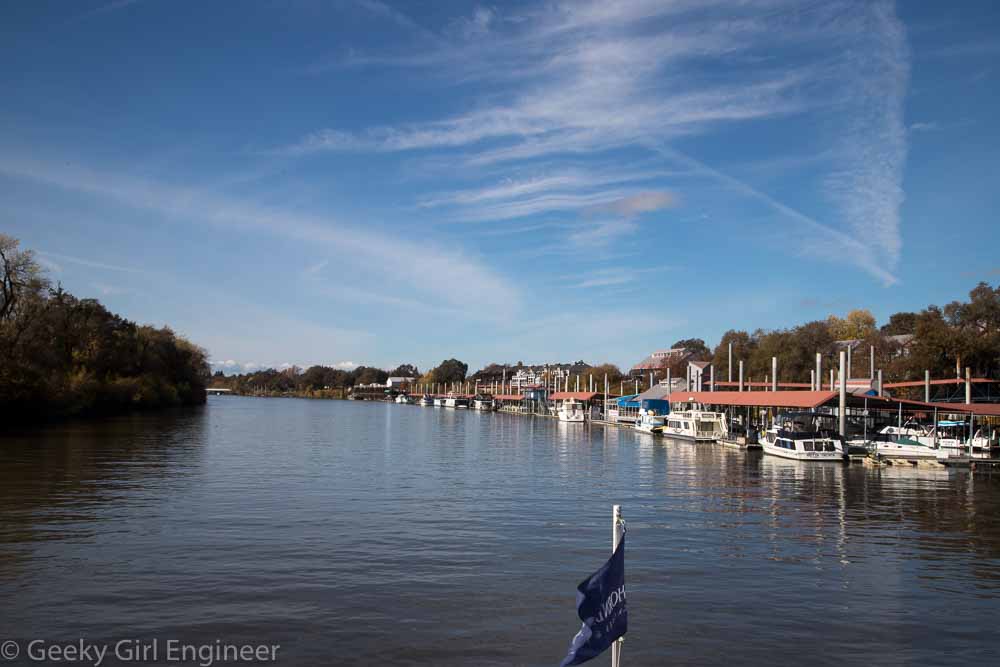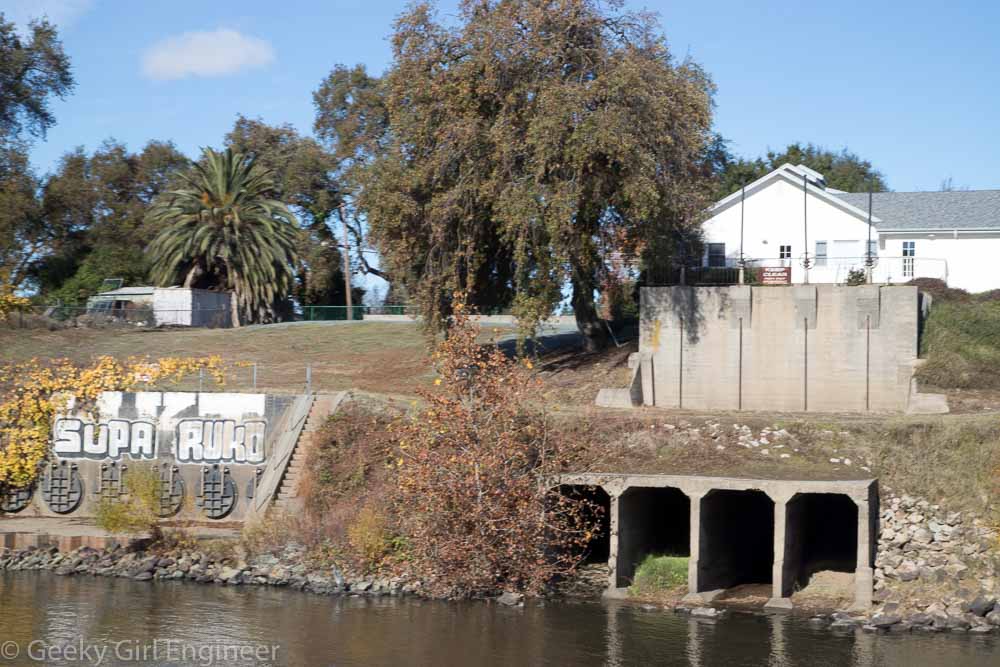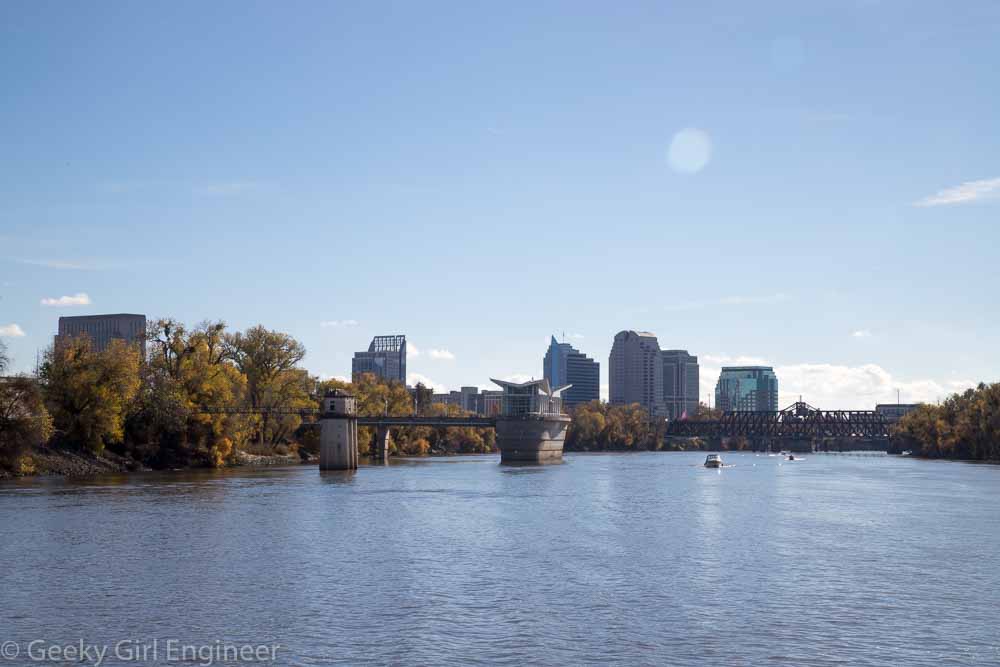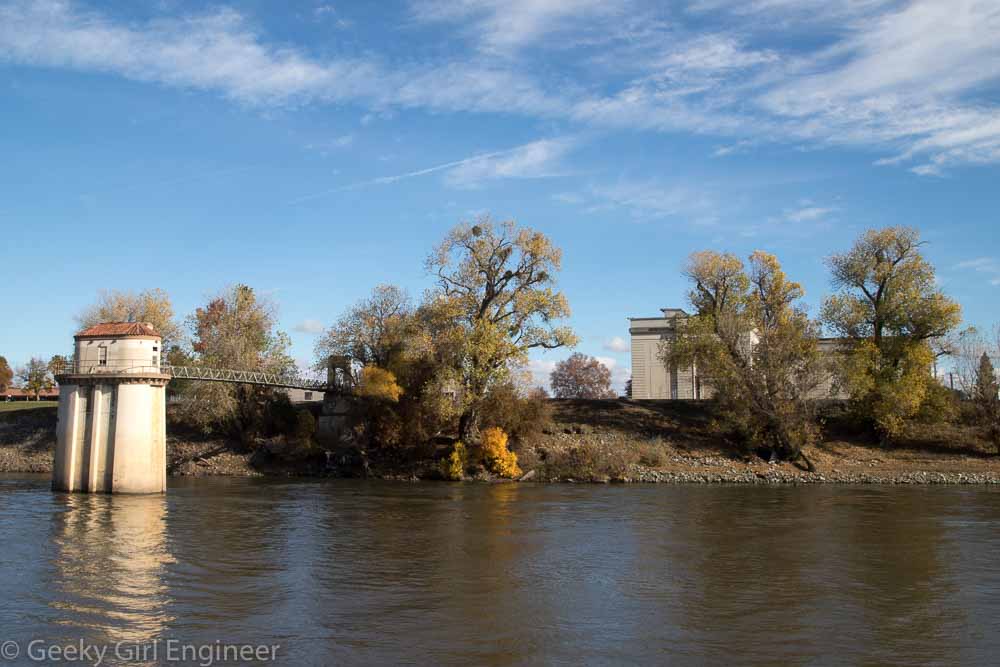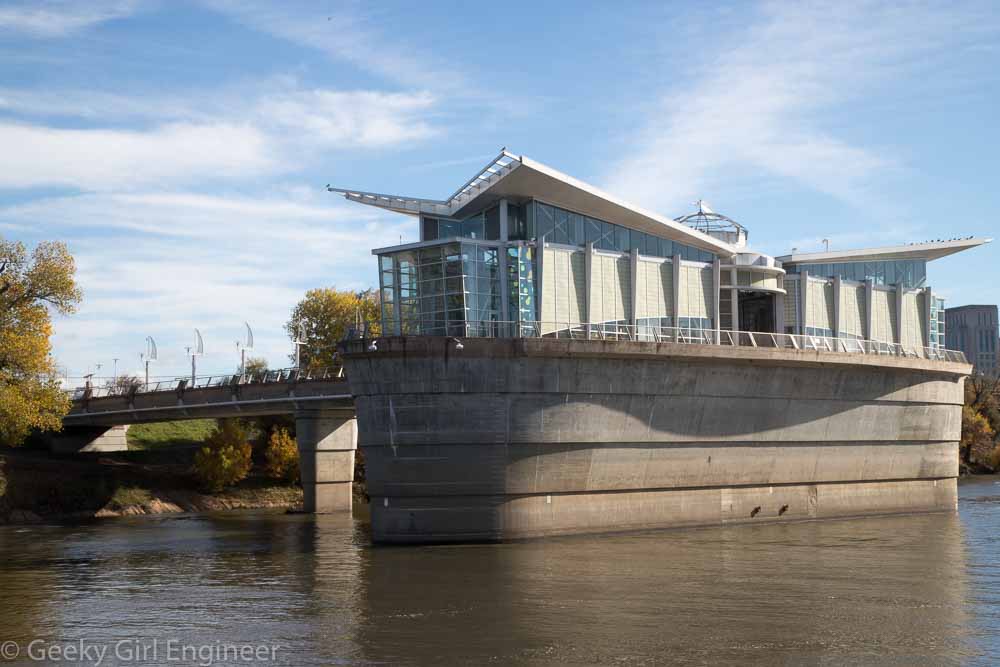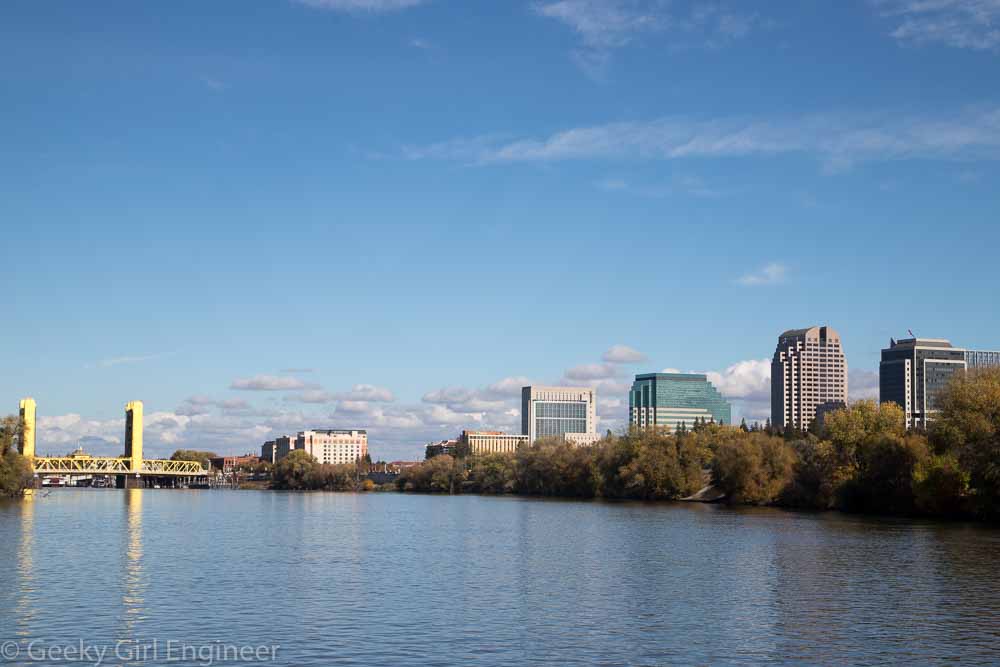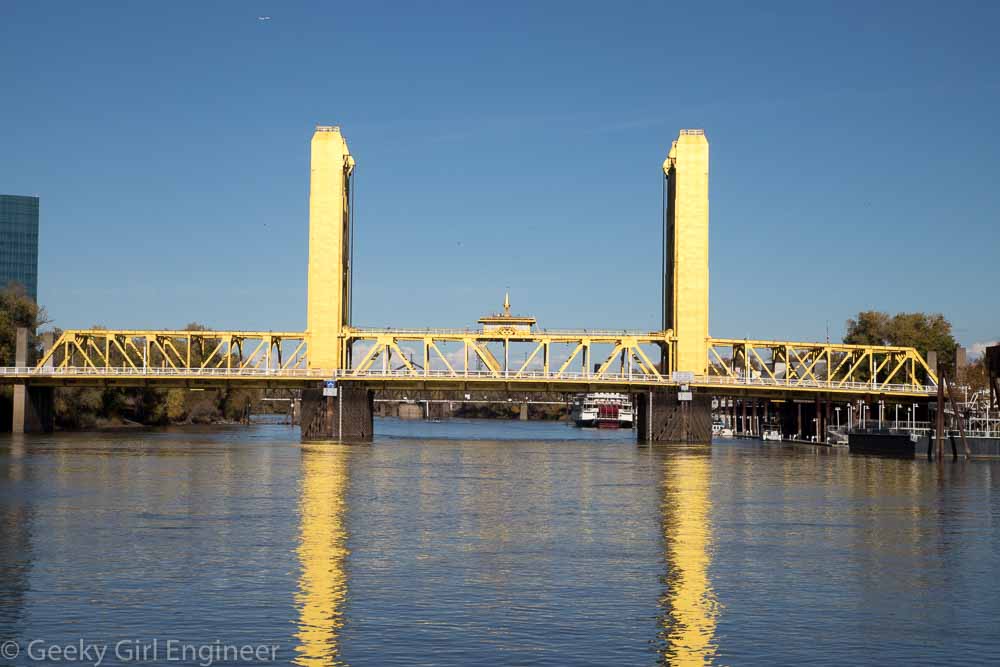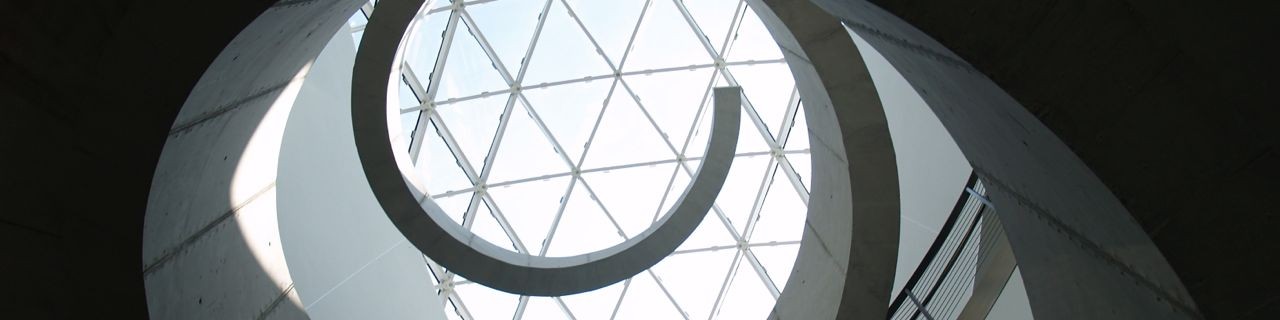

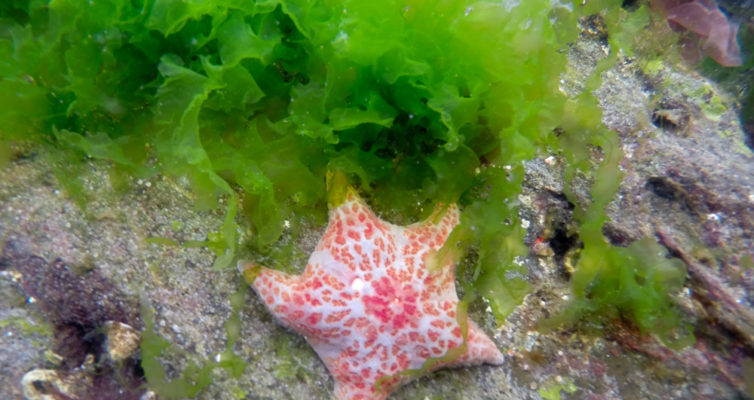
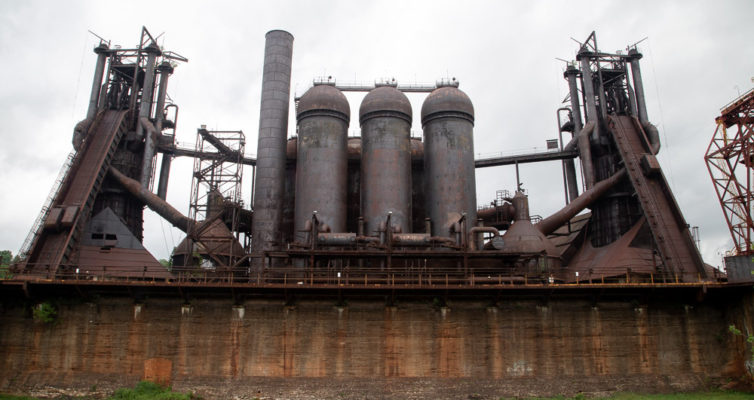
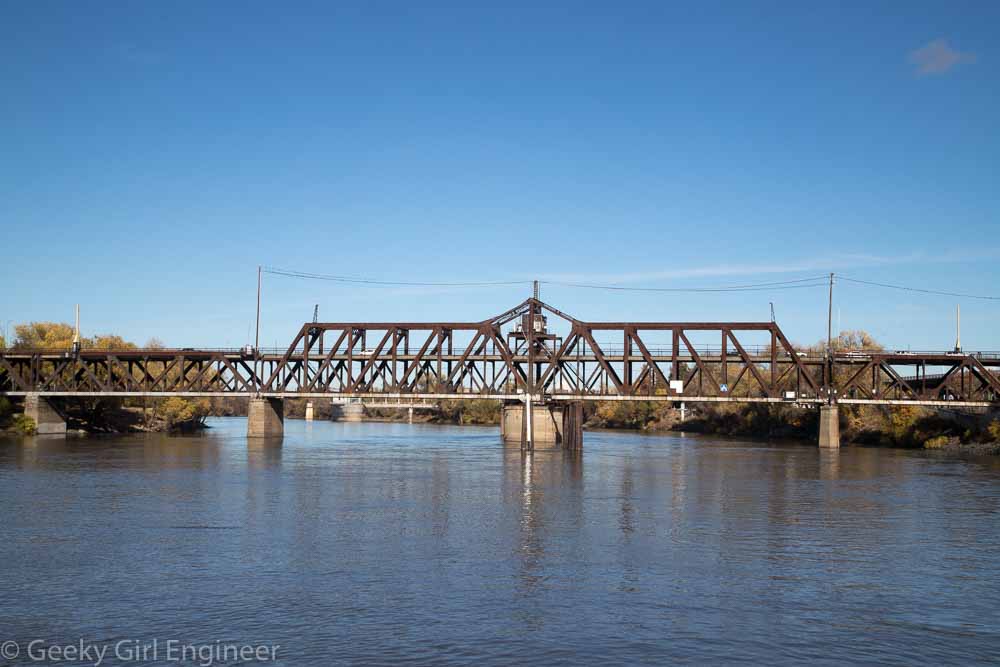
While exploring Sacramento, I decided a river cruise would be a great way to see the city, considering the city is on the banks of two rivers. A river cruise was definitely a lovely way to get a different perspective of the city. The cruise only went on the Sacramento River, as my guess is the American River is even more shallow than the Sacramento, which is only about 12 feet deep. The engineering highlights of the cruise were going under two different bridges, the I Street Bridge, which is a swing bridge, and the Tower Bridge, which is a vertical lift bridge. The cruise also went under a boring stationary bridge, the I-80 bridge. The cruise also passed by both the old and new water intake pumping stations, where river water is pumped to the water treatment plant.
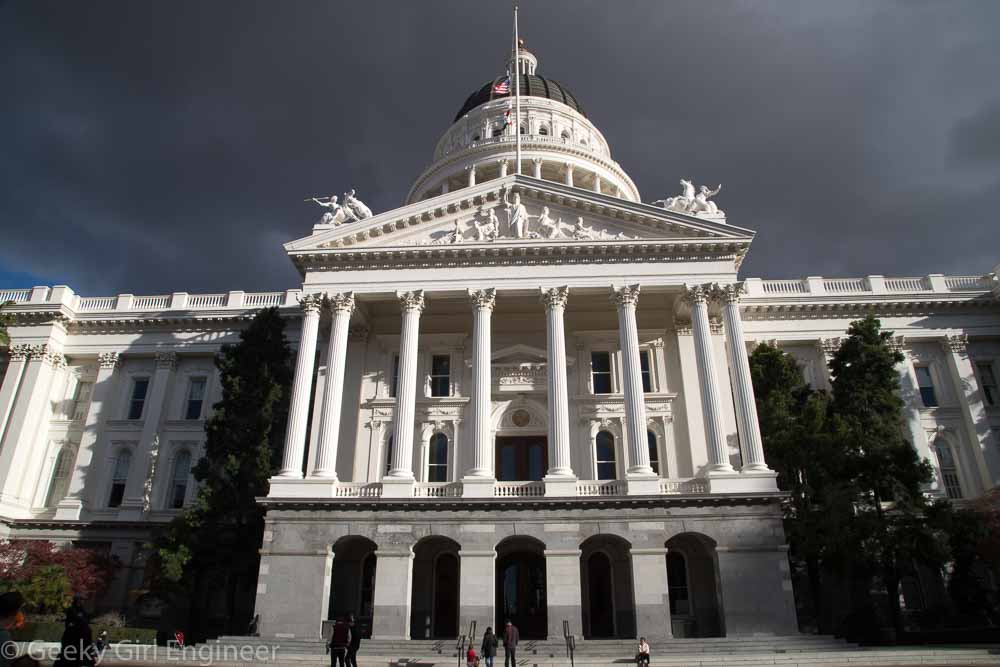
California State Capitol
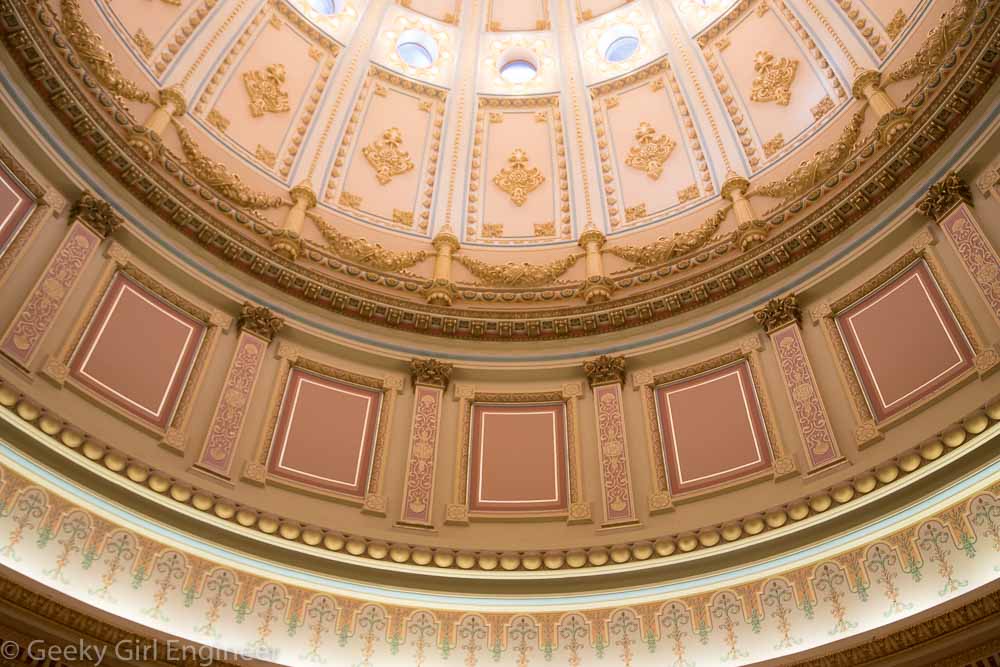
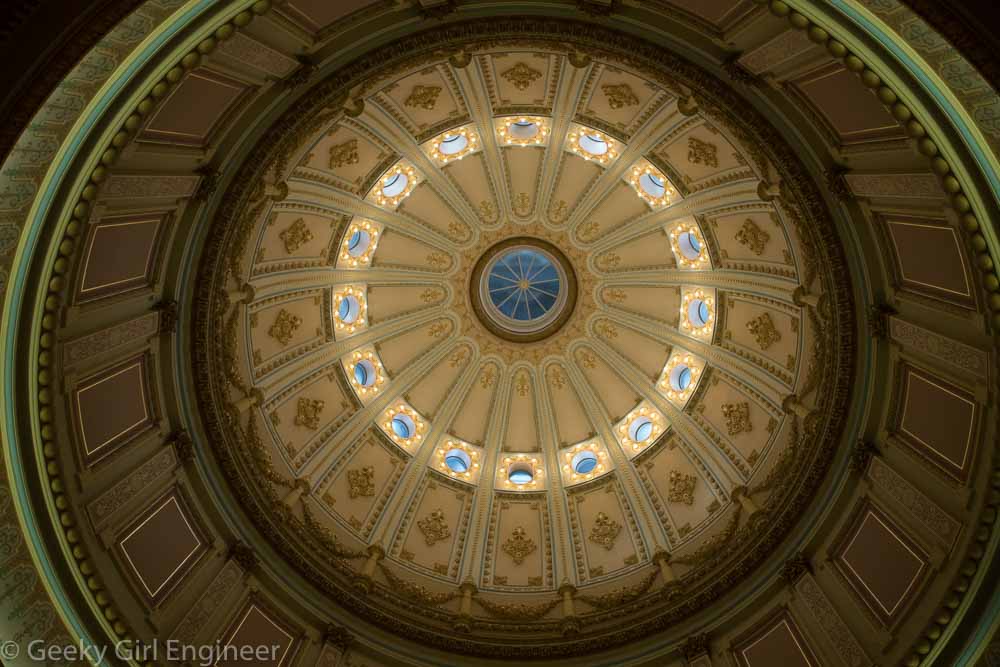
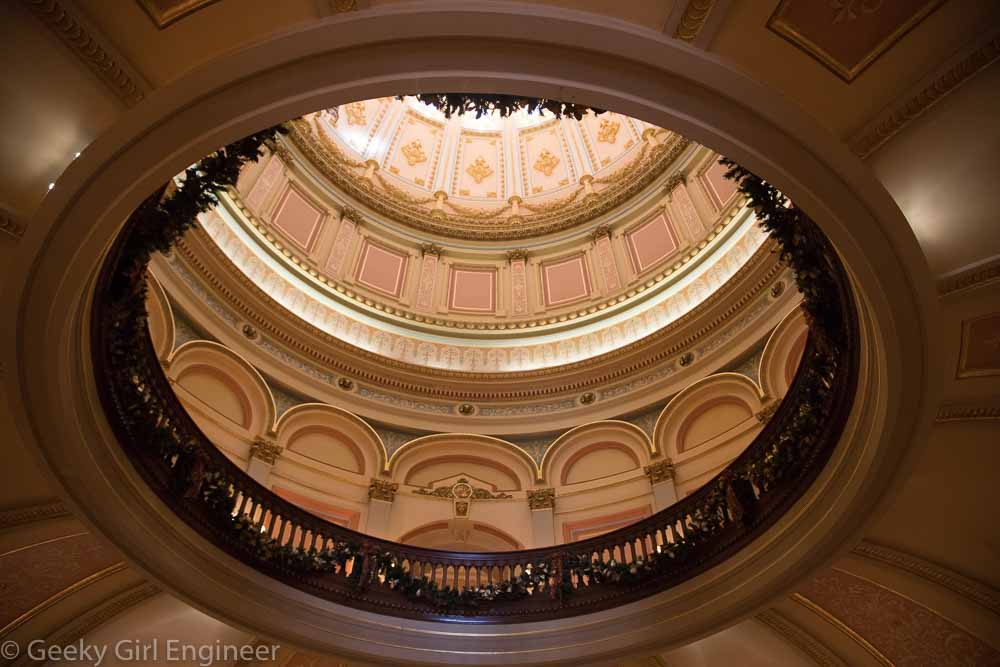
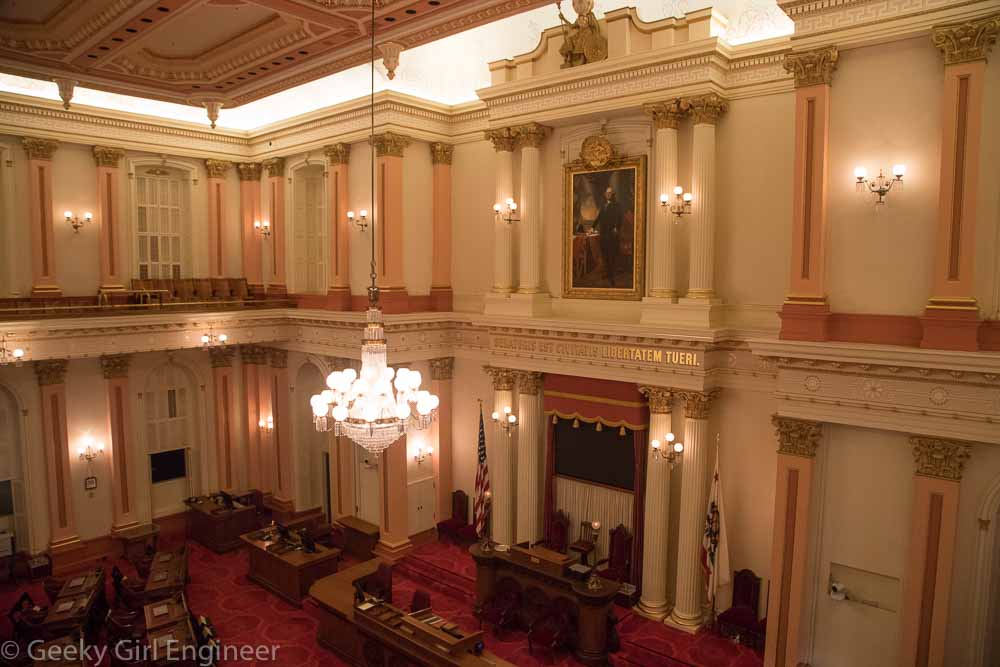
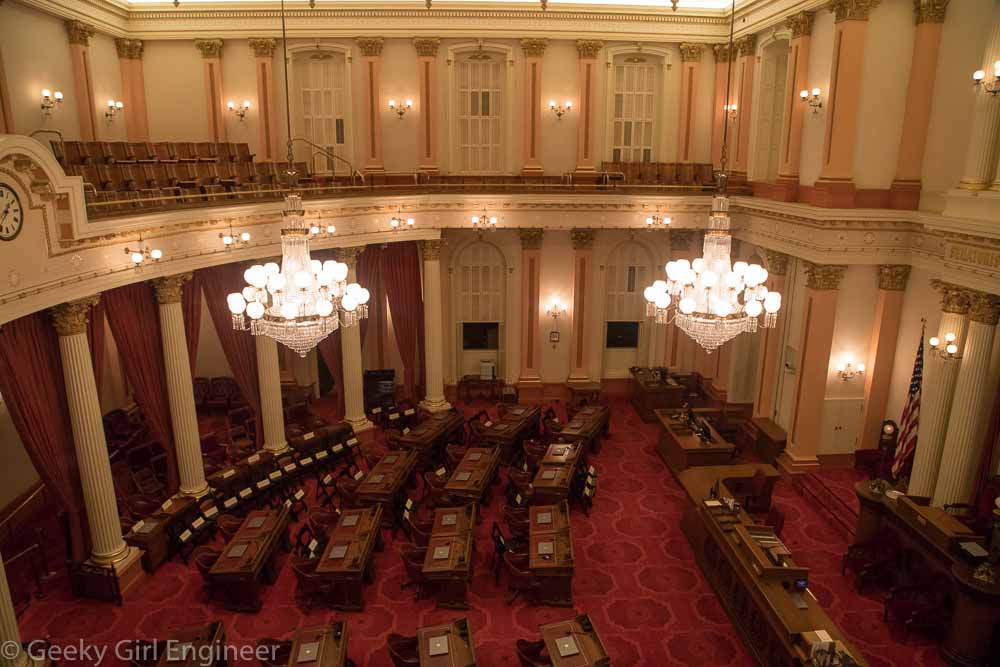
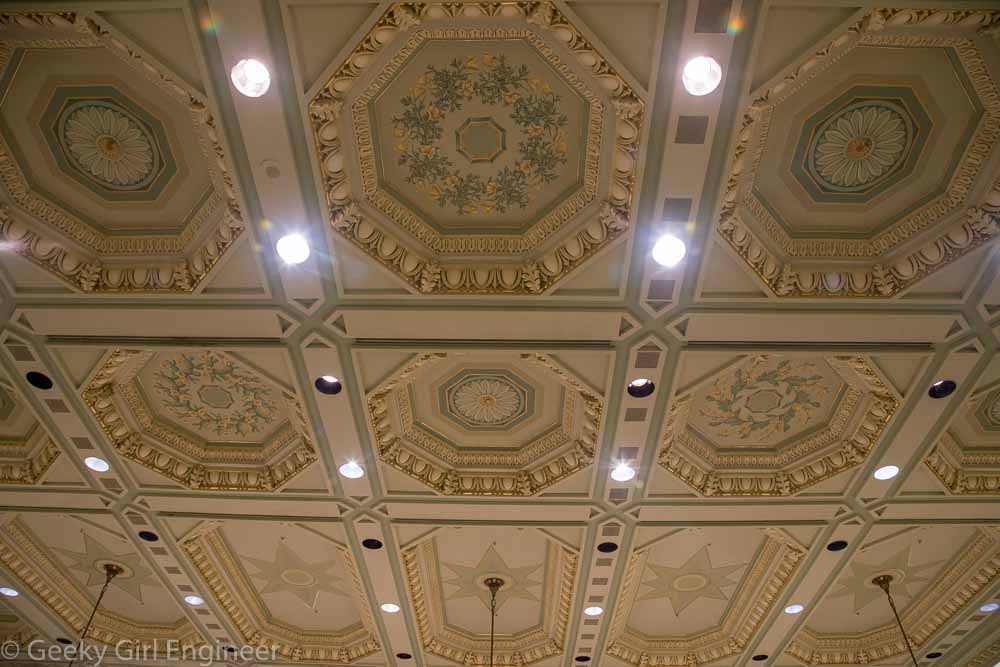
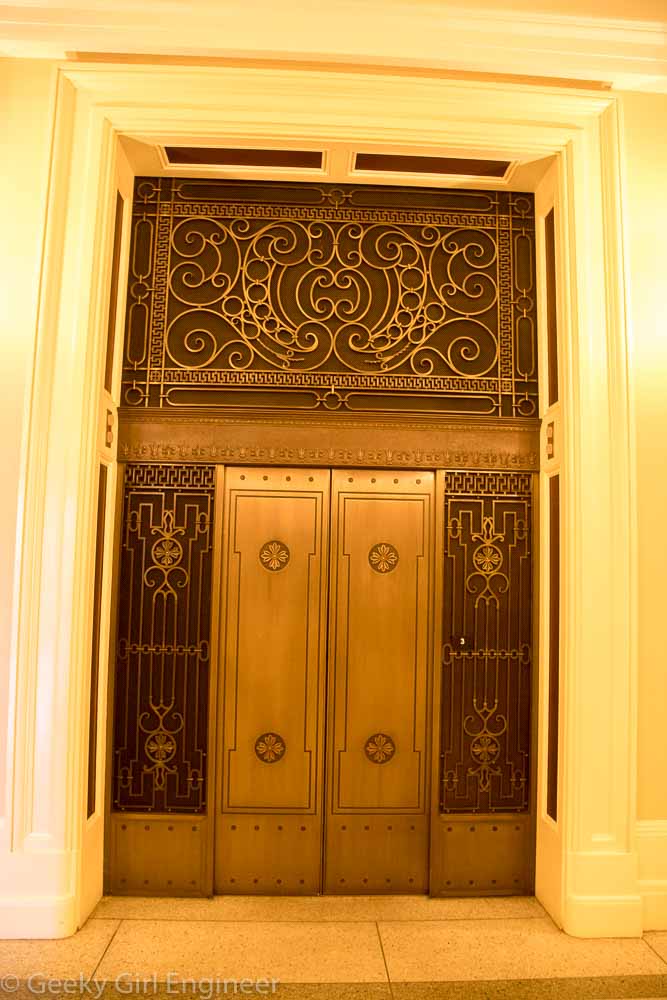
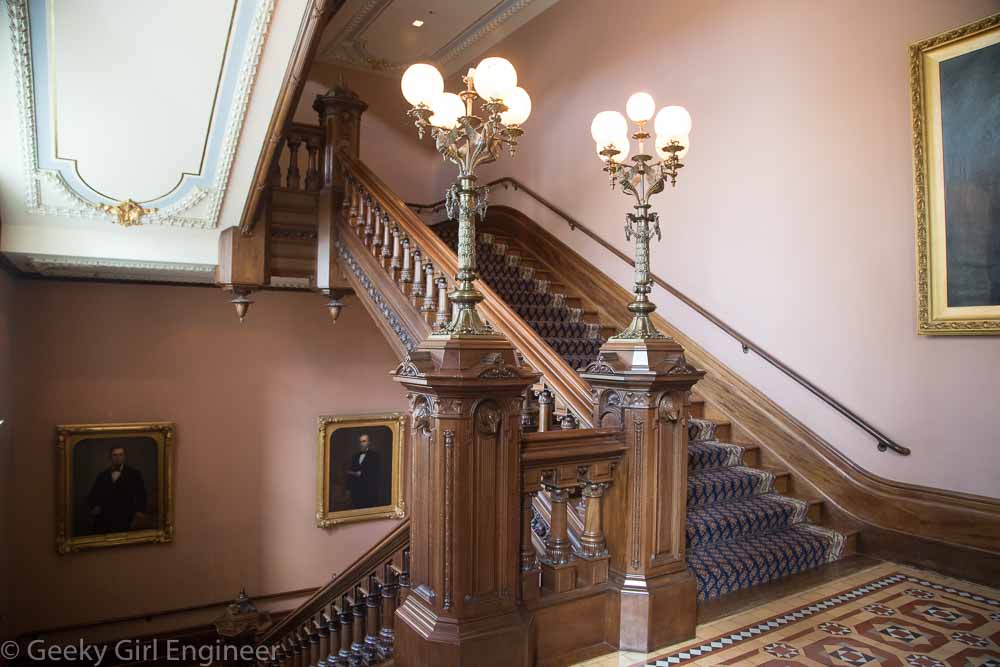
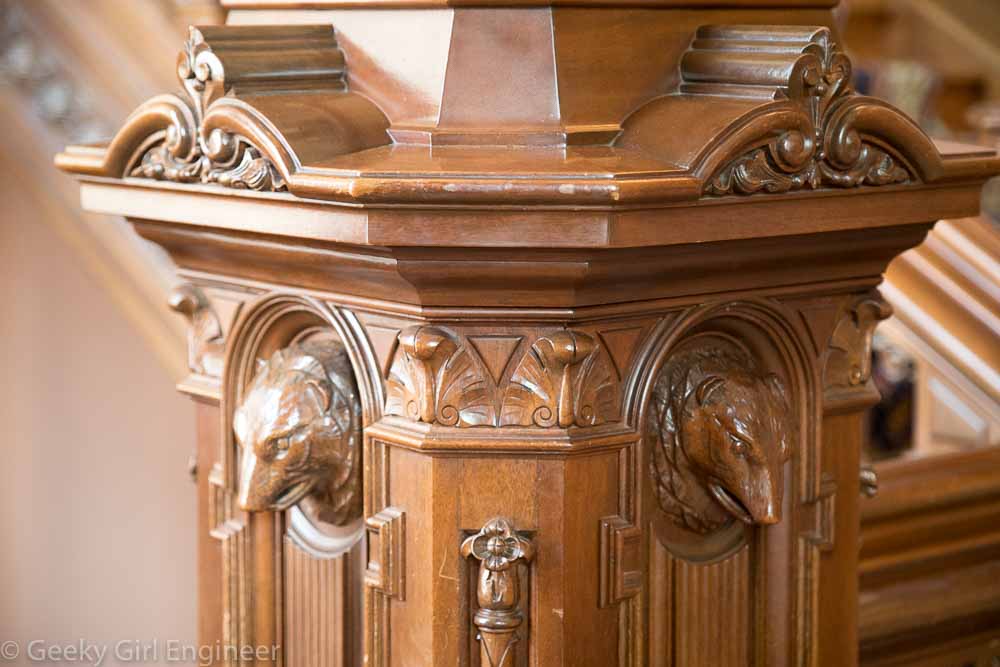
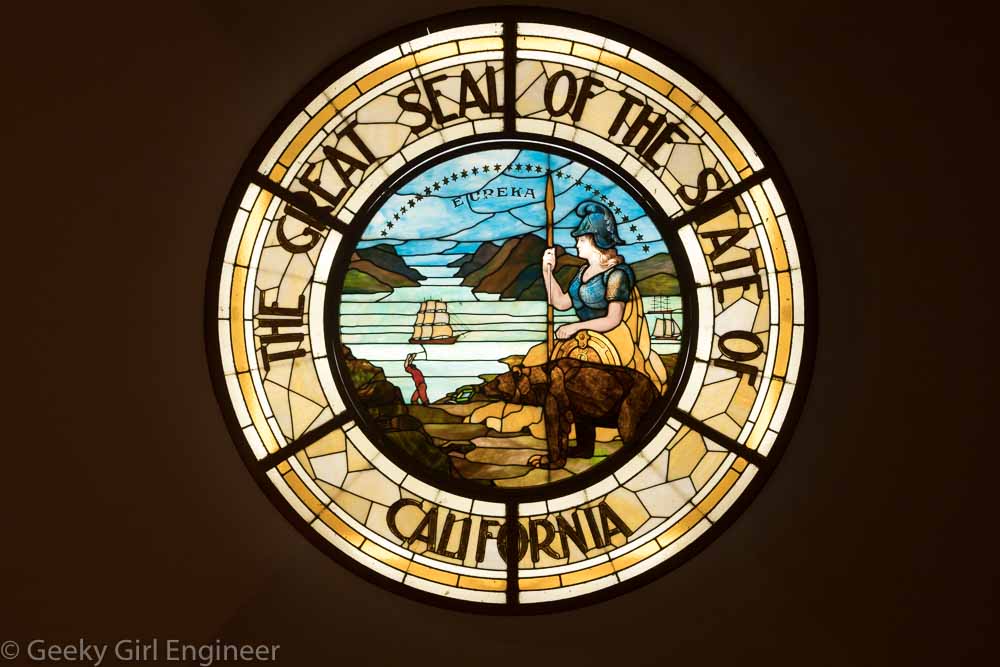
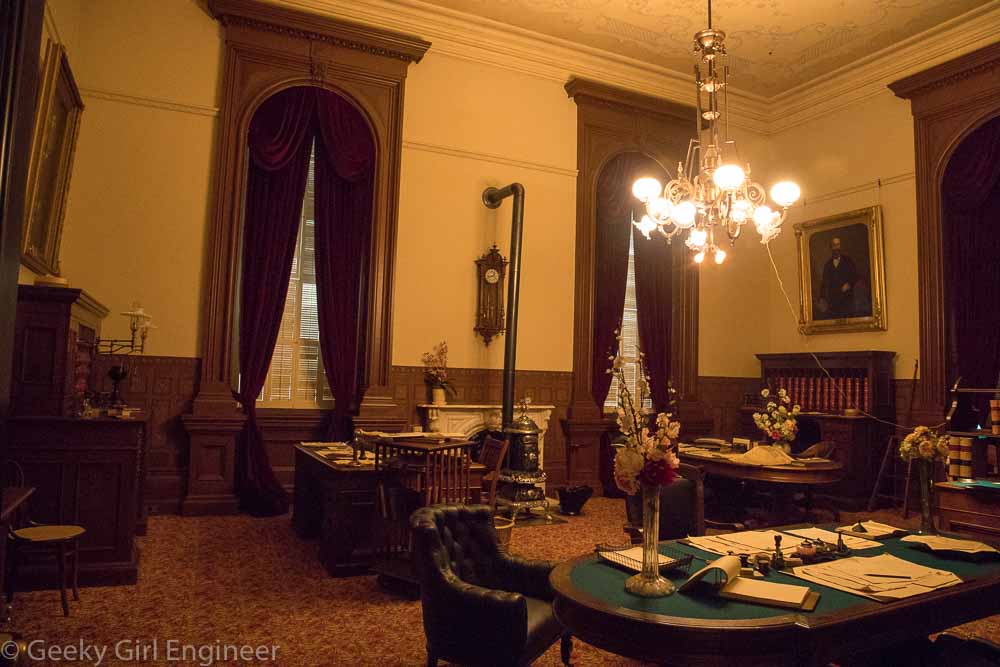
I am continuing in my quest to visit all the state capitols, and I am in Sacramento this weekend, so I got to add California to my list. The history of the building is rather interesting in that they started building it in 1860, but mainly due to lack of funds, it was not finished for 14 years. In 1906, much modernization was done to the building including electricity and central heat and air. [I was unclear when the indoor plumbing came.] Additions and other renovations were done after that. Some of those renovations sounded like they were more “renovations” that probably sounded good to some at the time, but now most of us at least, and cringe at what was done. Then in 1975, they pretty much completely rebuilt the capitol. The shell of the building stayed, but the interior was completely torn down and built back up again. They did a lovely job of rebuilding. The building is gorgeous with wonderful wooden staircases, gilded and painted ceilings and walls, tile floors, and plenty of little touches you just have to explore to find. The state seal can be found in all sorts of places, and many other symbols are subtly placed around the building. There are bears everywhere, including coming out of staircase railing columns. They also restored several rooms on the first floor to their 1906 appearance, so parts of the capitol are a historical museum.
The senate chamber is decorated with a lot of pink, which is supposed to reflect the color of the United Kingdom’s House of Lords.
The assembly chamber is decorated with a lot of green, which is supposed to reflect the color of the United Kingdom’s House of Commons.
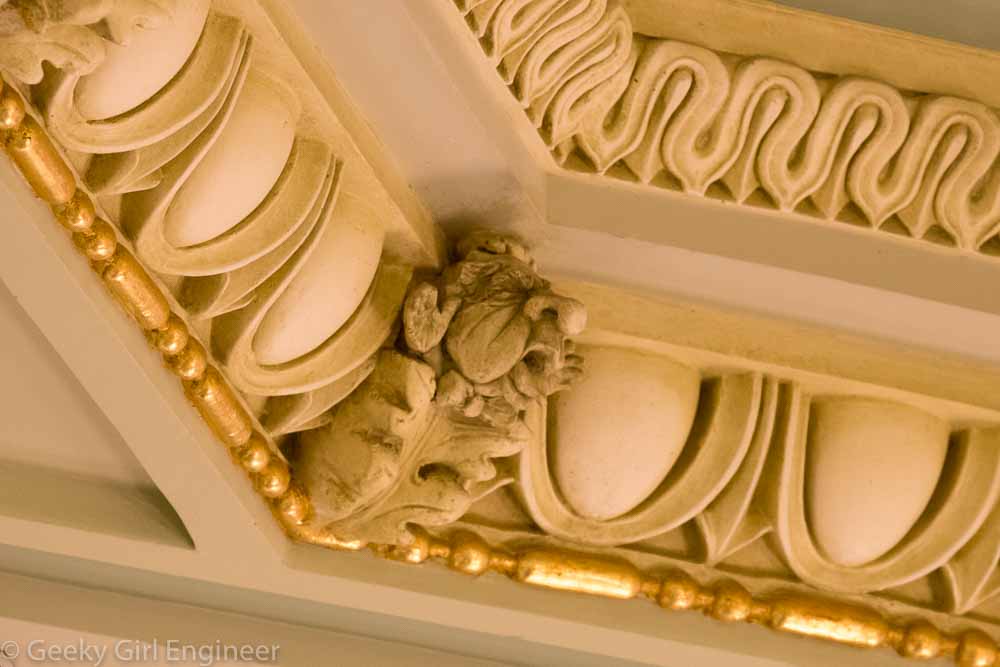
In one of the panels of the assembly’s ceiling, is a grotesque of man’s head and his two hands. It is difficult to see unless you are looking for it, preferably with the help of a tour guide with a laser pointer. It is in a panel with a ring of (what I assume are) prickly pears with yellow flowers. Based on what my tour guide said and my internet searches, it doesn’t seem like the origins and true meaning of the grotesque are clear, but a chubby cheeked man with his hands up in a room where politicians work kind of gives me easy ideas.
Kennedy Space Center
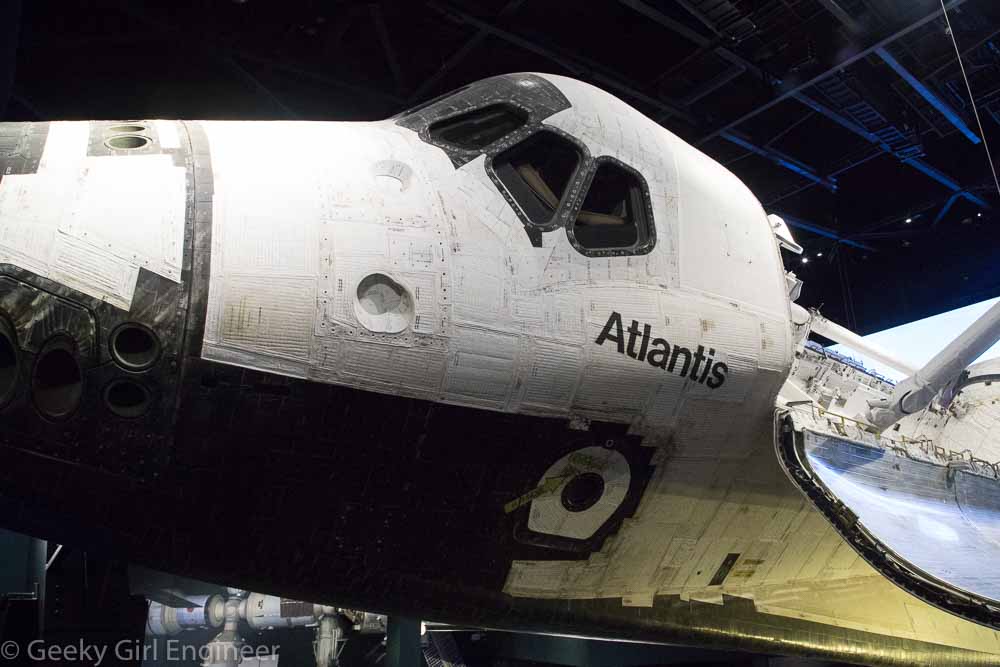
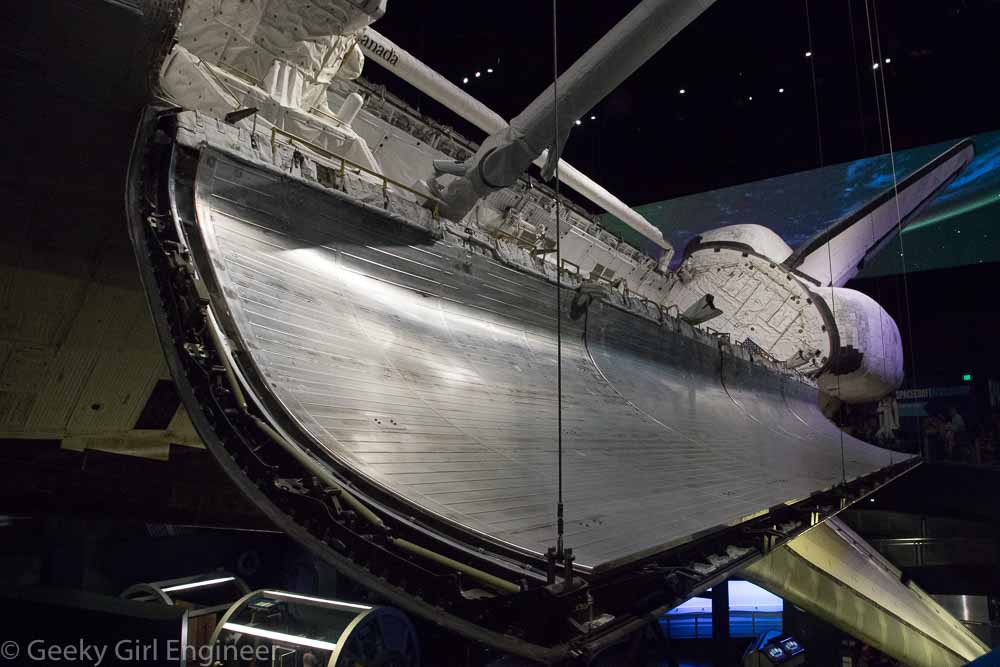
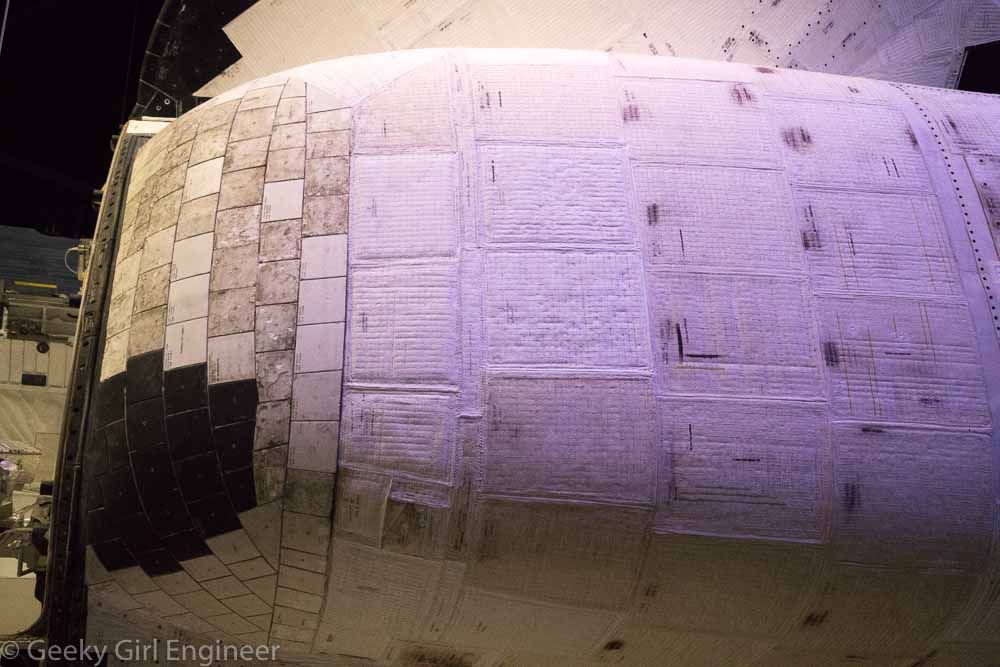
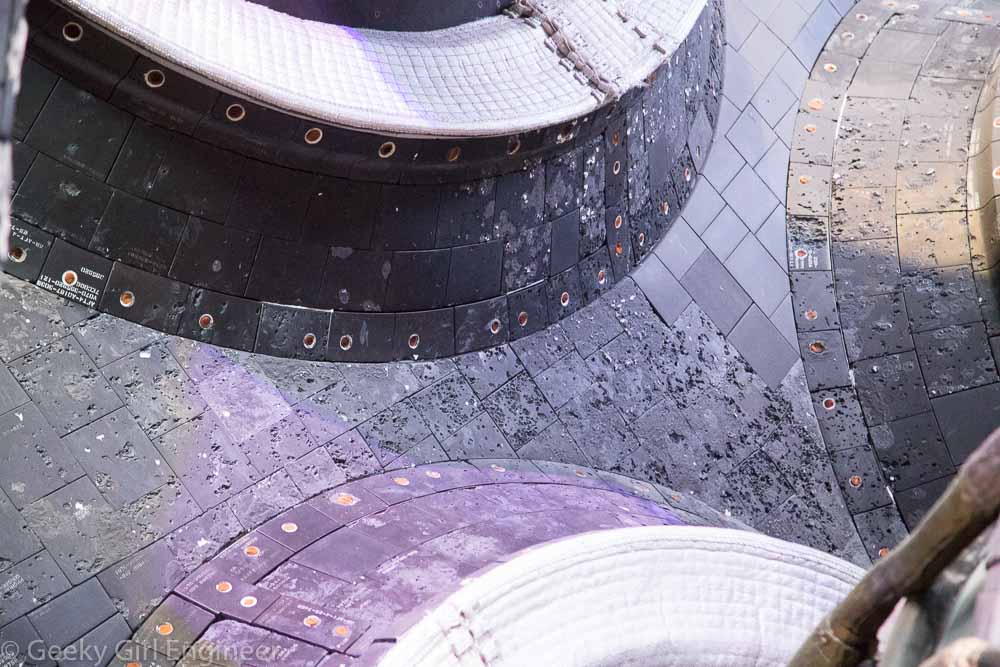
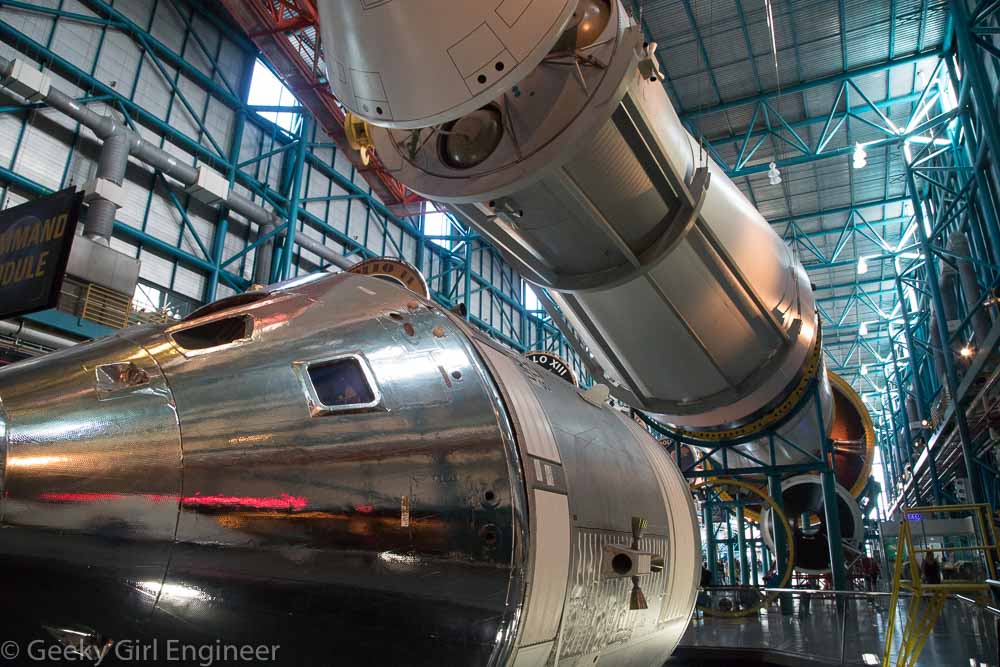
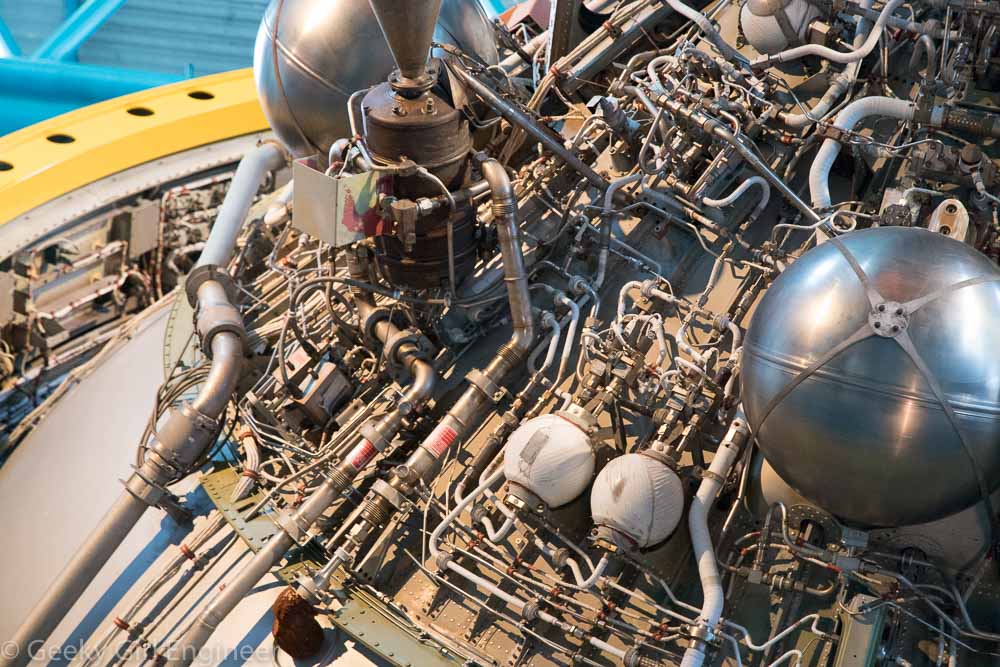
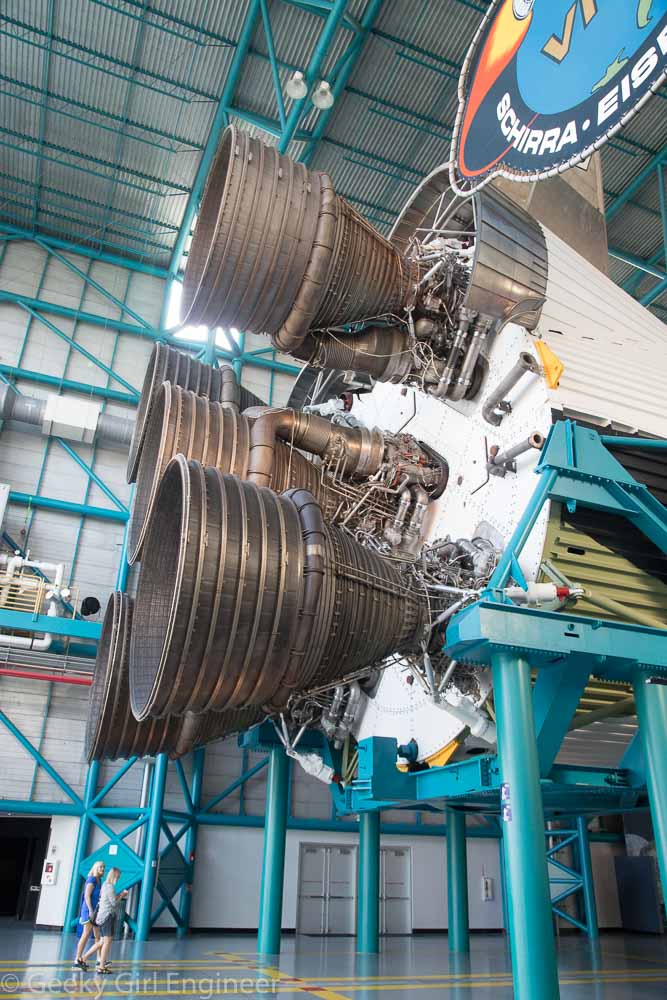
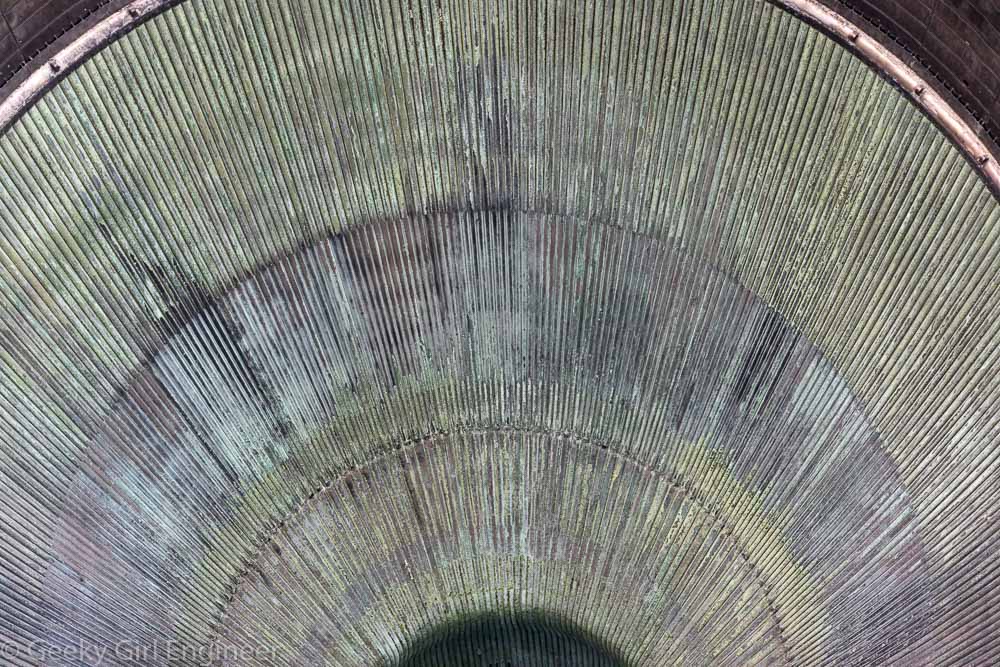
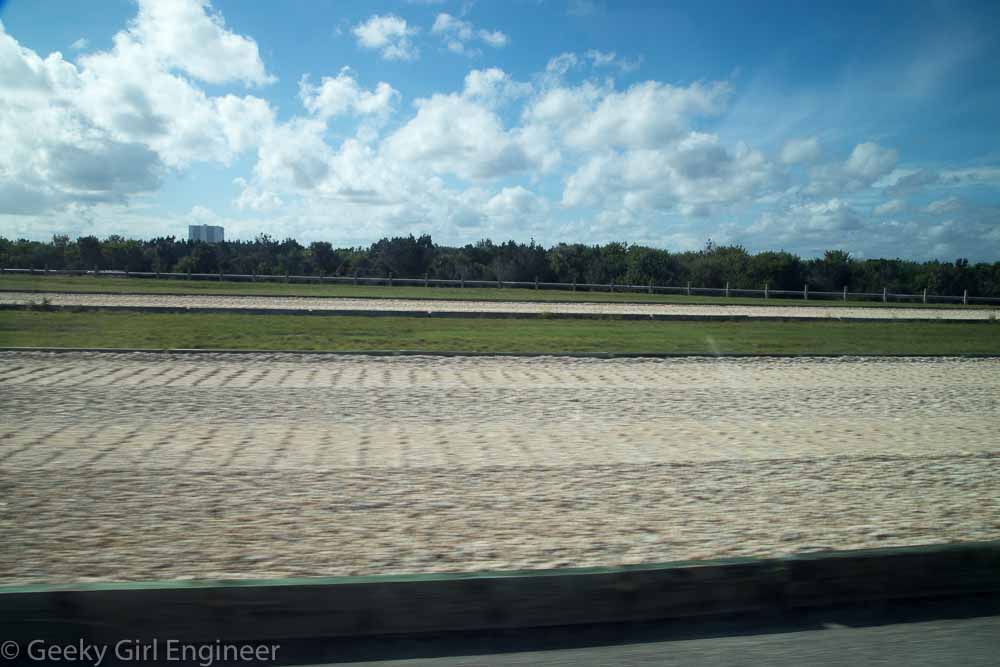
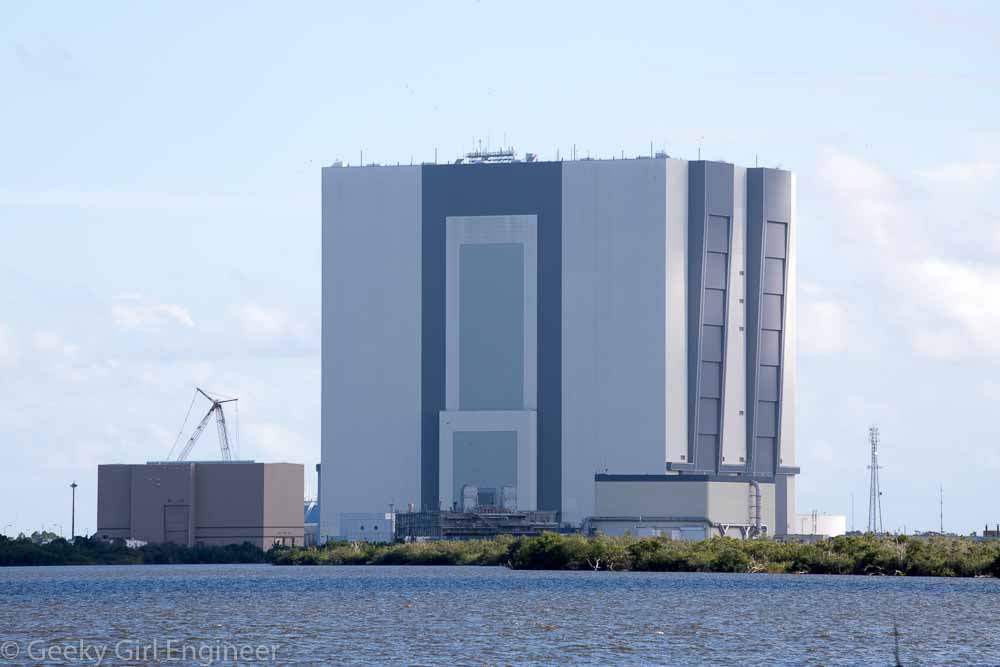
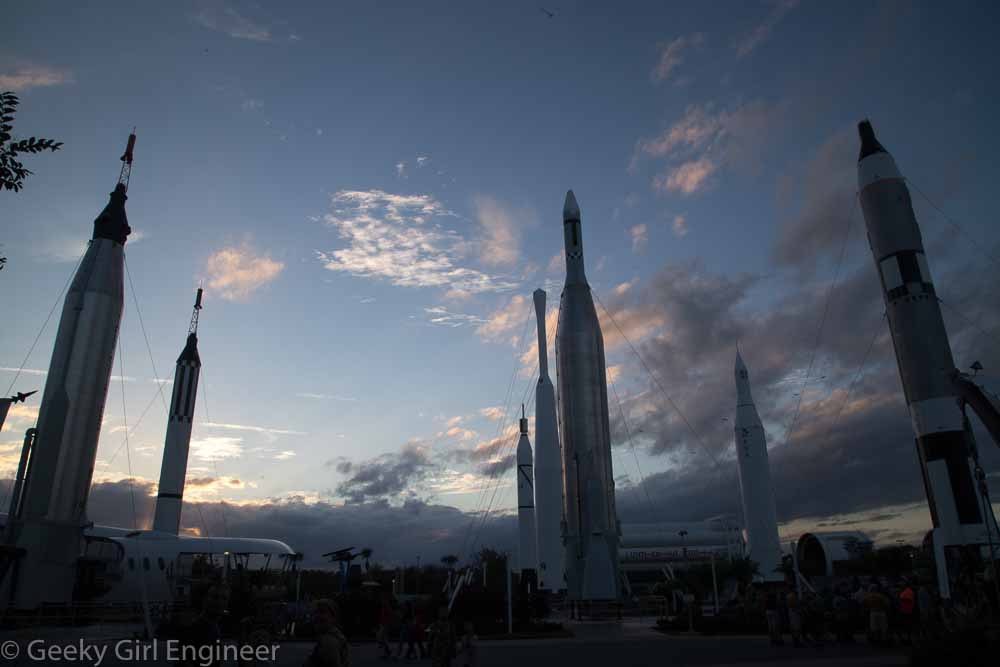
Today was my first visit to the Cape Canaveral area and to the Kennedy Space Center. The big exhibit here is the space shuttle Atlantis. They have it set up really nice, so you can see inside the payload and the damaged external heat shield tiles and blankets. There are plenty of other exhibits to see. Also, you can also take a bus ride to another site to see a Saturn V rocket. The rocket is impressive, and the bus ride is a very short tour of the center and worth the ride.
MTA’s Flatbush-Empire Substation
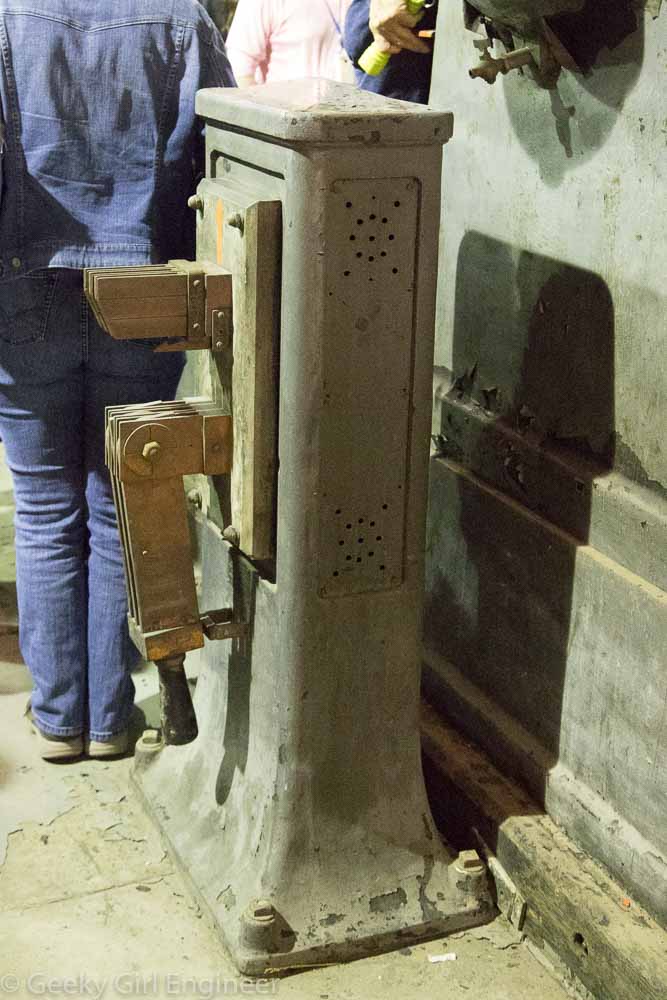
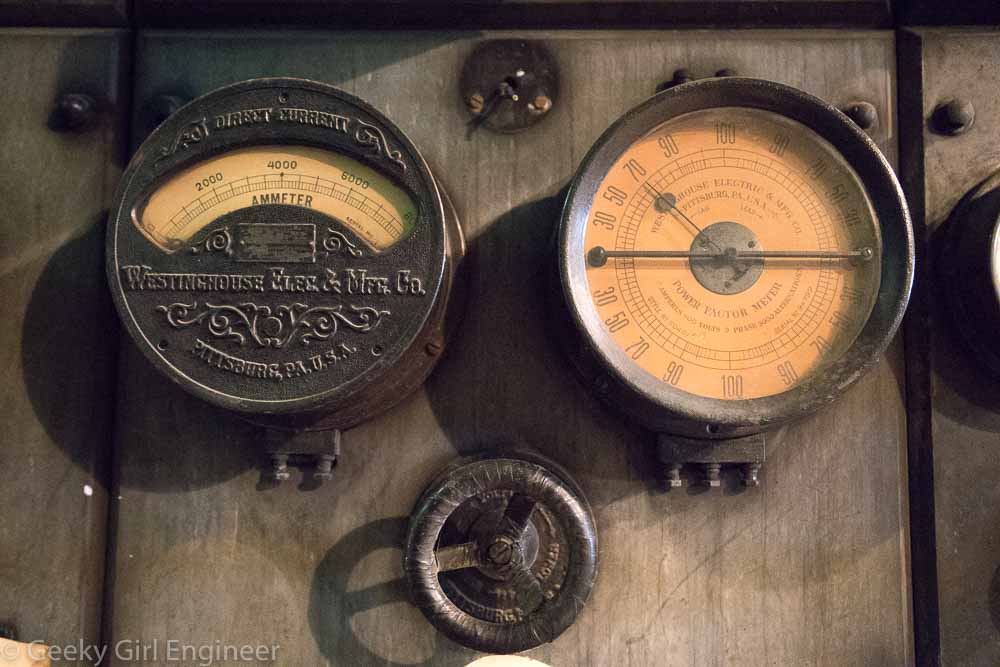
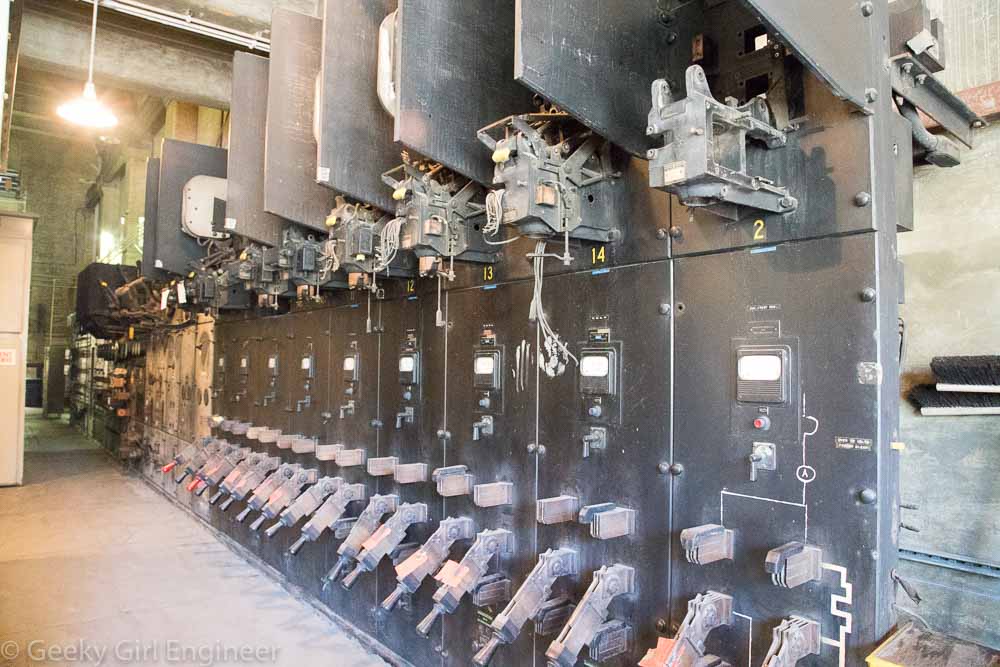
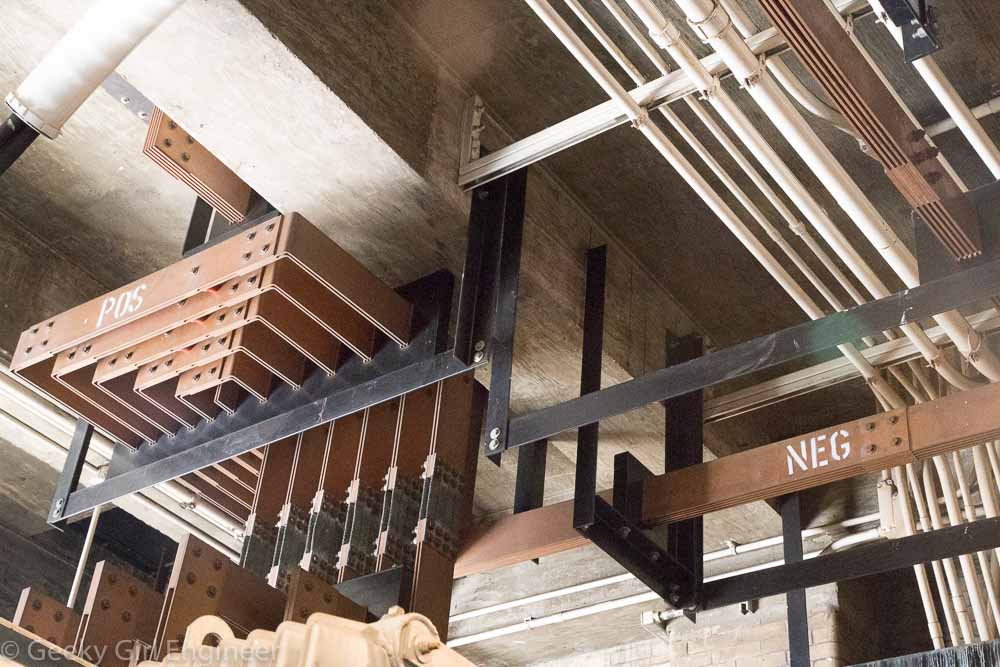
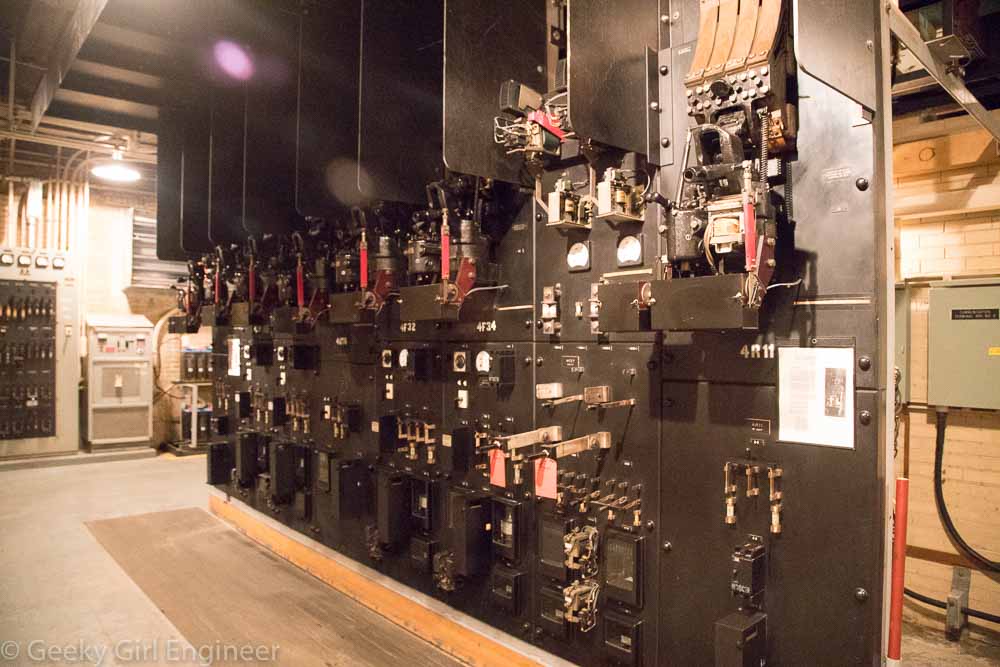
I took another tour with New York Transit Museum today. This one of the Flatbush-Empire Substation, formally known as Old Prospect Park Substation. It was constructed in the early 1900s to originally provide power for Brooklyn trolleys and then was used to provide power to the subways. Sadly, the substation sits right above where the Malbone Street disaster occurred, where approximately 100 people lost their lives in 1918 when an untrained conductor was operating a subway train during a labor dispute. The substation played a role in the disaster when the circuit breakers tripped at the station from the train accident, and the substation operator restored power to the rail thereby electrocuting any victims on the tracks because the system operators thought the breakers had tripped due to a prank by strikers.
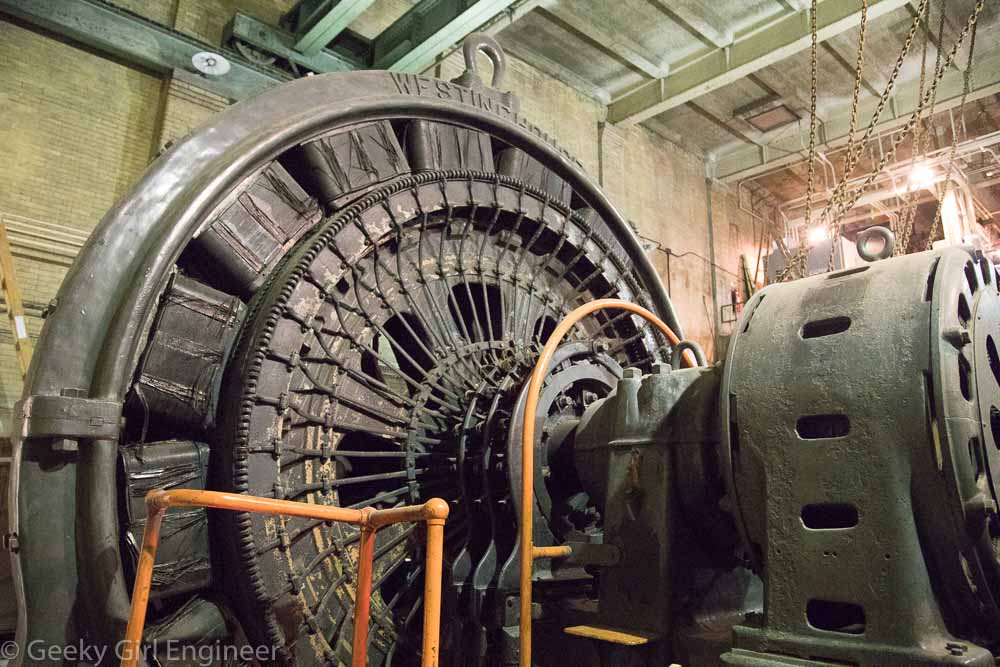
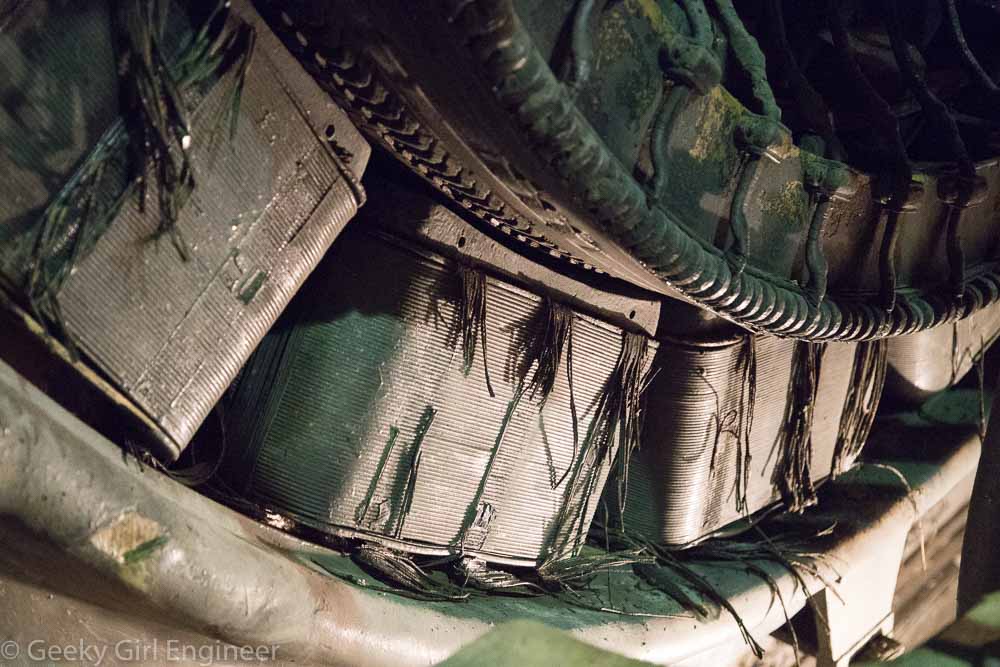
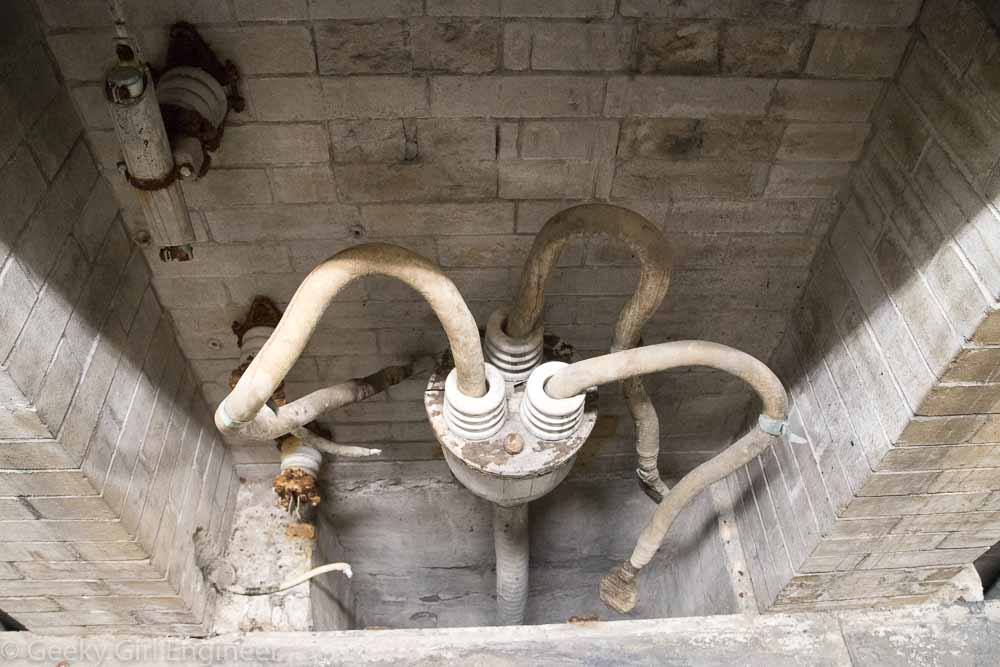
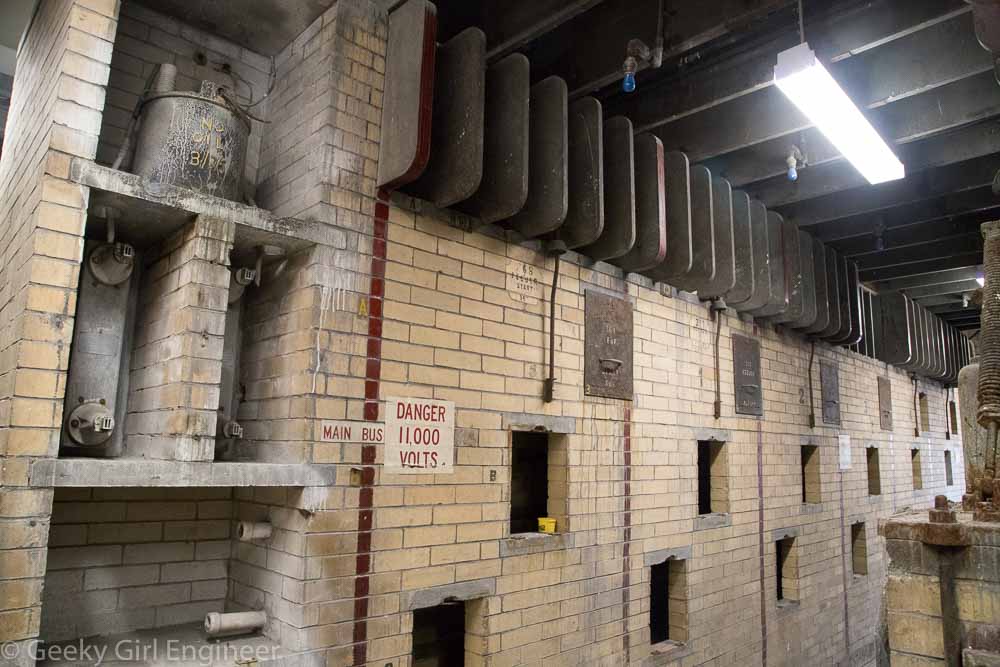
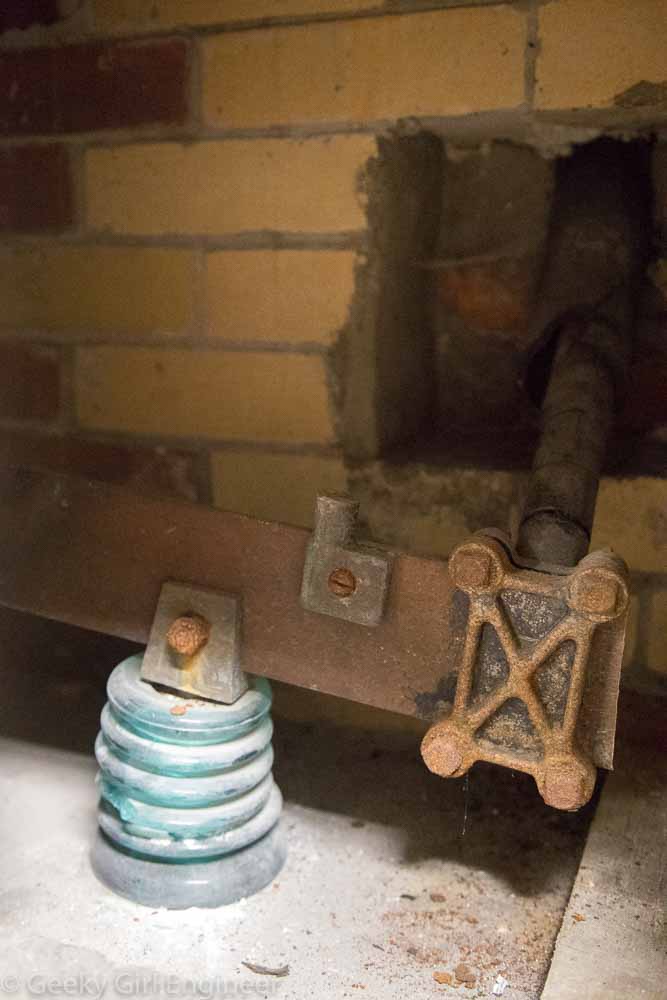
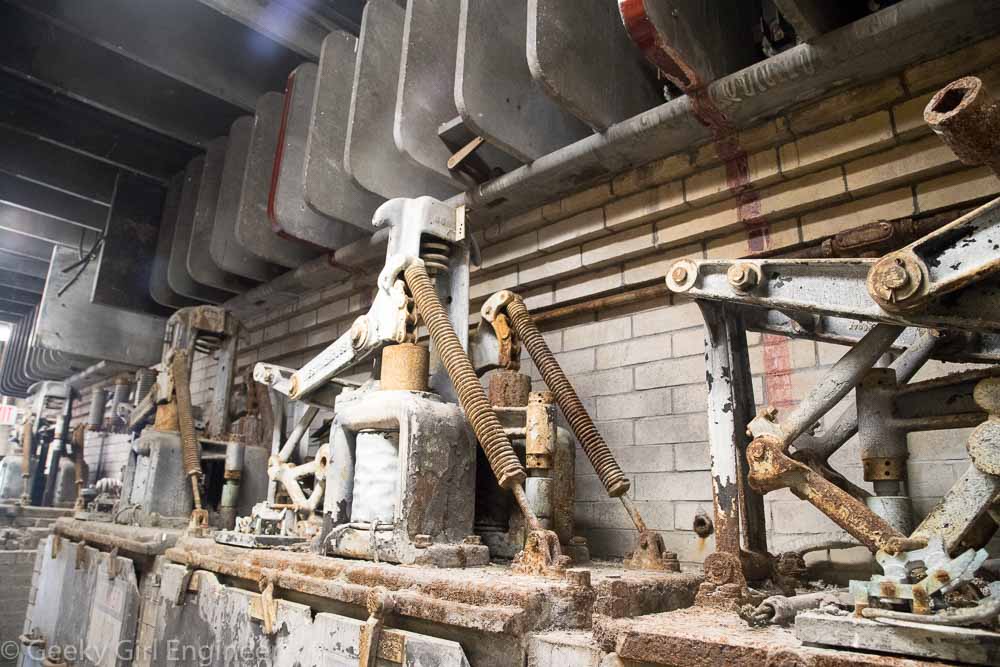
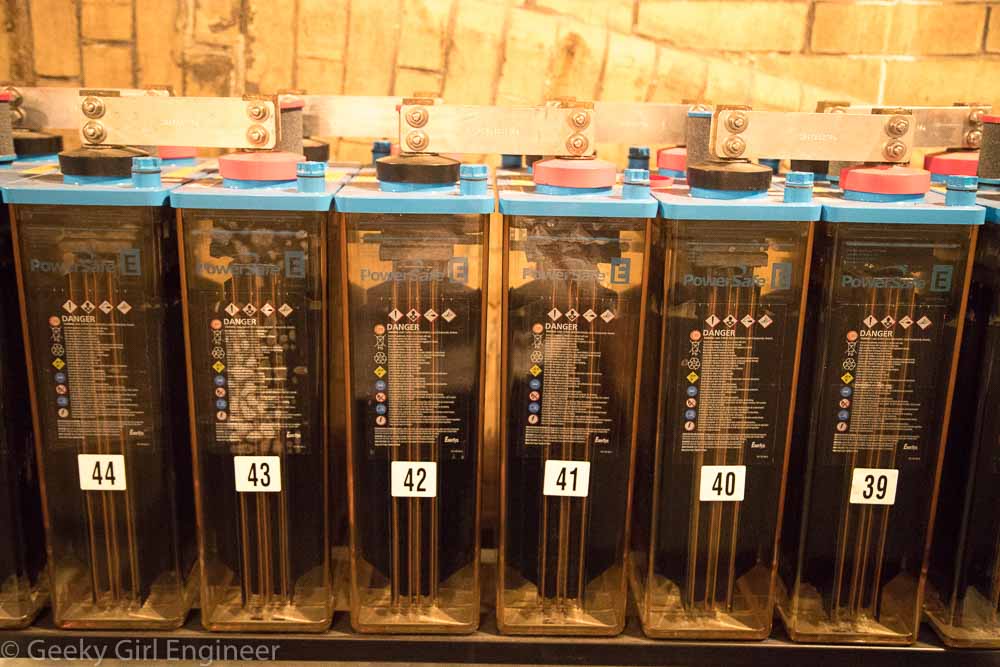
The substation originally converted AC power from the grid to DC using rotary convertors. Now they use modern thingamajigs that are not nearly so cool looking. The downstairs of the substation has all the old unused parts, not to mention all the hazardous chemicals that had to be removed. There are capacitors where PCBs had clearly been removed, and other places painted with a white sealant after asbestos had been removed. Upstairs is where the boring gray boxes filled with modern electronics that actually do the work now are. The substation does not have a working rotary convertor by the way. The only one left owned by MTA is at Substation #13 (see that post for photos and video).
Fun House
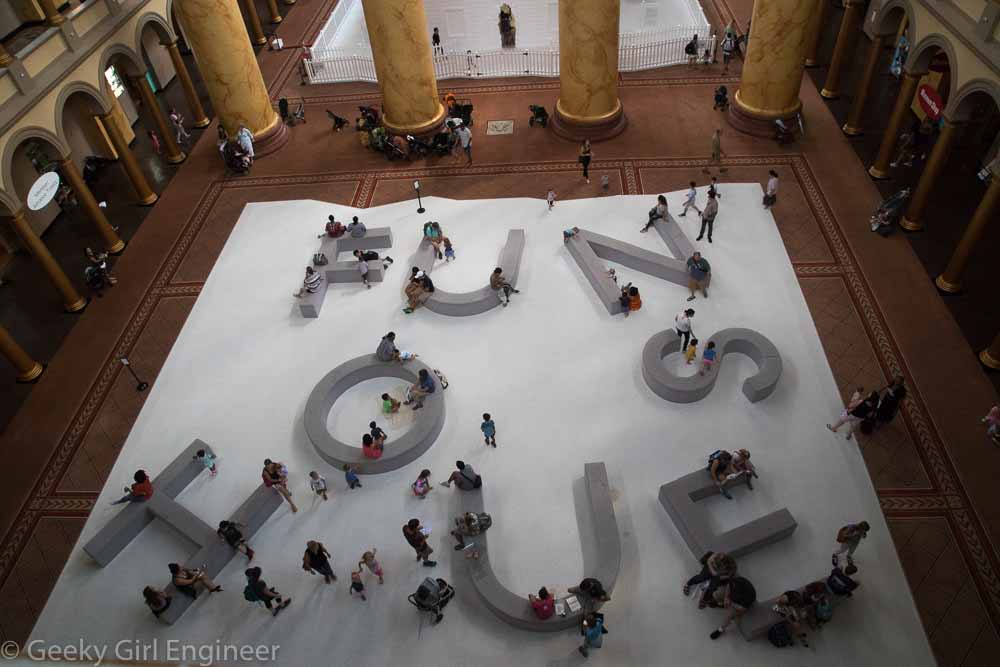
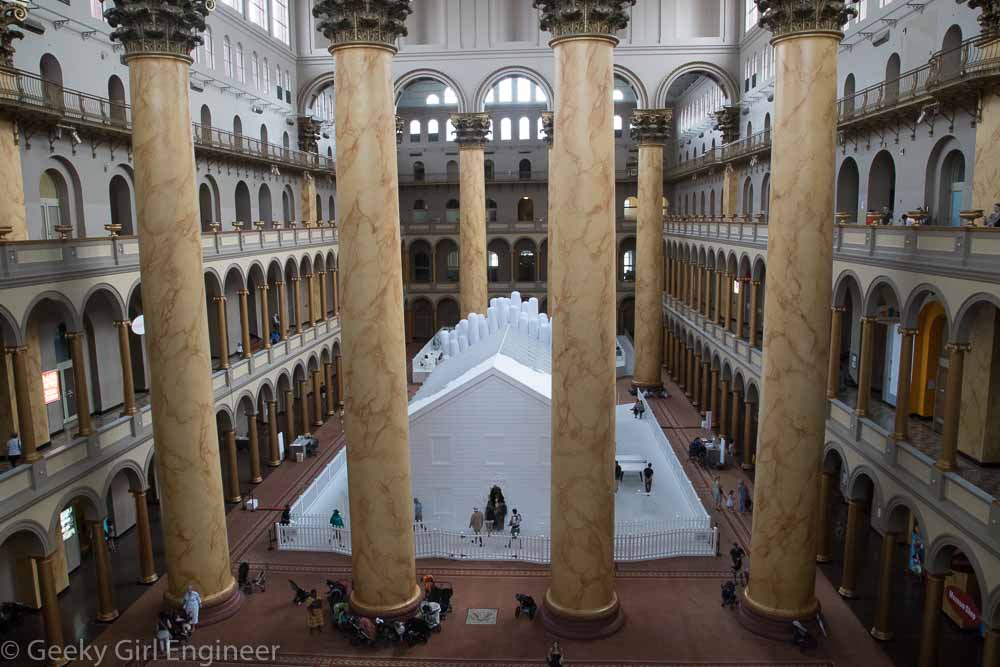
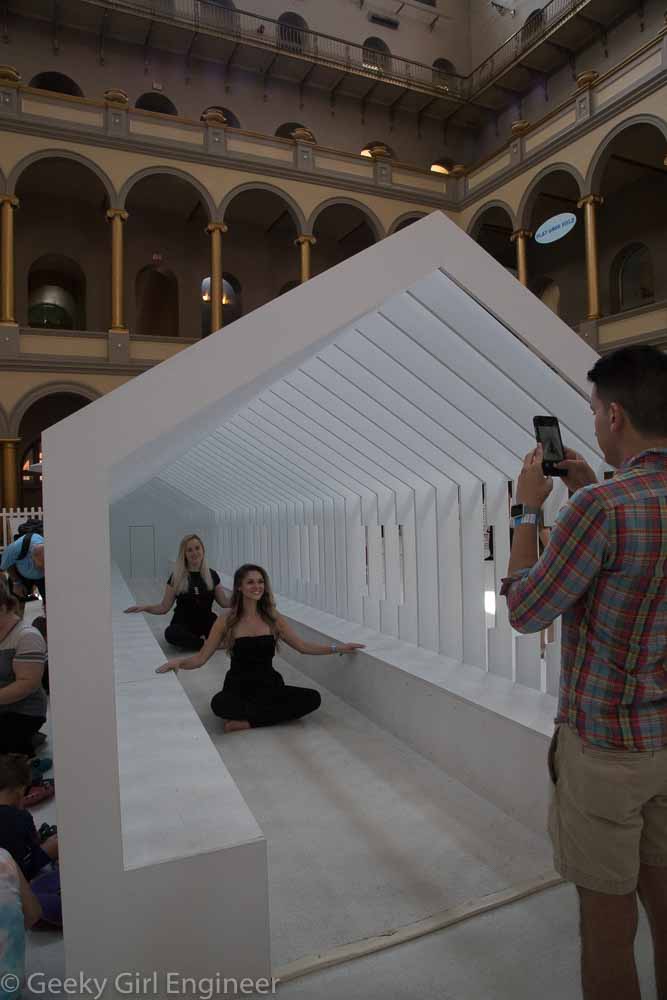
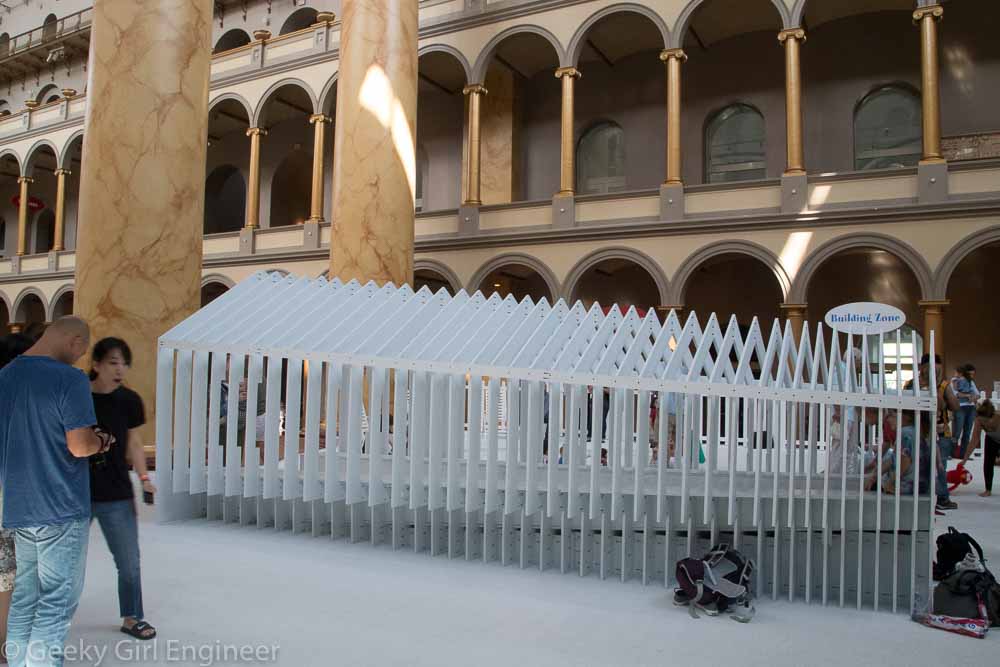
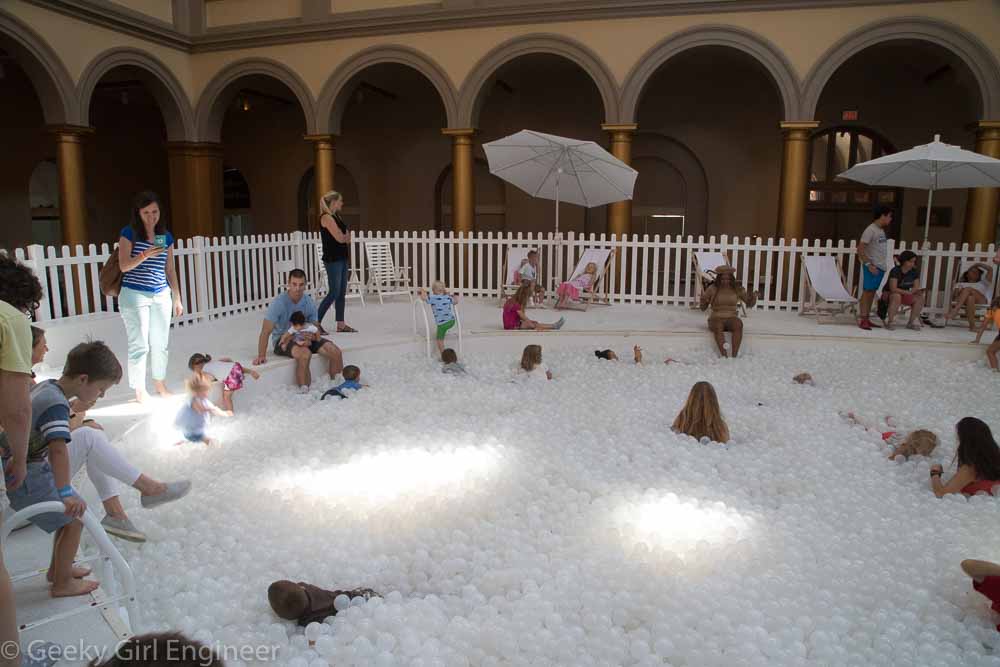
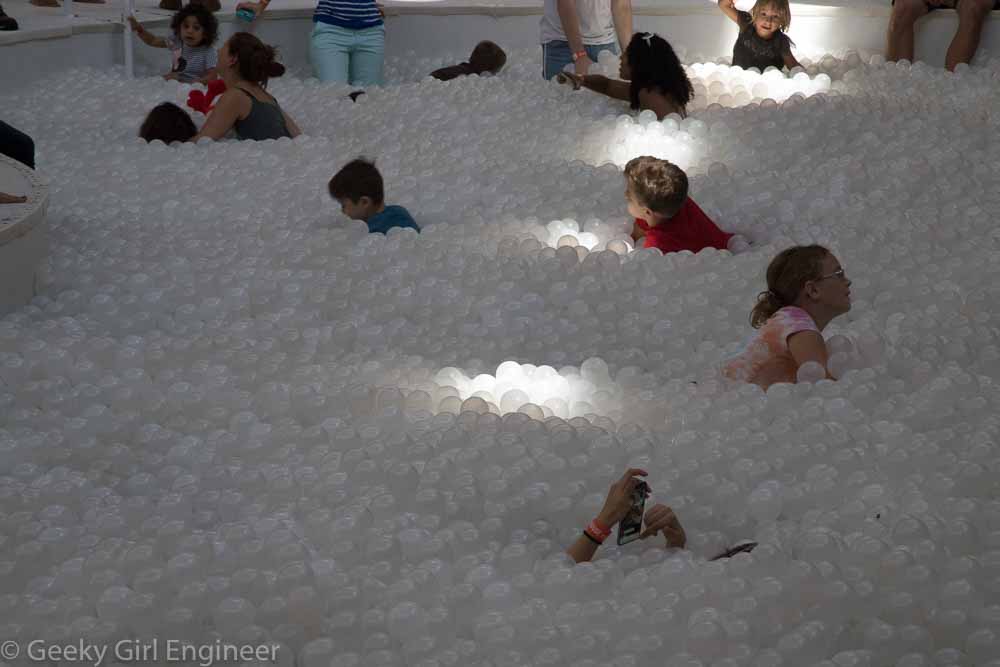
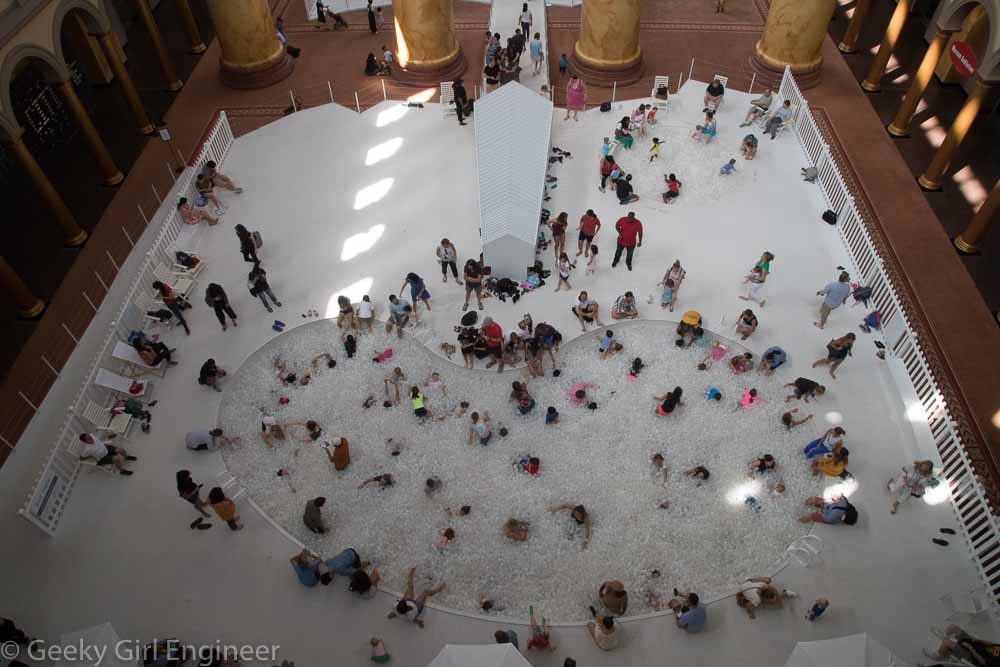
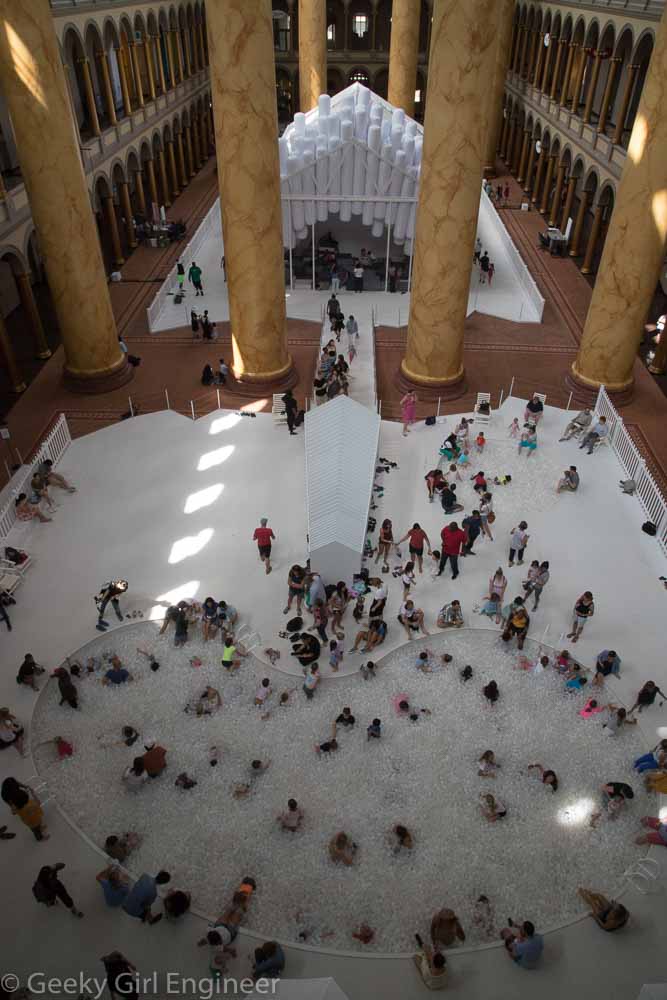
Every summer, the National Building Museum has its summer block party, as they call it, with some sort of fun structure inside their grand atrium. Past block parties have included The Maze, The Beach, Hive, and Icebergs. This year is Fun House, which was created by Snarkitecture, as a compilation of other creations of theirs. The Beach was one of their creations. Fun House is a house of sorts with a series of room and “yard” structures, each of which feature a different type setting and interactive pieces. I really don’t know how to describe it other than that. I have thus given the areas and rooms various descriptive names to try to describe the structure. So let me take you though Fun House.
In the front yard, are a series of cushion type benches that spell out “FUN HOUSE”.
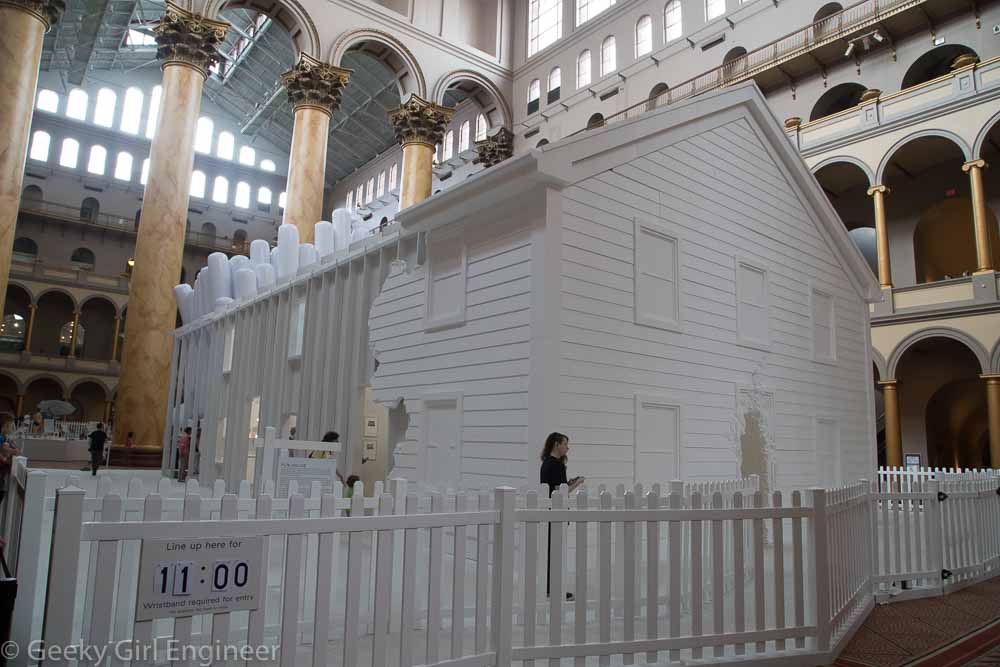
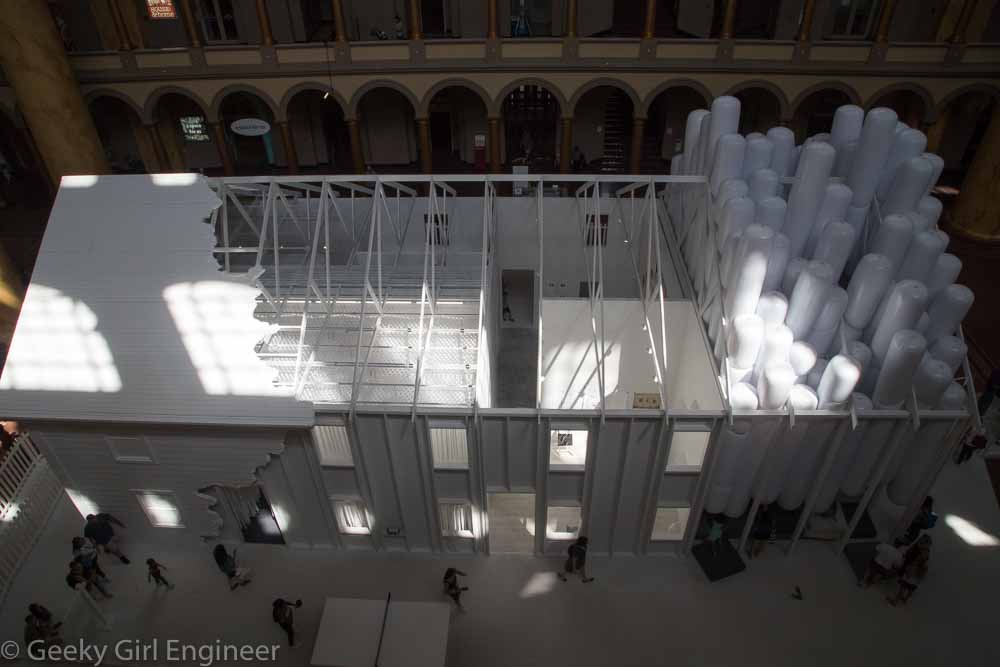
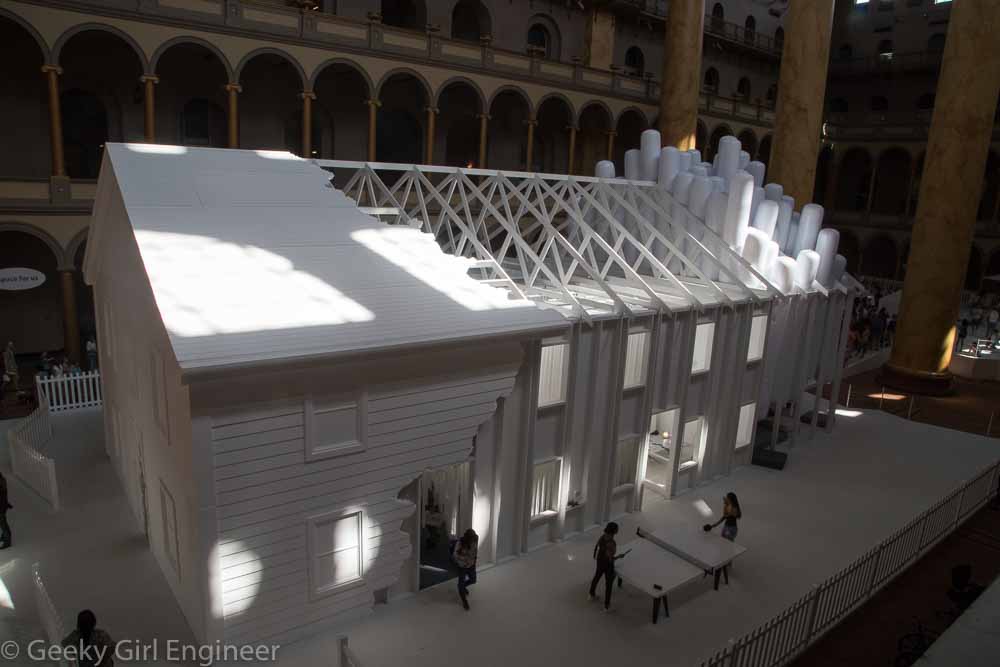
Fun House itself looks like a house of sorts with a partial ceiling and partial wall. It is made out of lumber, I think, and the front is made out of, or covered in, a polymer-foam type material (similar to styrofoam).
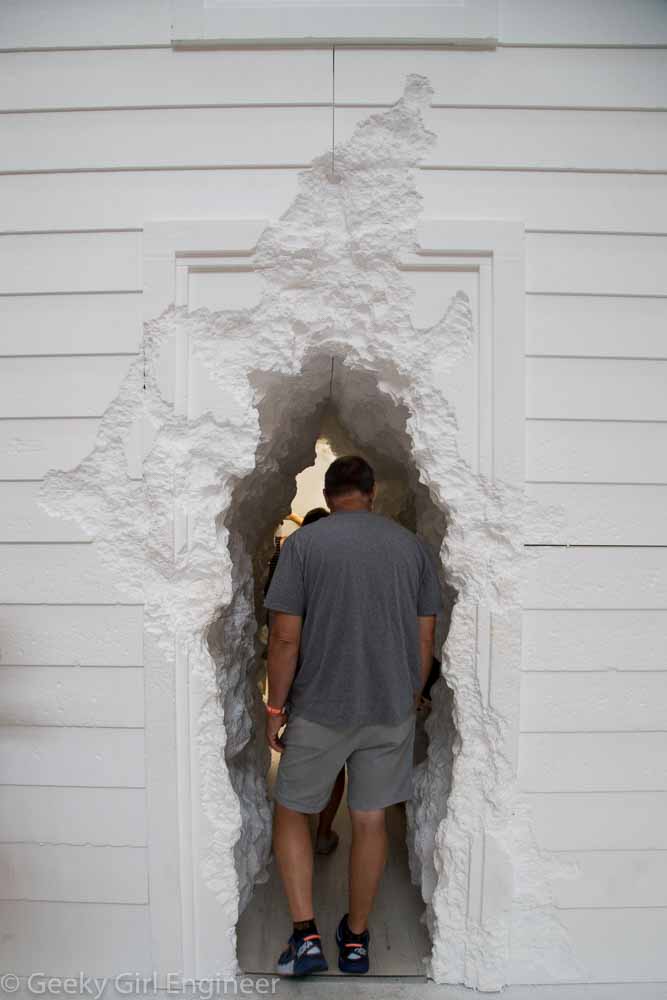
The front entrance is more of a tunnel dug out of the foam structure.
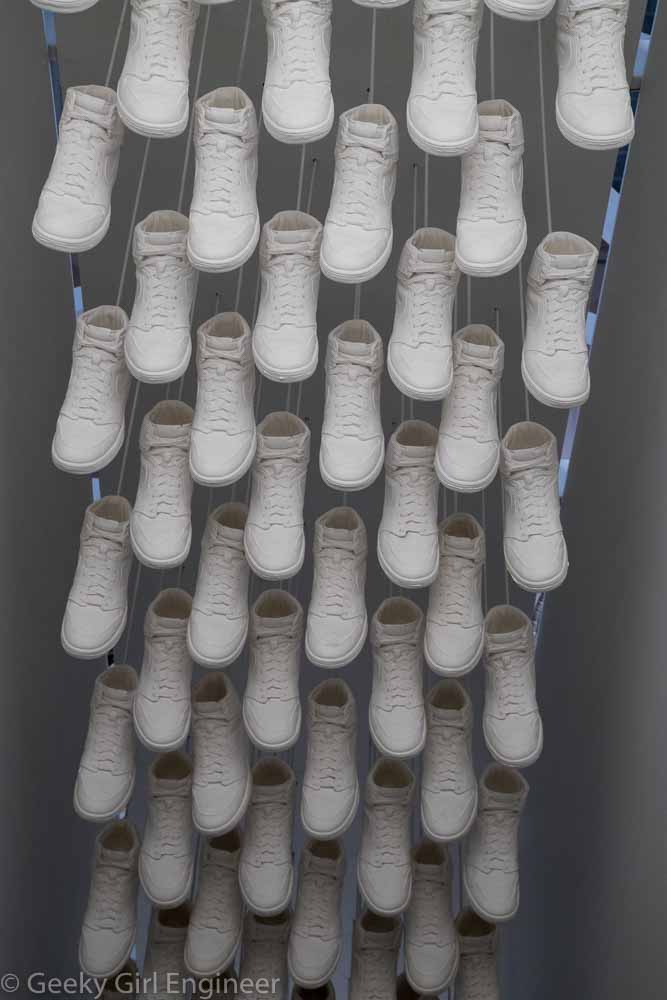
From the front entrance, you can walk straight into the front hall, which has white sneaker-looking like pieces hanging from the ceiling.
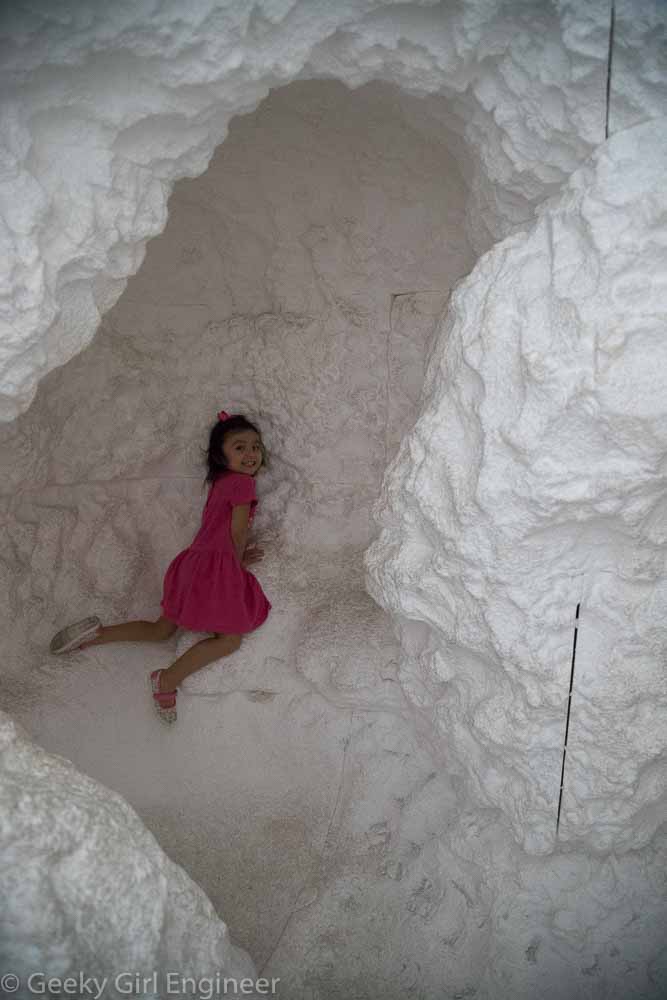
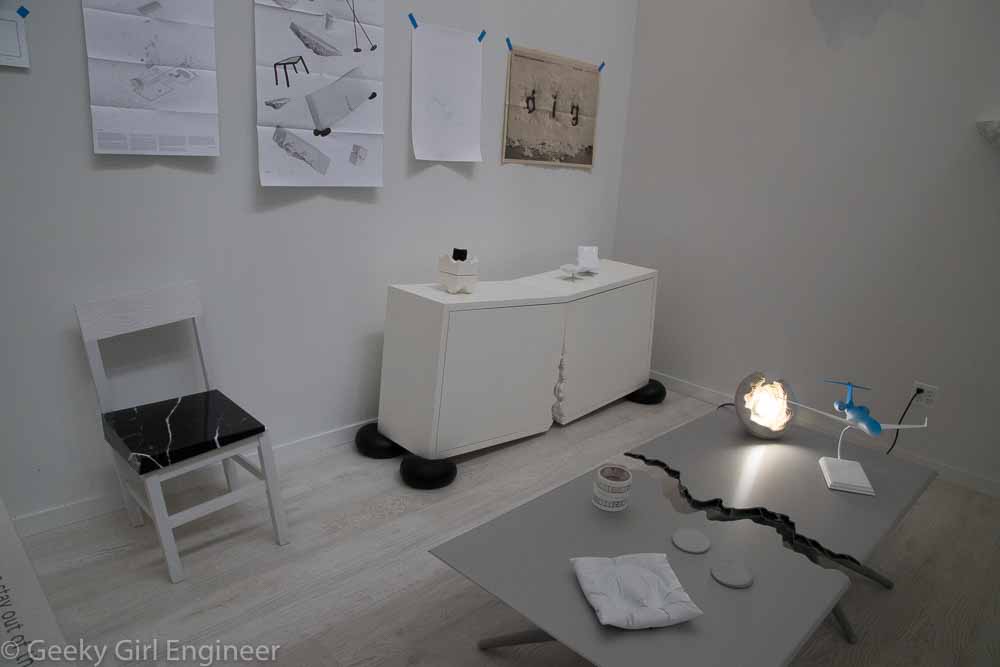
From the front entrance, you can also turn into a cave-looking like area dug out of the foam building material.
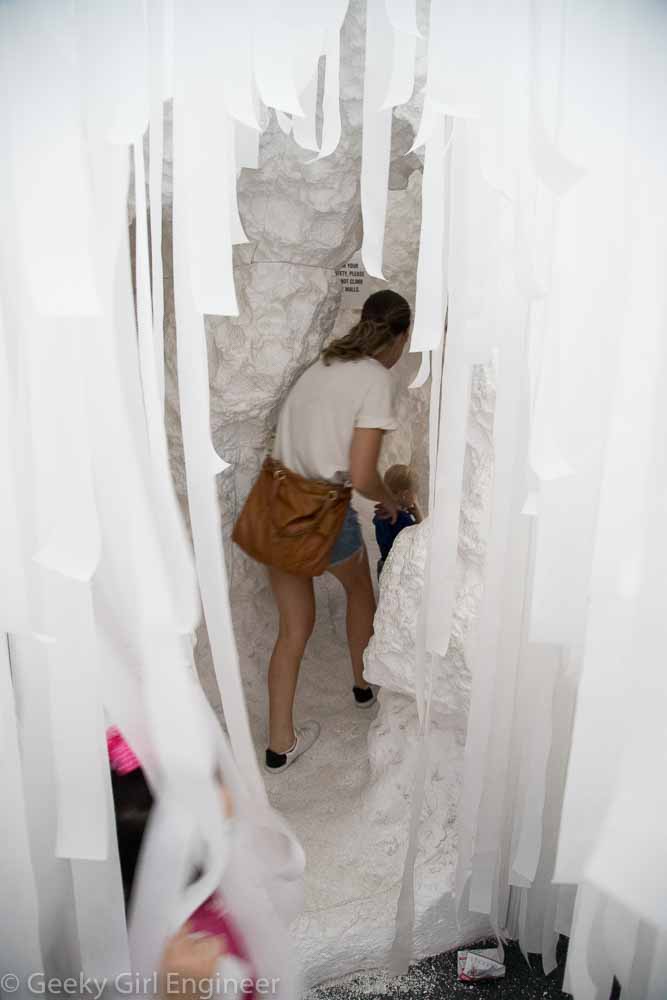
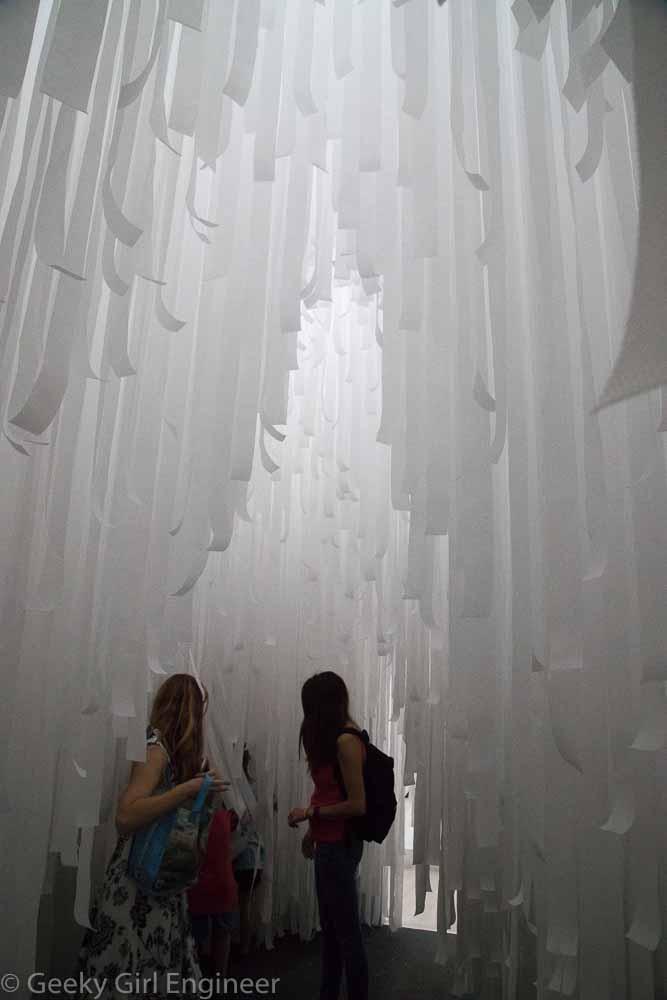
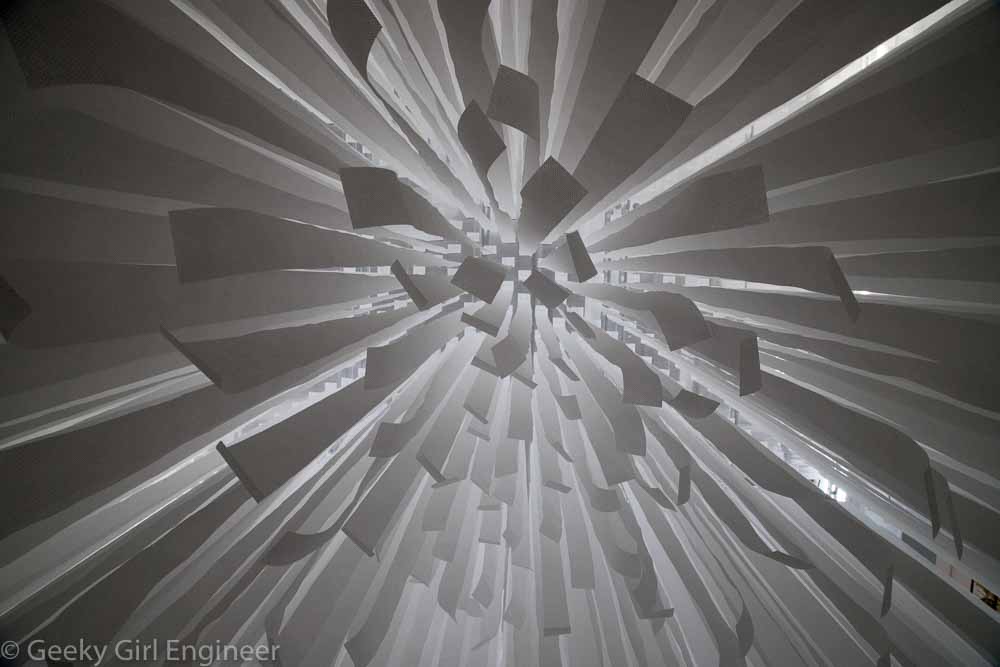
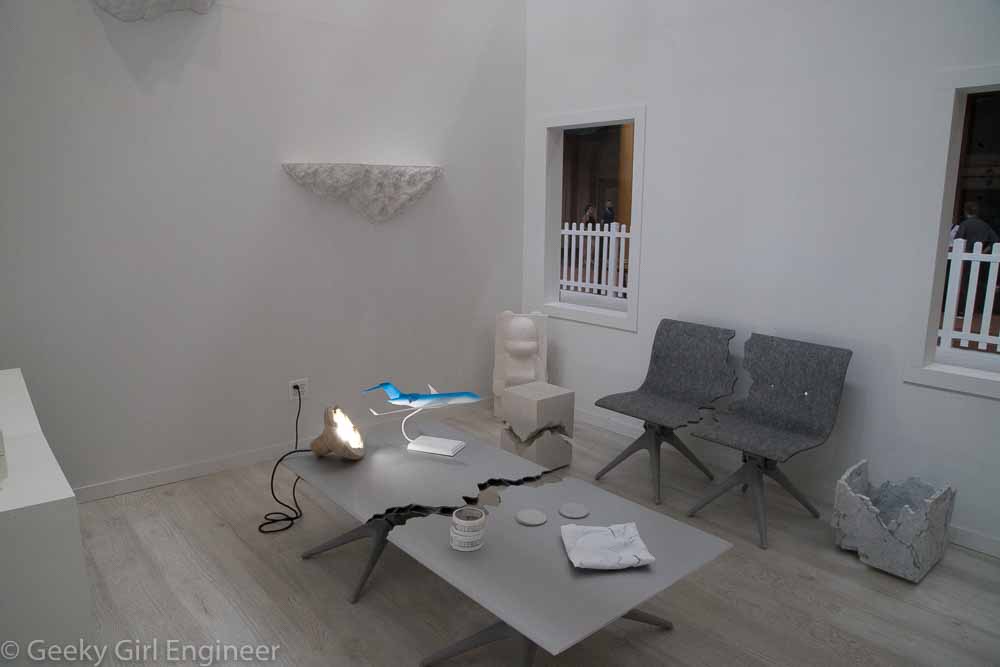
The dig room leads to another room that connects to the entrance hall. This room is characterized by strips of fabric of various lengths hanging from the ceiling.The fabric strip room then leads to living room, which features rather impractical furniture.
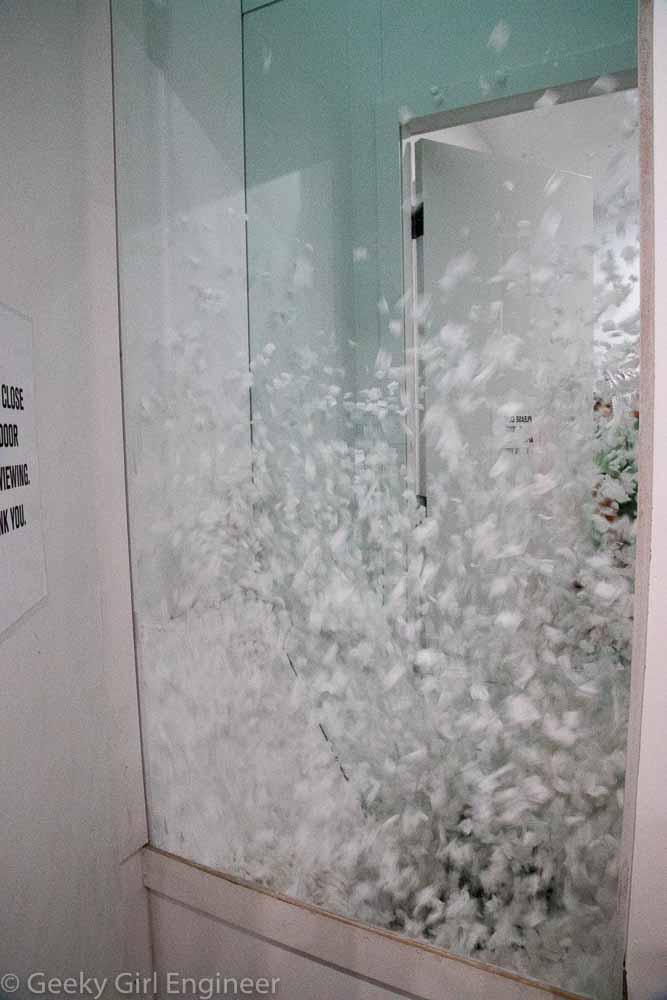
The living room then leads to an open room with examples of Snarkitecture’s work. This room then leads to the bathroom. The bathroom features a closet door that opens to a shower of sorts which has an air blower blowing tiny pieces of tissue into a sealed area.
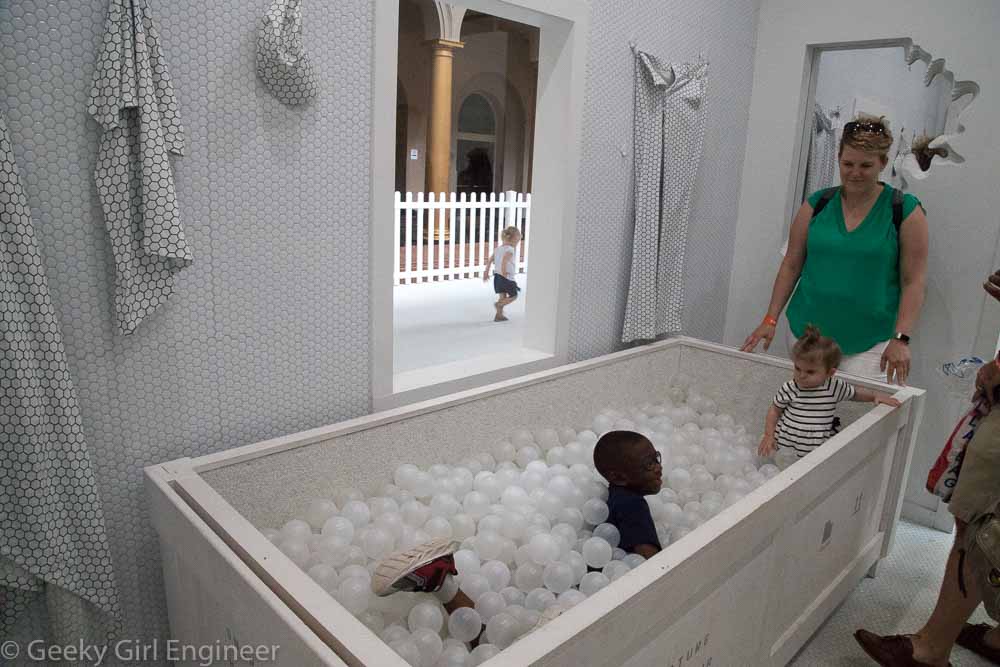
The bathroom also features a tub of plastic balls, which is called the Beach Chair, as it features balls from The Beach. It also has clothes and towels that match the tile wall.
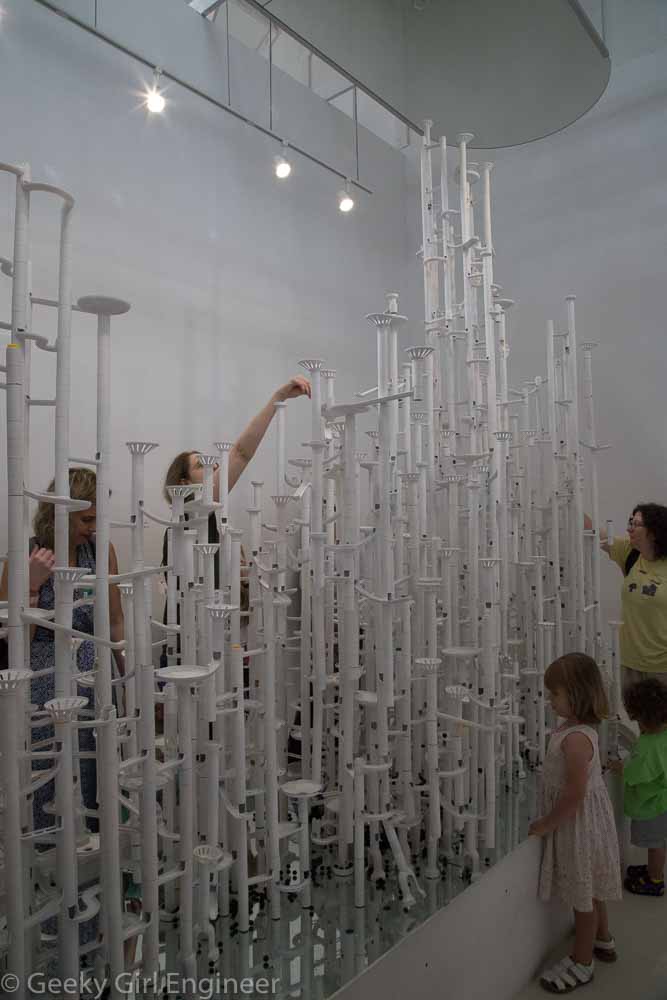
The bathroom then leads to a room featuring the largest marble chase structure I have ever seen.
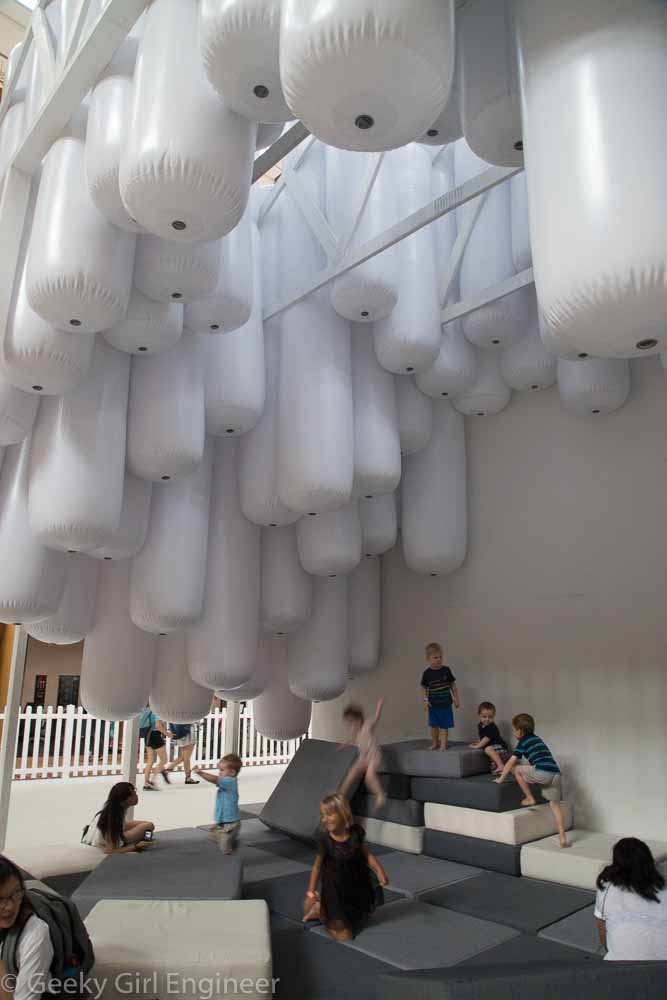
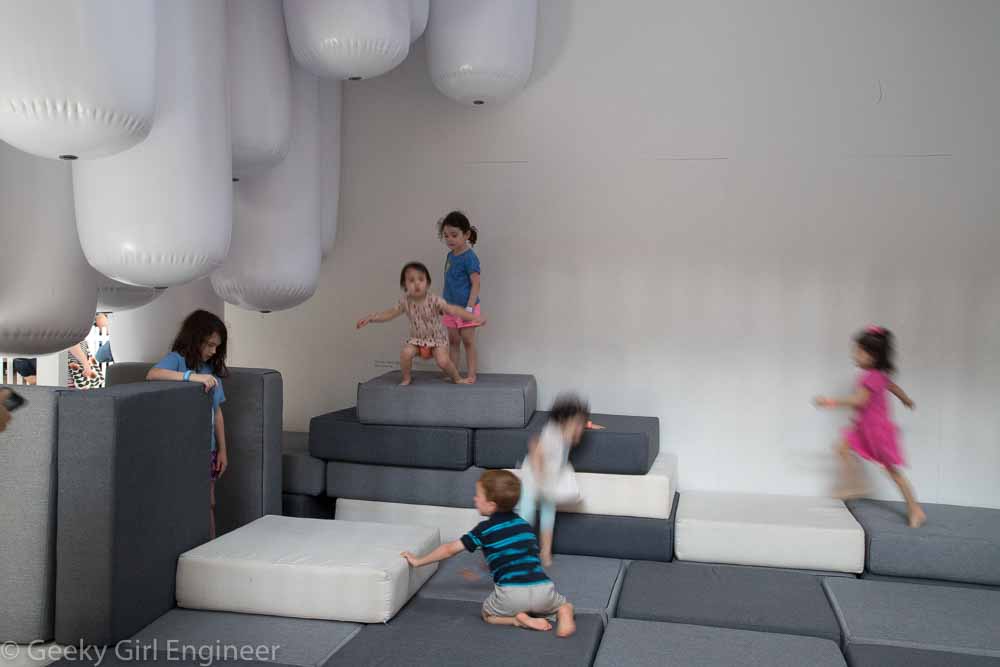
The back porch is a bunch of square cushions, which children happily find new arrangements for, and a roof of giant air filled tubes.
Behind the house is a tunnel of sorts that plays with perspective by having the floor slope up and roof slope down.
Behind the tunnel like structure is the pool and small kids’ pool, which are small versions of The Beach.
The upper levels provides a better views of all the structures.
The Art of Burning Man
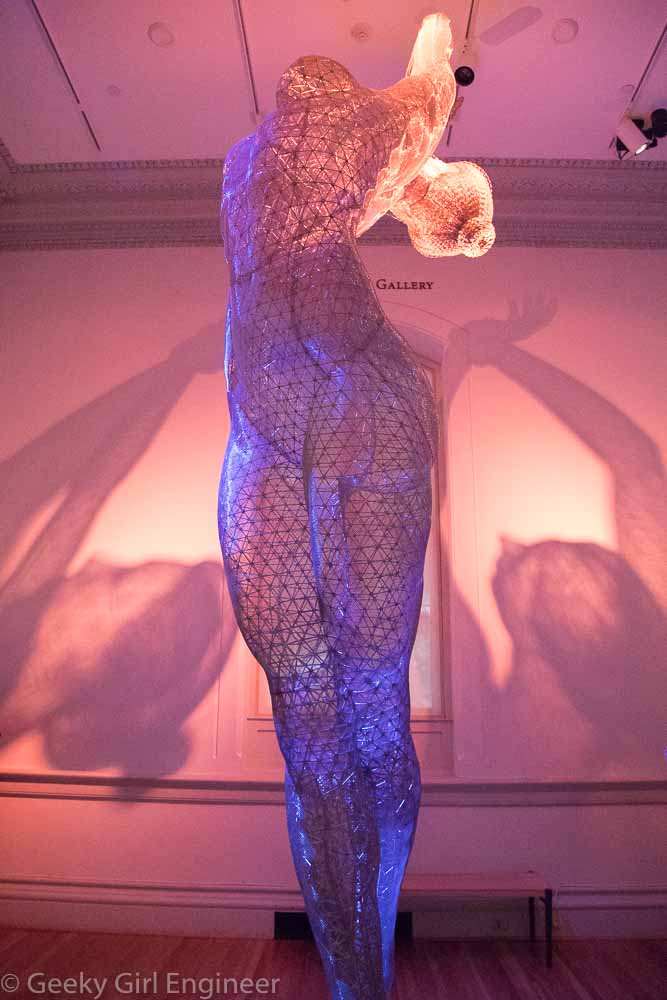
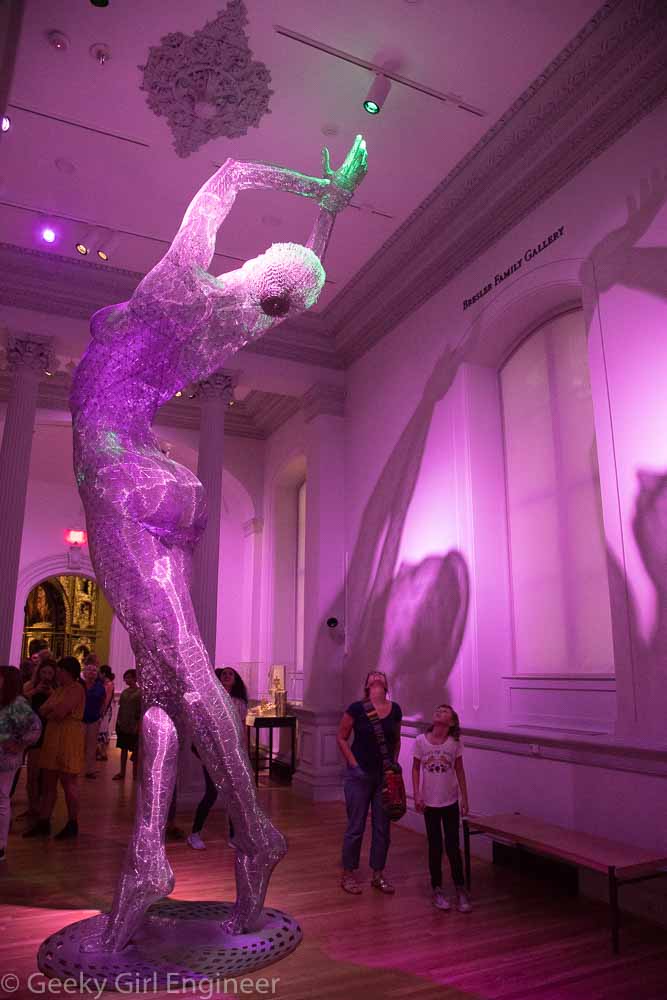
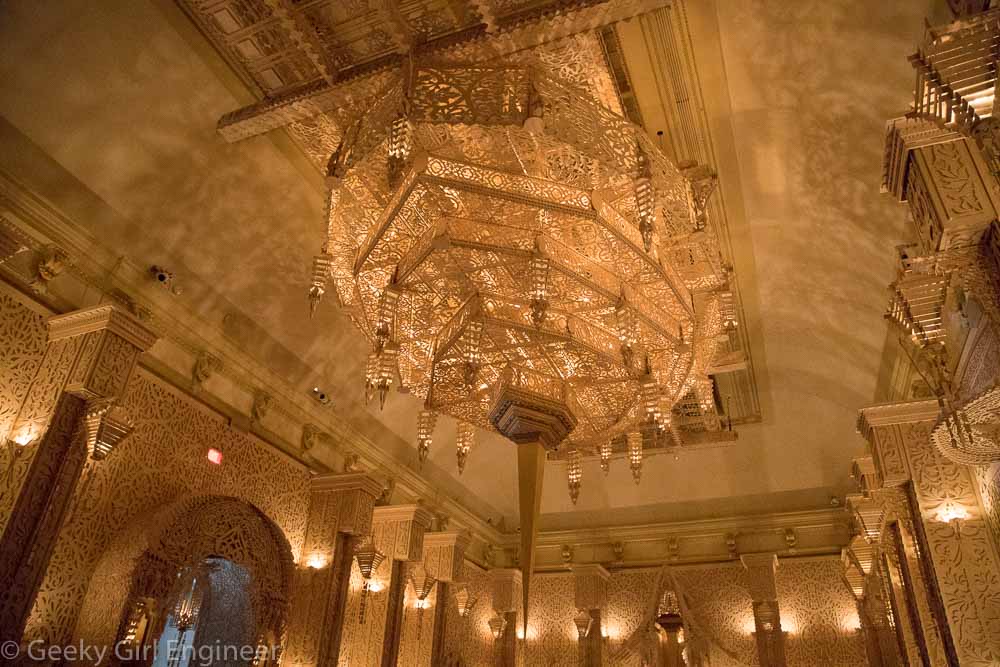
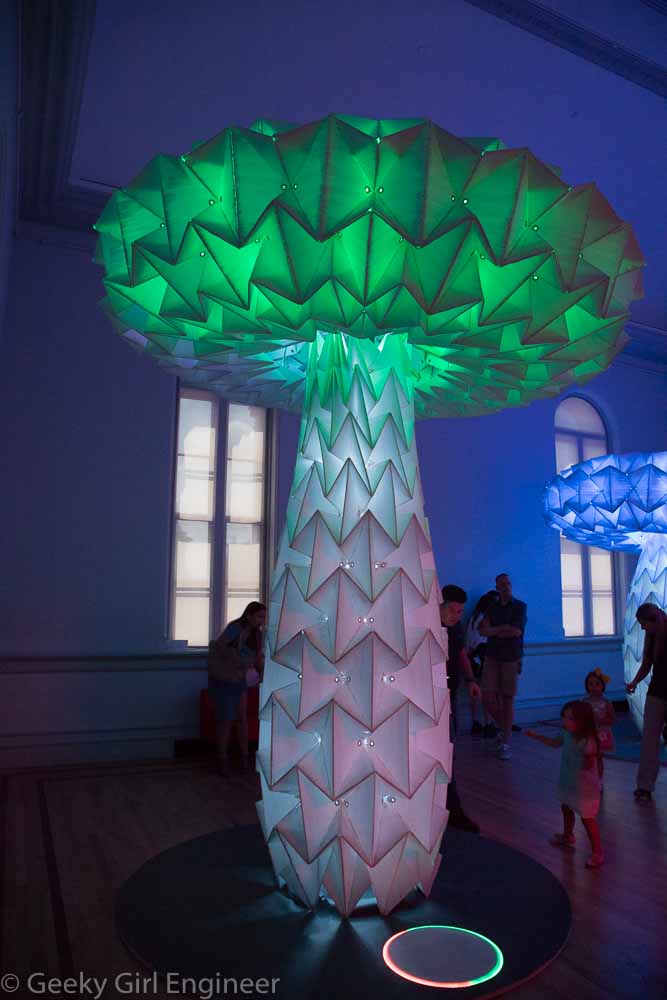
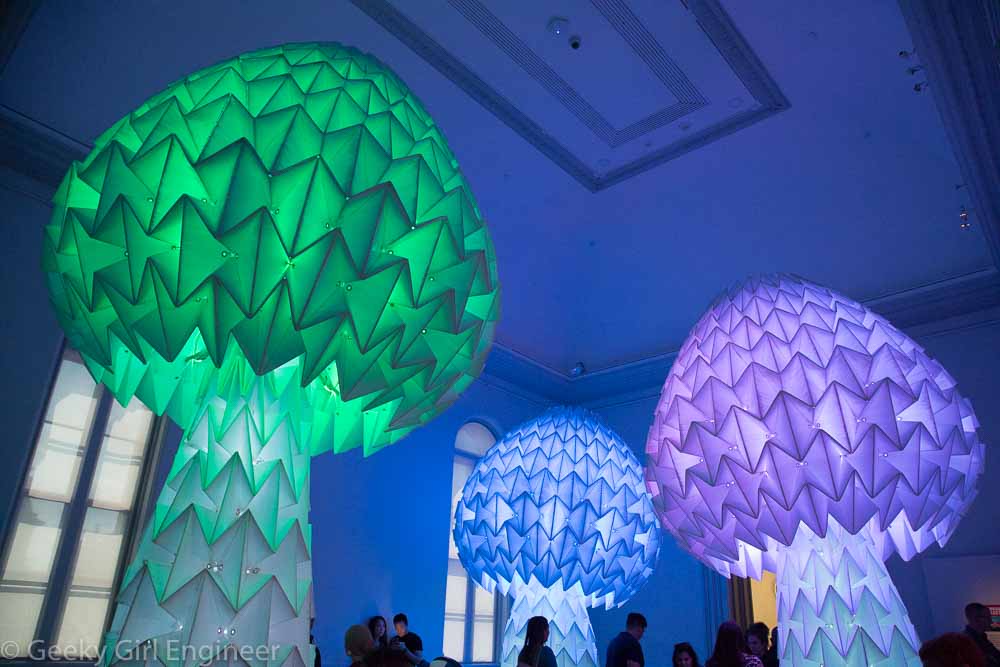
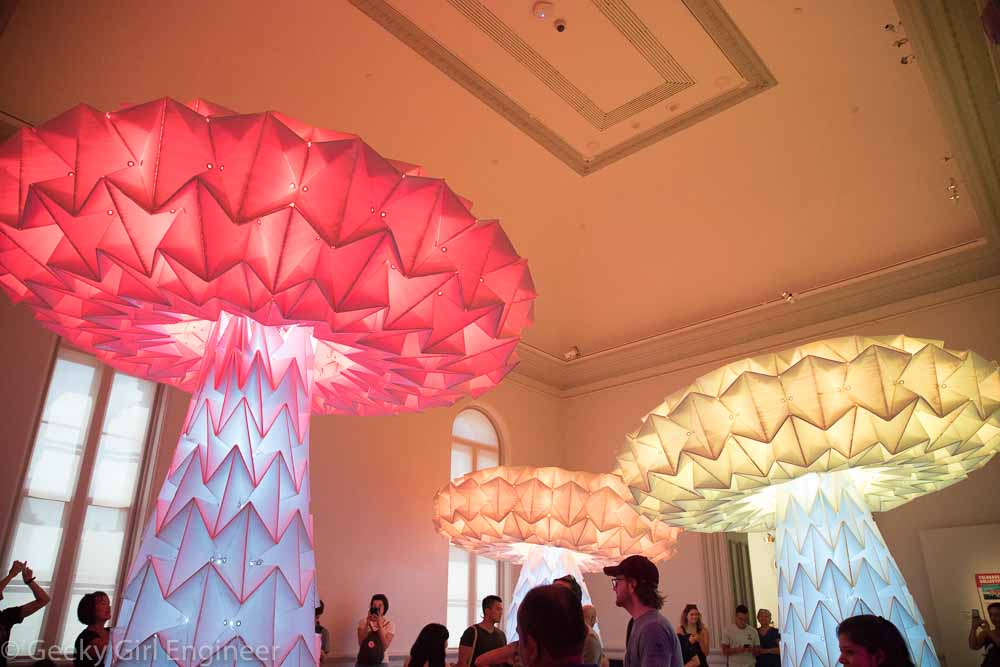
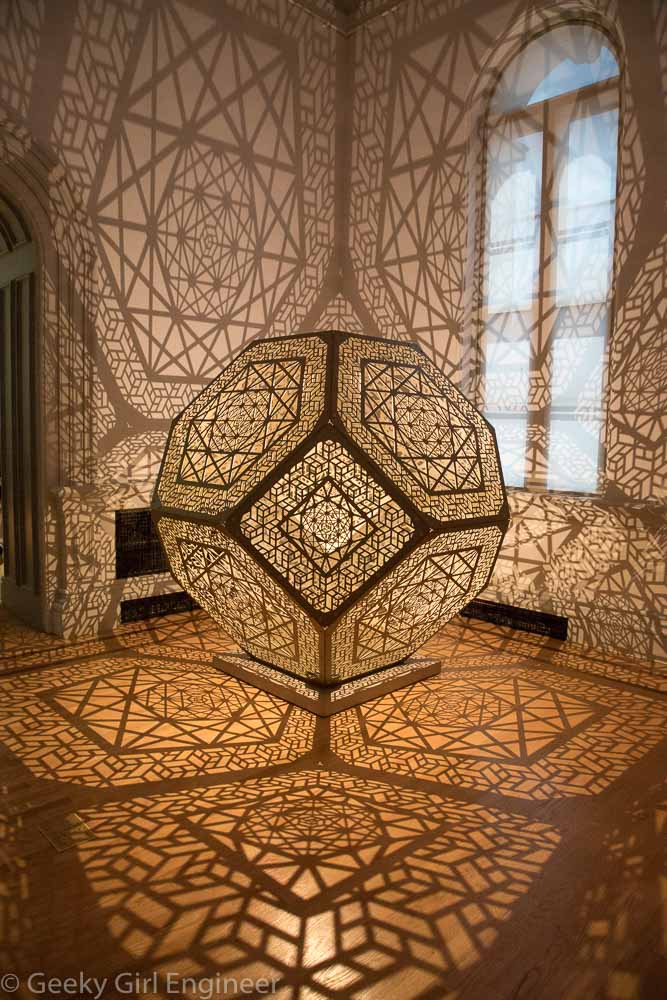
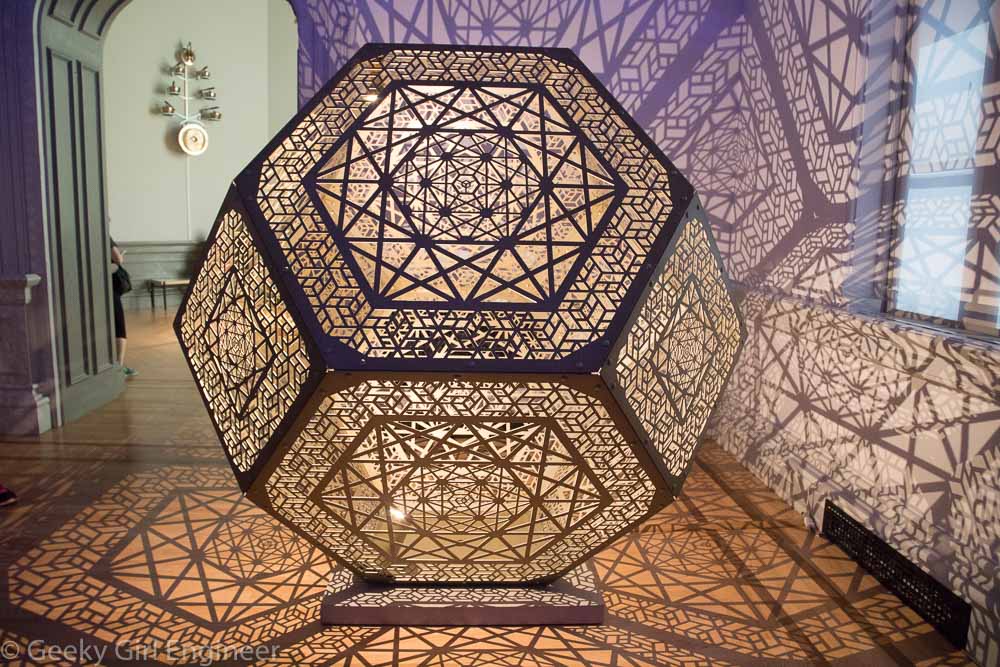
The Smithsonian American Art Museum’s Renwick Gallery is currently showing only one exhibit, which is No Spectators: The Art of Burning Man. The exhibit is amazing. The art is fun and beautiful and huge and completely unique and so many other positive modifiers that would fill a page. The pieces are like nothing I have ever seen before. They are also set in the space in a perfect manner because so many of the pieces are about light, and they are placed to allow that interaction with light.
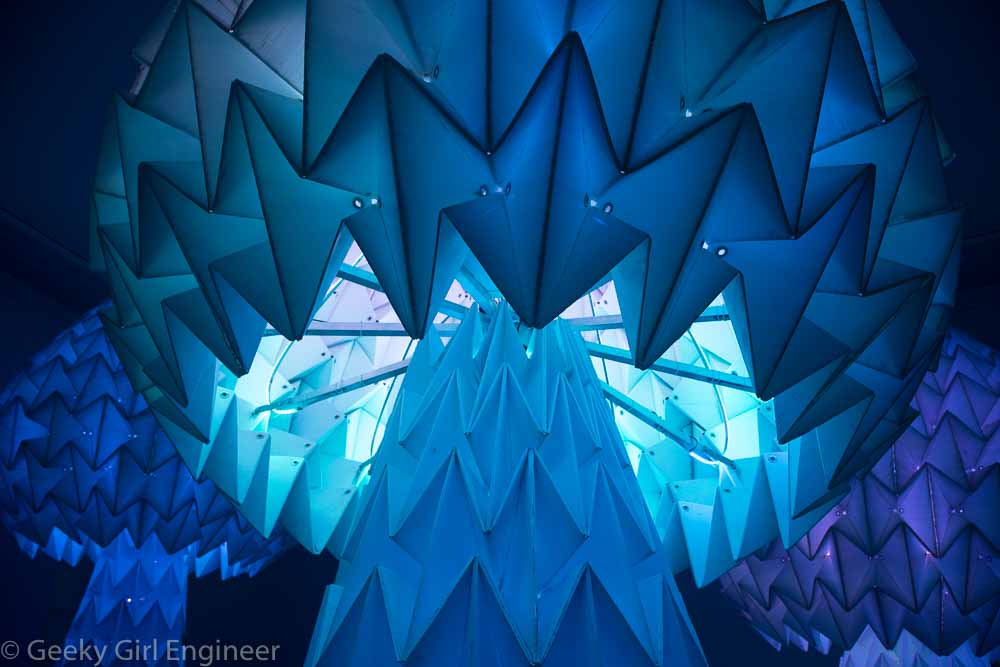
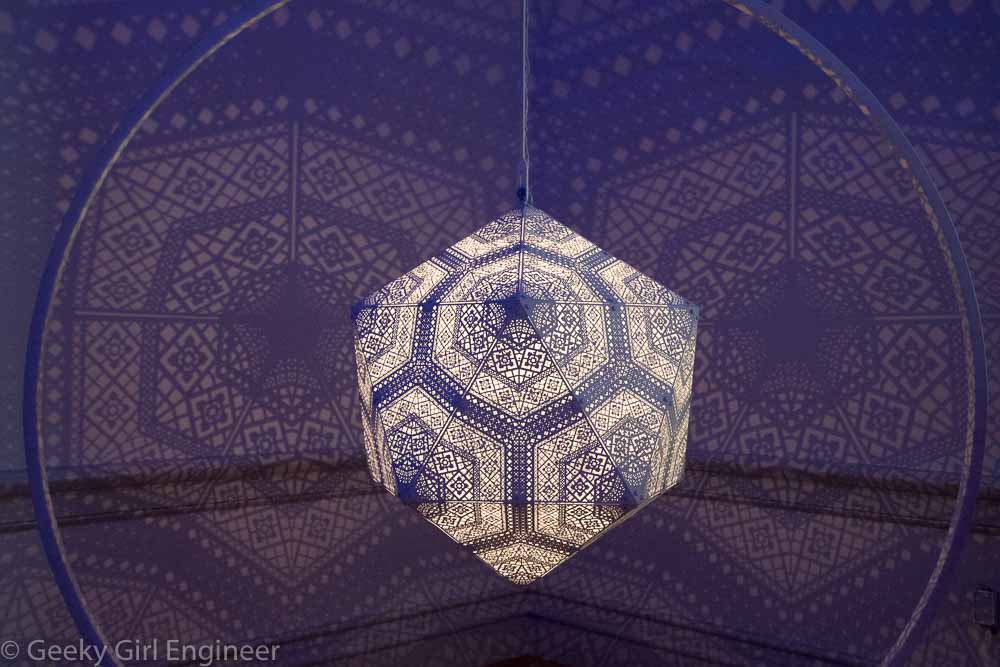
One of my favorites was Shrumen Lumen, which changes colors and also changes the shapes of the mushroom like figures. It is one of those things you have to see in person. The shadows of HYBYCOZO are relaxing and mesmerizing. I could have taken photos from different angles all day.
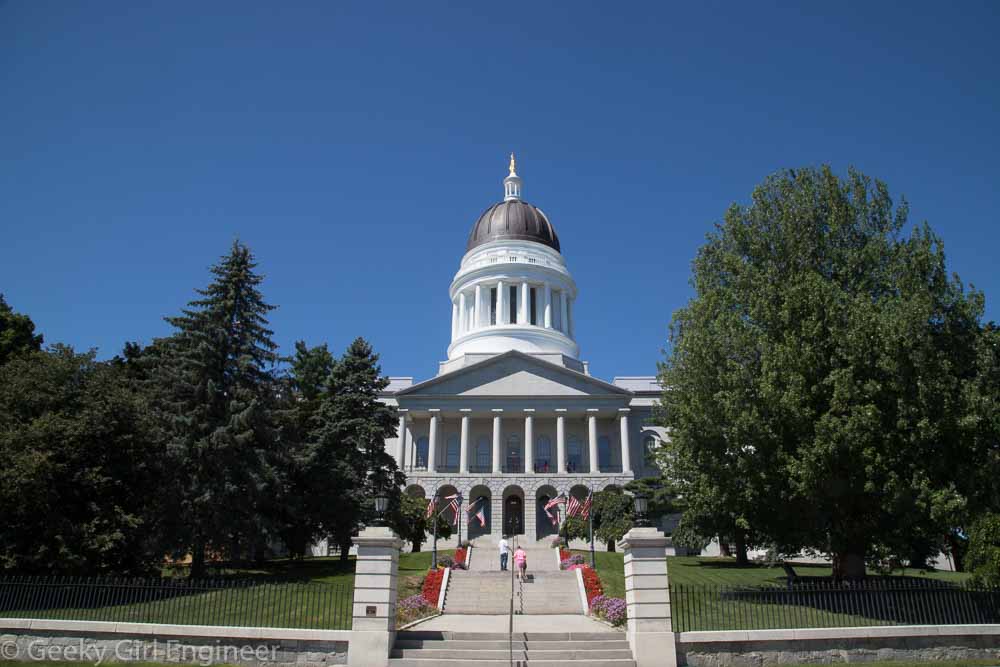
Maine State Capitol
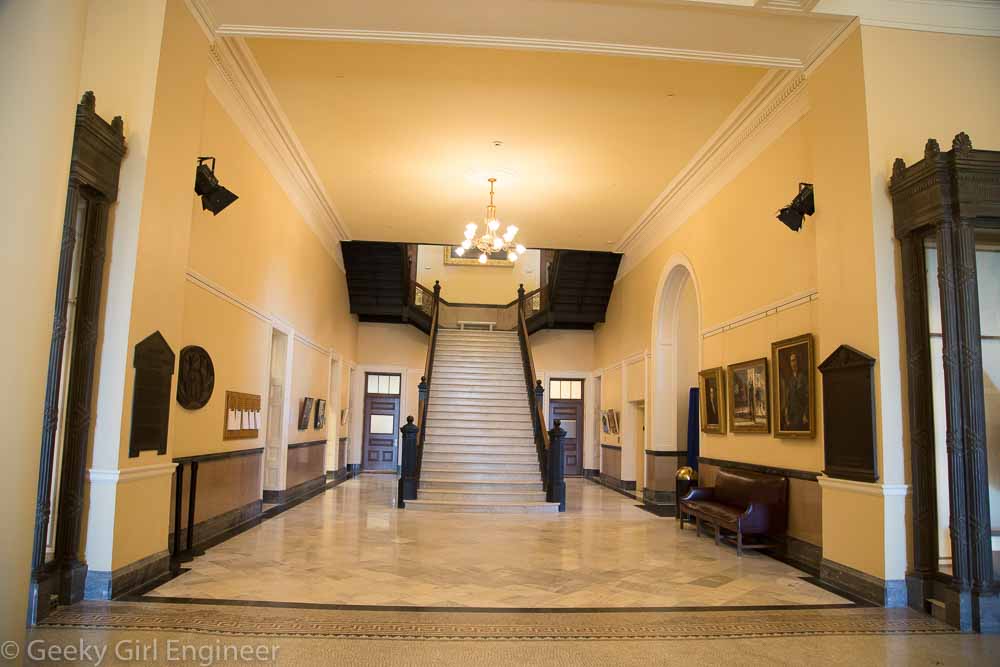
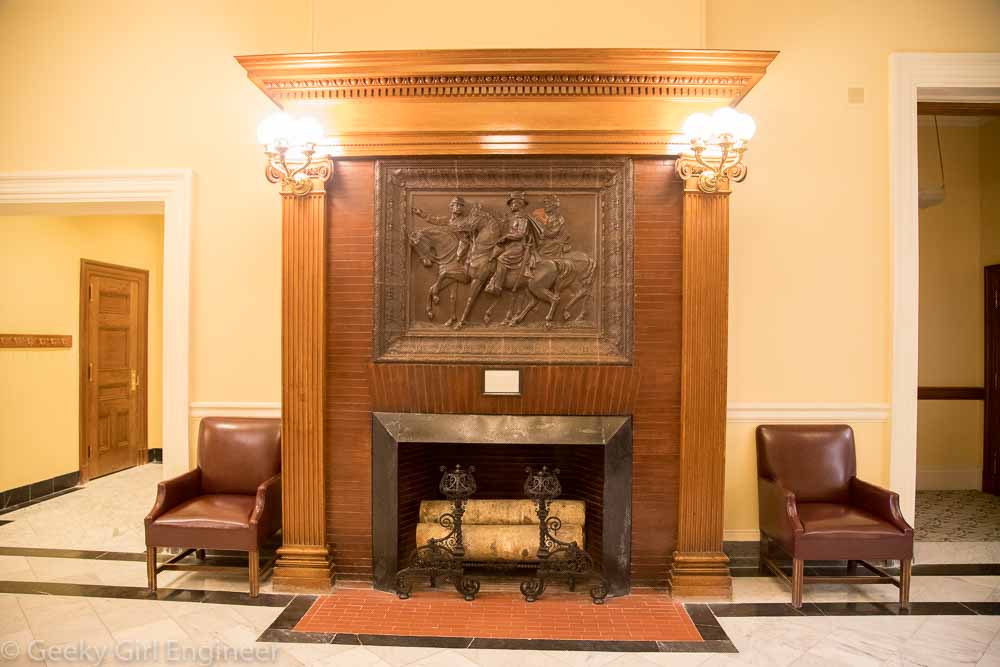
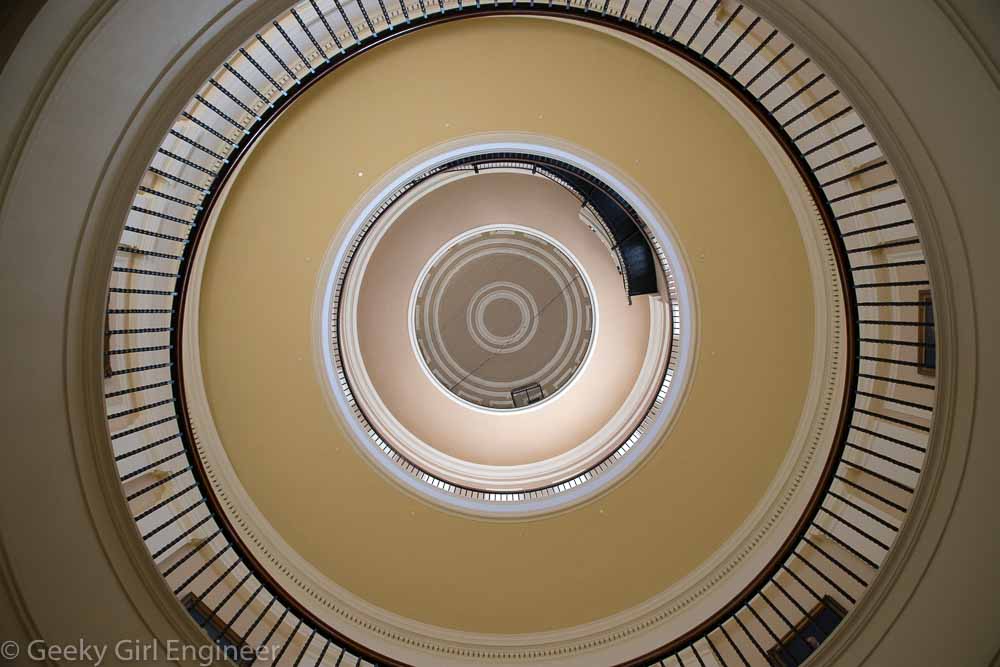
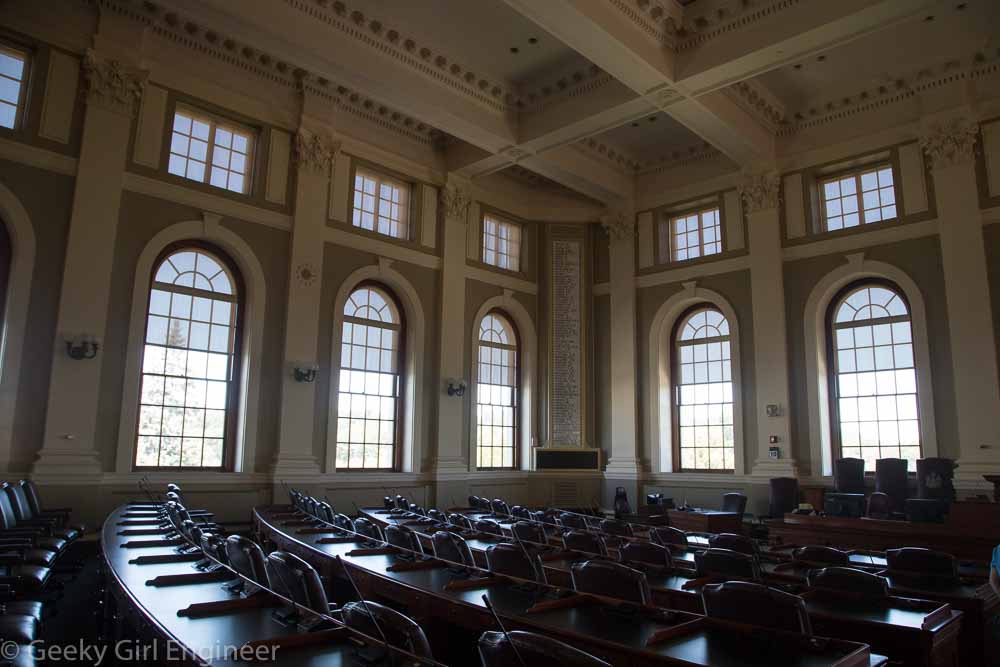
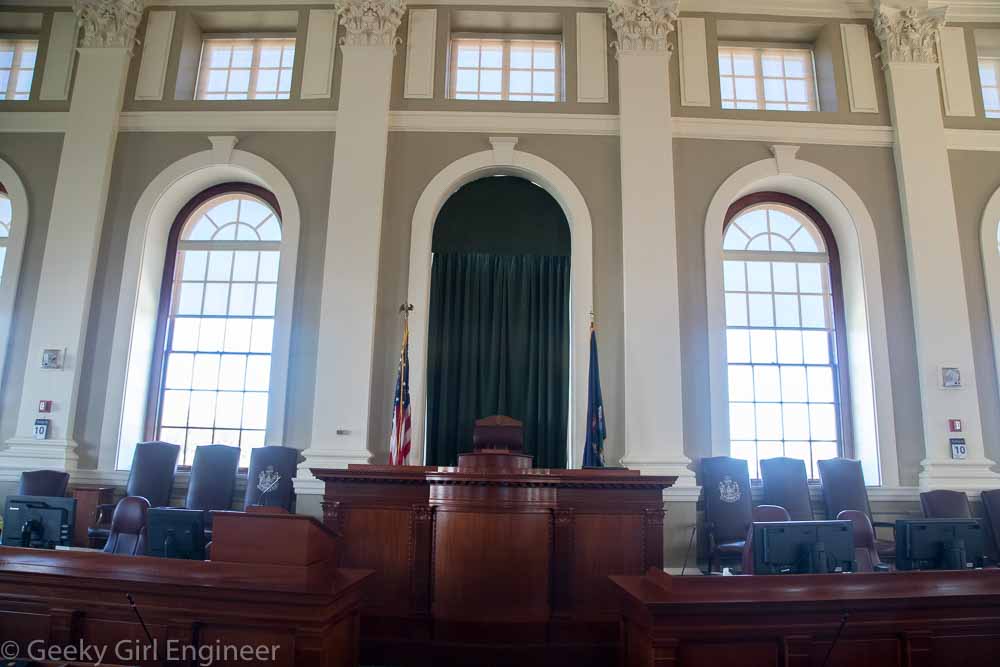
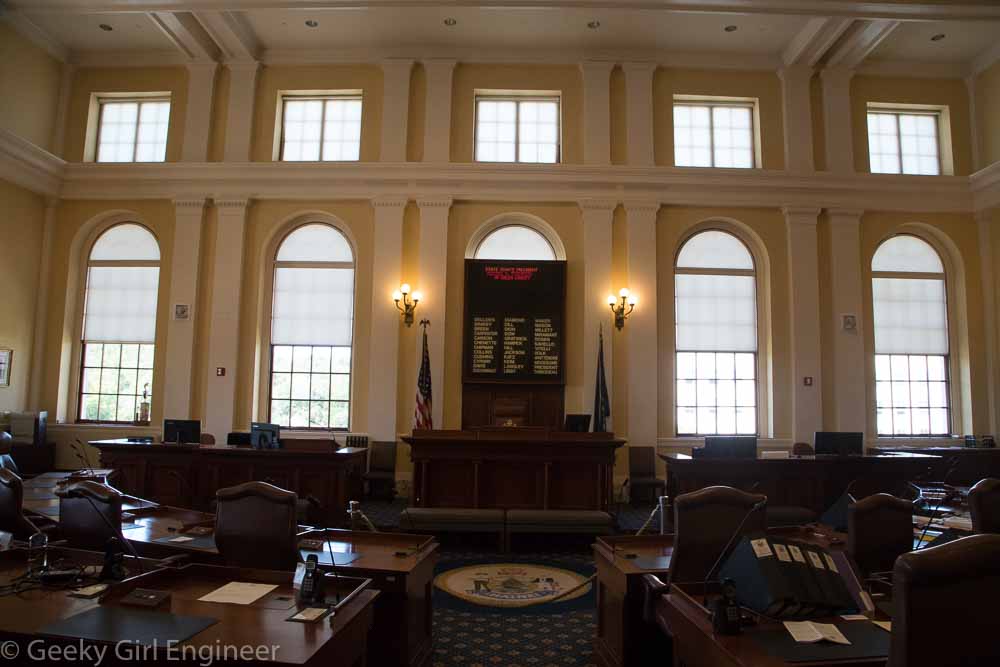
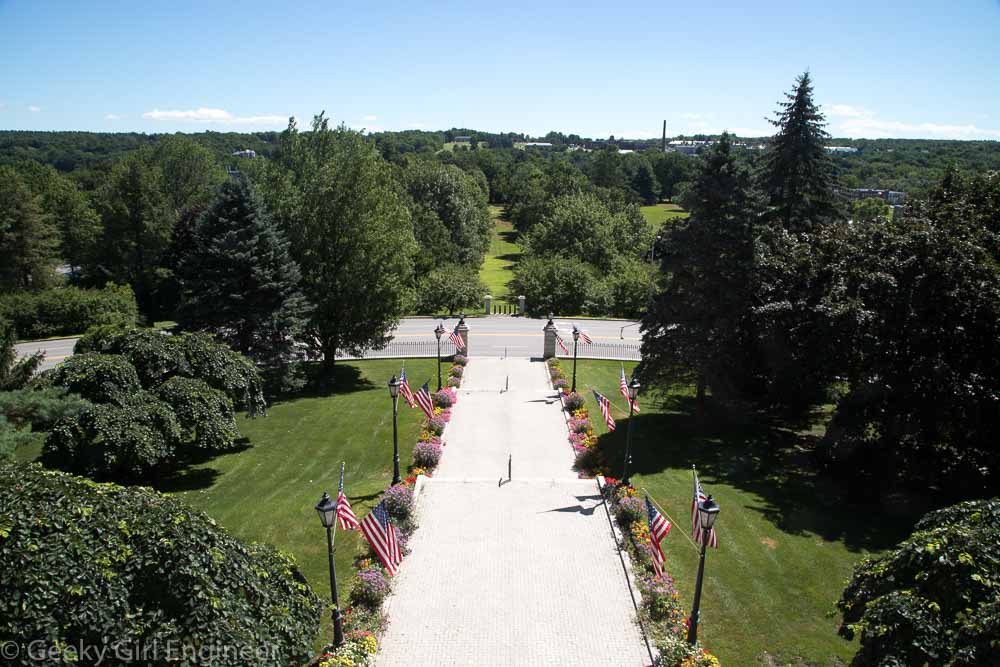
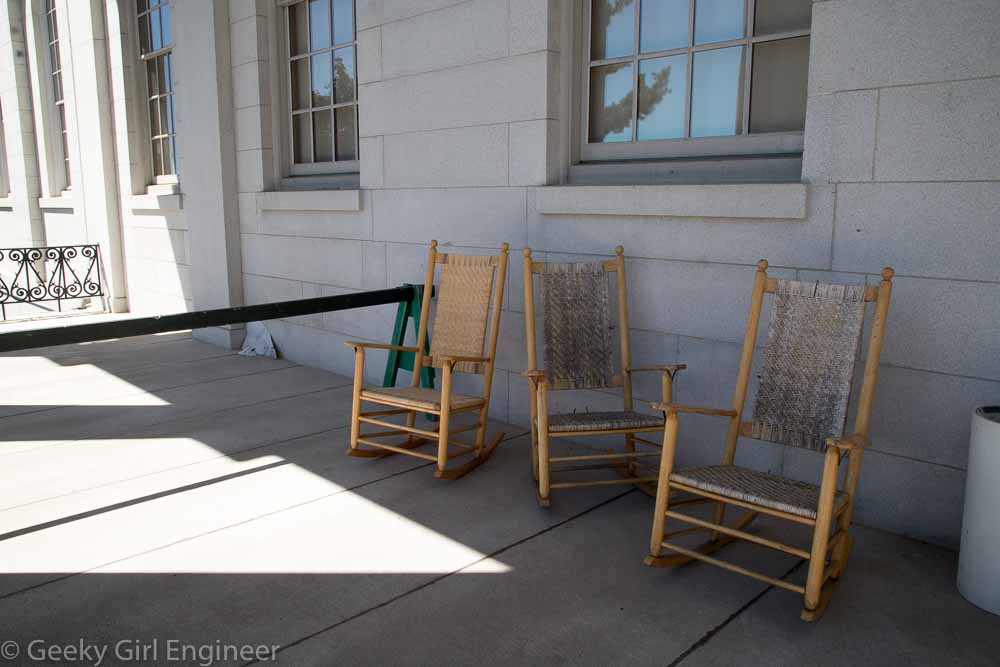
I’m continuing my quest to see all the state capitol buildings. I am in Maine, so I detoured through Augusta to add Maine to the list. Maine’s state house is one of the least opulent I have seen. The tour guide even mentioned that it was not gilded, as that is not Maine’s way, and they were also not given the budget for it. Thus, there is lovely architecture and some marble tile floors, but no gold leaf, marble columns, or bronze this or that everywhere. There is a complete lack of painted murals. The building has clearly been renovated, but in a respectful manner to the original architecture. My favorite feature of the building is the second floor balcony which looks out to a large park and has rocking chairs on it.
Penobscot Narrows Bridge
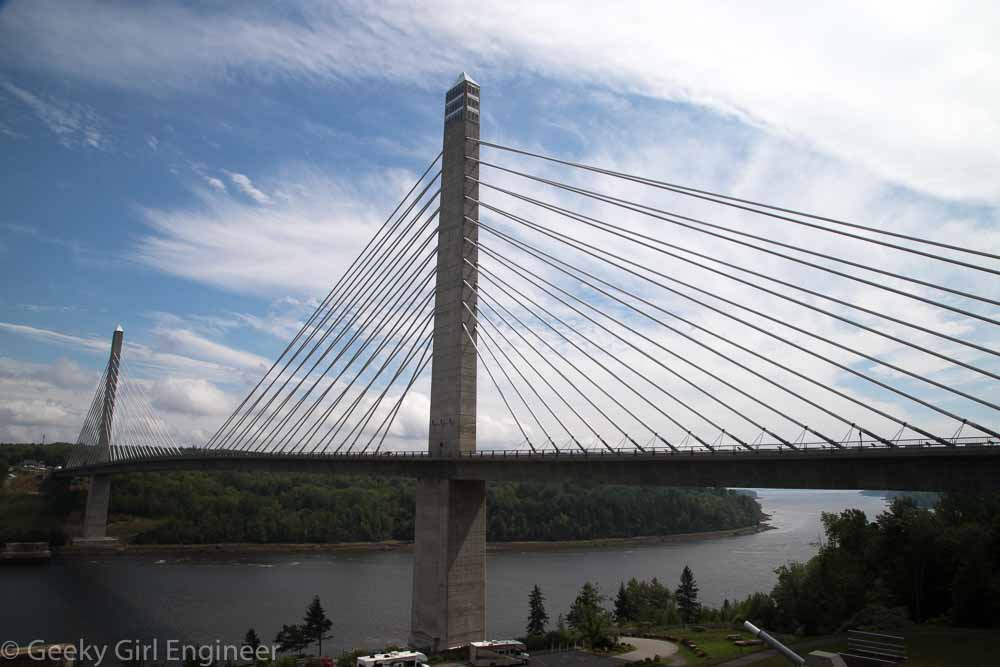
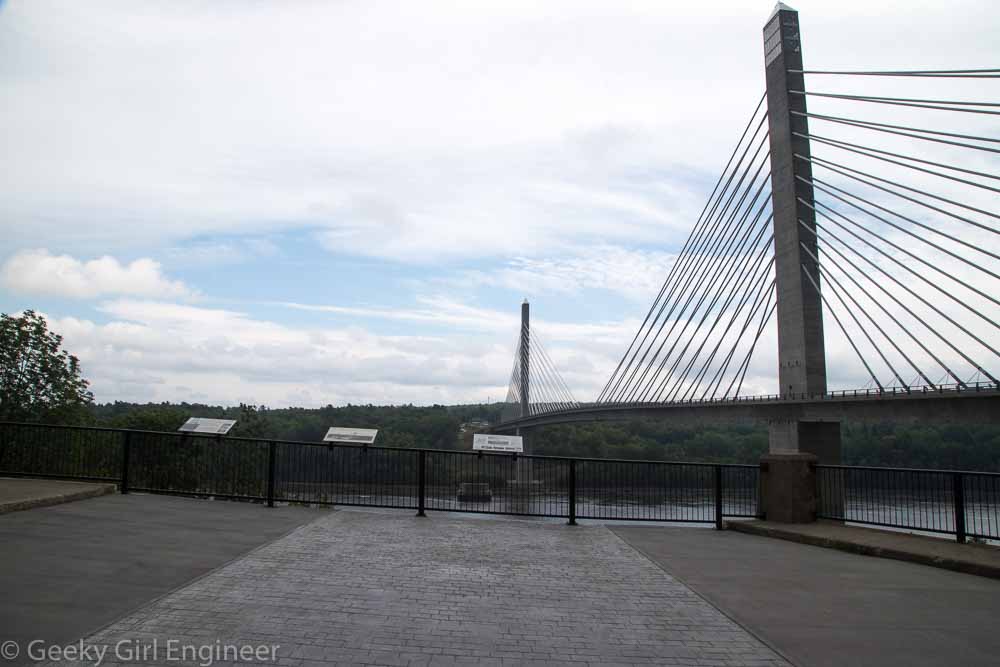
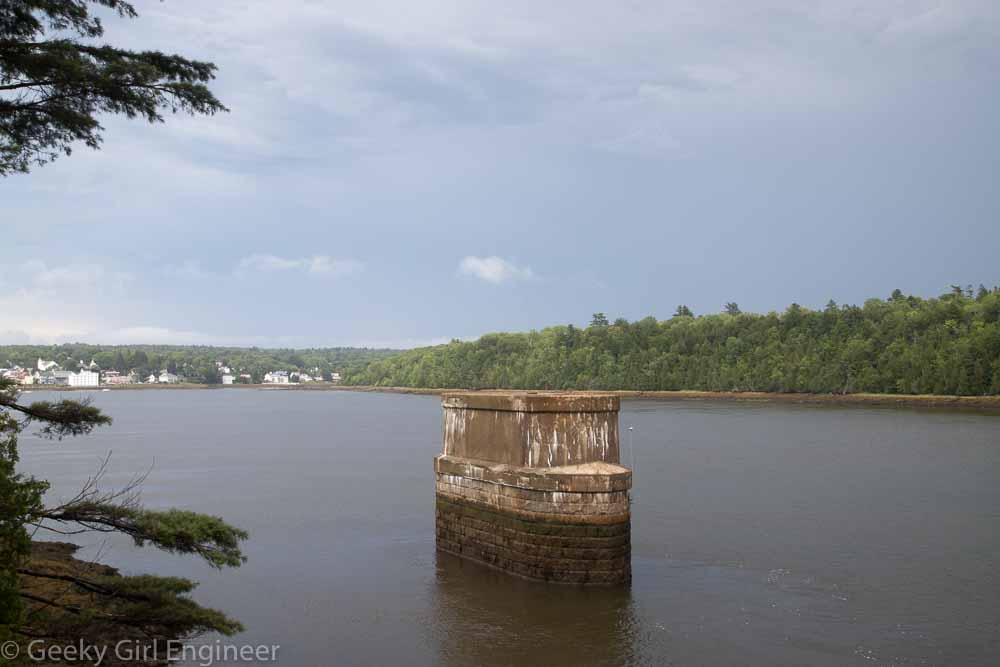
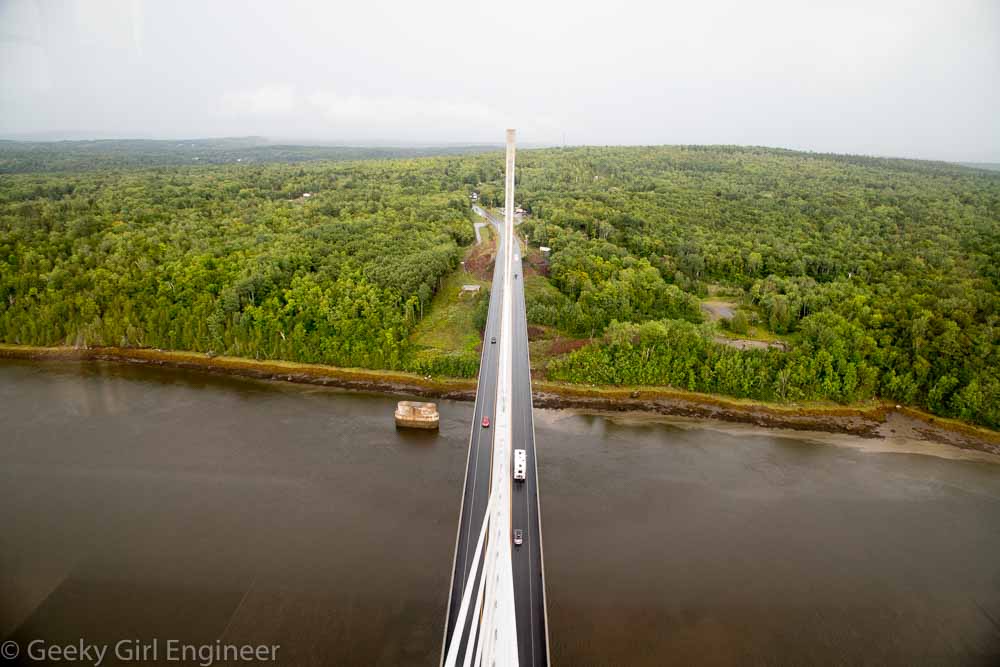
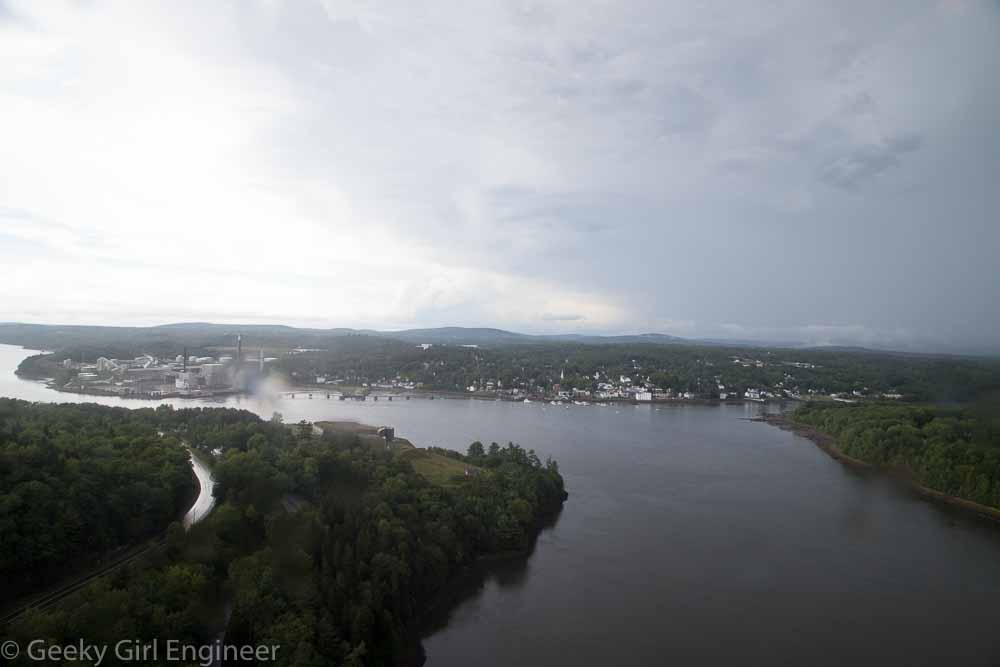
While traveling though Maine, we drove over the Penobscot Narrows Bridge, which is a lovely cable-stayed bridge. Cable-stayed bridges are my favorite kind of bridges. I love their simple elegance and functionality. The Penobscot Narrows Bridge is unique in that it has an observatory on top of one of the pylons. Who would have thought to put an observatory on top of a pylon? Next to the bridge, you can also walk onto a small portion of the old Waldo-Hancock Bridge. The Waldo-Hancock Bridge was suspension bridge built in 1931. It ultimately had to be taken down due to heavy corrosion of the main cables. The Waldo-Hancock Bridge was replaced with the Penobscot Narrows Bridge in 2006.
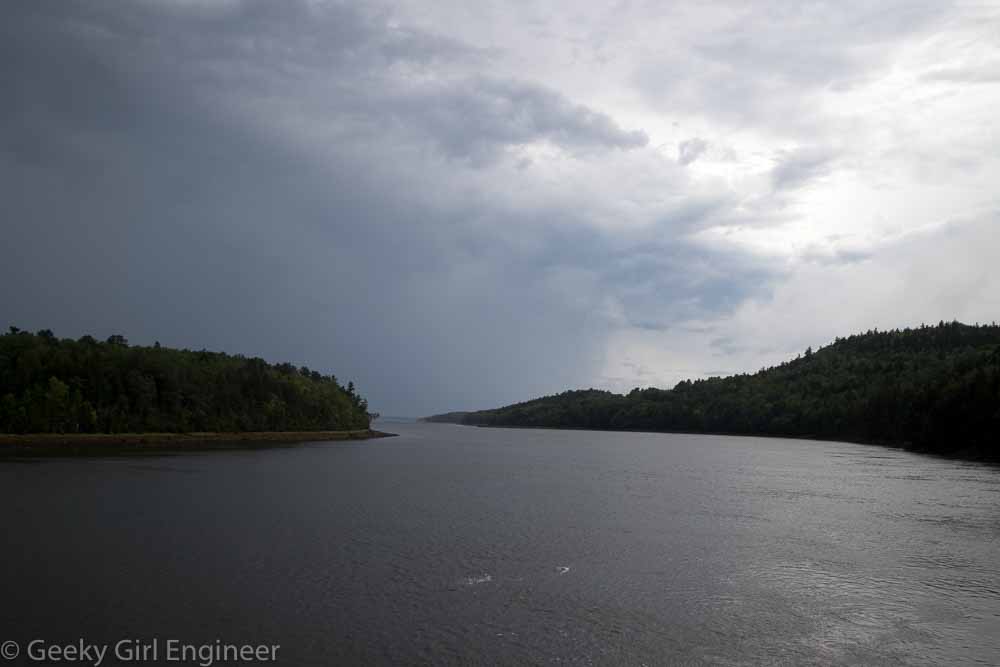
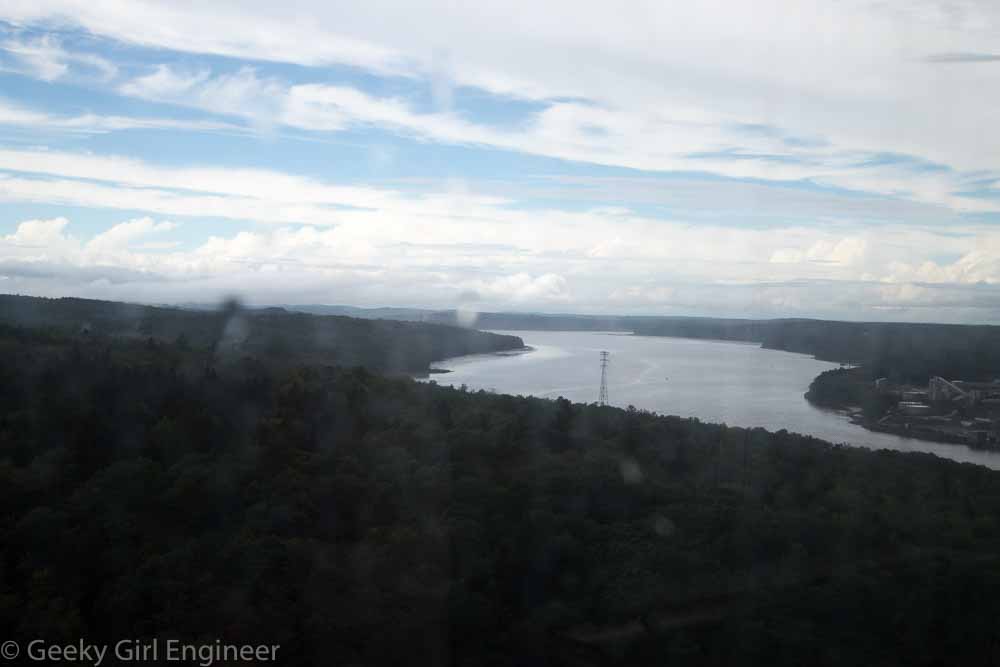
A thunderstorm passed by right before we entered the pylon, so in the below photos taken from the observatory, there are some of out of focus areas. I waited until the storm passed before taking the photos, but the windows still had raindrops on the glass, so the photos are not completely clear.
Acadia National Park
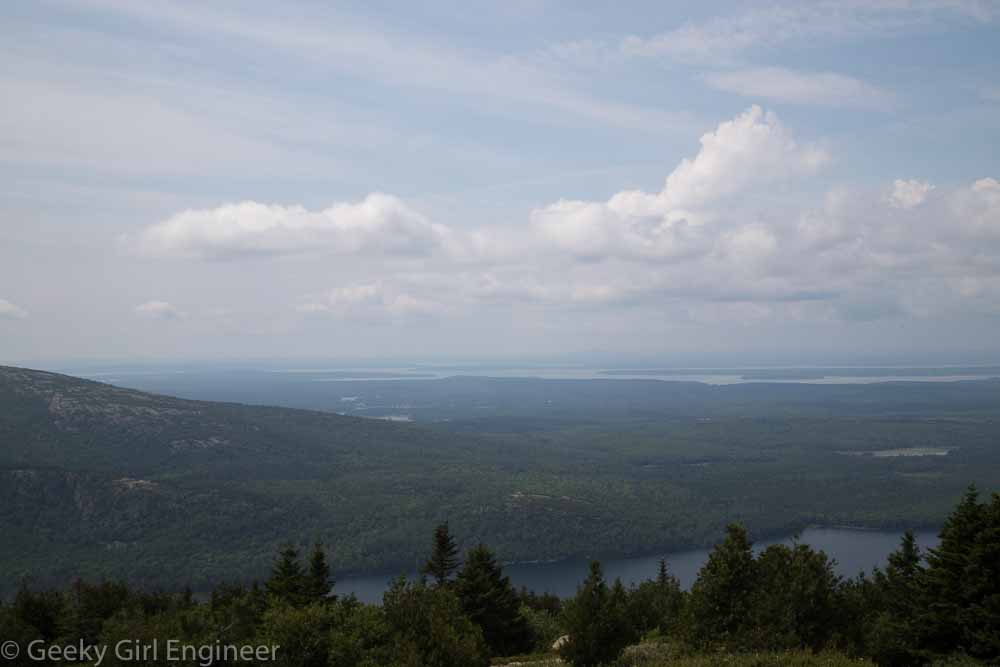
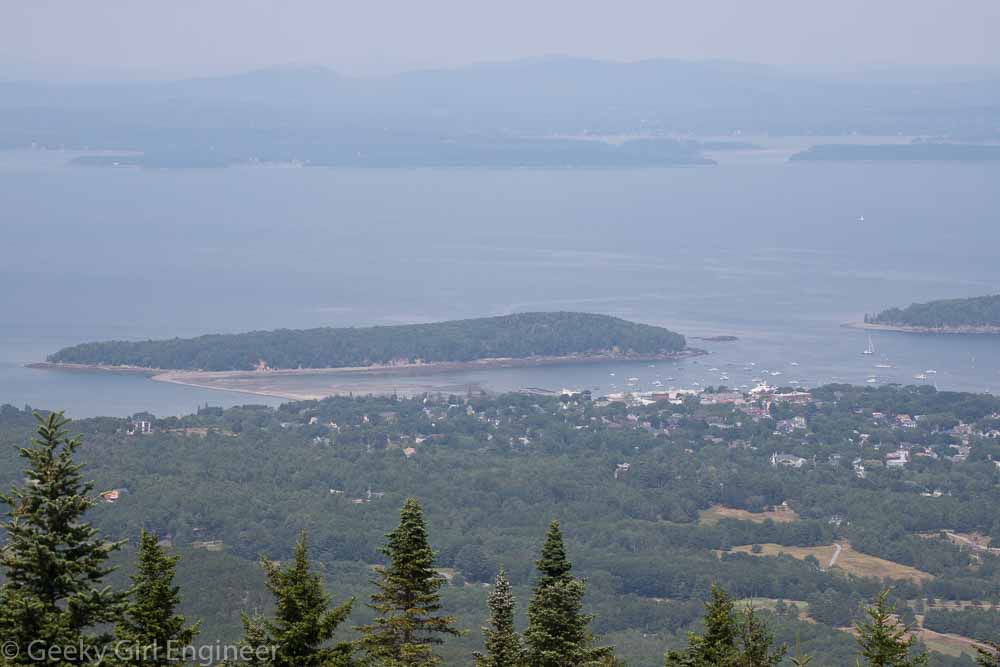
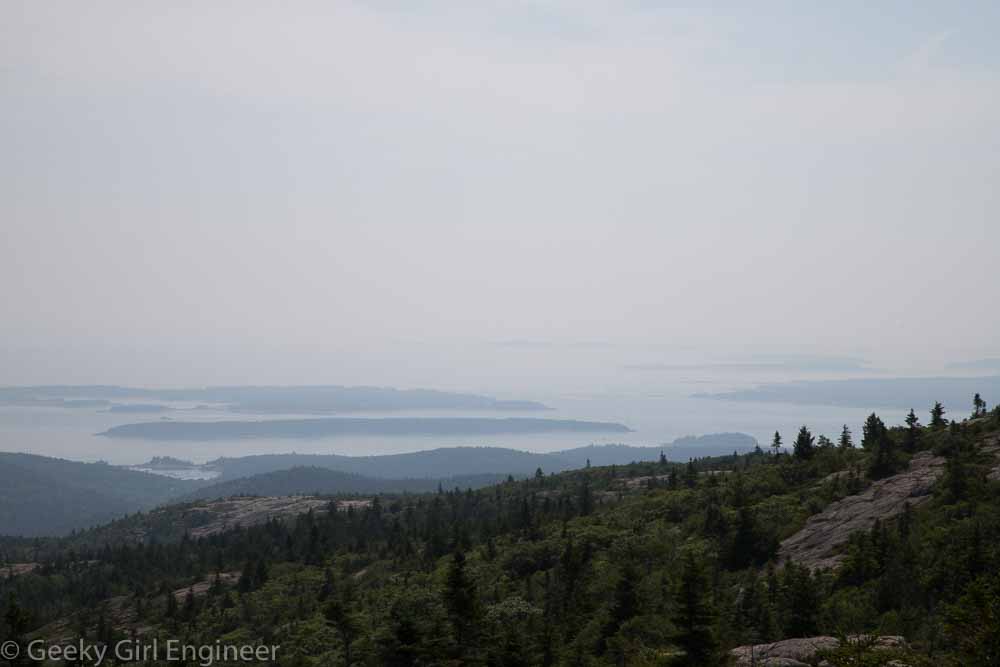
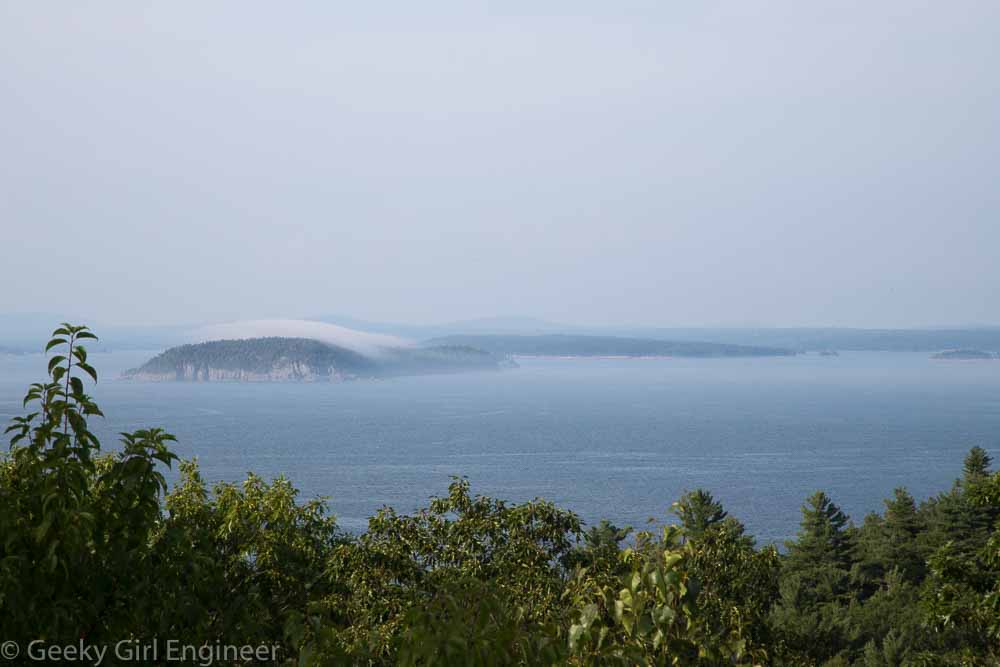
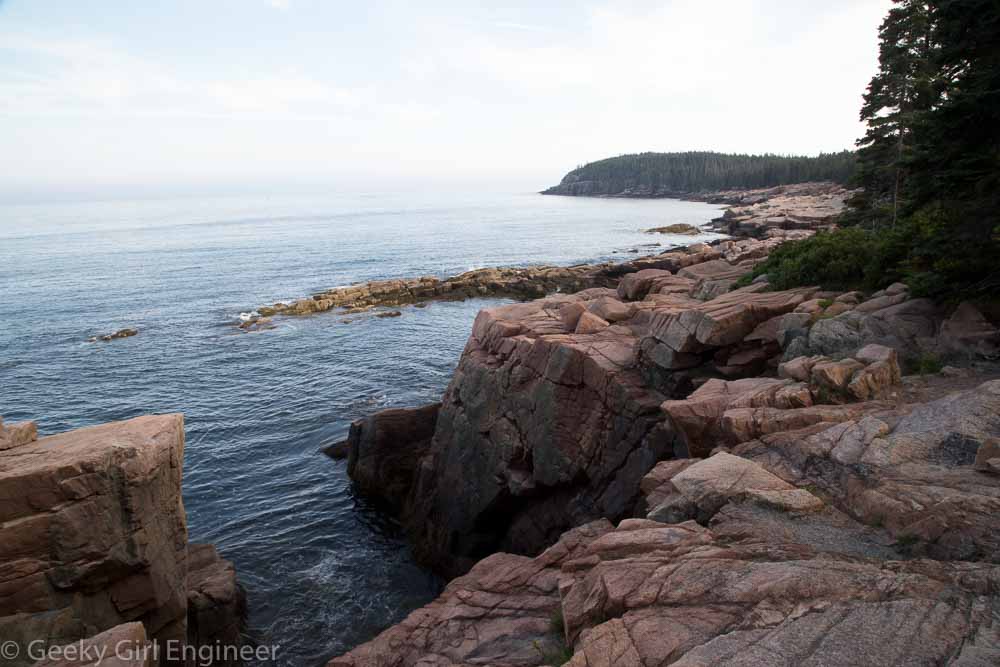
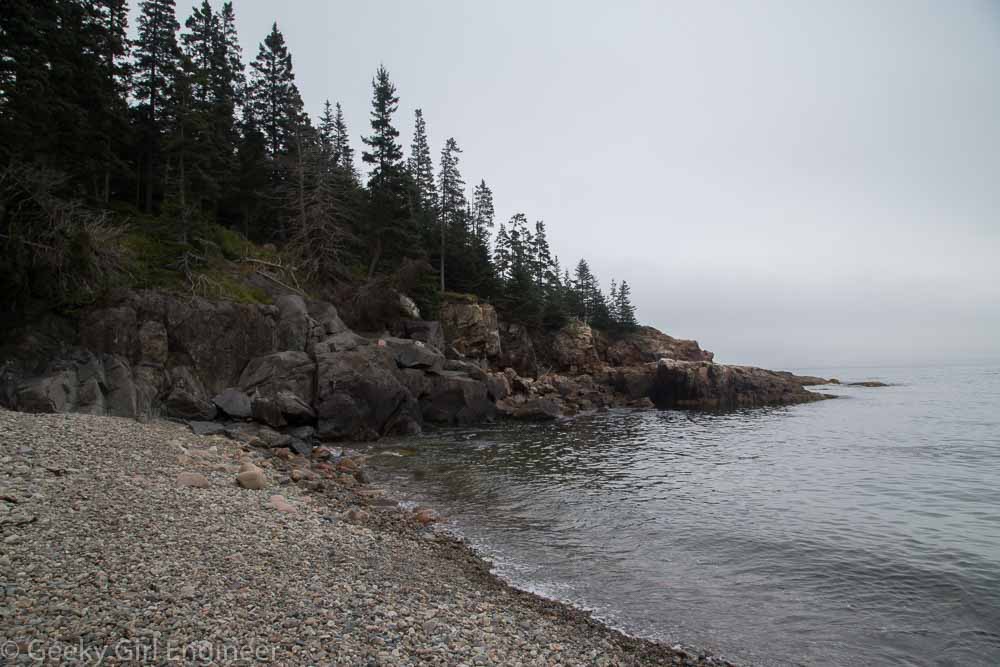
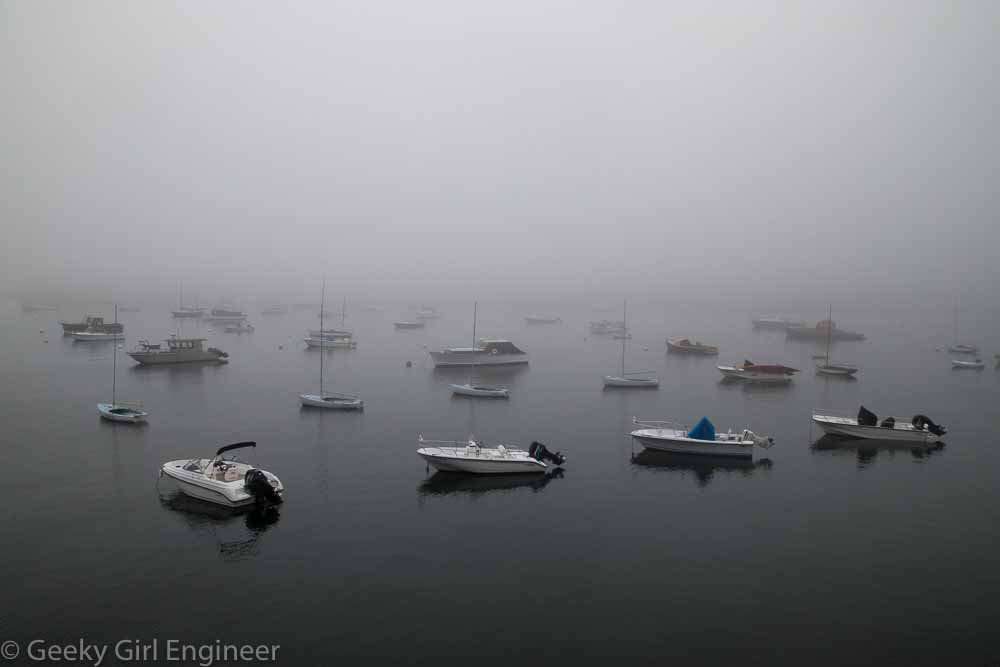
While visiting Maine, we took a whirlwind trip though Acadia National Park. The park is spectacular. There are wonderful views from Cadillac Mountain and along the coast. While we were there, a fog rolled in and provided mysterious and obscured views. Based on the views, I have come to the realization that Maine’s coast is just a series of rock outcroppings.
Beach Rose
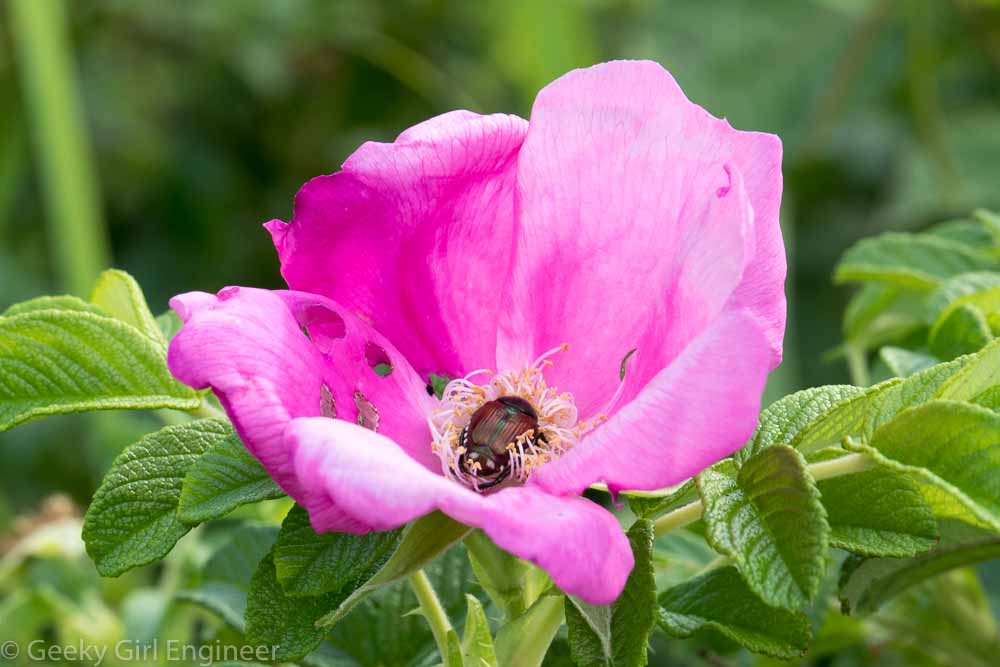
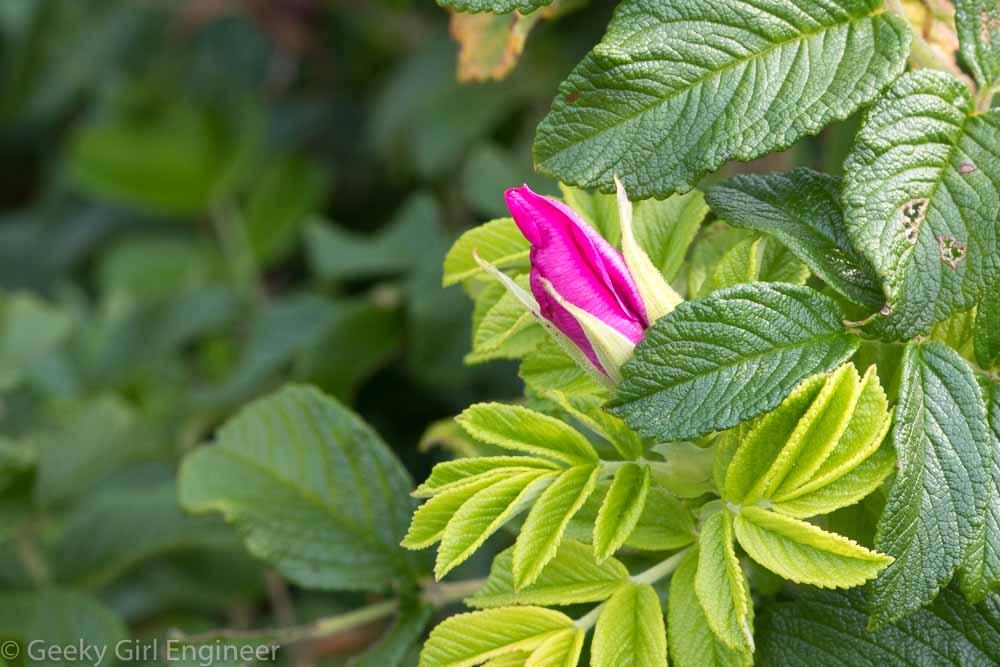
Scattered across Maine’s Blue Hill Peninsula and Deer Island is a pretty plant known as beach rose. A bit of internet searching leads me to understand that unfortunately this pretty plant is invasive. It is still pretty though, and I enjoyed photographing it.