
Solar Eclipse
Snorkeling in Alaska
Carrie Blast Furnaces
Nuttallburg
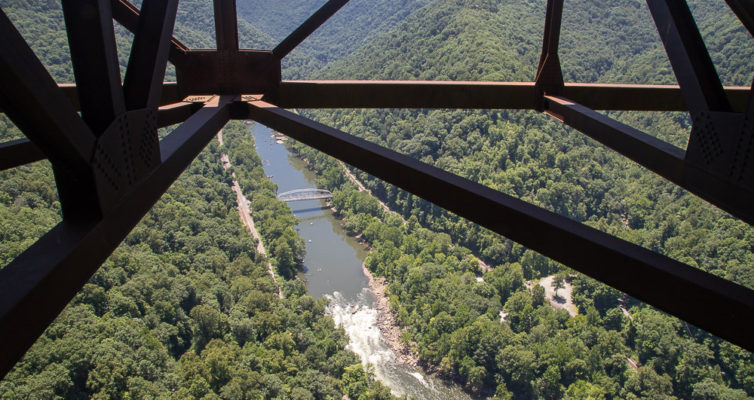
Bridge Walk

Grand Avenue Central Maintenance Facility

On the level above the Grand Avenue Bus Depot is the Grand Avenue Central Maintenance Facility, which can do repairs, overhauls, and painting of buses. It can also handle compressed natural gas (CNG) buses, which are not allowed in the bus depot below for safety reasons. The facility has storage of parts galore, two huge paint booths, and numerous bays for repairing buses. Also, at the time I was there, it had a vintage bus in for repair, which was really cool to see. There were also all these cool looking parts for the buses, none of which I could identify.
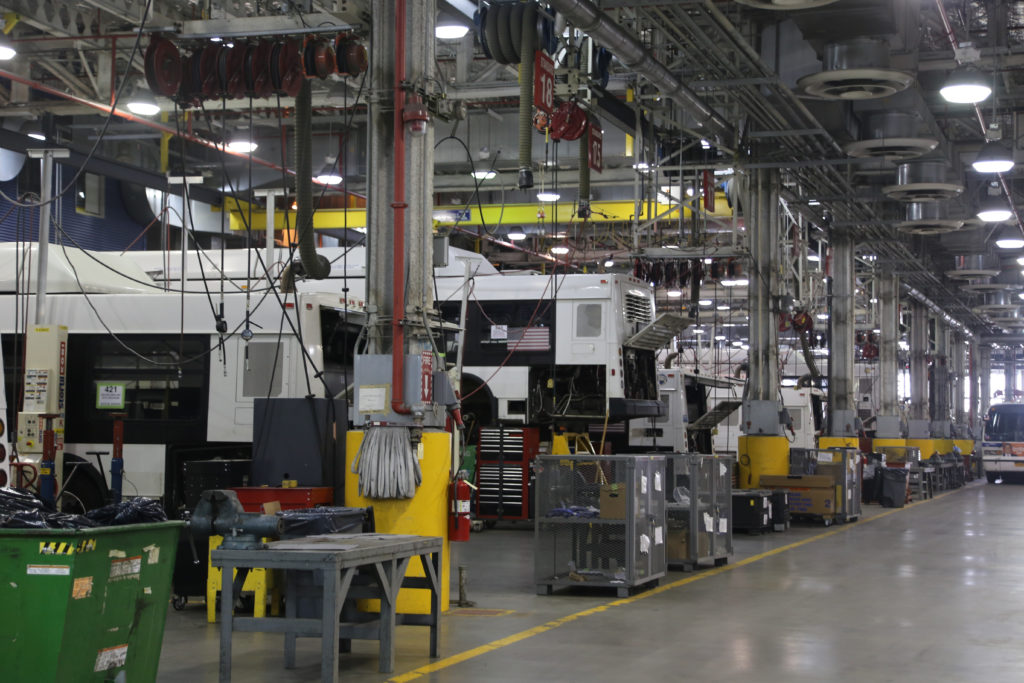
Buses in maintenance bays
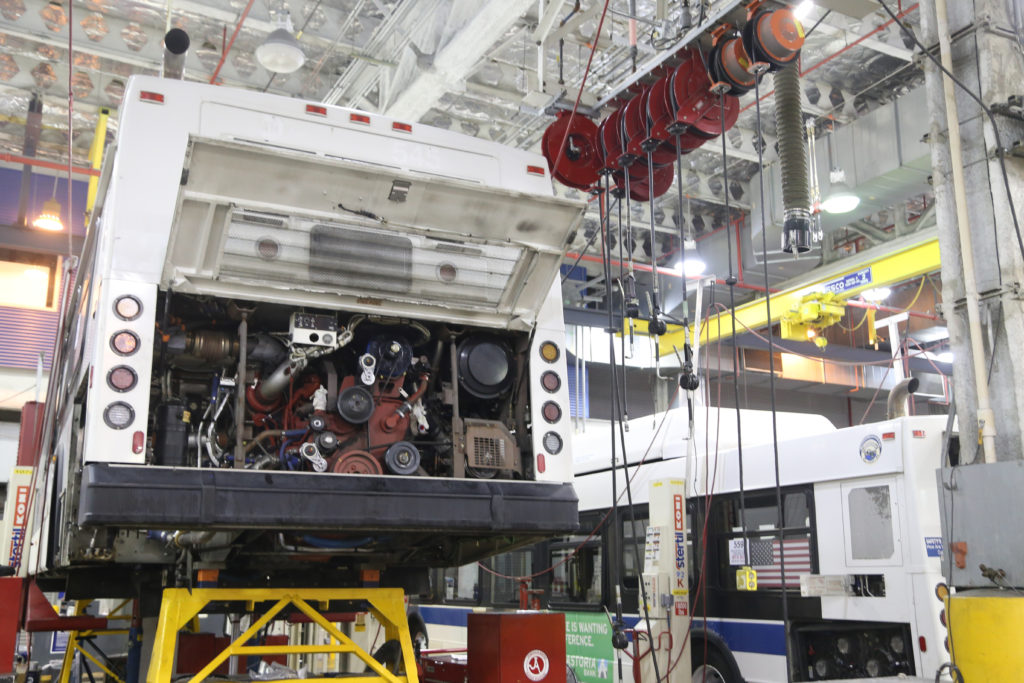
Buses in maintenance bays

Bus in for maintenance
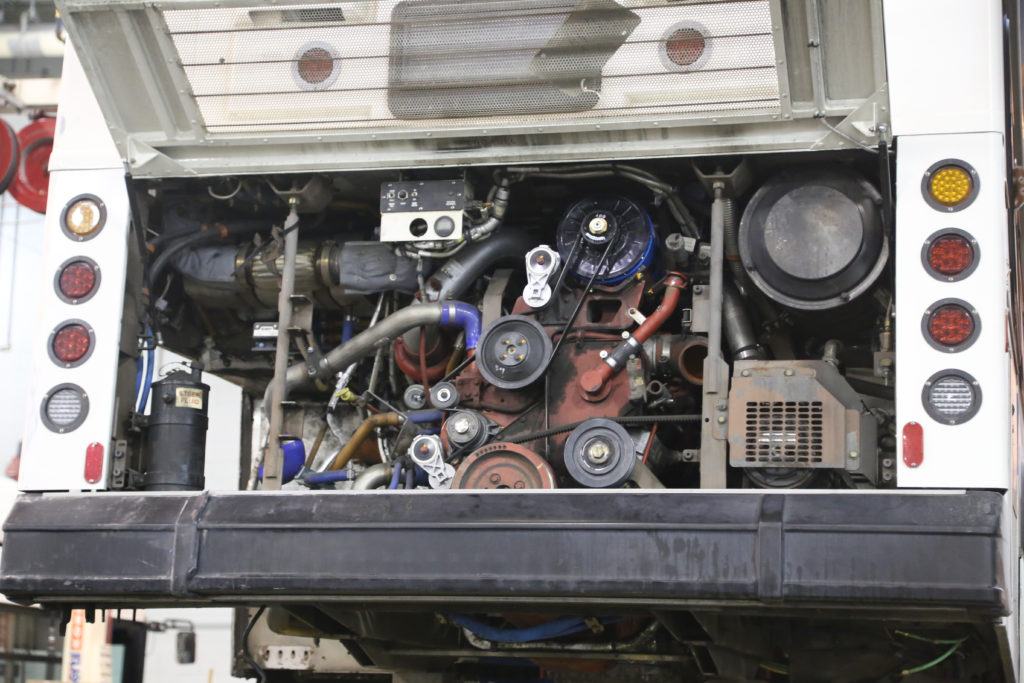
Bus in for maintenance

Back of the bus with all the stuff that makes it run

Back of the bus with all the stuff that makes it run

Fans for bus mechanical parts

Fans for bus mechanical parts

Engine pulled out from bus
Engine pulled out from bus

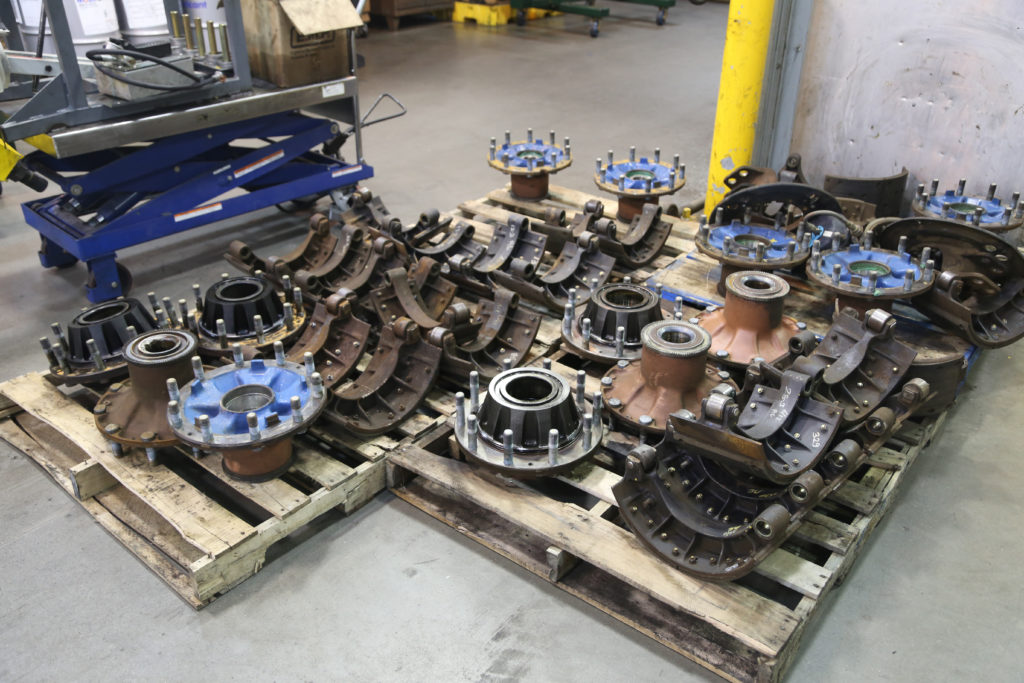
Wheel parts
Wheel parts

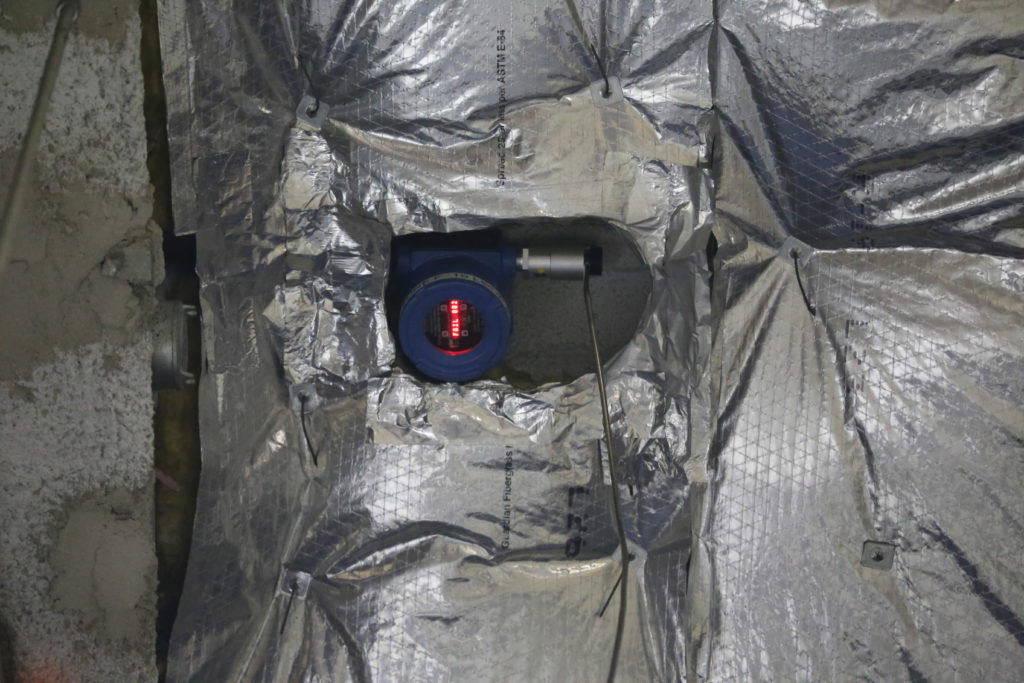
Methane sensors in ceiling of facility. Facility handles CNG buses, so special sensors needed.
Methane sensors in ceiling of facility. Facility handles CNG buses, so special sensors needed.

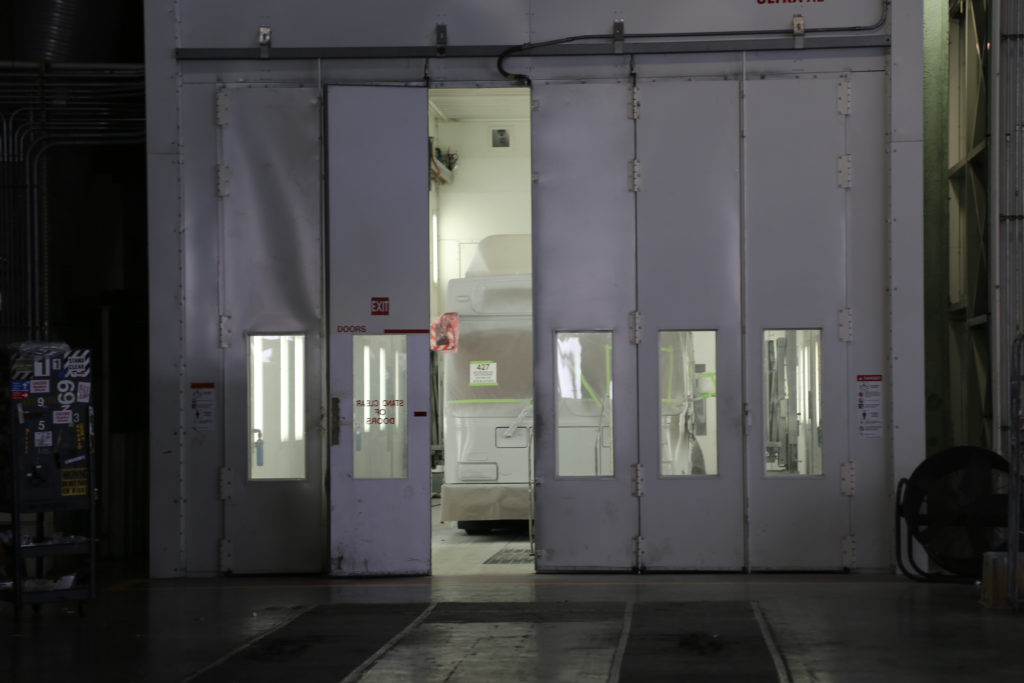
Bus paint booth
Bus paint booth

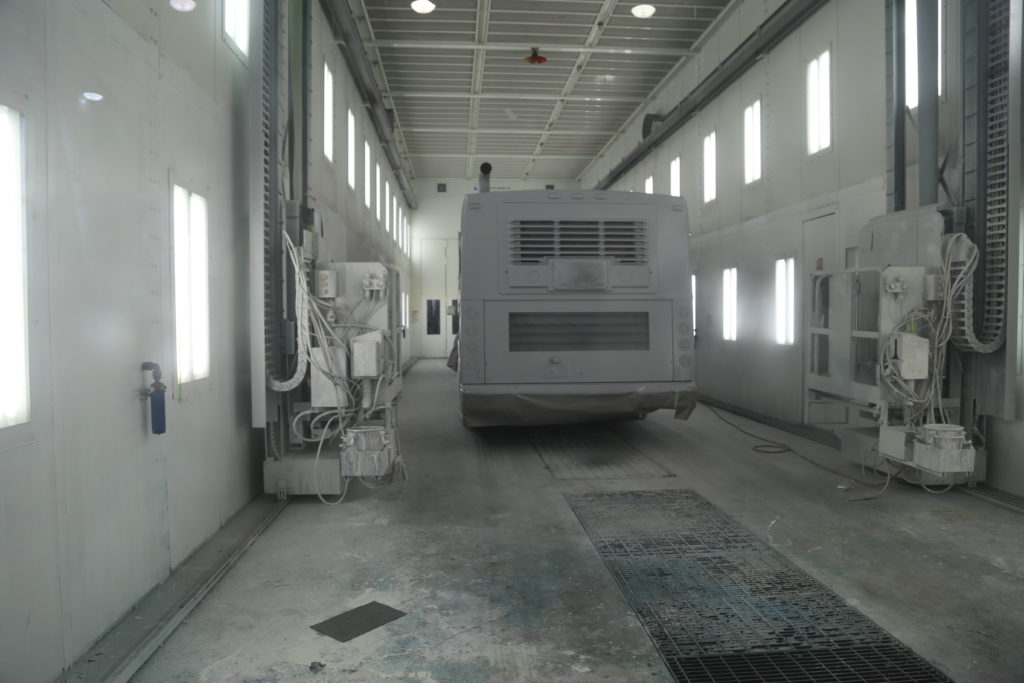
Bus in paint booth. Machine on wall is a platform with spray gun for a painter to paint from.
Bus in paint booth. Machine on wall is a platform with spray gun for a painter to paint from.

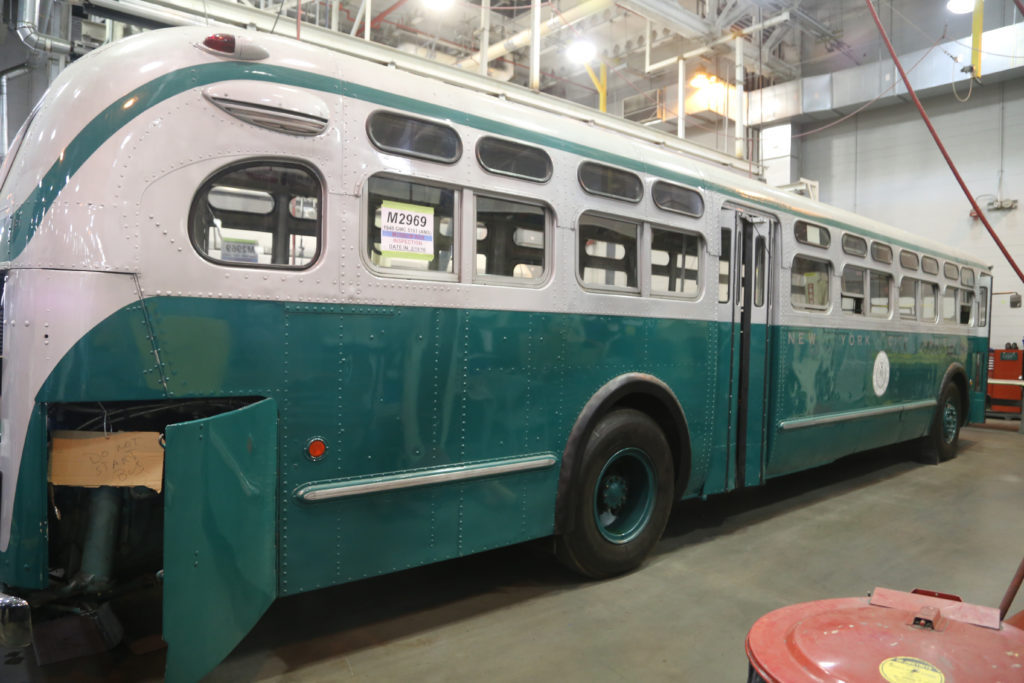
Vintage bus
Vintage bus

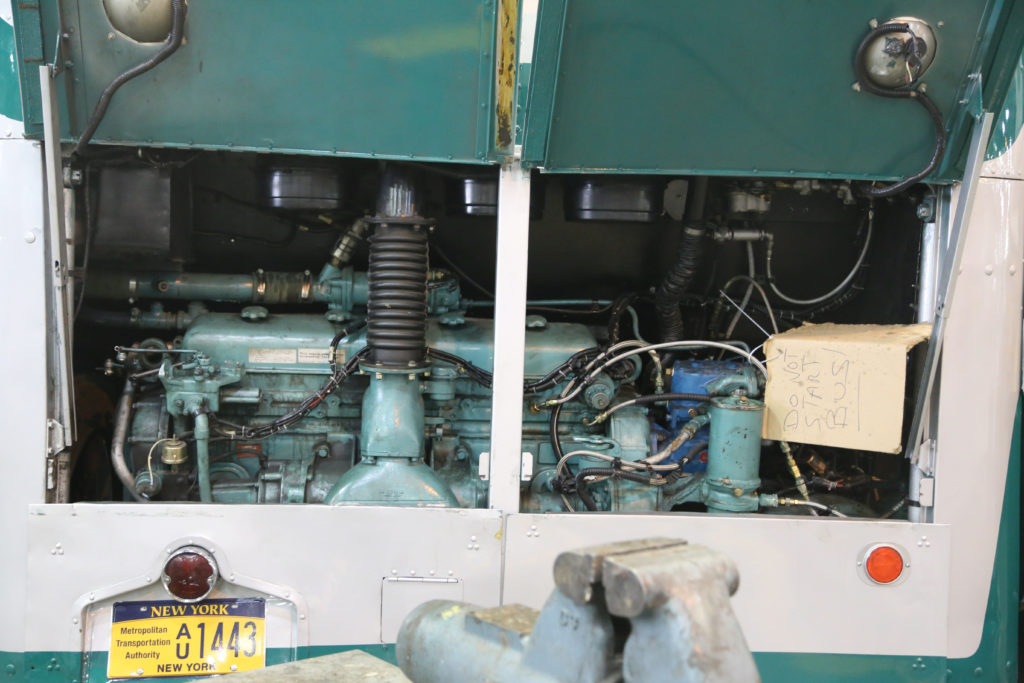
Vintage bus with poor man's lock out tag out "Do not start bus"

Vintage bus with poor man’s lock out tag out “Do not start bus”
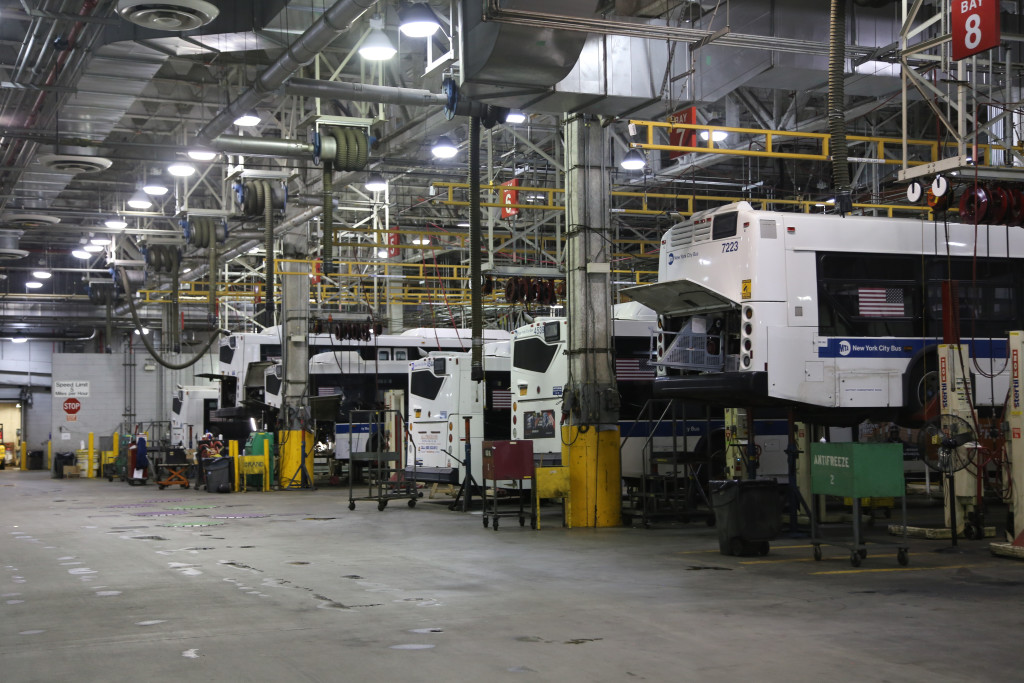
Grand Avenue Bus Depot

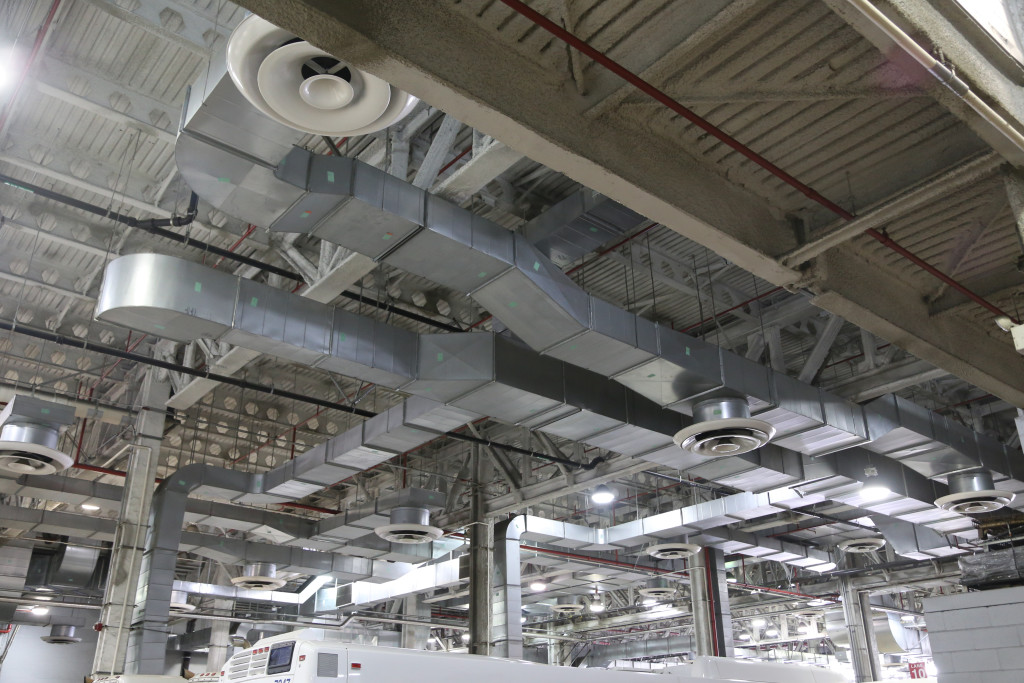
I toured the New York MTA’s Grand Avenue Bus Depot with the New York Transit Museum. The depot is relatively new, which is evident when you are inside. I don’t know much about bus depot design, but I was astounded by the amount of ventilation in the building. Considering the number of vehicles going and in and out every day, the ventilation is needed, but still I was surprised by the amount of it. The bus depot occupies the first level of this huge building, and the second level holds the Central Maintenance facility. They are considered to be different facilities. The bus depot is, well, a depot, or parking area for when the buses are not in use. The depot also where regular maintenance is performed and everyday activities like fueling, money removal, and washing.

Multiple bays for maintenance

Multiple bays for maintenance

Regular maintenance performed on buses

Regular maintenance performed on buses

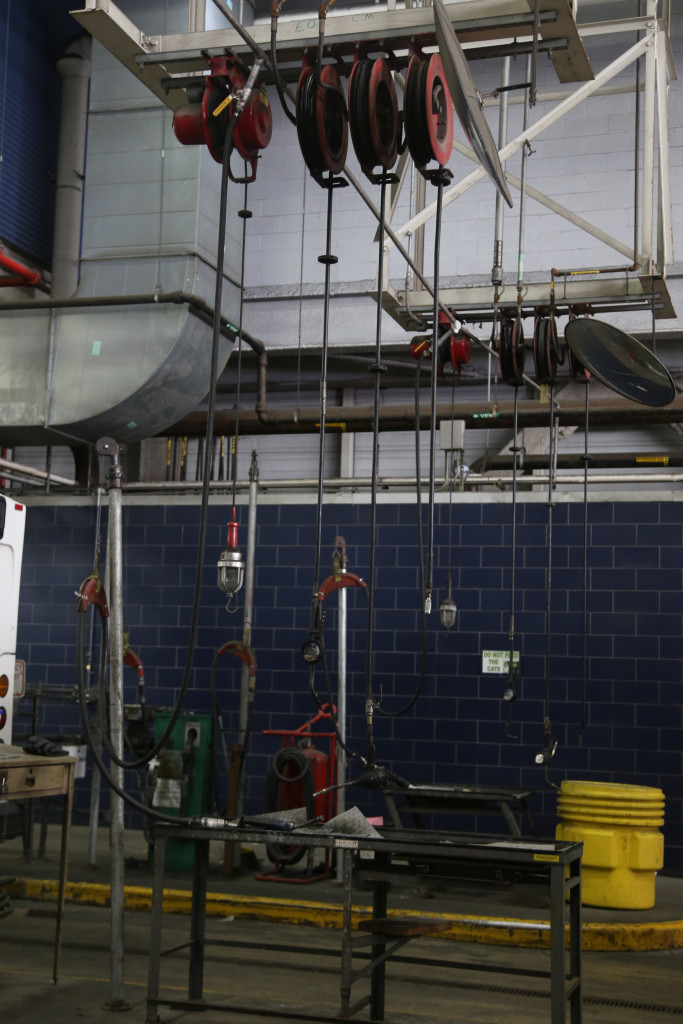
Hoses needed for normal maintenance hang from ceiling

Hoses needed for normal maintenance hang from ceiling

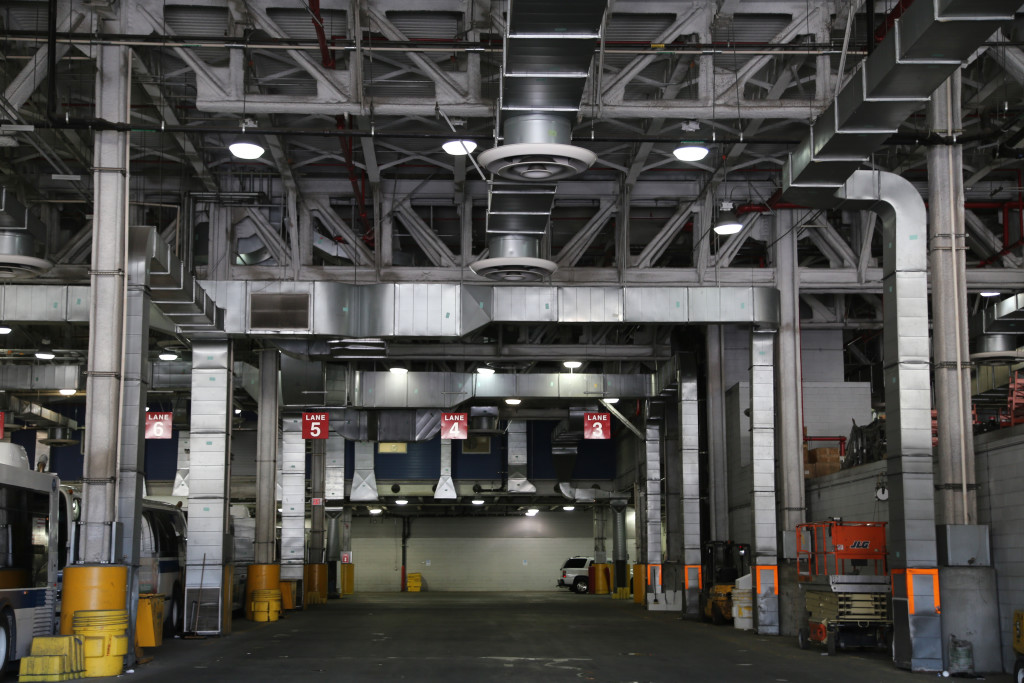
Lane to maintenance bays

Lanes for parking and to maintenance bays

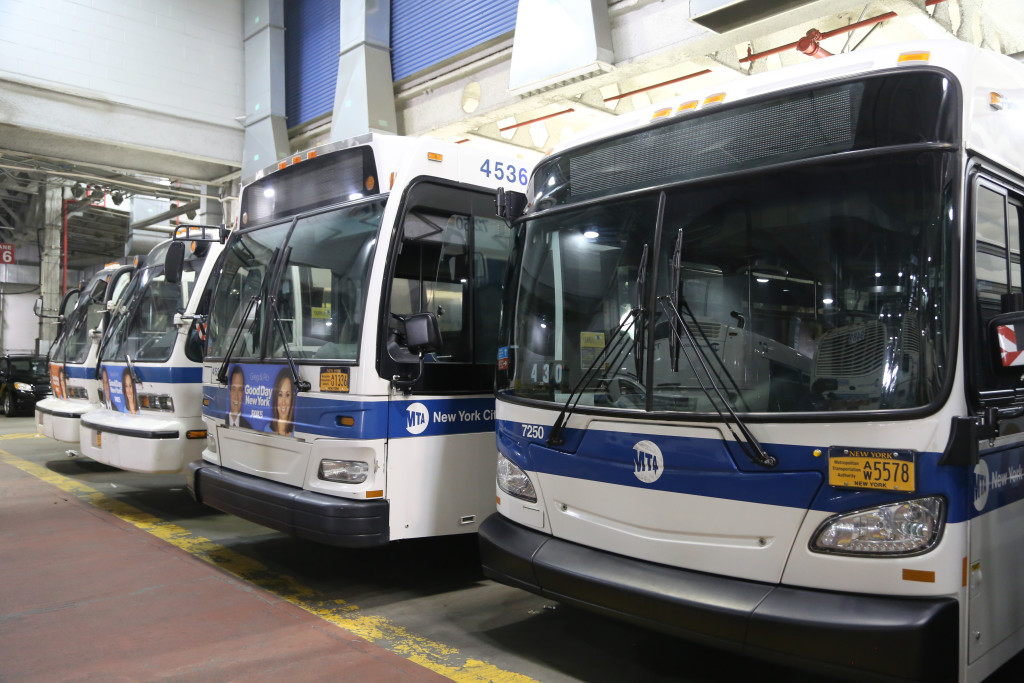
Buses parked closely until needed

Buses parked closely until needed

I asked the facility manager what this garage style door was for. He looked at it and me and said he had never been asked that and wasn't actually sure. Leave it to me to be able to stump people.

I asked the facility manager what this garage style door was for. He looked at it and me and said he had never been asked that and wasn’t actually sure. Leave it to me to be able to stump people.

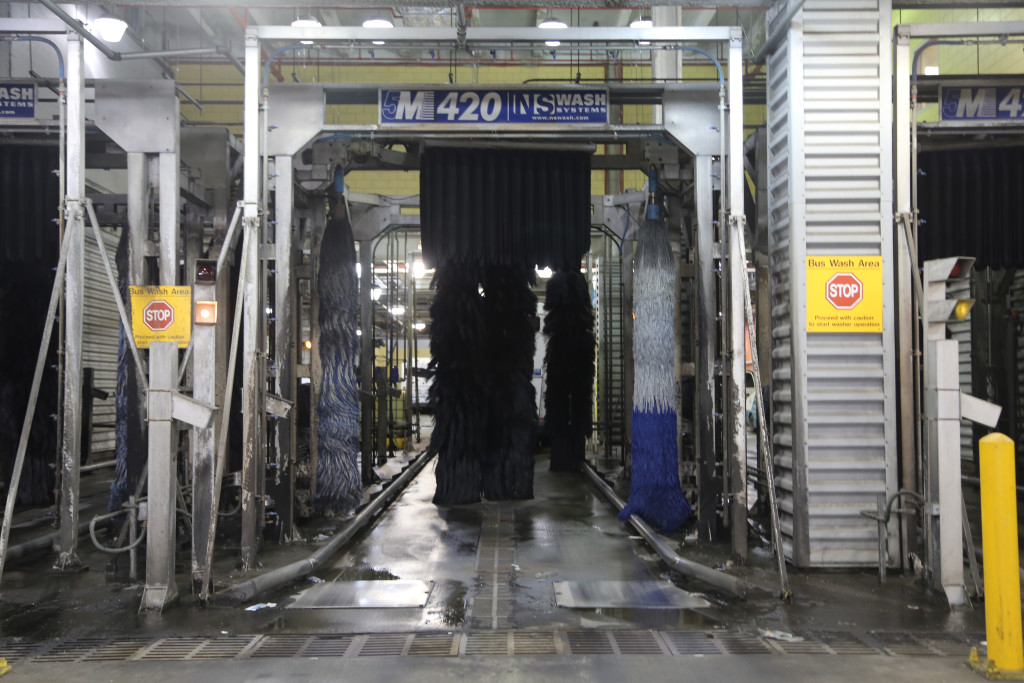
Confession: Other people in the group asked the depot manager to please let us go through bus wash, so he granted their wishes, and we all boarded a bus and went through a wash.

Bus wash

Bus wash

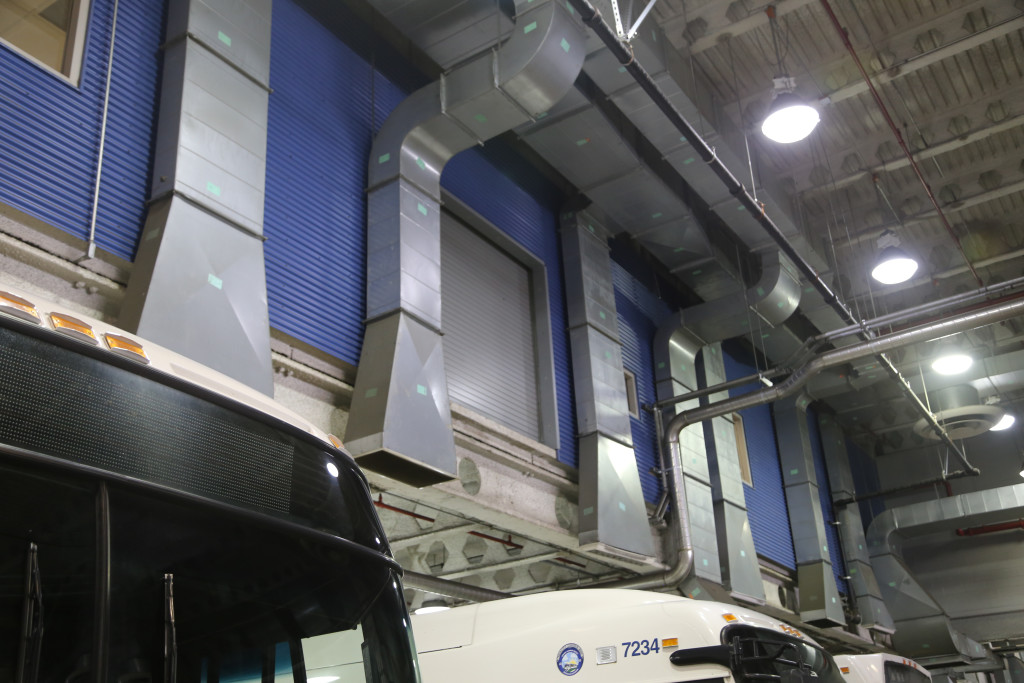
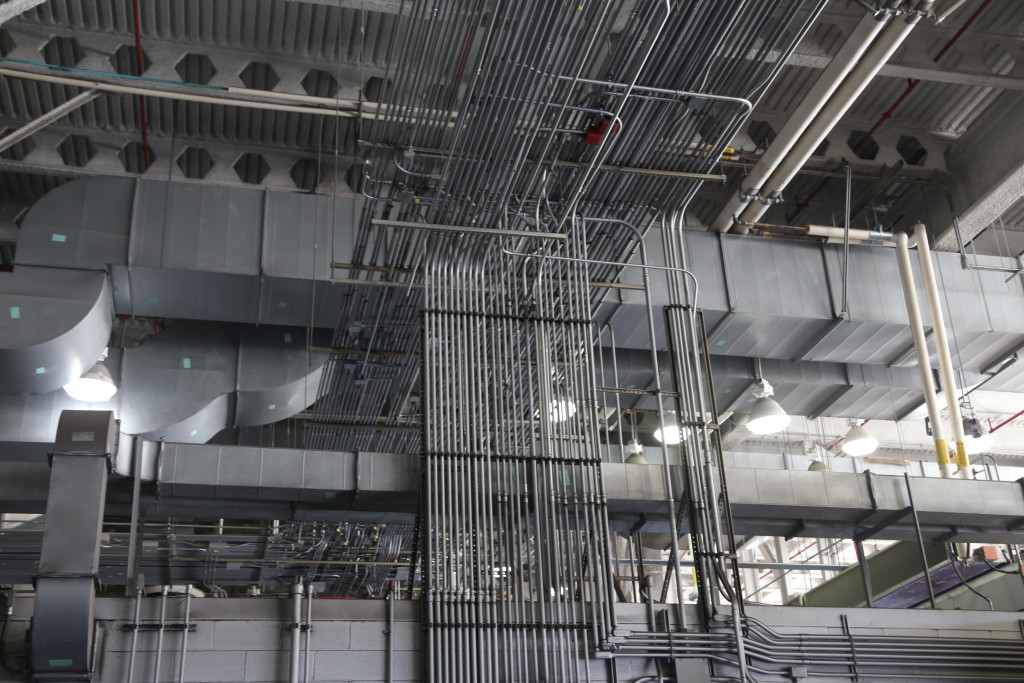
The ceilings and walls were almost completely filled with ventilation ducts, pipes, and conduits.

Ventilation everywhere

Ventilation everywhere

Ventilation, pipes, and conduit everywhere.

Ventilation, pipes, and conduit everywhere.

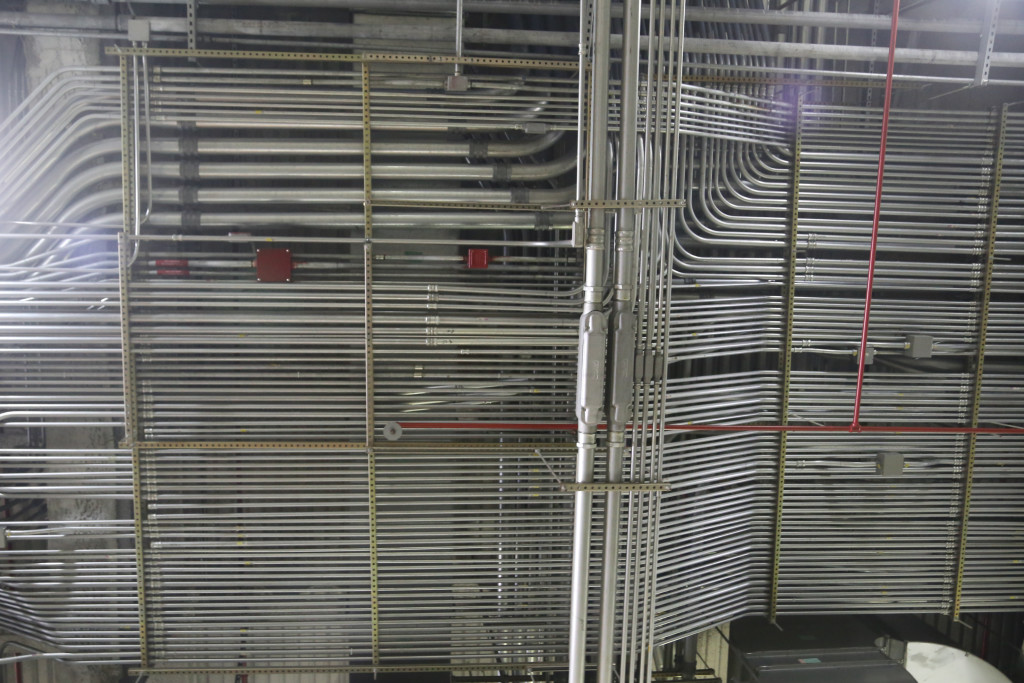
I couldn't get over the amount of conduit.

I couldn’t get over the amount of conduit.

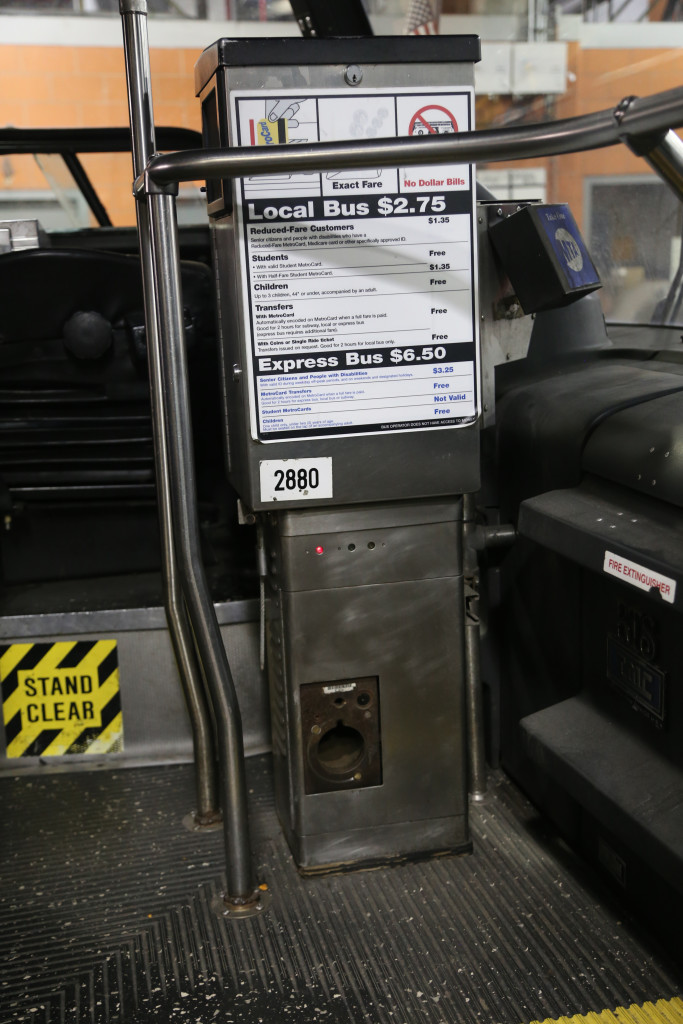
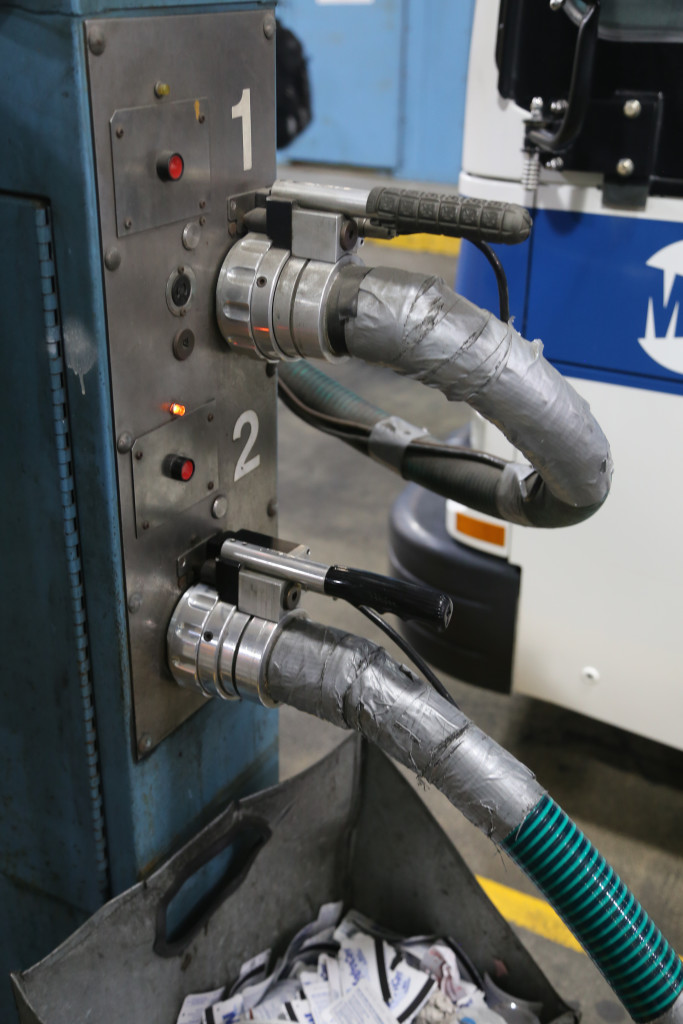
One of my favorite parts of the tour was learning that they vacuum money out of the fare box. MTA buses only accept coin and not bills. They hook up a hose to outlet at the bottom of the fare box, and the money is vacuumed out to secure boxes where it falls into bags or some other movable containers. The staff of the facility never touches the money. Then the money is removed from the boxes on a regular basis by armed staff. I think it is because I have a B.S. in chemical engineering that I found this so fascinating. We learned about pipes and other conduits and pump design for fluids. Coins are obviously not fluids. I am intrigued by the design that would be needed by items that are going to bounce around and not flow the way a fluid does. Also the pressure needed to pull coins out must be interesting.

The outlet at the bottom of the fare box is where a hose is inserted to vacuum out the money. They vacuum the money to a secure box.

The outlet at the bottom of the fare box is where a hose is inserted to vacuum out the money. They vacuum the money to a secure box.

Hoses and vacuum pump used to vacuum money out of fare boxes.

Hoses and vacuum pump used to vacuum money out of fare boxes.

Sentient Chamber

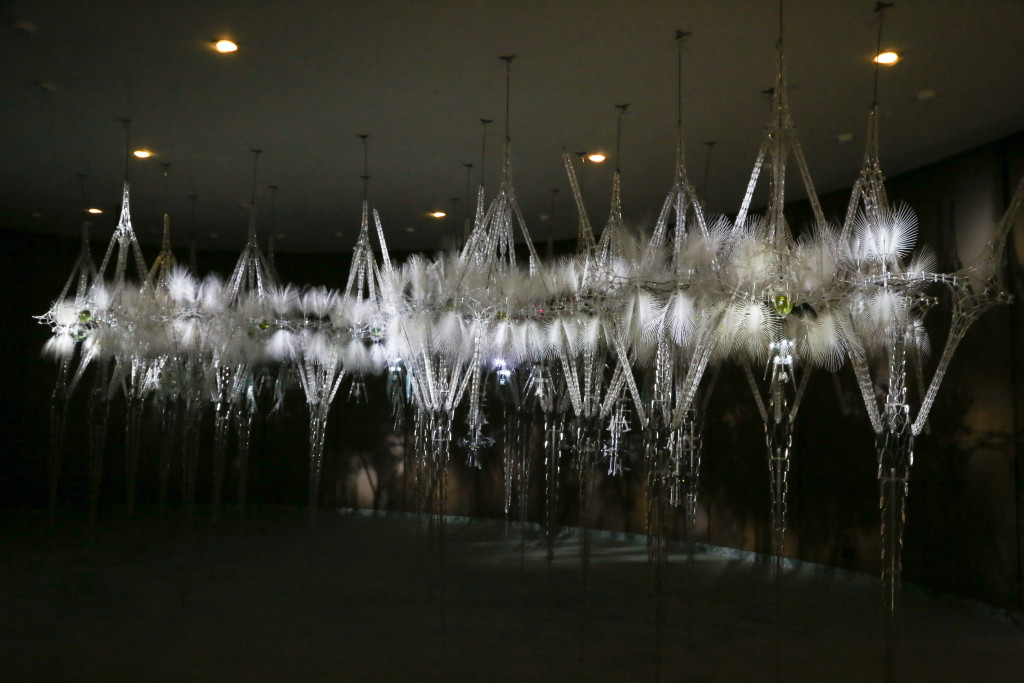
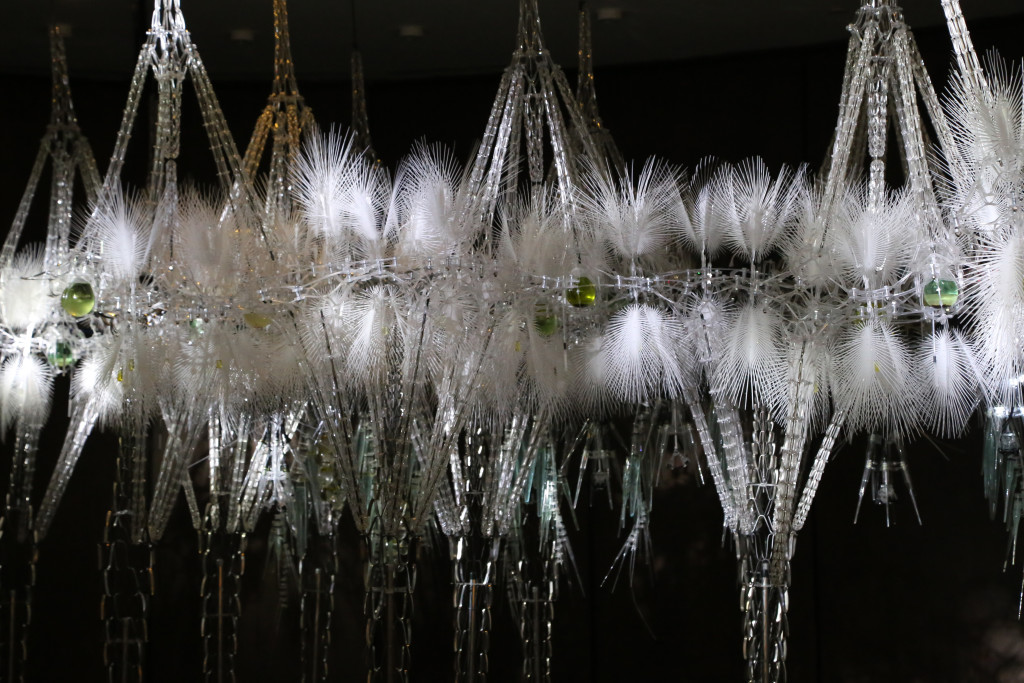
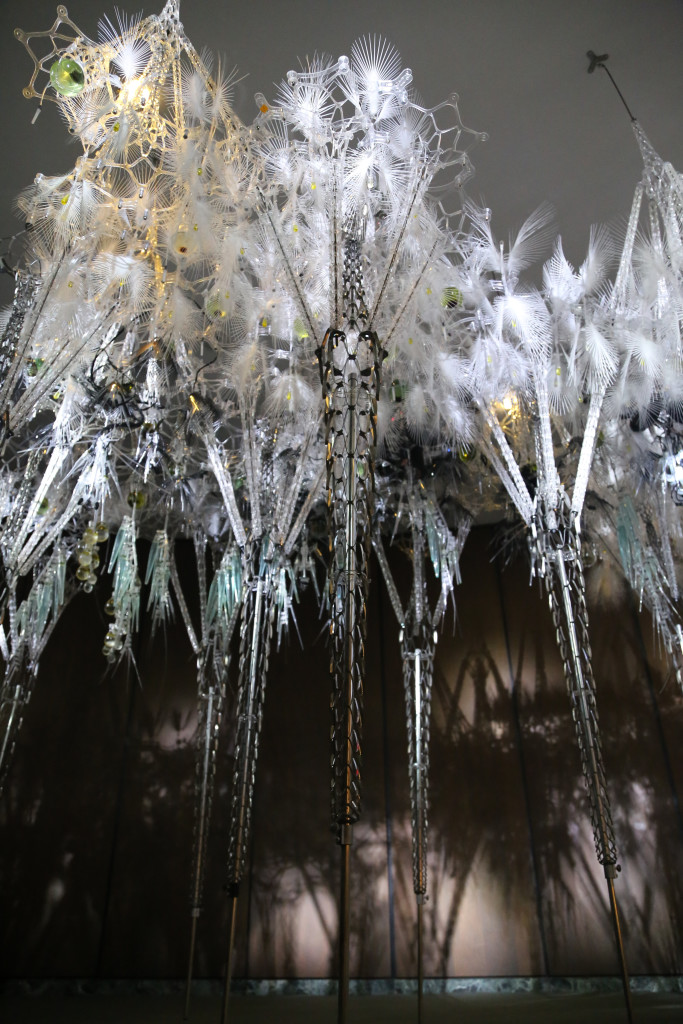
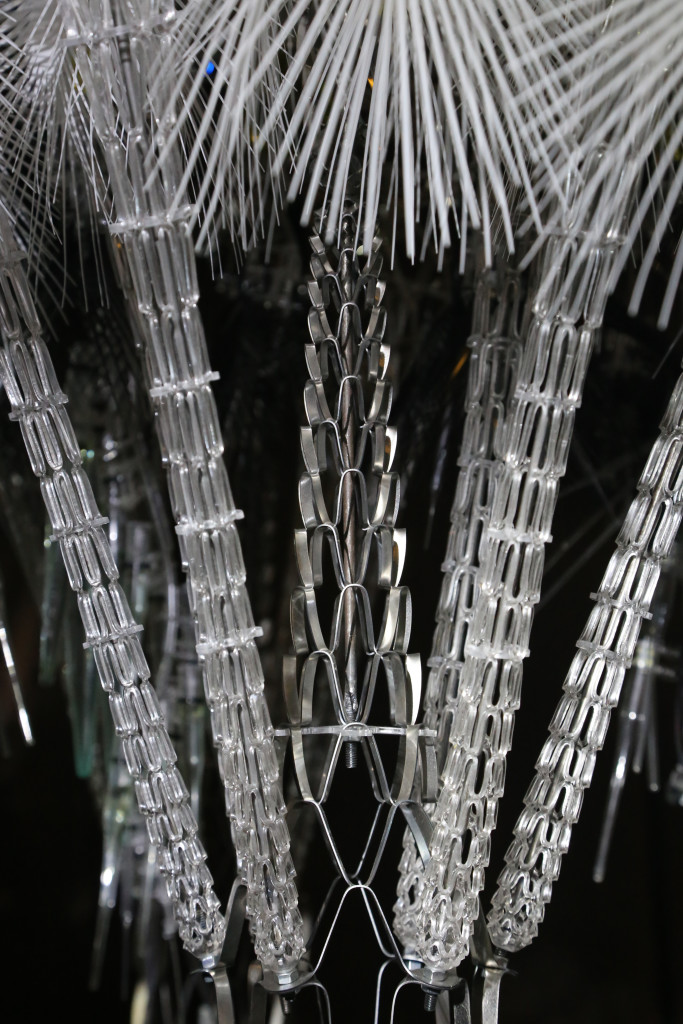
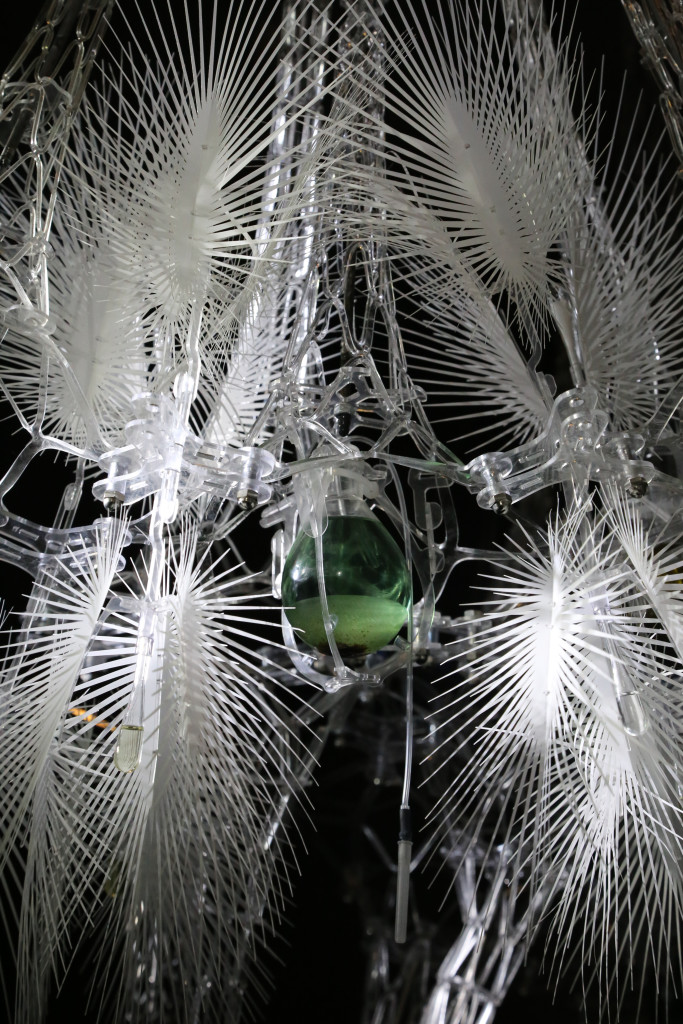
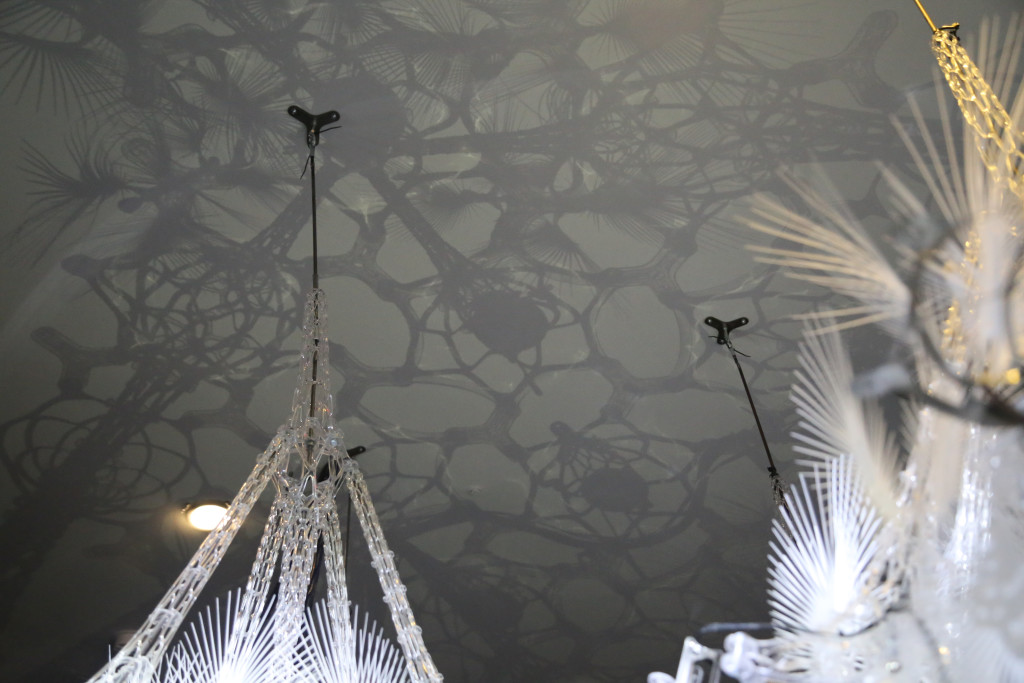
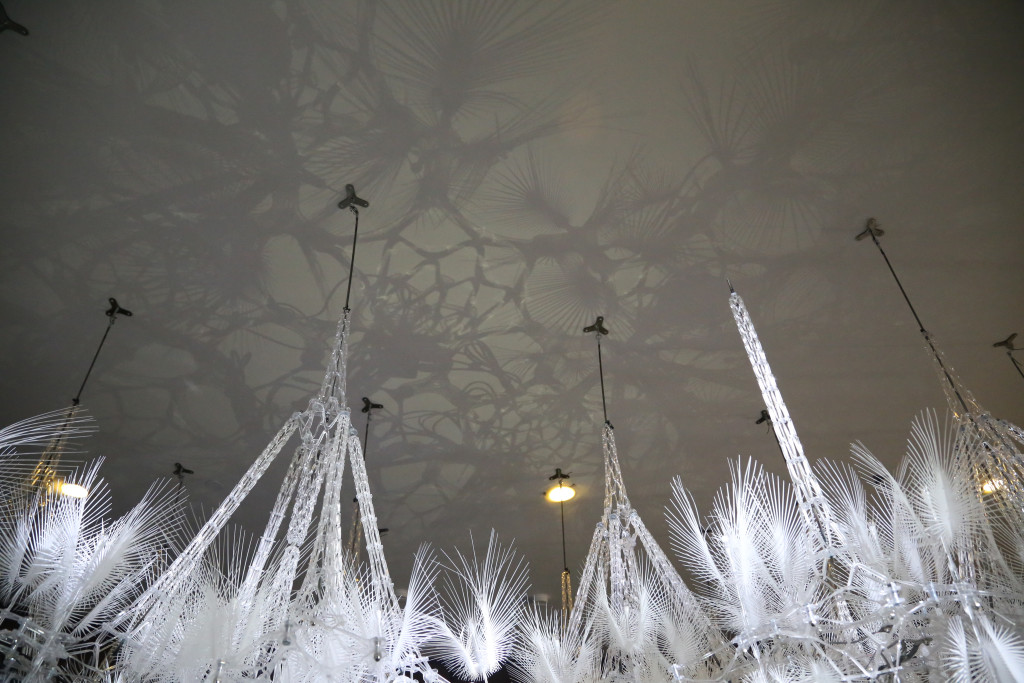
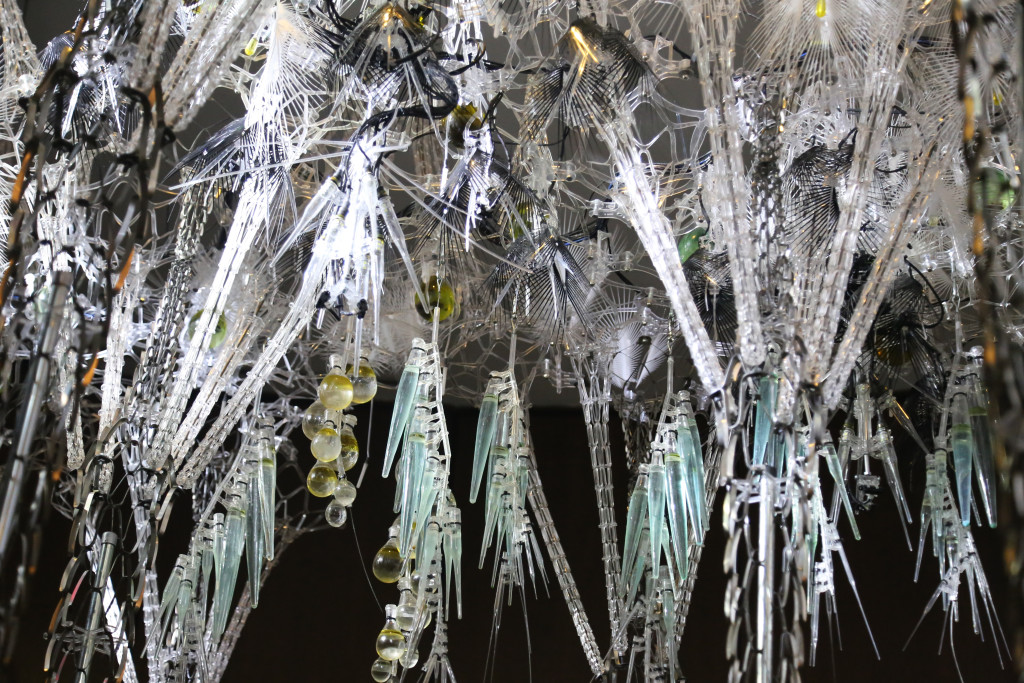
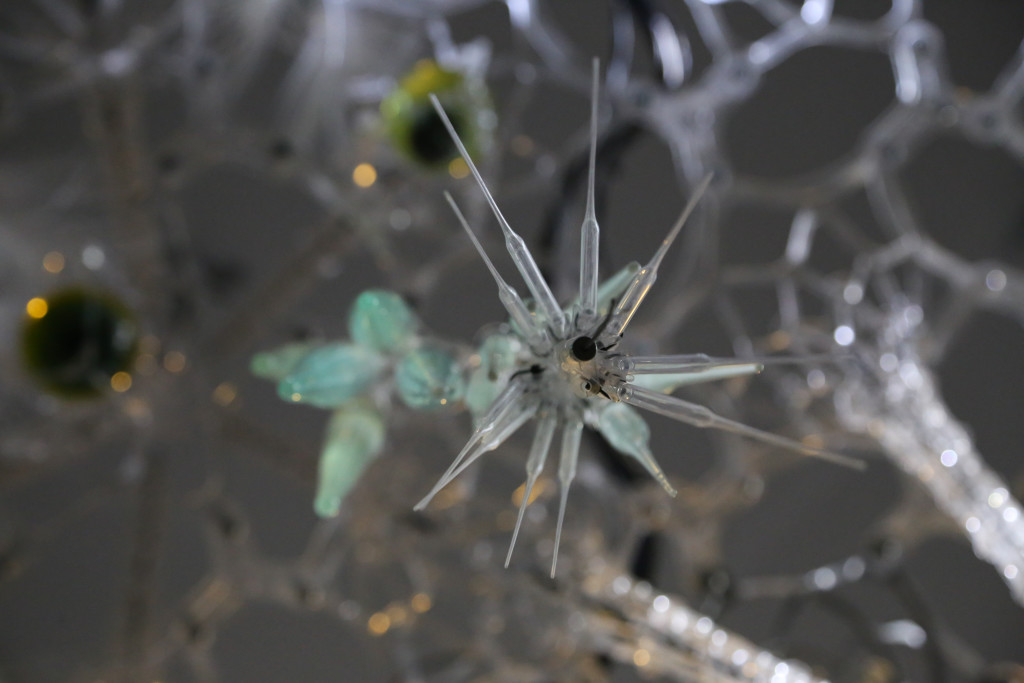
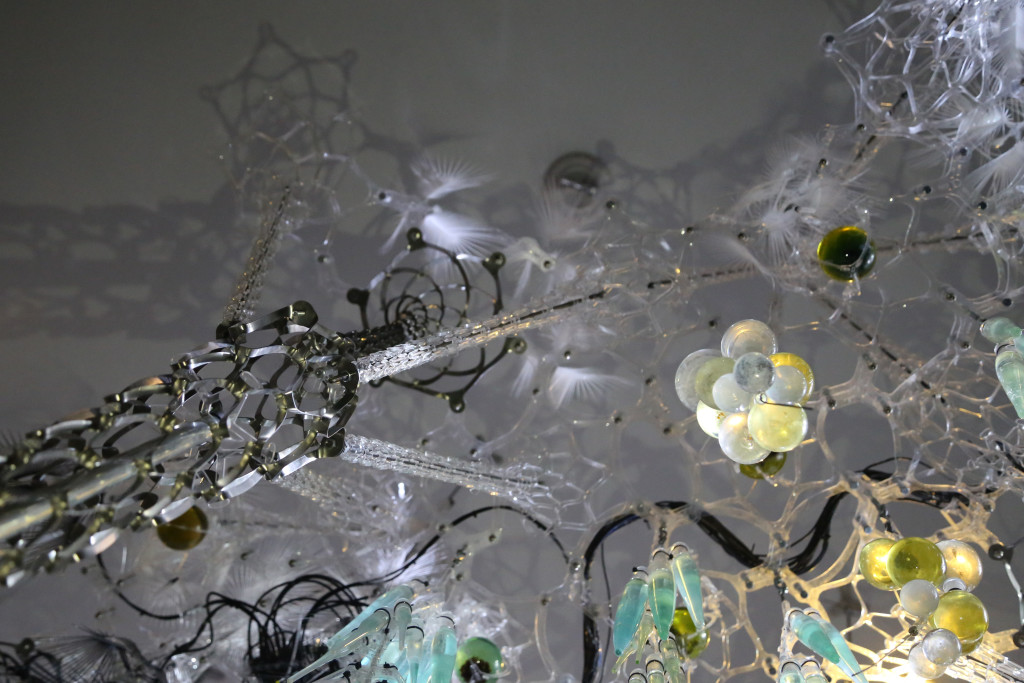
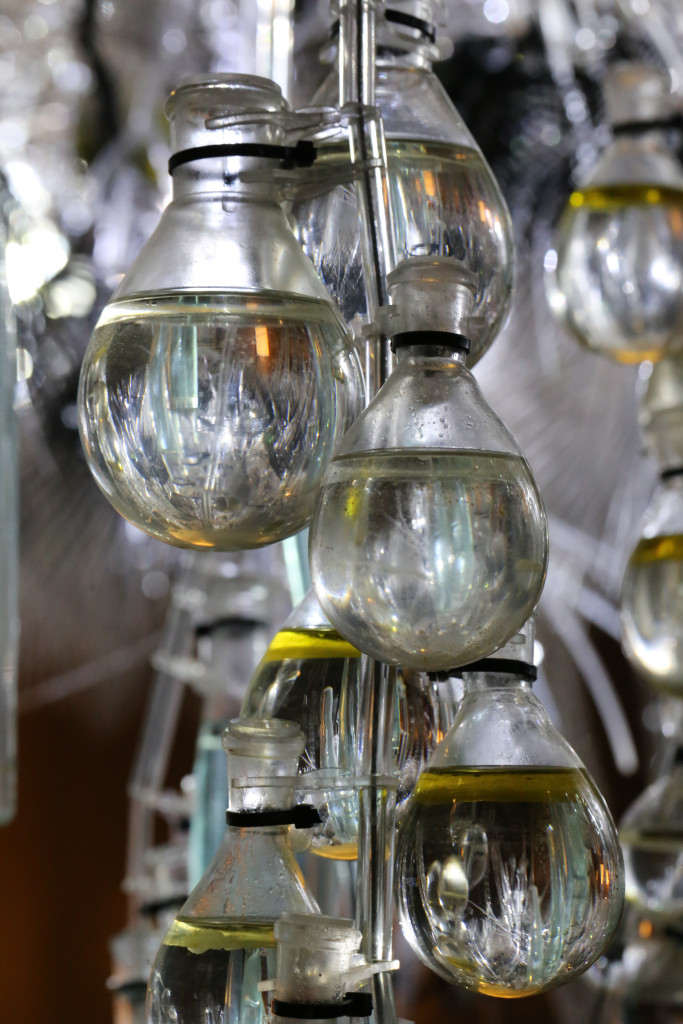
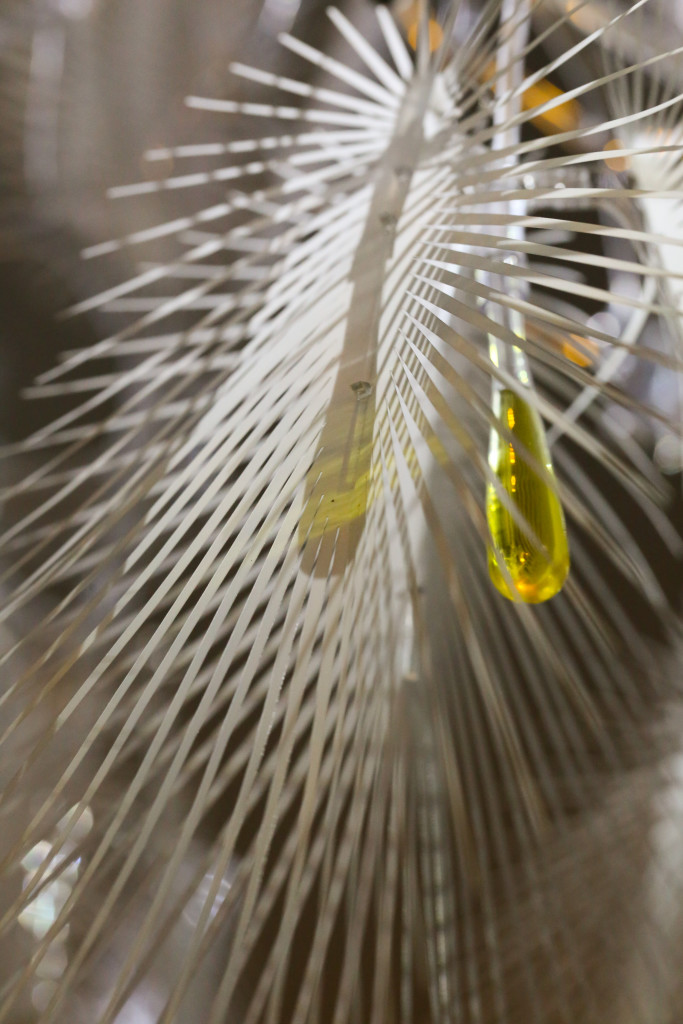
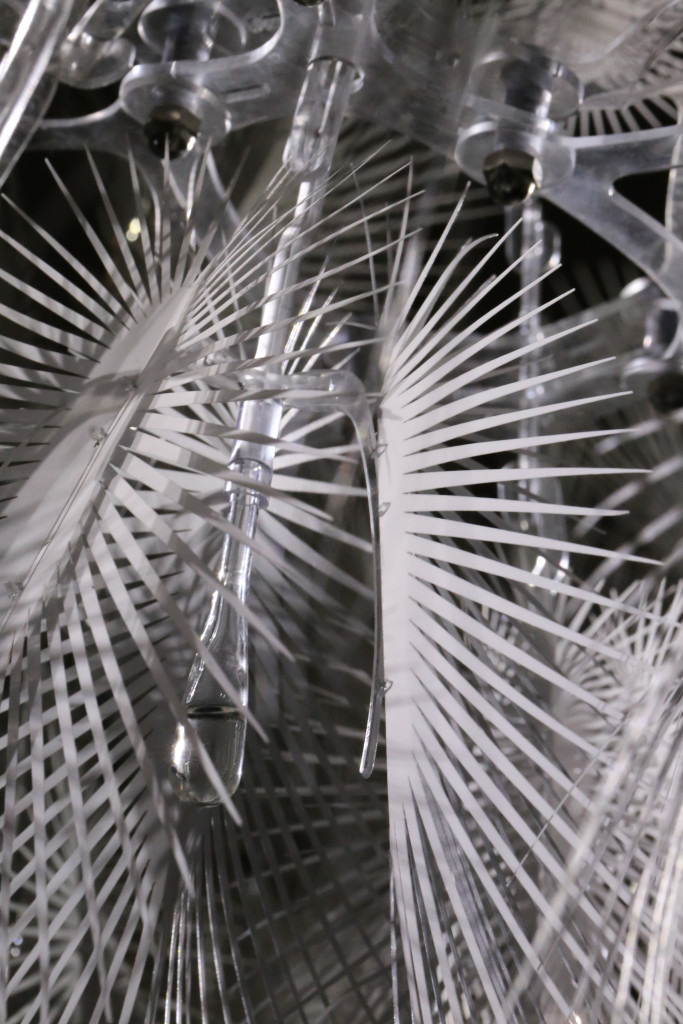
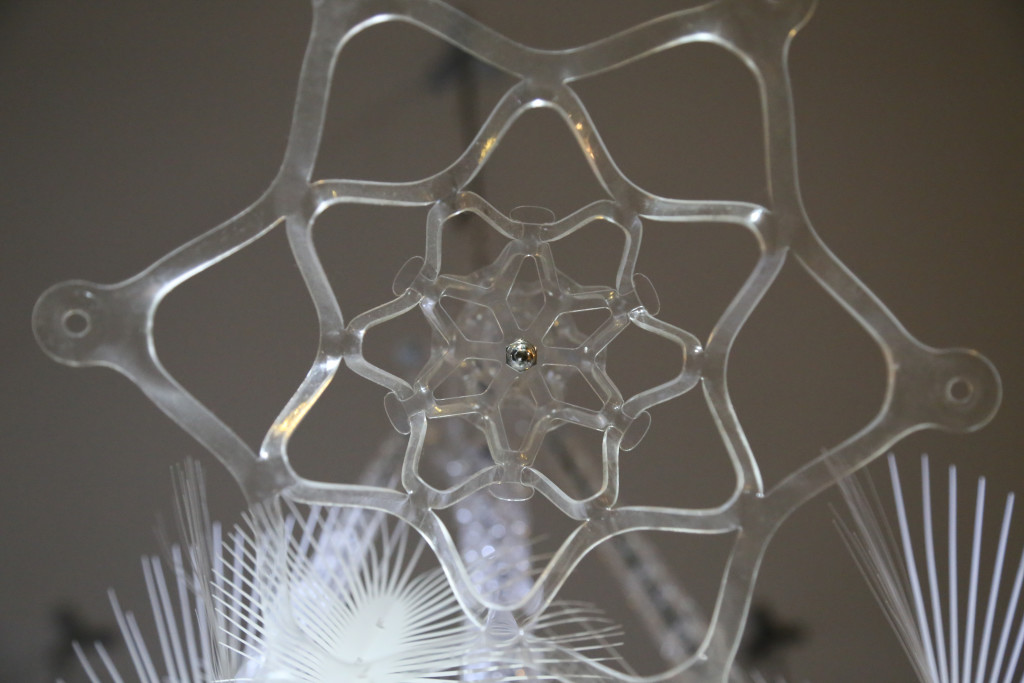
There is an art exhibit at the National Academy of Sciences called Sentient Chamber that is unlike anything I have seen before. It reminds me of a gigantic hairy caterpillar. It kind of looks like technology and science based items hung as a chandelier among other items I associate more wind chimes. It is interactive because as people get close and walk through it, lights turn on, sounds are made, and certain items move or vibrate. I really can’t describe, but it is beautiful and interesting to look at. It makes really cool shadows on the ceiling, walls, and on itself. It also makes some really cool reflections in itself.

Entire structure

Entire structure

Reminds me of a hairy caterpillar

Reminds me of a hairy caterpillar

More of the caterpillar

More of the caterpillar

Looking from below

Looking from below

Plastic and metal spine

Plastic and metal spine

Beakers and plastic feathers

Beakers and plastic feathers

Wonderful shadows on ceiling

Wonderful shadows on ceiling

Wonderful shadows on ceiling

Wonderful shadows on ceiling

Hanging pieces of science items include flasks, tubes, and pipets

Hanging pieces of science items include flasks, tubes, and pipets

Beautifully intricate metal spine

Beautifully intricate metal spine

Tubes and pipets

Tubes and pipets

Looking from below

Looking from below

Hanging flasks. I didn't notice the reflections until I uploaded photos to computer.

Hanging flasks. I didn’t notice the reflections until I uploaded photos to computer.

Colorful shadows

Colorful shadows

Plastic feathers and flasks reminds me of a palm

Plastic feathers and flasks reminds me of a palm

The plastic feathers and vial together look like a butterfly

The plastic feathers and vial together look like a butterfly

Plastic support symmetry

Plastic support symmetry

It’s a Pipe

I went to a reception for a new(-ish) exhibit with the Culture Programs of the National Academy of Sciences. The exhibit are paintings by Jonathan Feldschuh that are inspired by the Large Hadron Collider. The paintings are acrylic on mylar, and they are quite gorgeous. While I’m sure my art-knowledgable friends will correct my terminology, to me, they look like impressionists paintings of very high-tech subjects. I love impressionism art, and of course, I love technology, so I really like these paintings. My friends R, J, and I were discussing this one painting that R and I both rather liked. I said I really like the way the perspective of the pipe or wires going off into the tunnel. I questioned whether it was a pipe or a bundle of wires. This is the conversation that ensued.

R: It’s not a pipe. It’s where the collisions occur.

Me: It’s a pipe then.

R: No, it’s not solid.

Me: Pipes aren’t solid.

R: Yes, but it’s different.

J: It’s more high tech.

Me: It’s a pipe.

R: There aren’t fluids flowing through it. It’s particles flowing through it and colliding.

Me: It’s still a pipe.

R: It’s not a pipe because the particles are in a vacuum.

Me: It’s a pipe. Those things at banks where the little container at the drive through is pushed through a pipe is pushed through a vacuum. It’s still a pipe.

R: [sighs] Ok, it’s a pipe.

It should be noted that according the CERN website, “The beams travel in opposite directions in separate beam pipes – two tubes kept at ultrahigh vacuum.” Thus, it’s a pipe. However, in R’s defense, I have a B.S. in chemical engineering, so everything is pretty much a pipe or a tank to me. Also, everything can be fixed with a hammer, but that is another story.

Balboa Park Plants

While in San Diego, I spent an entire day in Balboa Park and didn’t go inside one museum. I was too fascinated by the plants. There are beautiful tropical plants in the Botanical Building, but there are just as many beautiful plants outside. Colorful plants are everywhere, including the Desert Garden, which has many plants that I loved photographing while ever mindful not to get too close, or else ouch.IMG_4390 IMG_4440 IMG_4470 IMG_4499 IMG_4552 IMG_4591 IMG_4633 IMG_4670 IMG_4737 IMG_4801 IMG_4838 IMG_4847 IMG_4871 IMG_5023 IMG_5081 IMG_5110

Cabrillo National Monument

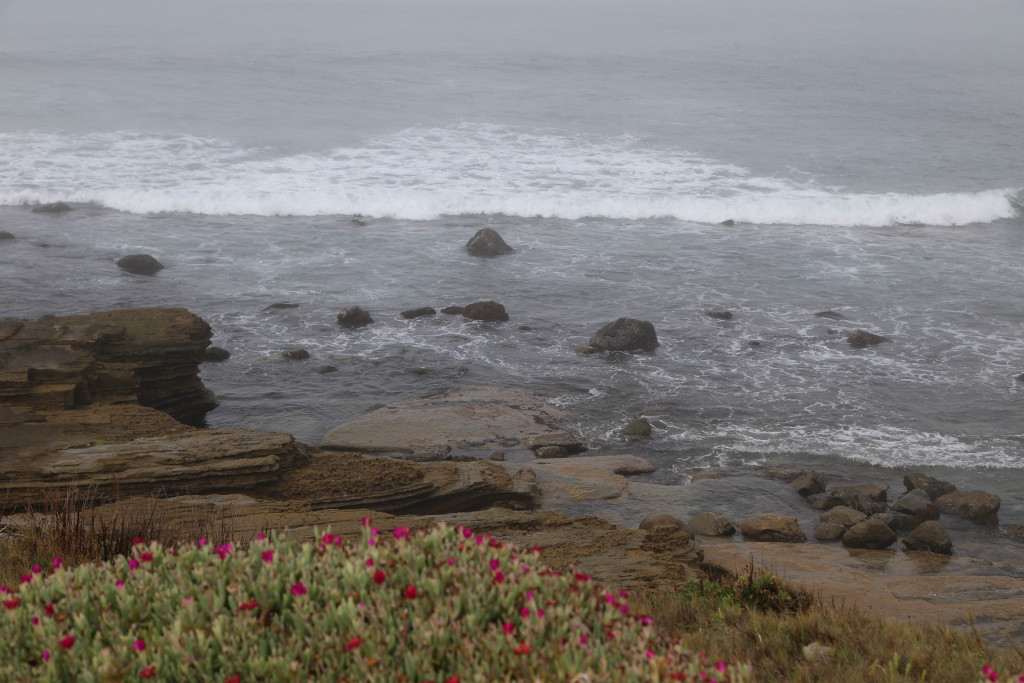
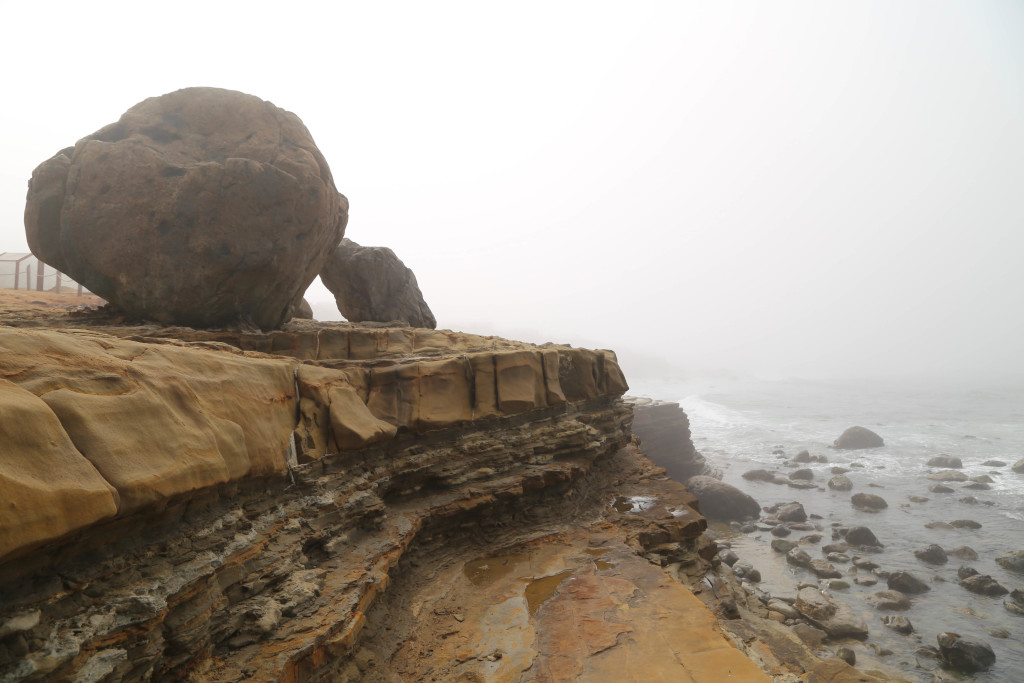
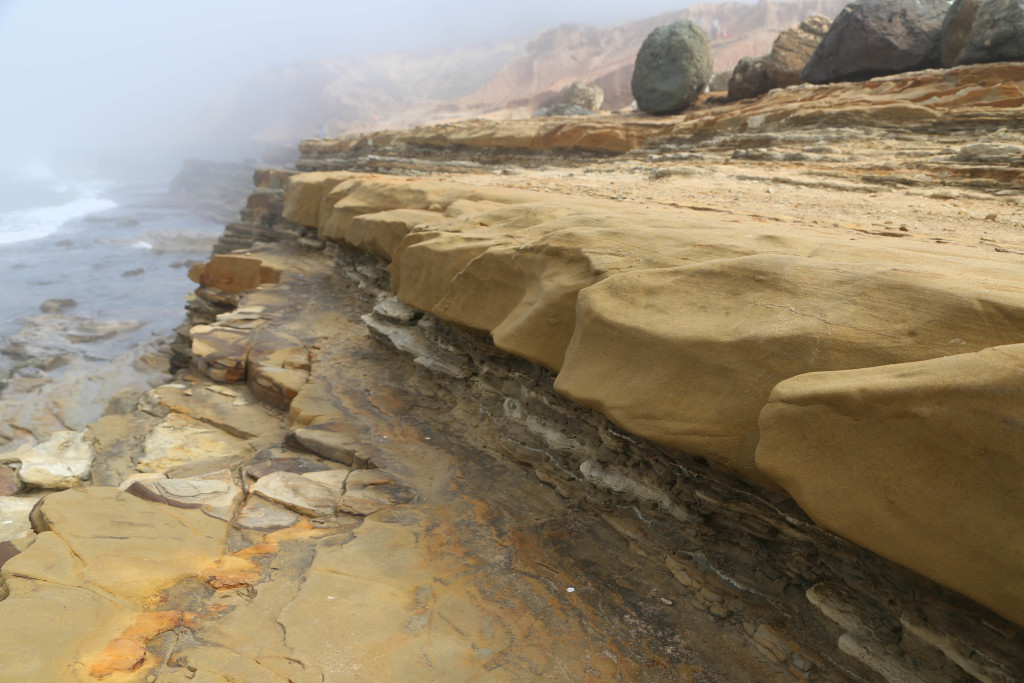
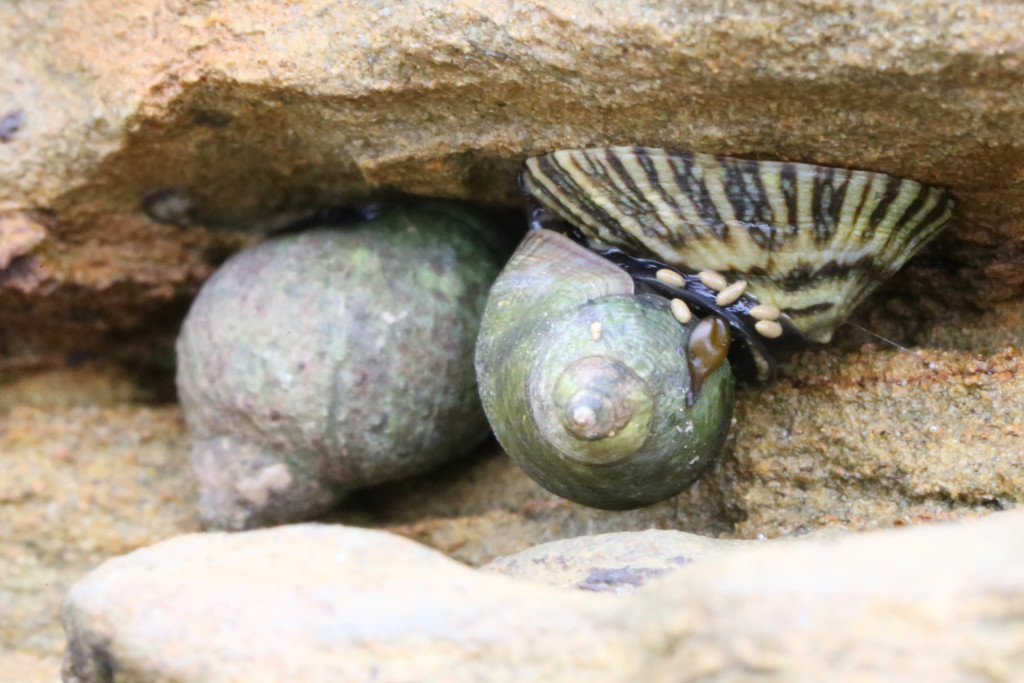
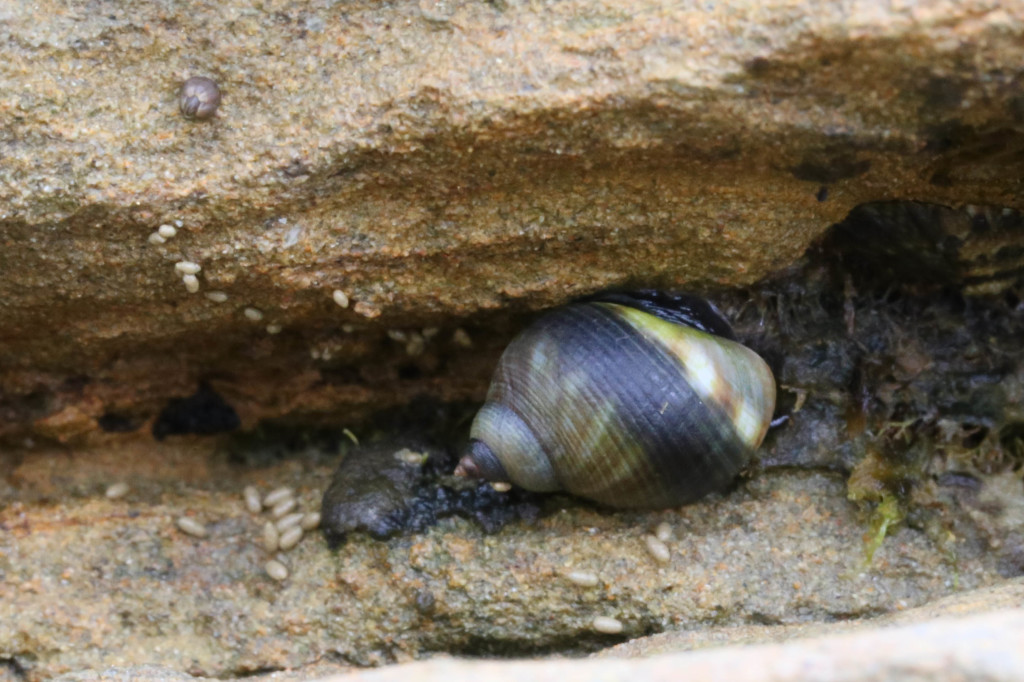
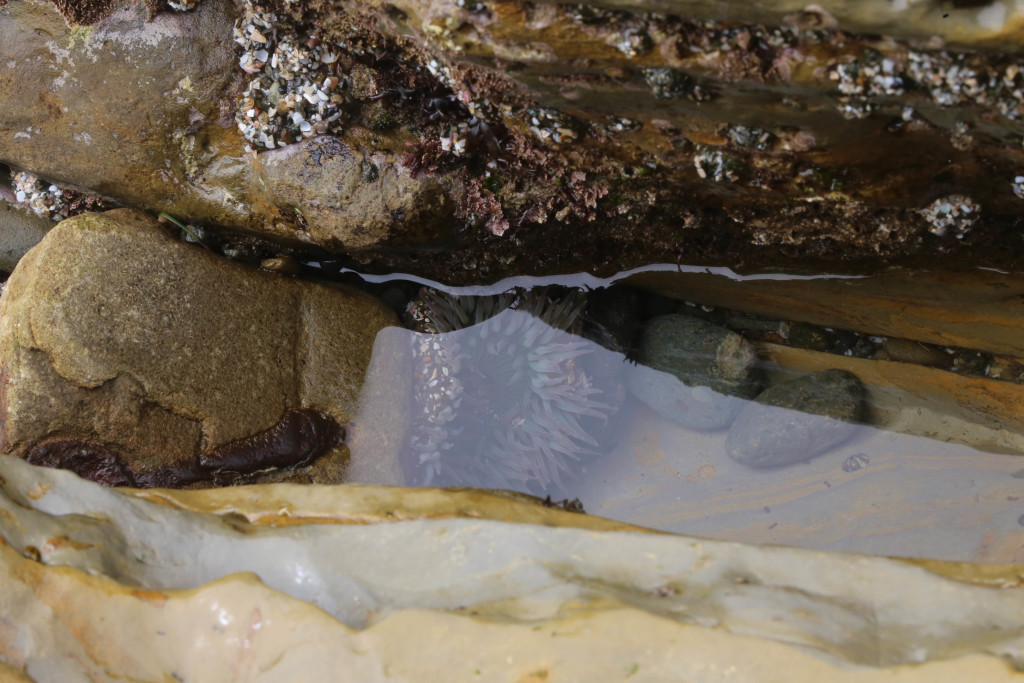
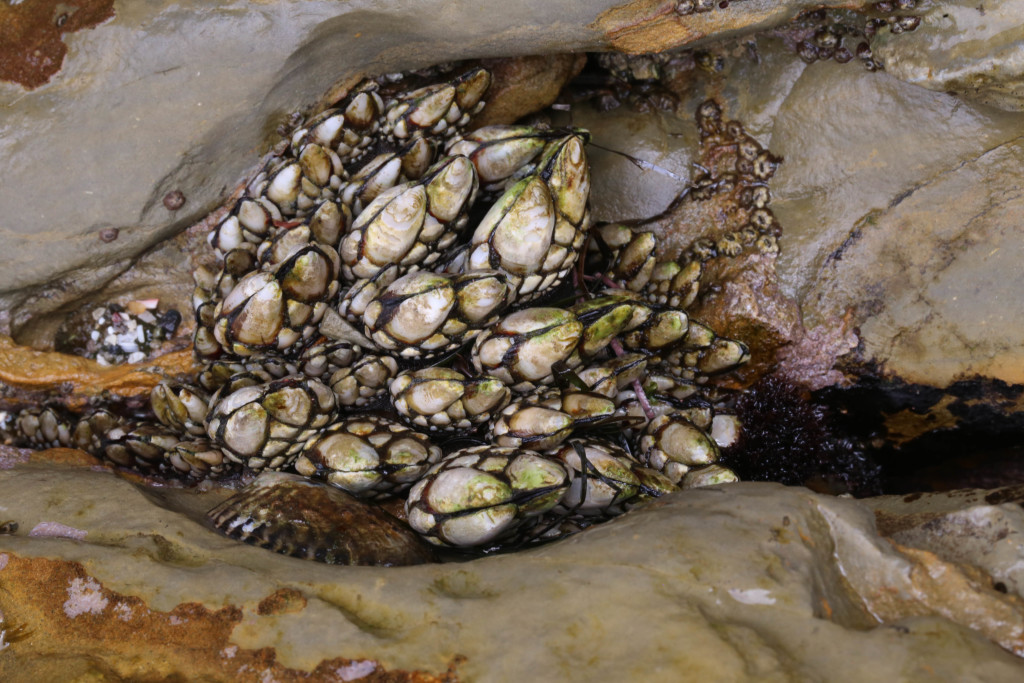
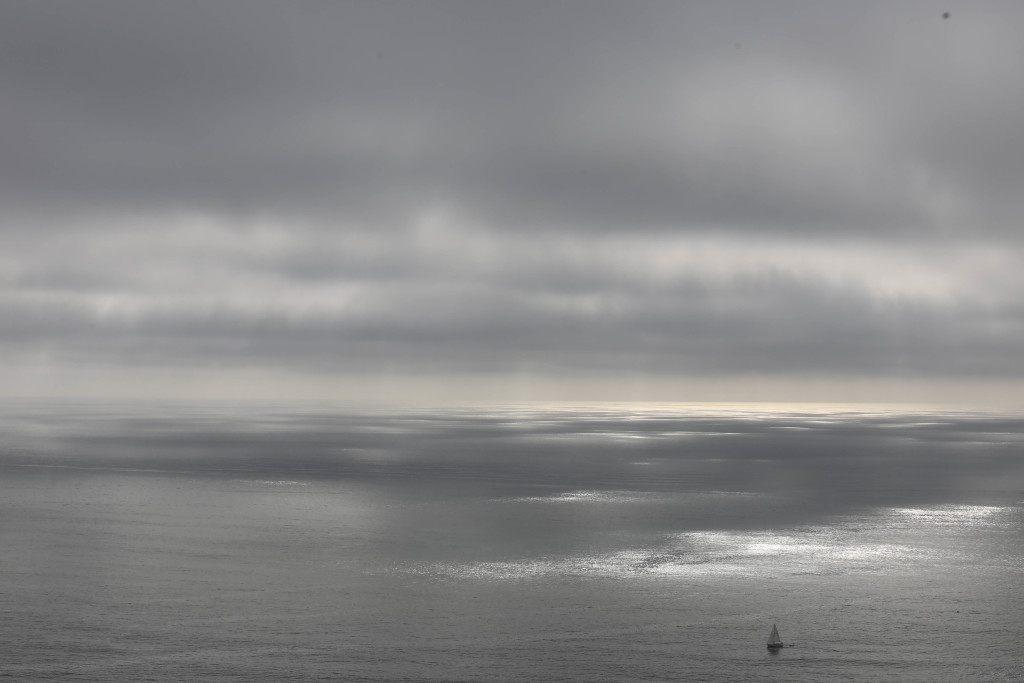
While in Sand Diego, I visited Cabrillo National Monument. Actually I visited it twice. I went in the morning, and the entire area was covered with thick fog. I explored the tidal pool area and met some cute crabs, limpets, and snails. I then went to the peak area and tried to view San Diego underneath the clouds. It was kind of amazing to be on a peak about 400 feet above the ocean and look at a giant fog encompassing almost everything below. I then came back in the afternoon and was finally able to get some good views.

Tidal pool area

Tidal pool area

Tidal pool area

Tidal pool area

Tidal pool area

Tidal pool area

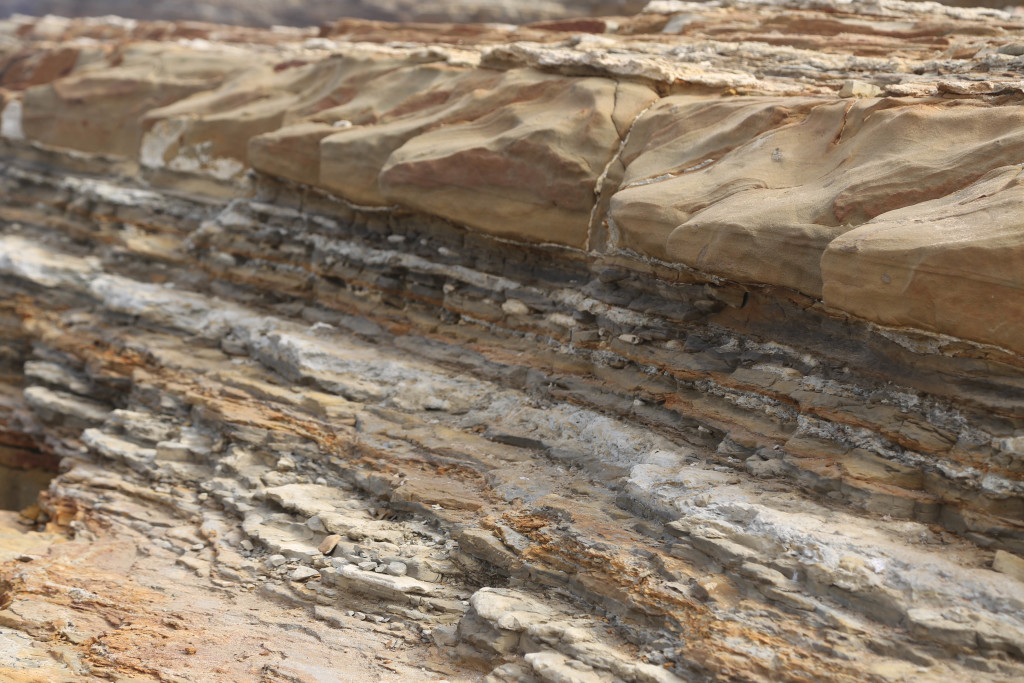
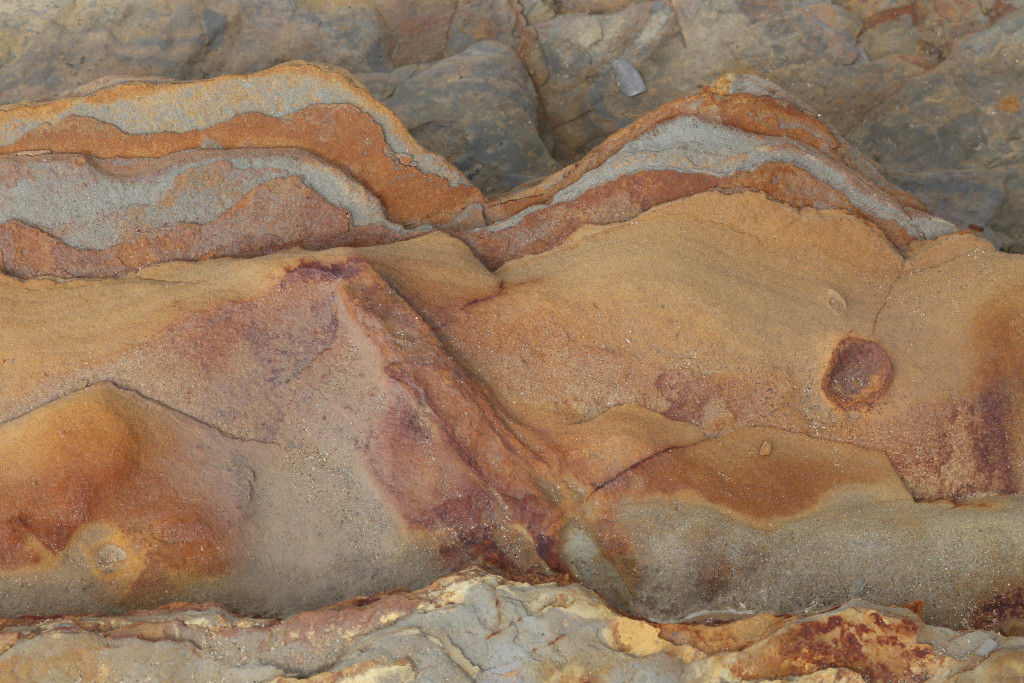
Colorful, rock layers

Colorful, rock layers

Tidal pool area

Tidal pool area

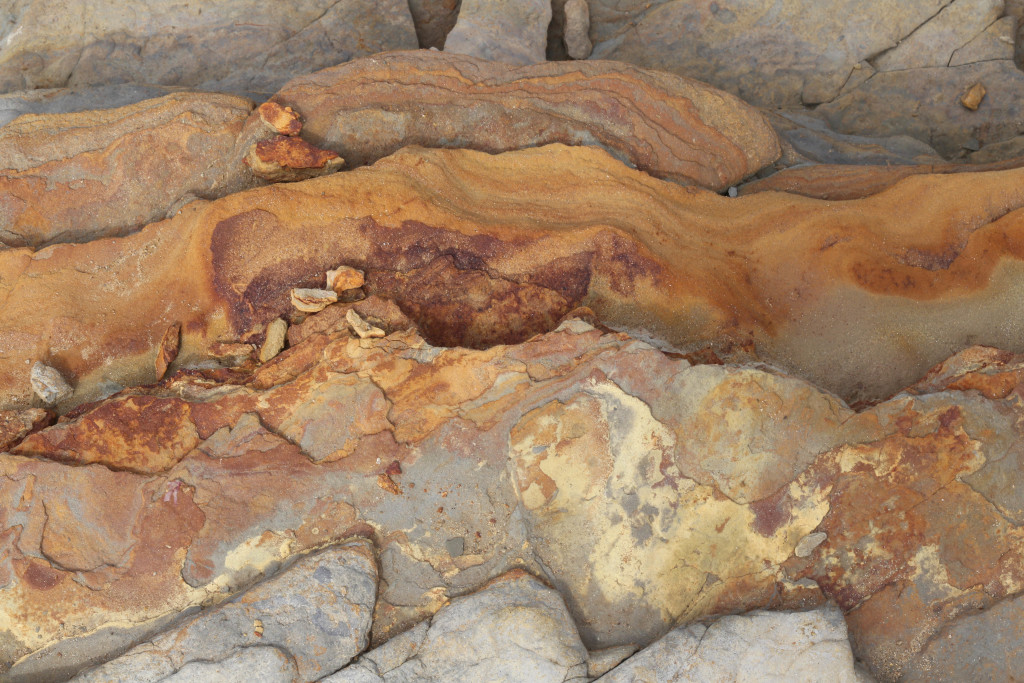
Colorful, rock layers

Colorful, rock layers

Colorful, rock layers

Colorful, rock layers

Chiton

Chiton

Snails and limpet

Snails and limpet

Snail

Snail

Crab

Crab

Crab

Crab

Anemone

Anemone

Gooseneck Barnacles

Gooseneck Barnacles

View across bay

View across bay

View out to sea

View out to sea

San Diego

I was in San Diego recently for a conference, and I was able to take a few days to wander around and see a little bit of the city. A few blog posts to come with photos, but here are some from just around town.

Boats near downtown

Boats near downtown

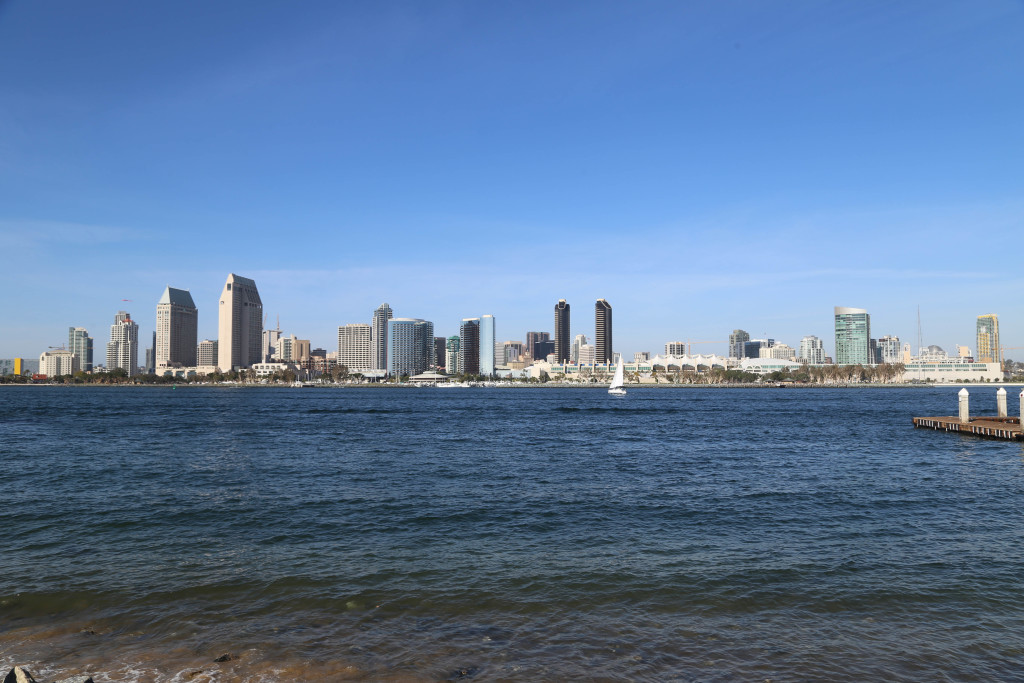
View of San Diego from Coronado

View of San Diego from Coronado

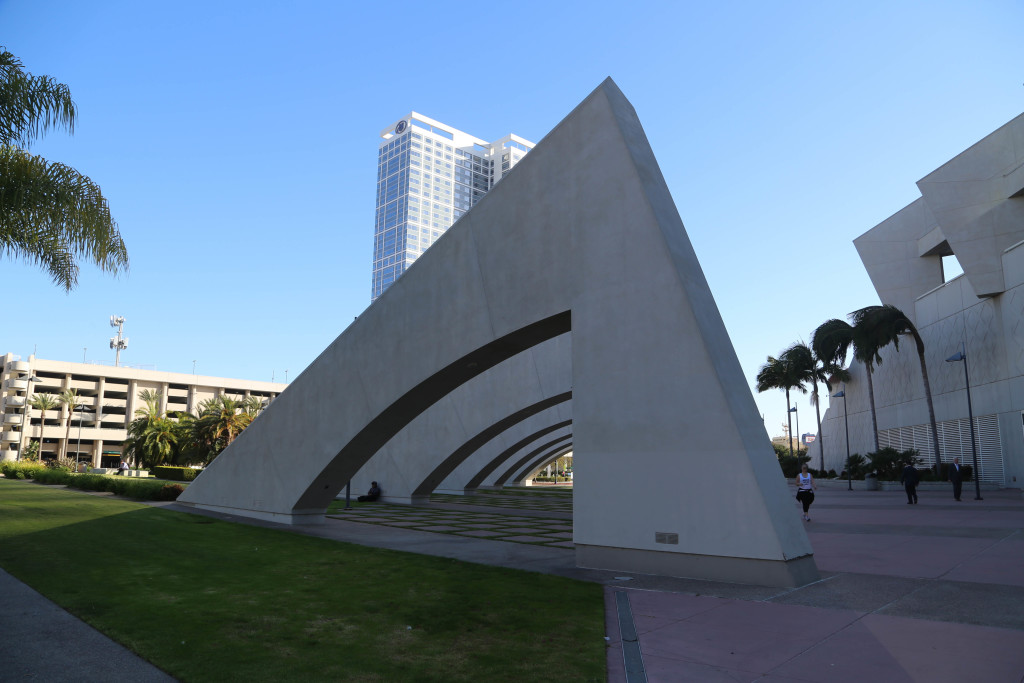
Sculpture next to convention center

Sculpture next to convention center

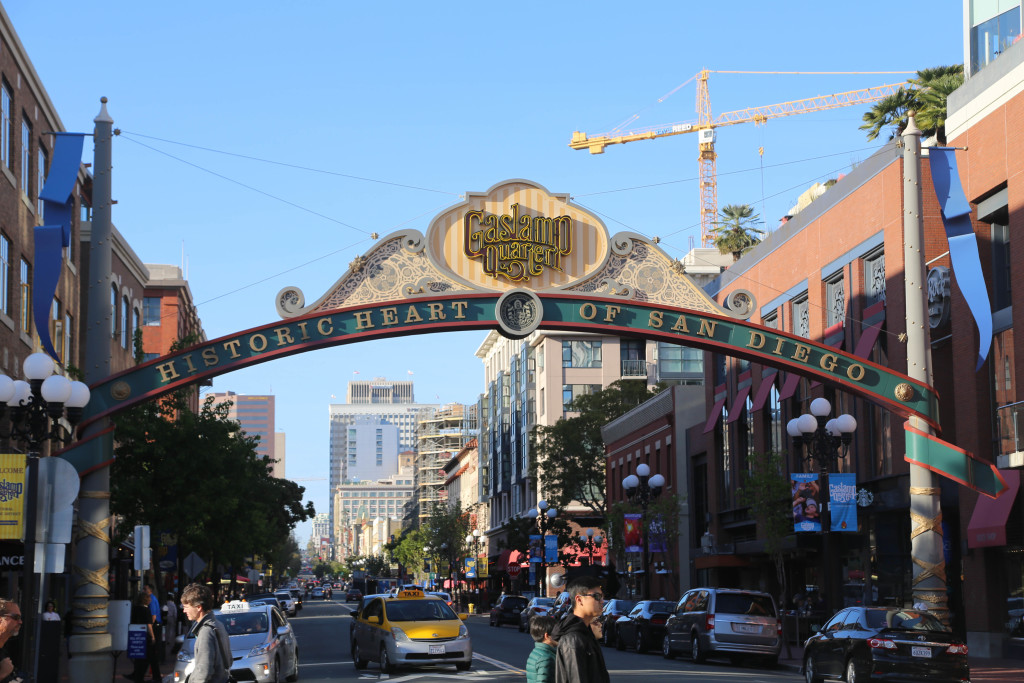
Entrance to Gaslamp Quarter

Entrance to Gaslamp Quarter

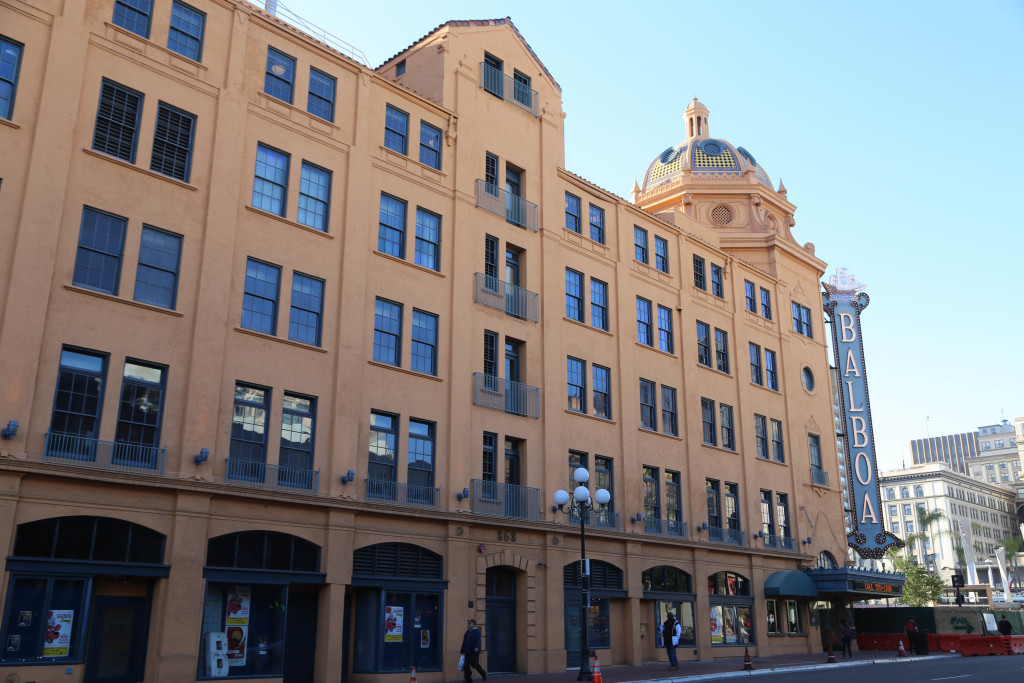
Balboa Theater

Balboa Theater

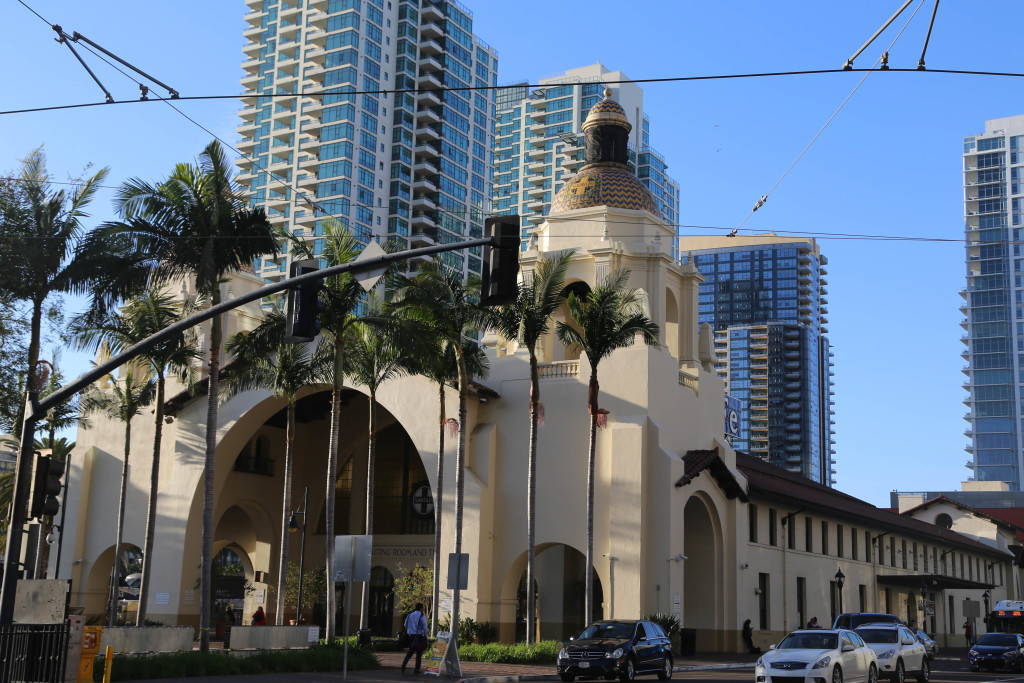
Santa Fe train station

Santa Fe train station

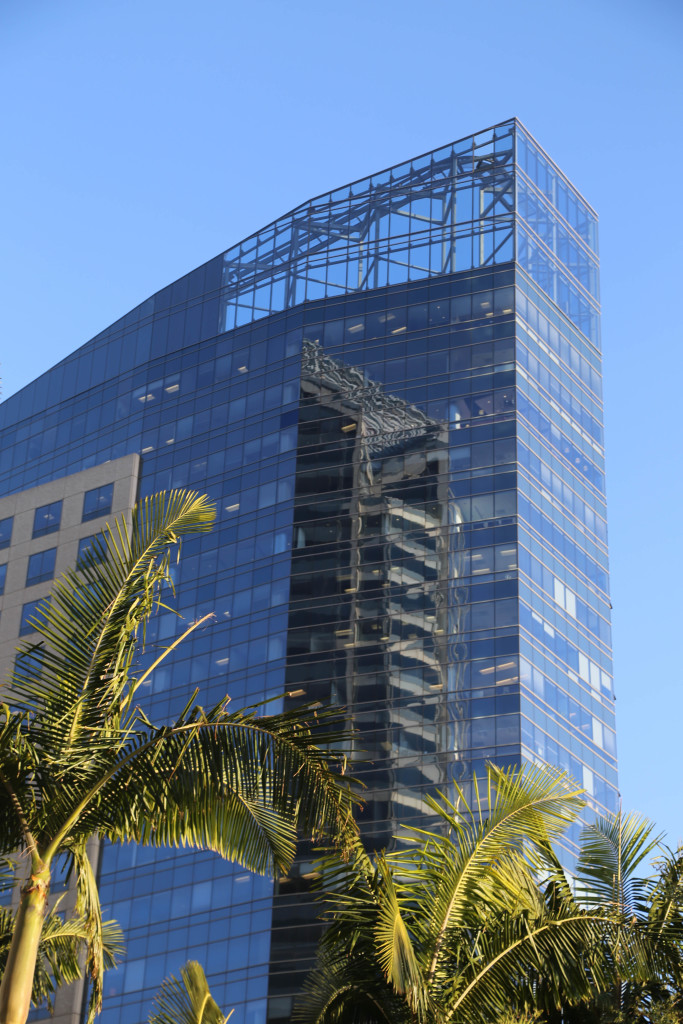
Downtown office building

Downtown office building

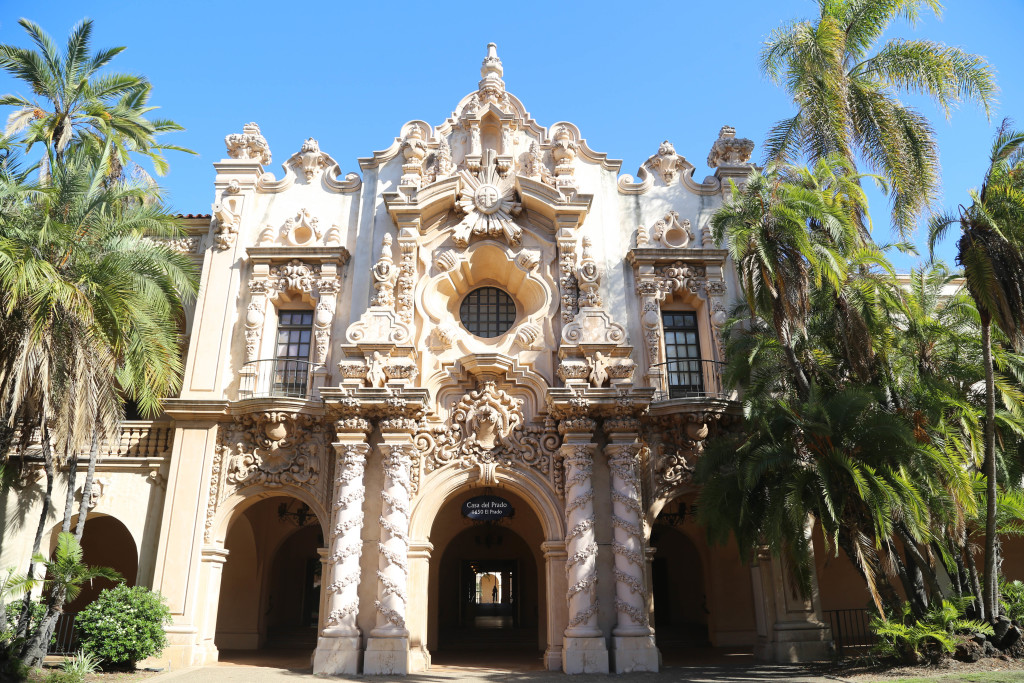
Balboa Park

Balboa Park

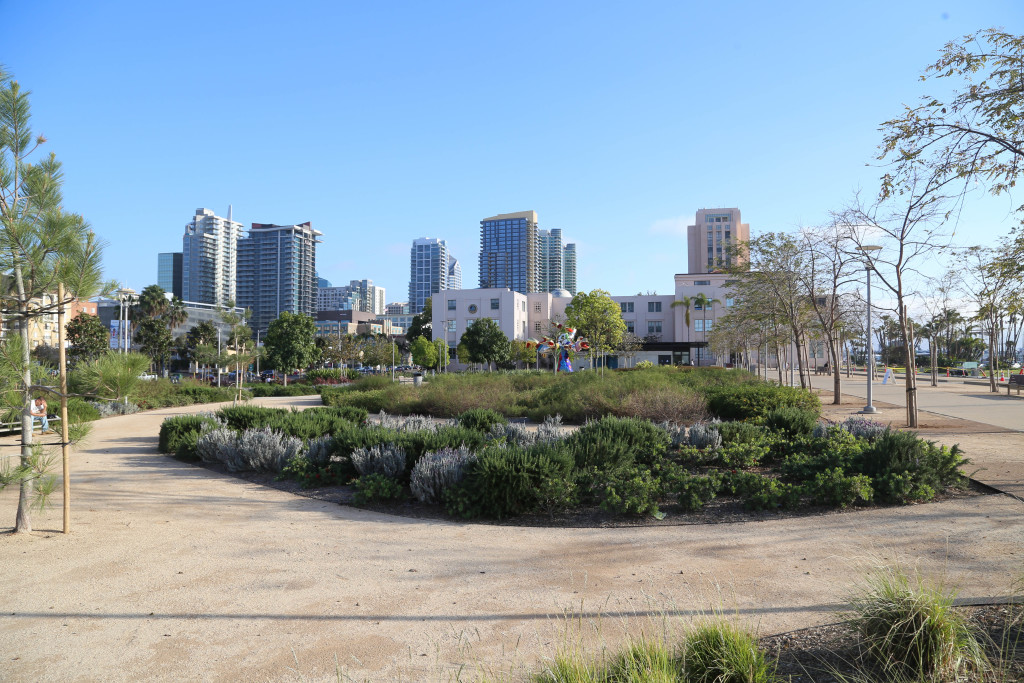
Waterfront Park

Waterfront Park

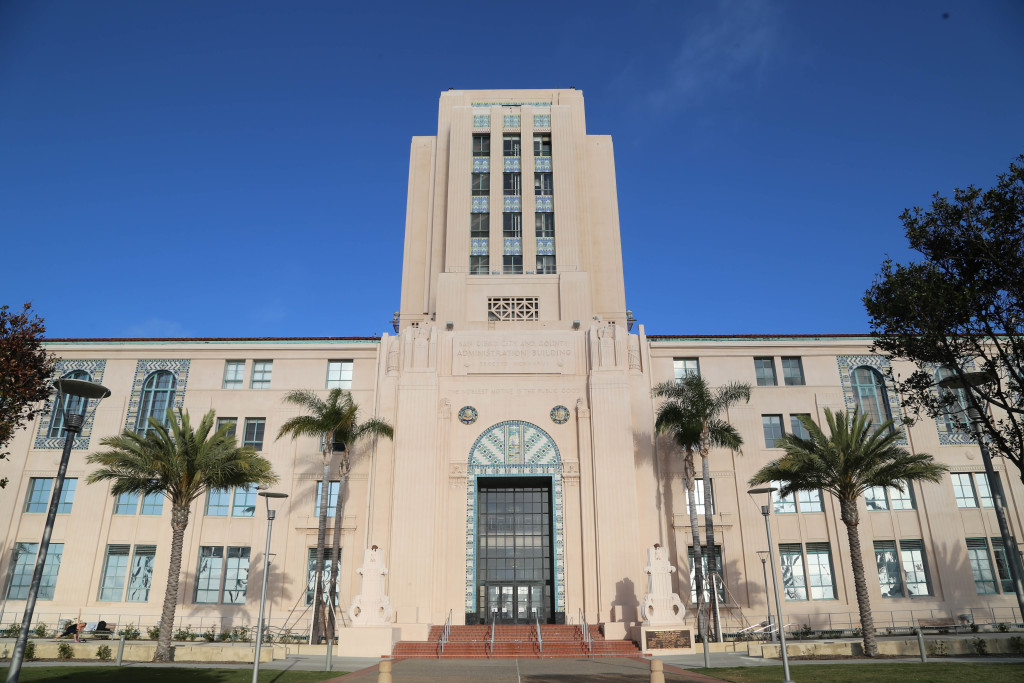
San Diego County Administration Center

San Diego County Administration Center

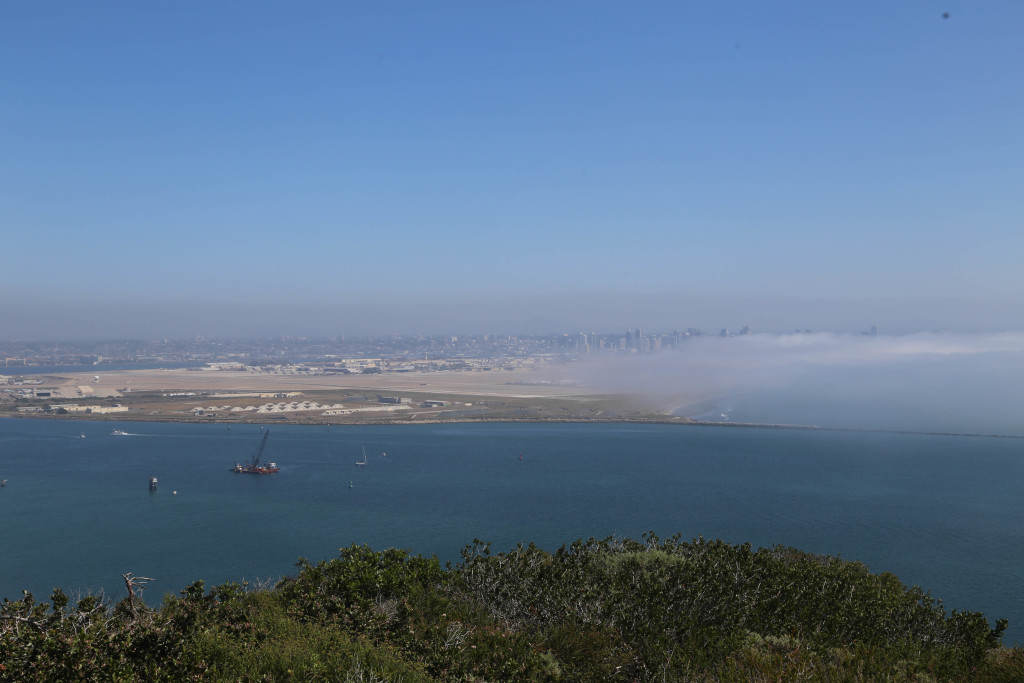
View of San Diego and North Island Naval Air Station from Cabrillo National Monument (in morning)

View of San Diego and North Island Naval Air Station from Cabrillo National Monument (in morning)

View of San Diego from Cabrillo National Monument (in afternoon)

View of San Diego from Cabrillo National Monument (in afternoon)

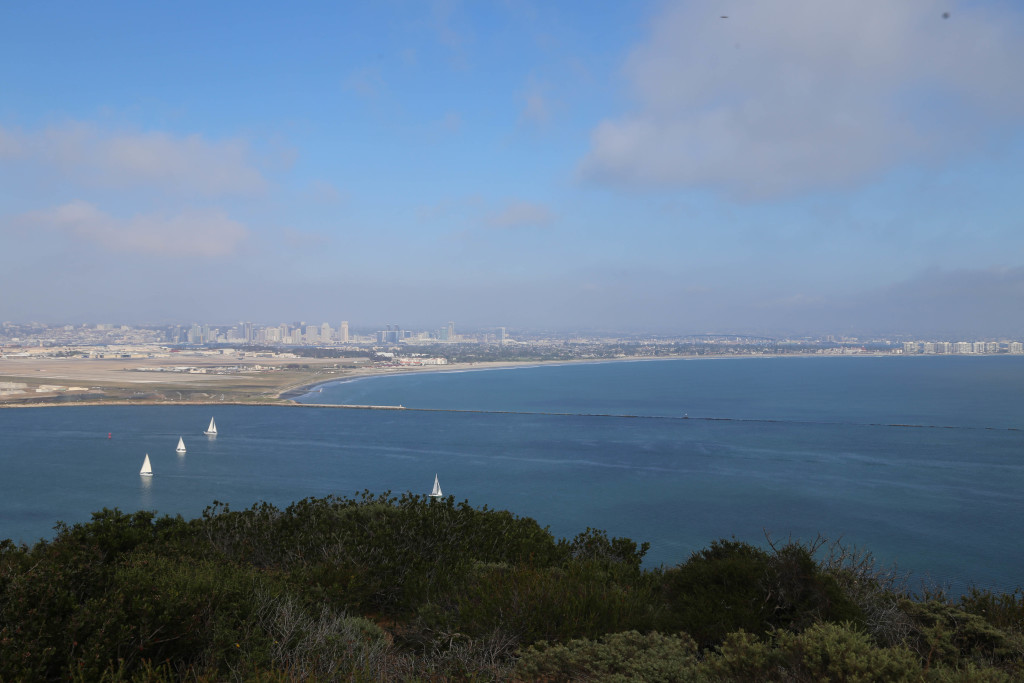
View of Coronado from Cabrillo National Monument (in afternoon)

View of Coronado from Cabrillo National Monument (in afternoon)

Communicating with Peers and the Public

I’m at a scientific conference currently. All day yesterday, I was in the same room listening to presentations on the same topic, mainly from people doing pure research, with some people doing research with more application objectives. At the end of the day, they brought several of the presenters together for a panel discussion. I had listened all day to many of the presentations, and I was growing somewhat concerned about the implications of some of the research. I support their research. I respect their research. I want to see more of their research. However I do not work in research, and where I work, communicating with the public can be very important. So I asked members of this panel a question. How are they going to explain to the public what they are doing. There is nothing unethical about what they are doing. They are doing good work that could lead to important information being revealed, but they are doing research in the real world, that quite frankly is not at this point meant for the real world. So I wanted to know, had they thought about how to explain the results of their research to the public? A member of the public who saw some of their data could become seriously confused and scared because they wouldn’t understand what the results mean.

I generally am not all that good at communicating. I am fine with public speaking if I have a script. However in public or even one on one, when speaking impromptu I many times stumble over my words. I sometimes have trouble getting all the thoughts in my brain to come out my mouth in a linear manner. I know it is a fault. I work on it. I have also been told by people that I sometimes talk at too high a technical level. I work on it.

So there I was at a scientific conference trying to ask people, many of whom I had known for a day or two, a question. I respect these people and their work. I am trying to ask a question and explain that members of the public might not understand their results. The irony is beyond rich. I, who have trouble communicating at times, who have trouble communicating at a level that others understands technical information, am trying to explain to my peers that they are doing work in a situation that members of the public can see their work, and members of the public will not understand their work.

Of course I stumble on my words. Of course I can’t explain myself clearly. And of course, these scientists I respect start getting defensive. They explain I don’t understand what they are doing. They try to explain what they are doing as if I have not already seen several presentations explaining what they are doing. One interrupts me before I can fully try to explain what I am saying. I explain I completely understand what they are doing, but members of the public won’t. I only want to know how they will explain their results to the public. I don’t want to argue with these people. I hate arguing. I just want them to understand my point of view. I stumble trying to explain. My heart starts racing so badly that I am shaking. I try to calm myself and explain differently what I am saying. A couple of people finally start to understand what I am asking. One responds “oh well, we will explain [jibberish].” I thought I had trouble communicating. No one would understand that.

A woman I have started to have a professional relationship with and have started to become friends with also was sitting next to me. Afterwards, she assured me she completely understood and had the same concern. Then several other people, who are not doing this research, came up to me and said they understood and shared my concerns. I thanked them for that. They have no idea how much I needed that. I hate arguing with people. I don’t want these researchers to think I don’t support their work. I want these people to like me, and I know we share a common goal.

I live and work by a couple of rules. I will not lie to people, and I will not put people in danger. Those are at the top of my list of rules. Telling people the truth is easier said than done when the truth involves highly complex information. It is difficult to explain what the results mean to the public when you don’t understand what the results mean. I work with some awesome people, some of whom take what I write and translate it so a normal person can understand it. I make sure it is technically accurate, and they make sure people can understand it. I understand the importance of communication. You have to tell people the truth, but you have to tell people the truth in way they can understand it. When you don’t understand what your truth means, you also have to tell people that truth.

NY 240th Street Yard

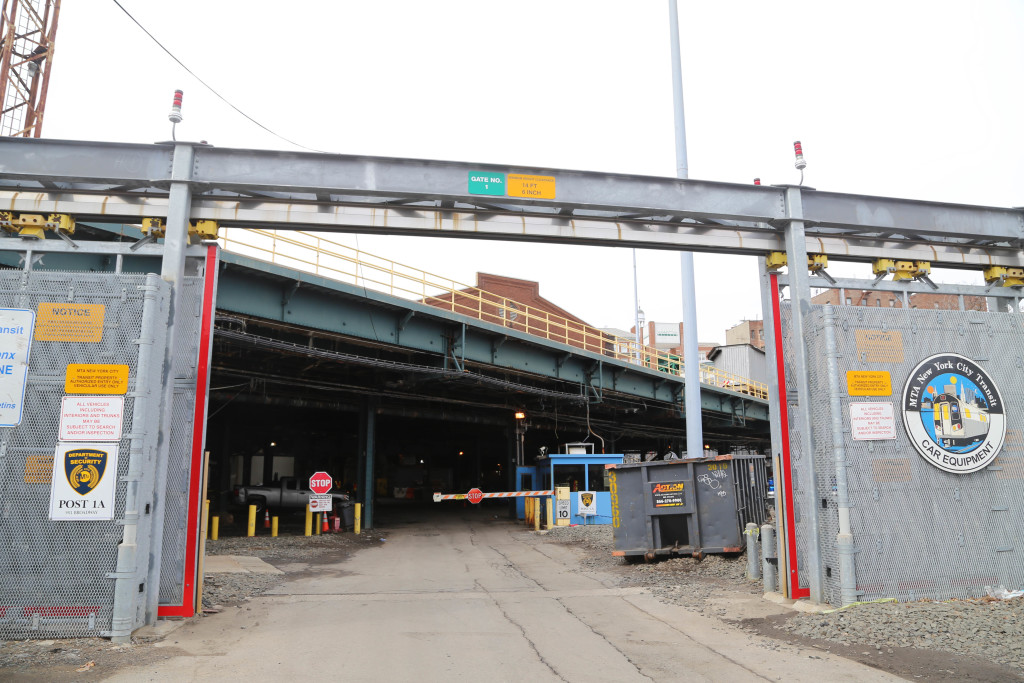
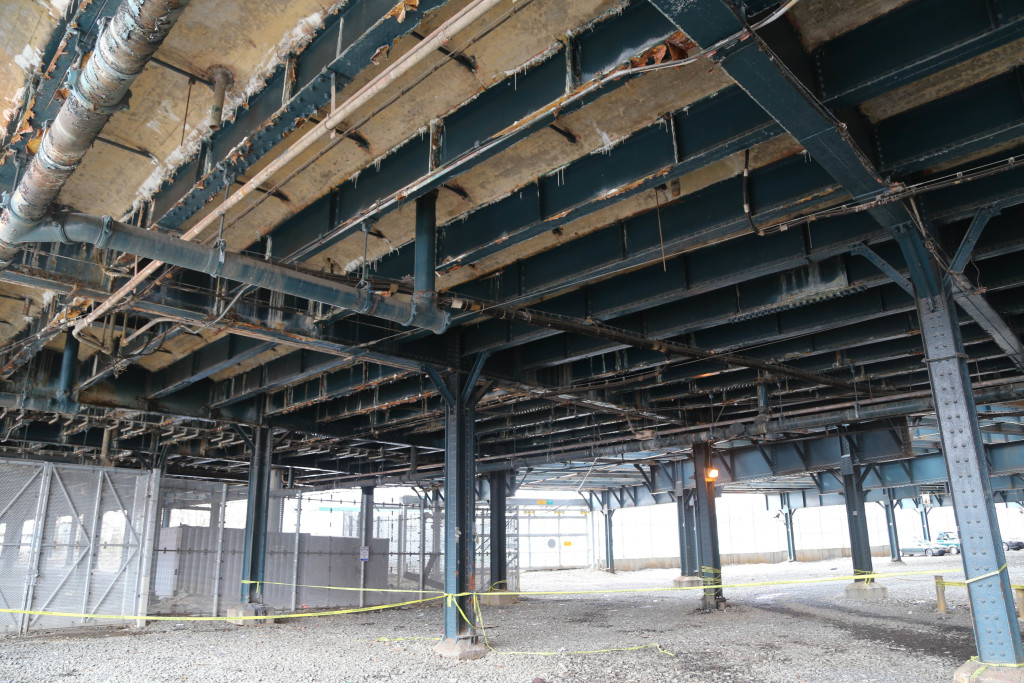
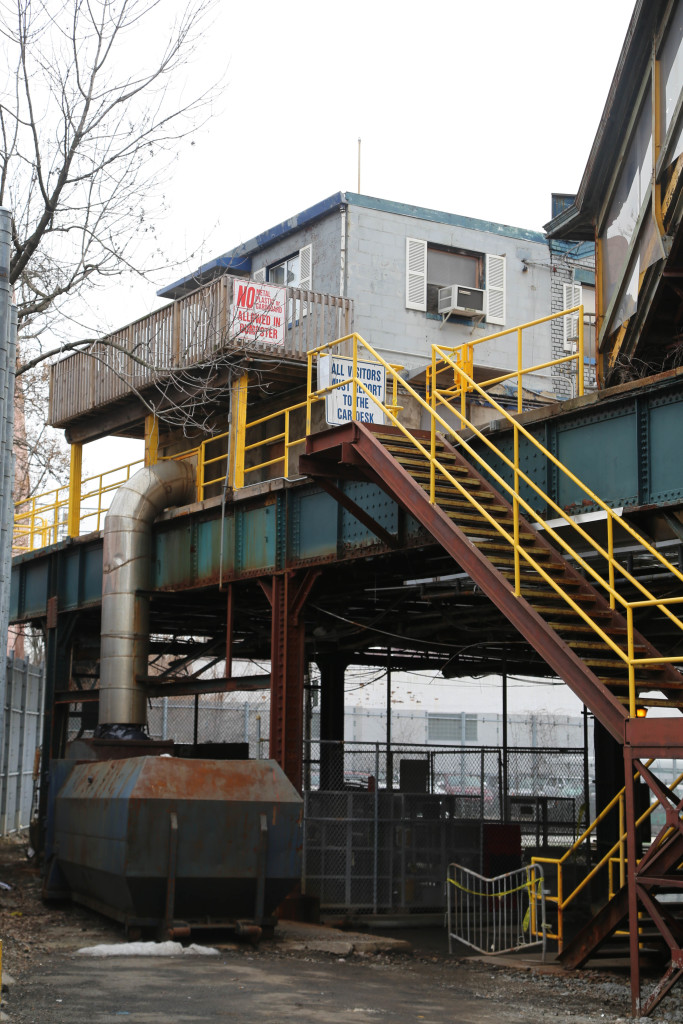
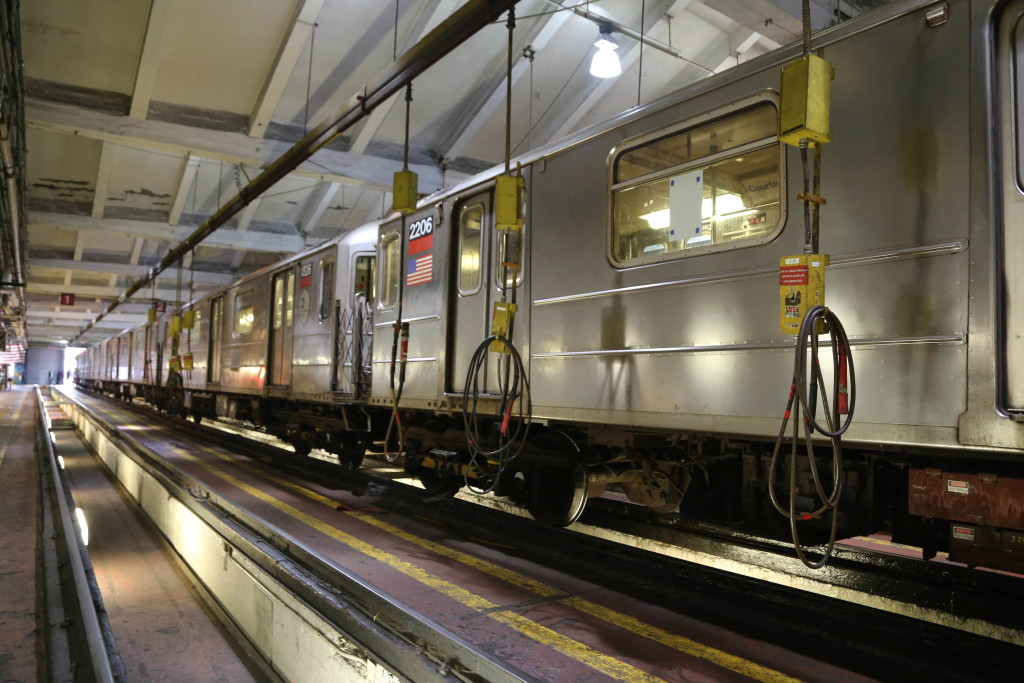
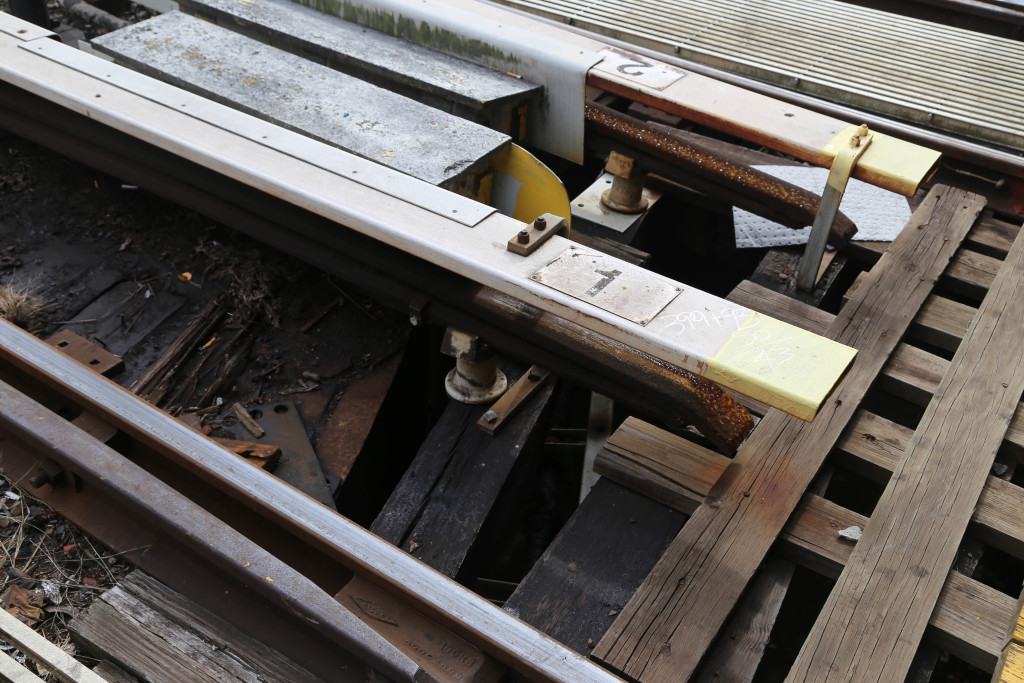
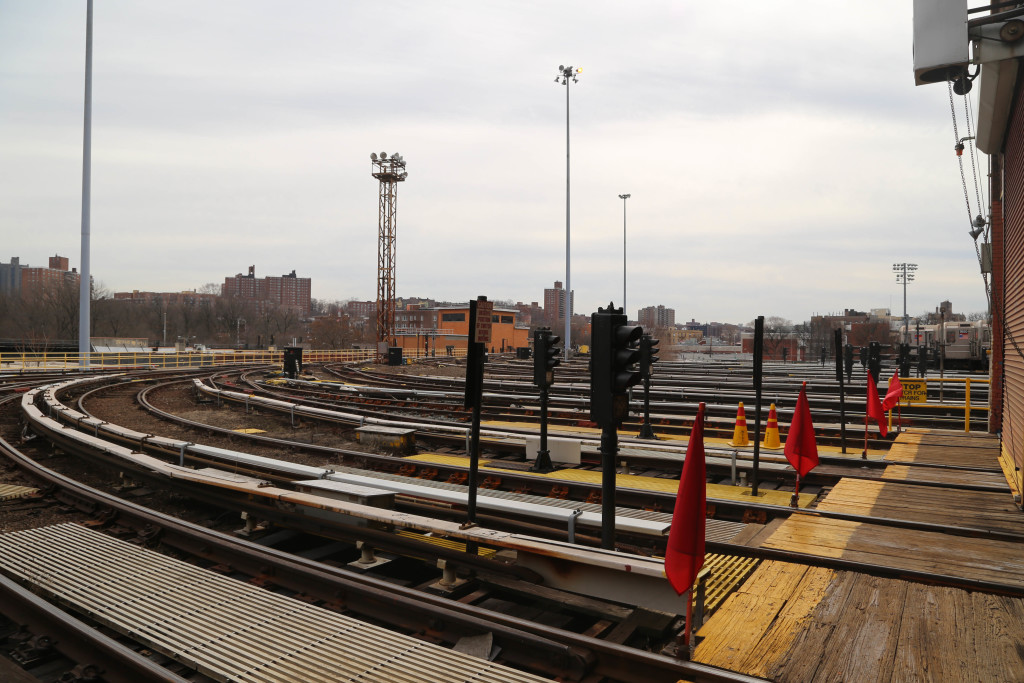
My most recent nerd trip to New York was to tour the New York City Transit Authority’s 240th Street Yard, also known as Van Cortlandt Yard. The train yard is completely elevated, which in my opinion makes for impressive structural engineering. It is a small shop, so it cannot hold all the trains that are out of service. The do regular maintenance as well as repair. I was impressed with all the safety mechanisms and protocols they have to make sure no one gets hurt.

Entrance to the elevated 240th Street Train Yard

Entrance to the elevated 240th Street Train Yard

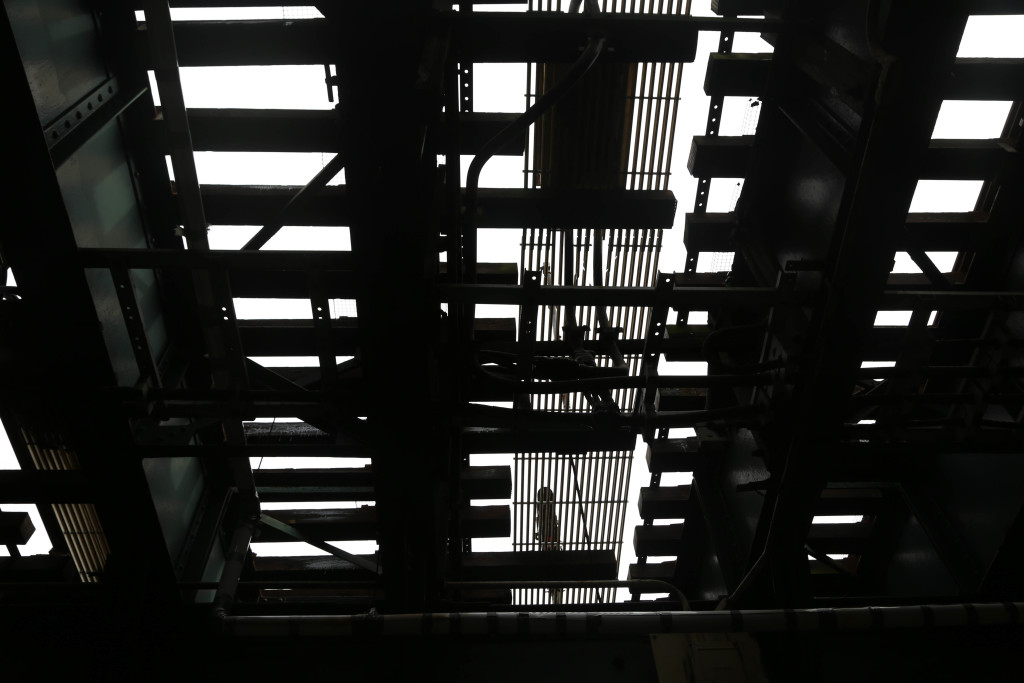
Below the elevated 240th Street Train Yard

Below the elevated 240th Street Train Yard

The underside of the completely elevated 240th Street Train Yard

The underside of the completely elevated 240th Street Train Yard

The lavish office of the yard supervisor

The lavish office of the yard supervisor

Train in for maintenance

Train in for maintenance

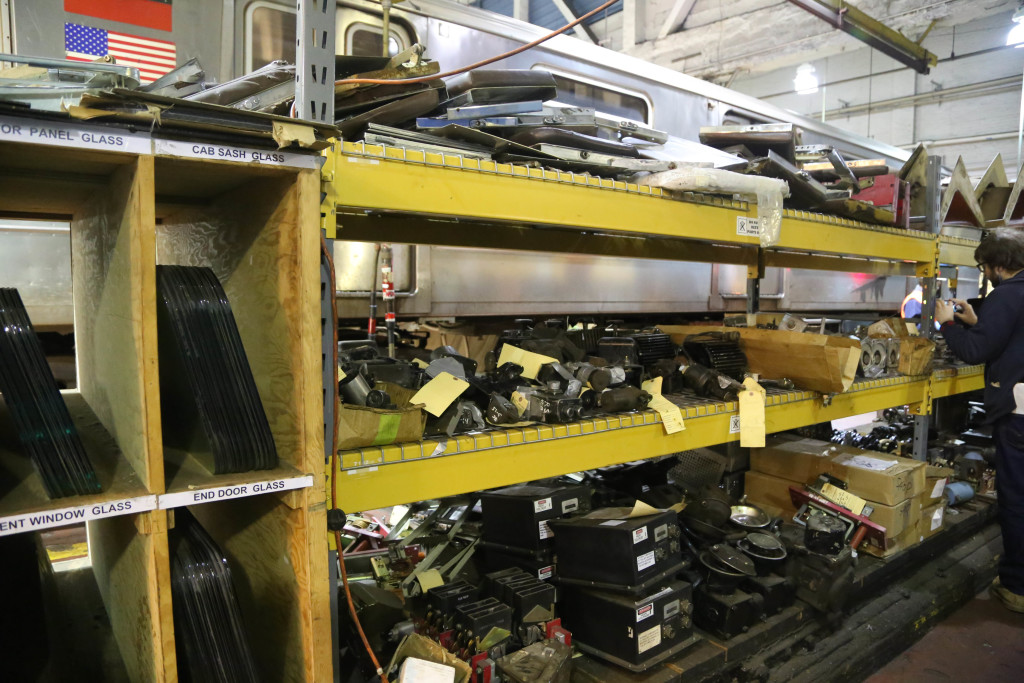
Stacked and organized supplies

Stacked and organized supplies

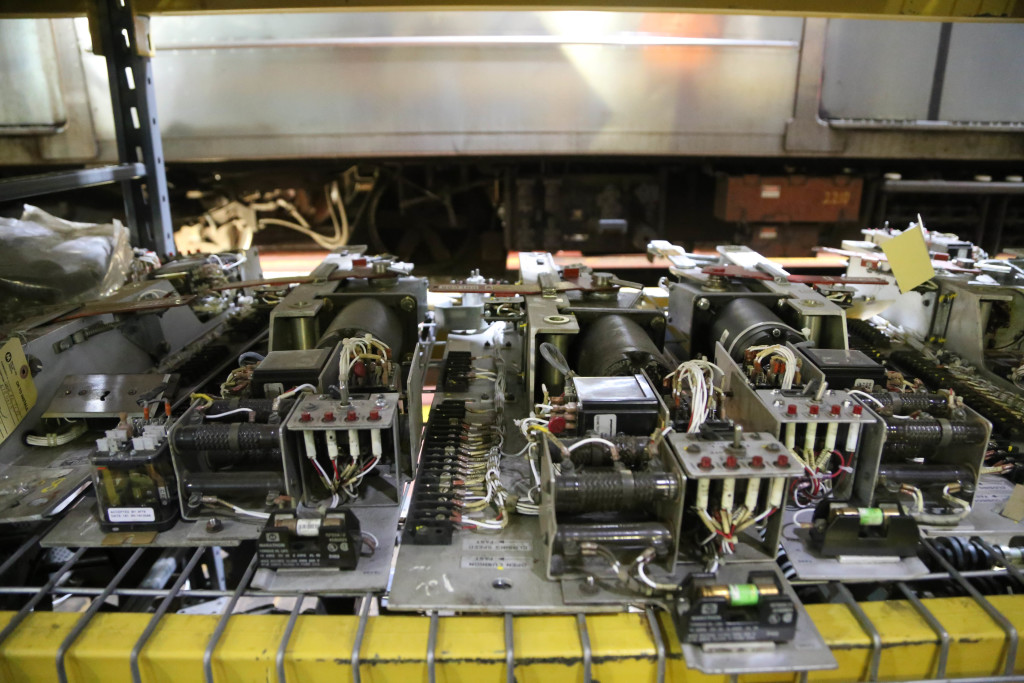
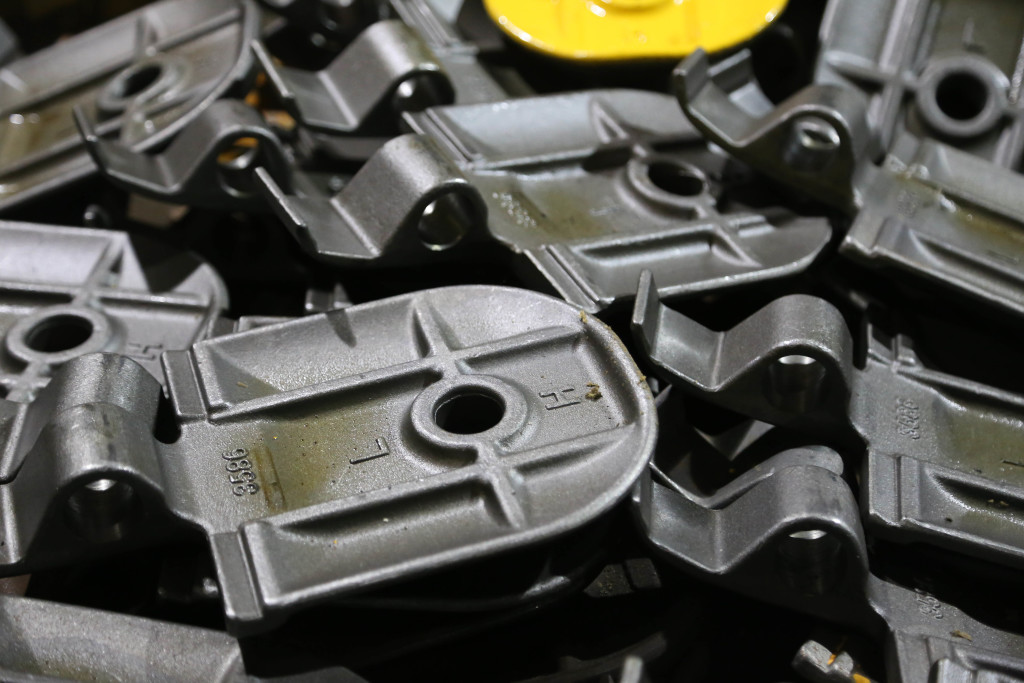
I have no idea what these are, but the shop has really cool looking parts

I have no idea what these are, but the shop has really cool looking parts

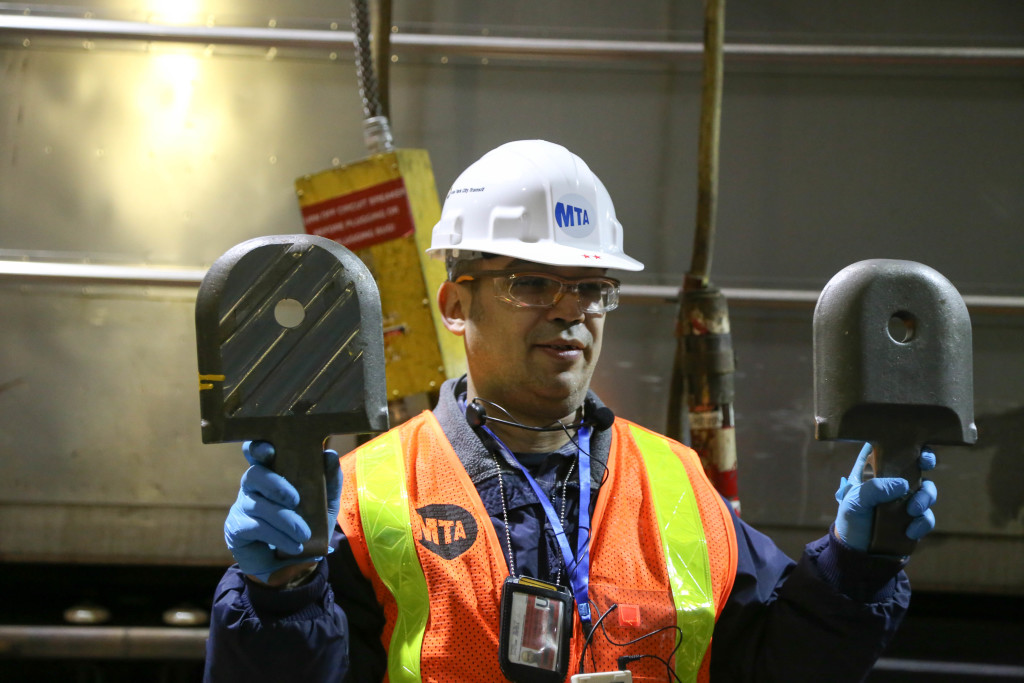
Contact shoes (how the train makes contact with the 3rd rail). The one of the left is a snow shoe, the ridges cut the snow and ice, and the one on the right is a regular shoe.

Contact shoes (how the train makes contact with the 3rd rail). The one of the left is a snow shoe, the ridges cut the snow and ice, and the one on the right is a regular shoe.

Basket full of contact shoes. The yellow one is a snow shoe.

Basket full of contact shoes. The yellow one is a snow shoe.

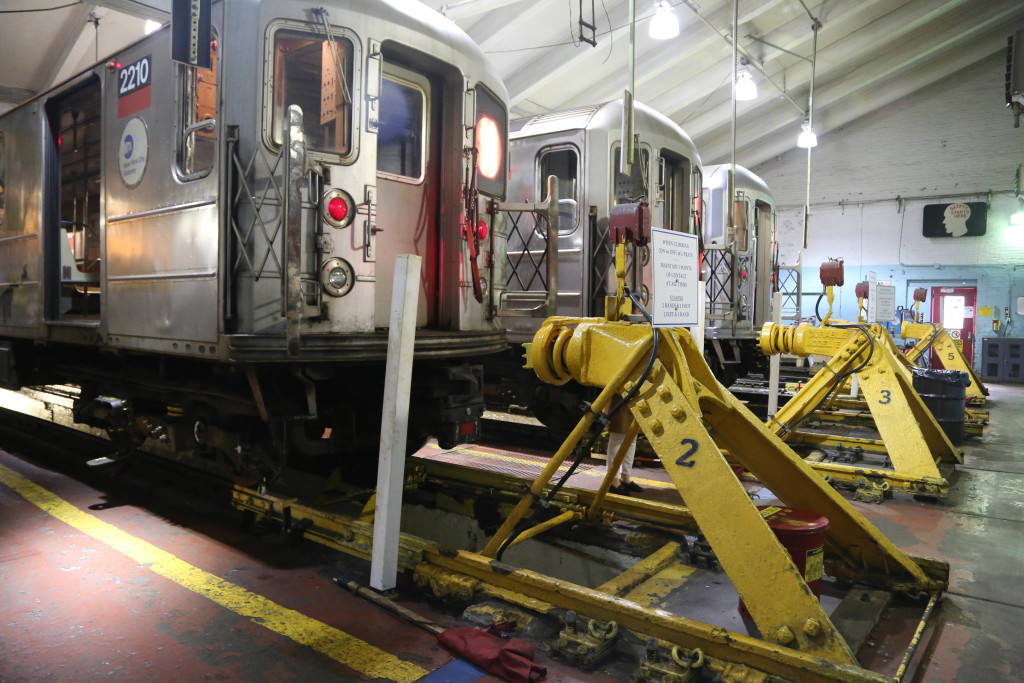
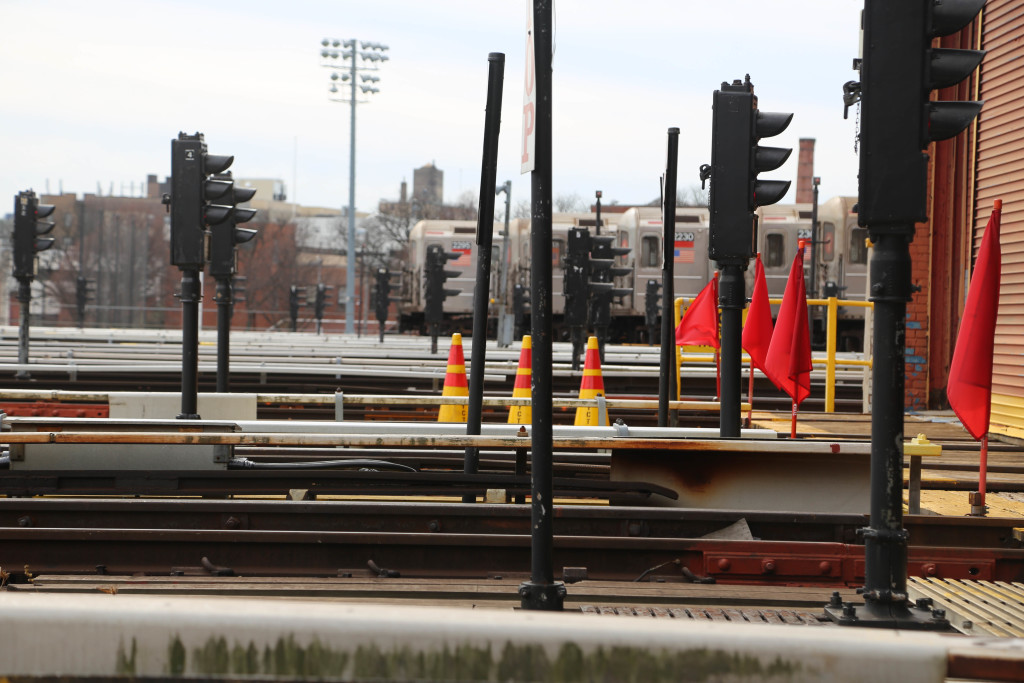
Trains in the 240th Street Train Yard shed

Trains in the 240th Street Train Yard shed

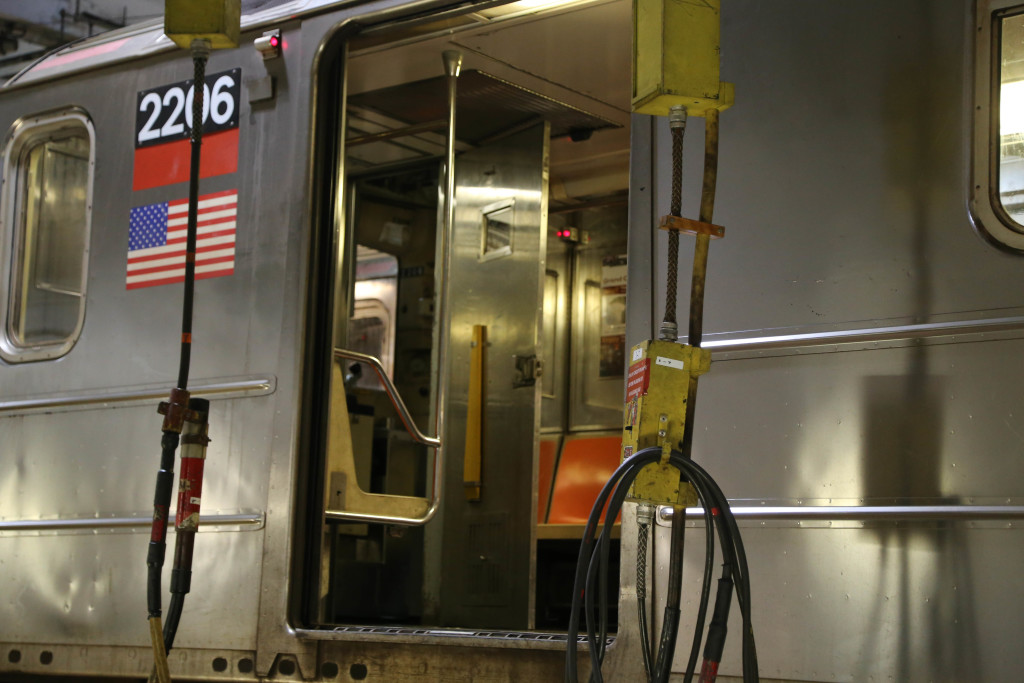
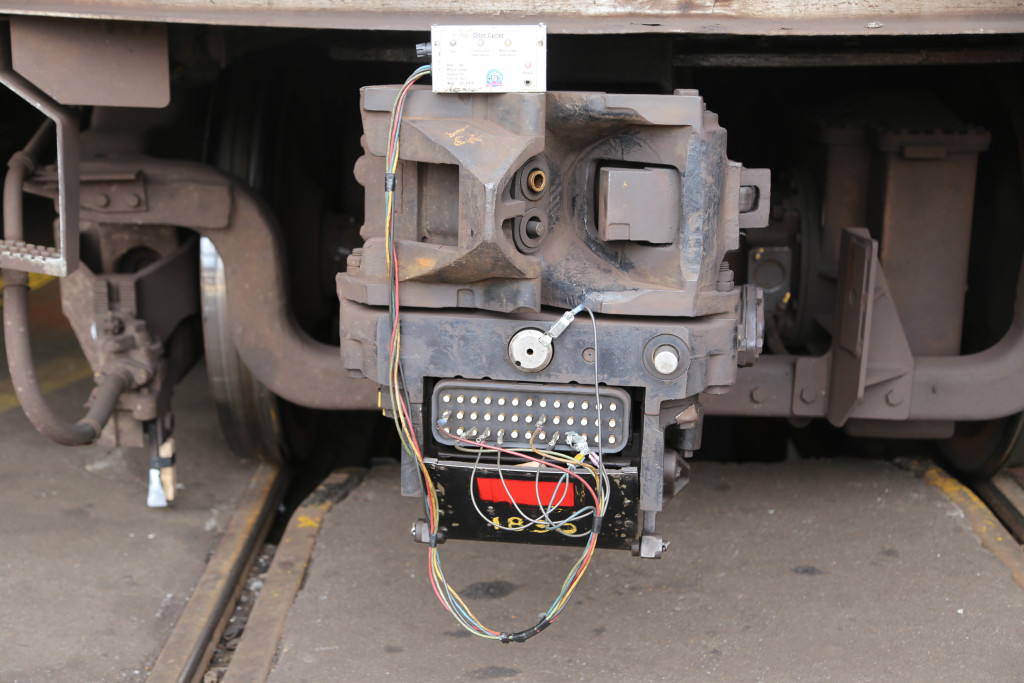
Cables hanging in front of the car are "bugs". The ones with more cable and a 2nd box are little bugs because the have less voltage. The other one on the left is a big bug because it has more voltage and power the entire train.

Cables hanging in front of the car are “bugs”. The one with more cable and a 2nd box is a little bug because it has less voltage. The other one on the left is a big bug because it has more voltage and power the entire train.

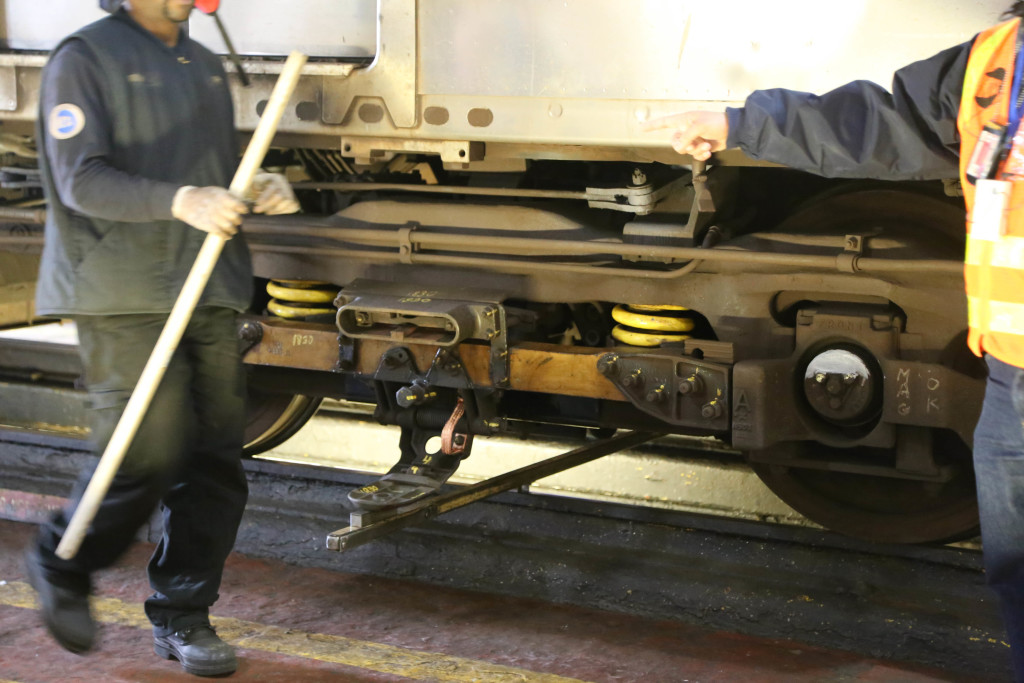
A stick is used to make sure the contact shoe is at the right height. A maintenance worker is carrying another stick used to measure the height of the car above the rail.

A stick is used to make sure the contact shoe is at the right height. A maintenance worker is carrying another stick used to measure the height of the car above the rail.

Unclose view of the 3rd rail that ends at the entrance to the shop.

Unclose view of the 3rd rail that ends at the entrance to the shop.

Cool looking thing on a train the shop. I think it is a device that tests the doors and opening and closing.

Cool looking thing on a train the shop. I think it is a device that tests the doors and opening and closing.

240th Street Train Yard entrance to the shop

240th Street Train Yard entrance to the shop

Signals at the entrance to the 240th Street Train Yard shop

Signals at the entrance to the 240th Street Train Yard shop

It’s Not Rocket Science

I subscribe to my county’s weekly police report just in case there might be crime in my area I want to know about. I don’t live in a high crime area, so normally the police report is a bunch of car break-ins and drunks in the bar area of town. Today though I found this interesting report.

MISSILE INTO AN OCCUPIED DWELLING, [location of incident]. On January 18 at approximately 6:51 p.m., a resident reported a known suspect threw a brick and rock into her residence, shattering two windows. [Suspect name] was arrested and charged with missile into an occupied dwelling, destruction of property, drunk in public and violation of protection order.”

What I found interesting is that legally speaking, a brick and/or a rock is considered a missile. To me this is another reason why rocket science should not be the go to science and engineering field for things that are hard. I hate the phrase “it’s not rocket science” with a passion. Rocket science is not that hard. It involves controlled combustion and trajectory. Missiles, a term which is generally used to mean a rocket that will cause destruction, is quite frankly easy. Science fields that are hard involve things that can’t be controlled near as easy as rockets, like biological systems, like fields trying to predict what stupid humans will do, like basic science where we are still trying to understand all the forces involved. You try doing an environmental and human health risk assessment on a hazardous waste site where toxicologists are unsure what level of exposure to a contaminant is acceptable, where you can’t be completely sure what humans will really be doing and for how long at a site, where people want to know they will be not be subject to undue risk for the next 70 years, and where you can’t be absolutely, completely positive just how much of each contaminant is there, but the polluters don’t want to clean up more than necessary. Then come talk to me about how hard rocket science is.

In summary, as evidenced by this police report, missiles are easy. Rockets are easy. Stop comparing things you think are hard to rocket science.