
This is the Duquesne Incline in Pittsburgh. It is considered part of the public transportation system of Pittsburgh.
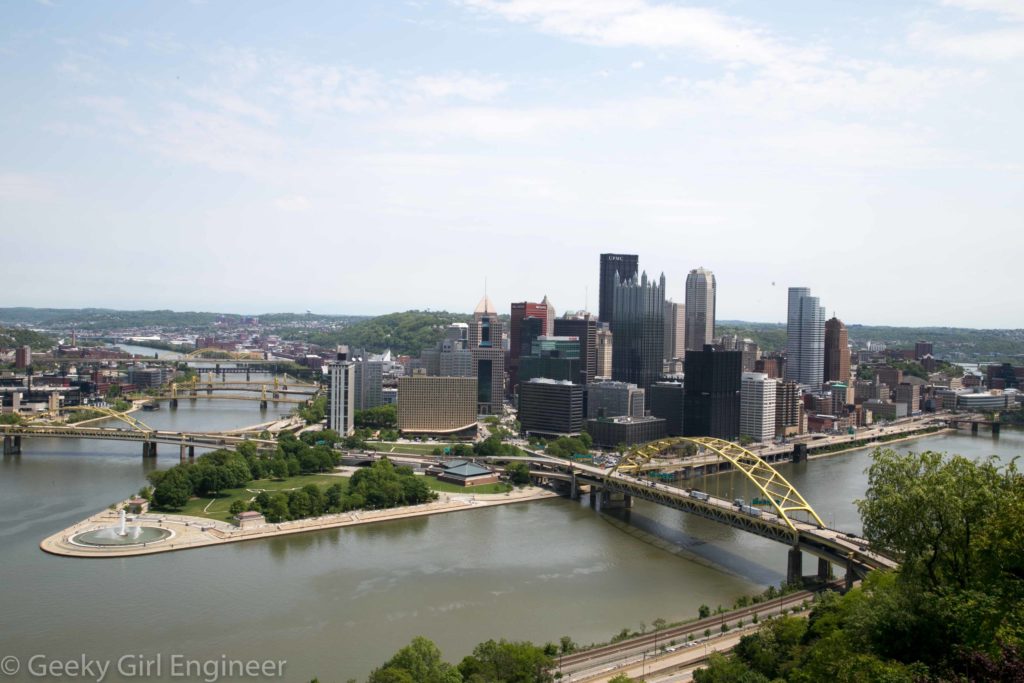
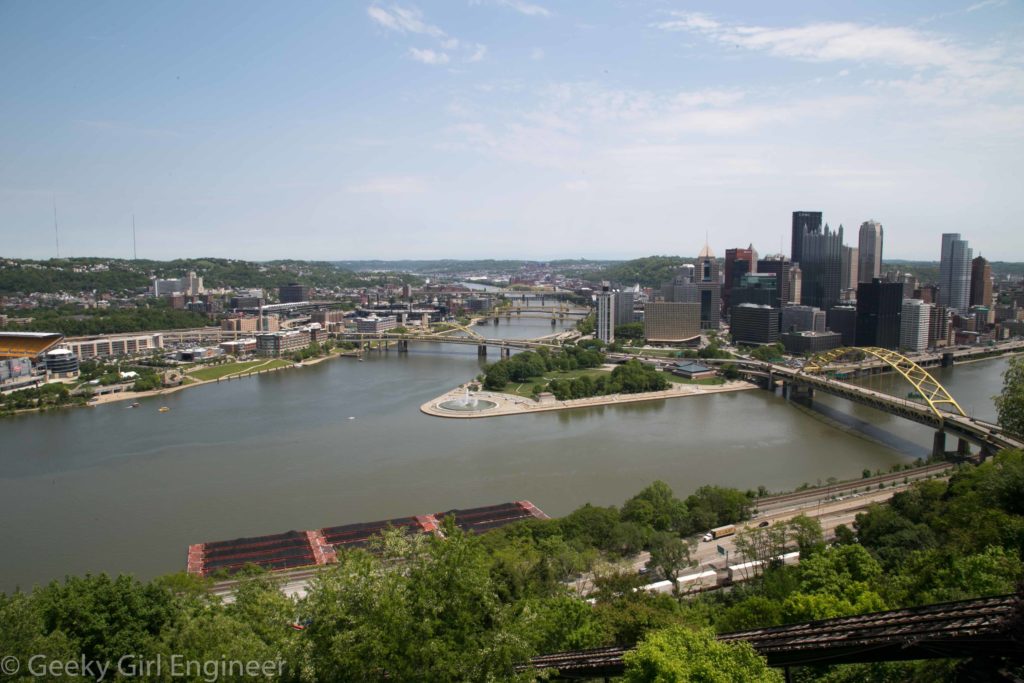
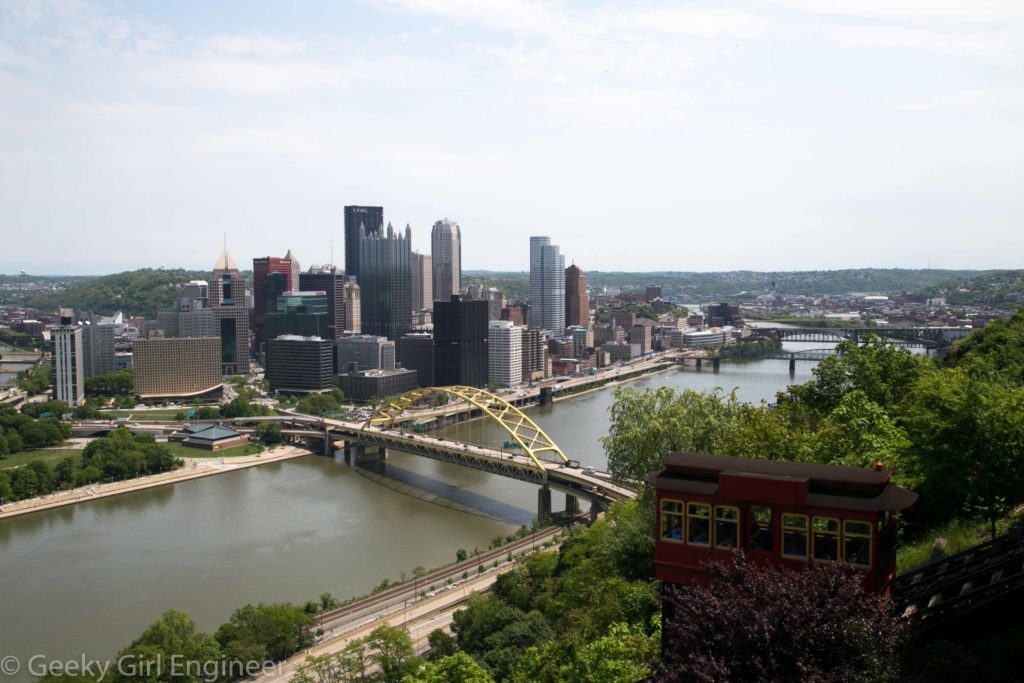
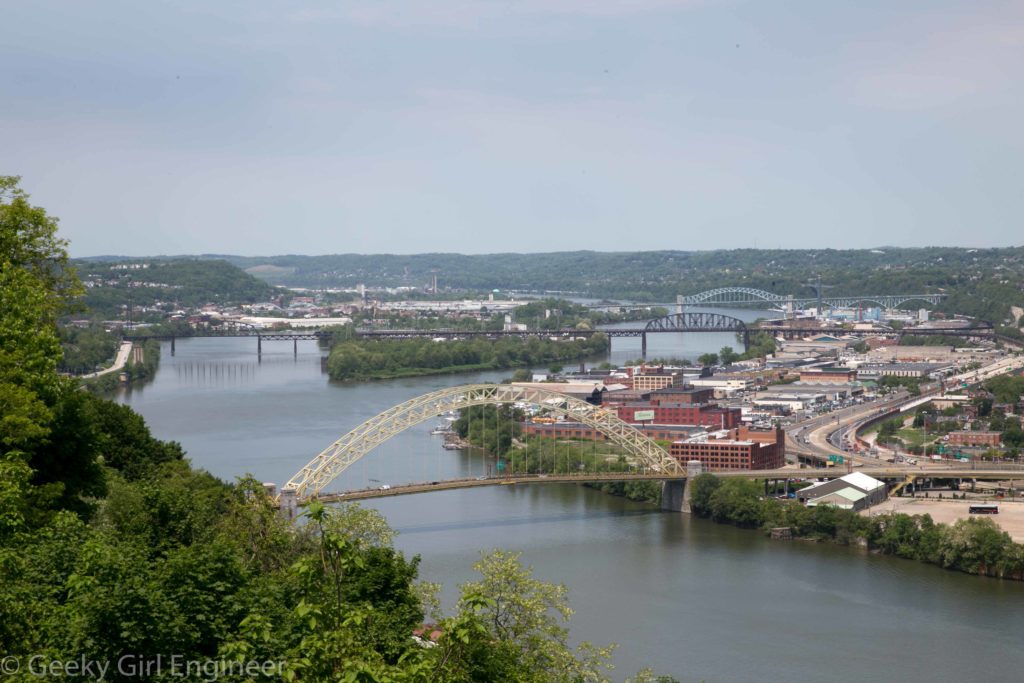
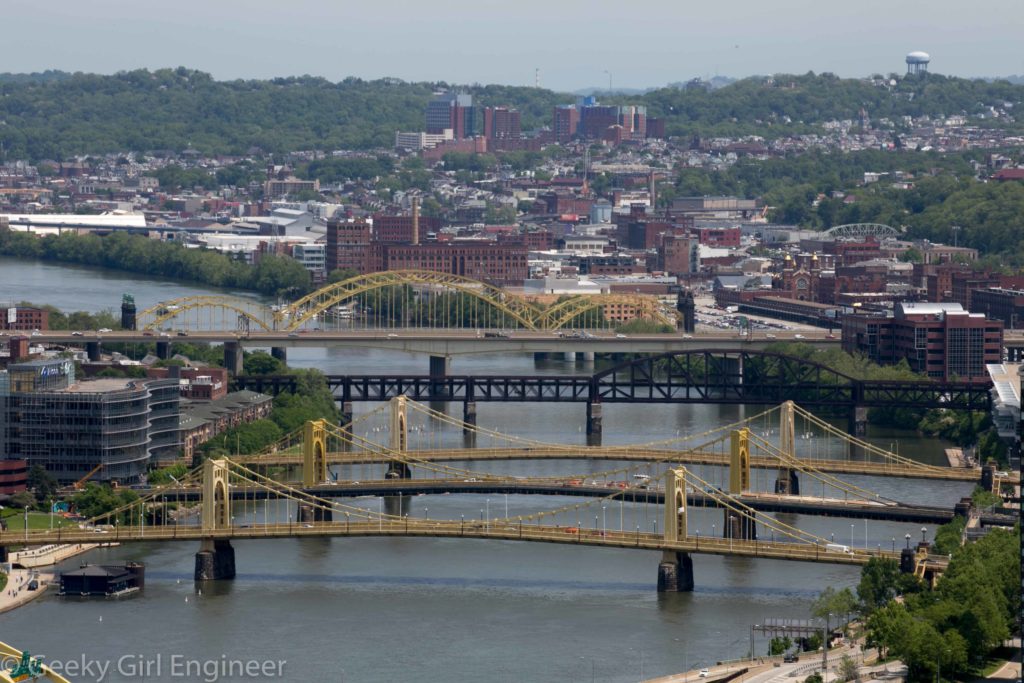
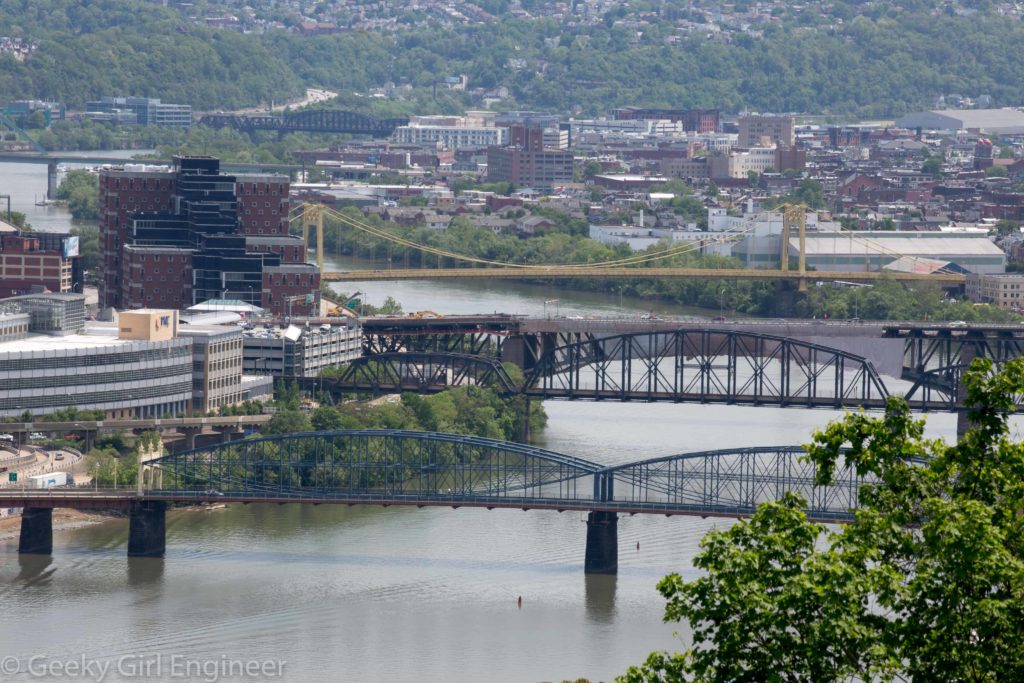
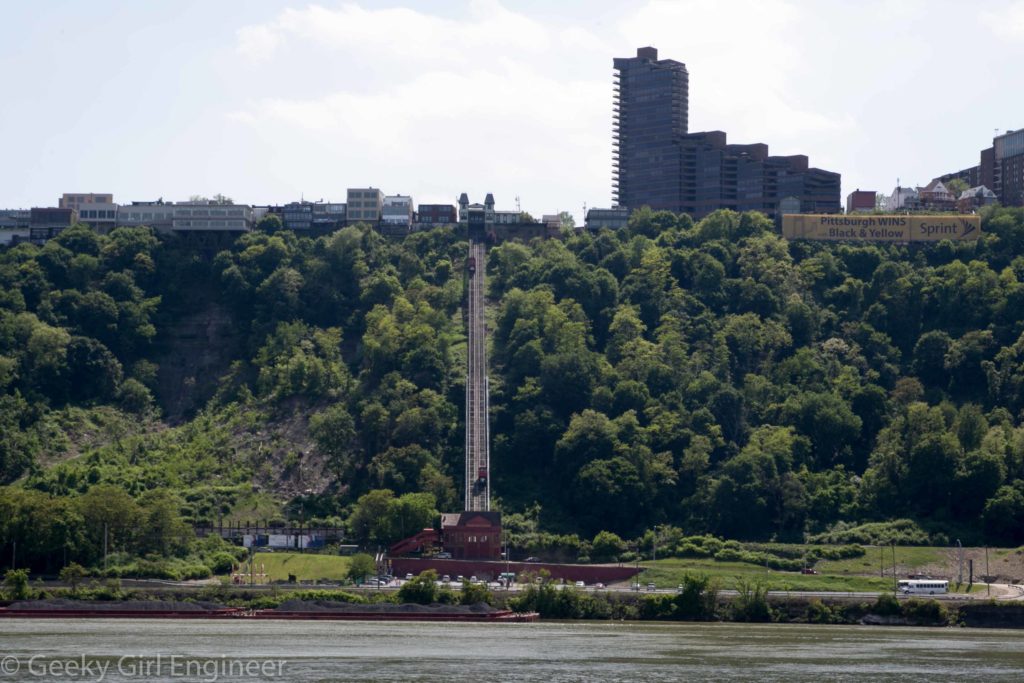 It is also a wonderful place to view Pittsburgh, especially downtown, and many of its bridges. If you are ever in Pittsburgh, go there. The ride is fun, and the view from the viewing platform at the top is amazing. As a side note, Pittsburgh has a lot of bridges, and they are all lovely.
Tag Archives: Engineering
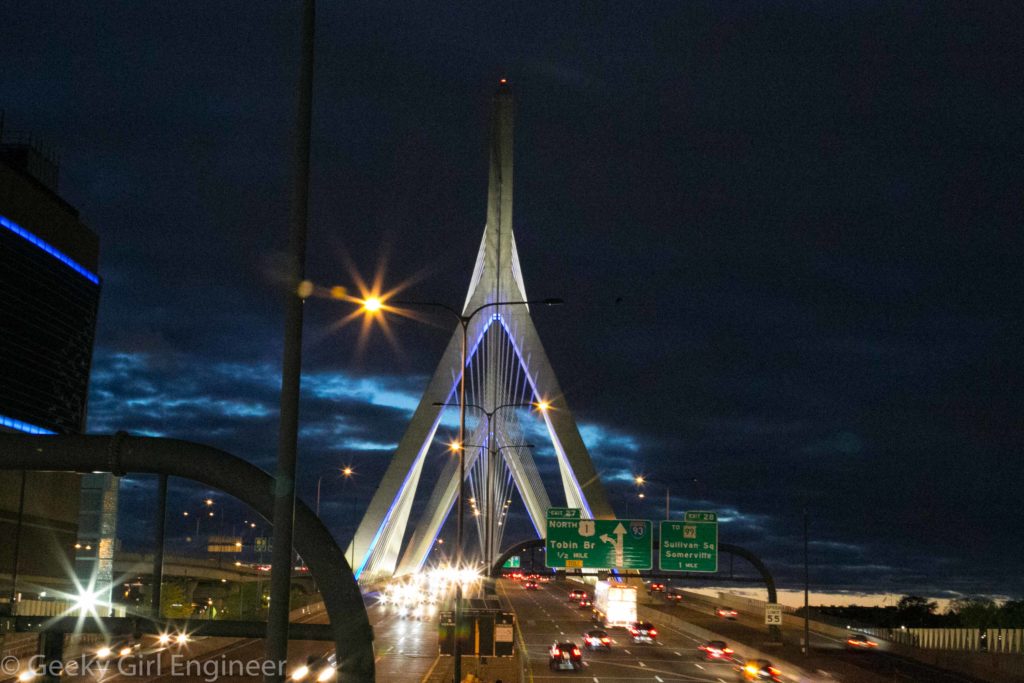
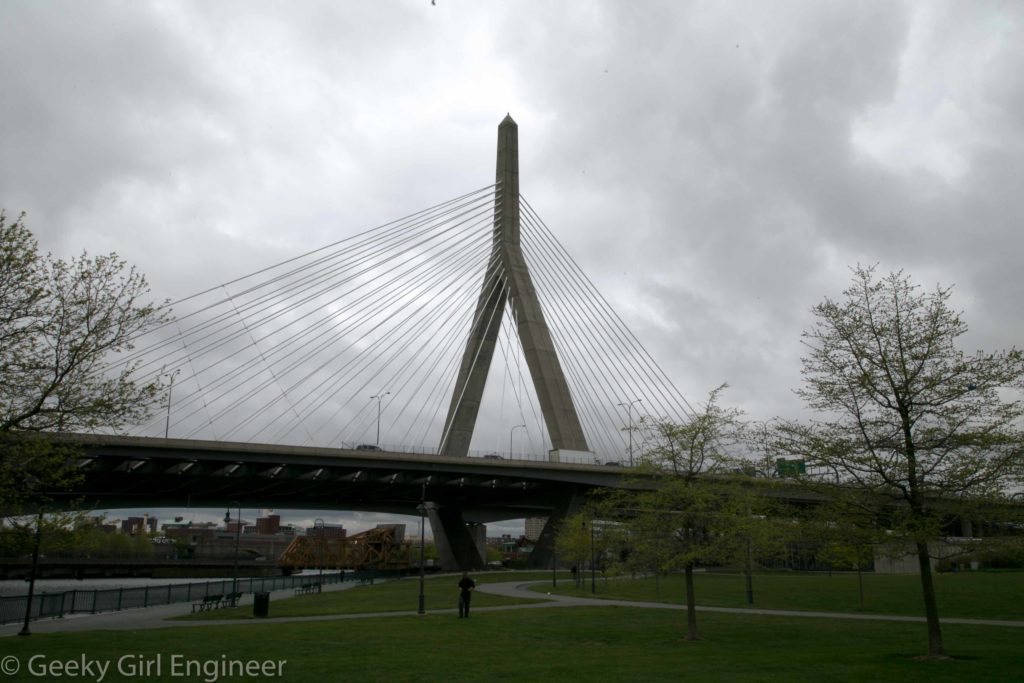
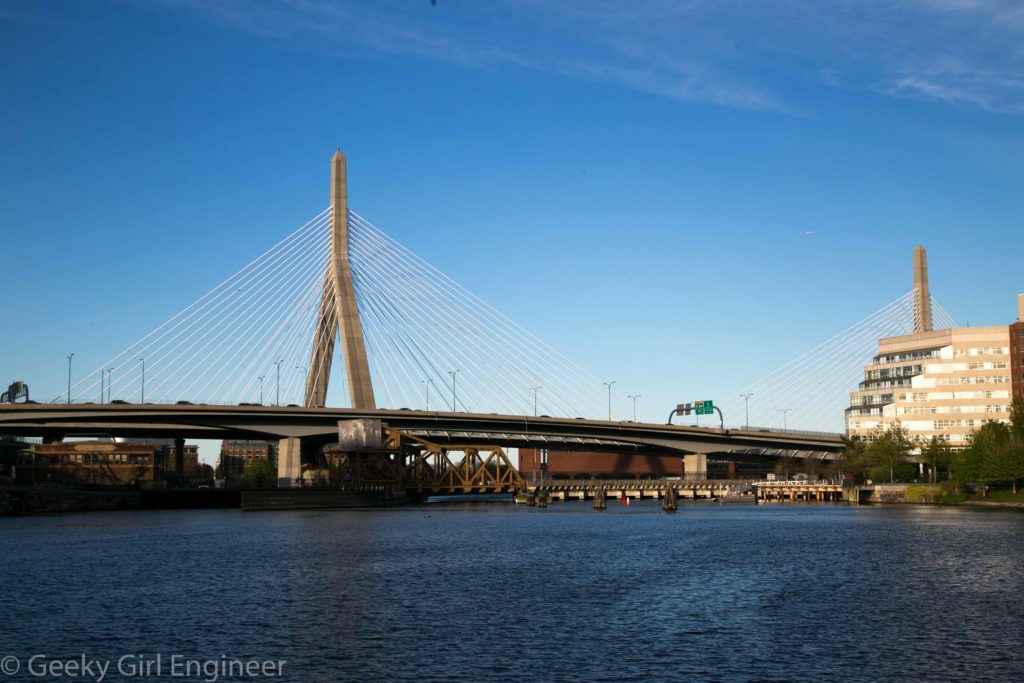
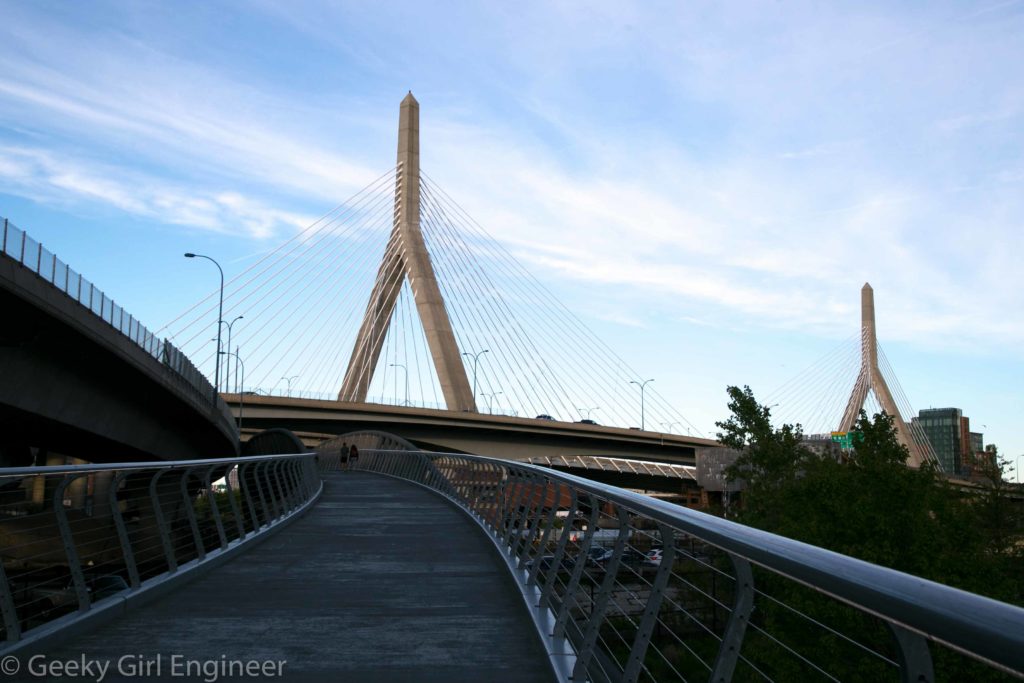
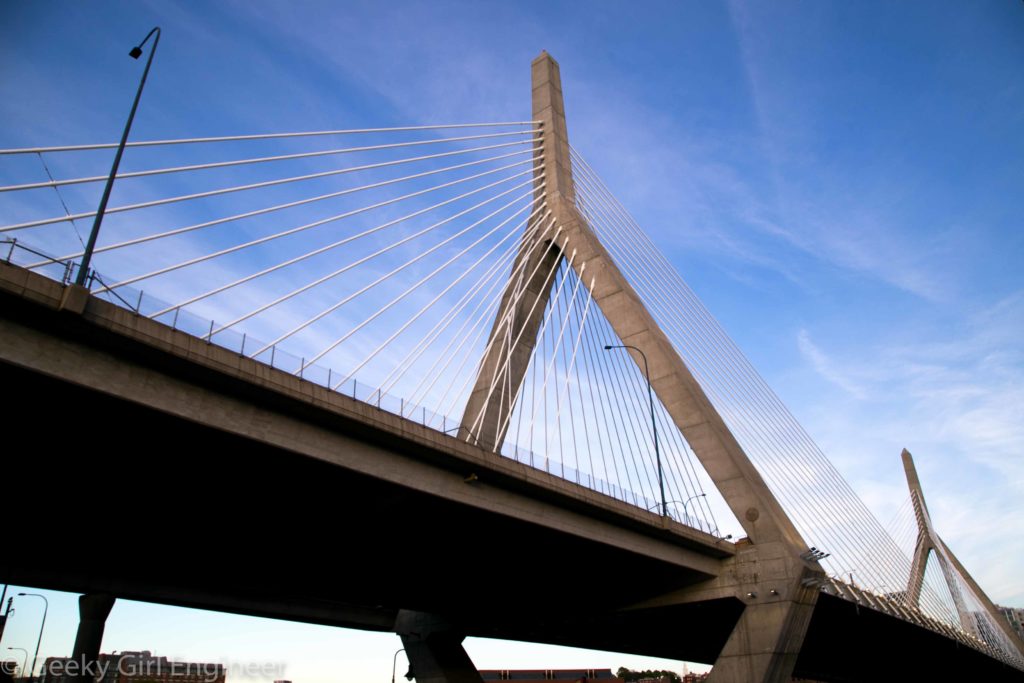
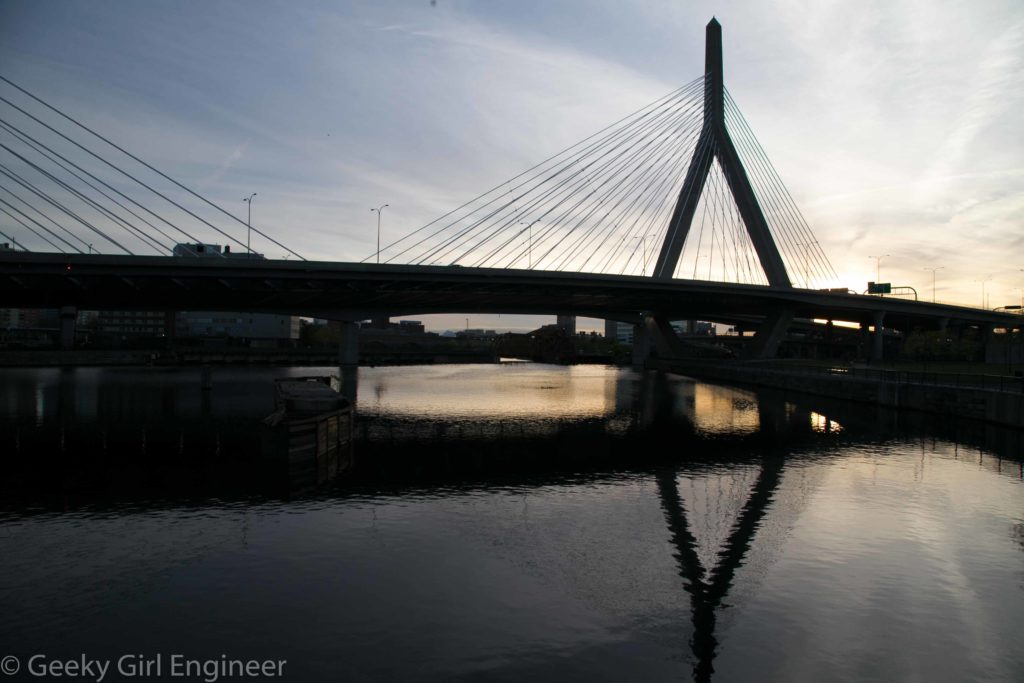
Leonard P. Zakim Bunker Hill Bridge
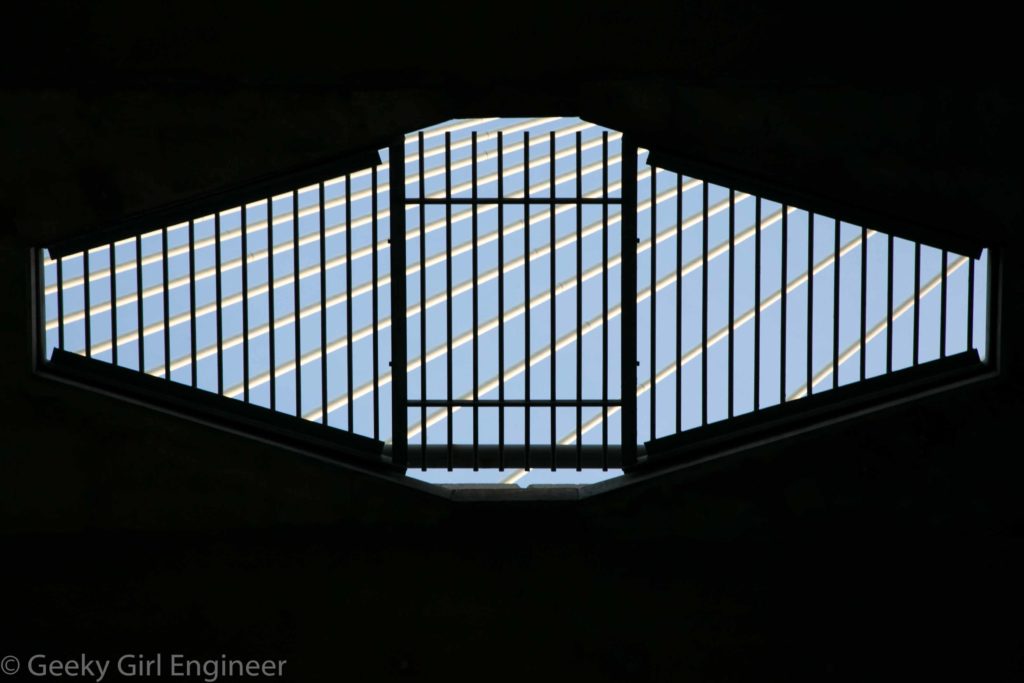
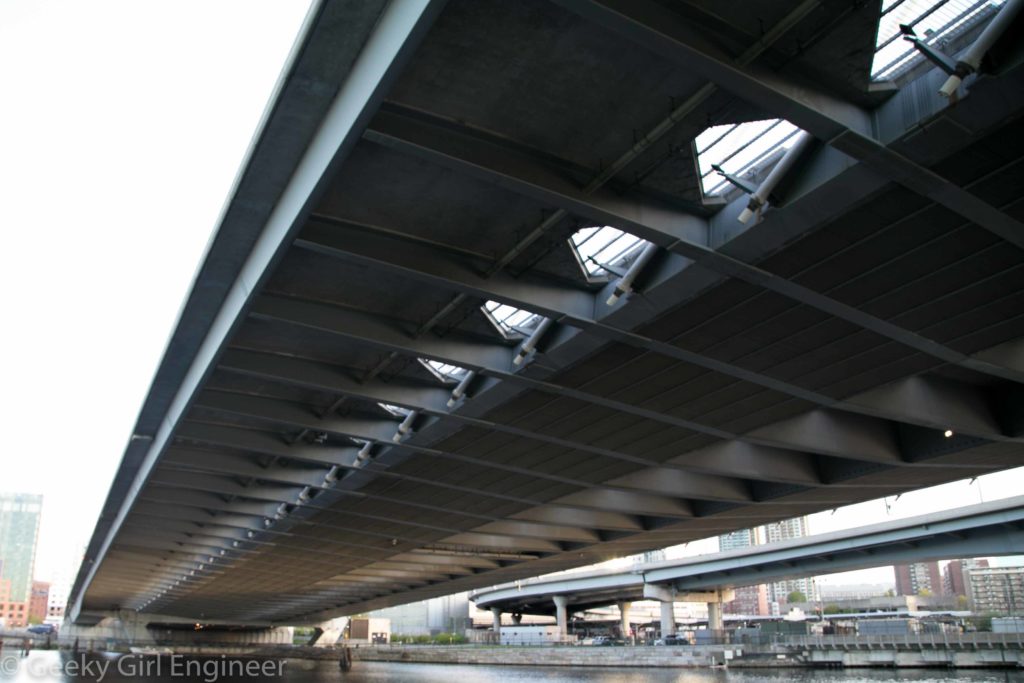
I have this thing for bridges. I love them. However, I have a particular thing for cable-stayed bridges. They are my favorite. I love the simplicity of them. They are modern, sleek, functional, graceful, and gorgeous, all at the same time. Boston has a cable-stayed bridge right next to downtown, the Leonard P. Zakim Bunker Hill Bridge, by which I-93 crosses the Charles River. So naturally, while in Boston, I took a lot of photos of this bridge. Here are just a few.

Boston’s Transit Museum
I’m in Boston, and my friend Kristen, who lives here now, tells me there is something I have to see. Kristen knows me really well. She knows I am a member of the New York Transit Museum and a transit nerd. She says I have to visit Boston’s Transit Museum. Boston has a transit museum? No, but they seem to have unofficially made a tiny but not really accessible one that can be visited for the cost of a T ride. Go to the Boylston Station on the inbound side tracks, and that is the Boston “Transit Museum.” How permanent the exhibit is, I have no idea, but there are two old streetcars parked there. They are behind a huge fence, so it is difficult to get photos, but they are kind of cool to see.
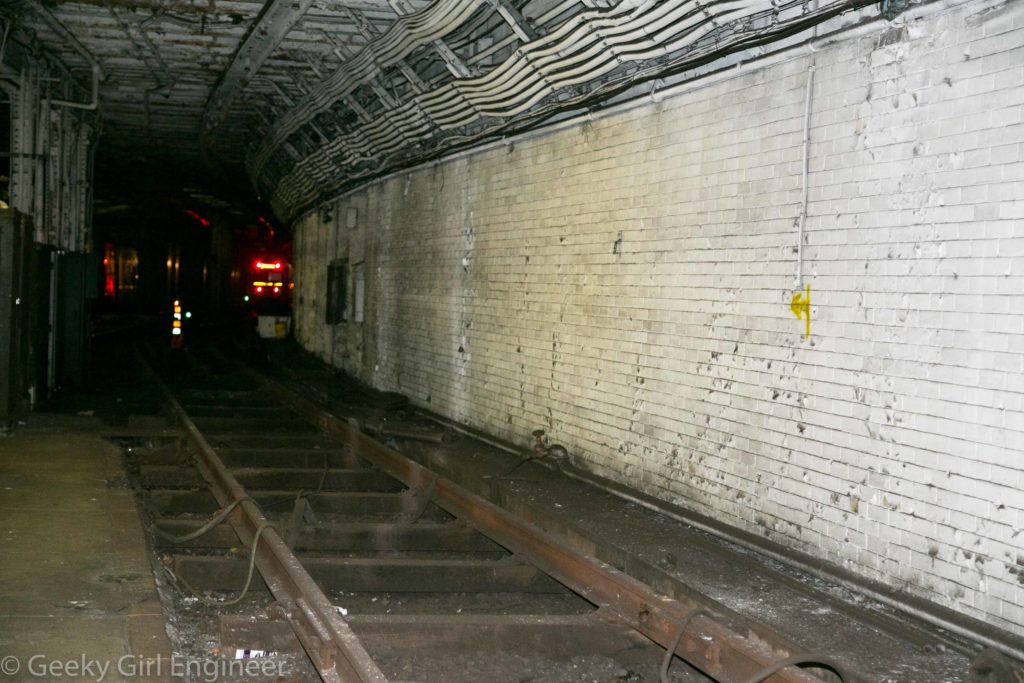
Exterior track that is not used for normal cars
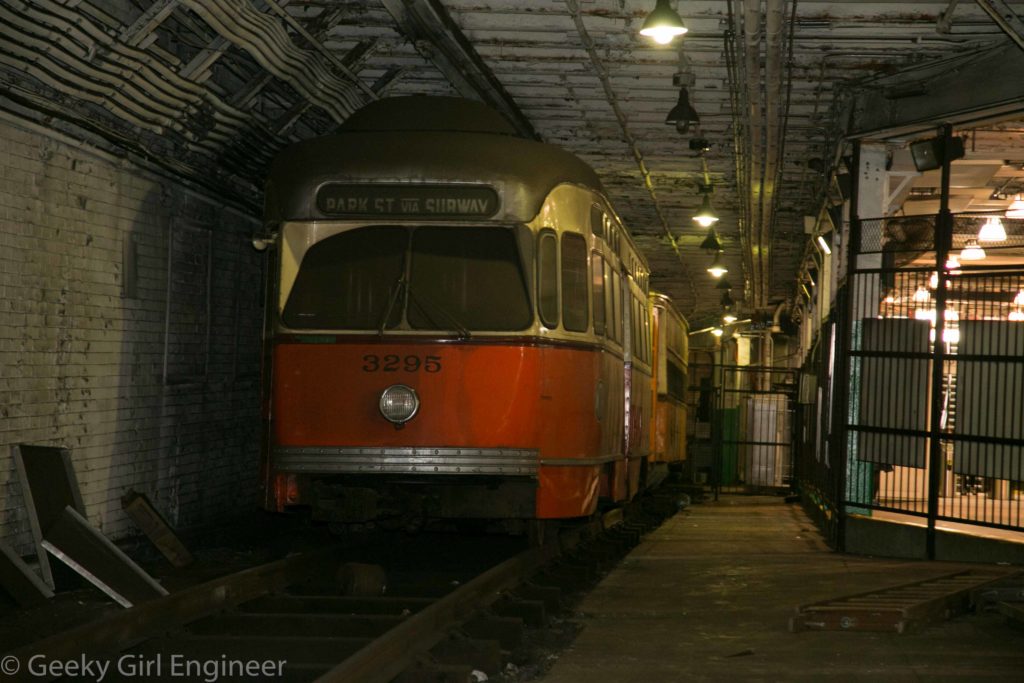
PCC Car No. 3295, according to display, this car was received in 1951 and was of the last PCC cards built by Pullman-Standard Company
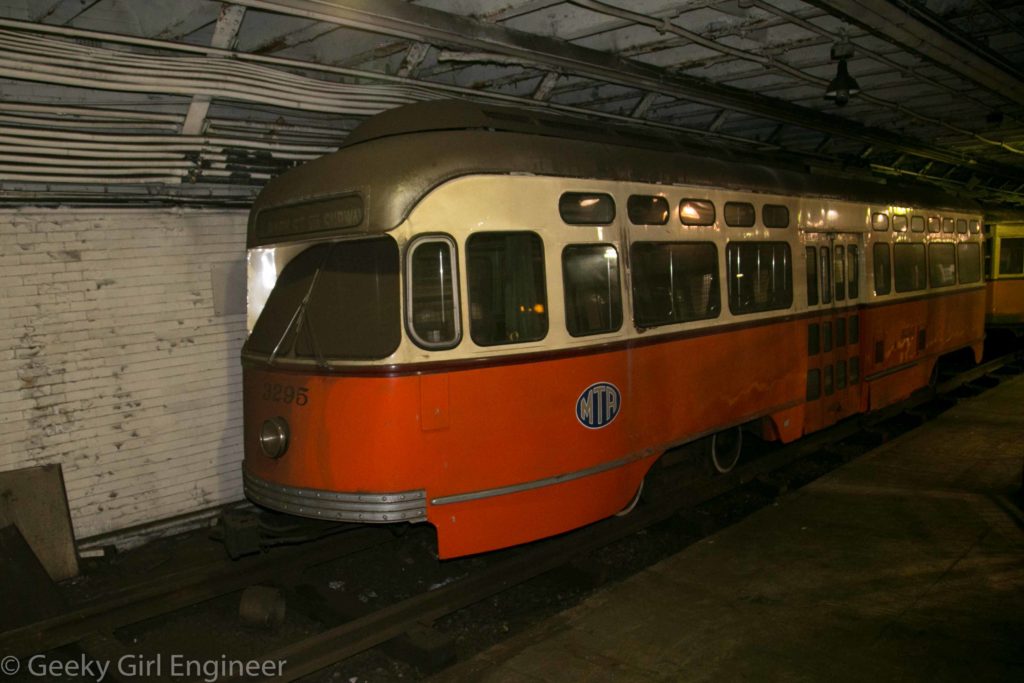
PCC Car No. 3295, according to display, this car was received in 1951 and was of the last PCC cards built by Pullman-Standard Company
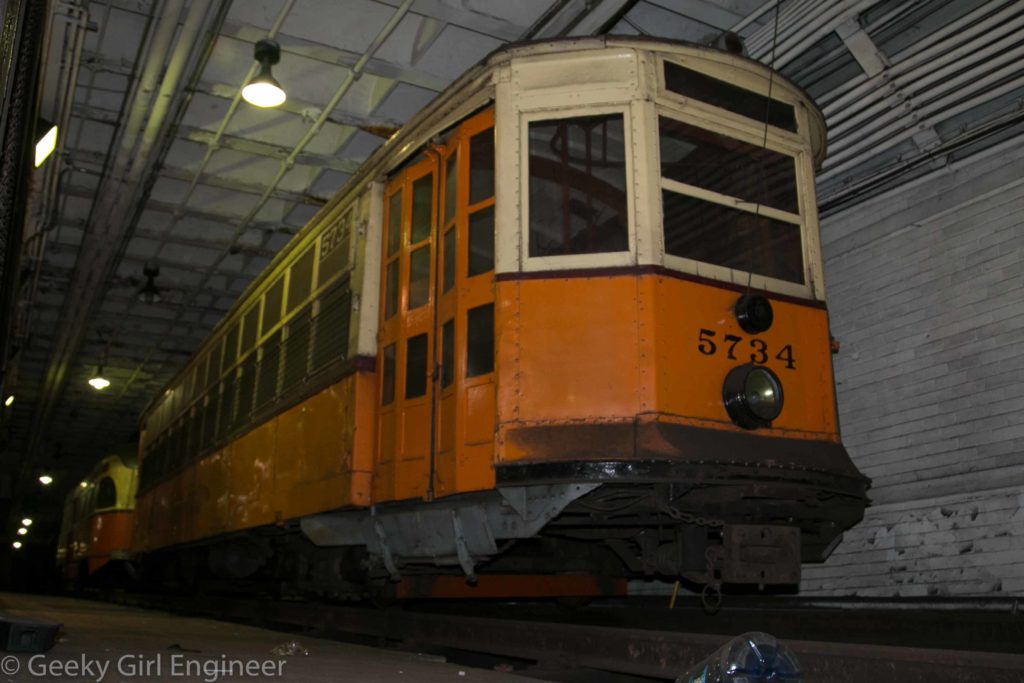
Type 5 Car No. 5734, according to display material was purchased after World War 1
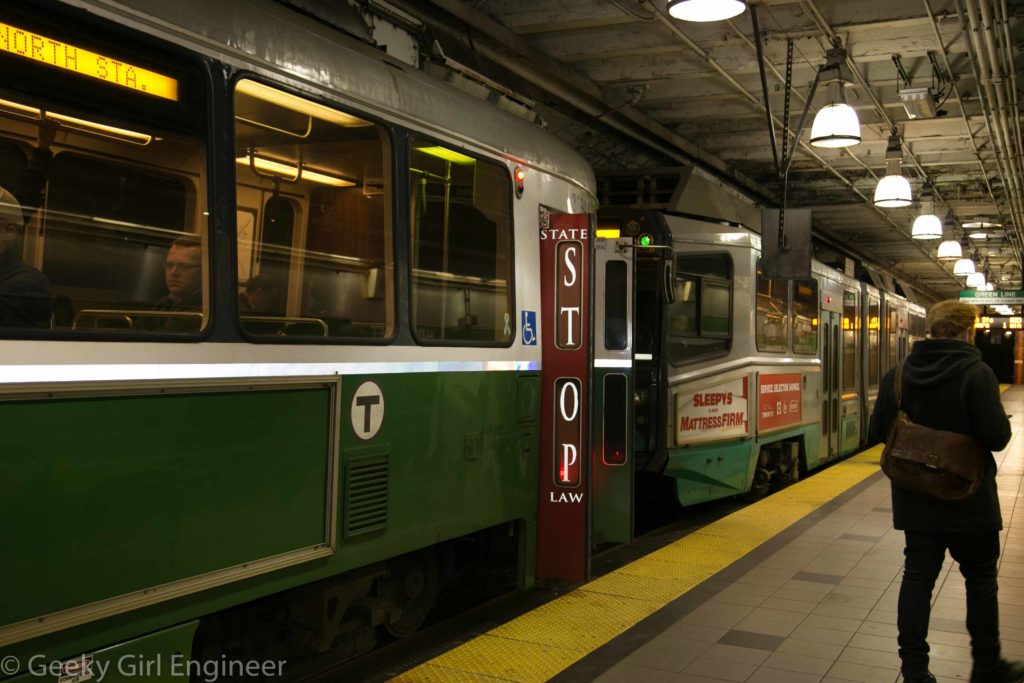
Modern Boston streetcar, which is truthfully not that modern, at Haymarket Station
MTA Substation #13
I got to the MTA’s Substation #13 through the New York Transit Museum recently. The substation converts high voltage AC electricity from the grid and converts it to a lower voltage DC electricity that is used to operate subway trains via the third rail. The substation was originally built in 1904, and it fits into the category of “they don’t build them the way they used to.” The outside looks like a nice neighborhood building, and it has architectural aspects that I really wouldn’t expect from a substation. For example, an interior staircase has lovely decorative balusters.
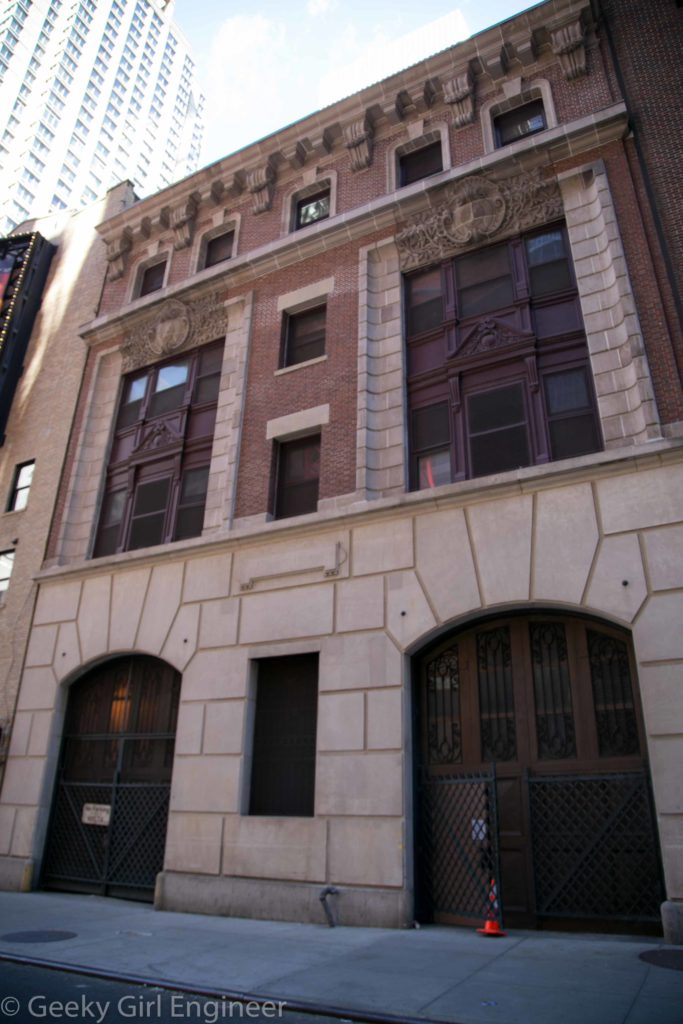
Exterior of the Substation #13
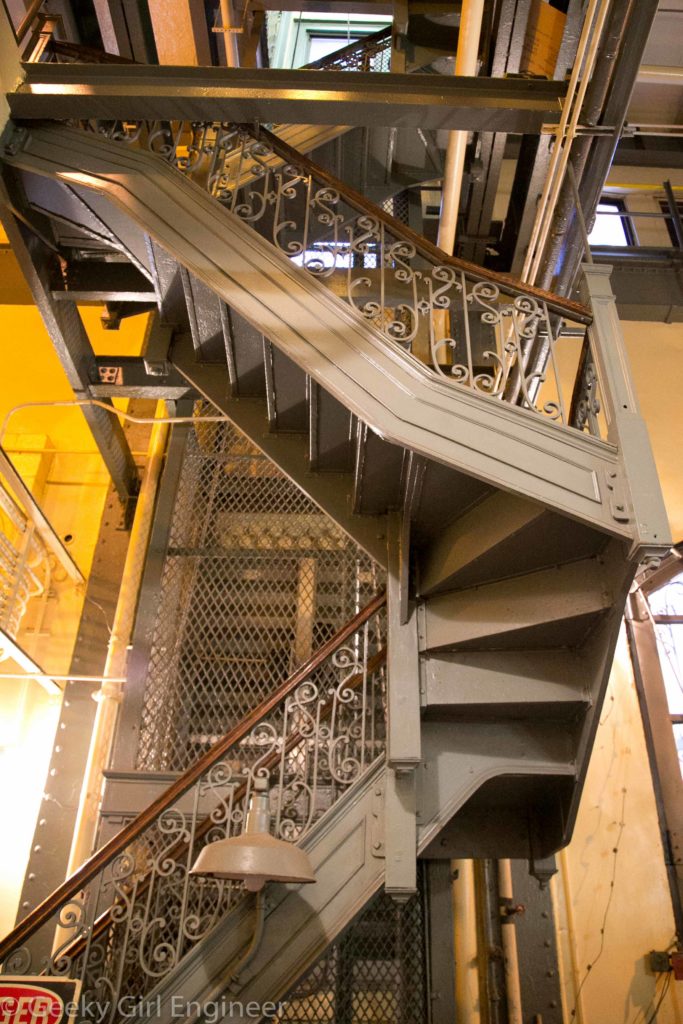
Gorgeous stairwell inside the substation
Inside the substation are large rotary converters, specifically Westinghouse 1,500 kilowatt Rotary Converters. The rotary converters are what used to transform the AC electricity to DC electricity. Now modern solid state rectifiers are used to transform the electricity, and they are much more compact. The old rotary converters were used until 1999, when this substation was switched to the new equipment.
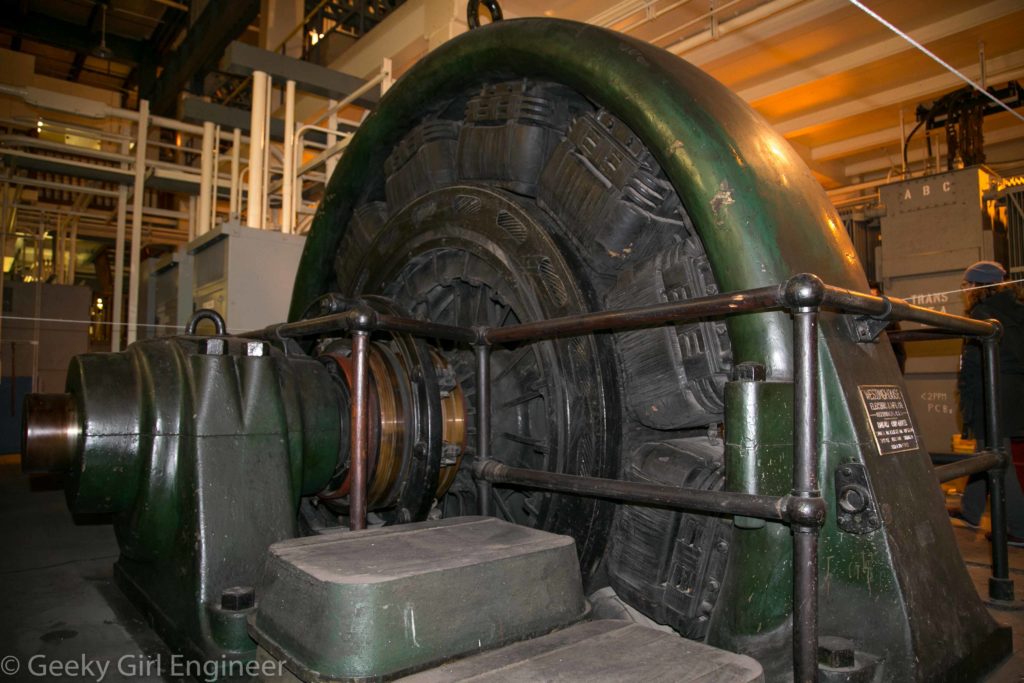
Westinghouse 1,500 kilowatt Rotary Converter
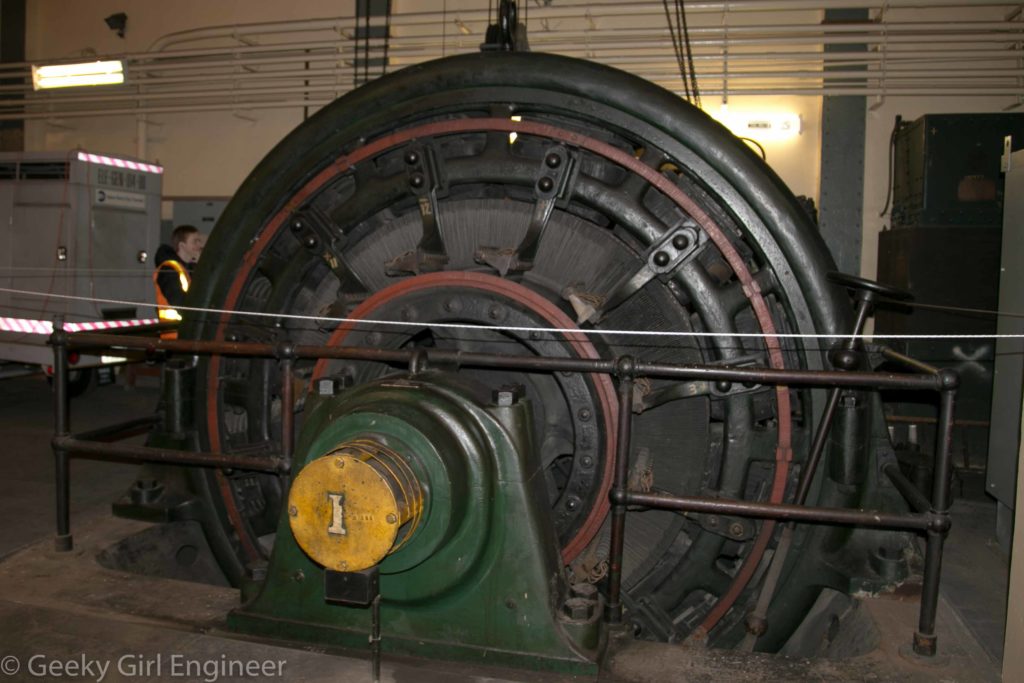
Westinghouse 1,500 kilowatt Rotary Converter
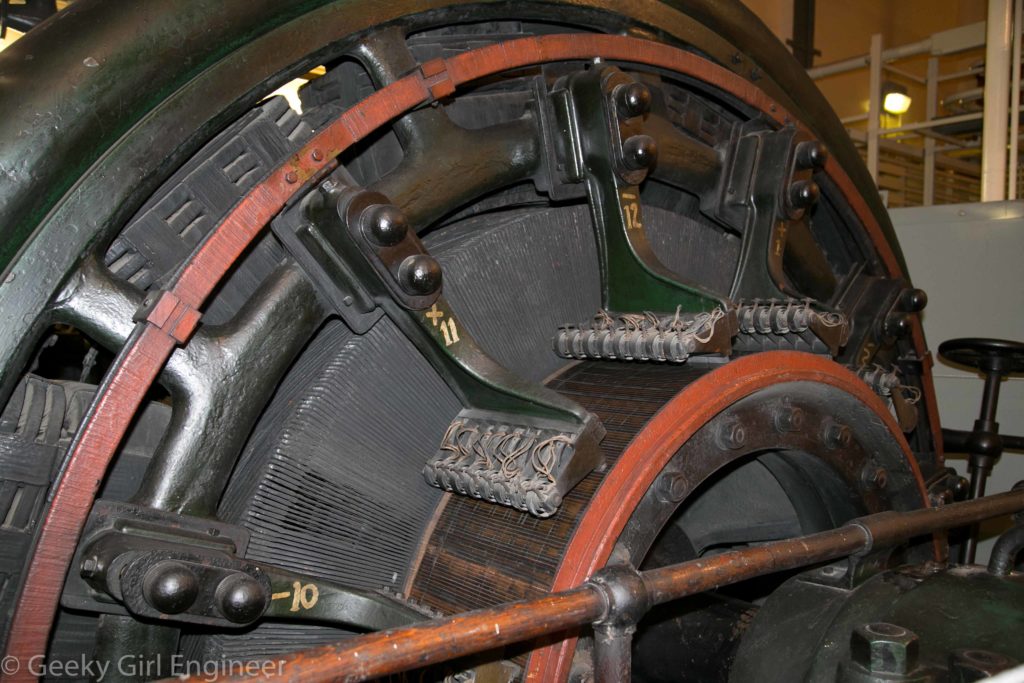
Positive and negative brush arms of Westinghouse 1,500 kilowatt Rotary Converter
Our guide was retired general superintendent Robert Lobenstein, who showed us around. He also showed us how workers used to have to do normal work, like changing switches and listening for crackling to make sure a wire was not live.
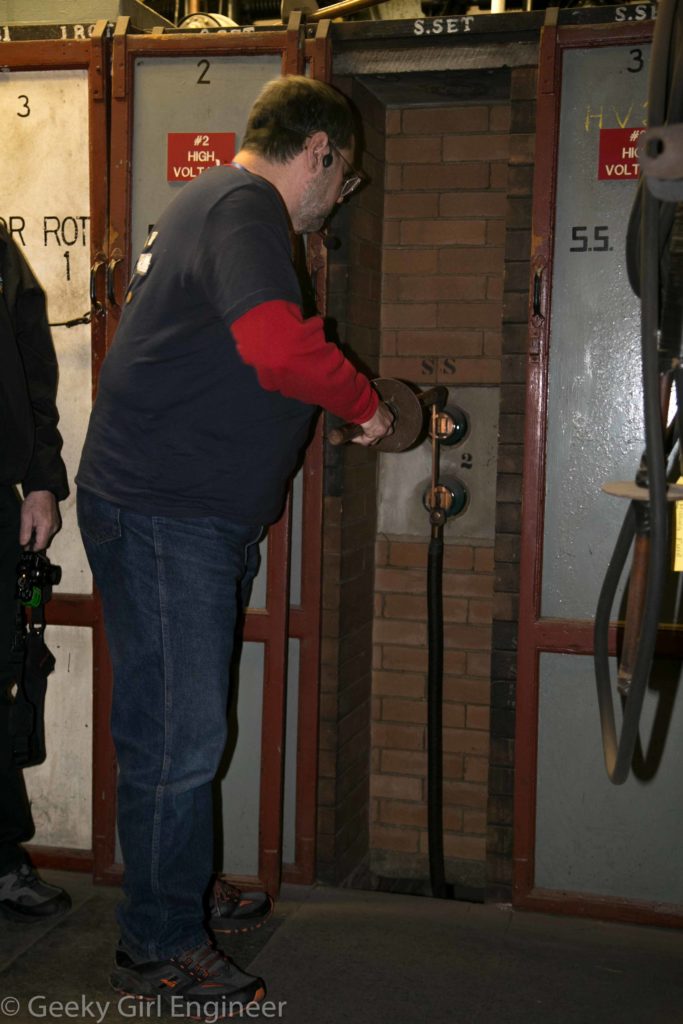
How workers used to change switches
We got to go into the basement which had all sorts of old equipment.
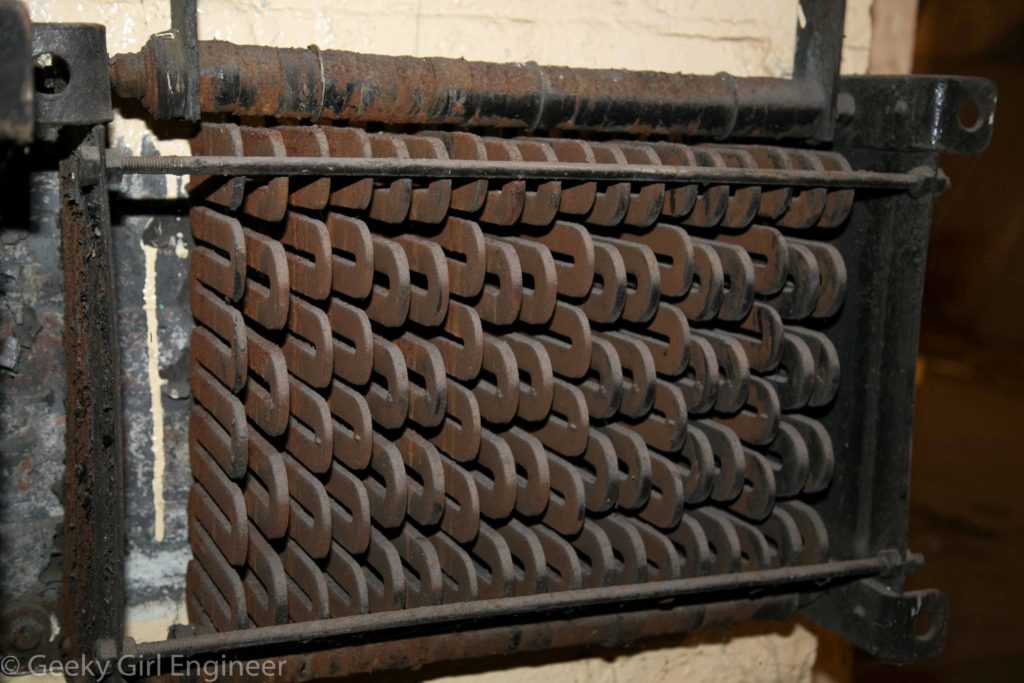
I have no idea what this is, but it is cool looking
We even got to go into a vault under the street where cables left the substation to go to the subway. The vault can be accessed through a door in the basement or through a manhole in the street. Normally this type of vault could only be accessed through a manhole. The cables go through conduits that are buried under the street. The cables are tagged, but it still looks like it would be difficult to find the right one if needed.
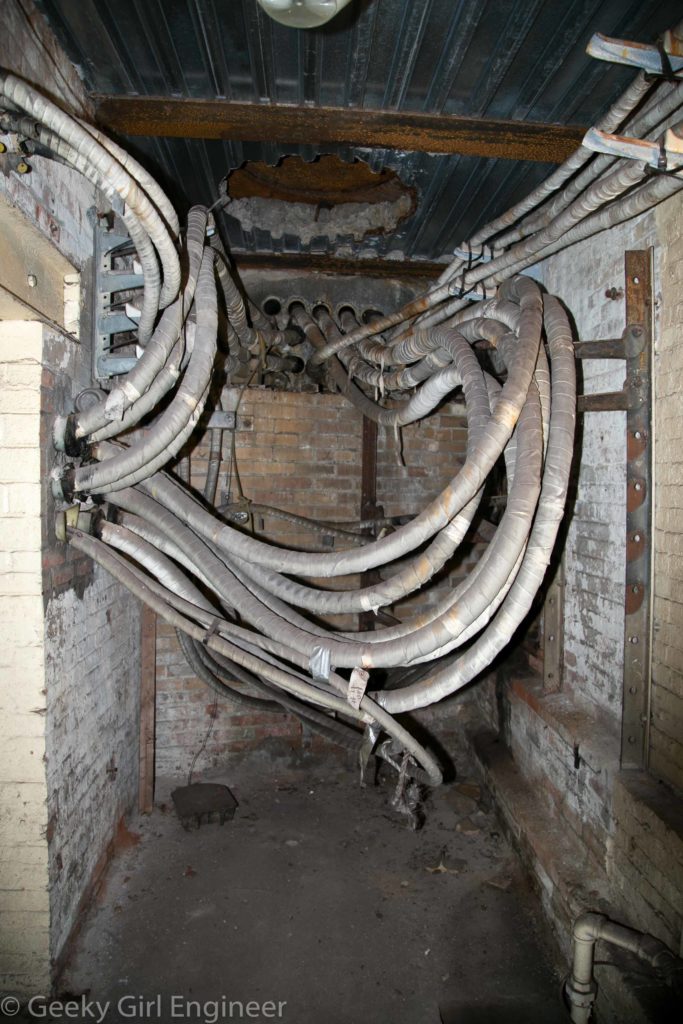
Cables leave the substation through the vault under the street with manhole access
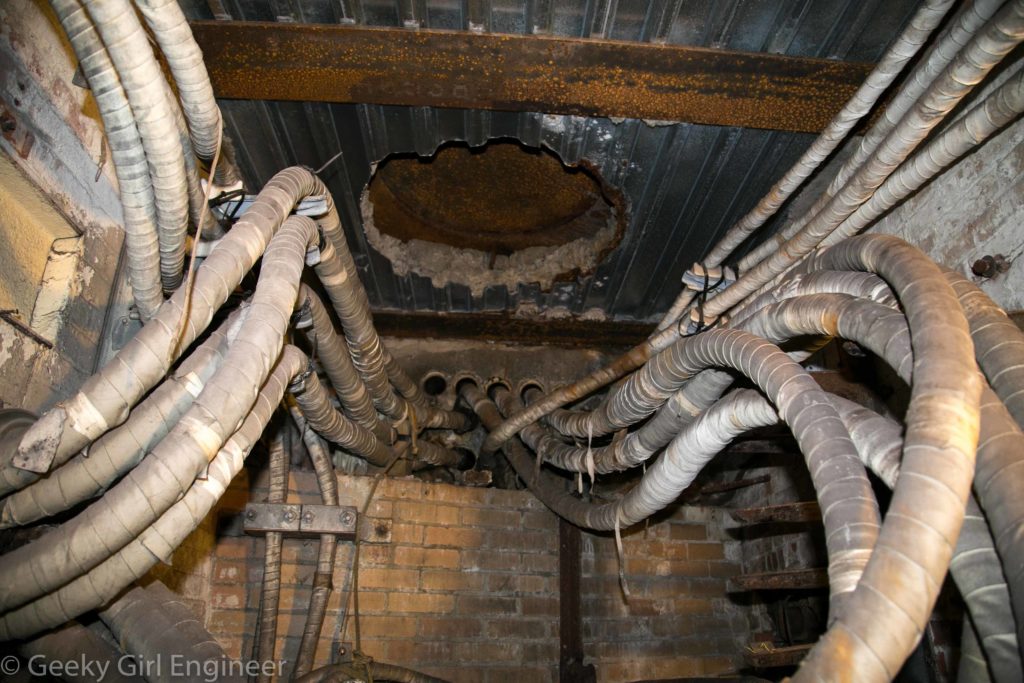
Inside a manhole. The manhole access is visible in the center of the ceiling.
Back inside the basement, some of the equipment was still being used, but some was no longer needed, like some massive cables that were cut.
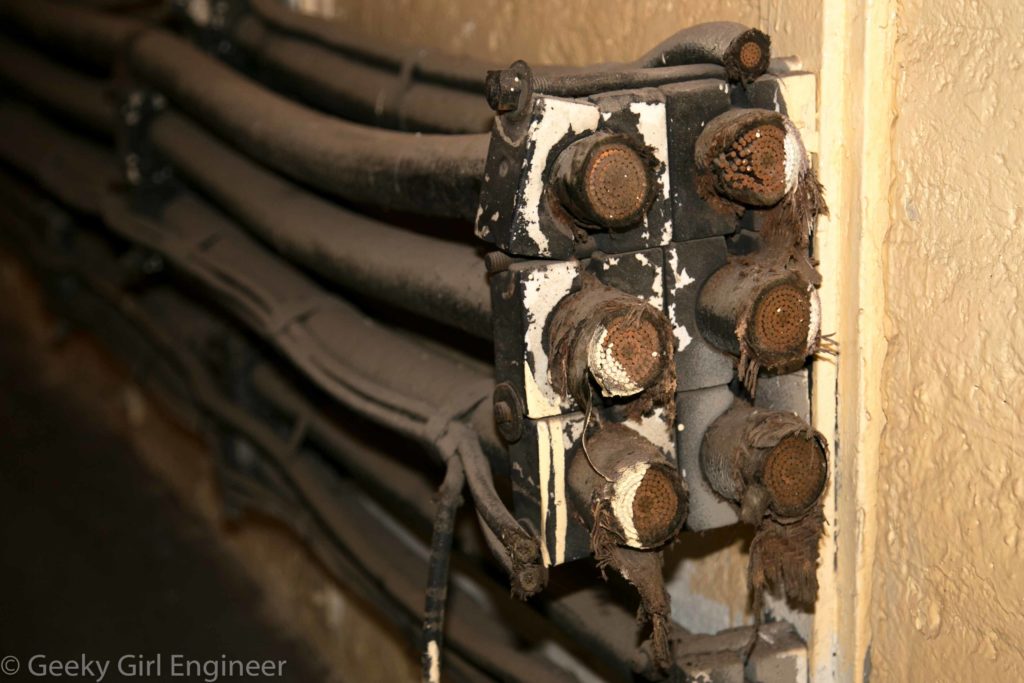
Old cut cables
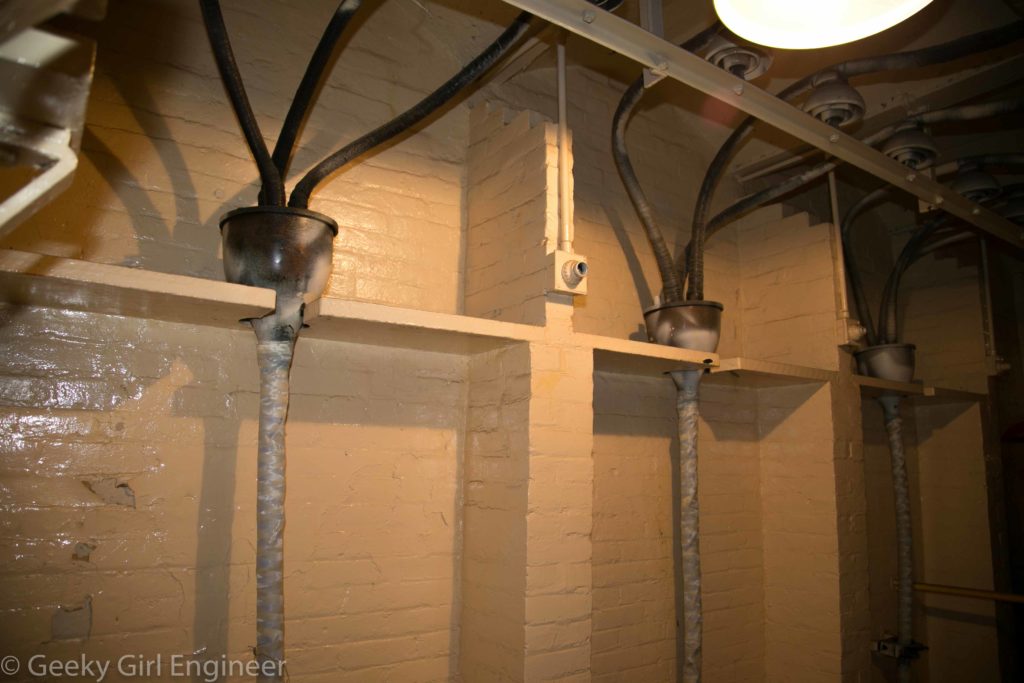
Cables come in from the ground from the grid and are then split before going upstairs to the transformation equipment.
We then went upstairs were the new equipment was, including the solid state rectifiers and the biggest breakers I have ever seen. The breakers are in the circuit with the third rail. They detect surges in the third rail and cut off power before a fire or some other damage can occur. There is a lot of redundancy with the circuit breakers. Our guide turned one off, so we could hear how loud it is, but because of redundancy, it had no effect on the subway.
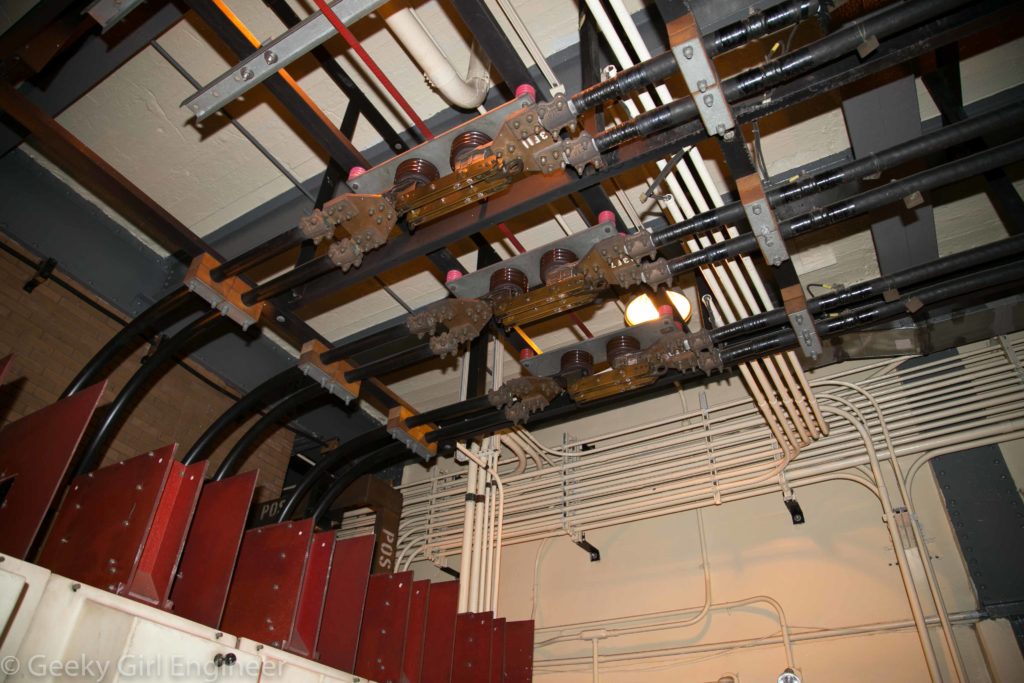
Circuits connecting to breakers
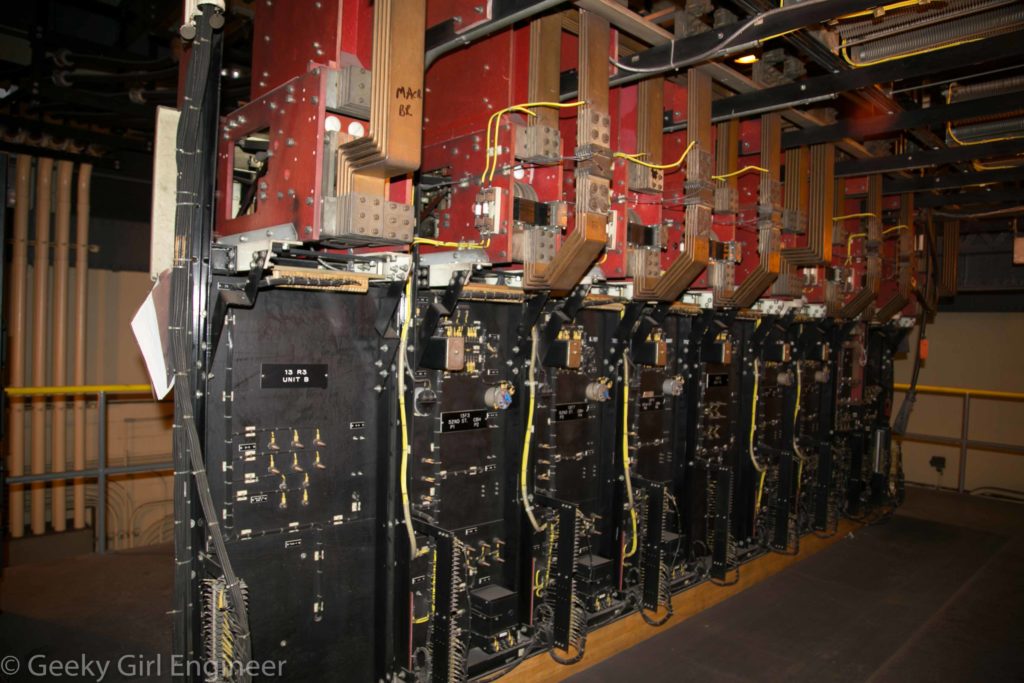
Breakers for the third rail. The copper plates are the third rail.
The solid state rectifiers are very different in appearance, at least, from the rotary converters. [I understood very little about this.] What amazed me during the tour, was when I finally understood I was actually staring at the third rail. The long copper plates in the photos are the third rail, which leave the substation and go to the subway. The positive rail is the equivalent of the black or red wire in a house’s wiring. The negative is the equivalent of the white wire in a house’s wiring.
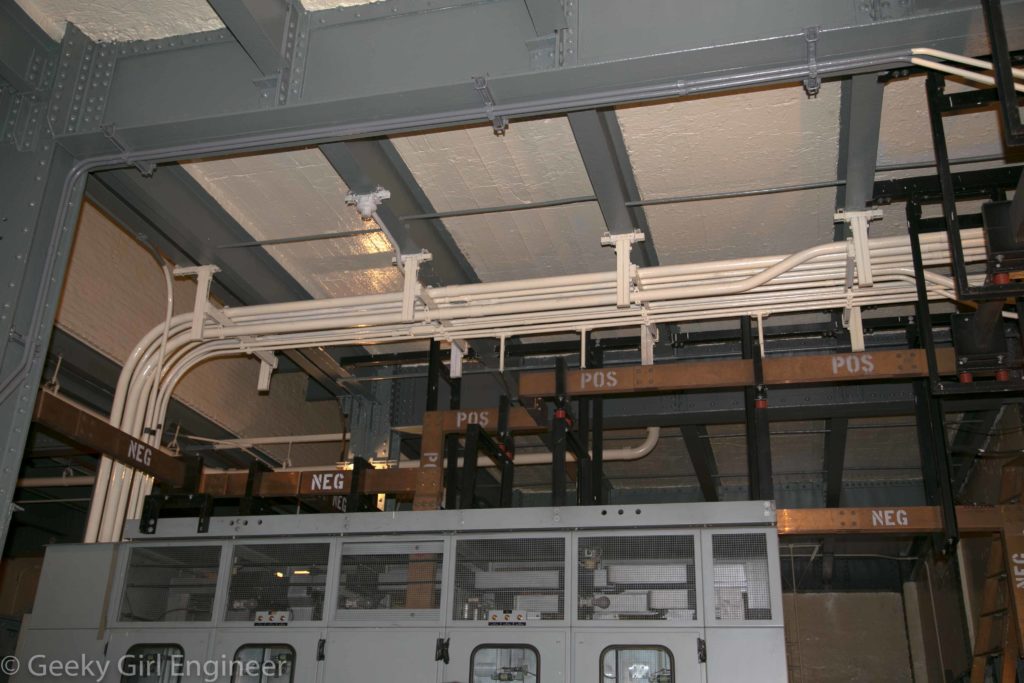
Third rail leaves the rectifiers. The positive rail “POS” goes to the subway. The negative rail “NEG” goes to a central location to complete the circuit.
Also upstairs was this amazing old series of electrical switches, dials, and gauges. None of this stuff is used anymore, but it really cool looking. I liked how everything was tagged out, never to have the tags removed again and be turned on again.
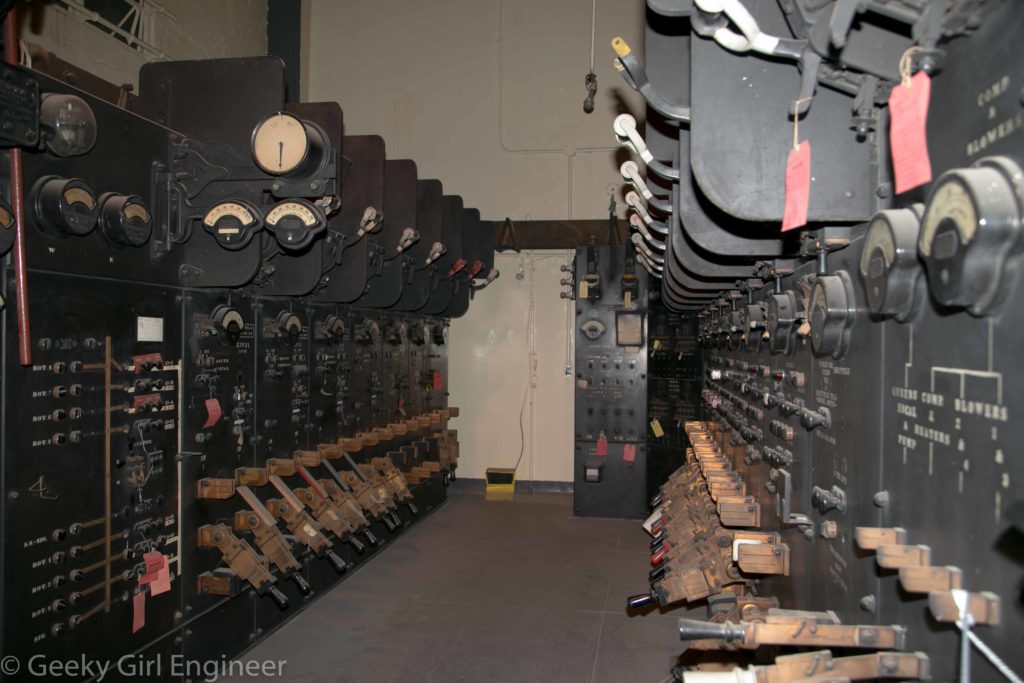
Old switches that are no longer used
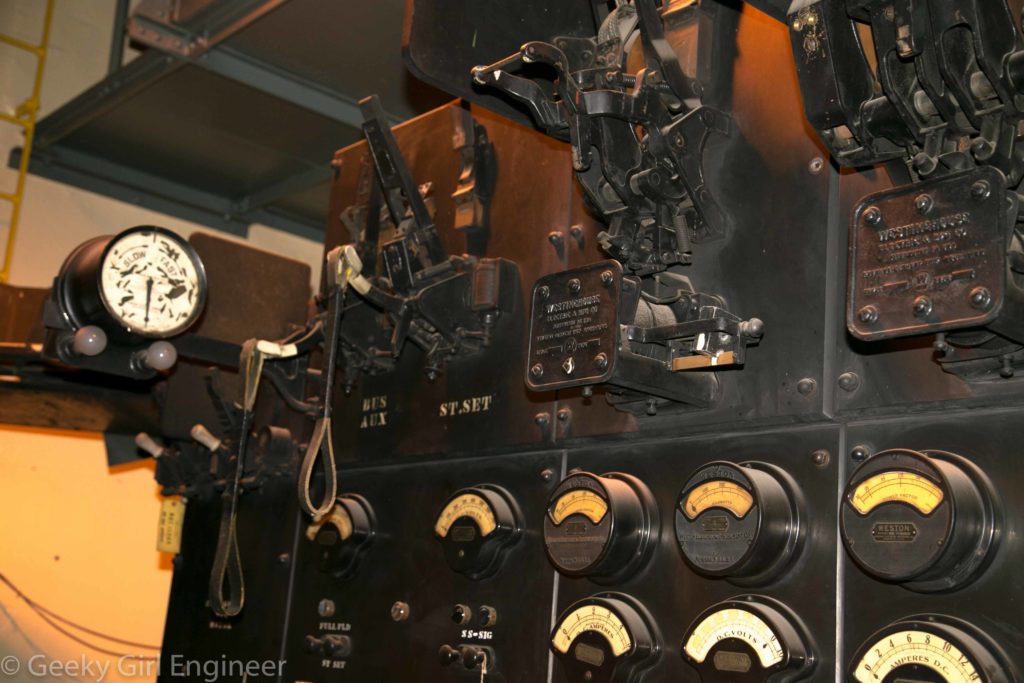
Gauges
Finally at the end of the tour, they turned on the rotary converter for us. Below is a video if you want to see it in action. It is almost hypnotic. During a portion of the video, you will see five lightbulbs on a wooden board sitting on the floor. They are being powered by the converter. After it is turned off and slowly slows down, the lights dim and then turn off.
Lowline Lab
Many people are familiar with New York City’s Highline, which has become a really popular spot with tourists and residents. It it is really cool, and beautiful all year round, in the dead of winter and in bloom. Because of the Highline’s success, some people came up with the idea of the Lowline. The Lowline would make use of of the abandoned Williamsburg Bridge trolley terminal under Delancey Street, which is right next to the Essex Street subway station. However, the somewhat radical idea for the Lowline is that it would make use of sunlight to light the space, which is completely underground. To help design and work out issues with this idea, the Lowline Lab was created. It is now closed, but luckily about a month ago I got to tour it.
I encourage your to click the hyperlink to my photos of the Williamsburg Bridge trolley terminal under Delancey Street because in order to comprehend the challenge of this project, you really need to see the space as it is now.
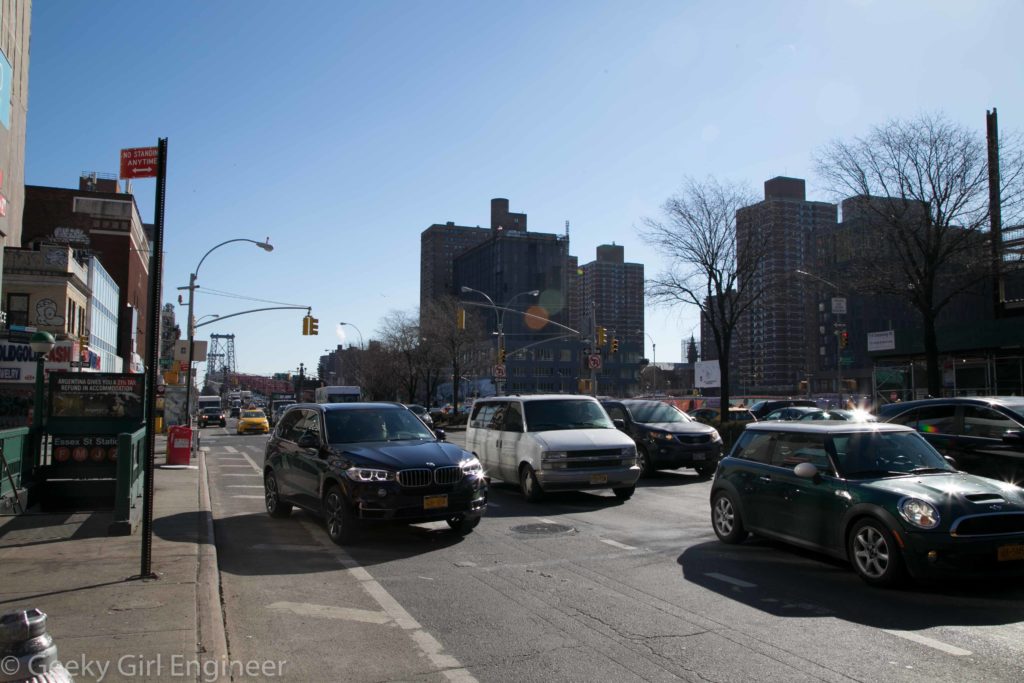
Delancey Street with Williamsburg Bridge in background. Essex Street subway station entrance can be seen on left. Abandoned trolley terminal is right below street.
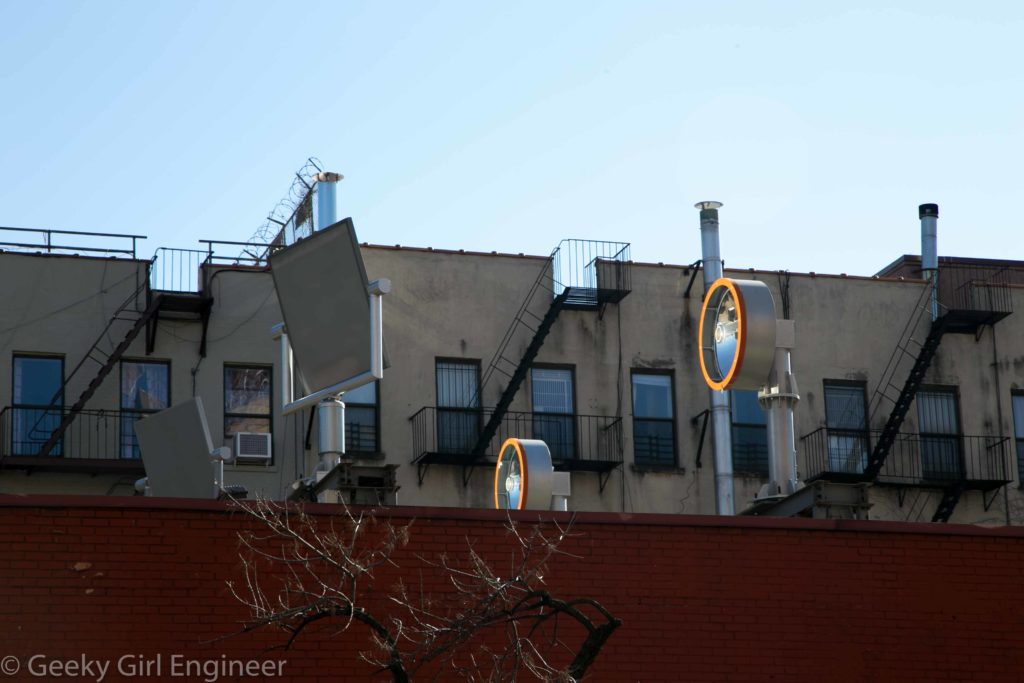
Sunlight collectors on roof
Sunlight brought in from smaller vertical tube and reflected into sideways tube
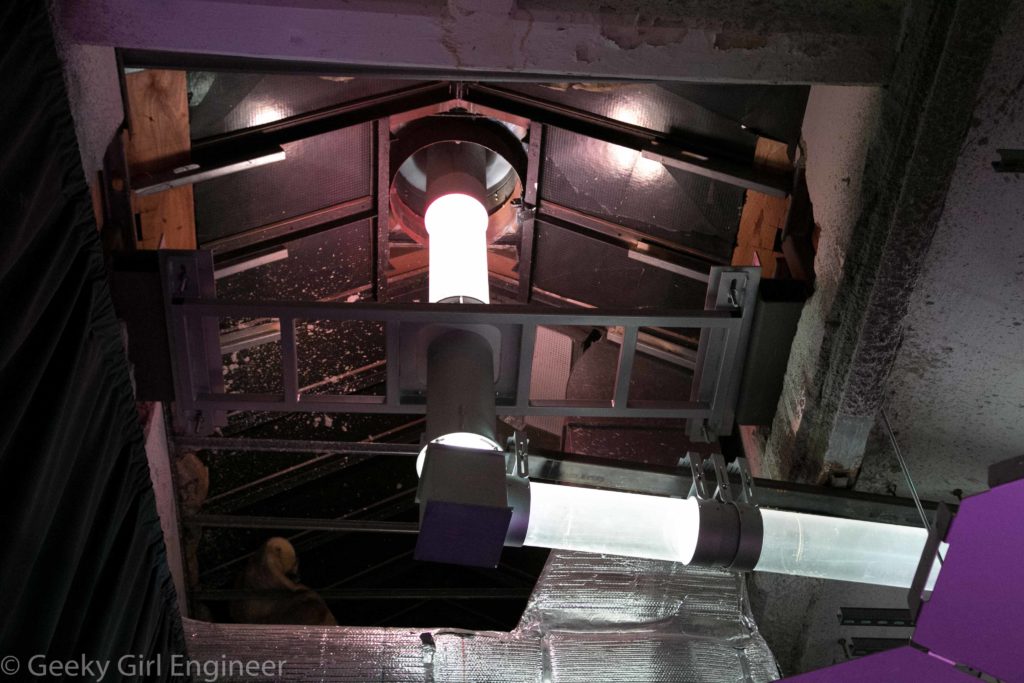
Sunlight brought in vertically from roof collector and then reflected in sideways tube
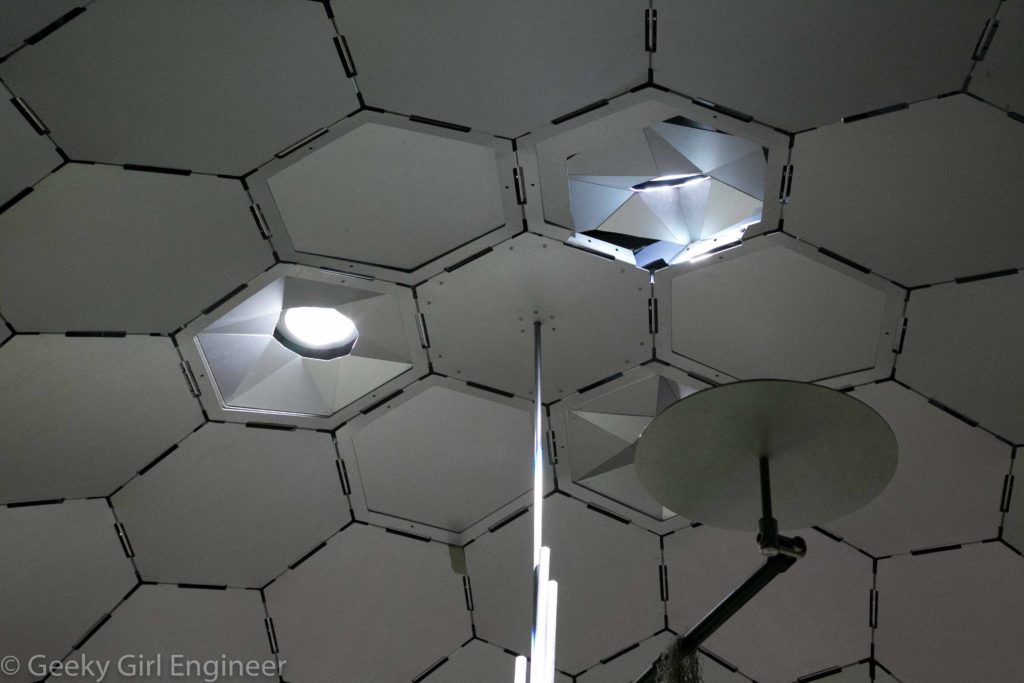
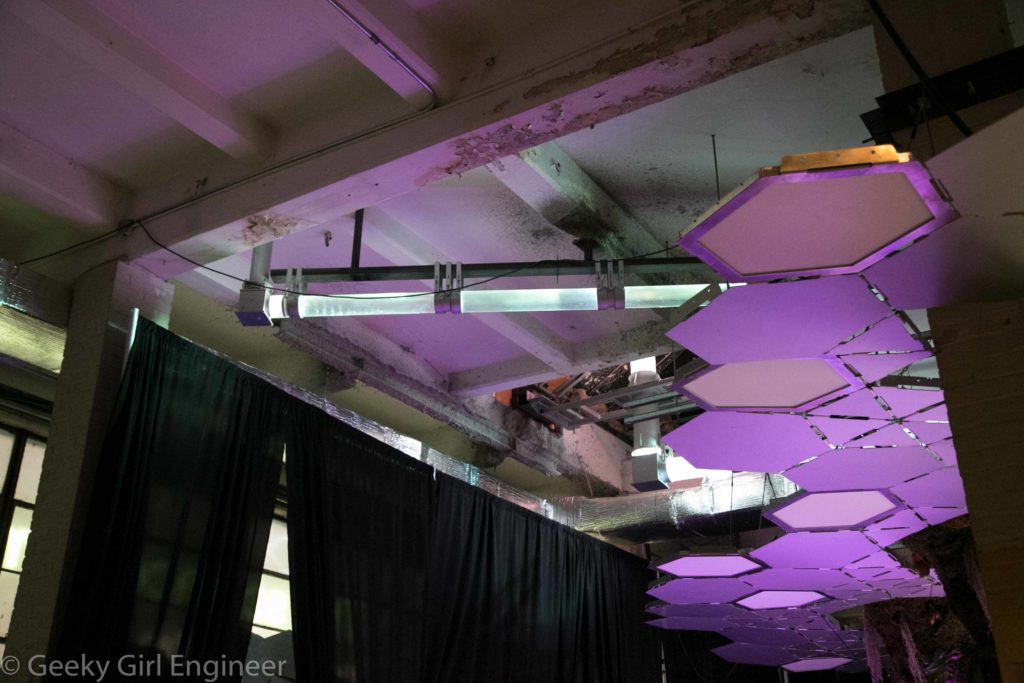
Ceiling with tubes outputting sunlight and reflectors below
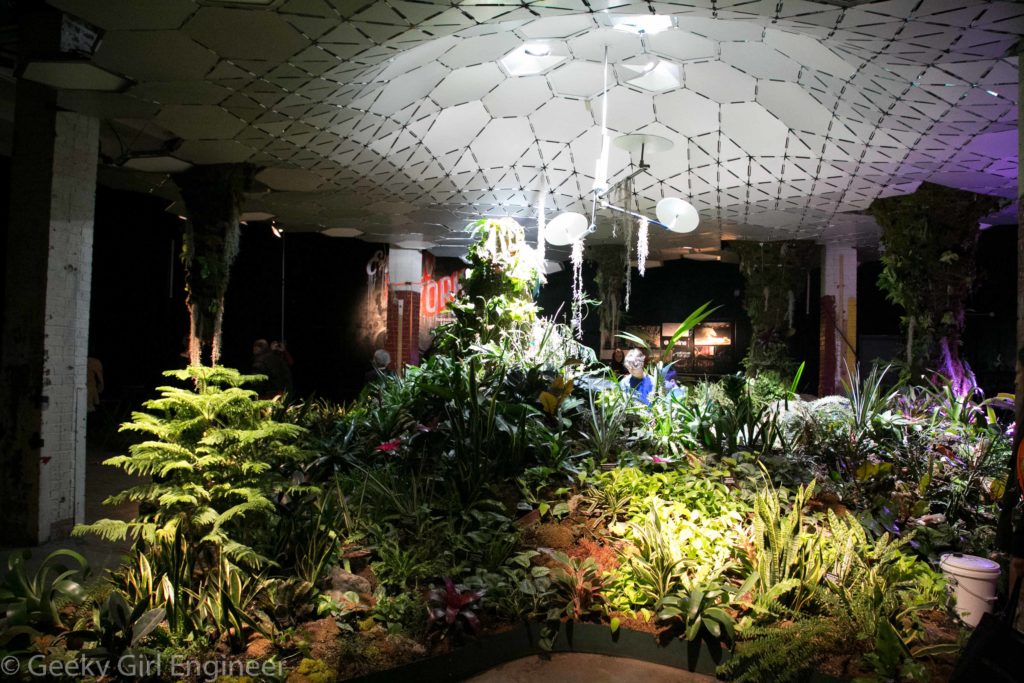
Display of plants and ceiling reflecting sunlight
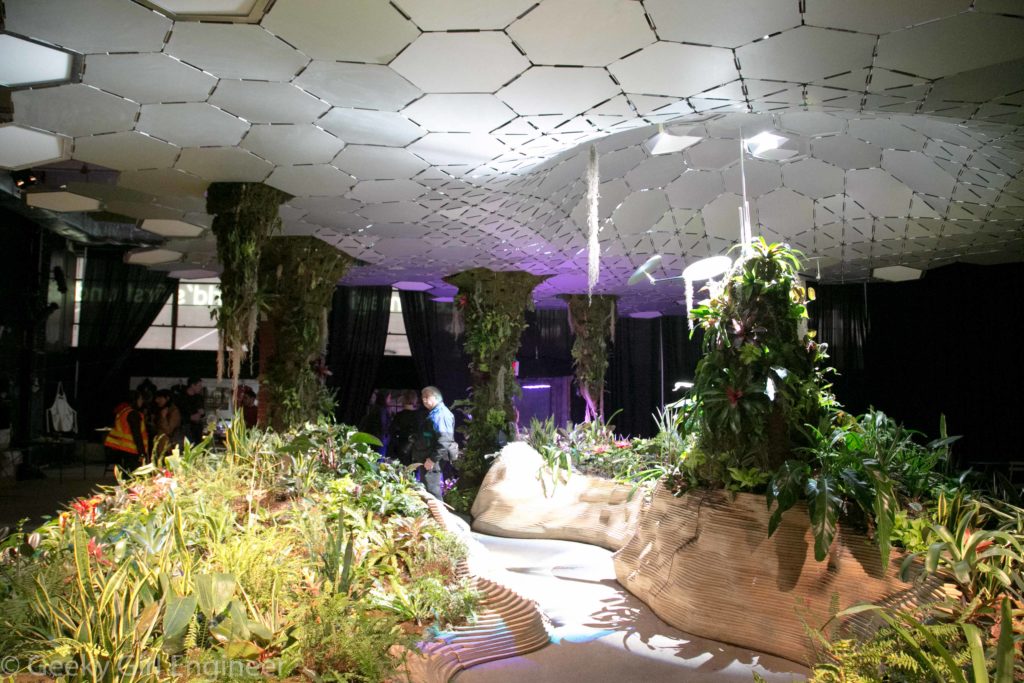
Display of plants, including vertical plant elements, and ceiling reflecting sunlight
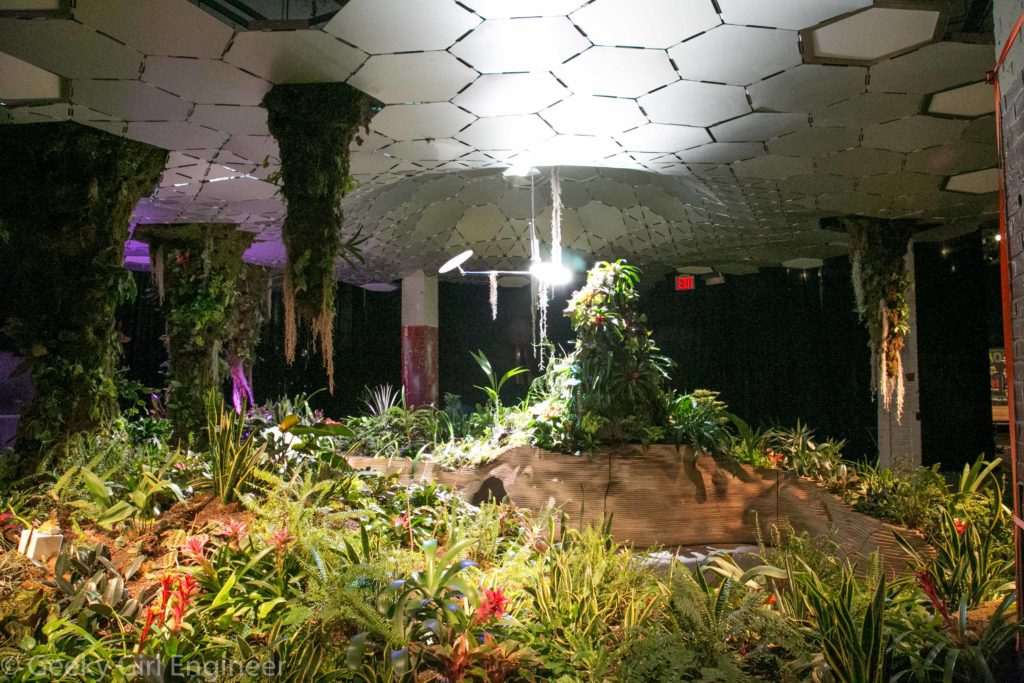
Display of plants and ceiling reflecting sunlight
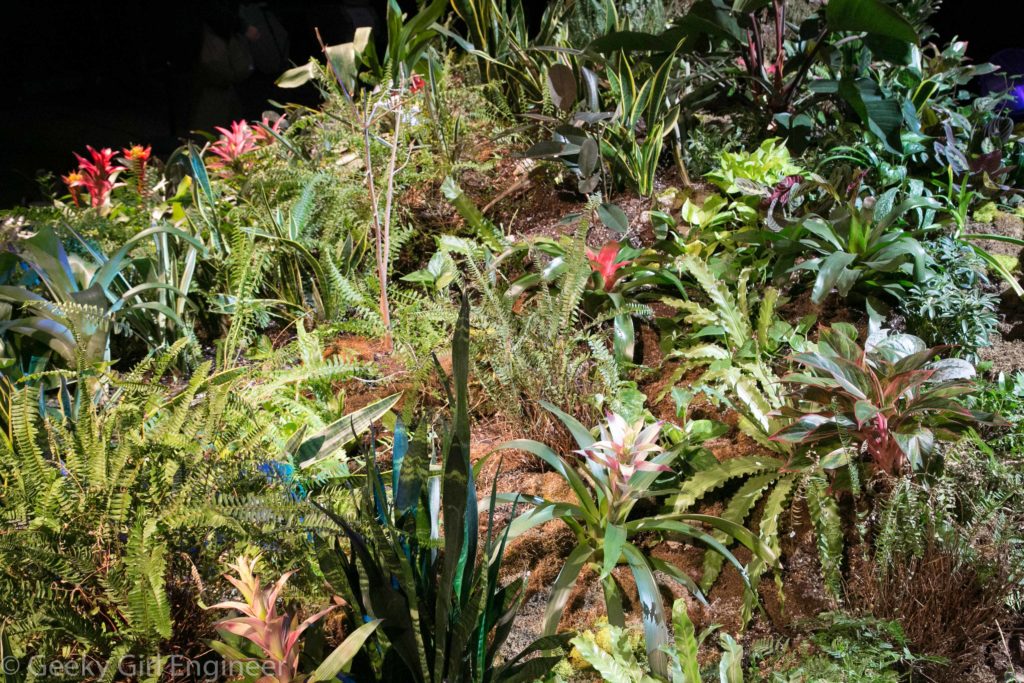
Plants that may be used
Rain: Madgalena Fernández at the Houston Cistern
After touring the Houston Cistern, we took another tour of it with an art installation completely encompassing it. Rain: Madgalena Fernández at the Houston Cistern is a video installation with the video projected from all sides onto and into the cistern while sound plays. I don’t think I can fully explain it other than to say it is really, really cool, and you can read more about it here. The sound sounds likes rain, but it is completely human made sound. The video starts off looking a little like rain falling then becomes something that looks like how Hollywood loves to portray cyberspace. It is incredibly neat to watch, and I love the way takes over the space. 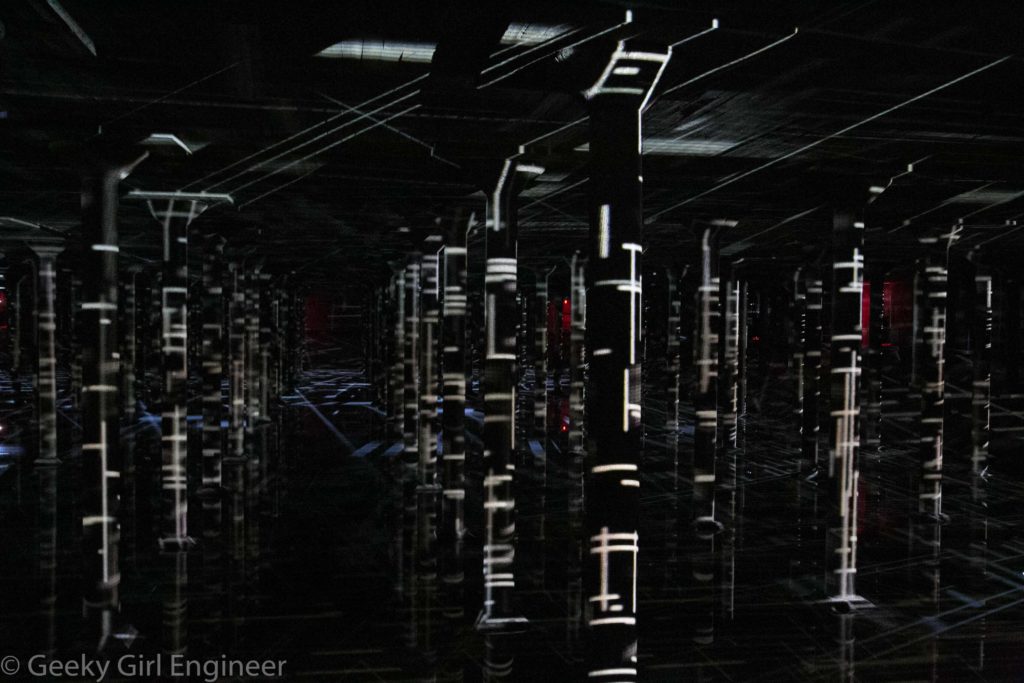
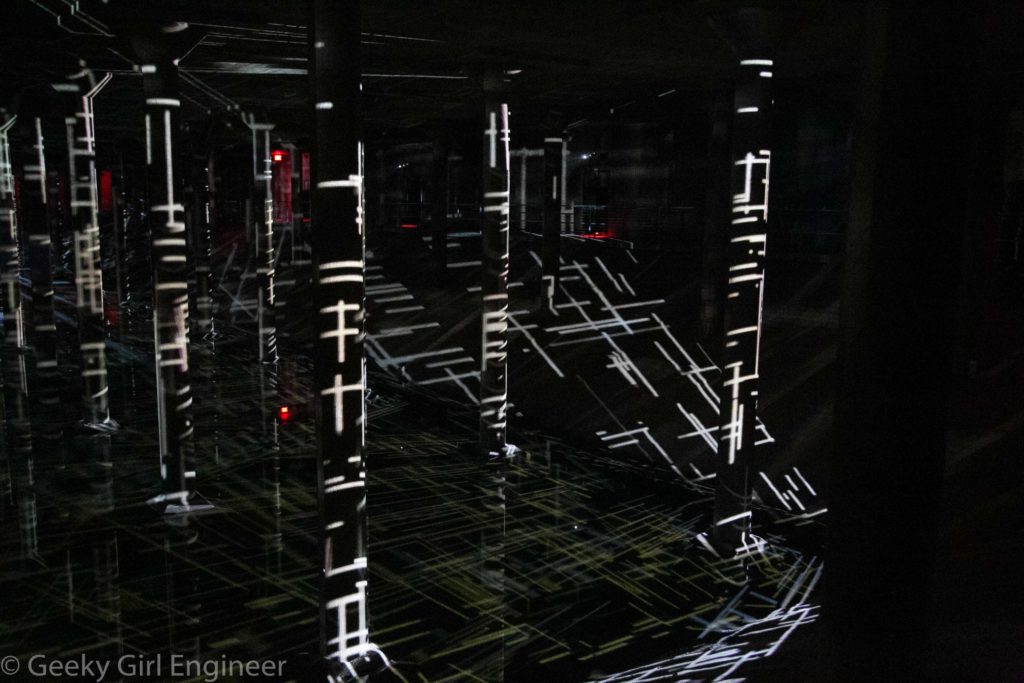
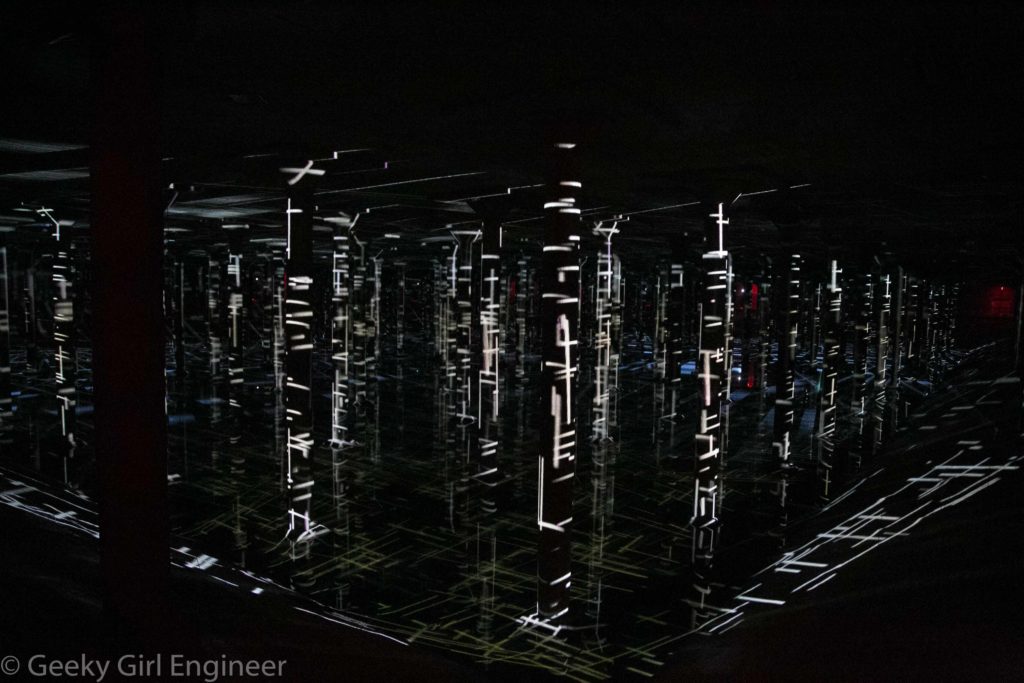
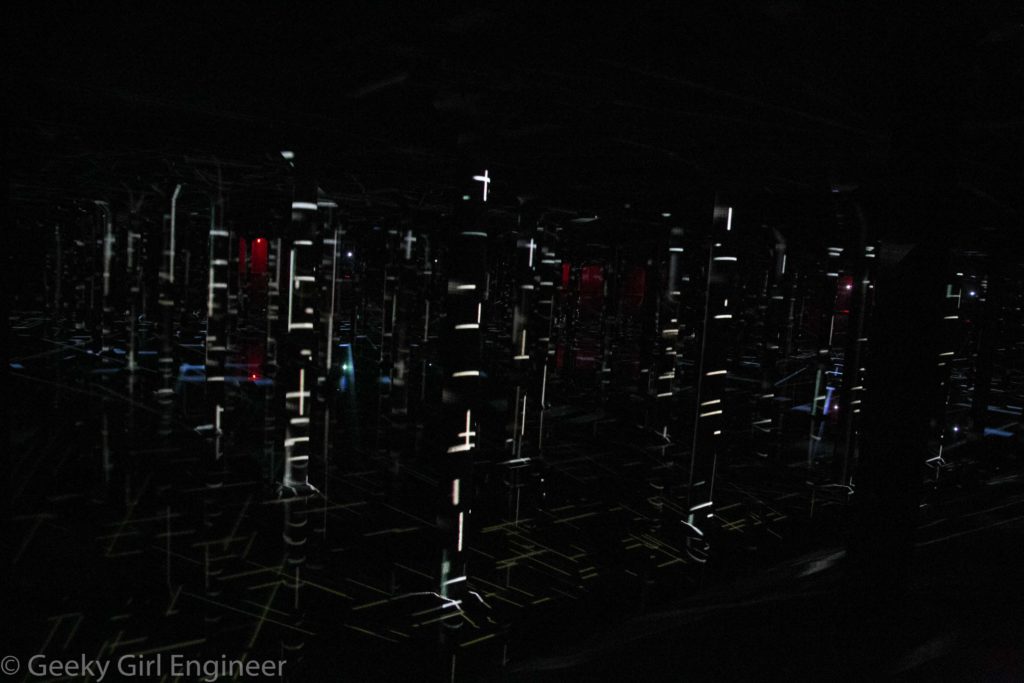
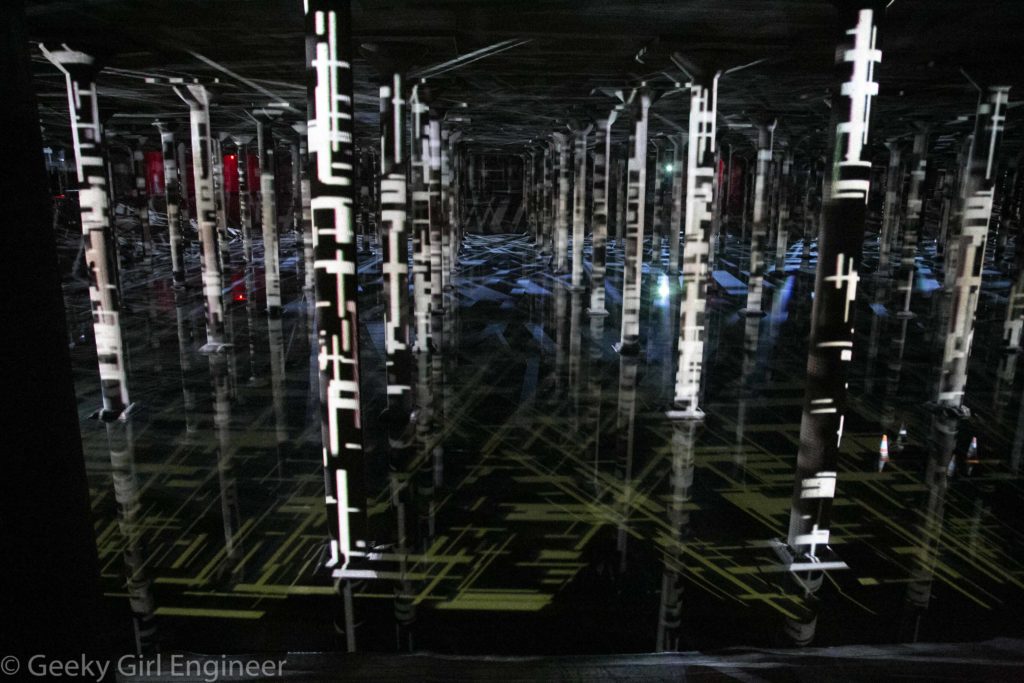
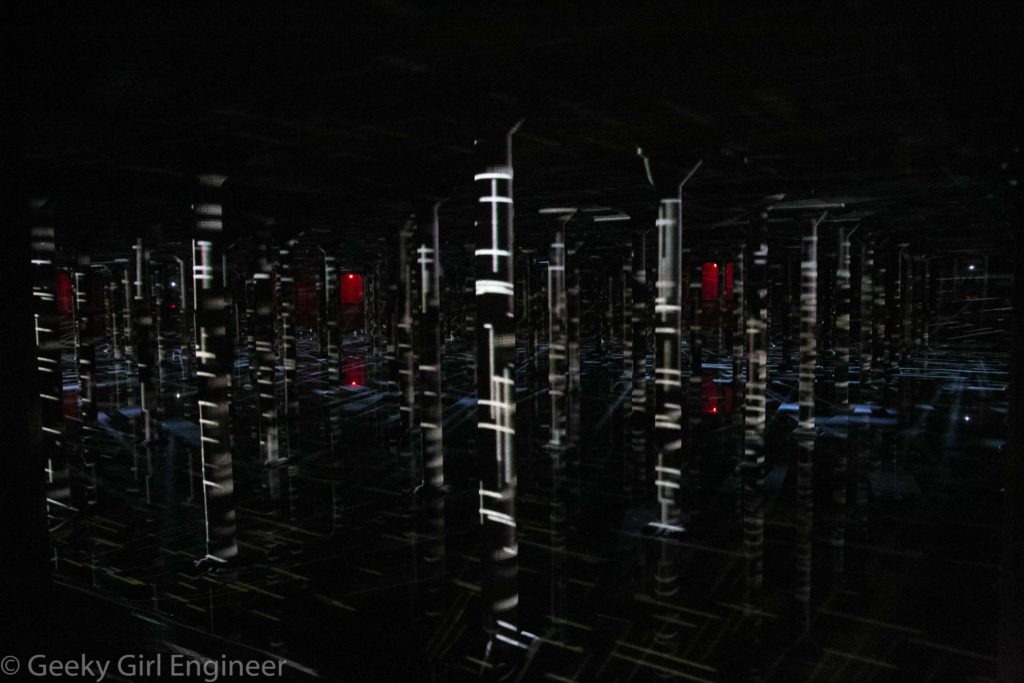
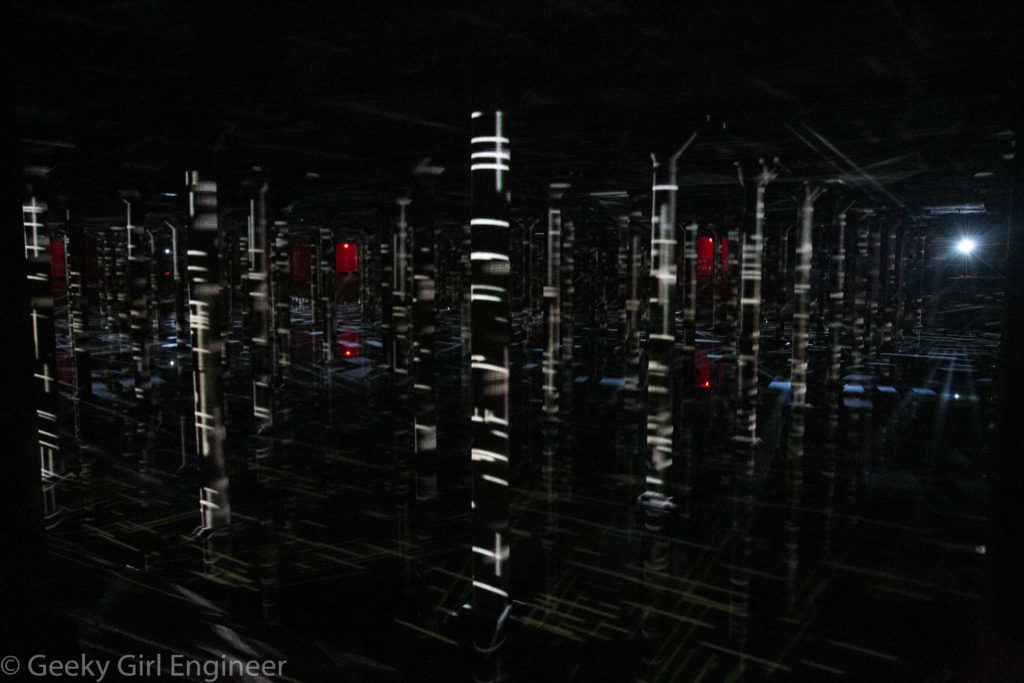
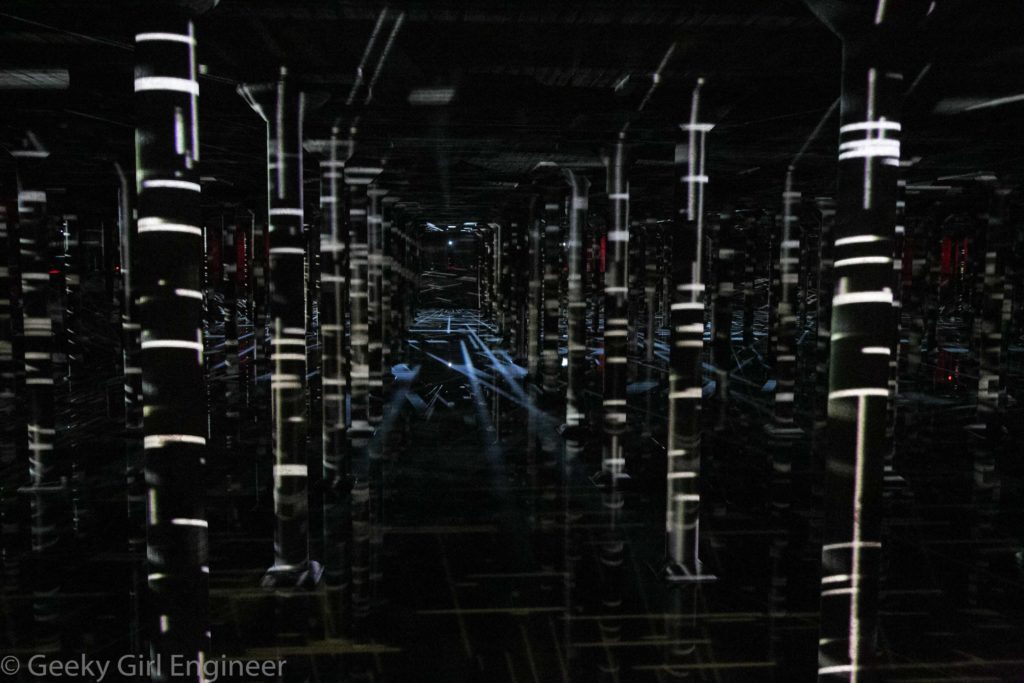
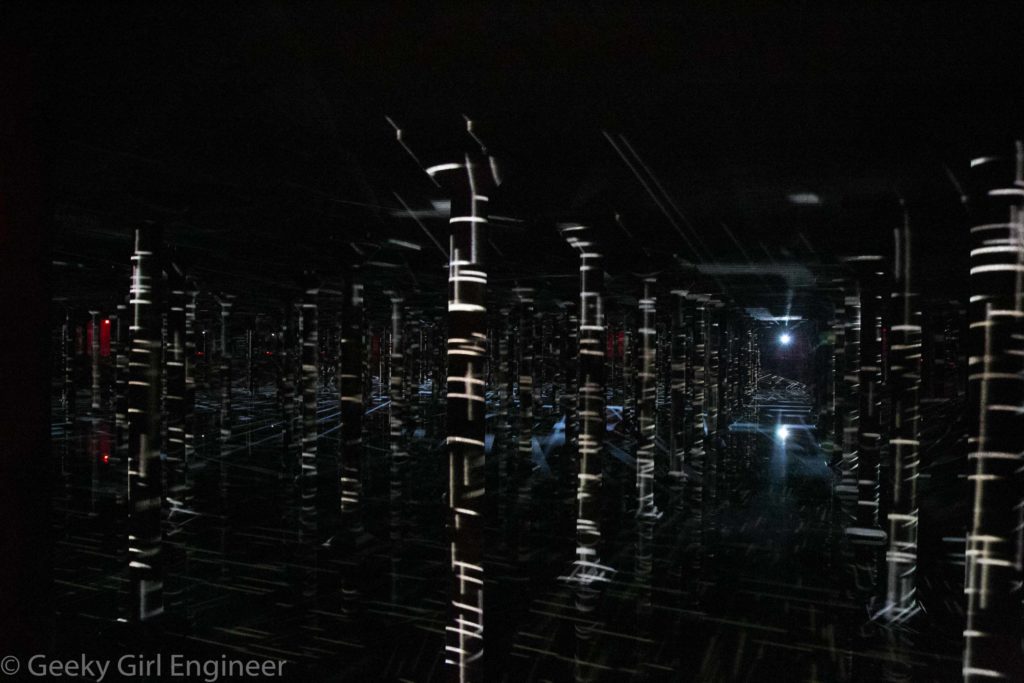
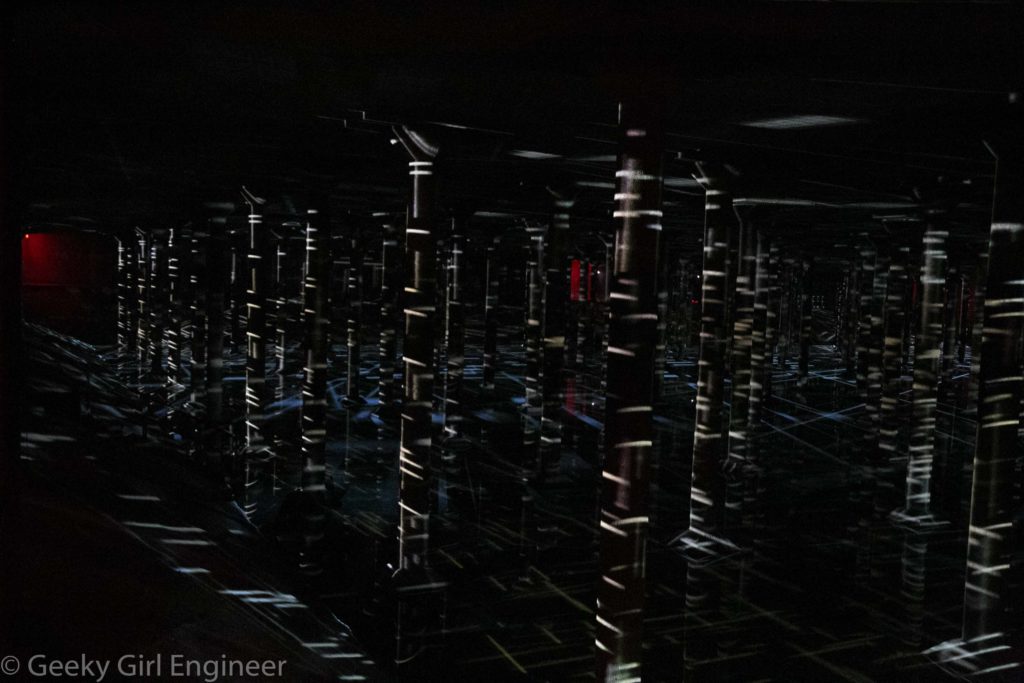
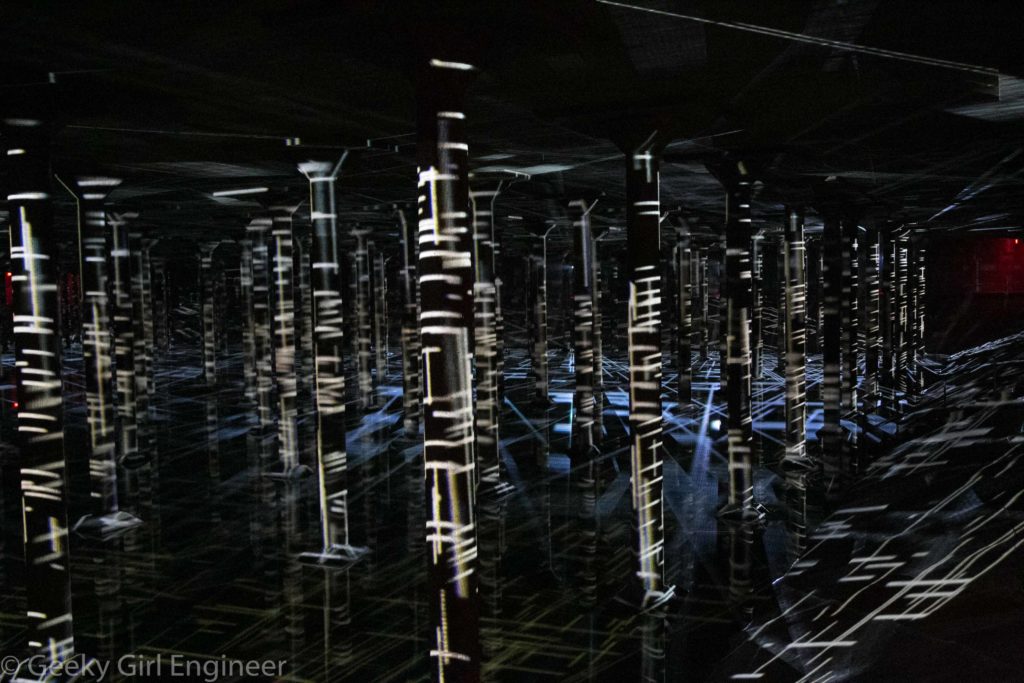
Houston Cistern
I love hidden places. I love places that you can just walk by and not have any idea are there. It just makes them more magical. I recently found out that Houston has an underground drinking water storage reservoir, a cistern. I have passed by this place so many times not having any idea it was there. The cistern was decommissioned in 2007 after an irreparable leak was discovered. Buffalo Bayou Partnership and the City of Houston turned it into space for people to visit and learn about the history of it and also a space that can be used for art installations. When functioning, the reservoir could hold 15 million gallons, but now it just has about 6 inches of water across. Enough water is there just for a neat reflection of the columns in it.
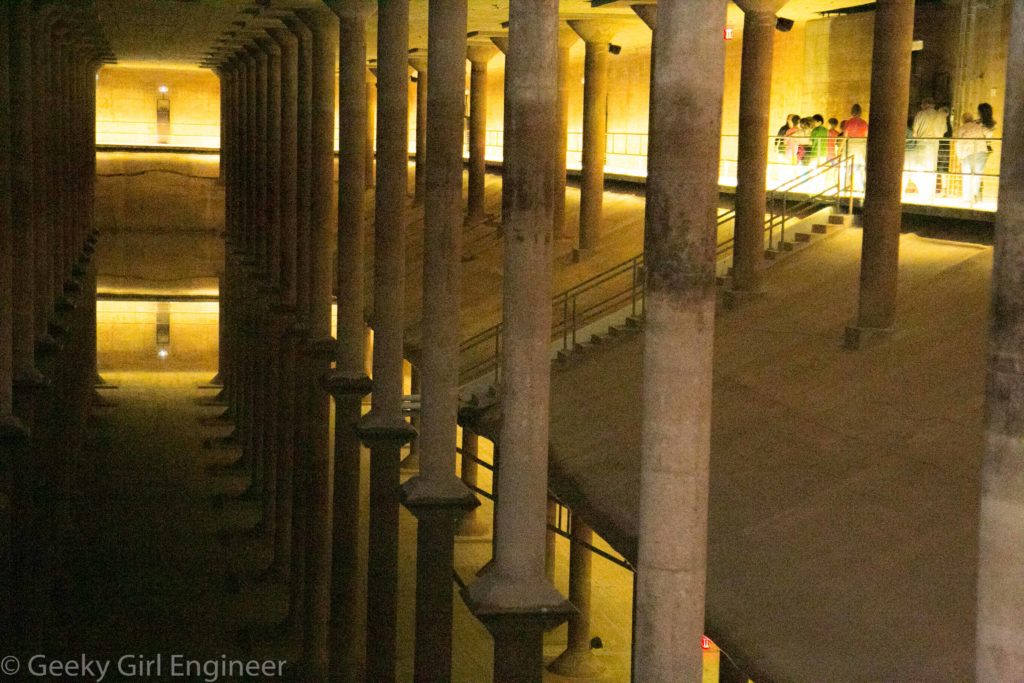
Houston Cistern

Houston Cistern
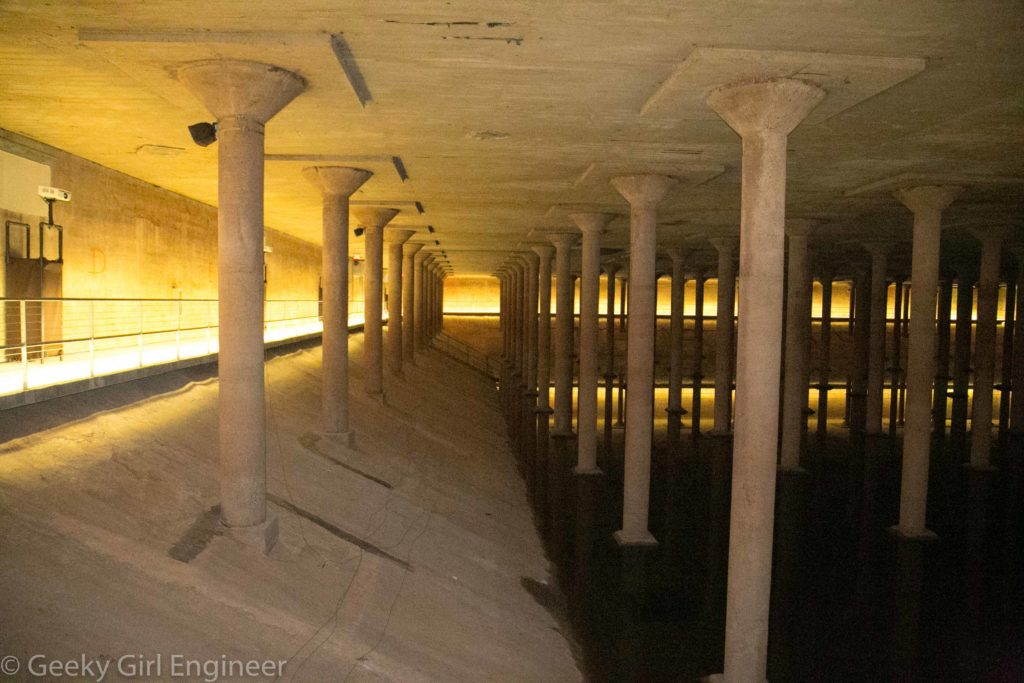
Houston Cistern
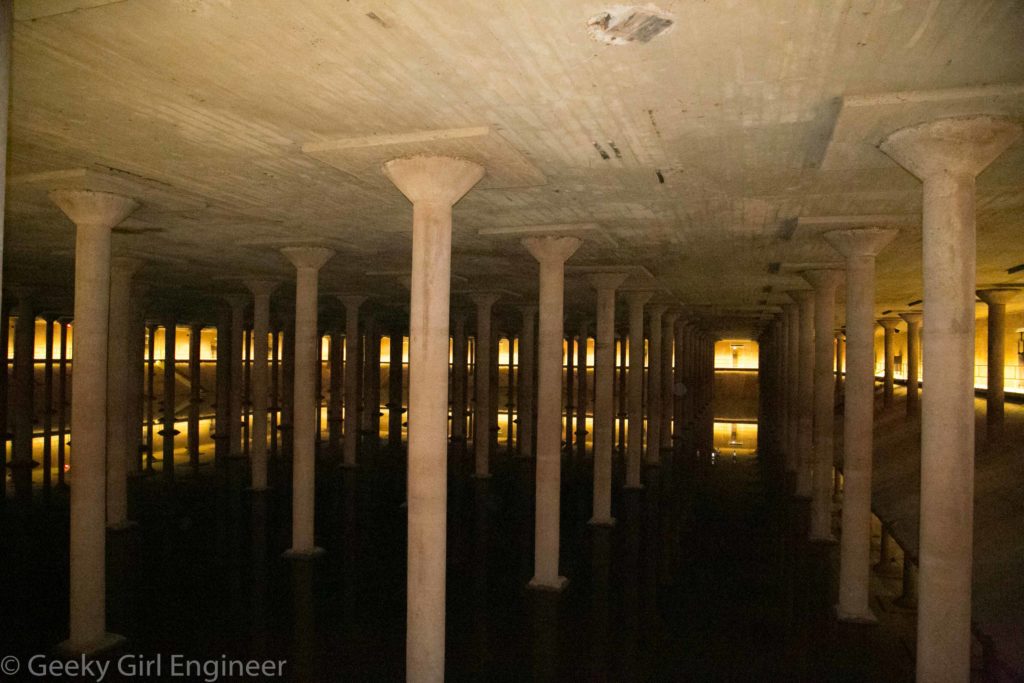
Houston Cistern
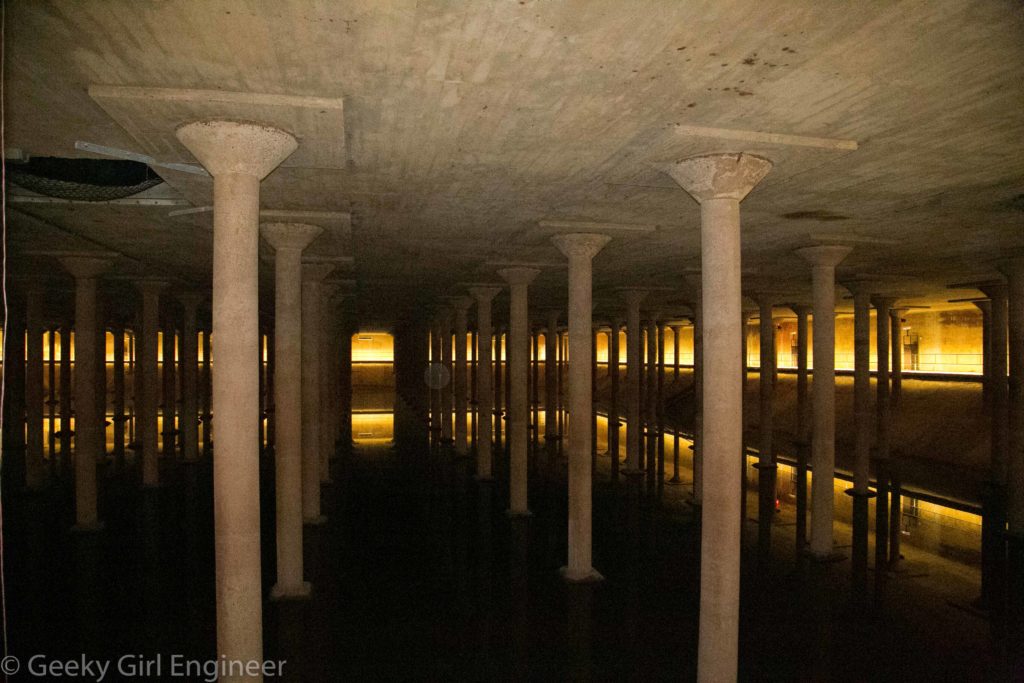
Houston Cistern, the dark round object seen on the left side of the roof is a new access shaft
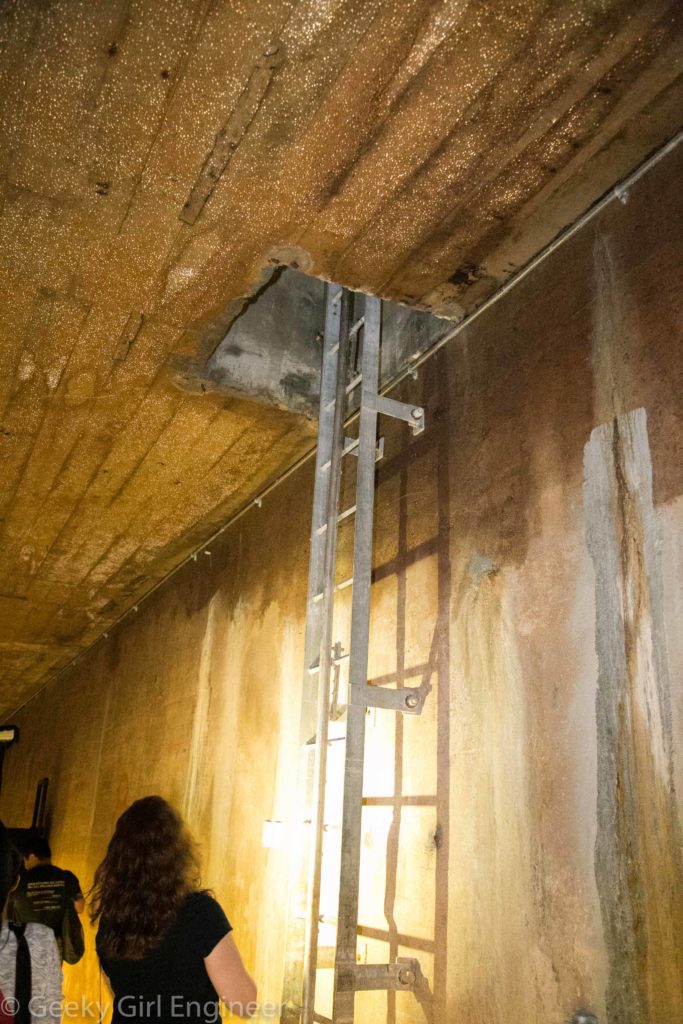
Houston Cistern, when it was operational, this was the only access to it
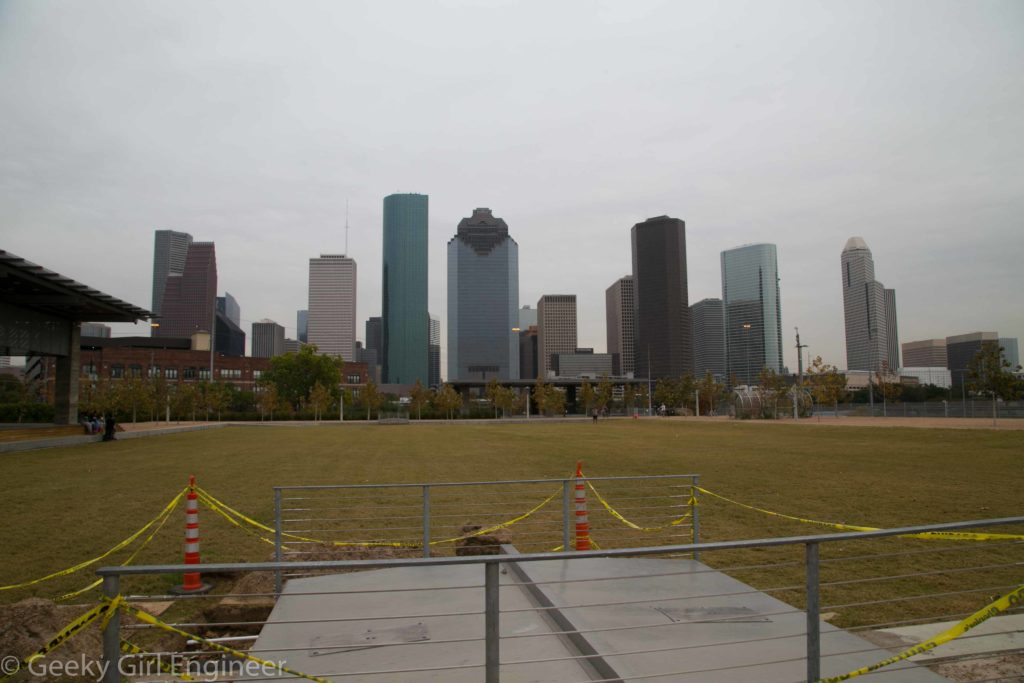
The cistern sits below the grass. In the foreground in an access shaft to the cistern.
Nostalgia Ride
During the summer, the New York Transit Museum offers Nostalgia Rides, when they put some of their vintage subway cars back into service and bring a train full of passengers to some fun destination. Today I went on the Nostalgia Ride to Rockaway Beach. The train we rode on was two types of 1910’s and 1920’s BMT cars. The cars were complete with wicker seats, ceiling fans that “are machetes” according to the numerous warnings we got from MTA employees, and normal looking lightbulbs that are evidently powered straight from the third rail, which we were also warned not to touch. The ride is generally more exciting than the destination, and once we got to our destination, they offered some more rides back and forth for those who didn’t want to get off.
One of my favorite parts of nostalgia rides are the people in the stations we pass. They can generally be described in four different groups. The first, a small group, are those that see the train coming through but don’t seem anything abnormal about an antique train passing through. The second group, possibly the most common, are the ones that start smiling and waving, and grab their camera and start taking photos. The third group are those that just stare open mouthed or with a look that can only say, what the heck is that? The fourth and tiniest group are those that know we are coming and already set with photo and video cameras, sometimes with tripods. I once asked a Transit Museum employee about them, and she said they seem to know the route that the nostalgia ride will take before the museum does. Clearly there are transit fanatics spies about.
Another great part of these rides and a reason why I love New Yorkers, is when the nostalgia ride is ending. We all get on at the same location, but at the end, they stop at several large subway stations, so you can get off wherever is easiest. The train pulls into a station and stops. Normal subway riders start lining up to get on because a vintage 1920s subway train running on the A line is evidently a completely normal thing to New Yorkers. [To be clear, you don’t have to be a subway aficionado to know that these trains look very different from the regular modern trains running.] New Yorkers are just so nonchalant about it. A subway train, of some sort, has arrived at the platform. They must get on. They have places to go, and a train has arrived to take them there. MTA employees have to stand in front of each door and say “off loading only”. Some of waiting passengers will ask why. Some waiting passengers start peering in, and normally either MTA employees or nostalgia ride passengers will have to explain. This part of the ride always makes me laugh.
One final note about the nostalgia ride, the train runs wonderfully. My sincere compliments to the MTA employees who keep the vintage cars maintained. Maybe they don’t run like they were built yesterday, but the ones we were on were 100 years old. To me it is amazing that they are still running at all.

Vintage BRT train used for this nostalgia ride in station
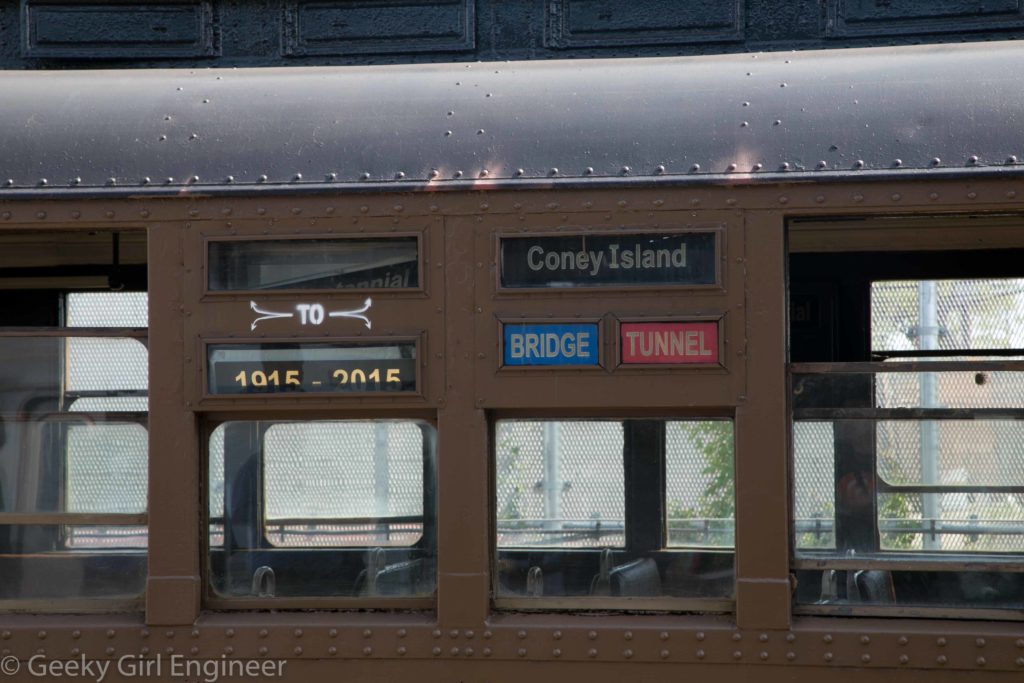
Signs on the vintage cars
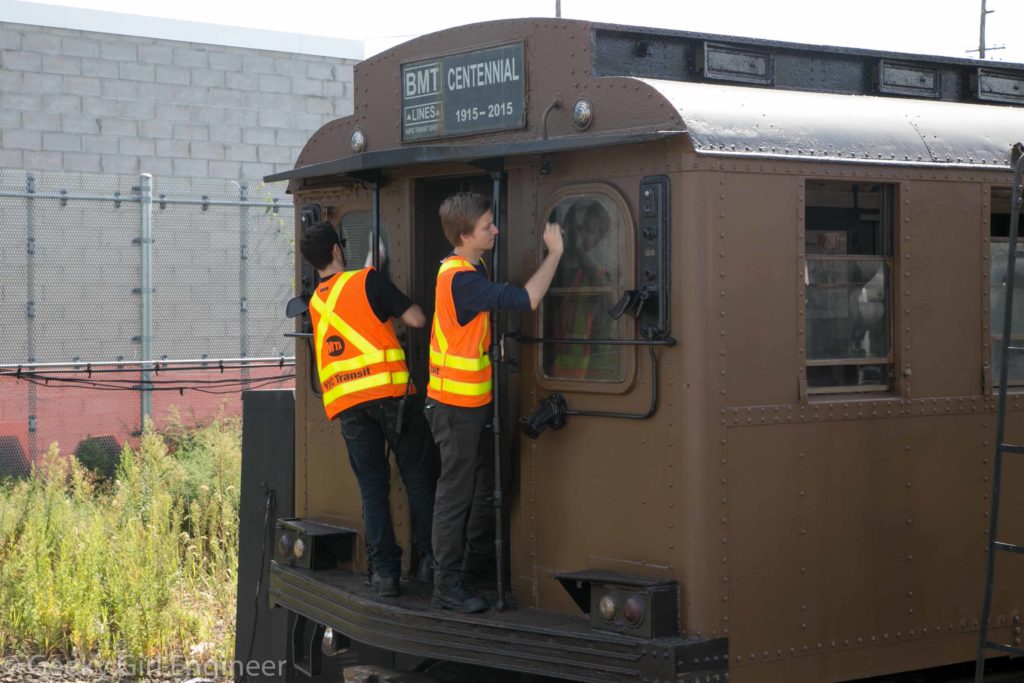
In between rides, MTA employees cleaned the windows
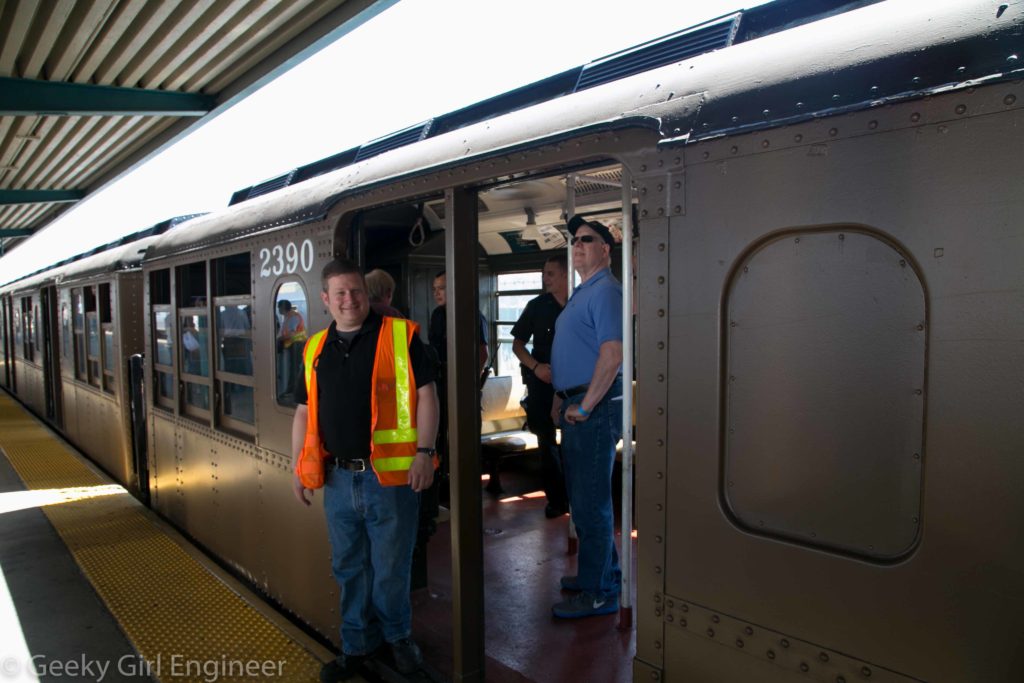
While at the Rockaway Station, the train was in the station long enough for everyone to take photos, including a few police officers who boarded to check it out.
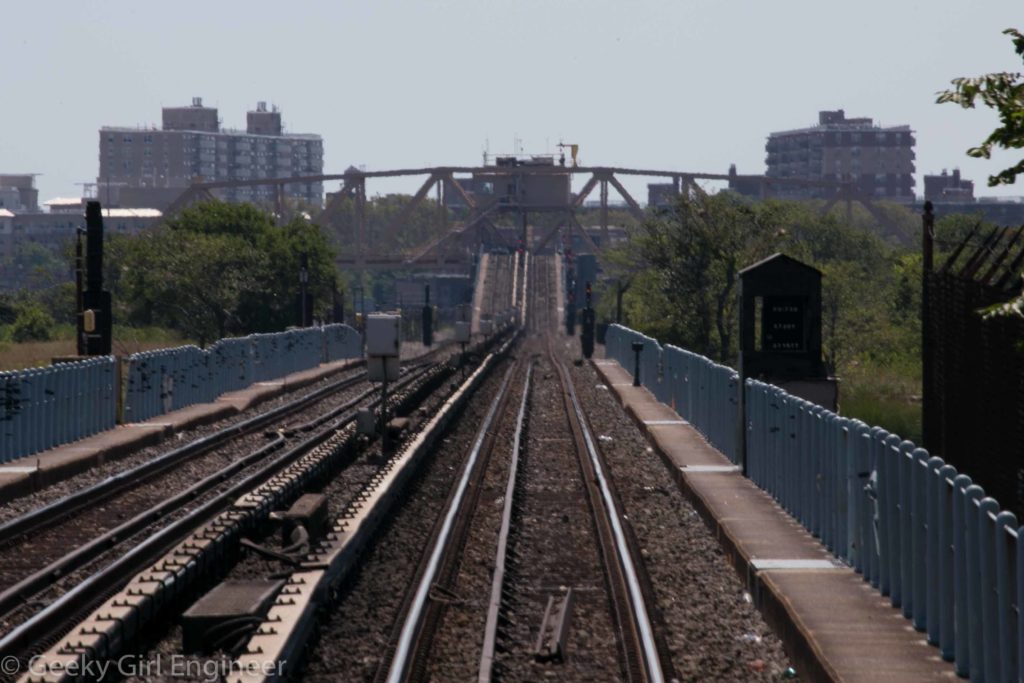
Swing bridge to Rockaway open during one of our trips
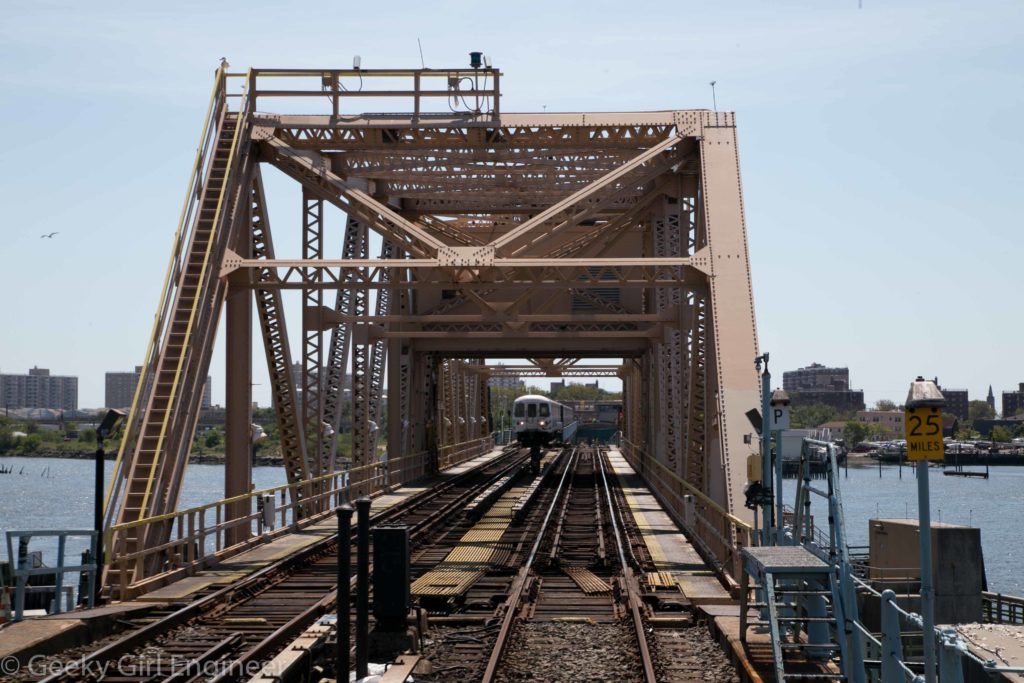
Going over the swing bridge that was previously open
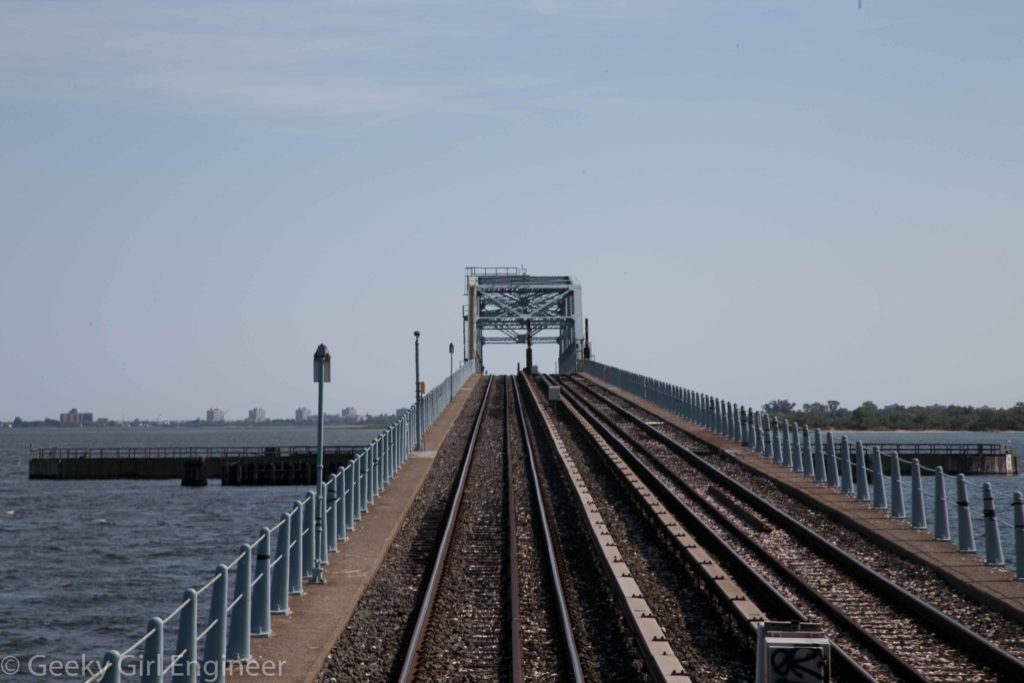
One of the bridges to Rockaway
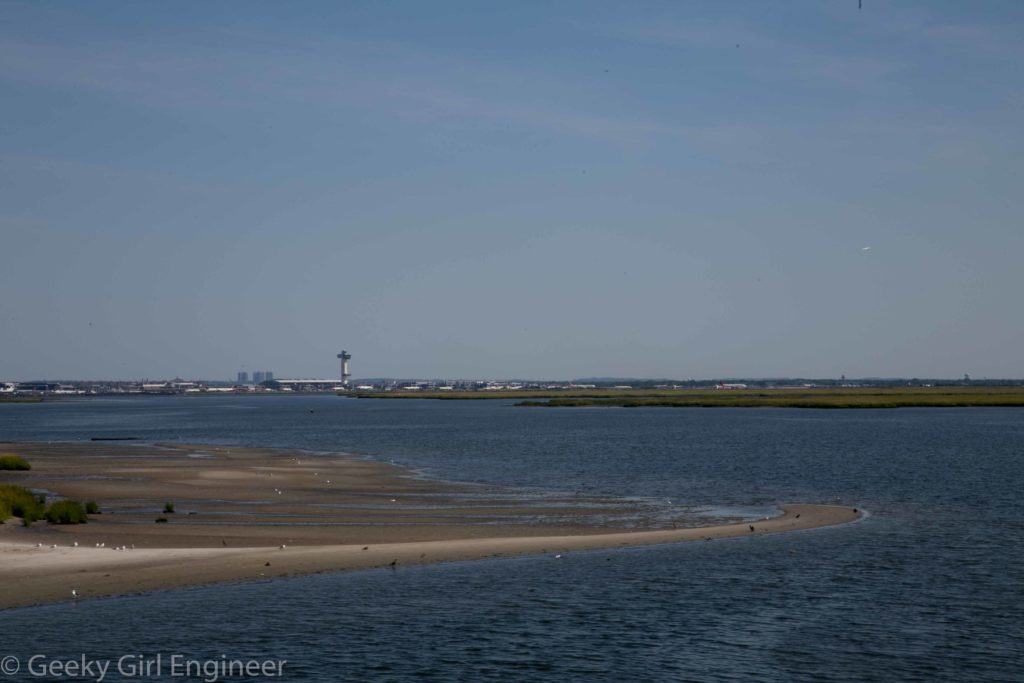
View from train of Jamaica Bay with JFK Airport in background
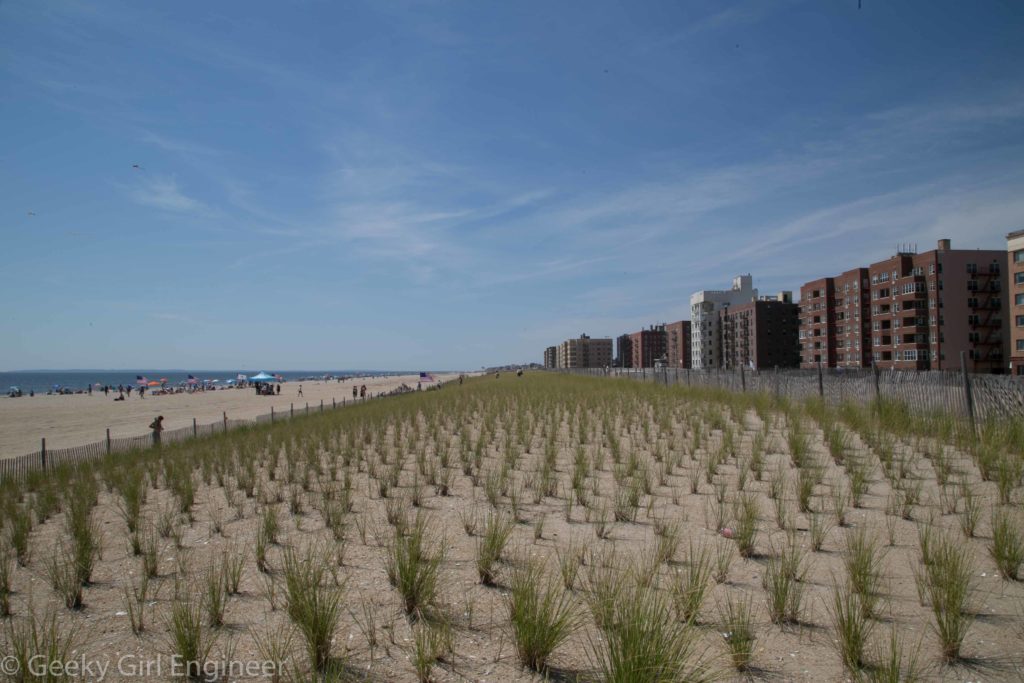
Coast side of Rockaway Beach
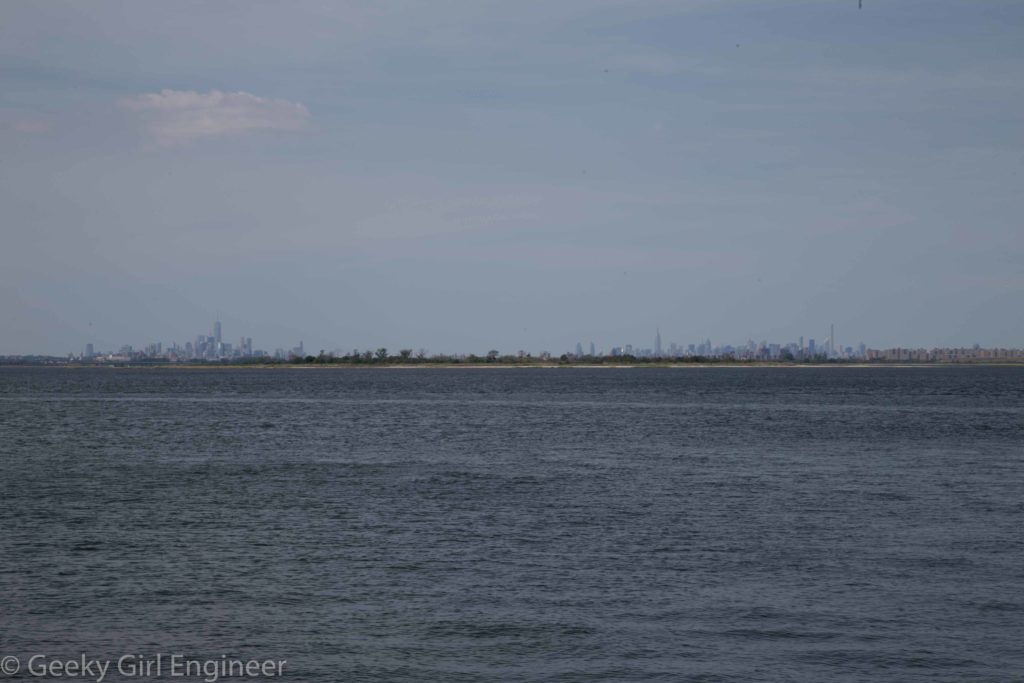
View from bay side of Rockaway
Freshkills Landfill Turned Park
This past weekend, I got to check an item off my bucket list when I got a tour of Freshkills, the former landfill that is being turned into a park. This is probably not an item on most people’s bucket list, but I have heard so much about the landfill that when I found out New York City Parks Department gives tours, I jumped to sign up. The vast majority of the landfill has been fully capped and vegetated. The mounds are dotted by the landfill gas collection system with gas wells popping up from the high grass at regular intervals. The wildlife has already moved in. There were butterflies flying everywhere in the grass, and birds were everywhere. We also saw a family of deer. The wetlands are lovely and evidently filled with wildlife. Also, the view from the top of the mounds is spectacular. It will be a while before the area will be completely converted to a park and open to the public, but the transformation already is incredible. As an environmental engineer, I am incredibly happy to see it and proud of my profession that did it.
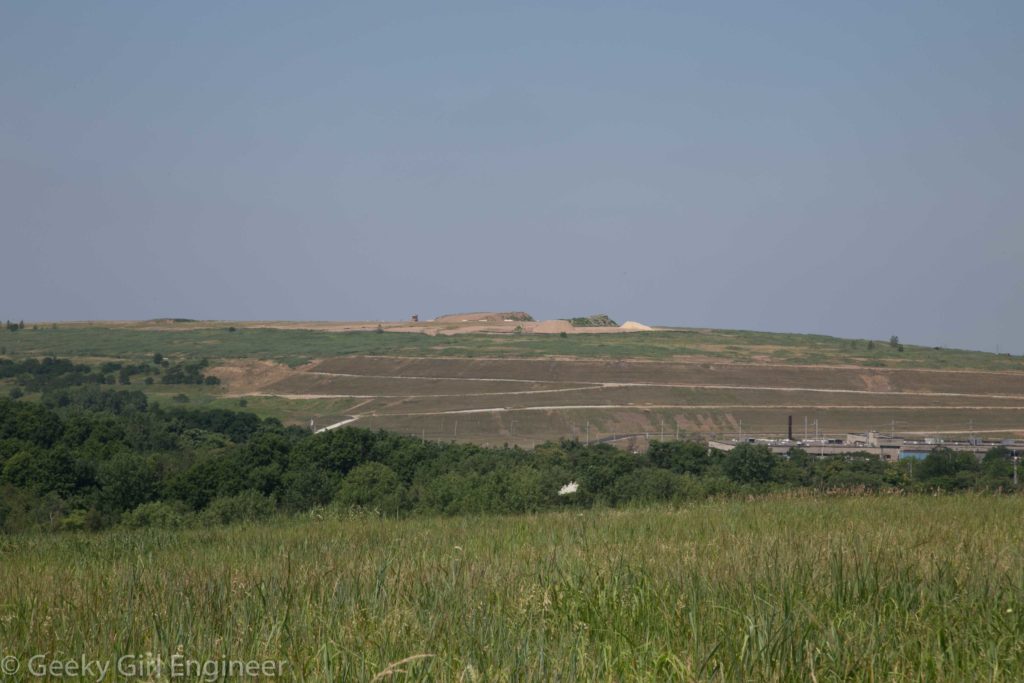
View of the last mound that has not been fully vegetated
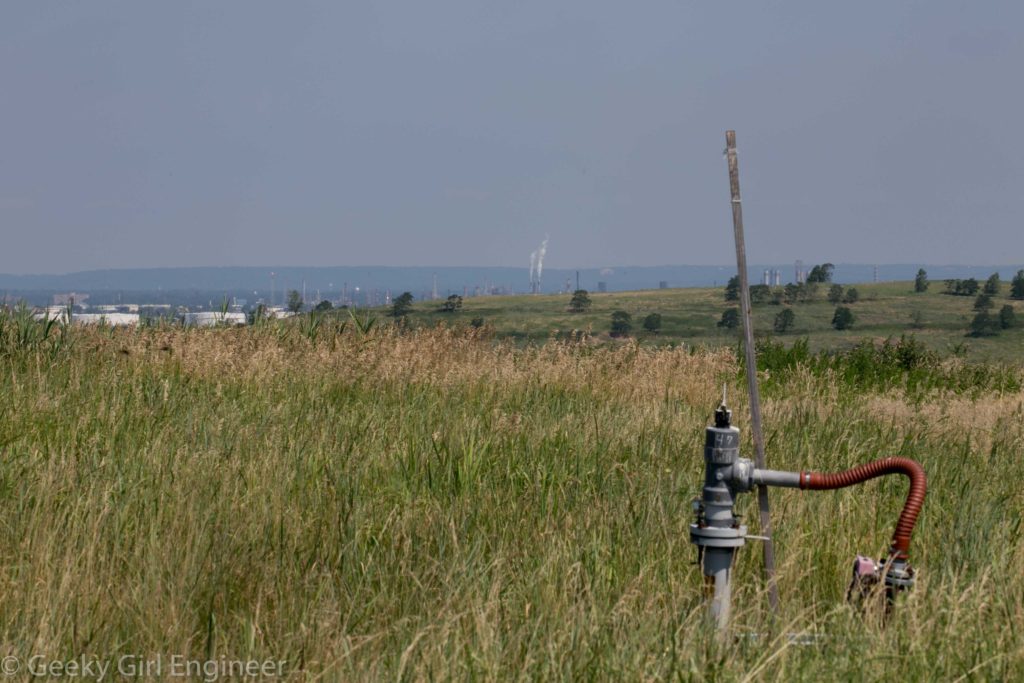
Amazing views with landfill gas well in foreground
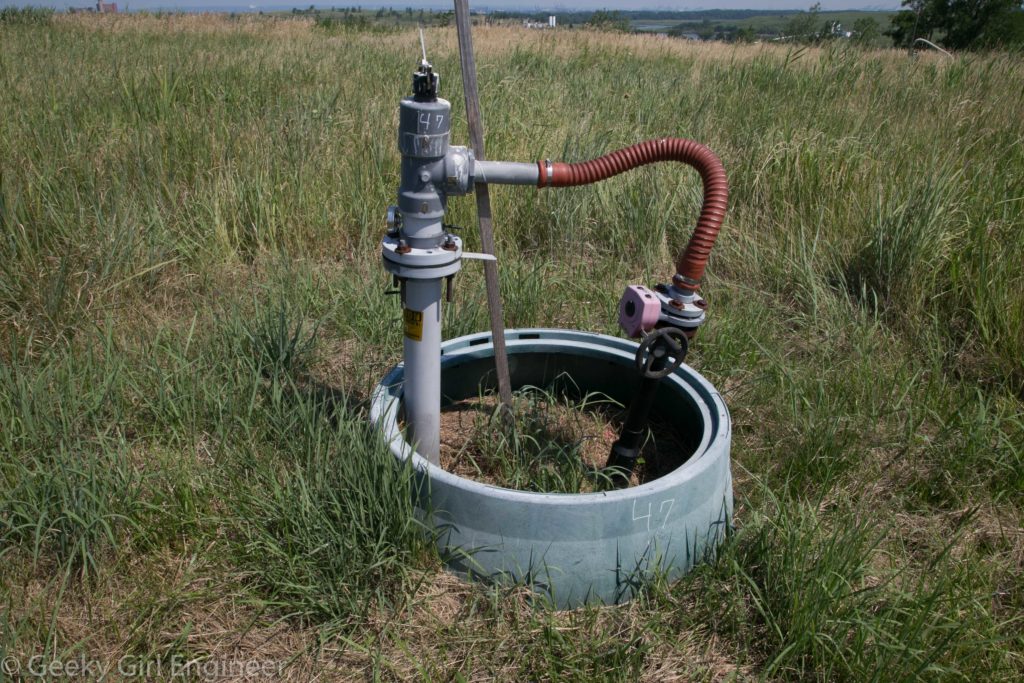
Landfill gas well
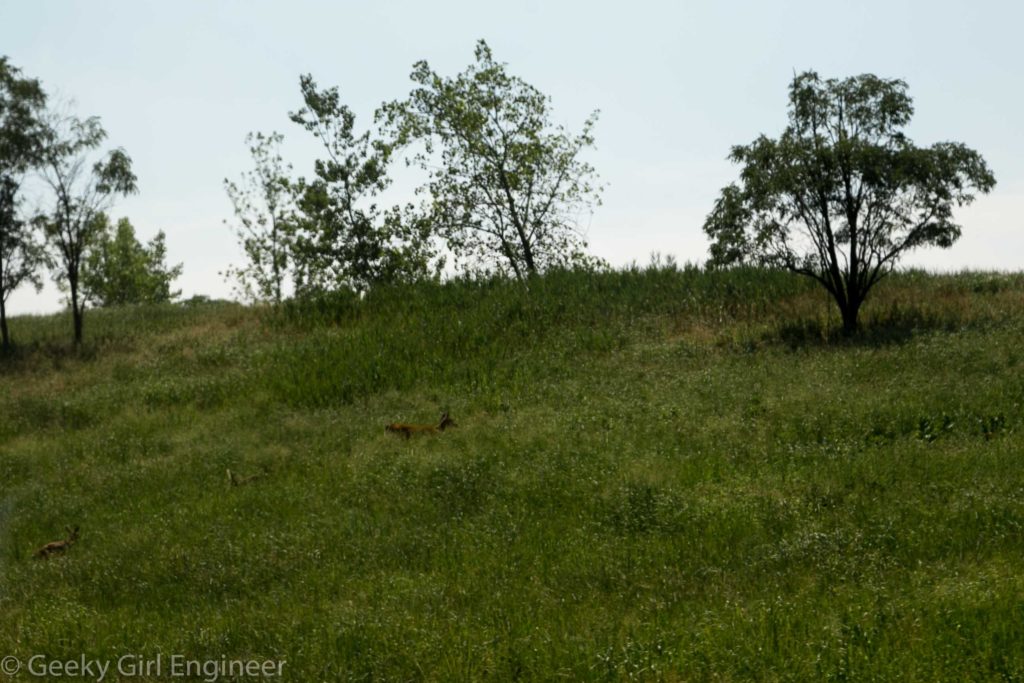
Bad photo of a family of deer
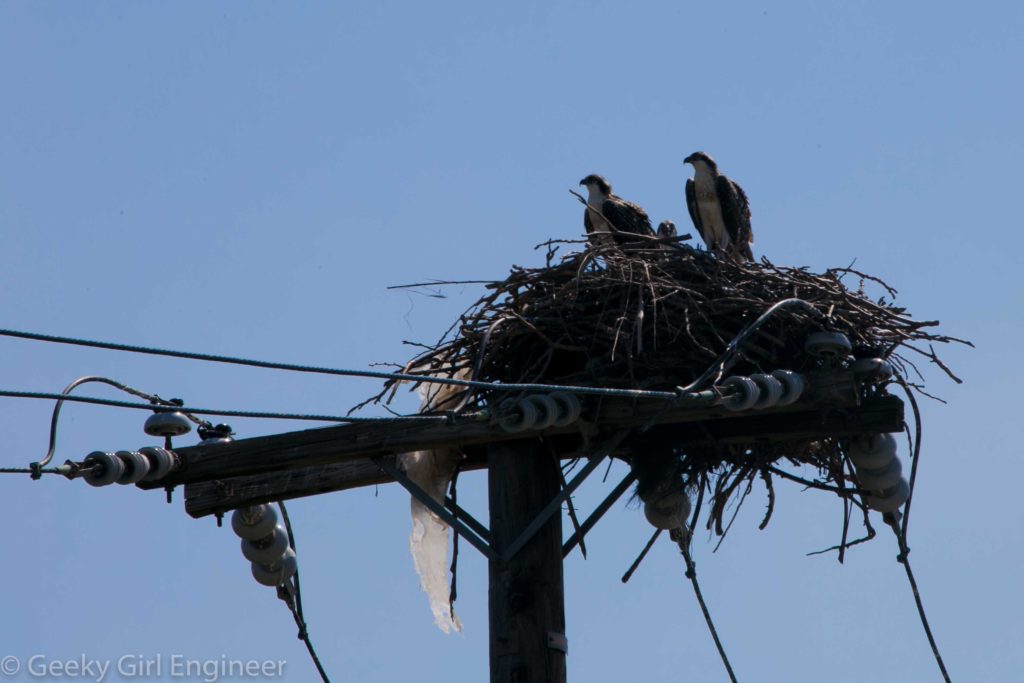
Osprey family
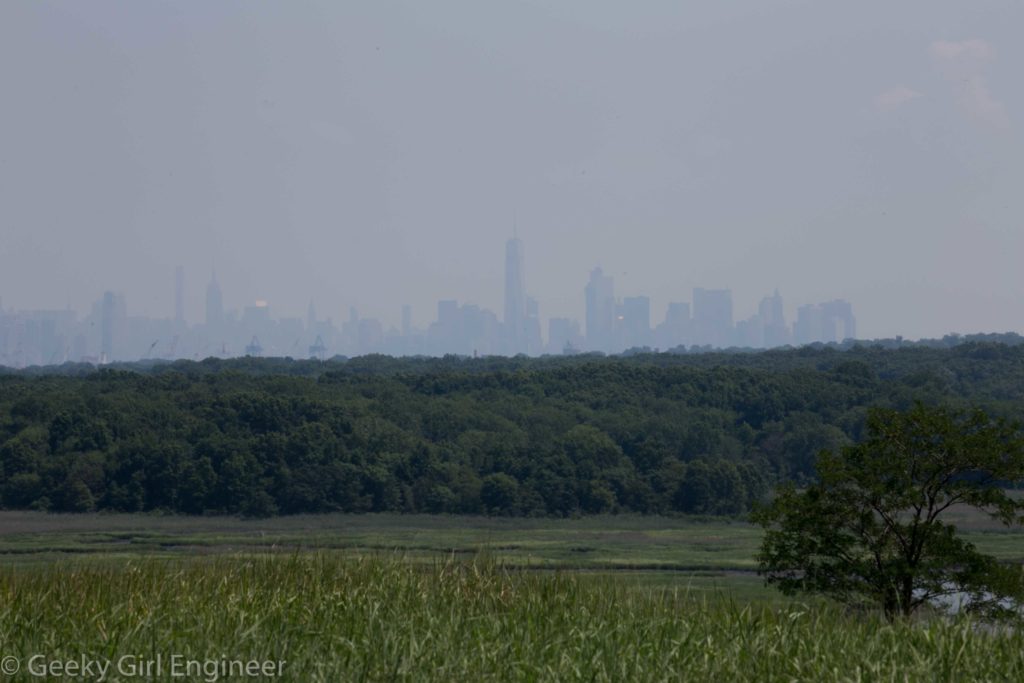
View of Manhattan
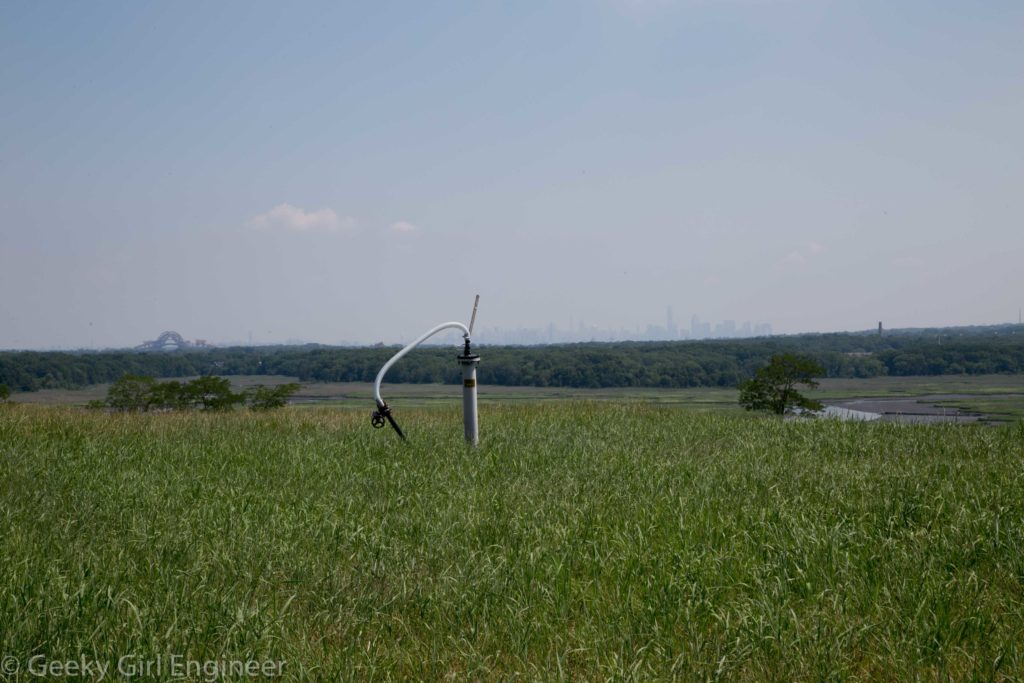
Landfill gas wells popping up in grass
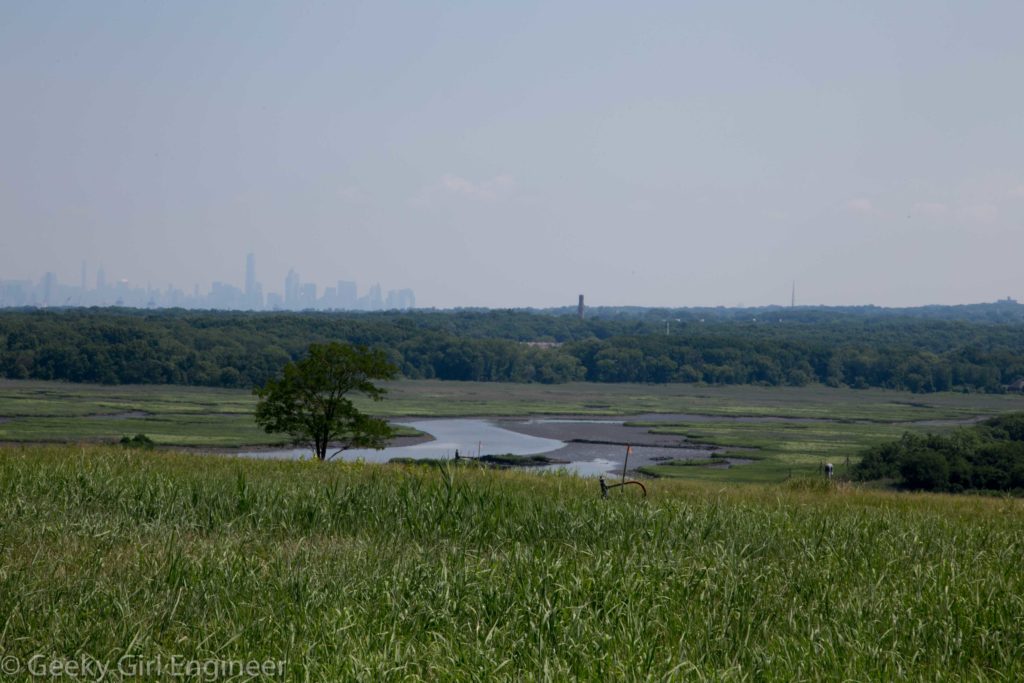
Wetlands in between mounds
Coney Island Overhaul Shop
This past weekend, I got to tour the MTA Coney Island Overhaul Shop with the NY Transit Museum. The complex in which it is located is the largest rapid transit yard in North America. They overhaul subway cars with a scheduled maintenance system and also scheduled maintenance that is too intensive for the maintenance shops. They do maintenance on all parts of the subway cars including the electric motor, air brakes, compressors, and wheels and axles.
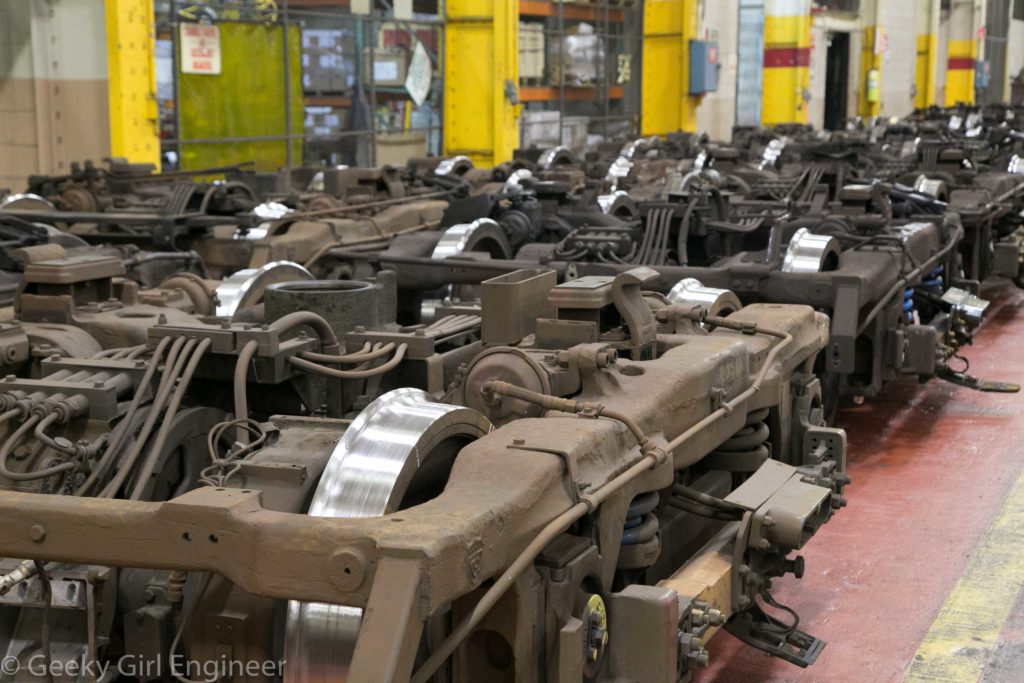
Newly cut wheels in cars
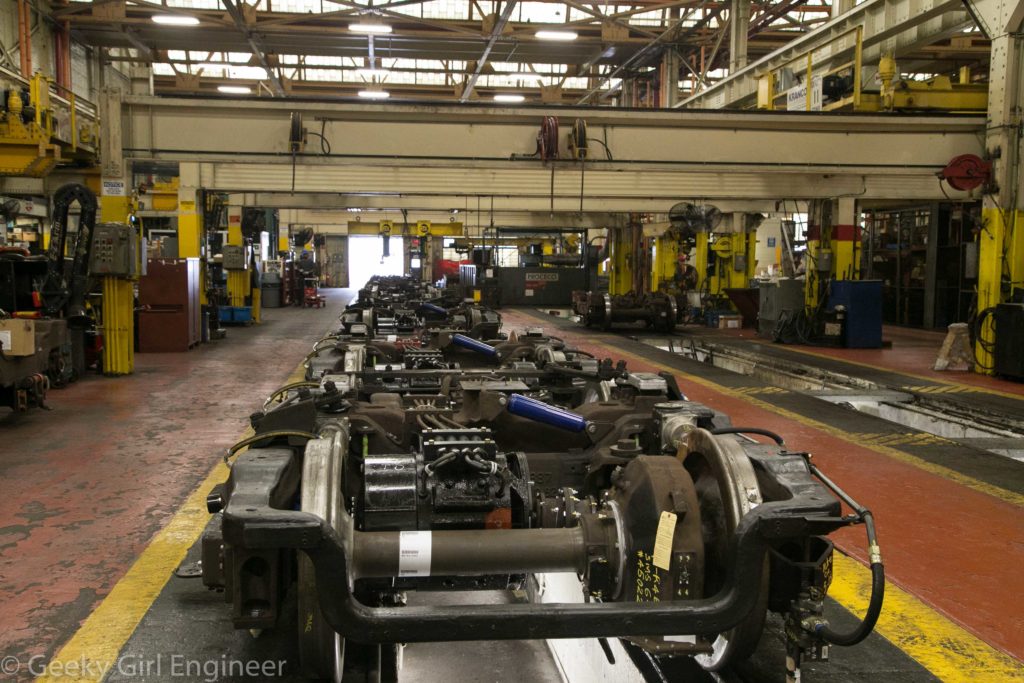
Wheels and axles lined up
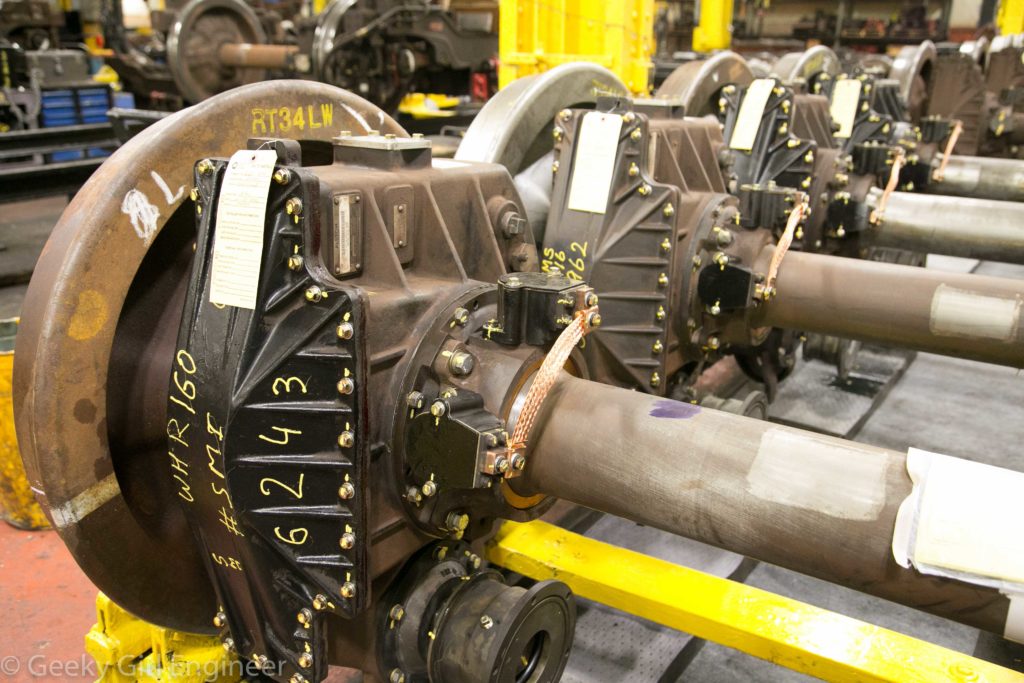
Overhauled axles
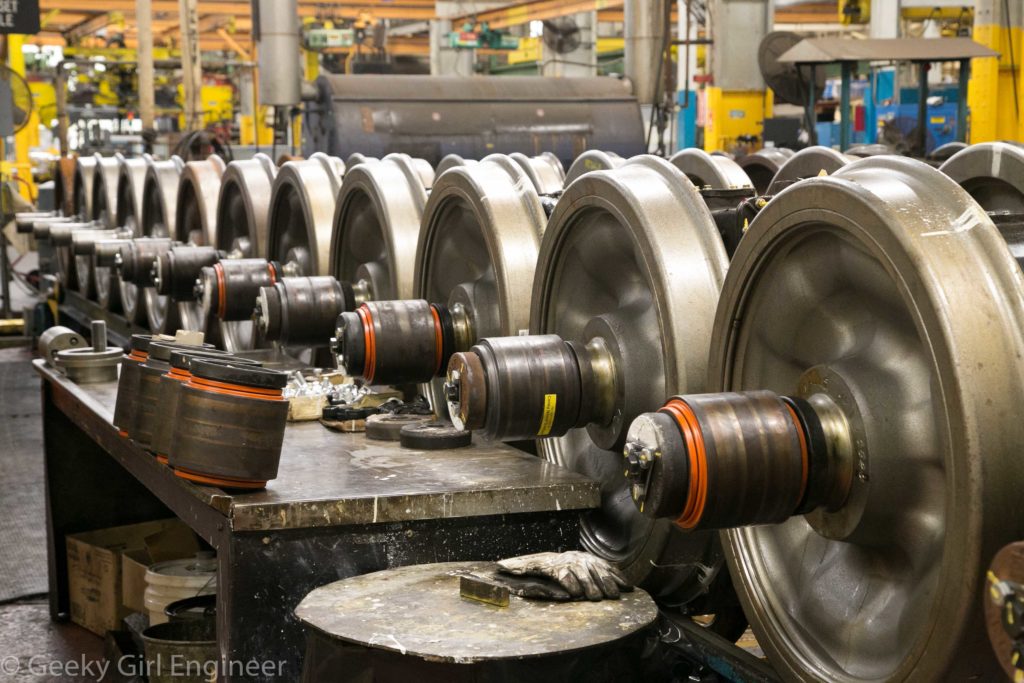
Wheels lined up
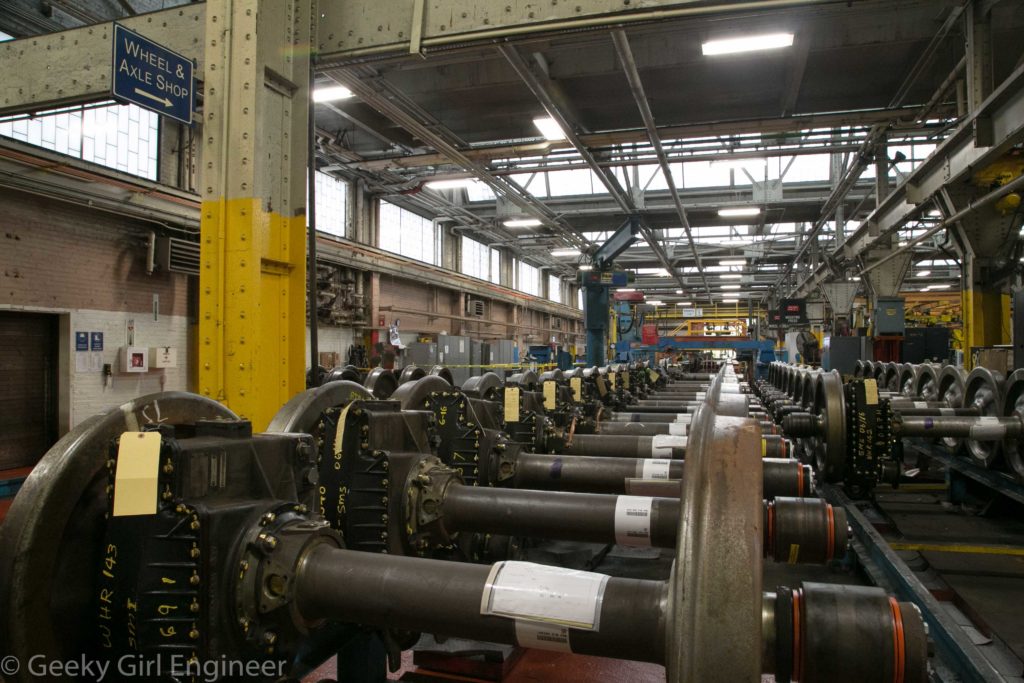
More axles
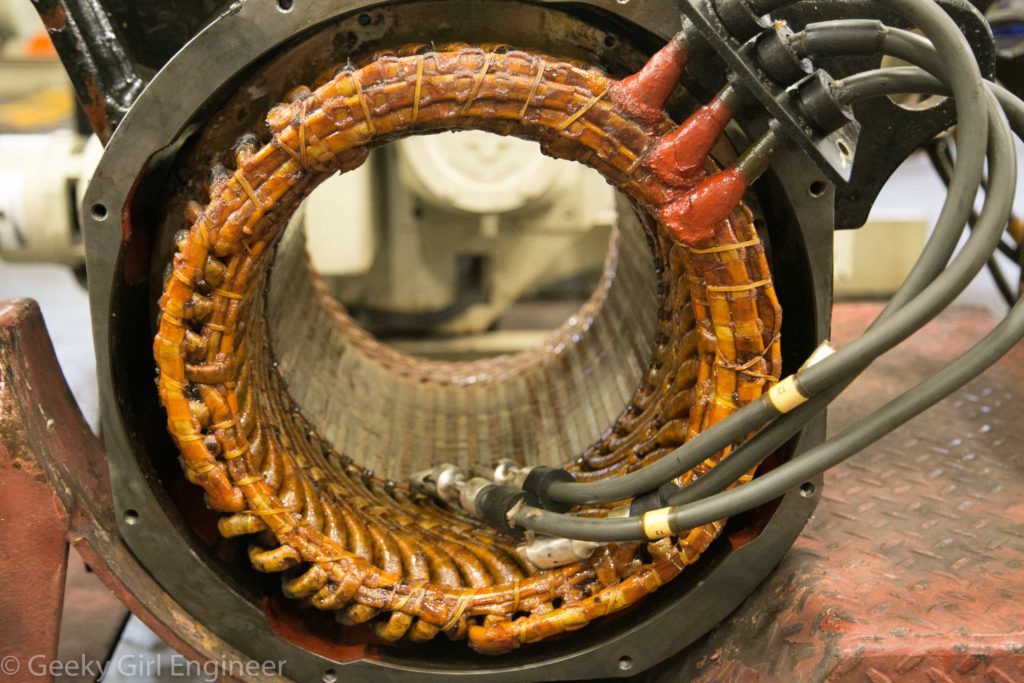
I think this is part of electric motor
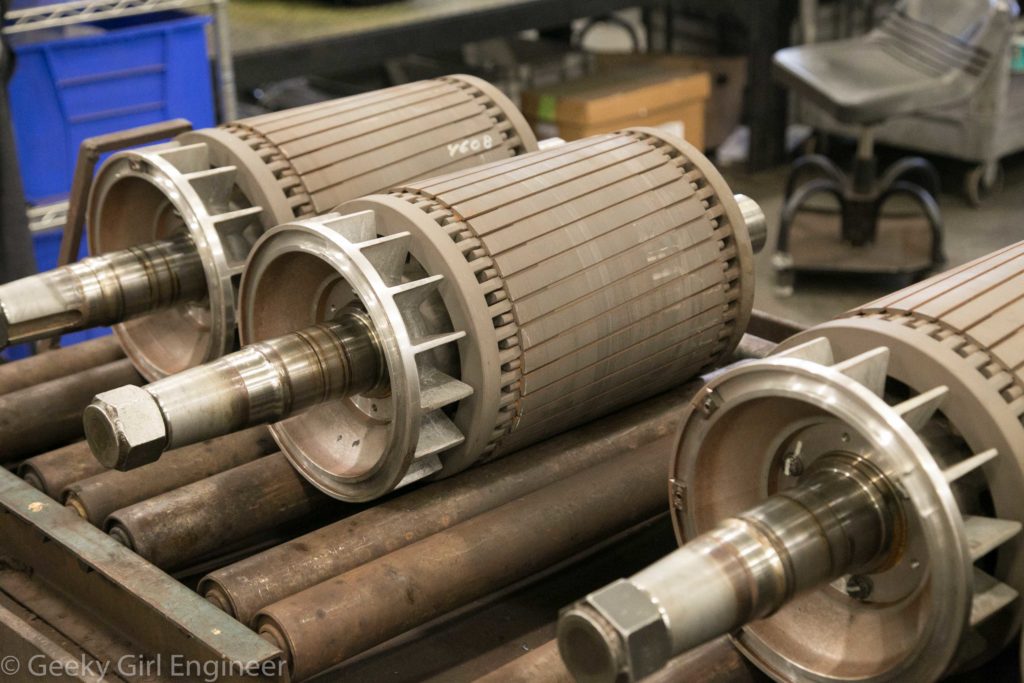
I think this is part of electric motor
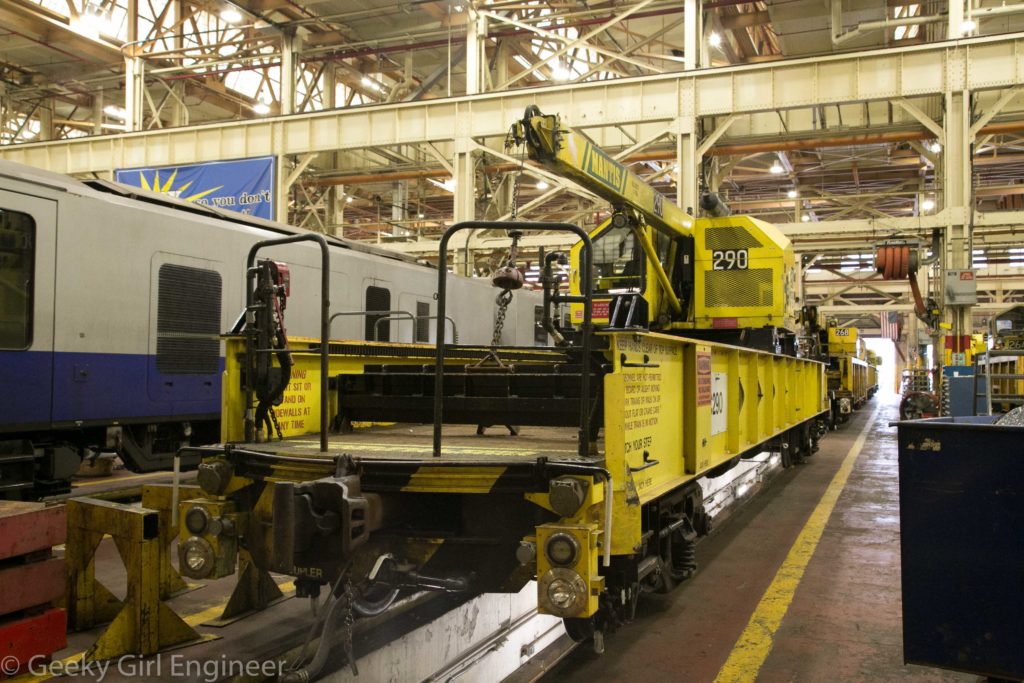
Rail service car
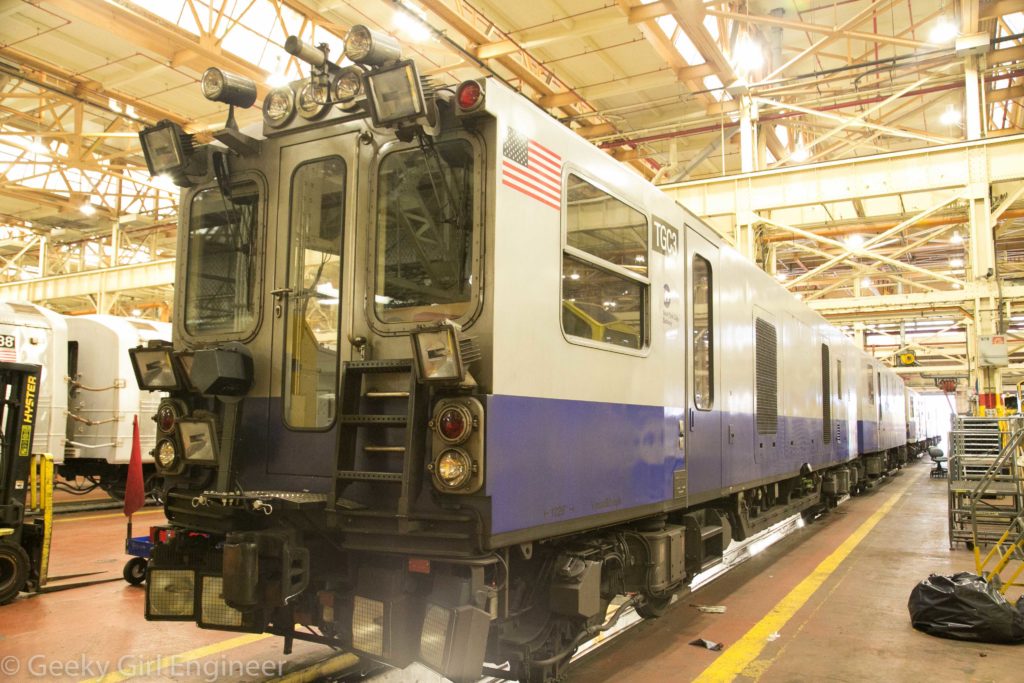
Inspection train, aka the geometry train
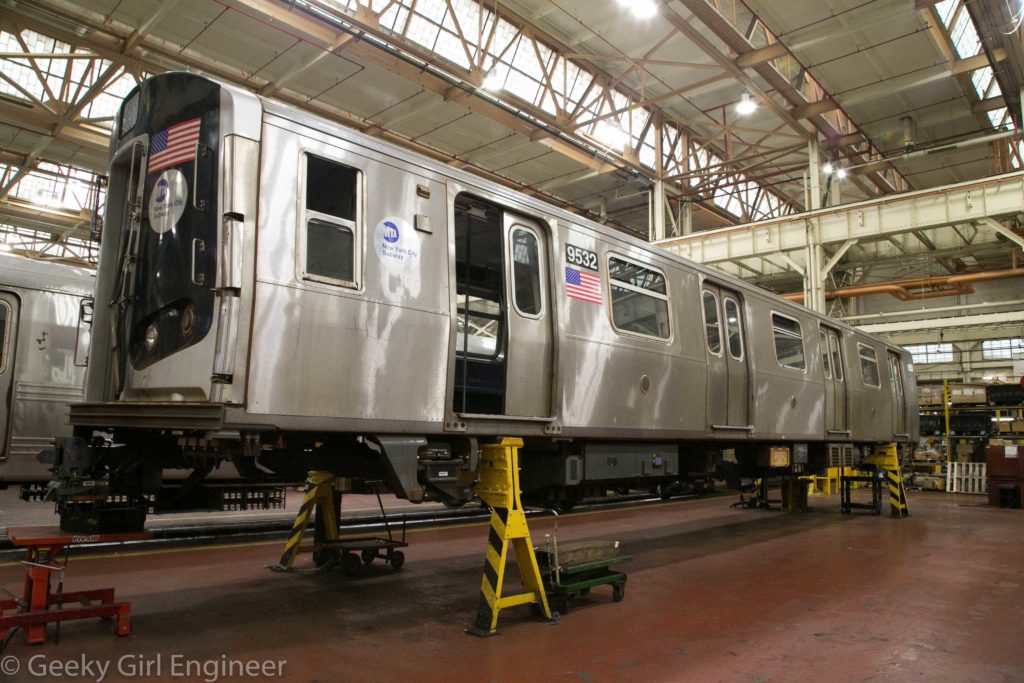
Car in shop
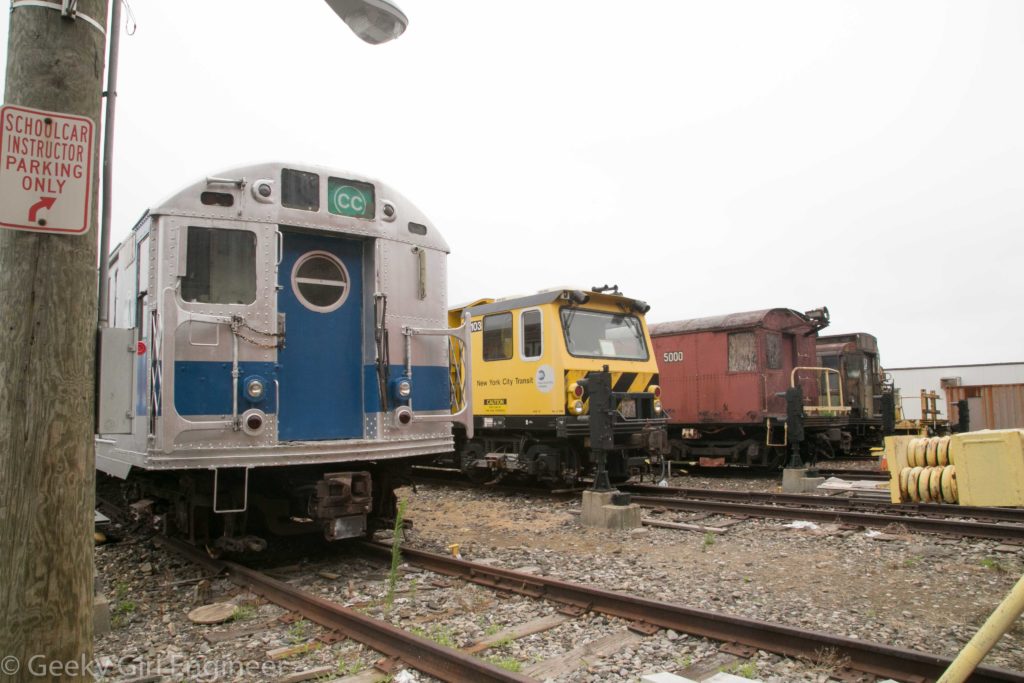
Old trains in the yard
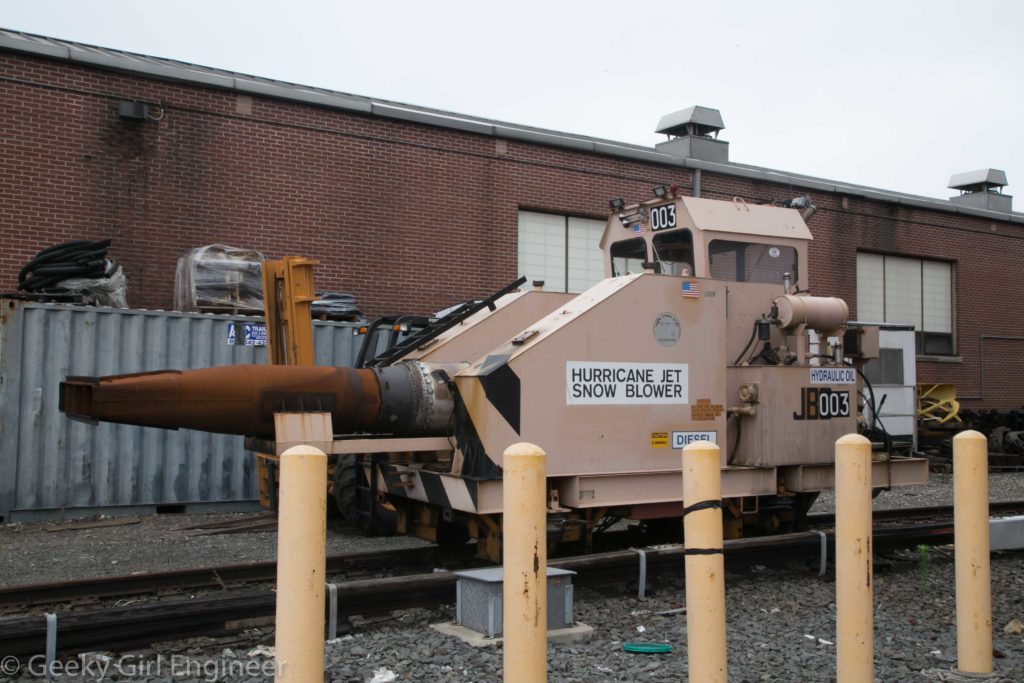
Snowblower
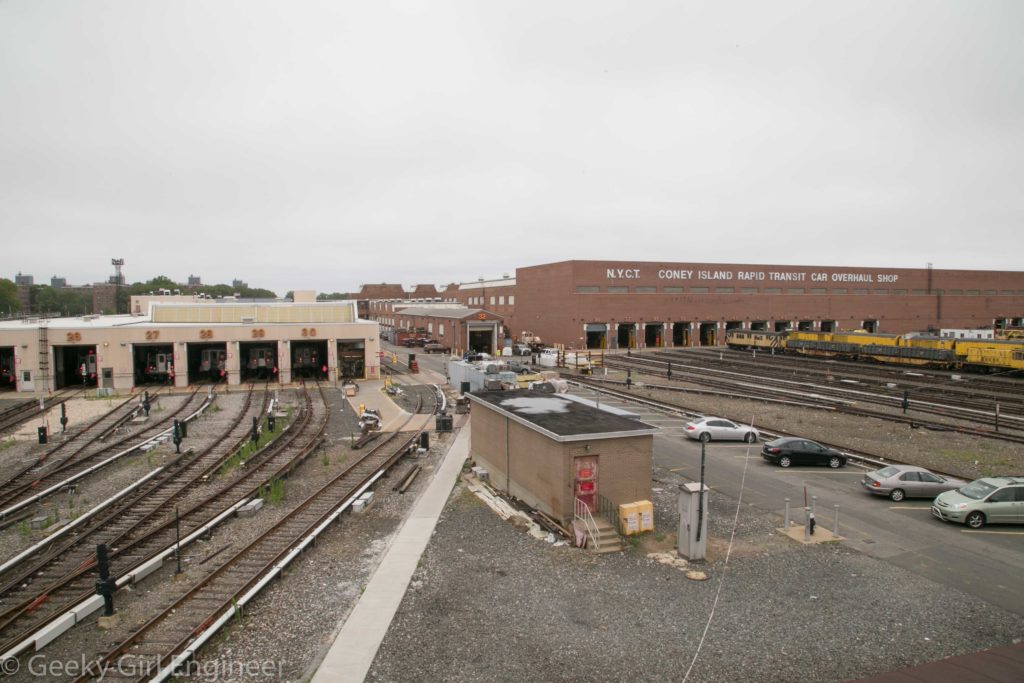
Tracks leading to overhaul shop and maintenance shop
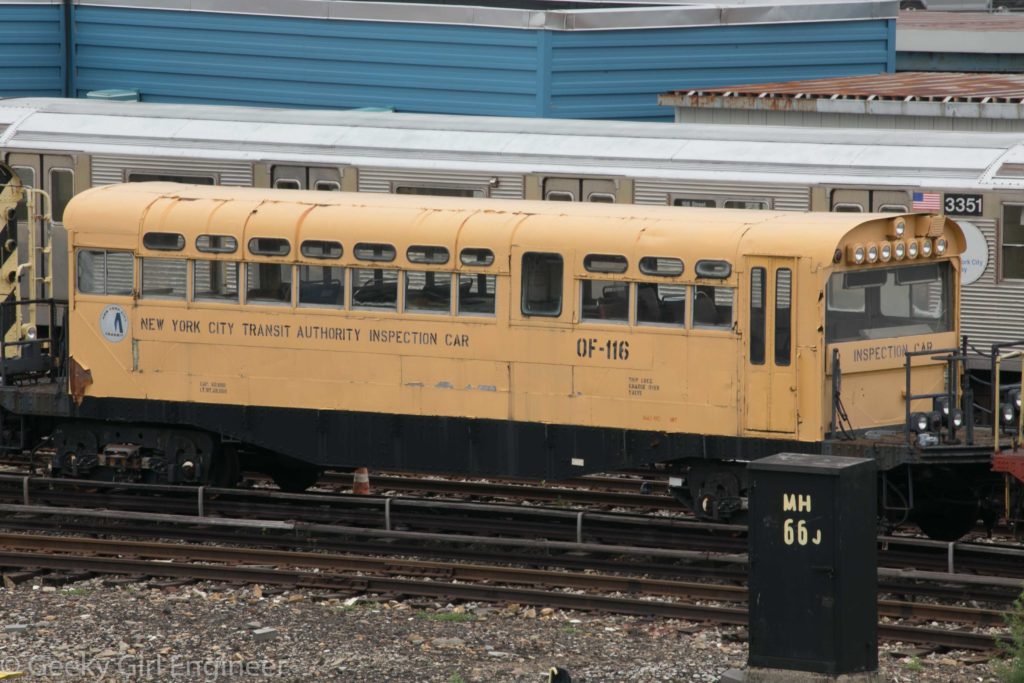
Old inspection train
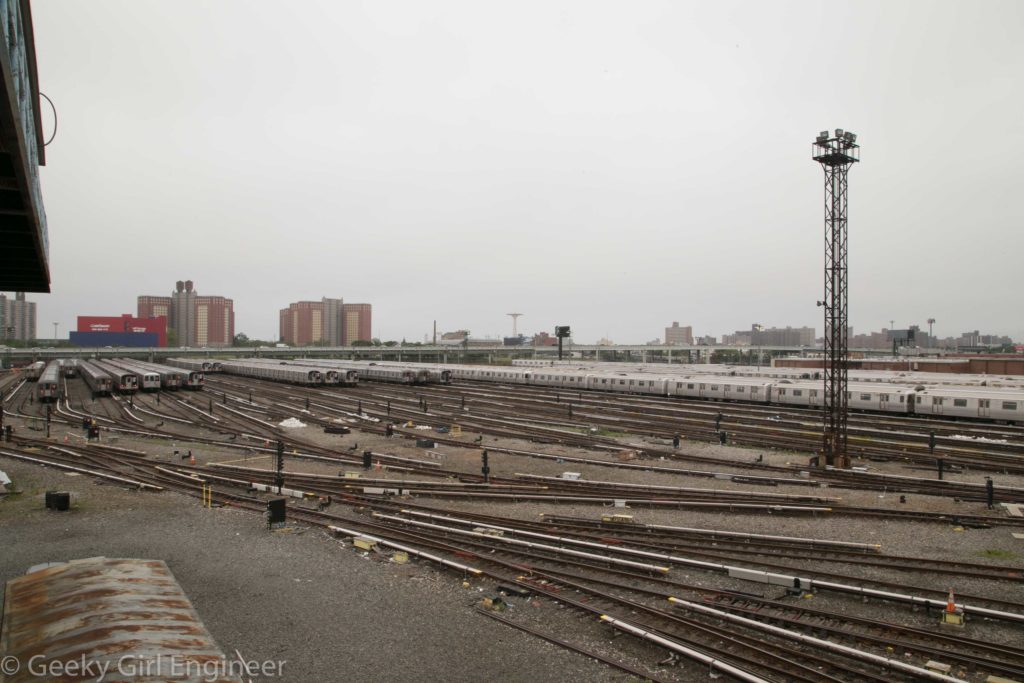
Trains in the yard