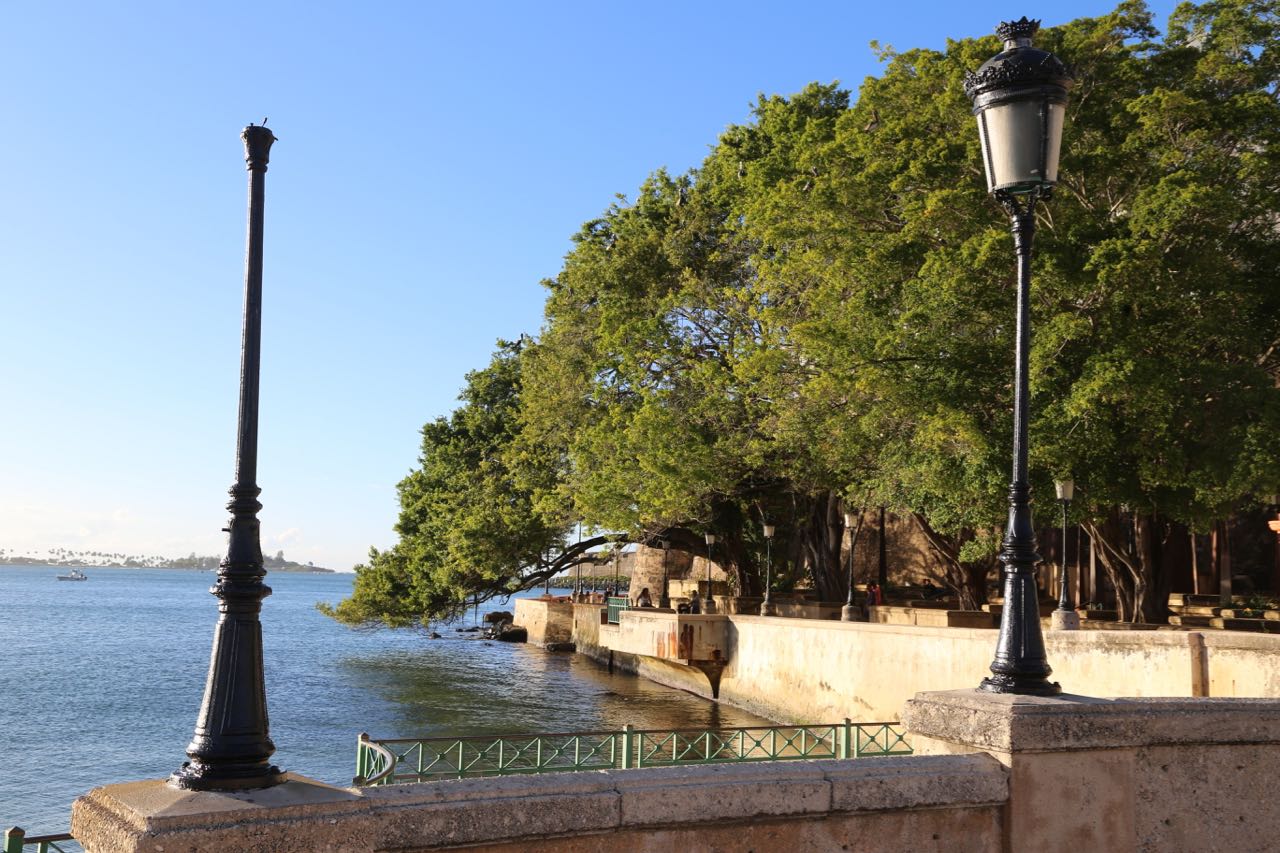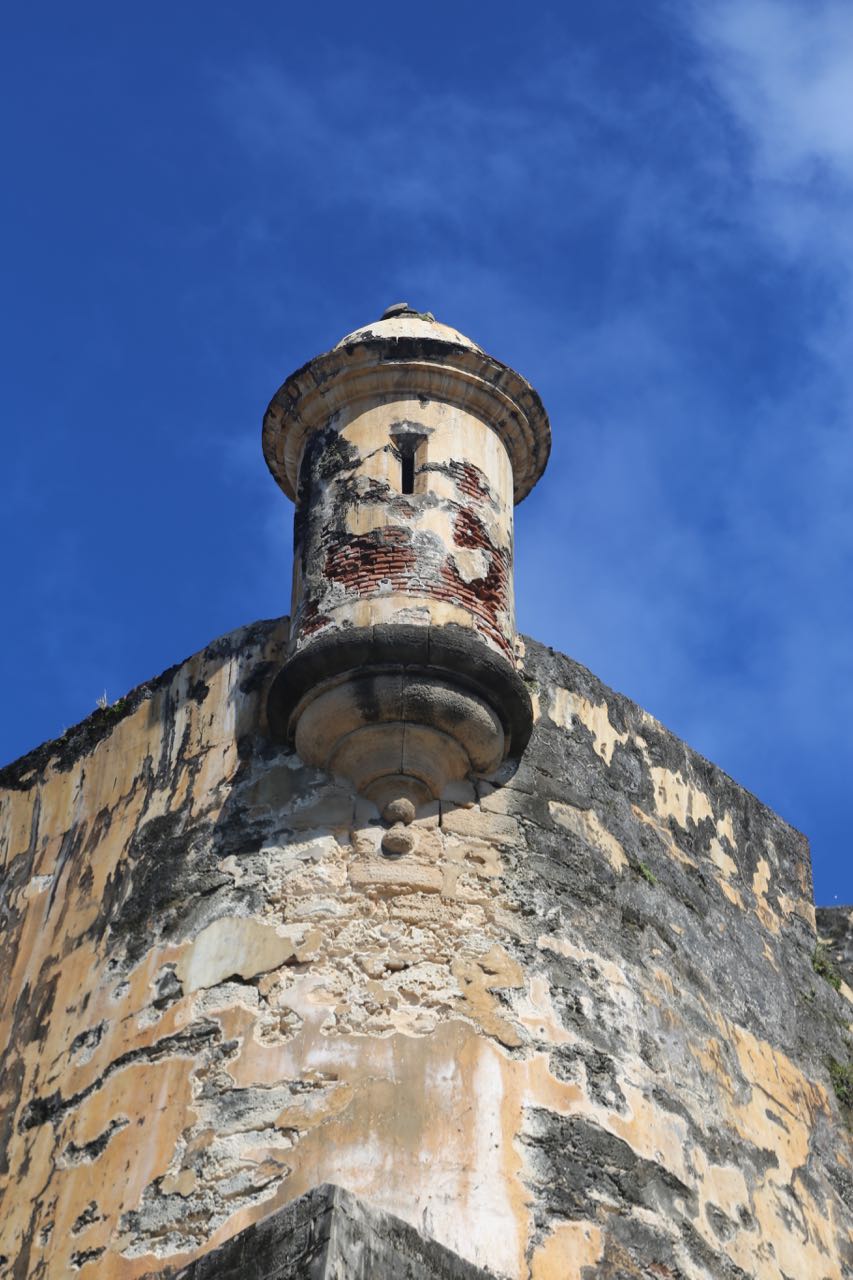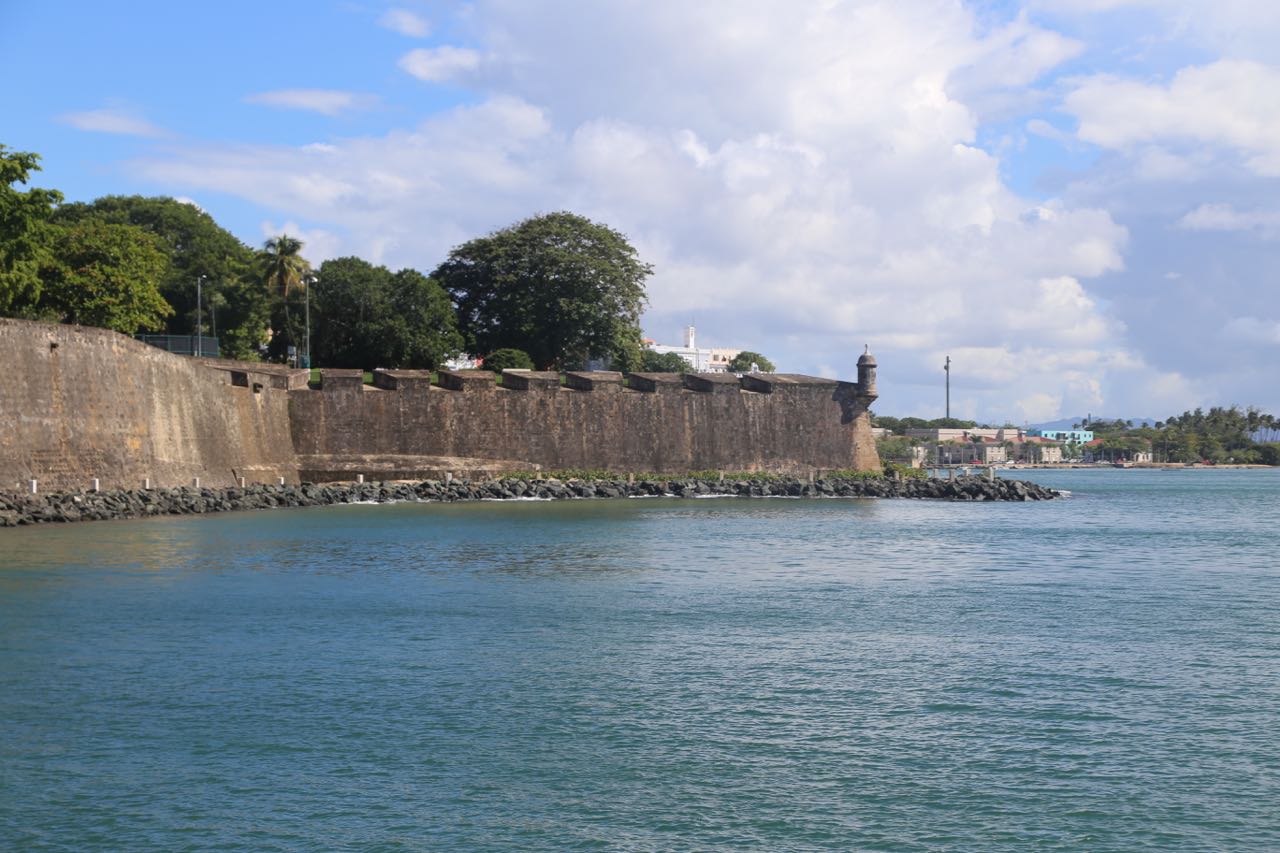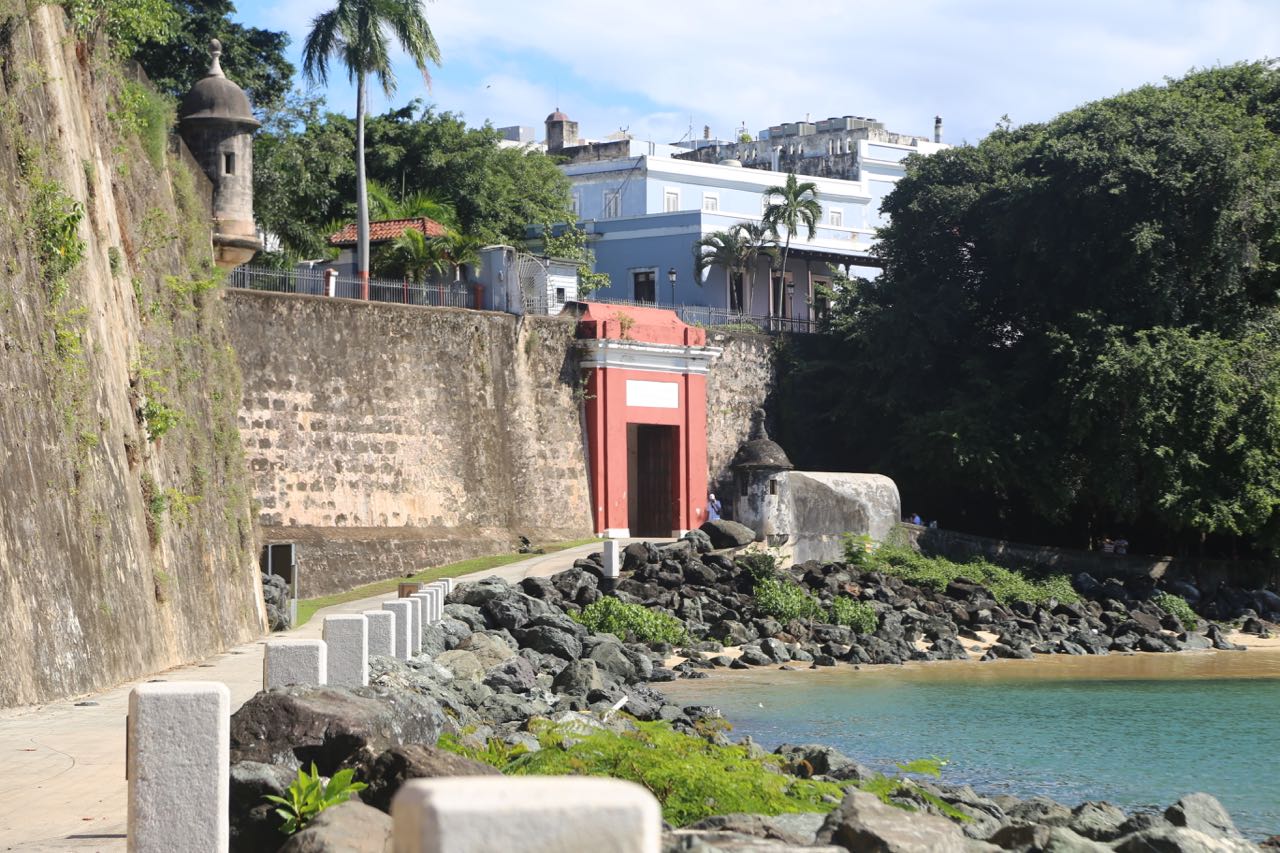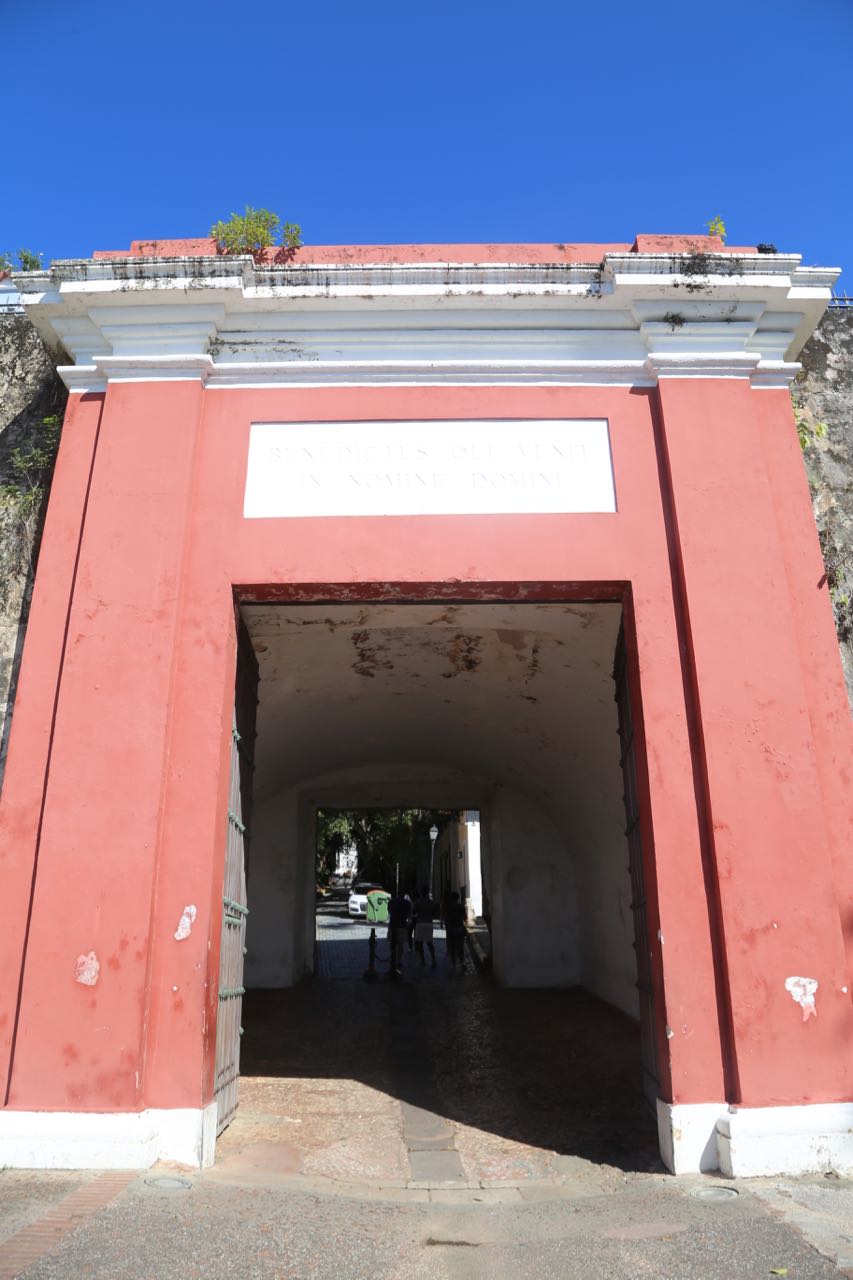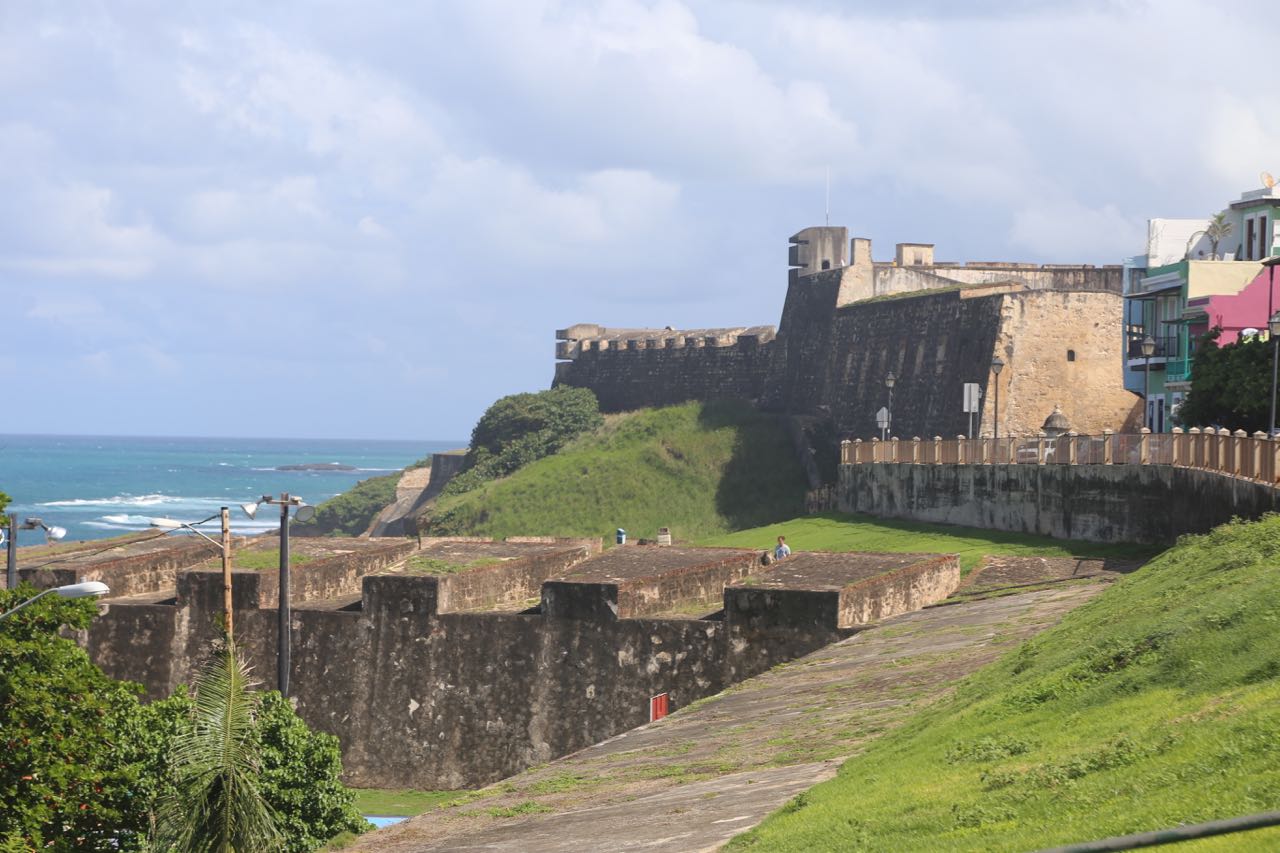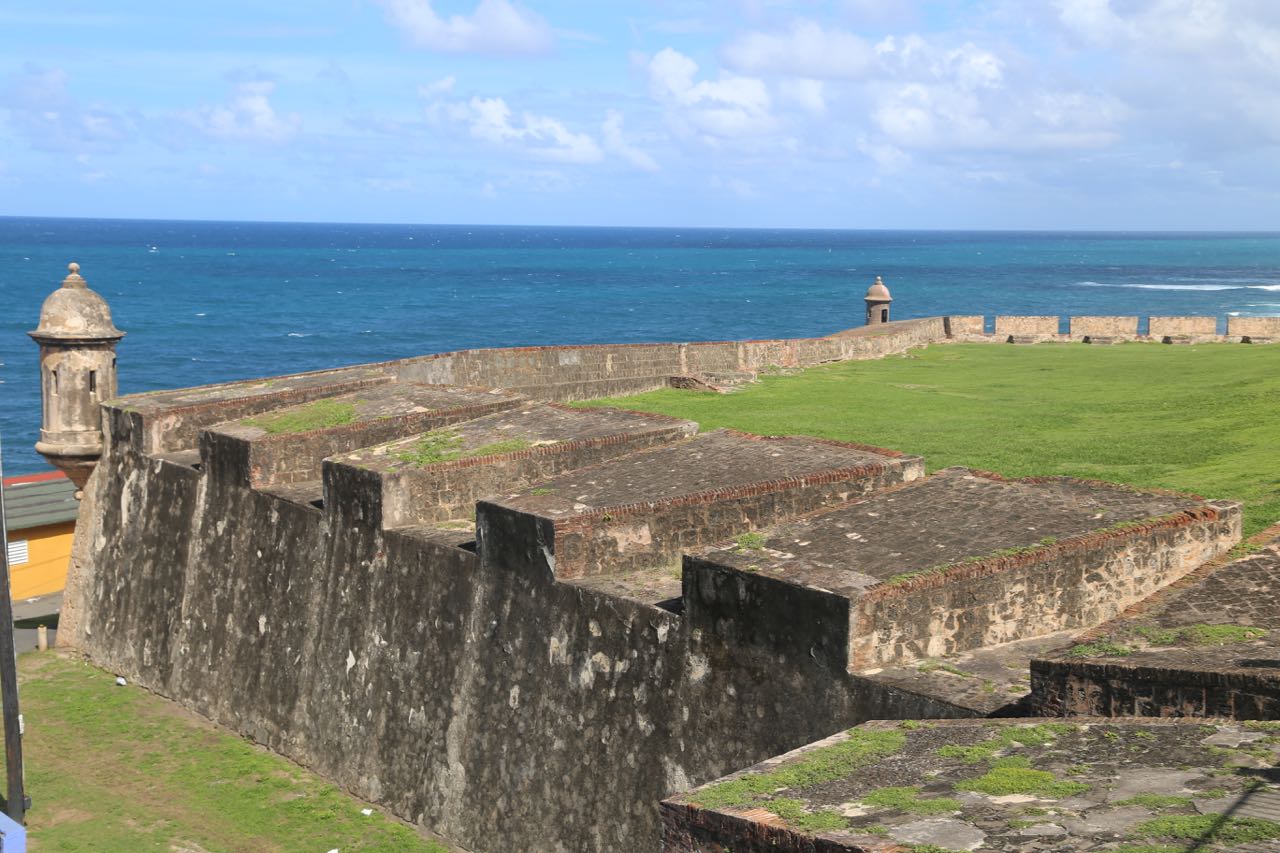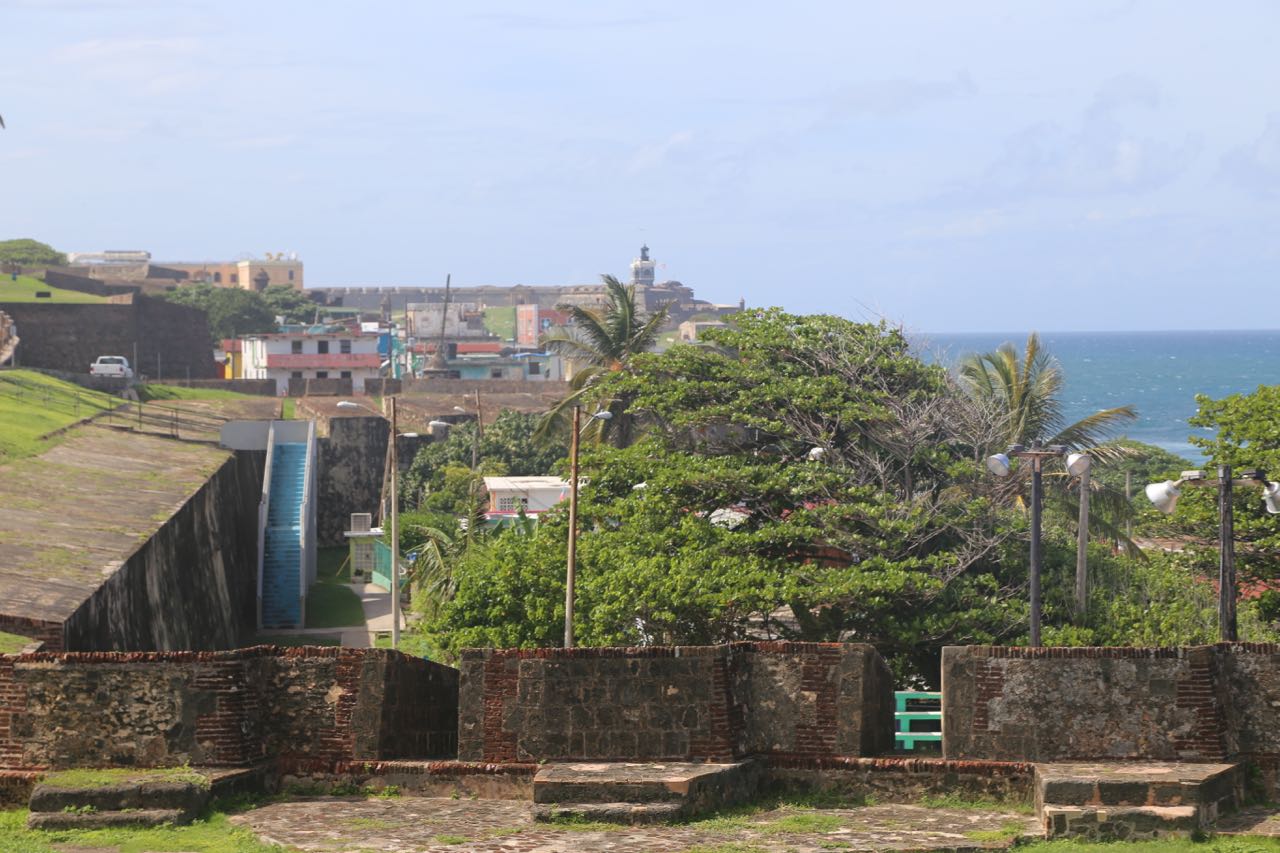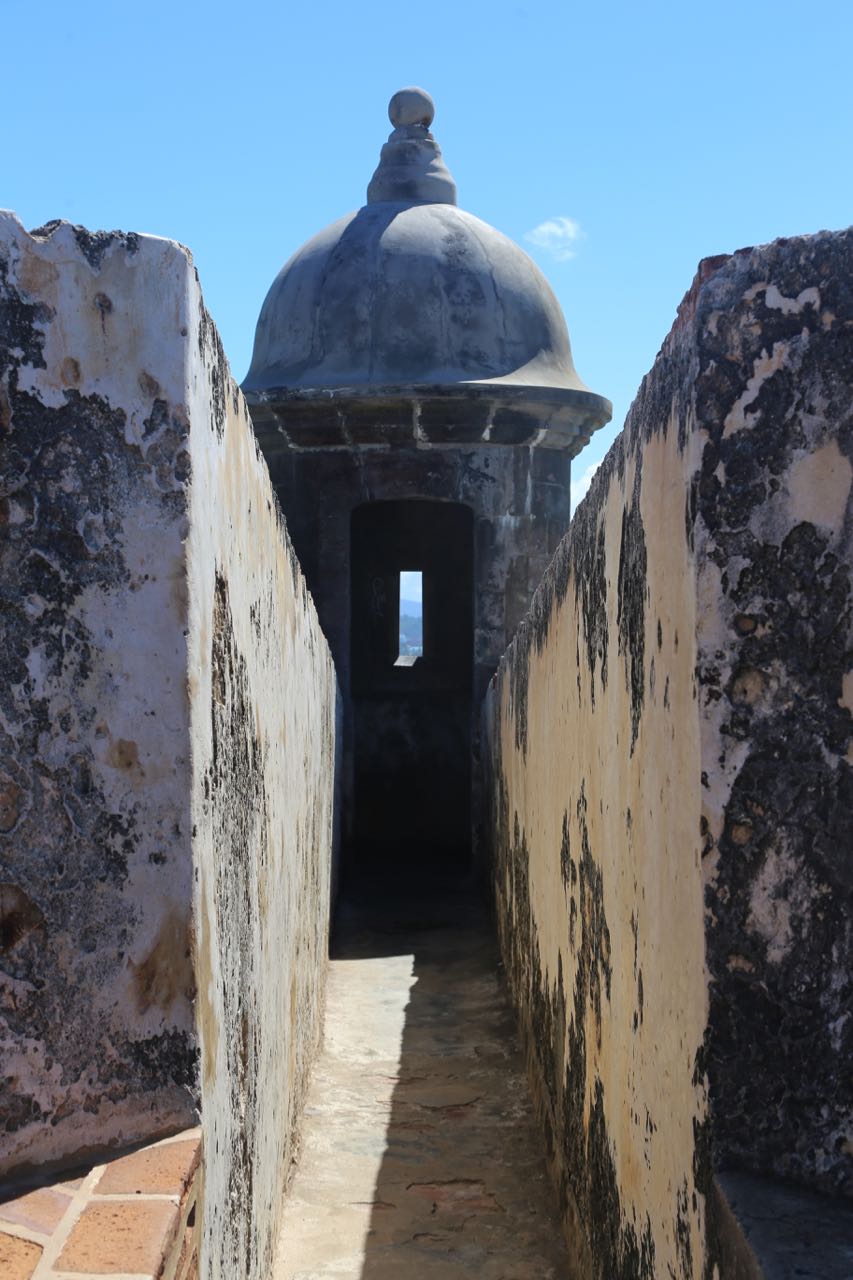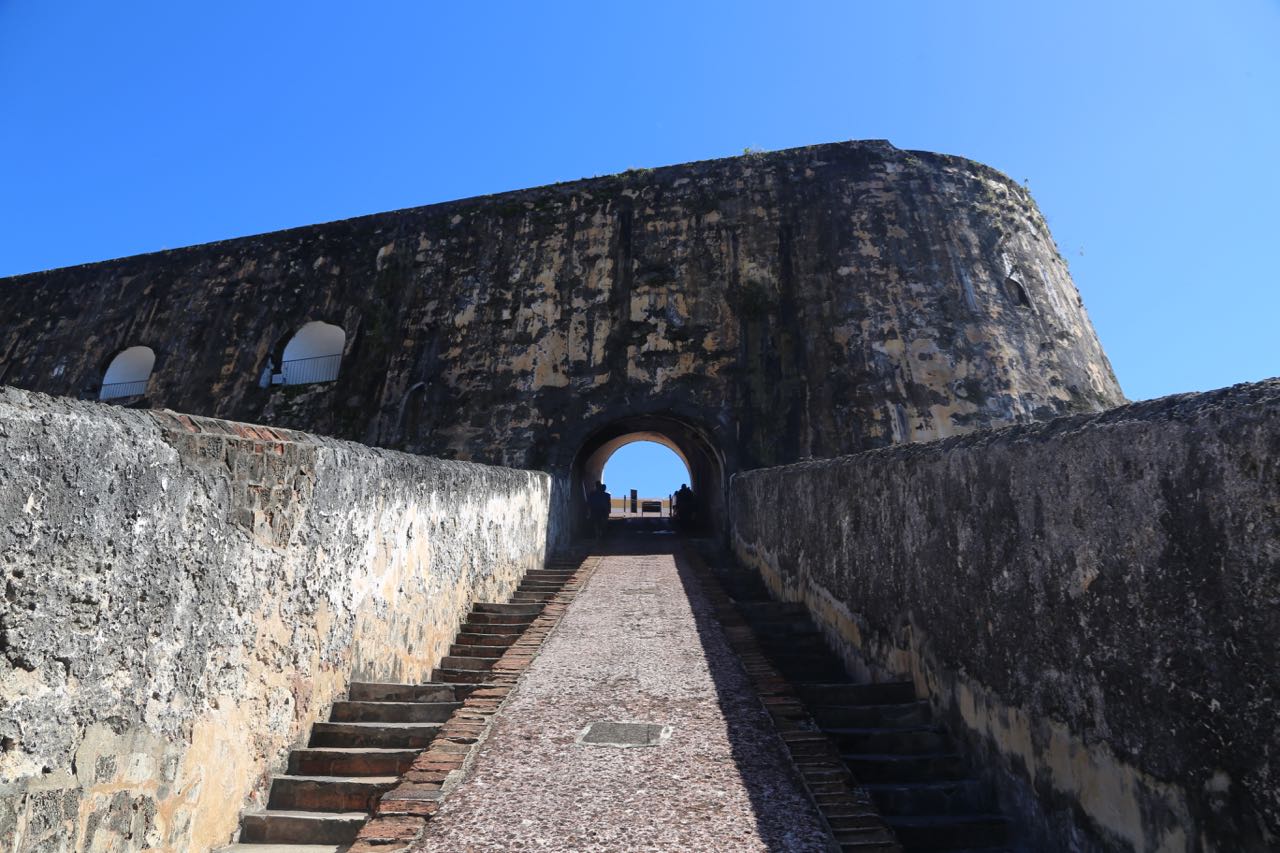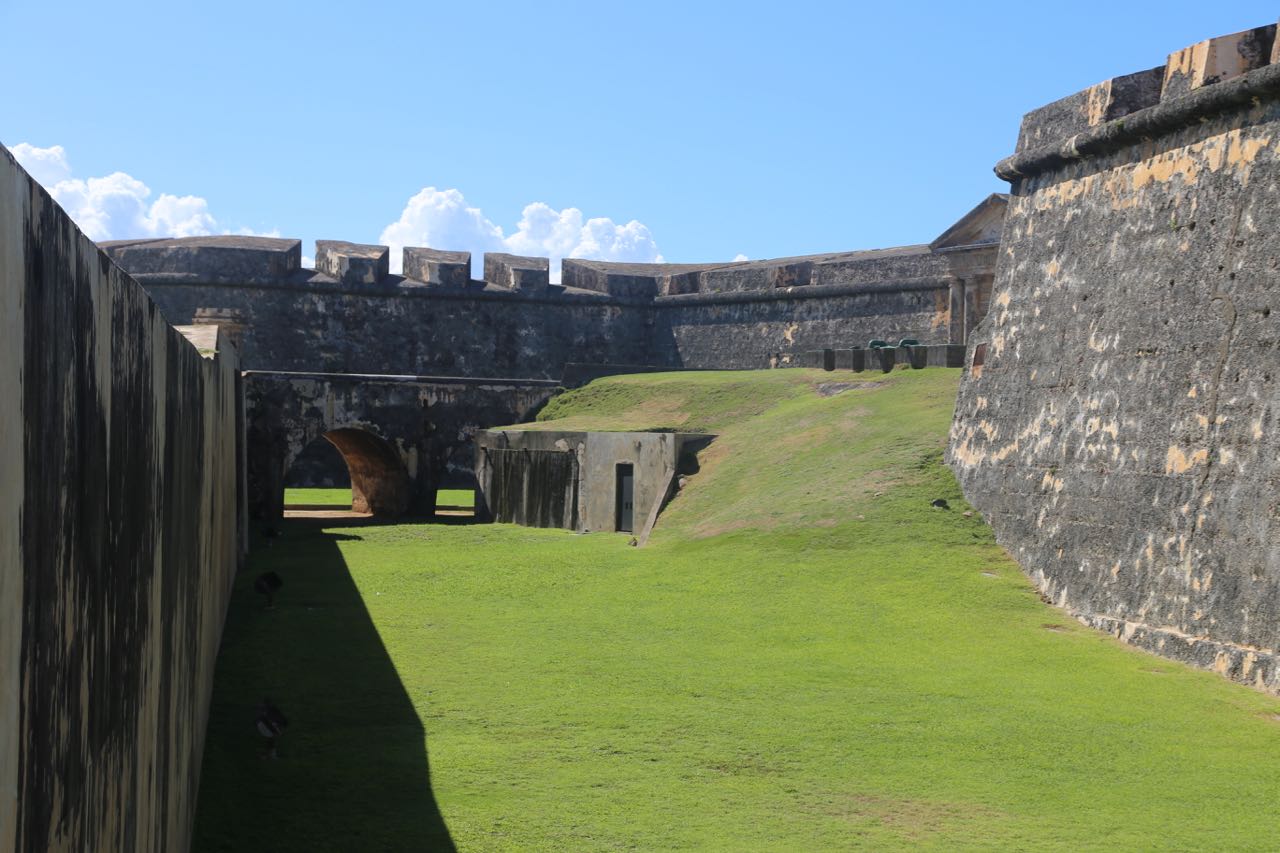
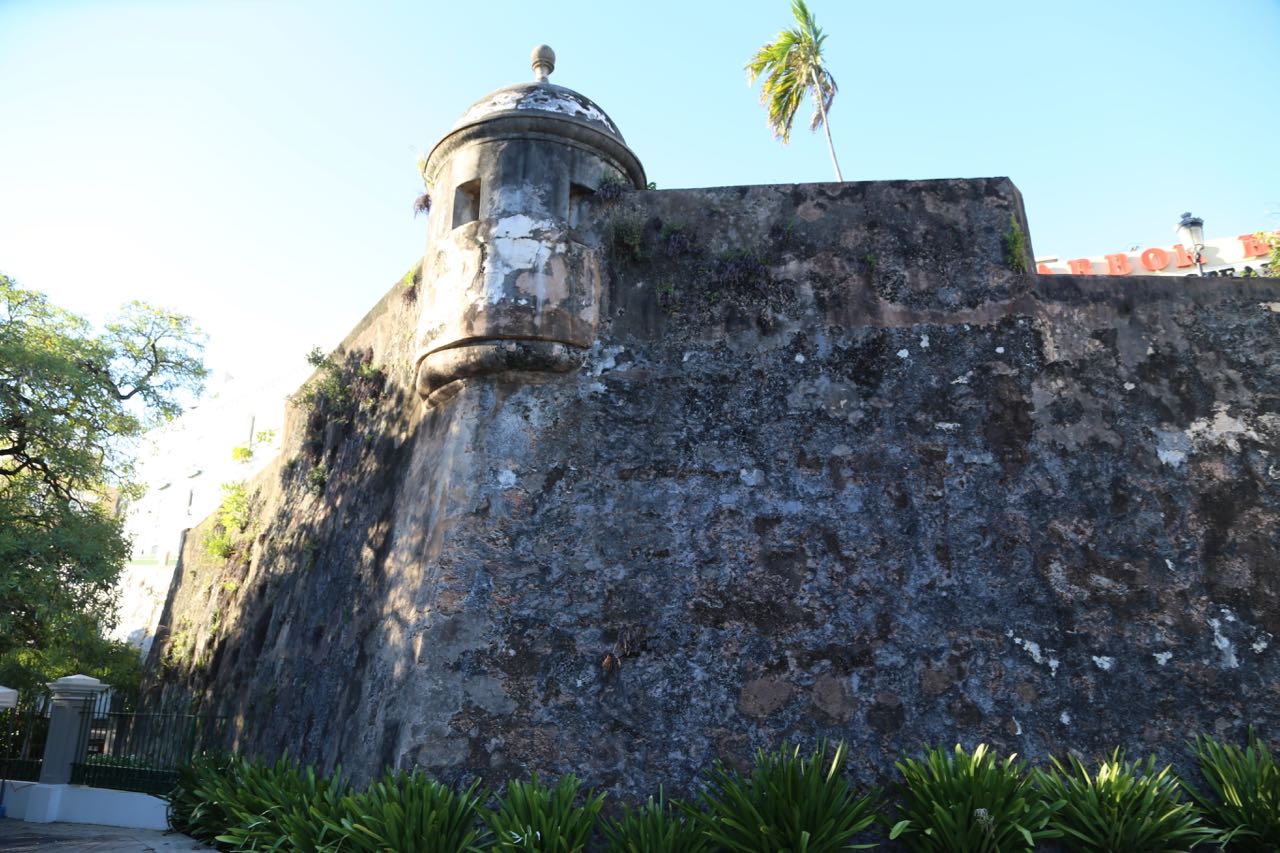
It wasn’t until I walked around Viejo (Old) San Juan, especially the perimeter of it, that I realized how it really is a walled city. El Morro guards the entrance to the bay, but the fortifications encircles the entirety of the old city. One of the few ways, and the historic way, from the sea level to the city is through La Puerta de San Juan. Walking through the La Puerta, you realize the fortification is serious fortification, as La Puerta is almost a tunnel in terms of the distance you must walk to go from the sea side to the city side. The fortification is truly impressive with the wall thickness and garitas and small openings for guards to stand ready. One modern day bonus of the fortification is that it must help protect Viejo San Juan from any hurricane storm surge. There is a promenade that follows the wall from its beginning on the bay side and ends on the ocean side of El Morro. It gives spectacular views of the fort and the water as well.
Tag Archives: Engineering
El Morro
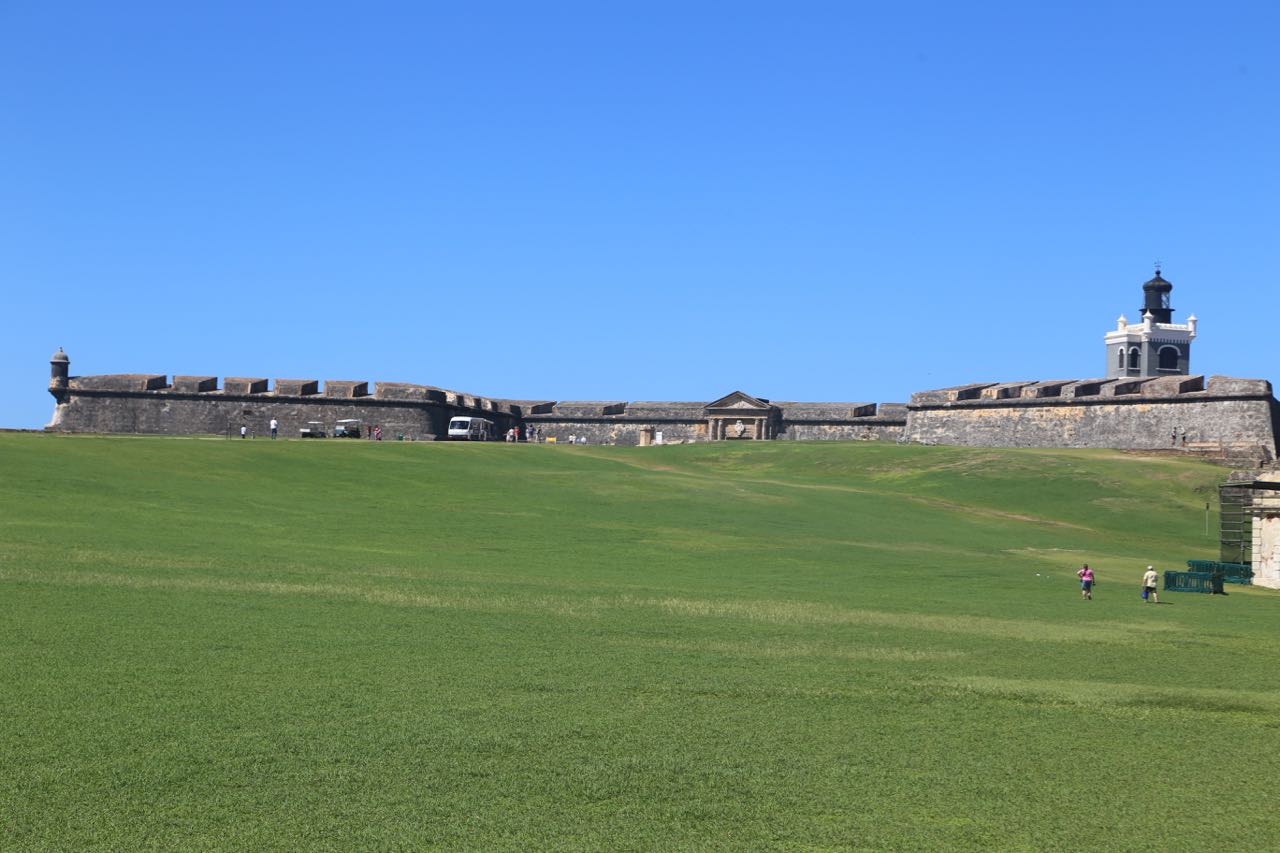
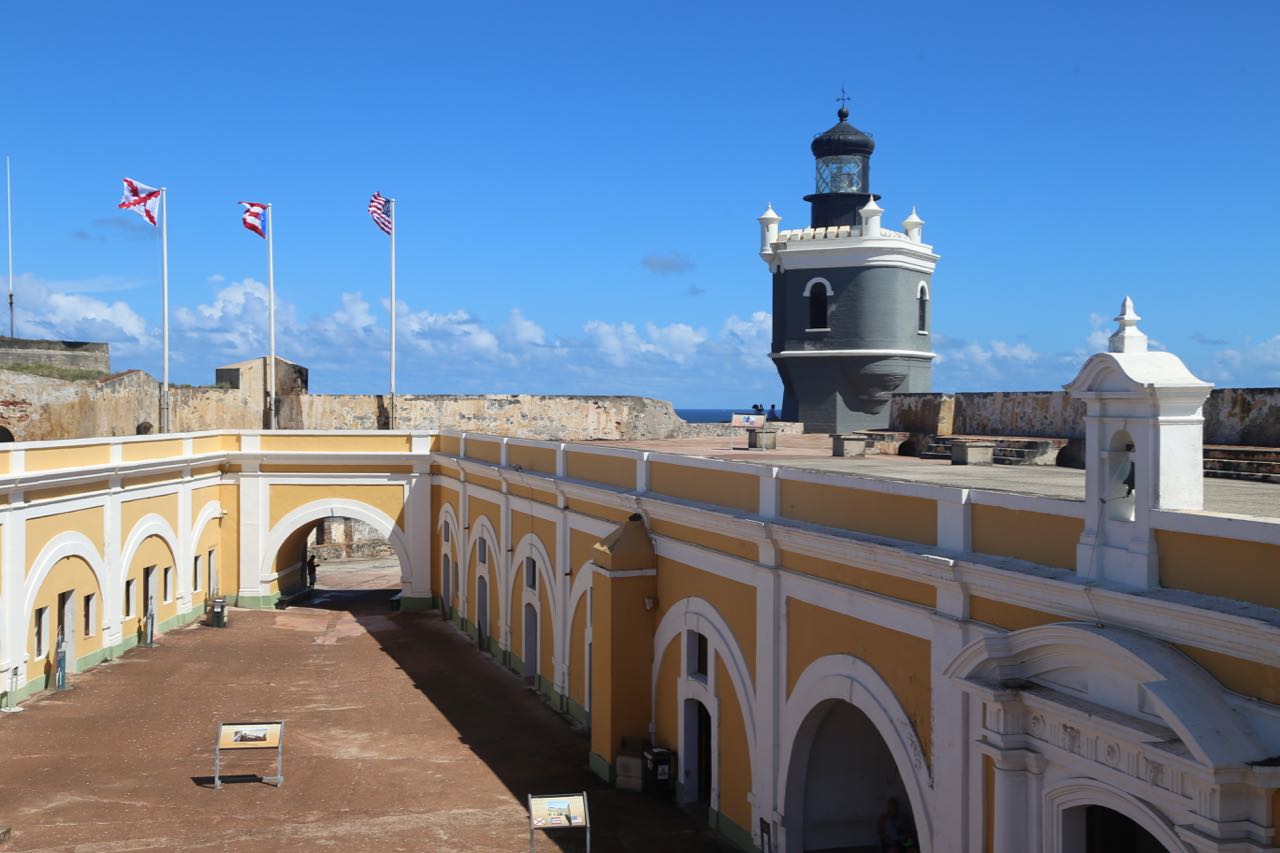
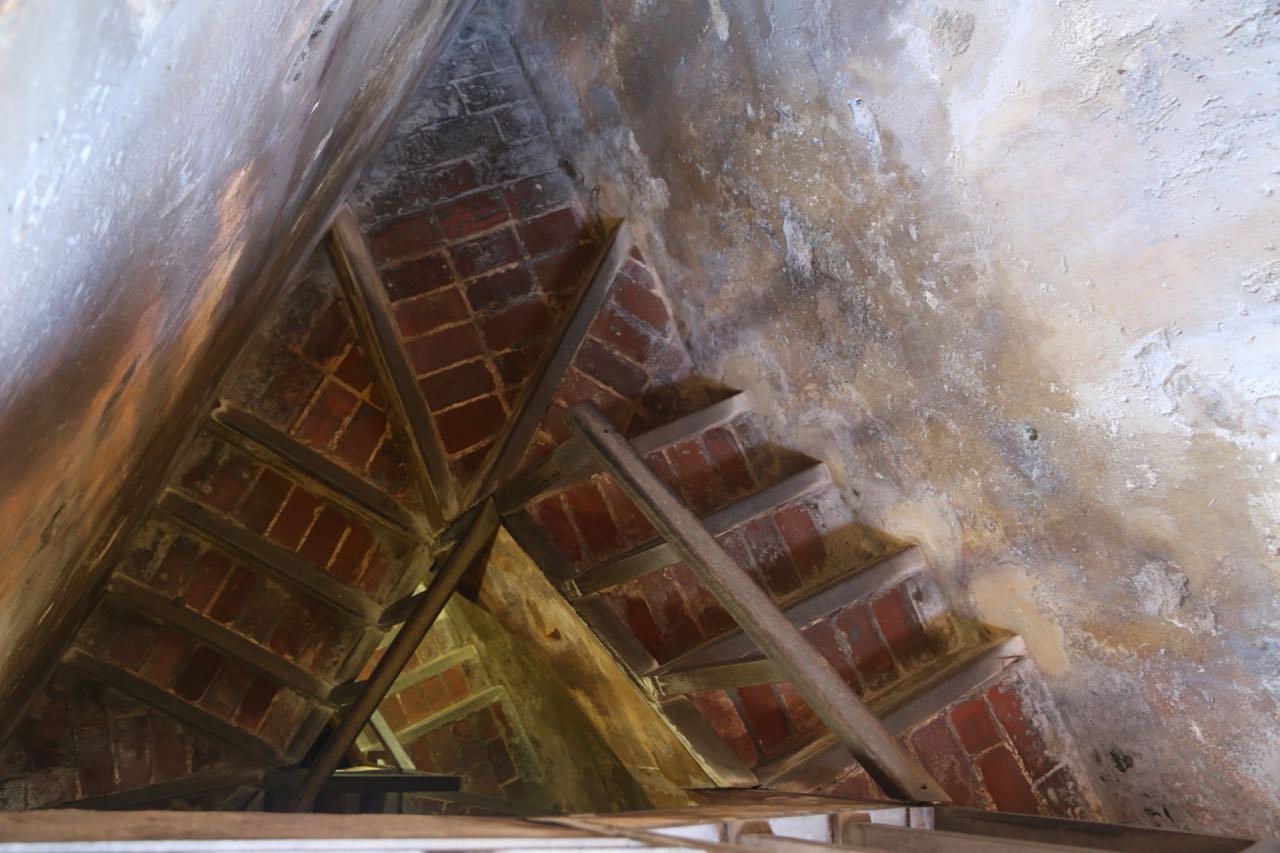
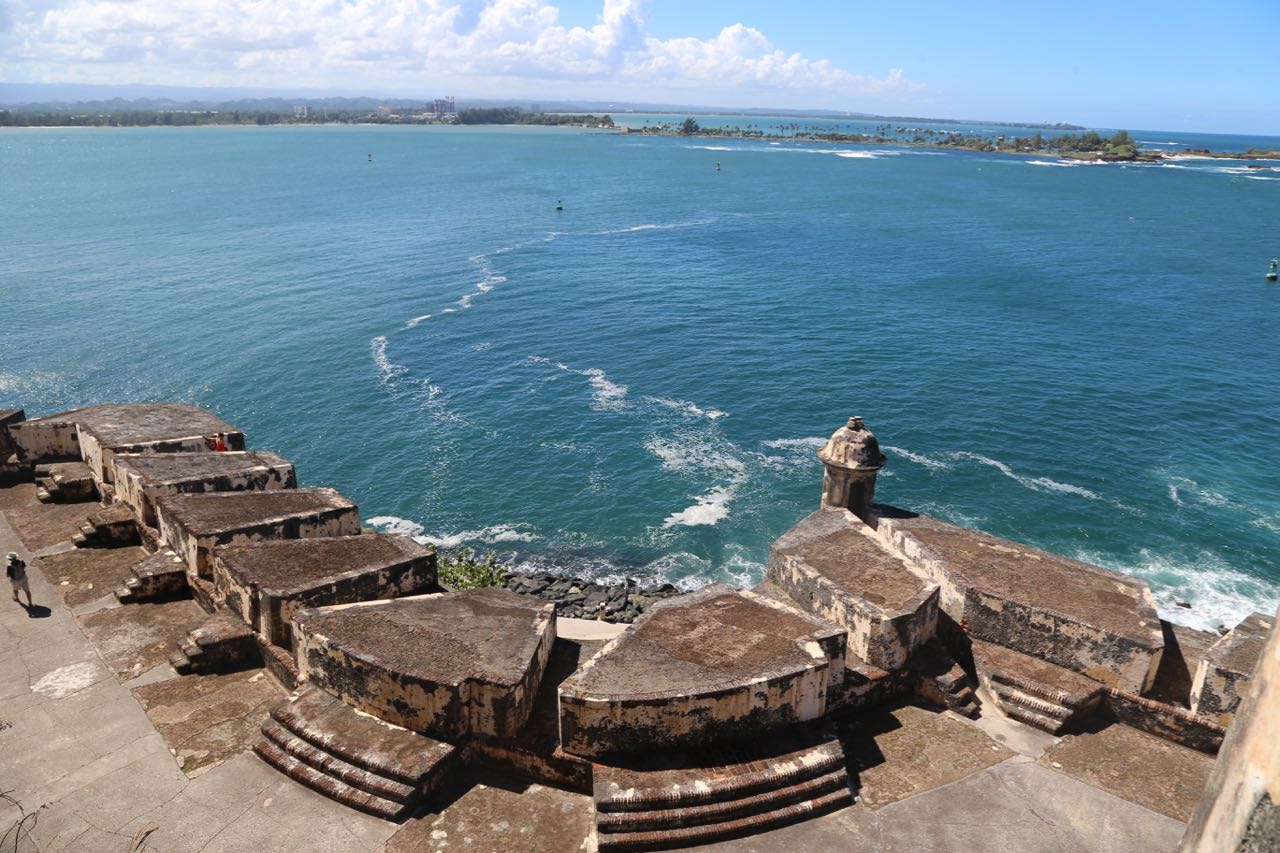
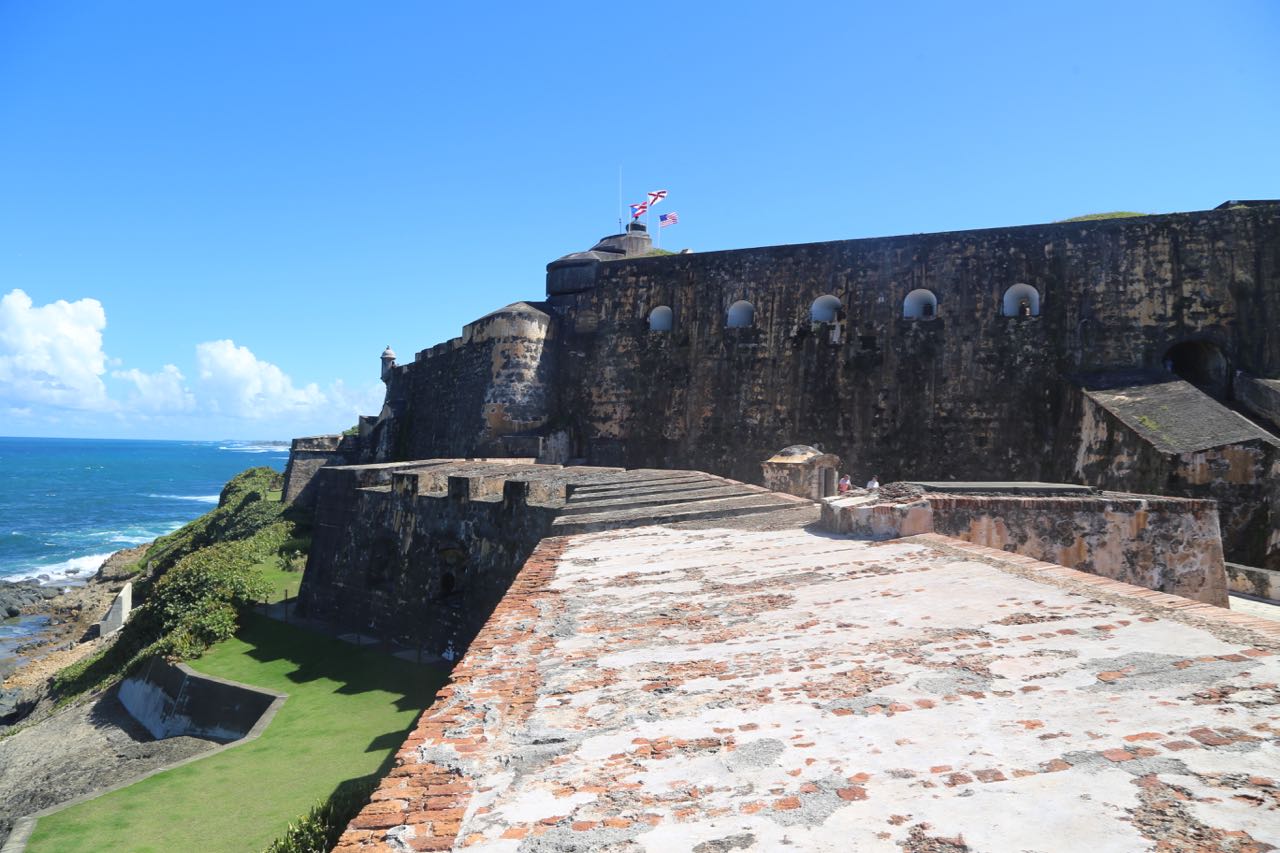
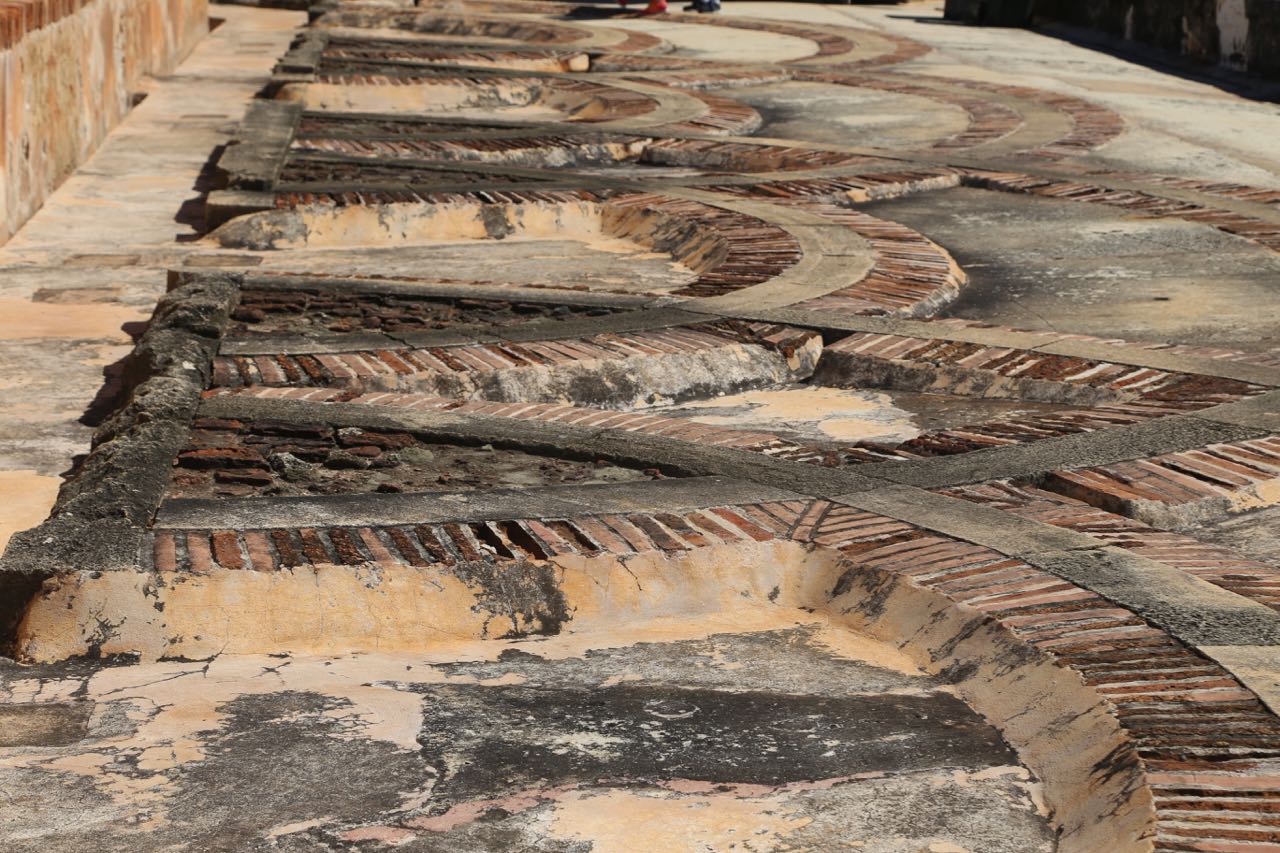
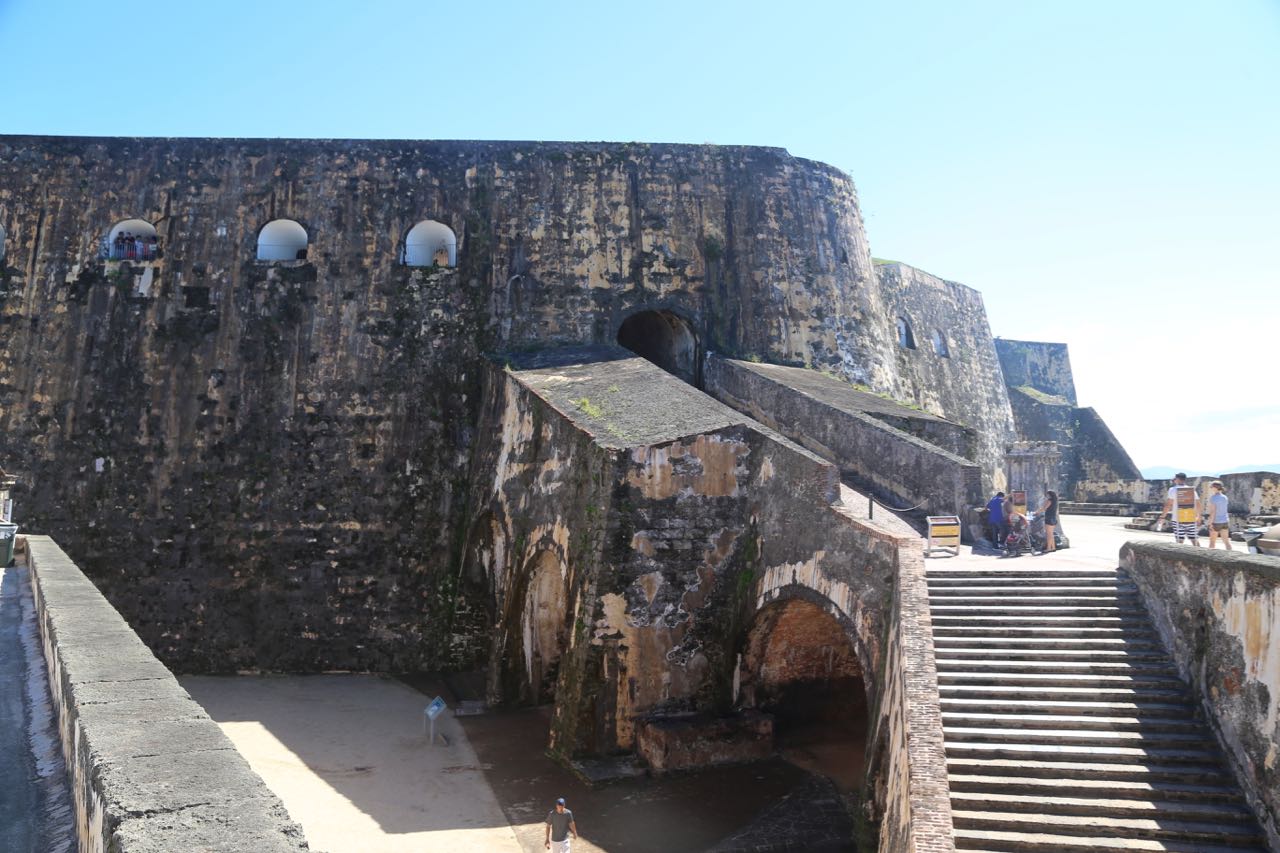
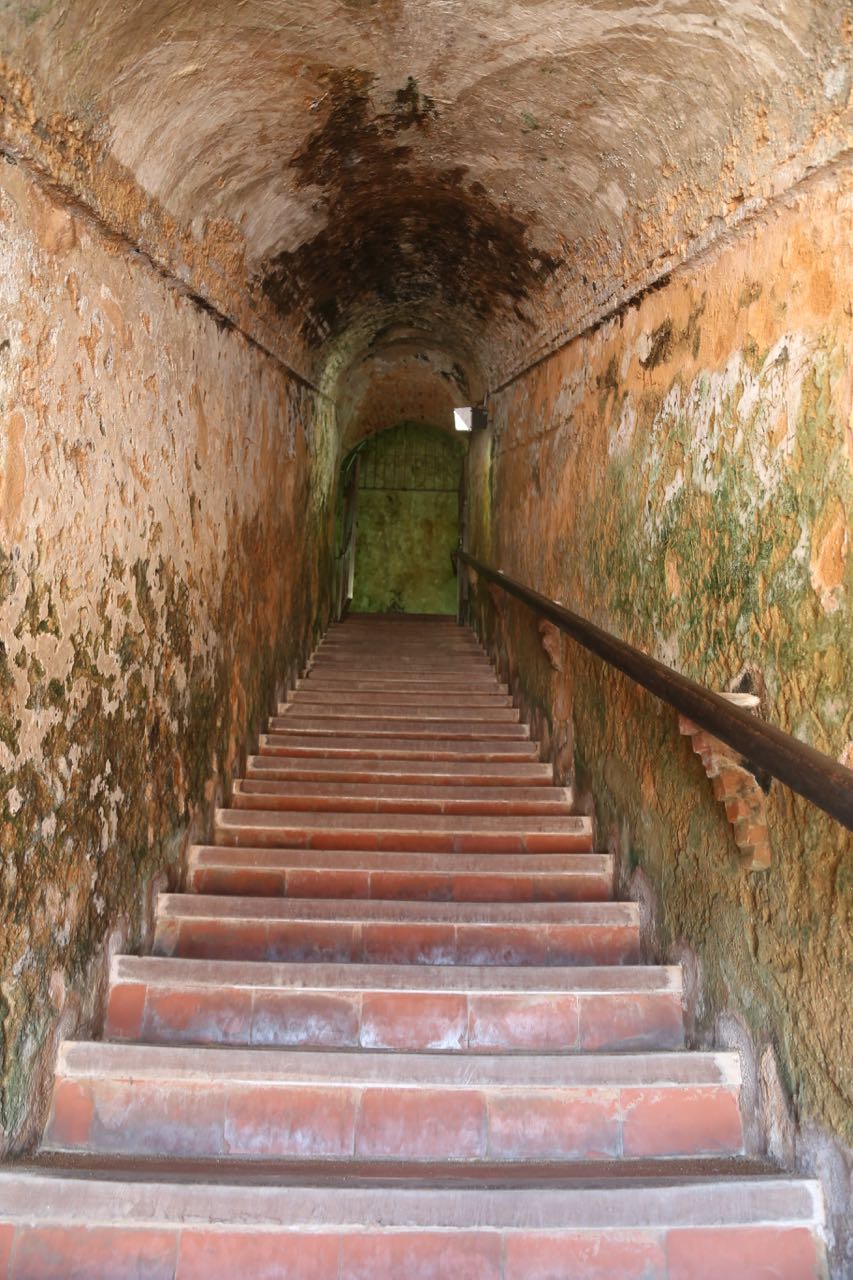
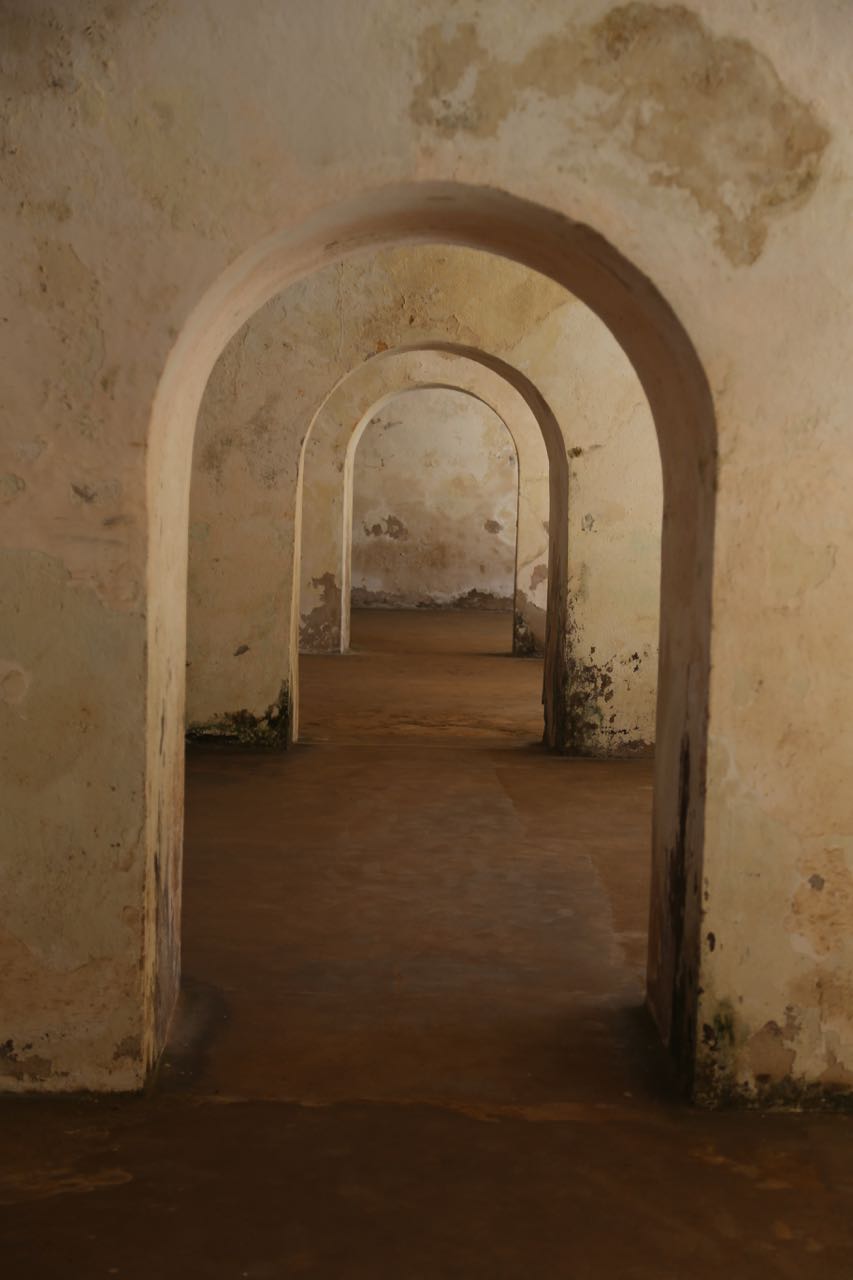
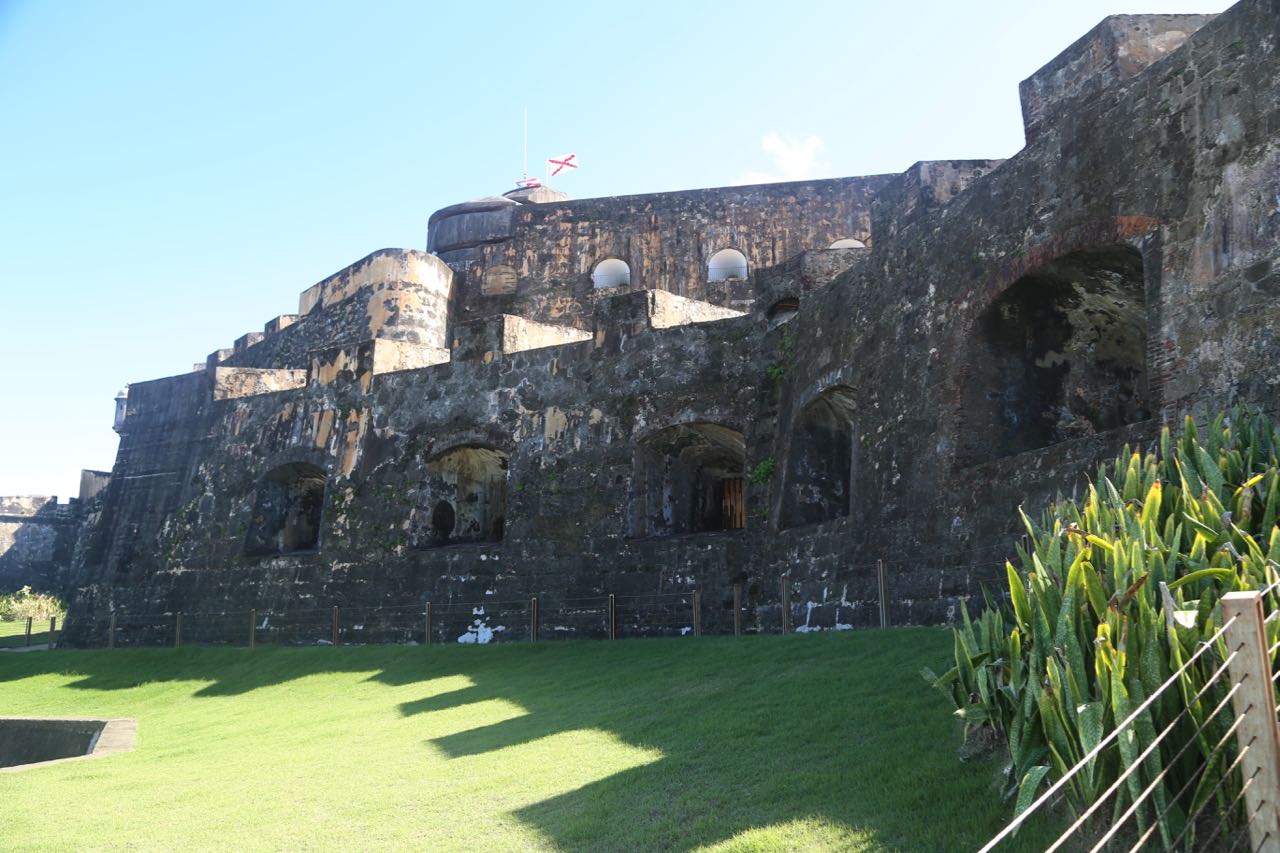
I’m on my first visit to San Juan, Puerto Rico. Today we visited Castillo San Felipe del Morro (El Morro), a fort originally built by the Spanish to guard the entrance to San Juan Bay. The original foundation was laid in 1539, and it was modified and enlarged over 250 years. The United States then added to it during World War II. Finding out that a fort this old was modified and used during WWII surprised me. I was born long after WWII, so I forget that our military has advanced a great deal in terms of technology used since then. The fort is impressive. It has six different levels and is incredibly well built. I am impressed with those people who built it with the amount of stone and brick that must have been laid. Currently it is maintained by the National Park Service and guarded by iguanas, who by the way like to have their photos taken.
This Toilet Given to the Glory of God
Years ago, I lived in Austin and went to a historic Episcopal church. The parish house needed major renovation, and when the parishioners were surveyed for what they wanted from the renovation, more and better bathrooms was at the top of the list. Considering how few and far between the bathrooms were, this request was predictable. Like others, I donated money to support the renovations, and the new parish house was wonderful, and the multitudes of new and bigger bathrooms were glorious and much appreciated.
My current DC area Episcopal church is also historic with a parish house needing major renovations. Once again I find myself being asked by my church to donate money to support renovations. The space is small and not used efficiently partially because the parish house is an old house. It has this tiny little ancient elevator that scares me. Also like my former church, at or near the top of everyone’s wish list is more and bigger bathrooms.
As I’ve contemplated how much money I want to and can give, I’ve also thought about what I’d like to sponsor if I had enough money to request something being acknowledged as being sponsored by me. I don’t actually know if anything in the renovations will be designated as being sponsored, but churches do that all the time with big donations. The church has brass plaques on all the pews, stained glass windows, and other items.
So I’ve thought about it just because it’s fun. The same way I think about if I died famous what would I’d like dedicated to me. I’ve already decided should I die famous that it will be written into my will that if anyone tries to name a freeway after me, my estate will sue them for defamation and pain and suffering, and I’ll come back to haunt them. A park or library would be lovely, but a freeway would be an insult.
I realized what I’d like to sponsor at my church. I want to sponsor the new toilets. I want a plaque next to a toilet that reads “This toilet donated in glory of God by GGE.” As much as the vast majority of people don’t want to think about toilets, when there are not enough, or they are not working, they are all you think about. I speak for all women when I say public places never have enough of them, and we spend too much time in line to use one. [More of my Opinions on public restroom design.] We have all sorts of euphemisms to avoid having to say the word toilet, and God forbid someone should mention the words urine or feces or urination or defecation in polite company. I’ve spent years in the lab analyzing urine and spent part of my career in wastewater treatment and conveyance. I could speak for hours on bodily human waste.
The truth is the toilet is one of the greatest inventions of all times. It effectively and efficiently takes human waste away to where it can be treated and not spread disease. Toilets prevent smelly and dangerous gases from the waste from coming inside. Humans no longer walk outside avoiding streams of human waste and falls from above from people emptying their chamber pots. Because of toilets and sanitary sewers and treatment plants, most of us do not have to worry about cholera, typhoid, Guinea worm, and many other diseases.
Be thankful that you have a toilet. When my church’s renovations are over, I know all the members of the parish will be grateful we have more of them.
“These toilets given to the glory of God and in appreciation of the past, present, and future people who ensure bodily human waste is removed from this premises and properly treated, by an environmental engineer who understands a toilet’s importance.”
Preparing to Brief Top Boss
I’ve been working on this project at work for over a year now that seems to keep getting more and more important because of the effects of it. Recently I learned that Top Boss wants a briefing on it, and my presence is requested at the briefing. Top Boss would be the head person where I work. I work at a large place with somewhere on the order of 15,000 employees. I have become the subject matter expert on this project. Thus I need to be there because if Top Boss asks any technical questions, I will probably be the one who needs to know the answer. When I first learned that I would need to be at Top Boss’s briefing, I wasn’t nervous about it. If no technical questions are asked, I will happily sit quietly in the back as management talks. If technical questions are asked, I know my stuff. I’ll have my notes, and I feel confident I can sufficiently answer whatever might be asked. I don’t know if I should feel excited to brief Top Boss because I never thought I would end up in a meeting with Top Boss. Honestly thought it just feels like another management briefing. I am hopeful that this briefing will at least allow us to get some documents out that we have been trying to get out for a while now.
No, my first thought when learning I would need to be there was, crap, I hope I am not supposed to wear a suit for this because I don’t own a suit. I immediately looked around for a coworker who might know the dress code to brief Top Boss. The first coworker I see happens to be a straight male soil scientist, whom I called Dave. This may seem like an absurd choice, but I put Dave at the middle to high end of straight male scientist and engineer dress spectrum. Unlike some I have worked with, his clothes fit him properly and are appropriate business casual, and I have never seen him in a tie that makes you wonder if he lost a bet. However, I don’t remember ever seeing him in a tie. Dave however is kind of an appropriate choice in that Dave and I constantly seem to show up to work in similar outfits. There are two other scientists who also seems to constantly dress similar to both of us. We all show up to work in khaki pants and and a green top, or black pants and a blue top. You get the idea. We are not adventurous dressers. I wear more jewelry and other accessories than any of them though. Dave and I also shop for clothes similarly. I go to Costco, find a pair of colored denim pants, and once I determine they fit me well, I go back and buy them in several more colors. Same for tops, but those normally come from Kohl’s. I have the same short sleeve top in six colors and similar for long sleeve version and my sweaters also. My few unique pieces generally come from a thrift store or flea market. I will admit to having too many scarves and pashminas, but they are all unique, sometimes come from my travels, and keep my warm in the always cold office building.
I don’t know enough soil scientists to know if Dave is a typically dresser for a soil scientist. Geologists seem to have an unnatural obsession with Hawaiian shirts. Male engineers tend to wear neural suit pants and a white top. They then have two or three ties hanging on a hook in their office. If there is a third tie, there is a good chance it will involve Snoopy or some other cartoon. In any event, Dave assures me that office casual should be fine. However he also said he has never been in a meeting with Top Boss. I may seek a second opinion just to be sure. I will probably ask my boss. He is a good dresser. He has a science background, but he is also Italian. More importantly, I think he used to work as an advisor to upper management before, so he probably knows what is normal dress.
I’ve heard that you should dress for the job you want, not the job you have. I have the job I want. I suppose if I was really to dress for the job I want I would wear a hard hat, gloves, jeans, and a t-shirt that I don’t mind getting covered in dirt, or I might wear a lab coat, goggles, gloves, and have a pipetter on my hip. I am fairly sure these outfits will not work to brief Top Boss.
Brooklyn Navy Yard
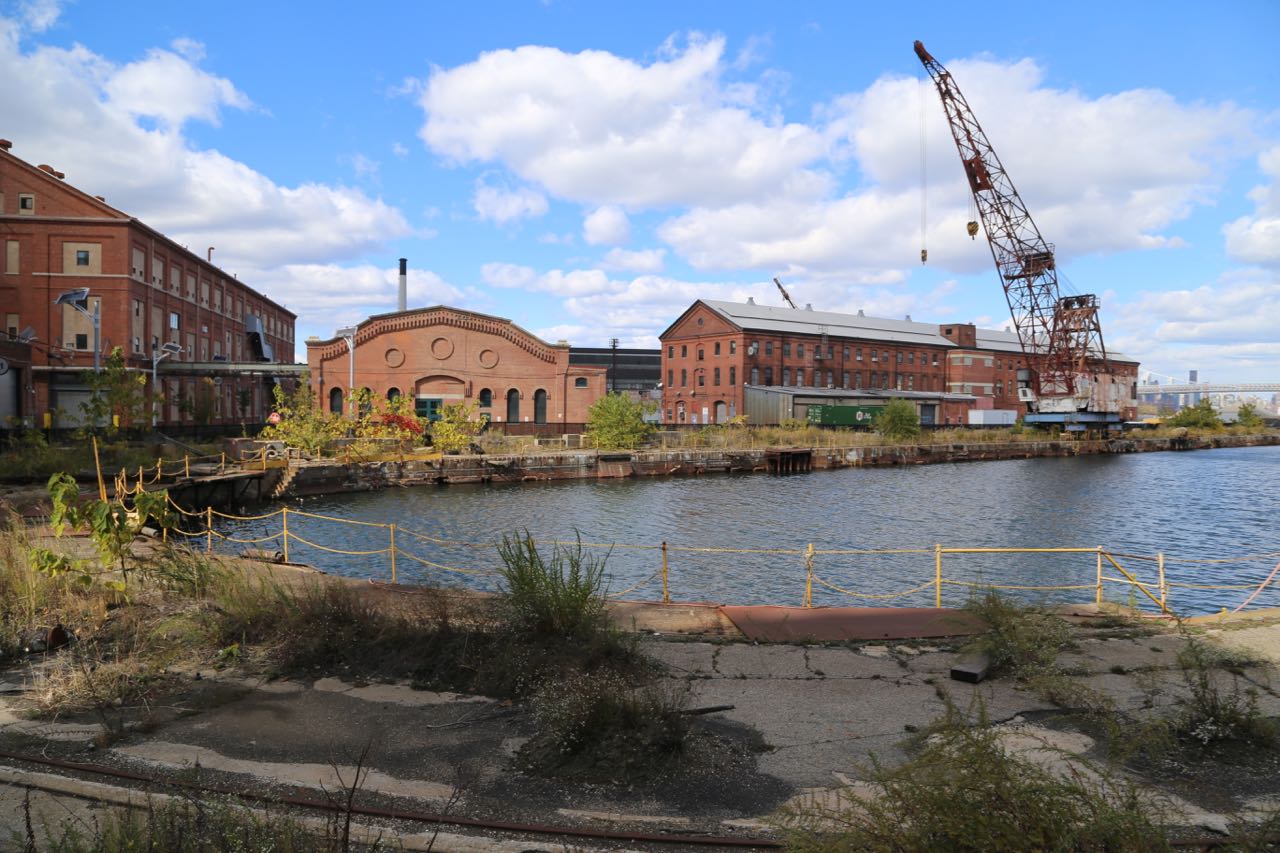
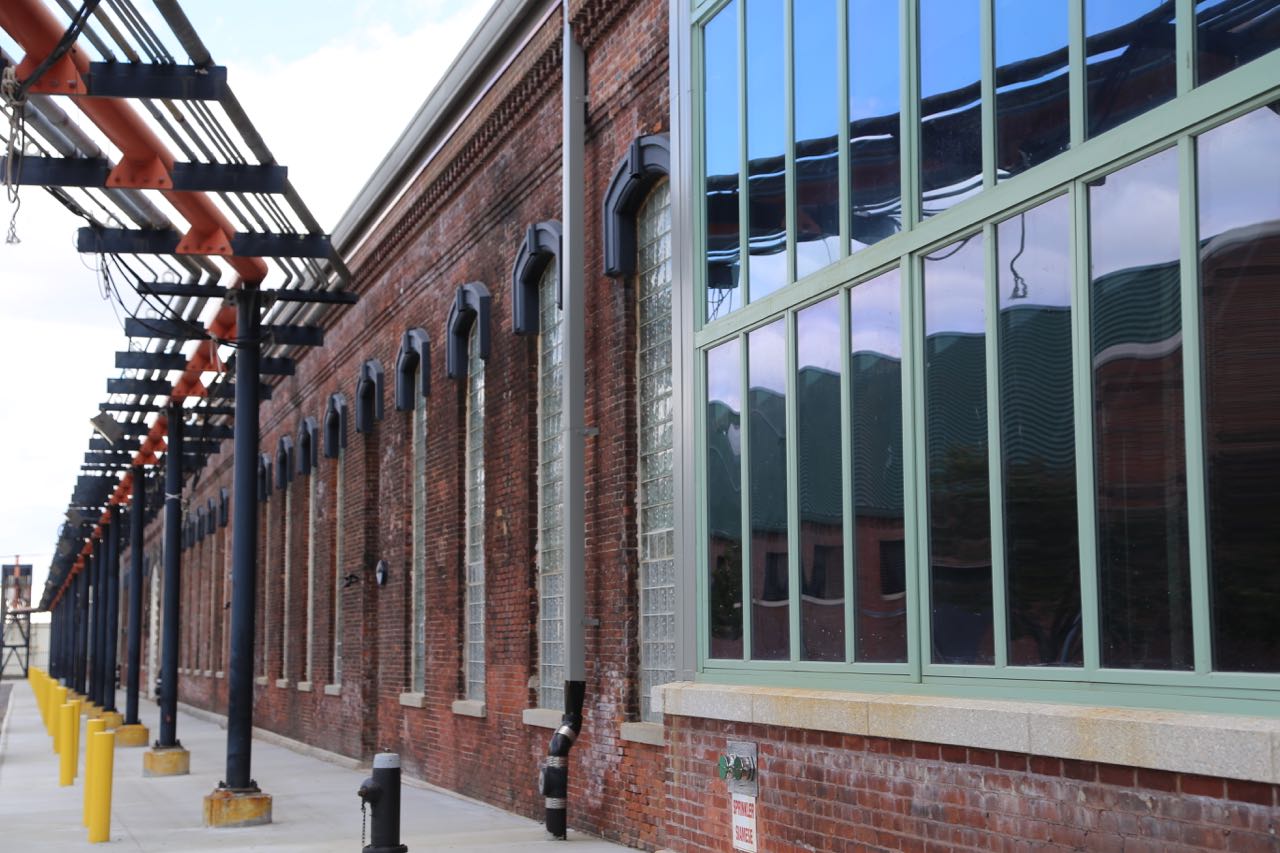
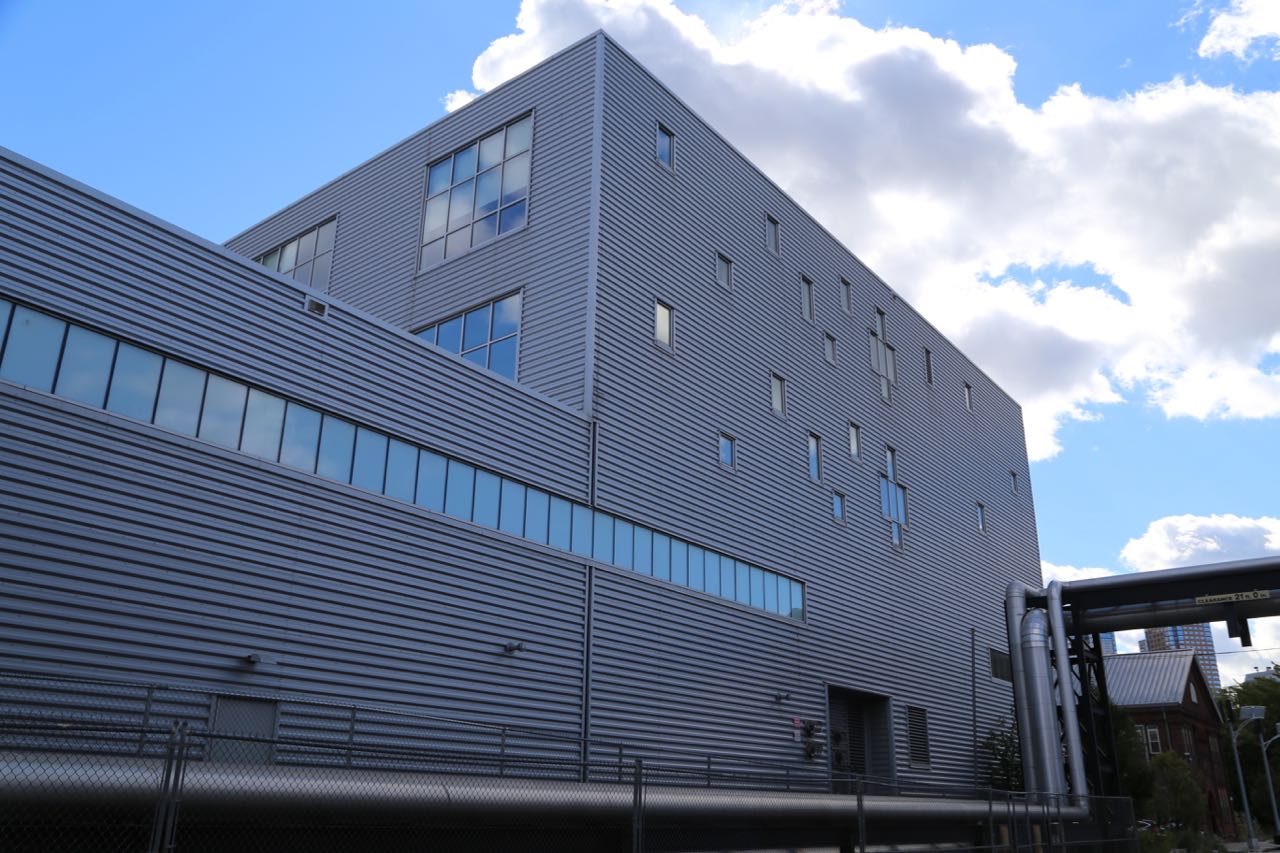
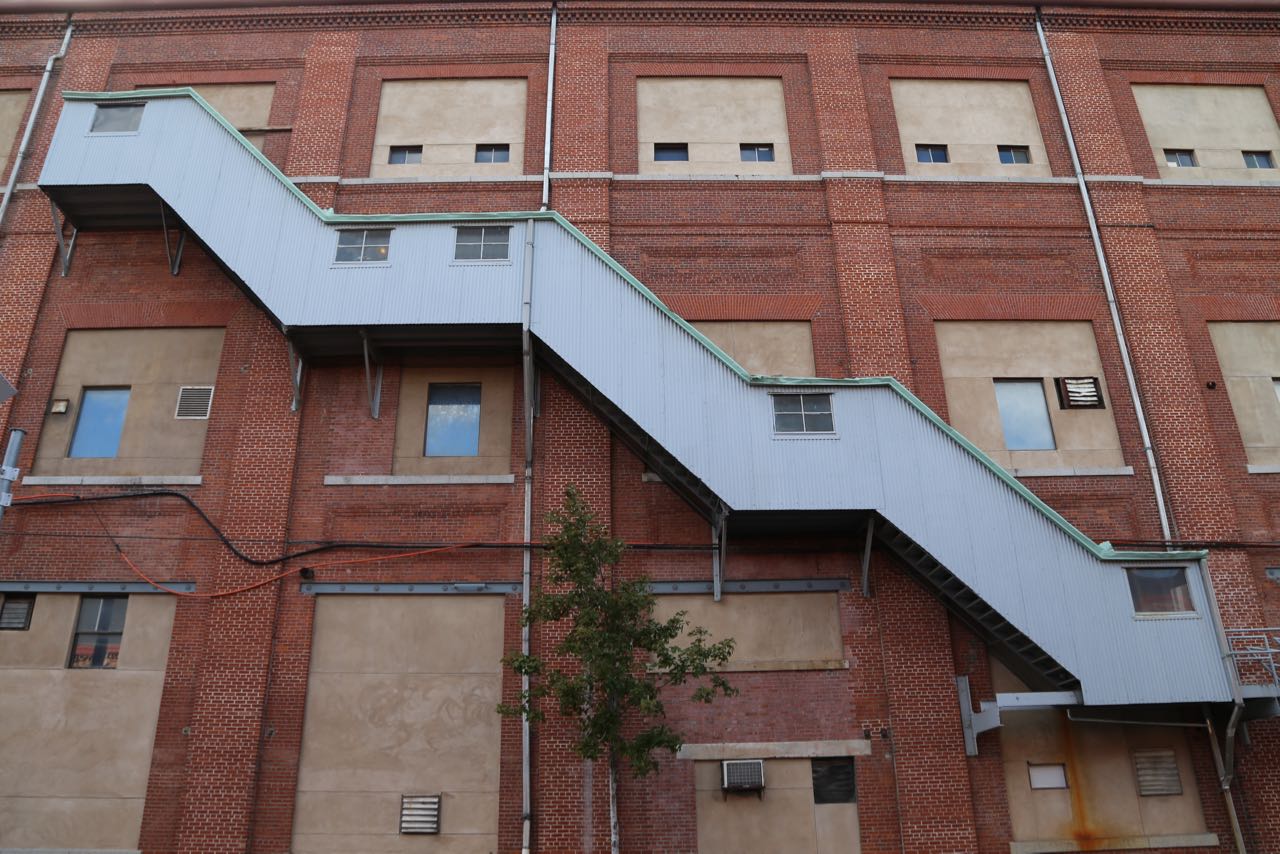
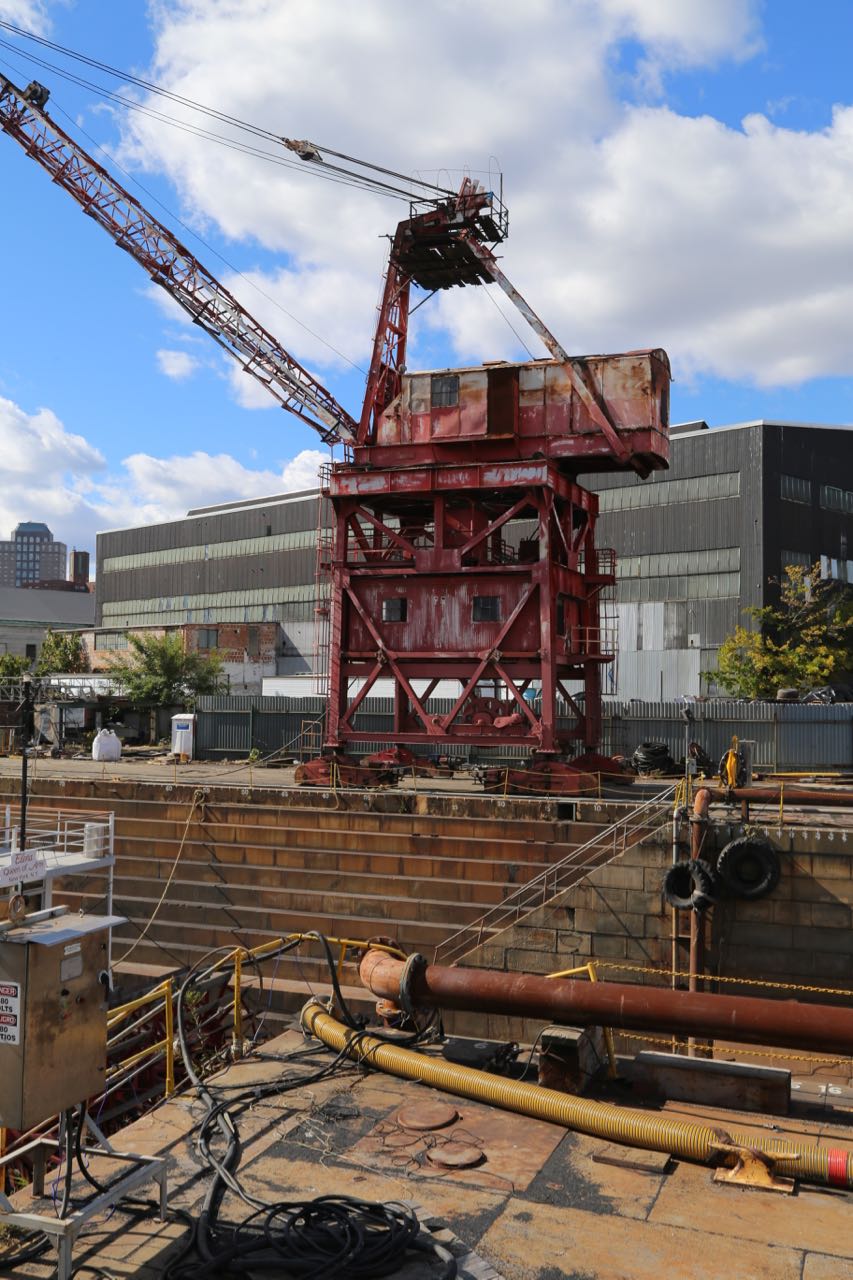
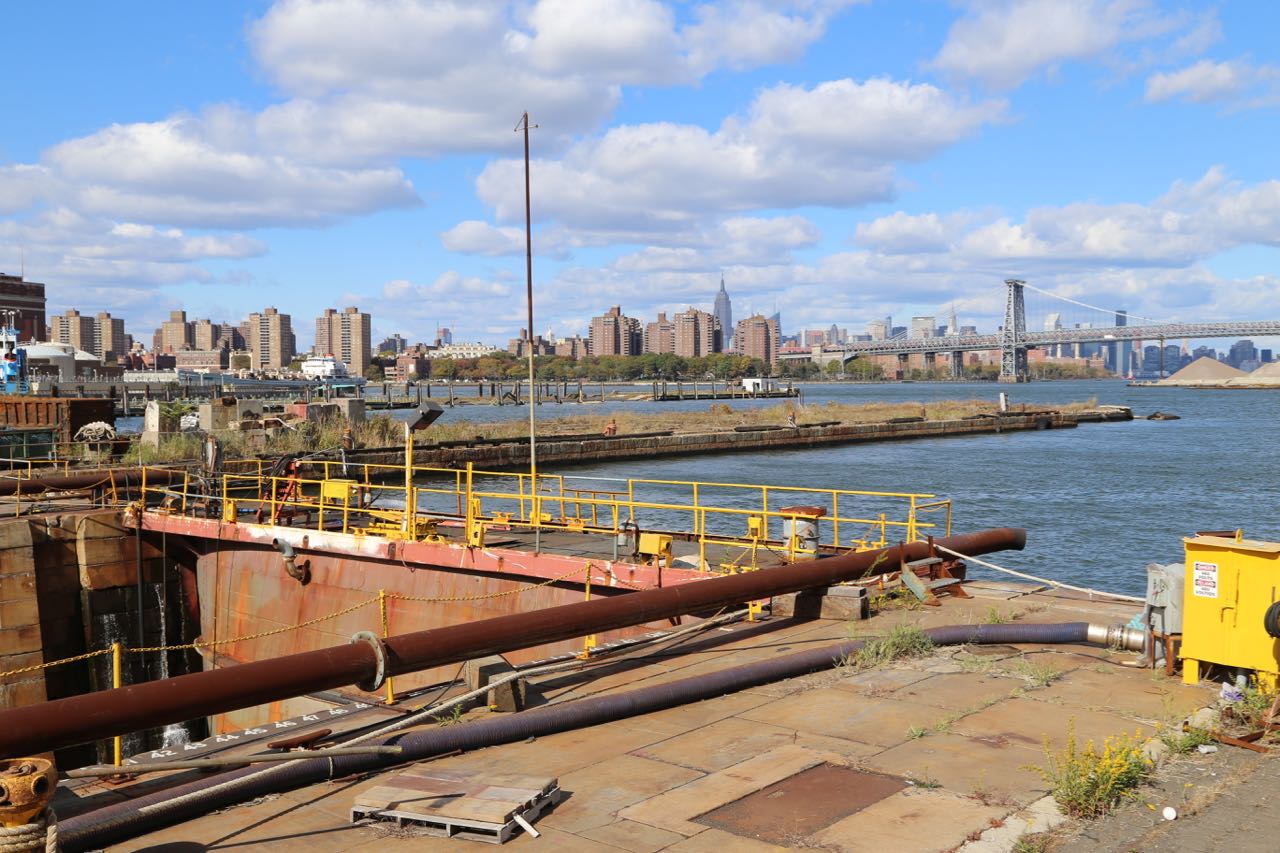
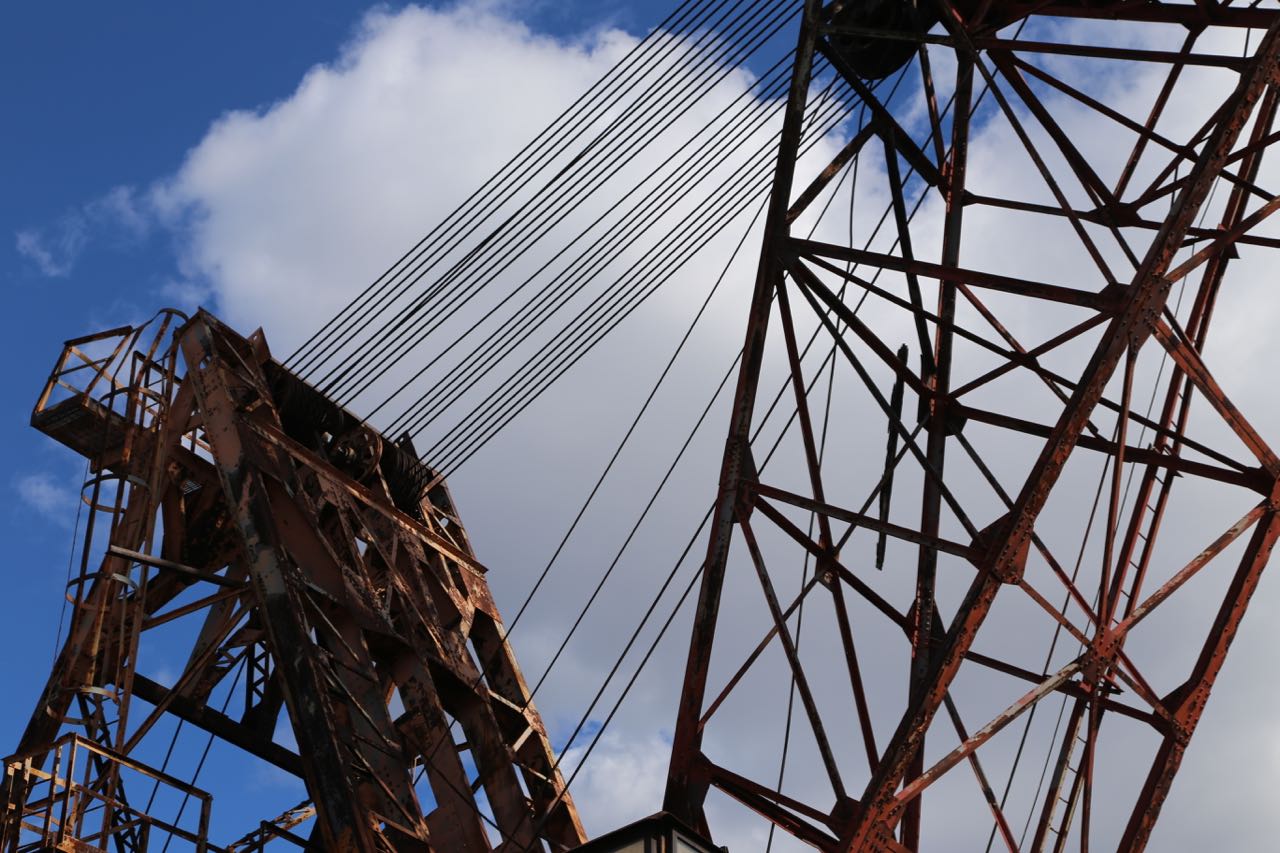
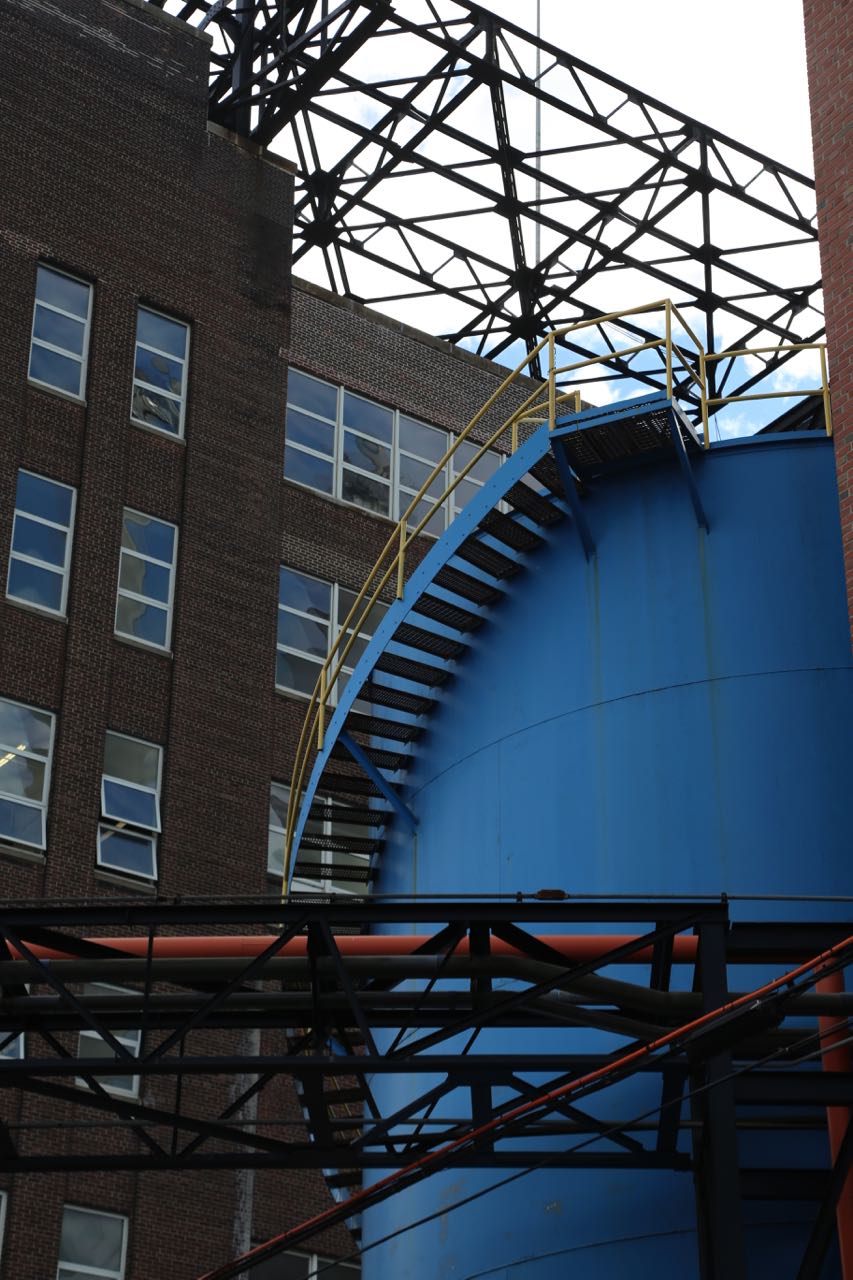
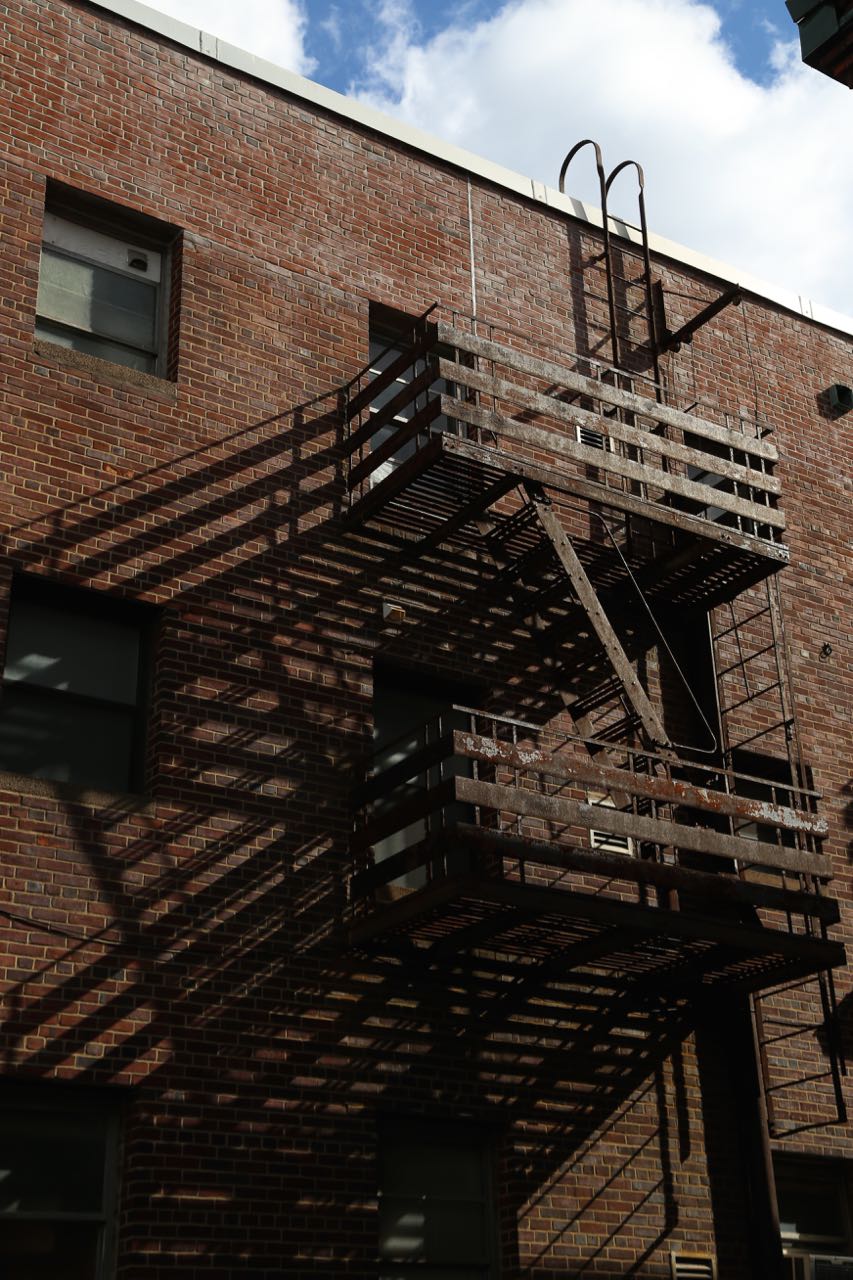
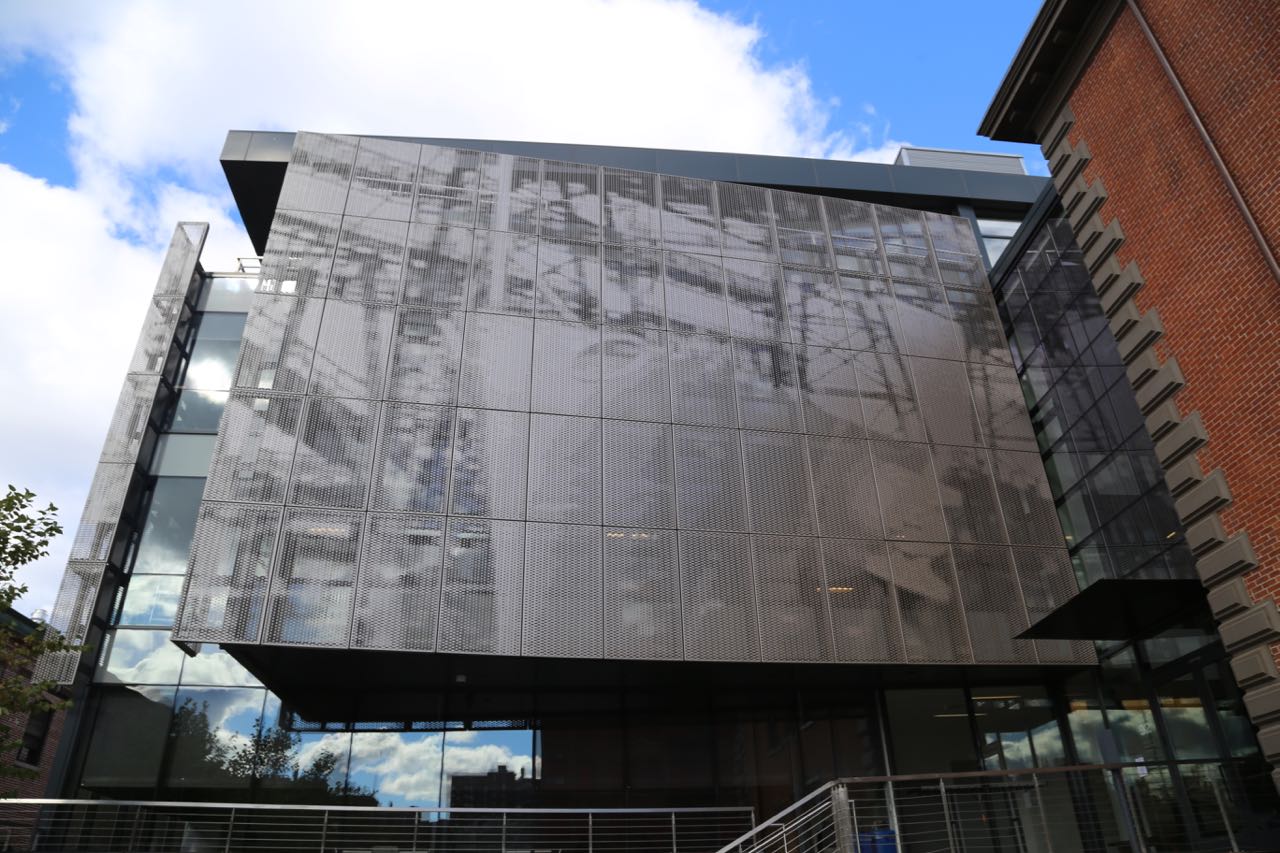
As part of Open House New York, I got to wander around the Brooklyn Navy Yard. The old navy shipyard is being redeveloped for commercial use. There are several dry docks, and one dry dock is still operational. There is also many green features includes renewable power. However, the site is quite simply a really cool place to photograph.
Brooklyn Army Terminal
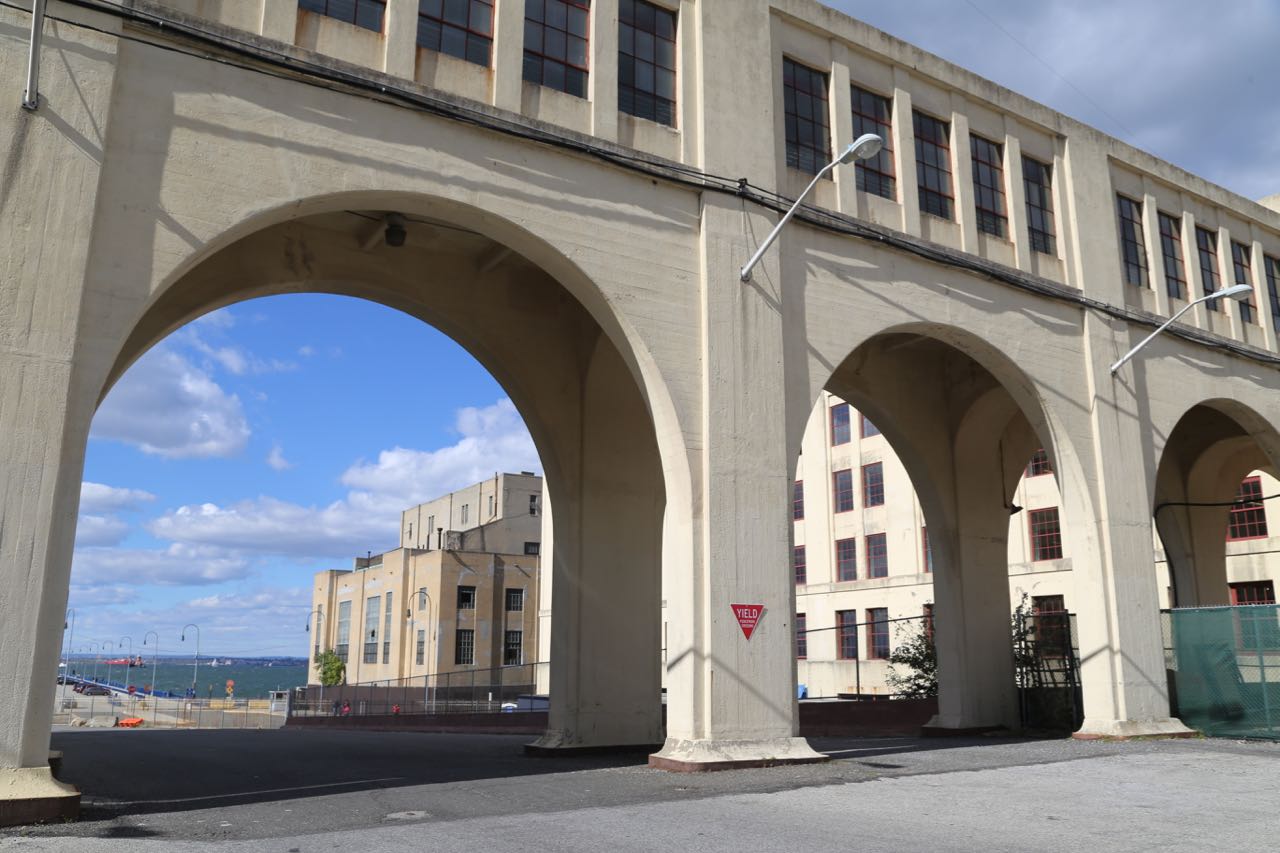
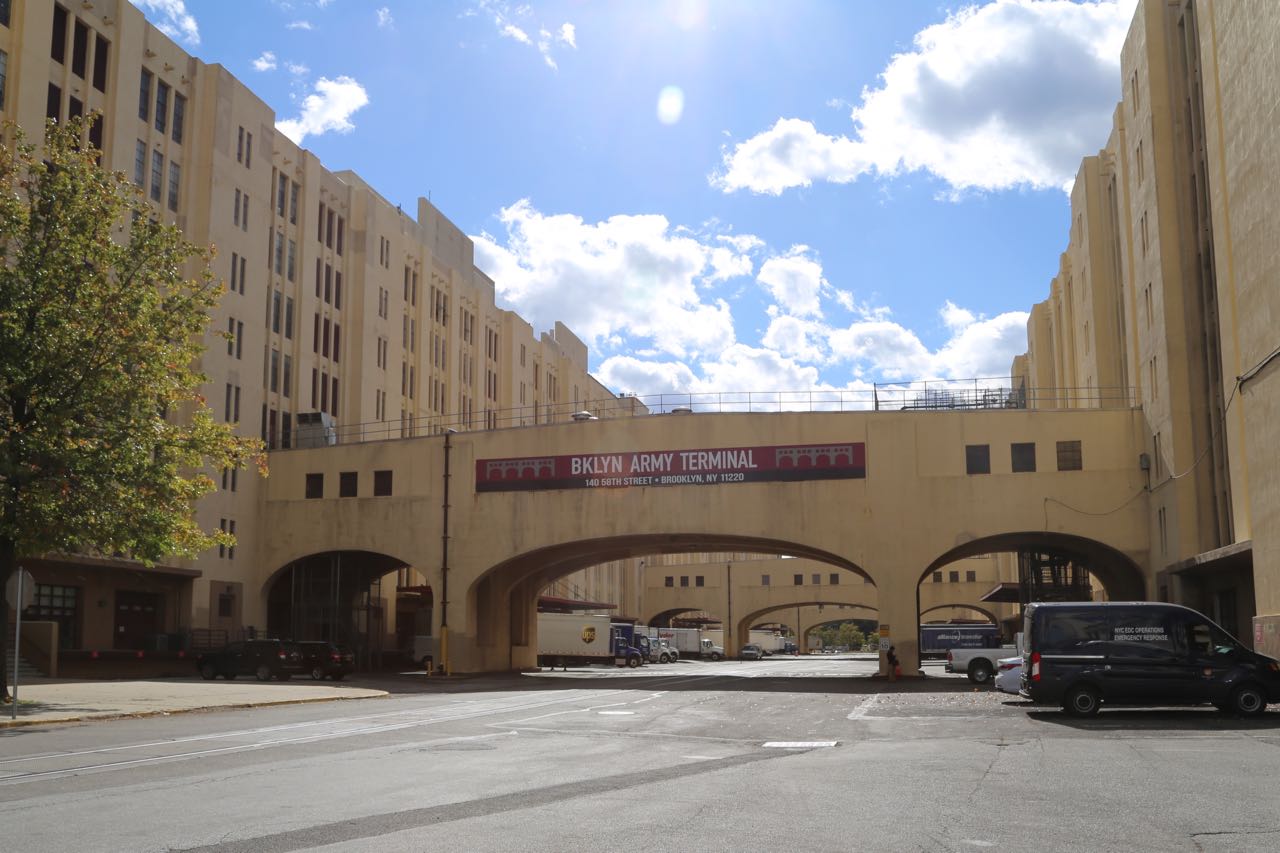
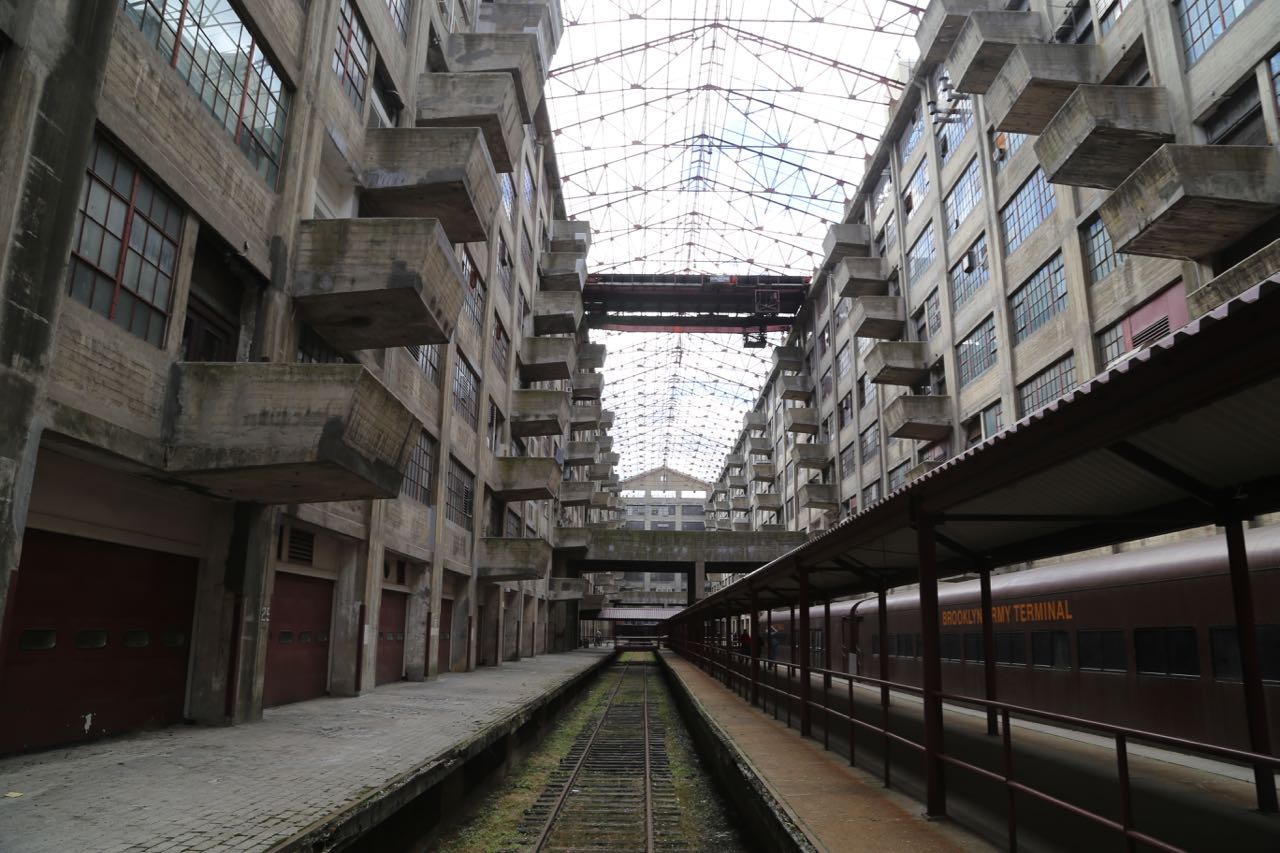
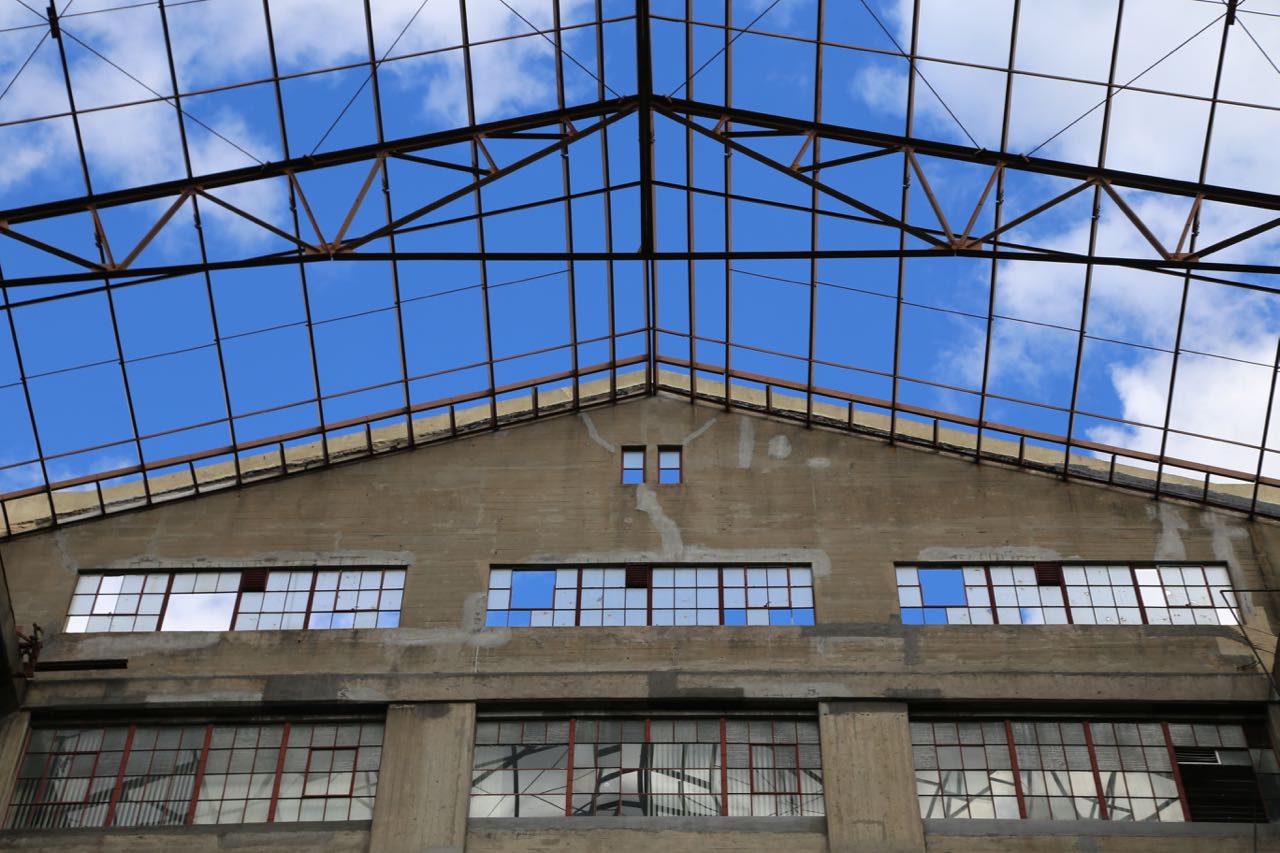
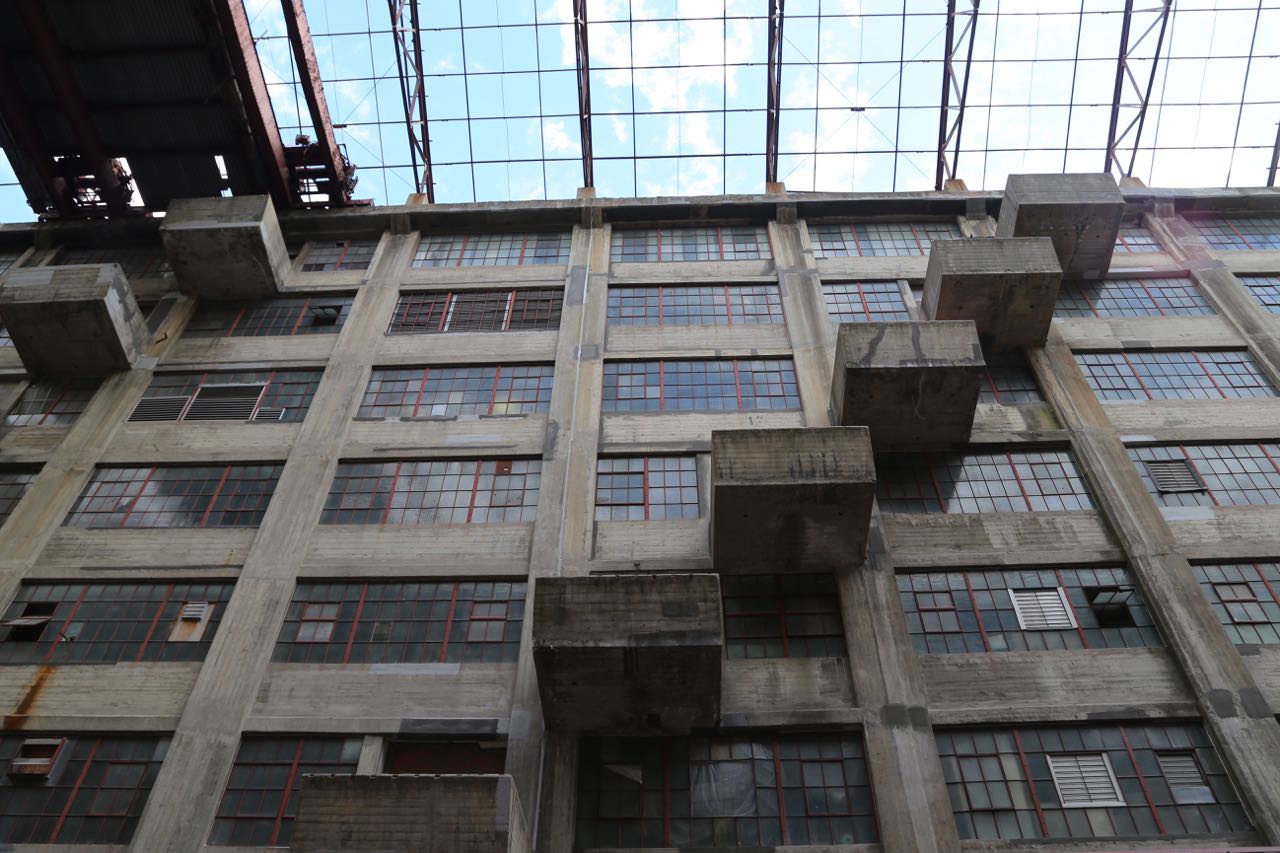
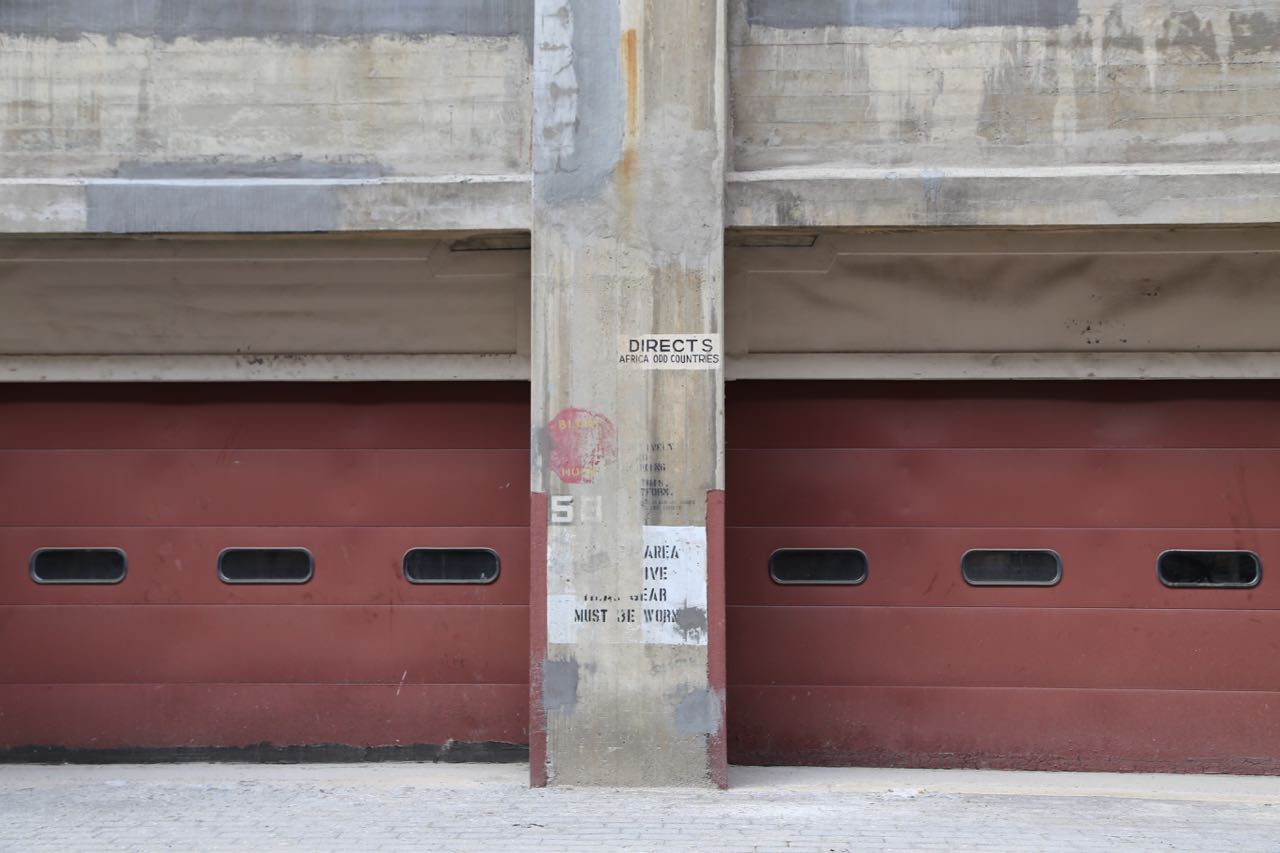
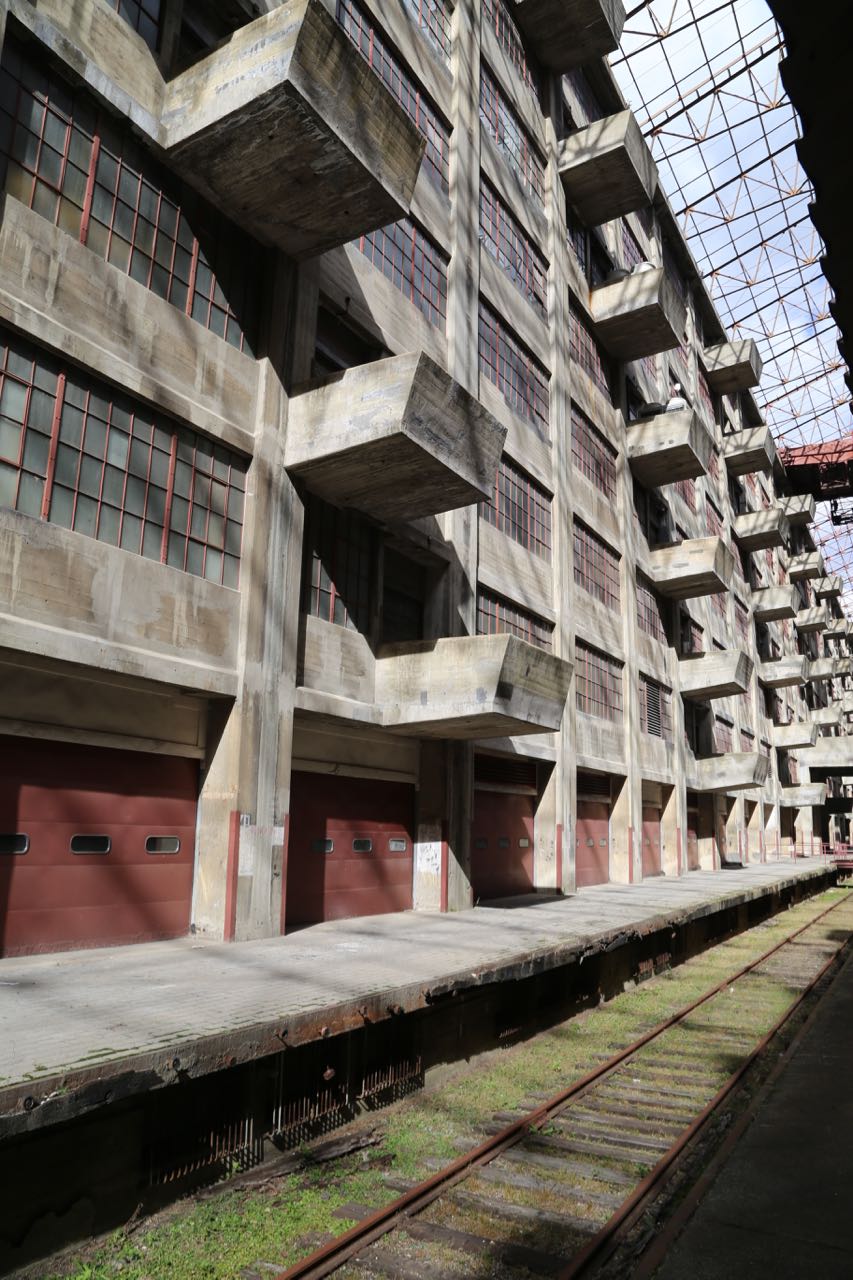
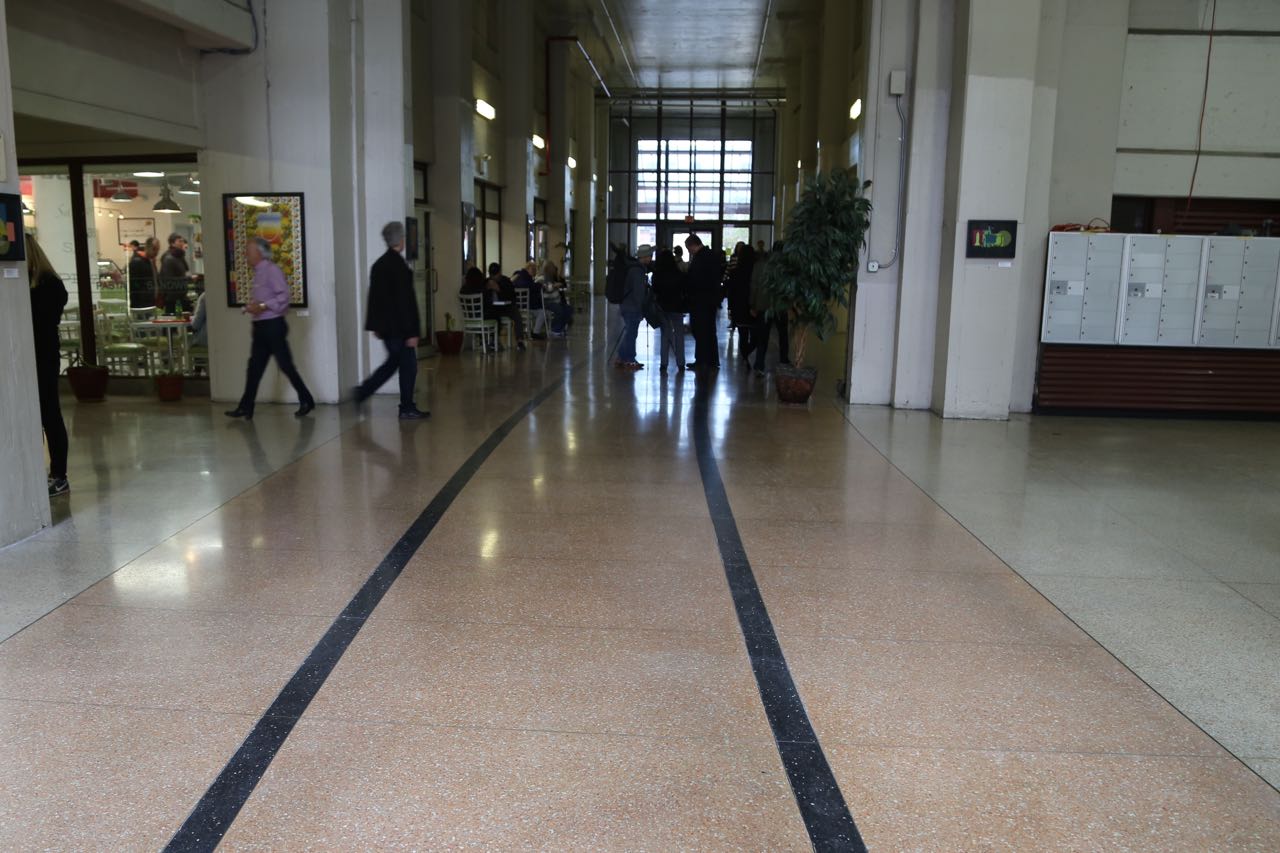
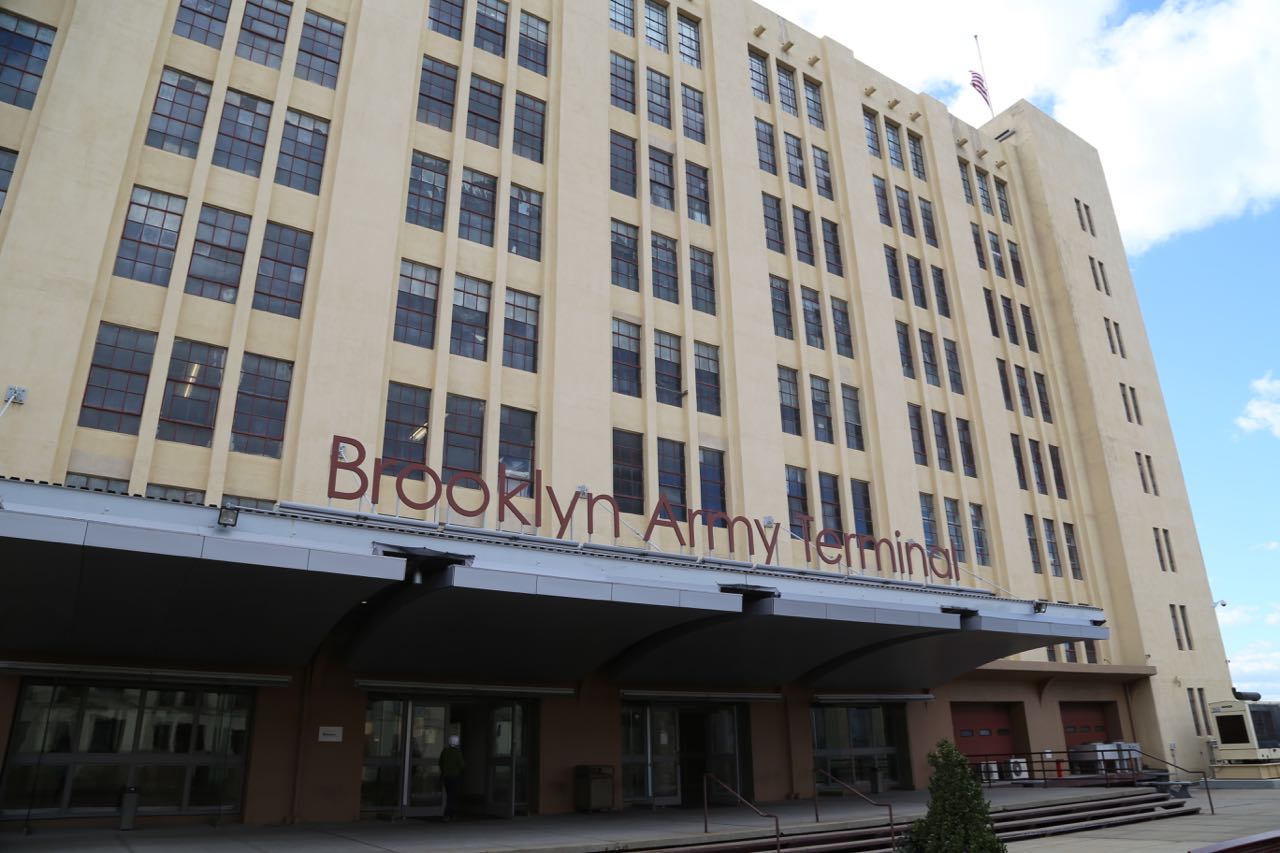
As part of Open House New York, I toured the Brooklyn Army Terminal. It was built at the end of World War I and was a huge military base that was used to transfer people and materials from land to sea. It was built in an entirely utilitarian design and in the incredibly short time of 17 months. However, its utilitarian design is what I find incredibly interesting. Building B has this huge atrium with two sets of railroad tracks. Trains would travel directly into the building where material would be off and on loaded from various levels. There are several bridges connecting several buildings so that material could be moved between buildings on vehicles without interfering with the train traffic below. The atrium is dramatic, and I love that the concrete pour lines are visible.
Joint Base Andrews Air Show
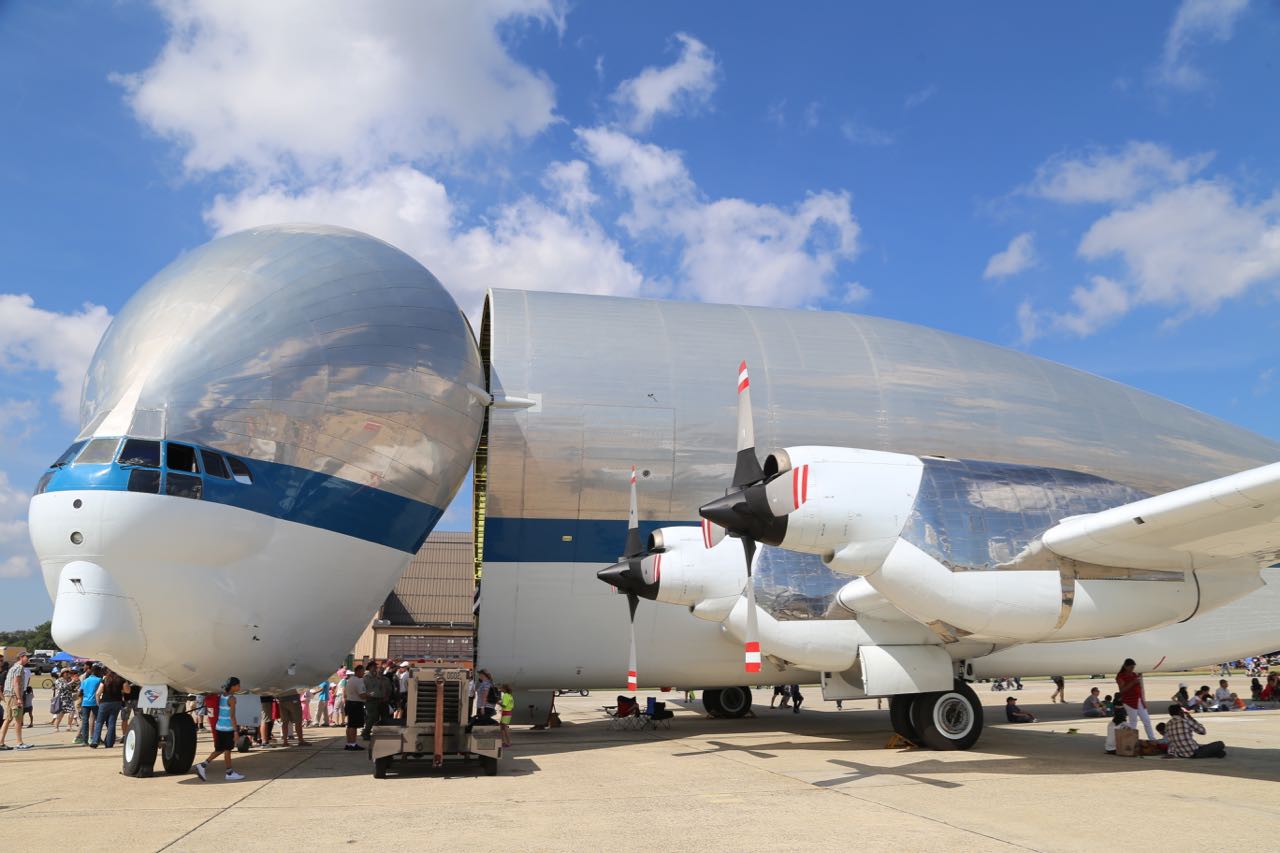
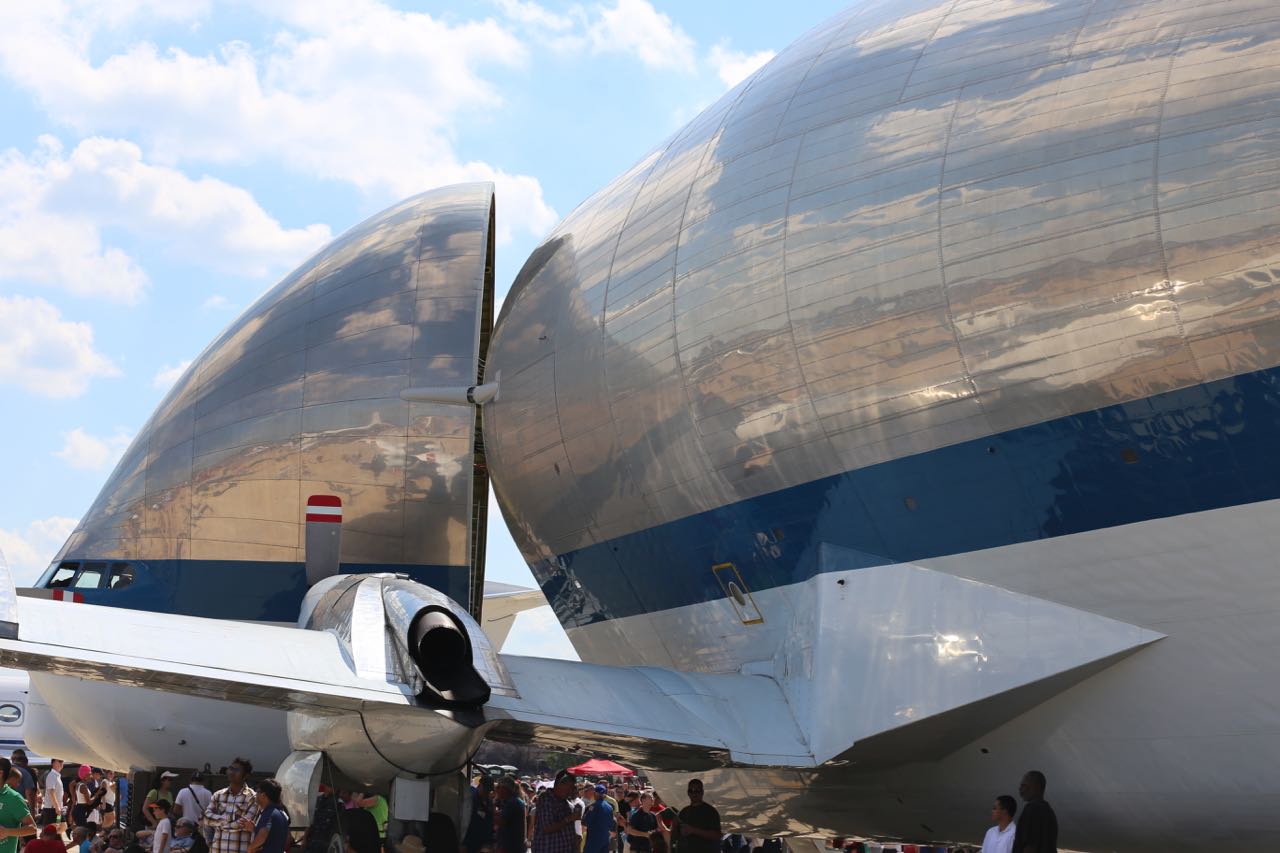
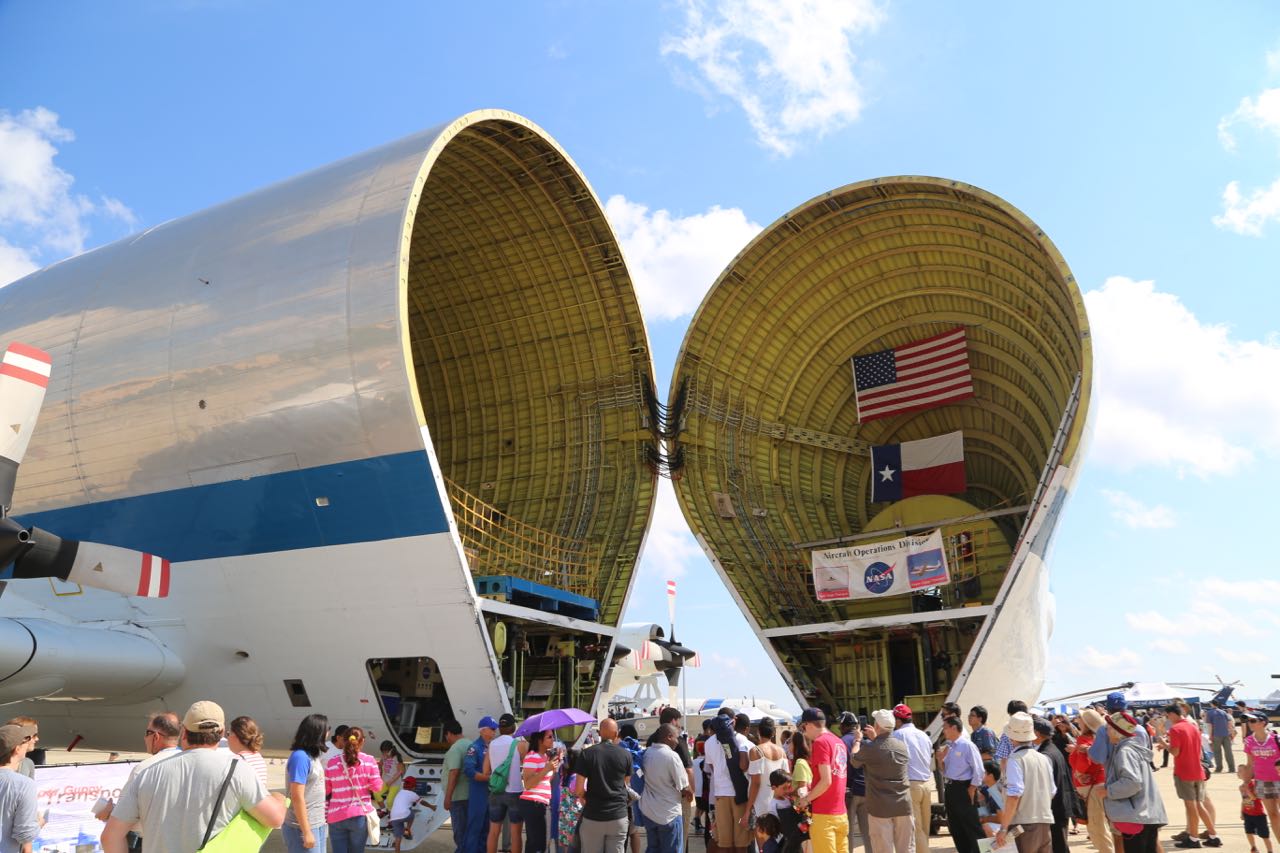
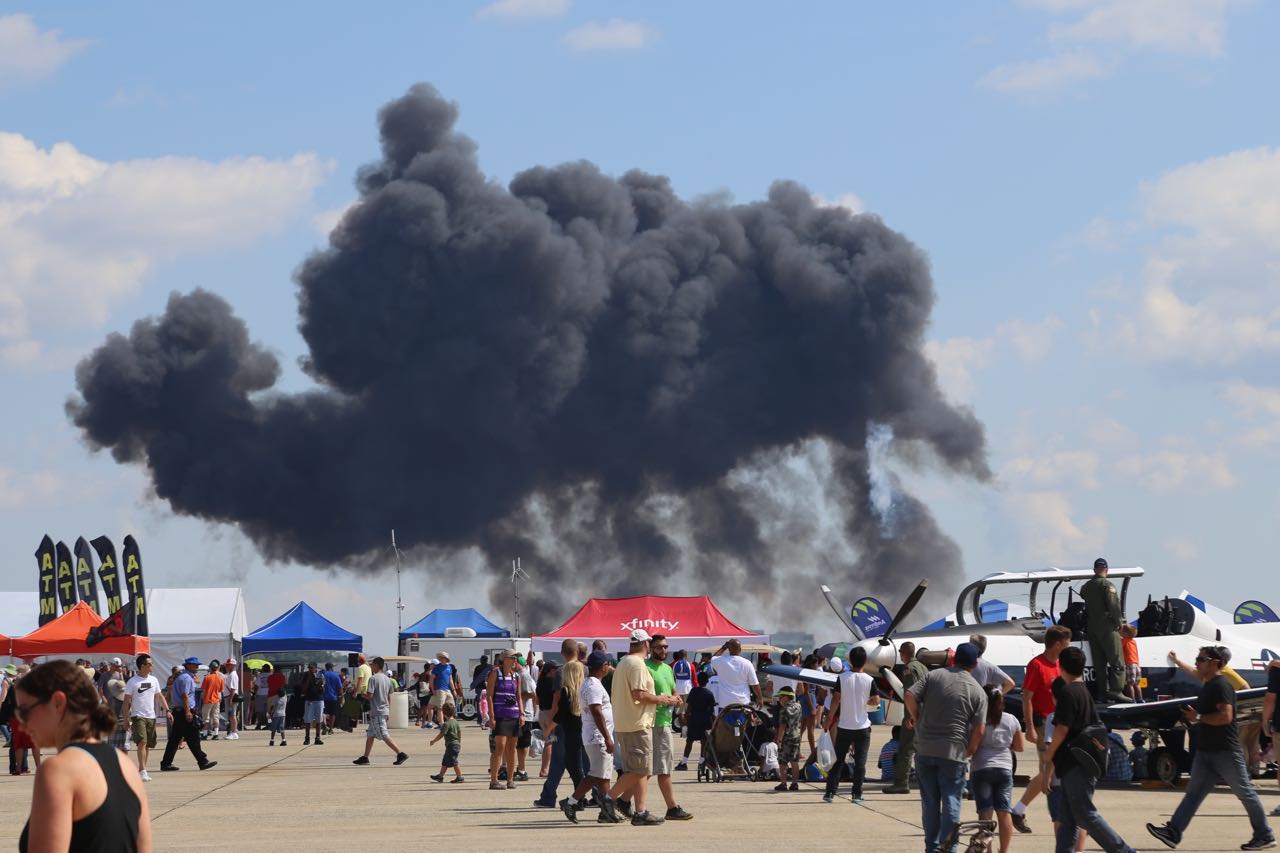
I went to the Joint Base Andrews Air Show today. It was awesome. There were lots of planes to view on the ground, but unfortunately you couldn’t enter all of them. Then there were incredible air shows demonstrations and acts in the air, appropriately. My only criticism is that the air show was already going to be causing air pollution because, well, planes, but then there was smoke that just seemed to be gratuitous air pollution cause by things on the ground. What can I say, I am an environmental engineer.
Newtown Creek
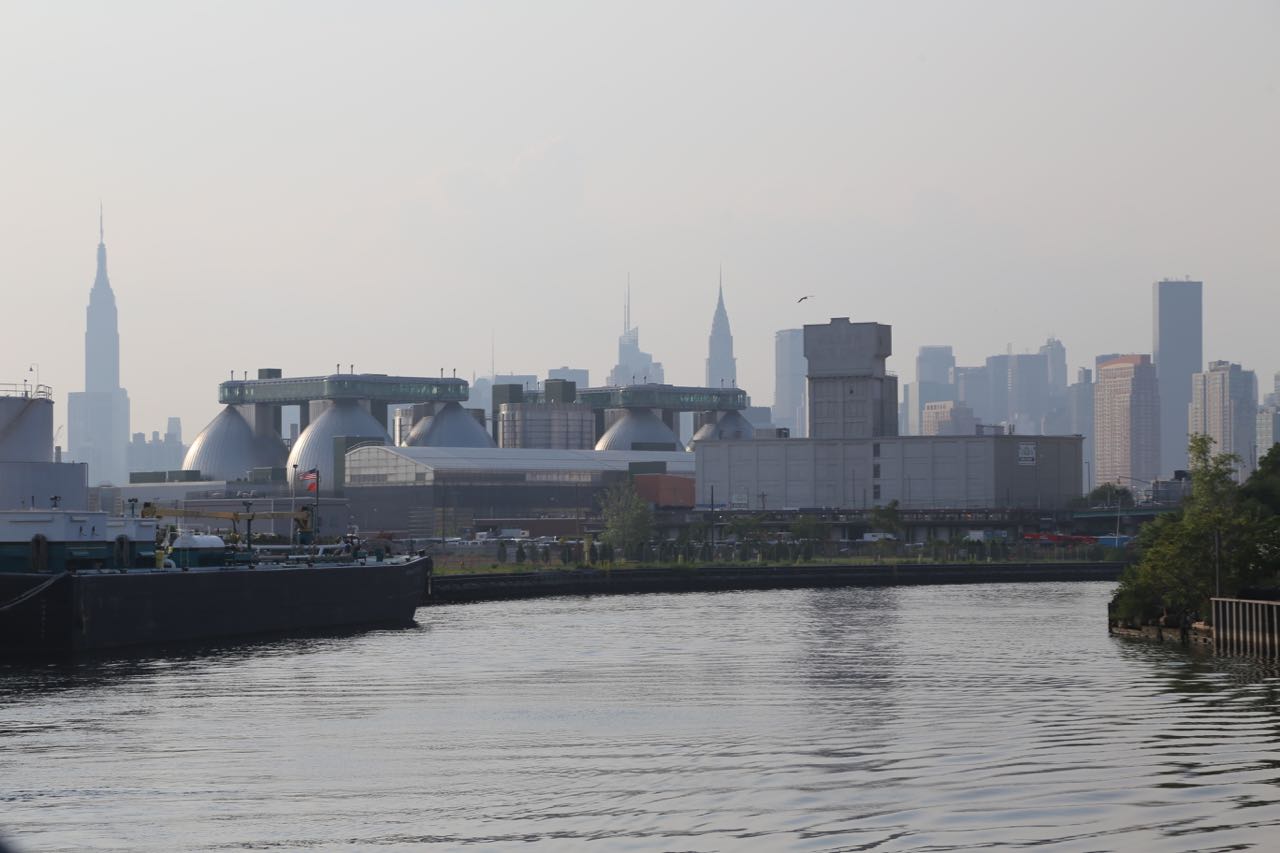
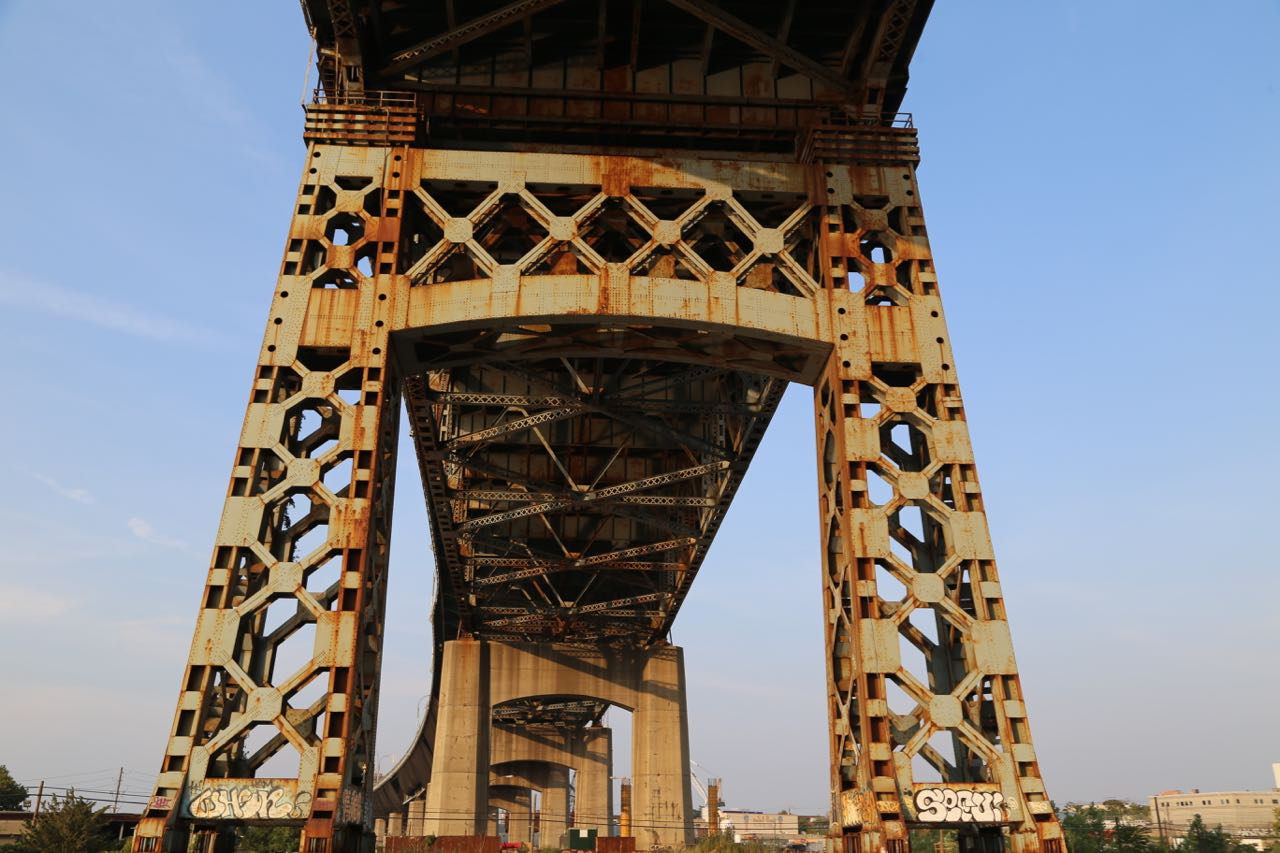
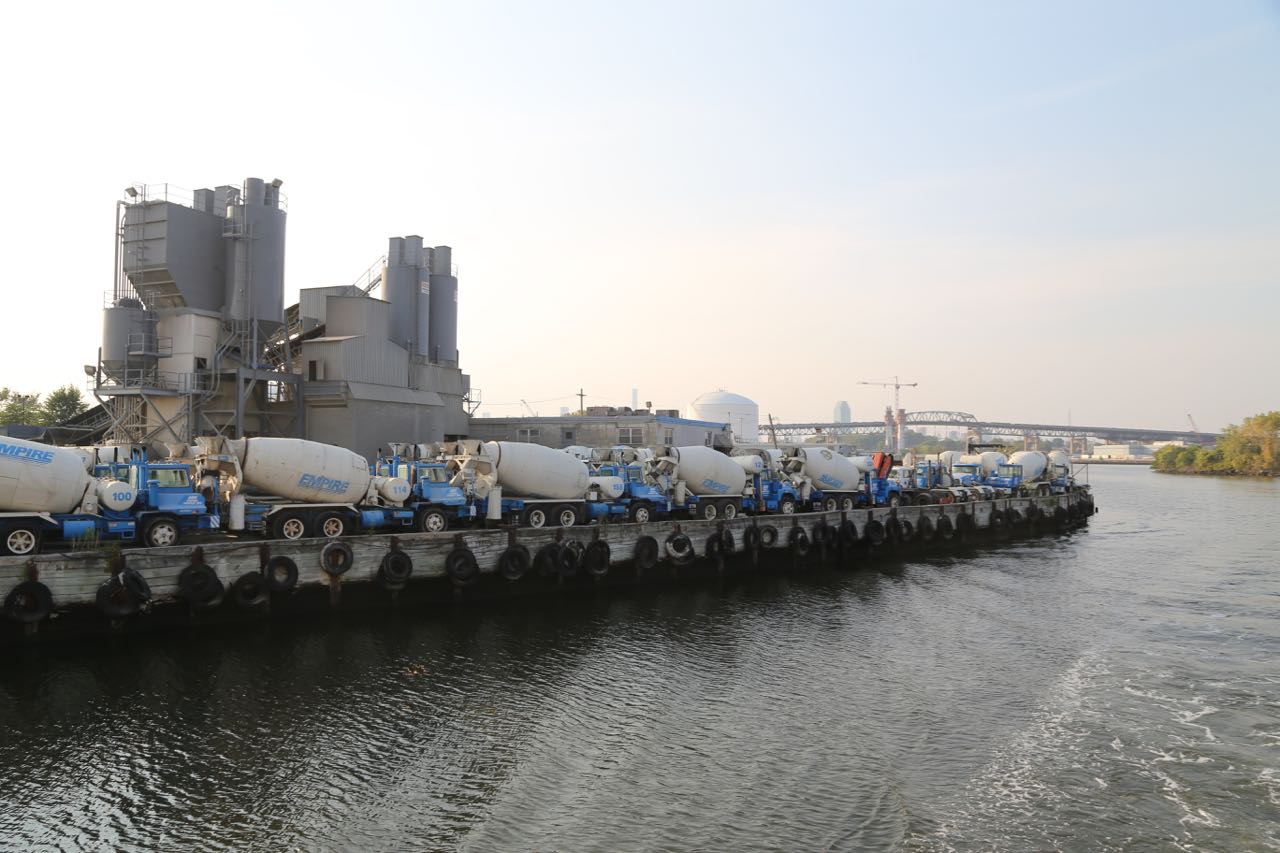
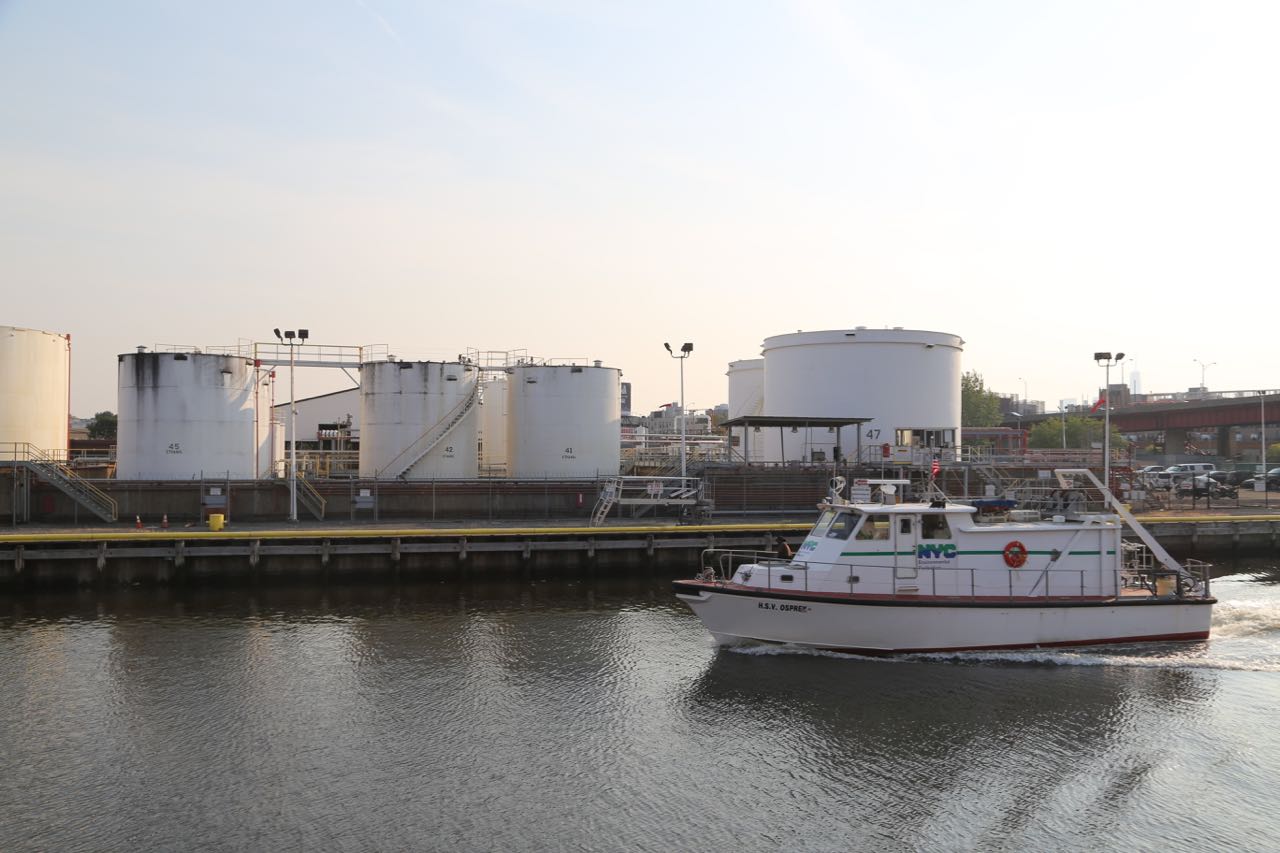
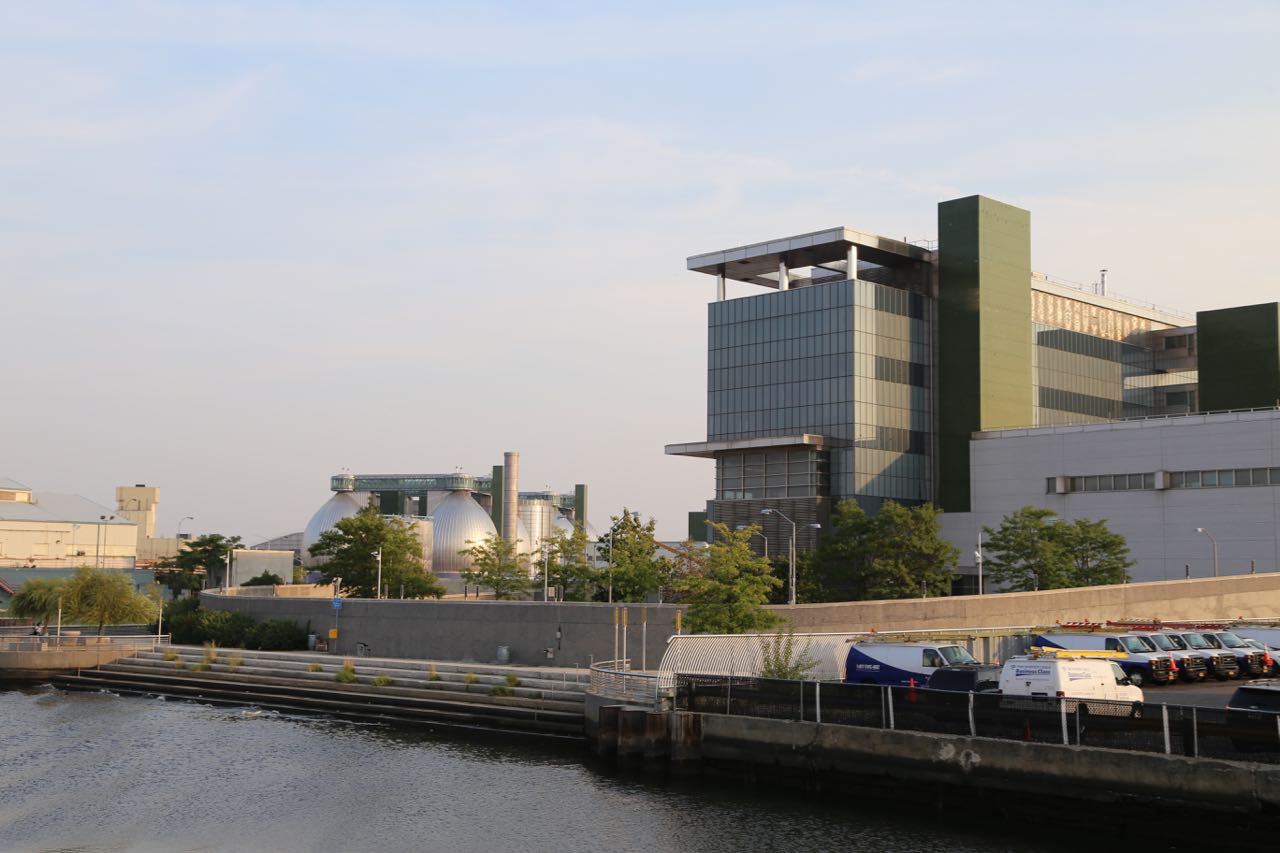
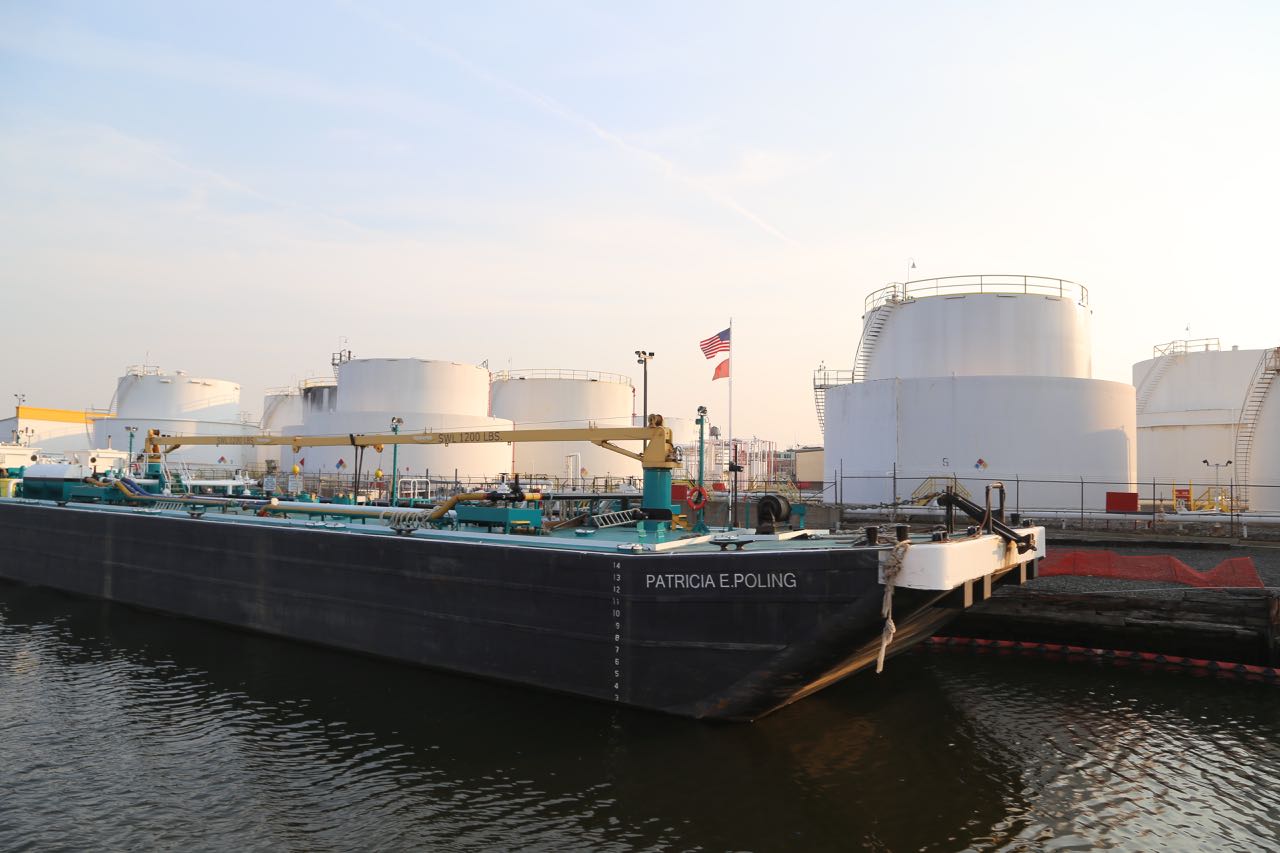
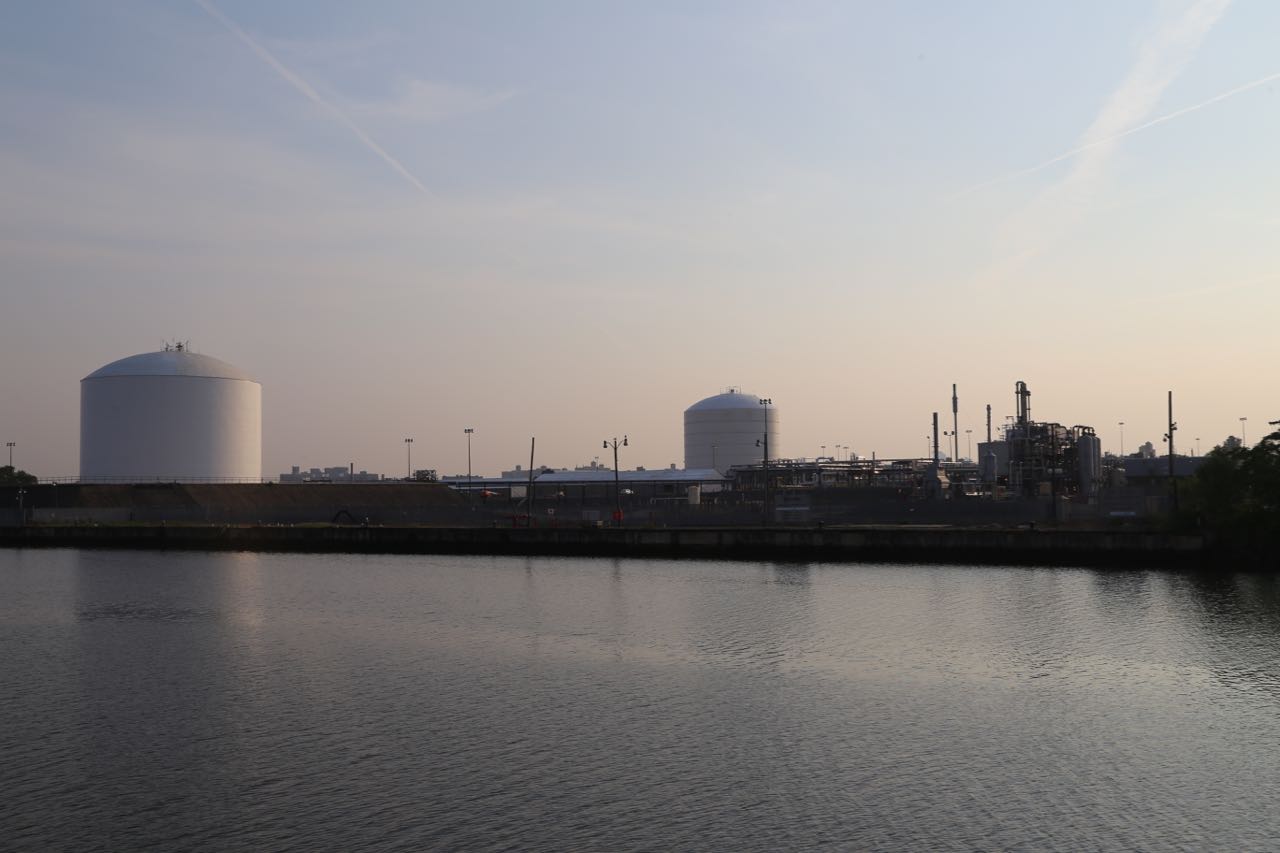
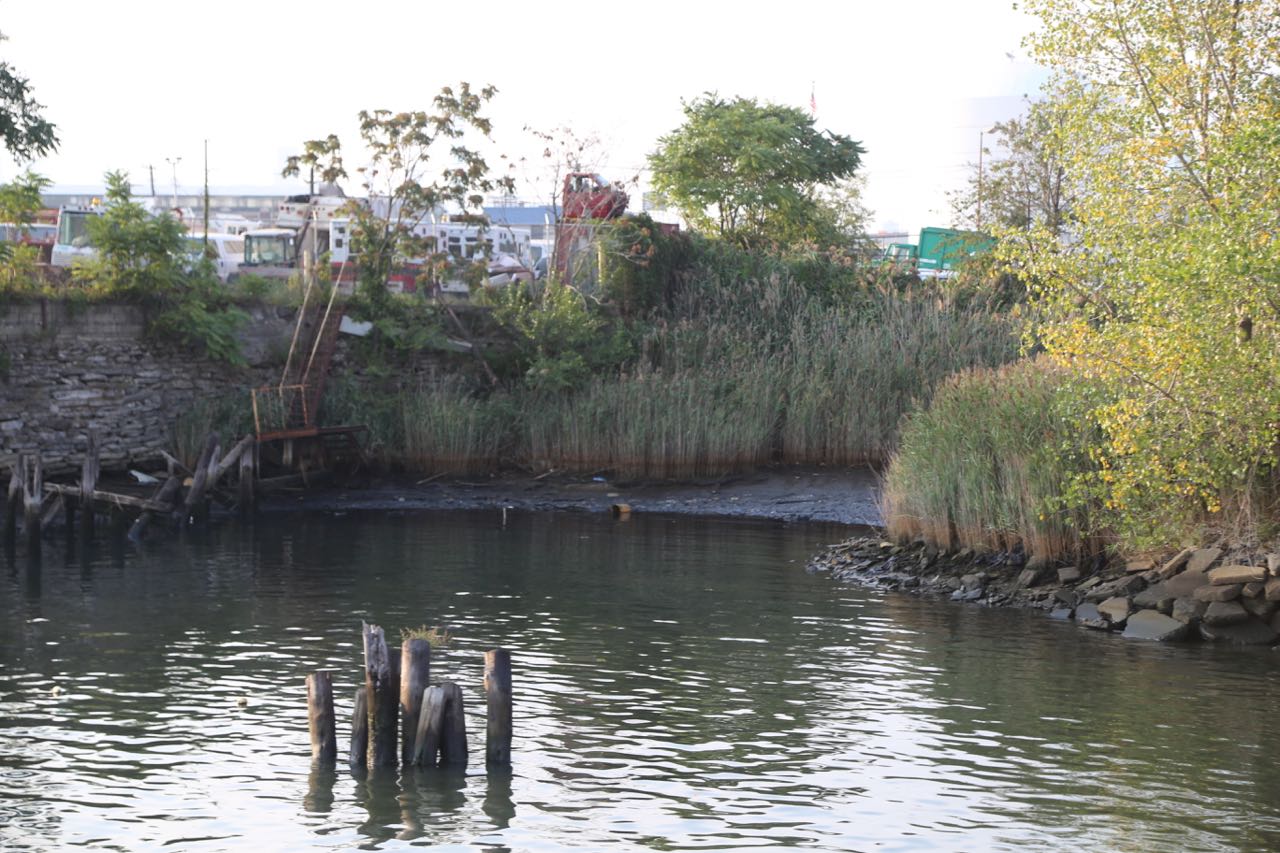
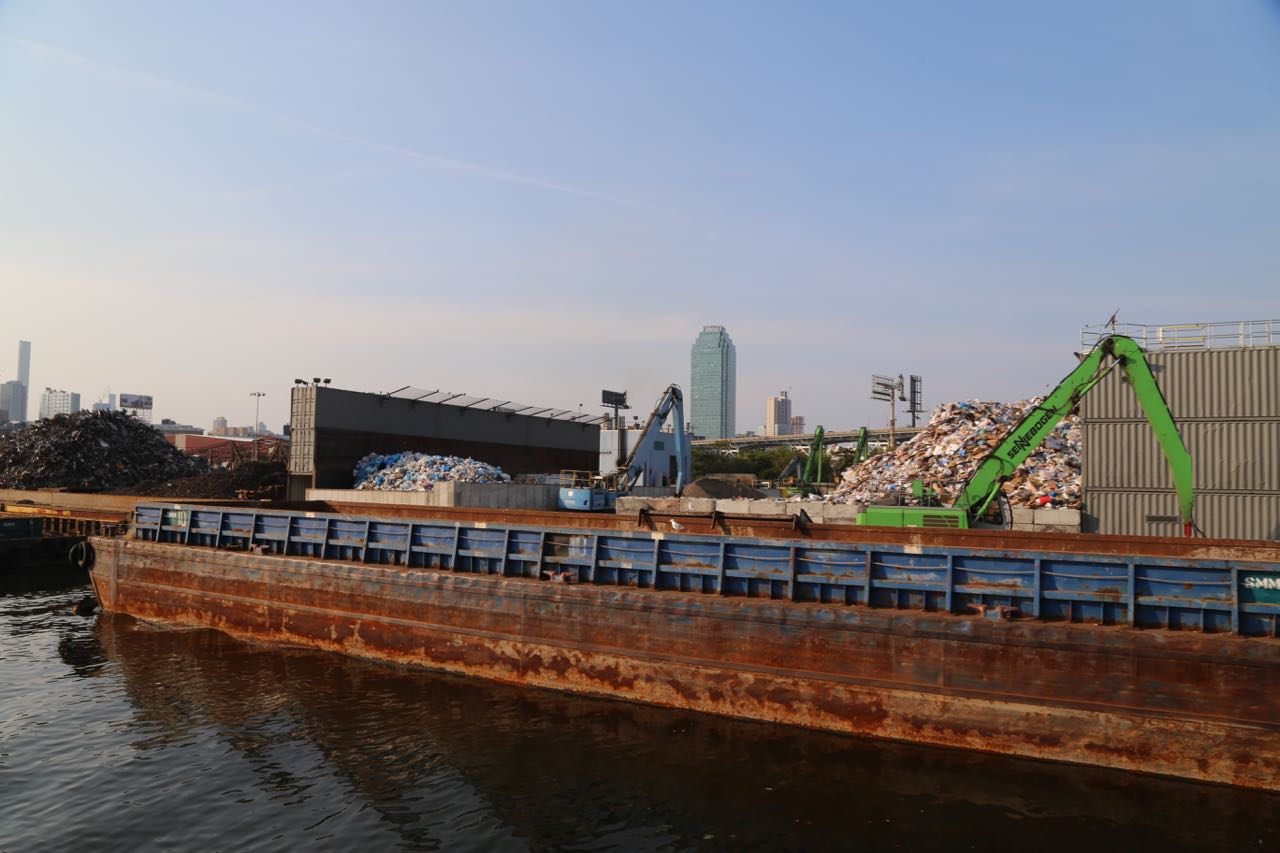
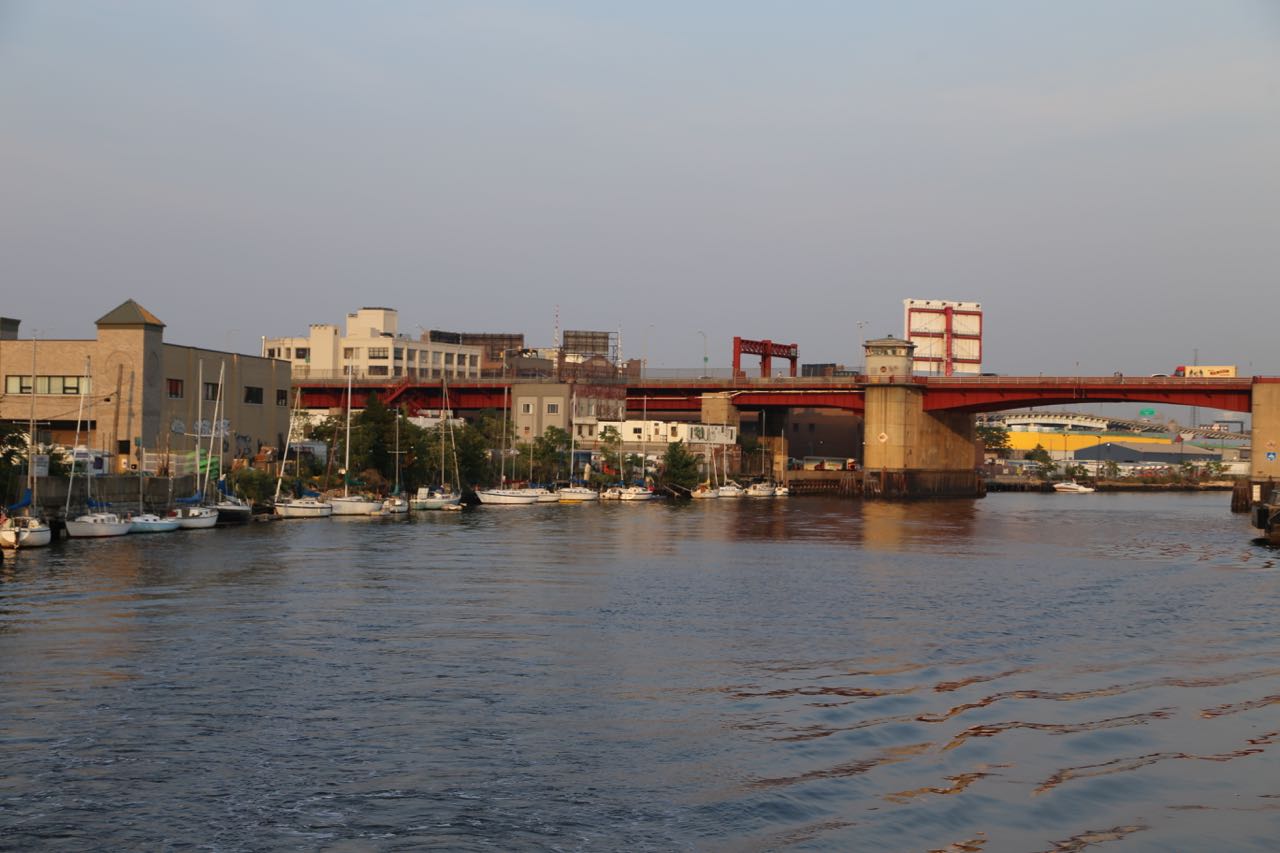
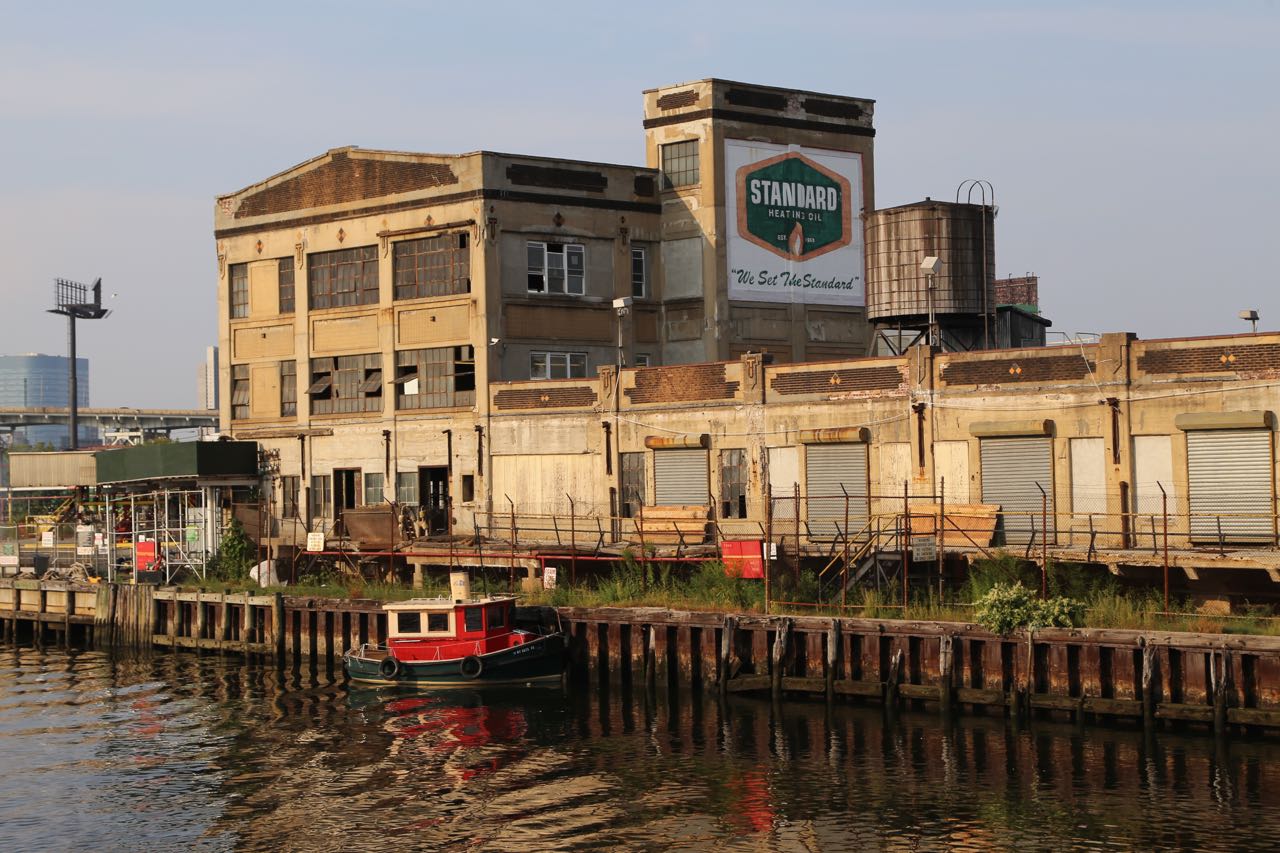
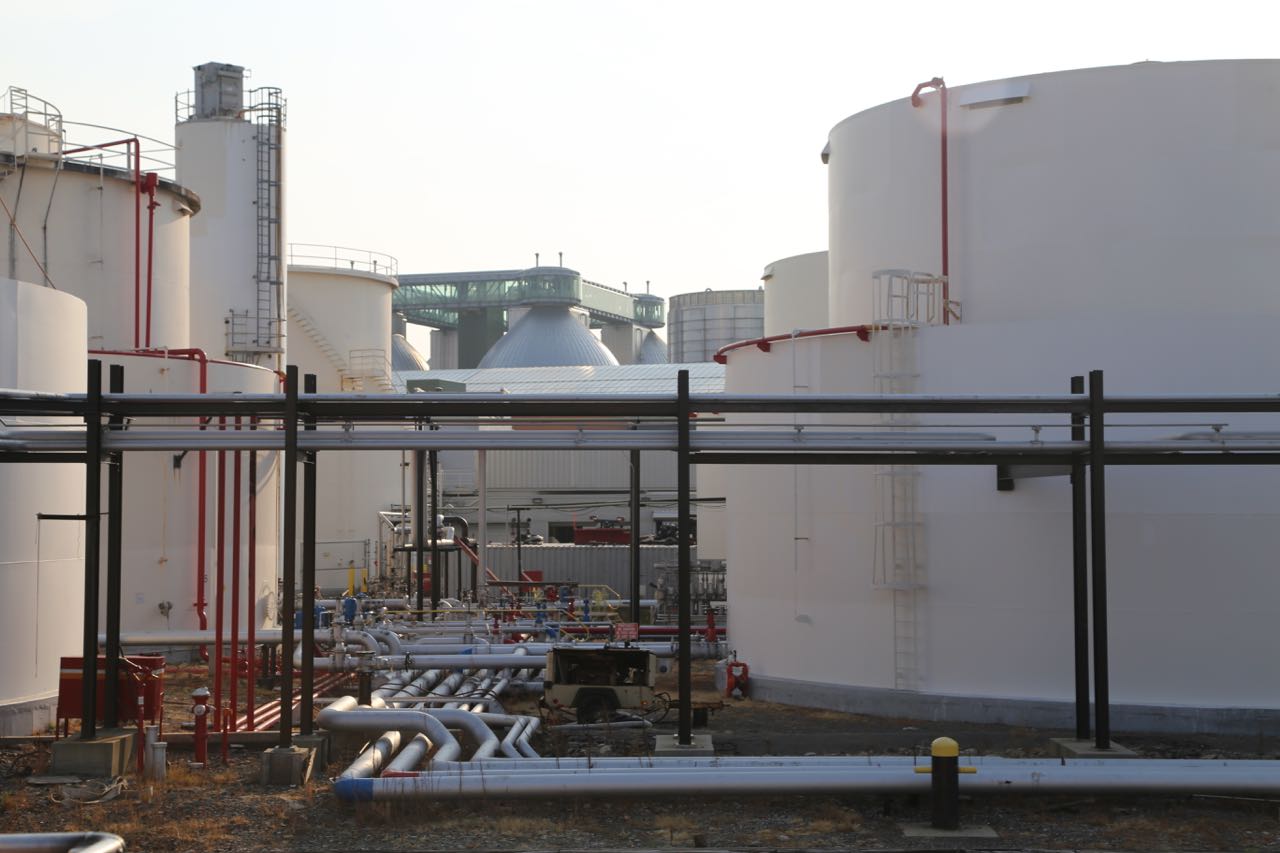
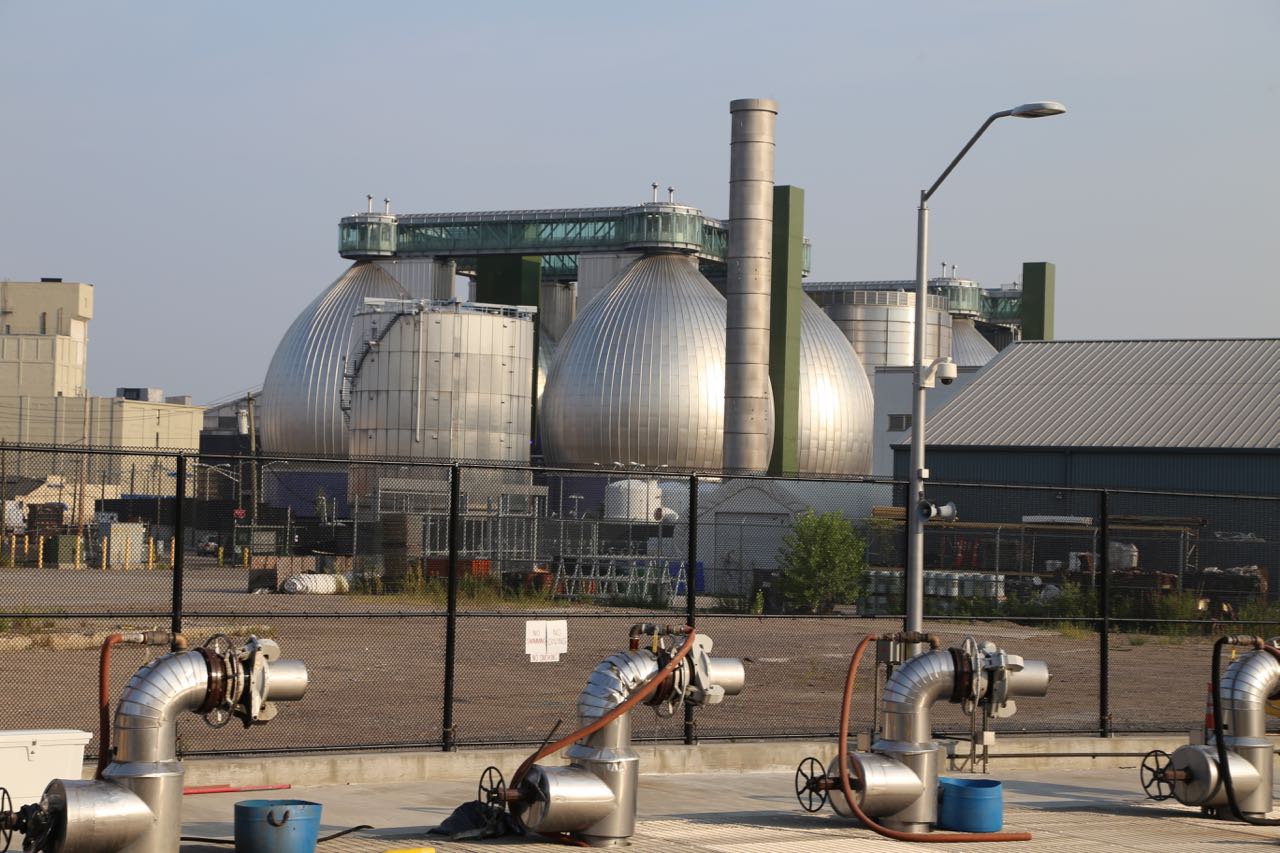
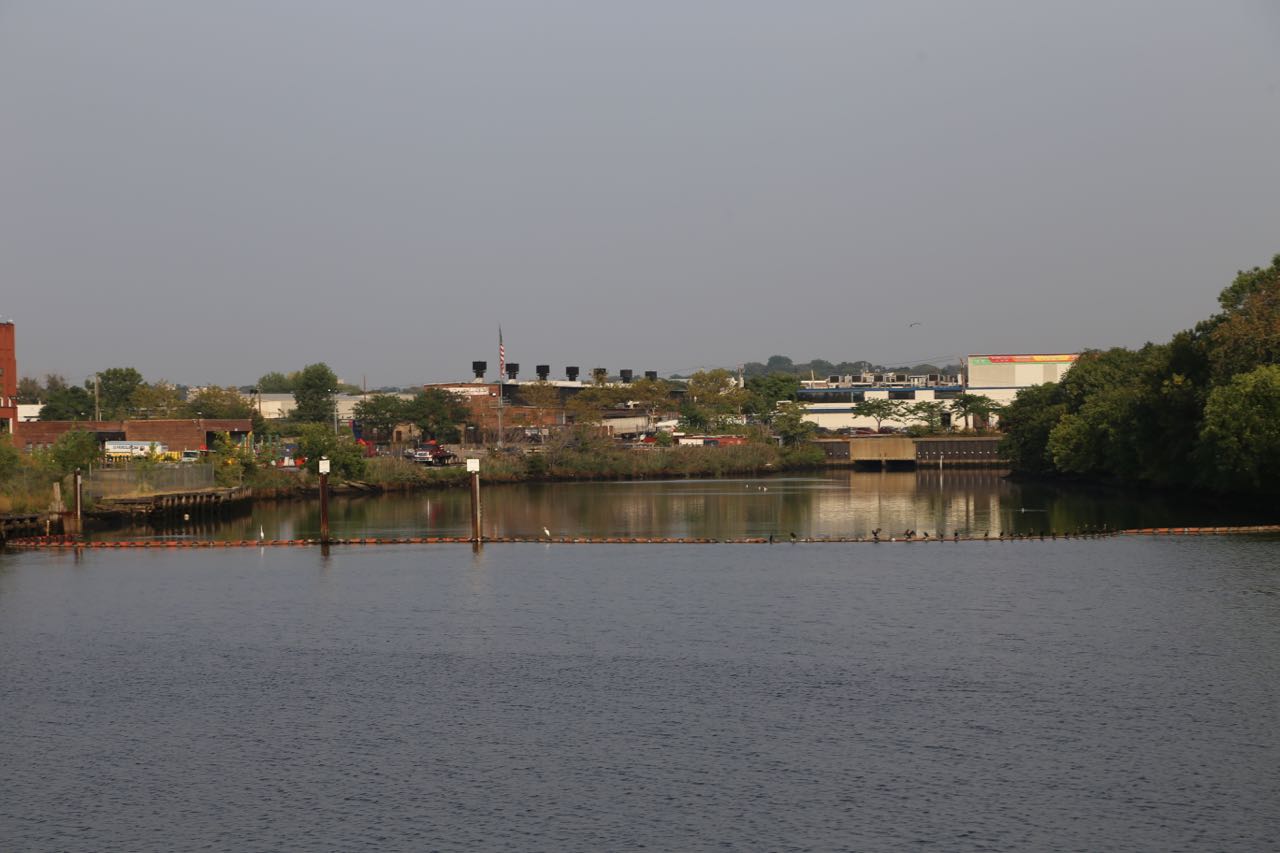
Newtown Creek is a natural creek that now resembles more of an industrial waterway and serves as a divider between Brooklyn and Queens in New York. I recently got a boat tour of it through Open House NY with superb guides from Newtown Creek Alliance and was able to see all the industrial facilities that are on it as well as a few places where its natural state is peaking through. Newtown Creek is heavily polluted because of New York City’s combined sanitary wastewater and stormwater system, which has led to untreated wastewater flowing into the creek during heavy rain events, and also industrial pollution, which has led to it being a Superfund site. A trip down Newtown Creek is almost history lesson down NYC’s past with some historic sites still visible like an old Standard Oil building. More modern parts of NYC also lie on the creek, most famously the newly redesigned and rebuilt Newtown Creek Wastewater Treatment Plant and its eight stainless steel digester eggs.
Marine Waste Transfer Station
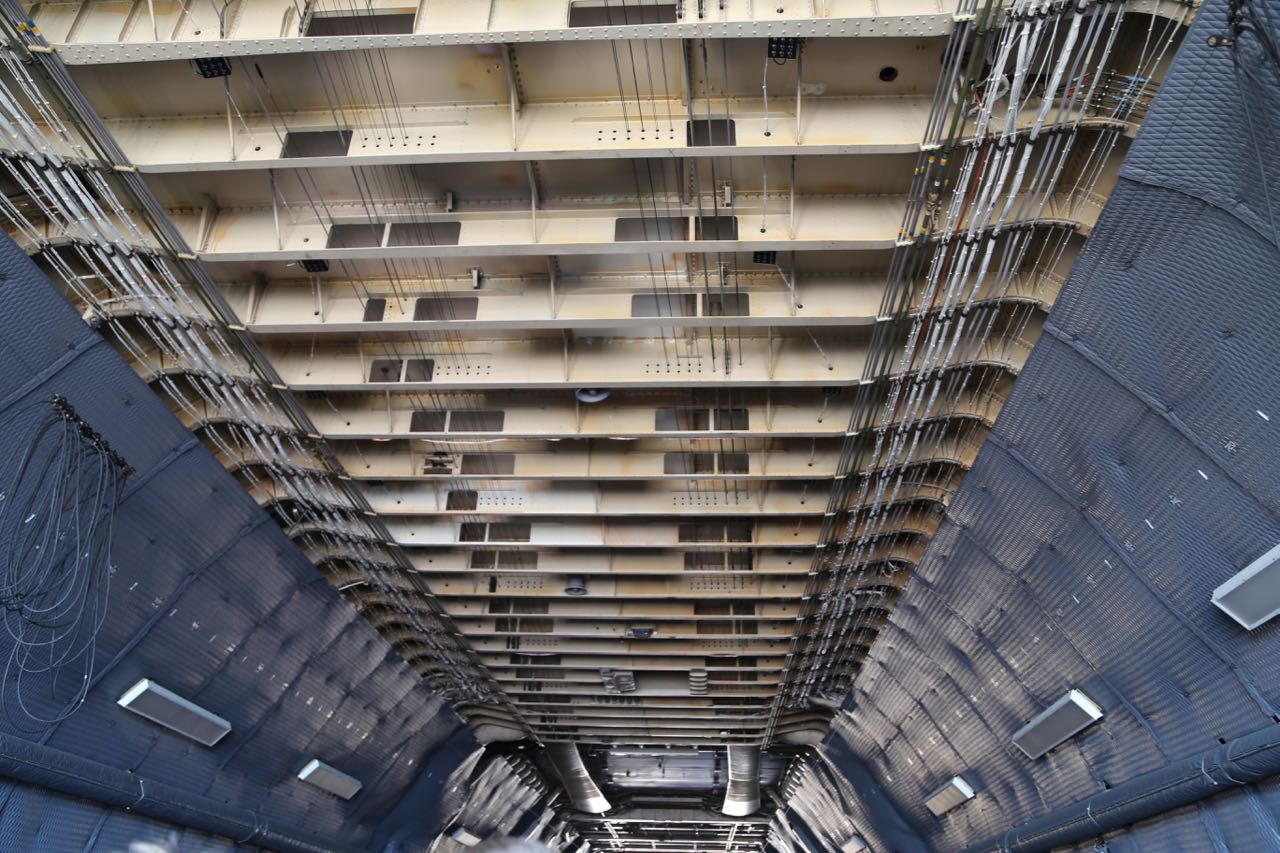
I got the chance to tour New York City’s brand new Hamilton Avenue Marine Transfer Station. It is scheduled to open next year and is located on the Gowanus Canal in Brooklyn. It will be the transfer point for household waste from ten Brooklyn community boards. It is the first marine transfer station there. All other waste is moved on trucks and rail. It is very impressive. Once operational, it will operate 24 hours a day and six days a week (no Sundays). Currently waste from the area goes to waste to energy incinerators. There will be 12 sanitation workers per shift plus one supervisor.
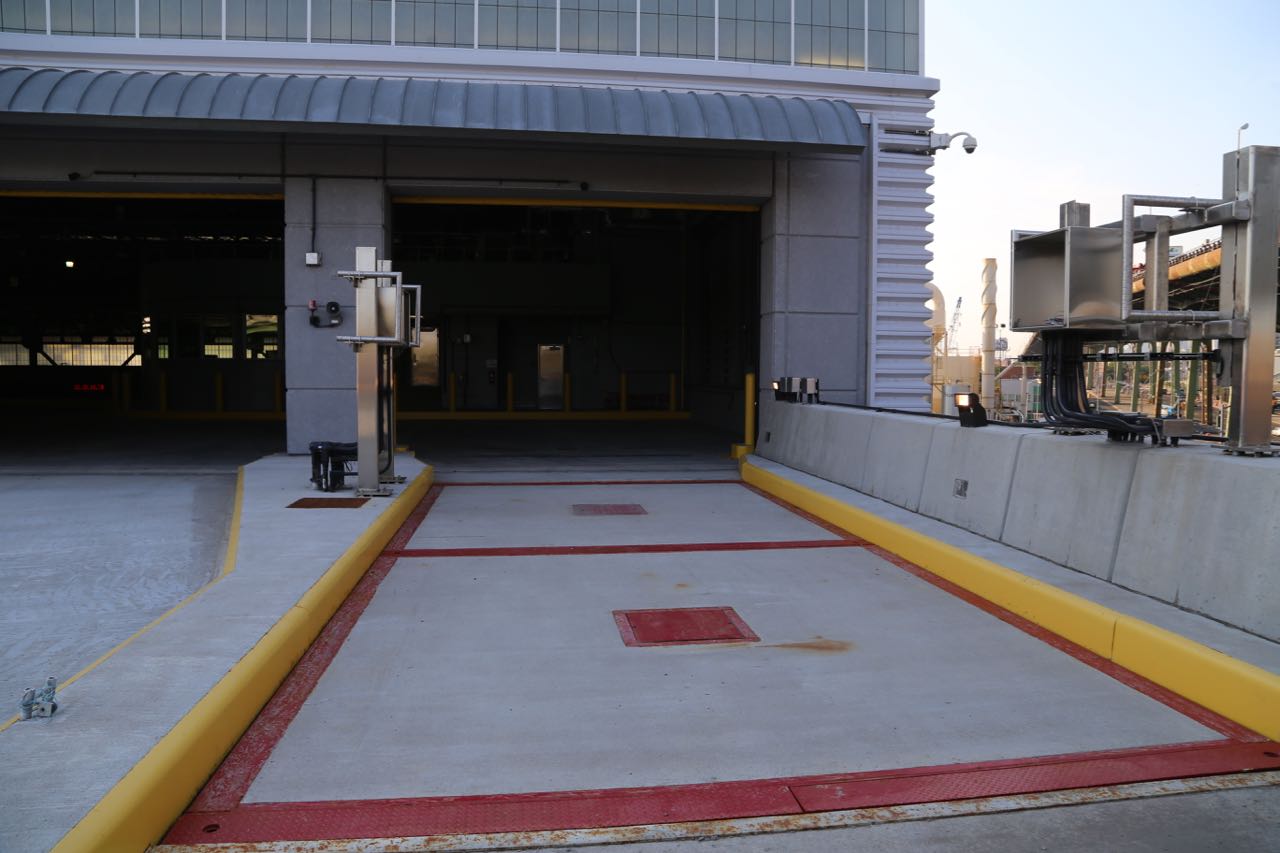
Trucks enter the building and are first weighed on a scale.
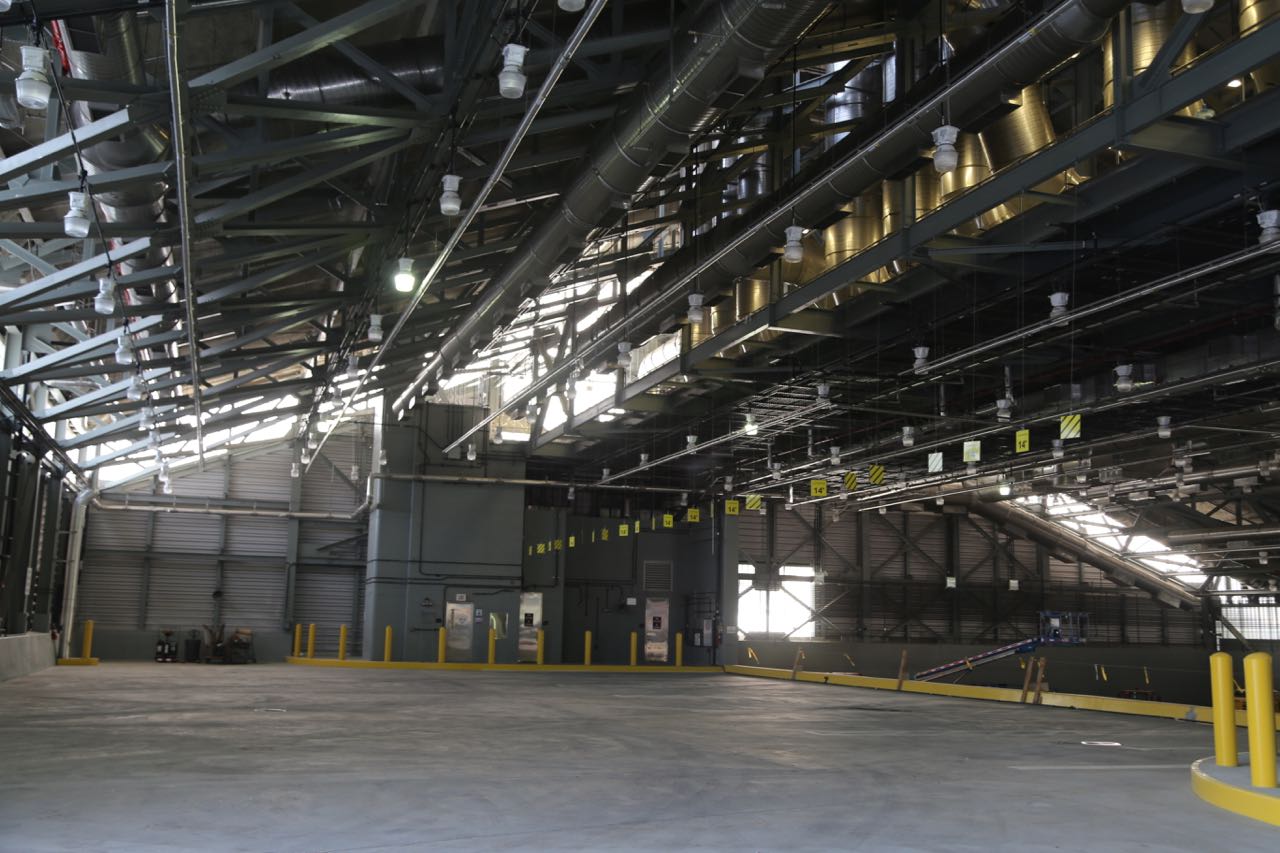
Once inside the building, the trucks back up to the edge of the floor and lower their trash onto the mixing floor below.
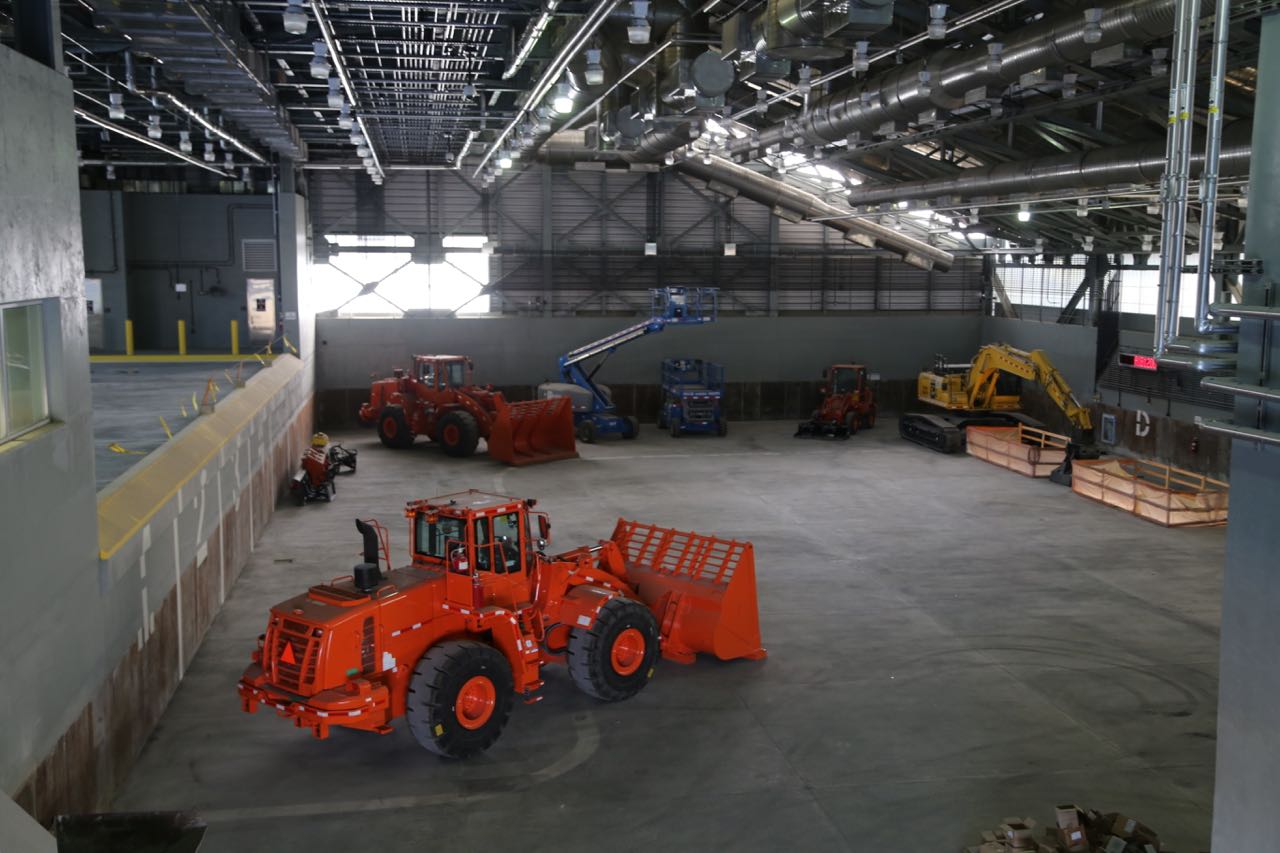
Front loaders and other equipment on the floor below are used to push the waste through openings in the floor into containers waiting below the mixing floor.

Waste mixing floor with equipment to push waste into containers, the elevated floor on the left is where the trucks will lower their loads
The openings in the mixing floor are only as big as the standard containers that will accept the waste. The station aims to put 20 tons of waste in each container.
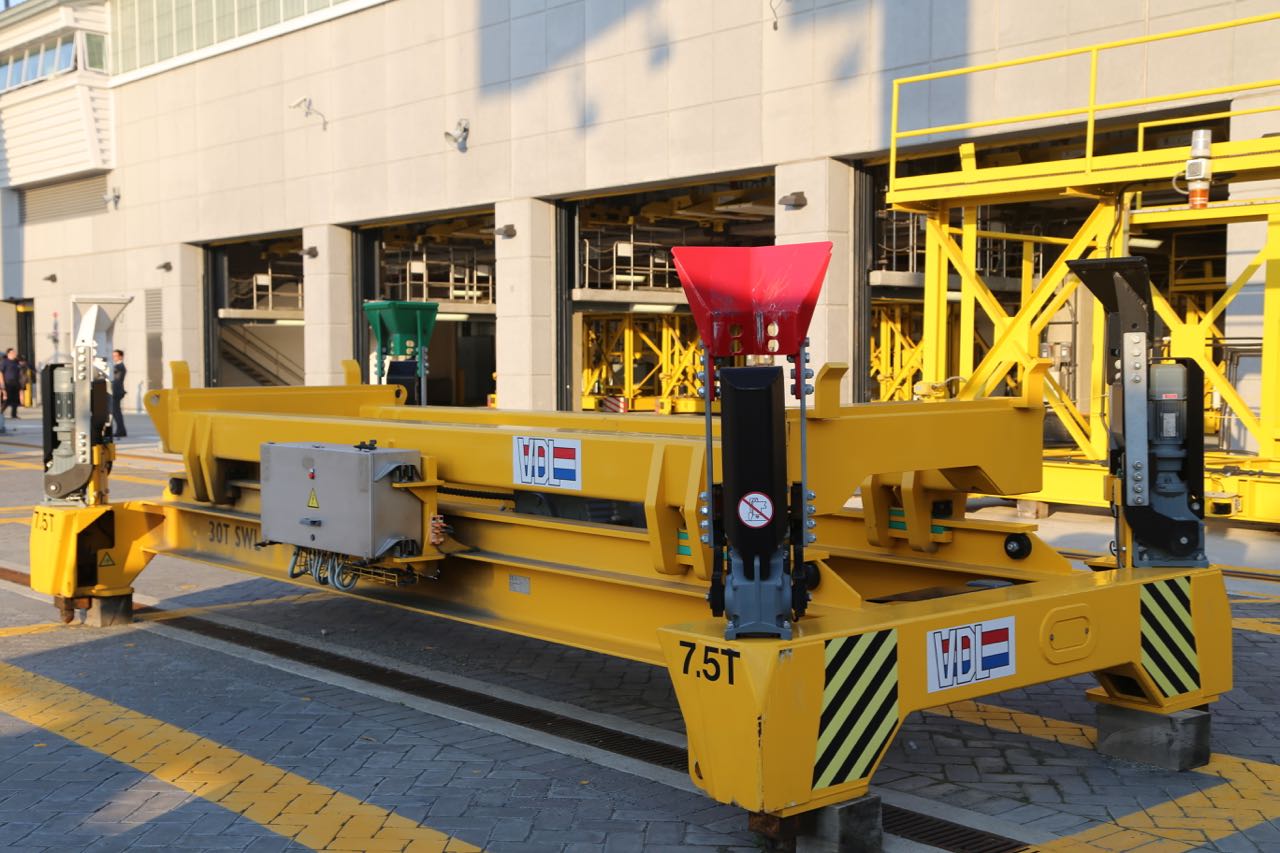
Once the container is full, equipment is then used to place a top on the waste container.
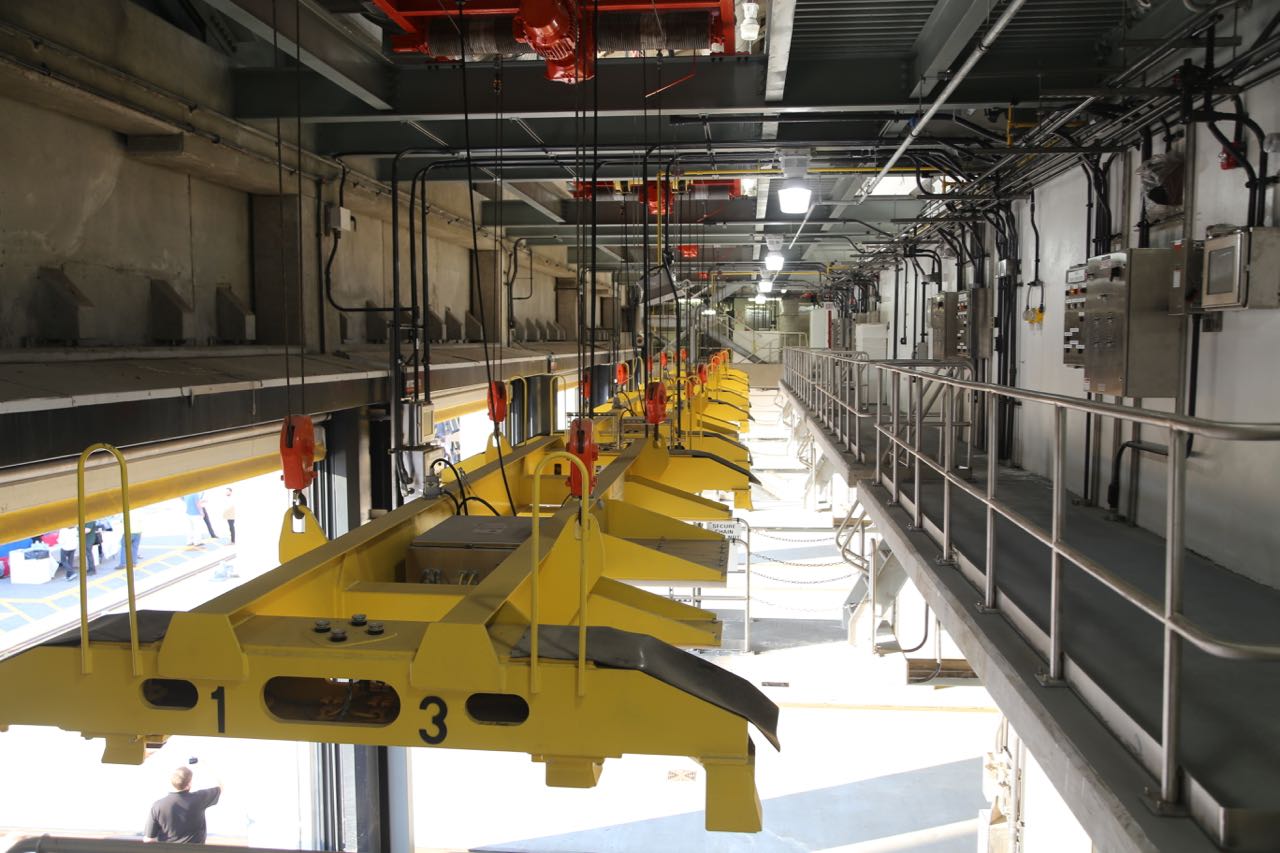
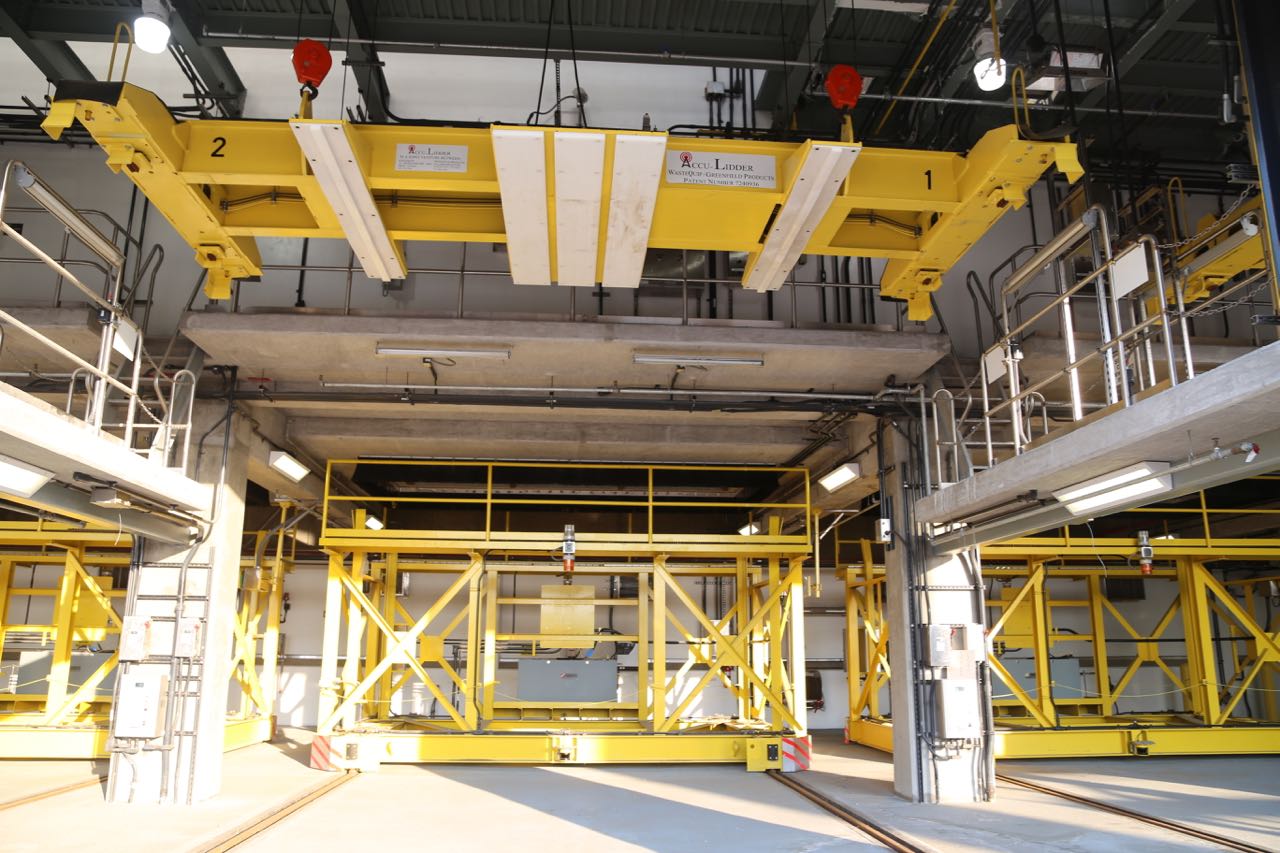
The containers are moved the loading area to the topping area to the storage area on rails.

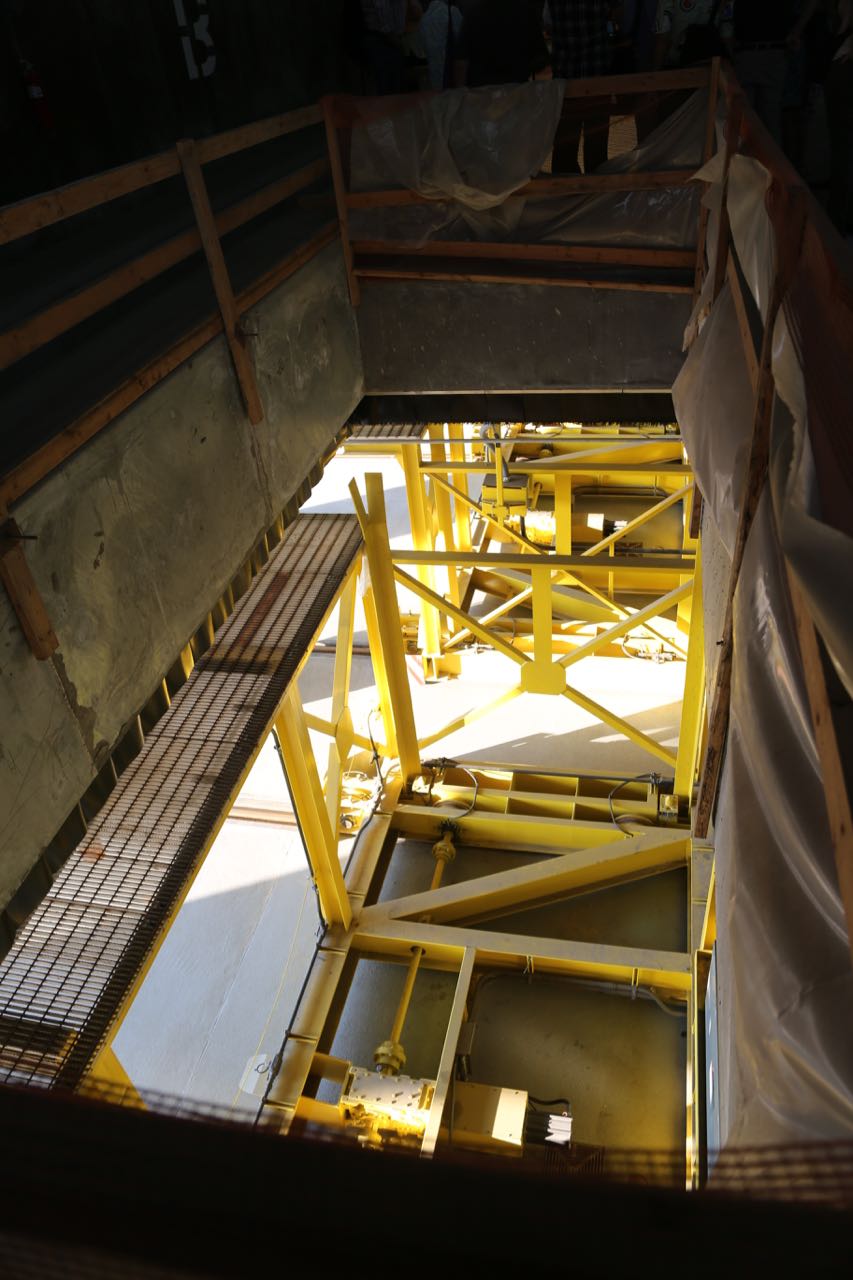
Loading bay, in foreground are toppers and behind, with yellow frames, are where containers will sit to receive waste
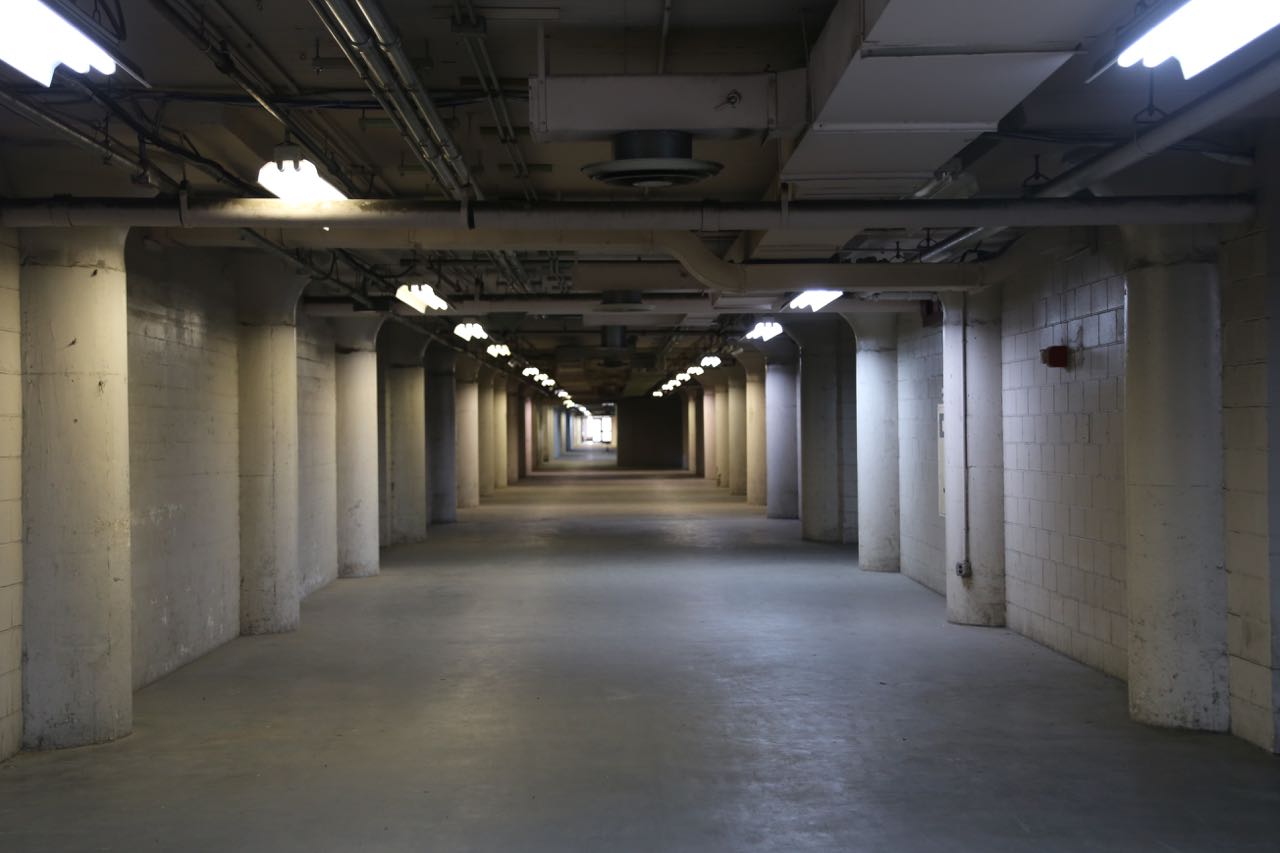
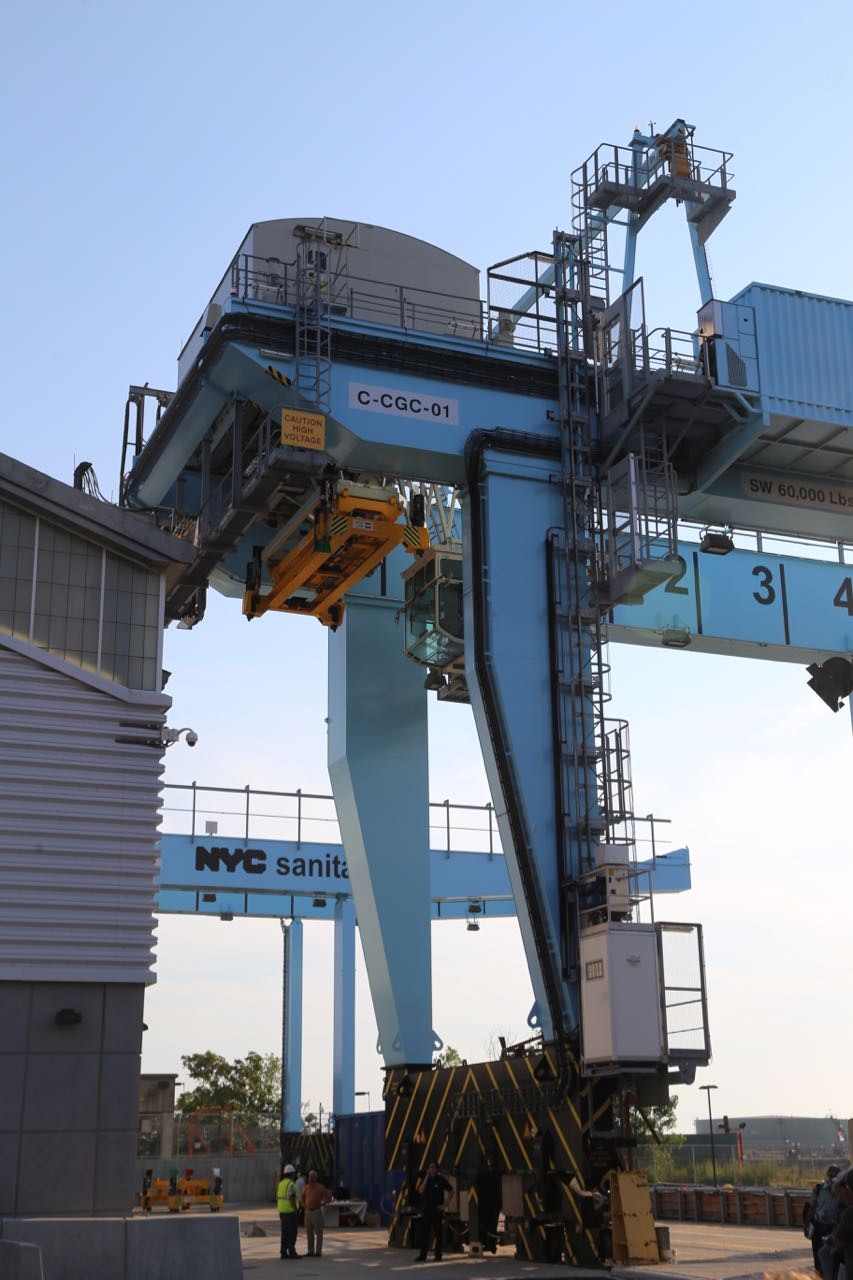
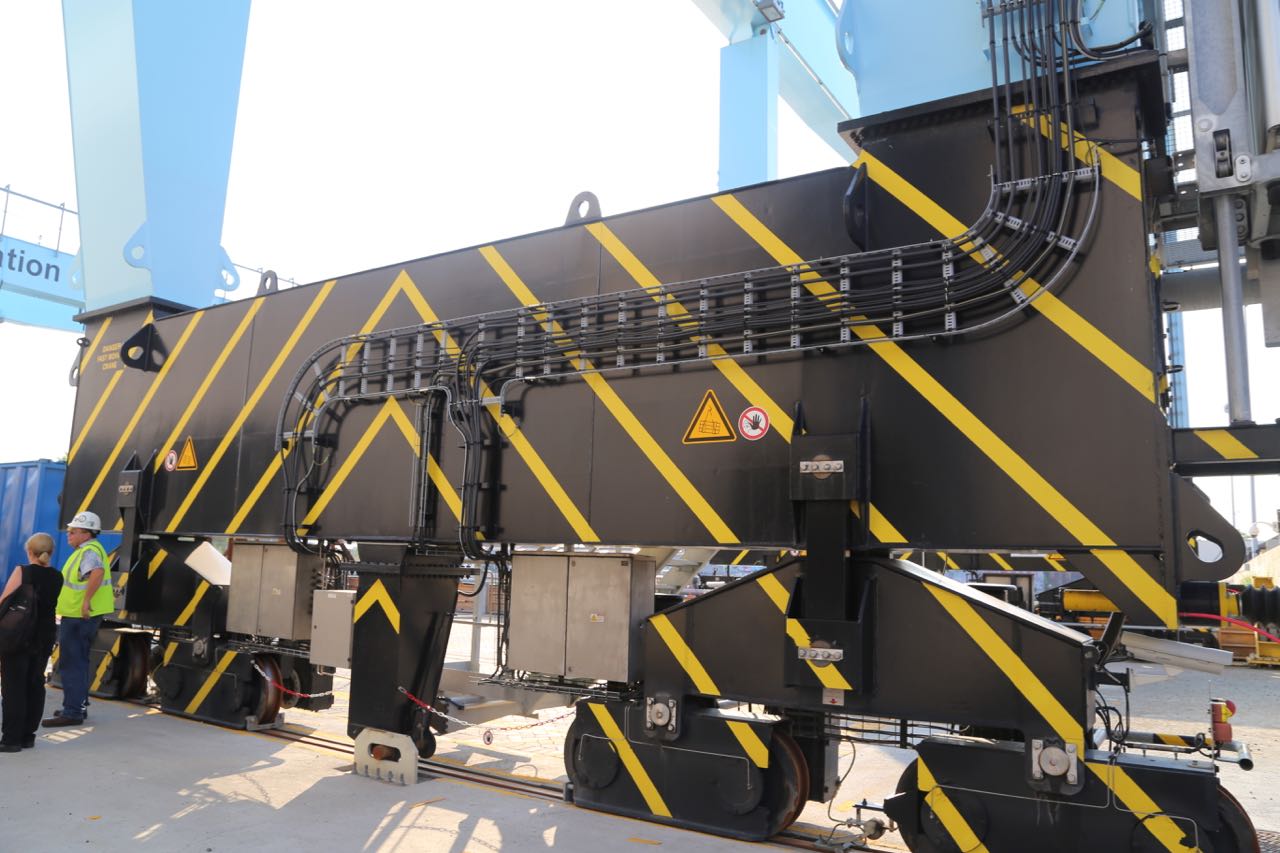
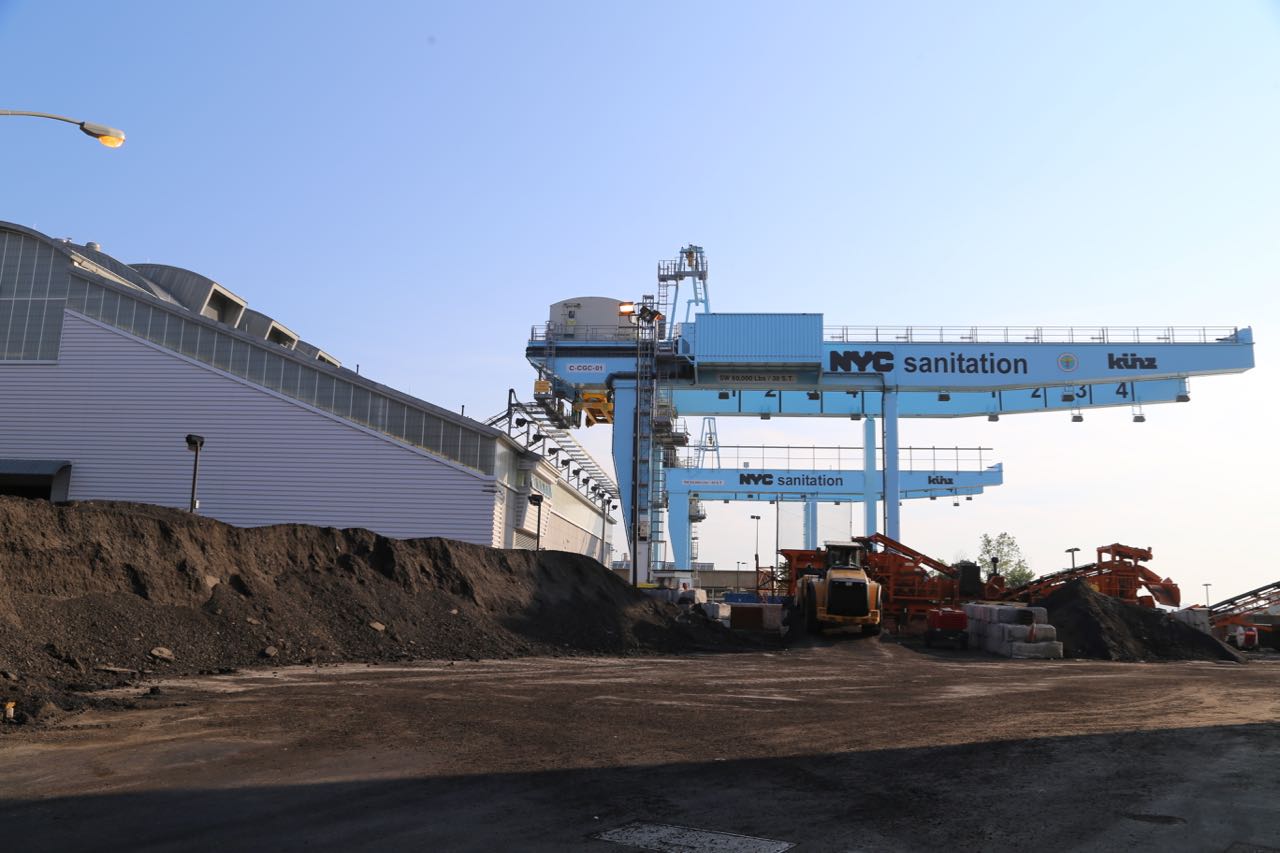
Cranes that are also on rails are used to move the containers from the building to stacking areas to finally the barge.
There are two cranes, but for safety, only one is used at a time. The other one is a backup during maintenance.
NY Nostalgia Ride
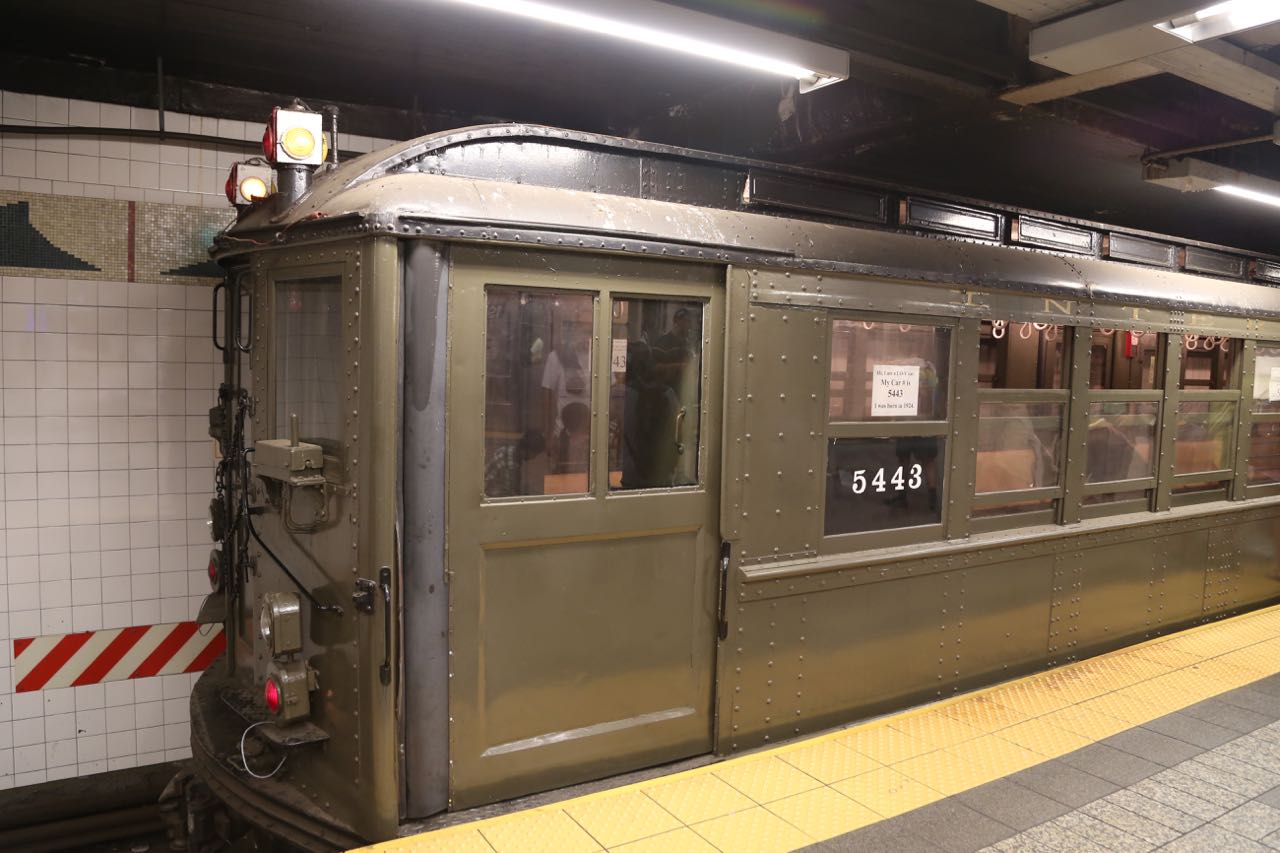
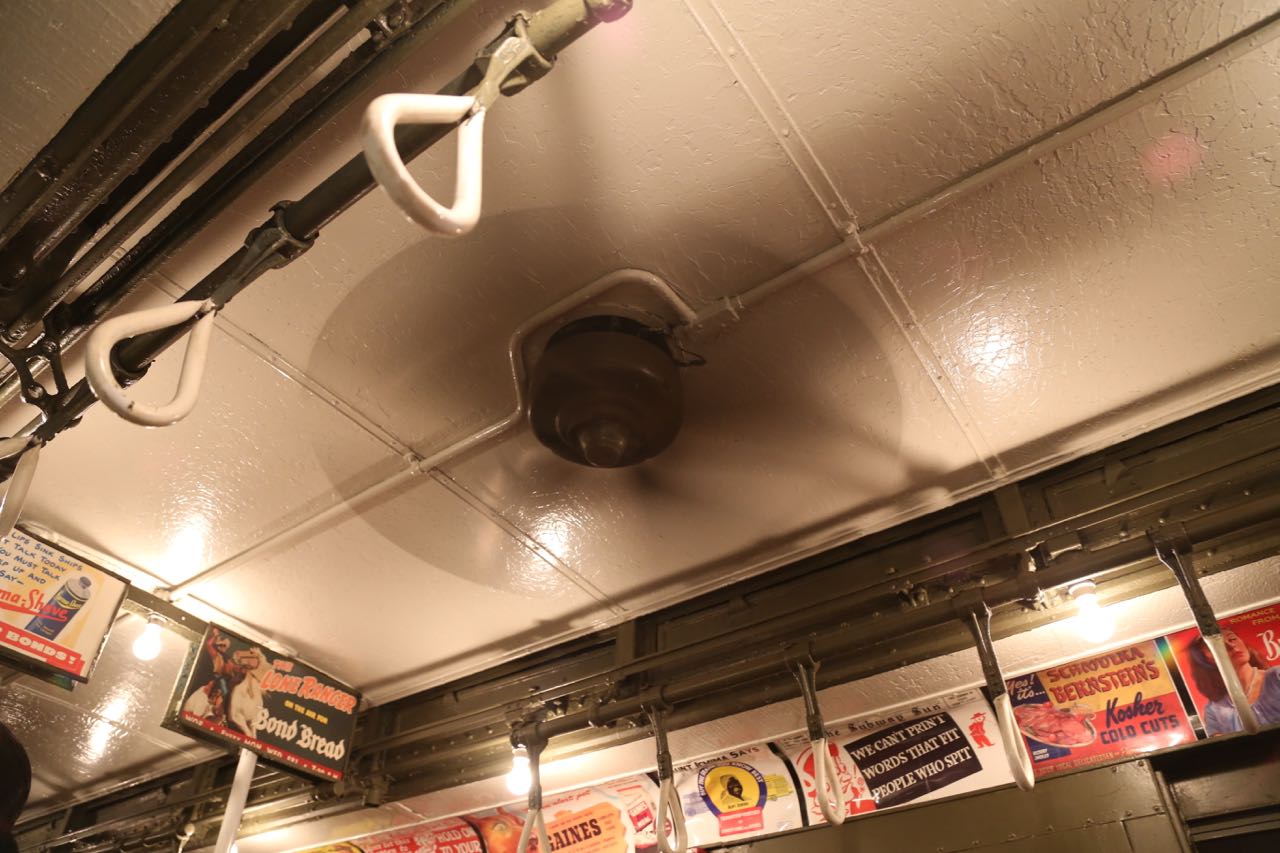
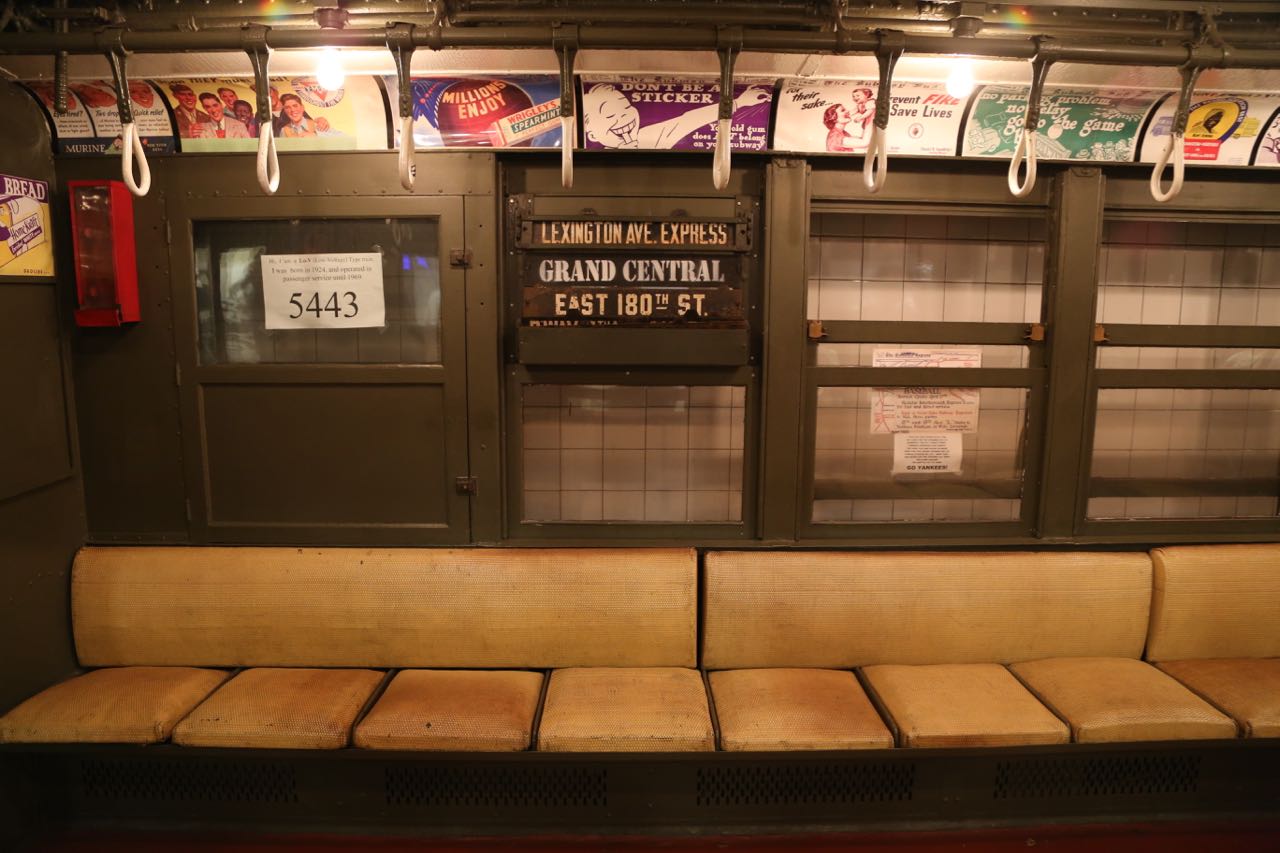
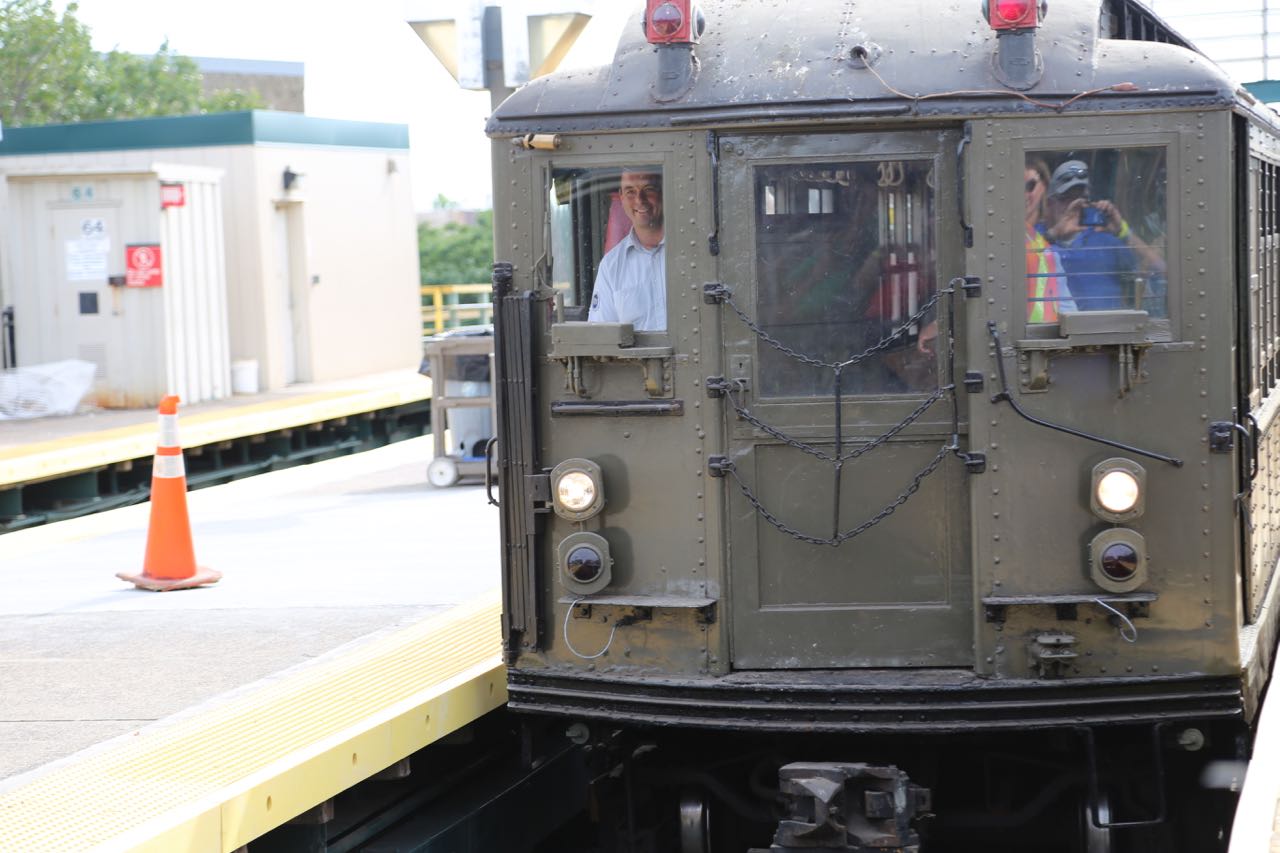
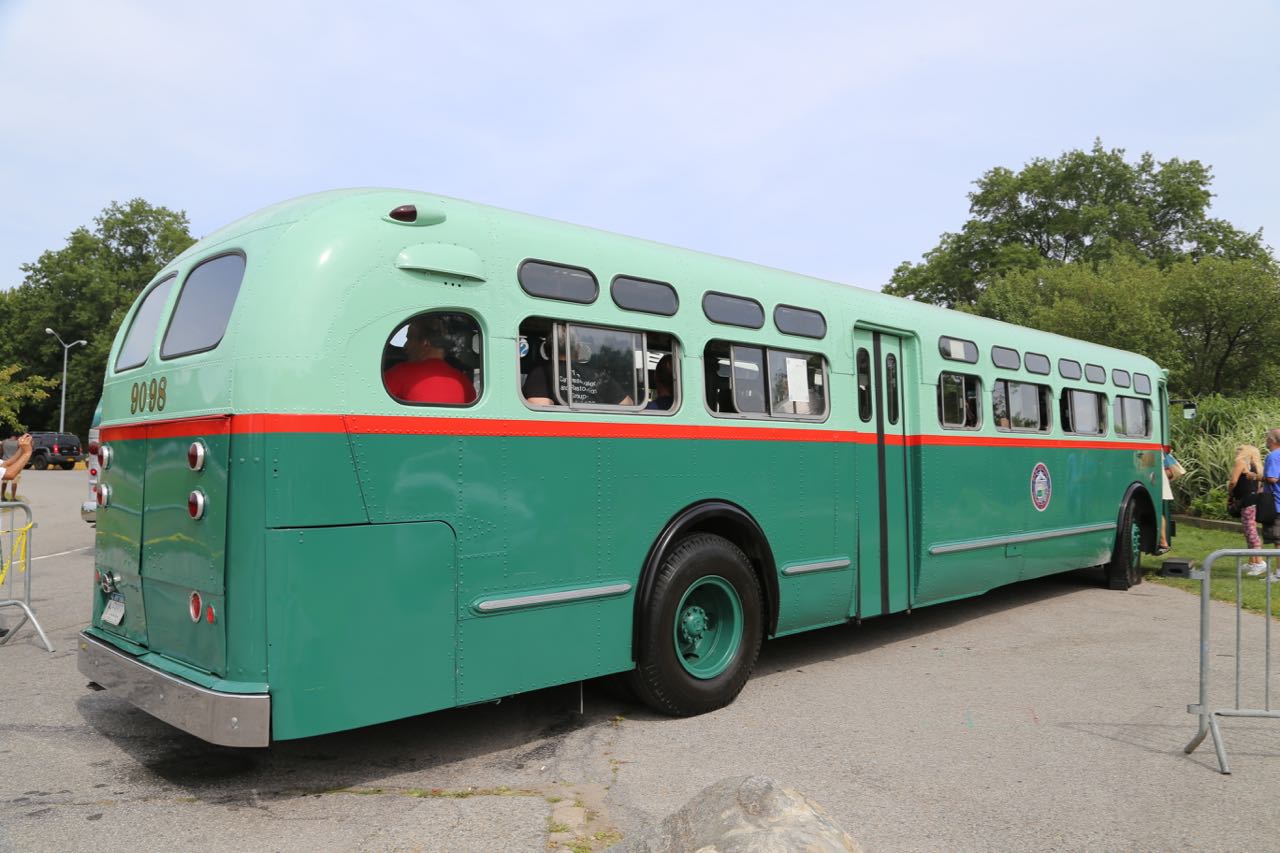
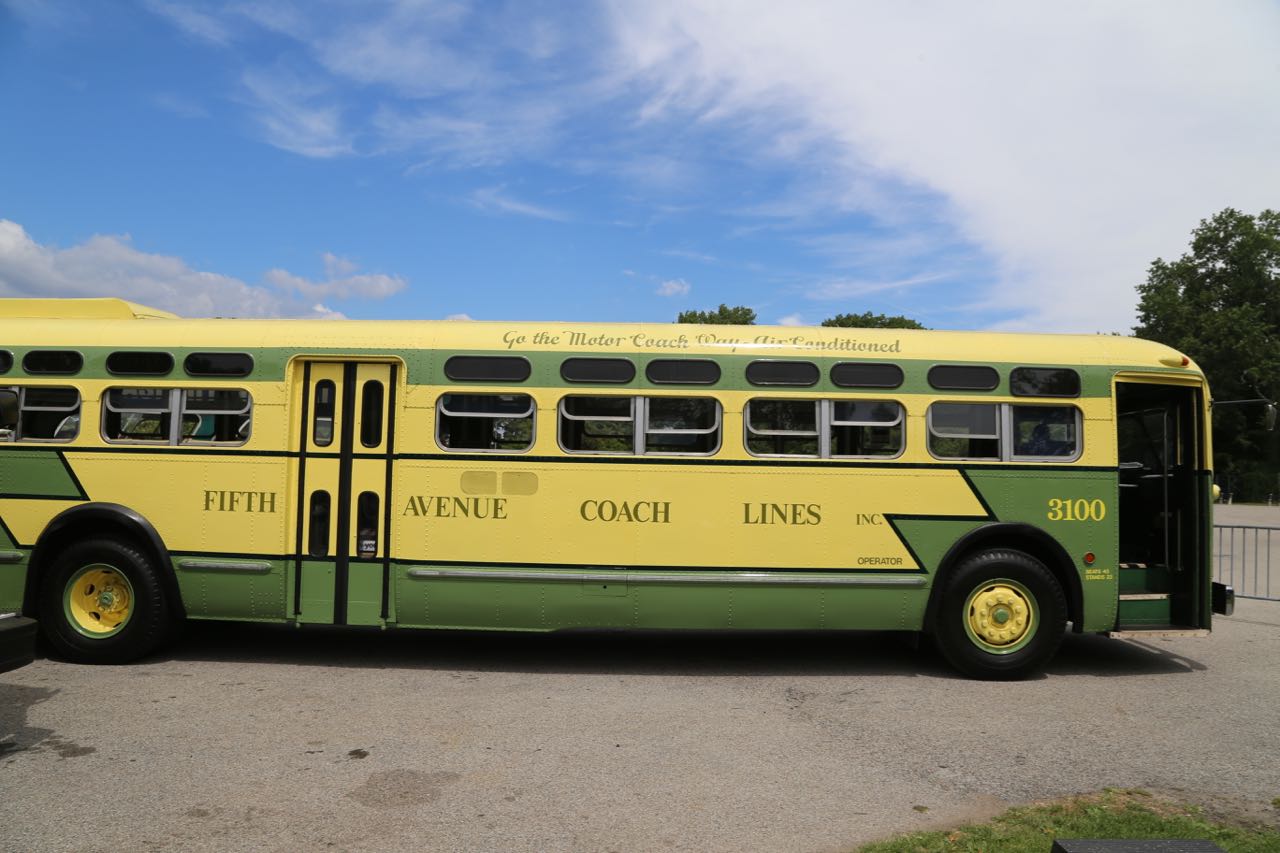
I have been a member of the NY Transit Museum for a couple of years now, and they always have fun excursions. Some of the excursions, you probably have to be a transit geek to fully appreciate though. Anyway, today I took one of their nostalgia rides. It started in Grand Central Terminal where we boarded a vintage WWI rail car. We then went all the way down to the end of the 6 line, which is the Brooklyn Bridge station, then took the loop through the Old City Hall subway station, and came back up to our final destination of Pelham Bay Park station. There we boarded vintage buses to either Orchard Beach Park or City Island. We spent a couple of hours there before heading back to our vintage rail car and back to Grand Central Terminal.
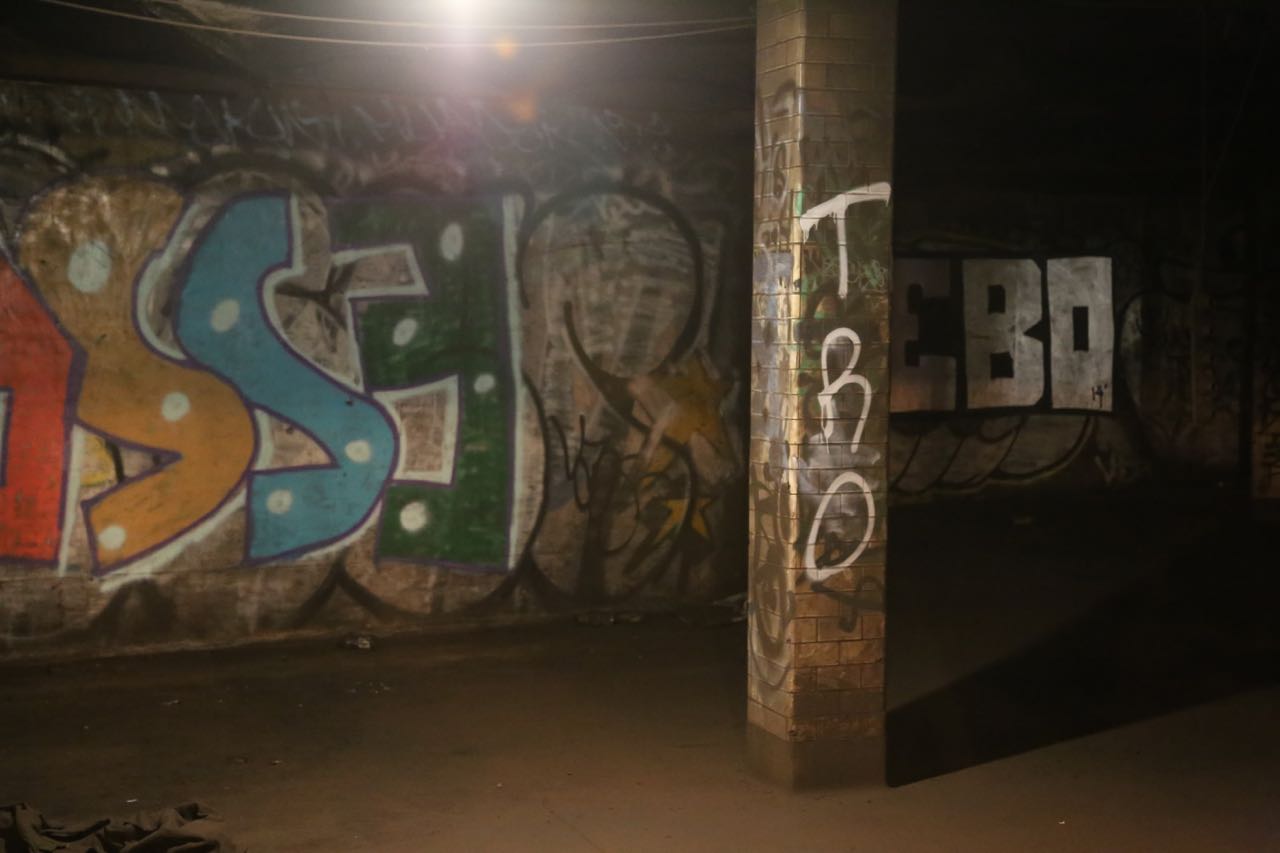
The destinations were nice, and the ride was so much fun. The train and buses were in great condition. Honestly they were in better condition than some of the modern ones in which I have ridden. Since the journey was supposed to be part of the fun, they slowed down as we went by a few abandoned subway stations including the Old City Hall station. With the exception of the Old City Hall station, which they keep in good condition for tours, the other abandoned stations were completely abandoned and filled with graffiti and sand bags and debris. They also let people stand in the front and take photos out the front window, but I actually got better photos on a previous trip with them. Of course I still love looking.
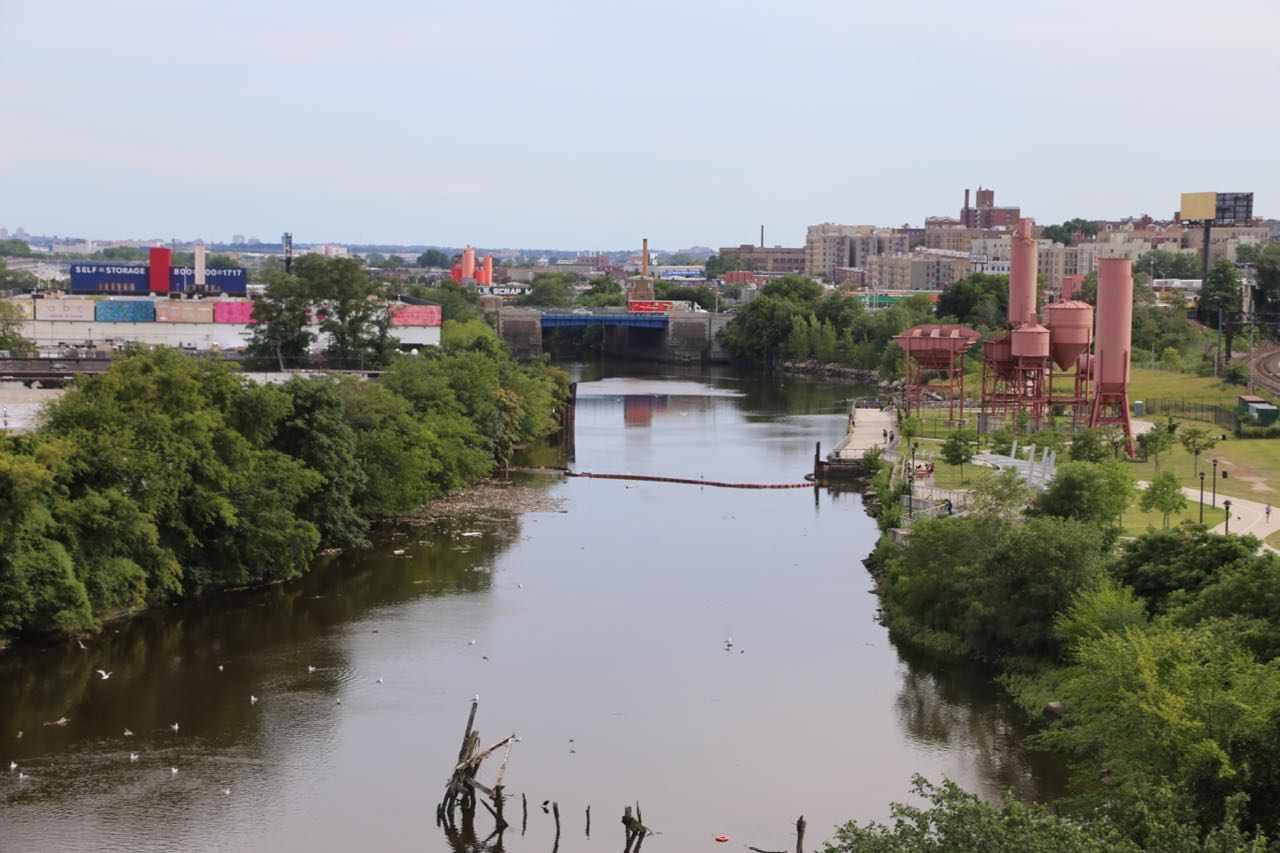
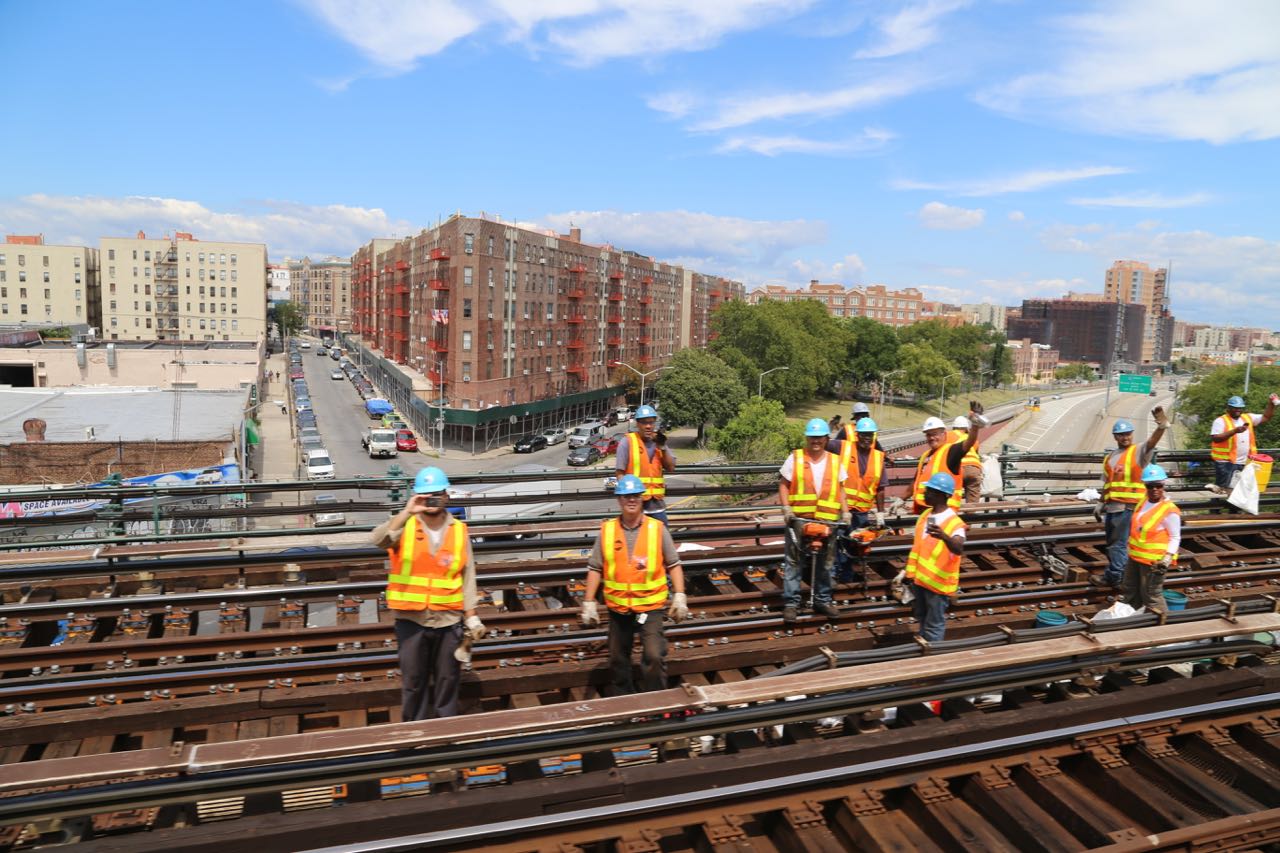
Another wonderful thing about this trip was people’s reactions. My guess would be that about 80% of the people in the subways didn’t even see that a rather different train was going by or did see and didn’t seem to think much of it. Most of the rest would either look at the train with a rather confused look of “what is that?” or would quickly grab their camera and smile. There were a few people who are evidently transit fans and knew we were coming and were already set up with still and video cameras and some even with tripods. There was at least one at every aboveground station we went through, and there also some on the ground to get photos of the buses. As a certifiable geek and nerd, I can completely relate and and admire them. Then there were the MTA employees who seemed to be just as excited about the vintage train and buses as we were. They took as many photos as we did. This included workers repairing tracks who stopped what they were doing, took photos, and waved at us (see photo below). I am not even sure why we all get so excited about these vintage vehicles. Maybe it is because nothing mechanical or electrical seems to last that long anymore, so we are all excited by the things that do.