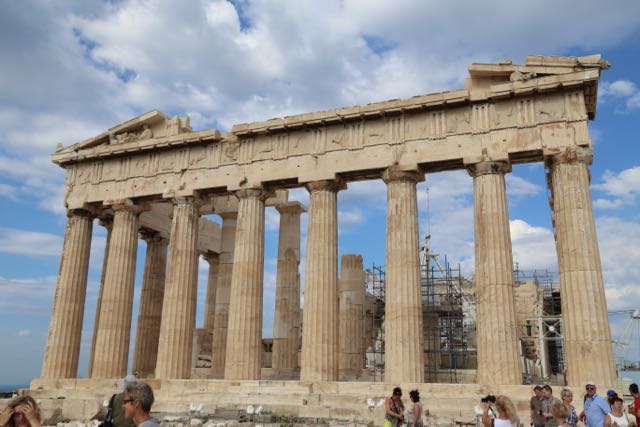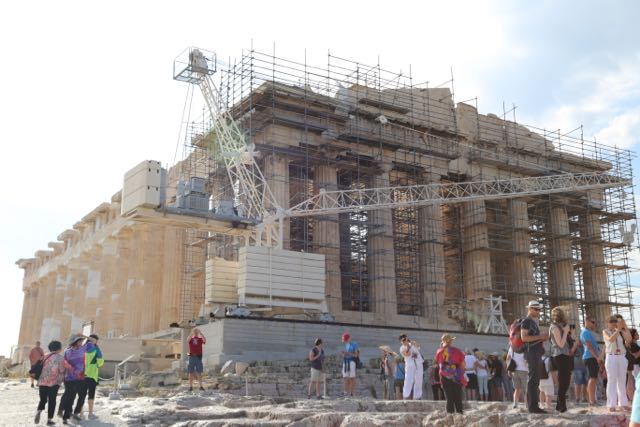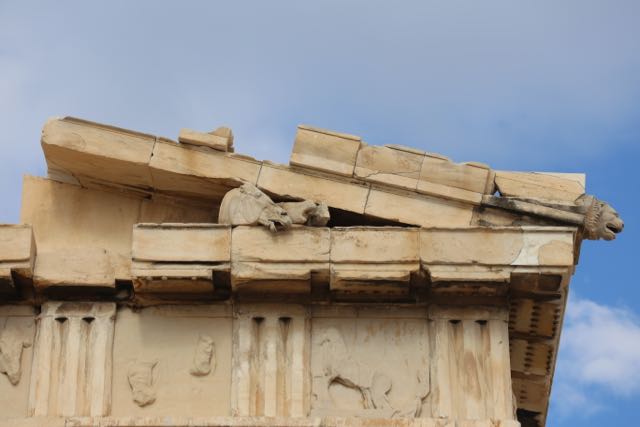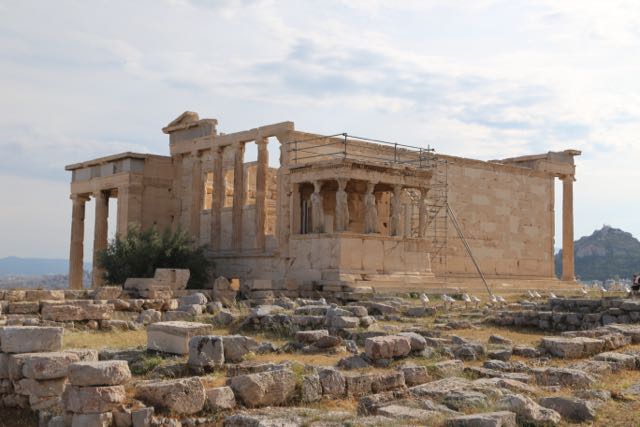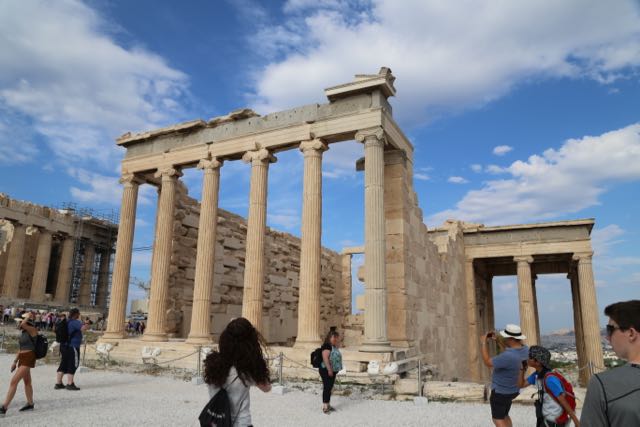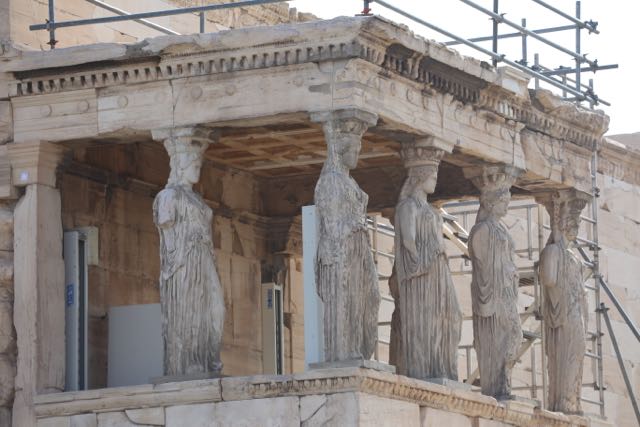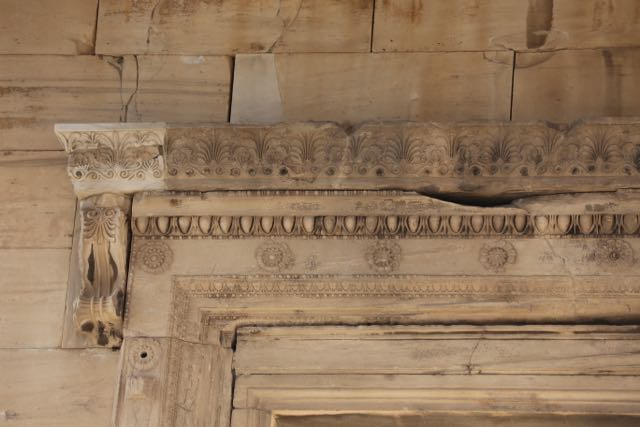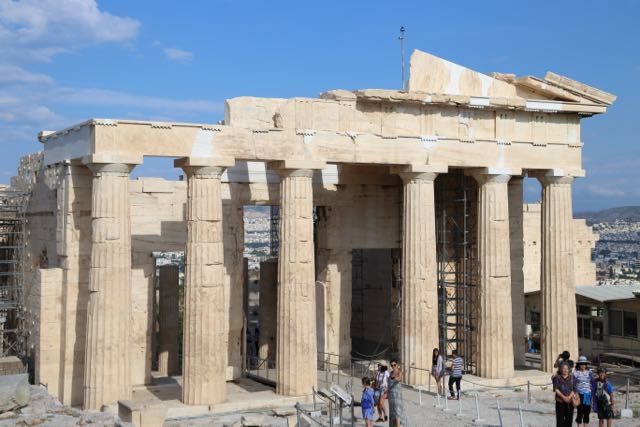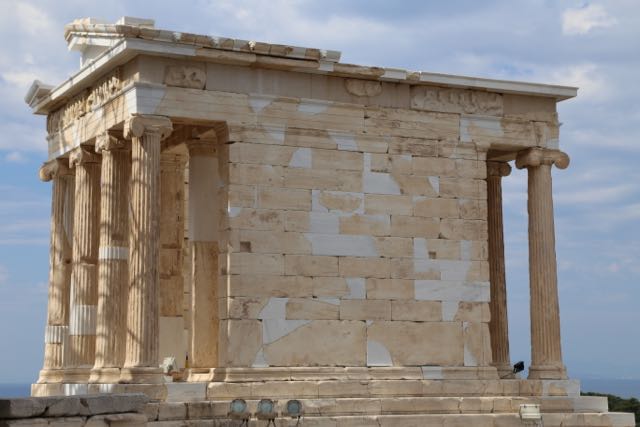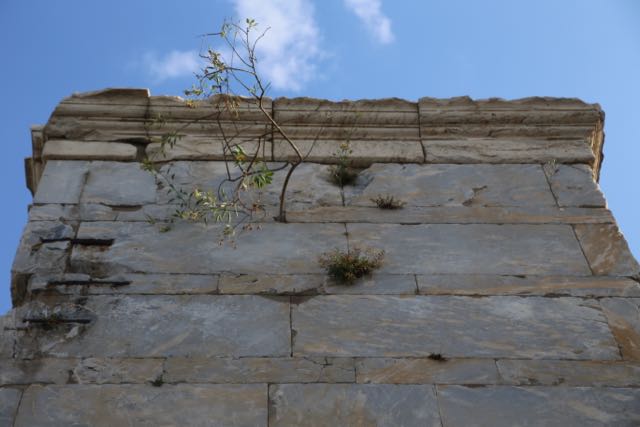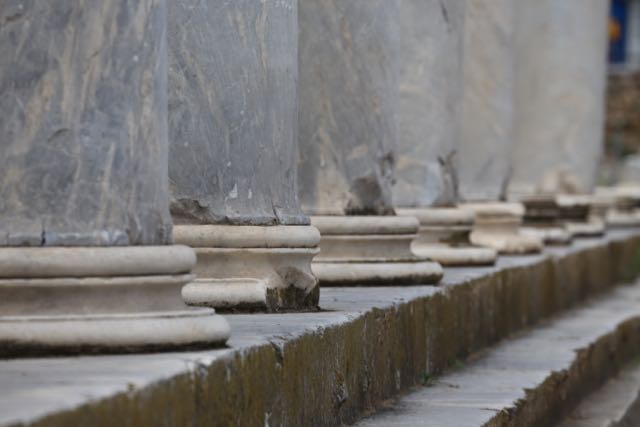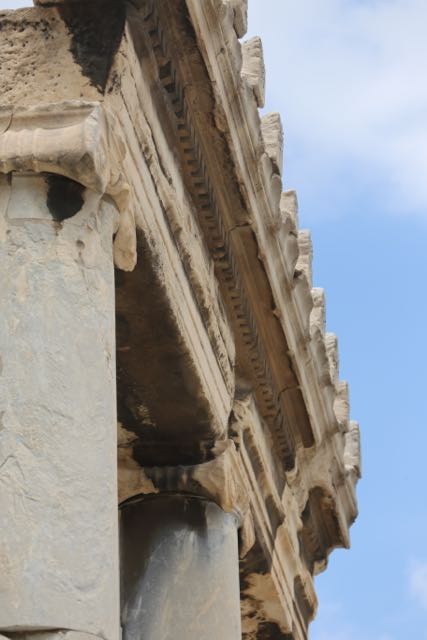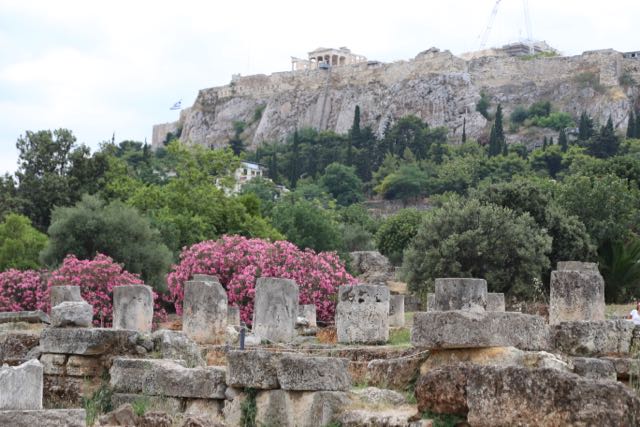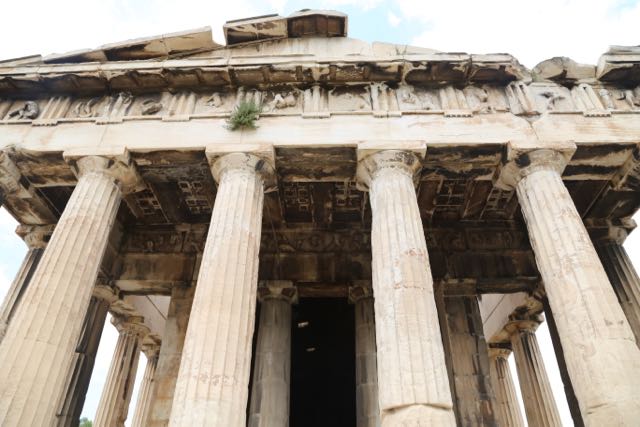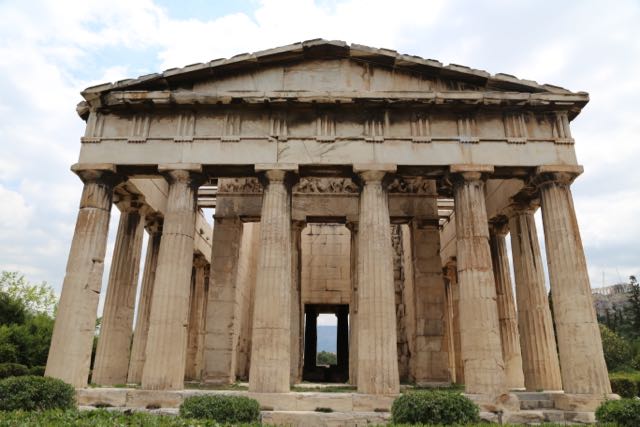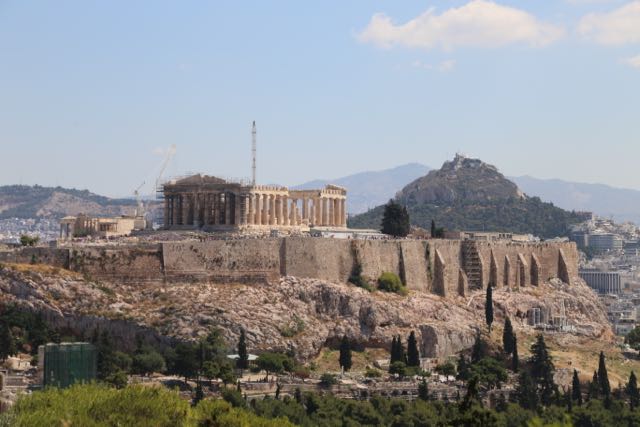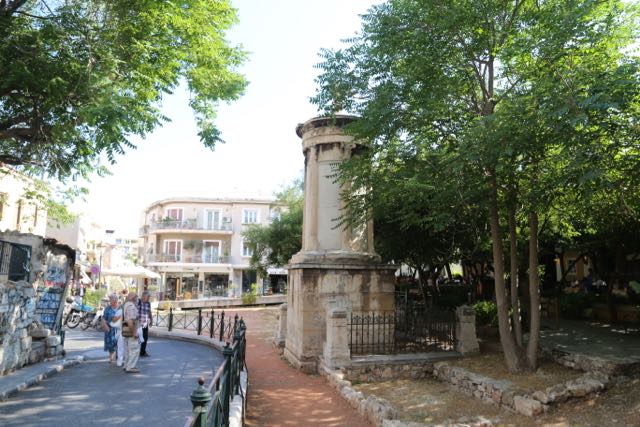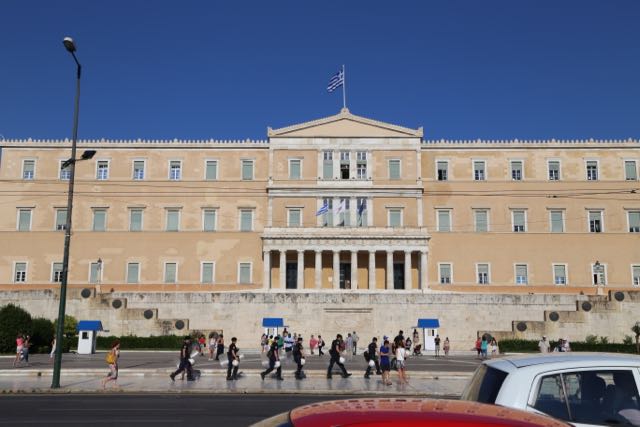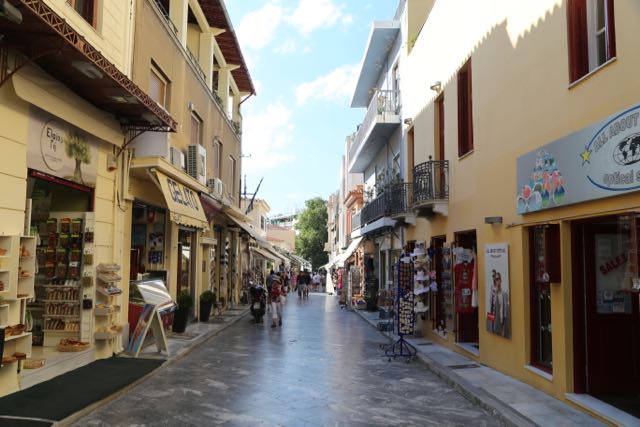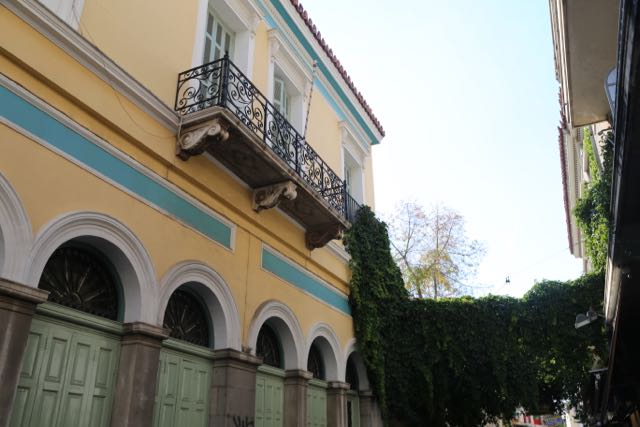
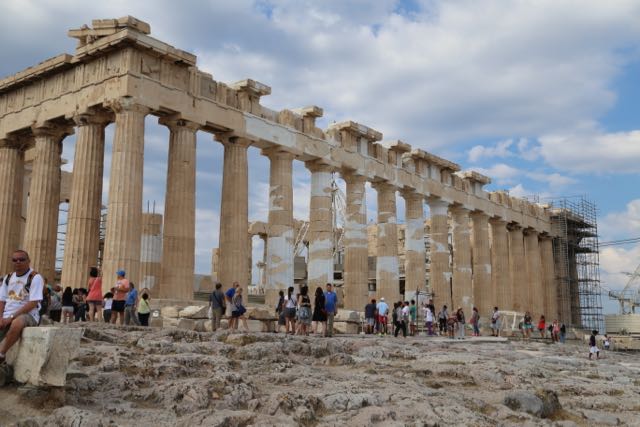
I have now joined my tour group, and so my last full day in Athens was a bit of a save the best for last, in that the morning was spent at the Acropolis. It is such an amazing feat of ancient engineering. It is currently, and has been for a while, being restored through modern engineering. It was weird to see such ancient structures surrounded by modern structures like scaffolding and cranes, or really it was a juxtaposition I guess. It makes me wonder about the work conditions back then versus now. I think we already know a bit about the work conditions back then, but it still amazes me what they accomplished. The hill that the Acropolis is on is essentially solid rock, so they certainly picked the correct foundation on which to build the structures. I am still in awe though after having seen it.
Tag Archives: history
Athens Day 4: Agora Ruins
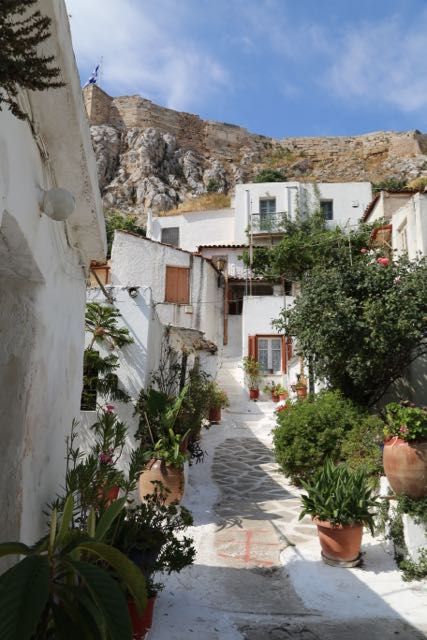
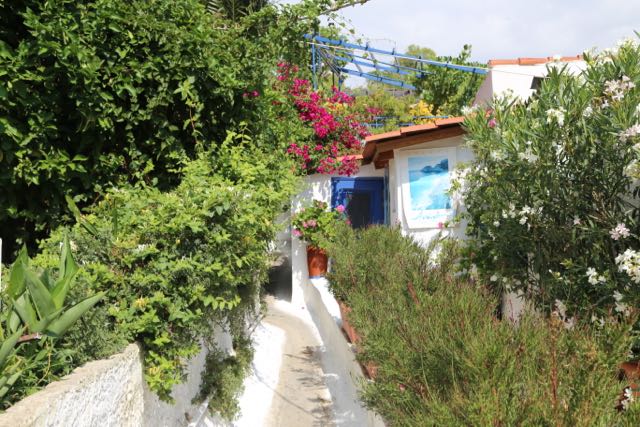
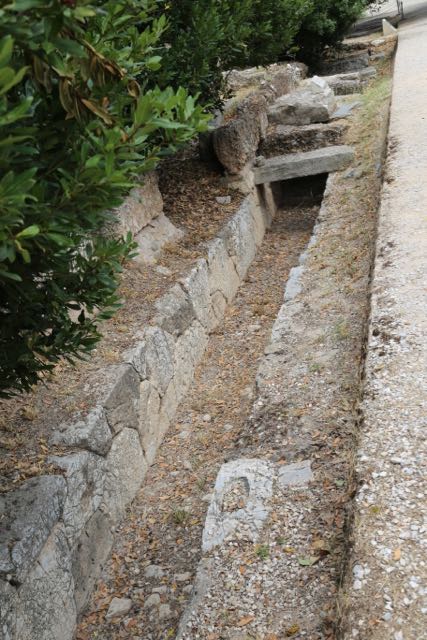
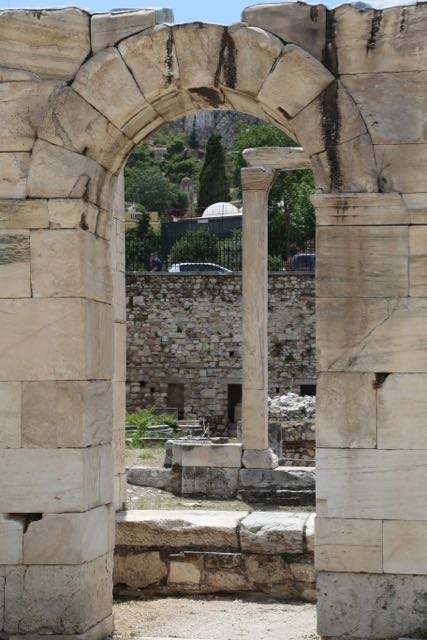
I took a different route through Plaka to visit more sites, and I ended up climbing partially up the Acropolis hill and winding through a little neighborhood filled with cute little adobe-like houses that I associate with the Greek islands. Then I visited the Roman Agora, Ancient Agora, and Hadrian’s Library. The rest of the day was spent wandering through the National Gardens.
Athens Day 3: Artifacts and More Ruins
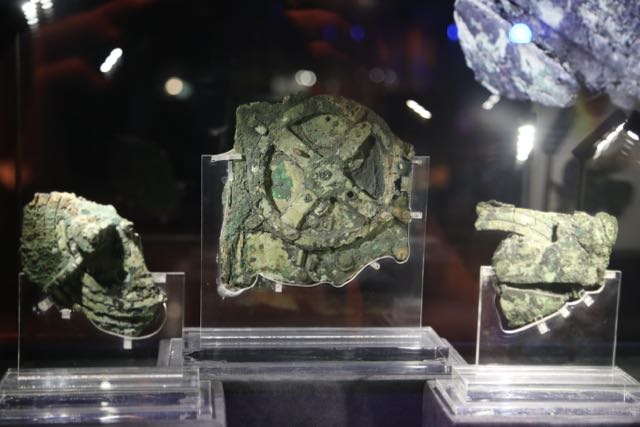
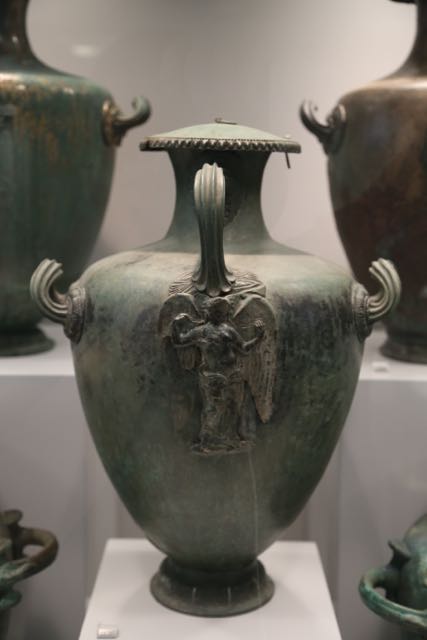
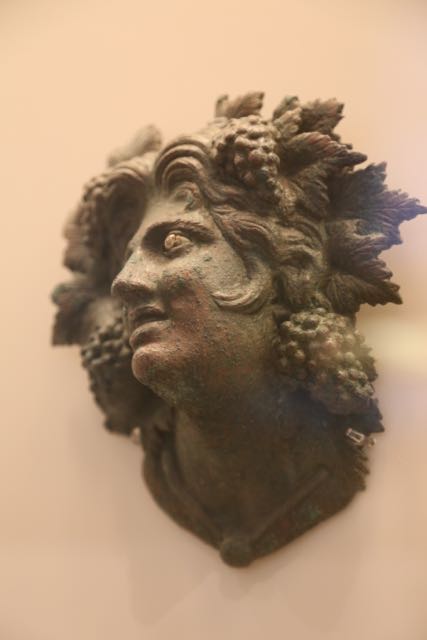
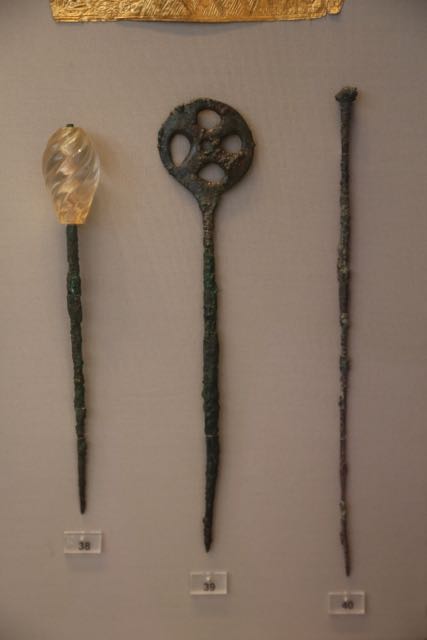
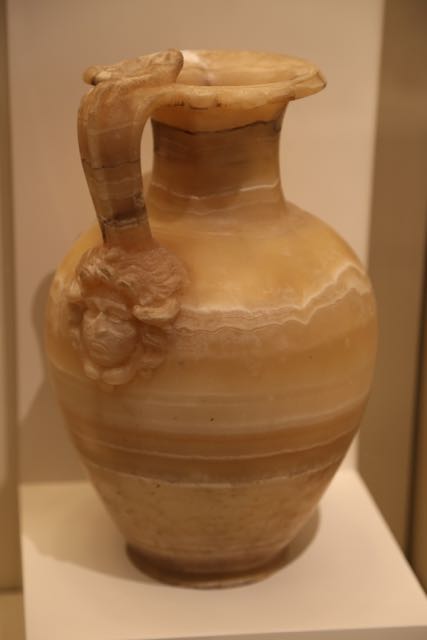
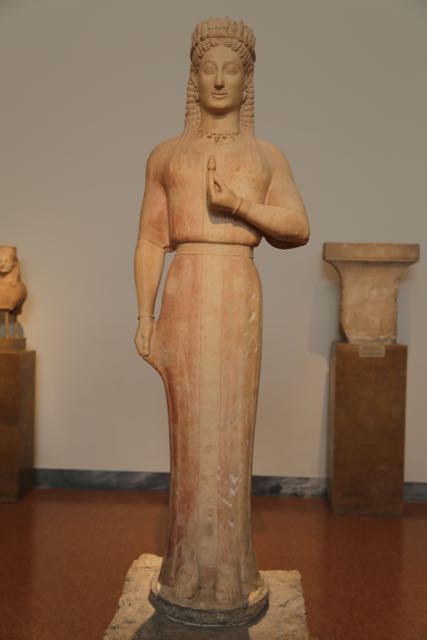
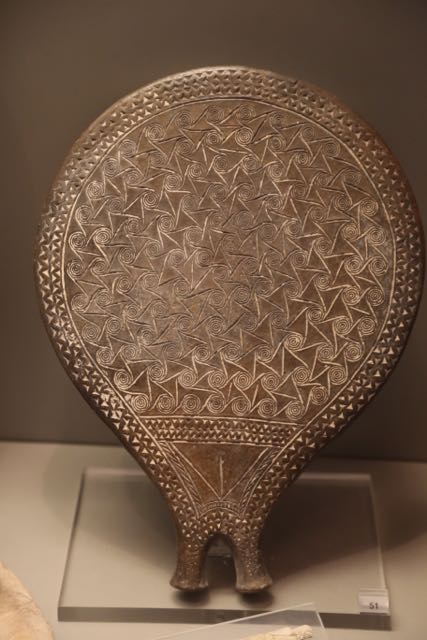
I spent the majority of the day at the National Archaeological Museum, which has an amazing collection of artifacts. Being a nerd, the highlight for me was the Antikythera Mechanism. However the stone, pottery, glass, and metal artifacts were amazing too. I could have spent more time there, but there are only so many vases and sculptures I can look at in one time period.
A few photos of some of my favorite things in the museum, starting of course with the Antikythera Mechanism. After seeing it, I am very impressed with whoever made it and also with the modern scientists that have been able to understand what it did, at least on some level.
There were lots of metal sculptures and other items.
There was also amazing carved stone items.
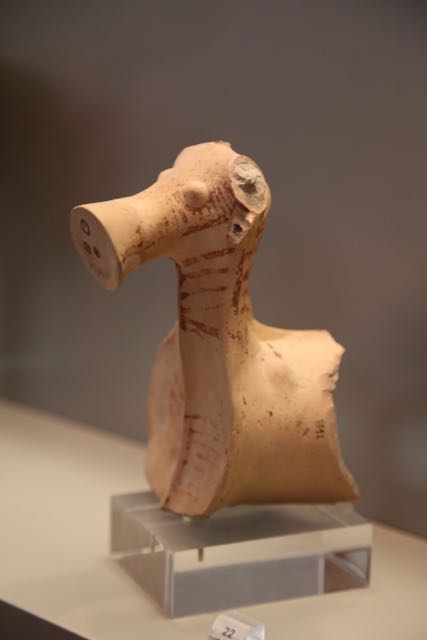
The below was labeled as a bull figure. I think it looks like a cross between a seahorse and real horse.
Below may be one of my favorite pieces. Take heart all artists and craft people, especially if you are like me and go through many trials before getting something right, some day your failed pieces may end up in a museum!
This frying pan was labeled as something that would buried with someone. I would rather not be buried with a frying pan, no matter how pretty.
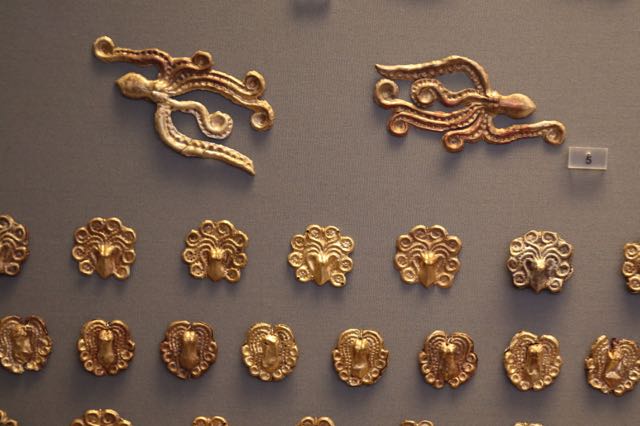
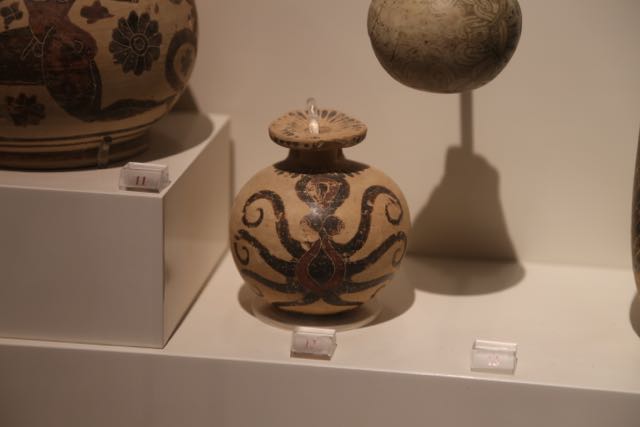
They were very big on the octopus in metal pieces and painted on pottery. I love cephalopods, so I thought this was really neat.
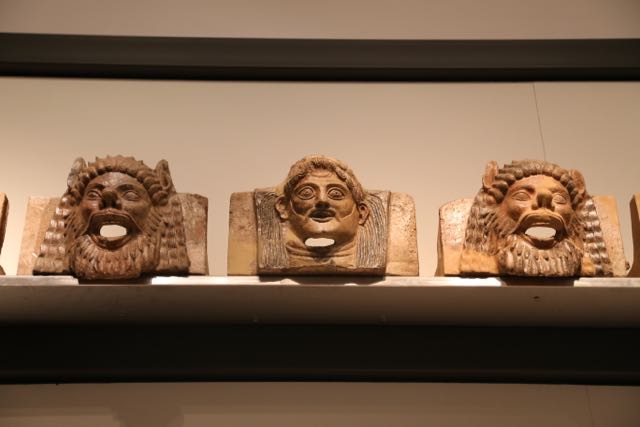
The roof spouts cracked me up.
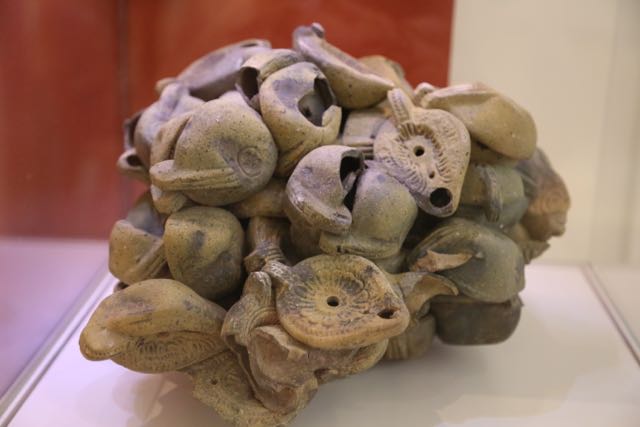
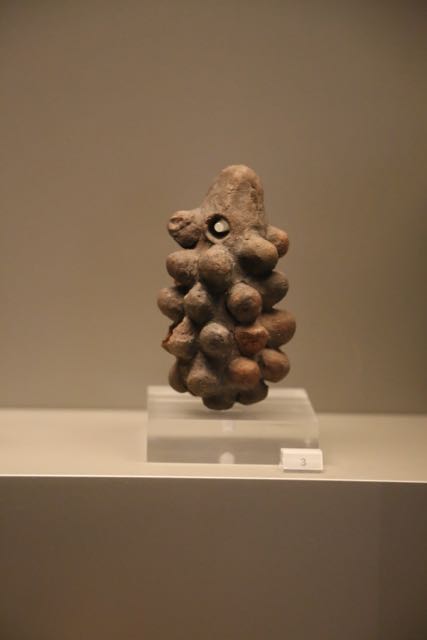
This piece was labeled as “clay artifact in the form of bunch of breasts or multi-cluster fruit. Probably symbol of fertility.” When I first saw this, I thought it was supposed to be a bunch of grapes or perhaps a pine cone. No where in my guesses was bunch of breasts. I don’t know if that says more about my ignorance of artifacts, my imagination, or perhaps the thought process of the archaeologists studying this, whom I am going to go out on a limb and guess are mostly men.
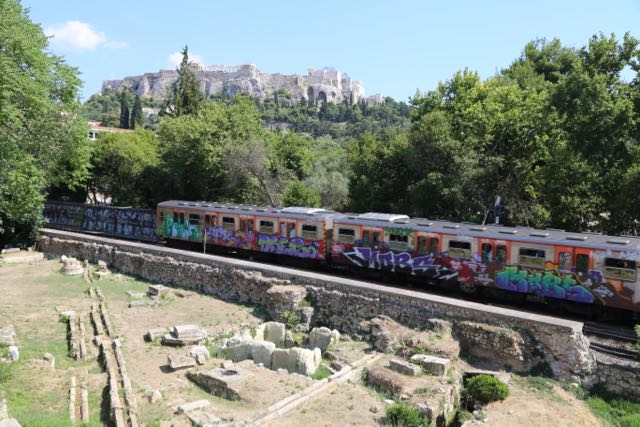
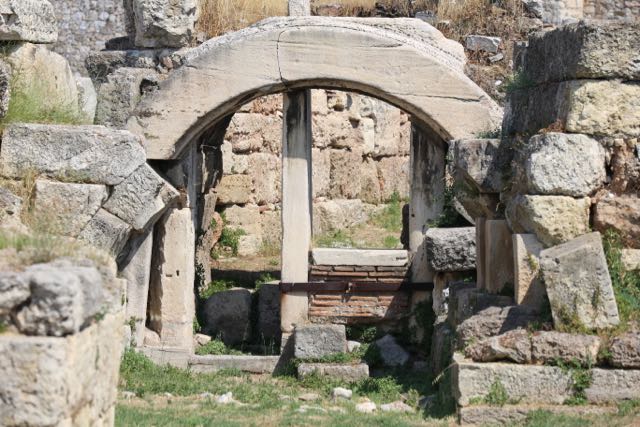
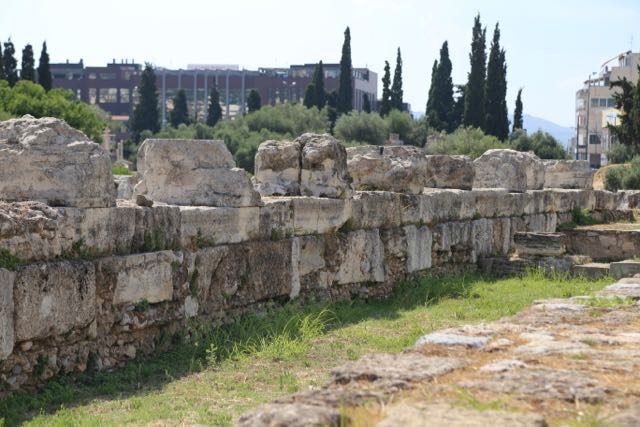
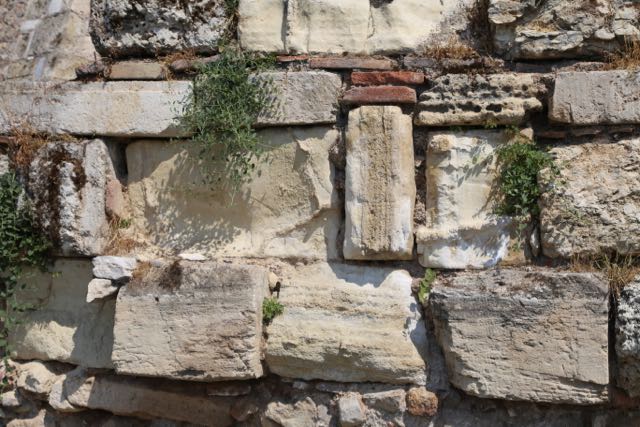
Afterwards, I went to the Archaelogical site of Keramikos to view yet more ruins. This was a nice site because it was not jammed packed with people, and I could just wander around the ruins or really all the walls.
Athens Day 2: Ruins and Hills
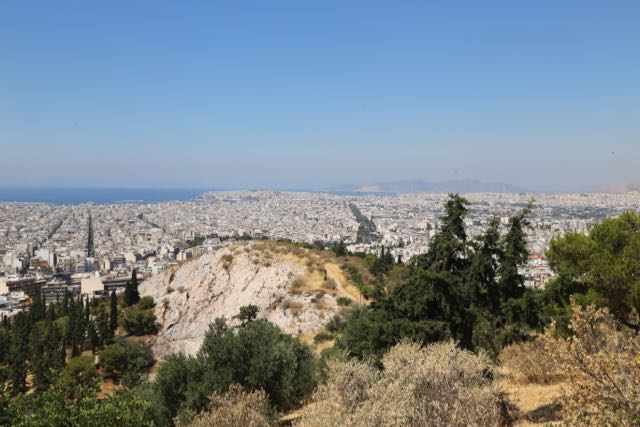
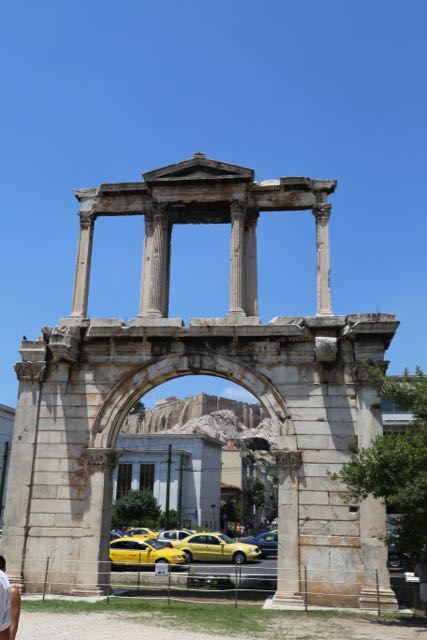
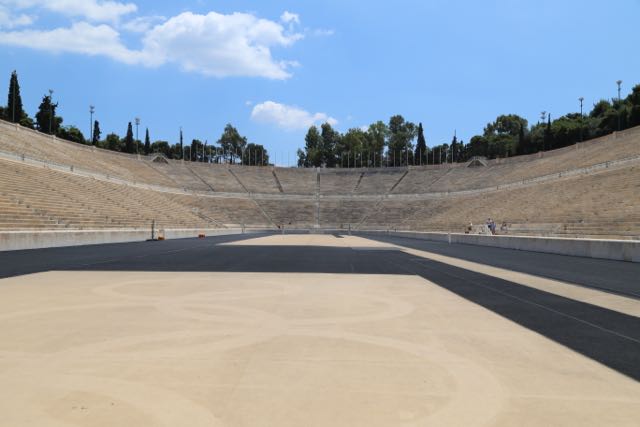
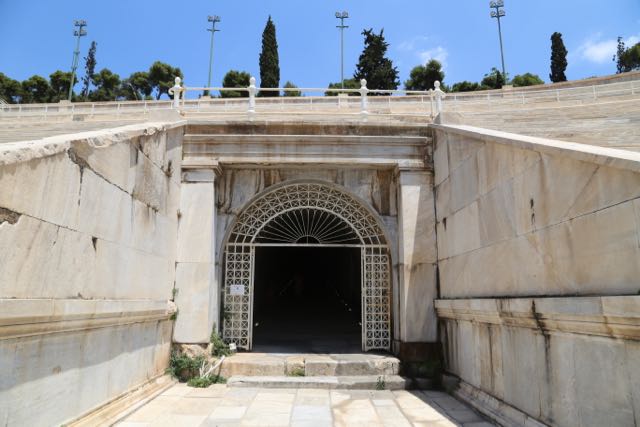
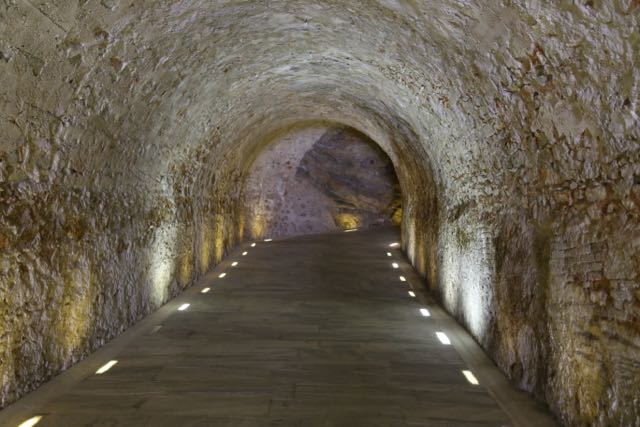
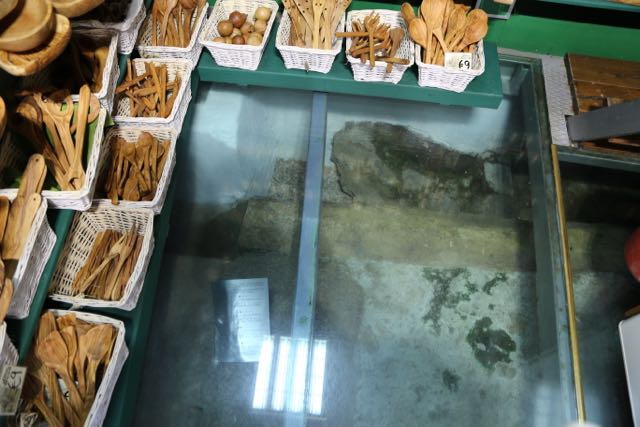
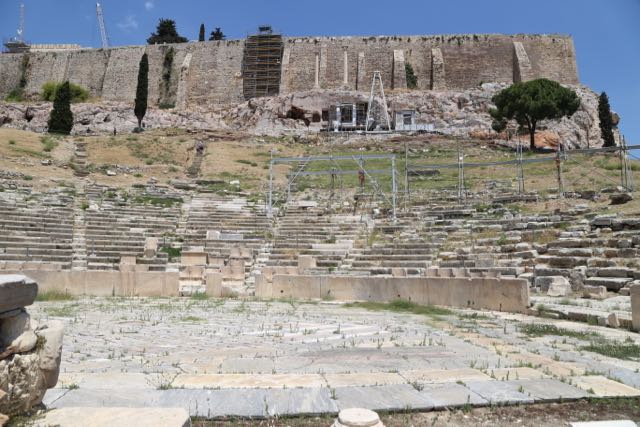
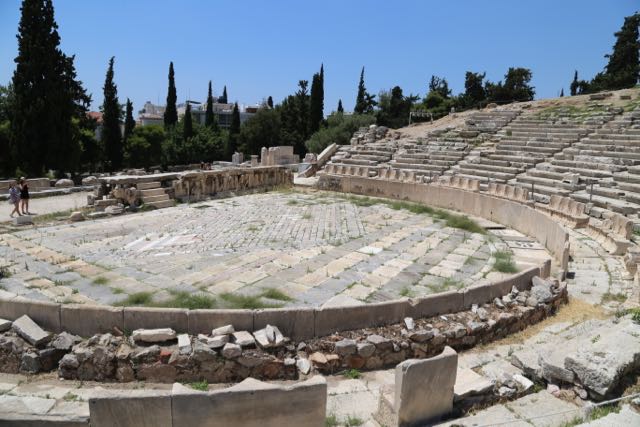
I started off the day by hiking up Filopappou Hill because I heard it had great views. It does! You can see all the way to the sea to the south, and it allows wonderful views of the Acropolis as well as most other parts of the city. While up there, I saw the Filopappos Monument and did a little birding. Then I pushed on to see as many historical sites as possible including Theatre of Dionysos, Hadrian’s Arch, Temple of Olympian Zeus, Panathenaic Stadium, and a few smaller ones that are scattered everywhere. I am not kidding about this. You turn a corner, and there is a very small archeological site. I walked into a store selling everything made from olive wood and realized I was standing on a glass floor and below was ruins, complete with a sign describing them.
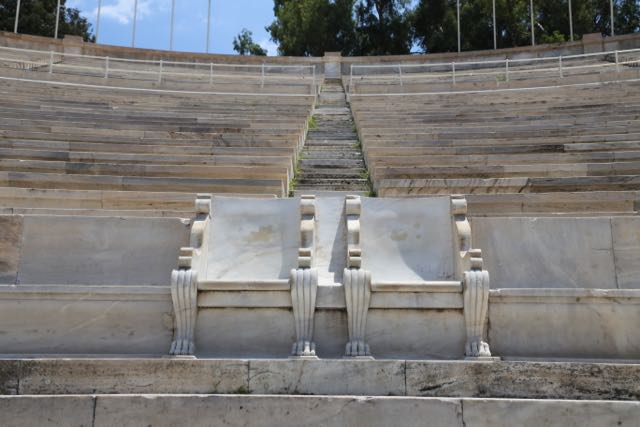
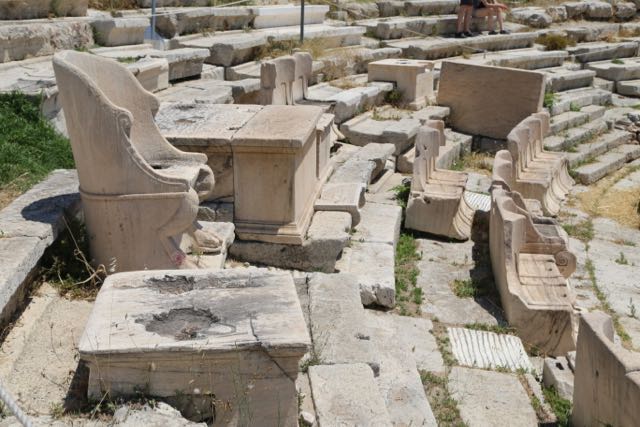
It was rather fun to get to wander around Panathenaic Stadium because it was used for the Olympics, yet it is a historical site with stone seats, some of which look like the stone seats at the Theatre of Dionysos. As an engineer, I am in awe that these structures have lasted so long. Some have had to be restored, and the Acropolis is currently case in point. As much as I would love to get photos of it unobstructed from construction equipment, I am kind of amused to see this ancient engineering structure being restored with modern engineering.
Athens Day 1: Plaka
I got to my hotel a bit before 5 pm, and even though I got no sleep on the plane, I headed right back out to walk around the city a bit. I mainly walked around Plaka, which is one of the old sections of town. I have decided it is not possible to see Athens without getting lost in Athens, or at least in Plaka. I thought Boston had crazy streets, but I don’t even know what was going on in Plaka. Luckily there are monuments or ruins every other block. I would get lost every third block or so because I could never figure out what street I was on, but I only had to walk a few blocks before running into another ruin or monument, so I could quickly figure out in general where I was again using a tourist map. To a certain extent, I was just looking around buildings to find where the Acropolis was, and then used that to navigate directionally. Also, the sidewalks are tiny, so people walk on the streets, but the scooters also drive on the sidewalks, so that seems fair. Cars also drove down alleys that it was not clear to me were actually streets, but evidently they were. I already love this city though. I got lost, but it is just a glorious city in which to get lost.
Street Excavation
Early in my career as an environmental engineer, I sometimes did field work that involved soil and groundwater sampling. The type of soil sampling I did used shallow coring down to about 15 or 20 to obtain different depth soils to analyze for contamination. Number one rule before coring or digging for any reason, is to have all the utility marked. Most, if not all, states have a single number you can call and request the utility companies come out and mark where their underground pipes, wires, or whatever are. They would come and spray paint lines to denote their utilities, and then the drillers and I would know to avoid those areas. The sites I worked out were fairly simple, and avoiding utilities was pretty straightforward. Then there are old, densely populated cities like New York. I have never done any type of digging in New York City, and I hope I never do. The underground is a maze of pipes and wires and then below that are subways and basements and who knows what else.
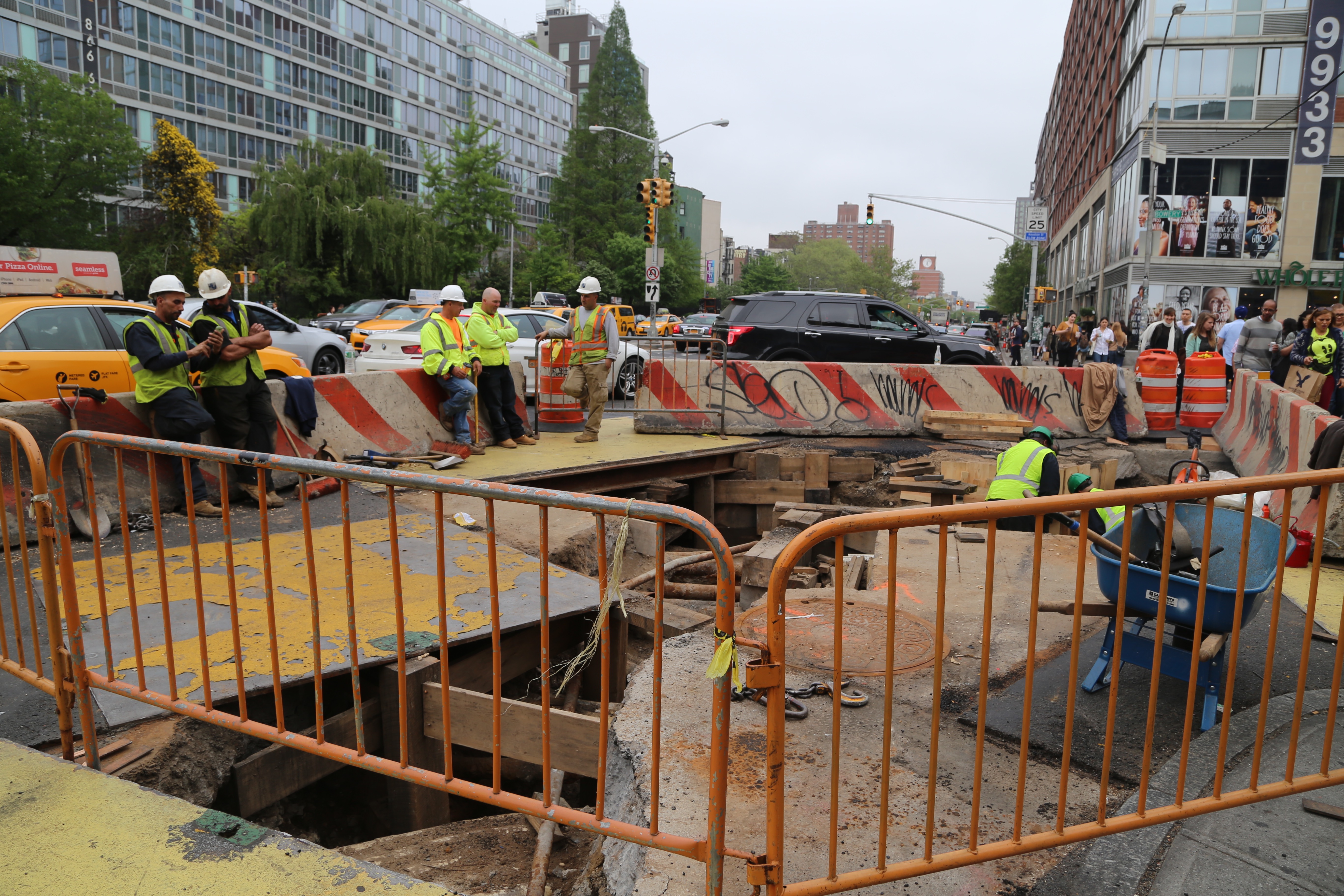
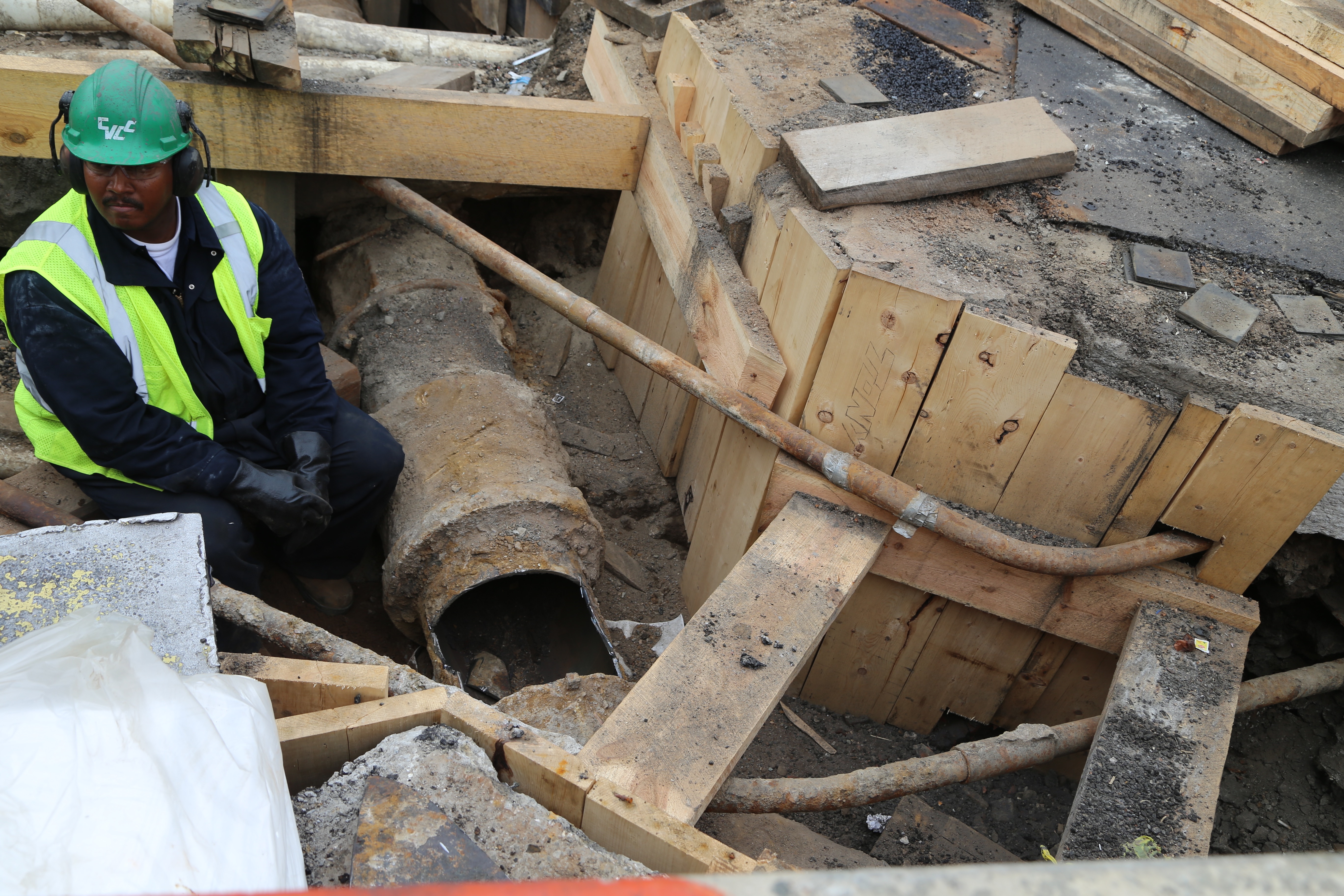
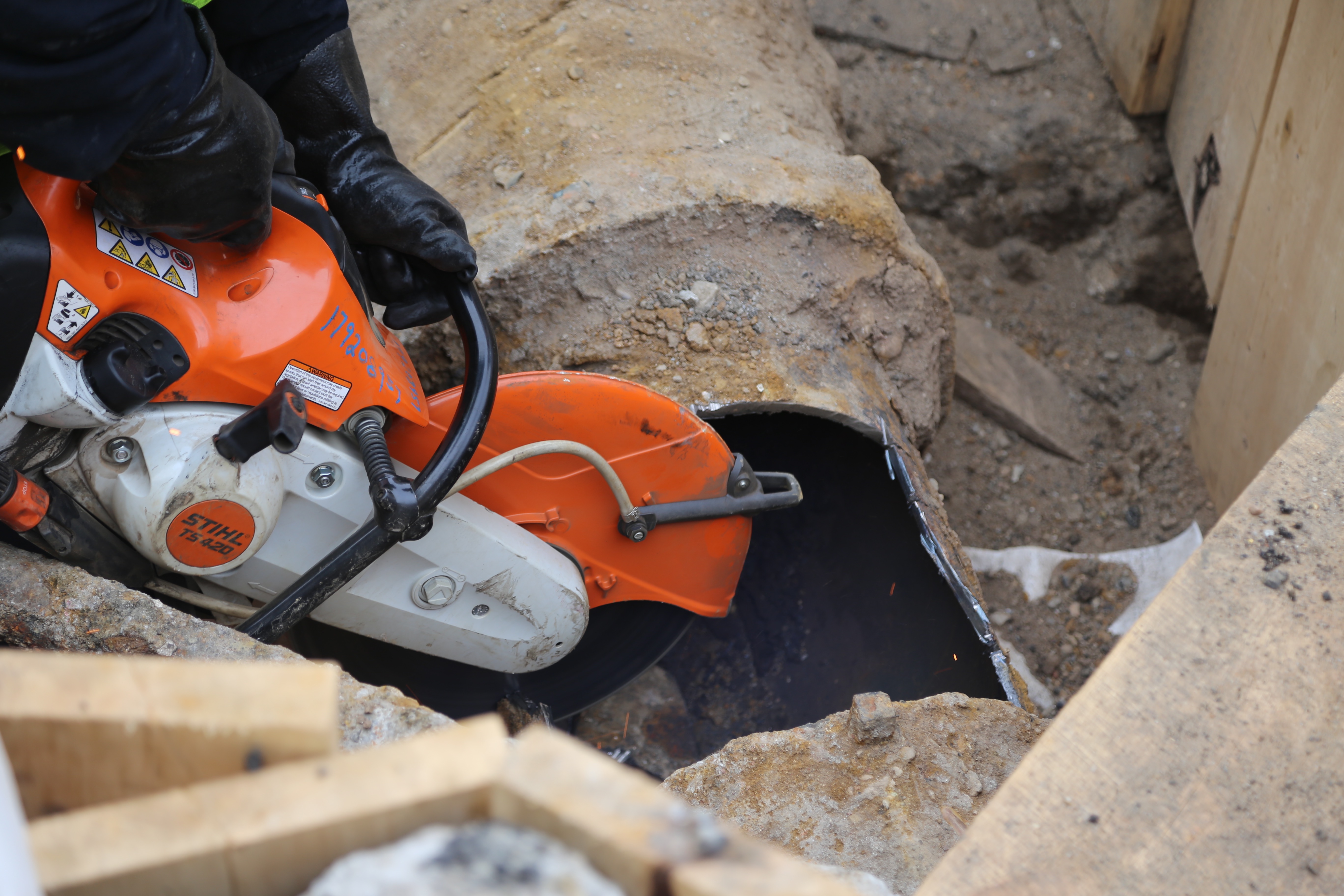
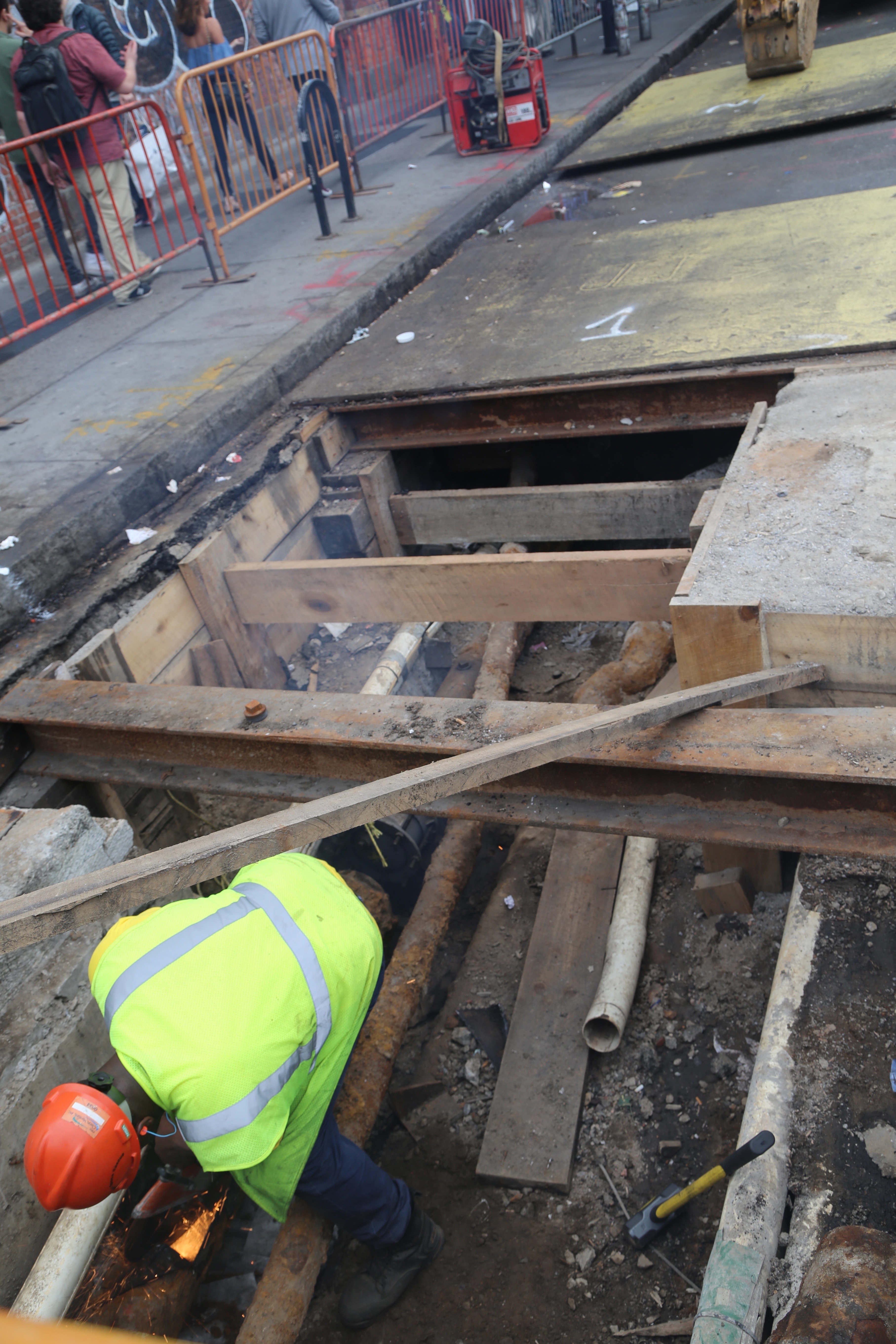
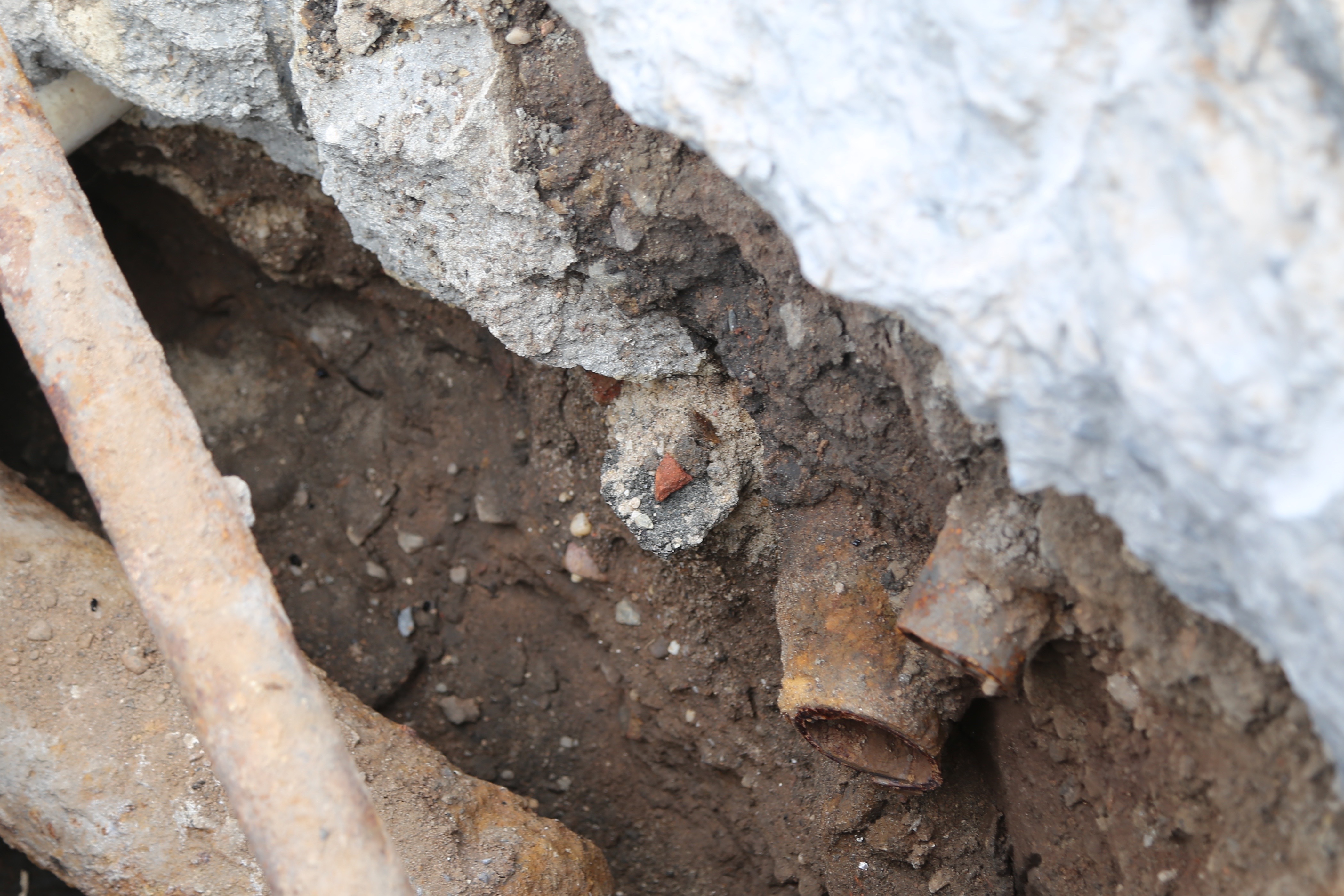
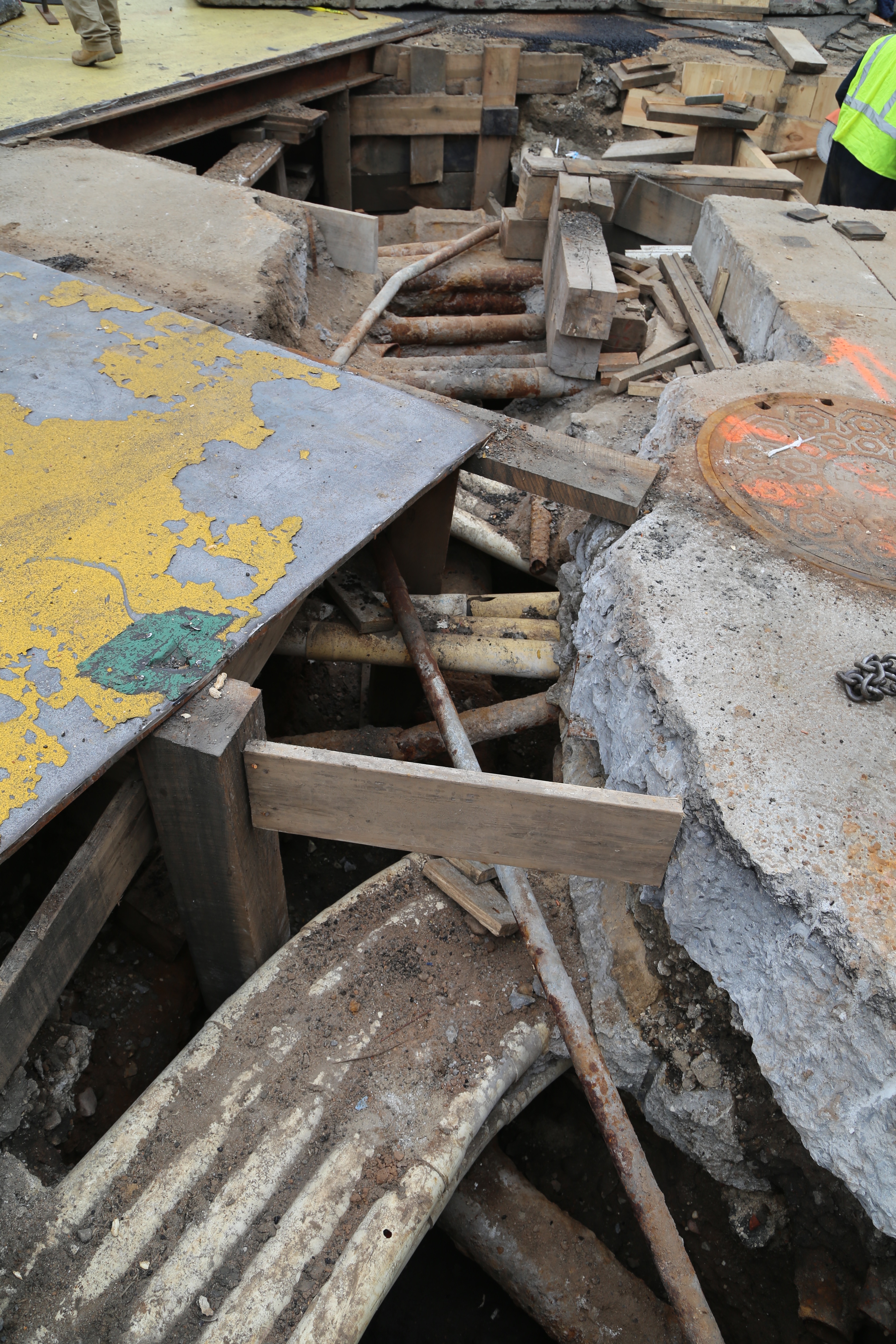
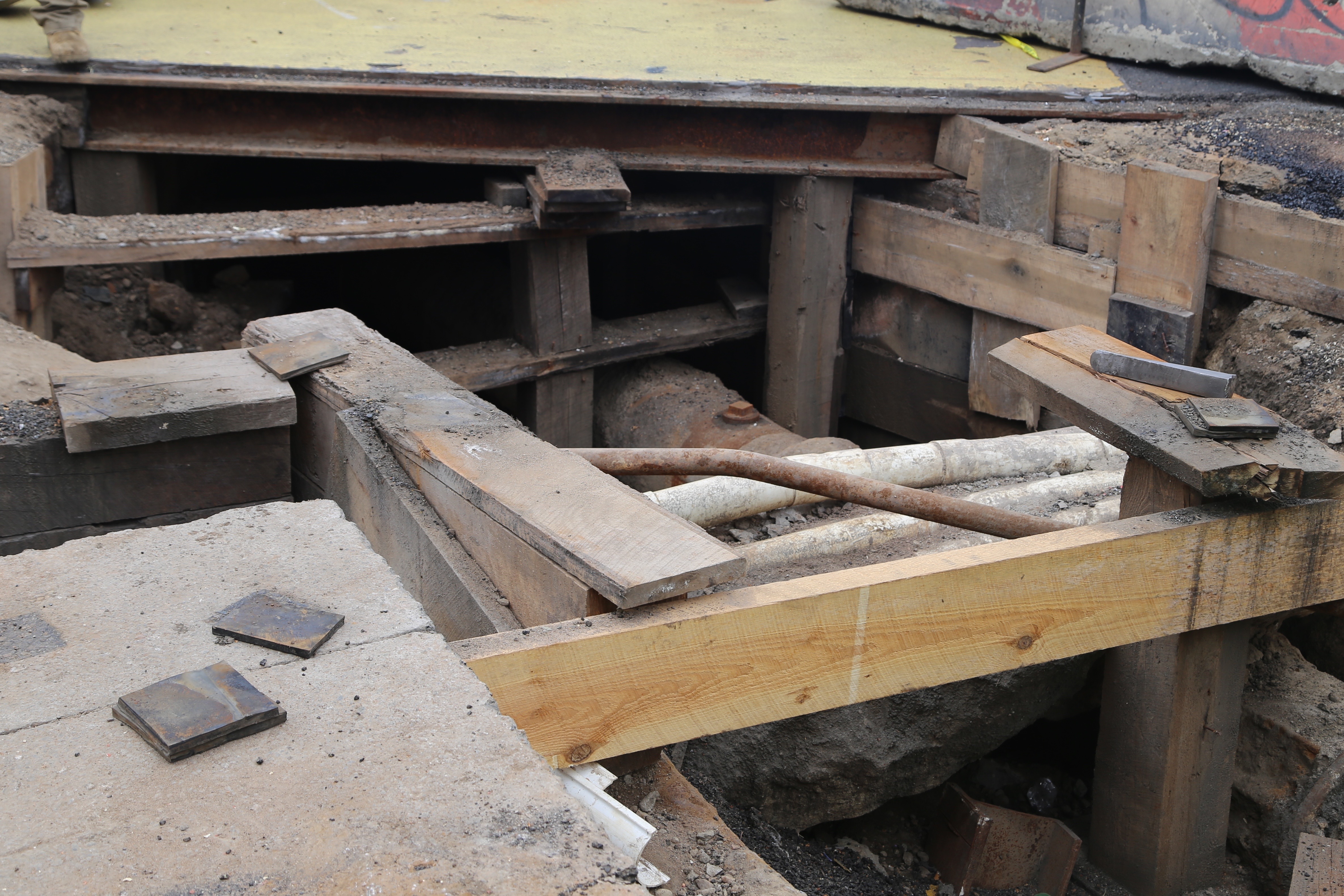
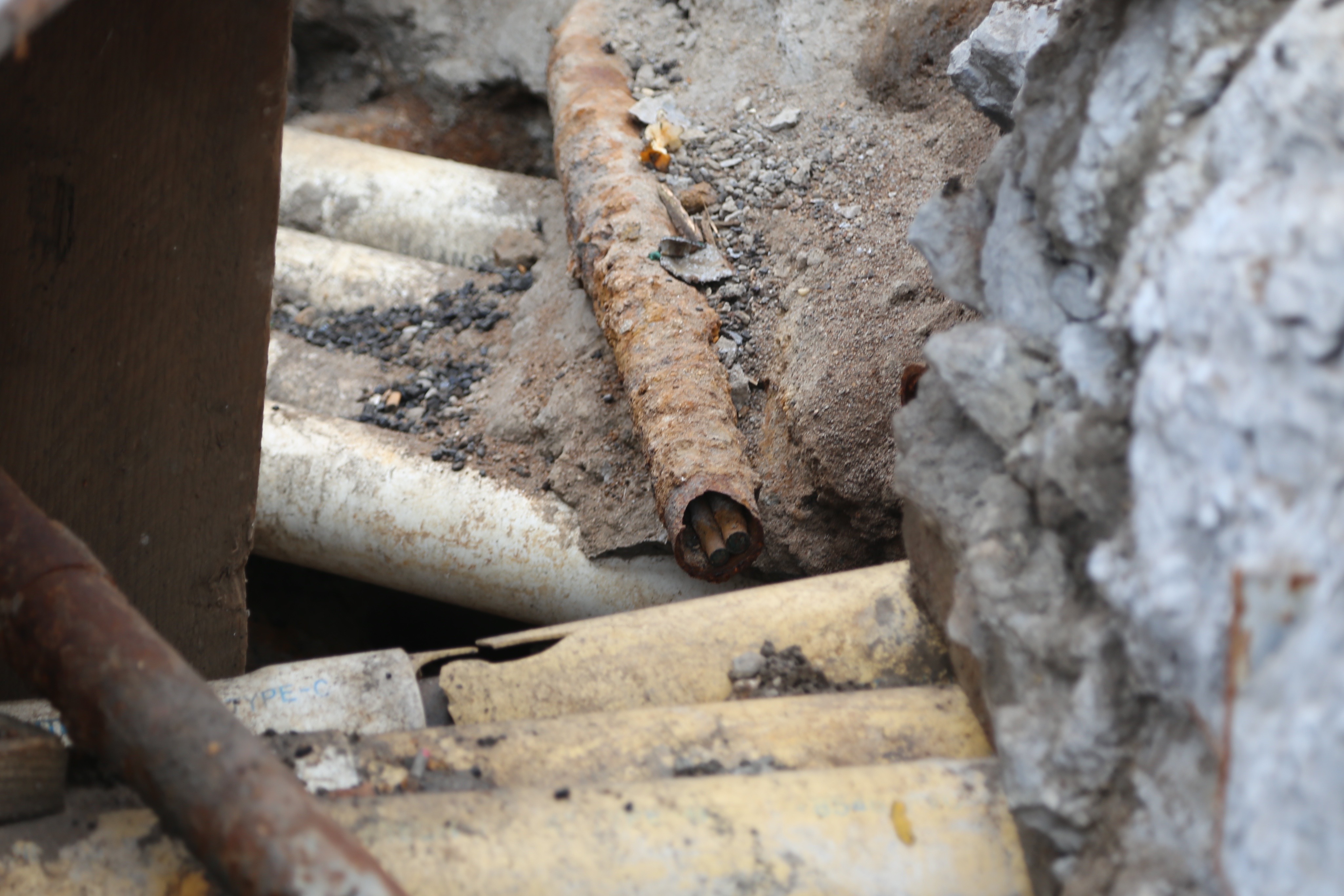
I went to New York City this past Saturday. While walking around, I passed an area where the street had been excavated for utility work of some type. There were four guys cutting holes in a large diameter metal pipe. I asked one of them what the pipe carried, and he said it was for gas, but it had not been used in a long time. Because I am an engineering nerd, I of course had to take a bunch of photos, and what I saw confirmed my desire to never do any digging work there. My hat is off to the people who do. They must have to do the digging by hand, possibly with a tablespoon to get around all the pipes. The shoring looked like some crazy Tetris scene trying to put the beams around the pipes. The guys cutting the pipes had barely any room to work and that is not mentioning how they were bending down to cut.
So if you were ever curious just what types of utilities are below the streets of Manhattan, see below.
Old Medical Journal Memos
I have a confession. Sometimes I am not productive as I should be because my curiosity gets the better of me. I need to look something up, and in the course of researching it, I read some other tangental tidbit, which cause me to look something else up, and then down the rabbit hole I go. Case in point was today. I have a project at work that involves a database of environmental contaminants. The short version is, these contaminants are in the database under numerous synonyms, including synonyms that are insanely obscure and uncommon, or perhaps they were common a hundred years ago, but certainly not today. All the contaminants are in the database associated with their CAS Registry Numbers, so it is clear what the chemical is. [A CAS Registry Number is like a Social Security number for a chemical. It is specific to a chemical or a specific type of mixture of chemicals.] Many of these synonyms I have never heard of before. One synonym for nitrobenzene was oil of mirbane. I had to look this one up for pure curiosity reasons. After much searching, I have yet to find out the etymology of oil of mirbane or simply the word mirbane. [@vonOberst on Twitter suggested thusly “Mirer is a candle in French. Bane is “fatal”…maybe someone tried to make a candly from nitrobenze crystals?” For the non-chemists, nitrobenzene is among other things, explosive, so a candle made from it would definitely be a fatal candle, and I find this idea disturbing and amazing. If anyone knows the etymology I would seriously love to know from where this name came.]
Anyway, in the course of searching for the origins of oil of mirbane, I came across a British Medical Journal memoranda from Jan 27, 1912 (1(2665): 183) about someone who was accidentally poisoned with it. The article didn’t get me to a better understanding of that name, but it was an interesting article, and I became interested in these old memoranda and the way they were written, diagnosis, and treatment. So then I had to read a few more in this volume, and now reading old medical journal memoranda is going to become my new hobby. They are fascinating. However, I need to share part of my favorite one from that volume, “A supposed case of heat-stroke: remarkable recovery.” This report is completely fascinating, and I would really love to know from what this patient was suffering. I have no medical training, but this does not sound like heat stroke as it has been described to me in first aid training. The case as described.
“A man, aged 53, was crossing a road during one of the hottest days of last summer, when he suddenly found himself on the ground, with a “horse’s hoof right on top of him”; this was his description of what happened. He picked himself up and ran across the road to his son, who was waiting for him on the pavement, and who brushed the dust off his clothes.He complained of no pain or discomfort of any kind, but his son took him into a chemist’s shop, where he was given a dose of sal-volatile. He then went home by train (a distance of eight miles), sat down and made a good tea, feeling quite well all the time. Towards the end of this meal he became a “little queer,” went upstairs and felt very ill indeed, and remembered nothing afterwards. This attack came on about five hours after he had fallen down in the road.”
Read the whole article. It is not long and is truly fascinating. Included is the information that the doctor examined him and found no injury, which kind of calls into the question the idea of a horse hoof on him. I am not sure what I love the most about this article, but the pure Britishness of it is definitely part of it. I adore the details that the son helped brush dust off the man, which makes me wonder what the son was doing when the man fell down in the road or whatever he did. Also, of course the man went home and made a good tea. The man recovered after his attack over the three days, then he got worse. Part of the treatment that was given to him when he fell unconscious was withdrawal of cerebrospinal fluid. It never states why. The patient got better after that, then got worse, then they removed more cerebrospinal fluid, and he got better again. Evidently his “heat stroke” was cured by removing cerebrospinal fluid. Is this still something done for heat stroke? How exactly does removing cerebrospinal fluid help heat stroke or anything? I actually would like to know why this was done, or what the theory was back then (or now?!).
Thus now, I reading these old medical memoranda is going to be my new thing during my free time. The article before the heat stroke memoranda describes two children suffering from tetanus infections who were treated unsuccessfully with magnesium sulfate injected into their cerebrospinal fluid. One of the children was also given strychnine. This makes me all the more thankful for tetanus vaccines, even if they do hurt.
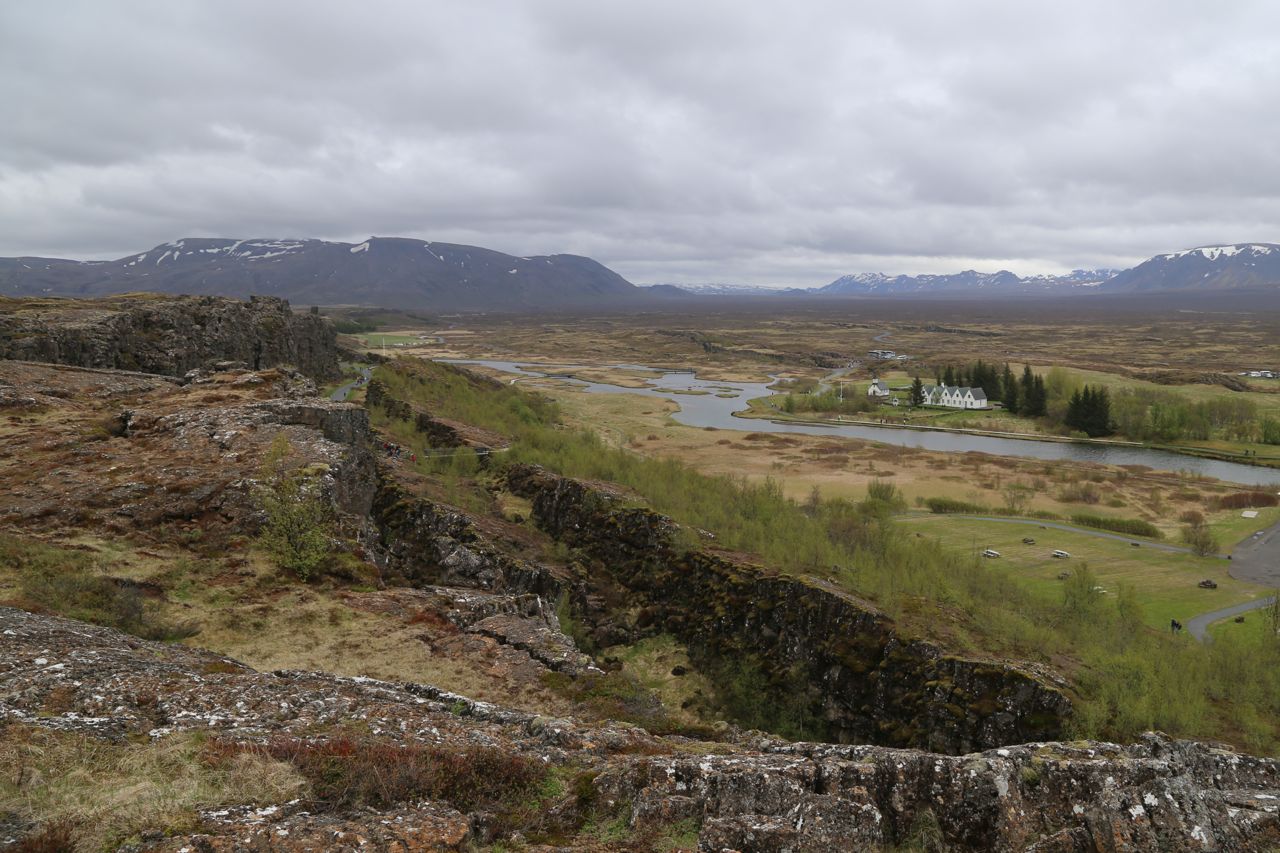
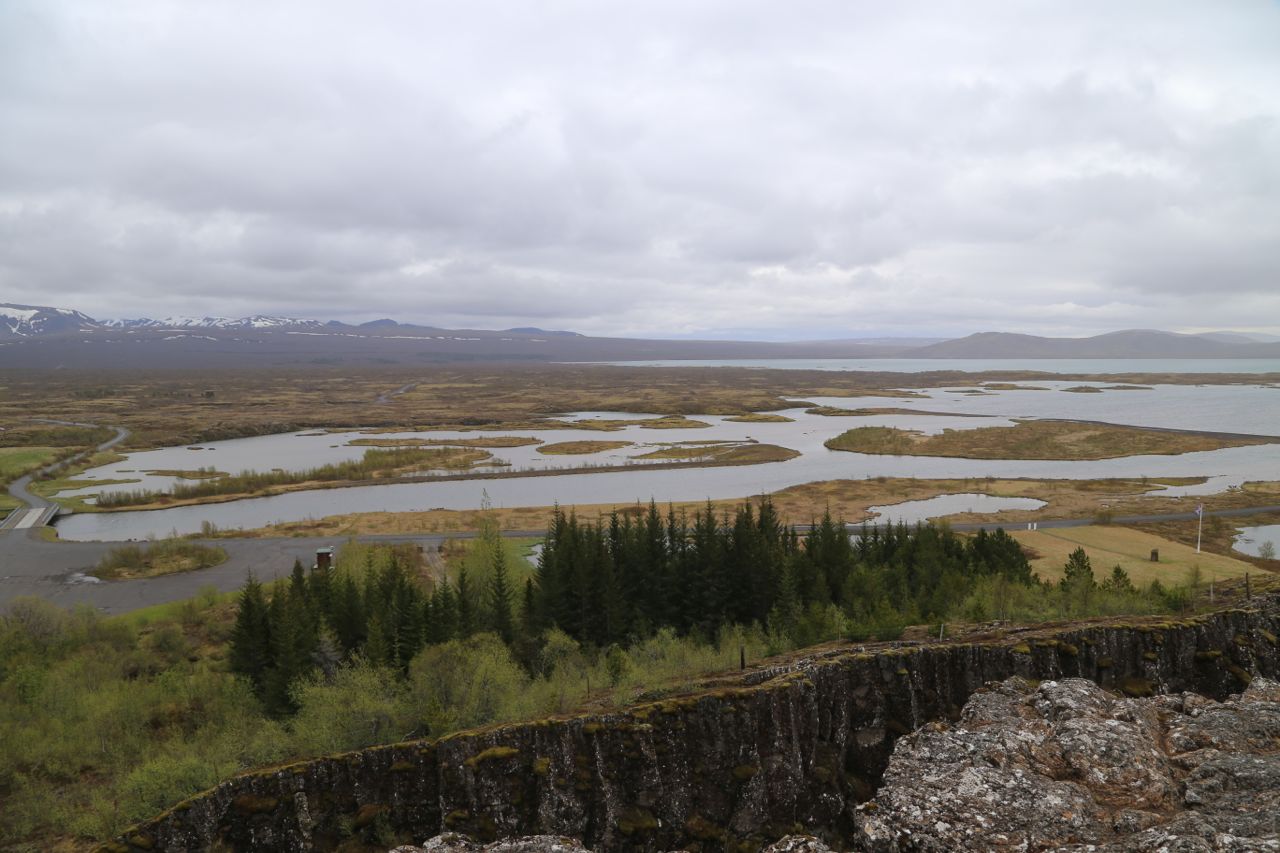
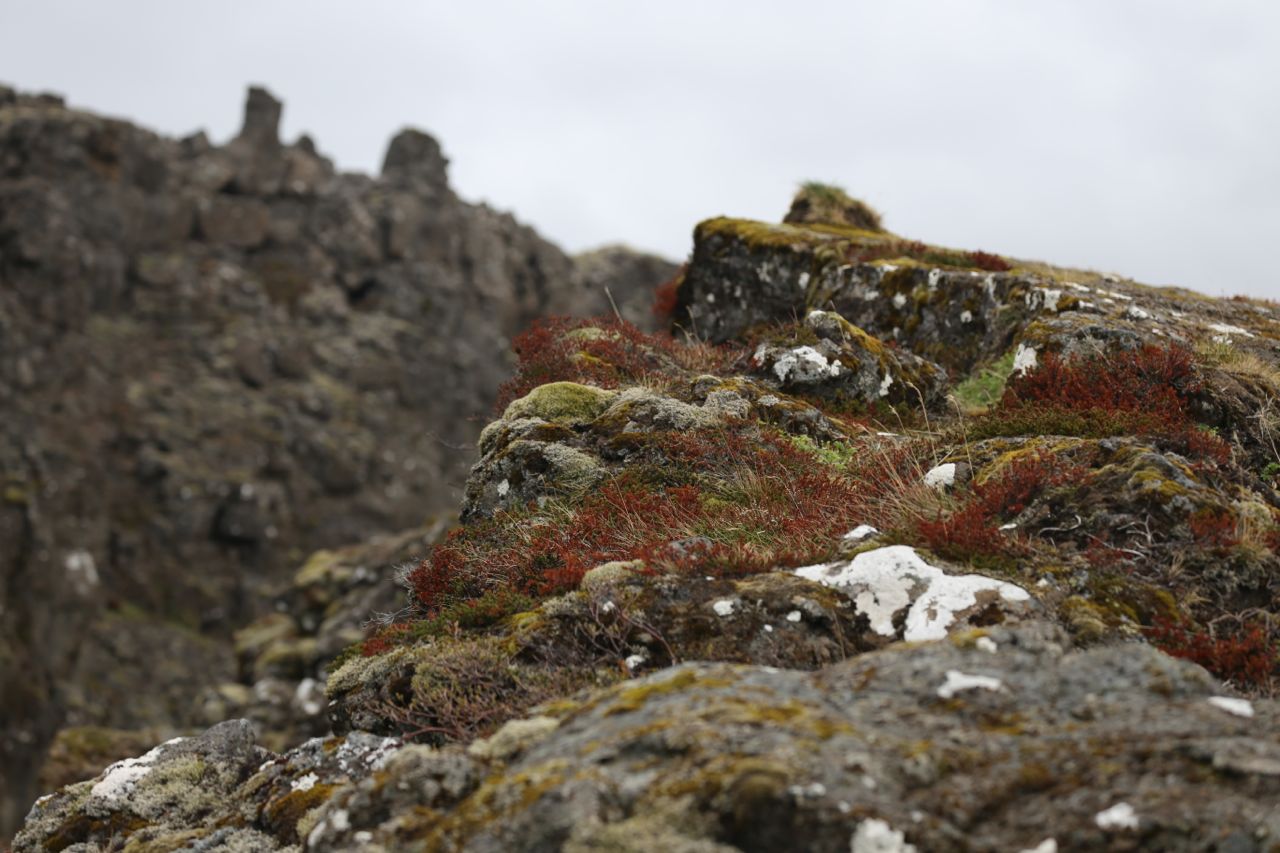
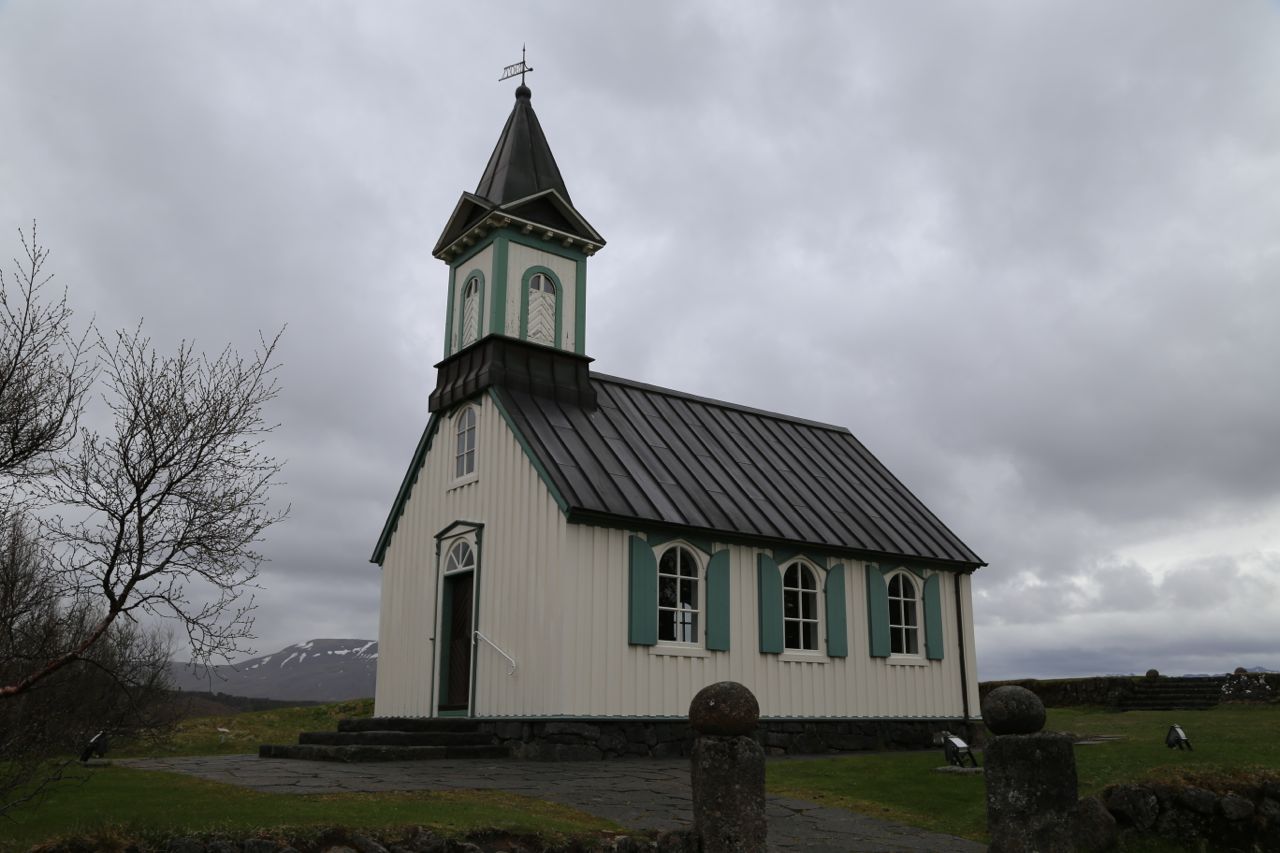
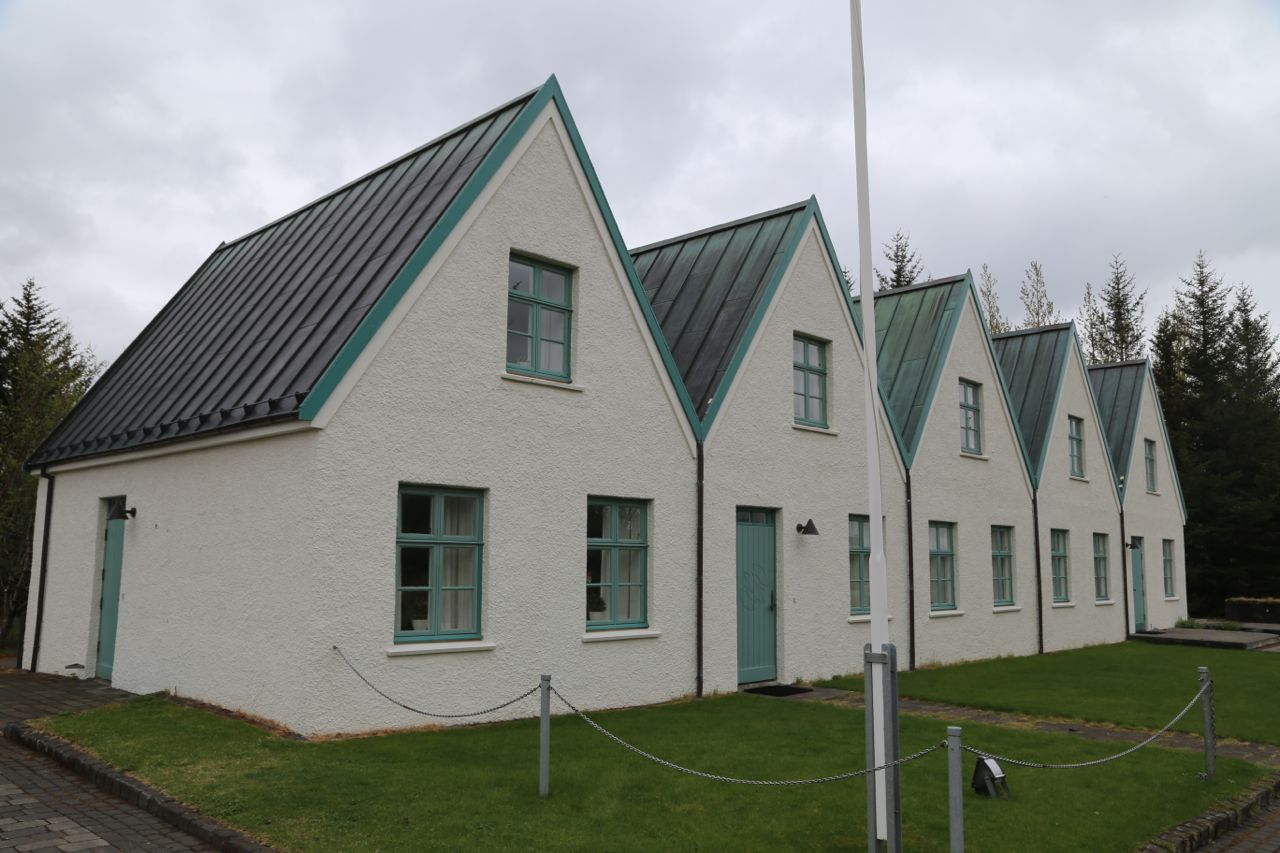
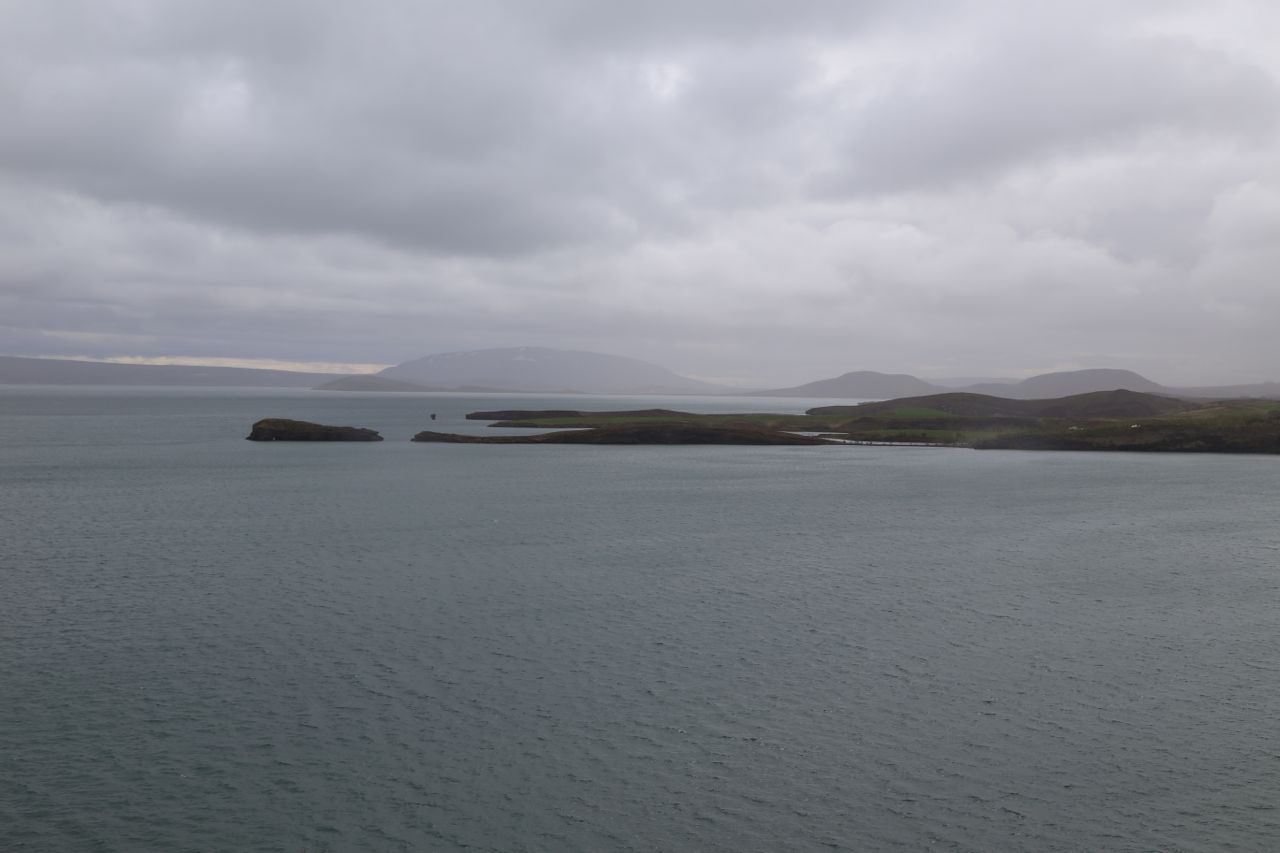
Þingvellir
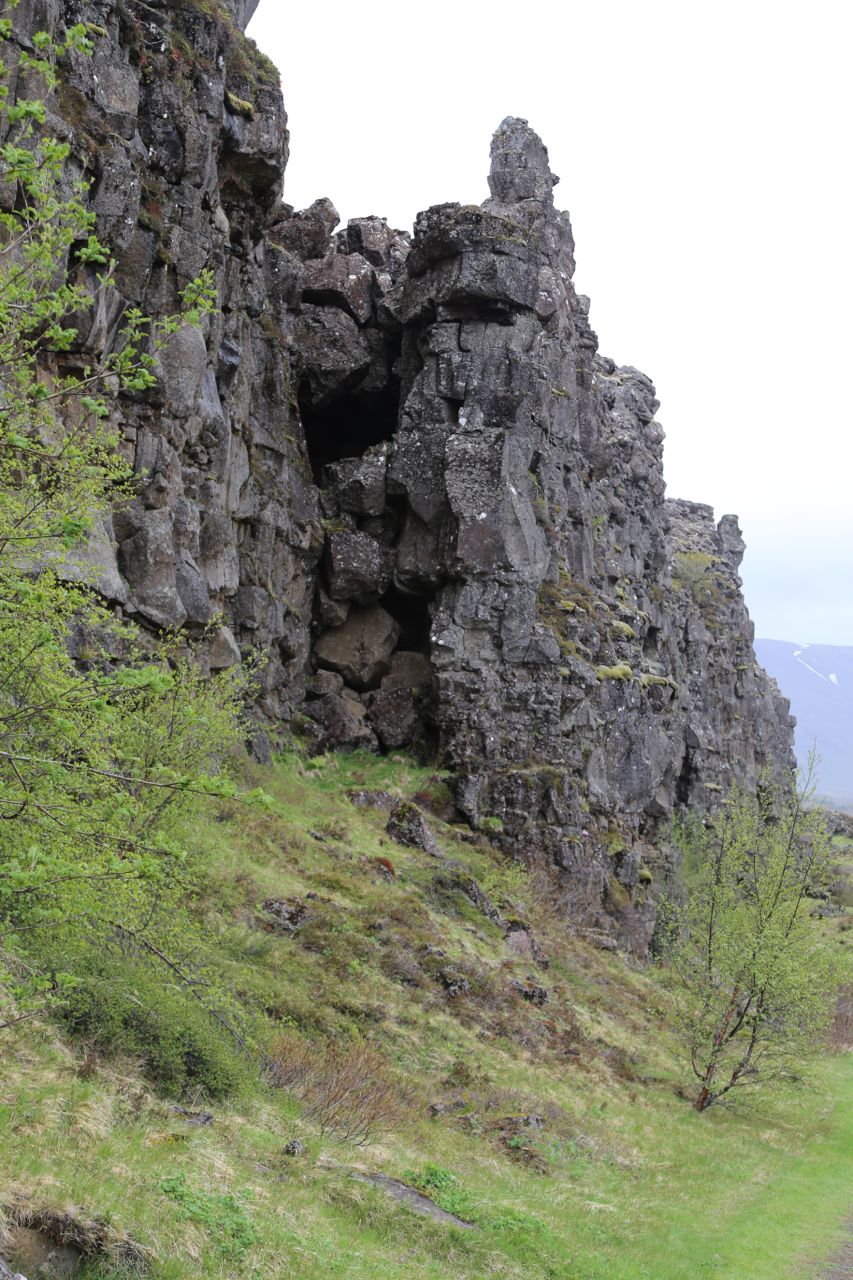
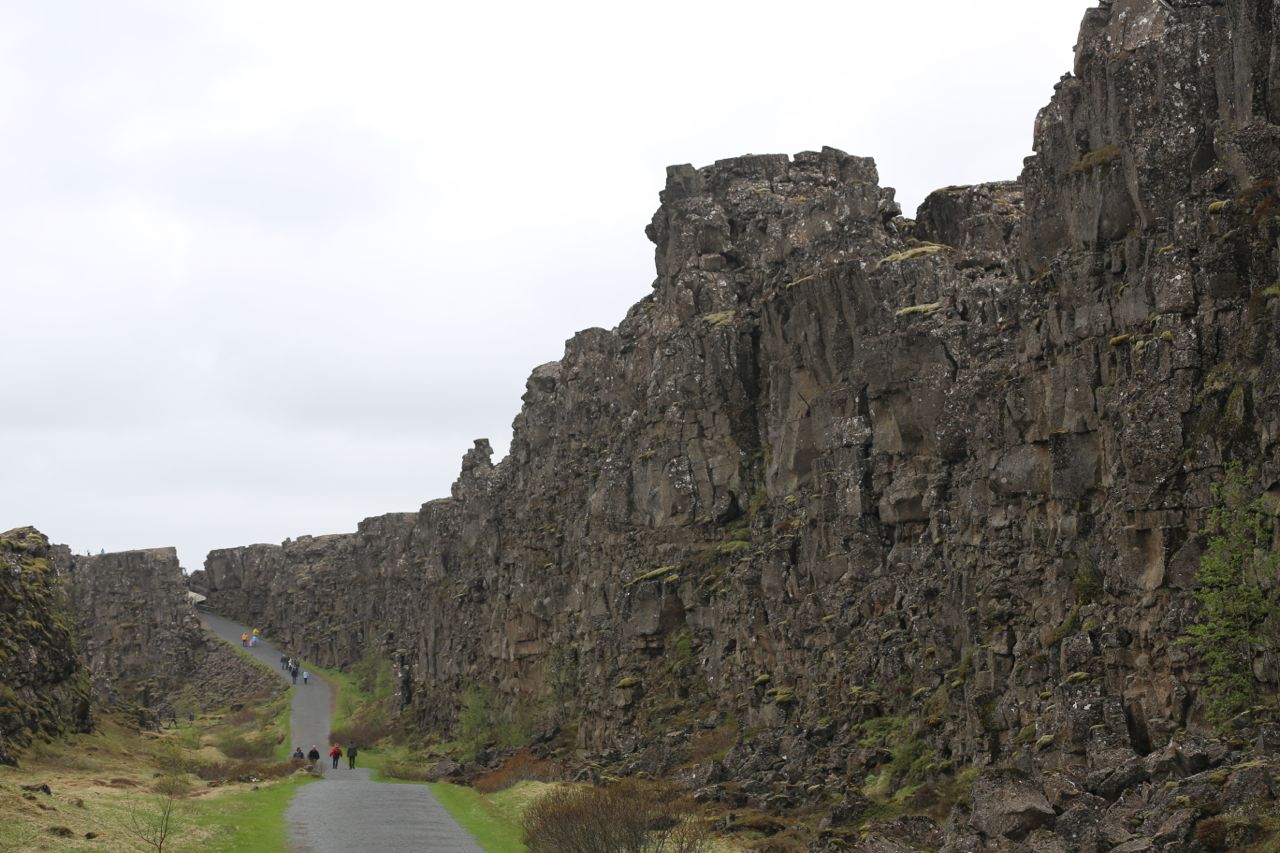
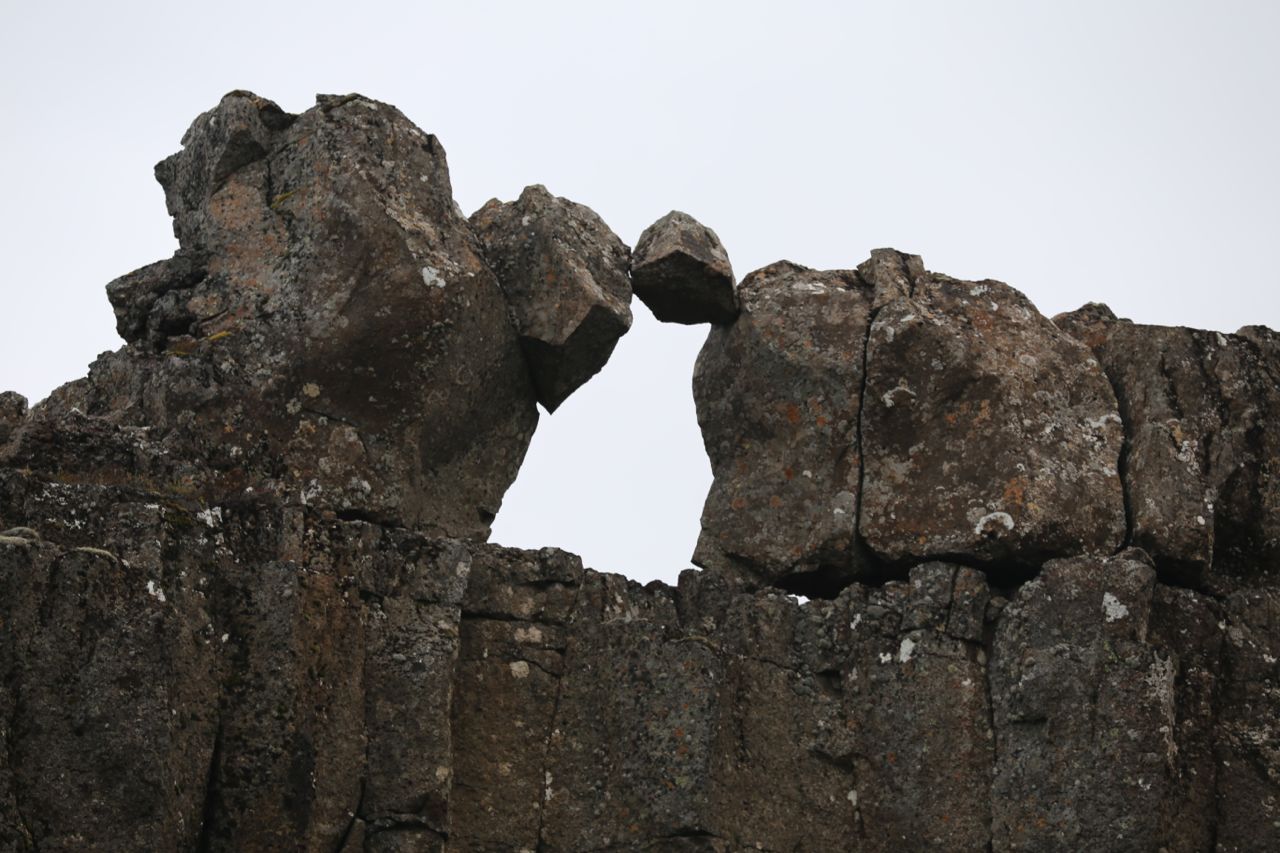
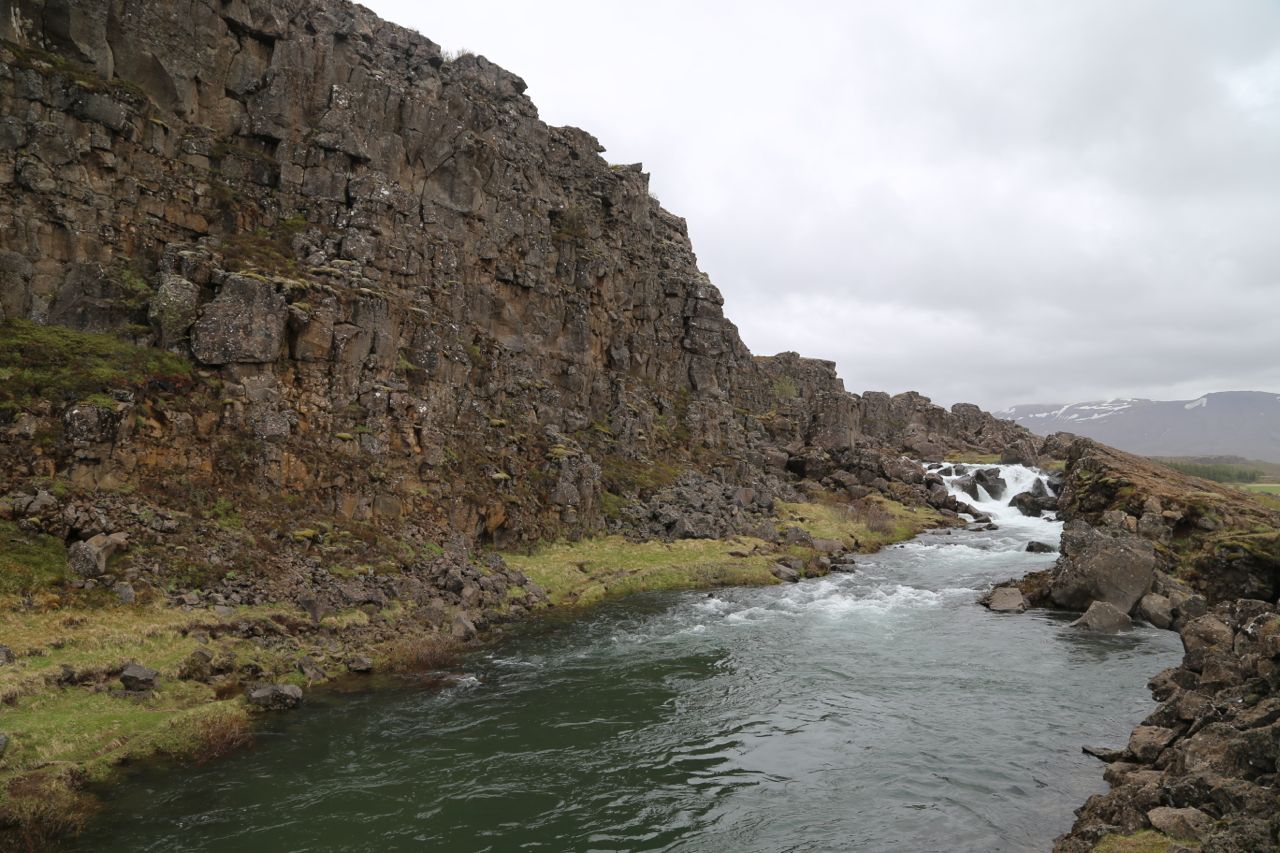
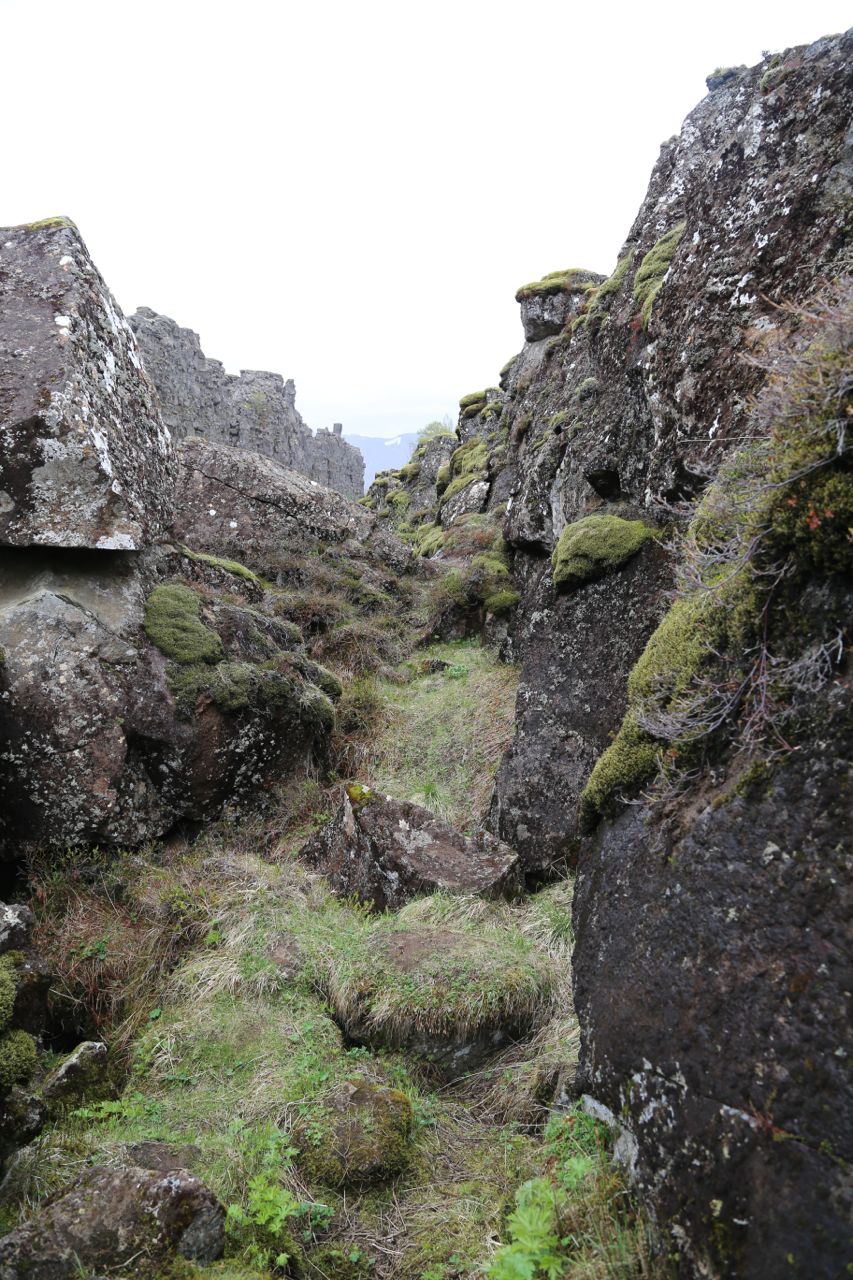
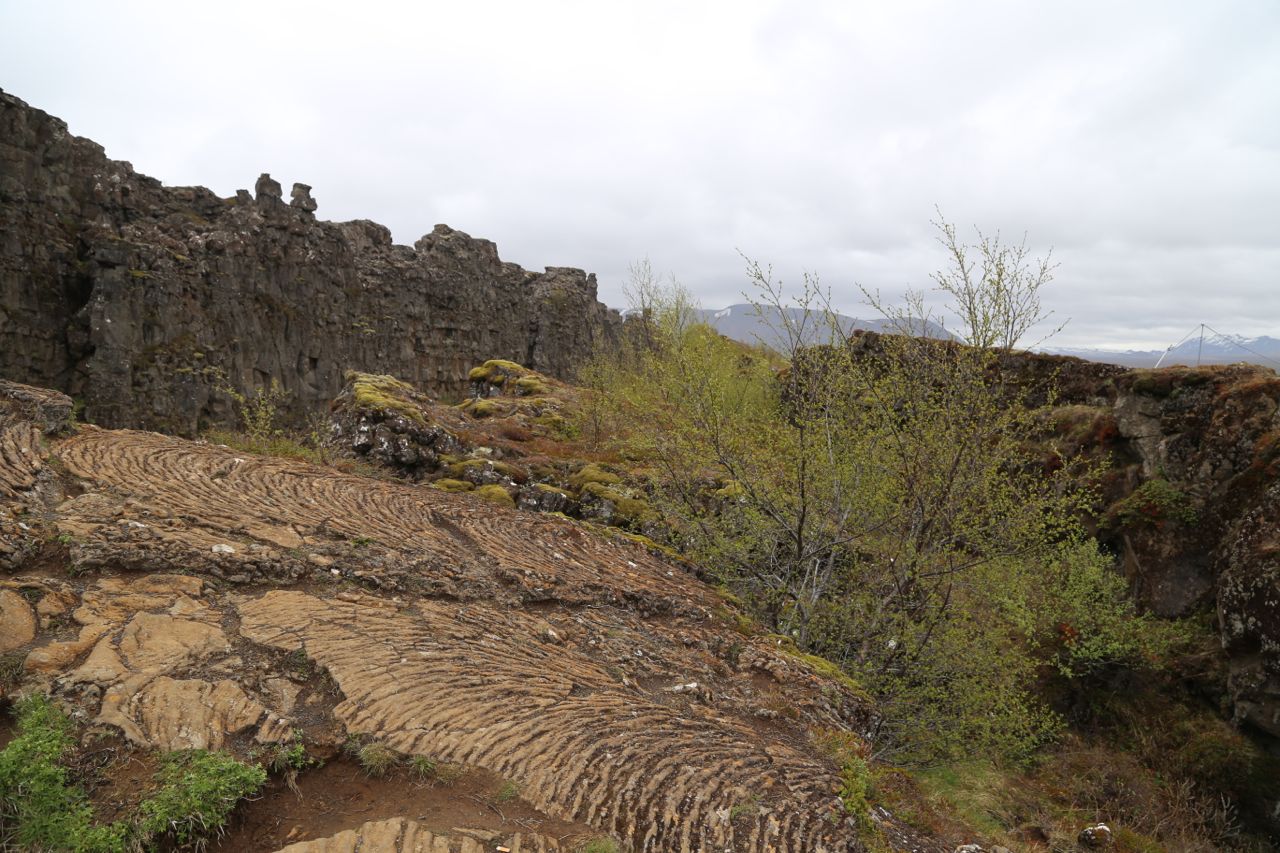
Þingvellir (Thingvellir) National Park is one of those places that you must go to if in Iceland for good reason. It is historically significant as the place where the original Iceland government met, and it is amazing and beautiful site to see. It is also geologically fascinating because it sits where two major tectonic plates are spreading apart. Also, if you watch Game of Thrones, you will evidently recognize it. The very tall rock wall you can walk along side is known as Almannagjá, and it is just one of things you need to do in person to really grasp the awe of it. I found this to be a good source of information on the geology of the area.
Giant Shiny Ball Play Thing
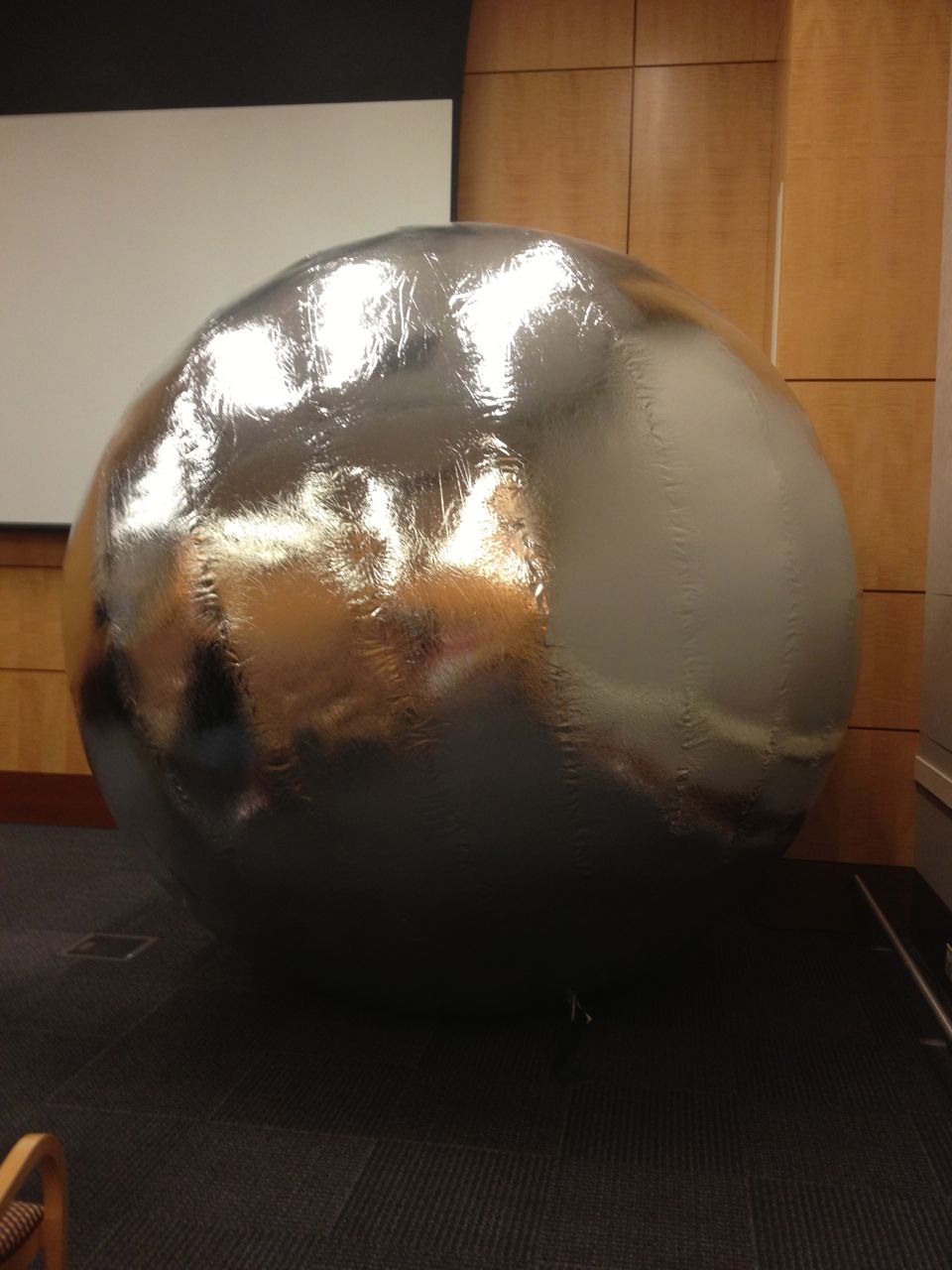
Last night, I went to Cultural Programs of the National Academy of Sciences (CPNAS)‘s D.C. Art Science Evening Rendezvous (DASER). It is a monthly discussion forum on art and science. They always have interesting speakers, and it is one of the cool things about living in the DC area. Anyway, last night upon walking into the room right before the program began, I was immediately intrigued by this enormous sphere siting in the corner of the room, which I dubbed the Giant Shiny Ball Play Thing.
I had no idea what this thing was, and there was no mention of it in the program. I envisioned the amazing game of beach ball toss that a large crowd could play with it. The Giant Shiny Ball Play Thing was seriously one of the coolest things I had ever seen, and I wanted one. Sure it was probably about 10 feet in diameter and would never fit in my house. Even if it did fit in my house, putting a shiny inflatable ball in the same house with my cat and her claws would not end well at all.
I finally found out that the Giant Shiny Ball Play Thing is a reproduction of a satelloon. Greg Allen, one of the speakers, had it fabricated as part of his Exhibition Space exhibit. A satelloon is satellite balloon, of course, and I’m going to bet that either an engineer or scientist came up with that name. NASA made satelloons for Project Echo from 1956-1964. I am not going to describe the whole history because Greg Allen has a great summary of the project and the amazing satelloons. If you want even more history, you can read about it straight from NASA. The history is fascinating.
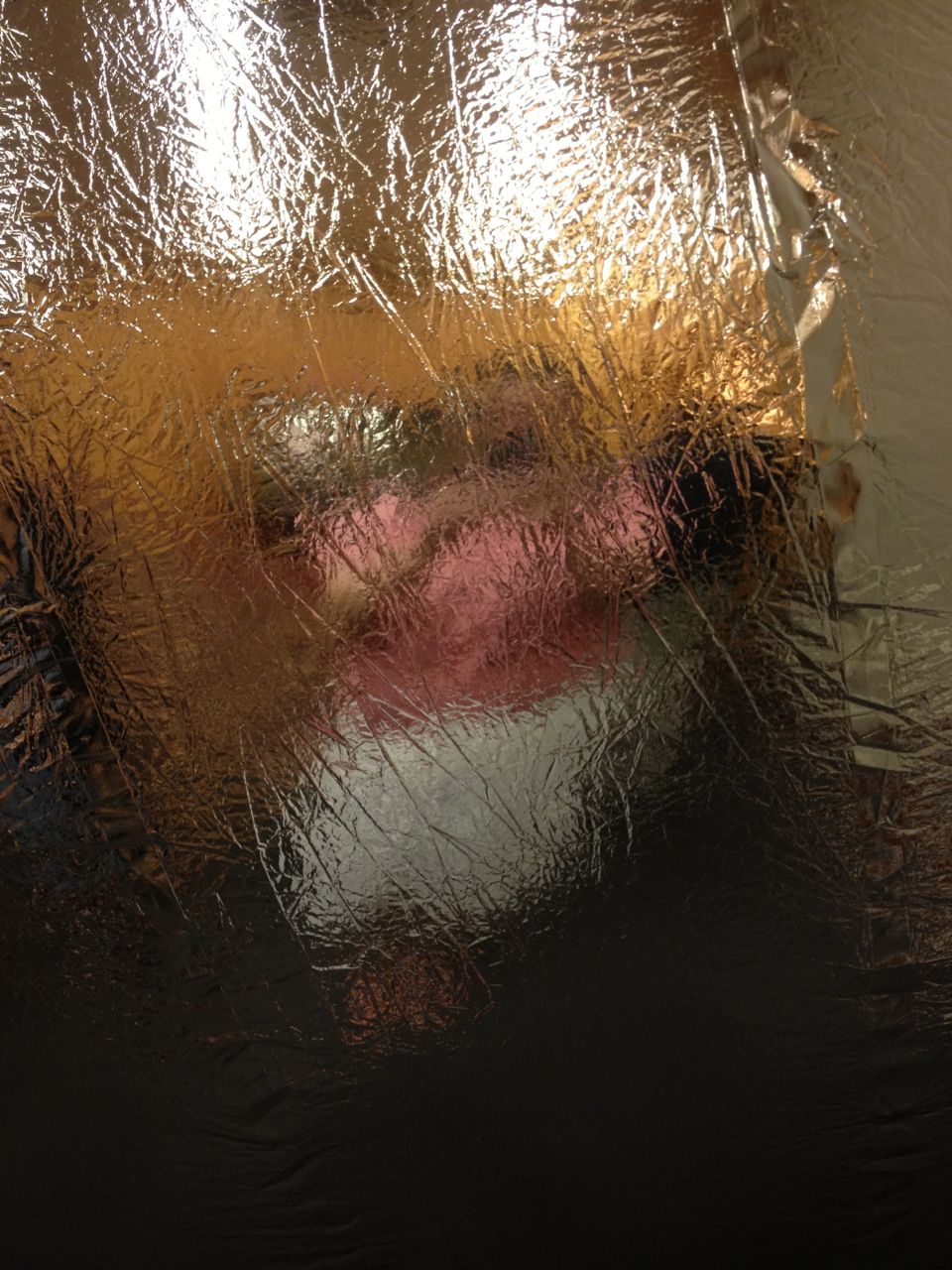
Thus the Giant Shiny Ball Play Thing is really a symbol of some incredible science and engineering history. I still want to play with it though. Also, I took a fun self portrait of myself in the satelloon.
There, dear readers, now you know what I look like.
Finally, if like me, you can’t get enough of the Giant Shiny Ball Play Thing, Heather Goss created this fun Vine video of it being deflated.