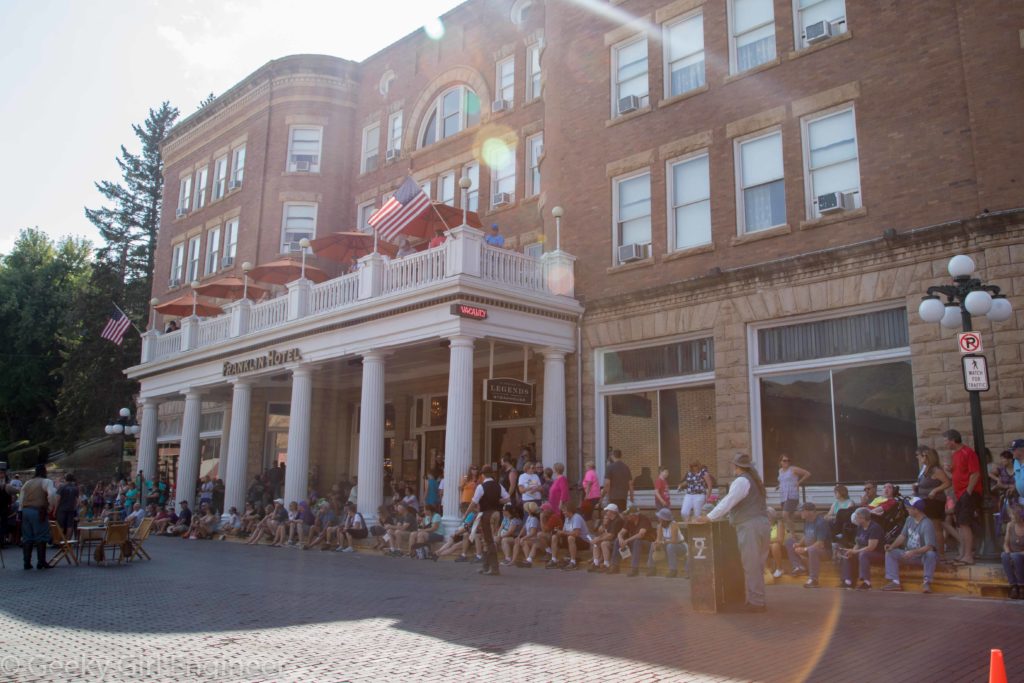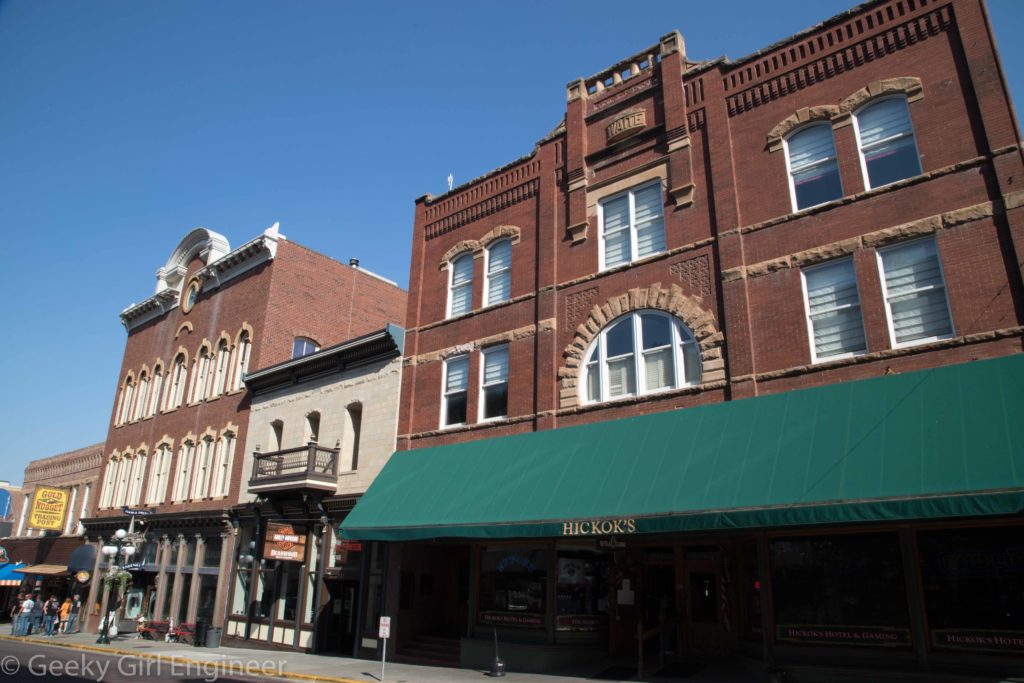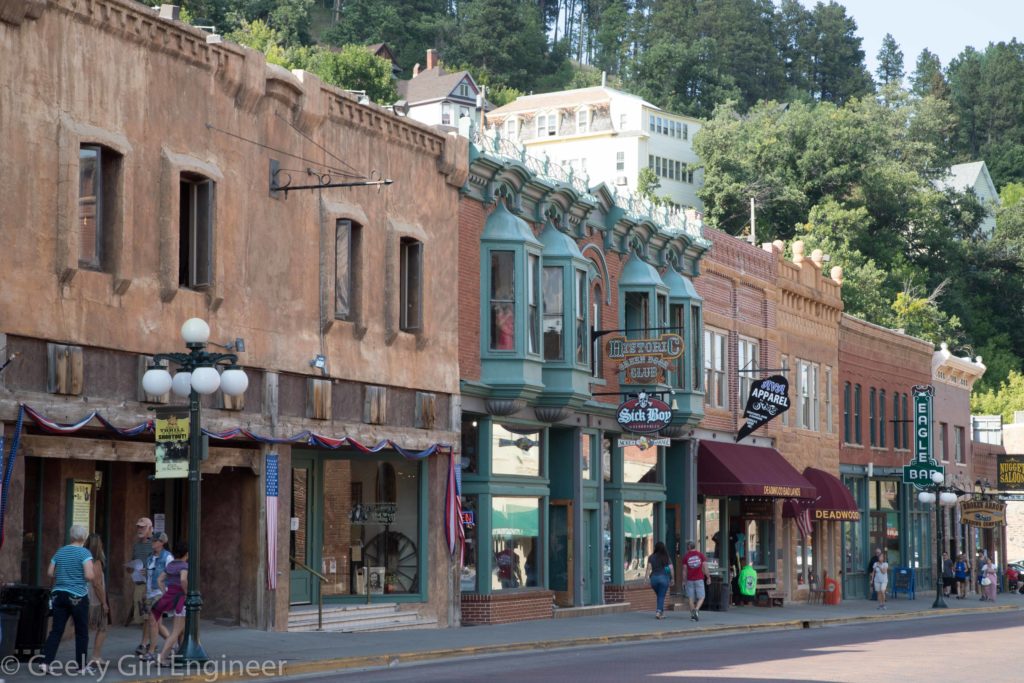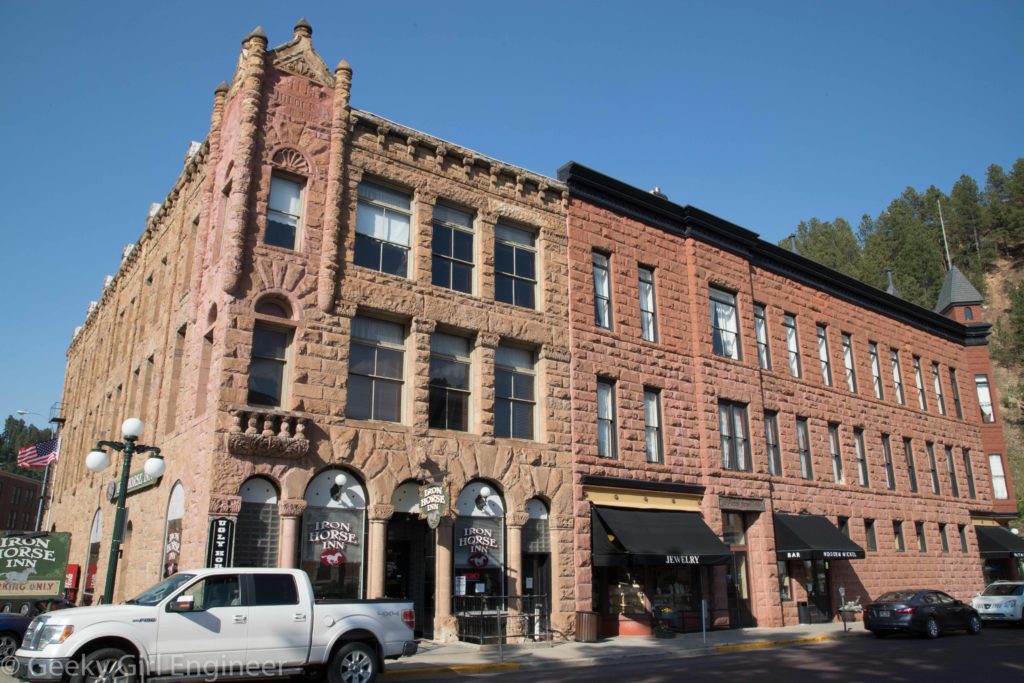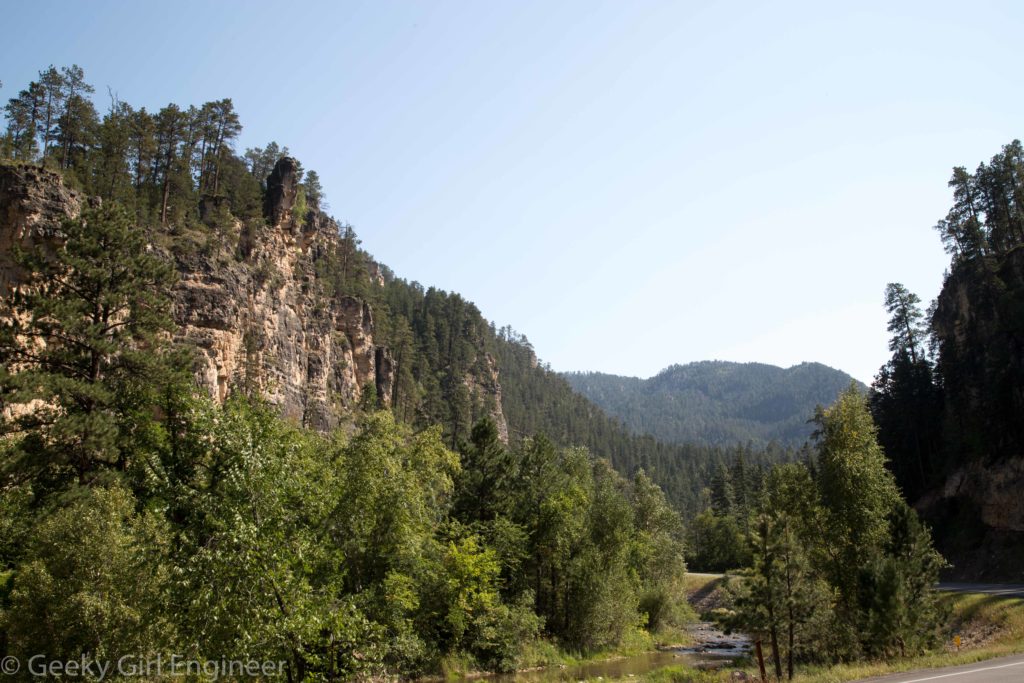
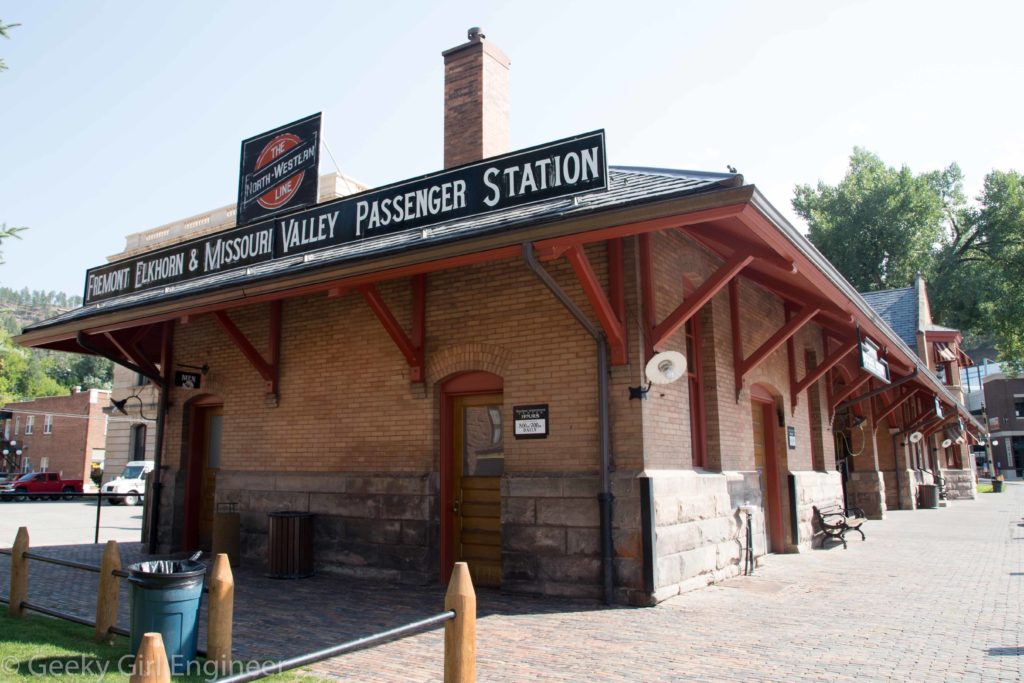
After visiting Devil’s Tower, I decided to visit Deadwood just because. I took the scenic route through Spearfish Canyon. If you ever in the area, I highly recommend this scenic drive. It is lovely. I then arrived in Deadwood and had only been there for a short time before a gun fight broke out. No worries, it was on schedule. They have a gun fight several times a day, every day, although this may only be in the summer. There is a fight over a card game, and then a dual on the street. Of course all I was thinking was wondering if these actors wore ear protection because that’s the type of person I am. In any event, many of buildings in Deadwood have been restored to their original design. The buildings are kind of neat. The old train station is now the visitor’s center. Much of downtown though is casinos and tourist shops, so if you are not into those activities, and I am not, Deadwood only needs to be a short visit. Unless you just like watching fake gun fights.
Tag Archives: history
Minuteman Missile National Historic Site
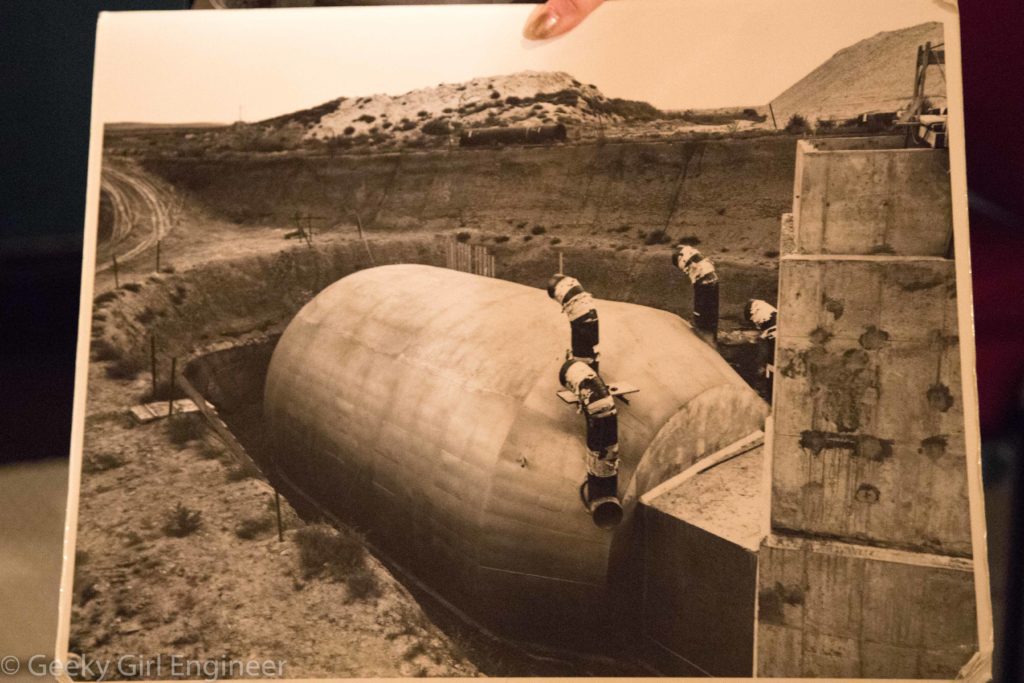
Today started with a trip to a bit of a hidden site, Minuteman Missile National Historic Site. National Park Service offers tours of one of the launch control facilities that could launch the missiles sitting in underground silos. Above ground are the support facilities, which on the outside look a bit like a pre-fabricated house or some small commercial building. The underground launch control center was connected by cable to ten missile in underground silos that it could launch. The control center was also connected to other launch control centers that could launch its own missiles. I found the tour rather interesting, but I also found it somewhat unnerving. The visitor’s center has a nice exhibit about not only the site but also the arms race and the members of the military who worked at these sites. The visitor’s center also has information about close calls during the Cold War. I found it all scary. I also consider current events, and it still scares me.
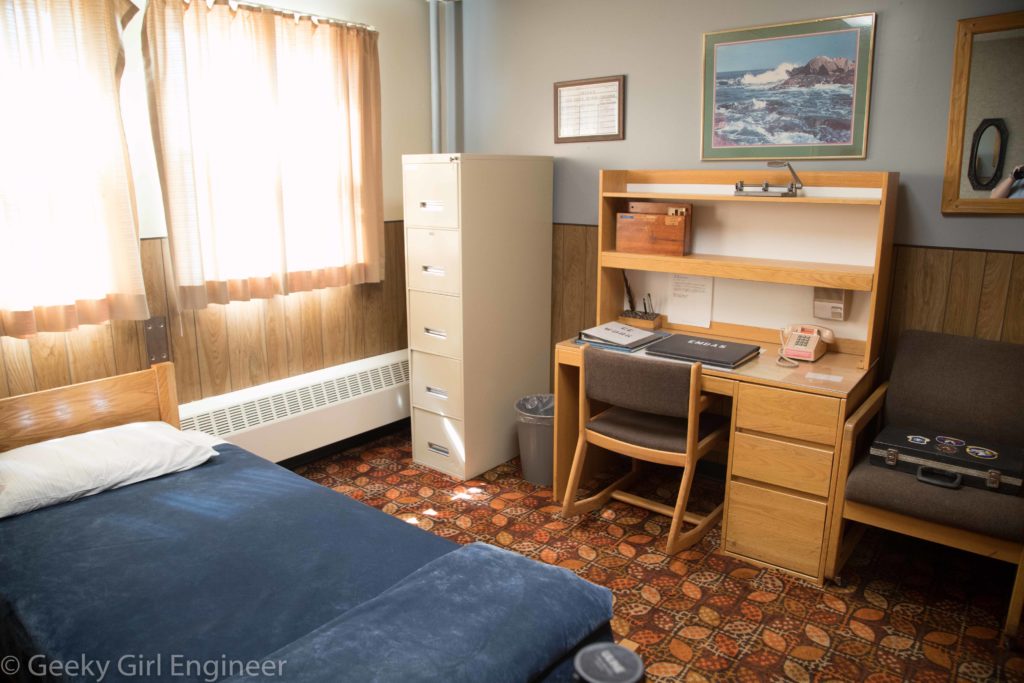
Inside, the above ground facilities pretty much resemble a dormitory. About the only way it differs from a dormitory is the security room, which is far more equipped than any college campus.
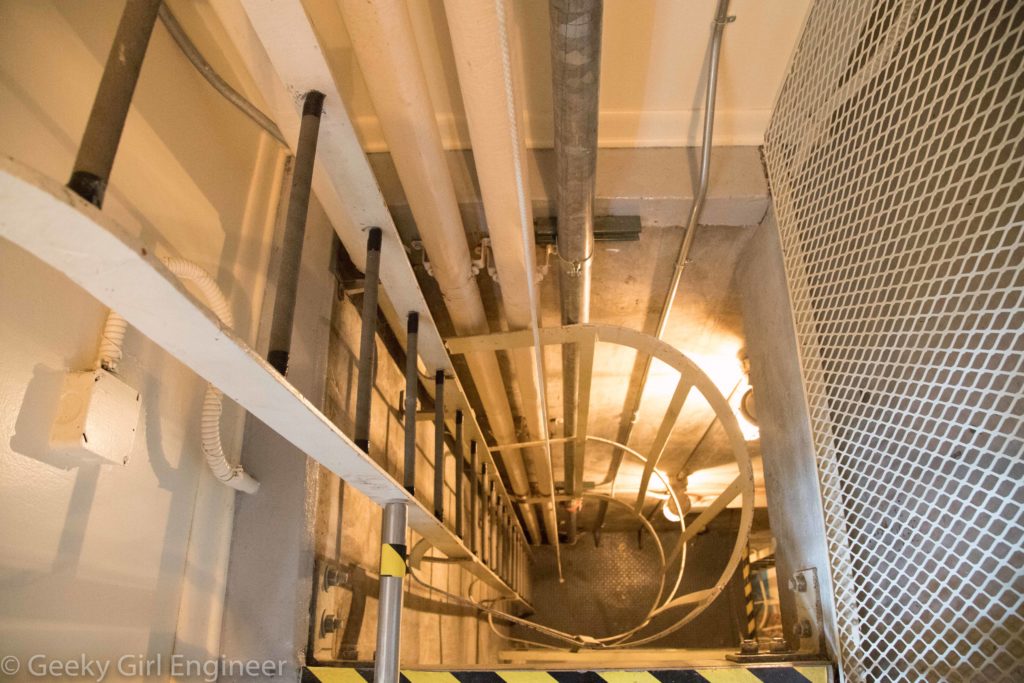
Through the security room is an elevator and ladder to the underground portion.
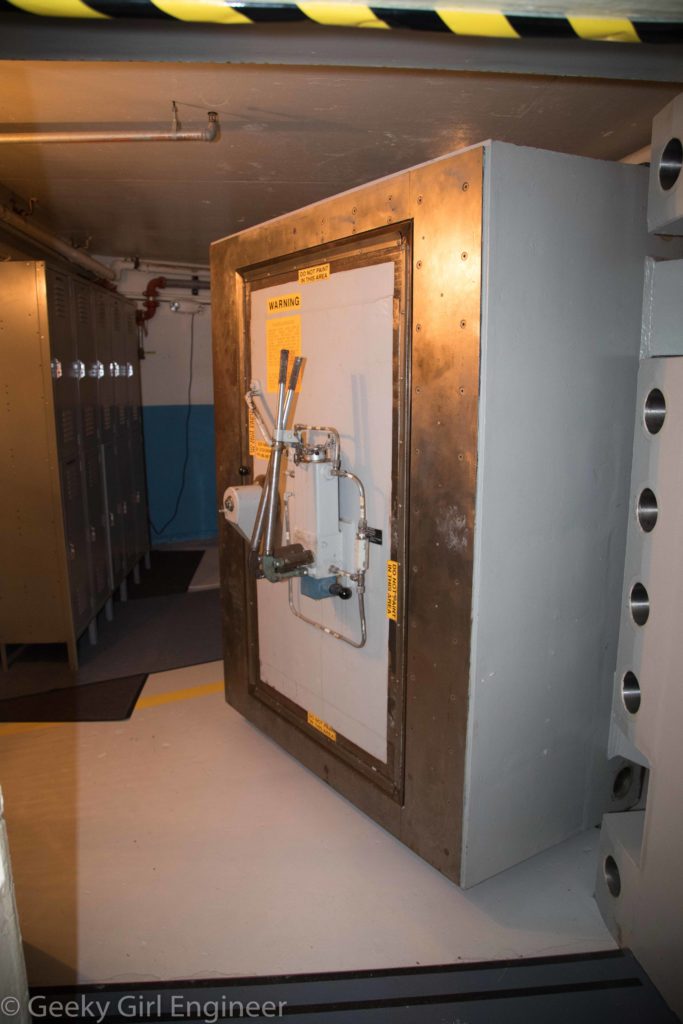
The underground portion consists of a small locker area that then leads to a giant steel door to the launch control center.
The launch control center is enclosed in a giant steel cylindrical container.
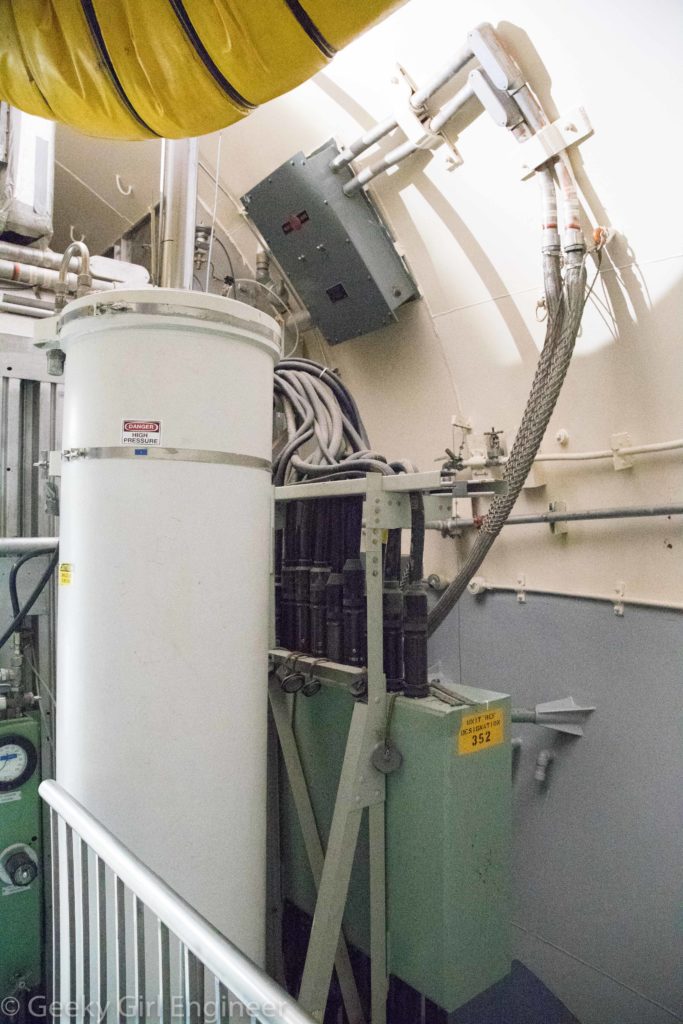
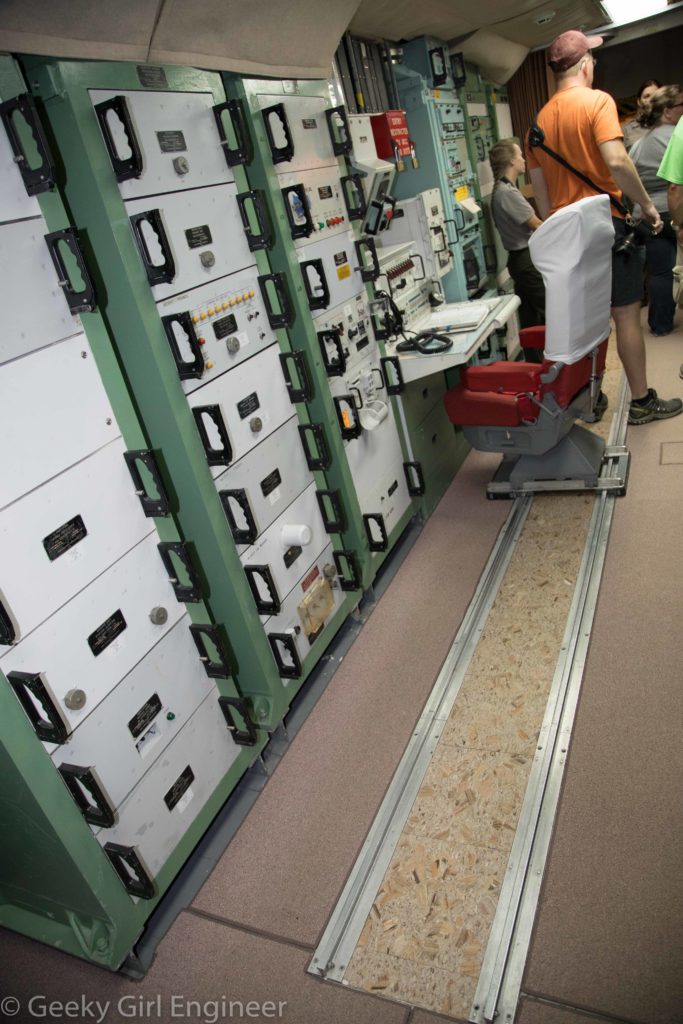
There are numerous support utilities connected to the launch control center. The center was made to withstand a nuclear blast, although not a direct hit. Numerous cables connects the center to the missiles it could launch as well as the command centers. It has support utilities like electricity and air.
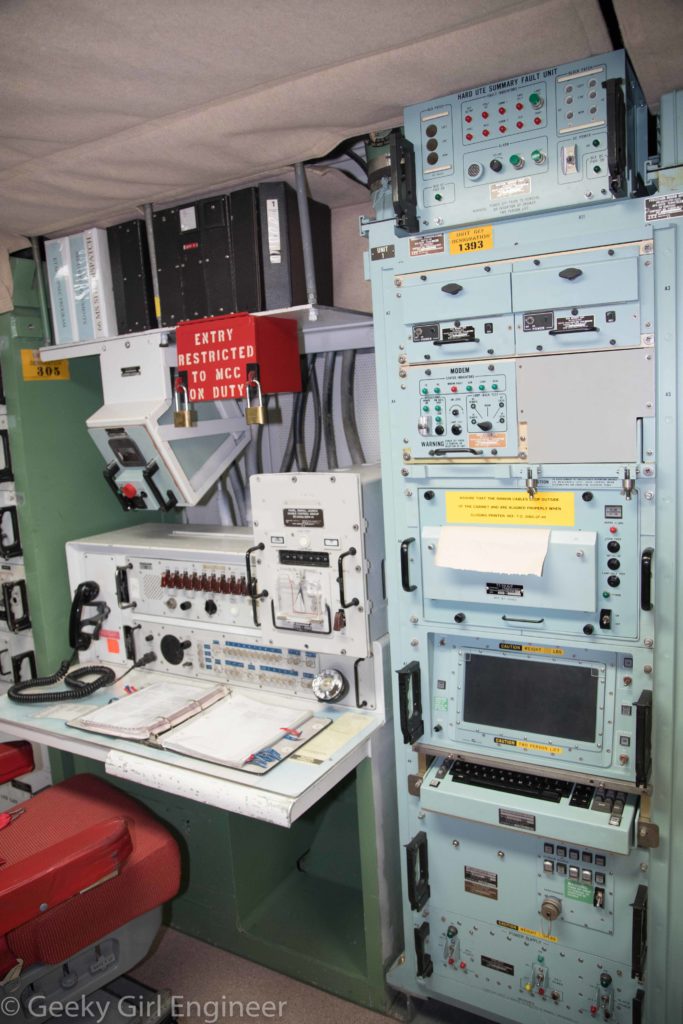
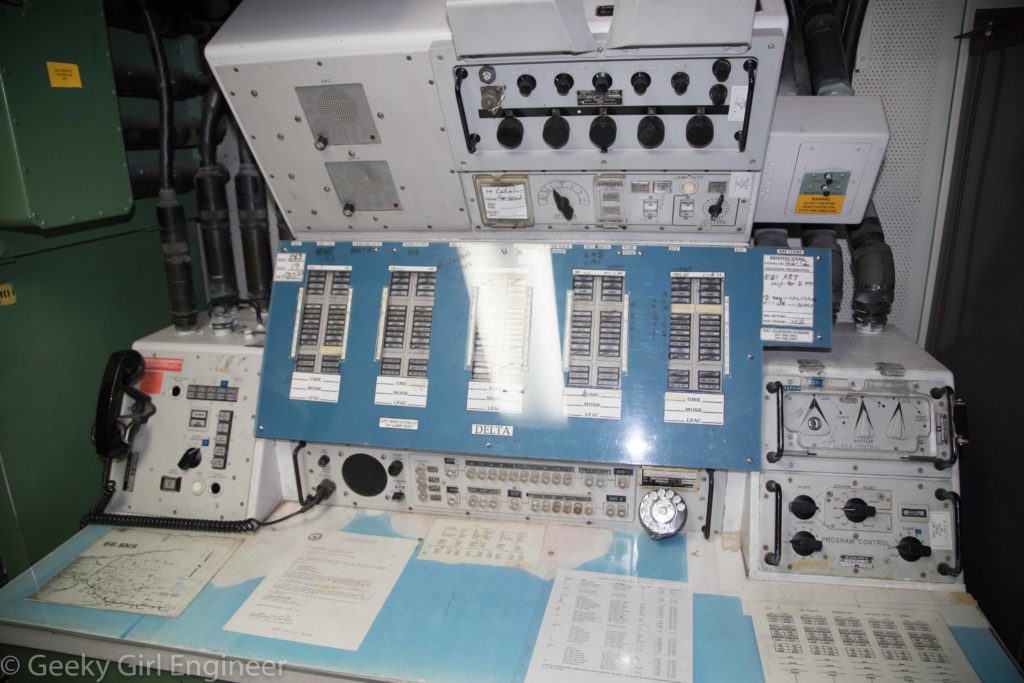
Inside is rather antiquated looking equipment that could have been used to start World War III.
St. Michaels, Maryland
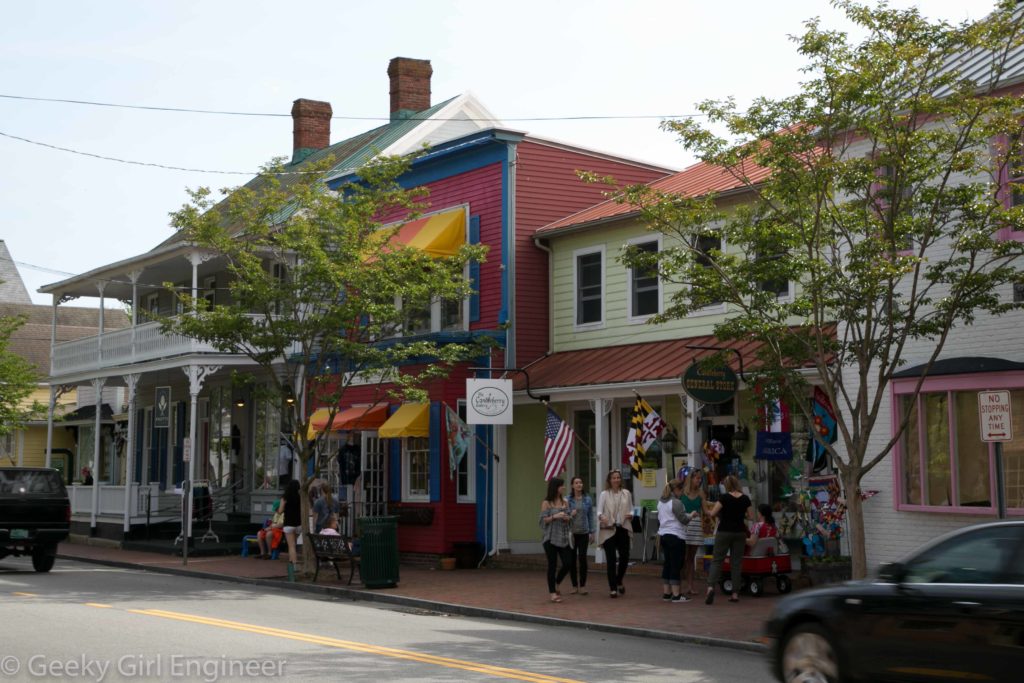
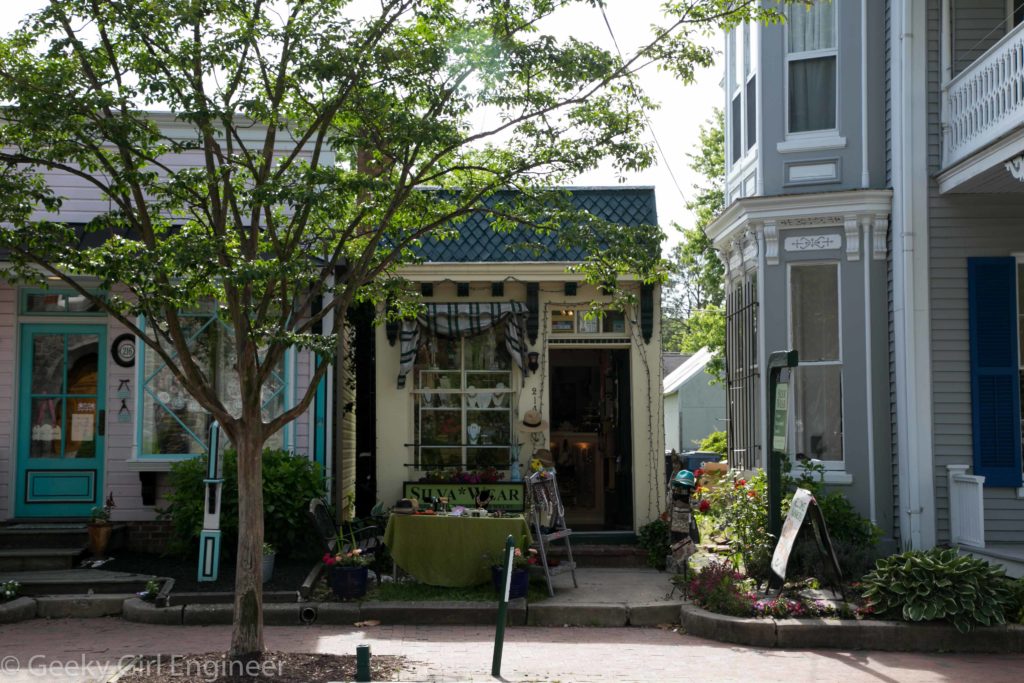
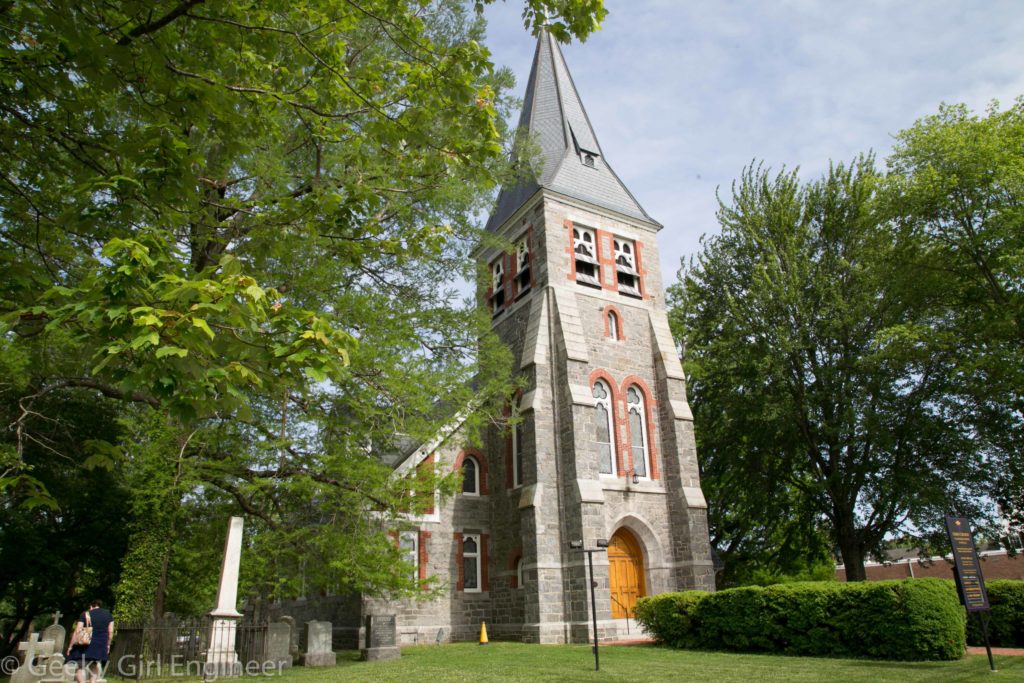
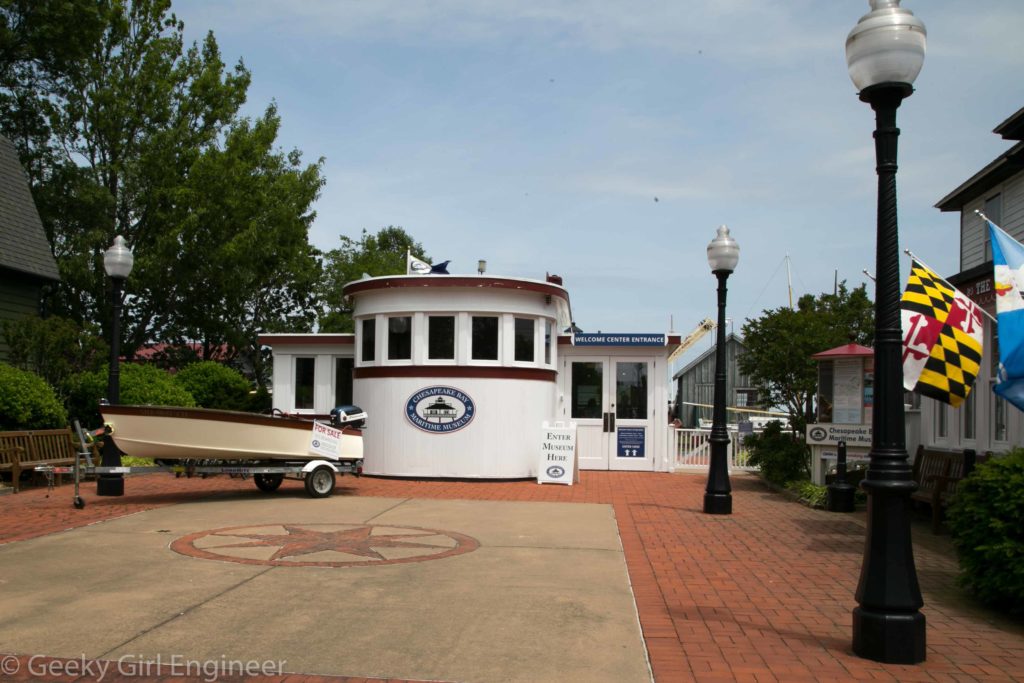
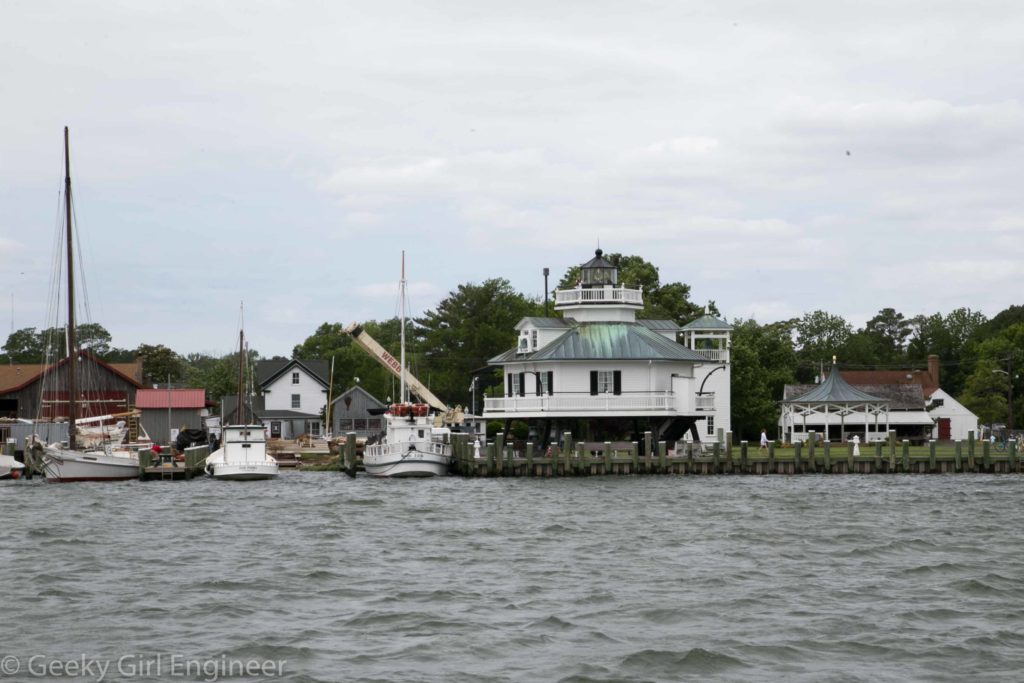
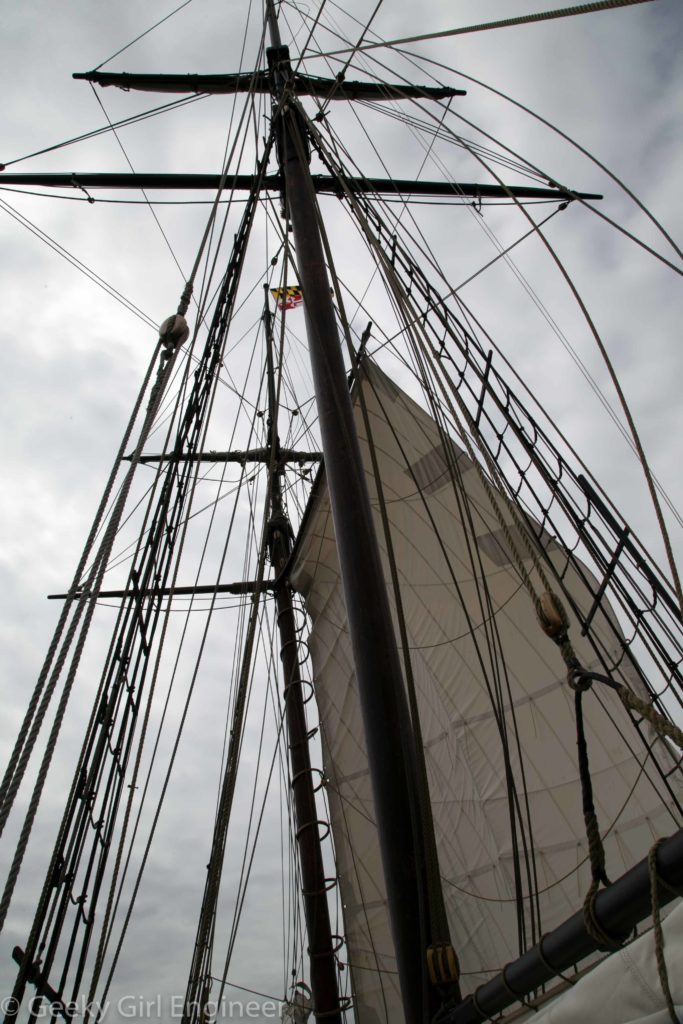
Last week I went to historic St. Michaels, where I walked around town and also visited the Chesapeake Bay Maritime Museum. St. Michaels is a cute little town with many shops selling interesting items, especially items with a crab theme. The museum is nice and informative. It focuses on the Chesapeake Bay’s history, economy, and people. I also got a chance to cruise aboard the Schooner Sultana. The Sultana is a reproduction of a merchant vessel that served in the British Royal Navy from 1768 to 1772.
Northern Massachusetts Shore
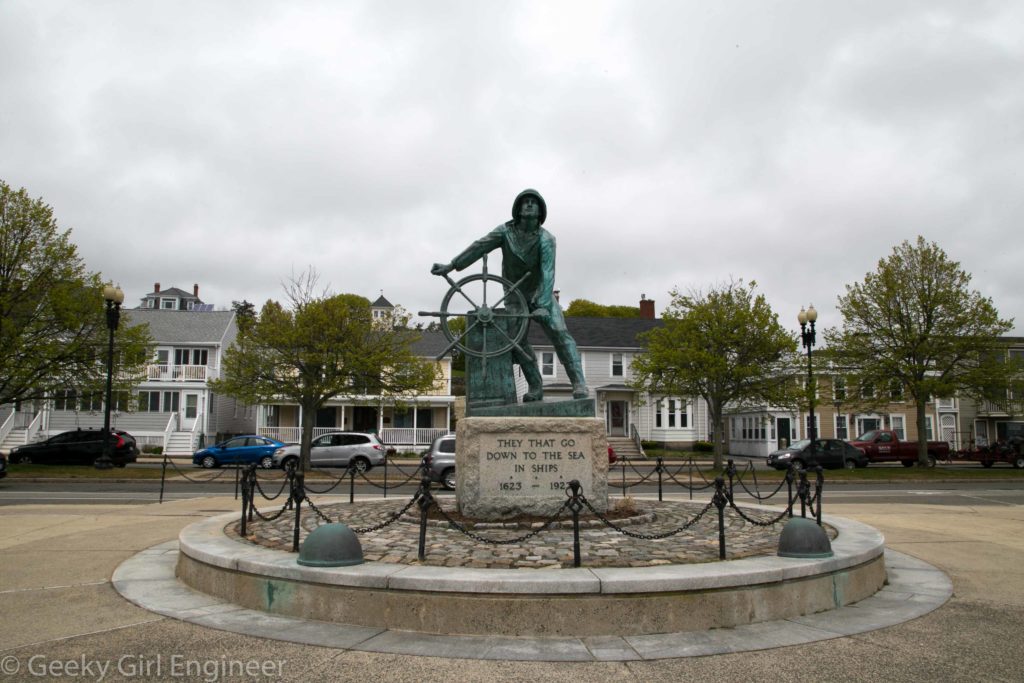
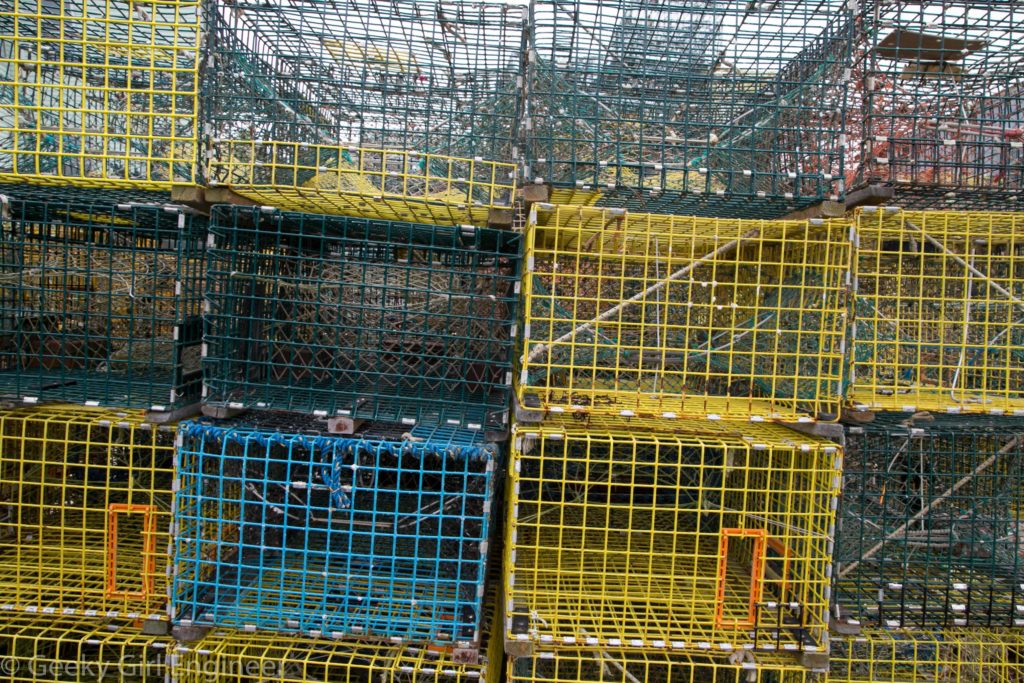
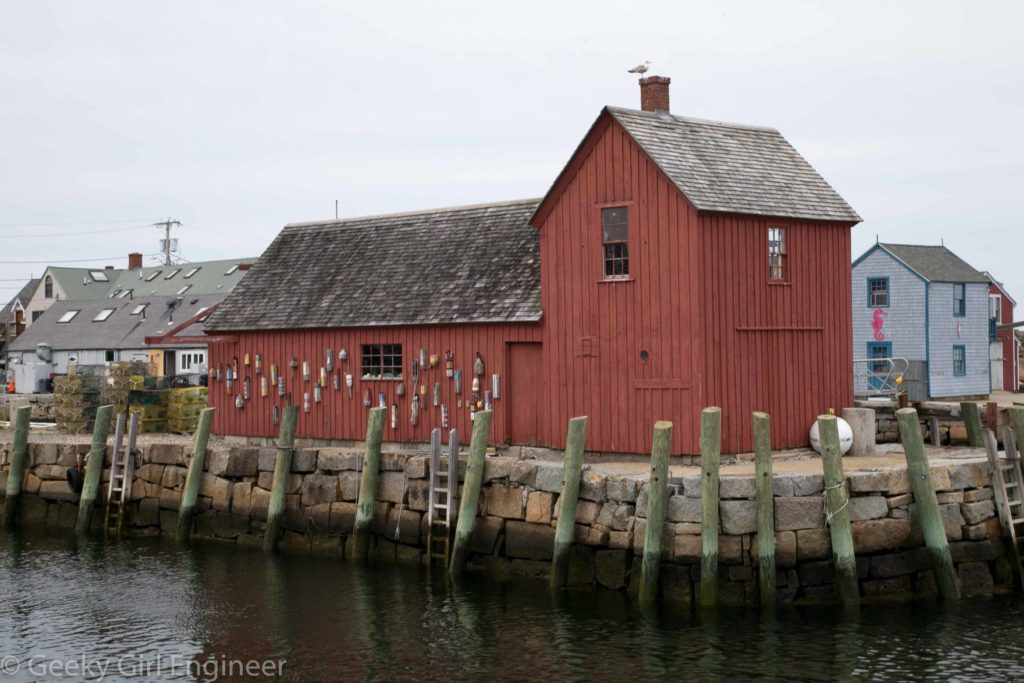
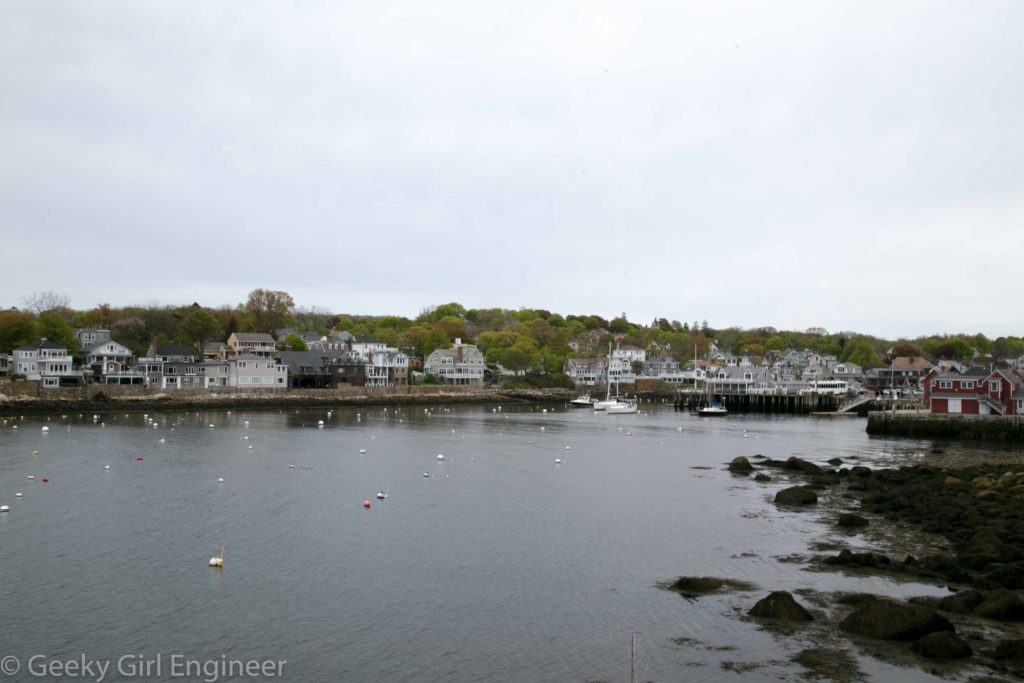
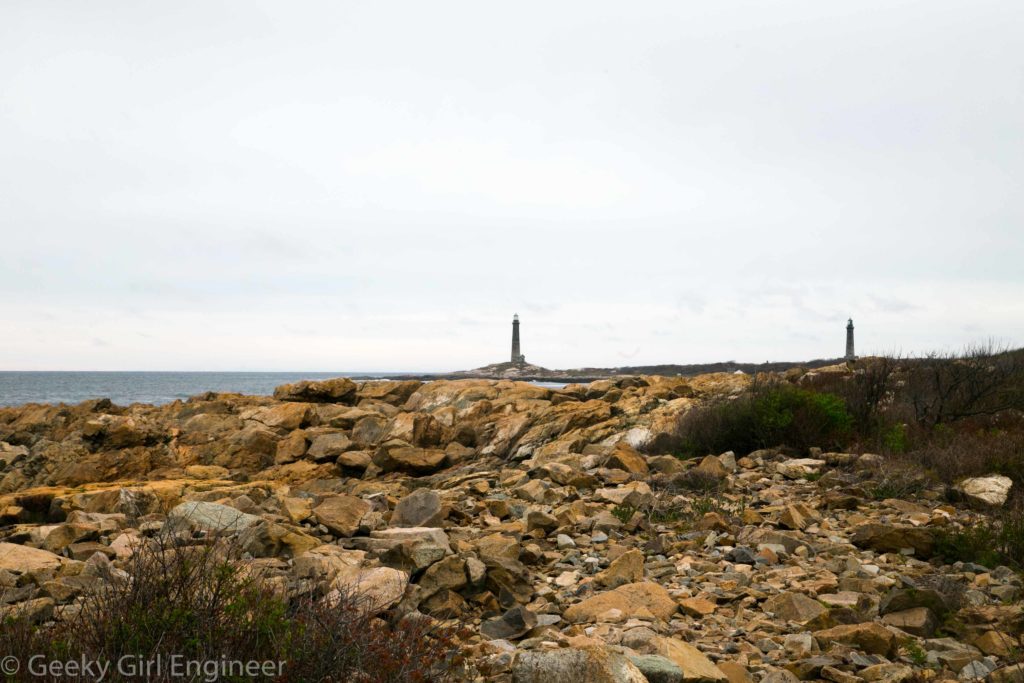
While in Boston for a few days, my friend Kristen said I need to get out the city and see Massachusetts’s northern shore. I think she was hunting lighthouses, but I was just looking for pretty views and classic New England. We found all of that visiting Gloucester and Rockport.
Boston’s Freedom Trail
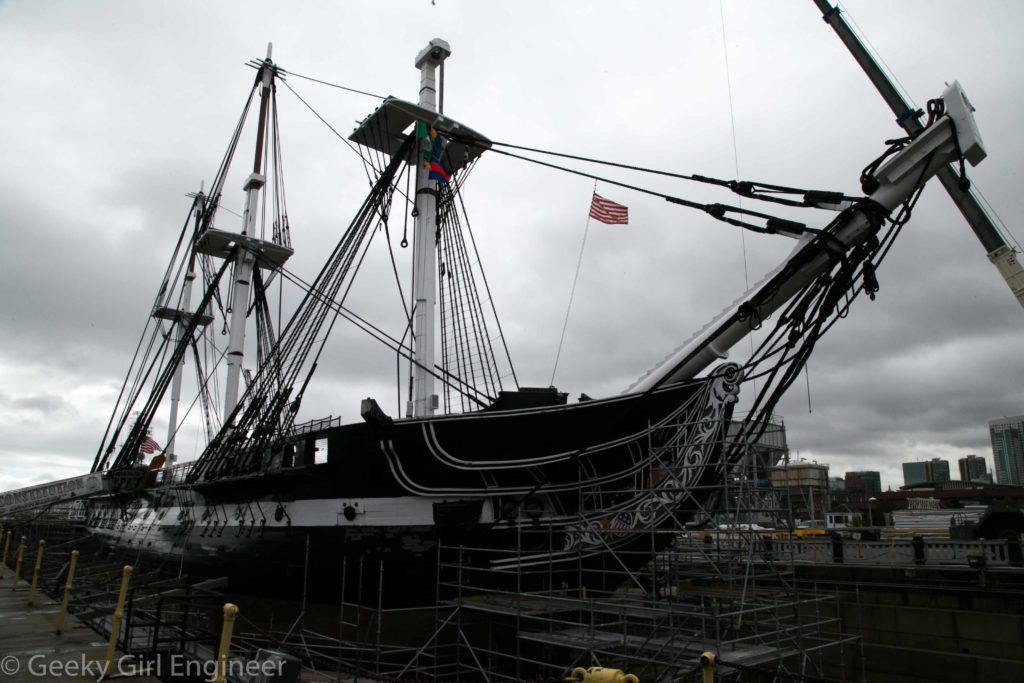
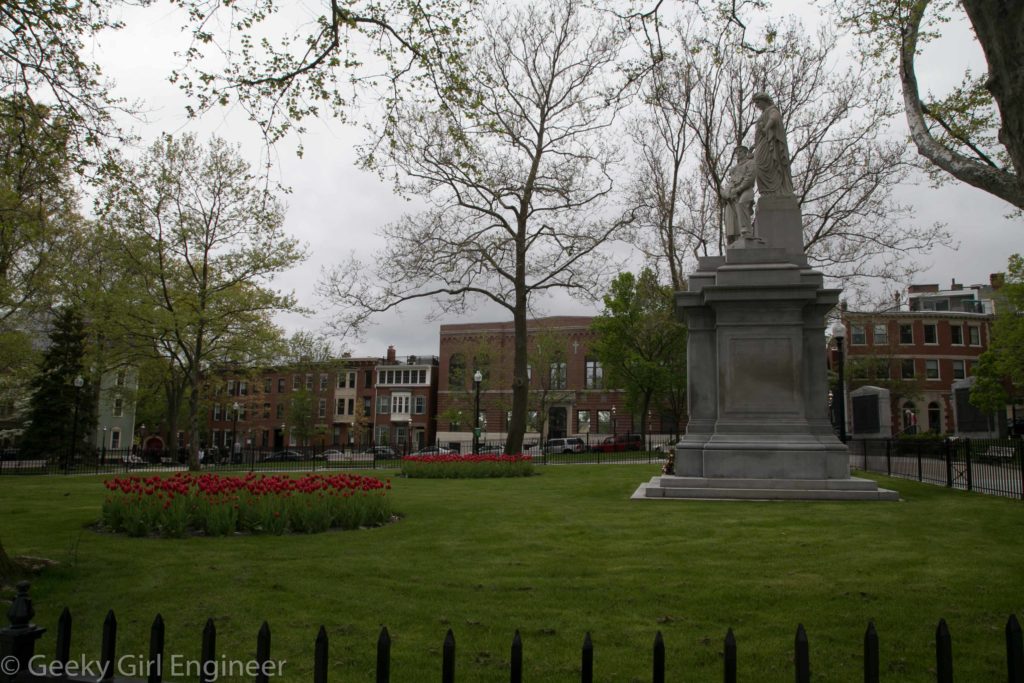
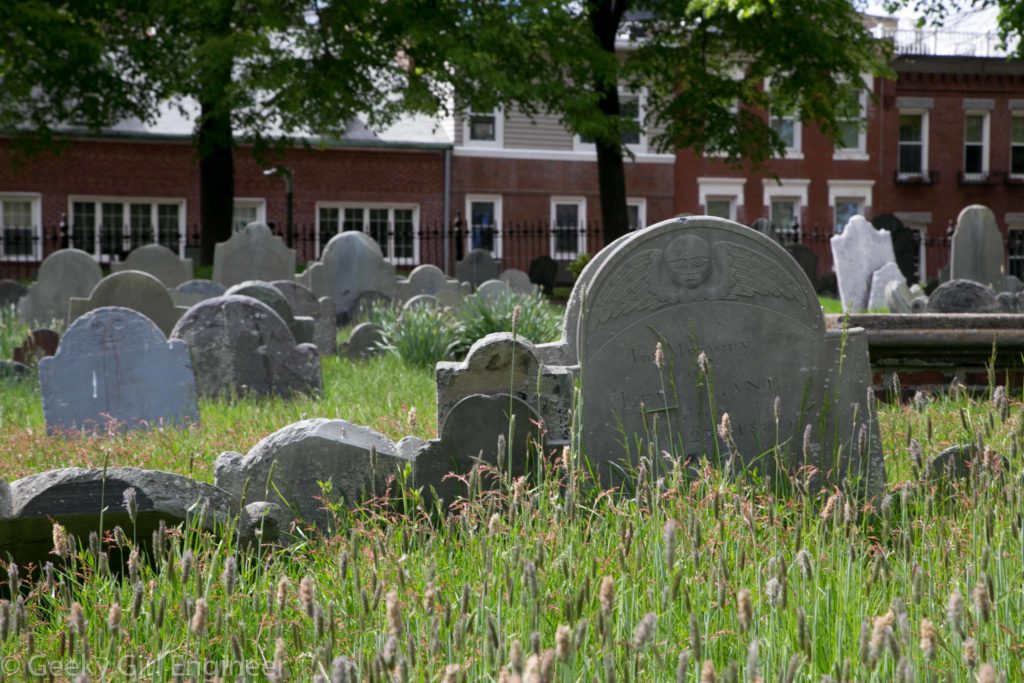
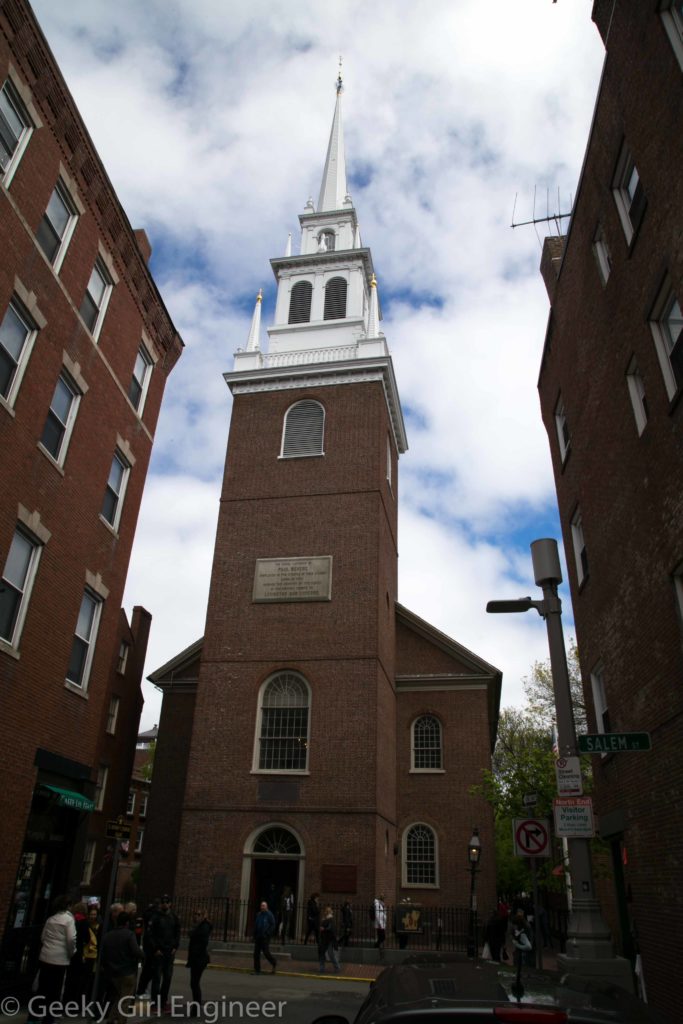
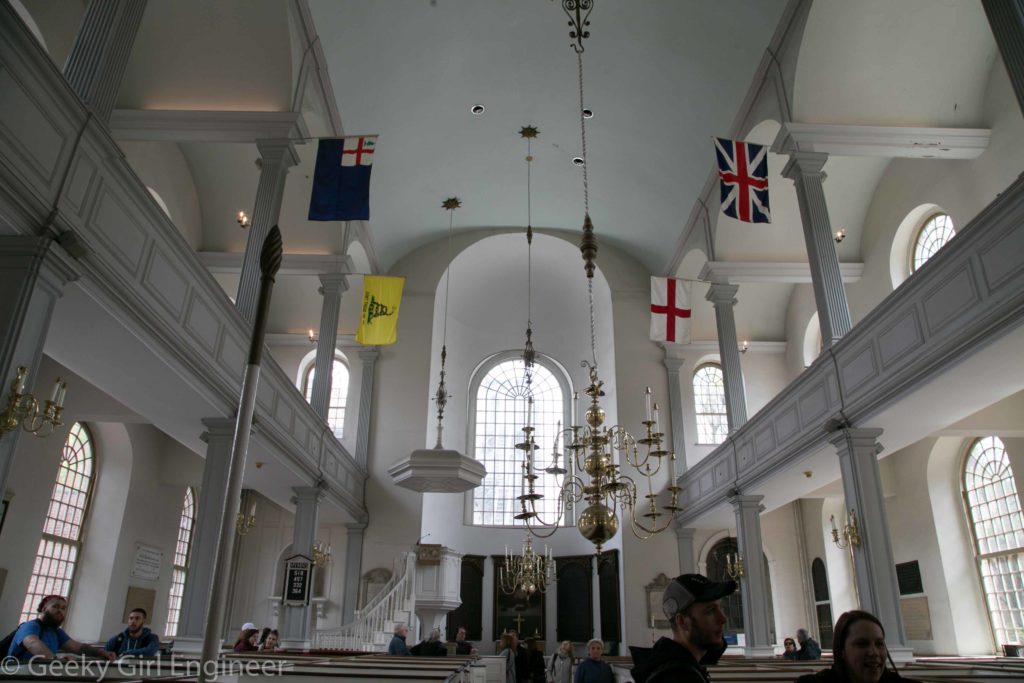
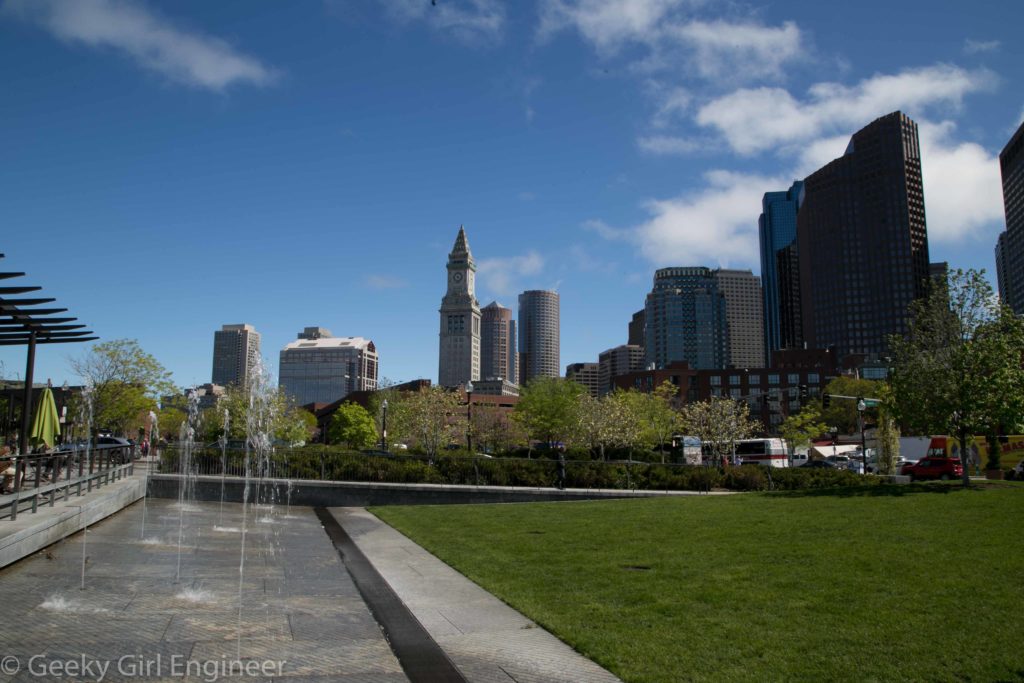
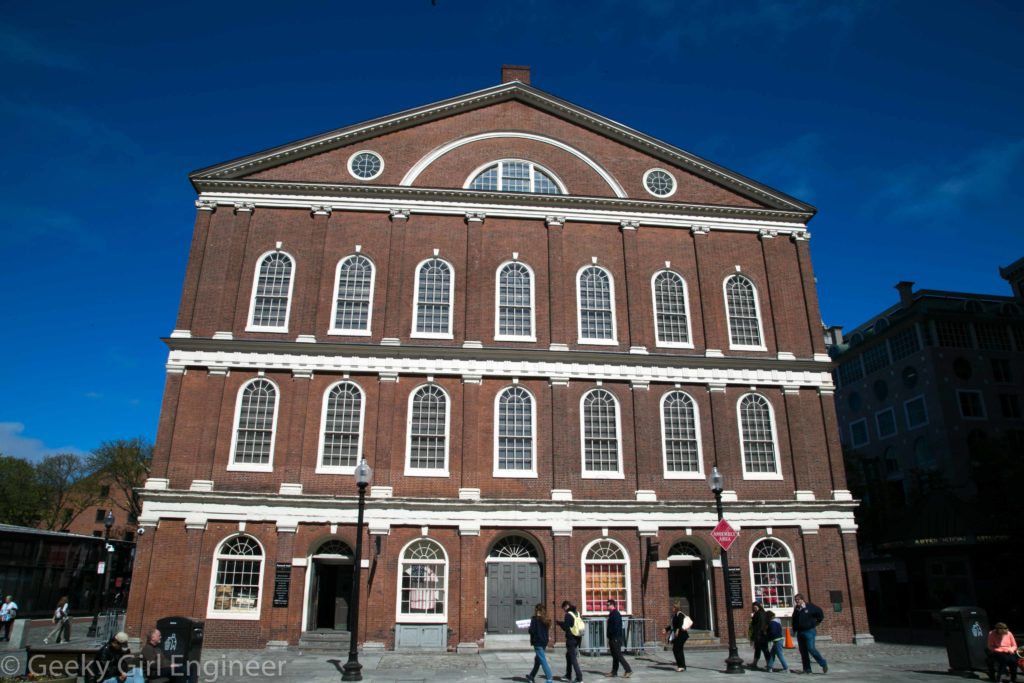
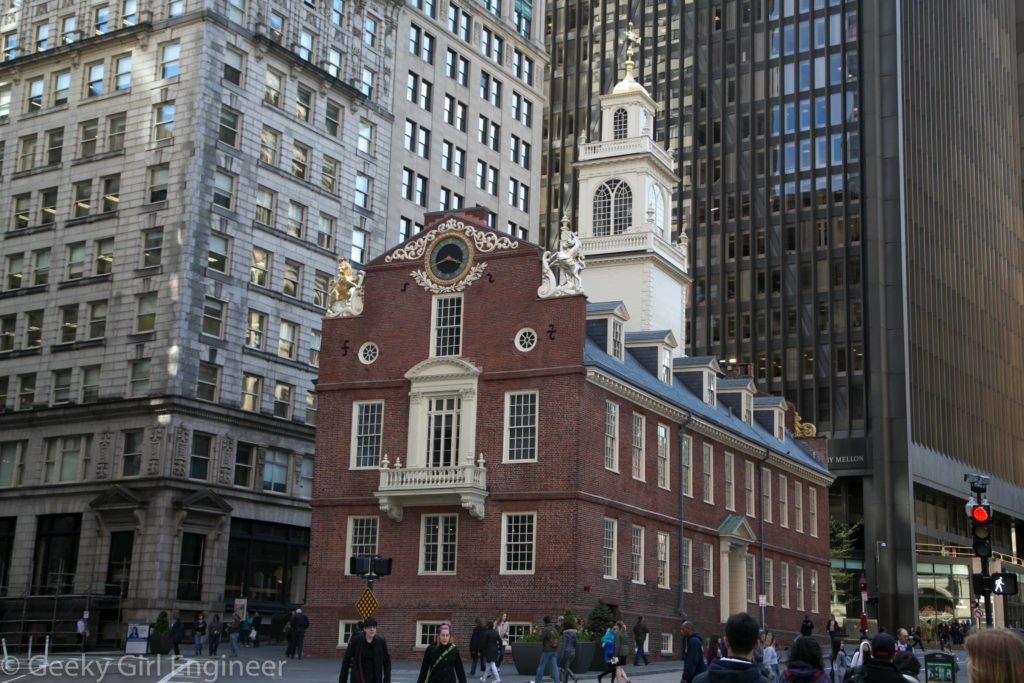
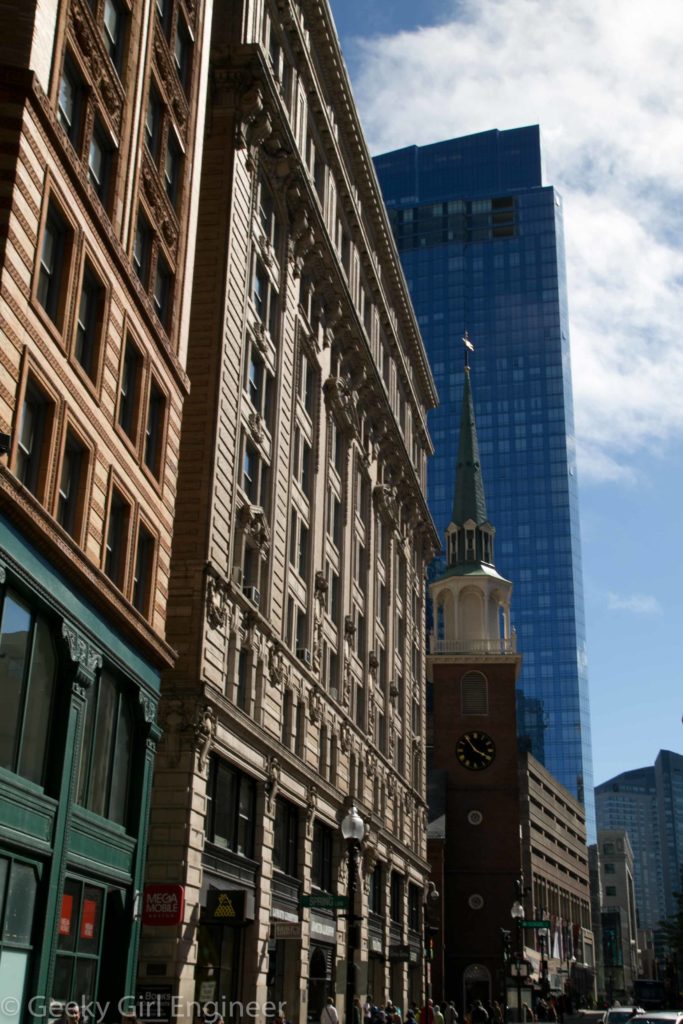
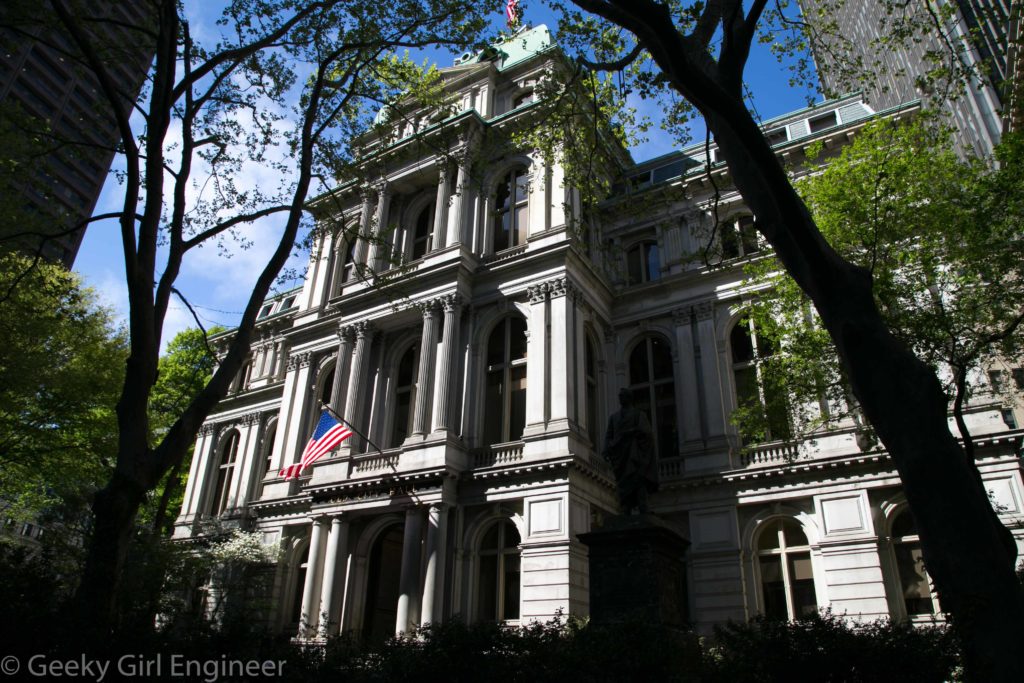
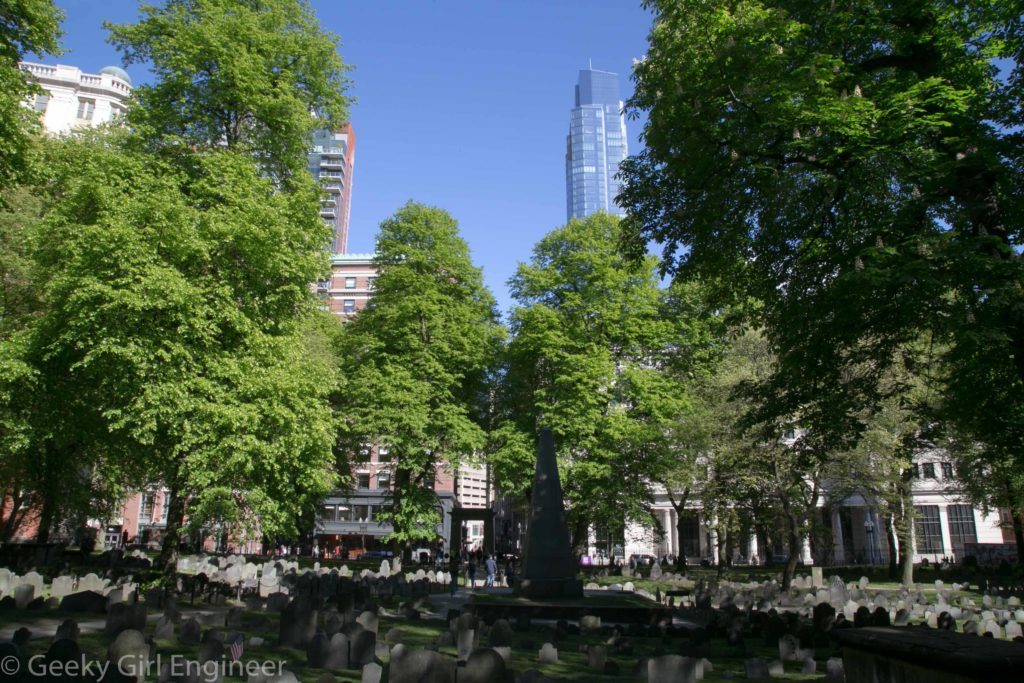
While in Boston, I walked the entire 2.5-mile Freedom Trail. It is a nice walk except for avoiding all the street construction. I have to admit also, as a tourist, it is nice not to really have to check a map, but rather just follow a red brick path in the sidewalks. I previously posted photos of the Massachusetts State House and the Bunker Hill Monument. Here are a few more photos from sites and just views along the Freedom Trail.
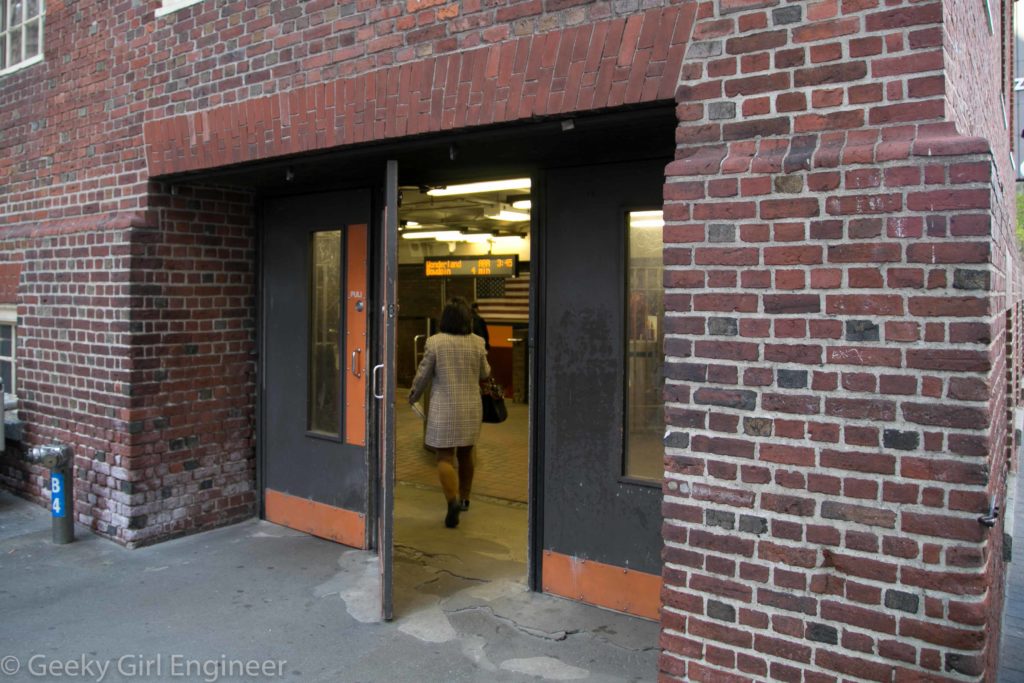
A brief explanation of why I am posting the below photo. There is a T (subway) train station right below the Old State House, with an entrance through the building. As an engineer, I find this amazing. Consider how old the building is and the studies of the building that must have occurred to determine it could handle both the space being dug out of its foundation and also the ability to take vibrations from the subway and people going in and out of it.
Bunker Hill Monument
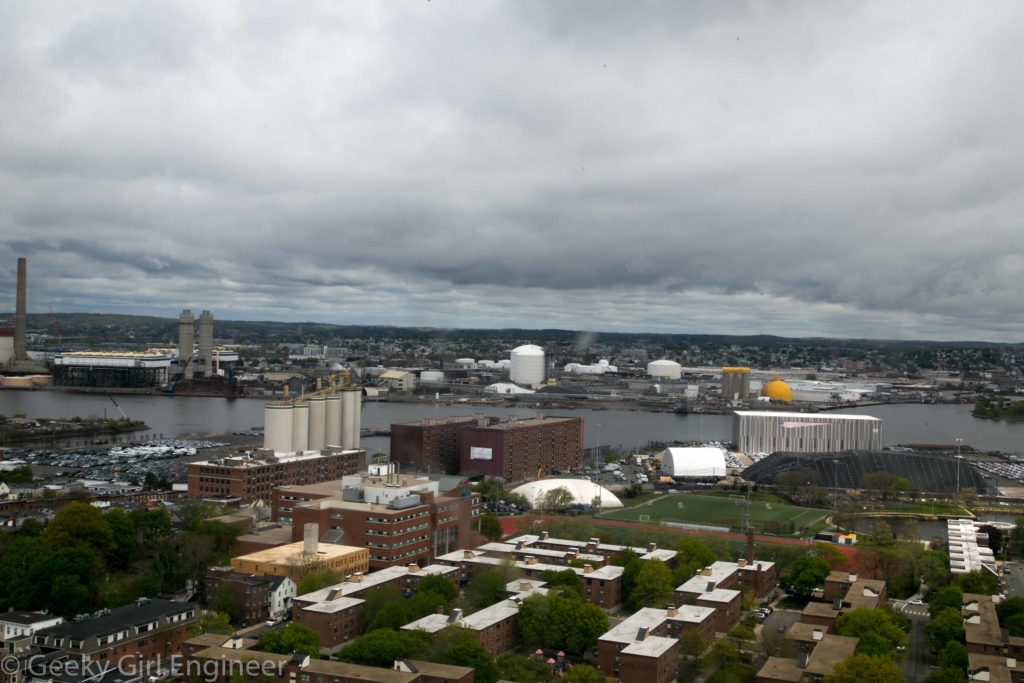
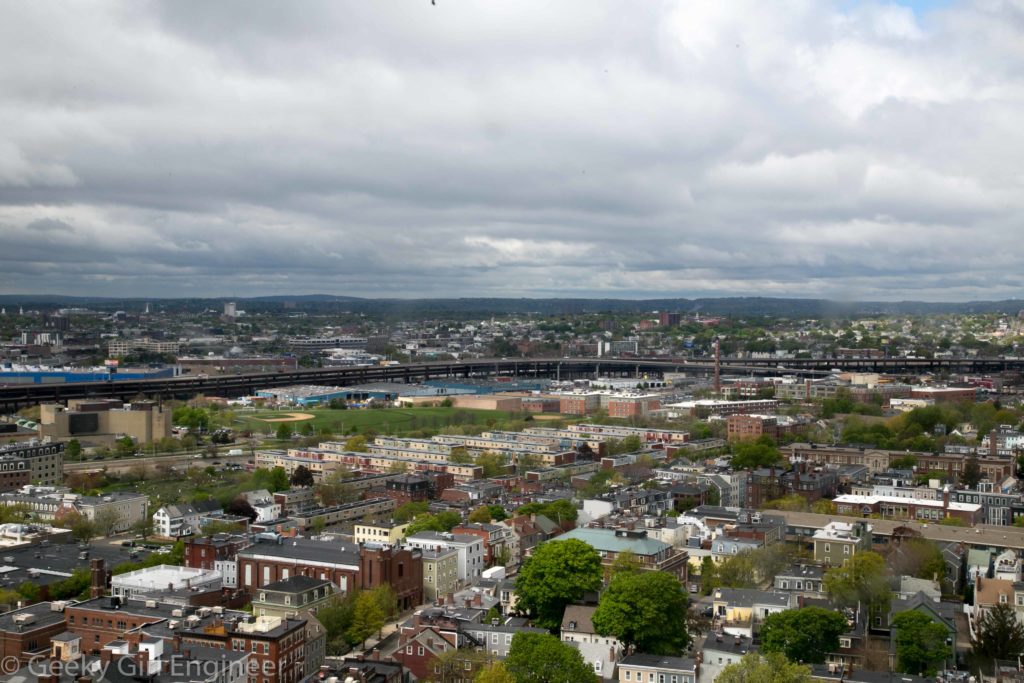
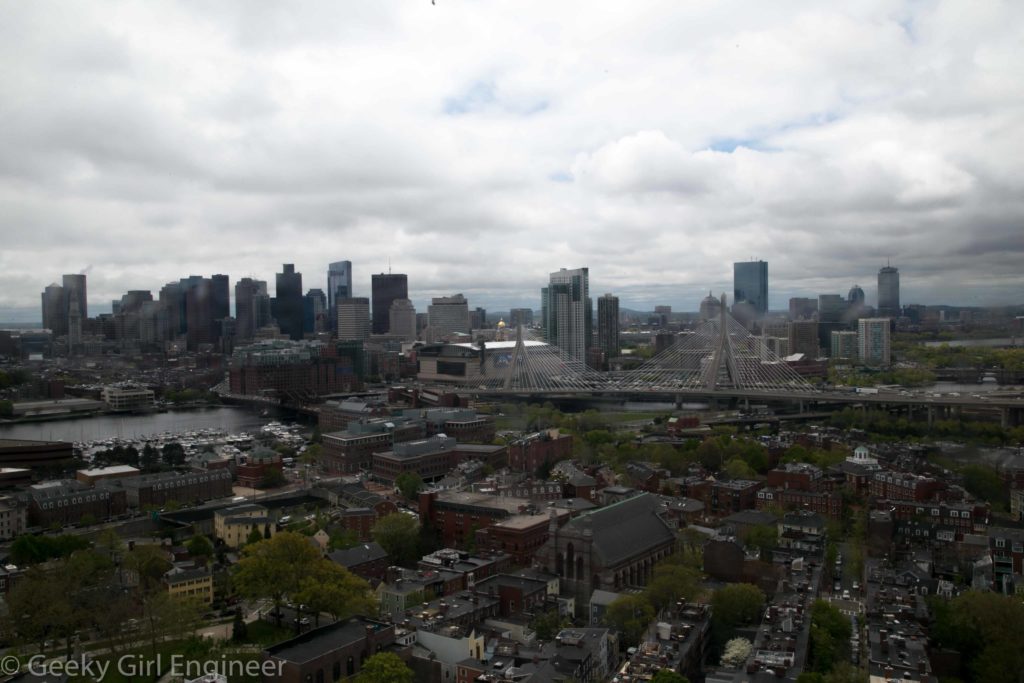
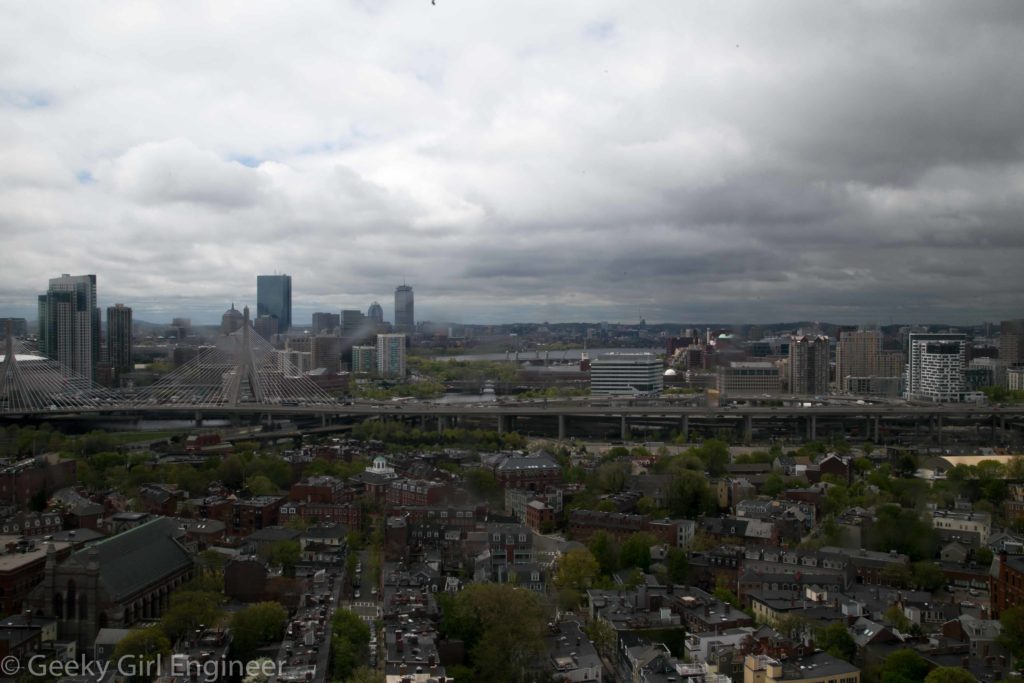
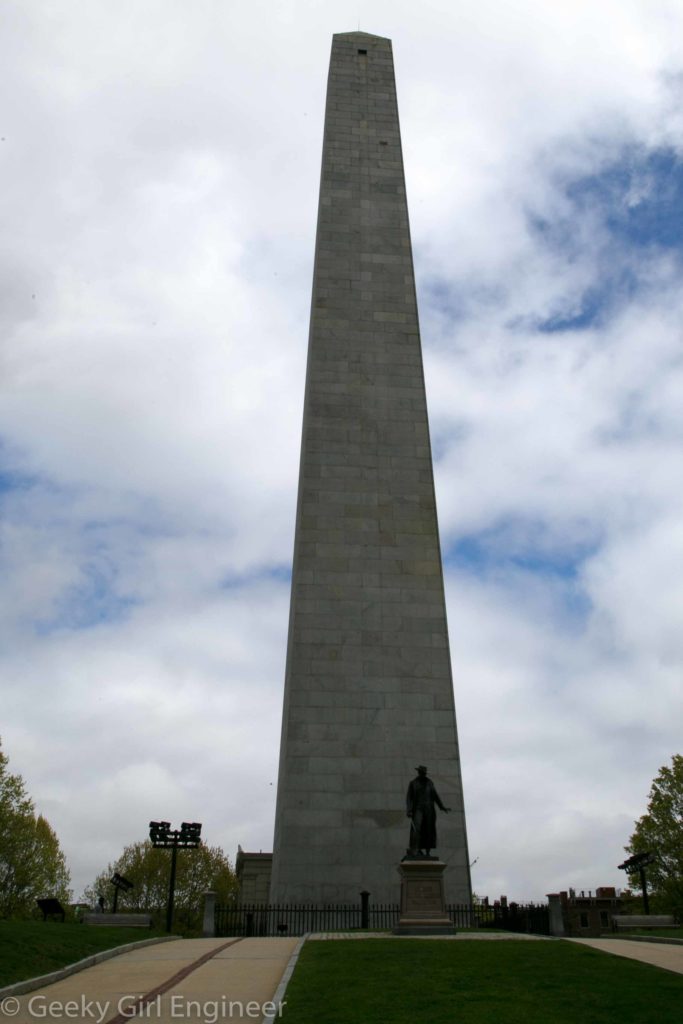
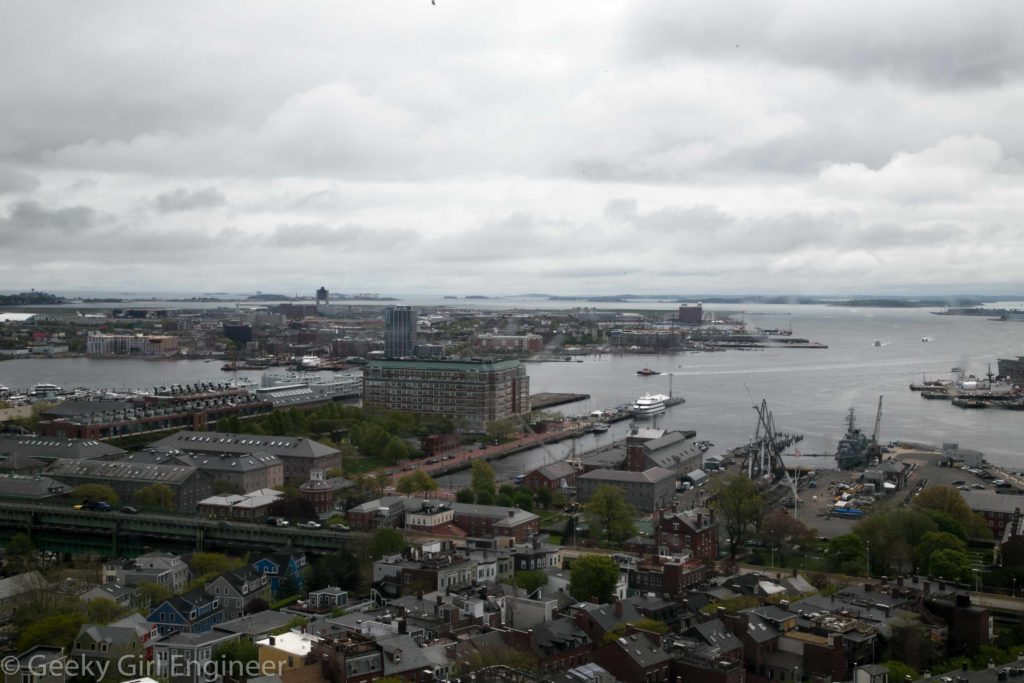
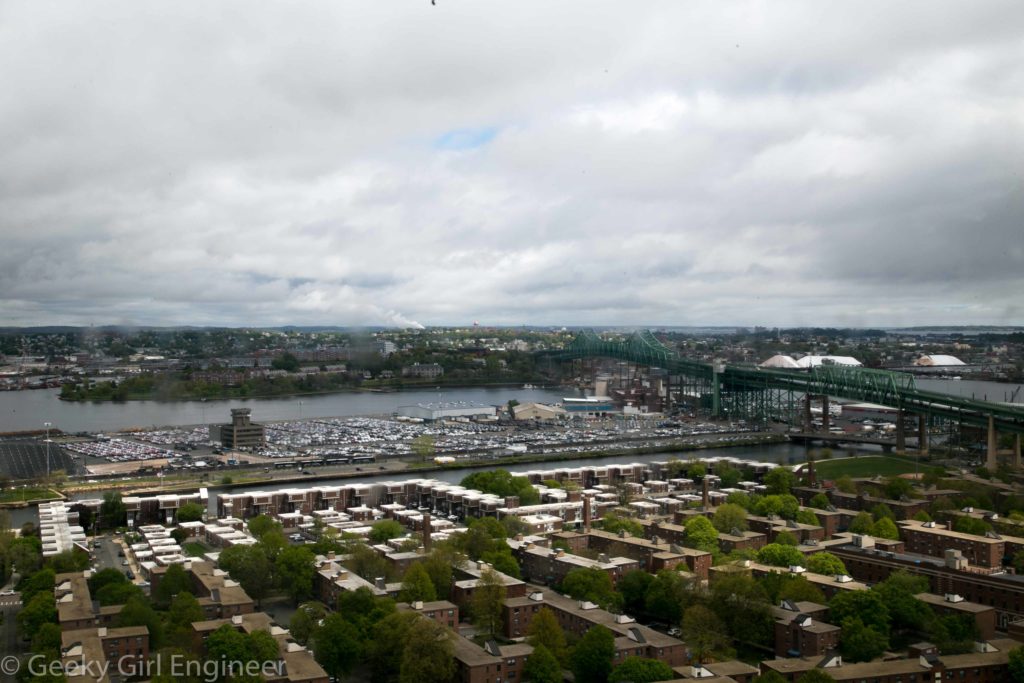
I was in Boston for a few days, and I decided to walk the Freedom Trail. I got to the Bunker Hill Monument, and I was told I should go to the top because the views are great. This seemed like a perfectly good reason to climb 294 steps. My legs afterwards had some thoughts on this idea. Anyway, here are some photos from the top, so you don’t have to climb it.
Massachusetts State House
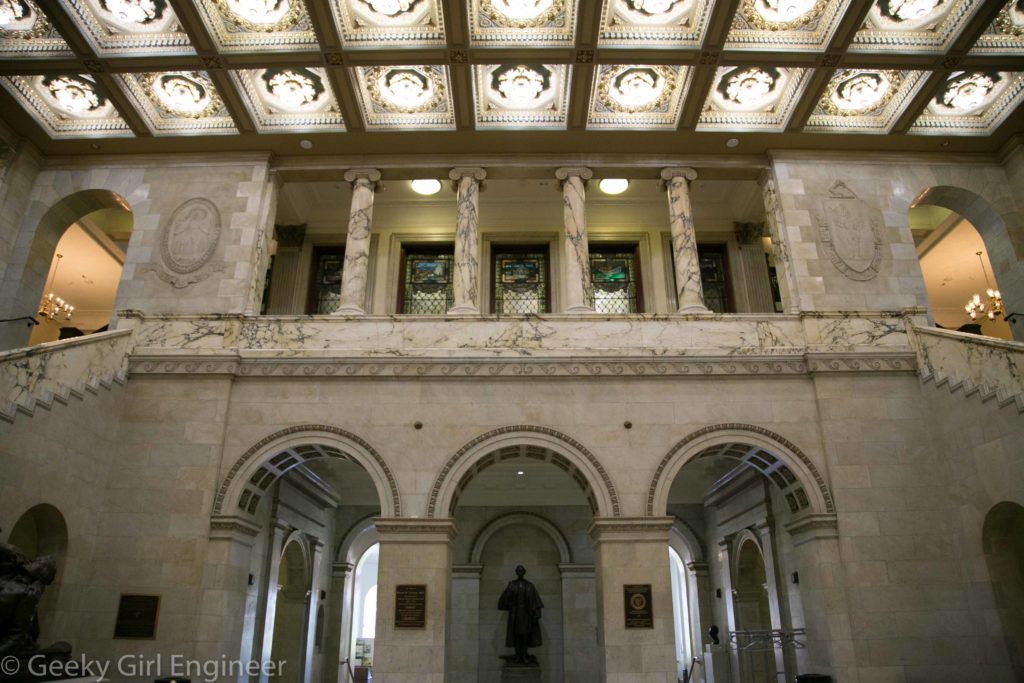
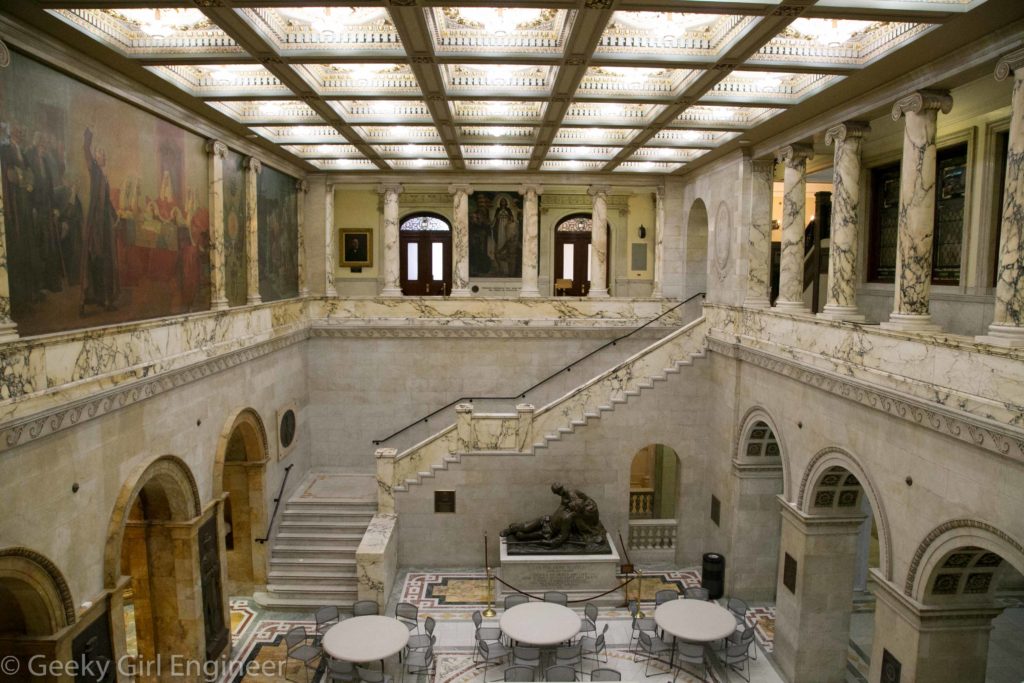
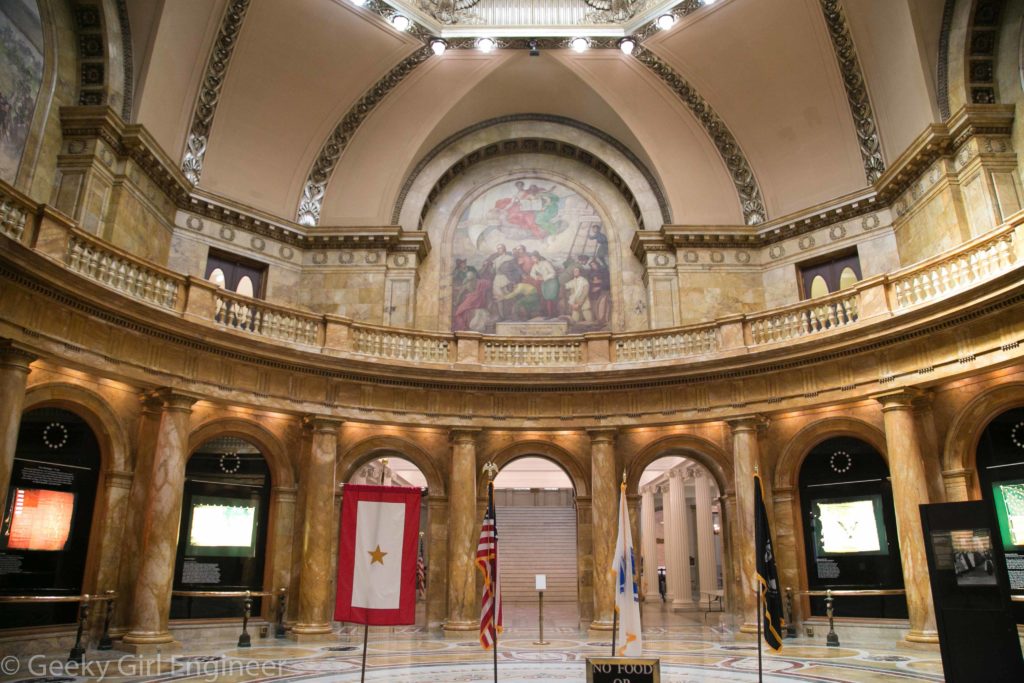
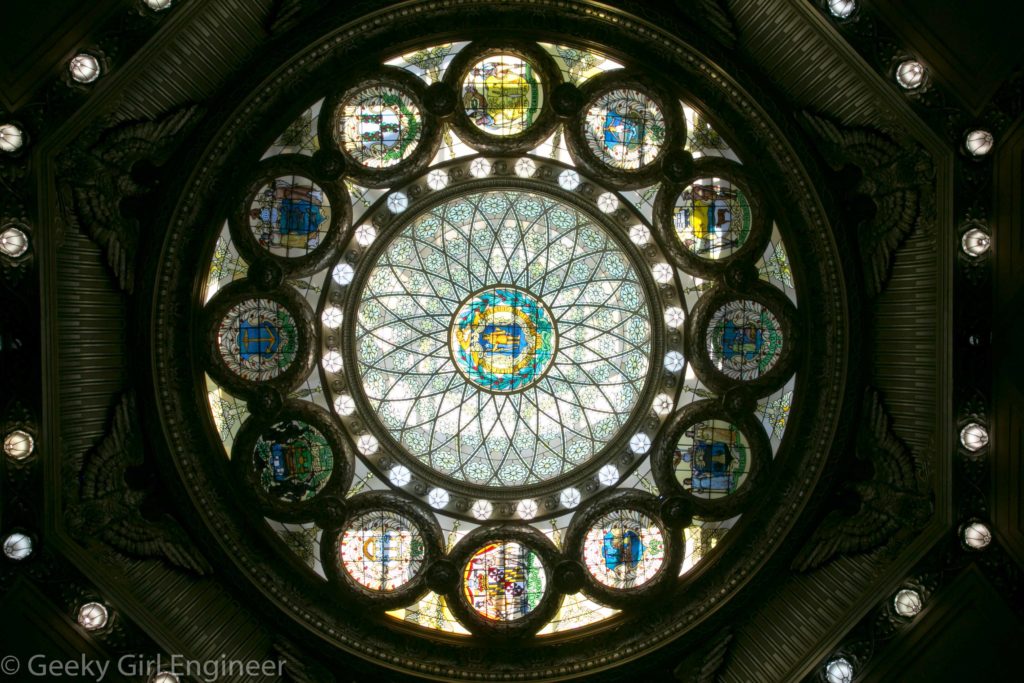
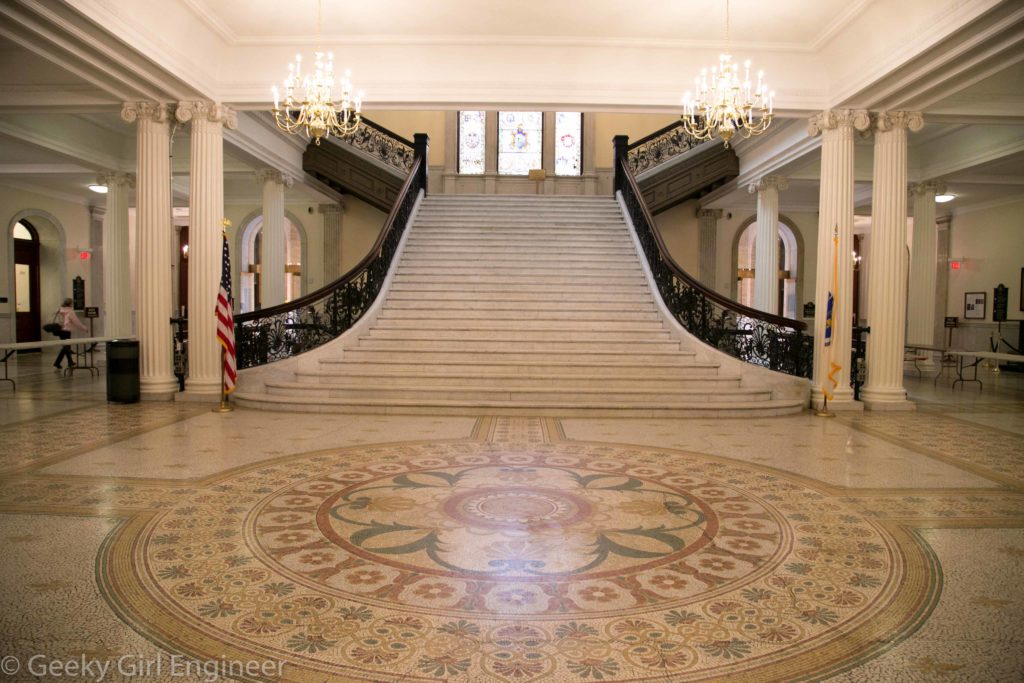
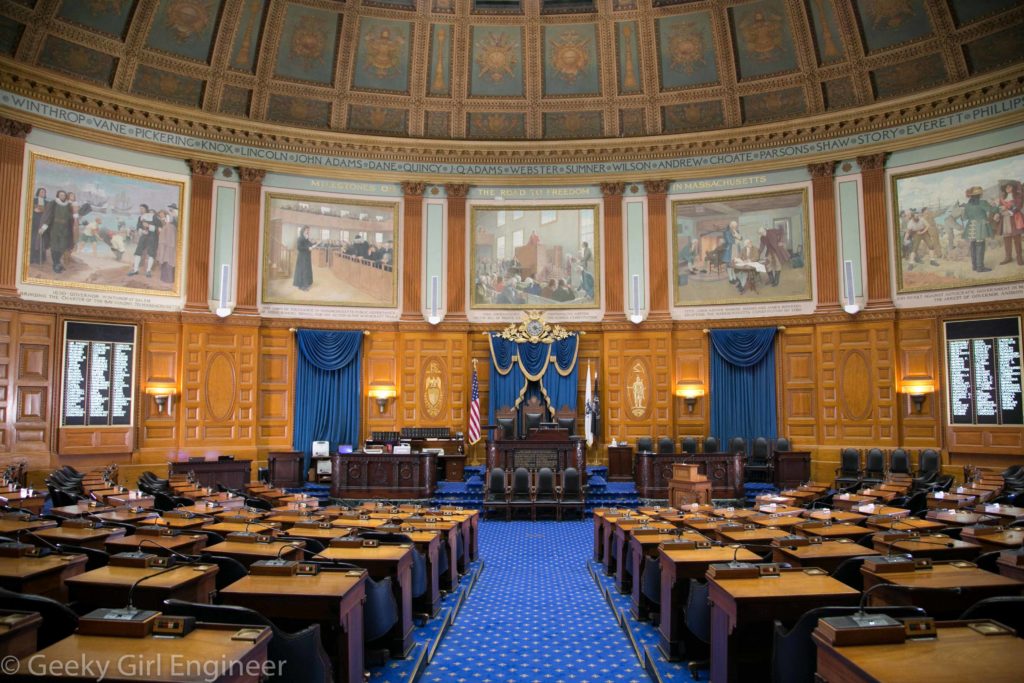
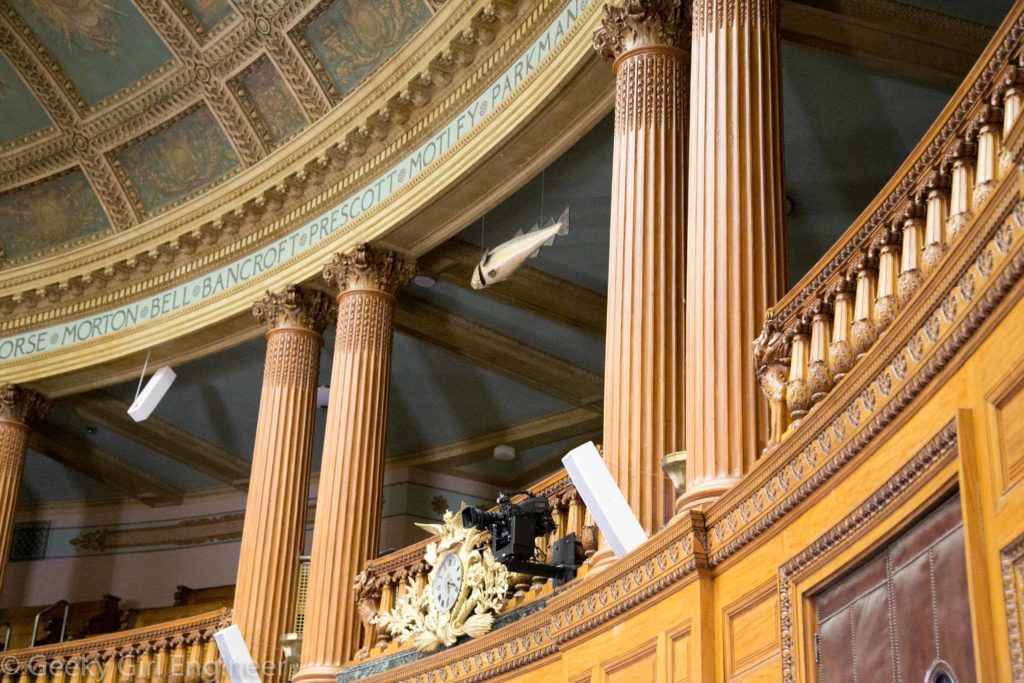
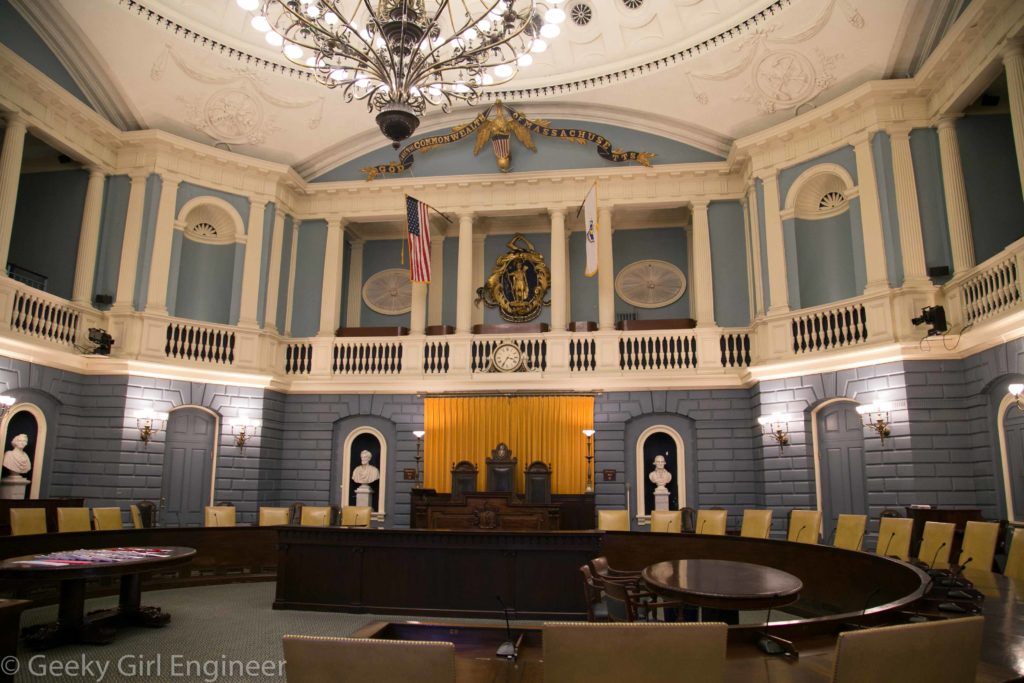
I have a goal to visit all 50 state houses. I am in Boston for a few days, so I was able to visit the Massachusetts State House. The State House is very pretty with a whole lot of marble. There is a definite sea theme in it, with waves and fish in many different areas. There is a large fish in both the House of Representatives and the Senate Chamber. The main portion (or pretty area as one worker there called it), is smaller than I originally thought it would be. However I guess the actual working area is generally more functional, not as pretty.
Boston’s Transit Museum
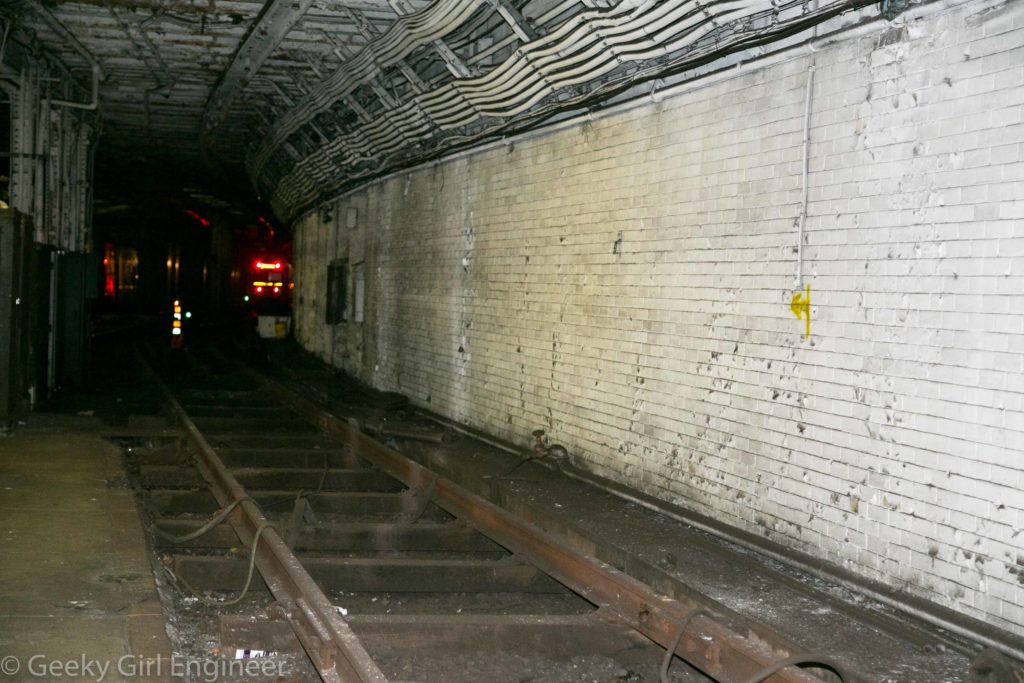
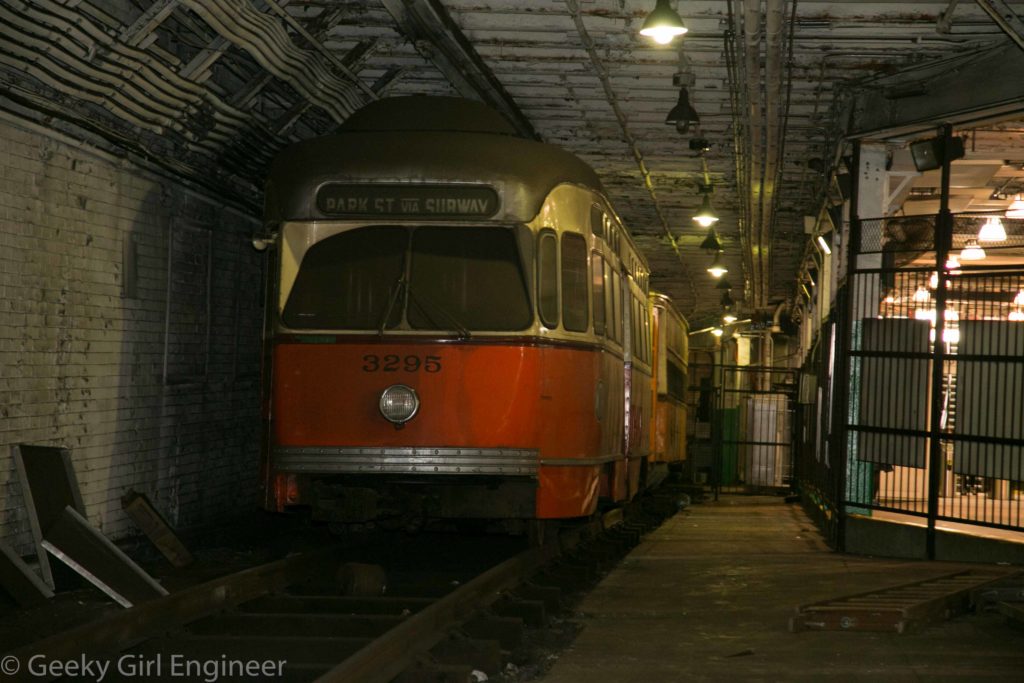
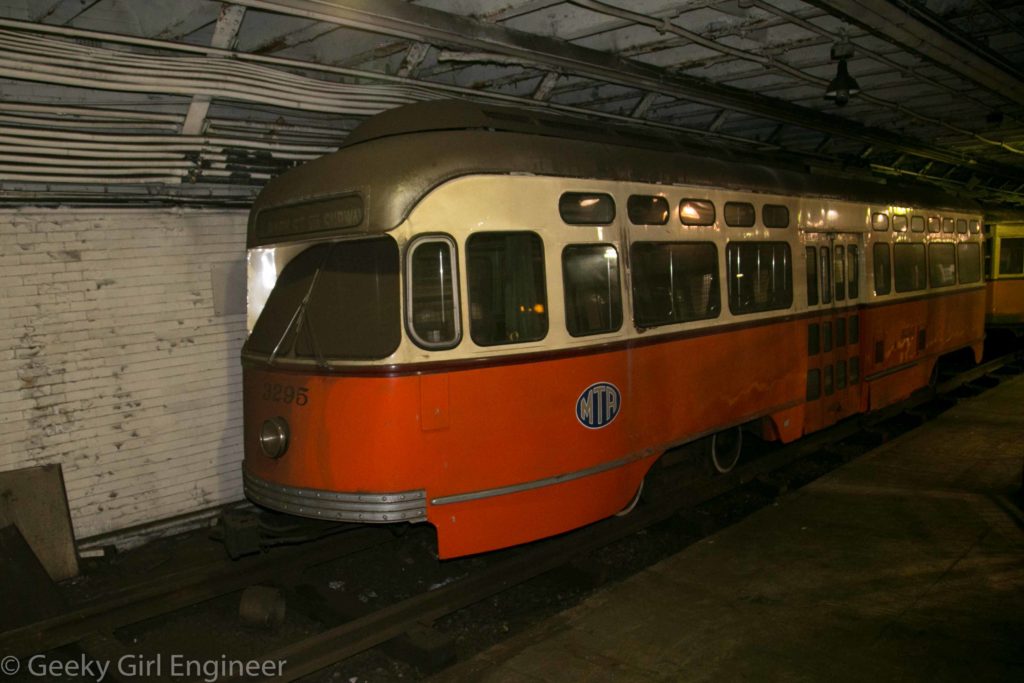
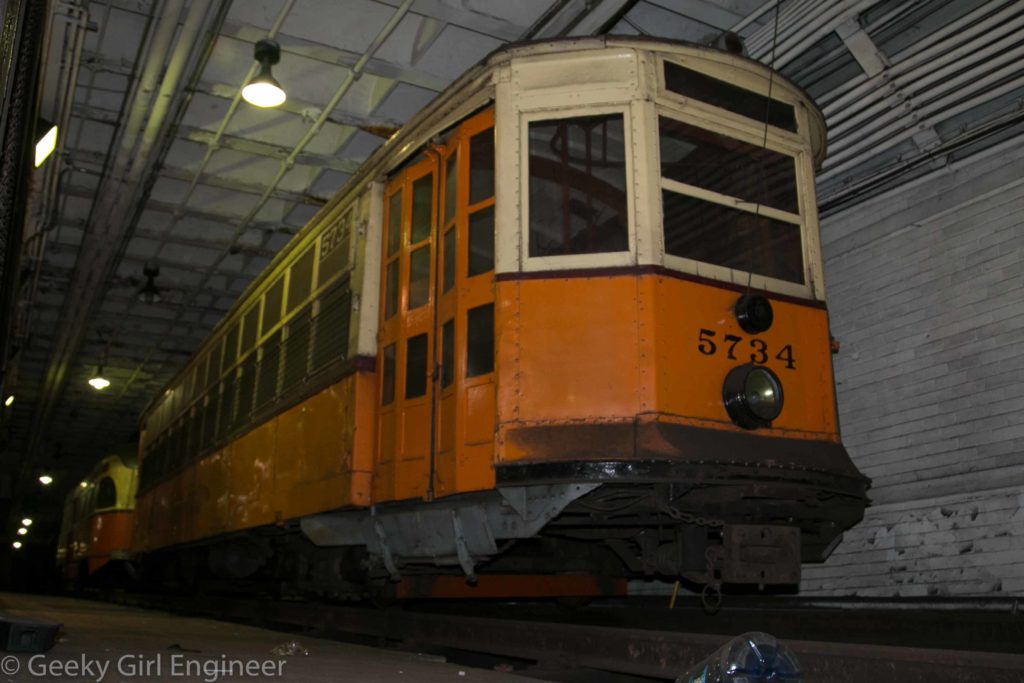
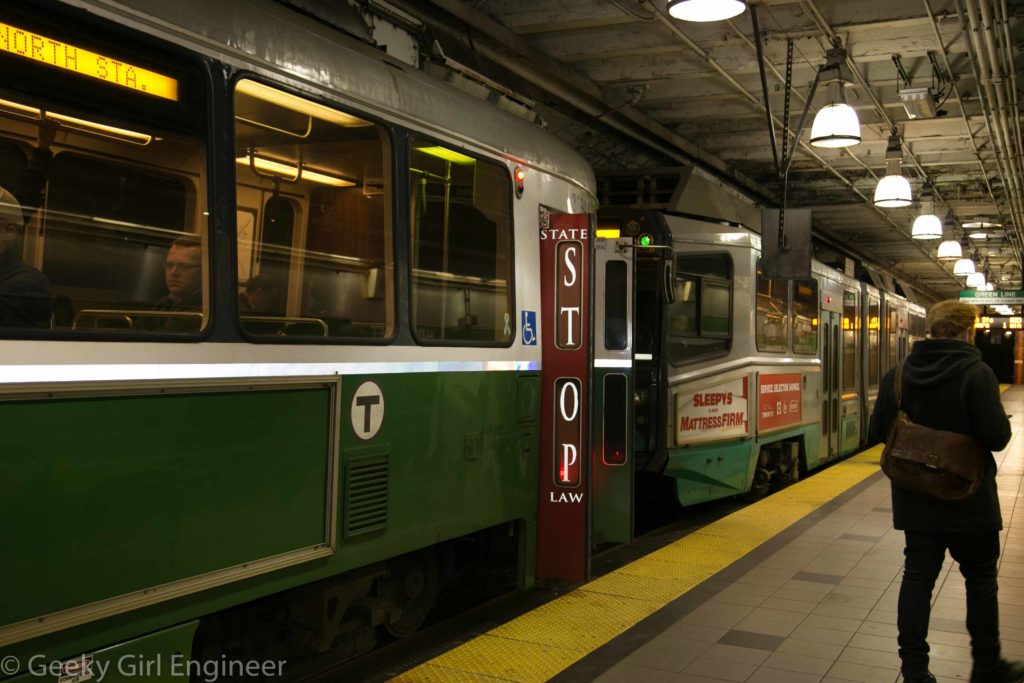
I’m in Boston, and my friend Kristen, who lives here now, tells me there is something I have to see. Kristen knows me really well. She knows I am a member of the New York Transit Museum and a transit nerd. She says I have to visit Boston’s Transit Museum. Boston has a transit museum? No, but they seem to have unofficially made a tiny but not really accessible one that can be visited for the cost of a T ride. Go to the Boylston Station on the inbound side tracks, and that is the Boston “Transit Museum.” How permanent the exhibit is, I have no idea, but there are two old streetcars parked there. They are behind a huge fence, so it is difficult to get photos, but they are kind of cool to see.

PCC Car No. 3295, according to display, this car was received in 1951 and was of the last PCC cards built by Pullman-Standard Company
MTA Substation #13
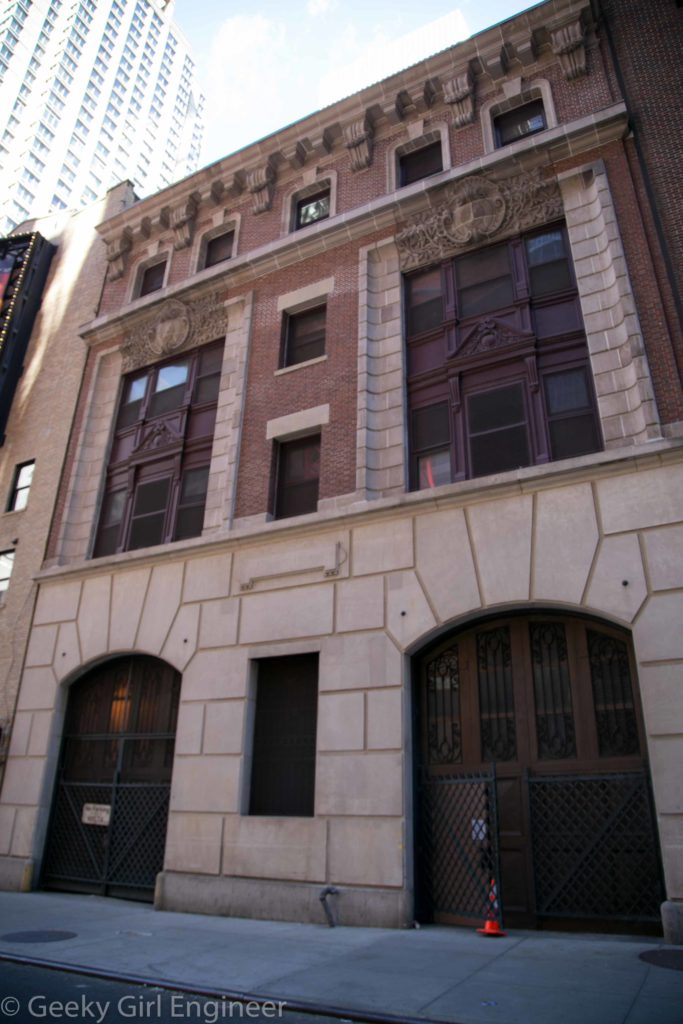
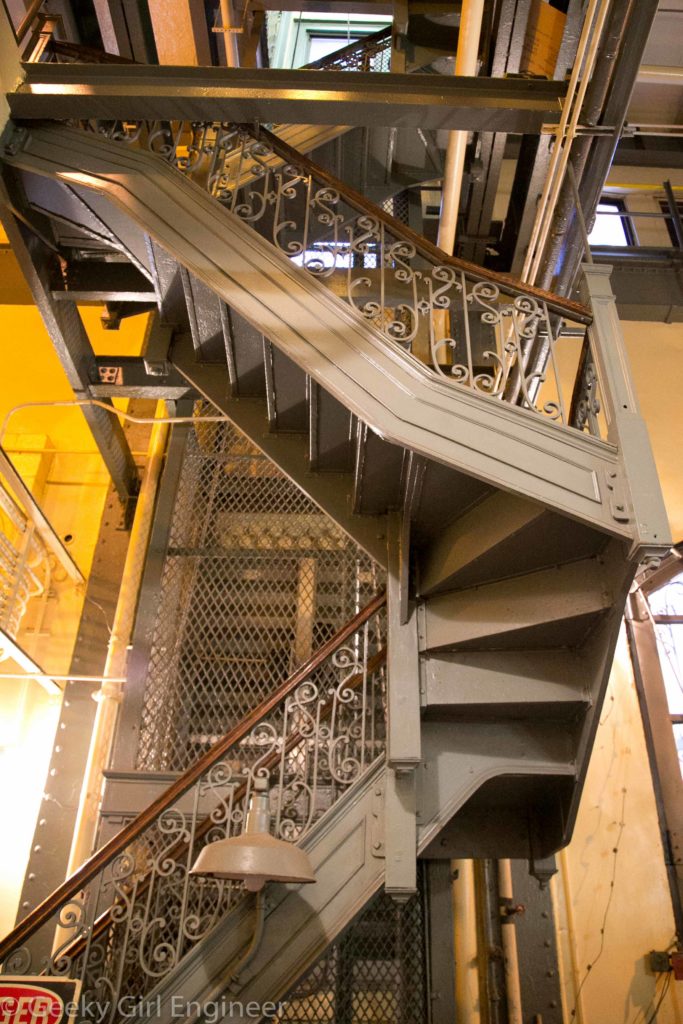
I got to the MTA’s Substation #13 through the New York Transit Museum recently. The substation converts high voltage AC electricity from the grid and converts it to a lower voltage DC electricity that is used to operate subway trains via the third rail. The substation was originally built in 1904, and it fits into the category of “they don’t build them the way they used to.” The outside looks like a nice neighborhood building, and it has architectural aspects that I really wouldn’t expect from a substation. For example, an interior staircase has lovely decorative balusters.
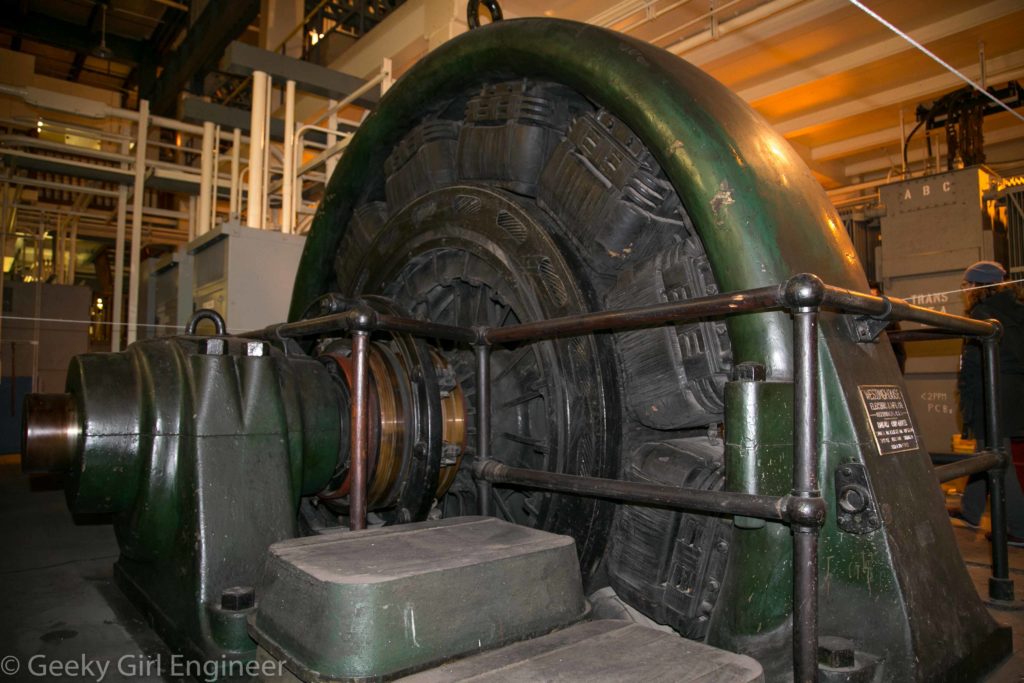
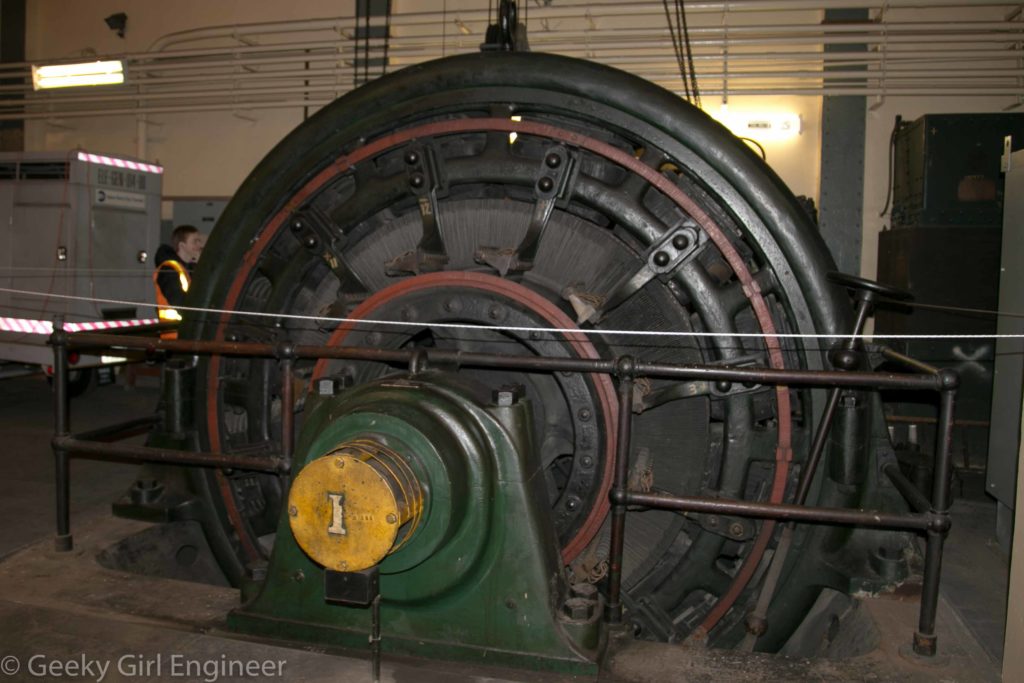
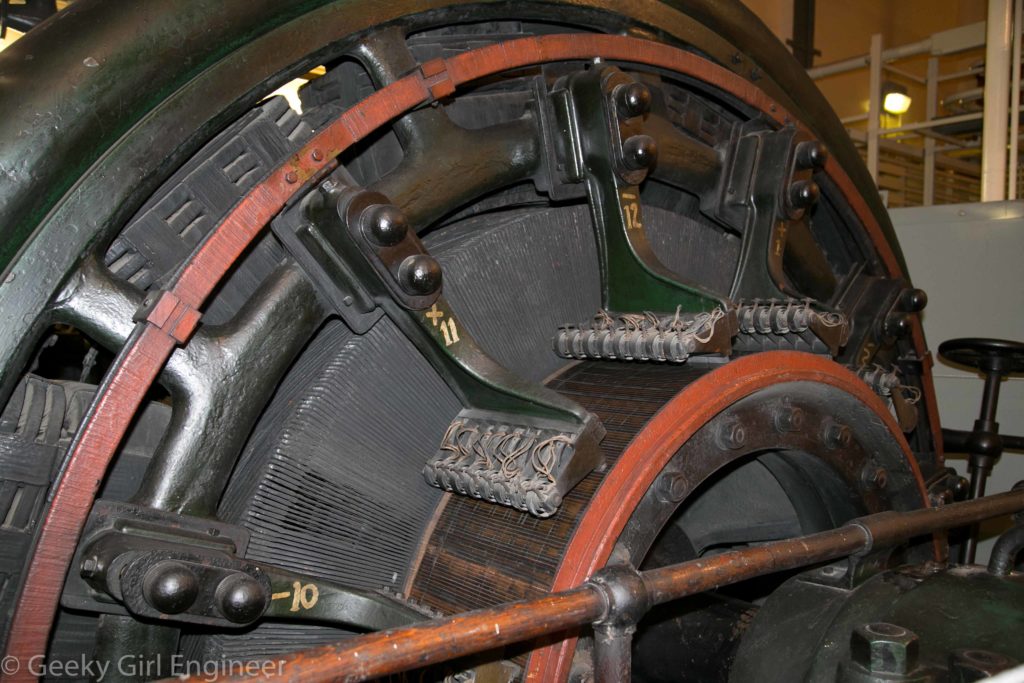
Inside the substation are large rotary converters, specifically Westinghouse 1,500 kilowatt Rotary Converters. The rotary converters are what used to transform the AC electricity to DC electricity. Now modern solid state rectifiers are used to transform the electricity, and they are much more compact. The old rotary converters were used until 1999, when this substation was switched to the new equipment.
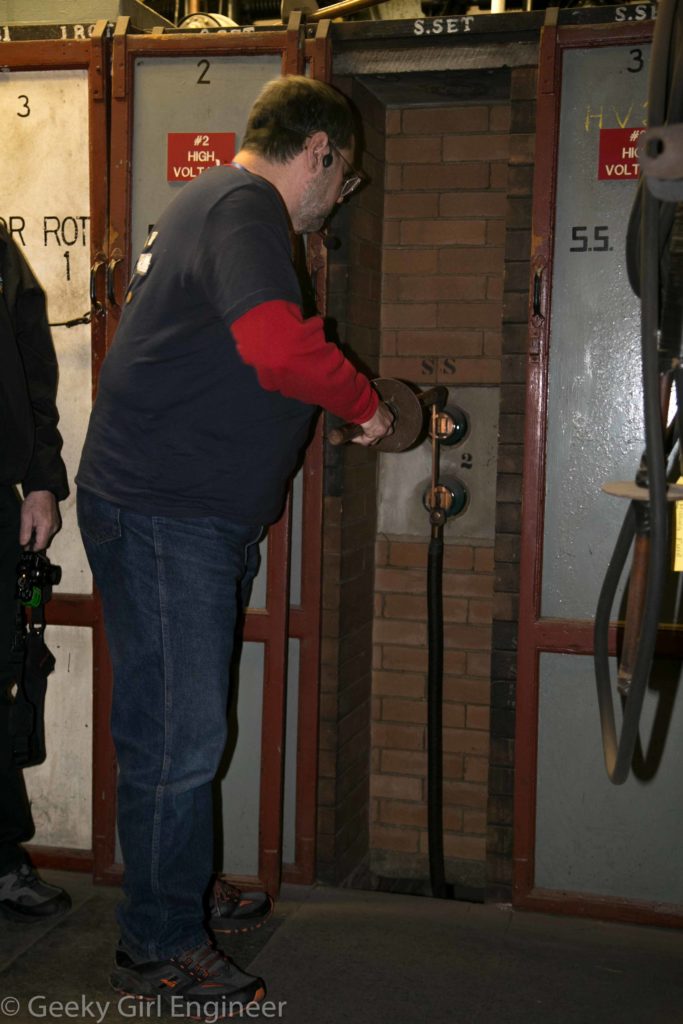
Our guide was retired general superintendent Robert Lobenstein, who showed us around. He also showed us how workers used to have to do normal work, like changing switches and listening for crackling to make sure a wire was not live.
We got to go into the basement which had all sorts of old equipment.
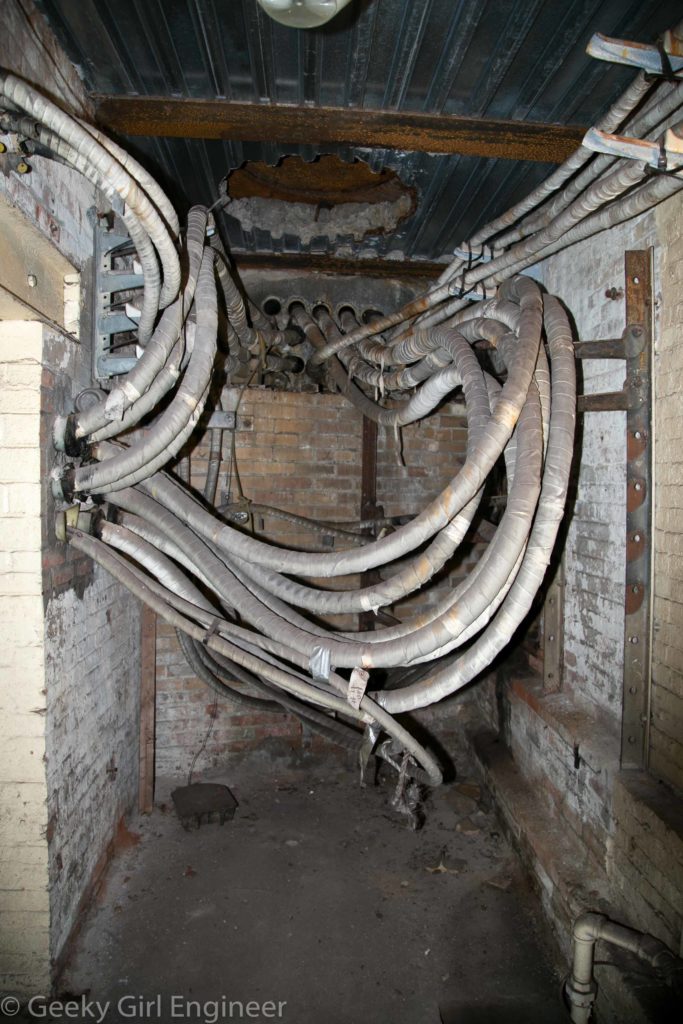
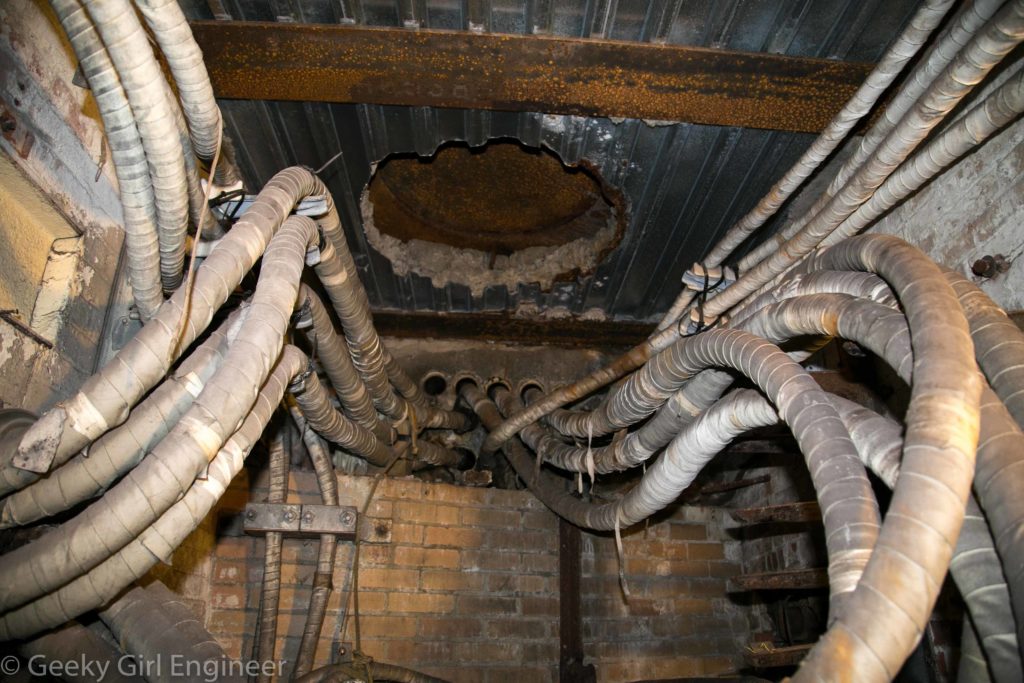
We even got to go into a vault under the street where cables left the substation to go to the subway. The vault can be accessed through a door in the basement or through a manhole in the street. Normally this type of vault could only be accessed through a manhole. The cables go through conduits that are buried under the street. The cables are tagged, but it still looks like it would be difficult to find the right one if needed.
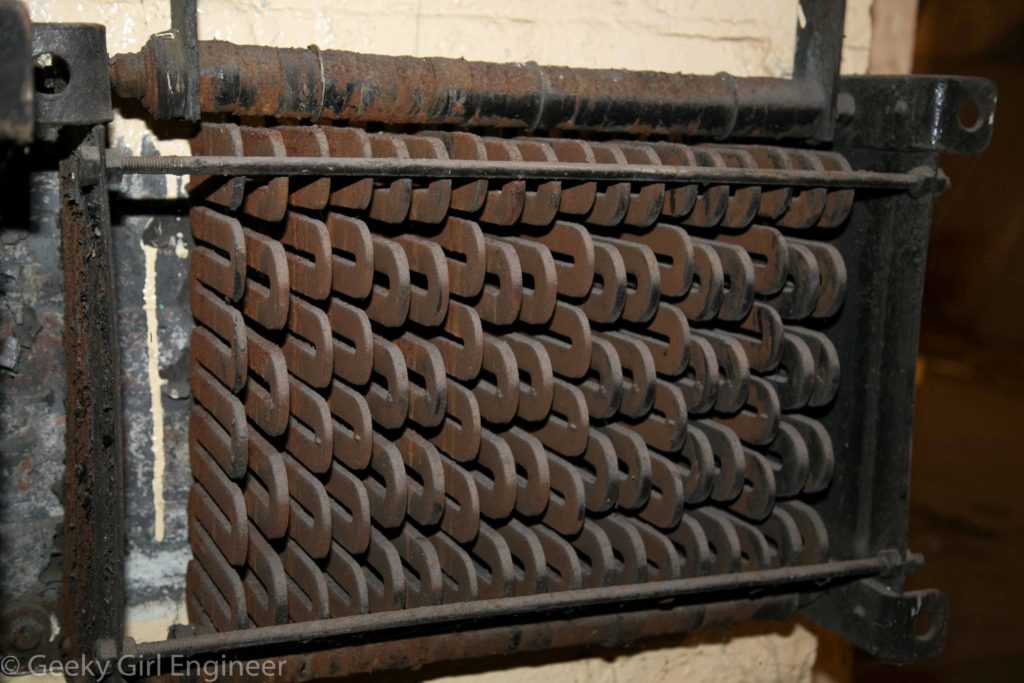
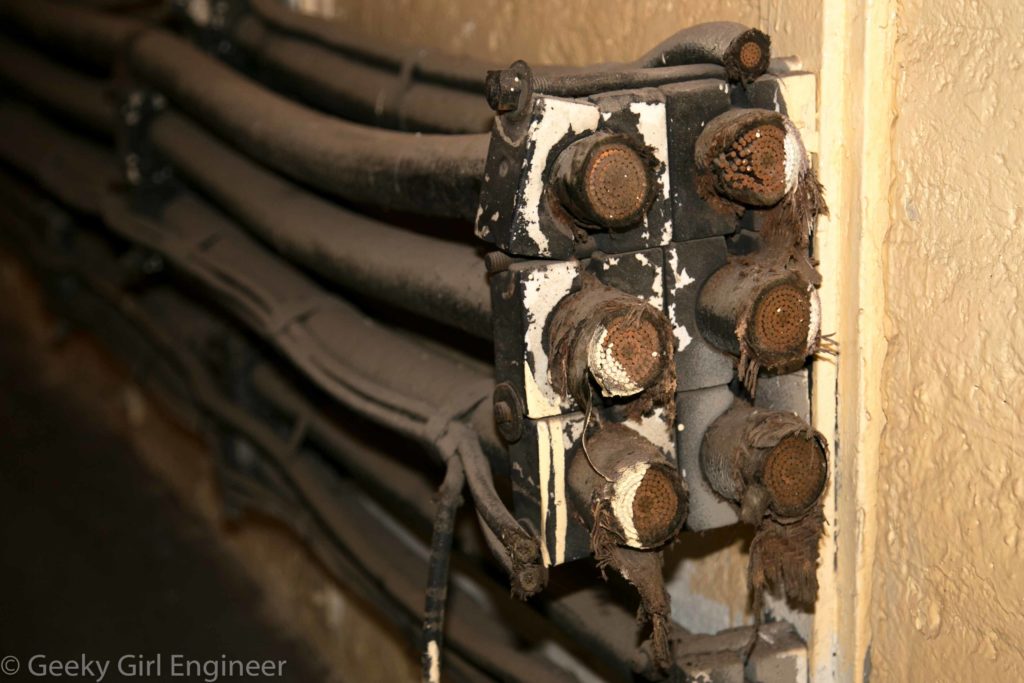
Back inside the basement, some of the equipment was still being used, but some was no longer needed, like some massive cables that were cut.

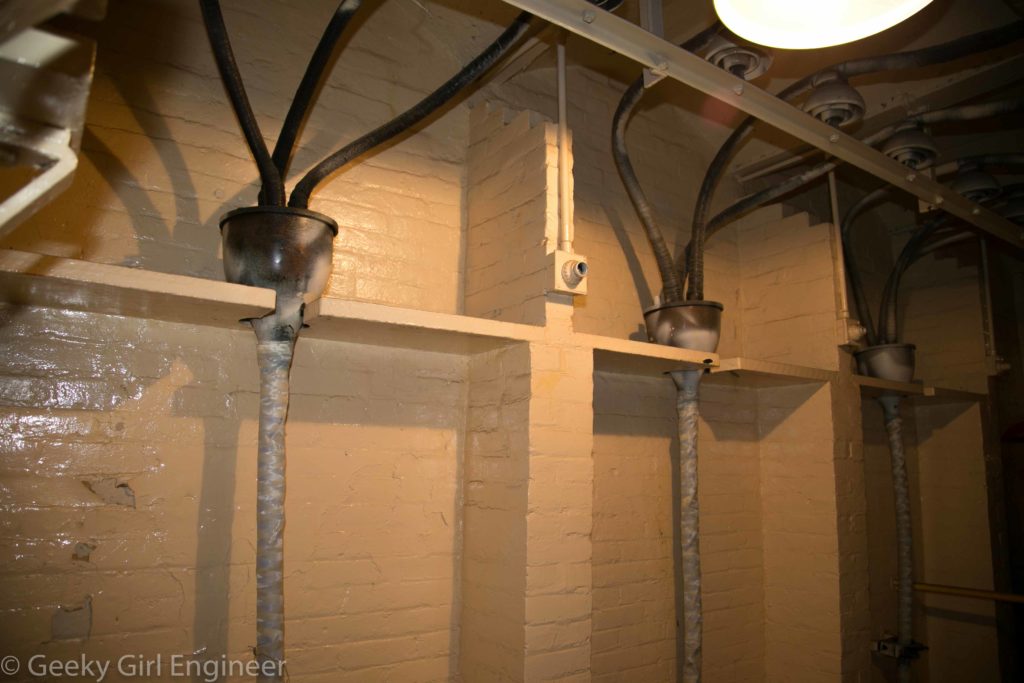
Cables come in from the ground from the grid and are then split before going upstairs to the transformation equipment.
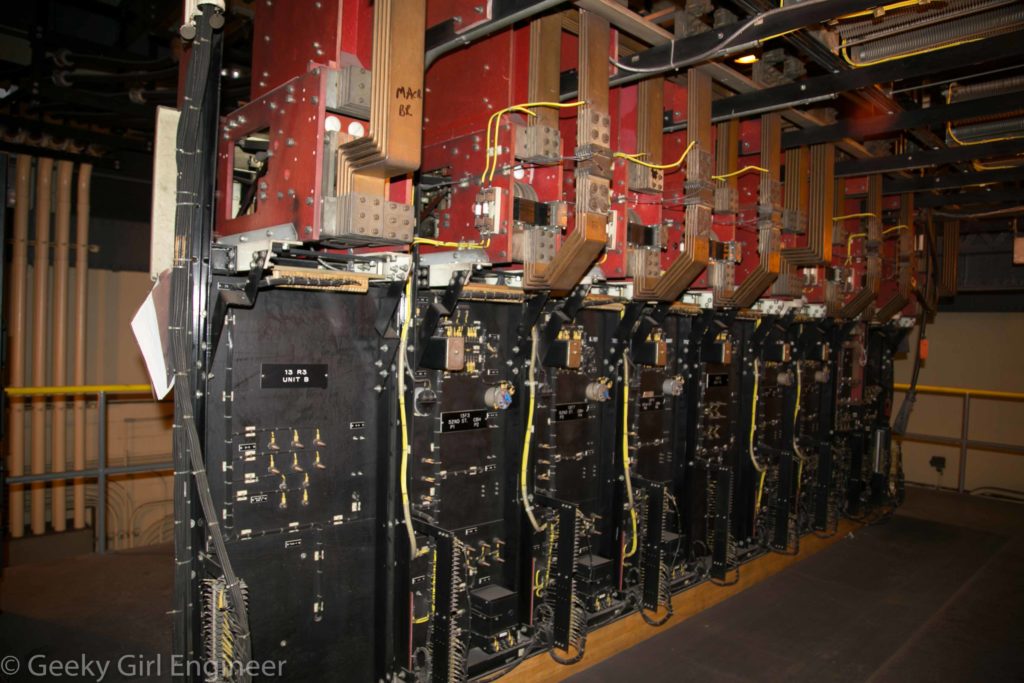
We then went upstairs were the new equipment was, including the solid state rectifiers and the biggest breakers I have ever seen. The breakers are in the circuit with the third rail. They detect surges in the third rail and cut off power before a fire or some other damage can occur. There is a lot of redundancy with the circuit breakers. Our guide turned one off, so we could hear how loud it is, but because of redundancy, it had no effect on the subway.
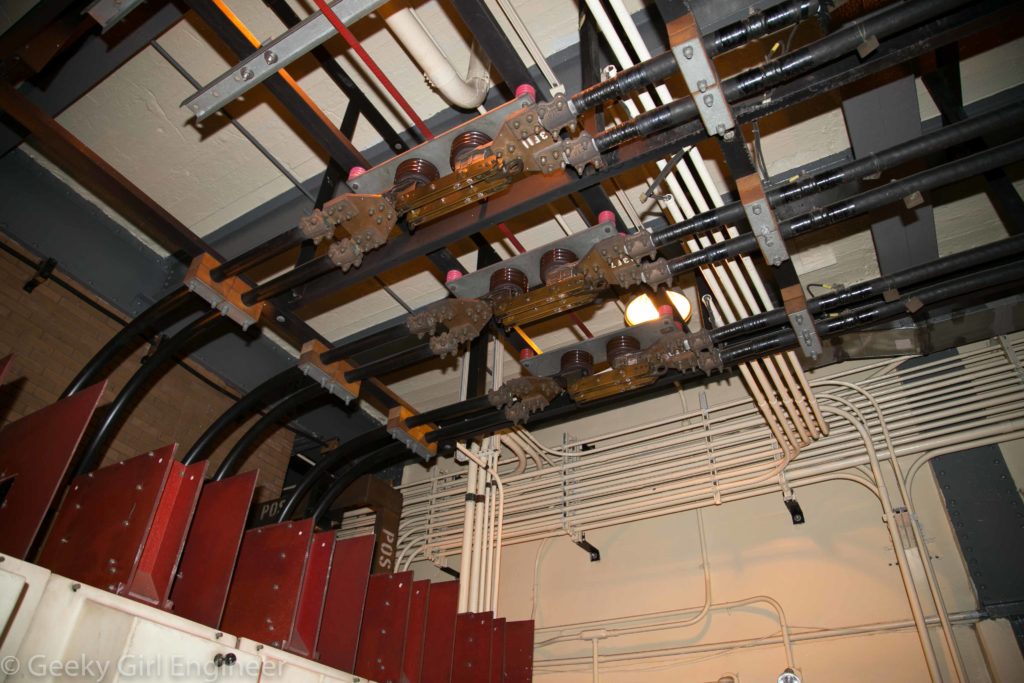
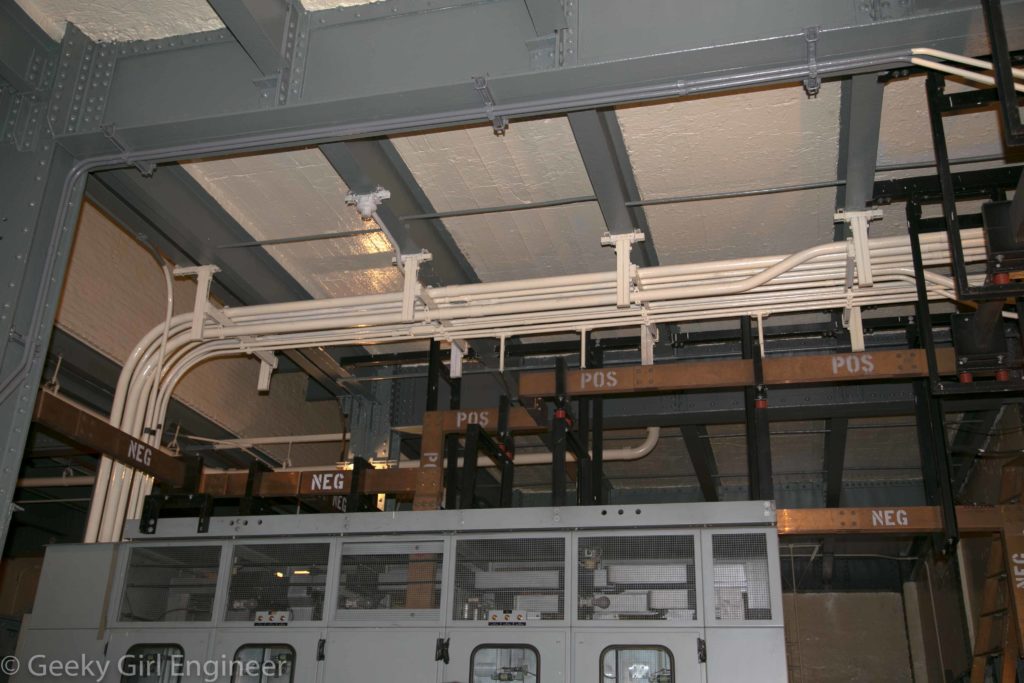
The solid state rectifiers are very different in appearance, at least, from the rotary converters. [I understood very little about this.] What amazed me during the tour, was when I finally understood I was actually staring at the third rail. The long copper plates in the photos are the third rail, which leave the substation and go to the subway. The positive rail is the equivalent of the black or red wire in a house’s wiring. The negative is the equivalent of the white wire in a house’s wiring.

Third rail leaves the rectifiers. The positive rail “POS” goes to the subway. The negative rail “NEG” goes to a central location to complete the circuit.
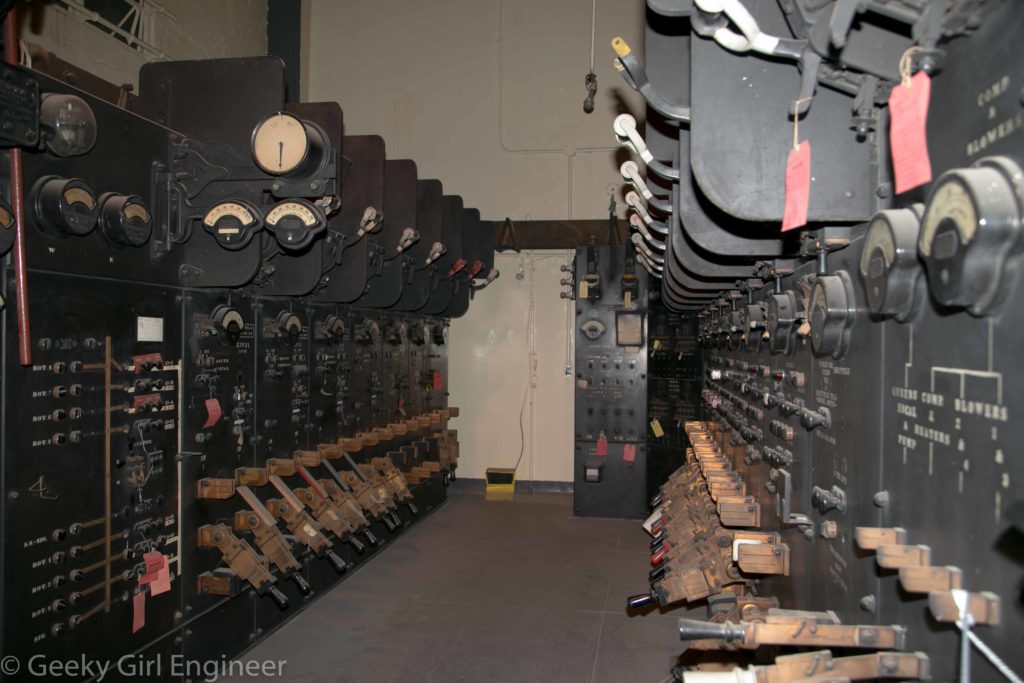
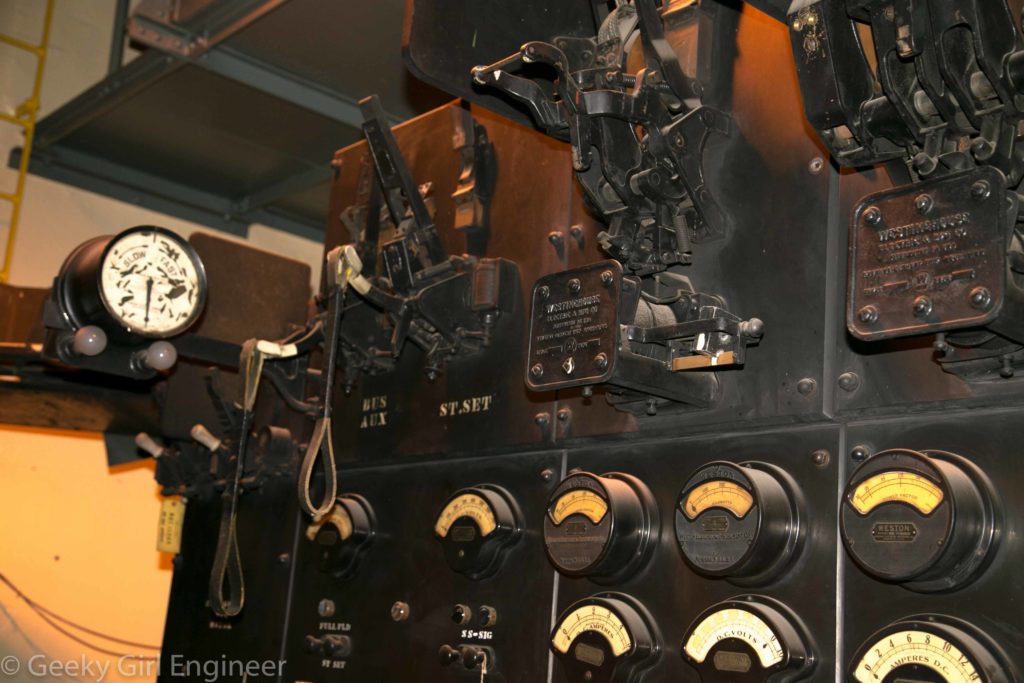
Also upstairs was this amazing old series of electrical switches, dials, and gauges. None of this stuff is used anymore, but it really cool looking. I liked how everything was tagged out, never to have the tags removed again and be turned on again.
Finally at the end of the tour, they turned on the rotary converter for us. Below is a video if you want to see it in action. It is almost hypnotic. During a portion of the video, you will see five lightbulbs on a wooden board sitting on the floor. They are being powered by the converter. After it is turned off and slowly slows down, the lights dim and then turn off.
Treasure in the Trash
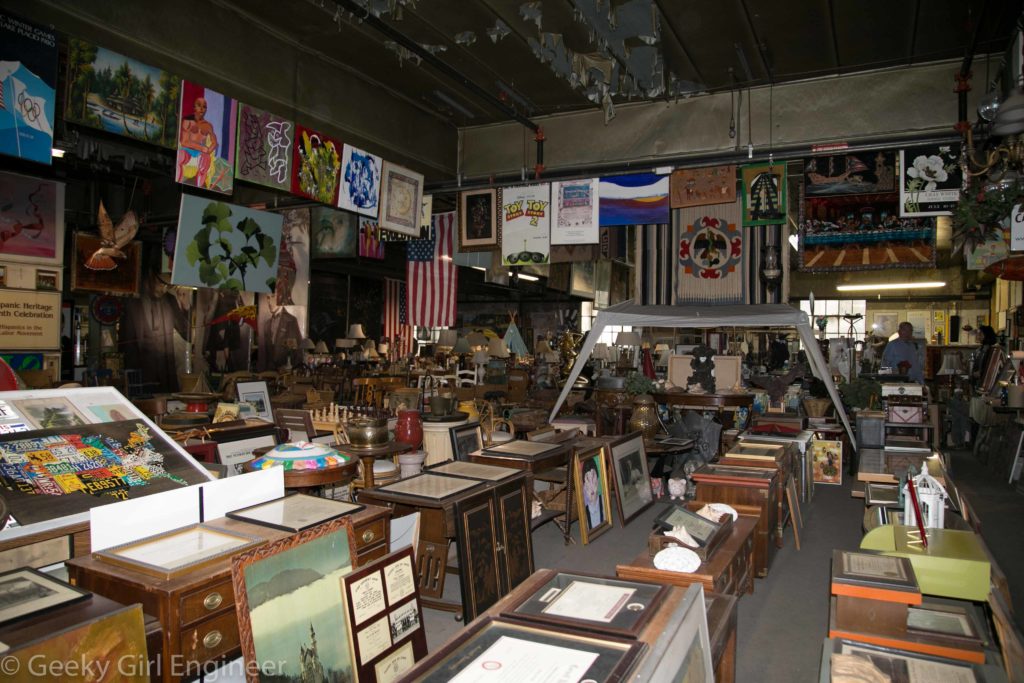
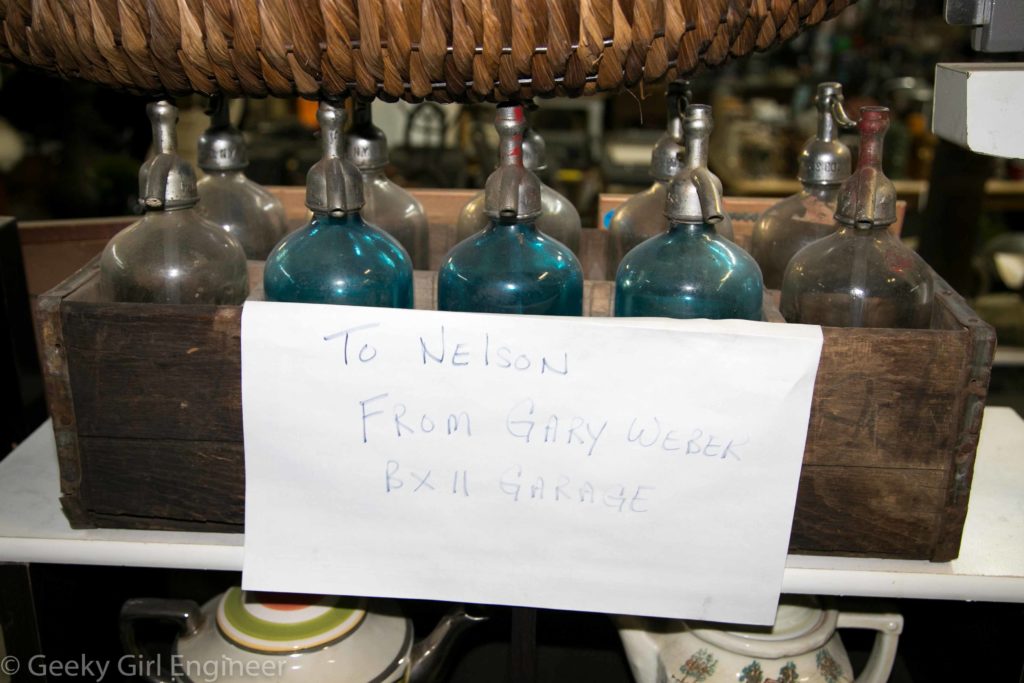
Last week, I finally got the chance to tour Treasure in the Trash, a collection I had heard about a few years back and was obsessed with touring ever since. Treasure in the Trash is a collection of items that former Department of Sanitation of New York worker Nelson Molina found in the trash as he worked his route picking up trash. Only a very small percentage of items in the collection were found by someone else. Also, Mr. Molina worked in the same garage, the M11, during his career, so almost all the items are from the same area in east Manhattan. The collection is housed on the second floor of the M11 garage, which for structural reasons can no longer be used for vehicles (vehicles on only park on the first floor now), so the collection has expanded in the void.
Once trash is put on the curb, it is property of the city. Mr. Molina picked items out of the trash, but as the items were kept in the garage, he never kept them, so he never violated any rules. He would have had to have stopped his habit of picking items out of the trash if it had ever slowed him down on his route. However he clearly is fast in his work, and he is also seriously skilled at knowing which bags might contain items of interest for the collection. He was present during our tour, and he told us that his picking habit started when he was a child, and it clearly is a skill. While it would be easy to find the larger items to pick, we were all amazed at how he found some of the small items that were in bags.
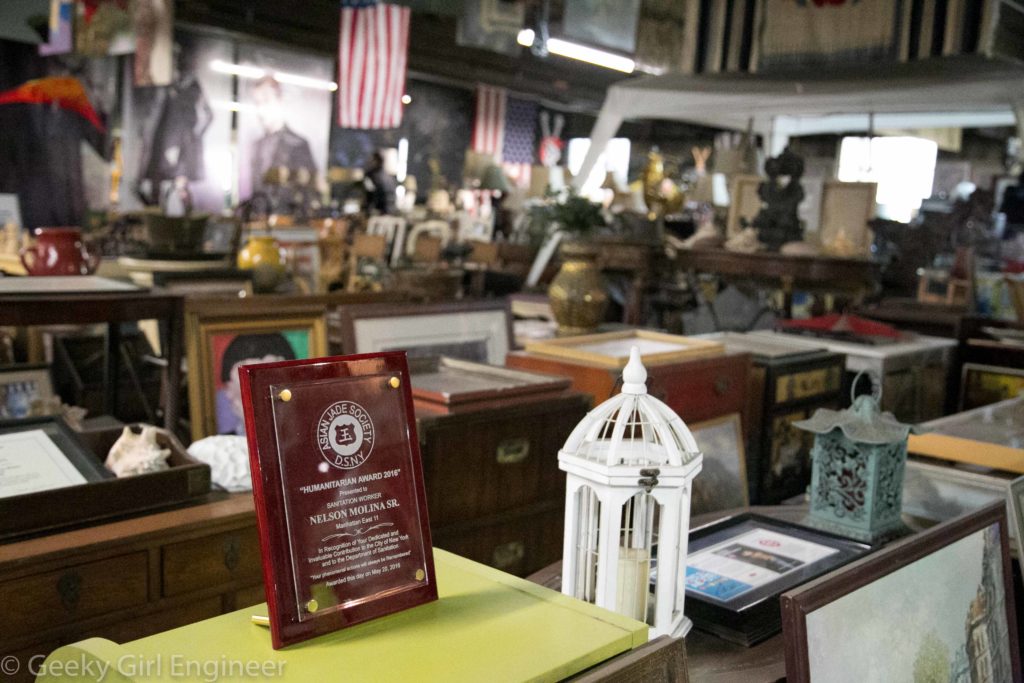
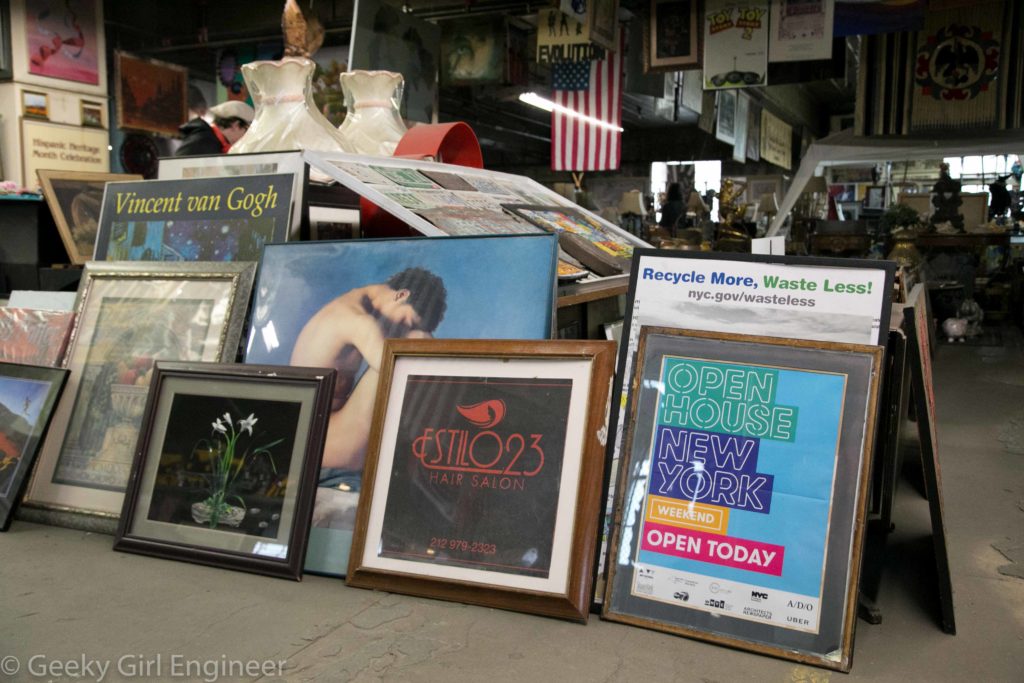
Mr. Molina not only created the collection, but he curates it. The items were all arranged in collections of sorts. He retired from DSNY, but he still comes by the garage often to curate the collection. The collections are well done and arranged. I also enjoyed how he prominently displayed a poster for Open House New York, which arranged the tour, and a poster from the City of New York telling people to “Recycle More, Waste Less!”
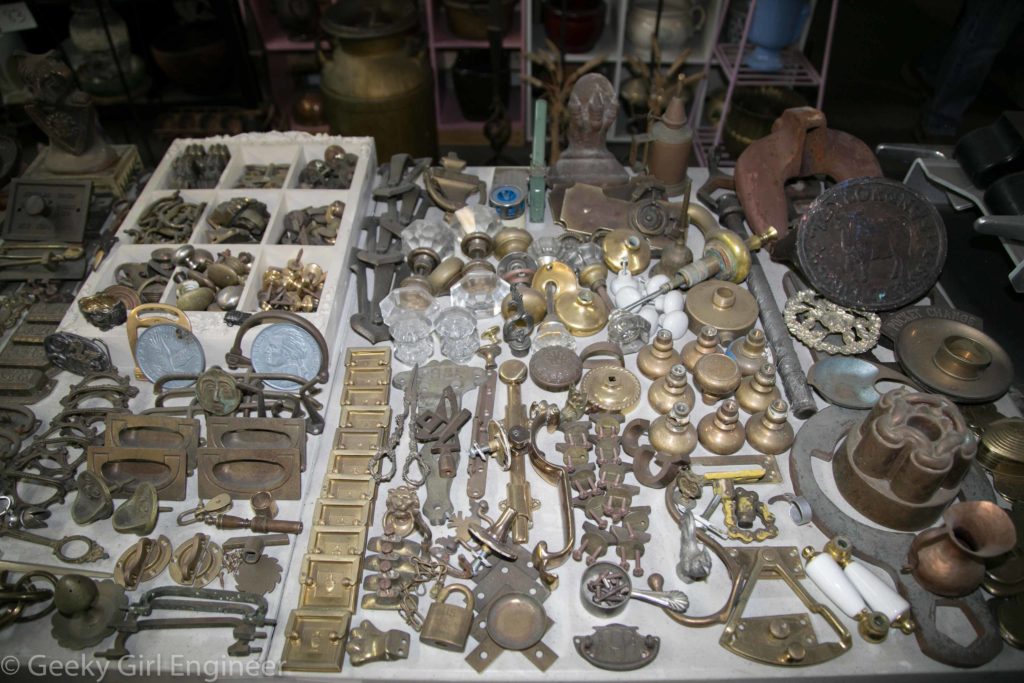
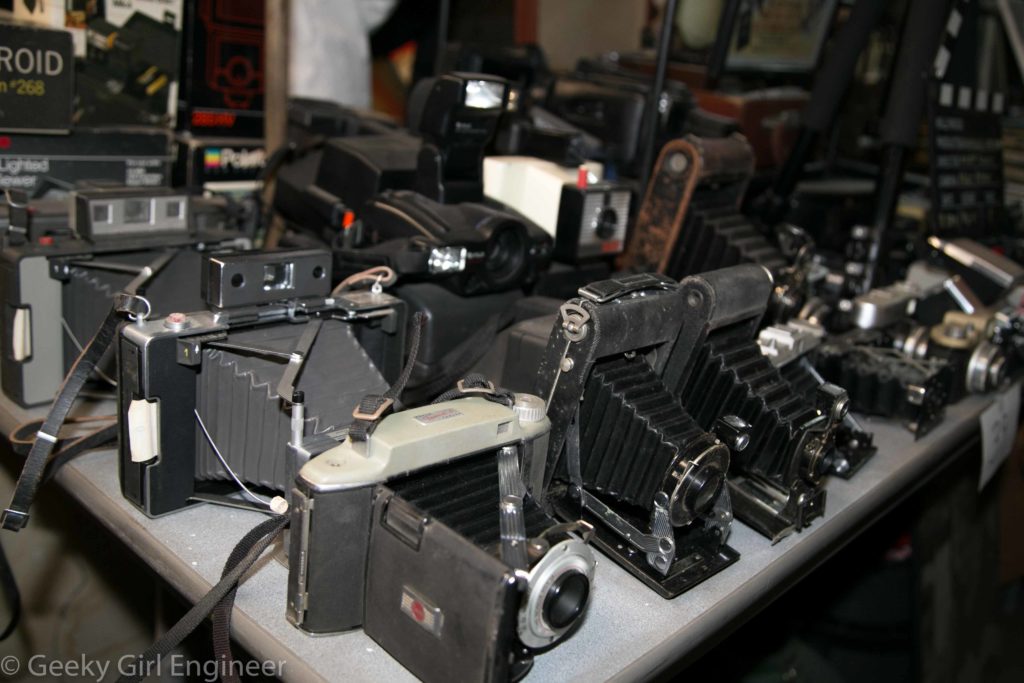
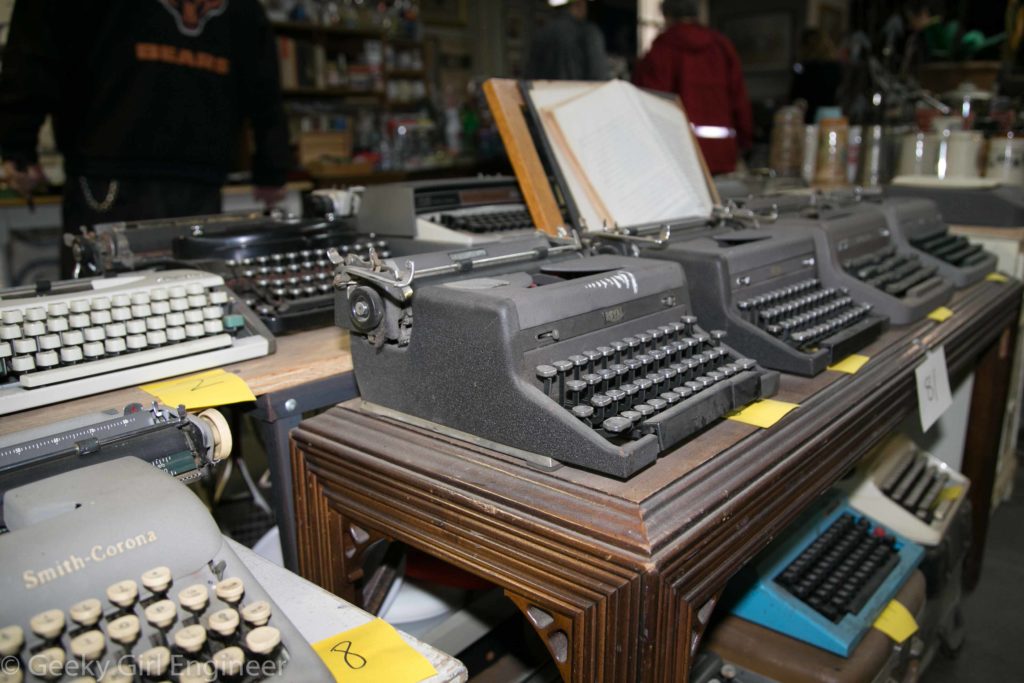
The collection is amazing in its diversity, but it is really a statement about what we as a society throw away. So many things we buy now are “disposable” with the resources used to make them then just put into the trash when no longer desirable or useful. However with so many items, there are still resources that could be saved from the discarded item, if the item was discarded correctly. However in most places, it is difficult to discard of an item in a way that the resources could be retrieved from them. For example, metal recycling exists, but it is not always easy to get an item to a metal recycler. If you can though, you can actually make money from getting the metal to a recycler, like I did when I was renovating my house. [Side note: I don’t know the precise amount, but a decent amount of New York trash goes to Covanta Waste to Energy incinerators. After the trash is burned, Covanta’s process does capture metals to then send for scrap. However burning metals lowers the efficiency of the incinerator.]
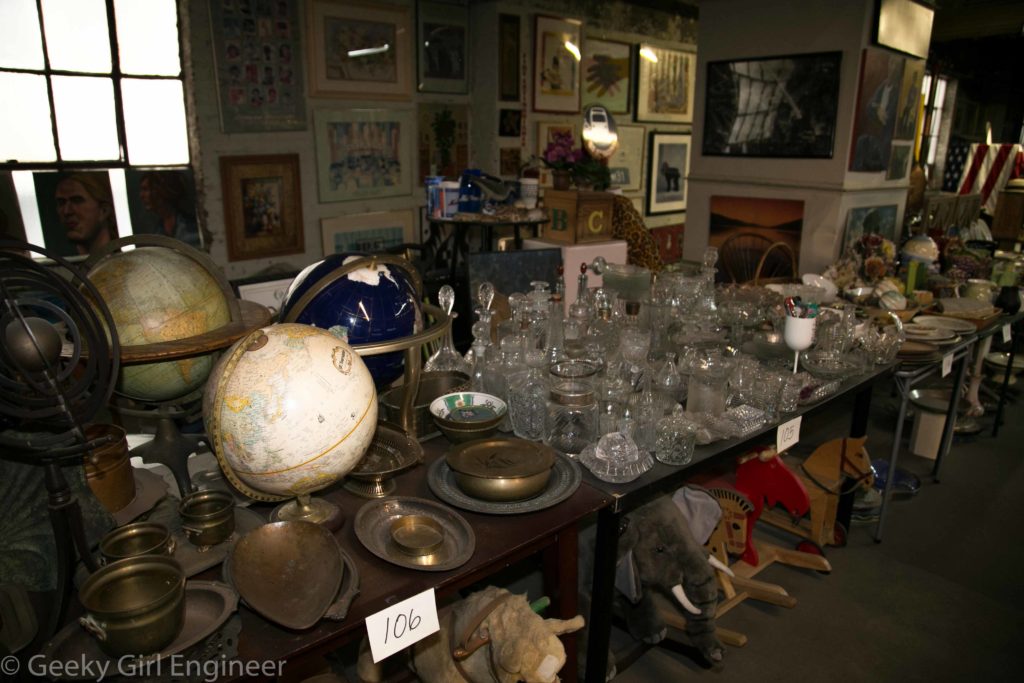
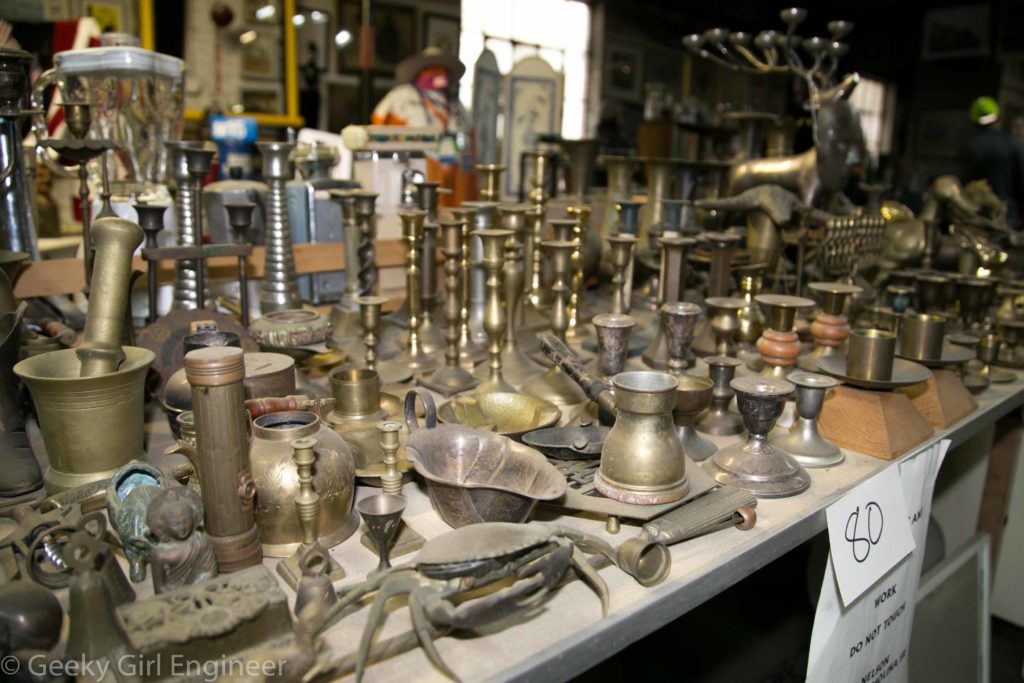
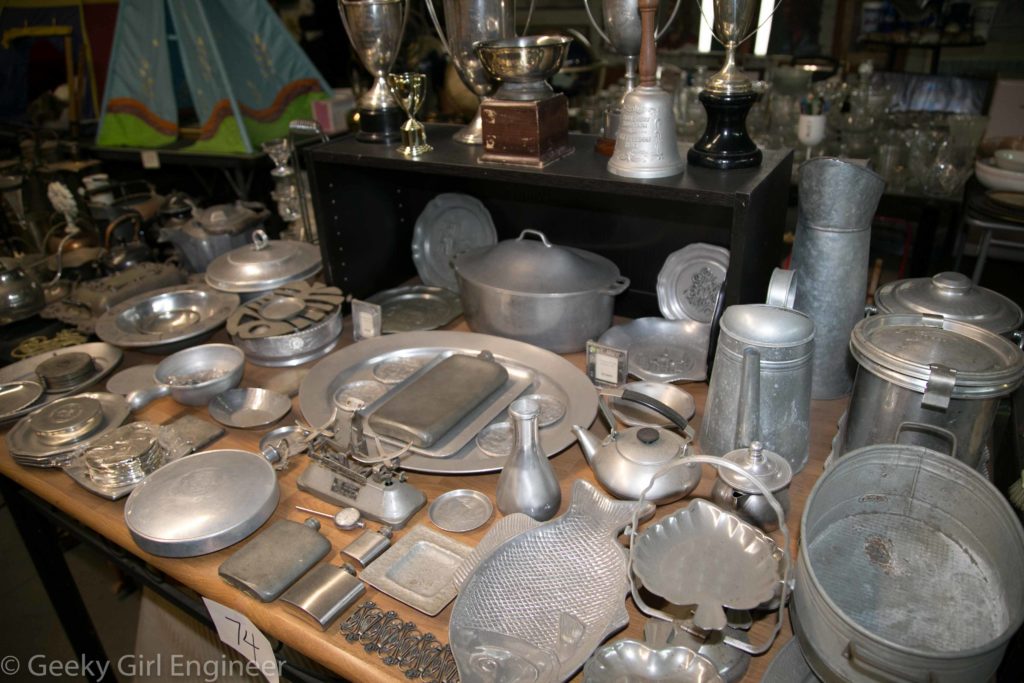
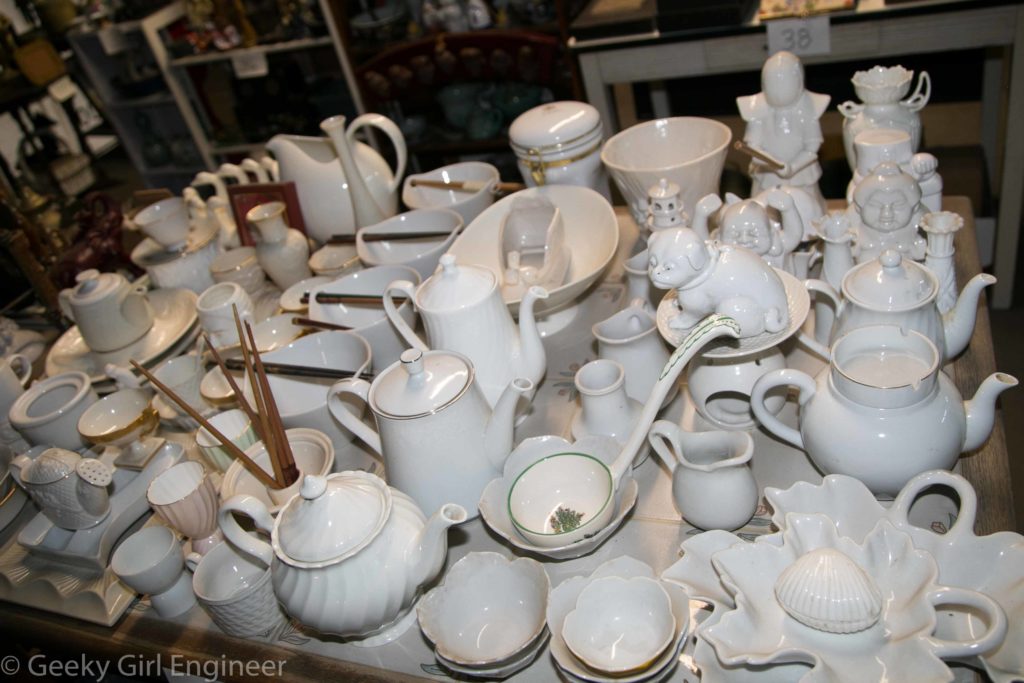
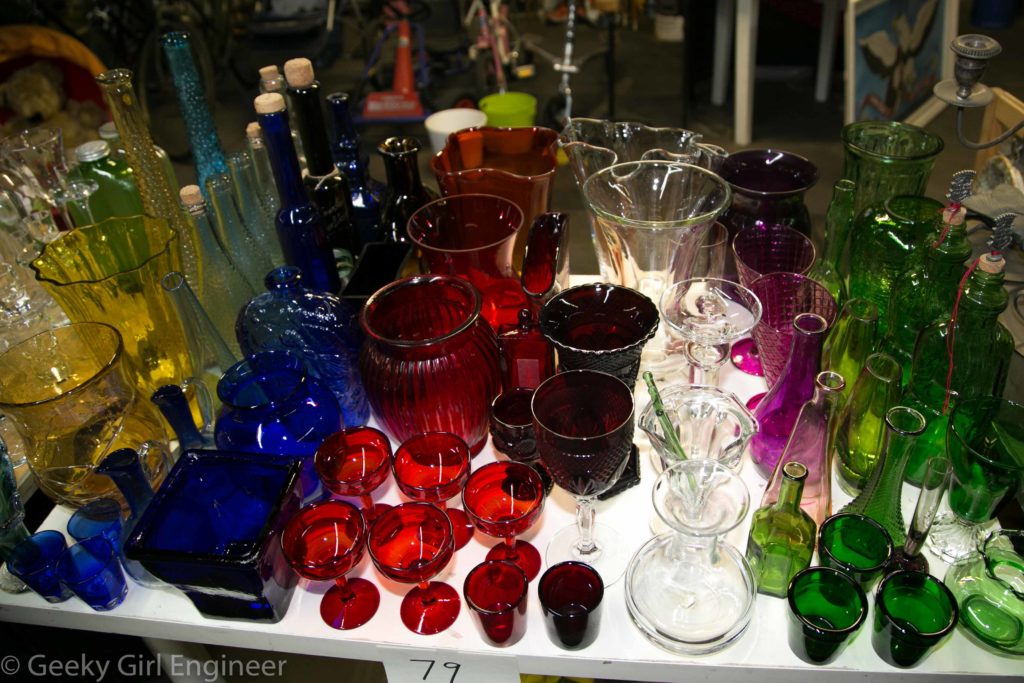
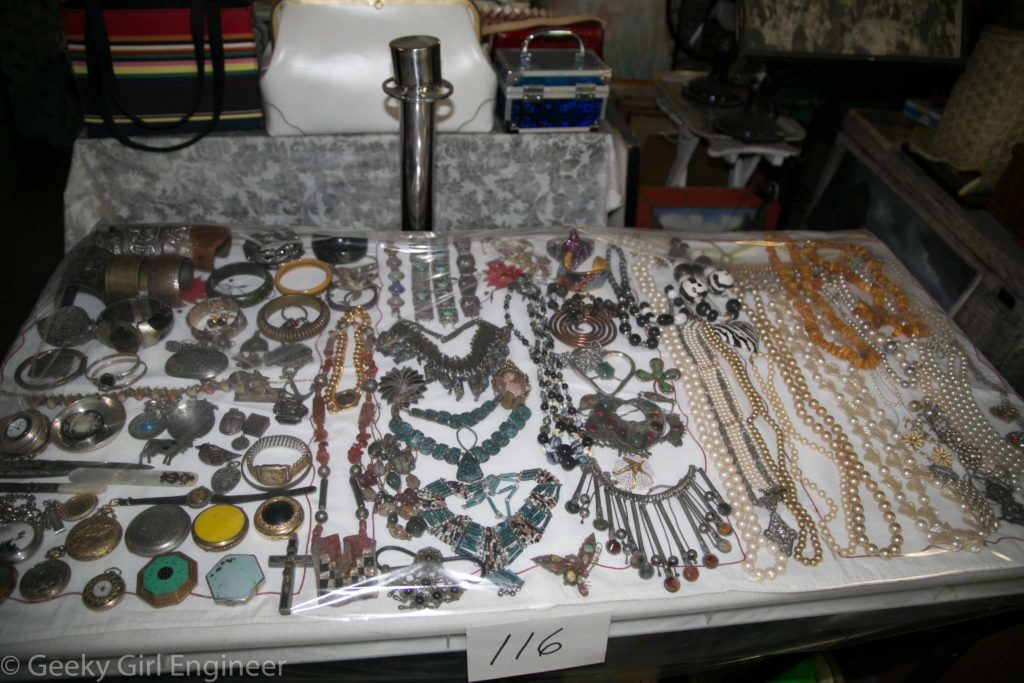
Some of the metal in the collection though, like many other items in the collection, look like something, that someone else would eagerly buy. Some of the jewelry, china, and glass looked if not really valuable, good enough that someone would happily buy at a thrift store or on eBay.
Seriously, much of the collection features items that are the reason eBay was created and continues to thrive.
Then there are other collections that feature items that would be right at home in a museum of some type.
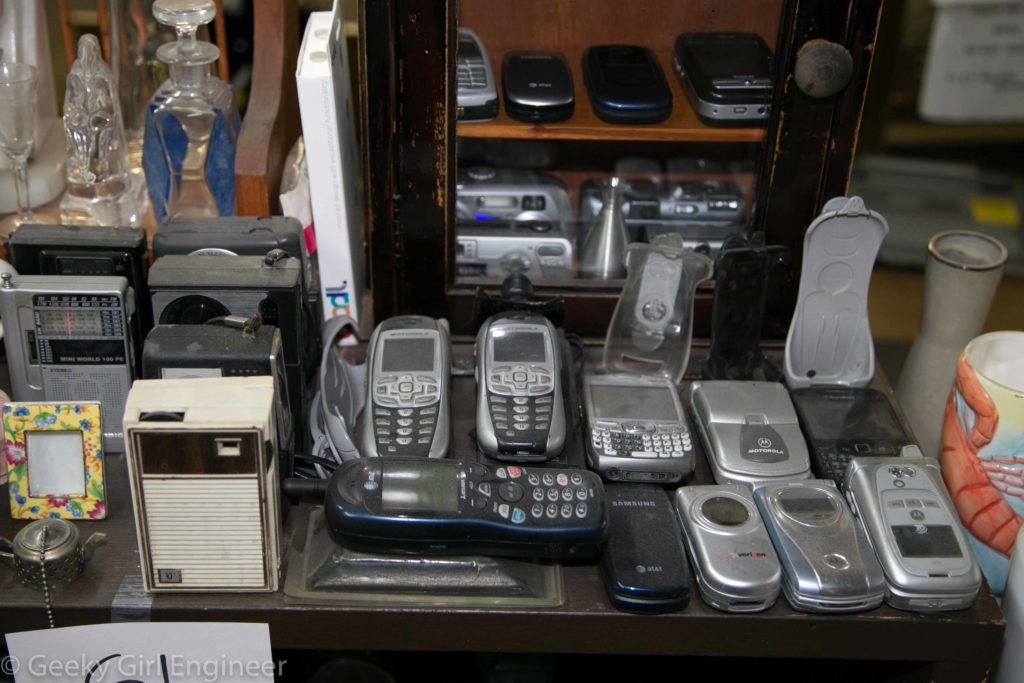
Then there were the items like old televisions, phones, and other electronics, that not only contain valuable resources like rare earth metals but also contain material, including those same rare earth metals, that are hazardous if they get into the environment. With most modern technology hardware, retrieving those valuable resources is difficult because of the way the items are constructed. Further, often the items are sent to developing nations, where people retrieve the valuable material to sell, but they work in ways that is dangerous to their own health.
Other items are funny, random, and weird. Some items made me wonder why someone had the item to begin with. Other items made me sad, like a cross stitch that featured what was clearly a bride and groom and said “Yvette and Lance – March 16, 2007.” I am just guessing Yvette and Lance’s marriage did not make it.

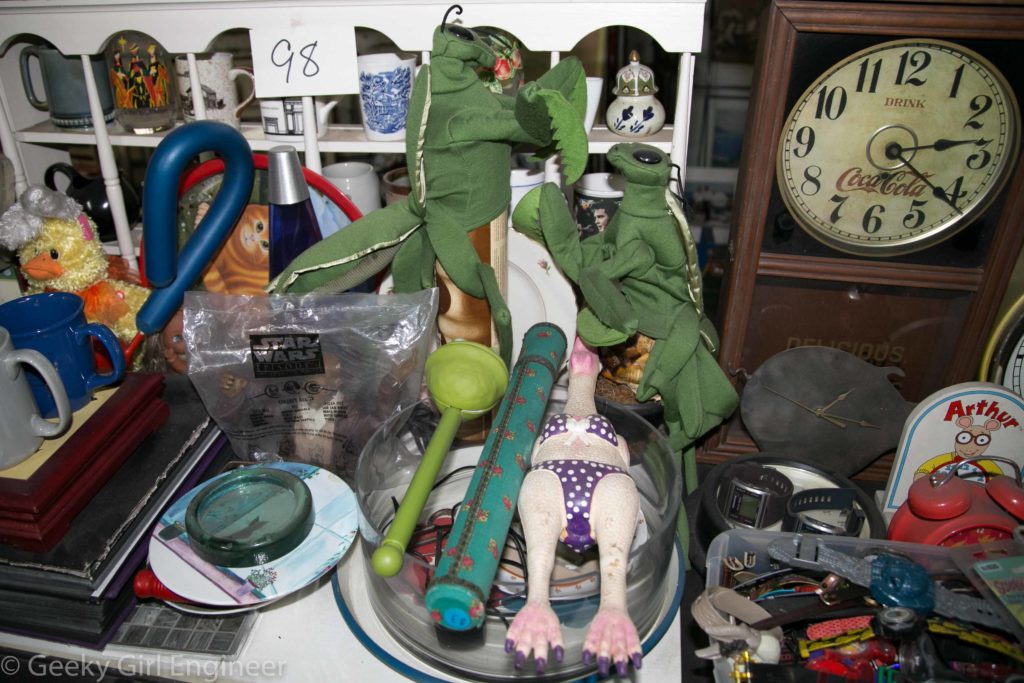
This was one of my favorite collection with the fighting praying mantises and wooden “rubber” chicken. On the left is a ThighMaster.
Then there was this gem that welcomes you as you walk up the stairs to Treasure in the Trash.
The place was amazing. If you ever get the chance, go tour it. Also, many thanks to Open House New York for arranging the tour, DSNY for letting us in, Nelson Molina for talking about the collection, and Robin Nagle, DSNY’s anthropologist in residence, for her introduction to the collection and whose book “Picking Up” about DSNY is well worth the read.