NY Nostalgia Ride

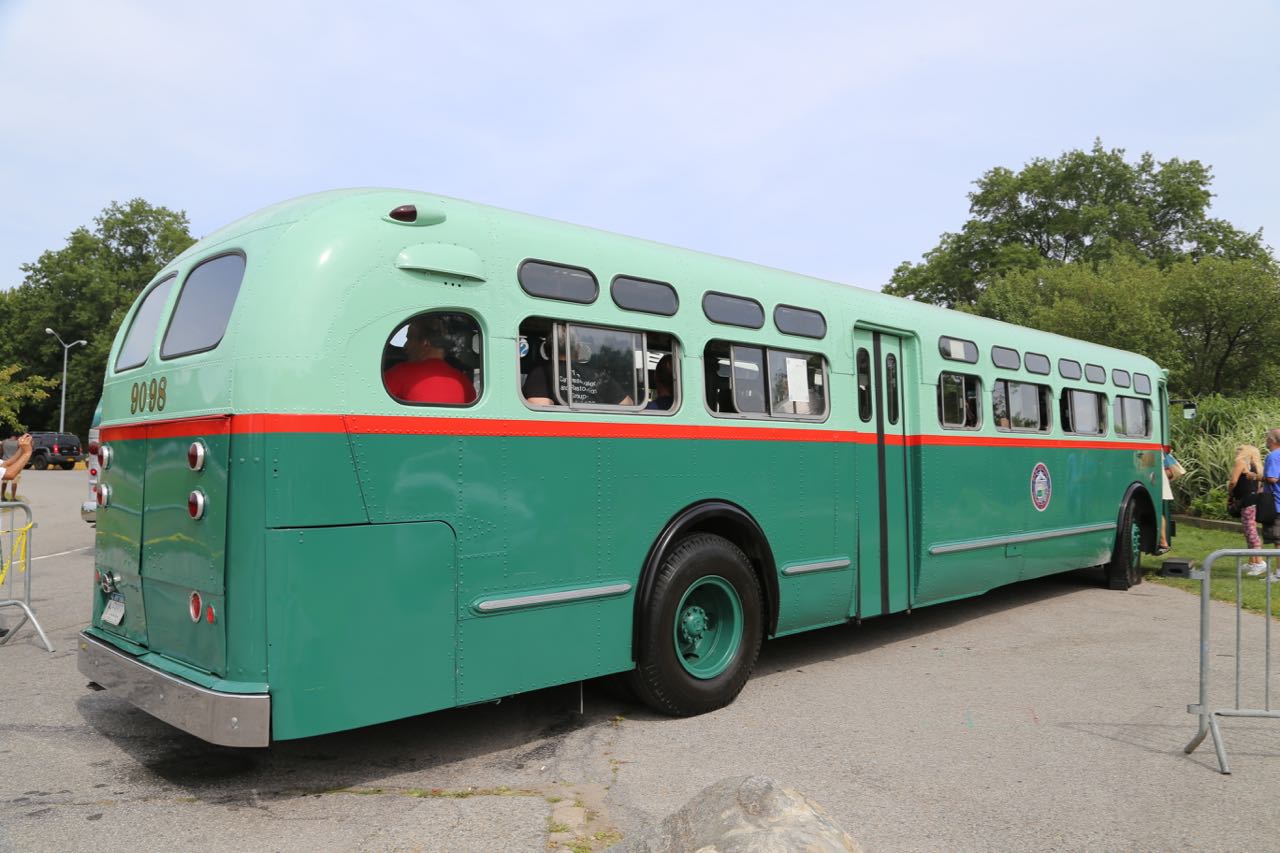
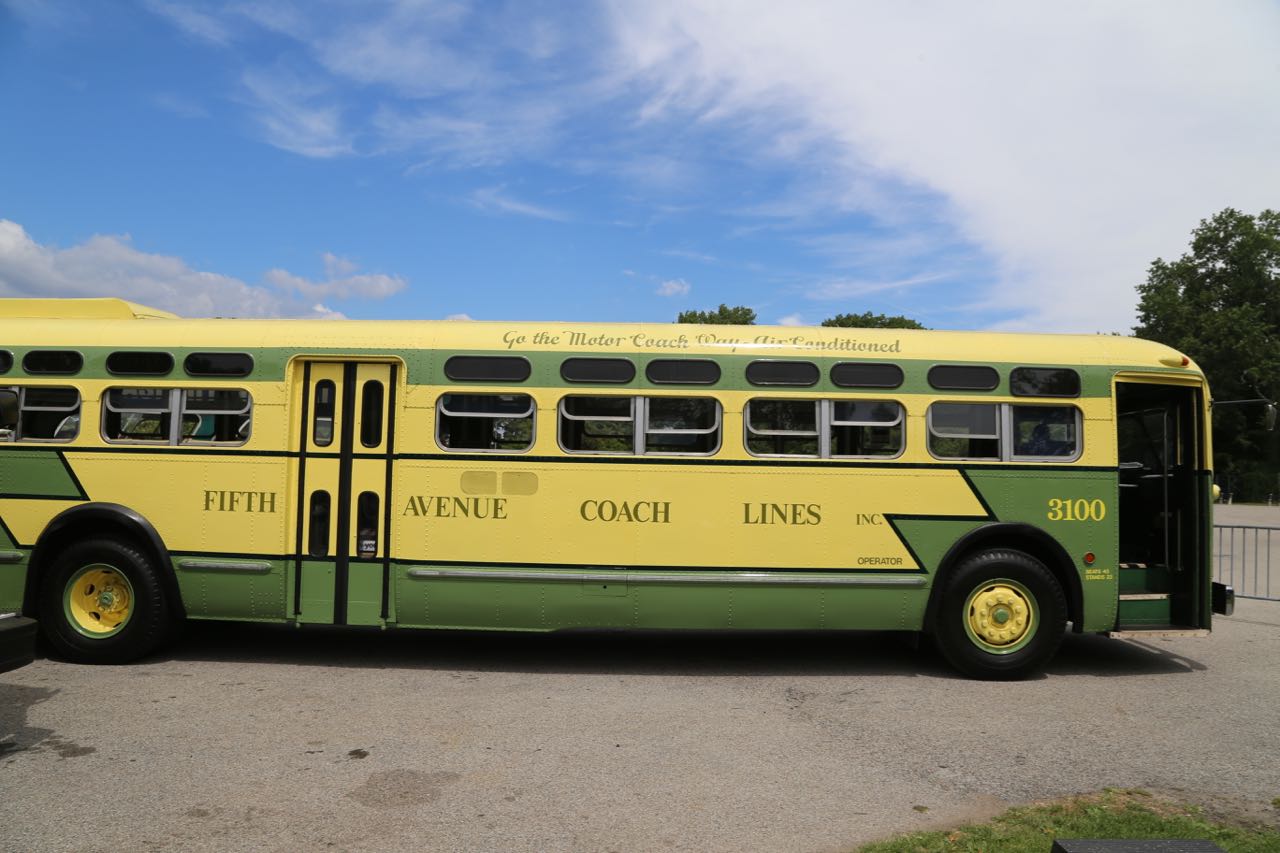
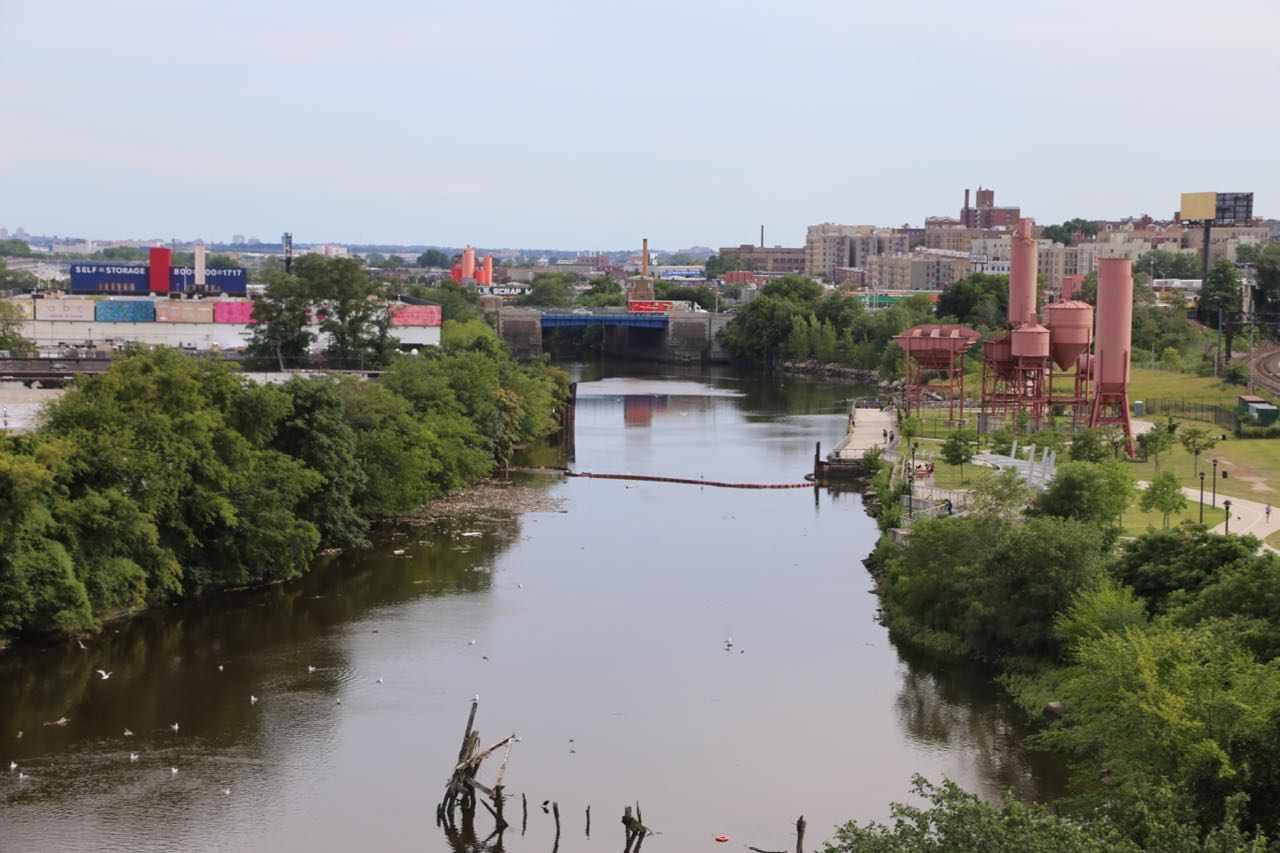
I have been a member of the NY Transit Museum for a couple of years now, and they always have fun excursions. Some of the excursions, you probably have to be a transit geek to fully appreciate though. Anyway, today I took one of their nostalgia rides. It started in Grand Central Terminal where we boarded a vintage WWI rail car. We then went all the way down to the end of the 6 line, which is the Brooklyn Bridge station, then took the loop through the Old City Hall subway station, and came back up to our final destination of Pelham Bay Park station. There we boarded vintage buses to either Orchard Beach Park or City Island. We spent a couple of hours there before heading back to our vintage rail car and back to Grand Central Terminal.

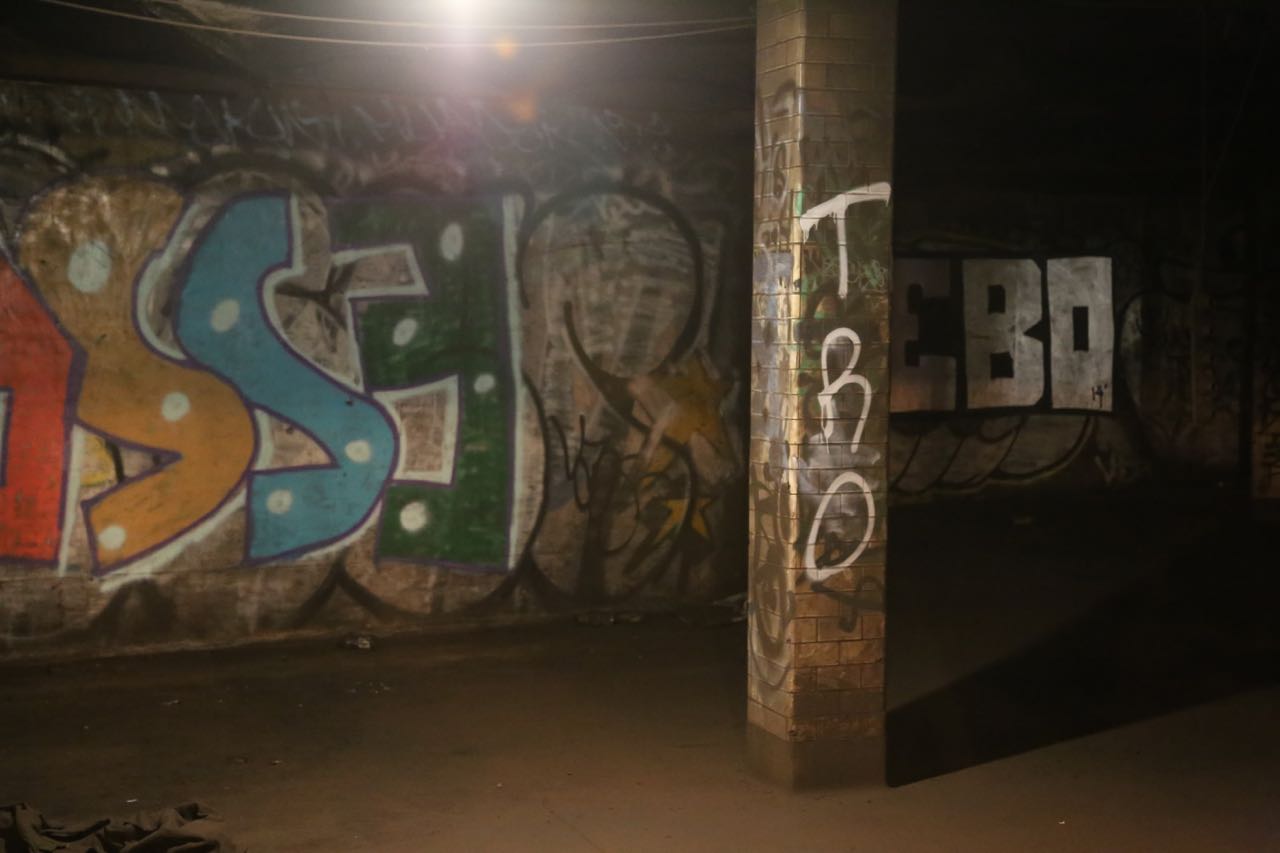
The destinations were nice, and the ride was so much fun. The train and buses were in great condition. Honestly they were in better condition than some of the modern ones in which I have ridden. Since the journey was supposed to be part of the fun, they slowed down as we went by a few abandoned subway stations including the Old City Hall station. With the exception of the Old City Hall station, which they keep in good condition for tours, the other abandoned stations were completely abandoned and filled with graffiti and sand bags and debris. They also let people stand in the front and take photos out the front window, but I actually got better photos on a previous trip with them. Of course I still love looking.

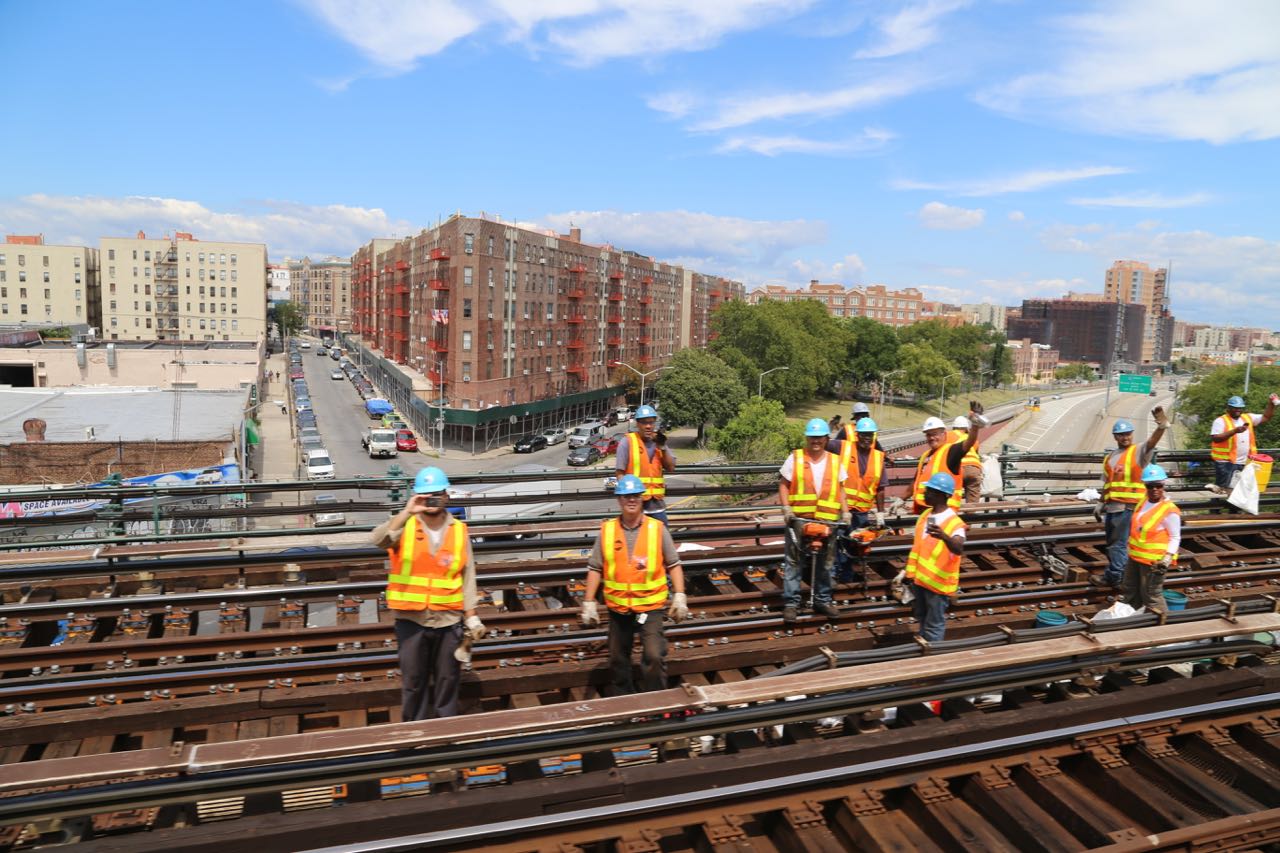
Another wonderful thing about this trip was people’s reactions. My guess would be that about 80% of the people in the subways didn’t even see that a rather different train was going by or did see and didn’t seem to think much of it. Most of the rest would either look at the train with a rather confused look of “what is that?” or would quickly grab their camera and smile. There were a few people who are evidently transit fans and knew we were coming and were already set up with still and video cameras and some even with tripods. There was at least one at every aboveground station we went through, and there also some on the ground to get photos of the buses. As a certifiable geek and nerd, I can completely relate and and admire them. Then there were the MTA employees who seemed to be just as excited about the vintage train and buses as we were. They took as many photos as we did. This included workers repairing tracks who stopped what they were doing, took photos, and waved at us (see photo below). I am not even sure why we all get so excited about these vintage vehicles. Maybe it is because nothing mechanical or electrical seems to last that long anymore, so we are all excited by the things that do.
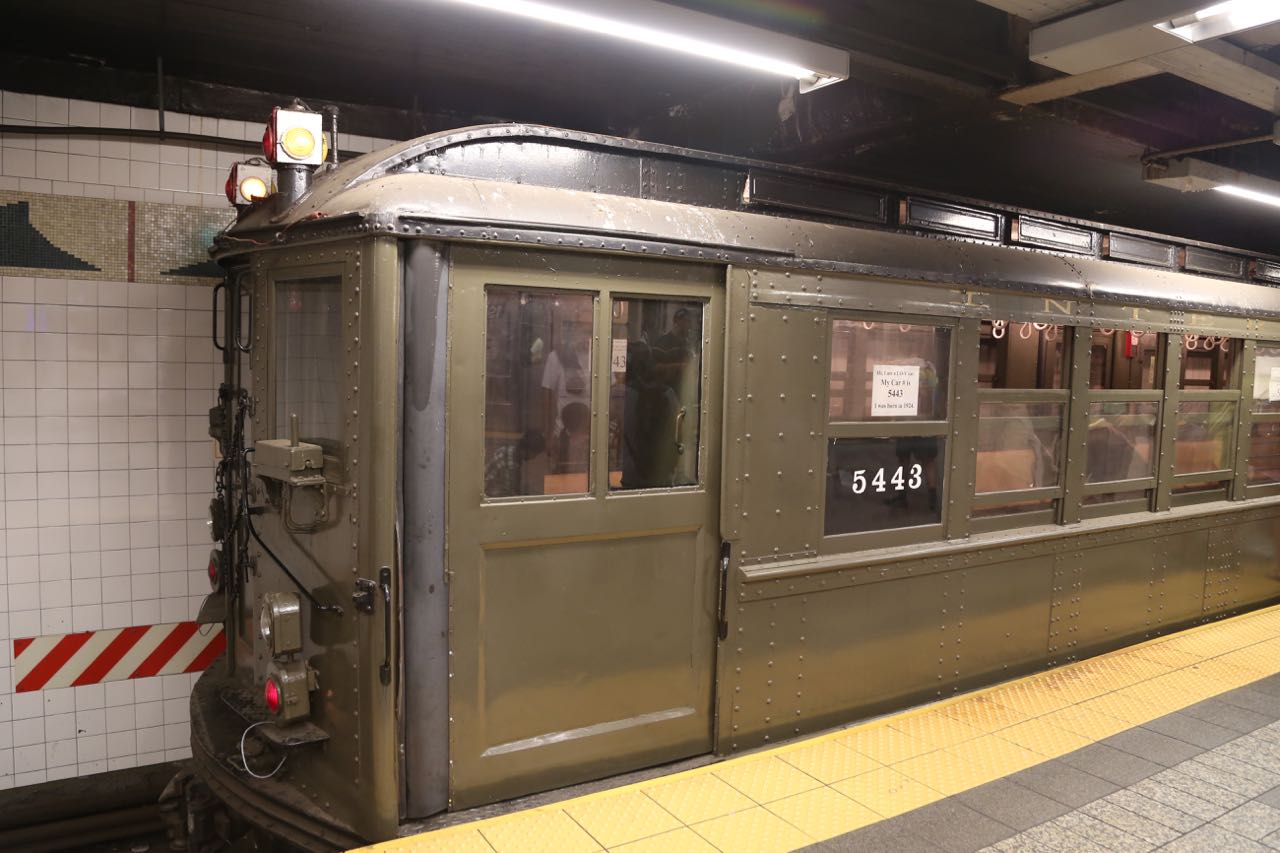
WWI rail car in Grand Central Terminal
WWI rail car in Grand Central Terminal

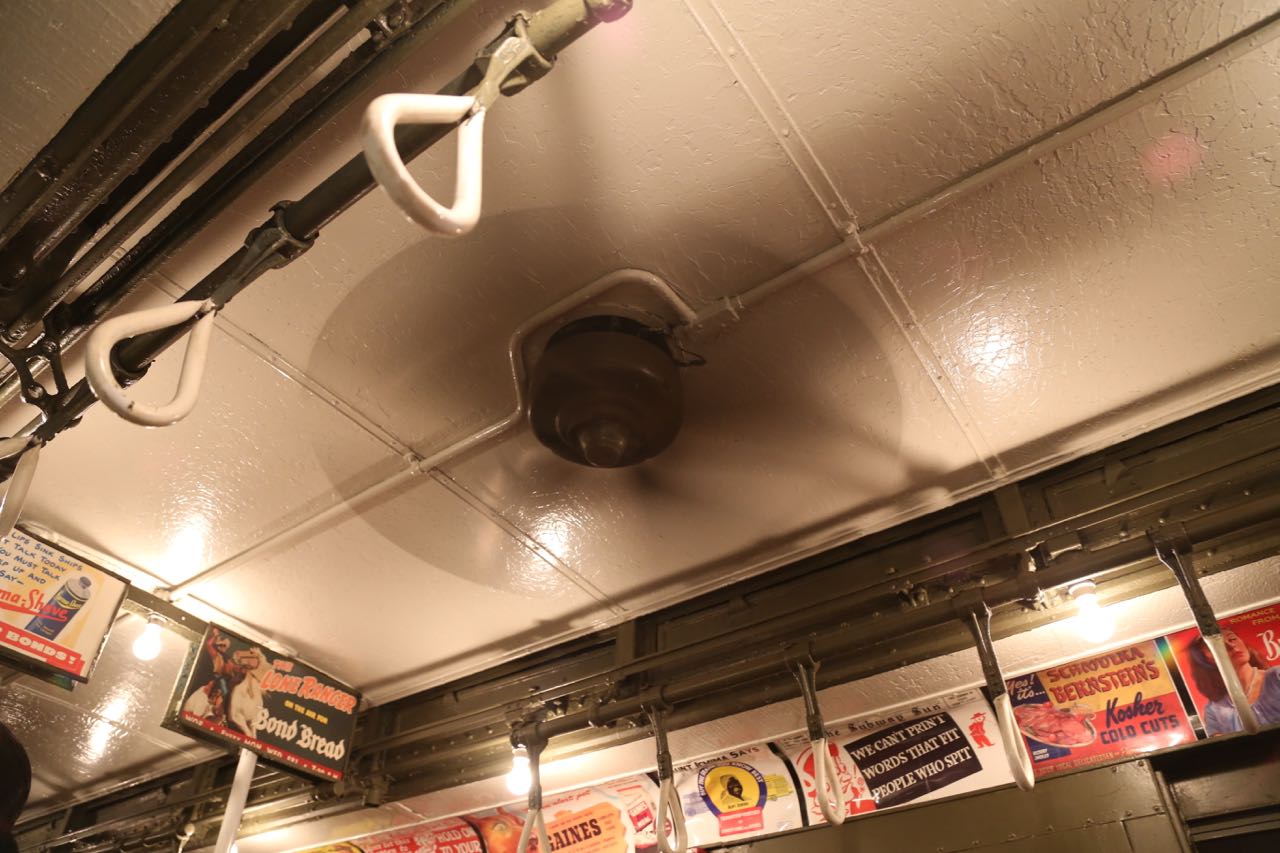
WWI rail car fan and ads
WWI rail car fan and ads

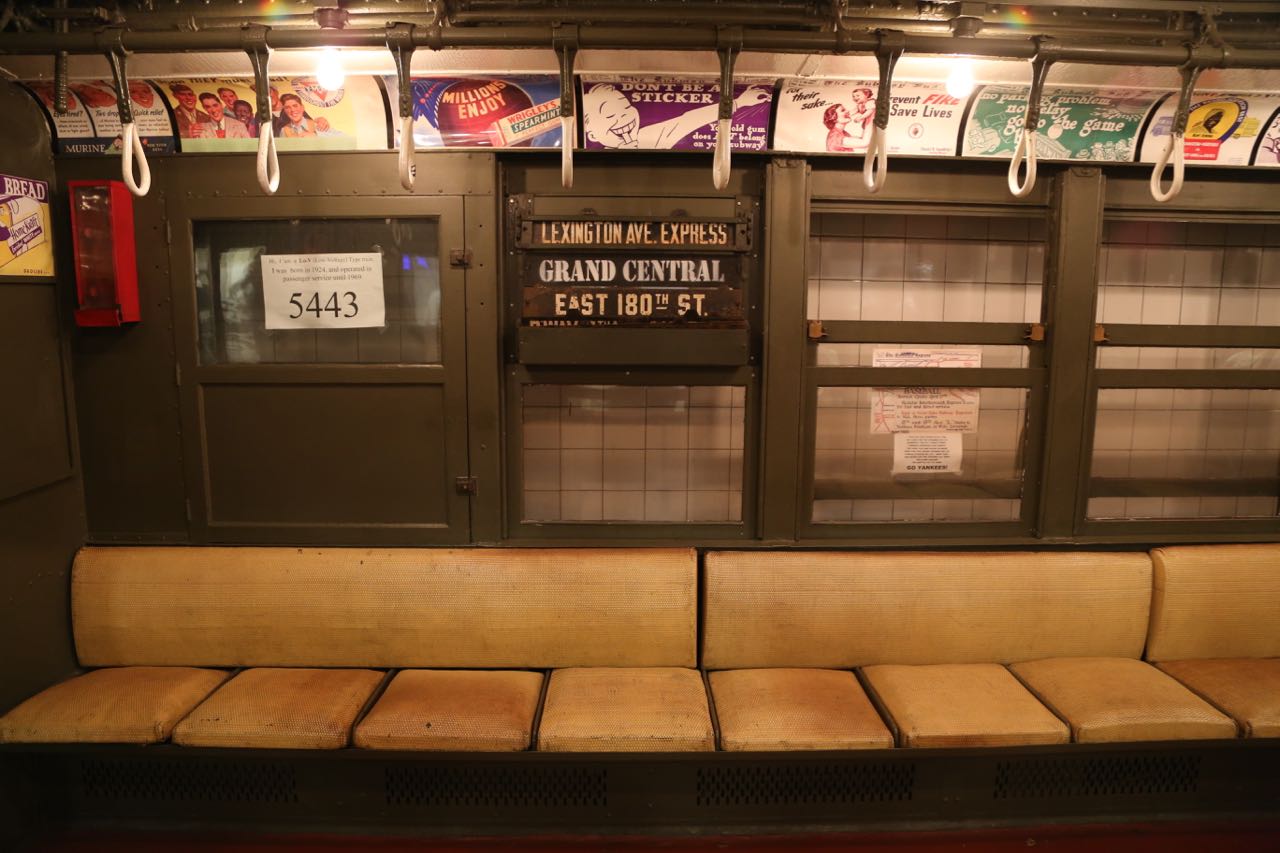
WWI rail car interior
WWI rail car interior

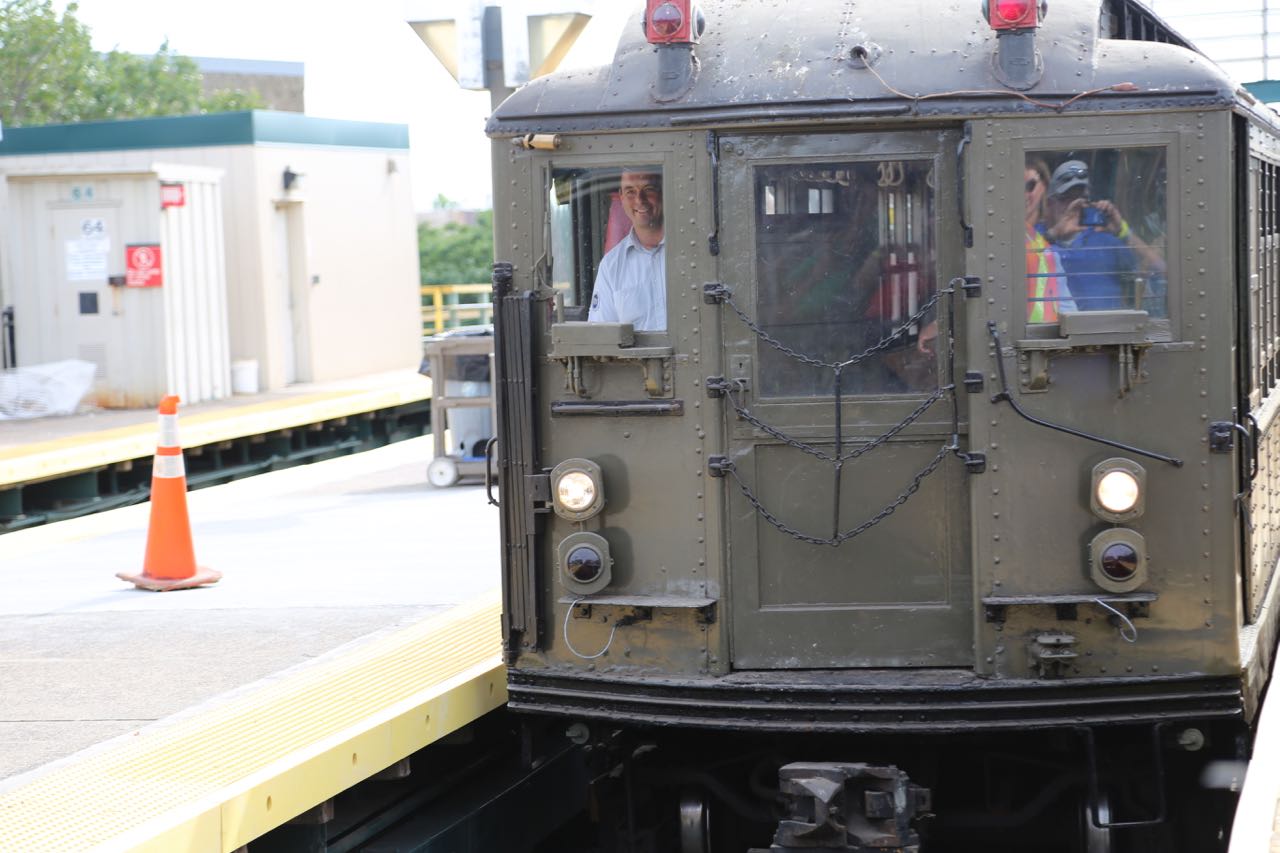
WWI rail car coming into Pelham Bay Park station
WWI rail car coming into Pelham Bay Park station

vintage bus
vintage bus
vintage bus

vintage bus

abandoned subway station somewhere along the 6 line
abandoned subway station somewhere along the 6 line

view from the Bronx River bridge
view from the Bronx River bridge

rail workers taking photos as we pass by
rail workers taking photos as we pass by
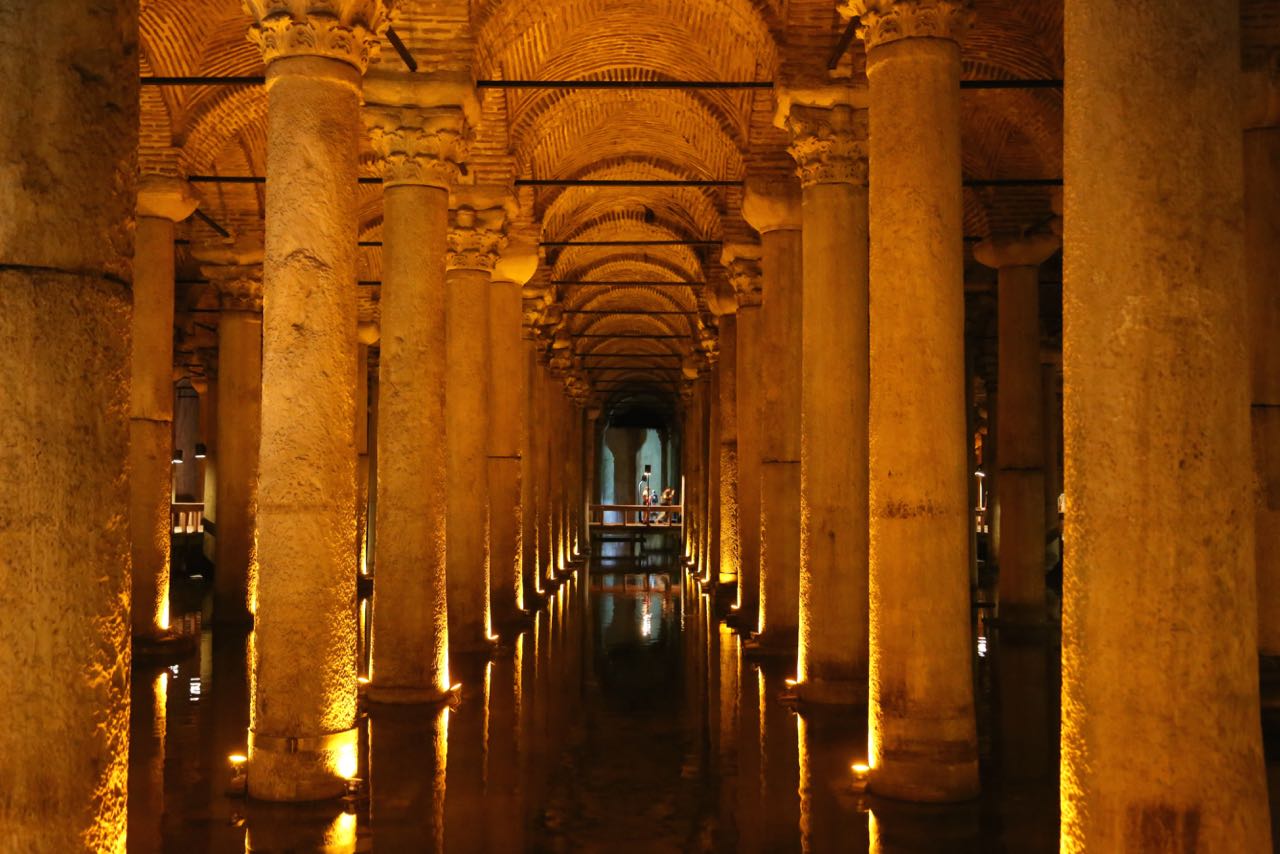
Istanbul: Basilica Cistern

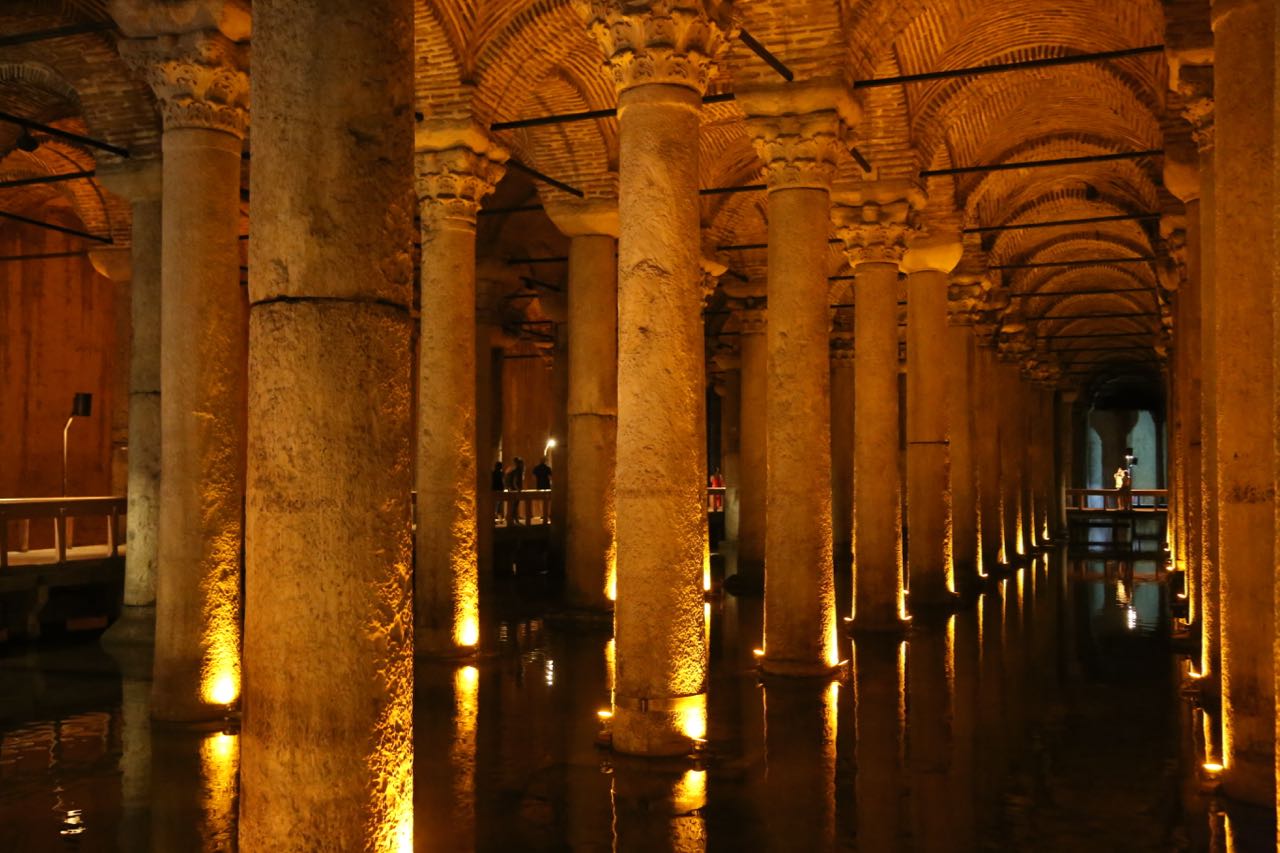
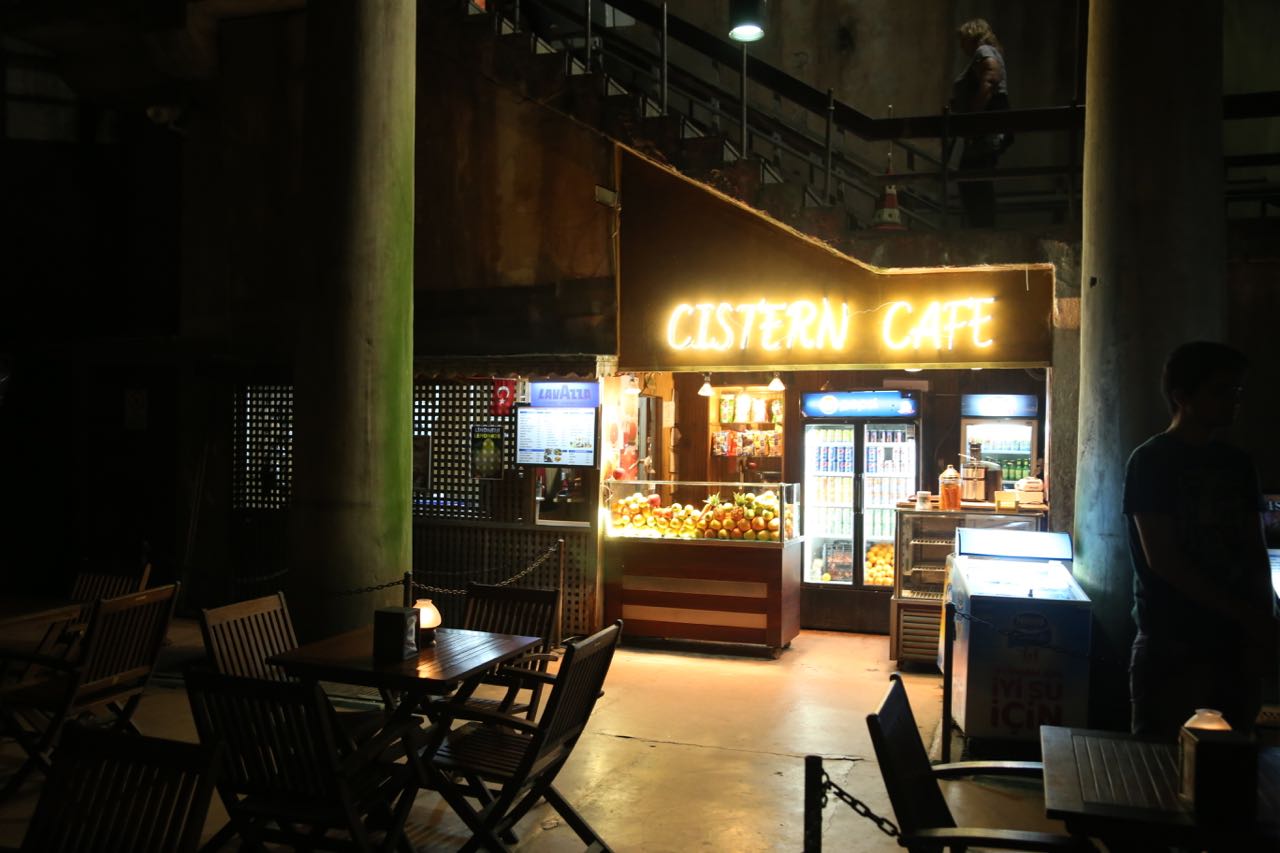
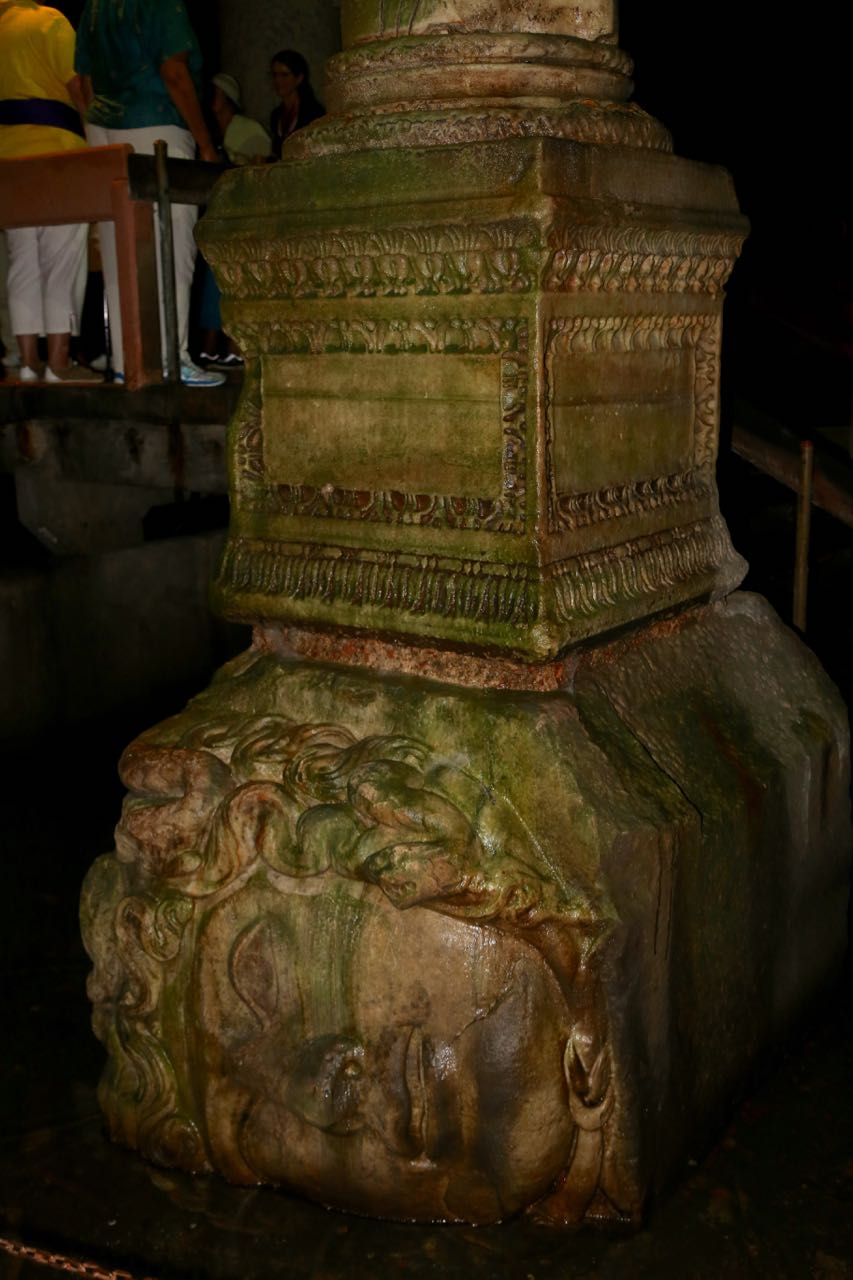
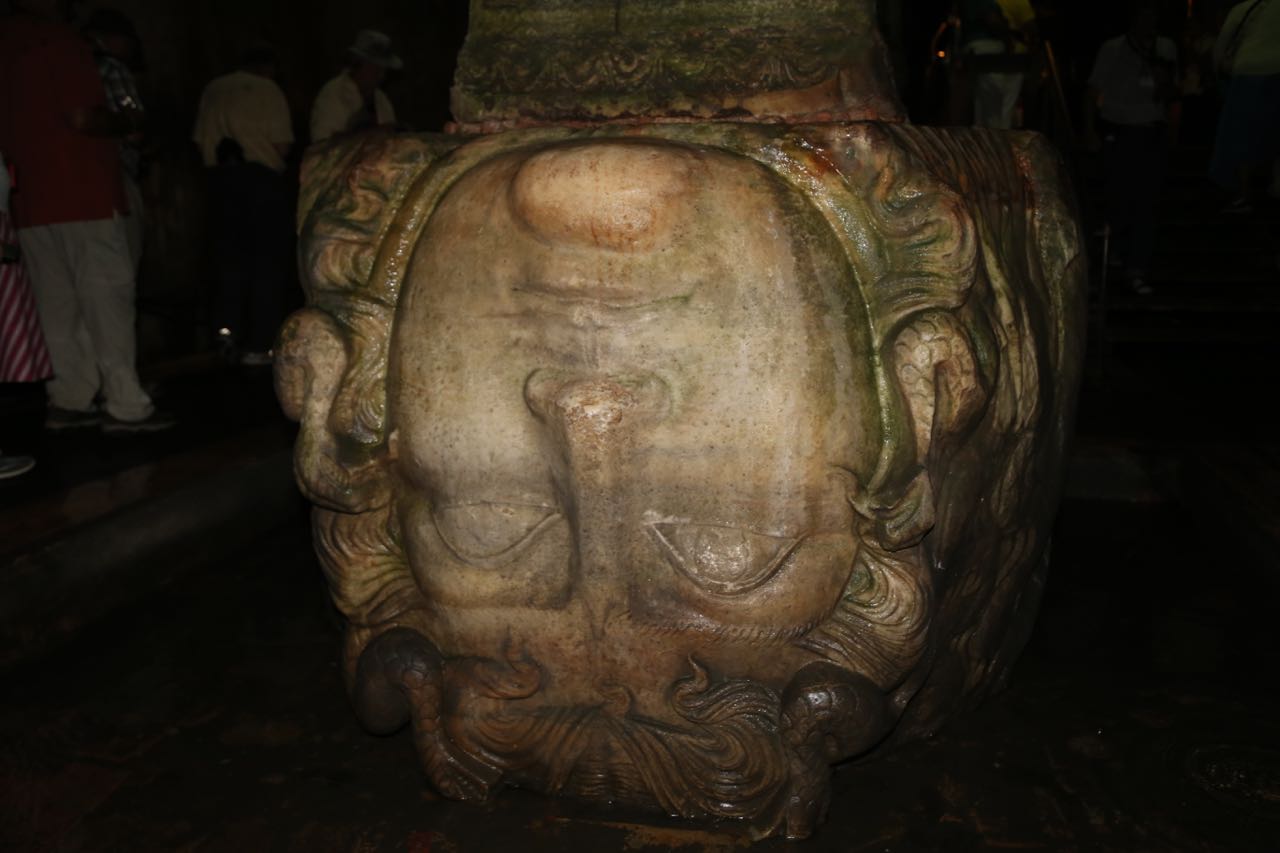
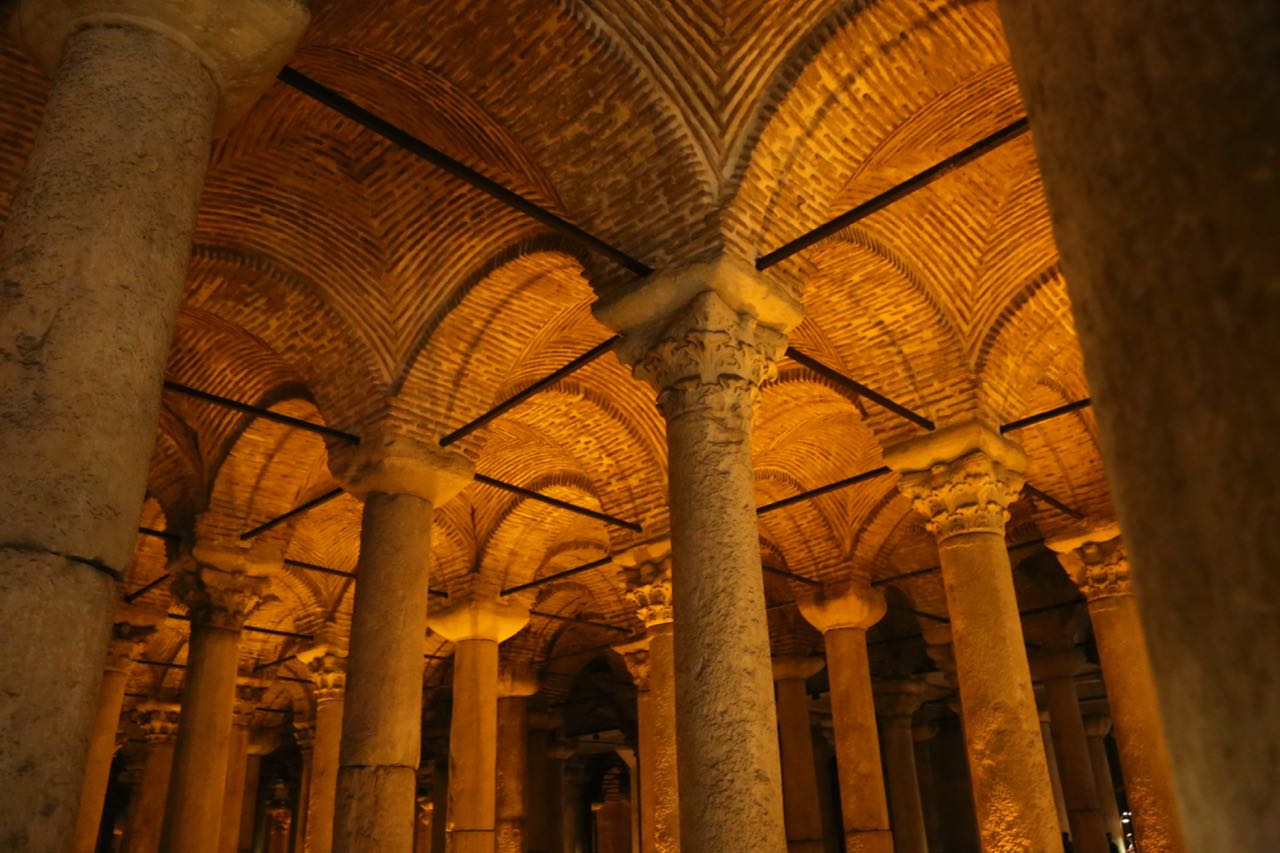
The Basilica Cistern is without a doubt one of the coolest, human made places I have ever been. I don’t think you need to be an engineering nerd like myself to find the place to be really neat. It is an underground cistern built in 532 A.D. It is a wonderful example of engineering and was used to store water. Now it is a tourist attraction complete with a cafe. Yes, there is a cafe, and in my opinion, it would be only more perfect if it was a Starbucks simply because they are everywhere. The cistern was featured in the James Bond movie ‘From Russia With Love.’ Two of the columns have Medusa heads as bases, possibly because they fit and were available. There is still water in it below the walkways, and fish live there. They were introduced to keep the water clean.

Basilica Cistern

Basilica Cistern

Basilica Cistern ceiling

Basilica Cistern ceiling

Basilica Cistern

Basilica Cistern

Cistern Cafe

Cistern Cafe

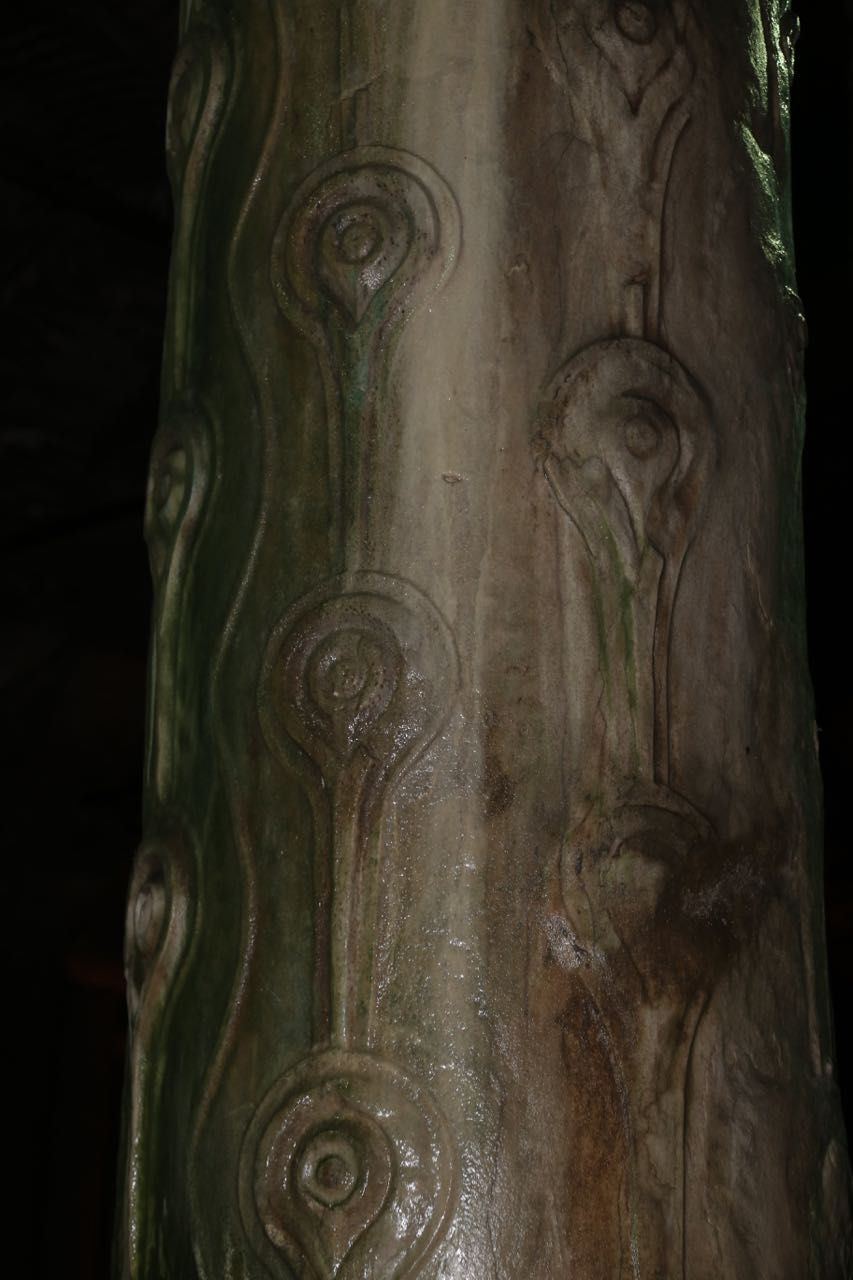
Crying Column

Crying Column

Medusa head as base of column

Medusa head as base of column

Medusa head

Medusa head

Turkey: Hagia Sofia of Istanbul

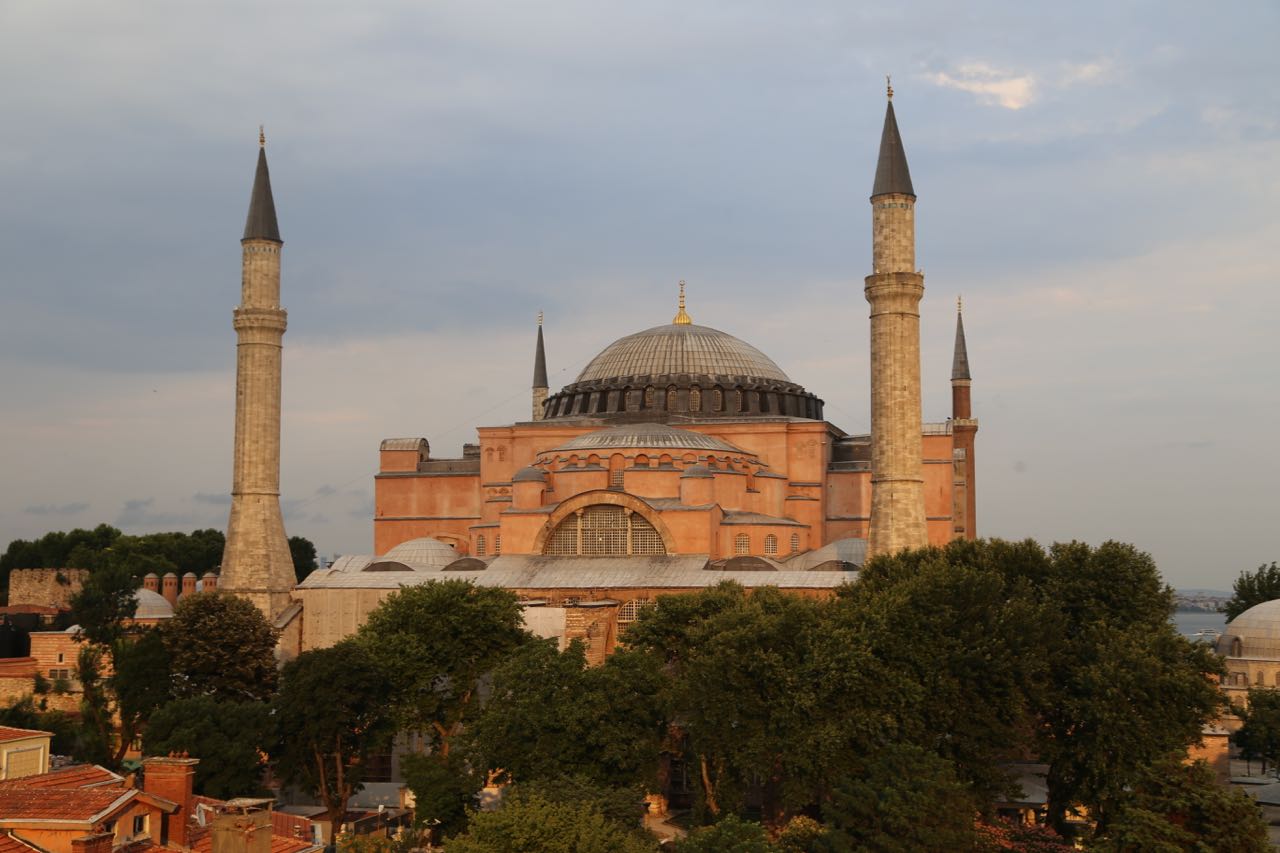
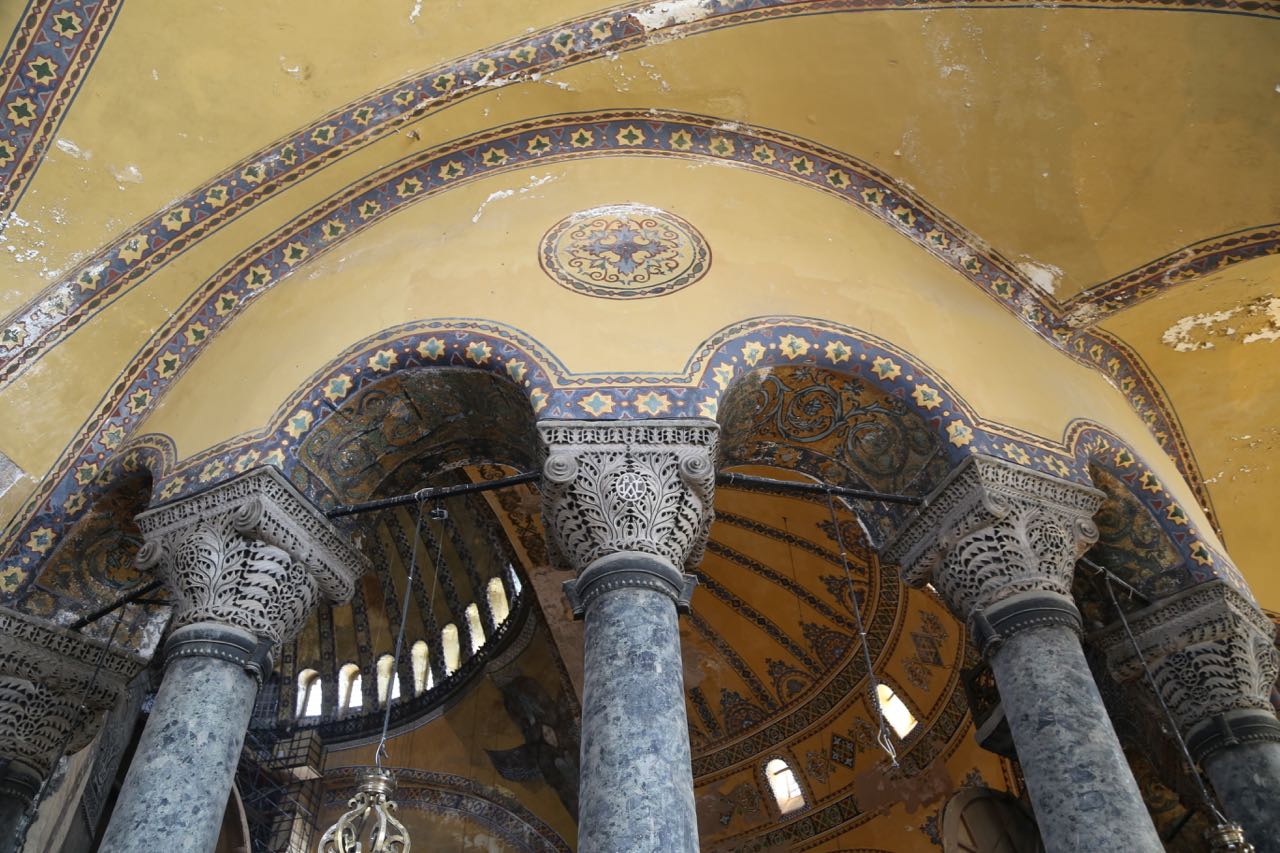
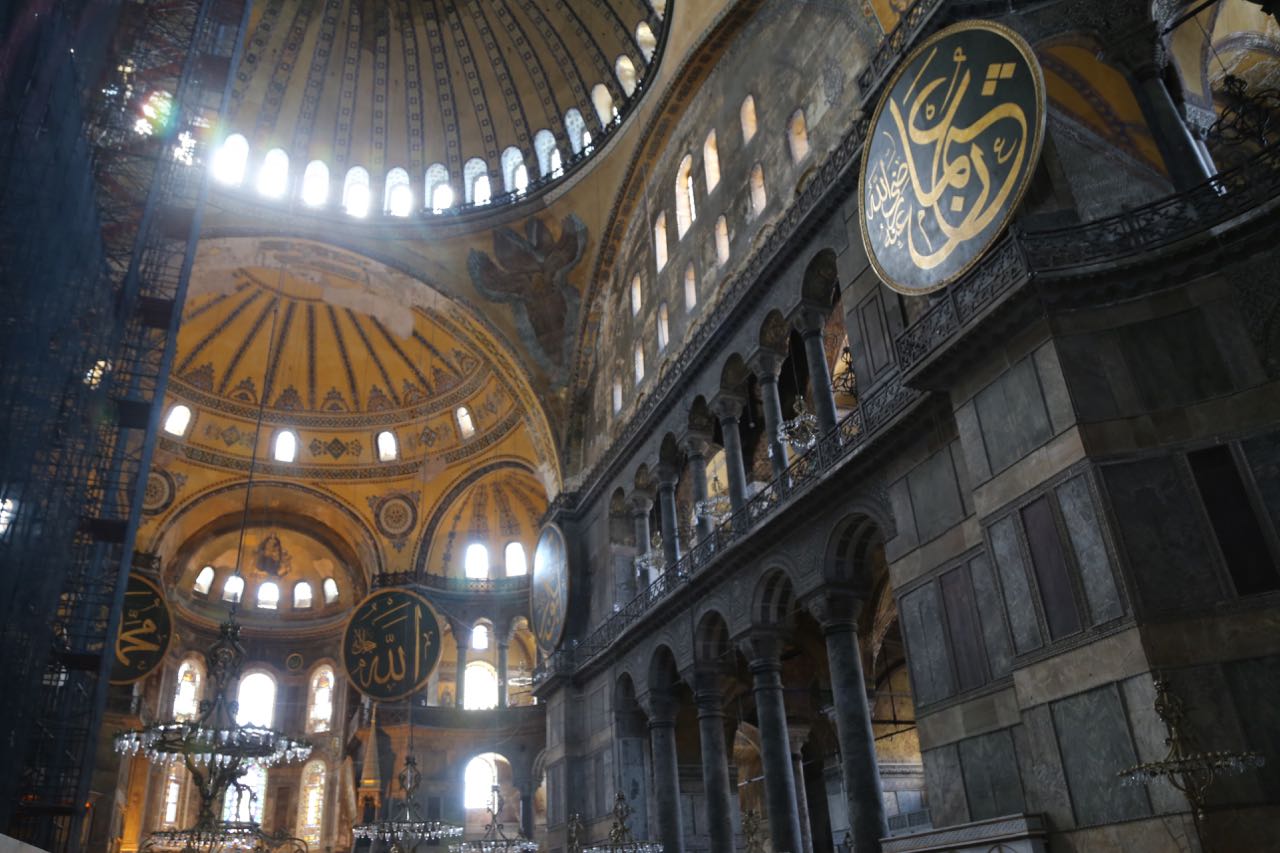
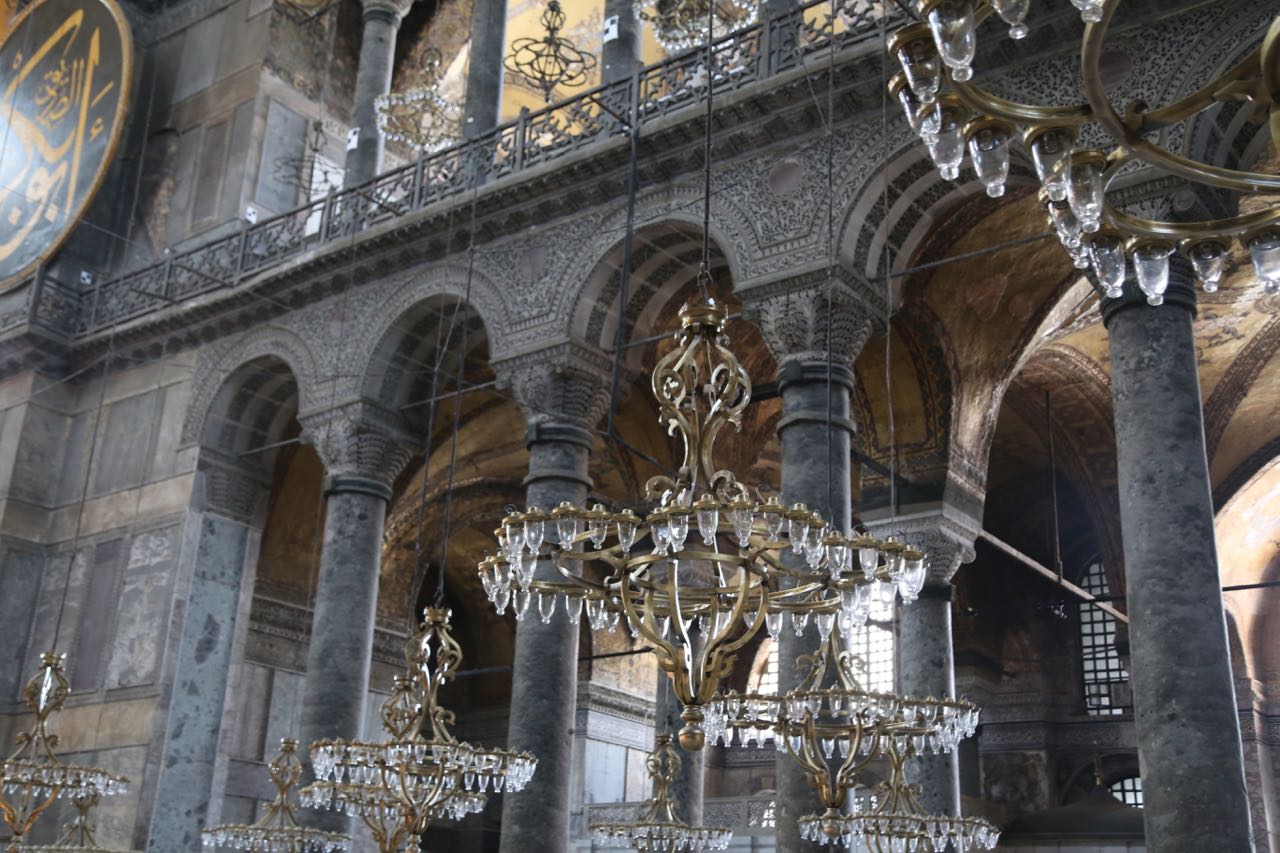
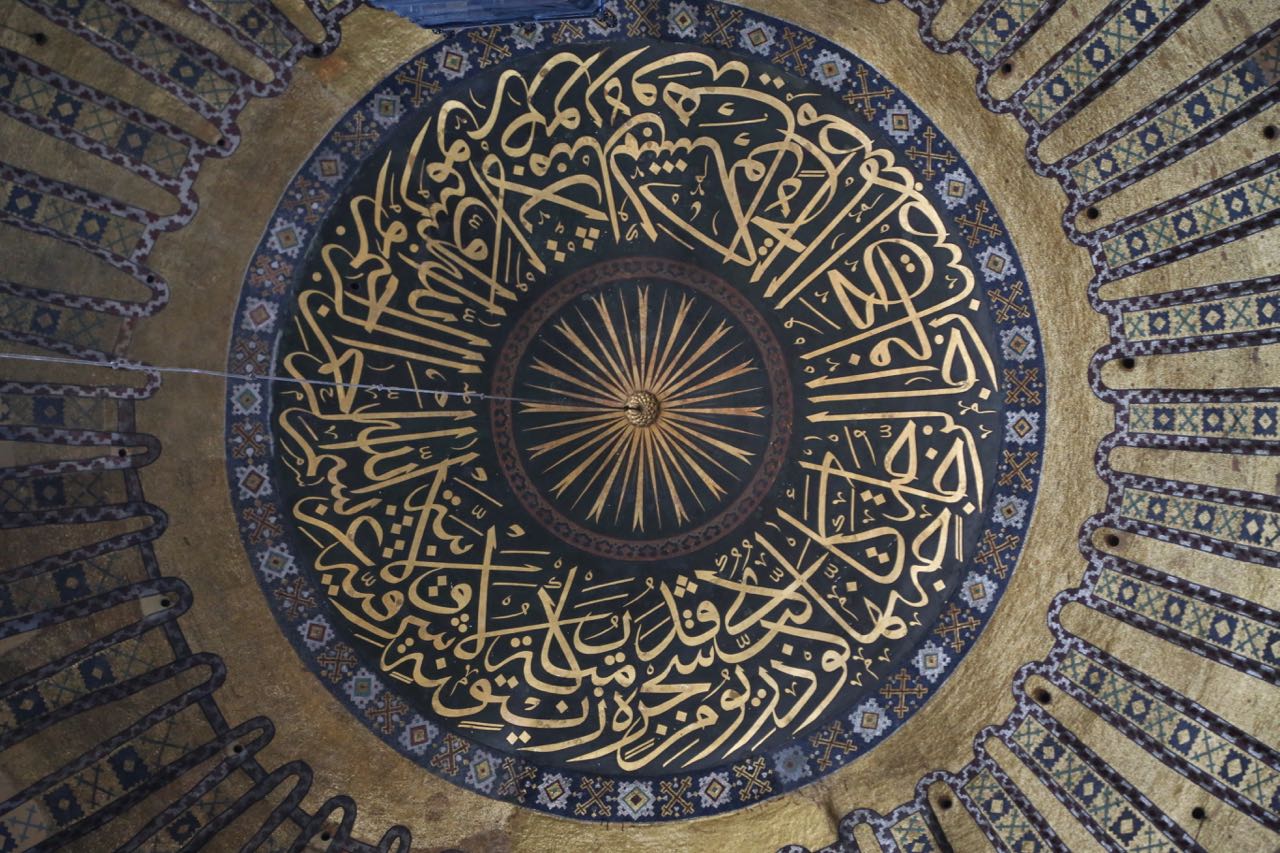
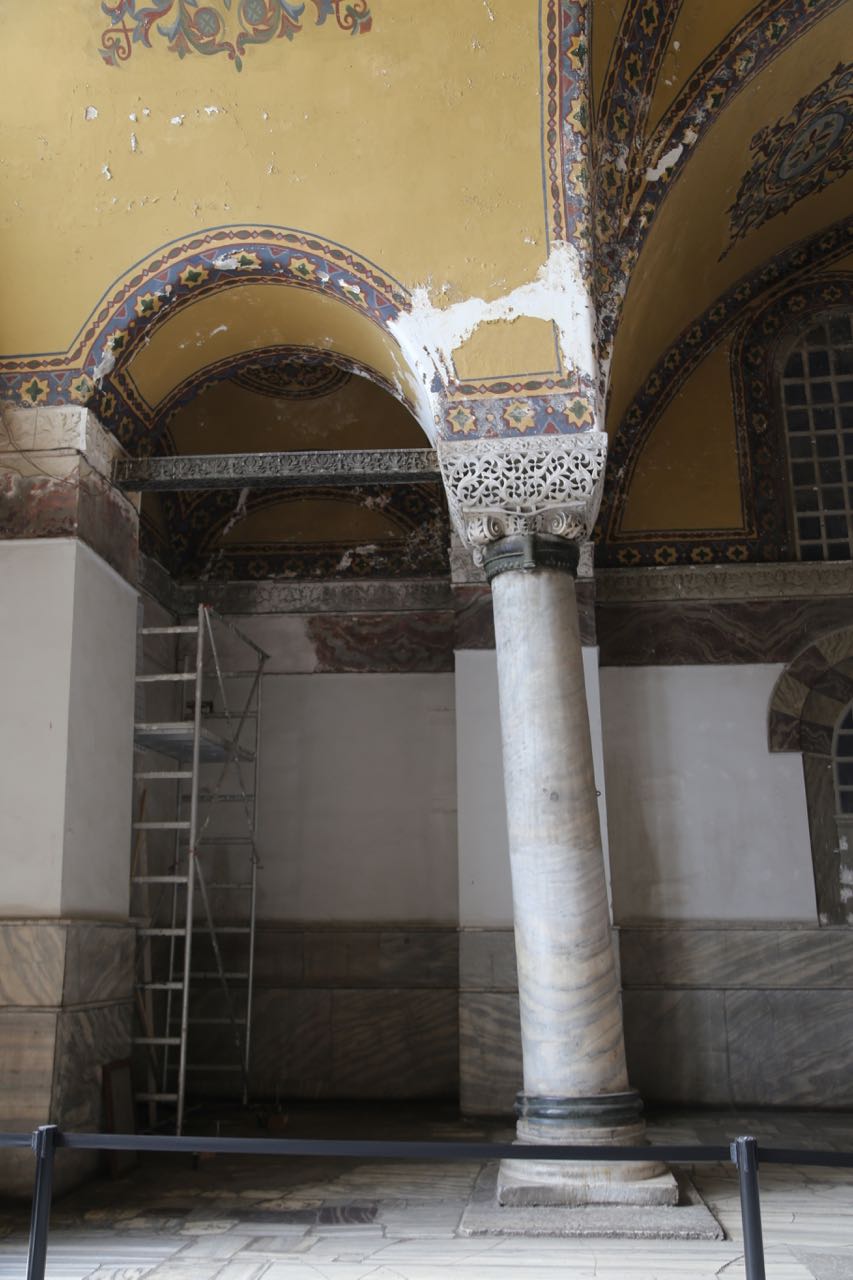
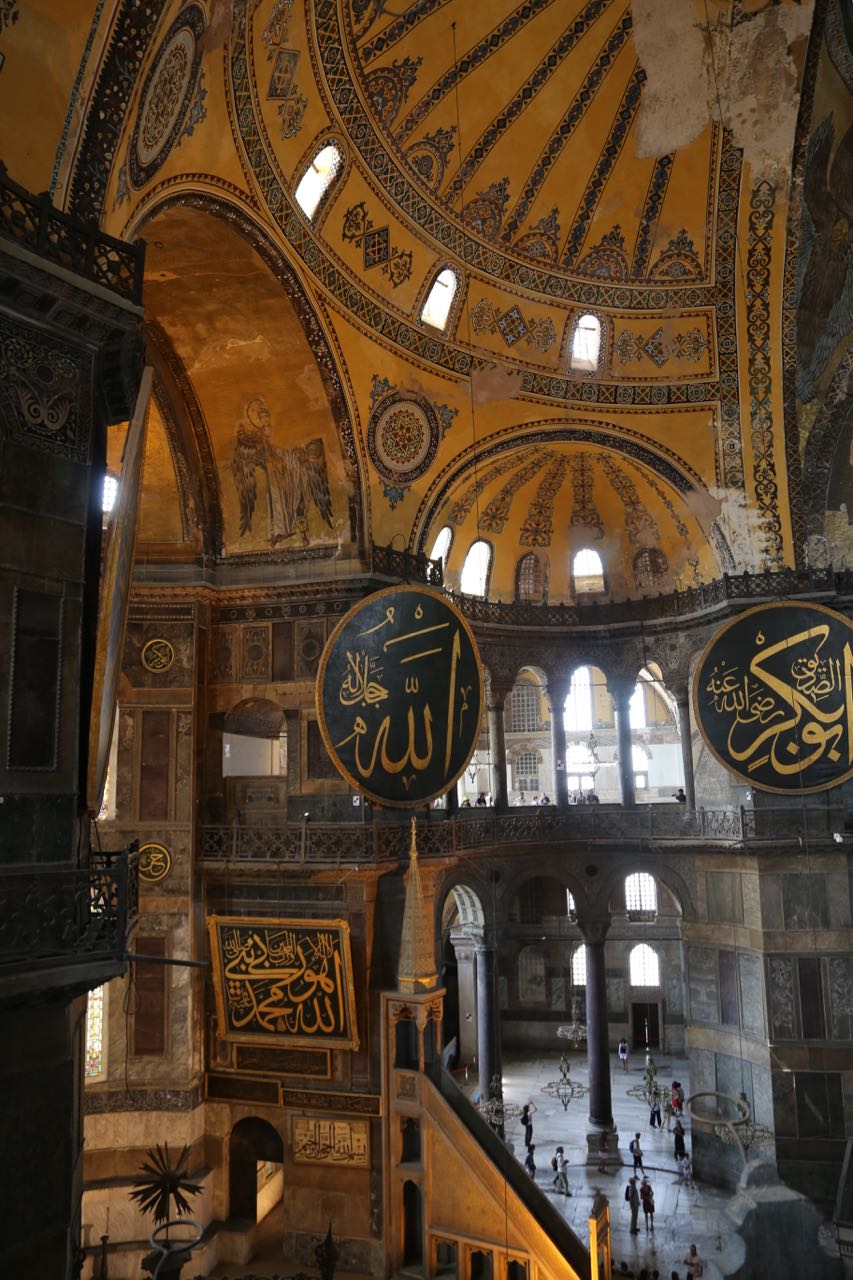
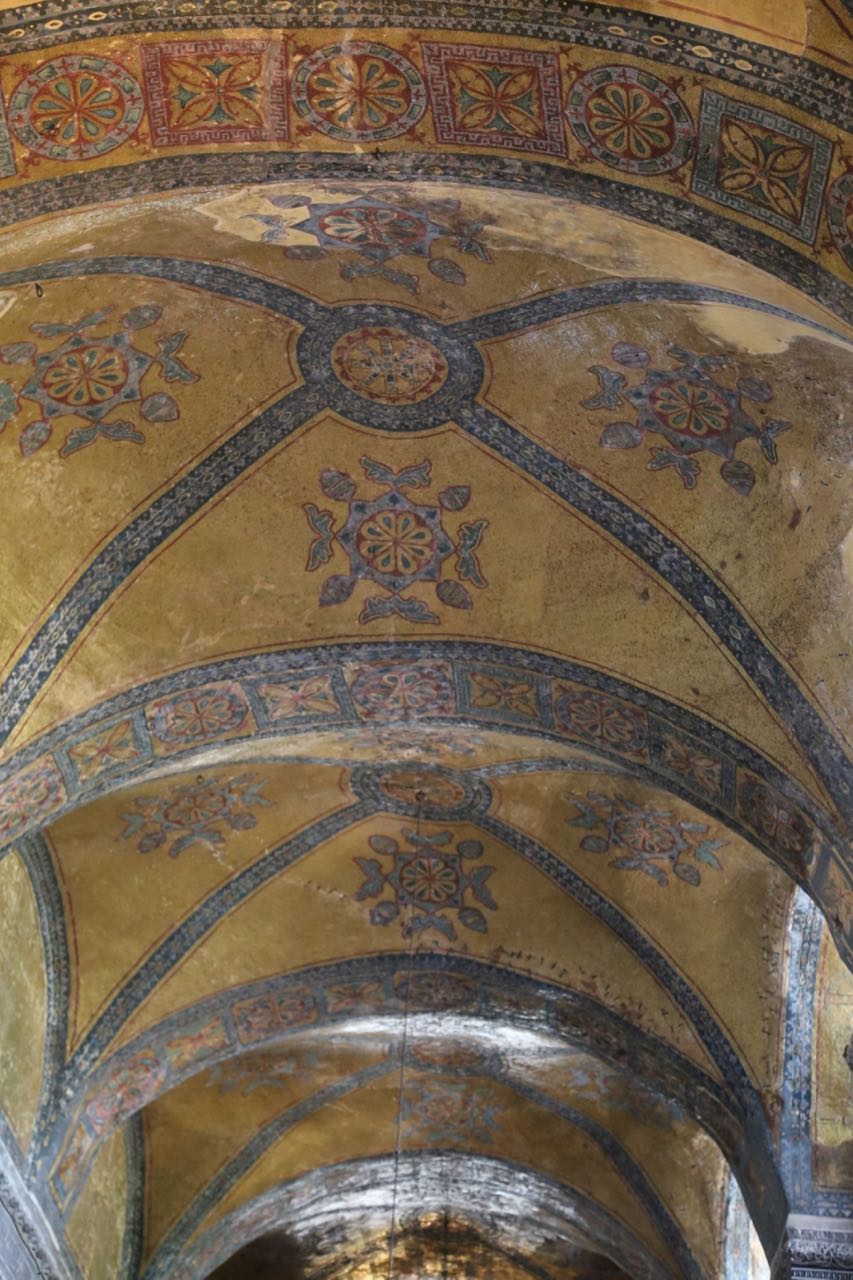
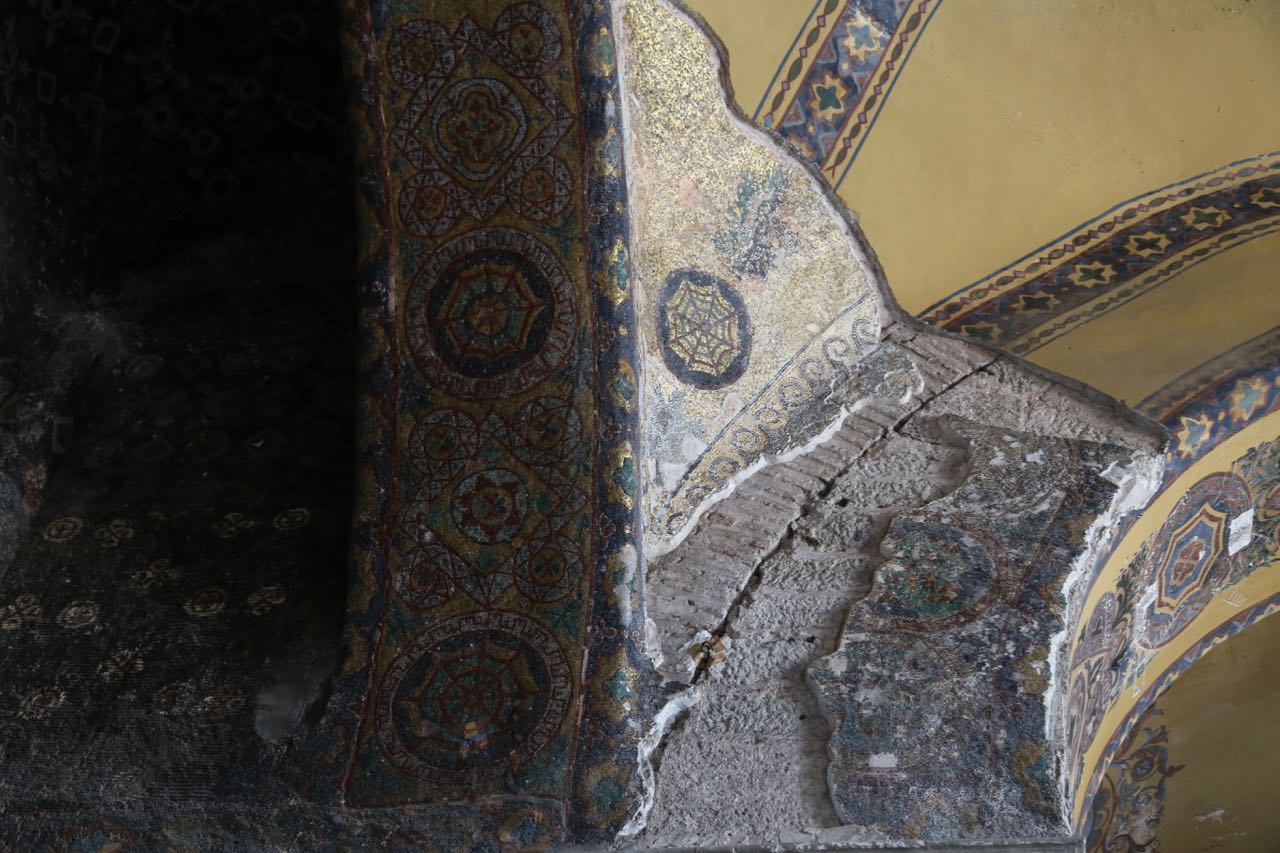
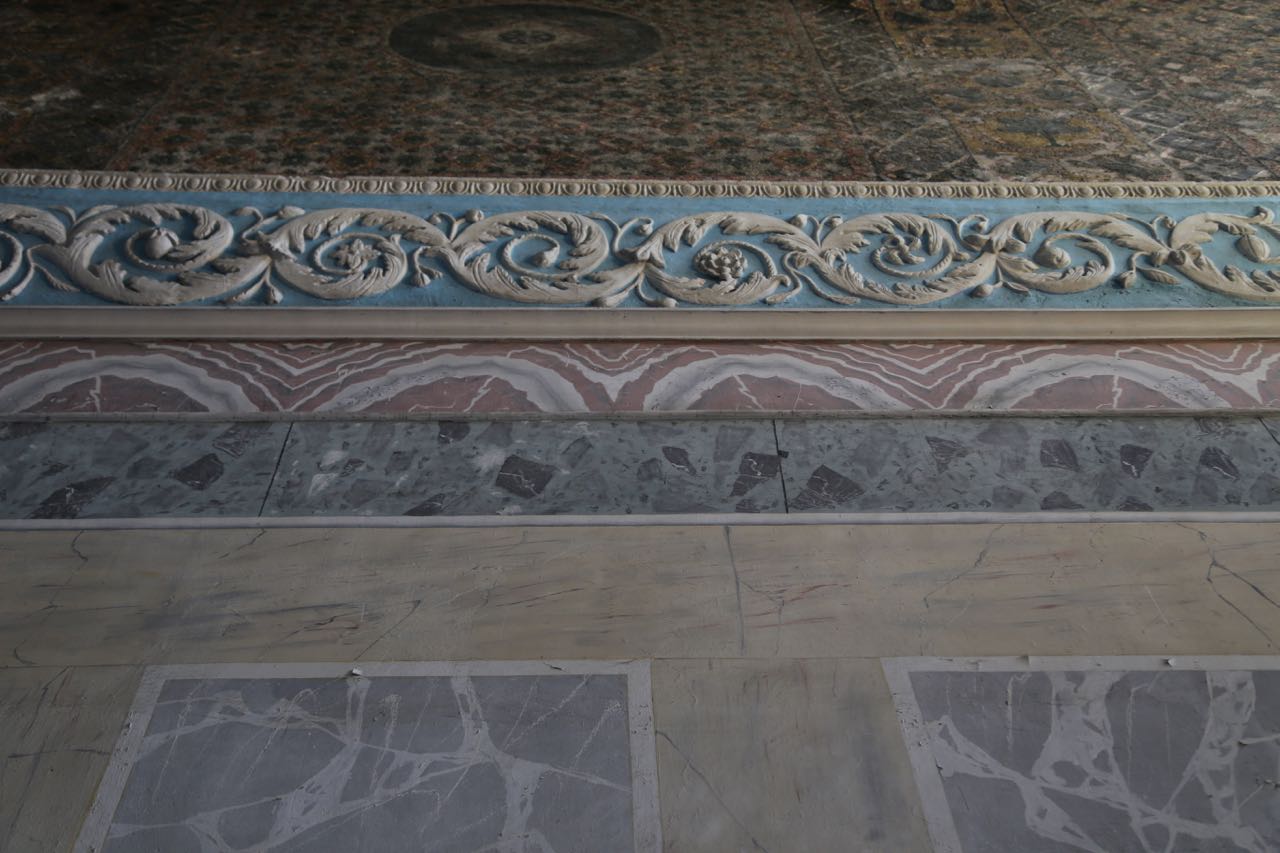
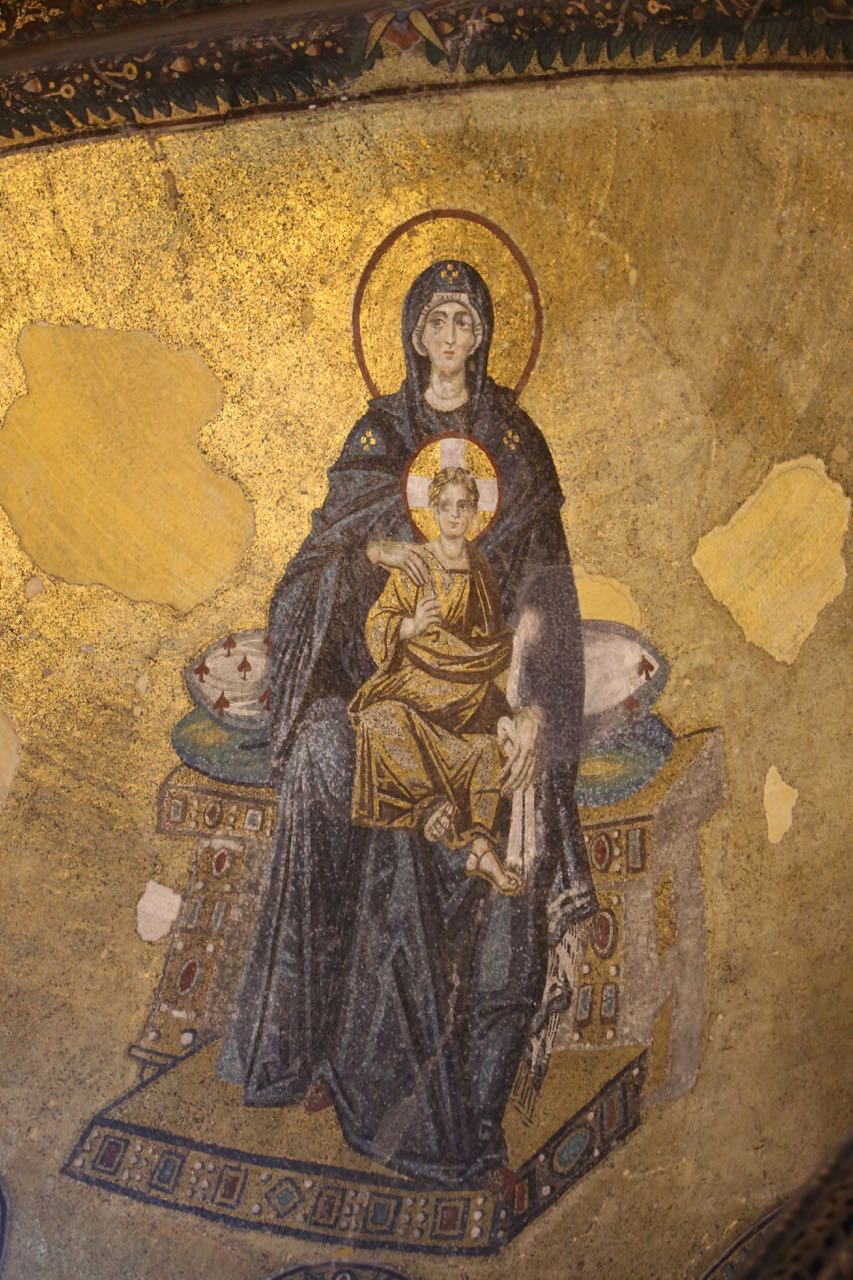
Hagia Sofia is an amazing piece of architecture and art. It was a church that became a mosque that became a museum. The interior is covered with beautiful stone panels, carved stone, mosaics, and painted plaster. Much of the mosaics were covered with plaster and then painted centuries ago, but the revealed mosaics are intricate and beautiful. The painted plaster is quite beautiful also. The stone panels demonstrate the beauty of natural stone. Besides the actual decorative interior, the actual architectural form of the building with all its domes and arches is gorgeous and also amazing from an engineering standpoint. Considering the age of the building and the number of earthquakes the area has suffered, it is amazing that the building is still standing. Some earthquake damage can be seen such as a leaning column in a photograph below.

Hagia Sofia

Hagia Sofia

Arches

Arches

Central area

Central area

Carved stone arches

Carved stone arches

Central dome

Central dome

Column leaning from earthquake

Column leaning from earthquake

Front of interior

Front of interior

Hall

Hall

Mosaic revealed under painting

Mosaic revealed under painting

Stone panels

Stone panels

Virgin Mary mosaic

Virgin Mary mosaic

Turkey: Ancient Ephesus

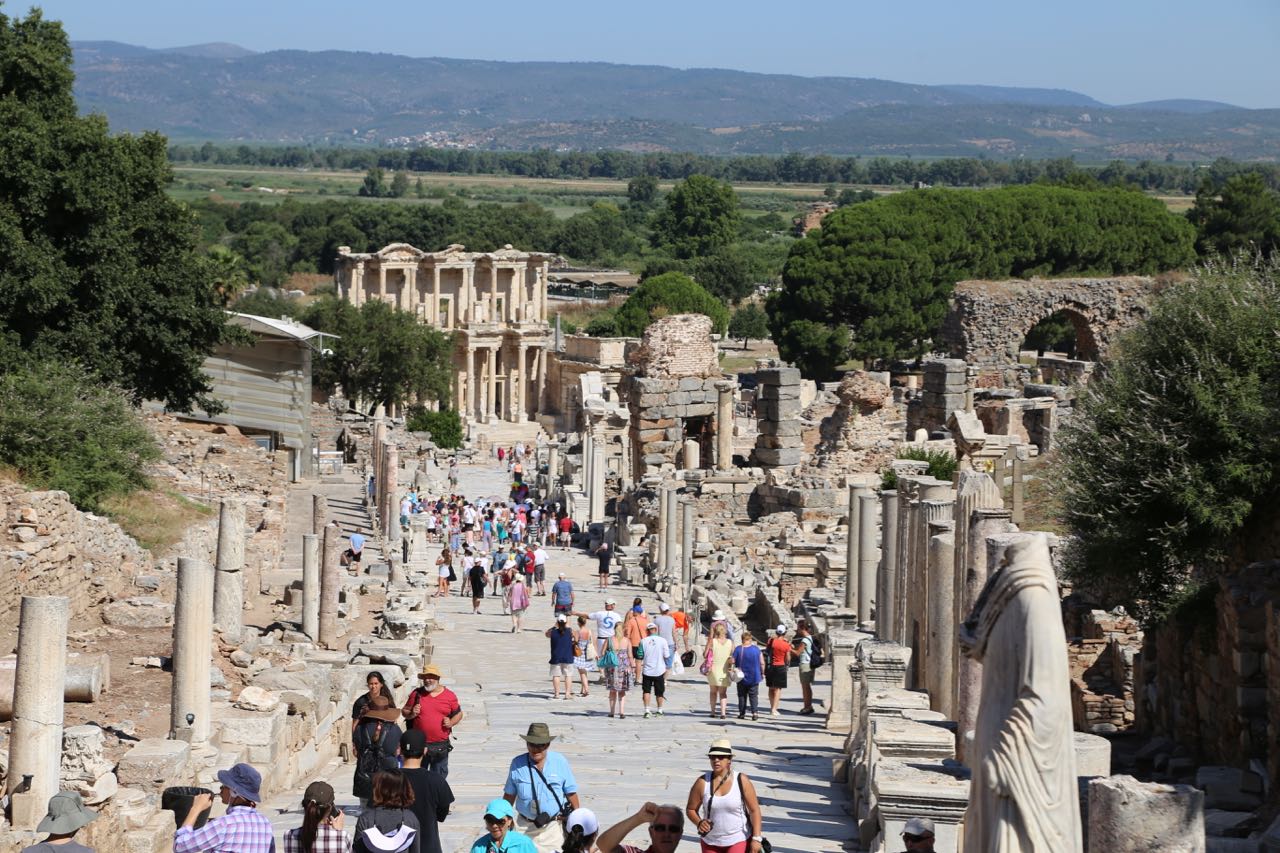
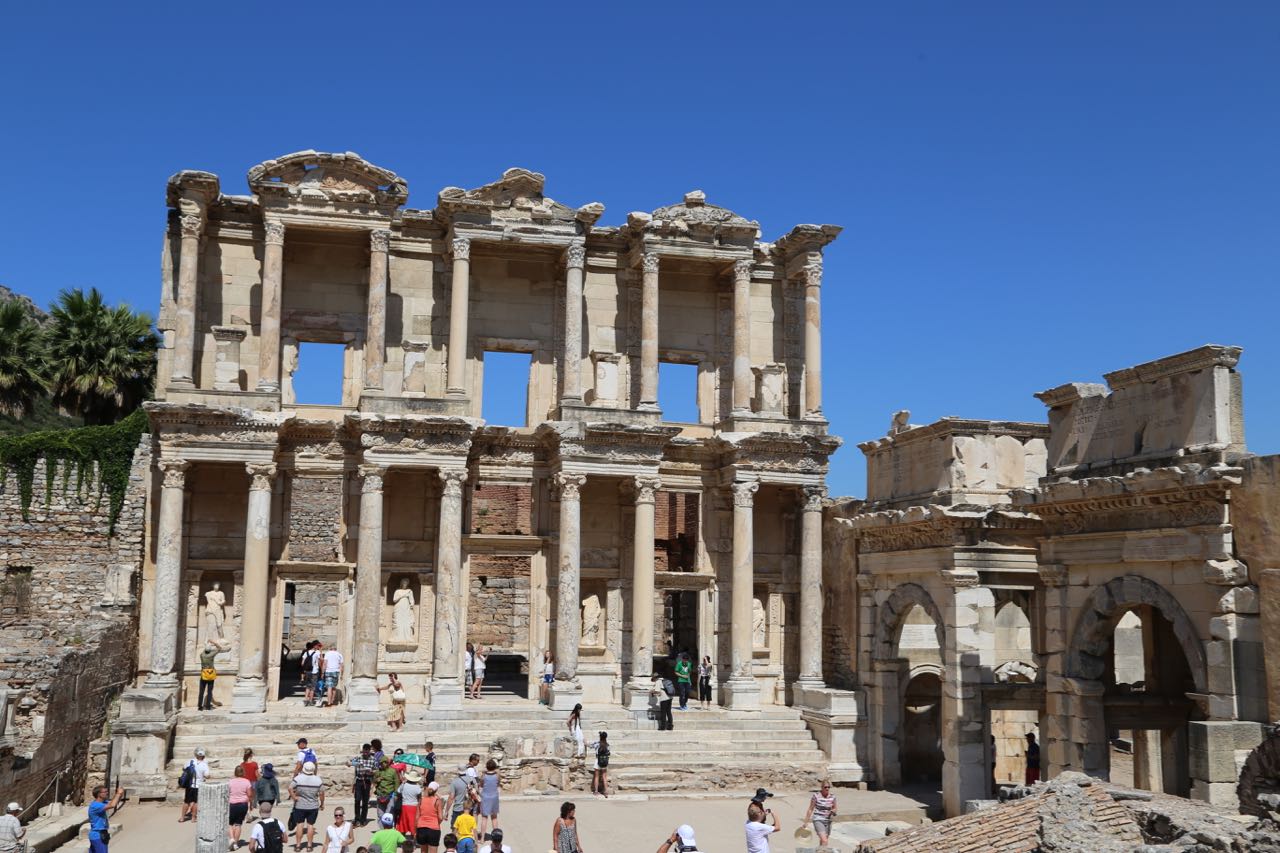
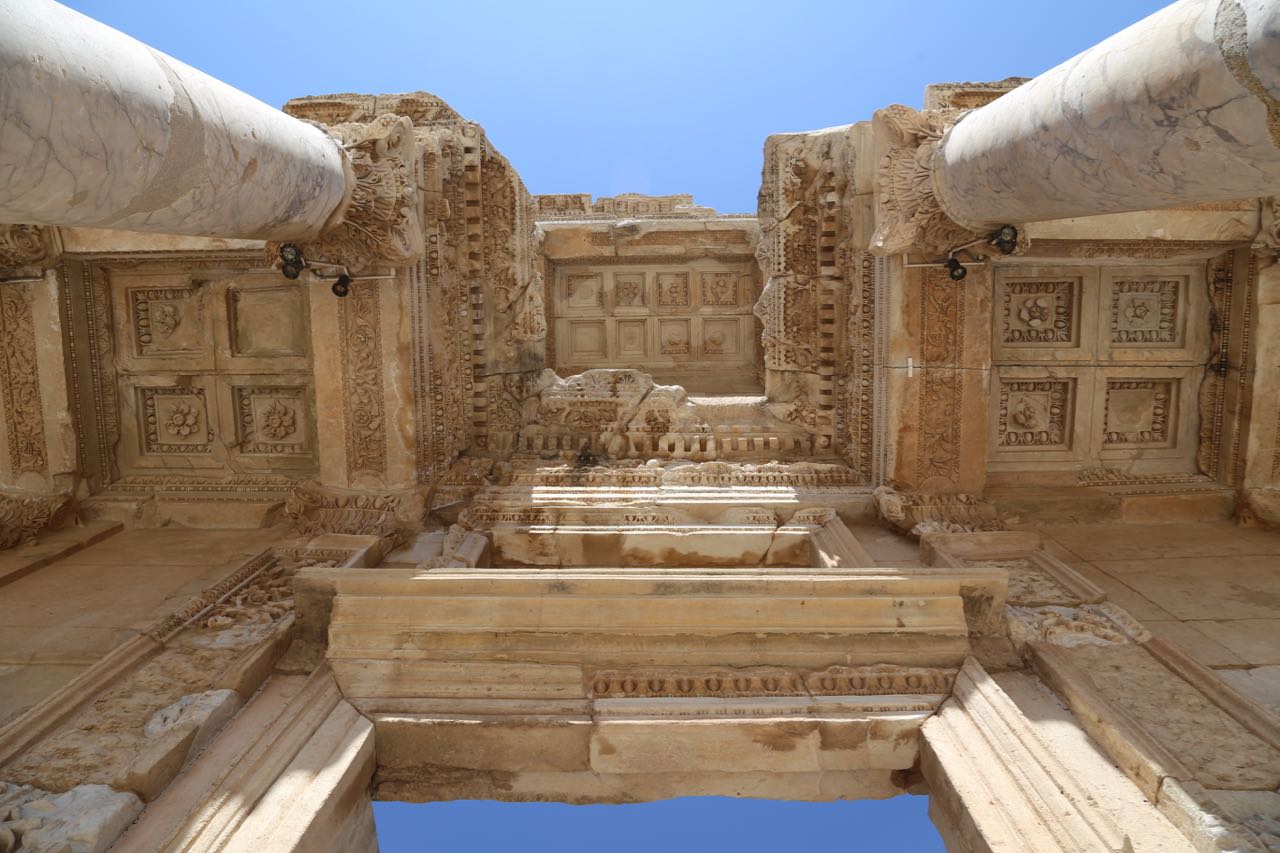
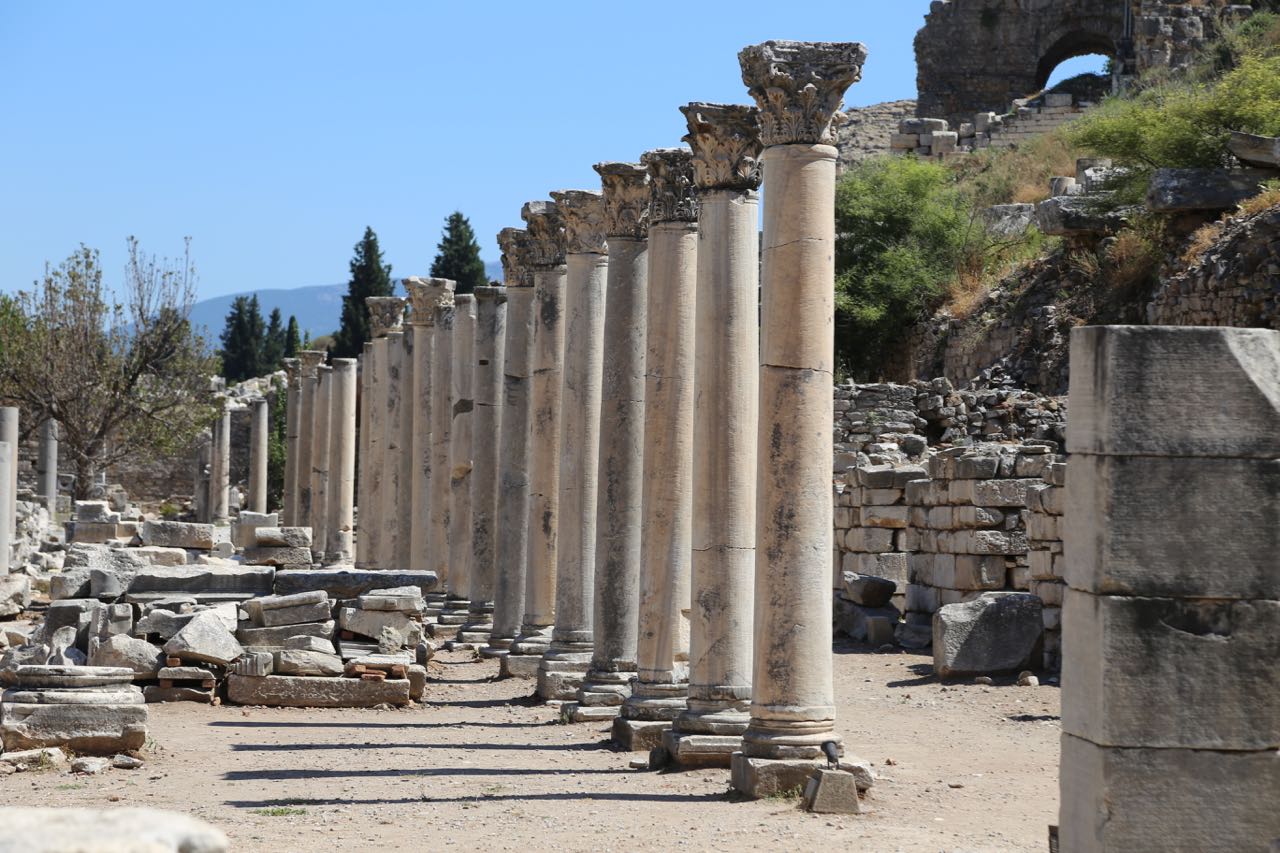
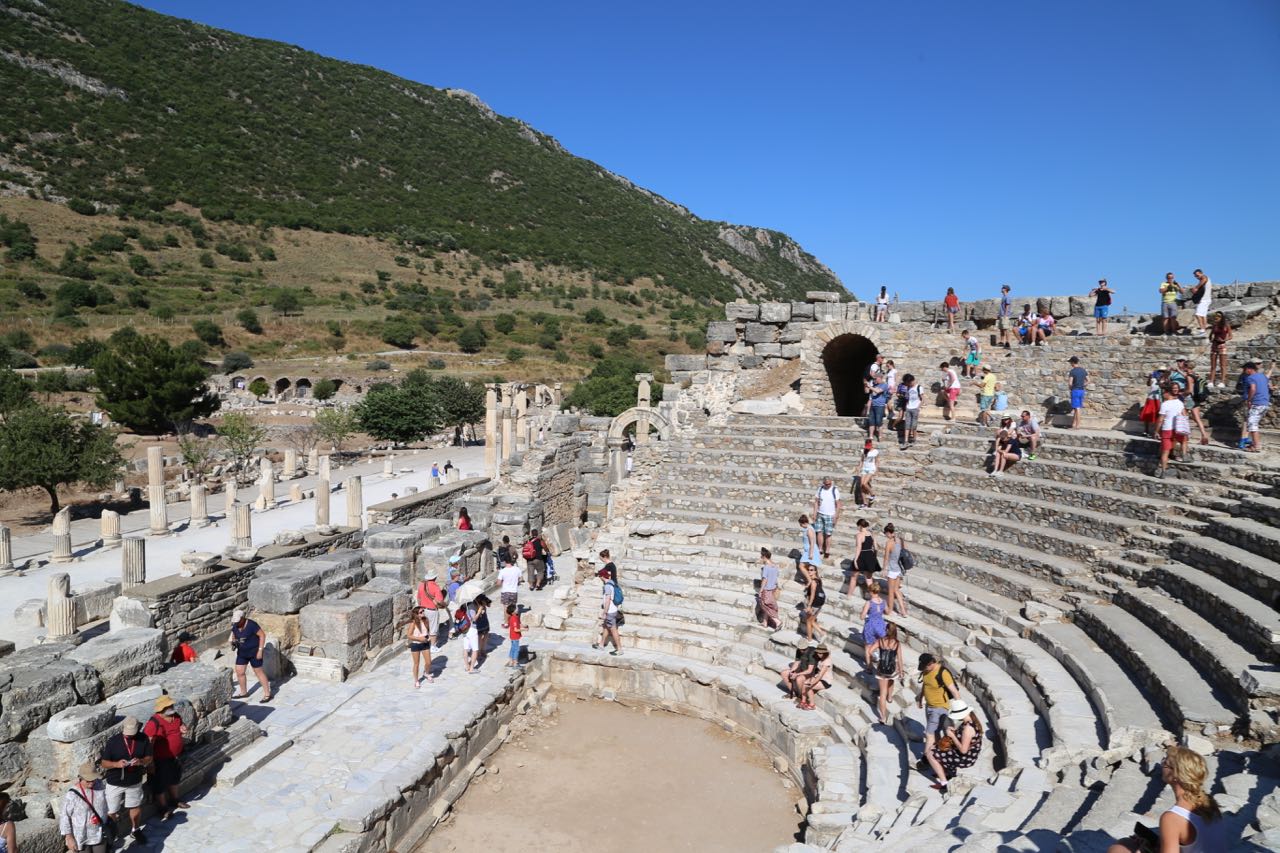
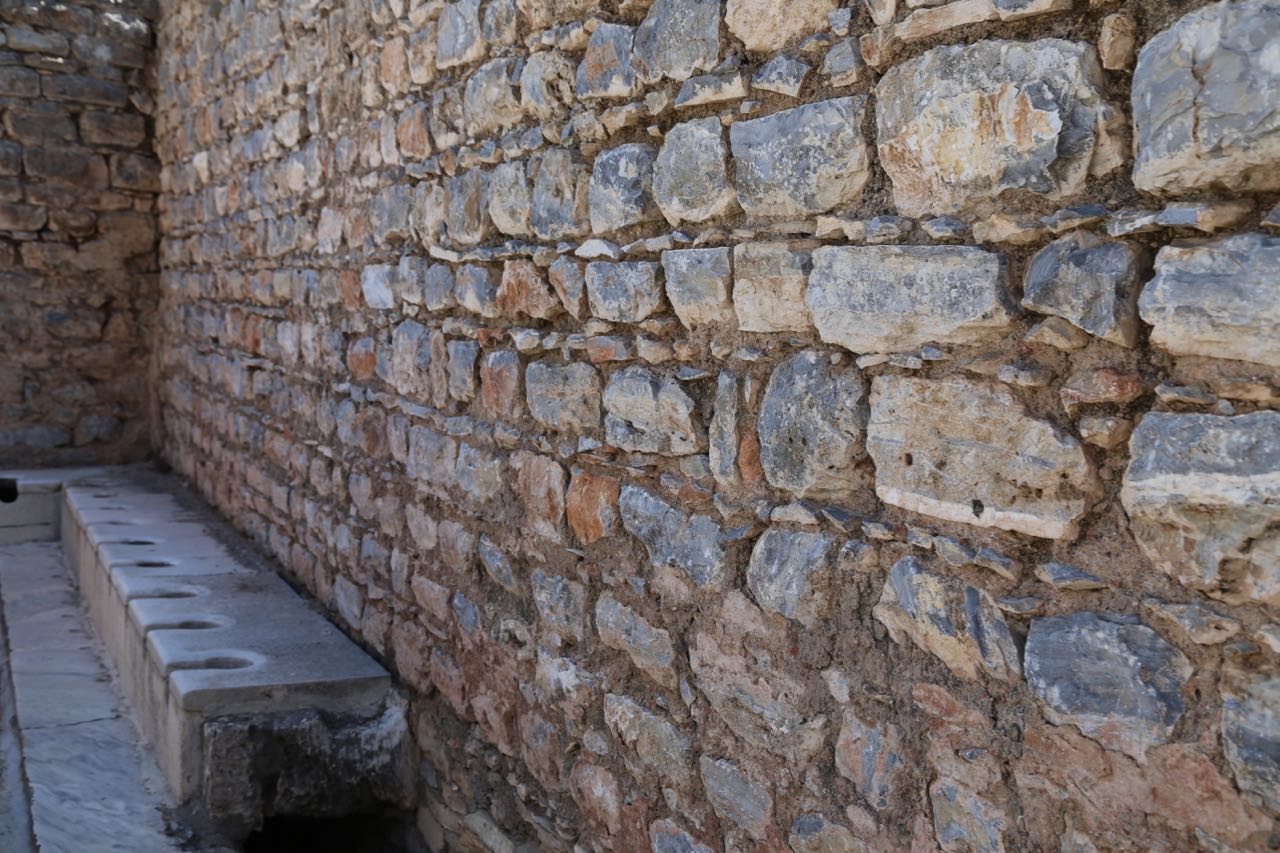
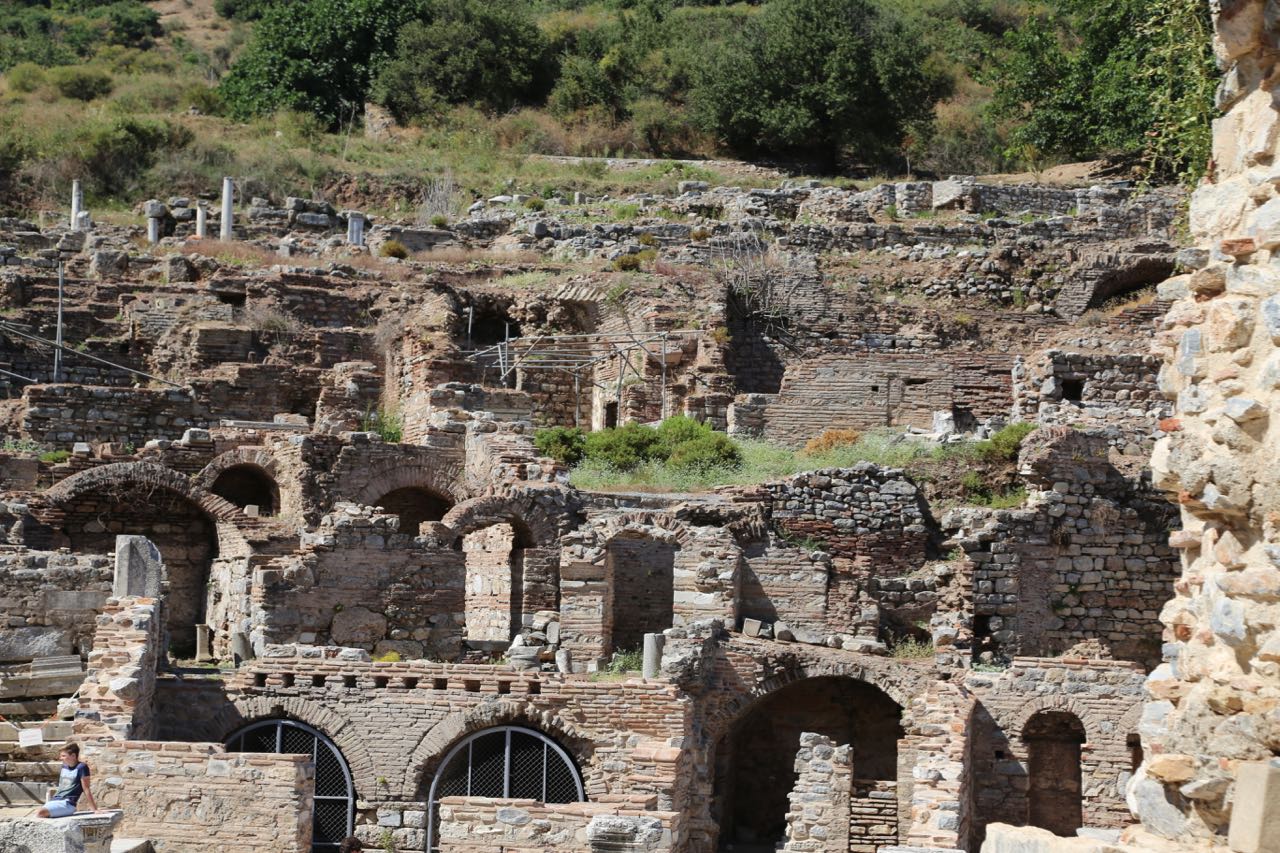
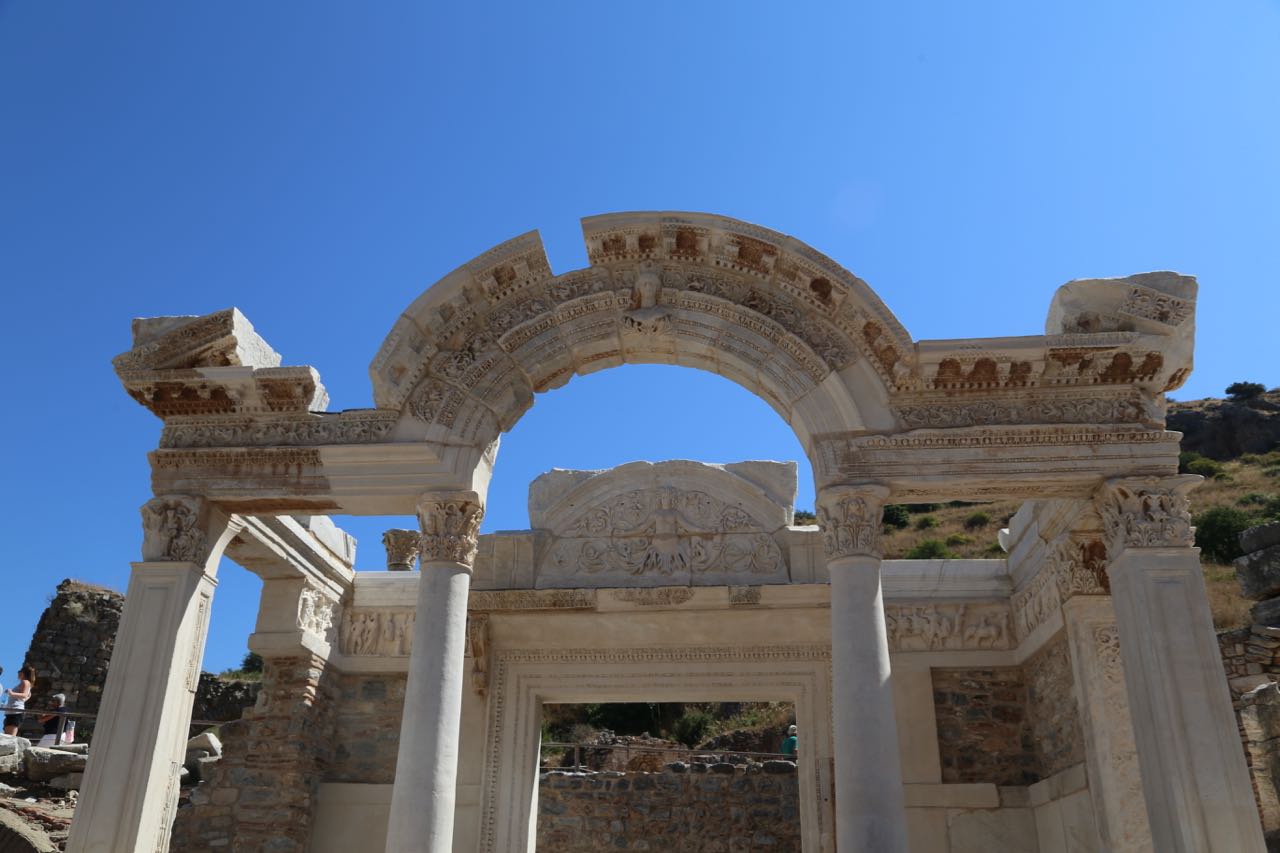
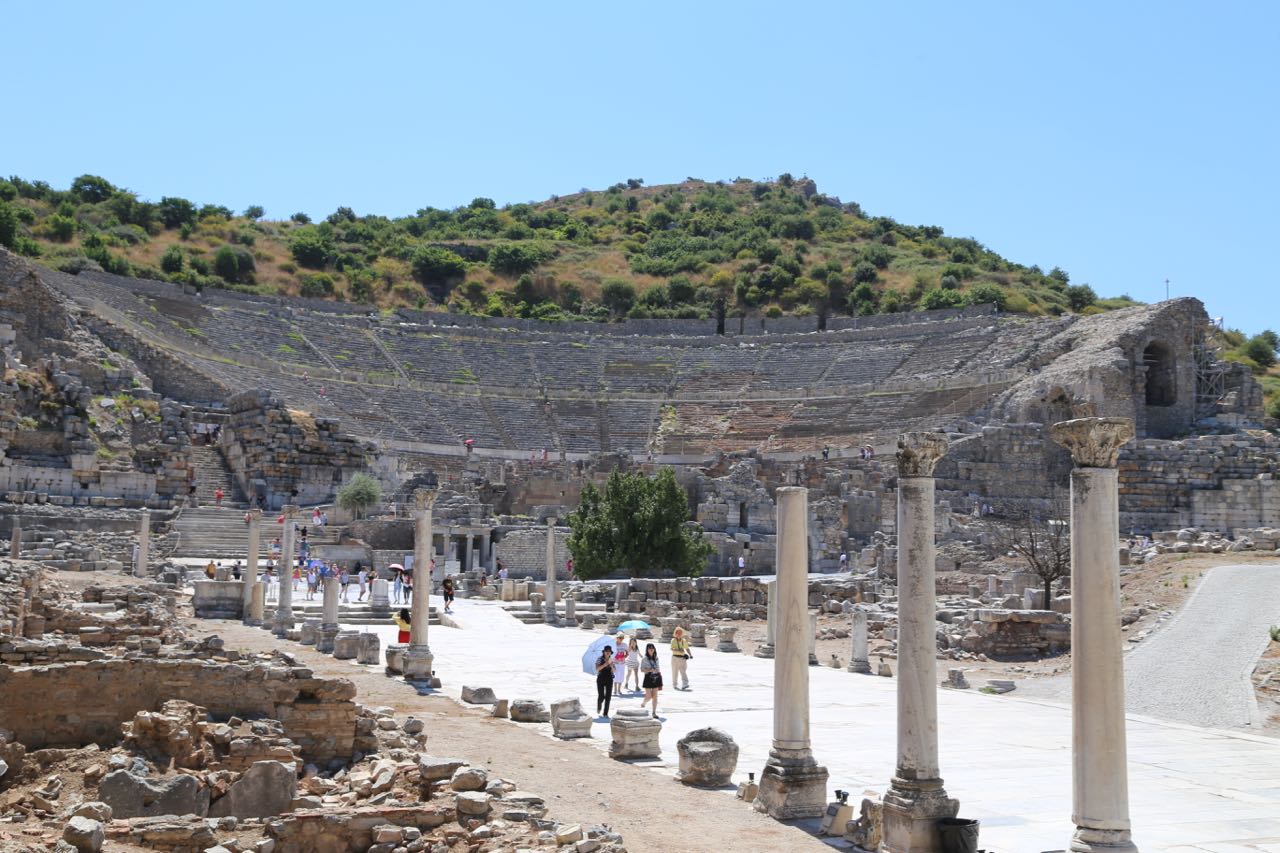
Our cruise through the Greek Islands ended in Turkey, where we visited Ephesus. The ruins of ancient Ephesus are amazing, partially because of how much is left. The library is just gorgeous. Several streets are still present which gives you a really good feel for how the city used to be. The public toilets make me glad to be alive in the indoor plumbing age.

Street

Street

Library of Celsus

Library of Celsus

Library of Celsus

Library of Celsus

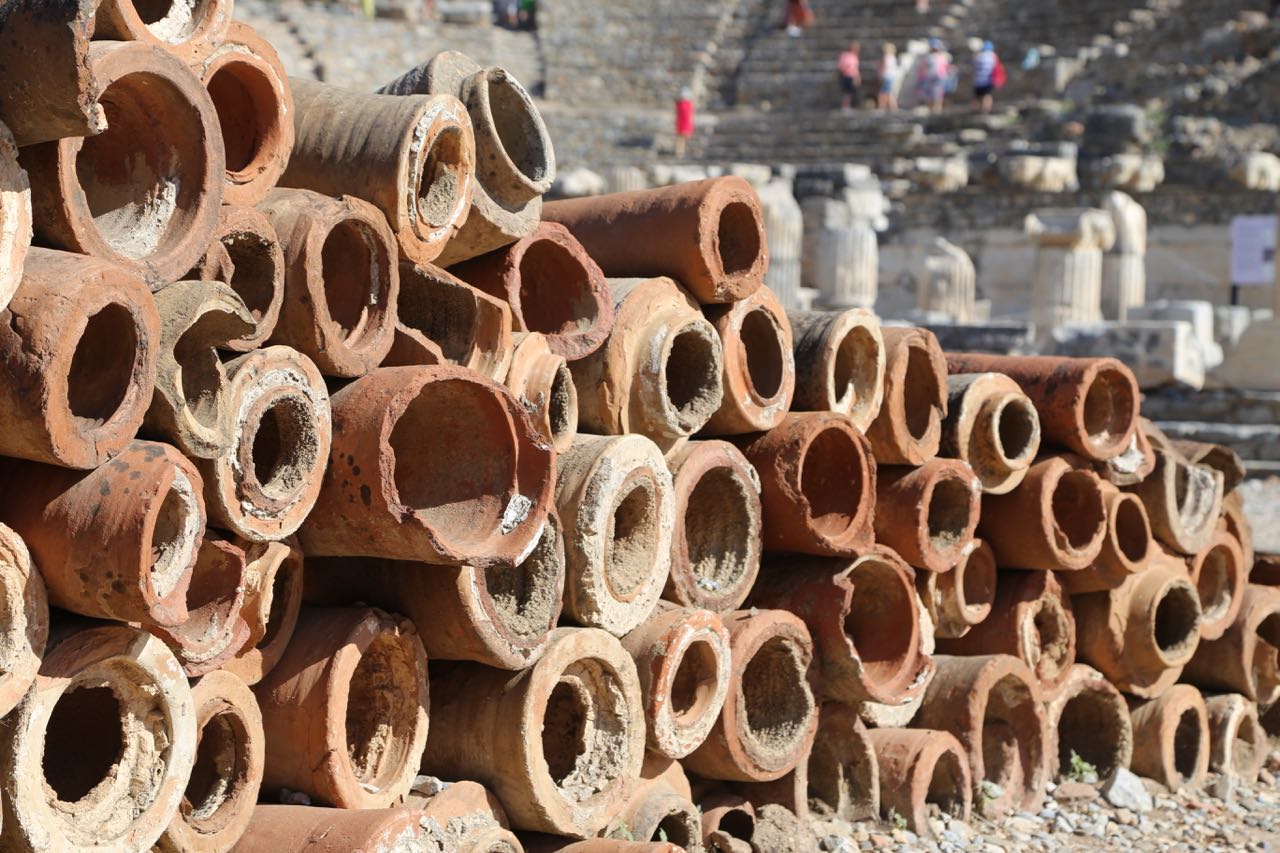
Clay pipes

Clay pipes

Columns

Columns

Odeon

Odeon

Public toilets

Public toilets

Residential area

Residential area

Temple of Hadrian

Temple of Hadrian

Theater

Theater

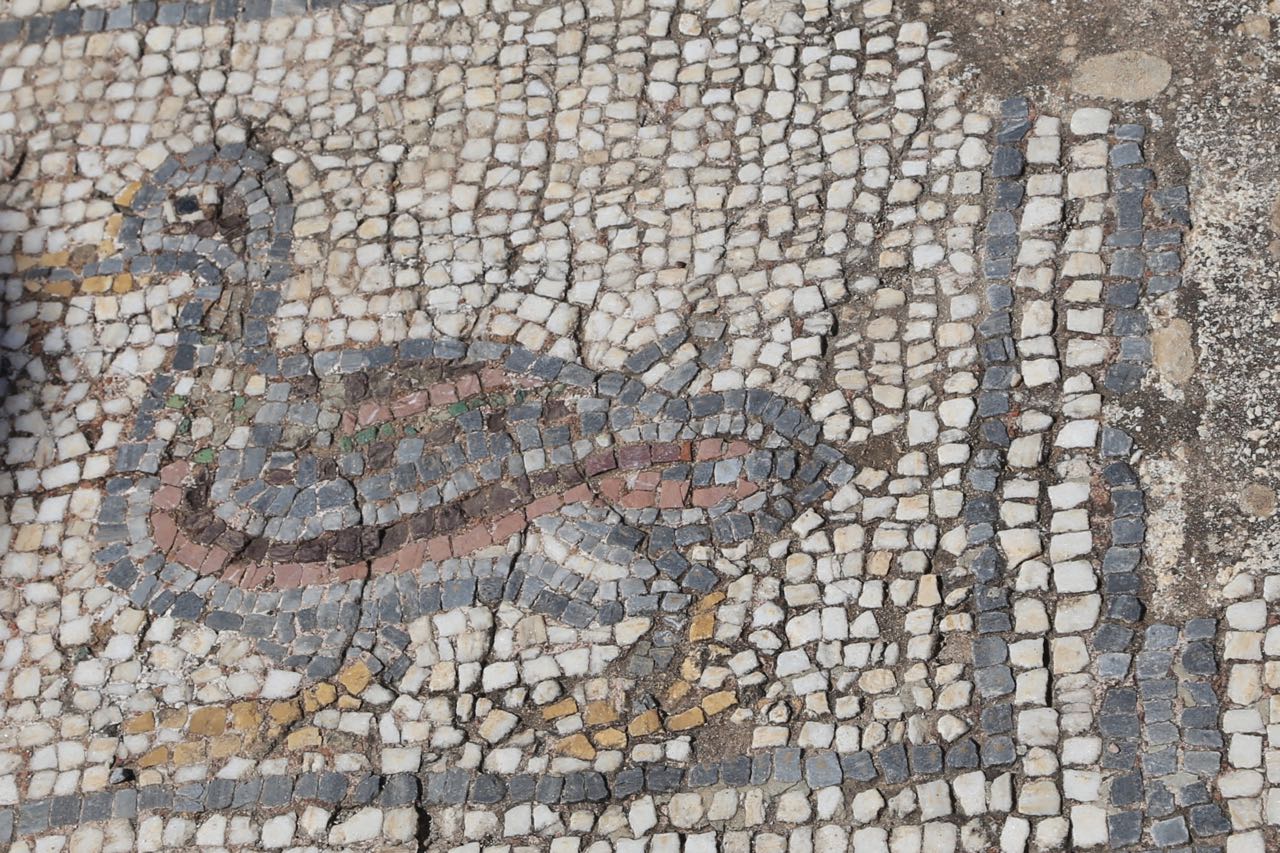
Residential area mosaic floor

Residential area mosaic floor

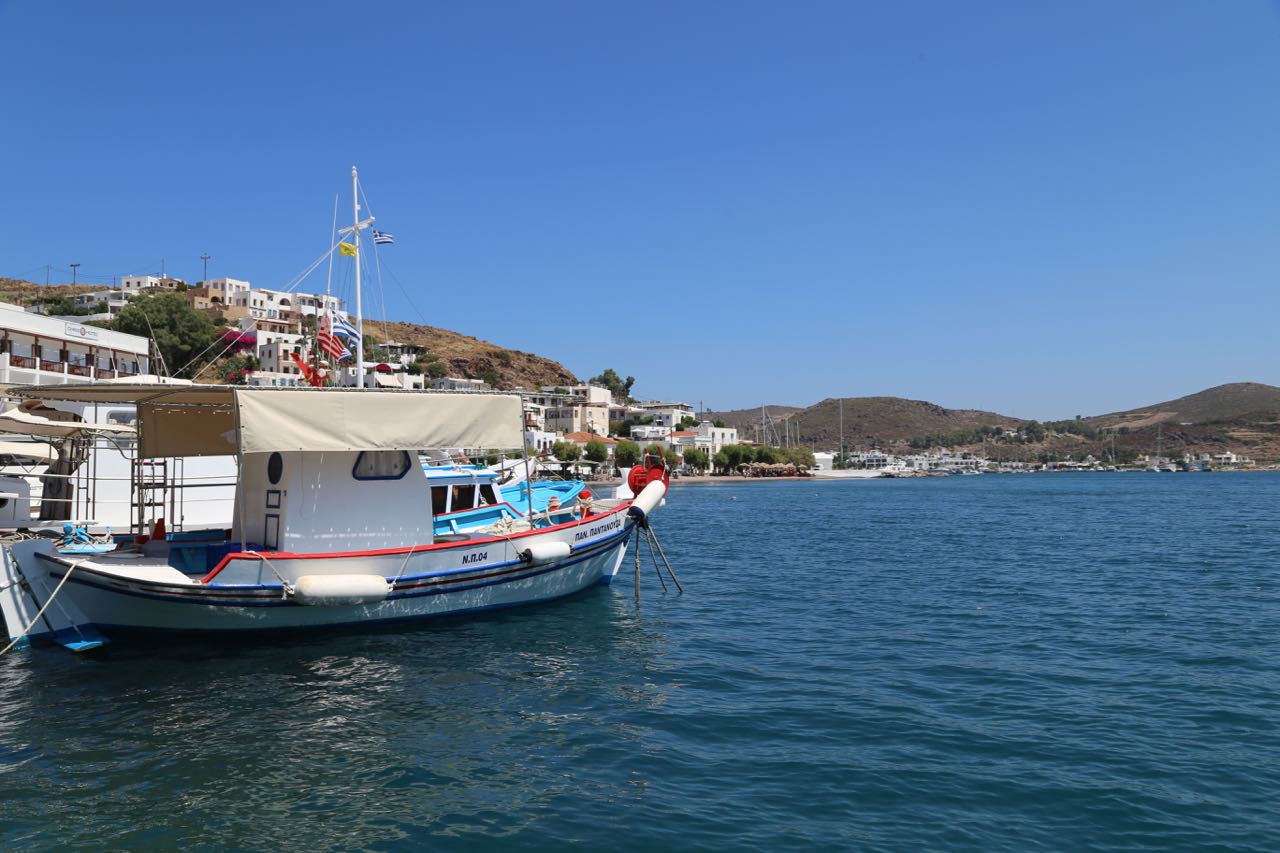
Greece: Patmos

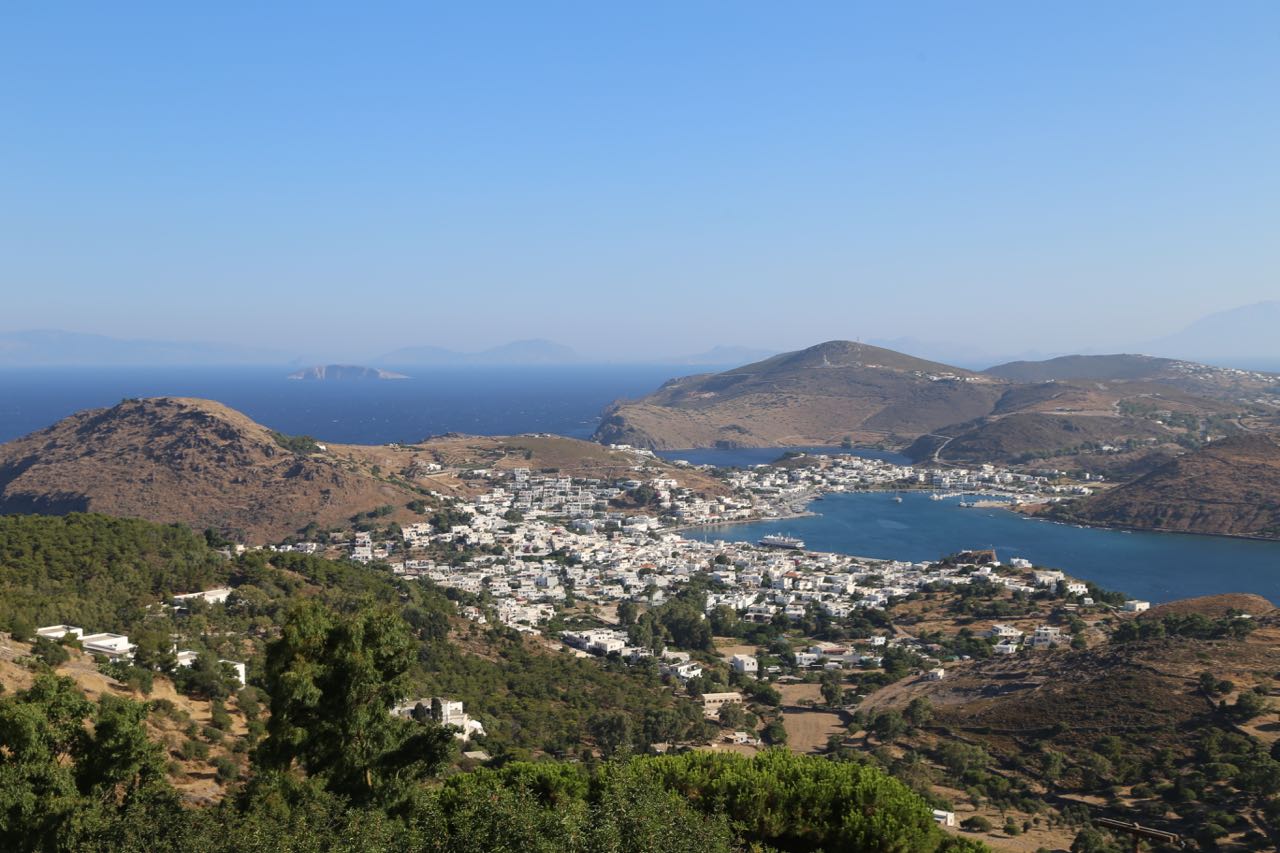
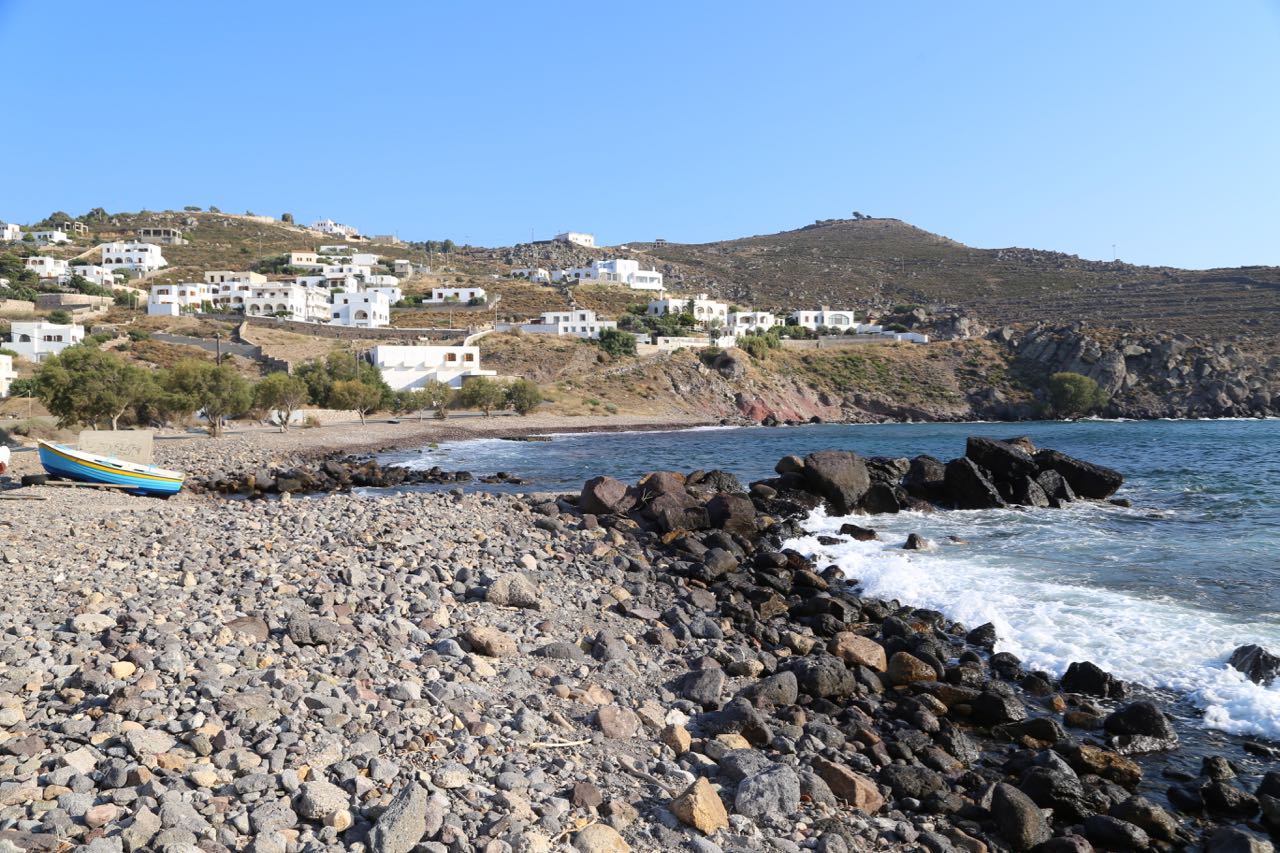
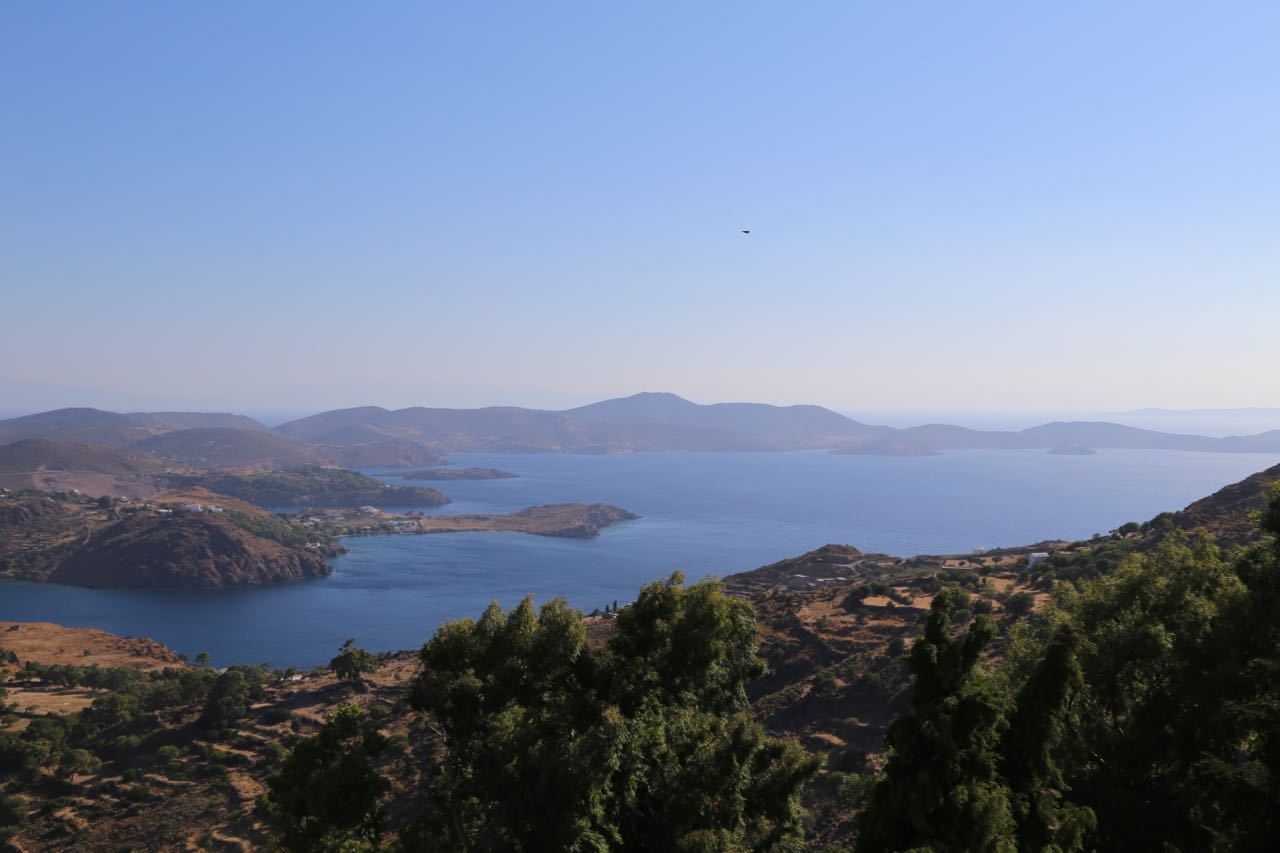
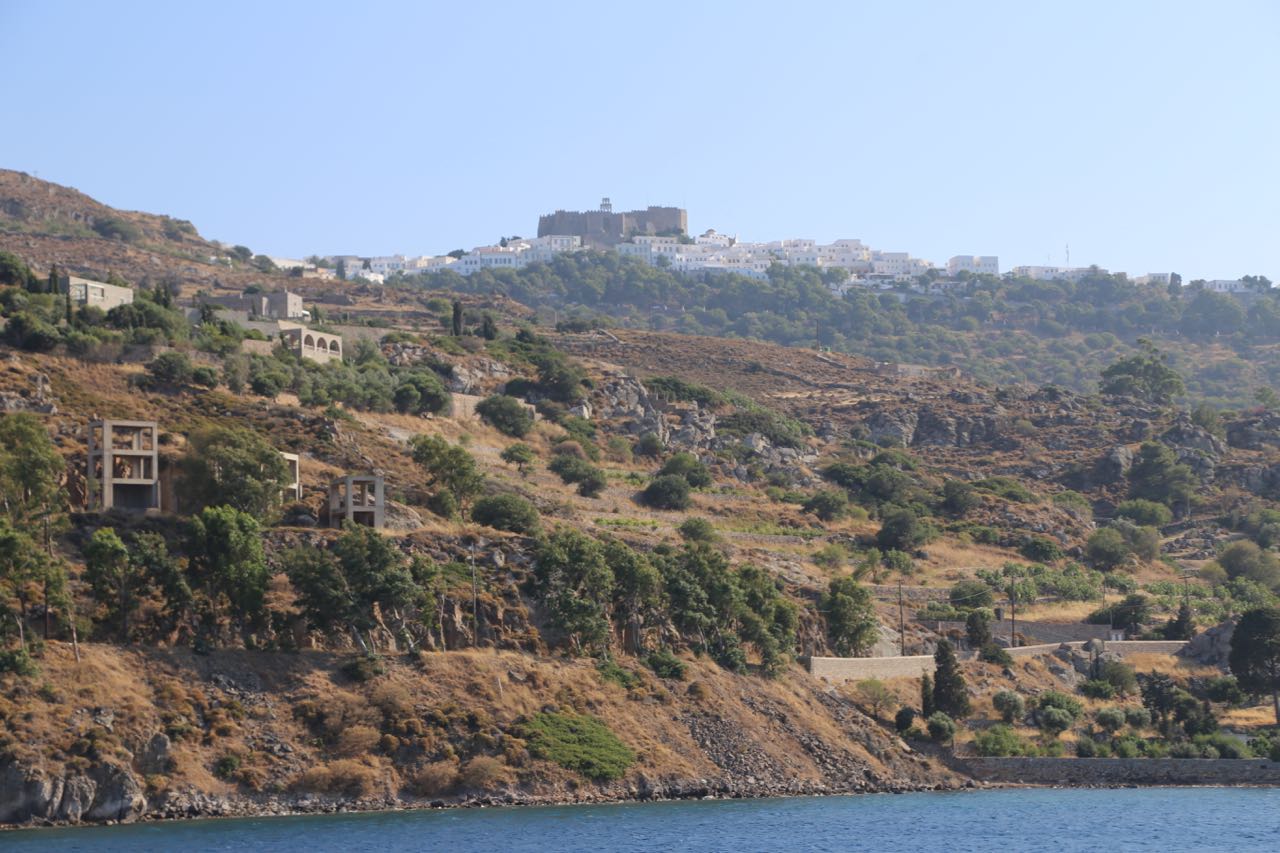
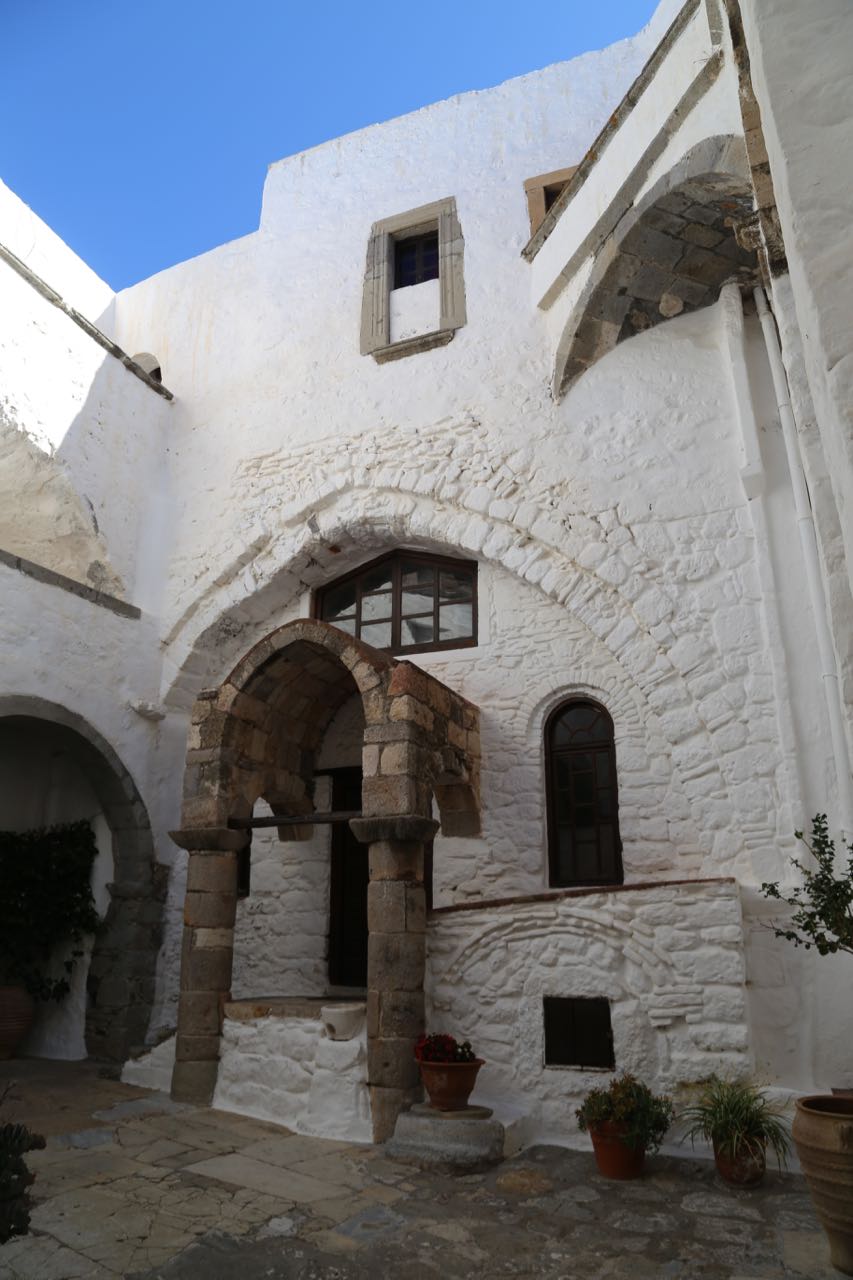
Today we visited the small Dodecanese island of Patmos. It is where St. John is believed to have written the Book of Revelation in what is known as the Cave of the Apocalypse. The island is very pretty with gorgeous, wonderful views from the hills. It also not too touristy.

View of town

View of town

Harbor

Harbor

A rocky beach

A rocky beach

View from monastery

View from monastery

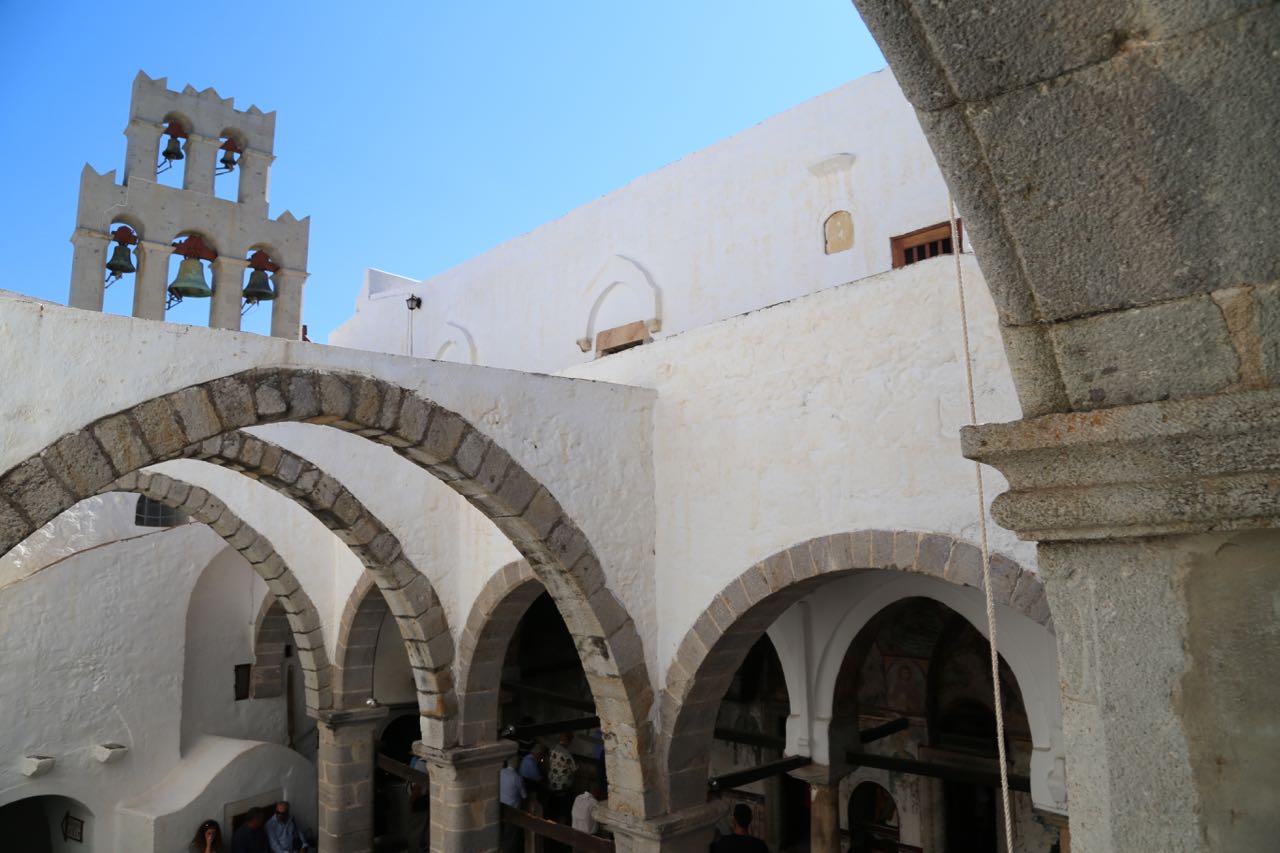
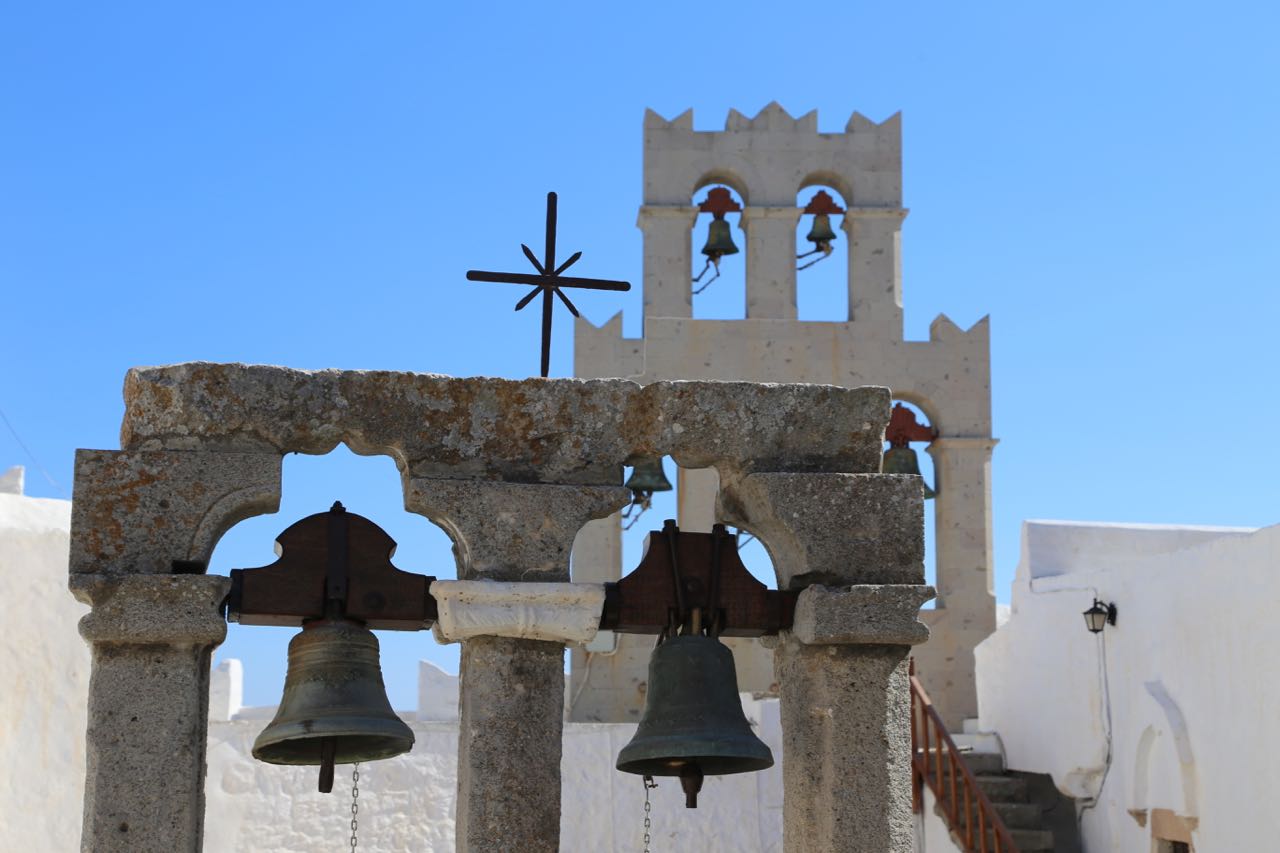
Monastery of Saint John the Theologian

Monastery of Saint John the Theologian

Monastery of Saint John the Theologian

Monastery of Saint John the Theologian

Monastery of Saint John the Theologian

Monastery of Saint John the Theologian

Monastery of Saint John the Theologian

Monastery of Saint John the Theologian

Greece: Kalymnos

This morning we went to Kalymnos, the sponge divers’ island. The island is in Dodecanese island group and seems be known for the sponge divers and that is about it. We visited Nautical and Folklore Museum. It was tiny but had some nice exhibits on the sponge divers and the history of them. According to the museum curator, the death rate among sponge divers was near 25%, which is depressing to say the least.

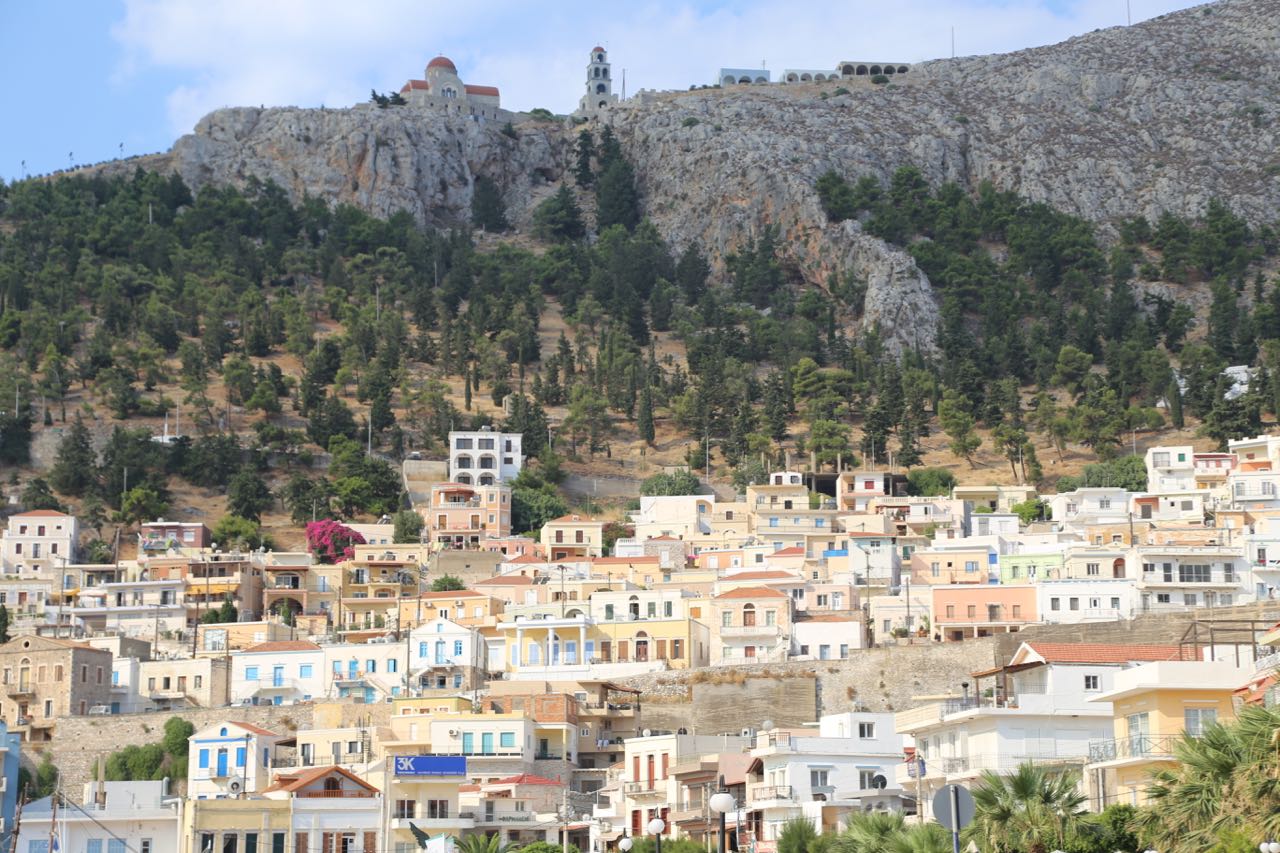
Kalymnos

Kalymnos

Kalymnos harbor

Kalymnos harbor

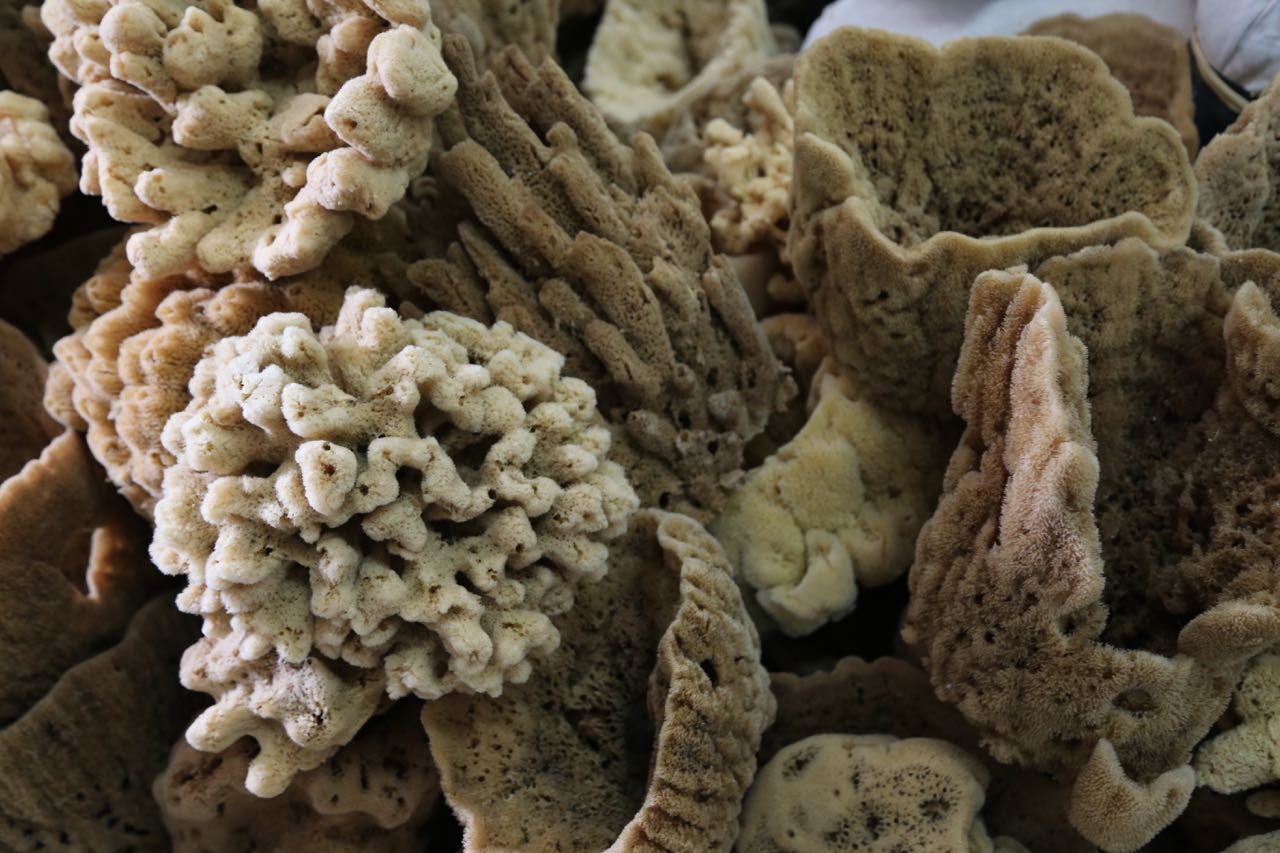
Sponge store

Sponge store

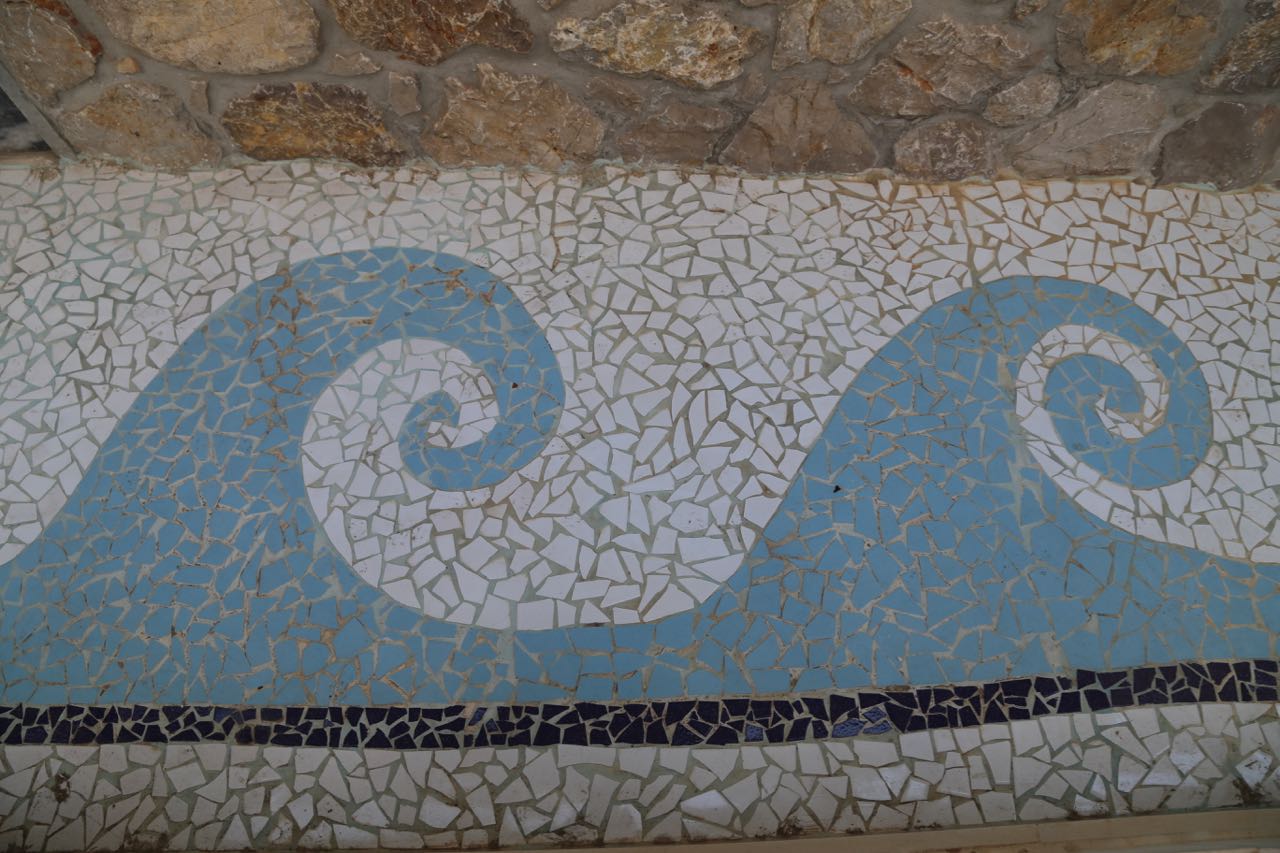
Tile porch floor

Tile porch floor

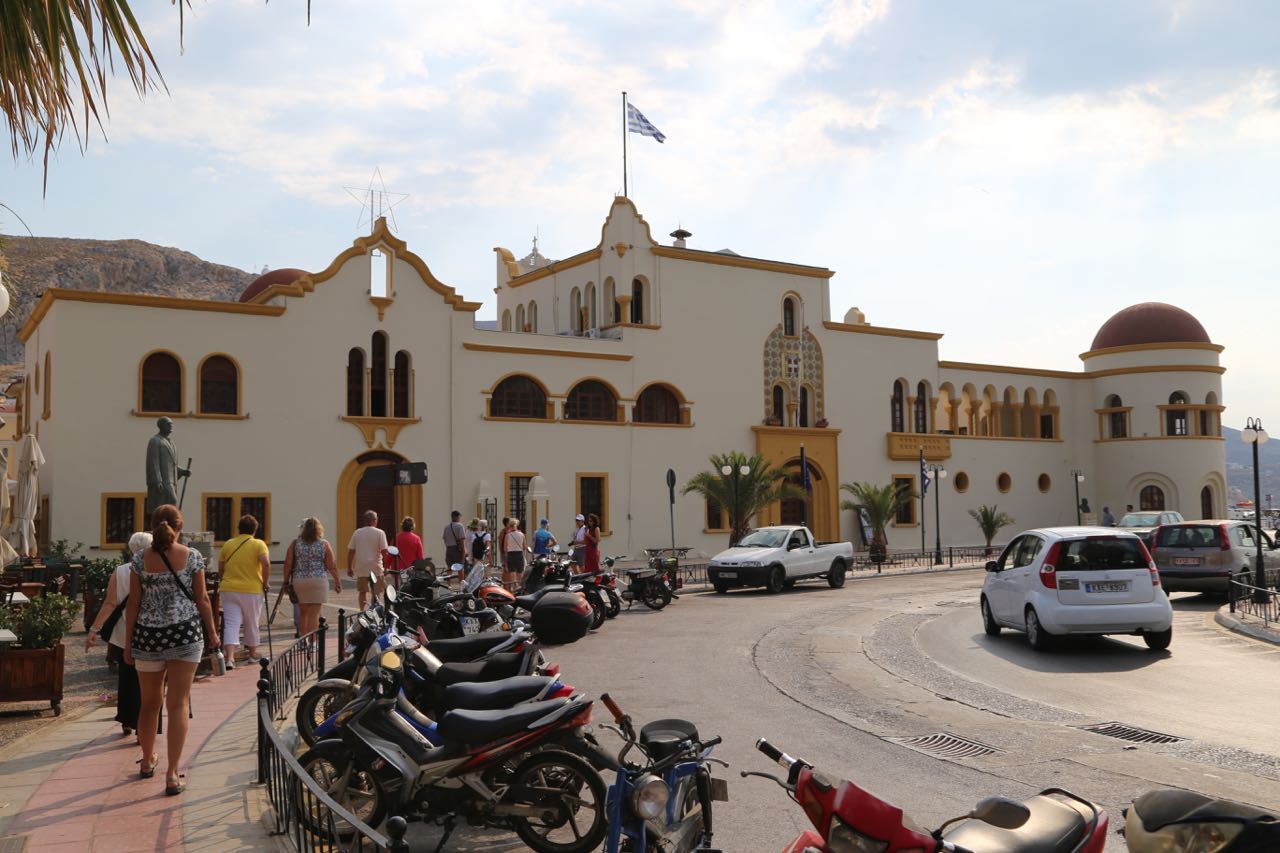
Prefecture

Prefecture

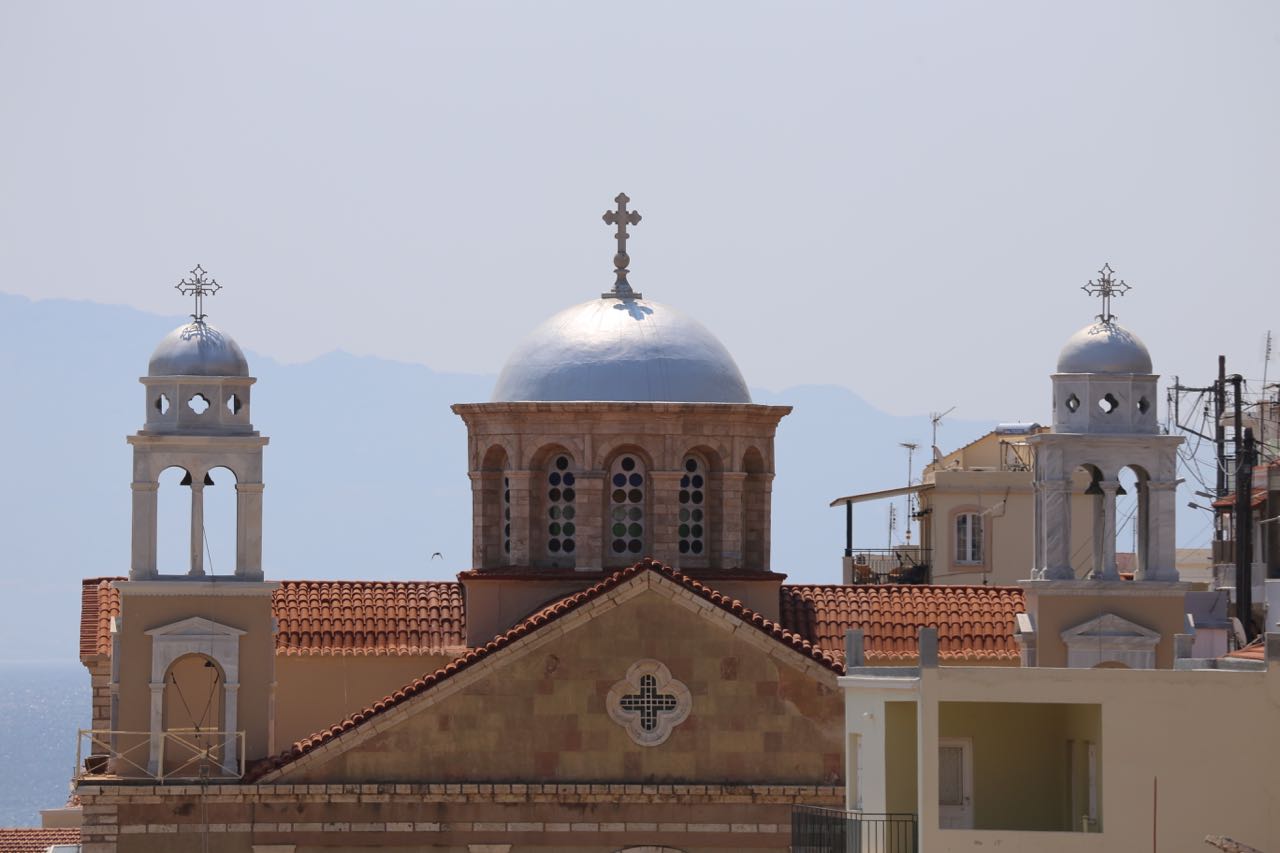
Church

Church

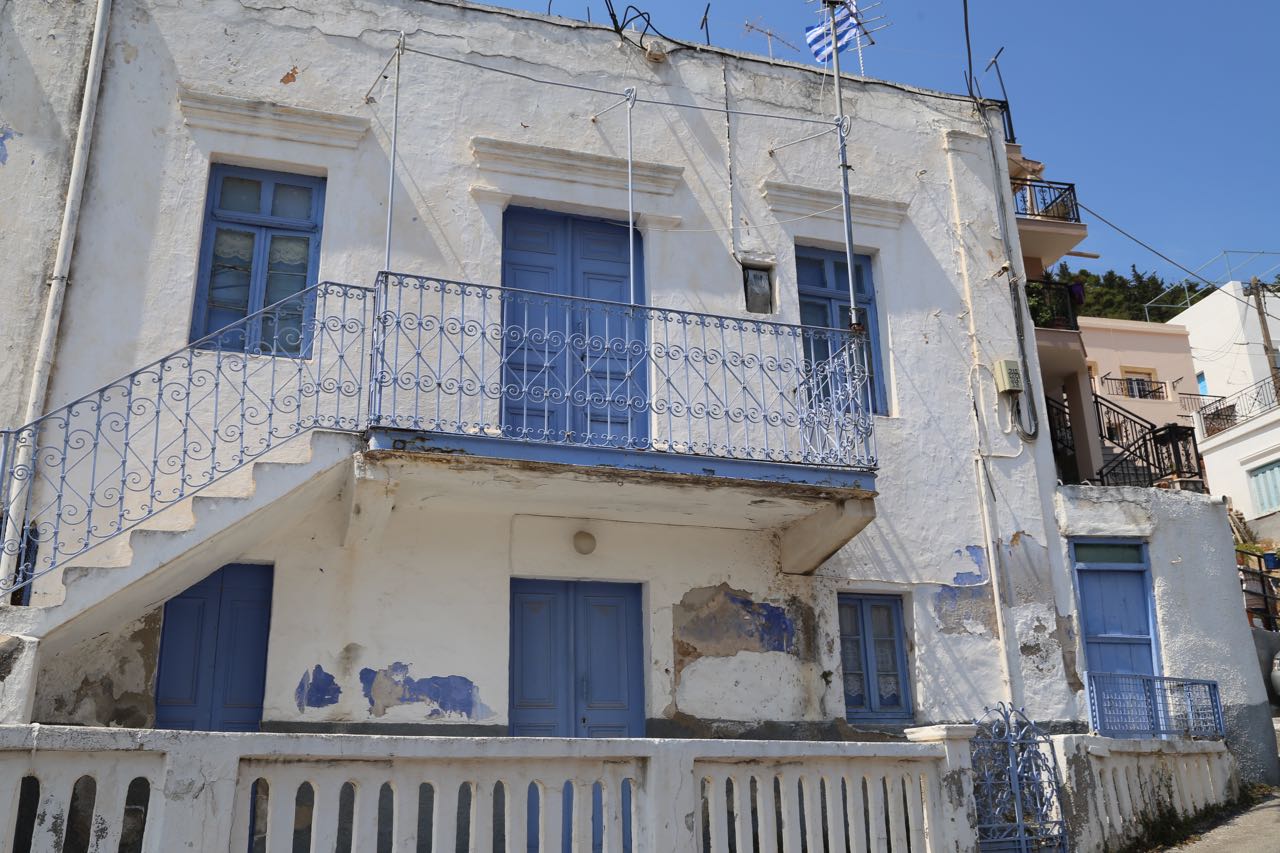
Blue and white house

Blue and white house

Greece: Naxos Countryside

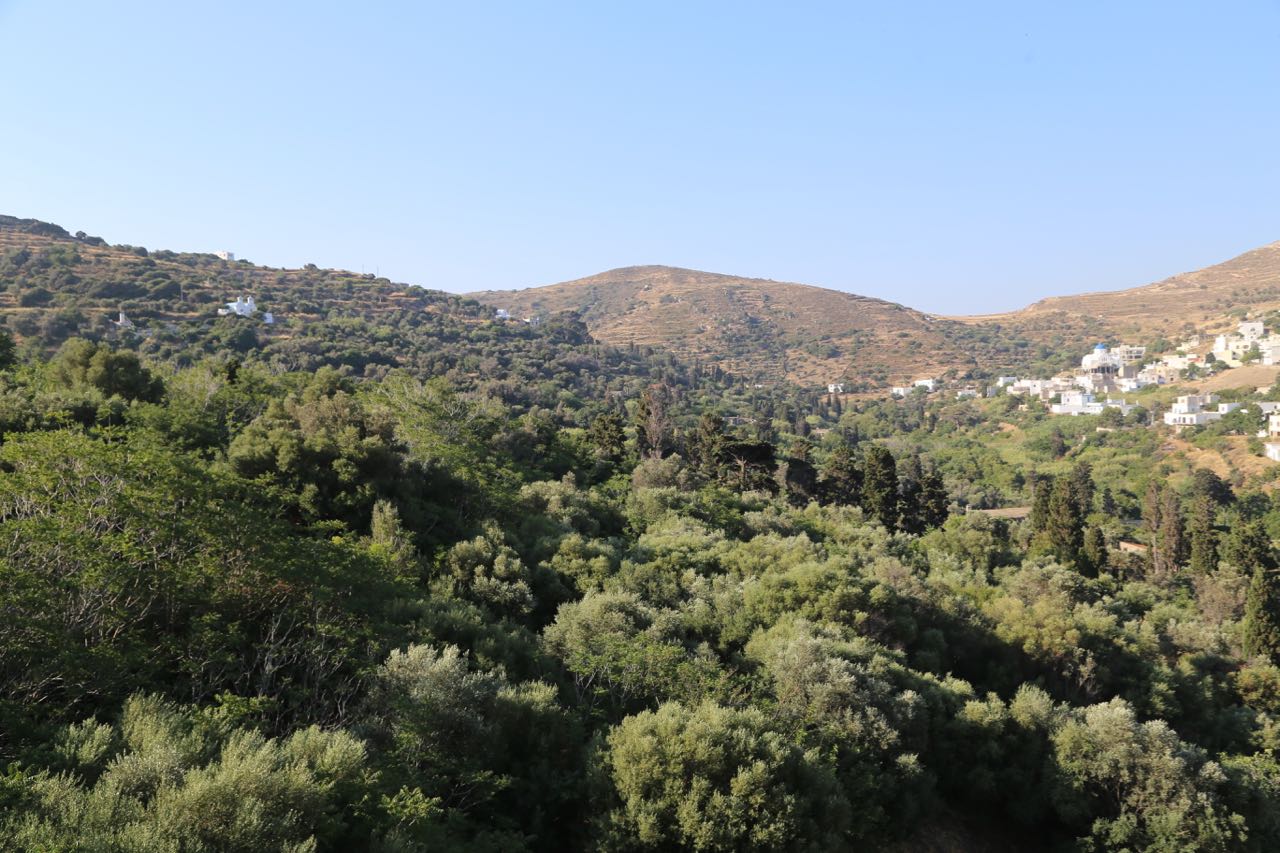
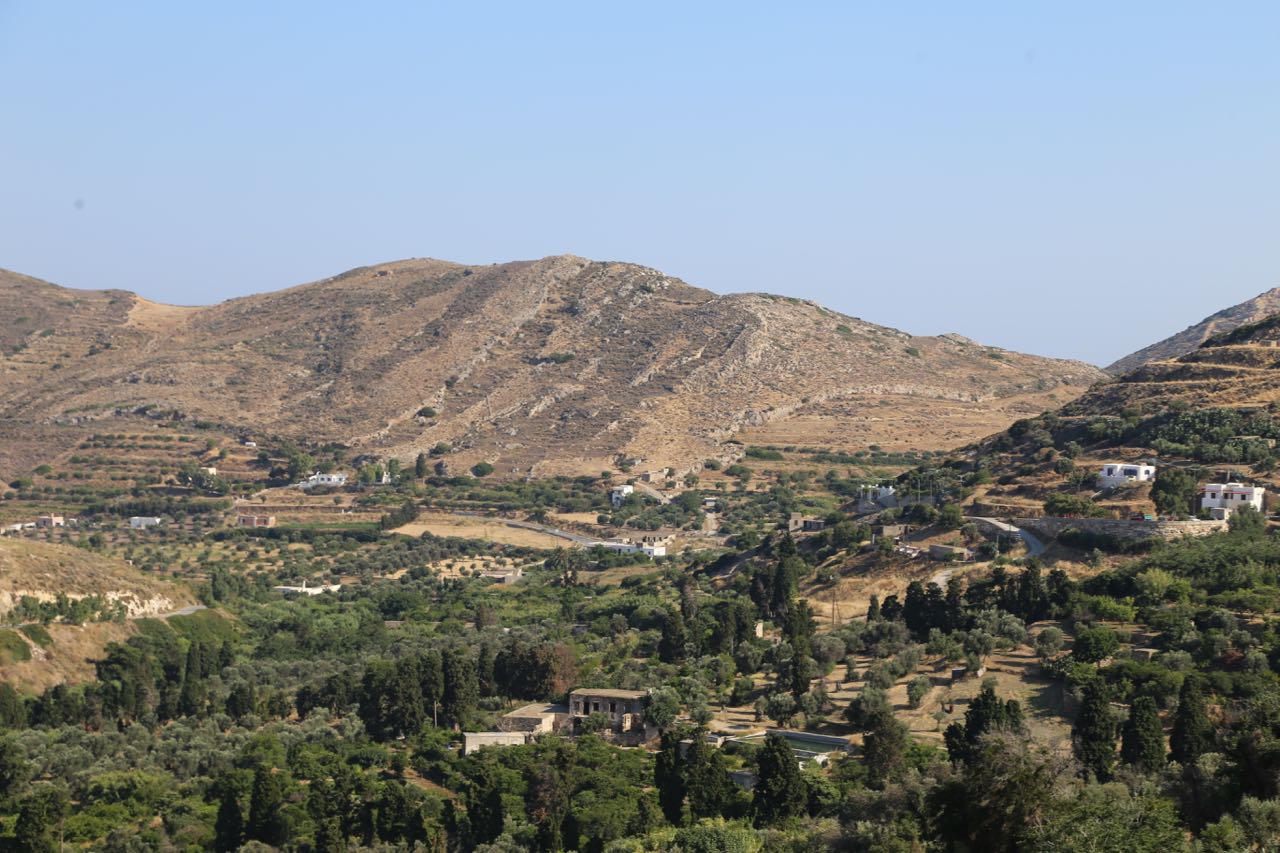
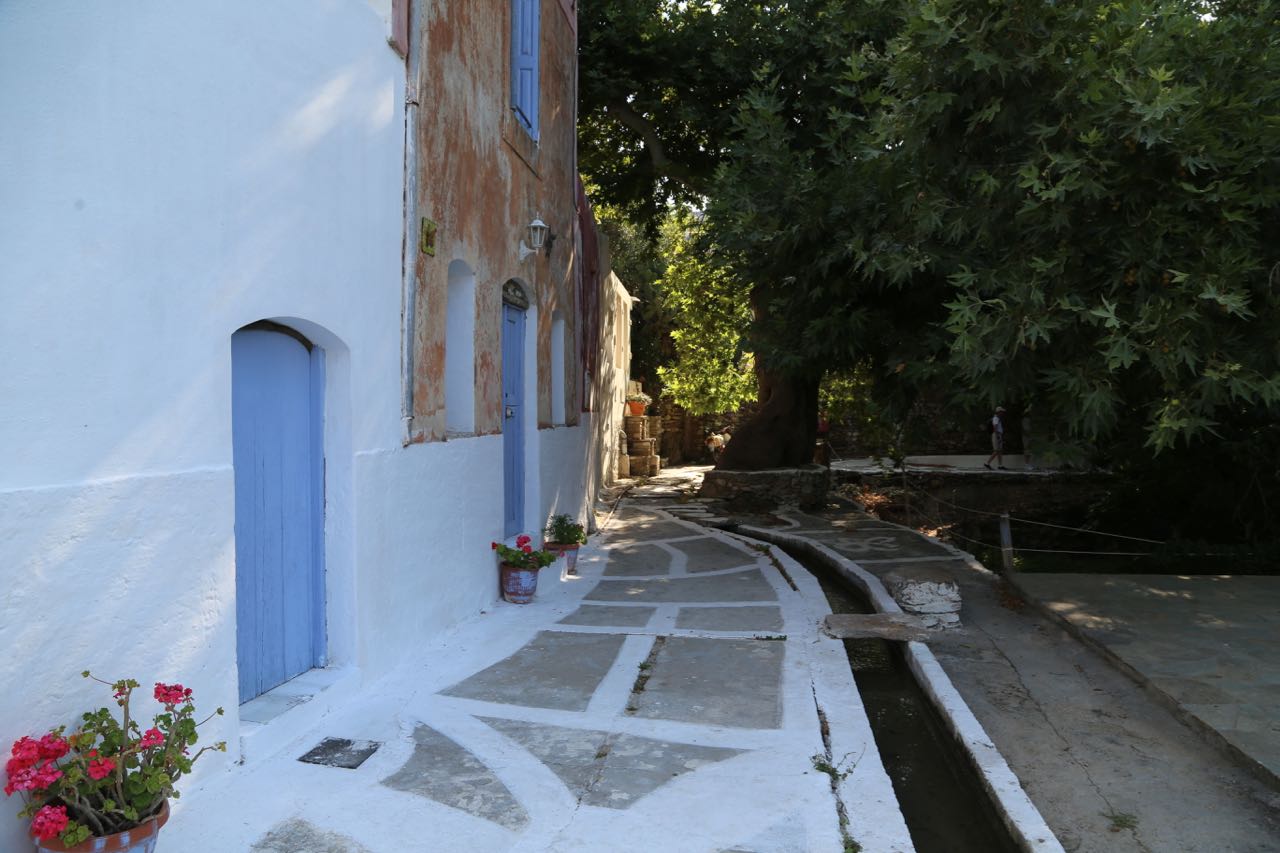
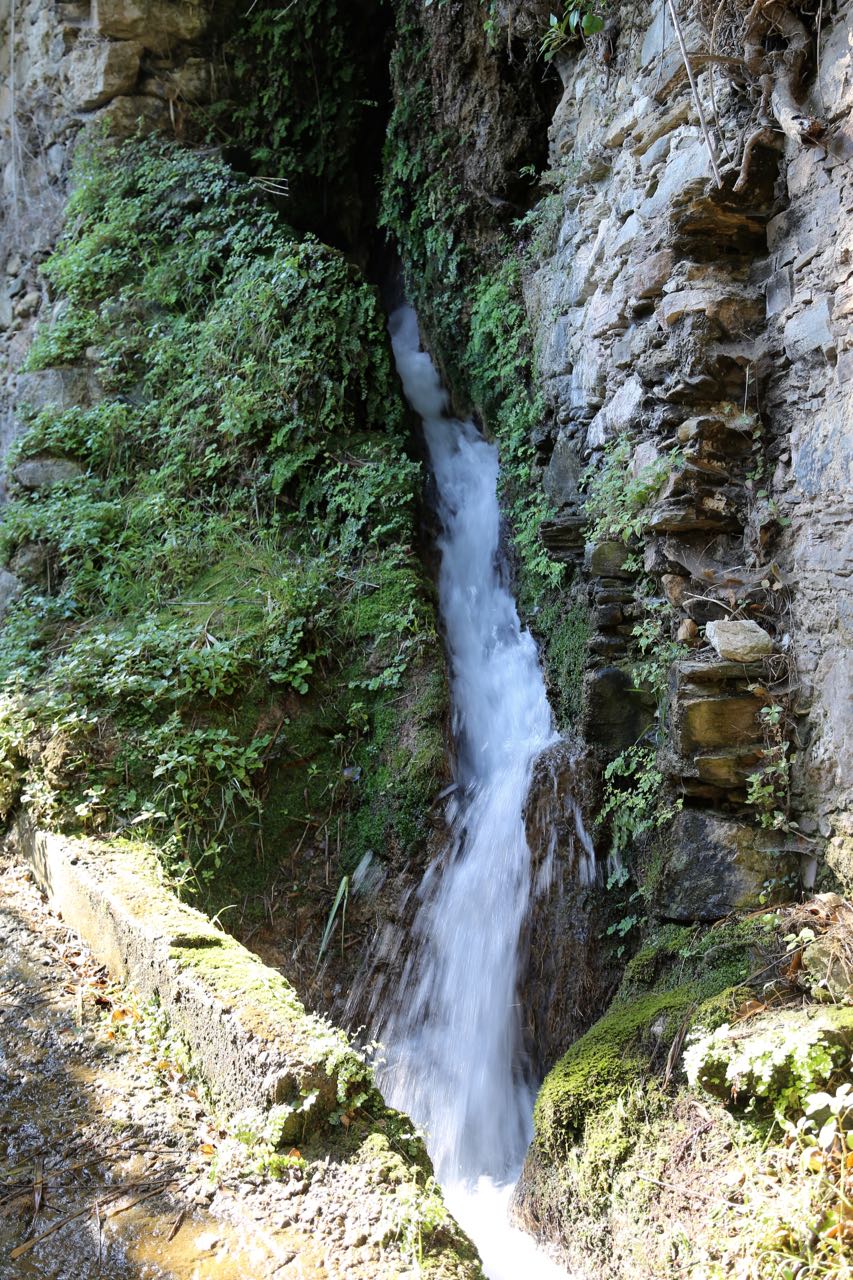
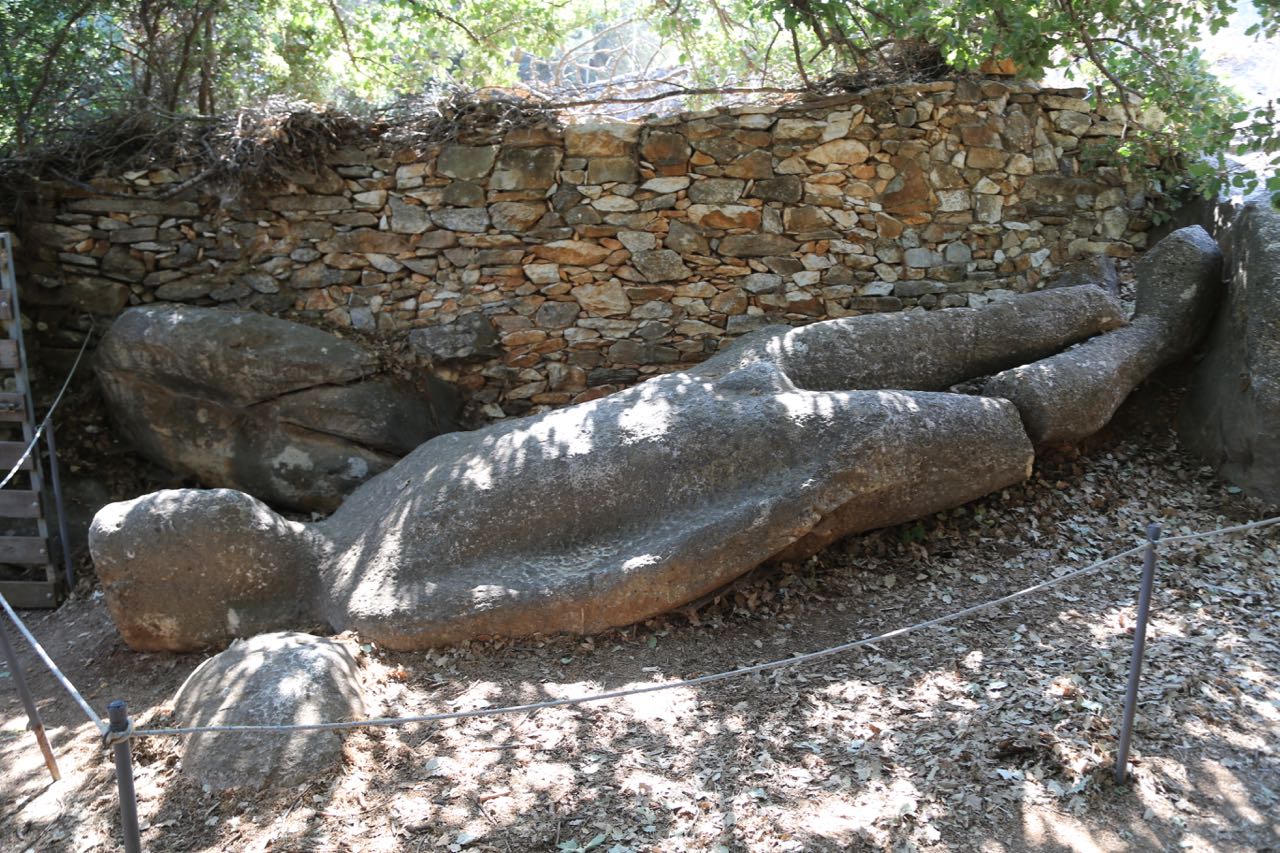
This morning we went on a hike in the Naxos countryside through a few small villages. Our destination was the Kouros, but really the journey was the best part. We walked along a rather small road, which should almost be put in quotes but they do drive on it. There was a small aqueduct running alongside the road that appears to convey water from mountain runoff and springs to farms below.

Rural area

Rural area

Farming area

Farming area

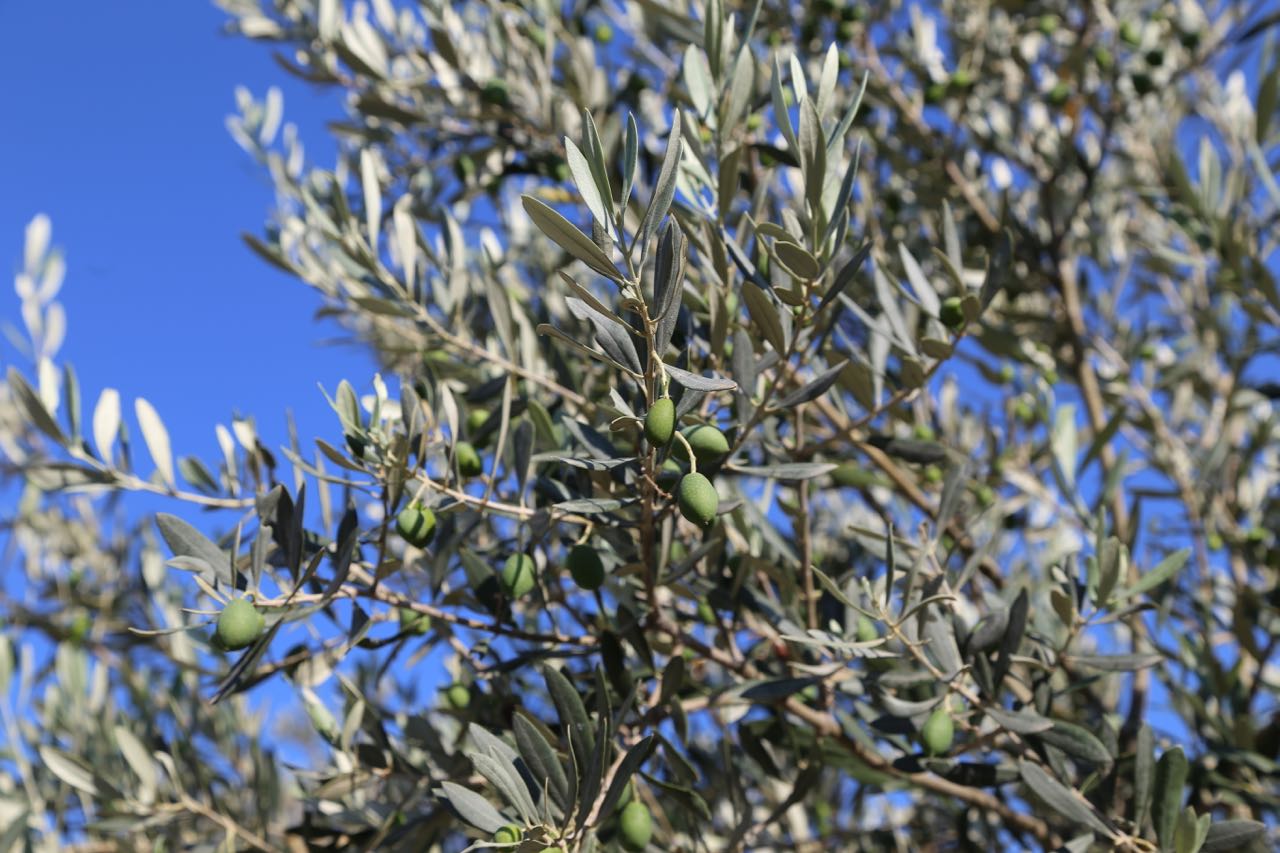
Olive tree

Olive tree

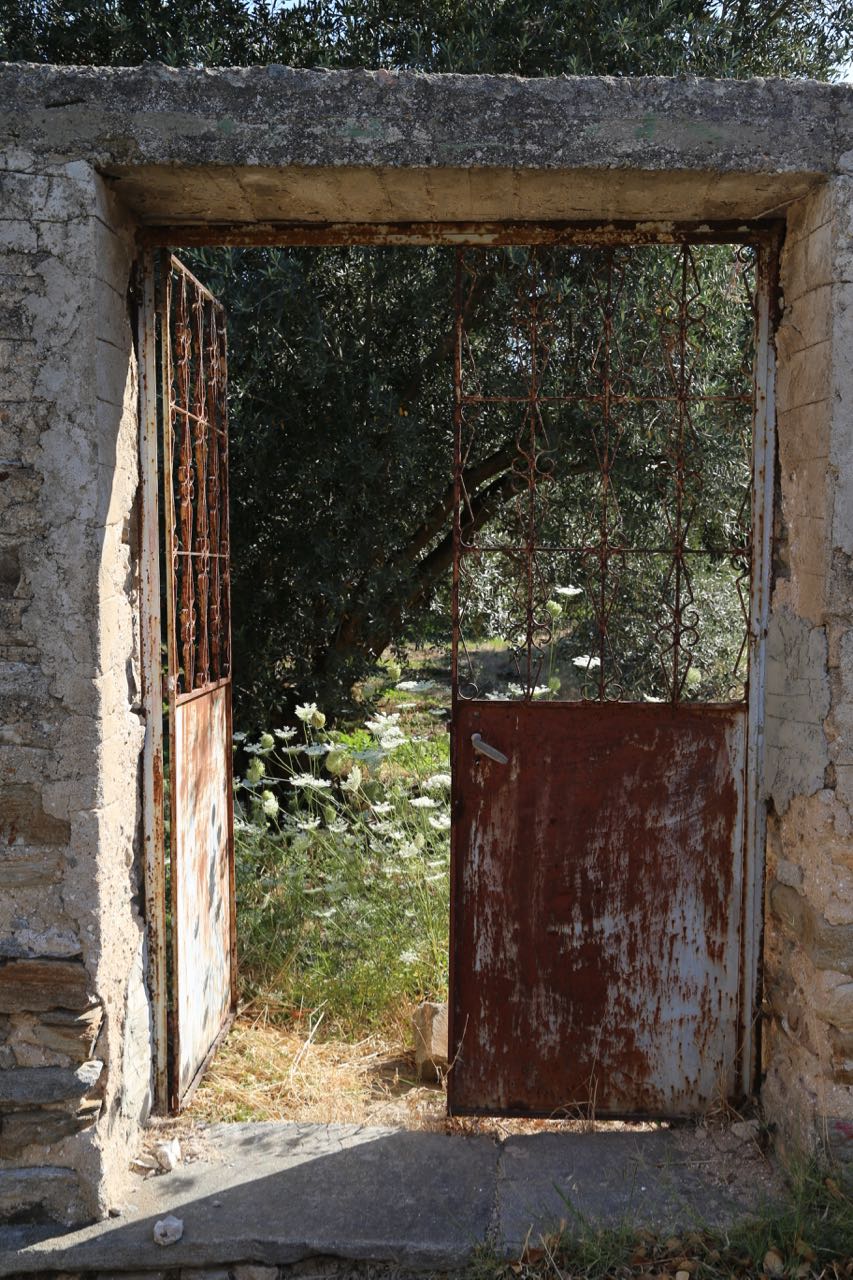
Metal gate to yard

Metal gate to yard

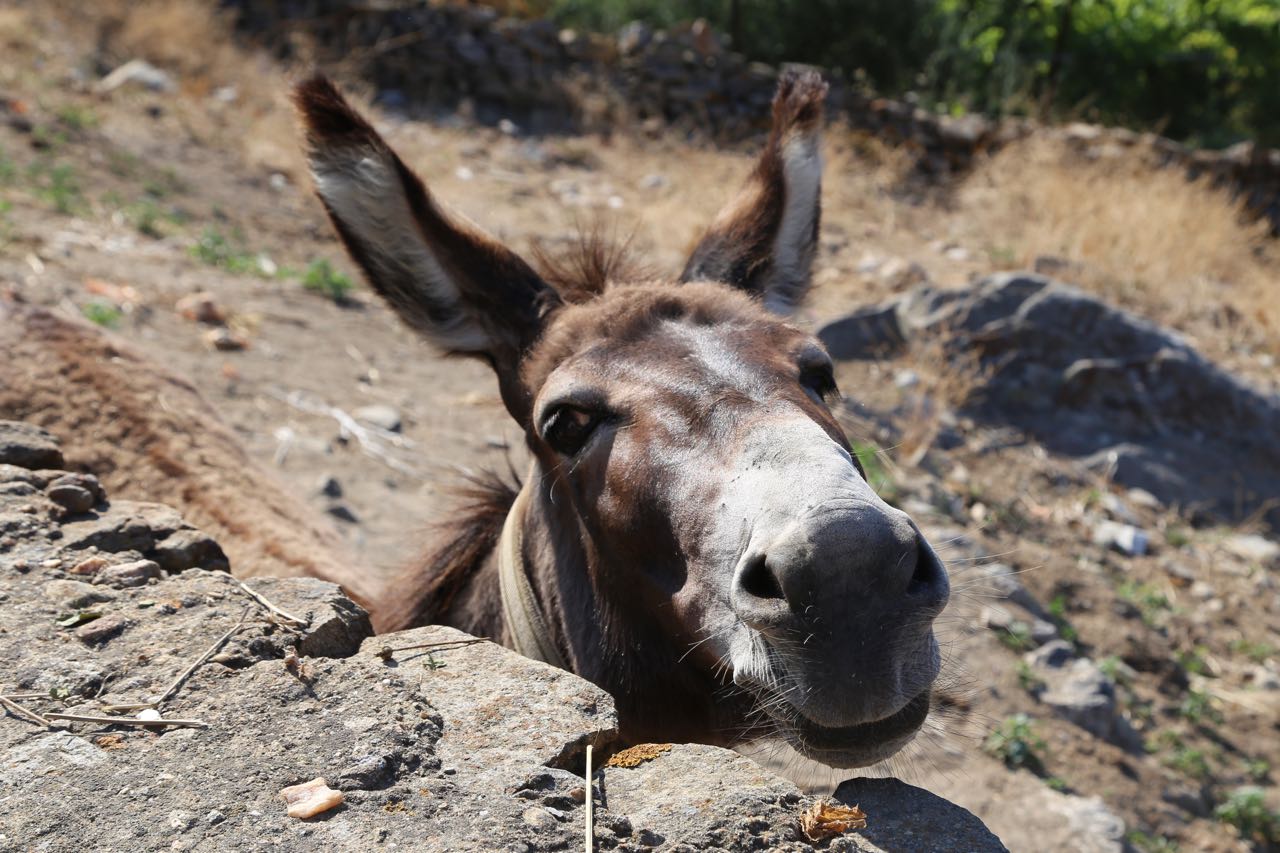
Donkey

Donkey

Aqueduct

Aqueduct

Aqueduct waterfall

Aqueduct waterfall

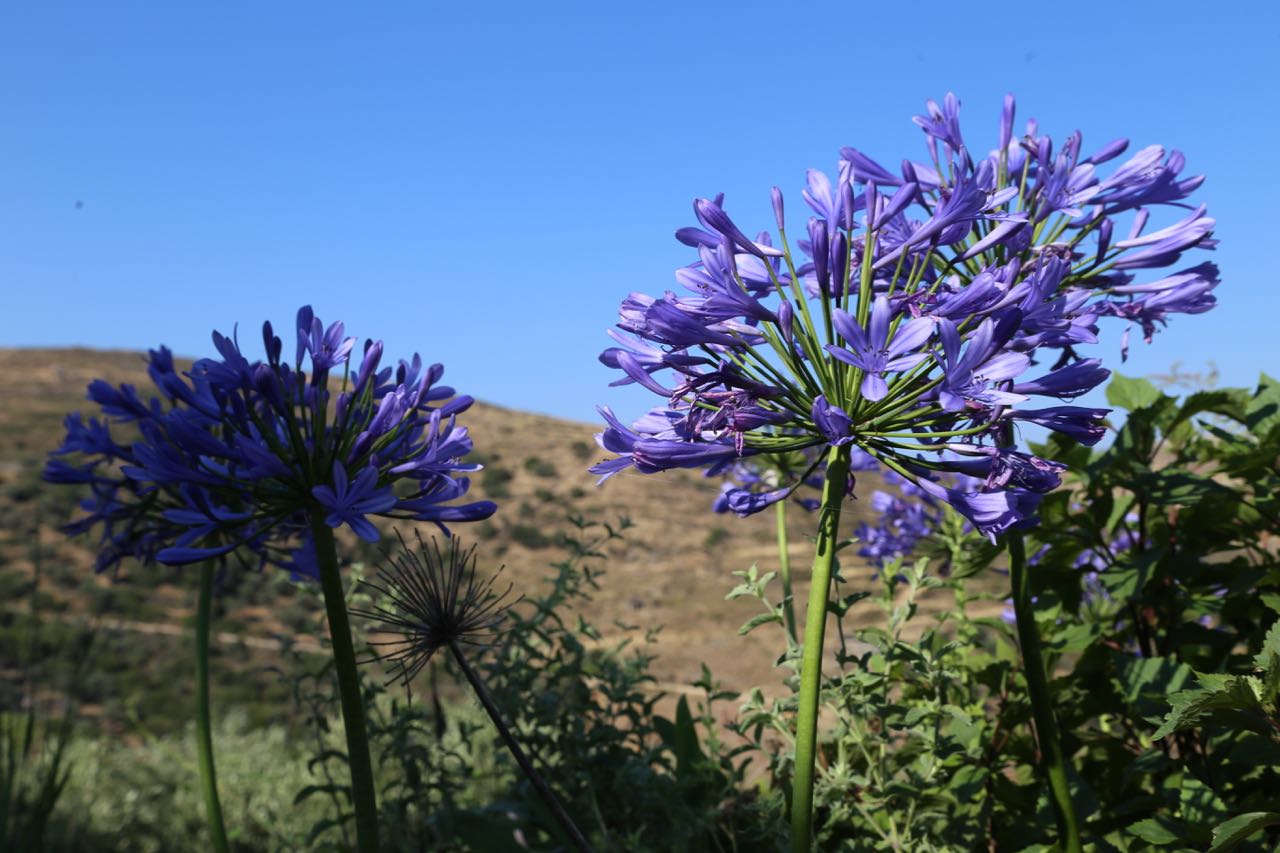
Lily of the Nile

Lily of the Nile

Kouros

Kouros

Greece: Mykonos

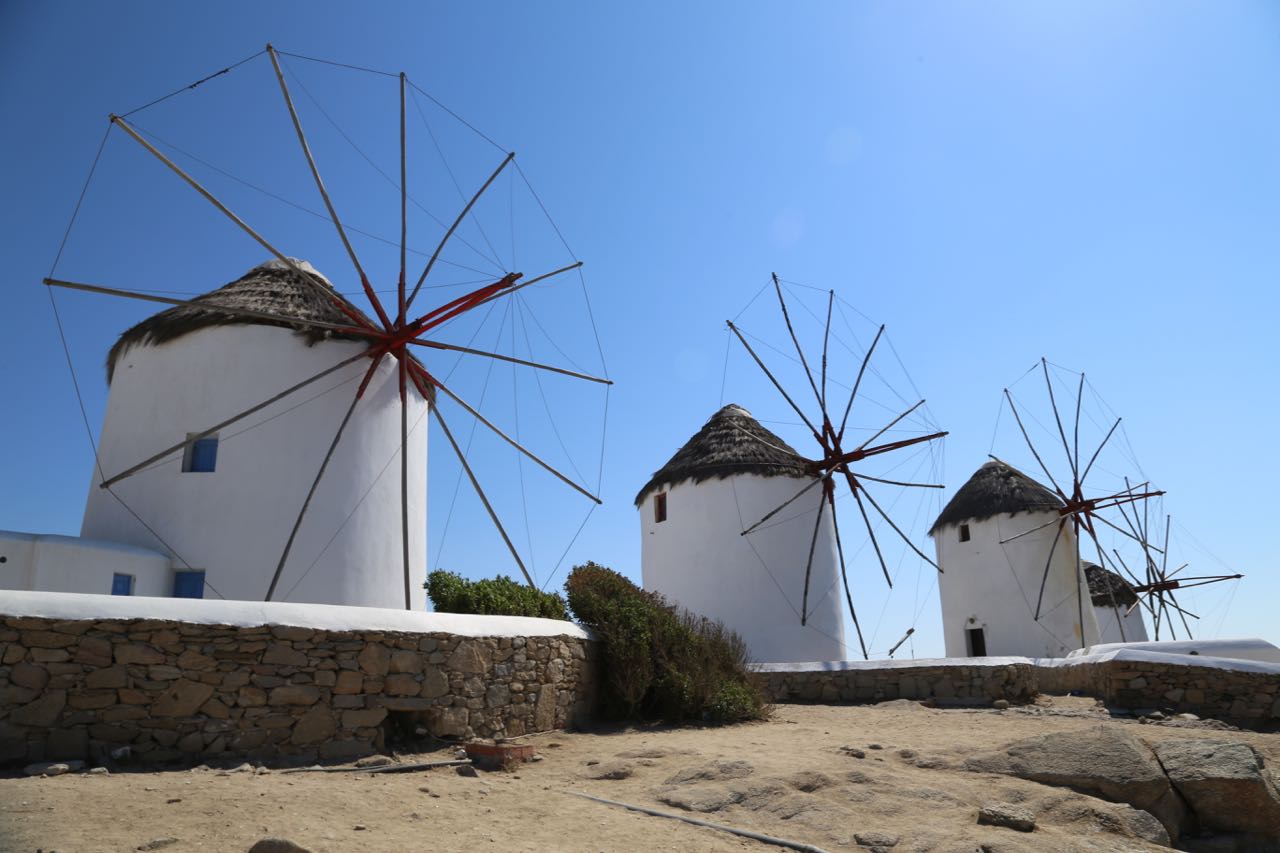
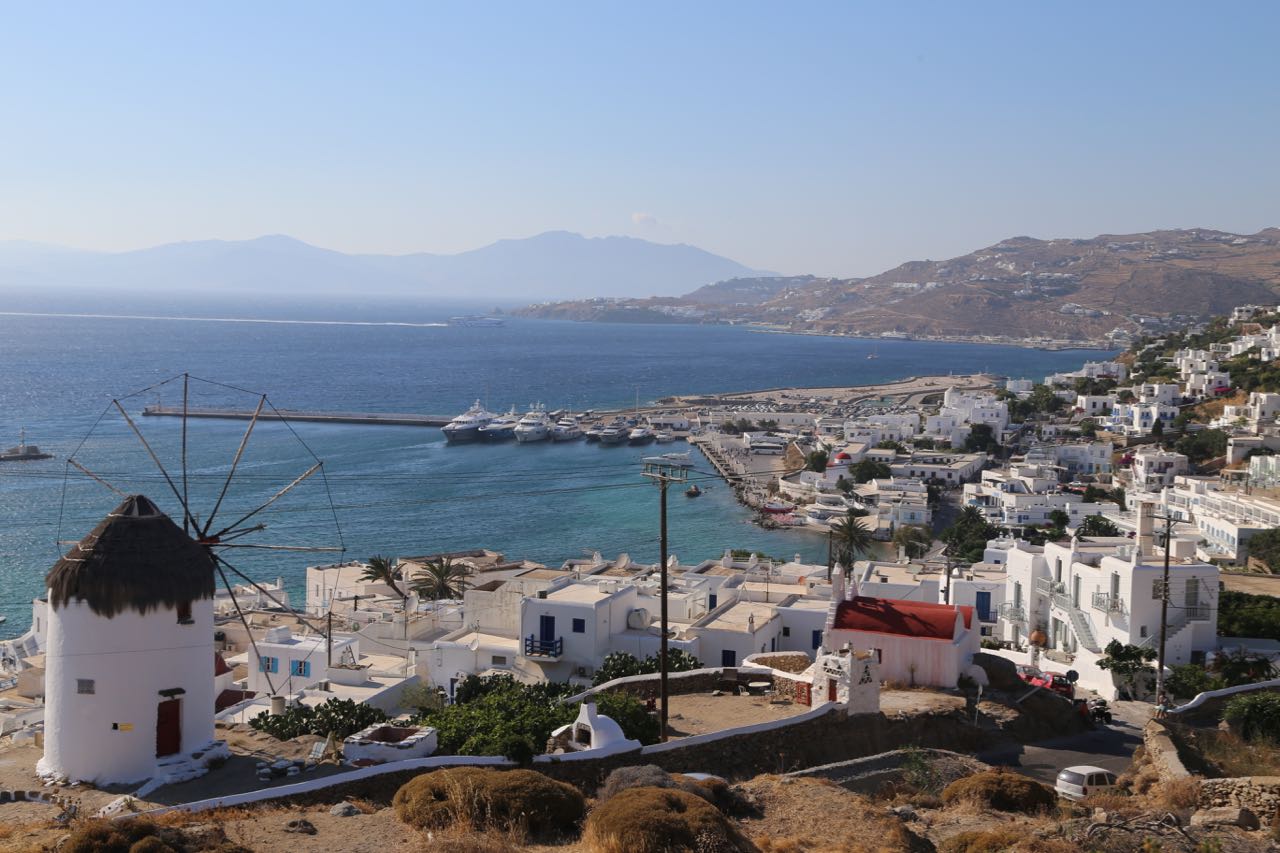
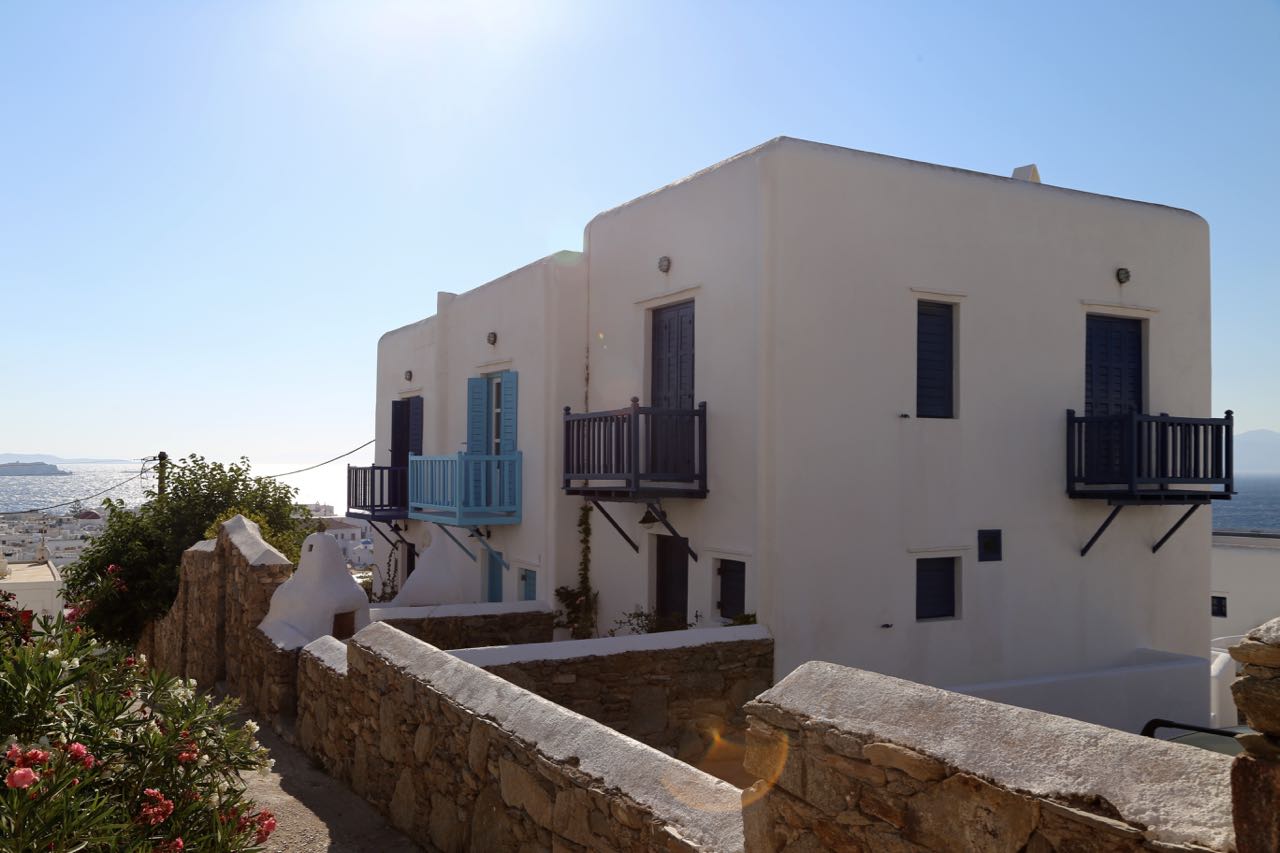
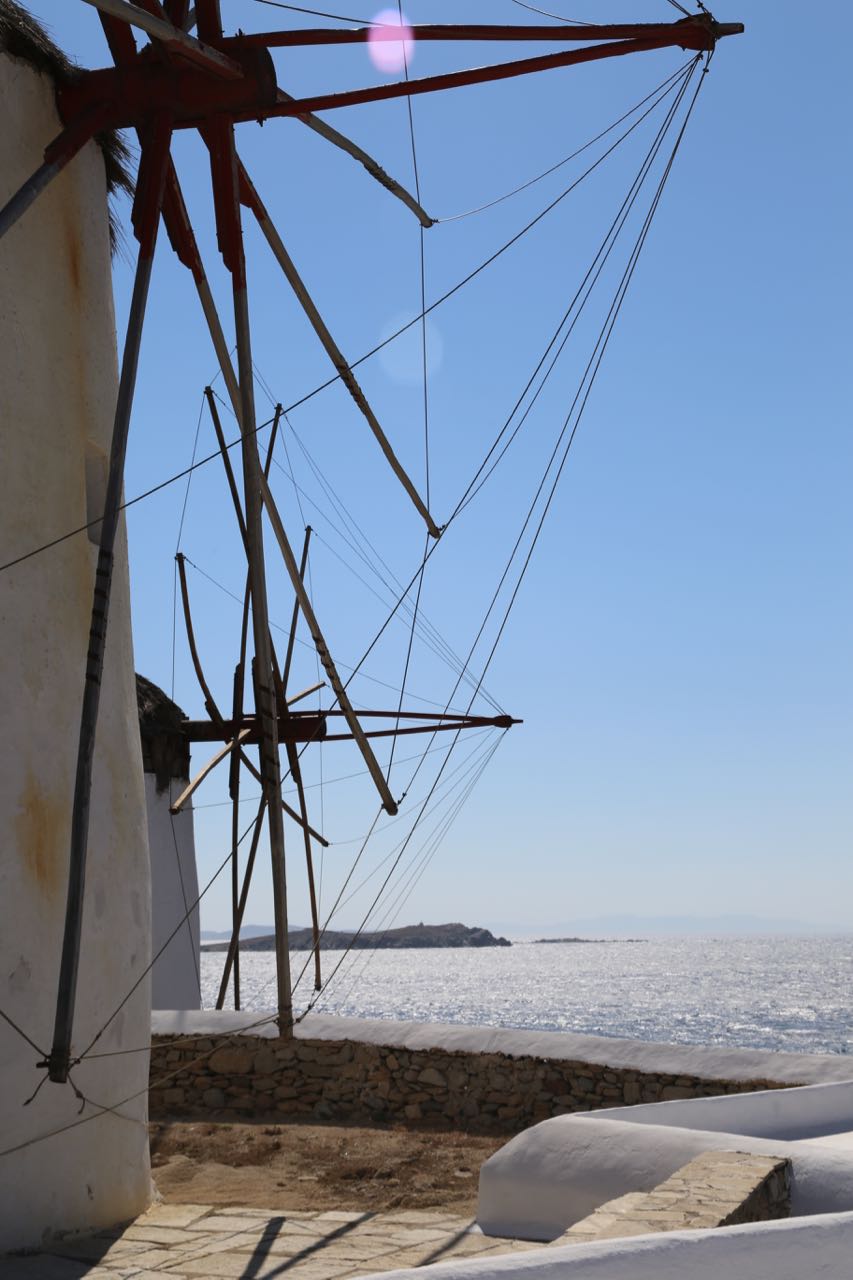
We spent the afternoon in Mykonos. It has the classic white washed stucco, boxy, architecture of the Cyclades islands. Mykonos is famous for its historic windmills, which are unique and fun to photograph. It has hundreds of tiny little churches everywhere. I was underwhelmed by Mykonos. It is really touristy and famous for its party scene. As I am not into the party scene, that did not appeal to me.
Famous Mykonos windmills

Famous Mykonos windmills

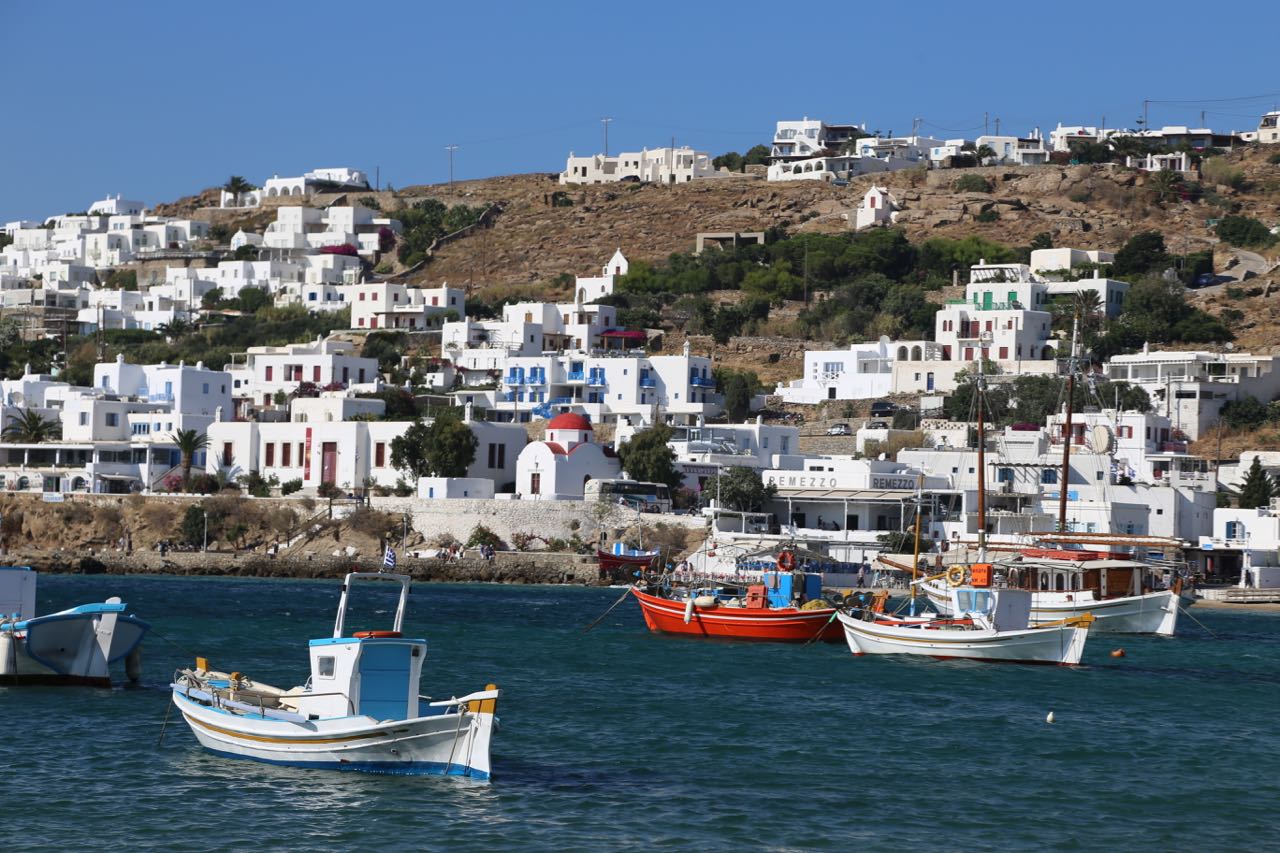
Mykonos harbor

Mykonos harbor

Three houses together

Three houses together

Tiny alleys

Tiny alleys

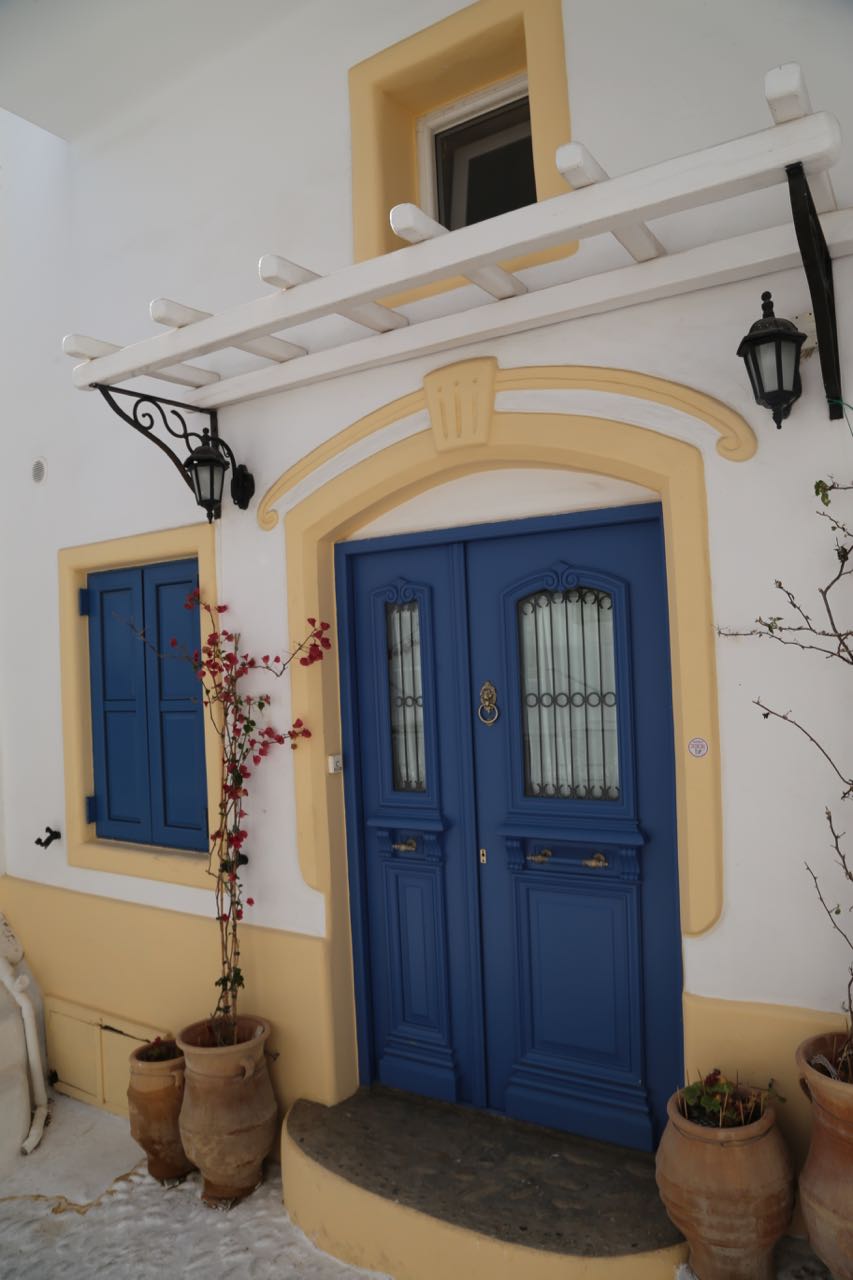
Colorful doors and trim

Colorful doors and trim

Boats in harbor

Boats in harbor

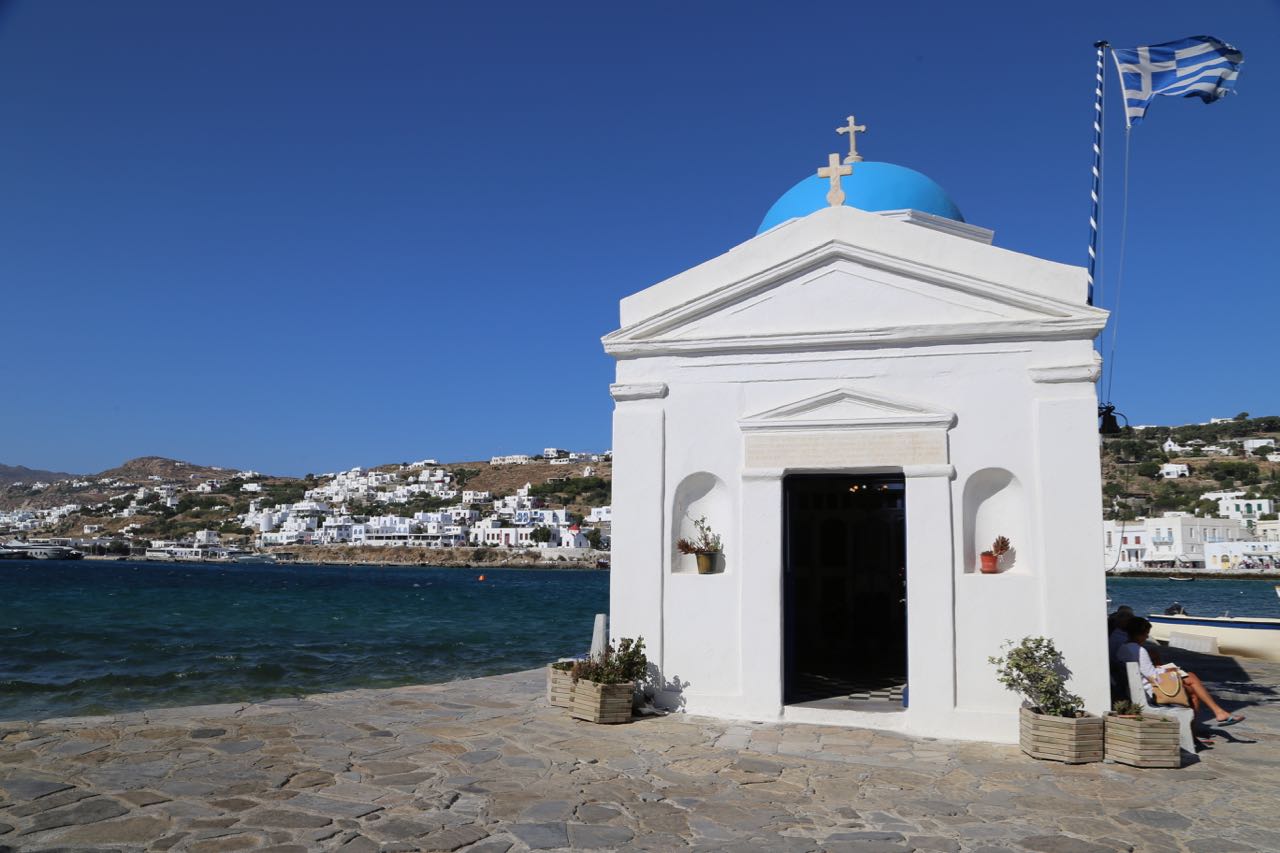
Little church on the harbor

Little church on the harbor

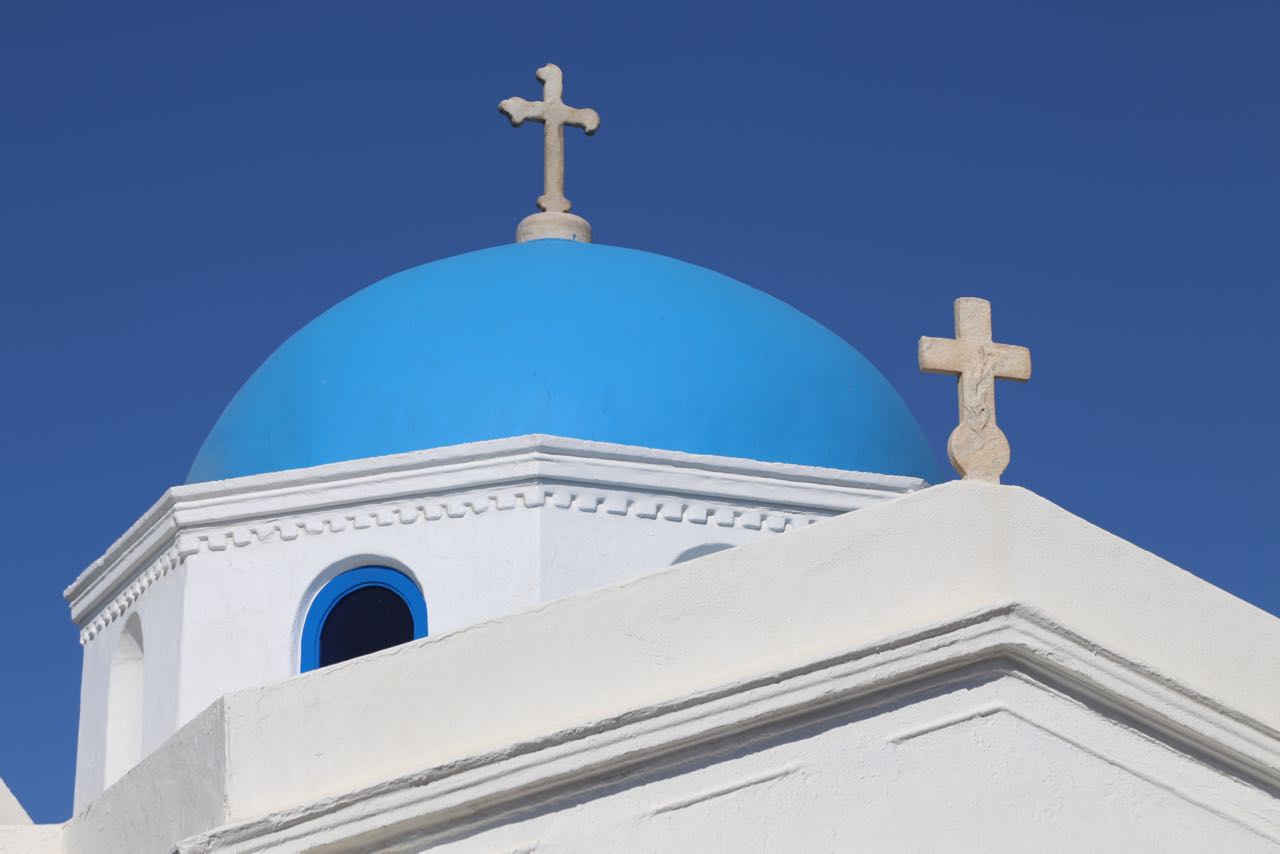
Dome of church at the harbor

Dome of church at the harbor

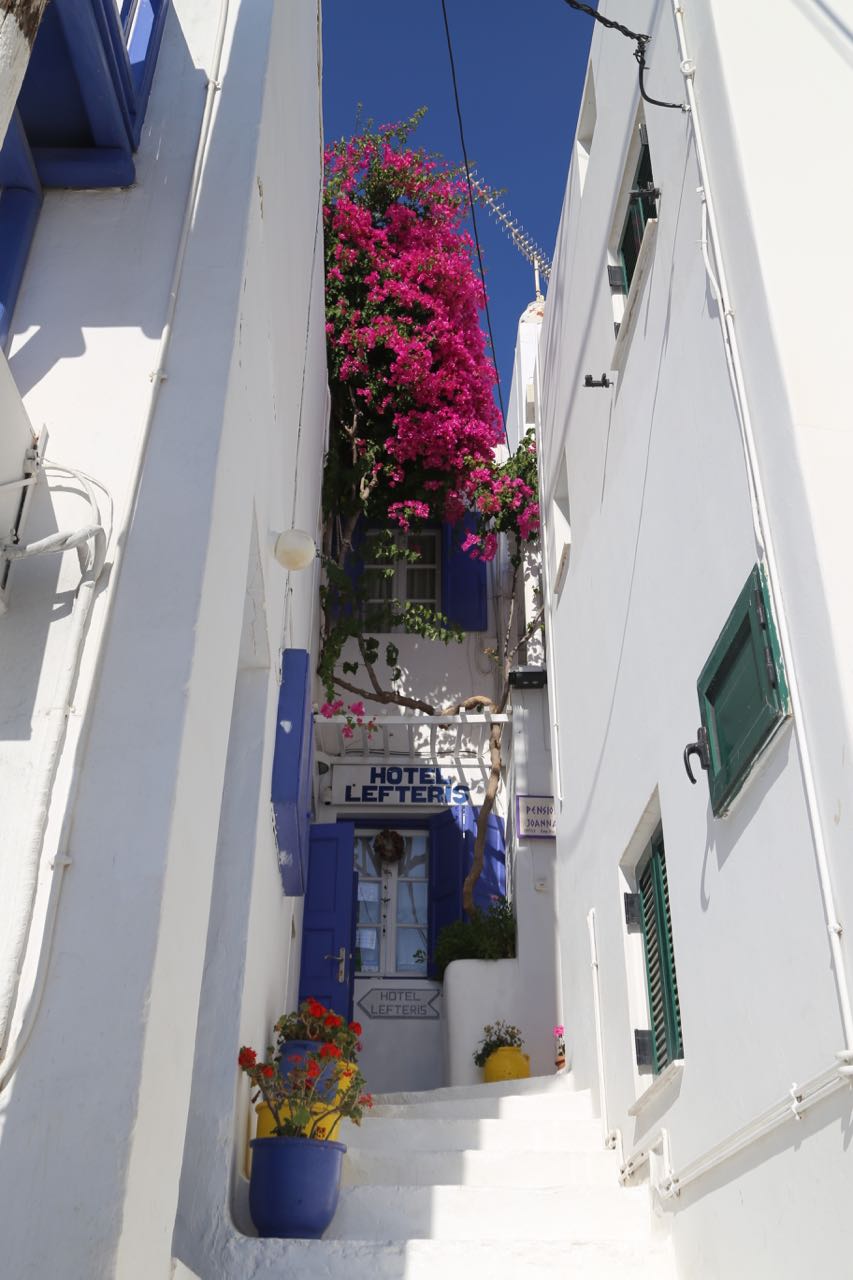
Hotel Lefteris

Hotel Lefteris

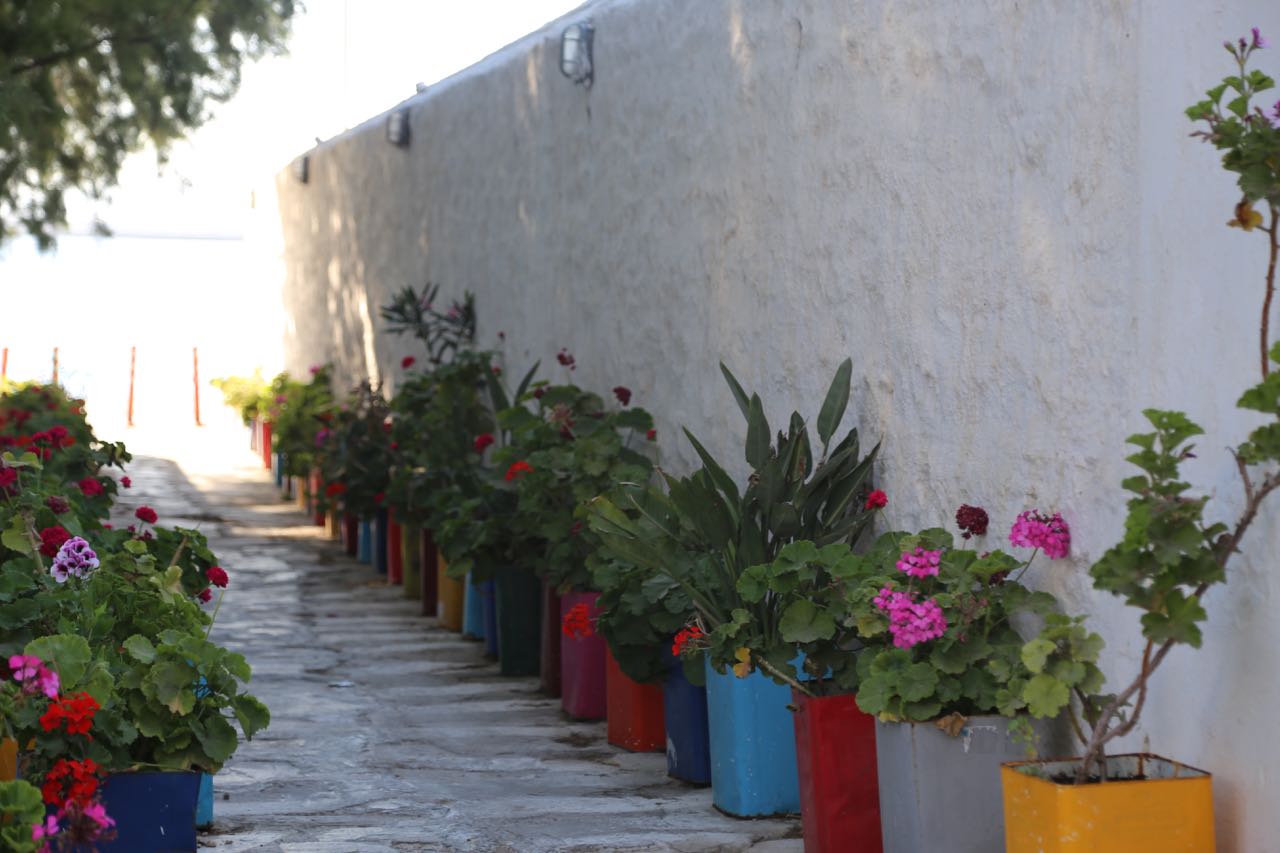
Colorful pots in an alley

Colorful pots in an alley

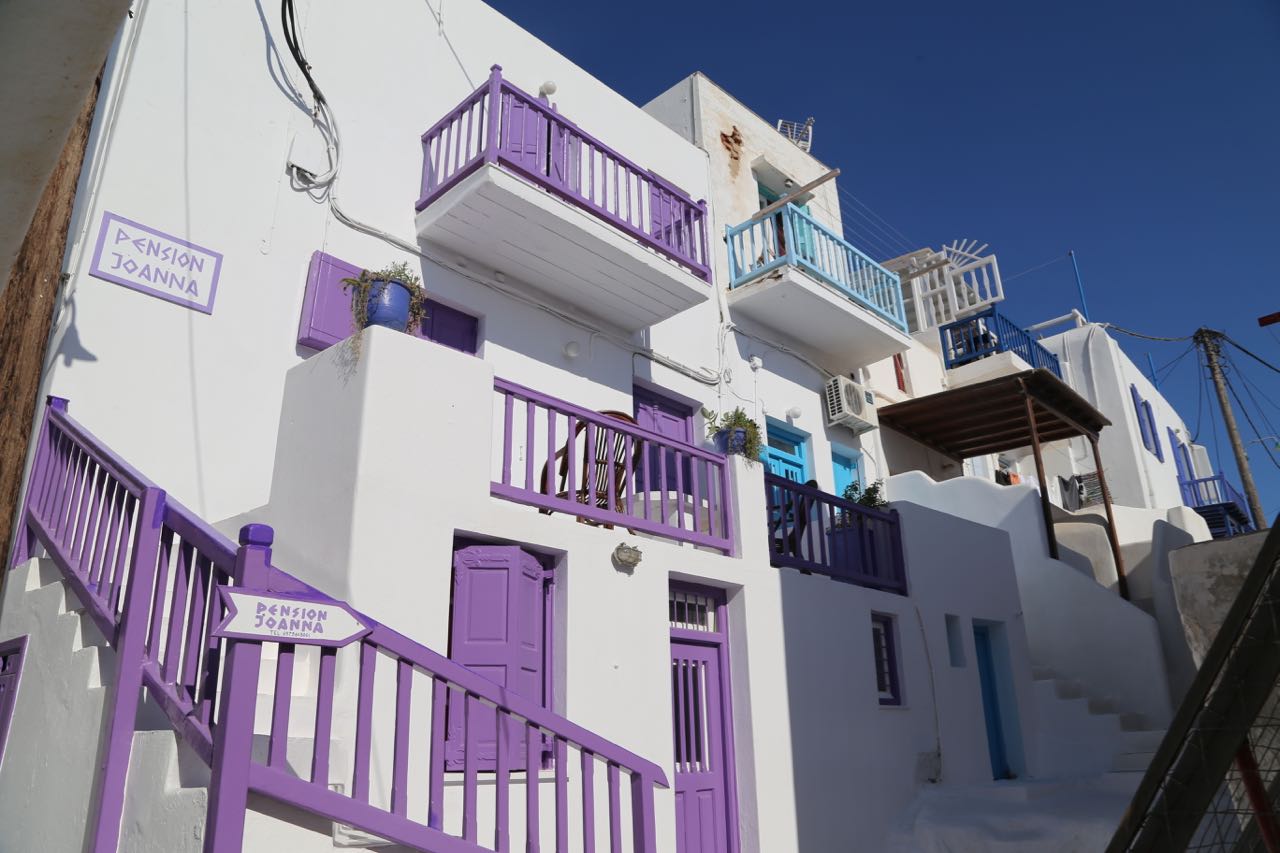
Pension Joanna

Pension Joanna

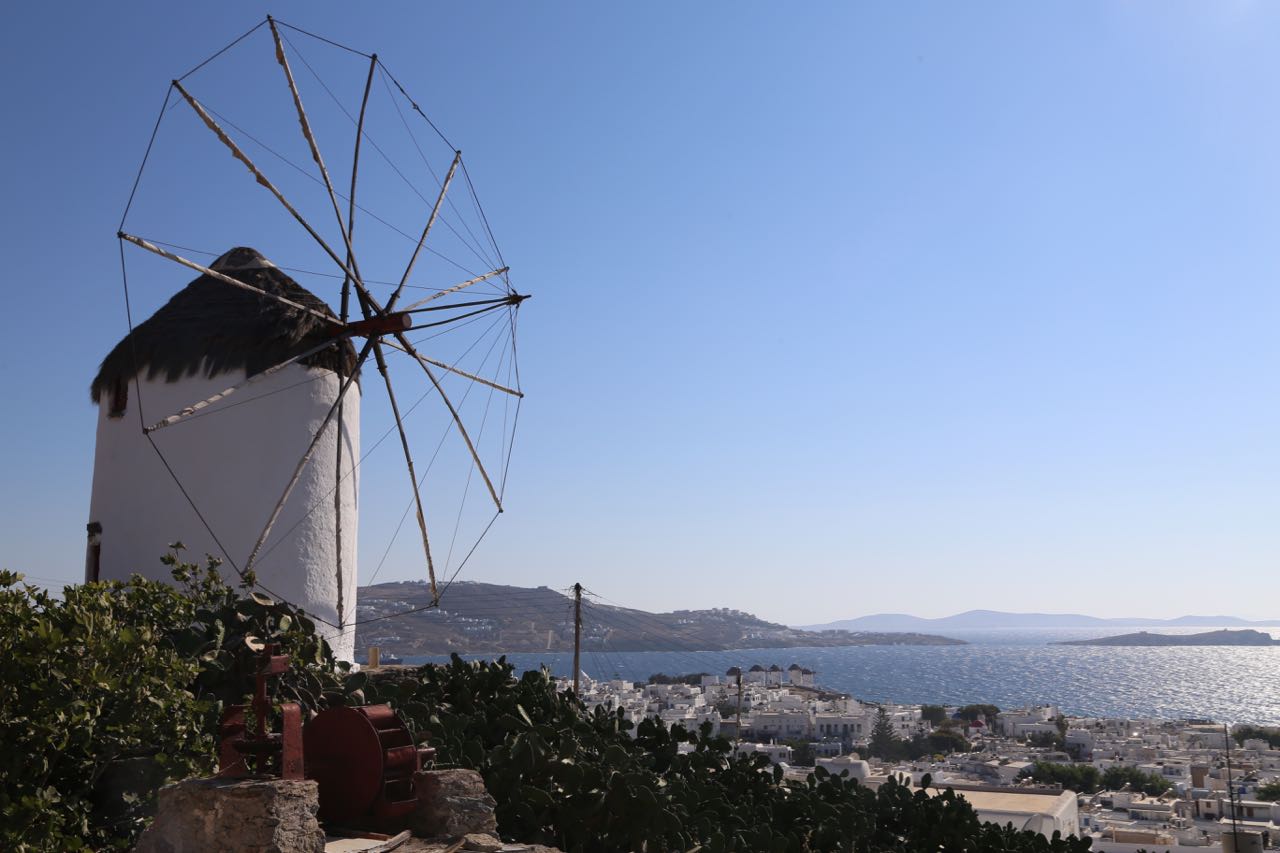
A famous Mykonos windmill on the hill

A famous Mykonos windmill on the hill

Up close view of the Mykonos windmills

Up close view of the Mykonos windmills

Greece: Meteora Monasteries

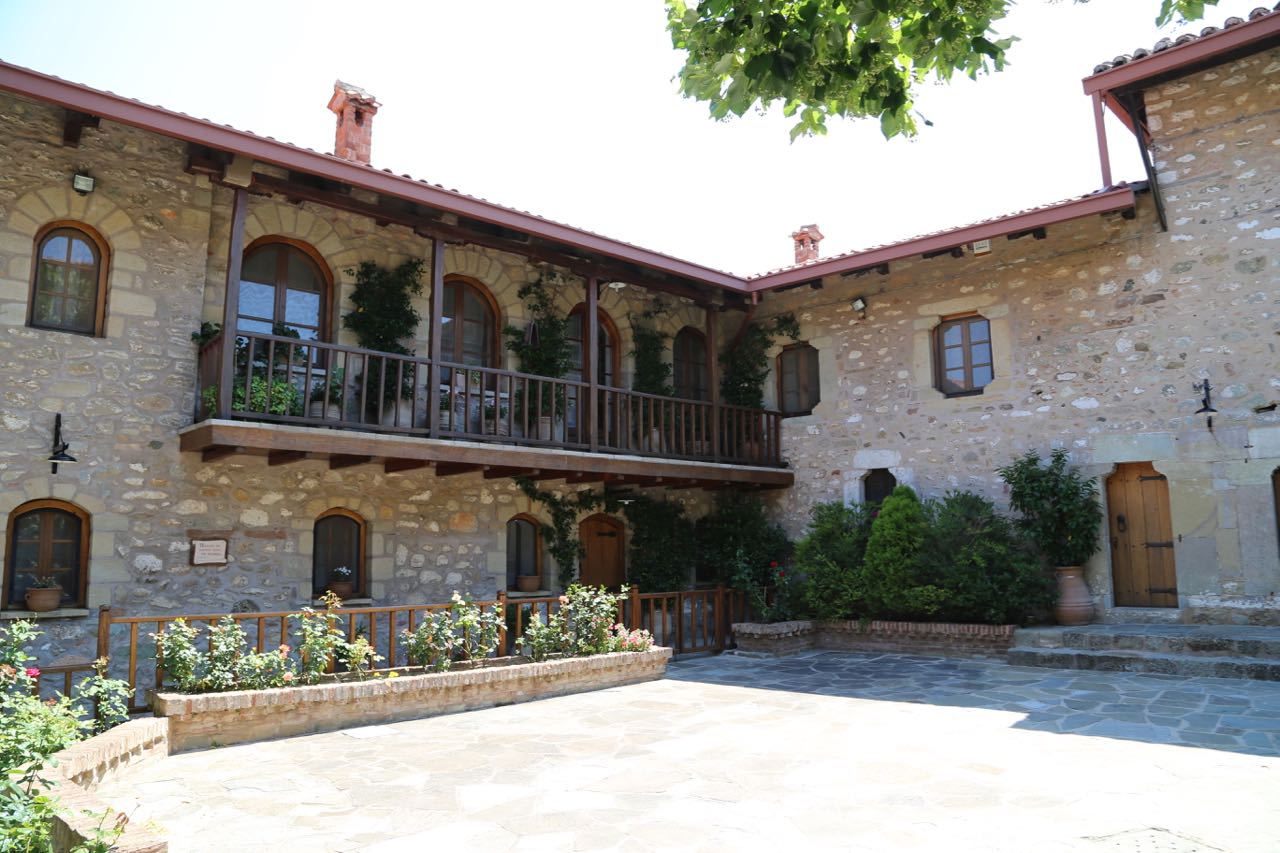
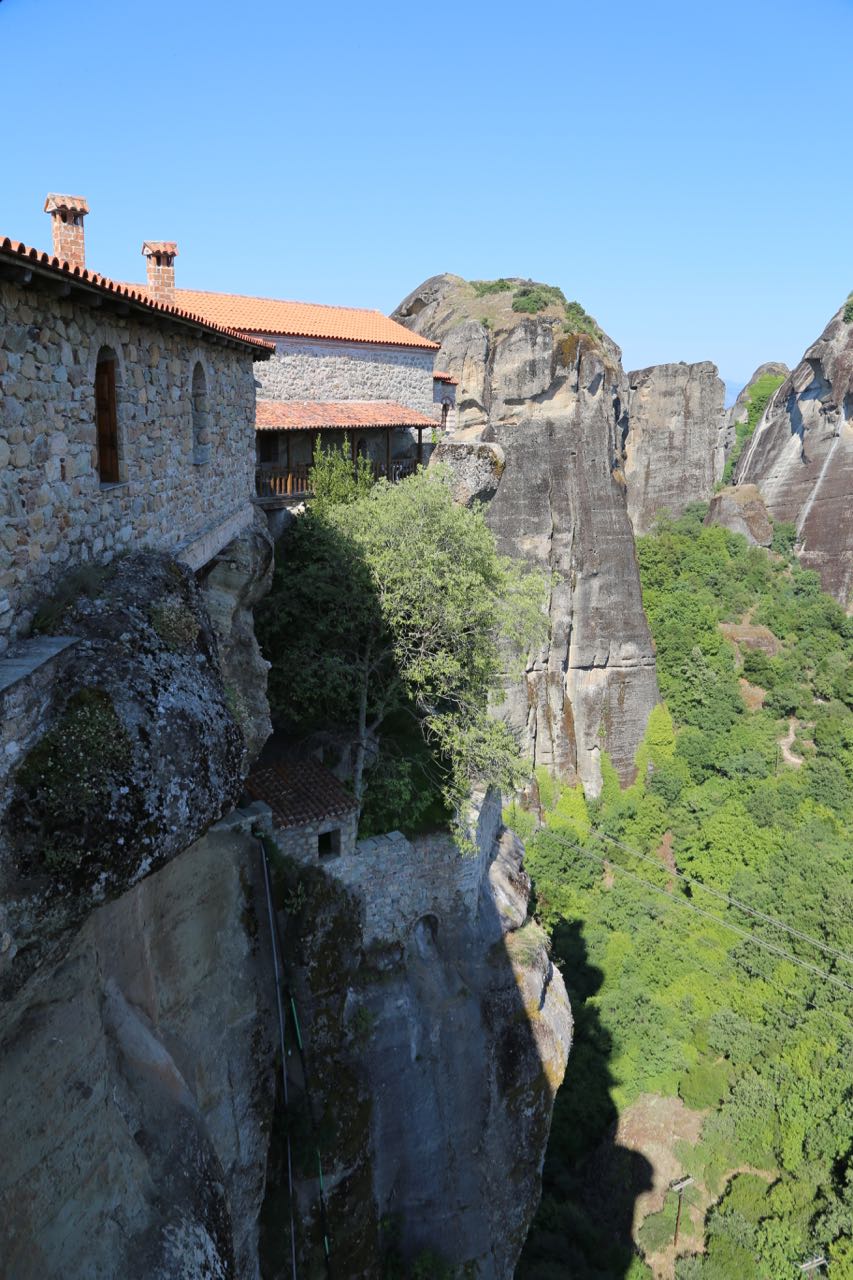
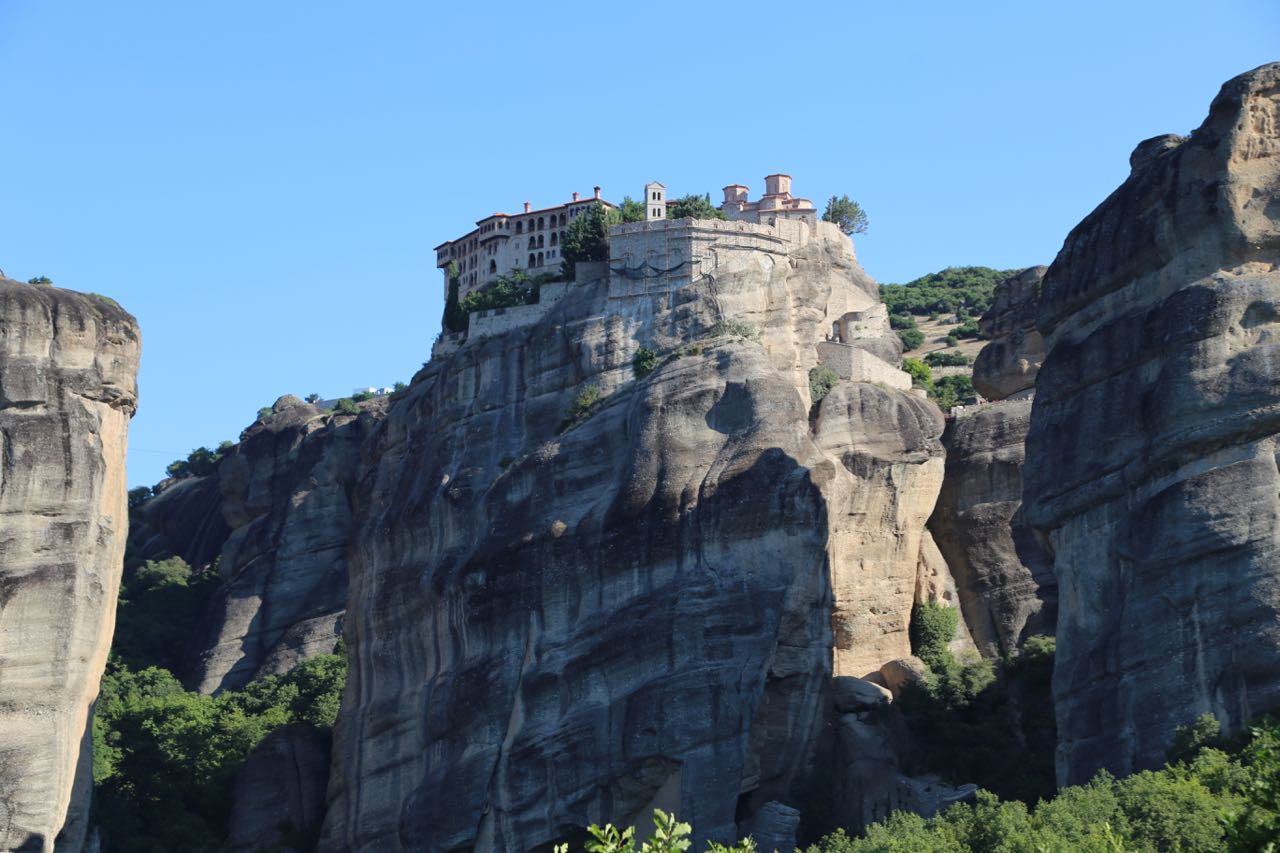
While visiting the Meteora area, we visited two Eastern Orthodox monasteries, Varlaam and St. Stephen. Varlaam has much older structures than St. Stephen, and Varlaam has monks, and St. Stephens has nuns. They are both beautiful monasteries sitting on top of the rock towers, in seemingly precarious positions. Before electricity, they climbed and used net baskets to get to the monasteries. I can’t wrap my head around how they reached them in the past.

Holy Monastery of St. Stephen courtyard

Holy Monastery of St. Stephen courtyard

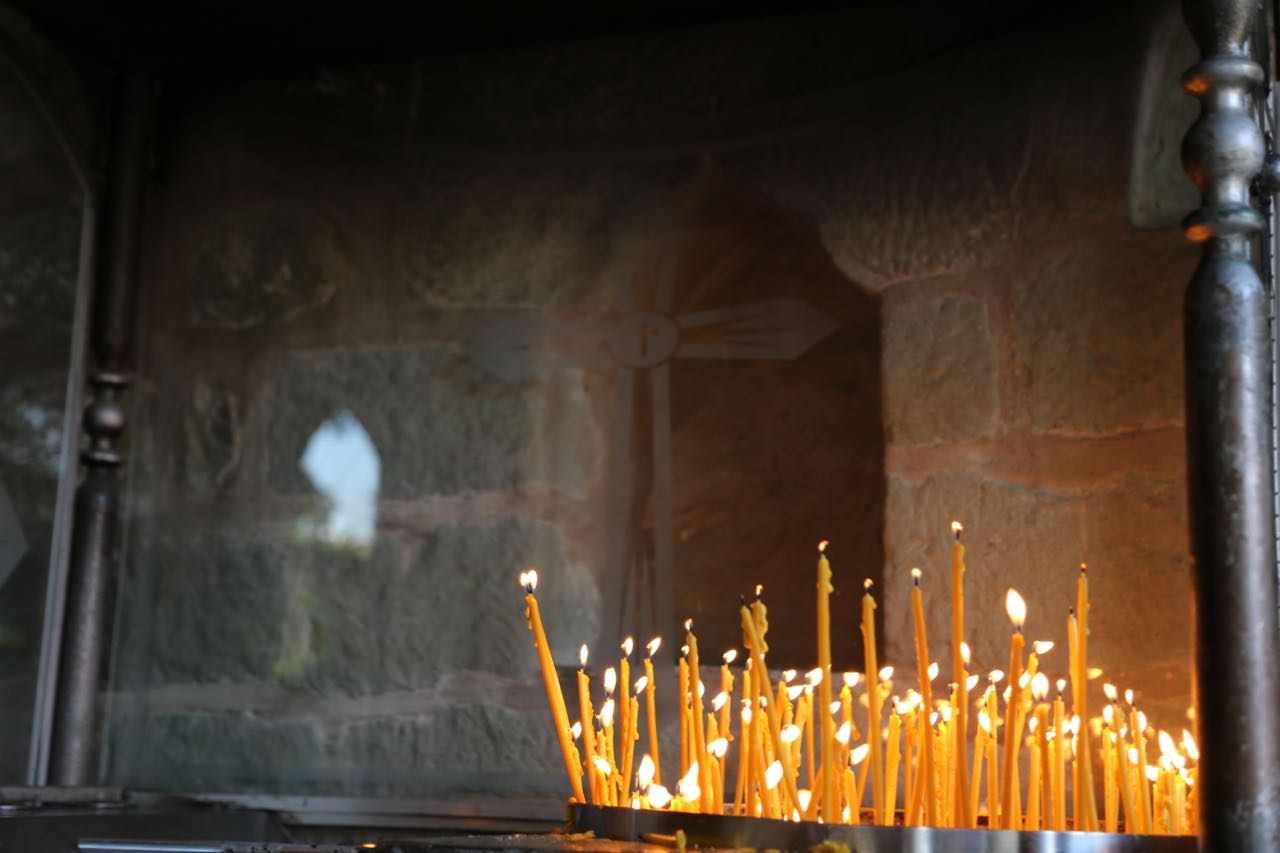
Candles at Holy Monastery of St. Stephen

Candles at Holy Monastery of St. Stephen

Holy Monastery of St. Stephen entrance

Holy Monastery of St. Stephen entrance

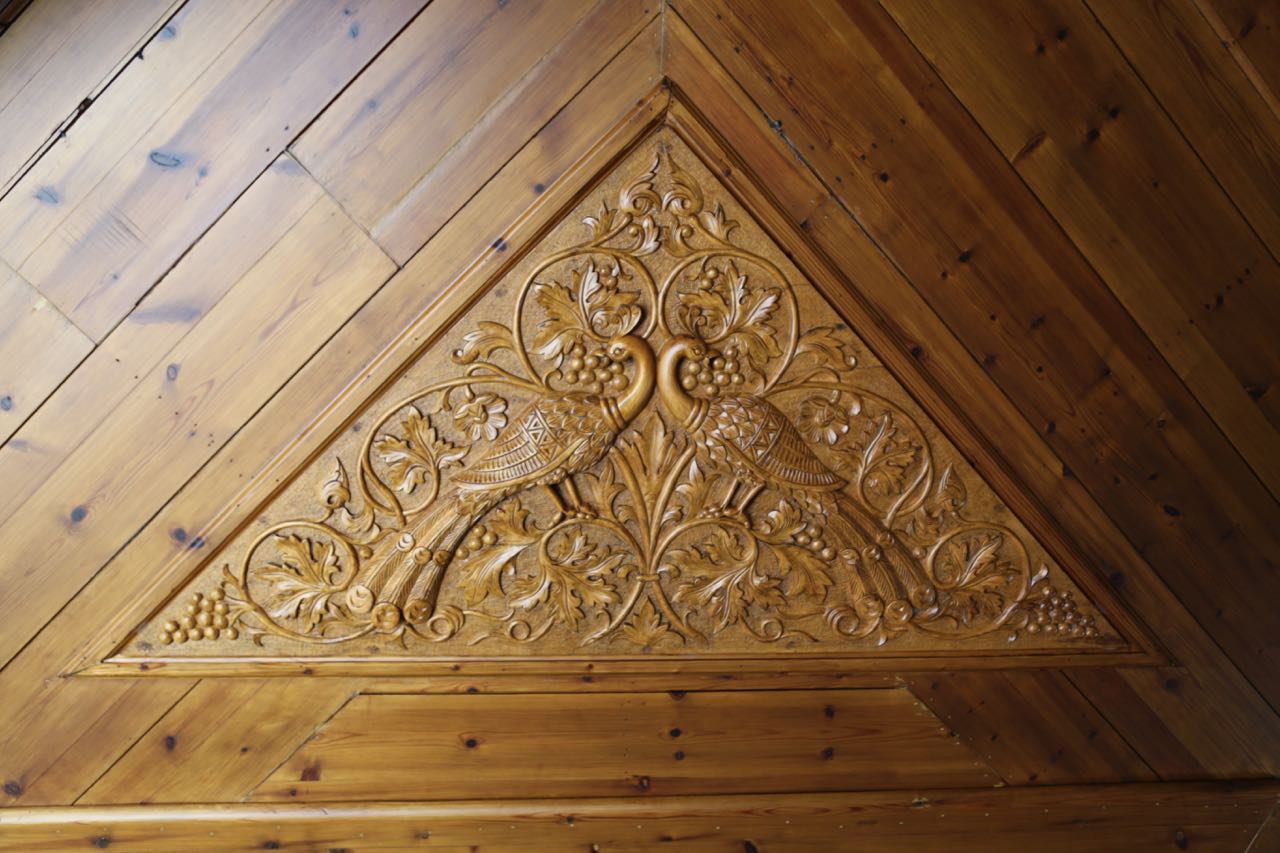
Holy Monastery of Varlaam wood ceiling

Holy Monastery of Varlaam wood ceiling

Holy Monastery of Varlaam

Holy Monastery of Varlaam

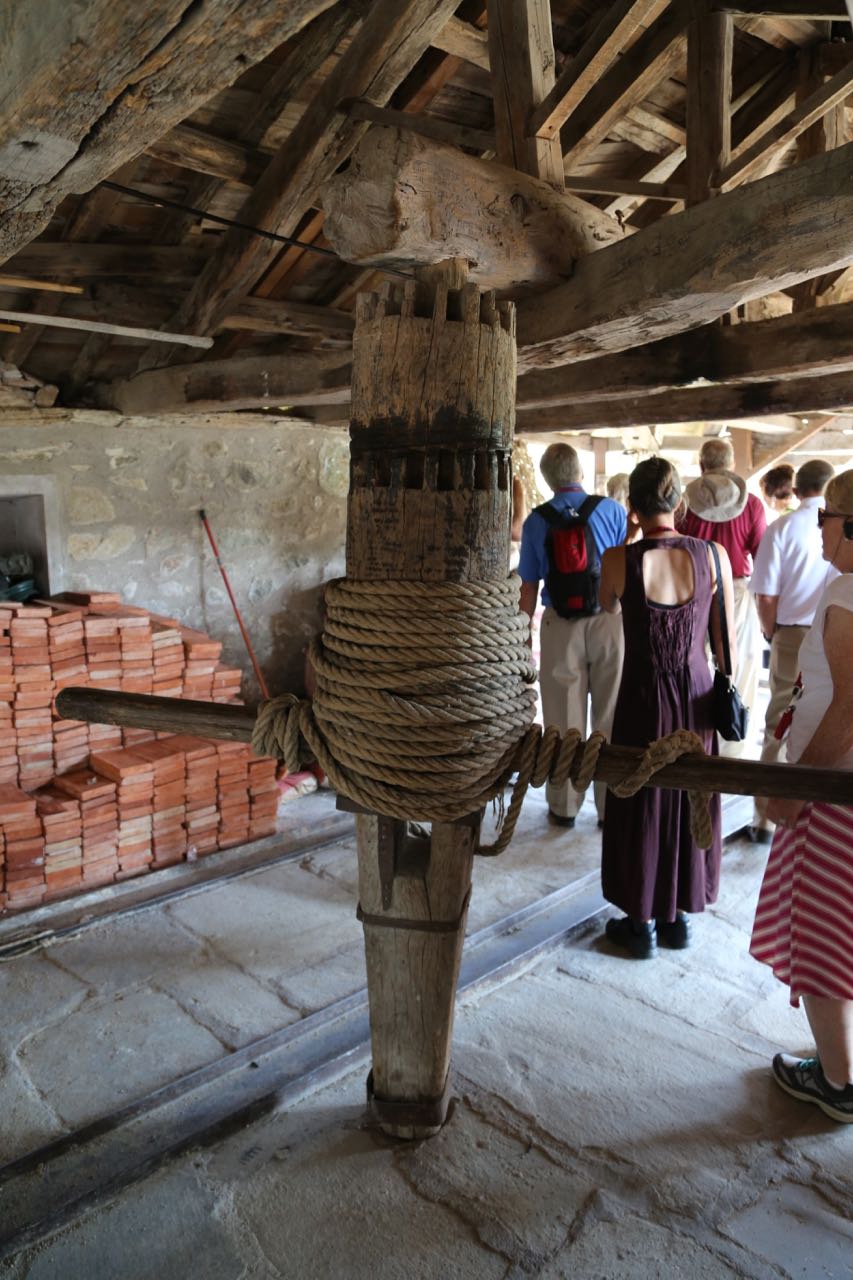
Old rope lift at Holy Monastery of Varlaam

Old rope lift at Holy Monastery of Varlaam

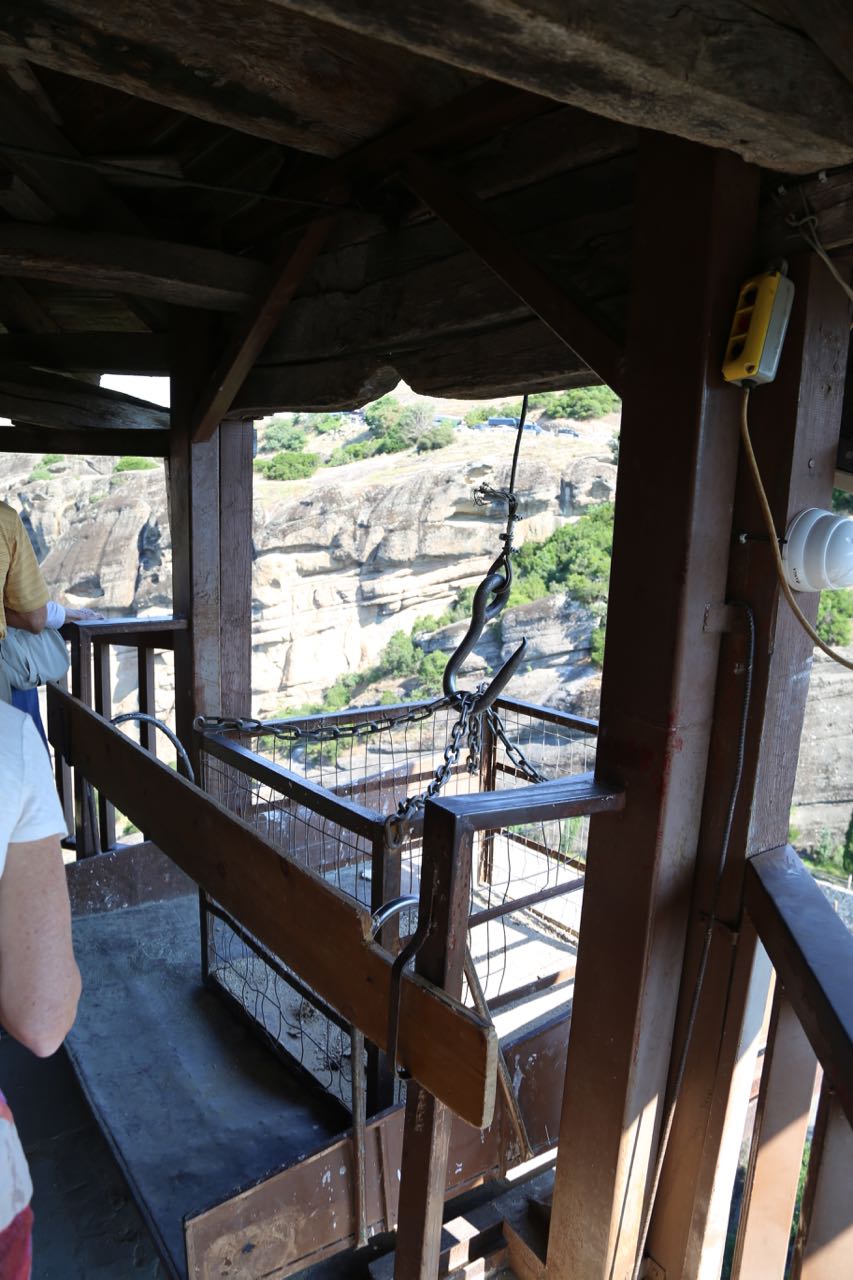
Lift at Holy Monastery of Varlaam

Lift at Holy Monastery of Varlaam

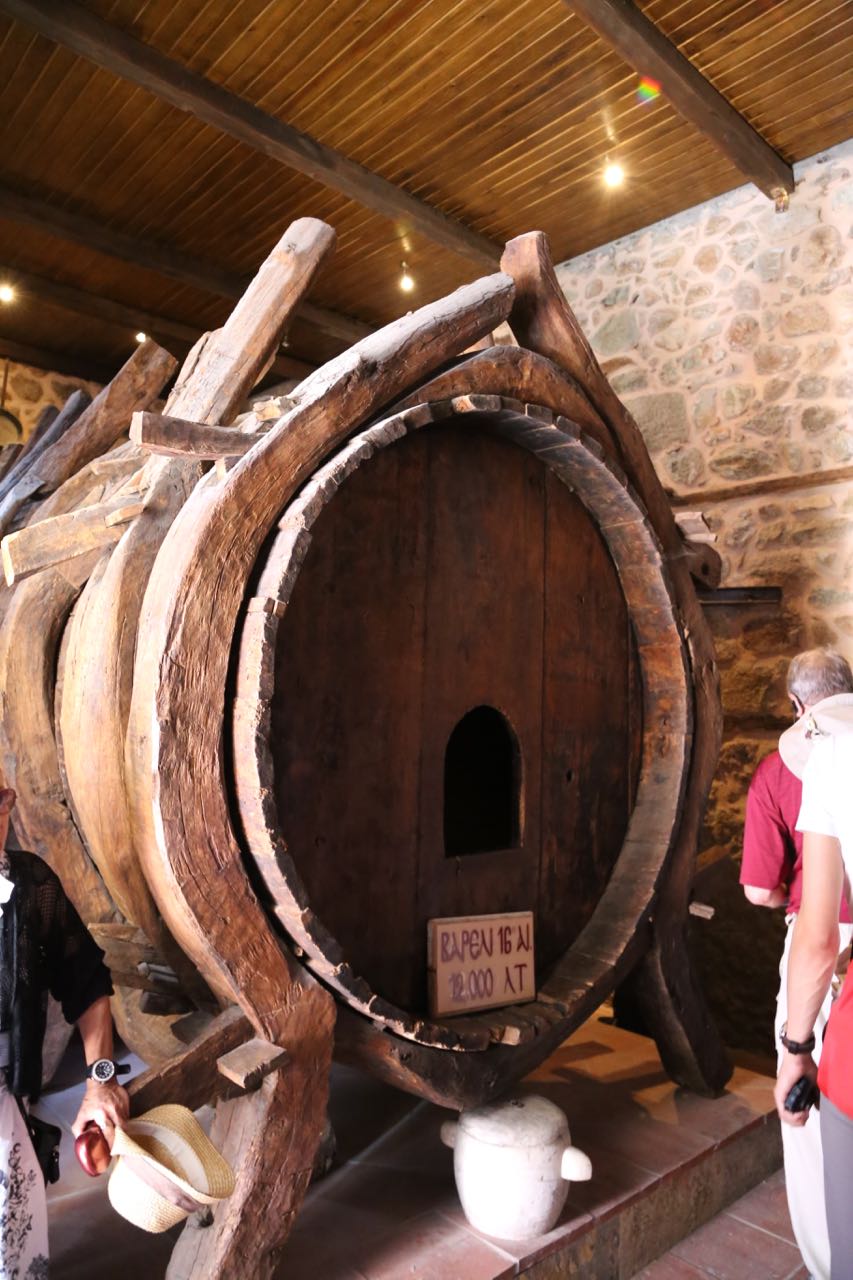
Wine barrel at Holy Monastery of Varlaam

Wine barrel at Holy Monastery of Varlaam

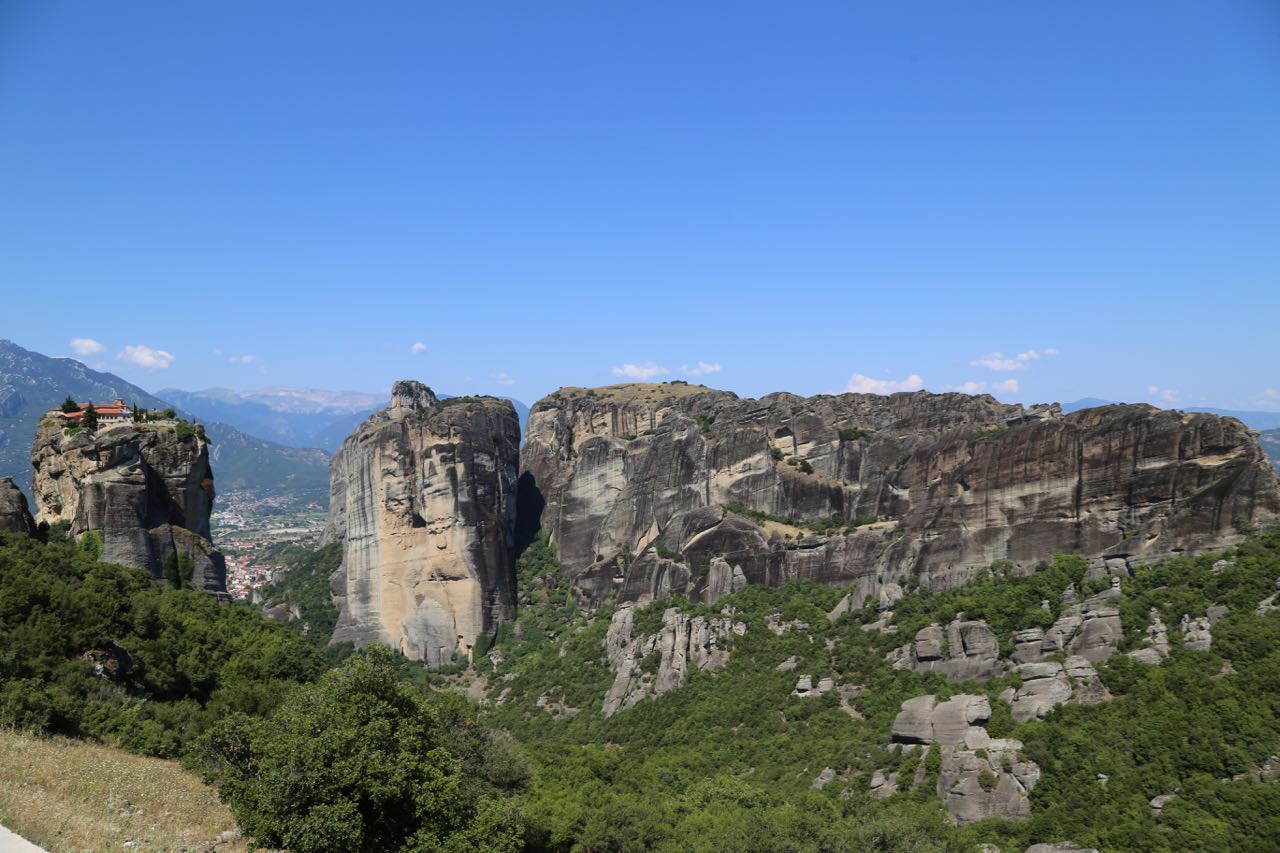
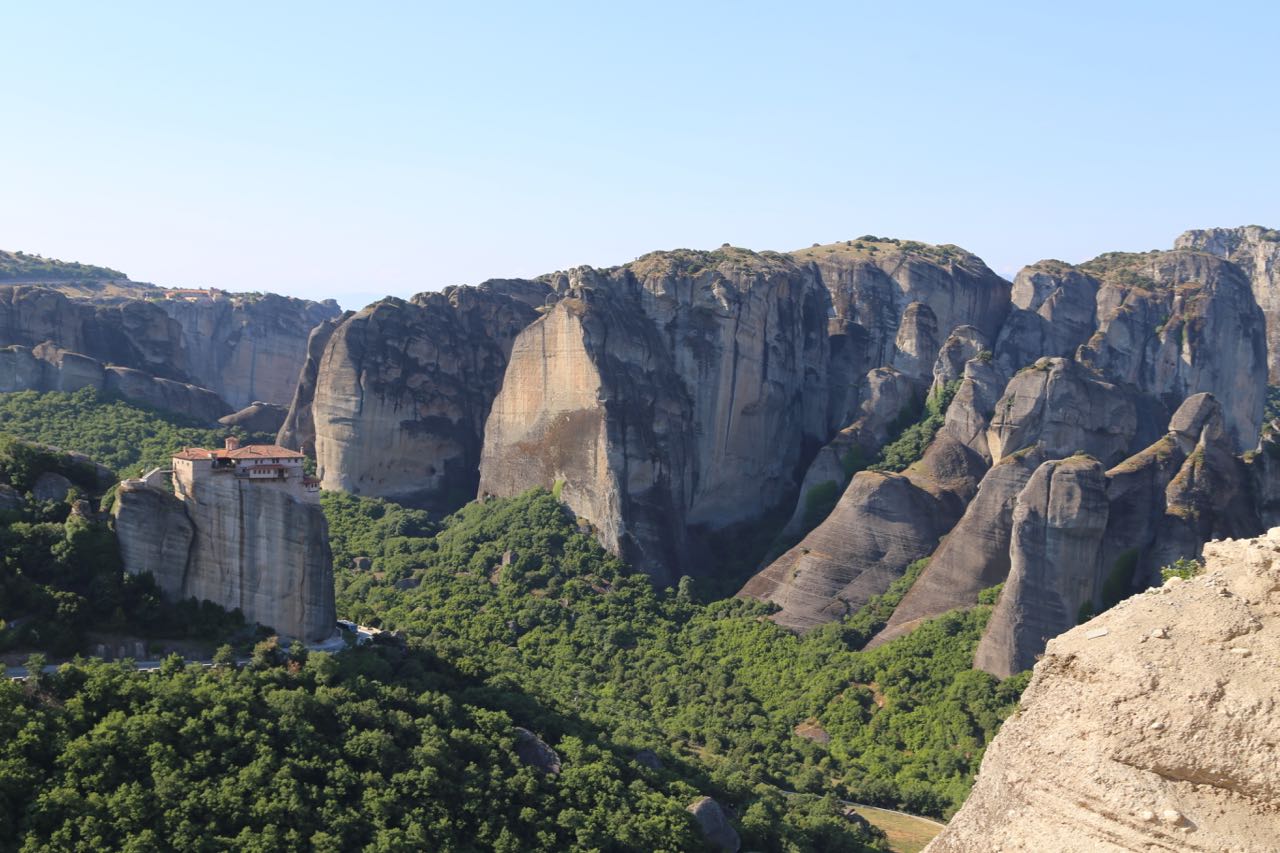
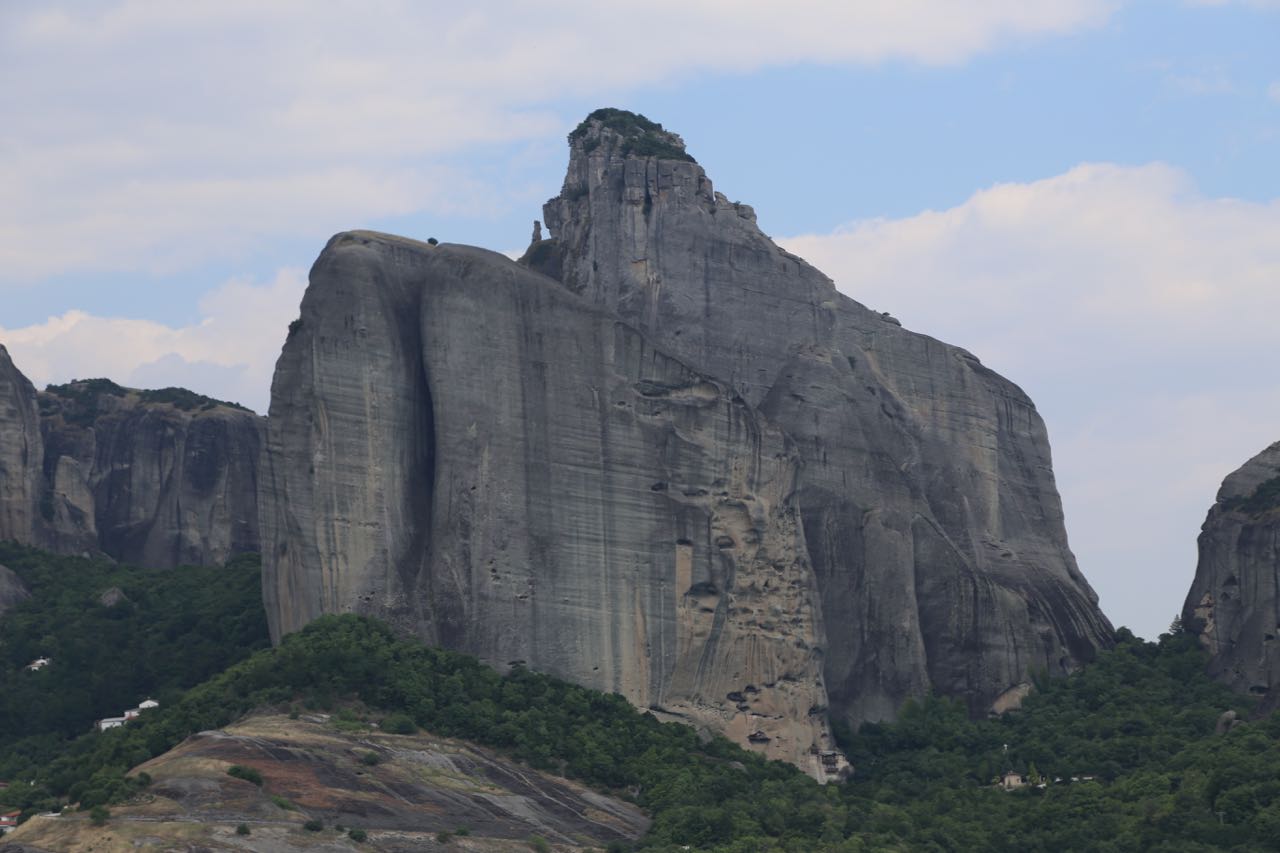
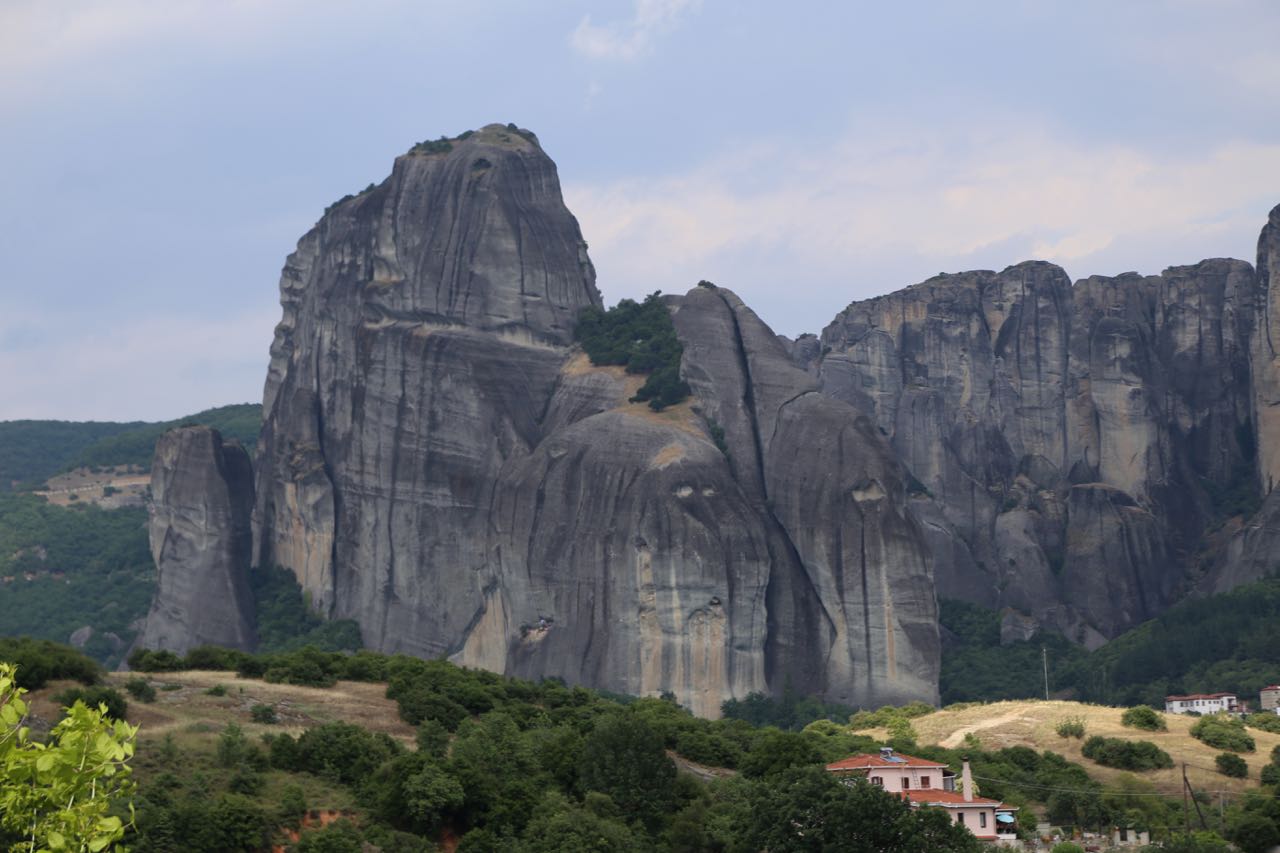
Greece: Meteora

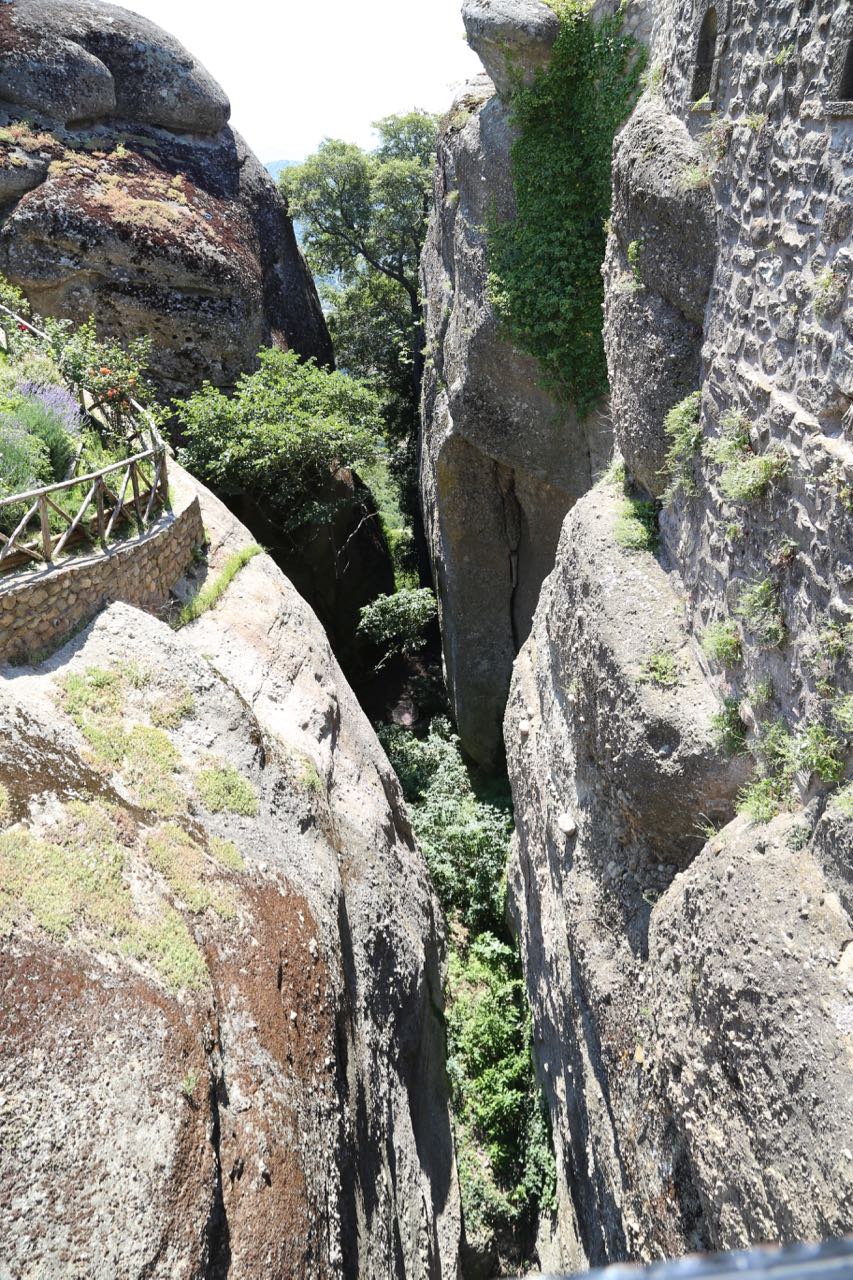
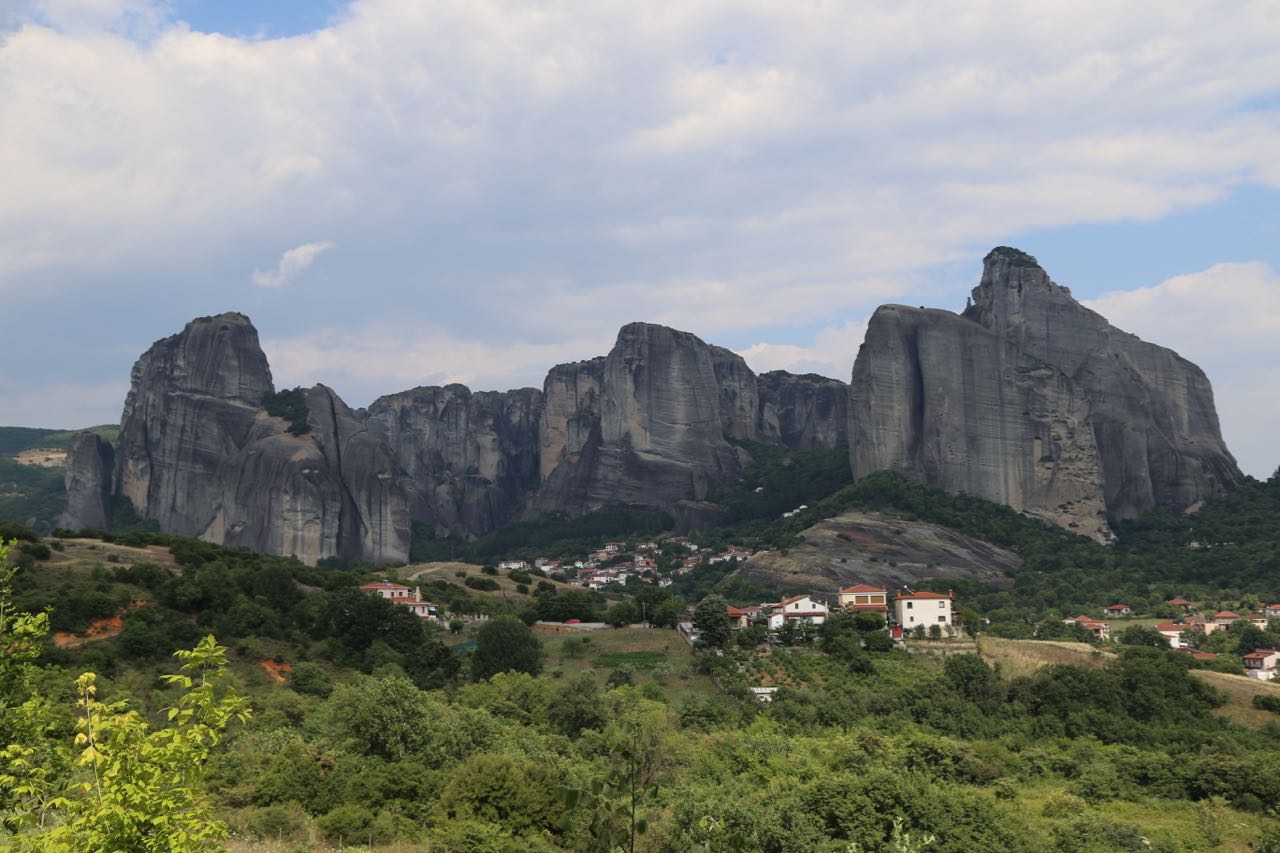
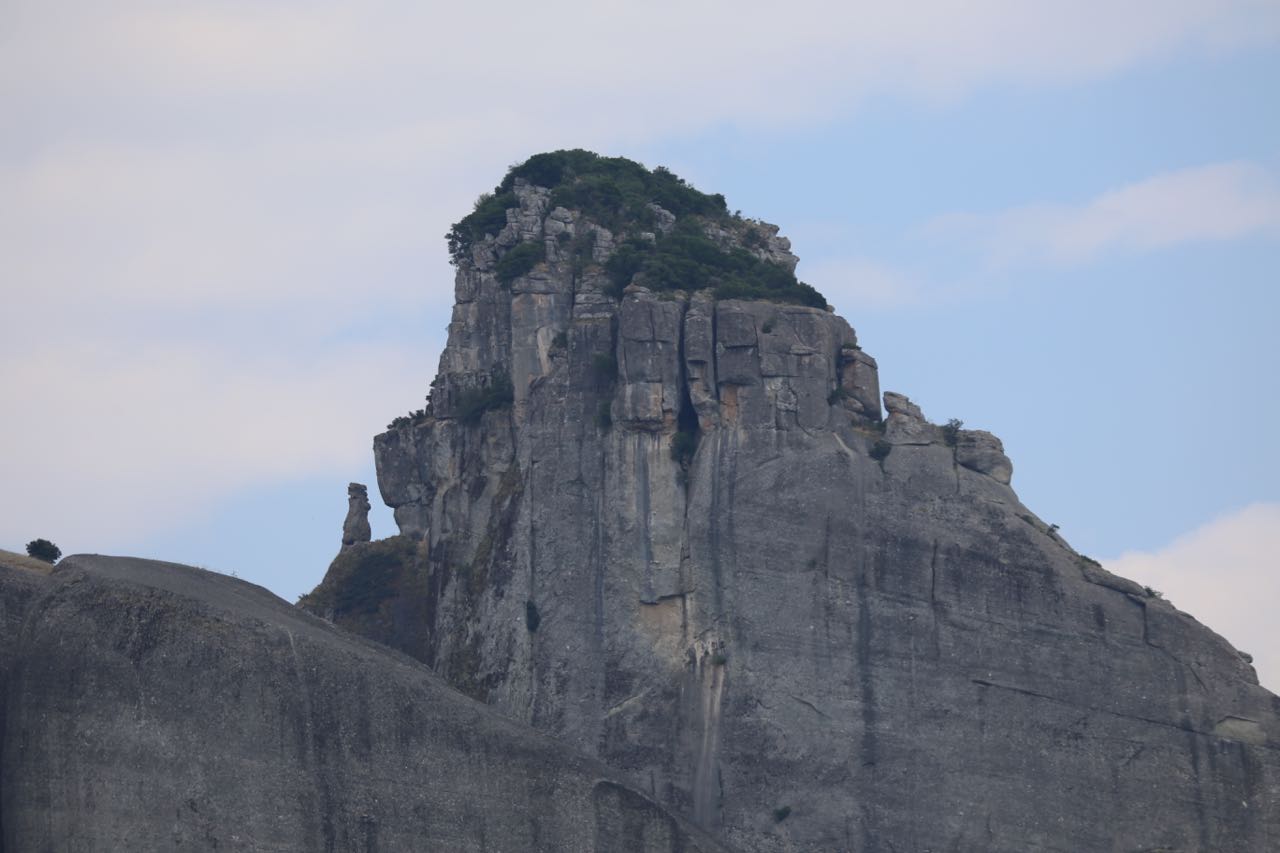
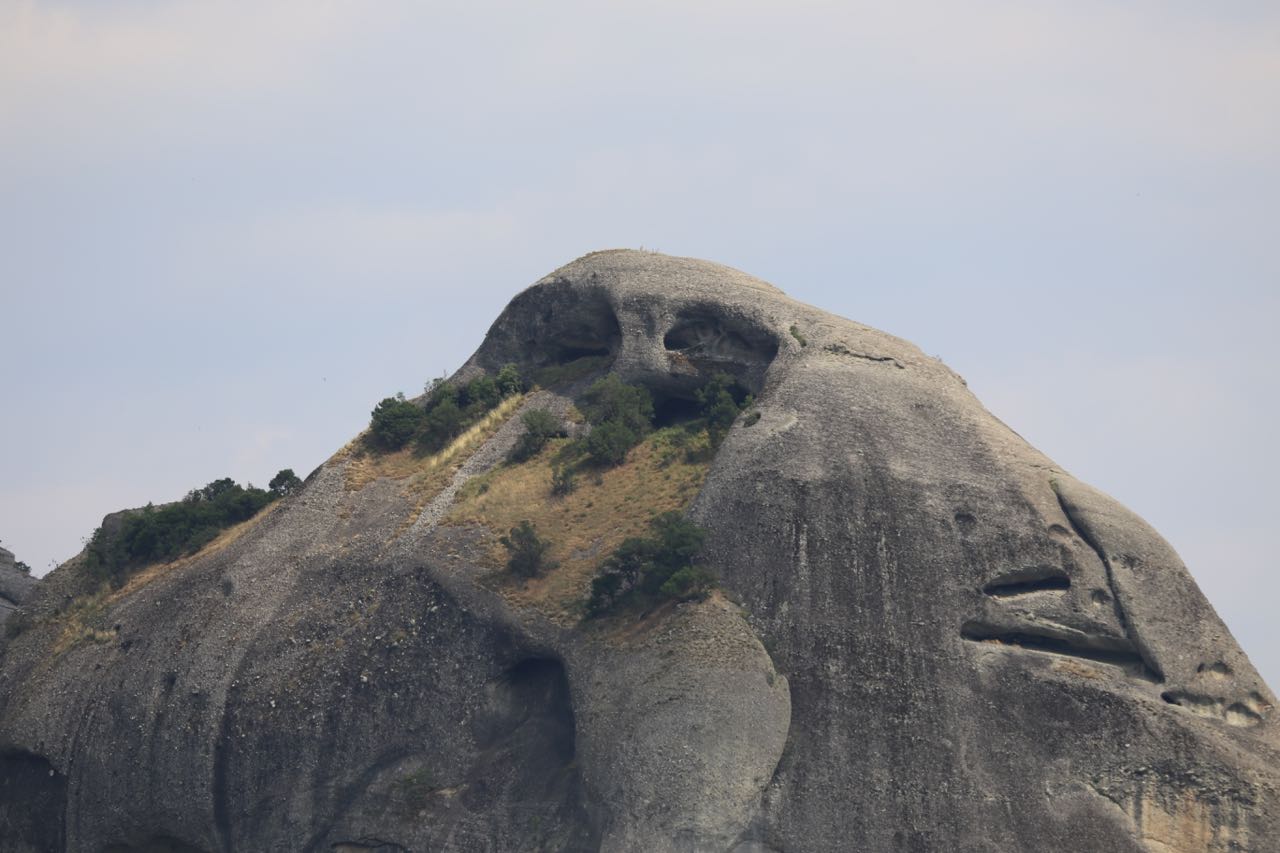
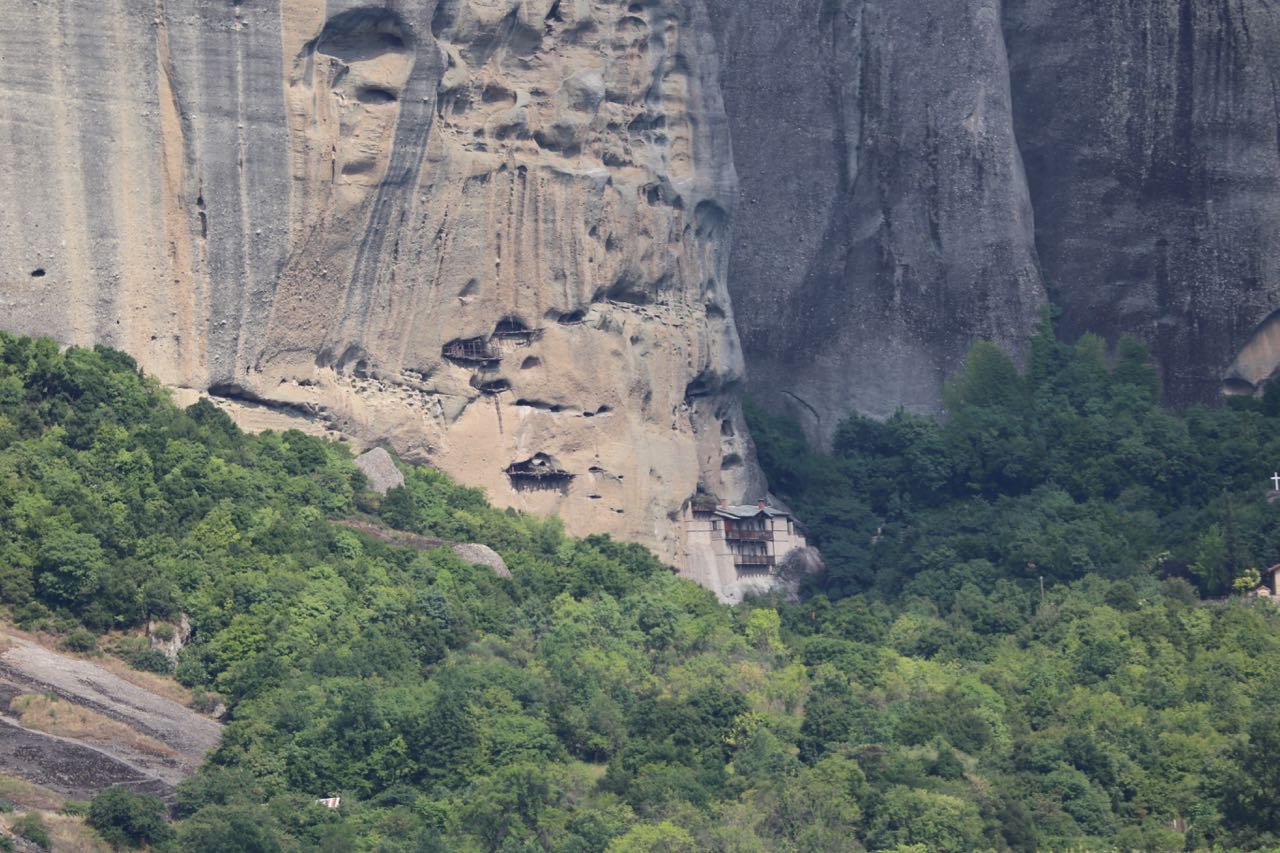
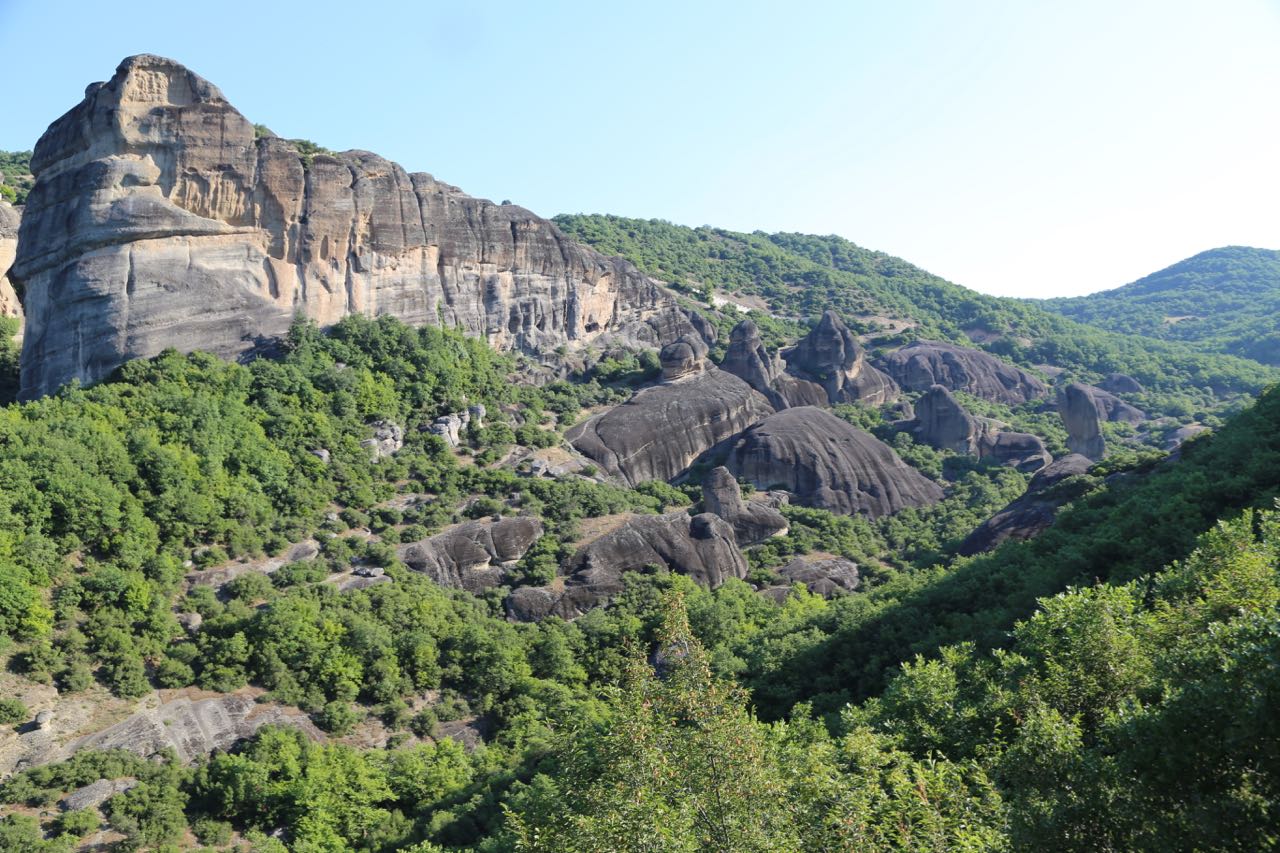
Today we visited Meteora, an area in central Greece, of beautiful, amazing rock towers. They are composed of sedimentary rock, and the towers are for the most part bare rock. Portions of the towers have crevices that have been created from erosion. In the 9th century, monks sought refuge and solitude in the caves, and later, monasteries were built on top of several of the towers. Until the introduction of electricity, monks accessed the monasteries via ladders or a basket suspended via ropes, and evidently very strong will and stomachs. Now, those of us with not quite that strength, can visit the monasteries via roads and stairs.

Meteora

Meteora

Holy Monastery of Varlaam

Holy Monastery of Varlaam

Meteora

Meteora

Meteora

Meteora

Meteora

Meteora

Meteora

Meteora

Meteora

Meteora

Meteora

Meteora

Meteora

Meteora

Meteora

Meteora

Meteora