Portlands Energy Centre

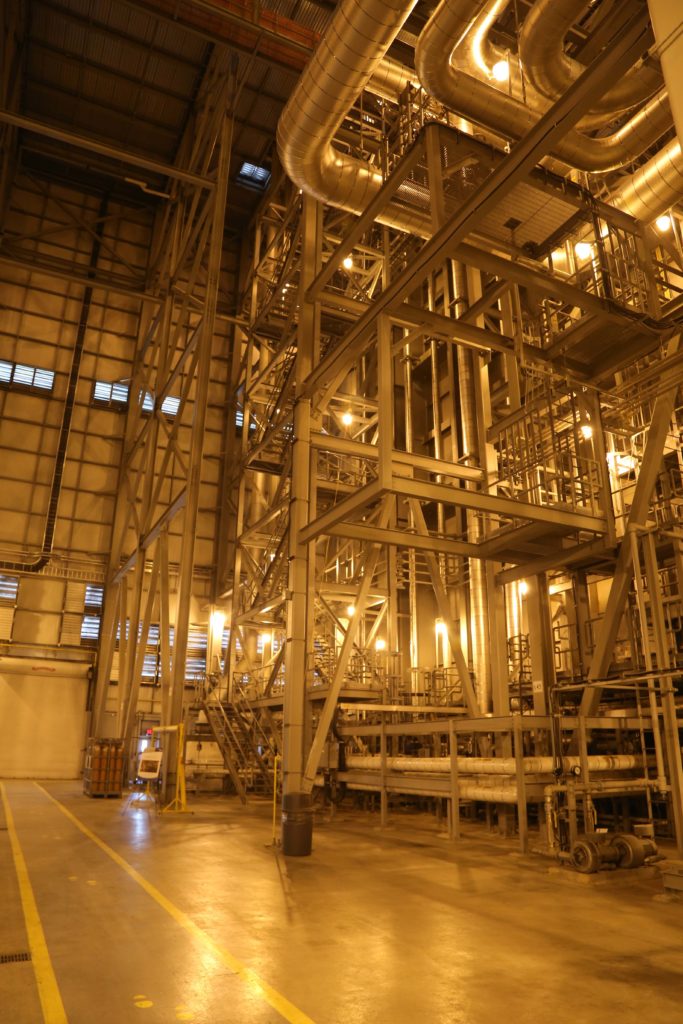
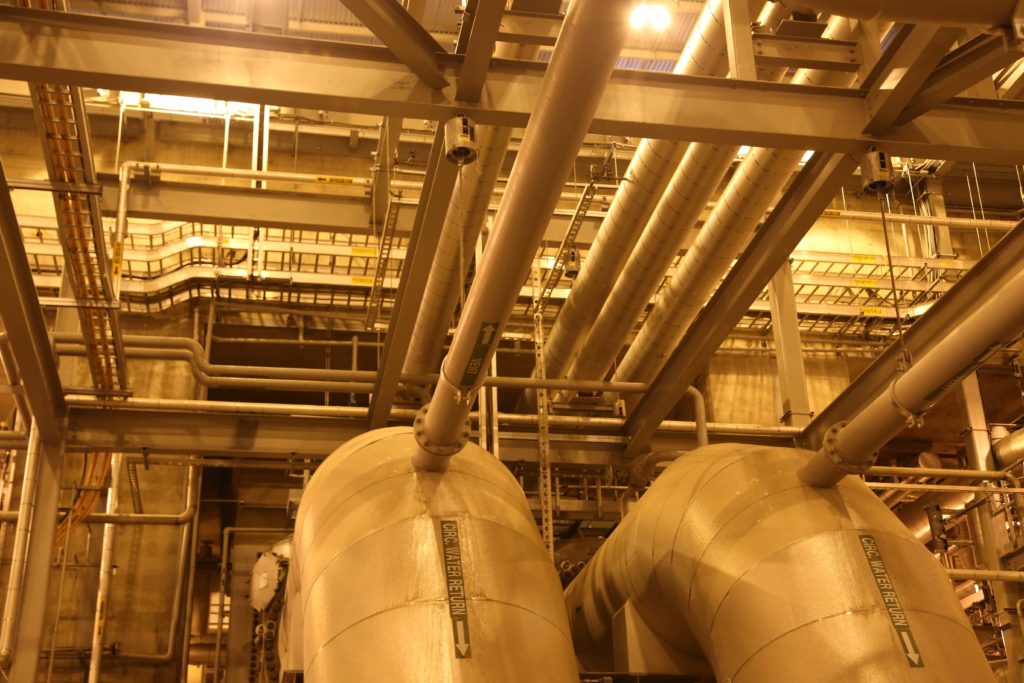
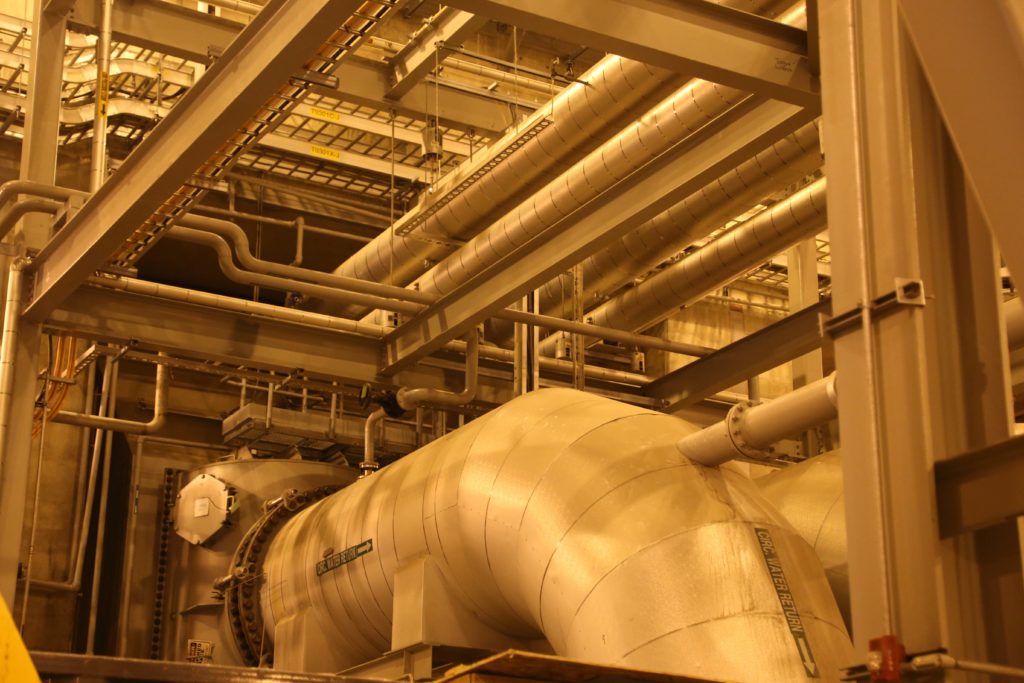
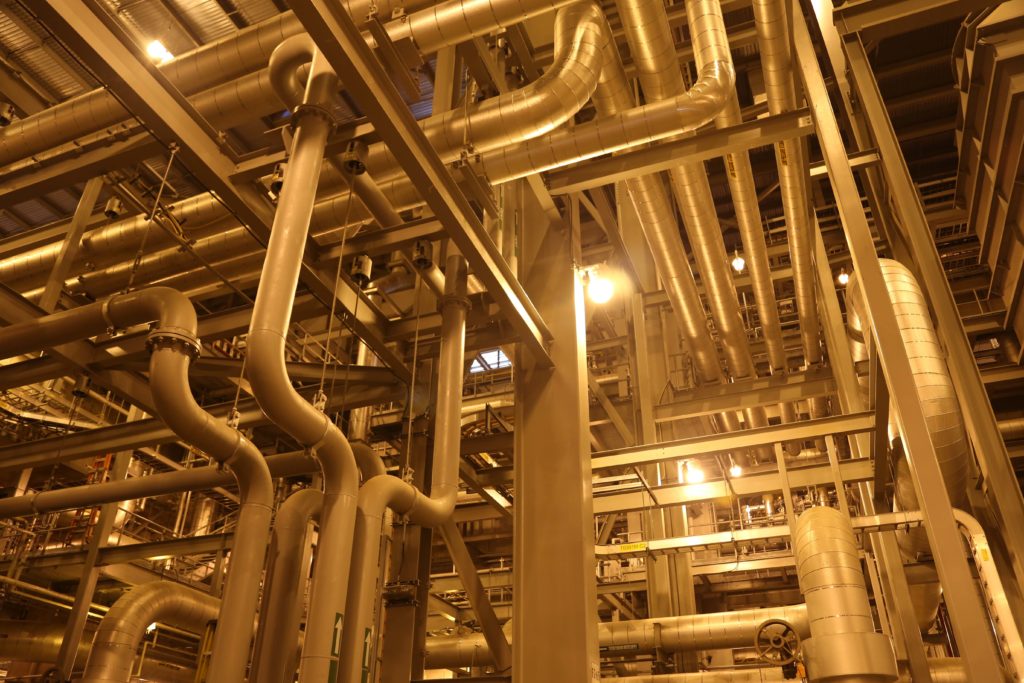
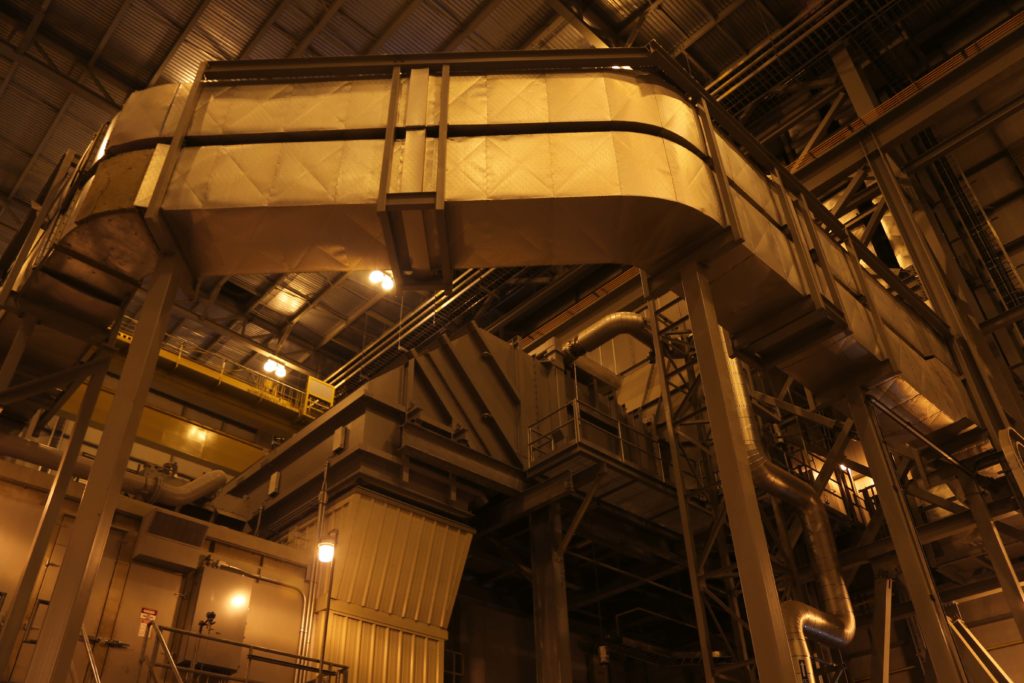
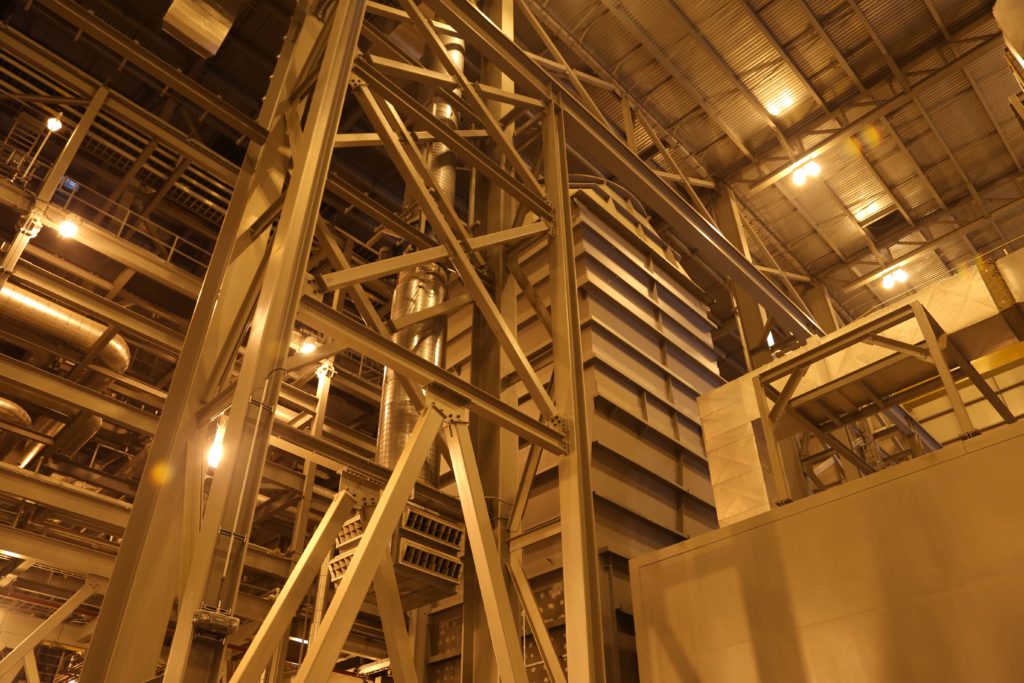
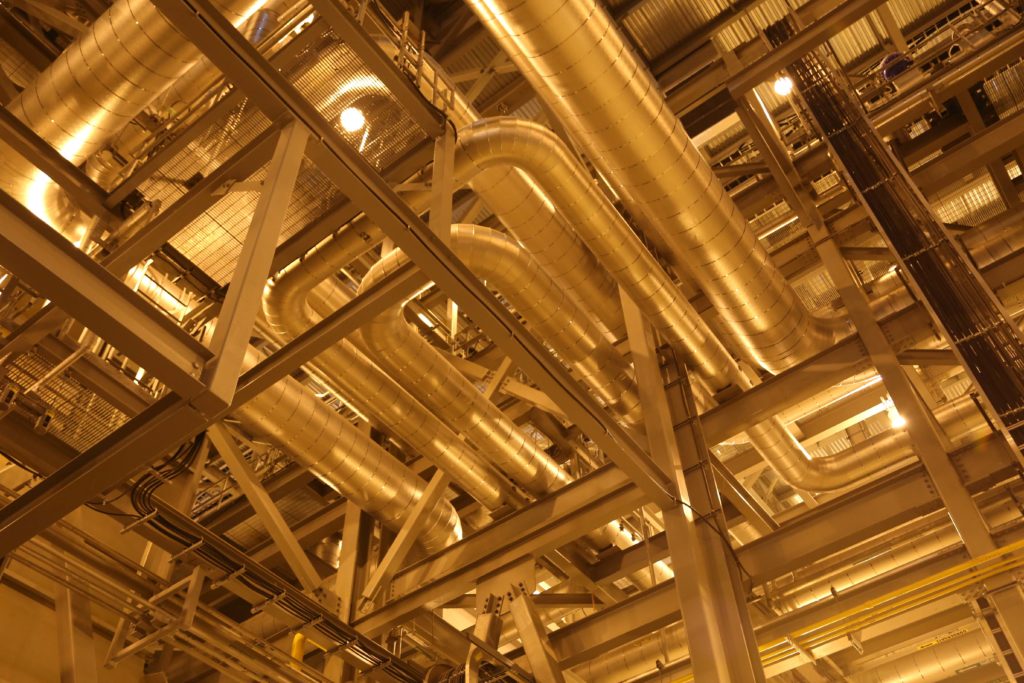
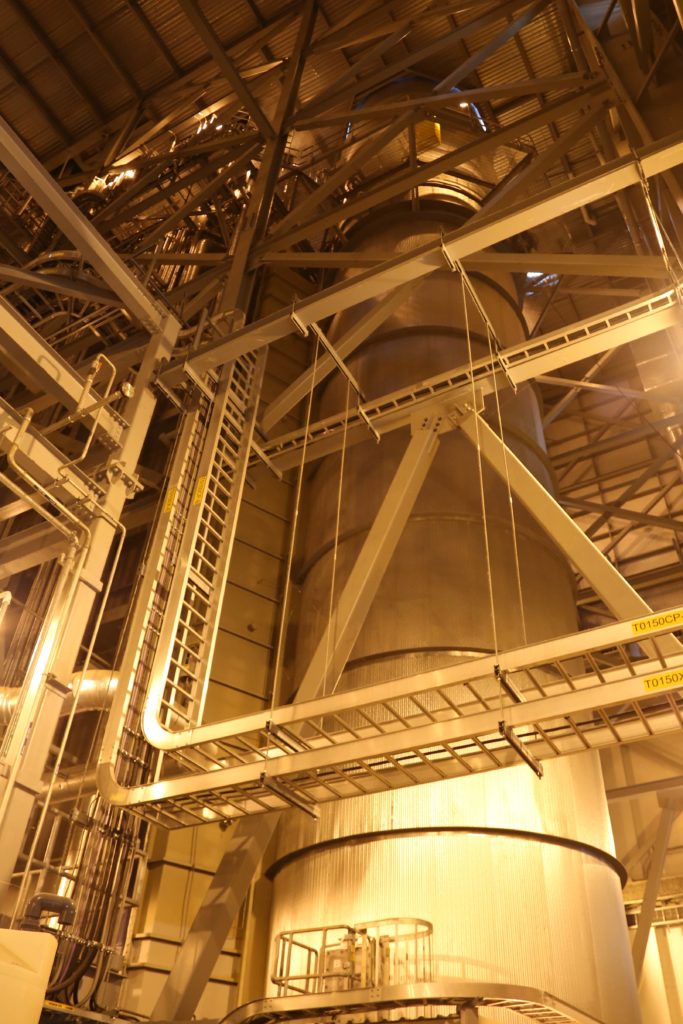
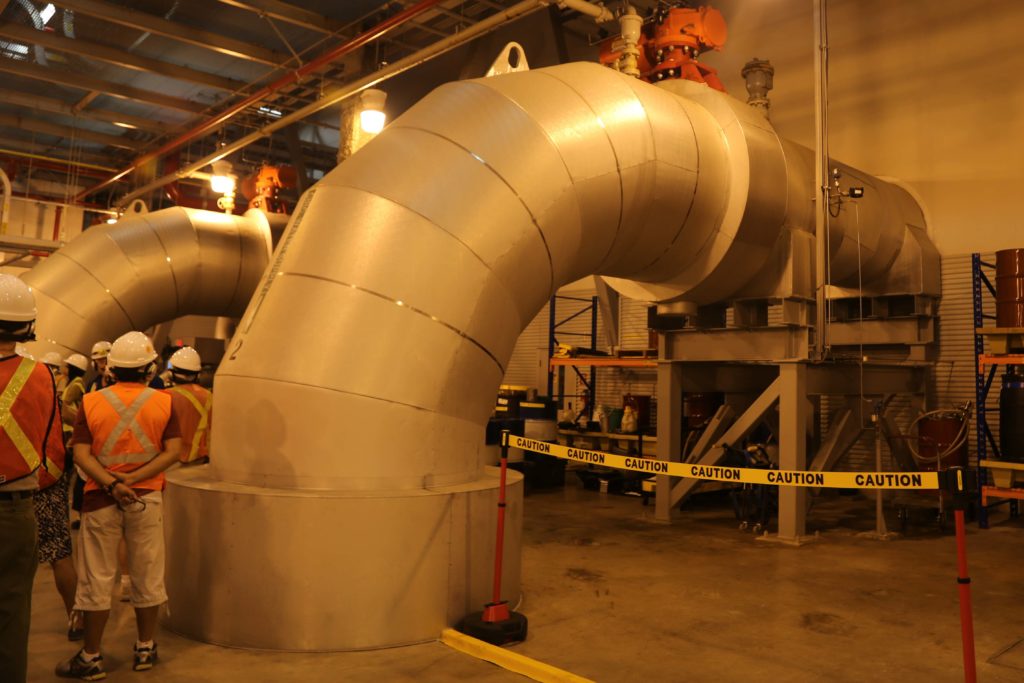
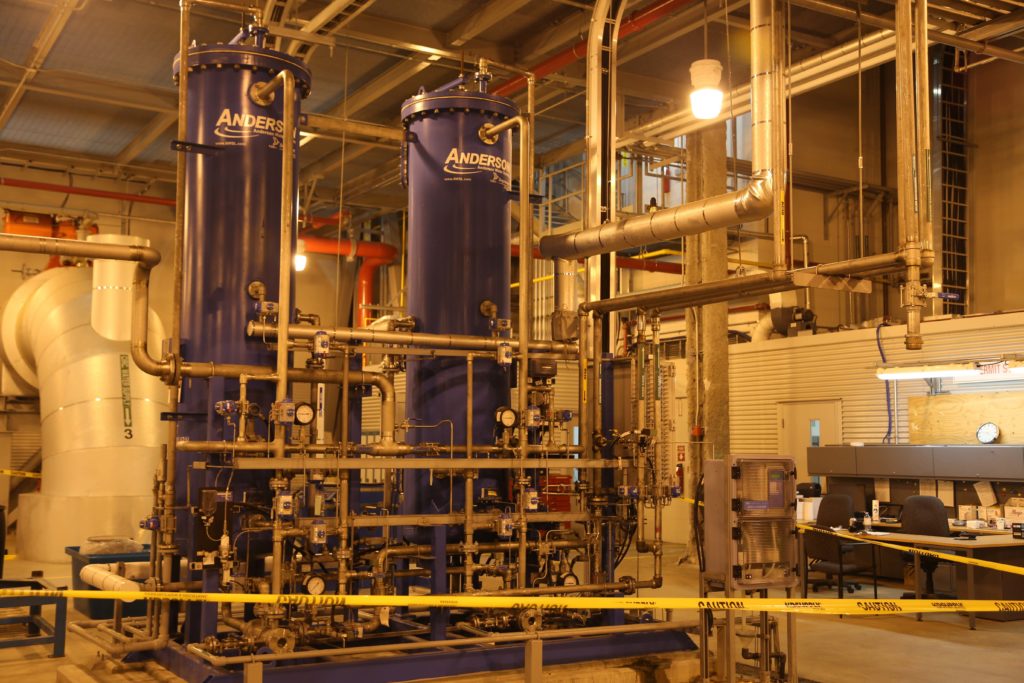
As part of Doors Open Toronto, I toured the Portlands Energy Centre. They produce electricity by two processes. First, they combust the natural gas, which turns gas turbines. Second they capture the heat from the combustion and use it produce steam, which then turn steam turbines. The gas turbines and steam turbine produce the actual electricity. They use Lake Ontario water as cooling water, but here is what I find interesting. They need ultra pure water to use in the equipment for cooling, so they have a multi step process to clean the water, including filtration, disinfection, reverse osmosis, and ion exchange. When that cooling water is later released to Lake Ontario, after being properly cooled, it is actually cleaner then when they pumped it into the plant. I followed the maze of pipes wondering how they ever find the right one when they need to do maintenance, and I desperately a process flow diagram, so I could follow everything along. When standing in the room with several pumps for the cooling water, the room was actually vibrating from the pump motion. Then of course, I started to wonder about the structural engineering and the amount of motion the structure has to be able to bear. Things an engineer thinks about, even when on vacation.

I took lots of photos because I find a beauty in the maze of pipes. It’s probably the chemical engineer in me. Some were labeled, so were not. Almost all were silver. This must make for a fun time when you need to pipe a specific pipe. However, there is a simple elegance, and please excuse me, but beauty in the pipes going everywhere, one next to another and a top another, in an orderly fashion. It is a maze but a logical maze. No mess. Just order.IMG_6972 IMG_6980 IMG_6989 IMG_6991 IMG_6997 IMG_6998 IMG_7007 IMG_7009 IMG_7018
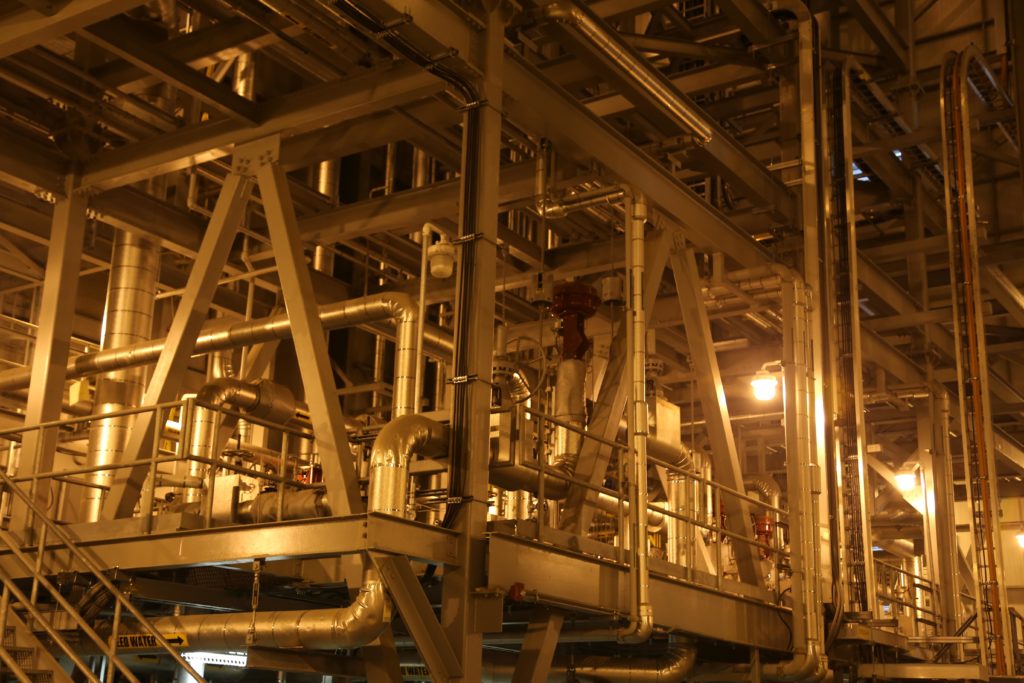
Huge pipe of cooling water

Huge pipe of cooling water

Ion exchange columns
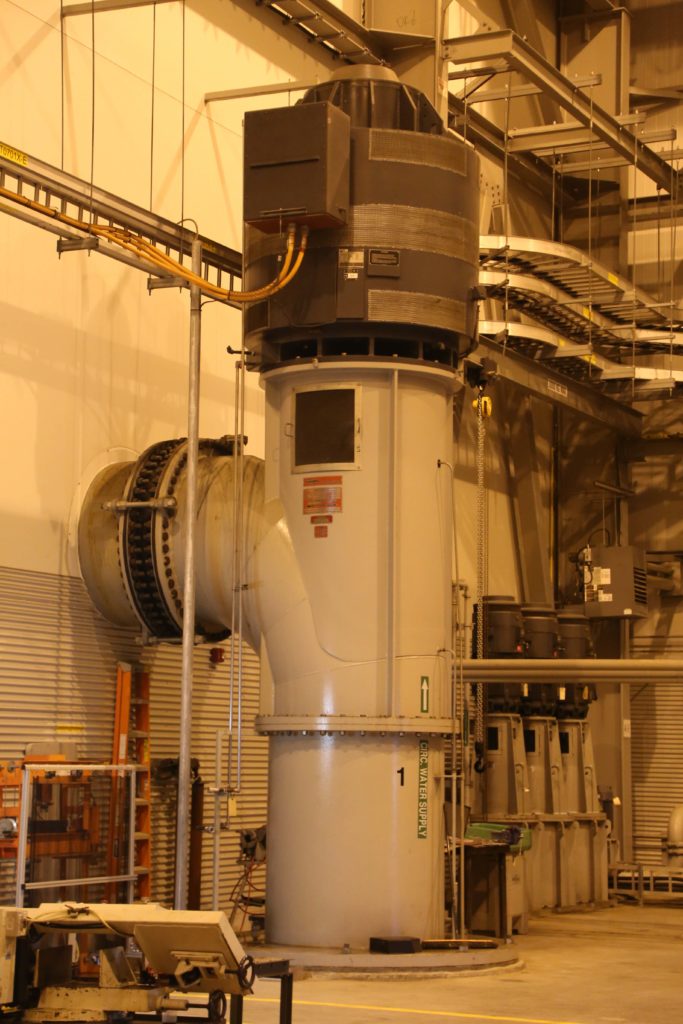
Ion exchange columns

One of the pumps so powerful it made the room vibrate
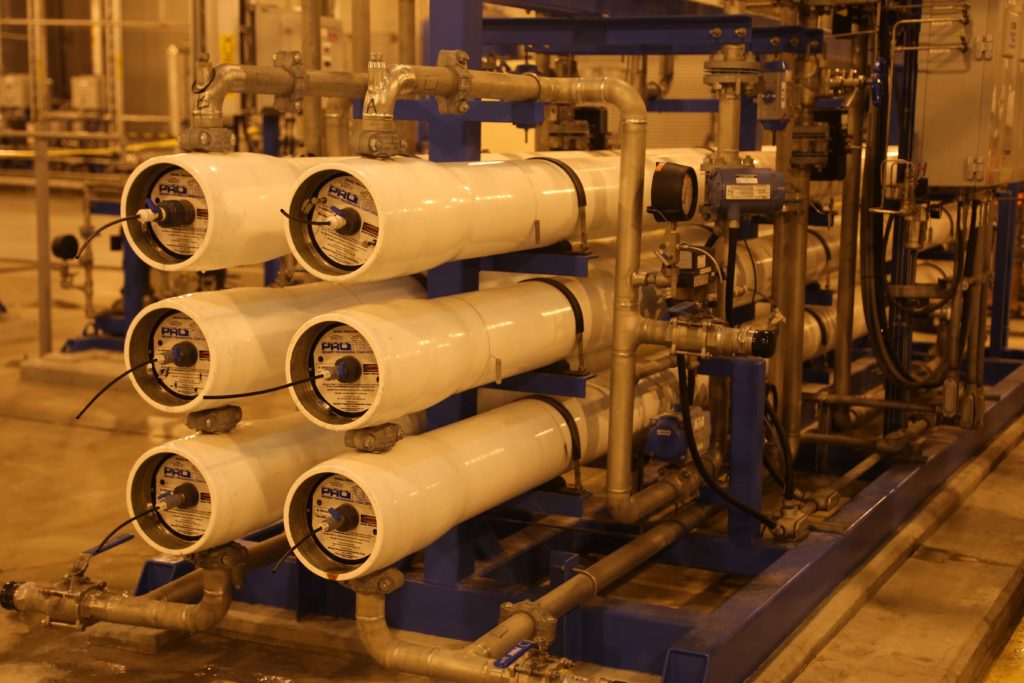
One of the pumps so powerful it made the room vibrate

Reverse osmosis step
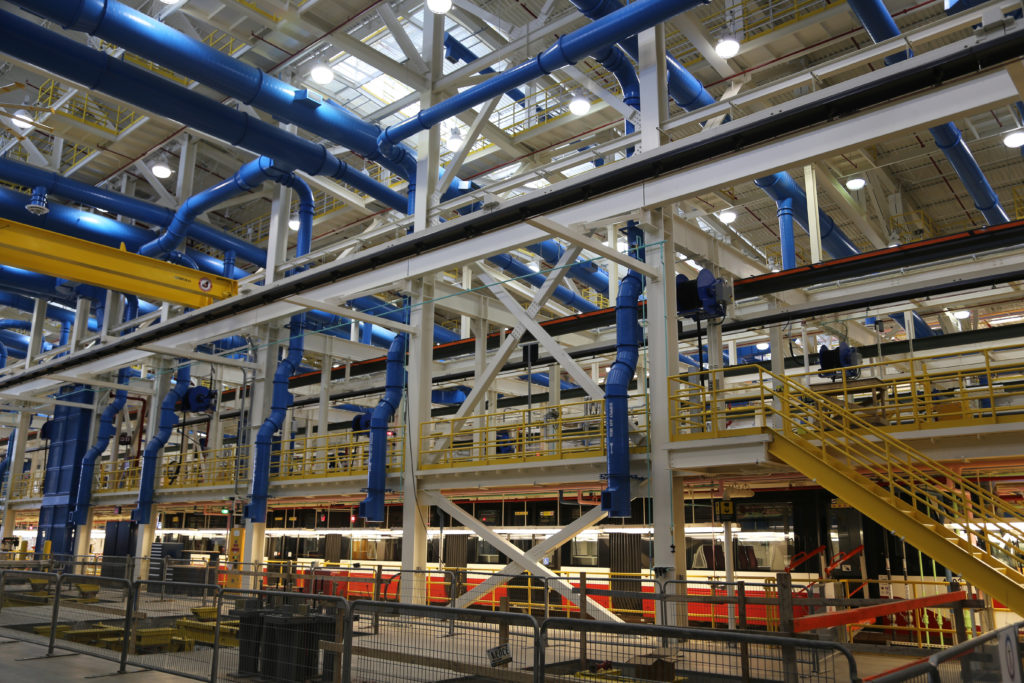
Reverse osmosis step
TTC Leslie Barns

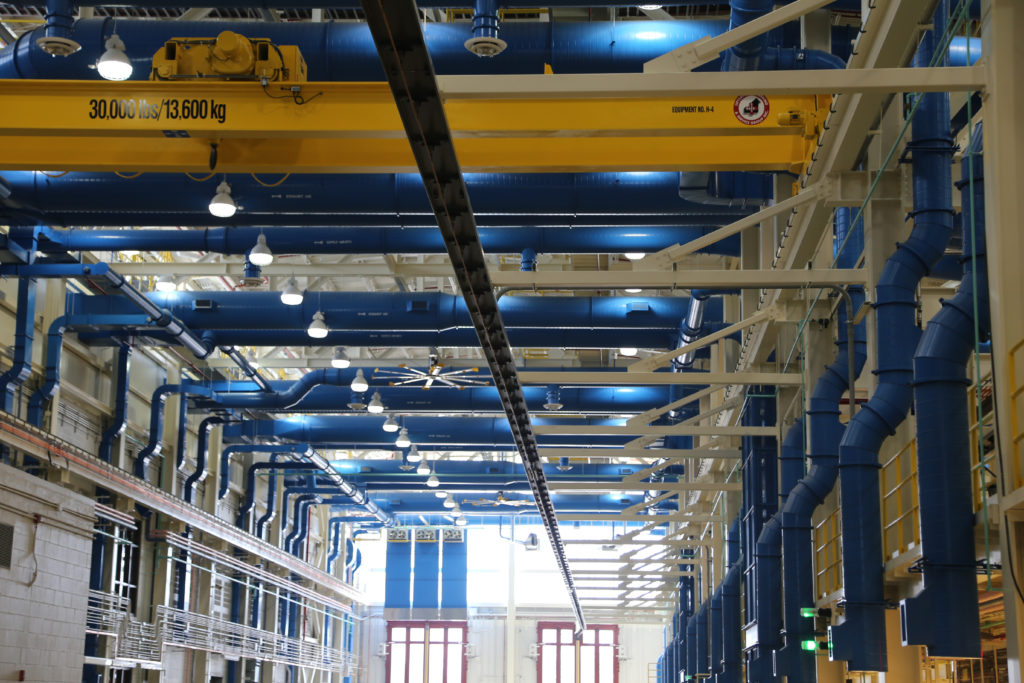
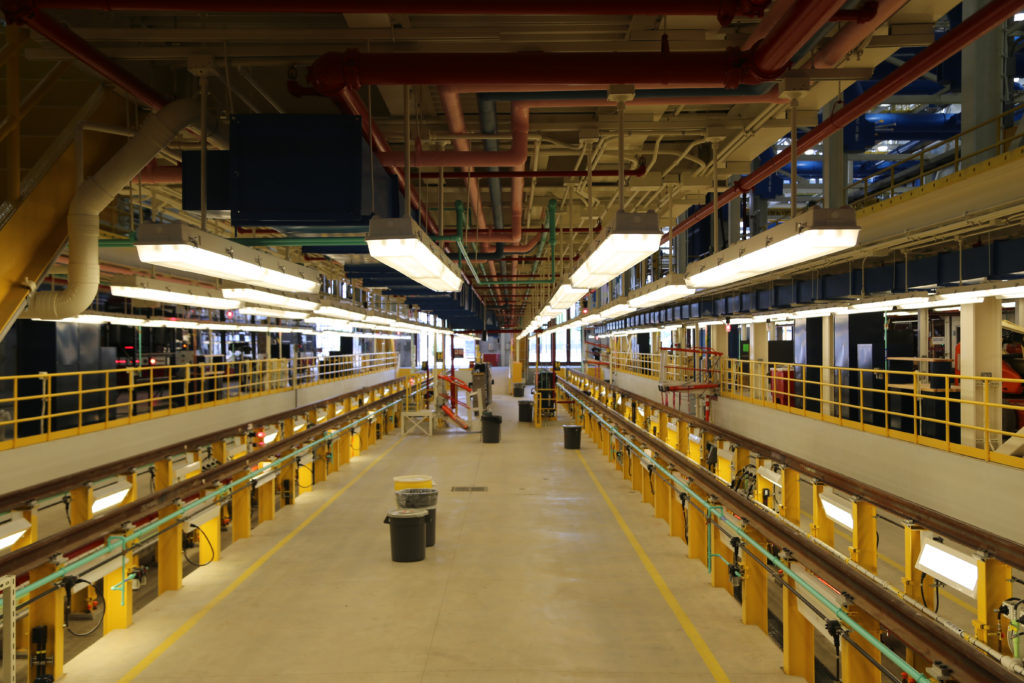
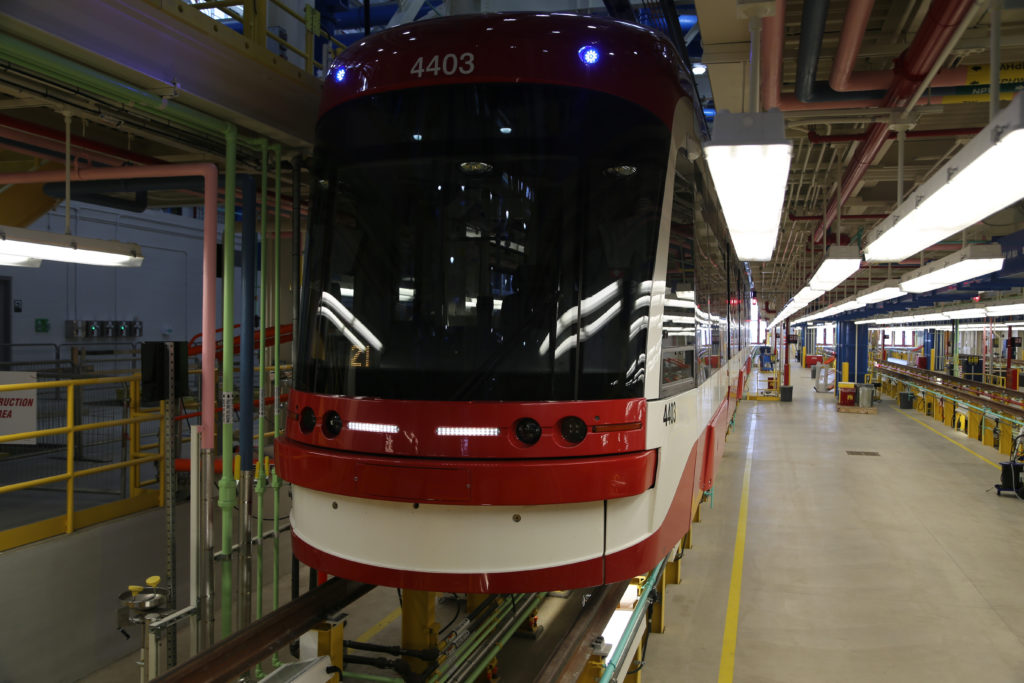
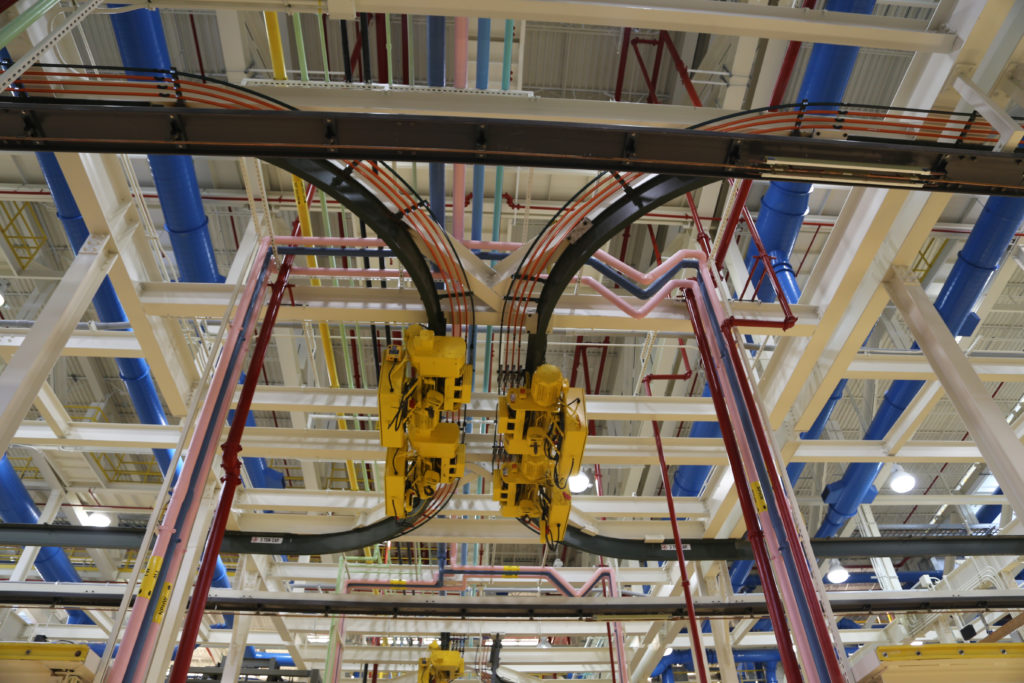
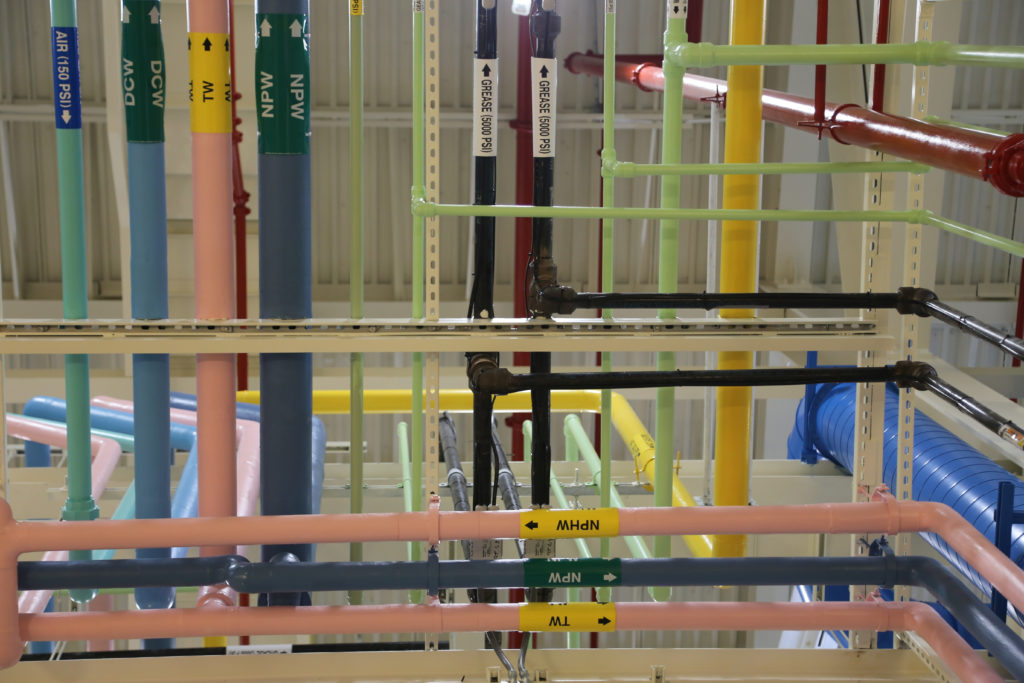
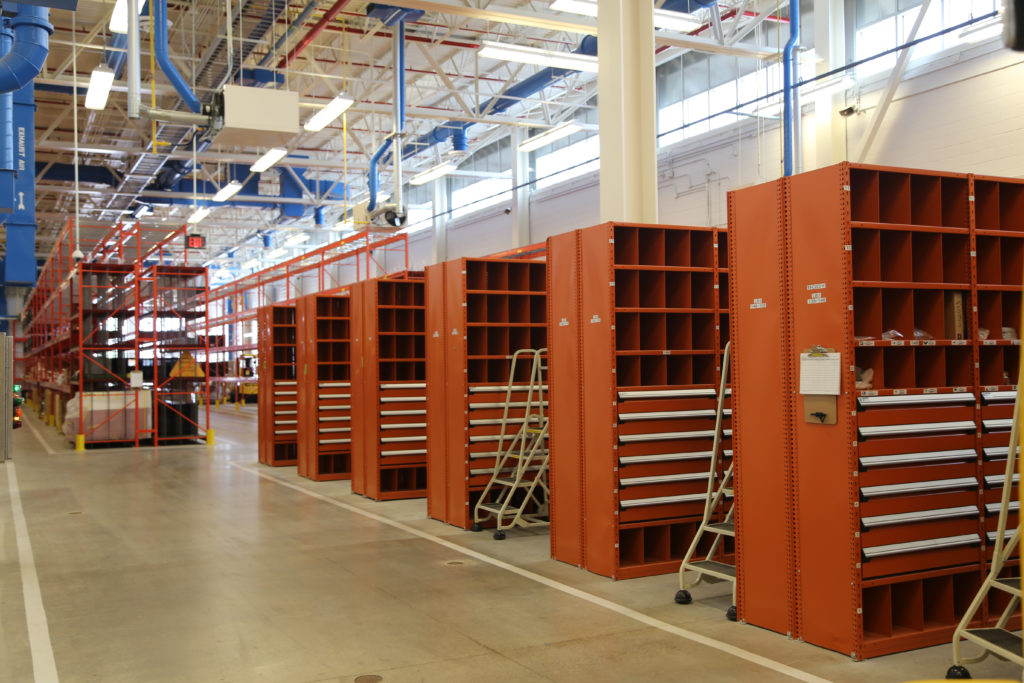
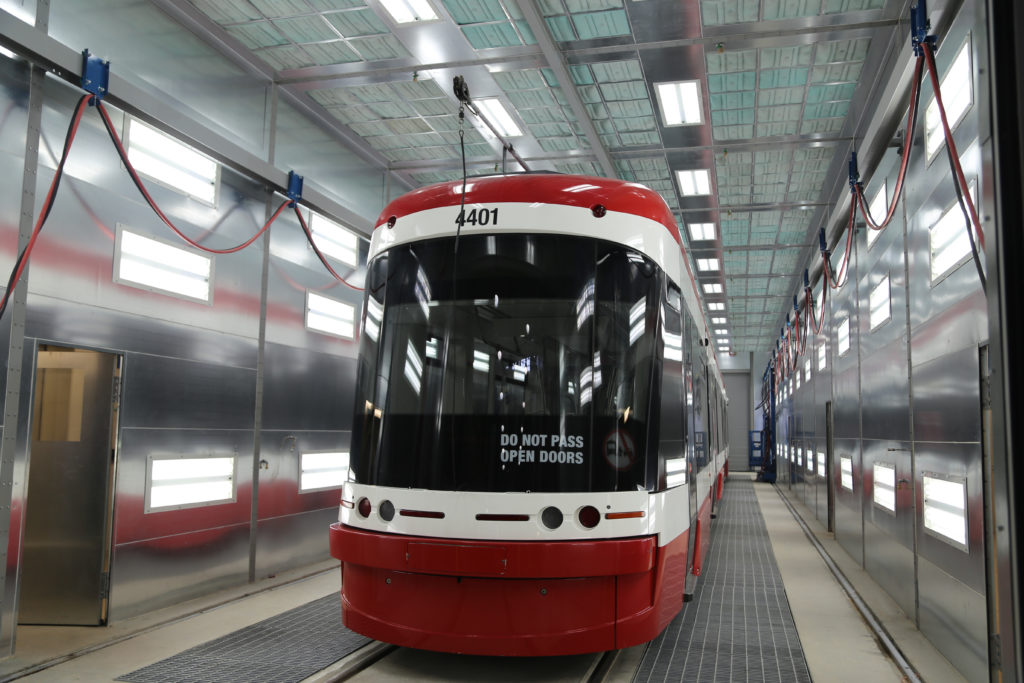
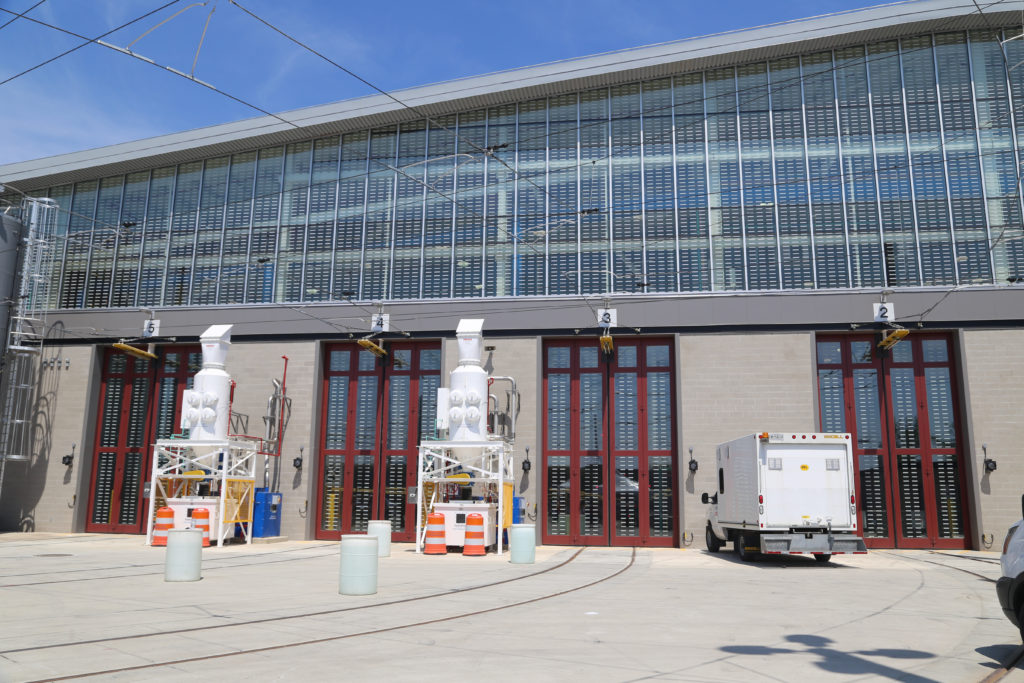
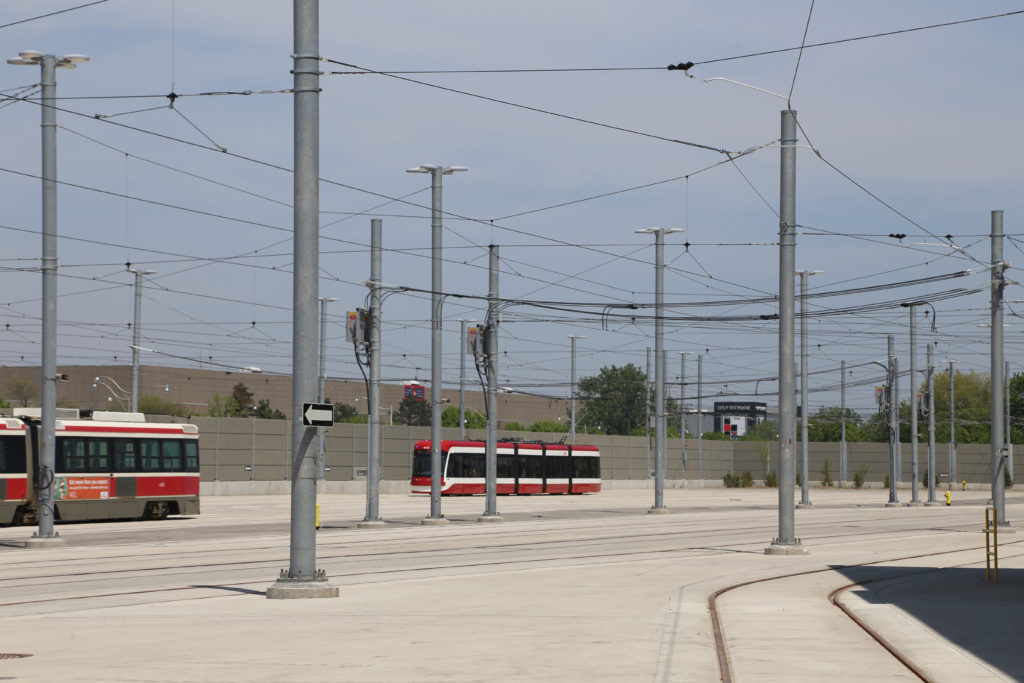
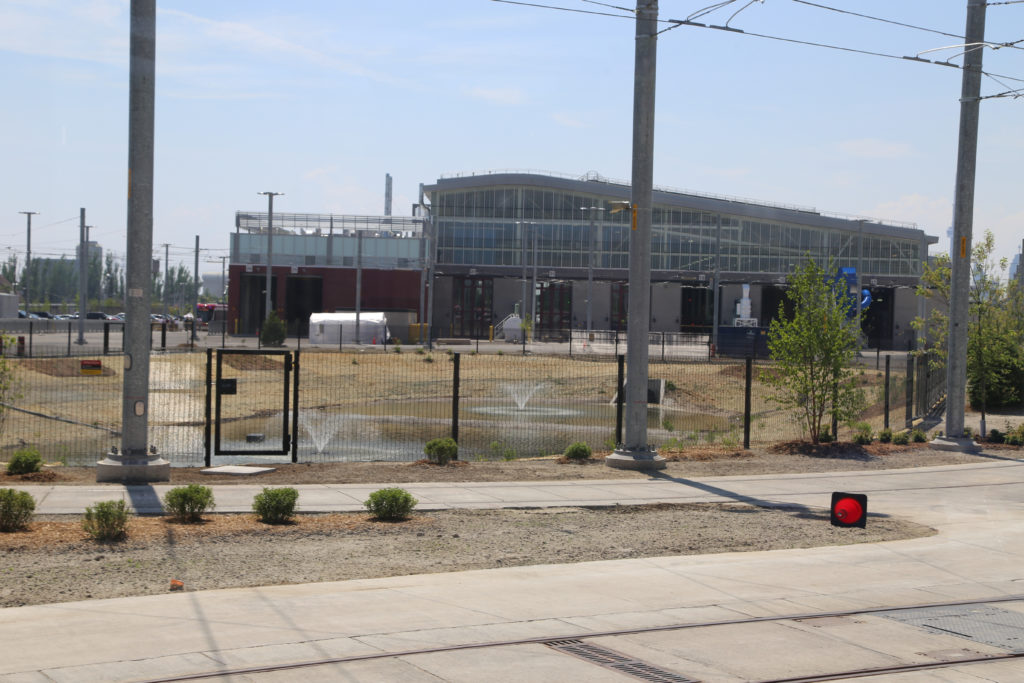
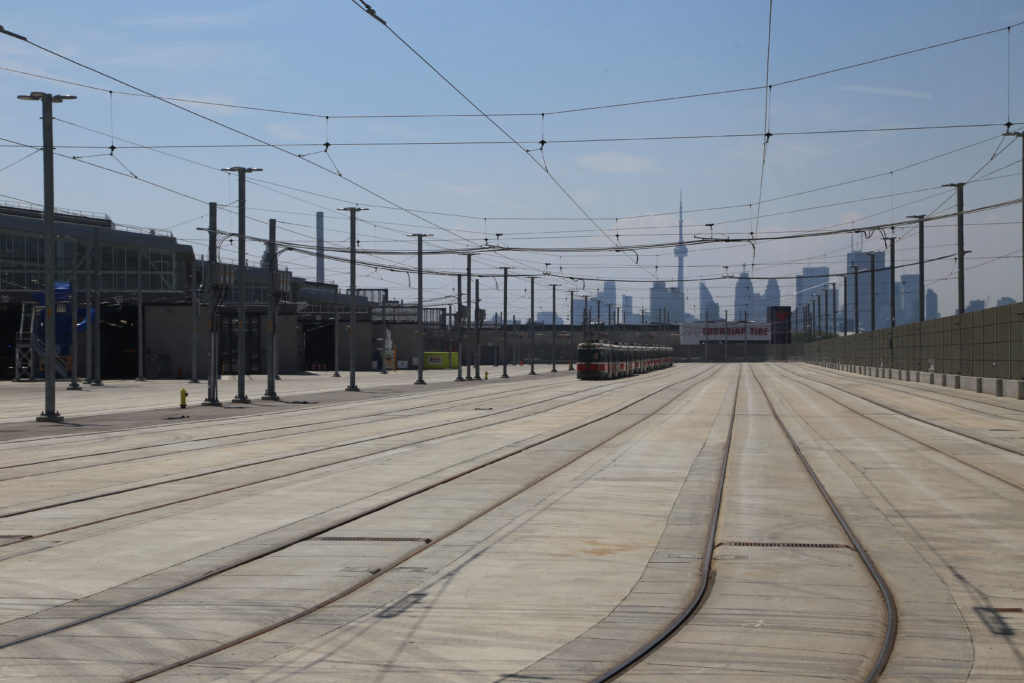
As a part of Doors Open Toronto, I got to tour Toronto Transit Commission’s (TTC) Leslie Barns. Leslie Barns is a streetcar maintenance and storage facility, and it is brand new. It is not completely finished, but it is already being used. I had to ask several employees about this because I find it difficult to believe that it is being used at all. It is without a doubt the cleanest, neatest, prettiest maintenance facility I have ever been in. If you look at my blog at all, you will see I have seen a few. I love touring them. This place is ridiculously clean and organized. The pipes are not only labeled, but they are also color-coded. It makes my chemical engineering heart go pitter patter. The facility was built for the new street cars that Toronto is purchasing, which are very sleek looking. The place has a paint booth, maintenance areas, and car wash for street cars. Outside is a storage area for the street cars, and in the middle of it is a stormwater retention pond.

Pipes and ducts and everything else

Pipes and ducts and everything else

Overhead crane lift area

Overhead crane lift area

Maintenance area

Maintenance area

Work area between two tracks

Work area between two tracks

Brand new street car

Brand new street car

Pipes, ducts, and gantry galore

Pipes, ducts, and gantry galore

Look at these beautifully labeled and color-coded pipes

Look at these beautifully labeled and color-coded pipes

Ridiculously organized supply area

Ridiculously organized supply area

Street car in the paint booth

Street car in the paint booth

Doors for street cars to enter the facility

Doors for street cars to enter the facility

Street car in the storage area

Street car in the storage area

Stormwater retention pond in middle of storage yard with facility in background

Stormwater retention pond in middle of storage yard with facility in background

Storage area with view of downtown Toronto

Storage area with view of downtown Toronto

Re-Ball

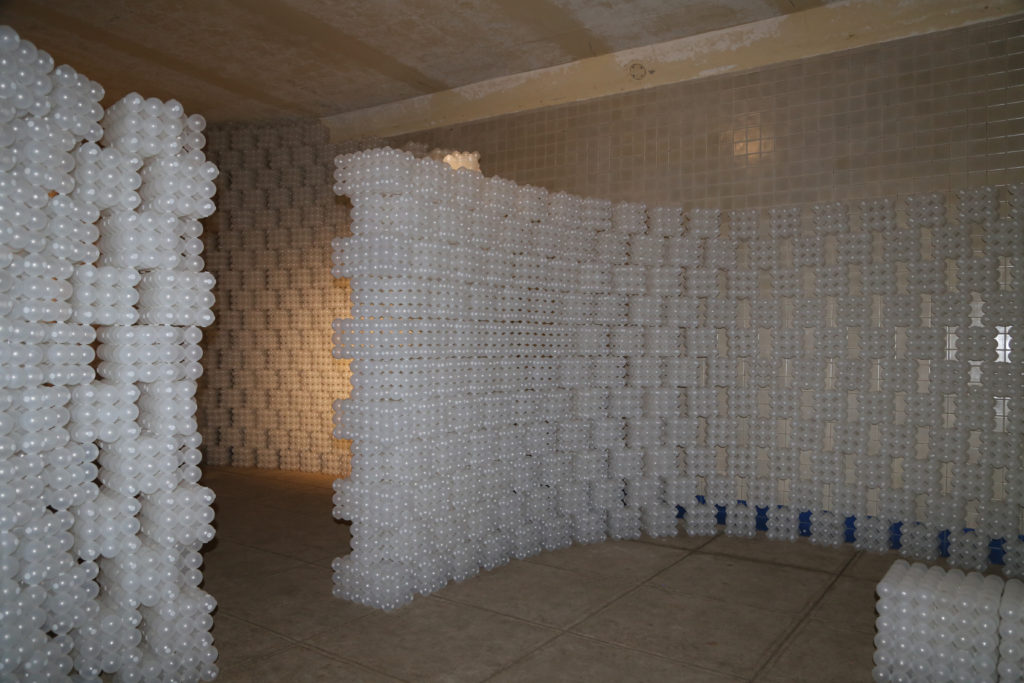
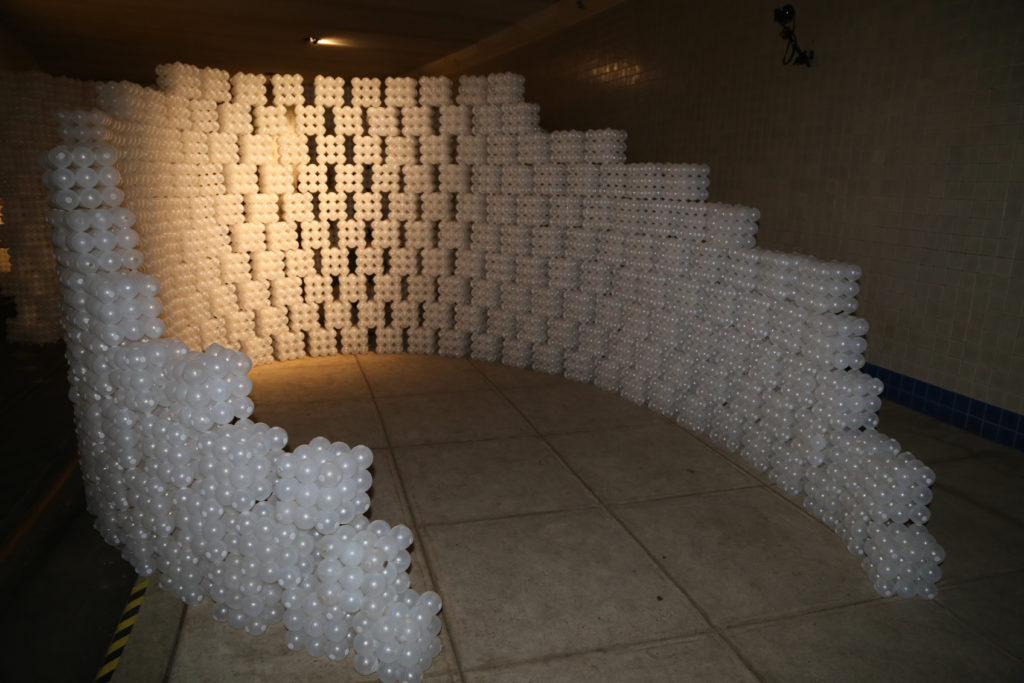
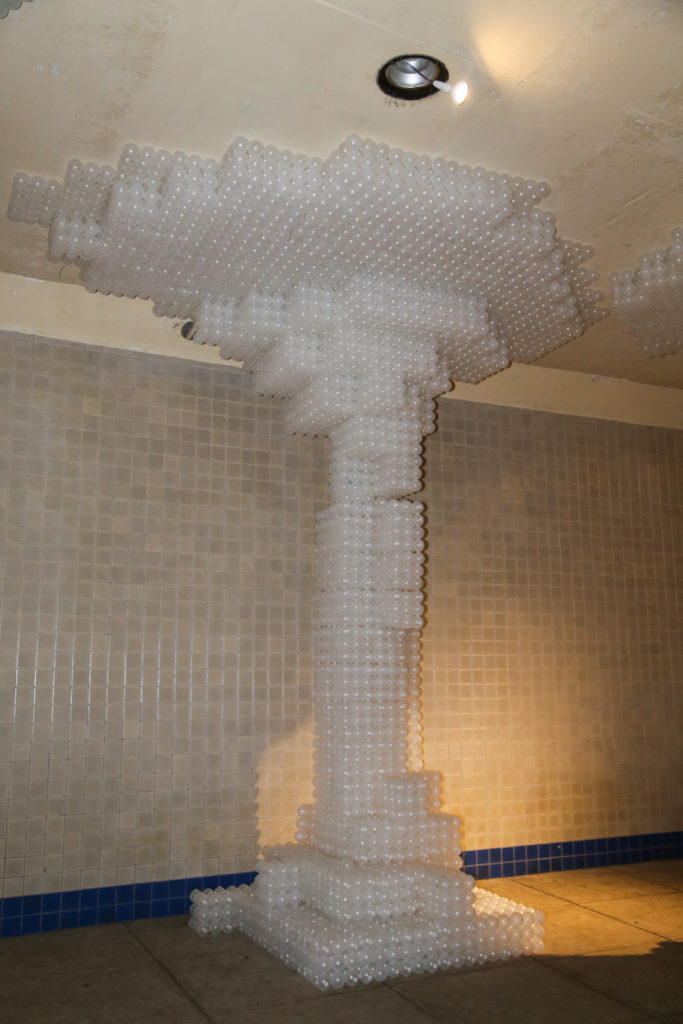
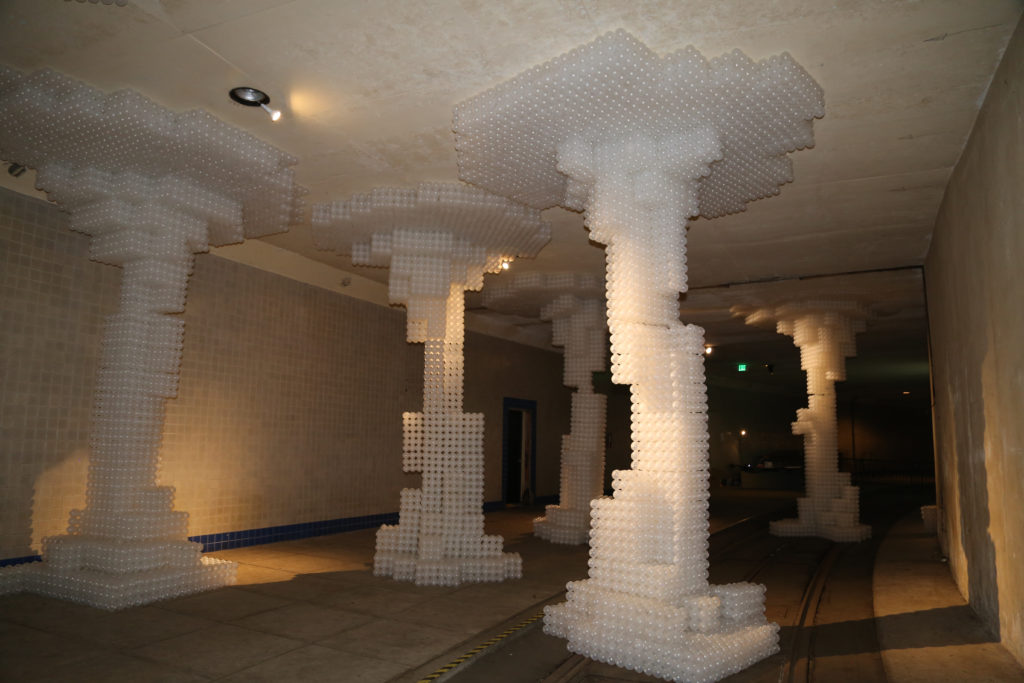
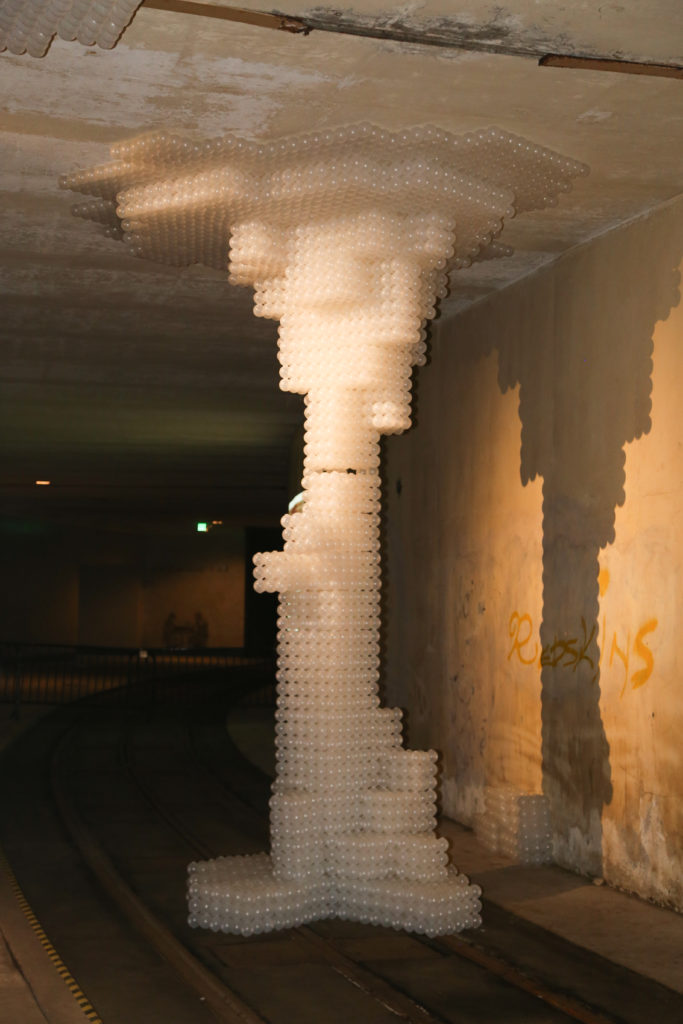
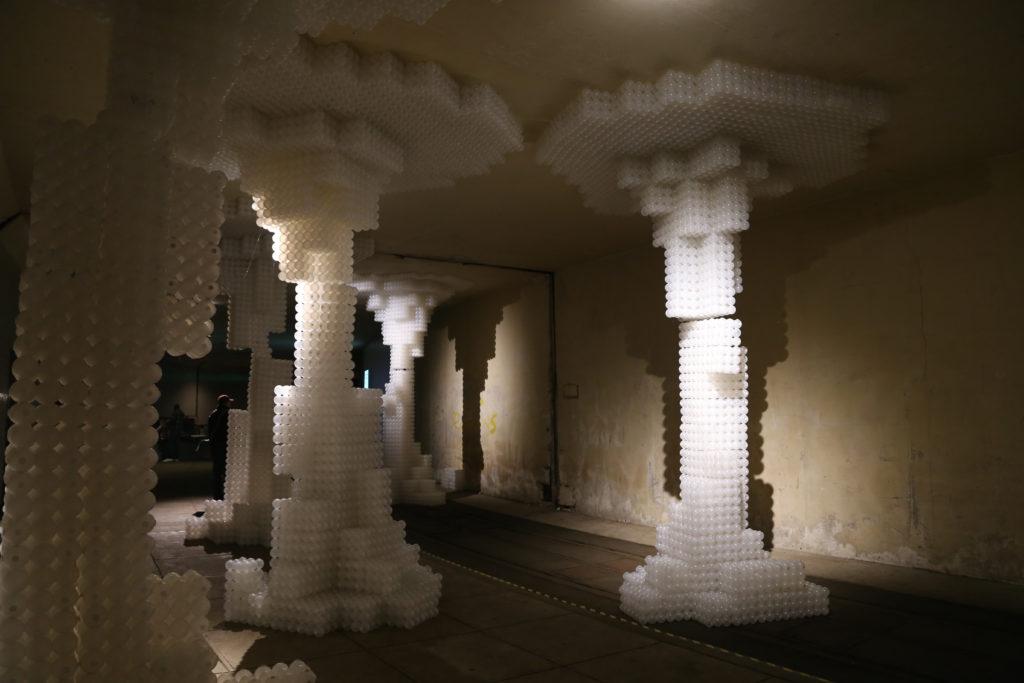
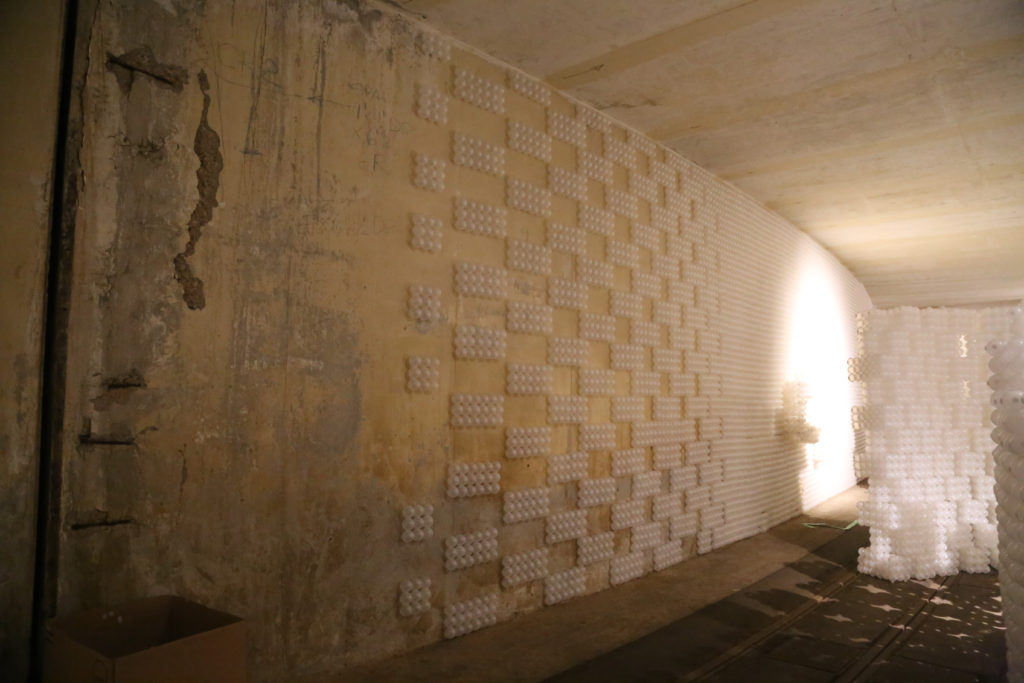
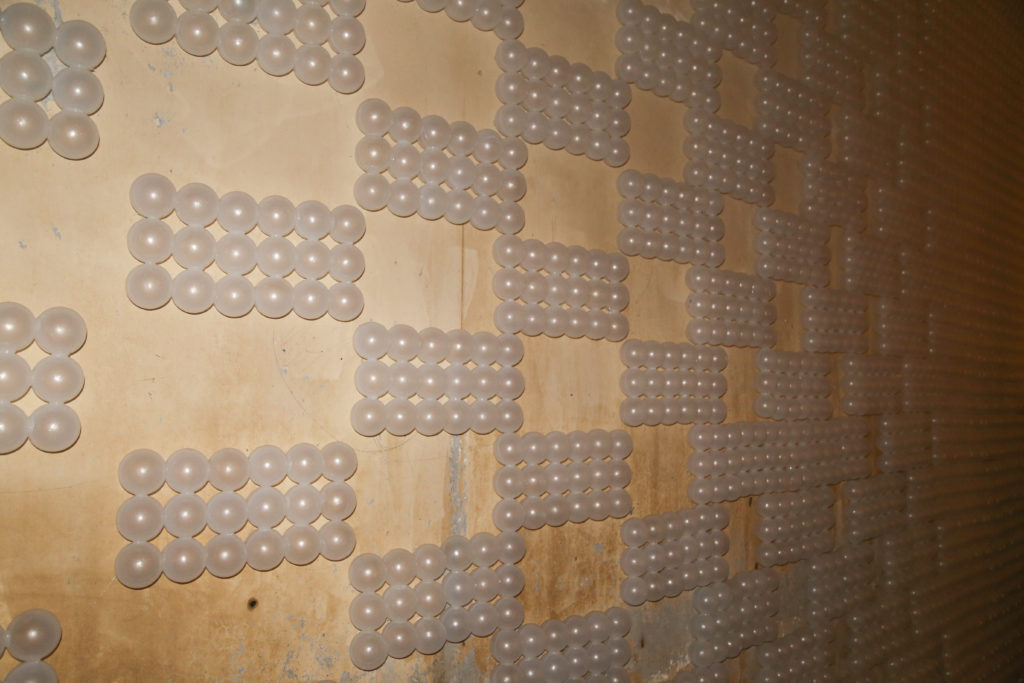
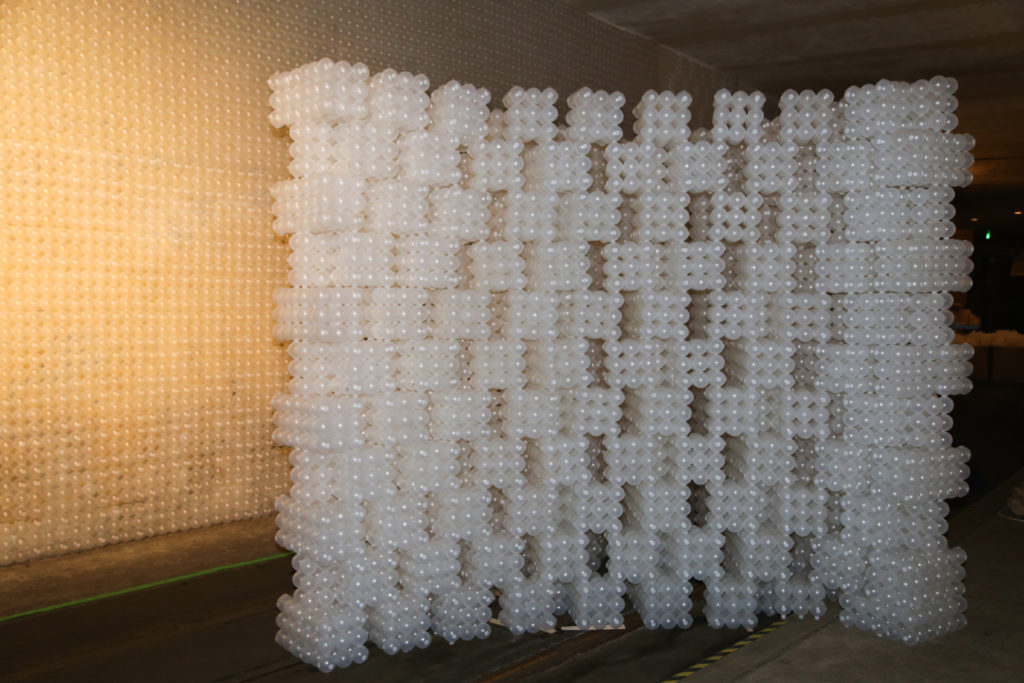
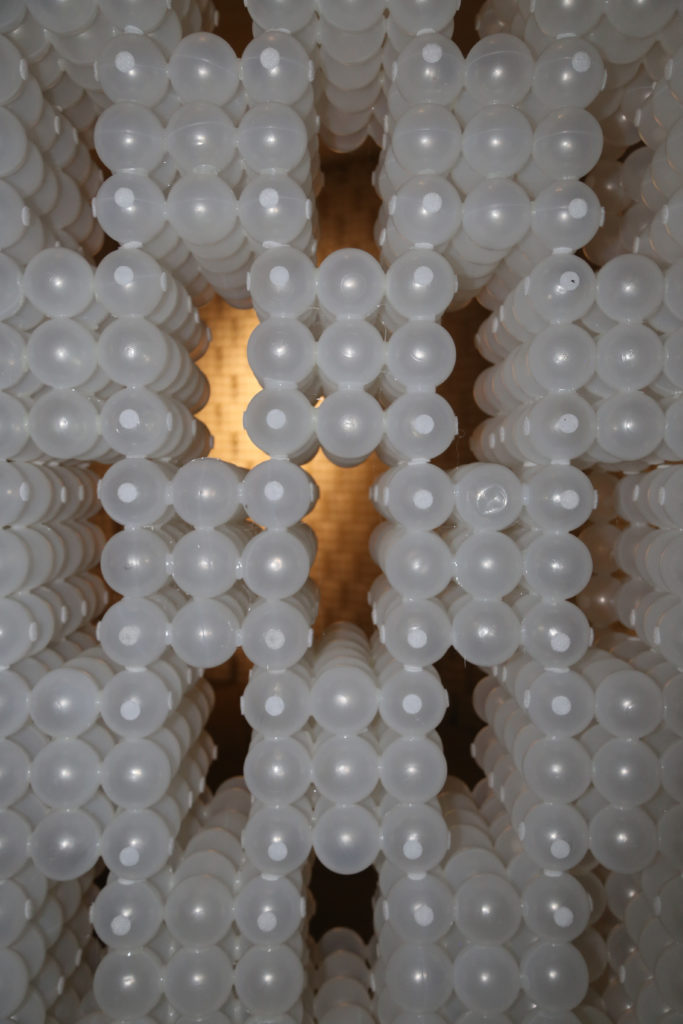
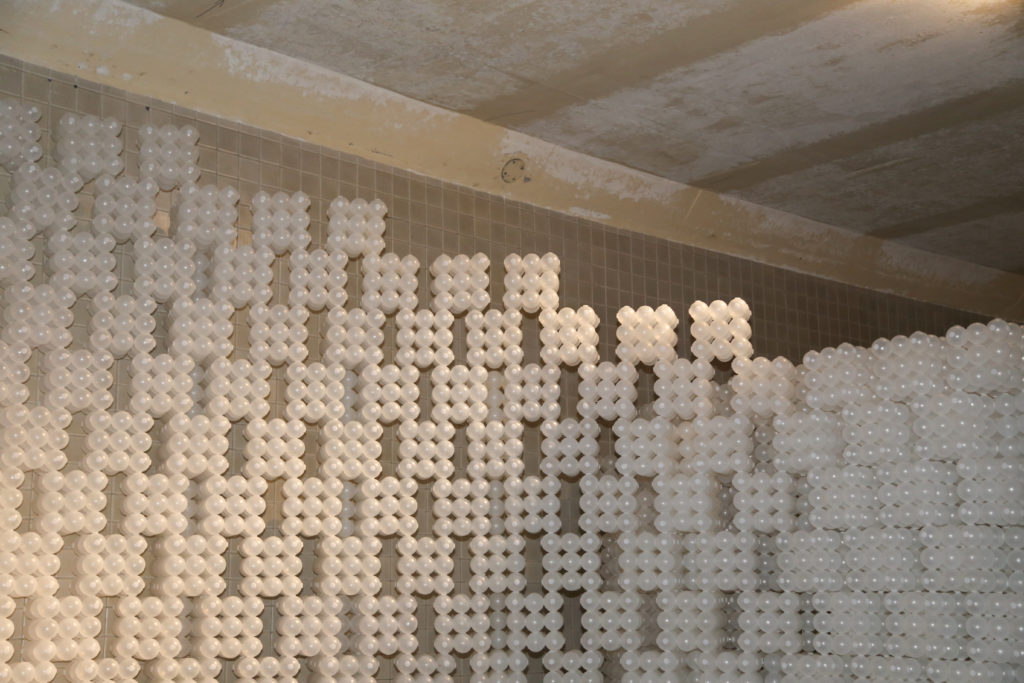
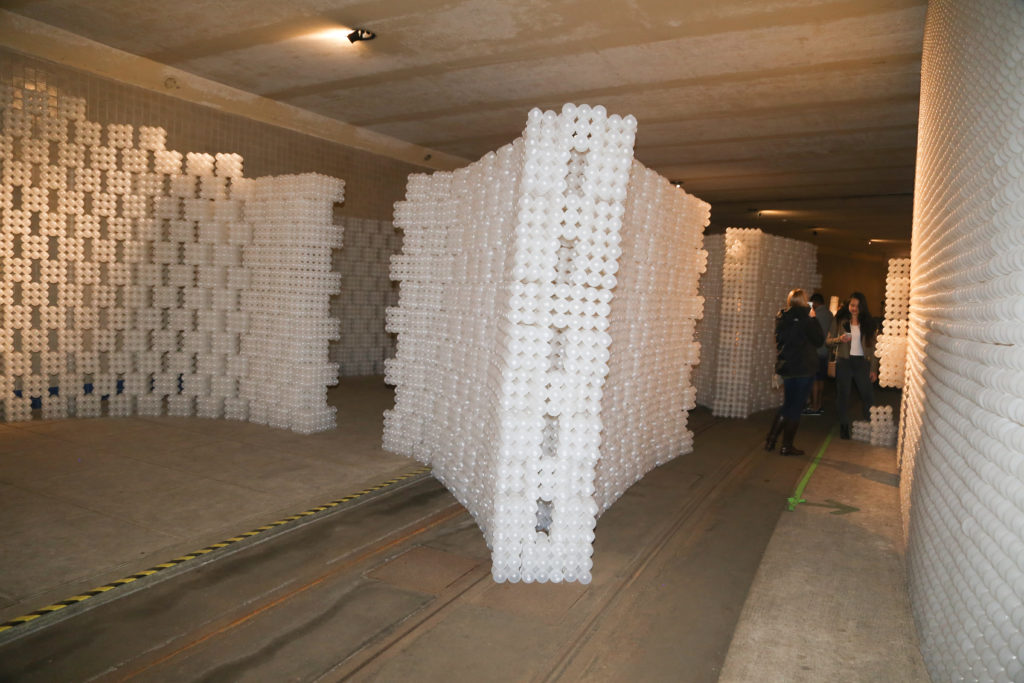
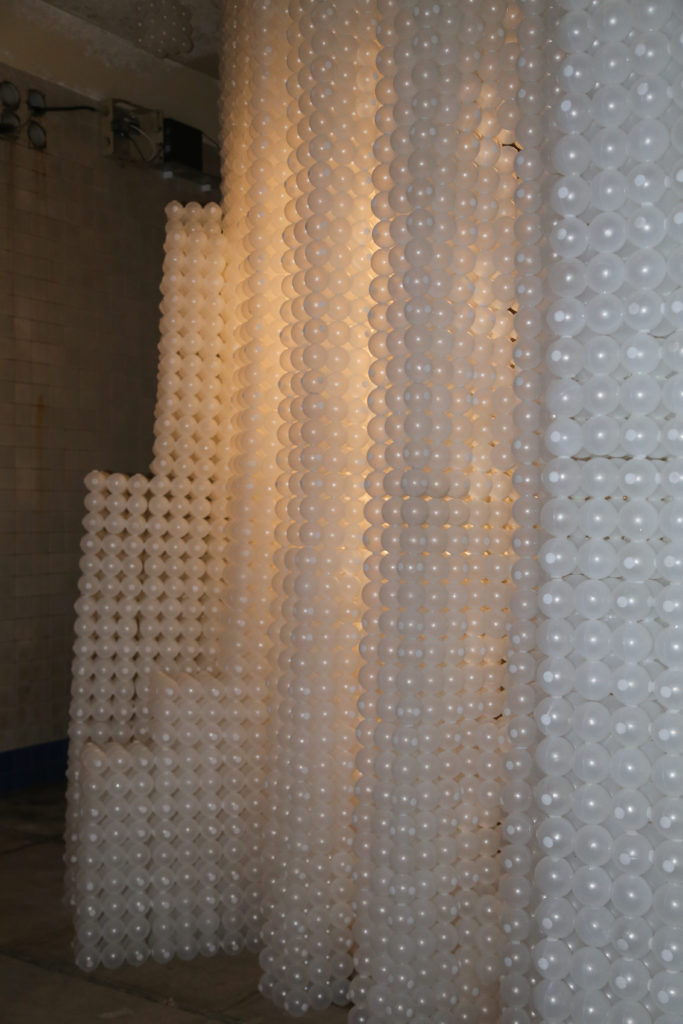
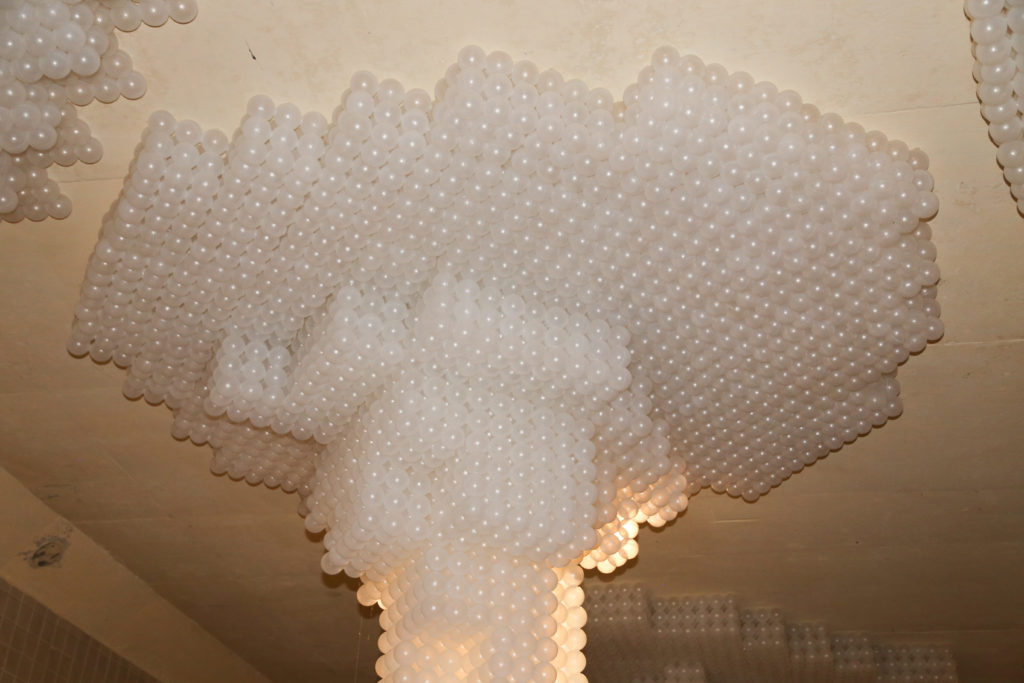
Dupont Underground is an abandoned trolley station underneath Dupont Circle that recently had a design competition to reuse a whole lot of plastic balls from National Building Museum’s The Beach. The winning entry was Raise/Raze, which formed the balls into 3 x 3 cubes that were used to build columns and walls in a portion of Dupont Underground. The structures built by the balls were rather interesting, especially when considering they were built with spheres. I also rather liked the way the cube blocks mimicked the tiles on the outer wall of the underground. IMG_6606 IMG_6612 IMG_6626 IMG_6629 IMG_6634 IMG_6638 IMG_6642 IMG_6644 IMG_6648 IMG_6653 IMG_6655 IMG_6659 IMG_6669 IMG_6672 IMG_6675 IMG_6678

Balboa Park Plants

While in San Diego, I spent an entire day in Balboa Park and didn’t go inside one museum. I was too fascinated by the plants. There are beautiful tropical plants in the Botanical Building, but there are just as many beautiful plants outside. Colorful plants are everywhere, including the Desert Garden, which has many plants that I loved photographing while ever mindful not to get too close, or else ouch.IMG_4390 IMG_4440 IMG_4470 IMG_4499 IMG_4552 IMG_4591 IMG_4633 IMG_4670 IMG_4737 IMG_4801 IMG_4838 IMG_4847 IMG_4871 IMG_5023 IMG_5081 IMG_5110

Cabrillo National Monument

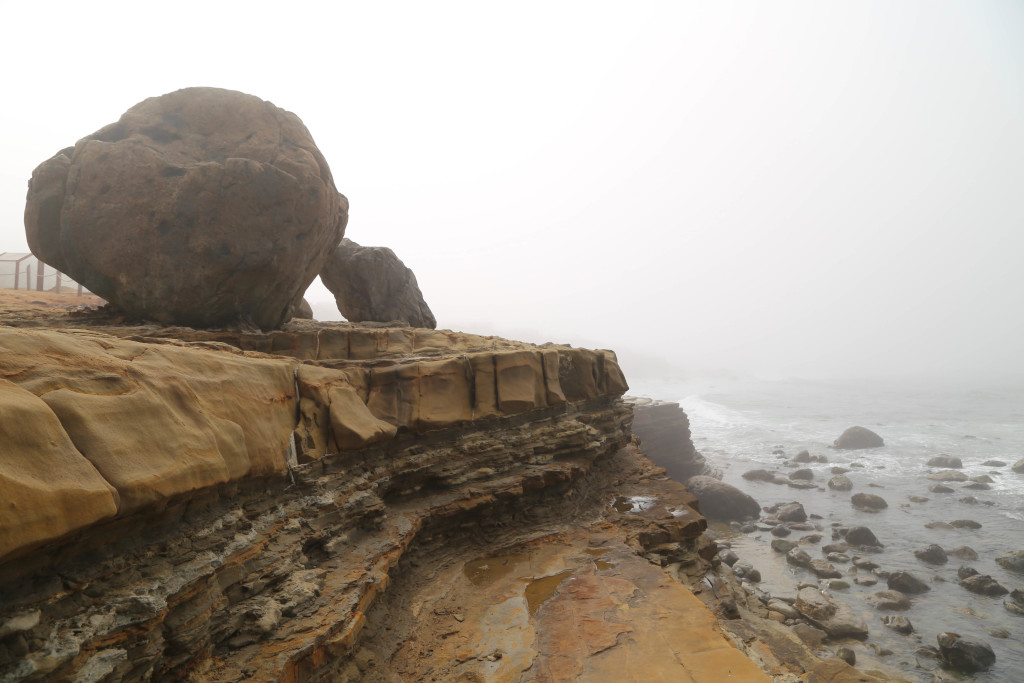
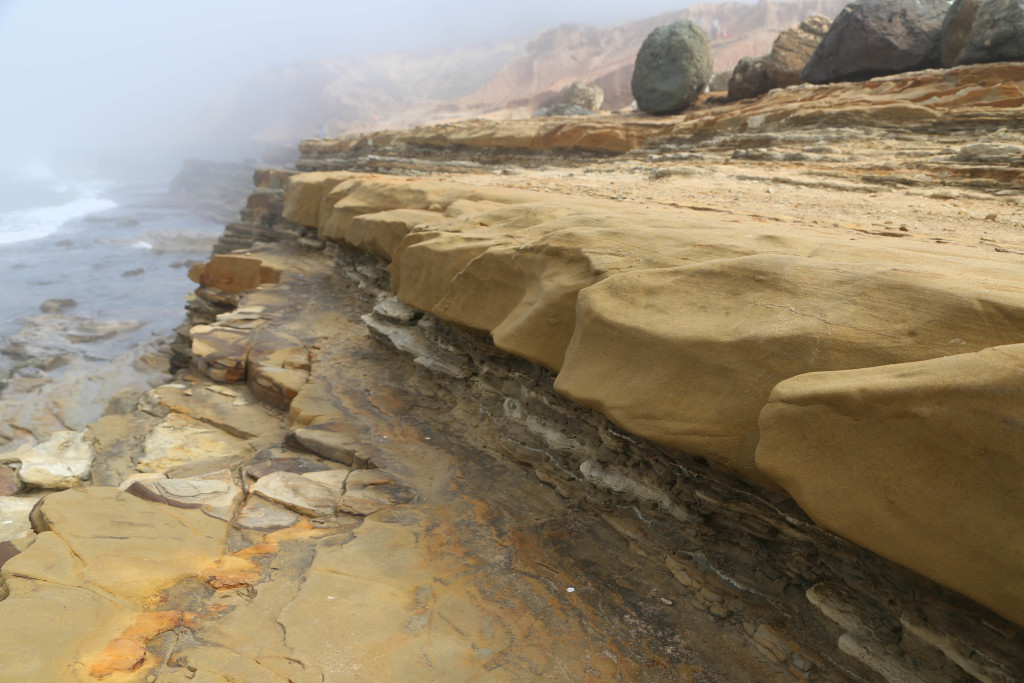
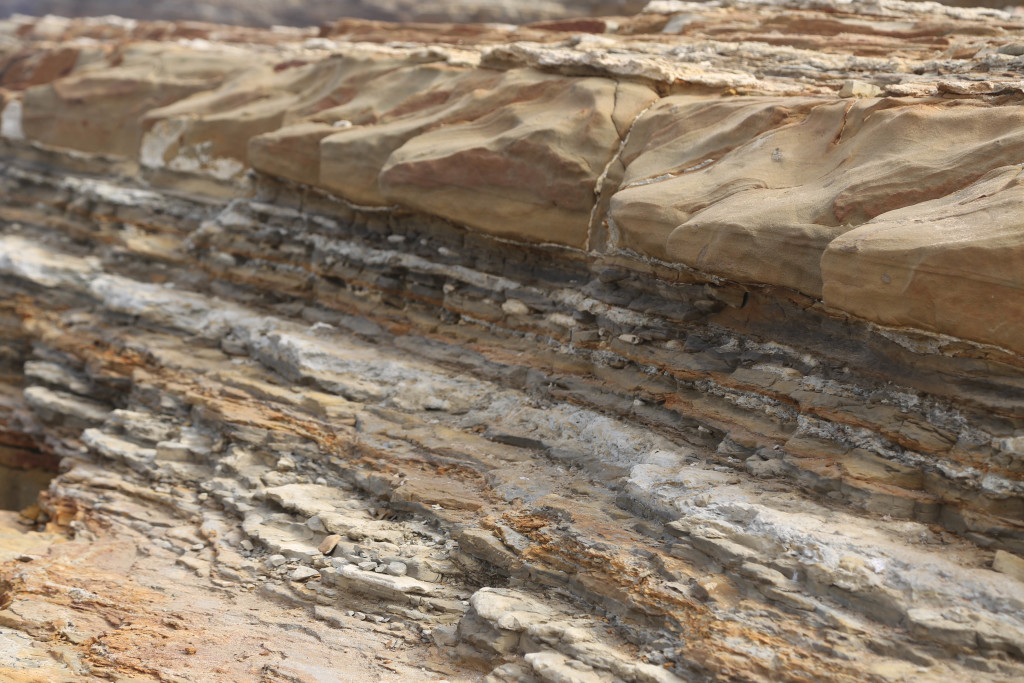
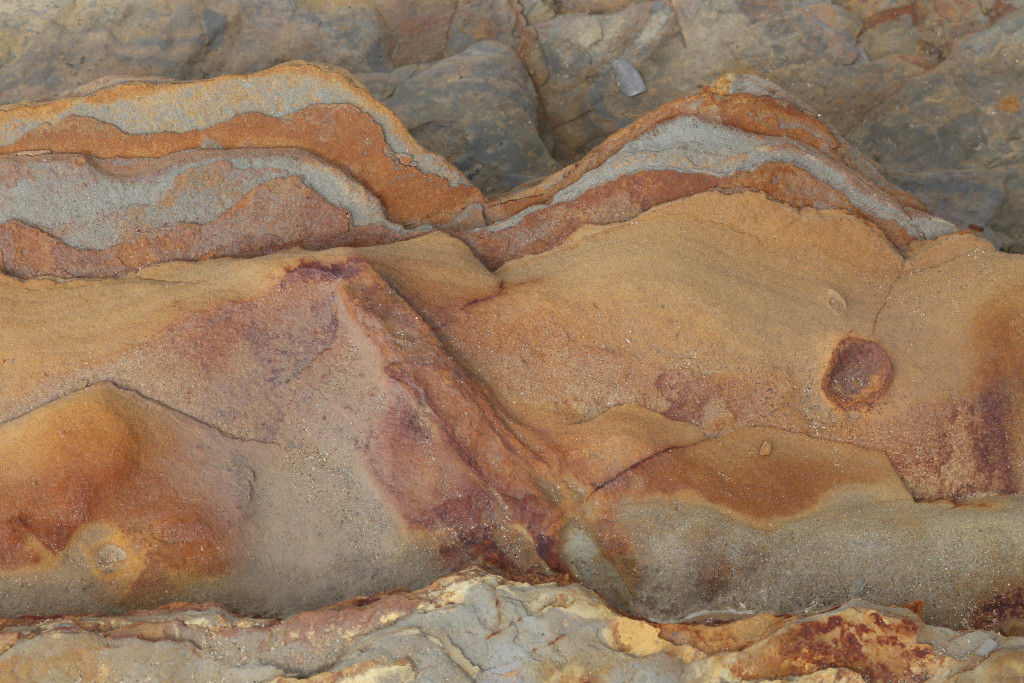
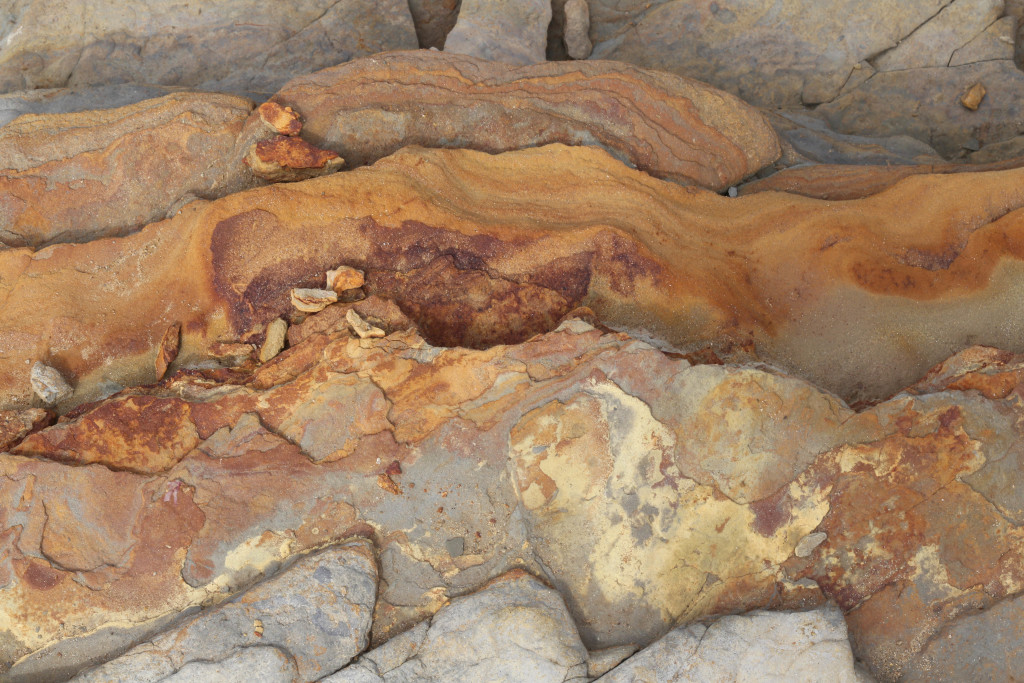
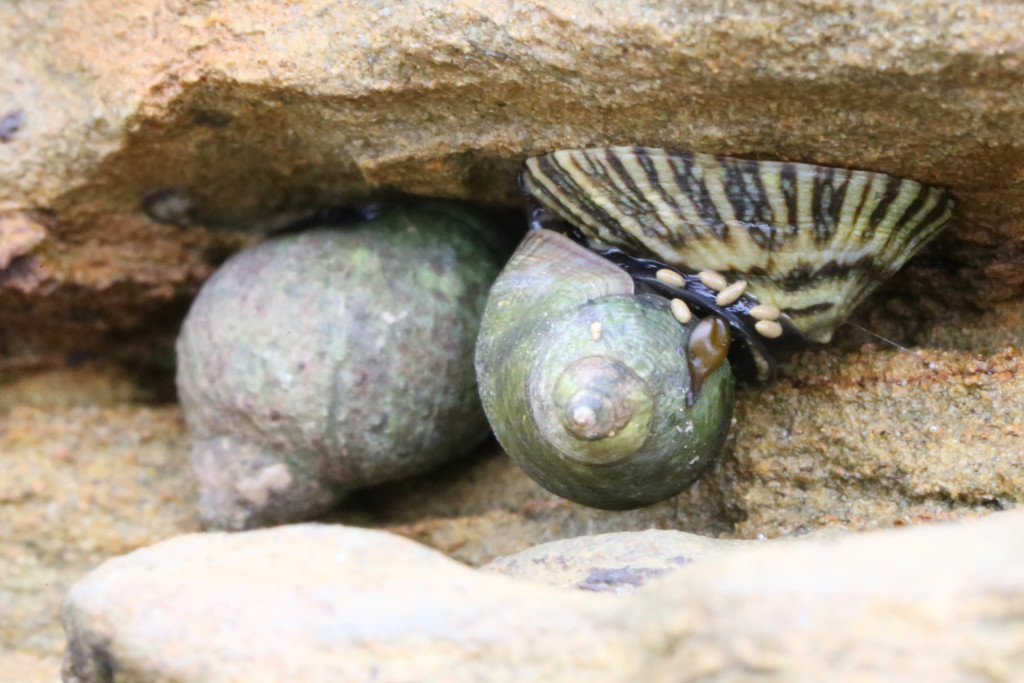
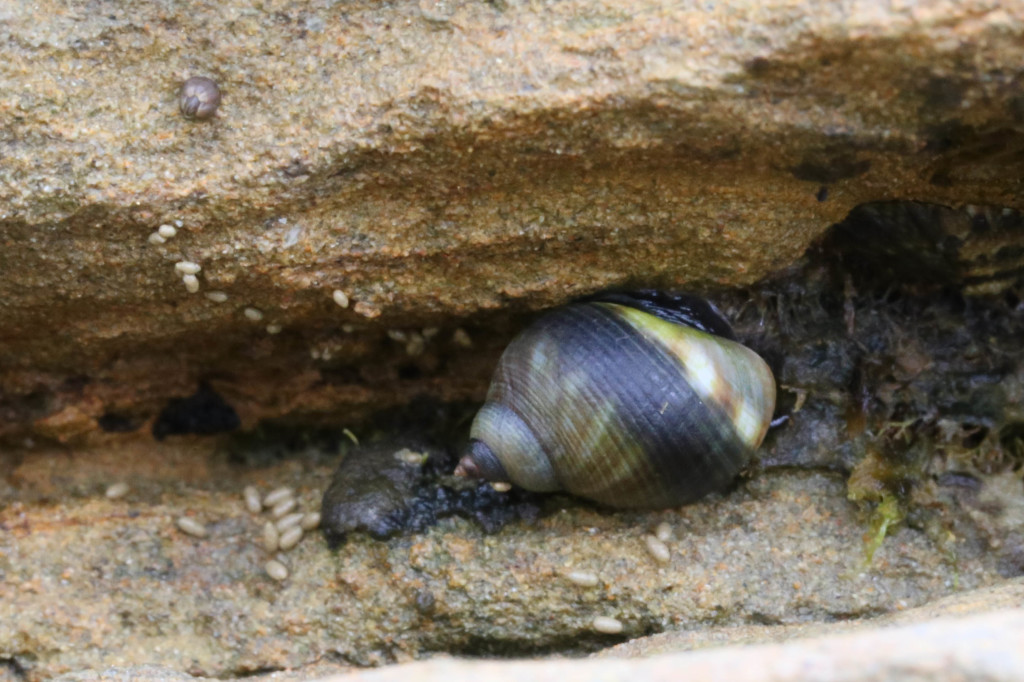
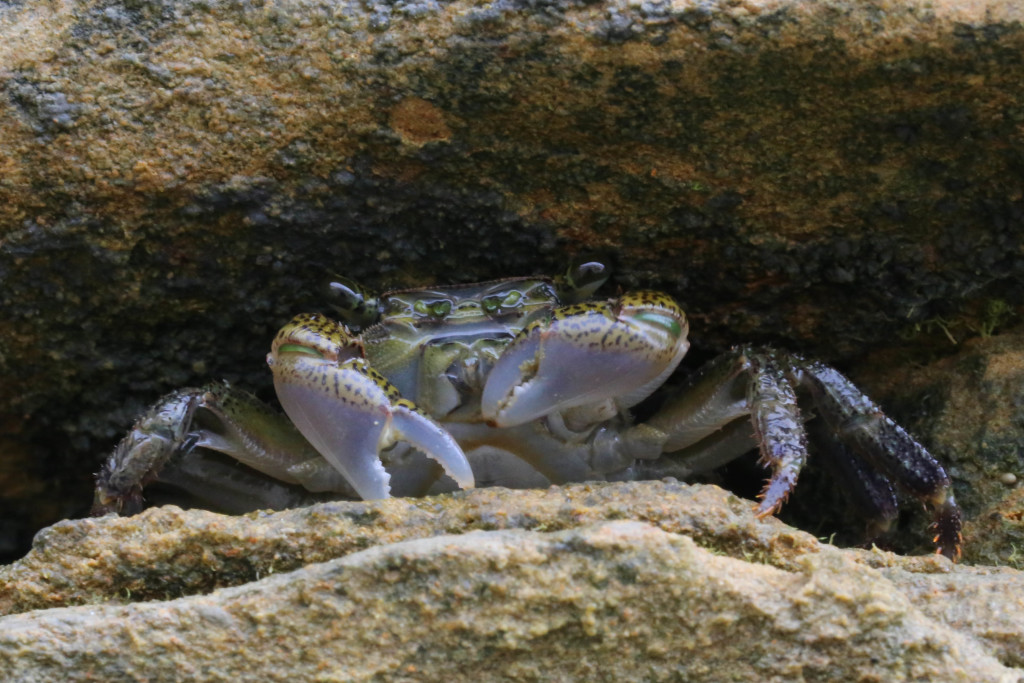
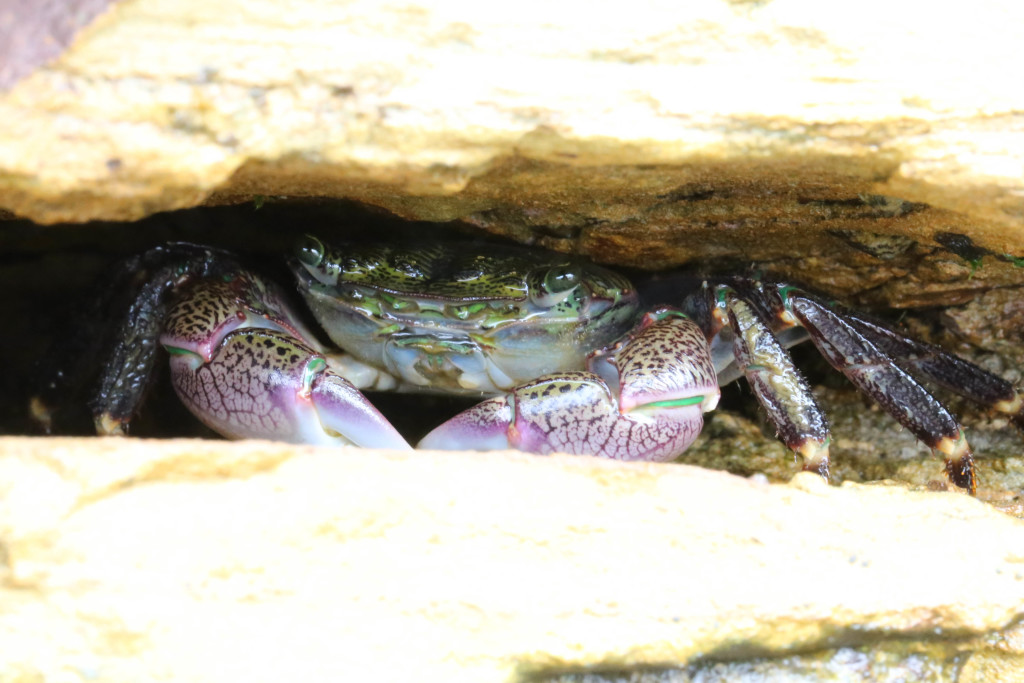
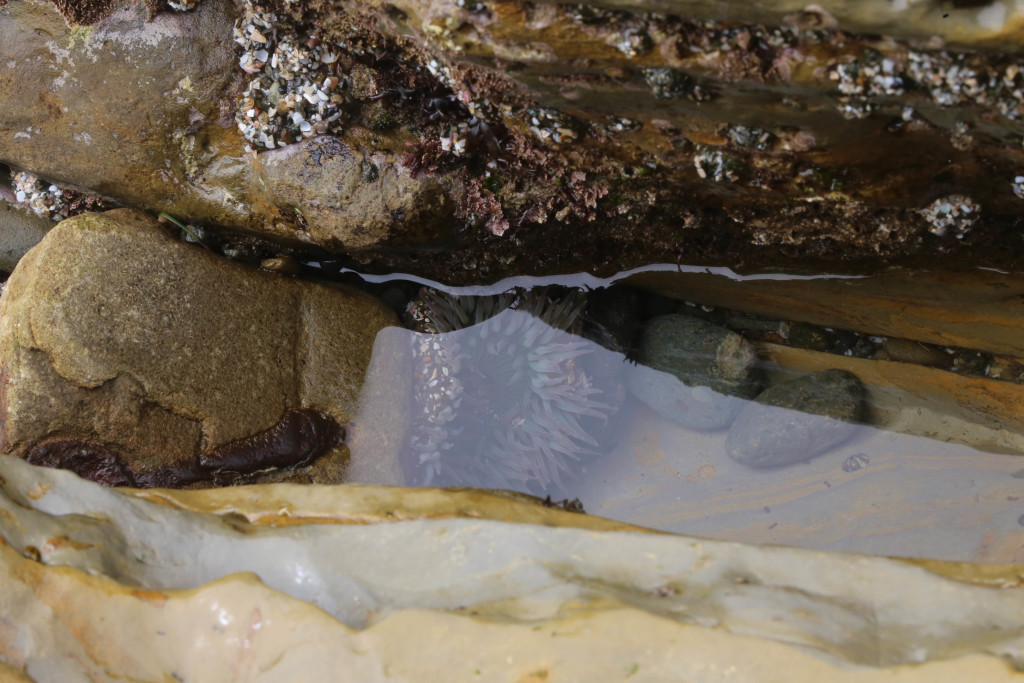
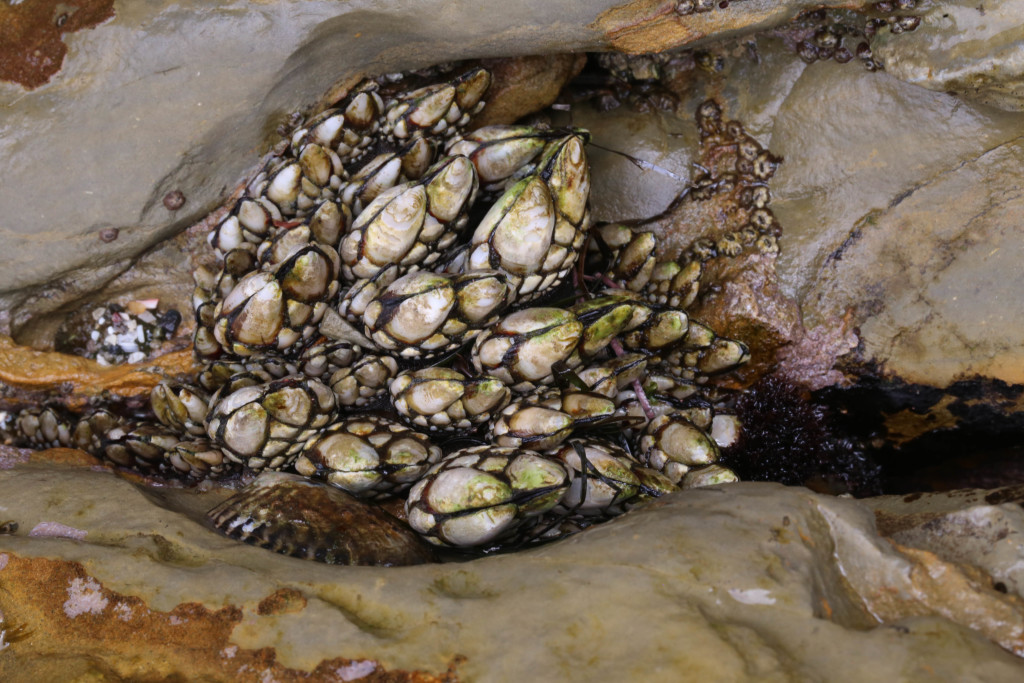
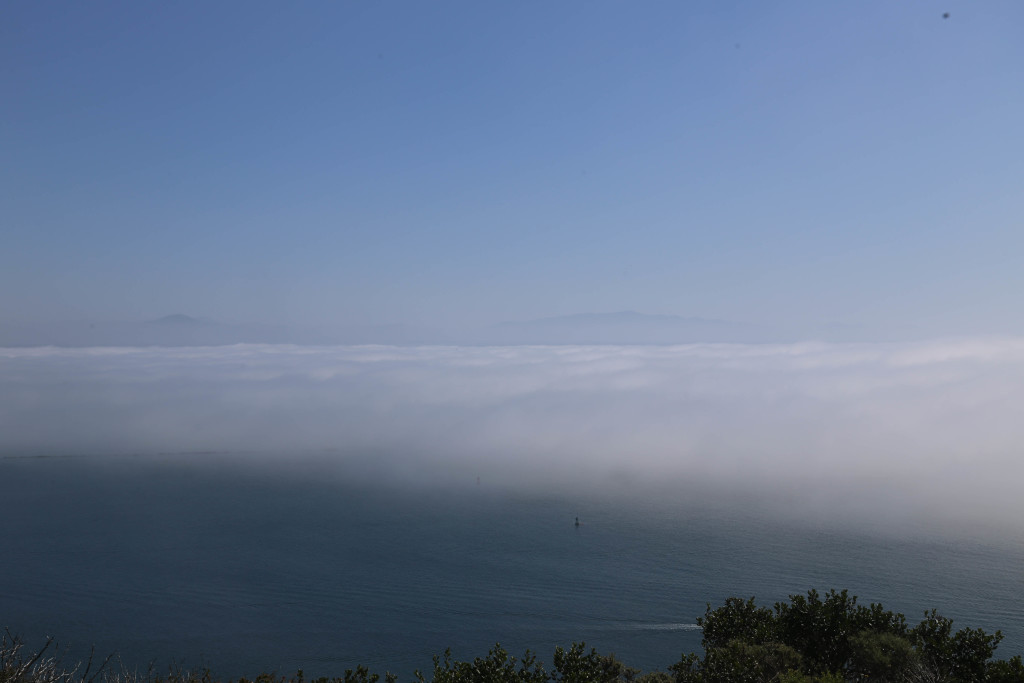
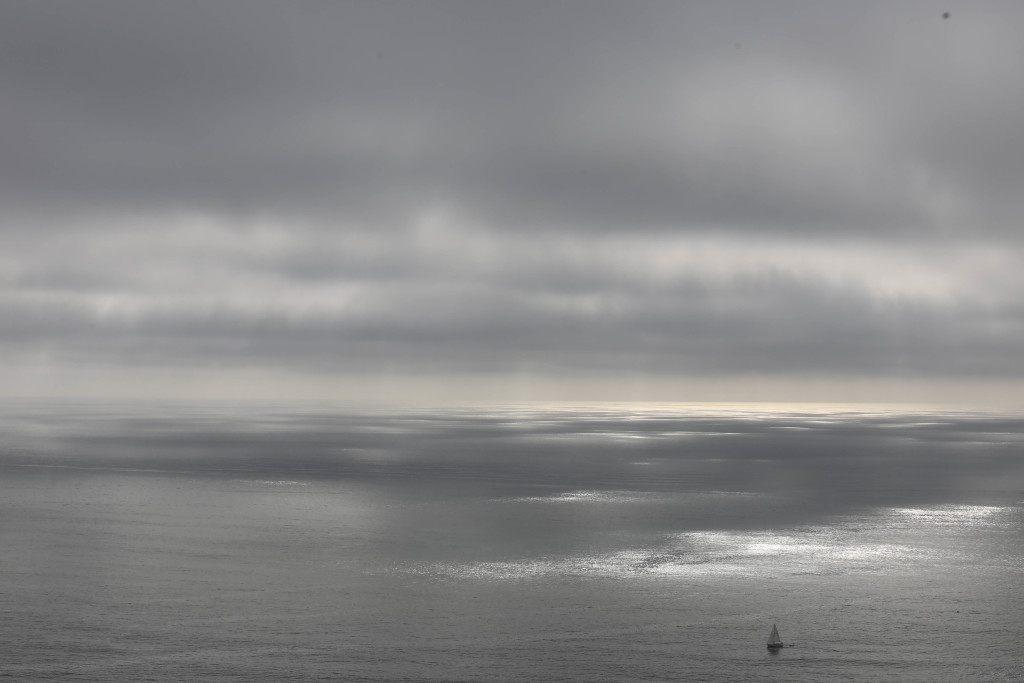
While in Sand Diego, I visited Cabrillo National Monument. Actually I visited it twice. I went in the morning, and the entire area was covered with thick fog. I explored the tidal pool area and met some cute crabs, limpets, and snails. I then went to the peak area and tried to view San Diego underneath the clouds. It was kind of amazing to be on a peak about 400 feet above the ocean and look at a giant fog encompassing almost everything below. I then came back in the afternoon and was finally able to get some good views.

Tidal pool area

Tidal pool area

Tidal pool area

Tidal pool area

Tidal pool area

Tidal pool area

Colorful, rock layers

Colorful, rock layers

Tidal pool area

Tidal pool area

Colorful, rock layers

Colorful, rock layers

Colorful, rock layers

Colorful, rock layers

Chiton

Chiton

Snails and limpet

Snails and limpet

Snail

Snail

Crab

Crab

Crab

Crab

Anemone

Anemone

Gooseneck Barnacles

Gooseneck Barnacles

View across bay

View across bay

View out to sea

View out to sea

San Diego

I was in San Diego recently for a conference, and I was able to take a few days to wander around and see a little bit of the city. A few blog posts to come with photos, but here are some from just around town.

Boats near downtown

Boats near downtown

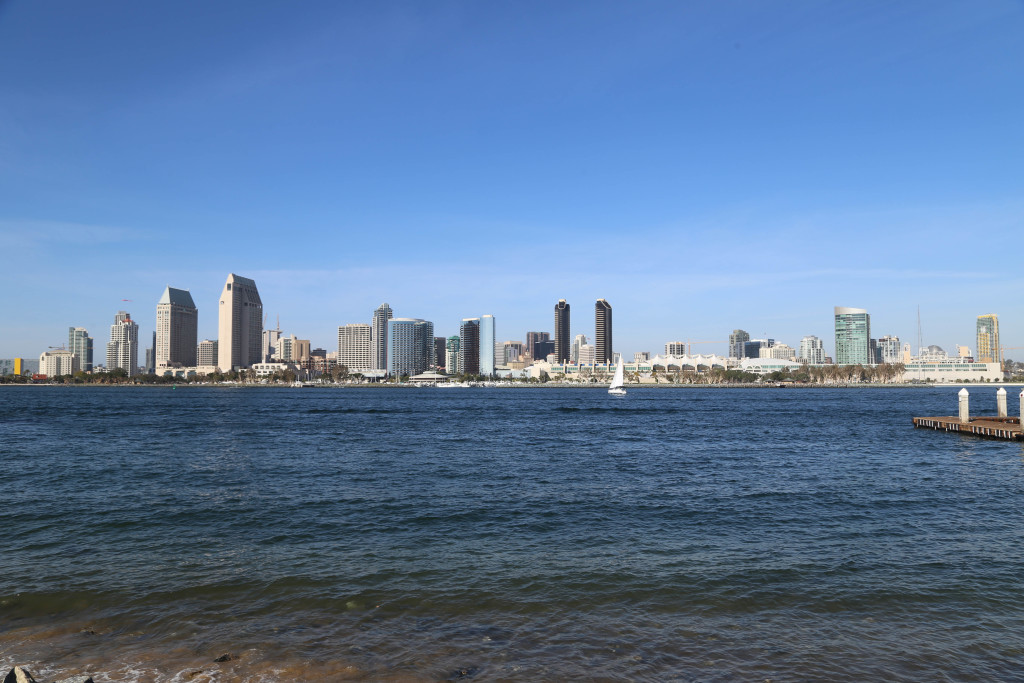
View of San Diego from Coronado

View of San Diego from Coronado

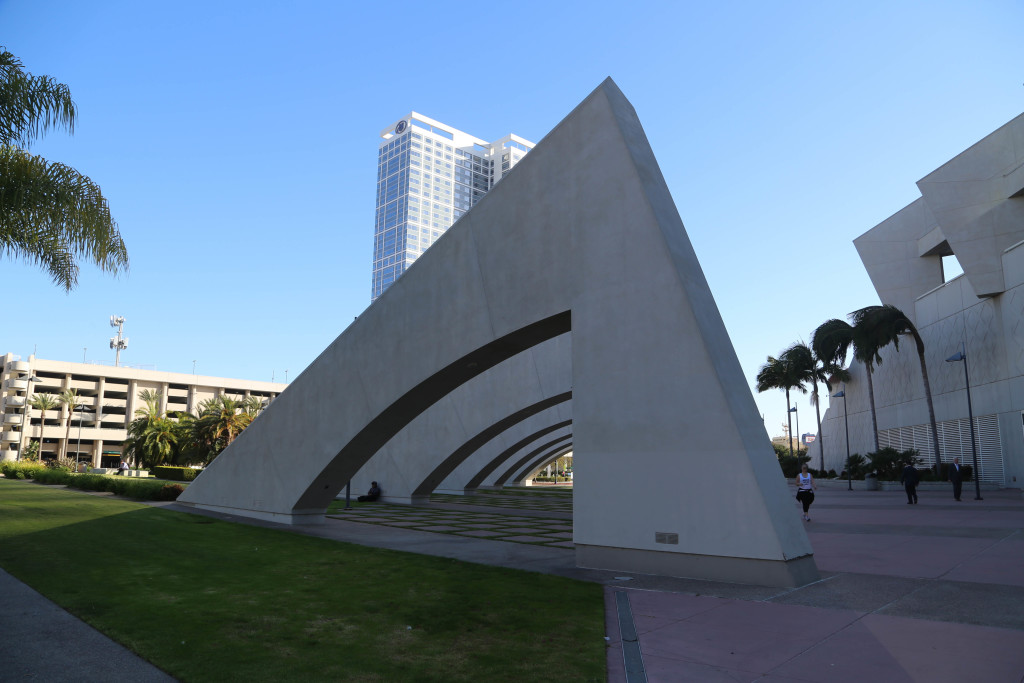
Sculpture next to convention center

Sculpture next to convention center

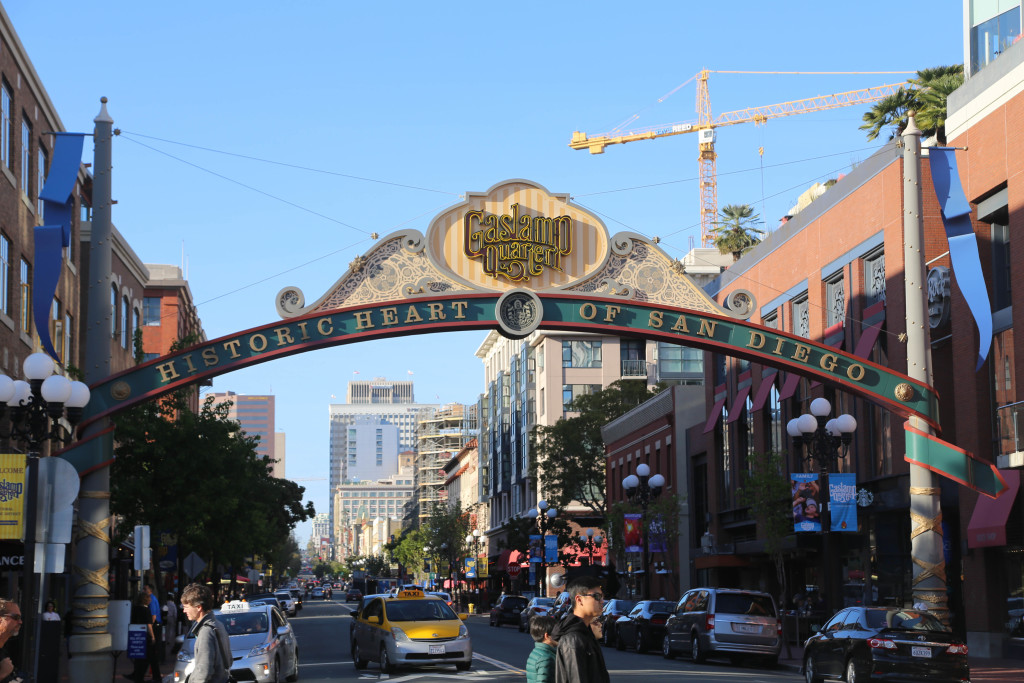
Entrance to Gaslamp Quarter

Entrance to Gaslamp Quarter

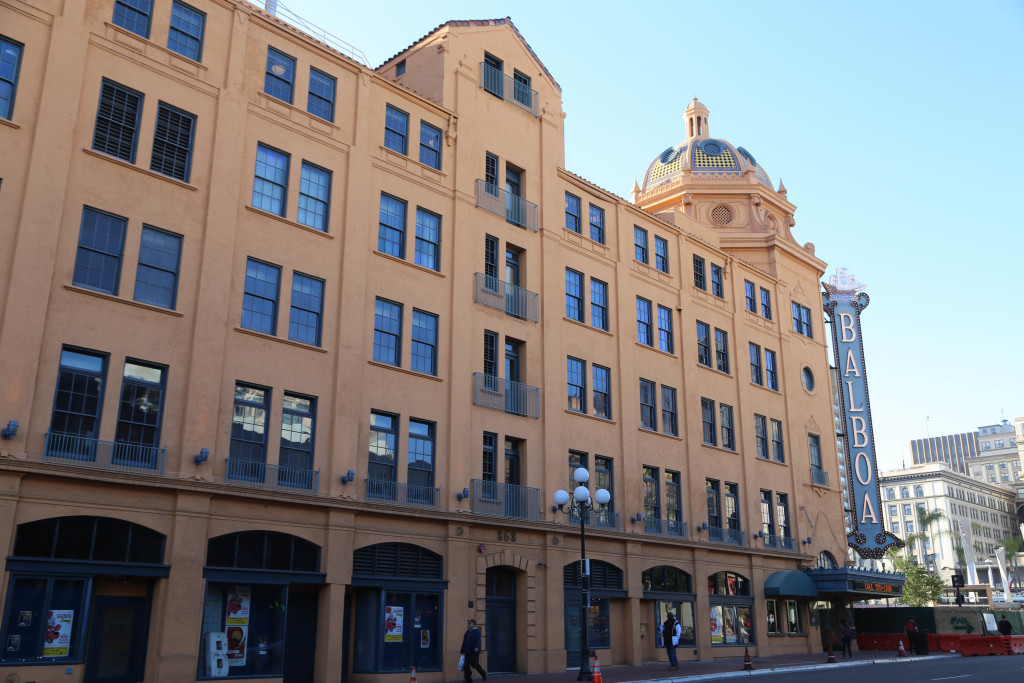
Balboa Theater

Balboa Theater

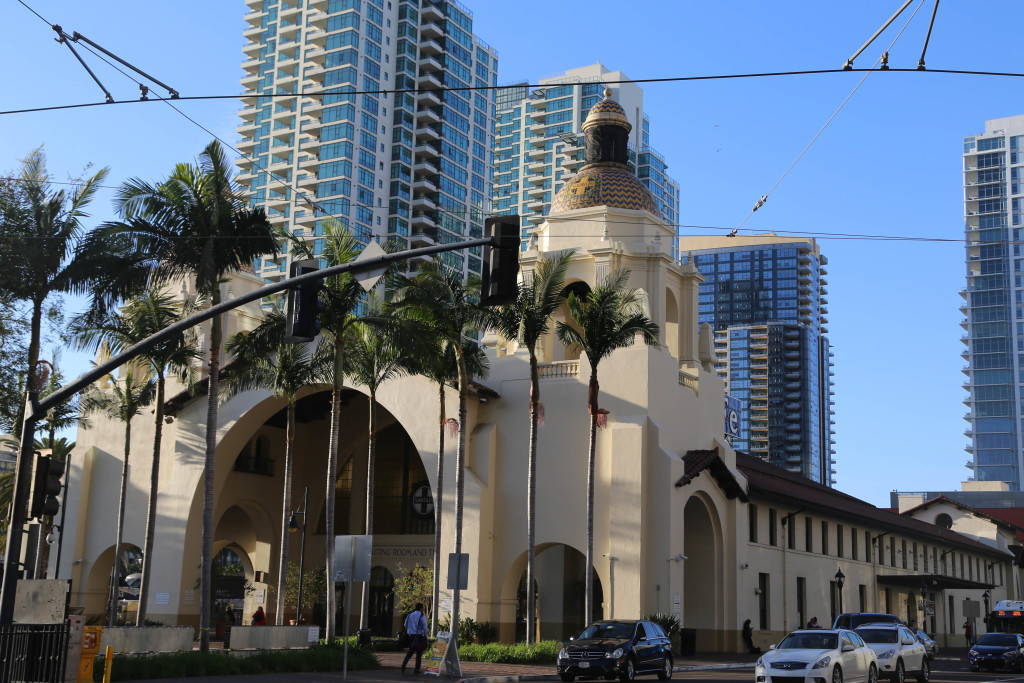
Santa Fe train station

Santa Fe train station

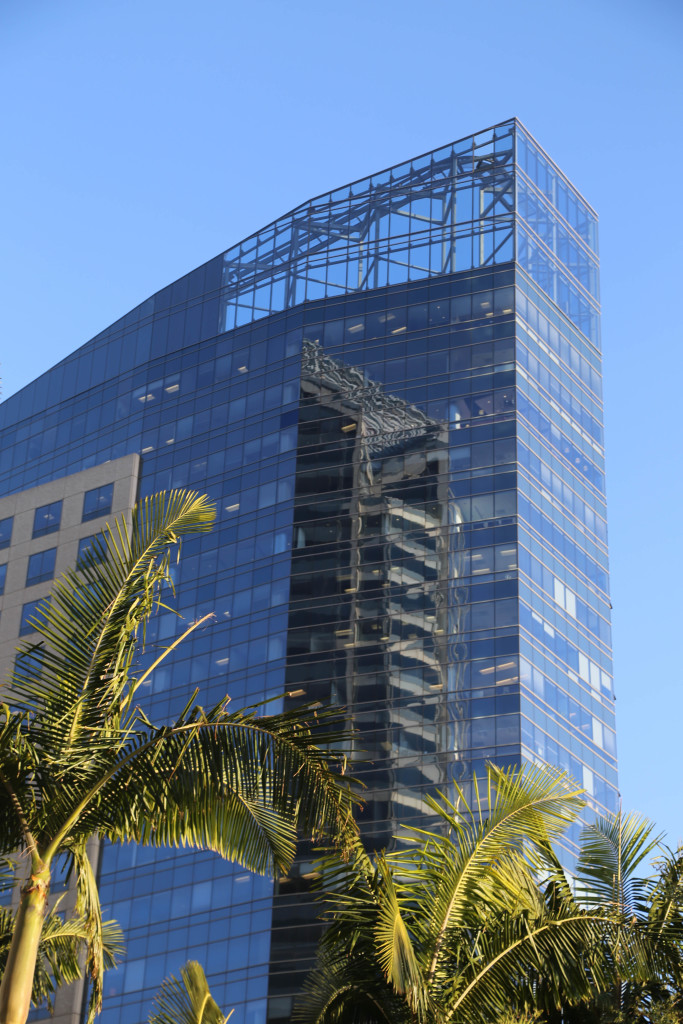
Downtown office building

Downtown office building

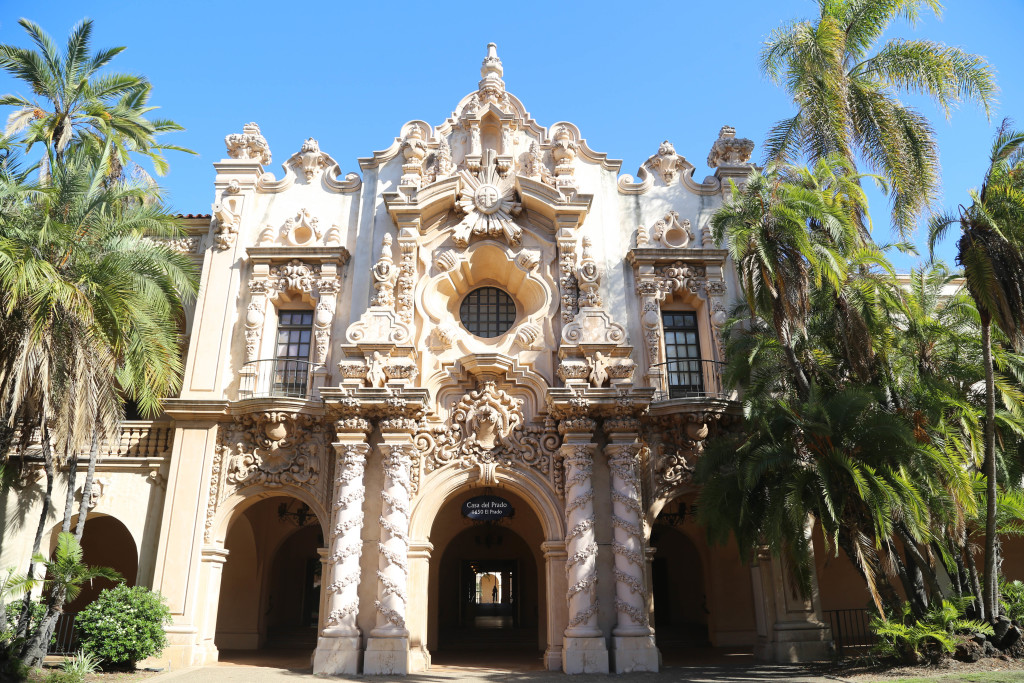
Balboa Park

Balboa Park

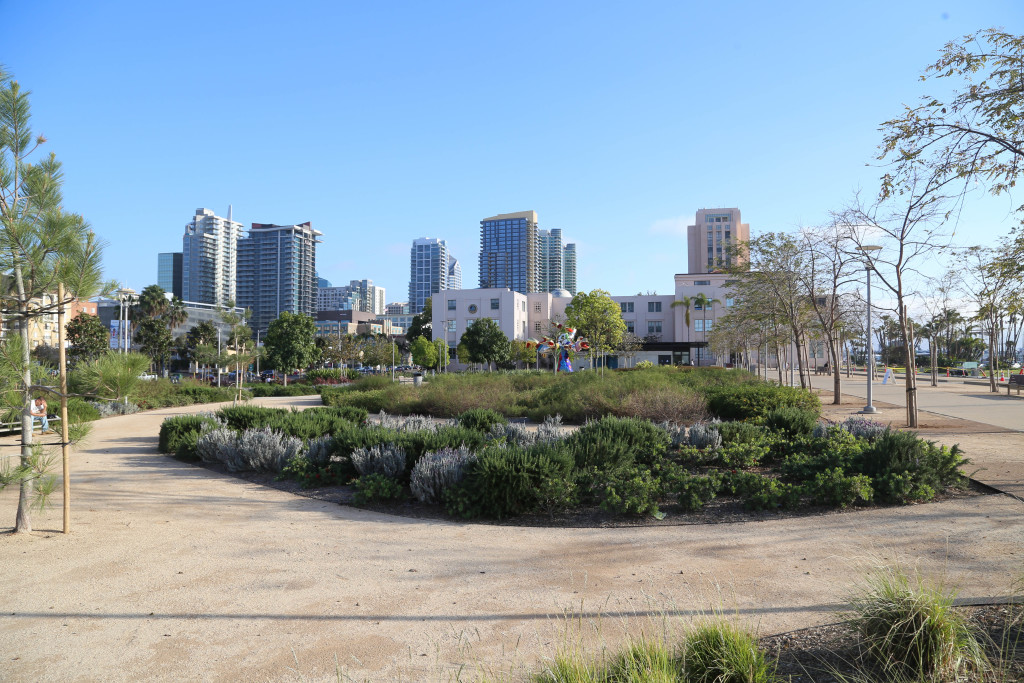
Waterfront Park

Waterfront Park

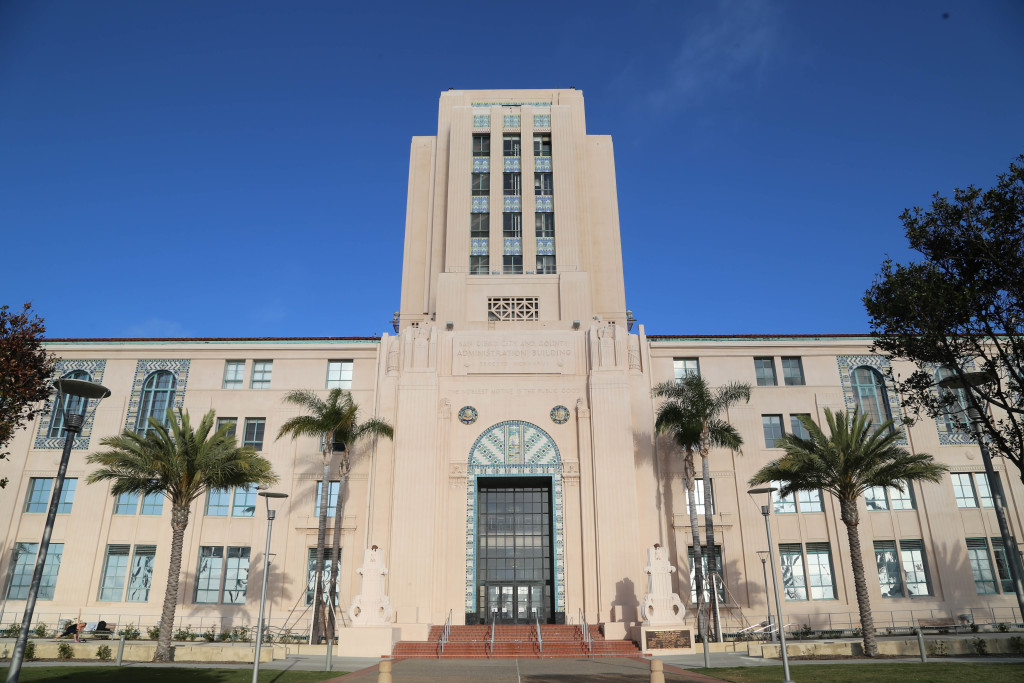
San Diego County Administration Center

San Diego County Administration Center

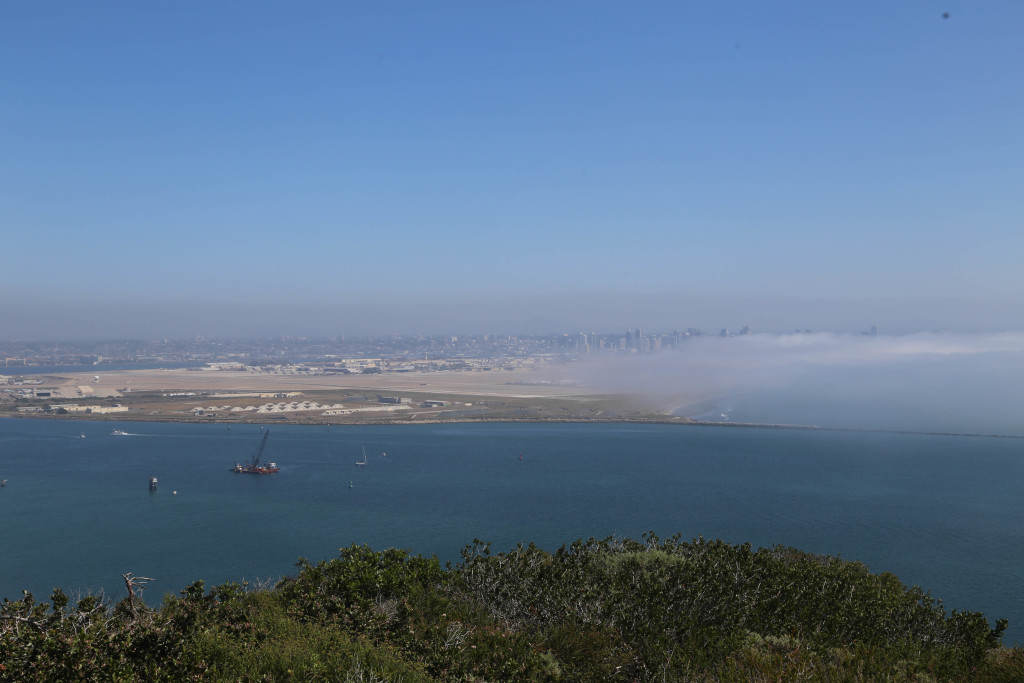
View of San Diego and North Island Naval Air Station from Cabrillo National Monument (in morning)

View of San Diego and North Island Naval Air Station from Cabrillo National Monument (in morning)

View of San Diego from Cabrillo National Monument (in afternoon)

View of San Diego from Cabrillo National Monument (in afternoon)

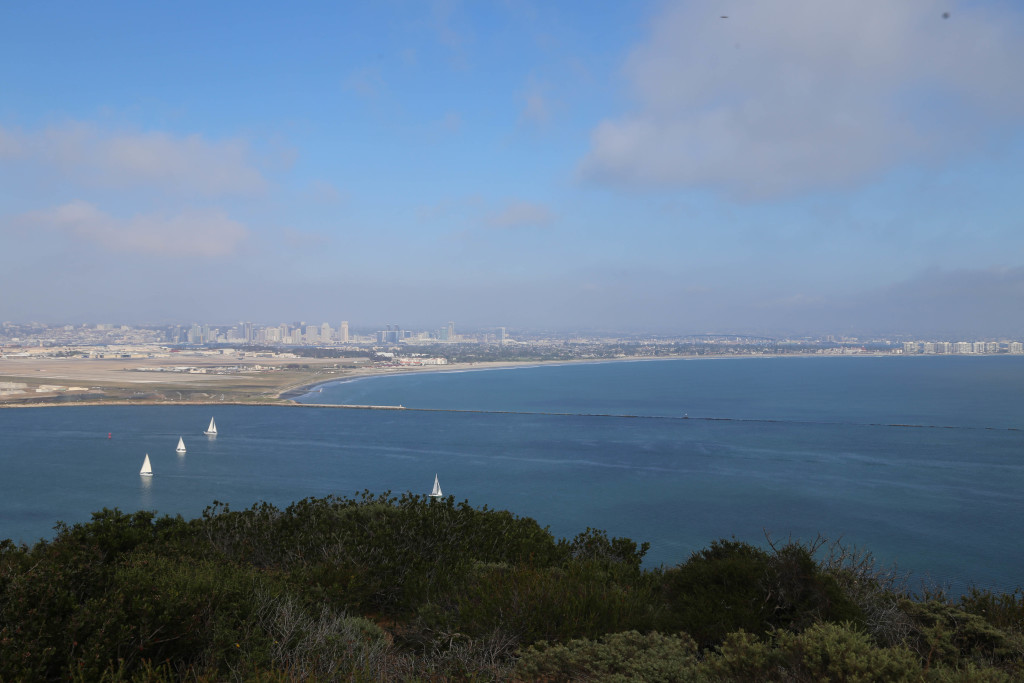
View of Coronado from Cabrillo National Monument (in afternoon)

View of Coronado from Cabrillo National Monument (in afternoon)

NY East 180th Street Maintenance Shop

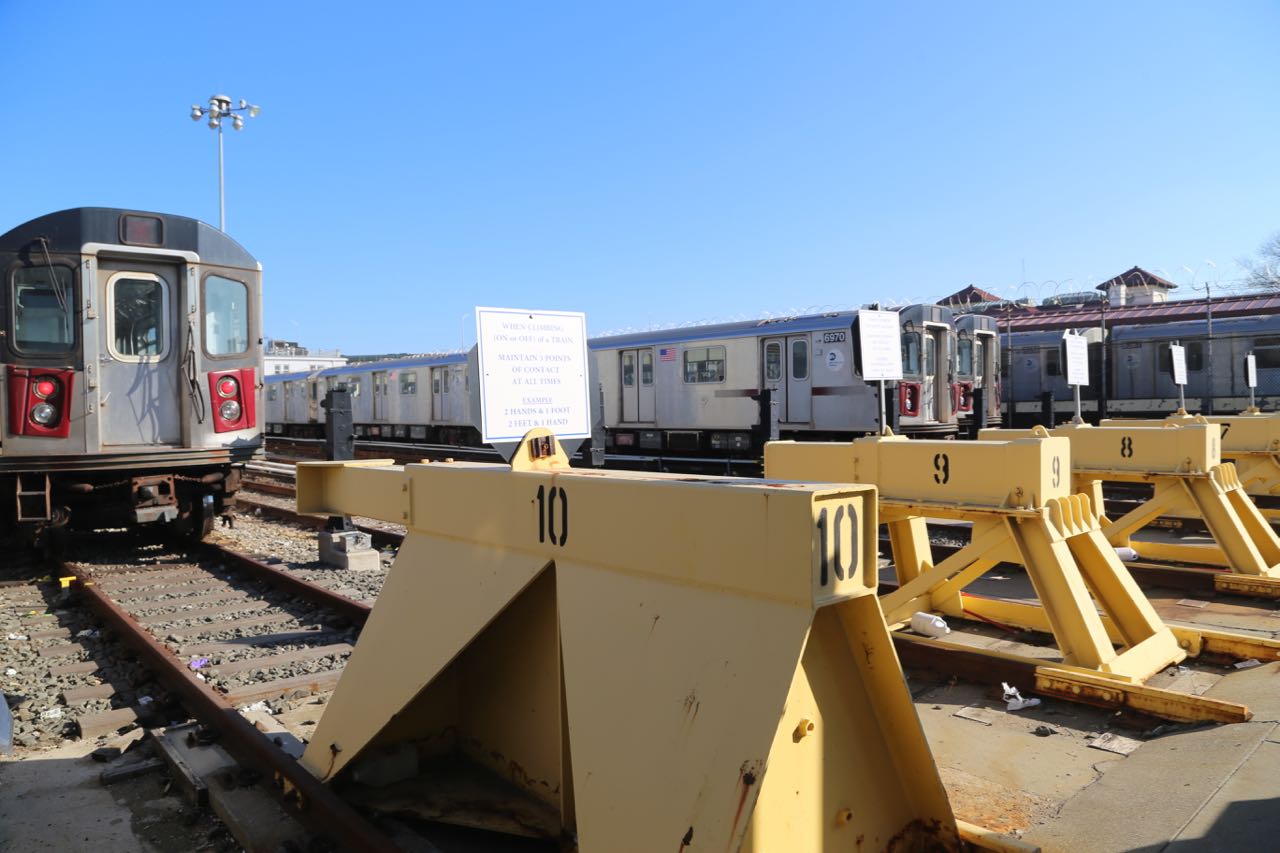
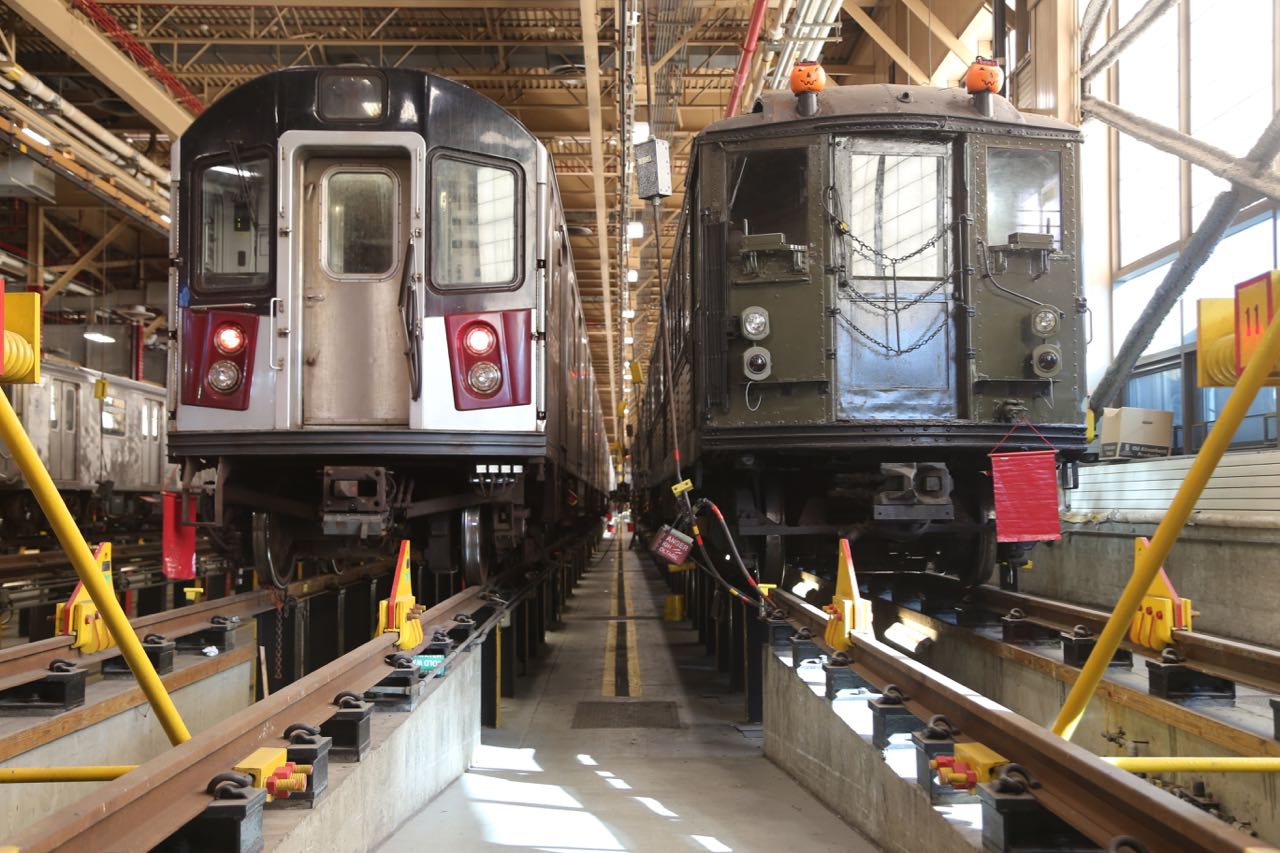
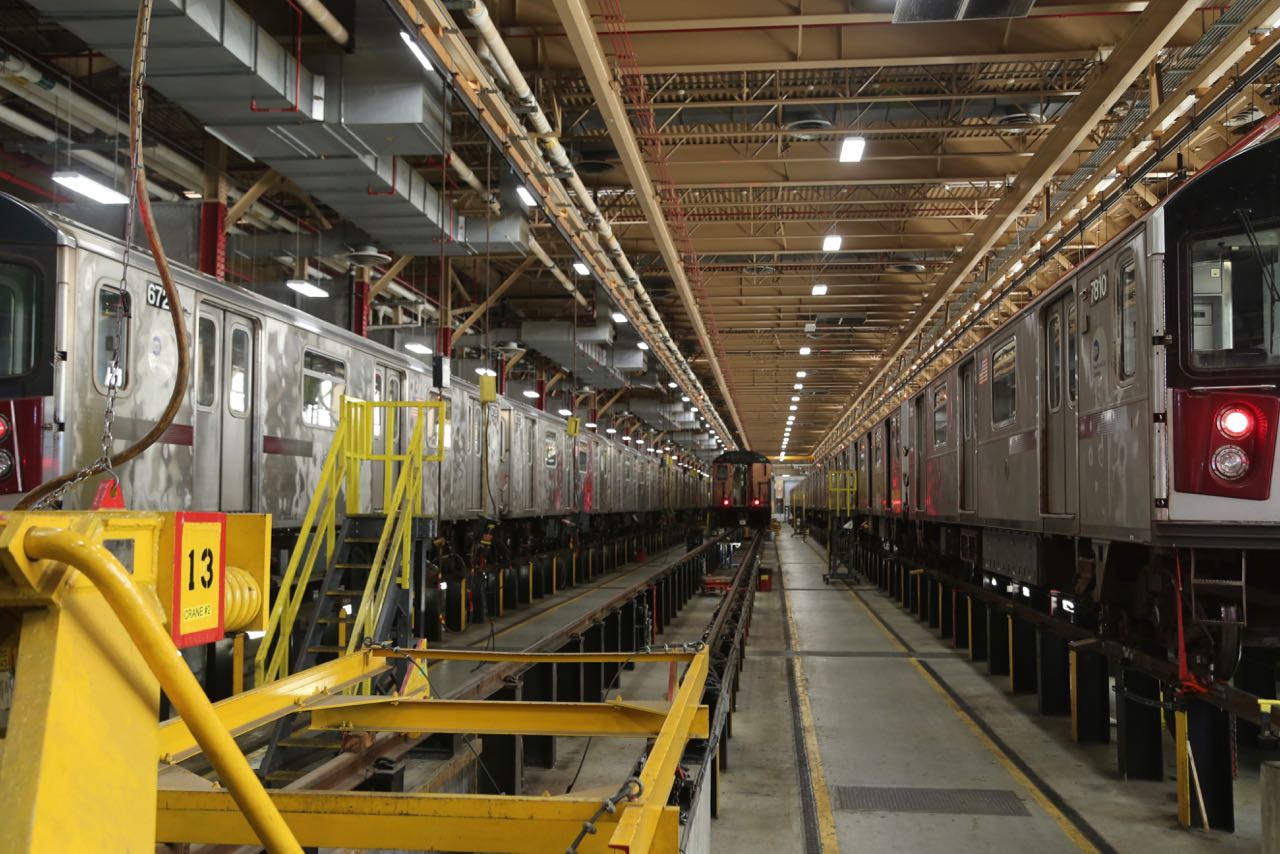
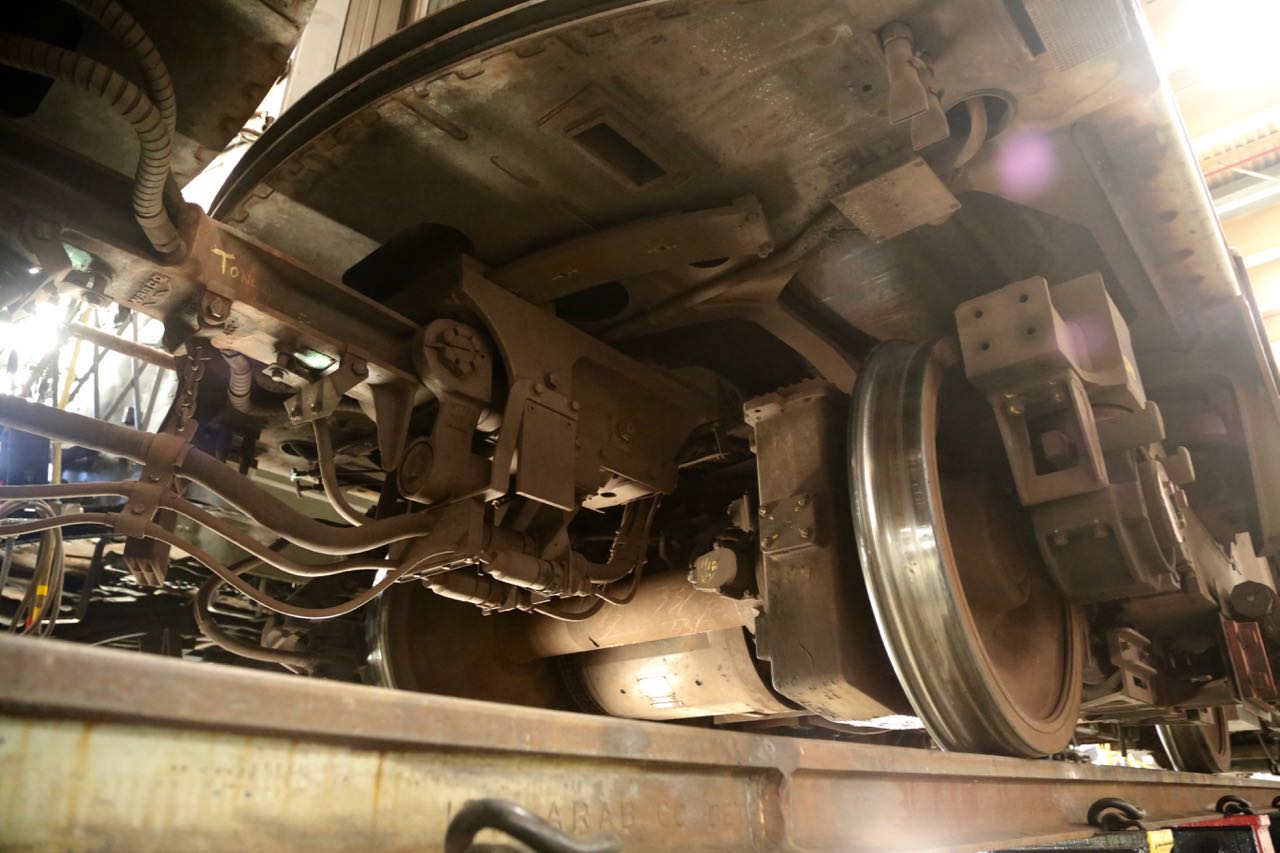
I was lucky enough to get the chance to tour New York’s MTA East 180th Street Maintenance Shop. The maintenance shop is located in the Bronx and is one of several shops that service NY subway cars. It was built in 1917 and has been renovated more recently. There are six shops inside the shop and 26 storage tracks outside the shop in the yard. The shop is constantly doing maintenance on the subway cars, and also while we were there at least, had two old trains inside, including one World War II (or possibly older) era train. In short, if you are a transit nerd, this place is totally cool. We got to walk alongside trains and see their underside. We got to see parts of the train that normally you never get to see, or at least you never get to see unless you are about to be hit by one.

The outside storage yard

The outside storage yard

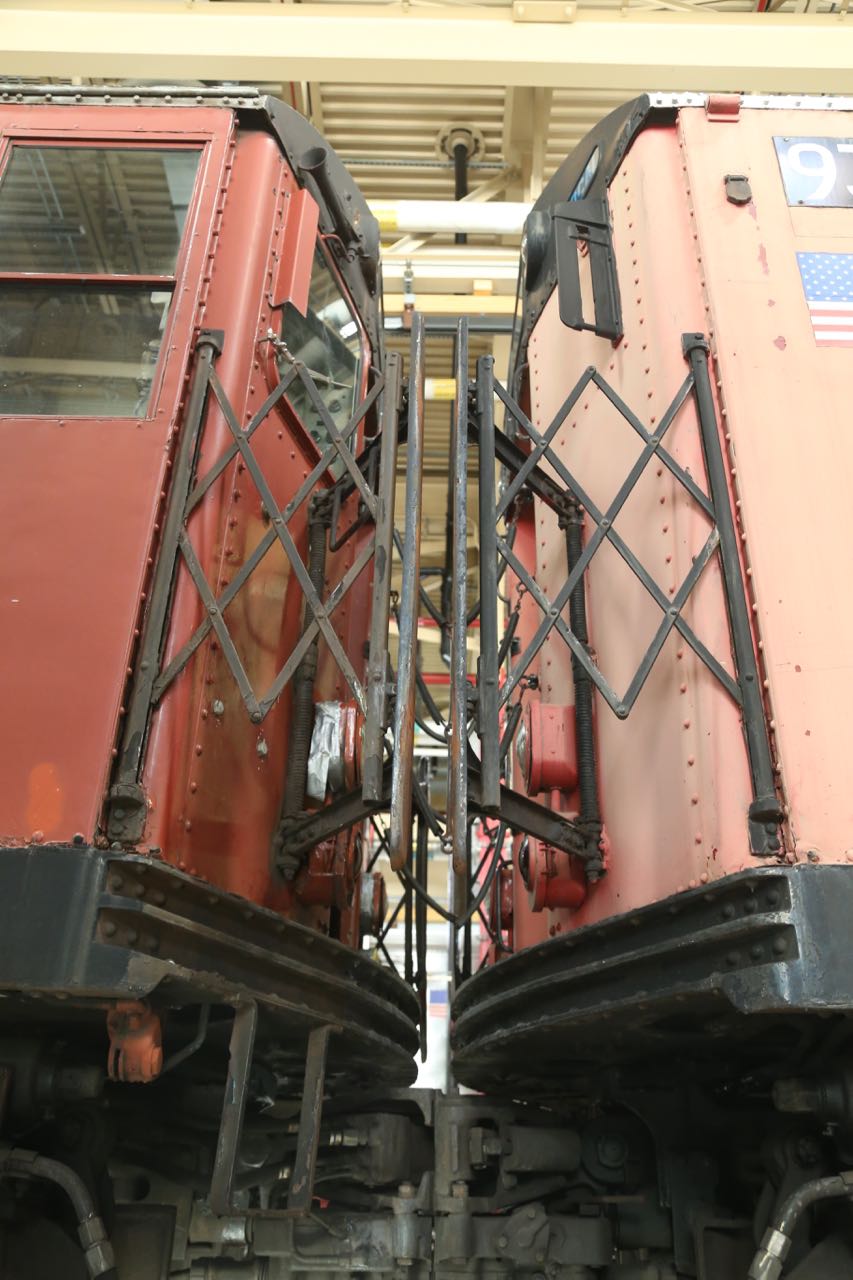
Two trains inside the shop. The one of the right is clearly a vintage one.

Two trains inside the shop. The one of the right is clearly a vintage one.

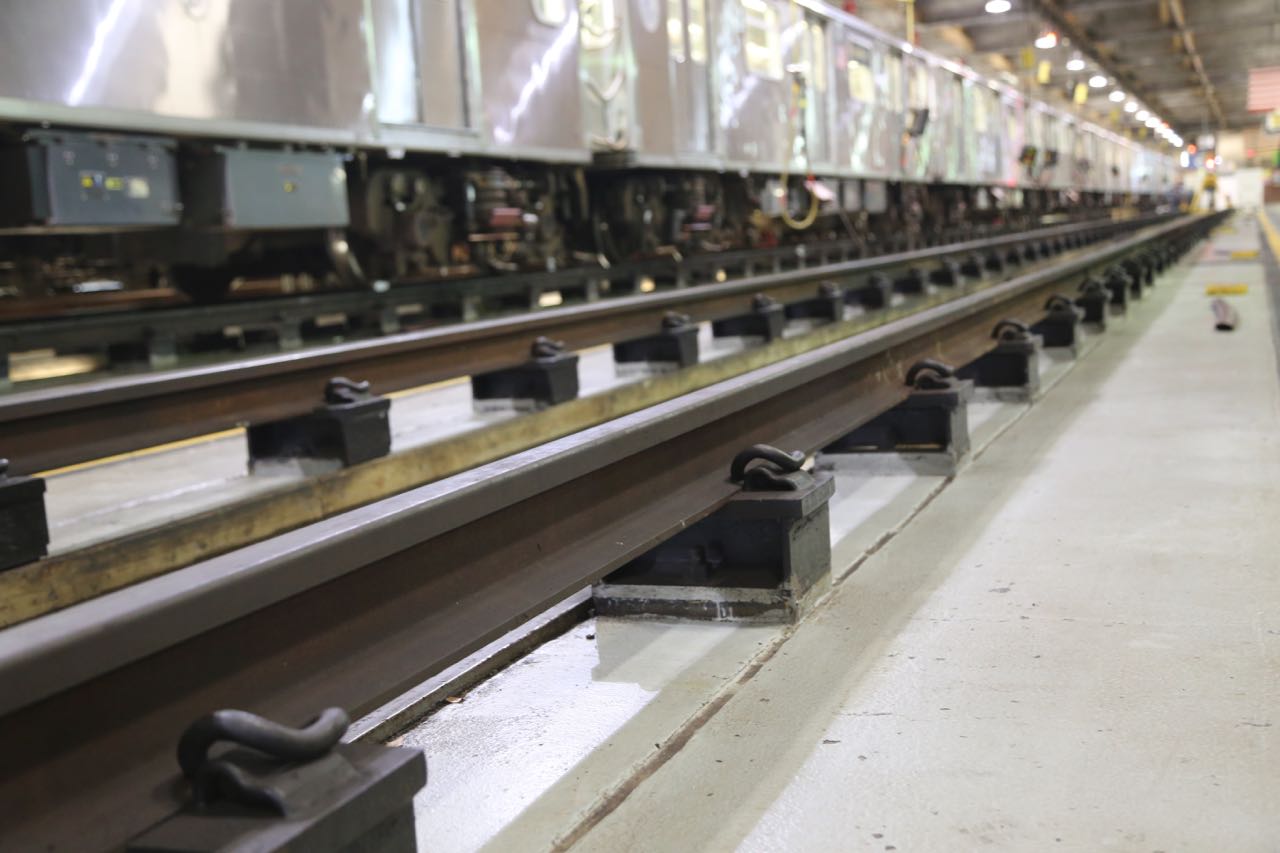
Looking down one of the inside tracks

Looking down one of the inside tracks

View underneath one of the trains. Not a view you normally get.

View underneath one of the trains. Not a view you normally get.

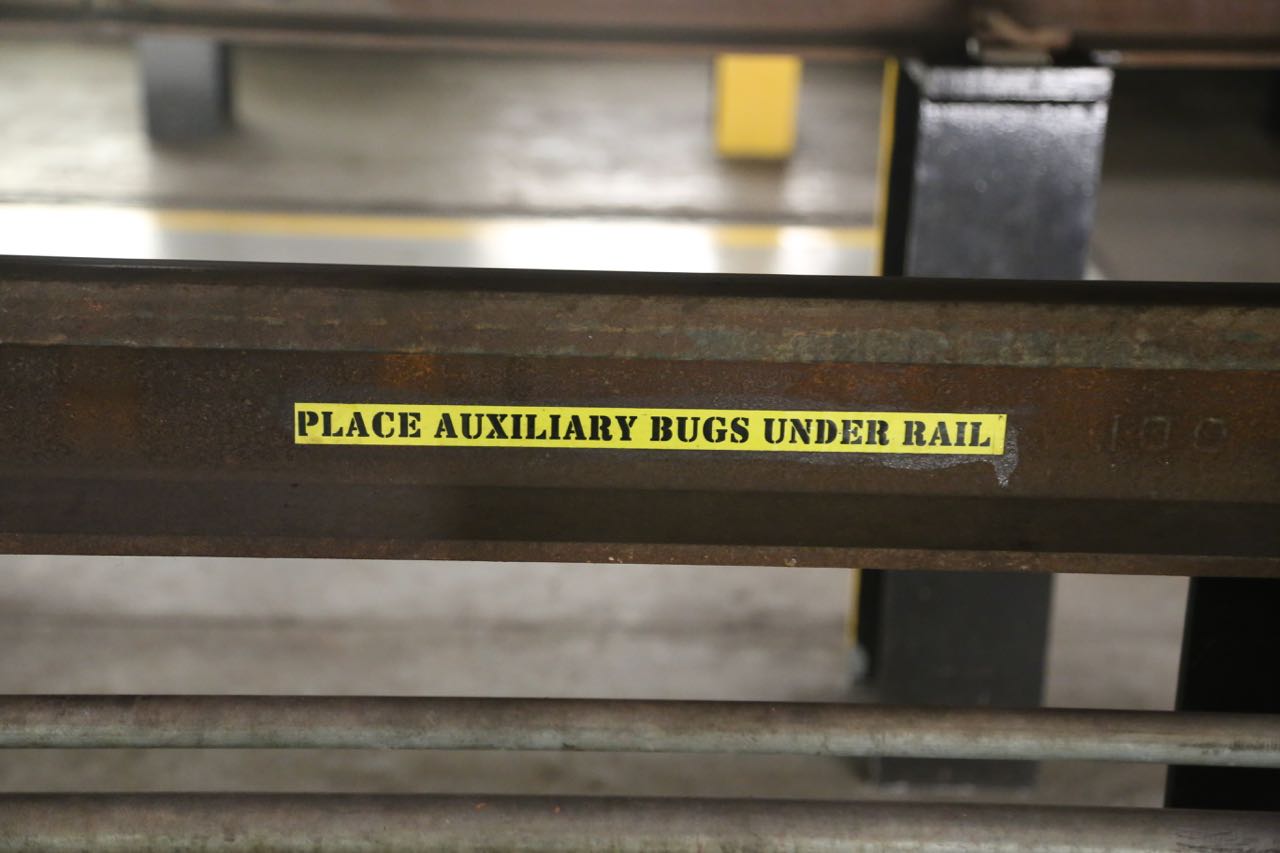
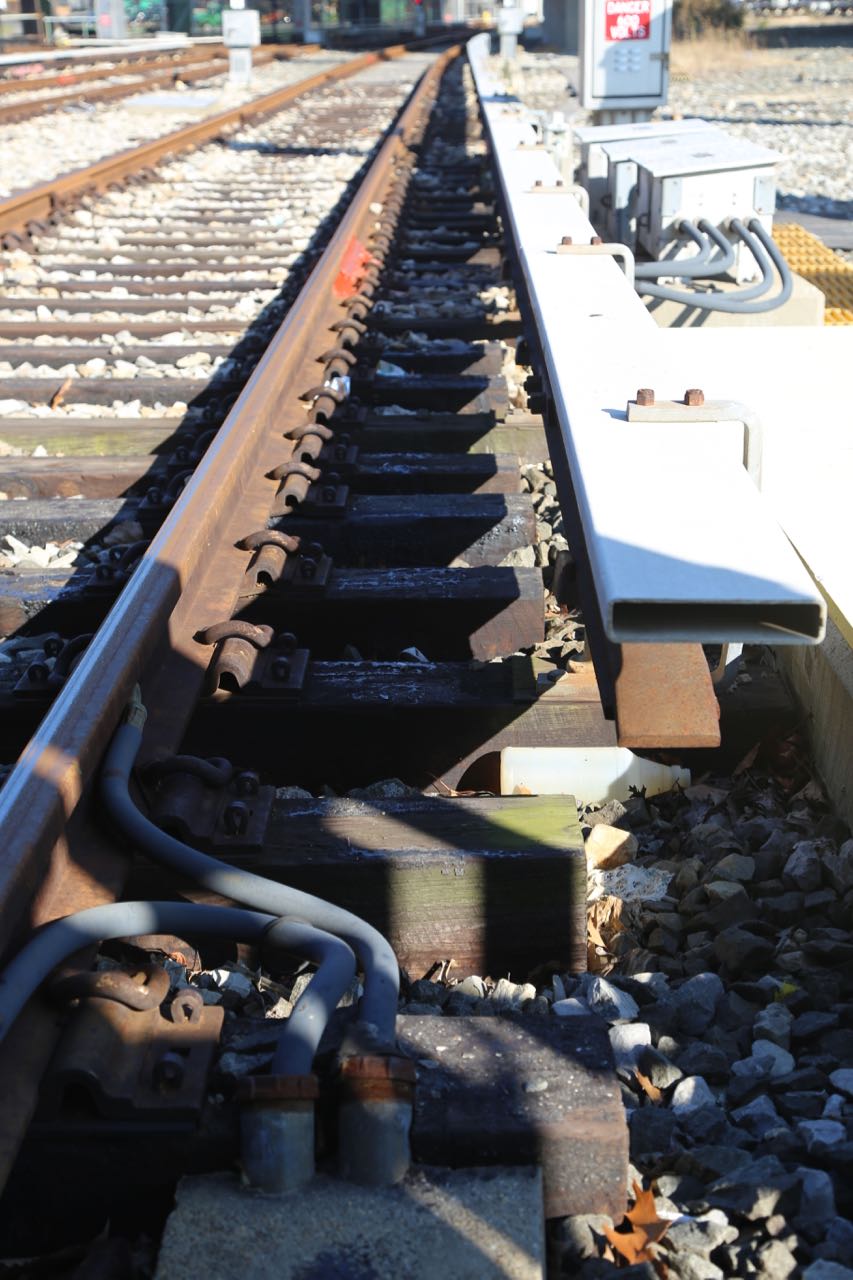
A rail of an inside track. I never did find out where you place the main bugs.

A rail of an inside track. I never did find out where you place the main bugs.

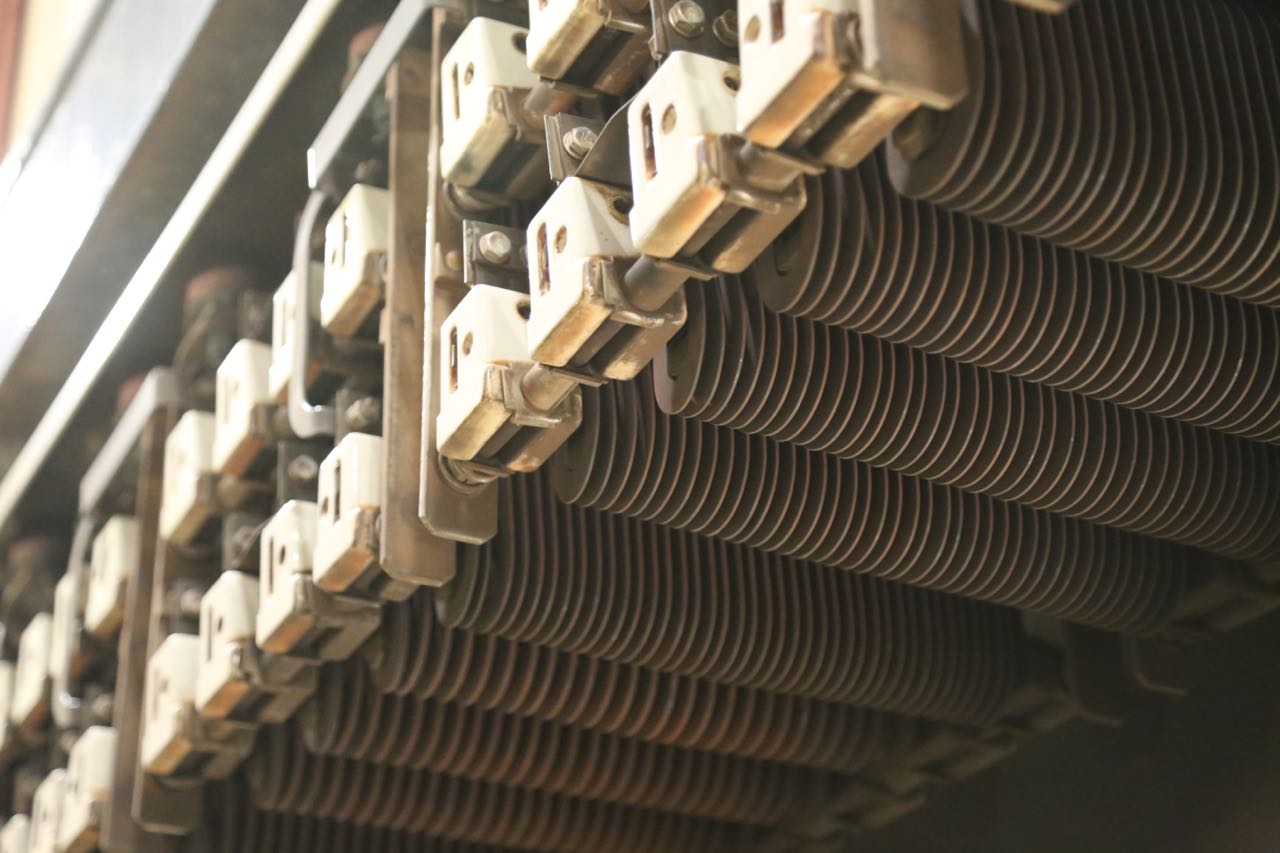
A really cool looking part underneath an older train

A really cool looking part underneath an older train

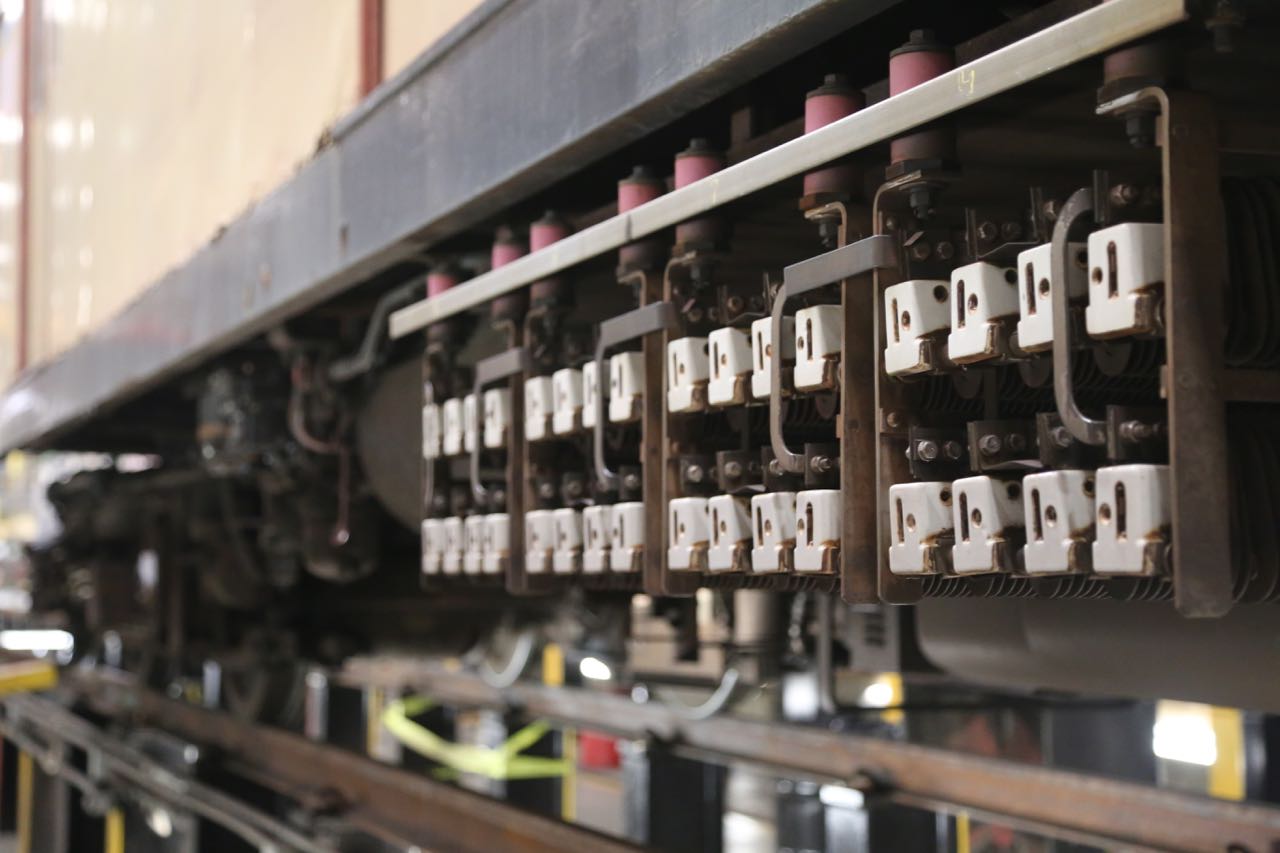
A really cool looking part underneath an older train

A really cool looking part underneath an older train

An older train with fading paint

An older train with fading paint

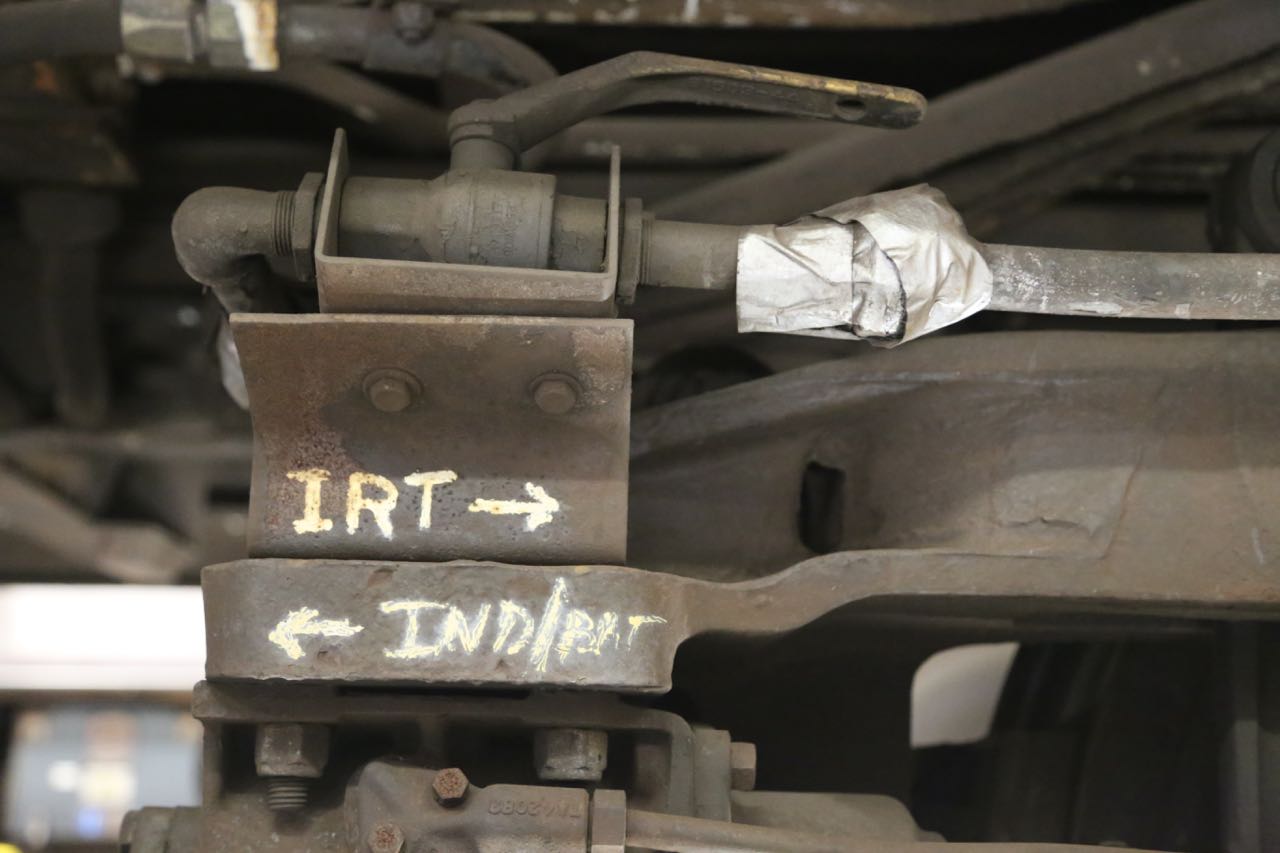
Underside of an older train, which I find fascinating due to the duct tape and marking to designate two different technologies or parts from when NY had three different subway systems.

Underside of an older train, which I find fascinating due to the duct tape and marking to designate two different technologies or parts from when NY had three different subway systems.

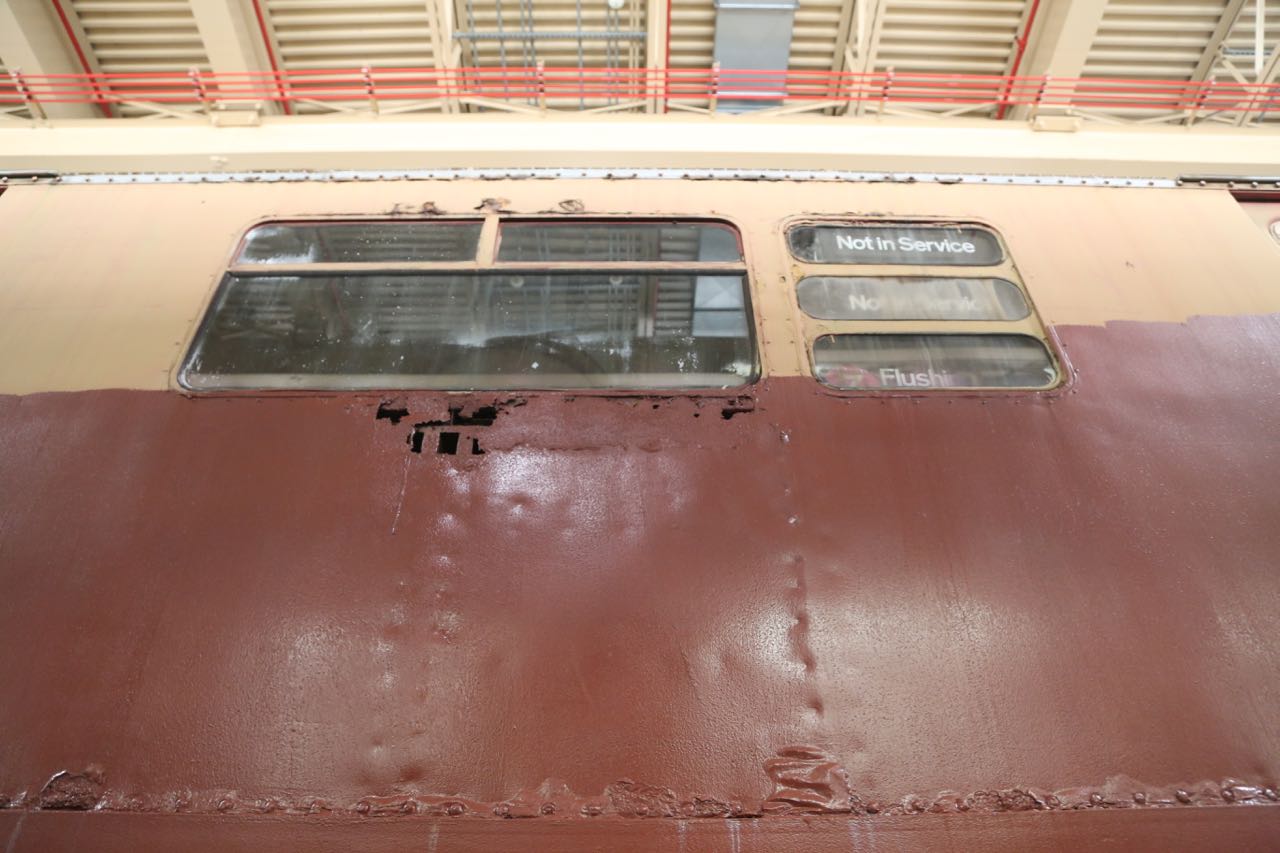
An old train which has clearly seen better days

An old train which has clearly seen better days

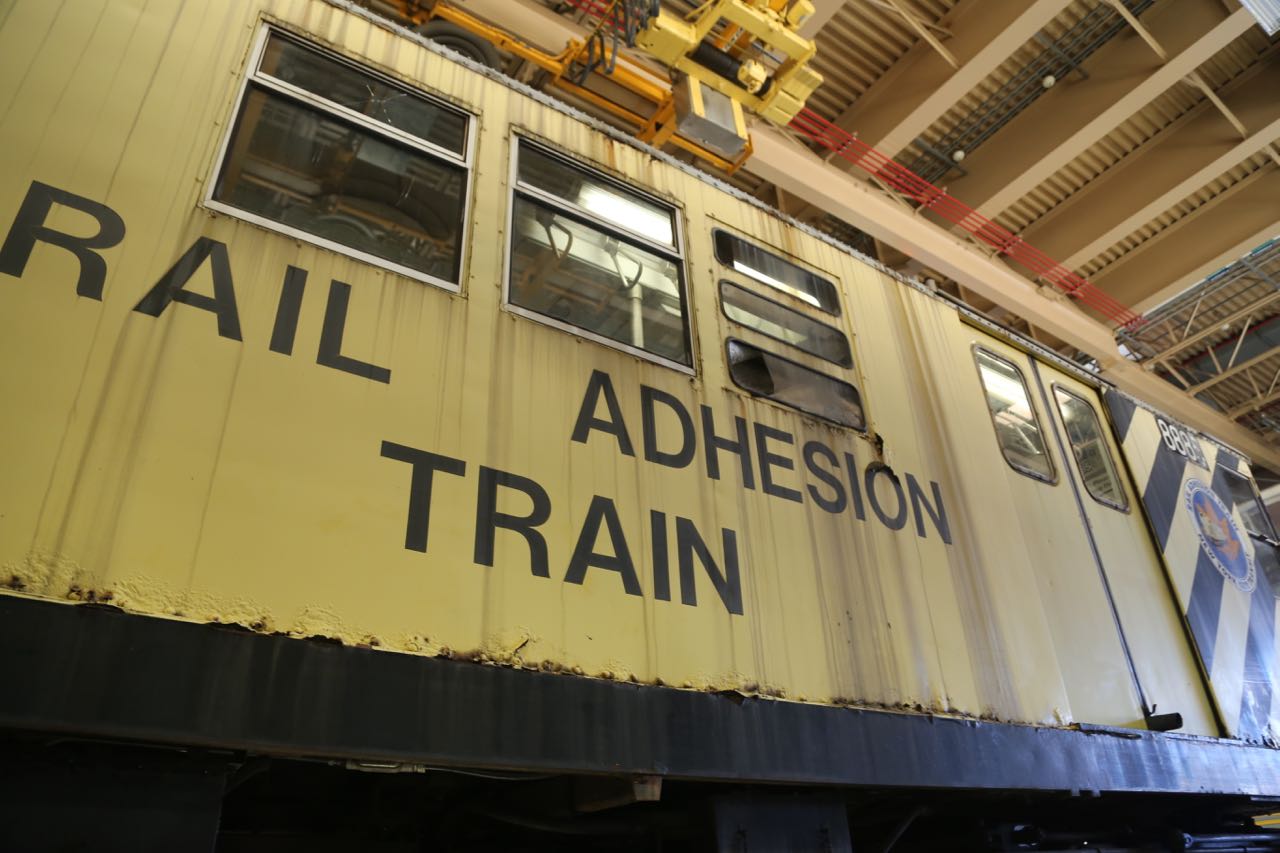
An old rail car that was converted to a rail adhesion train, used to add sand or a coating when leaves start to coat the rails. It is no longer, or rarely used, as contractors are hired to clear the rails of leaves.

An old rail car that was converted to a rail adhesion train, used to add sand or a coating when leaves start to coat the rails. It is no longer, or rarely used, as contractors are hired to clear the rails of leaves.

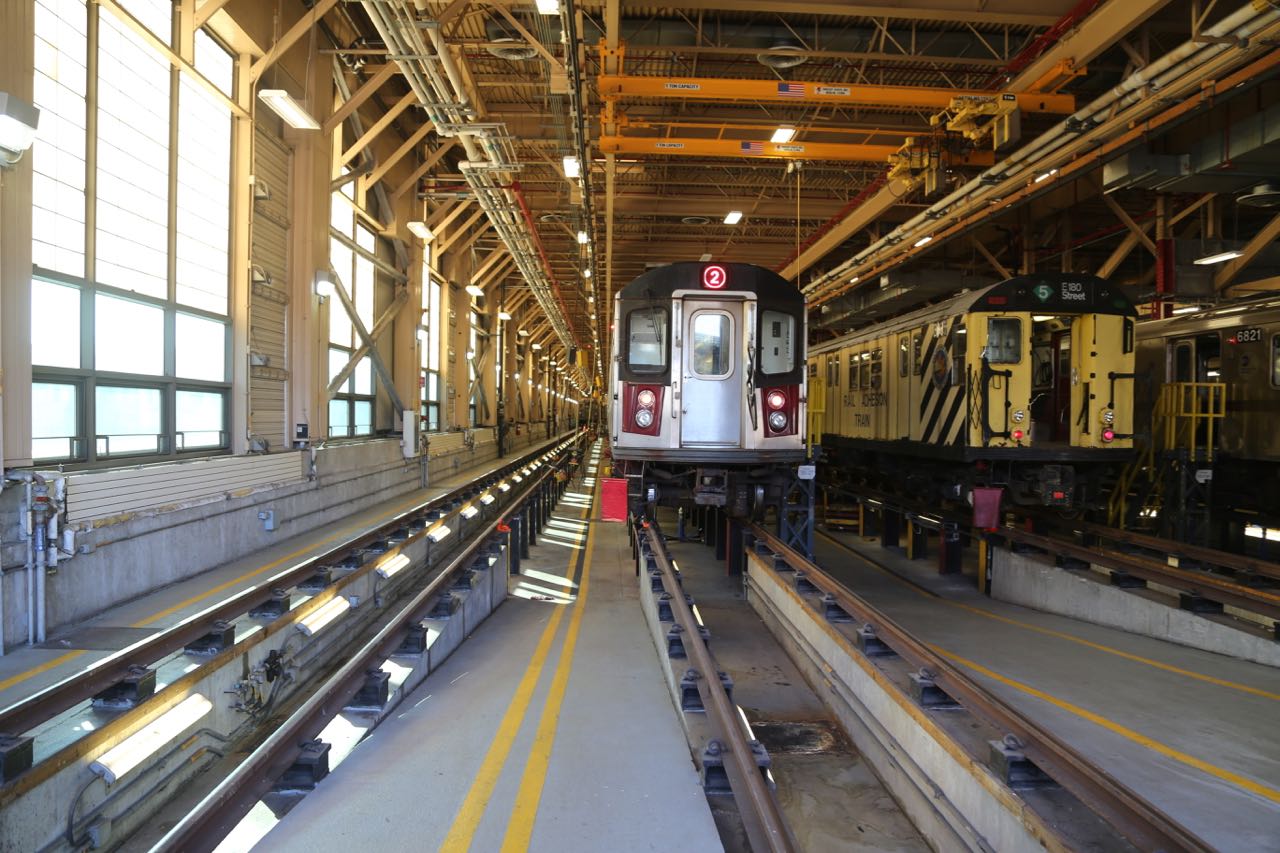
Looking down the inside tracks from the rail entrance to the shop

Looking down the inside tracks from the rail entrance to the shop

Rail at entrance to shop

Rail at entrance to shop

Rail inside the shop

Rail inside the shop

More San Juan

I enjoyed my visit to San Juan, Puerto Rico and just need to post a few more photos from my trip. Viejo San Juan really is a lovely area to just walk around and absorb the atmosphere.

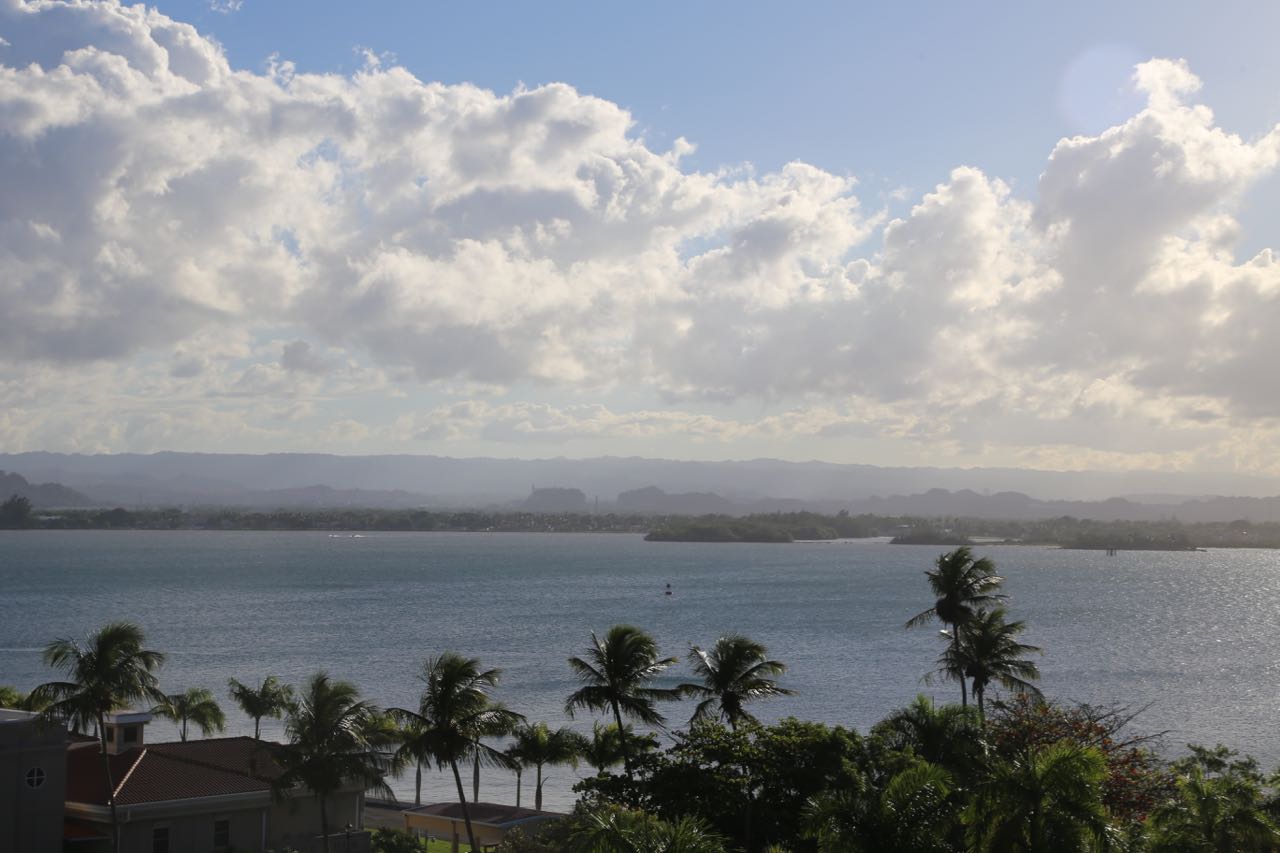
View of San Juan Bay

View of San Juan Bay

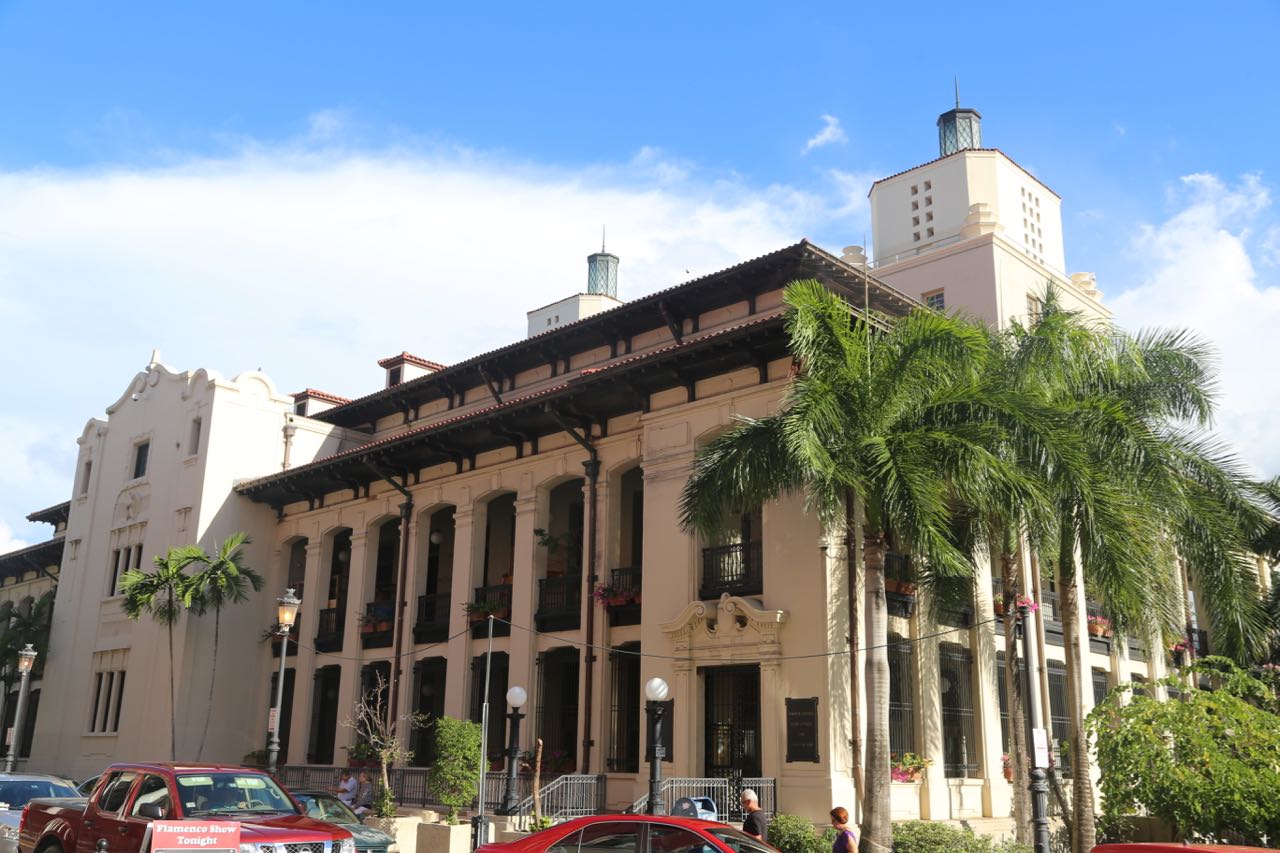
Courthouse and US Post Office

Courthouse and US Post Office

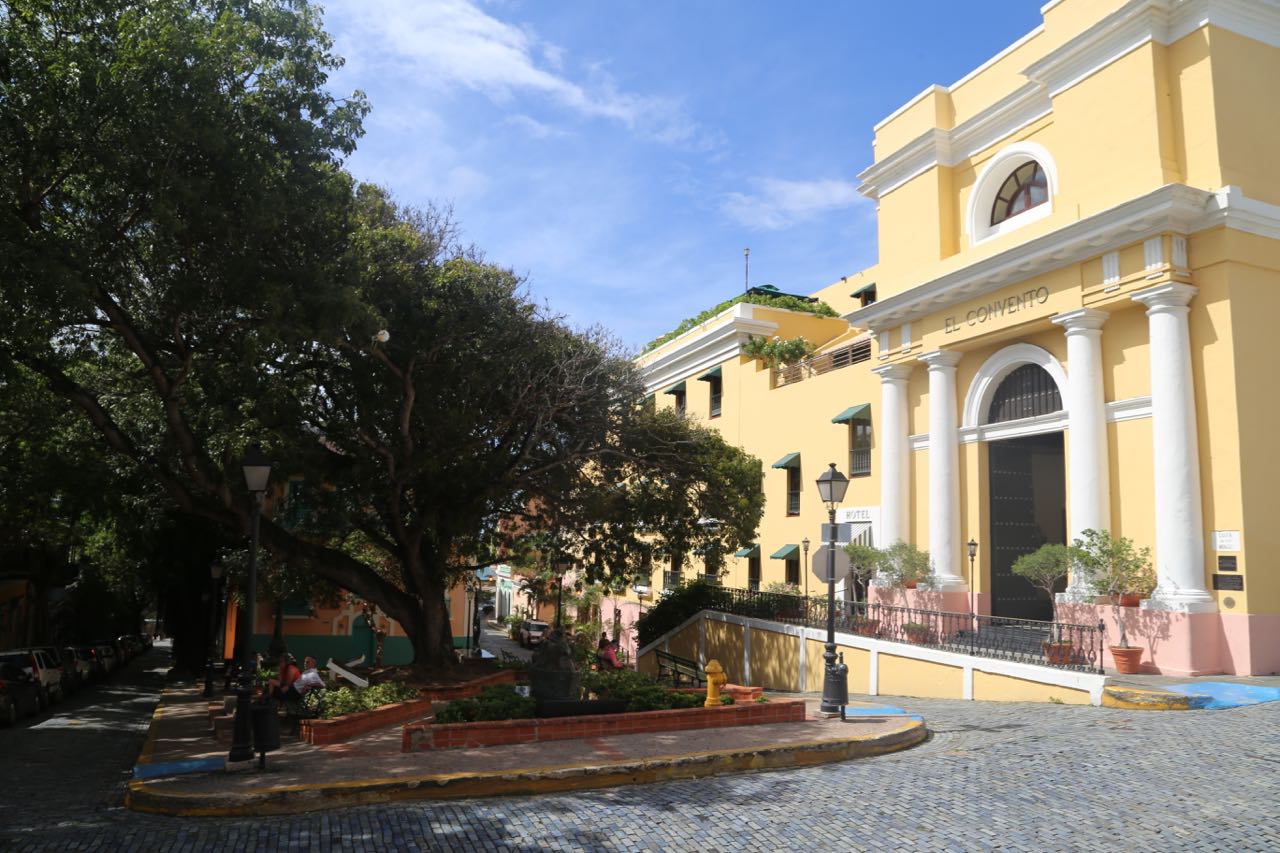
El Convento, originally a convent and now a lovely hotel

El Convento, originally a convent and now a lovely hotel

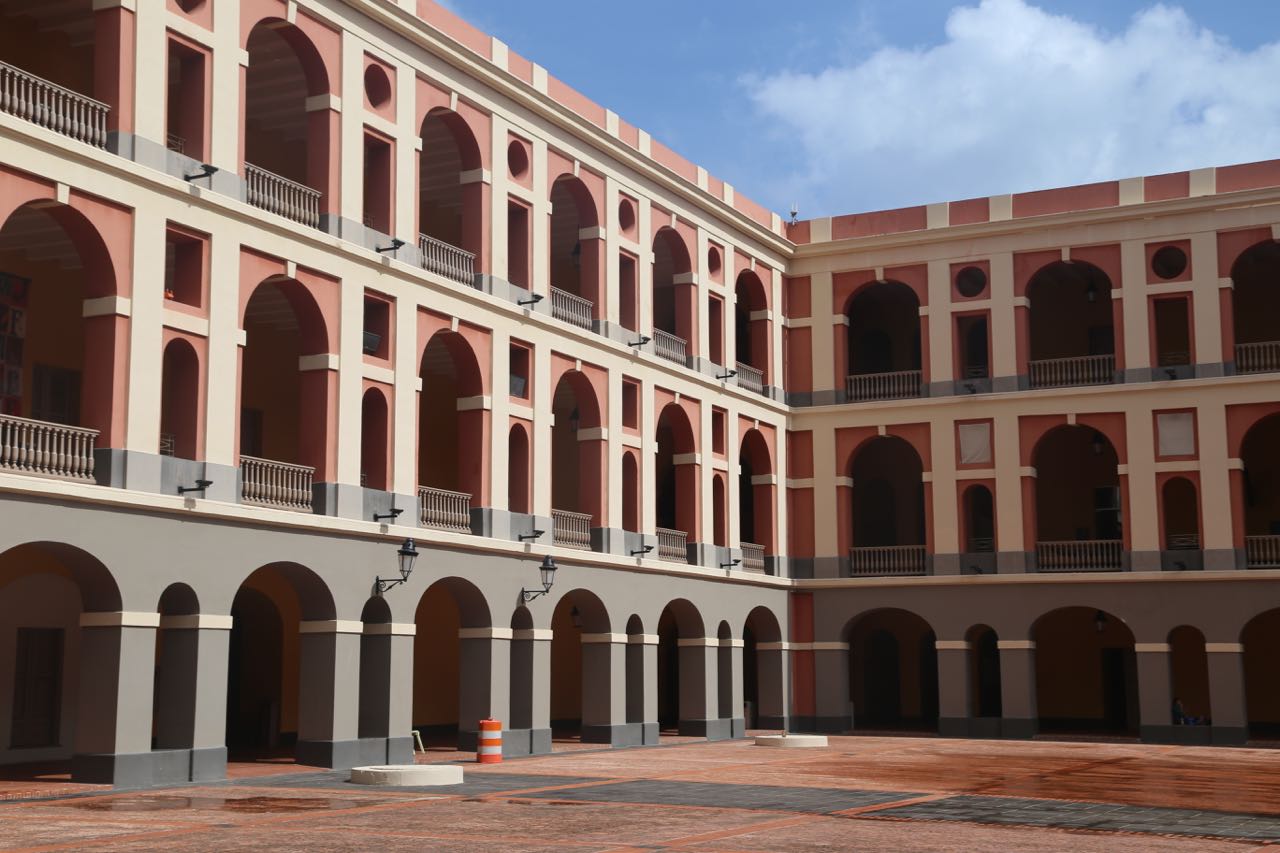
Cuartel de Ballaja

Cuartel de Ballaja

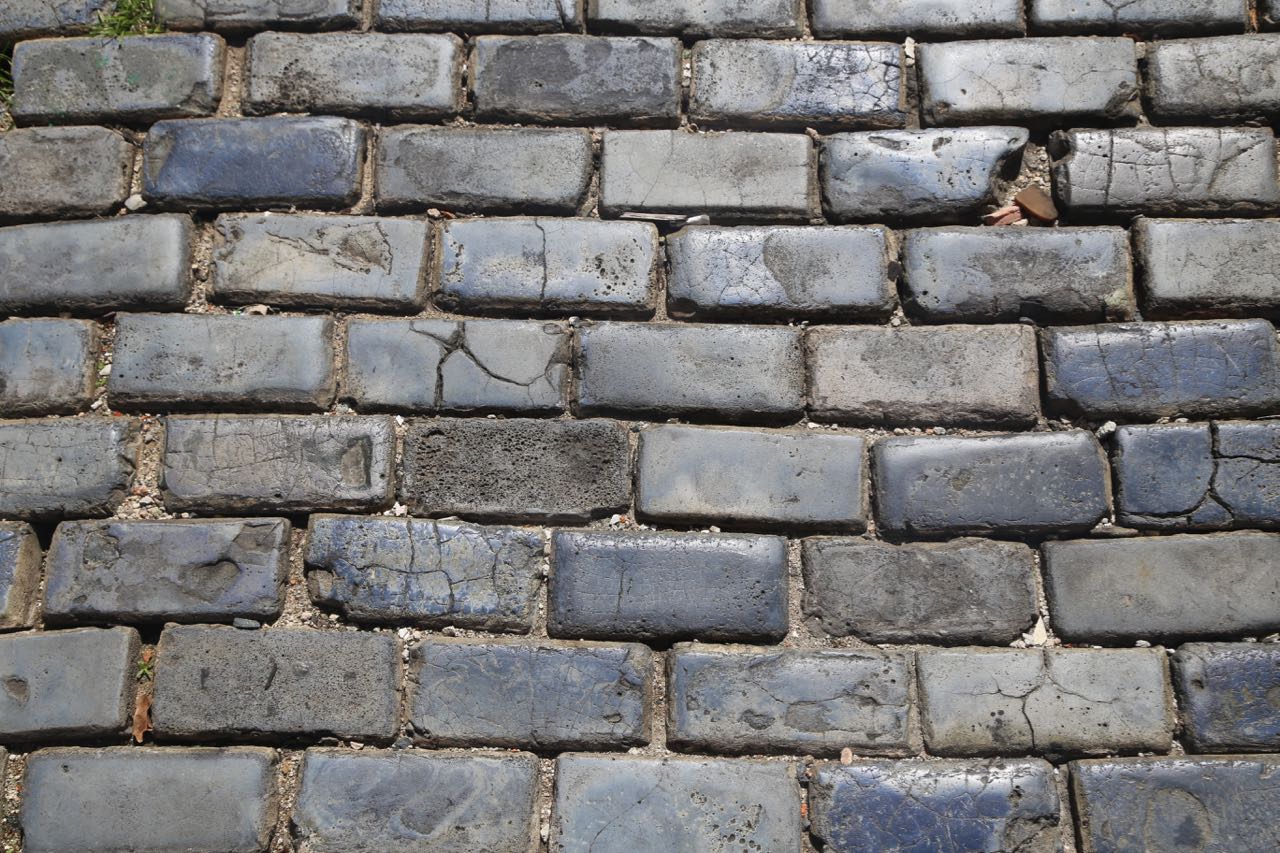
Viejo San Juan's famous blue cobblestone streets

Viejo San Juan’s famous blue cobblestone streets

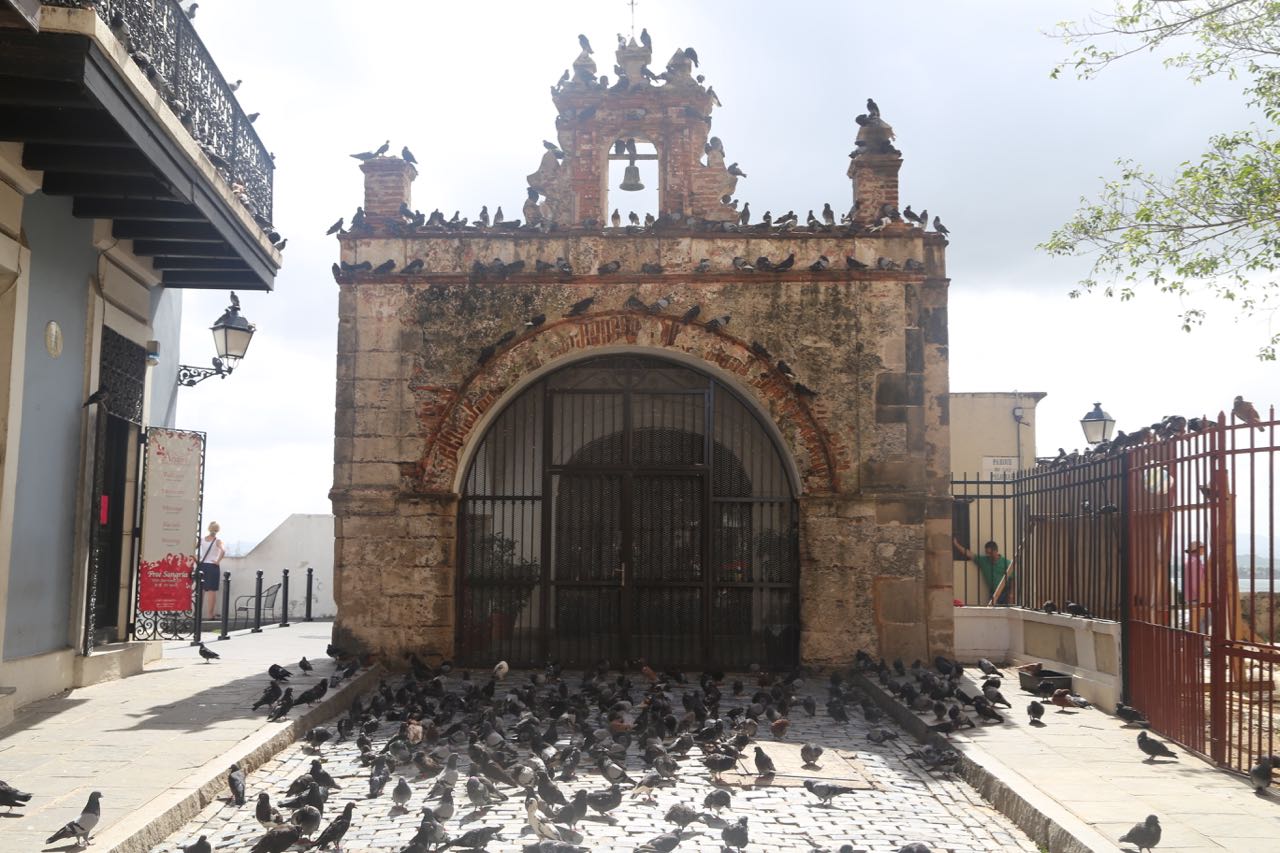
Cristo Chapel, next to Parque de las Palomas

Cristo Chapel, next to Parque de las Palomas

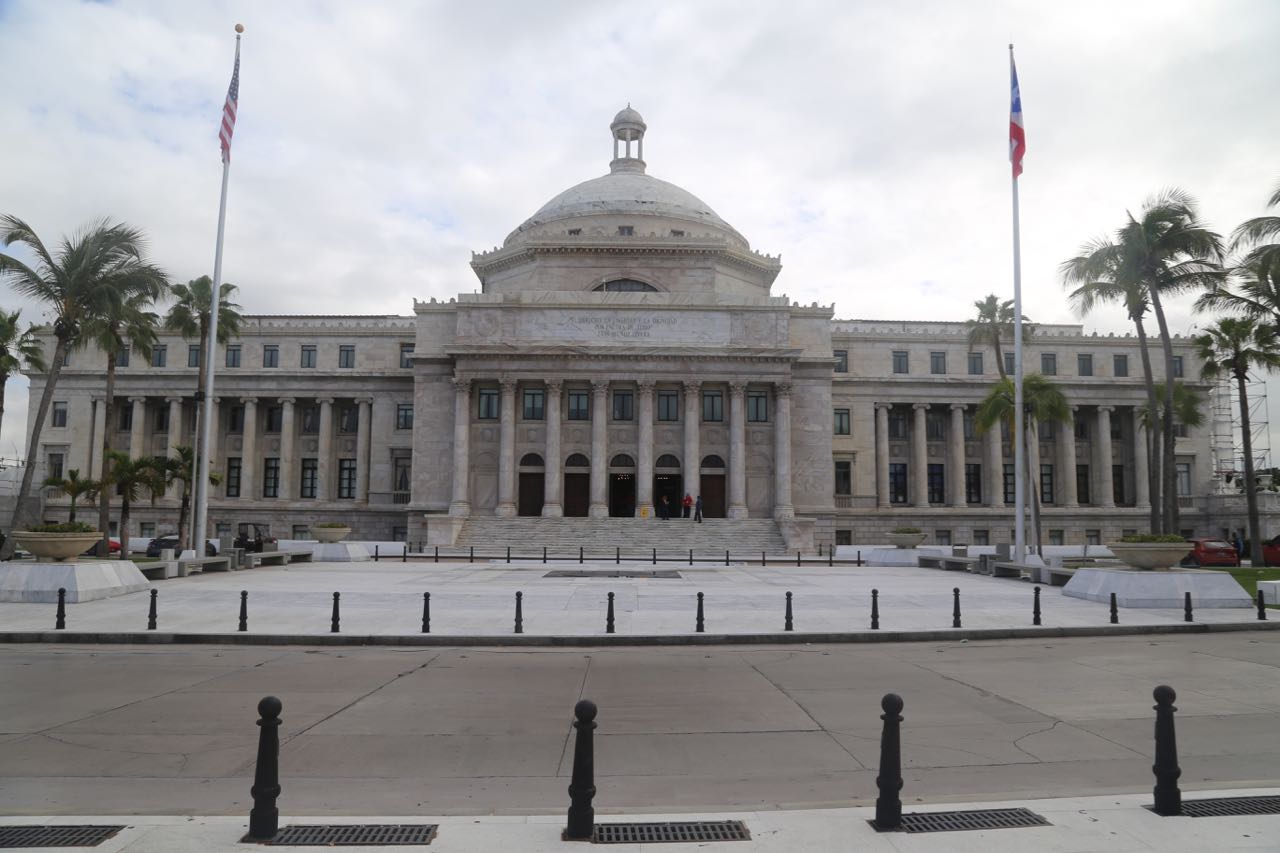
Capital of Puerto Rico (El Capitolio de Puerto Rico)

Capital of Puerto Rico (El Capitolio de Puerto Rico)

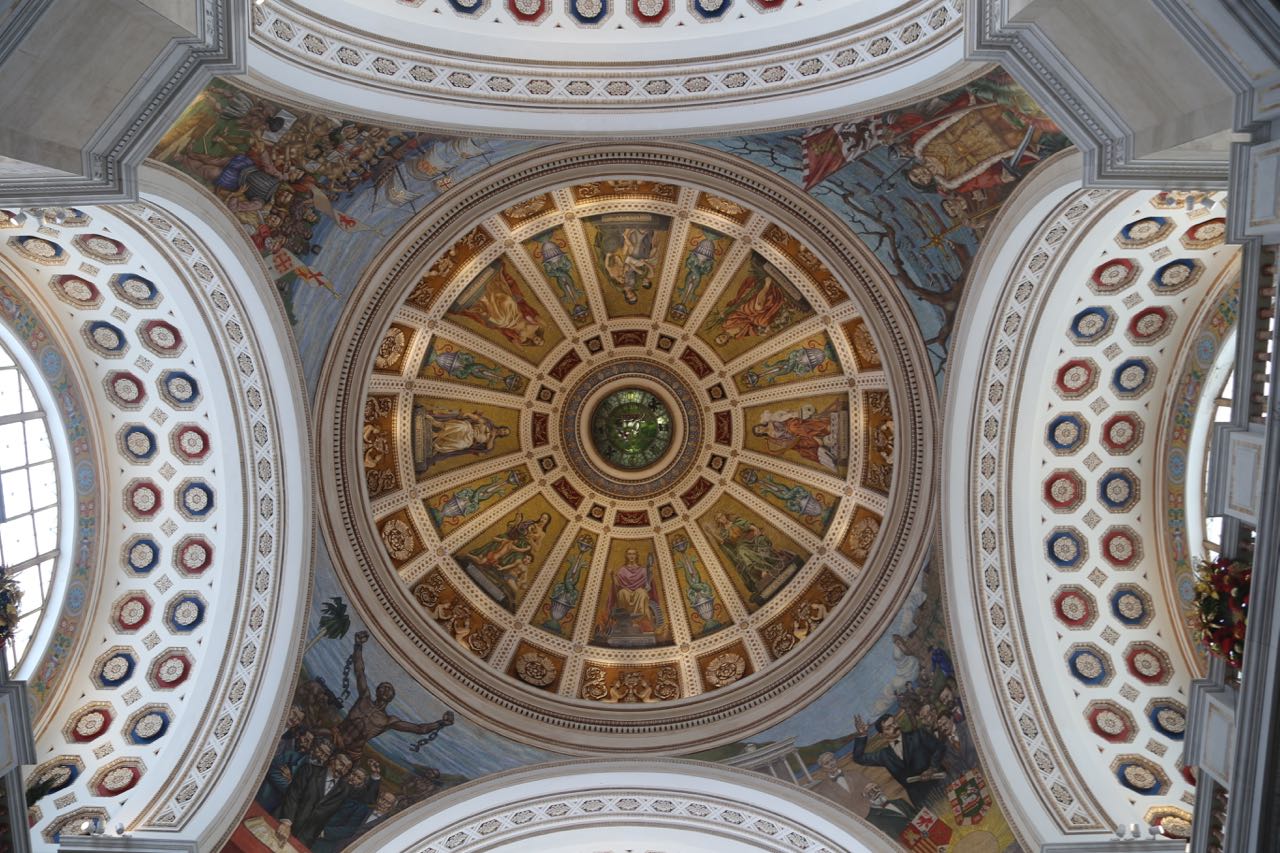
Central dome of Capital of Puerto Rico

Central dome of Capital of Puerto Rico

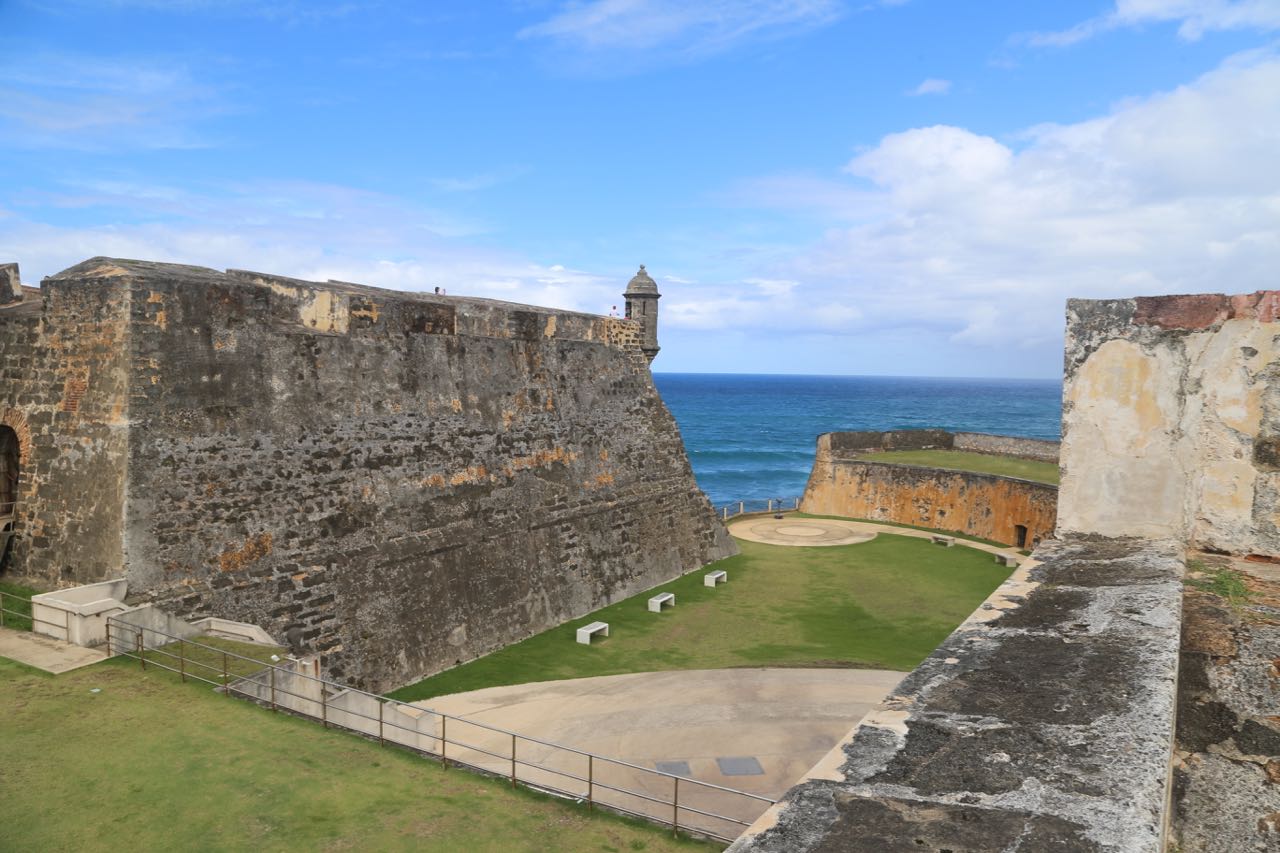
Castillo San Cristobal

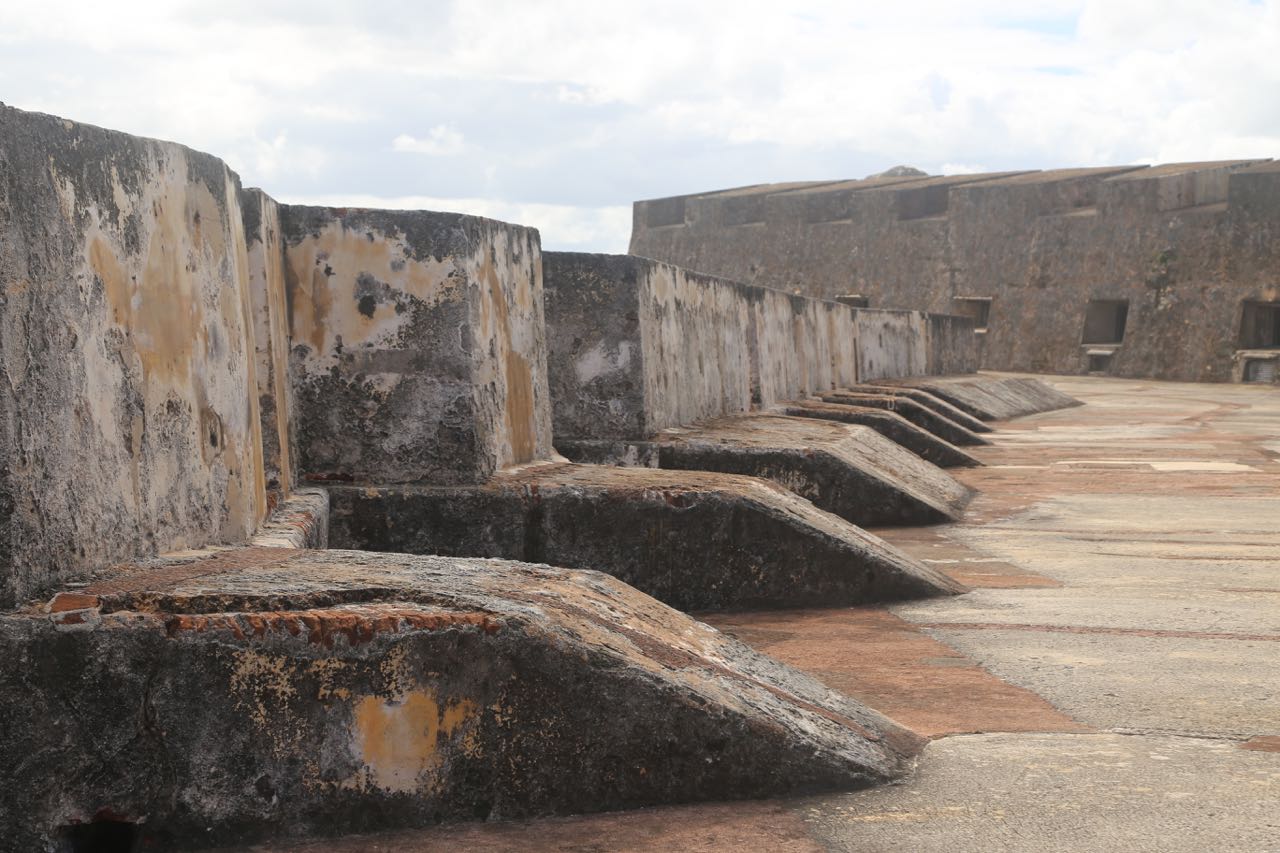
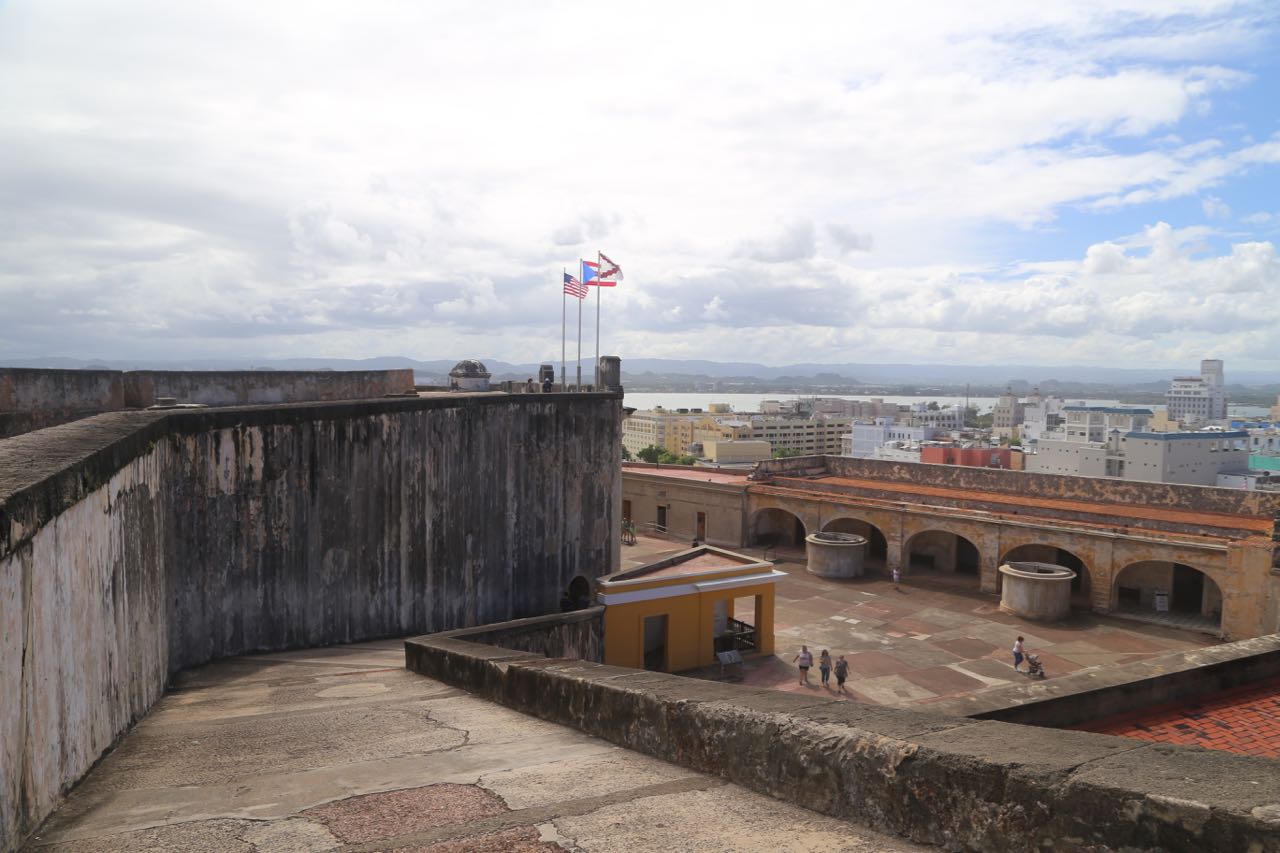
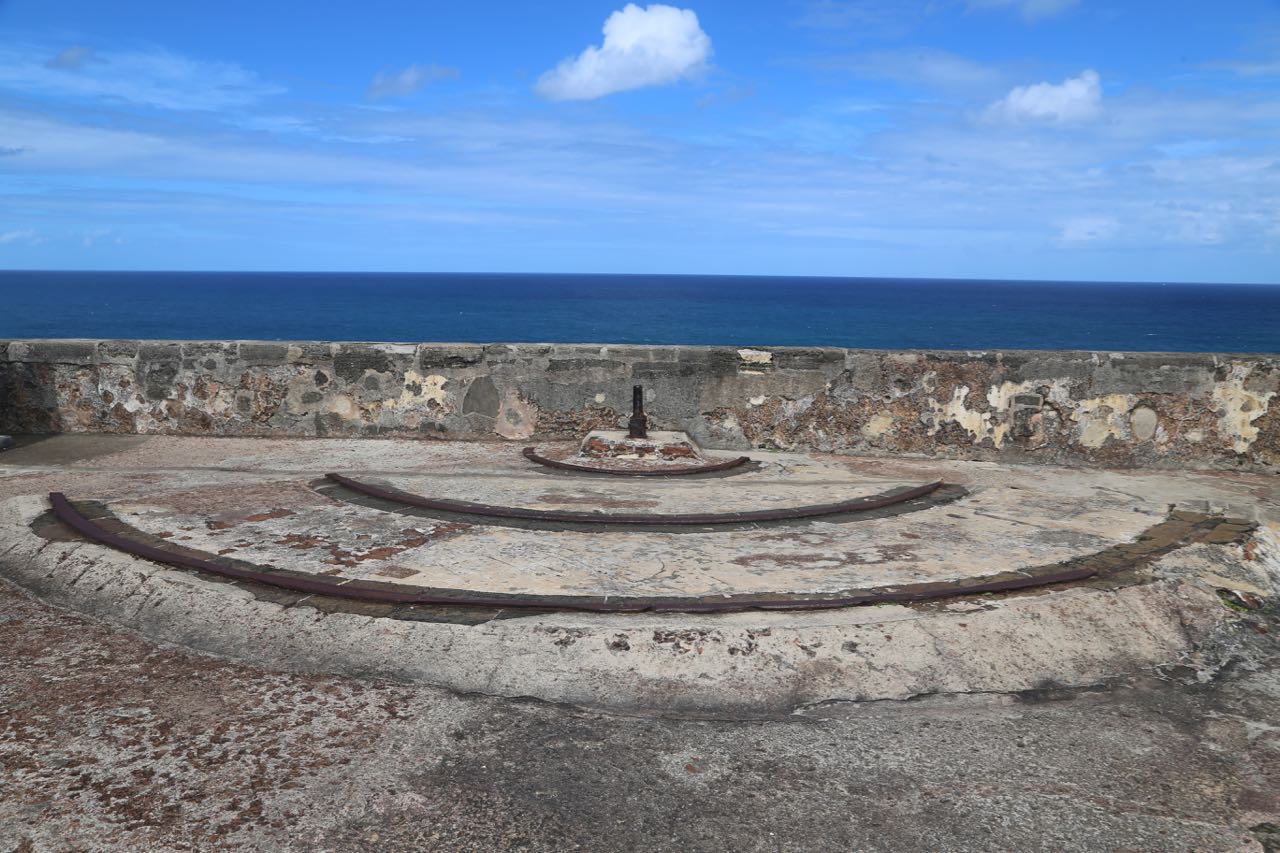
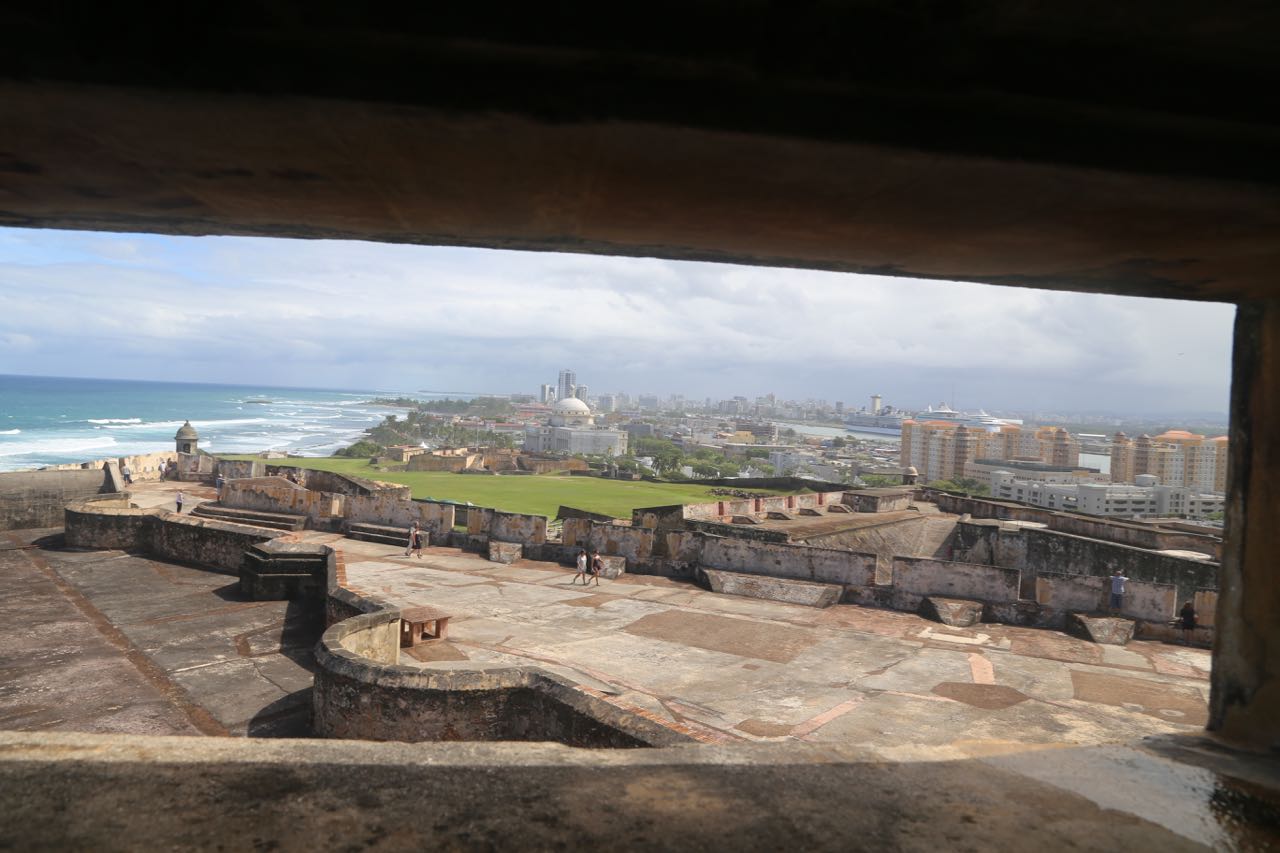
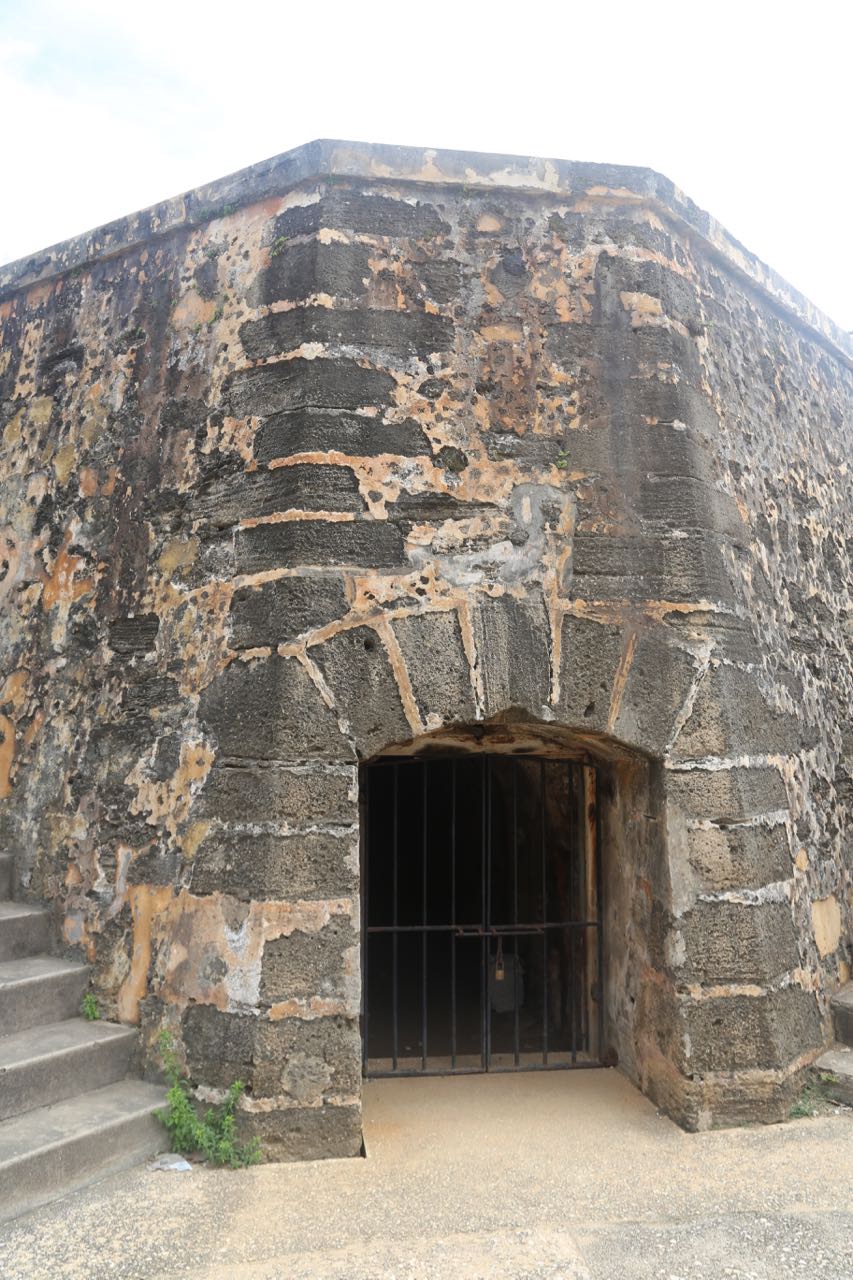
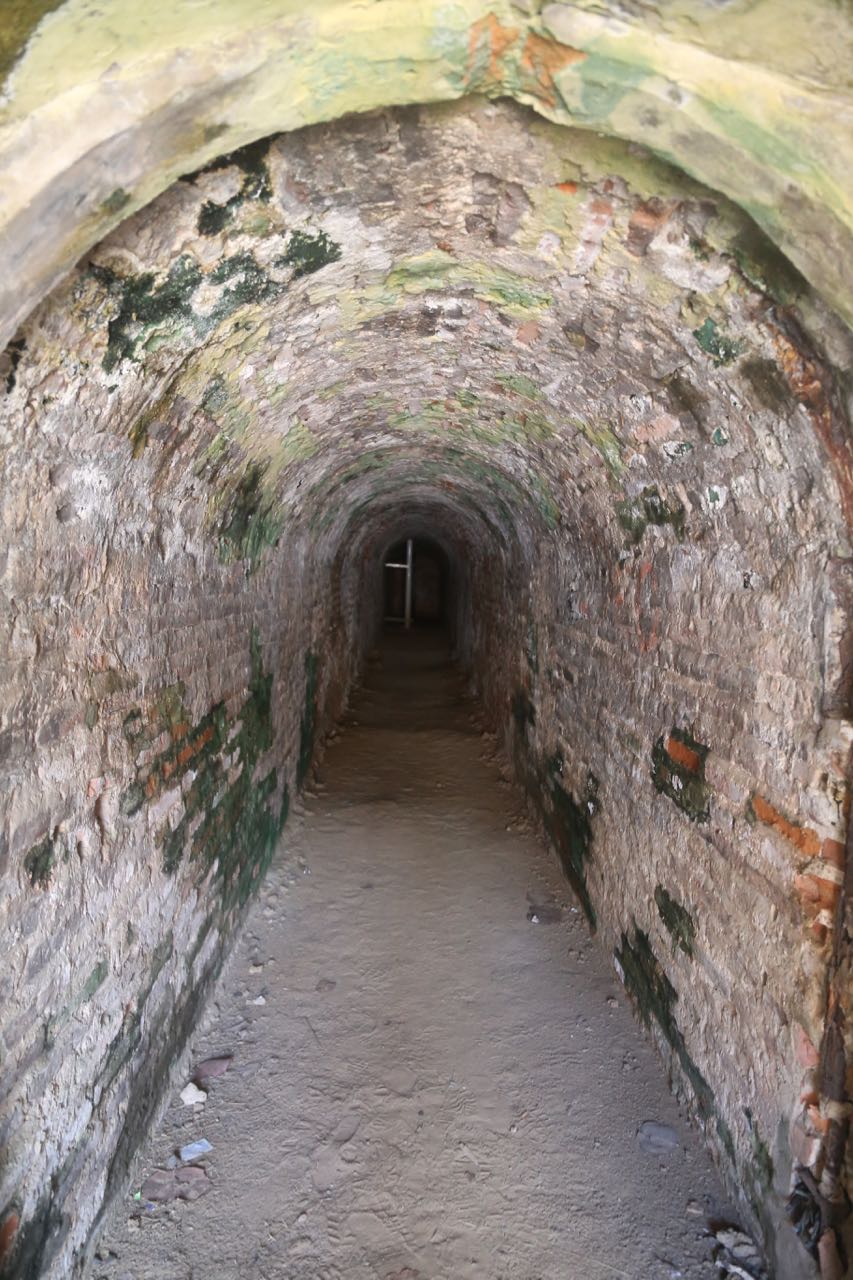
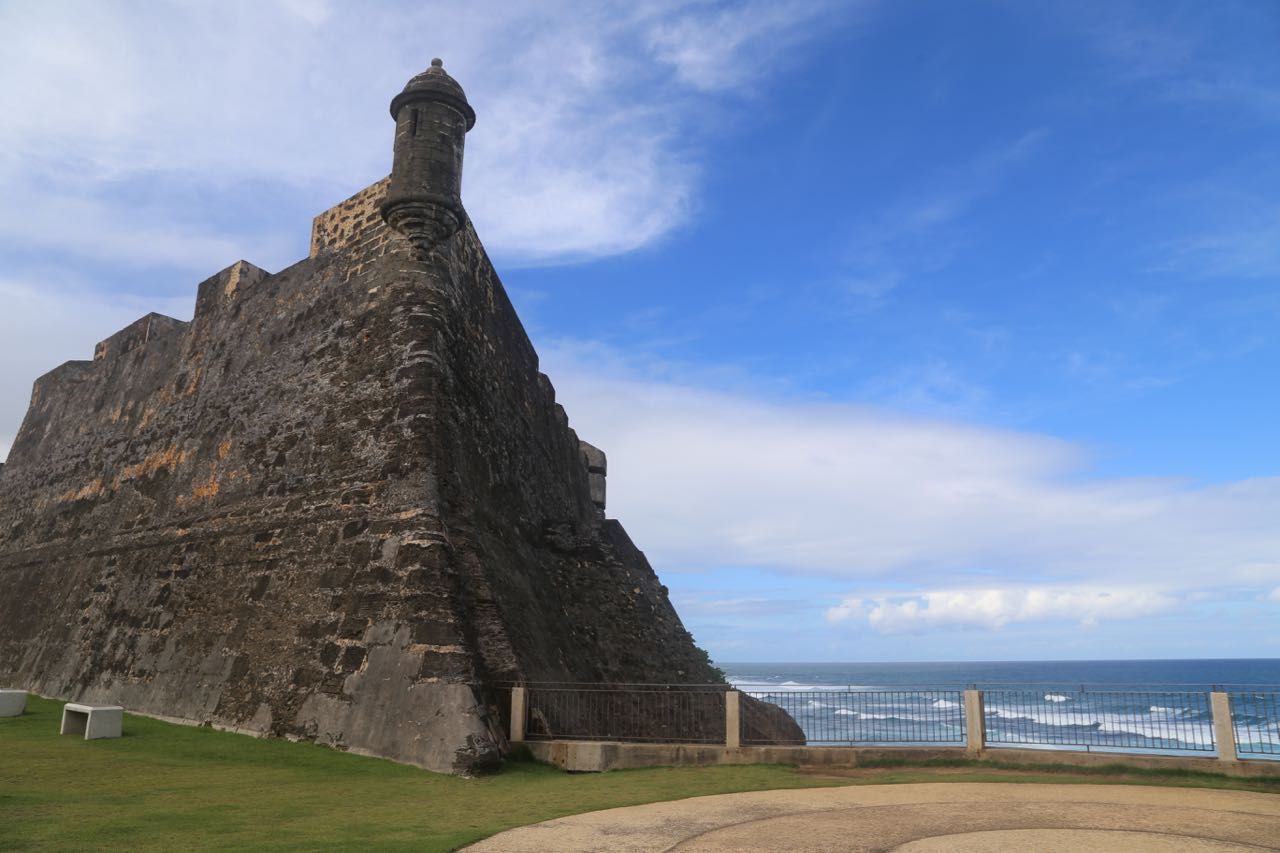
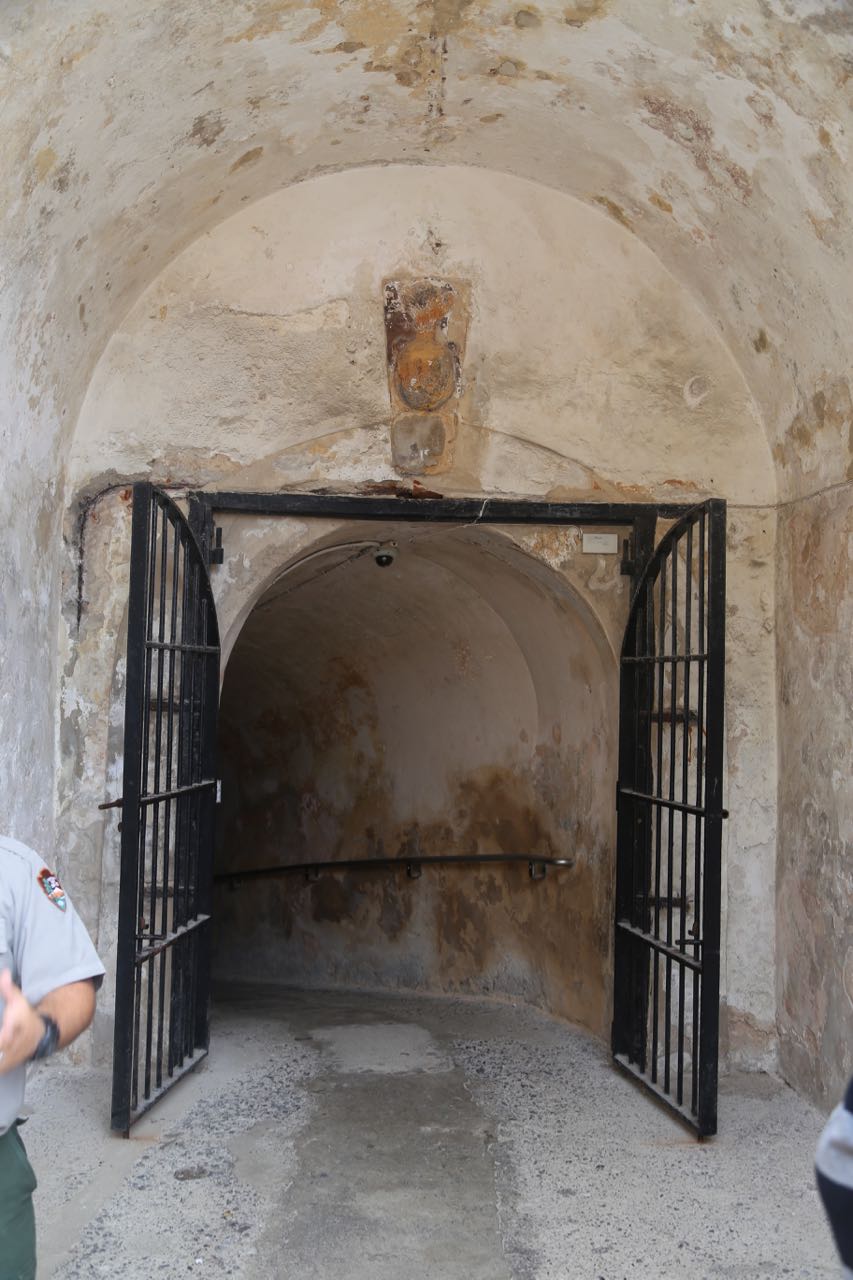
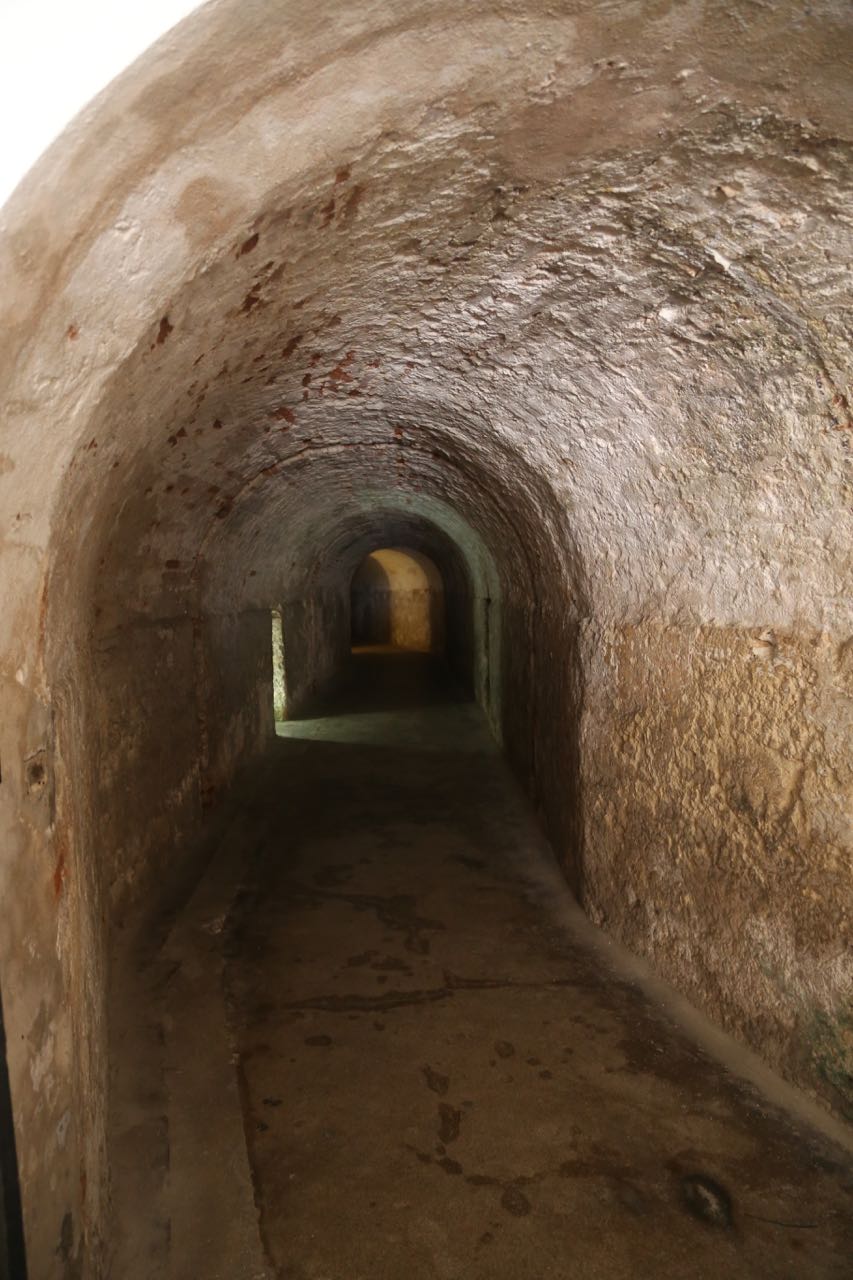
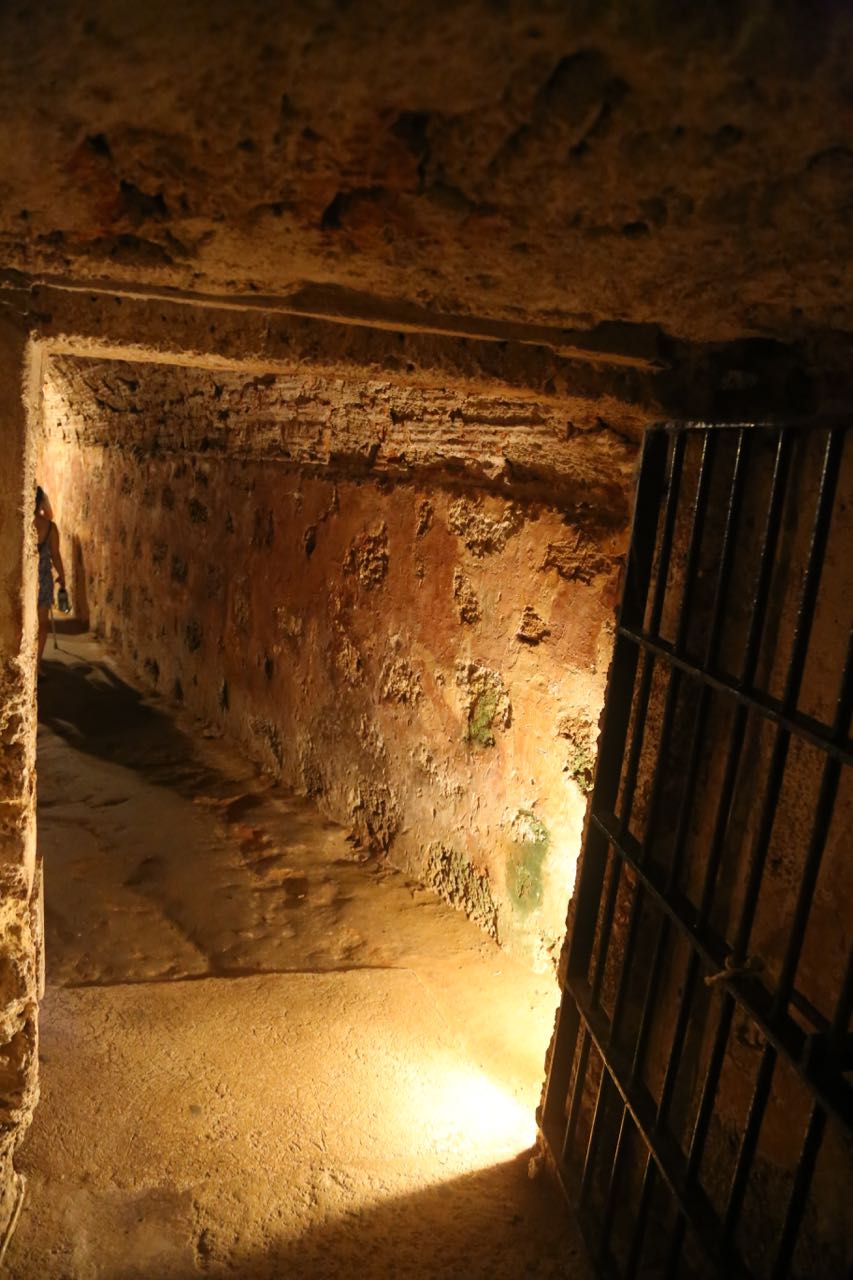
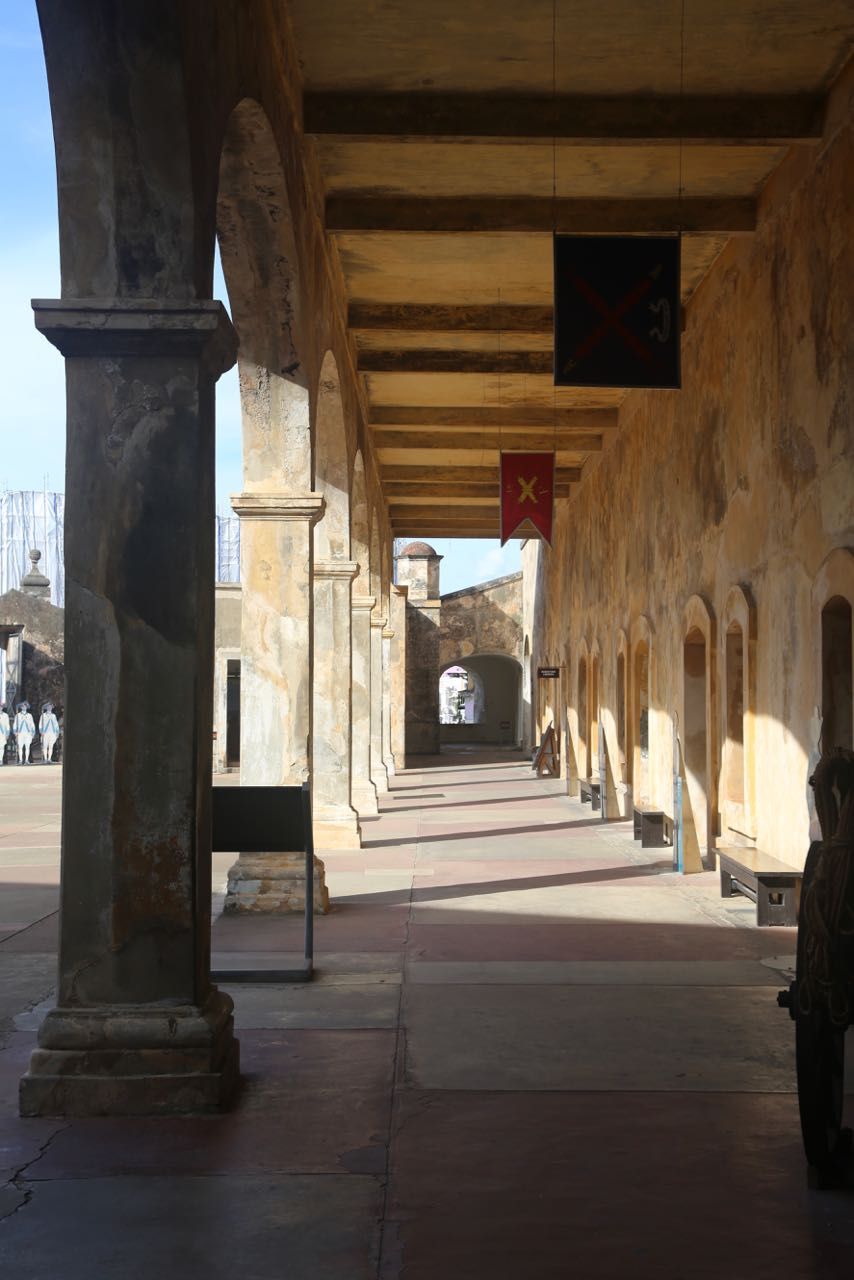
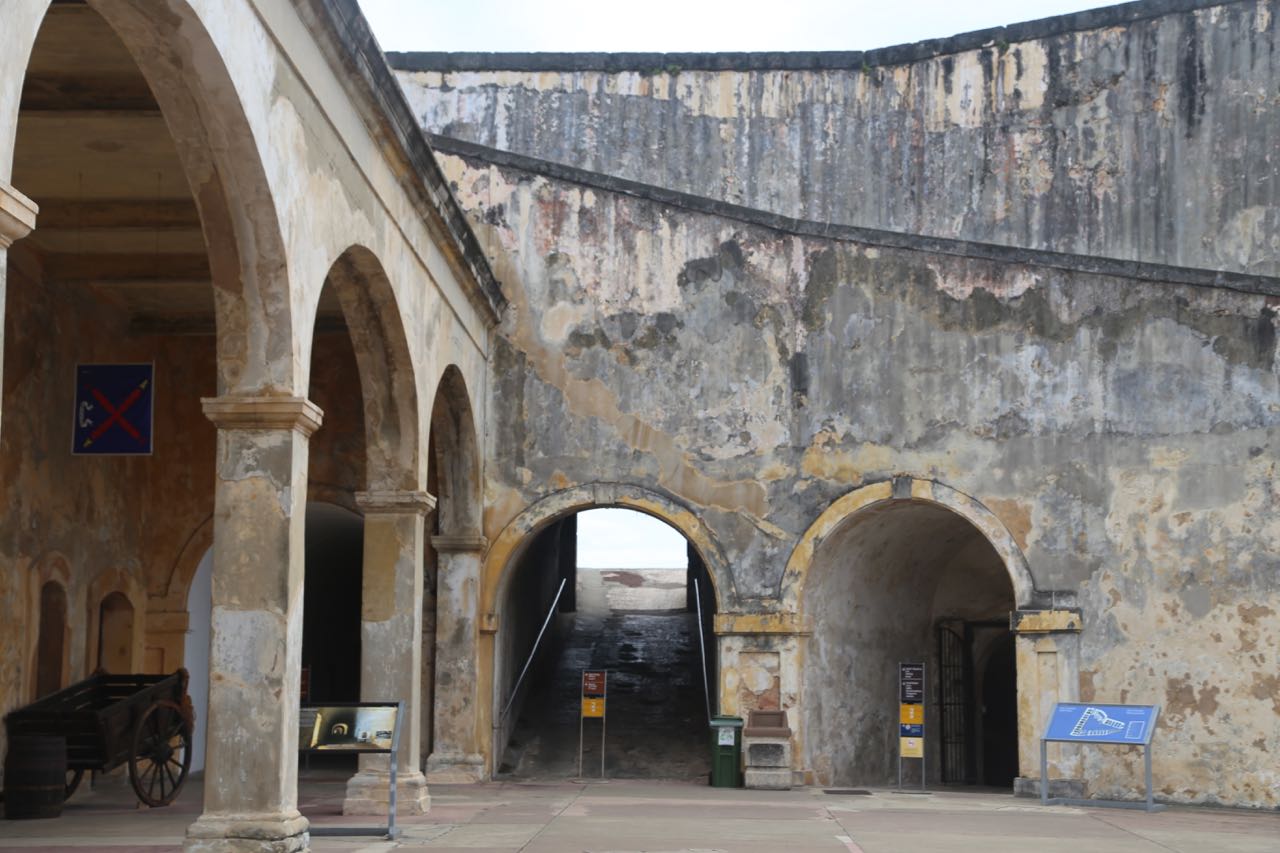
On my last day in Puerto Rico, I explored Castillo San Cristobal, a fort built by the Spanish to protect San Juan from attack by land. It was built between 1634 and 1790, and then the U.S. added a few concrete additions during World War II. The fort is huge and has a series of tunnels. Some of these tunnels are huge, connecting the different levels and areas of the fort, and were designed to have defensive explosives. Some of the tunnels are really small, and you have to stoop to move through them. If you ever get a chance to visit, try to get one of the ranger guided tours of the tunnels. Those tours besides being very informative, let you go inside some of the really small tunnels in which you normally aren’t allowed.

View from top level

View from top level

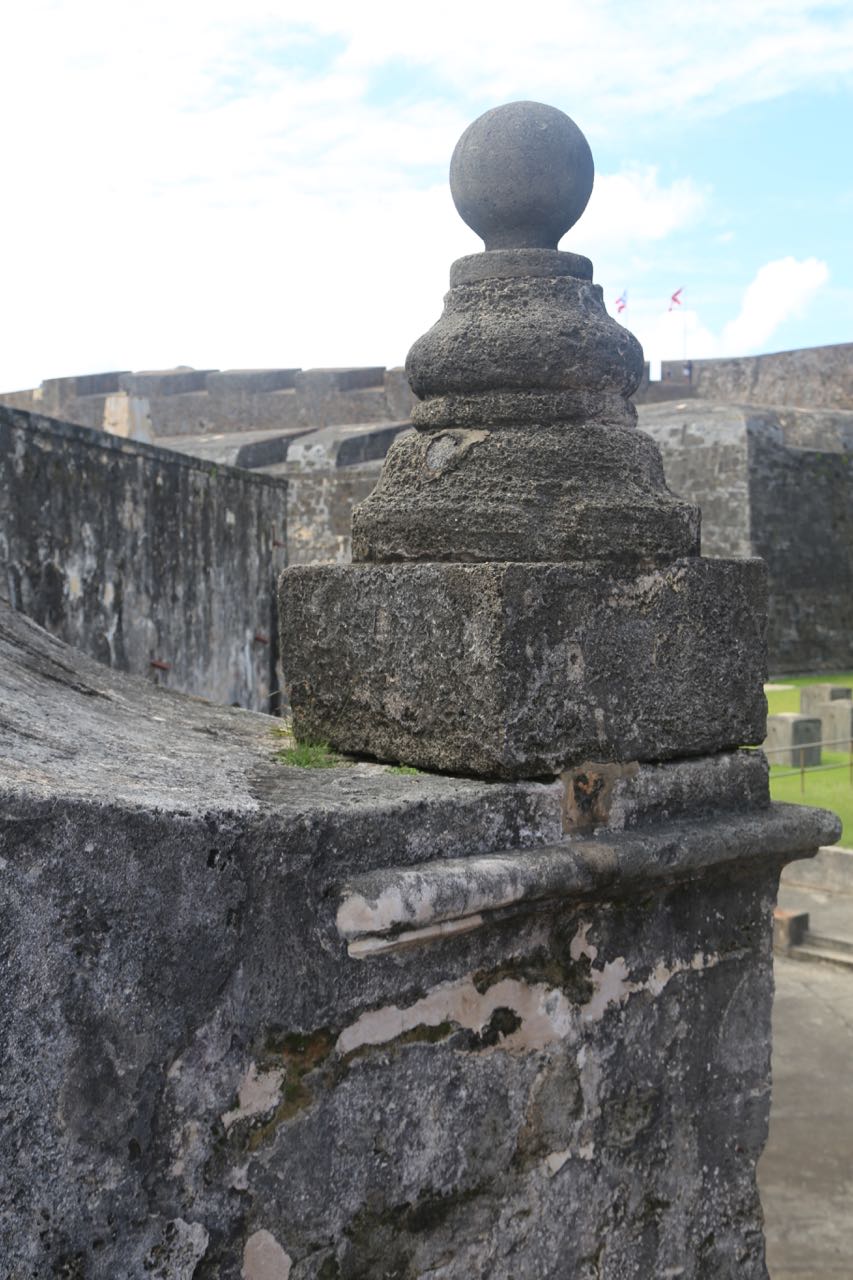
Old stone design

Old stone design

Upper level

Upper level

Upper level looking into courtyard

Upper level looking into courtyard

Upper level artillery foundation

Upper level artillery foundation

View from newer concrete WWII lookout

View from newer concrete WWII lookout

Entrance to small, normally inaccessible tunnel

Entrance to small, normally inaccessible tunnel

Small, normally inaccessible tunnel

Small, normally inaccessible tunnel

View from courtyard

View from lower, exterior courtyard

Entrance to lower tunnel with symbol on top warning of explosives

Entrance to lower tunnel with symbol on top warning of explosives

Inside a tunnel

Inside a tunnel

Dungeon entrance

Dungeon entrance

Courtyard with view to city through window

Courtyard with view to city through window

Main courtyard

Main courtyard

Entrance to the main tunnels

Entrance to the main tunnels

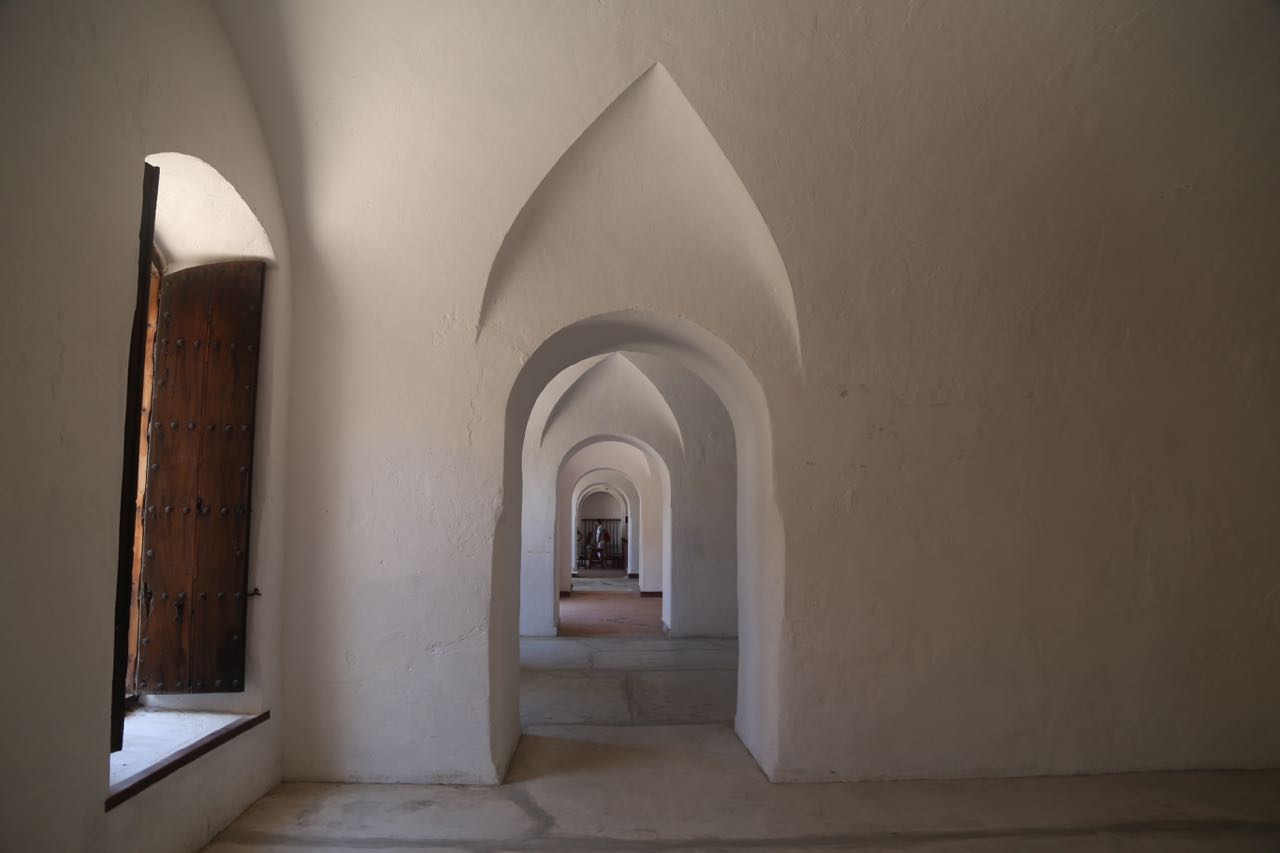
Soldiers' quarters

Soldiers’ quarters

Officers' quarters

Passageways in soldiers’ quarters

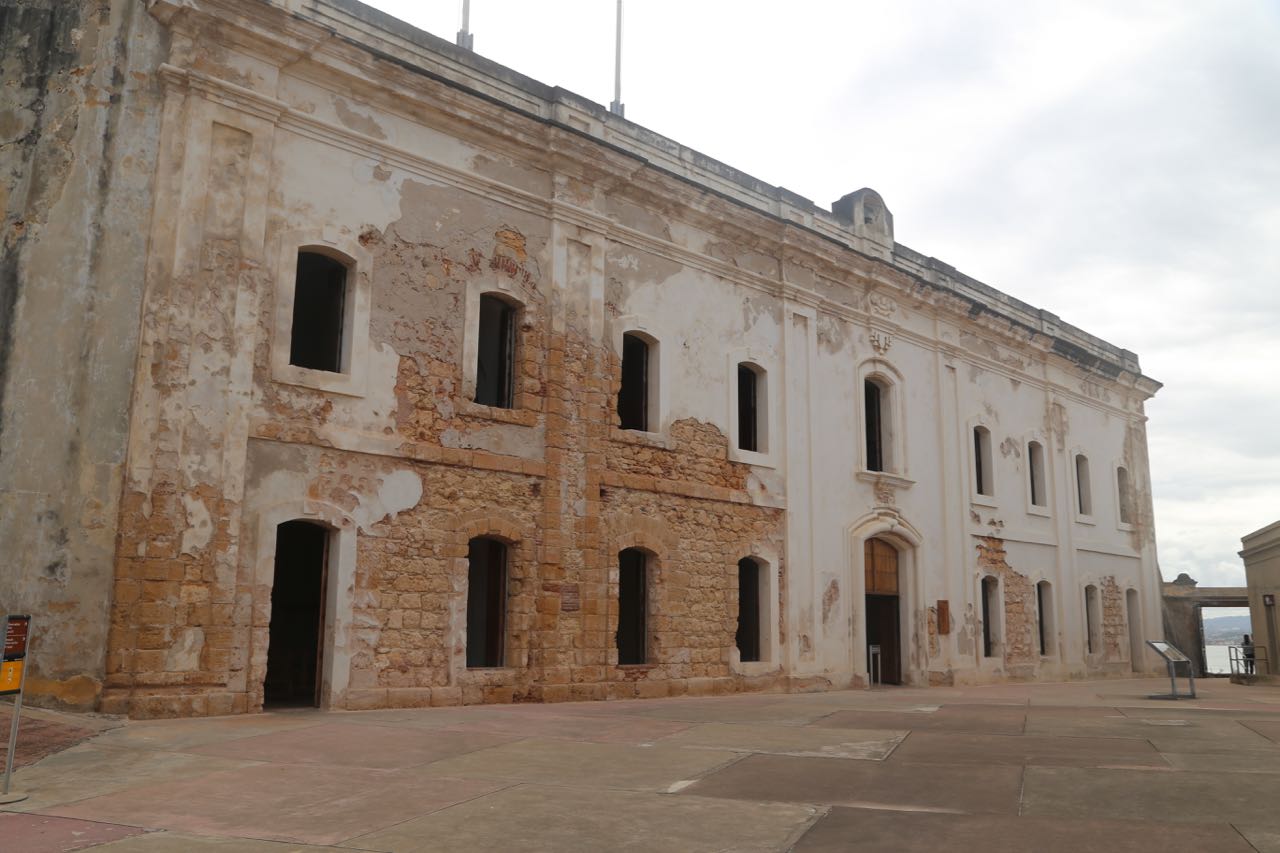
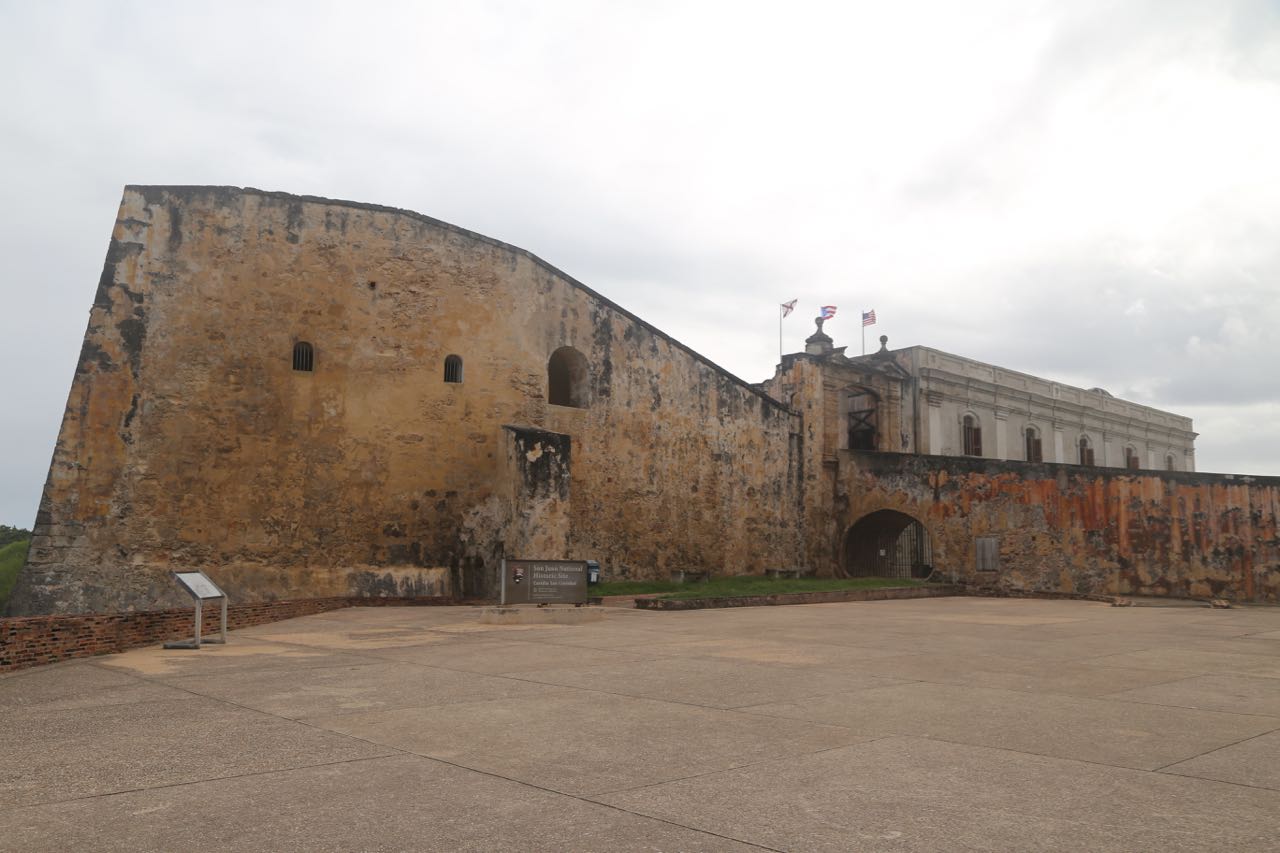
Exterior of fort

Exterior of fort

Cueva Ventana

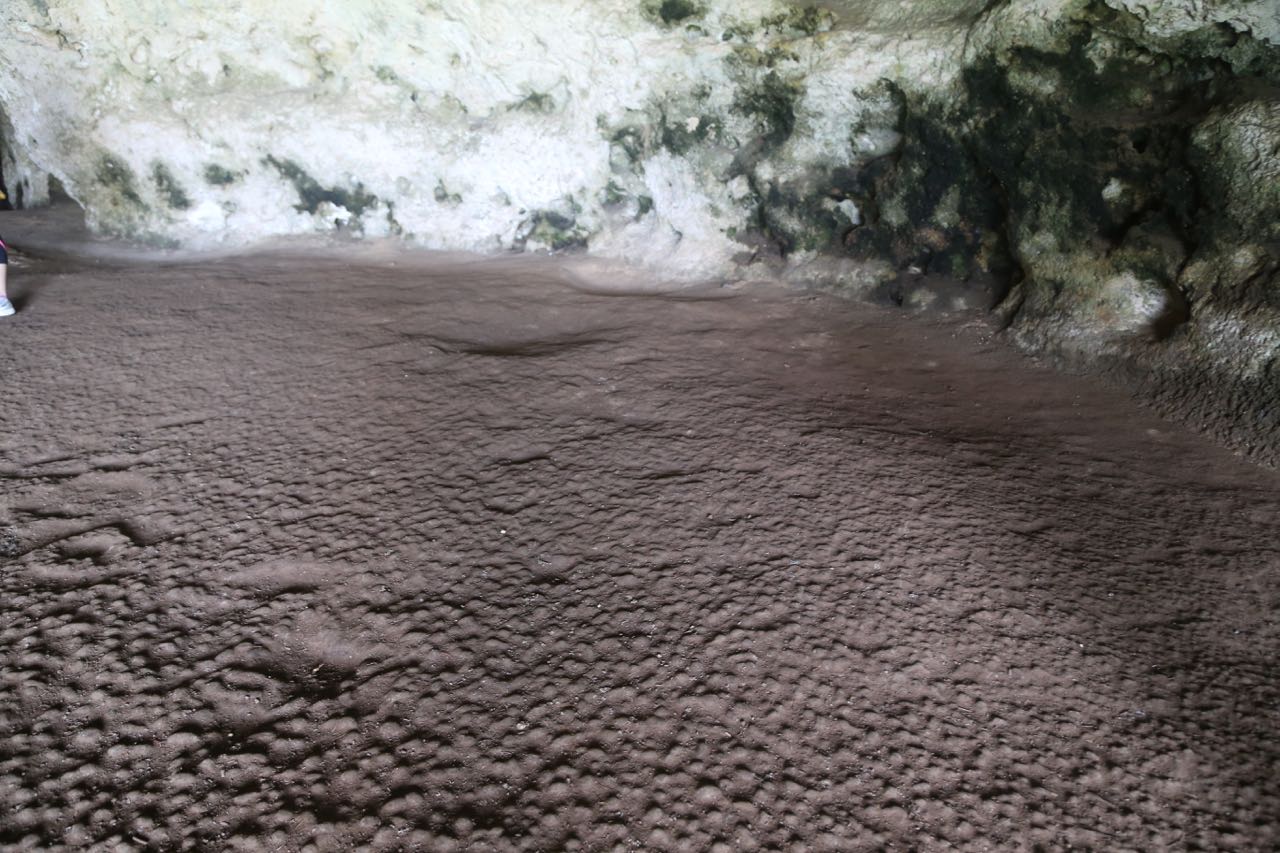
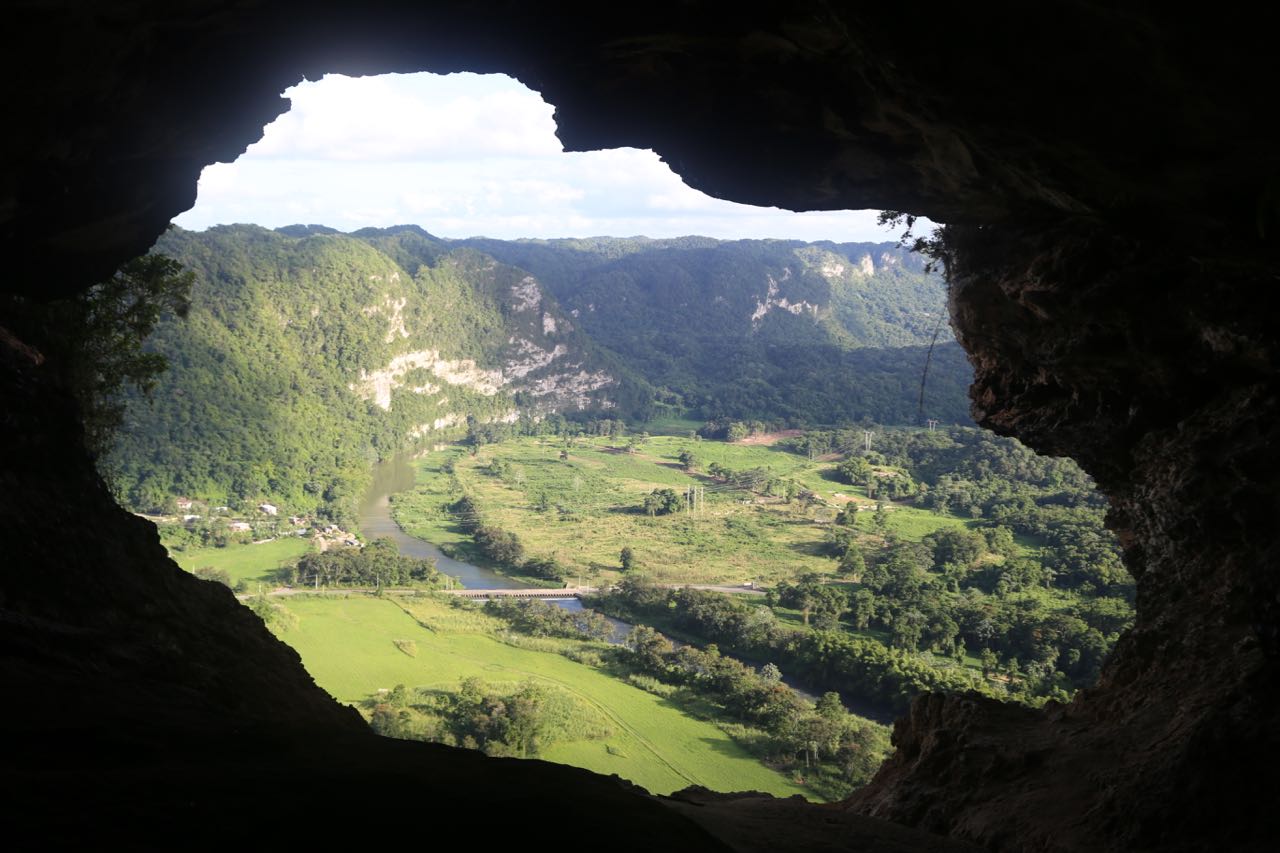
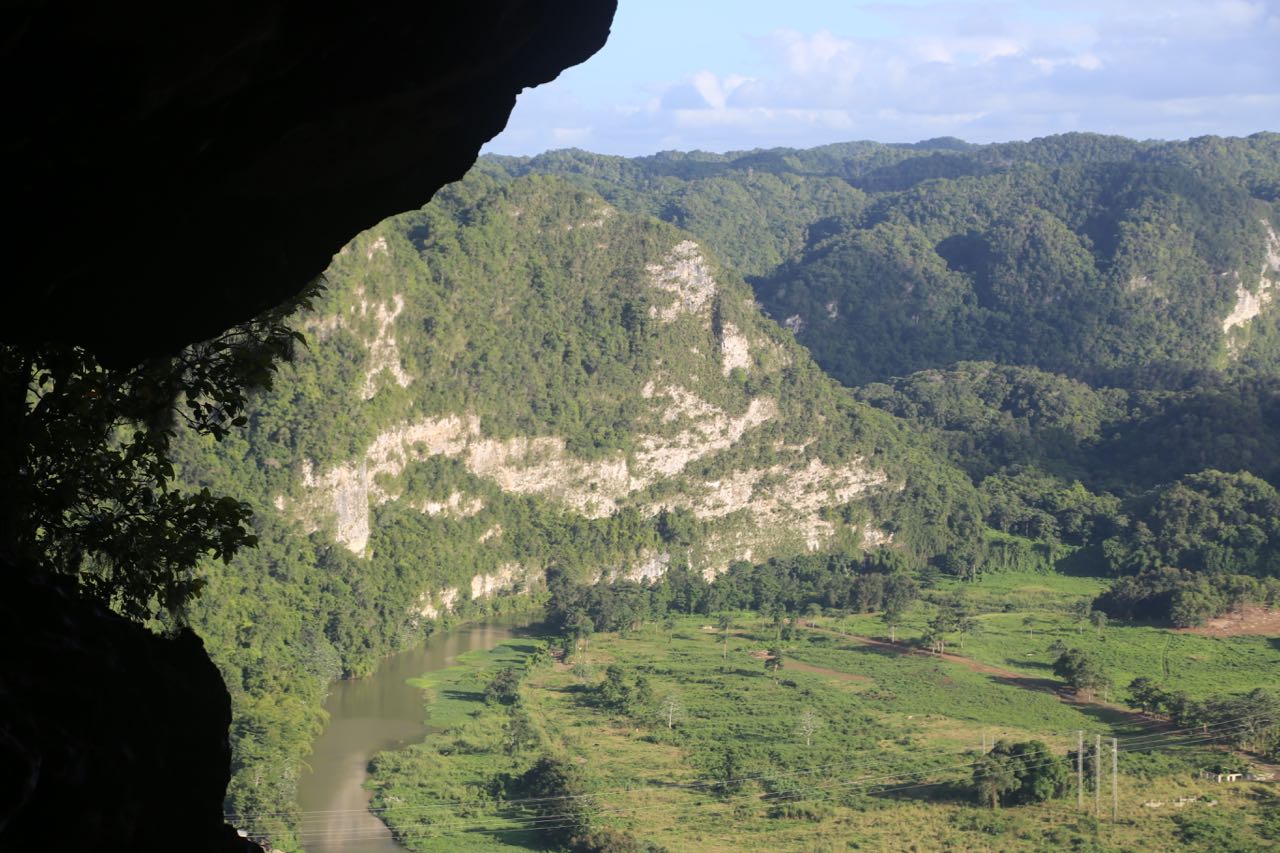
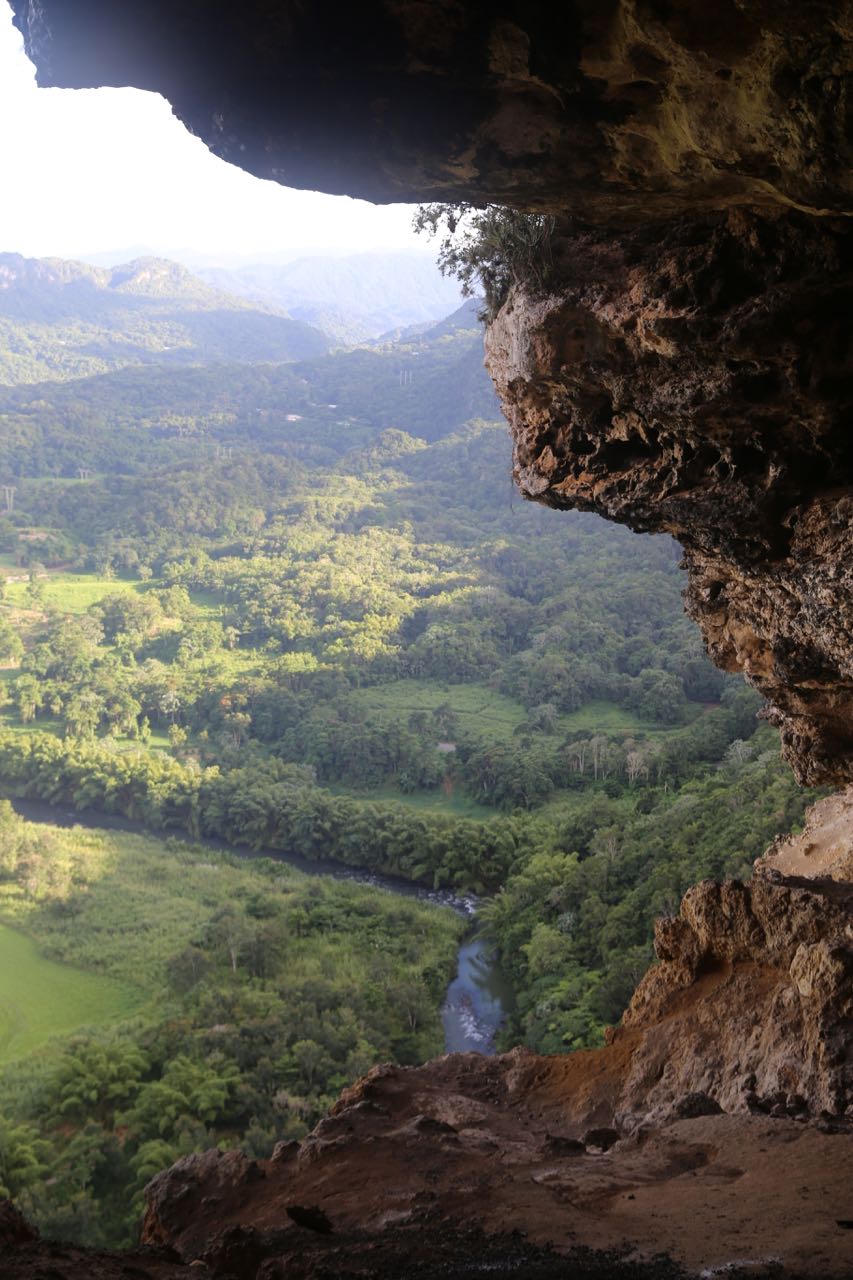
I got to visit Cueva Ventana (Window Cave) today in Arecibo, Puerto Rico. The tour starts by walking by Pee Wee Cave, which only meets the bare minimum requirements of a cave.  You don’t go in. There is no point or room really. There is a short walk through the forest, which when I visited meant getting to see among other things a bunch of giant snails on the trees. Then you walk through cave number two, which I don’t think they actually named. The middle portion of this cave is, well, cavernous, with huge ceilings and wide walls. However the walk through it is fairly short. Then you walk down an extremely steep path to get to the actual Cueva Ventana. There are bats living in there among the limestone columns. At the end of the cave is the Ventana. It has amazing views of the Arecibo River valley. The valley is gorgeous, and you can see the mountains beyond. The tour is worth the view alone. However the caves are really neat to see also, and I love bats, so getting to hear and see them was also a highlight. Sadly while there, you can see vandalism from years past, but tourism is now helping to support security and clean up for the site.
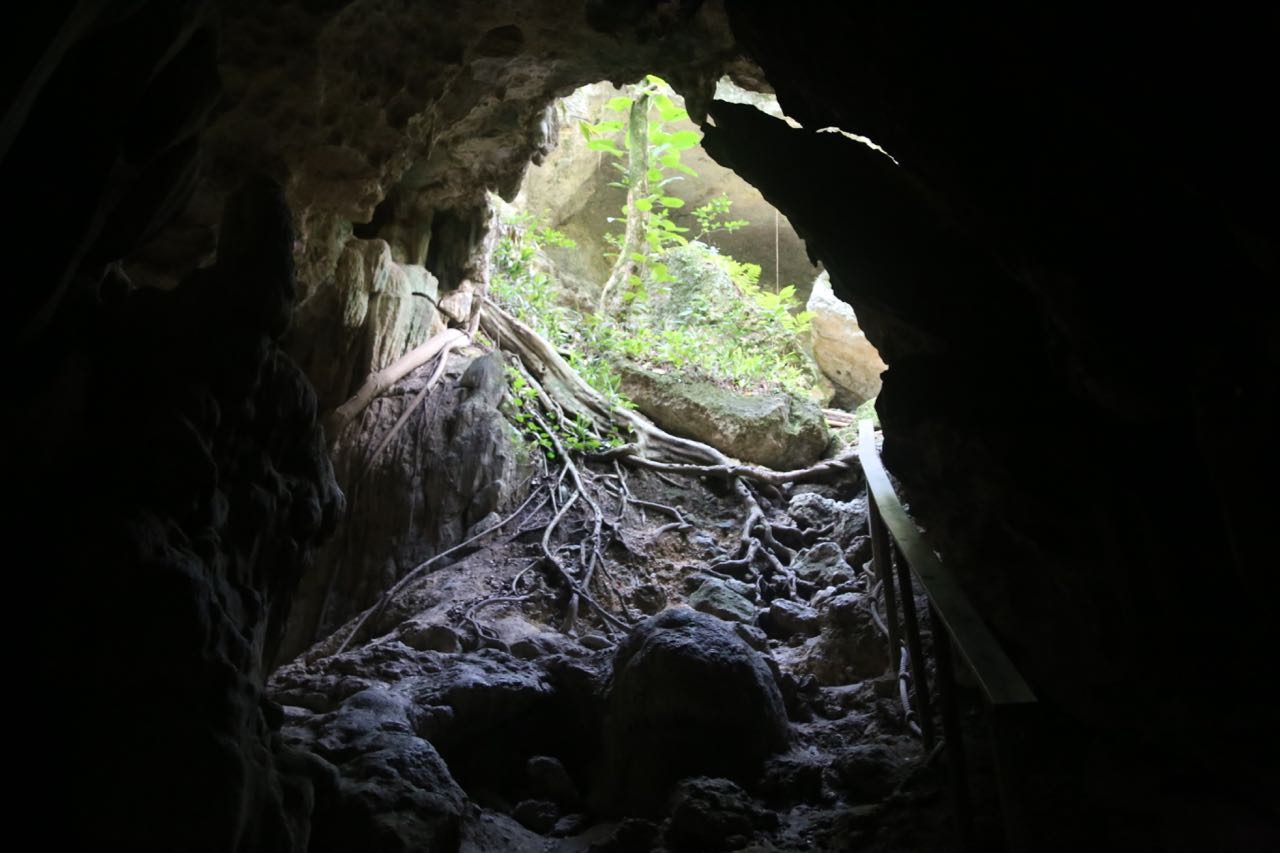
Entrance to Cave 2

Entrance to Cave 2

Entrance to Cave 2

Entrance to Cave 2

Entrance to Cave 2, at very lower left side of dark cave area, opening on other side of cave is visible

Entrance to Cave 2, at very lower left side of dark cave area, opening on other side of cave is visible

Cave 2

Cave 2

Opening to Cave 2

Opening to Cave 2

Entrance to Cueva Ventana

Entrance to Cueva Ventana

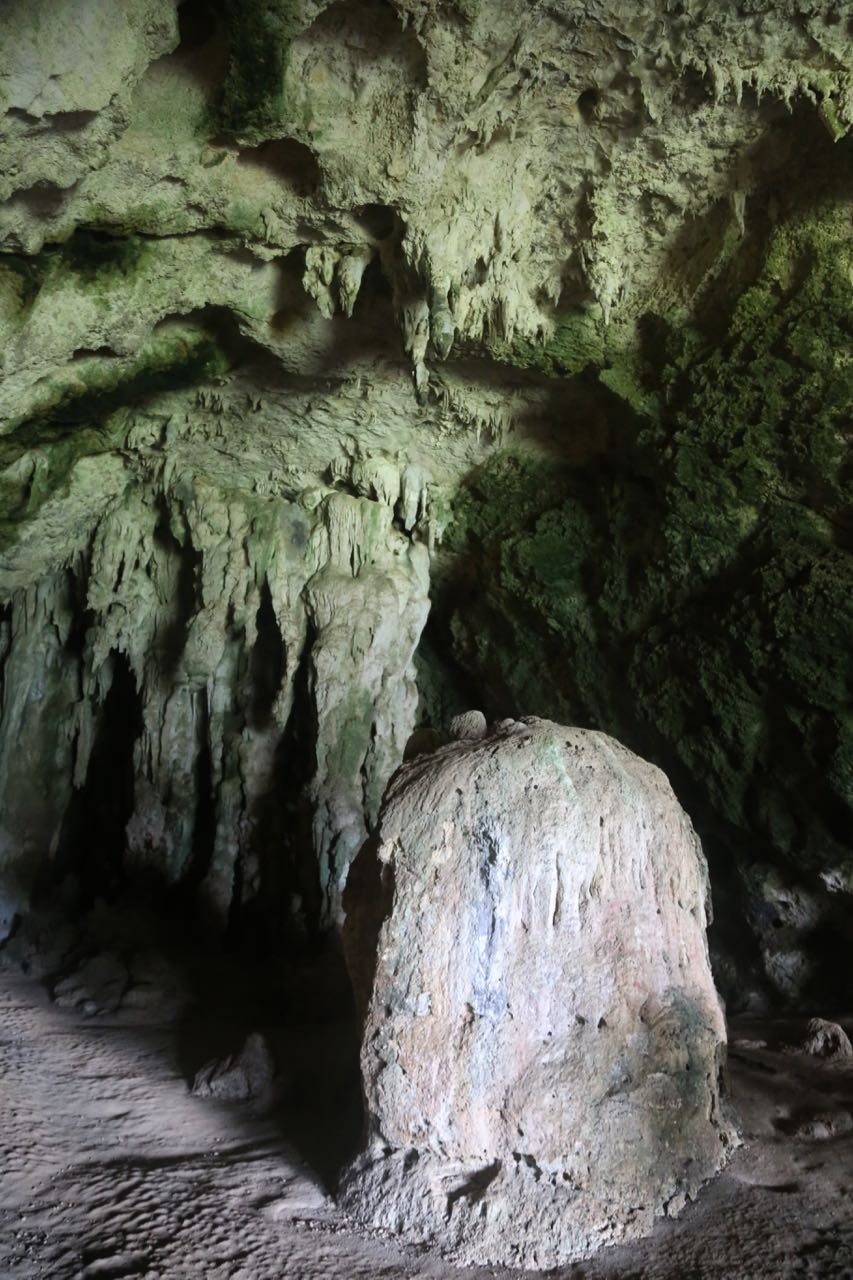
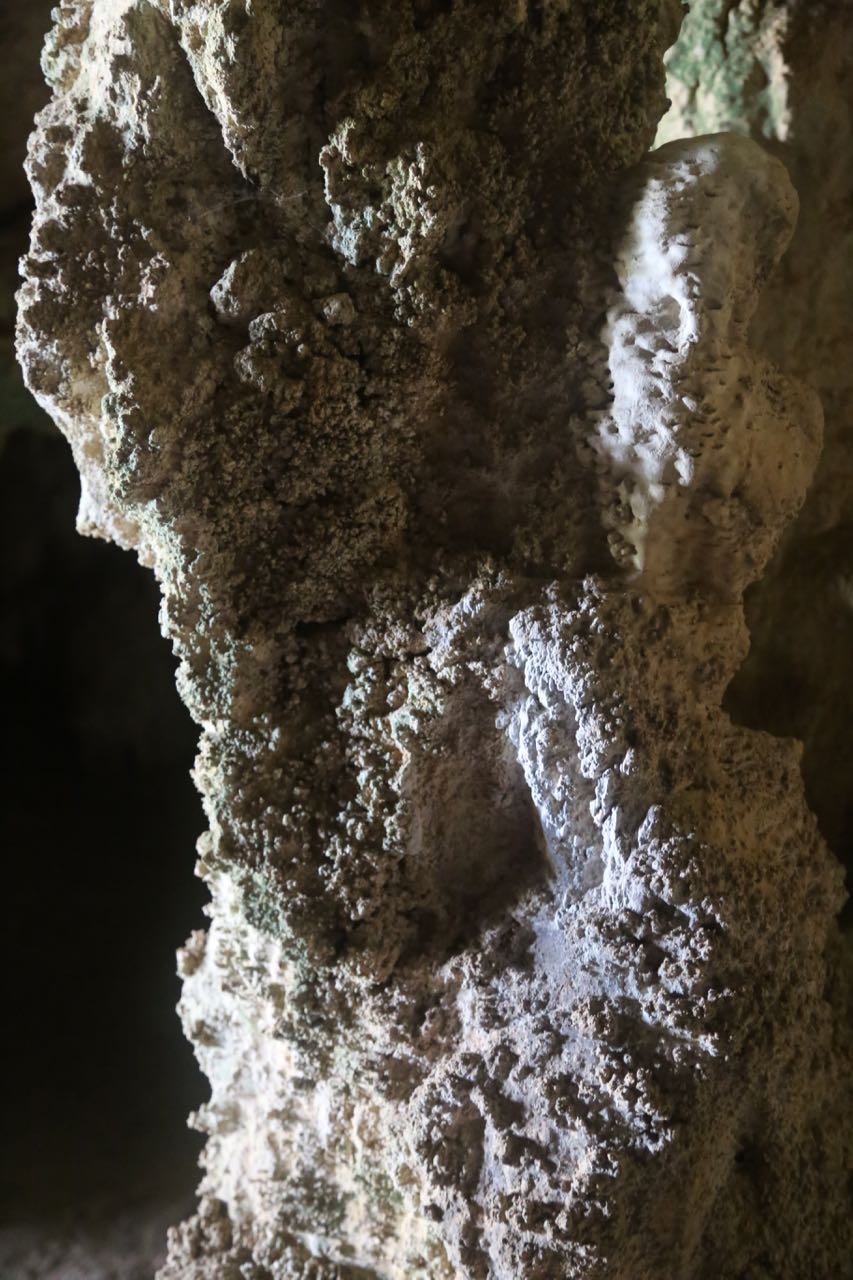
Columns in Cueva Ventana

Columns in Cueva Ventana

Stalagmite in Cueva Ventana

Stalagmite in Cueva Ventana

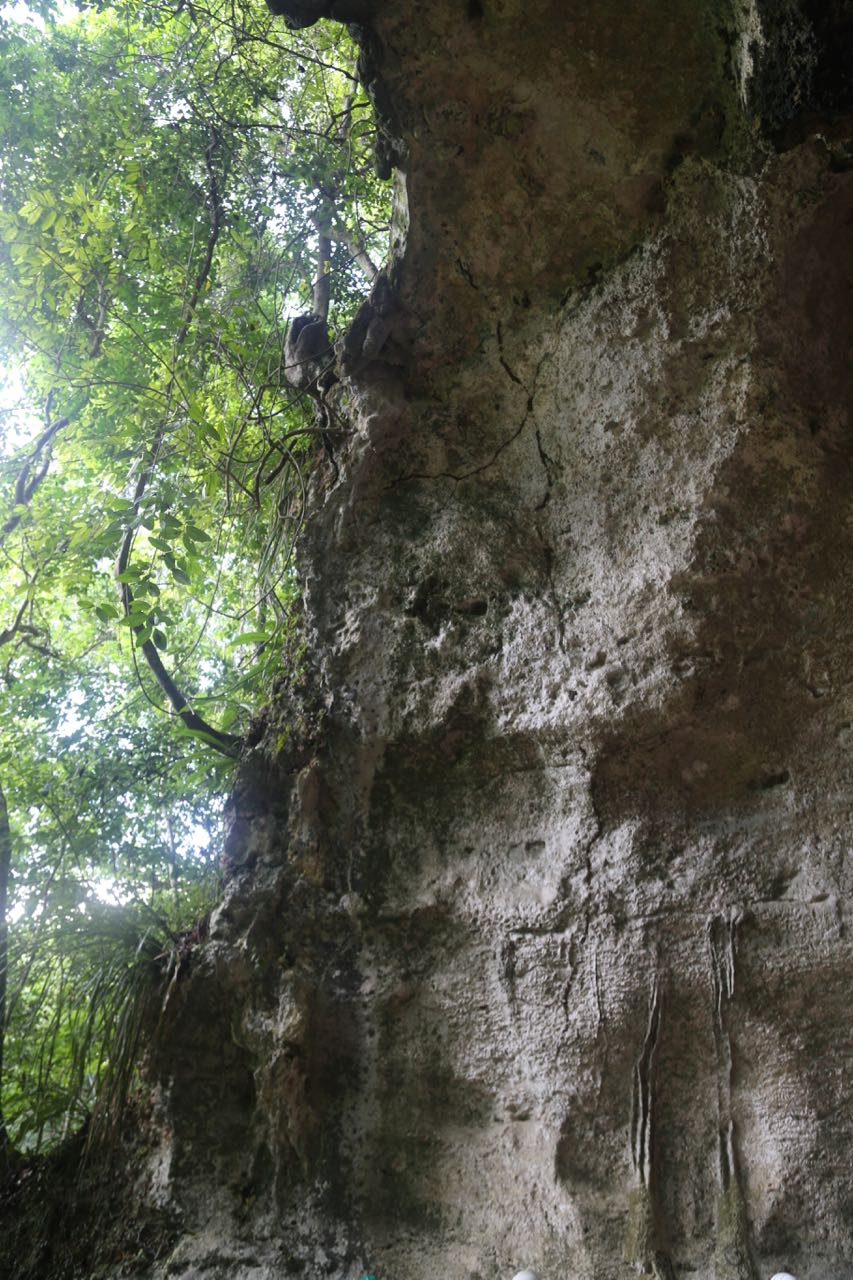
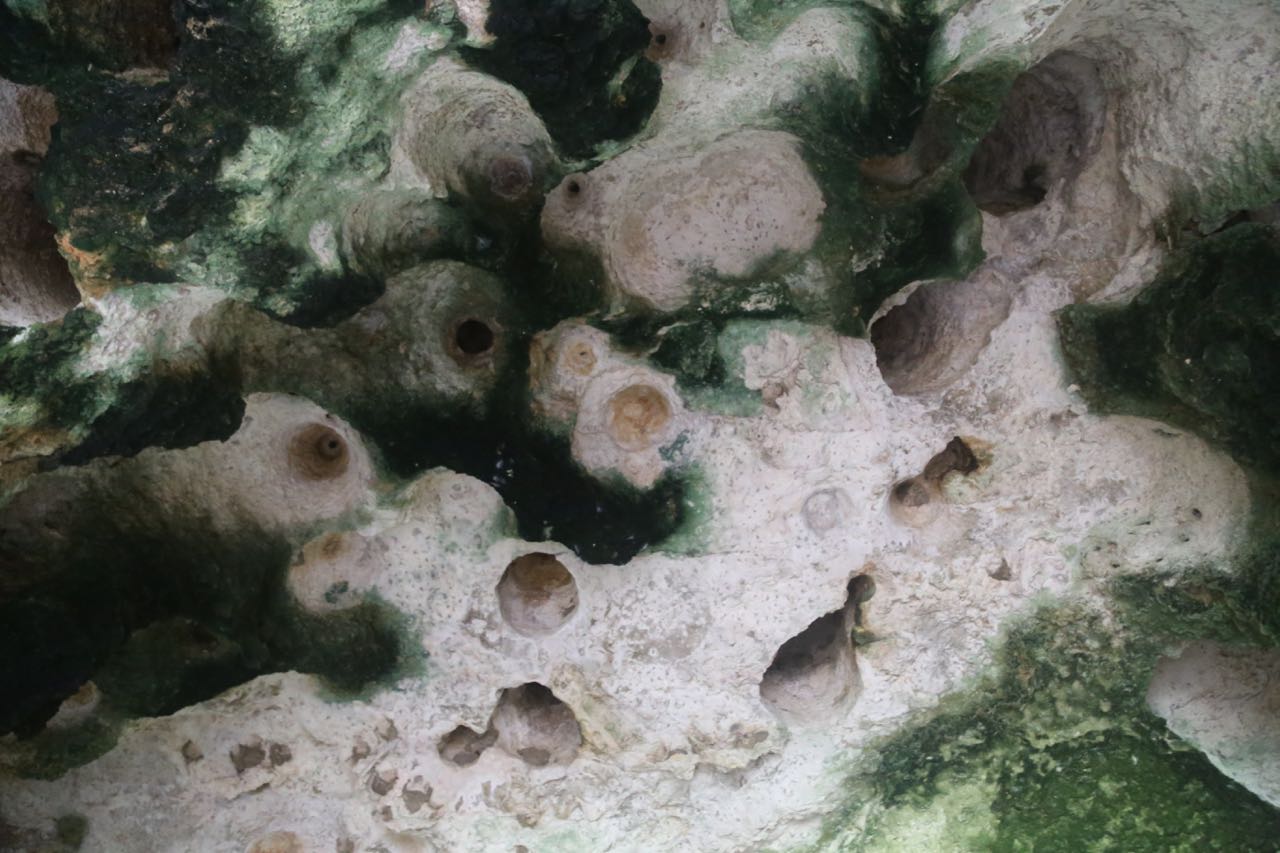
Ceiling of Cueva Ventana

Ceiling of Cueva Ventana

Floor and side of Cueva Ventana

Floor and side of Cueva Ventana

Cueva Ventana's Window to Arecibo River valley

Cueva Ventana’s Window to Arecibo River valley

Arecibo River valley viewed through Cueva Ventana's Window

Arecibo River valley viewed through Cueva Ventana’s Window

Arecibo River valley viewed through Cueva Ventana's Window

Arecibo River valley viewed through Cueva Ventana’s Window