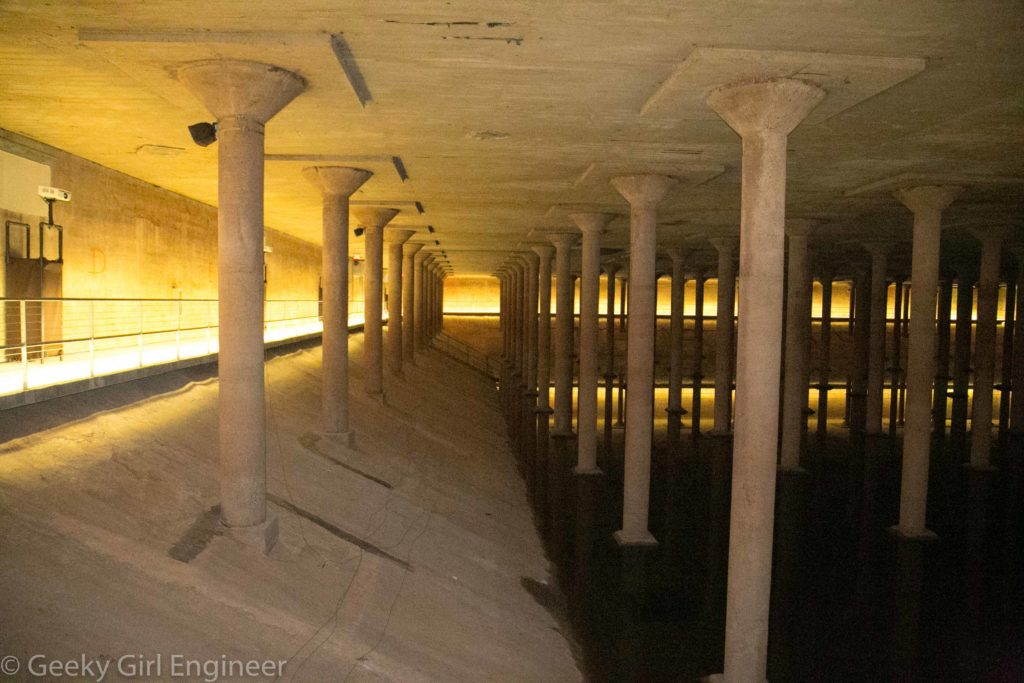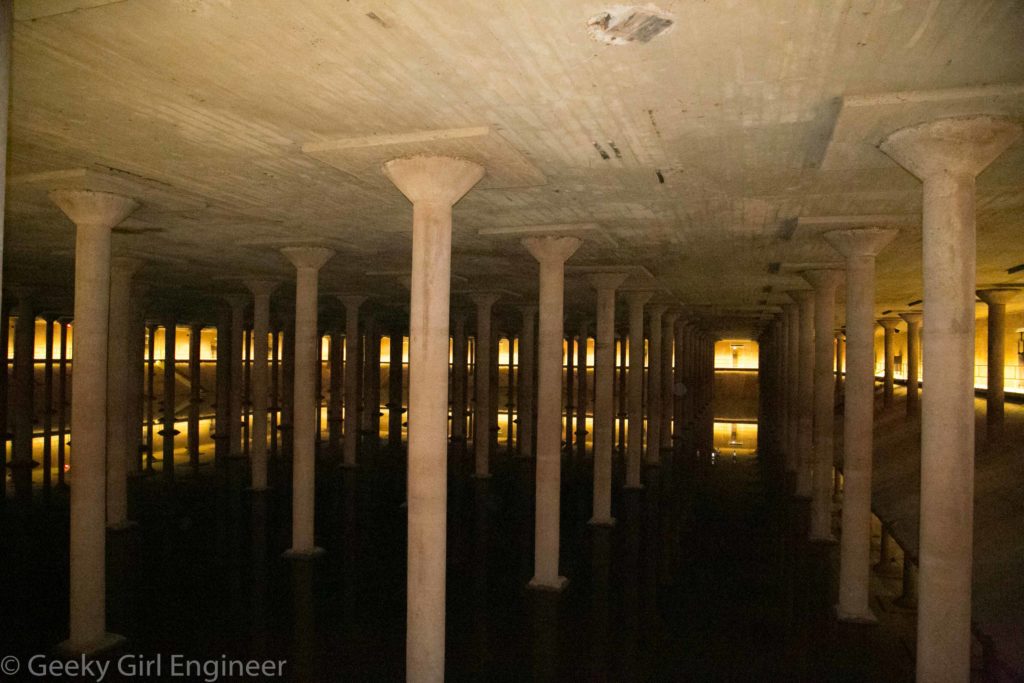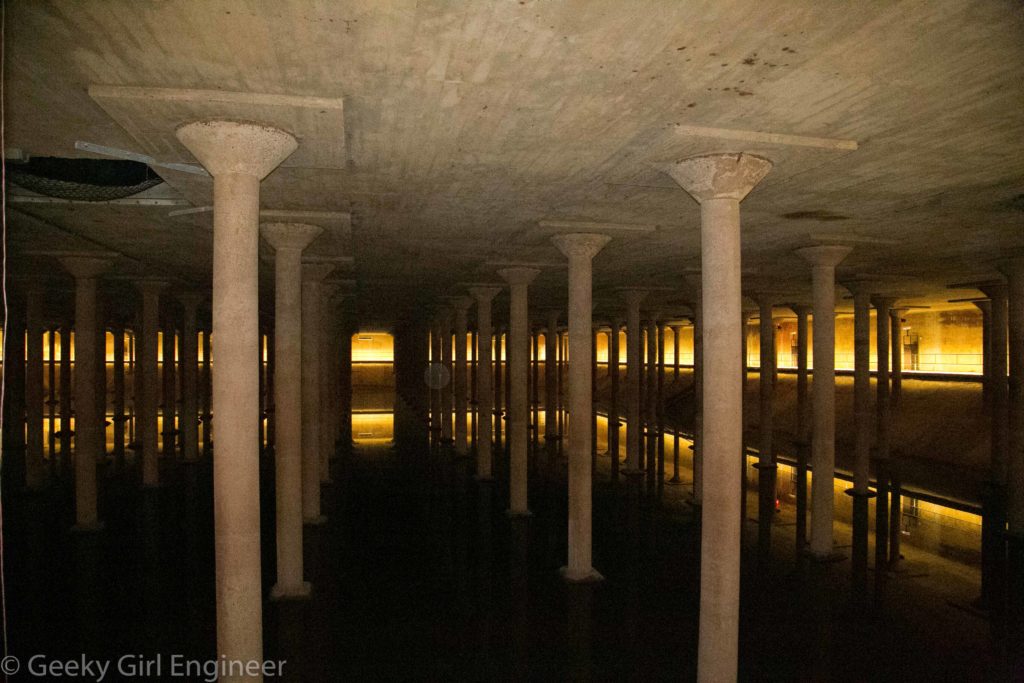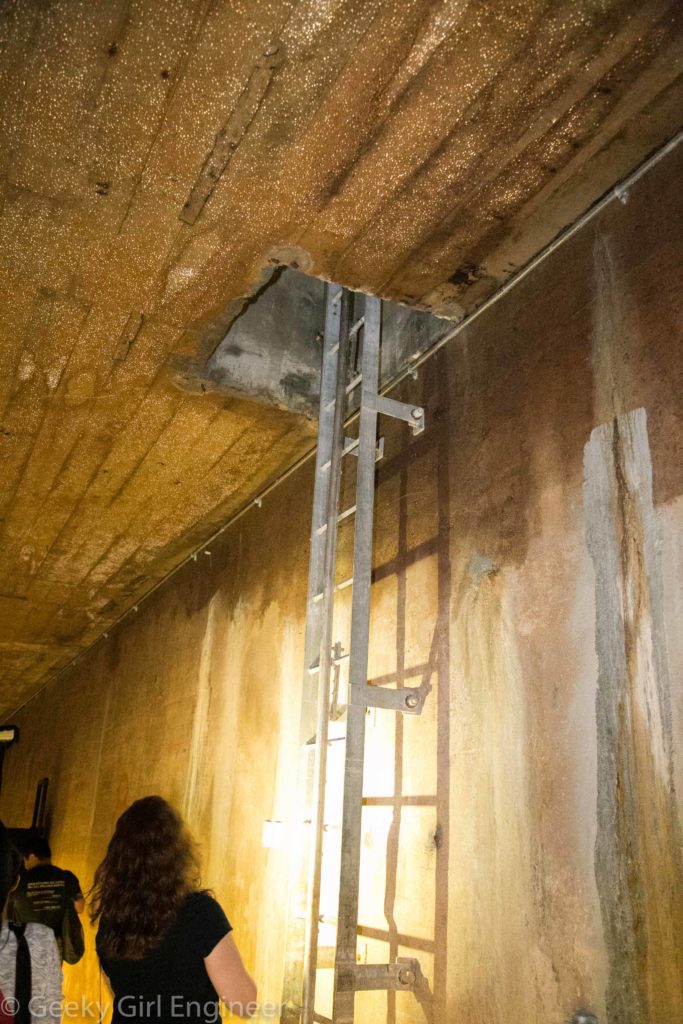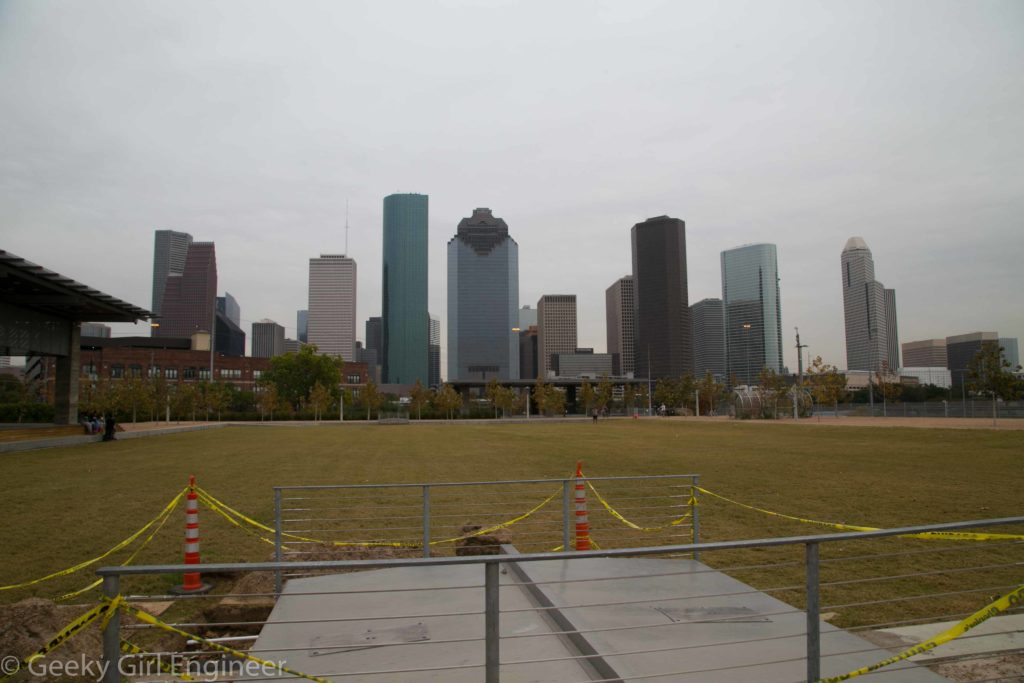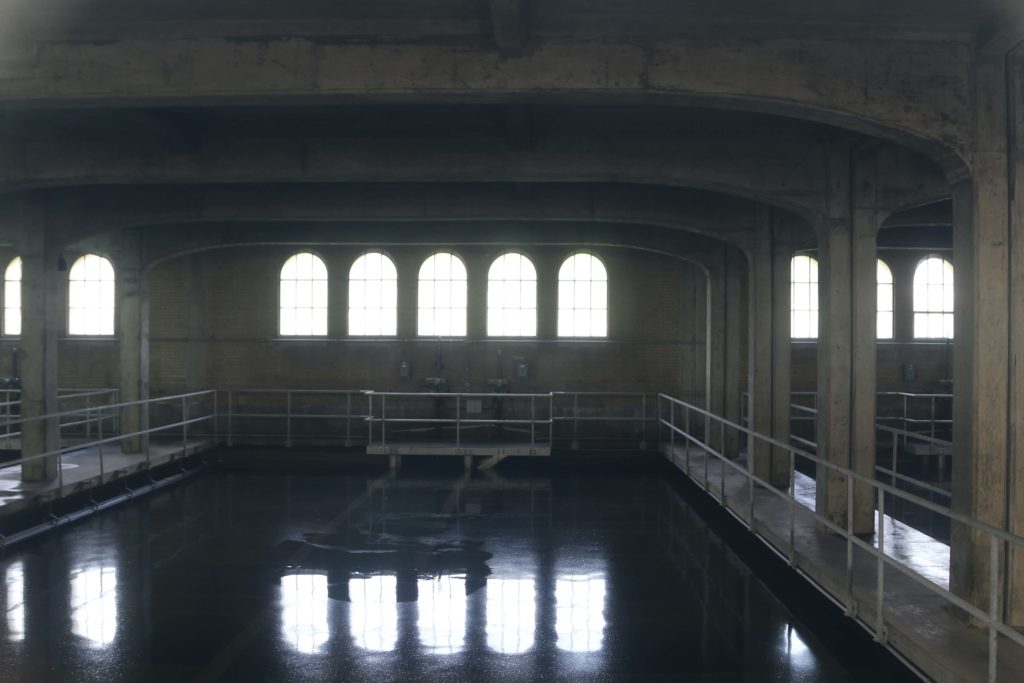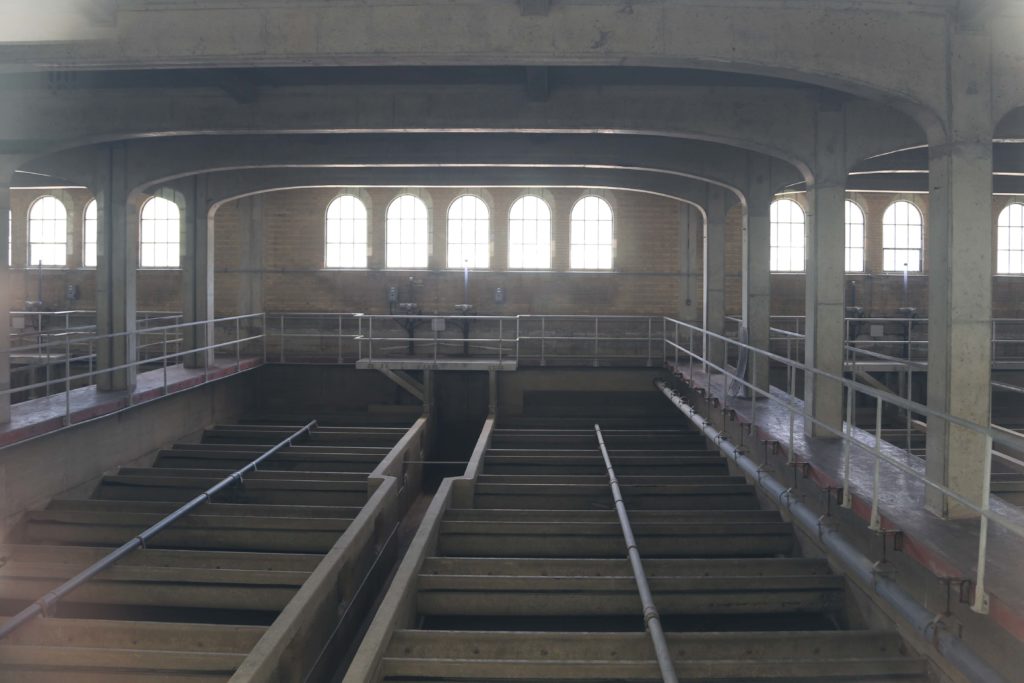
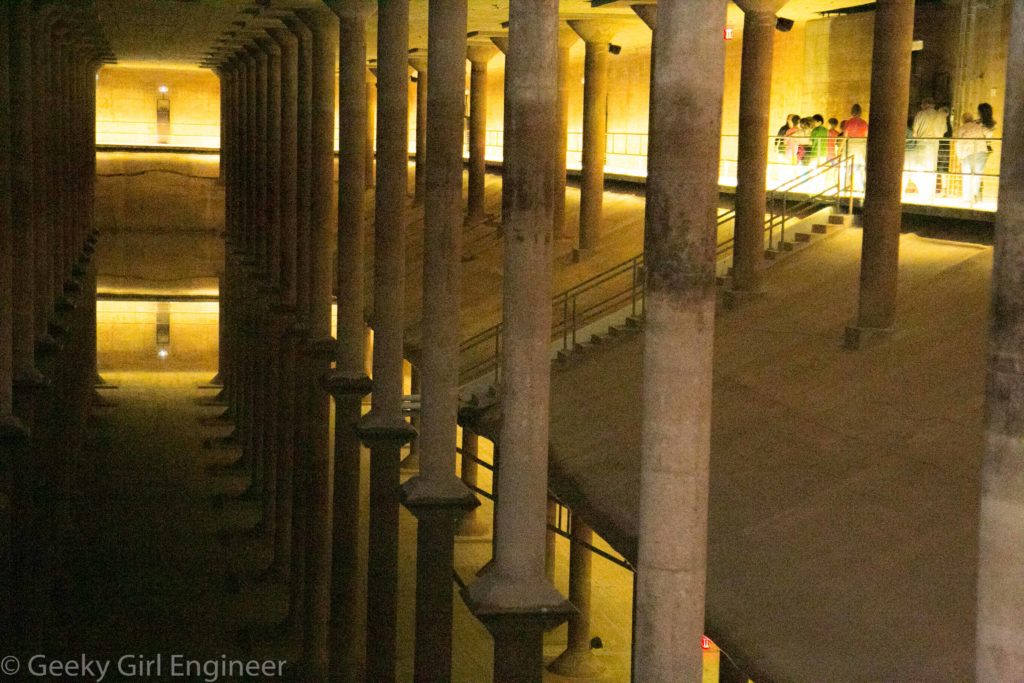
I love hidden places. I love places that you can just walk by and not have any idea are there. It just makes them more magical. I recently found out that Houston has an underground drinking water storage reservoir, a cistern. I have passed by this place so many times not having any idea it was there. The cistern was decommissioned in 2007 after an irreparable leak was discovered. Buffalo Bayou Partnership and the City of Houston turned it into space for people to visit and learn about the history of it and also a space that can be used for art installations. When functioning, the reservoir could hold 15 million gallons, but now it just has about 6 inches of water across. Enough water is there just for a neat reflection of the columns in it.
Tag Archives: water
Icebergs DC
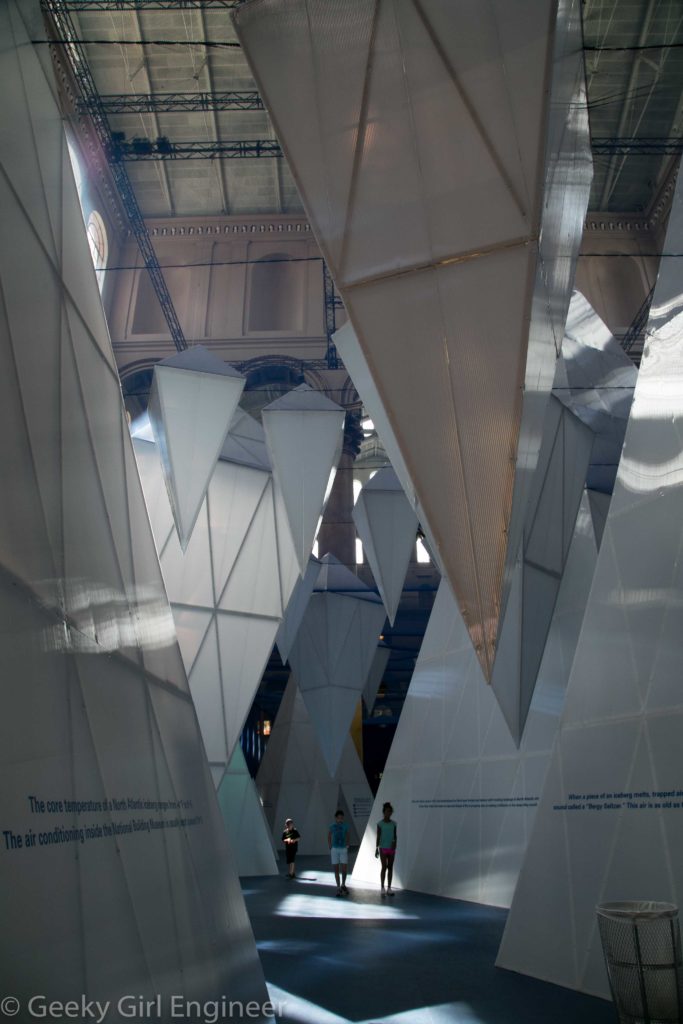
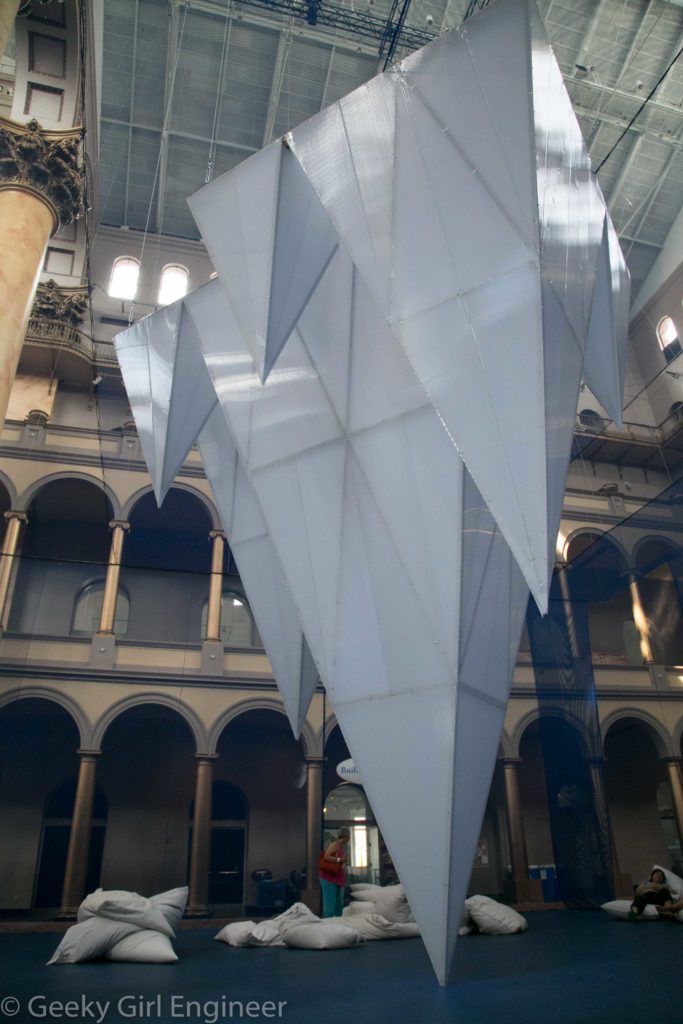
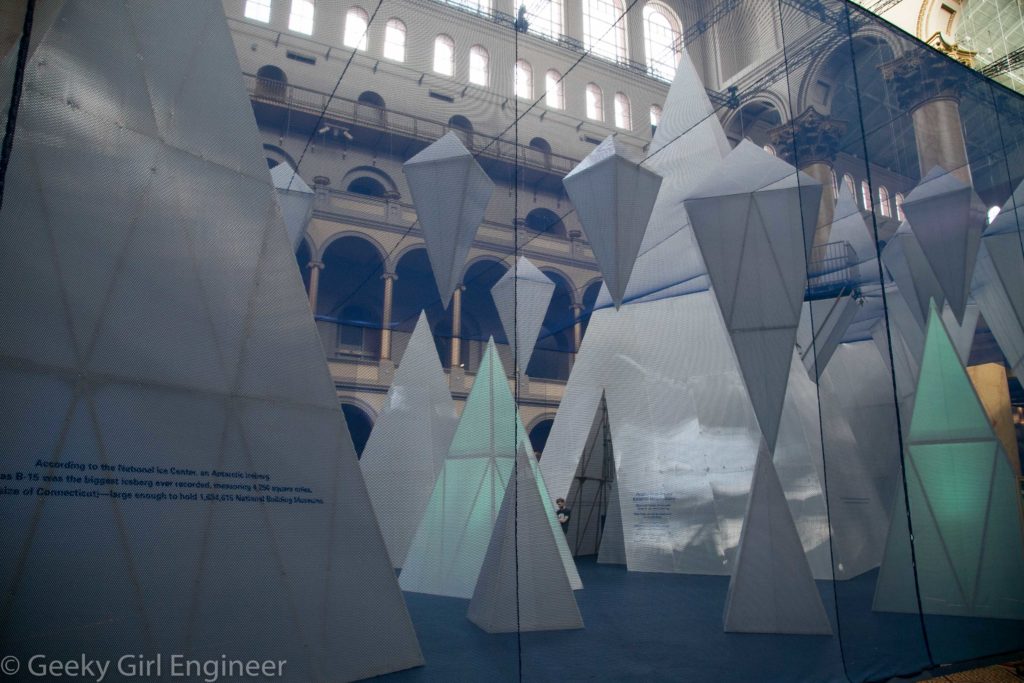
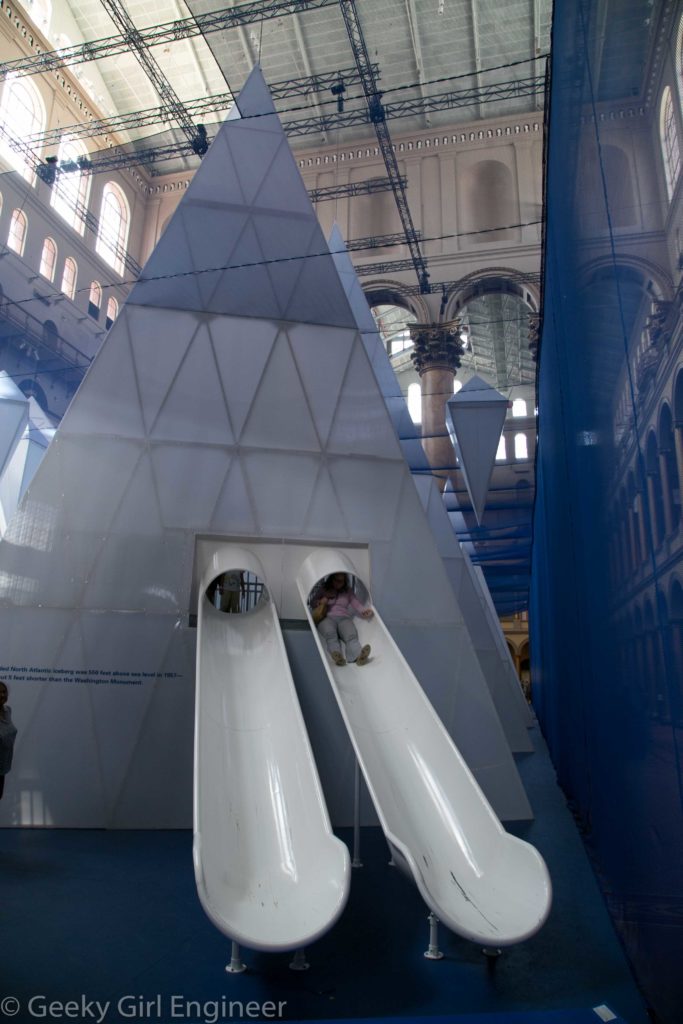
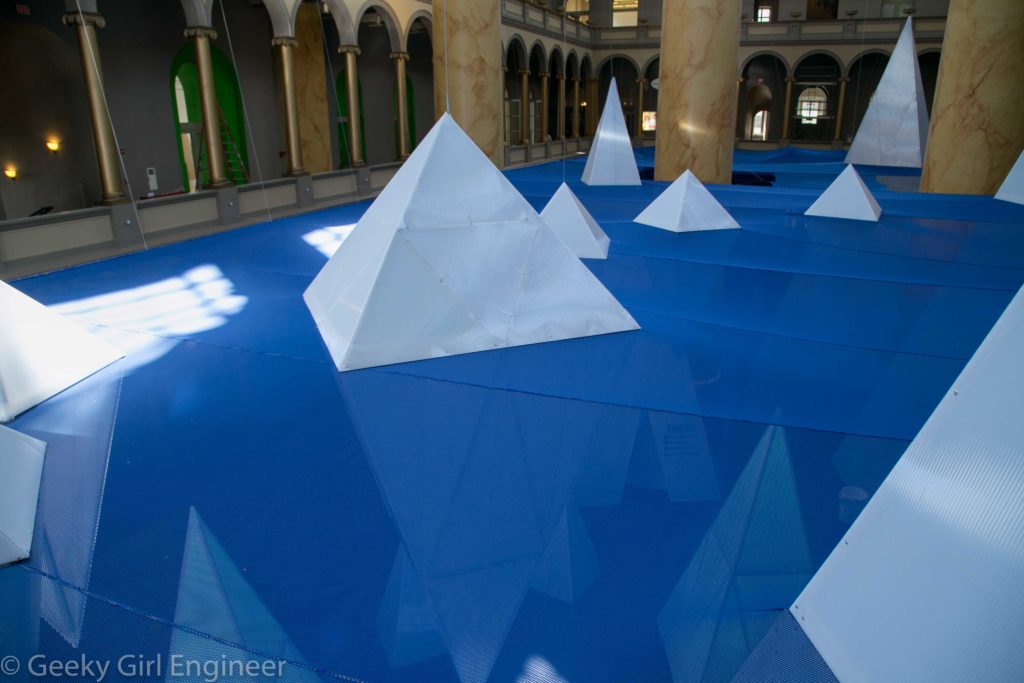
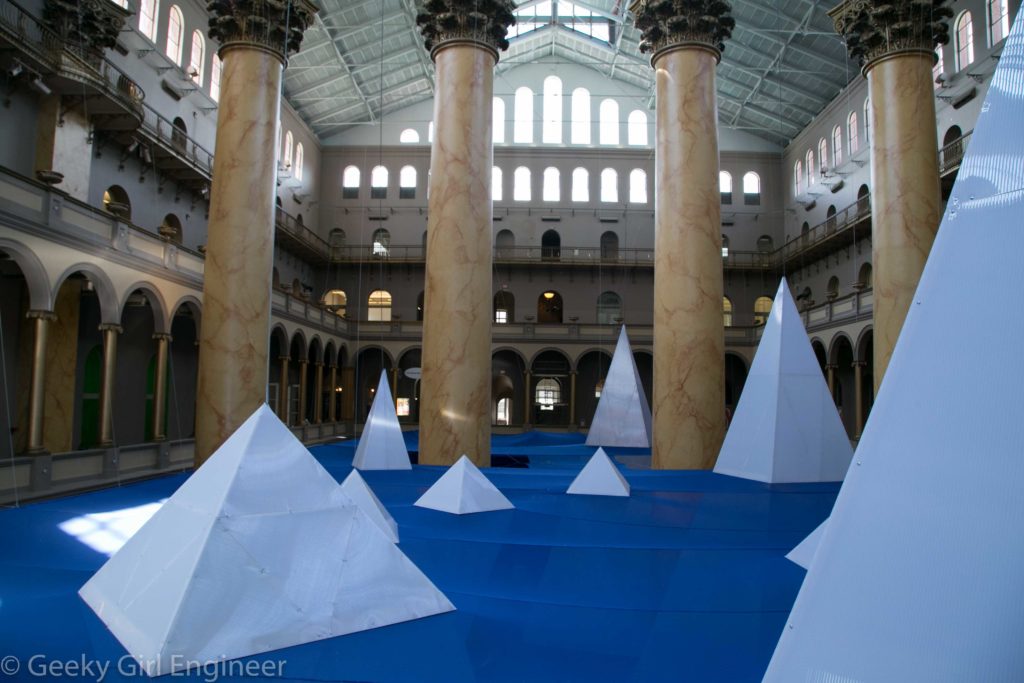
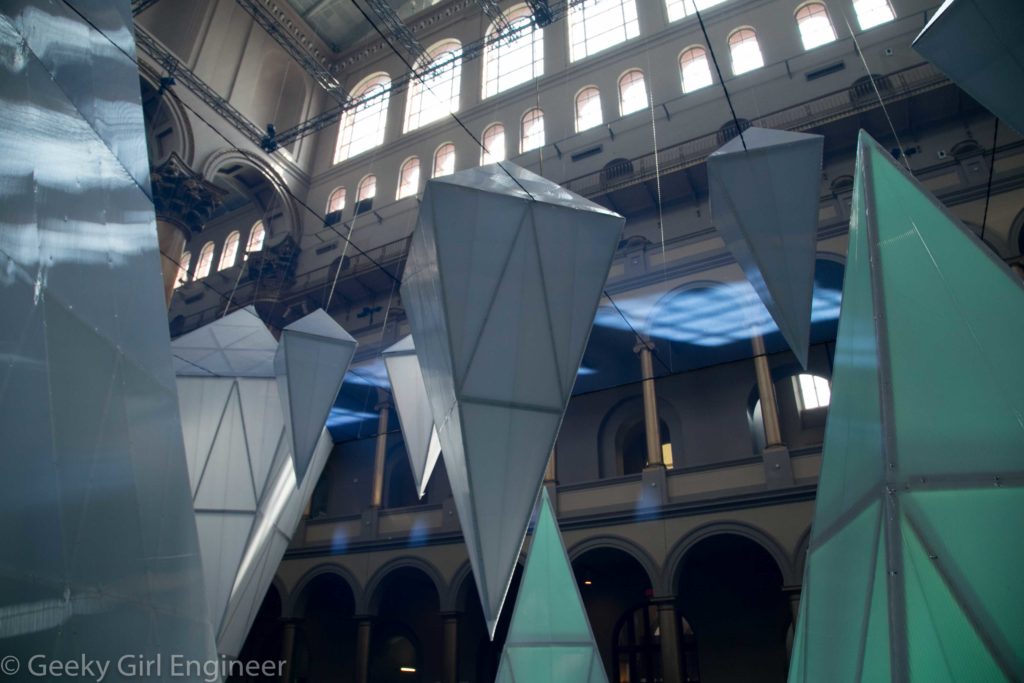
In what is now an annual tradition, the National Building Museum creates a fun, exhibit or installation in which children and adults can play. Last year it was The Beach, and the year before it was The Big Maze. This year, it is Icebergs. The museum’s great hall is filled with structures resembling icebergs, and blue mesh surrounds them to denote the water. The “water line” is about two stories high with the tops of many icebergs popping above it, like real icebergs. The exhibit is complete with an underwater bridge between two icebergs, which leads to two slides. White bean bags are scattered about, so you can sit down and relax.
Freshkills Landfill Turned Park
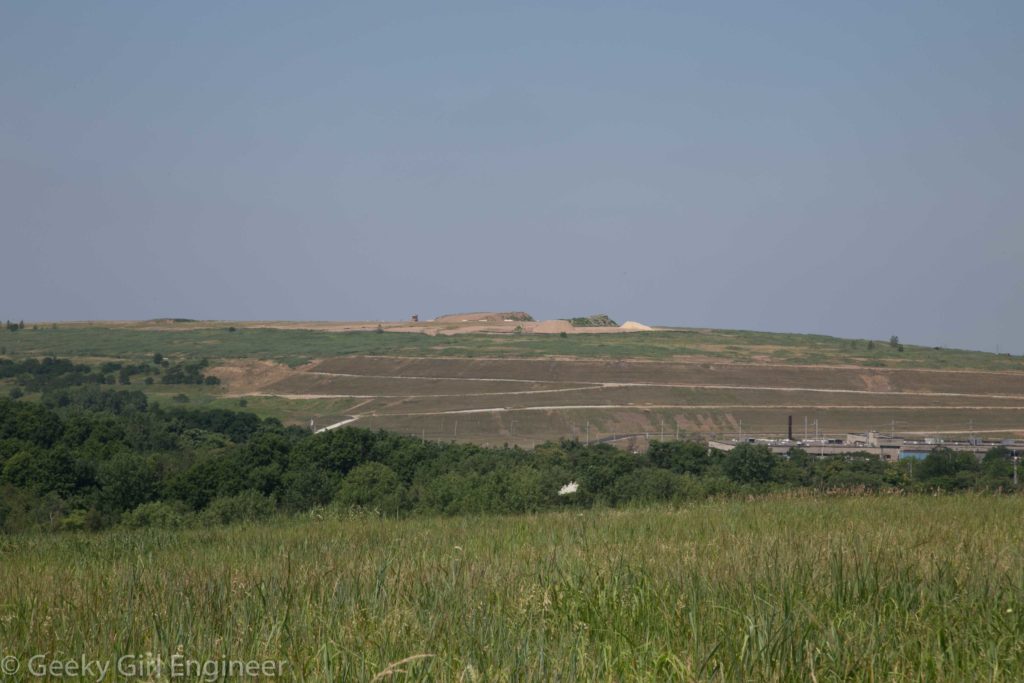
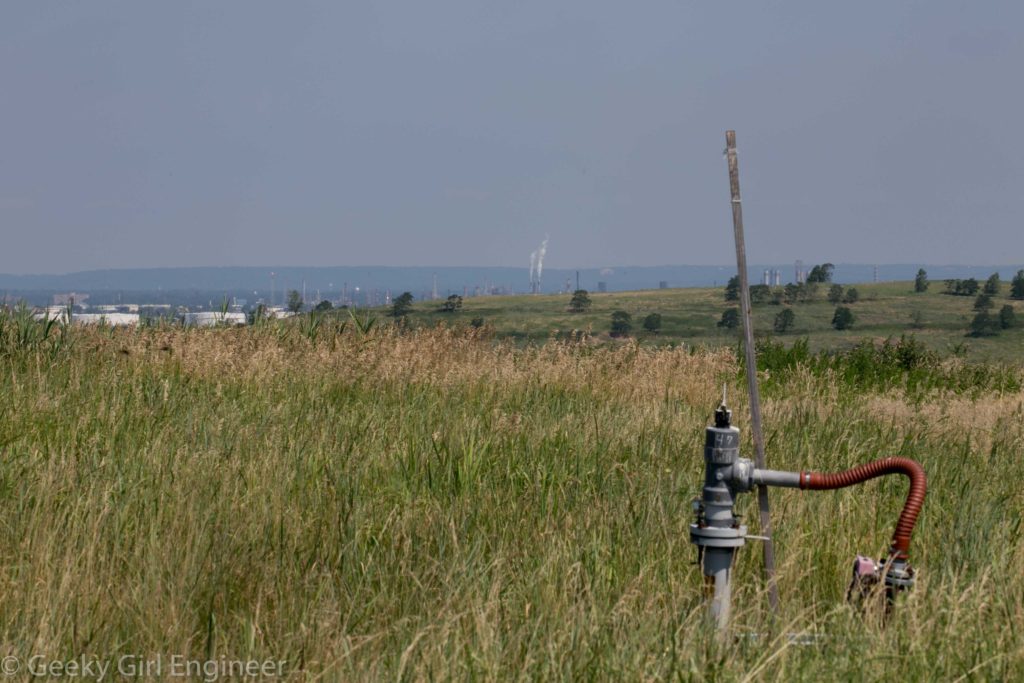
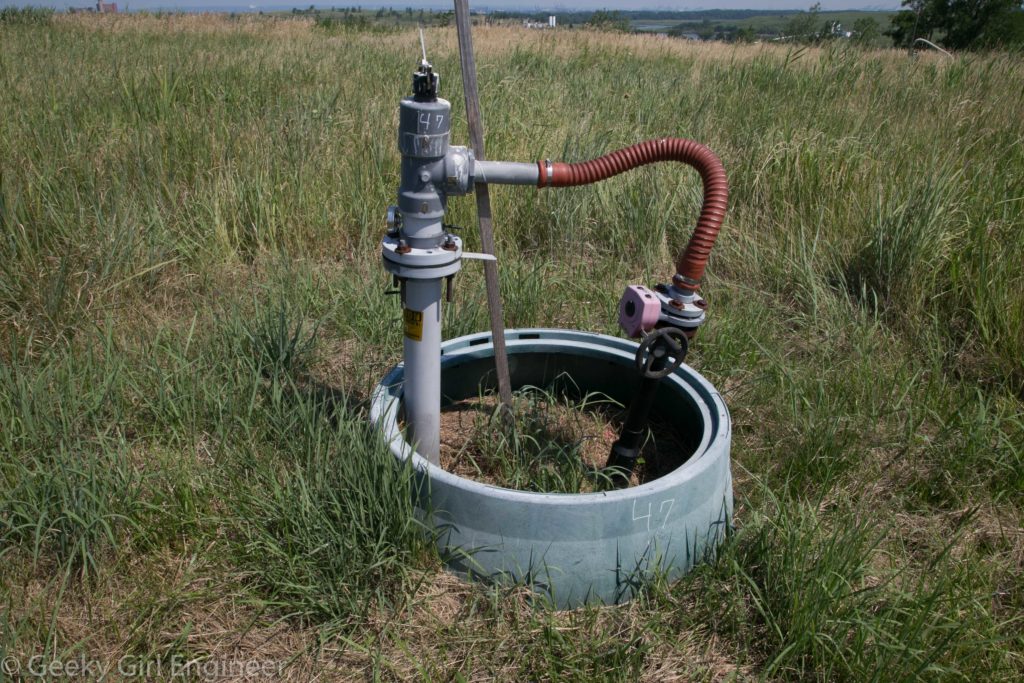
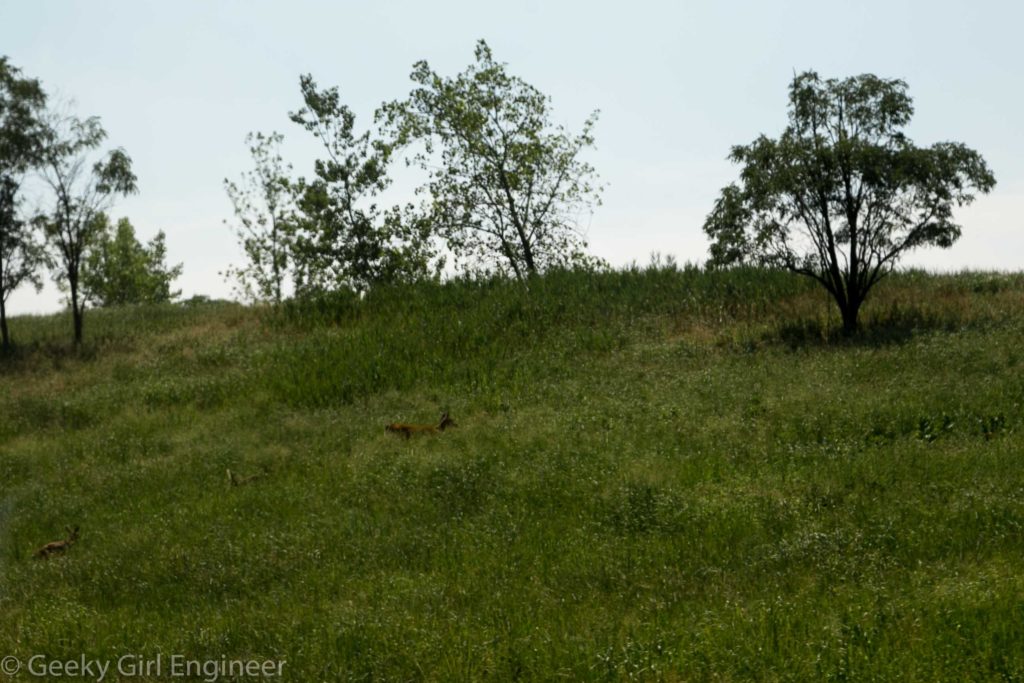
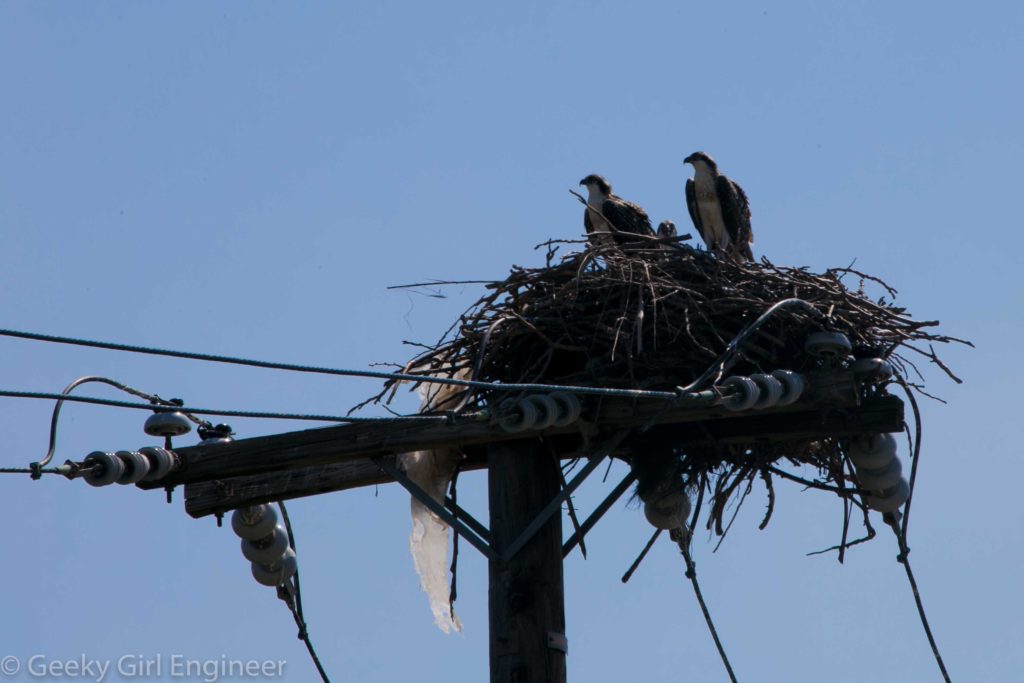
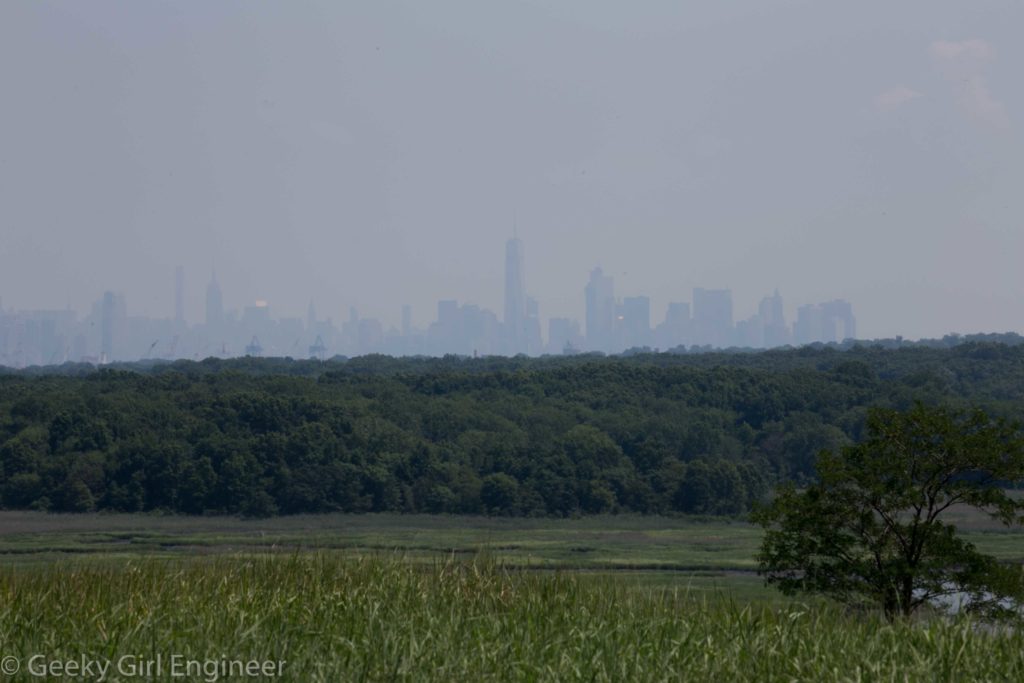
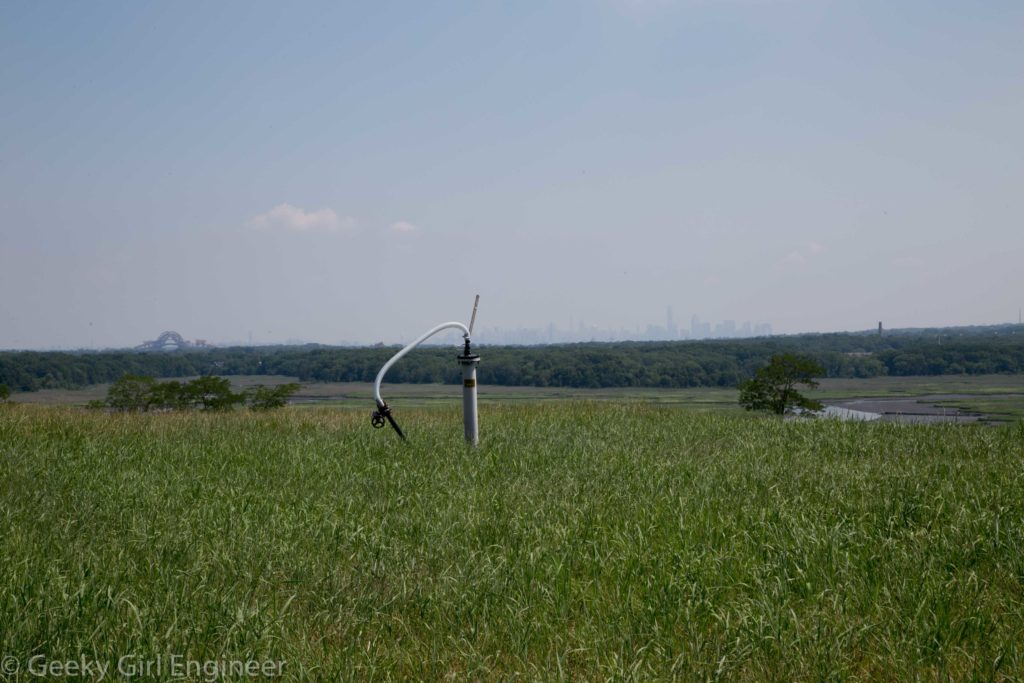
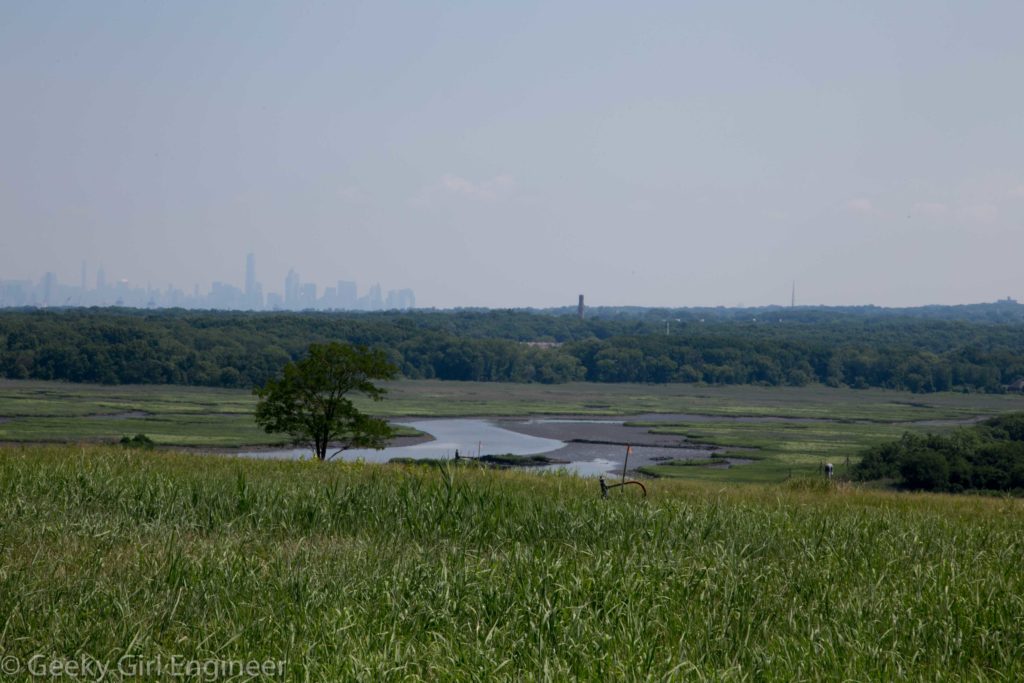
This past weekend, I got to check an item off my bucket list when I got a tour of Freshkills, the former landfill that is being turned into a park. This is probably not an item on most people’s bucket list, but I have heard so much about the landfill that when I found out New York City Parks Department gives tours, I jumped to sign up. The vast majority of the landfill has been fully capped and vegetated. The mounds are dotted by the landfill gas collection system with gas wells popping up from the high grass at regular intervals. The wildlife has already moved in. There were butterflies flying everywhere in the grass, and birds were everywhere. We also saw a family of deer. The wetlands are lovely and evidently filled with wildlife. Also, the view from the top of the mounds is spectacular. It will be a while before the area will be completely converted to a park and open to the public, but the transformation already is incredible. As an environmental engineer, I am incredibly happy to see it and proud of my profession that did it.
Coney Island Creek
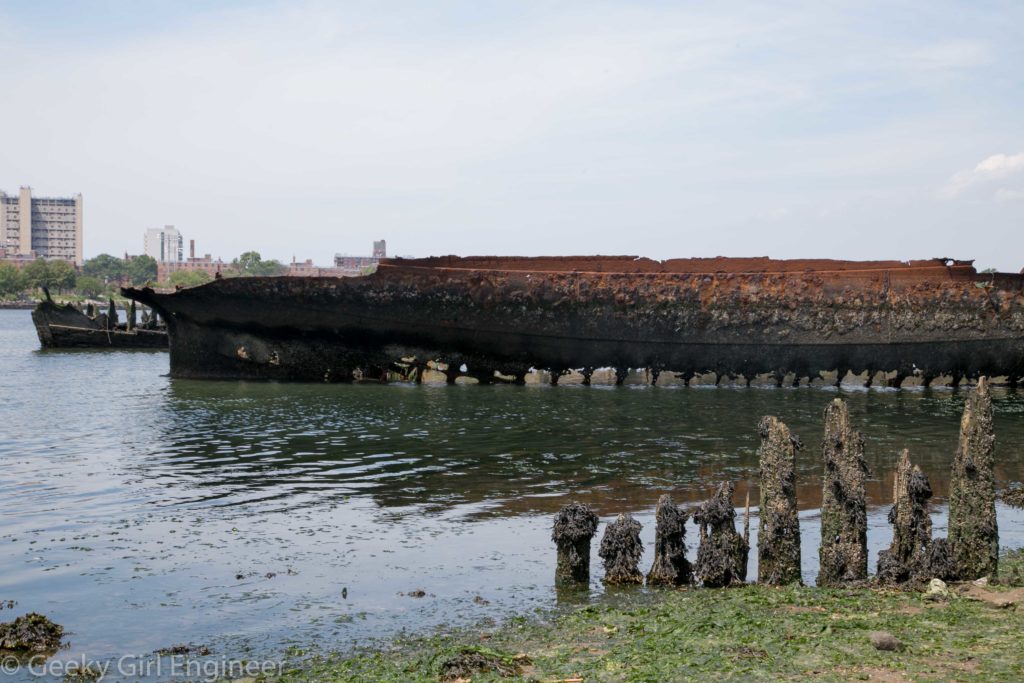
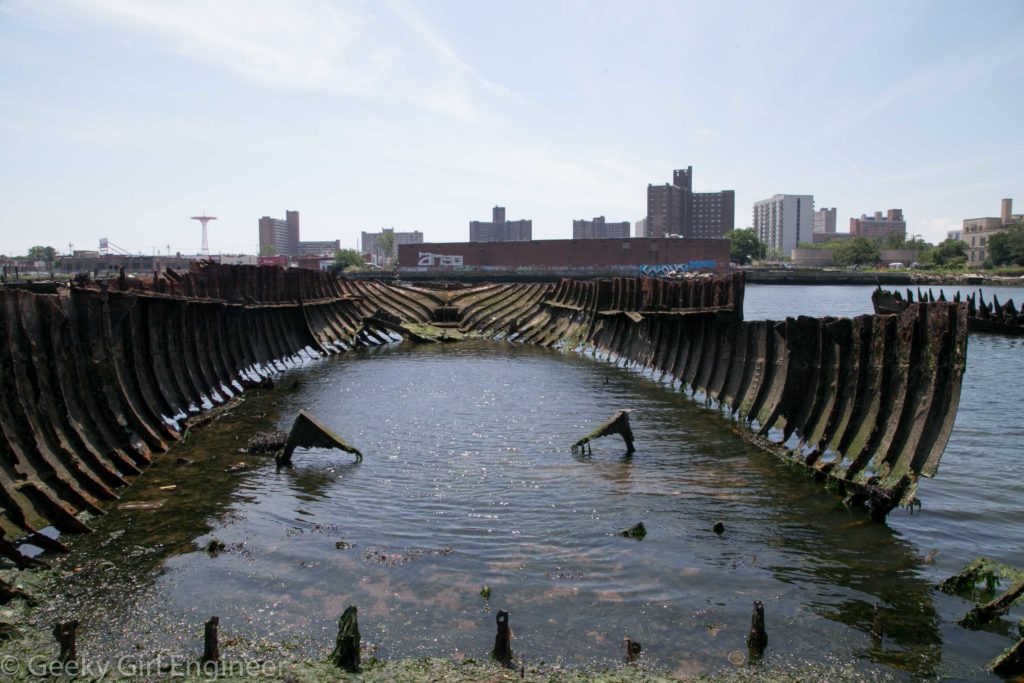
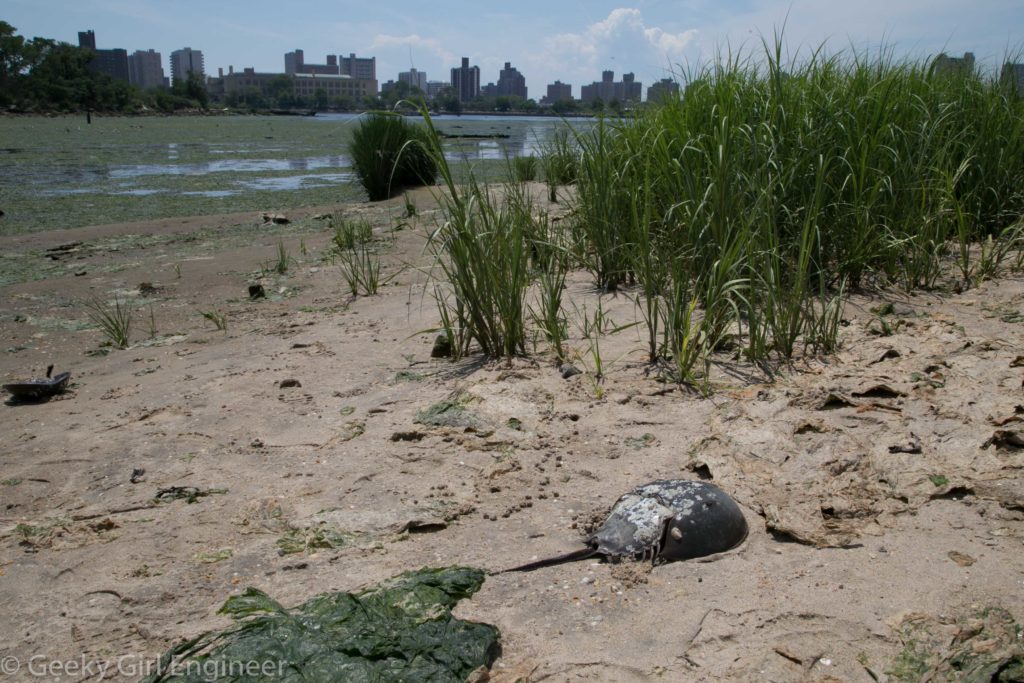
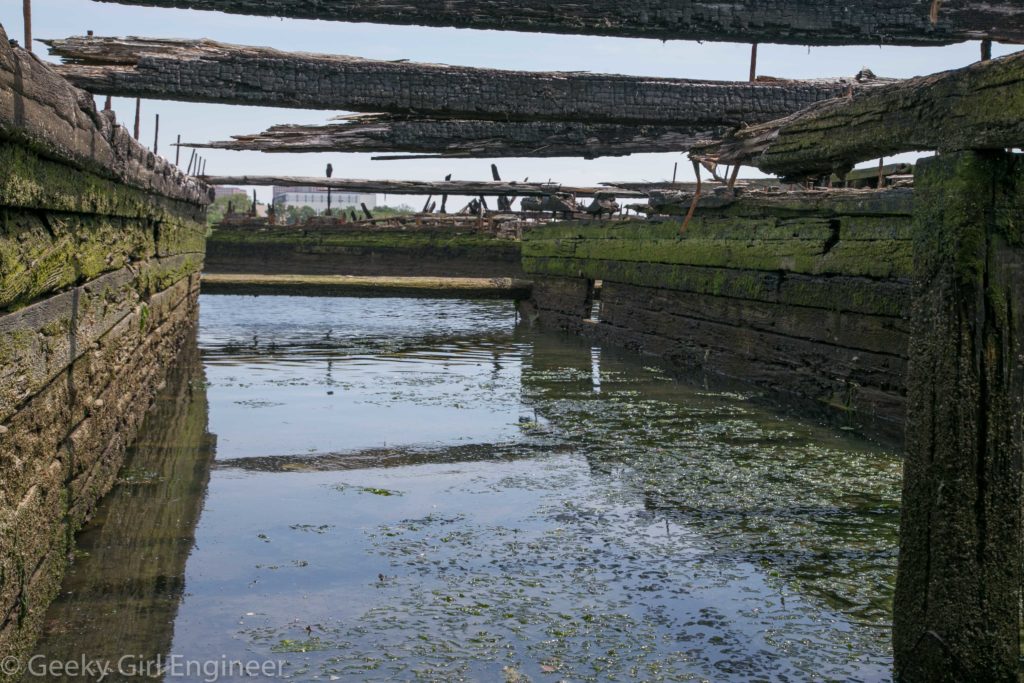
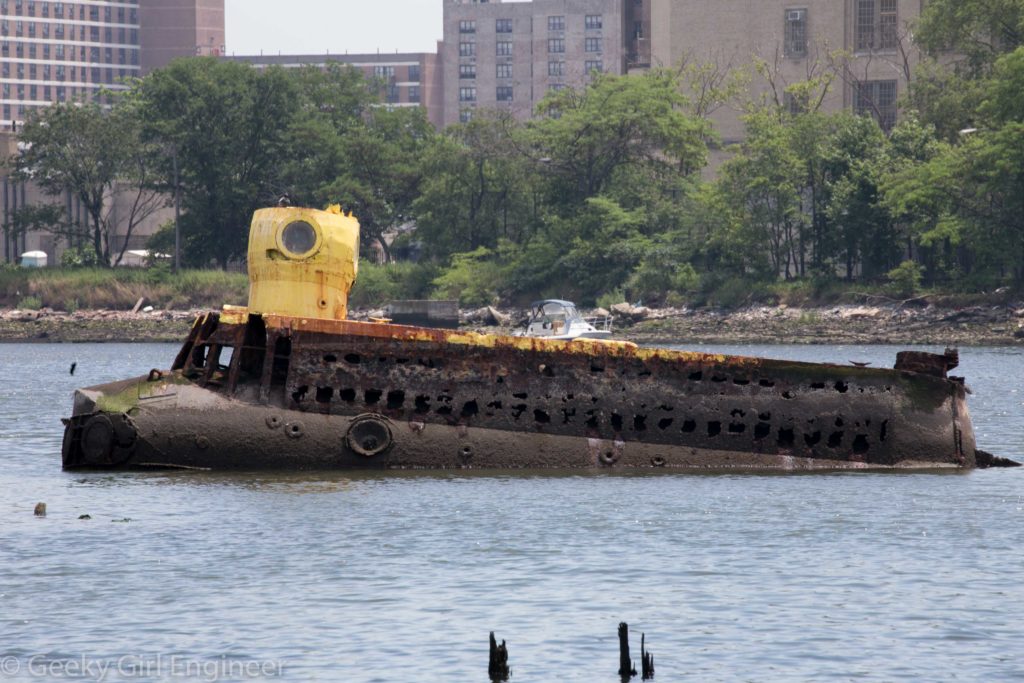
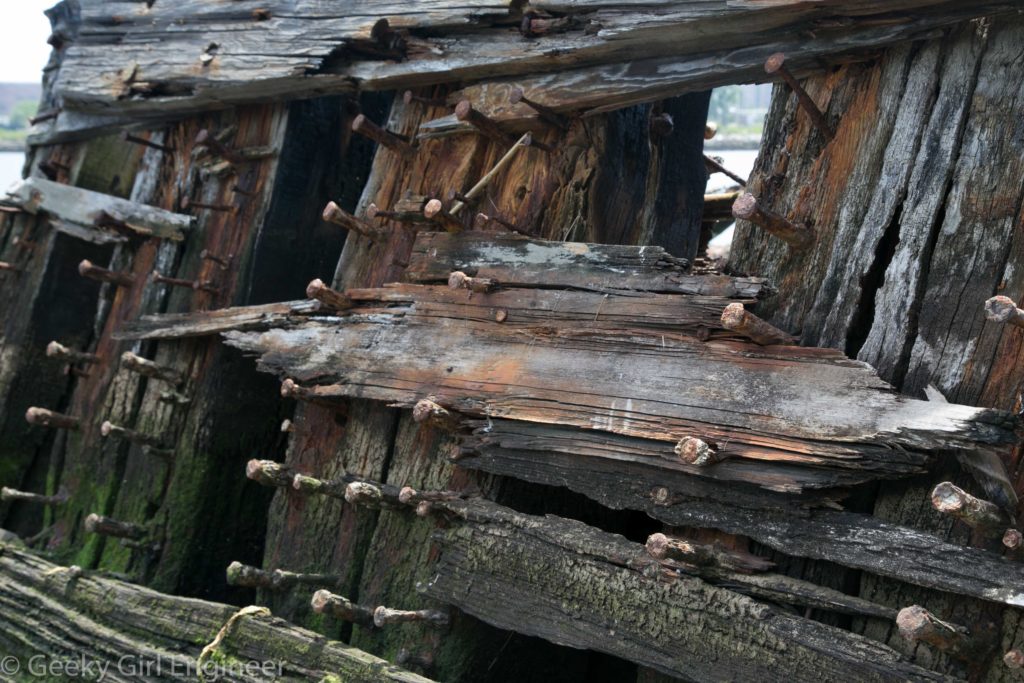
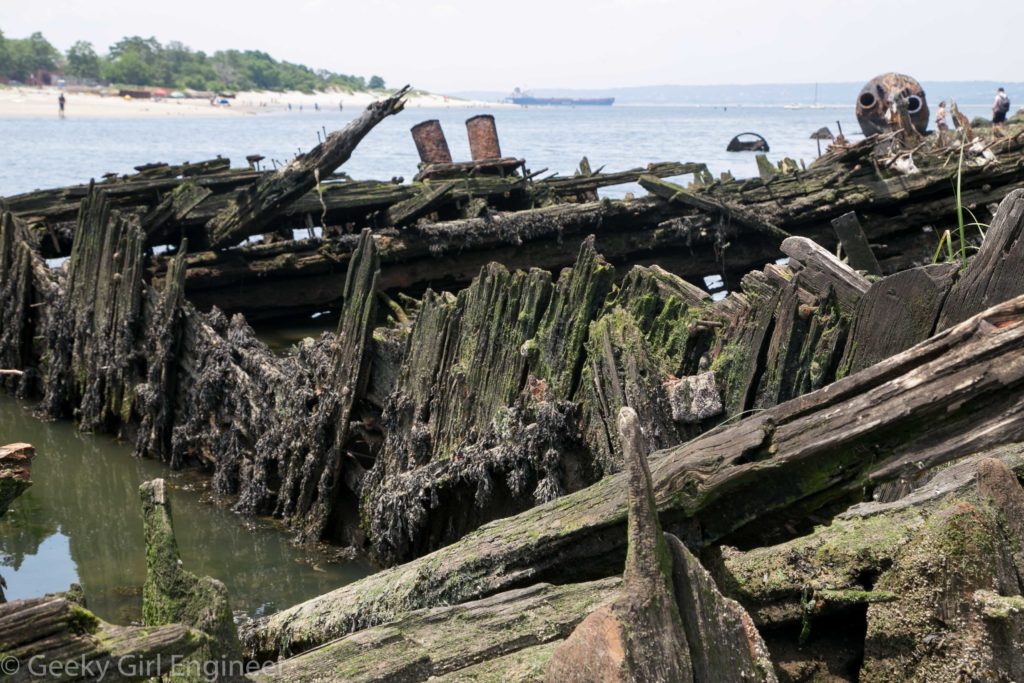
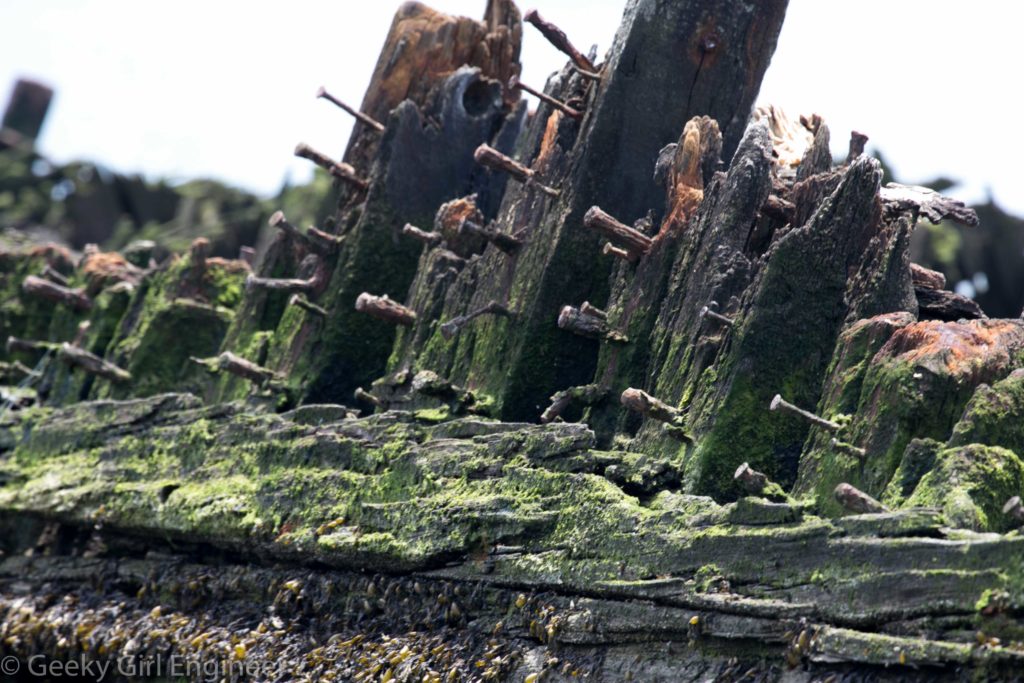
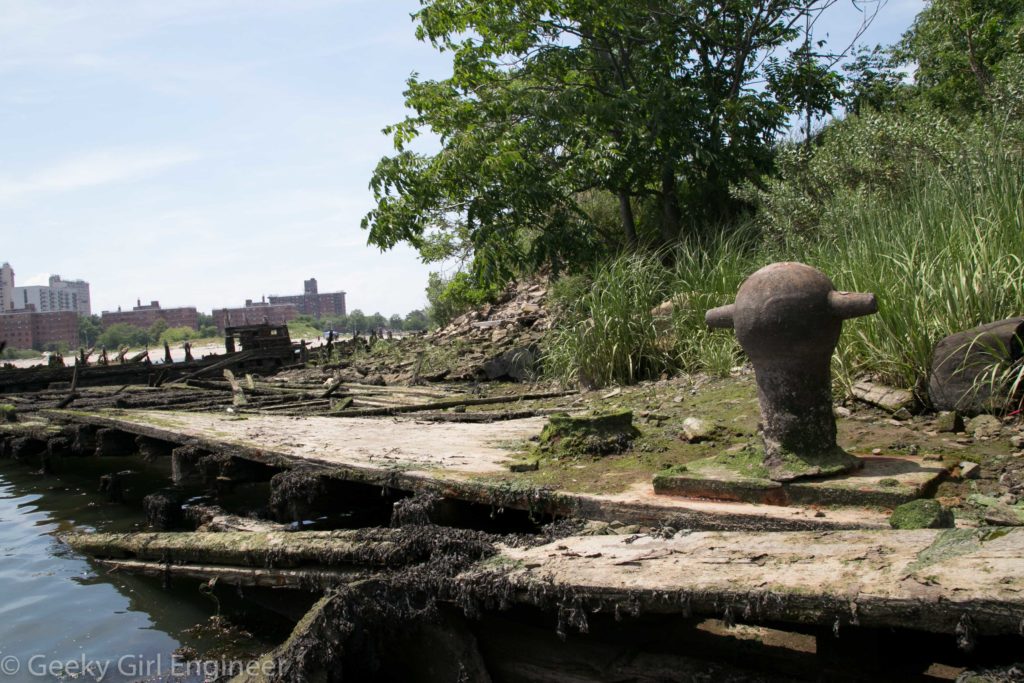
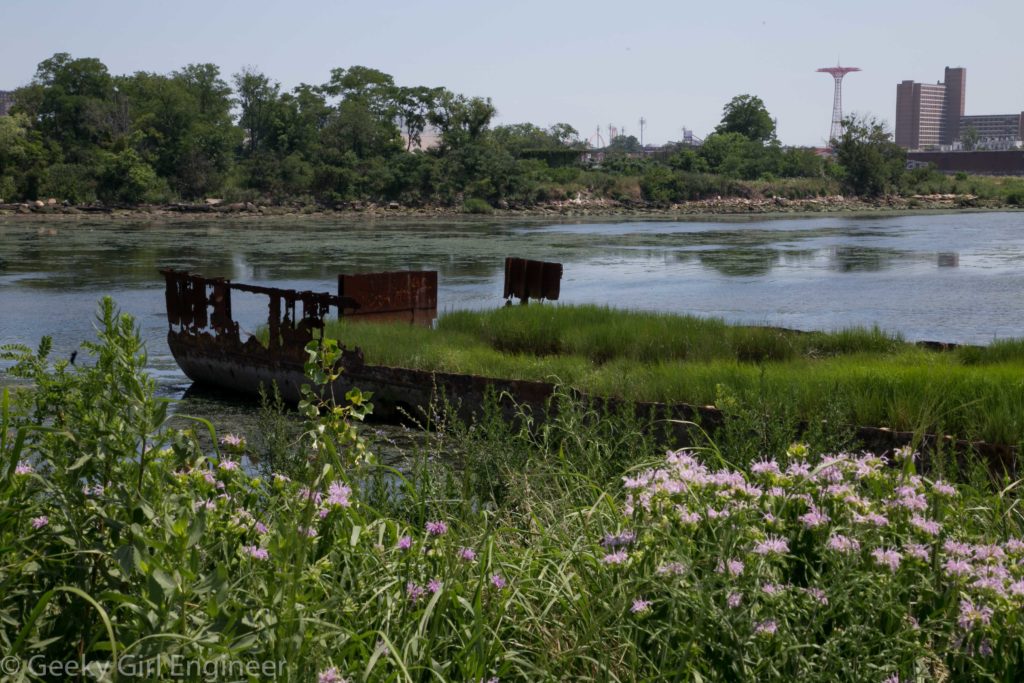
I went on a hike along Coney Island Creek with Atlas Obscura and Underwater New York to see its virtual ship graveyard. The tour did not disappoint. There were a multitude of shipwrecks, including the famous yellow submarine. We walked along the shore during high tide. The shore was quite mucky, and I was thankful for my waterproof hiking boots, while trying not to think about what was in that muck. There was lots of algae and seaweed of some type. We spotted a few fishermen and men who appeared to be hunting for oysters or clams or sometime of shellfish (are they called fishermen also?). I have serious doubts the fish are safe to eat on a regular basis, simply based on the history of pollution in that area. I can only hope I am wrong for their sake.
Cheat Mountain Salamander Train
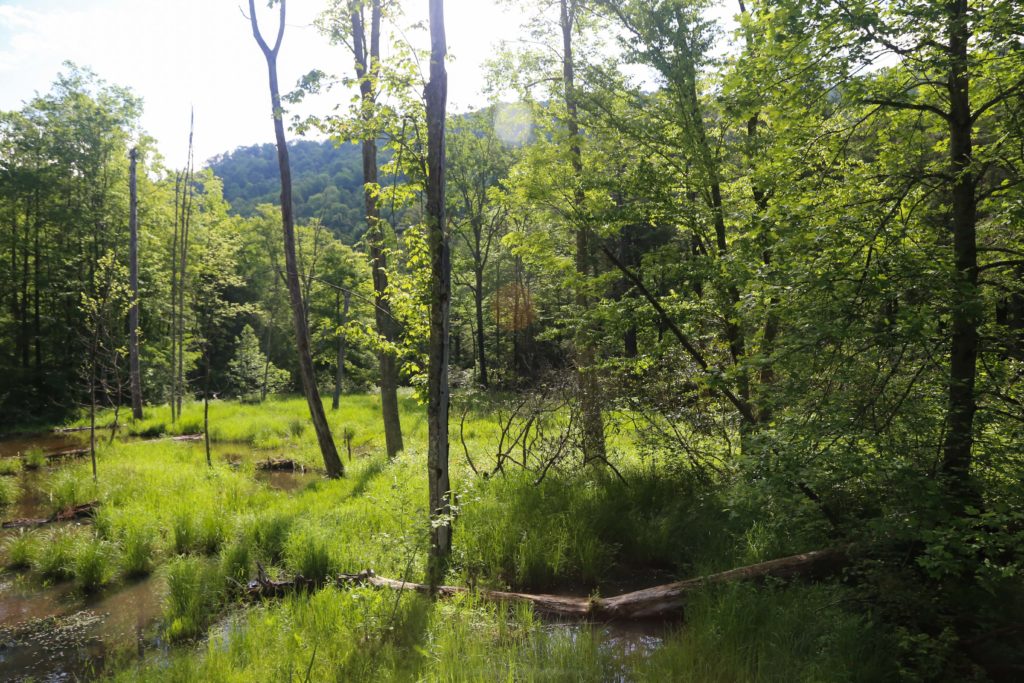
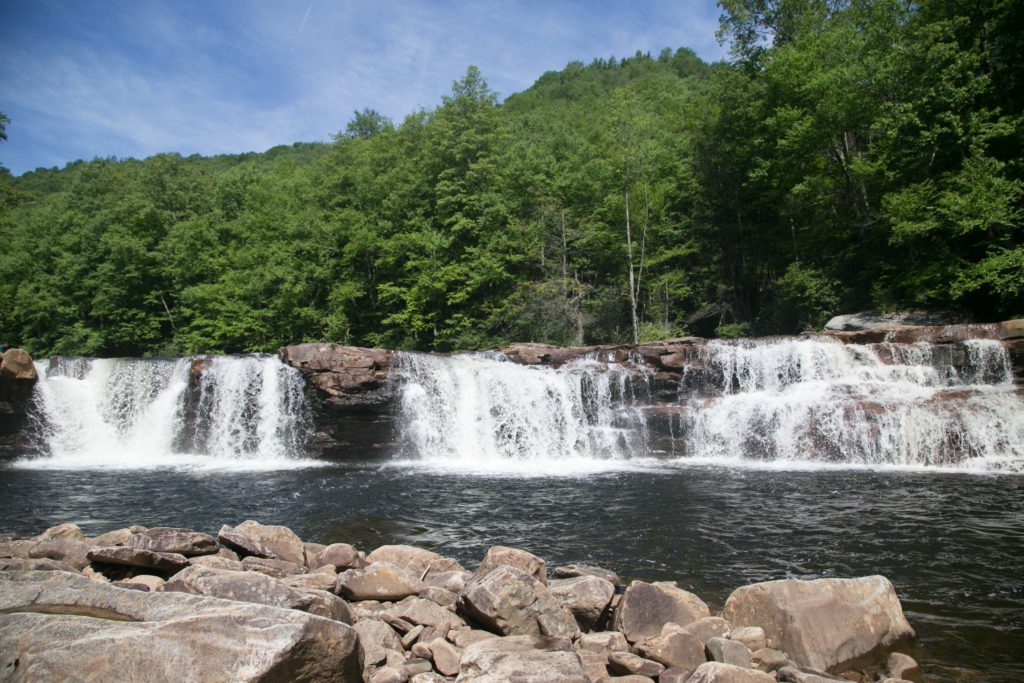
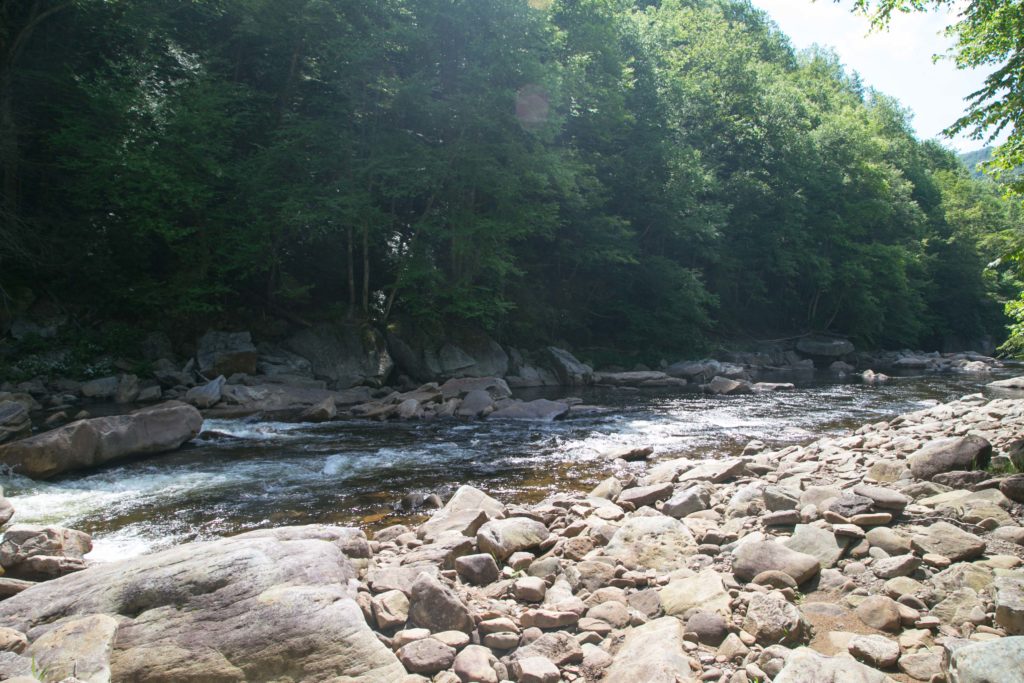
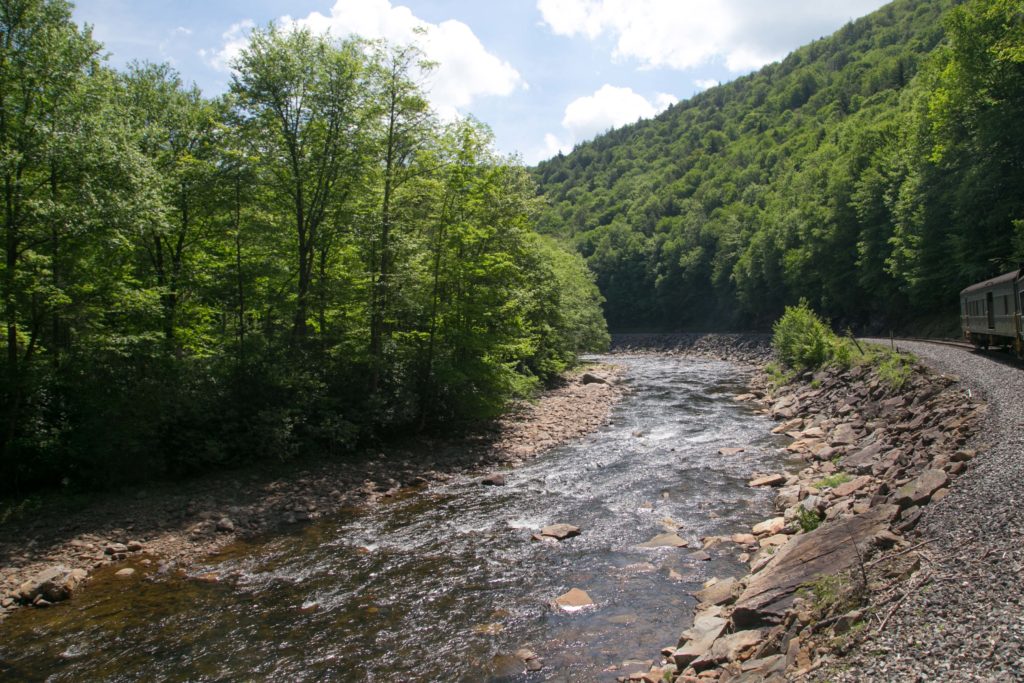
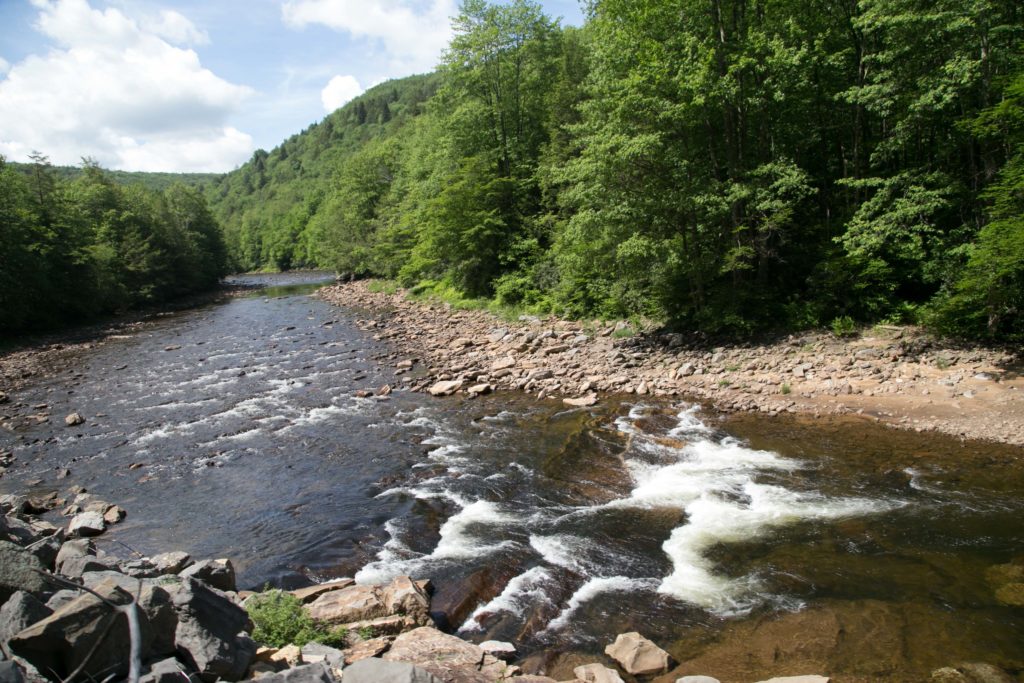
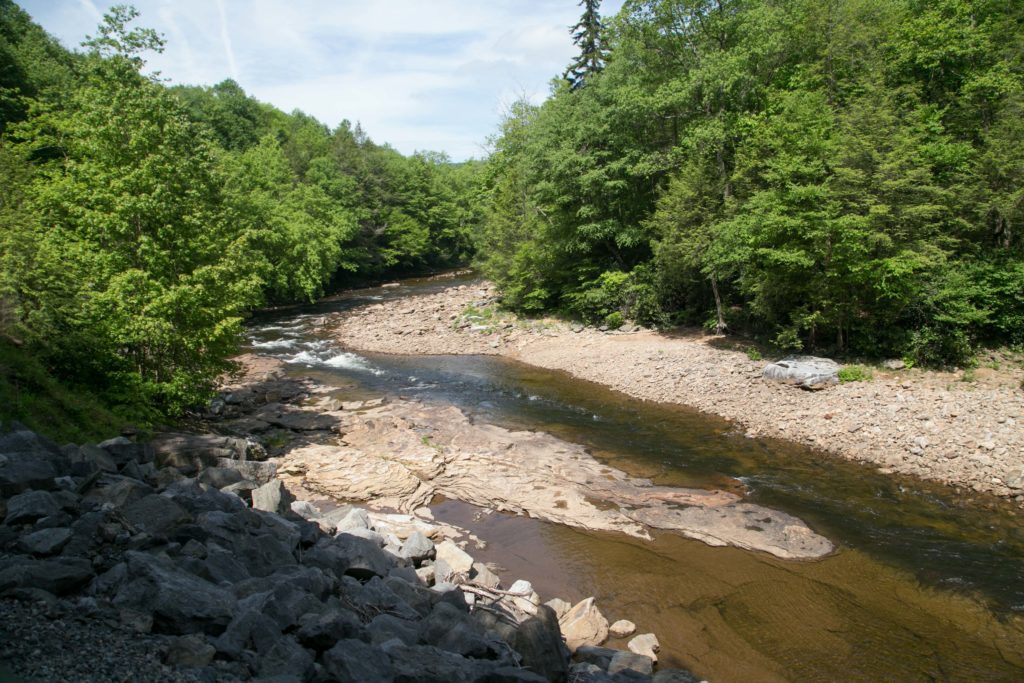
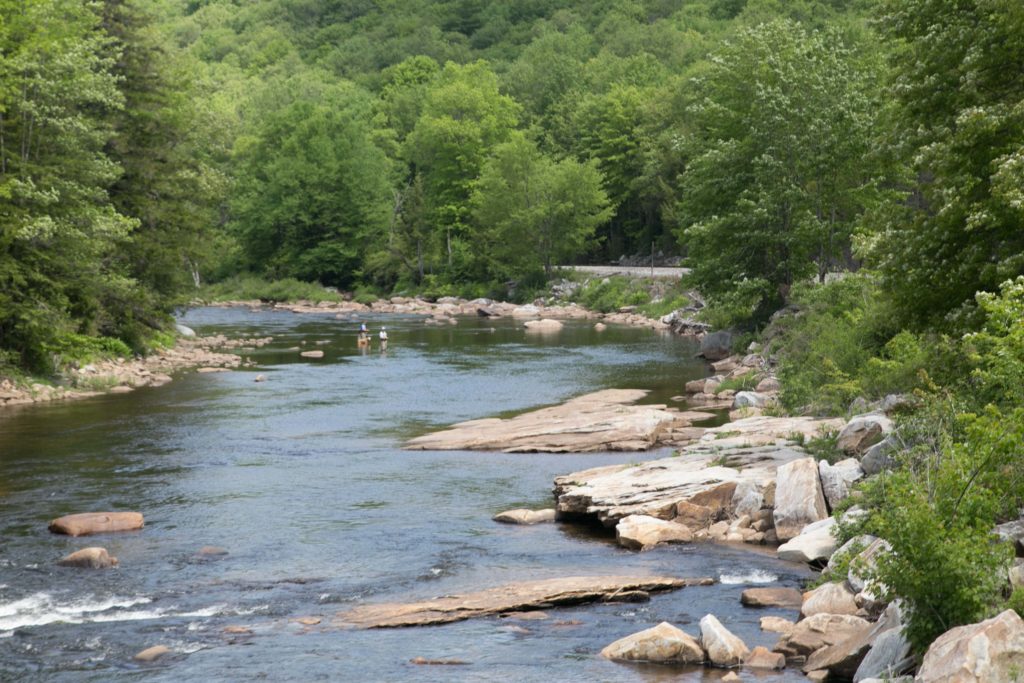
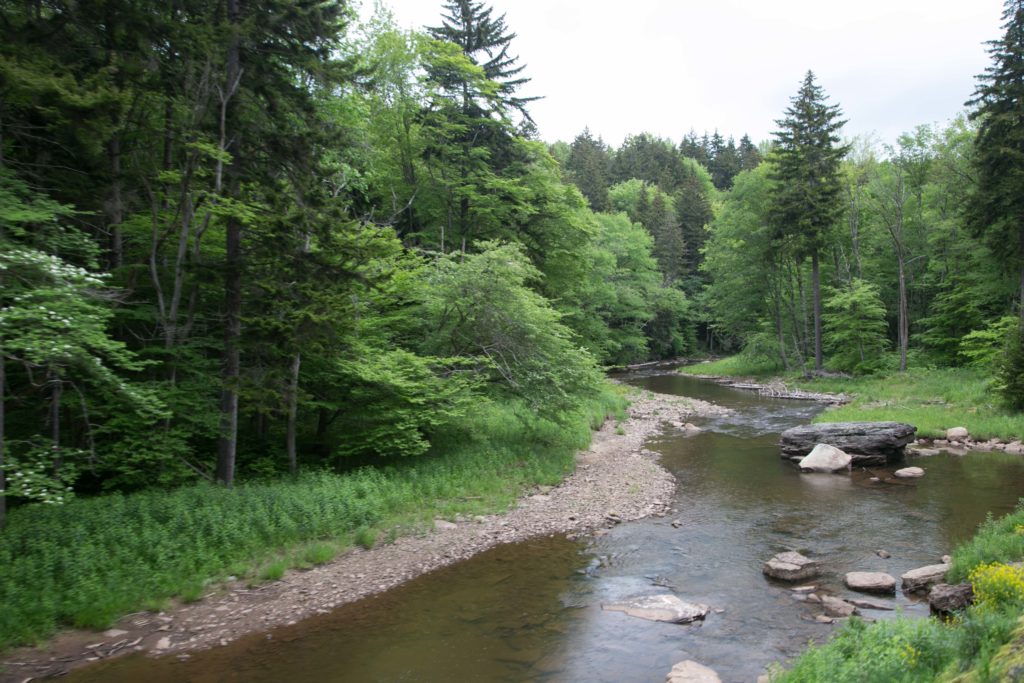
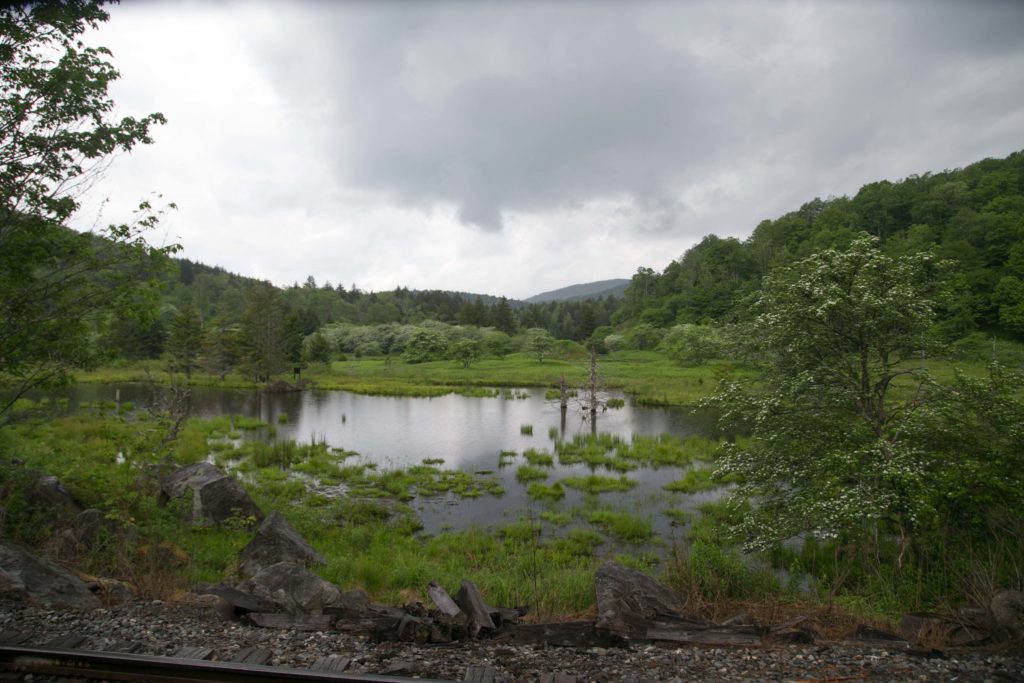
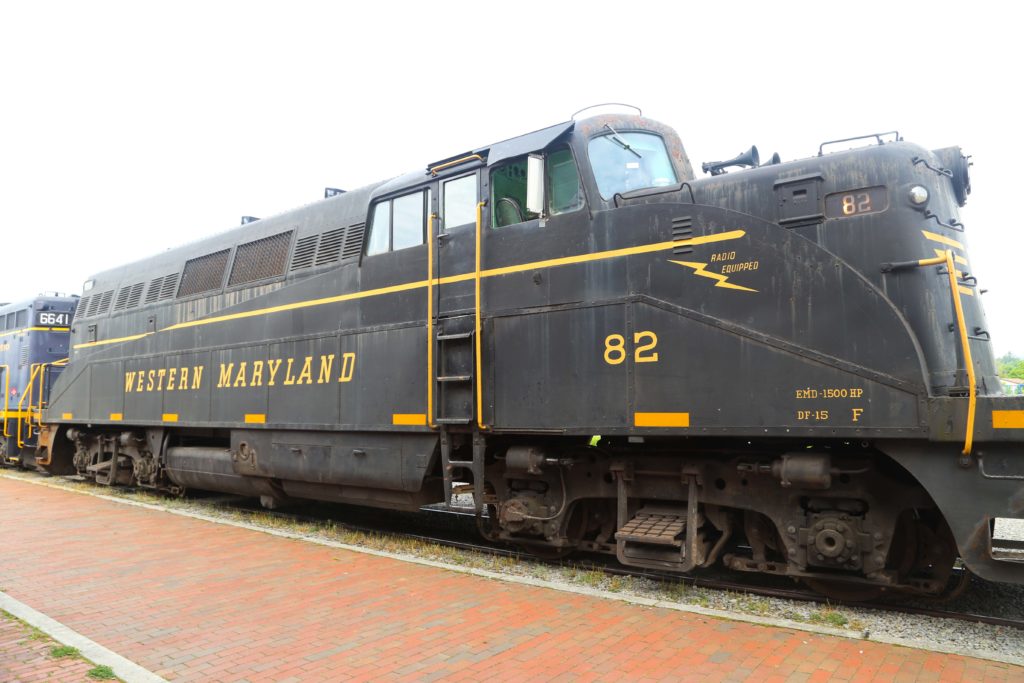
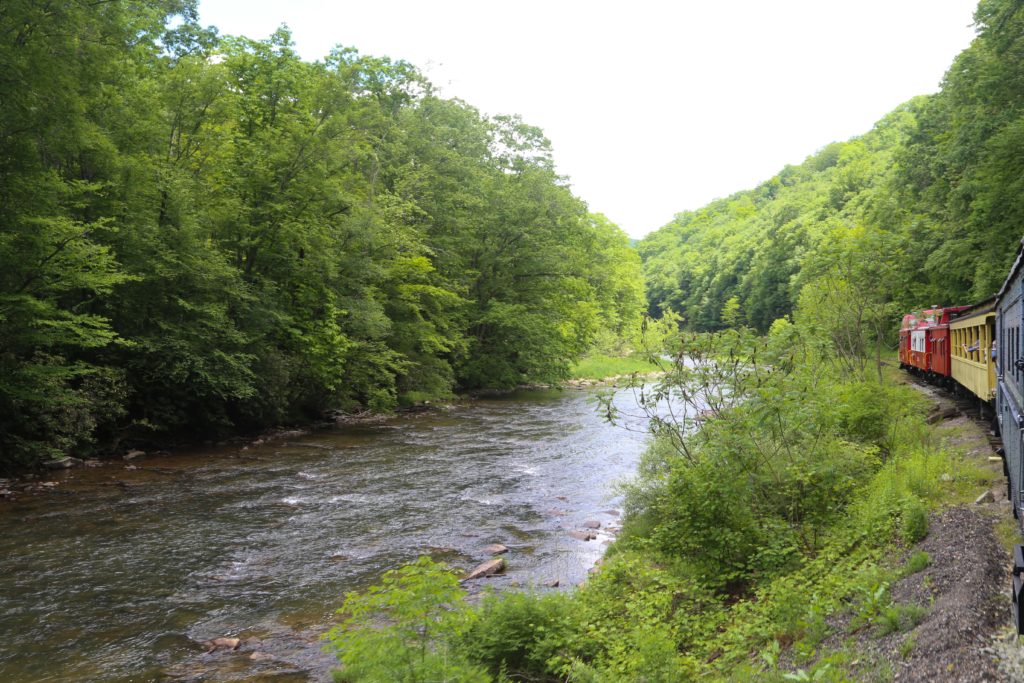
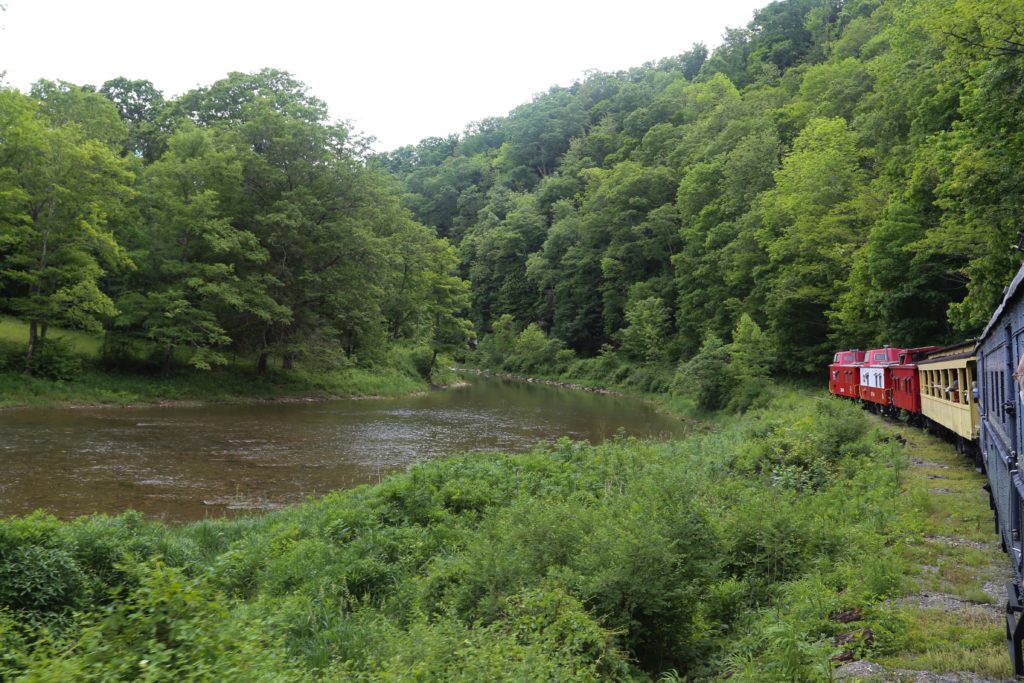
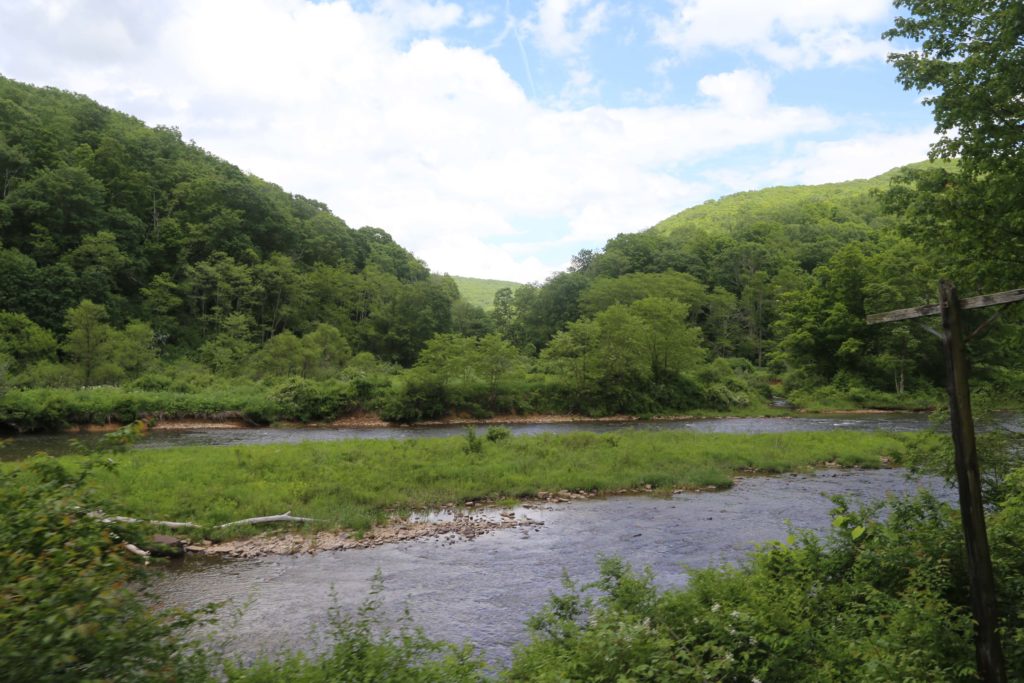
I went on a ride on the Cheat Mountain Salamander train this morning. Most of the route was along the Shavers Fork of the Cheat River. We stopped along the way at High Falls of the Cheat. The train was vintage, and the car we rode in was lovely and vintage with classic fabric seats.
Durbin Rocket
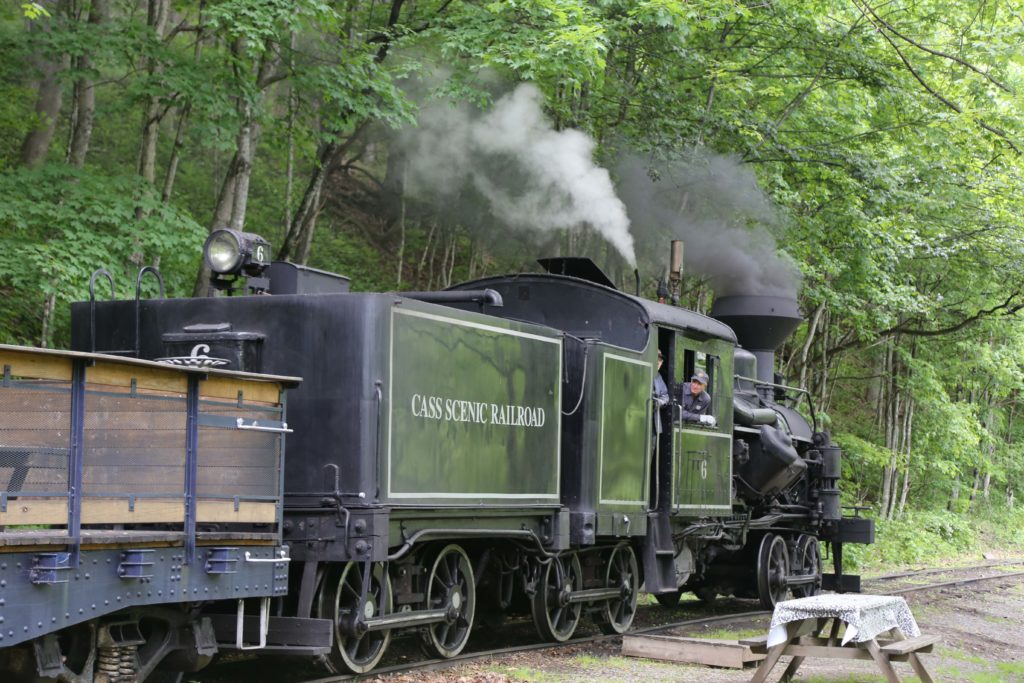
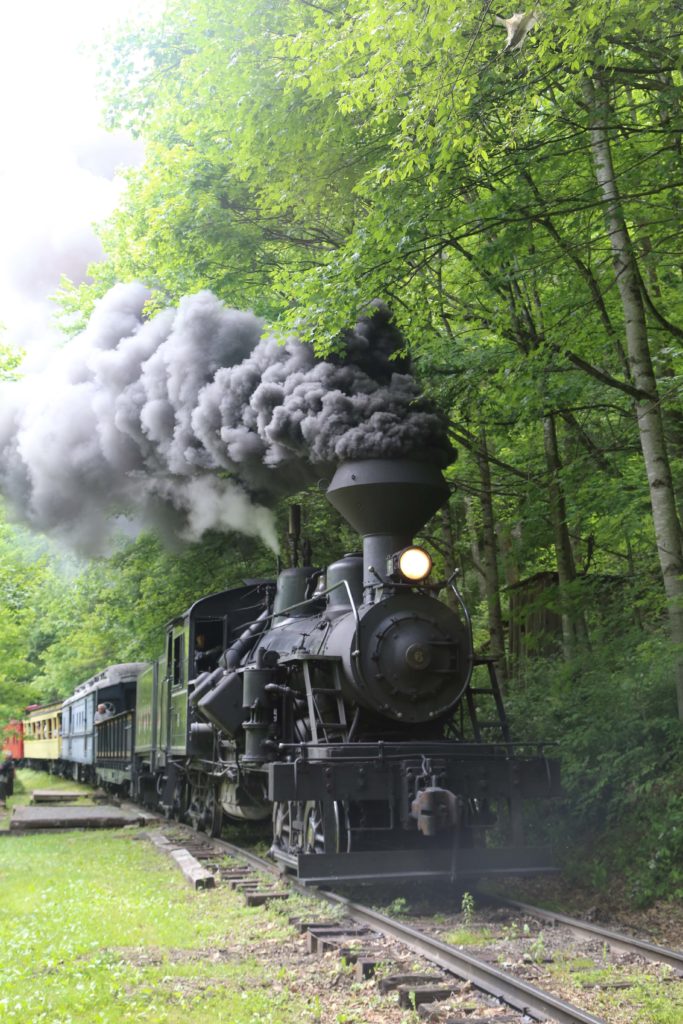
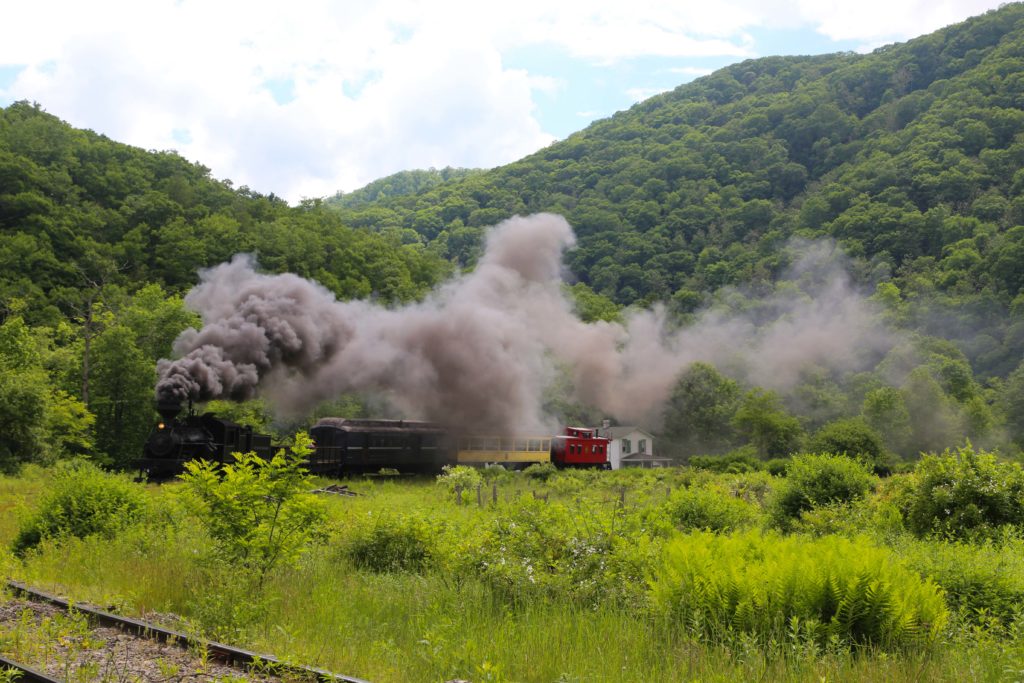
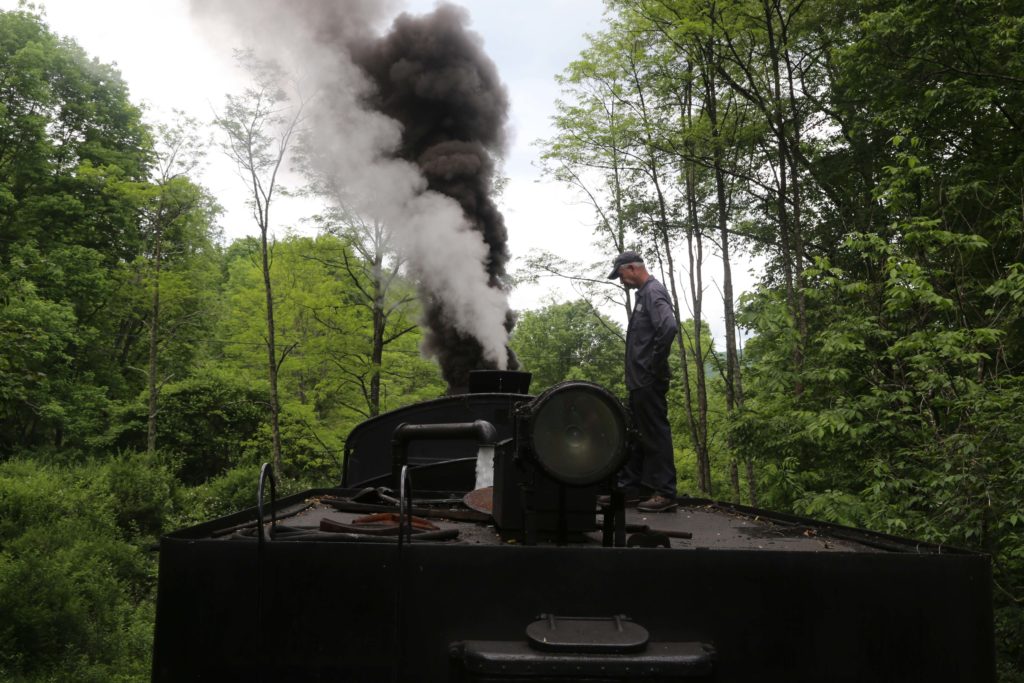
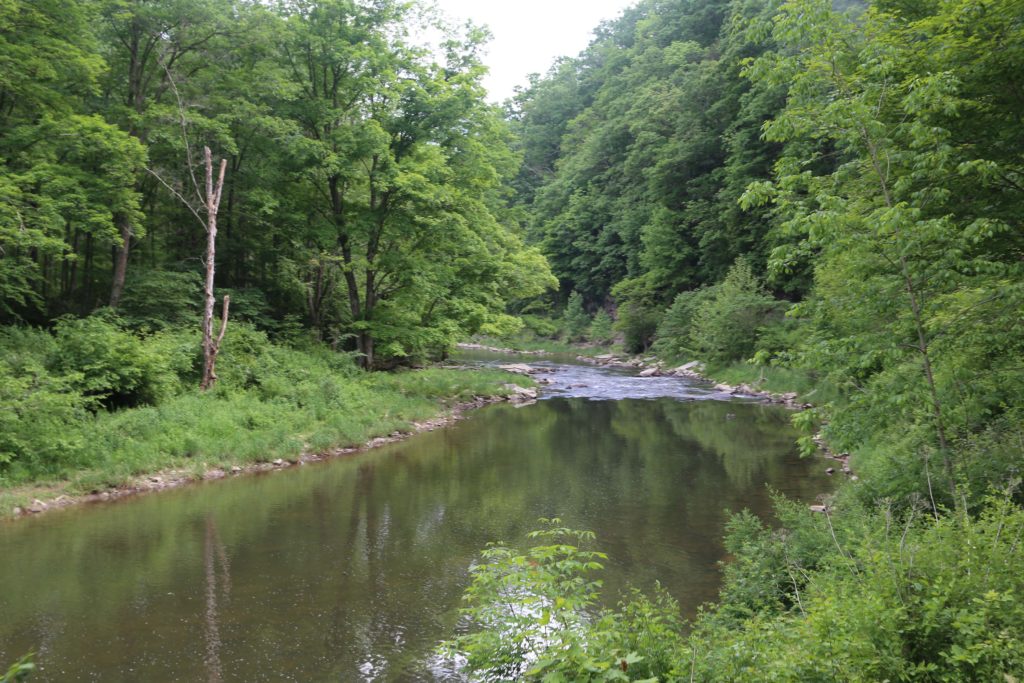
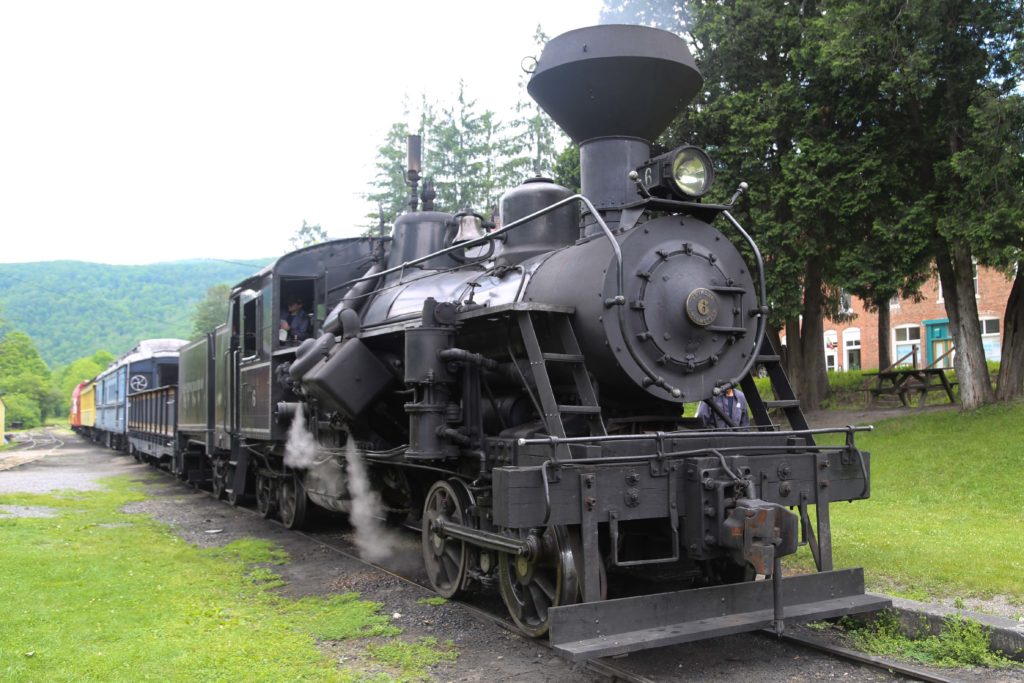
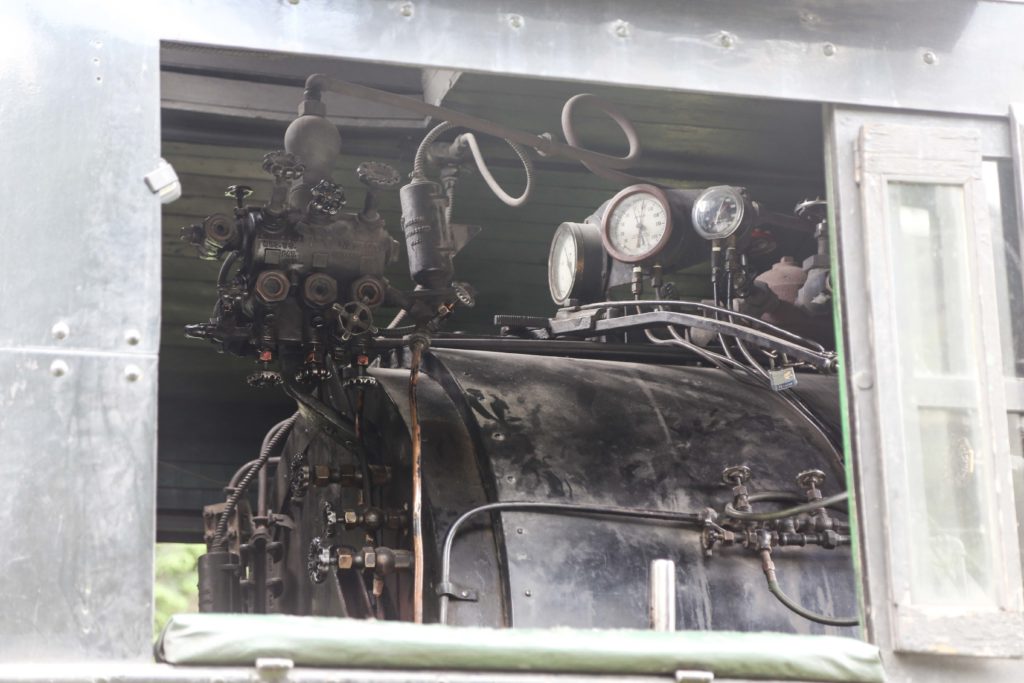
I took a ride on the Durbin Rocket this afternoon. The Climax geared logging locomotive was built in 1910 and powers a vintage train, including an old postal car. The train is indeed a rocket, as it moves along at a whopping 8 miles per hour. At one point a butterfly passed us. The roundtrip route from Durbin, West Virginia, however is gorgeous as it follows the Greenbriar River in the Monongahela National Forest. The only problem is after seeing all the smoke the coal burning created, I feel the need to go plant an entire grove of trees.
High Level Pumping Station
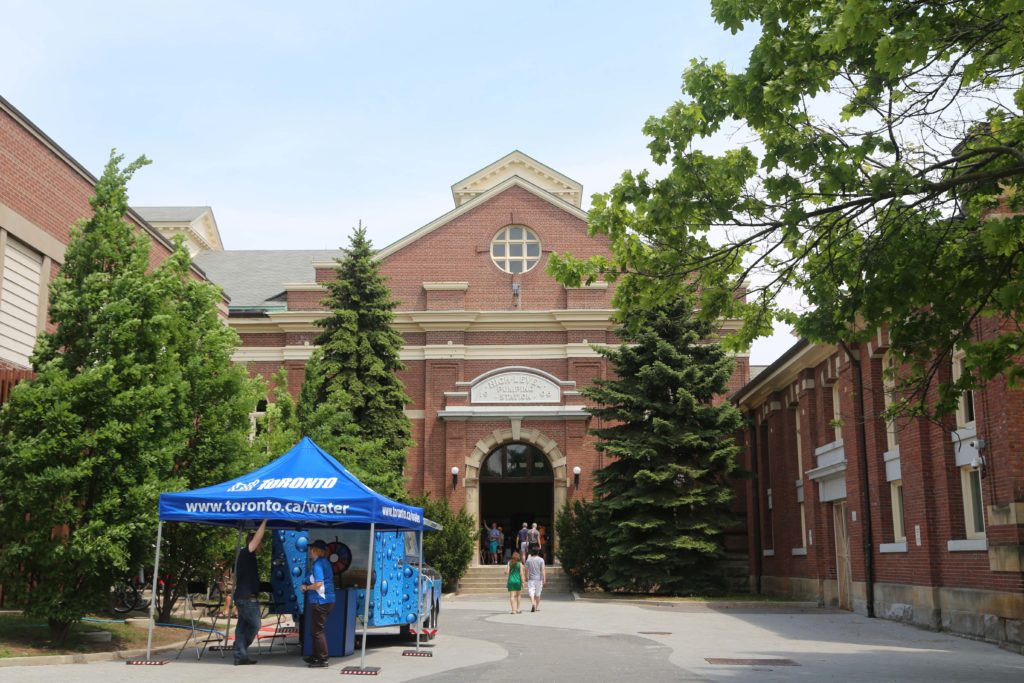
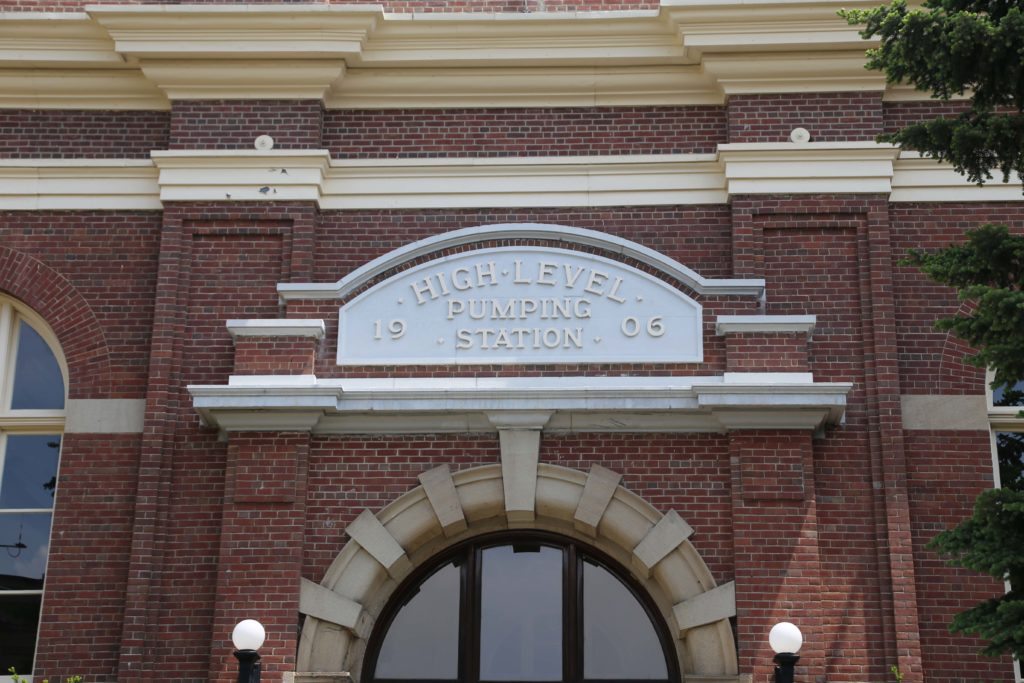
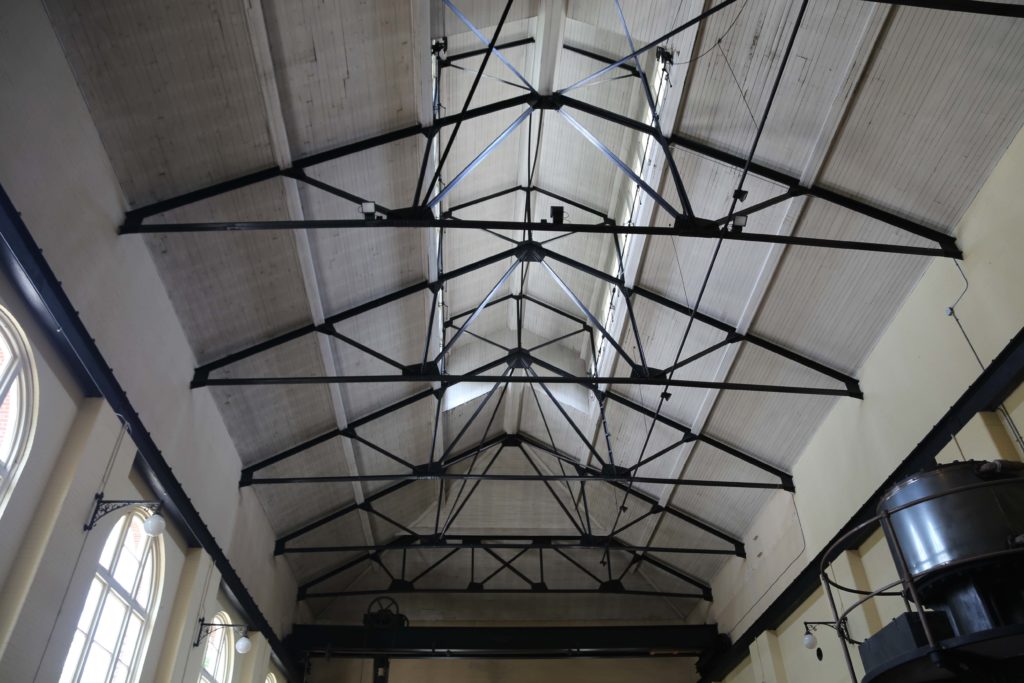
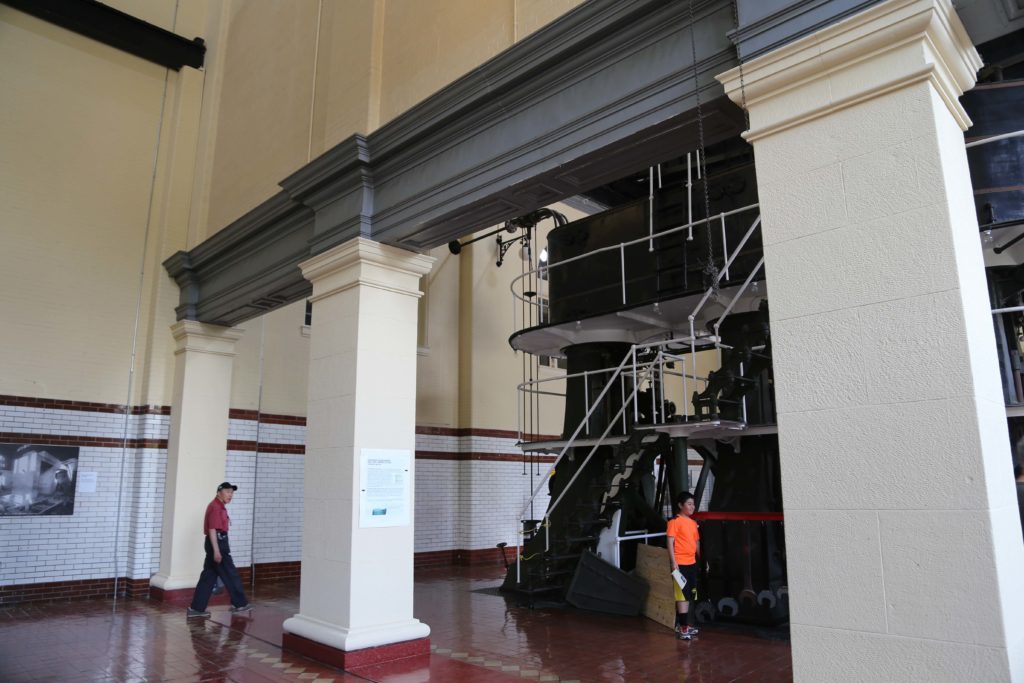
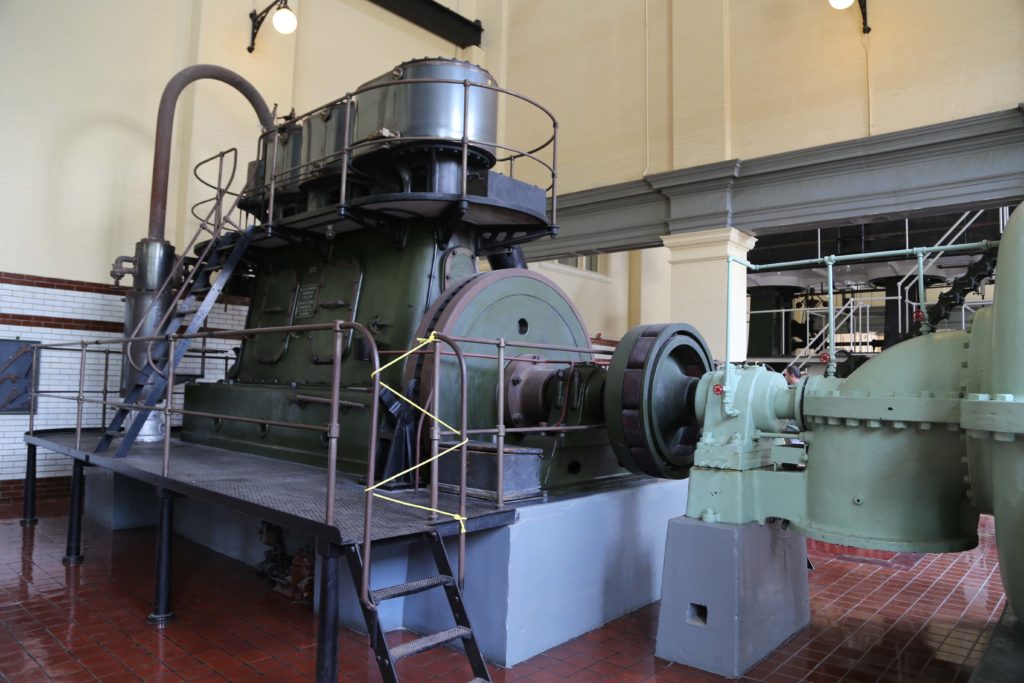
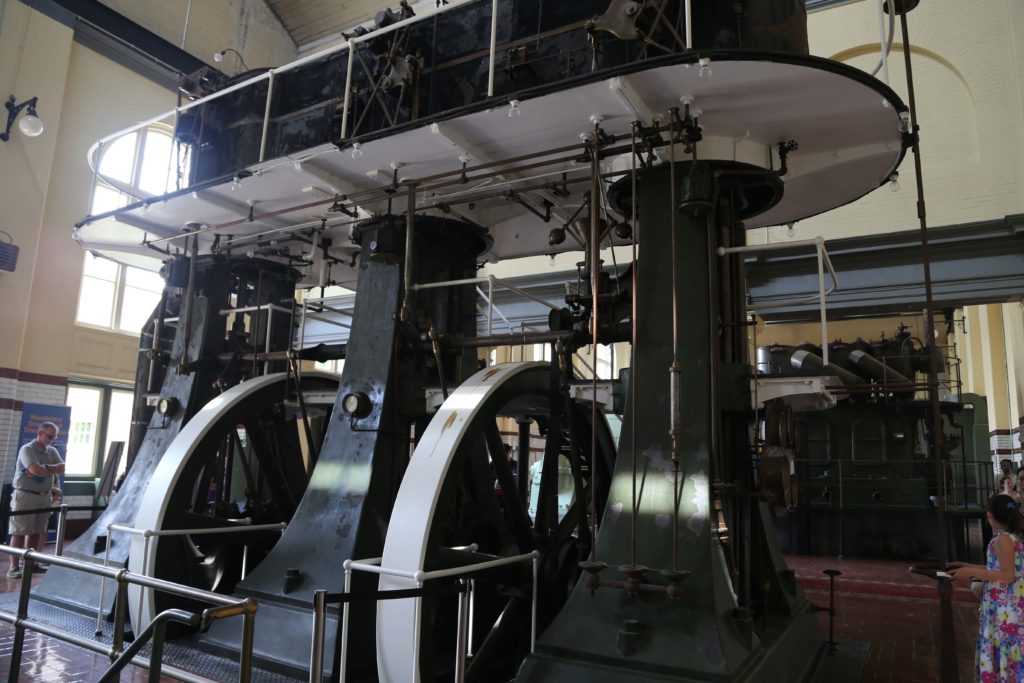
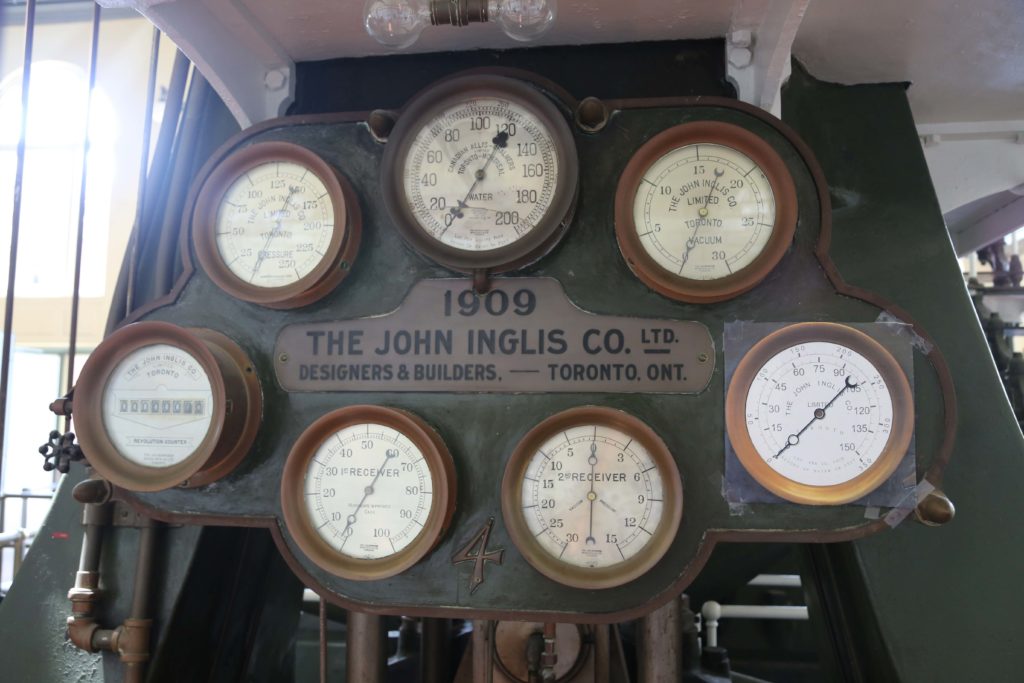
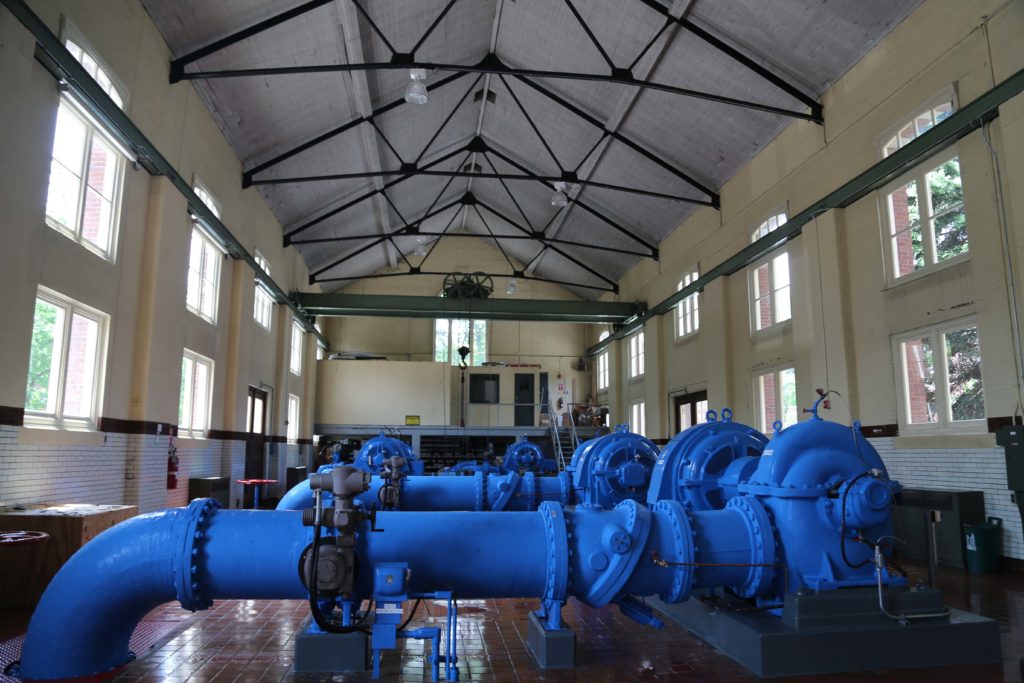
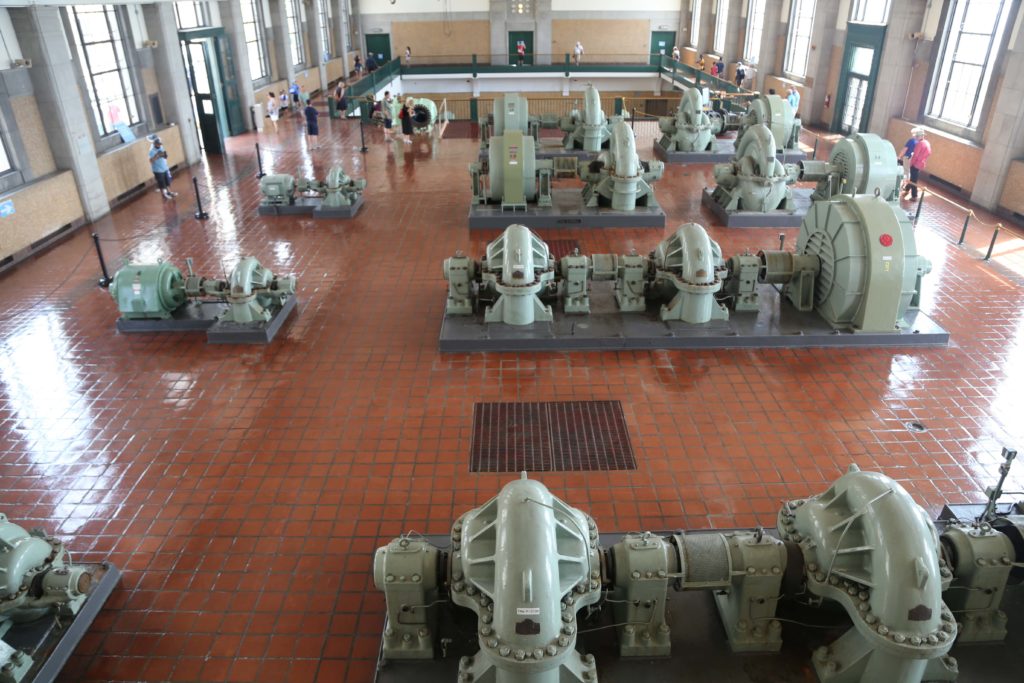
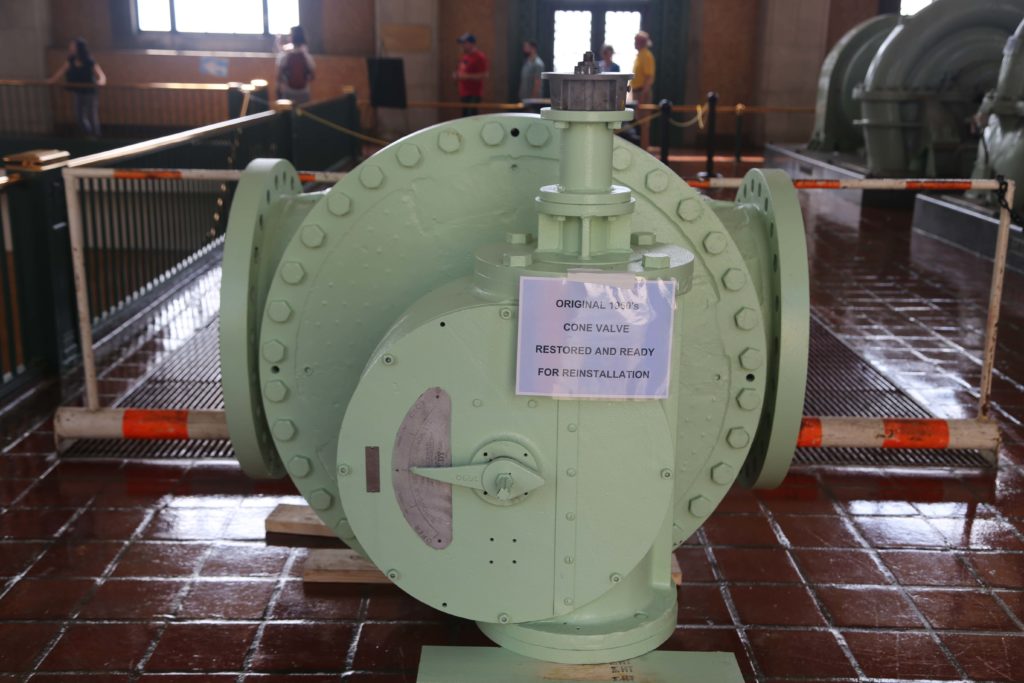
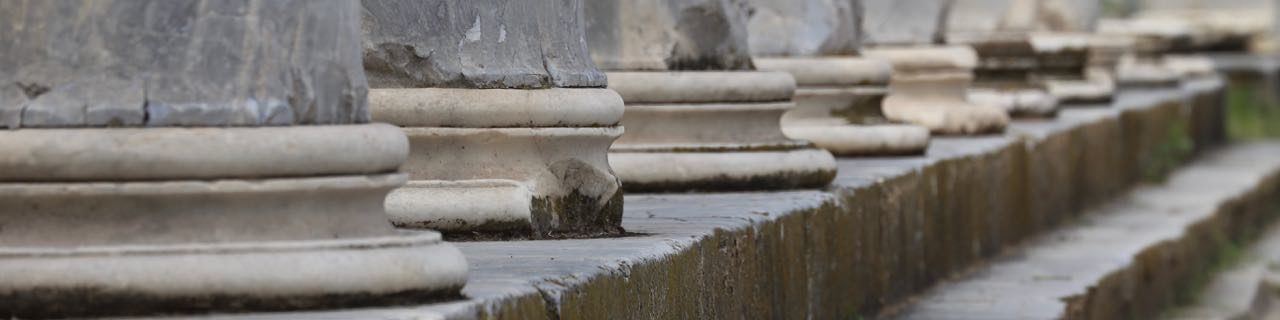
As part of Doors Open Toronto, I visited the High Level Pumping Station. It is the oldest building in Toronto’s water supply system. The oldest part of the building dates back to 1906 with other additions added later until the final one in 1953. The building houses a vertical triple expansion steam engine from 1909 with a huge crank and flywheel, not to mention a lovely set of huge wrenches hanging next to it. The building also houses a steam-geared centrifugal pump. However neither of those are used anymore but instead have been replaced with nine electric motor-driven pumps to fulfill the pumping station’s objection of conveying drinking water to that area of Toronto.
R.C. Harris Water Treatment Plant
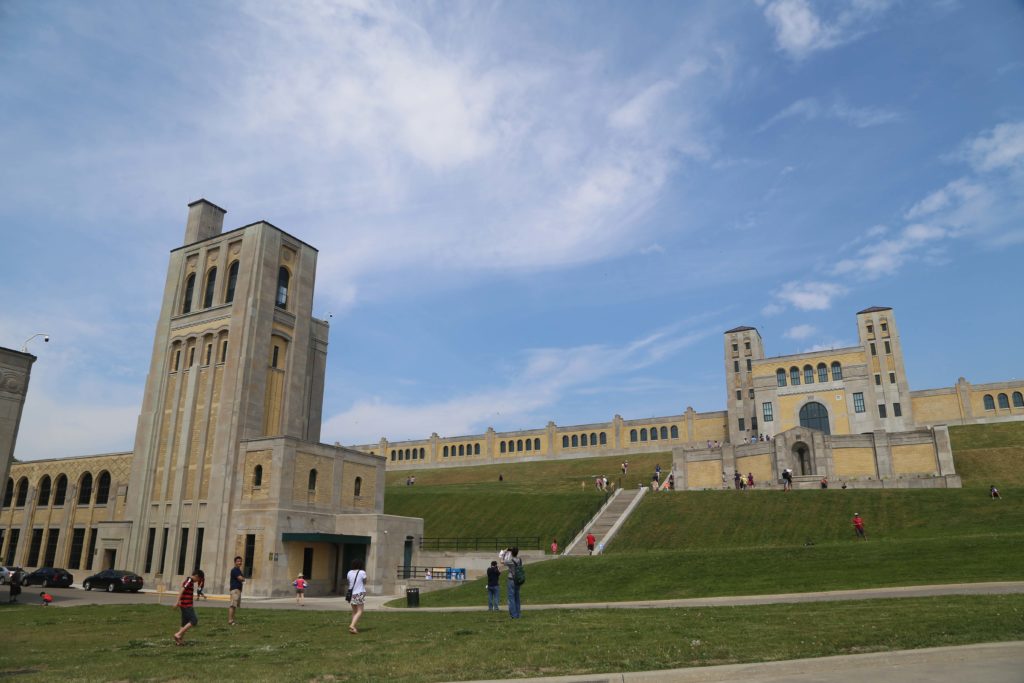
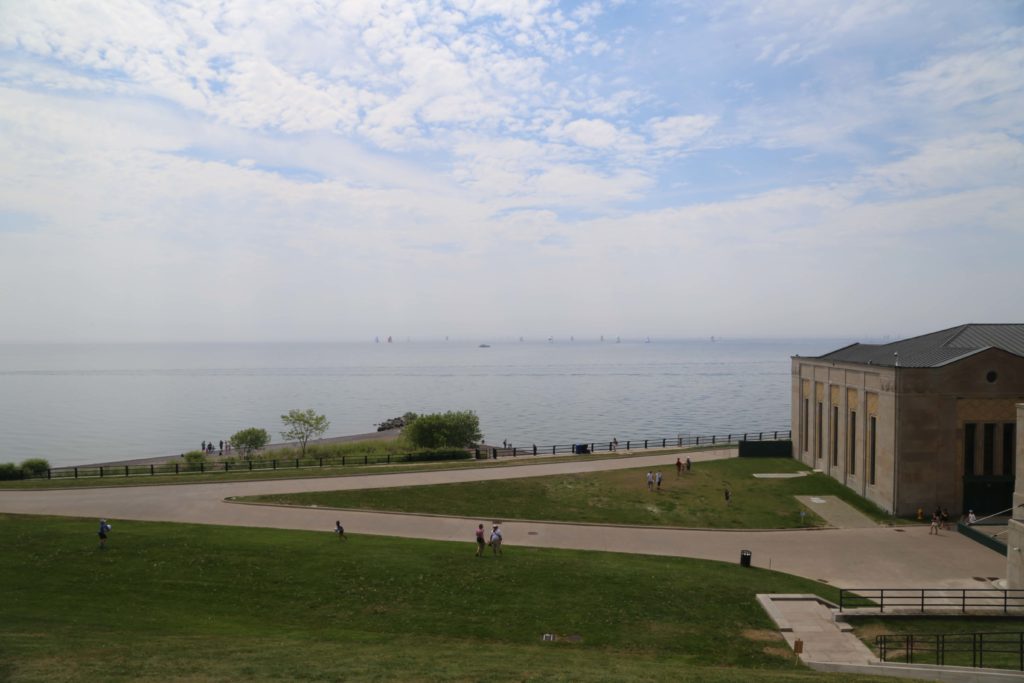
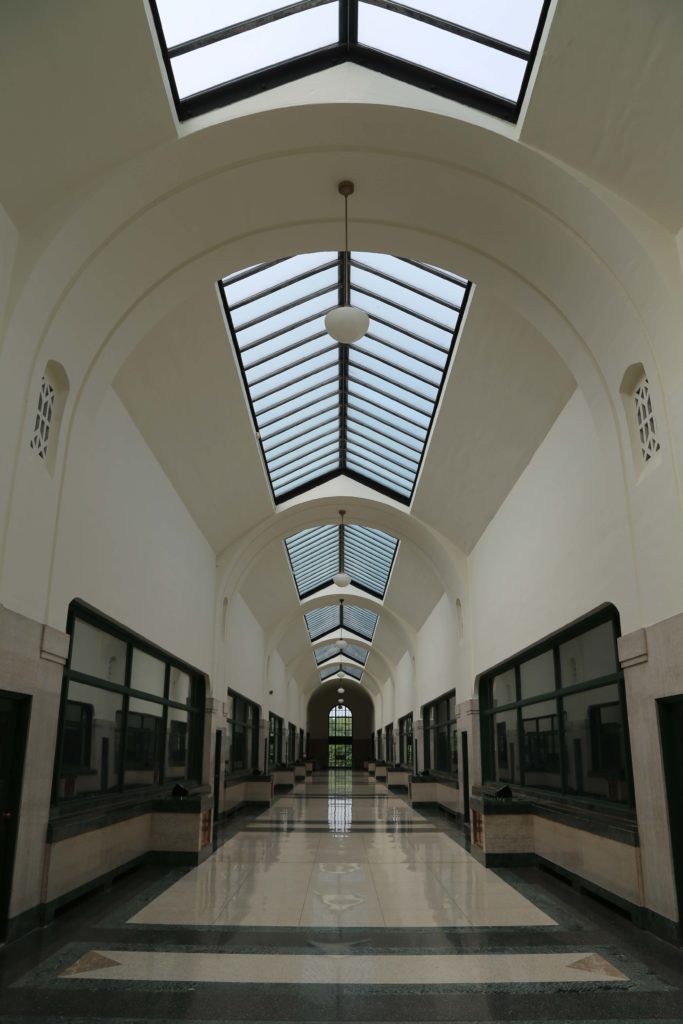
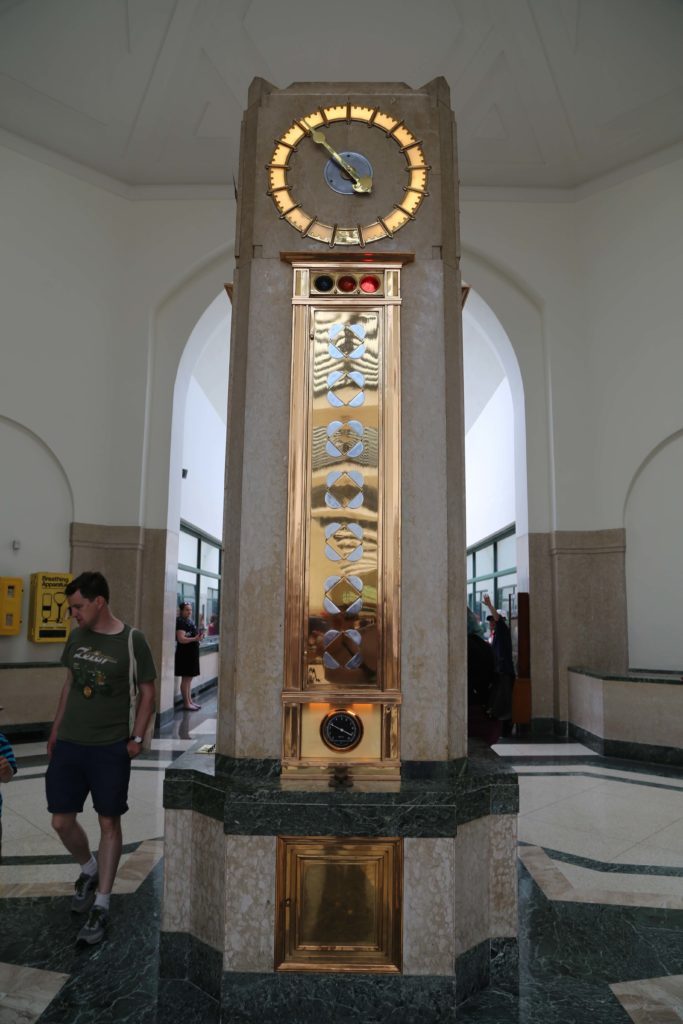
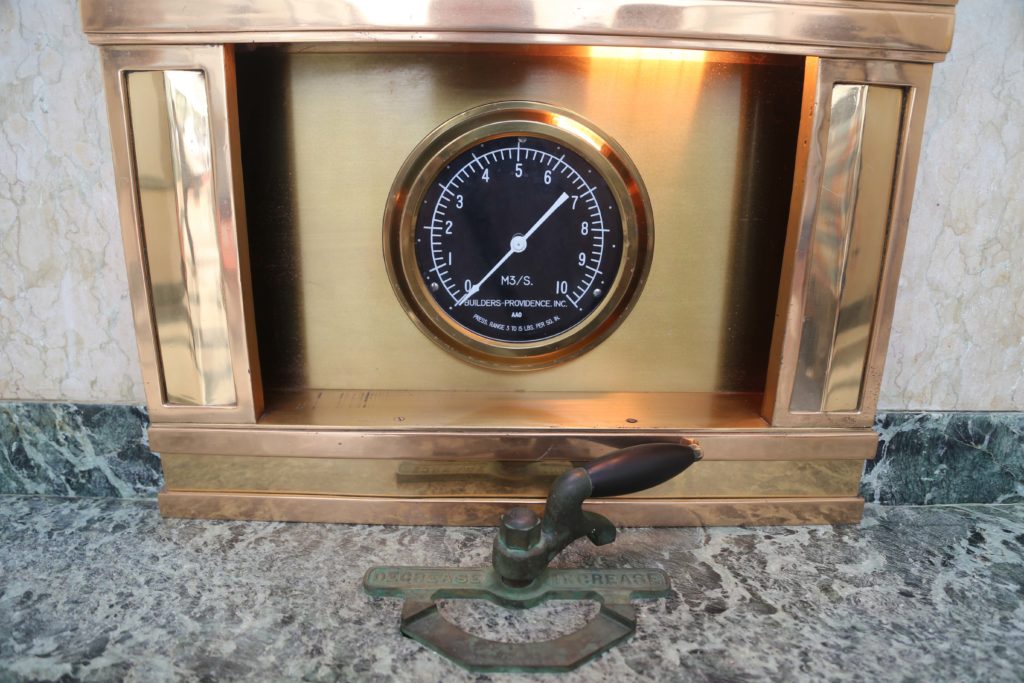
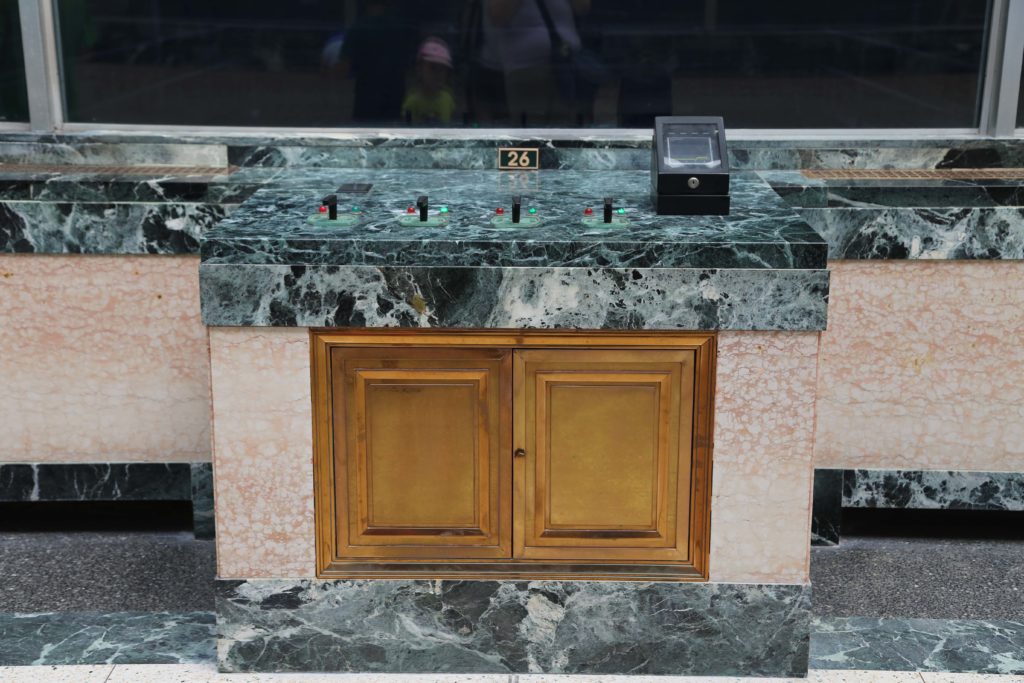
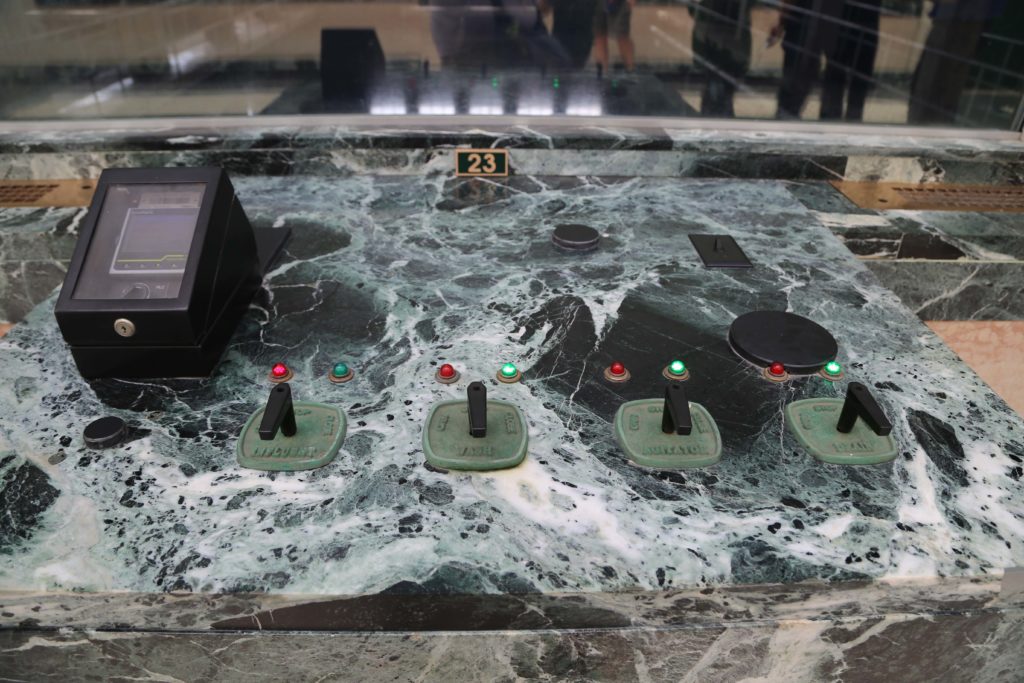
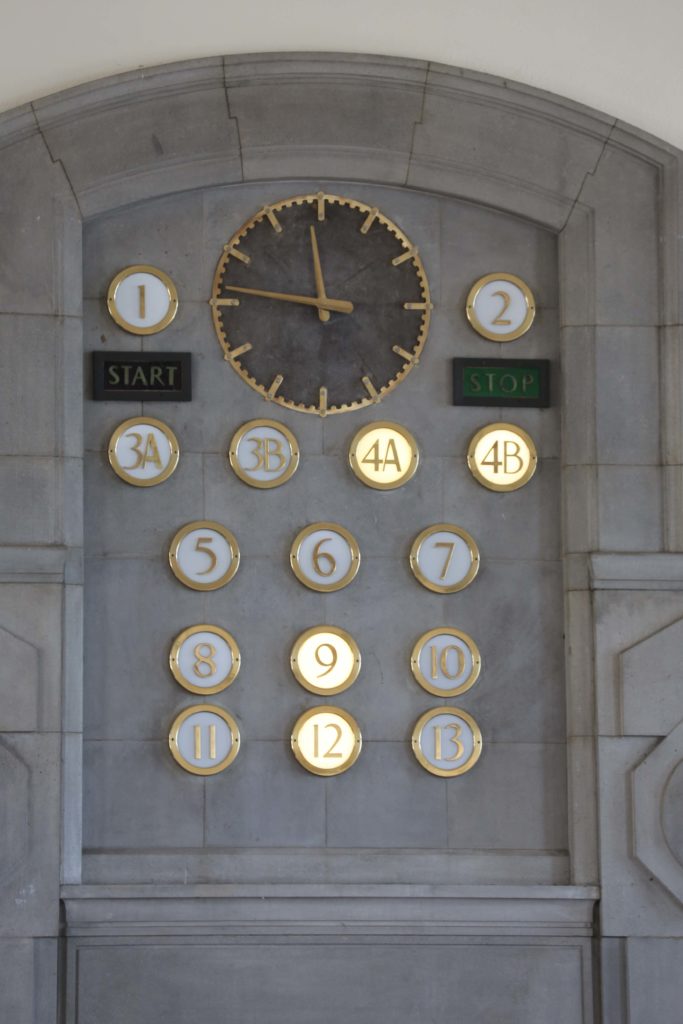
As part of Doors Open Toronto, I toured the R.C. Harris Water Treatment Plant, which is not only the most beautiful water treatment plants I have ever visited, it is one of the beautiful buildings I have ever visited period. Colored stone and brass are everywhere. It was built in Arts Deco style, and in my opinion as an engineer, lays tribute to the importance of what the plant does, providing clean water to Toronto. It has two galleries with huge windows to allow viewing of the filtration chambers. In front of these windows are gorgeous stone tables with simple bronze control levers. The plant itself sits on hill overlooking Lake Ontario, where it gets its supply of water to clean.
Cabrillo National Monument
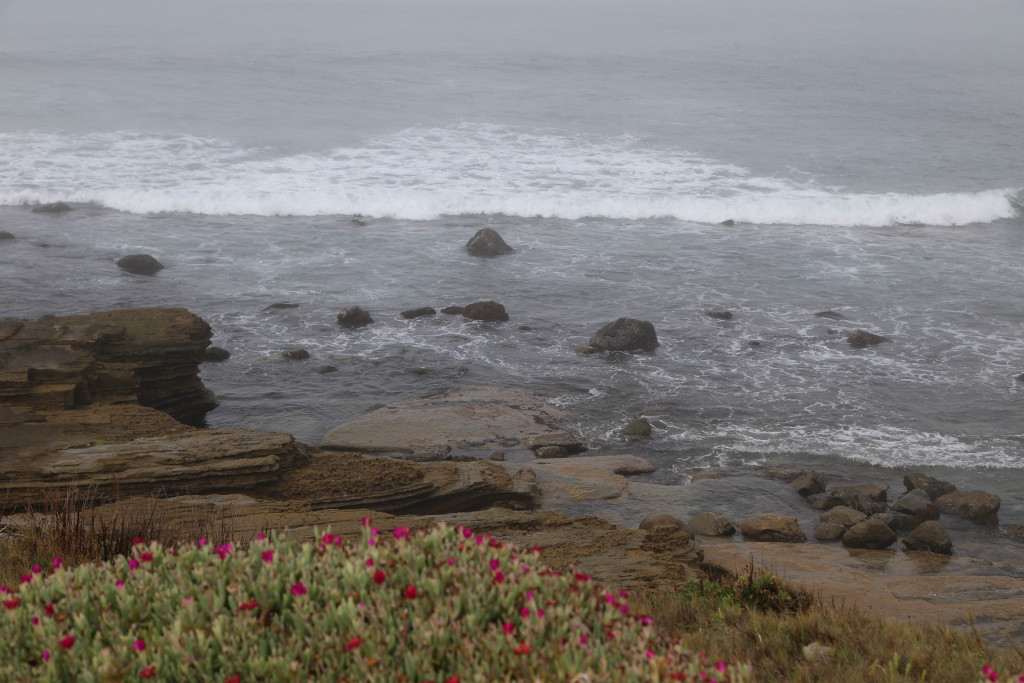
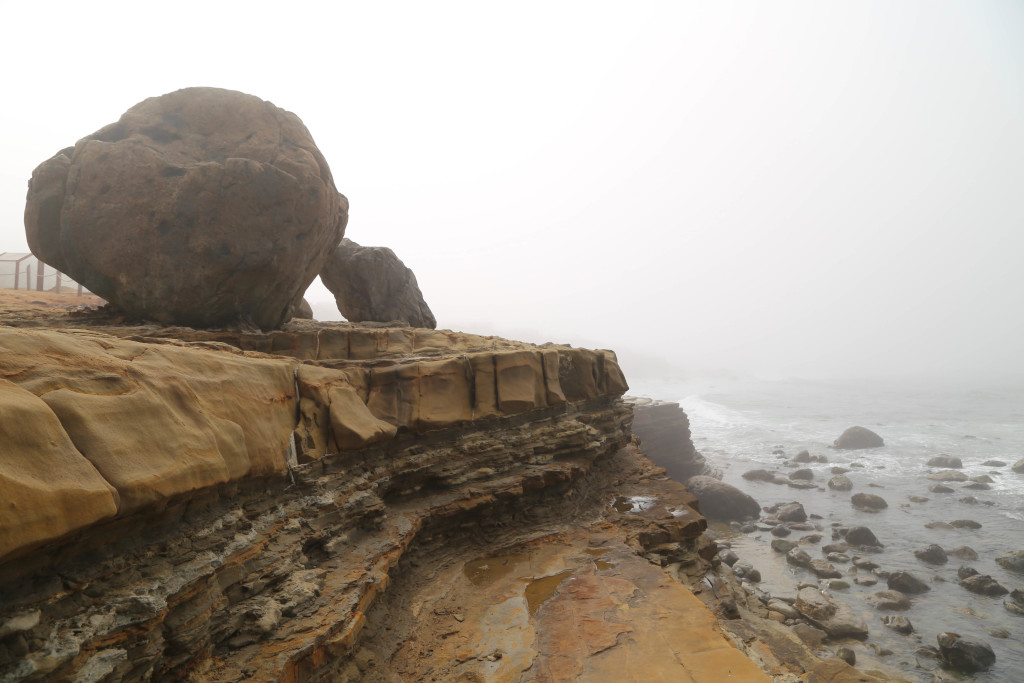
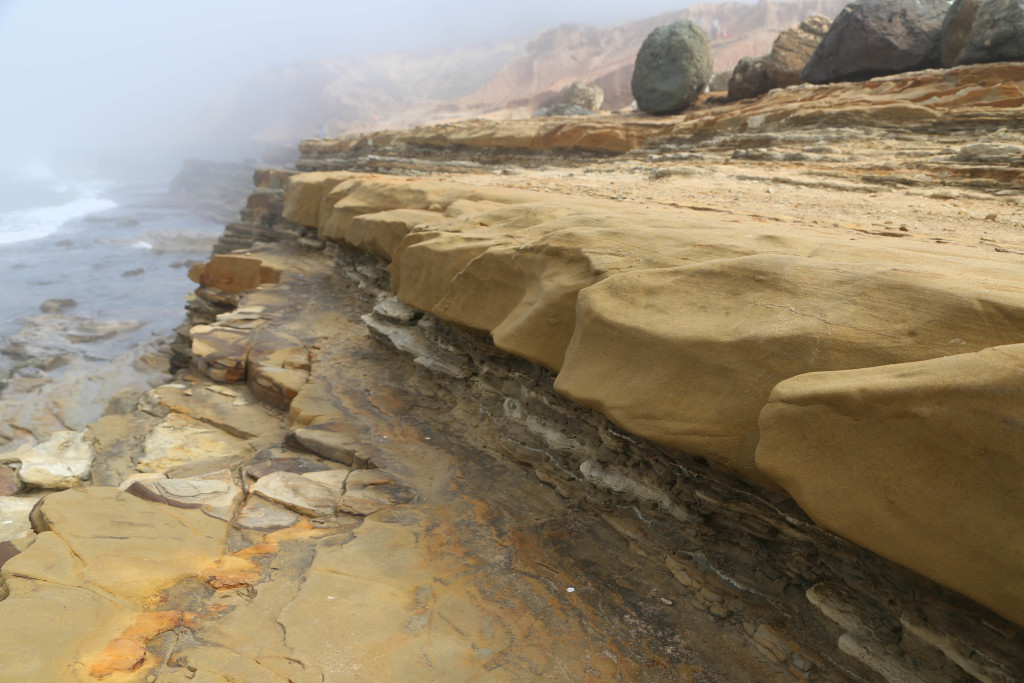
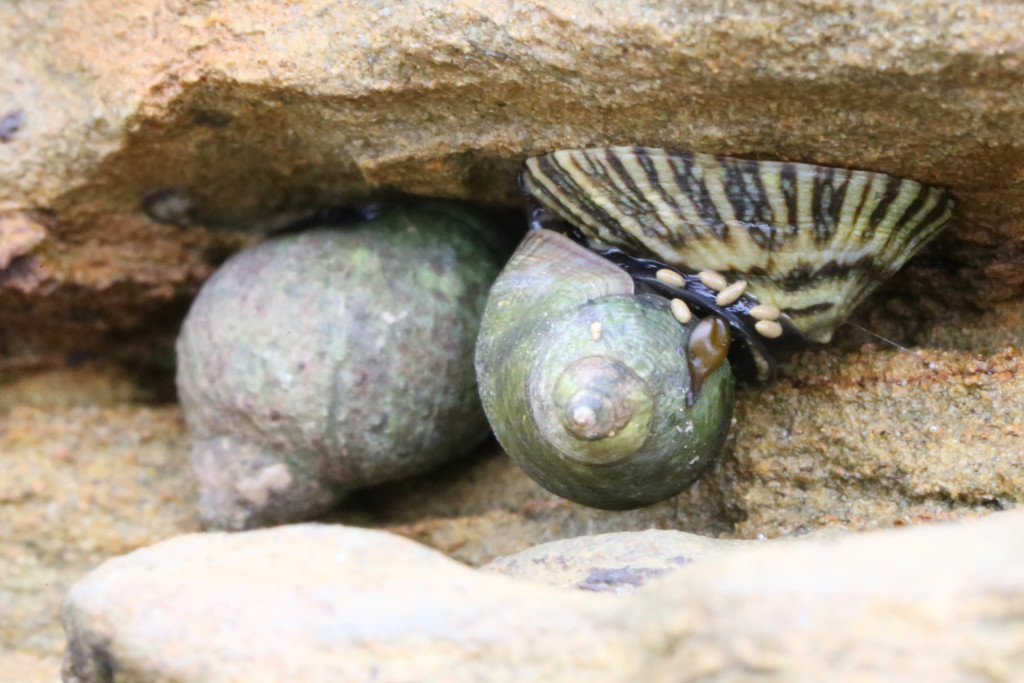
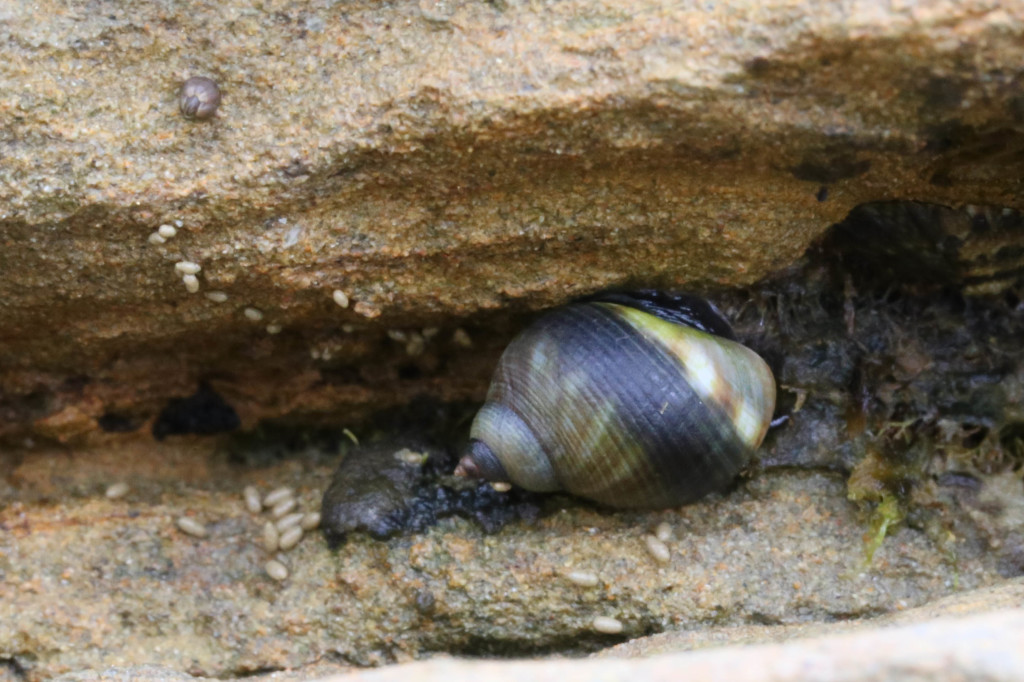
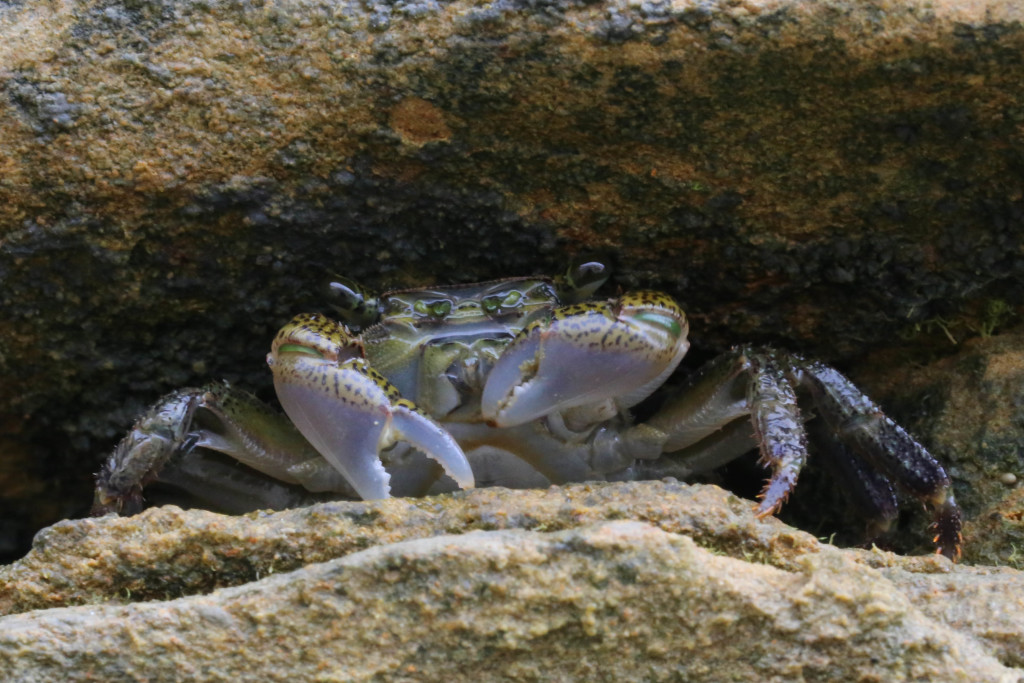
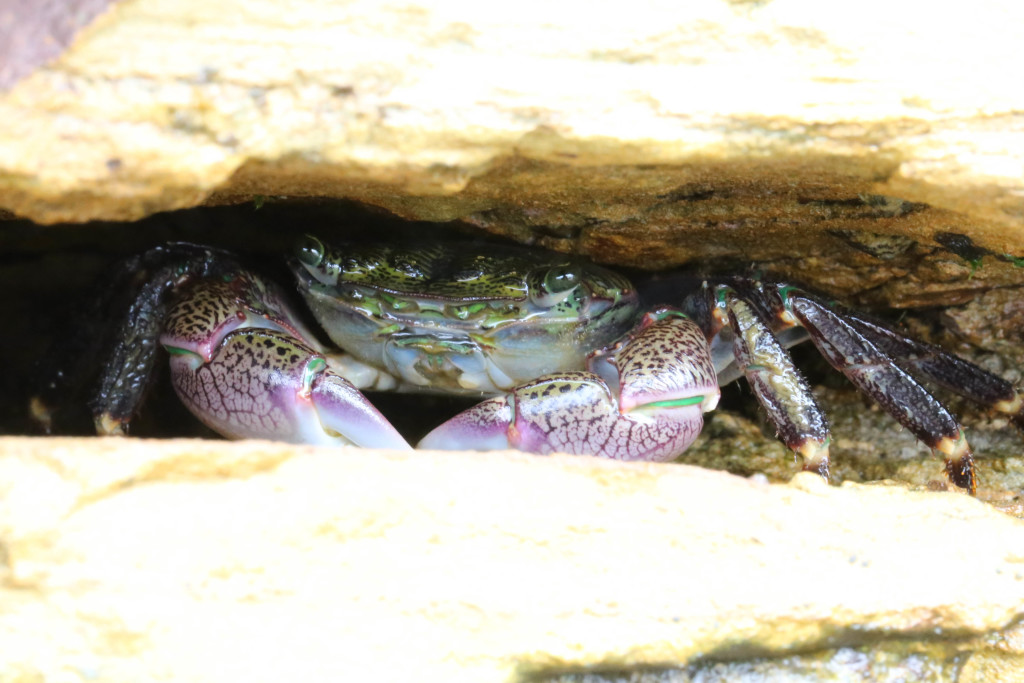
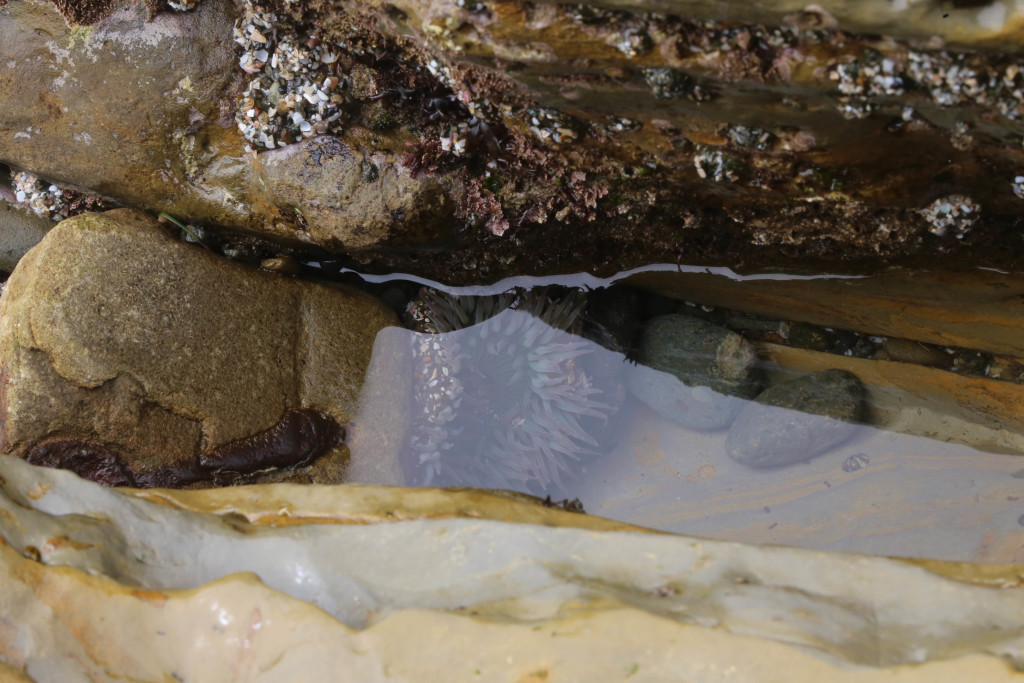
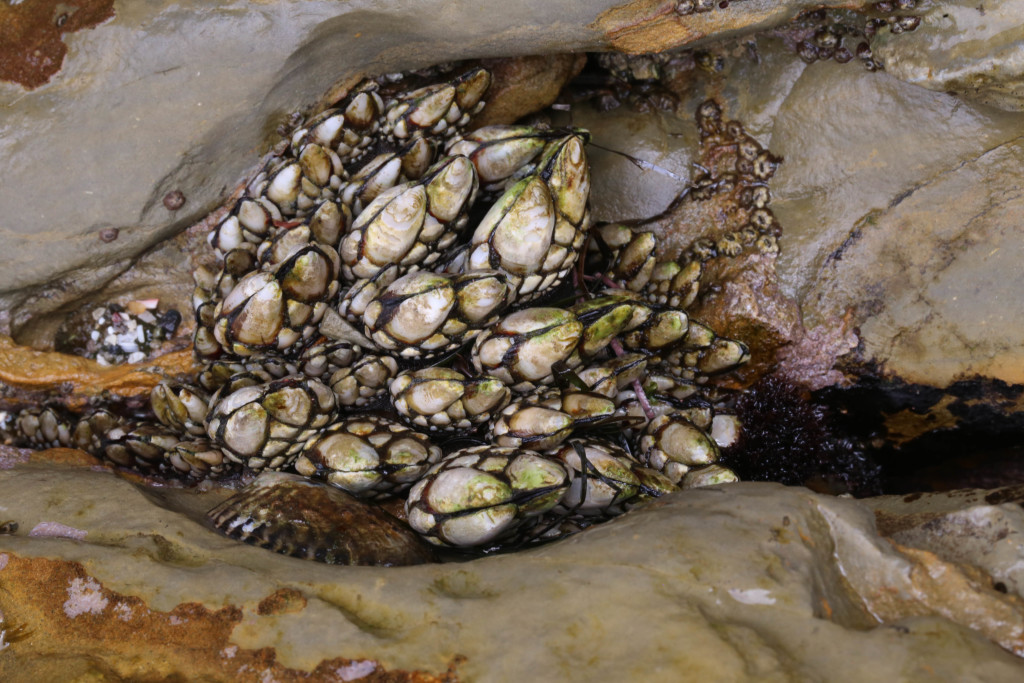
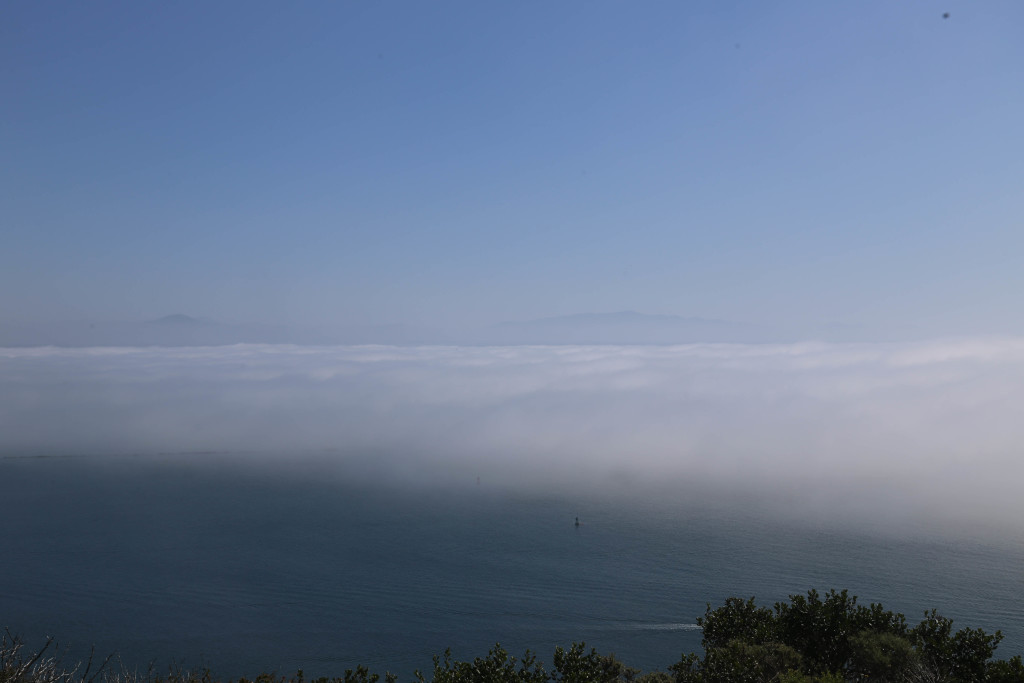
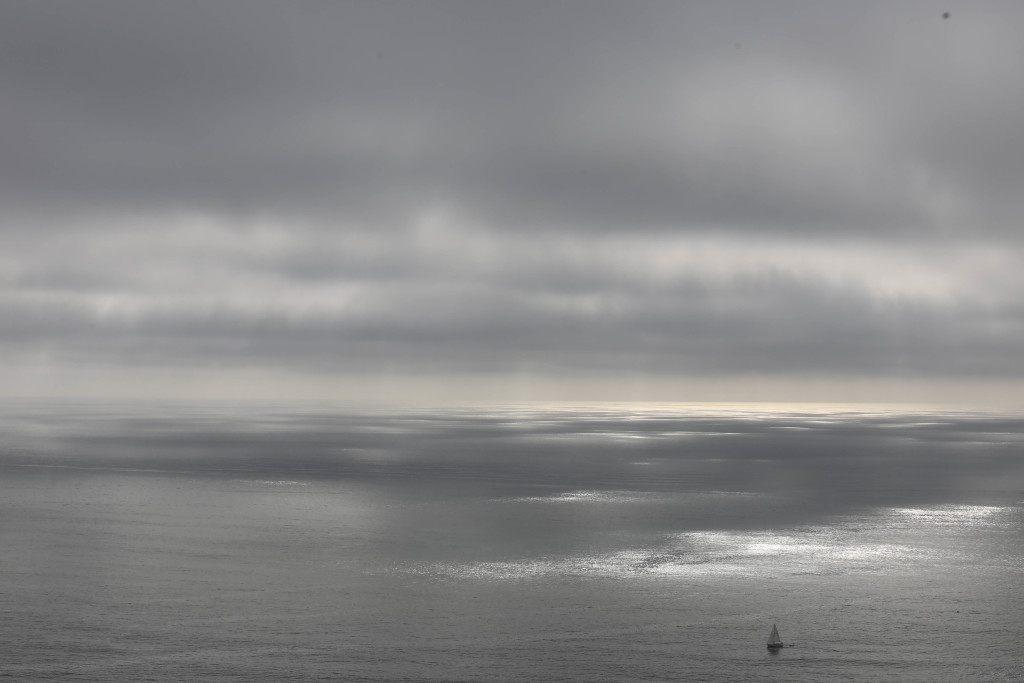
While in Sand Diego, I visited Cabrillo National Monument. Actually I visited it twice. I went in the morning, and the entire area was covered with thick fog. I explored the tidal pool area and met some cute crabs, limpets, and snails. I then went to the peak area and tried to view San Diego underneath the clouds. It was kind of amazing to be on a peak about 400 feet above the ocean and look at a giant fog encompassing almost everything below. I then came back in the afternoon and was finally able to get some good views.
Cueva Ventana
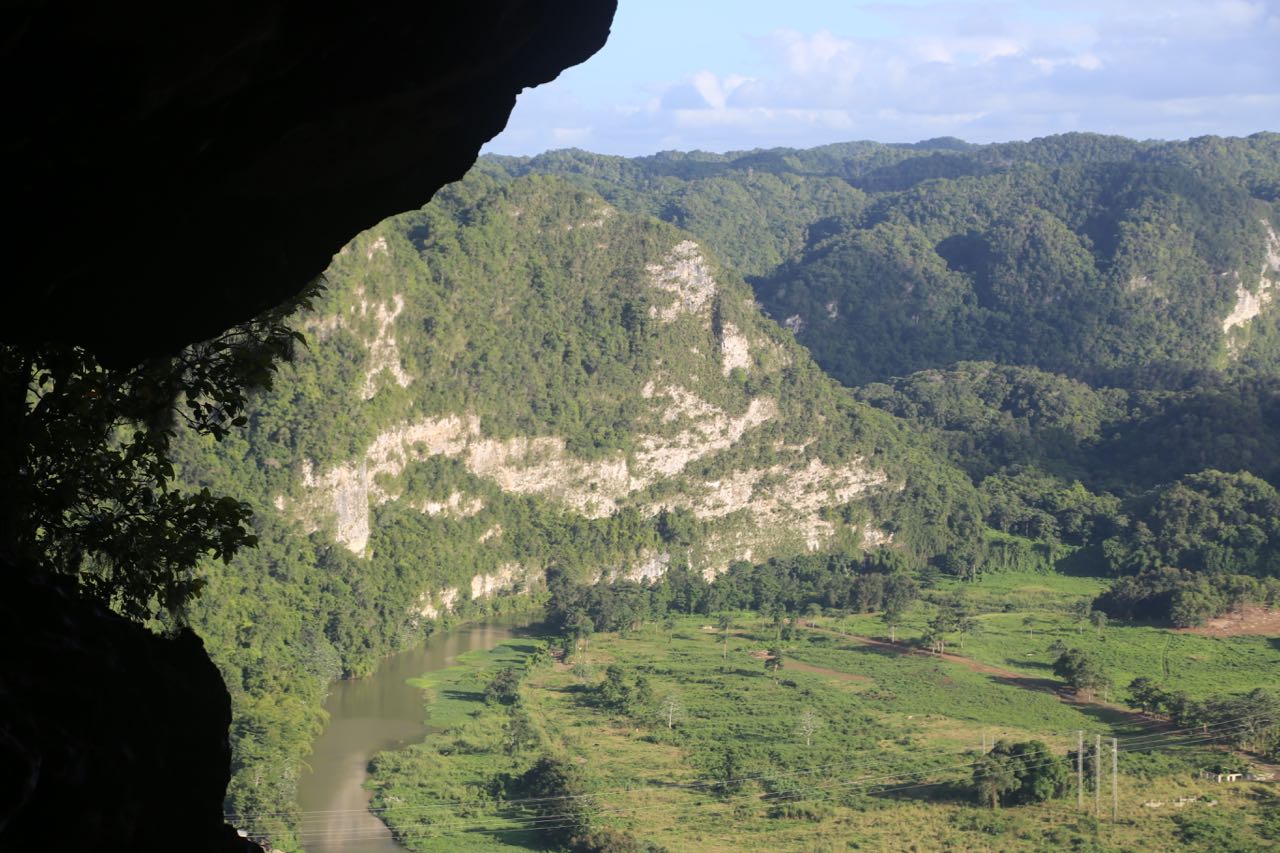
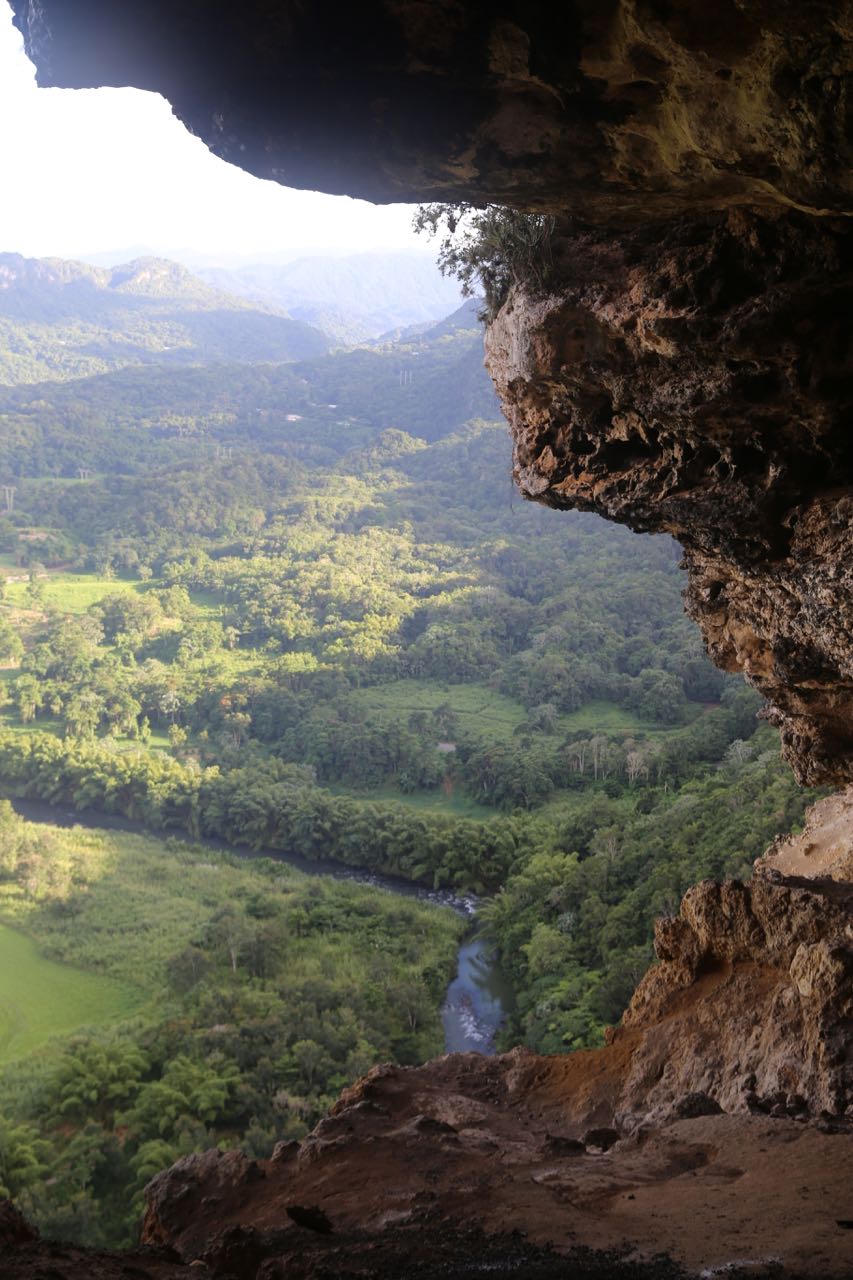
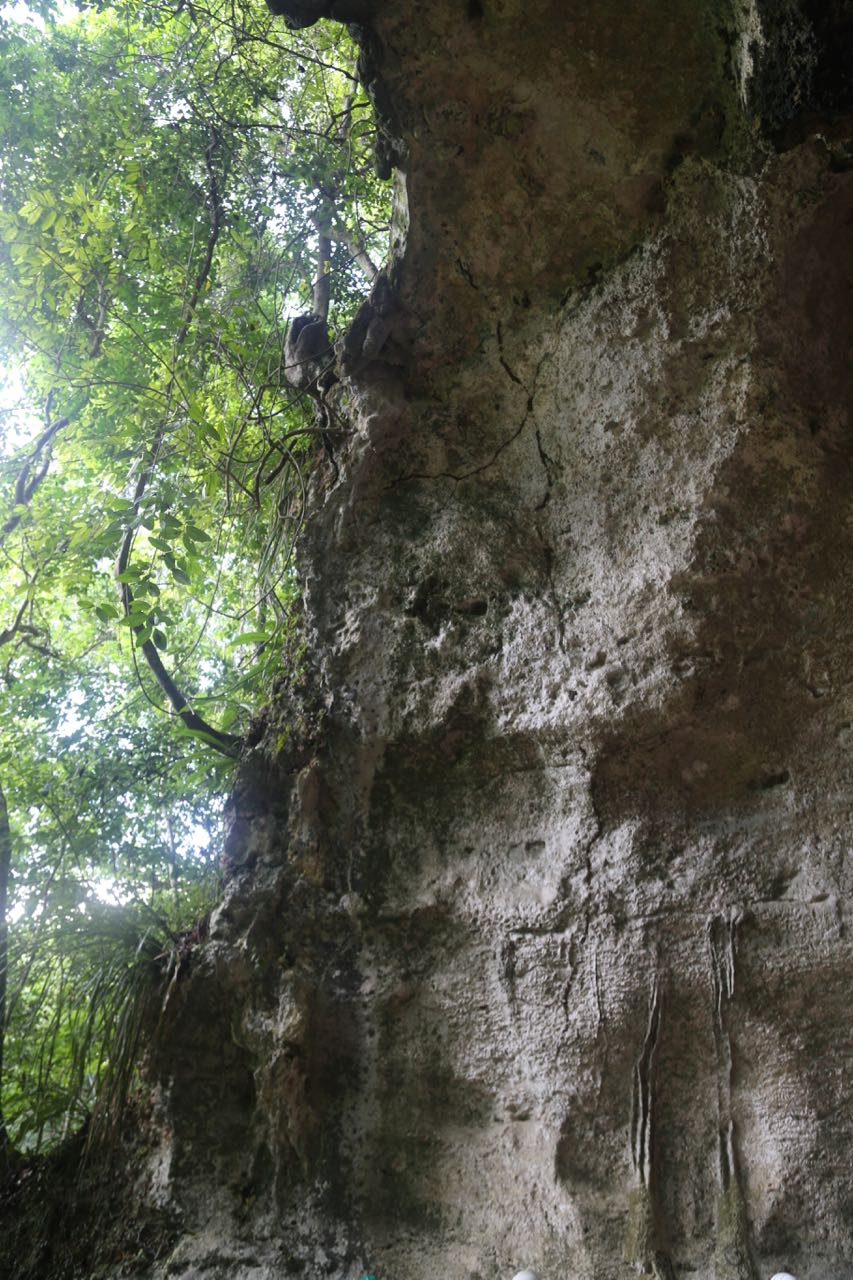
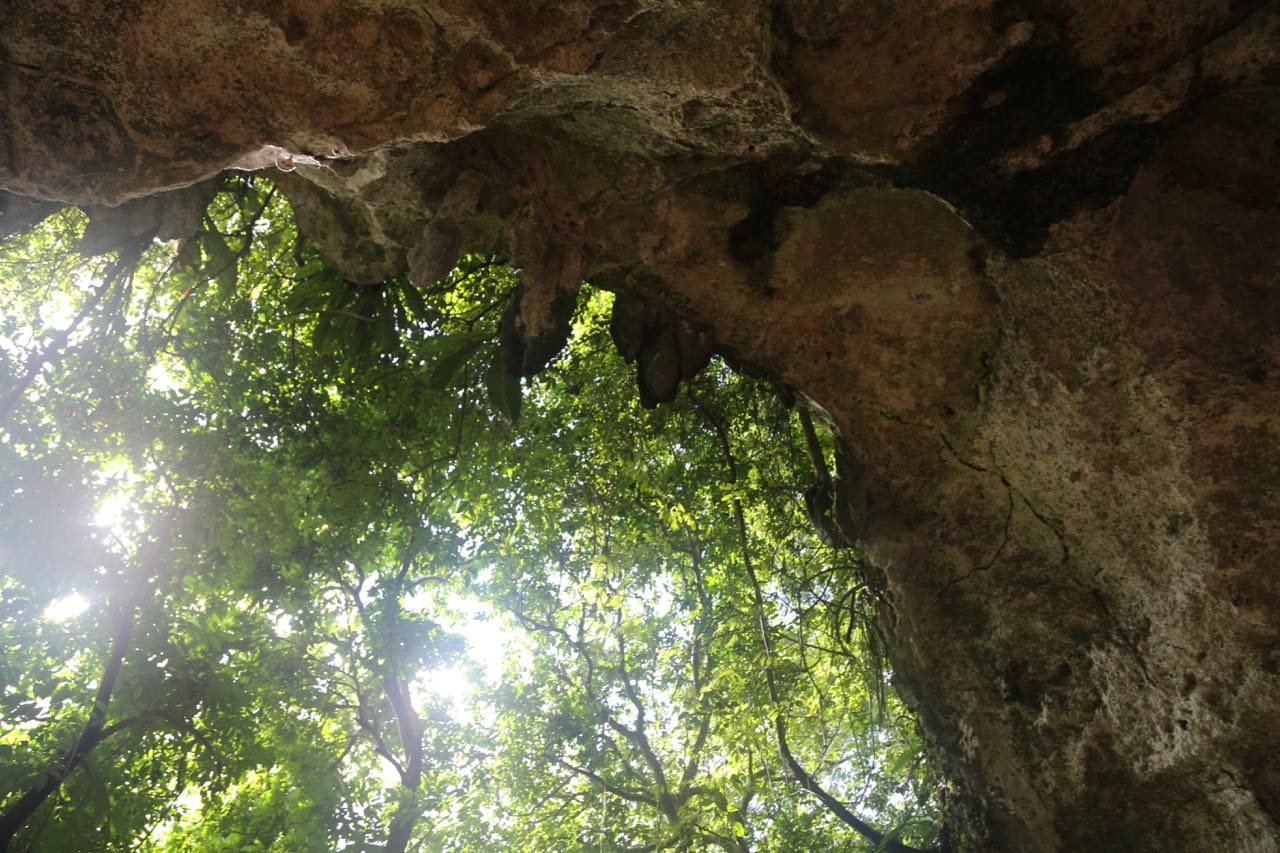
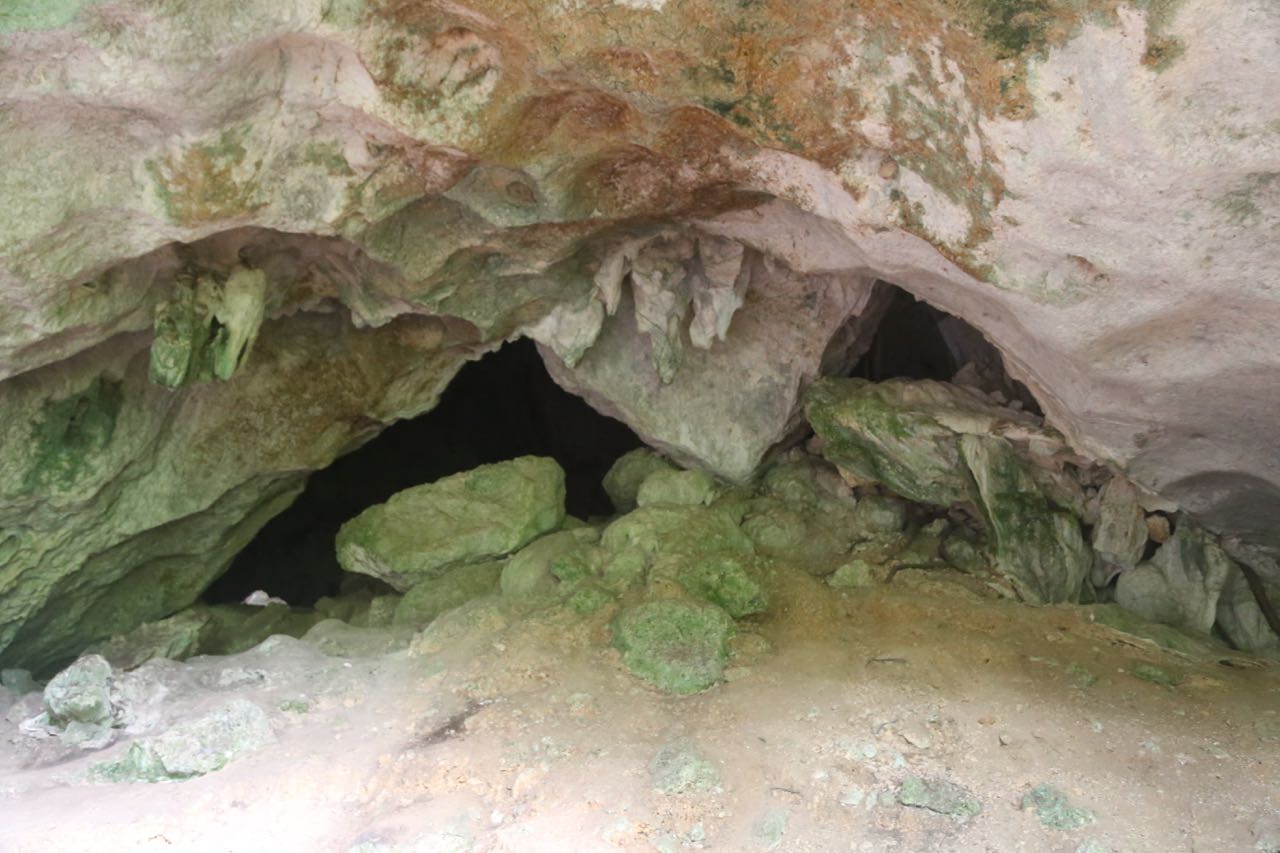
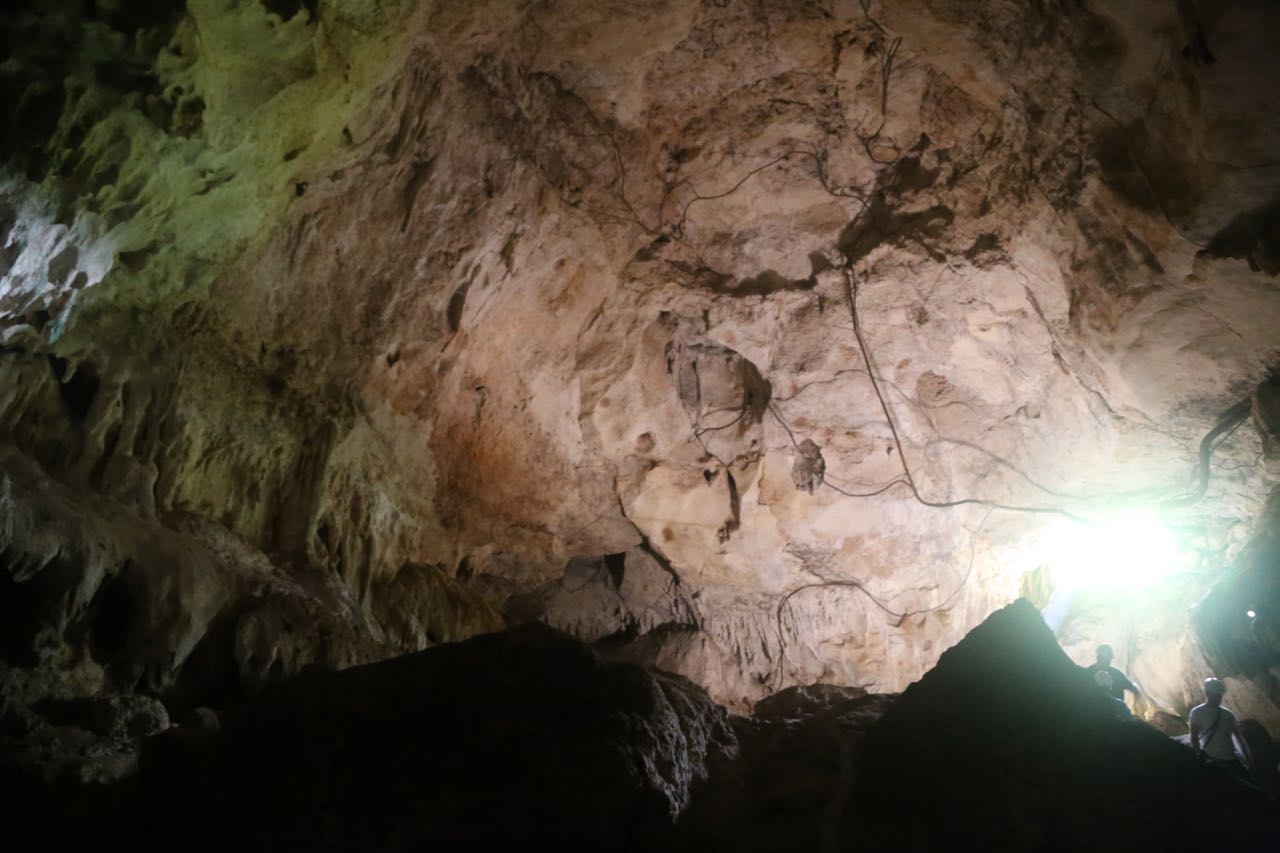
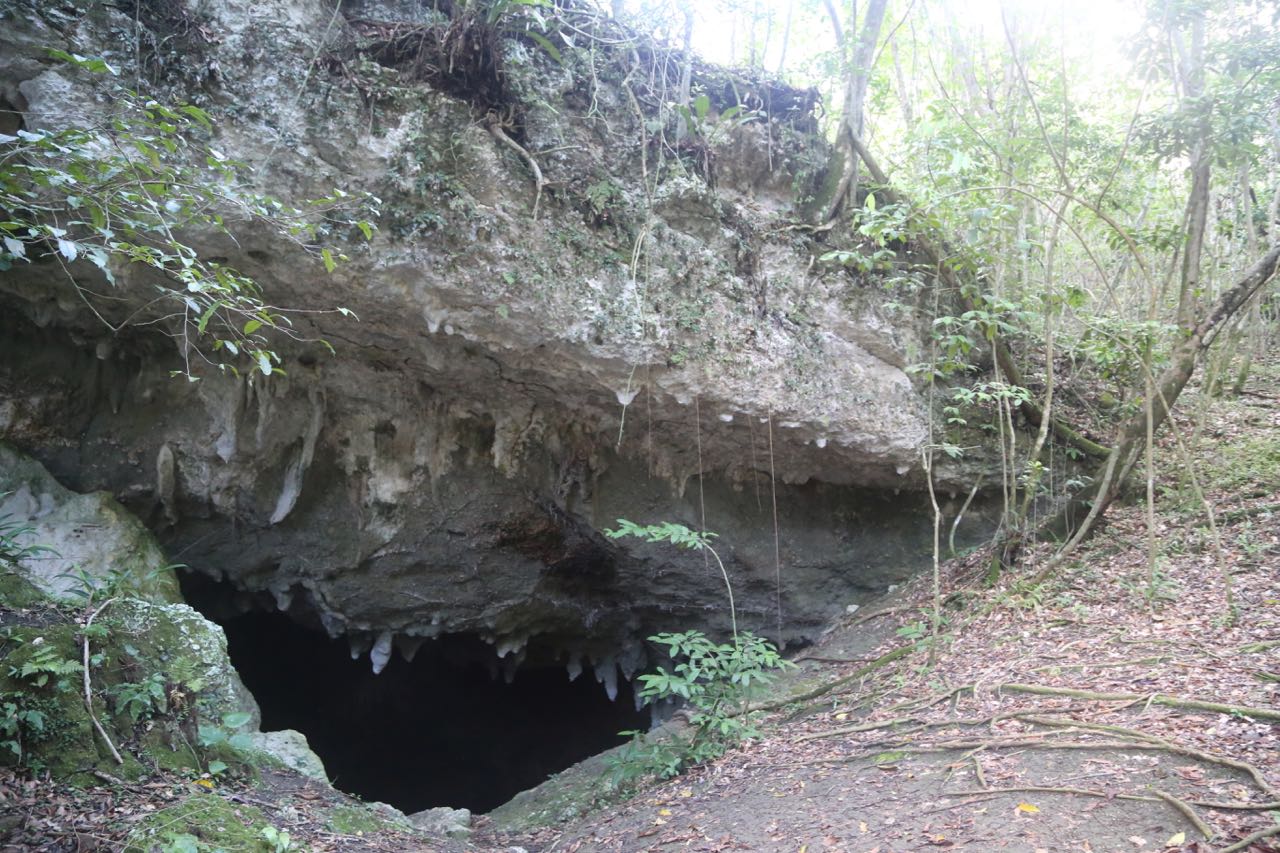
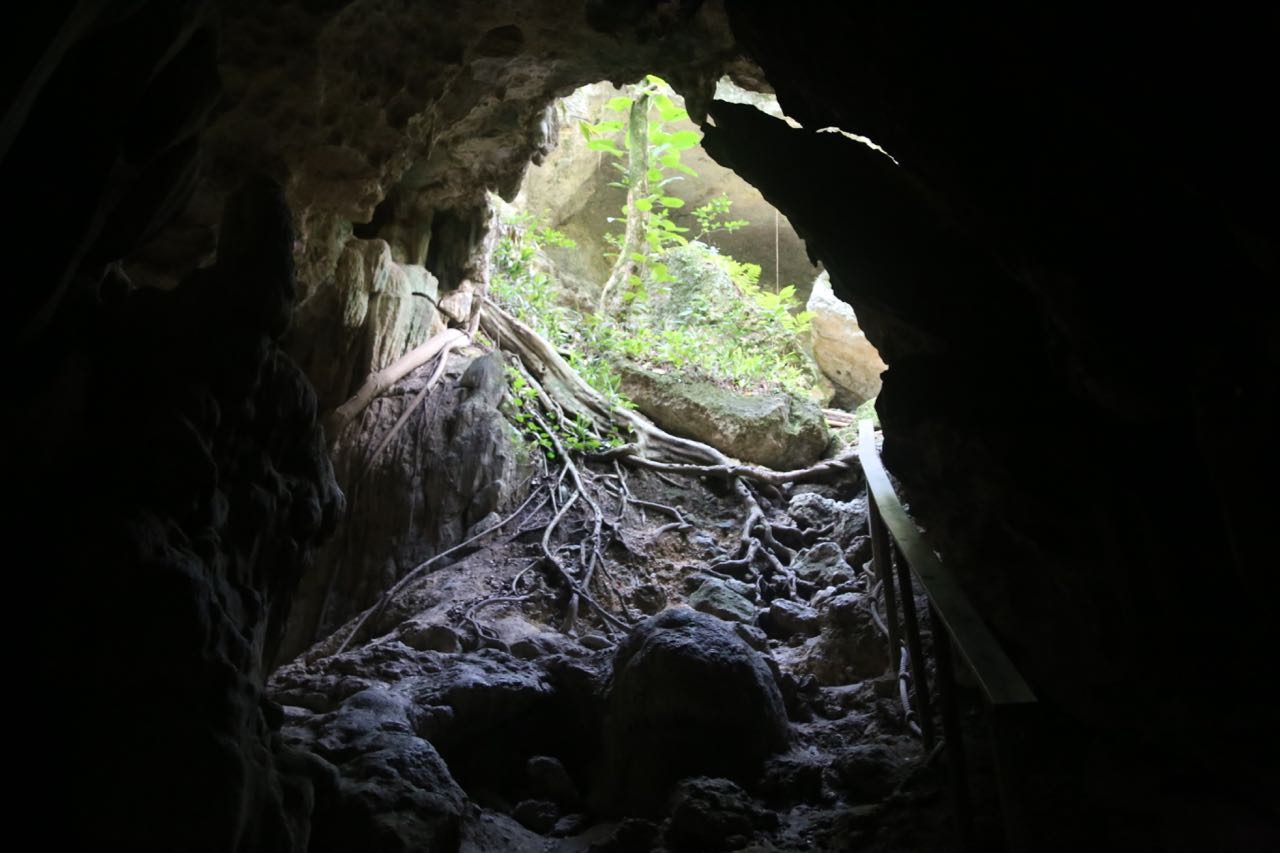
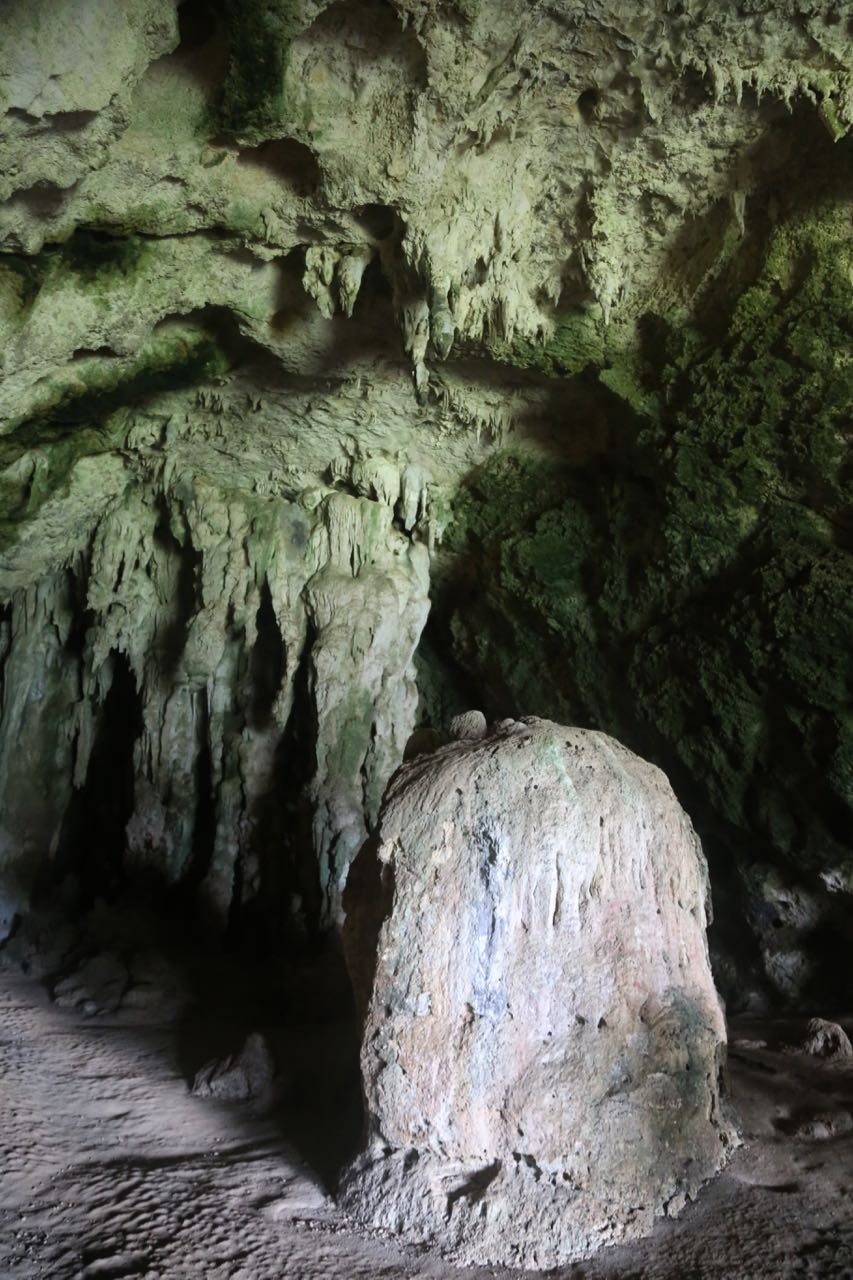
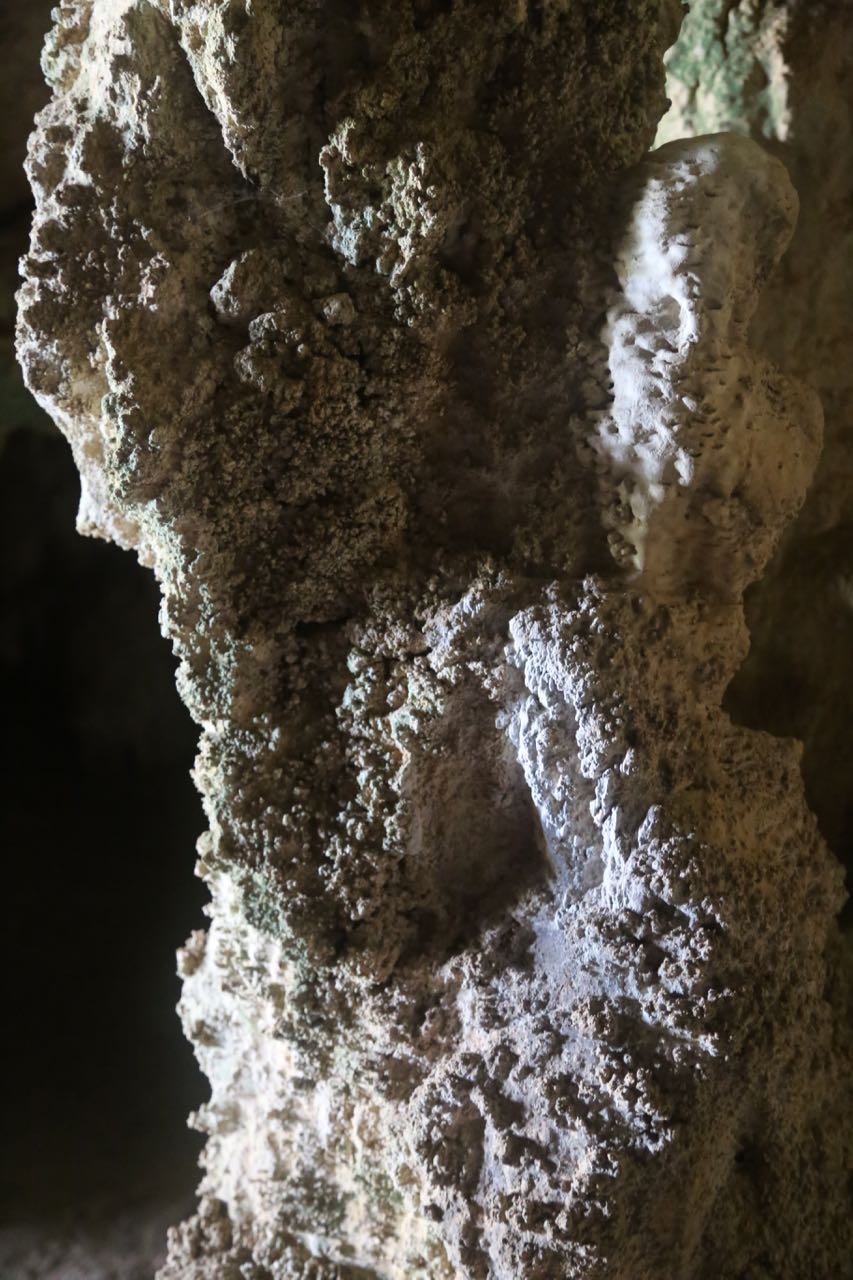
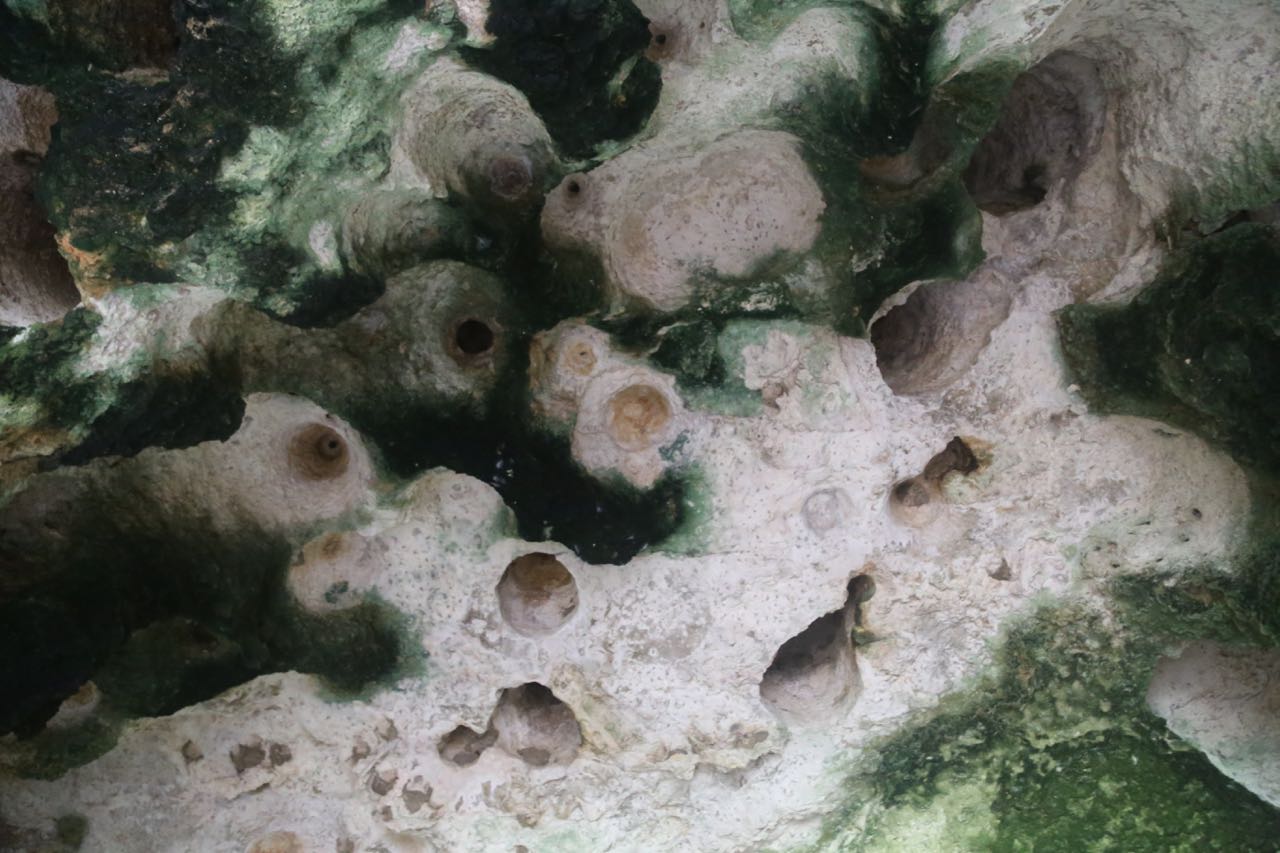
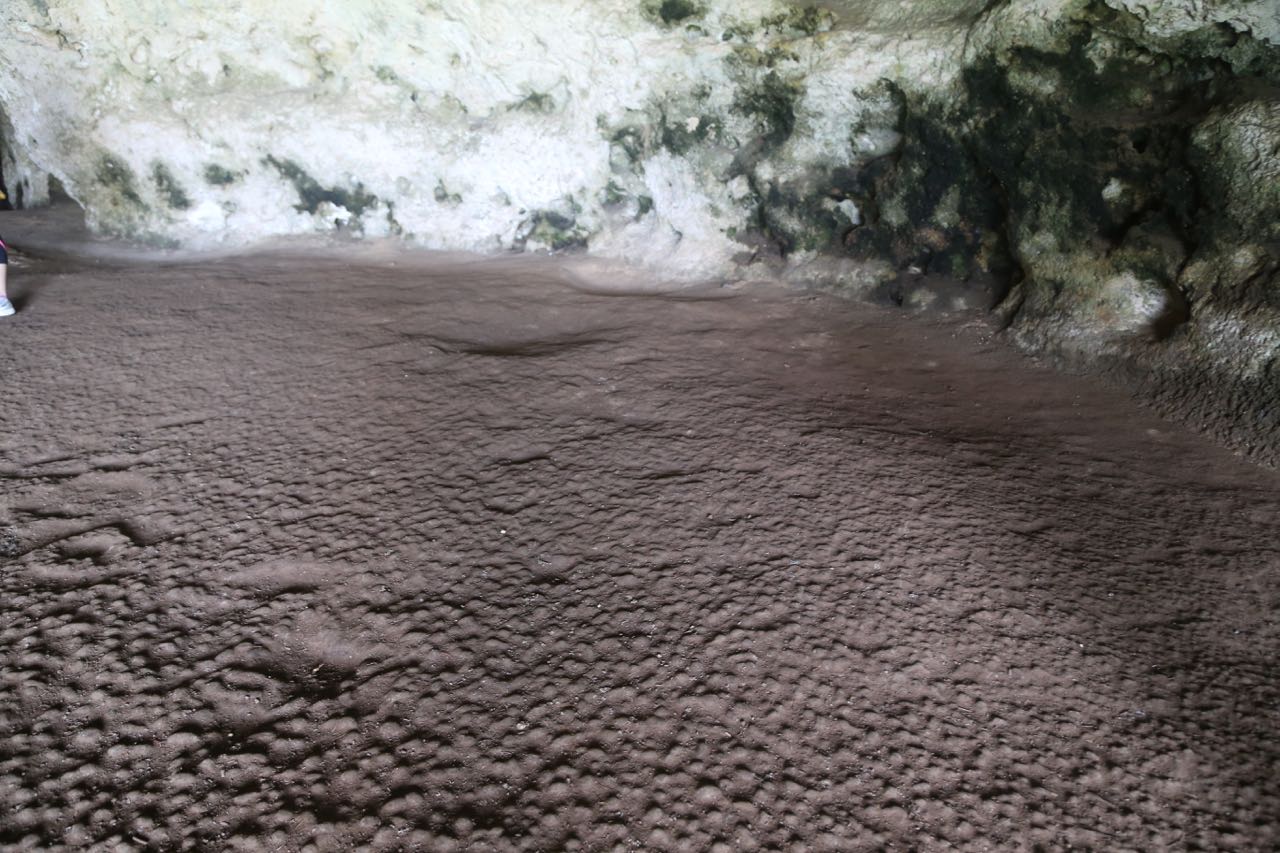
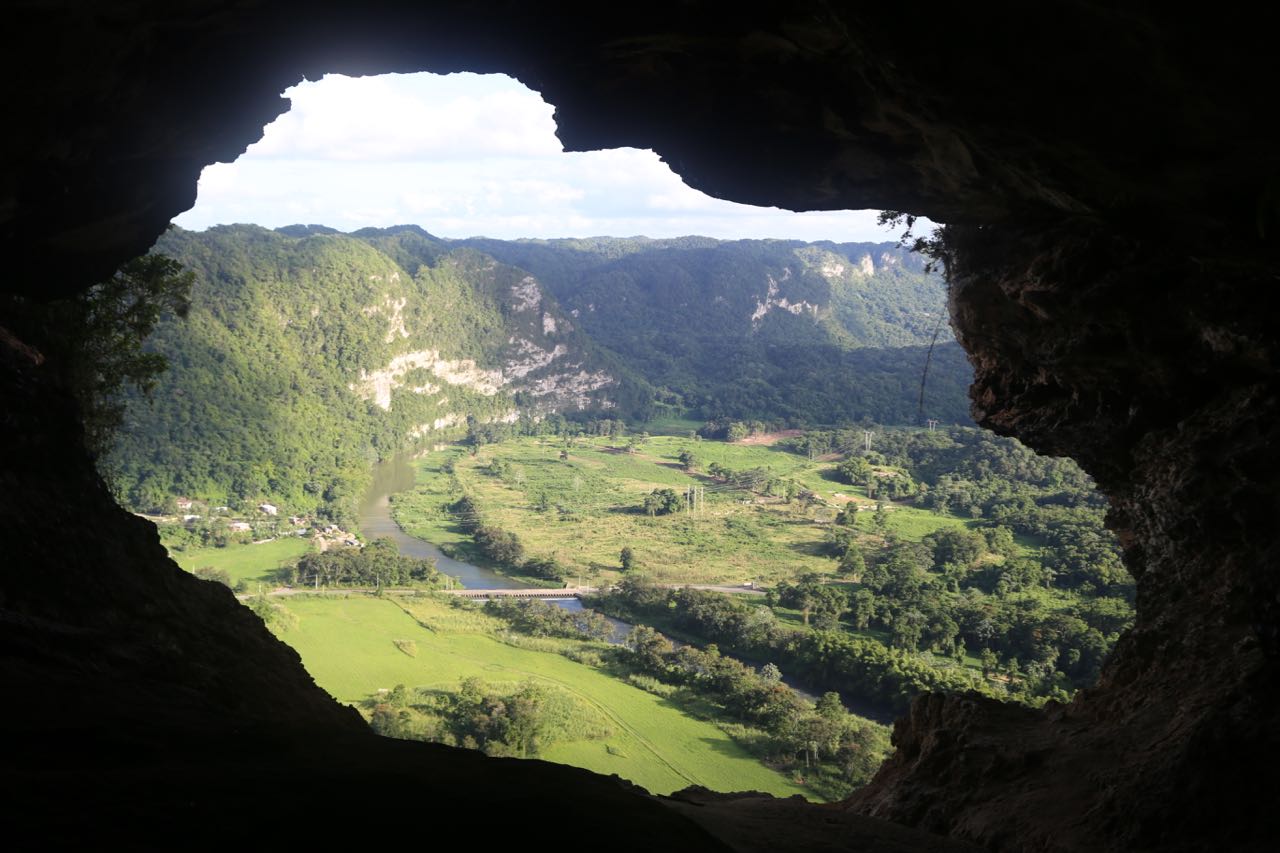
I got to visit Cueva Ventana (Window Cave) today in Arecibo, Puerto Rico. The tour starts by walking by Pee Wee Cave, which only meets the bare minimum requirements of a cave. You don’t go in. There is no point or room really. There is a short walk through the forest, which when I visited meant getting to see among other things a bunch of giant snails on the trees. Then you walk through cave number two, which I don’t think they actually named. The middle portion of this cave is, well, cavernous, with huge ceilings and wide walls. However the walk through it is fairly short. Then you walk down an extremely steep path to get to the actual Cueva Ventana. There are bats living in there among the limestone columns. At the end of the cave is the Ventana. It has amazing views of the Arecibo River valley. The valley is gorgeous, and you can see the mountains beyond. The tour is worth the view alone. However the caves are really neat to see also, and I love bats, so getting to hear and see them was also a highlight. Sadly while there, you can see vandalism from years past, but tourism is now helping to support security and clean up for the site.