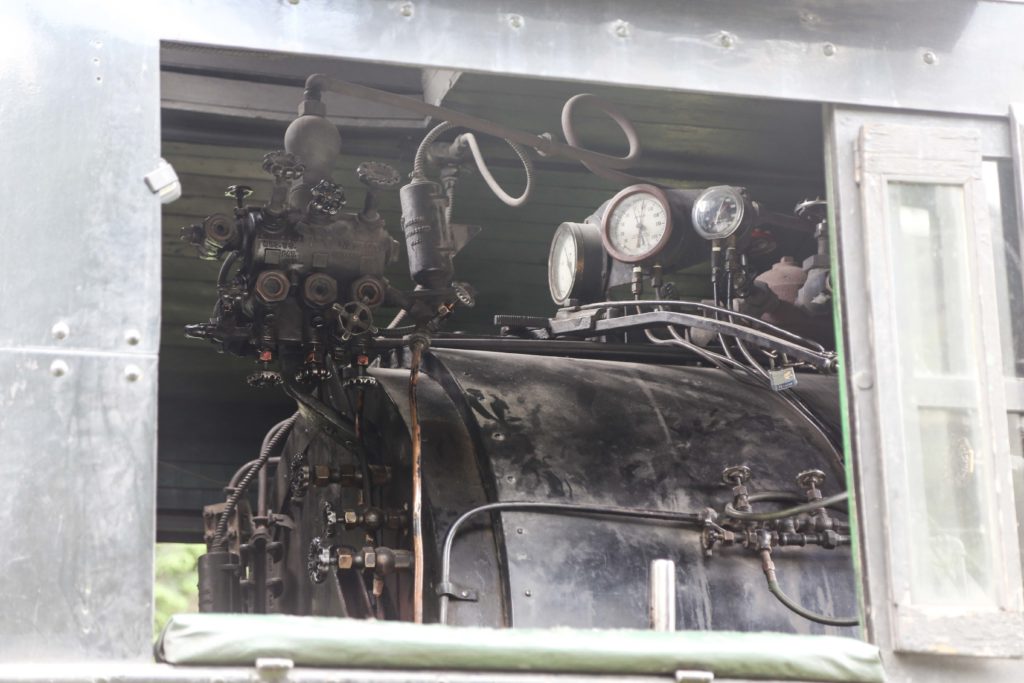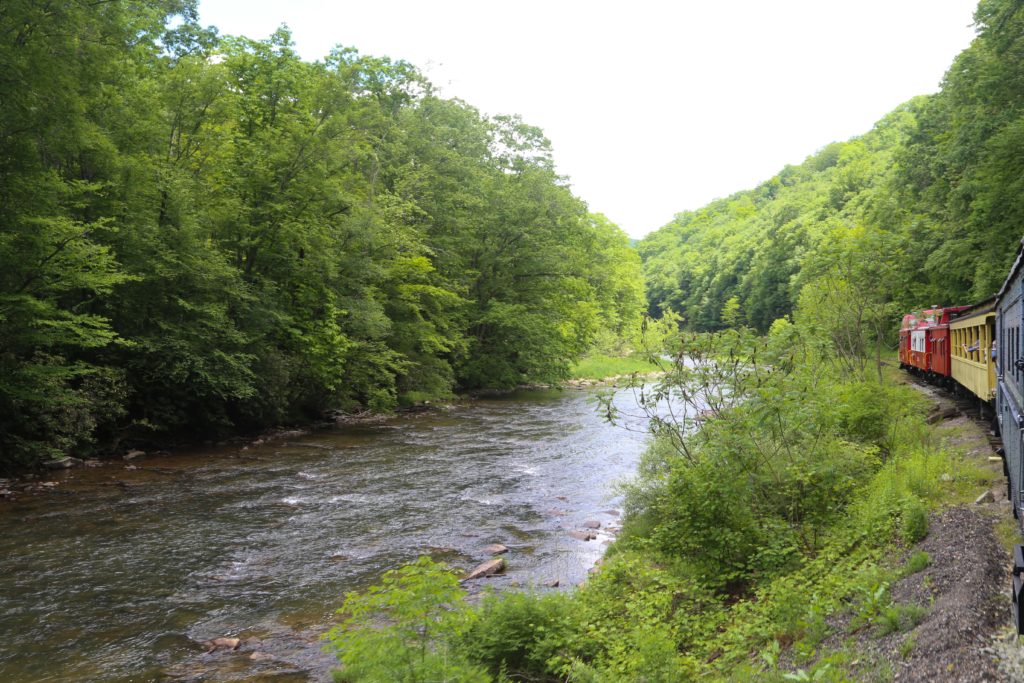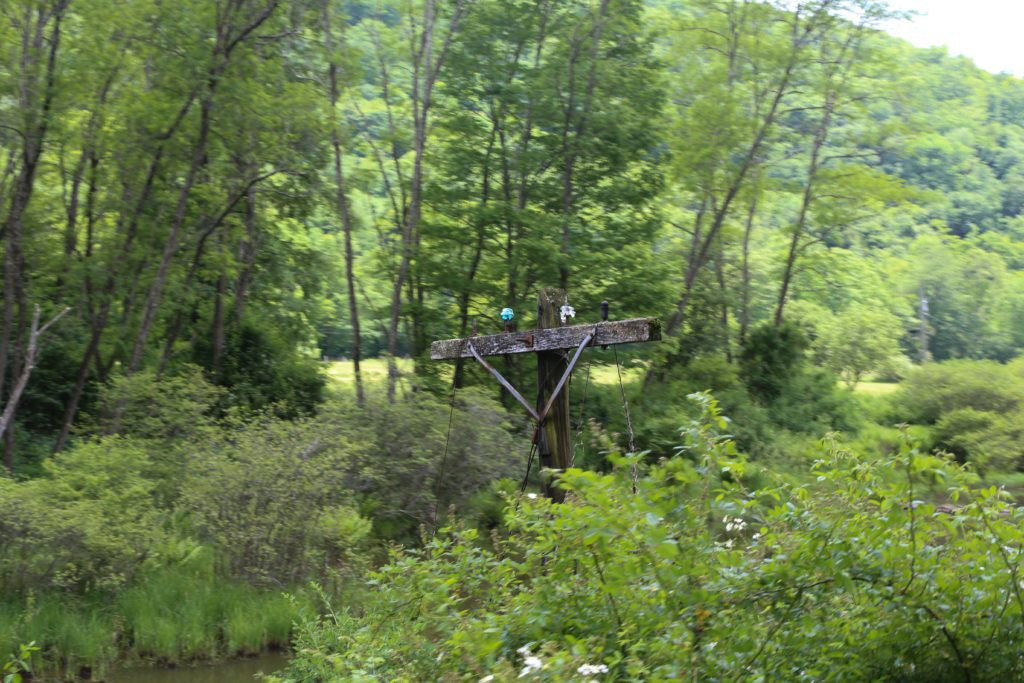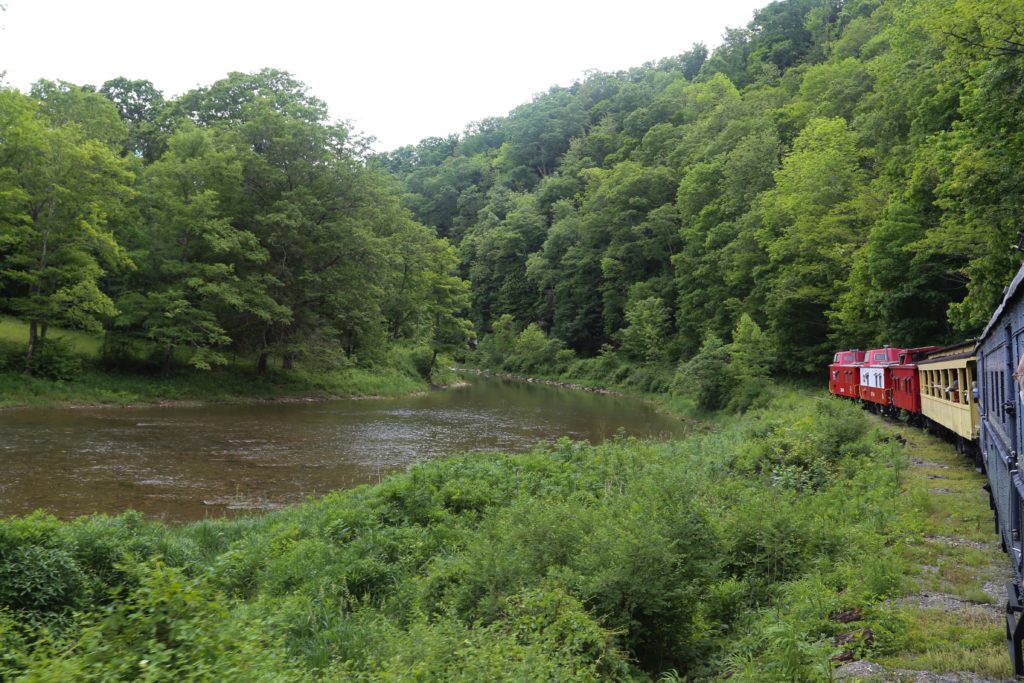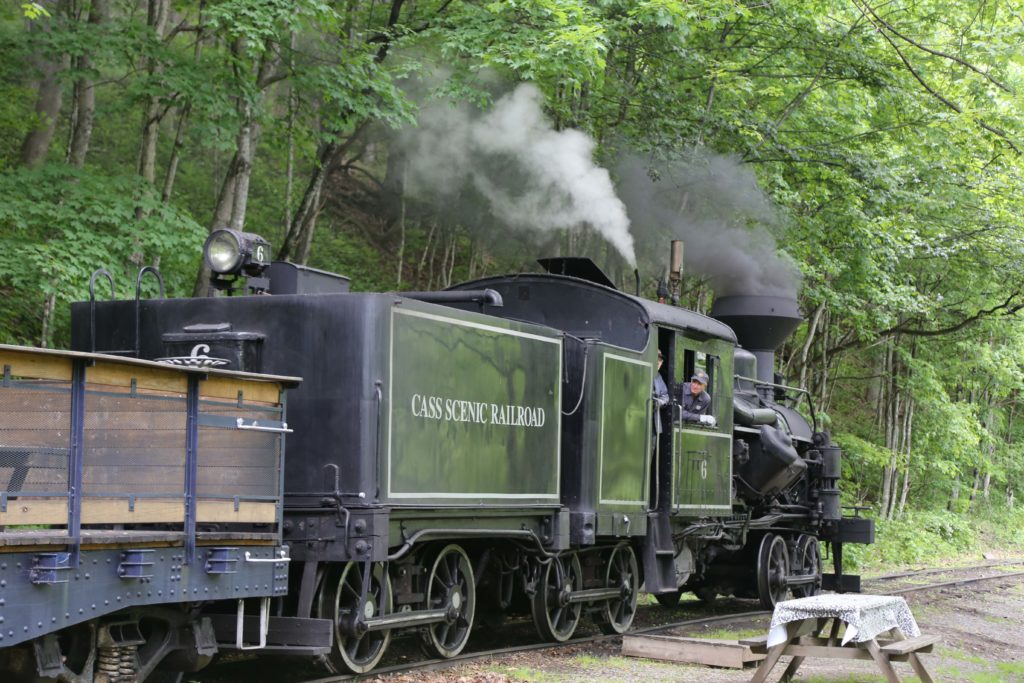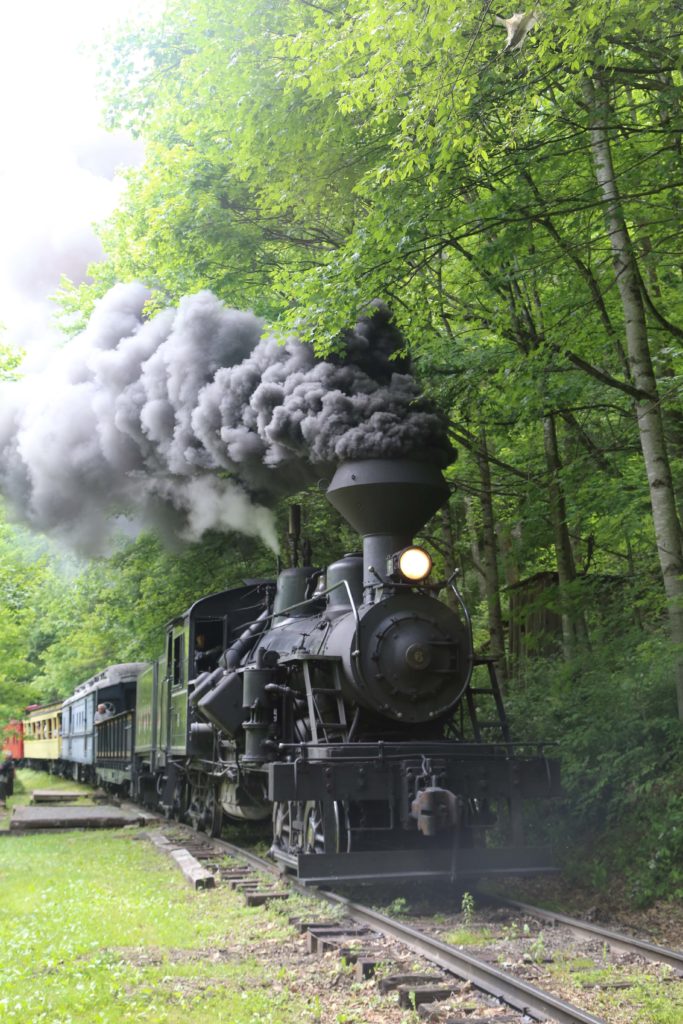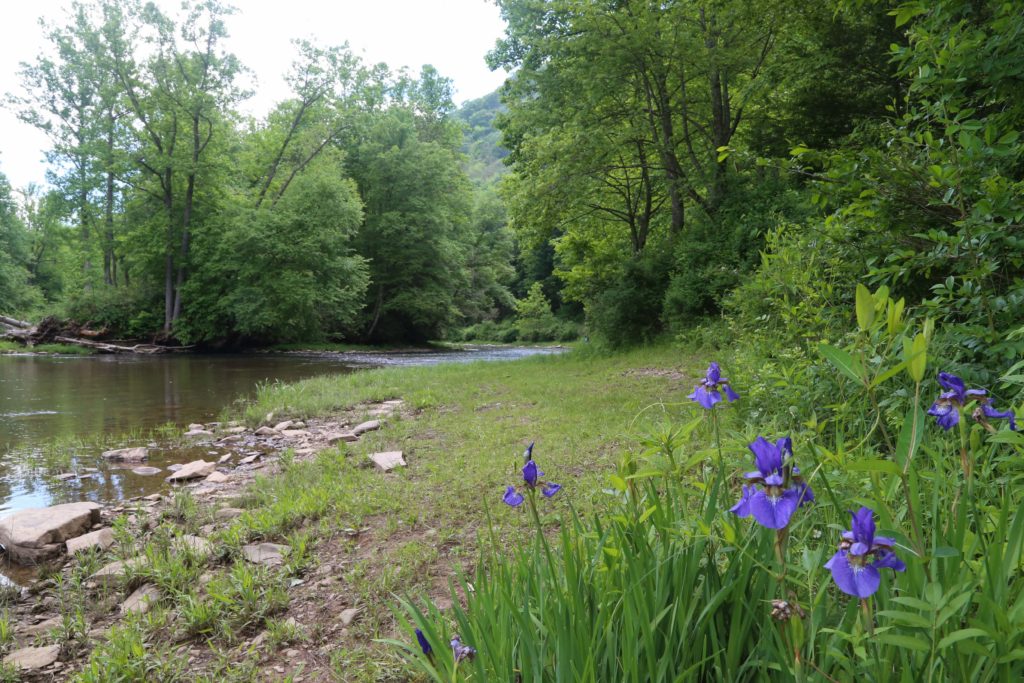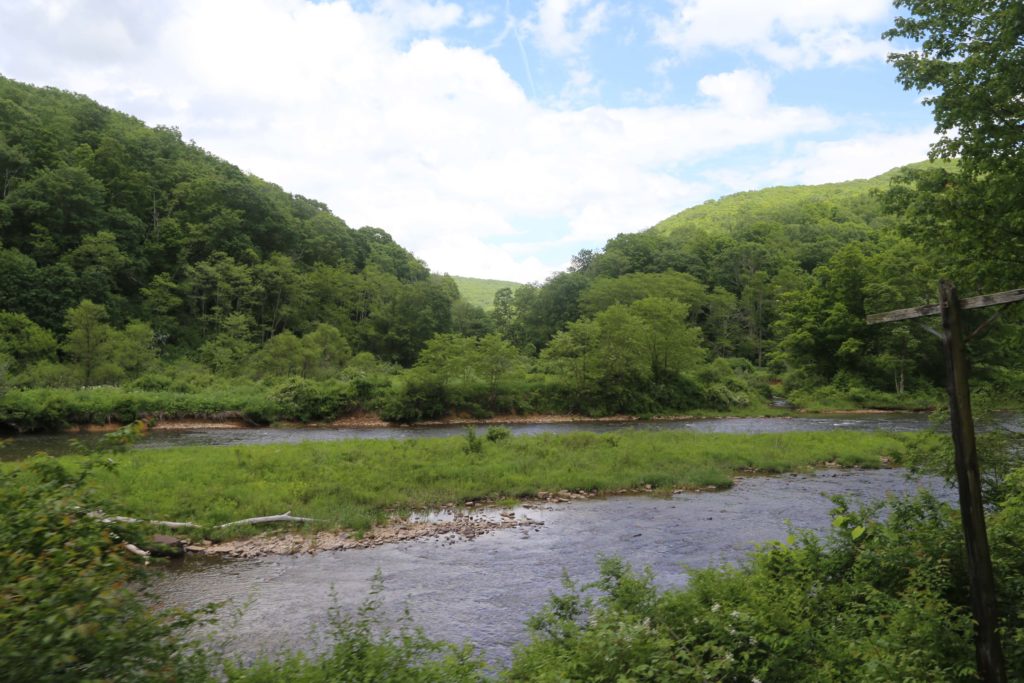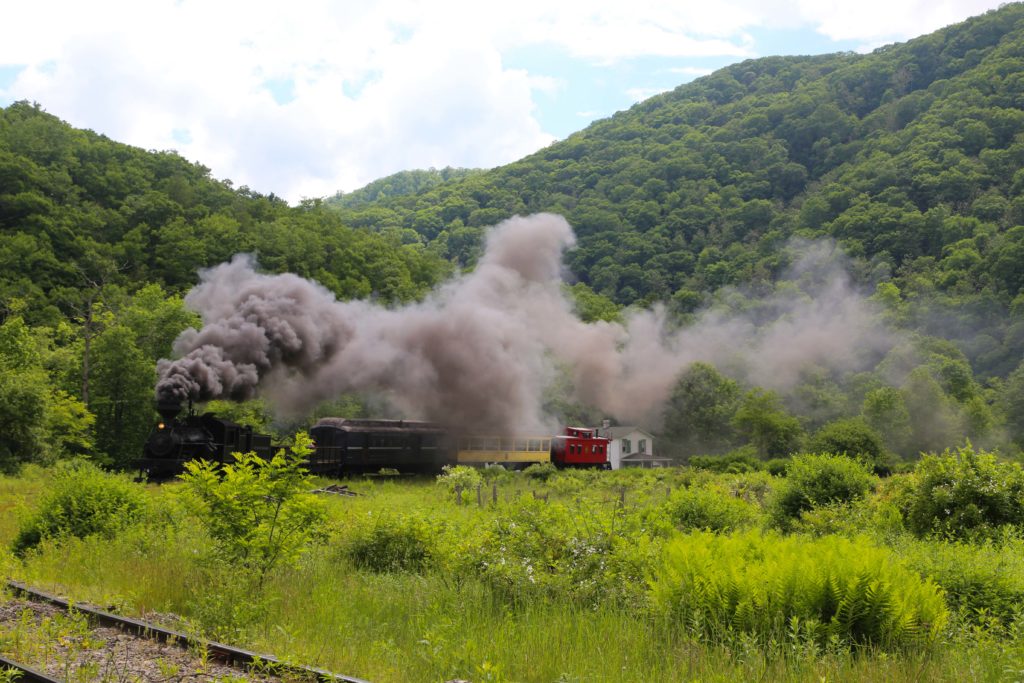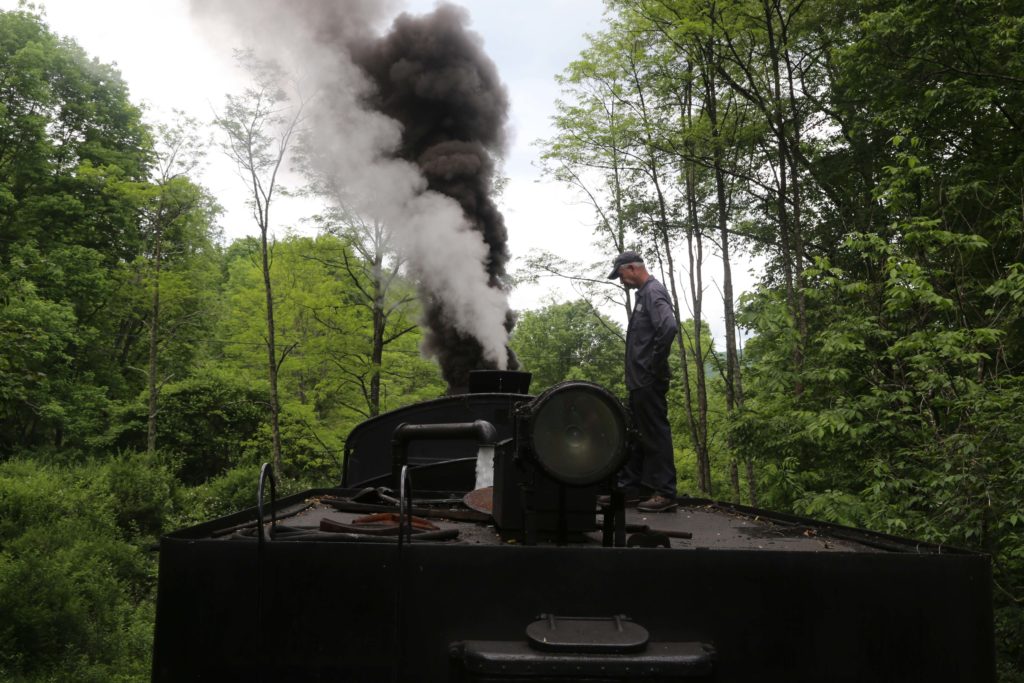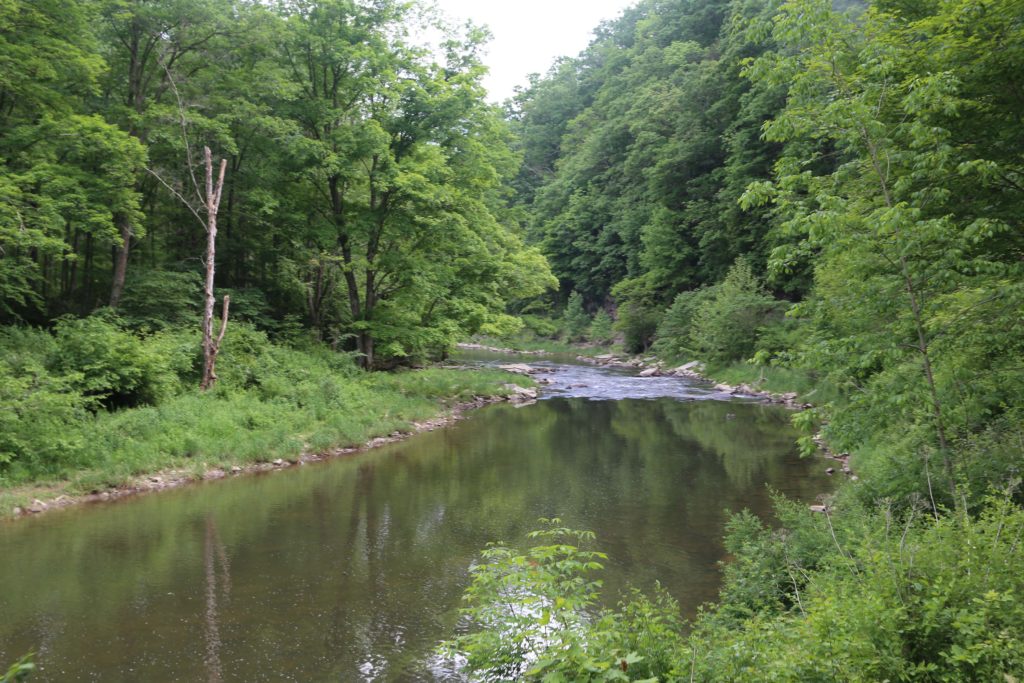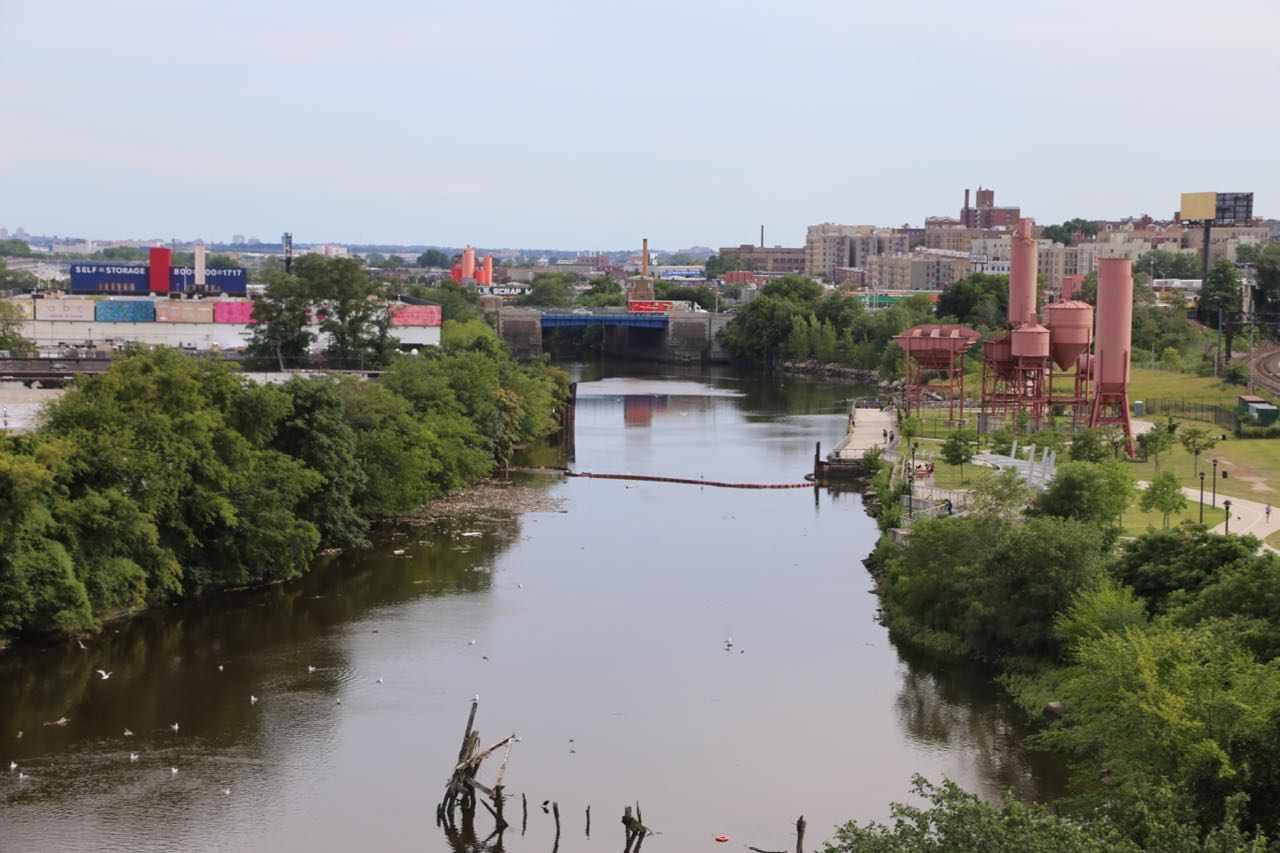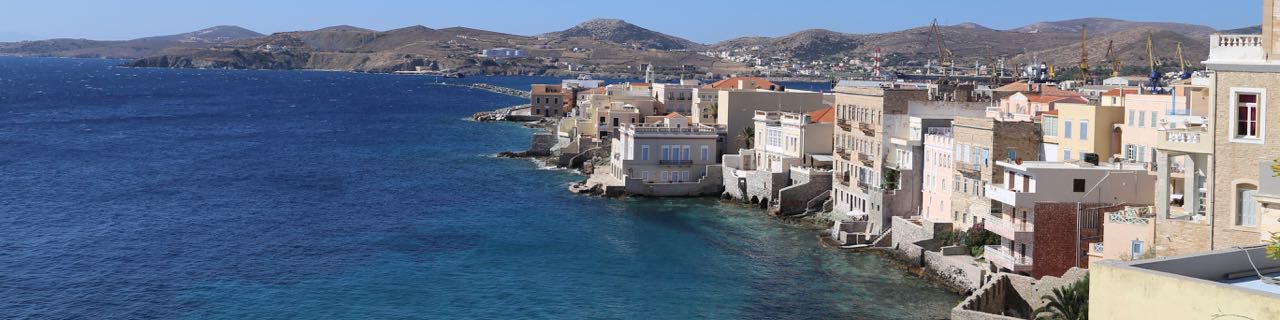
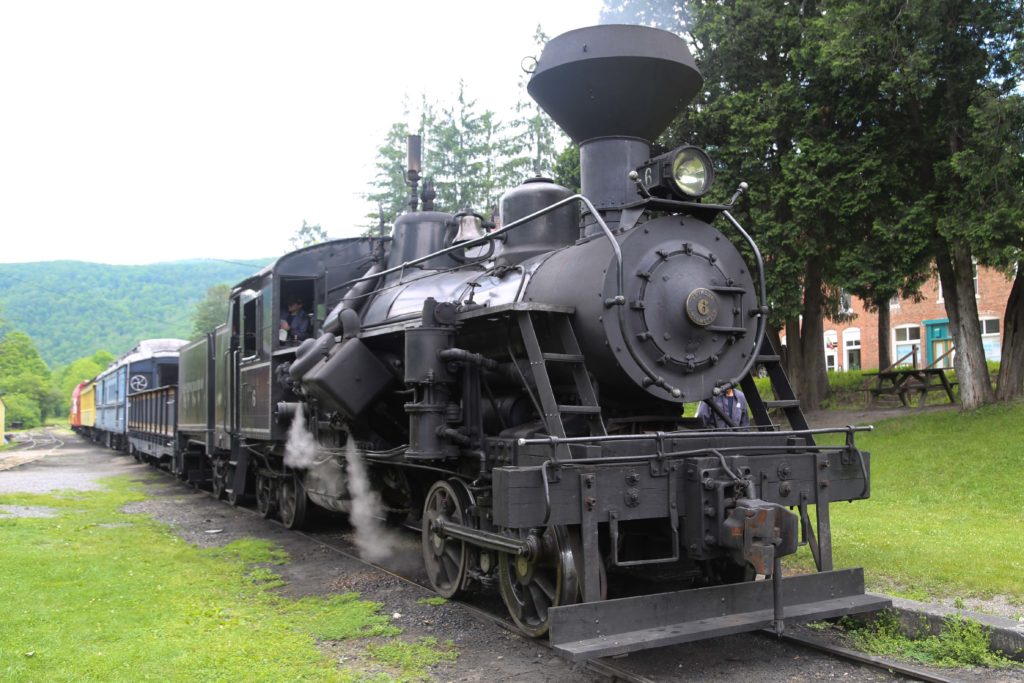
I took a ride on the Durbin Rocket this afternoon. The Climax geared logging locomotive was built in 1910 and powers a vintage train, including an old postal car. The train is indeed a rocket, as it moves along at a whopping 8 miles per hour. At one point a butterfly passed us. The roundtrip route from Durbin, West Virginia, however is gorgeous as it follows the Greenbriar River in the Monongahela National Forest. The only problem is after seeing all the smoke the coal burning created, I feel the need to go plant an entire grove of trees.
Tag Archives: transportation
Billy Bishop Airport
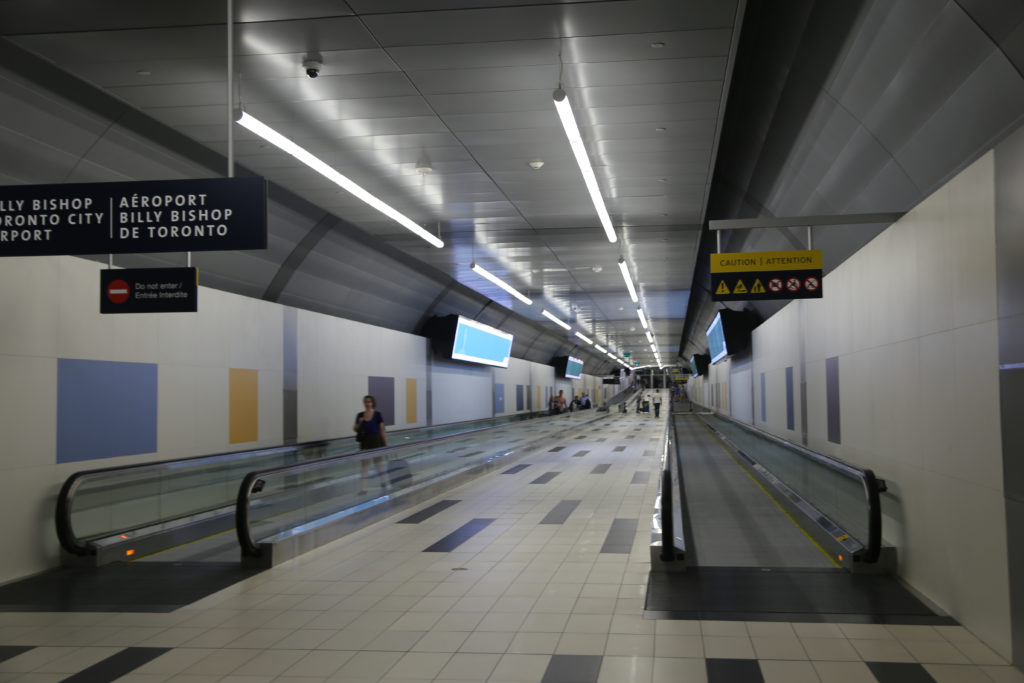
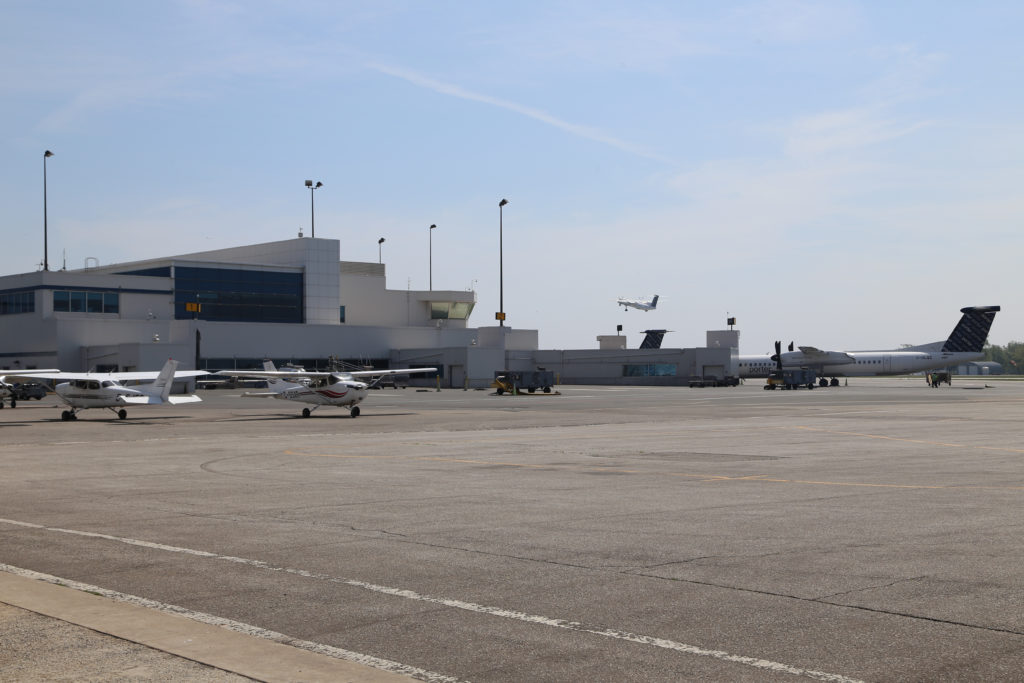
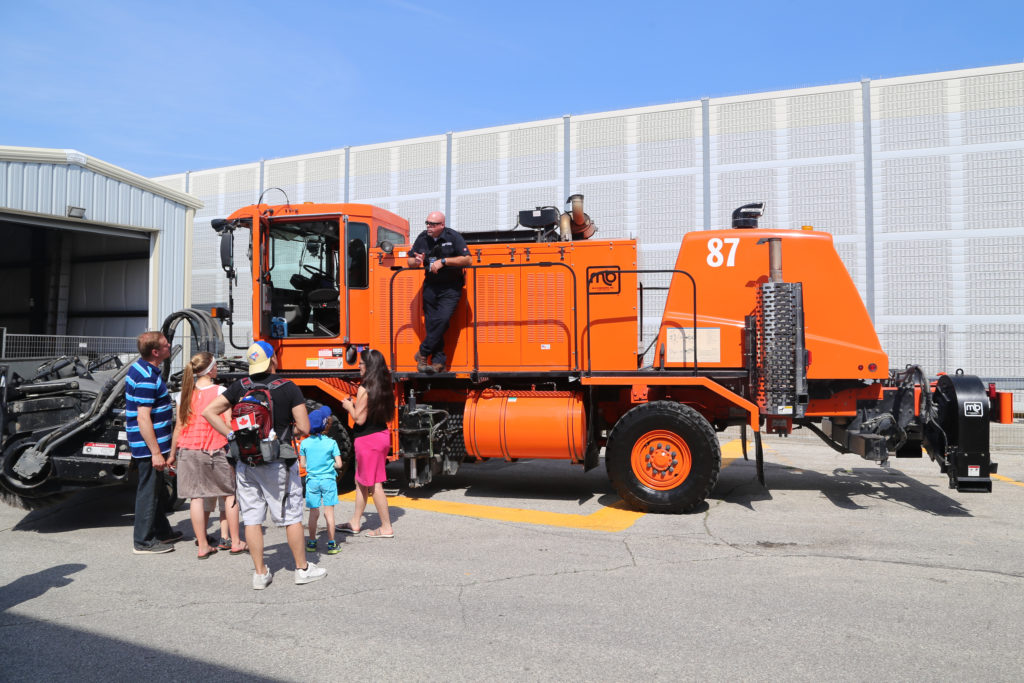
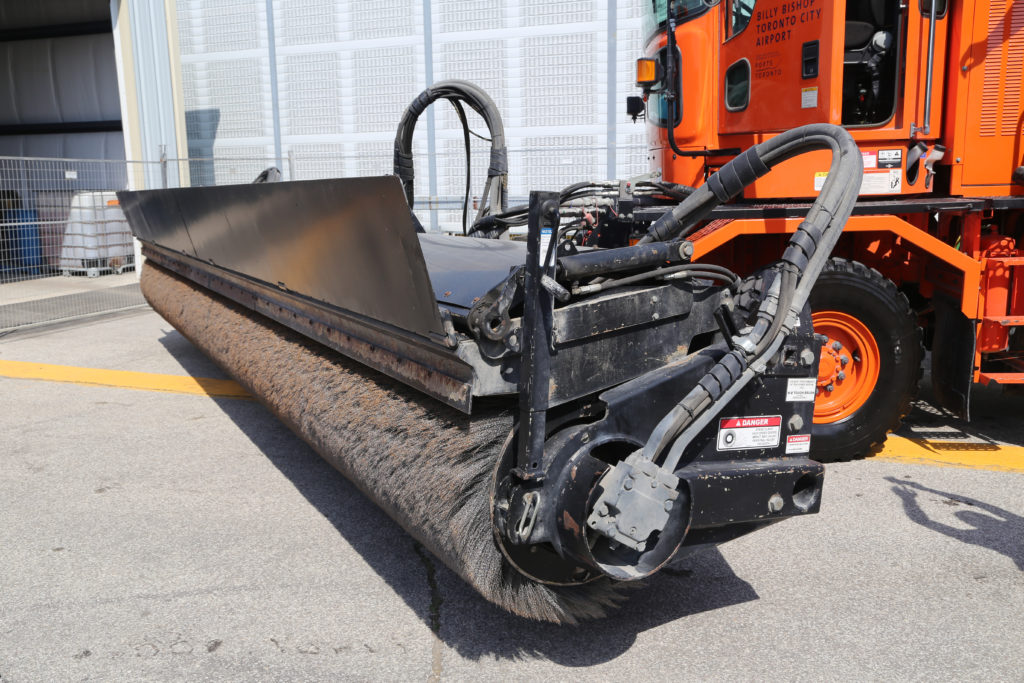
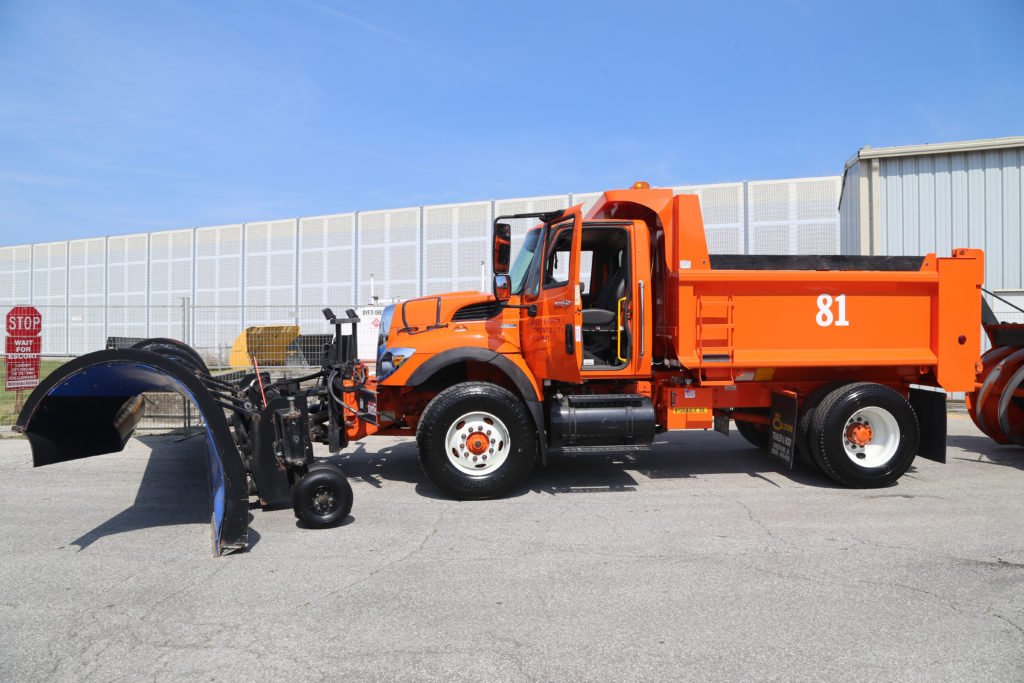
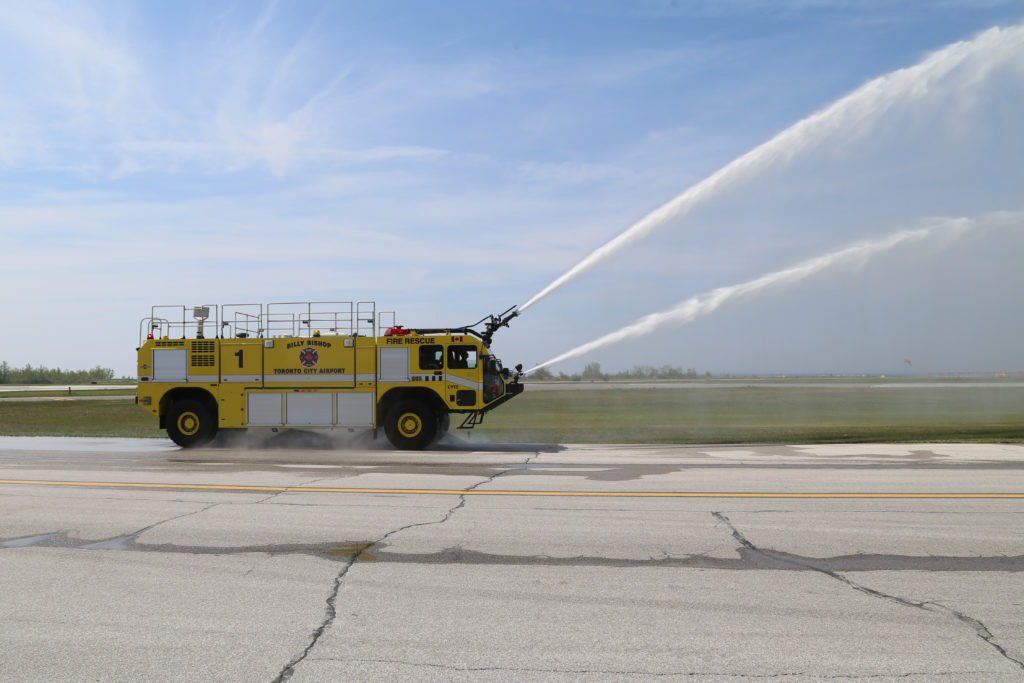
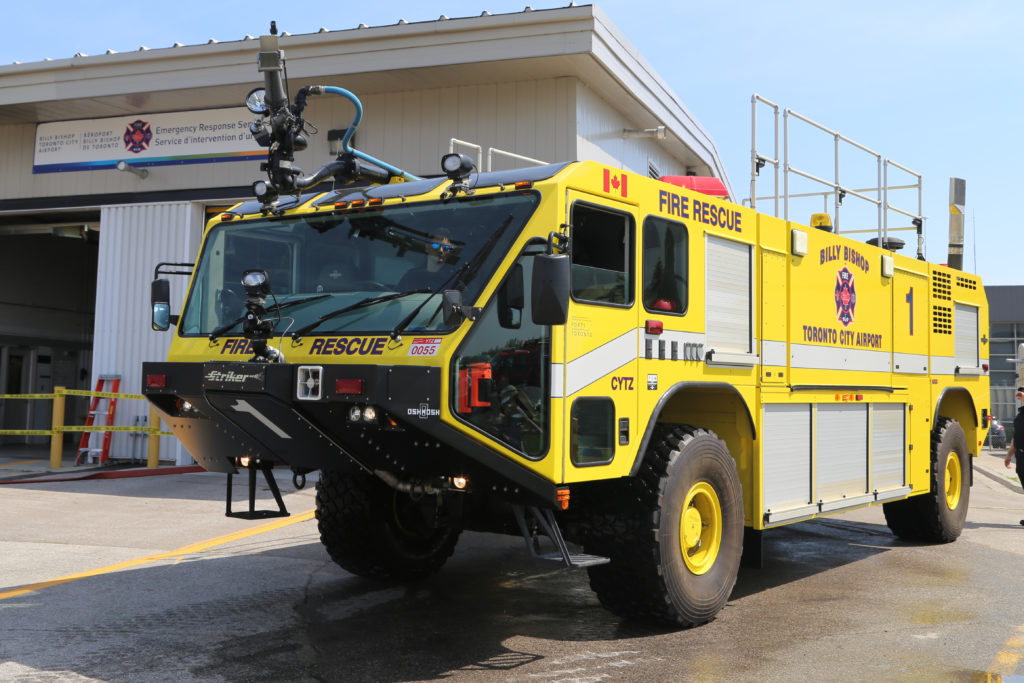
Billy Bishop Airport opened up its behind the scenes areas for Doors Open Toronto. The airport is located on a little island just off of downtown. By just off of, I mean late last year they opened a pedestrian tunnel connecting it to the mainland, so you can literally walk to the island. They pulled out a lot of the equipment they use for maintenance including snow removal and also for emergencies including fire fighting. They have so really cool equipment. One thing I found really interesting was that they don’t use a snow plow on the runways; they use a snow brush. The snow brush is better because of the short length of the runways. They use plows for taxi areas and places where cars go. The brushes also are used during the summer to remove rubber build up from the runways. Planes braking as they land leave rubber marks, and when enough builds up, it lowers the traction, so the rubber has to be removed. They spray a chemical to the runway, then come through with the brush to break up the rubber.
TTC Leslie Barns
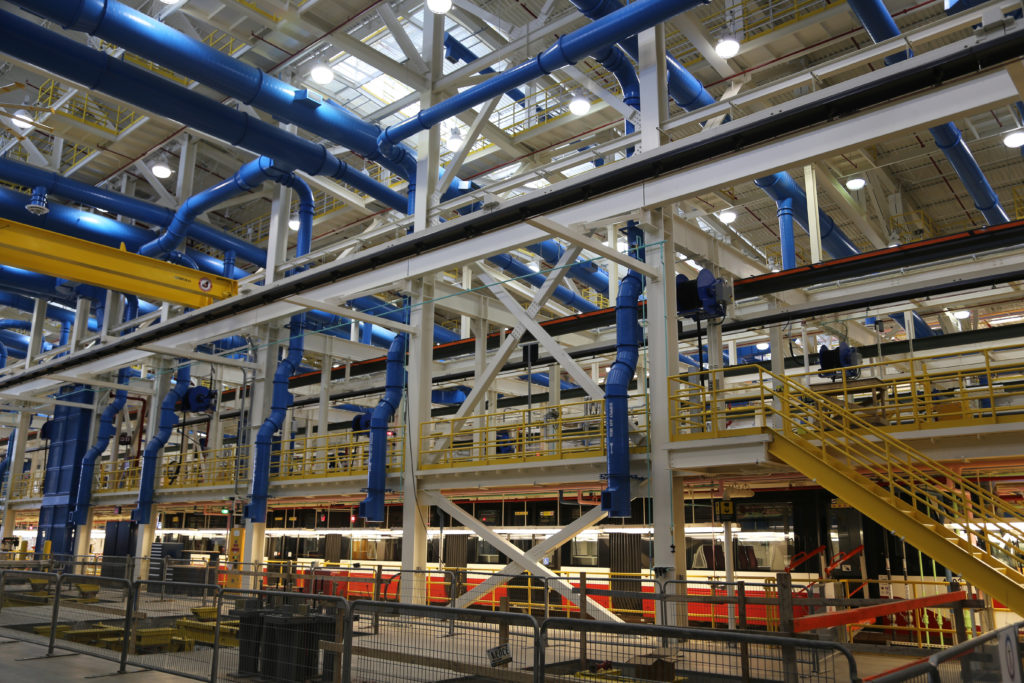
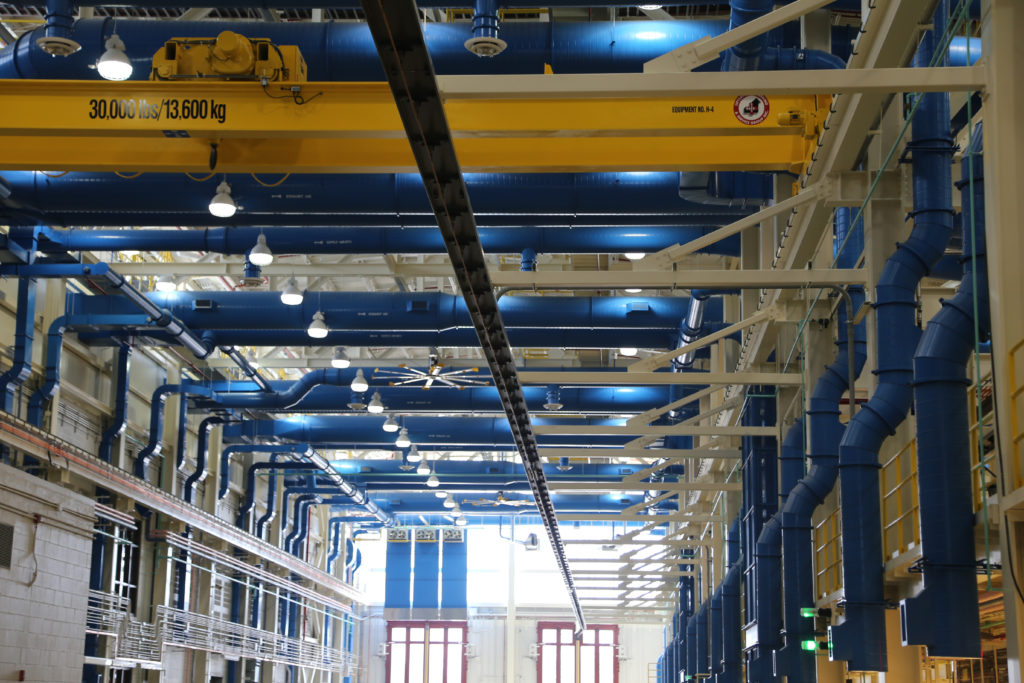
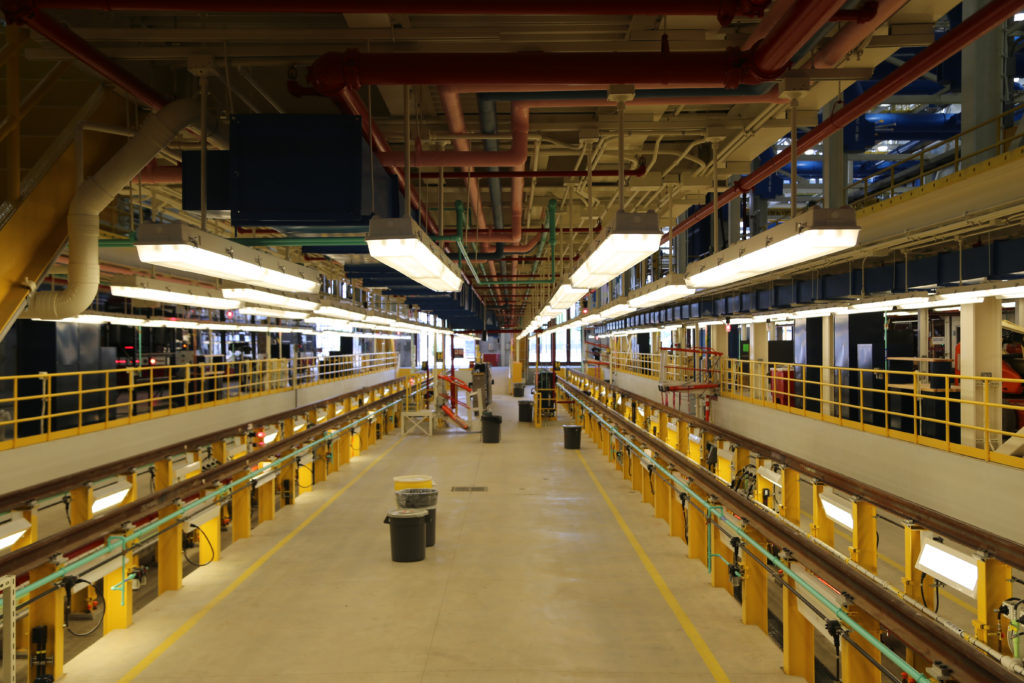
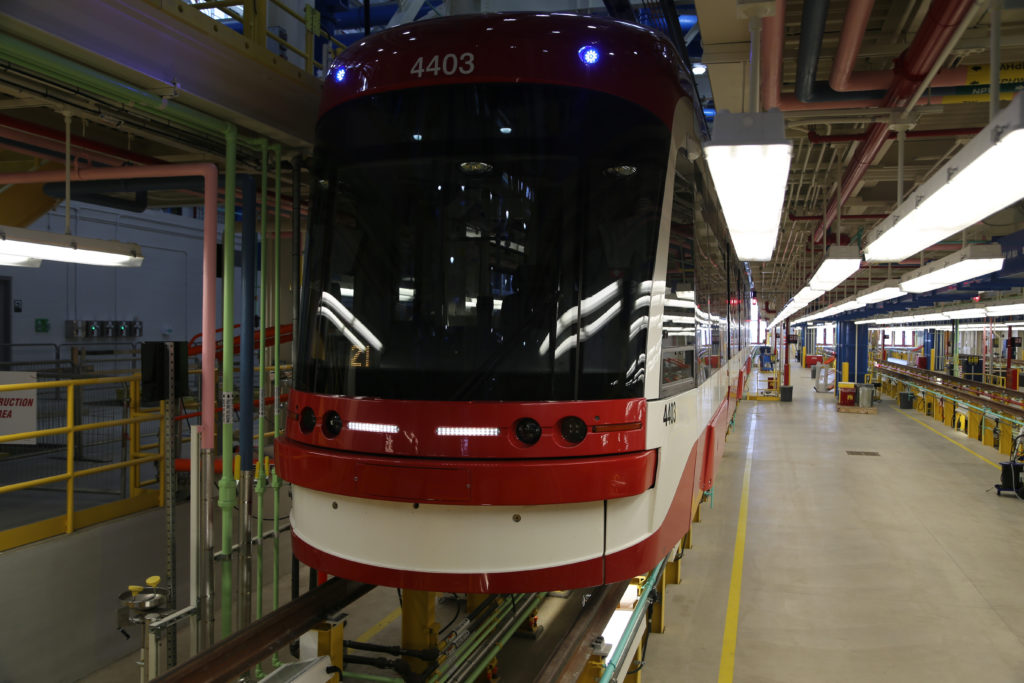
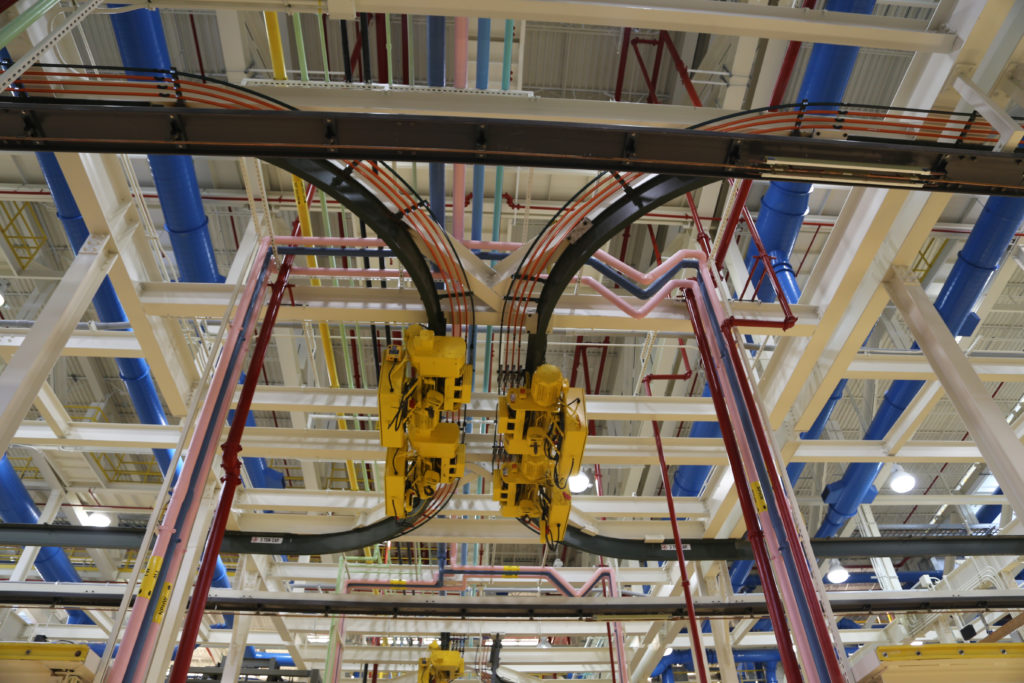
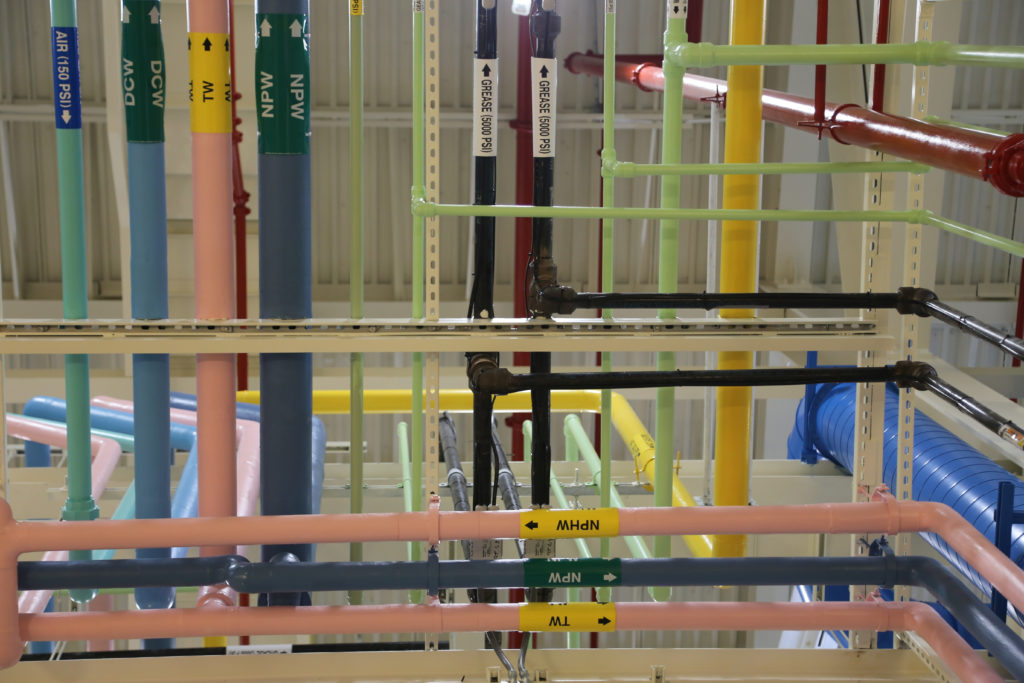
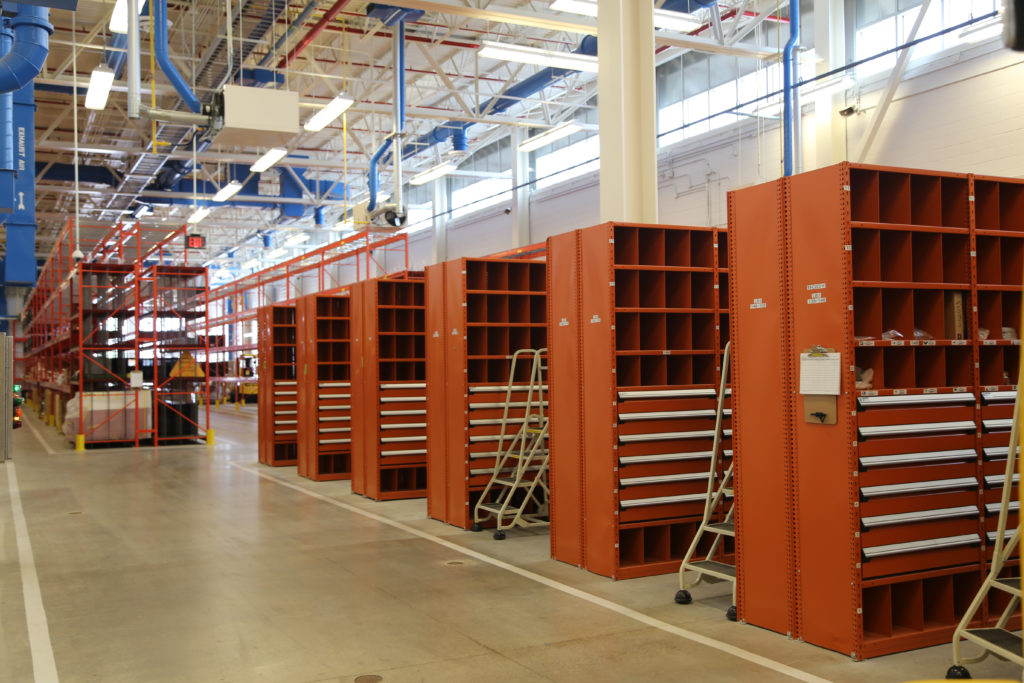
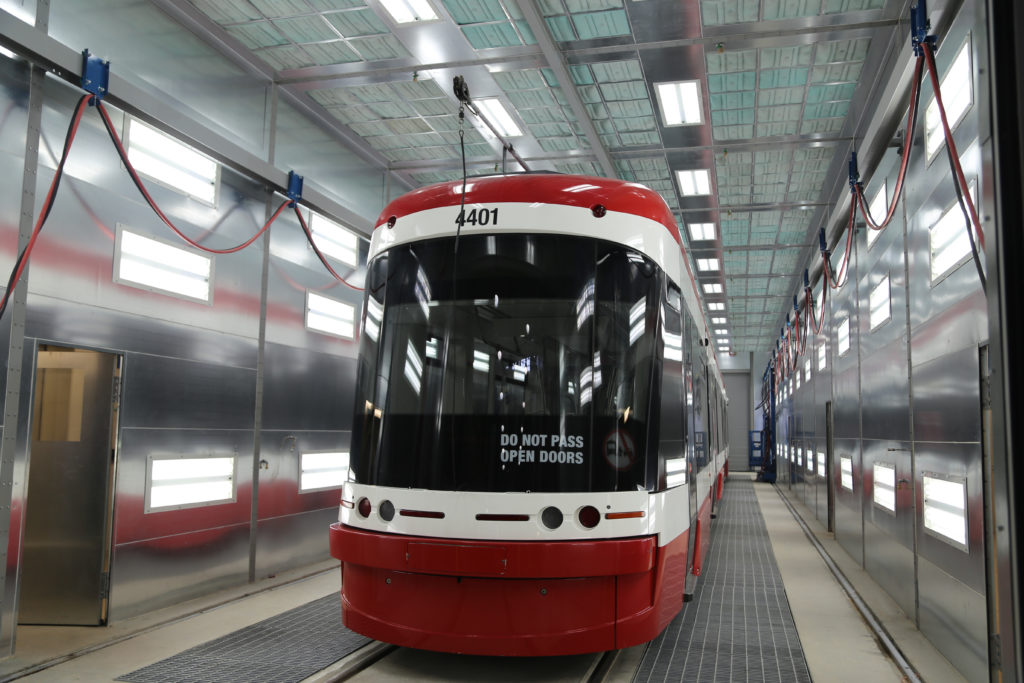
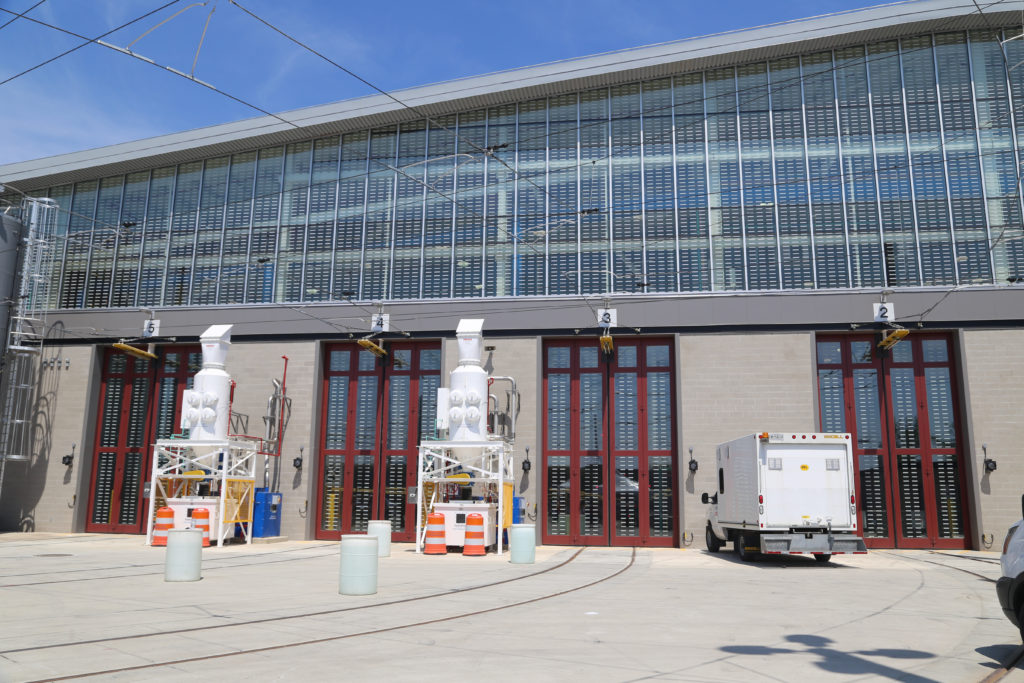
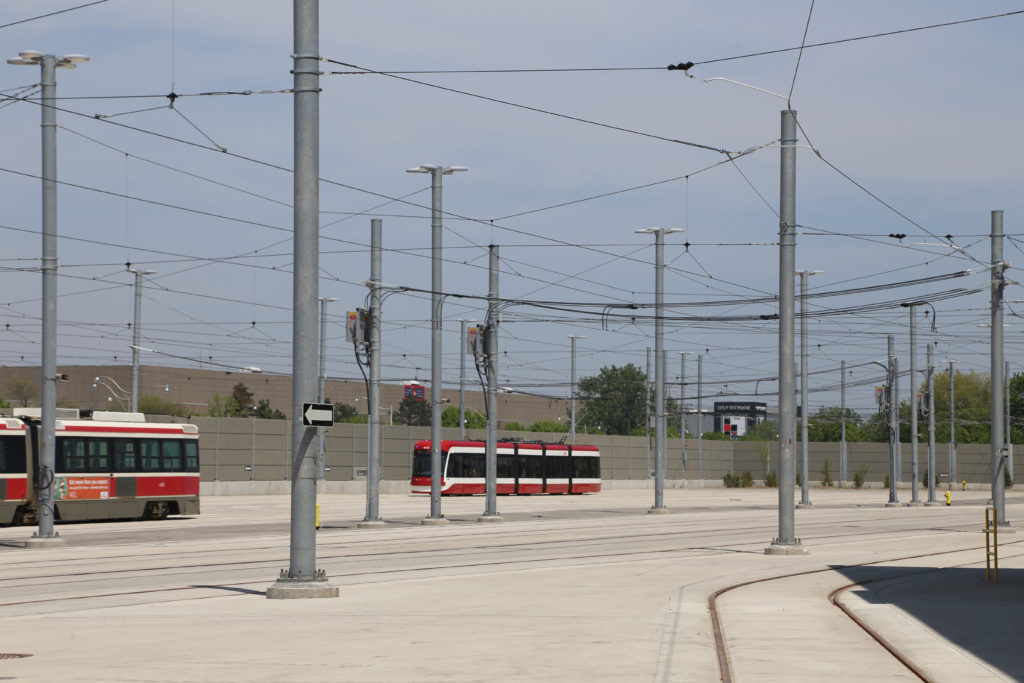
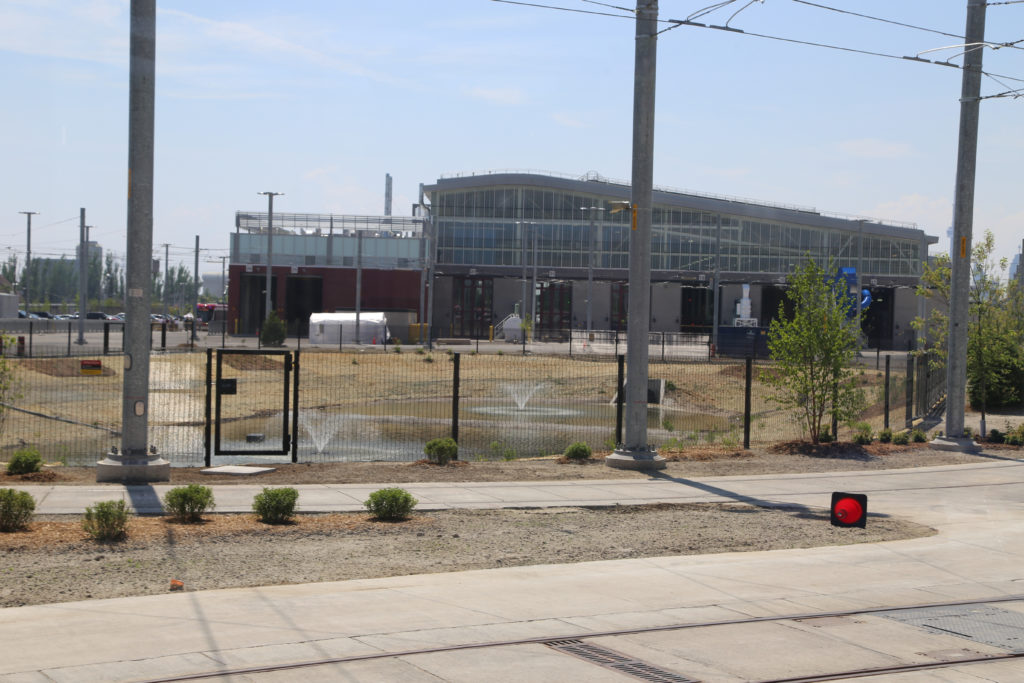
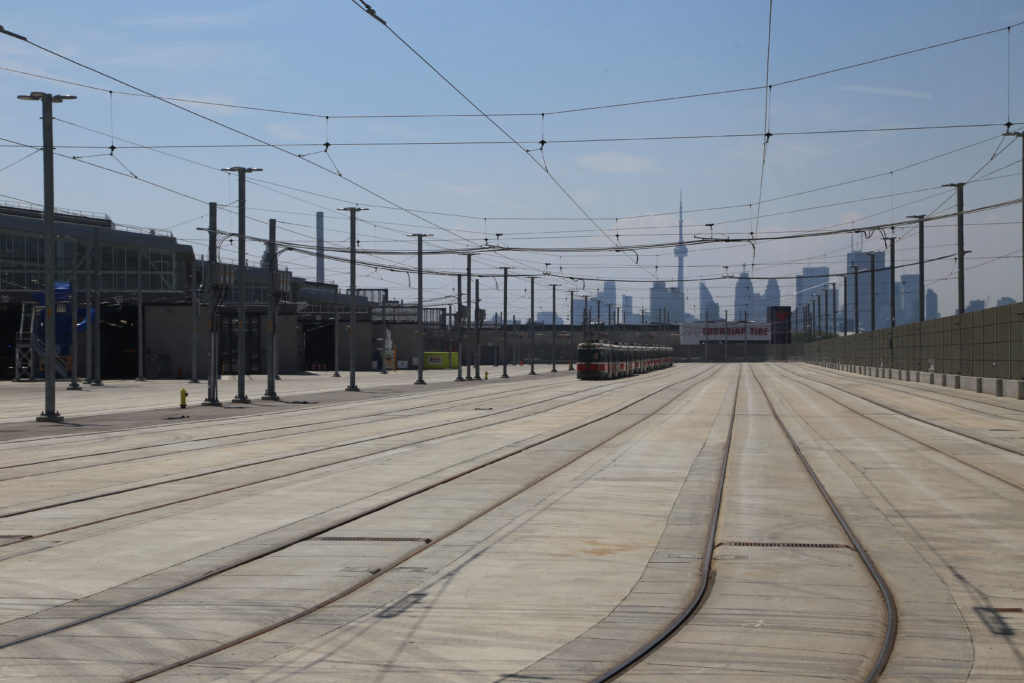
As a part of Doors Open Toronto, I got to tour Toronto Transit Commission’s (TTC) Leslie Barns. Leslie Barns is a streetcar maintenance and storage facility, and it is brand new. It is not completely finished, but it is already being used. I had to ask several employees about this because I find it difficult to believe that it is being used at all. It is without a doubt the cleanest, neatest, prettiest maintenance facility I have ever been in. If you look at my blog at all, you will see I have seen a few. I love touring them. This place is ridiculously clean and organized. The pipes are not only labeled, but they are also color-coded. It makes my chemical engineering heart go pitter patter. The facility was built for the new street cars that Toronto is purchasing, which are very sleek looking. The place has a paint booth, maintenance areas, and car wash for street cars. Outside is a storage area for the street cars, and in the middle of it is a stormwater retention pond.
Re-Ball
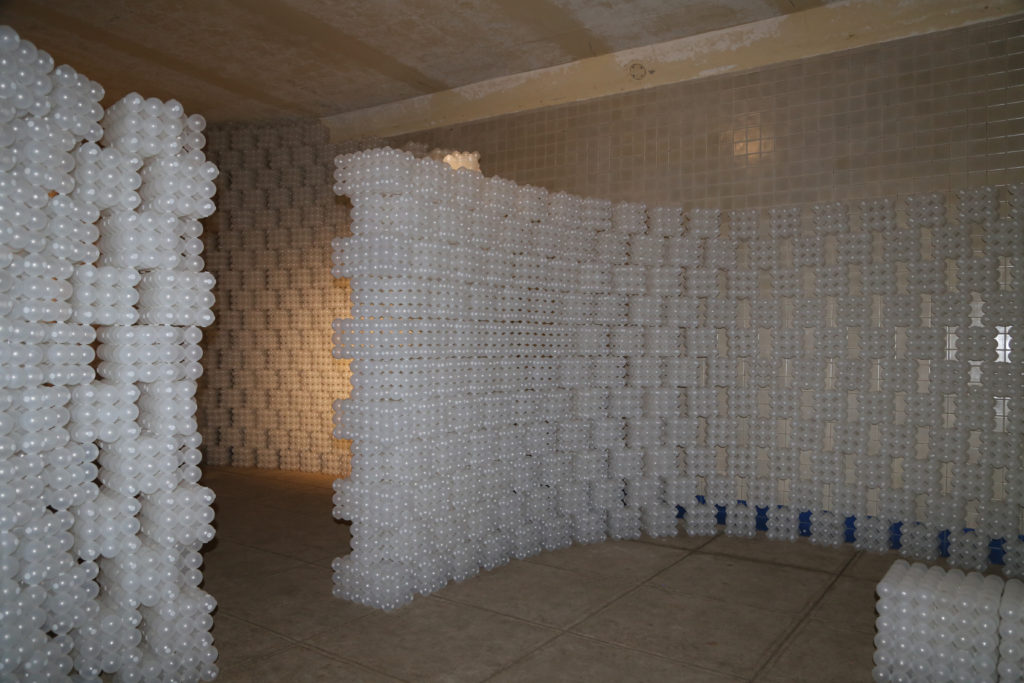
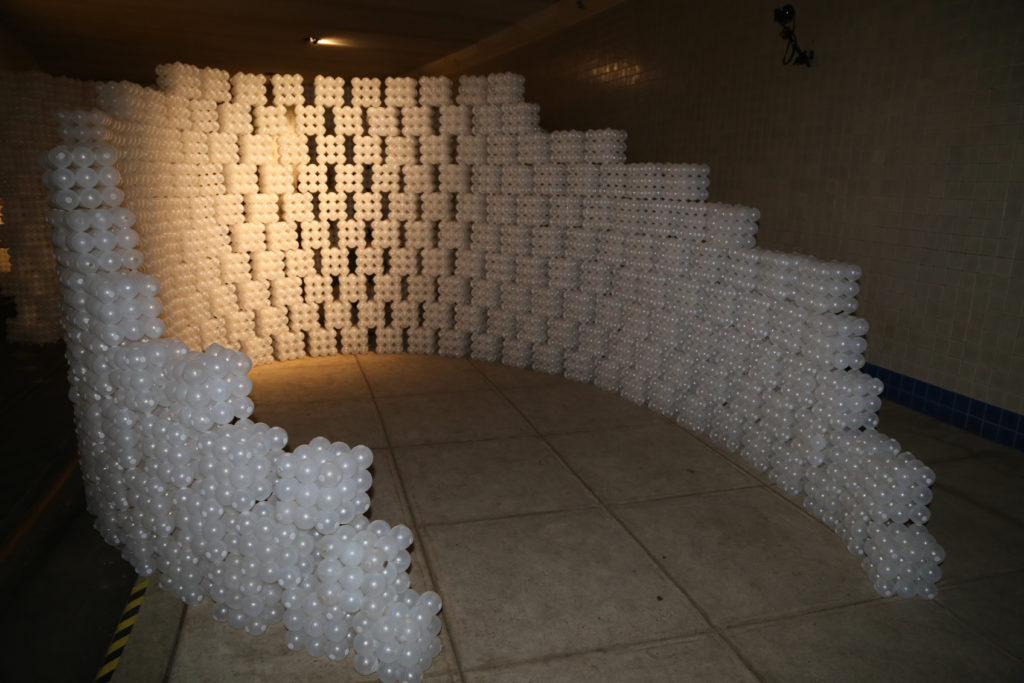
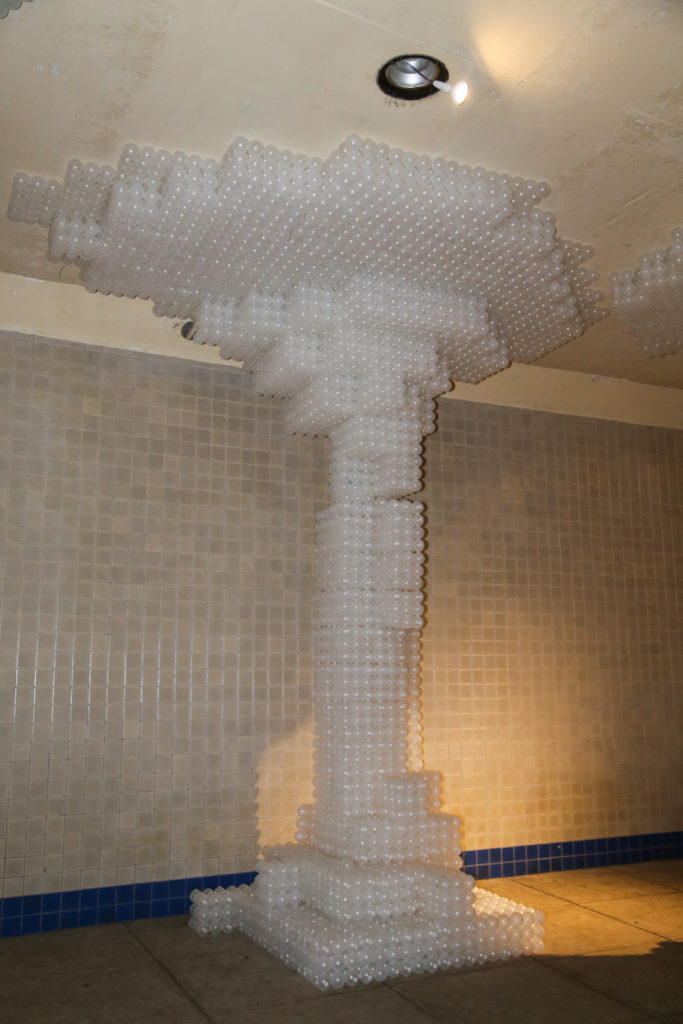
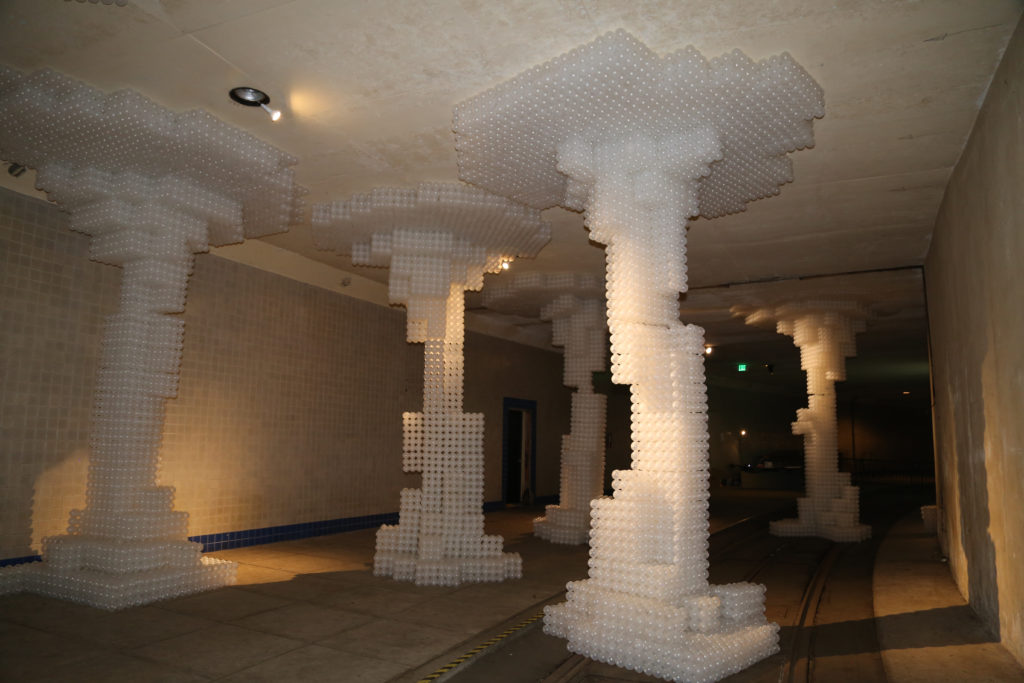
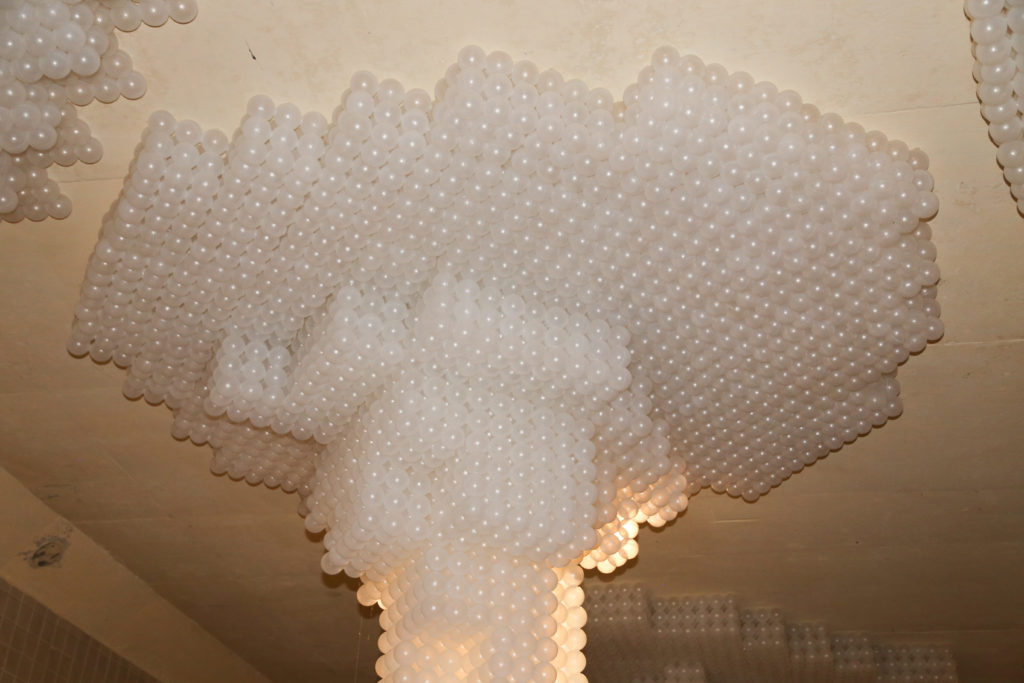
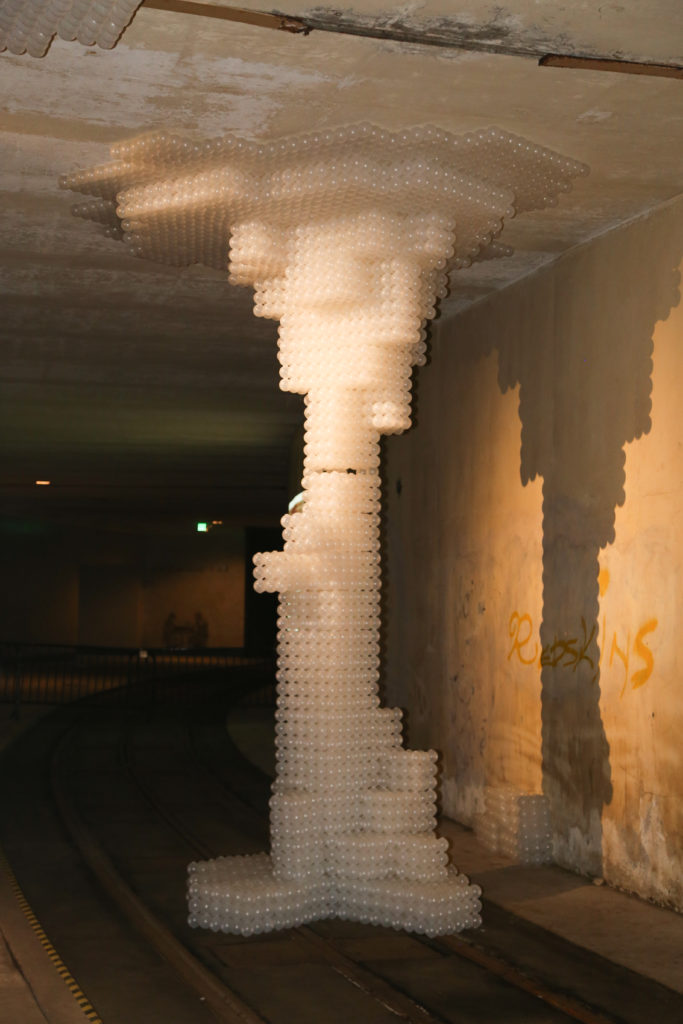
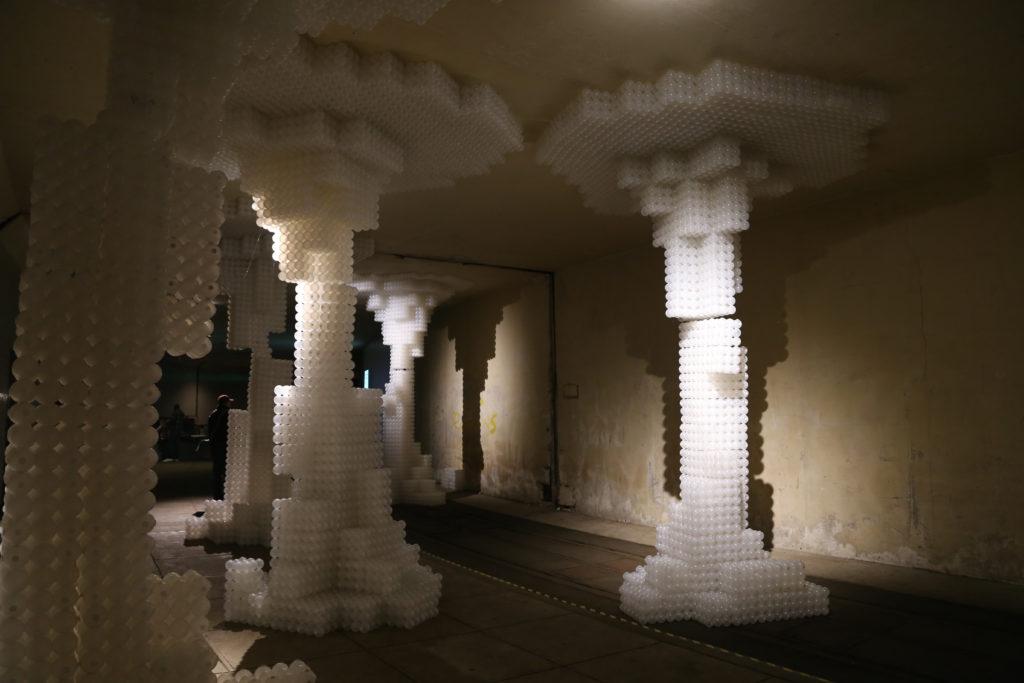
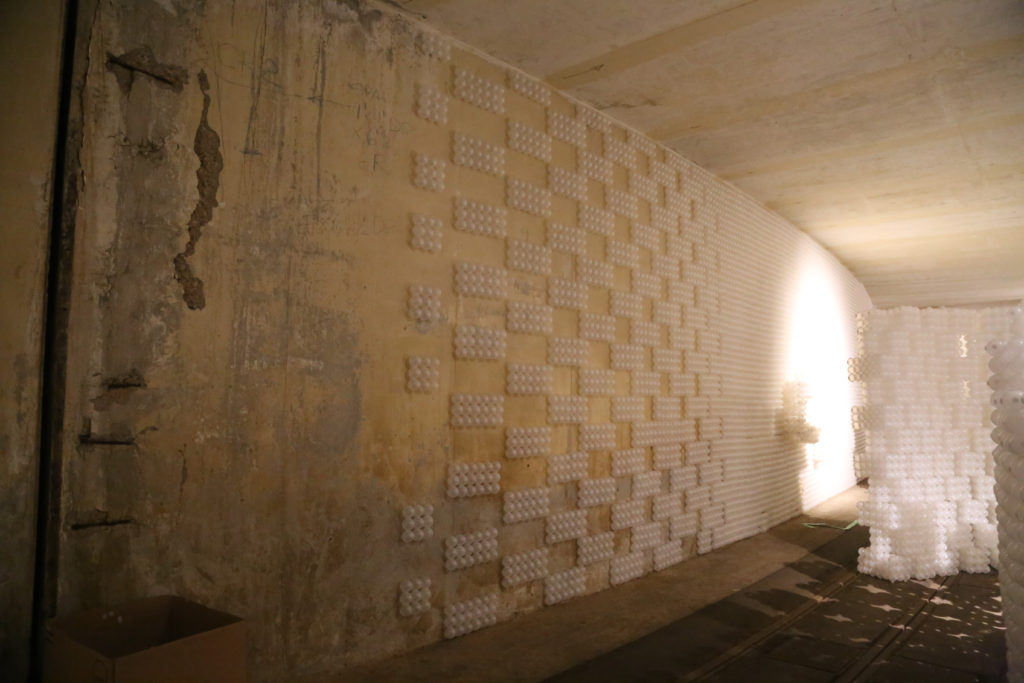
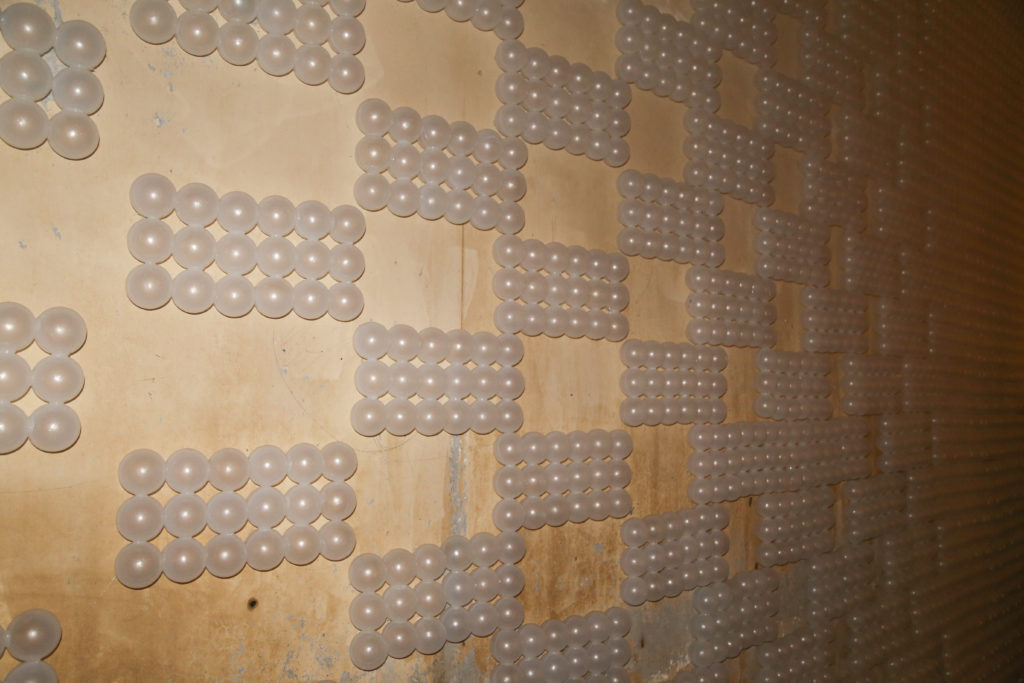
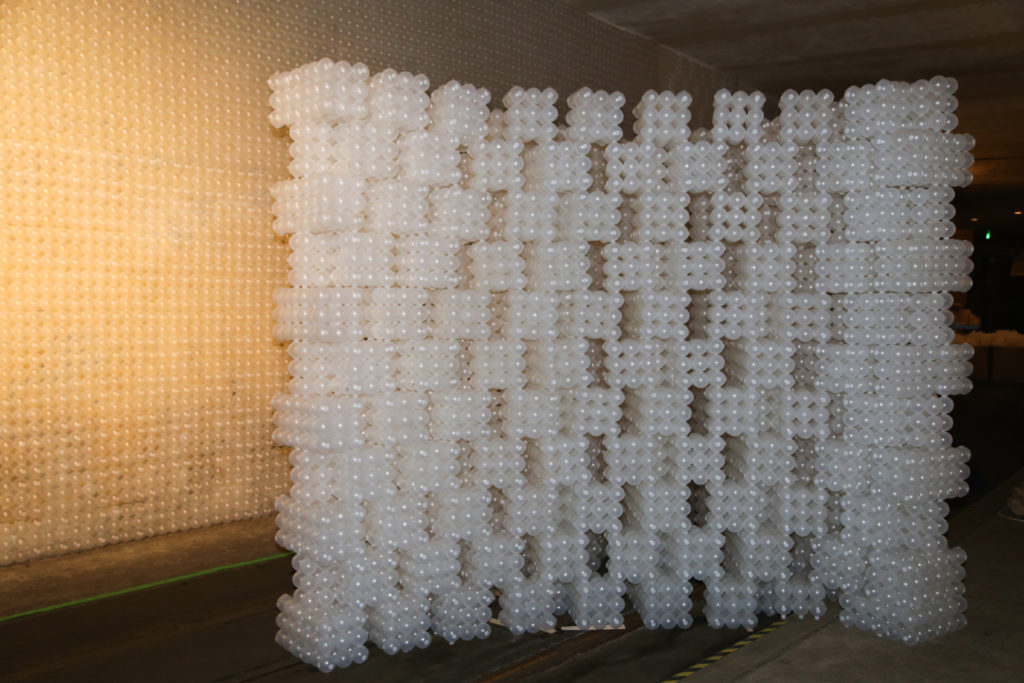
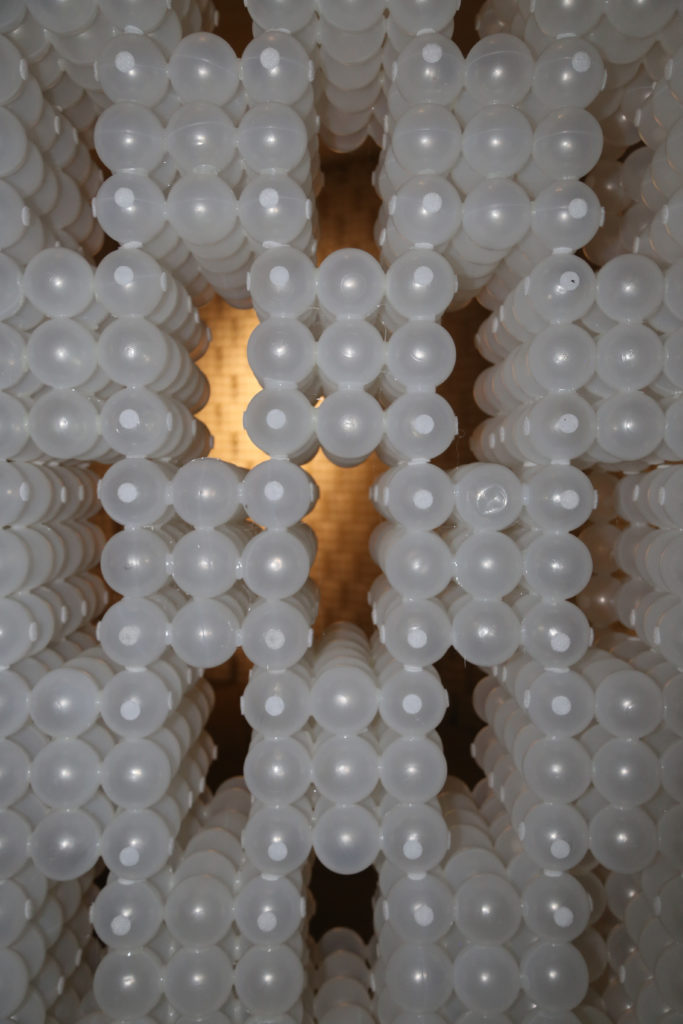
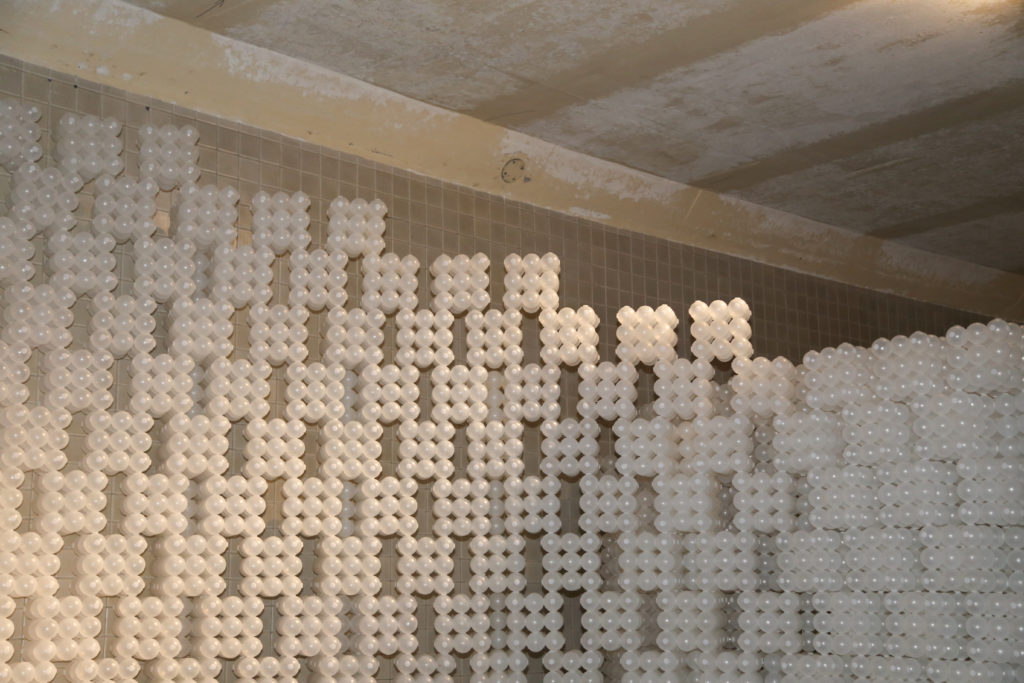
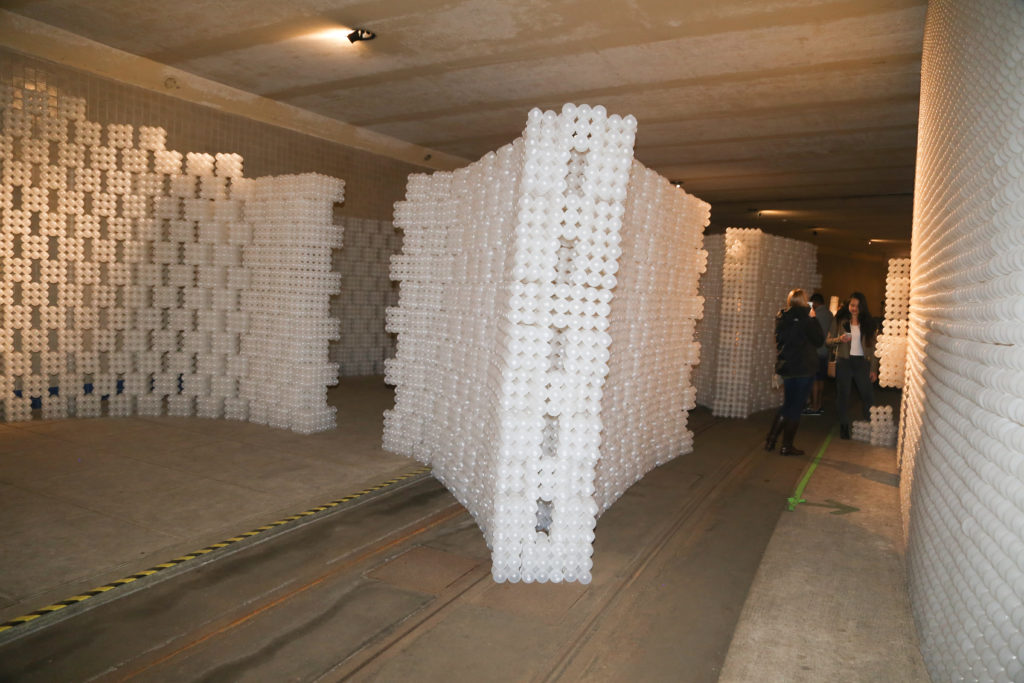
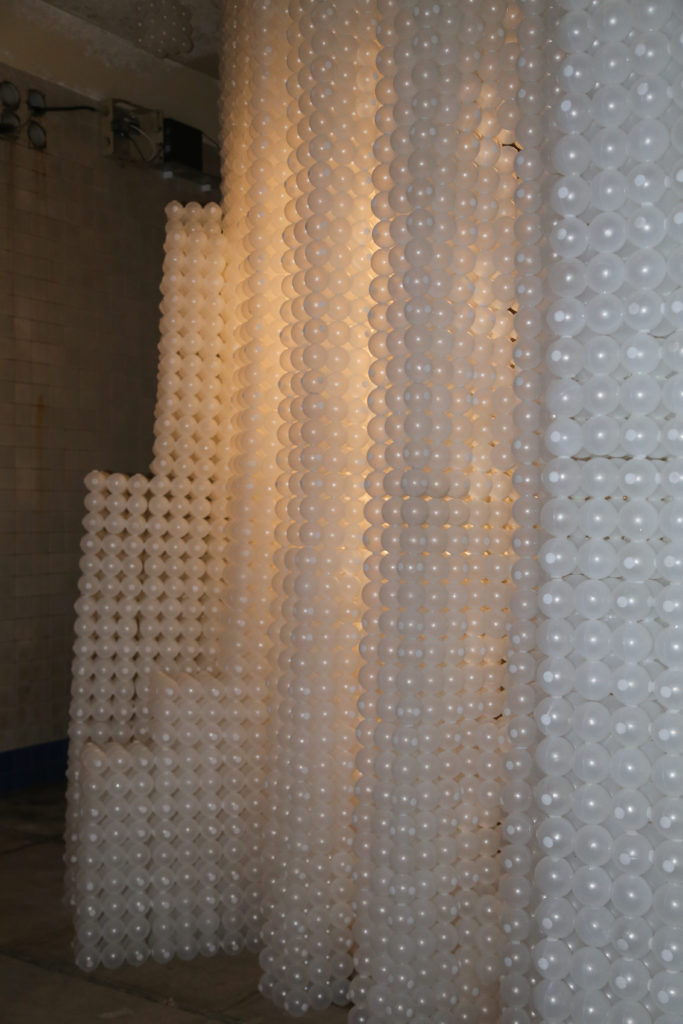
Dupont Underground is an abandoned trolley station underneath Dupont Circle that recently had a design competition to reuse a whole lot of plastic balls from National Building Museum’s The Beach. The winning entry was Raise/Raze, which formed the balls into 3 x 3 cubes that were used to build columns and walls in a portion of Dupont Underground. The structures built by the balls were rather interesting, especially when considering they were built with spheres. I also rather liked the way the cube blocks mimicked the tiles on the outer wall of the underground.

Grand Avenue Central Maintenance Facility
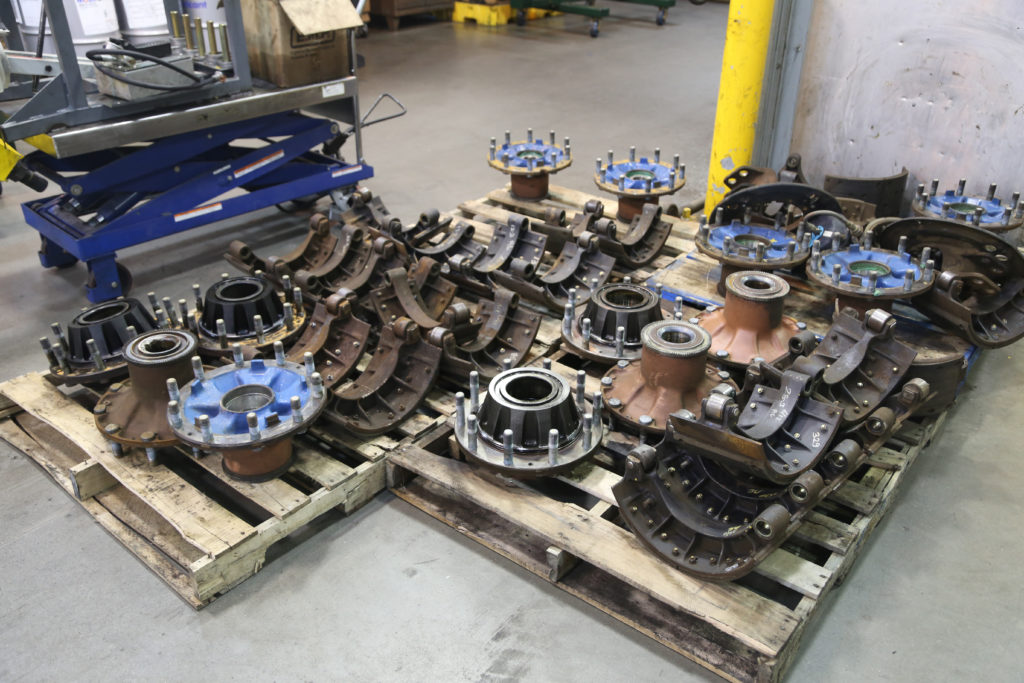
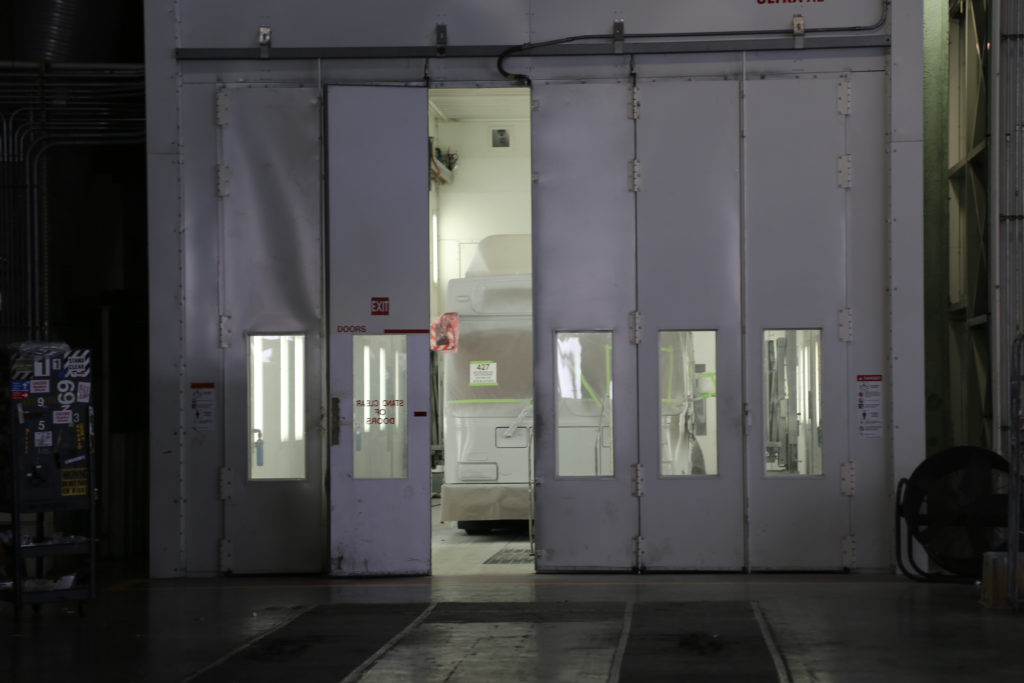
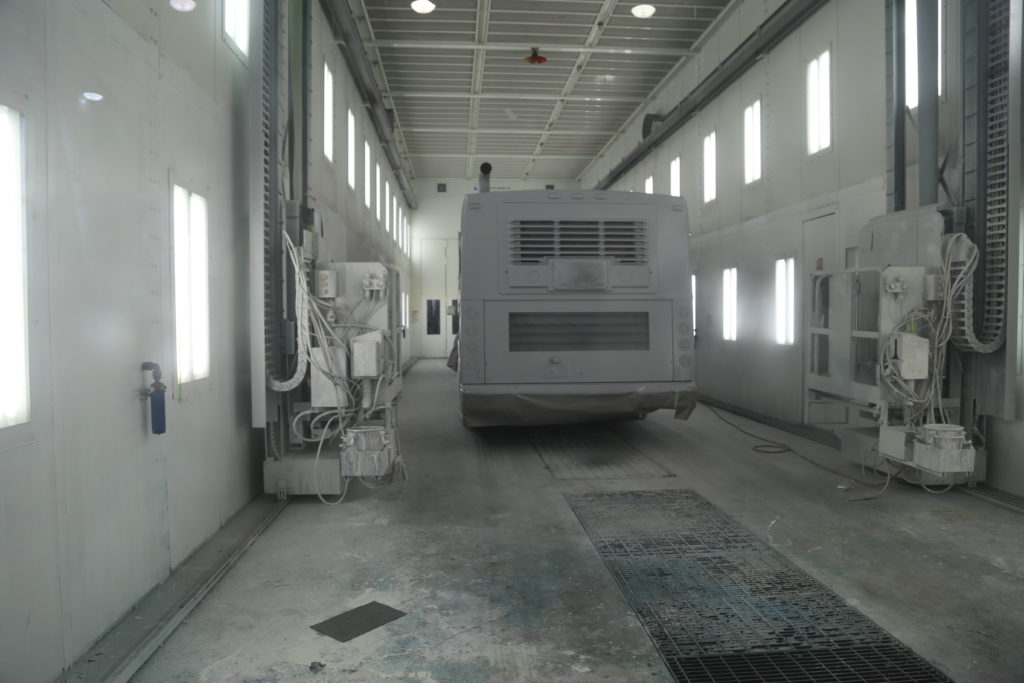
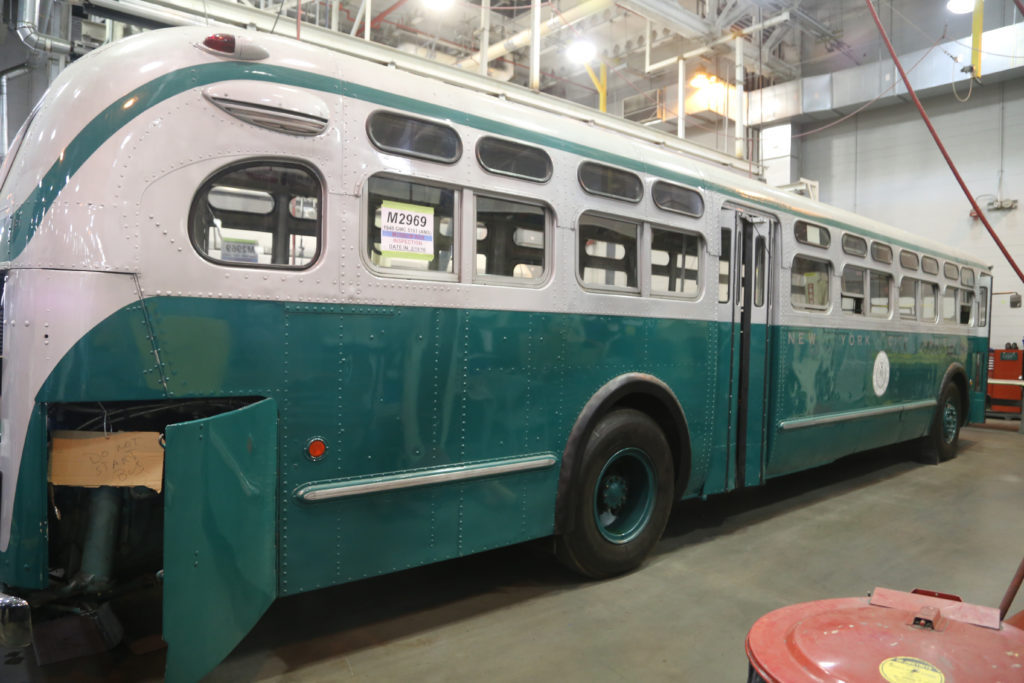
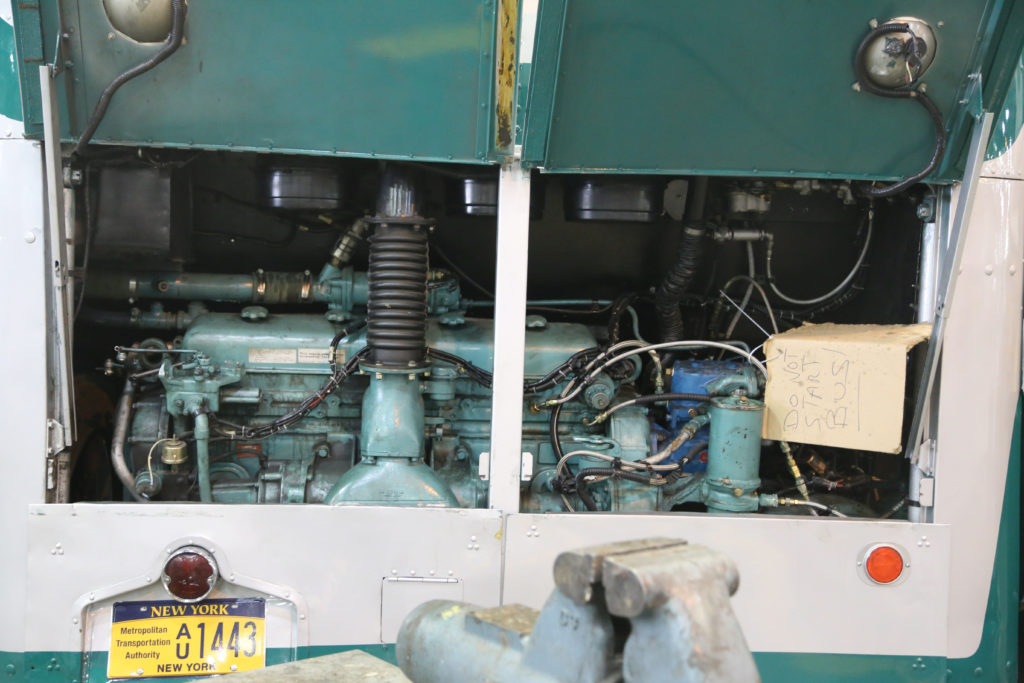
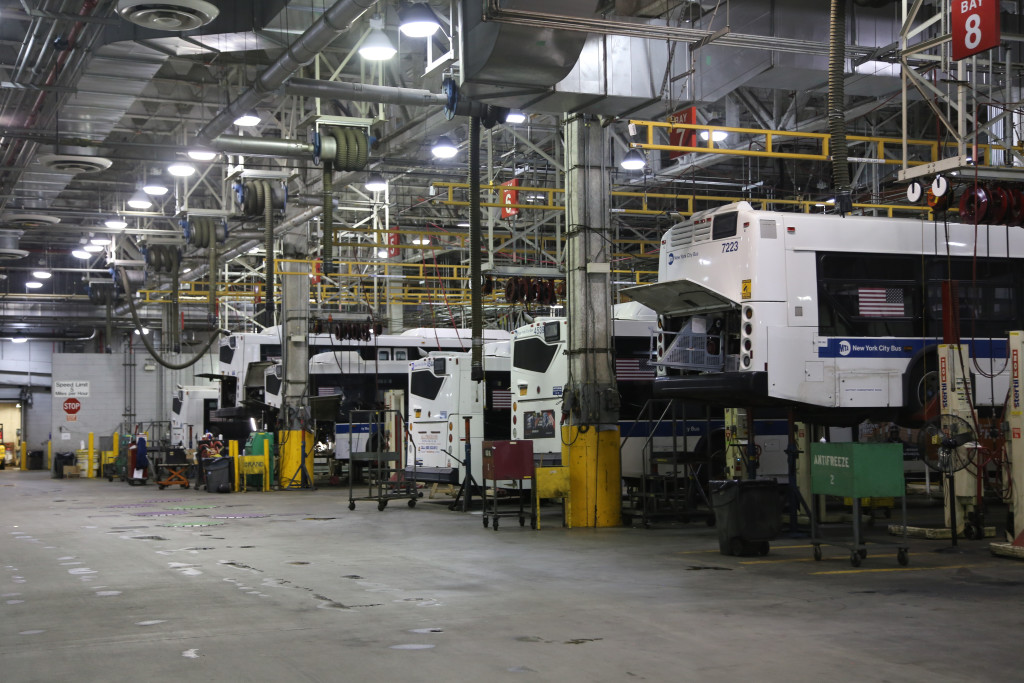
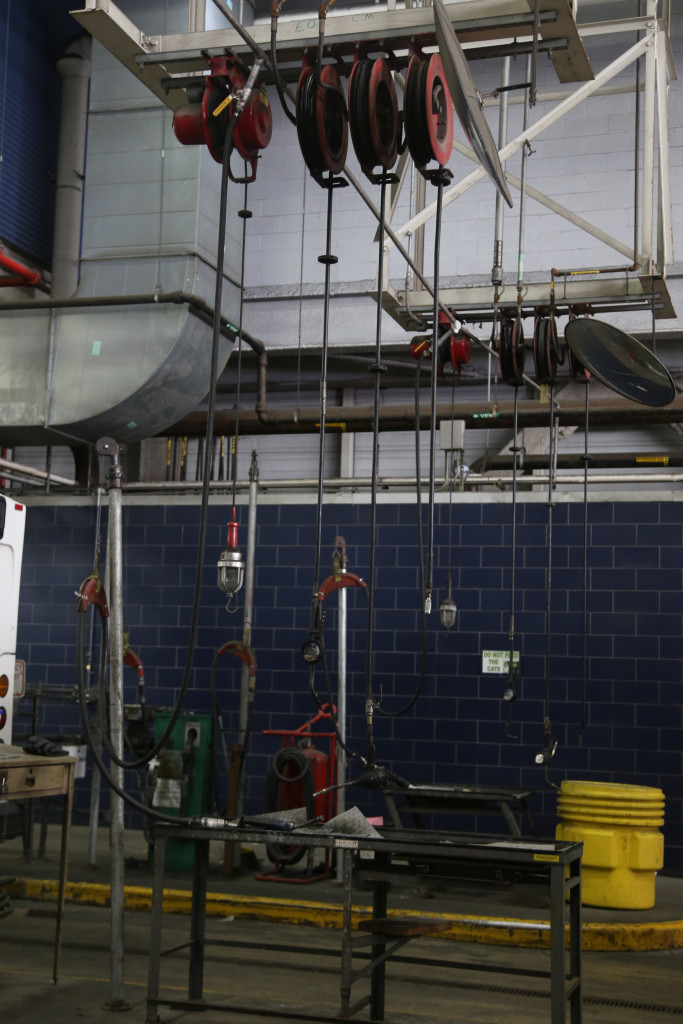
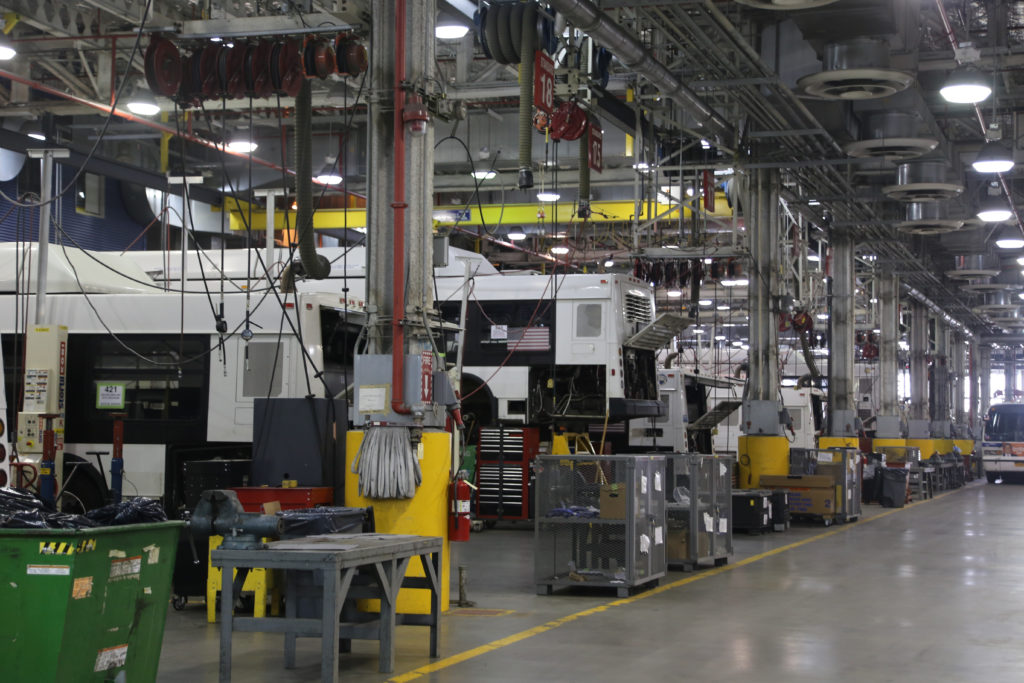
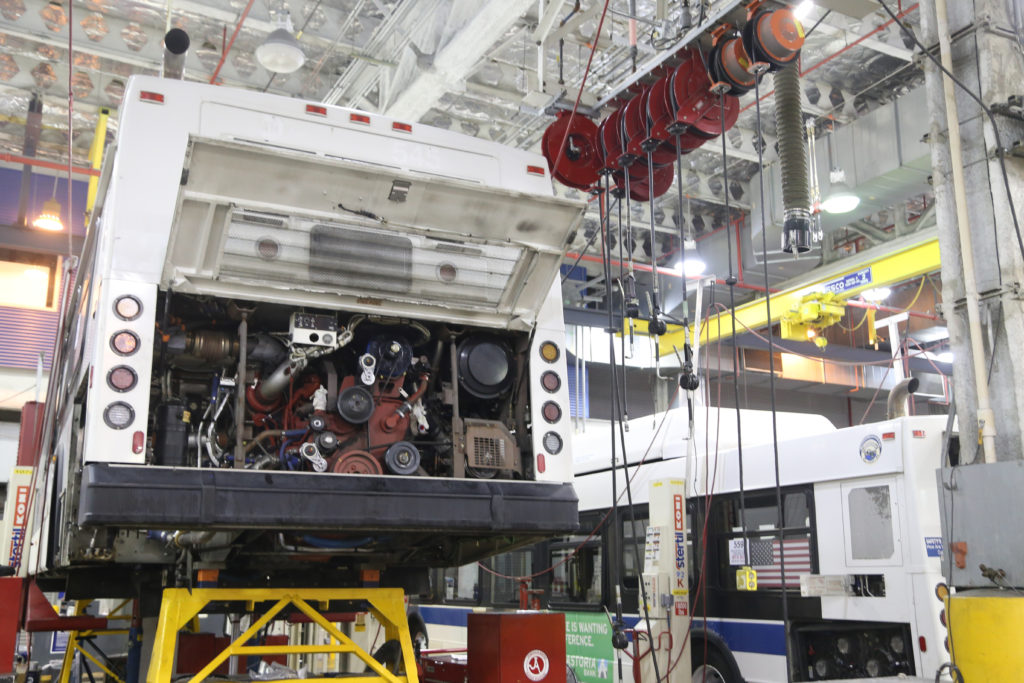
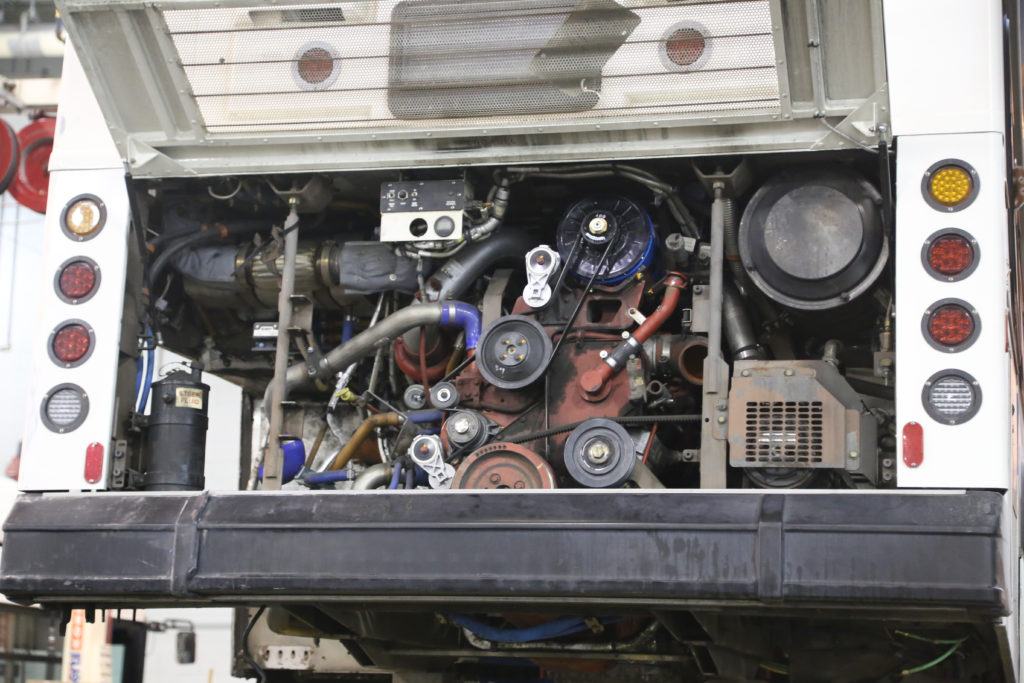
On the level above the Grand Avenue Bus Depot is the Grand Avenue Central Maintenance Facility, which can do repairs, overhauls, and painting of buses. It can also handle compressed natural gas (CNG) buses, which are not allowed in the bus depot below for safety reasons. The facility has storage of parts galore, two huge paint booths, and numerous bays for repairing buses. Also, at the time I was there, it had a vintage bus in for repair, which was really cool to see. There were also all these cool looking parts for the buses, none of which I could identify.
Grand Avenue Bus Depot
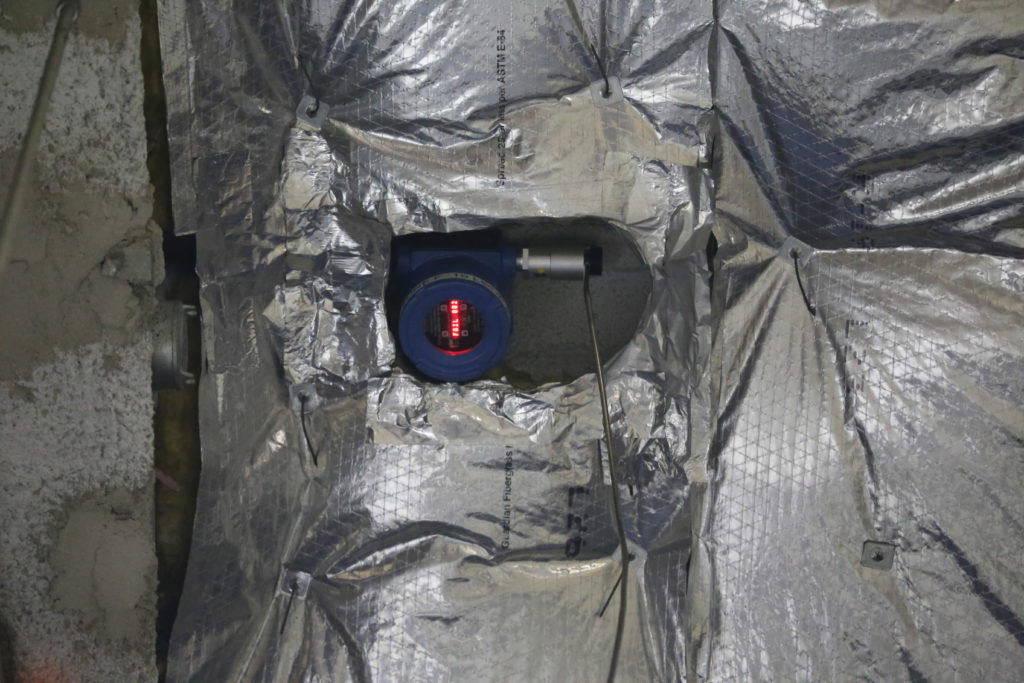
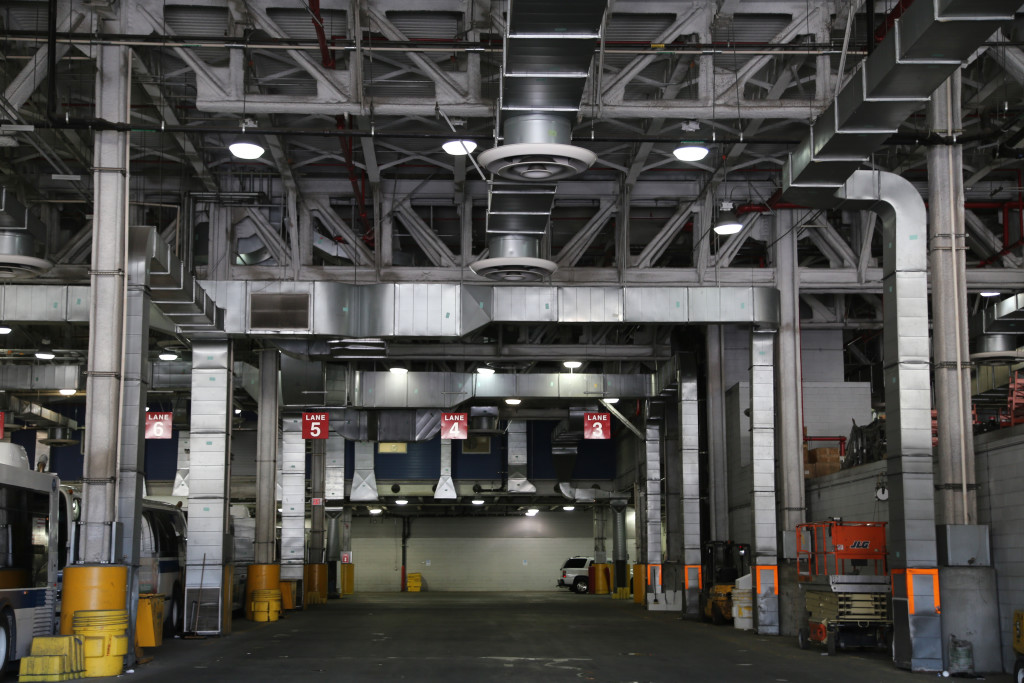
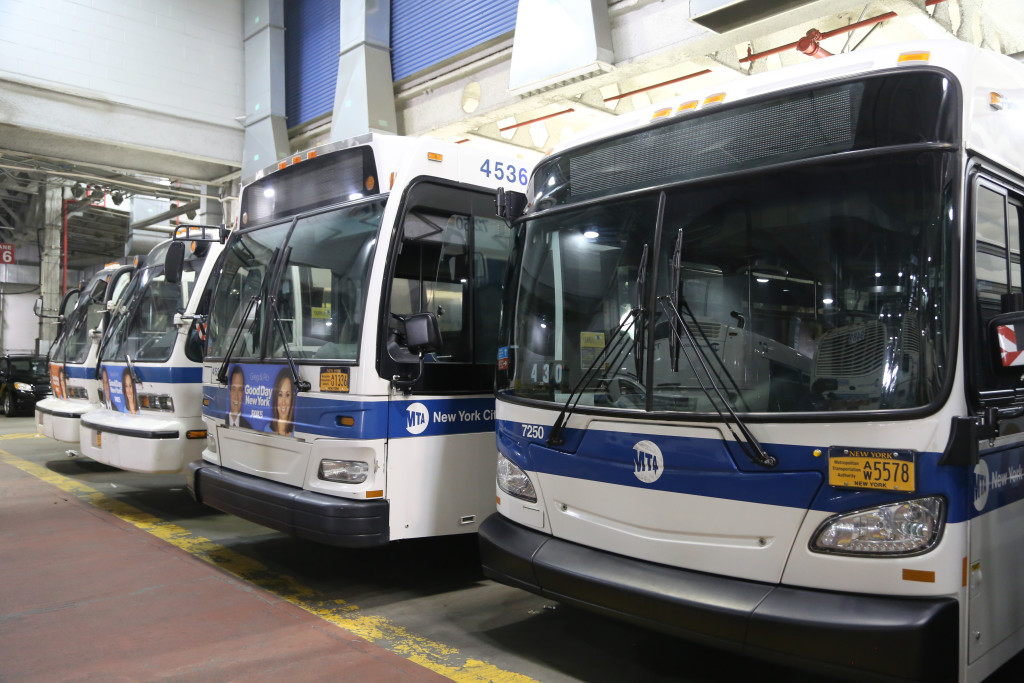
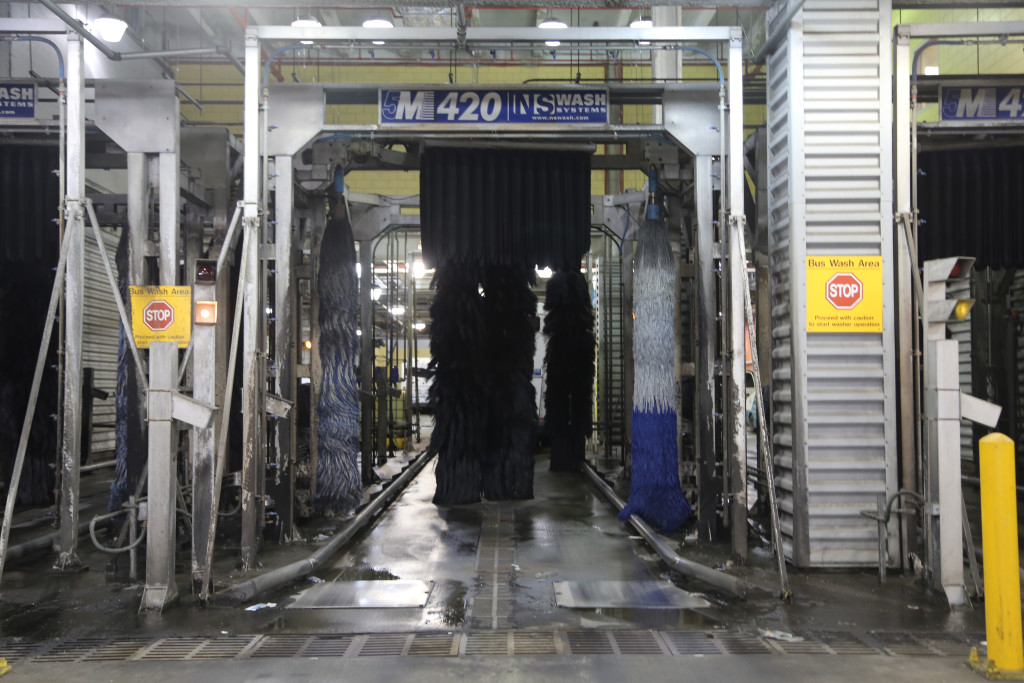
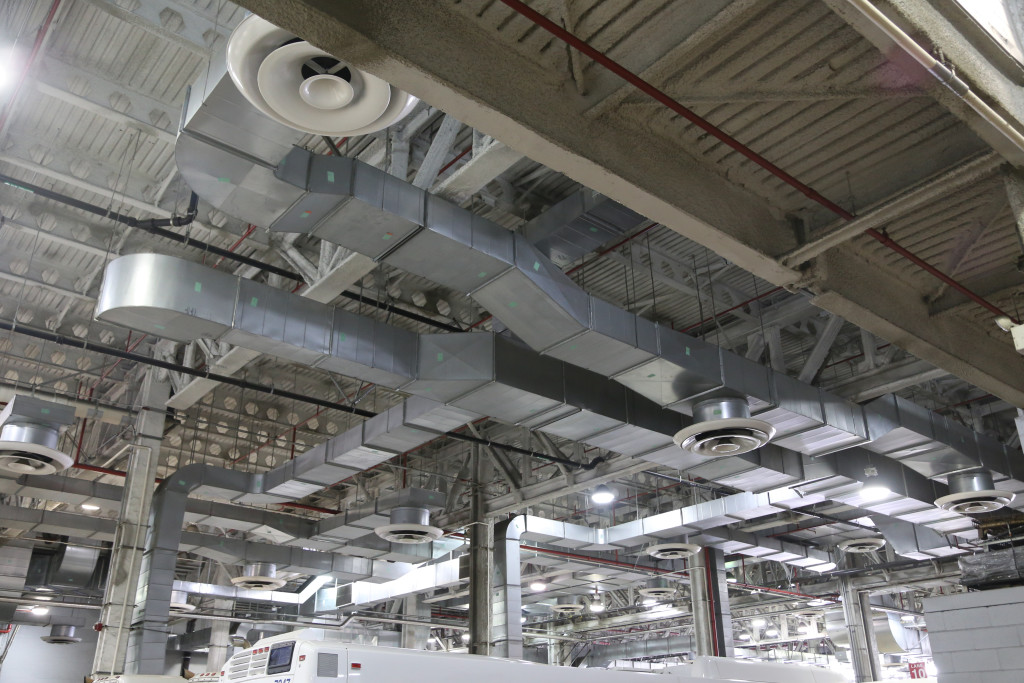
I toured the New York MTA’s Grand Avenue Bus Depot with the New York Transit Museum. The depot is relatively new, which is evident when you are inside. I don’t know much about bus depot design, but I was astounded by the amount of ventilation in the building. Considering the number of vehicles going and in and out every day, the ventilation is needed, but still I was surprised by the amount of it. The bus depot occupies the first level of this huge building, and the second level holds the Central Maintenance facility. They are considered to be different facilities. The bus depot is, well, a depot, or parking area for when the buses are not in use. The depot also where regular maintenance is performed and everyday activities like fueling, money removal, and washing.

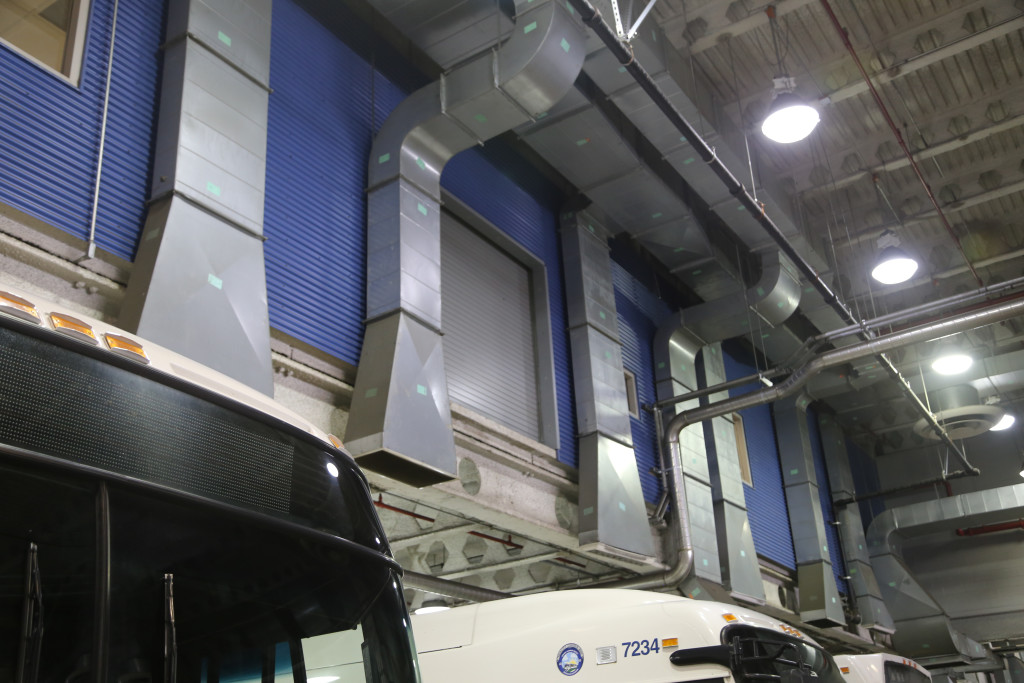
I asked the facility manager what this garage style door was for. He looked at it and me and said he had never been asked that and wasn’t actually sure. Leave it to me to be able to stump people.
Confession: Other people in the group asked the depot manager to please let us go through bus wash, so he granted their wishes, and we all boarded a bus and went through a wash.
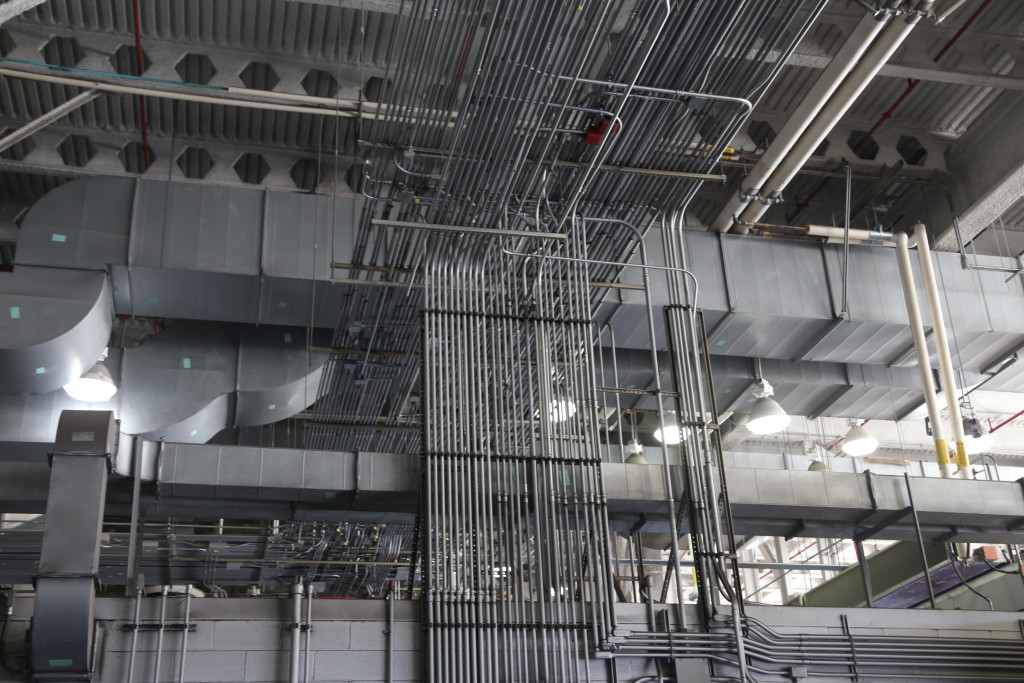
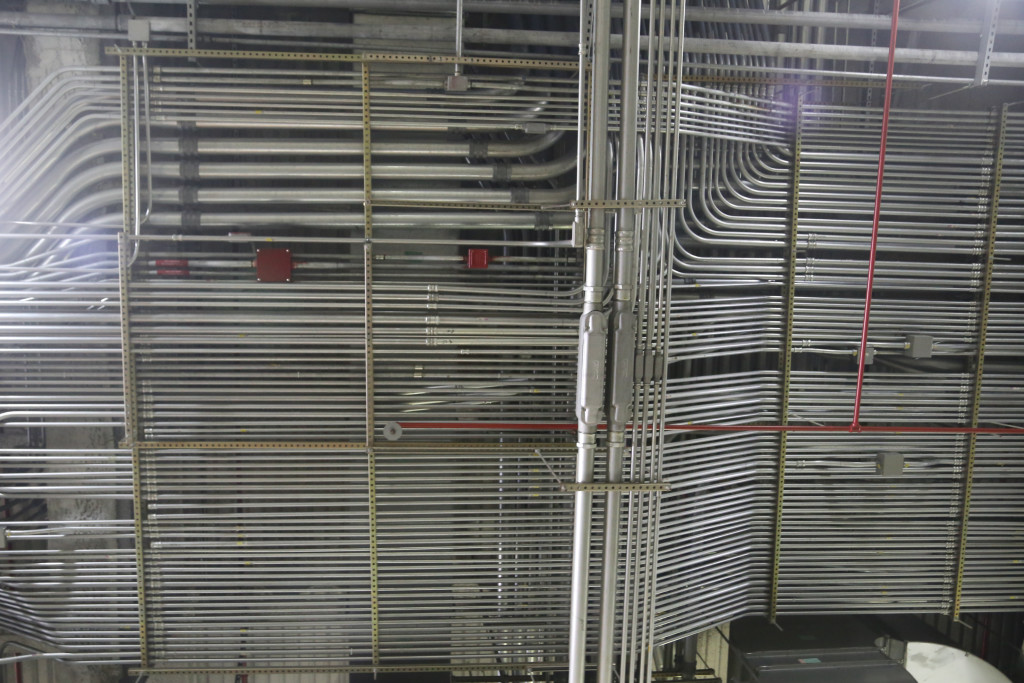
The ceilings and walls were almost completely filled with ventilation ducts, pipes, and conduits.
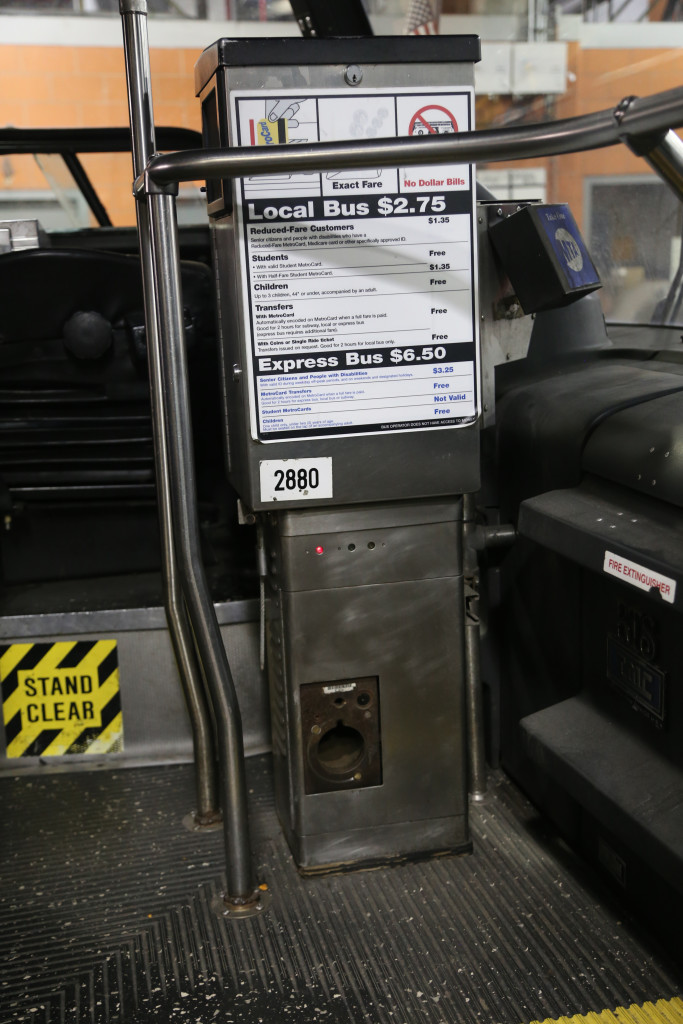
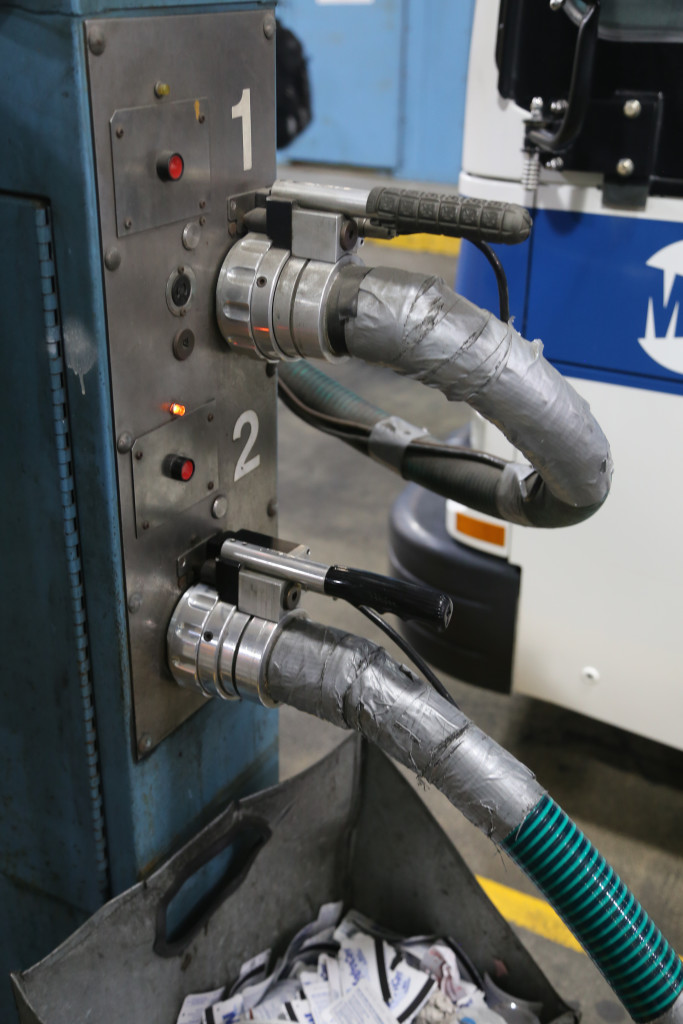
One of my favorite parts of the tour was learning that they vacuum money out of the fare box. MTA buses only accept coin and not bills. They hook up a hose to outlet at the bottom of the fare box, and the money is vacuumed out to secure boxes where it falls into bags or some other movable containers. The staff of the facility never touches the money. Then the money is removed from the boxes on a regular basis by armed staff. I think it is because I have a B.S. in chemical engineering that I found this so fascinating. We learned about pipes and other conduits and pump design for fluids. Coins are obviously not fluids. I am intrigued by the design that would be needed by items that are going to bounce around and not flow the way a fluid does. Also the pressure needed to pull coins out must be interesting.
NY East 180th Street Maintenance Shop
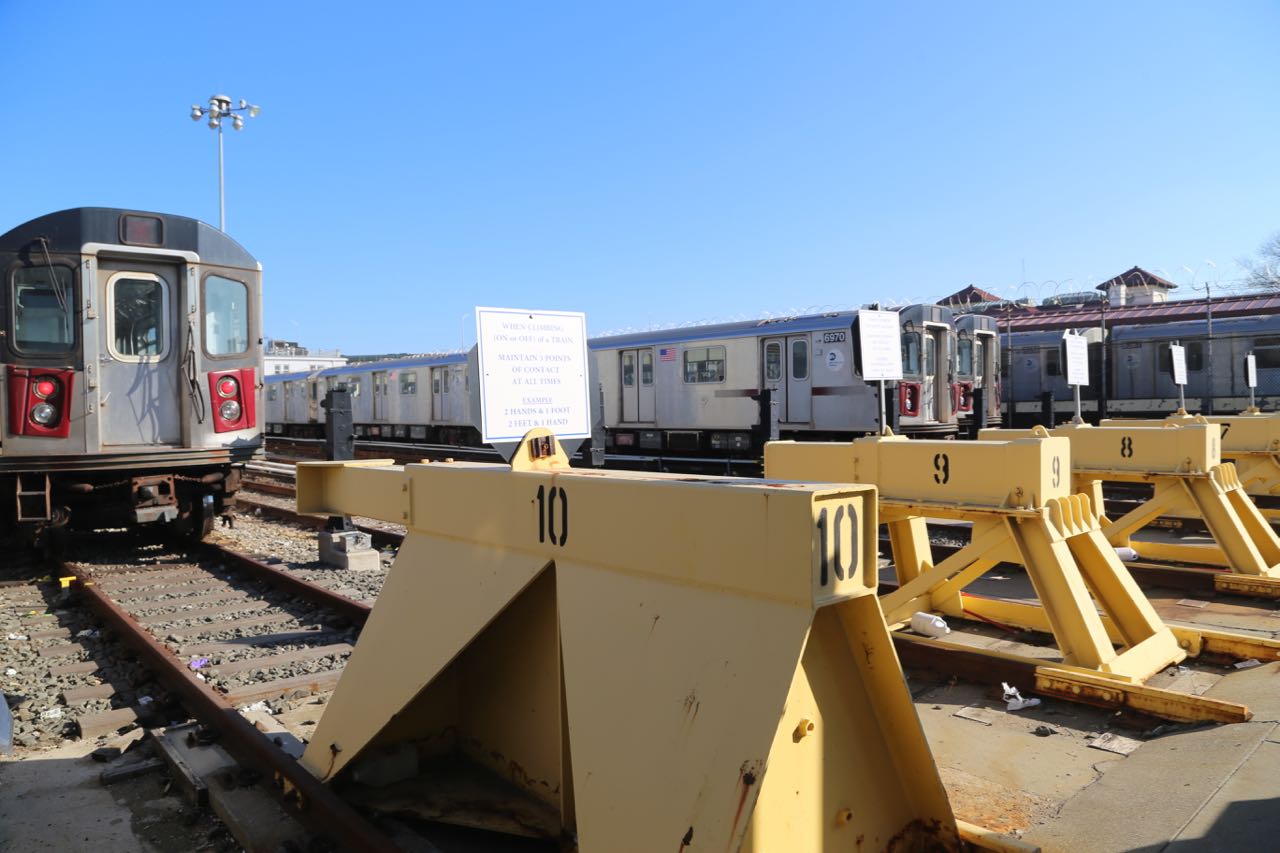
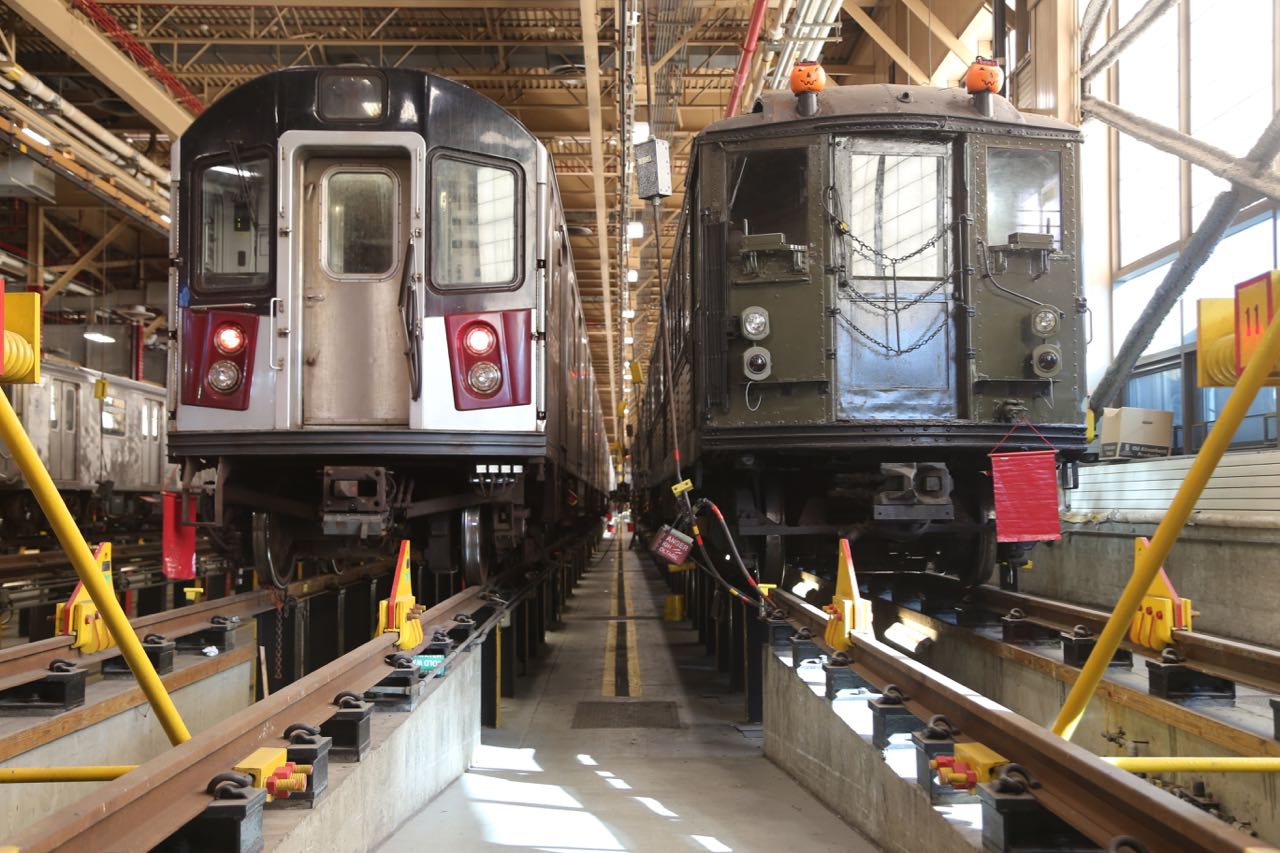
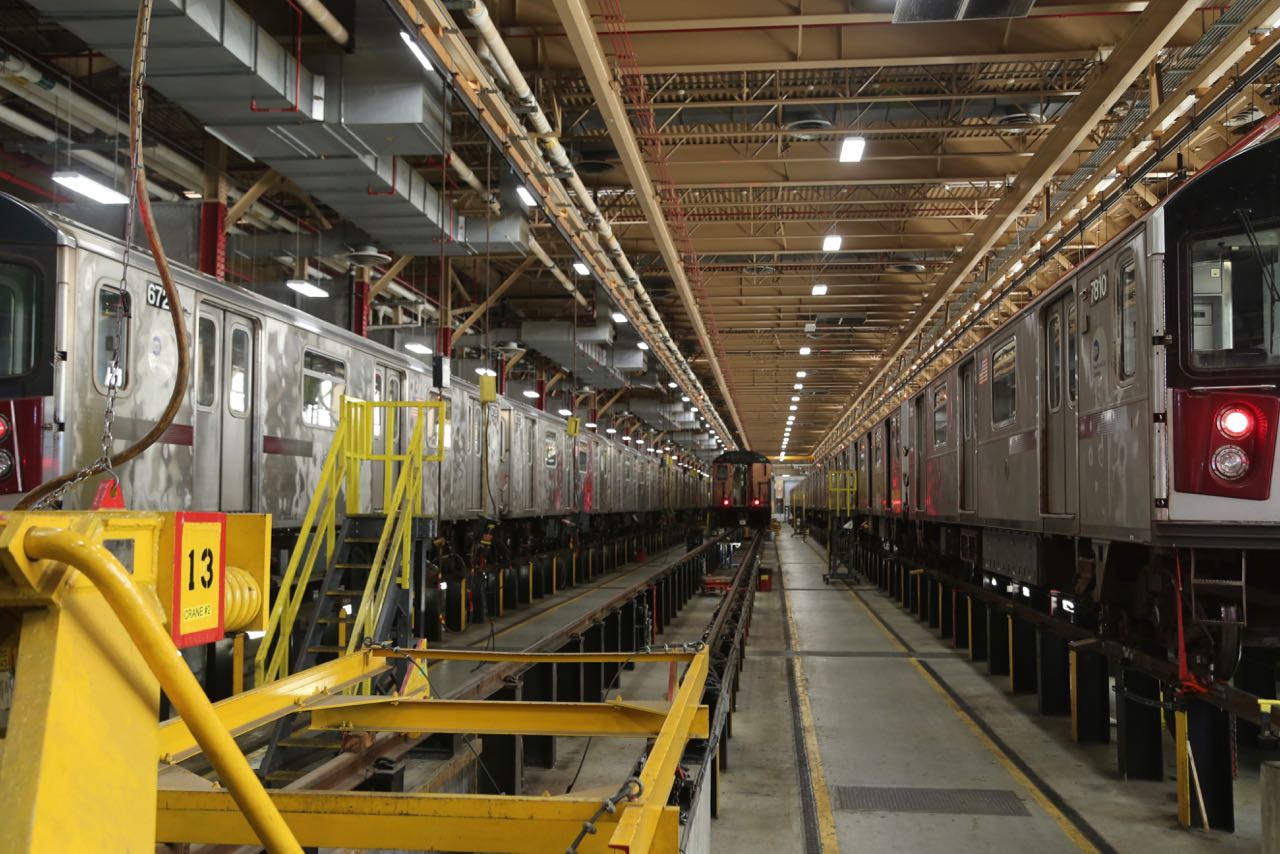
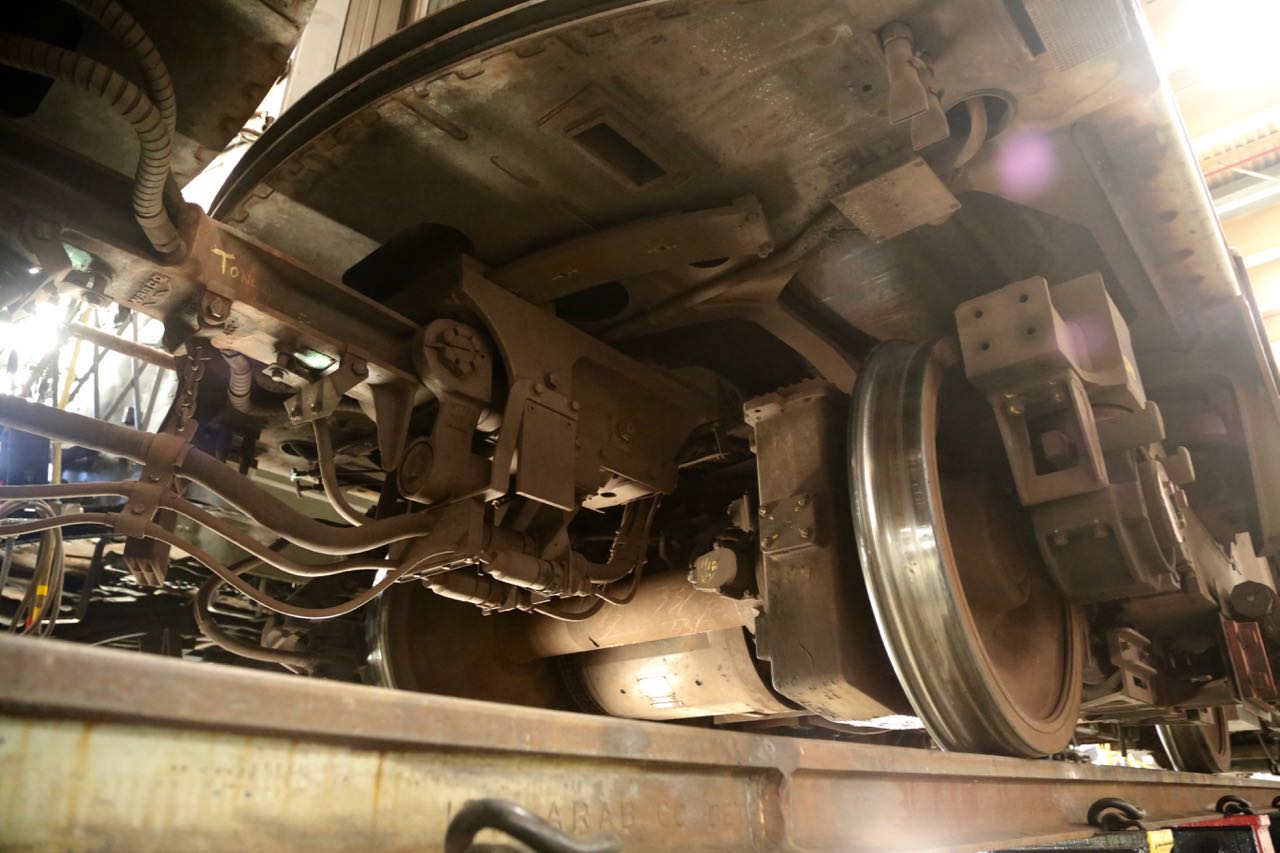
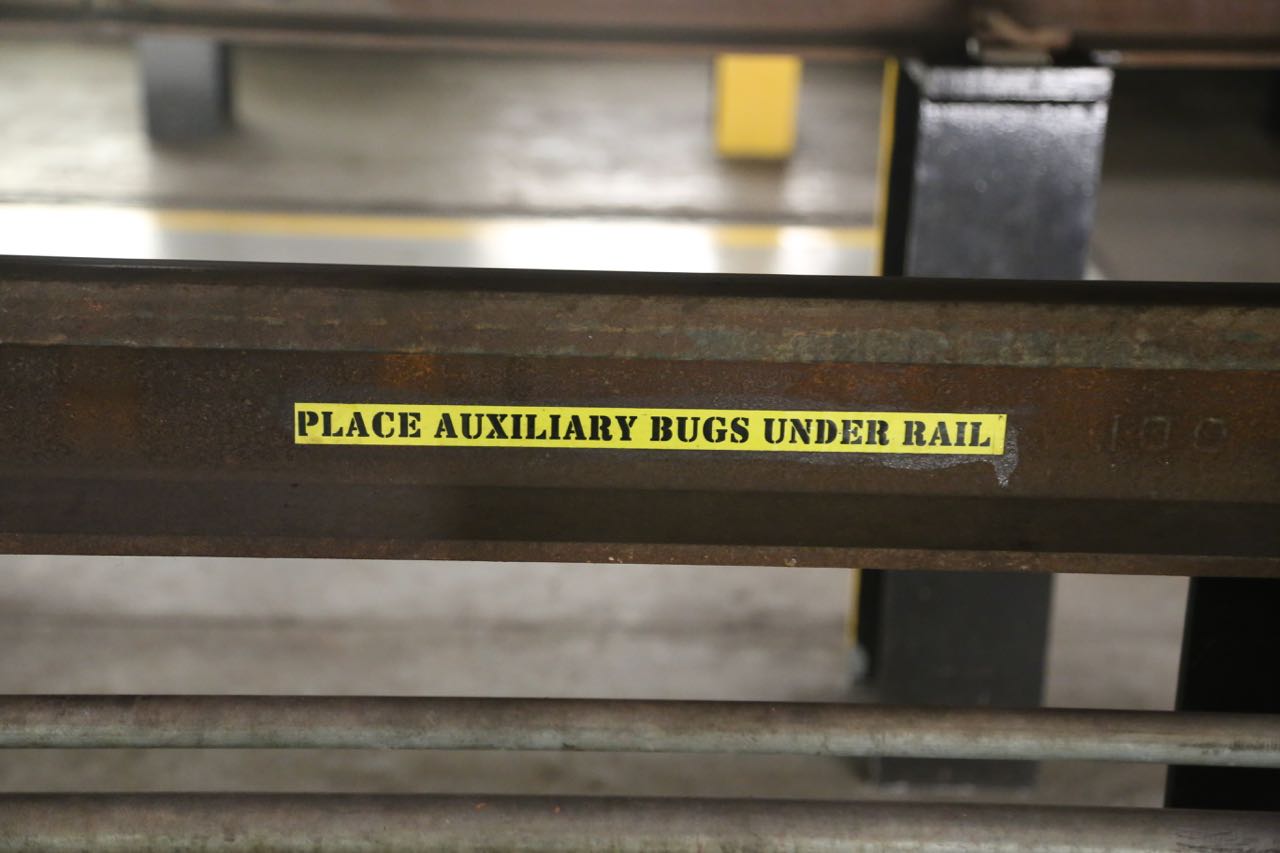
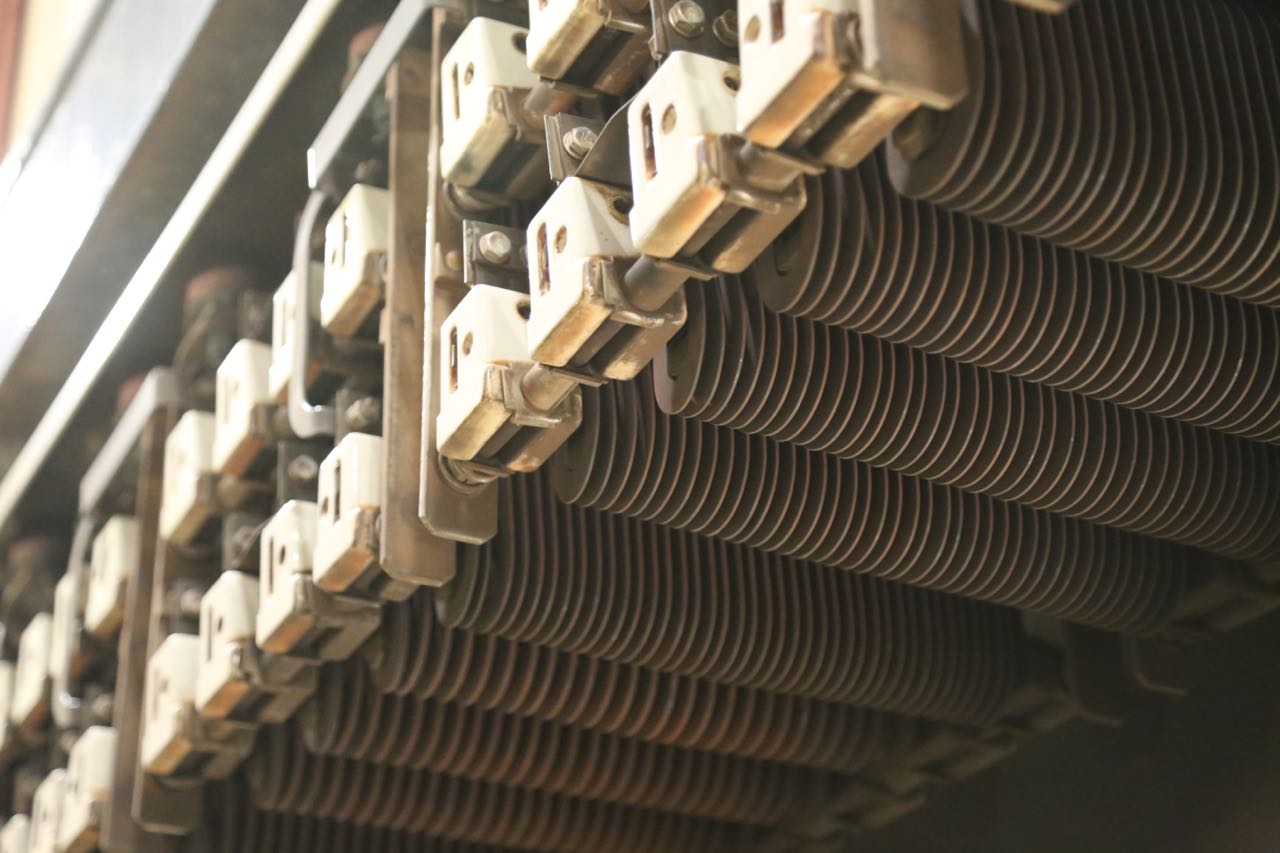
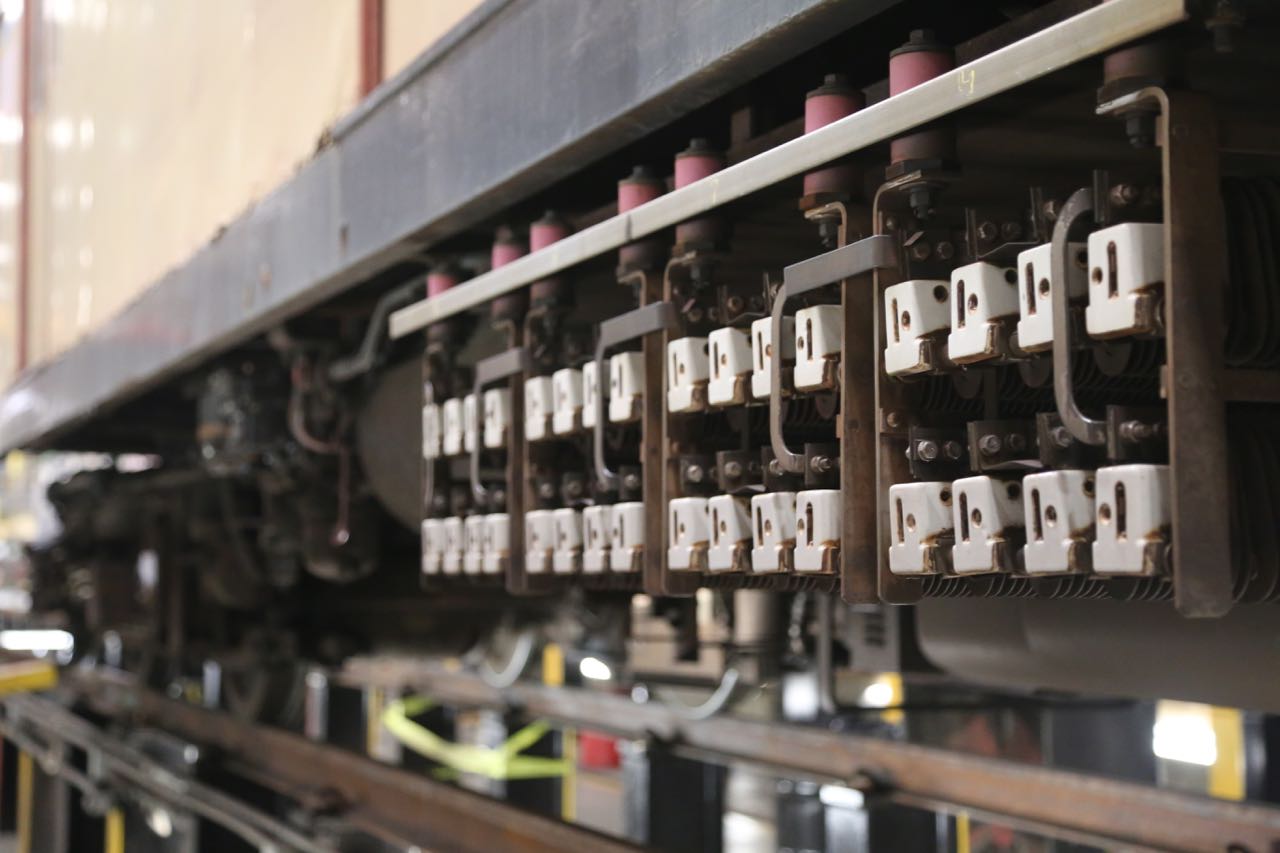
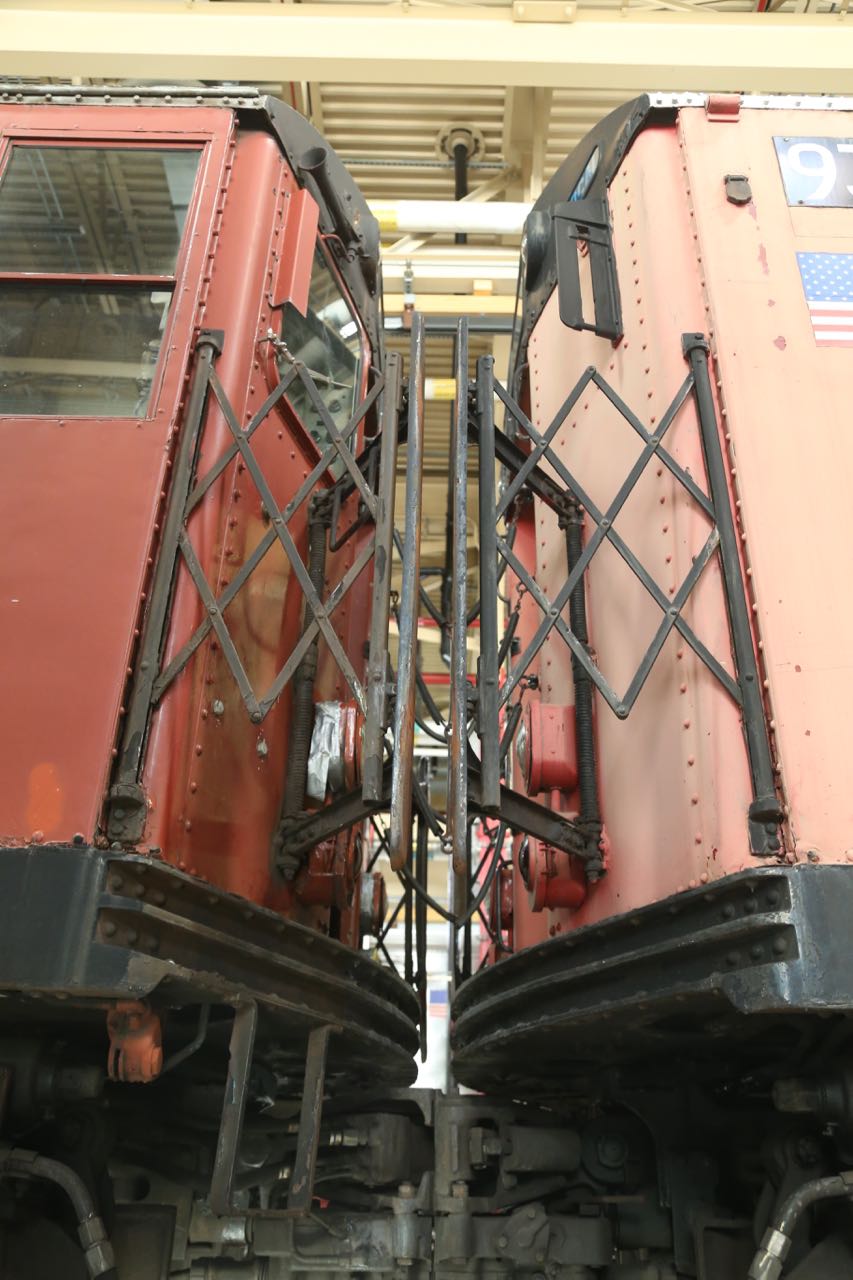
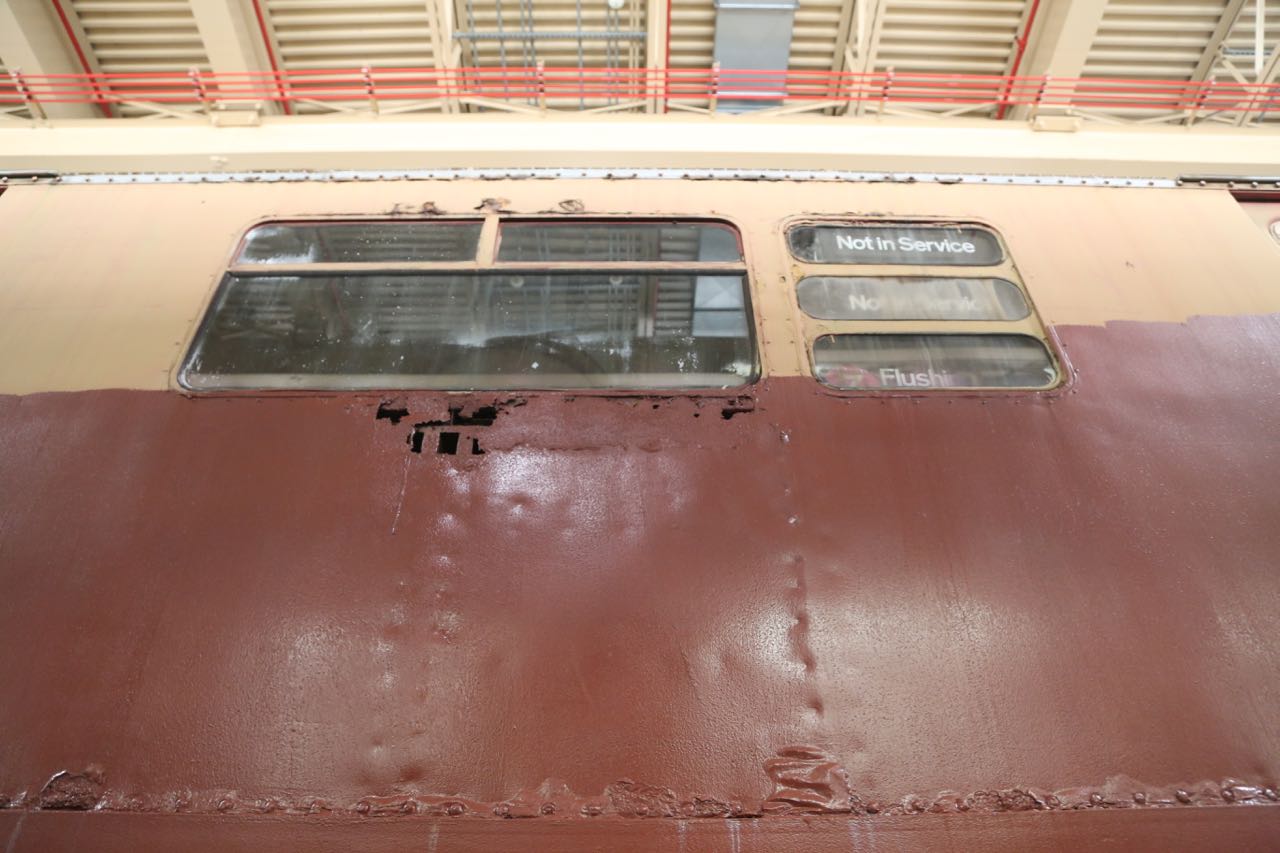
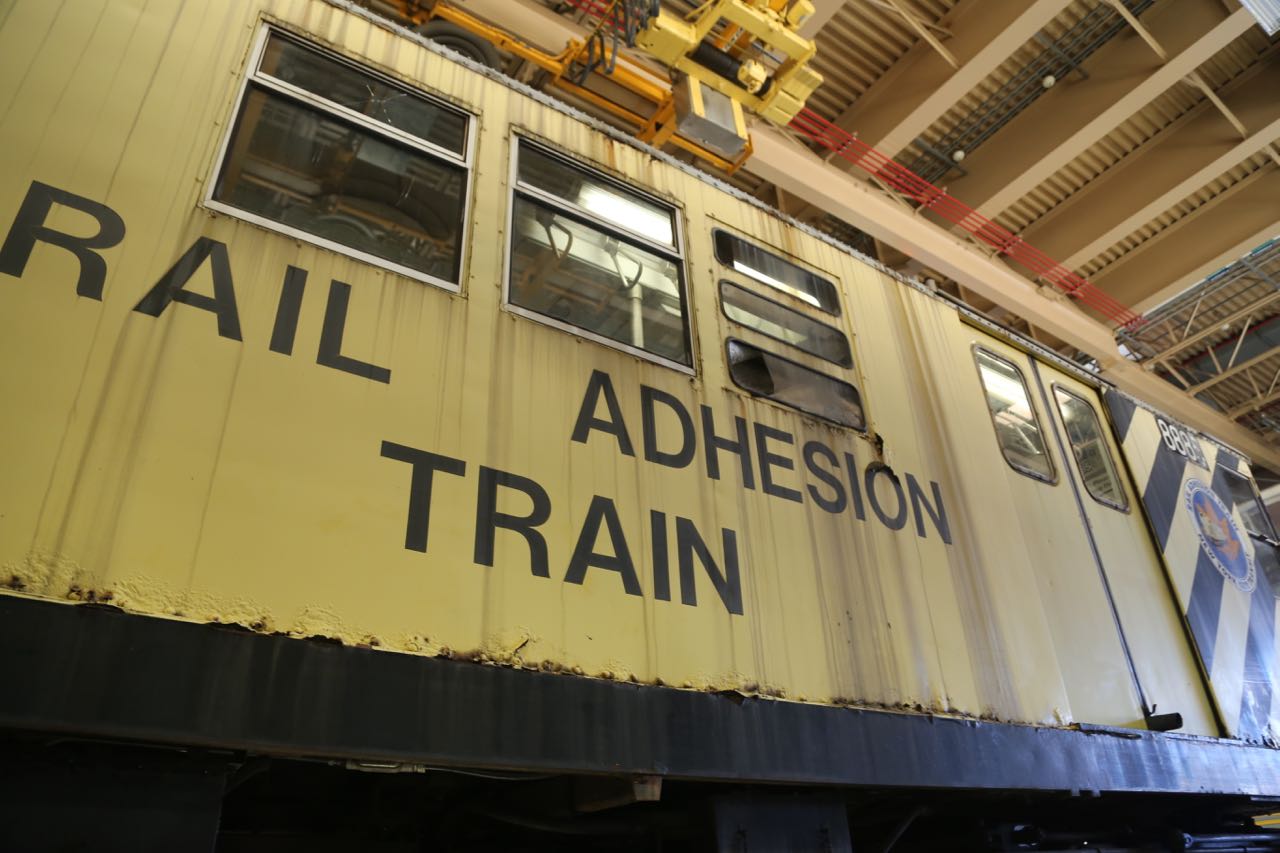
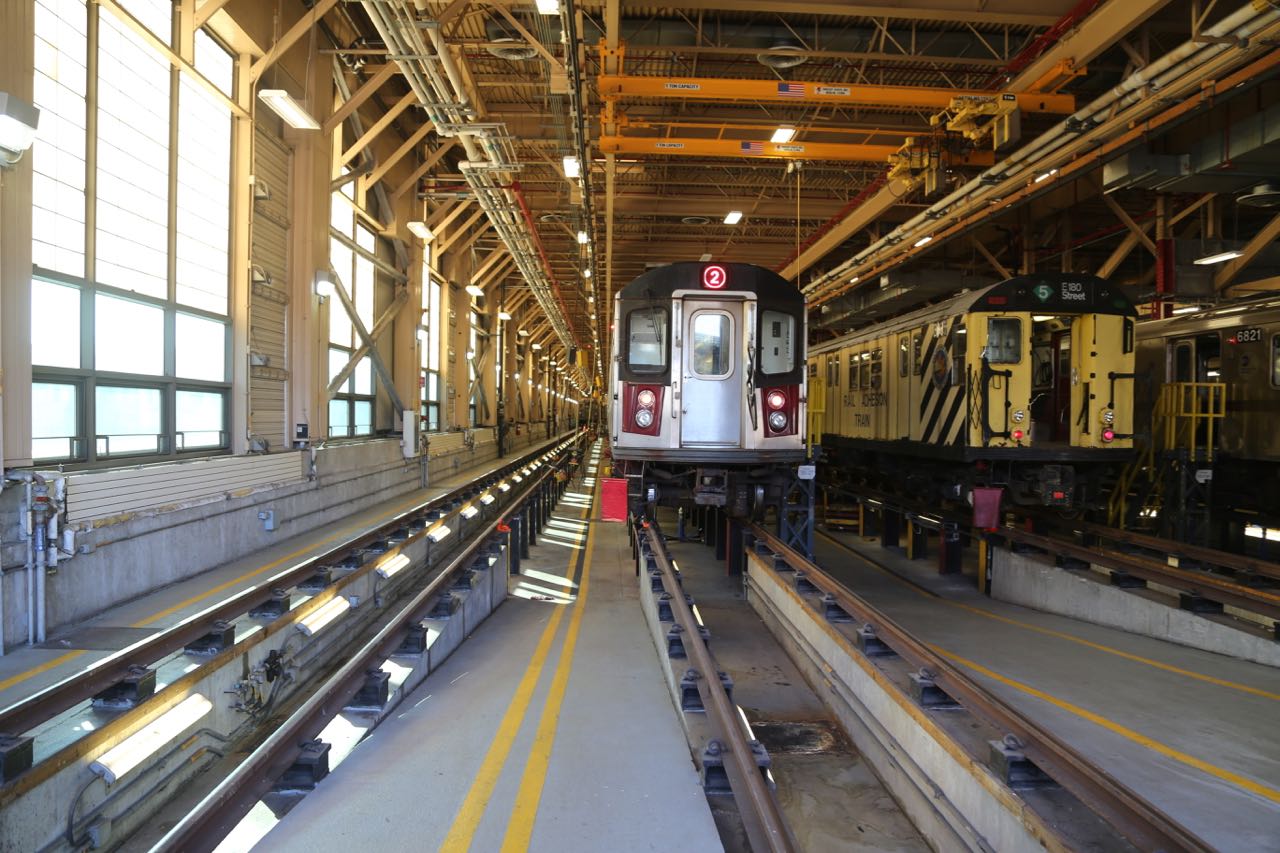
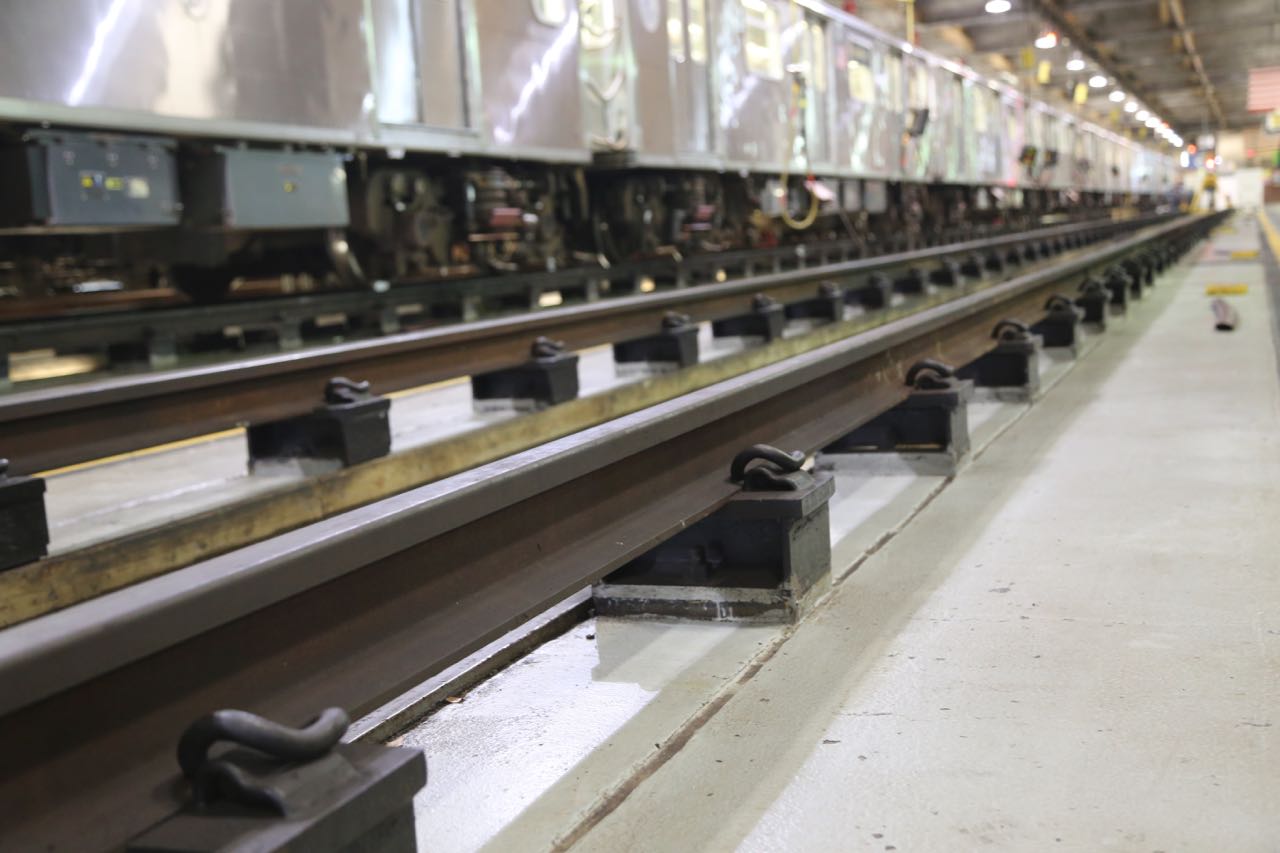
I was lucky enough to get the chance to tour New York’s MTA East 180th Street Maintenance Shop. The maintenance shop is located in the Bronx and is one of several shops that service NY subway cars. It was built in 1917 and has been renovated more recently. There are six shops inside the shop and 26 storage tracks outside the shop in the yard. The shop is constantly doing maintenance on the subway cars, and also while we were there at least, had two old trains inside, including one World War II (or possibly older) era train. In short, if you are a transit nerd, this place is totally cool. We got to walk alongside trains and see their underside. We got to see parts of the train that normally you never get to see, or at least you never get to see unless you are about to be hit by one.

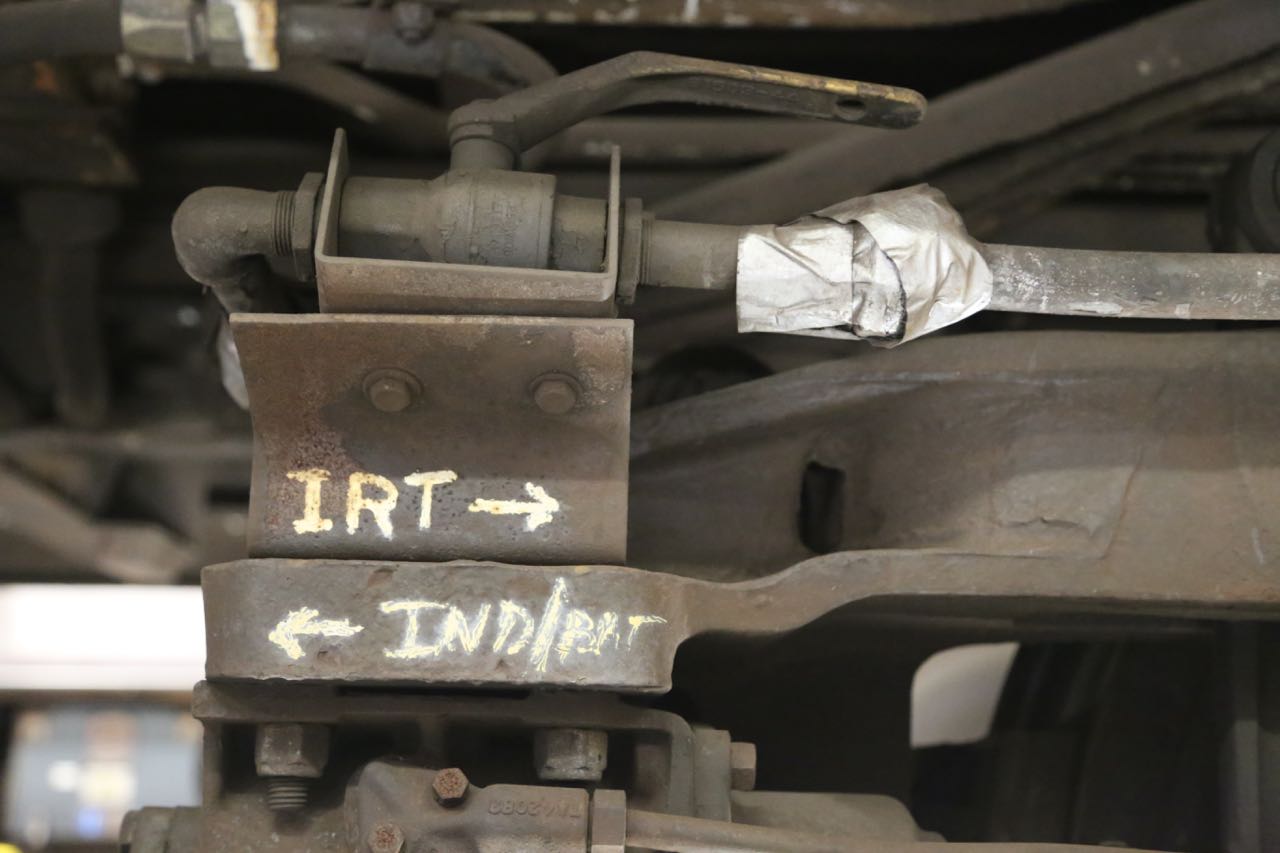
Underside of an older train, which I find fascinating due to the duct tape and marking to designate two different technologies or parts from when NY had three different subway systems.
Brooklyn Army Terminal
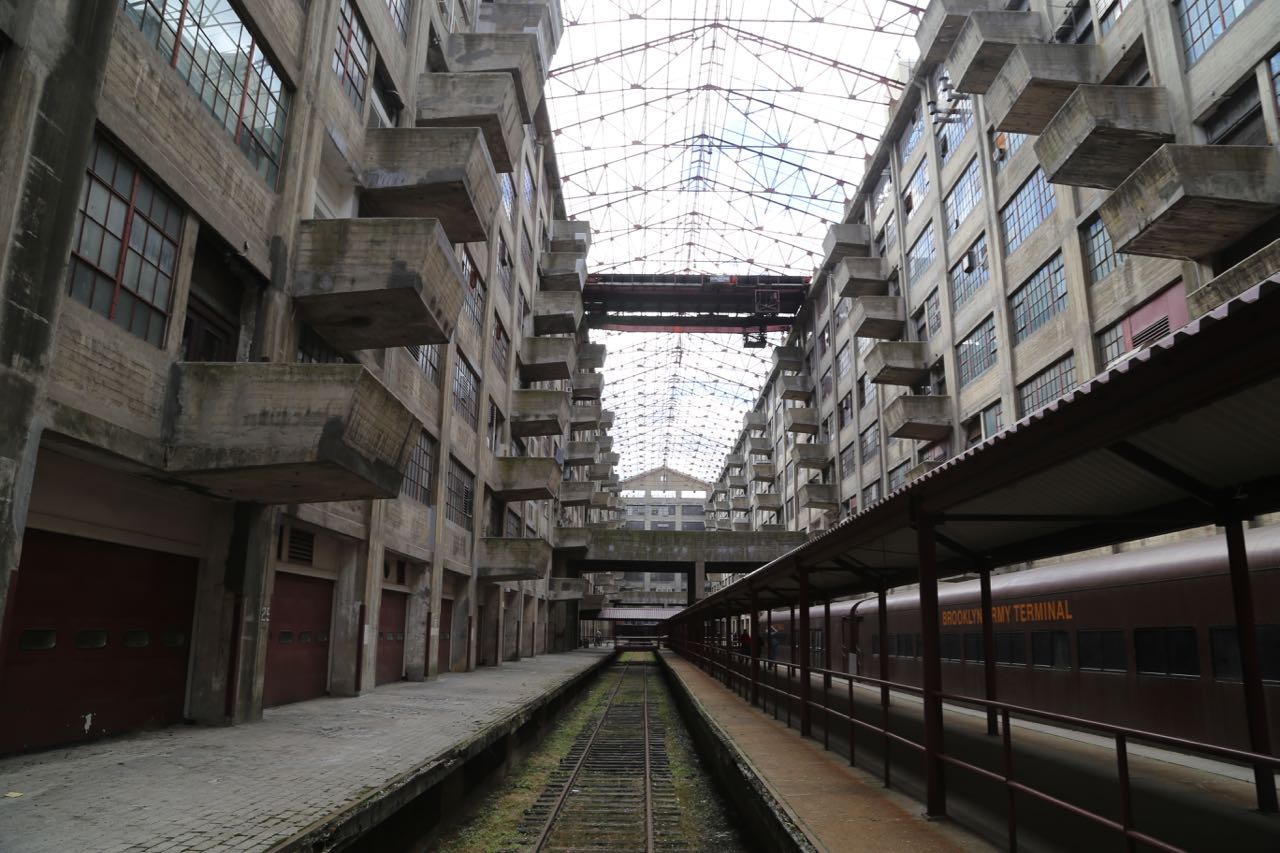
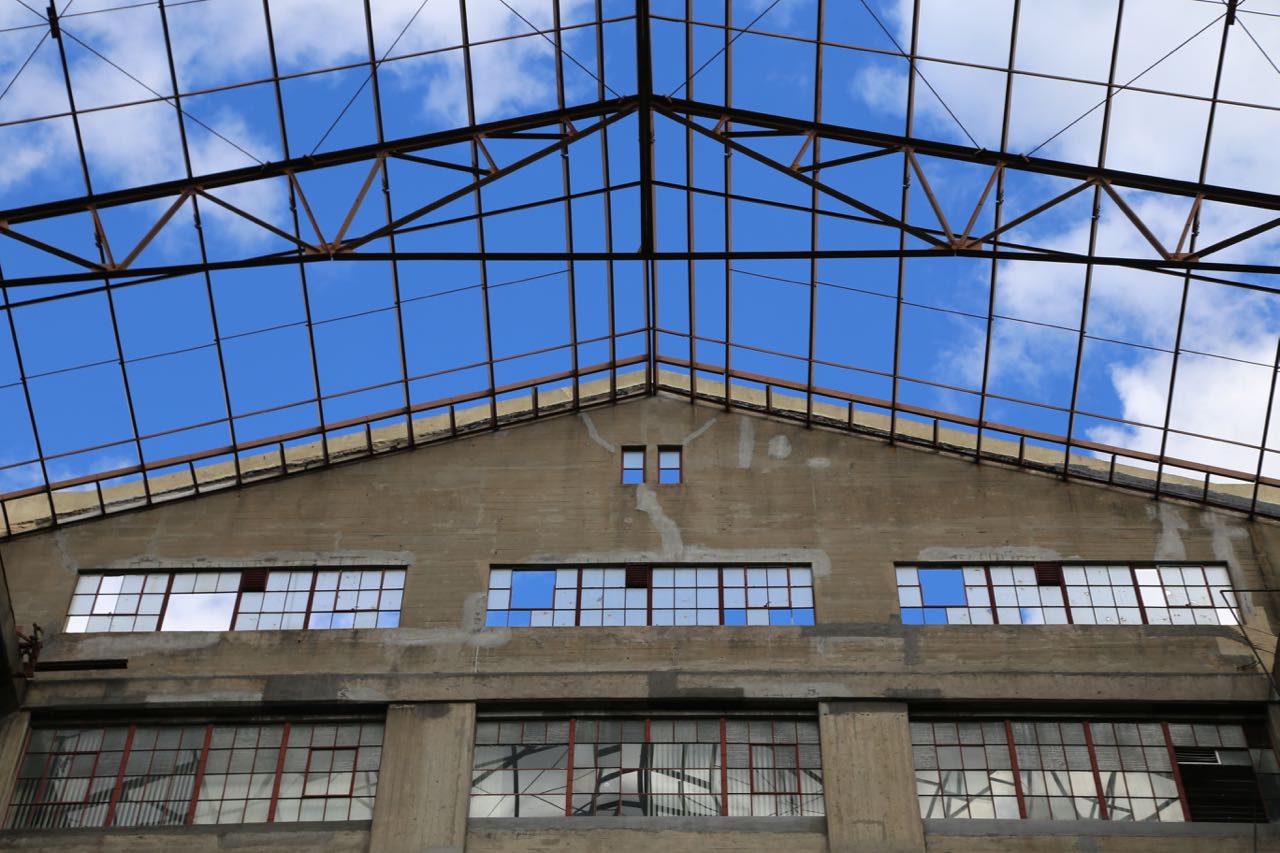
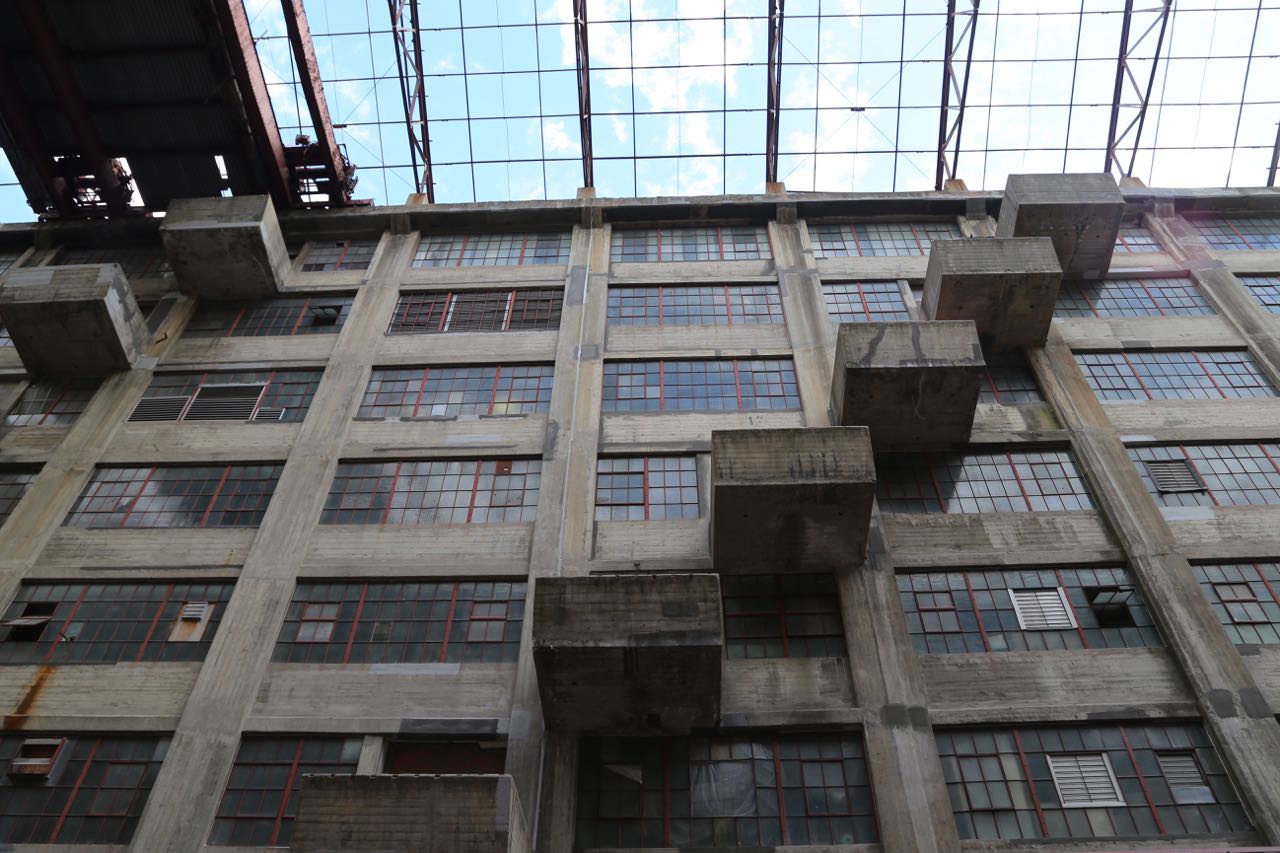
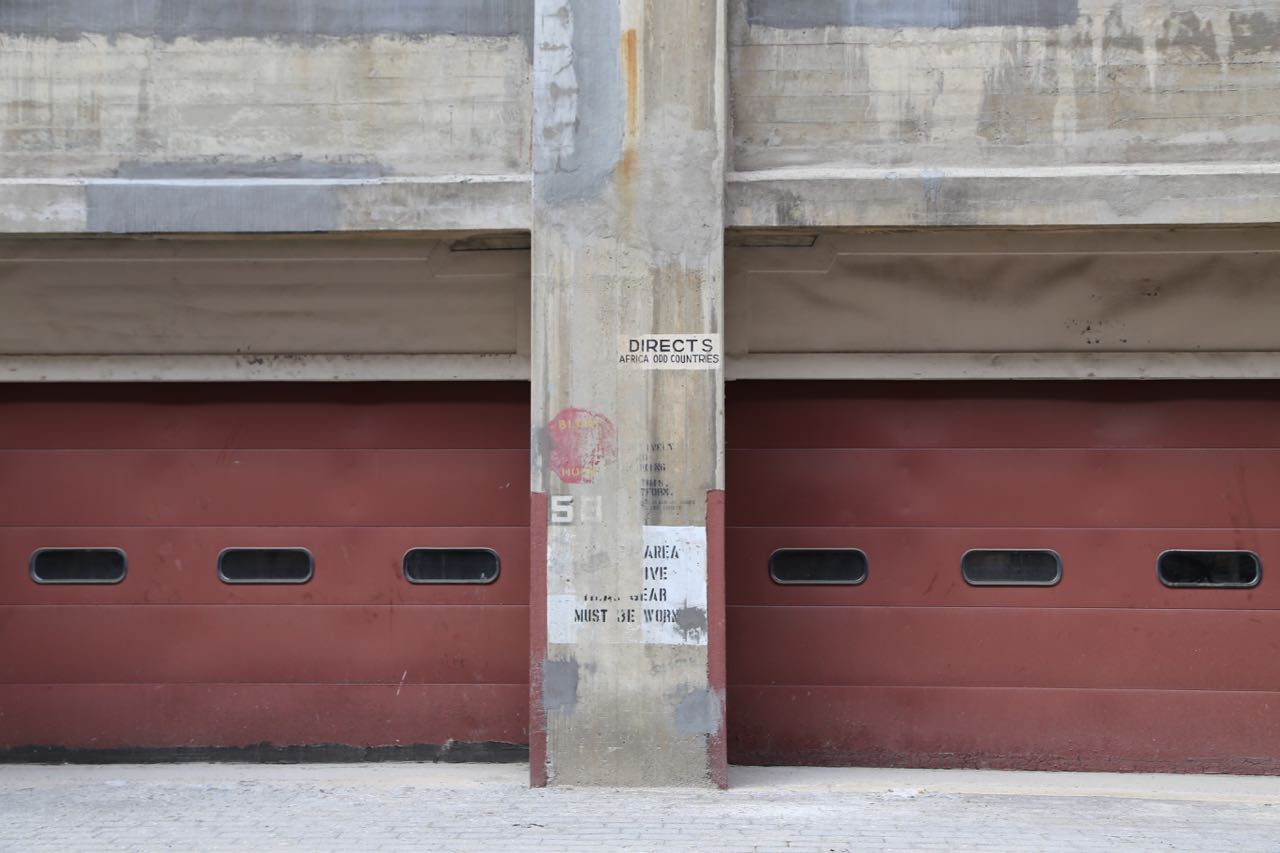
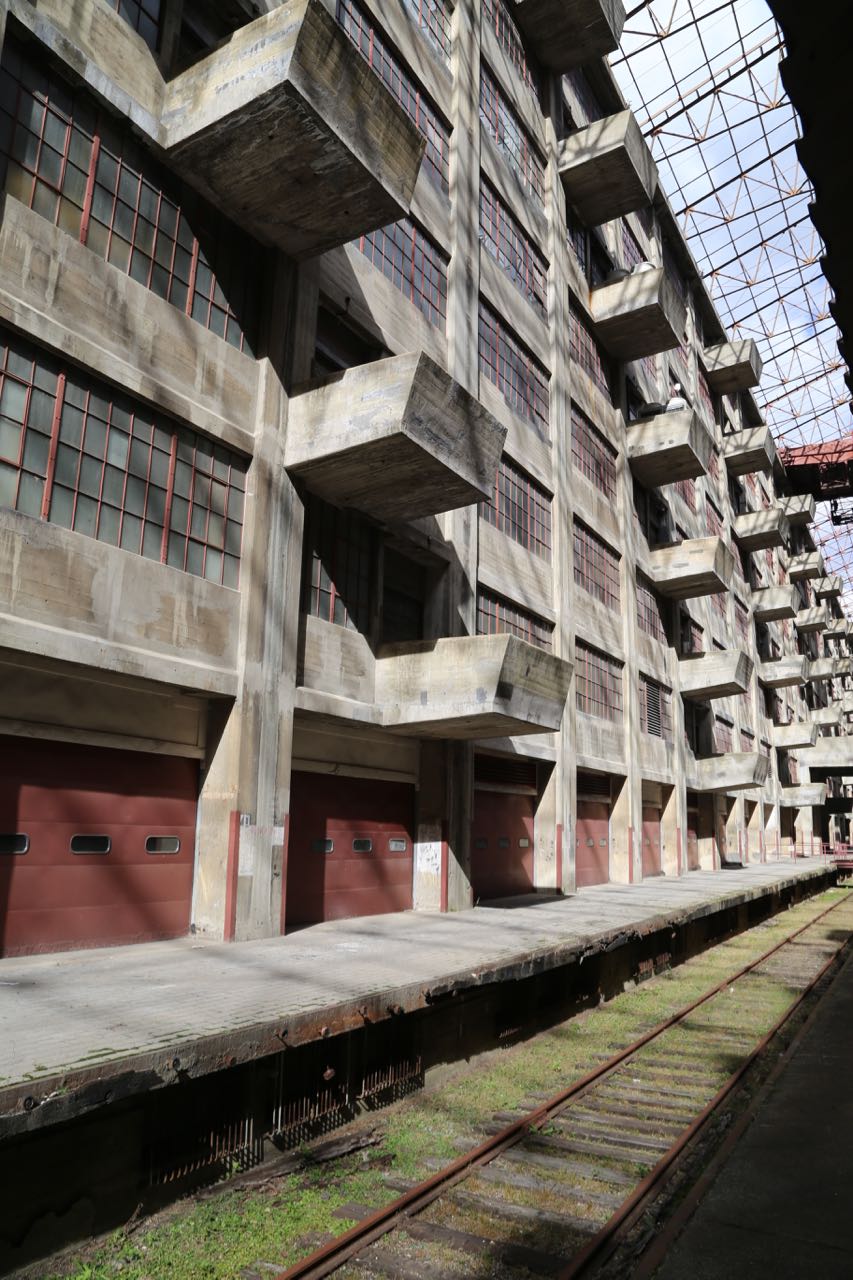
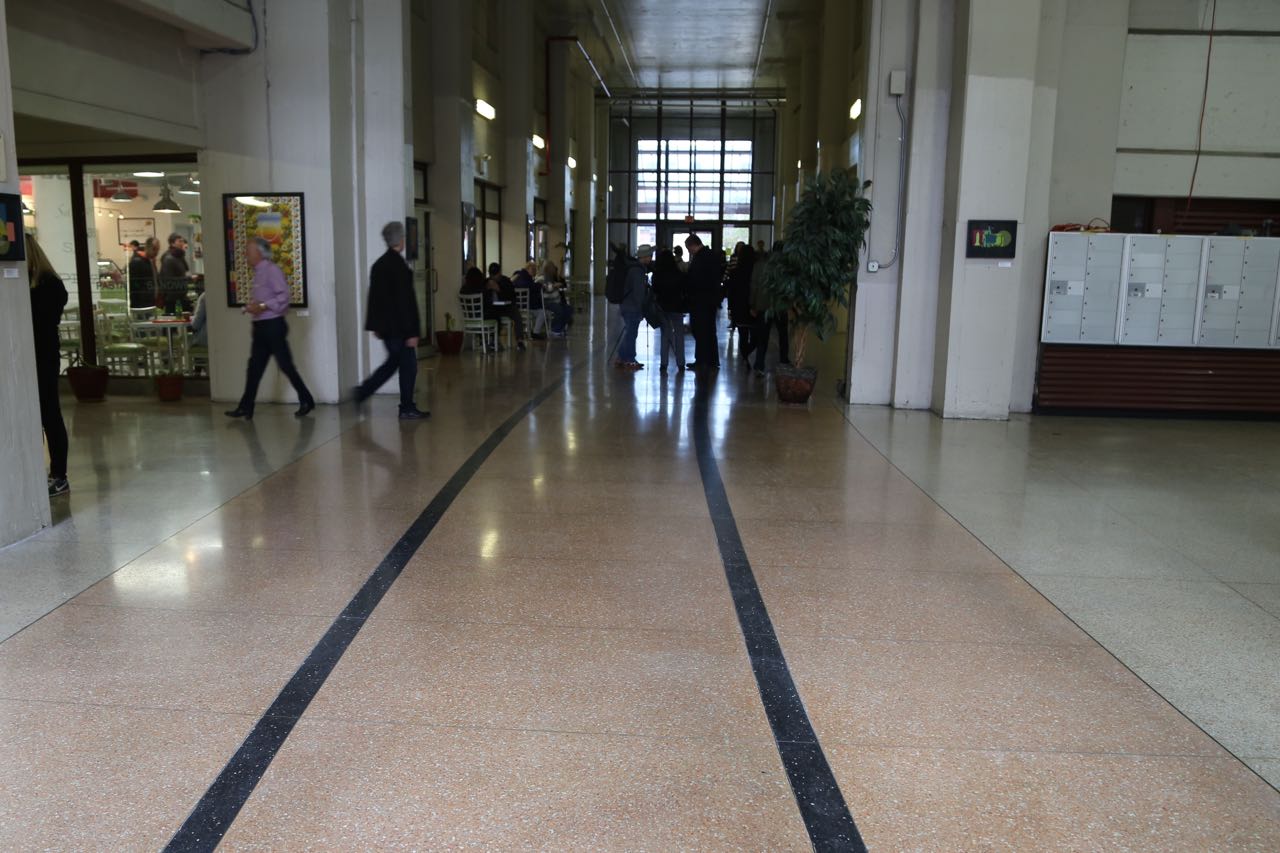
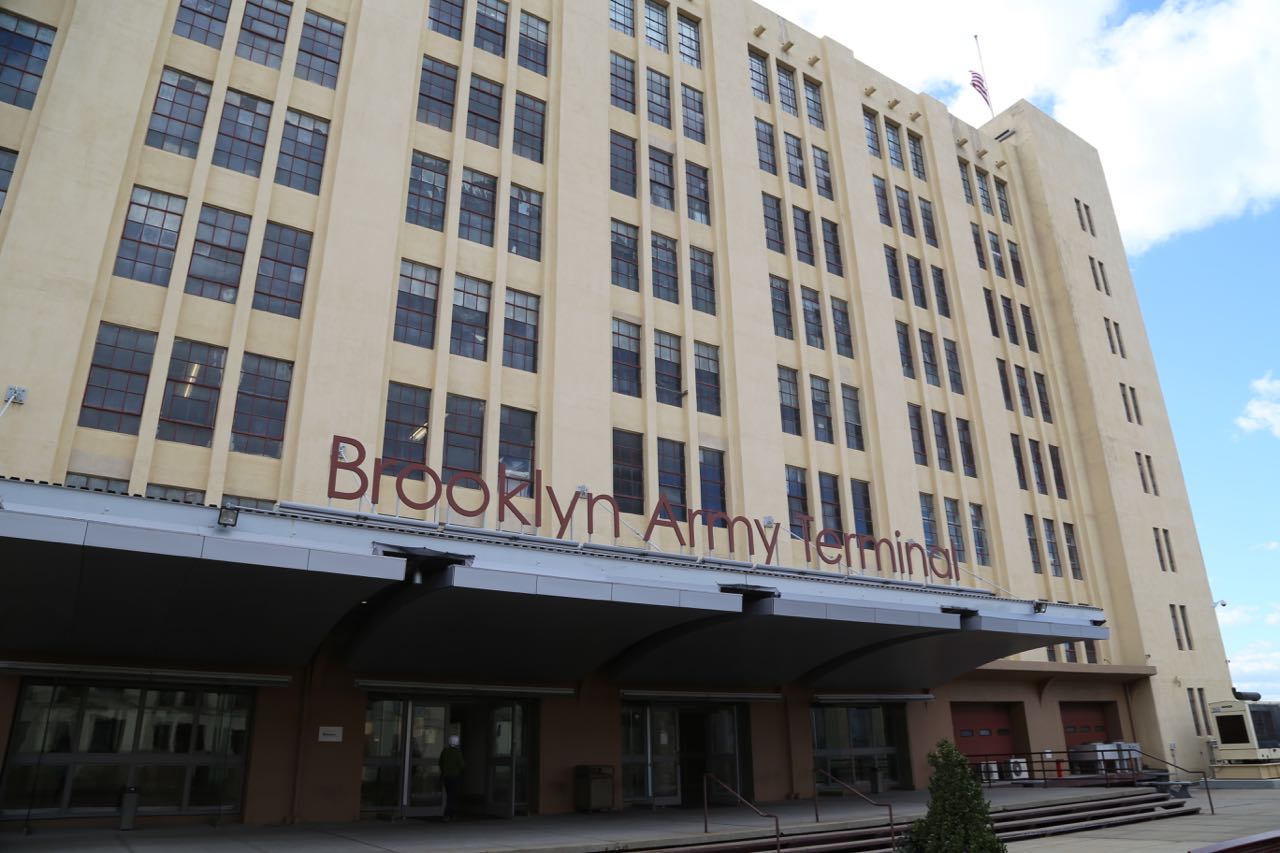
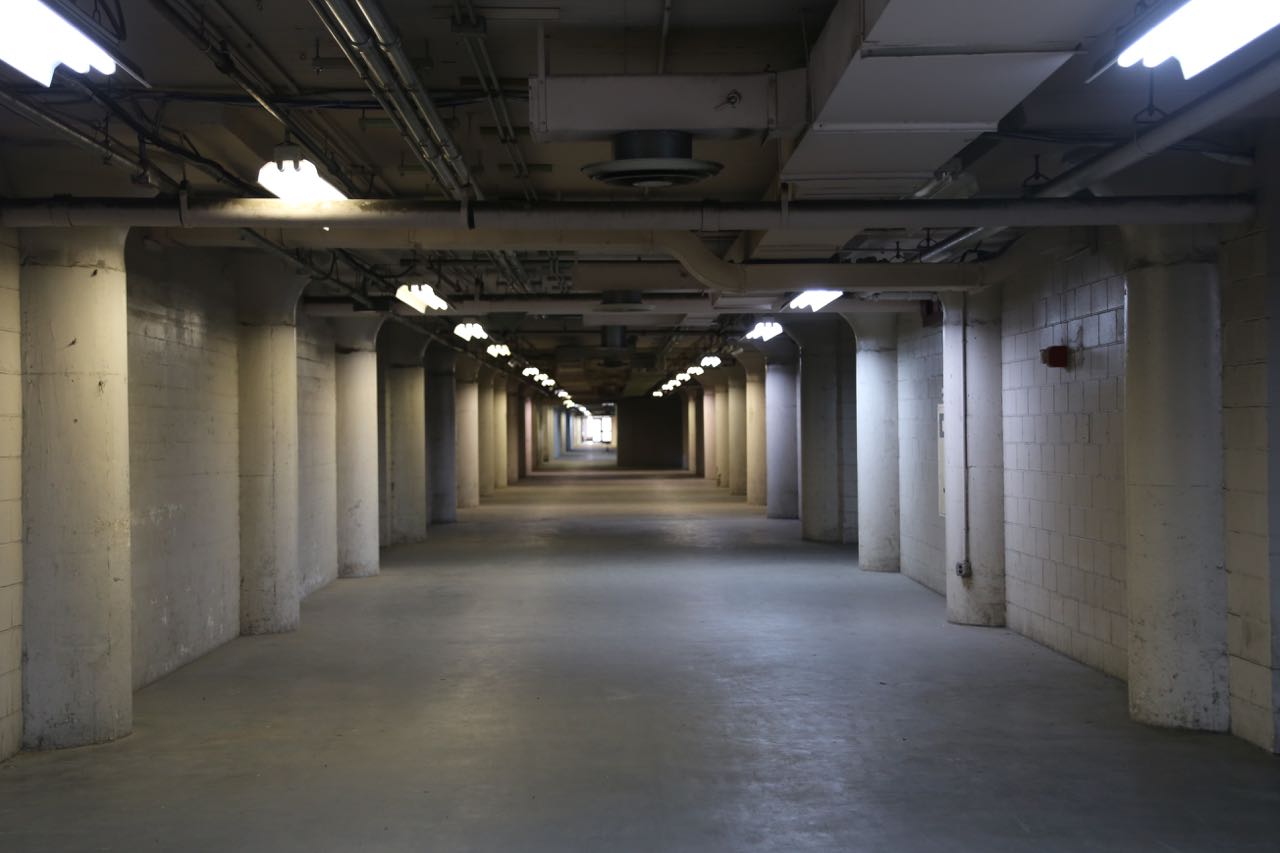
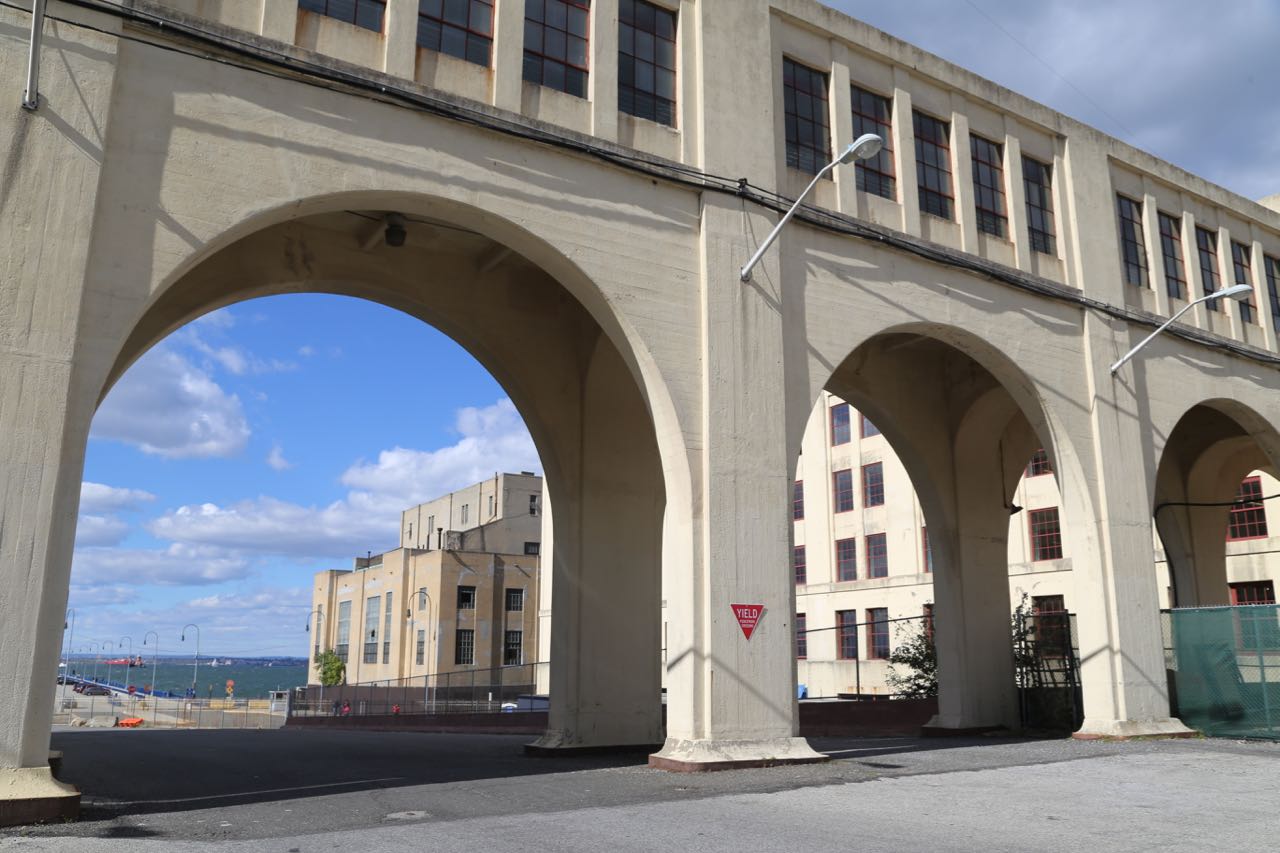
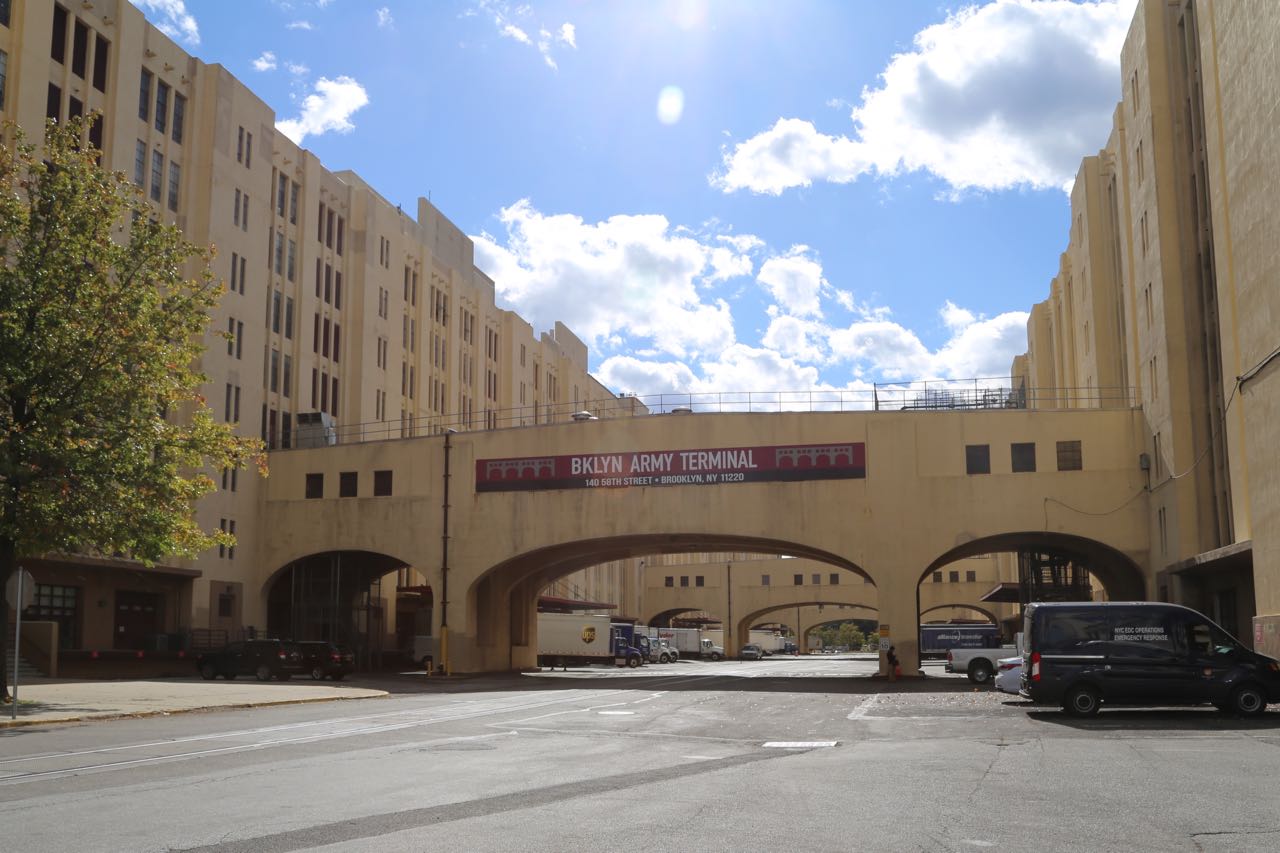
As part of Open House New York, I toured the Brooklyn Army Terminal. It was built at the end of World War I and was a huge military base that was used to transfer people and materials from land to sea. It was built in an entirely utilitarian design and in the incredibly short time of 17 months. However, its utilitarian design is what I find incredibly interesting. Building B has this huge atrium with two sets of railroad tracks. Trains would travel directly into the building where material would be off and on loaded from various levels. There are several bridges connecting several buildings so that material could be moved between buildings on vehicles without interfering with the train traffic below. The atrium is dramatic, and I love that the concrete pour lines are visible.
NY Nostalgia Ride
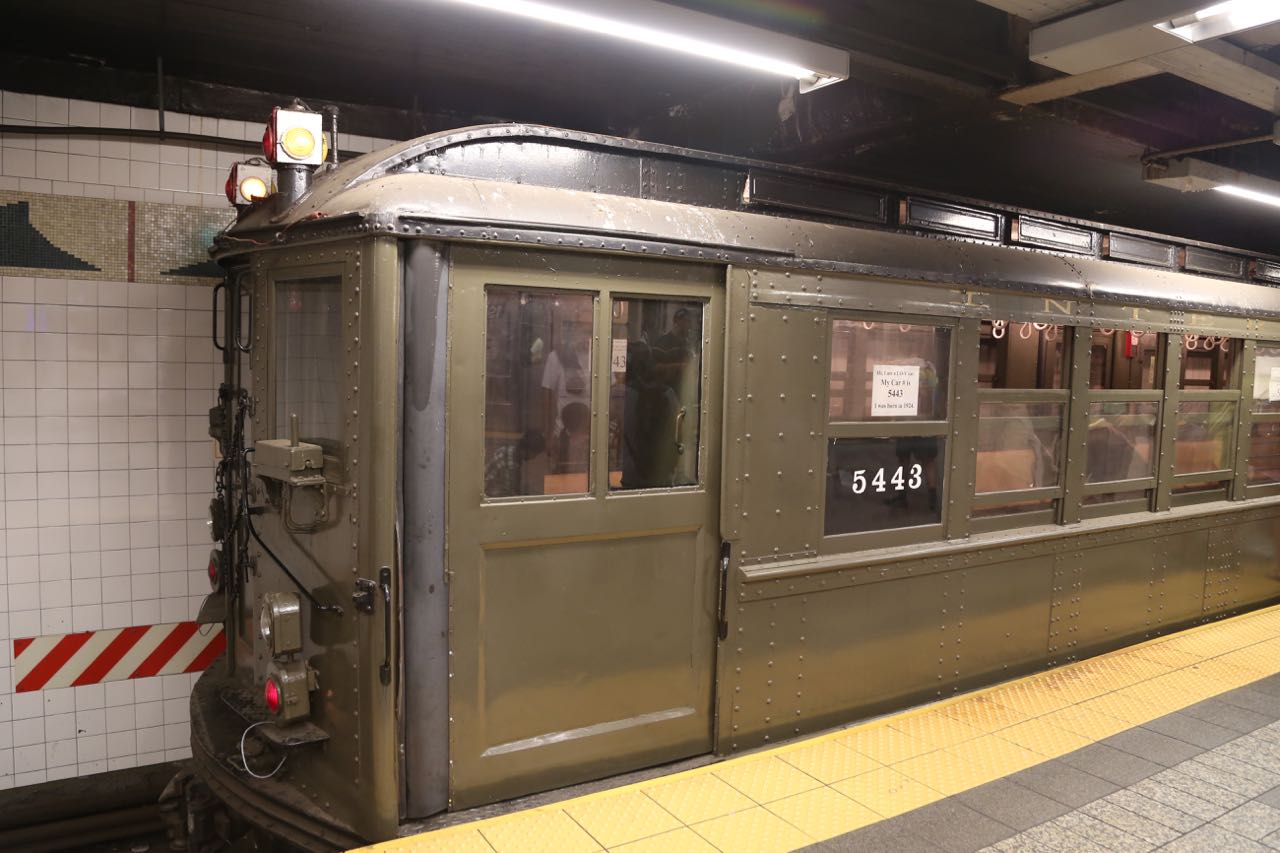
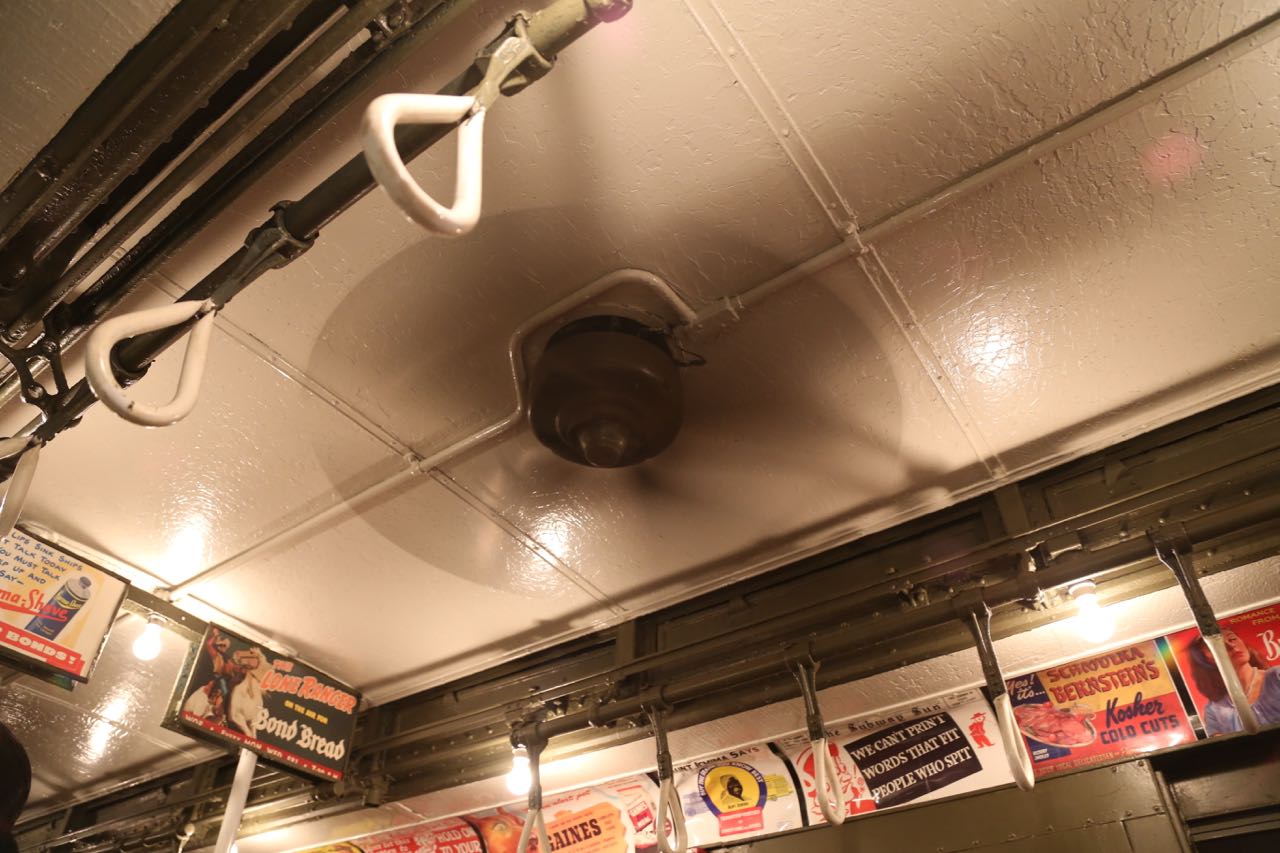
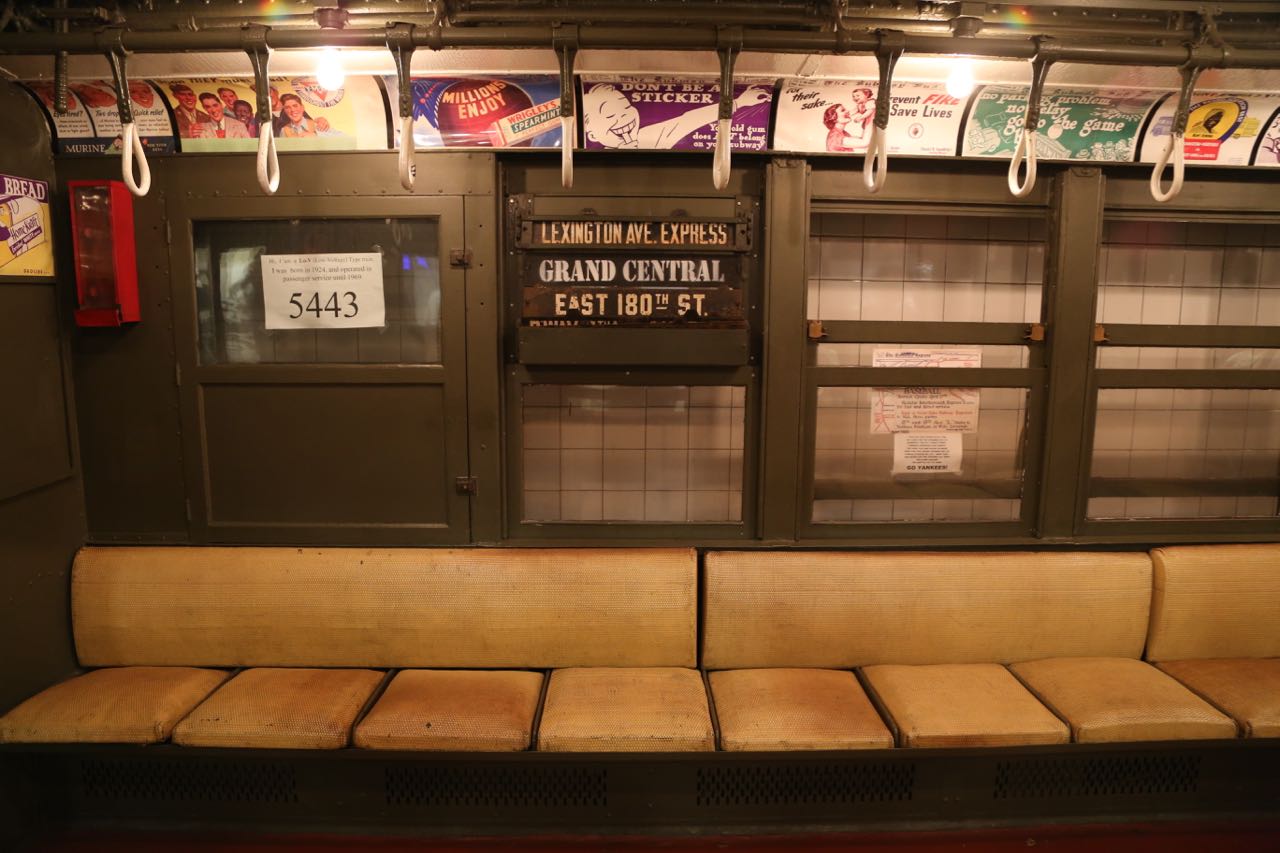
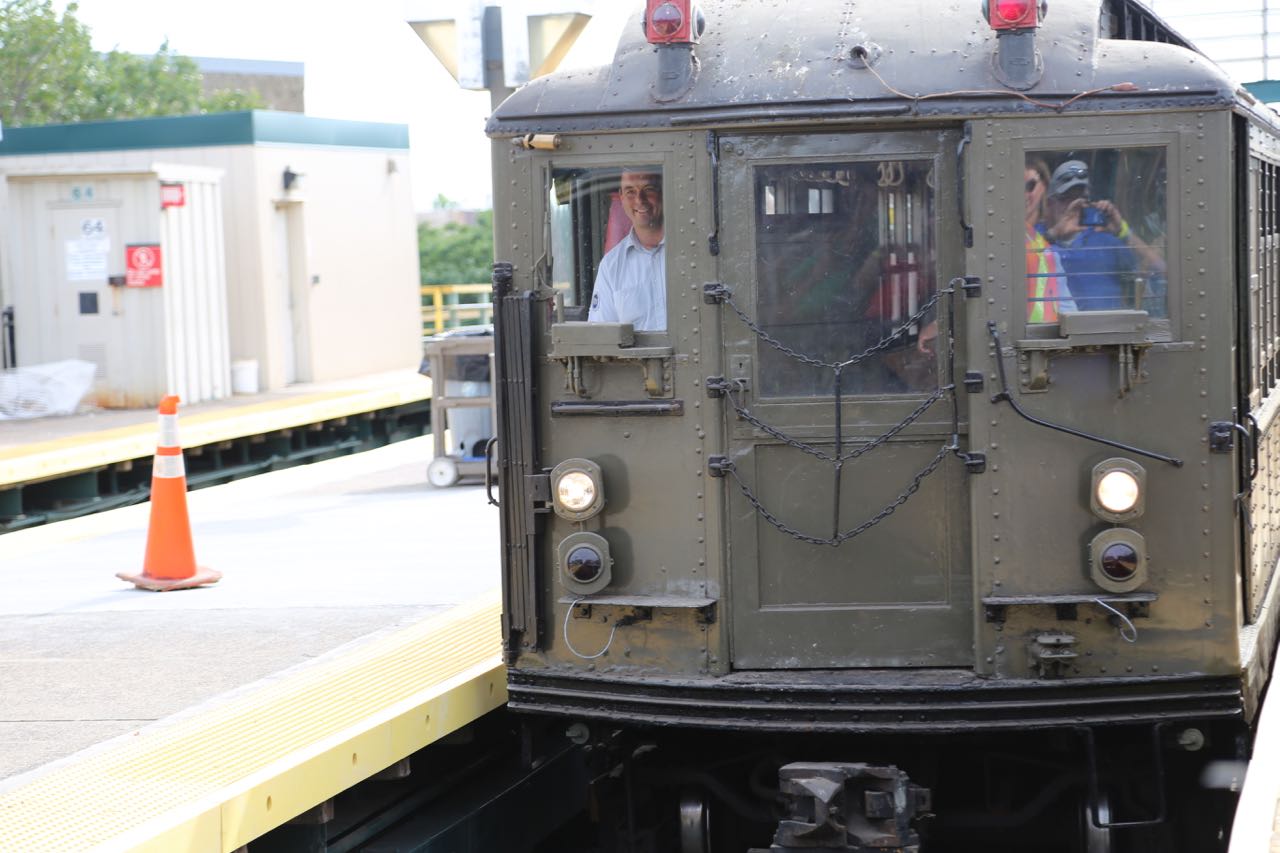
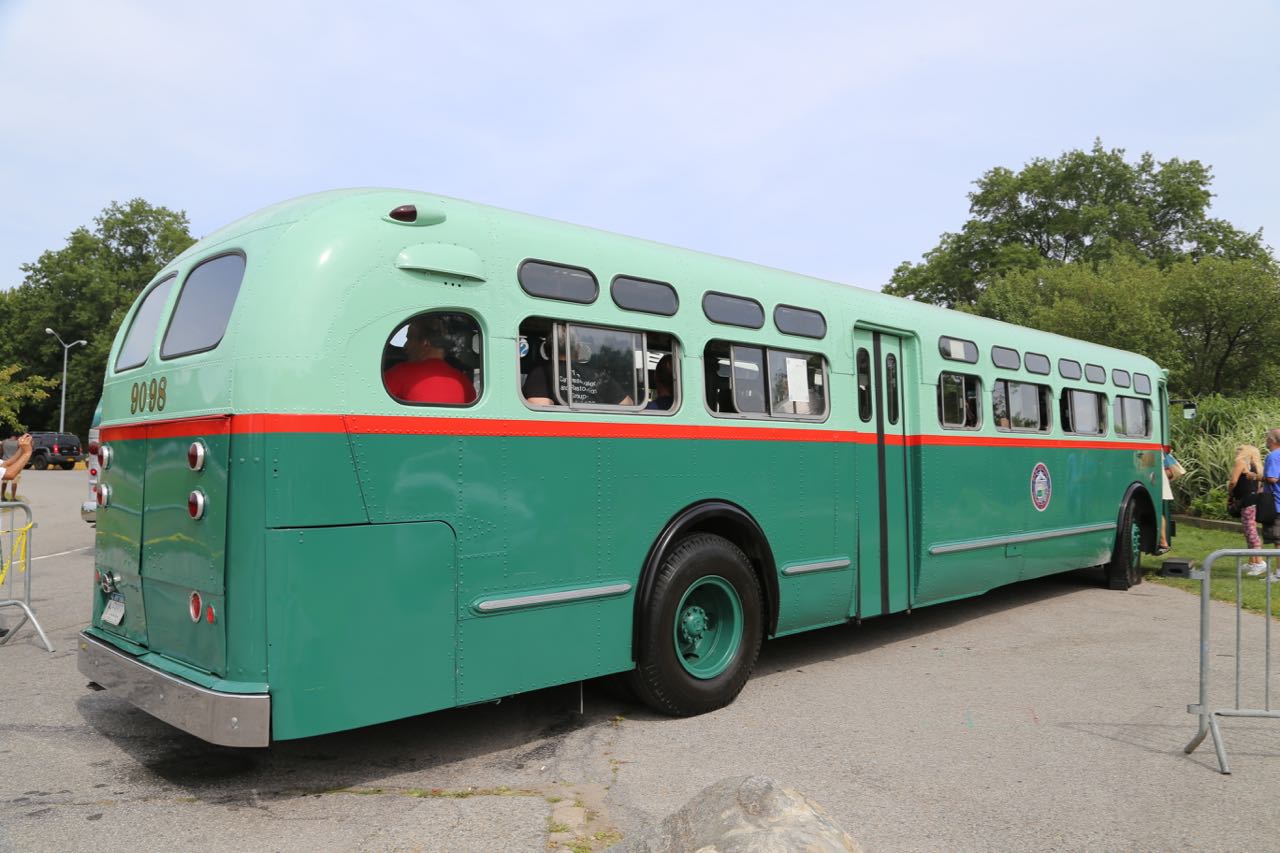
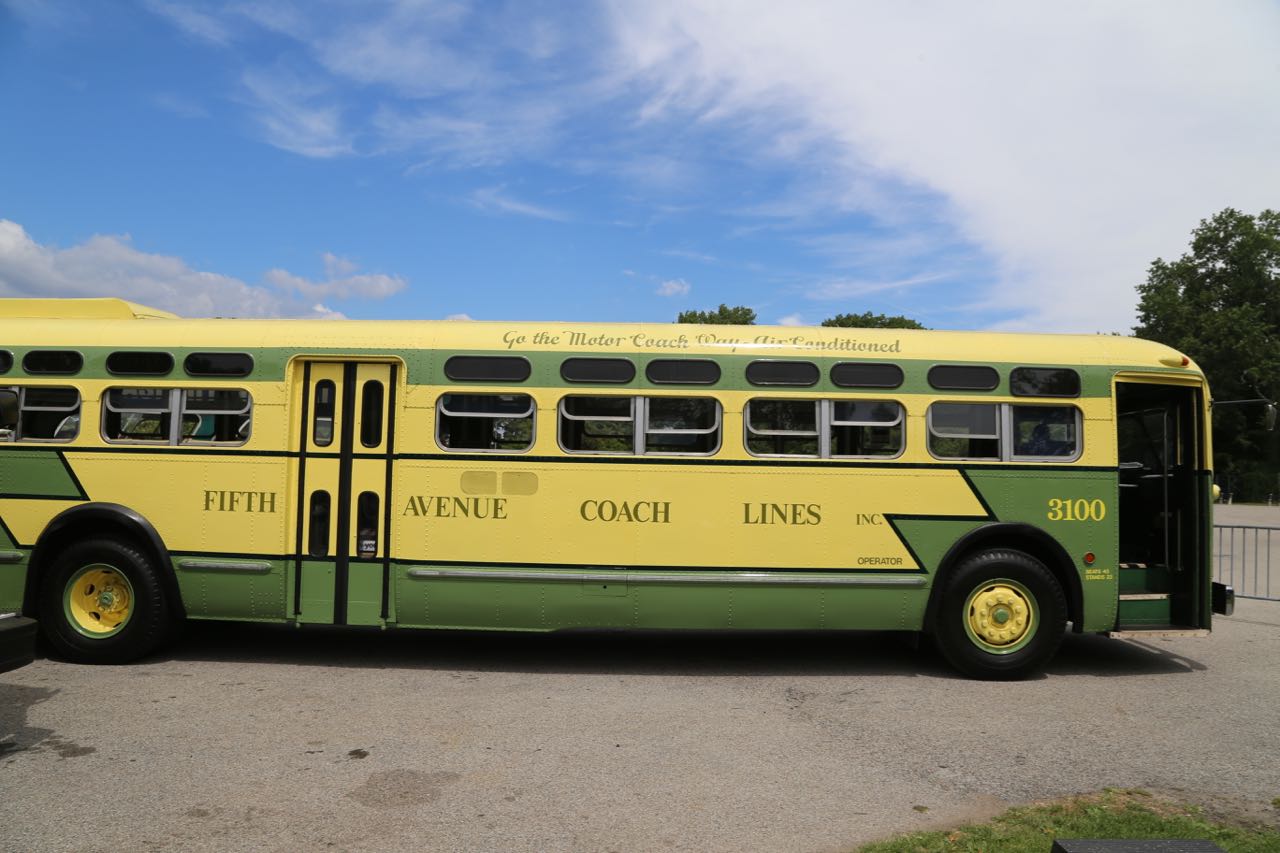
I have been a member of the NY Transit Museum for a couple of years now, and they always have fun excursions. Some of the excursions, you probably have to be a transit geek to fully appreciate though. Anyway, today I took one of their nostalgia rides. It started in Grand Central Terminal where we boarded a vintage WWI rail car. We then went all the way down to the end of the 6 line, which is the Brooklyn Bridge station, then took the loop through the Old City Hall subway station, and came back up to our final destination of Pelham Bay Park station. There we boarded vintage buses to either Orchard Beach Park or City Island. We spent a couple of hours there before heading back to our vintage rail car and back to Grand Central Terminal.
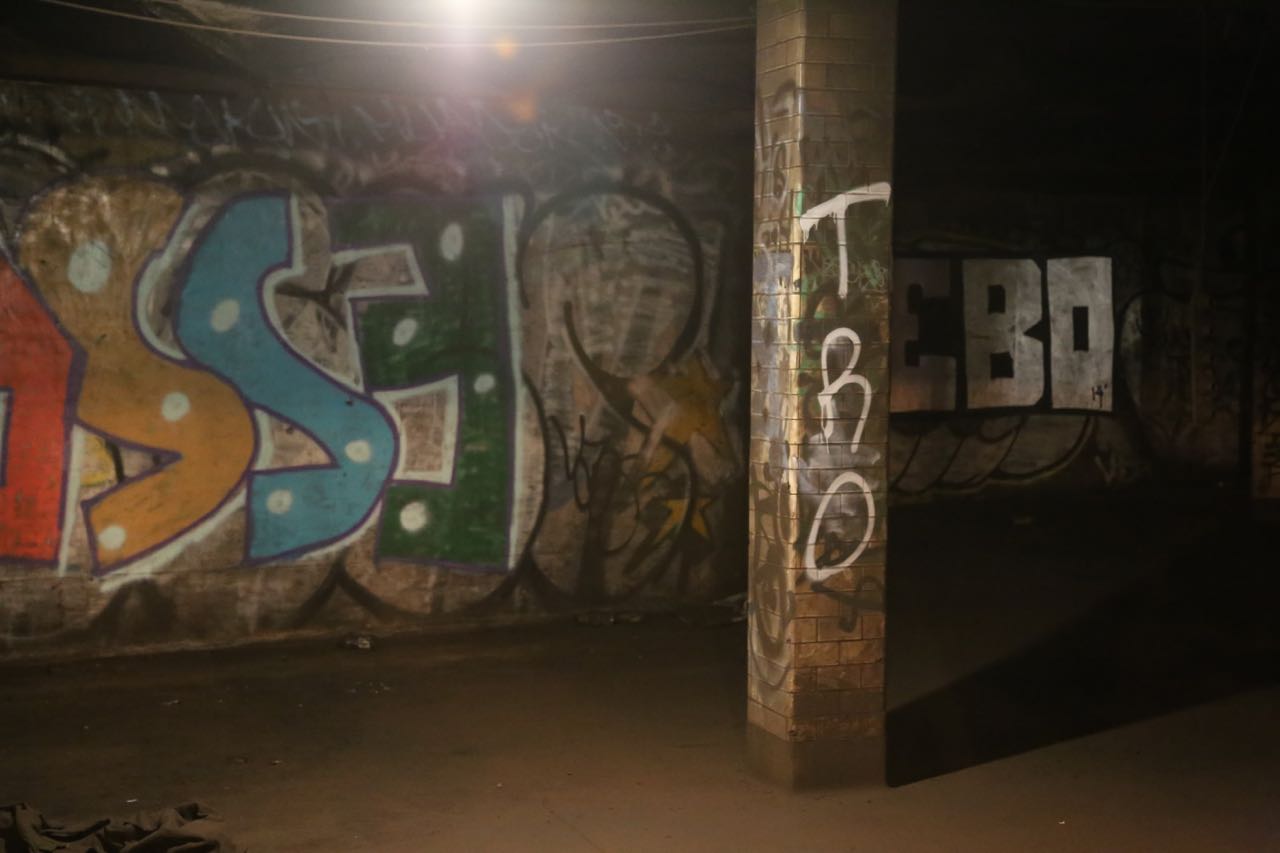
The destinations were nice, and the ride was so much fun. The train and buses were in great condition. Honestly they were in better condition than some of the modern ones in which I have ridden. Since the journey was supposed to be part of the fun, they slowed down as we went by a few abandoned subway stations including the Old City Hall station. With the exception of the Old City Hall station, which they keep in good condition for tours, the other abandoned stations were completely abandoned and filled with graffiti and sand bags and debris. They also let people stand in the front and take photos out the front window, but I actually got better photos on a previous trip with them. Of course I still love looking.
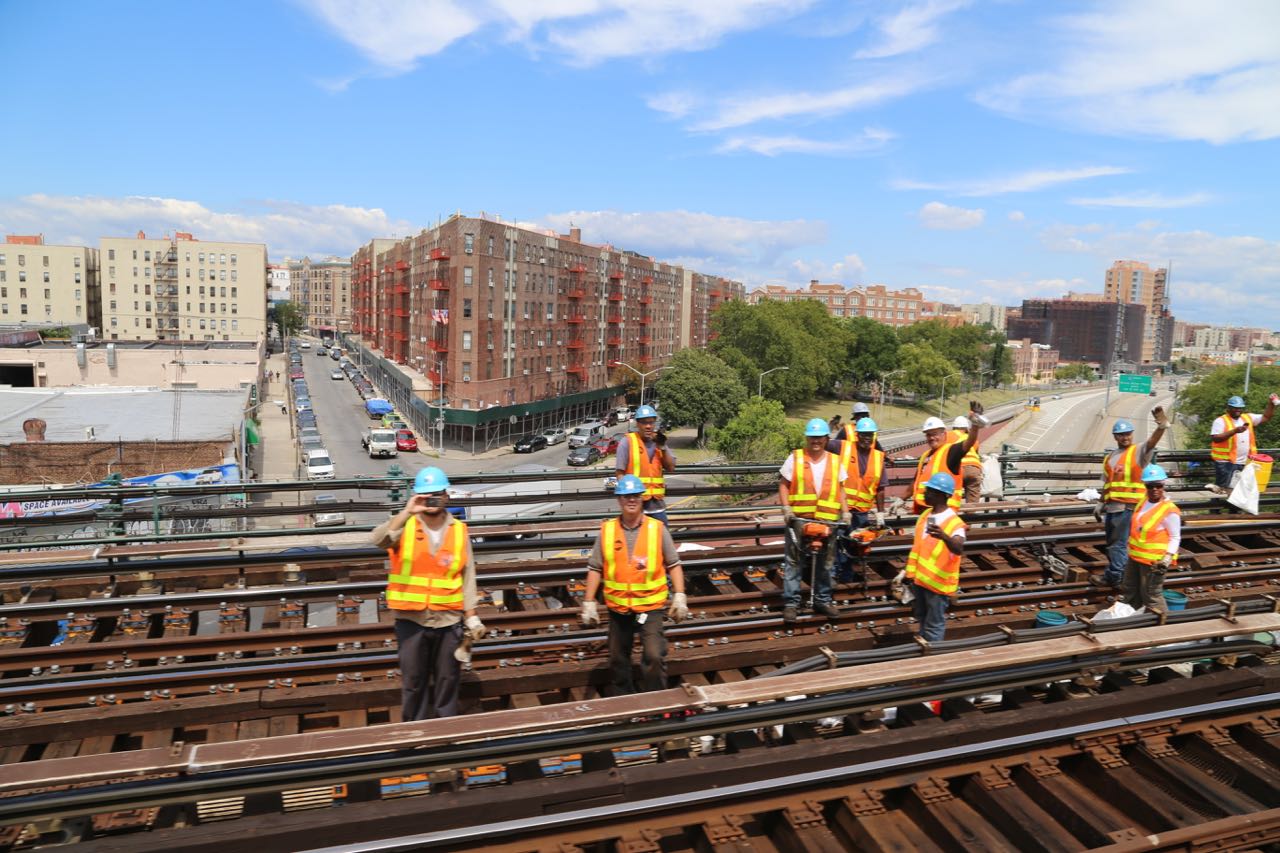
Another wonderful thing about this trip was people’s reactions. My guess would be that about 80% of the people in the subways didn’t even see that a rather different train was going by or did see and didn’t seem to think much of it. Most of the rest would either look at the train with a rather confused look of “what is that?” or would quickly grab their camera and smile. There were a few people who are evidently transit fans and knew we were coming and were already set up with still and video cameras and some even with tripods. There was at least one at every aboveground station we went through, and there also some on the ground to get photos of the buses. As a certifiable geek and nerd, I can completely relate and and admire them. Then there were the MTA employees who seemed to be just as excited about the vintage train and buses as we were. They took as many photos as we did. This included workers repairing tracks who stopped what they were doing, took photos, and waved at us (see photo below). I am not even sure why we all get so excited about these vintage vehicles. Maybe it is because nothing mechanical or electrical seems to last that long anymore, so we are all excited by the things that do.
WMATA L’Enfant Plaza Fire
Today there was a fire in a WMATA subway tunnel near L’Enfant. The National Transportation Safety Board (NTSB) is now investigating, and I have confidence that they will do a thorough investigation. I have some questions about actions taken right after the smoke was reported that no one, or at least no one in the media I have seen, has asked. The station filled with smoke, and they evacuated it. WMATA stopped running green and yellow trains through L’Enfant. However they kept running blue, orange, and silver trains through, but these trains did not stop at the station, as they normally would. For those not familiar with L’Enfant Plaza Metro Station, orange, blue, and silver lines share the same track on the lower level, and yellow and green share the same track on the upper level. My question is, were they sure it was safe to keep sending the orange, blue, and silver trains through? I am not asking from the standpoint of the fire, because presumably, they traced the location of the smoke enough to know it was not in the lower tunnel. By safe, I mean because of the potential inhalation of smoke in the lower level tunnels. If the station filled with enough smoke that it needed to be evacuated, then how were they sure that smoke would not enter the trains running through it?
A couple of quick points:
- Just because air smells bad doesn’t necessarily mean it is toxic or hazardous, but conversely, just because air smells fine doesn’t mean it is safe.
- Particulate matter in air and/or smoke is in general not something you really want to breath, but there are different levels of toxicity associated with it. That is, some particulate matter is not more than just an irritant. However, the effect particulate matter has on a person is also affected by that person’s health. People with respiratory issues are more susceptible to any effects.
- Exposure to hazardous or toxic materials can cause effects on different time scales. People who were trapped on the WMATA train in the tunnel, would have acute (short-term) effects from breathing the smoke, such as coughing and having trouble breathing. However, they were probably also exposed to chemicals whose effect is not immediate, such as carcinogens.
The questions I have, that I have not heard anyone ask include:
- What is the air exchange rate between the subway trains and the surrounding air? Can the ventilation be turned off manually, so that there was no air exchange between the train and the surrounding air while the trains were near L’Enfant?
- Were there any measurements taken of the air in L’Enfant, particularly on the lower level where the orange, blue, and silver trains were still running through? If so, what were the measurements of? Just measuring particulate matter will not indicate almost nothing about organic compounds or other chemicals in the air.
- How far did the smoke spread?
- Assuming air measurements were taken, did anyone calculate the amount of contaminants that people in the trains would be exposed to while running through the station based on time and air exchange rate?
My educated guess is that no air measurements were taken. There are probably some sensors in place to measure smoke, but depending on how that measurement is taken, it will tell you information about the particulate matter and that is it. I seriously doubt there was initially any sensors that measured organic compounds or any other type of compounds in the air. I have my doubts that any portable system was put in place during the response. The priority would have been evacuating people (as it should have been). It is possible that WMATA had some qualitative data that there was not much smoke on the lower level. That is, someone may have looked at a video screen and decided the air didn’t look bad. However, unless they had actual quantitative data of what was in the air, then visual assessment of air is a really bad way to make assessments on the quality of the air.
The early statements by WMATA and all other sources, like the fire departments involved, was that they did not know the source of the fire, location or cause. Thus they could not have possibly known what was burning and what would be in the air. For example, if wood is burning, you can expect certain chemicals in the air. If rubber is burning, you can expect different chemicals in the air. WMATA probably decided that the air on the lower level didn’t look that bad, and the trains would go through the station quickly enough that very little exposure would occur. They very well may be right, but with no data and no statements about any calculations, they have no way to prove that. Also, did they inform their passengers of this? If I was on a train, and I knew that the train was going to go through, but not stop, at a station that was filling with smoke, I would get off the train. I don’t feel the need to expose myself unnecessarily to hazardous substances, even if in small amounts. I do not like standing near people who are smoking. The second hand smoke may only minimally increase my risk of disease, but I still don’t see the need for that tiny increase. Thus, was WMATA considering passengers’ exposures at all? Furthermore, did they communicate the possibility of exposure to their passengers on the orange/blue/silver lines to allow their passengers to make their own educated decision about staying on the train? My guess is the answer to both those questions is no, and that is another thing to which WMATA should be made to respond.